The first time we drove along the sun-soaked coast of southern Spain, a massive limestone fortress suddenly appeared on the horizon out of nowhere. If you’re wondering what to see in Gibraltar, you’re in for an unforgettable treat. This tiny British Overseas Territory instantly transports you to another world. One moment you’re in scorching Andalusia, and the next you’ve crossed a border into a place brimming with red phone boxes, double-decker buses, and pubs serving pints of ale. Lukáš and I were absolutely fascinated by this political and geographical anomaly covering less than seven square kilometres. European and African influences blend seamlessly here, you pay in pounds, and a cheeky monkey will happily steal your lunch right off the top of the Rock. If you’re spending your holiday in southern Spain, this little piece of Britain is an absolute must-see.

TL;DR
- Don’t forget your passport — Gibraltar isn’t part of the Schengen Area, and since Brexit, border controls have become significantly stricter.
- Leave your car in Spain in the border town of La Línea de la Concepción and walk across — this can save you hours of queuing in traffic.
- Right after the border, you’ll walk across a runway at the local airport — a truly bizarre experience you won’t find anywhere else.
- The official currency is the Gibraltar pound, but card payments and euros are accepted everywhere — just expect a slightly worse exchange rate when paying cash.
- A cable car takes you to the top of the Rock, but make sure to buy tickets online in advance to skip the long queues.
- The local macaques are the only wild primates in Europe — never feed or touch them, as you’ll face hefty fines.
- Bring a light jacket or jumper — it’s noticeably cooler and windier at the top of the Rock and inside the caves than down in town.
The full destination guide: Andalusia — guide and what to see
When to Visit Gibraltar
Choosing the right time to visit the southern tip of the Iberian Peninsula makes all the difference. We prefer coming here in spring or autumn. The ideal months are May, June, September, and October, when temperatures hover around a very pleasant 25°C. During this period, you can enjoy strolling through town and hiking up the Rock without drowning in sweat. The surrounding sea is also warm enough to combine your trip with a swim on the nearby Spanish beaches.
If you’re planning a summer visit, a word of warning. July and August bring scorching heat that regularly exceeds 35°C. The year 2025 brought extreme heatwaves across Andalusia, and exploring the baking town can turn into quite the endurance test. While the ocean breeze occasionally offers some relief on the Rock, the perceived temperature in direct sunlight is still brutal. Summer also means the longest queues at the border crossing.
Winter, on the other hand, is remarkably mild and very popular among digital nomads from northern Europe. In January and February, temperatures sit around 15 to 18°C, which is perfect for sightseeing and hiking. Just be prepared for the occasional rain shower, and swimming is definitely off the cards. The Rock of Gibraltar also has its own microclimate — it’s quite common for the sun to be shining below while the summit is wrapped in a thick cloud the locals call the Levanter.
Where to Stay in Gibraltar
💡 Accommodation & activities tip: We love searching for stays on Booking.com, which usually has the best cancellation policies. For tickets, tours, and activities, it’s worth comparing options on GetYourGuide.
Most visitors come here on a day trip from the Spanish Costa del Sol, but if you want to experience the evening atmosphere without the crowds, we’d definitely recommend staying overnight. Accommodation on British territory is relatively pricey, but it offers the full experience. A great choice is the Ocean Village area — a modern marina packed with luxury yachts, excellent restaurants, and bars. Here you’ll find the legendary five-star Sunborn Gibraltar, a hotel built on a huge permanently moored superyacht with absolutely stunning sea views.
If you’re after something with a bit of history, check out The Rock Hotel. This iconic institution has been standing since 1932 and has hosted guests like Winston Churchill and Sean Connery. The hotel sits slightly higher up the hillside, so its terrace and rooms offer the best views of the bay and the African coast. We always use Booking.com to search for accommodation, where even these upscale hotels can sometimes be snagged at a decent discount.
A considerably cheaper alternative is to stay just across the border in the Spanish town of La Línea de la Concepción. Hotel prices are half what you’d pay on the Rock, and you can walk to Gibraltar in fifteen minutes. A popular option here is the Ohtels Campo De Gibraltar, which has a lovely outdoor pool and upper-floor rooms with views directly onto the famous Rock. It’s the perfect compromise if you want to save on accommodation while still being among the first at the border crossing in the morning.
16 Things to See and Do in Gibraltar
Let’s dive into the best of what this fascinating little British territory has to offer — from wild monkeys and unique caves to views of another continent. Here’s how to dodge the crowds and what you absolutely shouldn’t miss.
1. Walking Across the Airport Runway on Winston Churchill Avenue
Your very first experience awaits right after passport control, and it’s something you genuinely won’t see anywhere else in the world. The main road into town crosses the runway of the international airport. Whenever a plane is landing or taking off, sirens sound, barriers come down, and all traffic — including pedestrians — simply stops. It’s exactly like a level crossing, except instead of a train, an enormous Airbus rolls past right in front of you.
This quirk exists for purely practical reasons — the territory is so tiny that there simply wasn’t anywhere else to put the airport. Walking right across the tarmac is an incredible experience, and every tourist stops here for photos. We were lucky enough to see a plane landing right in front of us — the noise and the blast of wind from the engines was unbelievable. In recent years, authorities have built an underground tunnel for cars, but pedestrians still proudly walk across the runway.
💡 Local tip: Check the airport website for arrival times beforehand. The barriers close for roughly ten to fifteen minutes, and it’s well worth waiting by the fence for the best view of a plane coming in to land.
2. Cable Car to the Top of the Rock (Gibraltar Cable Car)
The most comfortable and quickest way to reach the summit of Upper Rock is the cable car. The ride up takes just six minutes, whisking you up to 412 metres above sea level. As you ascend, a breathtaking panorama gradually unfolds — the town below, enormous ships waiting in the bay, and of course the African coast opposite. It’s an absolute must for every visitor.
During peak season, the queues at the bottom station can be truly horrendous. Buy your tickets online on the official website — this lets you skip the ticket office queue and head straight to the turnstiles. The cable car runs roughly every ten minutes, but service may be suspended in strong winds for safety reasons. At the top, you’ll find a café with fantastic views and your first encounters with the ever-present monkeys.
The return ticket is fairly expensive, which is why many people choose to take the cable car up and walk back down through the nature reserve. We recommend buying the combined Nature Reserve Ticket, which includes the cable car ride and entry to all the main attractions on the Rock. It’ll save you a good deal of money and the hassle of buying individual tickets.
3. Barbary Macaques (The Famous Gibraltar Apes)
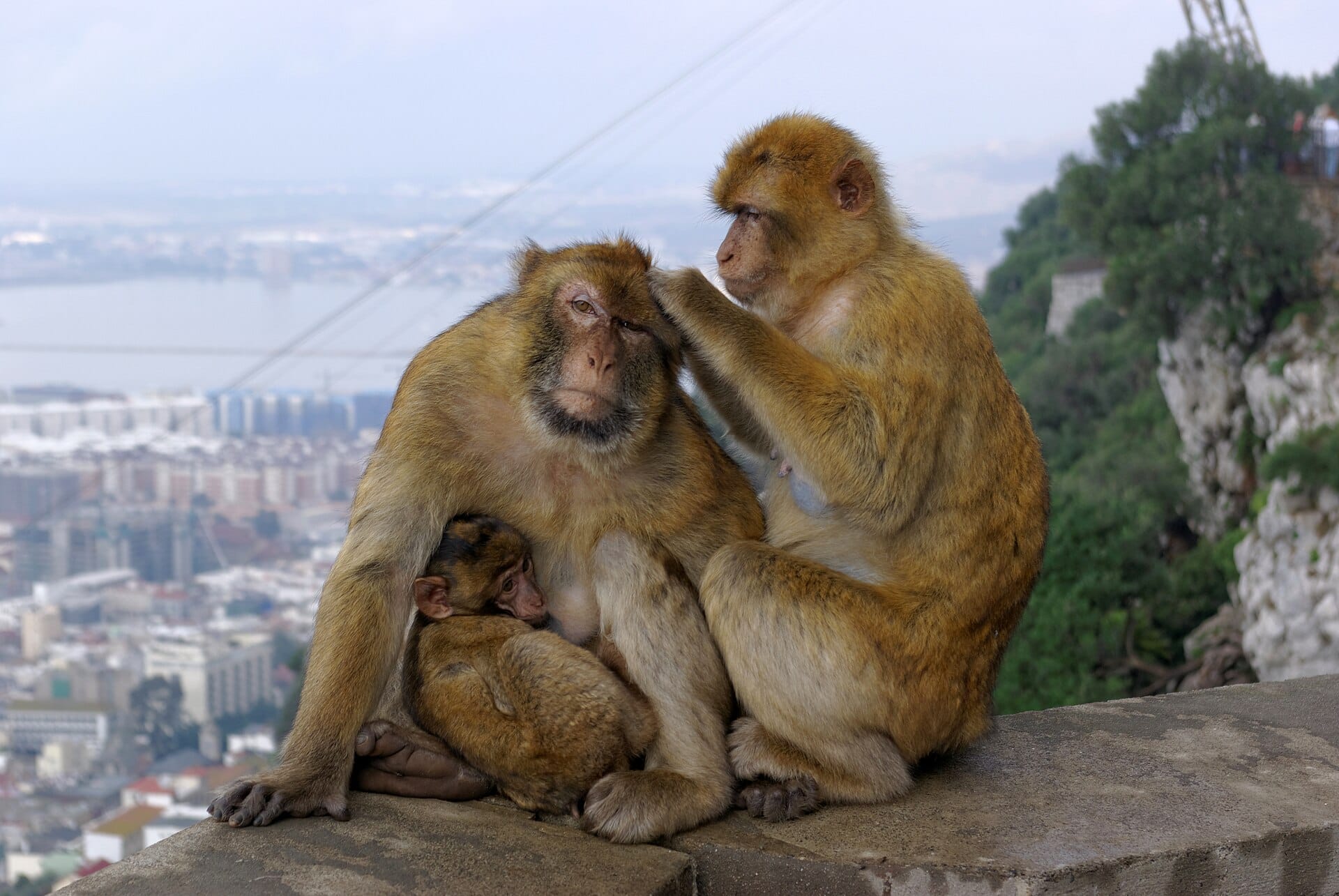
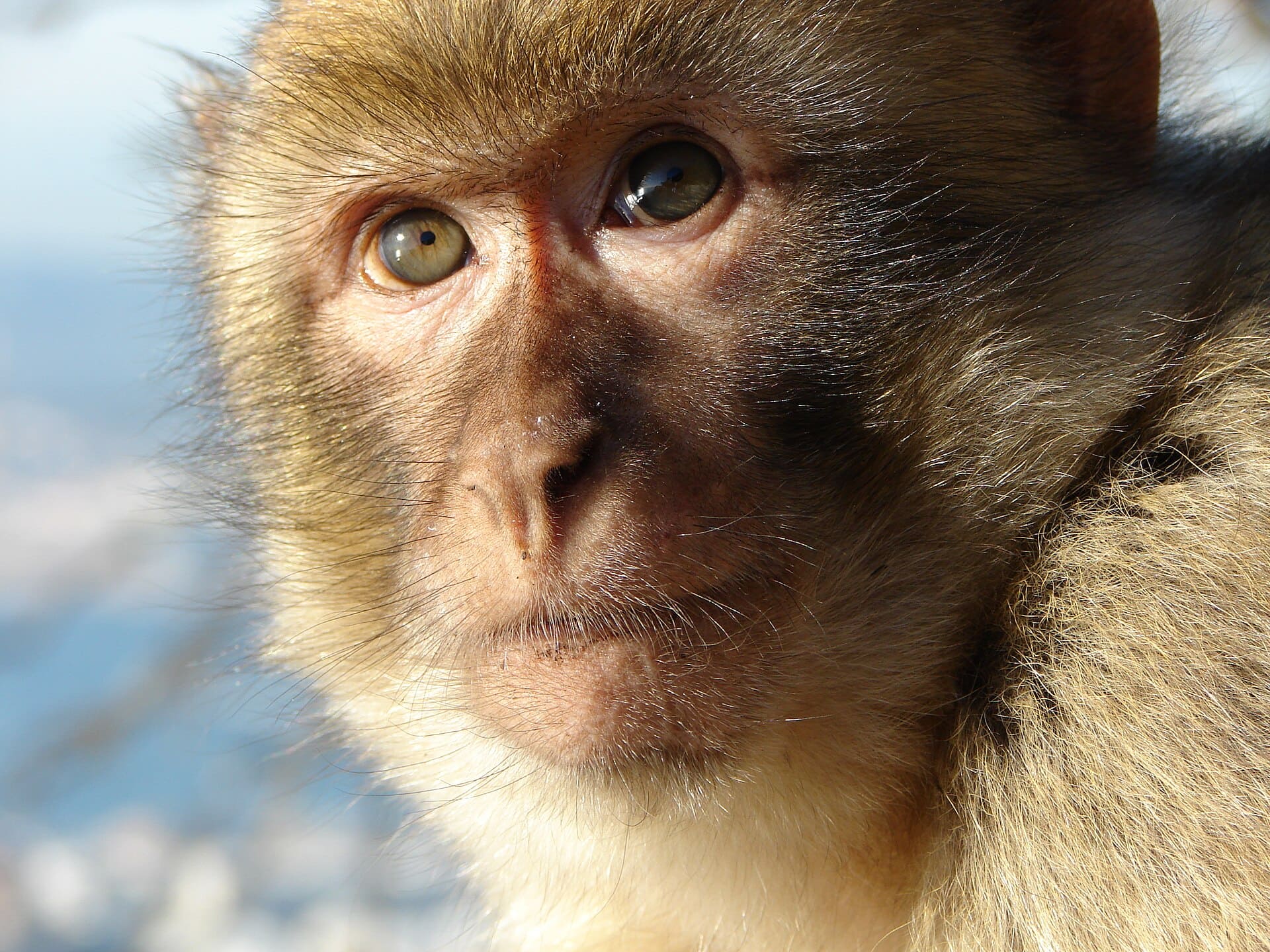
This is without a doubt the biggest tourist draw of the entire territory. Gibraltar is the only place in Europe where primates live wild and free. These monkeys originally came from North Africa, and a famous legend surrounds them — it says that as long as apes live on the Rock, Gibraltar will remain under British rule. During World War II, their population dropped to just seven, prompting Winston Churchill himself to order more brought over from Morocco to boost morale.
Today, around three hundred live here, divided into several troops. They’re incredibly bold, completely used to humans, and have absolutely zero respect for your personal space. Never take food out in front of them and keep your bag zipped up and worn on your front — they can unzip a backpack in a flash and steal your snacks. We watched a man have an entire ice cream swiped from his hand before he even had time to blink.
It’s vitally important to remember that these are wild animals. Feeding the apes carries a draconian fine of up to £4,000. Don’t feed them, don’t touch them, and keep a safe distance. You’ll encounter the most around the upper cable car station and near St. Michael’s Cave. Watching the babies play on the railings with the sea stretching out behind them is a truly magical sight, though.
4. St. Michael’s Cave
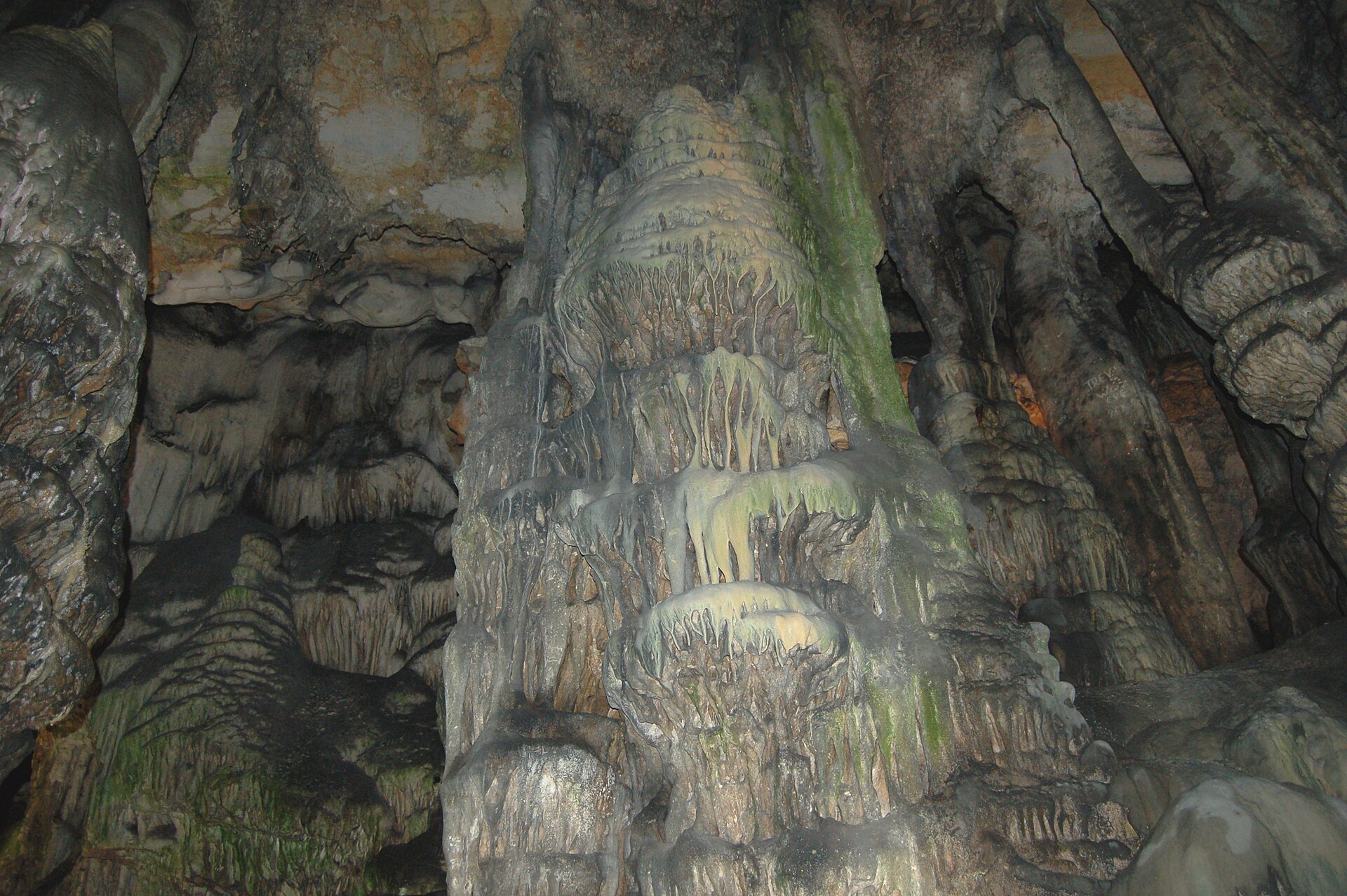
Hidden within the bowels of the limestone Rock lies an enormous cave system that will leave you awestruck. St. Michael’s Cave is the largest and most spectacular of over 150 caves discovered here. People once believed it was bottomless and that a secret submarine tunnel connected Gibraltar to Africa — supposedly the route by which the monkeys arrived. During World War II, the space was prepared as a huge secret military hospital, though fortunately it never had to be used.
Today, the main chamber has been transformed into a unique concert hall. Thanks to the incredible acoustics and awe-inspiring stalactites, concerts and theatre performances are held here, with seating for up to four hundred people. The entire space is illuminated with colourful light installations that shift in time with the music. It’s perhaps a bit kitsch, but combined with the majestic rock formations, the effect is truly magical.
Inside, a constant temperature of around 14 to 16°C is maintained. If you visit during the scorching summer, this will be the most refreshing part of your day. The tour takes roughly thirty to forty minutes, and entry is included in the Nature Reserve Ticket. Well-built concrete walkways make the tour very easy-going.
5. Great Siege Tunnels
Gibraltar’s history is steeped in battles, and this labyrinth of tunnels is the finest proof. At the end of the 18th century, the Spanish and French attempted to recapture Gibraltar, resulting in a four-year siege known as the Great Siege. British soldiers had a major problem defending the northern face of the Rock because they couldn’t get cannons up there. So they decided to carve a tunnel straight through the limestone using nothing but hammers, chisels, and gunpowder.
The result is absolutely fascinating. They created a tunnel system over 1,200 metres long, with embrasures aimed directly at the Spanish positions. Today, you can walk through these cold, damp corridors. Along the route, mannequins of soldiers in period uniforms and old cannons bring the atmosphere vividly to life. We couldn’t help but admire the sheer grit it took to bore through solid rock with such basic tools.
💡 Local tip: The tunnels slope quite steeply downward, meaning you’ll have to walk the entire way back uphill at the end. Wear comfortable shoes and bring a bottle of water — the humidity inside is quite high.
6. Europa Point and Views of Africa
The southernmost tip of Gibraltar is where the Mediterranean Sea meets the Atlantic Ocean. On a clear day, Europa Point offers absolutely phenomenal views of the African continent — specifically the Rif Mountains in Morocco, just 21 kilometres away. It’s often seriously windy here, waves crash against the rocks, and the whole scene feels wonderfully wild and untamed.
The landmark here is the beautiful red-and-white Trinity Lighthouse from the 19th century, which still guides ships through the busy strait today. Just a short walk away stands the grand and ornately decorated Ibrahim-al-Ibrahim Mosque, a gift to the local Muslim community from the King of Saudi Arabia. The contrast of traditional British architecture, an Islamic temple, and African mountains in the background is simply perfect.
You can easily get here on city bus number 2 from the town centre. The fare is just a couple of pounds and the journey takes about fifteen minutes. Near the lighthouse, you’ll also find a small café and the huge Harding’s Battery cannon, a remnant from the days of military fortification. We recommend timing your visit for late afternoon, when the light for photographing Africa is at its best.
7. Main Street and Duty-Free Shopping
The heart of the town beats along Main Street, a long pedestrianised thoroughfare lined with shops, pubs, and historic buildings. The whole street looks as though someone plucked a typical English high street and plonked it in the sunny south. You’ll find classic British shops like Marks & Spencer, perfumeries, jewellers, and electronics stores. The buildings sport ornate balconies that blend British stiffness with Andalusian elegance.
Gibraltar is a duty-free zone, making it a shopper’s paradise. The best deals are on perfumes, cosmetics, alcohol, and tobacco, all of which are significantly cheaper than in Spain or back home in the UK. Electronics prices aren’t as competitive these days, but you can still stumble upon the odd bargain. Just be mindful of customs allowances when returning to Spain — Spanish customs officers do spot-check bags and car boots.
Although the official currency is the Gibraltar pound (pegged at the same value as sterling), euros are accepted everywhere on Main Street. However, shopkeepers often give an unfavourable exchange rate and hand back change in pounds. We recommend paying by card everywhere (a multi-currency card like Revolut works brilliantly) — it avoids unnecessary conversion losses and means you won’t end up with coins that are useless anywhere else in the world.
8. Casemates Square and Local Food
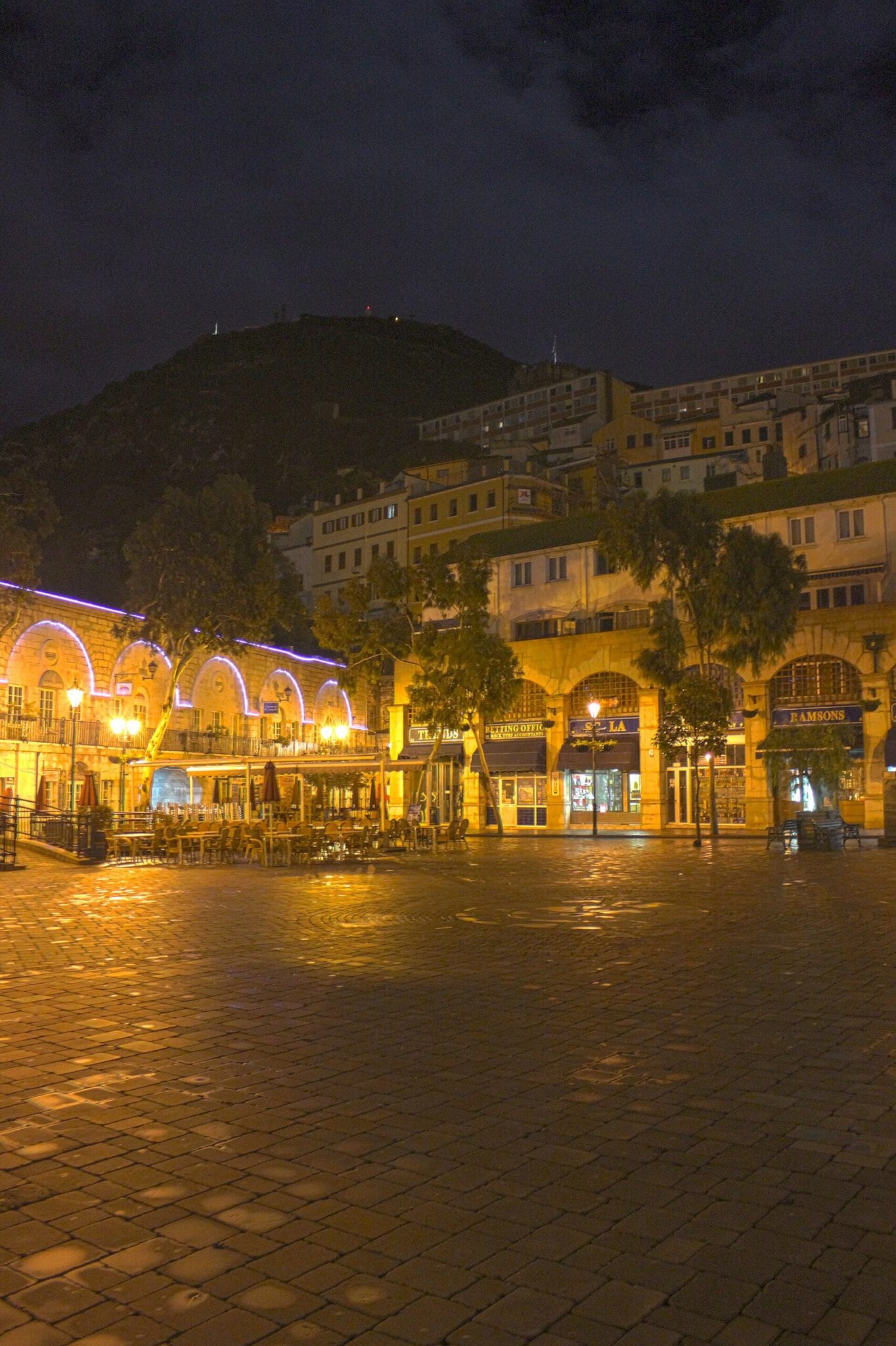
At the northern end of Main Street, you’ll hit the largest square in town — Casemates Square. Historically, this was where public executions and military parades took place, but today it’s the liveliest hub, packed with outdoor terraces, cafés, and restaurants. Live music often plays at weekends, making it the ideal spot to sit back and soak up the incredible bustle of tourists and locals alike.
When it comes to food, the British influence runs deep. Most visitors head here for classic fish and chips or a hearty Full English breakfast. As vegetarians, Lukáš and I opted for the superb Indian food instead — the British connection means there are fantastic Asian restaurants here. We had an excellent vegetarian curry at a restaurant on the corner of the square, and we’d also highly recommend trying the local tapas bars, which clearly show the Spanish influence from just across the border.
Come evening, the square transforms into a massive open-air pub. Beer prices are very reasonable, and you can sample traditional British ales alongside local craft brews. Whether you need to fuel up before climbing the Rock or unwind after a shopping spree, Casemates Square is always a safe bet.

9. Moorish Castle
Looking up at the northern face of the Rock, your eye will inevitably be drawn to an ancient fortress with a Union Jack fluttering above it. The Moorish Castle dates back to the 11th century, when the territory was ruled by the Moors, and is one of the oldest surviving monuments in the area. Of the original sprawling complex that once reached all the way down to the sea, the imposing Tower of Homage is the main structure still standing today.
Get closer and you’ll notice deep scars on the tower walls. These are marks from cannonballs fired during the many battles and sieges this strategic fortress has endured over the centuries. Inside the tower, you can explore well-preserved Moorish baths, and from the top there are lovely views of the airport runway and the Spanish borderlands. Fun fact: part of the castle complex actually served as the local prison until as recently as 2010.
Entry to the castle is included in the combined Rock ticket. The path up leads through fairly steep lanes from the town centre, so you’ll break a sweat, but it’s well worth it. It makes a great first stop if you decide to conquer the Rock on foot and want to save on the cable car.
10. The Skywalk Glass Viewing Platform
If you don’t suffer from vertigo, you’ll absolutely love this one. The Skywalk is a modern viewing platform with a glass floor that juts out from the Rock at a height of 340 metres, directly above a sheer cliff face. It was built on the foundations of an old anti-aircraft battery from World War II and was officially opened in 2018 by actor Mark Hamill — yes, Luke Skywalker himself.
Standing on the thick glass with hundreds of metres of empty space beneath your feet is quite the adrenaline rush. The platform is engineered to withstand wind gusts of up to 150 kilometres per hour, so there’s genuinely no need to worry about safety. The views of the eastern face of the Rock and the ship-filled bay are simply spectacular from here. On clear days, you can see dozens of kilometres along the Spanish coastline.
💡 Local tip: The viewing platform sits roughly halfway between the upper cable car station and St. Michael’s Cave. Troops of macaques often lounge around here, using the smooth glass to sunbathe, giving you a brilliant opportunity for some unusual photos.
11. Windsor Suspension Bridge
Another brilliant attraction for thrill-seekers awaits in the western part of the nature reserve. The Windsor Suspension Bridge is a 71-metre-long footbridge spanning a deep gorge at a height of roughly fifty metres. Only opened in 2016, it quickly became one of the most popular photo spots on the entire Rock.
Step onto the bridge and it begins to gently sway underfoot, adding just the right touch of adventure. From the middle, you get a stunning view of the entire town and the dockyards in the bay — it’s only from this perspective that you truly appreciate how steeply the town climbs the hillside. If swaying bridges aren’t your cup of tea, don’t panic — a solid rocky path runs alongside the gorge, letting you bypass the bridge entirely.
We recommend heading here early in the morning or late in the afternoon. Around midday, bottlenecks of tourists often form as people stop in the middle for selfies, which can make the crossing painfully slow. The bridge lies on the Royal Anglian Way, one of the gentler and more pleasant walking trails in the reserve.
12. Hiking the Mediterranean Steps
For those of you who love a proper physical challenge and stunning nature, there’s one very special trail. The Mediterranean Steps is a steep, demanding path that winds along the sheer eastern face of the Rock from Jew’s Gate all the way to the summit at O’Hara’s Battery. It was originally built by British soldiers as a communication route between defensive positions.
This trail offers the wildest and most unspoilt views anywhere on Gibraltar. You’ll literally walk along the edge of a cliff, seagulls circling overhead and the deep blue sea far below. The route is full of steep stone steps that will have your thighs burning. Lukáš and I toyed with the idea, but given the summer heat, we ultimately chickened out and took the rather more civilised cable car instead 😅.
This trek definitely isn’t for everyone. In summer, only attempt it early in the morning before the sun hits the eastern face, as there’s absolutely no shade on the trail. Wear sturdy footwear, bring plenty of water, and allow roughly an hour and a half of intense uphill climbing.
13. World War II Tunnels
Don’t confuse these with the Great Siege Tunnels! While those were hand-carved in the 18th century, these tunnels form a vast underground city built during World War II. When there was a real threat that fascist Spain and Germany might attack, the British carved an incredible 55 kilometres of tunnels into the Rock. That’s actually more than the total length of all the above-ground roads on the territory.
The underground complex housed hospitals, bakeries, power stations, and accommodation for an astonishing 16,000 soldiers who could survive here for months in complete isolation. The guided tour takes just under an hour and is a profoundly powerful experience. Guides often share stories of soldiers spending entire weeks in the cold, dark underground without a glimpse of daylight.
Entry to these tunnels is usually not included in the standard Rock ticket and is paid for separately. It’s genuinely cold and damp inside, with temperatures hovering around 12°C, so even in the sweltering summer, definitely bring a long-sleeved layer. It’s a fascinating showcase of British military engineering.
14. Alameda Botanical Gardens
If you need a break from the tourist crowds on Main Street or atop the Rock, we’ve got a hidden gem for you. The Alameda Botanical Gardens are a gorgeous green oasis of calm, located just a short walk from the lower cable car station. They were established back in 1816 and originally served as a recreational space for British soldiers.
You’ll find an incredible collection of subtropical plants, towering palms, cacti, and beautifully flowering hibiscus. Small streams trickle through the park, there are lily ponds and benches tucked away in deep shade. It’s the perfect spot to sit down with a coffee and simply relax for a while. Best of all, entry to the gardens is completely free.
The grounds also include a small wildlife park (Alameda Wildlife Conservation Park) that cares for confiscated smuggled animals and injured wildlife. The gardens are a popular wedding venue, so don’t be surprised if you bump into a wedding party at the weekend. If you love nature and tranquillity, you’ll adore this place.
15. Dolphin Watching in the Bay
The waters around Gibraltar and in the adjacent bay teem with marine life. The Bay of Gibraltar is one of the best spots in Europe for watching wild dolphins, with three different species living here year-round. Boat trips depart several times daily from Ocean Village marina and last roughly an hour and a half.
Local operators take sustainable tourism and ecology very seriously. Boats approach the dolphins slowly and respectfully so as not to disturb them, and it’s common for curious dolphins to swim right up to the bow and play in the waves. Seeing an entire family of dolphins leaping from the water with the massive Rock as a backdrop is simply priceless.
💡 Local tip: Book your tickets at least a day in advance — in summer, boats sell out very quickly. Many operators also offer a guarantee: if you don’t spot any dolphins, you’ll get a free ticket for another trip (though the success rate is reportedly over 95%).
16. Ocean Village Marina
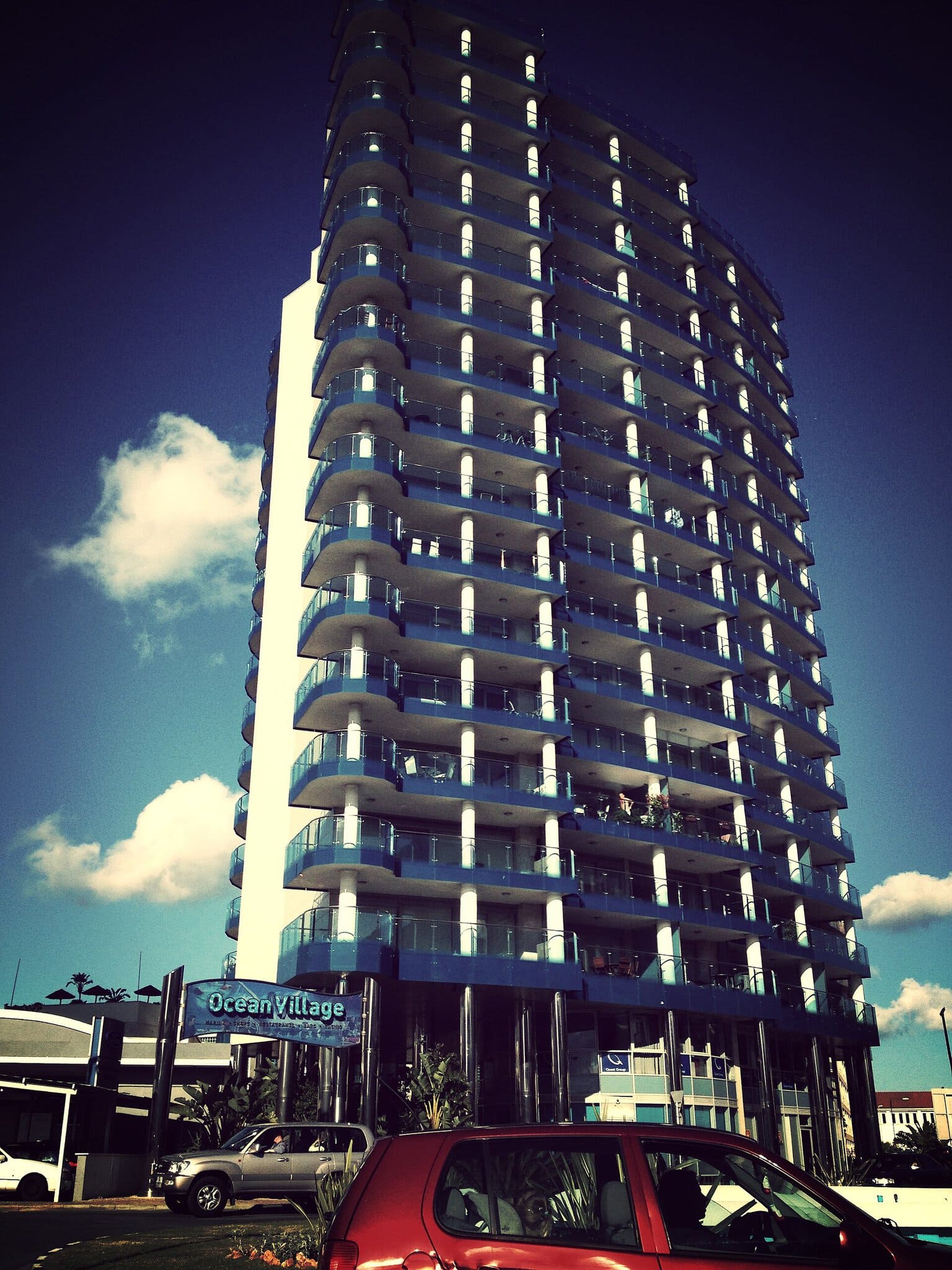
While Main Street breathes history, Ocean Village showcases Gibraltar’s sleek modern face. This luxury yacht marina is lined with contemporary apartments, glass-fronted casinos, and dozens of excellent restaurants. Some of the world’s most expensive superyachts dock here, often sailing in purely to fill up on cheaper tax-free fuel.
In the evening, the whole area lights up beautifully and becomes the hub of the nightlife. The centrepiece of the marina is the aforementioned Sunborn Yacht Hotel — a gigantic cruise ship permanently moored here that operates as a five-star hotel and casino. Even if you’re not staying, you can pop in for a drink at their rooftop bar, which has cracking views of the illuminated Rock.
Despite all the glitz, there are places here for every budget. We grew fond of several Asian restaurants offering superb meat-free sushi and vegetarian noodles, while just a few doors down, Brits sat nursing traditional pints. It’s a brilliant spot to wind down after a long day of exploring and simply soak up that one-of-a-kind Mediterranean-British atmosphere.
Map of points of interest for your phone
Day Trips from Gibraltar
If you’ve hired a car in southern Spain, a whole world of day-trip options opens up. The entire region is tailor-made for exploration.
- Costa del Sol: Just beyond the border, the famous Sun Coast begins. For tips on beaches and culture, check out our article on Málaga, packed with advice for the region.
- Romance in the mountains: About an hour and a half’s drive inland lies a town split in two by a dramatic gorge. Read all about it in our guide to Ronda.
- Adrenaline on a trail: If you love heights (and enjoyed the suspension bridge on the Rock), you can’t miss the famous King’s Pathway. Find everything about tickets and the route in our article on Caminito Del Rey.
- The ultimate road trip: Planning to explore all of southern Spain? We’ve prepared a complete Andalusia itinerary with the 20 most beautiful places and a map.
- Foodie corner: Once you’re back in Spain and feeling peckish, read up on what to order in our guide to traditional Spanish food.
Frequently Asked Questions
Do I need a passport for Gibraltar?
Yes, since Brexit you need a valid passport to enter the territory. An ID card may not be sufficient at border control, as the rules have become significantly stricter. Without a passport, neither Spanish nor British customs will let you cross the border, so definitely don’t leave it at your hotel.
Can I pay in euros there?
The official currency is the Gibraltar pound, which is pegged to the British pound at 1:1. Euros are commonly accepted in shops and restaurants, but merchants set their own exchange rates, which are often unfavorable. Your best bet is to pay everywhere by card or withdraw pounds from an ATM.
Should I drive to Gibraltar?
Definitely not! Border queues can last several hours during peak season, and parking in town is very expensive and limited. Your best option is to park in the underground garages in the Spanish town of La Línea de la Concepción and simply walk across the border.
How much time do I need for a visit?
One full day is enough to see the main sights, take the cable car up the Rock, visit the caves, and stroll down Main Street. However, if you want to explore all the military tunnels, take a boat trip to see dolphins, and enjoy the evening atmosphere at the harbor, we recommend staying at least one night.
Is Gibraltar safe?
It’s one of the safest destinations in Europe. Crime is virtually non-existent. The only ‘danger’ comes from the local monkeys, which can bite if you try to feed or pet them. Also watch your backpacks—the monkeys are masters at stealing snacks.
Can I walk up the Rock for free?
Access to the nature reserve at the top of the Rock is always charged, even if you walk. You need to purchase a Nature Reserve Ticket, which grants you entry to the area and includes admission to the caves and tunnels. The cable car itself is then an additional charge.
Does European mobile data work there?
Watch out for this! After Brexit, Gibraltar is no longer covered by automatic free European roaming. Some Czech operators charge astronomical rates for data here. It’s better to turn off data roaming before crossing the border, or get an e-SIM card with a local data package.
Tips and Tricks for Your Vacation
Don’t Overpay for Flights
Search for flights on Kayak. It’s our favorite search engine because it scans the websites of all airlines and always finds the cheapest connection.
Book Your Accommodation Smartly
The best experiences we’ve had when looking for accommodation (from Alaska to Morocco) are with Booking.com, where hotels, apartments, and entire houses are usually the cheapest and most widely available.
 🚗 Car rental on the roadVerified rental cars in Andalusia
Search with the DiscoverCars comparison engine — it compares prices from dozens of local and international rental companies, and most bookings come with free cancellation.
Compare car prices in Andalusia →Don’t Forget Travel Insurance
Good travel insurance will protect you against illness, accidents, theft, or flight cancellations. We’ve had a few hospital visits abroad, so we know how important it is to have proper insurance arranged.
Where we insure ourselves: SafetyWing (simple monthly subscription) and TrueTraveller (for extra-long trips).
Find the Best Experiences
Get Your Guide is a huge online marketplace where you can book guided walks, trips, skip-the-line tickets, tours, and much more. We always find some extra fun there!