

New Brunswick is the part of Canada people quietly dream about – the rugged shores of the Bay of Fundy with the highest tides on the planet, fragrant forests, lighthouses and little towns where nobody is in a hurry. But then reality kicks in: how much does it actually cost, when is the best time to go, and can you pull it off on your own or are you better off with an organised tour? These are exactly the questions we asked ourselves before we drove the province ourselves.
Here in one place you’ll find three things: up-to-date tour and flight prices that we refresh every morning; our personal tips from our own trips and articles, covering what’s genuinely worth it (and what you can happily skip); and a clear plan for when and what to book so you don’t overpay for nothing.

What to see and do in New Brunswick
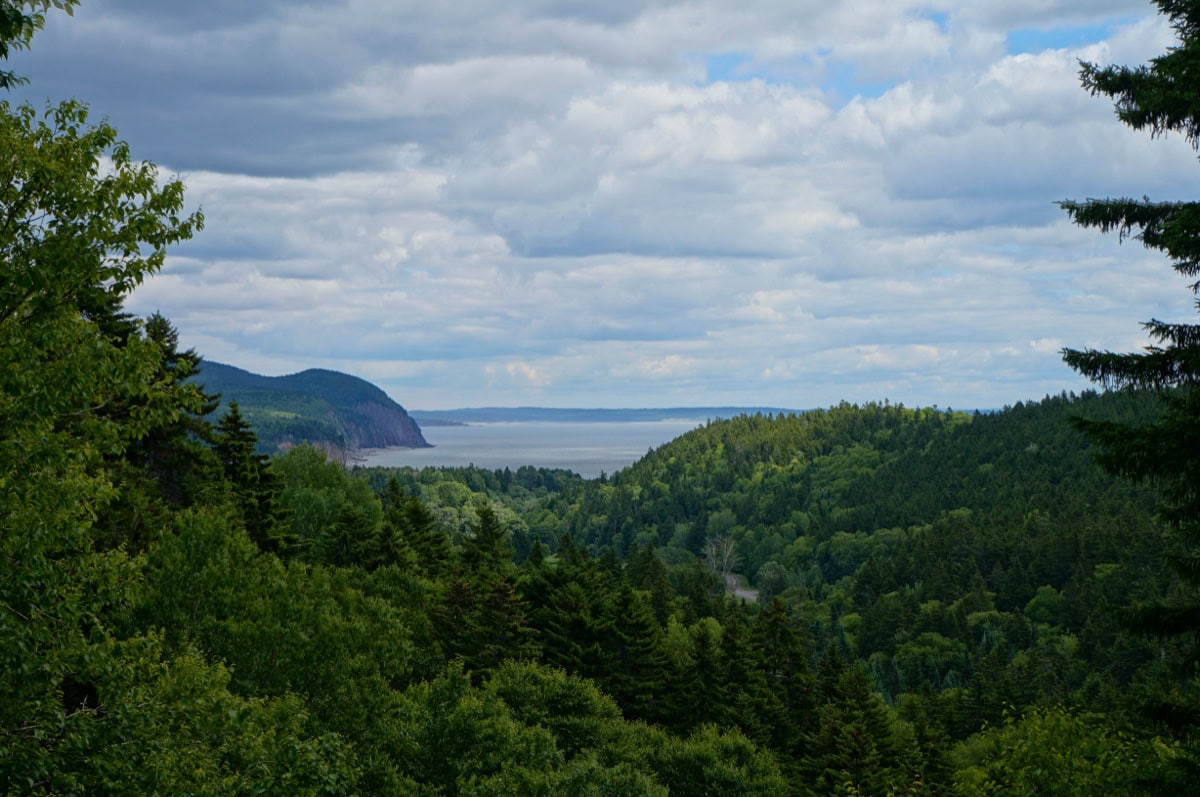
New Brunswick is smaller than most people expect – and that’s exactly why you can comfortably cover it in a week to ten days. The heart of it is the Bay of Fundy and its legendary tides, but the province also serves up lively cities, peaceful islands and crowd-free national parks.
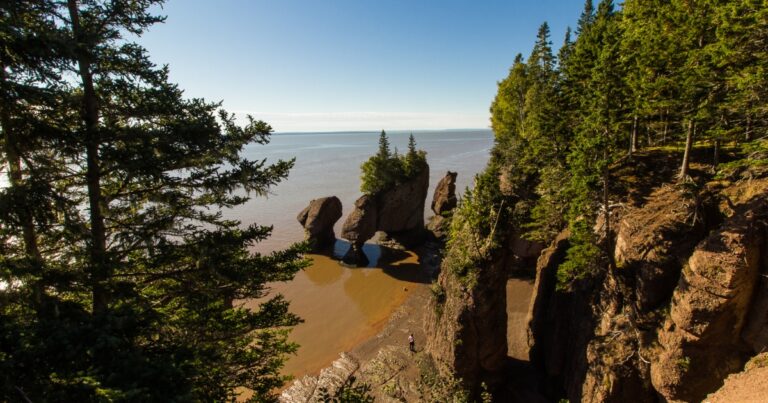
- Bay of Fundy and Hopewell Rocks – the iconic sandstone “flowerpots” you can walk around on the ocean floor at low tide and paddle between by kayak at high tide.
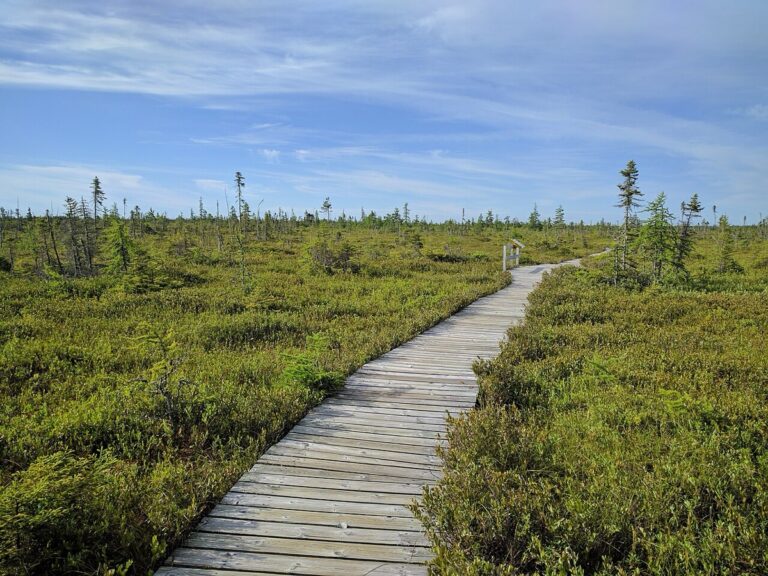
- Fundy National Park – waterfalls, coastal trails and quiet forest corners; our pick for slow hiking with views over the bay.
- Kouchibouguac National Park – sand dunes, warmer swimming water and bird-filled lagoons on the east coast.
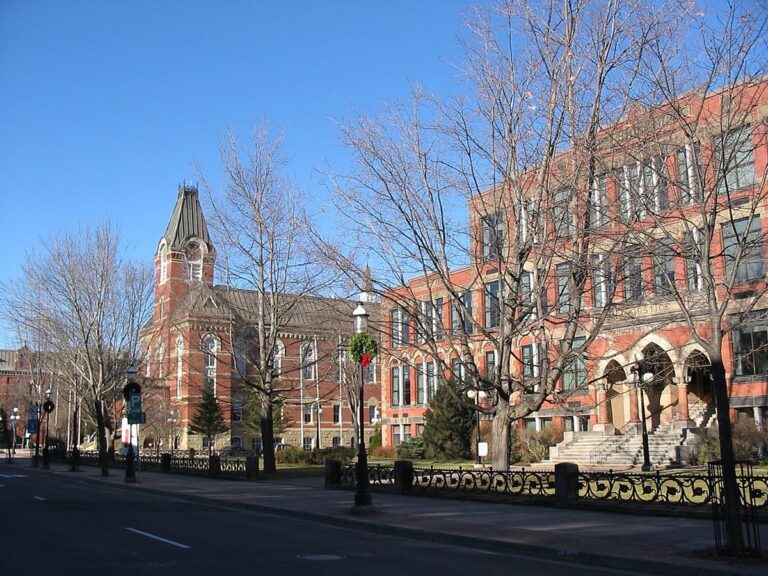
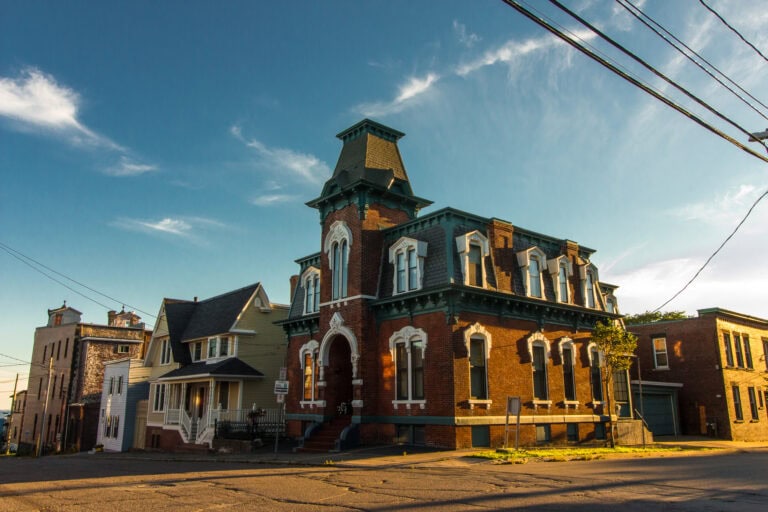
- Saint John – Canada’s oldest city, with Victorian architecture and the famous Reversing Falls, where the tide turns the river’s flow.
- Fredericton – the laid-back capital on the Saint John River, with galleries, parks and a lovely farmers’ market.
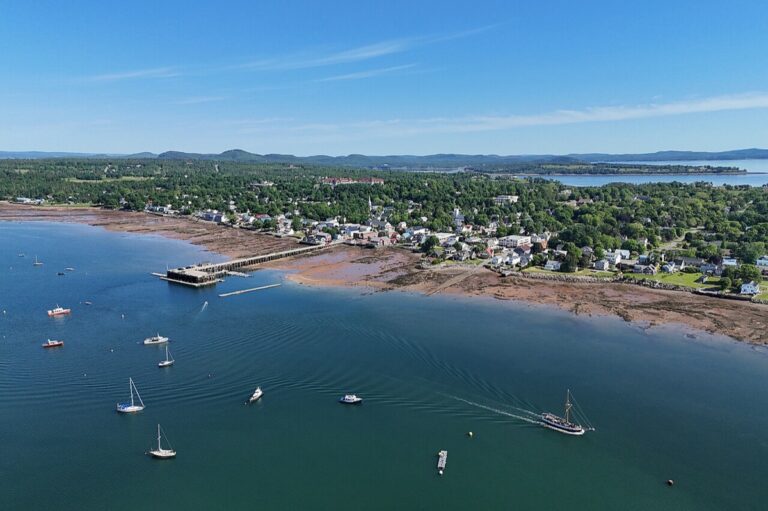
- St. Andrews by-the-Sea – a charming seaside resort town where the whale-watching boats set off.
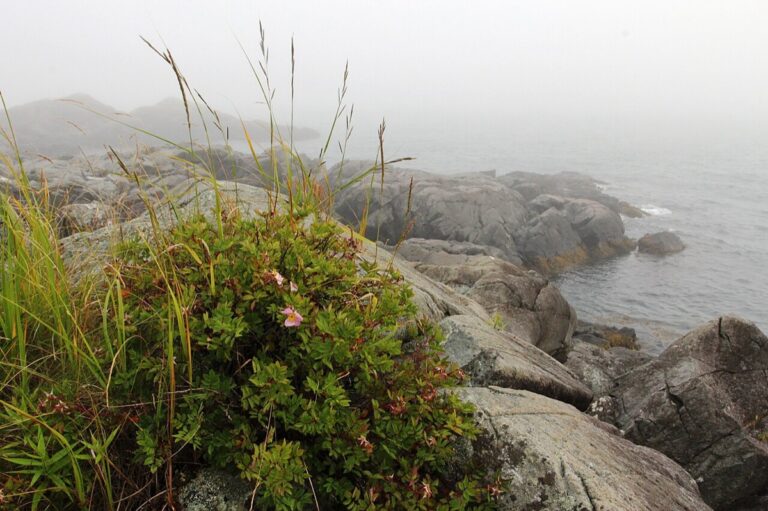
- Campobello Island – a quiet island with a lighthouse and President Roosevelt’s summer home, perfect for a day of peace and quiet.
When to visit New Brunswick
The best time to visit New Brunswick is from June to September, when it’s warm, the attractions are open and nature is at its lush green peak. Summer (July and August) is the warmest – daytime temperatures around 22–26 °C, and the water in Kouchibouguac is at its most pleasant for swimming. It’s also peak season, though, so book your accommodation and whale-watching trips well in advance.
Our favourite compromise is September and early October – fewer people, comfortable temperatures and the gradually emerging autumn colours that eastern Canada is famous for. Whales off St. Andrews can usually be spotted until about mid-October.
We wouldn’t recommend winter (November–March) for a regular visit – many attractions and boat trips are closed, and the weather is harsh and cold. Unless you’re coming for winter scenery or skiing, plan for the warmer half of the year.
How to get to New Brunswick
There are no direct flights from Czechia to New Brunswick – you’ll always have to change planes, most often via Toronto or Montreal. The province’s main gateway is the airport in Saint John, with Fredericton and Moncton as alternatives; all are regional, so your connecting flight will arrive from one of Canada’s big hubs. From Prague, count on roughly 12–16 hours of travel, depending on connections.
Many travellers fly into Toronto or Montreal and slot New Brunswick into a longer loop around eastern Canada – the neighbouring provinces (Nova Scotia, Quebec) are within reach by car or a short flight. There’s also a ferry between coastal points (for example to Nova Scotia), which comes in handy on a round-trip route. Within the province itself, though, you’ll be hard-pressed to manage without a car.
Renting a car
In New Brunswick a car is practically a must – public transport between the parks, islands and small towns is minimal, and the prettiest spots (Hopewell Rocks, Fundy, Kouchibouguac) just aren’t easy to reach without your own wheels. You can manage without a car only if you stick purely to a city like Saint John or Fredericton.
- Book ahead through a rental comparison site – in season it’s pricier on the spot and there are fewer cars available.
- Watch out for insurance and the deposit: the base price often doesn’t include full cover, and the deposit hold on your card can run to several thousand crowns.
- Ferries and bridges: some connections (e.g. to the islands or to Nova Scotia) are tolled – factor them into your budget.
- Filling up: petrol is cheaper away from the motorway service stations.
Where to stay in New Brunswick
Accommodation in New Brunswick is pleasantly affordable compared with western Canada or Europe. The smartest move is to pick bases along your route – a couple of nights in a city and a couple by the Bay of Fundy, so you’re not driving back and forth for nothing.
- Saint John and Fredericton – cities that make a handy base, with hotels, guesthouses and chains; great for your first and last night.
- St. Andrews by-the-Sea – cosy guesthouses and historic hotels; ideal for a romantic break by the sea.
- Around Fundy National Park and Hopewell Rocks – cabins, campsites and motels; book early, as capacity is limited in season.
- Campgrounds in the national parks – both Fundy and Kouchibouguac offer campsites, including kitted-out oTENTik tents; the cheapest way to sleep in nature.
Package tour or independent travel?
New Brunswick is one of those destinations you can handle brilliantly on your own – the distances are short, the people are welcoming and you’ll get by in English everywhere. Even so, an organised tour makes sense for some people.
A tour is worth it when…
- you don’t want to deal with logistics, the car and bookings and would rather have it all arranged,
- you’re heading overseas for the first time and value certainty over flexibility,
- you’re combining New Brunswick into a bigger guided loop around eastern Canada.
Go independent when…
- you want to set your own pace and stops based on the tides and the weather,
- you don’t mind driving and booking accommodation and trips yourself,
- you’re travelling as a pair or more and want to save on the car and the room.
The two of us drove New Brunswick by car on our own and we recommend it to most travellers – the province is ideally sized for it and safe. Go with a tour mainly if you want a break from planning or you’re heading off on a big Canadian loop.
Budget: daily costs in New Brunswick
| Level | Accommodation | Food | Transport & activities | Total/day |
|---|---|---|---|---|
| Backpacker | 40 C$–65 C$ (campsite, hostel) | 20 C$–30 C$ (self-catering, fast food) | 30 C$–45 C$ (shared car, entry fees) | approx. 95 C$–140 C$ |
| Standard | 105 C$–165 C$ (guesthouse, motel) | 35 C$–55 C$ (restaurants) | 55 C$–90 C$ (own car, trips) | approx. 195 C$–310 C$ |
| Comfort | 210 C$–350 C$ (hotel, boutique) | 60 C$–95 C$ | 90 C$–145 C$ (boat trips, guides) | approx. 350 C$–590 C$ |
These prices are rough estimates per person per day and reflect typical price levels in New Brunswick. The biggest line item is usually the car and petrol — with two or more people, transport costs drop significantly.
How to save when planning
- Buy flights 3–5 months ahead – for connecting routes via Toronto or Montreal, booking early pays off the most, with prices climbing as summer approaches. Search for flights in our search engine.
- Book in-season accommodation (July–August) well in advance – capacity around Fundy and in St. Andrews is limited, and last minute here means overpaying. Take a look at our accommodation tips.
- Whale-watching boat trips and kayaking at Hopewell Rocks should be booked ahead, as popular slots fill up – see what to book early.
- Go for a first-minute tour to secure your spot and a better price; if one comes up, you’ll find it in the current tours section.
- Where you overpay: the car at the airport and petrol along the motorways; compare car hire in advance and fill up away from the main routes.
Practical information
- Language: New Brunswick is Canada’s only officially bilingual province – you’ll get by in both English and French, especially in the north and east.
- Payments: you can pay by card practically everywhere, contactless even in small shops; you’ll barely need cash. Expect the usual Canadian tip of 15–20 % in restaurants.
- Connectivity: the easiest option is an eSIM activated before you fly – you’ll have data the moment you land, no hunting for a local SIM. Coverage is good in towns and patchier in the national parks.
- Entry to Canada: Czechs need an electronic eTA authorisation, which you can sort out online in advance in a few minutes.
- Safety: New Brunswick is a very calm and safe region; the main thing to watch is the tide along the Bay of Fundy – always check the high and low tide tables.


