When people talk about the south of France, most travellers immediately picture lavender fields in Provence or the luxury-soaked beaches of the French Riviera. But if you’re looking for a place where the dramatic peaks of the Pyrenees plunge straight into the waves of the Mediterranean, you’ll need to head a little further. All the way down near the Spanish border stretches the fascinating Côte Vermeille, which translates as the Vermilion Coast. And right at its heart sits Collioure, France — in this guide we’ll cover 11 tips on what to see and do in Collioure and along the Côte Vermeille, and show you why this rawer, wilder corner of the country was so beloved by Europe’s most famous painters.
Get ready for narrow cobbled lanes, brightly coloured house facades and mighty medieval castles rising right above the beach. Around every corner you’ll catch that unmistakable Catalan atmosphere, completely different from the rest of France. I’ll also tell you which months are best to visit so you don’t roast alive, and how to cleverly solve the logistics — because summer traffic here can be a real headache. Discover this gem of the French south that still holds onto its authentic character.
TL;DR
- Parking is a nightmare: In July and August it’s practically impossible to reach Collioure by car — your best bet is to use the local trains from neighbouring resorts.
- A paradise for art lovers: The town is the birthplace of Fauvism, and you can walk a trail right through the streets dotted with reproductions of Henri Matisse’s paintings.
- Catalan pride: The ever-present yellow-and-red flags and bilingual signs are a constant reminder that Perpignan and its surroundings once belonged to the Kingdom of Majorca.
- Rugged nature: Forget the endless sandy beaches of Languedoc — here you’ll find pebble coves and steep cliffs perfect for hiking.
- History within reach: The Château Royal stands right in the water and offers the best panoramic view over the entire coast.
The full destination guide: Occitania — guide and what to see
When to Visit Collioure and the Côte Vermeille
When planning a trip to the very south of France, it’s absolutely crucial not to underestimate the local climate, because the whole Occitanie region is known for its temperature extremes. The summer months tend to be relentlessly hot, with July and August regularly pushing 35 to 40 °C. Being outside through the midday heat becomes physically exhausting, and wandering the sun-baked ramparts without a scrap of shade borders on masochism. On top of that, this is the season when there’s a genuine risk of wildfires across the region, which can close off some hiking trails. If you’re checking the weather in Collioure, France, plan accordingly.
If you have the option, plan your visit for the spring or autumn months, when the south of France is utterly enchanting. From mid-April to the end of June it’s gorgeous — the wild flora on the cliffs is in bloom and temperatures hover around a very pleasant 20 to 28 °C. September and October are just as fantastic, when the worst of the tourist crush has eased, the sea is still beautifully warm after summer, and the traditional grape harvest is underway on the steep slopes above the coast. The long autumn days are perfect for full-day excursions and exploring historical sights without the crowds.
The peak summer season also brings one enormous logistical headache: road traffic. There’s essentially just one main road leading into Collioure, and during the holidays it gets jammed for miles before you even reach the town. If you absolutely must come during the French national holidays, brace yourself for patience and accept that you won’t get onto the overcrowded park-and-ride lots without a genuinely early start. So it’s worth considering alternative ways of getting around.
Where to Stay in Collioure and Nearby
💡 Tip for accommodation and experiences: We like to look for places to stay on Booking.com, which usually has the best cancellation policies. For tickets, tours and activities, it’s worth comparing and booking through GetYourGuide.
Finding the ideal base depends mostly on your budget and how you’re travelling, because the Côte Vermeille offers several completely different types of resort. Staying right in the historic centre of Collioure is wonderfully romantic, but be prepared for premium prices and a total absence of parking spaces. Accommodation in the very heart of the town tends to suit couples who don’t mind arriving by train and enjoying the quiet evening lanes once the day-trippers have left.
If you’re travelling by car and looking for something more practical, a great alternative is the neighbouring resort of Argelès-sur-Mer or Port-Vendres, a little further south. Argelès offers a wide range of more affordable apartments, sprawling campsites and, above all, long beaches. From either town you can reach Collioure completely stress-free on the local TER train in just a few minutes, neatly solving all the problems with summer traffic jams and overflowing car parks. What’s more, Collioure’s train stop is only a short walk from the historic centre.
As for specific Collioure hotels, the stylish Hôtel Madeloc in the wider centre of Collioure is worth considering, with a heated pool and that oh-so-valuable private parking for guests. The Hôtel Les Mouettes, perched on the dramatic cliffs just outside town towards Port-Vendres, offers beautiful views over the bay. I strongly recommend sorting out all bookings well in advance through Booking.com, because the best summer-season capacity disappears as early as the start of spring and you really can’t rely on last-minute deals here.
11 Tips on What to See and Do in Collioure and the Côte Vermeille
Let’s take a closer look at the very best this rugged yet incredibly photogenic corner of France has to offer. You’ll discover a perfect mix of historical sights, artistic heritage and stunning nature that invites long walks along the steep cliffs and the chance to seek out hidden beaches.
1. The Harbour and the Iconic Church Bell Tower
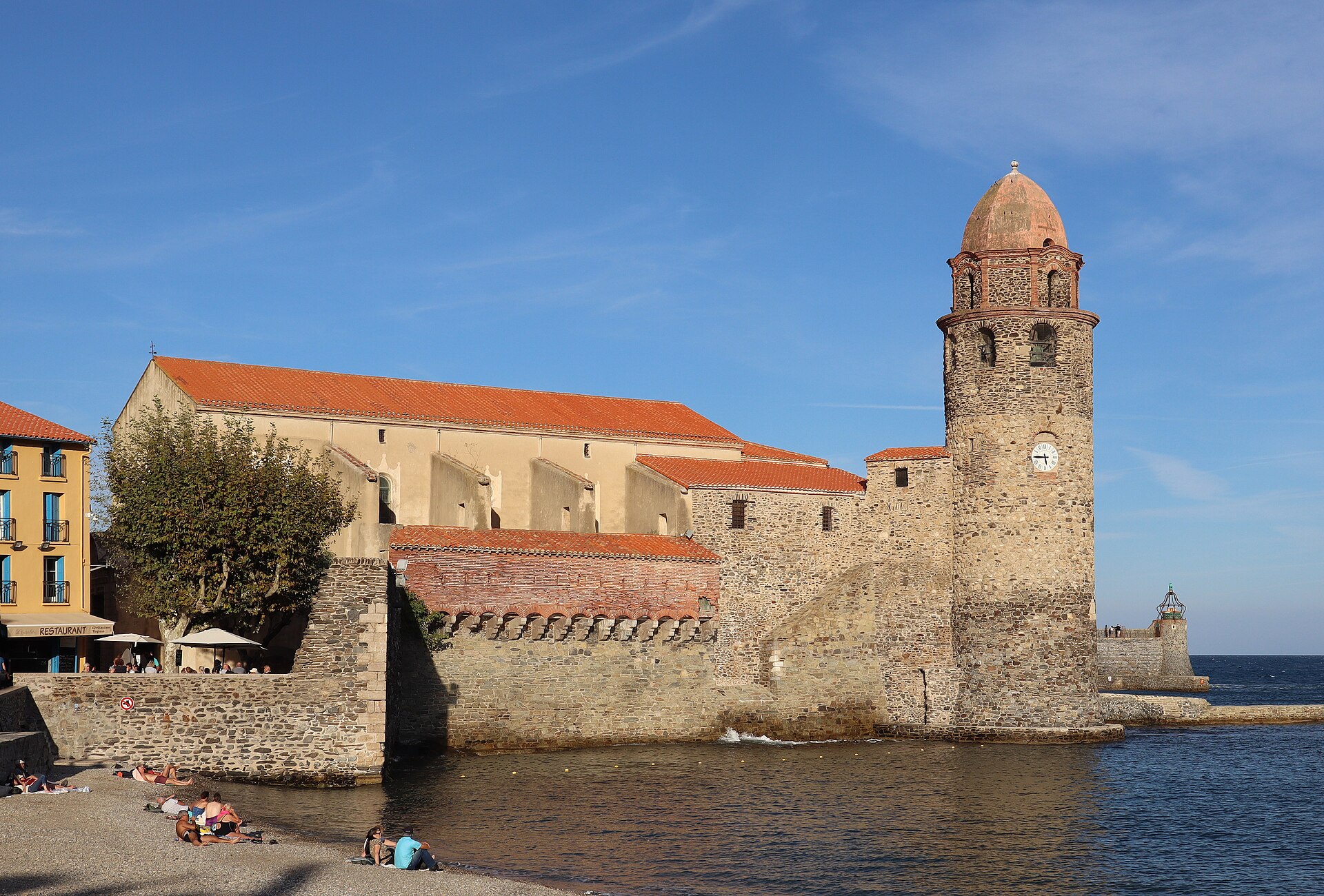
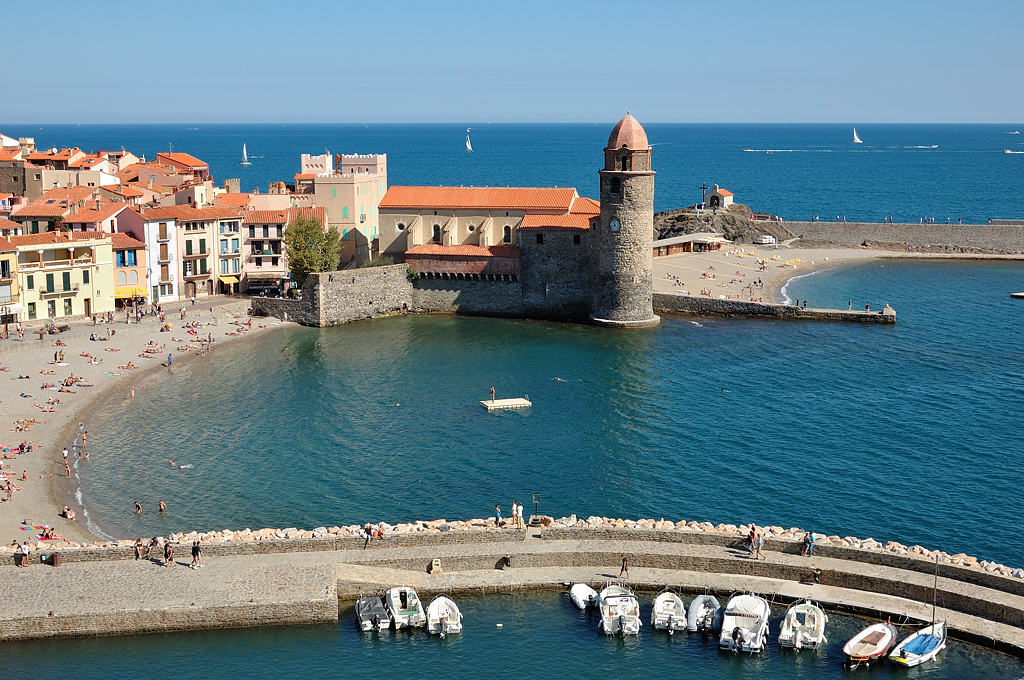
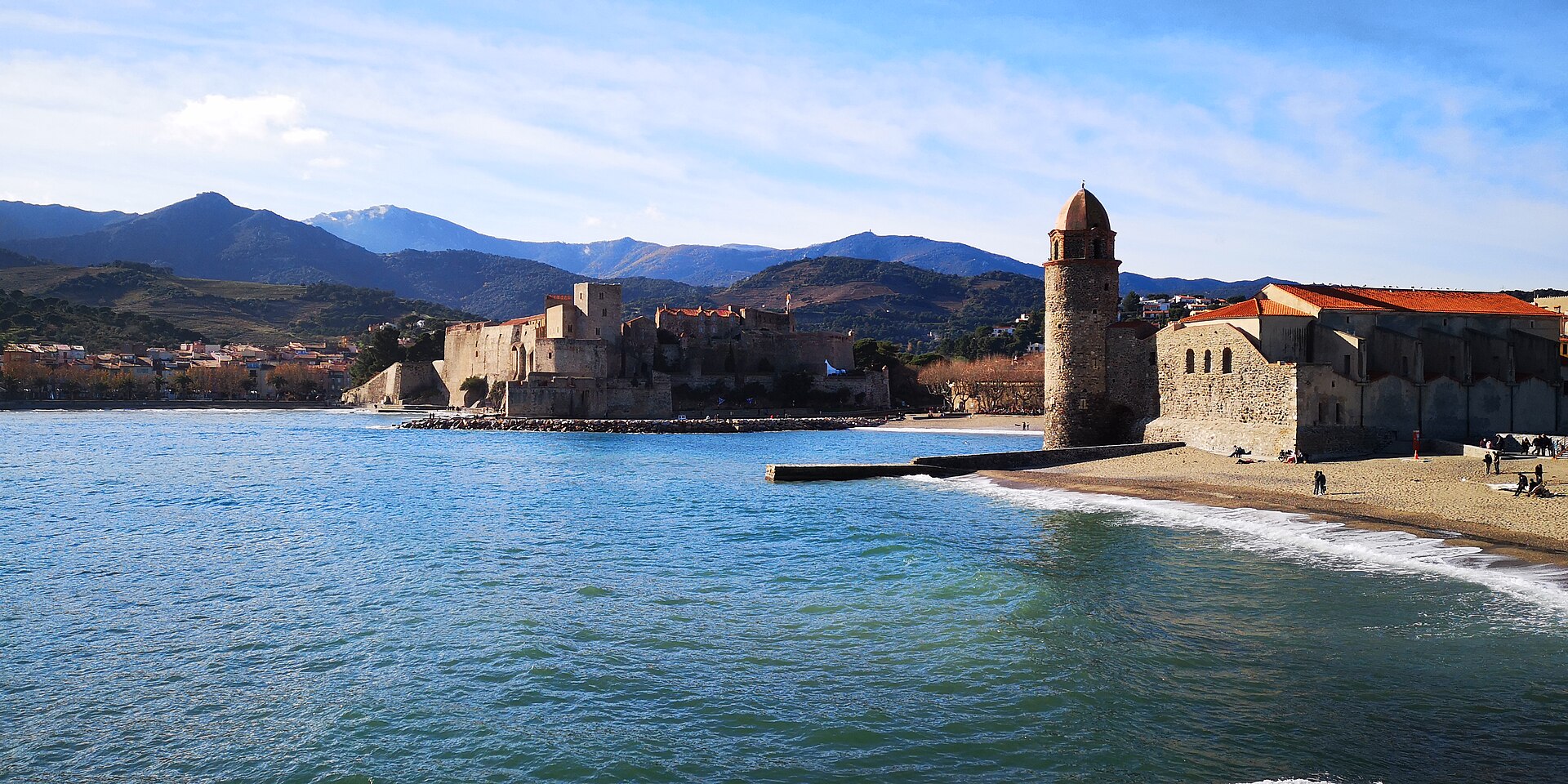
The most famous postcard view in the entire region is undoubtedly the Notre-Dame-des-Anges church, whose tower literally rises straight out of the sea. This unusual structure originally served as a lighthouse and watchtower for the local harbour before the nave of the church itself was added in the 17th century. It’s an absolute architectural one-off, in stark contrast to the modern concrete resorts you’ll find further north along the Languedoc coast.
Around the harbour bob the traditional colourful Catalan boats known as barques catalanes, completing the unmistakable character of the place. The water in the bay is incredibly clean and clear, so from the shore you can often see all the way down to the rocky bottom. A stroll along the old stone jetty towards the Chapelle Saint-Vincent offers the best view back over the town and the surrounding terraced hills dotted with vineyards.
💡 Tip: Head to the harbour early in the morning, just after sunrise, when the local cafés are coming to life. The golden light reflecting off the water and the pink facade of the church create an atmosphere that’s genuinely breathtaking — and you’ll avoid the main crowds of camera-toting tourists.
2. The Château Royal de Collioure
Right in the heart of the bay, literally a few steps from the main beach, sprawls the massive medieval fortress of the Château Royal. This imposing complex was the summer residence of the powerful kings of Majorca in the days when the entire territory fell under Spanish influence and the town played an important strategic role. A tour of the sprawling grounds leads you through a maze of courtyards, dark underground passages and high fortified walls.
Admission costs a reasonable 7 euros (valid for 2026), and within the walls you could easily spend a whole afternoon. The biggest draw is undoubtedly the panoramic views from the highest watchtowers, where the whole town and the endless blue sea lie spread out before you. Sadly, the castle has a darker history too — during the Spanish Civil War in the 20th century it served as a prison for refugees.
💡 Tip: Inside the castle you won’t find much in the way of classic period furnishings — the interior spaces are rather militarily austere. So focus mainly on the architecture itself and notice how the various building alterations fit together, from the 13th century right up to the ingenious work of the famous military engineer Vauban.

3. In the Footsteps of Matisse, Derain and Fauvism
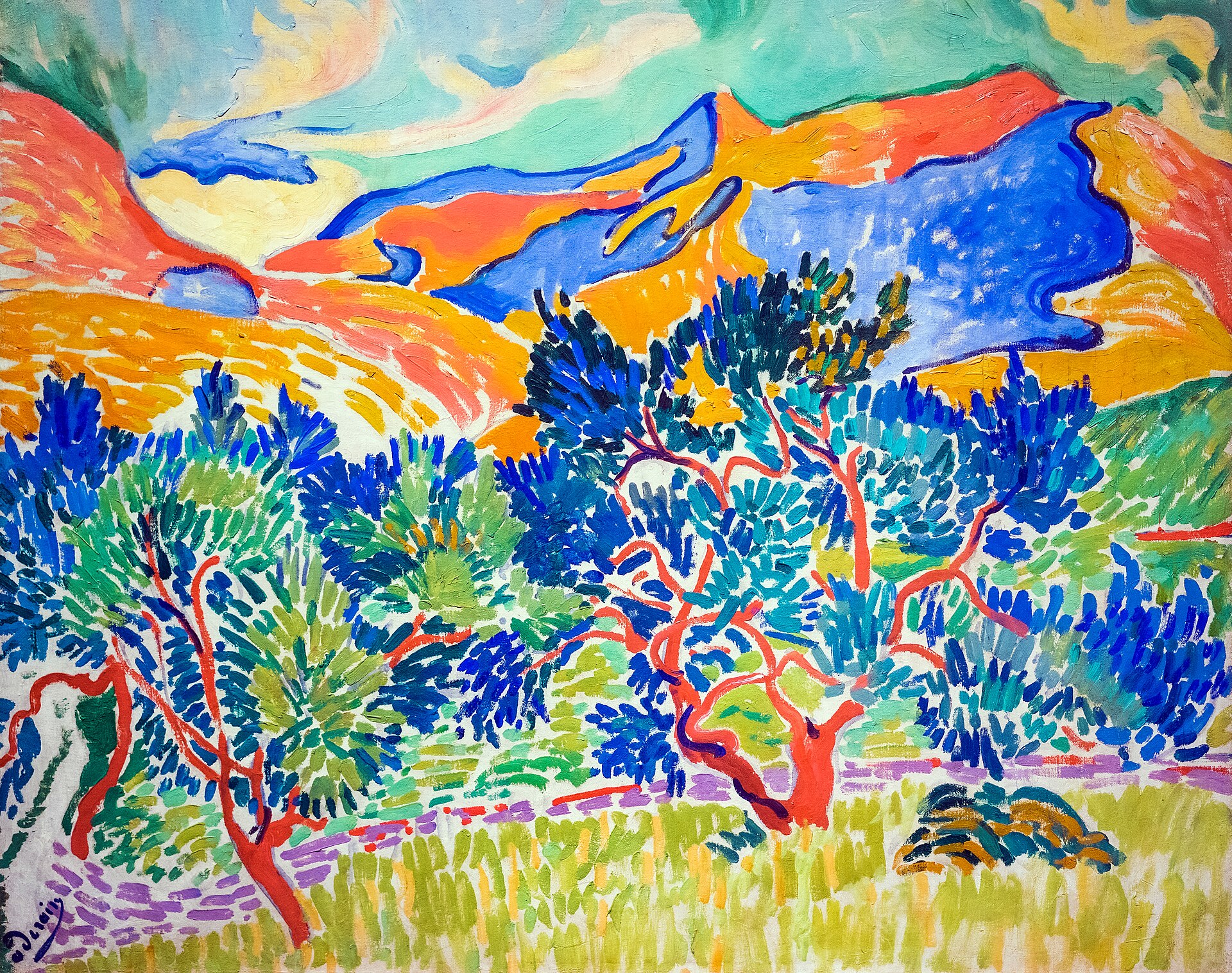
In 1905, two then relatively unknown painters, Henri Matisse and André Derain, arrived in the sleepy fishing village of Collioure. The incredible local light and saturated colours completely captivated them and pushed them to start experimenting with wild, unrealistic brushstrokes. That single summer stay gave birth to an entirely new artistic movement called Fauvism, which utterly shocked the critics of the day and changed the history of modern art forever.
The local tourist office created a brilliant project called the Chemin du Fauvisme, which keeps this artistic heritage alive. It’s a marked trail running right through the town’s narrow streets, with metal frames holding reproductions of the original works placed at the exact spots where they were painted. You can compare with your own eyes the real-life view of the harbour with the way the famous artists transferred it onto canvas more than a century ago.
💡 Tip: Stop by the small modern art museum (Musée d’Art Moderne de Collioure) on the edge of town too. Although you won’t find originals by the very greatest masters here, the gallery offers an excellent collection of contemporary artists who were clearly inspired by the area’s magical atmosphere.
4. The Catalan Atmosphere in the Mouré Quarter
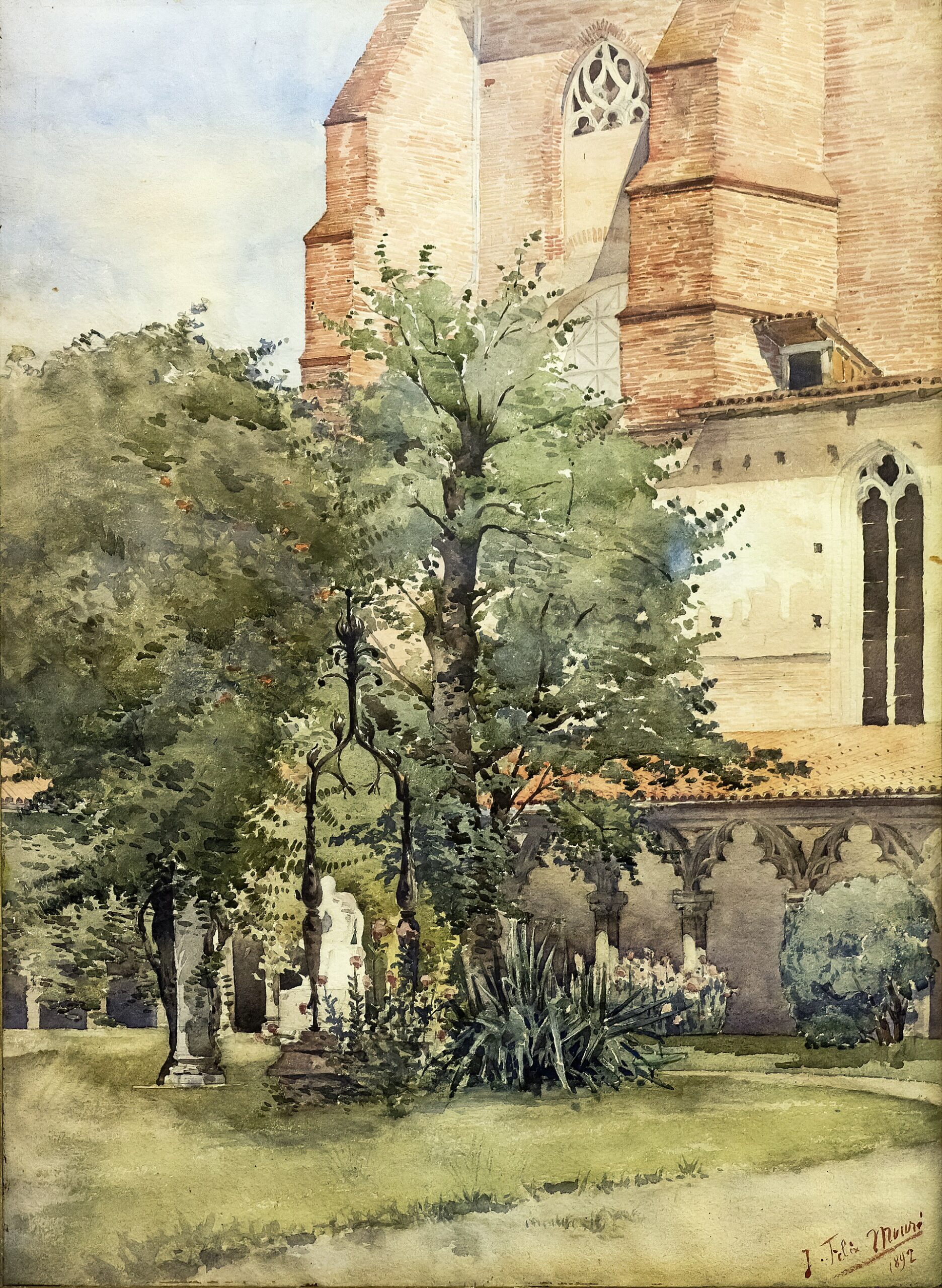
The historic Mouré quarter is a fascinating tangle of the narrowest, steepest little lanes you can imagine. The houses are painted in bold pastel colours, and from every antique balcony cascades a riot of bright pink and purple bougainvillea. This is where you’ll most strongly feel that you’re in French Catalonia, which is far closer to Spain than to Paris.
Red-and-yellow Catalan flags hang everywhere, street names are consistently bilingual, and Spanish is often heard drifting from the open windows of little bistros. The locals are immensely proud of their historical roots, which shows in their easy-going daily life and in the offerings of the small shops. As you wander, you’re bound to come across plenty of excellent tapas bars where you can tuck into great vegetarian patatas bravas with a spicy sauce, grilled aubergine or a board of local cheeses.
💡 Tip: Get lost in these winding lanes with no predetermined destination and no map in hand. In many tucked-away corners you’ll stumble upon small artists’ studios and workshops, where talented jewellers and painters create right in front of passers-by.
5. The Century-Old Tradition of Anchovy Curing
As you wander the town, sooner or later you’ll come across the ever-present mentions of a local culinary treasure: anchovies. Collioure is world-famous for its traditional method of salting and filleting them, a craft passed down from generation to generation since deep in the Middle Ages. The little harbour was once full of fishing boats; today, only two family firms remain dedicated to this demanding work.
The local Desclaux and Roque families keep this ancient tradition alive, and their operations even hold France’s official status of living cultural heritage. The processing is done strictly by hand and demands enormous patience, as the little fish mature in oak barrels of salt for many months. For the locals it’s a fundamental part of their historical identity and pride in their maritime past.
💡 Tip: If you’re interested in the craft side of things, the firm Maison Roque offers short tours of its historic workshops. You can peek behind the scenes and grasp just how much painstaking handwork and time goes into every little jar of this local product.
6. Beaches and Hidden Coves Along the Collioure Coast
While most of the Languedoc coast — like the resort of La Grande-Motte — offers endless flat sandy beaches, the Côte Vermeille is markedly different. Here you’ll mostly find smaller, picturesque coves with fine pebbles, surrounded by jagged rocks. Right in the centre of Collioure are the town beaches of Boramar and Plage Saint-Vincent, which offer a wonderful view of the castle but in summer are unfortunately hopelessly packed with tourists. If you’re researching Collioure beaches in France, it pays to look beyond the centre.
If you’re after a slightly quieter, more authentic setting, head to the southern edge of town to the Plage de Port d’Avall. Thanks to the rocky seabed, the water here is crystal clear, making the whole area an absolutely fantastic spot for recreational snorkelling. Just don’t forget to pack a good pair of water shoes, as walking across the hot, sharp pebbles isn’t exactly a pleasant experience for sensitive feet.
💡 Tip: Through the local tourist office or online platforms like GetYourGuide, you can easily arrange the rental of a sea kayak or paddleboard. It’s an unbeatable way to explore the deserted coves and caves you simply can’t reach on foot from the shore.
7. Perpignan, the Regional Capital
While you’re spending time at this very end of France, it would be a huge mistake to skip Perpignan, which lies just about half an hour away by car or train to the north. This vibrant city was the continental centre of the Kingdom of Majorca in the Middle Ages, and to this day it’s dominated by the impressive Palace of the Kings of Majorca (Palais des Rois de Majorque), surrounded by massive brick ramparts and beautiful gardens.
Perpignan is incredibly lively, colourful and multicultural. The focal point of the old town is the red brick gate of Le Castillet, which today houses an interesting museum of Catalan traditions. The famous eccentric painter Salvador Dalí once quite seriously declared the local train station the “centre of the universe” — something playfully recalled today by several surrealist art installations right in the concourse of the station hall.
💡 Tip: For a late lunch or an evening drink, head to the winding lanes around the bustling Place de la République. You’ll find loads of great tapas bars here, serving fantastic vegetarian delights from crispy croquettes and fried padrón peppers to delicious local olives.

8. Banyuls-sur-Mer and Vineyards Tumbling into the Sea
A short way south of Collioure, right towards the Spanish border, you’ll discover the peaceful town of Banyuls-sur-Mer. The dramatic local landscape is defined by incredibly steep terraced vineyards that stretch from the high mountains down to the very cliffs above the sea. The vines grow on hard slate bedrock and are constantly lashed by a fierce, dry north wind the locals call the Tramontane.
This very harsh terroir gives rise to the famous sweet fortified wine Banyuls, made by a process very similar to the better-known Portuguese port. A visit to one of the local historic wineries is an absolute must, as bottles here often mature in large glass demijohns left out in the sharp summer sun. A bottle of good quality costs between 15 and 25 euros in the local shops and makes a brilliant souvenir.
💡 Tip: Take a walk along the well-kept seafront promenade and visit the modern Biodiversarium aquarium. It also serves as an important marine research station and beautifully showcases the incredibly rich underwater life of this rocky coast.
9. Hiking the Sentier du Littoral
For lovers of active travel and nature, the biggest draw of the whole region is the breathtaking coastal path, the Sentier du Littoral. This long-distance route links the resort of Argelès-sur-Mer with the border village of Cerbère, constantly winding up and down the cliffs, passing through deserted romantic coves and offering views over the endless sea that you’ll never forget.
The trail is definitely not suited to an afternoon stroll in beach flip-flops — you’ll need genuinely sturdy hiking boots and a large supply of drinking water, because the sun beats down relentlessly on the rocks and there’s minimal shade. Tackling the full stretch of more than thirty kilometres in a single day is a fairly extreme sporting feat, so most travellers pick just shorter, roughly two-hour segments — for example, the scenic stretch from Collioure to neighbouring Port-Vendres.
💡 Tip: The absolutely ideal strategy is to set off on foot from Collioure in the morning along the cliffs heading south, take your time reaching your chosen coastal town, and ride comfortably back on the local TER train in the afternoon — its line cleverly follows the entire coastline.
10. Maritime History in Port-Vendres
While Collioure lives its romantic, slightly polished artistic life, neighbouring Port-Vendres is a completely different world. It’s a deep-water working harbour with a rawer, distinctly salty atmosphere, where huge cargo ships and fleets of small fishing boats still come and go to this day. Tourism takes second place here, which gives the place a very rare, authentic character.
The town’s historic landmark is the tall marble obelisk on the main square, built in honour of King Louis XVI. As you walk along the industrial docks you’ll come across old maritime warehouses, and if you’re interested in military history, you can head to the nearby Fort Béar. It rises high above the harbour, offers a great view of the surroundings and still partly serves French military purposes today.
💡 Tip: Port-Vendres very often serves as the main departure point for longer trips out on the open sea. You can easily arrange full-day catamaran cruises from here along the nearby Spanish Costa Brava coast — a brilliant alternative for days when you’ve had enough of walking.
11. Sunset from the Moulin de la Cortina Windmill
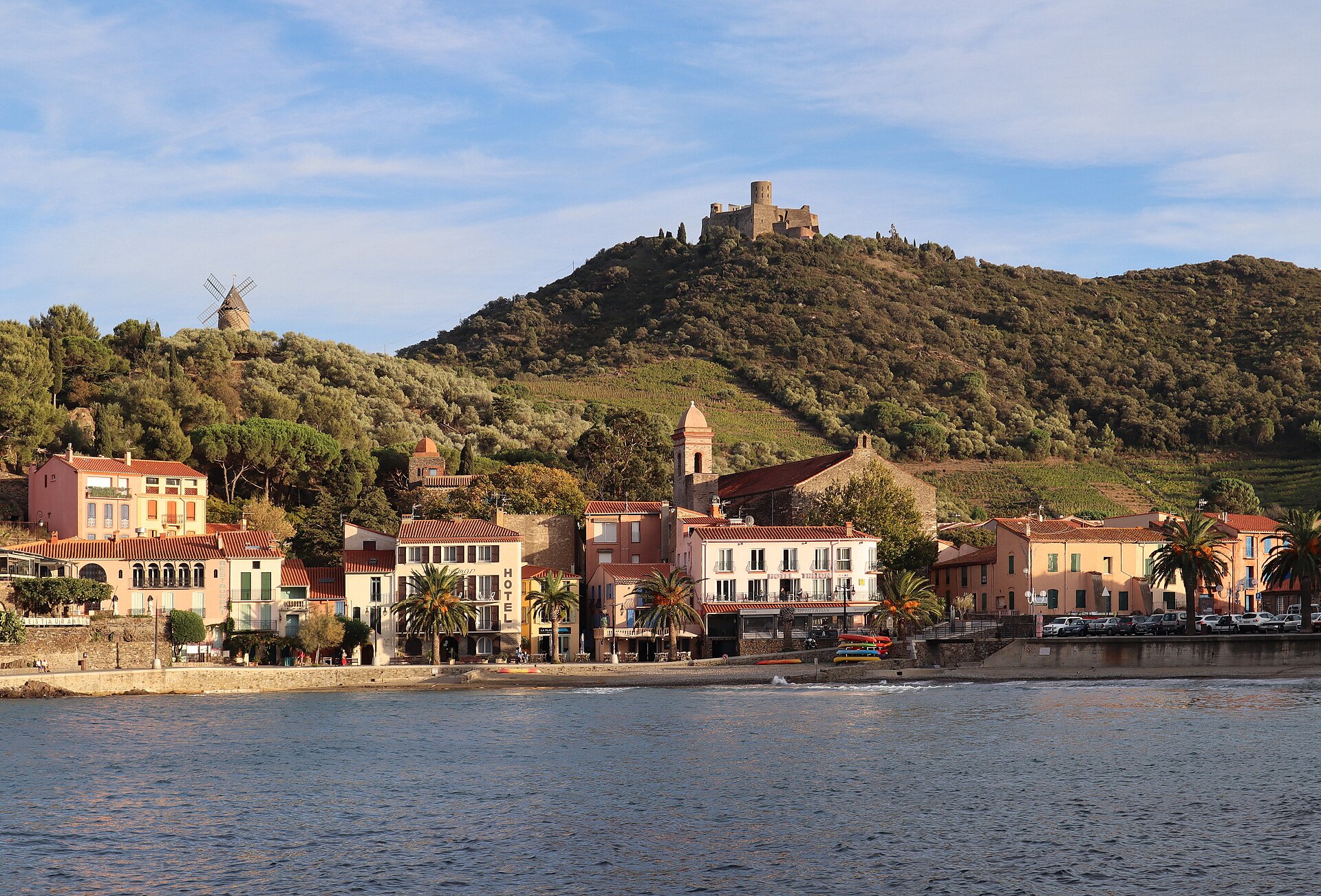
Just above the town of Collioure, in the midst of old, fragrant olive groves, stands the beautifully restored stone windmill of Moulin de la Cortina. This photogenic structure dates back to the Middle Ages, and until recently it was still used to press excellent olive oil. The stone tower itself is small, but the absolute main reason to come up here is its strategic position on the hill.
From around the windmill opens up the very best panoramic view over the whole town below, the massive Château Royal, the iconic church bell tower and the endless blue of the Mediterranean. The climb up from the historic centre takes roughly twenty minutes along a gently rising dirt track, and any reasonably fit walker will manage it without much trouble.
💡 Tip: Plan your trip to the windmill for late afternoon or early evening. Watching the slow sunset from here, as the old ramparts glow golden and the sky turns pink, is without doubt the most beautiful way to bid farewell to this magical landscape for good.
Map of points of interest for your phone
Where to Go Next from Collioure
If you have more time in the south of France, the vast Occitanie region offers an inexhaustible wealth of fascinating places to explore. From the coast you can venture deeper inland to delve into the dark Cathar history or discover vibrant university cities full of youthful energy.
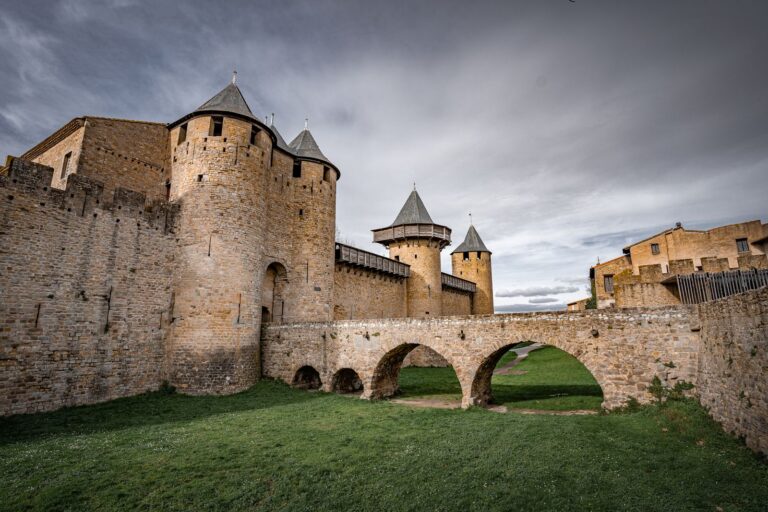
- Carcassonne: Just under two hours’ drive from the coast you’ll find the largest preserved medieval fortress in Europe. A walk along the mighty ramparts with their fifty-two towers instantly transports you to the age of knightly tournaments. Admission to the inner castle costs around 19 euros, but you can wander the old town’s lanes for free. I’d recommend avoiding a visit between 11 a.m. and 4 p.m., when the fortress is bursting at the seams.
- Montpellier: If you’re after elegant architecture, wide boulevards and a fantastic café culture, head further north along the coast. This dynamic city brilliantly blends the historic lanes around Place de la Comédie with the modern urbanism of the neoclassical Antigone district, and it’s bound to win you over.
Frequently Asked Questions
Is parking easy in Collioure?
During high summer season (July and August), parking is an absolute nightmare. Capacity is extremely limited and the town gets completely jammed with cars. The best option is to leave your car in nearby villages and take the local train into the center, or use the large park-and-ride lots on the outskirts of town, from where shuttle buses run at regular intervals.
How many days do I need to visit the Côte Vermeille?
For exploring the town of Collioure itself, one intensive day of walking will be enough. But if you want to hike the coastal trails, visit the surrounding vineyards in Banyuls, and explore nearby Perpignan at a relaxed pace, I recommend setting aside at least 4 to 5 days for this beautiful region.
Is it a suitable destination for families with children?
Yes and no. For older kids who love climbing around old castles and don’t mind pebbly beaches, it’s a great adventure. With a stroller, though, it’ll be a real struggle, because the historic Mouré quarter is full of stairs and steep, narrow alleys where you can barely squeeze past oncoming pedestrians.
What’s the best way to get there from abroad?
The most convenient airport gateway is Toulouse or Montpellier, which you can reach with one connection from major European hubs, or use direct budget-airline flights to the area. From the airport, it’s ideal to rent a car to explore the inland region, or take the TGV high-speed train to Perpignan and continue from there by local TER train directly to Collioure.
Are the local beaches sandy?
No, the Côte Vermeille coastline is characterized by its rugged rocky profile. Most coves and beaches in Collioure are covered with coarse pebbles and stones, which on the upside guarantees beautifully clear water. You’ll find sandy beaches further north, starting with the resort of Argelès-sur-Mer.
Is staying in this region expensive?
Collioure is considered a premium destination, so accommodation and service prices right in the historic center are considerably higher than in surrounding working towns like Port-Vendres. Still, it’s noticeably cheaper and overall more laid-back than the luxury resorts of the famous French Riviera.
Do people speak Spanish here?
The official language is of course French, but the Catalan heritage is extremely strong here. Locals understand Spanish very well thanks to the immediate proximity of the border, so with English and some basic Spanish you’ll get by in restaurants and shops absolutely without any problems.
Is the coastal trail hike challenging?
The Sentier du Littoral walking route isn’t technically difficult, but it constantly goes up and down along the cliffs, which really works your legs. The biggest enemy here is the summer sun and zero shade, so set out on the hike exclusively early in the morning or plan it outside the main summer season instead.
Tips and Tricks for Your Vacation
Don’t Overpay for Flights
Search for flights on Kayak. It’s our favorite search engine because it scans the websites of all airlines and always finds the cheapest connection.
Book Your Accommodation Smartly
The best experiences we’ve had when looking for accommodation (from Alaska to Morocco) are with Booking.com, where hotels, apartments, and entire houses are usually the cheapest and most widely available.
 🚗 Car rental on the roadVerified rental cars in Occitanie
Search with the DiscoverCars comparison engine — it compares prices from dozens of local and international rental companies, and most bookings come with free cancellation.
Compare car prices in Occitanie →Don’t Forget Travel Insurance
Good travel insurance will protect you against illness, accidents, theft, or flight cancellations. We’ve had a few hospital visits abroad, so we know how important it is to have proper insurance arranged.
Where we insure ourselves: SafetyWing (simple monthly subscription) and TrueTraveller (for extra-long trips).
Find the Best Experiences
Get Your Guide is a huge online marketplace where you can book guided walks, trips, skip-the-line tickets, tours, and much more. We always find some extra fun there!