If you’re after a calmer alternative to the overcrowded Riviera in the south of France, the Canal du Midi in France will completely win you over. This 17th-century engineering marvel forces you to slow right down and enjoy life at the pace of a leisurely stroll. All 240 kilometres of the canal link Toulouse with the Mediterranean Sea, forming an endless green tunnel lined with plane trees.
In this article you’ll find 11 tips for experiences you simply shouldn’t miss here. You’ll learn how to take on a houseboat trip without any captain’s licence, discover medieval castles and taste local specialities. I’ll also point you towards the best places to base yourself and show you how to plan the whole holiday flawlessly.
TL;DR
- Captain without a licence: You don’t need any qualifications to hire a houseboat on the canal — after a short briefing you can head straight out onto the water.
- Best stretch: The route between Castelnaudary and Toulouse offers the most beautiful locks and gently rolling, photogenic countryside.
- A paradise for cyclists: The former towpaths along the water are completely flat and make up one of the loveliest cycle routes in France.
- Medieval fortresses: Whether on the boat or in the saddle, you can’t miss the fairy-tale ramparts of Carcassonne.
- Space-age Toulouse: At the start of your trip, set aside time for the Pink City, the Airbus factory and the huge interactive Cité de l’espace park.
- Beware the summer heat: In July and August temperatures regularly hit 40 °C, so it’s far nicer to set off in spring or autumn.
The full destination guide: Occitania — guide and what to see
When to Visit the Canal du Midi
South-west France is a brilliant destination to explore from spring through to autumn, but picking the right month is absolutely key. The most beautiful time to visit is undoubtedly spring (May and June), followed by early autumn (September and October). In these months the canal is gloriously green, temperatures hover around a pleasant 20 to 25 degrees, and you won’t be elbowing your way through crowds on the cycle paths or at the locks. Spring also brings blossoming meadows and fields around the water, creating gorgeous scenery for photos.
If you possibly can, avoid the peak summer season in July and August. In recent years temperatures in southern France have regularly climbed to between 35 and 43 °C. On the sun-baked bricks of historic Toulouse, or on the deck of a boat where the sun beats relentlessly down onto the still water, that can be a genuinely exhausting experience 😅. On top of that, the French take their national holidays in summer, so boat hire and accommodation prices shoot up and long boat queues form at the popular locks, swallowing up plenty of your precious time.
Getting to this region from the UK is easier than ever. Several airlines fly directly from London to Toulouse, with easyJet and British Airways operating convenient routes that save you the hassle of long connections through the giant Paris airports. Toulouse-Blagnac Airport sits just a short hop from the centre, and a modern tram whisks you comfortably and quickly straight into the heart of the city.
If you only plan to explore the city and then head off on a boat or bike along the canal, you don’t need to hire a car at all. The regional TER train will reliably take you to the boat bases or to the start of the cycle route. These trains are perfectly set up for carrying bikes, so the logistics of a cycling trip are sorted here too.
Where to Stay Along the Canal du Midi
💡 Tip for accommodation and experiences: We love searching for places to stay on Booking.com, where the cancellation terms tend to be the best. For tickets, tours and activities, it’s worth comparing and booking through GetYourGuide.
Whether you’re planning a boat trip or a cycling tour, you’ll want a strategic base at the start and end of your journey. Toulouse and Carcassonne are the two best cities to stay in, as they offer excellent infrastructure, gorgeous historic centres and easy access right to the canal. Always book accommodation in these cities well in advance, especially if you’re travelling in the popular spring or autumn months. Booking offers an endless range of options, from small family-run guesthouses to luxurious boutique hotels.
If you’re starting in Toulouse, look for accommodation right in the centre, known as La Ville Rose. The city earned this nickname thanks to its ubiquitous fired bricks, which shift in colour throughout the day from soft peach to deep purple. One great choice is the boutique La Cour des Consuls Hotel and Spa, set in a historic building and offering total peace just a few steps from the bustling Place du Capitole. For those after something more affordable but still very stylish, the Boutique Hotel SOCLO fits the bill perfectly. You can walk to all the main sights from here with ease, and the train station — your gateway to the harbours — is just a few minutes away. A standard double room in season usually costs around 150 to 200 euros per night.
If you decide to anchor your trip in Carcassonne, definitely stay as close to the medieval ramparts as possible. Sleeping inside the fortifications is a once-in-a-lifetime experience, because once the day-trippers leave you get the floodlit town and its empty lanes all to yourself. The iconic Hôtel de la Cité & Spa MGallery offers unforgettable luxury and views that transport you centuries back in time. A cheaper but no less charming alternative is the Hotel de l’Octroi, just a short walk from the entrance to the old town, complete with a lovely pool to cool off in after a full day in the saddle. Prices around the ramparts start at 120 euros a night, but for those exclusive views you’ll naturally pay a little extra.
11 Things to See and Do on the Canal du Midi in France
Let’s take a look together at the most interesting things this unique waterway and its surroundings have to offer. From engineering wonders through historic towns to culinary experiences that’ll keep you coming back for more.
1. Canal du Midi Boat Hire — No Licence Required
This is probably the biggest draw of the whole canal, the very reason people travel here from all over the world. To pilot a houseboat you need no captain’s licence and no prior experience whatsoever. Companies like Le Boat or Locaboat will hire you a boat under a special exemption. At the base they’ll patiently spend thirty minutes explaining how to start, brake and safely tie knots, and then they simply hand you the keys. The boats are specially adapted for beginners and protected by chunky rubber bumpers, so you needn’t worry about the odd little bump.
Cruising on a houseboat is the absolute definition of slow travel. During the day you drift slowly from village to village at five to eight kilometres an hour, waving to people on the bank and focusing only on manoeuvring through the locks. The most beautiful and visually stunning stretch lies between Castelnaudary and Toulouse. The locks here are architectural gems and the landscape rolls gently and incredibly photogenically.
In the evening you simply find a nice spot under the trees, hammer iron stakes into the bank, tie up your boat and your accommodation is sorted. Most boats come with a fully equipped kitchen, comfortable showers and outdoor seating on deck.
💡 Tip: Hire prices for 2026 range roughly from 1,500 to 2,500 euros per week for a crew of four, depending on the season and the comfort of the boat. Always add bike hire to your booking — you’ll need them for those early-morning runs to fetch fresh baguettes from the more distant villages.
2. The Fonseranes Locks near Béziers
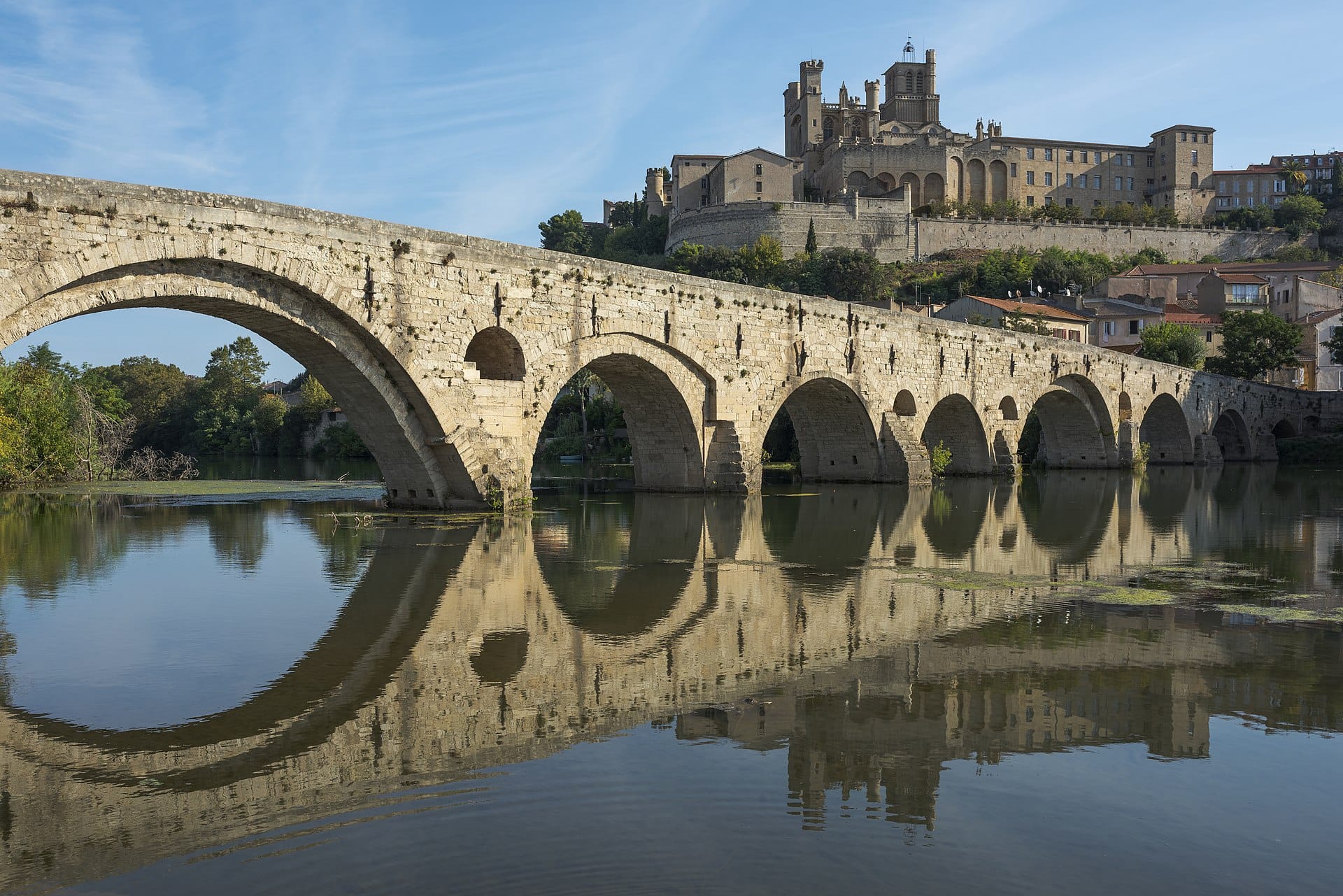
If historic engineering is your thing, this place will quite literally take your breath away. The cascade of locks at Fonseranes, just outside Béziers, is an engineering masterpiece and one of the most visited landmarks in the whole Occitanie region. It’s not a single ordinary lock but a staggering water staircase made up of nine consecutive stone chambers. Boats here have to overcome an incredible height difference of over twenty-one metres in a span of just three hundred metres.
Watching the process from the bank is a fascinating spectacle that can keep you entertained for hours. Every day crowds of spectators gather here to watch houseboat captains carefully steer their vessels into the narrow chambers. Some are clearly nervous beginners, which makes for plenty of amusing moments 😅. The water roars, the professional lock keepers (the so-called éclusiers) bark clear instructions, and the boats gradually rise or fall like on a giant escalator.
Entry to the locks area is completely free for pedestrians and the whole site recently underwent a major, tasteful renovation. I’d recommend setting aside at least two hours for your visit, so you can stroll the whole cascade from bottom to top at your leisure. At the top you can settle into the local café with a lovely view over Béziers. If you’re cruising the canal yourself, brace yourself with plenty of patience and keep an eye on the clock, because the lock keepers stick to a strict lunch break during which absolutely no one goes anywhere.
3. The Cycle Path Along the Banks and Its Perfect Flatness
For those who don’t fancy sleeping on the water, the canal offers an absolutely perfect alternative from the saddle of a bike. The former towpaths have today been transformed into a gorgeous long-distance greenway that runs along practically the entire length of the canal. Horses once trudged along these dusty tracks, heaving cargo barges laden with grain; today it’s an absolute paradise for cyclists. The terrain is completely flat from end to end and safely separated from cars, so even families with younger children or occasional riders can tackle the route without the slightest trouble.
The absolute classic is the cycle route from Toulouse to Carcassonne. This hugely popular stretch is around 105 kilometres long and can be ridden in two days at a relaxed pace. On the first morning you set off from the busy city, weave through the suburbs for a while and gradually sink into the deep calm of the French countryside. Along the way you pass old stone bridges, sweeping fields of sunflowers, picturesque vineyards and tiny villages where time stopped a hundred years ago. Getting back to Toulouse with your bikes is easy on a comfortable regional train.
💡 Tip: If you don’t have your own bike, use one of the local specialist agencies such as Abicyclette Voyages. They’ll arrange the hire of quality bikes, book accommodation in trusted guesthouses along the route, and even transfer your luggage to the next hotel each day, so you can ride the whole way light with just a small backpack.
4. The Plane Tree Avenue and Saving the Green Tunnel
The most characteristic visual feature of the Canal du Midi is, without question, its majestic trees. The banks are lined with tens of thousands of enormous plane trees, whose broad canopies create a perfect green tunnel over the water. This natural roof isn’t just for show — it was planted deliberately, to protect the canal’s water from massive evaporation during the hot summer months, while its deep roots reinforce the banks. Cruising or cycling through this shady corridor in summer is incredibly soothing and refreshing.
There is, though, one very sad reality you’ll inevitably encounter on your journey. The trees are being devastated by a deadly fungal disease called chancre coloré, essentially an incurable cancer of the plane trees. This microscopic parasite spreads rapidly through water and root systems, and can completely kill an infected healthy tree within just a few years. Because of this, extensive and entirely unavoidable felling of the old, sick giants is currently under way along the canal.
The French aren’t giving up on their unique green heritage, however. A huge reforestation project is in progress, with the felled plane trees being replaced by new, more disease-resistant species such as oaks, limes or special hybrid plane trees. Some sections have therefore temporarily lost their iconic shaded character and look a little bare, but even so the canal still holds its incredible, romantic charm — which is well worth the visit.
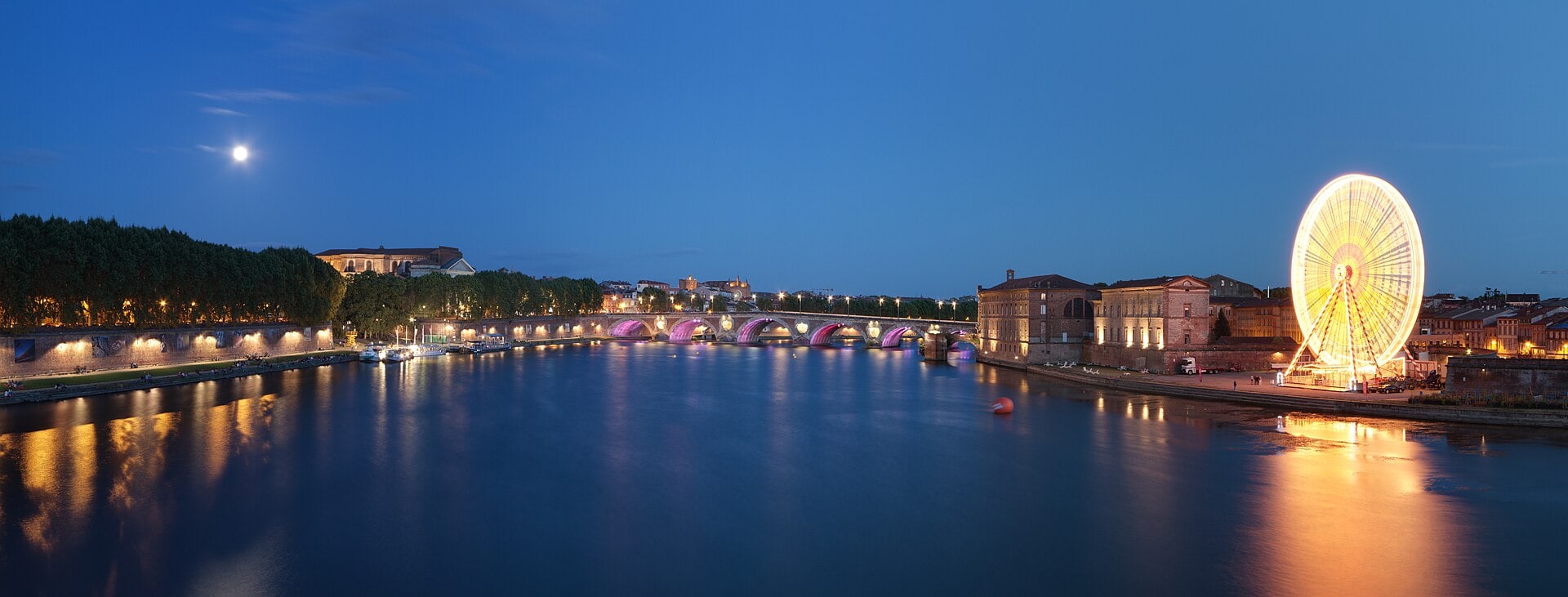
5. Toulouse, the Pink City at the Start of the Route
Before you set off on the canal itself, you simply have to explore the city where this whole waterway begins. Toulouse marches to its own slightly southern beat and certainly doesn’t put on the cool, stony elegance of northern France. It’s known as La Ville Rose, or the Pink City, because almost the entire historic centre is built from local fired bricks called terracotta. These bricks constantly change colour with the angle of the sun — soft peach in the early morning, blazing orange at midday, and deep purple at sunset.
At the heart of all the action is the vast Place du Capitole. This generous square is dominated by the town hall with its majestic neoclassical façade, in front of which something is always happening and where locals and tourists alike rub shoulders. It’s the absolute ideal spot to settle into one of the many little cafés, order a coffee and simply watch the world go by for ages. From here you just weave through the narrow lanes towards the breathtaking Basilica of Saint-Sernin.
This basilica is an absolute architectural must. It’s one of the largest surviving Romanesque buildings in all of Europe and was historically a key stop for pilgrims on the famous route to Santiago de Compostela. Its massive octagonal bell tower is an unmistakable landmark of the city. Toulouse is a city where you don’t need to chase sights with a map in hand — the loveliest thing to do is simply wander and soak up the atmosphere.
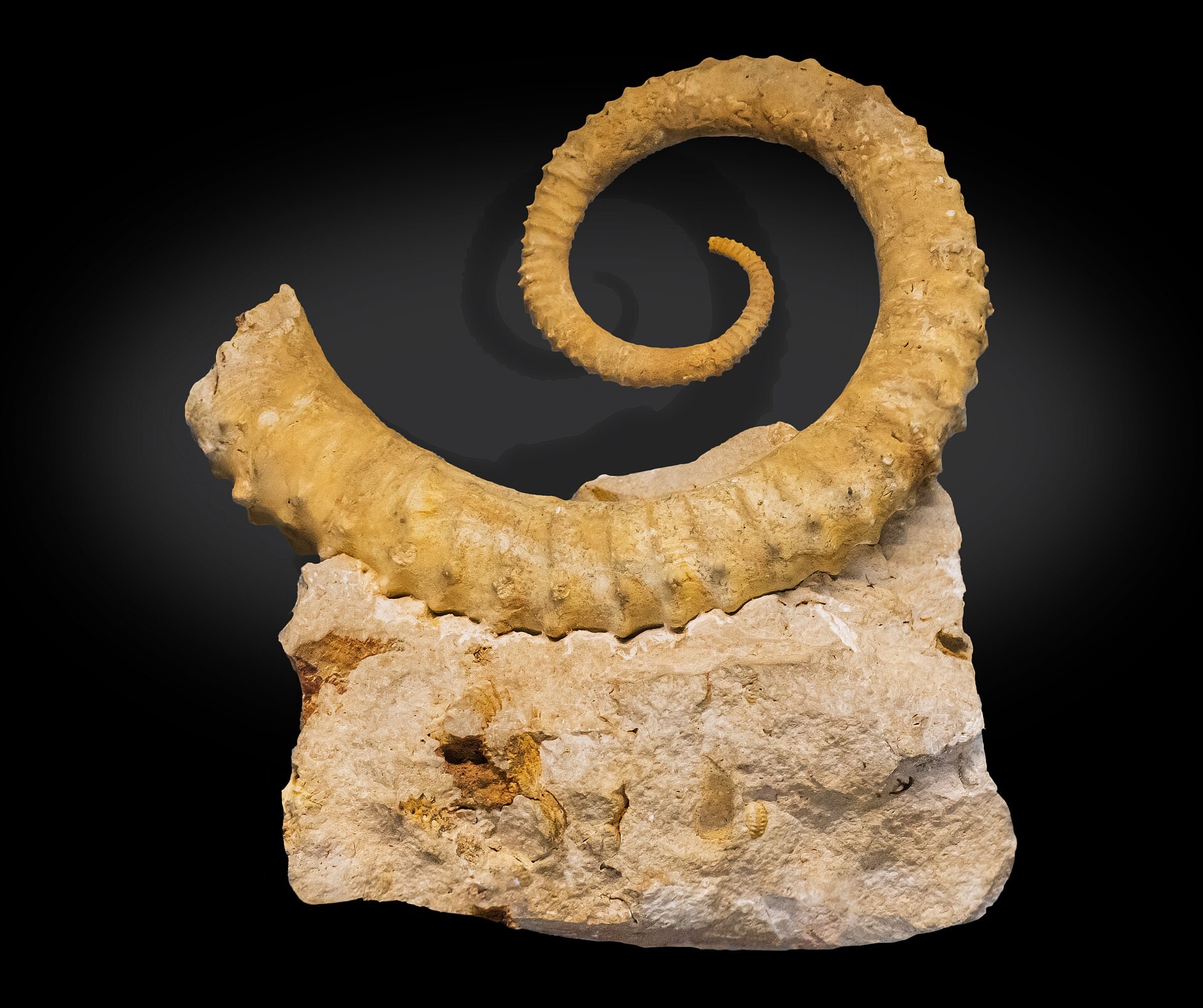
6. Space-Age and Aviation Toulouse for Enthusiasts
Alongside its history, Toulouse has another fascinating face — it’s a city that literally bolts on wings and reaches for the stars. It’s the main European hub of aviation and space research. If you’ve got even a spark of the tech enthusiast in you, or you’re travelling with family, definitely set aside a whole day for the outskirts of the city. On the eastern edge lies the wonderful Cité de l’espace, which isn’t some dull museum full of dusty display cases but a huge interactive space park.
From a distance you’re struck by the stunning full-scale replica of the Ariane 5 rocket, standing a respectable 53 metres tall. You can walk through a real Mir space station, try out all sorts of zero-gravity simulators or lose yourself in the projections of the state-of-the-art planetarium. For 2026 there’s also a brand-new, extensive exhibition dedicated to Mars and current space missions.
On the opposite side of the city, near the airport, sit the European aviation giant Airbus and the neighbouring Aeroscopia museum. The Let’s Visit Airbus tour takes you to a viewing platform right above the assembly line, where you can see with your own eyes how giant passenger planes are put together. ⚠️ There’s one huge catch, though. You need to book the factory tour at least three weeks in advance, English-language tours typically only run on Wednesdays and Saturdays, and the slots vanish in a flash, so turning up on spec means certain disappointment. If you can’t get onto the line, neighbouring Aeroscopia comes to the rescue, where you can get up close to icons like the legendary supersonic Concorde.

7. Carcassonne: The Middle Ages from the Deck of a Boat
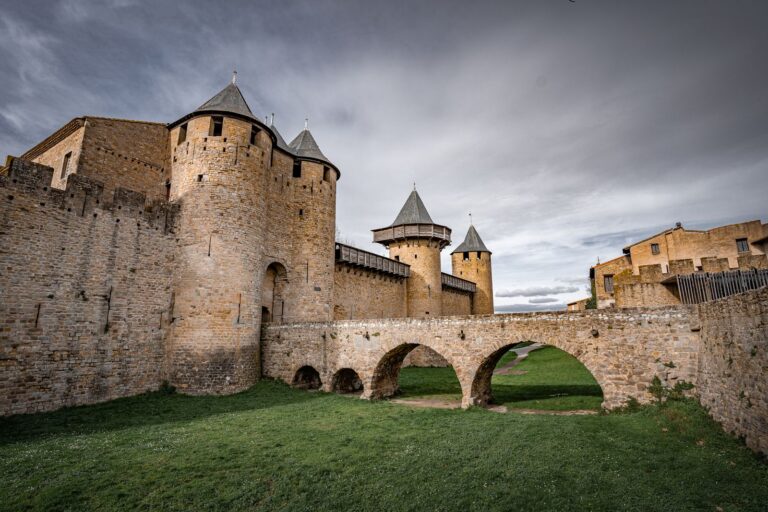
As you make your way along the shady canal, sooner or later you’ll reach a place that looks like it’s fallen straight out of a Disney film. The medieval fortified town of Carcassonne is the absolute highlight of the entire route. Seeing its massive double walls and dozens of pointed turrets rising proudly on the hill above the River Aude and the canal itself is a visual experience you simply never forget. The town is rightly listed by UNESCO and has long been one of the most visited landmarks in all of France.
If you’re travelling by boat, you can very conveniently moor at the town harbour, Port de Carcassonne, which is only about twenty minutes’ pleasant walk from the main entrance to the historic fortress of La Cité. The old town itself is laced with narrow cobbled lanes, small picturesque squares, Gothic churches and deep castle moats. It’s a place where genuine history breathes over you at every step.
💡 Tip: Surprisingly, there’s no charge at all to enter the old town itself — you can wander the lanes completely free and soak up the medieval atmosphere. You only pay to enter the inner castle (Château Comtal) and the main ramparts. Guided tours of the interior, as well as standard tickets, are easy to book in advance through GetYourGuide, saving you the tedious wait in the long queues that get absolutely brutal here in peak season.
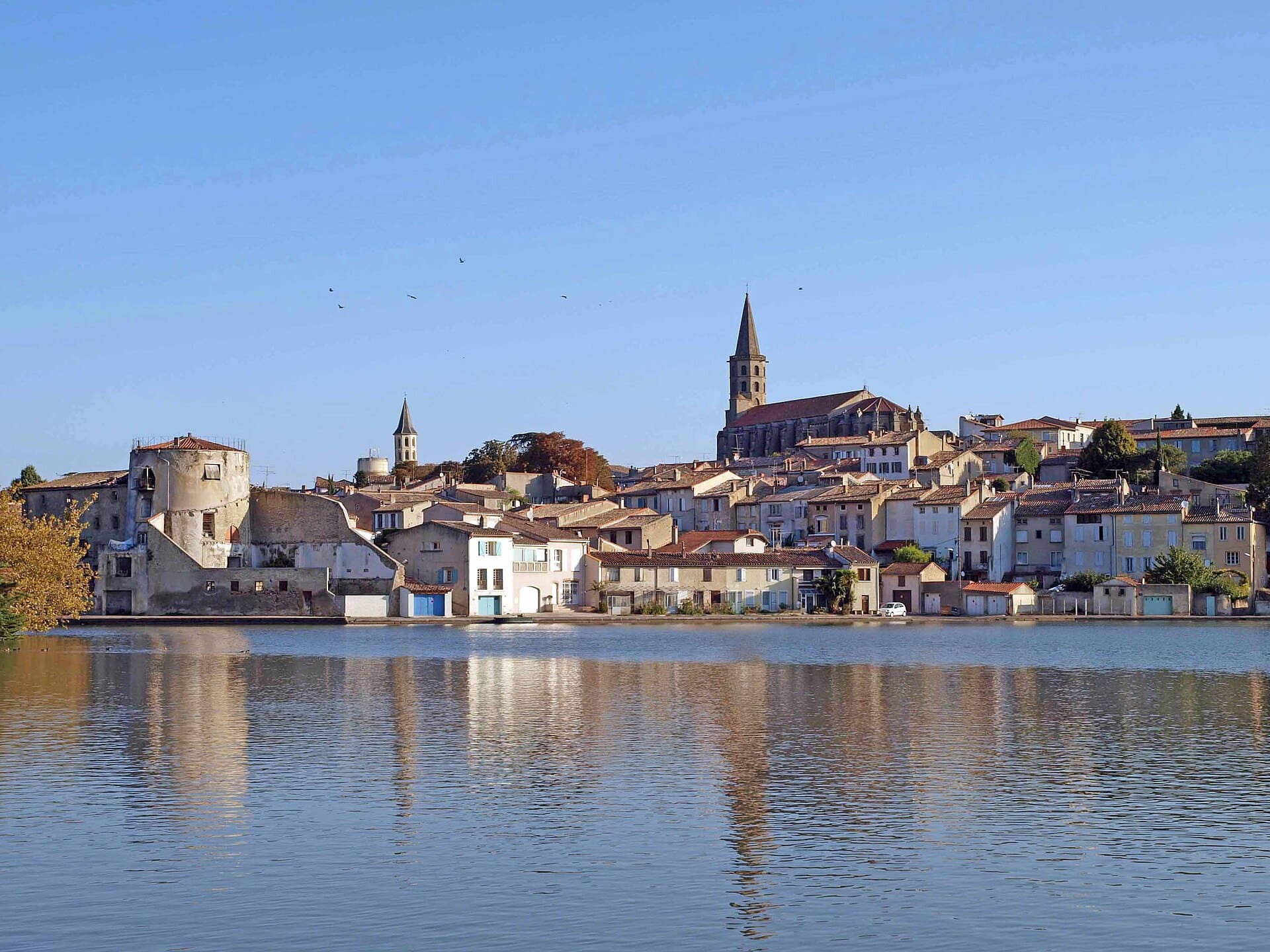
8. Castelnaudary and the Legendary Cassoulet
Roughly halfway between Toulouse and Carcassonne lies the very pleasant town of Castelnaudary, which boasts an enormous water basin called the Grand Bassin. This vast seven-hectare body of water was created deliberately, to capture water from the mountains and naturally balance the level of the whole canal. Today it works as a beautiful, calm harbour where the surrounding historic buildings reflect on the surface and where you’ll find the best conditions for an evening mooring.
The town is famous all across France for something quite different, though — a real culinary trial by fire takes place here. Castelnaudary is considered the world capital of a dish called cassoulet. The locals wage an age-old, passionate war with the cooks of Toulouse and Carcassonne over whose recipe is the one true version. It’s an incredibly hearty local speciality of white beans, sausages and rich meat, slow-baked for hours in a special clay dish called a cassole until a thick crust forms on top.
This traditional dish is, of course, not one for vegetarians, so if you don’t eat meat, head straight for the local markets. In Castelnaudary, instead of heavy meat you can enjoy excellent local cheeses, fresh vegetable salads with figs and superb regional wine, which you’ll find on practically every corner for a few euros. The local cheese shops and bakeries offer so many treats that your stomach certainly won’t be rumbling here ☺️.
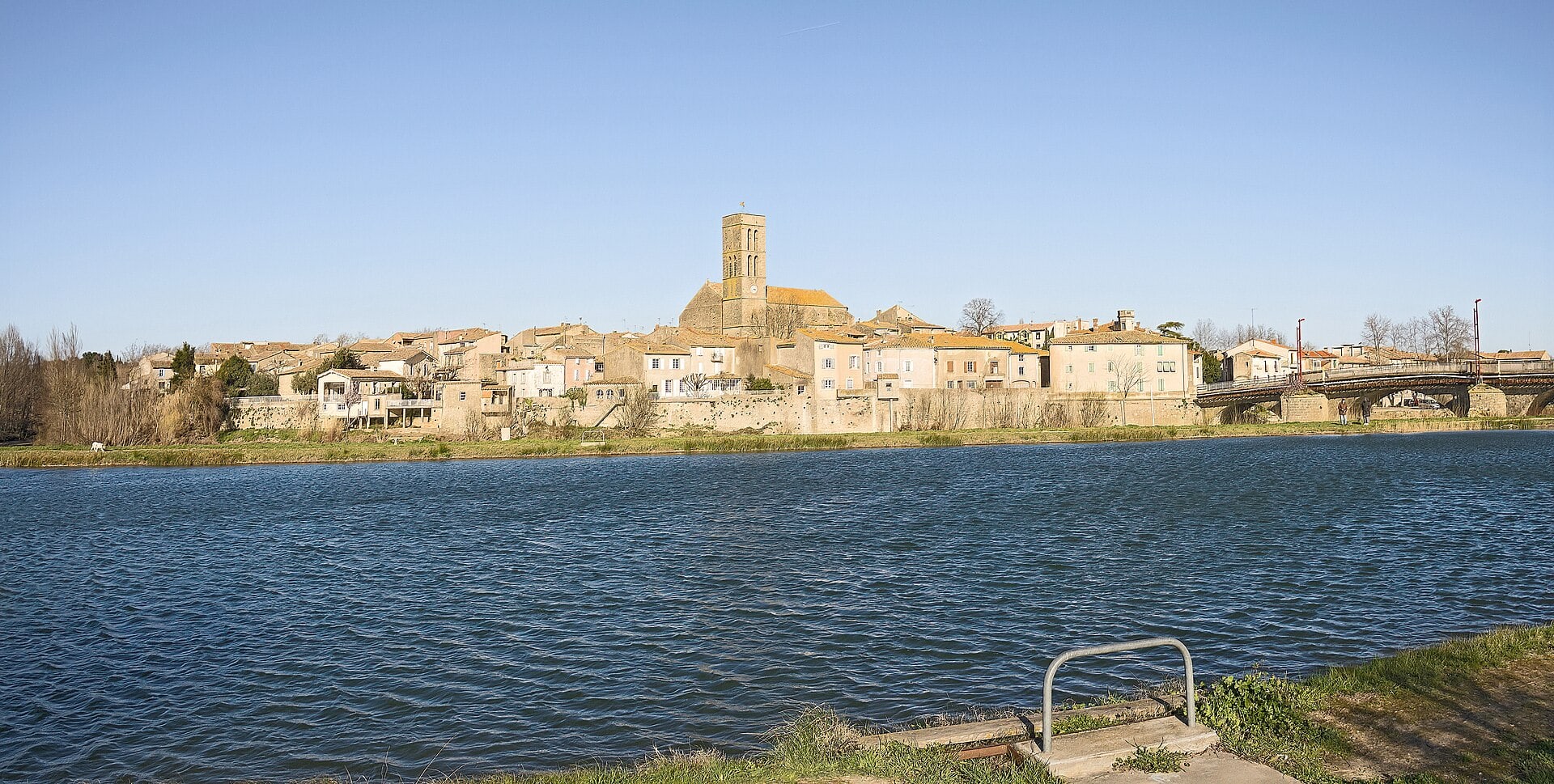
9. Trèbes and the Charm of Small Villages
While the big, busy cities of Toulouse and Carcassonne naturally draw the most tourist attention, the real, authentic soul of the canal lies in the small, unassuming villages. The little town of Trèbes is an absolutely perfect example of peaceful French life on the water. The harbour here is lined with excellent little restaurants with outdoor terraces, where you can sit back with a glass of wine and watch the boats inch their way very cautiously through the incredibly narrow profile of the canal beneath the old stone bridge.
Trèbes is also home to a wonderful local market, always packed with fragrant, fresh local produce from the surrounding farms. I’d definitely recommend visiting the renowned local jam-maker, Confiturerie de l’Écluse, just a short hop from the water, offering utterly incredible combinations of local fruit flavours. These honest preserves are the perfect place to pick up lovely edible souvenirs that you’ll happily take home.
Stops in villages like this let you experience the most authentic France without the needless gloss and tourist bustle. Mooring here in the evening is far calmer than in the big cities, and once the buzz from the surrounding cycle paths dies down at nightfall, all you’ll hear is the loud song of the cicadas and the gentle lapping of water against your boat’s hull. It’s precisely for these magical moments that people love to come to the Canal du Midi.
10. The History of an Engineering Marvel and Pierre-Paul Riquet
To fully appreciate the enormous work in front of you, it helps to know at least a little of its captivating history. The Canal du Midi didn’t come about by chance — it’s the life’s work of one stubborn and brilliant man named Pierre-Paul Riquet. In the 17th century, under the reign of King Louis XIV, this visionary tax collector came up with the crazy idea of linking the Atlantic Ocean to the Mediterranean Sea. He wanted to cleverly avoid the long and very dangerous trade voyage around the coast of Spain, where ruthless pirates were constantly on the rampage at the time.
It was an utterly unprecedented project for its day, with one huge technical snag. Riquet had to solve a fundamental physics problem: how to get water to the highest point of the entire route, so that the canal wouldn’t dry out in the scorching summer. He eventually solved it by building a complex network of reservoirs in the nearby Black Mountains (Montagne Noire), from which he channelled water into the main course through ingenious and intricate channels. The whole vast construction took fourteen long years and employed an incredible twelve thousand workers.
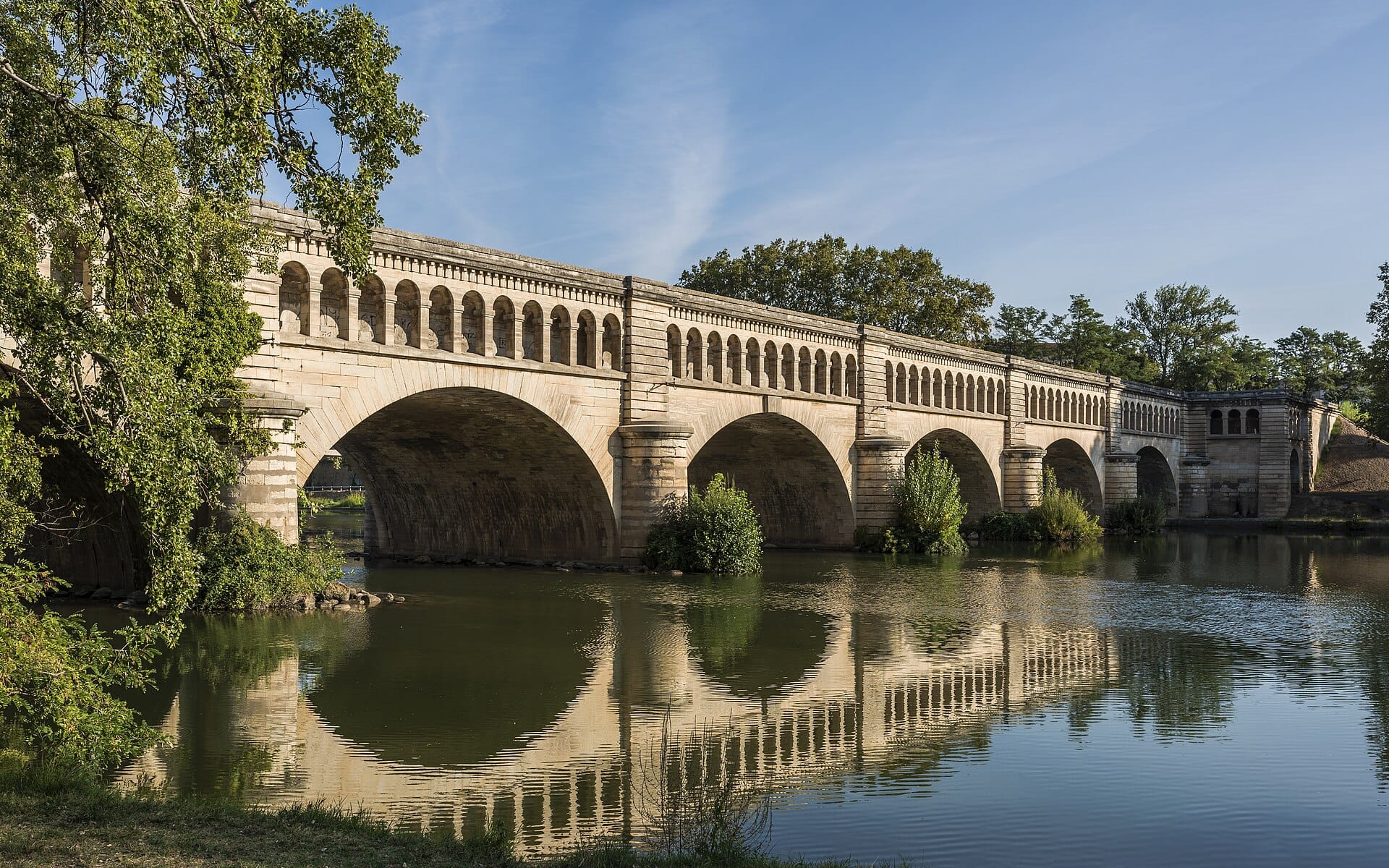
Today this entire waterway is rightly protected as a UNESCO heritage site. As you cruise, look closely at the perfect stone bridges, aqueducts and spillways. Everything here was designed and precisely built by hand over three centuries ago, and to this day it works absolutely flawlessly. The original purpose of this water corridor was above all the rapid transport of heavy loads of grain and regional wine, which at the time meant an enormous economic boom for the whole of south-west France. Today, though, commercial cargo boats vanished from the canal long ago, making way exclusively for lovers of slow, leisurely travel. It’s quite simply a fascinating celebration of human ingenuity and determination that, over the centuries, has blended utterly and naturally into the surrounding countryside.
11. Slow Travel and Early-Morning Baguette Runs
The final tip isn’t about any specific spot on the map but rather about the right mindset, without which you simply won’t enjoy this holiday. While the nearby Airbus in Toulouse embodies incredible speed and modern technology, on the Canal du Midi you have to forget about rushing and rigid travel schedules. If you plan back home to cover fifty kilometres a day by boat, you’ll ruin the whole holiday, because cruising speed is usually only around five to eight kilometres an hour. The magic of this place lies precisely in voluntarily surrendering to the lazy rhythm of the water and the opening hours of the locks — which also have a strict, non-negotiable lunch break that there’s simply nothing you can do about.
The most beautiful part of the day on the canal is the early morning, when everything around the water is only slowly waking up. You wake on the boat, a light morning mist drifts lazily over the surface, you pull out your bike and set off down the empty towpath to the nearest village. You find the fragrant local boulangerie, buy still-warm, gorgeously crusty baguettes, fresh butter and sweet buttery croissants. On the way back you stop at a small market for superb local cheese and fresh figs, which grow here on practically every corner.
Breakfast on the deck of the boat, with your feet propped up on the railing as you calmly sip hot coffee while curious ducks paddle past, is the very embodiment of perfect French country living. It’s an absolute digital detox and mental rest that will recharge you far more than a week spent in an expensive five-star resort by an overcrowded sea.
Map of points of interest for your phone
Where to Go Next from the Canal du Midi
The Canal du Midi is a brilliant springboard for discovering other parts of France. Here are some article tips to help you plan the next stops on your road trip or cycling tour through the south:
- Carcassonne: A detailed guide to the medieval fortress, tips on when to visit without the crowds, and how to save on admission.
- Toulouse: A detailed itinerary through the Pink City, including all the info you need to visit the Cité de l’espace and the Airbus factory.
Frequently Asked Questions
Do I need a license to operate a houseboat on the canal?
No, you don’t need any license or previous boating experience at all. Boat rental companies, such as Le Boat or Locaboat, have a special legal exemption for this purpose. Before setting sail, you’ll go through a short, roughly half-hour training session right at the base, where you’ll learn in detail the basics of maneuvering, engine braking, and safe knot tying, and then you’ll get the keys and can set off without worry.
How much does it cost to rent a boat for a week?
Prices vary greatly depending on the size of the boat, its overall comfort level, and the specific season. As a guideline for 2026, expect to pay between 1,500 and 2,500 euros per week for a crew of four during spring or autumn season. During the peak summer months, when the French have their nationwide holidays, these prices increase significantly and boats are often sold out months in advance.
Can you swim in the Canal du Midi?
Swimming directly in the canal is strongly discouraged for both hygiene and safety reasons. The water is not hygienically monitored, flows very slowly, and there’s also busy motorboat traffic. If you want to take a dip along the route, many campsites along the canal have their own maintained pools, or you can visit the nearby popular freshwater lake Lac de la Cavayère near the town of Carcassonne.
Are there mosquitoes by the canal?
Yes, given that this involves very calm fresh water that is closely surrounded by trees and lush vegetation, mosquitoes are simply present here during the summer months and in autumn. Definitely pack an effective repellent in your suitcase and make sure to close the insect screens on the boat in the evening. Fortunately, most modern houseboats come standard with these screens in the windows, so you can sleep peacefully.
How do locks work and do you have to pay for them?
Passing through the historic locks is free for all recreational boats, as all fees are already included in the boat rental price from the charter company. The locks are operated by professional workers, called éclusiers, so you only need to take care of throwing and safely holding the ropes from the shore. However, be aware that the locks have a very strict lunch break, during which no passage is possible.
Can I manage the bike path with kids?
Absolutely no problem at all, and it’s a fantastic experience for them. The former towpaths along the banks, where horses used to pull boats, are completely flat and you won’t encounter any challenging climbs. Most of the route is entirely separated from road traffic and is beautifully shaded by mature trees, making it one of the safest cycling routes for families with children in France.
How many days should you set aside for the canal?
If you want to cruise on a boat and enjoy it in complete peace, one week is the absolute minimum. During seven days, you can very comfortably cruise the most beautiful route from Toulouse to Carcassonne or from Castelnaudary to Béziers. If you’re planning just a cycling trip along the water, for the flat section between Toulouse and Carcassonne, you’ll need about two to three days of leisurely riding.
Tips and Tricks for Your Vacation
Don’t Overpay for Flights
Search for flights on Kayak. It’s our favorite search engine because it scans the websites of all airlines and always finds the cheapest connection.
Book Your Accommodation Smartly
The best experiences we’ve had when looking for accommodation (from Alaska to Morocco) are with Booking.com, where hotels, apartments, and entire houses are usually the cheapest and most widely available.
 🚗 Car rental on the roadVerified rental cars in Occitanie
Search with the DiscoverCars comparison engine — it compares prices from dozens of local and international rental companies, and most bookings come with free cancellation.
Compare car prices in Occitanie →Don’t Forget Travel Insurance
Good travel insurance will protect you against illness, accidents, theft, or flight cancellations. We’ve had a few hospital visits abroad, so we know how important it is to have proper insurance arranged.
Where we insure ourselves: SafetyWing (simple monthly subscription) and TrueTraveller (for extra-long trips).
Find the Best Experiences
Get Your Guide is a huge online marketplace where you can book guided walks, trips, skip-the-line tickets, tours, and much more. We always find some extra fun there!