

Winter trips into the wild can be an unforgettable experience full of beautiful snow-covered views and the silence of nature. But to make sure the cold doesn’t catch you off guard during the night, you need to choose quality winter sleeping bags. In this article we’ll look at how to pick the right one and run through our tips for the best winter sleeping bags available on the market.
How to choose a winter sleeping bag
We’ve put together a full guide to choosing a sleeping bag RIGHT HERE. But generally speaking, picking the right winter sleeping bag comes down to a few key factors:
Temperature comfort and limits
Are you sleeping in the UK, in Norway, or in Antarctica? Every sleeping bag is rated with these temperature values:
- Comfort: The temperature at which most users feel comfortable.
- Limit: The lowest temperature at which you can safely sleep, but without comfort.
- Extreme: The temperature at which the bag offers survival only, not comfort.
When choosing a winter sleeping bag, we recommend a model with a comfort temperature of around −10 °C or lower if you’re planning winter trips in extreme conditions.
Insulation material
Another factor you need to pay attention to is the insulation material.
- Down: Offers the best ratio of weight to thermal insulation, but is less resistant to moisture.
- Synthetic: Handles moisture better, is easier to clean and usually cheaper, but tends to be heavier and bulkier.
If you’ll be out in extremely wet conditions, consider synthetic; otherwise a down sleeping bag is the better choice and offers greater thermal comfort.
Weight and packability
On winter trips, every gram counts. Down tends to be lighter and packs down smaller, but synthetic bags can be more practical in less predictable conditions.
Sleeping bag shape
If you travel light, look for a sleeping bag with low weight and good compressibility (e.g. a down bag with a quality stuff sack). Otherwise you can choose between these shapes:
- Mummy shape: The most common choice for winter sleeping bags thanks to its efficient heat retention.
- Rectangular (blanket) shape: Offers more room, but isn’t as warm.
Price and brand
Investing in a quality winter sleeping bag pays off, especially if you plan frequent trips into the outdoors. Trusted brands include Sir Joseph, Husky, Pinguin, Warmpeace, Cumulus, Mountain Equipment and Hannah.
Extra features
When choosing a winter sleeping bag, you can also look out for these features:
- An insulated draft collar around the neck.
- An adjustable, cinchable hood.
- A double zipper for easier use.
The best winter sleeping bags
To help you with your choice, we’ve selected and rated 10 of the best winter sleeping bags for you.
| Ranking position | Sleeping bag name | Average price |
|---|---|---|
| 🥇 1st place | KWAK Skokan | €520 |
| 🥈 2nd place | Ferrino Nightec 800 | €140 – €180 |
| 🥉 3rd place | Warmpeace Viking 1200 | €320 |
| 4th place | Sir Joseph Rimo III 850 (200 cm) | €225 – €345 |
| 5th place | Patizon R900 S | €320 – €380 |
| 6th place | Mountain Equipment Glacier 450 Long Men’s | €320 |
| 7th place | Warmpeace Viking 900 (180 cm) | €230 – €360 |
| 8th place | Pinguin Expert CCS (185 cm) | €120 |
| 9th place | Trimm Balance (195 cm) | €52 – €84 |
| 10th place | Husky Down Dopy | €160 |
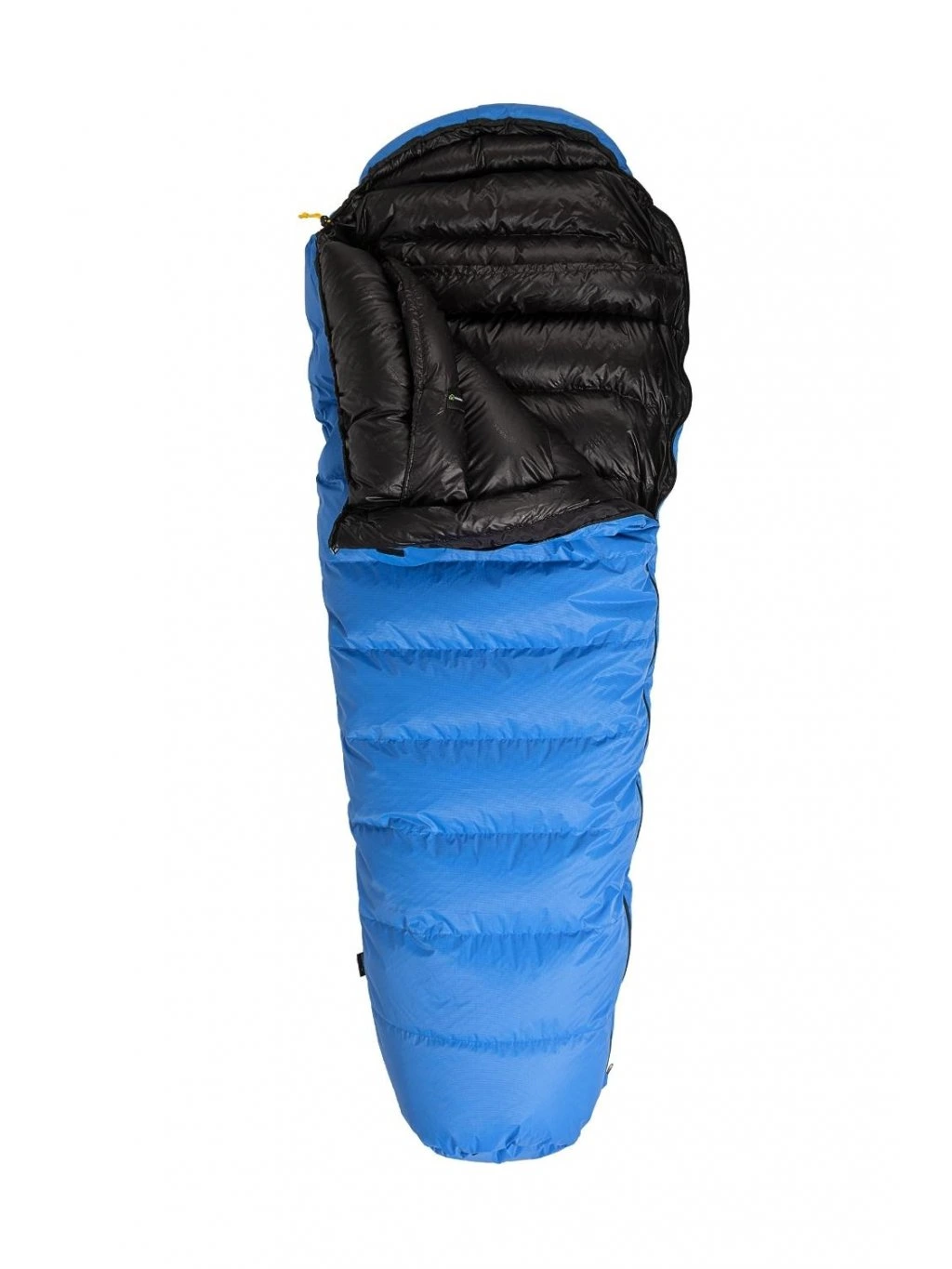
1) KWAK Skokan – winter sleeping bag with nanomaterial
The Czech brand KWAK is known for its technological excellence and use of advanced nanomaterials. The KWAK Skokan is a winter mummy bag filled with goose down (90/10 ratio) and 650 cuin fill power. The outer fabric is NANO Nylon Ultra RipStop Shell with a DWR C6 finish that provides water- and oil-repellency. Comfort temperature is -5 °C, limit -12 °C and extreme -32 °C.
KWAK Skokan – winter sleeping bag with nanomaterial
- Innovative nanomaterial
- Excellent insulation and water repellency
- High comfort in extreme conditions.
2) Ferrino Nightec 800
This winter sleeping bag from the renowned Italian brand Ferrino uses a synthetic microfibre fill that mimics the structure of down. It offers a balanced ratio between thermal performance, weight and packability. It features two zippers for easy ventilation and a cinchable hood with a One Touch system. Comfort temperature is -8 °C, limit -15 °C and extreme -36 °C.
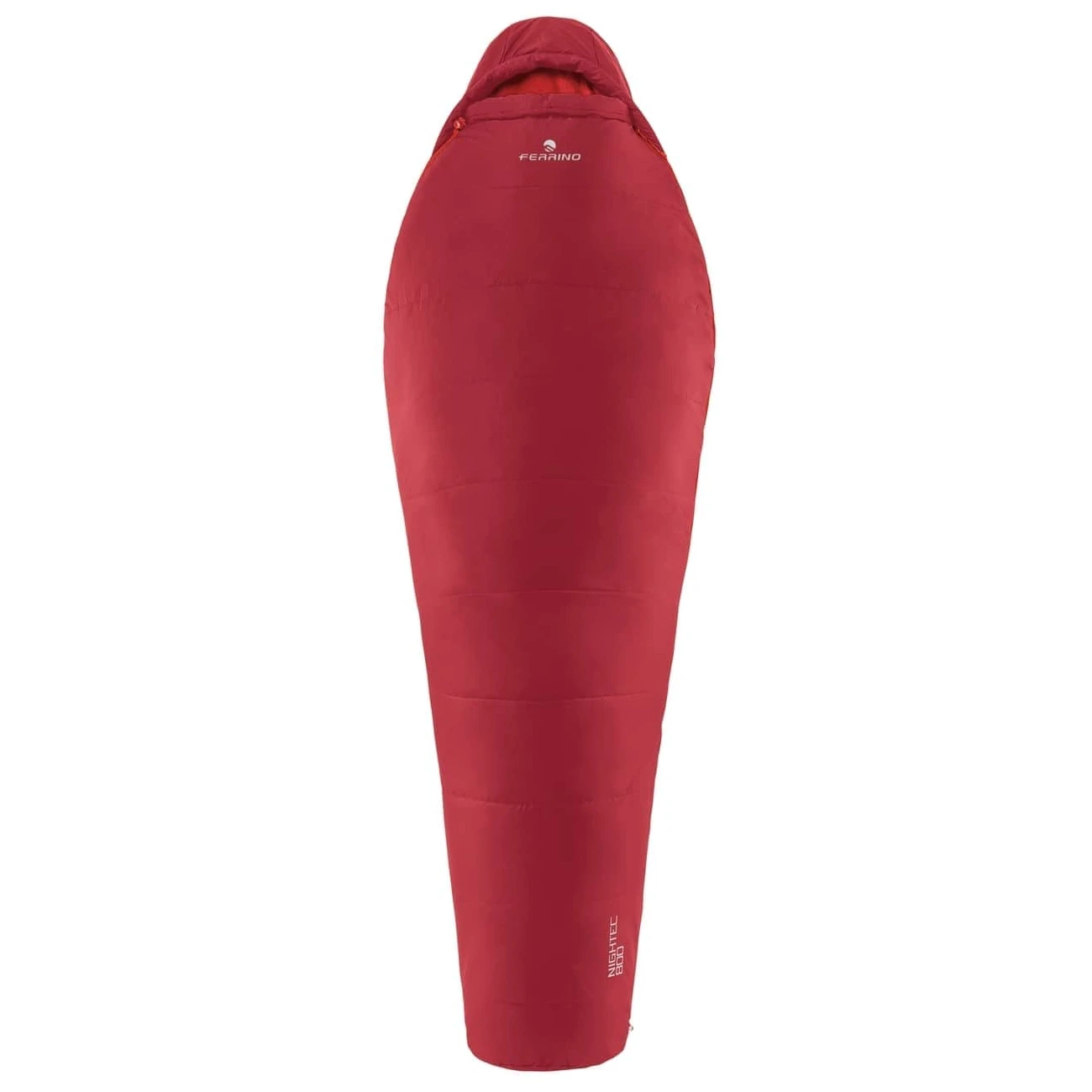
Ferrino Nightec 800
- Balanced performance-to-price ratio
- Great moisture resistance thanks to synthetic insulation
3) Warmpeace Viking 1200
The Czech company Warmpeace offers the Viking 1200 sleeping bag, which is ideal for cold winter nights. It’s filled with duck down at 600 cuin fill power and a 90/10 ratio. The Z-type chamber construction ensures even insulation. Comfort temperature is -10 °C, limit -18 °C and extreme -38 °C.
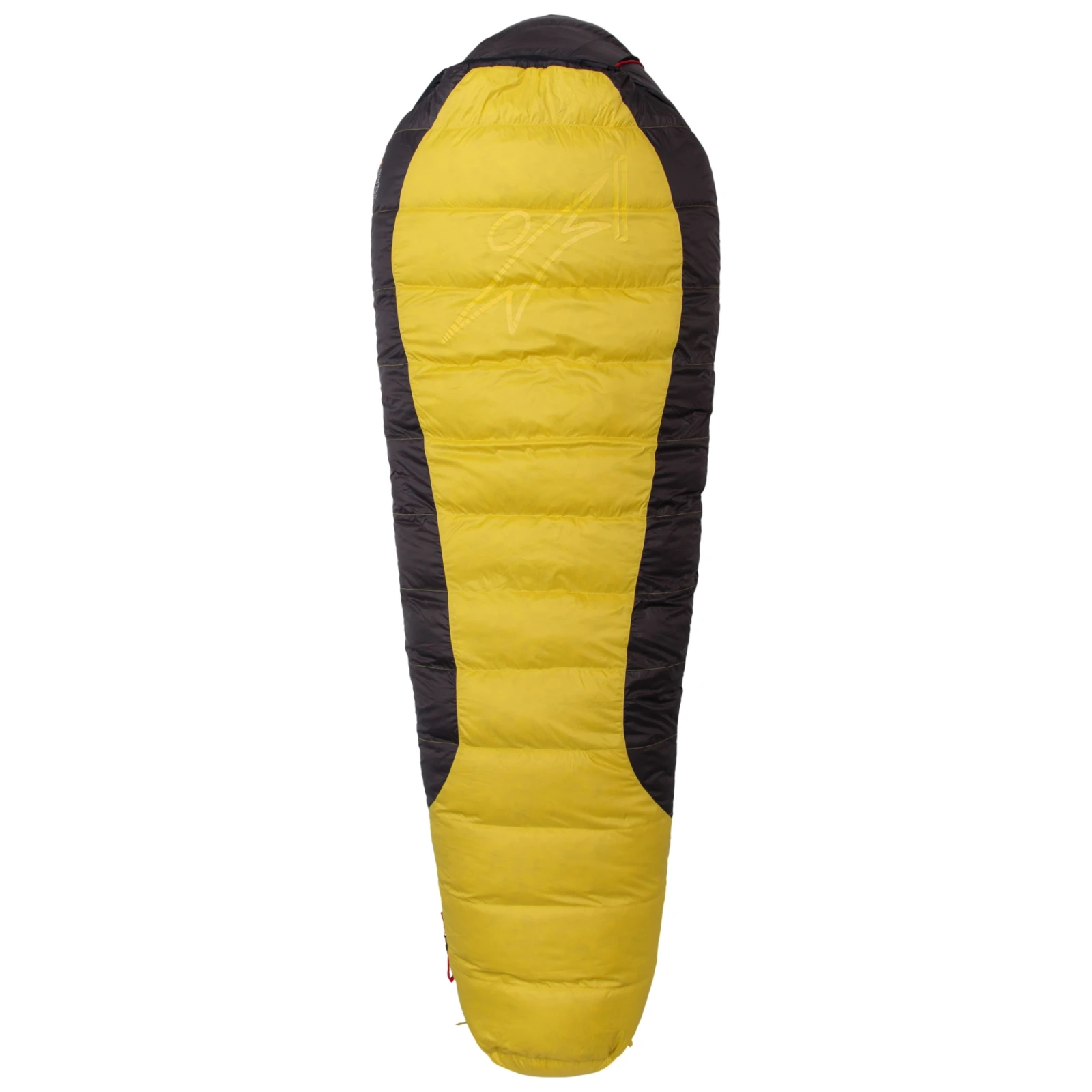
4) Sir Joseph Rimo III 850
The Rimo sleeping bag from the Czech maker Sir Joseph is filled with quality goose down at 600 cuin fill power. It’s designed for body heights up to 200 cm and offers a comfort temperature of -9 °C, limit -17 °C and extreme -38 °C. The outer fabric is resistant to moisture and wind.
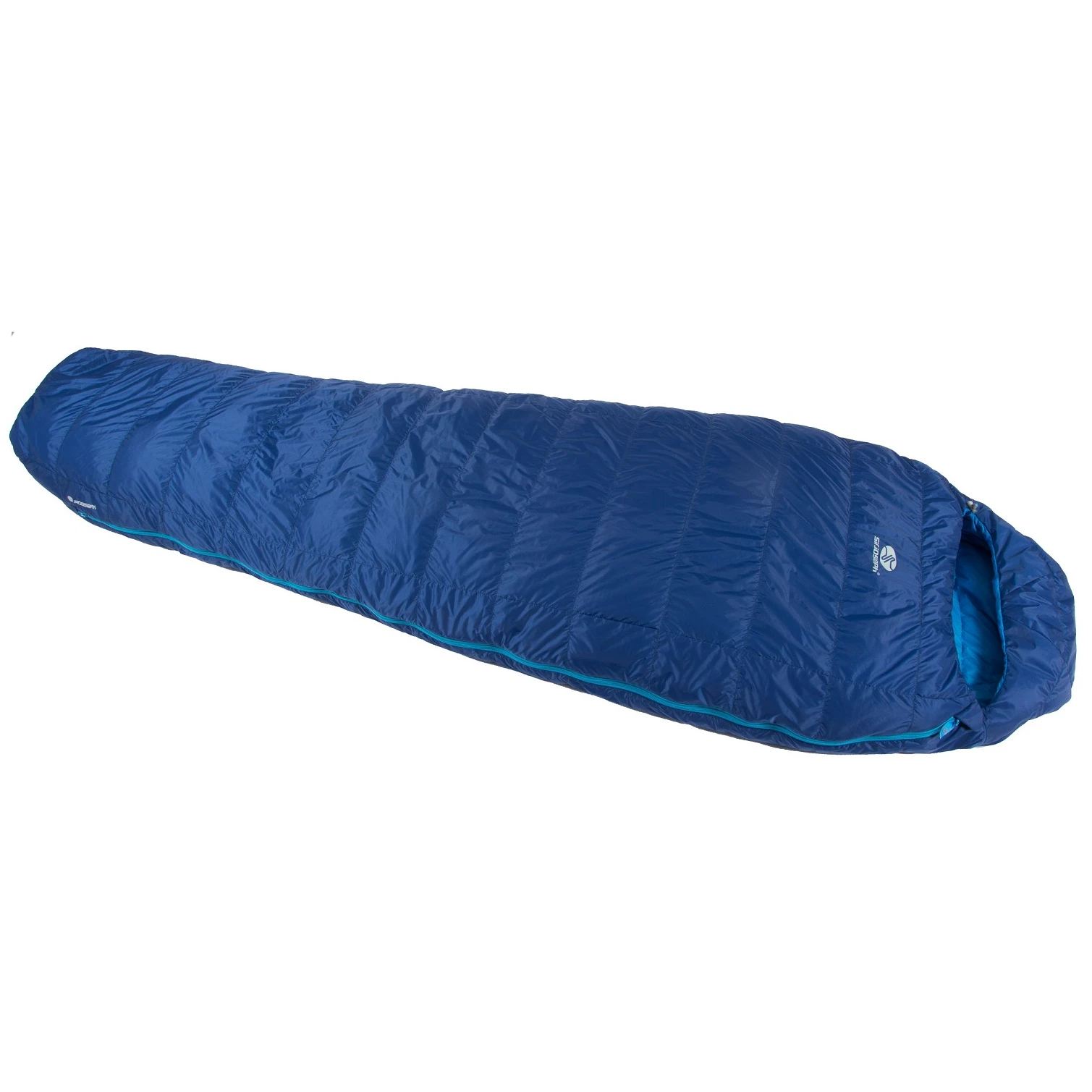
5) Patizon R900 S
The Patizon R900 S is a light, compact down sleeping bag with 800 cuin fill power. It’s suitable for winter use with a comfort temperature of -6 °C, limit -13 °C and extreme -32 °C. Thanks to its quality materials it offers high thermal comfort at low weight.
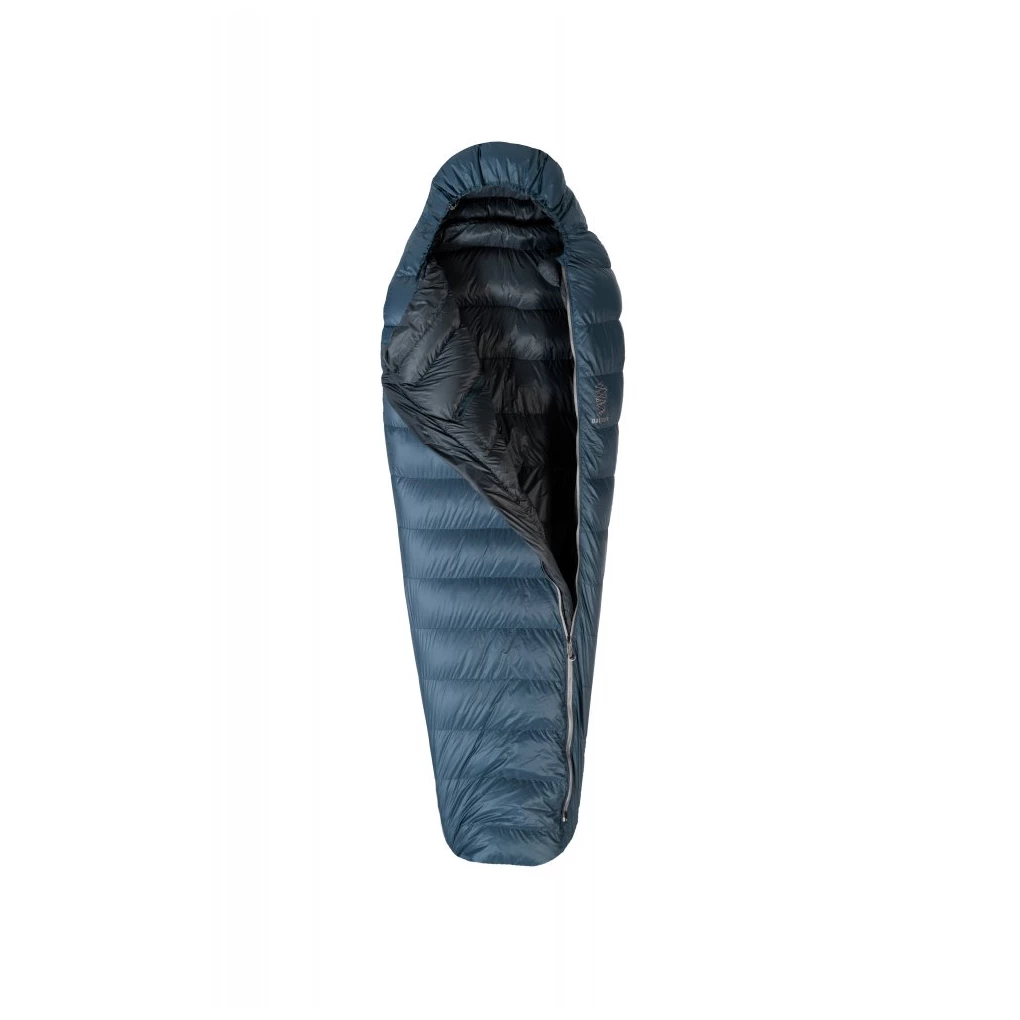
6) Mountain Equipment Glacier 450 Long Men’s
This sleeping bag from the British brand Mountain Equipment is designed for taller people. Filled with goose down at 700 cuin fill power, it offers a comfort temperature of -5 °C, limit -12 °C and extreme -30 °C. The outer fabric is resistant to wind and moisture.
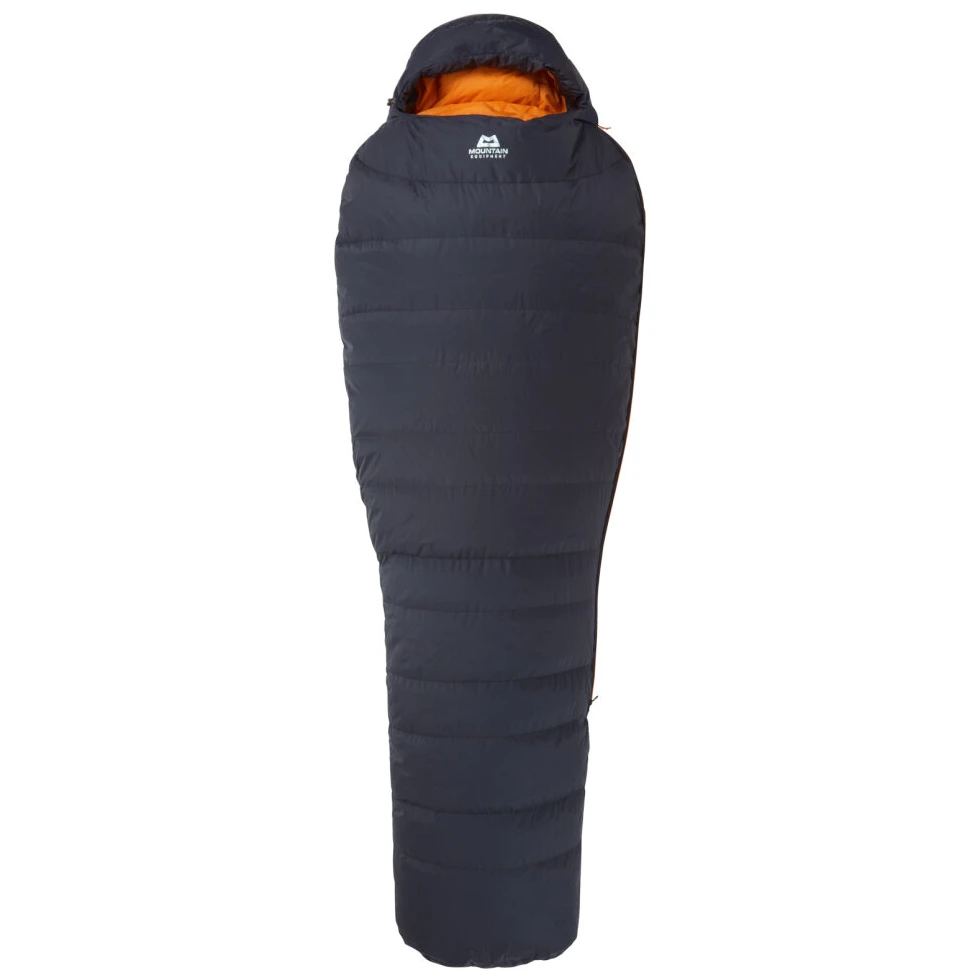
Mountain Equipment Glacier 450 Long Men’s
- Sleeping bag for taller people
- Higher insulation
- Durable fabric
7) Warmpeace Viking 900
The Viking 900 is a three-season sleeping bag from the Czech company Warmpeace, filled with duck down at 600 cuin fill power. Comfort temperature is -7 °C, limit -14 °C and extreme -34 °C. It’s suitable for body heights up to 180 cm and offers a good balance between weight and thermal comfort.
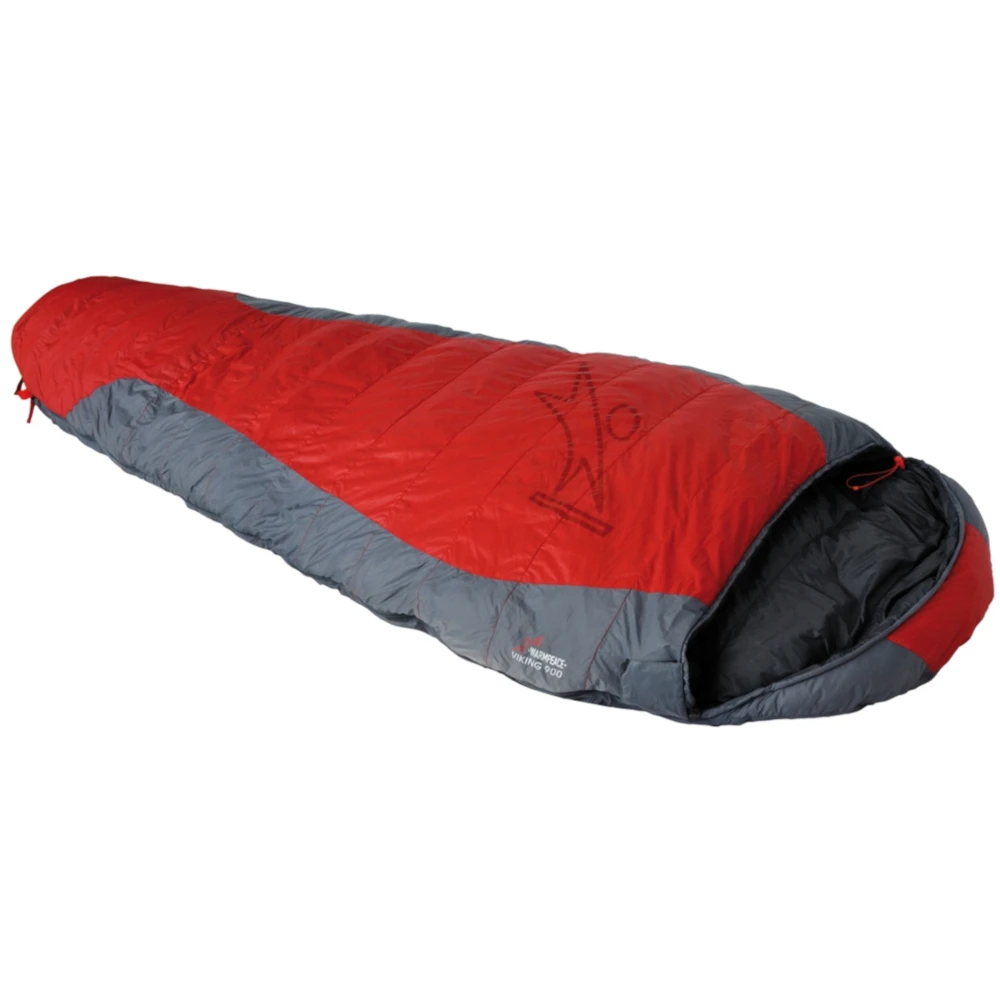
8) Pinguin Expert CCS
The Czech brand Pinguin offers the Expert CCS sleeping bag with microfibre insulation. Comfort temperature is -8 °C, limit -15 °C and extreme -36 °C. Thanks to its synthetic fill it’s moisture-resistant and suitable for a range of outdoor activities.
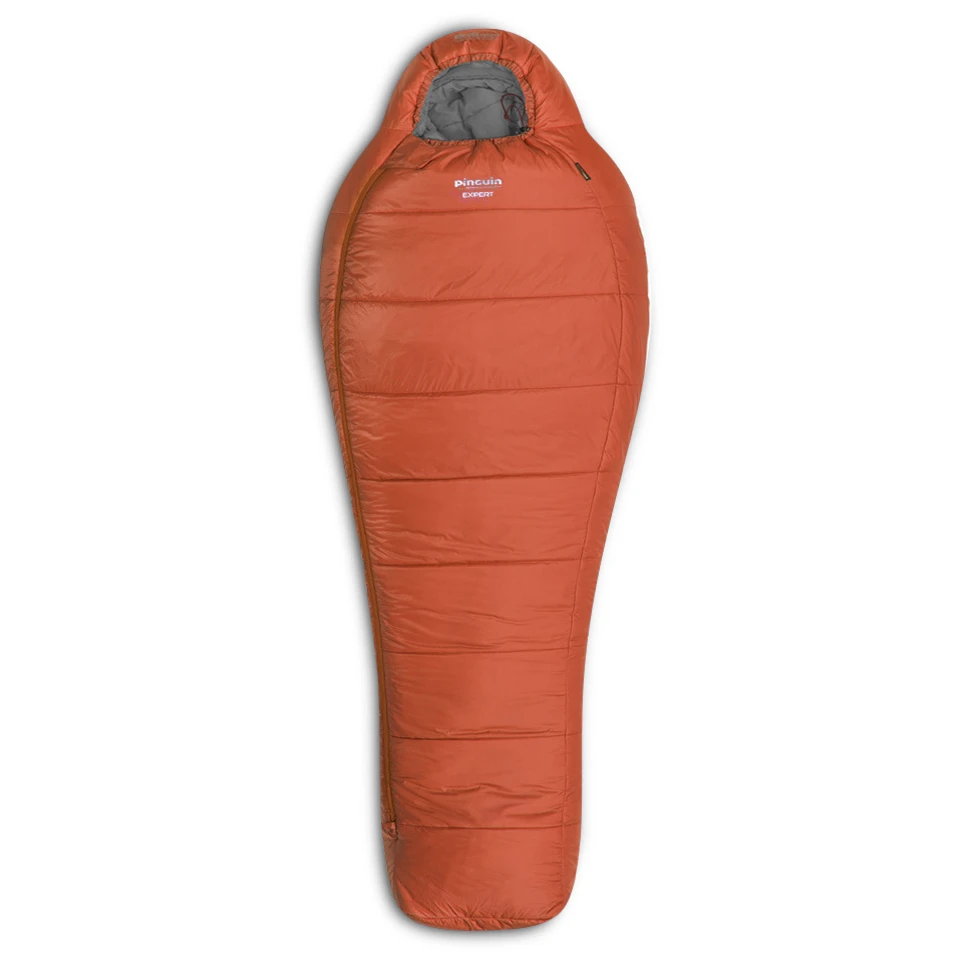
Pinguin Expert CCS
- Reliable synthetic sleeping bag
- Moisture-resistant
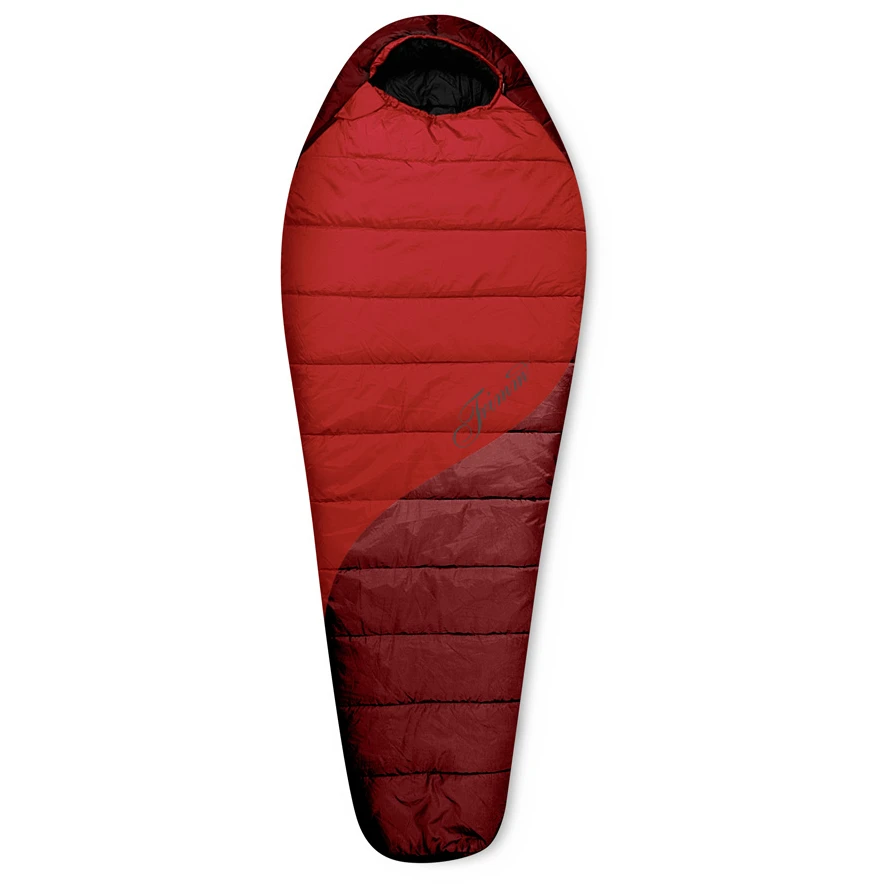
9) Trimm Balance
The Trimm Balance sleeping bag is designed for body heights up to 195 cm. It offers synthetic insulation with a comfort temperature of -5 °C, limit -12 °C and extreme -25 °C. It’s suitable for three-season use and offers good value for money.
10) Husky Down Dopy
The Down Dopy sleeping bag from Husky is filled with duck down and offers a comfort temperature of -10 °C, limit -17 °C and extreme -35 °C. It’s suitable for winter hiking, though compared with the other bags on this list it has lower fill power and higher weight.
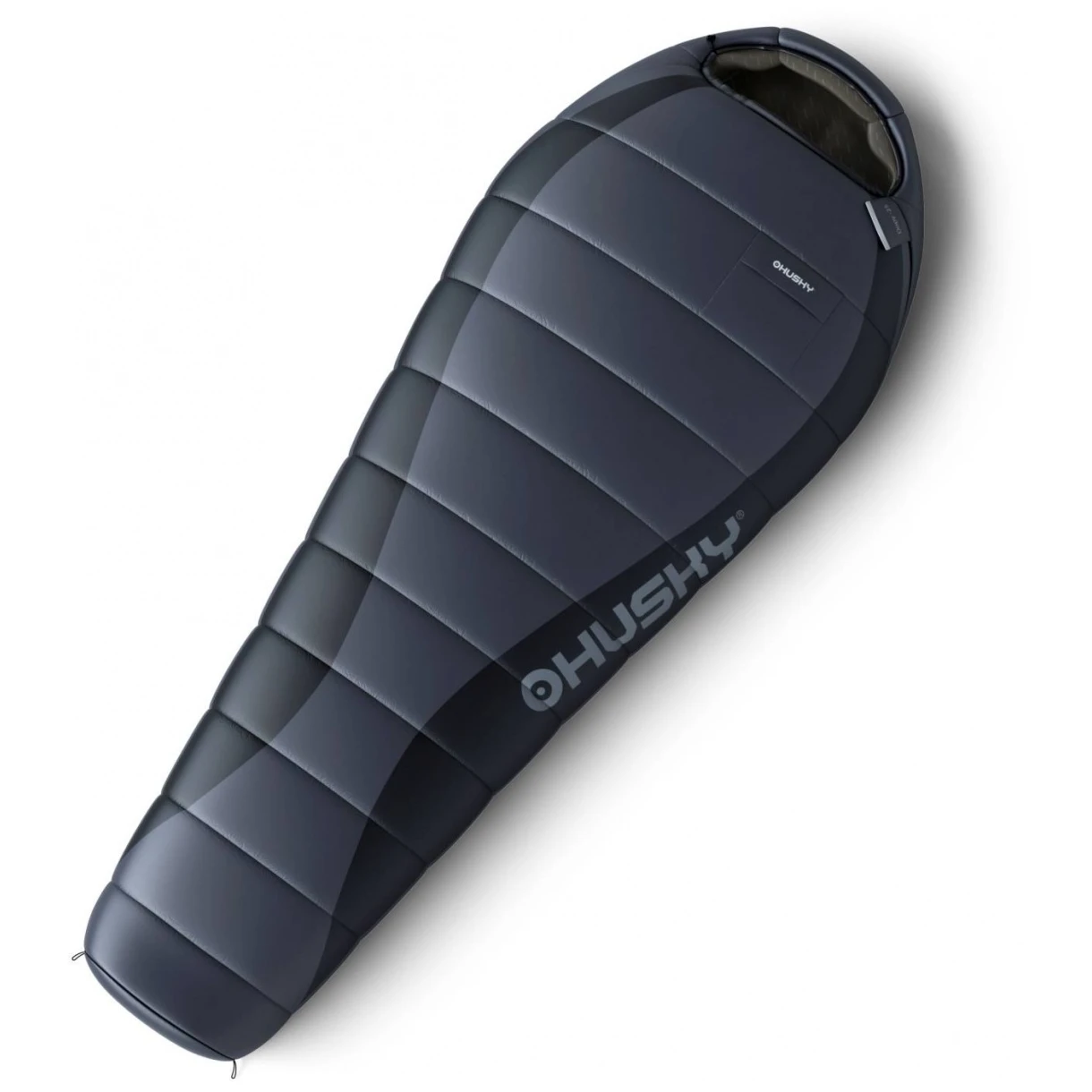
Winter sleeping bag materials: down vs. synthetic
Winter sleeping bags are filled either with down or with synthetic microfibres. What’s the difference between them, and which type is right for you?
Down sleeping bags
Down-filled sleeping bags excel thanks to their superb thermal insulation. Their main advantages are:
- Low weight – down bags are significantly lighter than synthetic ones
- Excellent compressibility – they take up less space in your backpack
- Outstanding thermal insulation – down has the best warmth-to-weight ratio
- Long lifespan – a quality down bag can last up to 20 years
But they also have their drawbacks:
- Higher price – quality down bags are more expensive
- More demanding care – washing down bags is more complicated
- Loss of insulation when wet – wet down loses its insulating ability
Synthetic sleeping bags
Synthetic-fill sleeping bags have their advantages too:
- Lower price – they’re more affordable than down models
- Easy care – they wash better and dry faster
- Moisture resistance – they keep their thermal properties even when damp
- Good for allergy sufferers – they don’t contain allergens like down models
Their drawbacks:
- Higher weight – for the same warmth they’re heavier than down
- Larger pack size – they’re harder to compress and take up more space
- Shorter lifespan – they usually last 3–4 years
Synthetic sleeping bags are best suited to wet environments where there’s a risk of getting them soaked, or for allergy sufferers who can’t use down products.
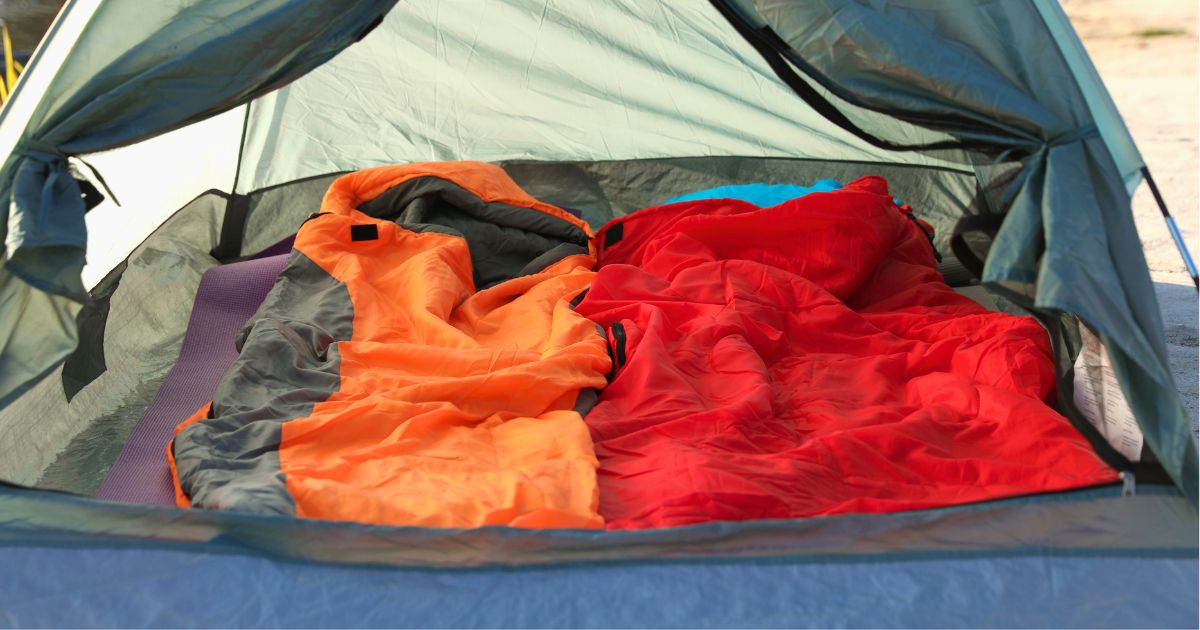
Nanomaterials – a revolution in winter sleeping bags
Modern winter sleeping bags increasingly make use of advanced nanomaterials, which are bringing a real revolution to winter gear. Nanomaterials are used mainly for the outer layers of sleeping bags, where they deliver outstanding properties:
- Higher breathability – nanofibre membranes have up to 25% more pores than ordinary membranes
- Waterproofness – they reach a water column of up to 12,000 mm
- Windproofness – they stop cold air from flowing inside
- Self-cleaning effect – some nanomaterials use the so-called lotus effect
Thanks to nanomembranes, sleeping bags can wick moisture away from the body far more effectively while keeping water out. This is especially important in winter conditions, when you don’t want your insulating layer to get wet, but you still need the bag to “breathe” and move sweat away.
A leader in nanomaterials for winter sleeping bags is the Czech brand KWAK, which has developed its own nanofibre membrane. It’s made from 100% PU with a nanofibre diameter of just 150 nm. This unique structure delivers not only exceptional technical performance but also a long lifespan.
The benefits of nanomaterials in winter sleeping bags
As technology develops, nanomaterials are making their way ever deeper into the world of outdoor gear, where they bring revolutionary improvements. Nanomaterials are structures whose particles measure just a few or a few dozen nanometres (1 nanometre = one billionth of a metre). It’s precisely this extremely small size that gives the materials entirely new properties.
What makes nanomaterials better than ordinary materials?
- Higher insulation efficiency – thanks to their structure, nanofibre membranes have up to 25% more pores than classic membranes. These pores are also optimally sized – small enough to block water from getting through, yet allowing water vapour molecules to pass.
- Extreme waterproofness – nanomembranes reach a water column of 12,000 mm and more, ensuring perfect waterproofing even in extreme conditions.
- Excellent breathability – despite their high waterproofness, they keep outstanding vapour permeability (Ret 3 Pa.m2.W-1 / MVTR 40,000 g/m2/24 h), meaning they wick sweat away from the body and prevent that clammy feeling.
- Self-cleaning properties – some nanomaterials use the so-called lotus effect. Just like lotus leaves, which stay clean in dirty surroundings, nanocoatings repel dirt and water. Water droplets simply roll off and carry dirt particles away with them.
- Wind resistance – nanofibre membranes provide almost 100% protection against wind, which is hugely important in winter for keeping warm.
The Czech brand KWAK is among the pioneers in using nanomaterials in winter sleeping bags. Their Skokan and Ropucha models are fitted with a nanofibre membrane made from 100% PU with a fibre diameter of just 150 nanometres.
This technology is complemented by a top-class hydrophobic and oleophobic DWR C6 finish that adds extra water- and dirt-repellent properties without harmful fluorocarbons (PFC-free).
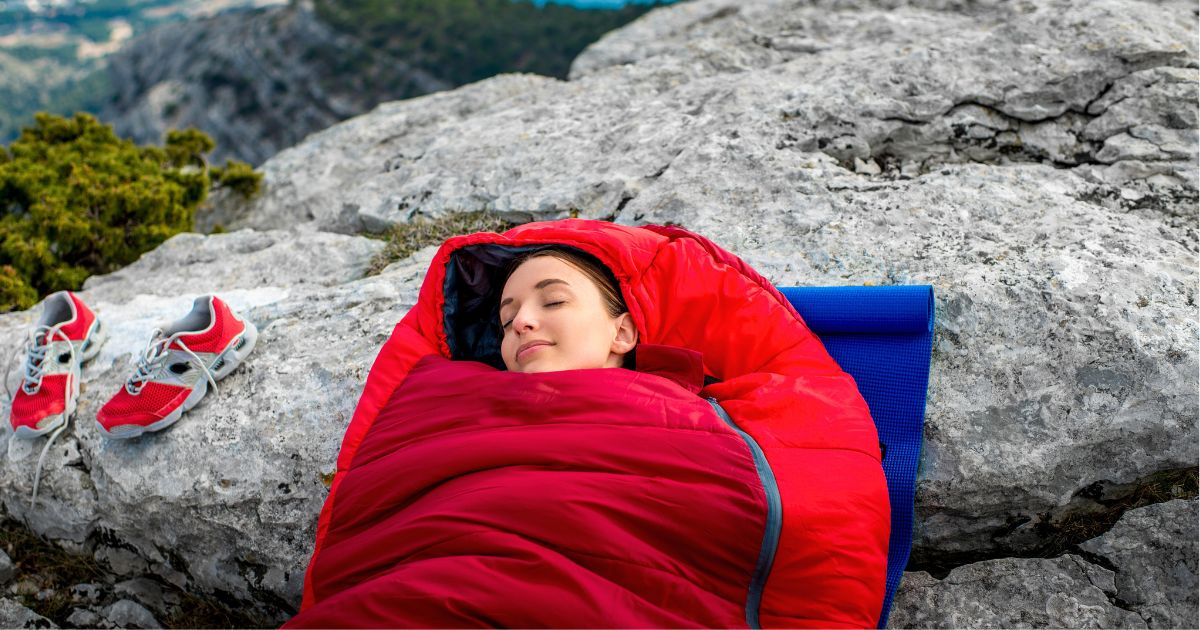
Tips for sleeping in winter
Even if you buy the best winter sleeping bag out there, there are a few rules you should follow to get a genuinely comfortable night’s sleep in freezing conditions:
1) Warm up before bed
A winter sleeping bag doesn’t warm you up on its own – it only insulates. That means if you climb into the bag already chilled, you’ll be cold even in the highest-quality bag. So it’s important to warm up before sleep. The easiest method is a brisk walk around the tent with your backpack – about 5 minutes is enough. The key is to warm up properly without breaking too much of a sweat.
2) Dress properly
Never climb into your sleeping bag with nothing on. Every part of your body should be protected. Ideally:
- quality thermal underwear (merino wool is best)
- warm socks or down booties
- thin gloves
- a beanie or balaclava
- a neck gaiter or scarf
- and possibly a kidney warmer belt.
Remember that when sleeping in winter it’s important to breathe out of the bag, never into it. The moisture in your breath would reduce the bag’s insulating ability. Don’t forget to tighten the collar around your neck and the hood around your head.
3) Use heat packs
If you don’t have the energy for a warm-up or you’re already too chilled, you can use heat sources. Hot water bottles are ideal – just fill them with hot water and tuck them under the bag near your feet or stomach. If you don’t have a hot water bottle, an ordinary plastic bottle filled with warm water will do the job. Just remember to wrap it in a towel or sock so you don’t burn yourself.
4) Don’t forget the sleeping mat
Even the highest-quality bag loses its insulating power in winter once it’s compressed by your weight against the ground. That’s why you need a quality sleeping mat with a high R-value (thermal resistance). For winter conditions, a combination of an inflatable and a foam mat is recommended.
5) Keep your sleeping bag dry
Moisture is the biggest enemy of thermal insulation. Try to keep your bag as dry as possible – don’t bring snow or damp clothing into it. If you use a down bag, staying dry is doubly important, because wet down loses its insulating ability.
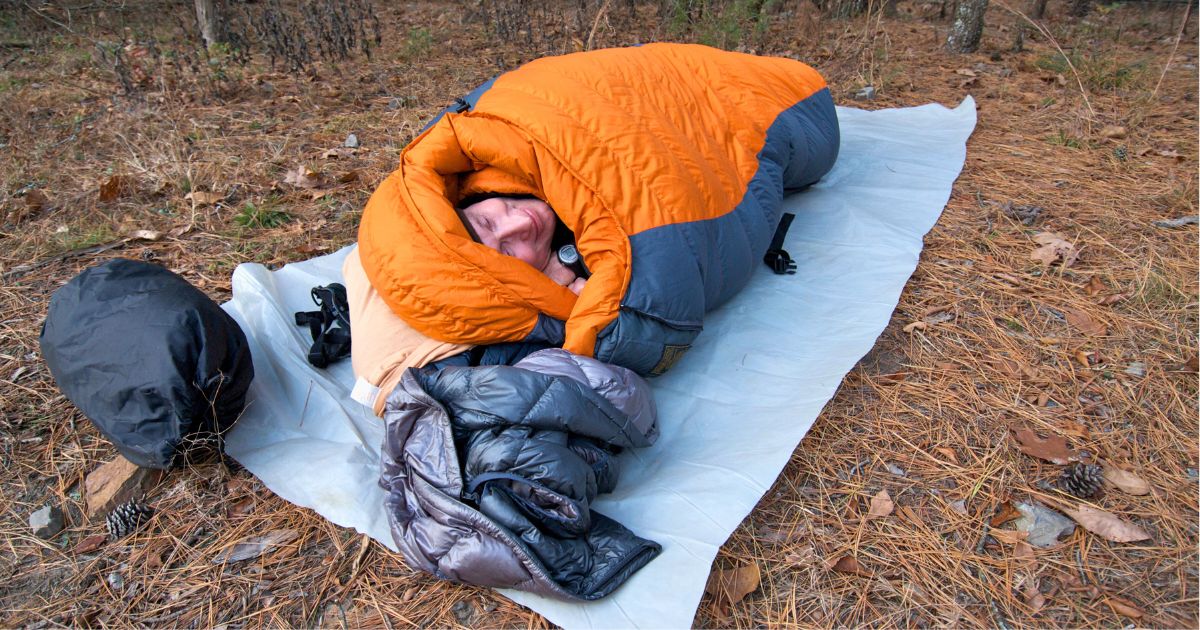
Popular winter sleeping bag brands
There are many winter sleeping bag makers on the market, but some brands have earned particular favour among outdoor enthusiasts thanks to their quality and reliability:
- Sir Joseph: This brand has been on the market for 45 years and makes quality down sleeping bags, supplying even world-class mountaineers. Sir Joseph is known for quality, reliability and long lifespan. Behind the brand stands Josef Rakoncaj, one of the most successful Czech mountaineers. With its production line in the Czech Republic, the company is among the world’s leading makers of expedition clothing and gear.
- Patizon: A young Czech brand specialising in down sleeping bags. At Patizon they focus on every detail, which is why their products are thought through to the last stitch. The use of the very best materials goes without saying. Patizon offers some of the best sleeping bags on the Czech market.
- KWAK: A Czech brand known worldwide for the technological excellence of its products and its use of advanced nanomaterials. Originally it specialised mainly in gear for athletes facing extreme temperatures, but in recent years it has been expanding its range for everyday mountain-goers too. KWAK sleeping bags are extremely comfortable, precisely made and use the latest Czech nanomaterials.
- Warmpeace: A traditional Czech brand that has been making quality outdoor products for several decades. Their Viking sleeping bag has become a legend among sleeping bags. Among down sleeping bag makers, this brand is at the very top of the field.
- Pinguin: One of the oldest Czech outdoor gear brands. Their goal is to make reliable, affordable outdoor equipment with maximum durability. The company focuses in particular on the development and selection of the materials it uses.
- Mammut: A Swiss company with over 140 years of tradition, one of the best-known names on the international scene. Over the years a small family business grew into an innovative, modern partner for outdoor-minded people. The brand’s success is built on quality products with precise craftsmanship.
- Ferrino: An Italian company offering top-class sleeping bags. All of their production is built on functionality and quality. The company was founded in 1870, when it patented a new process for making waterproof technologies, and to this day it keeps its reputation as an innovator in the field.
Frequently asked questions
How to take care of a winter sleeping bag?
Air out your sleeping bag regularly and store it loosely spread out to prevent damage to its insulating properties. Have down regularly cleaned at dry cleaners or according to the manufacturer’s instructions.
How to improve the thermal comfort of a sleeping bag?
Use a thermal liner, a quality sleeping pad, and wear dry, warm clothes in your sleeping bag. Covering the sleeping bag with a tarp or bivy sack can also help.
Is down or synthetic better?
Down is lighter, more packable and suitable for dry conditions. Synthetic is heavier, but handles wet environments better and is easier to maintain.
How Big of a Sleeping Bag to Choose?
Sleeping bags are manufactured in lengths from 170 to 220 centimeters. Always choose a sleeping bag according to your build – it should be 10-20 centimeters longer than your height. This provides enough space for comfort, but doesn’t create unnecessarily large space that would need to be heated.
Can I give a child an adult sleeping bag?
This is not suitable. Children should use sleeping bags designed for their size. In a large sleeping bag, a child would get too cold because they wouldn’t be able to warm up the entire interior space. Special children’s sleeping bags exist that better match their body proportions.
How long does a winter sleeping bag last?
The lifespan of a sleeping bag depends on the material, frequency of use, and storage method. Synthetic sleeping bags have a lifespan of around 3-4 years, and only with proper maintenance and storage. Down sleeping bags are much more durable – a quality down sleeping bag can last up to 20 years if washed no more than five times during this period and stored correctly.
How to Properly Wash a Winter Sleeping Bag?
Unless absolutely necessary, don’t wash your sleeping bag. Try to keep it clean and remove any mud or grass stains with a damp cloth. If washing is unavoidable, follow these guidelines:
– Use specialized products designed for washing outdoor gear (e.g. Nikwax).
– Wash in a large-drum machine on a delicate cycle (30 °C).
– For down sleeping bags, add 2-3 tennis balls to the machine.
– Spin at low speed (max. 600 rpm).
– Dry preferably in a tumble dryer on low heat or on a flat surface – – Never hang a wet sleeping bag on a line.
How to Pack a Winter Sleeping Bag Properly?
Sleeping bags should not be put into compression sacks by rolling or folding. The correct method is to “stuff” the sleeping bag into the sack similar to how you’d stuff a handkerchief into a pocket. This minimizes the risk of damaging the insulation material.
How to store a winter sleeping bag?
Never store a sleeping bag long-term in a compression sack – it damages the insulation properties of the fill. After returning from a trip, take the sleeping bag out of the sack and store it unfolded, for example under the bed or hanging loosely in a closet. Ideally, the storage space should have some ventilation. For down sleeping bags, proper storage in an unfolded state is absolutely essential for maintaining insulation properties.
Should I choose a sleeping bag with a right or left zipper?
For right-handers, the zipper is positioned on the left side and for left-handers on the right. This arrangement allows for easier zipper manipulation. However, it mainly depends on your personal preference and what feels more comfortable to you. If you plan to zip two sleeping bags together, you need to choose models with opposite zipper placements.
Tips and Tricks for Your Vacation
Don’t Overpay for Flights
Search for flights on Kayak. It’s our favorite search engine because it scans the websites of all airlines and always finds the cheapest connection.
Book Your Accommodation Smartly
The best experiences we’ve had when looking for accommodation (from Alaska to Morocco) are with Booking.com, where hotels, apartments, and entire houses are usually the cheapest and most widely available.
Don’t Forget Travel Insurance
Good travel insurance will protect you against illness, accidents, theft, or flight cancellations. We’ve had a few hospital visits abroad, so we know how important it is to have proper insurance arranged.
Where we insure ourselves: SafetyWing (simple monthly subscription) and TrueTraveller (for extra-long trips).
Find the Best Experiences
Get Your Guide is a huge online marketplace where you can book guided walks, trips, skip-the-line tickets, tours, and much more. We always find some extra fun there!


