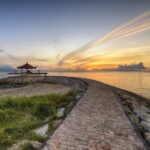

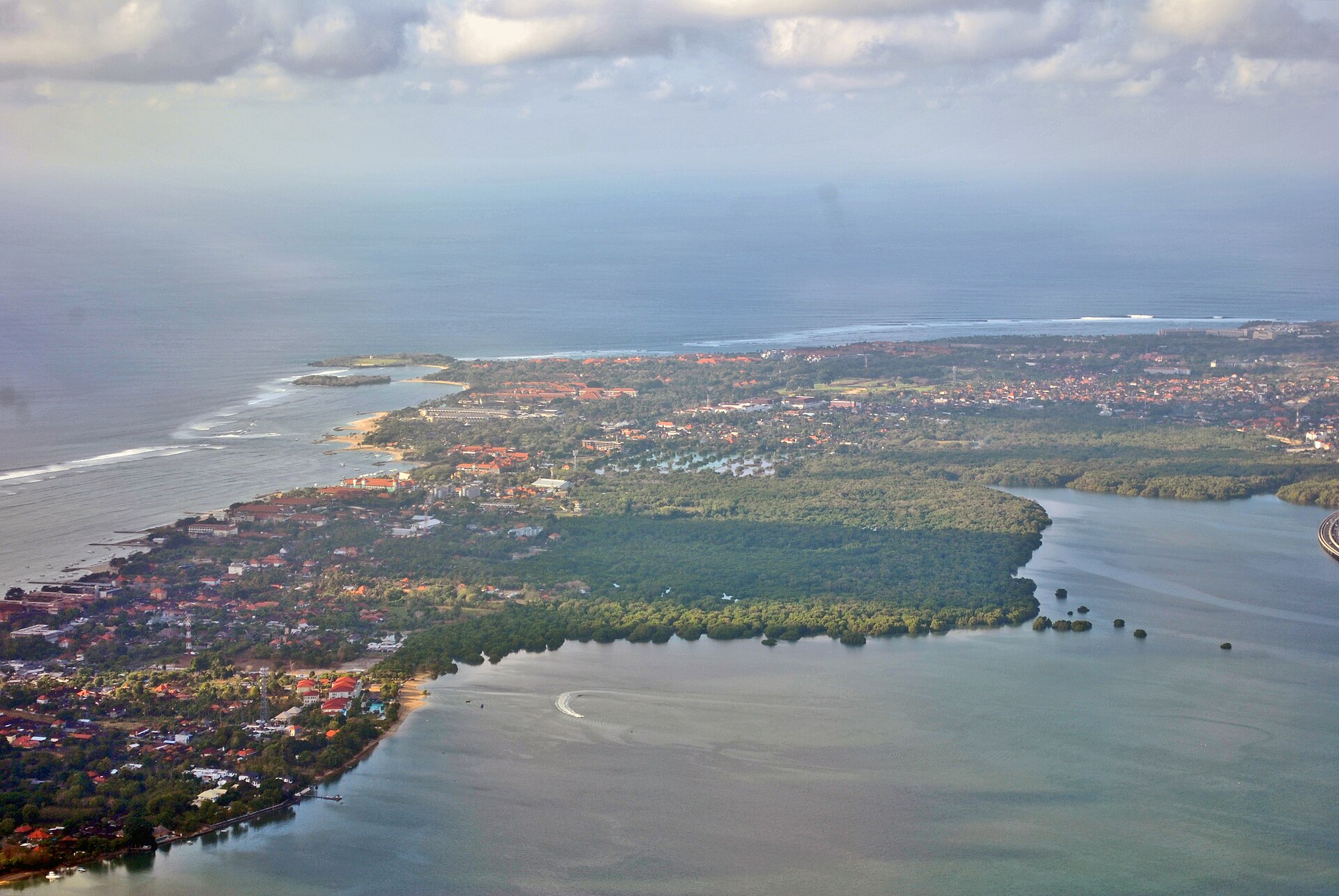
Nusa Dua, Bali offers all the comfort of big resorts, but if you’re after the usual Balinese buzz, you’ll need to look beyond its gates. On the southeastern side of the Bukit Peninsula, you’ll find a gated resort zone with beautifully groomed beaches, just 13–14 kilometres from the airport. If you’re travelling with kids and mostly want to relax, this base will probably suit you perfectly.
Let’s be upfront, though, so nothing catches you off guard. The sea behind the reef is usually calm, but at low tide the water pulls back far from the shore, and for cheaper warungs (local eateries) you’ll want to head to the neighbouring village of Bualu. Since the 1970s, the 350-hectare complex has been managed by the state-owned company ITDC (InJourney Tourism Development Corporation), and it’s home to 22 hotels and 10 villas.
To make planning easier, I’ve put together 19 tips on what to see and do in Nusa Dua, including an overview of when to go, where to stay and how to keep an eye on the tides. I quote prices in Indonesian rupiah (IDR), with a conversion rate of roughly 1,000 IDR ≈ €0.05. Prices are approximate and valid for 2026.
Summary
- Location and getting there: The gated ITDC zone lies 13–14 km from the airport. Outside rush hour, the toll road gets you there in 20–30 minutes; at peak times, the journey can take an hour.
- Swimming by the tides: The tidal range can reach up to 2.9 metres, so swim at mid to high tide and wear water shoes. The Balawista lifeguard service doesn’t operate here – it mainly patrols the island’s west coast.
- When to go: You’ll usually get pleasant weather, a warm sea and fewer crowds from May to June and from September to October.
- What to see locally: Don’t miss the wave geysers at Water Blow, the Puja Mandala complex with five places of worship side by side, the Devdan Show or the Bali Collection shopping centre.
- Half-day trips: Head to Uluwatu Temple for the Kecak choral dance, to Indonesia’s tallest statue, Garuda Wisnu Kencana (GWK), to Pandawa Beach or to Jimbaran.
- Watch out for holidays: On the Day of Silence (Nyepi), Monday 8 March 2027, the airport and beaches close for 24 hours and you can’t leave your resort.
- Tourist levy: Foreign visitors pay 150,000 IDR (about €7) once per stay.
- Where to stay: The centre of the zone has Mengiat Beach, further south you’ll find Geger and Sawangan, while the Tanjung Benoa peninsula suits anyone keen on water sports.
The full destination guide: Indonesia — guide and what to see
Who Nusa Dua Is For (and Who It Isn’t)
Nusa Dua is made for a holiday that revolves around your hotel, the pool and the beach, which is why families mostly choose it as their base for Bali with kids. If you have little ones, you’ll get big resorts with kids’ clubs, plenty of comfort and a calmer setting, so there’s no need to set off on a long day trip every day.
If you’re travelling with children, you might also find my guide to flying with kids and my overview of the best airlines for families useful. I explain what low tide means for swimming below, in the section on beaches.
On the other hand, if you’re looking for nightlife, cheap accommodation or “authentic” Bali at every turn, Nusa Dua probably won’t be quite your thing – there’s little local life inside the zone and prices tend to be higher. You’ll find warungs (eateries) mainly in Bualu, the village just outside the zone’s gate. That’s where you can step away from the resort bubble for a while. For a broader overview of the island, check out my guide to all of Bali.
Nusa Dua, Sanur, or Jimbaran and Uluwatu?
Each of these areas offers a slightly different holiday rhythm, so it’s less about finding a winner and more about where you want to spend most of your time. Here’s a quick comparison to make choosing easier.
| Nusa Dua | Sanur | Jimbaran and Uluwatu | |
|---|---|---|---|
| Character | ITDC resort zone, landscaped parks | Coastal neighbourhood, promenade and warungs | Jimbaran: fishing bay; Uluwatu: cliffs and surf |
| Sea | Lagoon behind the reef, retreats at low tide | Shallow lagoon, retreats at low tide | Jimbaran: sandy bay; Uluwatu: bigger waves |
| Drive from the airport (no traffic) | 16–19 min | 18–23 min | Jimbaran 10–15 min; Uluwatu 35–45 min |
| Best for | Families, resorts, peace and comfort | Families, older travellers, a slower pace | Jimbaran: couples; Uluwatu: surfers and couples |
| Downsides | Little local life, higher prices | Less nightlife, less white sand | Uluwatu: hills and distances; Jimbaran: debris (seaweed and plastic washed up on the shore) |
| Day trips | Uluwatu, GWK, Pandawa, Tanjung Benoa | Penida, Lembongan, Ubud | GWK and the Bukit beaches |
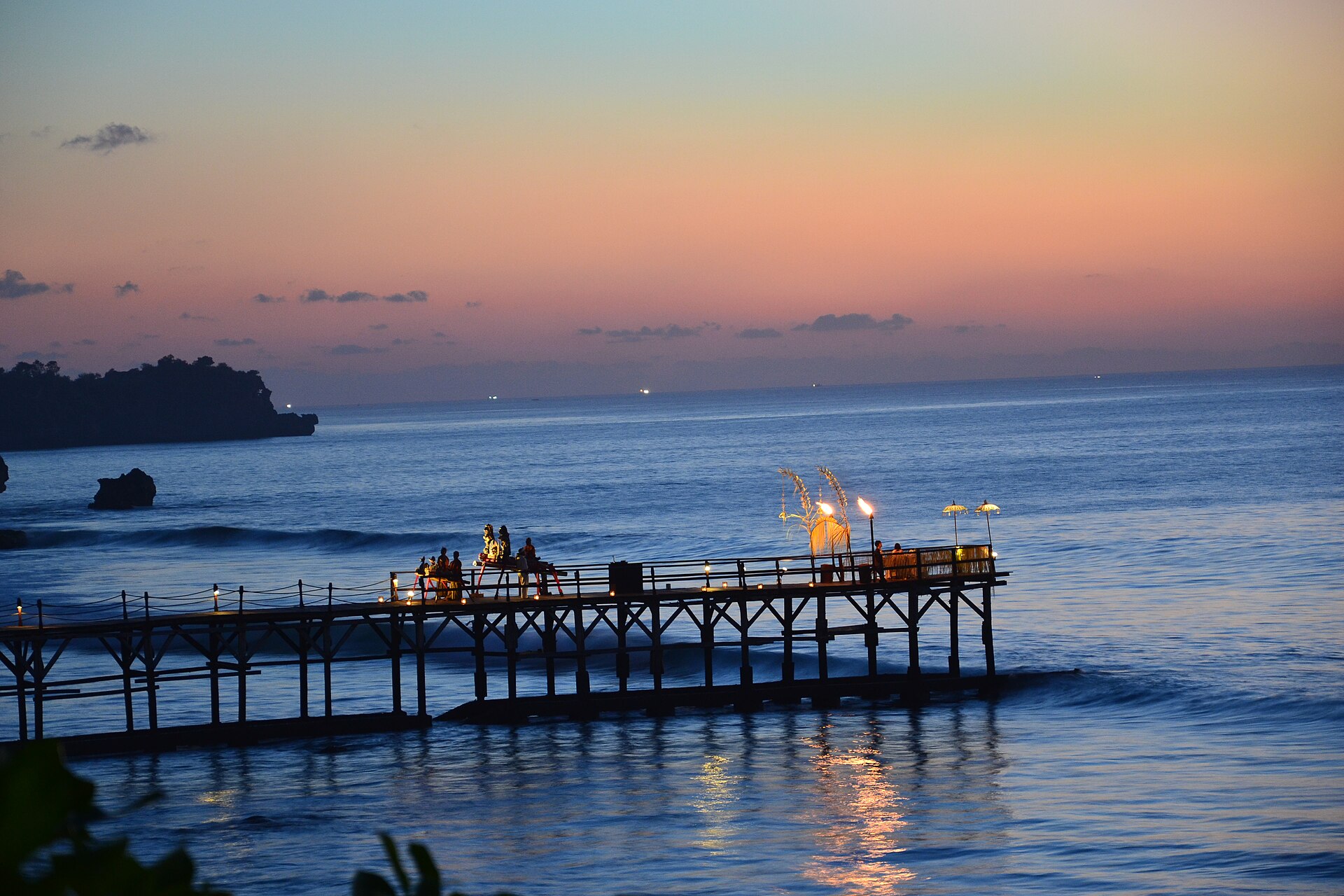
Pick Nusa Dua if you want a holiday centred mainly on your hotel, Sanur if you’d enjoy a livelier promenade and boats to the islands, and the western part of the Bukit Peninsula (Jimbaran, Uluwatu) if you’re a couple drawn to cliffs and surfing. For a stay focused on Ubud or surfing in Canggu, other areas will suit you better.
When to Visit Nusa Dua
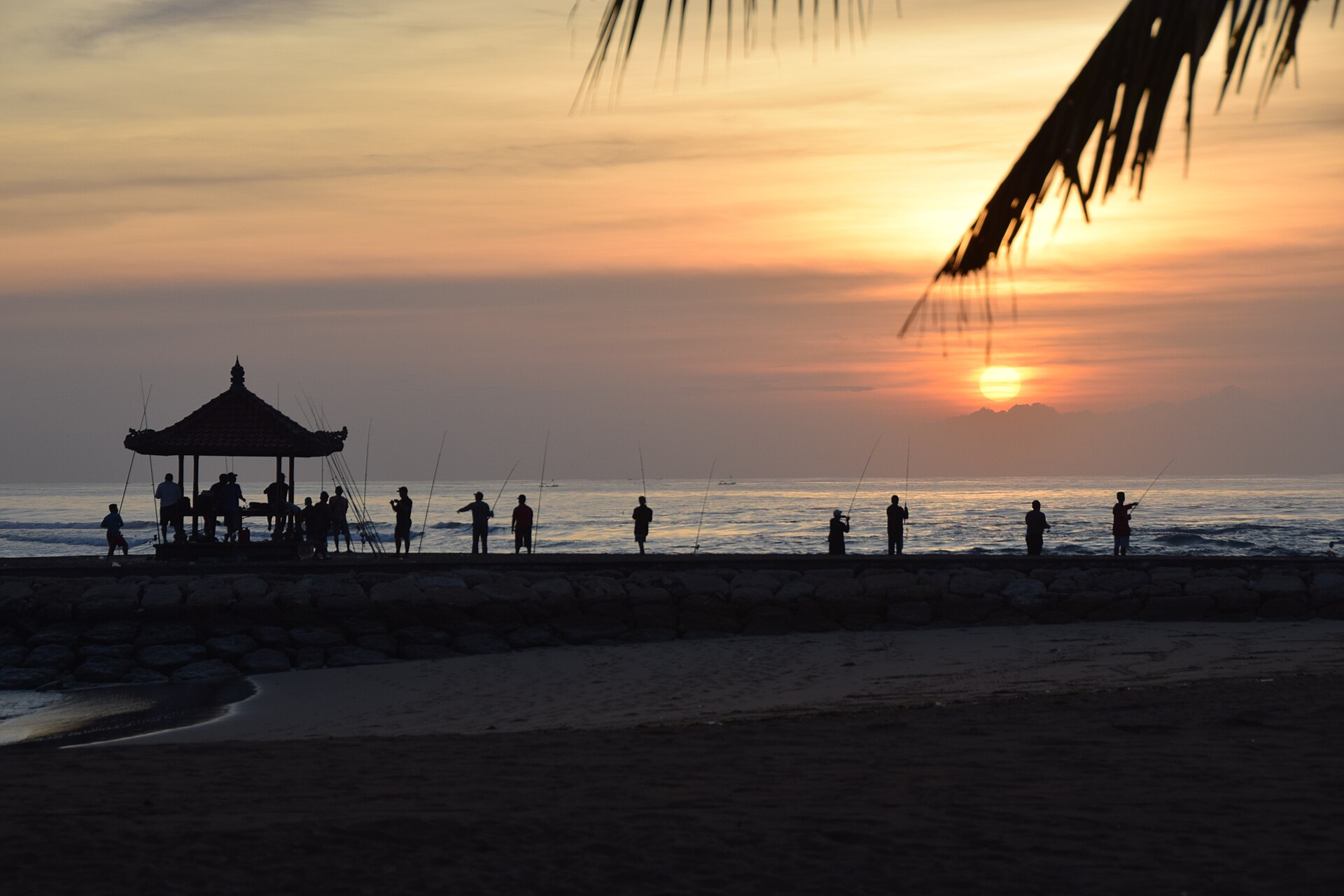
Nusa Dua is at its most pleasant from May to June and again from September to October, when it’s dry, the sea is around 27.5–29 °C and there are usually fewer people than in July and August. The air temperatures and rainfall figures are long-term averages from the ERA5 climate model for 2016–2025, and the sea temperature is the Open-Meteo Marine average for 2019–2025, all for the Bukit coast. Nusa Dua doesn’t have its own weather station, so treat the numbers as a rough guide.
| Month | Daily high | Monthly rainfall | Days with over 10 mm of rain | Sea temperature | What to expect |
|---|---|---|---|---|---|
| — | —: | —: | —: | —: | — |
| January | 29.0 °C | 289 mm | 10 days | 29.3 °C | Rainy season |
| February | 28.9 °C | 307 mm | 10 days | 29.6 °C | Rainy season |
| March | 29.3 °C | 190 mm | 6 days | 29.8 °C | End of the rains |
| April | 29.4 °C | 110 mm | 3 days | 29.6 °C | Less rain |
| May | 29.2 °C | 79 mm | 2 days | 29.2 °C | Dry, warm sea |
| June | 28.6 °C | 75 mm | 1 day | 28.7 °C | Dry, bigger waves |
| July | 27.9 °C | 60 mm | less than 1 day | 27.8 °C | Trade winds and waves |
| August | 28.0 °C | 57 mm | less than 1 day | 27.3 °C | Driest, windy |
| September | 28.7 °C | 66 mm | 0.6 days | 27.6 °C | Dry, fewer people |
| October | 29.6 °C | 79 mm | 1 day | 28.7 °C | Dry, calmer sea |
| November | 29.7 °C | 135 mm | 4 days | 29.6 °C | Start of the rains |
| December | 29.4 °C | 240 mm | 7 days | 29.9 °C | Warm sea, rain |
July and August are the driest months, but the southeast trade wind (a steady prevailing wind) can churn up the water and brings the strongest southern swell (long waves rolling in from the Southern Ocean). In July, afternoon winds average 11 knots (about 20 km/h), and on 43% of days they reach at least 12 knots. Hotels tend to be at their fullest during these months. According to available sources, seaweed and plastic occasionally wash up on the beaches.
The rainy season runs from November to March. From December to February, more than 10 mm of rain falls on roughly 7–10 days a month, and the sea is at its warmest. There’s usually less washed-up debris than on the west of the island. Around Chinese New Year (Imlek, 6 February 2027), hotels and beaches get busier, so if you’re planning a February trip, check out my overview of where to go on holiday in February.
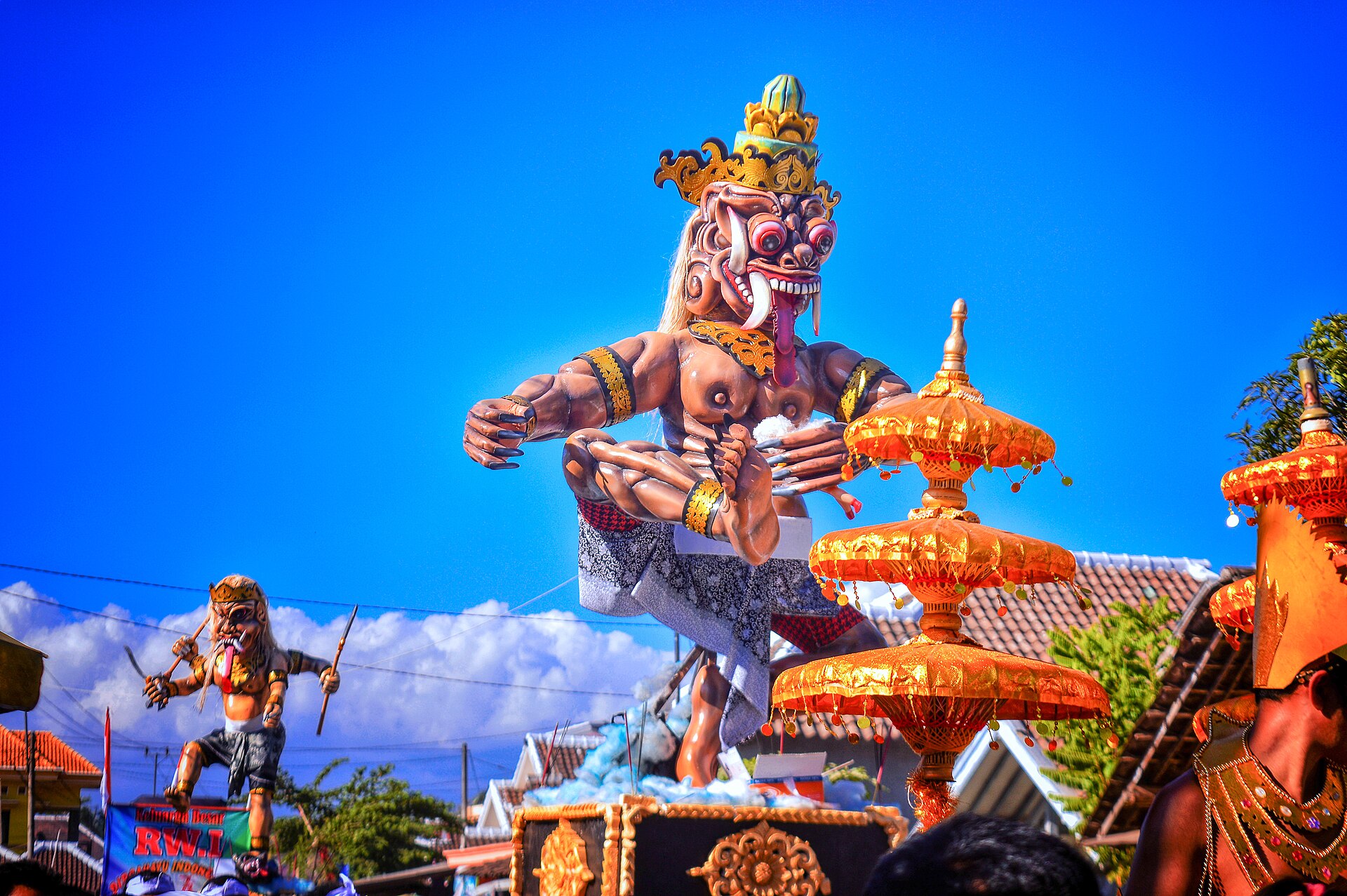
In March, expect a busier period from 6 to 15 March 2027, when Nyepi, the Balinese Day of Silence, coincides with the end of Ramadan (the Idul Fitri holiday) on 10–11 March. Nyepi falls on Monday 8 March 2027 and lasts from 6:00 am on Monday to 6:00 am on Tuesday. The airport and beaches are closed and you’re not allowed to leave your hotel grounds. Inside the hotel, though, everything keeps running and you’ll still get your meals – the lights are just dimmed. The evening before, on 7 March, ogoh-ogoh parades of giant papier-mâché demon figures make their way through the streets, and hotels fill up fast around this time.
Nusa Dua Beaches and the Tides
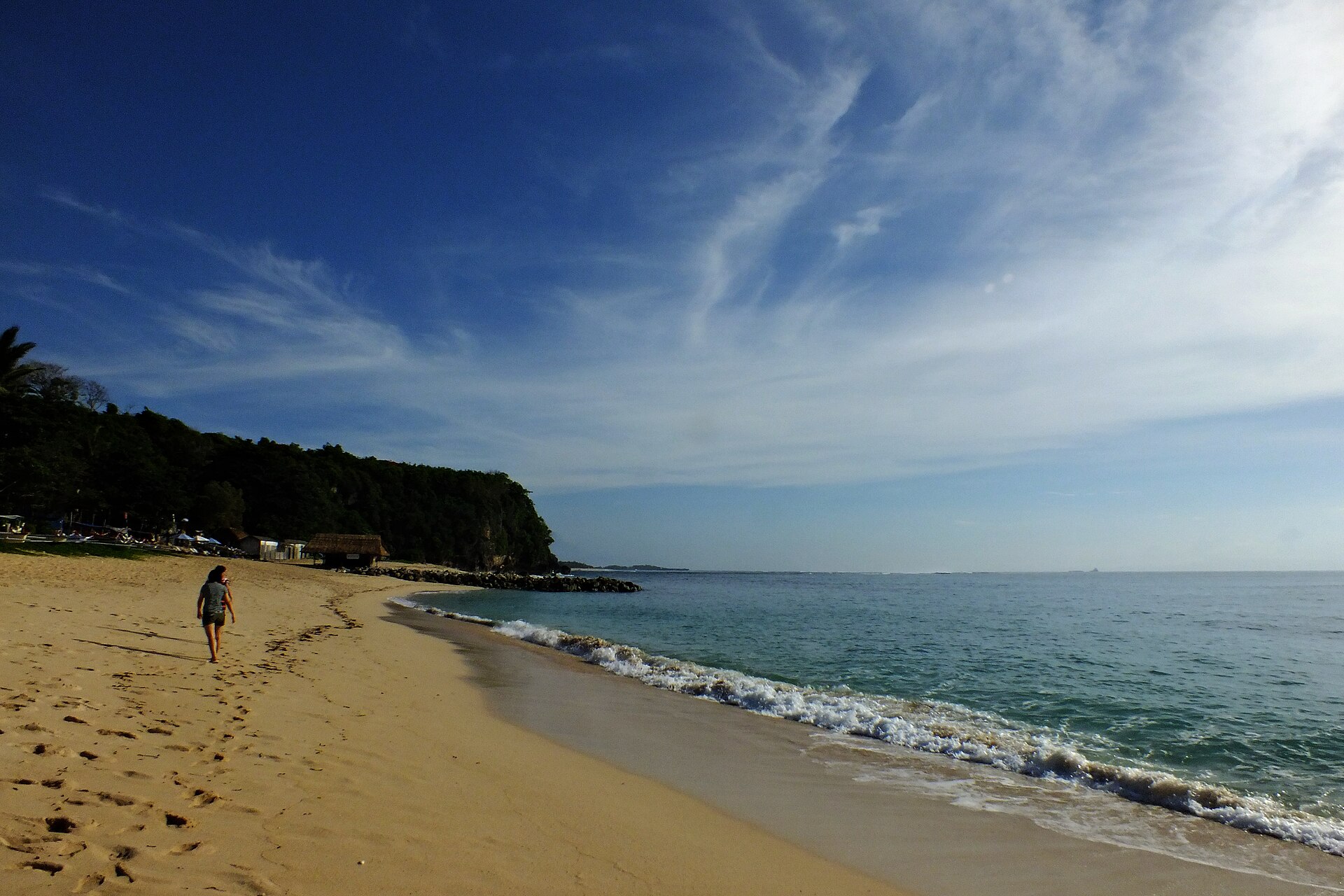
Looking at all those big resorts, you might think you can’t get to the water without a hotel wristband. In fact, the beaches in Nusa Dua are public. You’ll only pay a small parking fee, anywhere from free to around 15,000 IDR (about €0.75), while the sun loungers and pools are for hotel guests. From north to south, the beaches run like this: Tanjung Benoa, Nusa Dua Beach (Samuh), Peninsula Island with Water Blow, Mengiat, Geger and Sawangan (also called Geger Sawangan, which sits by the Hilton, not by The Mulia, which is at Geger).
| Beach (north to south) | Hotels and vibe | The sea: high and low tide |
|---|---|---|
| Tanjung Benoa | Bali Tropic, Conrad, Grand Mirage; water sports hub, busy in the afternoon | Calm lagoon behind the reef that drains at low tide |
| Nusa Dua Beach (Samuh) | Paradisus, Westin, Sofitel, Laguna; white sand and a promenade | The reef softens the waves; the water drains at low tide like on the other beaches |
| Peninsula Island | 7.4-hectare park, cliffs, Water Blow and four small beaches | Water Blow sprays highest at high tide (June–October) |
| Mengiat | Grand Hyatt, Ayodya, Merusaka, Novotel; the beach is about 800 m long | The reef stretches about 1.5 km and seagrass grows in the water |
| Geger | St. Regis, Mulia, Pura Geger temple, warungs and sun loungers | Swim inside the buoyed zone; the seabed is steep and rocky, with bigger waves in the dry season |
| Sawangan (Geger Sawangan) | Hilton, Kempinski, Samabe; a breakwater protects the shore by the Hilton | Bigger waves in the dry season; the water drains at low tide |
| Pandawa (outside the zone, about 10 km from Bali Collection) | Cliffs, Pandawa statues, canoes; entrance fee for foreigners 25,000 IDR (about €1.20) from 1 January 2026 | — |
When to Swim: High Tide, Low Tide and Seagrass
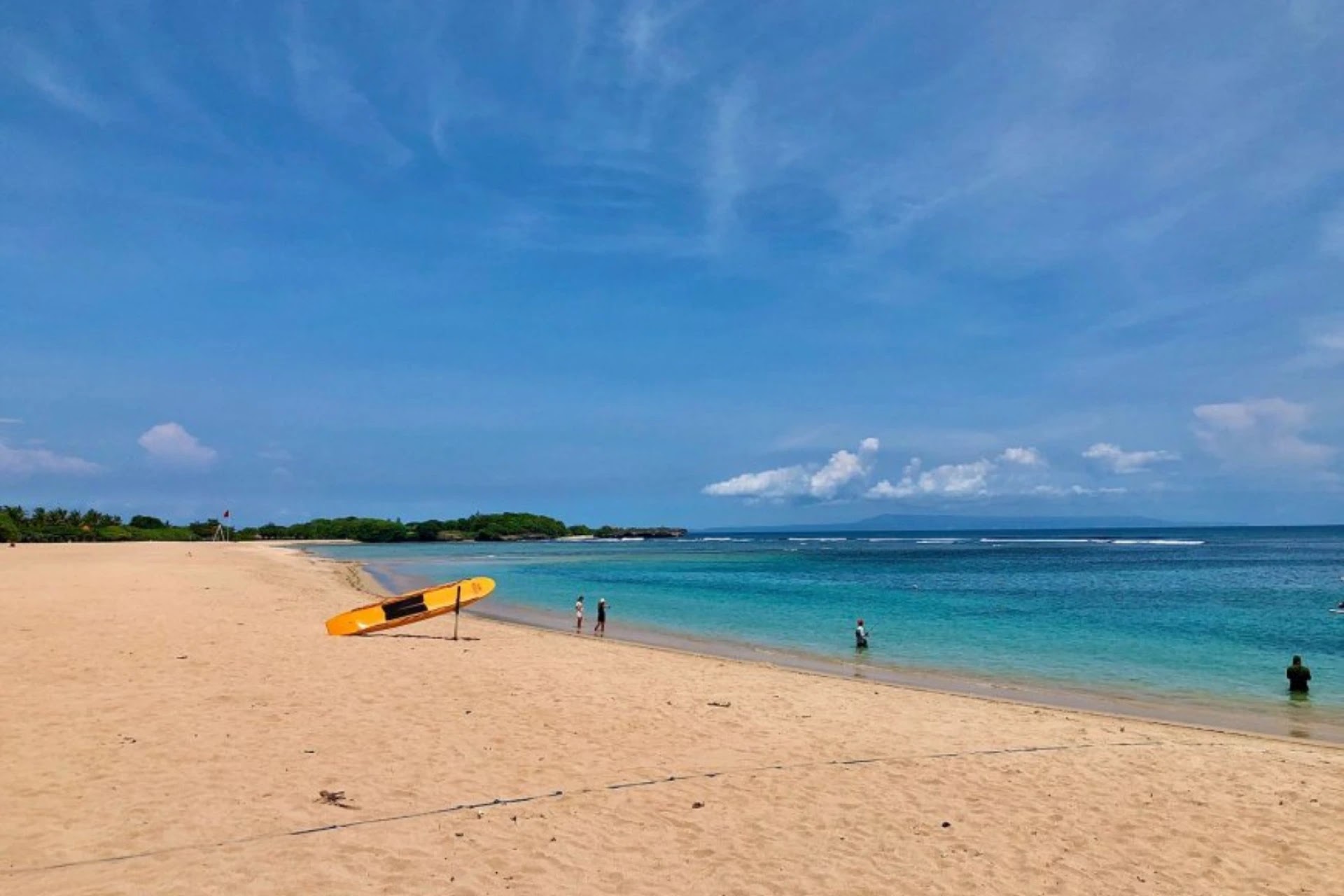
The brochure photos of the lagoon don’t lie. They just leave out the other half of the day. At low tide the sea pulls back a long way and exposes a reef flat with sharp coral, seaweed, crabs and starfish. At Mengiat and Geger, seagrass (padang lamun) also grows in the water.
According to the Open-Meteo model, the tidal range during spring tides (the biggest differences, around the new and full moon) reaches 2.5–2.9 metres, while during neap tides (the smallest differences) it’s only 0.7–1.1 metres. The times shift every day. For example, from 9 to 12 November 2026 low tide is expected at 4–5 am and high tide at 9–11 pm. So plan your swims for mid to high tide and keep an eye on a tide app or the forecast from Indonesia’s meteorological agency BMKG.
💡 Tip: Pack some water shoes, because sharp coral and sea urchins lurk in the shallows.
There are no Balawista lifeguards here, as they mostly patrol the west coast. So stick to swimming between the buoys: on 4 December 2025 a current swept a surfer away at Geger, and she was only found alive four hours later. This coast tends to be cleaner than the west of the island in the rainy season, but when the east wind blows from April to October, washed-up debris turns up here too (Mengiat was last cleaned up in June 2025).
1. Nusa Dua Beach (Samuh) and the Promenade
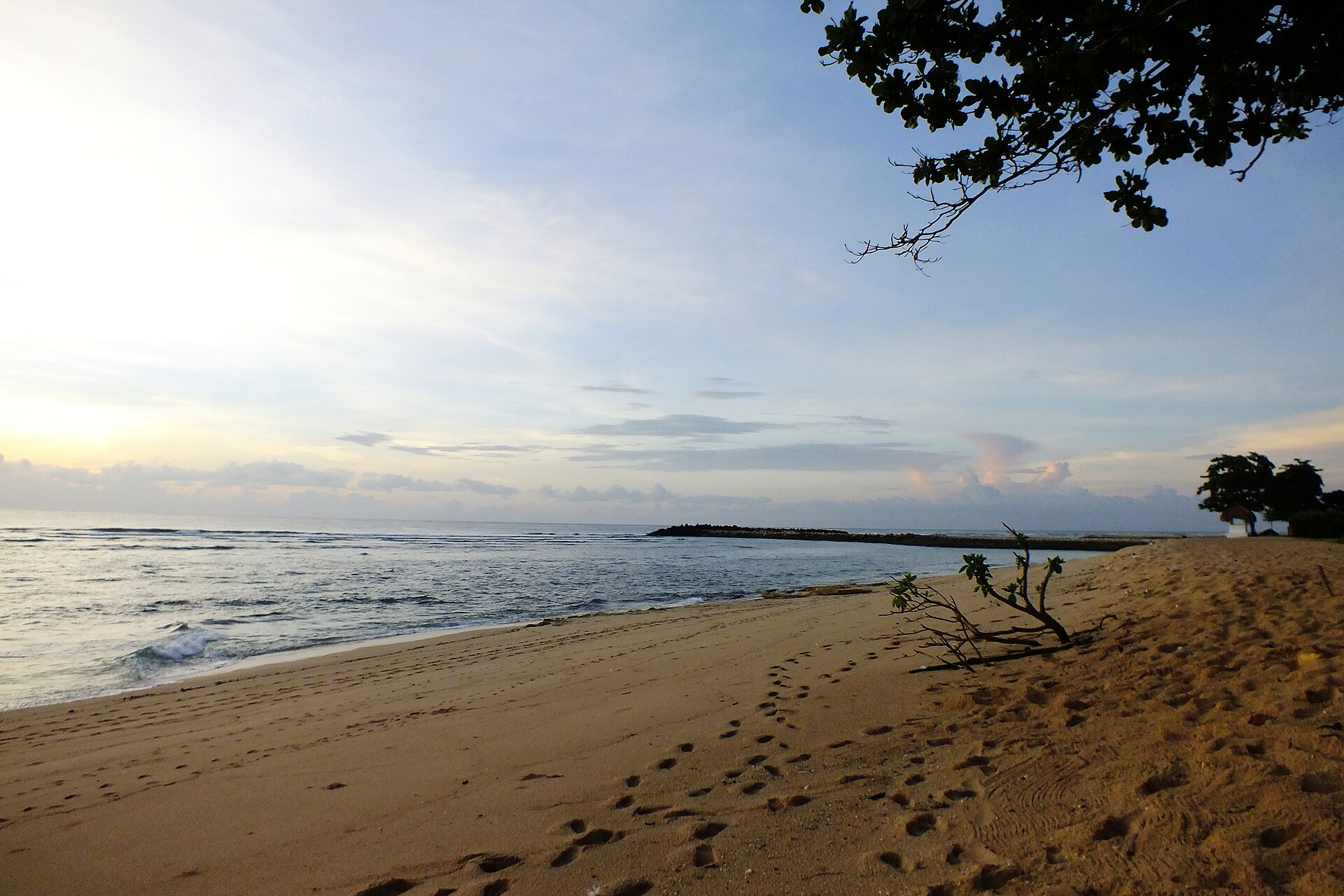
The northern and central stretch of the Nusa Dua coast, also known as Samuh Beach, is lined with Paradisus by Meliá Bali, the Nusa Dua Beach Hotel, the Westin, the Sofitel and the Laguna. Here you’ll find white sand and a promenade running past most of the resorts, calm water behind the reef and, according to available sources, the Bali Underwater Cultural Park too. Entry is usually free, and parking costs roughly 2,000 IDR (about €0.10) for a scooter and 5,000 IDR (about €0.25) for a car.
2. Mengiat Beach
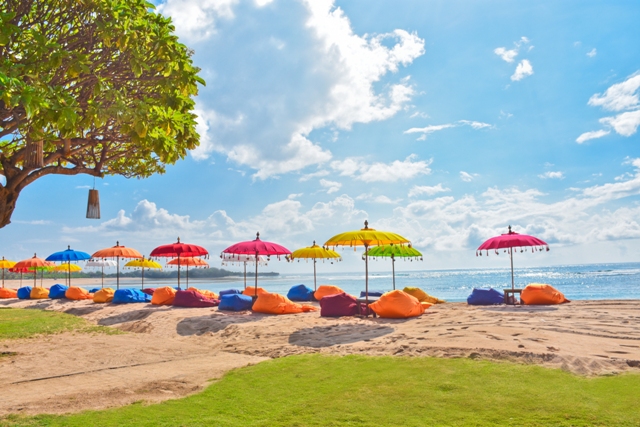
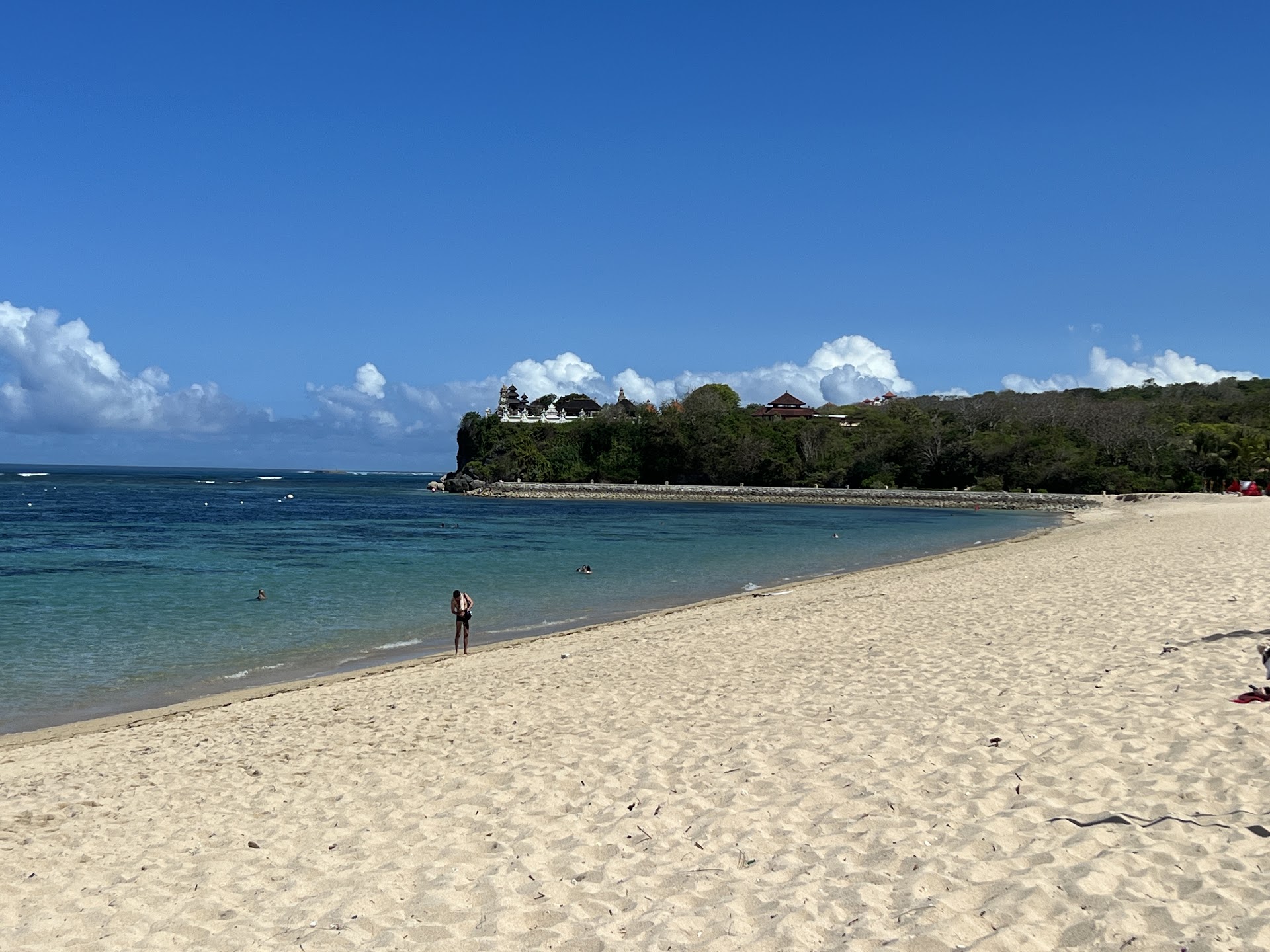
South of Peninsula Island, the roughly 800-metre-long Mengiat Beach runs past the Grand Hyatt, Ayodya (which has its own 300-metre stretch), Merusaka and Novotel resorts. The beach is protected by a reef about 1.5 kilometres long, seagrass grows in the water and, according to available sources, the sand is a nesting site for olive ridley sea turtles. You pay the ITDC parking fee. When the wind blows in from the sea, expect some washed-up debris now and then.
3. Geger Beach
Below the Pura Geger temple (pura means Hindu temple), next to the St. Regis and The Mulia resorts, a flight of steps leads down to warungs (small local eateries) and sun loungers on Geger Beach, where the entrance fee is usually around 5,000 IDR (about €0.25). The seabed drops off more steeply here and is rocky in places, so stay inside the buoyed swimming zone. The beach is public: when The Mulia sent a local tourist off the beach in 2023, the hotel had to apologise.
4. Sawangan Beach
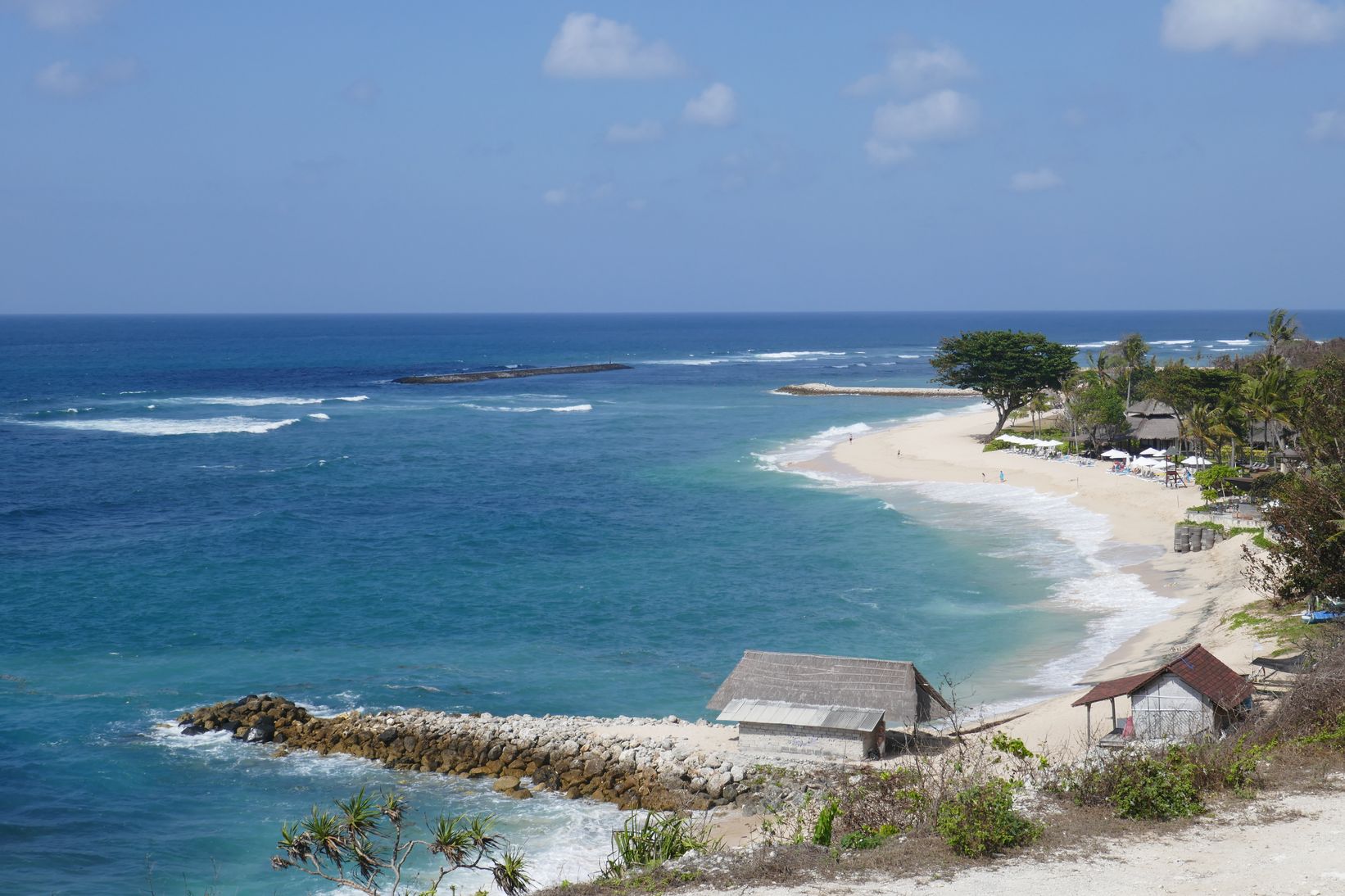
Right down in the south, below the Apurva Kempinski, Samabe and Hilton Bali Resort (formerly the Nikko), lies Sawangan Beach, also referred to as Geger Sawangan. A breakwater protects the shore right by the Hilton, but elsewhere you can expect bigger waves in the dry season. According to available sources, camel rides are sometimes on offer here too 😅. Information on the entrance fee varies, from free up to 15,000 IDR (about €0.75).
5. Tanjung Benoa and Water Sports
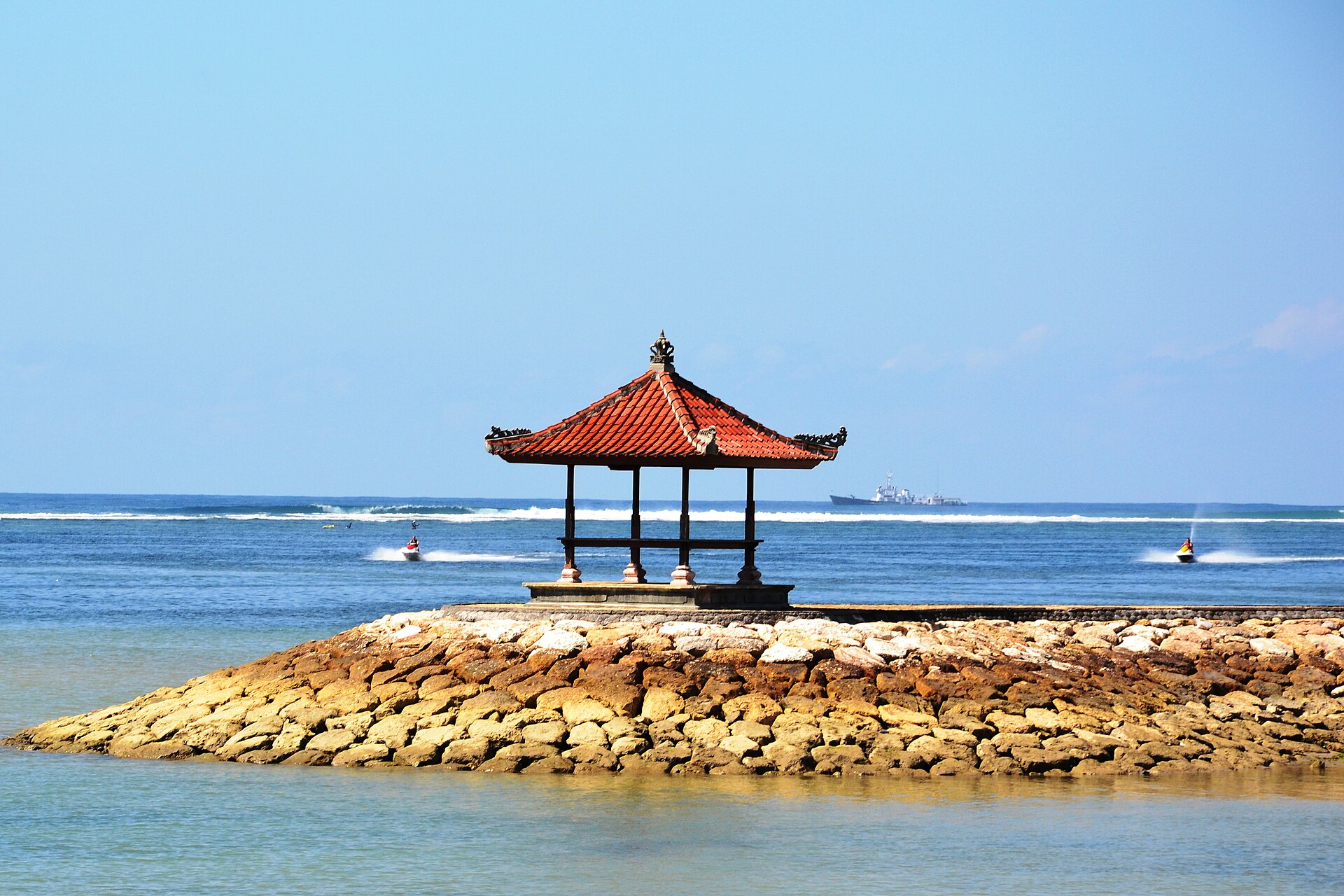
The northern peninsula of Tanjung Benoa sits outside the ITDC gates and lives for water sports, mainly between 9 am and 4 pm (mornings tend to be the least crowded, with the calmest sea). The golden rule is to buy vouchers online in advance, because at the counter you can pay up to four times as much. With the operator Aditya, a banana boat ride costs 110,000 IDR (about €5.40) online instead of 500,000 IDR (about €25), parasailing 315,000 IDR (about €15) versus 1,200,000 IDR (about €60), and a jet ski 235,000 IDR (about €11.50) instead of 750,000 IDR (about €35).
Before you try any water activity, make sure you’ve got travel insurance: in August 2023 a Japanese tourist died here on a towed “flying fish” inflatable, not while parasailing. Glass-bottom boats also take day-trippers from here to Turtle Island (Pulau Penyu) for roughly 555,000 IDR (about €25) per boat for nine people, plus an entrance fee of 10,000 IDR (about €0.50). However, World Animal Protection criticises turtle centres like this for keeping turtles in tanks and letting visitors hold them for photos.
Things to See and Do in Nusa Dua
If you’re wondering about the best things to see and do in Nusa Dua, this resort zone will surprise you with wave geysers bursting between the cliffs, five places of worship of different faiths side by side and, when the rain pours down, an art museum or an evening show.
6. Water Blow
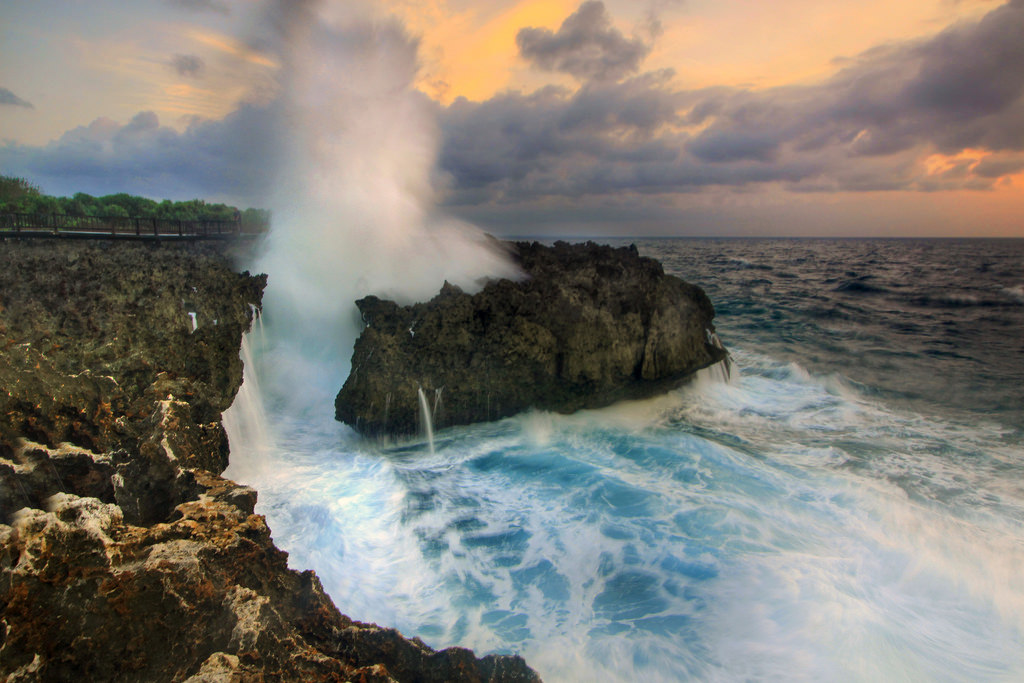
On Peninsula Island, the ocean shoots geysers of spray up between the rocks (Water Blow), a 14-minute walk (1.1 km) from Bali Collection. It’s open daily from 9 am and closes at 5 or 6 pm (sources differ). The entrance fee is roughly 25,000 IDR (about €1.20) and 15,000 IDR (about €0.75) for children. Bring cash: after the flood in August 2025, tickets were being sold by hand.
The spray is at its most impressive at high tide from June to October when there’s a southern swell; on a calm sea there’s hardly anything to see 😉. From October 2026 ITDC is launching a wedding venue here and upgrading the footpaths, but never step up to the edge. When the waves are high, the site closes (as it did on 6 August 2025).
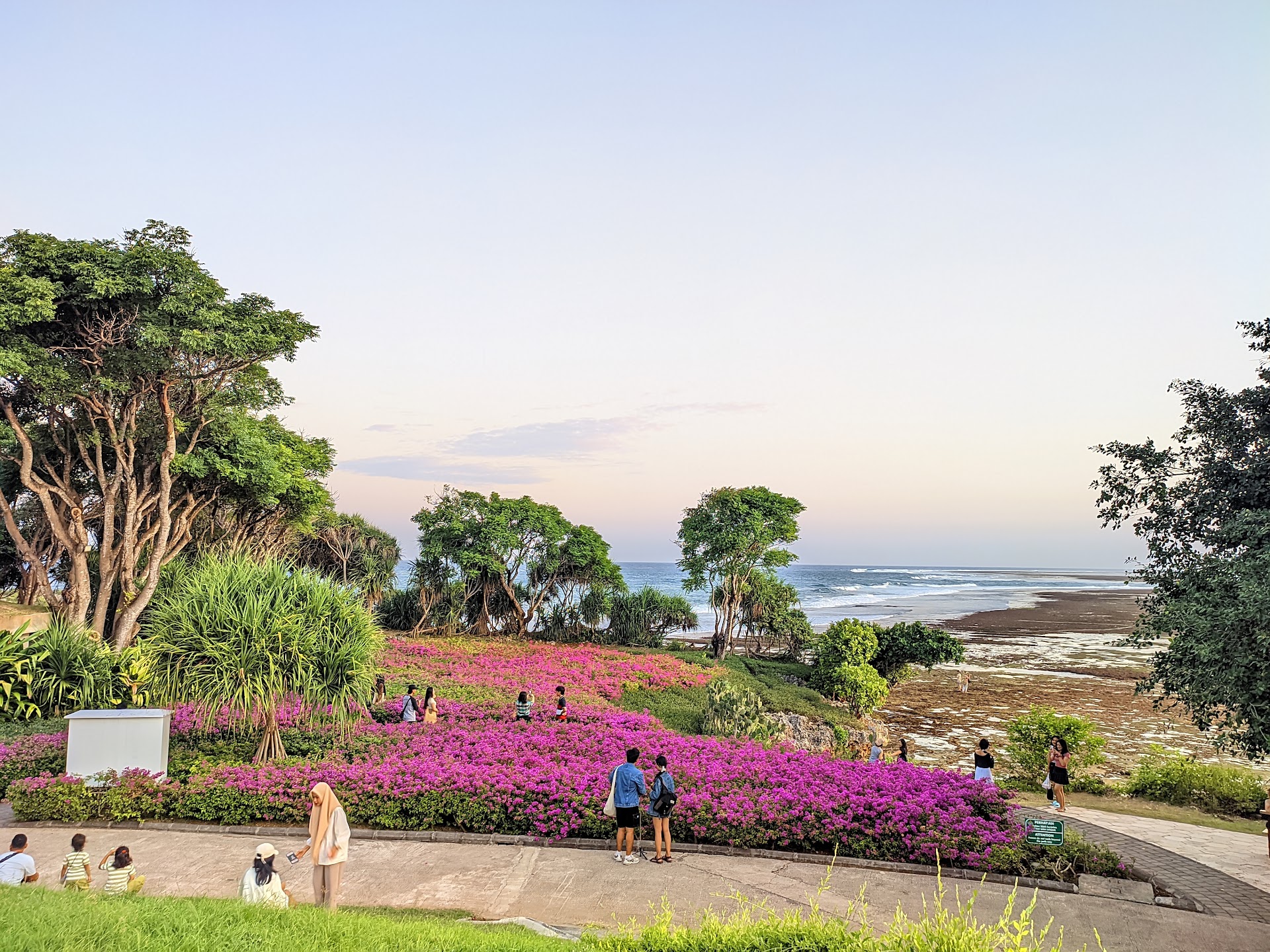
7. Peninsula Island
The green 7.4-hectare Peninsula Island park surrounds Water Blow, so you can combine the two in a single walk. You’ll find lawns, an amphitheatre, the Pura Bias Tugel temple and four small beaches. It’s open daily from 6 am to 10 pm, free of charge, and parking starts at 5,000 IDR (about €0.25). A revitalisation project is under way in 2026 (around 15% complete in May), but the grounds stay open, and the recommended time to come is around 4–5 pm.
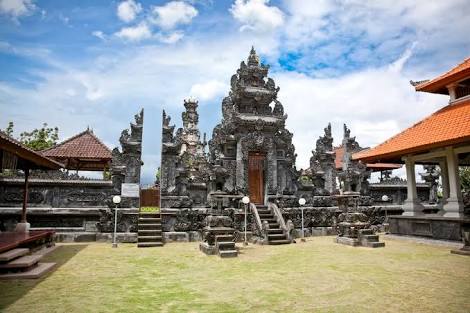
8. Puja Mandala: Five Places of Worship Side by Side
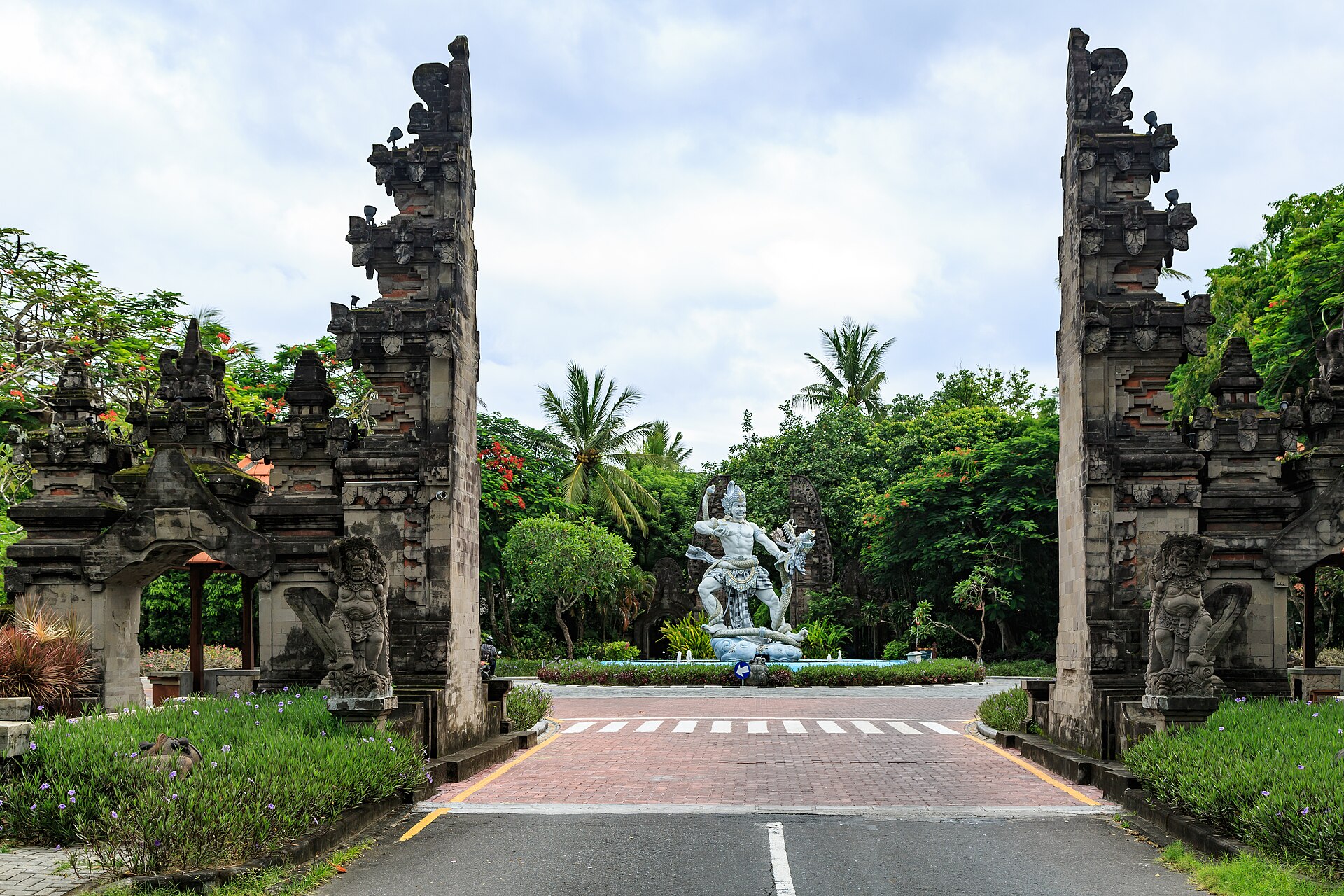
Five places of worship stand side by side just outside the ITDC gate in Bualu, on Jl. Kuruksetra (Jl. is short for Jalan, meaning street), 2.6 km (a 4-minute drive) from Bali Collection. Here you’ll find the Ibnu Batutah mosque, the Catholic church of Maria Bunda Segala Bangsa, the Protestant church of GKPB Bukit Doa, the Buddhist temple Vihara Buddha Guna and the Hindu temple Pura Jagatnatha. The foundation stone was laid in October 1994, the complex opened on 22 December 1997 and the Hindu temple was completed on 30 December 2004. Go in the morning, dressed modestly, and avoid Friday midday and religious holidays. It’s usually open 8 am–4 pm, free or for a donation.
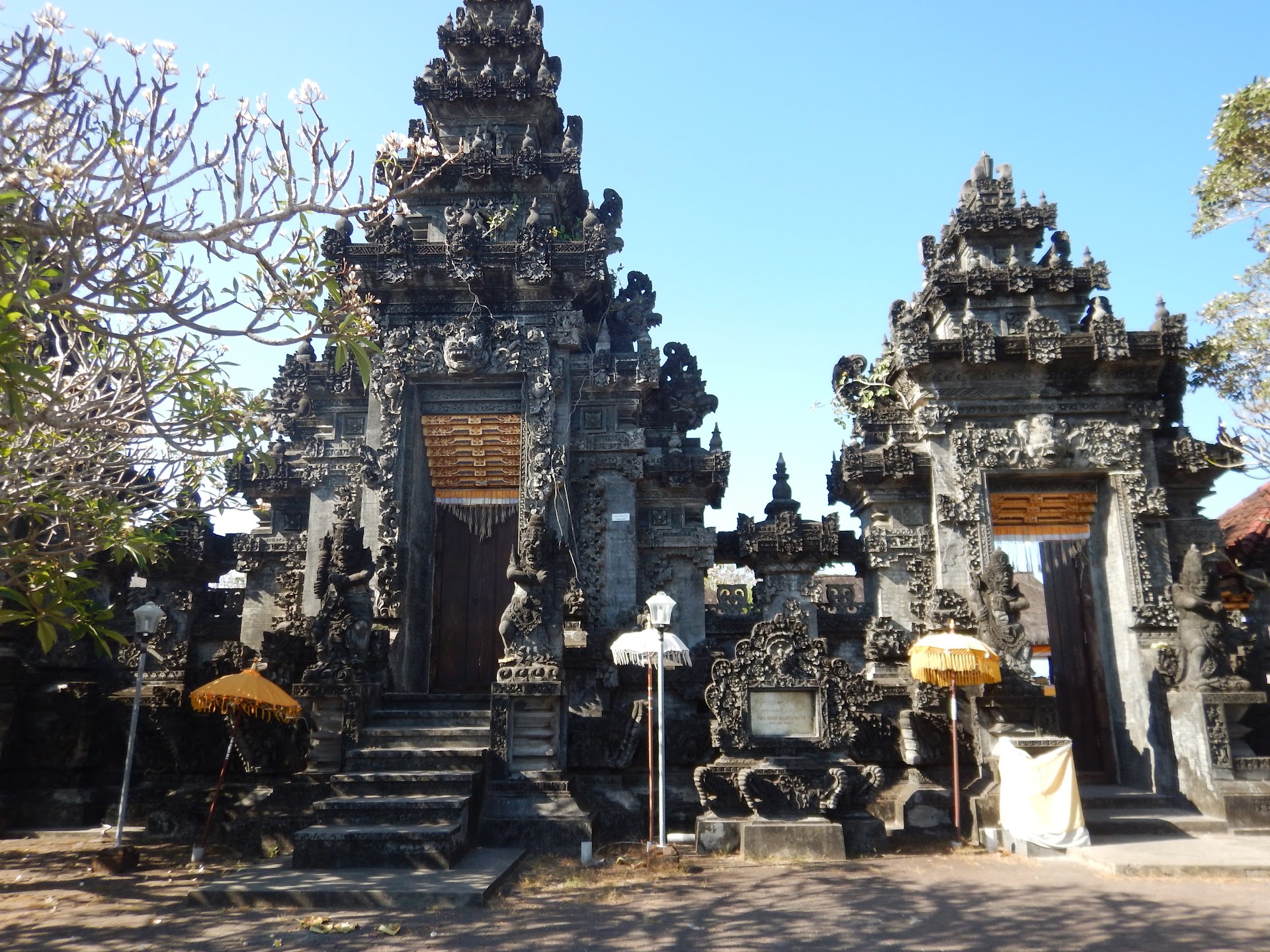
9. Pura Geger
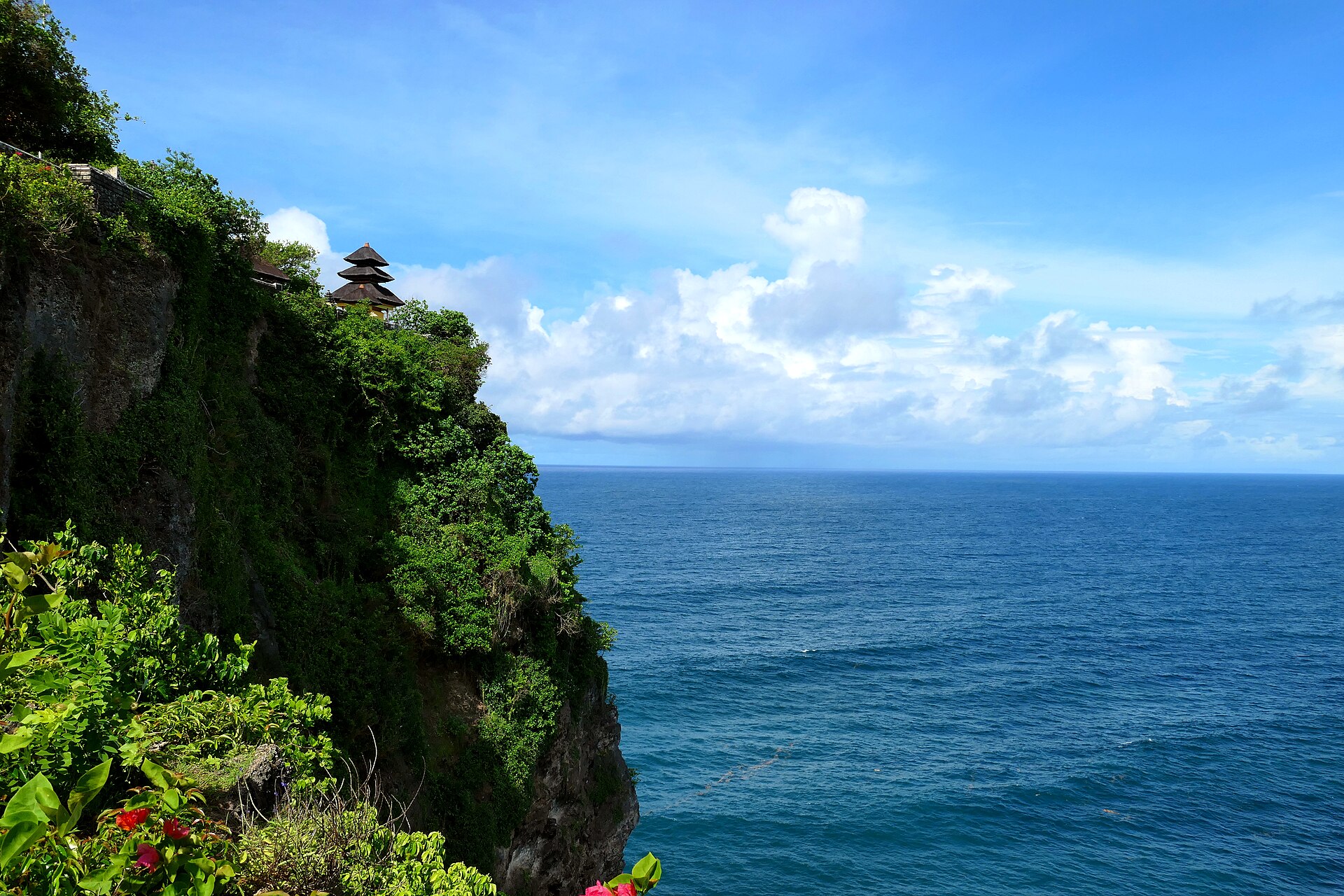
On a clifftop 3.2 km (a 6-minute drive) from Bali Collection, the Pura Geger Dalem Pemutih temple overlooks the public Geger Beach. It has a sacred spring used for the melukat purification ritual, but the gate is usually closed outside ceremonies, so you’ll most likely see the shrine from outside and from the cliff. If you’re allowed in, a sarong (a cloth wrapped around the waist) is mandatory, and a voluntary donation is expected.
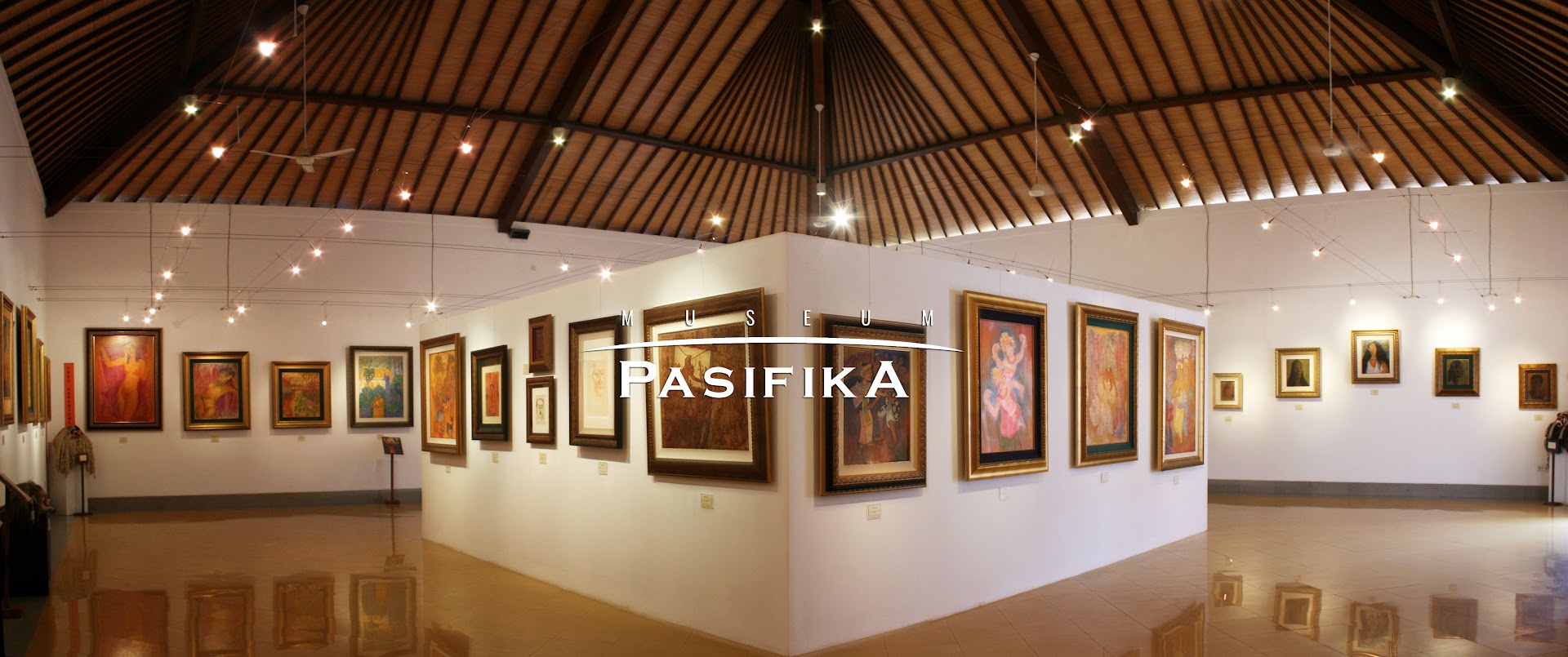
10. Museum Pasifika
When it rains, you can take shelter in Museum Pasifika, which since August 2006 has displayed over 600 works by 200 artists from 25 countries across 11 halls, including Miguel Covarrubias and Arie Smit. It’s open daily from 10 am to 6 pm. The official website doesn’t list prices, but according to a guide from November 2025, the entrance fee is roughly 100,000 IDR (about €5).
11. Devdan Show
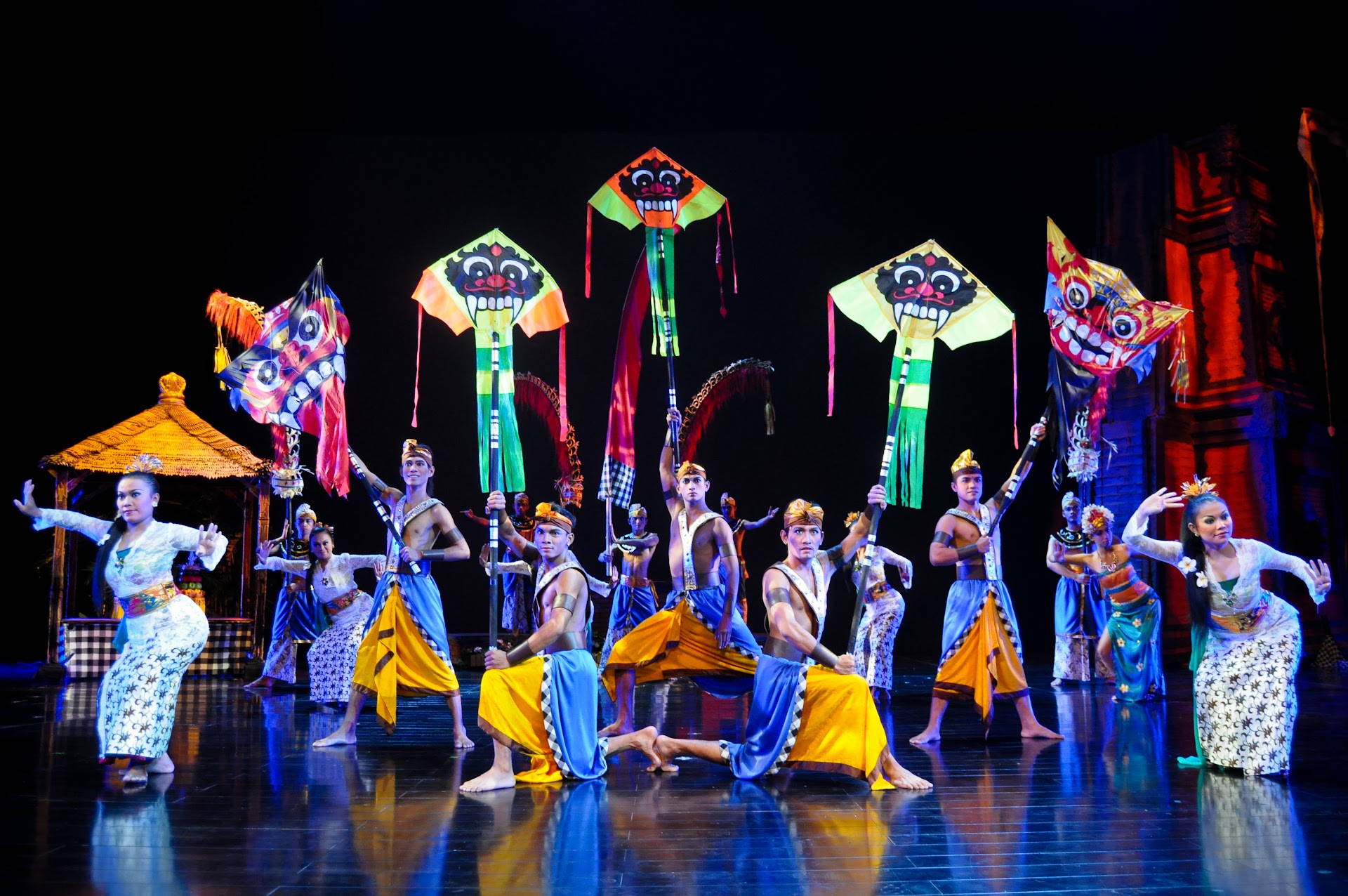
The evening Devdan Show at the Bali Nusa Dua Theatre combines dances from Bali, Java, Sumatra, Kalimantan and Papua with aerial silk acrobatics and lighting effects. Shows run on Monday, Wednesday, Friday and Saturday from 7:30 pm (check the schedule), last about an hour and a quarter, and there are no performances on Tuesday, Thursday or Sunday. Tickets from resellers start at roughly 500,000 IDR (about €25), and 250,000 IDR (about €12) for children aged 4–12. The VIP, A and B categories include free pick-up from hotels in the ITDC zone, Sawangan and Tanjung Benoa.
12. Bali Collection
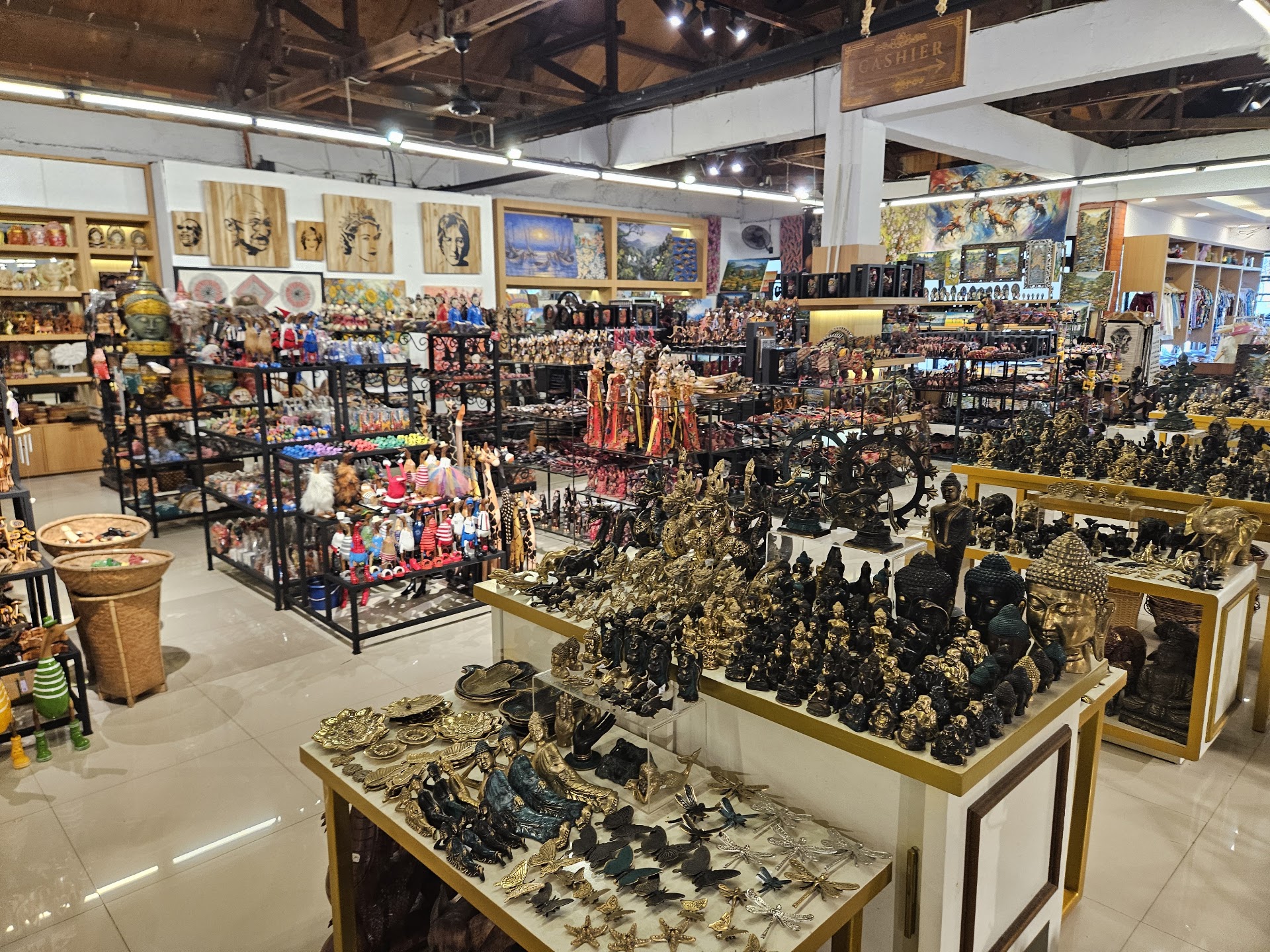
The Bali Collection shopping centre (eight hectares of shops and restaurants) is up and running, and new places opened between August and October 2026 ☺️. It’s open daily from 10 am to 11 pm (Google says 10 am–10 pm), a free shuttle runs from 34 hotels, and from 7 October 2026 the stop for nine of those hotels moved to Gate A-04 (the timetable stayed the same). Look for the current website bali-collection.com, as the balicollection.com domain is up for sale.
13. Surfing at the Sri Lanka Spot (Experienced Surfers Only)
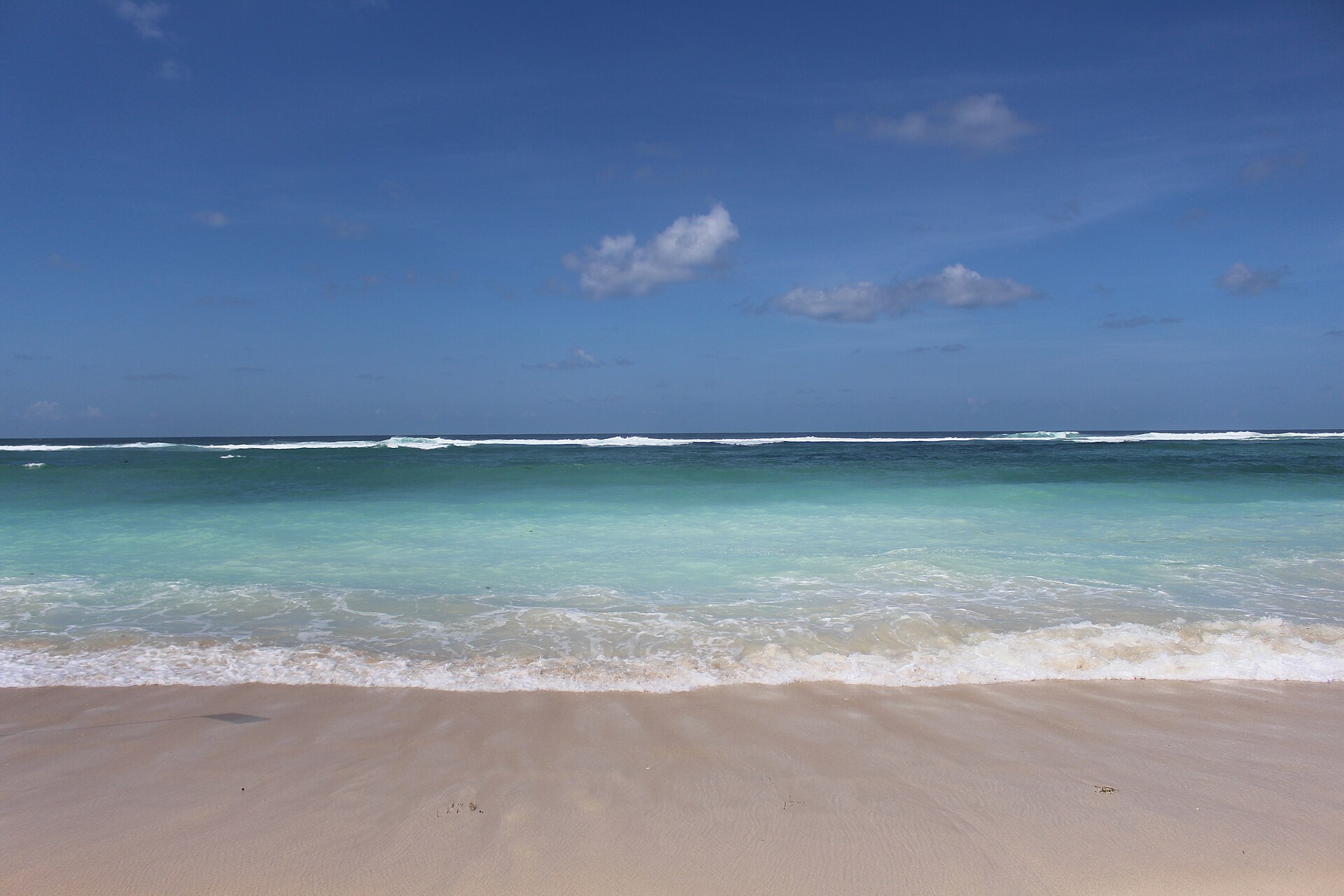
Beginners won’t get much out of it, but intermediate and advanced surfers will find a right-hander called Sri Lanka in front of Club Med (an all-inclusive family resort), reached by paddling out through a channel over a sharp, shallow reef. The season runs roughly from October to April (best in March, April, October and November). In the dry season the wind picks up in the afternoon, so people surf early in the morning. I couldn’t find a permanent surf school here; lessons are mostly brought in during the rainy season by schools from other parts of Bali. Boats run out to Nusa Dua Reef for around 50,000 IDR (about €2.40) one way, according to older sources.
14. Snorkelling in the Lagoon
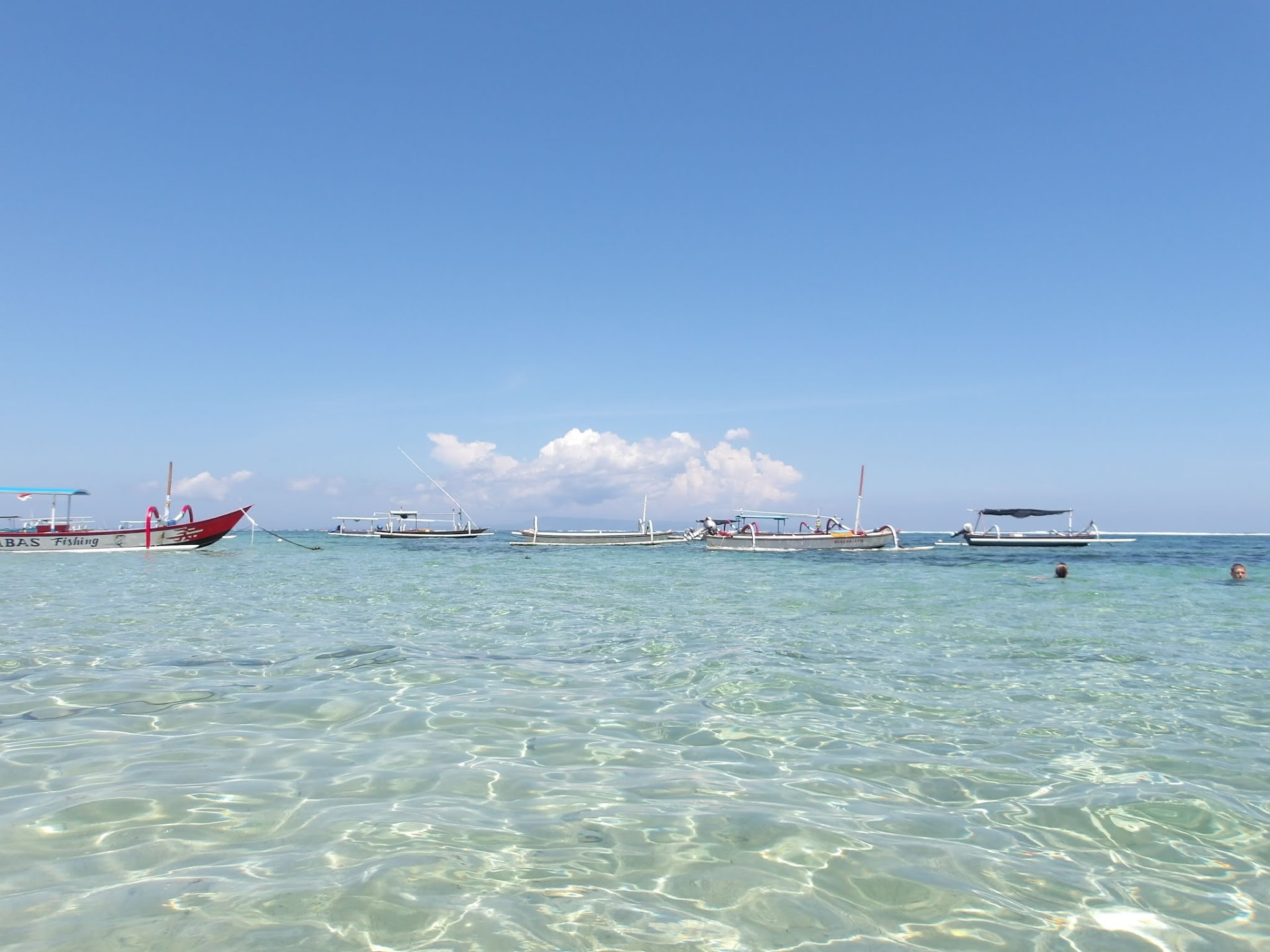
Don’t expect a colourful underwater show. Still, according to available sources, you can snorkel at high tide in the lagoon at Geger and Mengiat, or head out by boat from Tanjung Benoa. Because of the seagrass and the sharp coral exposed at low tide, bring water shoes.
Day Trips from Nusa Dua
Once you’ve had enough of the sun lounger, day trips from Nusa Dua will take you mainly around the Bukit Peninsula, but also further afield to Ubud or Nusa Penida. I’ve calculated the driving times from Bali Collection without traffic (in reality, expect them to take 1.5–2× longer). For a half-day outing, combine GWK (16 min from Bali Collection) with the sunset and the Kecak dance at Uluwatu (19 min from GWK to Uluwatu, then 25–60 min back to Nusa Dua depending on traffic).
| Destination | Driving time (no traffic) | Entrance fee / note |
|---|---|---|
| Uluwatu (temple) | 25 min (realistically 40–60 min) | IDR 60,000 (about €3) + Kecak IDR 150,000 (about €7) |
| Jimbaran (beach) | 12 min | free |
| GWK | 16 min | IDR 150,000 (about €7) at the ticket office |
| Pandawa | 13 min | IDR 25,000 (about €1.20) |
| Nusa Penida via Sanur harbour | 24 min to the harbour (25.4 km) | boat prices in our Nusa Penida article |
| Ubud | 38 min (realistically 75–90 min) | full-day trip |
15. Uluwatu and the Kecak Dance
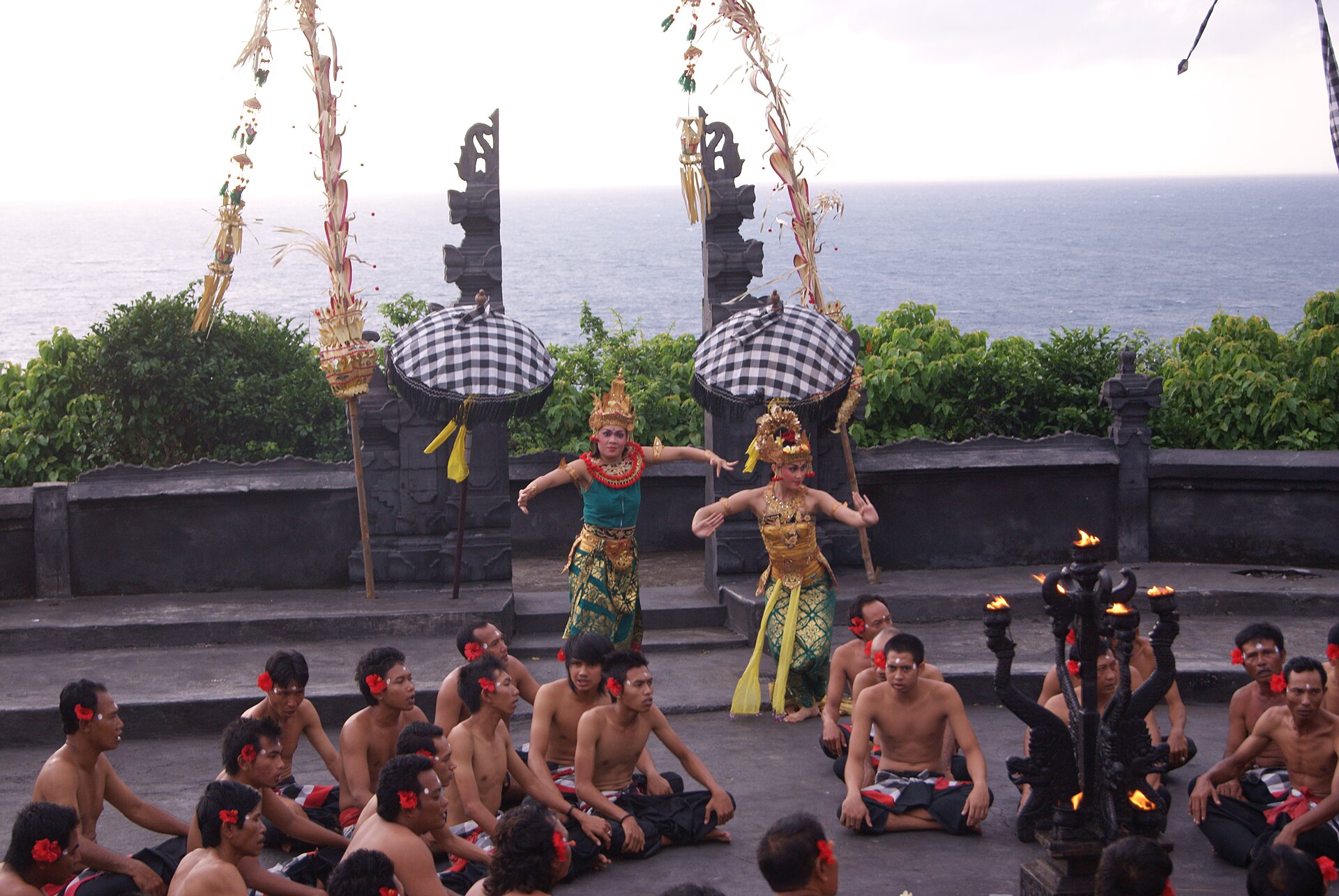
Pura Luhur Uluwatu temple is open daily from 7 am to 7 pm – just keep a close eye on your sunglasses and phone, because the resident macaques are notorious thieves 😅. In 2026, the entrance fee for foreigners is IDR 60,000 (about €3) and IDR 40,000 (about €2) for children; websites quoting IDR 50,000 or 100,000 are out of date. Kecak is a Balinese dance performed by a chanting male chorus. It takes place at sunset from 6 pm to 7 pm (in high season possibly also from 7 pm, so double-check), the amphitheatre seats up to 1,200 spectators, and a ticket for the Kecak costs IDR 150,000 (about €7), or IDR 75,000 (about €3.60) for children aged 2–9. You’ll find more tips on the temple and the surrounding area in our Uluwatu guide.
16. Garuda Wisnu Kencana (GWK)
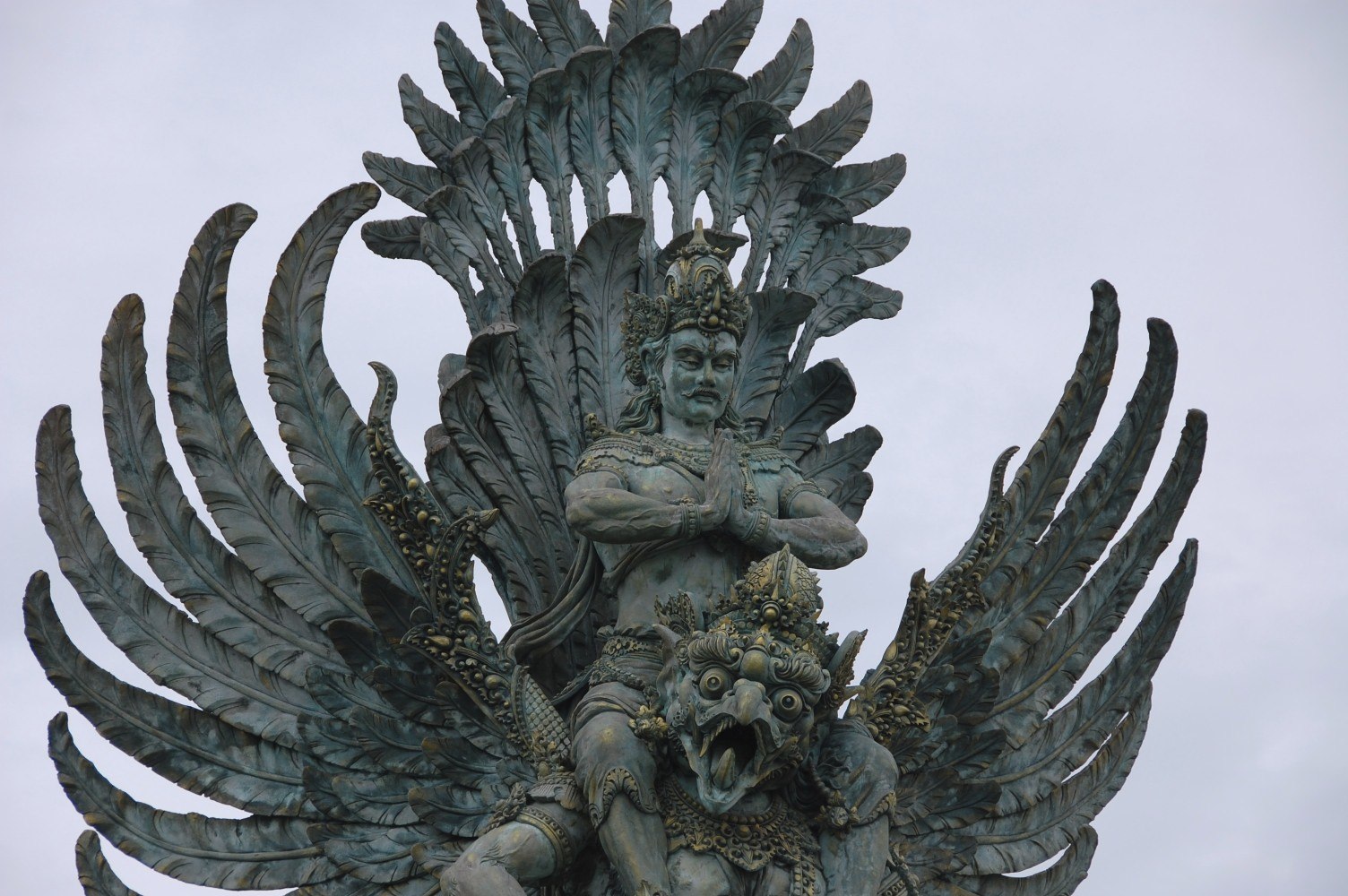
Just 10.9 km (16 minutes) from Nusa Dua towers Indonesia’s tallest statue, Garuda Wisnu Kencana (unveiled on 22 September 2018). The statue itself is 75 metres tall, and 121 metres including its pedestal. The park is open daily from 9 am to 9 pm, and according to ticket sellers, admission to the grounds costs IDR 150,000 (about €7) at the ticket office (IDR 125,000, about €6, online). A ticket that includes a tour inside the statue (floors 9 and 23) costs IDR 350,000 (about €17), and children under 100 cm get in free (check the GWK website).
17. Jimbaran: Sunset on the Bay
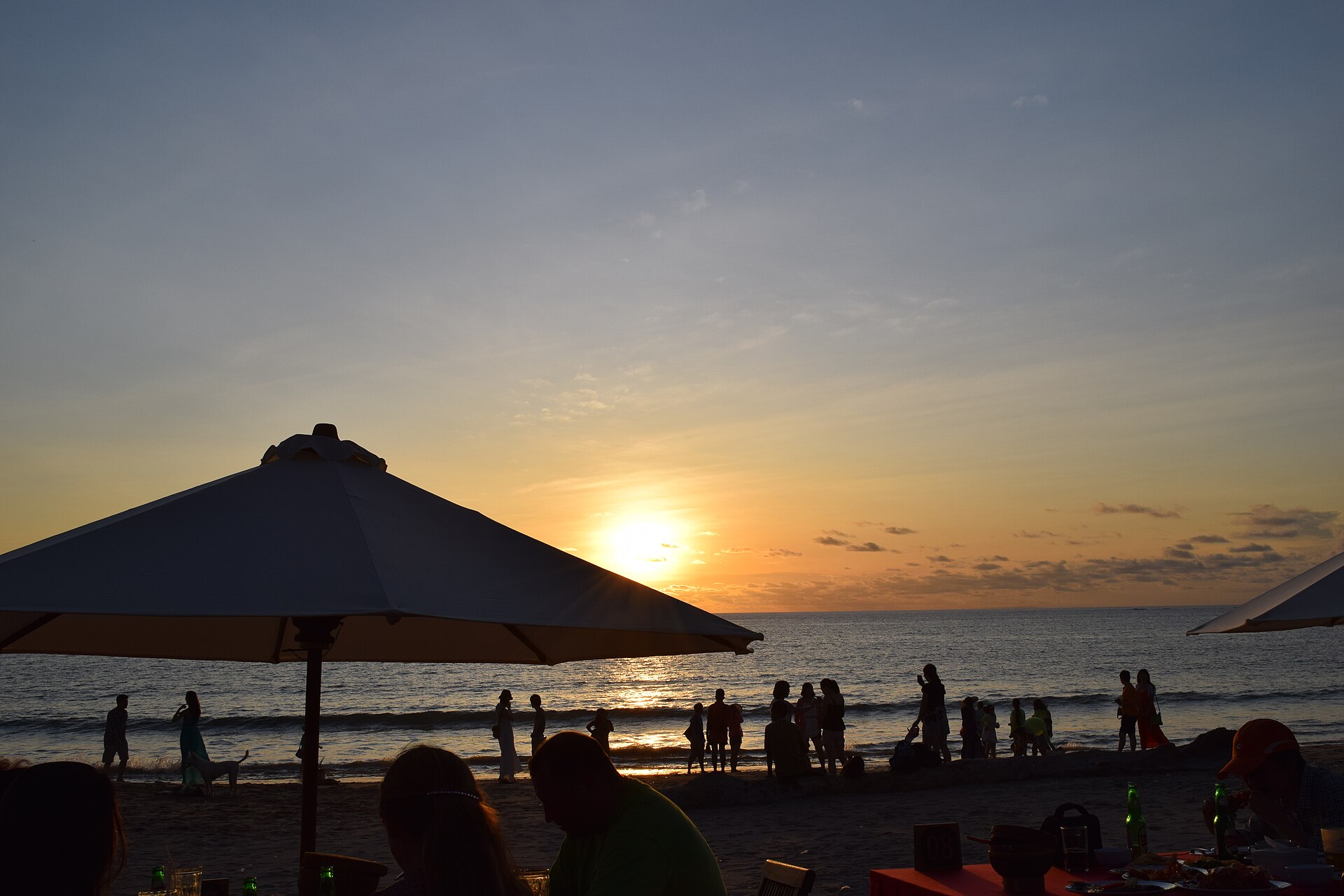
Jimbaran Bay (9.6 km, 12 minutes) is a magnet for sunset lovers – just bear in mind that during the rainy season from December to March, the beach is sometimes spoiled by washed-up debris. In the evening, grilled fish on the beach is the local speciality, but if you don’t eat meat or fish, look for nasi goreng (fried rice), mie goreng (fried noodles) or gado-gado (vegetable salad with peanut sauce) on the menu and ask for it “tanpa terasi”, meaning without shrimp paste (terasi), which often goes into sambal, the local chilli sauce.
18. Pandawa Beach
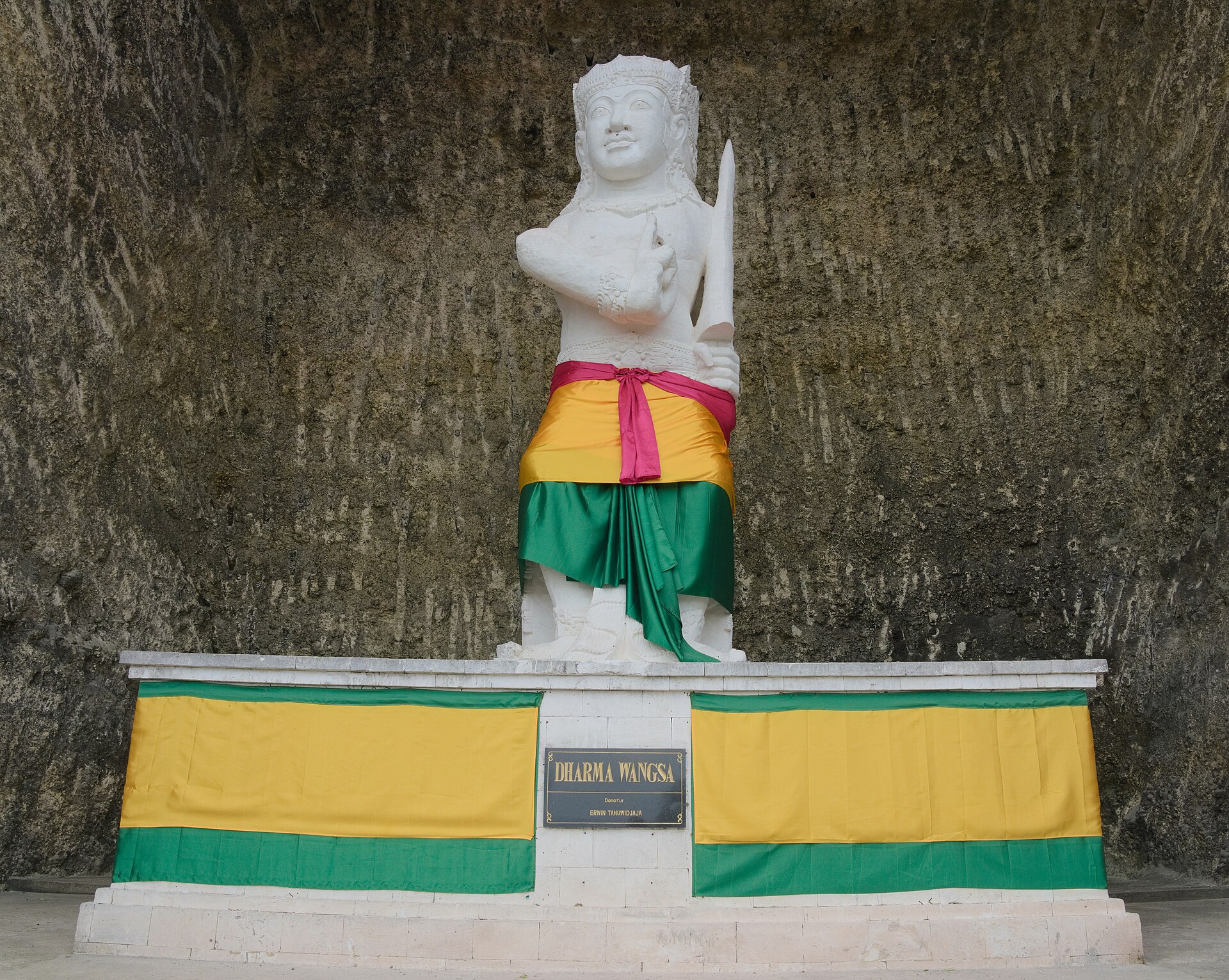
About 10 km (13 minutes) from the resort zone, Pandawa Beach lies beneath towering cliffs, and the road down takes you past the statues of the Pandawa brothers. Since 1 January 2026, foreigners pay IDR 25,000 (about €1.20). You can rent canoes here, and you’ll most likely combine this stop with nearby GWK.
19. Nusa Penida via Sanur
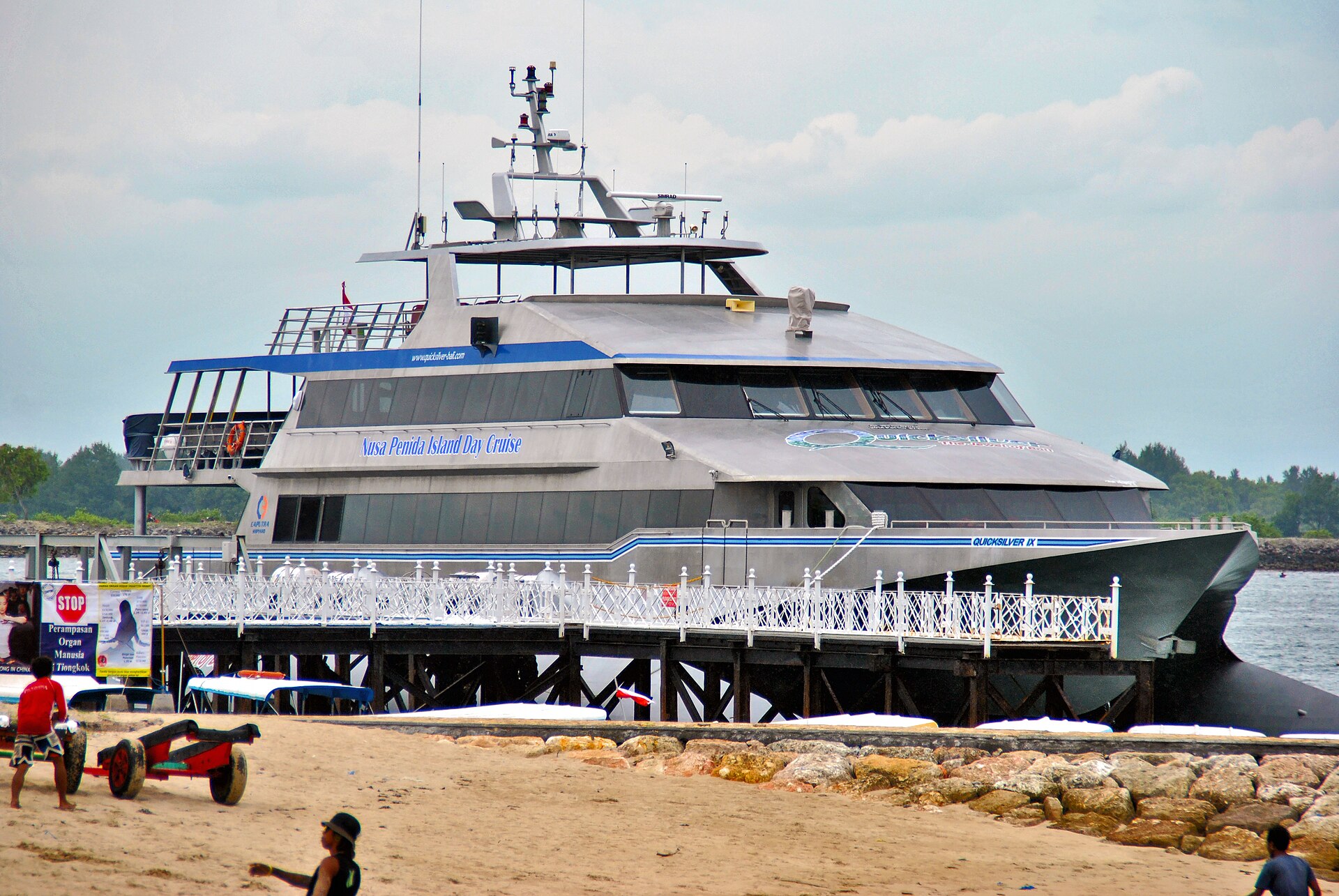
Boats to the island of Nusa Penida depart from Sanur harbour (25.4 km, 24 minutes without traffic). You’ll find all the details on the crossings in our Nusa Penida article. Be careful on the cliffs: a tourist died below the Kelingking viewpoint, and the island is changing its safety rules as a result (details here) – please respect them.
Where to Stay in Nusa Dua
When deciding where to stay in Nusa Dua, it helps to split the area into three parts: the north, closer to Bali Collection; the middle, around Mengiat Beach; and the south, around Geger and Sawangan beaches. You can also opt for the Tanjung Benoa peninsula with its water sports, or for cheaper hotels inside the zone without their own beach.
Below, I’ve picked eight hotels based on location, and if you’re after pure luxury and wellness, take a look at our guide to the best hotels and resorts in Bali too. Just watch out for old names on maps: the former Nikko is now the Hilton Bali Resort, the former Inaya Putri is now Merusaka, and the former Meliá Bali is now Paradisus by Meliá Bali.
Nusa Dua Beach Hotel & Spa
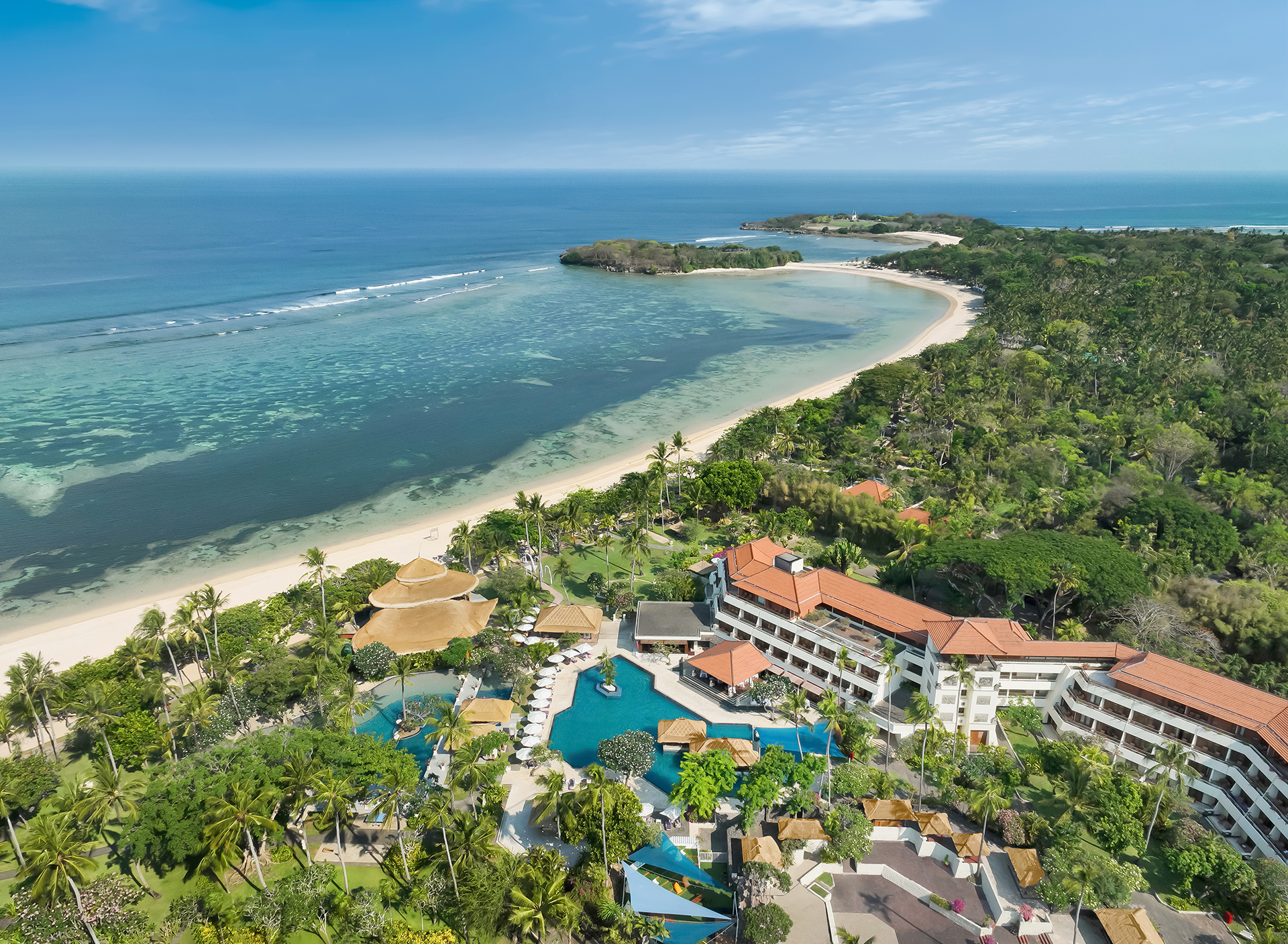
In the north of the zone, right on Nusa Dua Beach, you’ll find the Nusa Dua Beach Hotel & Spa, built in the style of a Balinese palace. It was one of the first big resorts here, dating back to the early 1980s, and it has three pools right by the beach. It’s the pick for anyone who prefers traditional island style to modern architecture.
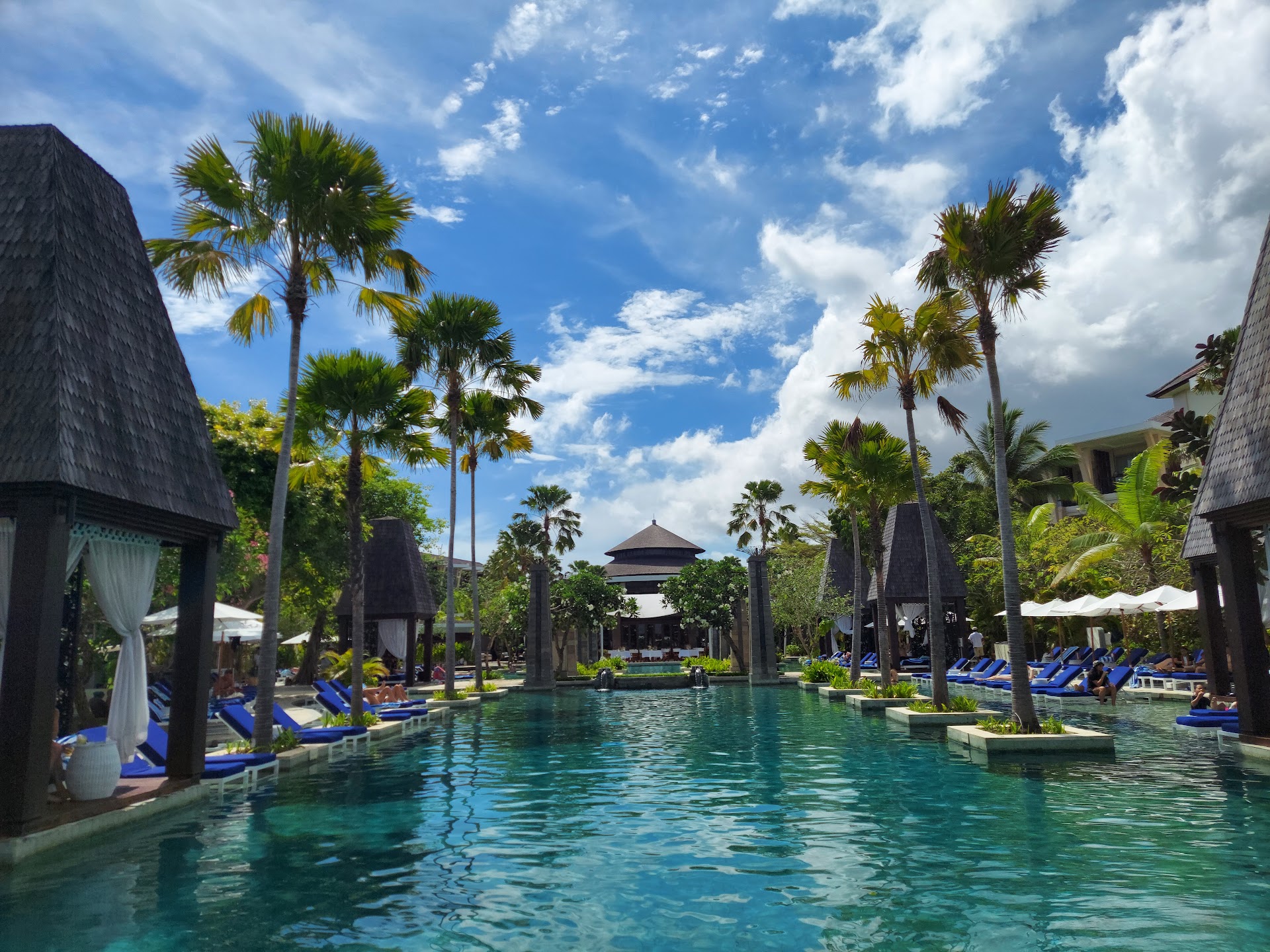
Sofitel Bali Nusa Dua Beach Resort
Where the northern and central parts of the zone meet, you’ll find the beachfront Sofitel Bali Nusa Dua Beach Resort. It offers rooms with direct pool access, a kids’ club and a children’s pool. It’s a great fit for families who want facilities for the little ones right by the shore.
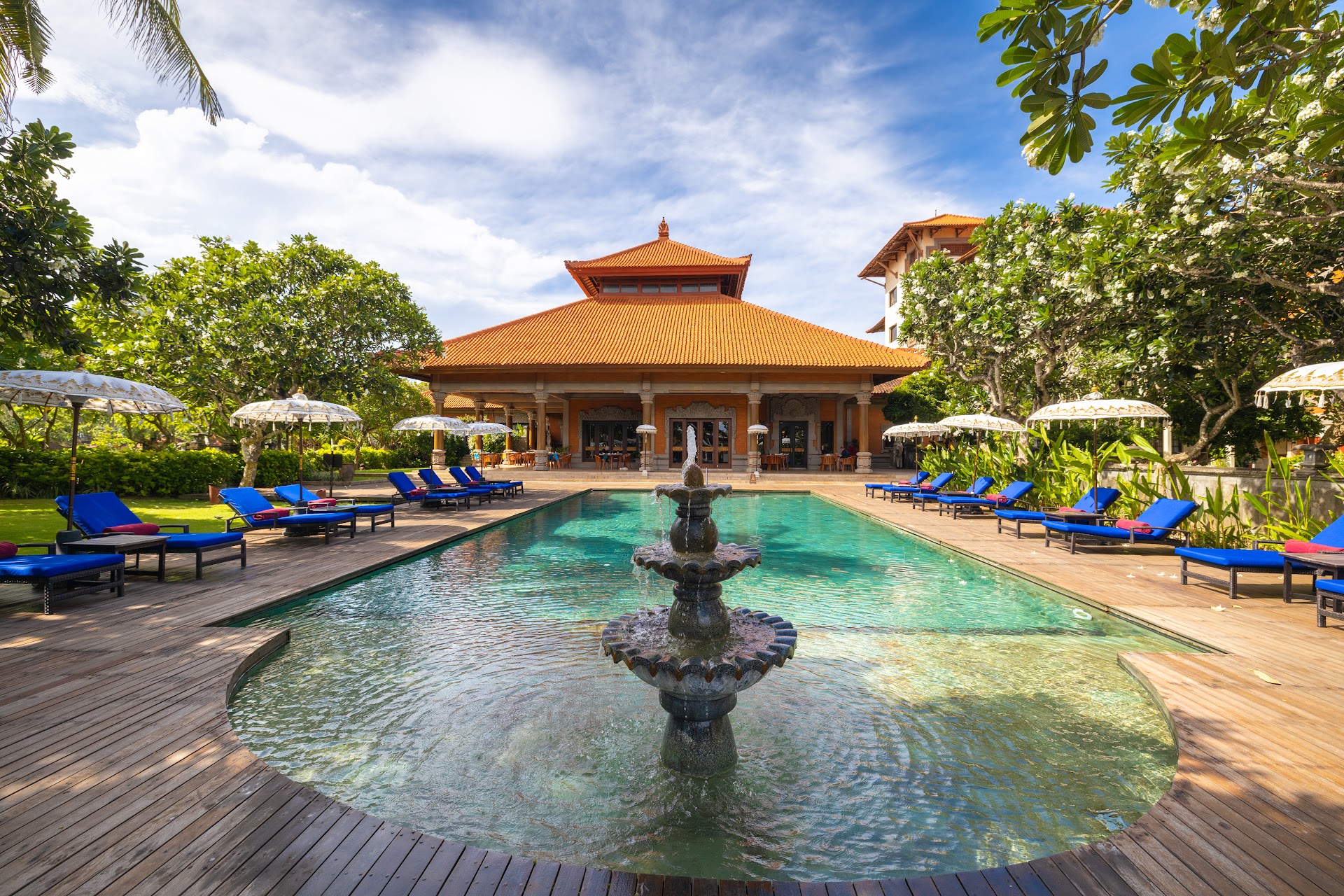
Ayodya Resort Bali
In the middle of the zone, a short walk from Water Blow, stands the sprawling garden resort Ayodya Resort Bali, complete with a lagoon. The grounds include a 300-metre private stretch of Mengiat Beach and interconnecting family rooms. It’s popular with larger families who want plenty of space by the water.
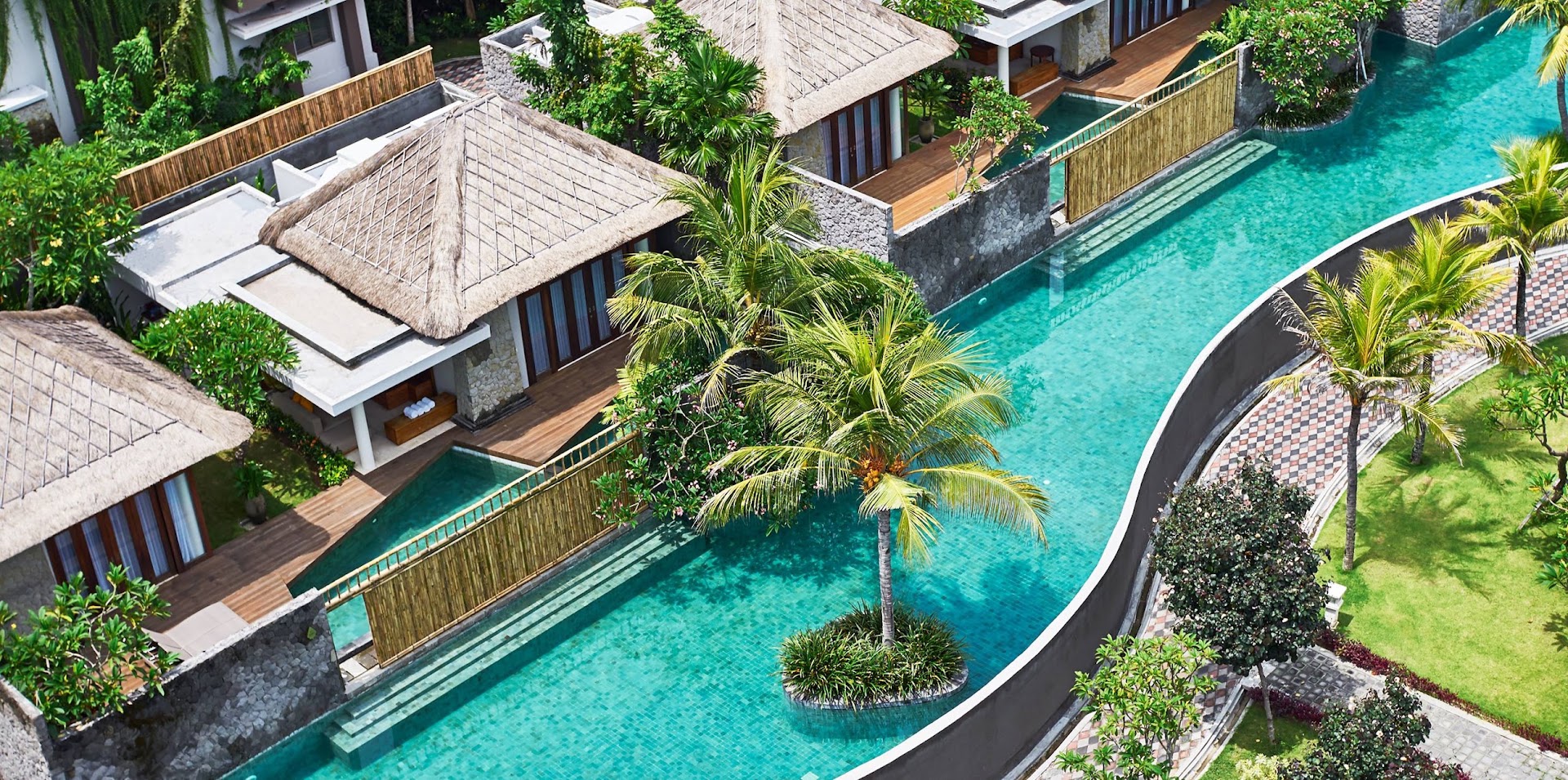
Merusaka Nusa Dua
In the central-to-southern part of the zone, on Mengiat Beach, lies the beach resort Merusaka Nusa Dua, formerly known as Inaya Putri. The resort is made up of cascading pools and villas along the shore. It appeals to travellers who want to combine full resort facilities with a villa stay.
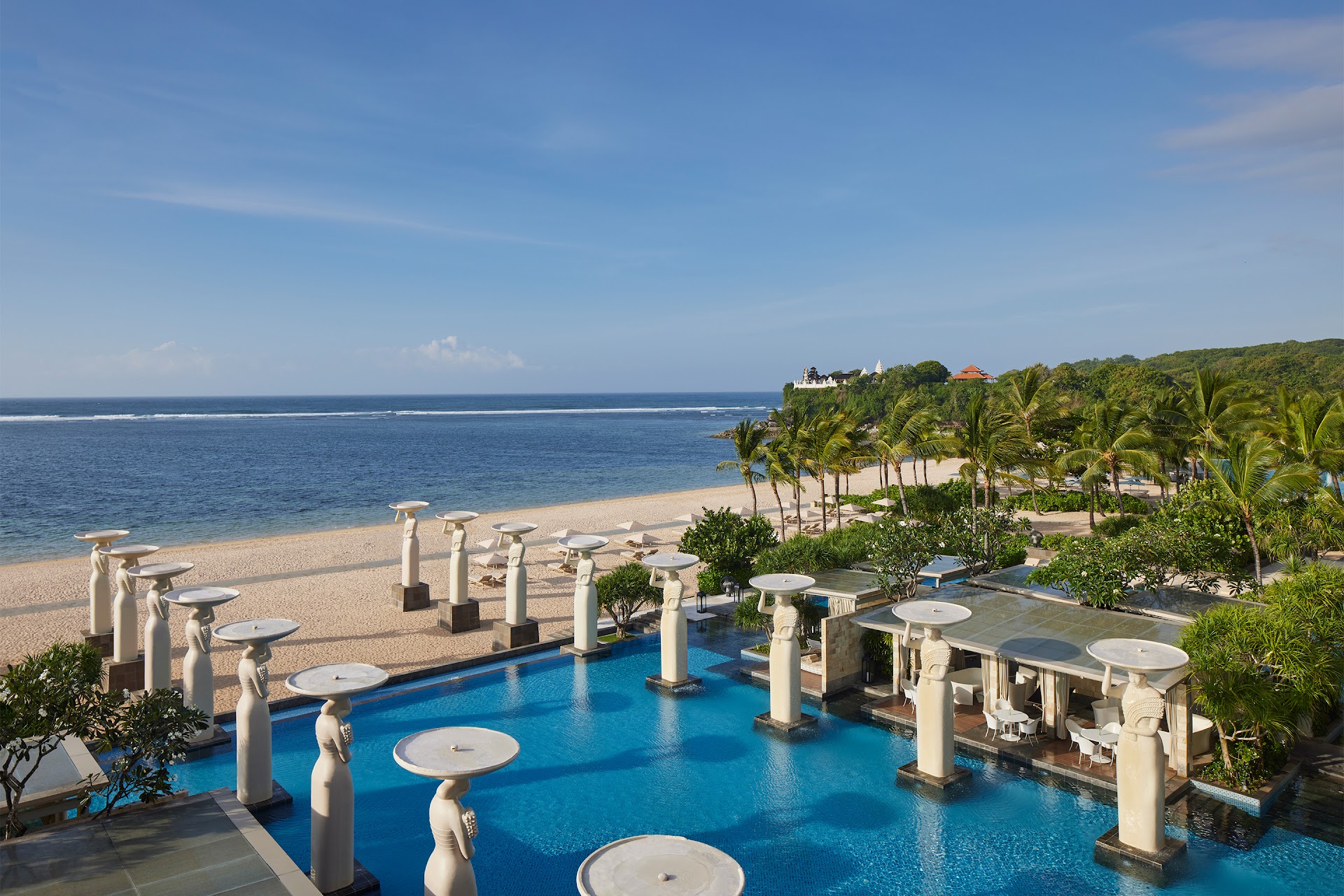
The Mulia – Nusa Dua, Bali
Down south by Geger Beach, you’ll find the luxury all-suite resort The Mulia – Nusa Dua, Bali. Its main draw is the iconic Oasis infinity pool and sunrise views. It’s the go-to for anyone seeking maximum comfort on the southern stretch of the coast.
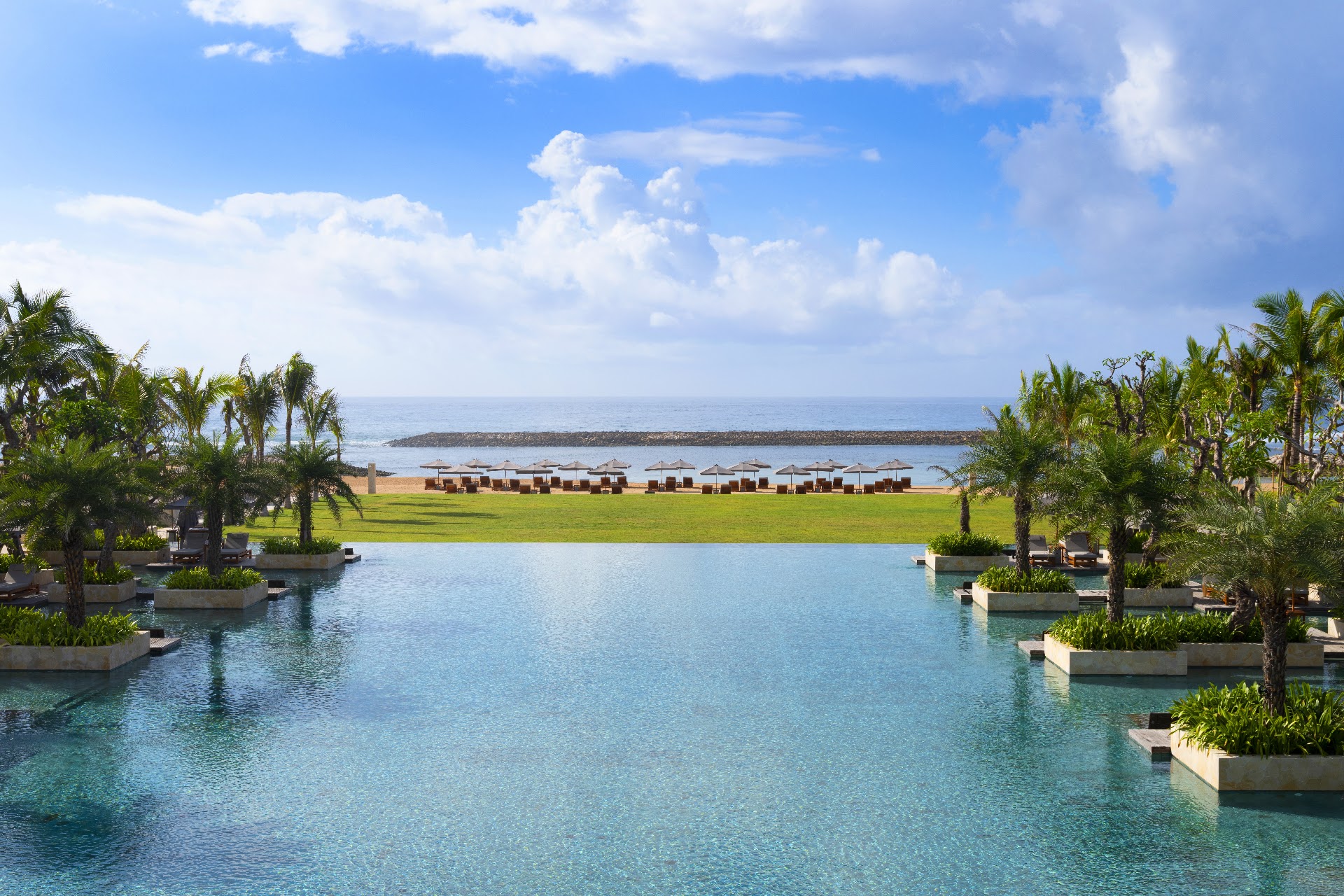
The Apurva Kempinski Bali
Outside the main ITDC zone, on Sawangan Beach, stands The Apurva Kempinski Bali, spread out across terraces on a clifftop. The resort also features extensive gardens and a spa. You’ll love it if you’d rather unwind in a quieter spot away from the central resorts.
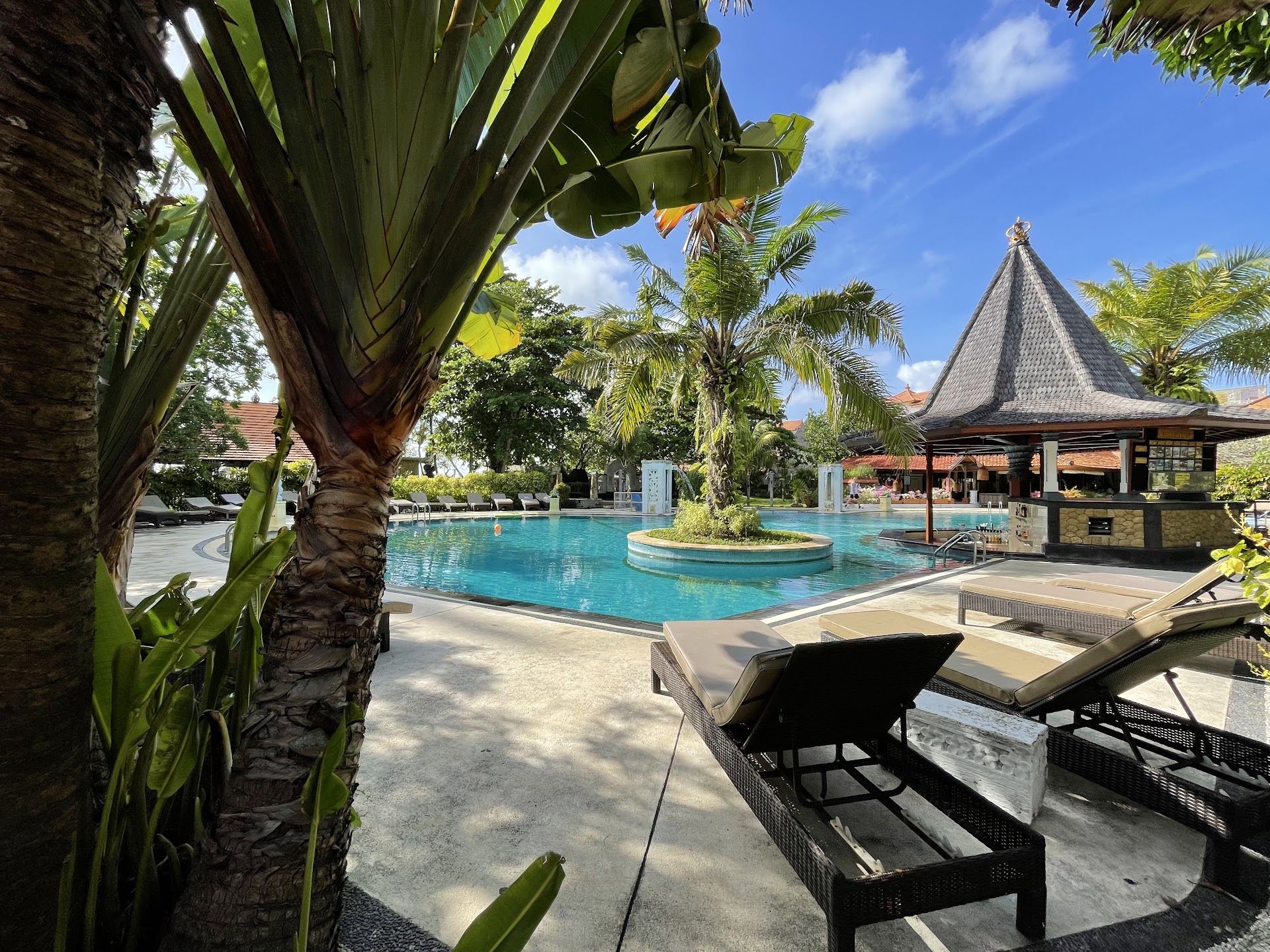
Bali Tropic Resort & Spa
On the Tanjung Benoa peninsula, you’ll find the beachfront Bali Tropic Resort & Spa with its rooftop pool. It sits on the shore just a short walk from the water sports centres. It’s ideal if you want water sports right on your doorstep.
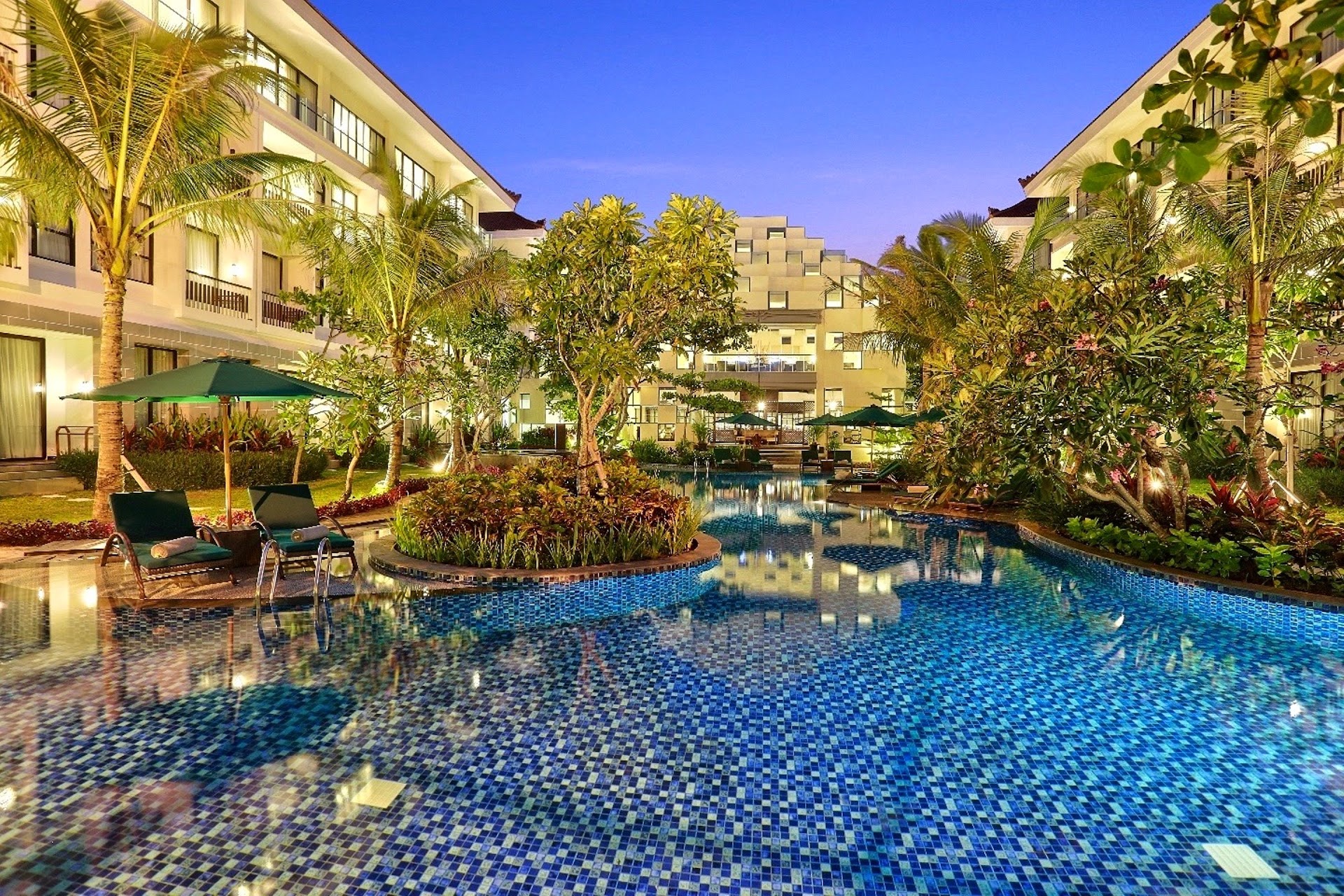
Bali Nusa Dua Hotel
Inside the zone, without direct beach access, you’ll find the more affordable Bali Nusa Dua Hotel, a smaller hotel with a lagoon-style pool set in a tropical garden. To get to the beach, you hop on the Bali Collection shuttle – just don’t mix up its name with the beachfront Nusa Dua Beach Hotel when booking 😉. It suits anyone who wants to stay in the manicured zone for less and doesn’t mind a short ride to the water.
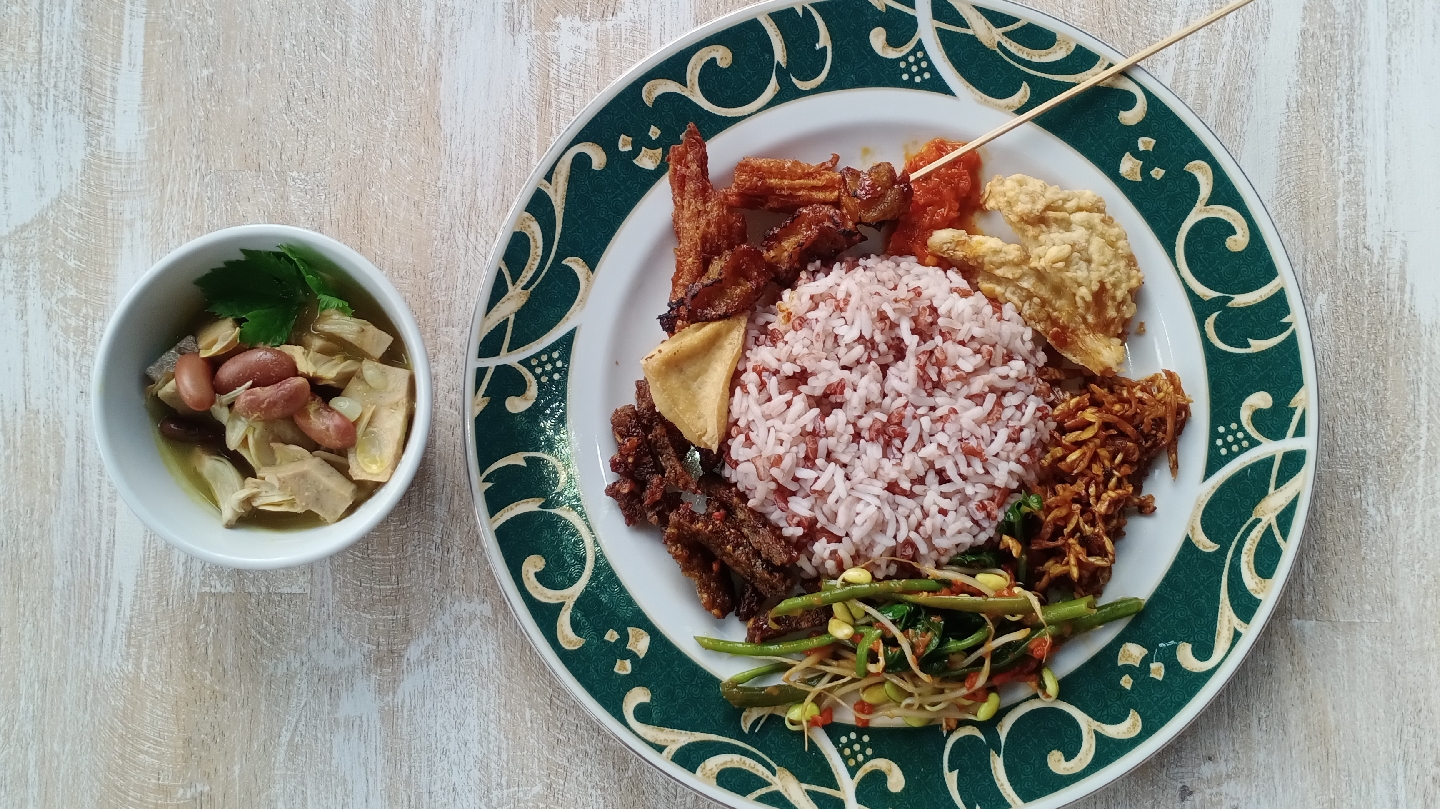
Where to Eat Outside the Resorts: Vegetarian Tips in Bualu
One look at your hotel menu and you’ll probably start wondering where to eat in Nusa Dua without every dinner costing as much as a budget flight. For cheaper food, head to the village of Bualu just outside the gate. I’ve also added a few places from the surrounding area to the list, all checked as of November 2026:
- Udupi Indian Restaurant Nusa Dua (Jl. Pratama, Bualu) serves purely vegetarian South Indian cuisine, open 7 am–10 pm.
- Giridhari Vegan & Vegetarian (Jl. Taman Giri, Mumbul, about 4 km west of Bualu) offers vegan and vegetarian Indonesian dishes, 8 am–9 pm.
- Art Cafe Bumbu Bali (Jl. Siligita, Bualu) cooks Balinese food with vegetarian options – check the menu on the spot.
- Bumbu Bali Restaurant & Cooking School (Jl. Pratama, Tanjung Benoa) serves Balinese cuisine and runs cooking classes – check the vegetarian options in advance.
- Nusa Dua Pizza (Jl. Bypass Ngurah Rai) serves pizza and pasta, with vegetarian versions on the menu.
- Pizzeria Romana Nusa Dua (Jl. Terompong, Bualu) bakes pizza and stays open until 1:30 am.
For fresh fruit, pop into the Pasar Desa Adat Bualu market (Jl. Pratama). Remember to ask for “tanpa terasi” (without shrimp paste – see Jimbaran above). The local meat dishes here are mainly ikan bakar (grilled fish), babi guling (suckling pig) and bebek (duck). The “++” mark on your bill might catch you off guard: it means 10% tax and a 5–11% service charge are added on top of the listed price.
Getting Around: Airport, Toll Road, Grab and the Resort Zone
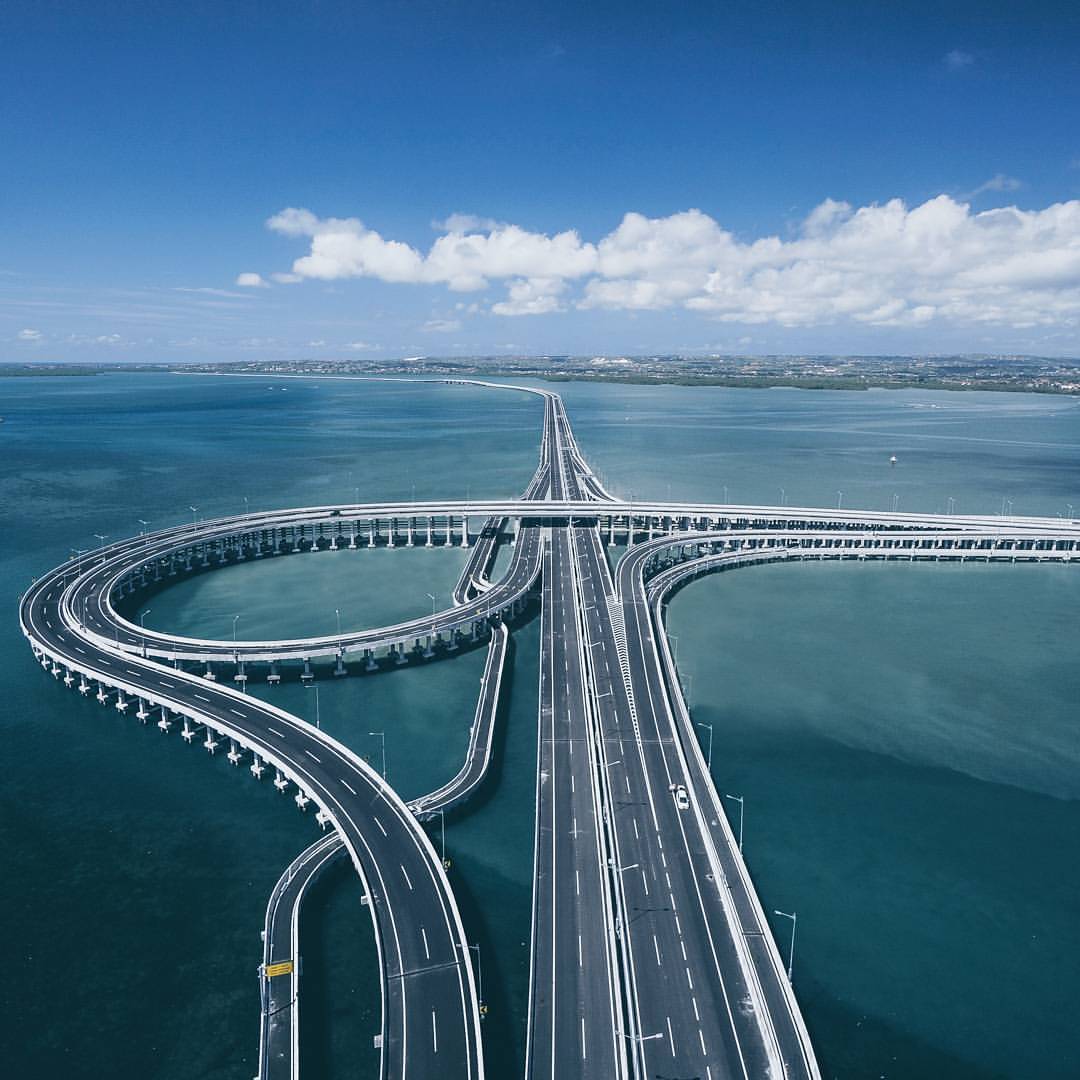
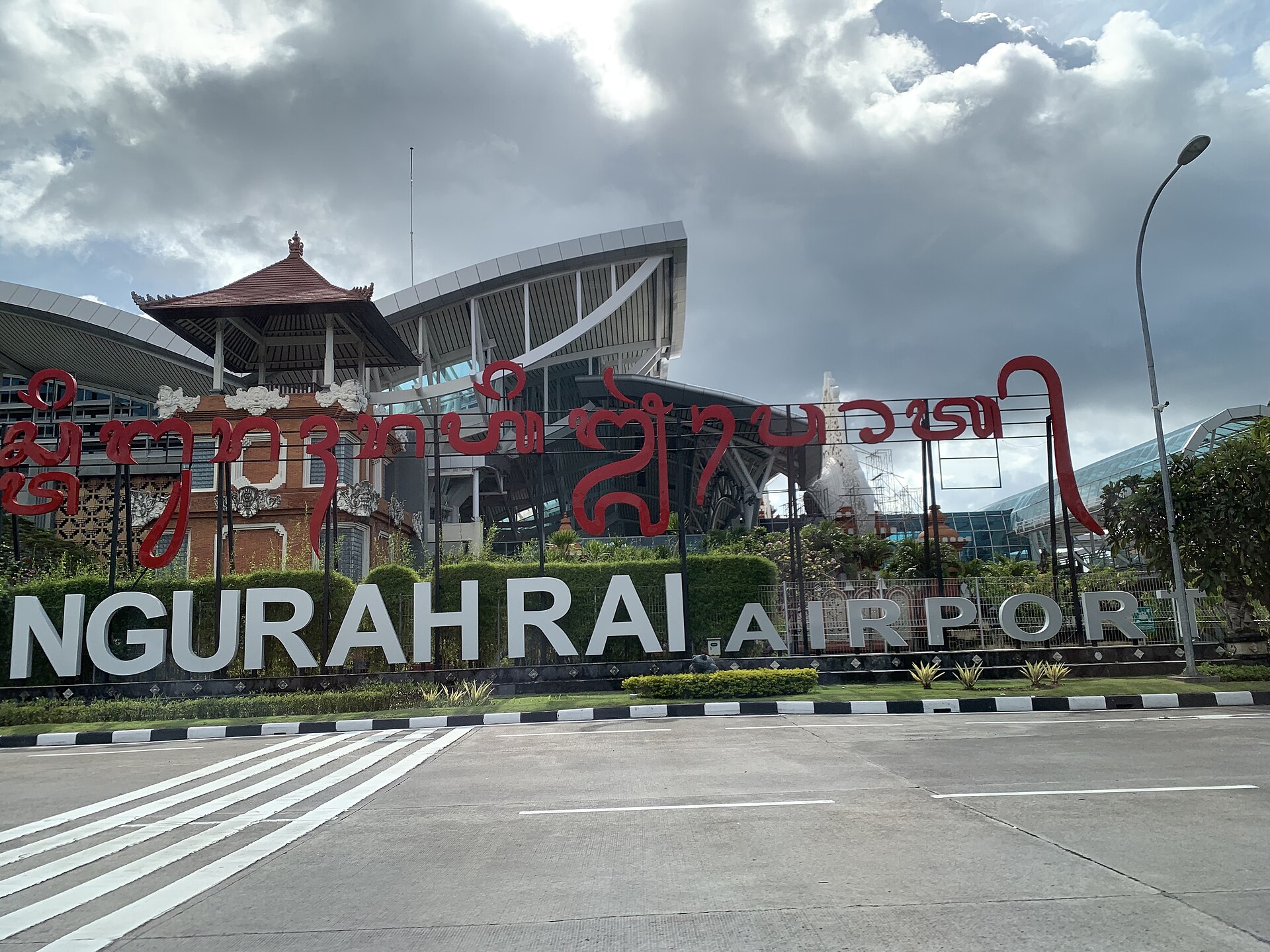
The drive from the airport to Nusa Dua is 13–14 kilometres, and with no traffic it takes 16–19 minutes, which sounds almost too good to be true after a long flight ☺️. Realistically, though, you’ll spend 20–30 minutes on the toll road outside rush hour, and easily an hour at peak times or during holidays.
From the Airport via the Bali Mandara Toll Road
The Bali Mandara toll road (opened on 23 September 2013) runs for 12.7 kilometres above the sea. According to Jasa Marga Bali Tol, the toll is 14,000 IDR (about €0.70) for a car and 5,500 IDR (about €0.30) for a motorbike. You can pay only with a prepaid contactless e-money card (issued by Indonesian banks), not in cash; if you’re travelling by taxi or with a driver, they’ll take care of the toll. Motorbikes have their own lane, which closes in strong winds.
Grab, Gojek and Taxis
The ride-hailing apps Grab and Gojek officially operate at the airport, but drivers pick you up at a designated spot shown in the app, not right outside the exit. A ride to Nusa Dua costs roughly 120,000–250,000 IDR (about €6–12), while an airport taxi will set you back 200,000–350,000 IDR (about €10–17).
The apps work fine in Nusa Dua, although at some hotels and beaches you may run into local taxi drivers. Also watch out for fake blue taxis; genuine Bluebird taxis always run on the meter.
Bus, On Foot and by Scooter
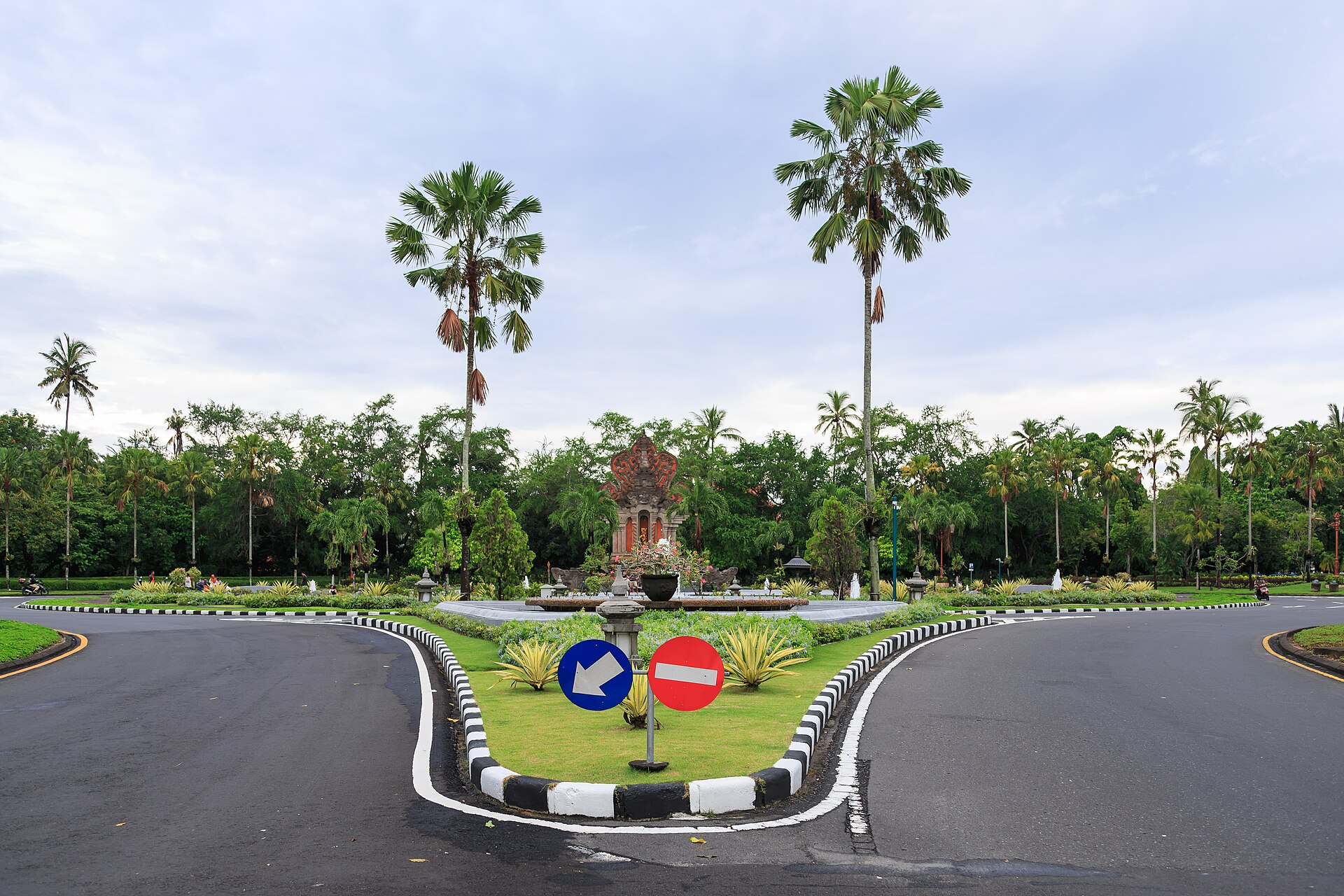
The Trans Metro Dewata K6 bus runs from Kuta via the airport all the way to Sentral Parkir Nusa Dua (the last stop inside the zone), roughly from 5:00 to 18:33, for 4,400 IDR (about €0.20). You pay with a prepaid e-money card or a QRIS code (Indonesia’s QR payment system).
The zone is accessed through guarded gates, but pedestrians and Grab drivers normally pass through without any issues. Once inside, you can use the promenade that runs past most of the resorts, or hop on the free Bali Collection shuttle. Before renting a motorbike, have a look at how to ride a scooter.
Practical Info: Tourist Tax, Visas and Health
Before you start packing your swimsuit, I’ve gathered all the practical info for Nusa Dua in one place, so nothing catches you off guard at the airport. All conversions are approximate and based on exchange rates from 4 November 2026.
Once per stay, you pay a tourist tax of 150,000 IDR (about €7), exclusively via the official Love Bali website. Checks mostly happen at attractions such as GWK or Uluwatu, and there are no reports of them in Nusa Dua. Still, keep the payment confirmation on your phone.
To enter the country, many nationalities need an electronic visa on arrival, the e-VoA (a visa on arrival arranged online), which costs 500,000 IDR (about €25). In August 2026, a price increase was announced to 750,000 IDR (about €35) online and 1,000,000 IDR (about €50) at the airport. It’s not clear whether it’s already in effect, so check the current price and requirements for your passport at evisa.imigrasi.go.id. Within 72 hours before arrival, you also need to fill in the All Indonesia Arrival Card.
If you’re flying in March, keep in mind that Monday 8 March 2027 is Nyepi, the Day of Silence, when the airport and beaches close for the whole day (you’ll find the details in the When to Visit Nusa Dua section).
Right inside the zone is BIMC Siloam Nusa Dua hospital (website BIMC, tel. +62 361 3000 911) with a 24-hour emergency department. Even so, don’t underestimate travel insurance, especially if you’re into water sports or surfing, and pack a well-stocked travel first aid kit too.
To visit temples, you’ll need a sarong (a cloth wrapped around the waist) and covered shoulders and knees.
Where to Go Next
If you’d like to explore other corners of the island besides relaxing in Nusa Dua, check out these follow-up guides 😉:
- Uluwatu: the western and southern coast of the Bukit Peninsula, with its cliffs and temples.
- Nusa Penida: tips for an island trip by boat from the harbour in Sanur.
- Ubud: a guide to the island’s interior, perfect for a full-day trip from the south.
- Canggu: the lively west coast, the complete opposite of laid-back Nusa Dua.
- Bali Road Trip: an itinerary around the island, saving the south for the last days of your stay.
- Best Hotels and Resorts in Bali: a selection of places to stay and resorts across the whole island.
- Bali, a Guide to the Whole Island: a complete overview of the individual regions plus practical tips.
Frequently Asked Questions
Is Nusa Dua good for kids?
Yes, this part of the island is one of the most comfortable areas for families with kids. Resorts usually have kids’ clubs and pools, the beaches are protected by a reef, and the sea tends to be calm — just keep an eye on the tide, since the water retreats quite far out at low tide.
Can you swim in Nusa Dua all day long?
Not always — during spring tides (the biggest swings happen around the new and full moon), the sea level can drop by as much as 2.5–2.9 metres. Mid and high tide are your best bet, and because of the coral and sea grass, it’s worth packing water shoes.
Are the beaches in Nusa Dua public?
Yes, the beaches in front of the resorts stay public, and there are several access points where you’ll just pay a small fee for parking or entry. Sunbeds and pools inside the resort grounds are reserved for guests, or accessible with a day-pass fee.
How far is Nusa Dua from the airport?
About 13–14 kilometres, which via the Bali Mandara toll road takes around 20–30 minutes outside peak times — during rush hour or holidays, allow up to an hour. The toll can only be paid with a contactless e-money card.
Do Grab and Gojek work in Nusa Dua?
Yes, they work there, including at the airport, where the app guides you to the pickup spot. A ride typically costs around 120,000–250,000 IDR (roughly €7–15), and near some hotels and beaches you’ll also find local taxi drivers.
When does the Devdan Show play?
The show runs on Mondays, Wednesdays, Fridays and Saturdays from 7:30 pm, with no shows on Tuesdays, Thursdays or Sundays, and lasts about an hour and fifteen minutes. Tickets start at roughly 500,000 IDR (about €30), but it’s worth double-checking the current schedule and prices.
Nusa Dua or Sanur?
Nusa Dua is a gated zone of large resorts with manicured beaches and security at the entrances, while Sanur is a livelier neighbourhood with a beachfront promenade, warungs and a harbour. Both spots have calm, reef-protected waters that are affected by the tide.
When’s the next Nyepi, and what closes down?
The Day of Silence falls on Monday, 8 March 2027 and lasts from Monday 6:00 am to Tuesday 6:00 am. The entire island shuts down, including the airport and beaches, and you can’t leave your resort — though inside the hotel, meals and services run as normal.
Tips and Tricks for Your Vacation
Don’t Overpay for Flights
Search for flights on Kayak. It’s our favorite search engine because it scans the websites of all airlines and always finds the cheapest connection.
Book Your Accommodation Smartly
The best experiences we’ve had when looking for accommodation (from Alaska to Morocco) are with Booking.com, where hotels, apartments, and entire houses are usually the cheapest and most widely available.
 🚗 Car rental on the roadVerified rental cars in Indonesia
Search with the DiscoverCars comparison engine — it compares prices from dozens of local and international rental companies, and most bookings come with free cancellation.
Compare car prices in Indonesia →Don’t Forget Travel Insurance
Good travel insurance will protect you against illness, accidents, theft, or flight cancellations. We’ve had a few hospital visits abroad, so we know how important it is to have proper insurance arranged.
Where we insure ourselves: SafetyWing (simple monthly subscription) and TrueTraveller (for extra-long trips).
Find the Best Experiences
Get Your Guide is a huge online marketplace where you can book guided walks, trips, skip-the-line tickets, tours, and much more. We always find some extra fun there!