The U.S. capital has plenty to offer after its 250th birthday, and this year is ideal for a visit. After long months of preparation, the new museum under the Lincoln Memorial has finally opened, and the popular Air and Space Museum has completed the main phase of its massive renovation. If you love history, enormous monuments, and wide boulevards, this city will captivate you.
Perhaps the best news for any travel budget is that most museums and monuments are completely free. This applies to the famous Smithsonian museums, the National Gallery, the Capitol, and the nearby Arlington Cemetery. You can invest your savings in excellent food or more comfortable accommodation, just don’t forget to reserve entries in advance with so-called timed passes.
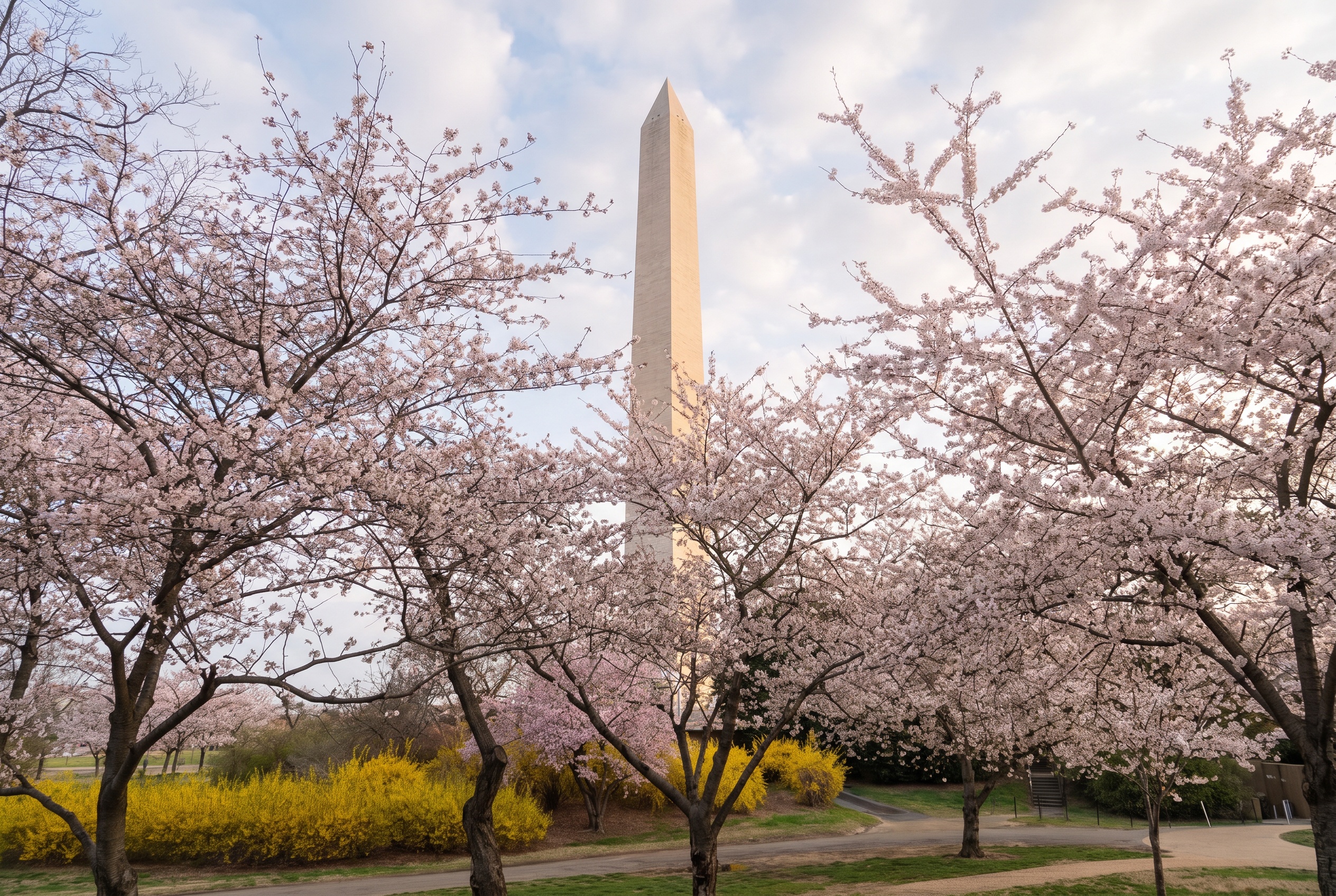
Beyond history, Washington D.C. also boasts beautiful nature, as demonstrated by the renovated Tidal Basin waterfront, where hundreds of new trees were recently added. If you visit in spring, the city is flooded with thousands of blooming cherry blossoms, making it one of the most romantic places in the entire United States. ☺️
TL;DR
- Most attractions are free: You don’t pay anything to enter the 17 Smithsonian museums, the National Gallery, or the Capitol.
- Reservations are essential: Even though entry is free, many places (including the Washington Monument and National Archives) require a timed pass for a symbolic $1 (approx. €1).
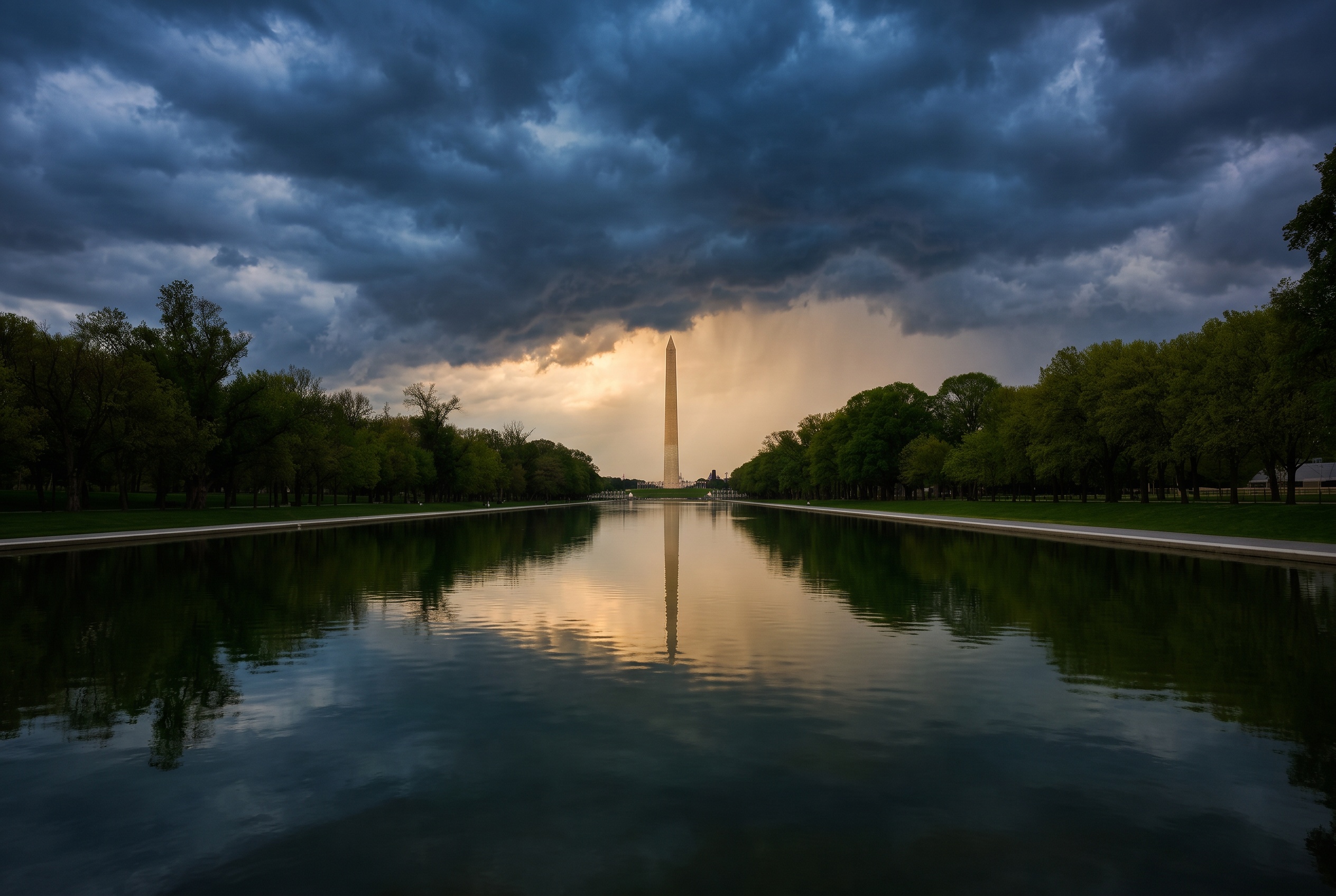
- New museum under Lincoln: Since June 25, 2026, the Lincoln Memorial Undercroft space has been open directly beneath the famous monument.
- Airport transport: From Dulles Airport, you can get to the city center most comfortably via the direct Silver Line metro for $6.75 (approx. €6) during peak hours.
- Metro payment: In the metro, you can simply pay by tapping your contactless payment card at the turnstile; fares have been in effect since July 2026.
- White House warning: White House interior tours must be arranged through your embassy well in advance, and current availability is extremely limited.
- Closed lawn: Expect that the famous lawn on the National Mall is fenced off until January 24, 2027, due to revitalization, but museums are operating normally.
The full destination guide: USA Travel Guide — guide and what to see
When to Visit Washington D.C.
The weather in Washington D.C. can be quite unpredictable, so you’ll feel most comfortable from April to June and then again in fall during September and October. During these months, temperatures hover around a pleasant 19 to 26 degrees Celsius, which is ideal weather for long walks between monuments. In autumn, the trees along the Potomac River also turn beautiful shades of orange.
If you visit in summer, be prepared that July and August bring tremendous humidity to the city, with temperatures regularly climbing above 31 °C. Heat radiates from the scorching pavement, so you’ll particularly appreciate the air-conditioned museums where you can escape the afternoon sun. Winter brings temperatures around freezing and occasional snow, but you’ll find charming ice rinks in return.
The famous cherry blossoms deserve their own chapter, as they typically bloom at the turn of March and April. This year, the so-called peak bloom occurred on March 26, but predicting it more than ten days in advance is nearly impossible. If you want to catch the magnificent National Cherry Blossom Festival, in 2027 it will run from March 20 to April 11, but book your hotels really far in advance.
Where to Stay in Washington D.C.
When searching for accommodation, you’ll find that the Downtown district and Penn Quarter area are strategically closest to the National Mall, which you can reach on foot in ten minutes. However, these are also the most expensive locations, so if you’re looking for something quieter, try Foggy Bottom near the Lincoln Memorial. The historic Georgetown neighborhood is also very popular, though it unfortunately doesn’t have its own metro station.
For café and boutique lovers, Dupont Circle is an excellent choice, while the Navy Yard and The Wharf neighborhoods offer modern hotels right by the water with sometimes more favorable prices. If you don’t mind a short commute, the town of Arlington across the river in Virginia has metro stations close to the Mall and prices tend to be noticeably lower. Always keep in mind that a relatively high hotel tax of 15.95% is added to the room rate.
Here are specific recommendations for highly-rated hotels in different neighborhoods:
The Hay-Adams stands right across Lafayette Square park, so from this historic building dating to 1928 you’ll look directly at the White House and Washington Monument. People rave about the exceptionally attentive staff and excellent cocktails at the local Off the Record bar. Just keep in mind that old buildings have their quirks, and guests sometimes complain about fairly cramped rooms and tiny bathrooms where you can barely set down your toiletries.
Hotel Washington occupies a beautiful historic building, and guests particularly praise the rooftop bar, from where you have the Washington Monument and White House right at your fingertips. You can easily walk to the monuments from here, and after a demanding day you’ll certainly appreciate the comfortable beds and incredibly friendly staff. Keep in mind, though, that rooms tend to be rather small, and for breakfast you might prefer to visit the surrounding streets rather than paying excessive amounts here for ordinary fare.
Hotel Hive in the student neighborhood of Foggy Bottom has, according to guests, an excellent price-to-location ratio close to monuments, and you’ll also enjoy complimentary morning coffee, an excellent pizzeria, and a rooftop terrace with a bar. Keep in mind, though, that this is a modern micro-hotel, so you simply won’t fit into the tiny rooms with a large suitcase. I’d definitely recommend asking the extremely helpful staff for a higher floor, because the ground level can sometimes be damp and noise from the restaurant carries in the evening.
Capitol Hill Hotel lies just five minutes’ walk from the Capitol, and guests often gush about the surrounding beautiful streets, from which it’s a short walk to the metro. People particularly praise the friendly staff, coffee available all day, forHighRoad Hotel occupies a beautiful Victorian house and is an excellent refuge for travelers on a budget, offering both shared and private rooms. Guests particularly appreciate the spotless facilities with a shared kitchen, complimentary coffee all day, and extremely helpful staff. Keep in mind that it’s more of a stylish hostel in the lively Adams Morgan neighborhood full of restaurants, but thanks to the abundance of toiletries in the bathrooms, you’ll feel truly welcome.otel&address=Washington%2C%20D.C.%2C%20USA” target=”_blank” rel=”noopener nofollow sponsored”>HighRoad Hotel represents a perfect choice for budget travelers, occupying a beautiful Victorian house and offering both shared and private rooms.
💡 On this map you can compare what’s currently available — you’ll immediately see how much the price changes a few blocks away.
What’s Different in 2026
Washington D.C. has undergone several major changes recently, and you’ll definitely notice the presence of the National Guard, which has had approximately 4,600 soldiers here since last August. You’ll find them patrolling Union Station, the National Mall, and metro stations, but this means no restrictions for tourists. As for safety, overall crime has decreased by 16% this year, with the number of murders dropping by as much as 30%, so you don’t need to worry in tourist areas.
If you’re heading to the National Mall, keep in mind that the famous lawn between 3rd and 14th Streets is closed until January 24, 2027 due to necessary renovation. Don’t panic, though — all gravel paths and museum entrances are normally accessible. However, you’d better not include the famous Kennedy Center in your itinerary, as it’s currently facing bankruptcy and its operation is very uncertain.
Transportation has also been affected, as the popular DC Circulator bus has unfortunately been cancelled, and you also won’t be taking a historic boat ride on the Georgetown canal this year. A major obstacle is also construction of the massive new Triumphal Arch, which has narrowed the Arlington Memorial Bridge, so it’s better to head to Arlington Cemetery directly by metro. And if you dreamed of touring the White House interior, foreign embassies are unfortunately not currently facilitating tours, so you realistically won’t get inside.
22 Things to See and Do in Washington D.C.
We’ve prepared a detailed list of the most interesting places you absolutely shouldn’t miss during your visit to the U.S. capital. The route flows smoothly so you can explore the city mostly on foot or with the help of the metro.
1. National Mall
This enormous park boulevard is the heart of all Washington D.C. and stretches 3.5 kilometers from the Capitol to the Lincoln Memorial. This is where the most important moments in American history have unfolded, from Martin Luther King’s famous speech to massive presidential inaugurations.
When walking around, make sure you have really good shoes, because the distances seem shorter than they actually are. You’ll have the best access from the Smithsonian or L’Enfant Plaza metro stops, which will take you directly to the main museums.
As we mentioned, the enclosed lawn between 3rd and 14th St won’t let you picnic in the middle until January 24, 2027, but all the monuments and gravel paths around it are functioning normally. The entire park is open 24 hours a day and has a great atmosphere in the evening thanks to the illuminated buildings.
💡 Tip: According to the experience of many travelers, it’s ideal to devote the entire first half of the day to museums and save the monuments for late afternoon, when the worst heat subsides.
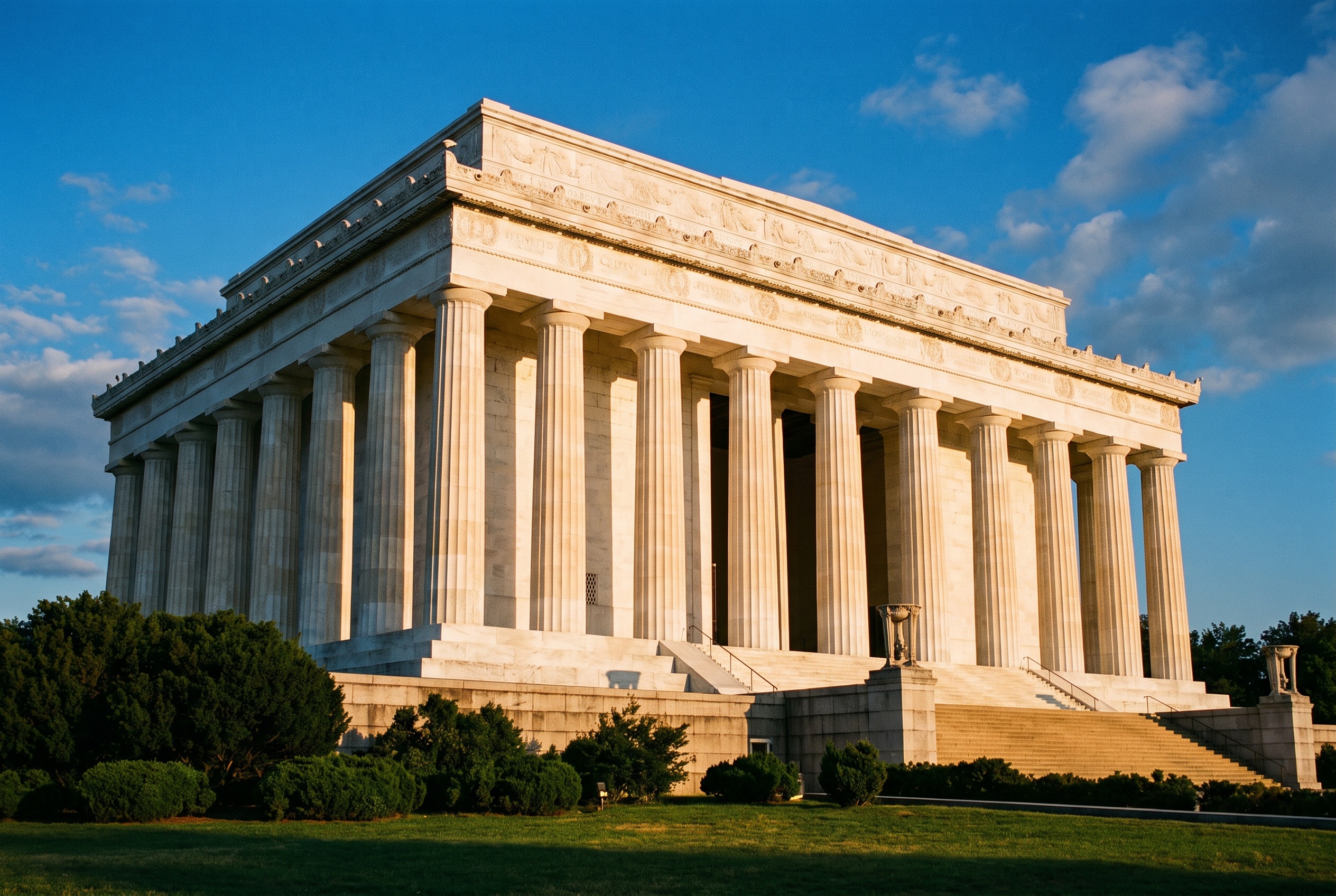
2. Lincoln Memorial and the New Undercroft Museum
The statue of seated Abraham Lincoln standing nearly 6 meters tall is probably the most iconic sight in the entire city. The memorial opened back in 1922 and is accessible 24 hours a day completely free, so you can head here early in the morning for sunrise without the tourist crowds.
The novelty is the new Undercroft museum opened on June 25, 2026, which is located in the enormous cavernous spaces directly beneath the memorial itself. You’ll get access to more than 1,400 square meters of exhibition space among the massive concrete columns that support the entire massive structure.
The exhibition is free, but you need a reservation for $1 (about €0.85) through the recreation.gov portal. Tickets are released every day at 11:00 AM for 30 days in advance, or you can try your luck in the morning from 8:45 at the kiosk next to the Korean War Memorial for same-day tickets.
💡 Tip: If you can’t snag an online Undercroft reservation, definitely visit the memorial anyway. The view from Lincoln’s feet toward the Washington Monument is simply breathtaking.
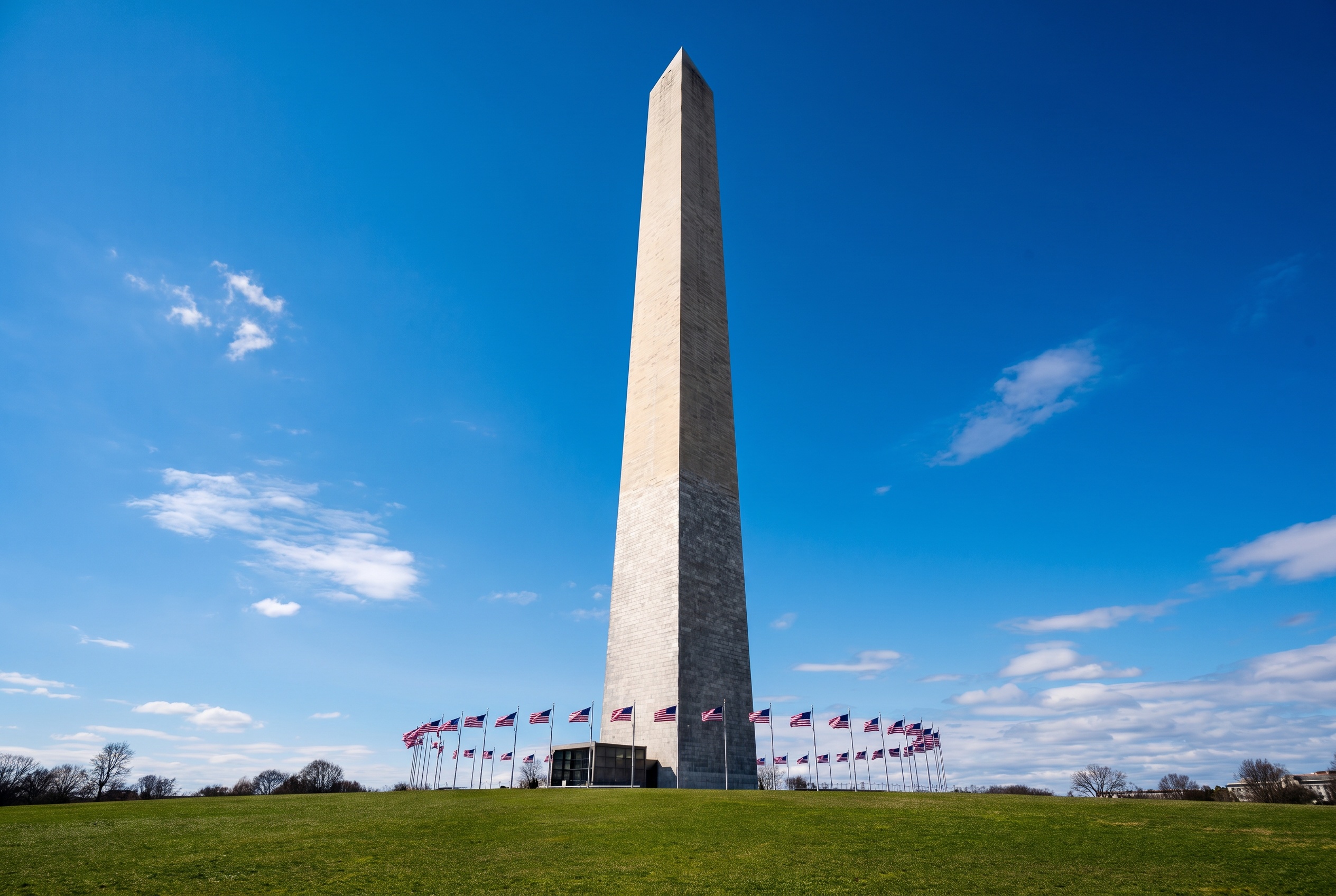
3. Washington Monument
This unmistakable white obelisk standing over 169 meters tall was the tallest structure in the world when completed in 1884. An interesting fact is that roughly a third of the way up, the marble changes color, a reminder of the construction hiatus between 1854 and 1876 due to lack of funds and the Civil War.
You can go inside completely free, but you must have a timed ticket, which you can secure online for a $1 reservation fee. Tickets disappear lightning-fast every day at exactly 10:00 AM local time, for 30 days in advance, or the remainder is released just one day before the visit.
The elevator ride to the observation deck at 152 meters takes only about 70 seconds and the views of the city from the small windows are unique. Remember that the monument has several maintenance closure days; this year they fall on October 5, November 4, and December 8.
💡 Tip: If you miss the online reservation, a limited number of walk-up tickets for that day are distributed from 8:45 at the nearby Washington Monument Lodge on 15th Street. But you’ll need to get up early; they usually run out very quickly.
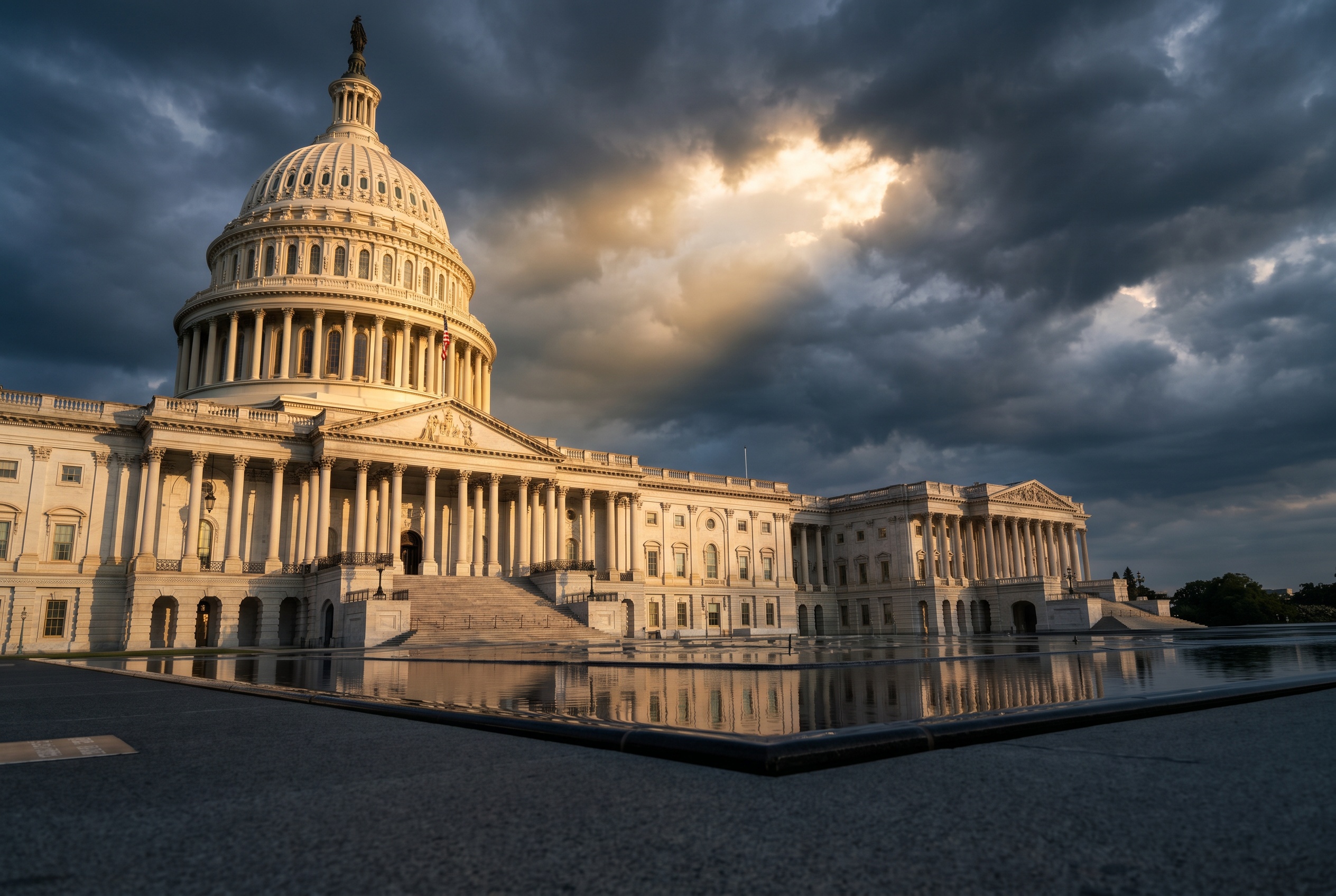
4. United States Capitol
The seat of the U.S. Congress with its iconic white dome is another must-see stop, which you can also explore from the inside. The tours themselves are free, but it’s highly recommended to reserve your spot in advance on the official website visitthecapitol.gov.
The basic route takes you through the Crypt, the massive Rotunda, and the historic National Statuary Hall. Keep in mind that the Senate and House galleries are not part of the standard tour and you would need to arrange them separately.
At the entrance, you’ll face strict airport-style security screening, so you can’t bring any food or drinks inside. Tours run Monday through Saturday between 8:30 AM and 4:30 PM, on Sundays the building is closed, and the nearest metro station is Capitol South.
💡 Tip: Although tours are offered in Spanish or Mandarin, you won’t find Czech here. However, the guides speak very clear English and the spaces themselves are so visually stunning that you’ll enjoy your visit anyway.
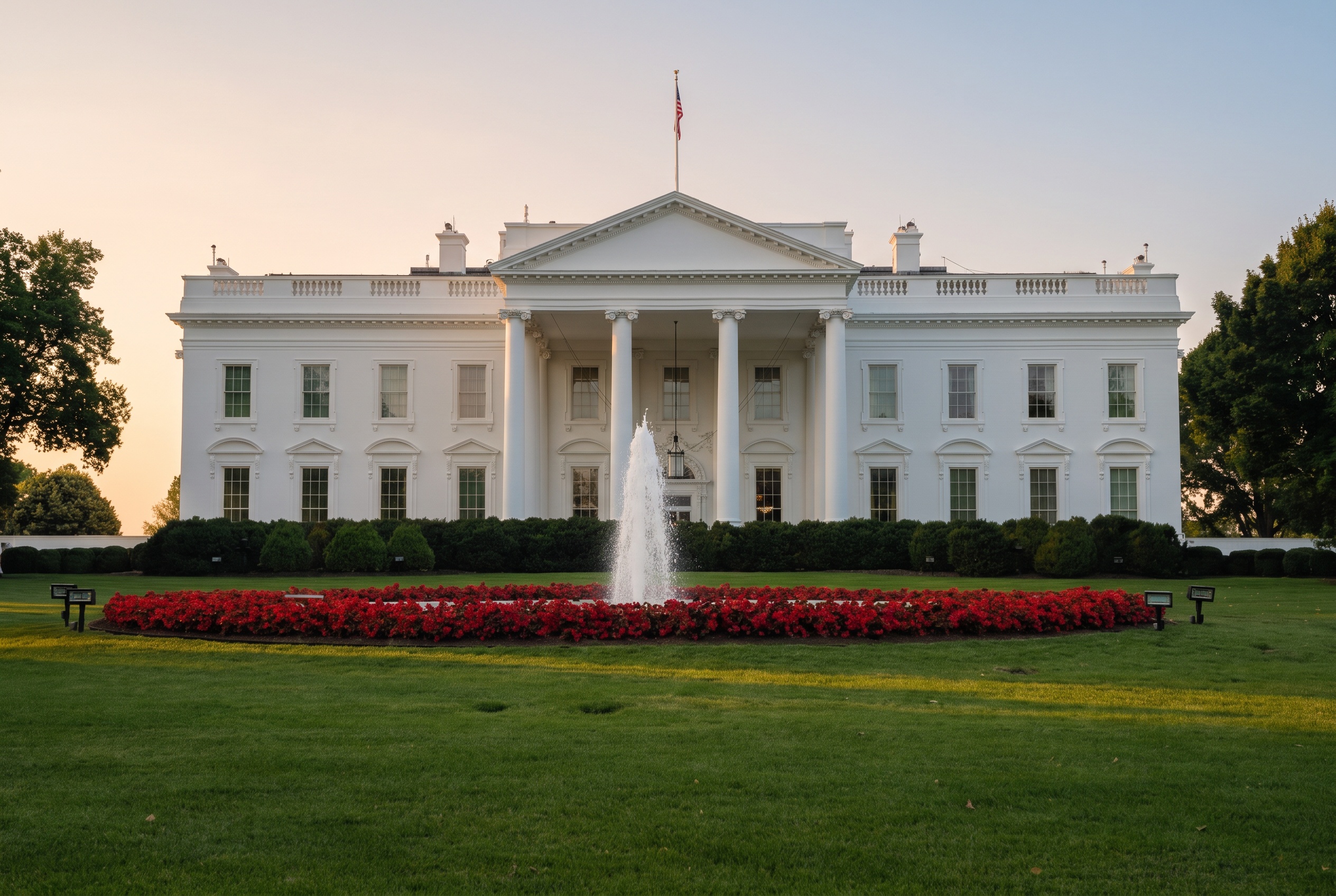
5. The White House and White House Visitor Center
The residence of the U.S. president is probably the most famous house on the entire planet, but getting inside is an enormous challenge for ordinary visitors. As you know, embassies don’t typically facilitate tours for international visitors, so you’ll view the White House only through the fence from the neighboring Lafayette Square park.
Recently, the so-called East Wing was demolished, after which the tour routes partially changed, but that doesn’t really concern us. Instead, definitely head to the White House Visitor Center at 1450 Pennsylvania Ave NW, where you’ll learn everything essential.
Admission to the visitor center is free daily from 7:30 AM to 4:00 PM and you’ll find plenty of interactive exhibits. The biggest draw is an excellent replica of the Oval Office called The People’s House, where you can take a commemorative photo almost like a real president.
💡 Tip: From Lafayette Square you’ll get the best photos of the White House’s north facade, while you’ll see the south side with the famous lawn best from the space called The Ellipse.
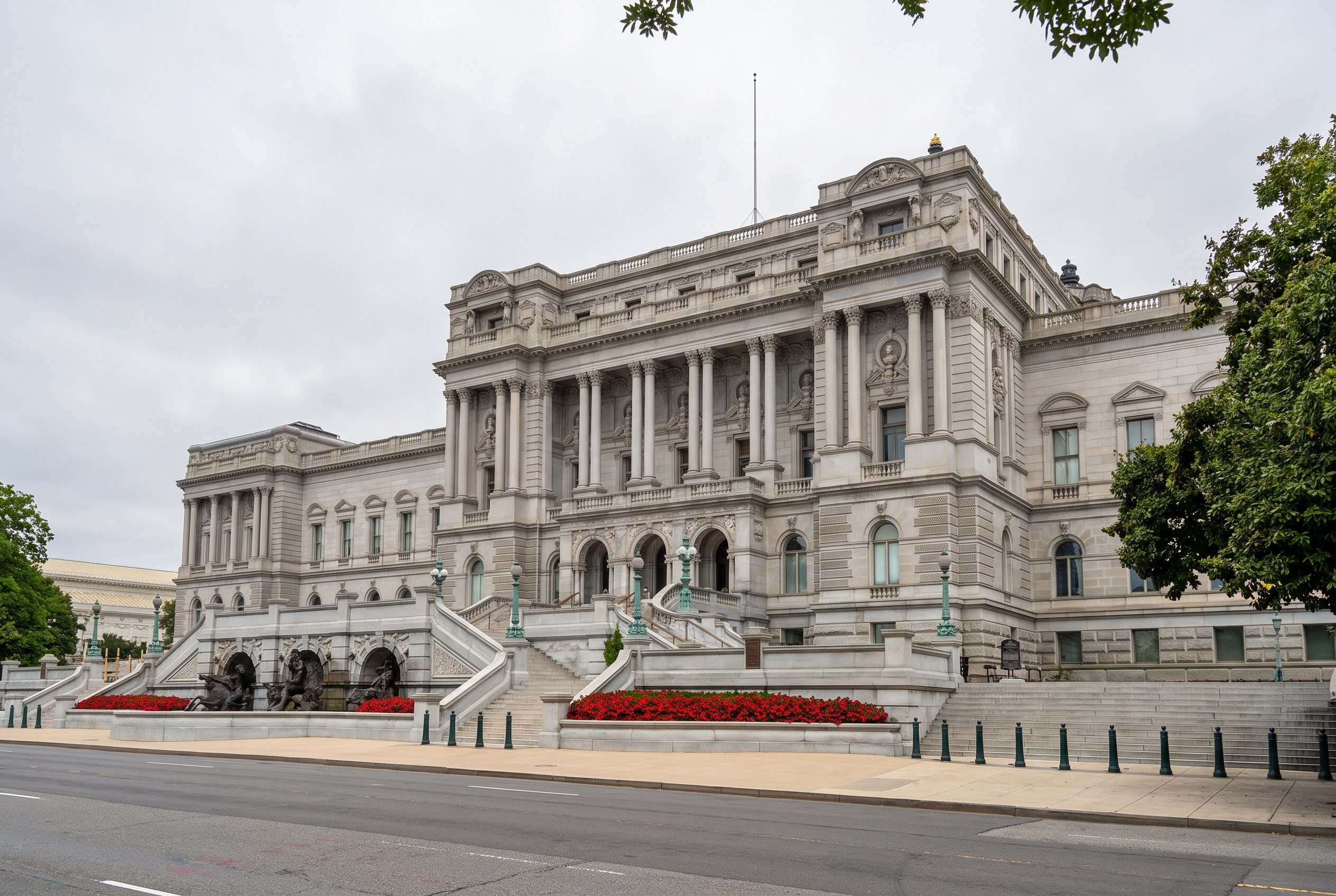
6. Library of Congress (Thomas Jefferson Building)
The Library of Congress isn’t just an ordinary lending library, it’s the largest library in the entire world. In its archives it preserves over 178 million different items, including nearly 26 million carefully catalogued books and rare manuscripts.
The main Thomas Jefferson Building from 1897 is an architectural masterpiece, with interiors that resemble European palaces more than a library, featuring magnificent frescoes and marble staircases. Entry is again free, but complimentary timed-entry tickets are required for every visitor.
Tickets are released online exactly 30 days in advance, always at 9:00 AM and disappear quickly. They’re open Tuesday through Saturday between 10 AM and 5 PM, and on Thursdays you can enjoy the spaces during extended hours until eight in the evening.
💡 Tip: Once you’re inside, definitely don’t miss the view into the Main Reading Room from the elevated balcony. The atmosphere of this reading room is magical and you’ll feel a bit like you’re at Hogwarts.
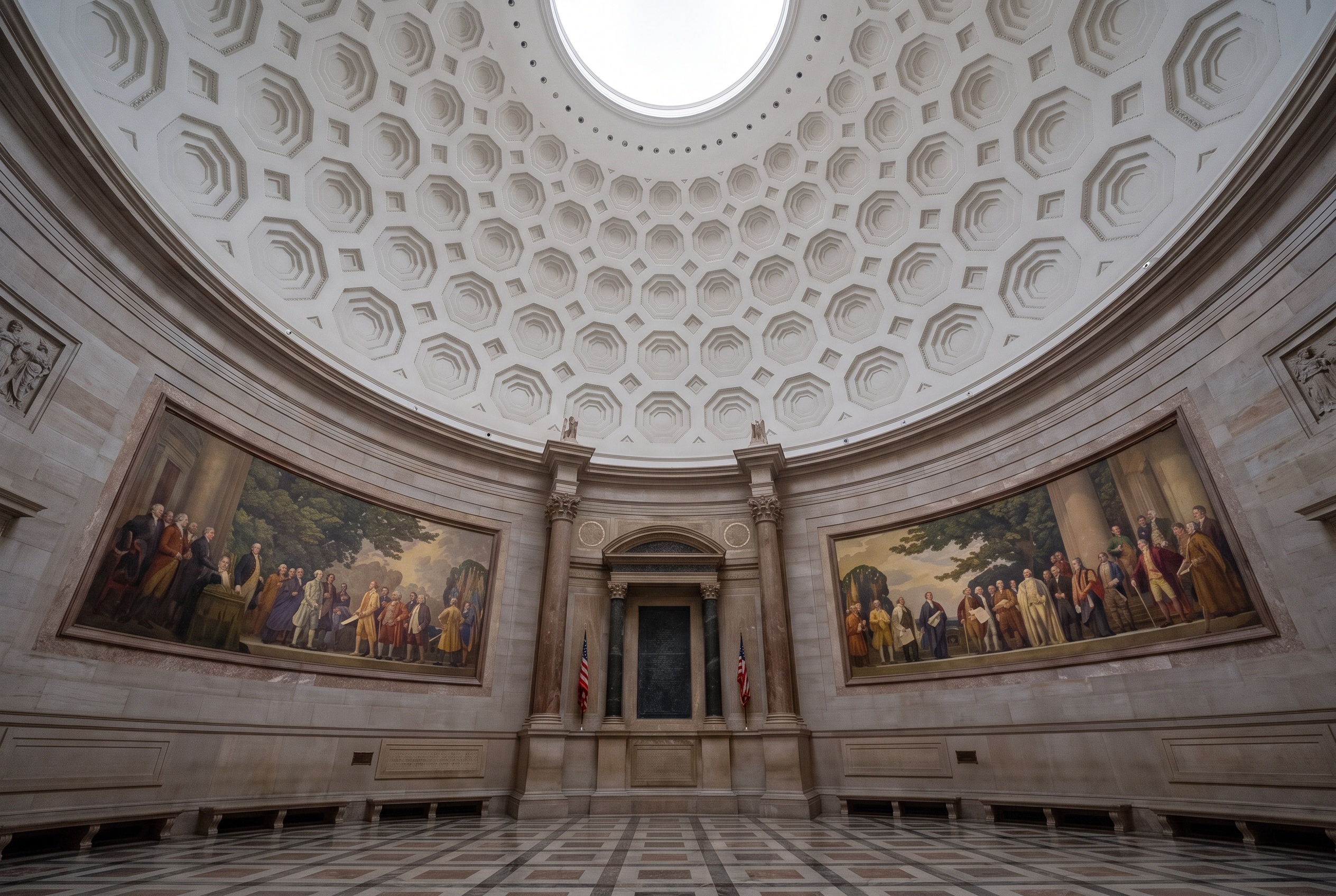
7. National Archives Museum
The National Archives is the place where the most precious documents in American history rest under bulletproof glass. During your visit you’ll see with your own eyes the original Declaration of Independence, the U.S. Constitution, and the Bill of Rights, which are displayed together in the beautiful Rotunda.
The building is located right at the Archives-Navy Memorial metro station and is open daily from 10:00 AM to 5:30 PM. Entry itself is free, but during peak tourist season huge lines form that stretch across the entire street.
To avoid unnecessary waiting, reserve a timed ticket for just $1 through the recreation.gov portal. Slots are divided into 15-minute intervals and guarantee you comfortable and quick entry right on time, which is incredibly useful when you have a packed schedule.
💡 Tip: The documents in the Rotunda are kept in fairly low light for security reasons and time has taken its toll on them, so don’t expect brilliantly white paper. You can’t photograph with flash to prevent further damage to the ink.
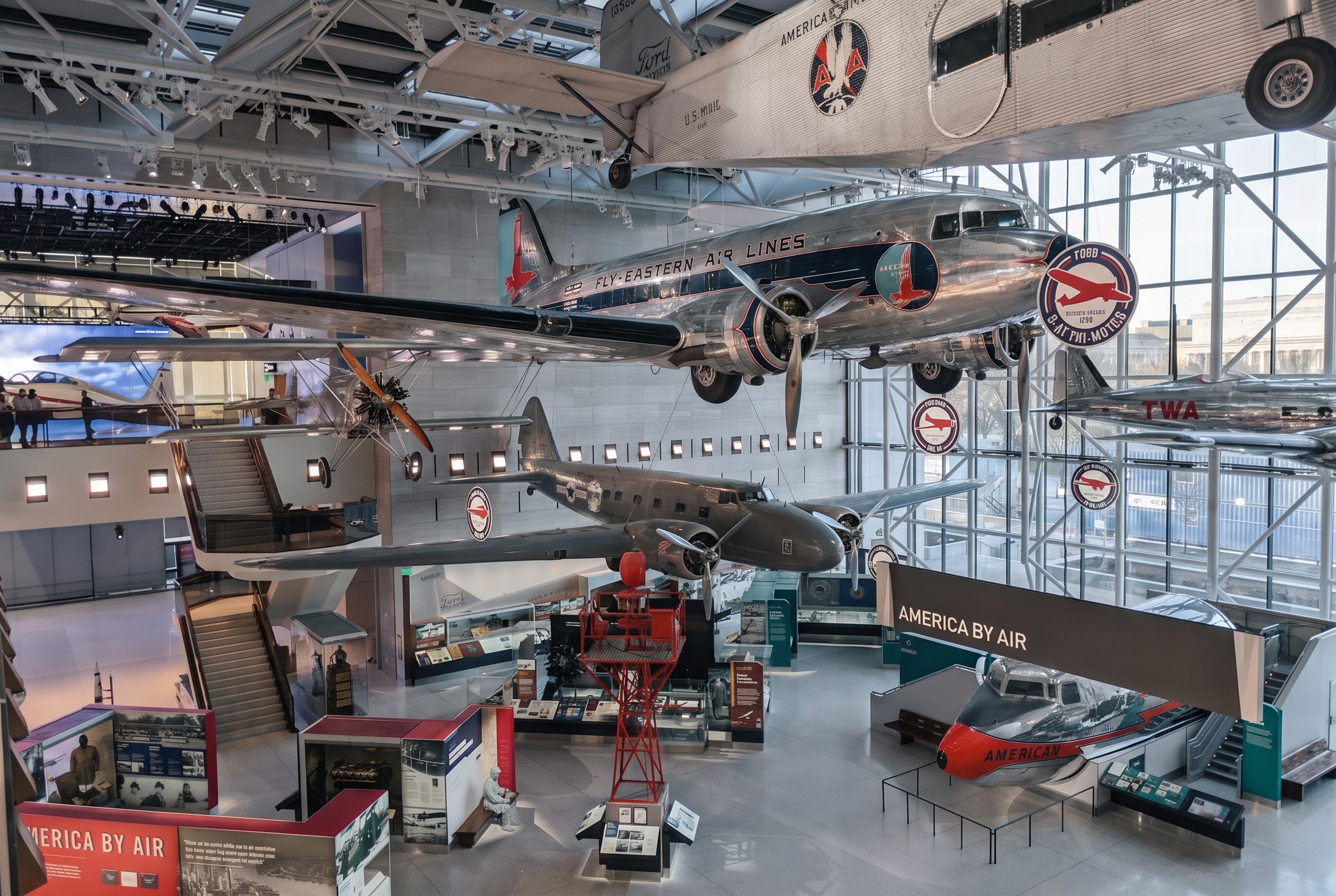
8. National Air and Space Museum
This aviation and space museum is a major highlight and has finally emerged from the worst years of massive reconstruction. For its 50th anniversary, 18 out of 20 galleries reopened on July 1, 2026, so there’s definitely plenty to see.
The last two exhibitions will open later in the year, specifically At Home in Space at the end of October and Modern Military Aviation symbolically on November 11. To visit amazing exhibits like the original Wright Brothers’ aircraft or the Apollo 11 command module, you need a free timed pass.
Besides the historical treasures, the famous giant model of the starship Enterprise from Star Trek is returning this autumn after spending a long time in storage. The museum is open daily except Christmas from 10:00 AM to 5:30 PM, and remember that no selfie sticks or tripods are allowed inside the building.
💡 Tip: If your trip takes you through Dulles Airport (IAD), set aside a few hours for the sister Udvar-Hazy Center in nearby Chantilly. Admission is free, you don’t need any passes, and you’ll see the actual Space Shuttle Discovery there.
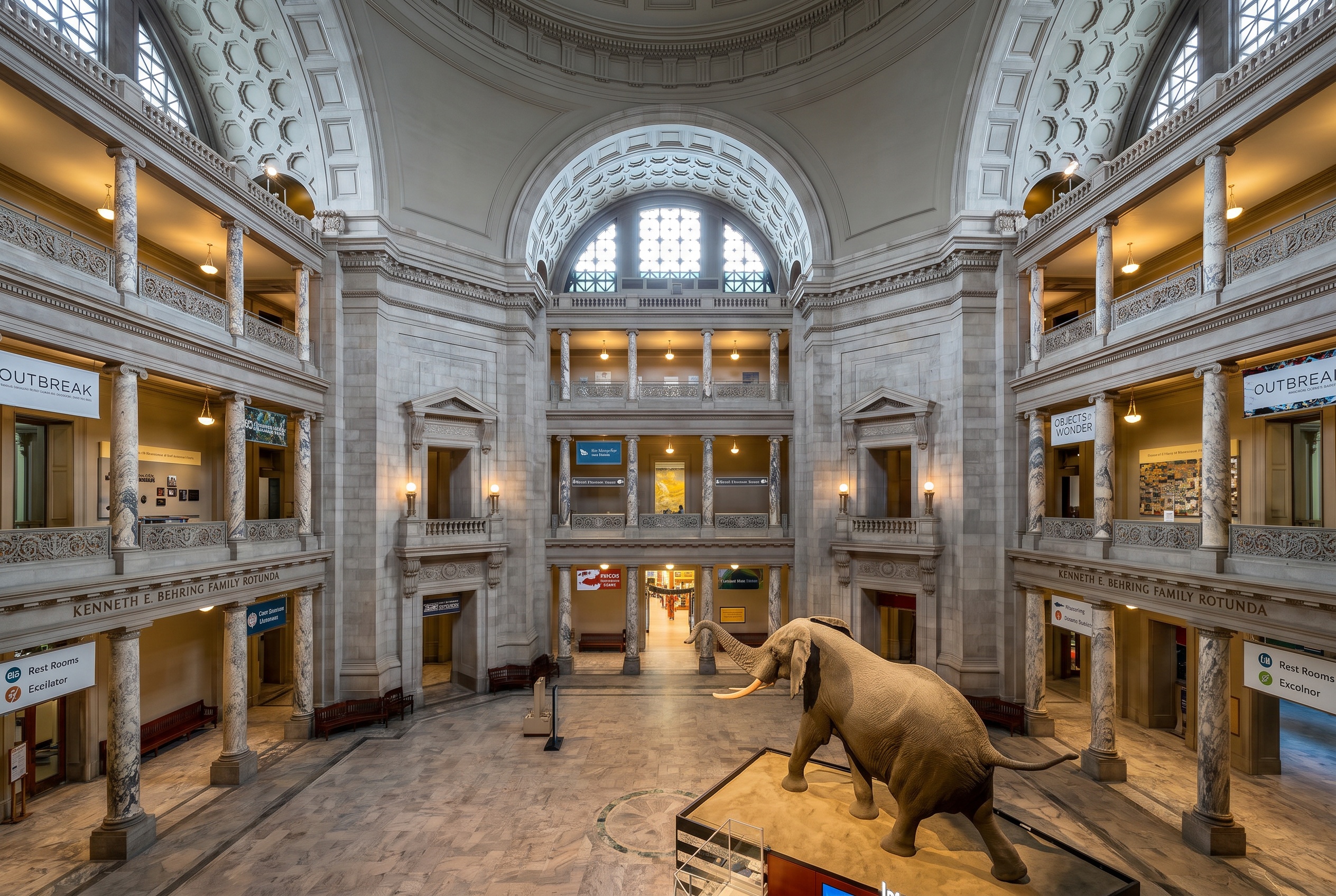
9. National Museum of Natural History
The natural history museum is a fixture of the National Mall and welcomes millions of enthusiastic visitors every year. A huge advantage is that you don’t need any reservation passes, just show up between 10:00 AM and 5:30 PM and go through security screening.
The museum’s biggest draw is undoubtedly the famous Hope Diamond weighing 45.52 carats, donated to the institution in 1958 and still captivating visitors with its deep blue color. Right behind it comes the massive mammal hall with 274 realistic specimens and the excellent dinosaur exhibition.
When entering, be extremely careful about what’s in your backpack, because security will confiscate even the smallest pocket knives and pepper sprays without mercy. Unfortunately, there’s no option to leave items in a locker before entering, so travel really light.
💡 Tip: The museum has an excellent location directly opposite the Smithsonian Institution Building castle, so it can easily be combined with lunch in the surrounding parks.
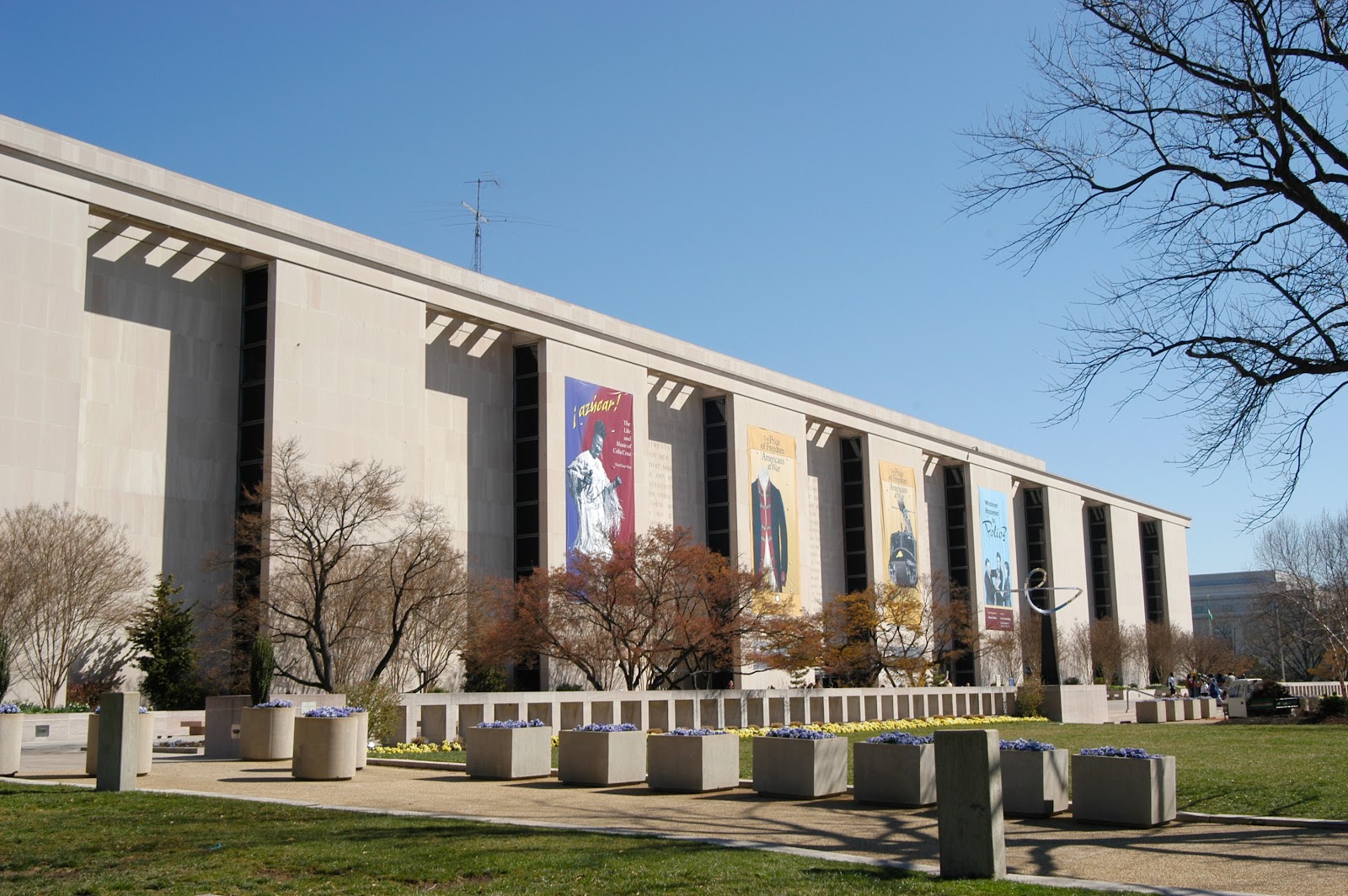
10. National Museum of American History
If you’re interested in pop culture, technology, and the development of American society, this museum will keep you entertained for hours. It’s a collection of objects where you’ll find chef Julia Child’s famous kitchen alongside iconic first ladies’ gowns from inaugural balls.
The most significant piece, however, is the gigantic 1814 original flag known as the Star-Spangled Banner, which inspired the American national anthem. The flag has its own dimly lit room with a special climate control system, where you can feel genuine history breathing.
As part of the ongoing America250 celebrations, there’s also a unique exhibition “In Pursuit of Life, Liberty, and Happiness” showcasing 250 of the most significant objects in American history. The exhibition will continue beyond 2026, and they’re open daily from 10:00 AM to 5:30 PM.
💡 Tip: Given the enormous size of the building, we recommend picking up a map at the entrance and choosing only the sections that truly interest you. Carefully going through absolutely everything could easily take you two full days.
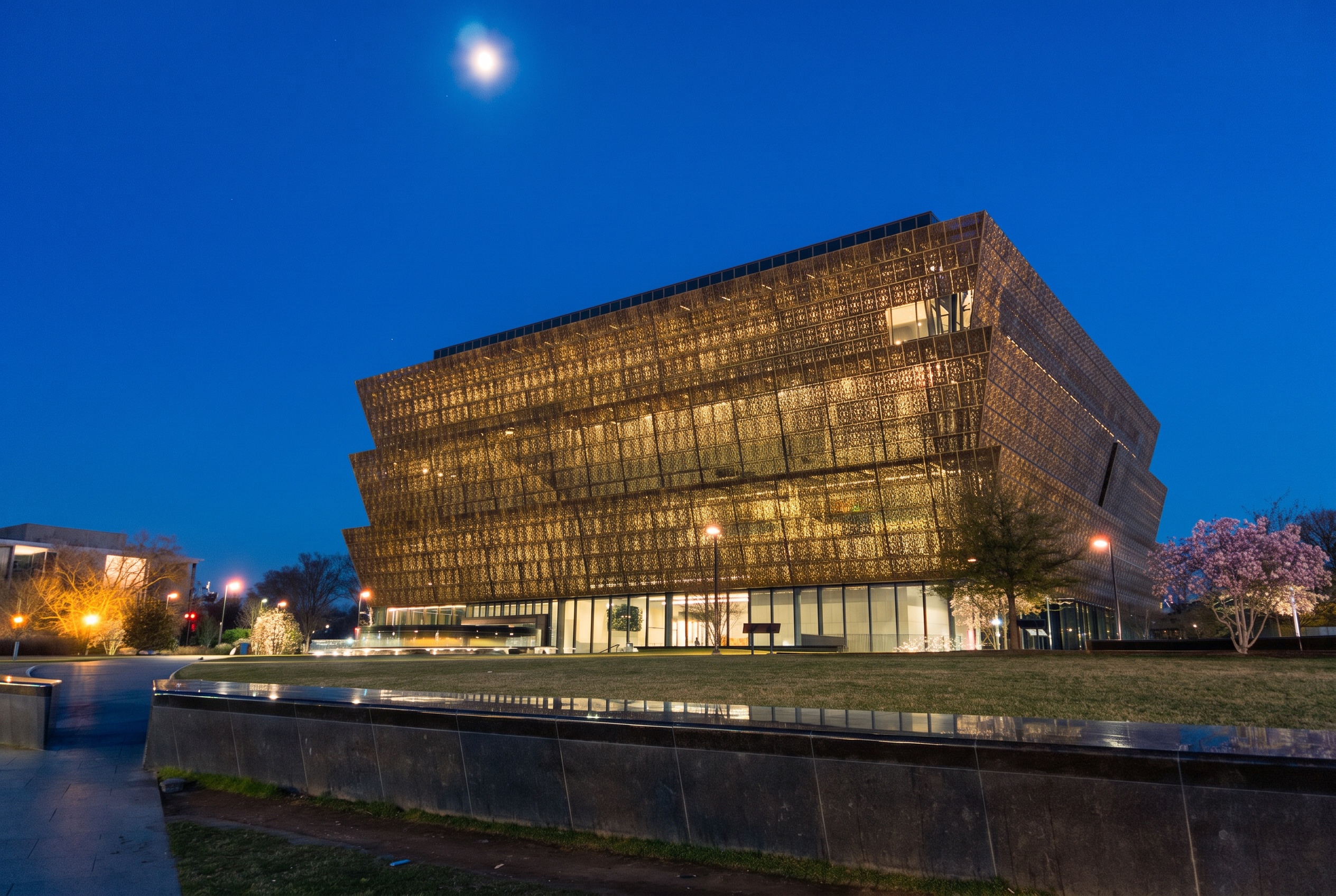

11. National Museum of African American History and Culture (NMAAHC)
This museum, which opened in September 2016, has beautiful architecture from the outside composed of bronze panels. It focuses on African American history and culture with tremendous attention to detail, so visits are often a very emotional experience.
Due to its enormous popularity, timed passes are essential. The system releases them 30 days in advance, or you can try your luck with same-day tickets that appear online at exactly 8:15 AM local time.
Inside, you’ll encounter very thorough bag checks, so factor that into your timing. The museum is open Tuesday through Sunday from 10:00 AM to 5:30 PM, and on Mondays it doesn’t open until noon.
💡 Tip: The exhibition is designed so that you start on the lowest, darkest floors dedicated to slavery and gradually ascend to the brighter floors focused on culture, sports, and music.
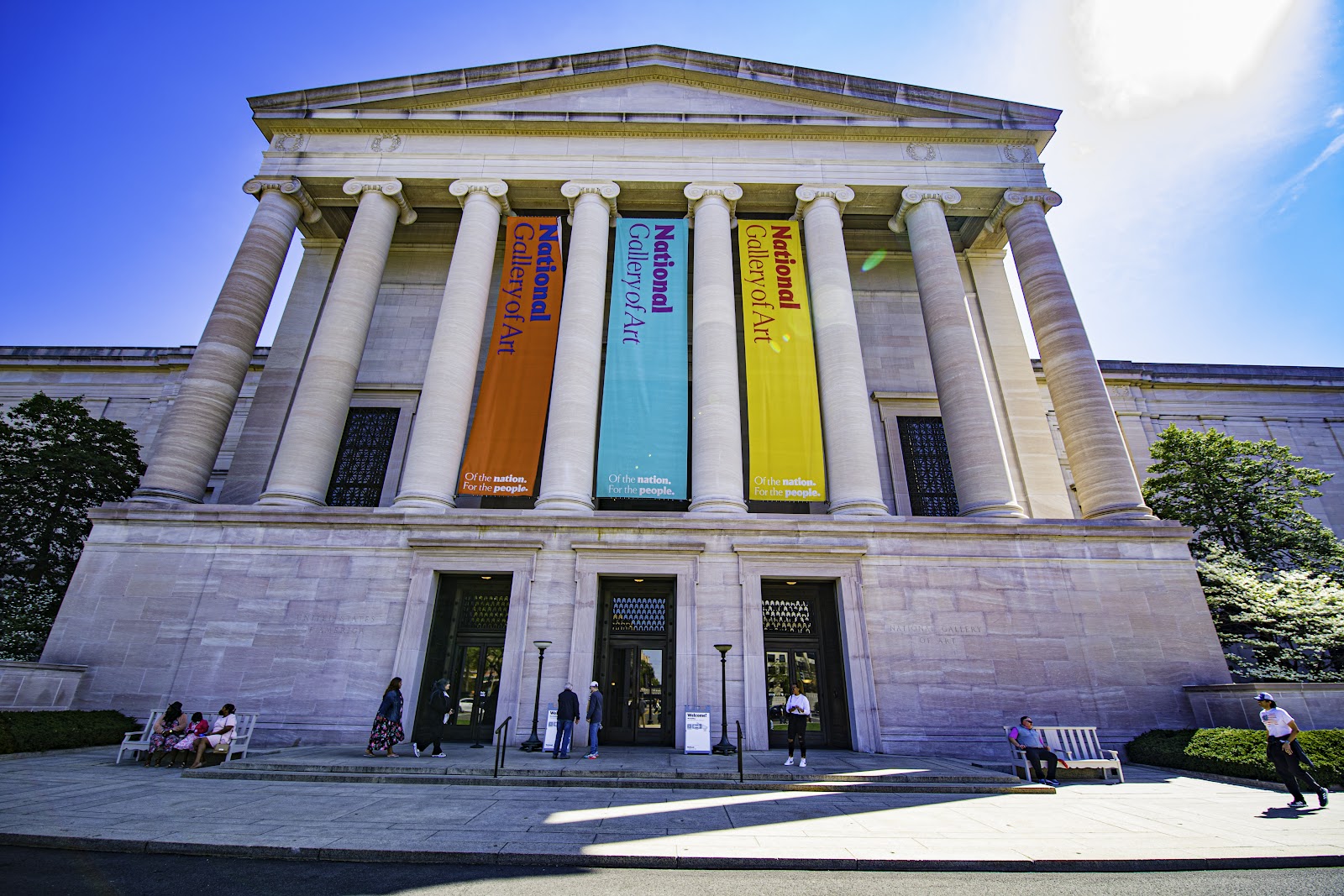
12. National Gallery of Art
The National Gallery of Art is a massive complex that consists of two completely different buildings connected by an underground tunnel. In the older, classical West Building you’ll find European masters from the Middle Ages through the 19th century, while the modern East Building offers contemporary art.
A huge advantage is that admission is always completely free for everyone without any passes, so you can just drop by for half an hour if you like. They’re open daily from 10:00 AM to 5:00 PM except Christmas and New Year’s Day, when they’re closed.
Part of the gallery is also a beautiful outdoor Sculpture Garden, where you can stroll among modern sculptures under the open sky. During winter months, a romantic ice skating rink opens where people glide on skates surrounded by art.
💡 Tip: The Archives metro station is just steps away, making this an ideal refuge when an unexpected summer shower catches you on the National Mall.
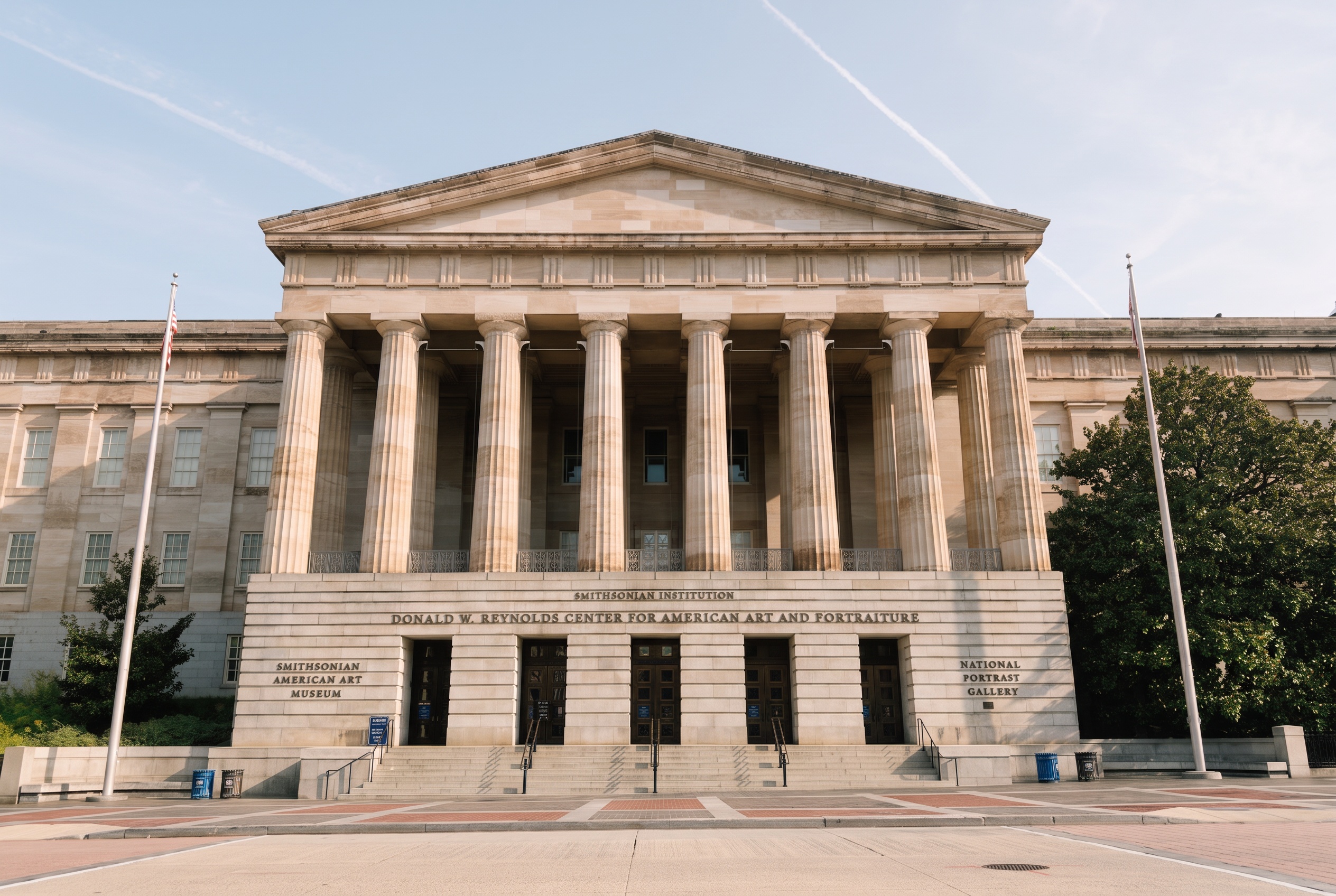
13. National Portrait Gallery and Smithsonian American Art Museum
These two excellent museums share one massive historic building in the Penn Quarter neighborhood, which is the third oldest federal building in the city. While in one wing you’ll find famous portraits of all American presidents, in the other you’ll encounter the best of American art.
The entire space is dominated by the stunning glass-roofed Kogod Courtyard, which is a wonderful place to rest and have coffee. The museums operate completely without passes and charge a beautiful zero dollars, making this another excellent budget-friendly tip.
A major advantage is their opening hours, because they’re open daily from 11:30 AM until 7:00 PM. This makes them ideal for evening hours, when most other Mall museums are already closing and you’re not yet ready to head to your hotel.
💡 Tip: Take the metro to Gallery Place–Chinatown station, which is right around the corner, and after exploring the museums you can go for dinner in the nearby Chinatown.
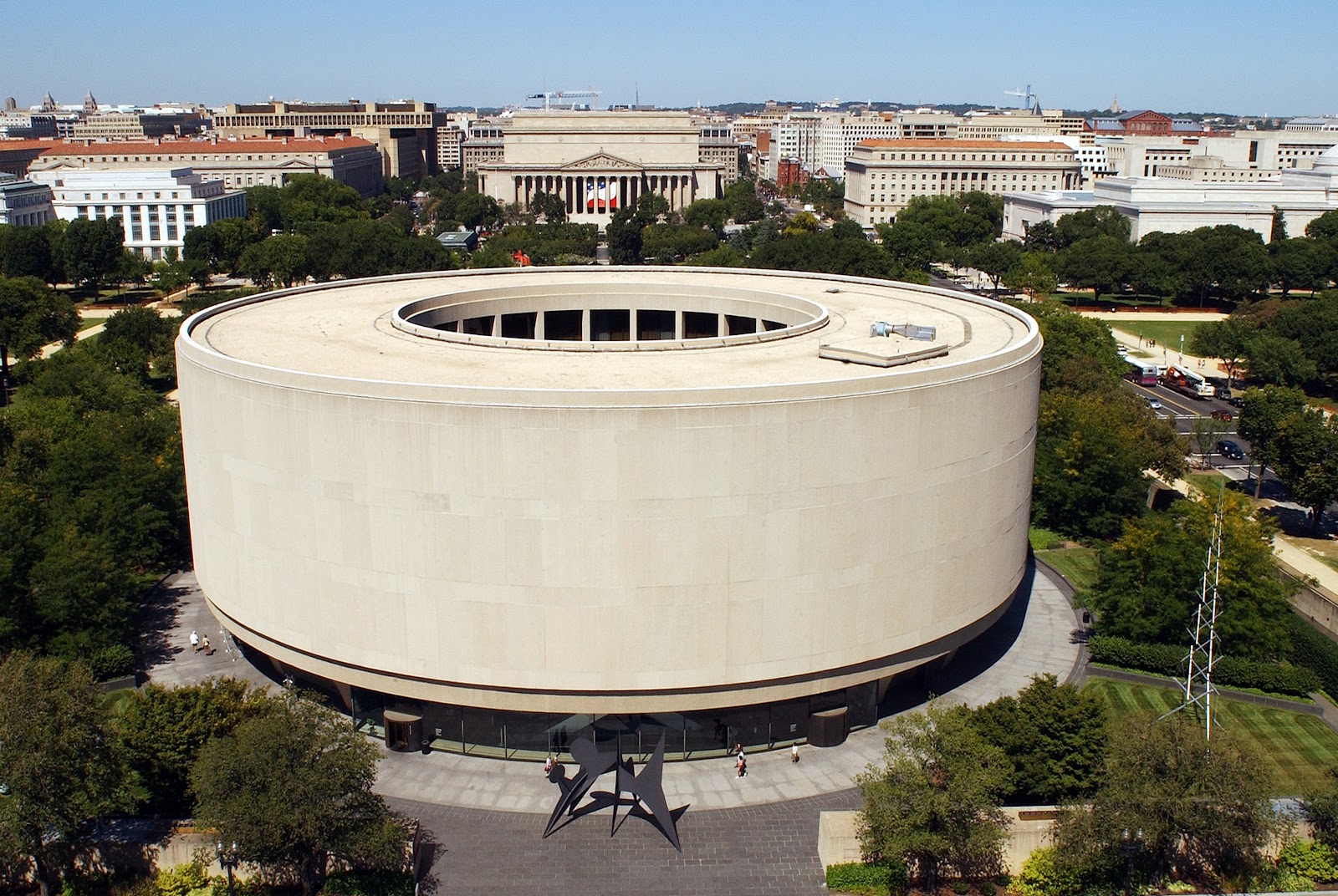
14. Hirshhorn Museum and Sculpture Garden
You’ll recognize this museum from afar thanks to its distinctive shape of a massive concrete cylinder, which somewhat resembles a UFO. It houses one of the finest collections of contemporary and modern art and is exactly the place where you’ll encounter the most provocative installations.
Outdoor space enthusiasts will perk up, because the local Sculpture Garden will open on October 31, 2026 after a massive $68 million revitalization. The design by renowned architect Hiroshi Sugimoto promises a truly unique experience connecting art with space.
The museum itself operates daily from 10:00 AM to 5:30 PM, only on Mondays it doesn’t open until noon, and admission is again completely free. The opening weekend of the revitalized garden at the end of October will be one of the biggest events of Washington’s autumn.
💡 Tip: The museum’s inner galleries have an amazing circular layout, so you’ll never get lost and you’ll smoothly move through all exhibitions without having to retrace your steps.
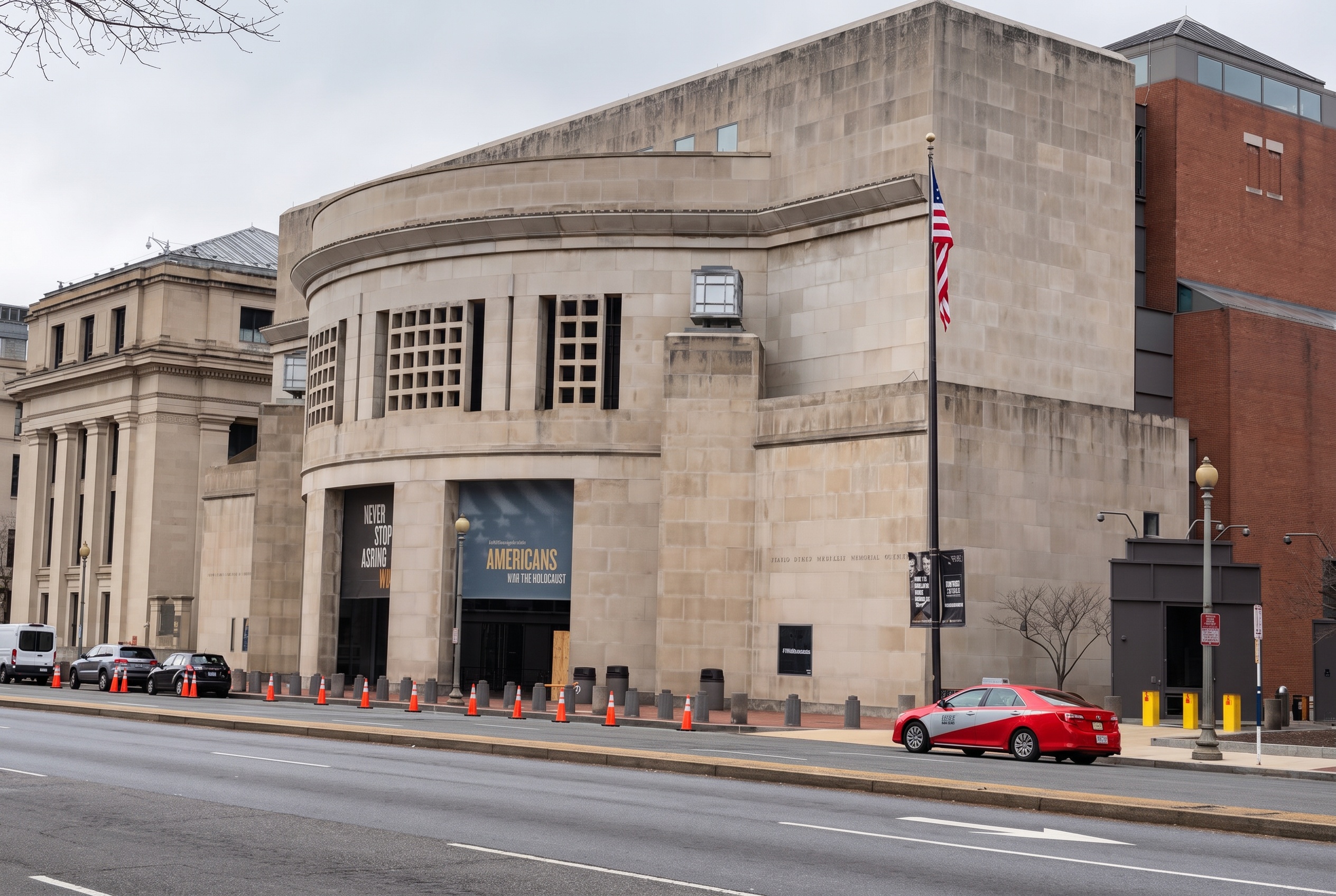
15. United States Holocaust Memorial Museum
A visit to the Holocaust Museum is an incredibly powerful and chilling experience that ranks among the most important institutions in the entire city. The tour is carefully structured and guides you through the darkest moments of human history with immense respect for the victims.
If you’re planning to visit this year, keep one crucial thing in mind: the permanent exhibition will close from January 2027 for two years. In its place, there will be free access to the traveling exhibition “Auschwitz. Not Long Ago. Not Far Away.”, so by the end of 2026 you have your last chance to see the original permanent exhibit.
Entry to the museum is free, but you absolutely need timed tickets for the permanent exhibition, which you can buy online for $1 USD. Same-day tickets are released online every morning at exactly 7:00 AM, and the museum is open until 5:30 PM, with last entry at 4:30 PM.
💡 Tip: The exhibition is very graphic and psychologically demanding. If you’re traveling with young children, staff at the entrance will be happy to advise you on which parts of the exhibition to skip with them.
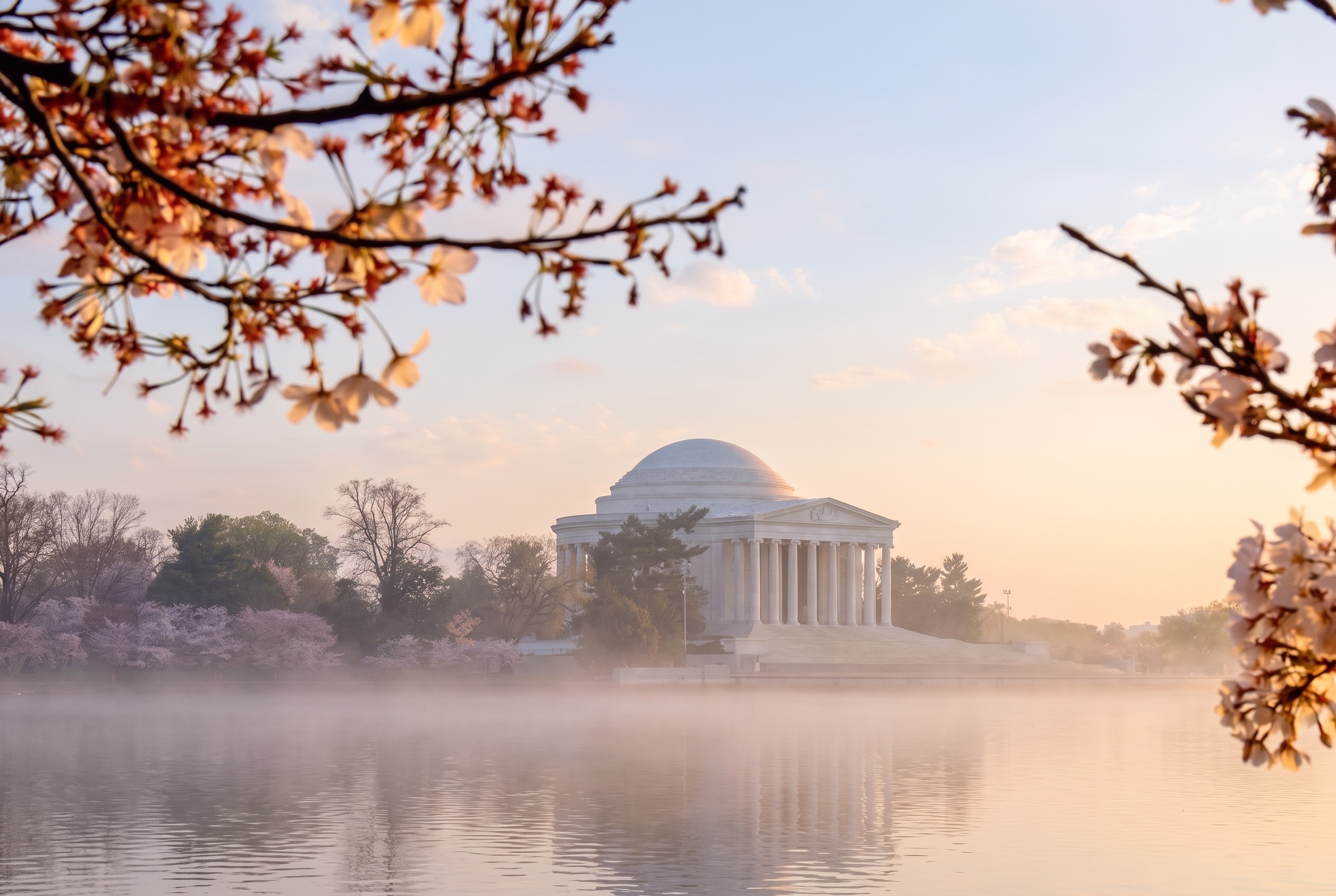
16. Tidal Basin and the Jefferson, MLK, and FDR Memorials
Tidal Basin is the jewel of Washington’s spring, when its shores turn pink with blooming cherry blossoms. These trees were a gift from Japan back in 1912 and still today provide a beautiful backdrop for three significant memorials connected by a pleasant walking path.
On one side stands the neoclassical temple of Thomas Jefferson, while a bit further you’ll come across the enormous, over 9-meter-tall statue of Martin Luther King Jr., carved from the so-called Stone of Hope. Also unique is the sprawling FDR memorial divided into several water sections that symbolize his four presidential terms.
The entire area is accessible 24 hours a day with no admission fee, making it an ideal spot for an evening or early morning walk. From the nearest Smithsonian metro station, expect about 15 to 20 minutes of walking just to reach the edge of the basin itself.
💡 Tip: As we mentioned in the introduction, in 2026 there was a massive renovation of the shores, so the basin is now surrounded by a brand new seawall and over 400 freshly planted trees.
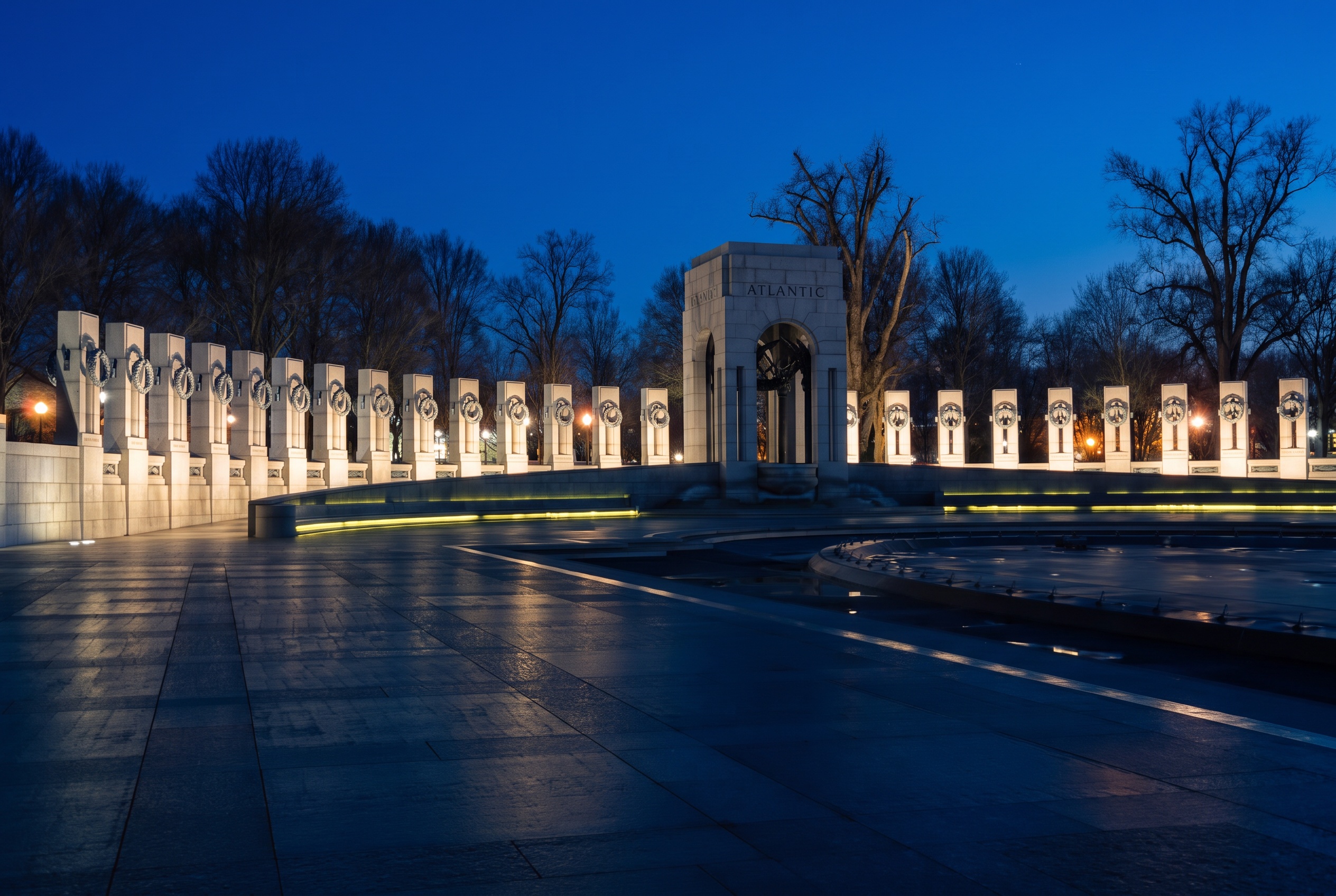
17. World War II, Vietnam, and Korea Memorials
This trio of war memorials is among the most visited sites near the Lincoln Memorial, and each has a completely different atmosphere. The massive World War II memorial with fountains and pillars honors the 16 million Americans who served in this war.
A bit further in a grove lies the minimalist and incredibly emotional Vietnam Veterans Memorial, which consists of a black granite wall. It has over 58,000 names of fallen soldiers engraved on it in strict chronological order, and you’ll often see people tracing the names of their loved ones onto paper.
Third in the group is the Korean War memorial with 19 stainless steel statues of soldiers making their way through terrain, with reflections in the wall optically creating the number 38 symbolizing the 38th parallel. You’ll also find the recently added Wall of Remembrance from 2022, with over 36,000 names engraved on it.
💡 Tip: These memorials are especially striking after dark, when the soldier statues and water features are dramatically lit, and there’s usually peace and quiet in the evening hours.
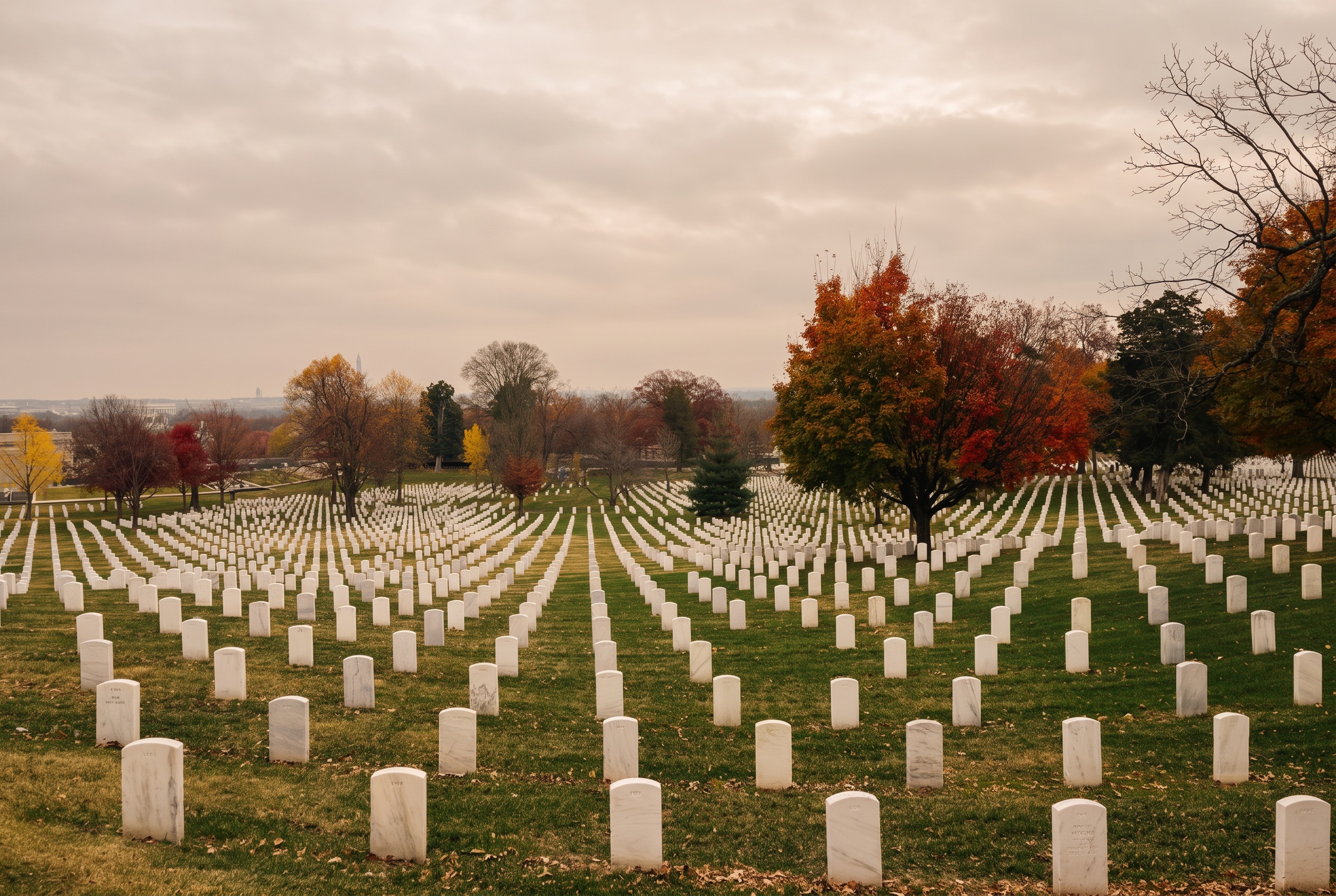
18. Arlington National Cemetery
This most famous military cemetery doesn’t lie directly in the city, but this half-day trip across the Potomac River is definitely not to be missed. Across 639 acres, over 400,000 soldiers and notable figures rest beneath perfectly aligned white headstones, including President John F. Kennedy with his eternal flame.
The greatest experience is the Changing of the Guard at the Tomb of the Unknown Soldier, which takes place with precision and in silence. Soldiers from the elite Old Guard unit have been standing watch 24 hours a day, 7 days a week since 1937, changing every half hour in summer and every full hour in winter.
Note the ongoing construction of the new massive Triumphal Arch, which has narrowed the Arlington Memorial Bridge. Definitely use the blue metro line directly to Arlington Cemetery station, from where it’s just a five-minute walk to the entrance. Admission is free and the grounds are open daily from 8 AM to 5 PM.
💡 Tip: The cemetery is really huge and quite hilly. If you don’t feel like walking, right at the visitor center you can buy a ticket for the tram for $21.50 (around €20), which tours the main attractions.
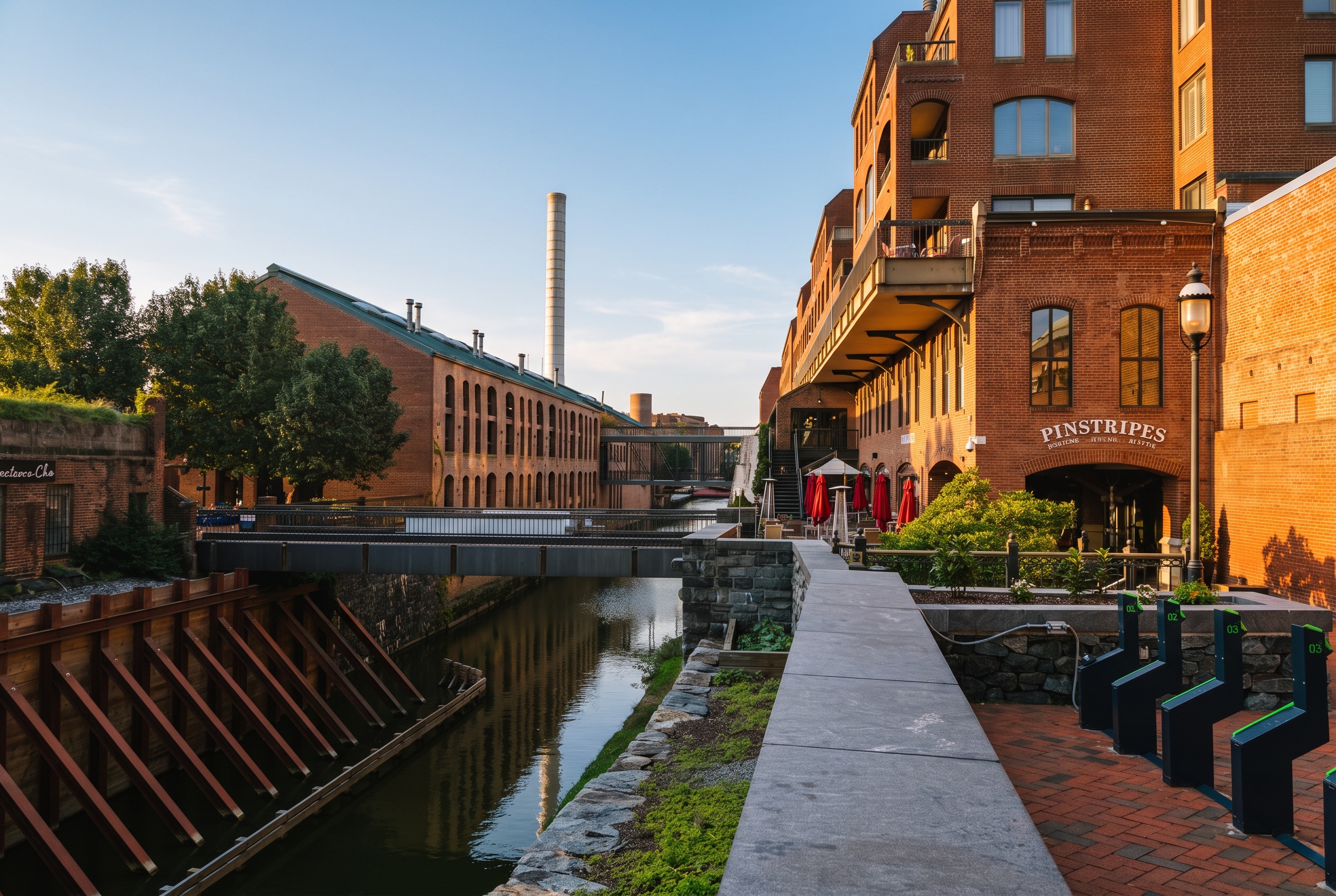
19. Georgetown and C&O Canal
Georgetown is easily the oldest and most picturesque neighborhood in all of Washington, founded back in 1751 as a bustling tobacco port. Today you’ll find beautiful brick houses, cobblestone streets, and plenty of great boutiques that draw people from all around.
Unfortunately, the metro doesn’t come here, so you need to get off at Foggy Bottom and walk about twenty minutes, or rent a red Capital Bikeshare bike. Also keep in mind that the historic canal boat isn’t running this year and will resume operations in spring 2027.
If you get hungry after your walk, stop by the excellent vegetarian spot Chaia Georgetown. They’re open daily and their amazing plant-based tacos are exactly what you’ll appreciate after a long day.
💡 Tip: Film fans shouldn’t miss the Exorcist Steps. These steep stone stairs became famous in the cult horror film The Exorcist and you’ll find them just a short distance from the main M Street.
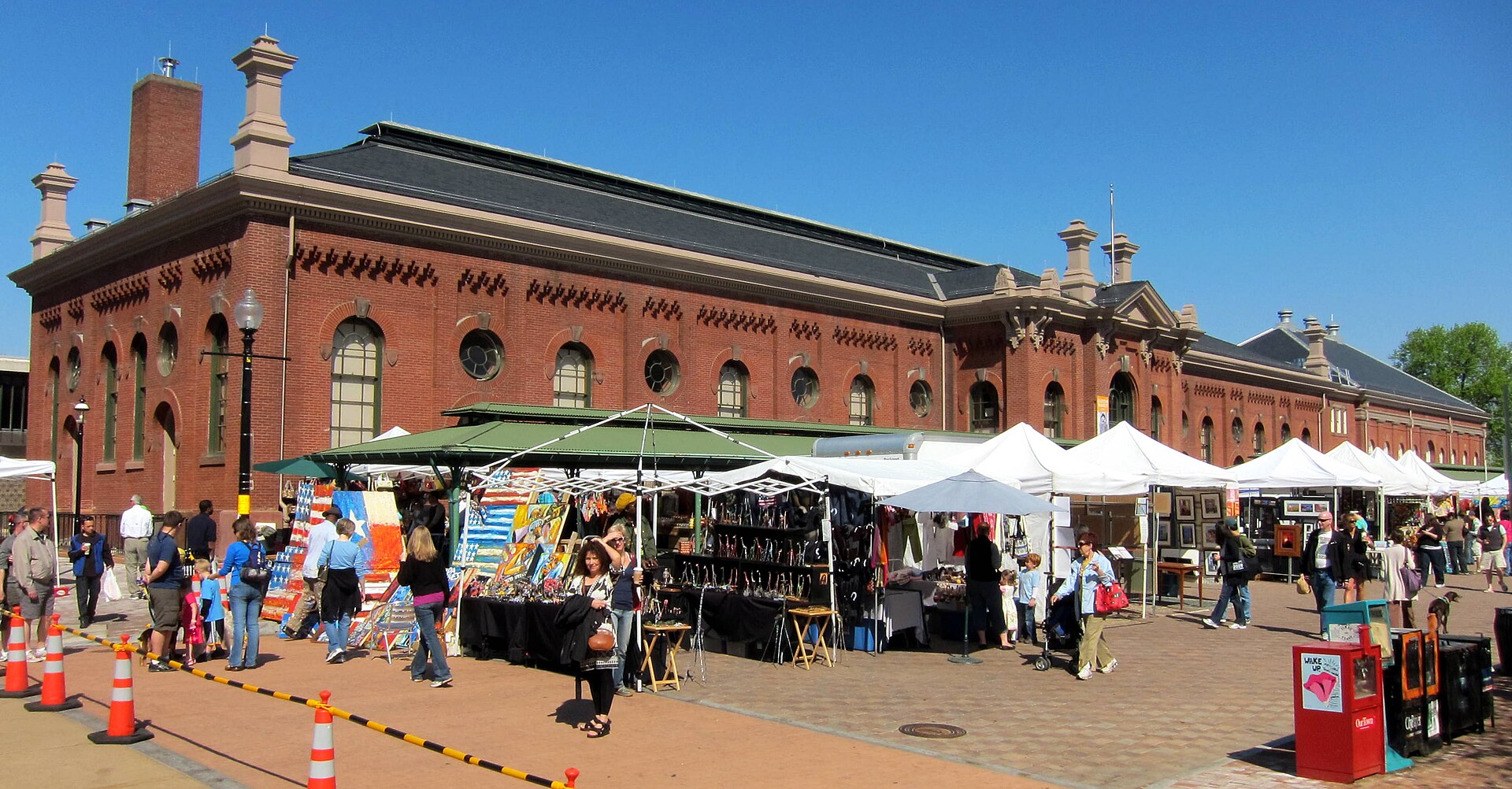
20. Capitol Hill and Eastern Market
The area around the Capitol holds much more than just political buildings, and its heart beats primarily at Eastern Market. This beautiful brick building from 1873 operates indoors Tuesday through Sunday, while on weekends the surrounding streets fill with outdoor farmers and craft markets.
Nearby you’ll also find the imposing Supreme Court building, which you can visit for free on weekdays, and sessions are even open to the public. It’s a quieter and more local part of the city, accessible by the blue or orange metro line directly to Eastern Market station.
For a quick and tasty lunch, head to PLNT Burger on nearby H Street. They specialize in excellent vegan burgers and fries, are open daily from 10 AM to 10 PM, and will reliably fill you up for more exploring.
💡 Tip: Walk through the residential streets behind the market. You’ll find beautiful colorful row houses with small front gardens that create a perfect contrast to the monumental white buildings on the Mall.
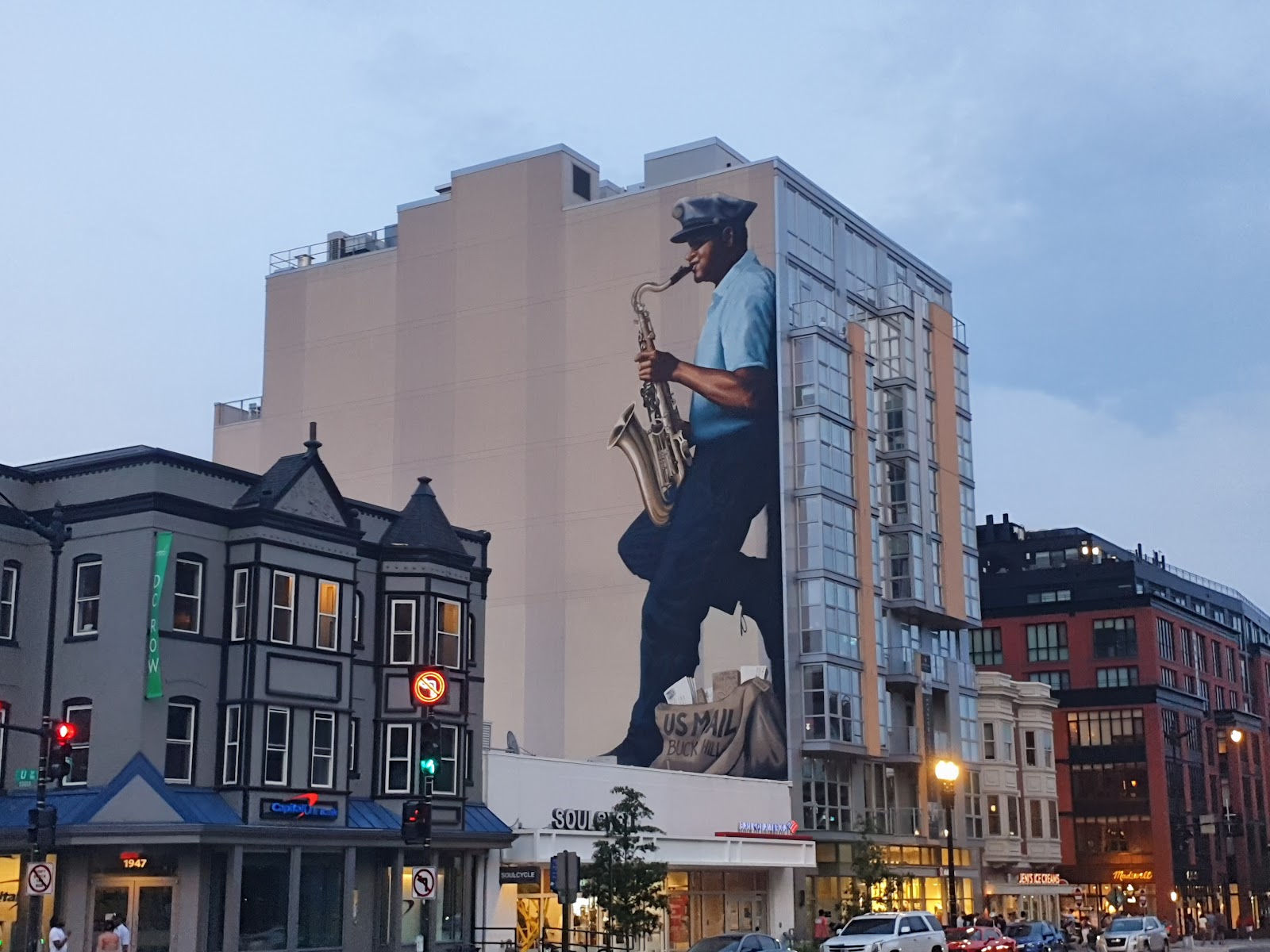
21. U Street and Ben’s Chili Bowl
The U Street area is the historic center of African American culture, once nicknamed Black Broadway, and it still retains that energy today. This neighborhood comes alive mainly in the evening, when restaurant patios fill up and live music pours from local clubs.
Legendary here is Ben’s Chili Bowl, operating since 1958, which Barack Obama visited and which boasts nearly eight thousand reviews. While the local specialty is the half-smoke, a pork-beef sausage, the menu officially includes excellent vegan Veggie Chili and a good veggie burger.
The area is also a haven for Ethiopian restaurants, which are a fantastic choice for vegetarians, full of legumes and vegetables served on injera flatbread. Highly rated are spots like Ethiopic or Feru on neighboring H Street, or the legendary cultural center with café Busboys and Poets.
💡 Tip: You can easily get here on the green or yellow metro line directly to U Street station. It’s a great place to experience a more authentic and less touristy side of Washington.
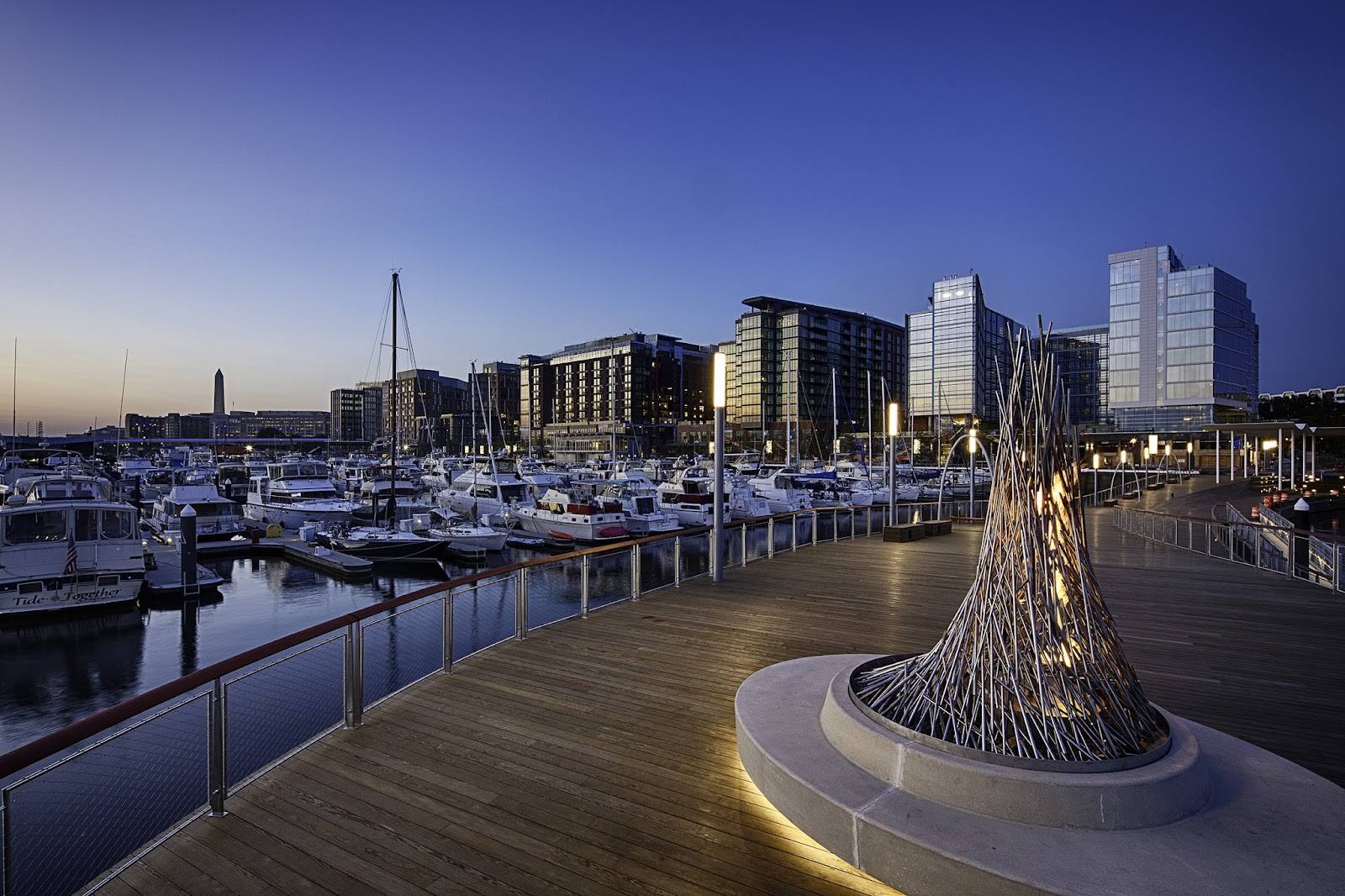
22. The Wharf
Finally, we can’t leave out The Wharf, which is a brand new promenade along the Potomac River that the city had long been missing. This area combines modern architecture with history, as it’s home to the Municipal Fish Market founded in 1805, making it the oldest operating fish market in the USA, full of crabs and fresh oysters.
On the piers you’ll find plenty of restaurants, and on Saturday mornings through November there’s a farmers market. You can also hop on a City Cruises water taxi, which will take you to historic Alexandria or Georgetown for about $21 to $22 USD.
The Waterfront metro station is just a short distance away, and the whole neighborhood has a great, relaxed atmosphere. Just a reminder that although the famous Kennedy Center is nearby, its status and operations in 2026 are very uncertain due to financial problems, so definitely check the current situation before any potential visit.
💡 Tip: For the water taxi to Alexandria, check 2026 prices directly with City Cruises; departures from the Wharf begin around 11:45 AM.
Where to Go From Washington D.C.
If you have more time in the city, definitely set aside half a day to visit the famous Washington Zoo. Admission is free, but free passes are required, and the biggest draw are naturally the pandas Bao Li and Qing Bao who live there. A great escape from the rain is the paid International Spy Museum with excellent exhibitions, or the free Postal Museum right next to Union Station.
For history, you can head to nearby Mount Vernon, the beautiful estate of George Washington, where admission is about $30 USD (around €25). A lovely trip is also to the historic town of Old Town Alexandria, where King Street Trolley shuttles run for free. Downtown also features Ford’s Theatre with its Lincoln exhibition and the massive Washington National Cathedral.
Find more inspiration for traveling around America in our other articles:
- What to See in New York
- What to See in Boston
- What to See in New Orleans
- What to See in San Francisco
Frequently Asked Questions
How much does admission to museums in Washington cost?
Most major attractions are completely free. You don’t pay admission at 17 Smithsonian museums, the National Gallery, the Archives, Library of Congress, Capitol, memorials, or Arlington Cemetery. However, many of them require a timed pass, which is either free or requires a symbolic booking fee of $1. Paid attractions include the Spy Museum ($25–35), Mount Vernon ($30), or cathedral tours (around $15).
How do I get from Dulles Airport to the center?
The easiest way is to take the Silver Line metro directly from the terminal; the trip to Metro Center takes about 50 to 60 minutes. The ticket costs $6.75 during peak hours, and after 9:30 PM and on weekends it’s just $2.25 to $2.50. You can easily pay by tapping a contactless card at the turnstile. From Reagan National Airport, you can reach the center via the blue or yellow line in 10 to 15 minutes.
Do I need a visa?
If you’re traveling just as a tourist, you don’t need a traditional visa; it’s enough to get electronic ESTA registration, which costs $40 and is valid for two years. You must submit the application at least 72 hours before departure exclusively through the official website esta.cbp.dhs.gov. The new $250 “visa integrity fee” fortunately doesn’t apply to travelers with ESTA. The ESTA registration fee may change slightly after September 2026.
Can you visit the White House?
For international visitors, it’s very difficult to arrange. Tours must be organized through your embassy, but many embassies don’t currently facilitate this service. Instead, we recommend visiting the excellent free White House Visitor Center with a replica of the Oval Office, and viewing the White House itself through the fence from Lafayette Square park.
When do the cherry blossoms bloom and when should you go?
The timing of the so-called peak bloom can’t be predicted more than ten days in advance, but typically falls in late March or early April (in 2026 it was March 26). The next cherry blossom festival runs from March 20 to April 11, 2027, and hotels tend to sell out months ahead. In general, Washington is most pleasant from April to June and then in September and October; in summer it’s terribly humid.
Is Washington safe in 2026 and what about the National Guard?
The tourist center and National Mall are among the safest parts of the city, and crime overall has decreased by 16% this year, with murders down 30%. The National Guard has been patrolling here since August 2025, and their deployment has been extended through early 2029, but this doesn’t mean any restrictions for tourists. Just avoid the areas across the Anacostia River after dark, and watch out for fake monks selling bracelets on the Mall.
How many days for Washington?
The minimum is 3 days, during which you can spend two days exploring museums and memorials on the Mall and one day devoted to Arlington Cemetery and the Georgetown neighborhood. However, if you also want to visit Mount Vernon estate, historic Alexandria, the local Zoo, or other neighborhoods, definitely set aside 4 to 5 days.
Tips and Tricks for Your Vacation
Don’t Overpay for Flights
Search for flights on Kayak. It’s our favorite search engine because it scans the websites of all airlines and always finds the cheapest connection.
Book Your Accommodation Smartly
The best experiences we’ve had when looking for accommodation (from Alaska to Morocco) are with Booking.com, where hotels, apartments, and entire houses are usually the cheapest and most widely available.
 🚗 Car rental on the roadVerified rental cars in the United States
Search with the DiscoverCars comparison engine — it compares prices from dozens of local and international rental companies, and most bookings come with free cancellation.
Compare car prices in the United States →Don’t Forget Travel Insurance
Good travel insurance will protect you against illness, accidents, theft, or flight cancellations. We’ve had a few hospital visits abroad, so we know how important it is to have proper insurance arranged.
Where we insure ourselves: SafetyWing (simple monthly subscription) and TrueTraveller (for extra-long trips).
Find the Best Experiences
Get Your Guide is a huge online marketplace where you can book guided walks, trips, skip-the-line tickets, tours, and much more. We always find some extra fun there!