

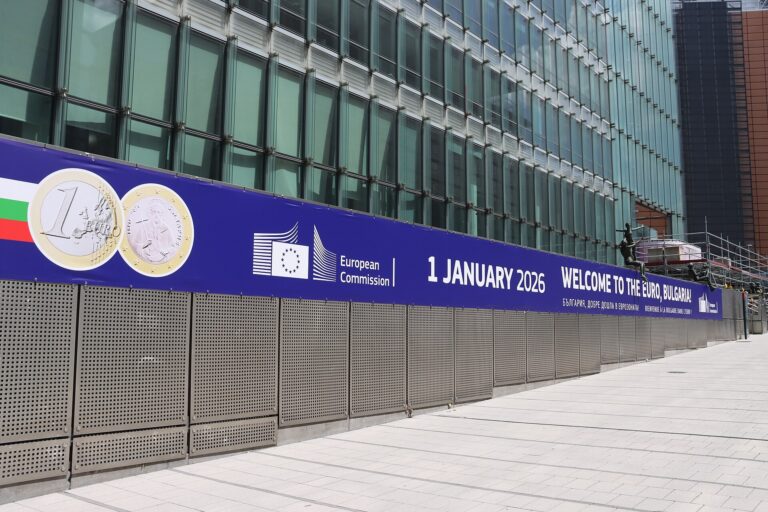
Bulgaria — most of us picture cheap seaside holidays with warm water. But once you start planning, the questions pile up. What does it actually cost now they’ve switched to the euro? When’s the best time to go so it’s not scorching hot or completely dead? And should you book an all-inclusive package or strike out on your own and explore?
This hub gives you three things. First, current tour and flight prices that we update every morning. Second, our own tips from travels and articles — where to go for beaches, where for history, and where to ski in winter. And third, a simple plan for when and what to book so you don’t overpay unnecessarily.

What to see and do in Bulgaria
Bulgaria isn’t just one holiday — you can easily turn it into several completely different trips. The Black Sea coast offers everything from bustling resorts to quiet corners, plus mountains for hiking and winter skiing, and two interesting cities for culture.
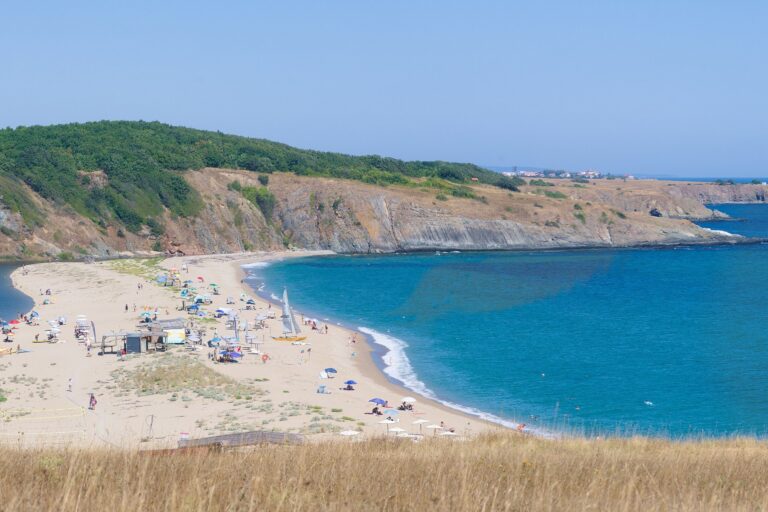
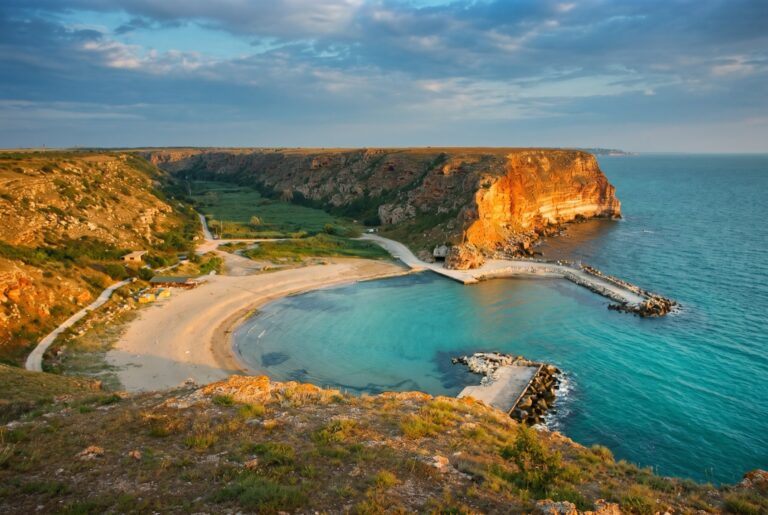
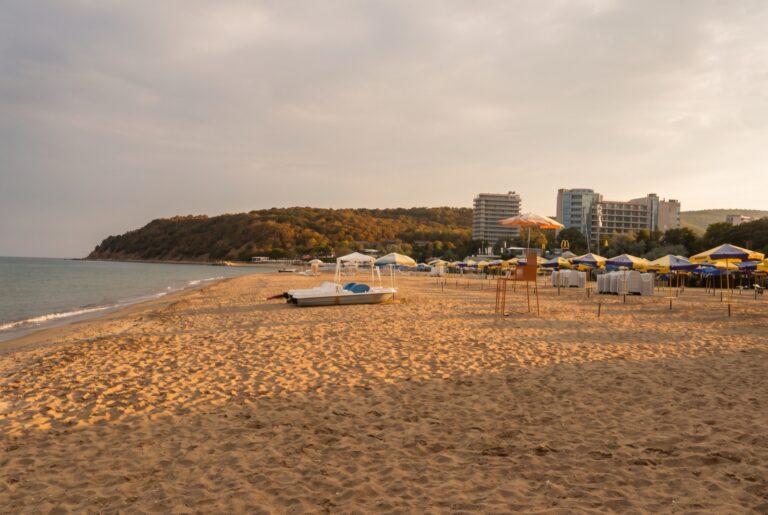
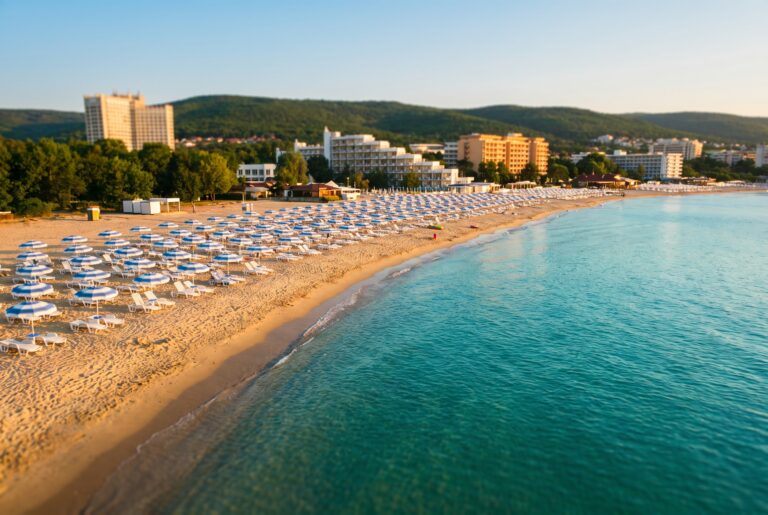
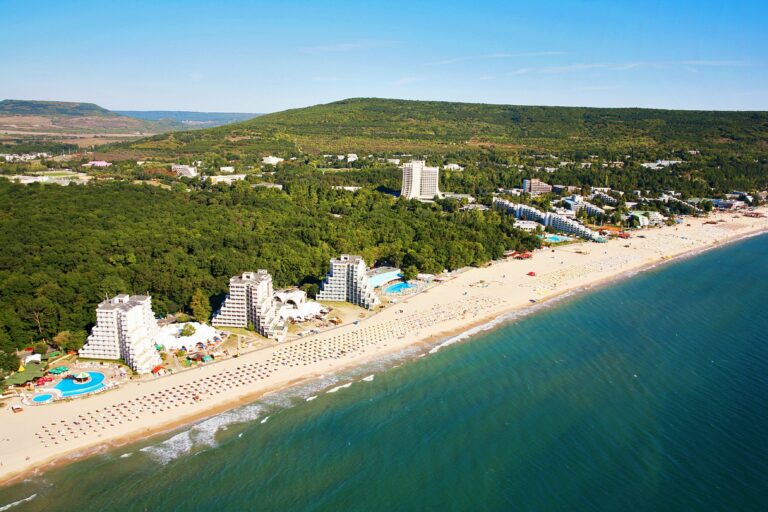
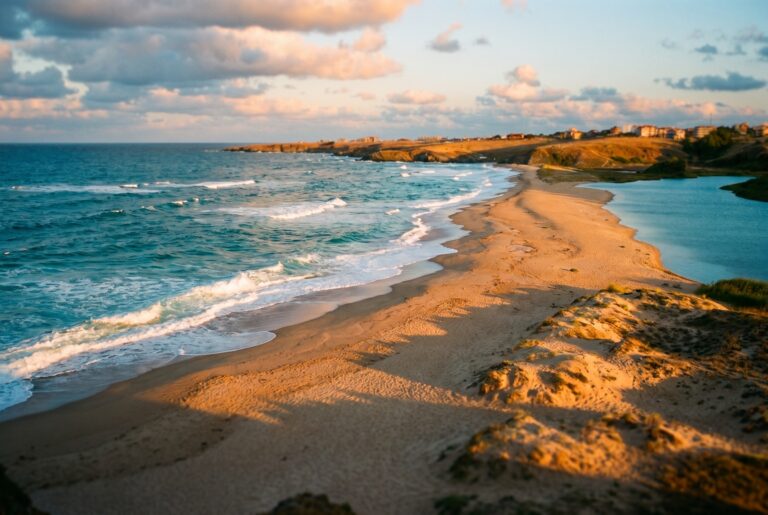
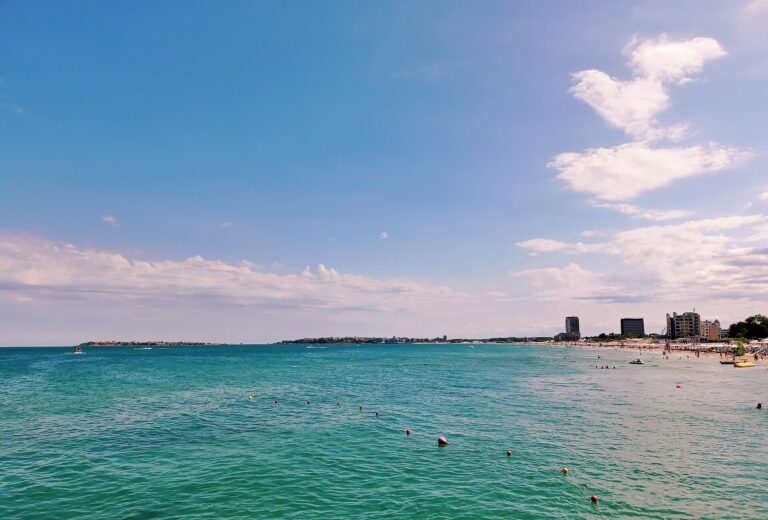
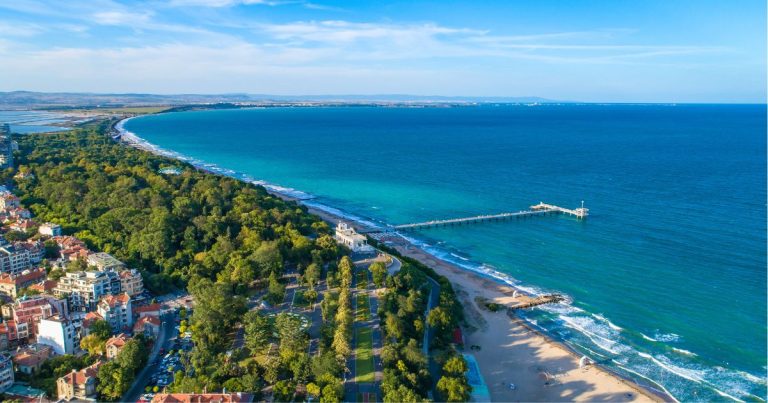
- Sea and beaches: from lively resorts like Golden Sands and Sunny Beach to quieter southern spots around Primorsko. We’ve put together the best of them in our article about Bulgaria’s most beautiful beaches.
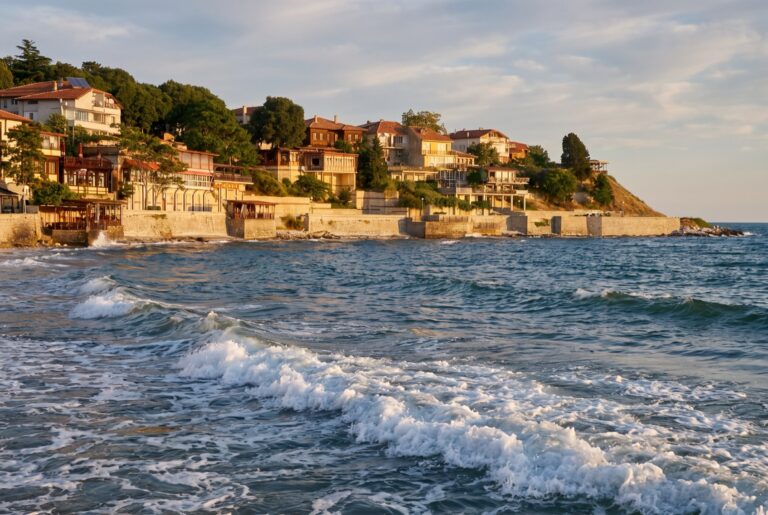
- Historic coastal towns: ancient Sozopol and the UNESCO site Nesebar are among the prettiest stops on the coast.
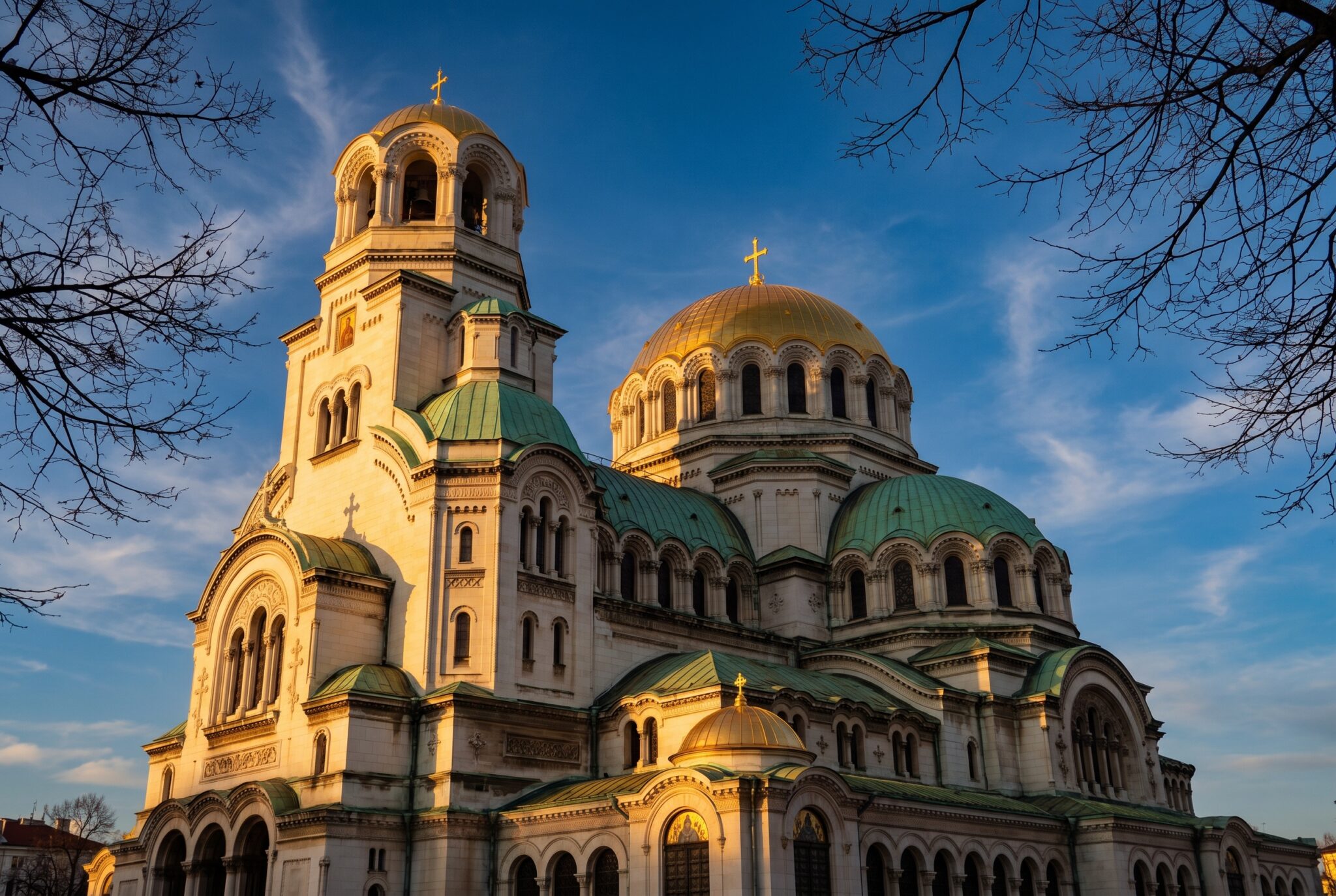
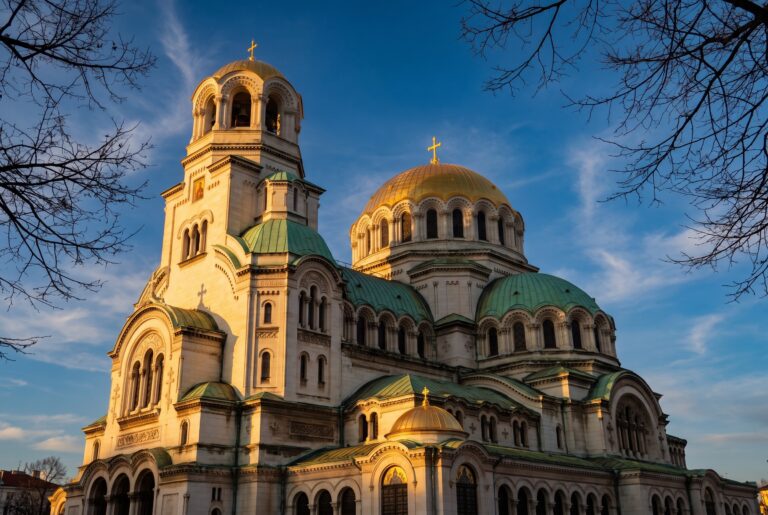
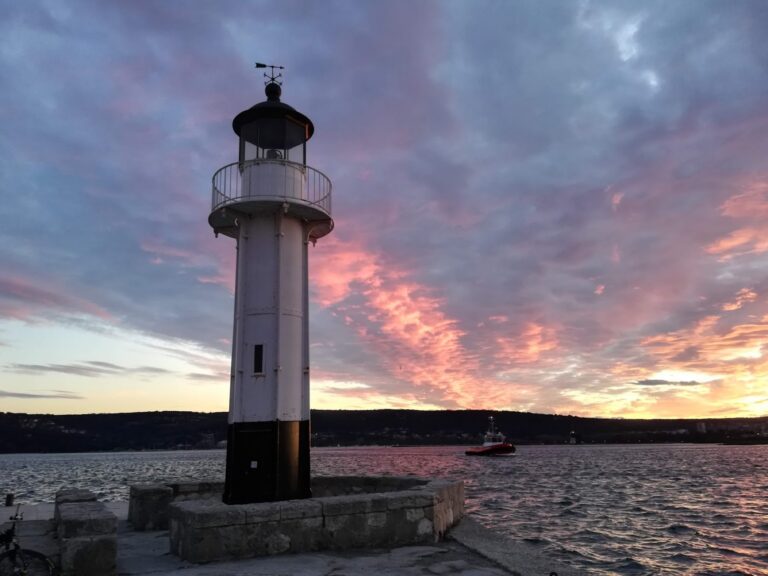
- Cities: the capital Sofia below Mount Vitosha and the seaside metropolis Varna with its airport and maritime atmosphere.
- Mountains and skiing: in winter it’s worth heading to ski in Bansko, Borovets, or Pamporovo — prices tend to be more pleasant than in the Alps.
- Easy holidays with kids: when you want everything under one roof, check out our selection of all-inclusive resorts.
If you’re still choosing exactly where to go, start with our big overview of Bulgaria’s 30 most beautiful places — it’s a good launching point for the whole trip.
When to visit Bulgaria
The main beach season runs from June to September. The sea is most pleasant in August and September, when the water’s warmest and the days are still long and sunny. If you can’t stand extreme heat and crowds, June and the second half of September are ideal — you can still swim, but it’s quieter and cheaper.
July and August are the busiest and hottest, great for families with young kids who’ll appreciate the warm shallows. Spring and autumn outside swimming season work well for exploring cities and mountains. The winter season in the mountains runs roughly from December to March — that’s when it’s worth going there to ski.
For specific sea temperatures by month and recommendations on exactly when to go, check out our article about weather in Bulgaria.
How to get to Bulgaria
The most comfortable way is by air. To the coast you’ll most often fly into Varna and Burgas, which are close to most resorts — these airports handle most package tours too. For cities and mountains, the airport in Sofia works well. From Czechia you can fly on seasonal direct flights or with connections; the flight takes about 2.5 hours.
By car it’s a long haul from the Czech Republic — count on roughly 1,500 km and a two-stage journey through Hungary, Serbia (outside the EU, watch the borders), and Romania. A car makes sense mainly when you want to tour multiple places or you’re traveling with a bigger group. Otherwise the combination of flight + package tour is usually simpler and cheaper.
Renting a car
A car in Bulgaria pays off when you want to tour multiple places — for example combine the coast with inland trips or explore smaller resorts off the main routes. If you’re going to one place and planning mainly to lounge by the sea, you don’t need a car and you’d just be paying for parking.
- Book online in advance through rental comparison sites — on the spot in season it’s more expensive and the selection’s worse.
- Watch the insurance and deposit: basic insurance usually has high excess, pay extra for full coverage so you’re not nervous about every scratch.
- Parking in resorts and historic centers is limited — better to get accommodation with parking.
- Driving in Bulgaria is fine, just watch out for local driving style and the condition of side roads.
Where to stay in Bulgaria
Where to stay depends mainly on what you expect from your holiday. For a carefree beach vacation, resorts in the north (Golden Sands) and south (Sunny Beach) with all-inclusive are ideal. Those wanting peace and a more authentic atmosphere will appreciate smaller resorts in the south around Primorsko or the historic towns.
- All-inclusive resorts: the simplest choice for families — everything in one place, see our resort overview.
- Apartments and studios: for those who want to cook for themselves and have freedom; good value outside high season.
- City hotels: in Varna and Sofia you’ll find affordable hotels and guesthouses.
- Mountain accommodation: in winter, apartments and hotels in Bansko, Borovets, or Pamporovo.
Package tour or independent travel?
A tour pays off when:
- you want everything arranged — flight, transfer, and hotel on one document;
- you’re traveling with kids and all-inclusive resorts appeal to you;
- you don’t want to deal with logistics and you’re looking for the best value/convenience ratio.
Go independent when:
- you want to explore more places and combine sea with cities and mountains;
- you like freedom in your schedule and choice of restaurants;
- you’re going outside high season when accommodation is cheap and flexible.
For us two, we take a tour for a classic beach holiday with comfort and good value, but when we want to explore — say combine Sozopol, Nesebar, and a mountain trip — we go independently with a car. Both have their place in Bulgaria, it just depends on what you expect from the trip.
Budget: daily costs in Bulgaria
| Level | Accommodation | Food | Transport & activities | Total/day |
|---|---|---|---|---|
| Backpacker | 400–700 Kč | 250–400 Kč | 150–300 Kč | approx. 800–1,400 Kč |
| Standard | 900–1,500 Kč | 400–700 Kč | 300–600 Kč | approx. 1,600–2,800 Kč |
| Comfort | 2,000 Kč+ | 800–1,500 Kč | 600–1,200 Kč | approx. 3,400 Kč+ |
Prices are indicative per person per day and assume sharing accommodation between two. Bulgaria remains one of the cheaper European destinations, even after switching to the euro — you’ll find a detailed breakdown in our article about prices in Bulgaria.
How to save when planning
- Buy flights about 2–4 months in advance — they’re cheapest outside the July and August peak. Search for flights in our finder.
- Book tours through early bird deals in spring when there are discounts and the best choice of dates; last minute only pays off if you’re flexible and going outside school holidays. Check the current tours on this page.
- Independent accommodation should be booked well in advance for August, otherwise good capacity in resorts disappears fast — our accommodation tips will help.
- Trips and activities should be arranged in advance if you’re going in high season — popular dates fill up. What’s worth booking early is summarized in our what to book early section.
Where do people overpay most often? On food right on the beach and in the tourist center — a few streets inland the same food is significantly cheaper. And don’t buy excursions from boardwalk stalls, they’re more expensive than online.
Practical information
- Language and script: the official language is Bulgarian in Cyrillic — in resorts you’ll have no problem with English or Russian, but practice reading street names and signs beforehand.
- Payments: cards are accepted almost everywhere, in resorts and restaurants. Cash is useful for markets and smaller shops. Bulgaria has switched to the euro, so you don’t need to worry about converting from lev.
- Connectivity: for hassle-free data without roaming worries, we recommend an eSIM — activate it from home and you’ll have internet as soon as you land.
- Safety: Bulgaria is a safe destination, just use common sense with your belongings on the beach and watch out for overpriced taxis — always ride with the meter on.
Before packing, check out our practical list of what to bring on holiday to Bulgaria — so you don’t forget anything important.


