

Most of us instantly picture Strasbourg, France with the scent of mulled wine and a flood of festive lights, but the truth is that this city has plenty to offer for the other eleven months of the year too. While it bursts at the seams in December and prices skyrocket, outside the Advent season it turns into a calmer and far more affordable destination, where French elegance blends with German precision. Over the past century its nationality changed hands four times, and that has left an indelible mark on the architecture, the local language and the outstanding food scene.
You’ll find a historic quarter listed by UNESCO, a monumental Gothic cathedral and the modern glass buildings of the European Parliament, which together create a truly unique atmosphere. You can wander through picturesque lanes lined with half-timbered houses, watch the boats gliding along the canals, or simply sit down in a café and soak up that incredible sense of calm without the tourist crowds. Strasbourg is, quite simply, a city of two identities that will surprise you at every turn.
If you’re looking for the perfect spot for a long weekend where history mingles with vibrant modern life, you’ve just found it. I’ve put together a detailed guide that will show you the city’s greatest treasures and help you make the most of your visit, no matter what time of year you decide to come.
TL;DR
- Most-visited landmark: the Cathédrale Notre-Dame-de-Strasbourg with its unique sixteenth-century astronomical clock.
- Most photogenic spots: the picturesque Petite France quarter with its half-timbered houses and canals.
- Best free viewpoint: the terrace on the historic Barrage Vauban dam, where you’ll take your most beautiful photos.
- Unique experience: a free tour of the European Parliament and the interactive Parlamentarium Simone Veil.
- Getting around: the centre is fairly car-unfriendly, so the best option is the Park and Ride system combined with the tram.
- When to go: for the best balance of price and weather I recommend May, June or September, while January is ideal for the lowest hotel prices.
- World Heritage: the entire historic Grande Île quarter and the younger German Neustadt are both on the UNESCO list.
When to visit Strasbourg
Timing your trip is absolutely crucial with this city, because seasonality has an extreme effect on accommodation prices. If you come in December during the famous markets, be prepared for hotels in the centre to cost up to three times their normal summer rate. In January or February, on the other hand, you’ll experience the city completely free of crowds, and with a bit of luck you’ll snag a luxury room for just a fraction of the winter price. The spring and autumn months are then the perfect compromise for anyone who wants to save money while still enjoying pleasant weather.
The most pleasant weather for long walks along the canals awaits you in May, June and September, when temperatures sit at very comfortable levels and the days are long enough. In summer the stone centre can get fairly hot, but thanks to the ever-present water and the sprawling parks it’s easy enough to handle. If you don’t mind slightly damper weather, early spring reveals the city in a beautifully melancholic mood, when the local cafés slowly come back to life and the streets belong to the locals alone.
In 2026, the famous Christmas markets run from Friday 27 November to Sunday 27 December. They spread across eleven different locations throughout the historic Grande Île quarter, with the best-known ones on Place Broglie, Place de la Cathédrale and in the lanes of Petite France. If you’re mainly interested in this magical season and don’t mind a significantly higher budget, be sure to read our separate article on the Strasbourg Christmas markets, where you’ll find a detailed map of the locations, local customs and specific tips on traditional treats.
Where to stay in Strasbourg
Choosing the right neighbourhood for your stay will save you plenty of time and money on public transport. The most charming, but also — logically — the most expensive, is the historic Grande Île quarter and its Petite France section, where all the main sights are just a few steps from your bed. If you’re after something noticeably quieter and more affordable, I recommend looking around the Neustadt quarter, which offers gorgeous architecture and a pleasant ten-minute walk into the very centre.
Don’t leave booking your room until the last minute, and I always recommend using trusted platforms like Booking.com, where you’ll find the best overview of current prices. During Advent in particular, most of the capacity is booked up half a year in advance. Based on reviews from other travellers and careful browsing on Booking, I’ve picked out a few hotels that offer excellent value for money:
Hôtel Cour du Corbeau Strasbourg – MGallery is an absolute architectural gem and one of the most beautiful places to stay in the whole city. It sits in a gorgeously restored historic house with sixteenth-century wooden galleries and offers an unforgettable romantic atmosphere right beside a canal. Guests enthusiastically report that the breakfasts are sinfully generous and the peace and quiet is astonishing, even though the cathedral is a five-minute walk away.
If you prefer modern design and clean lines, Hôtel LÉONOR the place to live has something special about it. It offers a modern interior in a historic building a short walk from Place Broglie, and above all a lovely inner courtyard where you can enjoy a glass of Alsatian wine after a full day on your feet.
For travellers on a slightly tighter budget, Hôtel Gutenberg is a great choice, located in an absolutely strategic spot a short walk from the main pedestrian zone. The rooms are a touch smaller, but they stand out for their spotless cleanliness and very comfortable beds. Another big plus, according to guests, is the incredibly helpful staff, who will happily give you directions around the city and recommend the best local bakeries nearby. If you’d like to explore more options across different price ranges, take a look at our detailed article Where to stay in Strasbourg.
💡 On this map you can compare what’s currently available — you’ll immediately see how much cheaper a stay gets just a few stops from the centre.
18 best things to see and do in Strasbourg
Whether you’ve set aside just one weekend or a whole week for the city, you certainly won’t be bored here. I’ve put together a list of eighteen places and experiences that you definitely shouldn’t miss when planning your itinerary. I’ve included both the most famous iconic landmarks and a few quieter corners.
1. Cathédrale Notre-Dame-de-Strasbourg
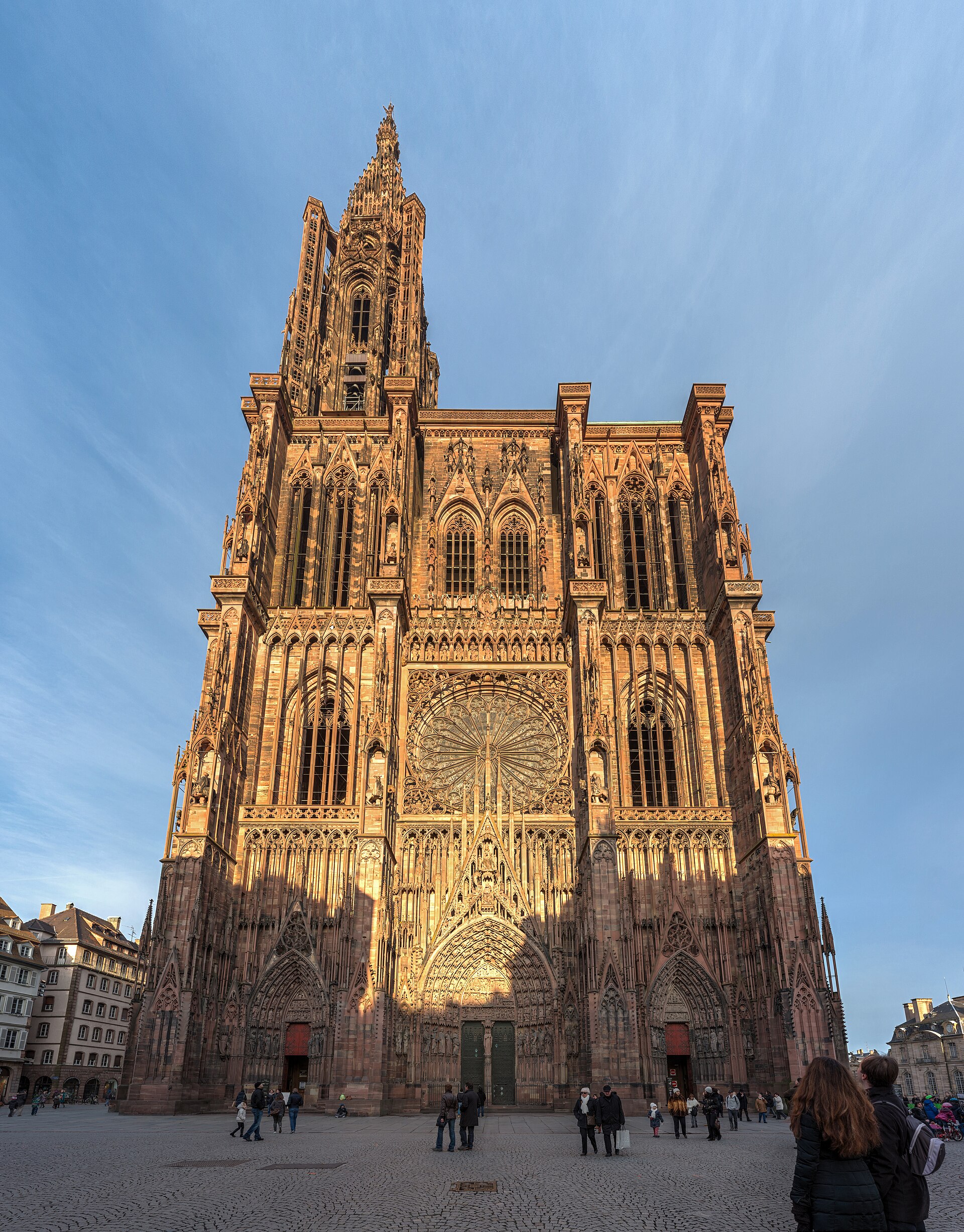
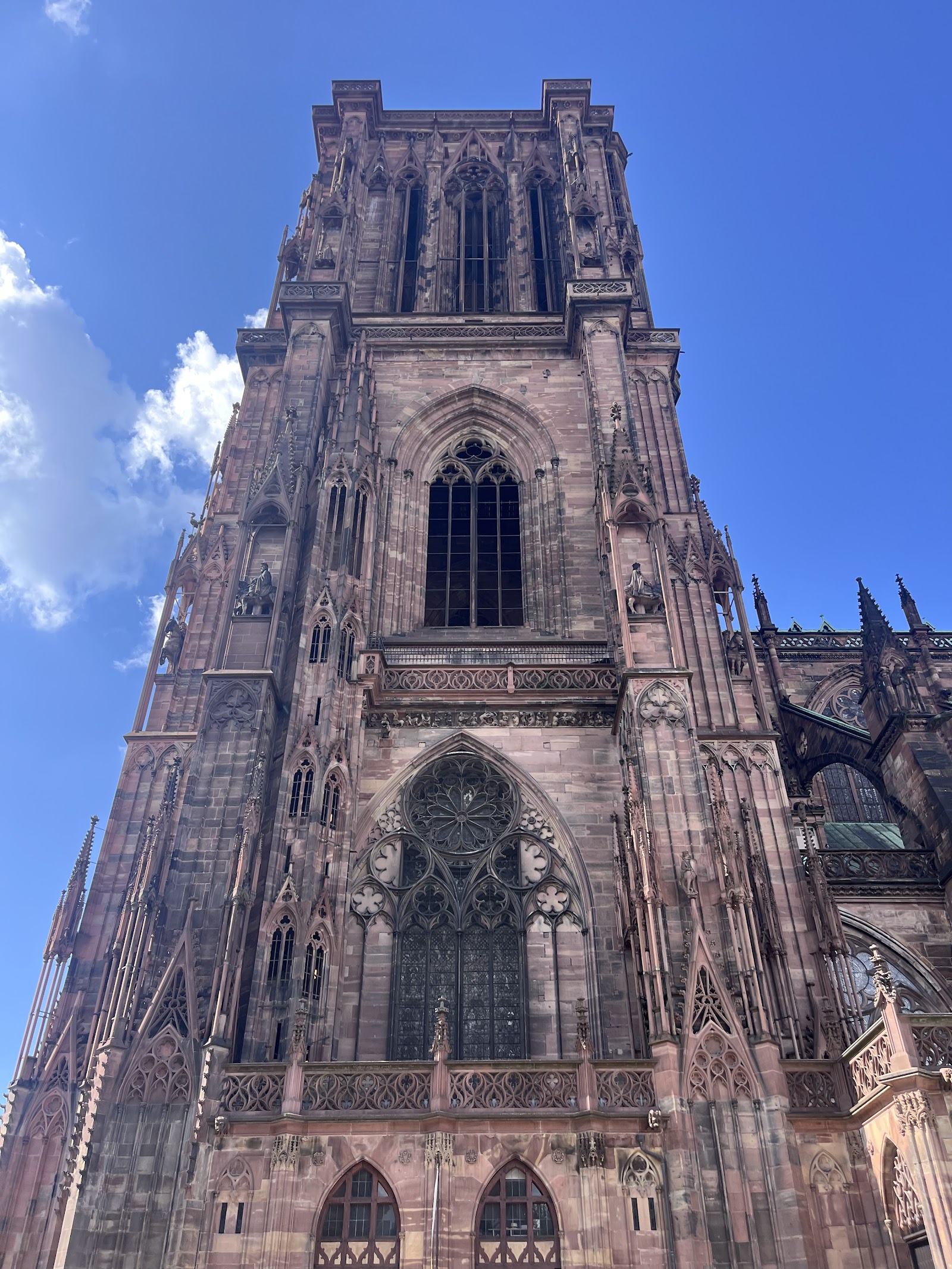
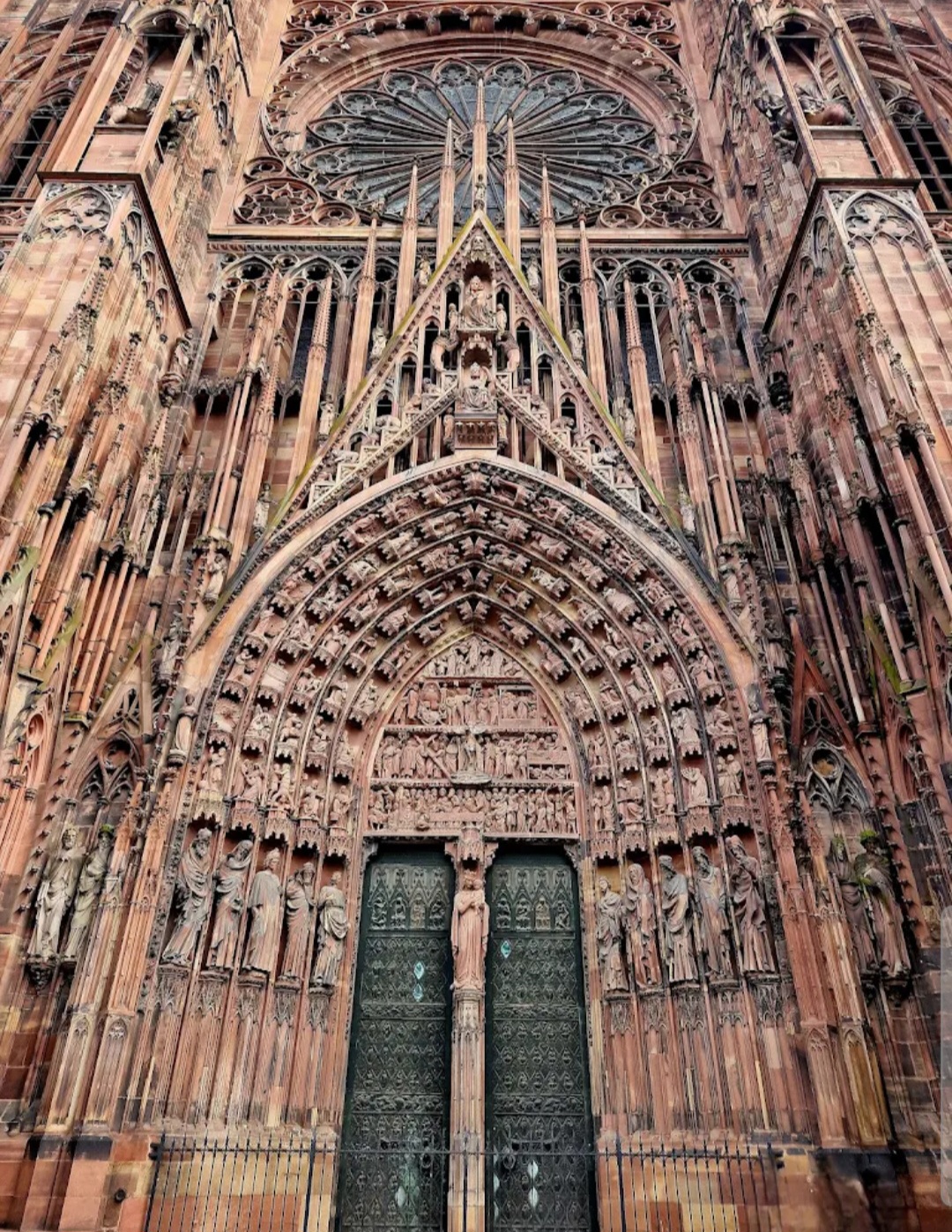
This monumental thirteenth-century Gothic cathedral is rightly the most-visited place in the whole city. When you first stand before it on the small square, its enormous facade of pink Vosges sandstone will take your breath away. What’s most fascinating about the building is its asymmetry, because the second tower was never finished, giving the cathedral its utterly unmistakable look. Its construction took several centuries, and the incredible precision of the masters of that era shows in every centimetre of stone.
Inside, a vast space awaits you, lit through magnificent stained-glass windows, of which the huge rose window above the main entrance ranks among the most beautiful in all of Europe. Entry to the cathedral’s main nave is free, but be prepared for a queue at the entrance due to security checks. Fortunately the queue moves fairly quickly, so it needn’t put you off at all. The interior itself feels incredibly majestic and is well worth exploring at a leisurely pace, with no need to rush anywhere.
💡 Tip: The best time to photograph the exterior is late afternoon or early evening, when the setting sun beautifully lights up the pink sandstone and the whole building takes on a wonderful warm glow. The square around the cathedral is also lined with historic houses that complete the perfect photogenic backdrop. You can settle into one of the nearby cafés and just watch the stone change colour.
2. The sixteenth-century astronomical clock
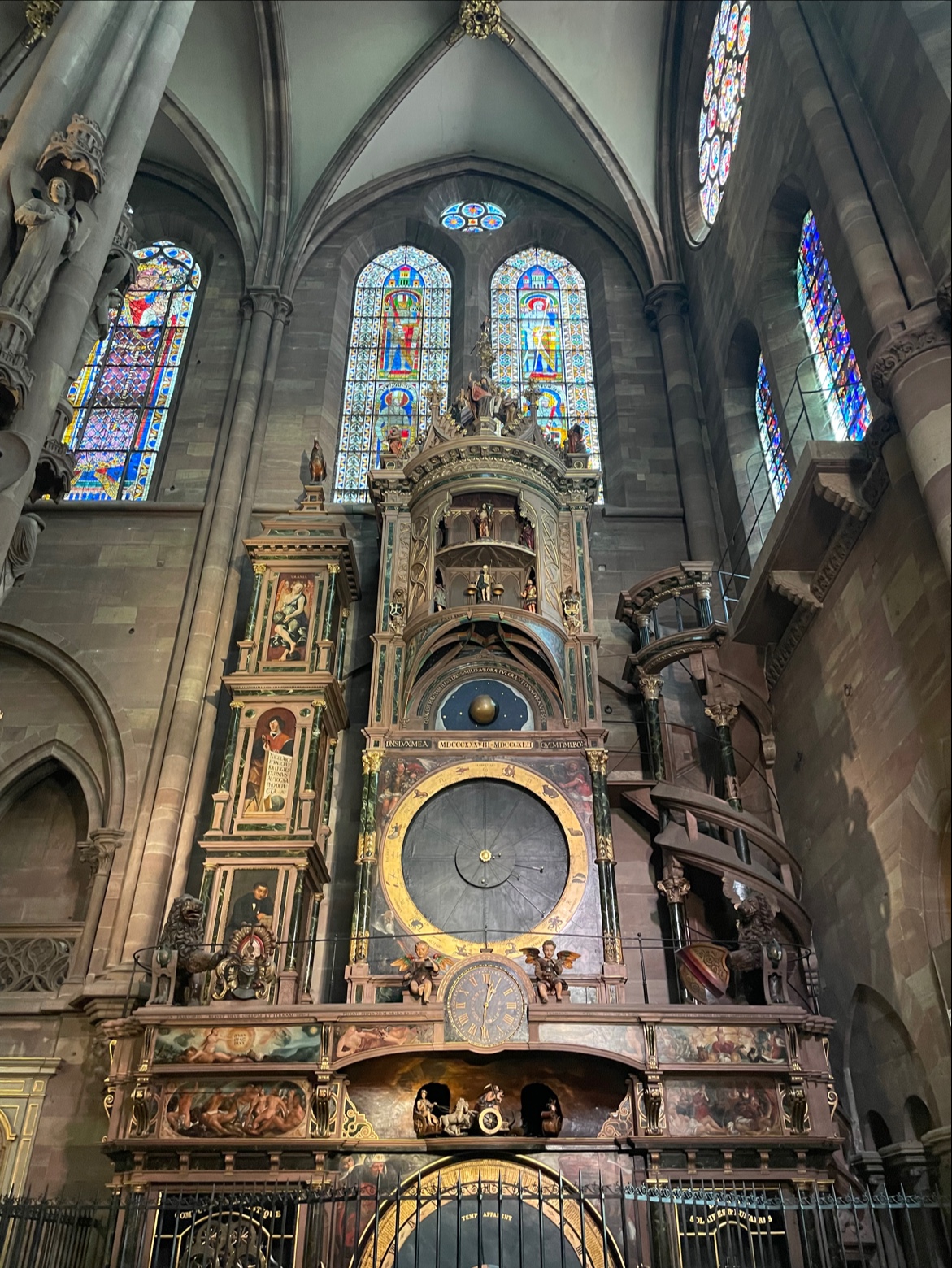
Inside the cathedral hides a technical and artistic marvel: the Renaissance astronomical clock. This intricate mechanism dates from the sixteenth century and shows not only the exact time but also the position of the sun and moon and the current sign of the zodiac. Up close, the detail and precision of the carving on the clock’s case itself are astonishing, proof of the immense skill of the mathematicians and craftsmen of the day.
The main show takes place every day at exactly 12:30, when an elaborate parade of moving figures springs to life. You’ll see the apostles filing past Christ and the different stages of human life from childhood to death, symbolically marking the passage of time. There’s a small charge for this popular midday show, and tickets are sold at the south portal, so it’s a very good idea to arrive early to get any kind of view at all.
Even if you miss the midday performance, the clock is worth seeing at any time. Smaller movements of the figures happen every quarter of an hour, and the whole mechanism is beautifully lit, so you certainly won’t miss out on the experience.
3. Climbing to the cathedral viewing platform
If you don’t suffer from vertigo and you’re at least reasonably fit, you absolutely must not miss the climb up to the viewing platform. It sits at an impressive height of sixty-six metres, and 332 fairly narrow spiral steps lead up to it. You buy your tickets in a little booth to the right of the main entrance, and only a limited number of people are let up at once, so don’t worry about a short wait.
Your reward for a sweaty shirt is a truly fantastic panoramic view over the whole city. You’ll see the rooftops of the historic houses, the tangled network of canals, and on a clear day you can even make out the Vosges mountains on the French side and the dark Black Forest on the German one. It’s the best possible way to grasp the overall layout of the city and figure out where the most interesting neighbourhoods are.
💡 Tip: I really don’t recommend the climb for anyone with claustrophobia, because the staircase is very narrow in places and it’s not easy to pass other visitors. Fortunately, though, there’s plenty of room up on the platform to rest and take the most beautiful bird’s-eye photos.
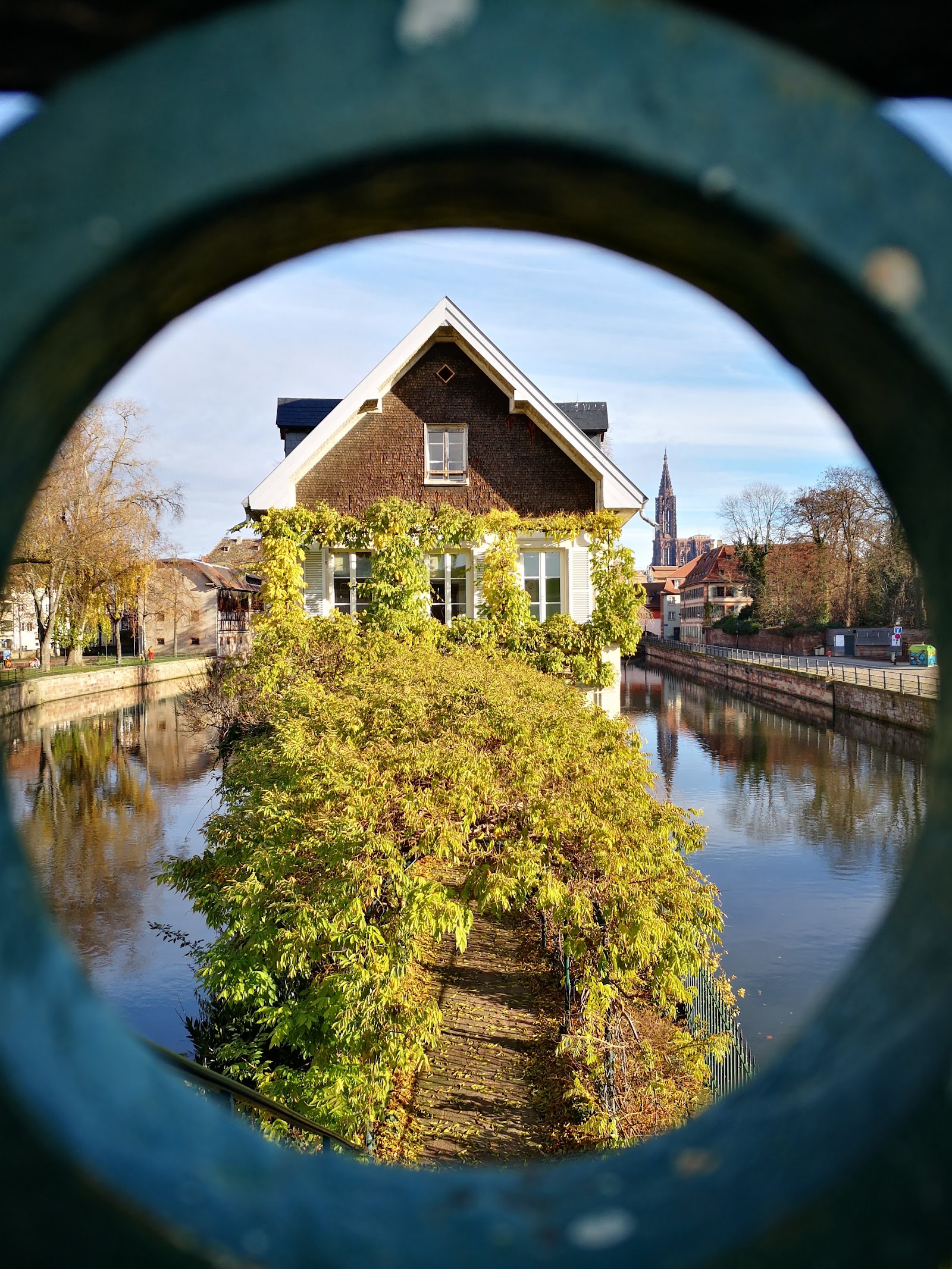
4. Petite France
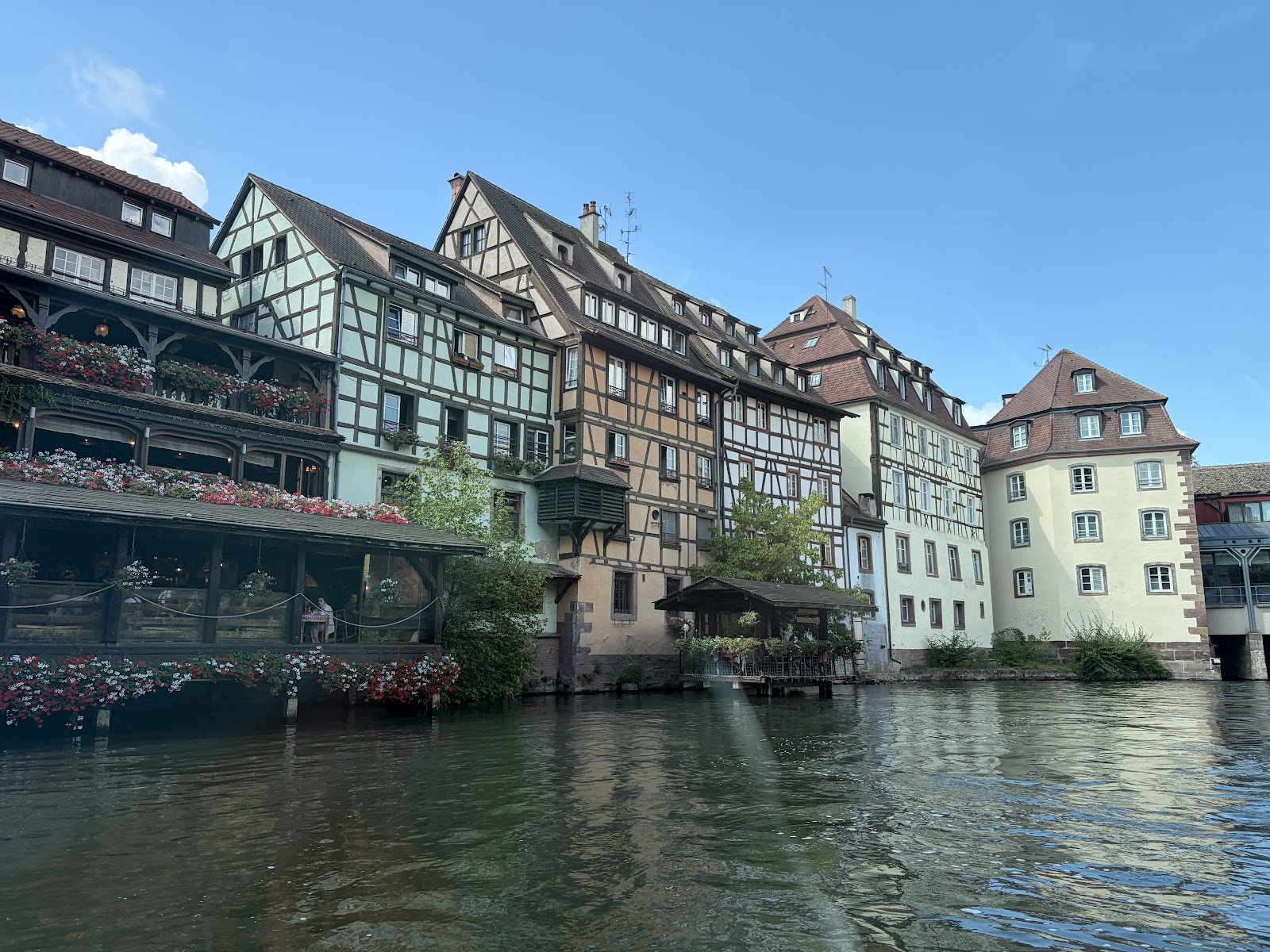
The most-photographed and unquestionably most romantic quarter in the entire city is the famous Petite France. In the past it was home mainly to tanners, millers and fishermen, who needed direct access to running water for their demanding trades. Today it’s a gorgeous network of narrow canals lined with perfectly preserved half-timbered houses with their typical sloping roofs, under which animal hides were once dried.
The best way to enjoy this historic quarter is simply to lose yourself in its lanes without rushing. You’ll come across plenty of little shops, artisan bakeries and cosy cafés where you can stop for a coffee and watch the sightseeing boats drift by. In the summer months, every window and bridge is also draped in a cascade of colourful geraniums, creating an utterly fairy-tale backdrop.
Even though this is the busiest tourist part of the city, it still keeps enormous charm. Try to head here very early in the morning, before the streets fill up with crowds, and you’ll experience the real, peaceful Alsatian atmosphere, when the old historic facades reflect in the still surface of the canals.
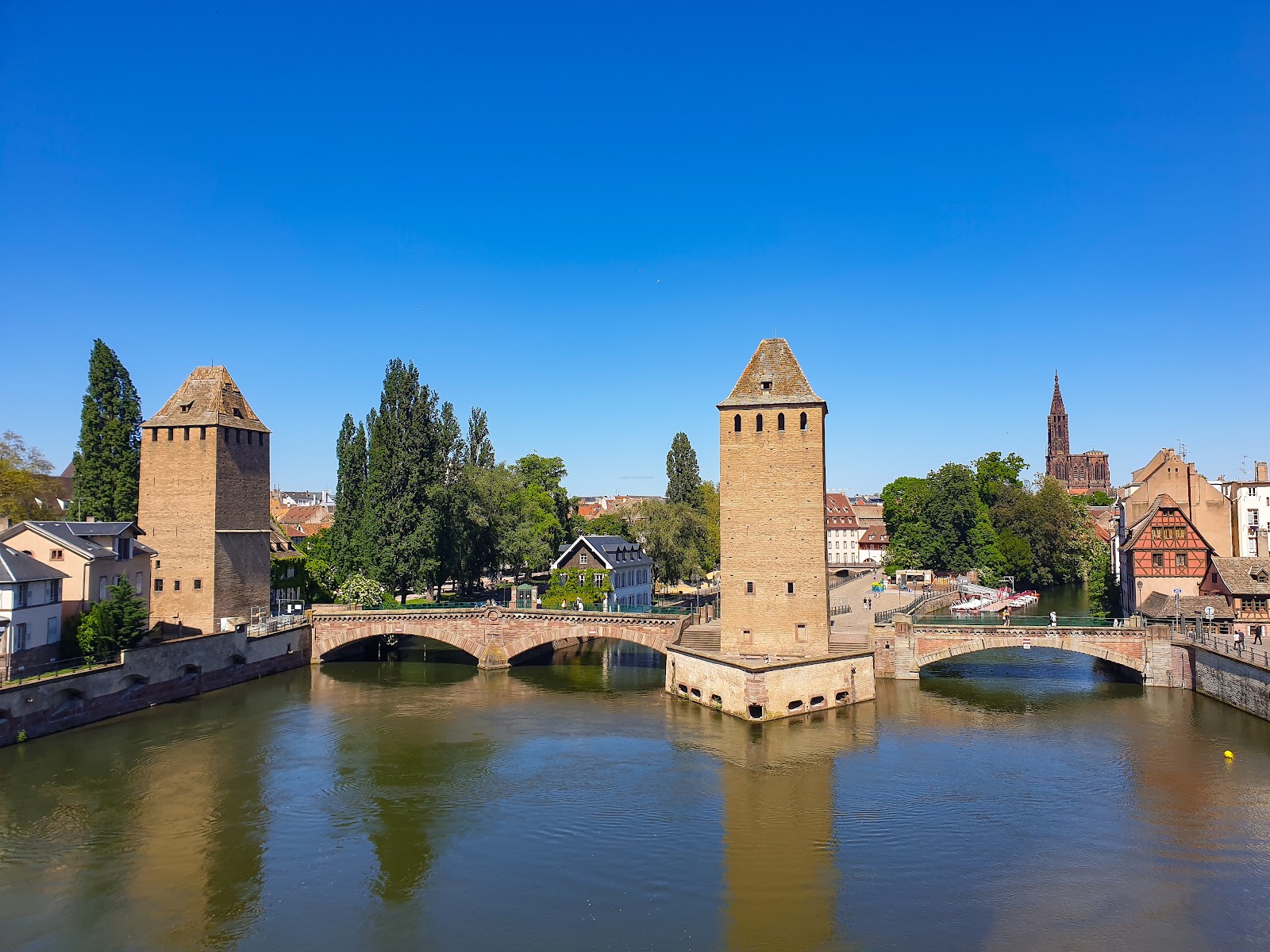
5. Ponts Couverts de Strasbourg
Right on the very edge of the picturesque Petite France quarter you’ll come across the imposing remains of the medieval fortifications known as the Ponts Couverts. Originally this was an ingenious system of three bridges and four defensive towers from the thirteenth century, which served to protect the city from enemy attacks coming up the river. Although the bridges lost their original wooden roofs long ago, the name “covered bridges” has stuck to them to this day, to the surprise of many tourists.
A walk across these stone bridges offers gorgeous views over the water and deep into the old town. The four massive square towers look truly majestic and perfectly complete the rougher historic character of this part of Strasbourg. The whole complex is also very tastefully and dramatically lit at night, so an evening stroll has its utterly unmistakable, slightly mysterious charm.
As you move around this area you’ll find plenty of lovely corners and hidden benches where you can rest. The surroundings of the bridges are pleasantly overgrown with greenery and tall trees, so at least in the hot summer you won’t fry your brain while taking a break.
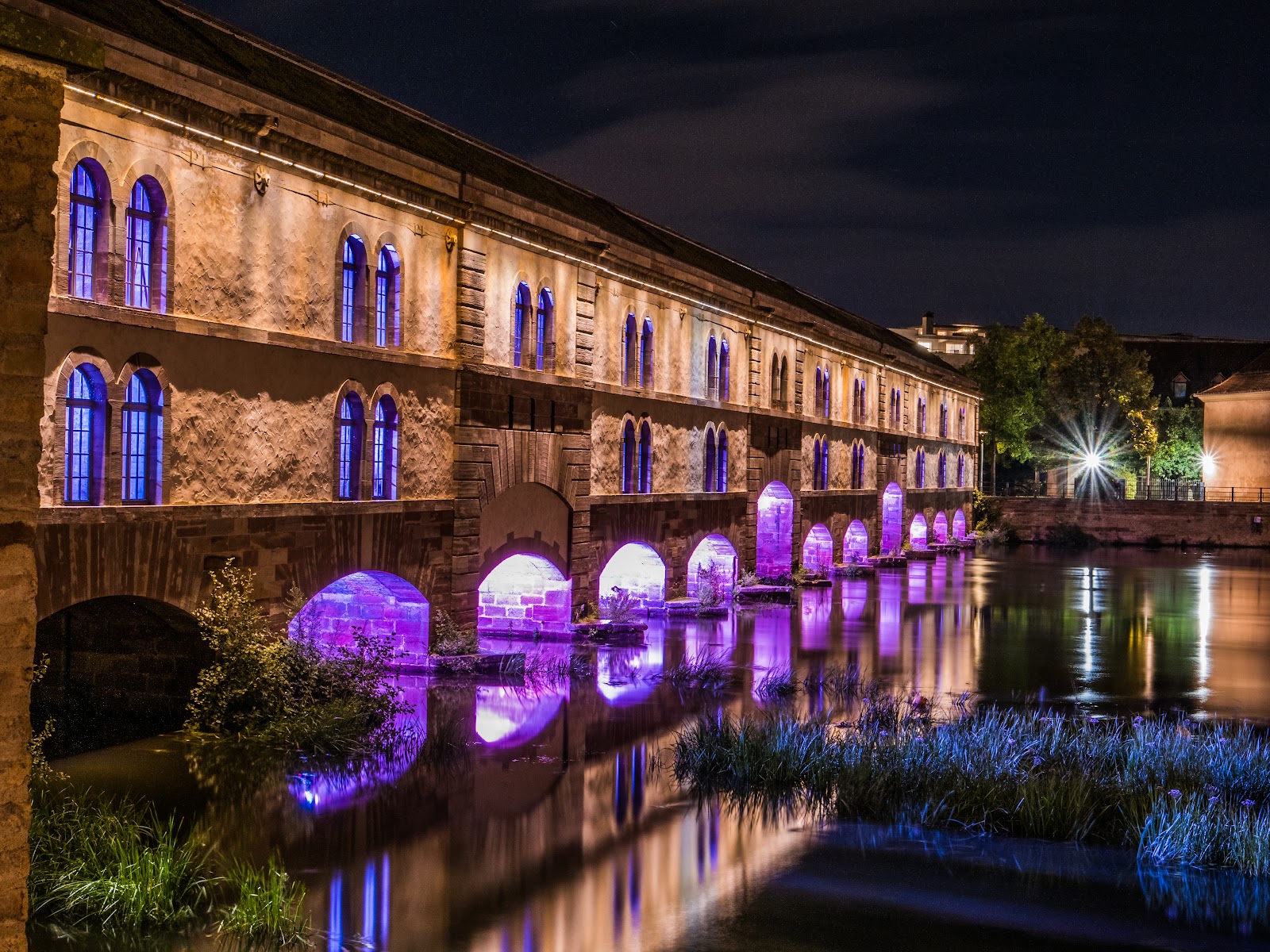
6. Barrage Vauban
If you’re looking for the single best spot to capture the perfect photo of Strasbourg, you need to head to the Barrage Vauban. This enormous dam-and-bridge in one, made of pink sandstone, was built in the seventeenth century to a design by the famous military engineer Vauban. Its main purpose was to flood the southern part of the city in the event of a threat and thus stop enemy troops from advancing on the centre itself.
Today, inside it hides a gallery of statues and gargoyles rescued from the cathedral. It’s interesting, sure, but honestly, you came here for the roof. On the vast terrace there’s a viewing platform that everyone can access completely free of charge. It’s from up here that the most famous, iconic view opens up over the towers of the Ponts Couverts, the half-timbered Petite France quarter and the majestic cathedral spire in the background.
💡 Tip: Access to the viewing terrace is usually by stairs, but there’s also a lift inside the building, so families with prams or travellers with reduced mobility can get up comfortably too. The terrace is locked at night for security reasons, so check the current opening hours in advance.
7. Batorama canal cruise
If you want to get a quick and complete picture of the city from a completely different perspective, the Batorama sightseeing boat cruise is something you simply don’t want to skip, especially once your feet start to ache. You’ll find the dock very easily right by the cathedral at the Embarcadère Batorama Cathédrale, from where boats set off regularly on a seventy-minute route across the whole historic centre and the more modern European quarter. It’s the best way to understand the city when your feet are killing you.
During the cruise you’ll pass through the romantic Petite France quarter, where the boat overcomes the differences in water level using narrow old locks — a spectacle in itself that you won’t forget. You can choose between fully open and glass-covered boats, with the glass ones especially welcome in the cooler spring or autumn months, as they’re perfectly heated and protected from the rain. Audio guides with commentary are also available.
💡 Tip: Especially in high summer season and on sunny weekends, tickets tend to sell out very quickly for the whole day ahead. I recommend booking your tickets online well in advance, to save yourself pointless waiting in queues and to be sure you’ll get on board at exactly the time you choose.
8. The European Parliament
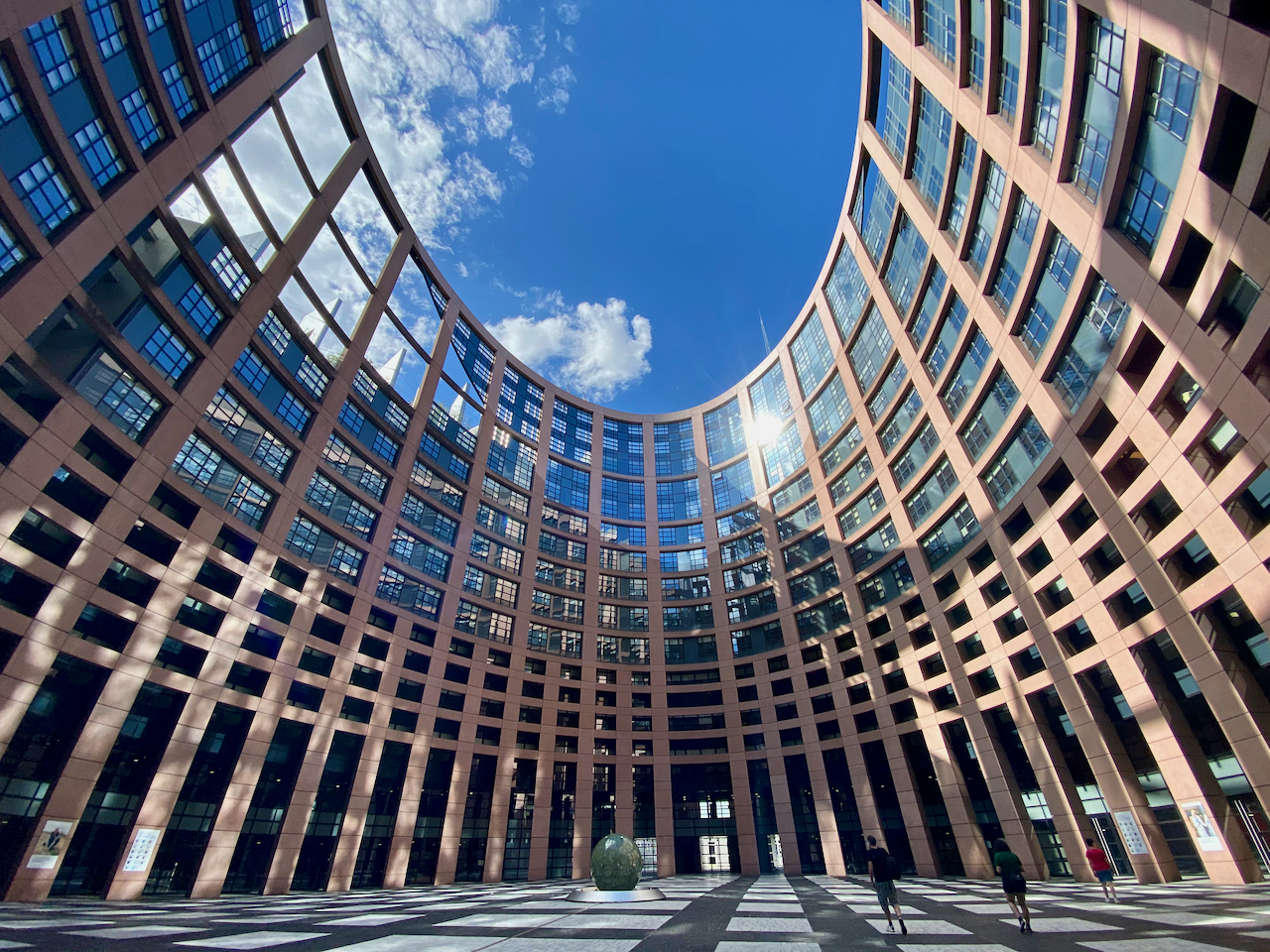
Strasbourg is the official seat of the European Parliament, and a visit to this imposing modern building definitely shouldn’t be missing from your list of things to see. The huge glass structure with its circular floor plan and curved roof dominates the whole quarter and forms a fascinating visual contrast to the historic city centre. The easiest way to get here is on the convenient tram line E — just get off at the stop of the same name, Parlement Européen.
The very best part is that tours for the public are completely free — all you have to do is show a valid ID card or passport at the entrance. During the tour you’ll look straight into the famous hemicycle debating chamber, where the MEPs sit and where important European legislation is made. The atmosphere of this huge, modern space is genuinely impressive, and suddenly it hits you that all that Brussels bureaucracy has a physical address too 😄.
Plan your visit to the Parliament well in advance, and bear in mind that the whole tour will take you roughly two to three hours, including the fairly thorough security check at the entrance. The tours are run with multimedia guides in all the official languages of the European Union, so you can listen to all the information comfortably in your own language.
9. Parlamentarium Simone Veil
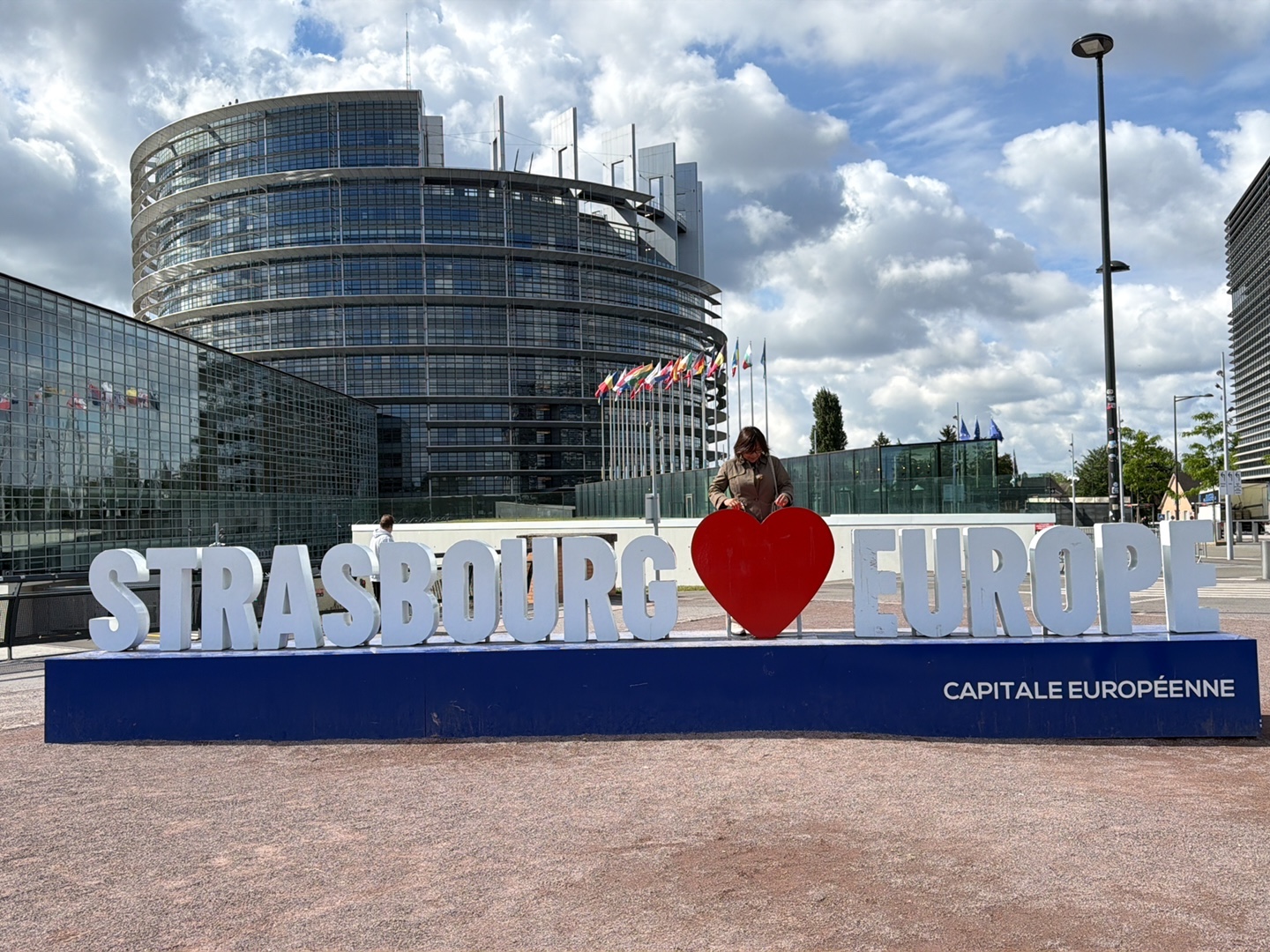
Part of the extensive European Parliament complex is the recently opened visitor centre called the Parlamentarium Simone Veil. The centre is designed to make European integration sound exciting, and surprisingly it pulls it off. It’s a great place not only for adult visitors but also for older, curious children.
The main draw of the whole centre is undoubtedly the spectacular 360° projection room, where a dynamic film about how the European Parliament works is screened, visually placing you right in the middle of the action. There are also various interactive modules and touchscreens where you can easily find out what decisions have been made in the past for your own particular home region.
For larger organised groups, the centre also offers a special role-play game in which participants can experience first-hand what it’s like to be a real MEP and to negotiate their way through new laws. A stop at this centre perfectly complements a tour of the debating chamber itself, and entry here is likewise free for everyone.

10. The Council of Europe and the institutions quarter
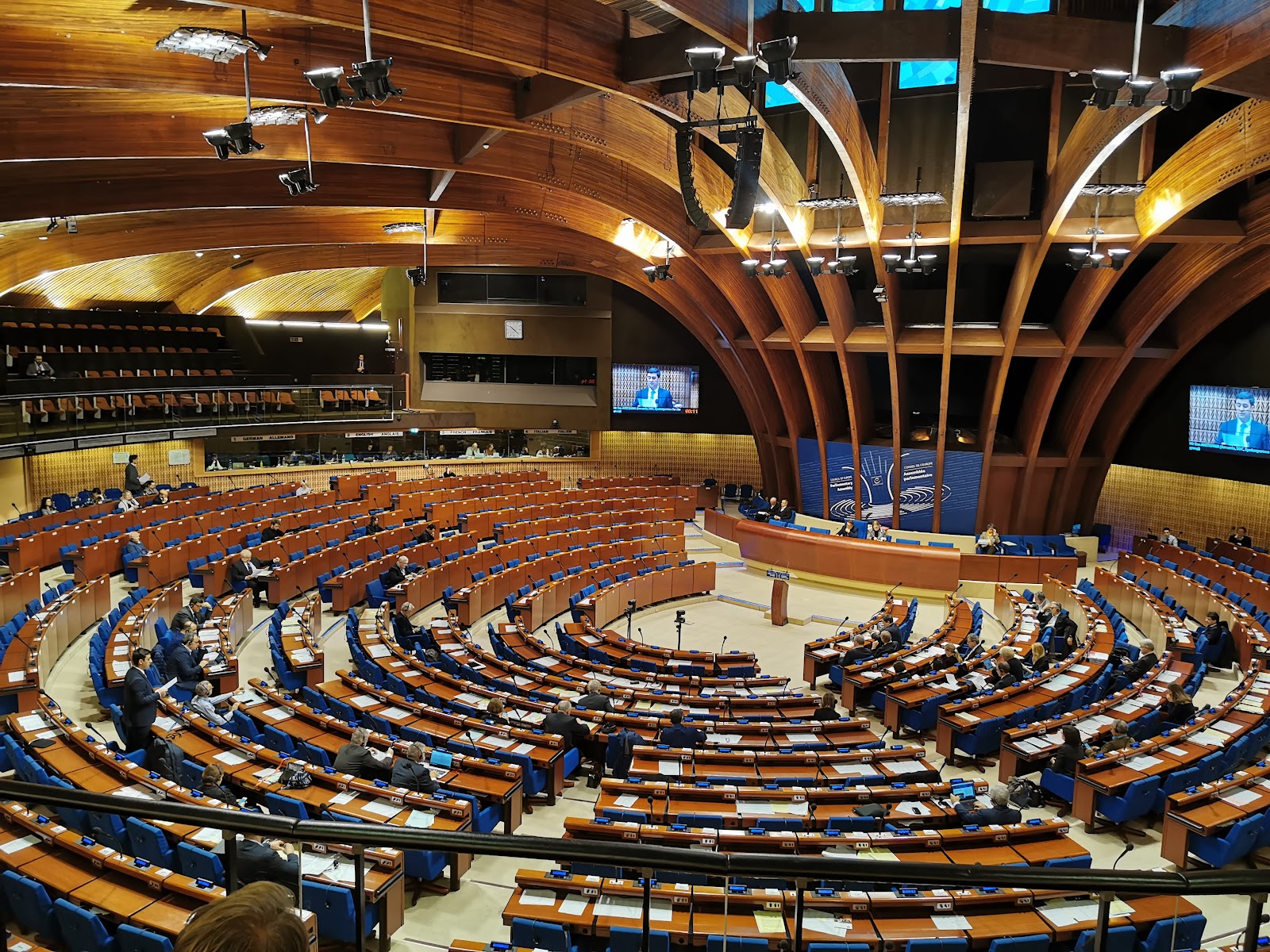
The European Parliament is by no means the only important institution in this city. Right next door stand the imposing building of the Council of Europe and the famous European Court of Human Rights. This whole modern quarter, spread out around the quiet confluence of the Ill and Marne rivers, is architecturally extremely interesting, and just a stroll among these glass palaces will really get you in the mood.
The building of the European Court of Human Rights itself, designed by the celebrated architect Richard Rogers, with its bold shapes resembles two enormous steel ships on the riverbank and ranks among the most remarkable modern structures in all of France. Tours of these specific institutions for individuals are somewhat trickier and often require lengthy prior approval, but even just the view from outside and a walk along the surrounding wide promenades is well worth it.
This whole administrative area is surprisingly densely surrounded by greenery and canals, so the contrast between the strict modern architecture and the calm nature is very strong here. It’s a great place for an afternoon walk when you want to take a break for a while from the sometimes busy historic lanes right in the centre.
11. Grande Île (the first quarter on the UNESCO list)
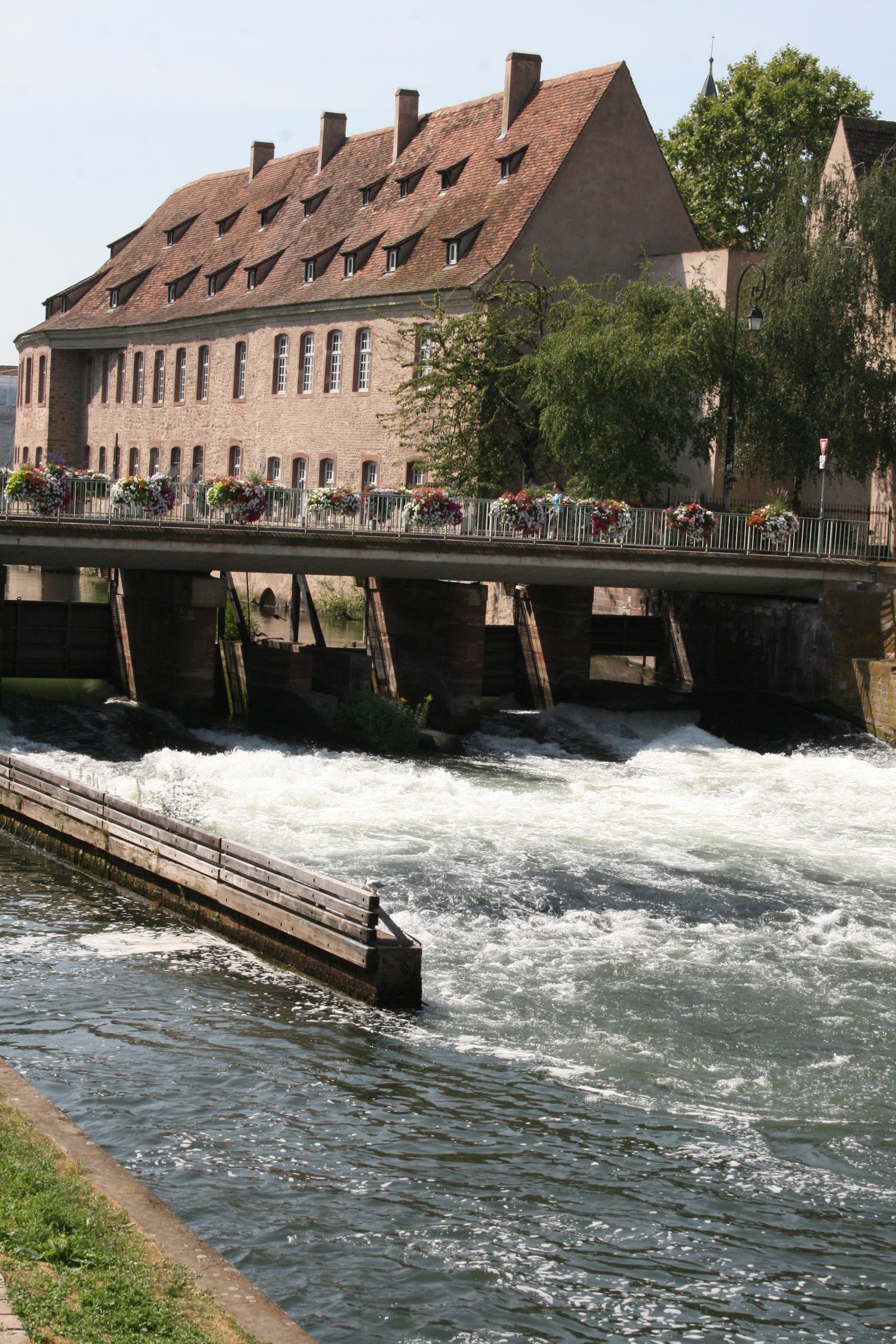
The historic heart of Strasbourg spreads across the beautiful island of Grande Île, lazily encircled by two arms of the Ill river. This island is an absolute world first, because in 1988 it was inscribed on the UNESCO World Heritage list as the very first entire urban quarter in history. It’s no wonder, because the concentration of gorgeous historic monuments in such a small area really is quite exceptional here.
On a slow walk around the island you’ll come across a perfect illustration of how the city evolved seamlessly from the Middle Ages through the Renaissance to tidy Classicism. Houses with unusually tall, steep roofs and lots of dormer windows, which originally served to dry animal hides and store grain, alternate with grand palaces and picturesque hidden little squares. Everything is also connected by a network of narrow cobbled lanes that positively invite you to wander aimlessly and romantically.
The best way to explore the island is simply to set off without a plan. You can’t really get lost here anyway. On every corner you’ll discover some interesting architectural detail, a hidden green courtyard or a little bakery smelling of freshly baked bread. You can comfortably walk around the whole island in one pleasant afternoon.
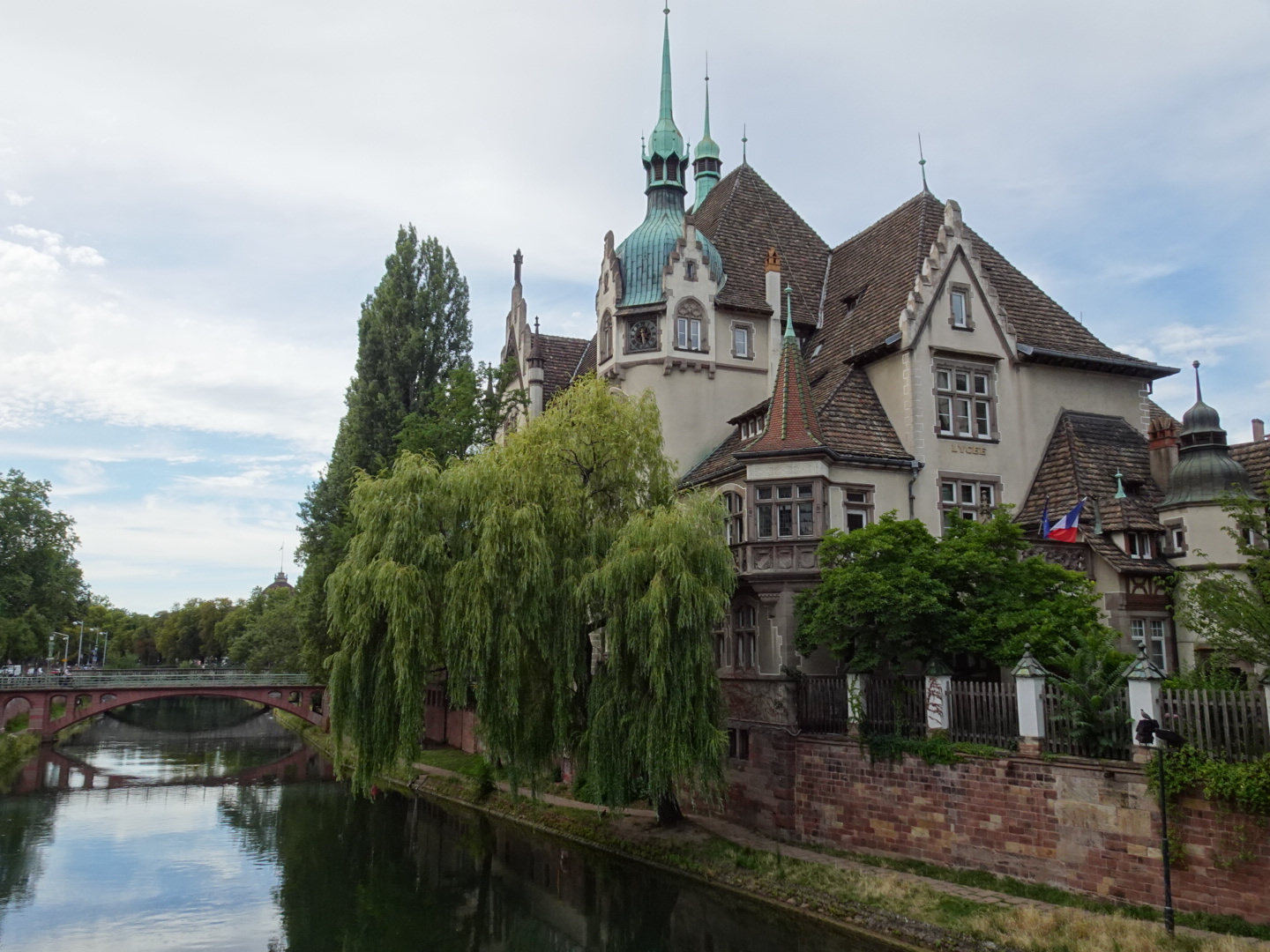
12. Neustadt (the German imperial quarter)
After the city was forcibly annexed to the German Empire at the end of the nineteenth century, the Germans decided to build an entirely new, highly representative quarter to show off their power and immense wealth of the time. And so Neustadt — the New Town — was born, which since 2017 has become a further official extension of the UNESCO inscription. This quarter is an absolute and fascinating contrast to the narrow lanes of the old town.
Here you’ll find huge, extra-wide boulevards lined with tall trees, giant circular squares and monumental public buildings built in a curious blend of Neo-Gothic, Neo-Renaissance and ornate Art Nouveau. The main focal point of this whole grand quarter is Place de la République, with the National Theatre building and the breathtaking university library.
A walk through this quiet quarter perfectly illustrates that often-mentioned dual identity of Strasbourg, as you move from the typically French Middle Ages into textbook German urban planning of the late nineteenth century. Many of the residential buildings here have gorgeous Art Nouveau facades with rich floral decoration that are definitely worth a closer look with your camera in hand.
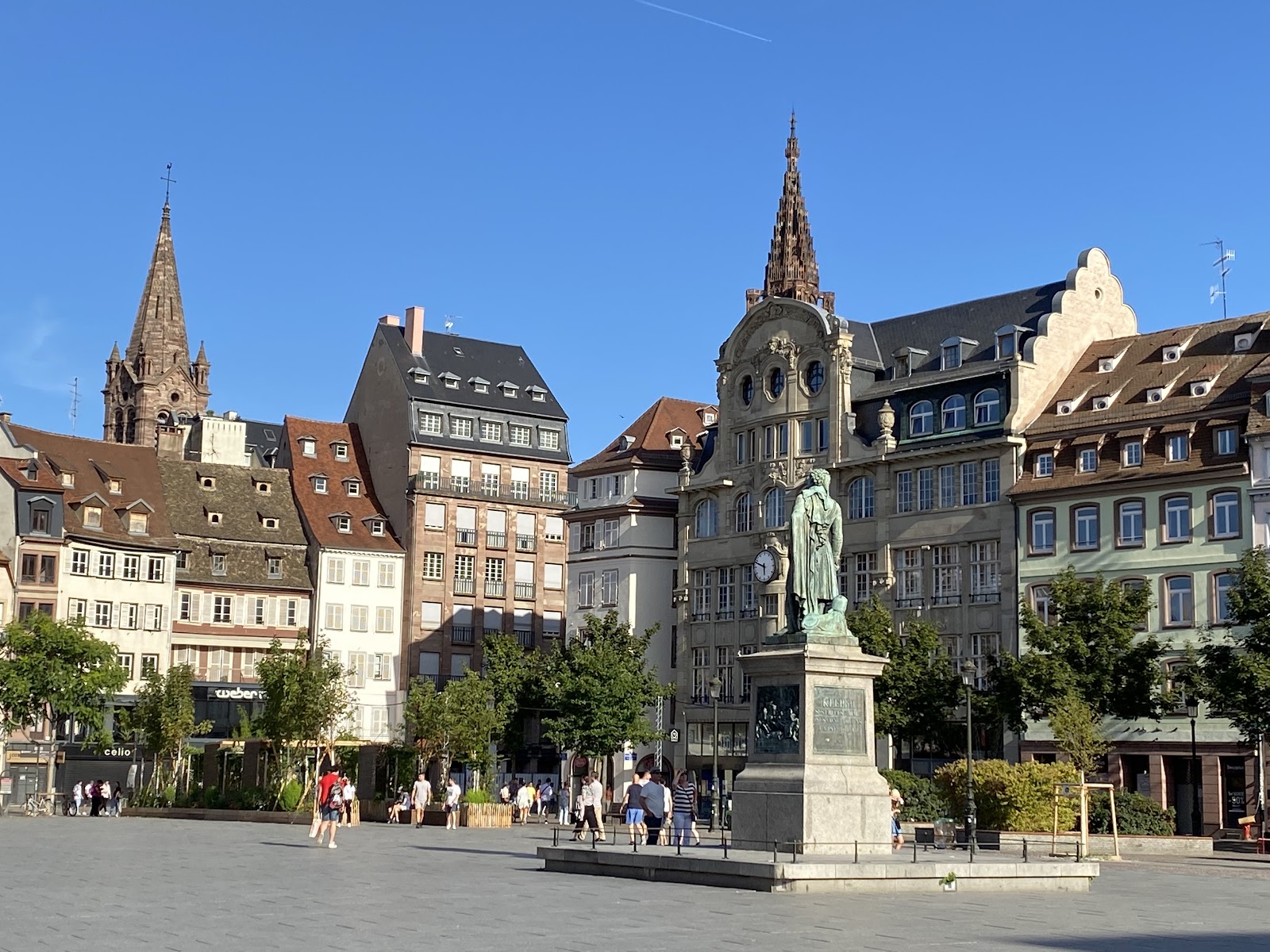
13. Place Kléber
The main and largest square in the whole city centre is Place Kléber, which reliably serves as the natural meeting point for all the locals. The entire huge space works as a sprawling pedestrian zone surrounded by beautiful historic buildings, which today house luxury international brand shops, spacious cafés and renowned restaurants. The square is named after the famous general Jean-Baptiste Kléber, whose bronze statue stands right in the middle and beneath which his actual remains are in fact buried.
This square is genuinely full of unceasing life all year round. Locals come here to shop, to sit down for an afternoon coffee or to watch all sorts of street performers. The most beautiful building on the square is undoubtedly the Aubette, an eighteenth-century Classicist palace that once served as a military guardhouse and today conceals a shopping arcade and historic halls with unique avant-garde decoration from the 1920s.
During Advent the square magically transforms into the absolute centre of the action, because it’s here that a huge, gorgeously decorated Christmas tree is raised with great ceremony, and it’s one of the biggest symbols of the whole city. Outside Advent, too, though, you’ll fully enjoy the great atmosphere of a vibrant, modern European city.
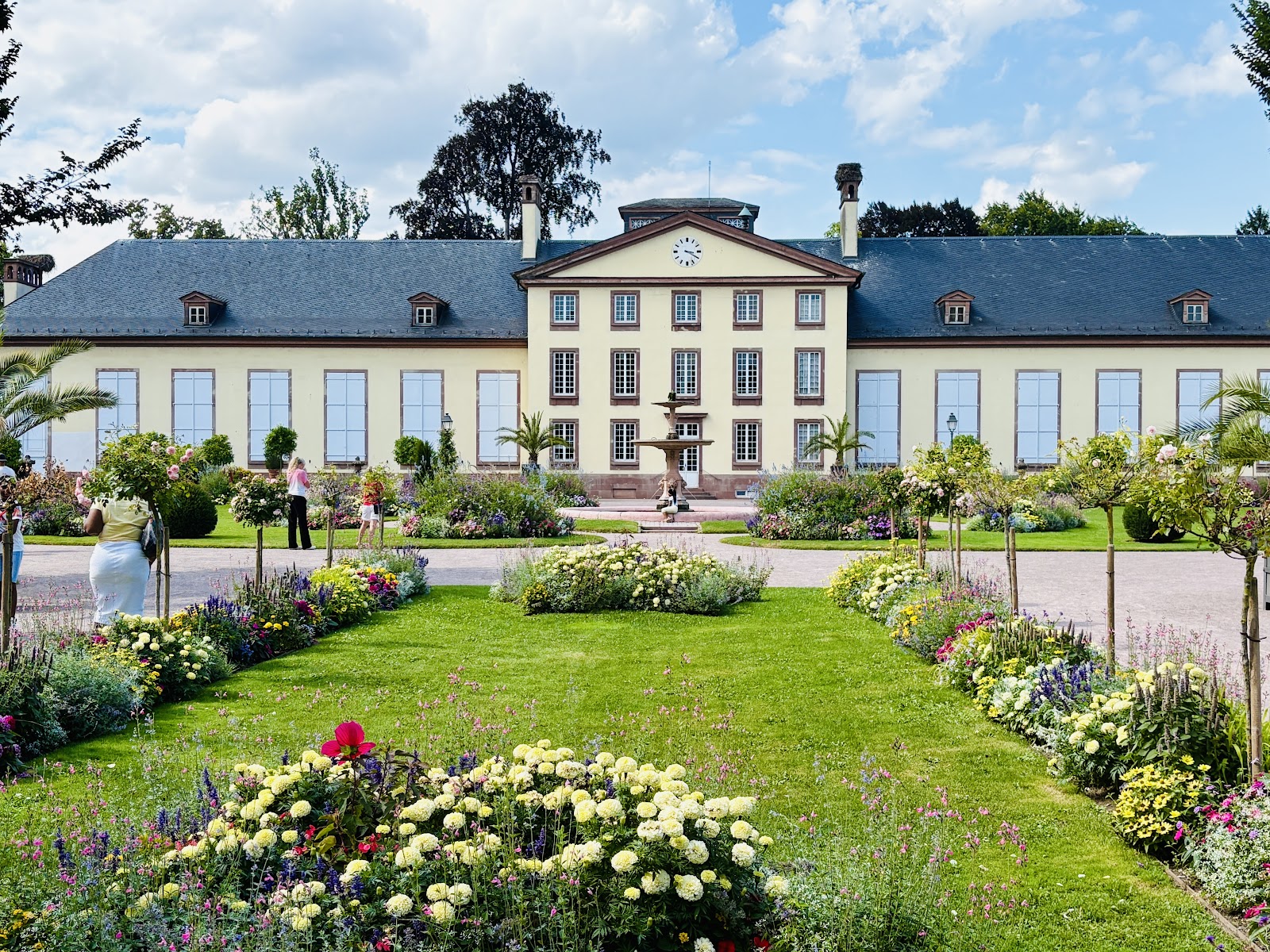
14. Parc de l’Orangerie
If you want to take a break from the noise of the big city for a while and recharge in nature, head to the Parc de l’Orangerie. This stunning park dating from the seventeenth century is the largest and oldest park in the city and sits right beside the modern European quarter. They originally grew rare orange trees here. Who would have thought it would one day become the city’s biggest park.
Today it’s a huge, carefully maintained oasis of greenery with a large lake, where in the warm summer months you can rent a little boat and row across the calm surface of the water. The park is threaded with a dense network of wide sandy paths, and you’ll come across beautiful flowerbeds, babbling fountains and even a small zoo. In the pavilion in the middle of the park there’s also a luxury restaurant with a lovely terrace for a special lunch.
💡 Tip: The park is also home to a huge number of wild storks, the animal symbol of the whole of Alsace. You can freely watch them building their enormous nests high in the crowns of the tall trees, an experience that’s guaranteed to delight not just little children but adult visitors too.
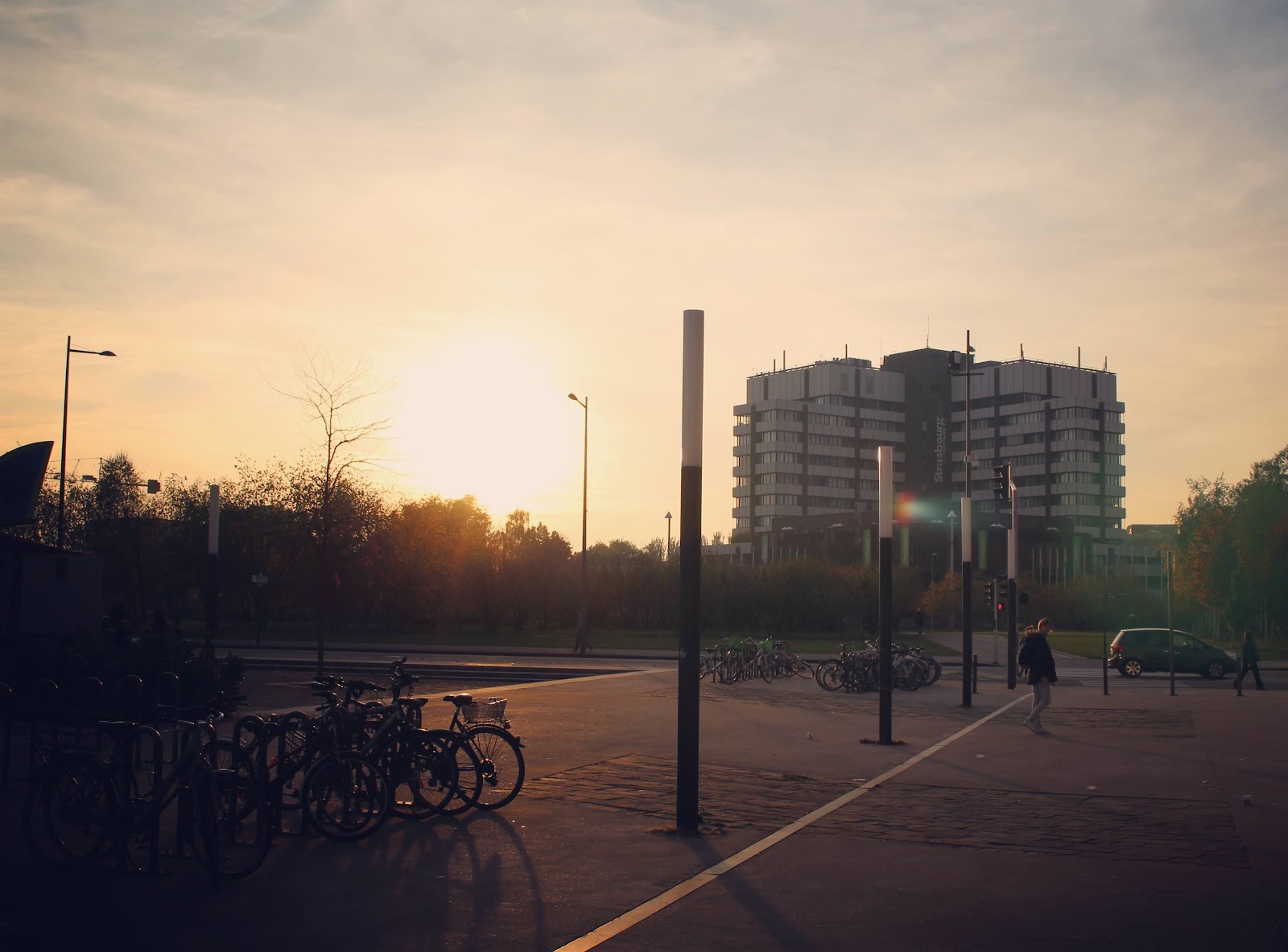
15. Parc de l’Étoile
Another very interesting green space that’s definitely worth a visit is the Parc de l’Étoile. Compared to the classic, strictly symmetrical French style of the Orangerie, this space is designed in a much more relaxed and modern way. You’ll find sprawling grassy hills, wooden footbridges and wide paths lining the canals, which makes it an immensely popular spot for picnics and afternoon relaxation among students from the nearby university.
One of the park’s main artistic highlights is the bronze statue of Mahatma Gandhi, officially gifted to the city by the Indian government as a lasting symbol of peace and non-violence. The park works as a great green link between the historic city centre and the more modern southern quarters, and thanks to the many benches dotted around it offers a very pleasant place to rest.
The whole space is also very popular with local cyclists and runners, because from here you can smoothly join up with the extensive network of well-kept cycle paths that run along the canals far beyond the city limits. If you’re planning to rent a bike in the city, I definitely recommend starting your ride right here.
16. Palais Rohan
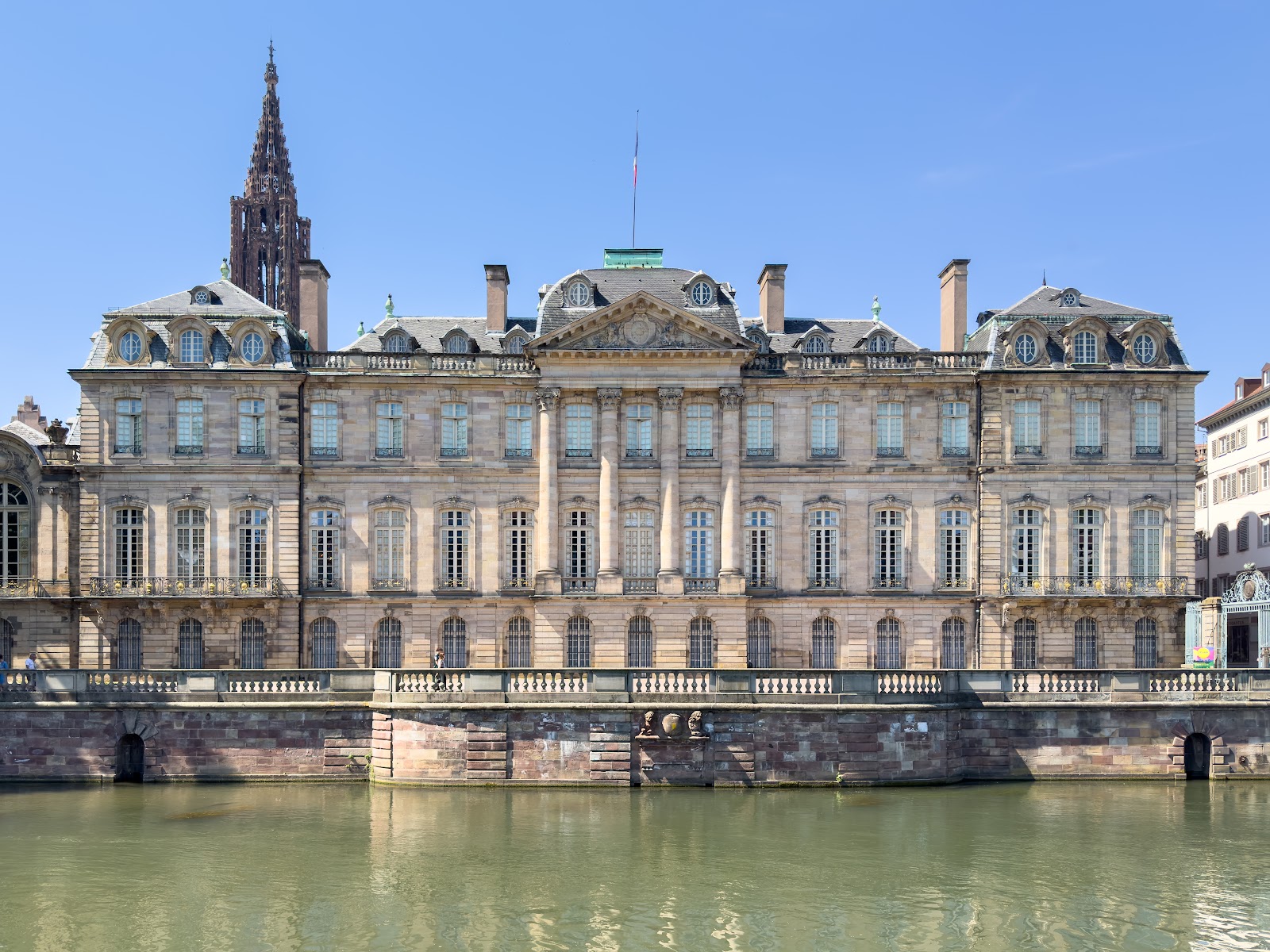
Just a short walk from the main cathedral rises the majestic Palais Rohan, a gorgeous and expansive eighteenth-century Baroque palace that once served as the grand residence of the Strasbourg bishops from the very influential Rohan family. This stunning building is often compared for its beauty to the palaces of Paris, and its noble facade reflected in the waters of the Ill is one of the absolute most beautiful sights in the city.
Today this huge palace is home to three important city museums, so all lovers of art and deep history will certainly find something for them here. On the ground floor sits the Museum of Decorative Arts with its beautifully preserved original episcopal chambers, in the basement you’ll find the extensive Archaeological Museum, and on the first floor the Museum of Fine Arts with an impressive collection of classical European painting.
Even if you’re not exactly a big fan of long, demanding museum tours, at least have a look at the central courtyard — entry is free and the facade is worth it. Here you can calmly admire the perfect symmetry and incredible ornamentation of classic French palace architecture.
17. Strasbourg Museum of Modern and Contemporary Art (MAMCS)
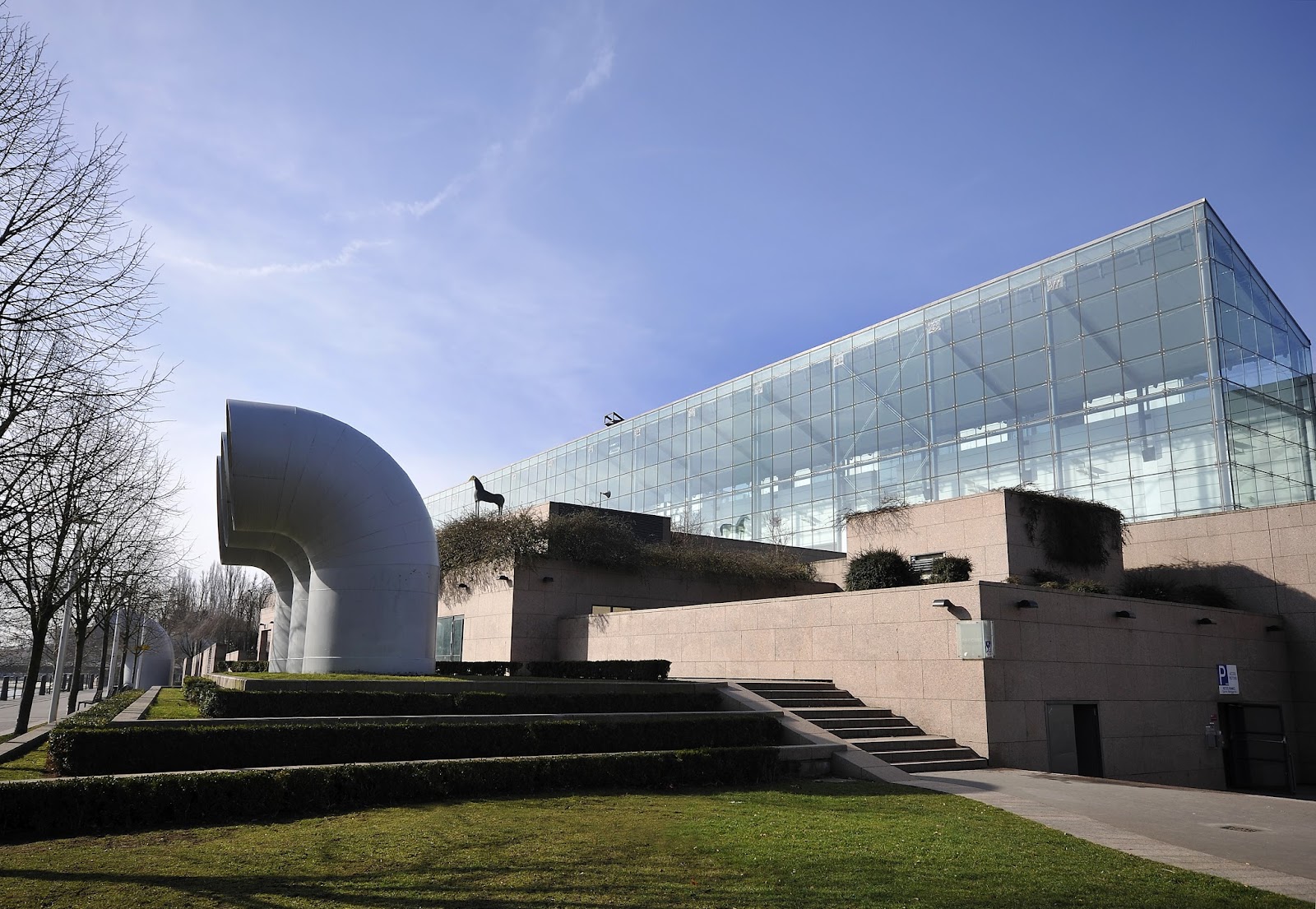
For all lovers of somewhat more modern art, a visit to the Museum of Modern and Contemporary Art, which the locals call MAMCS for short, is an absolute must. The building of this museum is already a big architectural experience in itself. It’s a huge glass structure sitting right on the riverbank, forming a fantastic and very photogenic visual contrast with the nearby historic Petite France quarter.
Inside, genuinely extensive art collections from the end of the nineteenth century right up to the present day await you, including a very rich collection of modern photography and graphic art. Here you’ll find works on display by famous masters such as Kandinsky, Picasso and Monet, but there’s also generous space devoted to contemporary spatial installations and promising local Alsatian artists.
💡 Tip: After a long tour of the exhibitions, definitely don’t miss a visit to the museum café on the open rooftop terrace. It offers one of the most beautiful and least tourist-known views of the historic centre and the towers of the Ponts Couverts, and all in complete peace far from the main tourist crowds in the streets below you.
18. Musée Alsacien
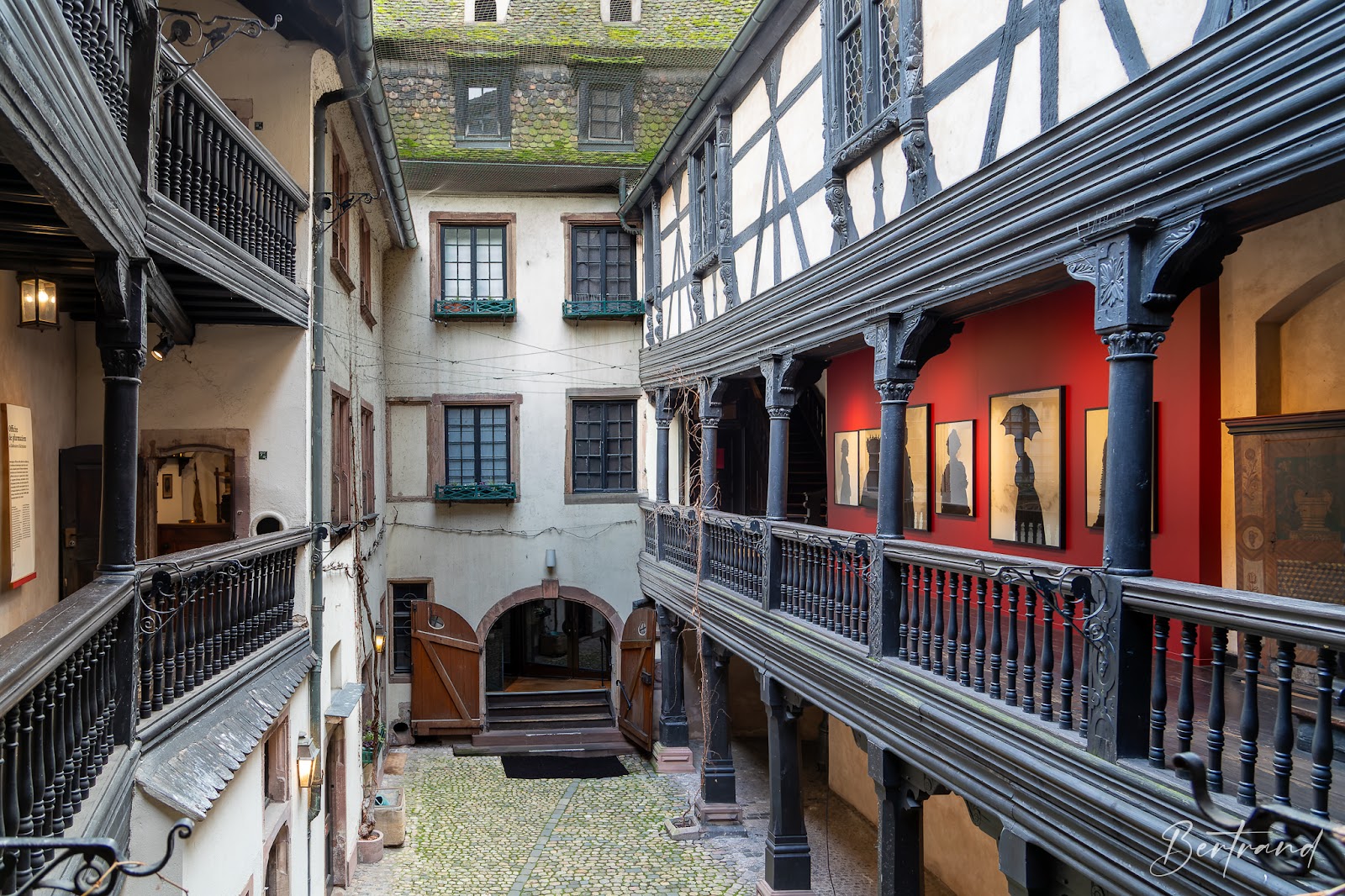
If you want to really get deep into the soul of this region, visit the Musée Alsacien first. It’s set in several interconnected historic half-timbered houses and beautifully maps traditional Alsatian folk life, rural customs and period crafts. Everything is set in a completely authentic and slightly labyrinthine historic environment full of creaking wooden stairs.
Thanks to it you’ll get great context for what you then see out in the streets, and you’ll better understand how people actually lived here. You’ll learn which crafts dominated the area, you’ll see the typical folk costumes, and the surrounding architecture will suddenly make even more sense.
Where to go next from Strasbourg
Strasbourg works as the absolutely ideal base for exploring all of Alsace. In under an hour’s drive you’ll reach fairy-tale villages that look like sets from a period film. If you have a car, be sure not to miss our route in the article The Alsace Wine Route: 12 most beautiful villages, where we describe in detail the stops along the way through towns like Riquewihr and Kaysersberg.
The capital of Alsatian wine is definitely worth a separate visit — we’ve written all about it in our guide to Colmar, France. It’s a smaller and even more concentrated version of Strasbourg, with a stunning quarter known as Little Venice.
When you’re looking for more inspiration for trips in the area, you might spot the Écomusée d’Alsace or the MM Park military museum on the maps, but don’t be fooled. The Écomusée lies in Ungersheim about sixty kilometres from the city, and you’ll find MM Park in the village of La Wantzenau, so both places call for more of a half-day to full-day trip by car and are definitely not within walking distance of the city centre.
If you’re planning wider exploration of the land of cheese and wine, take a look at our France road trip: a 14-day itinerary, where you’ll find plenty of practical tips for the long drives. And if you do decide to head out at the end of the year, don’t forget to check out our special on the Strasbourg Christmas markets.
Frequently asked questions
When are the Christmas markets held in 2026?
In 2026, the famous Advent markets run from Friday, November 27th to Sunday, December 27th. They are spread across eleven different locations throughout the historic Grande Île district, with the most famous and largest ones found at Place Broglie and the main square, Place Kléber.
How does the Park and Ride system work?
It’s by far the smartest way to get into the city stress-free. You pay a one-time, very affordable fee for all-day parking at a Park and Ride lot on the edge of the city. For this price, all passengers from your car automatically receive a return tram ticket straight to the center. This saves you a lot of money on expensive underground parking garages and nerves navigating narrow one-way streets.
How many days should I allow for visiting the city?
To truly soak up the relaxed atmosphere and see all the main sights without unnecessary stress, I recommend setting aside two to three full days. If you’re planning to visit the local museums or the European Parliament facilities, three days will be absolutely ideal.
Are tours of the European Parliament charged?
No, public tours and entry to the modern interactive center Parlamentarium Simone Veil are completely free for all visitors. However, you must have a valid form of ID such as an identity card or passport with you, and expect delays at the strict security checks at the entrance.
What’s the best way to get around the city center?
The historic heart on the Grande Île island is quite compact and is best explored on foot. For longer trips, such as to the European Parliament or more distant parks, I recommend using the excellent tram system, which has six lines reliably covering the entire city.
Is Strasbourg an expensive city?
It depends entirely on when you go. During the Advent market period, accommodation prices in the center skyrocket to astronomical heights. However, if you visit outside December, for example in January or February, hotel prices drop to a fraction and the city is completely comparable in price to other typical European destinations.
Is the city suitable for vegetarians?
Absolutely. Although Alsatian cuisine is known for its meaty dishes, vegetarians definitely won’t go hungry here. In every restaurant you’ll find excellent cheese spaetzle, bakeries offer traditional bretzel, and everywhere you’ll find a meatless version of the crispy tarte flambée with cheese and mushrooms.
Which spots are best for photography?
The most iconic postcard photos are guaranteed from the viewing terrace on the historic Barrage Vauban dam, which offers beautiful views of the stone Ponts Couverts bridges and the majestic cathedral tower. Other very photogenic spots are located along the water canals in the historic Petite France quarter.
Tips and Tricks for Your Vacation
Don’t Overpay for Flights
Search for flights on Kayak. It’s our favorite search engine because it scans the websites of all airlines and always finds the cheapest connection.
Book Your Accommodation Smartly
The best experiences we’ve had when looking for accommodation (from Alaska to Morocco) are with Booking.com, where hotels, apartments, and entire houses are usually the cheapest and most widely available.
 🚗 Car rental on the roadVerified rental cars in France
Search with the DiscoverCars comparison engine — it compares prices from dozens of local and international rental companies, and most bookings come with free cancellation.
Compare car prices in France →Don’t Forget Travel Insurance
Good travel insurance will protect you against illness, accidents, theft, or flight cancellations. We’ve had a few hospital visits abroad, so we know how important it is to have proper insurance arranged.
Where we insure ourselves: SafetyWing (best for everyone) and TrueTraveller (for extra-long trips).
Why don’t we recommend any Czech insurance company? Because they have too many restrictions. They set limits on the number of days abroad, travel insurance via a credit card often requires you to pay medical expenses only with that card, and they frequently limit the number of returns to the Czech Republic.
Find the Best Experiences
Get Your Guide is a huge online marketplace where you can book guided walks, trips, skip-the-line tickets, tours, and much more. We always find some extra fun there!


