

Travel to the UK, and plenty of people automatically think of London — but if you’re after a destination with incredible industrial charm and a rich musical history, Manchester, England, definitely deserves a spot on your radar. This is the city where the Industrial Revolution was born, where legendary bands like Oasis and The Smiths came to life, and where culture and sporting passion greet you at every turn.
The biggest draw for travellers is undoubtedly the fact that most of Manchester’s major museums and galleries are completely free, which is a huge contrast to the often pricey capital. You can explore fascinating history, art and technical inventions without putting any strain on your travel budget.
In this guide you’ll find exactly twenty tips for making the most of this vibrant northern English city. I’ll show you where to base yourself strategically, how to use local transport efficiently, and which pitfalls to watch out for so you don’t miss the most interesting places.
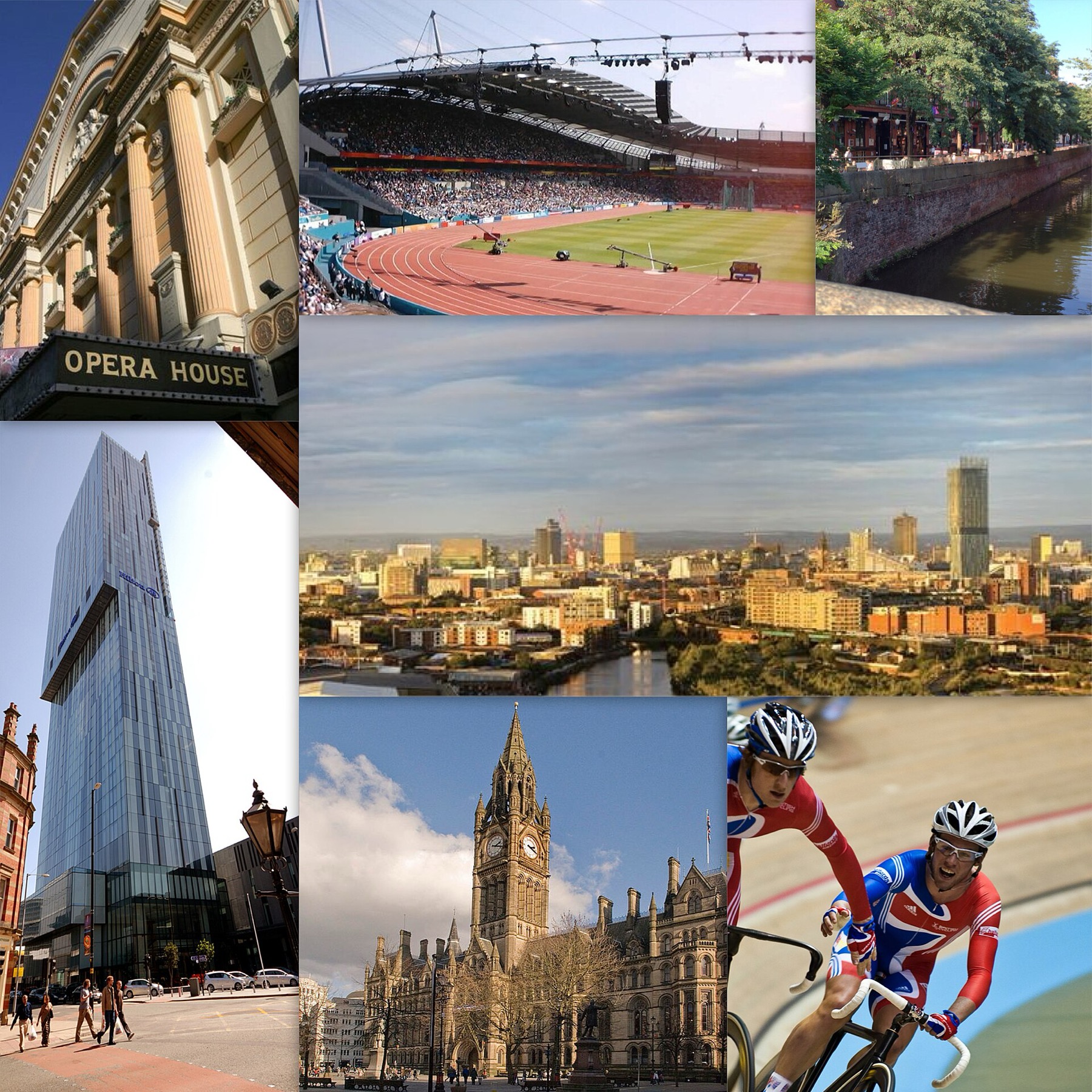
TL;DR
- Museums won’t dent your wallet: the Science and Industry Museum, Manchester Art Gallery and the People’s History Museum are all completely free.
- Mind the days of the week: the stunning John Rylands Library looks straight out of Hogwarts, but it stays firmly closed to visitors from Sunday to Tuesday.
- Independent culture paradise: the Northern Quarter is packed with amazing street art, great cafés and vintage shops that echo London’s Camden Market.
- Football fever: the city is home to two global giants, and both Old Trafford and the Etihad offer fascinating behind-the-scenes tours.
- A green industrial oasis: a stroll along the canals in Castlefield offers the perfect contrast between Roman ruins and old red-brick factories.
- Great food for everyone: the historic Mackie Mayor market is a perfect lunch spot for meat lovers and committed vegans alike.
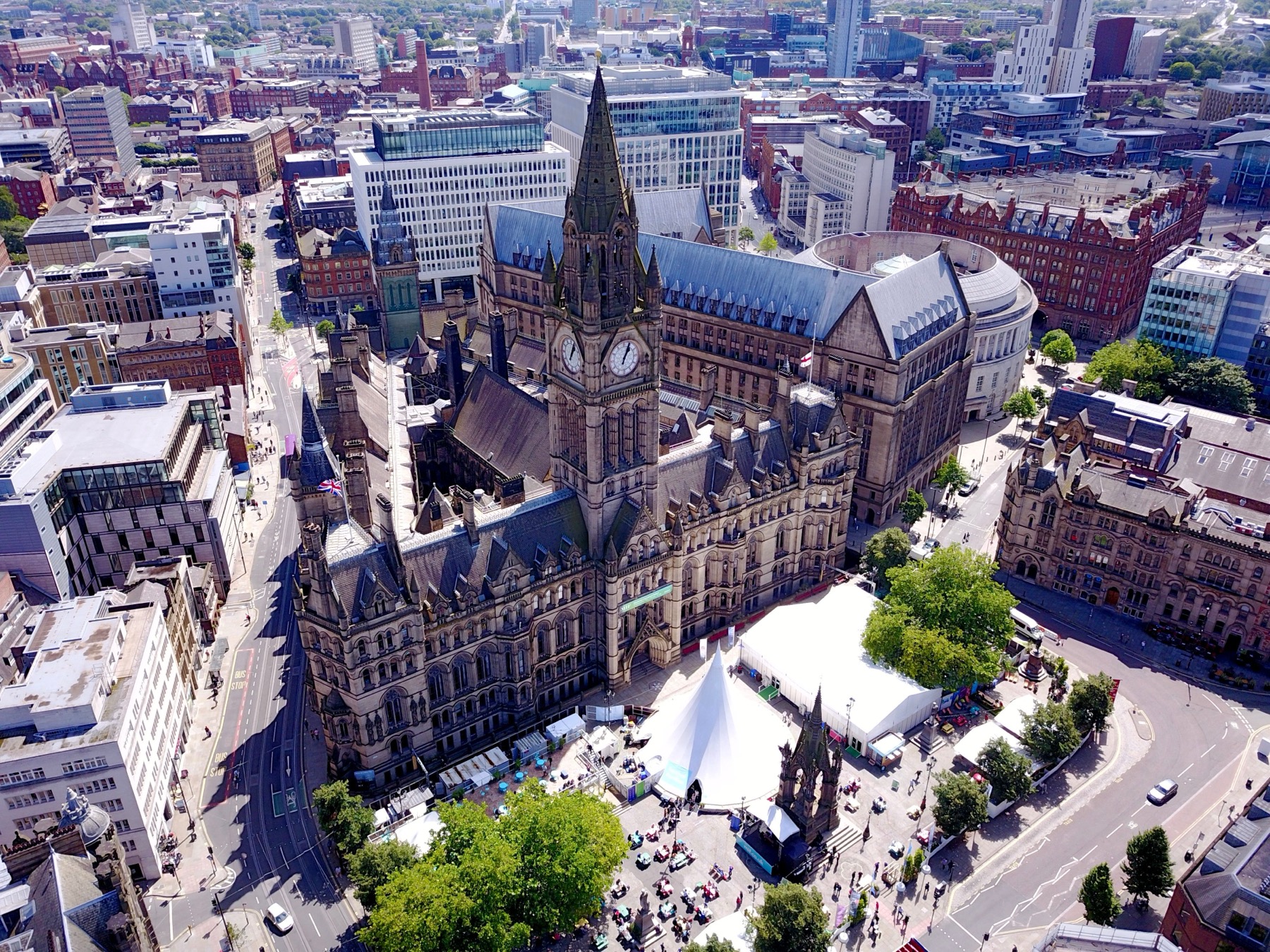
When to visit Manchester
The weather in north-west England is famous for being unpredictable, so you should expect rain showers pretty much any time of year. The warmest and sunniest months come between June and August, when afternoon temperatures climb to a pleasant twenty degrees and the city comes alive with all sorts of outdoor festivals. In summer you’ll find a fantastic atmosphere full of beer gardens and picnics in the parks, but you’ll have to accept more tourists and higher prices on both flights and hotels.
If you want to avoid the biggest crowds while still enjoying fairly reasonable accommodation prices, spring or early autumn are the ideal choice. During these months you’ll reach for a sturdy umbrella and a waterproof jacket a little more often, but in return you’ll be rewarded with beautifully coloured parks and a much calmer atmosphere in all the big museums. What’s more, in spring the city wakes up to life, while autumn mists lend the local industrial architecture just the right kind of mysterious magic.
For sports fans, the football season, which runs from August to May, plays an absolutely key role in planning. On weekends when United or City play at home, the city is literally packed with fans from all over the world. That naturally brings an amazing sporting atmosphere to local pubs, but also significantly pricier hotels that sell out very quickly. If football isn’t your thing, it’s best to check both teams’ fixture calendars before booking flights and steer clear of the big matchday weekends. ☺️
The winter months have their charm too, especially if you love a festive atmosphere. From mid-November the city centre, particularly around Albert Square, transforms into huge and beautifully lit Christmas markets. They’re among the biggest and most popular in the whole of the UK. Just bear in mind that it gets dark early and temperatures hover just a few degrees above zero, so you’ll often find yourself ducking into cosy cafés or warming up with a hot cup of tea.
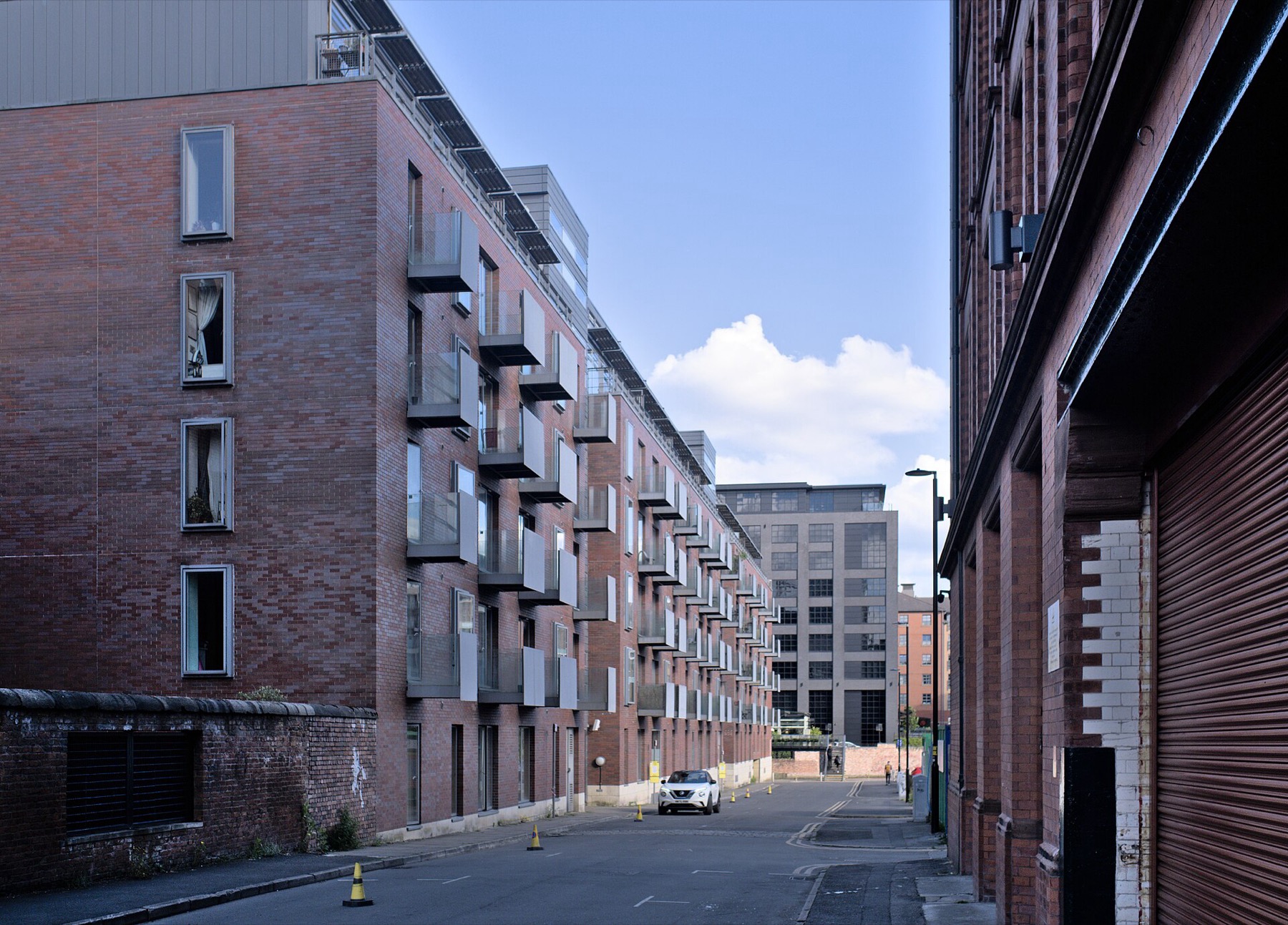
Where to stay in Manchester
💡 Tip: You can compare accommodation options in Manchester all in one place — check availability and prices in Manchester. It pays to book ahead, as the best value-for-location deals disappear first.
💡 Tip for accommodation and experiences: We prefer to look for accommodation on Booking.com, which usually has the best cancellation terms. For tickets, tours and activities, it’s worth comparing and booking through GetYourGuide.
Choosing the right neighbourhood for your stay mostly comes down to the kind of atmosphere you’re after and exactly what you plan to do. The bohemian Northern Quarter is ideal for lovers of nightlife, independent shops and live music, while the busy Deansgate forms the city’s main axis, from where you can walk to almost every major landmark. If you’re after a quieter, family-friendly environment and don’t mind hopping on a tram, look for accommodation in the Didsbury district, which has more of a village, laid-back character.
If, on the other hand, you’re after modern industrial elegance, focus on the dynamic Ancoats district. Here the former giant cotton mills have been converted into luxury apartments, craft microbreweries and hugely stylish, highly rated restaurants. The Spinningfields district, meanwhile, has more of a business feel with modern glass architecture and quality bars, while the historic Castlefield tempts you with greenery everywhere, waterways and generally much calmer evenings.
For a comfortable stay, I recommend booking your accommodation well in advance through Booking.com, especially during football matches or summer music festivals, when prices shoot up steeply. Here are a few specific tips:
- The Edwardian Manchester is the absolute pinnacle of luxury five-star accommodation, set in the historic Free Trade Hall building near Deansgate. Guests can enjoy beautiful, spacious rooms, two top-class restaurants and an extensive spa with a pool where you can relax perfectly after a full day on your feet.
- Hilton Manchester Deansgate occupies the iconic glass Beetham Tower and offers unbeatable views across the whole city. It has a great strategic location right on the main axis, so you’ll be close to both the shops and the train station.
- The Cow Hollow Hotel is a fantastic boutique hotel right in the pulsing heart of the Northern Quarter. It offers just sixteen stylish rooms in a sensitively restored Victorian textile warehouse, giving it an incredibly intimate and homely atmosphere.
- Hampton by Hilton Manchester Northern Quarter is a great choice for travellers looking for clean, modern and affordable accommodation. It’s a short walk from the Shudehill transport hub and includes a genuinely generous and tasty breakfast in the price of your stay.
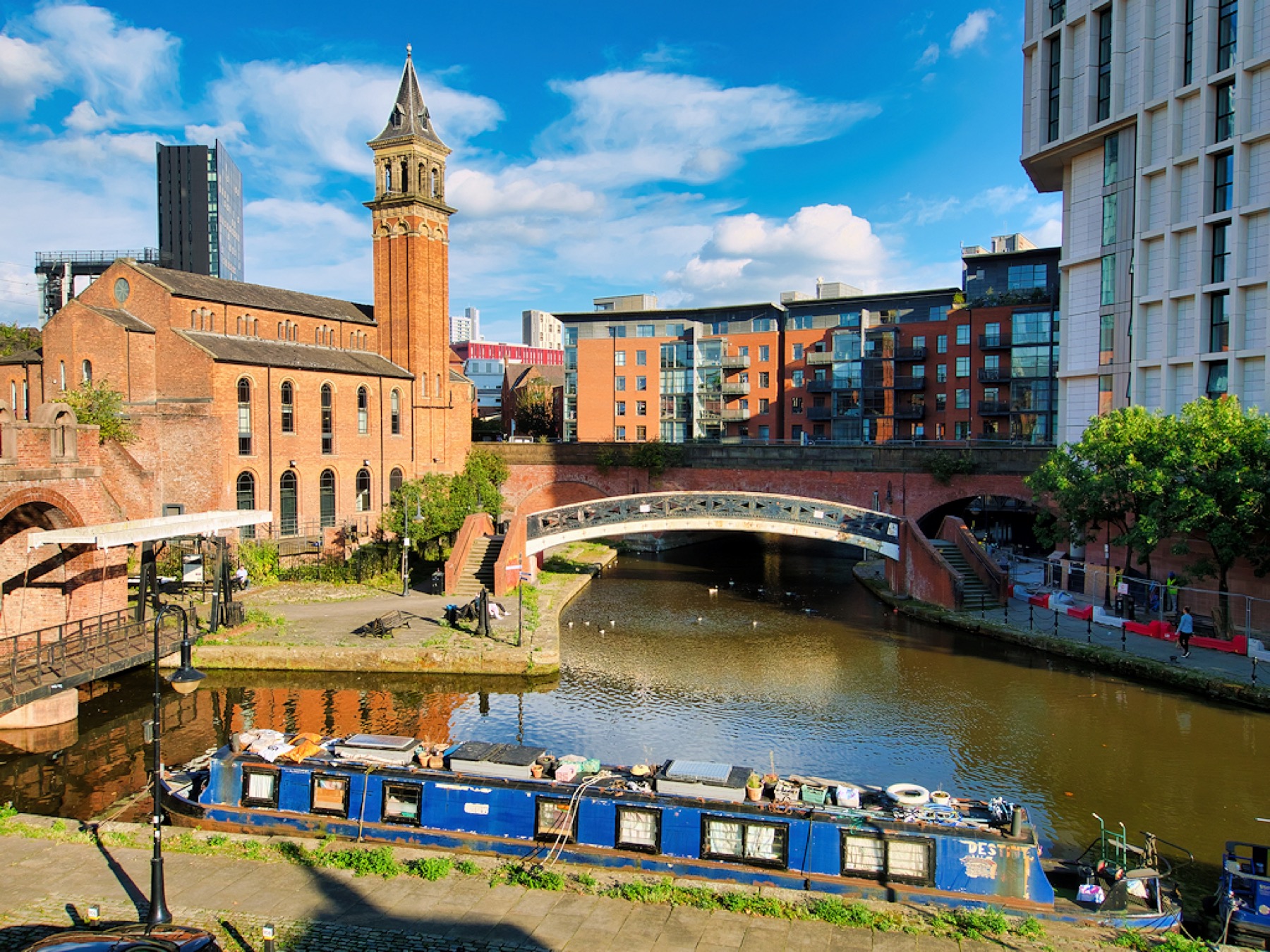
You’ll find a detailed comparison of neighbourhoods and specific hotels in our separate article Where to stay in Manchester, with 12 tips ranging from Travelodge to five-star luxury, including approximate prices.
20 things to see and do in Manchester, England
Let’s take a look together at the best activities and places you definitely shouldn’t skip when visiting this northern English gem. The city offers an incredible mix of history, music and modern art that’s guaranteed to keep you busy for several days.
1. John Rylands Library
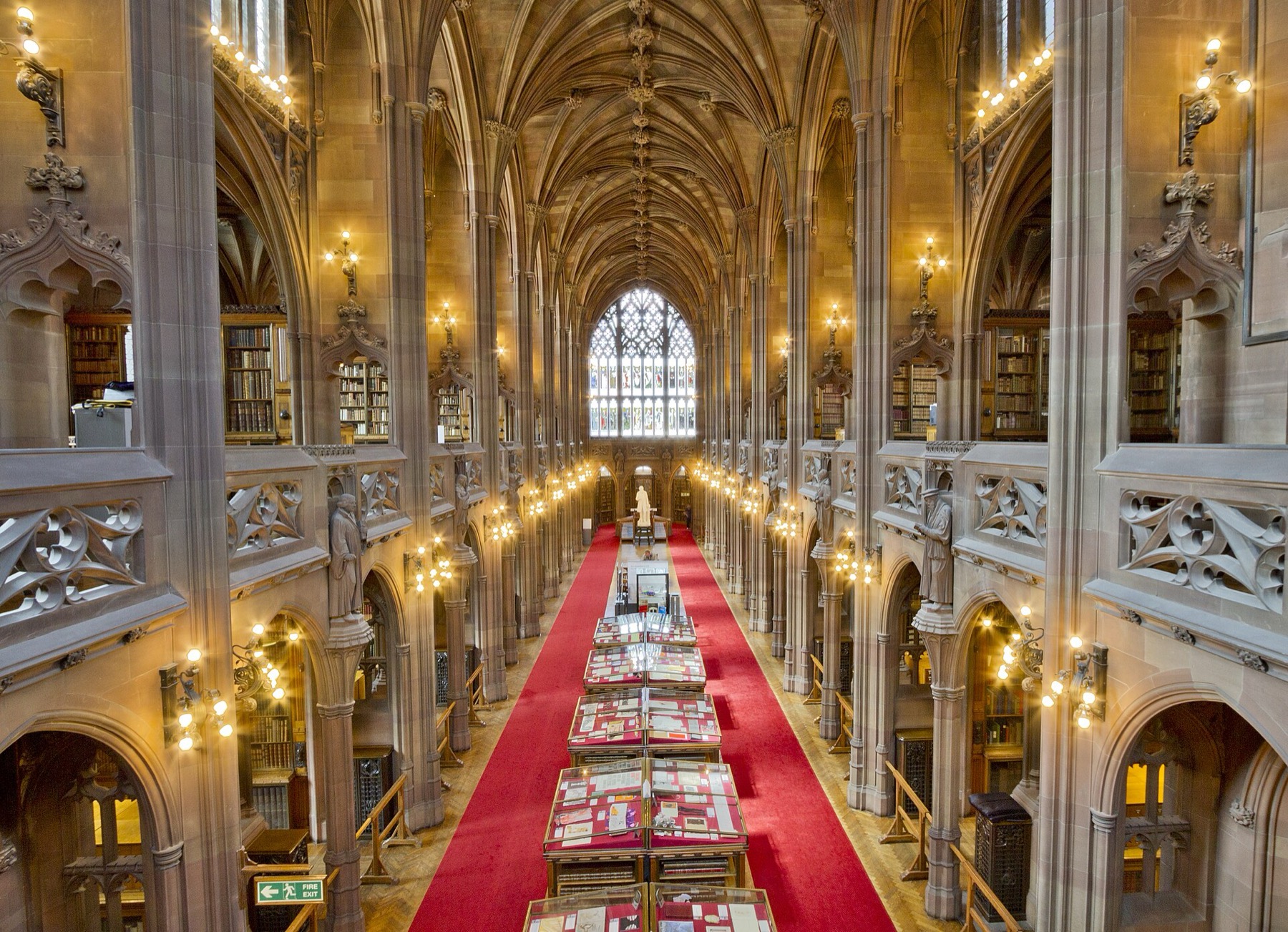
This neo-Gothic gem looks as though it came straight out of the Harry Potter films, and its stunning architecture with high vaults and stained-glass windows will amaze you the moment you step inside. You’ll find the library right on the busy Deansgate thoroughfare, but once you push through the heavy doors, you’ll find yourself in a completely different, perfectly silent world. Inside you can take a close look at rare historical prints, among them fragments of the oldest surviving New Testament and even a rare Gutenberg Bible.
Set aside roughly 60 to 90 minutes for a full tour of the historic building and any current exhibitions, so you can soak up the magical atmosphere calmly and without rushing. Entry to the library is completely free and requires no prior reservation, which makes it an ideal stop during an afternoon stroll through the city centre. You don’t need to worry about long queues either, as the interior is genuinely huge and visitors spread out nicely.
💡 Tip: Pay very close attention to the opening hours, because the library is uncompromisingly closed on Sunday, Monday and Tuesday. Sadly, plenty of tourists get caught out by this detail when planning their itinerary and then stand disappointed in front of a locked gate. It would be a huge shame to miss this architectural gem, so plan your visit for the second half of the week.
2. Science and Industry Museum
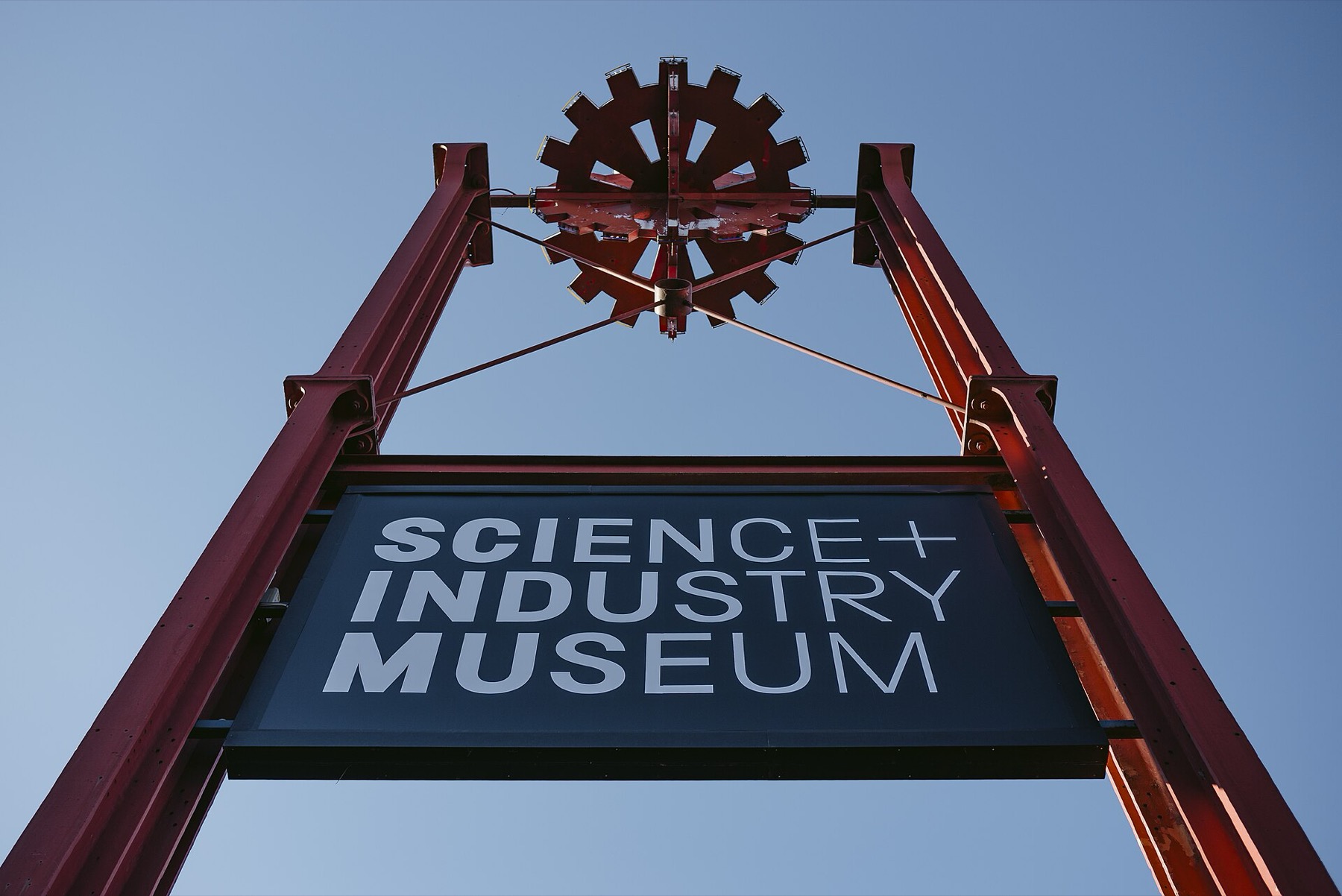
This sprawling, fascinating complex stands on the site of the oldest surviving passenger railway station in the world, on historic Liverpool Road. The exhibits take you on an incredibly varied journey, from the days of the first steam engines and the boom of the textile industry to modern technology and the early computing that shaped today’s world. You’ll see enormous cotton-processing machines that once made the city an industrial powerhouse nicknamed Cottonopolis.
For families with children, it’s an absolute paradise, because the museum offers a huge number of interactive elements where visitors young and old can experience the basic laws of physics first-hand. The exhibitions are also regularly refreshed and expanded, so even on a repeat visit you’ll always discover something new and hugely interesting for all generations.
Like the vast majority of the city’s major cultural institutions, this museum offers free admission for all visitors. A voluntary donation towards the upkeep of the historic machines and buildings is always very welcome at the entrance, of course, but no one will pressure you into it. Set aside at least two to three hours for a thorough tour of all the halls.
3. National Football Museum
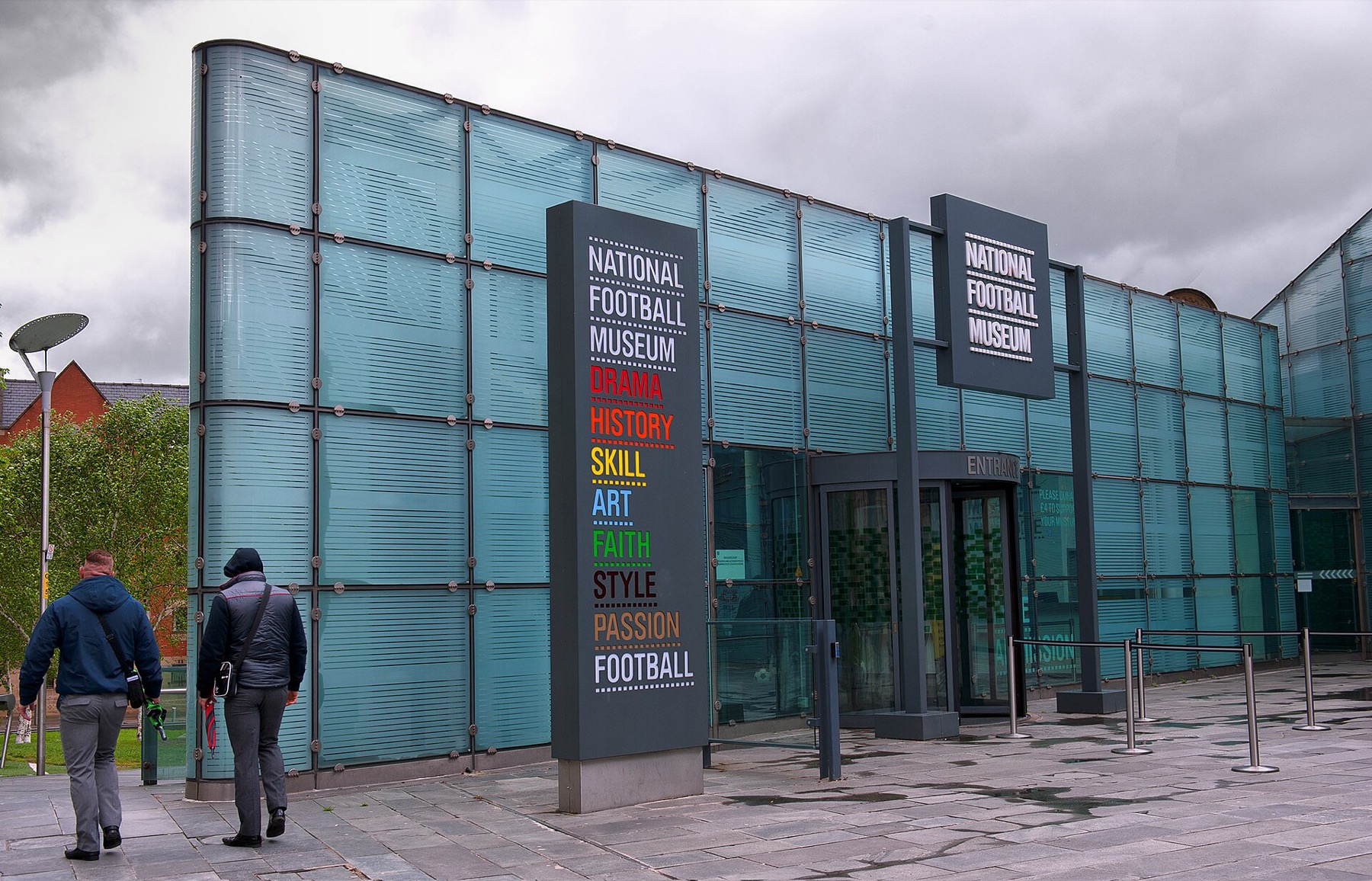
Football is as inseparable from this northern English city as its red bricks, which is why the striking glass Urbis building houses the largest football museum in the entire world. Four floors of this modern structure are literally packed with sporting history, from the first written football rules to legendary moments of the England national team and unforgettable club triumphs. Whoever you support, this place will draw you in.
Here you can see original shirts, famous trophies, the ball from the 1966 World Cup final and a huge collection of personal items belonging to football legends throughout the sport’s history. The most fun part is the various interactive games, where you can try your hand at commentating on a big match, taking accurate shots on goal or even mastering quick passing techniques. 😅
Unlike the city’s other big museums, there’s usually an entrance fee here, with a standard adult ticket costing around £14. I’d definitely recommend buying tickets online well in advance, as long queues form at the ticket desks on rainy weekends and the price at the door tends to be a little higher.
4. Manchester Art Gallery
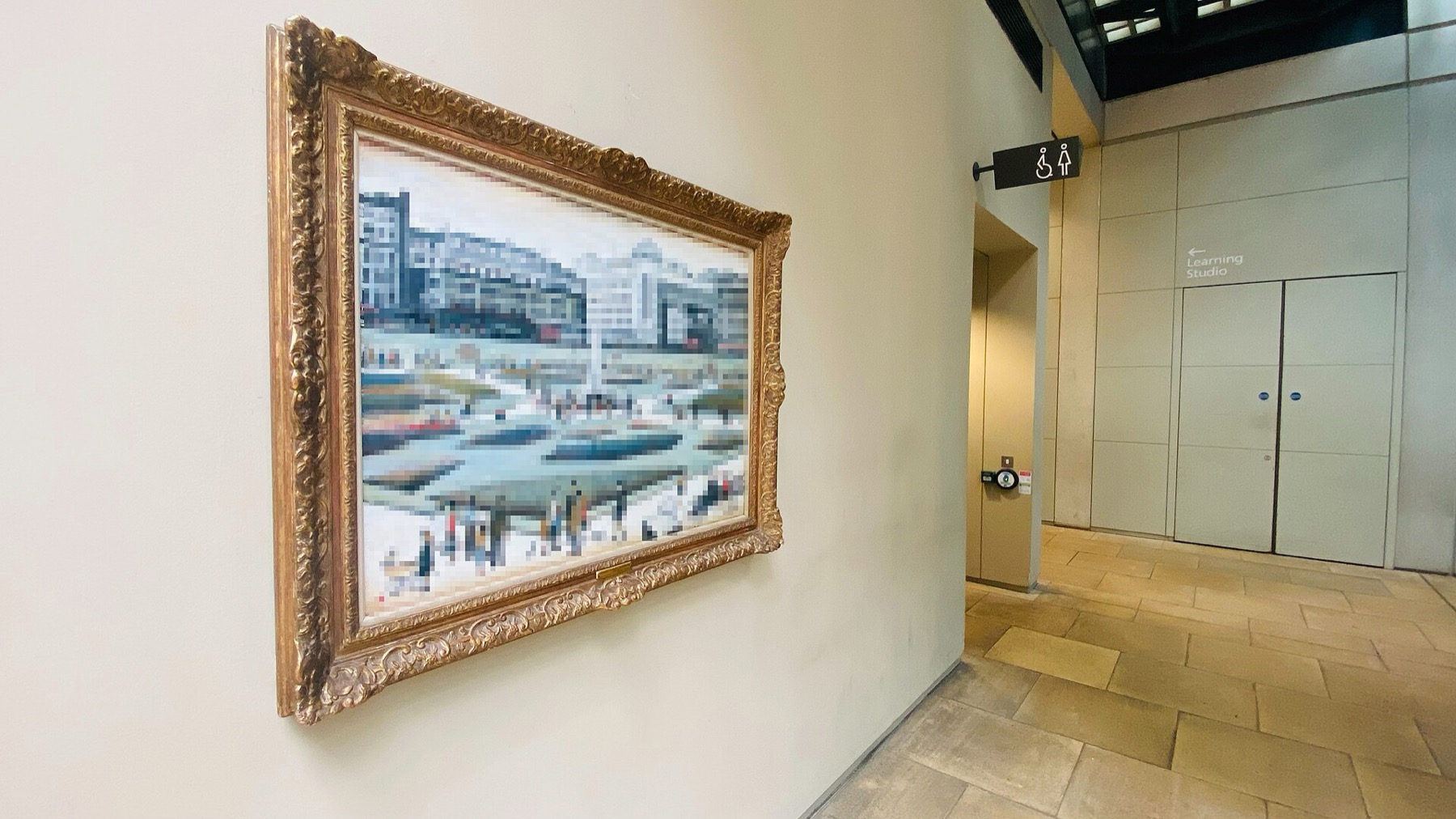
Right in the busy heart of the city on St Peter’s Square stands an elegant neoclassical building that hides one of the finest and most comprehensive art collections in the country. The city gallery boasts extensive exhibits that engagingly chart British and world fine art across several centuries, so every culture lover will find something here.
The greatest pride of this esteemed institution is its world-famous collection of Pre-Raphaelite paintings, but you’ll also find beautiful examples of modern British art, applied design and wonderful exhibitions of historical clothing that transport you back in time. The space is laid out in a very airy, well-lit way, so even with a larger number of weekend visitors the gallery never feels cramped or unpleasant.
The gallery is open to the public every day from Tuesday to Sunday, and there’s no entrance fee, which gives you a great excuse to pop in for just an hour and soak up a little culture. Inside you’ll also find an excellent café where you can sit down for a good cappuccino and a fresh slice of cake before continuing your exploration of the city.
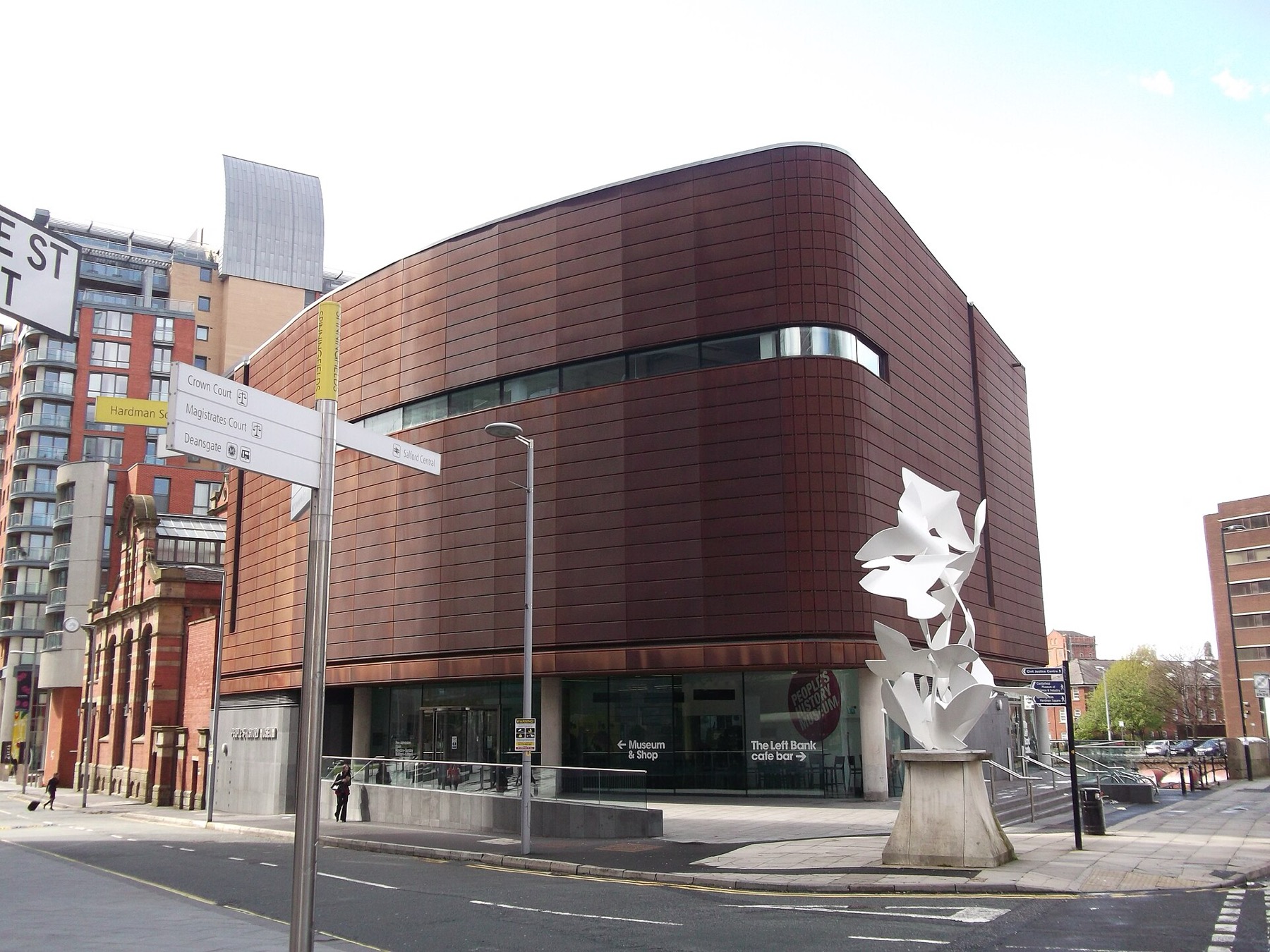
5. People’s History Museum
This architecturally unique museum, set on the riverbank in the Spinningfields district, maps out in great and sensitive detail the history of the labour movement, the rise of trade unions and the long fight for democracy in the UK. The engaging exhibits begin with the bloody Peterloo Massacre of 1819, continue through the brave suffragette movement and flow smoothly right up to today’s current political themes.
Thanks to the very modern and engaging presentation, you’ll learn just how hard and how long ordinary people had to fight for their basic rights, whether that was fair voting rights for all or safe and humane working conditions in the factories. Among other things, the museum also holds the largest and best-preserved collection of historical trade union banners in the world, which are stunning textile works of art in their own right.
As with the other national treasures on our list, entry for all curious visitors is completely free. Besides the exhibits, the building also offers an excellent café with outdoor seating and a soothing view of the flowing River Irwell, making it an ideal spot for a short rest.
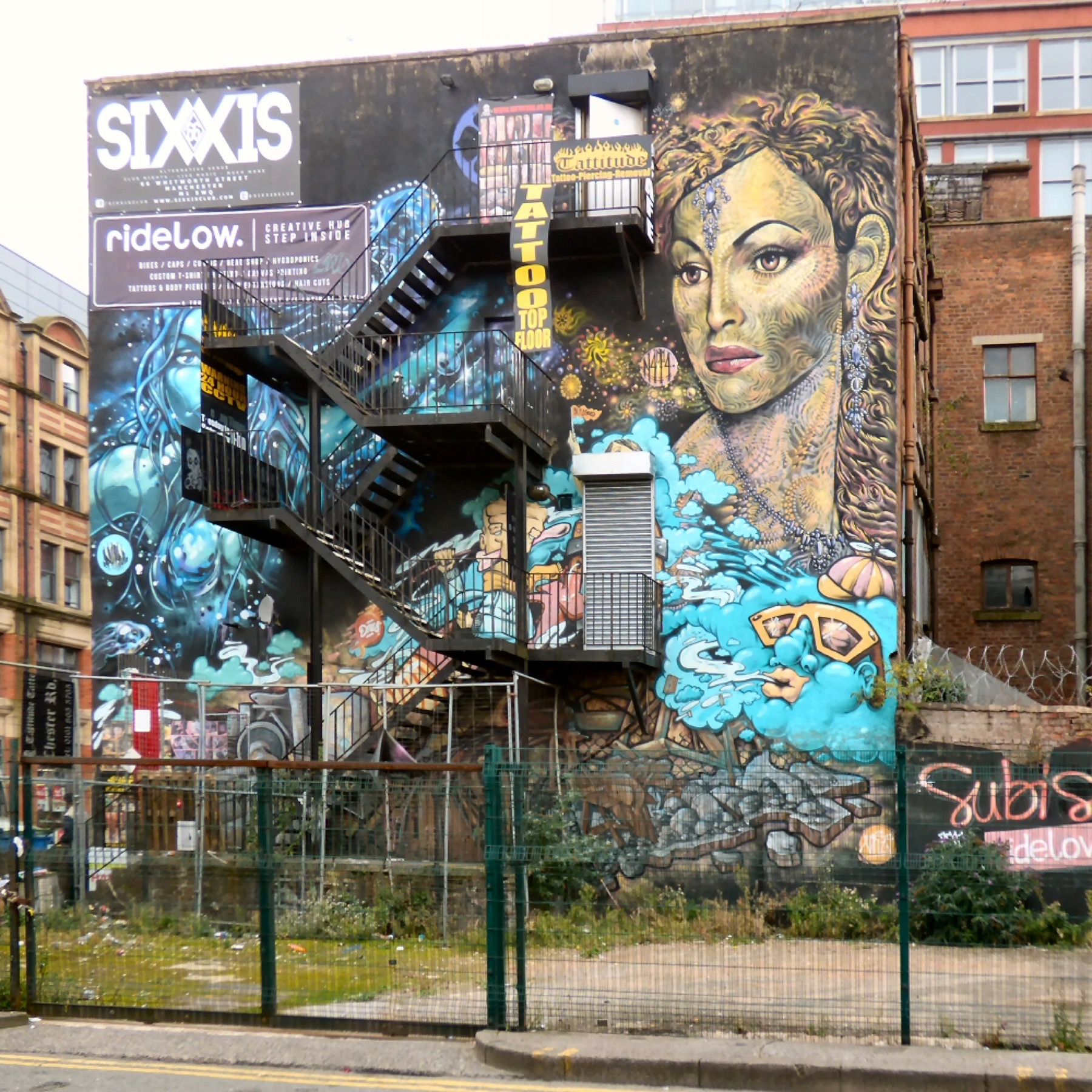
6. The atmosphere of the Northern Quarter
If you’re looking for the city’s true bohemian and unconventional heart, the Northern Quarter will instantly pull you into its unique, relaxed vibe. The streets here are full of typical red-brick buildings and old fire escapes, which is why this district often doubles as a filming location for period films set in New York.
The whole district is famous far and wide for its huge amount of gorgeous street art, which is constantly changing and adorns the walls of old disused factories and modern apartment blocks alike. You’ll find dozens of independent cafés serving speciality coffee, great shops selling rare vinyl records and hidden alleyways full of vintage fashion just waiting to be explored.
In the evening, the whole area smoothly transforms into a pulsing entertainment hub where underground clubs with live music and hugely stylish bars are bursting at the seams. And this nightlife doesn’t only wake up at weekends — music spills from open pub doors practically every day of the week.
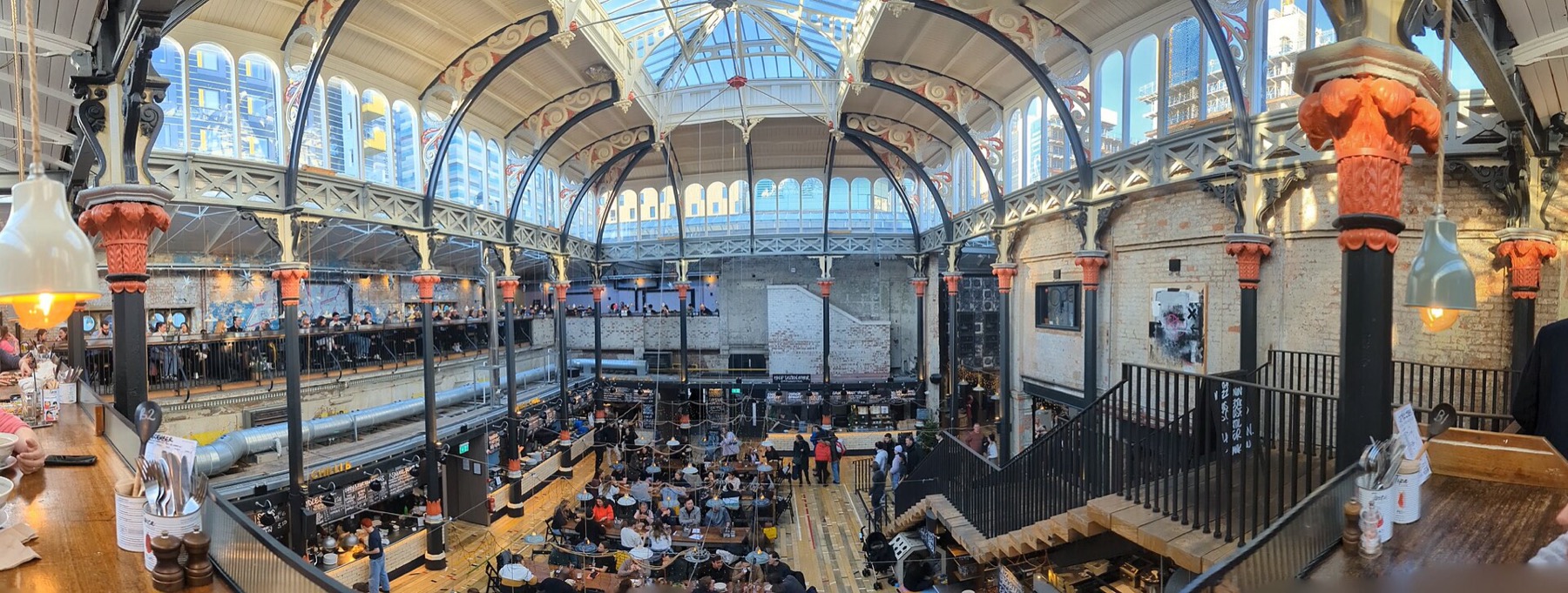
7. A culinary experience at Mackie Mayor
As you wander the Northern Quarter, you definitely can’t miss the historic Mackie Mayor market building, which has undergone an absolutely fantastic restoration in recent years. The original, crumbling meat market from 1858 has become a huge modern food hall full of daylight, long communal tables and a very friendly, laid-back atmosphere where people come to have fun and eat well.
Under the enormous glass roof, there are now several different stalls run by passionate local cooks who prepare everything from proper Neapolitan pizza to modern Asian cuisine right before your eyes. The biggest advantage of this concept is that everyone in your group can order something completely different and yet still sit and eat together at the same table.
For travellers with different dietary requirements, it’s an absolutely ideal spot, because you’ll find incredibly varied and beautifully seasoned vegetarian and vegan options. No one has to compromise on taste or quality, and everyone leaves full. Reservations aren’t possible here — you simply turn up and find a free seat.
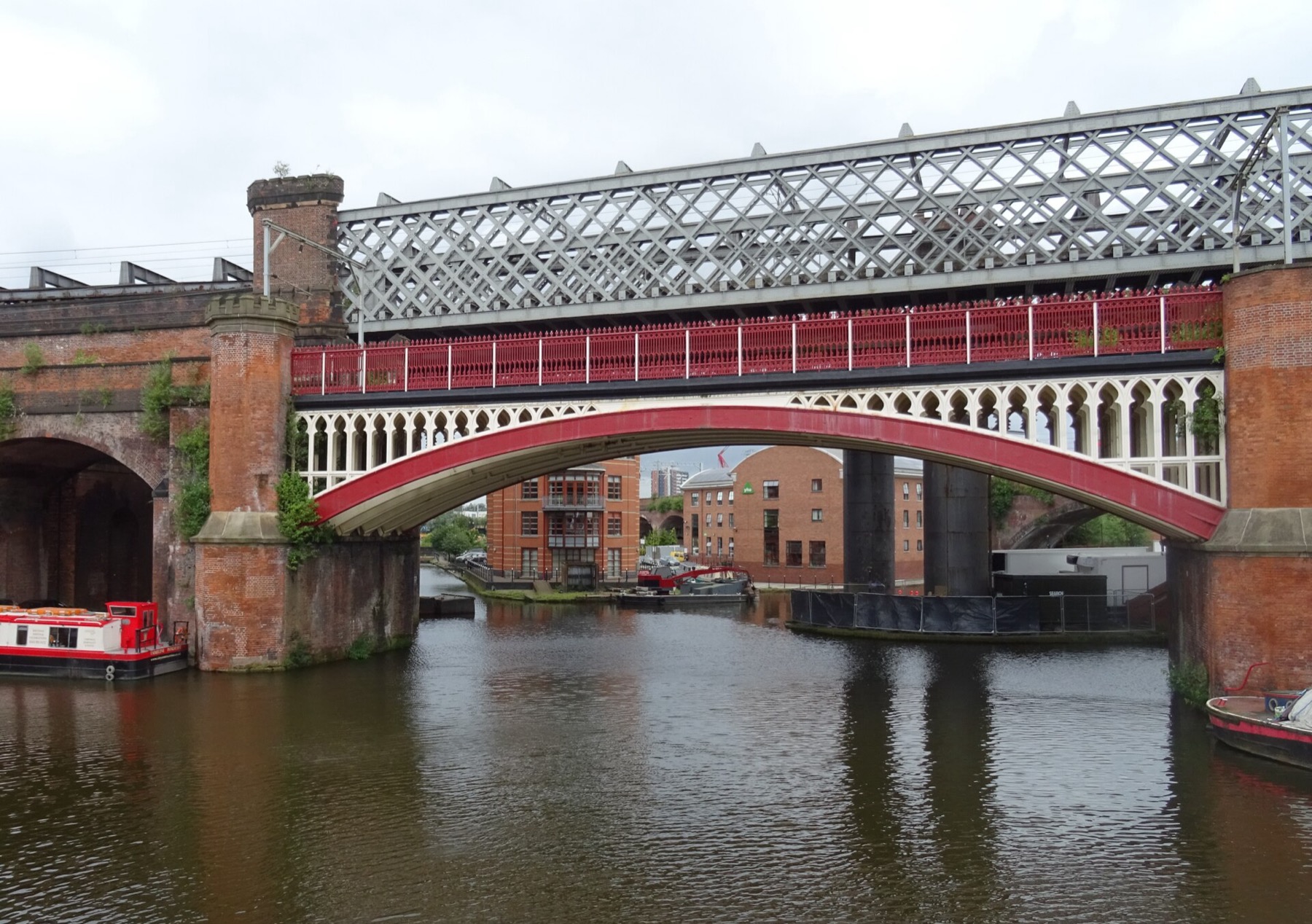
8. A canal walk in Castlefield
The Castlefield district is a truly unique and photogenic mix of history, where the remains of an ancient Roman fort meet enormous steel viaducts and a network of calm waterways. Incidentally, this exceptional area was the very first in the UK to be officially designated an urban heritage park, and one walk here makes it obvious why.
An easy stroll along the well-maintained cobbled towpaths beside the Bridgewater Canal offers a wonderful escape from the busy, noisy city centre. Colourful traditional narrowboats — still lived in to this day — are moored on the calm water. The huge red-brick viaducts, with the occasional train rumbling overhead, give the whole place an unmistakable, monumental industrial feel.
💡 Tip: If you happen to get nice, rain-free weather, grab a free spot in the beer garden of the popular pub The Wharf. From here you get an absolutely fantastic view of the water, the passing boats and the whole historic scene, turning a beer or coffee into an unforgettable experience.
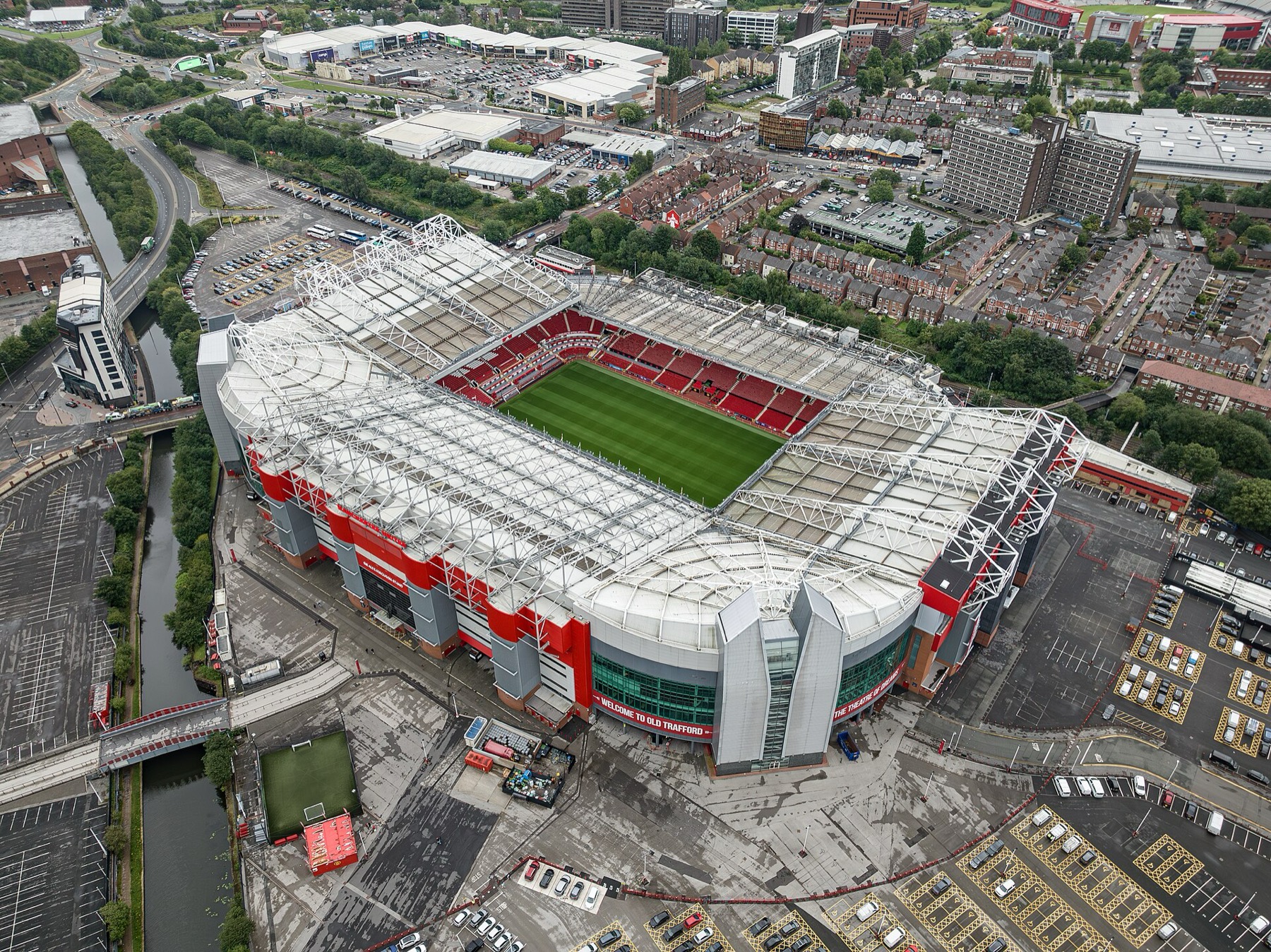
9. Old Trafford and Manchester United
For die-hard sports fans, a visit to the legendary Old Trafford stadium, affectionately nicknamed the Theatre of Dreams around the world, is an absolute must. This home of the famous Manchester United football club has an impressive capacity of over 74,000 spectators, and incredible long-standing history radiates from every corner. If you want to soak up the atmosphere, it’s worth the trip even if you don’t support the red side.
During the well-crafted official stadium tour, experienced guides take you straight into the players’ dressing rooms, down the narrow tunnel leading to the pitch, and you can even sit for a moment on the heated substitutes’ bench. Access to the rich club museum is also included in the ticket, where all the famous cups and trophies the club has ever won are proudly displayed in glass cases.
The price for this classic tour is around £36 for an adult. It’s absolutely essential to book tickets online well in advance, as they very often sell out completely on the day. The easiest way to reach the stadium from the centre is on the yellow Metrolink tram, which drops you just a few minutes’ walk from the main entrance.
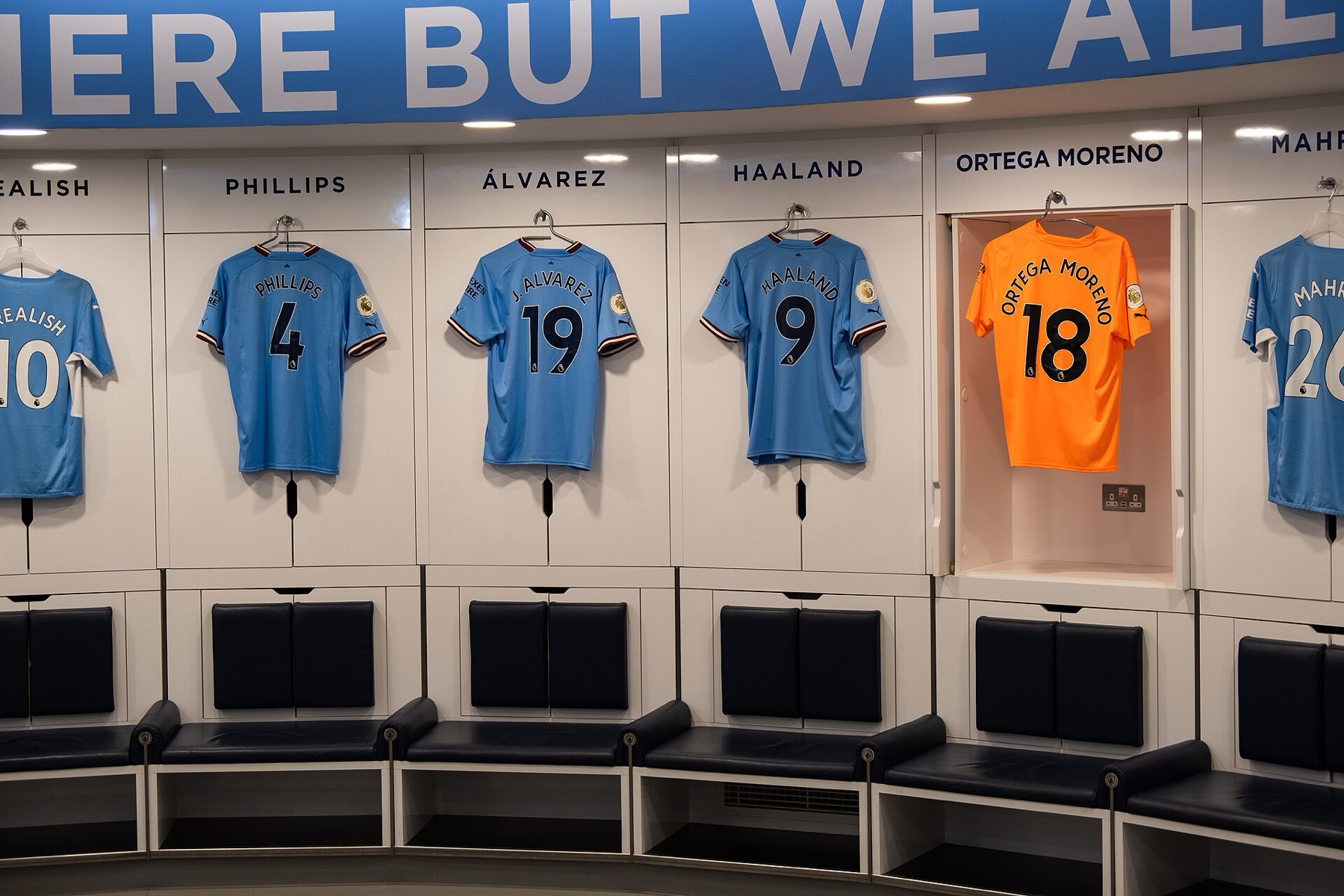

10. Etihad Stadium and Manchester City
On the opposite, eastern side of the city lies the modern Etihad Stadium, proud home of the reigning football champions and billionaire club Manchester City. Compared to its historic, older rival, this recently built stadium offers a very modern, airy and technologically advanced tour experience that will surprise you with its polish.
Along the route, visitors can make plenty of use of all sorts of interactive features and even enjoy a very realistic virtual meeting with manager Pep Guardiola in the official press room. The entertaining route flows smoothly through luxury VIP zones, the players’ state-of-the-art dressing rooms and the glass tunnel leading to the perfectly cut pitch.
A basic tour of this football temple costs roughly £25, and for a small extra fee you can exclusively expand the whole experience to include the so-called trophy room. There you’ll see with your own eyes the latest and most valuable silverware the club has collected in recent successful years, both at home and on the European stage. You can get here very comfortably too, on a direct tram line from the centre.
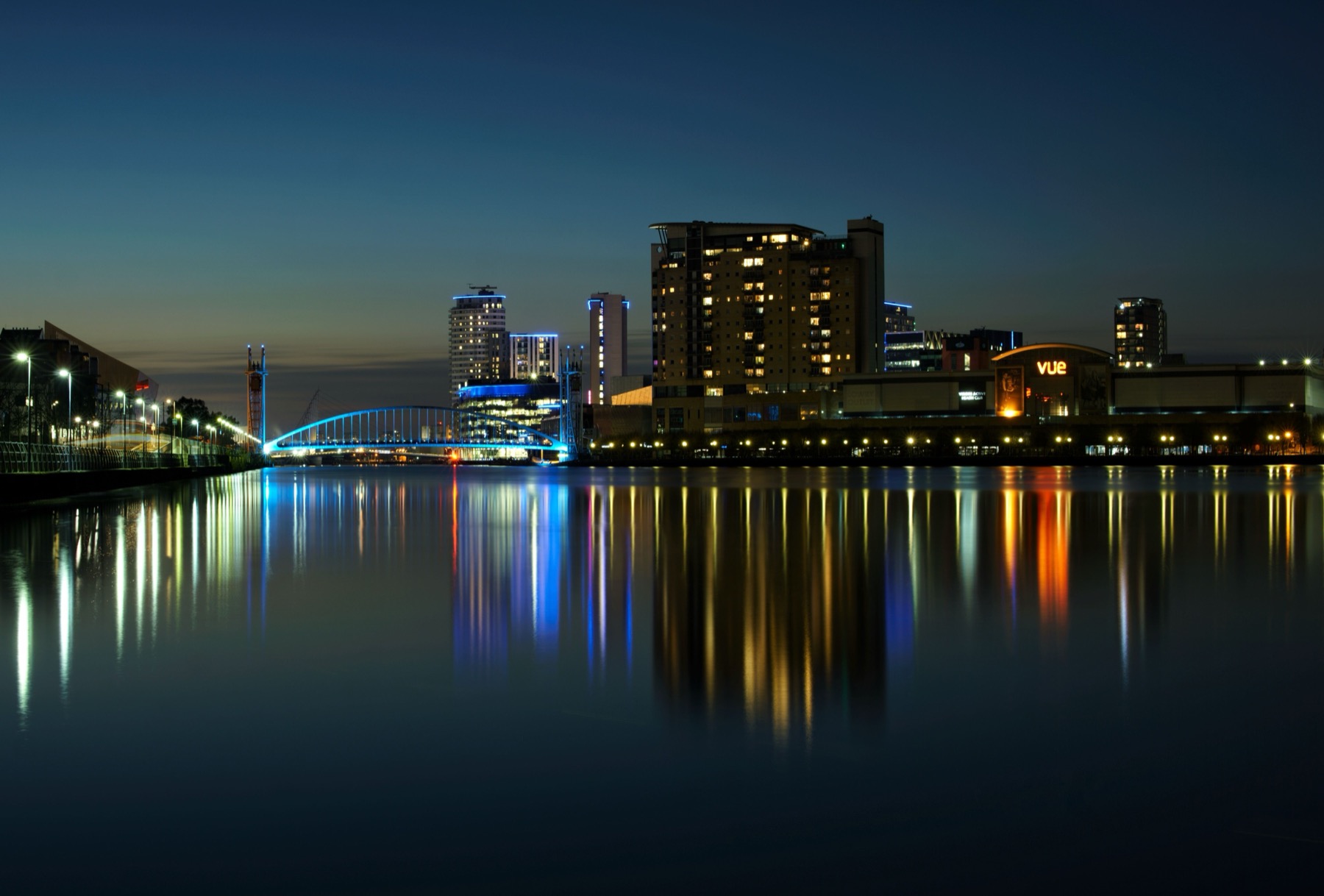
11. Salford Quays and MediaCity
The former giant industrial docks have undergone a huge and very costly transformation over the past few decades, and today the modern Salford Quays area ranks among the most interesting parts of the whole metropolitan area. The tram ride here from the centre takes just fifteen minutes, or you can walk from Old Trafford stadium, which is a pleasant stroll of about ten to fifteen minutes.
The pulsing heart of this waterside location is the expansive MediaCity complex, now the permanent home of the main TV and radio studios of media giants BBC and ITV. Wide, clean promenades stretch around the calm water, absolutely ideal for an afternoon walk with views of the interesting modern architecture and unique lifting bridges arching over the canals.
The local modern cafés and restaurants offer great spots for outdoor seating with a view of the water. If you’re lucky, you might spot a familiar face from British television over coffee, as filming often takes place here on location too.
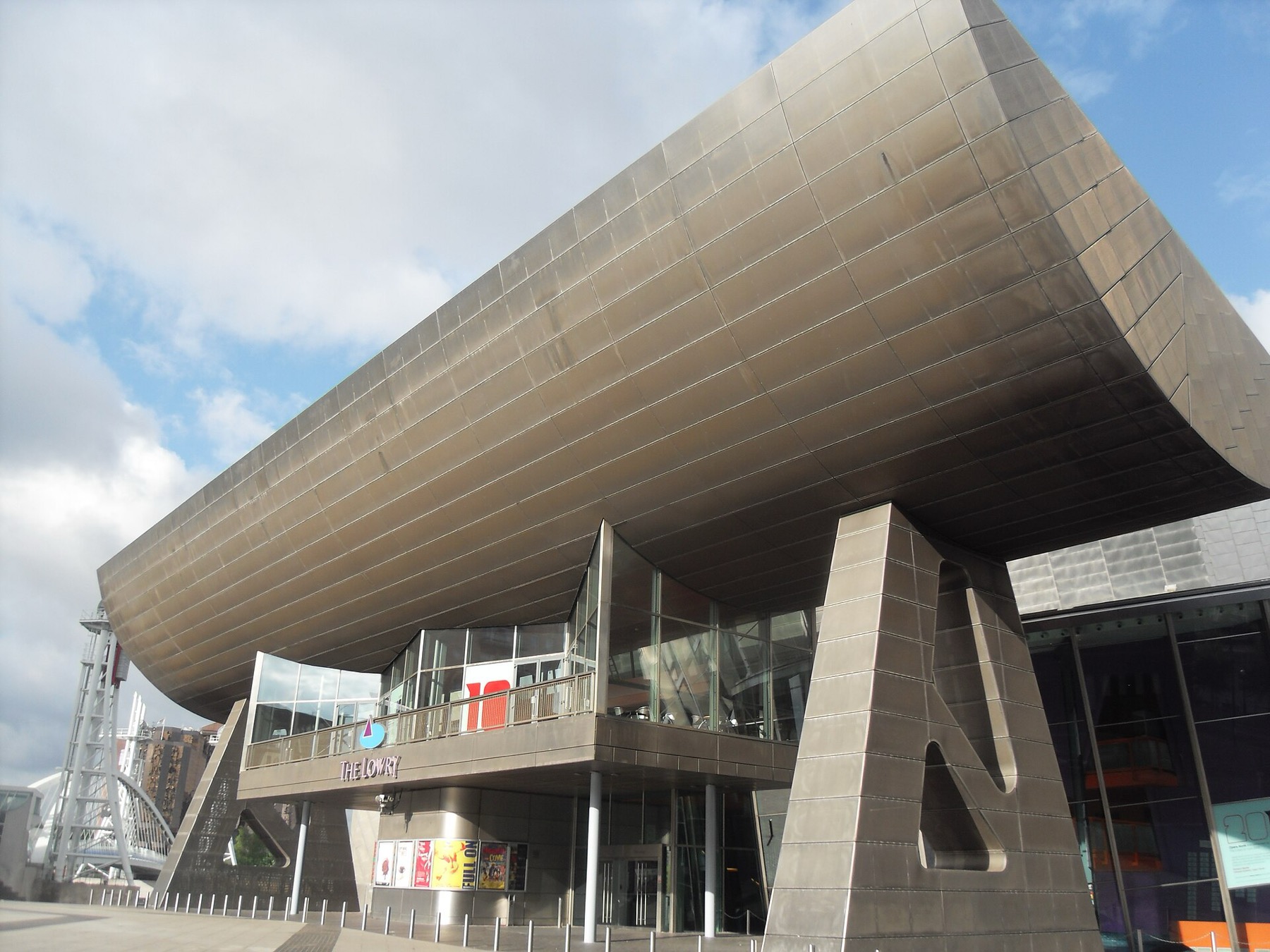
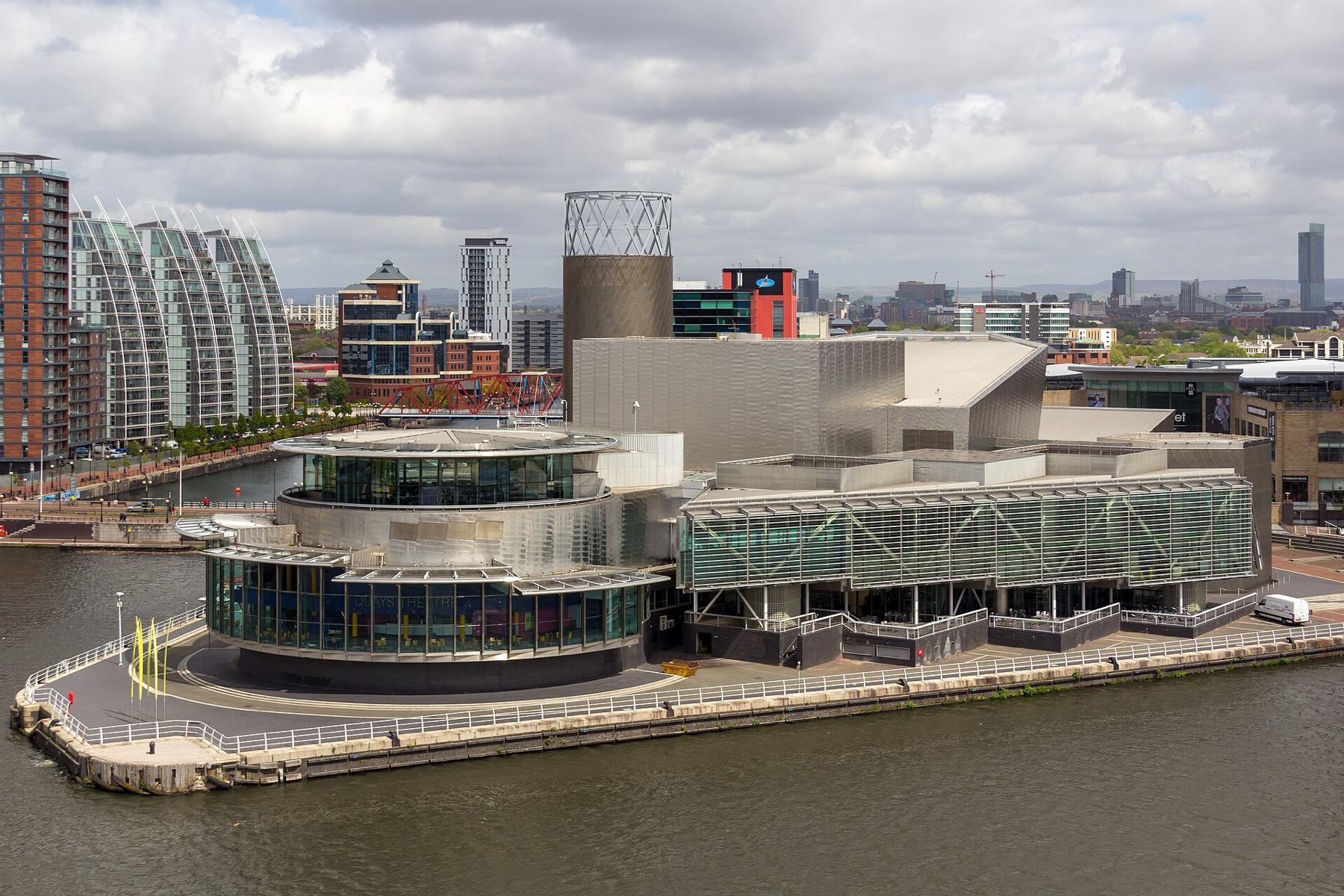
12. The Lowry arts centre
While you’re exploring the regenerated beauty of Salford Quays, you certainly won’t miss the iconic, unmissable metal building of The Lowry, which at first glance looks a little like a giant futuristic ship moored in the docks. This enormous cultural centre houses two top-class theatres, spacious galleries and extensive exhibition spaces for contemporary art.
The main draw for most visitors, however, is the largest public collection of paintings by L.S. Lowry, a famous local-born painter. With his utterly unique and unmistakable style, he captured the hard lives of ordinary workers and the harsh industrial landscape of northern England. His signature “matchstick figures” gradually became one of the symbols of twentieth-century British art.
The huge gallery section of this centre is open to the general public completely free, so you can pop in just to cool off for a while or shelter from the rain. Thanks to its wild architectural design and large glass surfaces, the building itself is also wonderfully photogenic from every conceivable angle.
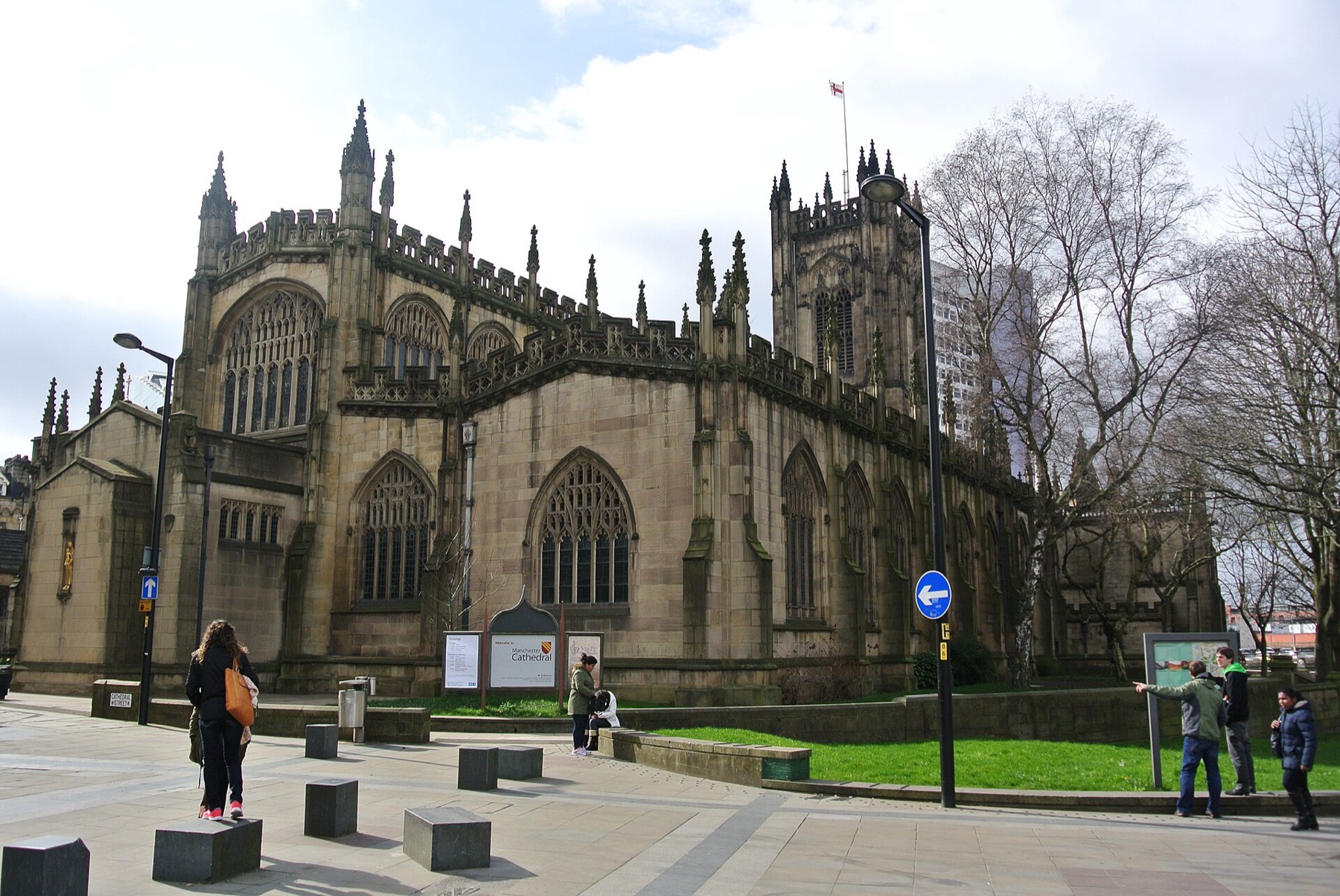
13. Manchester Cathedral
Not far from the busy Victoria train station you’ll find a genuine historical gem in the form of Manchester Cathedral, whose fifteenth-century Gothic architecture creates a wonderful, photogenic contrast with the surrounding modern high-rises. Although this building was heavily damaged during the massive bombing of the Second World War, craftsmen managed to restore it beautifully and respectfully to its current form.
The quiet, spacious interior hides some of the finest wood carvings in the whole of the UK, especially in the enclosed choir area, where you can take a close look at the incredibly precisely carved historical seats. Inside, the cathedral is surprisingly bright and boasts stunning colourful modern stained-glass windows, which very sensitively replaced the originals destroyed in the aforementioned bombing.
Entry to this quiet spiritual refuge is free for all visitors without exception, so you can pop in for just five minutes. If you’re lucky, you can sit down in a pew during your visit and enjoy a rehearsal of the local cathedral choir, whose singing echoes beautifully throughout.
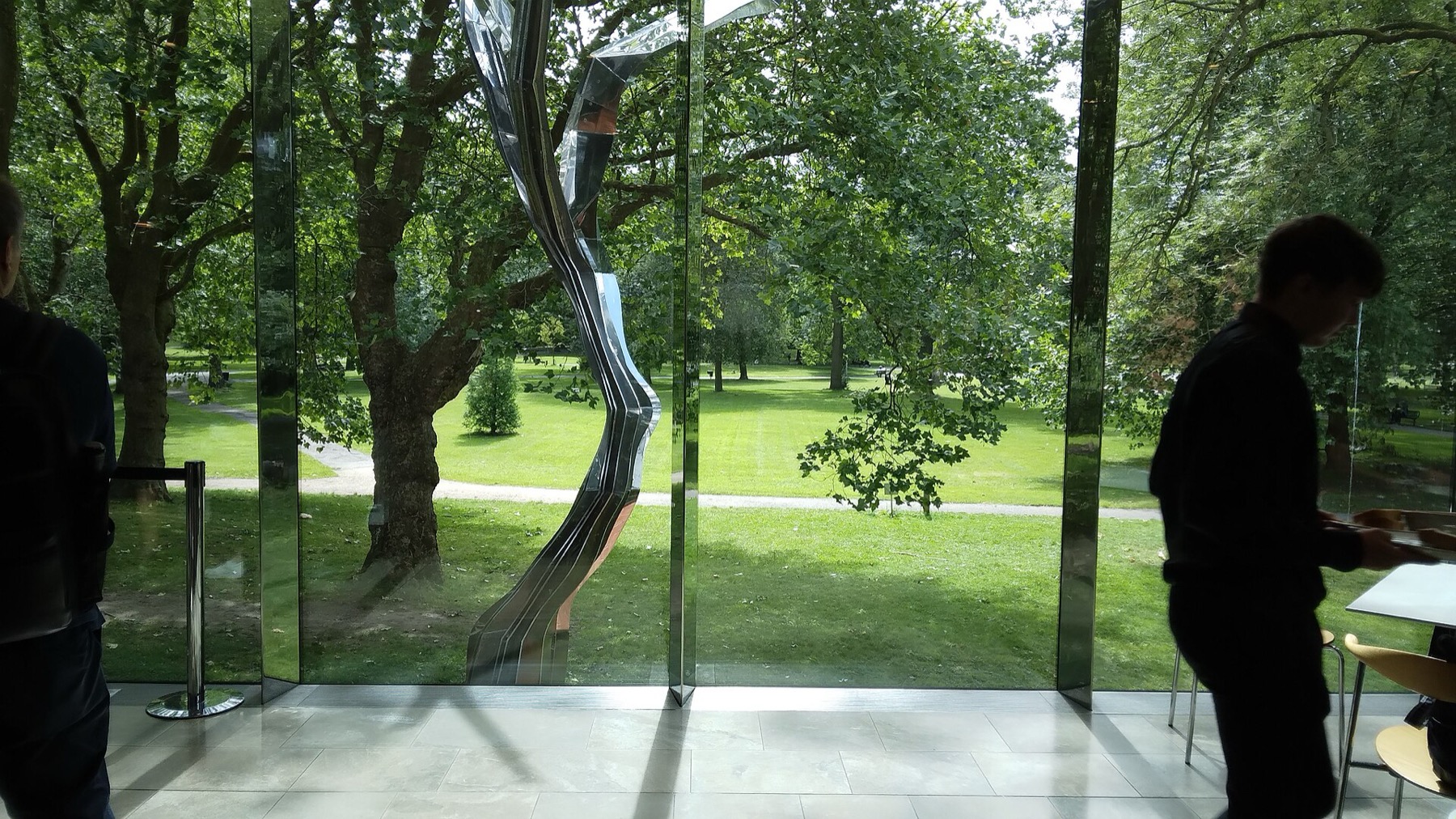
14. Manchester Museum
Right in the middle of the huge university campus on the busy Oxford Road lies the fantastic Manchester Museum, which recently reopened its doors after an extensive, multi-million-pound renovation with even more stunning exhibits. The institution’s collections focus mainly on fascinating natural history, archaeology and cultural anthropology from around the world.
The biggest hit, especially for enthusiastic families with children, is the giant, perfectly preserved skeleton of a Tyrannosaurus rex named Stan, which majestically dominates the museum’s main sunlit hall. You’ll also find an incredibly extensive collection of Egyptian mummies and artefacts, a popular vivarium with live rainforest frogs and a brand-new, fascinating exhibition on the culture and traditions of South Asia.
Like most of the other major institutions on our Manchester list, this vast museum can be explored completely free of charge. The exhibition spaces are so extensive and detailed, though, that you’ll need at least two to three hours of actual time even for a quick look around all the floors.

15. Musical history and the Haçienda club
For fans of guitar and alternative British music, this city is a genuine sacred sanctuary, because it gave the music world legends like Joy Division, The Smiths, Stone Roses and the famous Gallagher brothers of Oasis. If you want to follow the trail of these local giants in detail, it’s well worth paying for a specialised “Music Tour” with a local guide, who’ll take you to the most important hidden spots and add plenty of behind-the-scenes stories.
The most famous place in the city’s musical history was undoubtedly the legendary Haçienda club, the epicentre of dance music and wild acid house in the 1980s and 1990s. Although the original, famous building was sadly demolished and replaced by a modern apartment complex, you’ll still find memorial plaques and architectural elements on the façade recalling the club’s unmistakable black-and-yellow design.
💡 Tip: For the most authentic experience of British live music, head out in the evening to the small hidden pubs in the Northern Quarter or on Oxford Road. New up-and-coming bands still form in the small venues here, and live music plays practically non-stop, often just for the price of a pint at the bar.
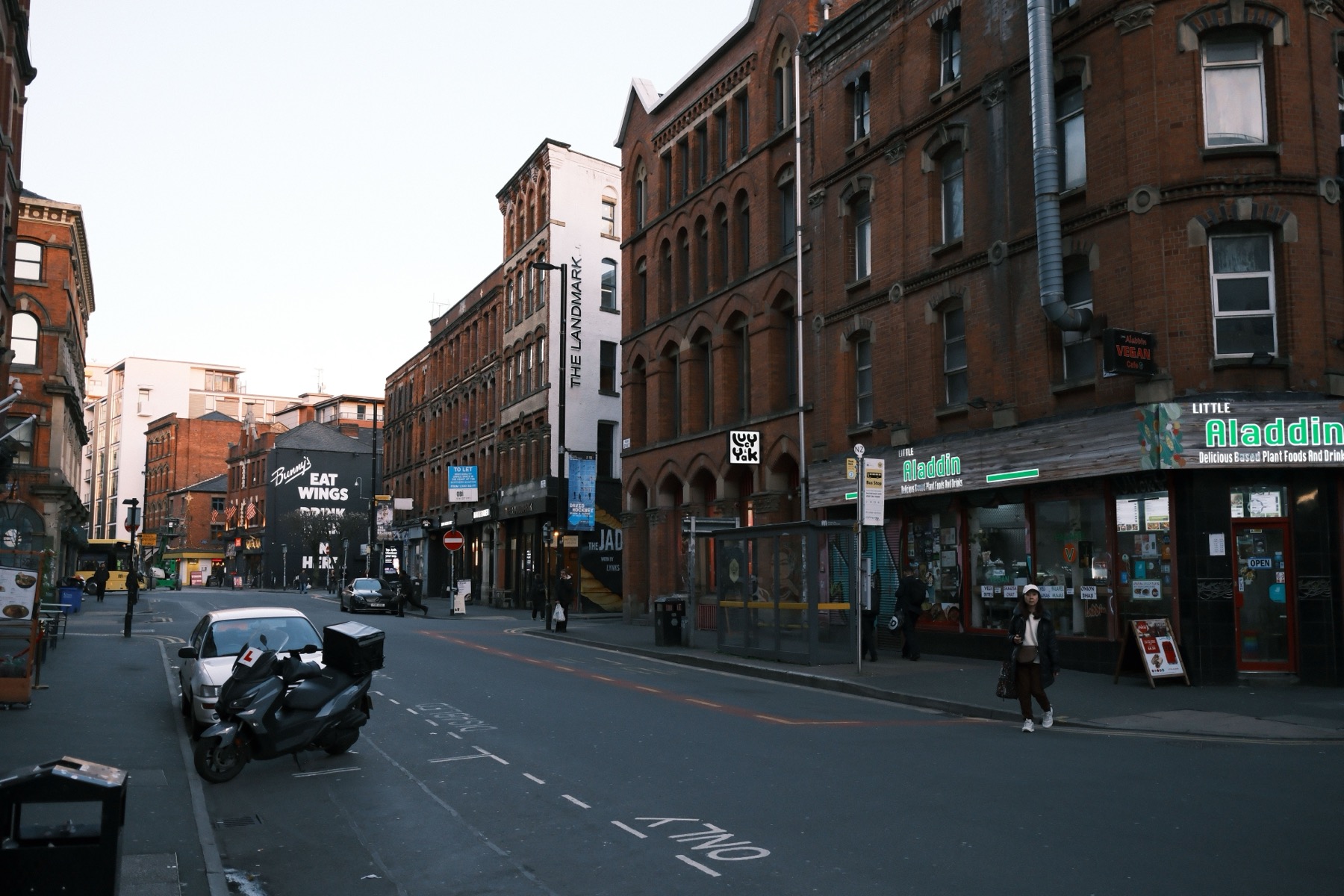
16. Alternative shopping at Afflecks
If you’re after something truly unique and unconventional while travelling, the famous alternative department store Afflecks in the heart of the Northern Quarter is guaranteed to win you over at first sight. This old multi-storey building is a downright crazy labyrinth of independent boutiques, vintage shops, piercing stalls, tattoo parlours and eccentric alternative fashion of every kind.
The atmosphere inside is wonderfully wild, extremely colourful and, at first glance, slightly chaotic, which turns shopping into a real and very tangible cultural experience. You can find literally everything here — from old vinyl records and handmade silver jewellery to giant retro posters of guitar bands and rare pieces of clothing from decades past.
Even if you’re not planning to spend any money and just want to browse, it’s definitely worth walking through every floor and admiring the unbridled creativity of the local vendors. They decorate their stalls with incredible imagination, humour and often a healthy dose of that classic British self-irony, so it works more like a living gallery of pop culture.
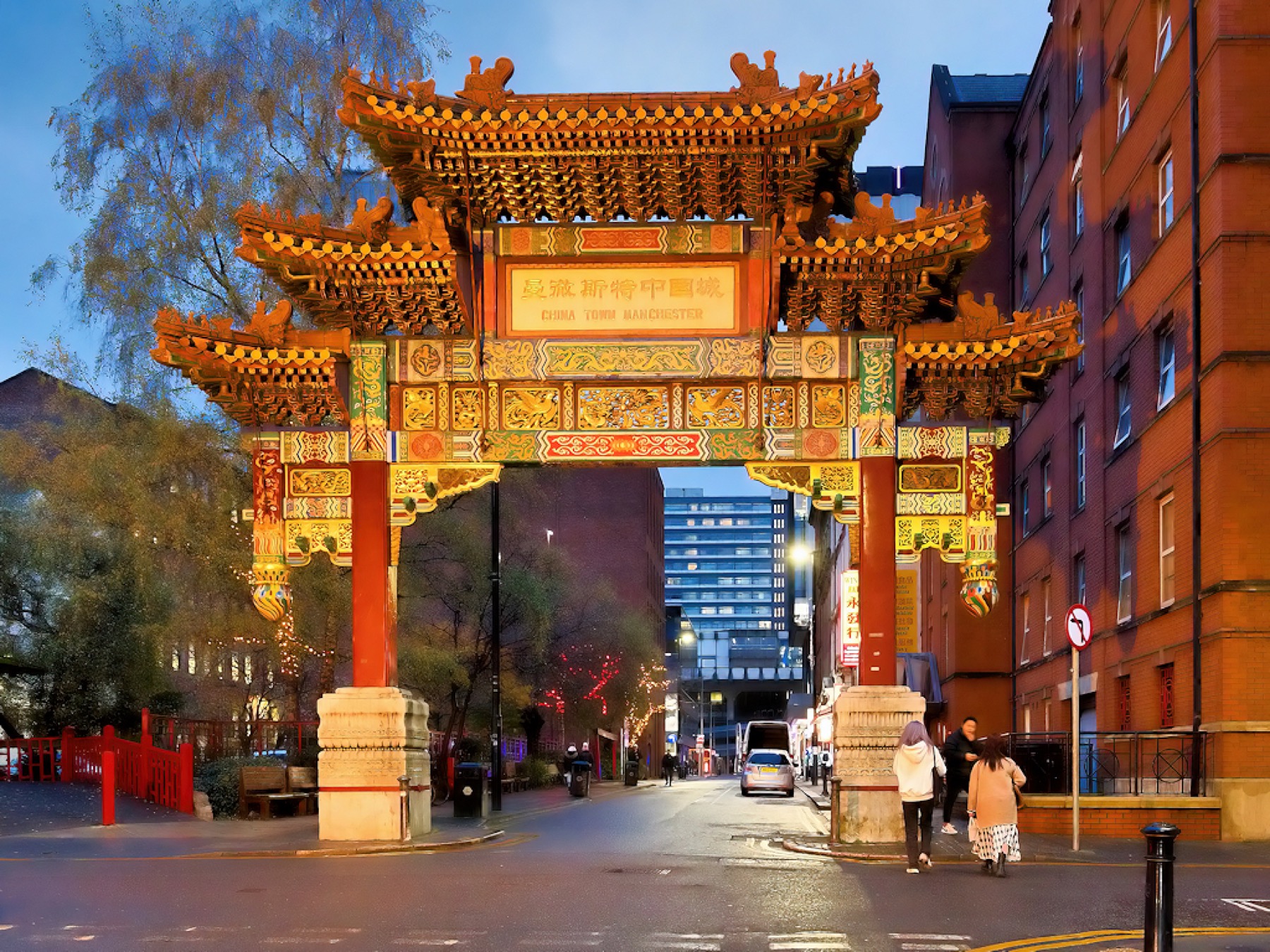
17. Chinatown
Manchester’s Chinatown is the second largest in the UK, and you’ll spot it from a distance thanks to the beautiful, richly decorated traditional paifang gate that towers majestically over Faulkner Street. All the surrounding streets and alleys are full of colourful paper lanterns and glowing neon signs year-round, which reliably transport you thousands of kilometres east after dark.
Here you’ll find a huge number of genuinely authentic Asian restaurants, great bakeries with traditional sweets and enormous two-storey supermarkets selling even the most exotic Asian ingredients and spices. It’s an absolutely ideal place to go for a hearty, huge and affordable bowl of hot noodles or delicious dim sum dumplings when it’s raining outside in that typically English way.
The liveliest and loudest time here, however, is traditionally during the grand Chinese New Year celebrations. That’s when the streets literally fill with noisy processions of dancing dragons, thousands of red lanterns and the amazing scent of street food wafting far and wide into the surrounding neighbourhoods.
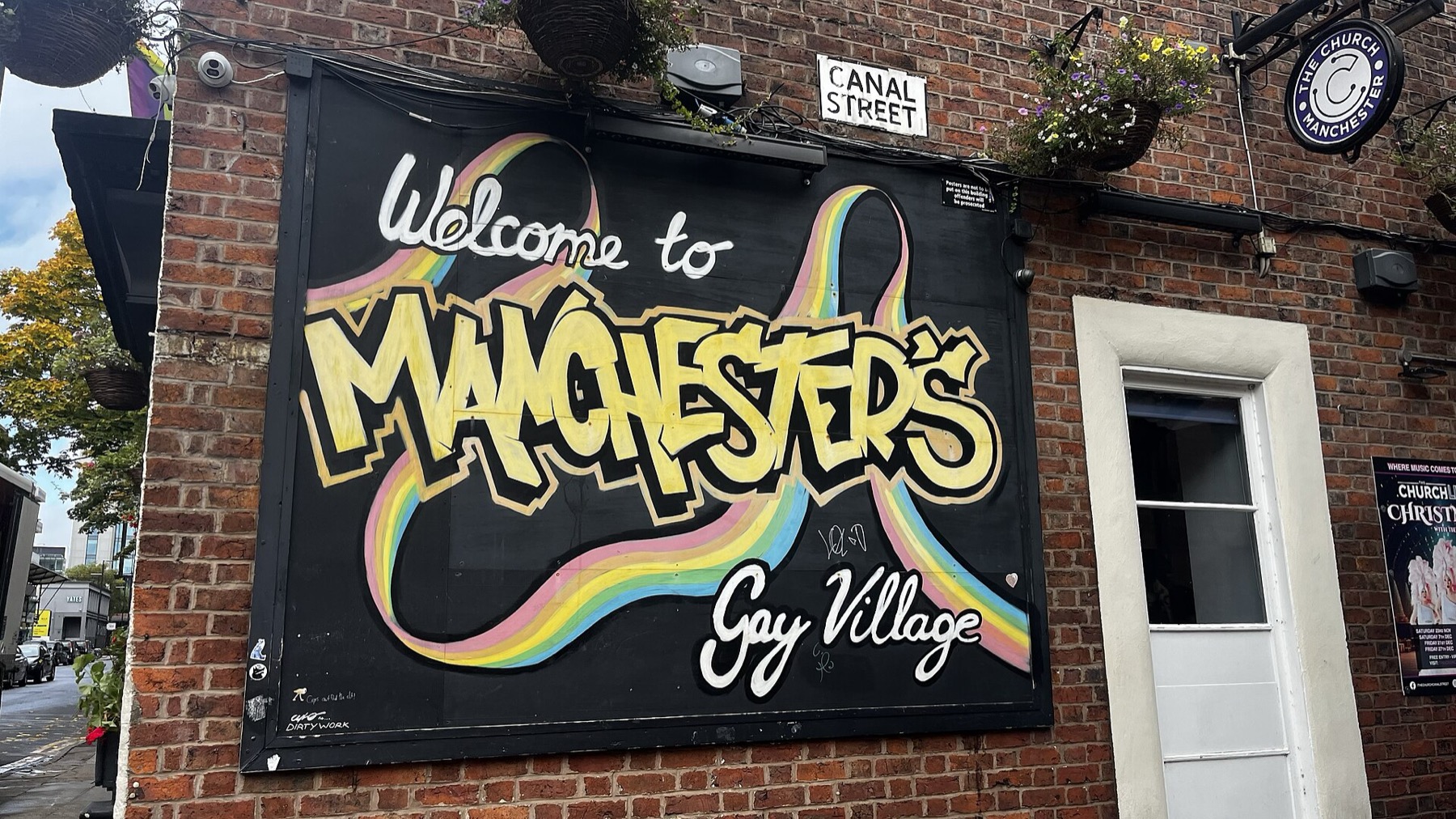
18. Canal Street and the Gay Village
The area around the bustling Canal Street forms one of the liveliest, safest and friendliest nightlife hubs in the entire country. This whole district, known as the Gay Village, runs along the calm Rochdale Canal and is famous far and wide for its incredibly warm, open and tolerant atmosphere, where absolutely everyone is welcome.
During the day you can calmly sit at one of the many outdoor terraces with a pleasant view of the water, read a book and enjoy an excellent coffee. Come evening, though, the whole area radically transforms into a pulsing artery full of flashing bars, entertaining cabarets and huge clubs playing loud music well into the early hours.
Every year at the end of August, this entire district and the adjacent streets become the stage for the famous and spectacular Manchester Pride festival. It regularly draws tens of thousands of visitors from all over the world and turns the centre into one big, loud and incredibly colourful carnival full of music and dance.
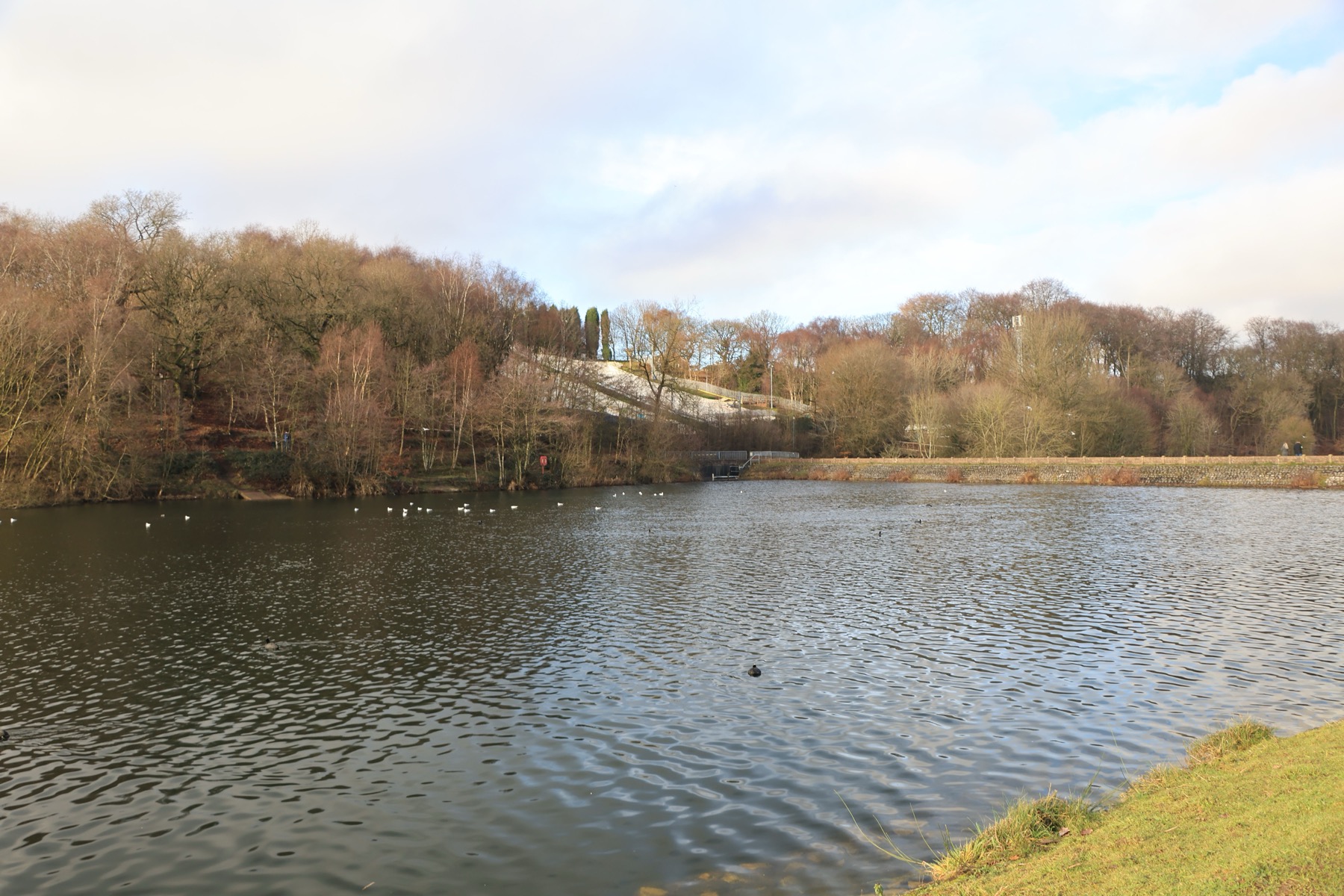
19. Relaxing in Heaton Park
When you want to escape the constant hustle of the big city for a while and get some fresh air, hop on the yellow Metrolink tram and head to the northern edge of the city to Heaton Park. This largest municipal park in all of north-west England is so huge that you could easily spend an entire weekend day here without any trouble.
Besides its incredibly vast grassy areas and the majestic historic Heaton Hall mansion, the park offers great things to do, especially for families with children. You’ll find a large animal farm with free entry, a spacious lake where you can hire boats, and even a historic tramway that carries delighted visitors around the grounds in style during the summer months.
In autumn the old trees blaze with every conceivable colour, making it an absolutely ideal place for long afternoon walks, far from the noise of passing cars and the crowded shopping streets in the centre. What’s more, from the highest points of the park you get a beautiful view of the whole city skyline in clear weather.
20. Imperial War Museum North
Back in the industrial Salford Quays area, you definitely won’t overlook a building that at first glance looks like giant shards of metal scattered across the ground. World-renowned architect Daniel Libeskind designed the Imperial War Museum North to symbolise a globe shattered by devastating conflicts, and the building itself is simply a masterpiece of modern architecture that will make you reach for your camera.
The exhibits hidden inside are incredibly powerful and emotional, focusing purely on how war affects the lives of ordinary civilians across generations — from the First World War to various present-day conflicts. Every hour, the museum also stages a very striking audiovisual projection called the “Big Picture Show”, which uses sound and images on the walls to literally engulf the entire main exhibition hall.
Admission to this exceptional and architecturally stunning museum is completely free. I’d definitely recommend combining your few-hours visit with a peaceful stroll along the nearby MediaCity waterfront afterwards, so you can absorb all those powerful impressions over a good coffee.
Where to go next from Manchester
The north of England has great rail infrastructure, so from Piccadilly station you can easily reach other amazing destinations. The train journey to neighbouring Liverpool takes just under an hour, and you’re suddenly in the city of the Beatles with the wonderful Albert Dock waterfront.
Before you set off, sort out where you’ll sleep: in our article Where to stay in Manchester we compare the Northern Quarter, Deansgate and Ancoats and advise where you’ll get a good night’s sleep and where the evenings are lively.
If you’re craving nature, head to the Peak District National Park, which lies just outside the city and offers fantastic hiking trails. History lovers, meanwhile, shouldn’t miss a visit to the historic town of Chester, where you can walk along perfectly preserved Roman walls.
If you’re planning a longer trip around the UK, check out our other guides too:
- 26 tips on what to see and do in London
- Edinburgh: the amazing capital of Scotland
- Scotland: holiday and complete guide
Frequently asked questions
How much does a holiday cost and how to save money?
A stay here will cost you considerably less than in London or southern England. The biggest savings come from the enormous museums and galleries, which have completely free admission (Science Museum, Art Gallery, People’s History Museum and others). You’ll spend the most on accommodation reservations and possible football tour tickets, but with smart planning you can enjoy plenty of fun on a really minimal budget.
How do I get from the airport to the city centre?
Transport from the airport (MAN) is incredibly easy and convenient. The fastest option is the train, which runs every few minutes and takes you directly to the main Piccadilly station in approximately twenty minutes. An alternative is the popular yellow Metrolink tram, which takes a bit longer but may drop you closer to your hotel.
How does transport around the city work?
You can reliably reach most of the main sights in the centre on foot, because the city is beautifully compact and flat. For longer distances, for example to the Salford Quays neighbourhood or to the football stadiums, use the yellow Metrolink tram system. The centre is also crossed by free buses (Free Bus) that connect the main railway stations and shopping zones.
Is Manchester suitable for children?
Absolutely! The city offers plenty of interactive activities that will keep children’s attention all day long. The Science and Industry Museum with playful experiments is a sure bet, as is meeting the giant dinosaur at Manchester Museum. For outdoor fun, the vast Heaton Park with its farm and animals is perfect.
Where can I find good vegetarian food?
The gastronomy scene here is incredibly diverse and particularly friendly to alternative diets. The heart of the vegan and vegetarian scene is the Northern Quarter, where you’ll find countless bistros and cafés. The historic Mackie Mayor market hall is also an excellent choice for lunch, where everyone will find fantastic meat-free food from the diverse range of stalls.
How many days will I need for a visit?
For a relaxed tour of the main sights, large museums and soaking up the local atmosphere, I recommend setting aside a full two to three days. If you’re planning to visit both football stadiums, thoroughly explore the shopping districts or take a trip to the nearby Peak District national park, definitely extend your stay to four or five days.
Which football stadium should I choose?
It depends purely on your affinity for the given club. Old Trafford breathes enormous history and the traditional atmosphere of one of the world’s most famous football clubs. The Etihad Stadium tour, on the other hand, is considerably more modern, technologically sophisticated and brilliantly shows the workings of the club that dominates the current British football era.
What clothes should I pack?
Given the unpredictable reputation of the rainy north, a quality waterproof jacket or sturdy umbrella is an absolute necessity, even in the middle of summer. The weather here can change several times a day, so layering clothes works best. The foundation is really comfortable shoes, because you’ll walk many kilometres.
Tips and Tricks for Your Vacation
Don’t Overpay for Flights
Search for flights on Kayak. It’s our favorite search engine because it scans the websites of all airlines and always finds the cheapest connection.
Book Your Accommodation Smartly
The best experiences we’ve had when looking for accommodation (from Alaska to Morocco) are with Booking.com, where hotels, apartments, and entire houses are usually the cheapest and most widely available.
 🚗 Car rental on the roadVerified rental cars in Great Britain
Search with the DiscoverCars comparison engine — it compares prices from dozens of local and international rental companies, and most bookings come with free cancellation.
Compare car prices in Great Britain →Don’t Forget Travel Insurance
Good travel insurance will protect you against illness, accidents, theft, or flight cancellations. We’ve had a few hospital visits abroad, so we know how important it is to have proper insurance arranged.
Where we insure ourselves: SafetyWing (best for everyone) and TrueTraveller (for extra-long trips).
Why don’t we recommend any Czech insurance company? Because they have too many restrictions. They set limits on the number of days abroad, travel insurance via a credit card often requires you to pay medical expenses only with that card, and they frequently limit the number of returns to the Czech Republic.
Find the Best Experiences
Get Your Guide is a huge online marketplace where you can book guided walks, trips, skip-the-line tickets, tours, and much more. We always find some extra fun there!


