Lots of people think an agriturismo is simply a romantic hotel in the Italian countryside, where birdsong wakes you in the morning and breakfast arrives on a crisp, starched tablecloth. Many travellers arrive expecting a luxury resort that just happens to sit among the vineyards. If you’re dreaming of an authentic farm stay in Tuscany, Italy, it pays to know what you’re actually booking.
In reality, though, it’s a strictly defined legal category with its own clear rules and specifics. At its core, it’s primarily a working farm — not the kind of standard accommodation you know from big cities.
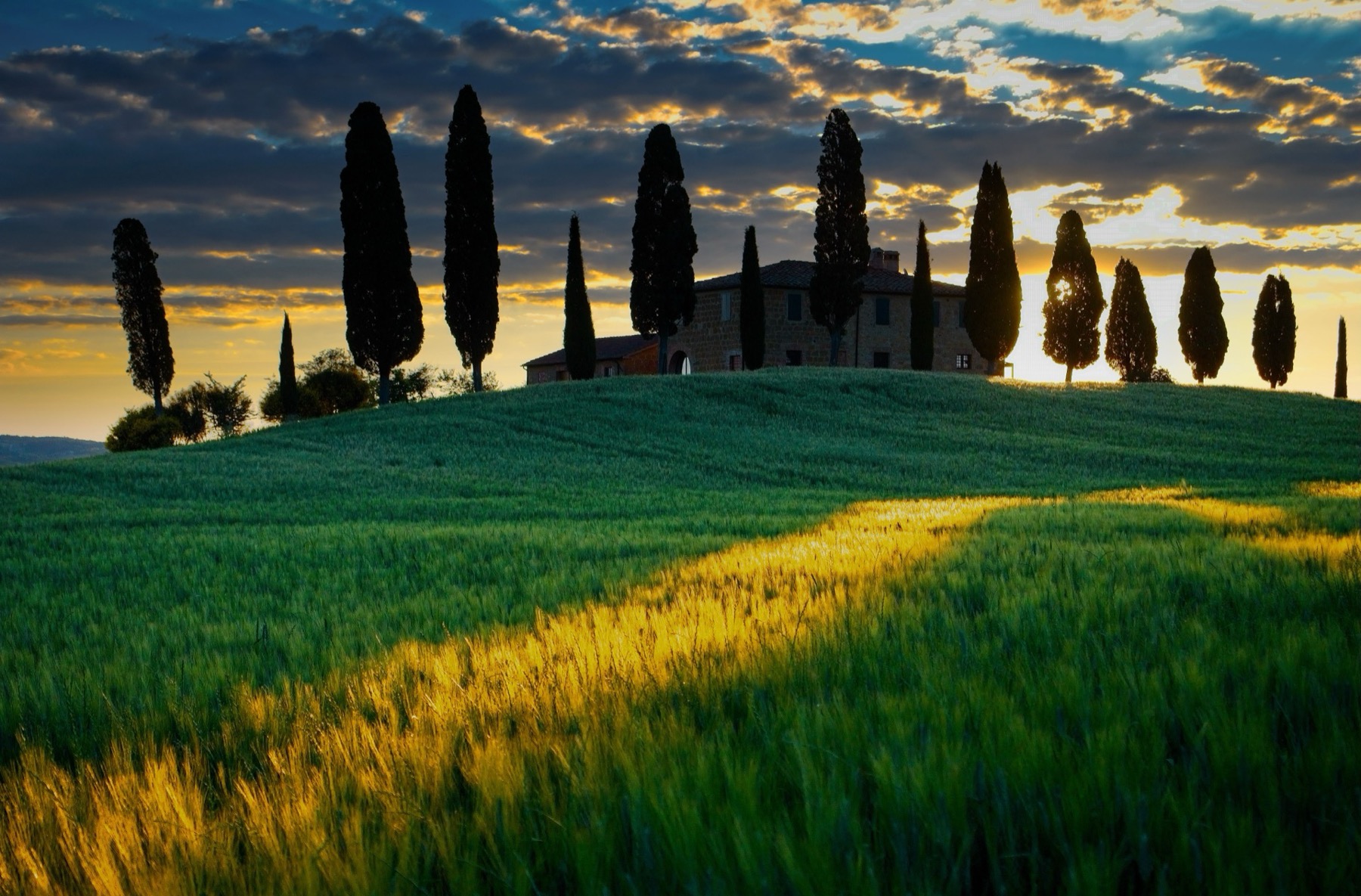
But if you long to eat food that was still growing in the garden that morning, and drink wine made by someone whose vineyard you can see from your window, Tuscany has something truly special in store for you.
TL;DR
- What an agriturismo is: A legally protected term for a working farm that offers accommodation and meals from its own produce.
- Price per night: Expect to pay roughly €100 to €200, with the cheapest options starting around €55.
- When to book: Ideally six months ahead, especially if you’re heading over for the summer season around the August Ferragosto holiday.
- A car is a must: Most farms sit in isolation at the end of unpaved, dusty tracks known as strade bianche.
- Half board is worth it: The mezza pensione option is very handy, as the nearest restaurant can be a good few dozen minutes’ drive away.
- What to watch out for: Expect early-morning tractor noise, the occasional whiff of animals, and often a weaker Wi-Fi signal.
- Top tip: Mention a vegetarian diet when you book — small family farms usually cook just one set menu for all guests.
The full destination guide: Tuscany — guide and what to see
What an agriturismo is and how it differs from a hotel
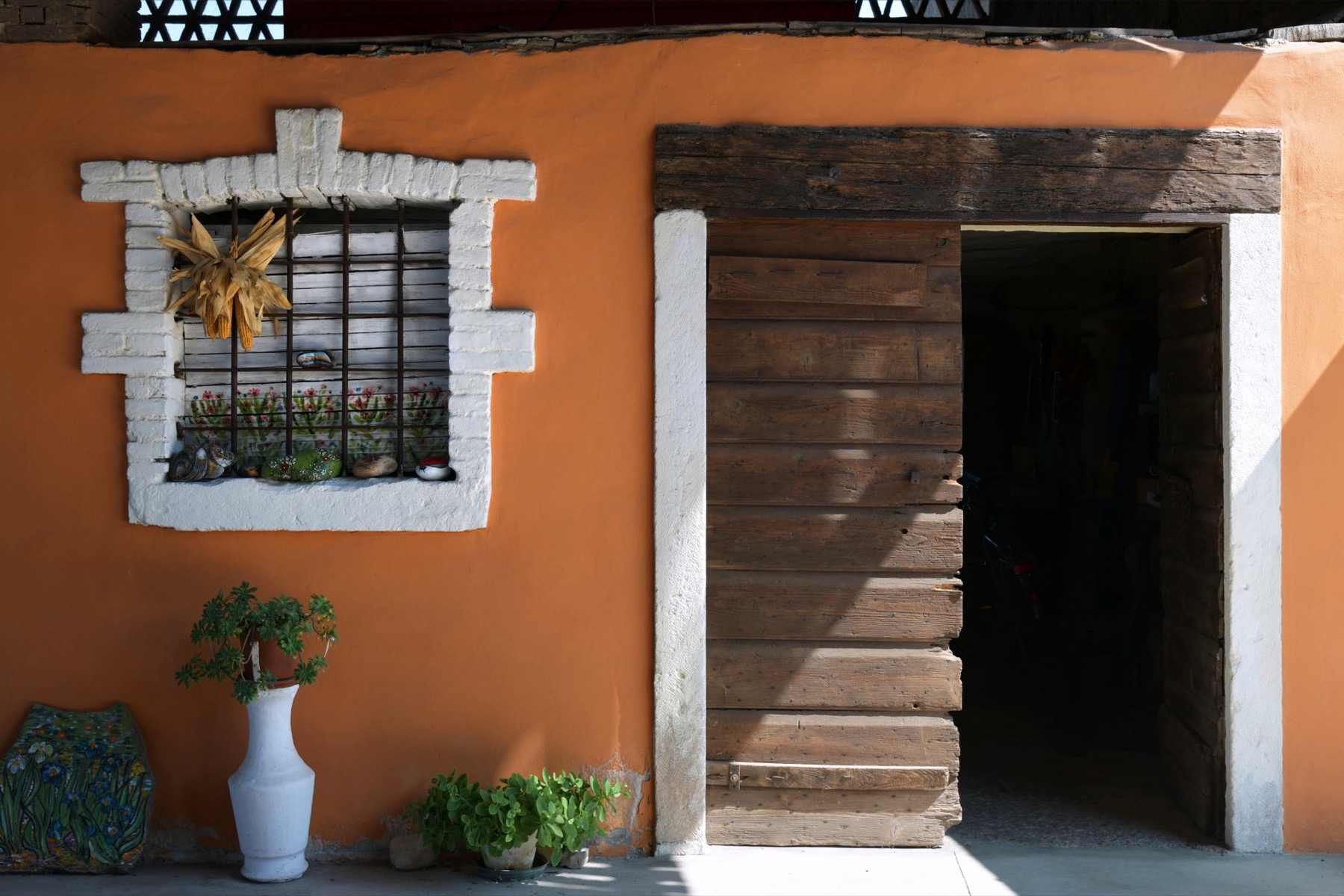
For a farm to use the name agriturismo at all, it must meet the requirements of Italian law (no. 96/2006) — and that’s no mere formality. This isn’t a marketing gimmick, but a state-regulated activity with strict rules.
By law, farming has to remain the main, dominant activity before a farm may use the prestigious agriturismo label at all. Most of the owners’ income has to come from working the land, growing crops or raising animals.
The accommodation and dining services are then directly tied to the agricultural production, whether that’s growing olives, grapes or forestry. The farm operator must be officially registered as an agricultural entrepreneur and listed in the regional register of agritourism operators.
The law allows these businesses to provide accommodation, meals and various recreational or educational activities, but only on the condition that they draw on the farm’s own resources and on the local rural culture. In Tuscany, these estates typically produce outstanding olive oil, wine, fresh fruit and a colourful array of vegetables.
| agriturismo | B&B | hotel | |
|---|---|---|---|
| link to farming | required by law | none | none |
| food | from the farm’s own produce | breakfast | restaurant |
| what you experience | life on a working farm | a room in someone’s home | standard service |
Put simply, at an agriturismo you sleep and eat right at the producer’s own place — an experience no ordinary guesthouse can offer you.
What to expect at an agriturismo — and what not to
This section is absolutely key to enjoying the Italian countryside without any unpleasant surprises. You’ll typically get breakfast and dinner made from whatever the farm grows itself, so it’s farm-to-table dining in its purest form.
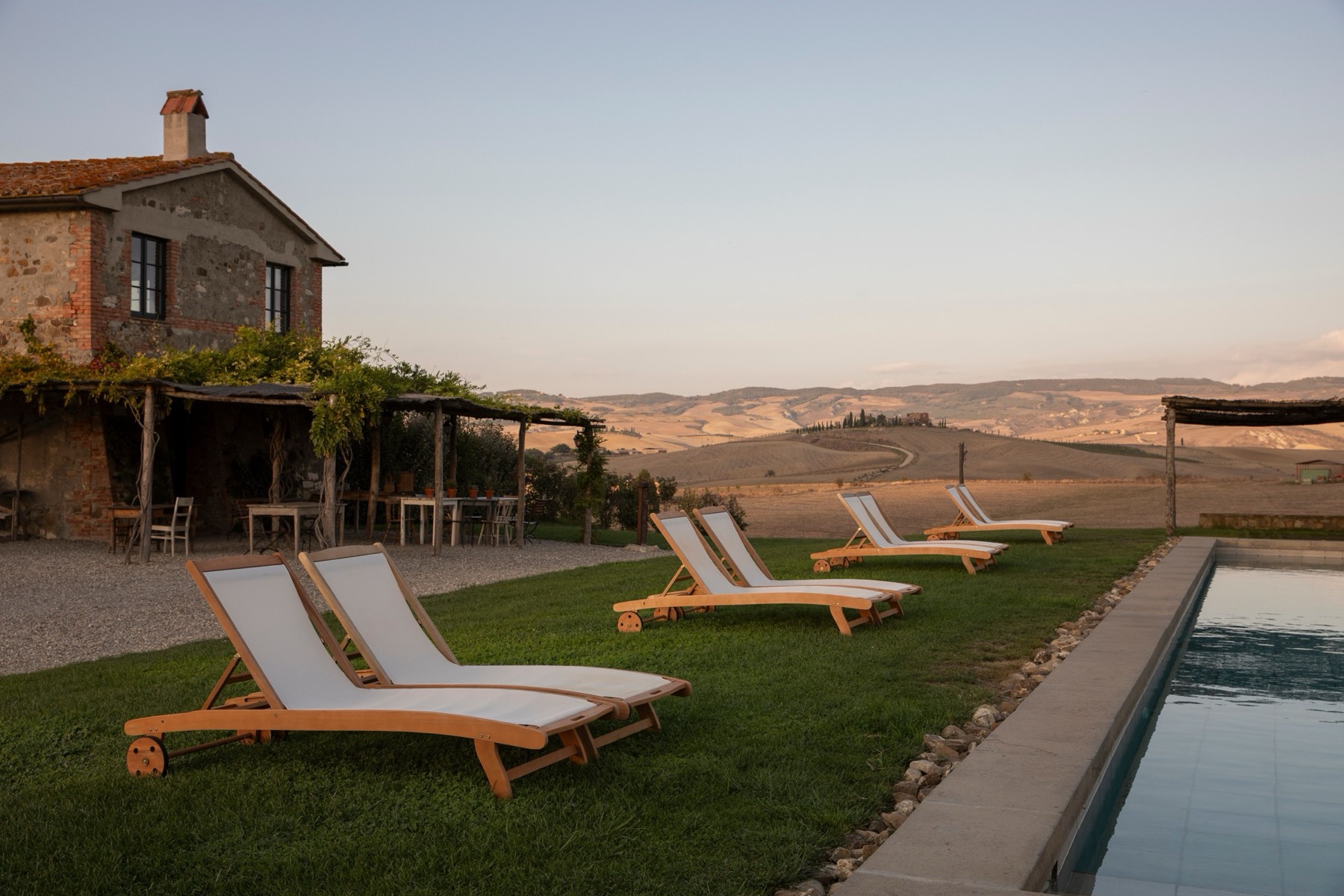
You’ll often find an outdoor pool with a view here — one you’d pay three times as much for in a city resort — and yet there’s nobody reserving loungers with a towel at dawn. Many places also offer tastings of their own wine and olive oil, or run popular traditional Tuscan cooking classes.
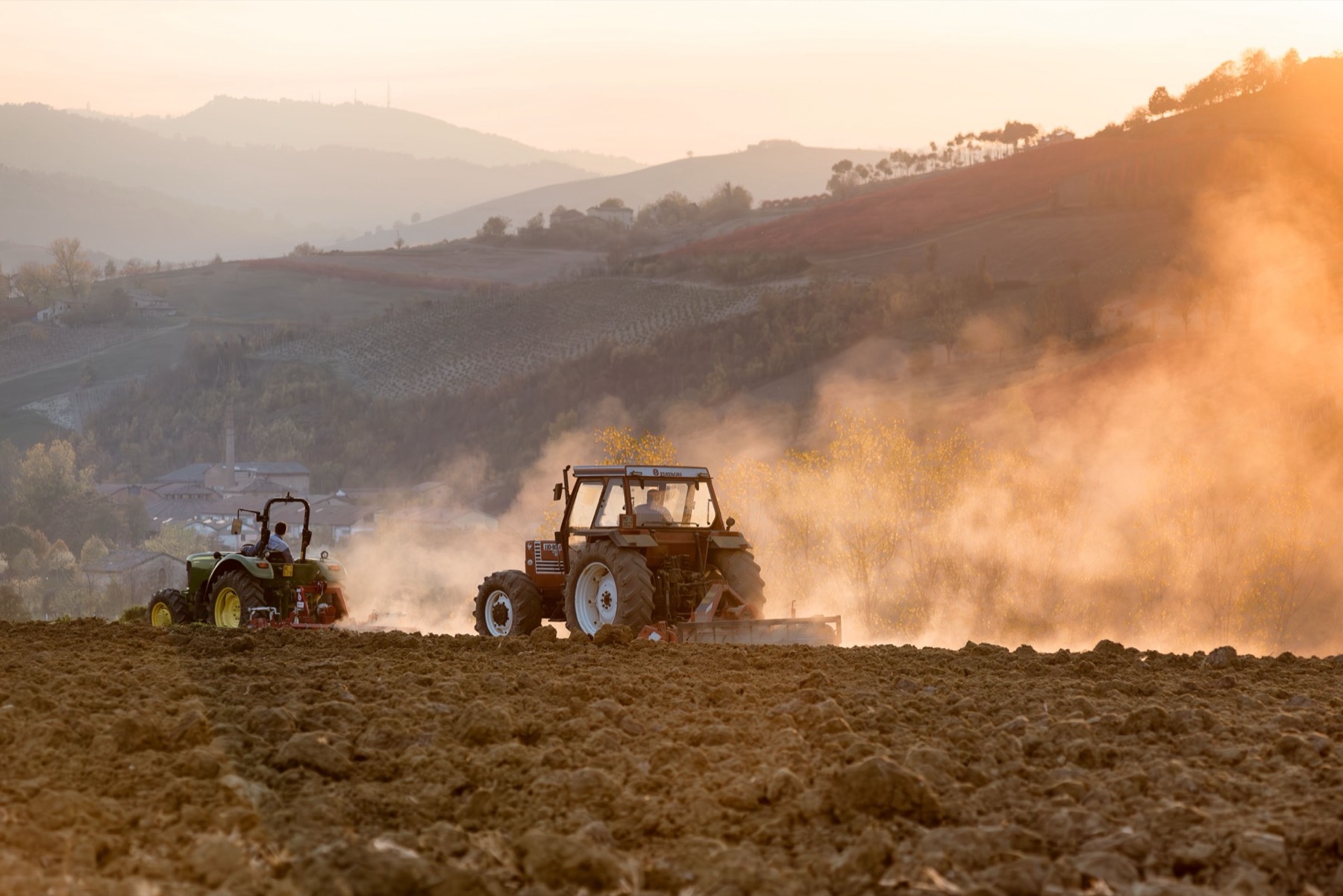
At the same time, you need to keep in mind that this is a genuinely working farm, and dusty tracks and the occasional gust from the animal stables simply come with the territory. If the sound of a tractor firing up at dawn so you can have fresh vegetables for dinner bothers you, you’re better off choosing a regular hotel.
The standard of accommodation also varies a lot here, ranging from very simple rooms with a shared bathroom all the way to utterly luxurious historic apartments. Star ratings don’t work as reliably as they do with hotels, so always read the user reviews carefully.
Also bear in mind that reception isn’t usually open around the clock, so you’ll need to arrange your exact arrival time with the owners in advance. Wi-Fi and mobile signal are often weak here, which is worth factoring in if you need to work on holiday.
On top of that, be prepared for the fact that you’ll be practically lost without your own or a rented car, since the farms lie deep in the countryside, far from any regular public transport.

How much a night at an agriturismo costs
The price range in Tuscany is fairly wide, but as a rough guide you’ll pay between €100 and €200 per night. The very cheapest and simplest options usually start somewhere around €55 a night.
These figures, however, vary hugely by season — in August and around the big Ferragosto public holiday, prices climb to their absolute peak. During the cooler month of April, or at the turn of October and November, on the other hand, you’ll find accommodation considerably cheaper.
Very popular and practical is the so-called mezza pensione option — half board, including accommodation, a generous breakfast and one hot main meal a day (usually dinner). This really pays off at remote farms, because getting to the nearest town and restaurant tends to be a tricky drive in the dark.
What’s more, the food is prepared from fresh local ingredients by the lady of the house herself. As a real example, take the popular Agriturismo Il Giogo in Rosignano Marittimo, where they regularly serve a hearty home-cooked Tuscan dinner for a very pleasant €25.

When to book
If you’re planning a trip for the main summer season, I’d recommend booking your accommodation a good six months ahead. Capacity at small farms disappears at an incredible rate, particularly around mid-August, when all of Italy is on holiday and celebrating Ferragosto.
The second big wave of tourists comes reliably in autumn, during the traditional grape harvest and the autumn olive picking, which falls mostly in September and October. Many travellers from around the world want to experience the authentic atmosphere of the harvest first-hand on a working estate.
Be very careful, though, that in the winter months plenty of farms close their accommodation completely, as the owners have to devote themselves fully to maintaining the farm and working the fields. Before any winter trip, then, always thoroughly check the current opening hours of the place you’ve chosen.
You’ll get the cheapest accommodation in Tuscany between November and March — but only provided you can find a farm that’s open for guests over the winter at all.
Where to look, by area
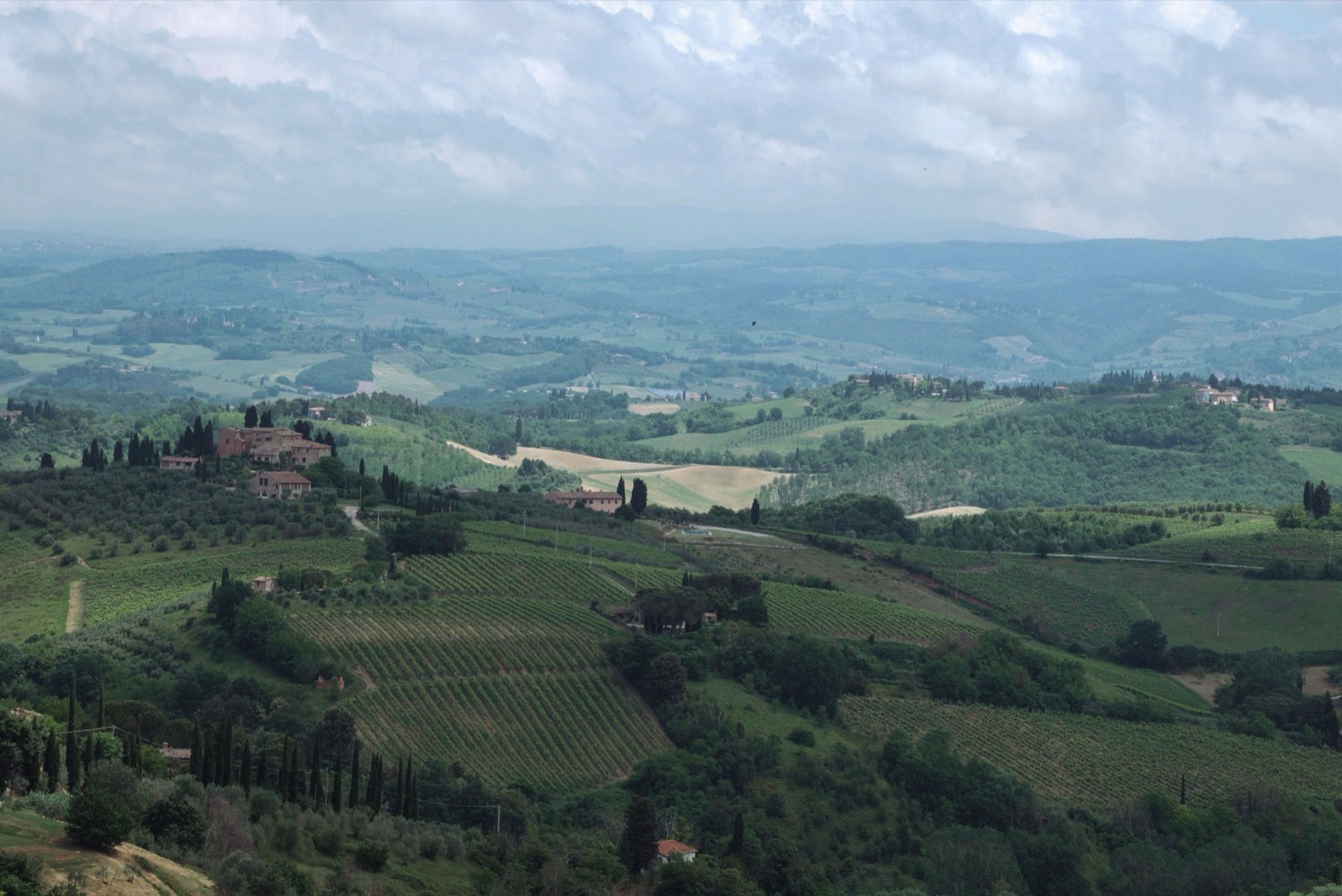
Tuscany, the famous region of Italy, is huge, and each part offers a slightly different type of landscape and overall atmosphere. The area you choose should match what you actually want from your holiday.
| area | who it’s for | what it’s known for |
|---|---|---|
| Val d’Orcia | photographers, romance | iconic hills with cypresses, UNESCO |
| Chianti | wine lovers | vineyards between Florence and Siena, tastings |
| Crete Senesi | peace and solitude | rolling clay landscape south of Siena |
| Montalcino | Brunello wine | wineries with their own accommodation |
| Maremma | families and the sea | the south of the region, near beaches, cheaper |
| around Florence | first-time visitors | easy reach of both city and countryside |
If you’re after classic postcard scenery, Val d’Orcia will absolutely blow you away, while fans of a good drink should head instead to central Chianti or south to Montalcino.
Where to stay: the 20 best agriturismi in Tuscany, Italy
💡 Tip for accommodation and experiences: We prefer to look for accommodation on Booking.com, which usually has the best cancellation terms. For tickets, tours and activities, it’s worth comparing and buying through GetYourGuide.
I’ve picked out twenty specific estates, split by area so everyone can more easily find their own. All of these places meet the criteria of a true agriturismo, and you can expect an authentic experience from every one of them.
1. Agriturismo il Rigo (Val d’Orcia)
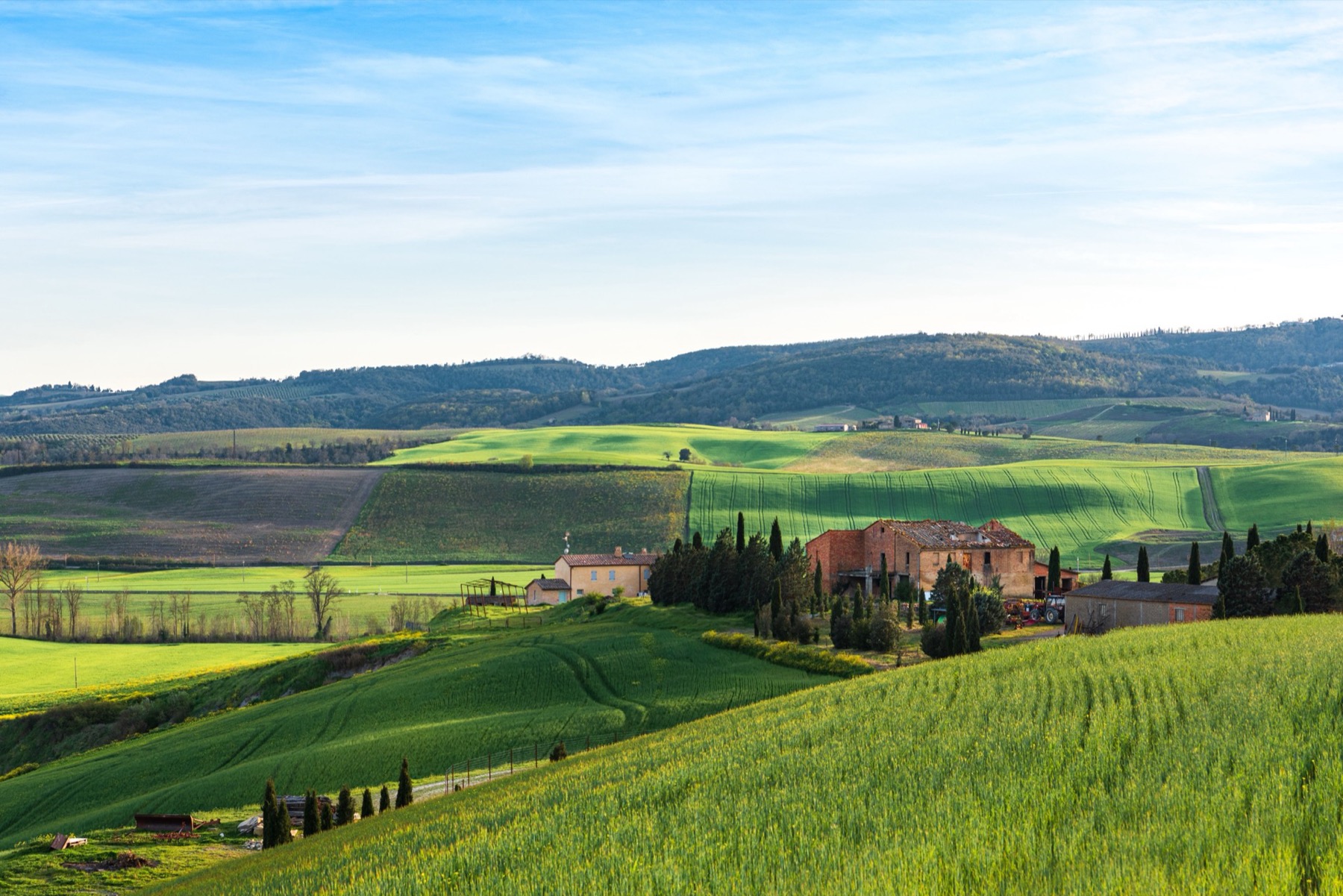
This picturesque farm, which you’ll find under the name Agriturismo il Rigo, sits in the hamlet of Casabianca near the historic little town of San Quirico d’Orcia — the very heart of the most-photographed part of Tuscany. The landscape here rolls in endless shades of green and gold, dotted with lonely cypress avenues and old stone chapels. It’s exactly the area you know from every brochure and calendar, so if you love photography, you’ll be in absolute heaven.
The place boasts a high rating of 4.8 from more than three hundred reviews, which speaks to very consistent quality of service. The owners tend to their fields and their guests with the same care — and the results show both on the plate and in how well you’ll sleep. Its closeness to lovely historic towns like Pienza and Montalcino makes this an ideal strategic base for day trips around the area.
Given the enormous popularity of this particular area, I strongly recommend sorting out your booking really far in advance, because capacity vanishes at lightning speed. Don’t forget to pack a lighter jumper for evenings outside, because even after hot summer days, the evenings out in the open Val d’Orcia valley can be pleasantly refreshing and slightly cool.
👉 Booking: Check availability and prices — Agriturismo il Rigo
2. Vento d’Orcia (Val d’Orcia)
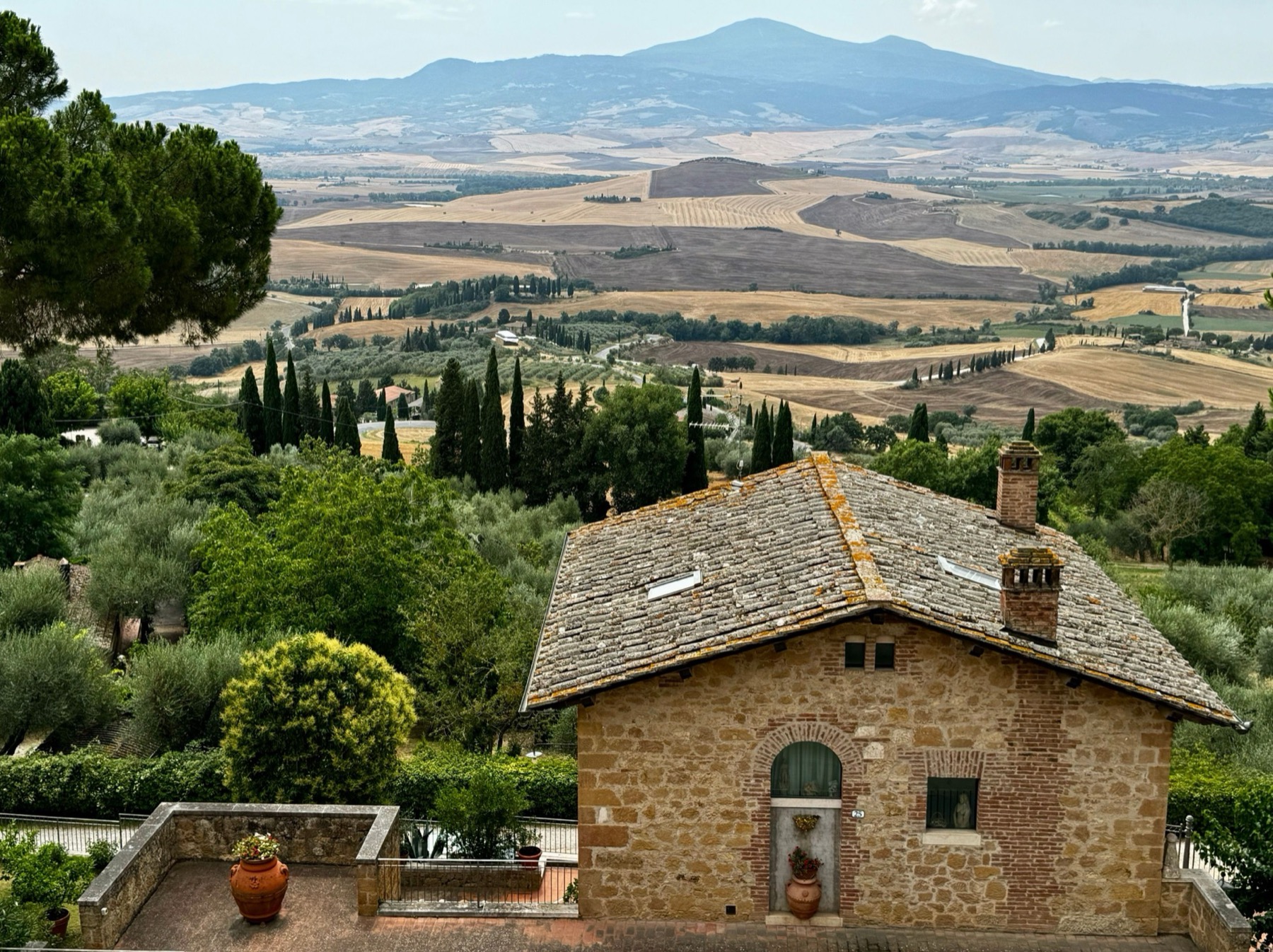
If you’re after the perfect blend of nature and history, you’ll find it at this place, set in the locality of Podere Poderino 128 right by the famous town of Pienza and called Vento d’Orcia. Pienza is itself a Renaissance architectural gem on the UNESCO list, famed among other things for its fantastic pecorino sheep’s cheese, whose scent drifts out of every little shop. Staying so close to this culinary hub is a huge bonus for food lovers.
A rating of 5.0 from a hundred and sixty reviews is no accident — guests repeatedly praise the breakfasts above all, and the fact that they’re always surprised by something. It’s an ideal retreat for romantic couples looking to enjoy a peaceful holiday in gorgeous surroundings.
It’s also a perfect base for exploring all of southern Tuscany, whether you head off by bike into the hills or drive to the thermal springs in nearby Bagno Vignoni. Be prepared, though, that the access roads can be dusty, so if you’re renting a car, definitely consider a model that won’t mind a little countryside dust and gravel.
👉 Booking: Check availability and prices — Vento d’Orcia
3. Agriturismo San Marcello in Val d’Orcia (Val d’Orcia)
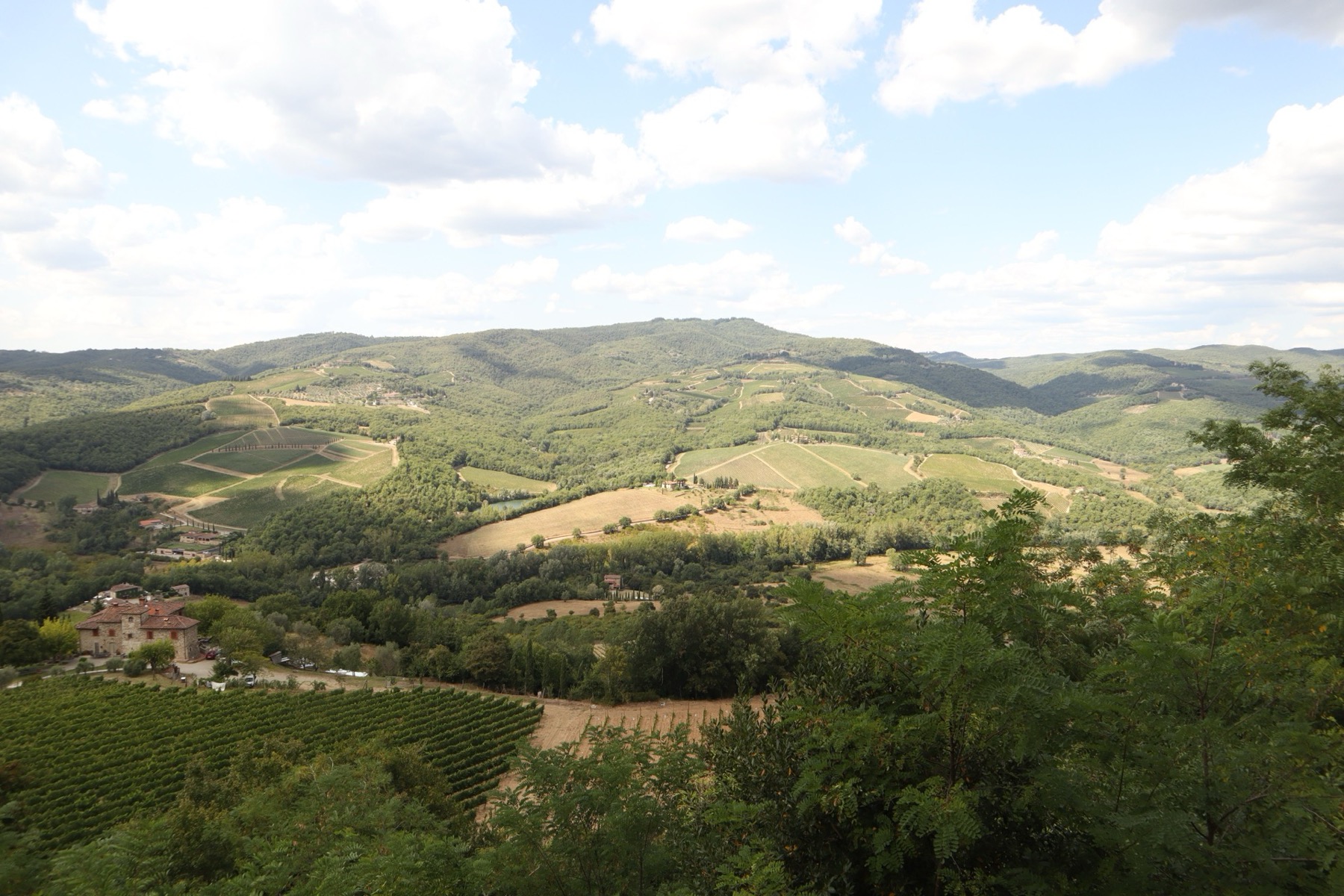
The third great representative of the photogenic Val d’Orcia valley is this estate, which you’ll find right by the SS 2 Cassia state road near the charming little town of Castiglione d’Orcia. This location is exceptionally handy for travellers who want easy access to the main roads without having to painstakingly navigate narrow, winding country lanes deep in the woods. The town itself offers a beautiful landmark in the form of the old Rocca fortress, with phenomenal views over the surrounding countryside.
Guests have rewarded this place with an average rating of 4.9 from nearly a hundred and seventy reviews, which guarantees they’ll look after you with typical Italian warmth and hospitality. The atmosphere is very relaxed and family-run, perfectly reflecting the traditional rural way of life, where nobody’s in a hurry and time flows to the rhythm of the ripening harvest. Guests often praise the peaceful setting, made for evening relaxation with a glass of wine.
Another advantage of this spot is its relative closeness to Monte Amiata, where you can head off on a pleasant hike if you tire of the endless views over vineyards and olive groves. Just remember that in the summer months the sun here can be truly relentless, so pack plenty of good sun cream and a comfortable hat for a full day outdoors.
👉 Booking: Check availability and prices — Agriturismo San Marcello in Val d’Orcia
4. Agriturismo San Sano (Chianti)
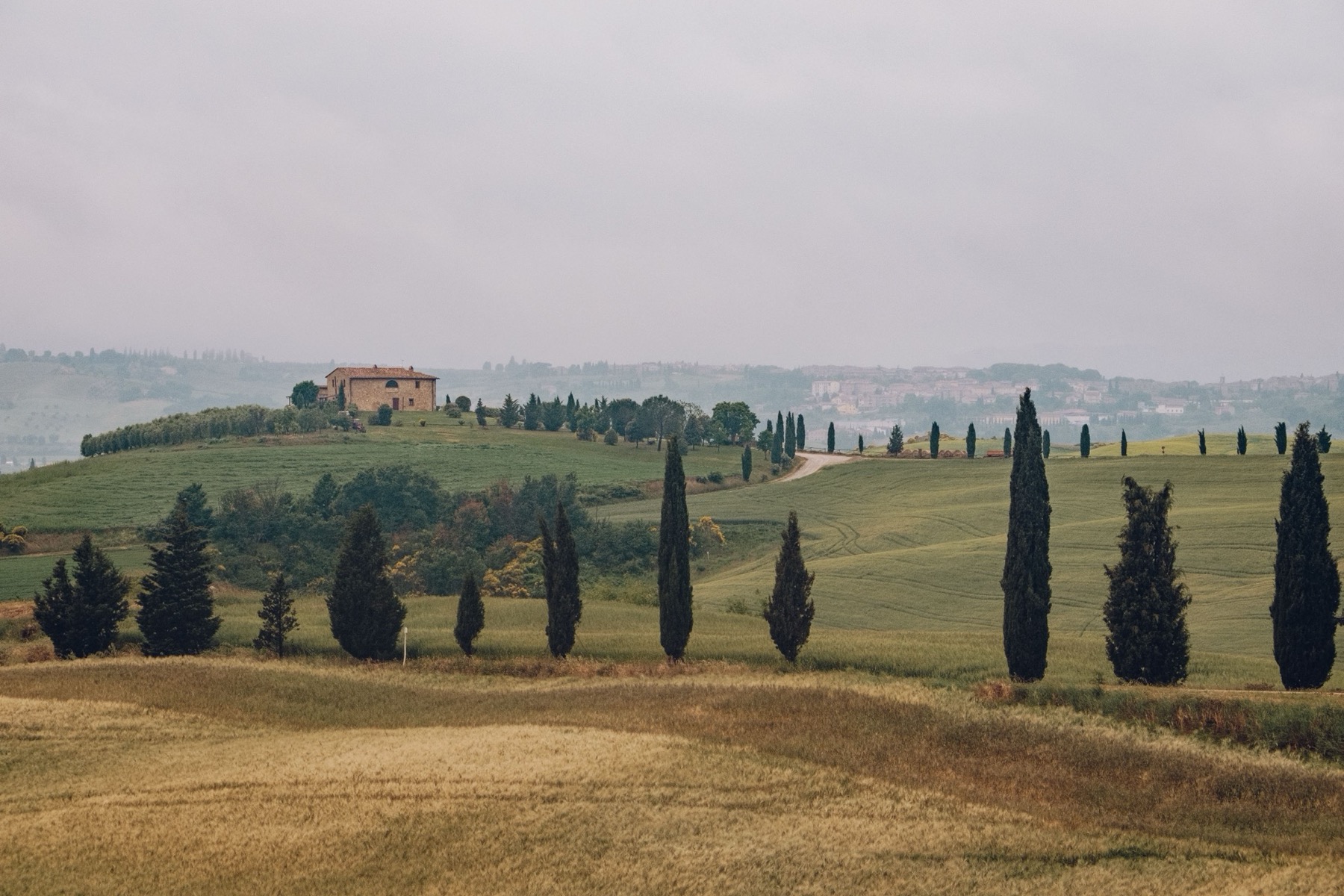
We move on to the famous wine region of Chianti, more precisely to the locality of San Sano no. 6, which lies near the well-known centre of Gaiole in Chianti. This area is characterised by dense oak woods, steep little hills and endless rows of vineyards that produce one of the most famous red wines in the world. If the main goal of your trip is getting to know the local wine culture and history, you’ve come to exactly the right address.
This estate consistently holds an excellent rating of 4.9 from more than three hundred and fifty happy guests, making it one of the safest bets in the wider Chianti region. The owners cultivate a warm relationship with their visitors and are happy to share their years of experience growing vines and making traditional local wine. A stay here is really a little informal school of Italian country life and gastronomy.
Cyclists come here on purpose, but bear in mind that the terrain in Chianti is seriously hilly and will really test you physically. From here you can also very easily take day trips to nearby Siena, where you can admire the famous semicircular Piazza del Campo and the gorgeous marble cathedral.
👉 Booking: Check availability and prices — Agriturismo San Sano
5. Farmhouse Colle (Chianti)
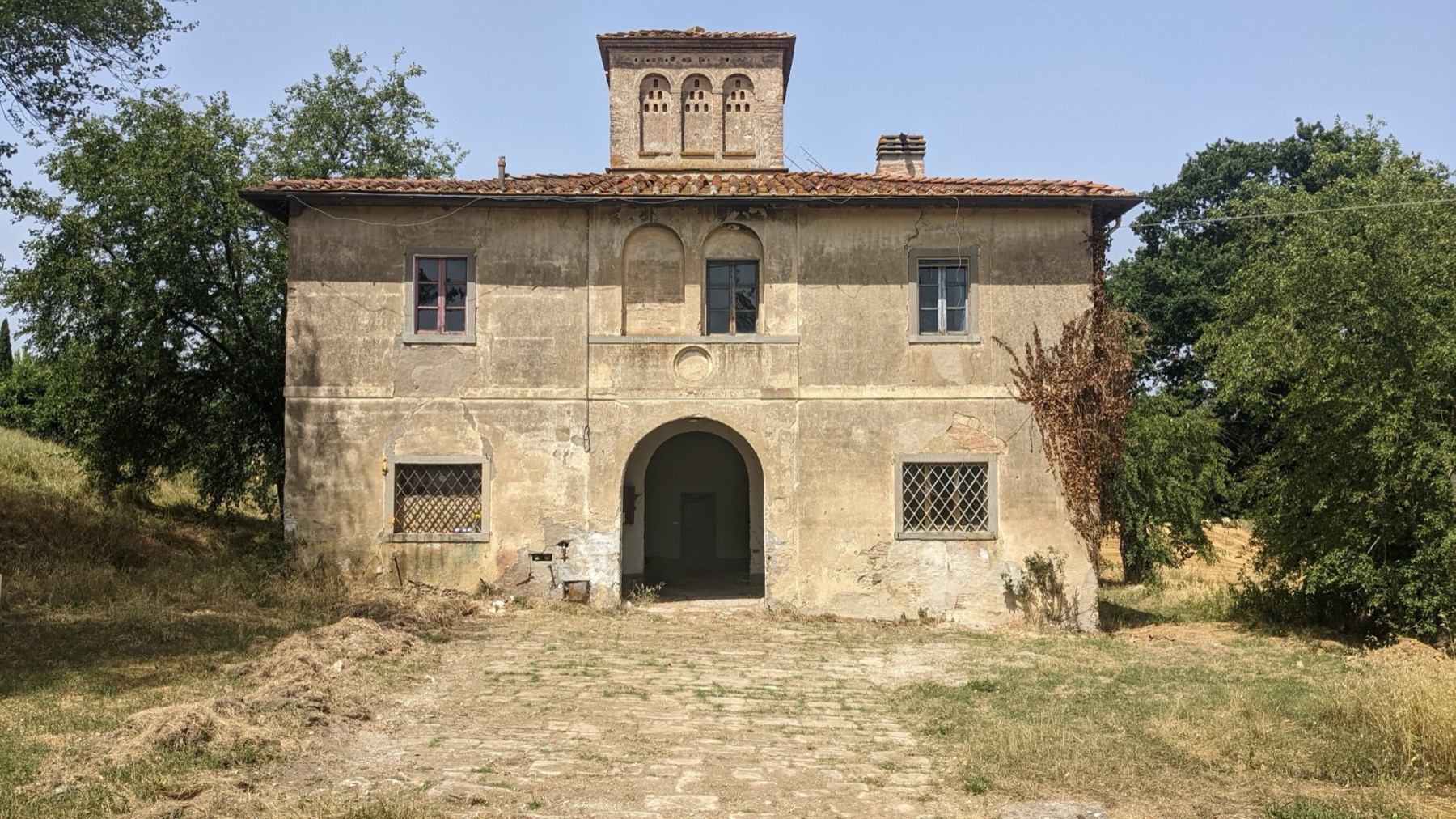
If you’re after a peaceful retreat on the border between wild nature and cultivated countryside, head to this spot in the locality of Poggio alla Croce near the town of Figline e Incisa. You’re on the northern edge of the Chianti region here, which gives you very good, quick access towards Florence if you’d like to combine rural calm with a visit to Renaissance monuments and great world galleries. It’s the ideal compromise for travellers who don’t want to be completely cut off from civilisation, yet still long to wake up to greenery each morning.
The estate can boast a superb rating of 4.9 from more than three hundred and twenty reviews, clearly showing that the owners manage to keep standards high over a very long stretch of time. The atmosphere breathes old times, the buildings have a traditional stone character and the whole place feels incredibly harmonious, instantly stripping away all your accumulated stress. Couples often head here in search of an escape from busy European cities into pure calm.
The farm places great emphasis on honest home production and traditional methods, so you can look forward to wonderful local flavours you won’t buy in any supermarket. Don’t forget to pack sturdy, closed shoes for wandering the surrounding woods and hills, because the terrain here can be unpredictable and stony.
👉 Booking: Check availability and prices — Farmhouse Colle
6. Farmhouse Corte di Valle (Chianti)
Right in the heart of the Greve in Chianti area, specifically in the locality of Vicchio 28, you’ll discover this exceptionally popular place with deep roots. The town of Greve in Chianti itself is often considered the unofficial capital of this entire wine region and offers a beautiful triangular square with arcades, beneath which hide traditional butchers, wine shops and small artisan stores. Staying right nearby means having the very best Tuscan lifestyle within arm’s reach.
This agriturismo has gathered a respectable 707 reviews with a gorgeous average of 4.8, making it one of the most tried-and-tested and best-visited places in our selection. The high number of ratings guarantees that quality here isn’t down to chance, but the result of hard, systematic work by the whole team who look after the estate. Guests regularly single out the magical setting, the very attentive staff and the overall flawless upkeep of the whole extensive grounds.
Thanks to its strategic position, this place is an ideal base for exploring the so-called Chiantigiana road (SR 222), which winds between the vineyards and links Florence with Siena. Trips along this route are among the best driving experiences Italy has to offer — just watch out for the sharp bends and the occasional cyclists who love to zip along here.
👉 Booking: Check availability and prices — Farmhouse Corte di Valle
7. Borgo Casa al Vento (Chianti)
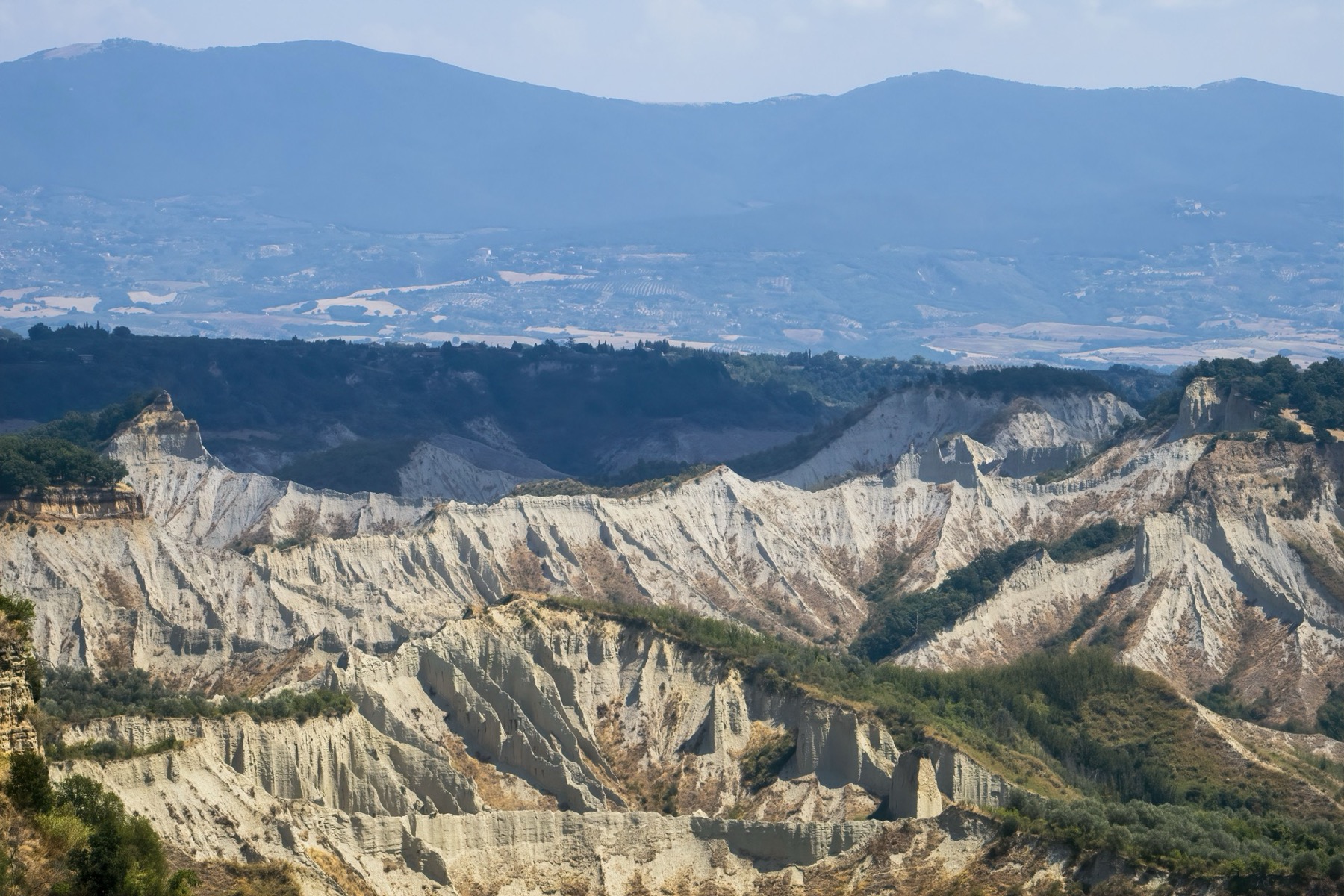
Back to the area around Gaiole in Chianti, this gorgeous complex takes you into a somewhat larger and more elaborate take on agritourism. The word borgo in the name hints that it’s a whole small historic hamlet, sensitively restored to provide modern-day comforts while keeping its ancient spirit and original architecture. You’ll find several buildings, picturesque nooks and plenty of space for pleasant evening strolls.
With a rating of 4.6 from more than four hundred reviews, the place keeps up a very solid standard and is popular with a wider range of travellers, including families with slightly older children. Given the size of the grounds, there’s a somewhat livelier atmosphere here than at isolated remote farms, which may suit those who enjoy the feel of a small community and like making contact with other guests on holiday. It’s simply a place with a bit more of a social buzz.
The big draw here is naturally the local production of quality red wine, which you can taste right in the old cellars under the watchful eye of experienced experts. I recommend setting aside plenty of free time for the stay on the grounds itself, rather than planning trips every day, so you can fully enjoy the pool and relaxation zones overlooking the vineyards.
👉 Booking: Check availability and prices — Borgo Casa al Vento
8. Agriturismo San Lorenzo (Crete Senesi)
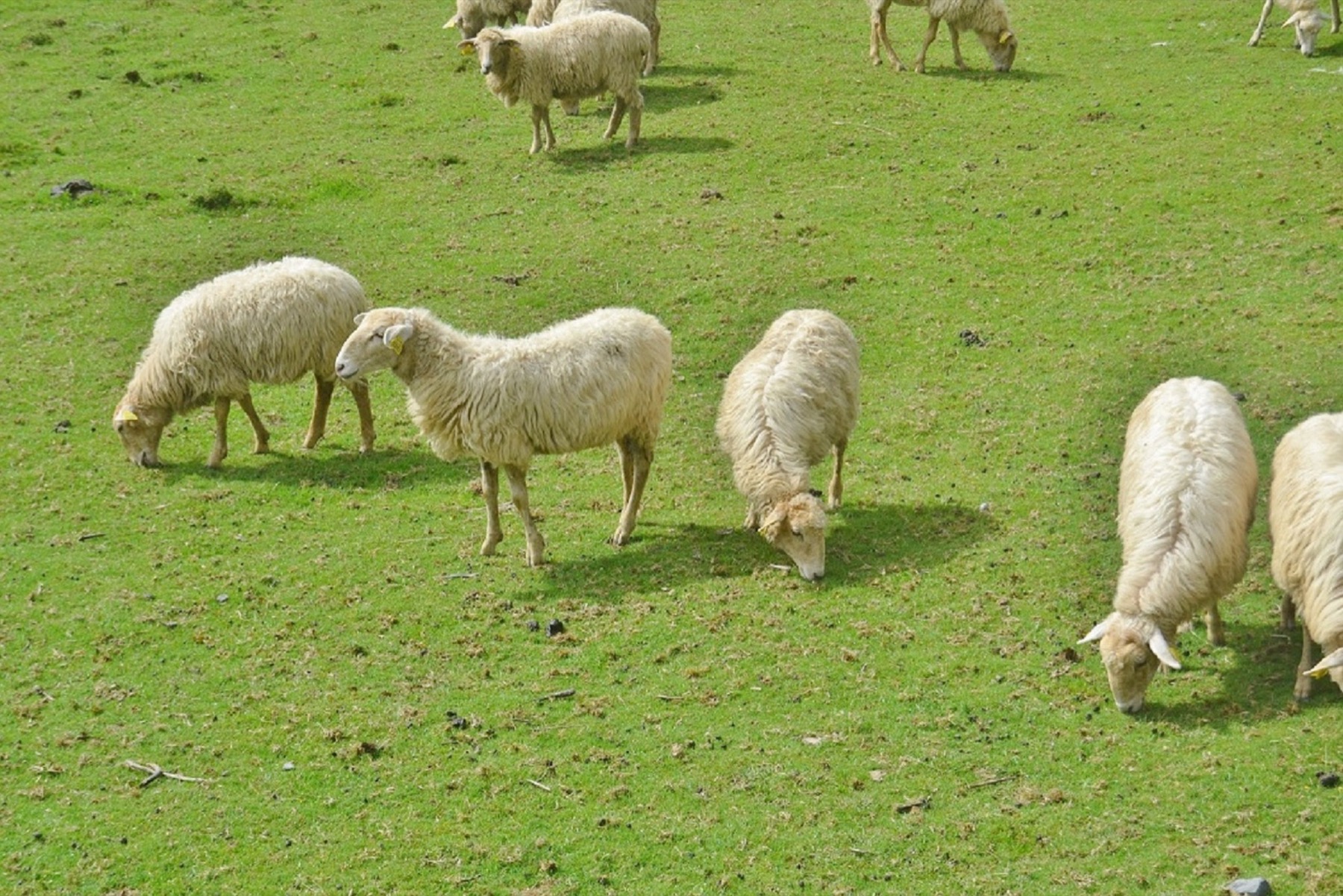
We move on to the fascinating Crete Senesi area south of Siena, specifically to the locality of Serre di Rapolano, home to this exceptional estate. The landscape here is completely different from the rest of Tuscany — it’s a rolling clay region with barely any trees that in summer looks more like a lunar surface or a parched desert. But this dramatic, raw character of the land has enormous charm and draws travellers seeking absolute peace, silence and deep solitude far from the crowded tourist centres.
This farm achieves a fantastic rating of 4.9 from more than two hundred and thirty reviews, with guests often stressing in their comments that this is “more than just an ordinary agriturismo”. The owners have clearly managed to create a setting that exceeds normal expectations and offers genuinely above-standard guest care combined with unfaked rustic aesthetics. Relaxing by the pool with a view of the bare clay hills changing colour at sunset is said to be an utterly hypnotic experience.
Nearby lie the Rapolano Terme thermal baths, where you simply must go to unwind after a full day out in the scorching, treeless country — the sun here has nowhere to hide, and you’ll feel it fast without a drink. Despite the area’s remoteness, don’t forget that in the summer months the open spaces here see extreme heat, since there’s no natural shade from mature woodland, so staying hydrated is an absolute must.
👉 Booking: Check availability and prices — Agriturismo San Lorenzo
9. Agriturismo San Giovanni (Crete Senesi)
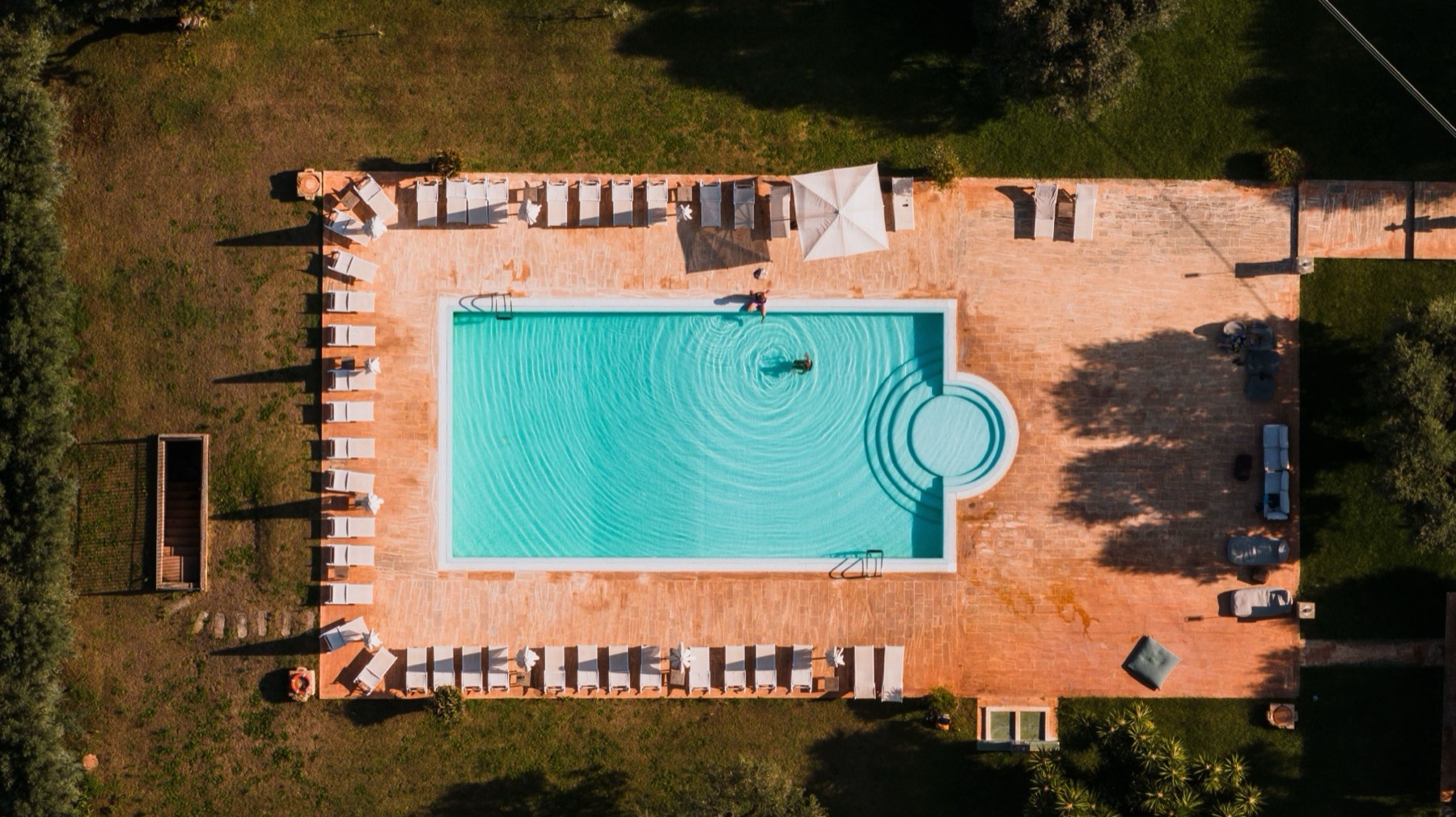
Right next to the little town of Monteroni d’Arbia lies another gem of the Crete Senesi area, surrounded by the most desolate and romantic Italian landscape. This locality is famous for its lonely hilltop estates, always reached by a single dusty track lined with slender cypresses — exactly the sight every visitor to the region longs to see. It’s a place made for morning meditation, long quiet walks and a digital detox from the modern world.
The place holds a superb score of 4.9 from around a hundred and forty-five ratings, and reviews constantly repeat words about the exceptionally warm hospitality and authentic atmosphere. Guests appreciate above all the very personal approach of the owners, who are happy to chat with you and share hidden local tips for trips you won’t find in any printed guidebook. People say you feel more like you’re staying with distant Italian relatives than at a commercial accommodation provider.
Siena is just a few dozen minutes’ drive away, but the access roads call for caution, especially after a storm, when the dusty gravel quickly turns into a slide.
👉 Booking: Check availability and prices — Agriturismo San Giovanni

10. Agriturismo Casanova (Crete Senesi)
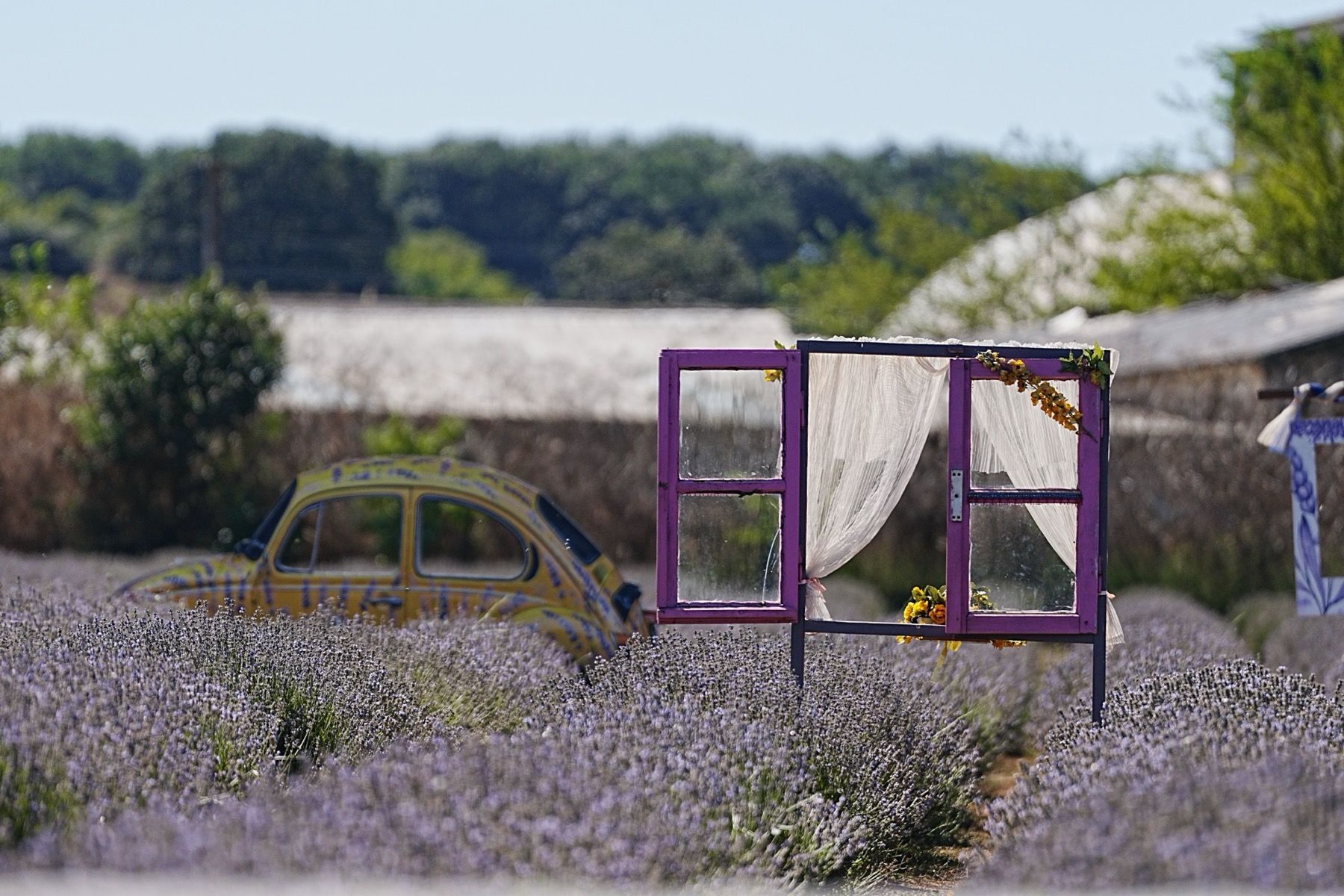
Near the little town of Asciano, the unofficial centre of the whole Crete Senesi area, you’ll come across this very popular farm, which combines rustic charm with the comfort you need. The landscape here is famed for its deep erosion gullies known as calanchi and the dome-shaped biancane formations, which give the surroundings a very dramatic, unusual look that impresses just about every lover of unusual natural scenery. It’s a setting that forces you to slow down and simply drink in the view into the distance.
This estate has gathered a lovely rating of 4.9 from around a hundred reviews and stands out above all for its superb outdoor facilities. Guests rate the clean pool, the romantic swing and the carefully tended garden very positively, and the biggest bonus is that from anywhere on the grounds you can beautifully make out the silhouette of historic Siena in the distance. Spending summer evenings here with a glass of chilled wine and a view of the ancient city on the horizon is said to be the real Tuscan romance.
The town of Asciano offers an interesting archaeological museum and the ancient Monte Oliveto Maggiore abbey, which is definitely worth a half-day trip if you’re into history and art. Bear in mind that you’ll be fairly isolated on the farm, so buy any supplies of drinking water and little snacks in advance at one of the larger supermarkets along the way.
👉 Booking: Check availability and prices — Agriturismo Casanova
11. Il Lavandeto (near Siena)
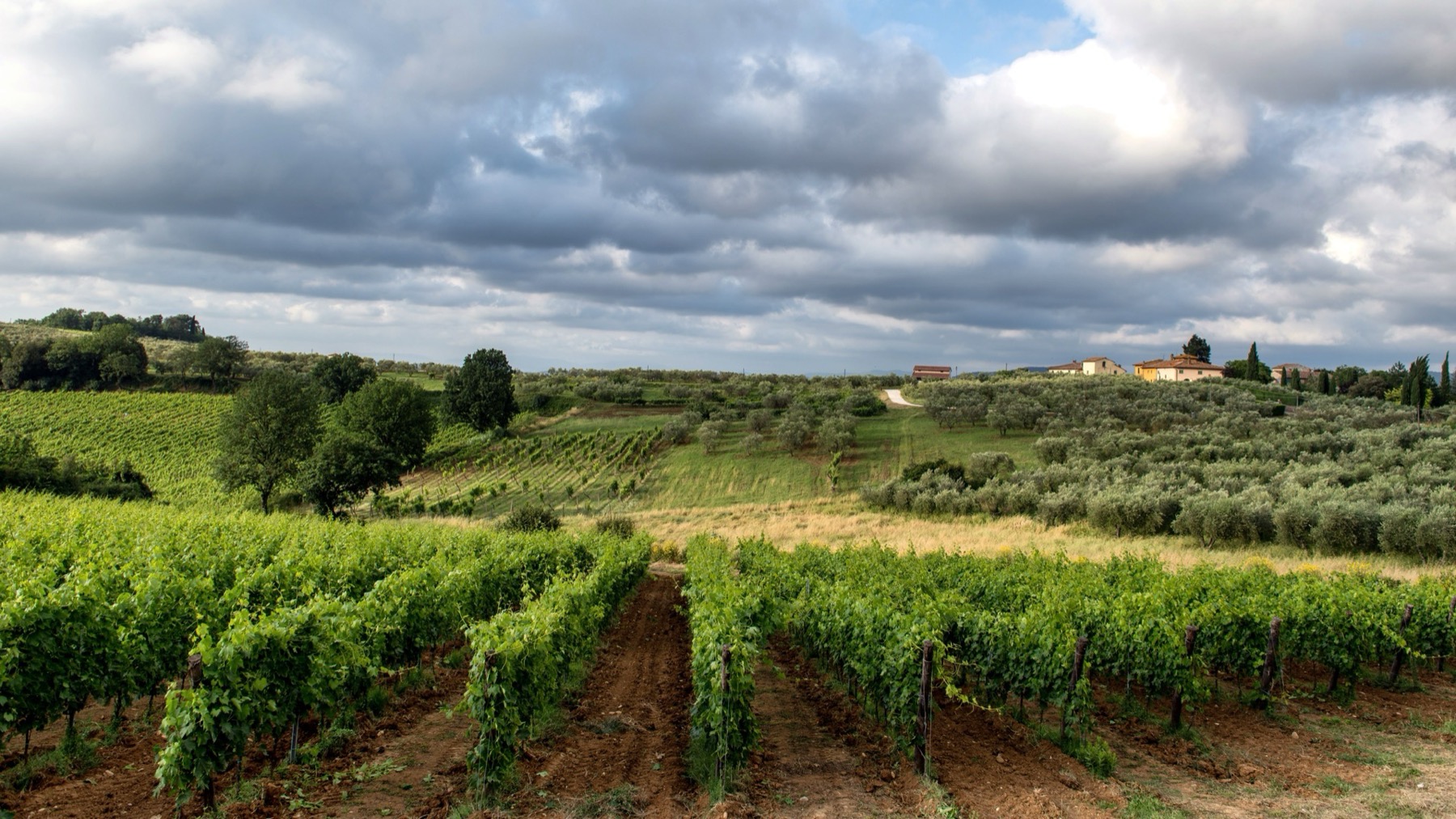
If you want to experience country calm but can’t stand a long commute into civilisation, this place on Strada Massetana Romana is an absolutely ideal choice for you. It’s a genuinely working farm that sits essentially right on the edge of Siena, so you have the best of both worlds within arm’s reach. You can wake to the crowing of roosters and stroll into the historic centre of one of the loveliest cities in Europe for an ice cream in the evening.
Guests reward this unique concept with an excellent average of 4.9 from more than a hundred and seventy reviews, praising the local food most of all, alongside the fantastic location. The generous, hearty breakfasts, which the owners make from home-grown ingredients and which will give you energy for a full day of exploring the city’s sights, get special mention in the reviews. It’s a wonderful compromise for those wary of overly remote, hard-to-reach spots.
You won’t have to worry about parking in Siena, which saves you both nerves and money — just bear in mind that the pitch-black country darkness and absolute silence simply aren’t on offer here, thanks to the closeness of the city.
👉 Booking: Check availability and prices — Il Lavandeto
12. Farm House Colsereno (Montalcino)
We head south to the wine region of Montalcino, specifically to the locality of Podere Colsereno, devoted to the production of one of Italy’s most prestigious wines. The area is typified by gently sloping hills densely covered with meticulously tended vineyards and small stone villages that recall the Middle Ages. If your dream is to delve into the secrets of making heavy red wines, you’ll be right at the centre of the action here.
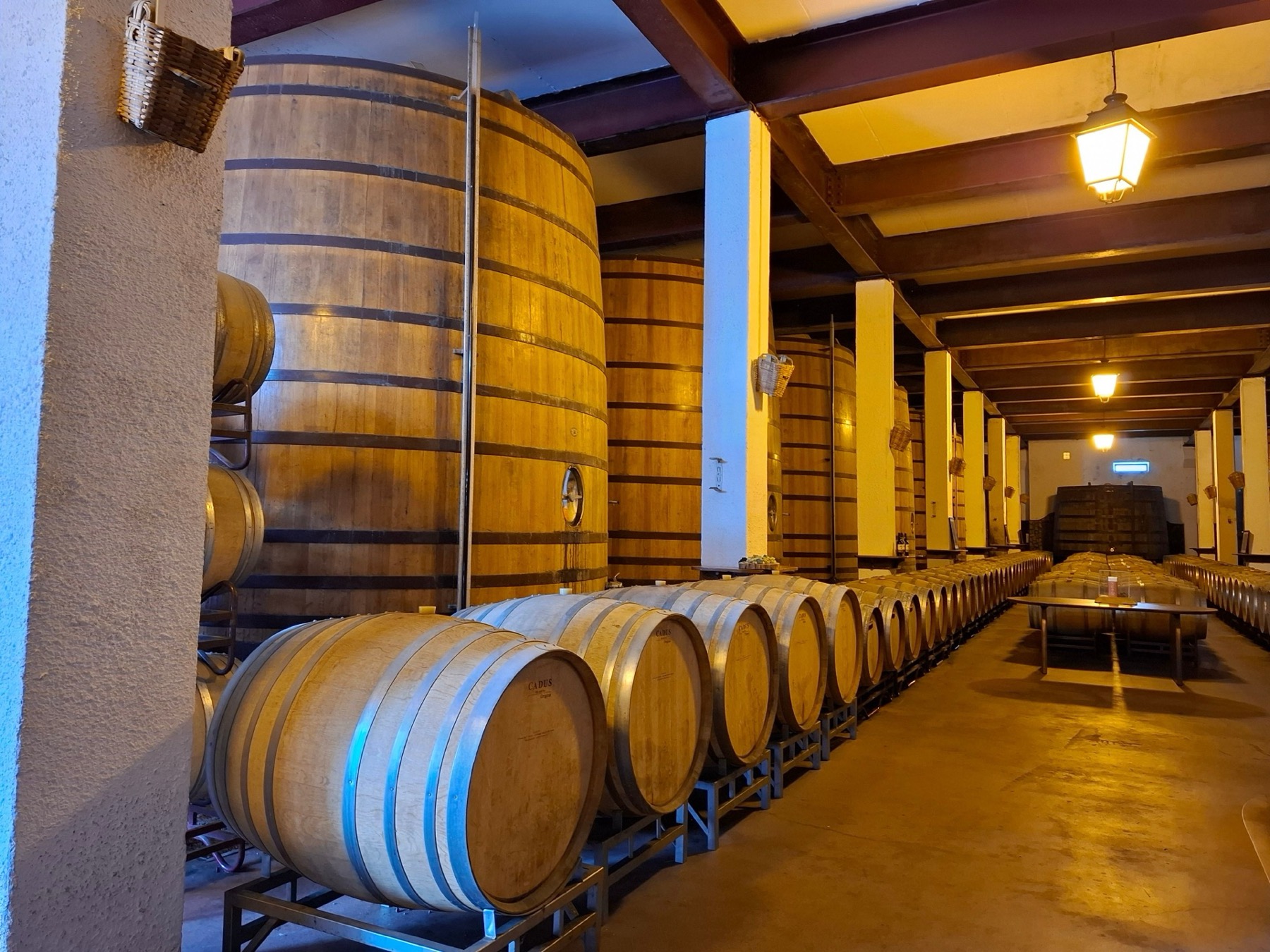
This place boasts a lovely rating of 4.9 from more than two hundred and twenty guests, and its main draw is precisely the combination of accommodation with active winemaking. The owners offer very interesting tasting packages that let you sample the local produce right where it’s made, with expert and engaging commentary. It’s an experience that both complete beginners and experienced wine connoisseurs looking for new and interesting vintages will appreciate.
The town of Montalcino itself sits on a high hill and offers a beautiful fortress, with a stunning view over the entire southern part of Tuscany as far as Monte Amiata. When travelling around this area, watch out for increased traffic from farm machinery, especially if you head over during the busy autumn harvest season.
👉 Booking: Check availability and prices — Farm House Colsereno
13. Capanna Suites (Montalcino)
For travellers who want to experience the atmosphere of the Italian countryside but aren’t willing to compromise on their high standards of comfort, there’s this place in the locality of Valdicava near Montalcino. The word “suites” in the name clearly signals that this is a more luxurious, more modern take on the classic agriturismo, placing great emphasis on top-notch design and above-standard room fittings. It’s a place where you have 16th-century stone walls but a bed like in a boutique hotel — and you’ll either love or hate that combination.
A score of 4.8 from more than two hundred and thirty ratings confirms that this premium concept works very well and that guests are willing to pay extra for quality. Here you can expect very elegant surroundings, a sophisticated presentation of local products, and service that leans more towards top boutique hotels than a plain working farm. It’s an ideal choice for honeymoons, major life anniversaries, or simply for those who want to treat themselves to a little extra luxury.
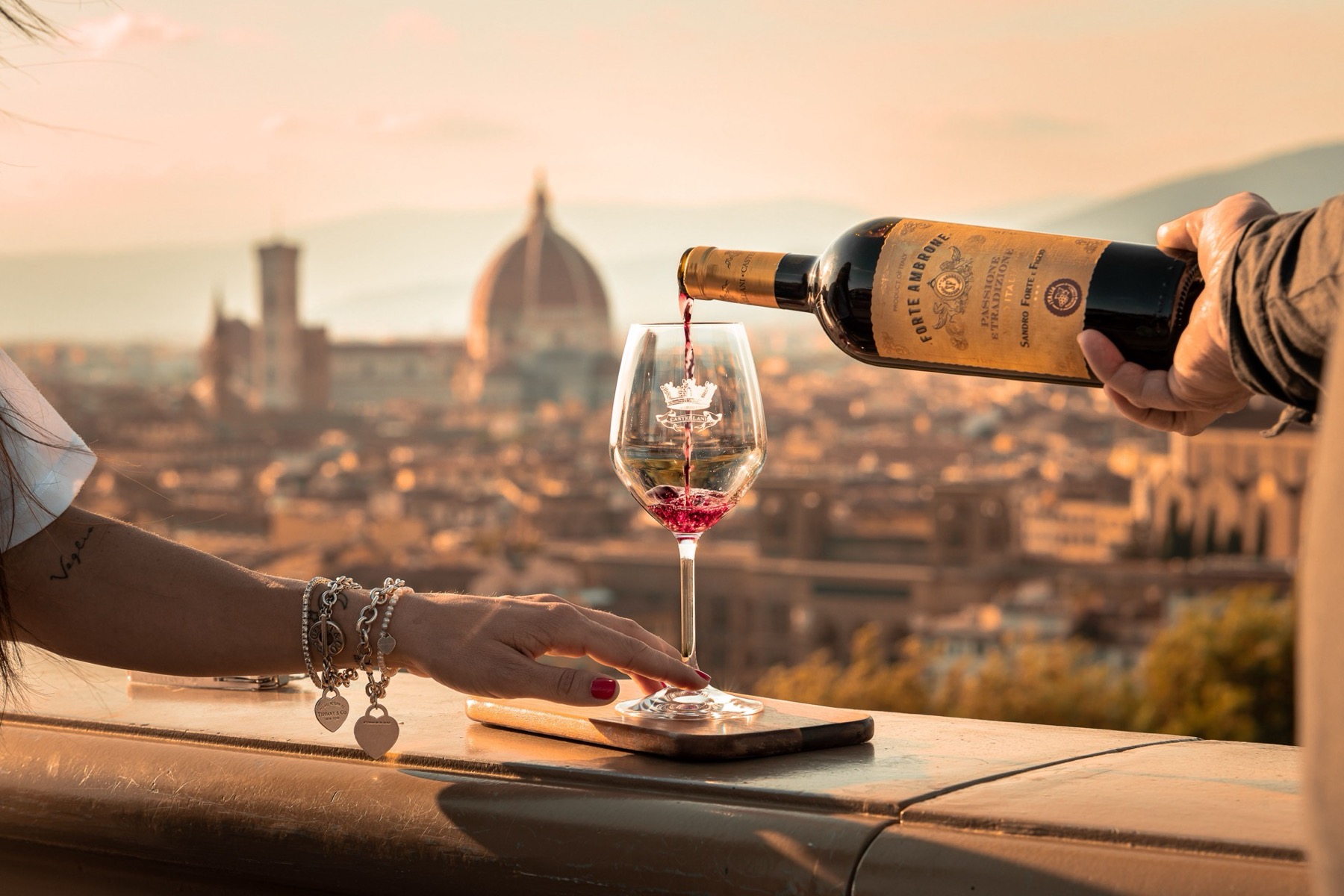
This area is home to the famous Brunello di Montalcino wine, so a visit to the surrounding cellars and wine shops should be a mandatory part of your itinerary. Given the higher standard of this accommodation, do watch out for booking in good time, as premium capacity in this lucrative area tends to sell out extremely far in advance.
👉 Booking: Check availability and prices — Capanna Suites
14. Villa Le Prata – Residenza del Vescovo (Montalcino)
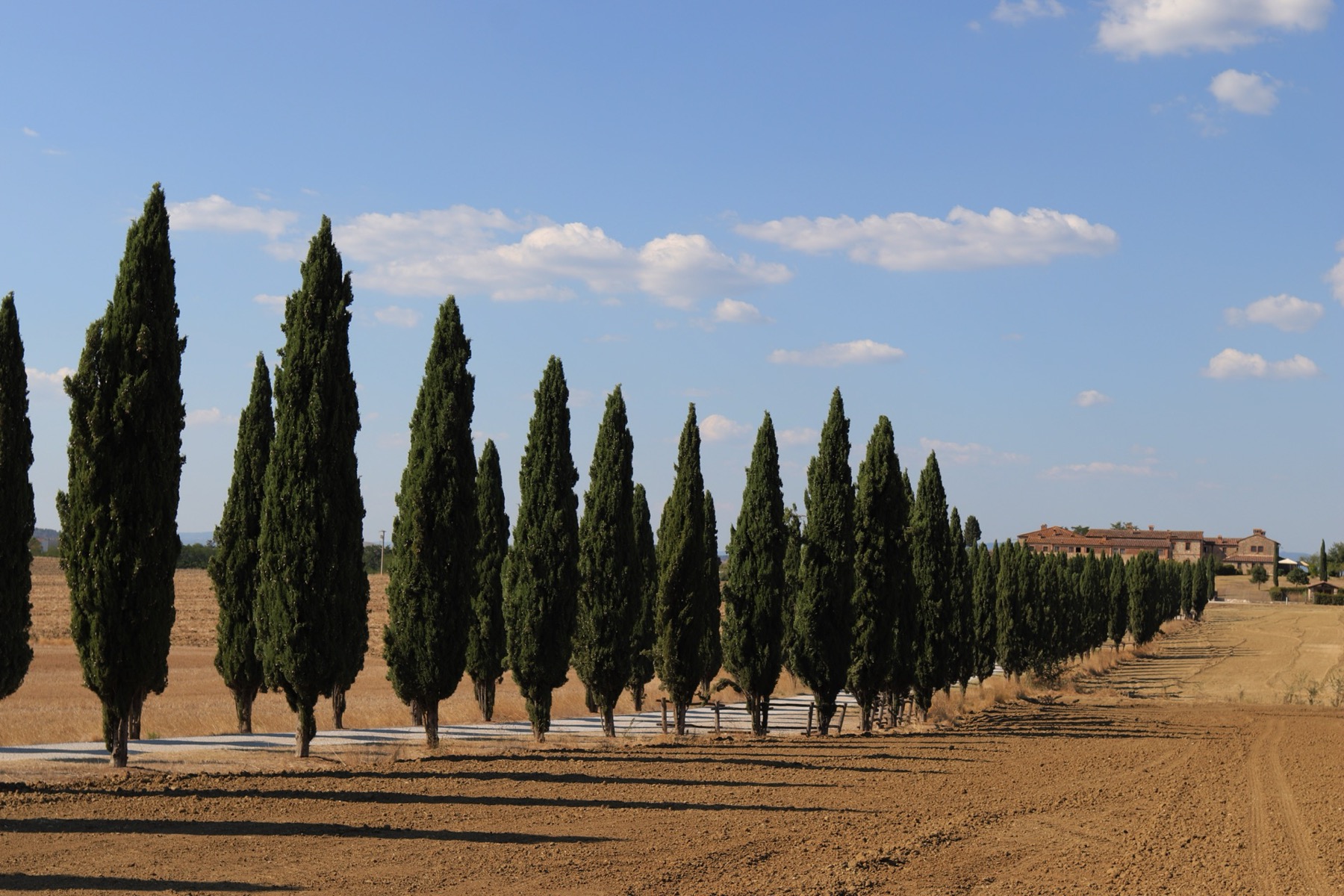
Another very prestigious address awaits in the locality of Le Prata, just a short way from Montalcino itself, where this gorgeous historic residence stands surrounded by lush greenery and old trees. As the name suggests, it’s a former bishop’s residence from the nineteenth century, very sensitively converted into an elegant family winery with accommodation for a more discerning clientele. The building itself is an architectural treasure and offers a wonderful genius loci that carries you back centuries.
The place boasts an absolutely flawless rating of 5.0 from more than a hundred and sixty reviews, which is a huge and admirable achievement in this fiercely competitive area. Guests appreciate above all the incredibly warm, intimate family atmosphere the owners manage to maintain despite the historic grandeur of the building itself. The approach to guests is said to be highly individual, and people write that when they left, the owners gave them olive oil from their own harvest and hugged them in the car park — and that sort of thing simply can’t be planned.
Thanks to its location, the villa is an ideal starting point for wandering among the world-famous local vineyards, where you can follow the whole process of growing vines from seedling to bottle. Be prepared, though, that staying in a historic building can mean small trade-offs, such as thicker walls and a poorer Wi-Fi signal in some outer parts of the building.
👉 Booking: Check availability and prices — Villa Le Prata
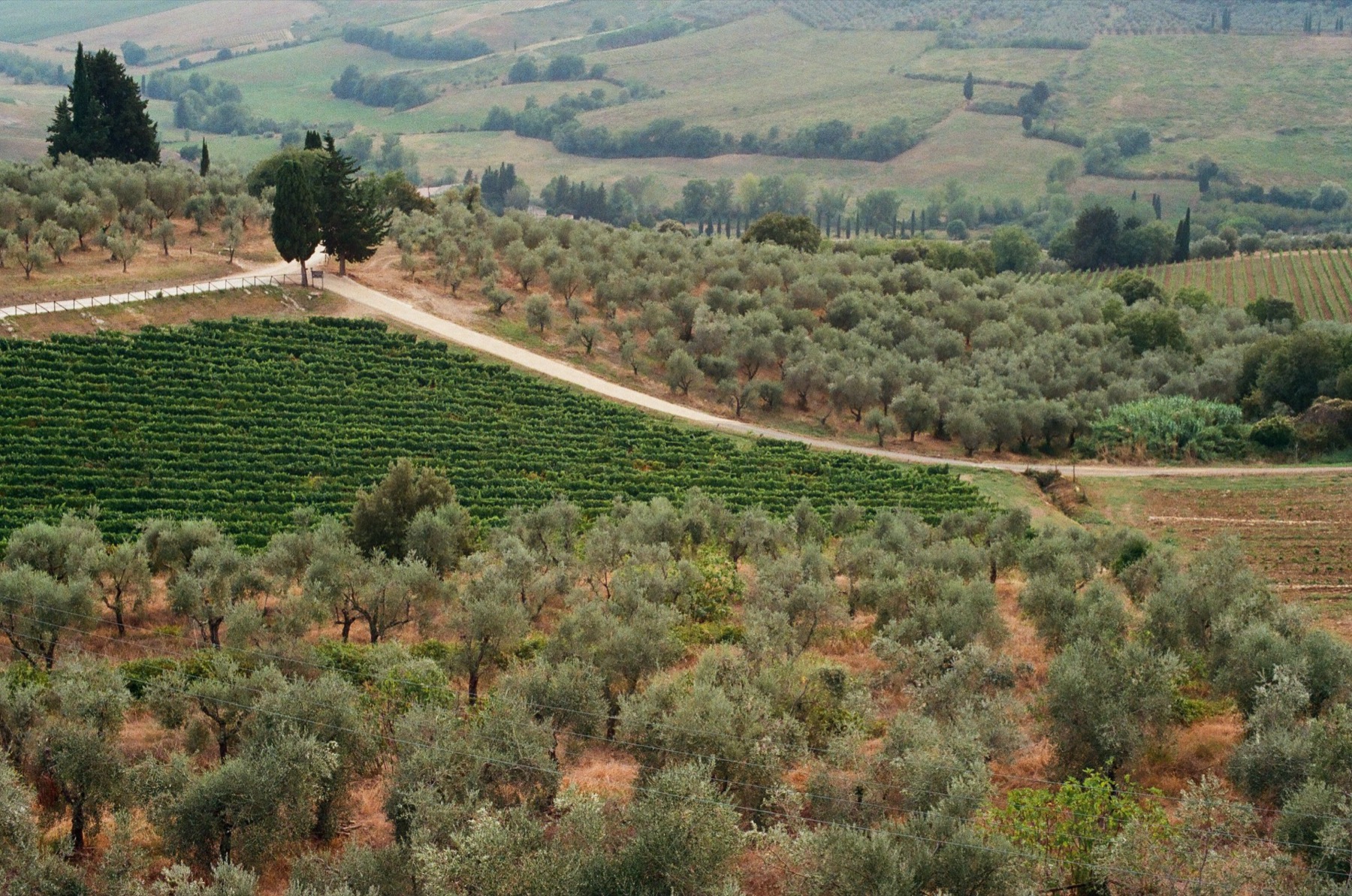
15. Il Burellino (Montalcino)
Right in the winemaking heart of Montalcino you’ll also find this cosy estate, which offers a distinctly more intimate and authentic taste of the Tuscan countryside. It’s a place surrounded by peaceful olive groves and precisely trimmed rows of vines, which in autumn turn the whole landscape gorgeous shades of red and gold. If you prefer smaller places with an intimate atmosphere over sprawling luxury resorts, you’ll feel very much at home here.
The exceptional quality of this place is proven by a perfect rating of 5.0 from a round hundred and fifty guest reviews, which points to an absolutely stable, above-standard level of service. The reviews constantly repeat praise for the host himself, who is said to be the embodiment of Italian hospitality and will happily advise you on everything from choosing wine to planning day trips to hidden corners of the region. Guests appreciate above all the utter calm and the sense of being completely cut off from the rushing outside world.
From this locality you can easily take a trip to the nearby Sant’Antimo abbey, a stunning Romanesque building set in a gorgeous valley with cypresses. Be prepared for the fact that evenings in the remote parts of Montalcino tend to be utterly silent and dark, which is ideal for stargazing but less suited to those looking for a lively nightlife.
👉 Booking: Check availability and prices — Il Burellino
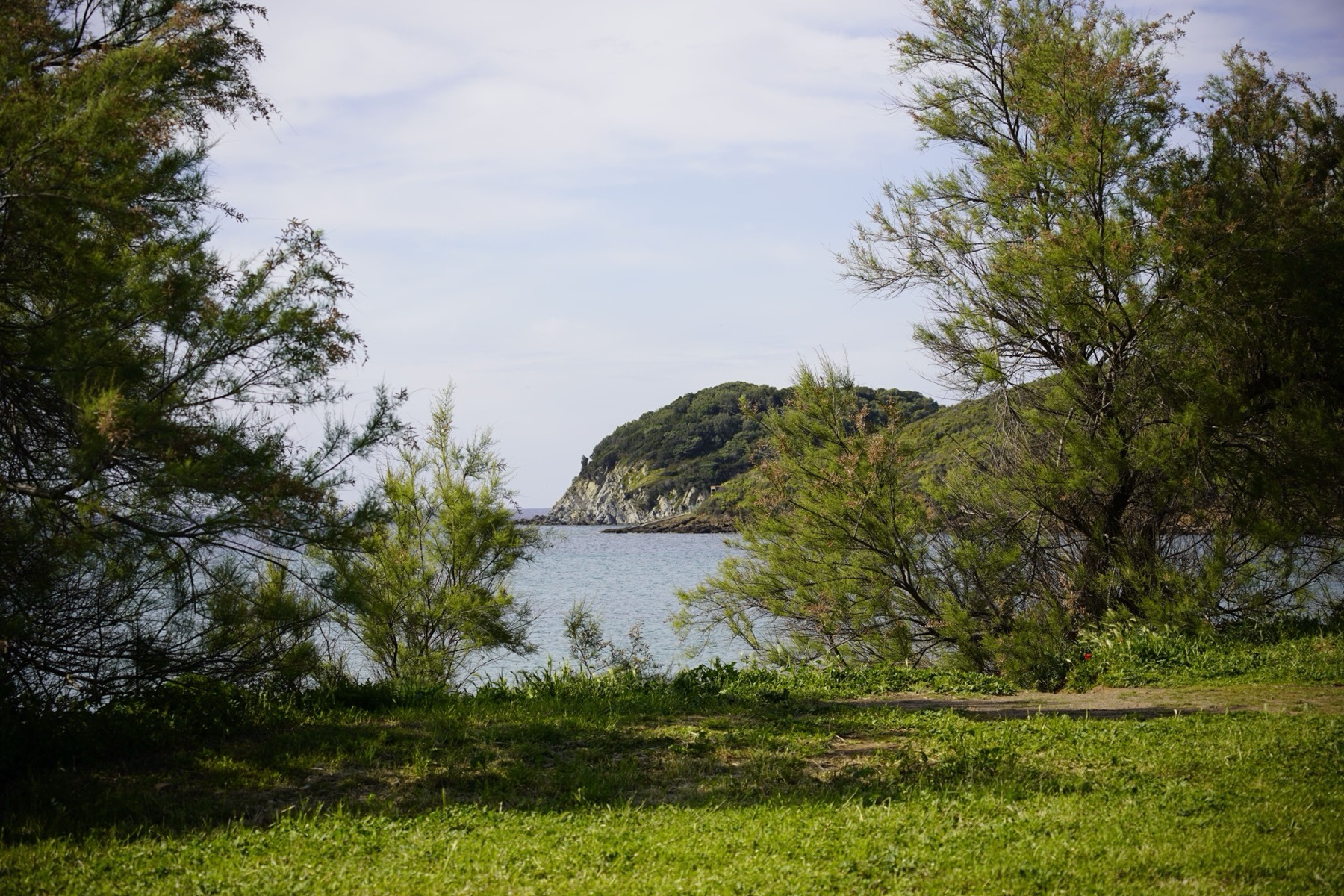
16. Agriturismo Il Cocco (Montalcino)
In the locality of Villa a Tolli you’ll find this classic estate, which tempts you with absolutely breathtaking views over the surrounding Tuscan landscape — you’ll fall in love at first sight. It’s a typical old working farm where time has stood still, which brings a huge dose of raw authenticity, but also certain practical pitfalls you should know about in advance.
The place has a decent rating of 4.7 from almost three hundred and thirty reviews, but travellers’ real-world experiences show that power cuts occasionally happen here and the Wi-Fi tends to be very unstable or entirely non-functional. So if you demand one hundred per cent digital comfort, you’re better off looking elsewhere. For those who, on the contrary, want to put their phones away and just soak up the atmosphere of old Italy, it can be a very interesting and liberating choice.
The location is very strategic for exploring the wine trails and tasting the famous Brunello wine straight from the local cellars. Just be prepared that nature and the rural rhythm rule here, not reliable modern technology — and the access roads will give your car’s shock absorbers a real workout.
👉 Booking: Check availability and prices — Agriturismo Il Cocco
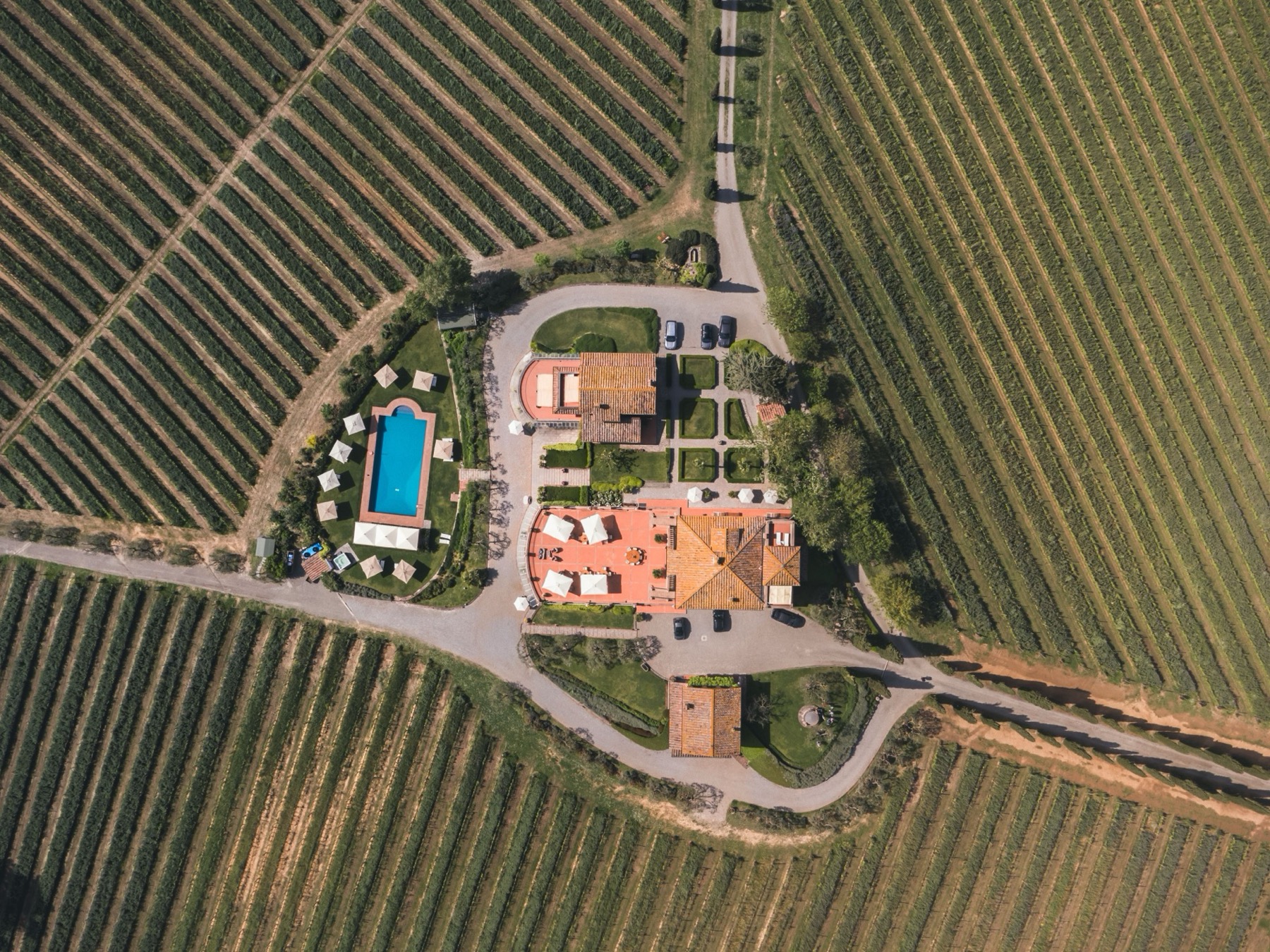
17. Agriturismo Piombaia (Montalcino)
The last representative of the Montalcino area is this family winery, set in the locality of Crocina, offering a very specific, earthy experience of the Italian south. It’s a place that operates primarily as an agricultural business producing biodynamic wine, and accommodation for tourists is treated more as a pleasant add-on to the owners’ main activity. There are fairly large, spacious rooms here that offer plenty of room even for longer stays.
This place holds a rating of 4.4 from more than two hundred and fifty reviews, which is a slightly lower figure than the others, for clear reasons that the visitors themselves mention. Reviews point out that the rooms are a little run-down and the fittings could use a renovation; on top of that there’s no television and the mobile signal is very weak. So it’s an option for genuinely undemanding travellers who don’t mind a little patina and who’ll appreciate great wine over modern furniture.
The owners really live and breathe biodynamic farming, and if you show interest, they’ll happily show you how it all works — a bonus you wouldn’t expect for the price. If you head here, don’t expect hotel standards, but be ready for a slightly rougher, unpolished reality of everyday Italian country life.
👉 Booking: Check availability and prices — Agriturismo Piombaia
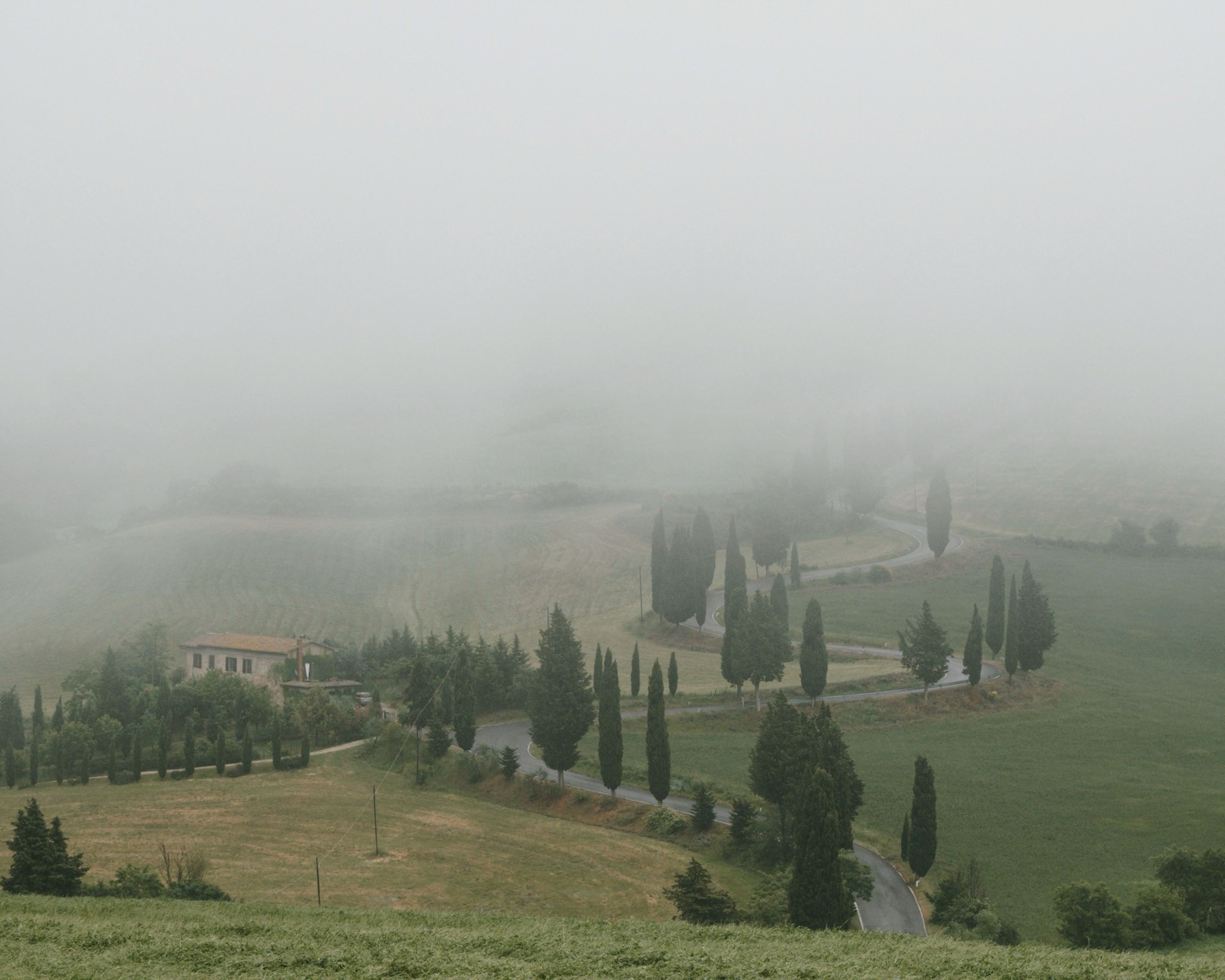
18. Poggiolivi Agriturismo Bio in Maremma (Maremma)
We move on to the Maremma area in southern Tuscany, to the address Strada di Cupi 11 near the town of Montiano, home to this great organic farm. Compared with the rest of the region, Maremma is considerably wilder, less touristy, and offers quick access to the sea coast, making it an absolutely ideal destination for a summer holiday full of sun and swimming. The landscape here is full of pine groves, marshes and long sandy beaches surrounded by protected nature reserves.
This estate can boast a superb rating of 4.9 from almost 180 reviews and presents itself as a strictly organic, eco-friendly place. With great respect for nature, the owners grow wonderful olives and focus on sustainability, which guests very much appreciate and often highlight, praising the cleanliness and quality of the whole setting. It’s an ideal peaceful retreat for those who want to spend their days by the sea and their evenings in the quiet on a country terrace with a view over the olive groves.
From here you can very quickly reach the gorgeous Maremma Nature Park (Parco dell’Uccellina) by car, where you can watch wild animals and stroll through pristine nature. Remember that distances are a bit greater in this part of Tuscany, so you’ll clock up quite a few kilometres on trips to the sea or the sights — a reliable car is an absolute must here.
👉 Booking: Check availability and prices — Poggiolivi Agriturismo Bio in Maremma
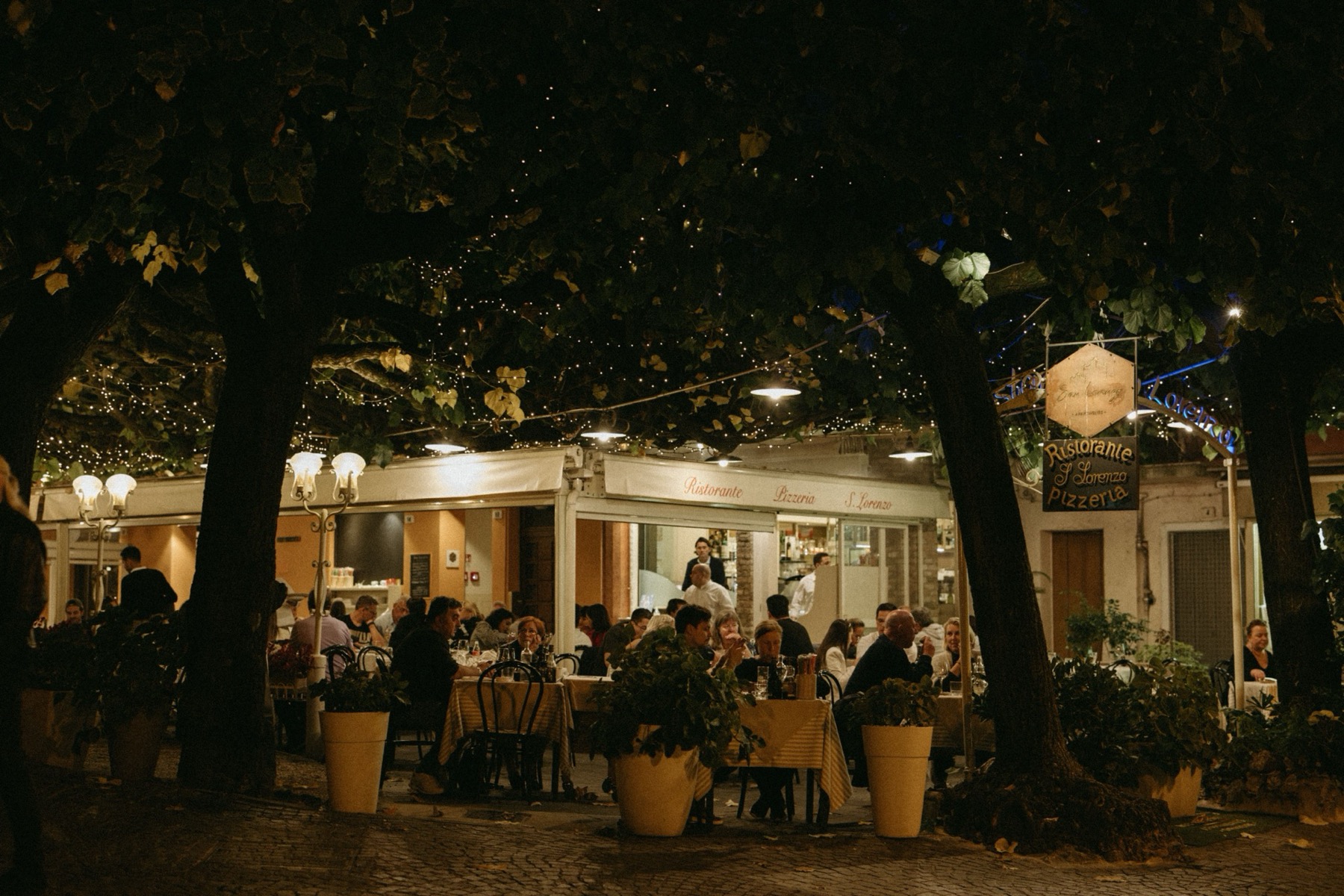
19. Agriturismo Le Grazie (Maremma)
Another excellent choice in the southern part of Tuscany is this extensive farm, set in the locality of Principina Terra just a short way from the provincial capital of Grosseto. This position is exceptionally practical, as it lies halfway between the beaches and larger shopping centres, giving you both peace by the sea and all the amenities within a few minutes’ drive. The whole area is flatter than northern Tuscany, which you’ll appreciate especially if you plan bike trips without drastic elevation gain.
The place keeps up a very high rating of 4.8 from around a hundred and seventy guest reviews, pointing to stable quality and visitor satisfaction. Guests here appreciate above all the excellent strategic location and the very spacious accommodation, surrounded by carefully tended gardens and little pine woods. The atmosphere isn’t as ancient and romantic as in the Val d’Orcia valley, but it makes up for it with enormous practicality and comfort for a summer holiday.
The closeness of Grosseto makes it easy to stock up on local food at the markets and gives you trouble-free access to pharmacies and petrol stations. Don’t forget to pack an effective repellent for evenings spent outside, because the closeness of the coast and local bodies of water brings mosquitoes in the summer months.
👉 Booking: Check availability and prices — Agriturismo Le Grazie
20. Agriturismo Il Giogo (families and around Florence)
Our selection closes with this exceptionally popular family-run place, which you’ll find in the locality of Rosignano Marittimo — an excellent starting point towards the Etruscan Riviera coast. This type of accommodation is absolutely ideal for families with children and travellers who aren’t looking for luxury, but want to experience the most genuine, slightly chaotic and very friendly Italian household. The surroundings offer an interesting mix of farming landscape and nearby sea beaches.
With a rating of 4.8 from almost two hundred reviews, this is a very tried-and-tested, well-loved spot that has won the hearts of many travellers above all thanks to its cooking and personal approach. The biggest draw here is the hearty home-cooked dinners at a fixed price of €25, served as generous half board at shared tables, where you’ll get to know the other guests. Guests rave about the quality of the food, which the lady of the house prepares here from her own ingredients following old family recipes — an experience that outdoes many an expensive restaurant.
From here you can also easily reach the famous white beaches at Vada, which admittedly have a slightly industrial backdrop, but the colour of the water and sand is reminiscent of the Caribbean islands. When travelling with children, you’ll appreciate the ample space around the farm where they can move about safely — just check exactly what animals the farm keeps, so there are no unexpected surprises.

How to choose: a practical checklist
1. Do you want a pool? In hot summer Tuscany this is an absolutely essential thing, but not every agriturismo has one, so always check the description. 2. How far is the nearest shop and restaurant? When you’re staying eight kilometres down a bumpy gravel track from the nearest village, half board suddenly makes enormous sense. 3. Do they offer dinner every day, or only some? Small family farms often can’t manage to cook for guests daily, and prepare food only, say, three times a week. 4. What exactly is the arrival like? Find out how many kilometres of the so-called strade bianche await you and whether your rental car can realistically handle it. 5. Is the farm really working? Sometimes the word “agriturismo” in the name is just clever marketing — look for photos of animals, vineyards and genuine reviews about the local food. 6. Travelling with small children? Actively ask about the presence of farm animals, an outdoor playground and a safely shallow section by the pool. 7. Book your accommodation directly with the owner wherever you possibly can, because it tends to be cheaper and it’s easier to arrange individual requests for a special diet or a late arrival.
Getting around and the strade bianche
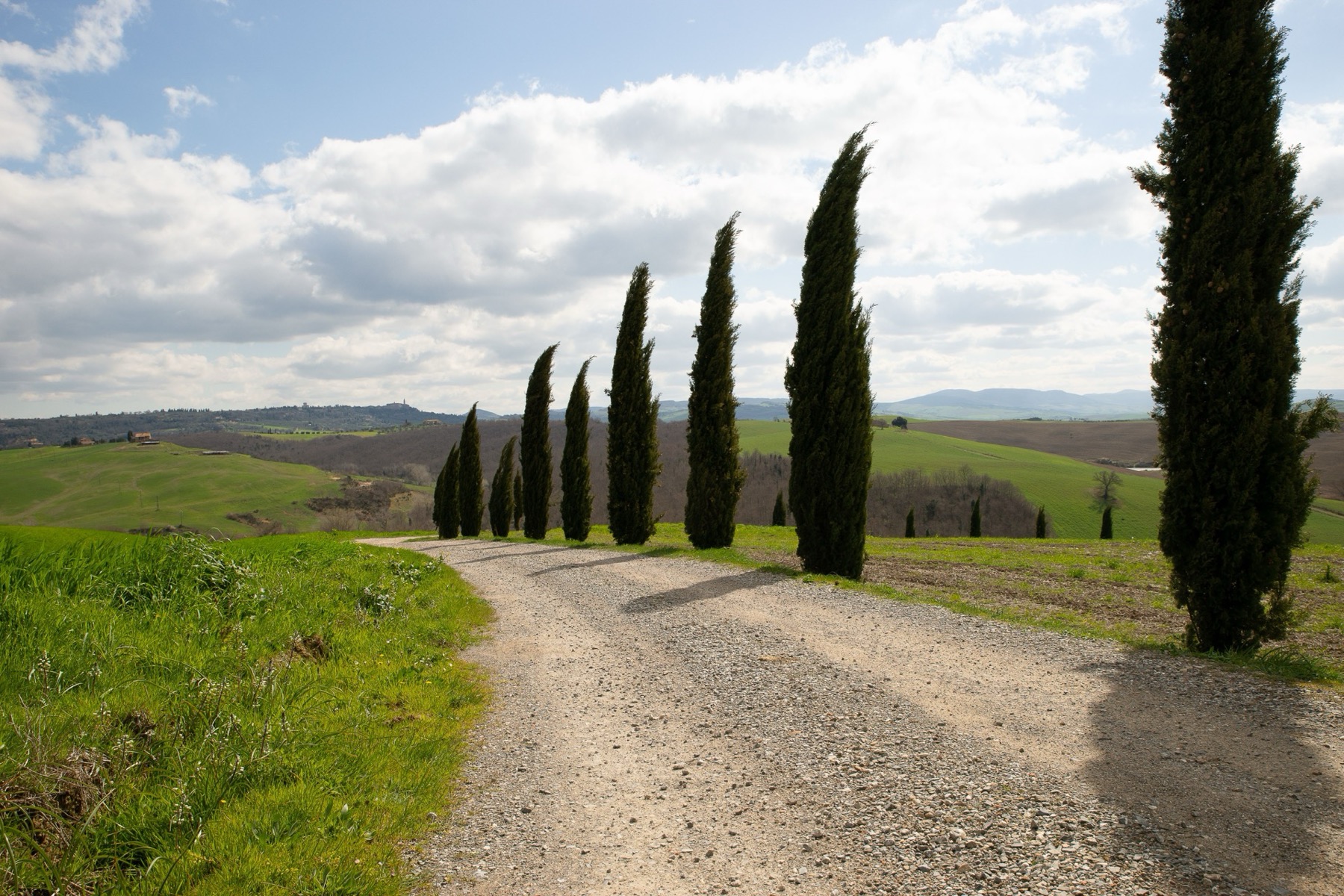
One of the biggest surprises for drivers in Tuscany is the so-called strade bianche, or the famous “white roads” of limestone gravel. Most of the more remote farms lie precisely at the end of these unpaved stretches, which get incredibly dusty in summer and slippery again after rain.
You can of course drive along them — it’s a normal part of local life — but I strongly recommend a vehicle with higher clearance (a ground clearance of at least 130 mm) and sturdier tyres. A small crossover or SUV is great, but you can manage it in a smaller car too, as long as you go at a real crawl and drive carefully.
The most important rule: when renting a car, thoroughly check the terms to see whether you’re even allowed to drive on unpaved roads, and that your accident insurance also covers damage to the underbody and tyres. Many cheap rental companies strictly exclude off-tarmac driving in their contracts, which could cost you a fair bit of money if the car is damaged.
What’s more, the navigation in the hills sometimes doesn’t cooperate and loses signal, so always download offline maps to your phone before you turn off the main road into the fields.
What you eat at an agriturismo
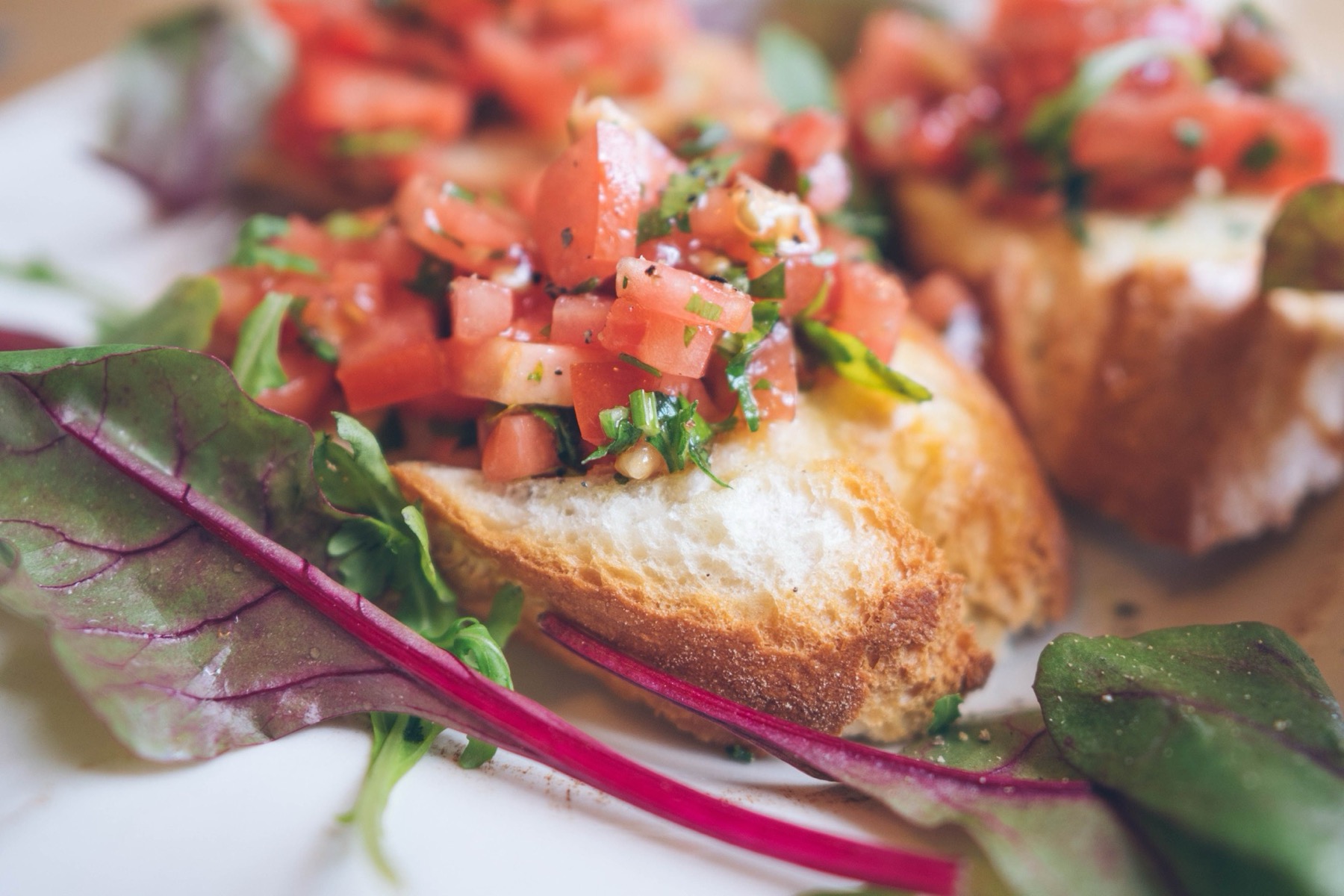
The food is the main reason people seek out this type of accommodation in the first place. You’ll commonly get their own home-made olive oil, outstanding pecorino, fresh vegetables straight from the garden, hand-made home-made pasta and traditional hearty vegetable soups.
Farms often offer meaty specialities such as wild boar (cinghiale), the famous Florentine steak (bistecca alla fiorentina), or various kinds of local cured meats (salumi). All the dishes tend to be served with fantastic house wine, which the owners lovingly grow and make themselves.
A very important practical tip: always declare a vegetarian diet right when you book your stay. These small family businesses usually cook just one set menu for all guests, and they can accommodate you without any problem if they know well in advance — on the spot, though, it tends to be a big issue.
Where to go next
- Tuscany: 30 most beautiful places and a 7-day itinerary
- Weather in Tuscany: temperatures month by month and when to go
- Florence: 30 tips on what to see in the cradle of the Renaissance
- Wellness hotels in Tuscany: 12 thermal spas
- Where to go on holiday in Italy: the 20 best places
Frequently asked questions
The Italian countryside has its own quirks, and it’s perfectly normal to have plenty of questions running through your head before your first trip to an agriturismo. In our article we’ve put together the most common queries for you, so you set off on holiday as prepared as possible and without needless worries.
Whether you’re wondering if it’s worth paying extra for half board, or how it is with opening hours outside the main season, here you’ll find clear, concise answers.
What exactly is agriturismo?
It is a strictly legally defined working farm or agricultural estate that, in addition to its primary agricultural activities, also offers accommodation and meals to guests. The main emphasis is on using ingredients from their own local production.
How much does a night in agriturismo cost?
Prices are very indicative, but on average range between €100 and €200 per night depending on the season. The most basic and cheapest options outside the main tourist centers can be found from around €55 per night.
Is half-board worth it?
Definitely yes, if you’re staying at a more remote farm far from civilization. Driving in the dark on dusty roads to the nearest restaurant can be tiring, and homemade food from an Italian host usually tastes better than that from commercial establishments.
Do I need a car for the stay?
Almost always yes, because the vast majority of these estates are located in isolation deep in the countryside and public transport doesn’t serve them at all. A car will also allow you to take trips to surrounding historic towns.
When should I book accommodation?
For the main summer season, especially around the August holiday of Ferragosto, I recommend booking even six months in advance. Early booking is also worthwhile in autumn during the popular grape harvest and olive picking period.
Is agriturismo suitable for children?
It’s often an absolutely great choice for them, because farms offer huge space for running around, contact with farm animals, and very often an outdoor pool as well. Always check in advance, however, whether the pool has a shallow section.
Are farms open in winter too?
Many of them unfortunately not, because the owners dedicate themselves to building maintenance and autumn or winter agricultural work. If you’re planning a trip in the winter months, always carefully verify the opening hours of the specific establishment in advance.
What’s the difference compared to a regular B&B?
The main difference lies in the mandatory legal connection to working agriculture and own food production. A B&B is simply just a room for rent with breakfast anywhere in town, while agriturismo is a full-fledged farm life experience.
👉 Booking: Check availability and prices — Agriturismo Il Giogo
Tips and Tricks for Your Vacation
Don’t Overpay for Flights
Search for flights on Kayak. It’s our favorite search engine because it scans the websites of all airlines and always finds the cheapest connection.
Book Your Accommodation Smartly
The best experiences we’ve had when looking for accommodation (from Alaska to Morocco) are with Booking.com, where hotels, apartments, and entire houses are usually the cheapest and most widely available.
 🚗 Car rental on the roadVerified car rentals in Tuscany
Search with the DiscoverCars comparison engine — it compares prices from dozens of local and international rental companies, and most bookings come with free cancellation.
Compare car prices in Tuscany →Don’t Forget Travel Insurance
Good travel insurance will protect you against illness, accidents, theft, or flight cancellations. We’ve had a few hospital visits abroad, so we know how important it is to have proper insurance arranged.
Where we insure ourselves: SafetyWing (simple monthly subscription) and TrueTraveller (for extra-long trips).
Find the Best Experiences
Get Your Guide is a huge online marketplace where you can book guided walks, trips, skip-the-line tickets, tours, and much more. We always find some extra fun there!