Since 1 January 2026, Bulgaria has been paying with the euro, so for the first time in history you can visit without endless converting and hunting for exchange offices. And when it comes to prices in Bulgaria, the era of the lev — and of the classic currency-exchange tricks aimed at tourists — is finally over. Those tricks used to cost more than one visitor extra money.
Did things get more expensive? Yes, prices have crept up in recent years, but surprisingly the euro itself isn’t to blame. Even after the recent inflation, Bulgaria still offers by far the cheapest seaside in the entire European Union.
We’ll walk you through the current prices of food, accommodation and beach services, and show you what budget to set aside for a week-long stay on the Black Sea coast.
TL;DR
- What you pay with: From 2026 the euro is the only official currency; you can no longer spend old levs in shops.
- Rate and exchange: The rate was fixed long-term at 1.95583 lev per euro. If you still have old banknotes at home, you can exchange them at Bulgarian banks.
- How much to bring for a week: More frugal travellers get by on around €350 to €450, while the comfortable middle ground will cost you roughly €500 to €850 per person.
- Beaches and loungers: Lounger prices are always quoted per single item, not per set, and by law half of every beach must be free for your own towels.
- Food prices: You can eat very cheaply in the resorts — a great dinner can easily come in under fifteen euros.
- Compared with the south: Compared to Greece or Croatia, the Bulgarian coast is still noticeably cheaper, both in restaurants and on hotel bills.
| Item | Price in euros |
|---|---|
| Draught beer in a resort (0.5 l) | €2–3 |
| Coffee (espresso / cappuccino) | €1.20–3.15 |
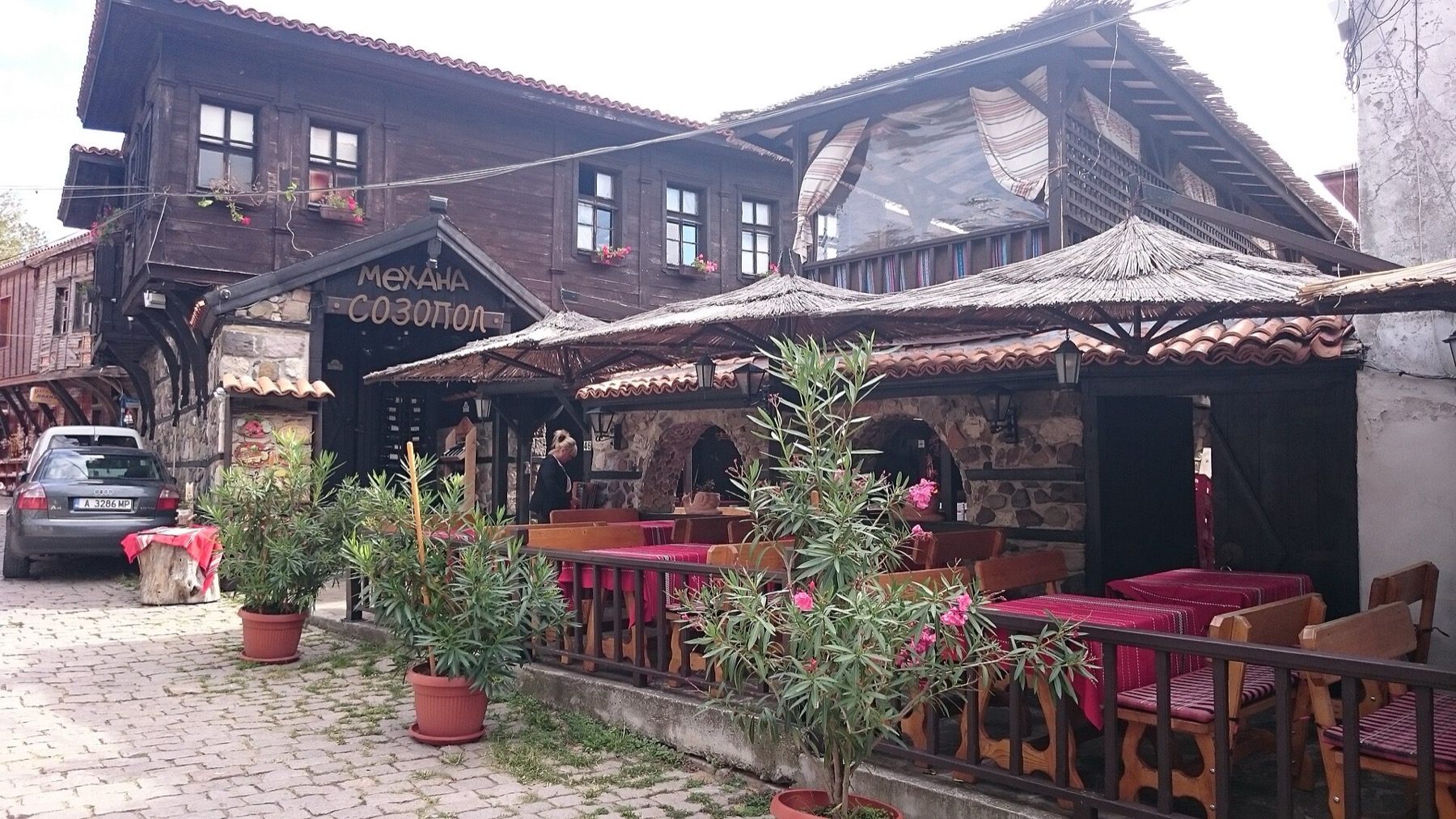
| Lunch in a traditional mehana | €7–15 |
| Dinner for two with drinks (resort) | €30–45 |
| Beach lounger (1 item) | €0.60–6 |
| Public transport ticket in Sofia | €0.80 |
| Litre of petrol | €1.55 |
| Weekly motorway vignette | €10 |
The full destination guide: Bulgaria Travel Guide — guide and what to see
The euro in Bulgaria: what changed for tourists
On 1 January 2026 Bulgaria became the twenty-first member of the eurozone and officially adopted the euro. The conversion rate was locked in well in advance at 1.95583 lev per euro. The dual cash circulation, when you could pay in both currencies, only lasted until the end of January, so today you pay everywhere with the European currency alone.
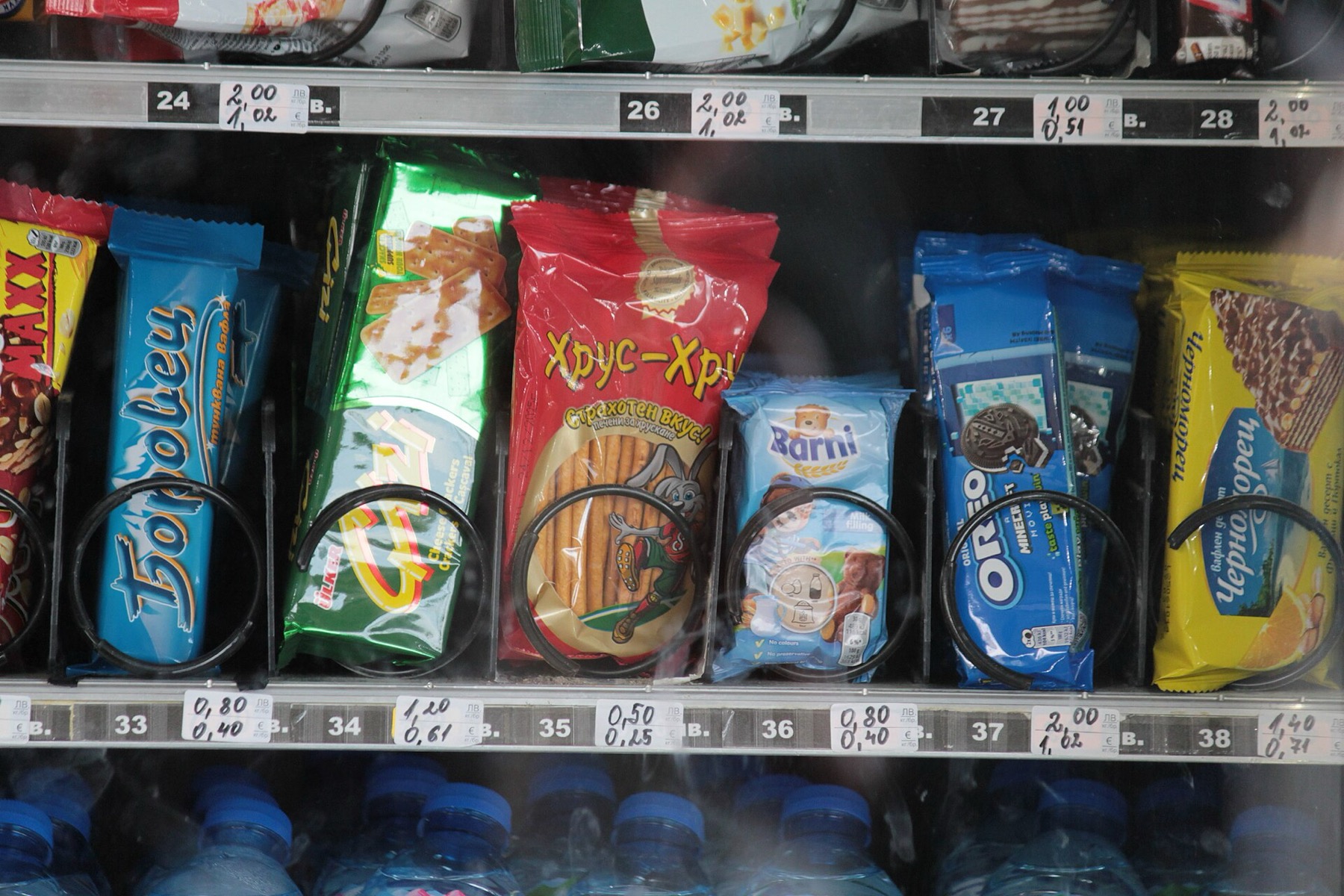
The requirement for merchants to display dual price tags ended on 8 August 2026. Since then you’ll see prices in euros only in supermarkets and restaurants, although some sellers voluntarily keep the old tags to help locals get their bearings. For international visitors this is a huge relief, because you can conveniently buy your money at home before the trip or simply withdraw it from an ATM on the spot.
If you still find old Bulgarian levs at home from past holidays, don’t throw them away. The Bulgarian National Bank (BNB) exchanges them for free with no time limit. Commercial banks will exchange them until 31 December 2026, but bear in mind that from mid-year they may charge a handling fee for the service.
The whole situation is very reminiscent of Croatia’s switch to the euro in 2023, when the room for dishonest exchange offices in the resorts also disappeared — the ones that used to lure people in with unfavourable rates or hidden fees. Now you know exactly what everything costs, and you can easily compare prices with other European destinations.
The switch to the new currency itself went surprisingly smoothly. Locals got used to the new coins quickly and merchants adapted their tills to European rules, which incidentally significantly curbed the shadow economy and the fraudulent practices that tourists occasionally used to run into.
💡 TIP: Feel free to buy your euros at home at your own bank — the rate will be the same as for a trip to France or Spain. You can finally forget about overpriced exchange offices in the resort, and hold your head high. 😁
Did Bulgaria get more expensive after the euro?
There are plenty of wild stories floating around online about price hikes, but the reality is far more sober. Prices in Bulgaria really have risen, however the euro is not the culprit. Experts have calculated that the currency switch itself lifted the price level by a negligible 0.3 to 0.4 percentage points.
The main reason for pricier restaurant food is the return of the VAT rate. During Covid the tax on hospitality was cut to 9 percent, but on 1 January 2025 it went back up to 20 percent. On top of that came inflation, which this year is holding at around five percent in Bulgaria.
According to the NSI statistics office, restaurants and hotels rose 9.3 percent year on year, and over the past two years tourism prices jumped by 20 to 30 percent. But don’t let yourself be scared off by viral articles that love to show receipts for a fancy coffee and cake at €27 or a lobster for €160. These are extremes from luxury beach clubs that have nothing to do with an ordinary holiday.
When you look at the hard Eurostat data, you’ll find Bulgaria is still unbeatably the cheapest. Prices in its hotels and restaurants reach just 53 percent of the European Union average, making it clearly the most affordable seaside destination. For comparison, neighbouring Greece sits at more than 87 percent of the European average, and the overall price level in Bulgaria is around 63 percent of the EU standard.
💡 TIP: Don’t be put off by headlines about sky-high price hikes. An ordinary mehana, an average beach, a local supermarket — and you’ll come out significantly cheaper than in Greece or Croatia.
How much food and drink costs
Eating out in Bulgaria is where your wallet will honestly breathe a sigh of relief — at least if you know where to go. But when it comes to food and drink, prices vary a lot depending on where you happen to be. While the inland and smaller resorts hold on to very low prices, the capital Sofia has in some respects already caught up with Central Europe.
| Item | Price in euros |
|---|---|
| Main dish in a resort (mehana) | €7–15 |
| Dinner for two (three courses, resort) | €30–45 |
| Cheap restaurant in Sofia | €15 |
| Cheap restaurant in Burgas | €12.39 |
| Traditional shopska salad | €3–5 |
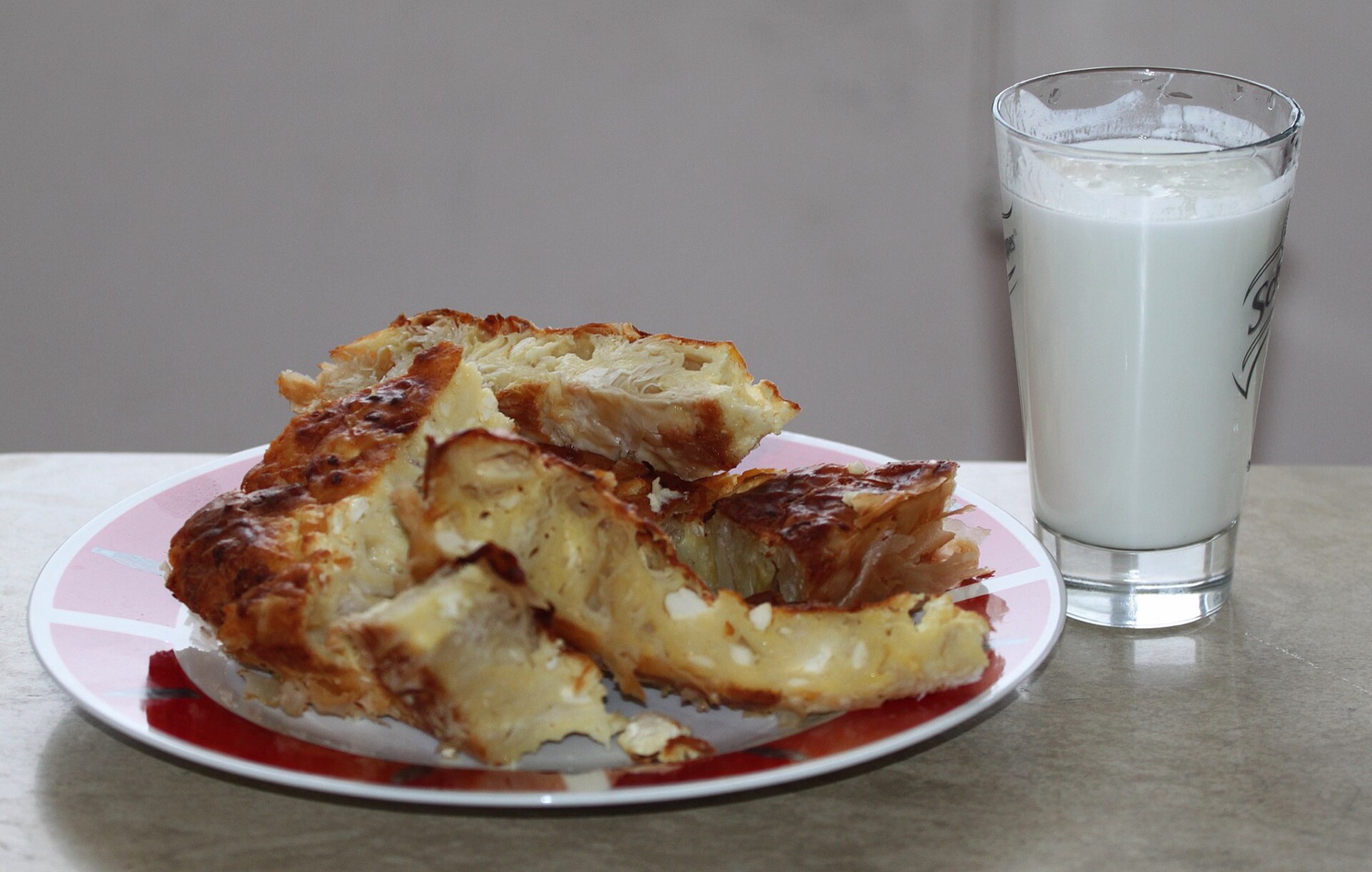
| Banitsa savoury pastry from a bakery | €1–2.50 |
| Draught beer in a resort | €2–3 |
| Beer in a supermarket | €0.89–1.07 |
| Espresso / Cappuccino | €1.22 / €2.61–3.15 |
| Cocktail on the beach | €4–7 |
If you love vegetables and cheese, definitely try the excellent shopska salad, the cold tarator soup, or roasted peppers with Balkan cheese. For a quick breakfast you can grab fresh banitsa on every corner — layered pastry filled with cheese, which inland you can pick up for as little as a euro. The local meat classic is kebapche or various kinds of grilled fish, which you’ll mainly find on the menus of seaside restaurants.
An interesting paradox this summer is comparing Sofia with other European capitals. A plain meal in a cheap Sofia restaurant will cost you around €15 on average, which is already a touch more than in many Central European cities, where a similar meal comes in under ten euros. By contrast, seaside Burgas holds a friendlier price around €12.39 and offers excellent value for money.
There are also considerable differences between resorts. Popular Primorsko or Kiten are among the cheapest areas, where you can eat for next to nothing and a draught beer commonly costs around two euros. But if you head to historic Sozopol or Lozenets and sit down at a place with a sea view, the bill for fresh seafood will be closer to Greek standards.
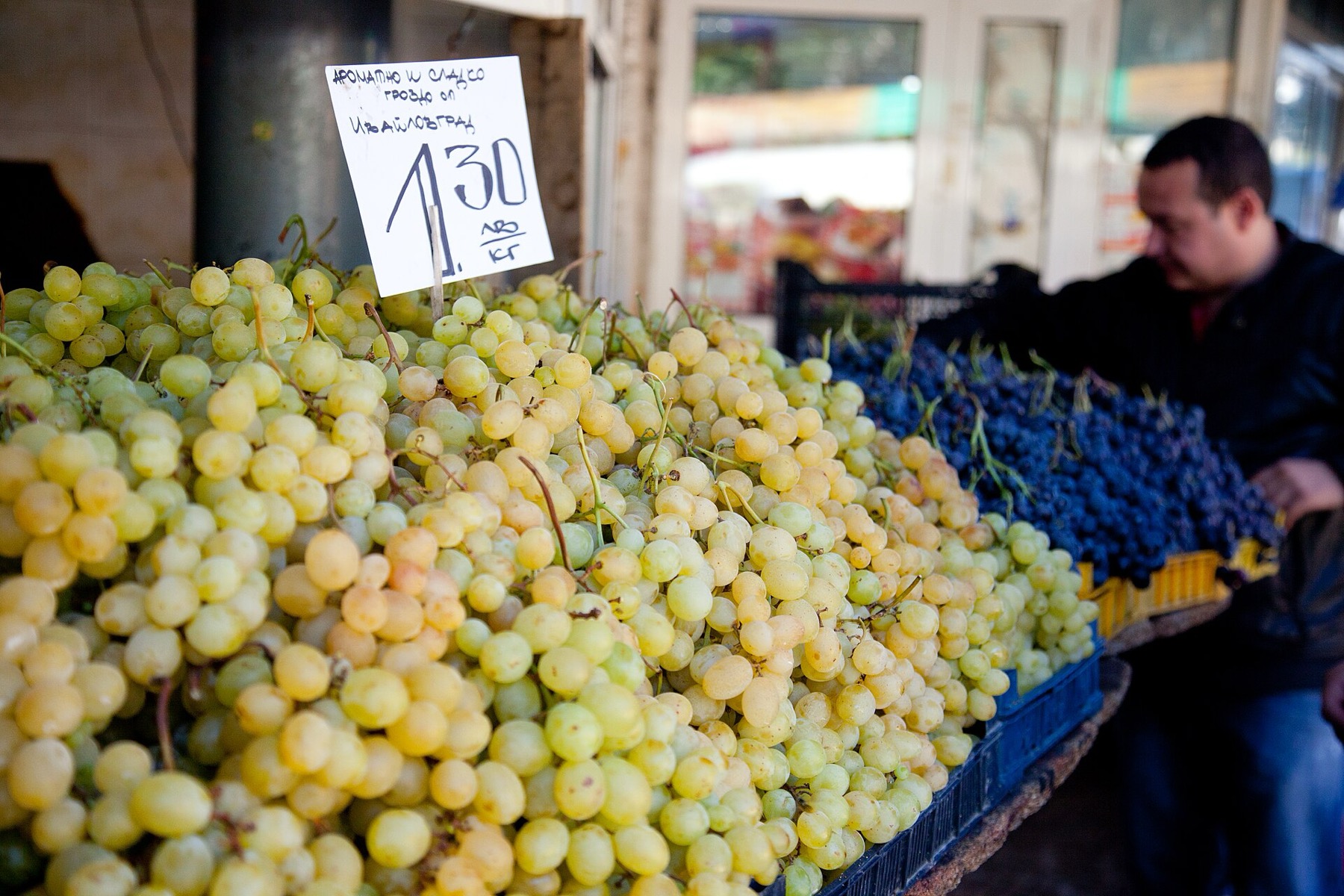
For everyday shopping it pays to head to the classic supermarkets, where grocery prices are very friendly. A regular loaf of bread costs about a euro, a litre of milk is just under two euros, and fresh fruit is unbelievably cheap in season. A kilo of juicy watermelon will set you back a single euro and the excellent local peaches cost only a little more. Combining cooking with eating out, you can easily keep your daily food budget between €15 and €30 per person.
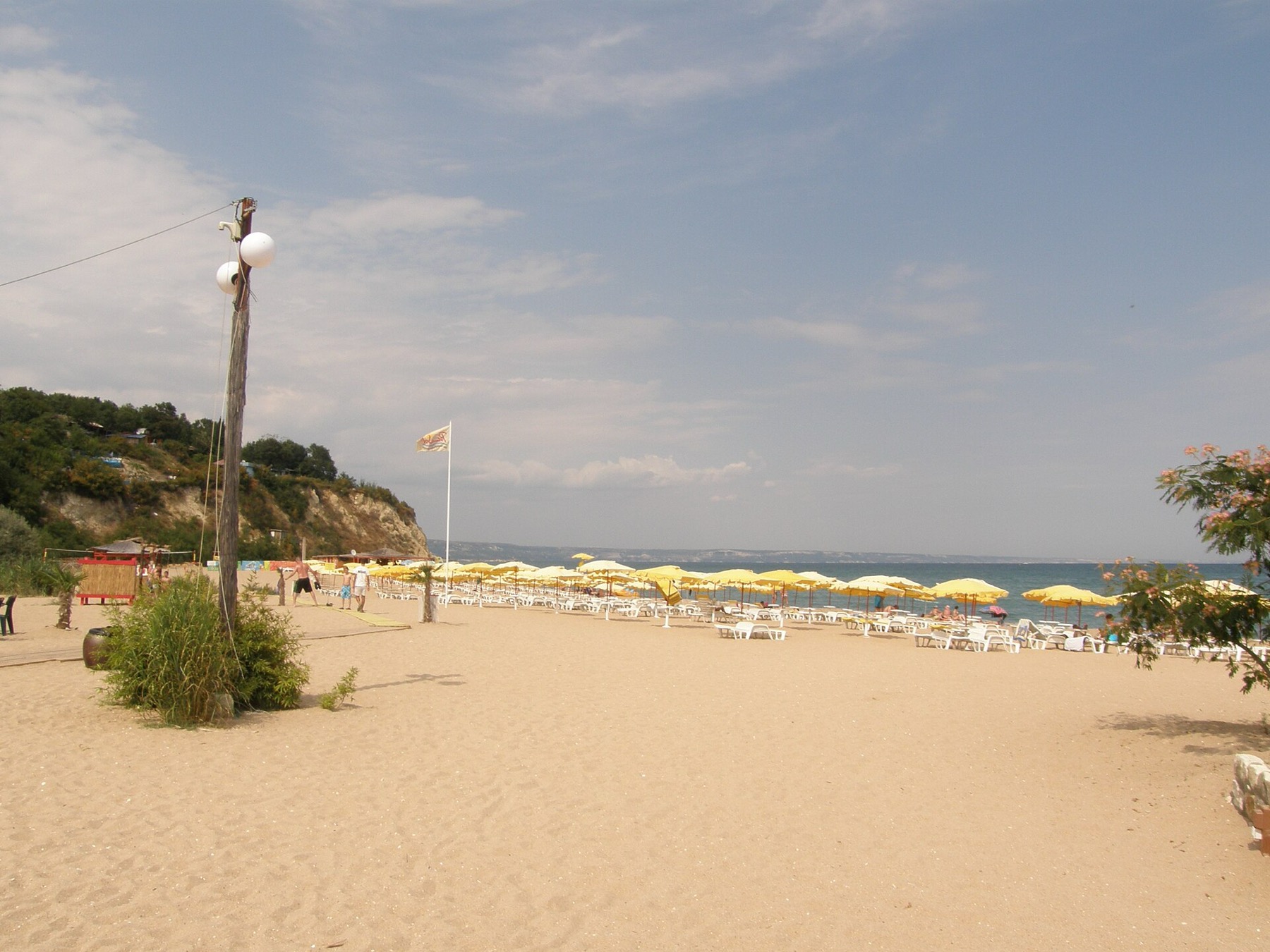
Beach prices: loungers, umbrellas and activities
Beach services in Bulgaria have gone through heavy regulation, thanks to which there are no unpleasant surprises waiting for you. The important thing to know is that the price tags at the beach entrance always quote the amount per single item of equipment. So if you want the classic set of two loungers and one umbrella, you need to multiply the listed price by three.
| Beach and location | Price PER ITEM (umbrella or lounger) |
|---|---|
| Sunny Beach (south) | €5.11 |
| Golden Sands | €5–6 |
| Nesebar (south) and Sozopol (Harmani) | €4.09 |
| Sozopol (central beach) and Varna | €3.58 |
| Burgas (north) | €0.60 |
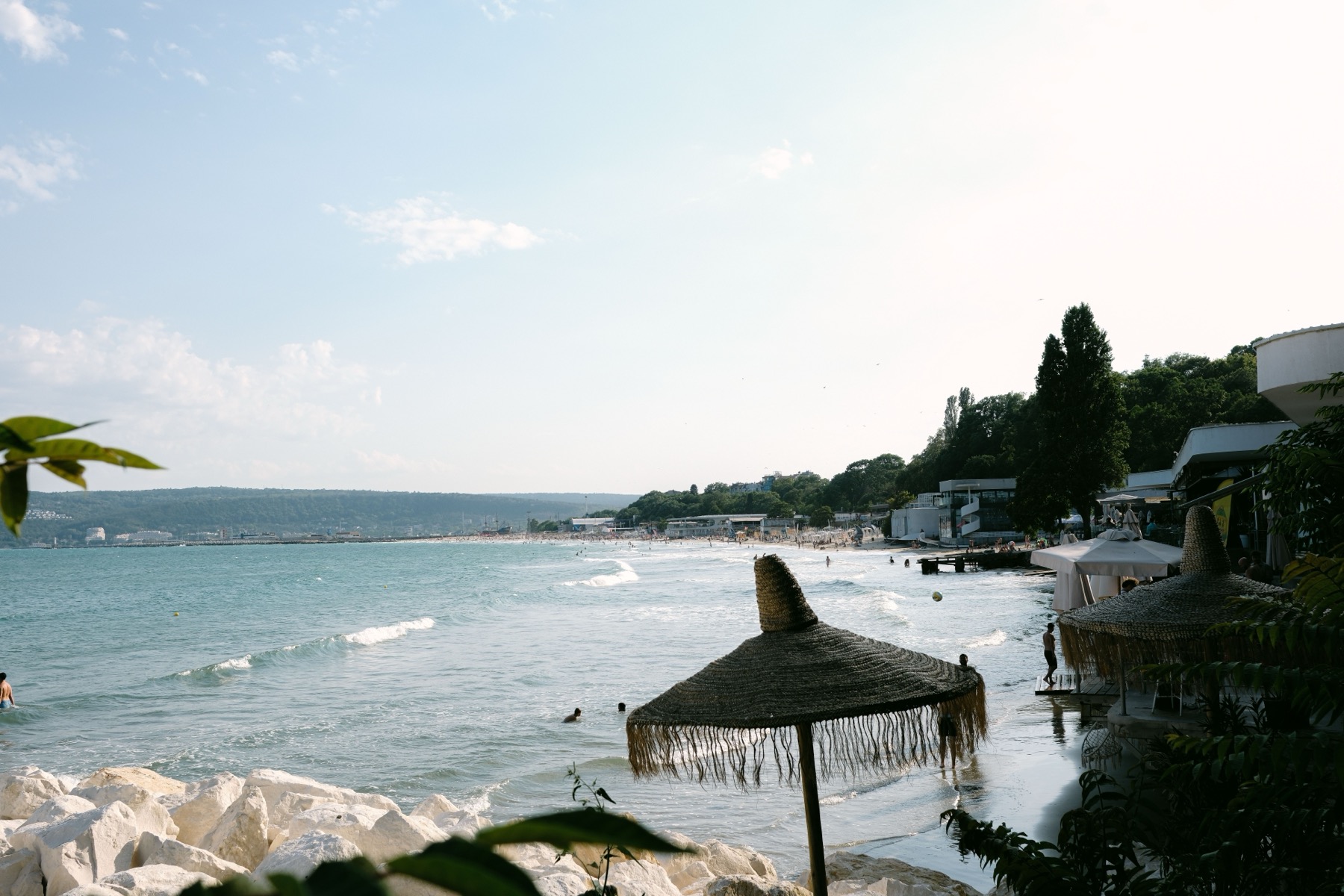
A big advantage of the Bulgarian coast is a strict law requiring that at least 50 percent of every beach must be free. These free zones are always clearly marked and you can spread out your own towel or plant an umbrella bought at a supermarket without any worries. You can also check the current, official lounger prices in advance on the government map on the tourism ministry website, which helps you avoid any disputes with the operators.
The prices of beach equipment have stayed essentially the same as last year, because they are governed by long-term concession contracts. A complete set on the main beaches will therefore cost you roughly €10 to €15 for the whole day. That’s a huge difference compared to the popular Greek islands, where you’ll pay from €20 upwards for similar comfort, and in high season operators often demand a compulsory minimum spend of tens of euros too.
Once you’ve had enough of lying around, there’s plenty to do: a ten-minute jet ski rental costs roughly €45, and the popular boat trips along the coast go for between €15 and €35. Families with kids often head to the aquaparks — a full-day ticket to the main aquapark at Sunny Beach costs €37 for an adult and €23 for a child in summer season, but by buying tickets online you can save a few euros more.
💡 TIP: If you plan to spend whole days by the sea, it’s worth investing in your own umbrella and folding loungers on the very first day at a local supermarket. Use the free zones and the initial outlay will pay for itself by the second day of your stay.
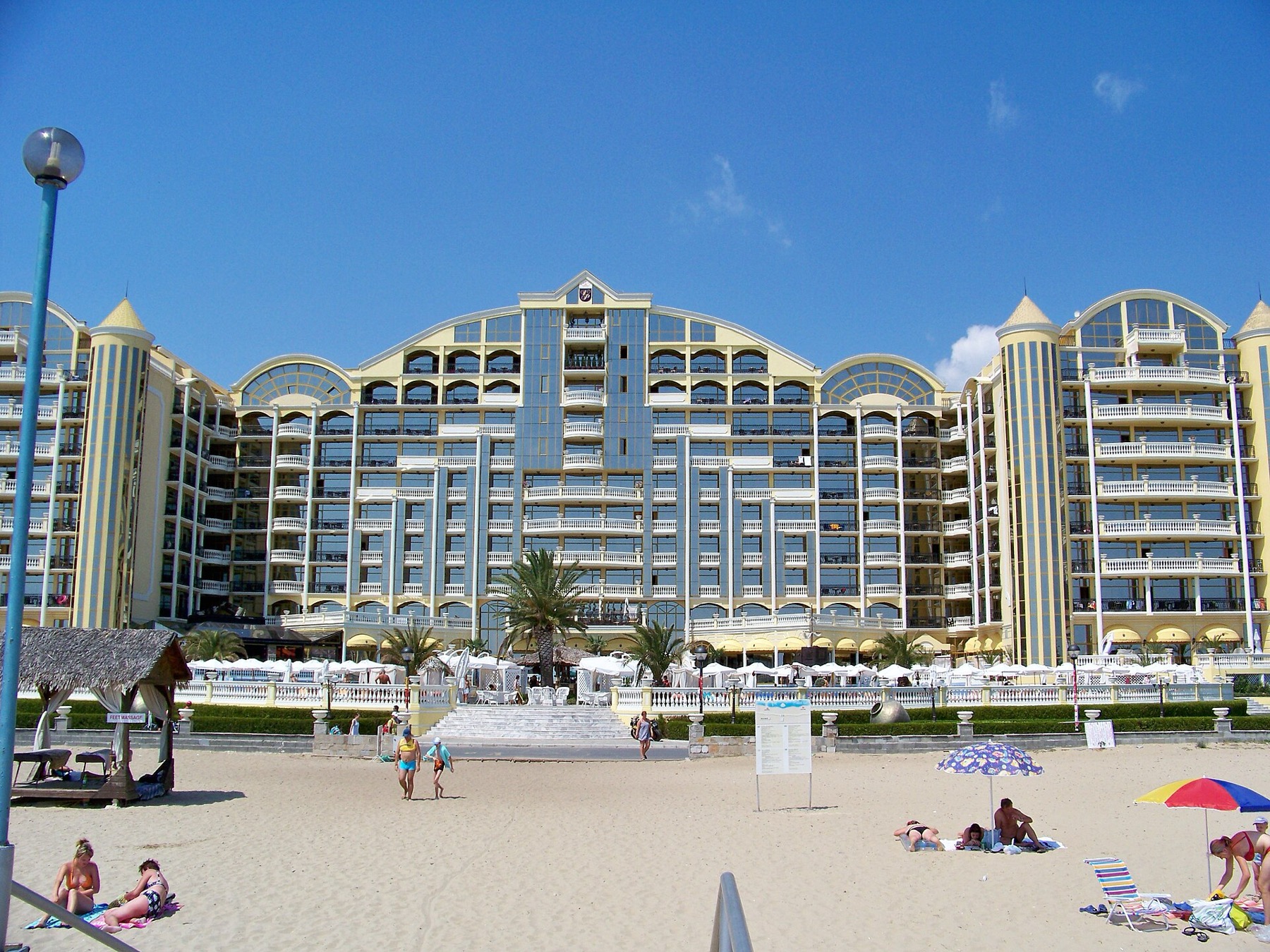
Where to stay
💡 Accommodation and experiences tip: We prefer to look for accommodation on Booking.com, where you tend to get the best cancellation terms. Tickets, tours and activities are then worth comparing and booking through GetYourGuide.
Accommodation covers absolutely everything from modest guesthouses to giant luxury resorts. At the peak of the summer season, in July and August, you can find a solid seaside apartment from €55 to €80 a night. If you don’t mind a longer walk to the water, plain studios further from the beach start at just under €30, which is ideal for students or couples on a tight budget.
For travellers who want maximum comfort without any worries, all-inclusive stays work out exceptionally well value-wise. A night in a quality resort with full board costs from €60 to €140 per person, and a full week of five-star luxury in July can be found from €550. For travellers on a tight budget, a holiday in September is the perfect solution — after a whole summer the sea is still beautifully warm, but hotel prices fall by 30 to 40 percent. A complete week’s stay in a three-star seaside hotel is therefore easy to get from €170 per person.
A classic three-star hotel will cost you roughly €35 to €100 a night, while more upmarket four-star resorts right on the beach charge between €90 and €180. If you’re looking for a hotel directly by the sea, take a look at the Effect Grand Victoria Hotel – Ultra All Inclusive at Sunny Beach — the reviews speak for themselves and the location is truly enviable. At Golden Sands I’d recommend checking out the popular Hotel Continental, which has long held excellent guest ratings.
If you prefer a calmer atmosphere and historic lanes, head to Sozopol and stay at the pleasant Selena Beach Family Hotel – All Inclusive Light. Prices here stay within reasonable limits and the service is praised by pretty much everyone who comes with kids. If your flight starts or ends in the capital, you can either use the cheap hostels, and if you want a peaceful base for the journey, a great choice for an overnight in Sofia is the modern Aurora Sofia Hotel. A bed in a shared room at the cheapest hostels costs from €7 to €12.
💡 TIP: Accommodation over the summer holidays disappears at an incredible rate. Book your hotel well in advance, easily as early as the start of spring, because the best offers with great value for money tend to sell out first.
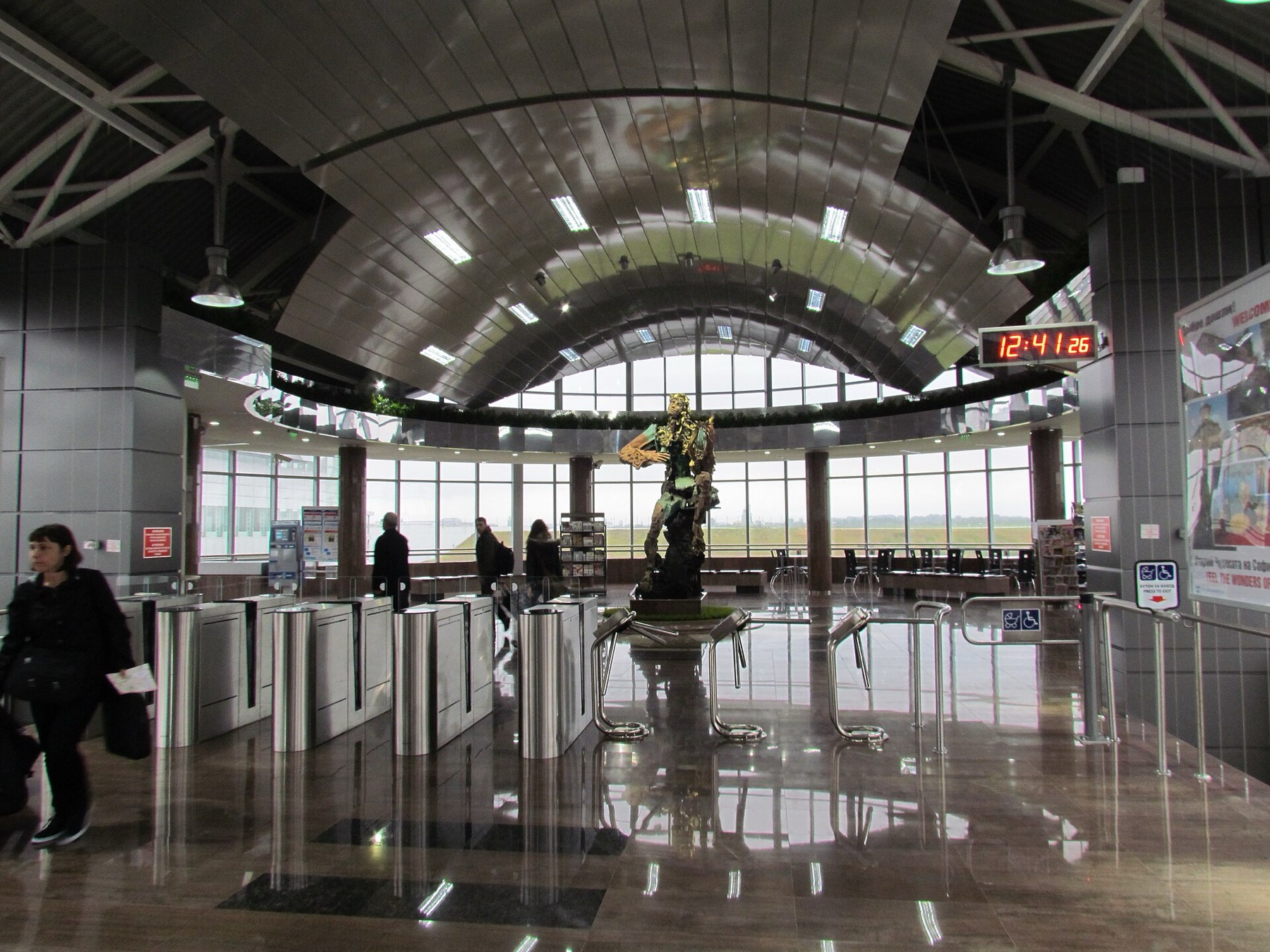

Transport and fuel
Getting around Bulgaria is cheap and surprisingly well organised. If you fly into Sofia, a ticket for the modern metro straight from the airport costs just €0.80 and is valid for a full thirty minutes including transfers. On public transport you can simply tap a contactless card right at the turnstile, with a daily cap set at a maximum of two euros and a twenty-four-hour ticket costing three euros.
With taxis, be very careful and use only official cars or trusted mobile apps. The classic Uber and Bolt don’t operate in Bulgaria, but the local TaxiMe app works absolutely reliably, as do the cars of the OK Supertrans company. The starting fare is around €1.50 and you’ll pay roughly €0.75 per kilometre during the day. A ride from the airport to the centre of Sofia shouldn’t cost you more than €14, whereas the street touts often charge twenty times that.
With a price tag of around €1.53 to €1.56 per litre of petrol, Bulgaria ranks among the three cheapest countries in the EU, and diesel holds just under €1.80, so a road trip here really isn’t painful. Just remember to get an electronic motorway vignette in advance — the weekend version costs €6.60 and the weekly option comes to €10. You can easily buy it online on the official bgtoll.bg website. It works much like the toll stickers you may know from Austria or Switzerland.
Travel between towns is handled by a dense network of bus lines that are clean and run on time. For example, a ticket on the busy route from Sofia to Plovdiv usually costs from €6 to €12 depending on the carrier. Trains are a slightly cheaper option, but their rolling stock often dates back to the last century and the journey takes considerably longer. For longer trips you can also easily rent a car right at the airport in Sofia or Burgas, where most of the established international and local rental firms operate. Rental prices for a small car per day start from just €20 outside the high season.
💡 TIP: If you need to grab a classic yellow taxi at the airport, look only for the official rank in front of the terminal and ignore everyone offering you a ride inside the arrivals hall. Ordering a car through an app is always the safe bet.
How much money to bring: sample budgets
Budget planning depends mostly on the travel style you prefer. Below you’ll find three rough sample scenarios for a week-long stay for one person, which don’t include the journey to Bulgaria but cover the complete costs on the ground.
| Type of traveller | Accommodation for 7 nights | Food and activities | Total per person |
|---|---|---|---|
| Budget (apartment, cooking, free beaches) | €100–170 | €200–280 | €300–450 |
| Middle ground (3* hotel, restaurants, loungers) | €200–350 | €320–490 | €500–850 |
| All inclusive (4–5* resort with full board) | €420–1,100 | included in accommodation | €420–1,100 |
Compared to other popular destinations, Bulgaria comes out as the clear winner for your wallet. While here you’ll pay around €55 to €100 a night for a decent three-star hotel, in Greece or Croatia you’ll routinely pay double for a similar standard, coming in from €110 to €200. Southern Italy then sits even a little higher in high season, usually between €100 and €170 for a single night.
You’ll also feel a huge difference on the beaches themselves. While a Bulgarian set of two loungers and an umbrella will cost you an average of €10 to €15 a day, on the popular Greek Halkidiki you’ll pay from €20 upwards, and at the most sought-after spots you should be ready for as much as €50. In a word: Bulgaria still beats the rest. More luxury, less strain on your wallet.
Budget travellers who choose apartments with a kitchenette and shop at supermarkets can cut their costs to an absolute minimum. If you use the free beach zones and cook every now and then, you’ll comfortably fit within €300 to €450 for the week. Anyone who instead wants daily restaurant dinners and rented loungers should reckon on the comfortable middle ground of around €500 to €850.
💡 TIP: Don’t forget to factor travel insurance and any local trips into your total budget. Although entry fees to sights and boat tickets are very cheap, on a family holiday these small expenses add up quickly.
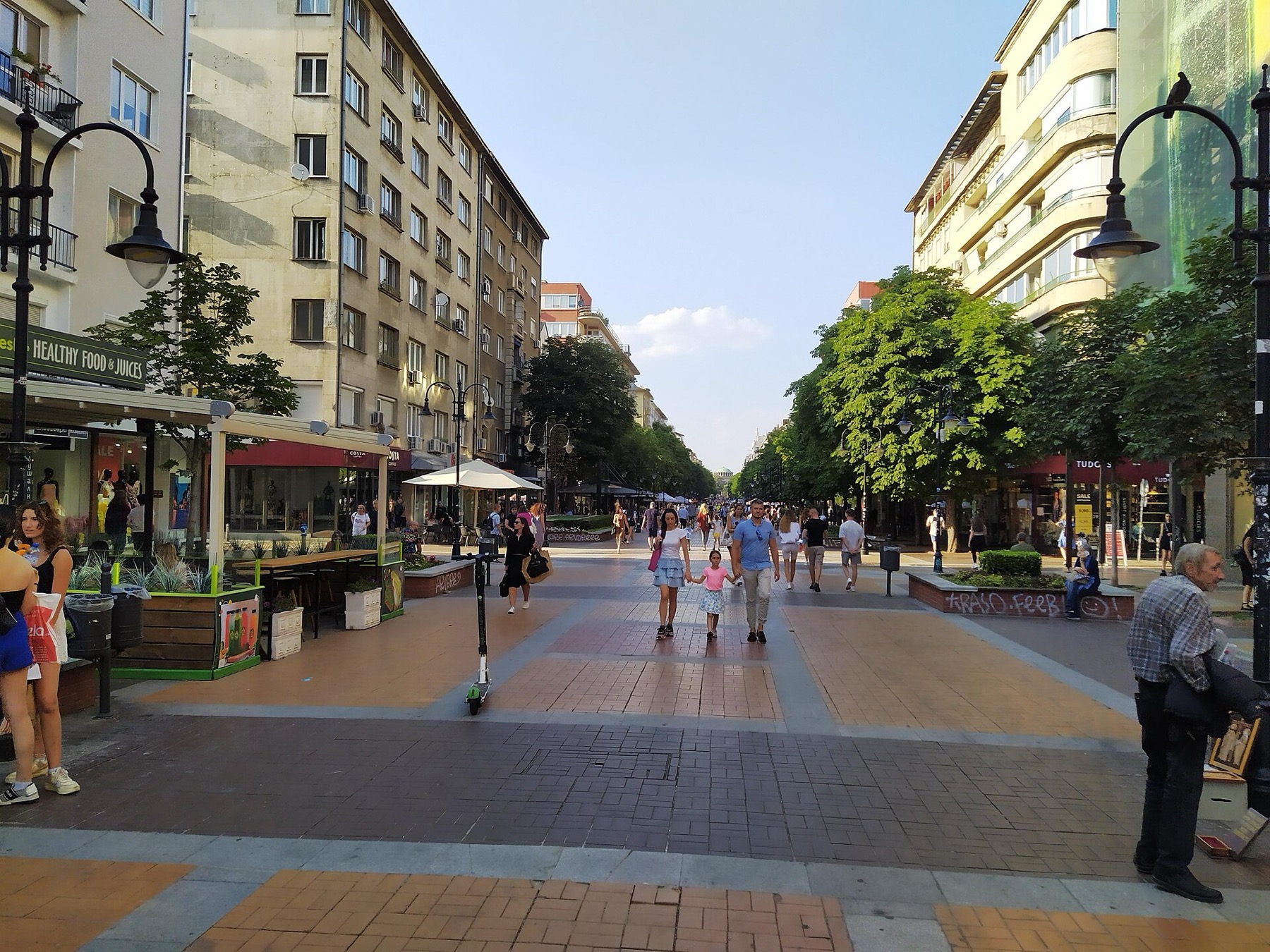
How to pay in Bulgaria: cards, tipping and traps
Card payments are now completely standard in all supermarkets, larger hotels and modern restaurants. In Sofia you can even pay by card right at the metro turnstiles, which makes getting around the city incredibly easy. Even so, always carry some smaller cash in euros too, because in little coastal mehanas, at markets or ice-cream stalls, a plastic card often won’t get you far.
When withdrawing from an ATM or paying by card, watch out for the so-called DCC trap (Dynamic Currency Conversion). If the terminal asks whether you want to be charged in your home currency, be very careful. If you choose your home currency, the terminal will use the operator’s extremely unfavourable rate, so always decline this offer and choose to pay in euros.
Tipping culture is deeply rooted in the country and staff expect it. In restaurants you commonly leave around 10 percent of the total bill if you were happy with the service, with 5 percent being the absolute minimum and 15 percent given for exceptional care. Importantly, though, a tip can rarely be added directly on the card terminal here, so it’s best to leave the appropriate amount in cash right on the table.
Thanks to the switch to the euro, you no longer need to fear the fraudulent exchange offices that used to lure people in with huge “no fees” signs but in reality offered absolutely tragic rates. Any old levs you might find at home will be exchanged by the Bulgarian National Bank without any fees or time limit, so you certainly won’t lose your earlier savings. For commercial banks this obligation ends on the last day of 2026.
💡 TIP: For ATM withdrawals, use only the machines of large, well-known banks that you’ll find mounted right on their branches. Avoid the suspicious free-standing ATMs labelled ATM or Euronet, which often charge high hidden withdrawal fees.
Where to next
- Holiday in Bulgaria: 30 most beautiful places – We’ve put together a guide to the loveliest spots you shouldn’t miss on your holiday.
- What to pack for a holiday in Bulgaria – A practical packing list for the whole family.
- Where to go on holiday in September – Ideas for destinations that stay beautifully warm after the holidays and where prices drop steeply.
- Where to go on holiday in Greece: 32 tips – Our favourite alternative to the Bulgarian coast if you prefer Mediterranean cuisine and hundreds of little islands.
Frequently asked questions
Is the euro used in Bulgaria?
As of January 1, 2026, Bulgaria is set to become the twenty-first member of the eurozone, and if all goes according to plan, the euro will be the only official currency. All prices in shops, hotels, and restaurants will be quoted exclusively in the European currency. Old leva will no longer be in general circulation after the transition period, and dual pricing will disappear in August of the same year.
What should I do with old Bulgarian leva?
If you have banknotes left over from previous years, you can exchange them free of charge and without any time limit at branches of the Bulgarian National Bank (BNB). Commercial banks in the country are required to perform this exchange only until the end of 2026, and they may charge a handling fee for the exchange.
How much money should I bring for a week?
More budget-conscious travelers staying in an apartment, who occasionally cook for themselves and use the free zones on the beaches, will get by with approximately €300 to €450 per week. If you want to treat yourself to daily dinners at restaurants and sunbed rentals, plan for the golden middle ground with a budget of around €500 to €850 per person. The golden rule is to bring approximately one hundred euros in cash per person for small expenses at markets, and keep the rest on a payment card.
Did Bulgaria become more expensive after switching to the euro?
Prices have risen by approximately 20 to 30 percent over the last two years, but the currency change was not the reason—according to estimates, it raised prices by only a negligible fraction of a percent. The price increases are primarily due to the return of the 20 percent VAT in gastronomy from January 2025 and general inflation. However, according to Eurostat data, at 53 percent of the EU average, it remains the cheapest country on the continent.
Is Bulgaria cheaper than Greece or Croatia?
Absolutely yes. Both hotel accommodation and dining at restaurants or beach equipment rentals work out noticeably cheaper in Bulgaria. While here you can get a decent three-star hotel from €55 to €100, in popular resorts in Greece or Croatia you’ll commonly pay double for a similar standard. In restaurants, the differences are often even more striking, especially for seafood.
How much does a beach sunbed cost?
Prices are quoted per piece and range from €0.60 in northern Burgas to €6 on Golden Sands. A complete set of two sunbeds and an umbrella will therefore cost you approximately €10 to €15 per day. By law, half of every beach must be reserved for free sunbathing on your own towel, completely free of charge.
How much do beer and food cost at a restaurant?
For a half-liter of draft beer at a resort, you’ll pay a pleasant €2 to €3. An excellent lunch at a traditional mehana costs €7 to €15, and a three-course dinner for two with drinks typically runs between €30 and €45. In shops, you can buy even cheaper, of course—beer is available for around one euro. And for those who love wine, we have good news: local production is excellent, and you can get a bottle at the supermarket from as little as four euros.
Are payment cards accepted everywhere in Bulgaria?
In supermarkets, hotels, and larger restaurants, you’ll pay by card without any problems at all, and in Sofia you can even tap it at the metro turnstile. However, you will definitely need cash in small stalls, at markets, and in smaller local taverns, where payment terminals are often absent.
How much should I tip?
The standard is to leave the staff approximately 10 percent of the total bill, with 5 percent considered the absolute minimum. Tips usually cannot be added to the payment terminal when paying by card, so it’s best to leave small euros in cash directly on the table. If you were truly impressed by the service, fifteen percent certainly won’t offend anyone.
Is it worth going all-inclusive?
All-inclusive resorts offer an excellent price-to-performance ratio—you can get a quality five-star hotel for a week from as little as €550 per person. However, Bulgaria is so affordable overall that a more flexible stay in an apartment with meals at local traditional mehanas is also very worthwhile, allowing you to experience the country much more authentically.
Tips and Tricks for Your Vacation
Don’t Overpay for Flights
Search for flights on Kayak. It’s our favorite search engine because it scans the websites of all airlines and always finds the cheapest connection.
Book Your Accommodation Smartly
The best experiences we’ve had when looking for accommodation (from Alaska to Morocco) are with Booking.com, where hotels, apartments, and entire houses are usually the cheapest and most widely available.
Don’t Forget Travel Insurance
Good travel insurance will protect you against illness, accidents, theft, or flight cancellations. We’ve had a few hospital visits abroad, so we know how important it is to have proper insurance arranged.
Where we insure ourselves: SafetyWing (simple monthly subscription) and TrueTraveller (for extra-long trips).
Find the Best Experiences
Get Your Guide is a huge online marketplace where you can book guided walks, trips, skip-the-line tickets, tours, and much more. We always find some extra fun there!