

Enormous marble columns soaring into the heavens, majestic pyramids rising from the middle of an endless desert, or colossal statues guarding ancient harbours. The human urge to create something that goes beyond ordinary comprehension is absolutely fascinating and has inspired awe for thousands of years.
Even the ancient Greeks carefully compiled lists of the most breathtaking human creations that every educated traveller ought to see at least once in a lifetime. And although only a single one of the original ancient wonders of the world survives today, a few years ago humanity chose seven new wonders that travellers still admire and journey to. These are the seven wonders that continue to capture our imagination.
TL;DR
How many wonders of the world are there really, and what exactly does the term mean? Historically there are two main lists, each counting seven monumental structures. Of the original seven wonders of the ancient world, only the Egyptian Great Pyramid has survived to the present day. Then in 2007 a massive global vote took place, from which emerged the seven new wonders of the world, including for example Italy’s Colosseum and the Inca site of Machu Picchu.
Summary
- The only surviving ancient wonder: the Great Pyramid of Giza (Egypt) is the sole one to have endured the centuries and still takes visitors’ breath away.
- 7 new wonders of the world: the Great Wall of China, the rock city of Petra, the statue of Christ the Redeemer, the fortress of Machu Picchu, the pyramid of Chichén Itzá, the Colosseum and the Taj Mahal.
- An honorary member in Egypt: the Pyramids of Giza ultimately didn’t take part in the modern vote at all, because as the sole surviving ancient wonder they were granted special honorary status.
- The mystery of the Hanging Gardens: the Hanging Gardens of Babylon are the only ancient wonder whose actual existence historians still doubt to this day, as archaeological evidence is missing.
- The new selection isn’t official: the 2007 vote was organised by a private foundation and UNESCO distanced itself from it, yet this new list caught on worldwide.
- 💡 Tip for travellers: for the busiest modern wonders, always book your tickets several months in advance.
The 7 Wonders of the Ancient World
Let’s dive together into deep history and explore the original list of ancient wonders, which once served as a kind of ancient tourist guide. Most of these incredible architectural gems were relentlessly swept away by time, devastating earthquakes or fires, but their legends live on and never cease to inspire builders all over the world.
1. The Great Pyramid of Giza (Egypt)
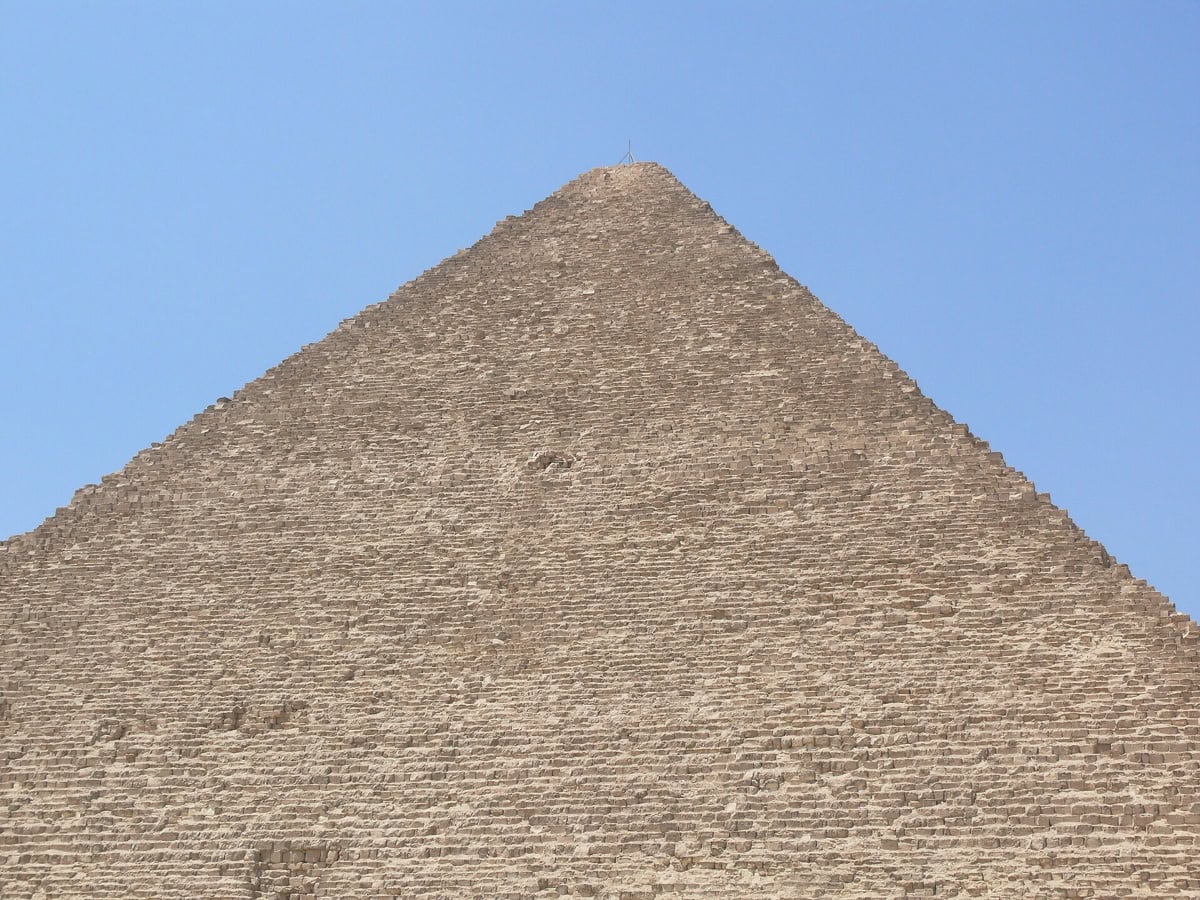
This fascinating architectural marvel stands on the edge of present-day Cairo and is an absolute rarity, as it is the only one of the seven ancient wonders to survive to the present day. The pyramid was built for Pharaoh Khufu (also known as Cheops) around 2560 BC, and its construction took an incredible twenty years.
Originally it rose to a height of nearly 147 metres and for more than three thousand years proudly held the title of the tallest structure in the world. It’s made up of an estimated two million heavy stone blocks and was once clad in smooth, gleaming limestone — which was, however, stripped away in the Middle Ages for buildings in the nearby city.
Today the pyramid is naturally a little lower and has that characteristic stepped surface we all know from photos. Even so, it remains one of the most visited monuments on the planet, and the sight of its perfect symmetry leaves many a visitor breathless.
2. The Hanging Gardens of Babylon
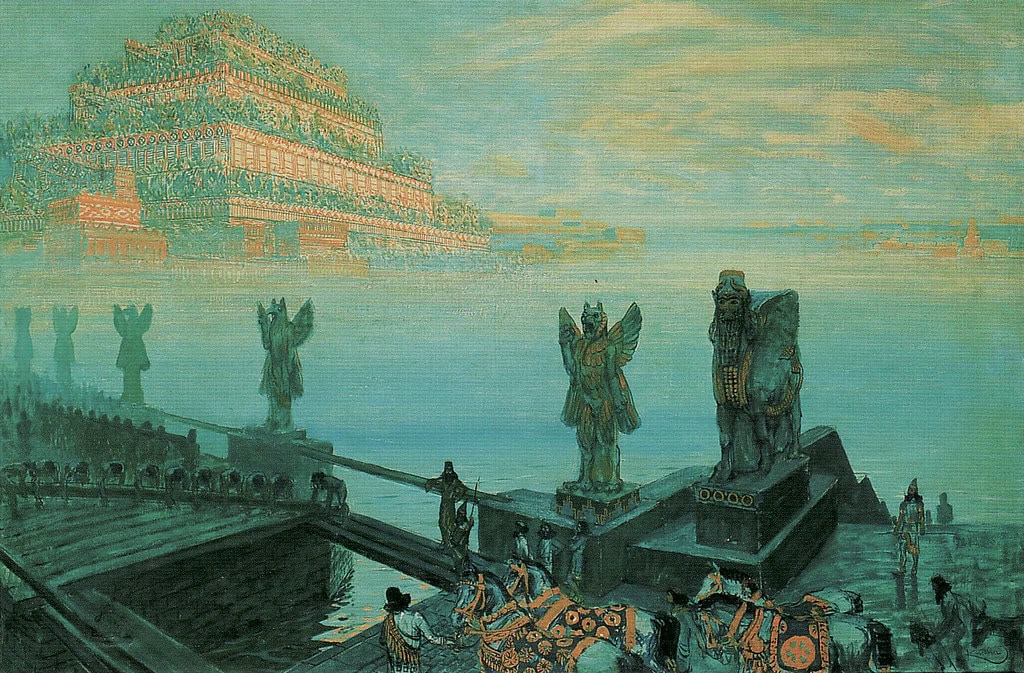
The story of breathtaking tiered terraces overflowing with lush greenery and exotic trees is one of the most romantic of all — but there’s one significant catch. This is the only ancient wonder whose actual existence is highly disputed, and it still keeps many archaeologists up at night.
According to ancient Greek legends, this paradisiacal spot was built by the Babylonian king Nebuchadnezzar II for his wife, who missed the green mountains of her homeland. Other tales attribute the gardens to the semi-mythical Queen Semiramis, yet no trace of any irrigation systems has ever been found in the region of ancient Babylon in what is now Iraq.
The main historical theories therefore lean towards the idea that this was either a mere literary myth or that the gardens stood somewhere else entirely. A respected British historian put forward the claim that the magnificent gardens were actually located in the Assyrian city of Nineveh.
3. The Statue of Zeus at Olympia (Greece)
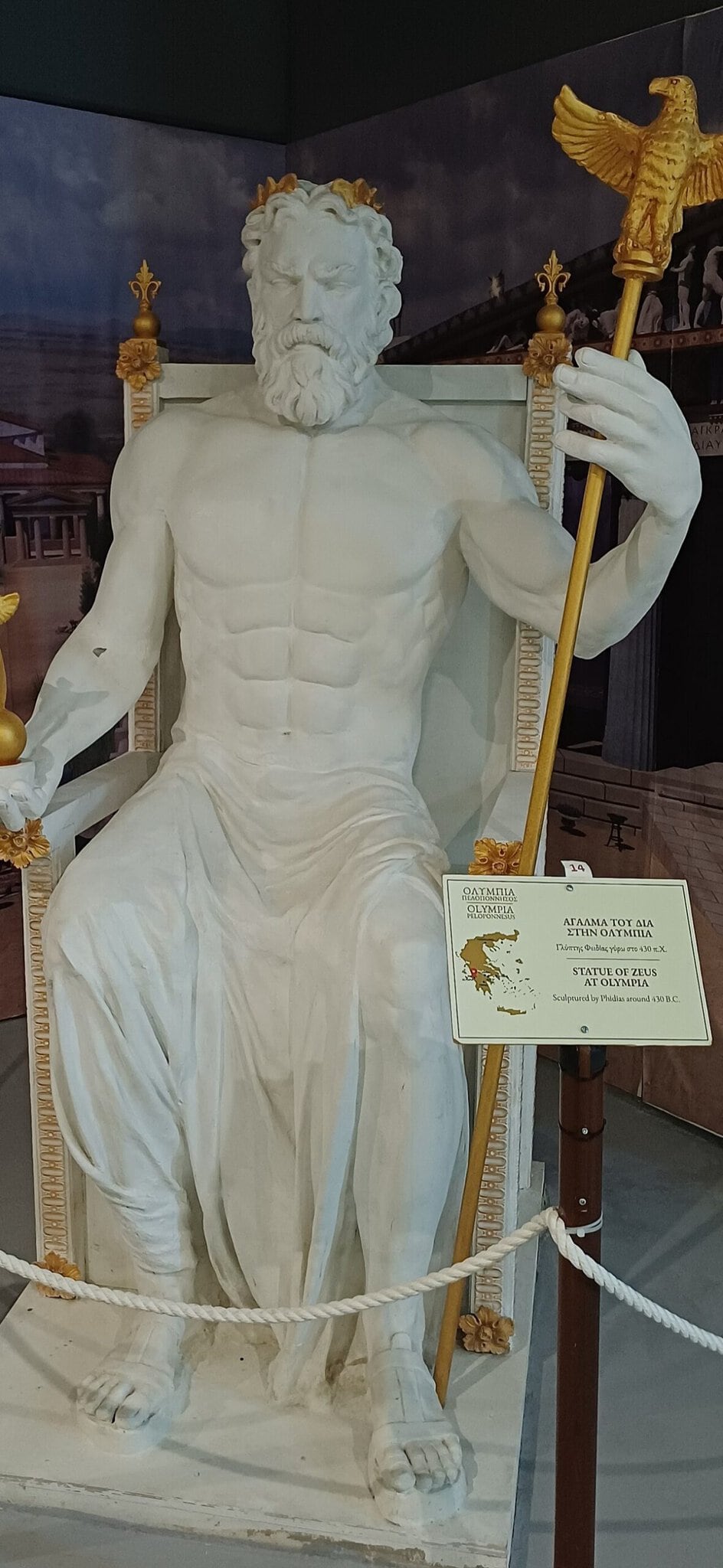
Something utterly extraordinary once stood in the famous sanctuary at Olympia in Greece. Inside the enormous Temple of Zeus sat a colossal statue of the god Zeus on a richly decorated throne, created around 435 BC by the brilliant sculptor Phidias.
The statue stood over twelve metres tall and was made using an incredibly expensive technique. Its creators attached plates of pure gold and finely carved ivory panels to a wooden frame, so that the thunder god literally shone throughout the entire temple space.
The demise of this magnificent work is surrounded by uncertainty. According to some sources the statue burned along with the temple in the early fifth century, while others state it was taken to Constantinople, where it was ultimately consumed by a devastating palace fire. Today at Olympia you can see only the sacred archaeological site and the remains of Phidias’s workshop.
4. The Temple of Artemis at Ephesus (Turkey)
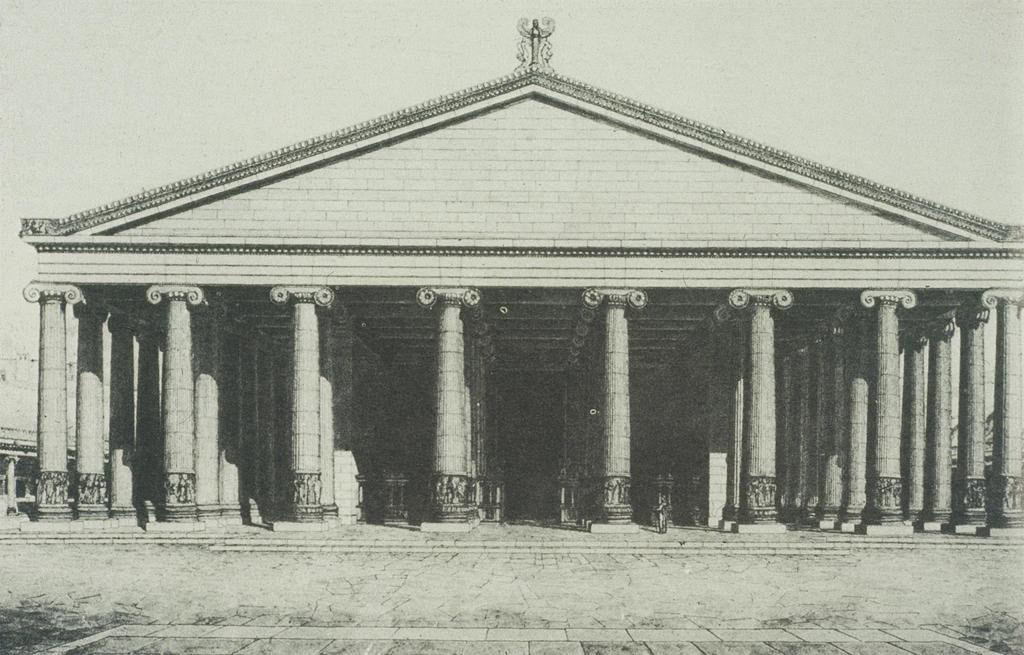
On the territory of present-day western Turkey stood a temple that easily outshone even the famous Athenian Parthenon in sheer size and splendour. This sprawling marble shrine dedicated to Artemis, goddess of the hunt, was financed among others by the fabulously wealthy Lydian king Croesus.
The temple was adorned with over a hundred and twenty majestic columns, each eighteen metres high, and inside it concealed masterful works of art. Its fate, however, is tied to a most unfortunate event. In 356 BC it was deliberately set alight by a man named Herostratus, who sought immortal fame through this mad act.
Incidentally, this is where the term “Herostratic fame” comes from, used for people who become famous through some heinous deed. The temple was subsequently rebuilt on a grand scale, but in the fourth century AD it was destroyed for good. On the original site at Ephesus, only a single re-erected column stands today, a sad reminder of glory long past.
5. The Mausoleum at Halicarnassus (Turkey)
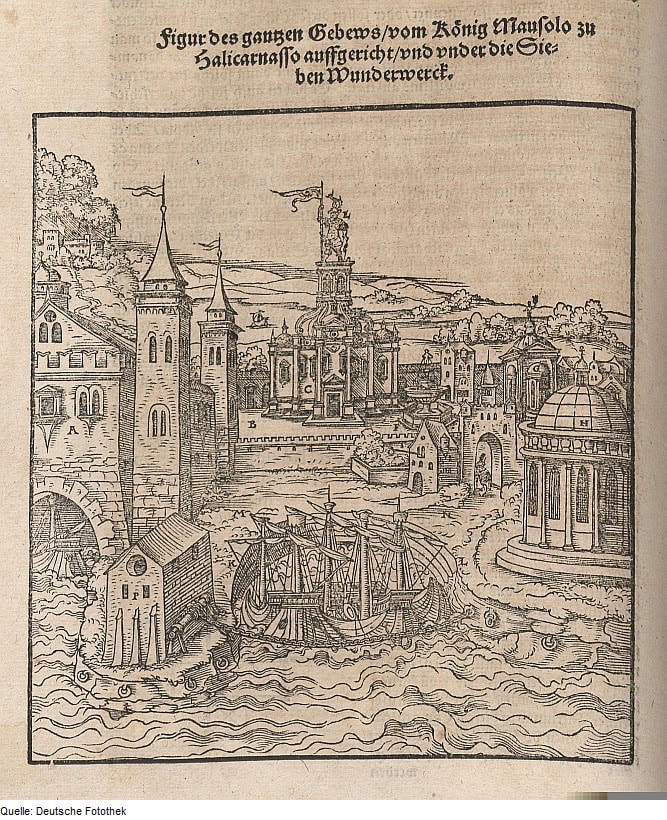
We all know the word “mausoleum” today as a term for a large, ornate tomb, but few people realise that the word itself was born thanks to the fifth wonder of the world. It was built by Artemisia for her husband and brother in one, the Persian ruler Mausolus, in the city of Halicarnassus — today’s popular resort of Bodrum.
The structure was completed around 350 BC and rose to a respectable height of forty-five metres. Its façade was richly decorated with hundreds of magnificent statues, worked on by the finest Greek sculptors of the time, and the very summit was crowned by a massive marble sculpture of a chariot drawn by four horses.
The tomb successfully withstood time for almost sixteen hundred years before it was sadly torn apart by a series of powerful earthquakes. At the site in Turkey today you’ll find only the foundations, but some of the precious statues and reliefs can be admired during a visit to the British Museum in London.
6. The Colossus of Rhodes (Greece)
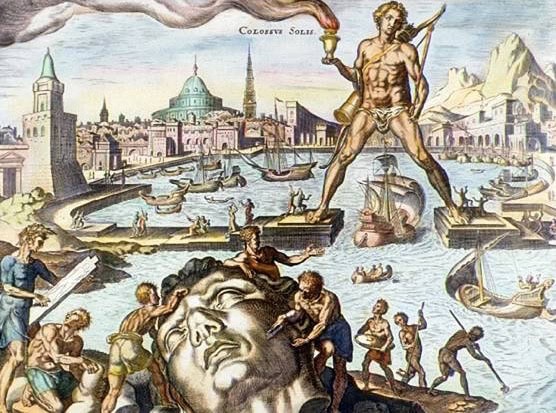
The inhabitants of the Greek island of Rhodes once fended off a heavy military siege, and out of gratitude they decided to build an enormous bronze statue of the sun god Helios. The work of the sculptor Chares of Lindos measured an incredible thirty-three metres and thus became the tallest statue of all antiquity.
Many people still believe that this huge figure stood with its legs spread wide directly over the harbour entrance, and that ships had to sail beneath its legs. This is, however, a very popular historical myth, because structurally such a construction would have been utterly impossible, and no contemporary sources back it up either. The statue most likely stood on a solid pedestal somewhere in the immediate vicinity of the harbour.
It’s a huge shame that this masterpiece adorned the island for a mere fifty-four years. Around 226 BC a crushing earthquake swept through the island, the statue snapped at the knees, and the enormous bronze ruins lay on the ground for another eight hundred years before conquerors of the time finally carted them away.
7. The Lighthouse of Alexandria (Egypt)
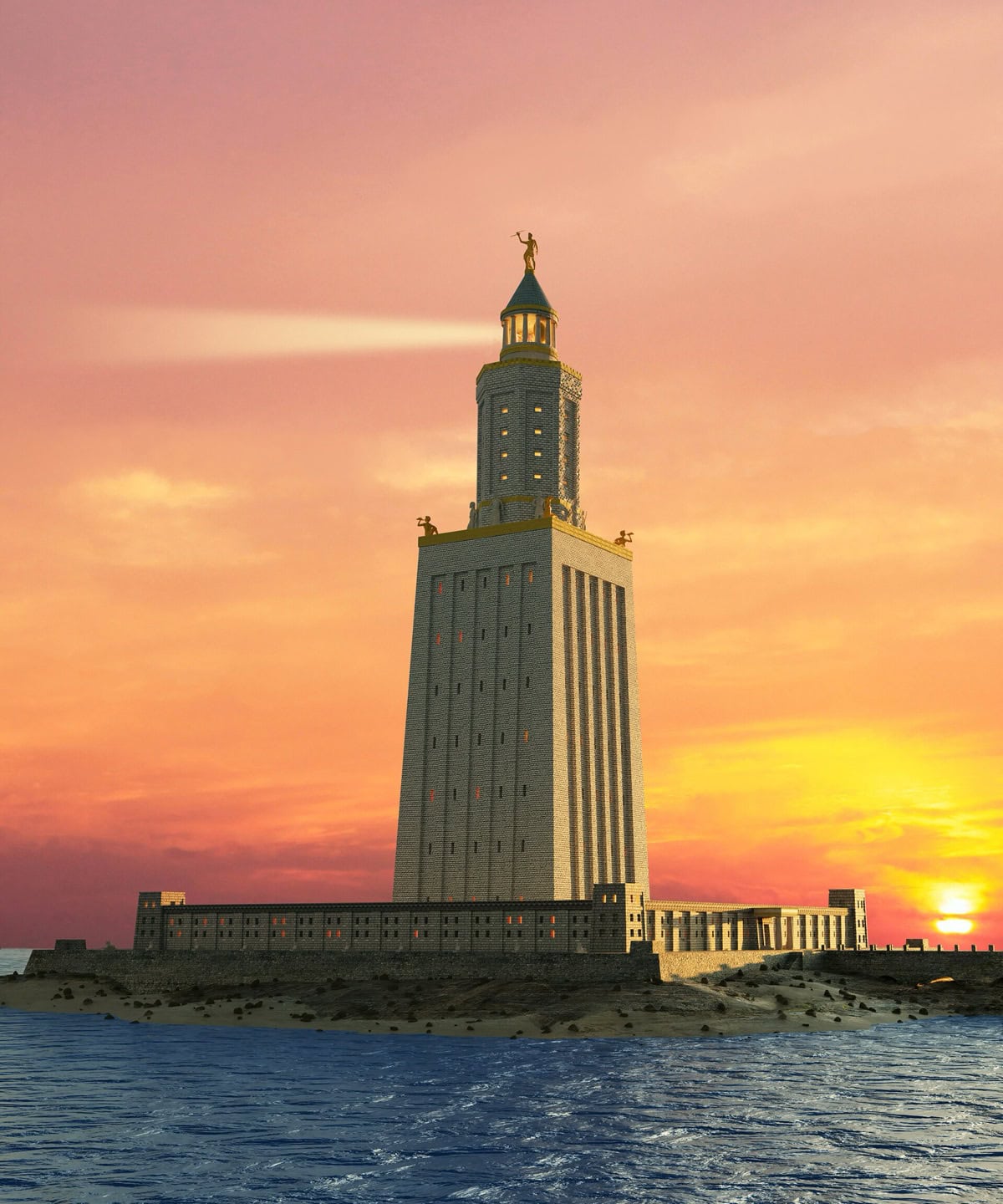
Picture a huge tower rising to a height of more than a hundred metres, with a bright fire blazing at its very top. The light of this fire was further amplified by a giant mirror, so that it could be safely seen for dozens of kilometres out across the open sea. That’s exactly how the most famous lighthouse of all time worked, near the Egyptian city of Alexandria.
It was built by a ruler of the Ptolemaic dynasty in the third century BC on a small island called Pharos. Incidentally, it’s from this very name that the word for lighthouse comes in many world languages. It was one of the tallest creations of its age and an engineering marvel of its time.
As with so many other ancient monuments, devastating earthquakes proved fatal, reducing it to ruins in the Middle Ages. Today the mighty Citadel of Qaitbay stands on its site, but archaeologists and divers still keep finding enormous stone blocks in the adjacent bay that toppled to the seabed hundreds of years ago.
The 7 New Wonders of the World
Because time really hasn’t spared many of the ancient monuments, a massive worldwide vote took place in 2007 to determine the new wonders of the world. These fascinating structures are scattered across various continents, and the best part of all is that you can easily plan a trip to every single one of them and experience their magic first-hand. What’s more, the Egyptian Pyramids of Giza were awarded special honorary member status so that, as the only surviving ancient wonder, they wouldn’t have to compete for votes with younger buildings.
1. The Great Wall of China (China)
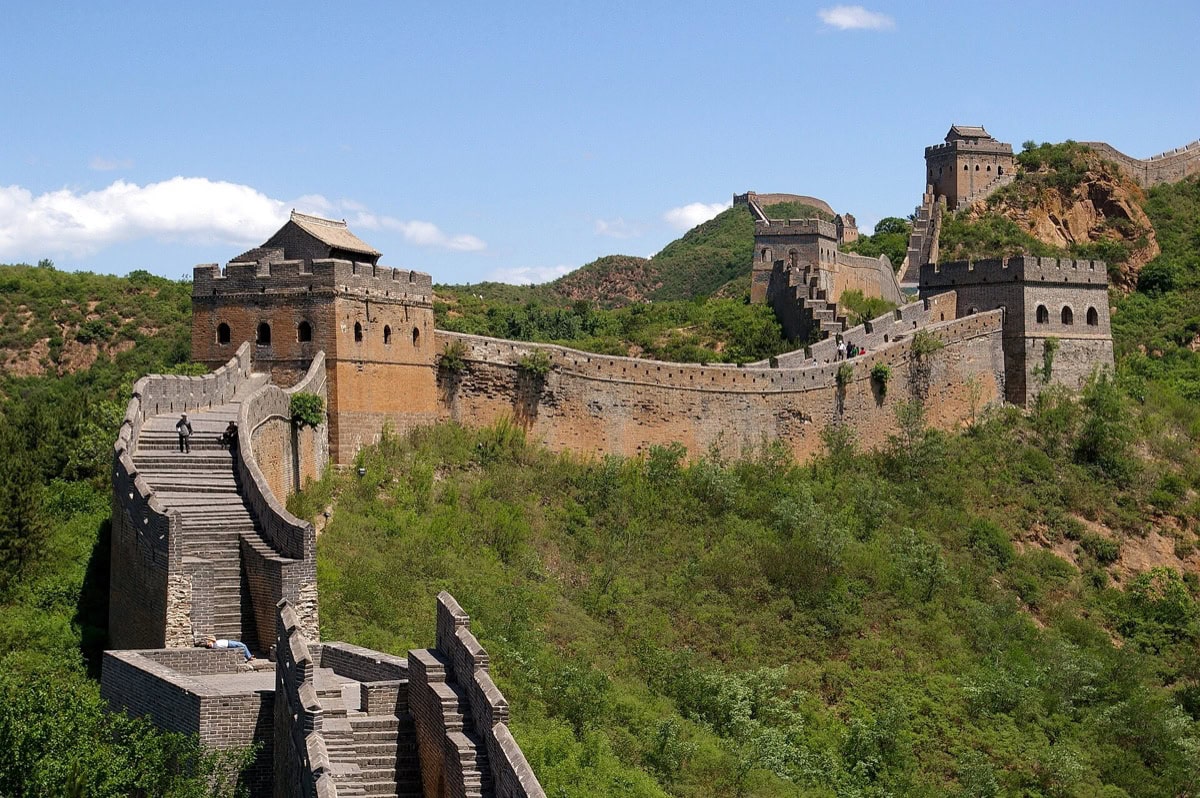
This staggering defensive system winds across northern China and its total length reaches a hard-to-believe twenty-one thousand kilometres. While the oldest sections date back deep into the centuries BC, the best-known and best-preserved parts with their massive watchtowers were built by the famous Ming dynasty.
Although the popular legend that the wall is clearly visible from space with the naked eye is often repeated, this is in fact a frequently debunked myth. That doesn’t change the fact, however, that it’s one of the most imposing structures human hands have ever touched.
When planning your trip, the sections near Beijing are the most commonly visited. If you want to avoid the biggest crowds, head instead to the Mutianyu section, which you can reach comfortably by cable car — and you can even spice up the journey down with a fun toboggan ride.
2. Petra (Jordan)
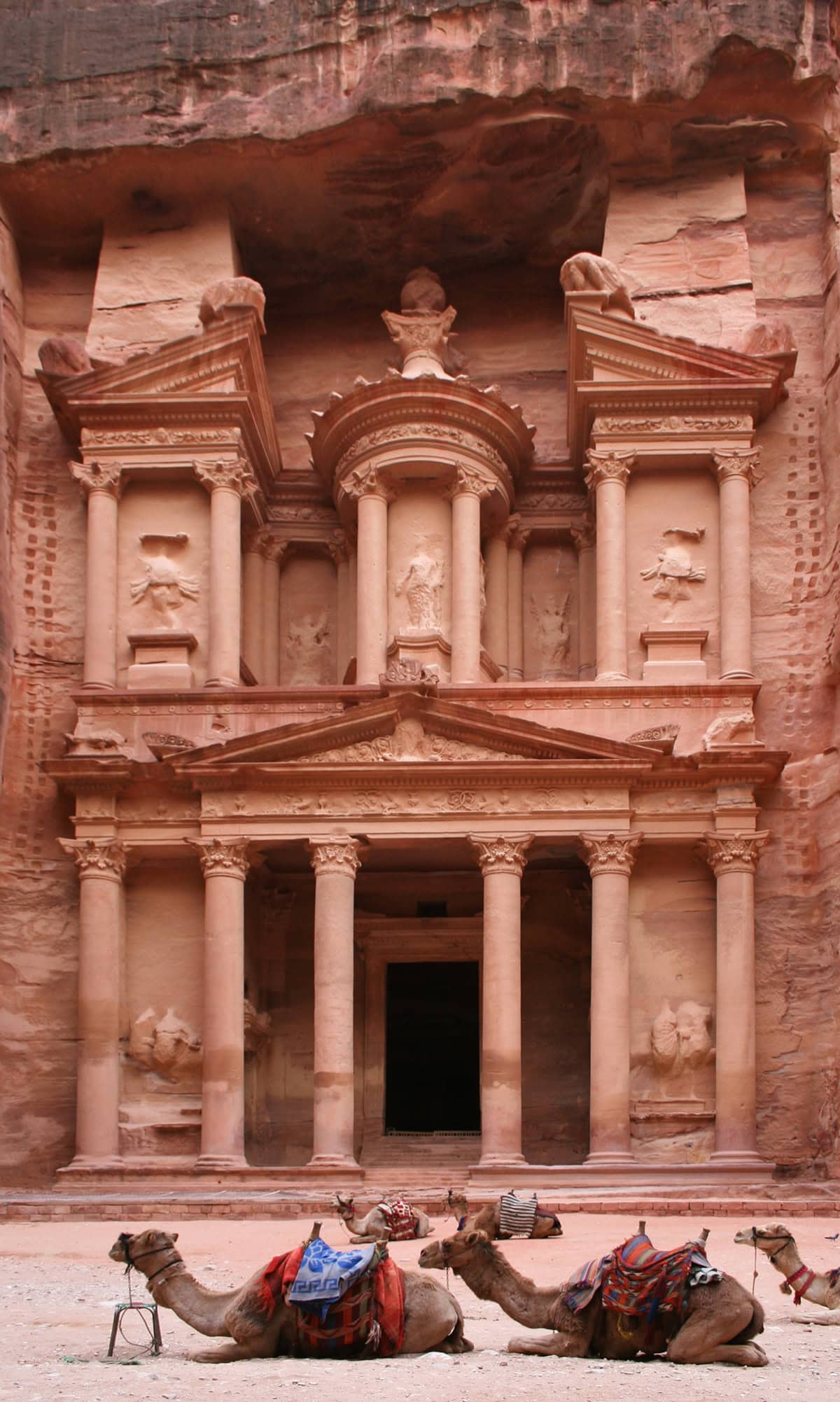
Deep in the Jordanian desert lies an absolute treasure that was carved into pinkish sandstone rock more than two thousand years ago by the skilful Nabataeans. Once it was an incredibly wealthy crossroads of caravan routes, but today travellers from all over the world head here mainly to admire the flawless rock-cut architecture.
When you walk through the narrow, dramatic Siq gorge and, at its end, the thirty-nine-metre-high façade of the so-called Treasury suddenly appears before you, it’s a moment you simply never forget. The structure’s original name is just a later legend and it was probably a royal tomb, but that takes nothing away from its beauty.
💡 Tip: If you’re heading to Jordan, it’s definitely worth buying the handy Jordan Pass in advance. It includes both the fairly pricey visa and the entrance ticket to Petra itself.
3. Christ the Redeemer (Brazil)
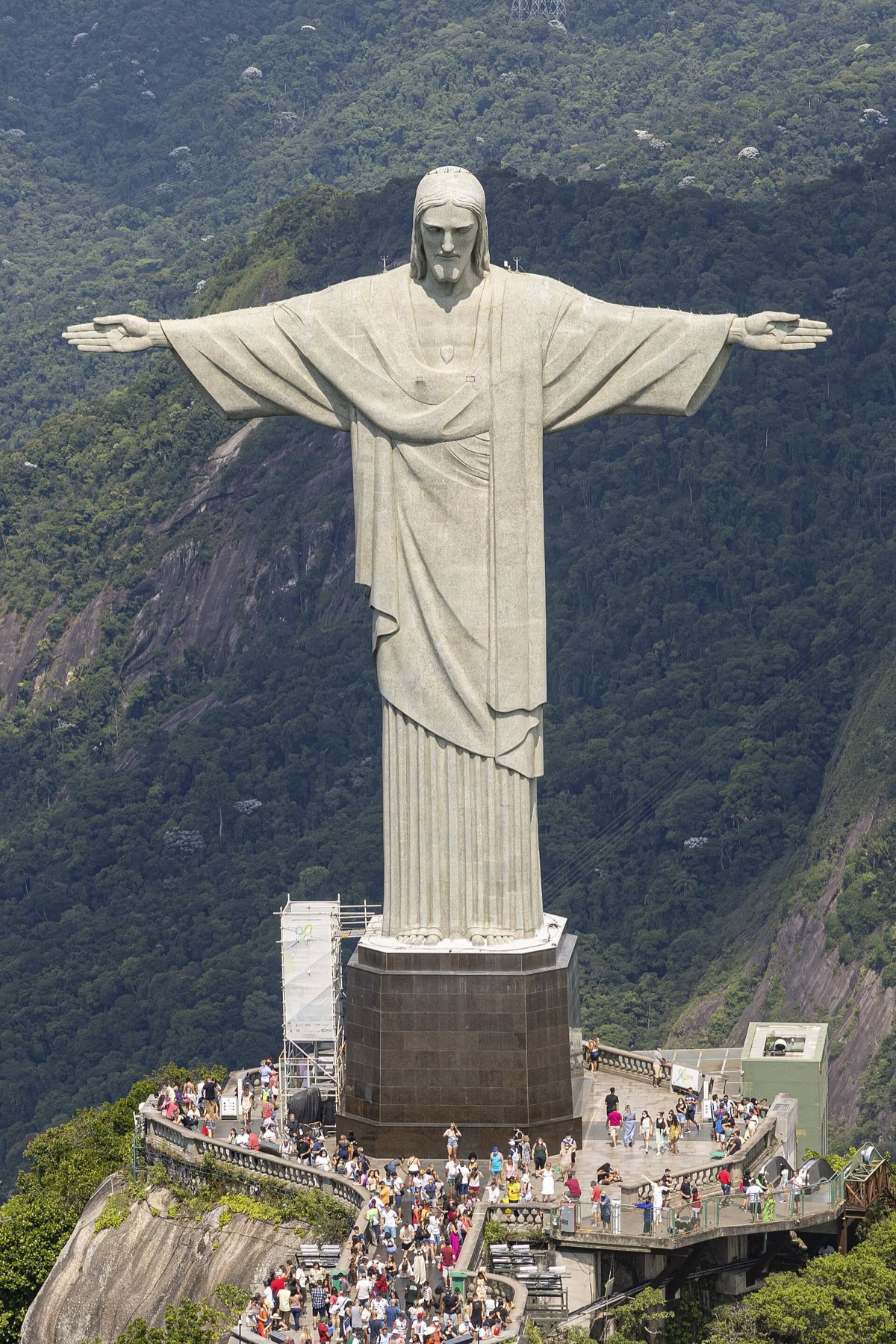
An enormous statue of Jesus Christ with arms flung wide open watches over the pulsating Brazilian metropolis of Rio de Janeiro from the summit of Corcovado mountain. It was ceremonially unveiled in 1931, making it by far the youngest representative on the entire list of modern wonders.
The whole work measures thirty-eight metres including its massive pedestal and weighs an incredible six hundred and thirty-five tonnes. An interesting fact is that, due to its exposed position, the statue is very frequently struck by lightning, and experienced restorers have to repair it regularly after strong storms.
Visitors most often reach the monument itself aboard a charming cog railway, which slowly climbs the steep hill straight through the beautiful Tijuca national park. The views from the upper observation deck over all of sun-baked Rio and the beaches below are absolutely phenomenal.
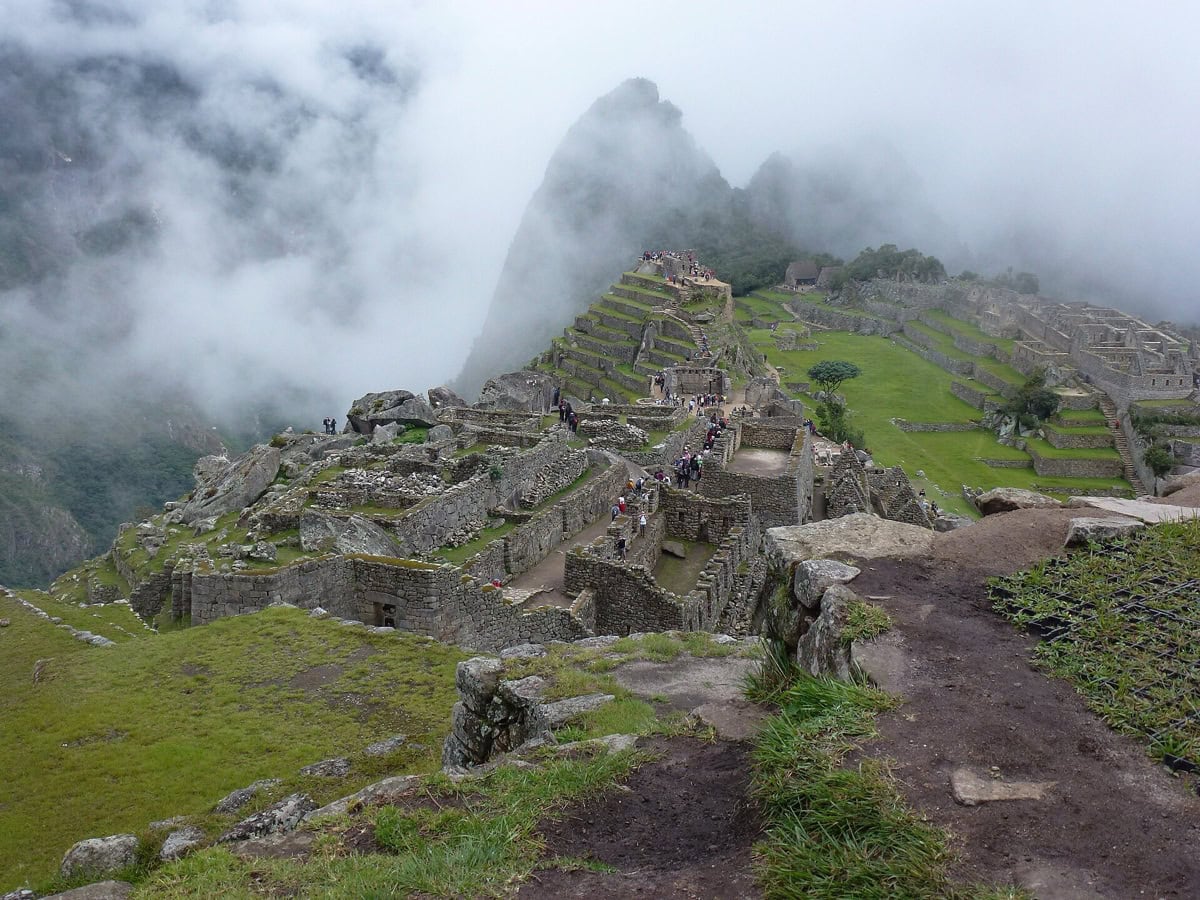
4. Machu Picchu (Peru)
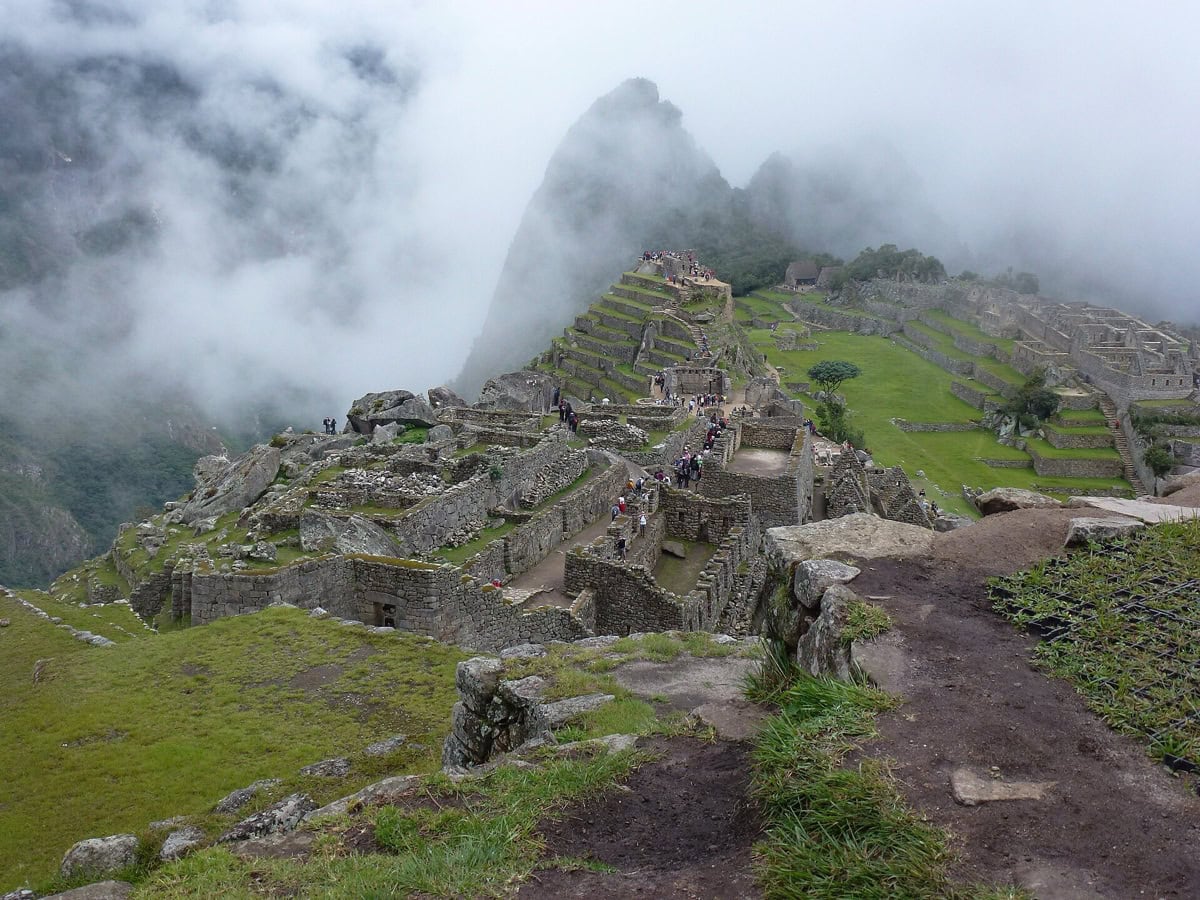
High in the majestic Peruvian Andes hides a magical Inca citadel, built in the fifteenth century by the powerful ruler Pachacuti. Because it sits on a truly hard-to-reach mountain ridge, it once escaped the destructive Spanish conquest and remained perfectly untouched for centuries.
The Western world had no idea about this place until 1911, when it was rediscovered for the public by the American explorer Hiram Bingham. Today, walking among the precisely fitted stone terraces and temples is one of the greatest travel dreams of all.
If you want to tick this unique experience off your list, though, you’ll need to plan everything very carefully. Tickets are sold exclusively through the official government websites and, in peak season, they’re often sold out months in advance.
5. Chichén Itzá (Mexico)
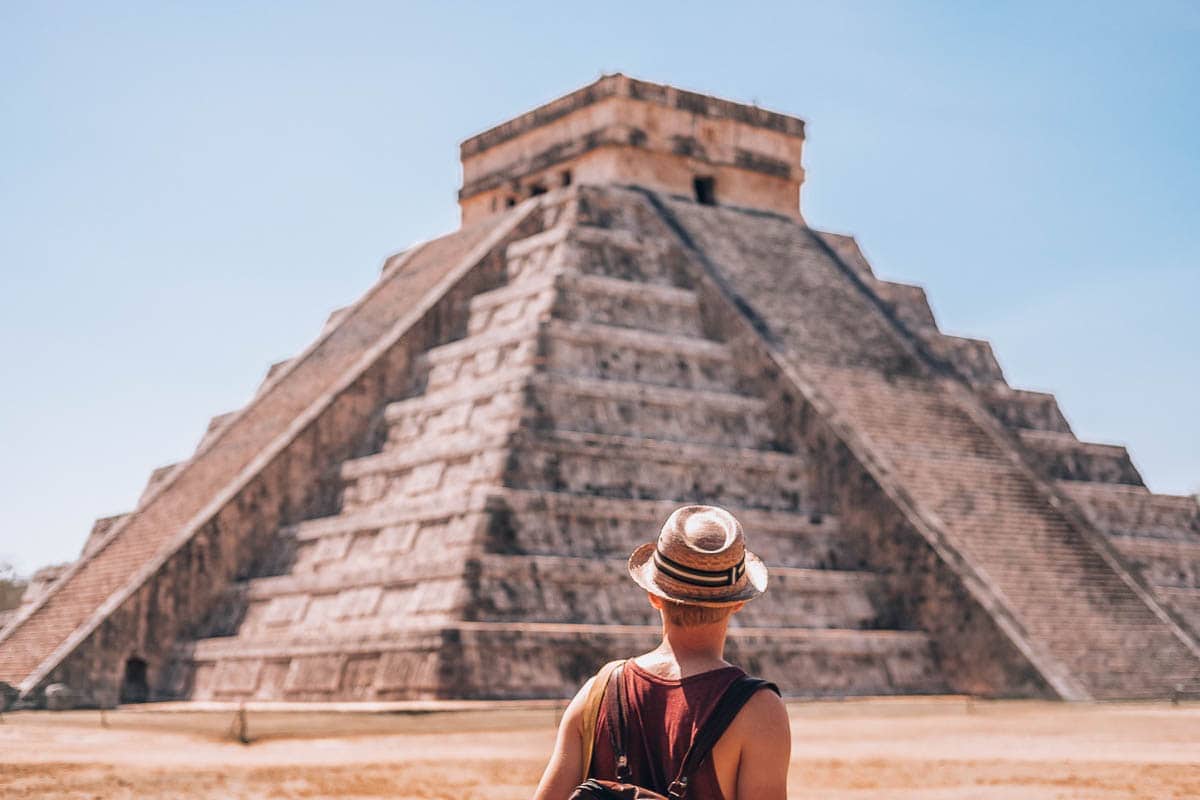
On the parched Mexican peninsula of Yucatán the ancient Maya left behind a whole host of fascinating cities, but this archaeological site is without doubt the most famous of them all. The greatest landmark of the entire sprawling complex is the stepped pyramid of El Castillo, which conceals enormous astronomical symbolism.
If you add up all the steps on the four sides of the pyramid and add the topmost one, you arrive at exactly the number three hundred and sixty-five, which corresponds to the number of days in the solar year. For safety reasons and to protect the monument, climbing the pyramid has been forbidden since 2006.
The most visitors of all, however, flock here during the spring and autumn equinox. On those days the setting sun casts an absolutely perfect shadow pattern onto the main staircase, resembling the serpent Kukulkán slithering down from the heavens to the ground.
6. The Colosseum (Italy)
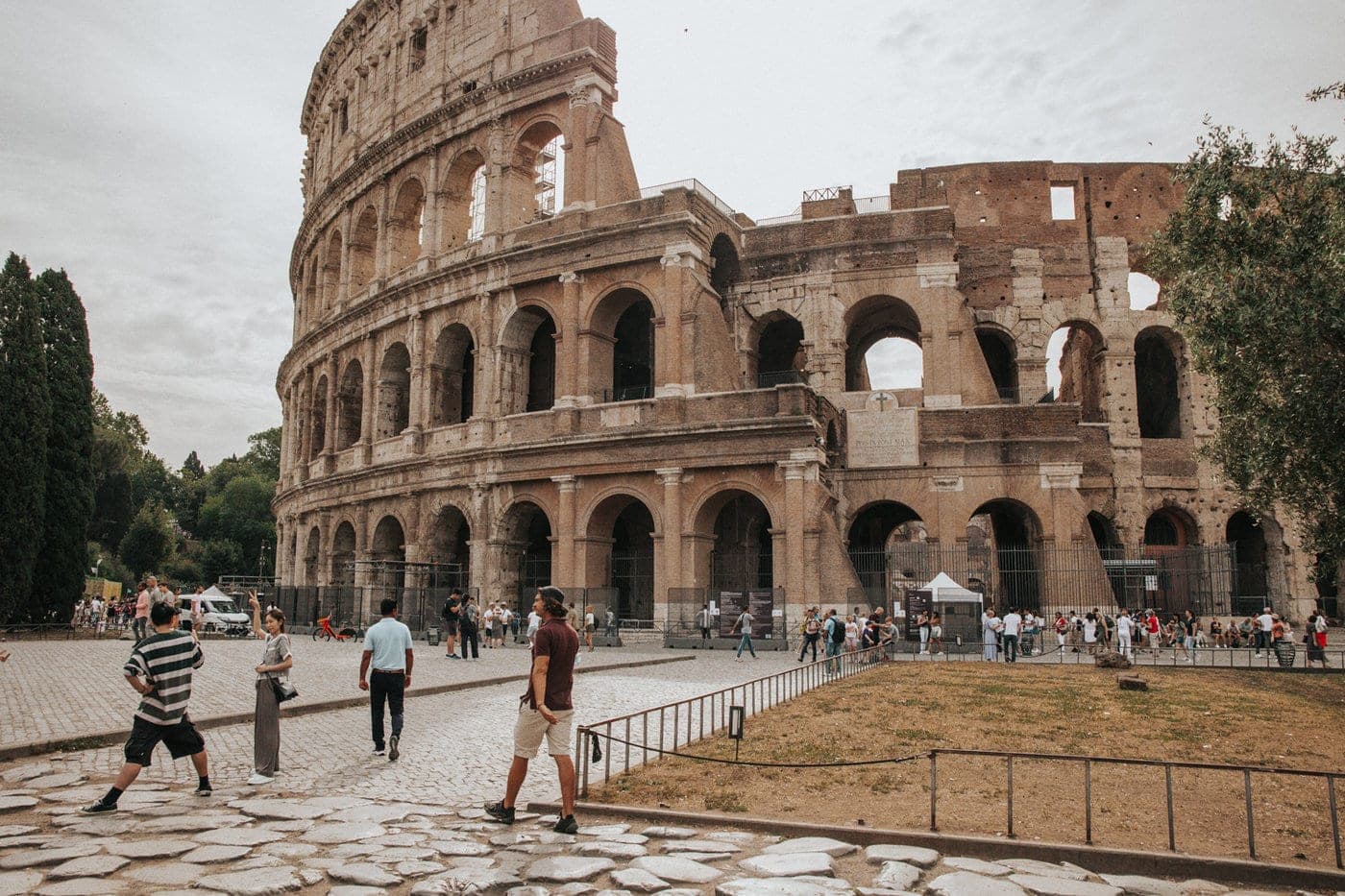
This iconic Roman amphitheatre was built by emperors of the Flavian dynasty in the first century AD, and in its time it was an absolute triumph of ancient engineering. The enormous structure could hold an estimated fifty to eighty thousand spectators, who came here to be entertained by bloody gladiatorial combat and spectacular hunts of exotic animals.
When Lukáš and I stood inside this vast arena, the raw and magnificent history simply washed over us. Next to those massive stone walls you feel positively tiny, and we couldn’t help imagining just how incredibly loud and tense the atmosphere must have been during the greatest ancient games.
It’s one of those monuments you simply have to see with your own eyes to grasp its true scale. I’d definitely recommend booking your tickets well in advance, though, because the queues at the ticket offices can be truly endless on hot summer days.
7. The Taj Mahal (India)
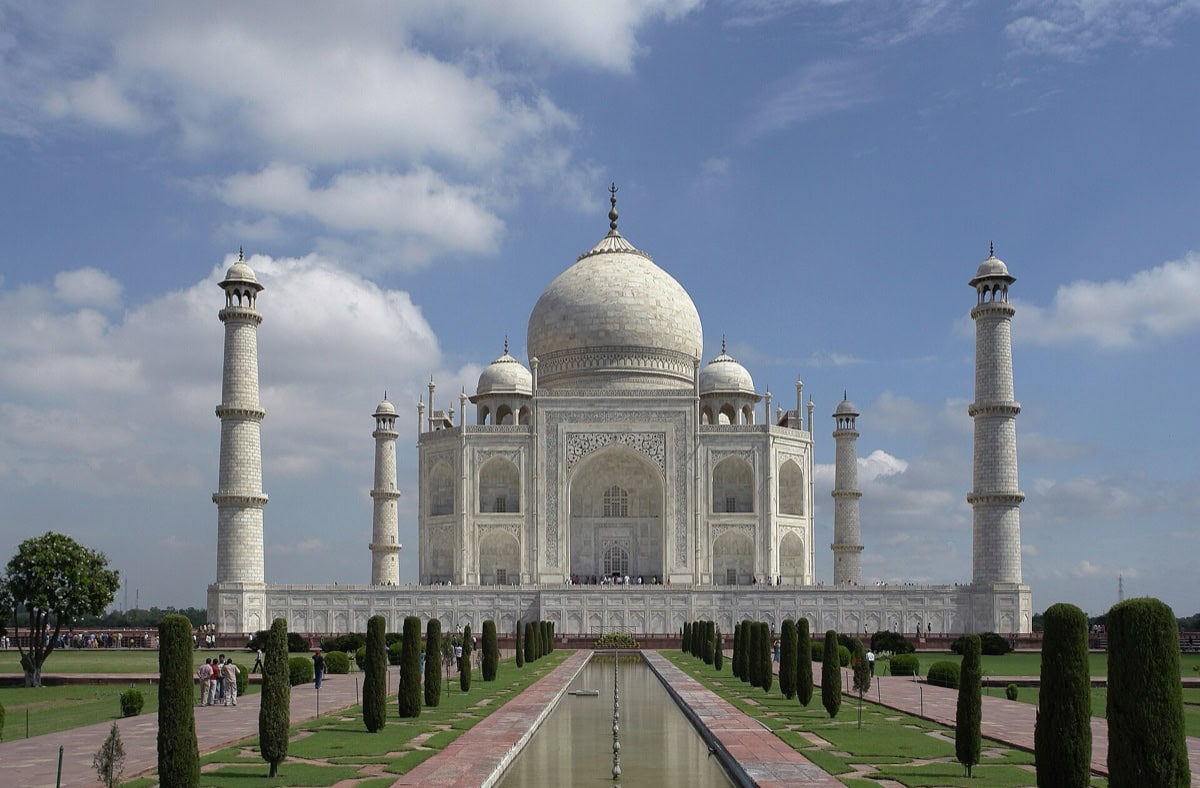
In the northern Indian city of Agra, on the bank of the Yamuna river, stands what is probably the most beautiful celebration of love humanity has ever created. The Mughal emperor Shah Jahan had this snow-white marble mausoleum built in the seventeenth century as an eternal memorial to his beloved late wife Mumtaz Mahal.
The perfect symmetry of the whole structure, the beautiful water channels and the façade delicately inlaid with semi-precious stones make this tomb an absolute masterpiece. It’s fascinating to watch how the white marble changes its shade according to the time of day, from a rosy hue at dawn to a dazzling white at high noon.
If you ever make it here, bear in mind that the complex is always closed to the public on Fridays for regular prayers. An early morning visit right at sunrise, on the other hand, promises an unforgettable experience — and you’ll avoid the biggest crowds of tourists.
How Both Lists Came About
You might be wondering why we actually talk about seven wonders specifically, and who even decides which structures deserve this prestigious title. The history of both lists is full of fascinating twists, legends and modern marketing that managed to captivate millions of people all over the world.
The ancient list became established as far back as Hellenistic Greece, and its main authors are usually considered to be the scholars Philo of Byzantium and Antipater of Sidon. They didn’t choose the number seven by chance — for the ancient Greeks it represented a symbol of completeness and perfection. Interestingly, the original versions by both men featured the mighty walls of Babylon instead of the Lighthouse of Alexandria, and the list only evolved into its present form much later.
The modern selection of 2007 was the initiative of the entrepreneur Bernard Weber and his New7Wonders foundation. It was an absolutely gigantic campaign, in which roughly one hundred million votes were cast from all over the world. Although it was a commercial project and UNESCO officially distanced itself from it, the title caught on globally. Incidentally, the same foundation a few years later also announced seven new natural wonders, into which the Amazon rainforest and the Iguazú Falls, among others, made their way.
A Clear Comparison Table
If you like to keep track of things and want all the key data neatly to hand, I’ve prepared a table of the seven new wonders of the world for you. In it you’ll quickly find which country to book your flights to and from which period these fascinating architectural treasures actually date.
| Wonder | Country | Built |
|---|---|---|
| Great Wall of China | China | oldest sections 7th–3rd century BC; main parts 15th–17th century |
| Petra | Jordan | approx. 1st century AD (Nabataeans) |
| Christ the Redeemer | Brazil (Rio de Janeiro) | completed in 1931 |
| Machu Picchu | Peru | 15th century (during the reign of the Inca ruler Pachacuti) |
| Chichén Itzá | Mexico | main structures 9th–12th century AD (Maya) |
| Colosseum | Italy (Rome) | AD 70–80 (Flavian dynasty) |
| Taj Mahal | India (Agra) | 1632–1653 (Shah Jahan) |
Where to Next
Tempted to set off and discover one of these architectural gems on your own and experience its unmistakable atmosphere? Whether you’re planning to uncover the hidden beauties of Maya culture or you’d rather follow in the footsteps of Roman gladiators, be sure to check out our detailed travel guides. In them you’ll find plenty of practical advice, personal tips and complete itineraries that will make planning your whole trip significantly easier.
If you’re heading to Italy, read our article What to See in Rome, which of course also includes the enormous Colosseum and plenty of other ancient monuments. Lovers of the exotic and of ancient civilisations will surely appreciate our guide to the Maya city of Chichén Itzá, where you’ll learn everything important about the magical El Castillo pyramid.
Frequently Asked Questions
When planning trips to the planet’s most iconic monuments, travellers really do very often ask about all sorts of practical and historical details. So I’ve picked out the most common questions about the wonders of the world and written short, clear answers to them, which might also clear up a few long-held historical myths for you.
How many wonders of the world are there in total?
There are two recognized lists, each containing seven structures. There is the ancient classical list and then a new list from 2007. To this is often added the selection of the seven natural wonders from 2011 and, of course, plenty of unofficial local variants.
Why are there exactly seven wonders?
Number seven held enormous symbolic value for the ancient Greeks, as it represented completeness and absolute perfection. The modern-day vote from 2007 deliberately adopted the number seven primarily to naturally follow on from this ancient tradition.
Is there still any ancient wonder standing?
Yes, but unfortunately only one. To this day, the Great Pyramid in Egyptian Giza still stands, which coincidentally is the oldest and at the same time the only one to have survived the centuries. The other six monuments were irretrievably destroyed by earthquakes, devastating fires, or dismantled for new building materials.
Did the Hanging Gardens of Semiramis Really Exist?
It’s not certain at all. They are absolutely the only ancient wonder whose actual existence is still debated to this day, because archaeological evidence and contemporary Babylonian texts are missing. According to one recognized theory, they may have even stood in Assyrian Nineveh, not in Babylon.
Did the Colossus of Rhodes stand straddling the harbor?
No, that’s just a very popular later myth. Structurally, such a position would have been completely impossible with the technology of that time, and moreover, no period sources confirm it. The statue most likely stood on a solid pedestal somewhere near the harbor.
Who chose the new seven wonders of the world?
They were selected through a massive worldwide public vote via web and phone, organized by the New7Wonders Foundation led by Bernard Weber. Approximately one hundred million people participated, but UNESCO distanced itself from the entire commercial project.
Why Giza isn’t among the new seven wonders
“`html
The Egyptian government strongly protested at the time against the only surviving ancient wonder having to compete in a humiliating vote. The Pyramids therefore withdrew from the main competition and were granted the exclusive status of a so-called honorary wonder.
“`
Is the Taj Mahal a tomb or a palace?
“`html
This is a mausoleum, a magnificent tomb. The mighty Mughal Emperor Shah Jahan had it built as a monumental resting place for his prematurely deceased wife Mumtaz Mahal.
“`
Can you climb the pyramid at Chichén Itzá?
No, unfortunately that’s not possible anymore. Climbing the steep stairs of El Castillo pyramid has been strictly forbidden since 2006 for safety reasons and to protect this precious Mayan monument from damage.
Are the new wonders of the world official?
“`html
They are not official in any institutional sense. This is purely the result of a popular voting project by a private foundation, not a formal UNESCO list. Nevertheless, this prestigious title has become widely accepted worldwide and is frequently used in tourism.
“`
Tips and Tricks for Your Vacation
Don’t Overpay for Flights
Search for flights on Kayak. It’s our favorite search engine because it scans the websites of all airlines and always finds the cheapest connection.
Book Your Accommodation Smartly
The best experiences we’ve had when looking for accommodation (from Alaska to Morocco) are with Booking.com, where hotels, apartments, and entire houses are usually the cheapest and most widely available.
Don’t Forget Travel Insurance
Good travel insurance will protect you against illness, accidents, theft, or flight cancellations. We’ve had a few hospital visits abroad, so we know how important it is to have proper insurance arranged.
Where we insure ourselves: SafetyWing (best for everyone) and TrueTraveller (for extra-long trips).
Why don’t we recommend any Czech insurance company? Because they have too many restrictions. They set limits on the number of days abroad, travel insurance via a credit card often requires you to pay medical expenses only with that card, and they frequently limit the number of returns to the Czech Republic.
Find the Best Experiences
Get Your Guide is a huge online marketplace where you can book guided walks, trips, skip-the-line tickets, tours, and much more. We always find some extra fun there!


