

Type “Turkey” into a search engine and you’ll get a wild mix: headlines about earthquakes and warnings against travelling near the Syrian border sit right next to smiling photos of friends stuffing themselves with baklava at a resort in Antalya or floating over Cappadocia in a hot-air balloon. When it comes to Turkey safety, the country really has two faces and operates in two completely different realities.
If you’re flying on a package deal to the Riviera or heading to Istanbul for a long weekend, your real safety risk boils down to whether a taxi driver rips you off or a pickpocket dips into your backpack at the Grand Bazaar. Turkey’s tourist backbone is safe. But if you strap on a backpack and head out to the wild east near the borders, the rules of the game change.
In this guide you’ll find the reality behind the headlines: where it’s absolutely safe and where not to go, a detailed breakdown of the ten most common scams, a rational look at the earthquake threat, advice on money and insurance, and what to do if things go sideways.
TL;DR
- Safe: Istanbul, Cappadocia, the entire Riviera (Antalya, Alanya, Side, Kemer) and the Aegean coast (Bodrum, Marmaris, Ölüdeniz).
- Don’t go ⚠️: the zone within 10 km of the Syrian and Iraqi borders (highest-level advisory) – doesn’t affect regular tourists.
- Main risk: petty street crime and scams in Istanbul, not violence.
- Top scams: banknote swap in taxis, the “friendly local” bar scam, the shoe-shiner, “just for a cup of tea” carpet shops, restaurants with no prices.
- Money ⚠️: pay in lira (TRY), refuse DCC, watch out for 8% ATM fees (avoid Euronet).
- Earthquakes: the major 2023 quake did not affect tourist areas; in Istanbul, choose a hotel built after 2000.
- Insurance ⚠️: the EHIC does NOT work in Turkey – commercial travel insurance is a must.
The full destination guide: Türkiye — guide and what to see
Turkey’s Two Faces: Where It’s Safe and Where Not to Go
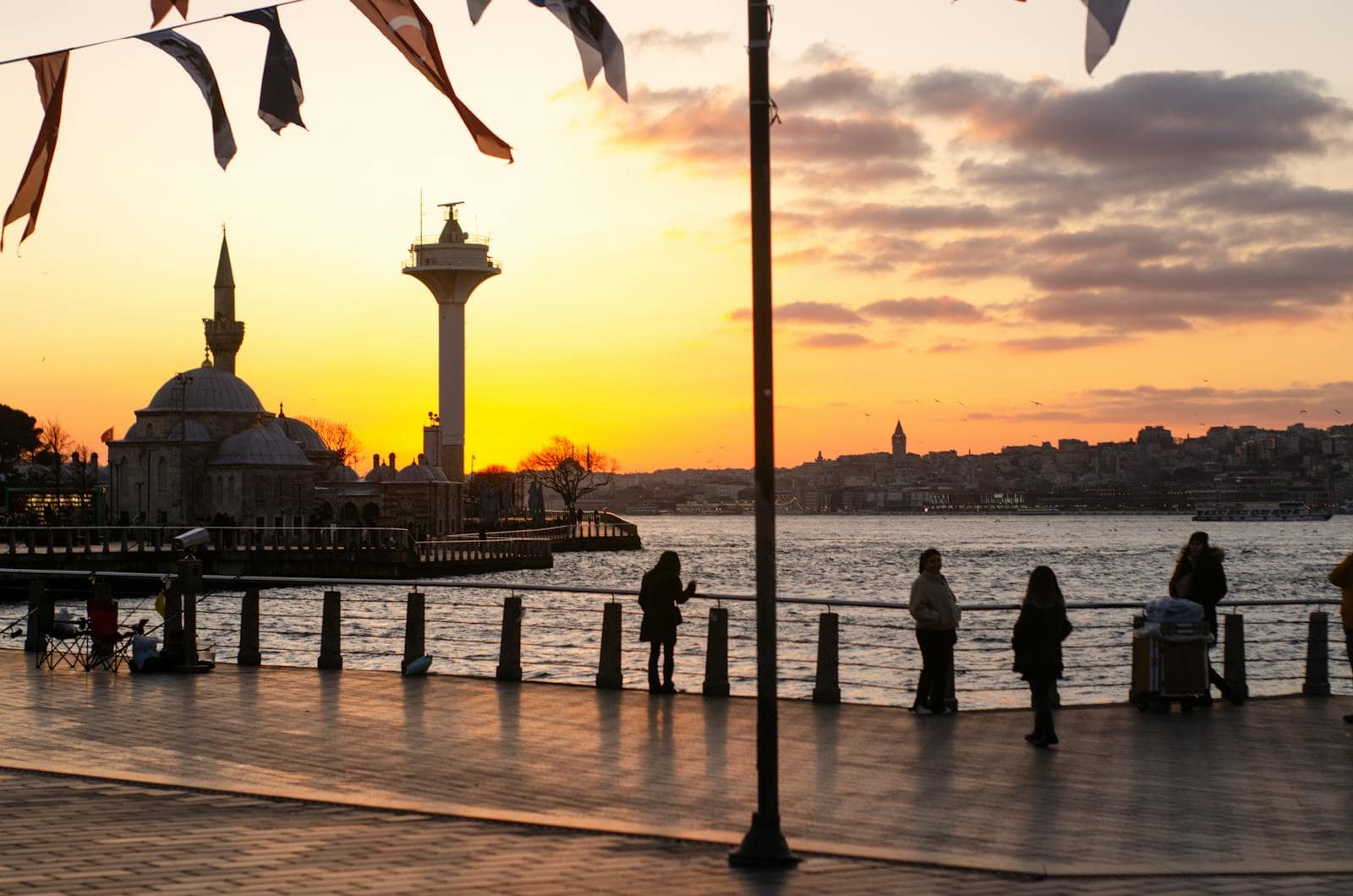
The basic rule is clear: Turkey’s tourist backbone is safe. That means Istanbul, Cappadocia, the entire Mediterranean Riviera (Antalya, Alanya, Side, Kemer) and the Aegean coast (Bodrum, Marmaris, Ölüdeniz, İzmir). These areas lie hundreds of kilometres from the risk zones, life carries on as normal, and the only real threat you face is overdoing it at the all-inclusive buffet.
It’s a completely different story in the southeast near the Syrian and Iraqi borders – there the rule is uncompromising: don’t go. Official travel advisories rarely agree, but here they do ⚠️ (as of 2026; always check the UK FCDO website before travelling):
- The UK FCDO issues a strict “no travel” advisory for the area within 10 km of the Syrian border and warns of a terrorism risk in major cities.
- The US State Department keeps Level 2 for the whole of Turkey, Level 3 for 12 southeastern provinces, and an uncompromising Level 4 (do not travel) for the 10 km border zone.
- Most European foreign ministries rate the Riviera and Aegean resorts as safe, advise extra caution in big cities, and strongly warn against trips to the border regions with Syria, Iraq and Iran.
If you’re flying to a resort on a package holiday, you don’t need to worry about the borders at all. If you’re an independent traveller dreaming of Göbekli Tepe or Mount Nemrut, it’s best to put those plans on hold for now.

Pickpockets, Solo Female Travellers and LGBT Travellers
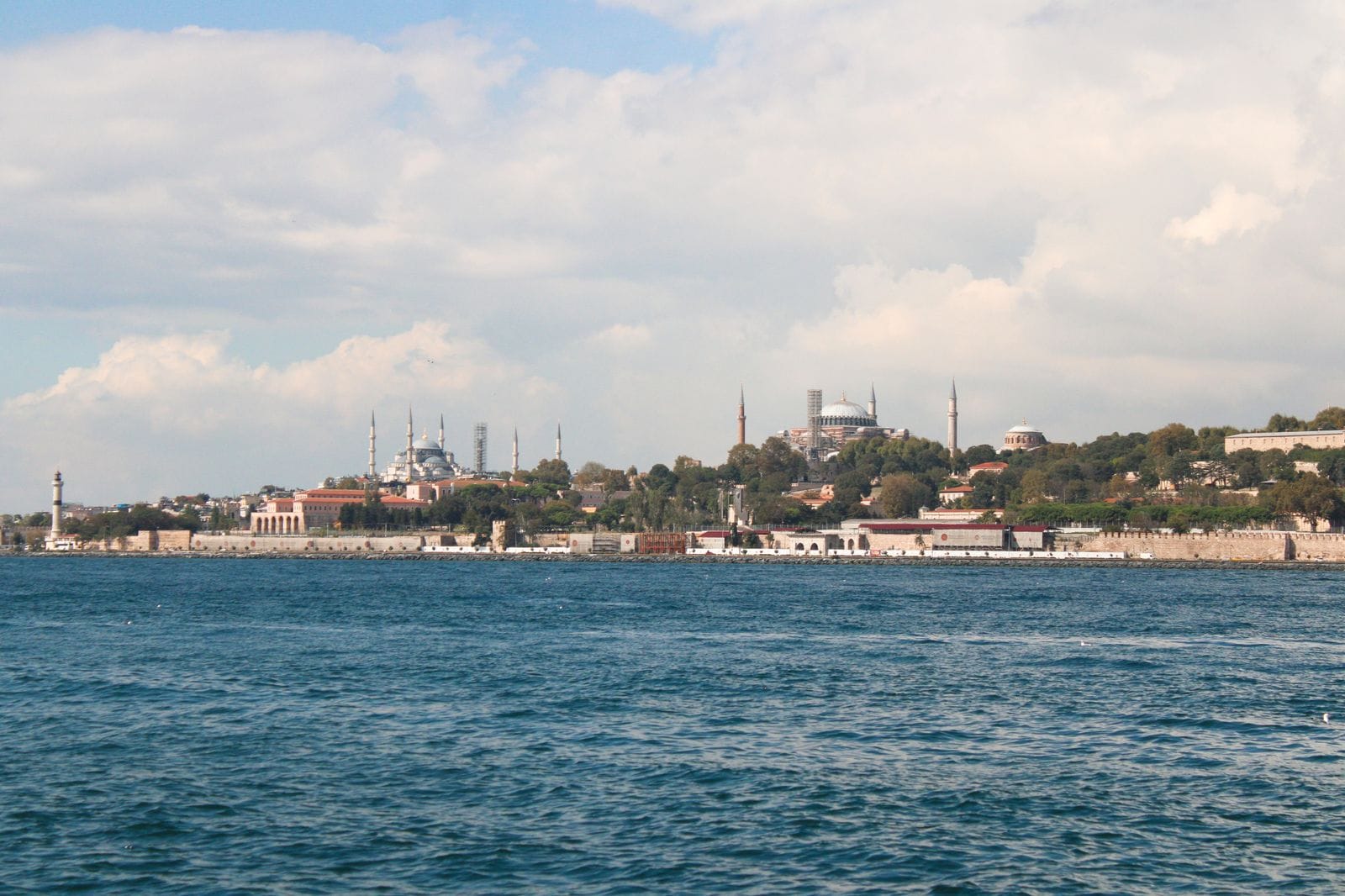
In big cities, especially Istanbul, the biggest risk is petty street crime. Pickpockets work the dense crowds around the Blue Mosque and Hagia Sophia, along the İstiklal pedestrian strip, on the Galata Bridge, in the Grand Bazaar and on the packed T1 tram. Wear your backpack on your front and never keep your wallet in a back pocket – the classic distraction theft (one bumps into you, the other lifts your wallet) works a treat here.
Women travelling alone: Turkey is generally welcoming for solo female travellers, and the reality tends to be milder than the alarmists claim – the locals are hospitable. That said, expect persistent staring, especially in more traditional neighbourhoods if you’re wearing short shorts. Physical assaults are rare; ⚠️ even so, it pays to stay alert in bars at night and be wary of hotel and spa staff.
LGBT travellers: Same-sex relations are legal, but society remains strongly conservative and the political climate is hardening (Istanbul Pride has been banned since 2015). ⚠️ It’s best to avoid public displays of affection (holding hands, kissing in the street), even in Istanbul – they would attract unwanted attention.
The Ten Most Common Scams and How to Avoid Them
Istanbul is the premier league of street scams – the local hustlers are charming, fast, and have their little performances rehearsed to perfection. Here are the most common traps:
| Scam | Where you’ll run into it | How to avoid it |
|---|---|---|
| Banknote swap in taxis | Istanbul (airport, centre) | Use the BiTaksi/iTaksi apps; pay with small notes and say the amount out loud |
| “Friendly local” bar scam | İstiklal, Taksim, Beyoğlu | Don’t go for a drink with a stranger who approaches you on the street |
| Dropped brush (shoe-shiner) | Galata Bridge, centre | Don’t pick up the brush; step over it and keep walking |
| DCC and 8% fees | ATMs and terminals | Always “Pay in TRY”, avoid Euronet ATMs |
| Carpets “just for a cup of tea” | Grand Bazaar, Sultanahmet | Politely decline the invitation; don’t buy under pressure |
| Restaurants with no prices | Bosphorus waterfront | Eat where there’s a menu with prices; watch out for “on the house” extras |
| Fake police officer | tourist centres | A real officer won’t want your wallet, at most your passport |
| “The mosque is closed” | around the Blue Mosque | Check the opening hours yourself at the official entrance |
| Fake skip-the-line tickets | Hagia Sophia, Topkapı | Buy only at the official box office / online |
| Forced rose / bracelet | squares | Don’t accept anything “free” handed to you |
⚠️ Let’s take a closer look at the two most dangerous ones. The bar scam targets solo men: a well-dressed “local” who speaks perfect English approaches you, invites you for a drink, girls join you at the club, champagne is ordered, and the bill ends up running into hundreds or even thousands of euros – bouncers stand by the door and force you to withdraw cash from an ATM. The taxi banknote swap is the most common: you hand over 100 TRY, the driver palms it in a split second, shows you a 10 TRY note, and starts shouting that you didn’t pay enough.
Earthquakes: The Reality Without the Panic
In February 2023, a monstrous magnitude-7.8 earthquake struck southeastern Turkey, claiming over 53,000 lives. But there’s one crucial fact for your holiday: the tourist areas were completely unaffected by this quake – Cappadocia lies 300 km from the epicentre, and Antalya, Bodrum and Istanbul carried on without interruption. Cancelling a summer holiday on the Riviera because of an earthquake near the Syrian border makes no sense.
⚠️ The situation in Istanbul is different, as it sits on the North Anatolian Fault. Scientists put the probability of a strong earthquake in the coming years as high, but the risk is long-term – the odds of it striking precisely during your three-day weekend are statistically very low. There’s no reason to panic, but it pays to be prepared:
- Choose a hotel in a building constructed after 2000 (after 1999, Turkey radically tightened its building codes).
- If it starts shaking: DROP, COVER, HOLD ON – get to the ground, under a sturdy table, protect your head, don’t run for the stairs or the lift.
- Download the AFAD app (Turkey’s disaster authority) and follow staff instructions.

Money, ATMs and Currency Exchange
The Turkish lira (TRY) keeps weakening due to high inflation, and prices in lira change so fast that menus get rewritten with a marker pen. The takeaways for you are clear: don’t exchange money at home (the rate will be terrible) and don’t hold onto lira as savings (it loses value before your eyes).
In big cities and resorts you can pay by card almost everywhere, but you’ll need lira cash for the bazaars, street food, tips and toilets. Your best bet is to bring euros or pounds and change them at licensed exchange offices in town (never at the airport or hotel reception). At ATMs, ⚠️ always choose “Pay in TRY” and refuse DCC; watch out for 8% fees when withdrawing with a foreign card (avoid the blue-and-yellow Euronet ATMs). A tip (bahşiş) of 5–10% should always be given in cash. More detail in our article on when to go to Turkey and in the main guide holiday in Turkey.
Healthcare and Insurance
Critical point: Turkey is not in the EU, so the EHIC card is useless here – not even state hospitals accept it. Without commercial travel insurance, you’re playing Russian roulette: a trip to A&E in Istanbul costs 200–600 USD, and an IV drip in a private hospital after bad food poisoning can easily top €800.
The most common ailment for tourists is “Turkey belly” – traveller’s diarrhoea. ⚠️ Even in big cities where the tap water is chlorinated, drink only bottled water (it costs a few lira), use it to brush your teeth too, and watch out for ice in your drinks.
What to Do If Things Go Sideways
If you get robbed or scammed, don’t panic:
- The Tourist Police (Turizm Polisi) – in Istanbul they have a station in Sultanahmet opposite the Basilica Cistern; they speak English. Just threatening to call them is often enough for a taxi driver to suddenly “find” the right change.
- Emergency number 112 (ambulance, police, fire).
- UK consular emergency: +44 20 7008 5000 (emergency travel document if you lose your passport; British Consulate-General in Istanbul, Embassy in Ankara).
- ⚠️ Insulting the state: Insulting Turkish state symbols, the president or Atatürk is a criminal offence, and a foreign passport won’t protect you – no jokes at the expense of the flag or the president.
Turkey is a beautiful, hospitable and fascinating country, and the vast majority of its millions of tourists experience nothing but great food, warm weather and stunning monuments. Use a bit of common sense, steer clear of the Syrian border, and don’t let Istanbul’s taxi drivers take you for a ride, and you’re in for a hassle-free trip.
💡 Tip for accommodation and experiences: We like to look for places to stay on Booking.com, which usually has the best cancellation policies. For tickets, tours and activities, it’s worth comparing and booking through GetYourGuide.
Where to Next
The main hub holiday in Turkey, the big cities Istanbul and Cappadocia, the bazaars and bargaining in hammam, bazaars and the art of haggling, plus practical advice on when to go to Turkey and what to pack for a holiday in Turkey.
Frequently Asked Questions
Is Turkey safe for tourists in 2026?
Yes. The tourist backbone – Istanbul, Cappadocia, the Riviera (Antalya, Alanya, Side, Kemer) and the Aegean coast (Bodrum, Marmaris, Ölüdeniz) – is completely safe and lies hundreds of kilometres from risk zones. The main risk is petty street crime and scams in Istanbul, not violence. ⚠️ The only exception is the zone within 10 km of the borders with Syria and Iraq, where a travel ban applies.
What are the most common scams in Istanbul?
The most common is the taxi banknote swap (the driver pockets your hundred and claims you gave less) and broken/rigged taximeters. Also the “friendly local” bar scam targeting solo men (bills for thousands of euros), the shoe shiner with a dropped brush, carpets “just for tea”, restaurants without prices, and fake skip-the-line tickets. You can protect yourself with taxi apps, ignoring overly friendly strangers, and paying in lira.
Is Turkey at Risk of an Earthquake?
The devastating earthquake from February 2023 hit the southeast near the Syrian border, tourist areas were not affected at all. In Istanbul, there is a long-term risk of a strong tremor, but the chance during a short stay is statistically very low. Choose a hotel in a building constructed after 2000 and download the AFAD app – there’s no need to panic.
Does European health insurance (EHIC) work in Turkey?
No. Turkey is not in the EU and the blue EHIC card is not valid here, not even in state hospitals. Commercial travel insurance is a must – treatment is expensive (emergency room 200–600 USD, hospitalization over 800 €). Also, drink only bottled water to avoid “Turkish tummy”.
Is Turkey safe for women traveling alone?
Generally yes – Turkey is more welcoming to solo female travelers than commonly believed, and locals are hospitable. However, expect persistent staring in more conservative areas and maintain healthy caution in the evening at bars and towards hammam staff. Physical assaults are exceptional, but standard precautions as in any major destination are worthwhile.
Tips and Tricks for Your Vacation
Don’t Overpay for Flights
Search for flights on Kayak. It’s our favorite search engine because it scans the websites of all airlines and always finds the cheapest connection.
Book Your Accommodation Smartly
The best experiences we’ve had when looking for accommodation (from Alaska to Morocco) are with Booking.com, where hotels, apartments, and entire houses are usually the cheapest and most widely available.
 🚗 Car rental on the roadVerified rental cars in Turkey
Search with the DiscoverCars comparison engine — it compares prices from dozens of local and international rental companies, and most bookings come with free cancellation.
Compare car prices in Turkey →Don’t Forget Travel Insurance
Good travel insurance will protect you against illness, accidents, theft, or flight cancellations. We’ve had a few hospital visits abroad, so we know how important it is to have proper insurance arranged.
Where we insure ourselves: SafetyWing (simple monthly subscription) and TrueTraveller (for extra-long trips).
Find the Best Experiences
Get Your Guide is a huge online marketplace where you can book guided walks, trips, skip-the-line tickets, tours, and much more. We always find some extra fun there!
More from Türkiye
Full guide →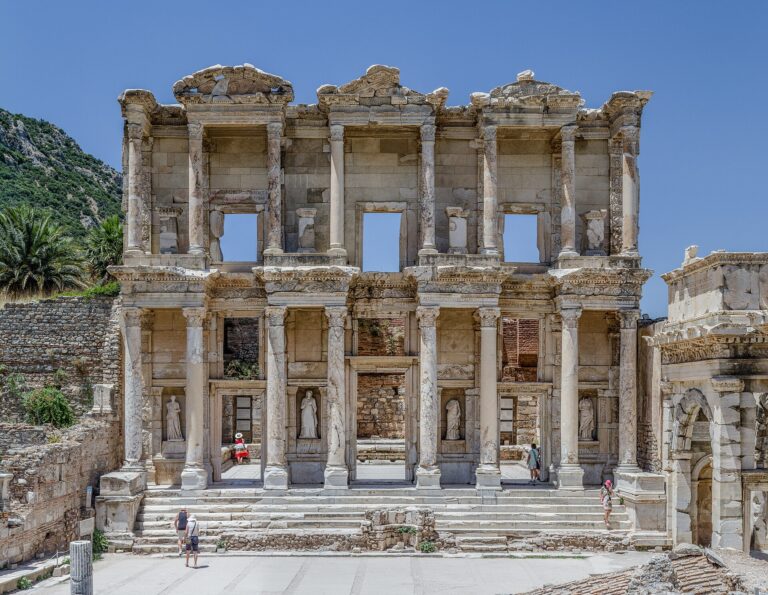 Day trips · most readEphesus Turkey: 13 Tips for the Ancient City & Around in 2026
 ItineraryTurkey Itinerary: Istanbul City Break, Cappadocia & Aegean Route in 2026
 What to seeHolidays in Turkey: Where to Go, What to See and When in 2026
 What to seeFethiye & Ölüdeniz: Blue Lagoon and Paragliding — 12 Tips for 2026
 What to seeHierapolis, Turkey: Best Things to Do and See in the Ancient City near Pamukkale


