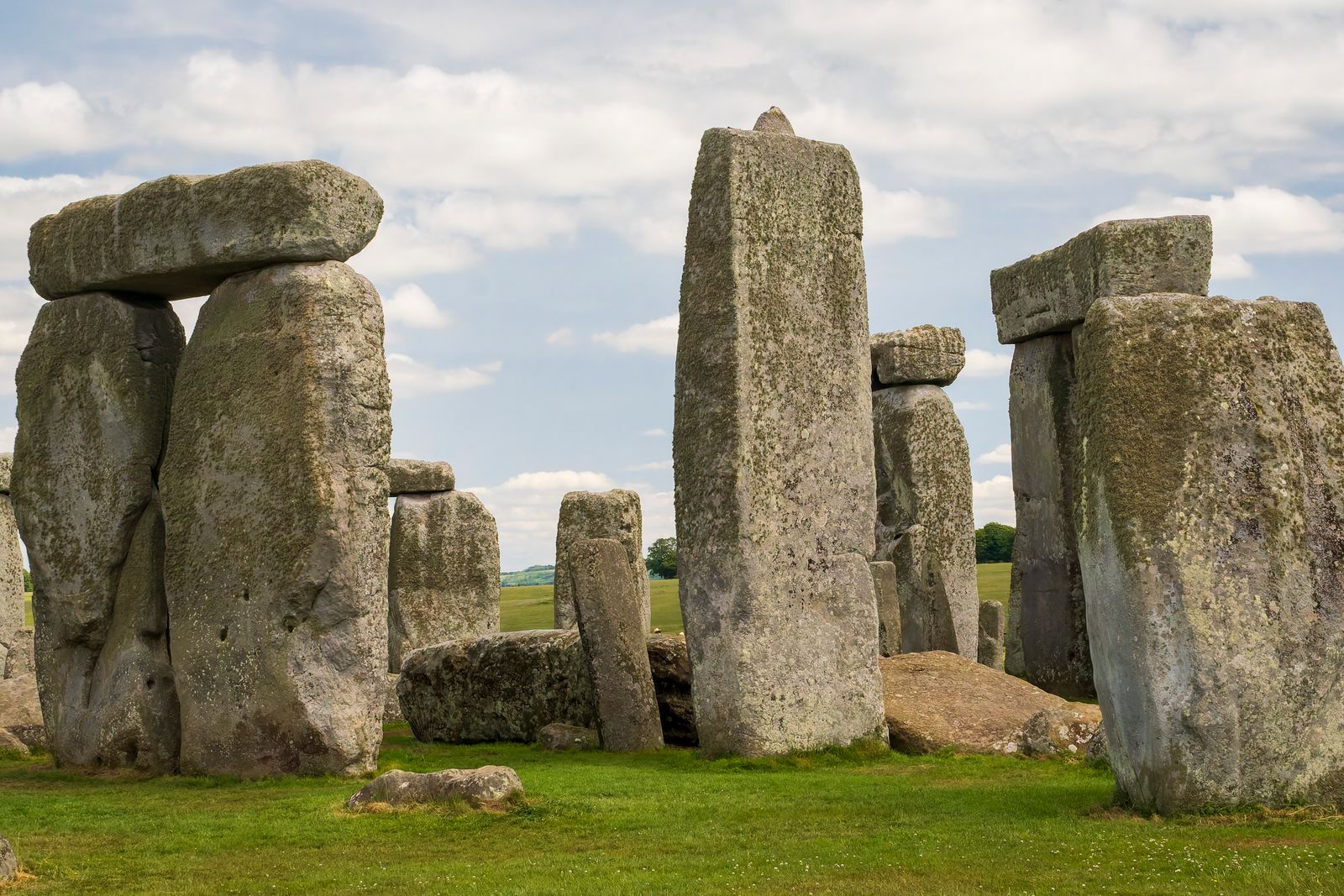
A monument older than the Egyptian pyramids, yet one that still raises more questions than answers. The Stonehenge stone circle on Salisbury Plain has been drawing travellers from all over the world for centuries. It looks exactly as mystical as you know it from the photos, though a few unexpected details might surprise you once you’re actually there.
If you’re planning a visit, you’re probably wondering how to avoid the biggest crowds, how much tickets cost, and whether you can actually get right up to those magical stones at all. A standard visit comes with fairly strict rules, and it’s best to sort out your tickets well in advance so you’re not disappointed when you arrive.
You’ll also find an honest warning about the typical tourist traps, a detailed look at transport options from London, and a full 12 tips for amazing places nearby — because travelling all this way for just one landmark would be a real shame.
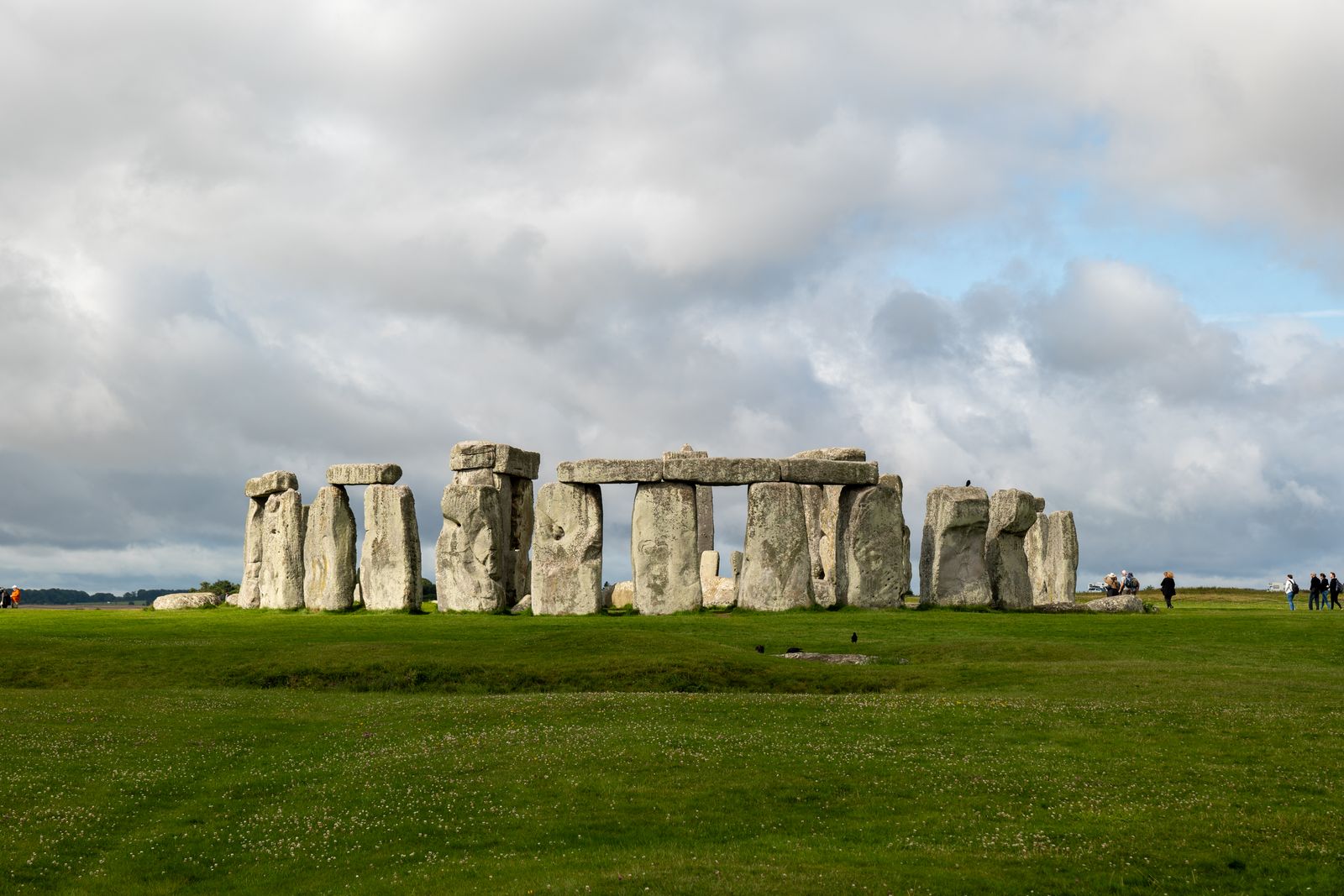
TL;DR
If you’re in a hurry and just need the most important facts in a nutshell, here are the key points you should know before you set off.
- Buy tickets online: An adult ticket costs £27.20, and buying ahead saves you roughly 15% compared to the gate price. Plus, you reserve a specific time slot.
- You usually can’t go up to the stones: On a standard visit, you walk along a marked path behind a rope. If you want to be right among the stones, you’ll have to pay extra for the special Stone Circle Experience or come for the solstice.
- From London, take the train and bus: The quickest way is the train to Salisbury and then hopping on the dedicated The Stonehenge Tour bus. That way you skip the stress of driving on country roads.
- A fair free alternative: If you don’t want to pay the pricey admission, head to nearby Avebury. It’s the largest stone circle in the world, there’s no entry fee, and you can touch the stones as much as you like.
- Plan to spend the day in the area: Visiting Stonehenge itself takes about two hours. Spend the rest of the day exploring Salisbury Cathedral or the historic city of Bath.
These few points are more than enough as a basic springboard for your trip to this corner of England.
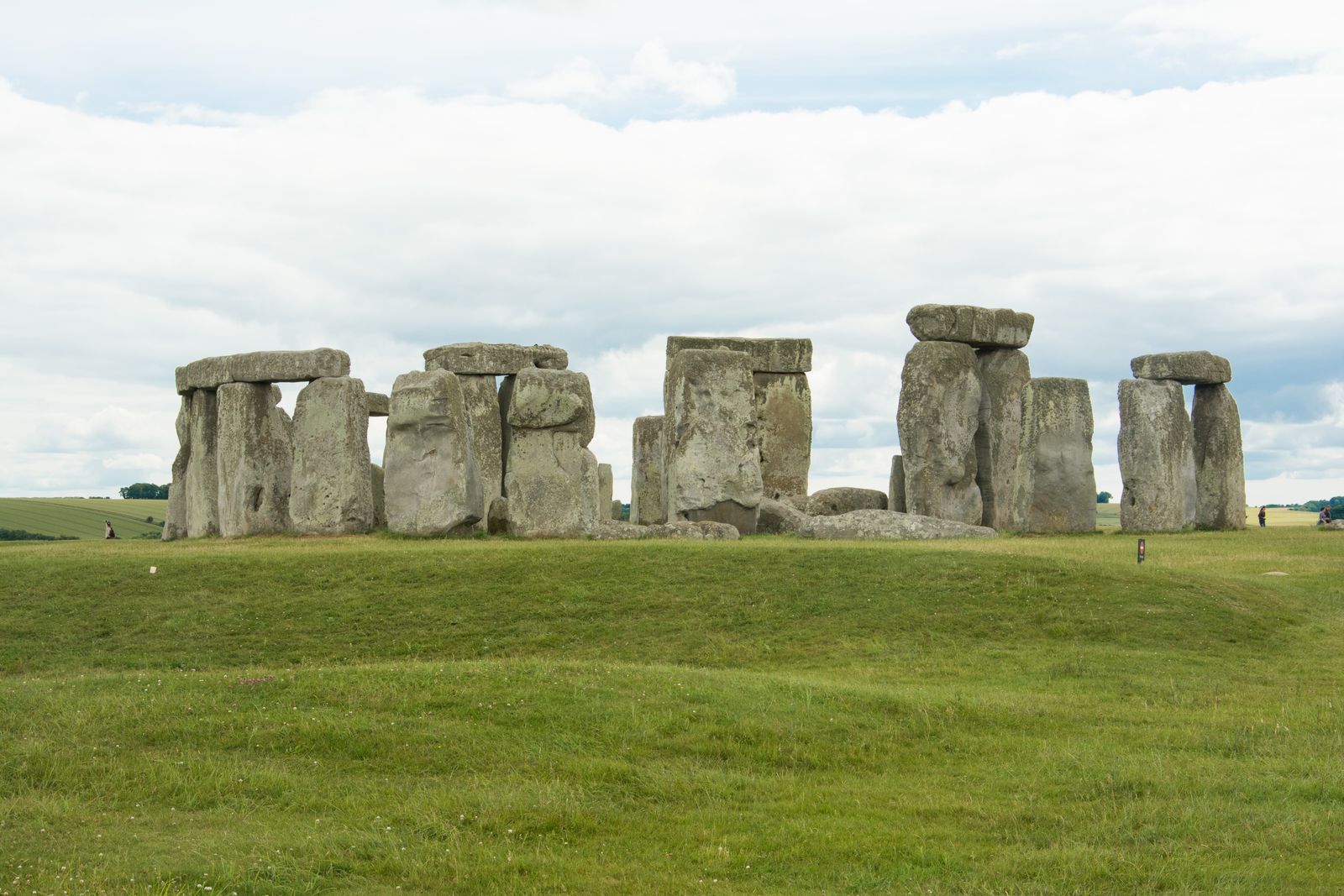
The full destination guide: United Kingdom — guide and what to see
When to Visit Stonehenge and What Weather to Expect
Salisbury Plain is a vast open landscape where the weather can change in a flash. The best time to visit is spring (April to June) and early autumn, when temperatures are pleasant and you’ll avoid the biggest holiday crowds. Summer gets fairly packed, and in winter you should brace yourself for a properly biting wind.
Whenever you go, the best time of day is right at opening in the early morning, or alternatively late afternoon just before closing. Not only will you dodge the waves of big coach tours from London, but you’ll also get the loveliest soft light for photos. Around midday the stones get the most congested and the sun beats down harshly from above.
Don’t forget to dress in layers, because the site is very windy and there’s absolutely no shade or shelter from the rain. Even if it’s T-shirt weather in London, pack a light windbreaker and a reliable rain jacket in your backpack. Umbrellas often don’t work well here because of the strong wind.
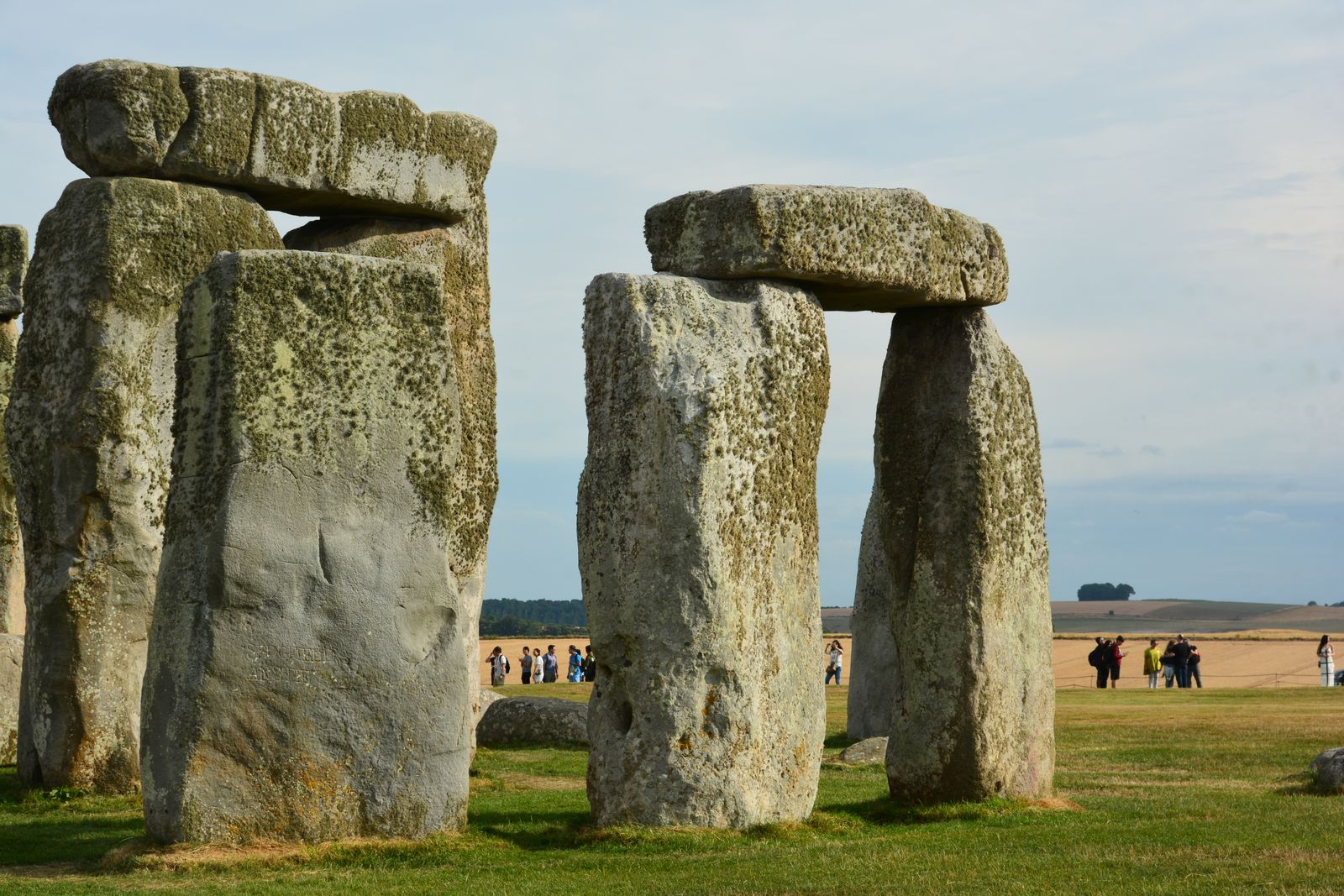
Stonehenge Tickets, Prices and Opening Hours in 2026
This iconic landmark is managed by English Heritage, and booking a time slot in advance is strongly recommended. On summer weekends and bank holidays, on-the-day tickets often sell out completely.
Buying online, you’ll pay £27.20 for an adult, whereas at the gate a ticket would set you back a full £32. Children aged 5 to 17 pay £17.20 online, and students or seniors over 65 get discounted entry at £23.60. If you’re travelling as a family, the family ticket at £44.40 for one adult and up to three children is good value. You’ll find current prices and bookings on the official English Heritage website.
The ticket gives you plenty of bang for your buck, as it includes parking, an audio guide in several languages, and free entry to the Visitor Centre, where you’ll find hundreds of archaeological finds and reconstructions of Neolithic houses. From the visitor centre, a dedicated shuttle bus then comfortably whisks you out to the monument itself.
As for opening hours, in peak summer season (from late March to late September) it’s open from 9:30 to 18:00, with last entry at 16:00. In winter the site closes earlier, at 17:00. Set aside roughly two to three hours for the whole visit so you can take everything in at a relaxed pace.
💡 Tip for history lovers: If you plan to visit several historic sites in England, consider an annual English Heritage membership at £82 per person. It pays for itself after just two or three castles, and you then get completely free entry to Stonehenge and nearby Old Sarum.
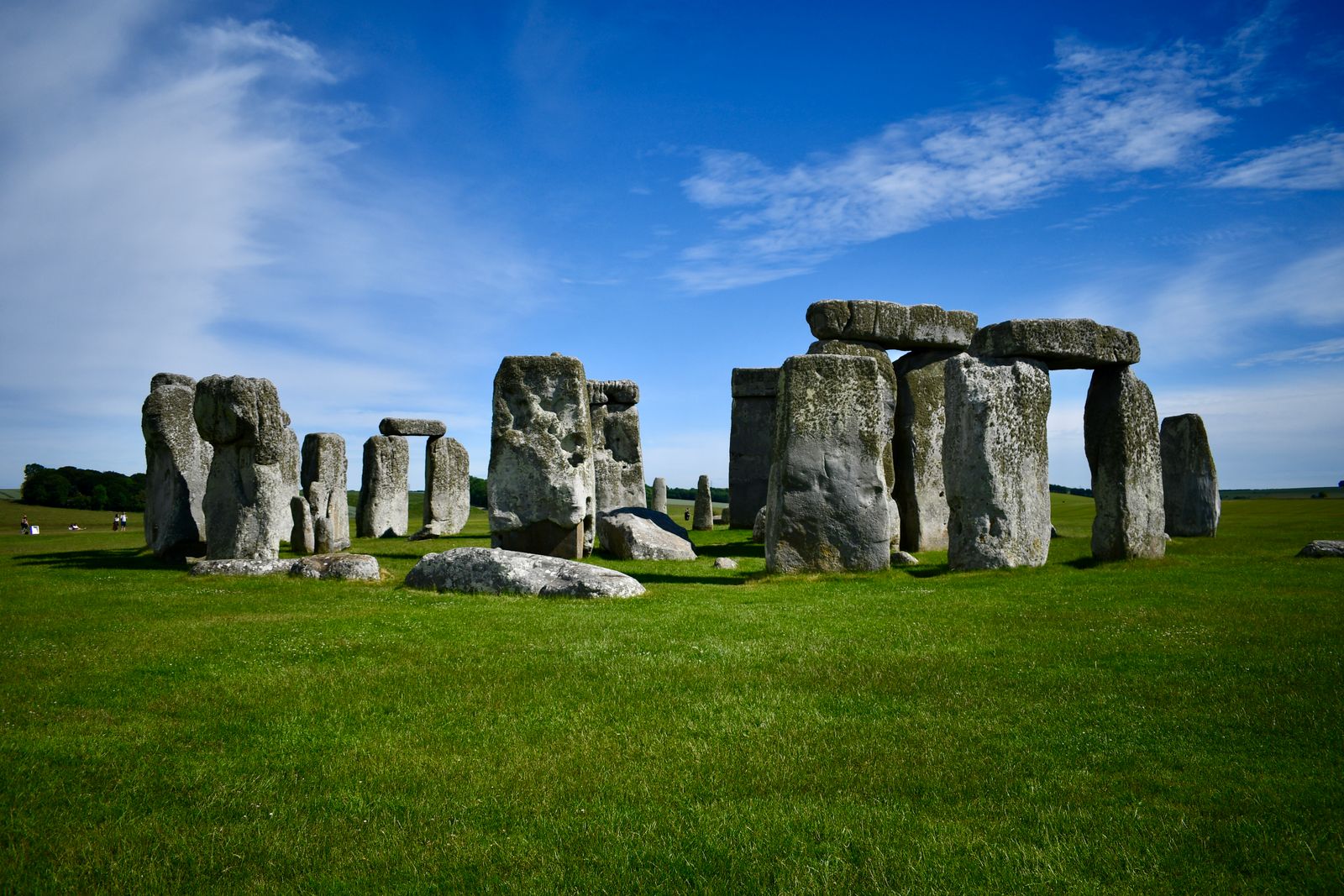
How to Get There (from London and Nearby)
There are several ways to reach the monument, and your choice mostly comes down to how confident you feel about driving on country roads. The most convenient option for travellers without a car is the train combined with a local bus.
Trains depart from London Waterloo and head to the town of Salisbury. The journey takes about an hour and a half, and if you buy your tickets well in advance online, you can grab them from as little as £10 to £12. Booked at the last minute, though, they can climb above £35, so booking early is essential.
Right outside Salisbury station, The Stonehenge Tour bus will be waiting for you. It’s a sightseeing bus that runs at regular intervals (every half hour in summer) and has a built-in audio commentary in ten languages. A complete package for this bus including Stonehenge admission costs roughly from £39, and the ticket is valid all day.
If you hire a car, the drive from London takes about two hours along the A303. Just enter the postcode SP4 7DE into your sat nav. Parking at the visitor centre is free for ticket holders — or rather, you pay nothing extra. If you just want to park without going in, the charge is £4.
Another very popular option is an organised full-day tour from London. In the morning you hop on a comfortable coach, you don’t have to sort out a thing, and the trip is usually combined with Bath or Windsor Castle, so you get a lot out of a single day. And you can easily book everything online. Take a look, for example, at the tours on offer via GetYourGuide, where prices start at around £90 including tickets.
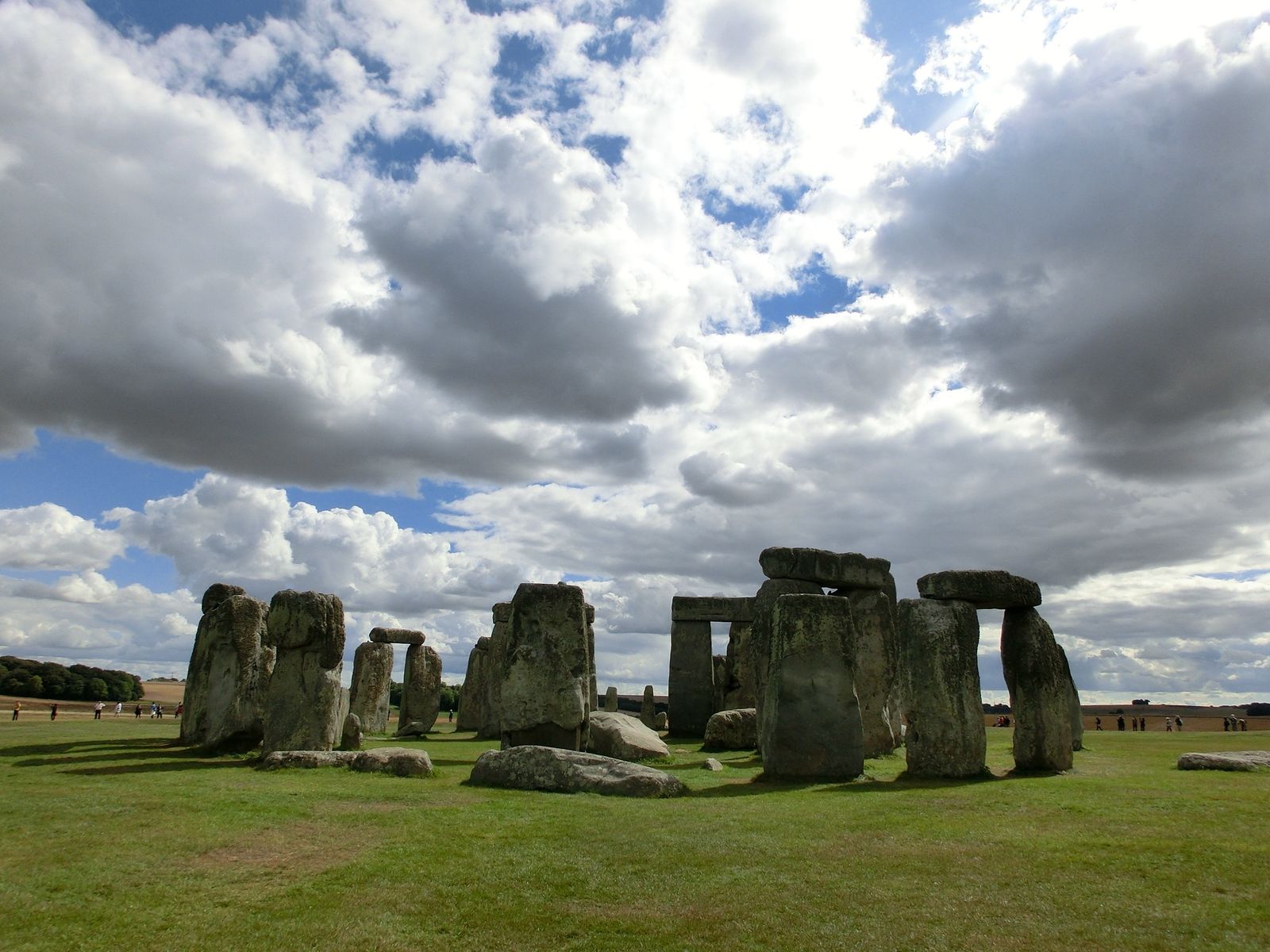
What the Visit Is Like and How to Get AMONG the Stones
The actual experience on site can come as a mild surprise to some visitors. From the modern visitor centre, it’s still about 1.5 miles (roughly 2.4 kilometres) to the stones. You can take the shuttle bus, which is included in your ticket, or take the half-hour walk across the meadows. The walking route is actually lovely, because the monument gradually reveals itself in the distance.
And now the most important honest warning. During normal opening hours, you can’t get right among the stones. A low rope runs around the entire monument, along with a marked tarmac path that loops all the way round it. In some spots you’re barely a few metres from the stones, in others it’s a bit further. For safety and conservation reasons, touching the stones is strictly forbidden.
It’s also worth knowing that the very busy A303 road runs right alongside the site. So when shooting from certain angles, you’ll have lorries trundling past in the background. It’s a small detail you won’t learn from the promotional photos, but it’s better to be prepared so it doesn’t spoil the historic atmosphere for you.
If you dream of walking right among the giant monoliths, you have only one option: booking the so-called Stone Circle Experience. It’s a special VIP entry outside normal opening hours, either early morning at dawn or in the evening after closing. This exclusive visit costs £70 for an adult and £40 for a child. It takes place in small groups of up to 52 people and lasts about an hour. Touching is still off-limits here too, but the feeling of standing alone in the middle of the circle bathed in morning sun is utterly indescribable. Bear in mind that these slots sell out fast, and they don’t run at all during October and November.
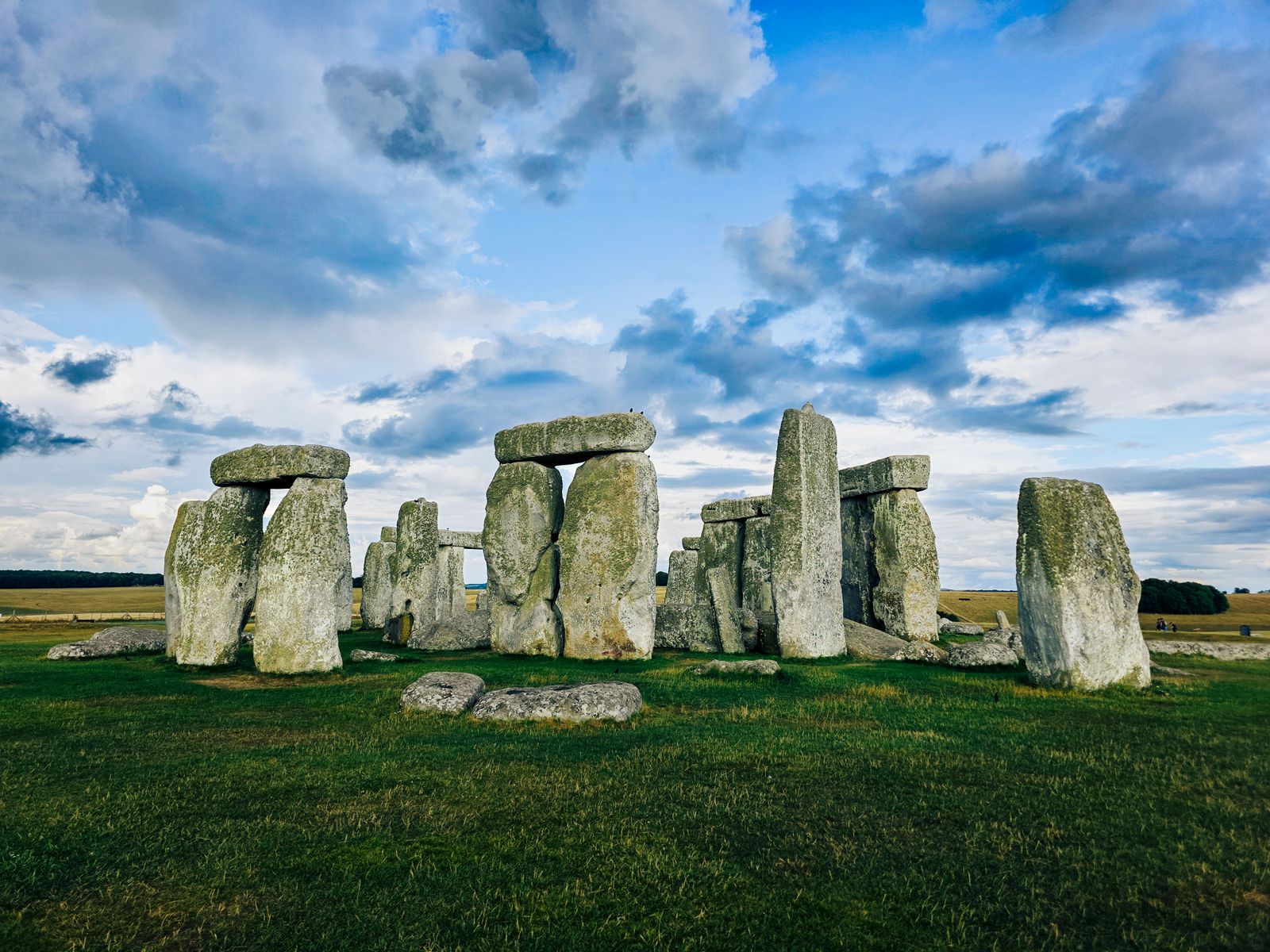
Solstice: How to See Stonehenge for Free Among the Stones
There are only two days a year when the gates of the site swing wide open and you can walk right among the ancient blocks completely free of charge and without any ticket. These are the summer and winter solstice celebrations, the so-called managed open access.
For 2026, the summer solstice falls on the night of Saturday 20 to Sunday 21 June. Thousands of neo-pagans, druids and ordinary curious onlookers gather on the plain to welcome the sunrise together, which happens at roughly 4:52 in the morning. It’s a huge and very specific event, full of drumming, dancing and an utterly one-of-a-kind atmosphere.
If you head here at this magical time, you must follow the strict rules of the organisers. Under no circumstances may you climb on the stones, and touching them in any way is forbidden. Bringing alcohol, drugs, glass or sleeping bags into the site is strictly banned. You must take your rubbish away with you.
From a practical standpoint, driving to the solstice is not recommended. Parking spaces are extremely limited and must be booked well in advance. A far better option is to stay nearby and use the special extra bus services that shuttle back and forth all night from nearby Salisbury. Don’t forget to bring very warm clothing and a torch — the nights here can be bitterly cold even in mid-June.
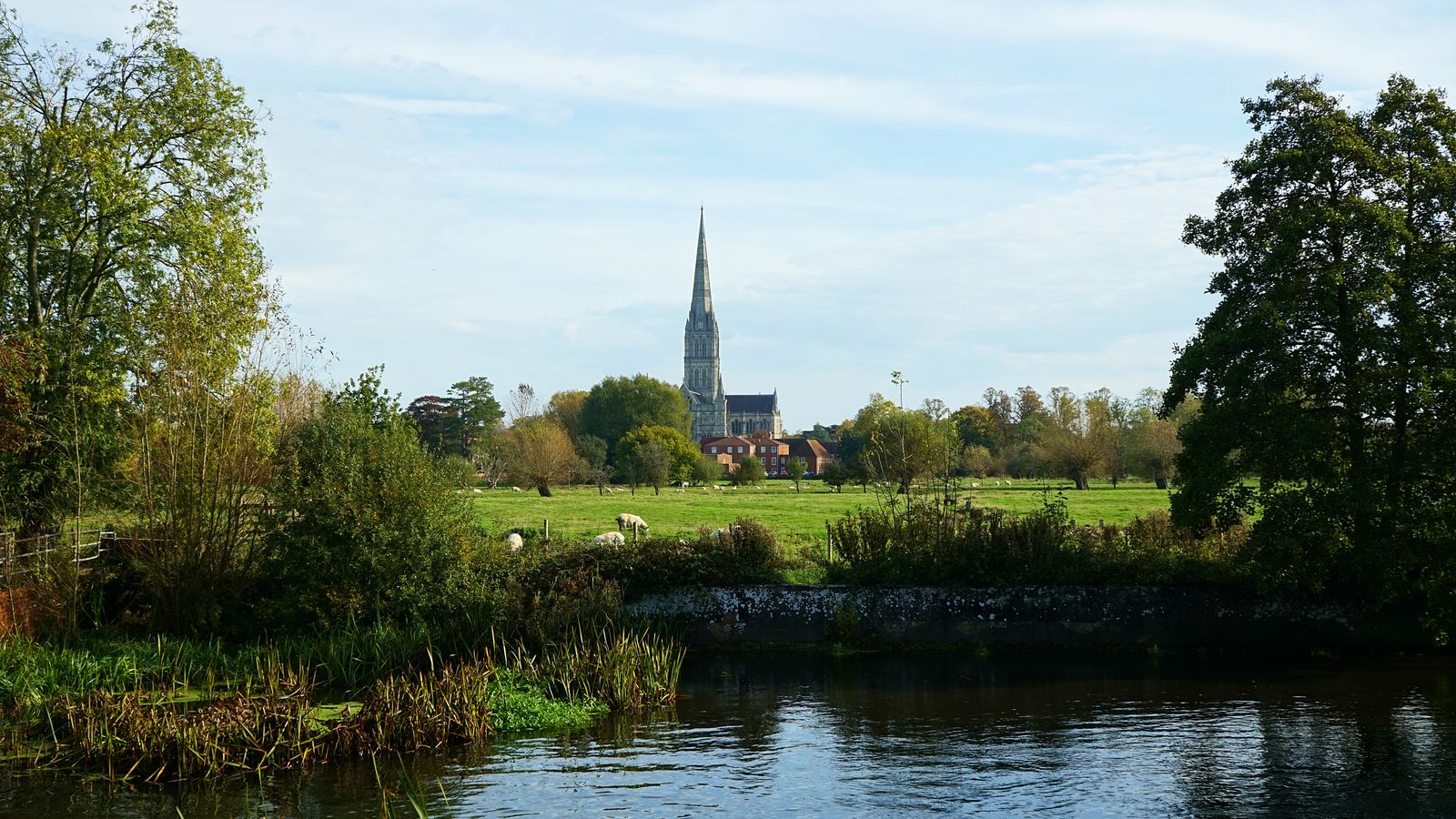
Where to Stay in Salisbury and Bath
💡 Tip for accommodation and experiences: We love searching for places to stay on Booking.com, which tends to have the best cancellation policies. Tickets, tours and activities are then worth comparing and buying through GetYourGuide.
If you’re not just doing a day trip from London, the ideal base for exploring the area is the town of Salisbury or the historic city of Bath. Salisbury is considerably closer to the stones and accommodation tends to be cheaper. Bath, on the other hand, is an architectural gem worth staying in for several days, but in peak season you’ll pay a premium for it. Always book accommodation well in advance through Booking — places fill up fast.
Where to rest your head in Salisbury:
- Mercure Salisbury White Hart Hotel: A four-star hotel in a historic 17th-century building right opposite the famous cathedral. With a great rating of 8.2, it’s ideal for couples and families who want to soak up the local atmosphere.
- Legacy Rose & Crown Hotel: A beautiful historic 13th-century coaching inn, sitting right on the River Avon with views of the cathedral. With a rating of 8.1, it’s a perfect romantic choice for those seeking peace and quiet.
Where to rest your head in Bath:
- The Z Hotel Bath: A great choice right in the centre near the station, with excellent value for money (rating 8.4). The rooms are on the compact side, but for modern travellers they’re more than enough.
- The Gainsborough Bath Spa: If you’re after pure luxury, this five-star hotel is the only one in the city connected directly to the natural thermal springs. Just be ready for a higher budget.
- YHA Bath: A beautiful Victorian villa above the city that operates as a modern hostel. A perfect choice for backpackers or budget-conscious families who still want to stay in grand style.
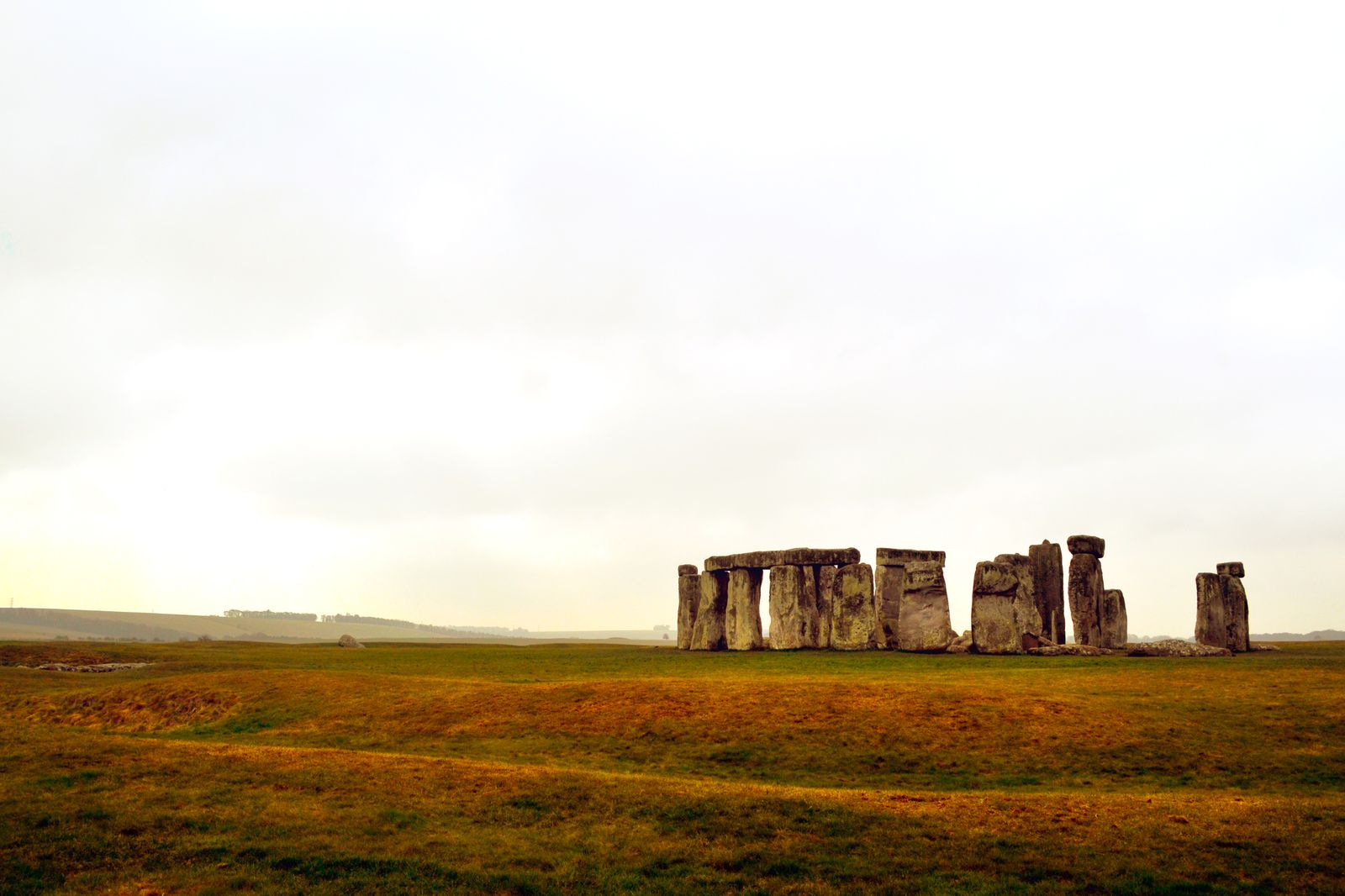
12 Tips on What to See and Do Around Stonehenge
Travelling all that way for just one landmark wouldn’t make sense. The county of Wiltshire and neighbouring Somerset are bursting with history and breathtaking nature. Here are twelve places you can easily combine with a visit to the stone circle.
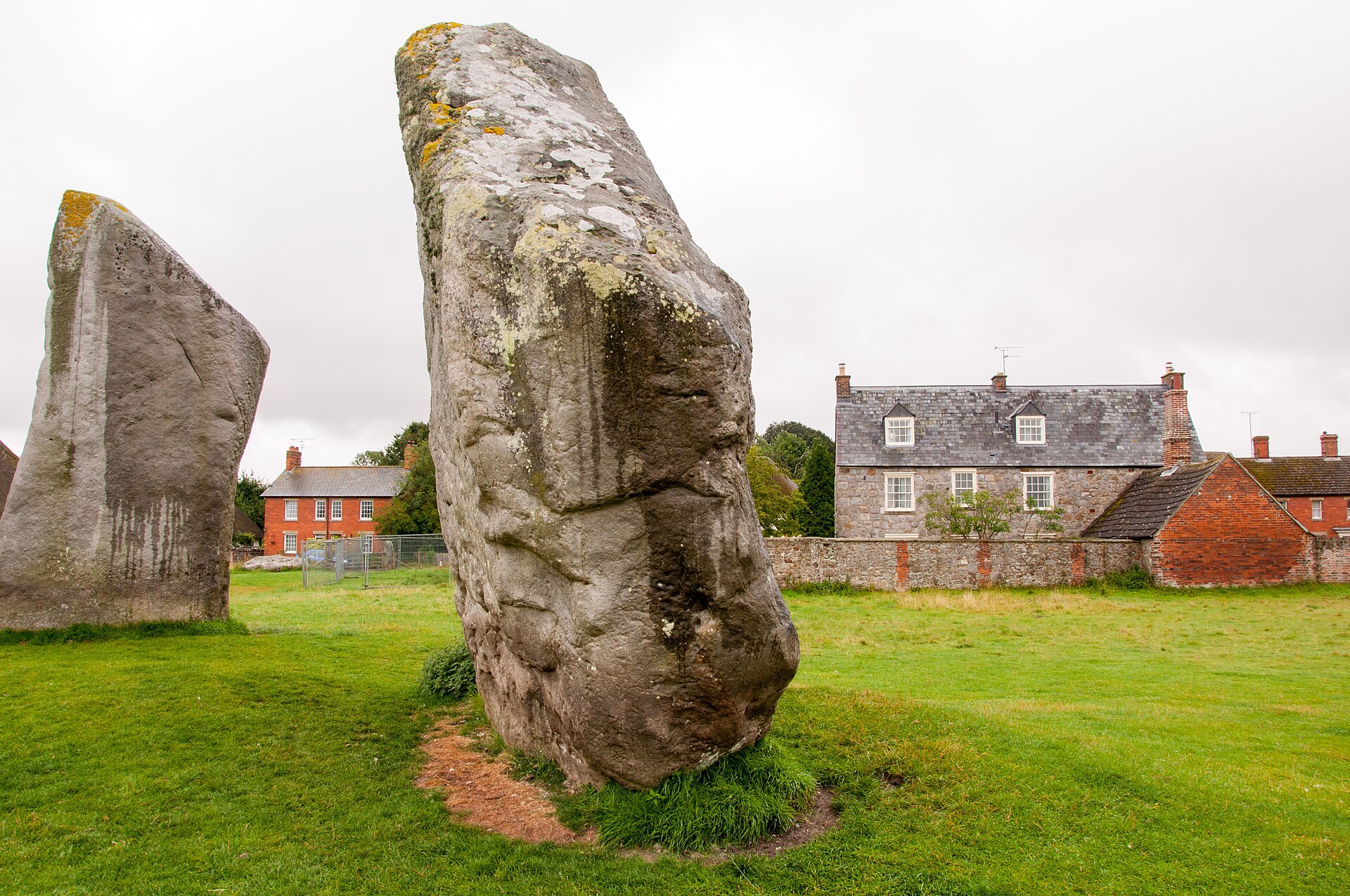
1. Avebury: the World’s Largest Stone Circle, for Free
If you’re disappointed at its more famous neighbour that you can’t get right up to the stones, Avebury is the best possible remedy. This giant prehistoric complex lies about 40 kilometres to the north and is so huge that an entire working village sits inside it.
It’s managed by the National Trust, and the most important thing is that access to the stones is completely free. You can wander freely among them, lay your hands on them and soak up their energy. You only pay for parking at the central car park (postcode SN8 1QT), which costs a reasonable £7 for the whole day. For many travellers, Avebury is a far more authentic and powerful experience.
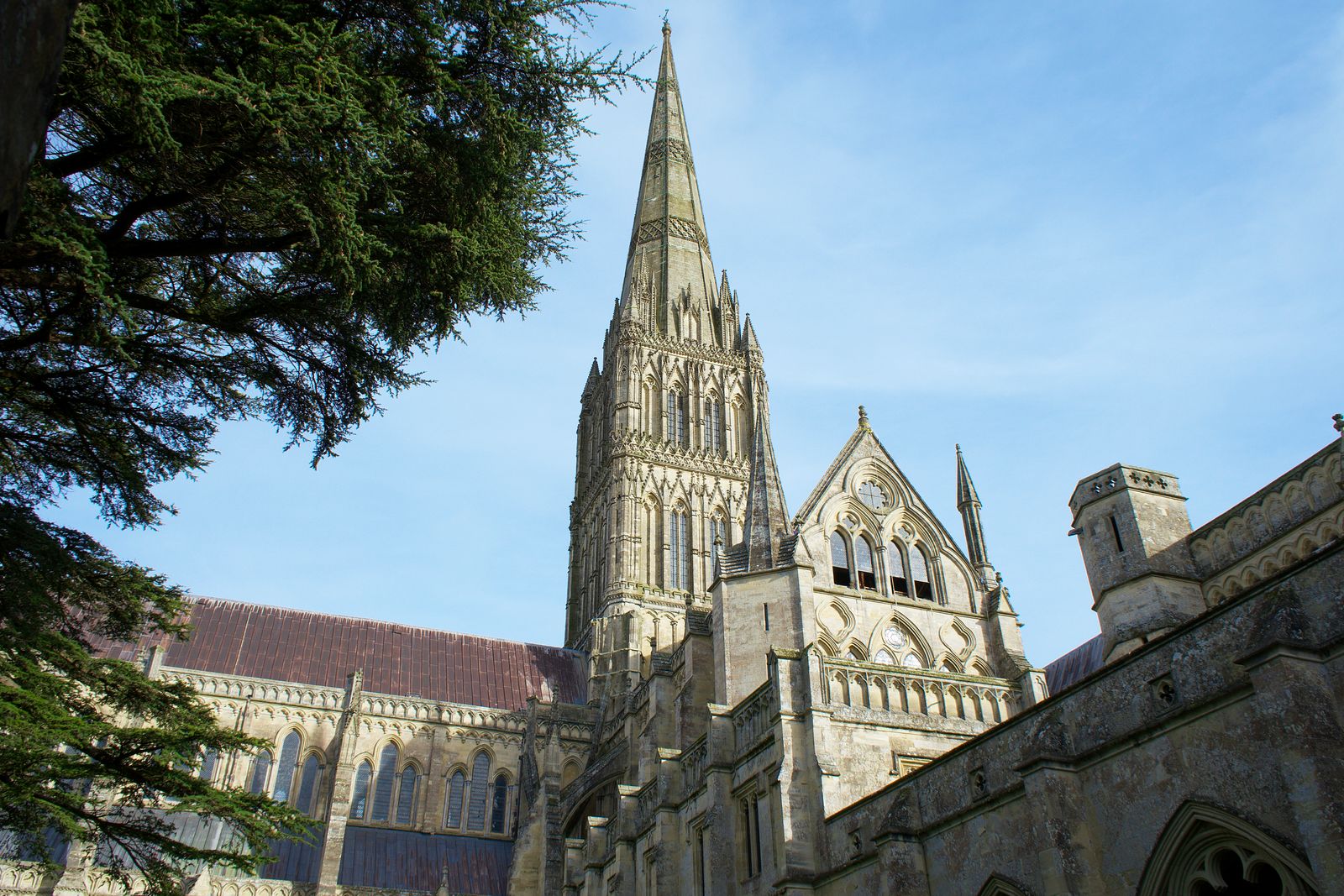
2. Salisbury and Its Majestic Cathedral
The town of Salisbury lies about 15 kilometres to the south and is the natural starting point for the whole area. Its absolute landmark is the Gothic cathedral with the tallest church spire in all of England, soaring to a height of 123 metres.
A ticket to the cathedral costs £12.50 when booked online and is then valid for a whole year. Inside, something awaits that may well take your breath away: in the Chapter House, behind glass, they keep one of the four surviving original copies of the Magna Carta from 1215. Yes, that Magna Carta. If you don’t suffer from vertigo, definitely pay extra for the so-called Tower Tour (£25 in total), during which you climb up into the roof timbers and look out over the city from a bird’s-eye view. You’ll find details on the Salisbury Cathedral website.
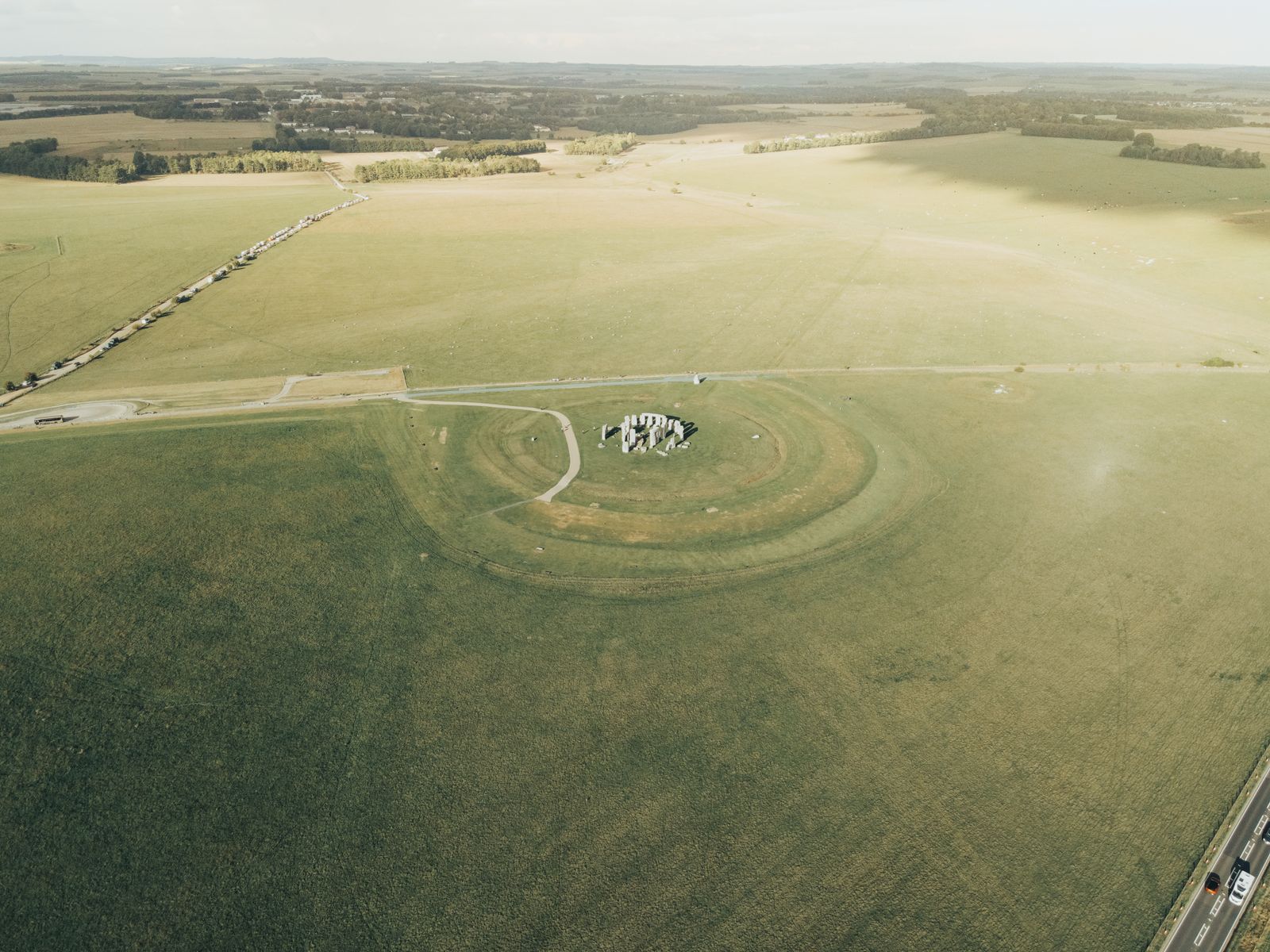
3. Old Sarum: Ruins of the Original City
Right on the edge of Salisbury, directly on the route of the sightseeing The Stonehenge Tour bus, Old Sarum spreads across a steep hill. It’s a mighty hillfort where the original city — and indeed the very first local cathedral — once stood, before the inhabitants decided to relocate down into the valley.
Today you’ll find fascinating ruins here, managed by English Heritage. An adult pays £7.20 for entry and gets a wonderful view over the wide surrounding countryside. It’s an ideal quick stop on the way to the main stones, especially if you already have a sightseeing bus ticket.
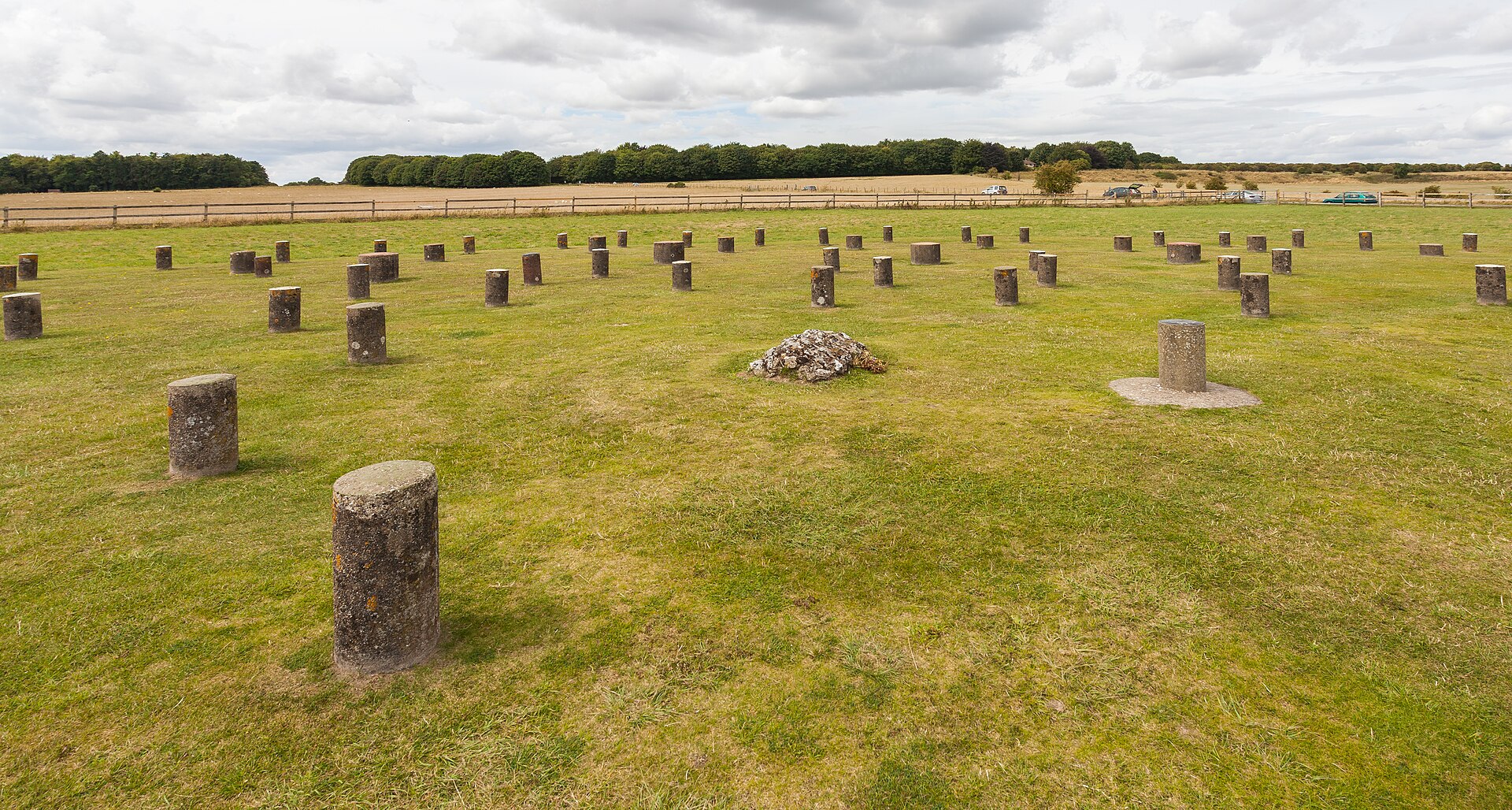

4. Woodhenge and Durrington Walls
Just a few kilometres from the main monument, near the village of Durrington, lie two fascinating archaeological sites that most tourists have no idea about. And both are completely free.
Woodhenge was once the timber counterpart of its more famous brother. Today you’ll only find concrete posts marking the original wooden uprights, but the atmosphere is incredibly peaceful, and right next to it lies Durrington Walls, an enormous circular earthwork where archaeologists discovered the remains of an extensive Neolithic village. This is most likely where the ancient builders of the stones lived.
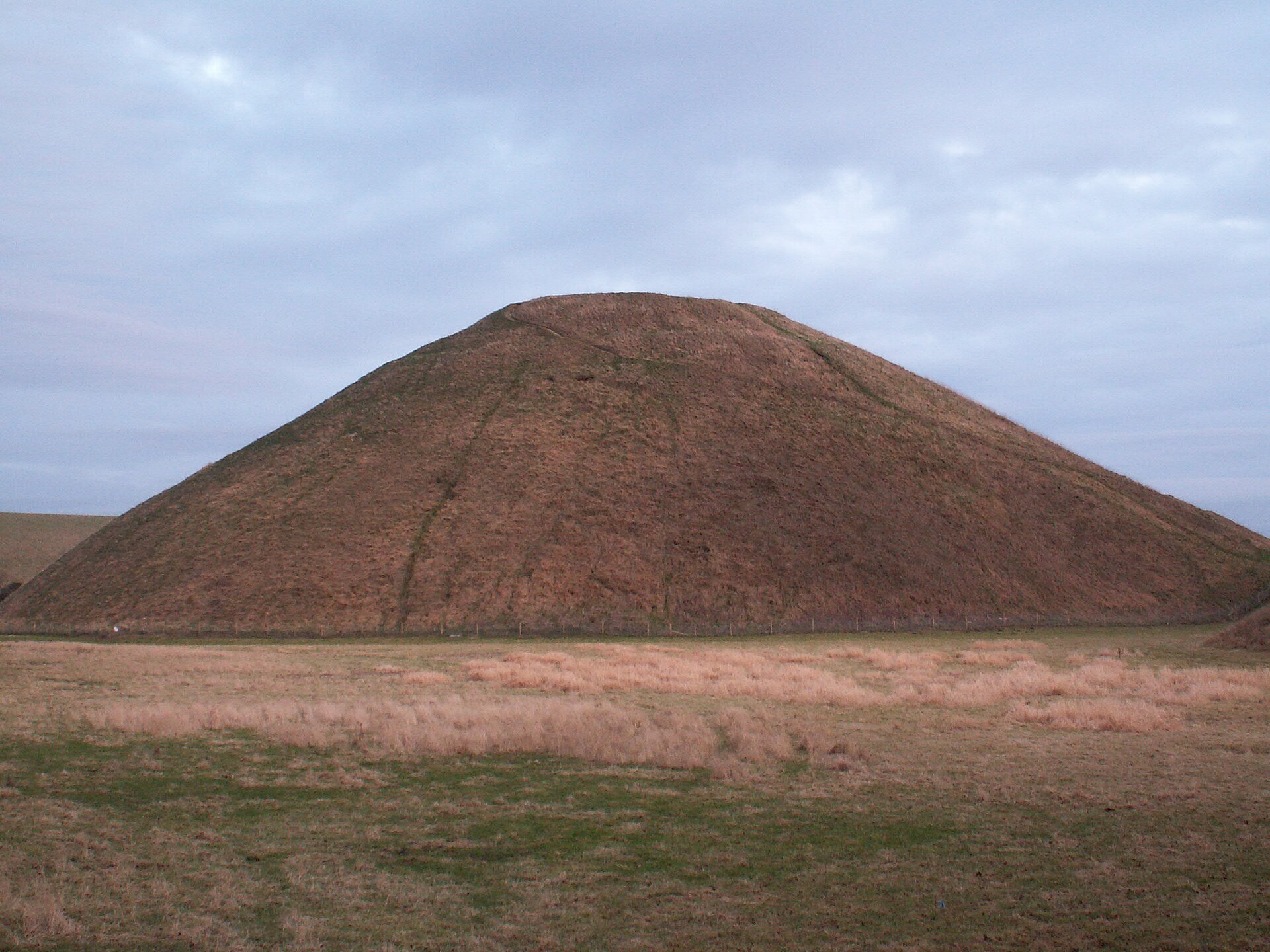
5. West Kennet Long Barrow and Silbury Hill
If you head to Avebury, definitely don’t skip these two prehistoric mysteries along the way, which lie just a stone’s throw from each other off the A4 road. Entry to both sites is free.
West Kennet Long Barrow is a roughly 5,600-year-old burial mound, and the best thing about it is that you can walk straight into its dark stone chambers without any restriction. The experience is slightly spooky but amazing. Just a little further on you’ll see Silbury Hill, the largest man-made prehistoric mound in Europe. You can’t climb to the top due to erosion, but even the view from below of the 30-metre-high grassy cone is impressive.
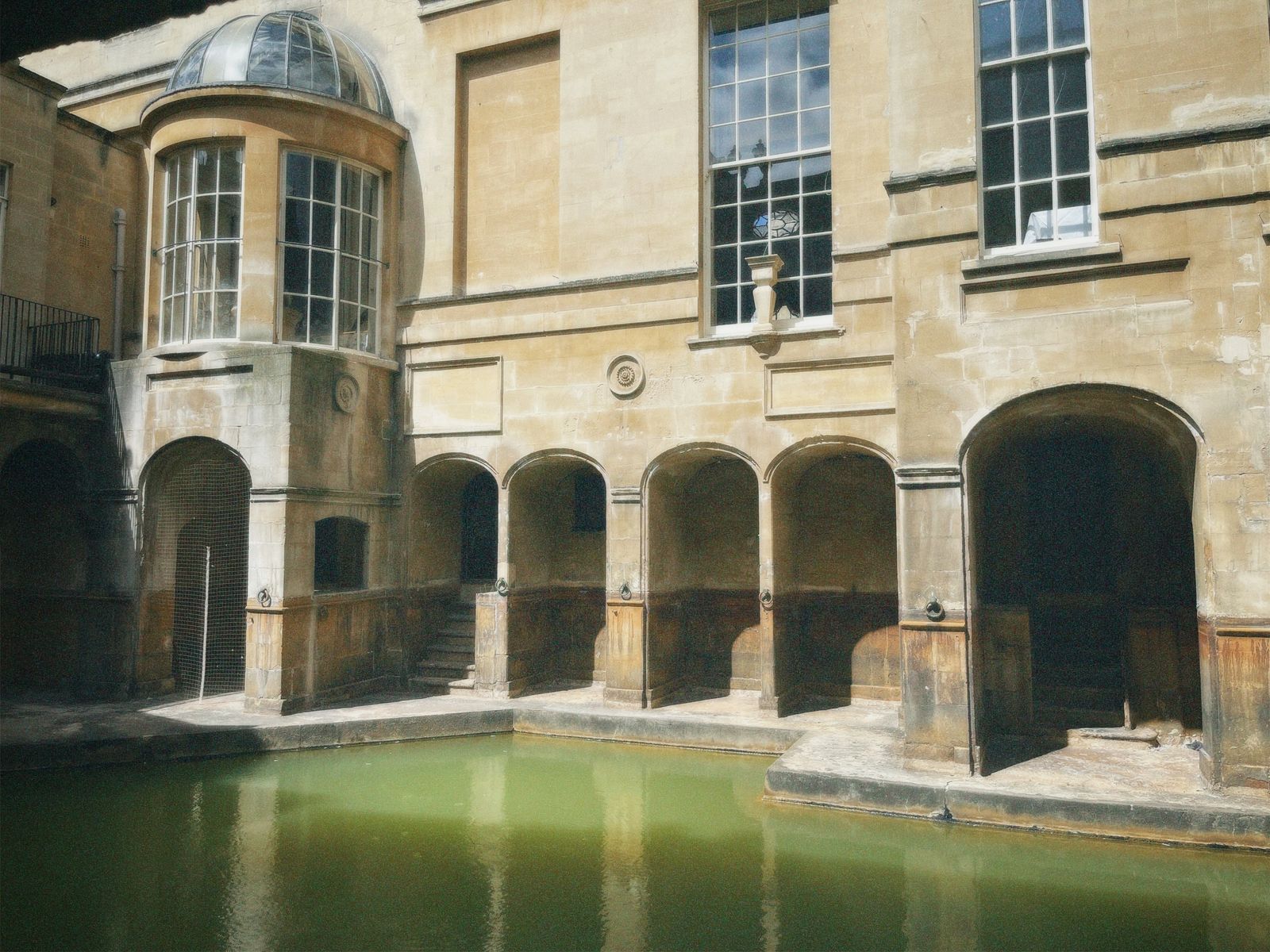
6. Bath and Its Roman Baths
About 60 kilometres to the west lies one of the most beautiful cities in all of Britain. Bath is entirely listed as a UNESCO World Heritage Site, made up of gorgeous honey-coloured Georgian architecture. Combined full-day coach tours from London often head here.
The main draw is the well-preserved Roman Baths, the ancient bathing complex where admission starts at £26.50. Prices change dynamically by season, so booking online is a must. Strolling around the city, however, costs nothing, and you can enjoy the views of the iconic crescent-shaped streets of Royal Crescent or The Circus completely free.
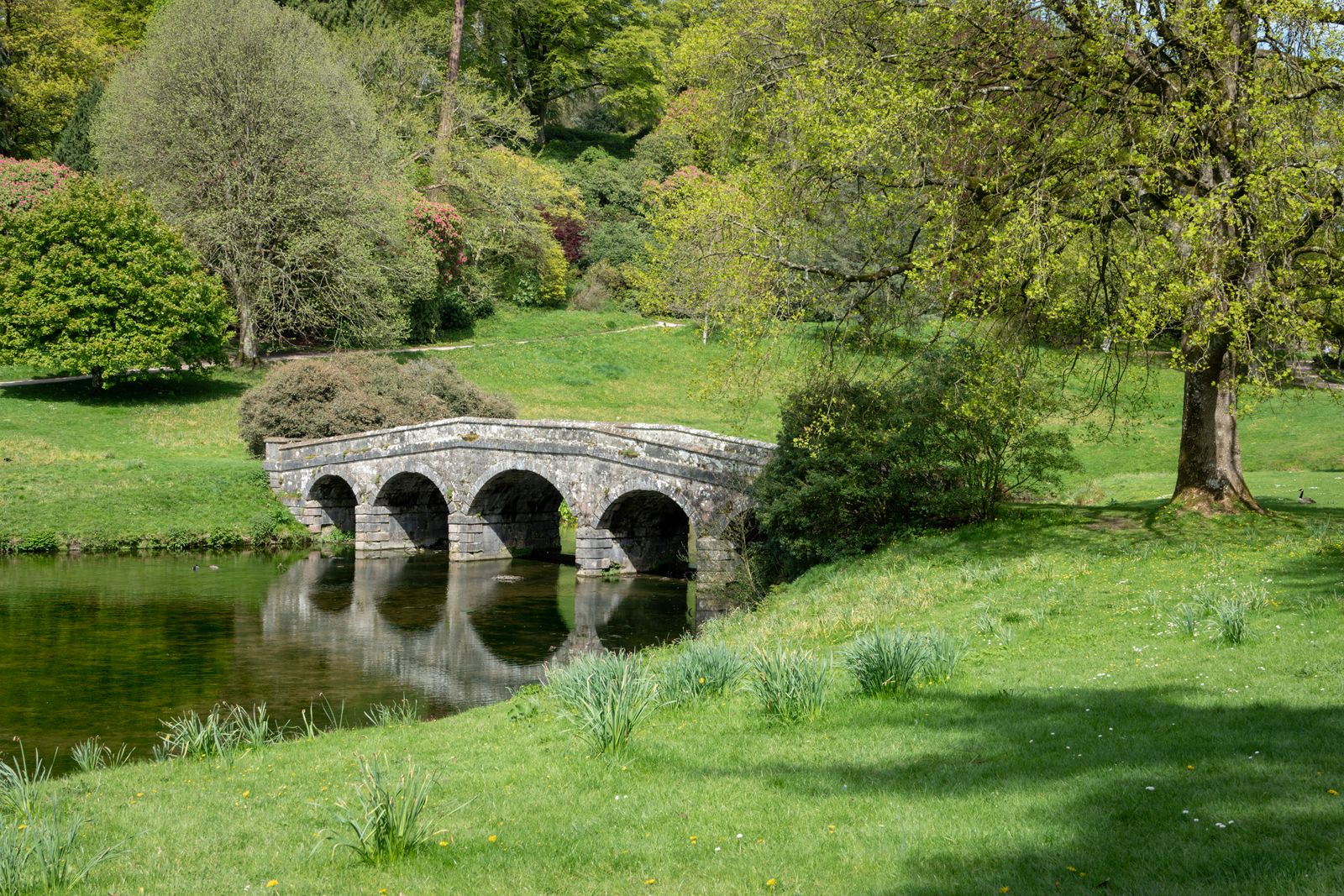
7. Stourhead: a Landscape Garden Straight Out of a Film
If you need to escape the stones into nature for a while, head to the gardens of Stourhead (about 40 km away). This enormous landscape garden, managed by the National Trust, is an 18th-century masterpiece.
Scattered around the central lake you’ll find classical temples, mysterious grottoes and, above all, the famous stone bridge. If it looks familiar, you’ve probably seen the 2005 film Pride & Prejudice, where it played an important role. Adult entry costs £19, and a visit will easily take you half a day. Nearby stands King Alfred’s Tower, a brick lookout tower reached by 205 steps.
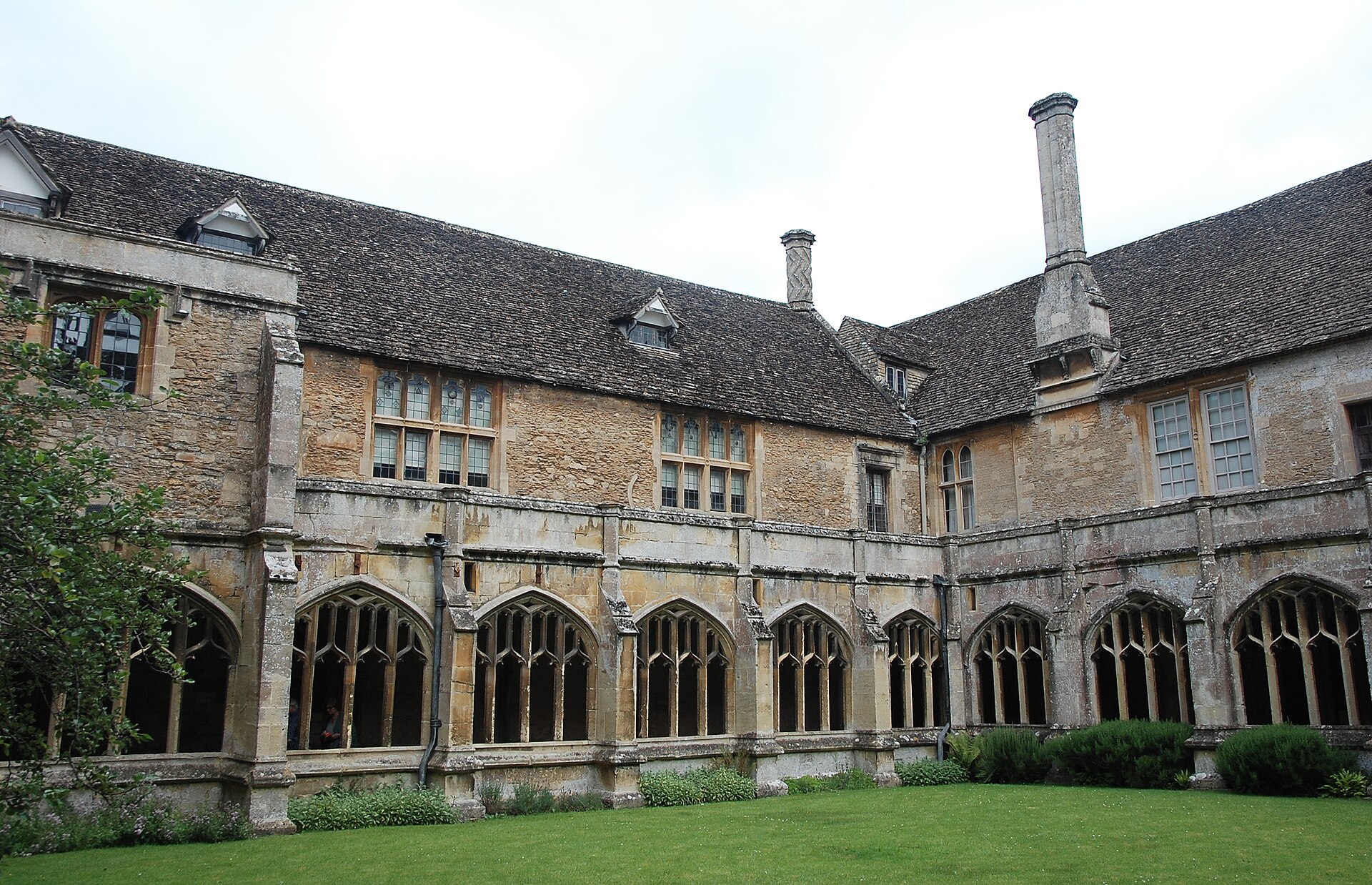
8. Lacock: a Medieval Village from Harry Potter
Another gem about 40 kilometres away. Lacock is a village where time stopped several centuries ago. You won’t find any modern aerials or power lines here, which is exactly why British filmmakers love it so much.
Wandering the picturesque little streets is completely free, and you’ll surely recognise the sets from the series Downton Abbey. The real lure, though, is the local abbey, Lacock Abbey, whose Gothic cloisters played the interiors of Hogwarts in the Harry Potter films. Entry to the abbey costs an adult £12.
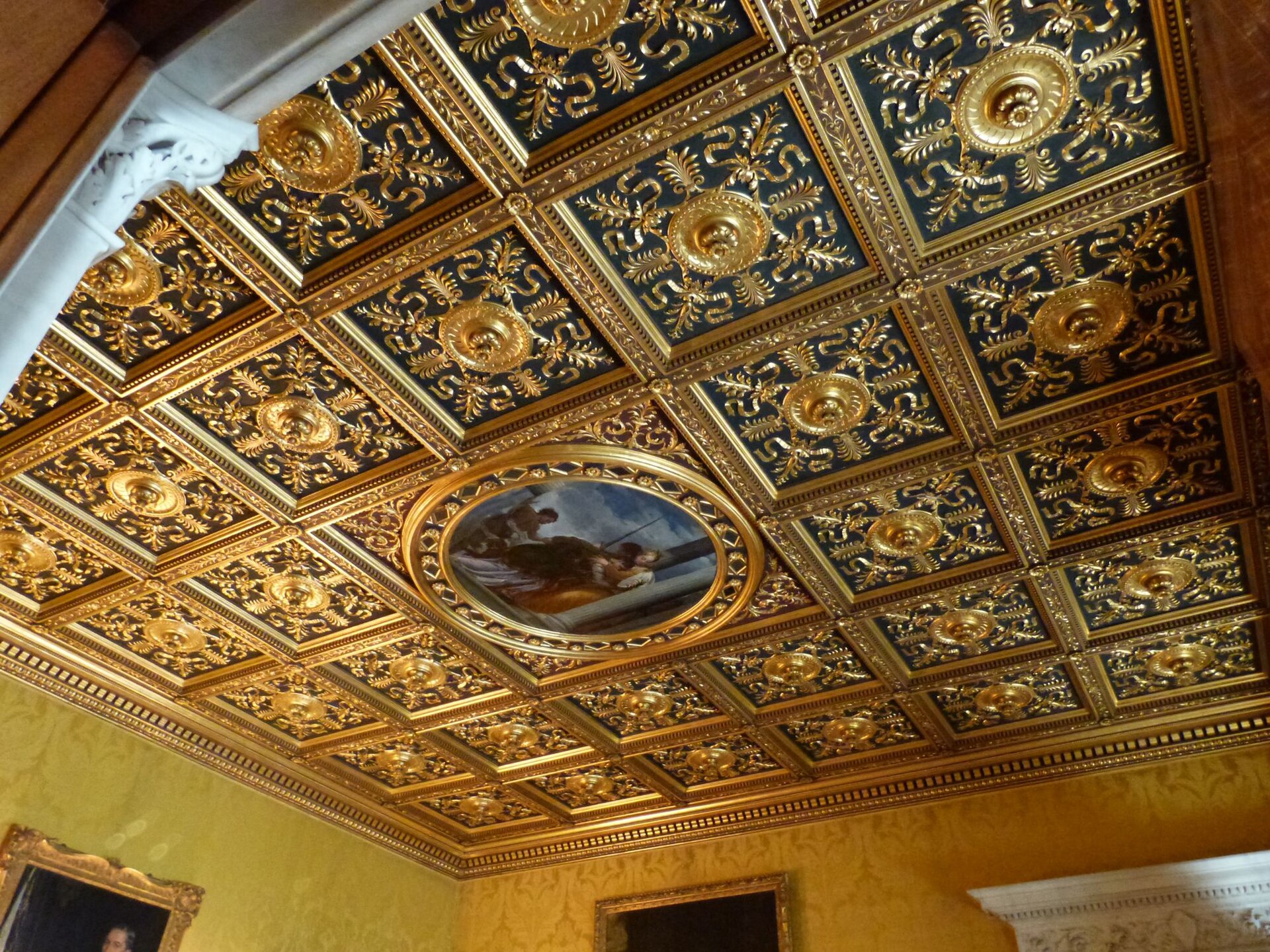
9. Longleat: Safari Park and Elizabethan Mansion
If you’re travelling with children, you can’t miss this place. About three-quarters of an hour’s drive away is Longleat, a vast estate that was the first outside Africa to open a true drive-through safari park.
From the comfort of your own car, you can drive right among lions, giraffes, rhinos and some very cheeky monkeys. The grounds also include a beautiful Elizabethan mansion and a giant garden maze. The tickets are a touch pricier, starting at £39.95 for an adult and £29.95 for children, but a cheeky monkey bouncing around on your car roof more than makes up for it. Definitely buy tickets online in advance — at the gate you’ll pay quite a bit more.
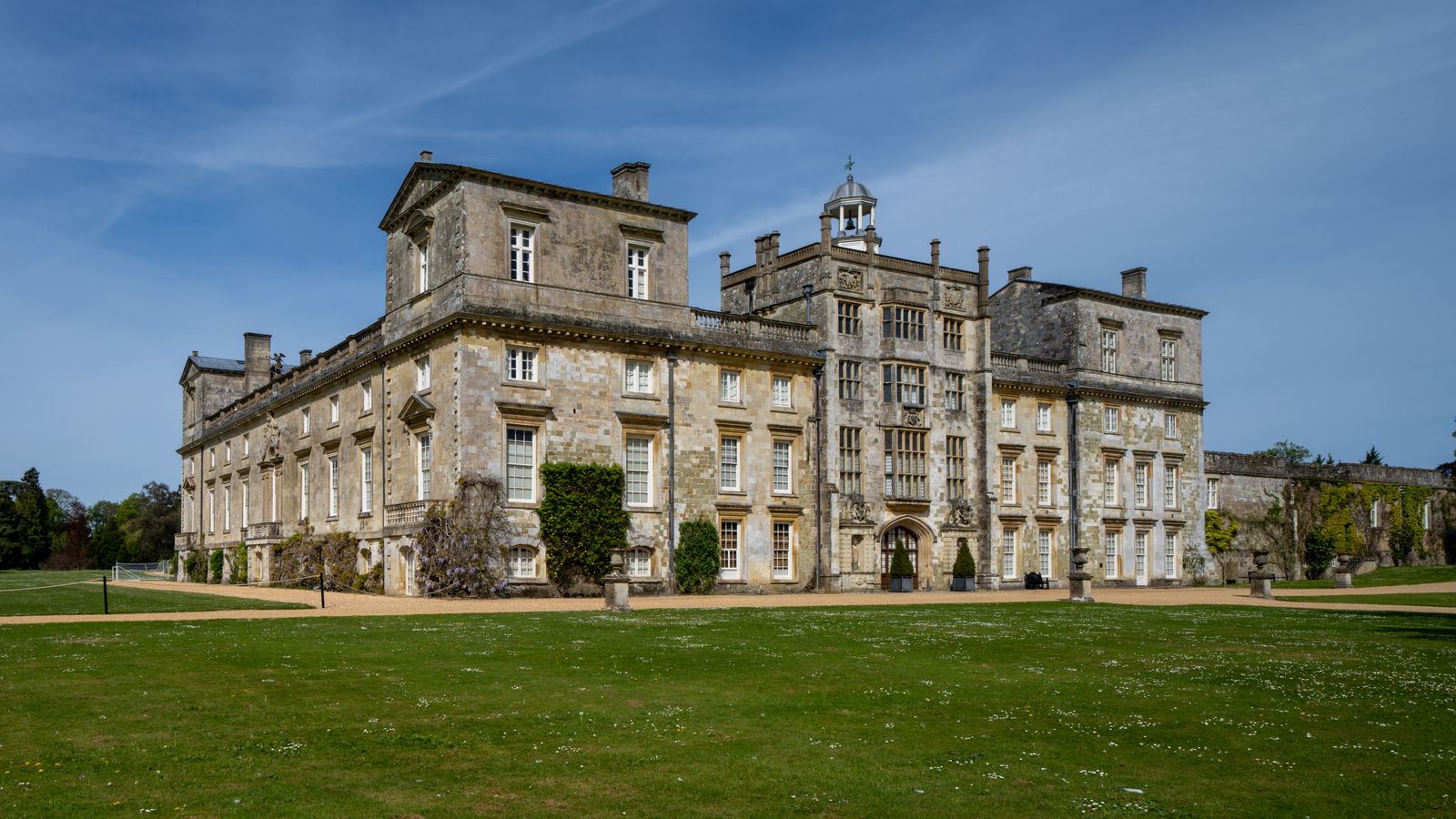
10. Wilton House: Home of TV’s The Crown
Just beyond Salisbury lies Wilton House, the magnificent ancestral seat of the Earls of Pembroke. Even if the name means nothing to you, you’ll definitely recognise its interiors.
This grand house regularly stands in for Buckingham Palace in the popular series The Crown, and the balls for the phenomenon Bridgerton were filmed here too. It has beautiful gardens and a breathtaking collection of paintings. Just be careful, the house is only open during the summer season (usually from Easter to early September), so don’t forget to check the current dates for 2026 before you set off.
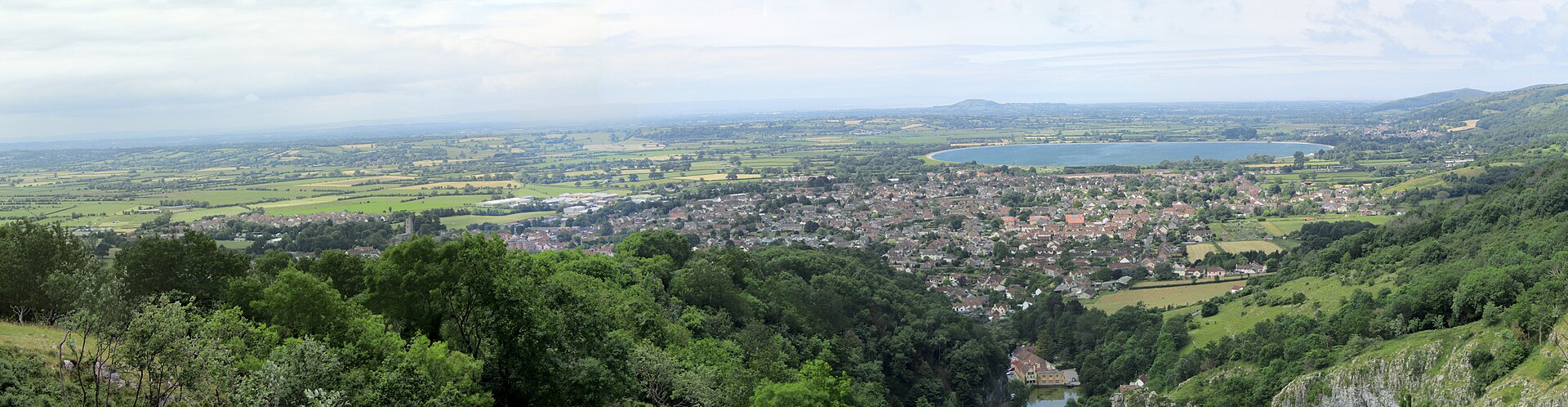
11. Cheddar Gorge: England’s Deepest Gorge
About an hour and a quarter’s drive towards the county of Somerset, a natural wonder awaits that you wouldn’t expect in flat England. Cheddar Gorge is a dramatic limestone gorge with huge, steep cliffs.
You can do a wonderful hike along the top edge of the canyon, where the views are fantastic. Down in the village, definitely don’t miss a visit to the local caves and a tasting of genuine cave-aged cheddar cheese. It’s a great full-day trip for nature lovers.
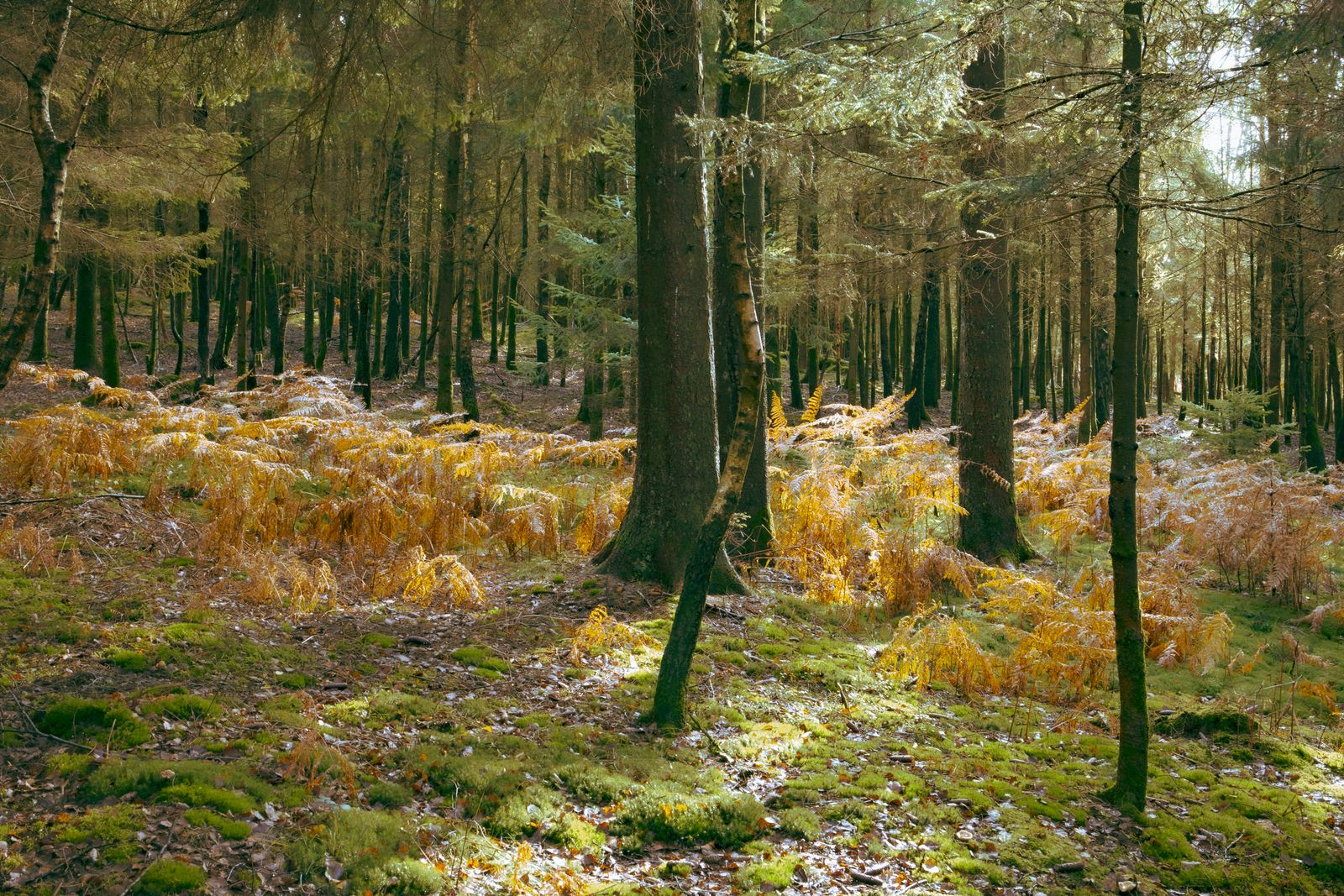
12. New Forest National Park
If you need a break from tourism after seeing the stones, head south to the New Forest. This sprawling national park in the county of Hampshire is only about an hour’s drive away.
The area is famous above all for the fact that herds of wild ponies, donkeys and pigs roam freely across the heaths and roads. You can hire a bike, take a long walk through the forest, or simply settle into one of the many traditional English pubs. It’s the perfect oasis of calm.

Map of points of interest for your phone
Where to Eat in the Area
While roaming the English countryside, you’re bound to get hungry sooner or later. Both in Salisbury and nearby Bath you’ll come across classic British pubs serving proper fish & chips or a hearty Sunday roast. If you’re after a classic in Salisbury, head to the historic pub The Haunch of Venison, where time has stood still and the atmosphere is absolutely unique.
But feel free to leave the meaty traditions to others and instead make for a traditional tearoom for the perfect cream tea. It’s a huge pot of tea served with fresh scones, thick clotted cream and strawberry jam — a completely meat-free and downright genius affair. In Bath, definitely try a place called Sally Lunn’s Historic Eating House. They make their famous brioche bun from the oldest house in the city, served to you either sweet or savoury.
Practical Tips and New Travel Rules (ETA)
If you’re travelling to the UK from abroad, don’t forget there may be a bit of paperwork to sort out beforehand. Since 2 April 2025, visitors from many countries — including EU nationals — need an Electronic Travel Authorisation (ETA) to enter. It’s not a visa, but a mandatory registration in advance. If you’re a UK or Irish citizen you won’t need one, but always check the latest rules for your own nationality before you go.
The ETA costs £20, is valid for two years for multiple trips, and is easily sorted through the “UK ETA” mobile app or via the gov.uk website. Every child must have one applied for too, and at least 3 days before departure.
On the practical front, if you’re driving you can leave the car at the visitor centre car park, which is free for ticket holders. Pack a reliable rain jacket and sturdy footwear, as Salisbury Plain is exposed and the weather turns quickly. If you’re coming from overseas, also bring a quality travel insurance policy and check your mobile data plan, since roaming charges can add up fast.
Where to Go Next from This Area
If you’ve already covered England and are planning to carry on, or your trip is only just beginning, get inspired by our other guides:
- London: 56+ tips on what to see and do + map
- Edinburgh: 31 tips on what to see and do
- Scotland: holidays, what to see and where to go
Frequently Asked Questions
Planning a trip to this prehistoric mystery can sometimes feel like a headache, especially when you’re trying to line up your transport with buying tickets for a specific time. Below you’ll find answers to the most common questions that travellers usually grapple with before their first visit.
Whether you’re sorting out parking, the exact timetable, or photography options, this practical information will save you plenty of hassle right there on site.
How long does a visit to Stonehenge take?
Set aside at least two hours for the actual tour of the stones, the shuttle bus ride, and visiting the information center with its exhibitions. If you enjoy taking photos and stopping at every information board, count on more like three hours. Don’t forget to factor in time for any queues at the entrance or for a coffee and refreshments at the local café. Especially during the summer season, the whole process can take a bit longer.
Can you get right in between the stones?
During normal opening hours unfortunately not. You walk around the monument on a marked path behind a low rope. If you want to walk directly among the monoliths, you need to book a special early morning or evening access (Stone Circle Experience for £70 (approx €81)), or arrive for the solstice celebrations. This distance is necessary to protect the monument from erosion and damage. Even from afar, however, the view of the stone circle is absolutely breathtaking and offers plenty of great angles for photography.
Is it worth buying tickets in advance?
Definitely yes. By buying online you’ll save about 15% compared to the ticket office price (an adult ticket costs £27.20 (approx €32) instead of £32 (approx €38)). During summer season and on weekends, it often happens that tickets are completely sold out on-site and they won’t let you in without a reservation. The system also allows you to choose a specific time slot for your arrival, which makes planning your whole day much easier. You just need to arrive approximately at the time indicated on your ticket.
Is parking at Stonehenge free?
If you have purchased a ticket to the site, you have parking at the visitor centre included in the price. If you were to arrive by car but not planning to go inside and just wanted to buy something at the gift shop, you’ll pay £4 (approx €5) for parking. The car park is quite spacious, but during sunny summer weekends it can still fill up. In such cases, staff will direct you to adjacent grassy areas that serve as overflow parking.
Can you manage a day trip from London there and back?
Yes, absolutely no problem. By train to Salisbury and from there by connecting bus, the journey will take you just over two hours one way. You can also use organized bus tours that pick you up in central London in the morning and bring you back in the evening. A day trip is a great choice if you have a packed itinerary. You’ll even have enough time to explore the historic center of Salisbury itself on the way back.
Do I need visas for the trip?
As tourists, you don’t need a visa, but from 2 April 2025, the electronic ETA authorisation is mandatory for Czechs. You can arrange it online for £20 (approx. €24), it’s valid for two years and you must have it approved before you board your flight. Filling out the form in the official mobile app only takes a few minutes and approval usually happens very quickly. Nevertheless, it’s better not to leave this admin until the last minute.
What to do when it rains on the plateau?
On the entire vast area around the stones there is no shelter from the rain. Strong winds often turn umbrellas inside out, so the best solution is a waterproof jacket with a hood and sturdy shoes. You can warm up back at the Visitor Centre café. Fortunately, English weather is very changeable and heavy showers often pass after a few minutes. So if you get caught in a downpour at the stones, just wait it out for a bit and you’ll most likely soon see clearer skies.
Tips and Tricks for Your Vacation
Don’t Overpay for Flights
Search for flights on Kayak. It’s our favorite search engine because it scans the websites of all airlines and always finds the cheapest connection.
Book Your Accommodation Smartly
The best experiences we’ve had when looking for accommodation (from Alaska to Morocco) are with Booking.com, where hotels, apartments, and entire houses are usually the cheapest and most widely available.
 🚗 Car rental on the roadVerified rental cars in Great Britain
Search with the DiscoverCars comparison engine — it compares prices from dozens of local and international rental companies, and most bookings come with free cancellation.
Compare car prices in Great Britain →Don’t Forget Travel Insurance
Good travel insurance will protect you against illness, accidents, theft, or flight cancellations. We’ve had a few hospital visits abroad, so we know how important it is to have proper insurance arranged.
Where we insure ourselves: SafetyWing (simple monthly subscription) and TrueTraveller (for extra-long trips).
Find the Best Experiences
Get Your Guide is a huge online marketplace where you can book guided walks, trips, skip-the-line tickets, tours, and much more. We always find some extra fun there!