Norway’s second-largest city is often seen as nothing more than a quick stopover on the way to the natural wonders of the north. In my opinion, that’s a real shame. Bergen, Norway has a completely unmistakable atmosphere, shaped by centuries of Hanseatic merchant history and the dramatic scenery of the so-called seven mountains that surround it. The compact centre, packed with wooden houses, practically begs you to wander with a coffee in hand.
Although the city proudly holds the title of one of the rainiest places in Europe, don’t let that put you off. Even in the rain this place has enormous charm — you just need to dress properly and soak up the Nordic calm. You’ll find excellent museums here, cosy cafés and historic alleyways where you can easily lose yourself for hours.
In this guide we’ll take a look at the most interesting things you can experience in the gateway to the Norwegian fjords. I’ve put together 14 tips for great places to see, I’ll help you choose accommodation, and I’ll throw in some practical info on getting in from the airport too. Let’s plan your Nordic trip together.
TL;DR
- Historic Bryggen: The iconic colourful houses on the waterfront are a UNESCO site and an absolute must for every visitor.
- Best views: The Fløibanen funicular whisks you above the city in just a few minutes and serves up the most famous view over the bay.
- Gateway to the fjords: Boats set off daily from the harbour into deep fjords, including the nearby Mostraumen.
- Weather: Expect rain on more than 200 days a year. A good-quality rain jacket is essential kit.
- Save with the Bergen Card: If you plan to visit museums and use public transport, the city card pays for itself very quickly.
- Getting in from the airport: From Flesland Airport, the easiest way into the centre is the Bybanen light rail, taking roughly 45 minutes.
The full destination guide: Norway — guide and what to see
When to visit Bergen
Planning a trip to Norway always revolves around the weather, and in this city that goes double. The best time to visit is the summer months from May to August. The days are gloriously long, temperatures sit at a pleasant 15 to 20 degrees, and statistically your chances of sunny days are at their highest. On top of that, all the boat trips into the surrounding fjords run without a hitch in summer.
That said, you should be ready for rain at any time of year. The city sits on the coast and traps the cloud rolling in off the Atlantic, so plenty of rain falls here. Thanks to the Gulf Stream, though, you won’t get extreme frosts. If you head over in winter, you’ll enjoy lovely Christmas markets and that mysterious Nordic darkness — even if it isn’t quite the season for long mountain hikes.
Where to stay in Bergen
💡 Tip for accommodation and experiences: We like to look for places to stay on Booking.com, which usually has the best cancellation terms. For tickets, tours and activities, it pays to compare and book through GetYourGuide.
The historic centre is fairly small and you can reach everything easily on foot. The smartest choice is to look for accommodation around the waterfront or near the main railway station, where the light rail from the airport also arrives. Accommodation prices in Norway are generally higher — for a night in a double room you’ll pay on average 1,500 to 2,500 NOK, which is roughly 130 to 215 €. Here are some specific tips for great hotels you can easily book through Booking:
- Thon Hotel Orion: This hotel offers an absolutely perfect location just steps from historic Bryggen. Travellers rave about the generous breakfasts in their reviews, and a light evening meal is often included too, which saves you a lot of money in pricey Norway.
- Zander K Hotel: If you prefer modern Nordic design, this hotel will win you over. It sits right next to the railway station, so if you’re planning to ride the famous Norwegian railway, the train is just a few steps away.
- Opus XVI: For lovers of luxury and history, there’s this gorgeous boutique hotel. It was founded by relatives of the famous composer Edvard Grieg, and the entire interior nods to classical music and first-class elegance.
Historic heart and views: the first 6 things to see in Bergen, Norway
Bergen is a city set in incredibly photogenic surroundings. In this first part we’ll look at the spots that form the city’s metaphorical shop window. You’ll find the oldest architectural gems here, and I’ll also take you up to viewpoints where you can take in all that beauty from a bird’s-eye perspective.
Strolling through the historic centre, you’ll easily feel transported several centuries back in time. I’d recommend setting aside at least one full day for this area, so you don’t have to rush anywhere and can savour a coffee in one of the winding lanes.
1. The Hanseatic quarter of Bryggen (UNESCO)
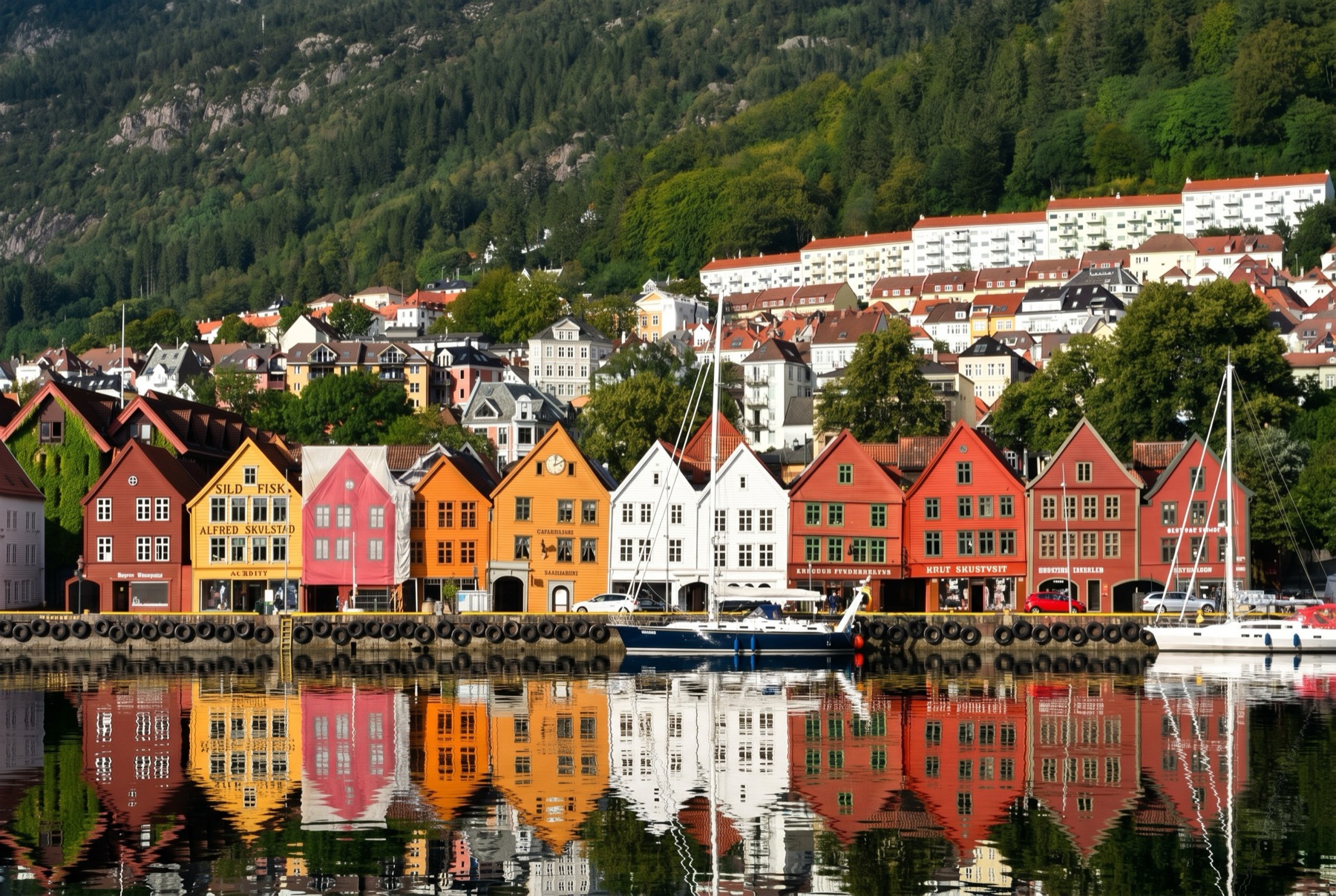
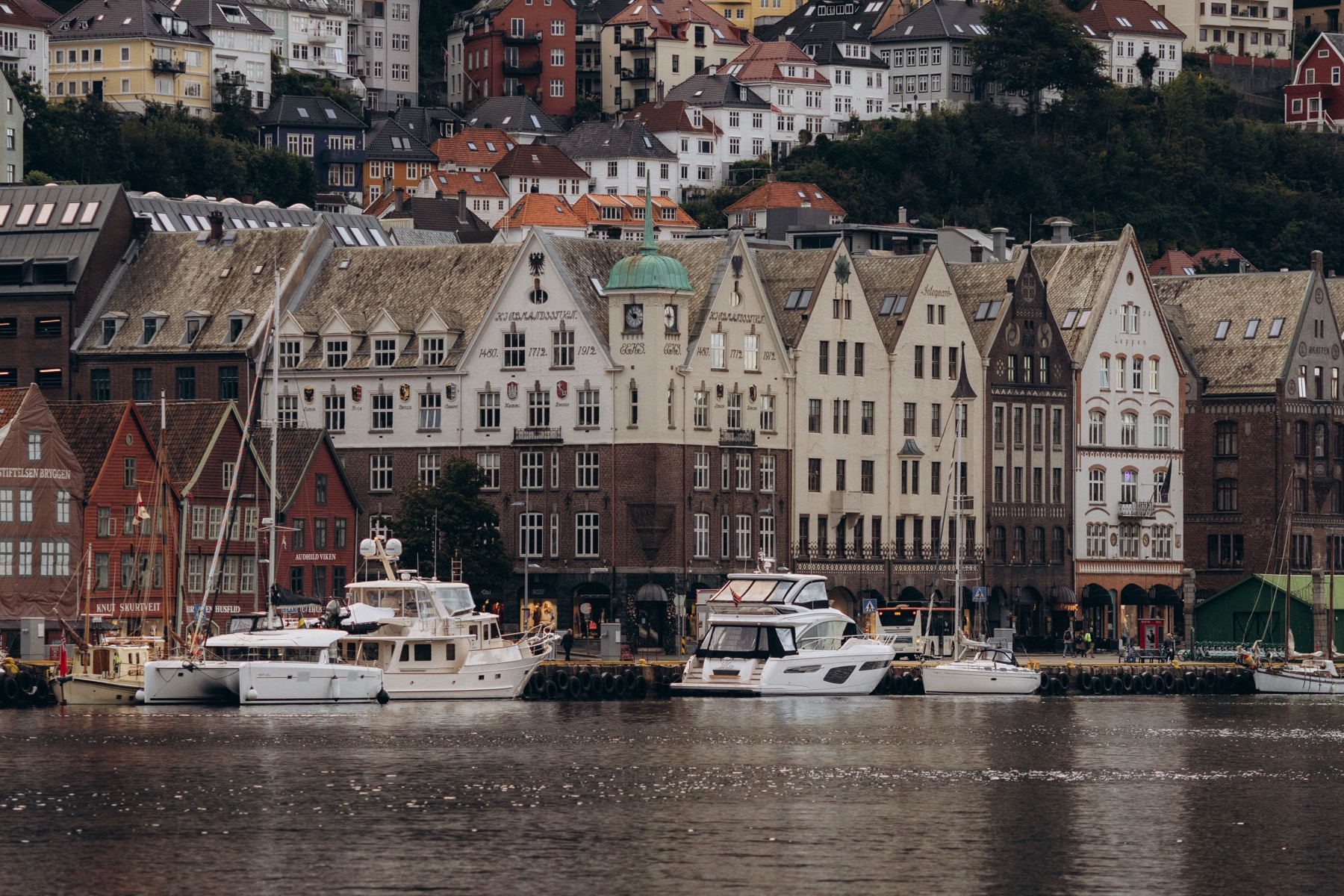
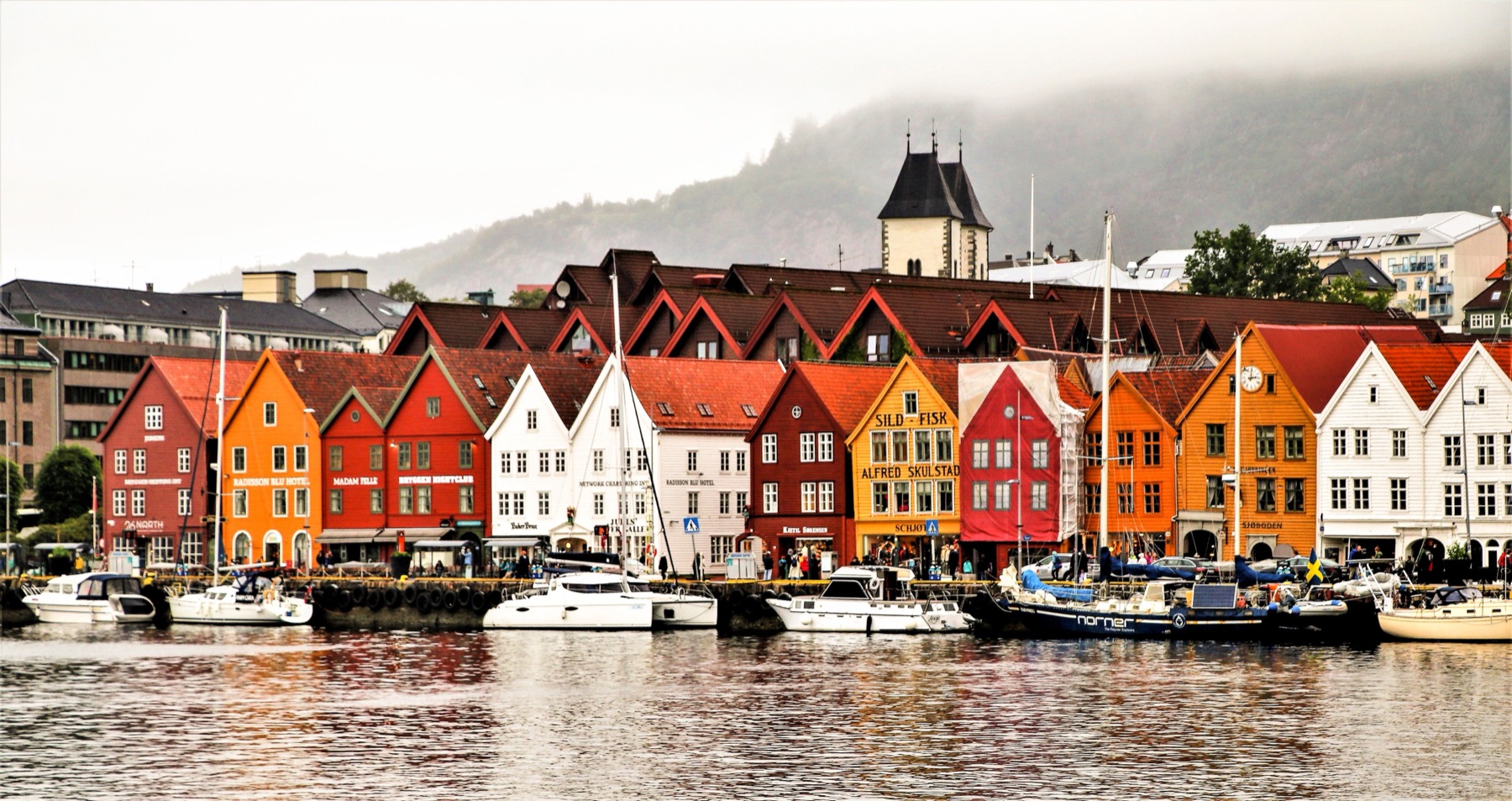
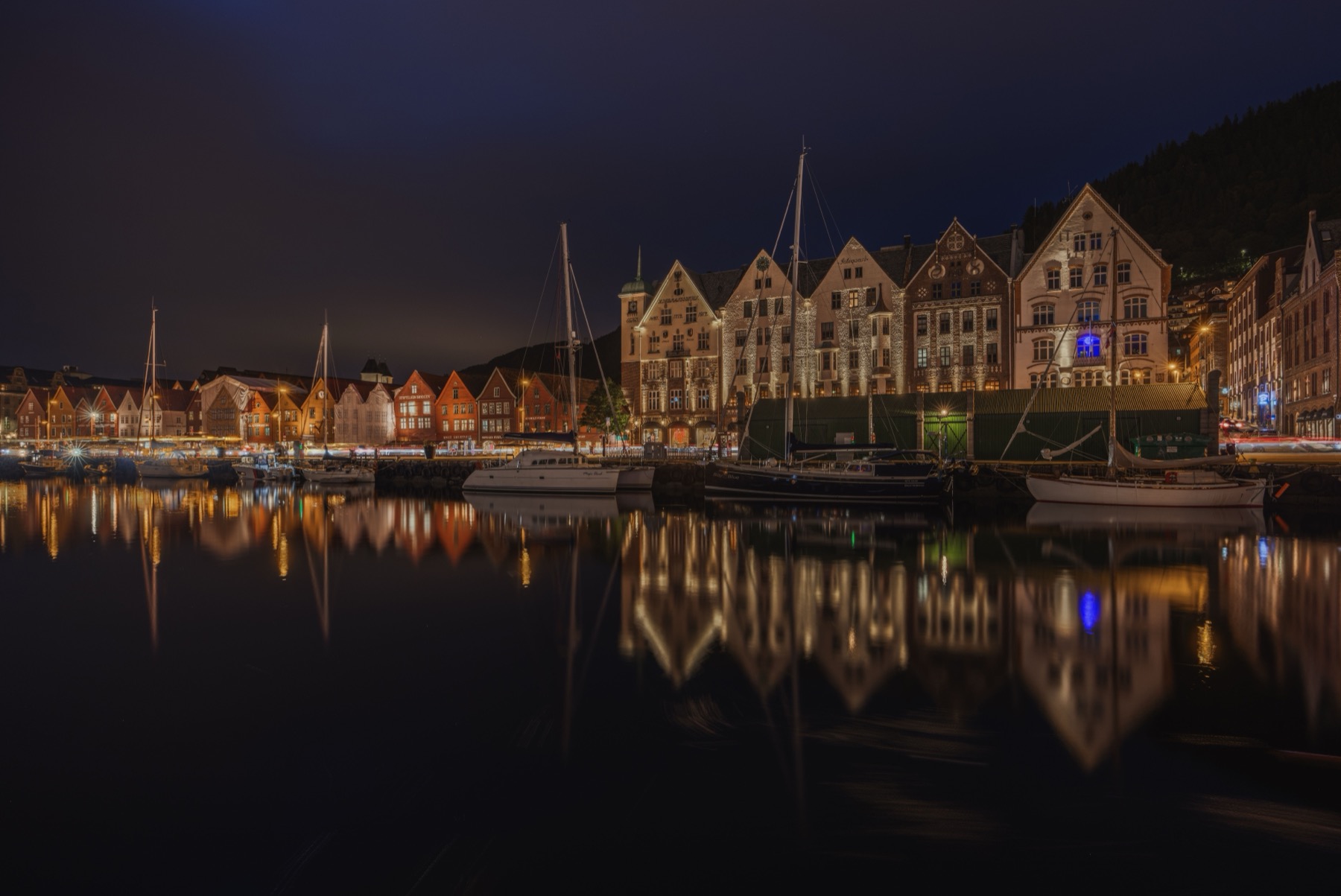
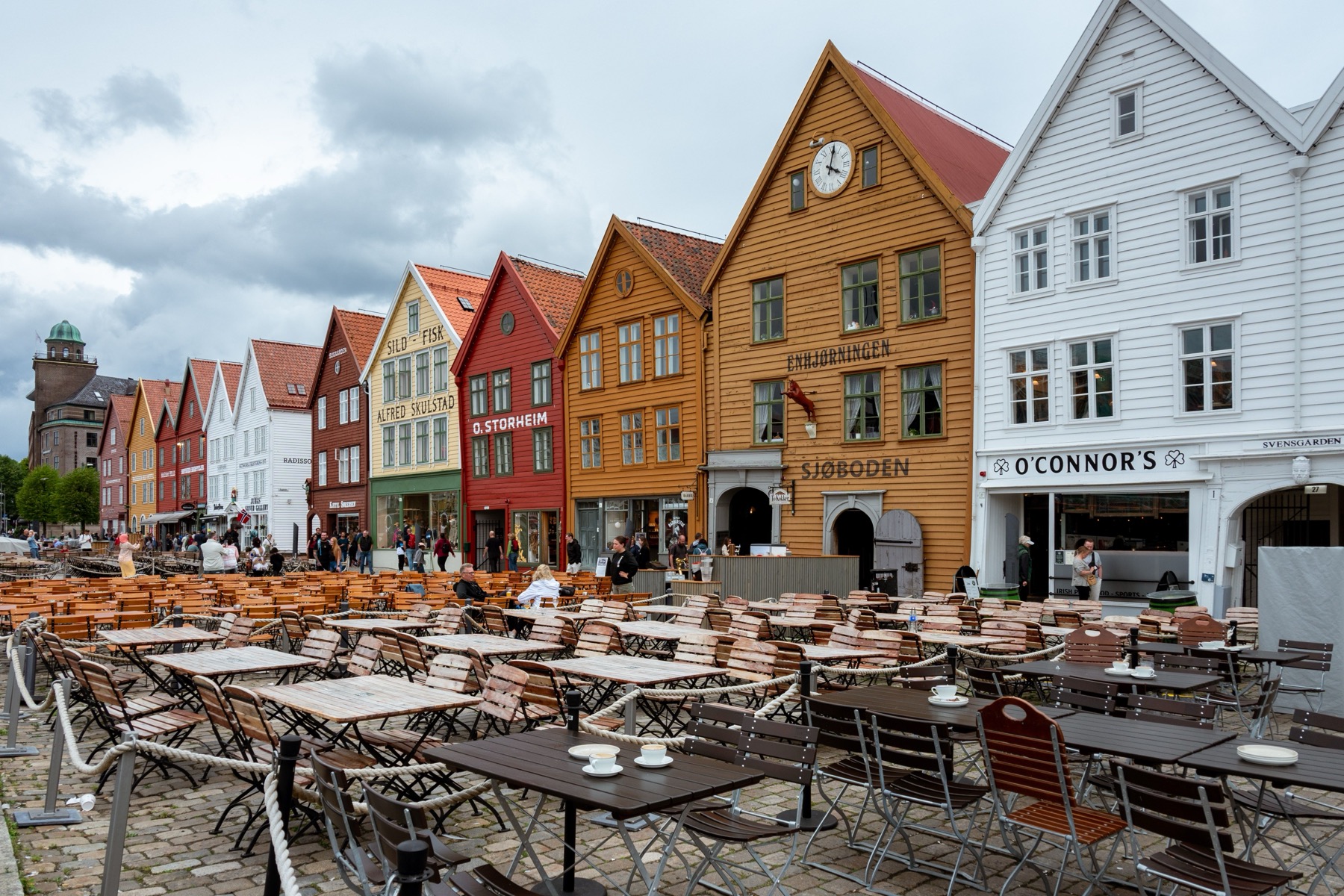
The iconic colourful houses with wooden facades are probably the first thing that springs to mind when this city is mentioned. This historic quarter is on the UNESCO World Heritage List and forms the very heart of the harbour. According to historical sources, Hanseatic merchants had their offices here from as early as the fourteenth century, controlling the trade in dried fish and grain across all of northern Europe.
When you walk along the waterfront, don’t just snap photos from a distance. Be sure to wander into the narrow passageways between the houses, where you’ll find old wooden staircases, small art galleries and craft workshops. Breathing in the scent of old wood and tar is a truly unique experience.
The houses here have been gutted by devastating fires several times over the years. Their current appearance dates mostly from the early eighteenth century, but the buildings have always been carefully rebuilt using original methods. Today you’ll also find cosy cafés here, perfect for sheltering from the typical Norwegian rain.
2. The Fløibanen funicular and Mount Fløyen
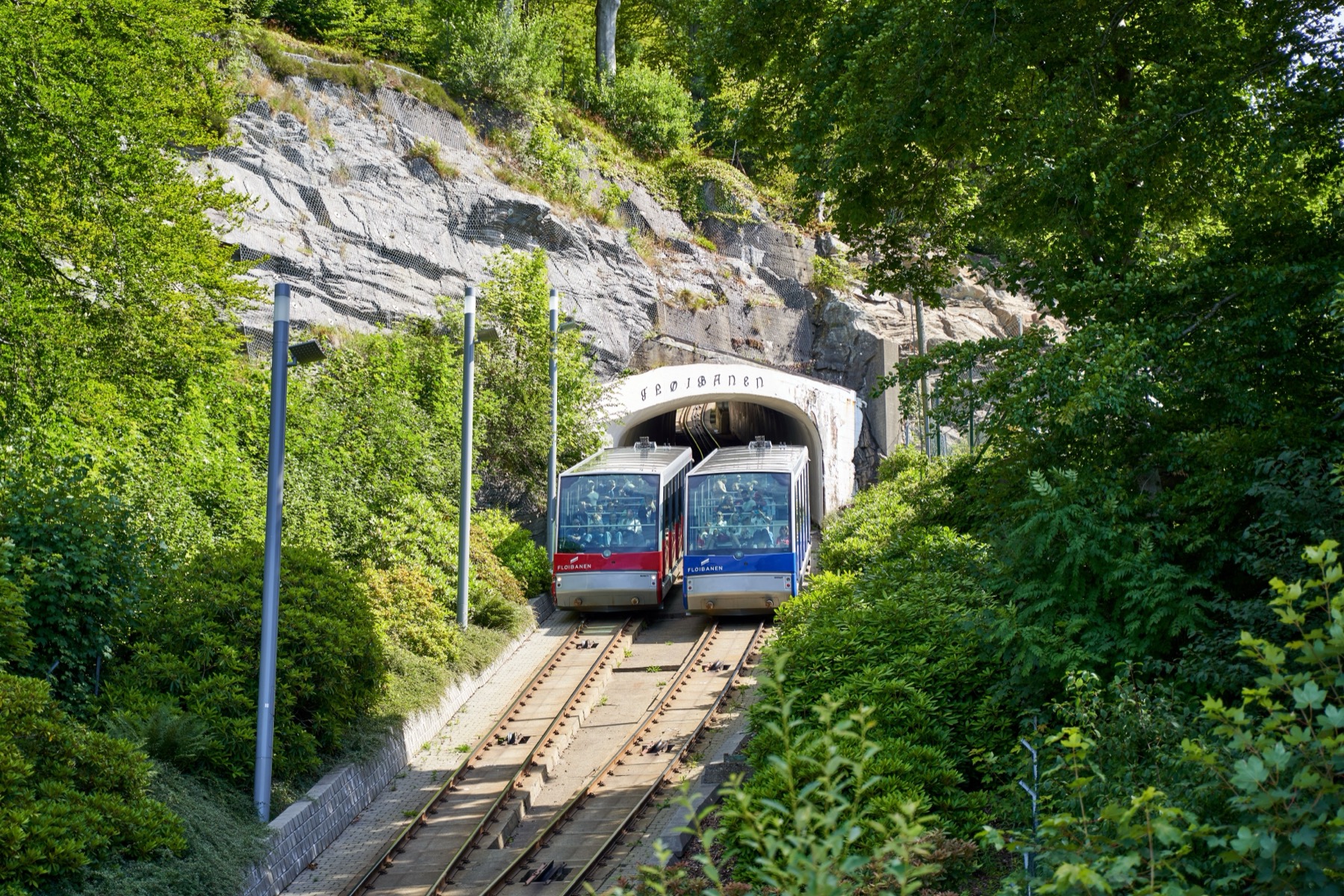
If you want to see the city from above without taking a single extra step, head to the Fløibanen funicular. You’ll find the lower station just a stone’s throw from the Bryggen waterfront, and the ride up takes only about six minutes. The modern glass carriages carry you up to 320 metres above sea level, where the most iconic view over the city, the bay and the surrounding islands opens up.
But on top of Mount Fløyen, the view is far from the end of the fun. You’ll find an extensive network of well-maintained hiking trails that lead deep into the forests. For families with kids there’s the magical Trollskogen forest, full of carved wooden trolls and obstacle courses.
💡 Tip: In the summer months there are often huge queues for tickets. I’d recommend buying your ticket online in advance or taking advantage of the Bergen Card so you can head straight to the turnstiles. On the way back down, you can walk into the city along a pleasant, well-kept path.
3. The Ulriken cable car and the Vidden ridge walk
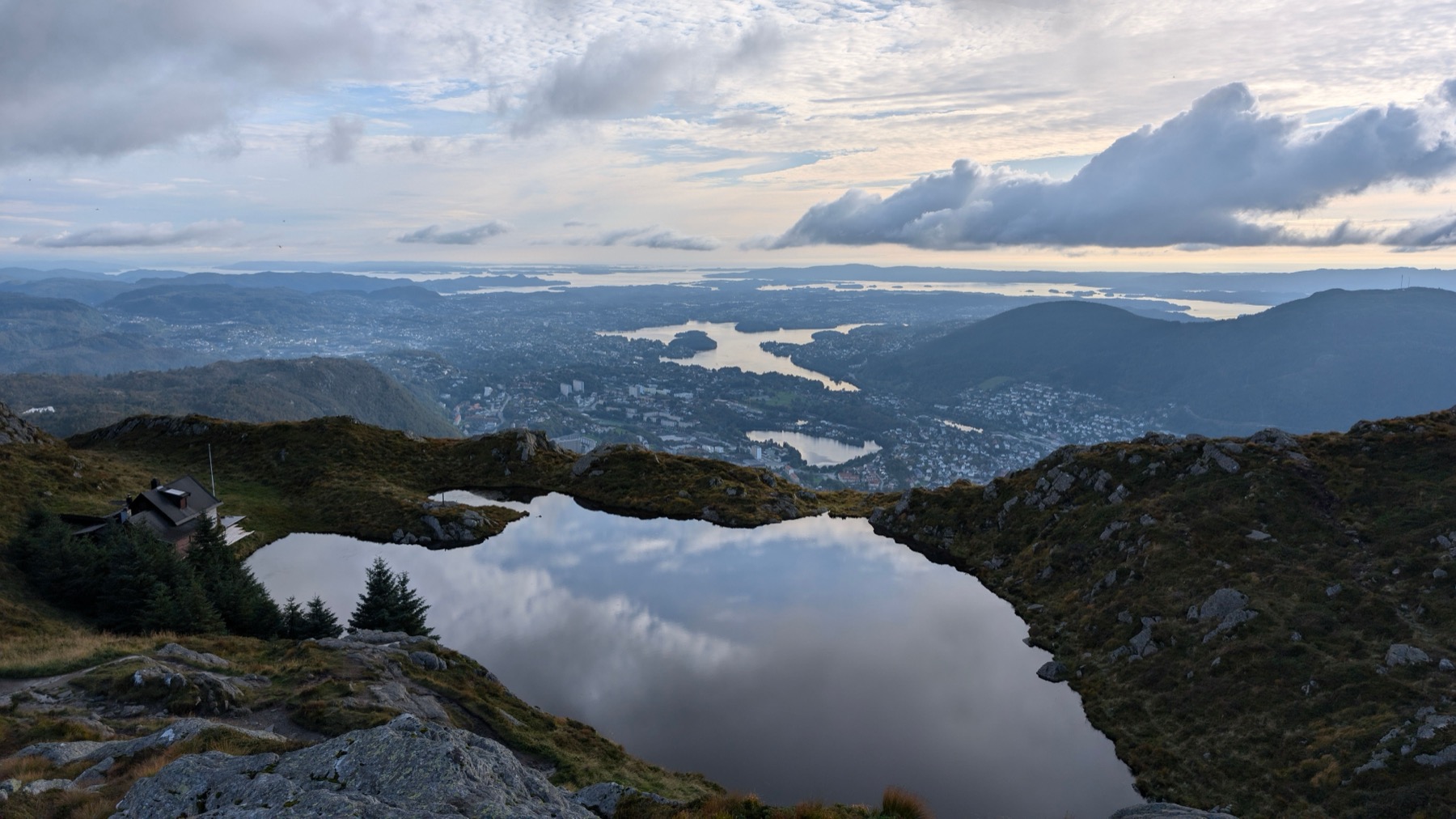
While Mount Fløyen is more of a leisurely affair, Mount Ulriken tempts the real hikers. At 643 metres above sea level, it’s the highest of the seven mountains surrounding the city. The Ulriken643 cable car carries you comfortably to the top, or you can really put yourself through the wringer and climb the thousands of stone steps built by Nepalese Sherpas.
If you enjoy longer hikes and the weather is on your side, locals highly recommend the Vidden ridge walk. This route connects Mount Ulriken with Mount Fløyen and offers fantastic panoramic views of the rugged Norwegian landscape. The hike takes roughly five to six hours and is moderately demanding.
Don’t forget that the weather in the Norwegian mountains can change minute by minute. Even if the sun is shining down in the city, the wind can be fierce up top, so always pack a windbreaker and a warm layer in your backpack. As a reward, you can enjoy a coffee at the summit of Ulriken in a modern glass-walled restaurant.
4. Bergenhus Fortress and the Rosenkrantz Tower
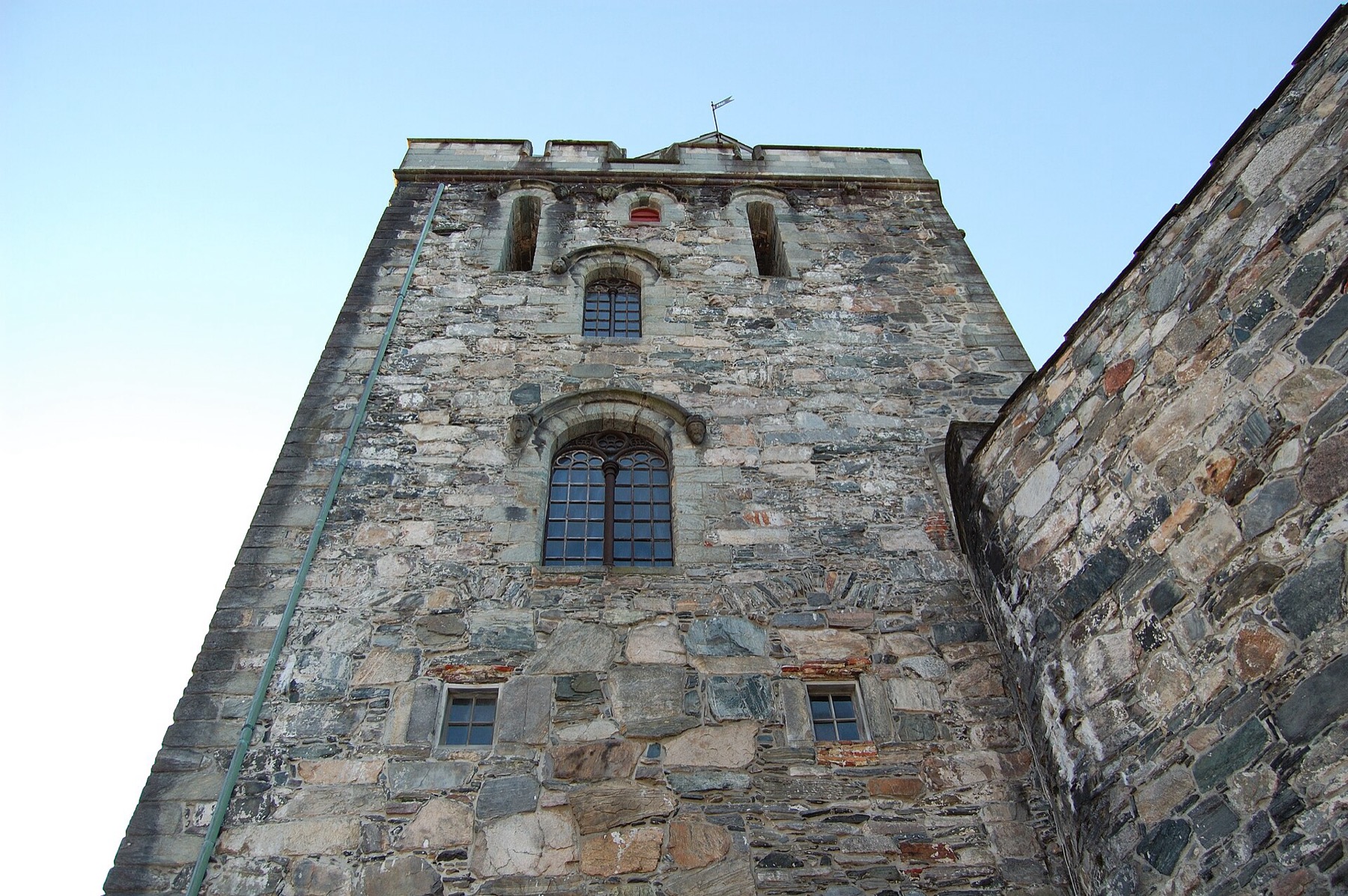
Right at the entrance to the historic harbour you’ll come across one of the oldest and best-preserved stone complexes in Norway. Bergenhus Fortress served as a royal residence back when the city was the capital of the entire kingdom. The grounds are freely accessible and offer a pleasant spot to rest on neatly kept lawns.
The fortress’s biggest draw is the majestic Håkon’s Hall from the thirteenth century. Right next to it rises the defensive Rosenkrantz Tower, which combines medieval architecture with Renaissance touches. If you pay the entrance fee, you can climb the narrow spiral staircase all the way up to the tower’s roof.
According to travellers, the interactive exhibition inside the tower is very well done and brilliantly traces the city’s turbulent history. Large open-air summer concerts are sometimes held in the fortress grounds, so if you’re lucky you might catch a one-of-a-kind musical atmosphere here.
5. Mariakirken church
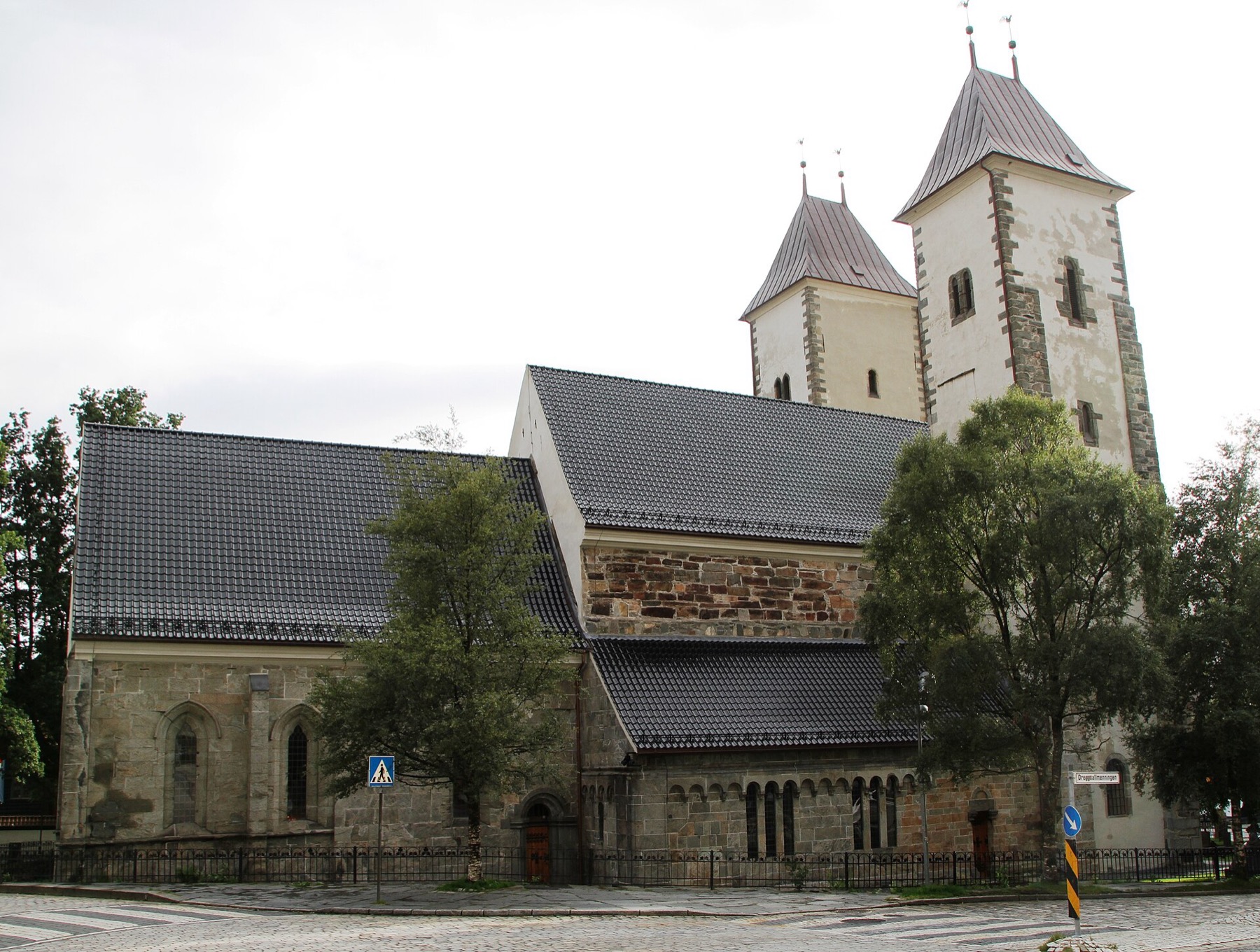
As you wander beyond the historic waterfront, there’s no way you’ll miss the charming stone building with two towers. St Mary’s Church, or Mariakirken, is the oldest surviving building in the entire city. Its history reaches back to the twelfth century, and it’s a beautiful example of Romanesque architecture.
Interestingly, this church served the German Hanseatic merchants for centuries. Thanks to their wealth, the interior preserves gorgeous decoration that contrasts sharply with the austere Lutheran churches in other parts of Norway. The richly carved Baroque pulpit draws the most attention.
There’s an admission fee to enter the church, but it’s free with the city tourist card. Even if you only see it from the outside, its massive stone walls surrounded by mature trees create a beautiful nook ideal for a moment of quiet reflection.
6. Old wooden lanes and the Gamle Bergen quarter
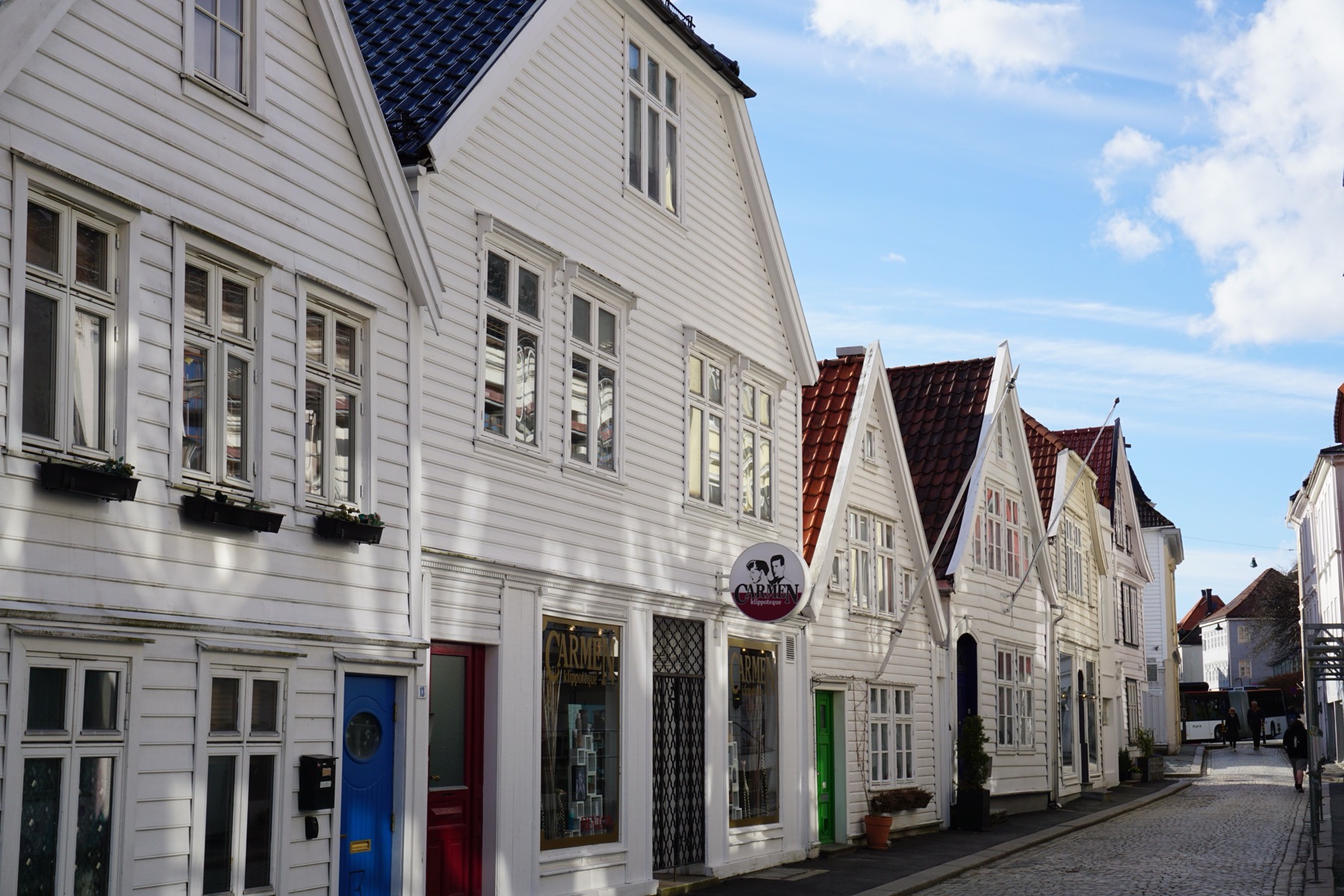
If you want to experience the atmosphere of old Norway without the crowds of tourists, head slightly out of the main centre. In the area around the waterfront heading towards the Sandviken district, you’ll find magical narrow lanes lined with white wooden houses full of flowerpots. This residential area is utterly quiet and incredibly romantic.
For an even more authentic experience, head to the Gamle Bergen (Old Bergen) open-air museum. It’s a reconstructed little town from the eighteenth and nineteenth centuries, made up of historic wooden buildings brought here from various parts of the city. You’ll find an old bakery, a pharmacy and the houses of the era’s high society.
In the summer season the museum comes to life. Staff in period costumes act out scenes from everyday life, so it really feels as though you’ve travelled back in time. It’s a fantastic spot for families and lovers of historical photography alike.
Museums, fjords and city life: 8 more things to see
In the second half of our guide, we’ll look at the places that fill the city with life, culture and unforgettable experiences. I’ll take you to galleries, show you ways to escape into nature, and of course we won’t skip the tips for good food.
Bergen is a lively university city full of students and artists. You definitely won’t be bored here even when it’s raining, because the local cultural scene is incredibly rich by Norwegian standards. Let’s discover more great spots.


7. The Fish Market (Fisketorget)
Right in the heart of the harbour, where dozens of boats are moored, lies one of the most famous market spots in Europe. The historic Fisketorget market has been running here since the thirteenth century and still forms the pulsing centre of the city. The market is divided into traditional outdoor stalls and a modern glass-covered indoor hall.
Local vendors put on an incredible parade of seafood. Fresh salmon, enormous crabs and piles of prawns lie on the counters, and visitors often have them prepared right there on the spot. Around the market, the scent of the sea mixes constantly with traders calling out in many languages of the world.
It’s not exactly a lunch spot for vegetarians, but the atmosphere is worth it. Beyond the fish, you’ll also come across stalls with fresh fruit, local cheeses and interesting souvenirs. Prices at the market tend to be steeply inflated, so seasoned travellers suggest coming here more for the experience and photos than for a big shop.
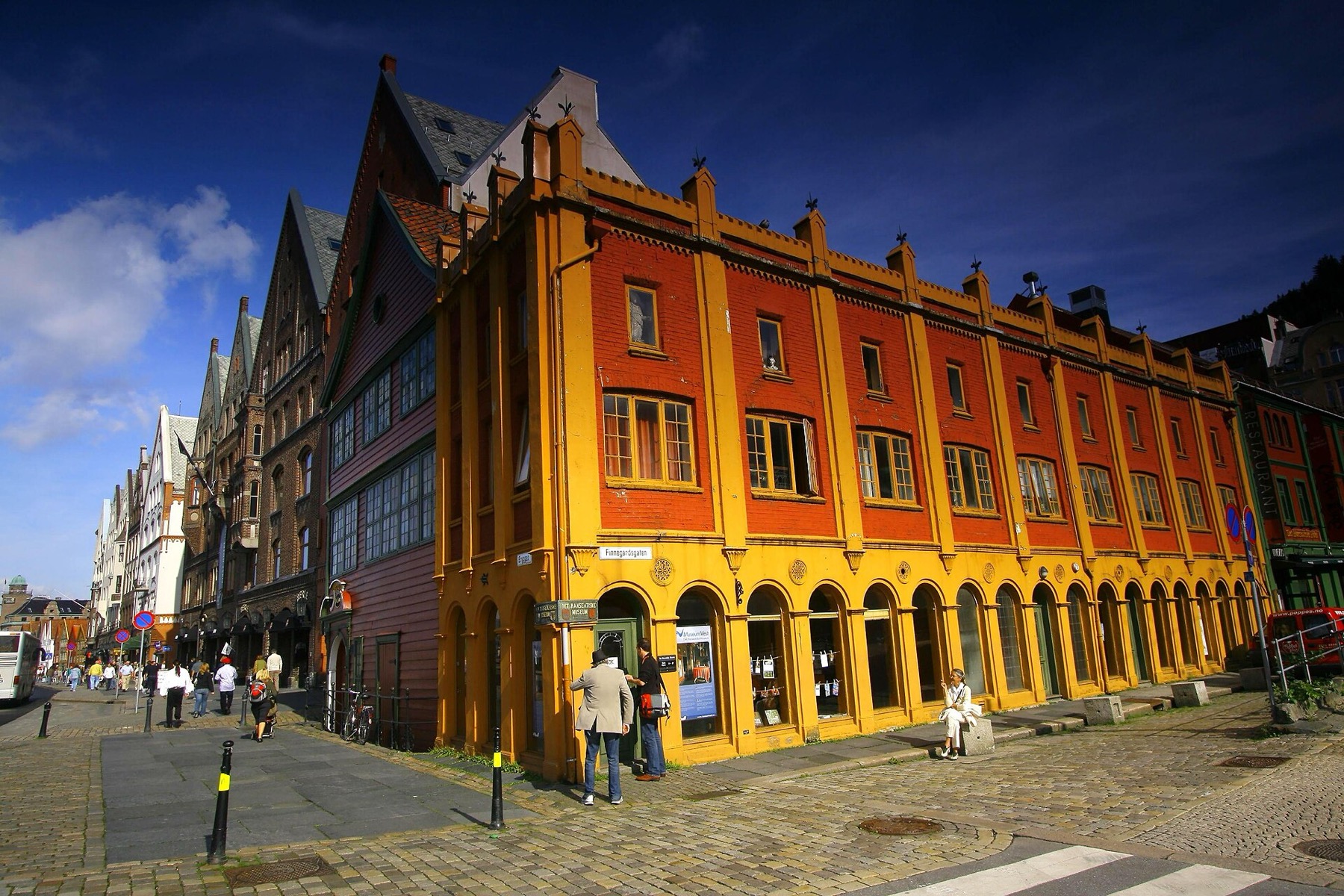
8. The Hanseatic Museum and Schøtstuene
To understand just how hard the lives of medieval merchants were, you need to explore the history up close. The Hanseatic Museum reveals the flip side of colourful Bryggen, where young apprentices from northern Germany survived in cramped, dark cubbyholes. The rules here were uncompromising and the work unbelievably hard.
The exhibition leads you through authentic interiors with original furniture. You’ll see hidden beds built straight into the walls, designed to protect their occupants from the biting cold, since fires were strictly forbidden inside the houses for fear of going up in flames.
The tour also includes the nearby Schøtstuene assembly halls. These were the only places where lighting a fire was permitted, so the merchants spent their winter evenings here, warming up their food and throwing wild celebrations. The museum weaves dry facts together with the real stories of specific people in a wonderfully engaging way.
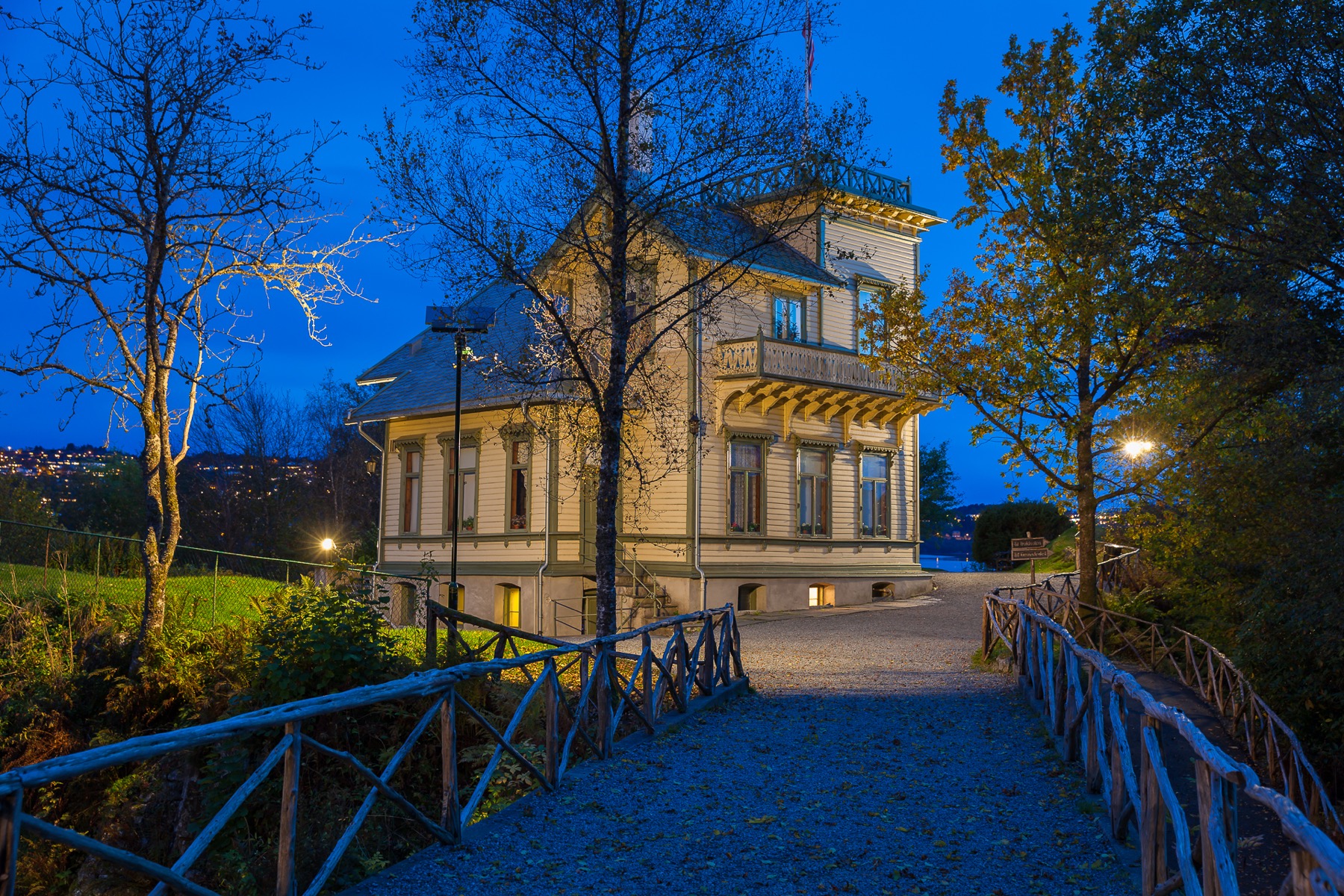
9. The KODE galleries and Edvard Grieg’s home, Troldhaugen
Art lovers will be in seventh heaven in Bergen. The KODE galleries make up one of the largest museum complexes in all of Scandinavia, spread across four large buildings around a central pond. You’ll find everything here from contemporary design to classical paintings.
The biggest magnet is undoubtedly the collection of Norwegian art. The KODE 3 pavilion holds several famous works by Edvard Munch, in a wonderfully calm setting without the enormous crowds you get at the galleries in Oslo. You can also see stunning Romantic landscape paintings of Norway’s mountains and fjords.
If you love music, take a trip to the suburbs to the villa Troldhaugen. This enchanting wooden house belonged to the famous composer Edvard Grieg and sits in a gorgeous garden right by Lake Nordåsvatnet. In the summer months, piano concerts are held here regularly in a modern hall with a glass wall facing out into nature.
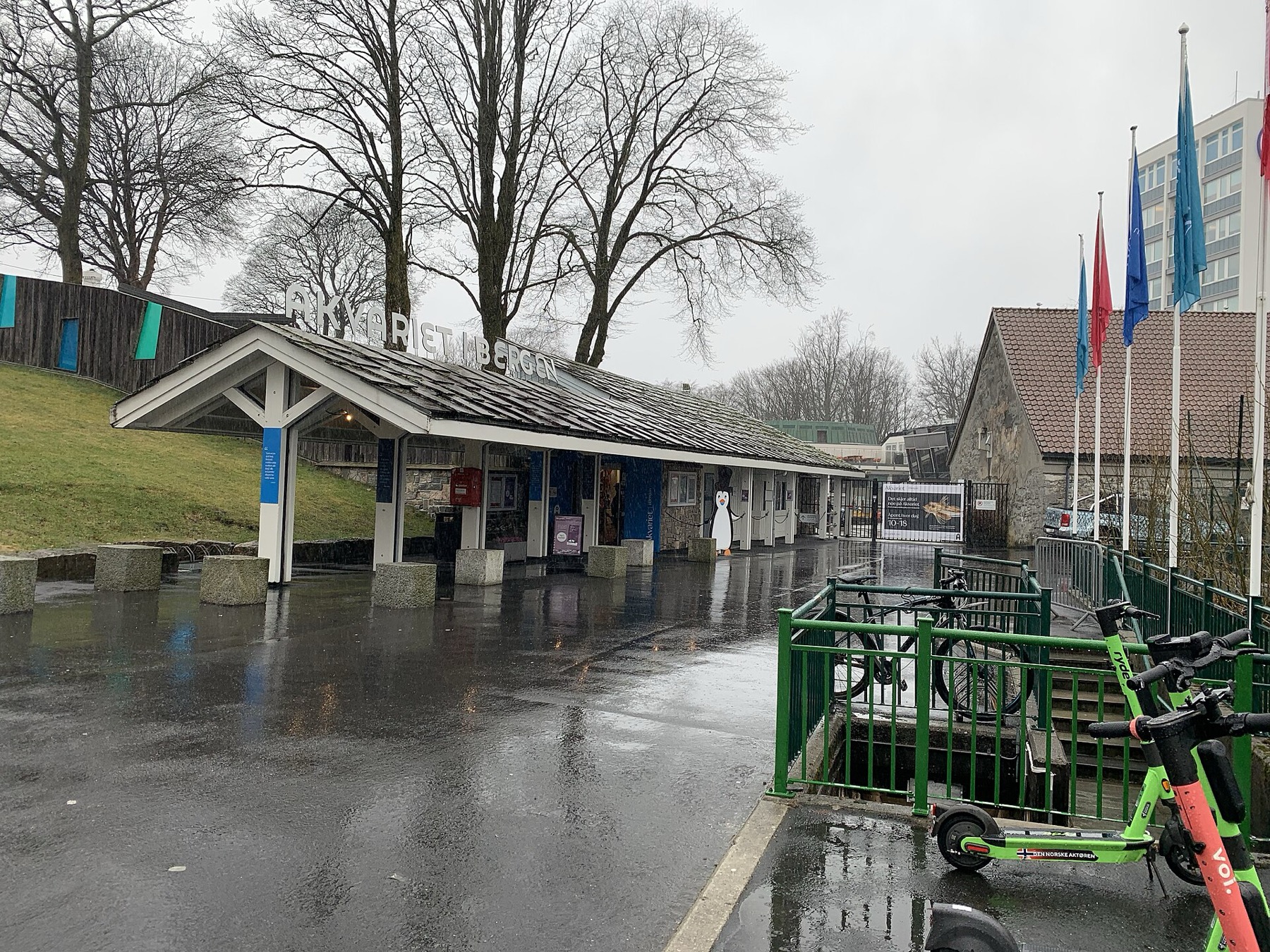
10. The Akvariet aquarium
If you’re travelling with kids, or simply love the underwater world, head out to the tip of the Nordnes peninsula. The aquarium here is one of the largest in northern Europe and makes a great escape on rainy days. You can walk here on a pleasant stroll from the centre or take the little ferry across the bay.
The outdoor pools are the most popular attraction. Visitors love the narrated feedings of the penguins and the playful seals, which have beautiful enclosures here mimicking their natural surroundings. The indoor pavilions hide enormous tanks with Nordic fish species and sharks.
The aquarium places great emphasis on education and conservation. You’ll also find a tropical section with crocodiles and snakes, although the main draw remains the chilly life beneath the surface of the Norwegian sea.
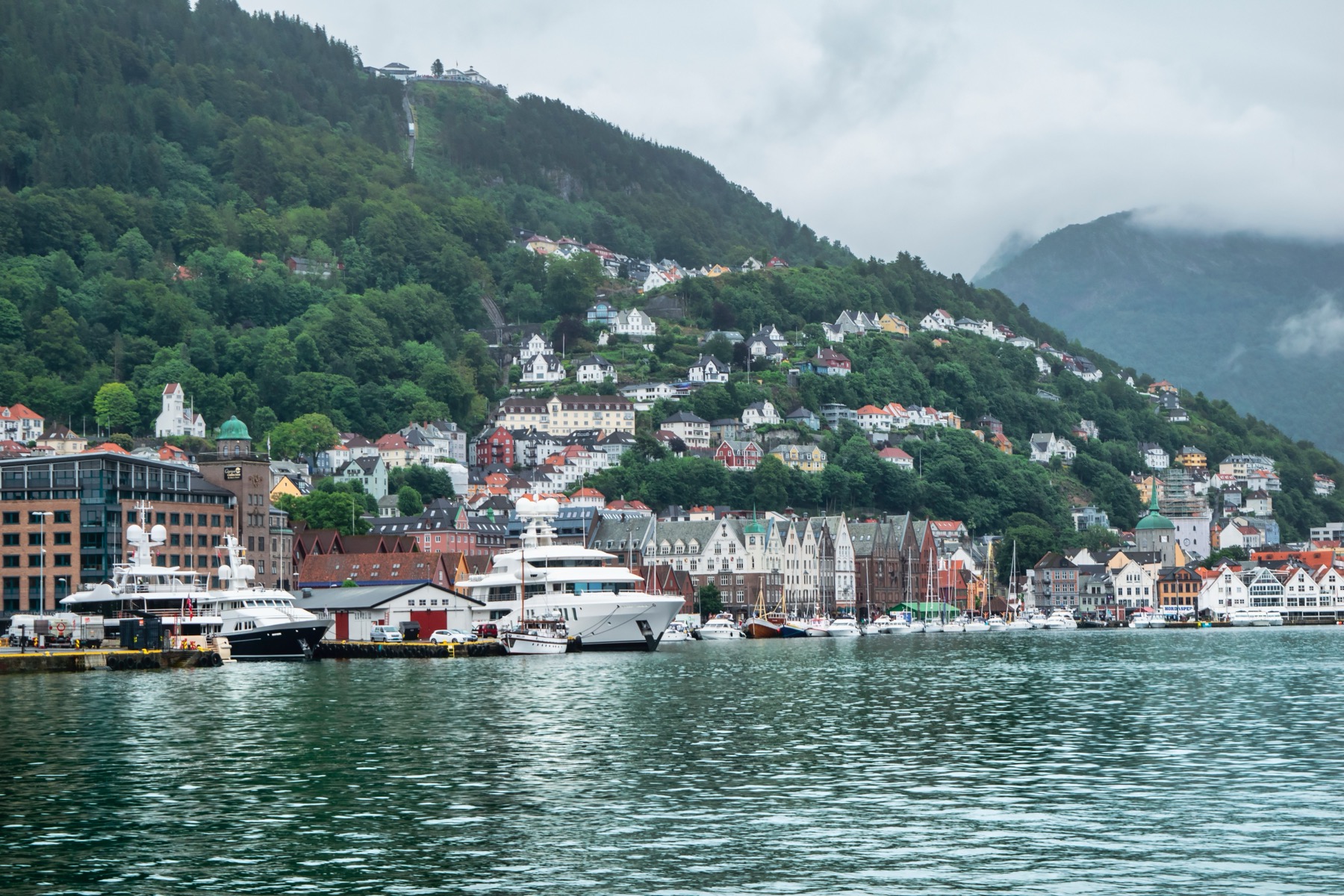
11. Boat trips into the fjords from Bergen
Being in this city and not heading out onto the water would be a sin. Bergen is the ideal starting point for exploring the Norwegian fjords, even if you only have a few hours to spare. Modern boats and quiet electric catamarans set off daily straight from the main harbour, Vågen.
The most popular half-day option is the trip into the narrow Mostraumen fjord. The boat sails through dramatic scenery full of sheer cliffs and waterfalls, and in some sections the channel is so narrow you feel like you could touch the rock straight from the deck.
💡 Tip: These trips tend to sell out fast in season. I’d recommend booking your cruise tickets well in advance — you can use the popular GetYourGuide platform, for example, where you’ll find clear ratings of the individual operators. For a longer explore, there are full-day cruises all the way to the majestic Sognefjord.
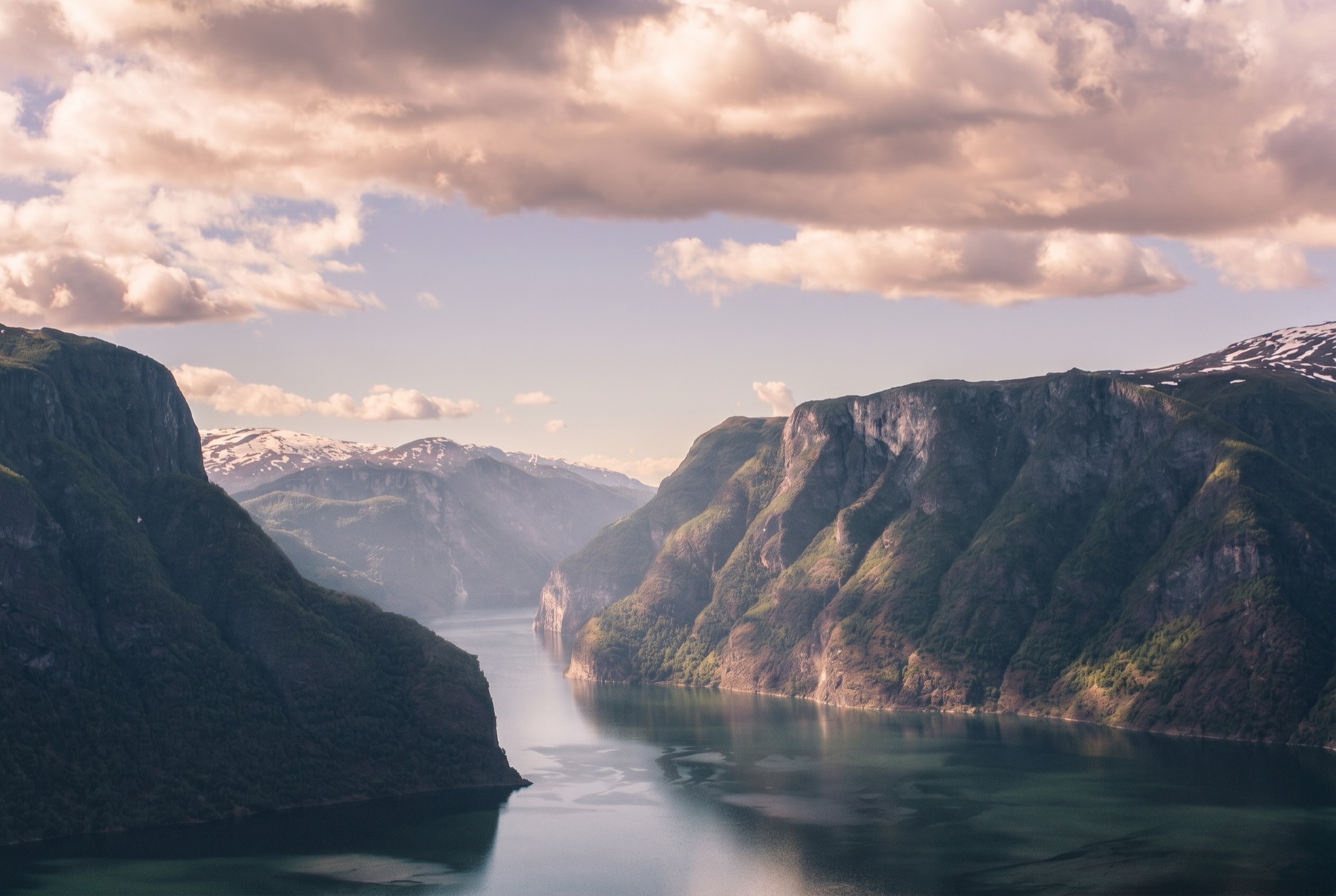
12. Bergen as the gateway to Norway in a Nutshell
If you want to experience the best of Norwegian nature in one neat package, this is the right choice. The city acts as the main starting point for the legendary Norway in a Nutshell tour, which combines travel by train, bus and boat through the most beautiful scenery.
The route usually starts with a ride on the Norwegian mountain railway to Voss. From there you continue by bus down steep hairpin bends to the fjord, where you switch to a boat sailing through the gorgeous, UNESCO-listed Nærøyfjord. The whole experience then climaxes with a ride on an incredibly steep railway line, which we describe in detail in our article on the Flåm Railway.
This loop can be done in one very long day, but locals recommend splitting it up. You can buy your tickets as a complete package through an agency, or book the individual legs yourself with the Norwegian railways, which works out a little cheaper.
13. Street food, cafés and vegetarian eats
Although Norwegian gastronomy leans heavily on fish and meat, you won’t go hungry here even if you eat plant-based. Bergen offers a fantastic alternative and hipster scene that will delight any lover of good food and speciality coffee.
If you’re after a laid-back atmosphere, head to the Bergen Street Food hall. This modern concept brings together food stalls from around the world, you’ll find great vegetarian and vegan options, and in the evening the space turns into a lively spot with music and drinks. It’s an ideal hideaway from bad weather.
And what would a trip up north be without something sweet to finish? You absolutely have to try the traditional skillingsboller, the local take on a rich cinnamon roll. Apparently the best ones are baked in small family bakeries right in the lanes around Bryggen.
14. Rain in Bergen and how to enjoy it
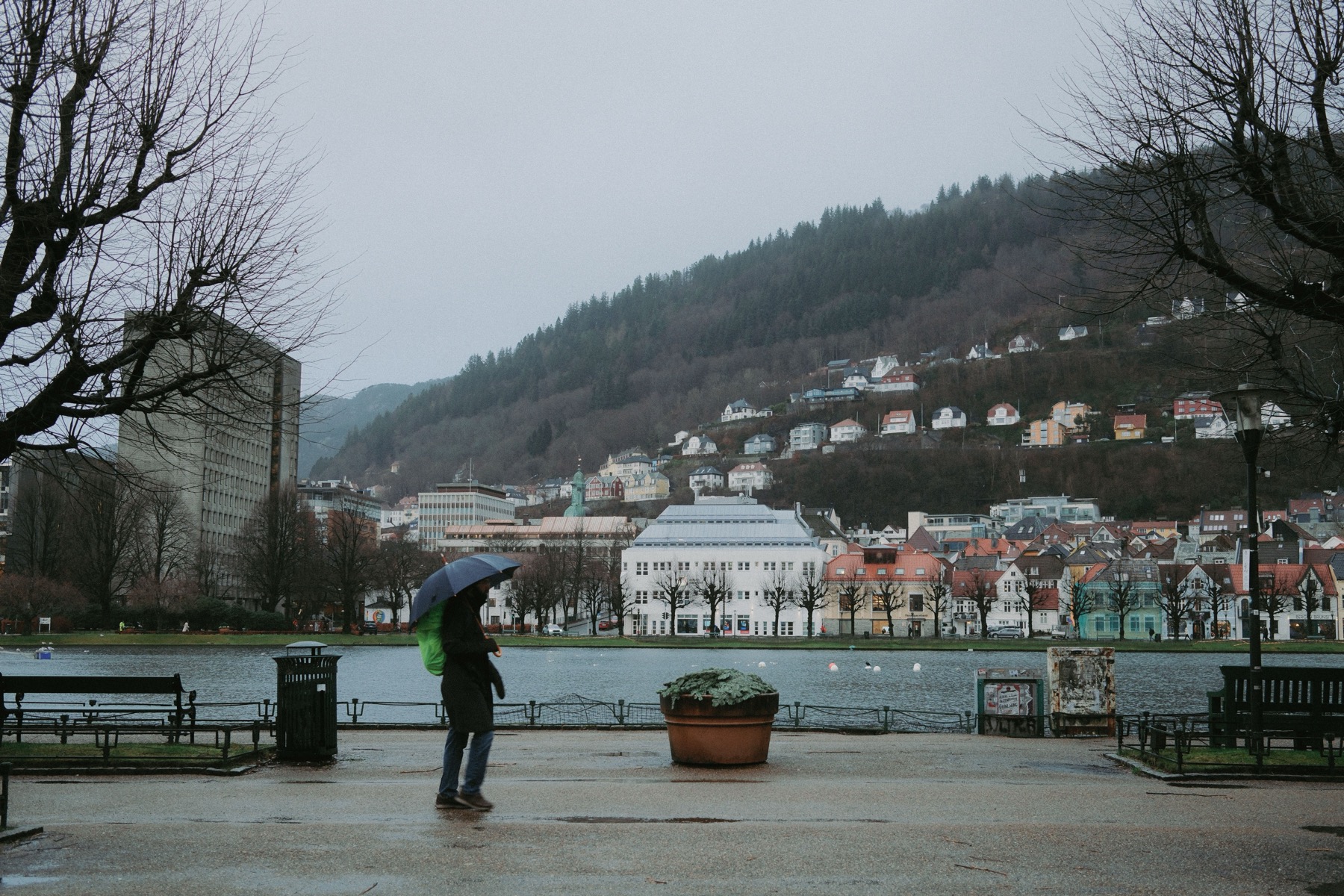
To finish, let’s talk about something that’s inseparable from this city. With more than 200 rainy days a year, Bergen holds the European record, so the odds of getting wet border on a certainty. The locals are used to the whims of the weather, though, and won’t let them dampen their mood.
The secret lies in the right gear and the right attitude. A good waterproof jacket and decent shoes are absolutely essential, while an umbrella usually doesn’t help much thanks to the frequent strong wind. In the rain, the city has an incredibly melancholic and photogenic atmosphere.
When it really pours, simply change your plans. Duck into one of the many cosy cafés, order a hot drink and watch the world go by through a fogged-up window. Or use the time to visit the KODE galleries or the Hanseatic Museum. Rain is simply part of the soul of this place.
Map of points of interest for your phone
Practical info: getting around and how to save
A few practical pieces of info will come in handy for getting around the city. The most comfortable way to reach the centre from Flesland Airport is the light rail. The modern Bybanen tram leaves straight from the airport terminal (line number 1) and brings you in roughly 45 minutes to its final stop, Byparken, right in the heart of the city. You can simply buy your ticket in the Skyss app or from the machines at the stop. Getting to Bergen from the UK is easy too — there are direct flights from London with airlines such as British Airways and Norwegian, and budget carriers also serve Bergen seasonally.
If you’re planning an action-packed itinerary, consider getting a tourist card. The Bergen Card offers free public transport and significant discounts on entry fees, including the Fløibanen funicular and most museums. You can buy it for 24 to 96 hours online or at the tourist centre by the fish market. Given Norway’s high prices, the investment in the card pays for itself very quickly once you visit two or three attractions a day.
Where to go next from Bergen
If you have more time in Norway, it would be a real shame to stay in just one place. Check out our other articles and plan an unforgettable road trip through the north:
- Want to know what else this amazing country has to offer? Read our big list Norway: 50 things to see.
- For a deeper dive into the surrounding nature, don’t miss our guide to the Norwegian fjords.
- If the capital and its modern architecture appeal to you, get inspired in our article Oslo: what to see.
Frequently asked questions
How many days do you need to visit Bergen?
For the historic center itself, museums, and a cable car ride, 1 to 2 full days will be enough. However, if you plan to use Bergen as a base for boat trips to the fjords, set aside at least 3 days.
Does it really rain all the time in Bergen?
Rain is very common here, it rains more than 200 days a year due to the location between the mountains and the ocean. However, it’s usually not a constant downpour, the weather changes quickly. Definitely bring waterproof clothing, the city has its charm even in the rain.
Is it worth buying the Bergen Card?
Yes, if you’re planning an active program. The card pays off when you use the tram from the airport, take a ride on the Fløibanen funicular, and visit at least two paid museums. Plus, you’ll save time when buying tickets.
How to best get from Flesland Airport to the city center?
The most convenient and comfortable option is the Bybanen tram (line 1). It departs directly from the airport underground and takes you to the city center at Byparken stop in 45 minutes without transfers. The journey costs the same as a regular public transport ticket.
Is Bergen a good base for trips to the fjords?
Absolutely ideal. The port is nicknamed the gateway to the fjords and ships depart daily for half-day and full-day cruises. You can easily get from here to Sognefjord or take the popular Norway in a Nutshell route.
Where to eat vegetarian in Bergen?
Even despite the traditional focus on fish, you’ll find great options here. Excellent vegetarian and vegan dishes are offered at Bergen Street Food hall or countless modern cafés in the center. Definitely don’t miss the cinnamon roll skillingsboller.
What to see in Bergen when it’s really pouring?
Hide away in the extensive KODE gallery complex, explore history at the Hanseatic Museum, or head out with the kids to the massive Akvariet aquarium. The view from the Fløibanen funicular is also interesting, whose cabins are glass-enclosed and covered.
Tips and Tricks for Your Vacation
Don’t Overpay for Flights
Search for flights on Kayak. It’s our favorite search engine because it scans the websites of all airlines and always finds the cheapest connection.
Book Your Accommodation Smartly
The best experiences we’ve had when looking for accommodation (from Alaska to Morocco) are with Booking.com, where hotels, apartments, and entire houses are usually the cheapest and most widely available.
 🚗 Car rental on the roadVerified rental cars in Norway
Search with the DiscoverCars comparison engine — it compares prices from dozens of local and international rental companies, and most bookings come with free cancellation.
Compare car prices in Norway →Don’t Forget Travel Insurance
Good travel insurance will protect you against illness, accidents, theft, or flight cancellations. We’ve had a few hospital visits abroad, so we know how important it is to have proper insurance arranged.
Where we insure ourselves: SafetyWing (simple monthly subscription) and TrueTraveller (for extra-long trips).
Find the Best Experiences
Get Your Guide is a huge online marketplace where you can book guided walks, trips, skip-the-line tickets, tours, and much more. We always find some extra fun there!