If you’re looking for a place in France that looks like it stepped straight off a painter’s canvas, you’ve just found it. Honfleur, in France, is the most photogenic jewel of Normandy, a region that will completely captivate you with its raw beauty, ever-changing weather, and the smell of the sea mingling with fermenting apple cider. Here, time has stood still since the glory days of the great maritime discoveries.
The town sits at the mouth of the Seine where it meets the English Channel and, unlike many other Norman towns, it miraculously survived the bombing of the Second World War. So you can wander through medieval lanes and admire the original half-timbered houses that have stood for centuries. The light here is so magical that it drew an entire generation of artists in the nineteenth century, giving birth to the movement we know today as Impressionism.
Be prepared to fall in love with this little town at first sight. In this article I’m bringing you a complete guide for 2026, so you’ll know exactly what awaits you here. I’ll show you where to find the best cidre, which neighbourhoods to head for a bit of peace and quiet, and how to plan days full of unforgettable experiences.
TL;DR
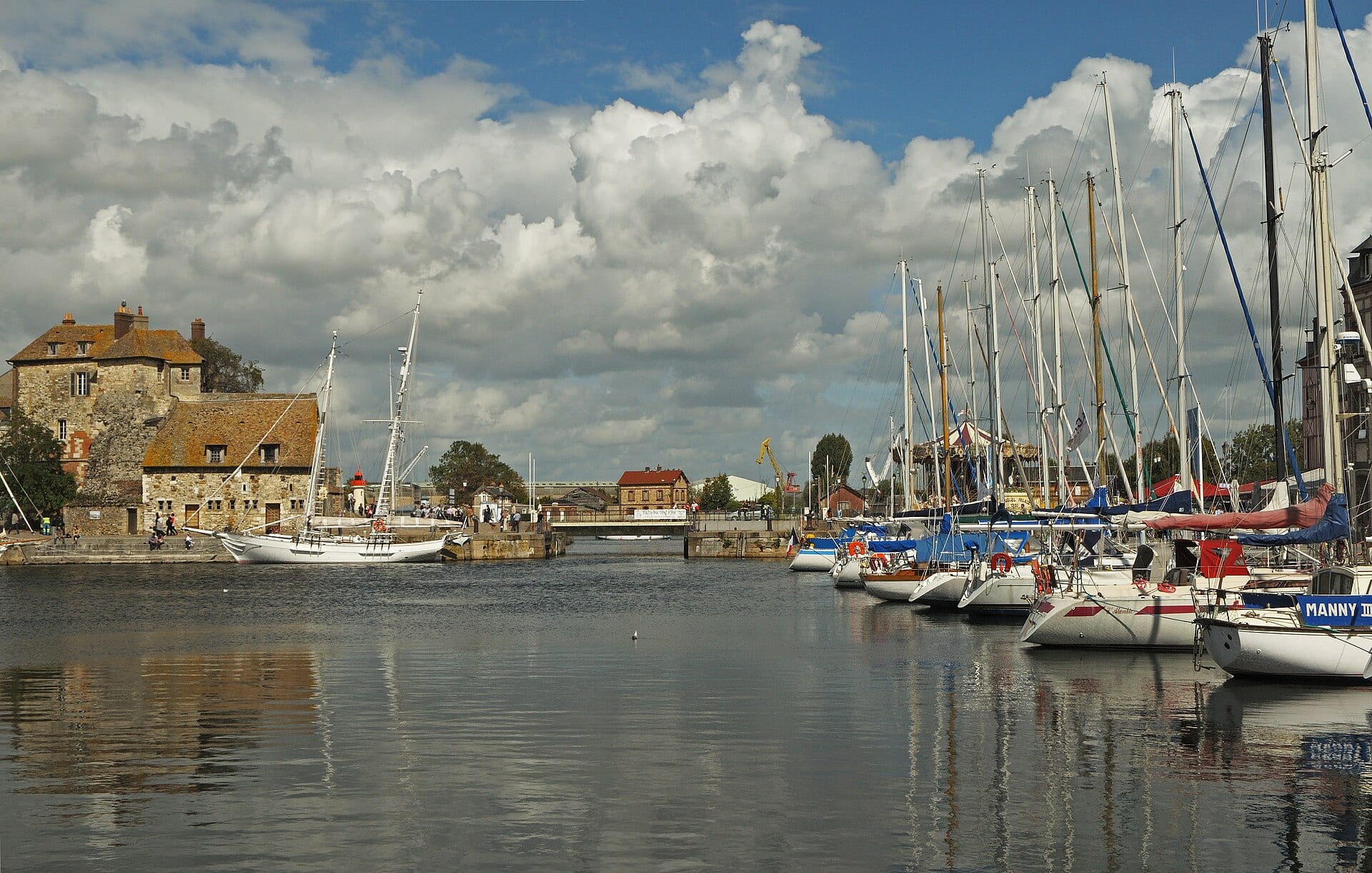
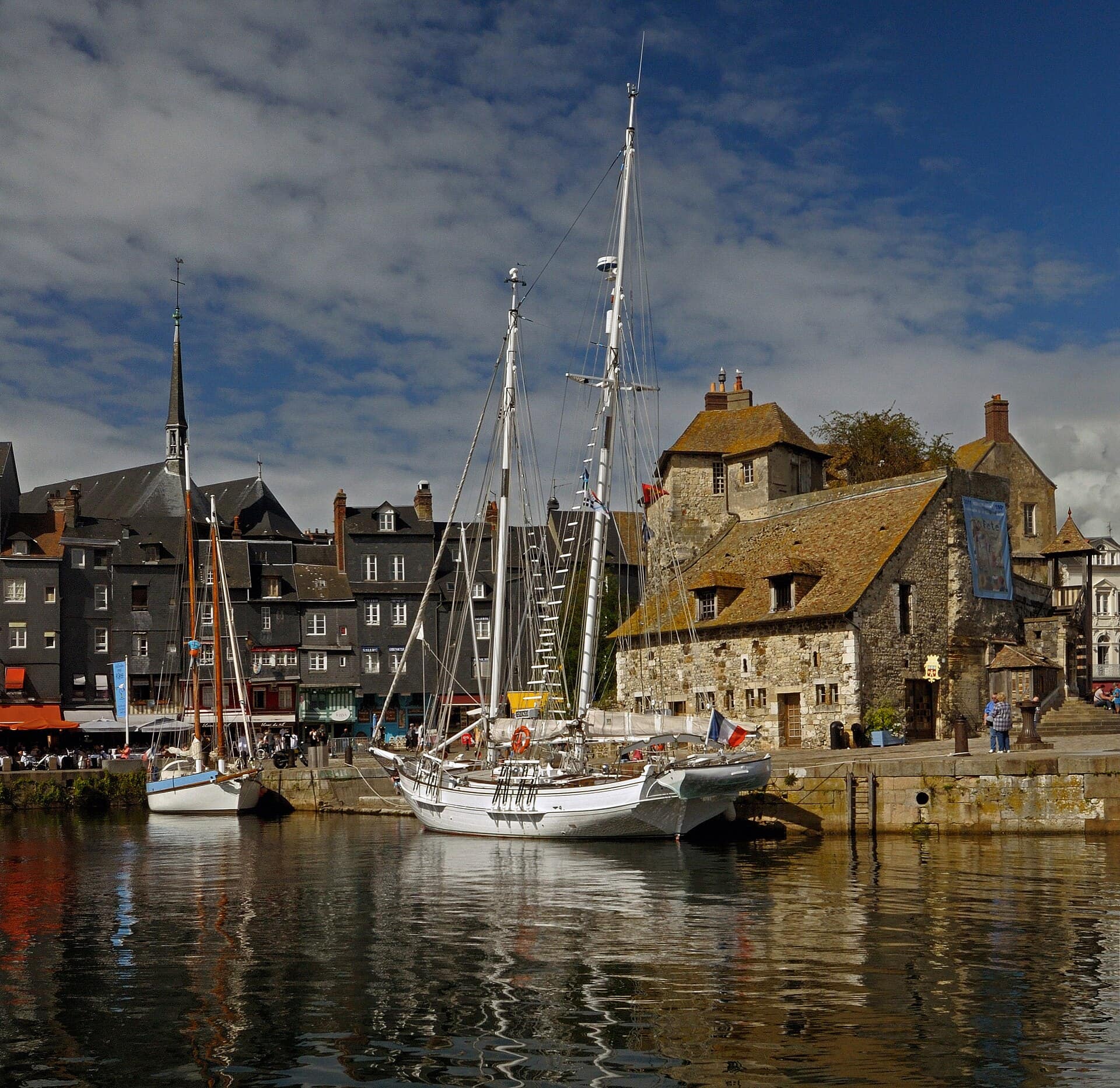
- The most iconic spot: The heart of the town is the old harbour, Vieux Bassin, where the narrow slate-clad houses are reflected in the water.
- Unique architecture: The wooden church of Sainte-Catherine is an architectural marvel built by local shipwrights.
- A paradise for art lovers: The atmosphere here inspired Claude Monet and his teacher Eugène Boudin, whose paintings you’ll find in the local museum.
- Gourmet experiences: Normandy doesn’t do wine — here, honest apple cidre and strong calvados flow freely, pairing wonderfully with the local cheeses.
- The best time to visit: Come in spring or early autumn to avoid the biggest crowds that pour in during the summer holidays.
- A great base: Honfleur is a perfect starting point for trips along the Côte Fleurie (Flower Coast) and to the cliffs at Étretat.
The full destination guide: Normandy — guide and what to see
When to Visit Honfleur
Normandy is famous for its highly unpredictable weather, and you definitely shouldn’t expect the steady summer heat you’d find on the French Riviera. The air carries a strong scent of salt all year round, and the wind off the ocean can be pretty sharp even in months when the calendar suggests otherwise. So always pack a light waterproof jacket and, above all, comfortable closed shoes — the wet medieval cobbles get genuinely treacherous if you’re wearing summer sandals.
The loveliest time to visit is without a doubt late spring and early autumn, when all of Normandy turns a gorgeous green and the apple trees blossom in the orchards. Temperatures in May and June hover around a very pleasant twenty degrees, which is ideal for a full day of exploring the sights. September, on the other hand, offers that famous soft autumn light the Impressionist painters loved so much — the very reason they came here to create their greatest works. In these months you’ll also enjoy the town in relative calm, without having to elbow your way through tourist crowds at every café.
If you’re planning a summer trip, arm yourself with plenty of patience — during July and August the narrow lanes are bursting at the seams and accommodation prices shoot up to astronomical heights. What’s more, 2026 is expected to bring an extreme surge of visitors across Normandy, with huge celebrations for the 82nd anniversary of the D-Day landings and the grand Normandie Impressionniste festival marking the centenary of Claude Monet’s death. Around the 5th and 6th of June especially, the whole region will be heaving and roads may be completely closed for state visits. If you can, it’s best to avoid the summer peak — or at least get up early and hit the streets right after dawn. The winter months, by contrast, have their own melancholy charm, when you can warm up in a cosy café with a hot chocolate and find a room for a fraction of the usual price.
Where to Stay in Honfleur
💡 Tip for accommodation and experiences: We like to look for our stays on Booking.com, which tends to have the best cancellation policies. For tickets, tours and activities, it pays to compare and book through GetYourGuide.
Choosing the right location is absolutely crucial for your stay, as the historic centre is fairly compact and getting back to the main sights from some of the outlying areas means a rather unpleasant uphill slog. The greatest luxury is staying right by the old Vieux Bassin harbour, but bear in mind you’ll pay handsomely for that iconic view, and it can get noisy in the evening from the surrounding busy restaurants. If you’re travelling by car, parking in the very heart of town is a literal nightmare and you’ll have to use the paid car parks on the edge of town.
If you’re after romance and quieter streets, focus on the area around the wooden church of Sainte-Catherine, which has kept its authentic character. This picturesque quarter is full of independent art galleries, small boutiques and cosy cafés where locals like to sit. It’s an absolutely ideal base from which you can walk everywhere in a few minutes, while still enjoying perfect peace in the evening, away from the bustle of the main promenade. Another great alternative is the historic Saint-Léonard quarter, just a short walk from the centre, which offers far more local life at much friendlier prices.
Here are some specific hotel tips you can easily book through Booking, for example:
- Hôtel Le Dauphin: A beautiful traditional hotel in the heart of the Sainte-Catherine quarter, set in a typical timber-framed house. The rooms are cosy, the breakfast surprisingly generous, and in 2026 a night here costs roughly €120 to €150 for two. It’s an absolutely brilliant compromise between a reasonable price and a perfect location within walking distance of everything that matters.
- La Ferme Saint Siméon: If you’re after pure five-star luxury and want to sleep where the famous Impressionists, led by Monet, once drank and painted, this is it. This restored historic inn, with its stunning gardens and views over the Seine estuary, offers an unforgettable experience — but prices here typically start at €350 for a single night.
- L’Absinthe Hotel: This charming hotel occupies the carefully restored building of a former sixteenth-century presbytery, right by the main harbour. It offers very modern comfort in a historic setting and a superb location for romantic evening strolls along the illuminated yachts, and the hotel restaurant is one of the very best in town.
11 Tips on What to See and Do in Honfleur
Let’s take a look together at the very best this charming Norman town has to offer. From the famous old harbour to the hidden lanes steeped in history, you’ll find a heap of inspiration here — easily enough for a long weekend.
1. The Old Vieux Bassin Harbour
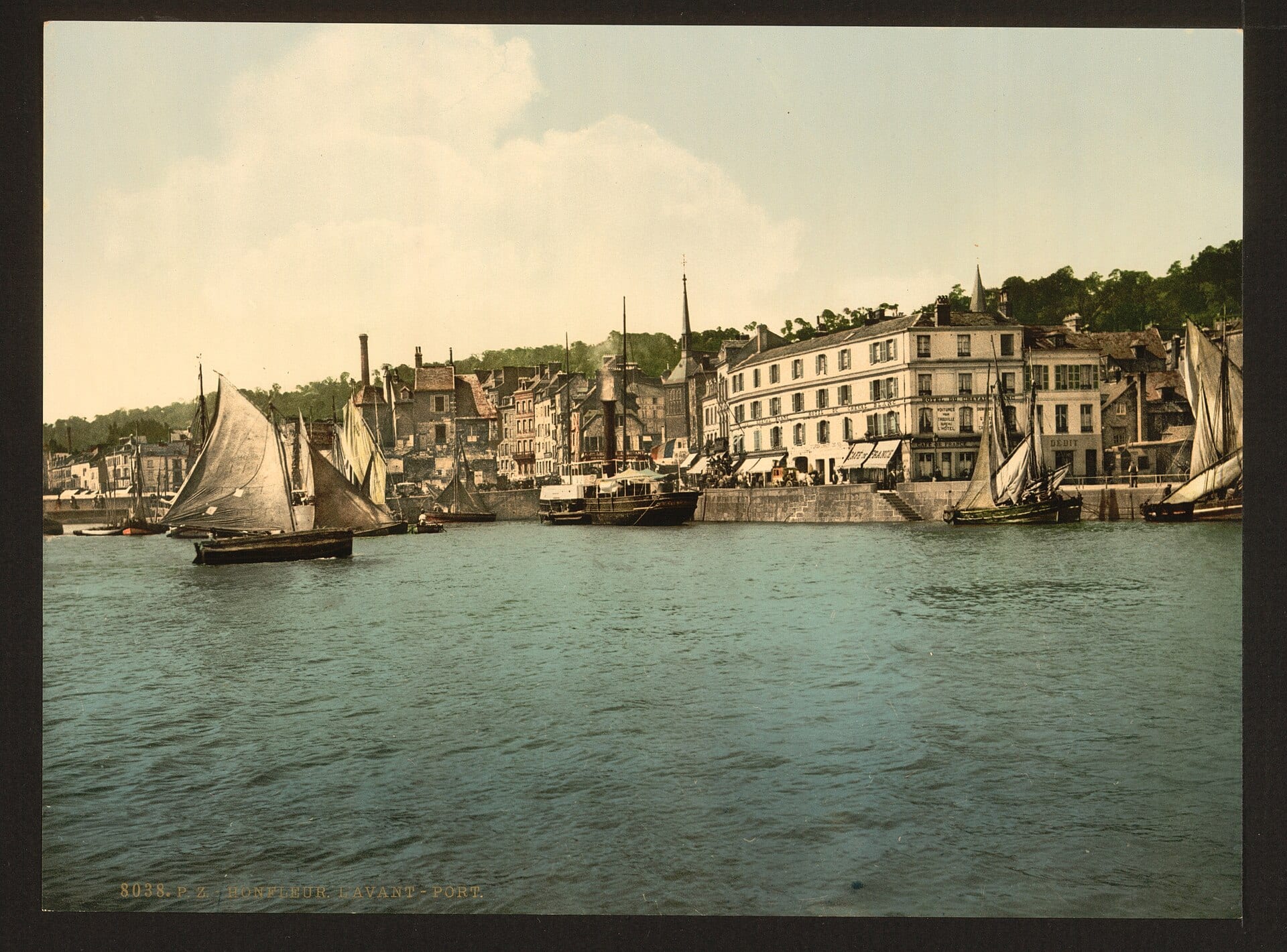
This is exactly the fairytale spot you know so well from every postcard and famous Impressionist painting. The old harbour, known in French as the Vieux Bassin, is the absolute heart of the whole town, and your very first steps should lead right here. It was built in the seventeenth century by the powerful minister Colbert, and ever since it has been a proud symbol of Norman seafaring and rich overseas trade.
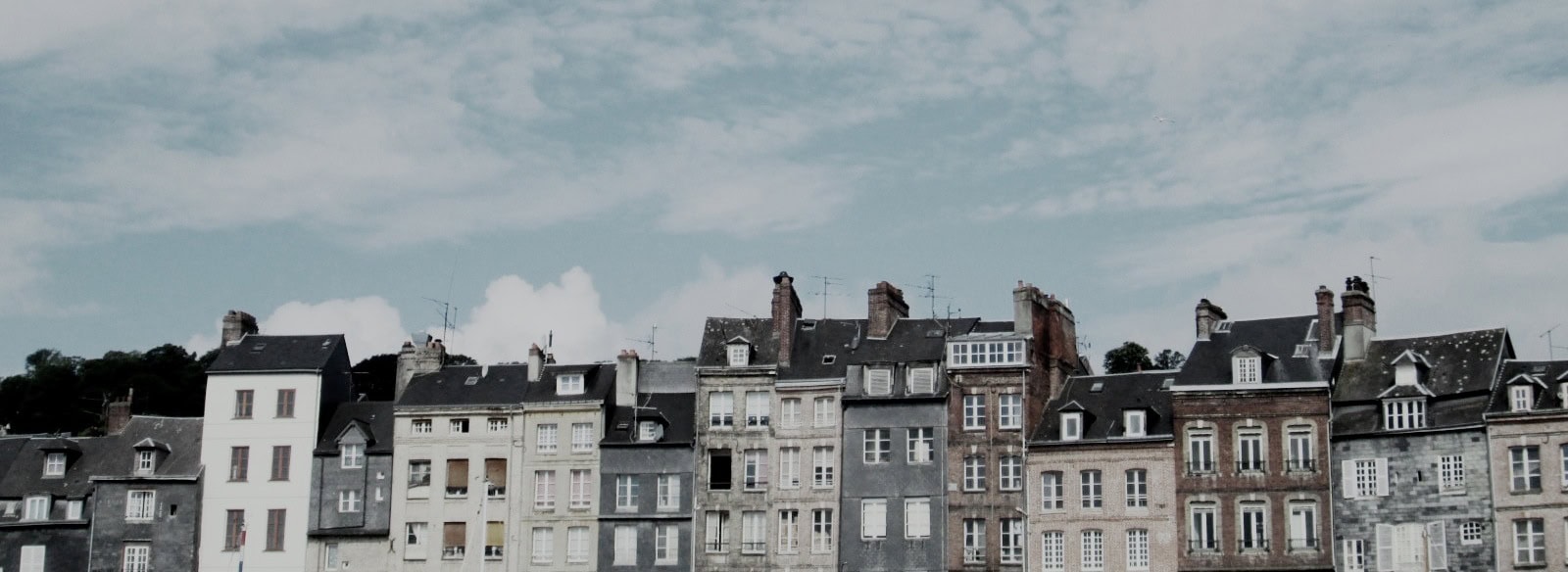
But the most visually striking thing about the whole harbour is the houses themselves, lining it on three sides. They’re incredibly narrow and tall, and almost entirely clad on the outside in dark slate, which protected them for centuries from the harsh sea wind and aggressive salt. The reflection of these centuries-old dark façades on the calm water, full of modern sailing boats and old fishing dinghies, is a sight you simply never tire of.
Around the harbour you’ll find dozens of cafés and bistros which, while admittedly priced for tourists, are at least worth it for one coffee just for that view. 💡 Tip: Get up early and come here first thing in the morning, before the shops open and the first noisy coach tours from Paris arrive. The morning mist drifting lazily over the water, and the deep silence broken only by the cries of the ever-present gulls, create an utterly magical atmosphere you’ll fall in love with.
2. The Wooden Church of Sainte-Catherine
Just a few steps from the bustling harbour you’ll come across a building that will leave you standing in silent wonder. The church of Sainte-Catherine is the largest all-wooden church in the whole of France, and its history is a fascinating display of folk ingenuity. After the devastating Hundred Years’ War, the town lay in ruins and the locals had neither the money nor the materials to build a grand stone cathedral.
So they turned for help to the best craftsmen the town had — its experienced shipwrights. They took quality oak from the nearby forests and built the church using the techniques they knew best from their docks. When you step inside and look high up at the ceiling, you’re effectively looking at two giant upturned ships’ hulls forming the main nave. It’s an architectural one-off that smells wonderfully of old timber and breathes humble centuries of history.
Interestingly, the massive bell tower doesn’t stand on the church roof itself but was built entirely separately, on the little square opposite. The reason was purely practical: the wooden roof simply couldn’t have borne the heavy metal bells, and the townspeople were also terrified of lightning, which could easily set the precious structure ablaze. Entry to the church is completely free, and you definitely shouldn’t miss a visit.

3. The Eugène Boudin Museum
If you want to truly understand why Honfleur became such a huge mecca for artists from around the world, you have to visit this excellent museum. It’s named after the town’s famous local son, Eugène Boudin, who is considered by art historians to be one of the main forerunners of Impressionism. He was among the very first to start painting outdoors in the fresh air, and he taught this then-revolutionary technique to his young pupil Claude Monet.
The museum holds a fantastic and very valuable collection of paintings that perfectly capture the windswept Norman coast, the cloudy skies and everyday harbour life in the nineteenth century. Boudin was an absolute master at capturing the ever-changing sky and could paint the most delicate pastel shades of clouds drifting over the wide mouth of the Seine — something even his more famous contemporaries admired.
Beyond Boudin’s canvases you’ll also find works by other notable artists who painted in the town, as well as a very interesting ethnographic exhibition with traditional Norman costumes and chunky wooden furniture. 💡 Tip: In 2026 basic admission costs around €8, and given the big celebrations for the centenary of Impressionism, it’s worth coming first thing in the morning. Set aside at least two hours for a relaxed visit, as the collections are genuinely extensive and beautifully arranged by theme.
4. In the Footsteps of the Impressionists and the Ferme Saint-Siméon
In the nineteenth century this little town was literally packed with painters who fled here in droves from stuffy, dirty Paris in search of natural light and fresh sea air. Their main refuge became the unassuming Ferme Saint-Siméon inn, on a hill high above the town. It was effectively the first unofficial open-air school of Impressionism, where they gathered, drank cheap local cidre, argued passionately about art and, above all, painted constantly.
The regular — and very rowdy — guests included, besides Boudin and Monet, the famous Gustave Courbet and the Dutch master Johan Barthold Jongkind. The kind-hearted landlady, known as Mother Toutain, let them lodge for a pittance, and they often paid her for their board with their fresh paintings. Today nothing remains of this poor bohemian den, as the Ferme Saint-Siméon is now an extremely luxurious five-star hotel.
Even if you’re not staying here and don’t have the budget for an expensive coffee on the terrace, you can freely stroll along the well-kept paths around the river mouth and seek out the exact spots where these famous painters set up their wooden easels. The town has cleverly installed information panels with quality reproductions of the famous paintings at many viewpoints, so you can compare the historic canvas with the real landscape spreading out before you, right there on the spot.
5. The Saint-Léonard Quarter
While the vast majority of tourists stick to the immediate surroundings of the harbour and the wooden church, you should definitely head into the neighbouring Saint-Léonard quarter too. It lies just a stone’s throw from the main centre, yet the atmosphere here is far calmer and noticeably more authentic. There are beautiful winding lanes full of old half-timbered houses and small artisan shops that have thankfully not yet succumbed to mass tourism and the sale of cheap souvenirs.
The main landmark of the whole quarter is the gorgeous Gothic church of Saint-Léonard, with its beautifully ornate portal and well-preserved frescoes. Over the centuries it was rebuilt several times in complex ways, so it organically blends different architectural styles, and right in front of it you’ll find a pleasant little square where locals love to sit on the benches and chat about life.
A huge and often overlooked hidden gem of this quarter is the historic public washhouse, the so-called lavoir. These covered washhouses were once the absolute hub of local women’s social life, and this particular one has been beautifully preserved, complete with its original stone troughs and a chunky wooden roof. 💡 Tip: A very inconspicuous, narrow path runs alongside the washhouse, leading you down to a small babbling brook — a wonderfully photogenic and utterly peaceful spot to rest.

6. The Côte de Grâce Viewpoint and Chapel
Once you’ve explored the historic centre in detail, it’s the perfect time to head a little uphill and get some fresh air into your lungs. Above the town rises the densely wooded Côte de Grâce hill, which offers the very best panoramic views across the wider area. The way up leads through romantic, shady lanes and takes roughly twenty minutes at a leisurely walking pace, but that little bit of physical effort is well worth it.
From the top you’ll see not only Honfleur itself and the wide mouth of the Seine, but in good, clear weather you can make out the modern city of Le Havre across the water and the stunning Pont de Normandie cable-stayed bridge. On this wooded hill stands the little chapel of Notre-Dame de Grâce, which is one of the most moving and powerful places in the whole region.
It was built as early as the start of the seventeenth century, and for centuries local sailors came here regularly to pray for protection before their long ocean voyages, or to humbly give thanks for a safe return home. The interior is utterly unique, because dozens of perfect wooden ship models hang from the ceiling, brought here by sailors as votive offerings. The atmosphere inside is very quiet, intimate and full of deep humility before the destructive power of the ocean.
7. Tasting Local Cidre and Calvados
To be in Normandy and not taste the region’s celebrated apple specialities would be perhaps the greatest travel sin of all. The cooler, windier climate here doesn’t favour growing grapes for wine, but all sorts of apple varieties thrive absolutely fantastically. The sprawling local orchards produce a harvest that’s used to make, with great pride, demonstrably the best cidre in all of France.
The cidre here is certainly no artificial, over-sweetened fizzy drink, but an honest, lightly sparkling and mildly alcoholic beverage with deep flavour. You can choose between the sweeter variety called doux, or the dry, stronger brut version. If you fancy something noticeably sharper, you have to try the famous calvados, a strong apple brandy that ages for years in oak barrels. Locals drink it as the perfect digestif after every good meal, fondly calling it the “trou normand.”
In the town centre you’ll find plenty of specialist shops and old stone cellars — the so-called caves — where they’ll happily give you a taste before you buy. 💡 Tip: Try the excellent Pommeau too, a sweeter, smoother aperitif made by cleverly blending fresh apple must with one-year-old calvados. It’s an absolute delicacy, and if you have a car, head out onto the nearby rural Route du Cidre, where you can buy directly from friendly farmers.
8. A Walk Along the Nearby Beaches
Although Honfleur itself doesn’t sit right on the open sea but rather in the wide mouth of the Seine, you’ll find surprisingly nice spots to relax by the water. The most accessible is the Plage du Butin beach, which you can reach from the centre on a very comfortable twenty-five-minute walk. The route runs right along the coast and offers lovely views of cargo ships sailing inland.
The beach is pleasantly sandy, practically equipped with showers, and in the main summer season a small beach bar with refreshments operates here too. Don’t expect crystal-clear turquoise water like somewhere in the Caribbean, though — the sea here is naturally murkier due to the heavy river silt, and the water is fairly refreshing even in the height of summer. Still, it’s an absolutely ideal spot to relax with a book, build sandcastles, or have an evening picnic at sunset.
An interesting and very dramatic phenomenon here is the extreme low tide, which is typical of Normandy. When the sea retreats, it exposes vast stretches of sand and mud reaching hundreds of metres out. A walk across the wet sand at low tide is a great experience — just be very careful not to wander too far from the shore, because the incoming tide here can be very fast, silent and unexpectedly treacherous.
9. A Trip Along the Flower Coast (Côte Fleurie)
Honfleur serves as the perfect gateway to the famous Flower Coast, which stretches westward from here. It would be a great shame to spend the whole time in town and not explore the region’s other breathtaking beauties. The coast is literally dotted with gorgeous seaside resorts, which enjoyed their greatest and richest heyday at the turn of the nineteenth and twentieth centuries.
The best-known by far are the sister towns of Deauville and Trouville-sur-Mer. While Deauville is the absolute synonym for luxury — home to majestic Belle Époque villas, an expensive casino and the famous wooden promenade Les Planches — neighbouring Trouville has a noticeably more relaxed, family atmosphere, with a renowned fish market and a beautiful sandy beach.
You can get there by car in roughly half an hour, or with a bit of planning you can use the local NOMAD bus lines. 💡 Tip: If you don’t want to deal with transport logistics at all and pore over confusing timetables, take a look at the organised half-day trips on GetYourGuide, which conveniently take you around the best spots on the Flower Coast and very often include attractive stops for photographing the limestone cliffs. More energetic travellers can hire a bike and set off along the excellent coastal Vélomaritime cycle route.
10. Wandering the Lanes of the L’Enclos Quarter
The oldest and most historic part of town, the so-called L’Enclos, lies right behind the old harbour. Massive city walls once stood here, built to protect the wealthy harbour from constant English raids across the Channel. Today it’s a wonderful maze of narrow cobbled lanes steeped in history, where you can wander completely aimlessly for hours and keep discovering something new.
The biggest historical draw of this quarter is the enormous old salt stores, known as the Greniers à Sel. These vast stone buildings from the seventeenth century were built for the strategic storage of thousands of tonnes of precious salt, which was absolutely essential for preserving the cod caught on long fishing expeditions. Today these impressive, superbly acoustic spaces are used for modern exhibitions and evening concerts.
On a slow stroll through this quarter you’ll come across plenty of beautiful nooks, picturesque little squares and old houses with incredibly intricately carved wooden details. Put away your map and the satnav on your phone for a while and simply get lost in the web of medieval lanes — it’s the only way you’ll stumble upon the very best little galleries and tucked-away antique bookshops that you definitely won’t find in any official guidebook.
11. Visiting the Markets for Local Cheeses and Delicacies
French gastronomy is a huge concept in its own right, and Normandy plays in the absolute top league in this respect. If you want to soak up the real, lively local atmosphere and buy the best ingredients, you have to head to the traditional big Saturday market, held on the main square by the church of Sainte-Catherine and spilling out into all the adjoining lanes.
The markets are an absolute feast for all the senses. The stalls literally overflow with fresh vegetables, homemade jams and, above all, phenomenal cheeses. Norman cows graze on grass full of sea salt, which produces fantastic milk that’s turned into the world-famous protected-origin (AOP) cheeses. You’re sure to come across genuine, strong Camembert de Normandie, the aromatic square Pont-l’Évêque, the punchy Livarot, or the heart-shaped Neufchâtel.
For vegetarians, the famous local oysters aren’t much of a temptation, but at the markets and in the bistros you’ll find an endless array of other meat-free treats. 💡 Tip: Stop by a local crêperie and order a warm savoury galette made from buckwheat flour, generously filled with delicious camembert and onion marmalade. Order a glass of chilled dry cidre to go with it and you’ve got the makings of an absolutely perfect Norman lunch full of local flavours. Just don’t forget that lunch here is served strictly between noon and two o’clock — after that you’ll go hungry.
Map of points of interest for your phone
Where to Go Next from Honfleur
Once you’ve explored all the harbour lanes, it pays to venture beyond the town’s borders too. Normandy is incredibly varied and offers places that have left their mark on world history and on the canvases of famous painters alike.
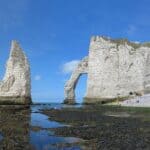
If you want to see the most iconic natural scenery, definitely head across the Seine via the enormous Pont de Normandie bridge, heading north. Your destination should be the little town of Étretat. It’s here you’ll find breathtaking chalk cliffs and rock arches rising from the sea like giant sculptures — the very ones Claude Monet loved so much.
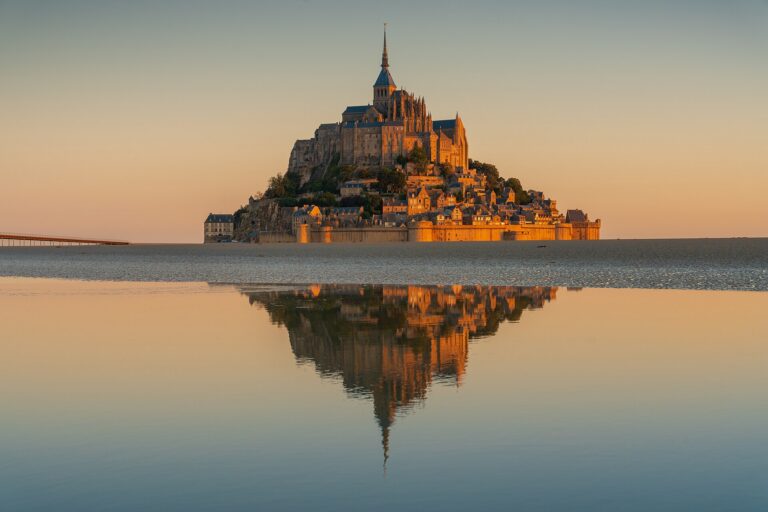
If you’re interested in the wider context and want to plan a longer road trip across the whole region, be sure to read our big guide to Normandy. You’ll find tips for visiting the famous abbey of Mont-Saint-Michel, which seems to float on the border between sea and land, as well as detailed information about the D-Day landing beaches, where modern European history was written. Both of these spots are a bit further from Honfleur, but with a car you’ll manage them with no trouble at all.
Frequently Asked Questions
How many days do I need to explore Honfleur?
You’ll have more than enough time to explore the city itself and its main historical monuments in one full day or a long weekend. However, if you want to cleverly use it as a strategic base for trips along the entire Côte Fleurie and to stunning Étretat, I recommend staying for at least three to four nights, so you don’t have to constantly move around and tediously pack your suitcases.
Where’s the best place to park your car?
Parking in the narrow historic streets is an absolute nightmare and often impossible. The easiest option is to leave your car at the large paid car park Parking du Bassin right by the harbour, but it fills up very quickly in summer. A cheaper and often less crowded alternative is the spacious Naturospace car park, from where you can reach the centre in about ten minutes with a comfortable walk along the coast.
Is Normandy an expensive destination?
Prices here are generally higher than in southern parts of Europe, but somewhat more favorable than in central Paris. In 2026, expect to pay around 20 to 25 € for a main course in a regular restaurant, coffee will cost you 3 €, and a bottle of quality local cider in a shop you’ll get for about 6 €. You’ll save most reliably if you opt for the budget-friendly menu of the day (plat du jour) for lunch.
What to try here if I don’t eat meat or fish?
The renowned local restaurants may build their menus primarily on seafood, but for vegetarians, the ubiquitous quality cheese and traditional crêperies are a huge lifesaver. Try the excellent savoury buckwheat galettes filled with melted camembert and onion marmalade, or the sweet crêpes with apples richly caramelised in strong calvados.
When are the traditional markets held?
The largest and most famous market takes place every Saturday morning in the area around the wooden church of Sainte-Catherine and the adjacent streets. You’ll find dozens of stalls with local food products and renowned cheeses from across the region. On Wednesday mornings, a somewhat smaller market is held in the same location, focused primarily on organic products from local Norman farmers.
Can you swim normally around the city?
Swimming here has its clear specifics. The water at the mouth of the Seine near the main Butin beach tends to be murkier due to river sediments and quite cold even in the middle of summer. For classic beach lounging and comfortable swimming, it’s much better to head a few kilometers west to the resorts of Deauville or Trouville, where there are long sandy beaches with far better access to cleaner open sea.
How do I get here from Paris?
The fastest and most comfortable way is by car on the A13 motorway, the journey takes roughly two and a half hours. If you don’t have a rental car, unfortunately there’s no direct train service. You have to take a train from Paris’s Saint-Lazare station to the town of Deauville-Trouville or to Le Havre, and from there continue by local bus, which takes about three to four hours in total.
Are monuments and shops open even in winter?
While larger hotels and most major attractions operate year-round, be prepared that many smaller independent boutiques, art galleries, and family-run restaurants often have significantly reduced opening hours in January and February, or the owners take a well-deserved vacation. The city is wonderfully quiet and romantic in winter, but services are simply somewhat limited.
Tips and Tricks for Your Vacation
Don’t Overpay for Flights
Search for flights on Kayak. It’s our favorite search engine because it scans the websites of all airlines and always finds the cheapest connection.
Book Your Accommodation Smartly
The best experiences we’ve had when looking for accommodation (from Alaska to Morocco) are with Booking.com, where hotels, apartments, and entire houses are usually the cheapest and most widely available.
 🚗 Car rental on the roadVerified car rentals in Normandy
Search with the DiscoverCars comparison engine — it compares prices from dozens of local and international rental companies, and most bookings come with free cancellation.
Compare car prices in Normandy →Don’t Forget Travel Insurance
Good travel insurance will protect you against illness, accidents, theft, or flight cancellations. We’ve had a few hospital visits abroad, so we know how important it is to have proper insurance arranged.
Where we insure ourselves: SafetyWing (simple monthly subscription) and TrueTraveller (for extra-long trips).
Find the Best Experiences
Get Your Guide is a huge online marketplace where you can book guided walks, trips, skip-the-line tickets, tours, and much more. We always find some extra fun there!