Switzerland is a country full of surprises, and one of the biggest ones concerns its very capital. De iure, Switzerland actually has no capital city at all, even though Bern has served as the so-called federal city since 1848. The government and parliament are based here, and the whole of Bern, Switzerland has this peculiar ability to slow you down within the first ten minutes — and you won’t mind one bit.
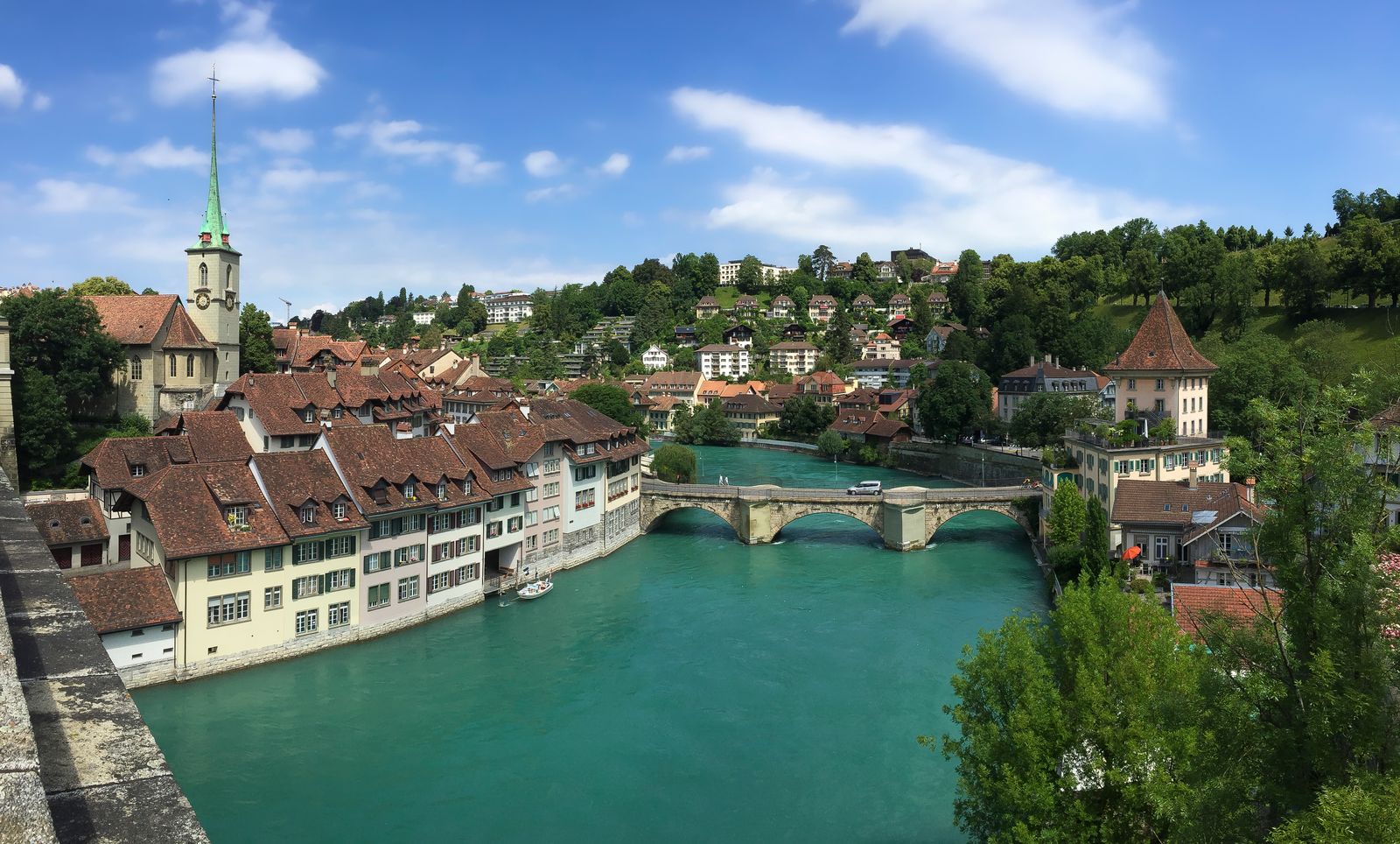
Unlike bustling Zurich or business-minded Geneva, locals here really know how to savour life to the fullest. The medieval lanes listed by UNESCO flow seamlessly into kilometres of picturesque arcades, hiding cosy little cafés and luxury boutiques beneath them. The ever-present turquoise River Aare adds an incredible charm to the place, and in summer it turns into one enormous natural swimming pool.
So what’s in store for you? Fifteen tips on the very best Bern has to offer — from the medieval clock tower to swimming in the river, plus a genius trick for riding public transport for free. And also where to stay so it makes sense for your wallet, too.
TL;DR
- Free transport: With every official overnight stay you get a Bern Ticket for free travel on city public transport, including selected funiculars.
- Best views: For the perfect photo, head to the Rosengarten flower garden or climb the 344 steps up the tower of the Gothic Münster cathedral.
- River swimming: A beloved local summer tradition is drifting along the current of the clean River Aare and relaxing at the free Marzilibad area.
- History and science: Don’t miss a tour of the medieval Zytglogge clock tower and visit the old flat where Albert Einstein dreamed up his theory of relativity.
- Local food: Try the Michelin-starred vegetarian restaurant ZOE or the legendary self-service paradise tibits near the station.
The full destination guide: Switzerland — guide and what to see
When to visit Bern
Bern works wonderfully all year round, but depending on when you arrive you’ll experience a completely different city. If you love warm weather and want to taste a proper Swiss summer, go between June and September. These are the months when the swimming season in the River Aare is in full swing, every outdoor terrace is packed, and in July a big music festival takes place on the Gurten hill.
Spring and autumn, on the other hand, are ideal for a more relaxed exploration of the sights without big crowds. Traditional farmers’ markets run all year, but autumn has one huge draw in the form of the famous onion market, Zibelemärit. It always takes place on the fourth Monday in November, which in 2026 falls on 23 November, and it’s an utterly quirky folk festival.
Winter then brings a magical Advent atmosphere. Bern’s Christmas markets are among the most beautiful in Switzerland, with the main one on Münsterplatz running from late November all the way to Christmas Eve. In the winter months you should expect the occasional fog and temperatures around freezing, but the historic arcades will reliably shield you from rain and snow.
Where to stay in Bern
💡 Tip for accommodation and experiences: We love searching for places to stay on Booking.com, which usually has the best cancellation policies. Tickets, trips and activities are then worth comparing and booking through GetYourGuide.
Choosing the right hotel in Bern will save you a lot of money and hassle. The city has a wonderful rule whereby every guest staying in an official establishment gets a so-called Bern Ticket for free. This app lets you use all public transport in zones 100 and 101 free of charge, including the journey from Belp airport and rides on selected funiculars. You’ll get this perk at all the hotels listed below.
If you’re after pure luxury for a special occasion, book a room at the five-star Bellevue Palace. It’s the official residence for guests of the Swiss government, with a gorgeous terrace and views of the Alps. Another excellent premium choice is the Hotel Schweizerhof Bern, located right opposite the main station and offering a fantastic rooftop spa.
For solid mid-range, I recommend the Hotel Bären am Bundesplatz, a dependable Swiss classic right next to the parliament building. The Hotel Goldener Schlüssel also has enormous charm — it’s the oldest hotel in the city, just a few steps from the famous clock tower. A great location at a reasonable price is guaranteed here.
Travellers on a smaller budget will appreciate Bern Backpackers Hotel Glocke, which offers affordable accommodation right in the heart of the old town. If you’re looking for a quieter, budget-friendly base, check out Hotel Marthahaus, a very pleasant and inexpensive guesthouse in a quiet neighbourhood across the river. You can comfortably browse and book all of these places on the popular Booking portal.
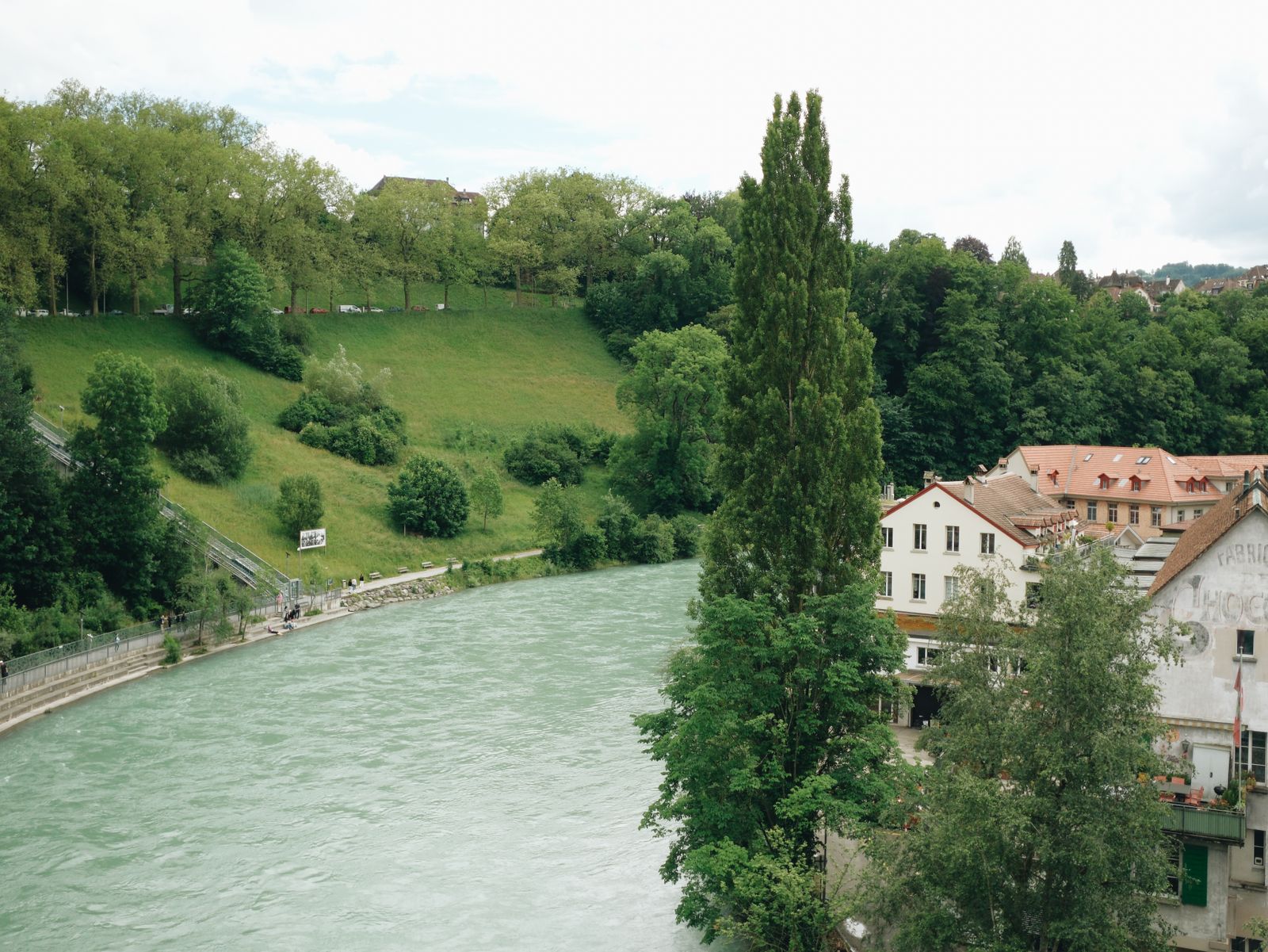
Where to eat well in Bern
Finding great food in Switzerland is no problem, but Bern also has an utterly unique culinary scene that will please both lovers of traditional Alpine cuisine and those after modern plant-based fare. Whether you fancy a cheese fondue or you’re craving something lighter after a full day of sightseeing, you certainly won’t be disappointed.
For lovers of Swiss classics, here’s one great tip straight away. If you’re planning to try a classic Swiss cheese fondue, you don’t need any meat for it and the experience will be tremendous. Traditional fondue is done beautifully in Bern at Restaurant Lötschberg, where you can even sit inside a retired cable-car cabin. Excellent traditional Swiss rösti is then served at the Altes Tramdepot brewery, which you’ll find right next to the bear park in an old tram shed. They even brew their own beer there, which always hits the spot after a long afternoon.
At the same time, Bern is a huge paradise for vegetarians. A complete safe bet and a real legend is the self-service restaurant tibits on Bahnhofplatz. It’s been running since 2003 and offers a vast buffet with dozens of fresh meat-free dishes that you pile onto your plate and simply pay for by total weight. If, on the other hand, you’re after an exceptional gastronomic experience, definitely visit the restaurant ZOE on Münstergasse. This is vegetarian fine dining boasting not only a classic Michelin star but also the green one for outstanding sustainability.
And a little tip for a sweet finish: if you want to taste the renowned Swiss chocolate, stop by Confiserie Tschirren on the Kramgasse lane. This family chocolaterie has been running since 1919 and their champagne-flavoured truffles are utterly famous all over the country.
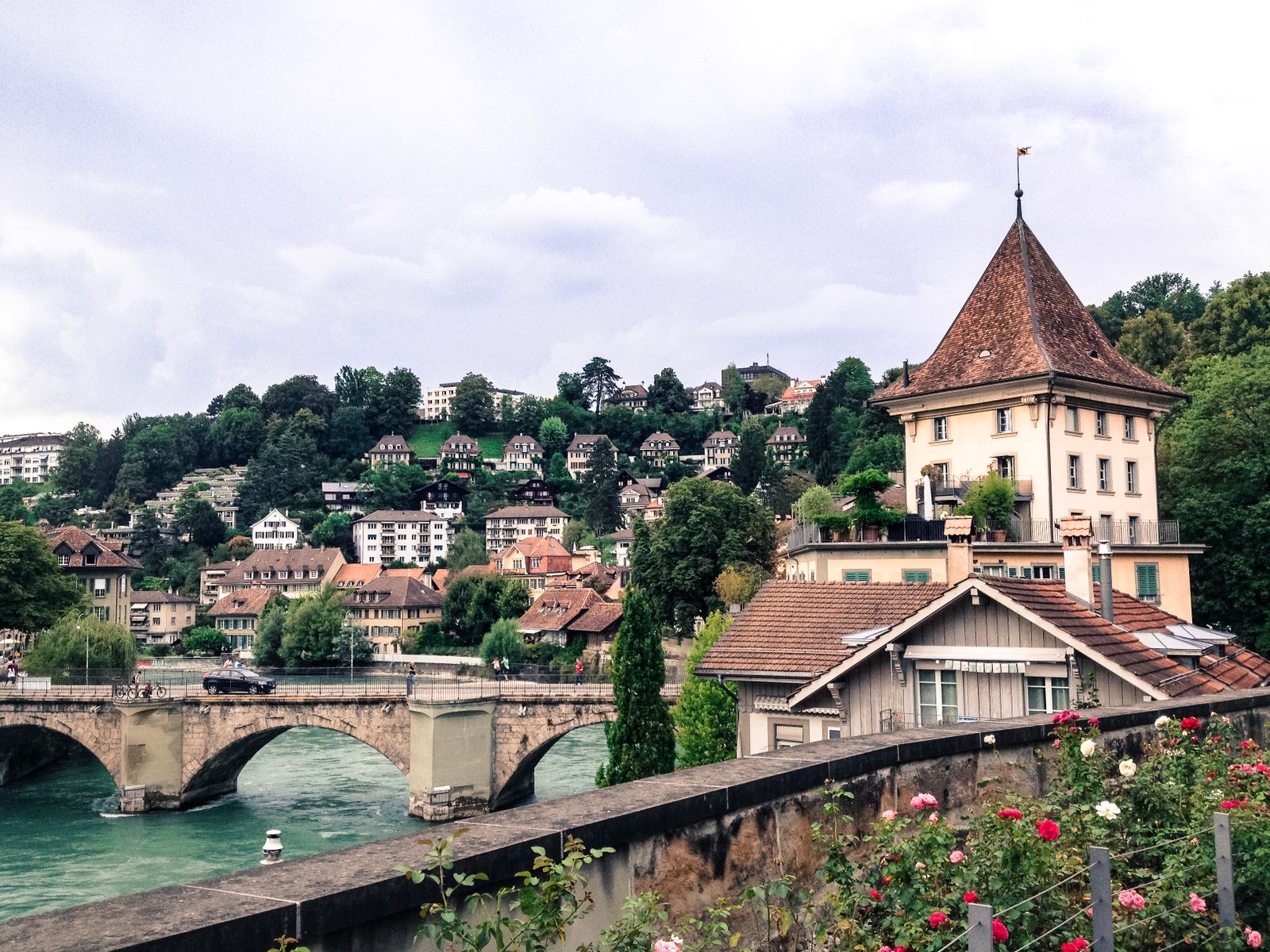
15 best things to see and do in Bern
So, what’s really worth doing in Bern? Here are my fifteen tips, roughly ordered by location so you don’t have to crisscross the whole city unnecessarily.
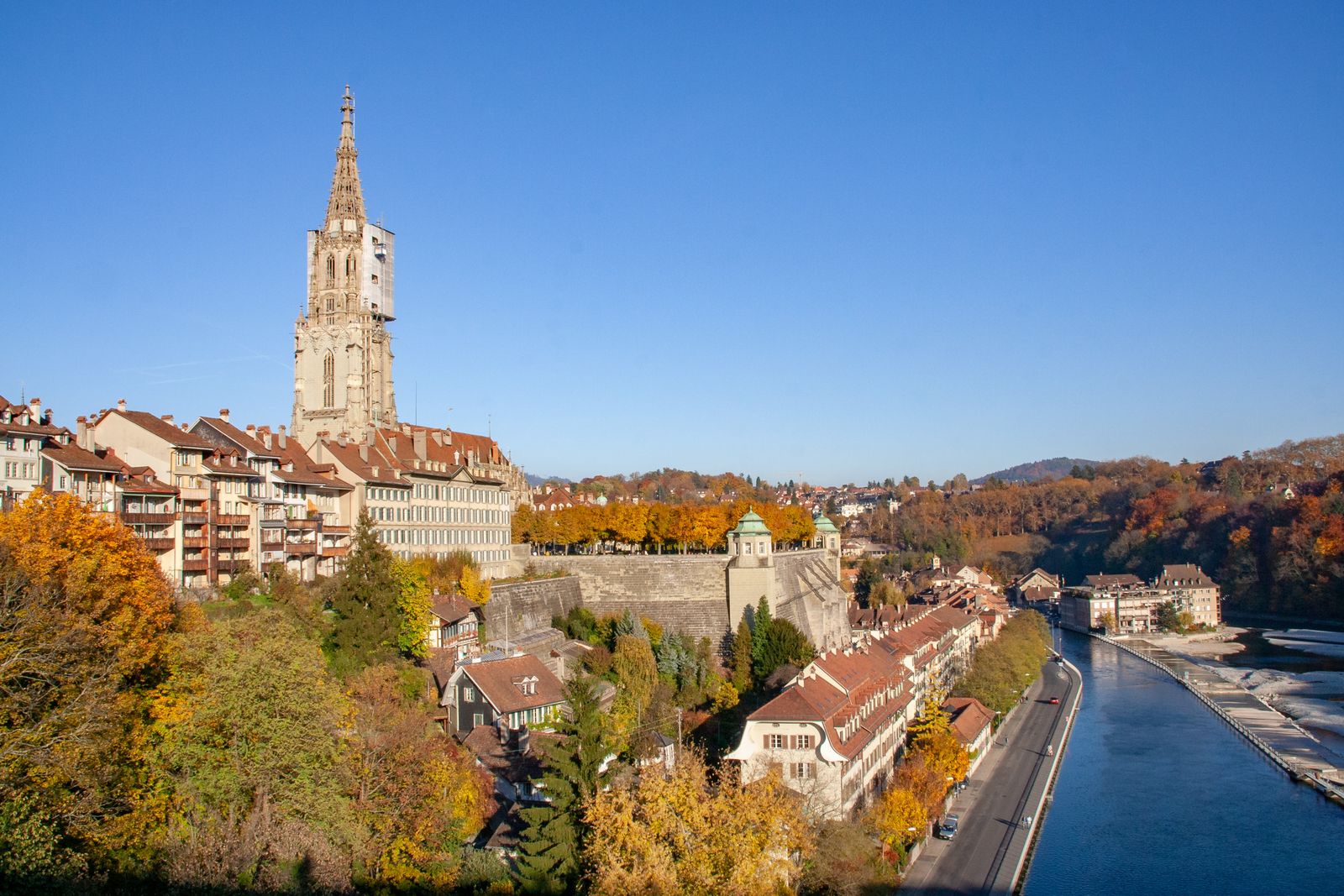
1. The UNESCO-listed old town
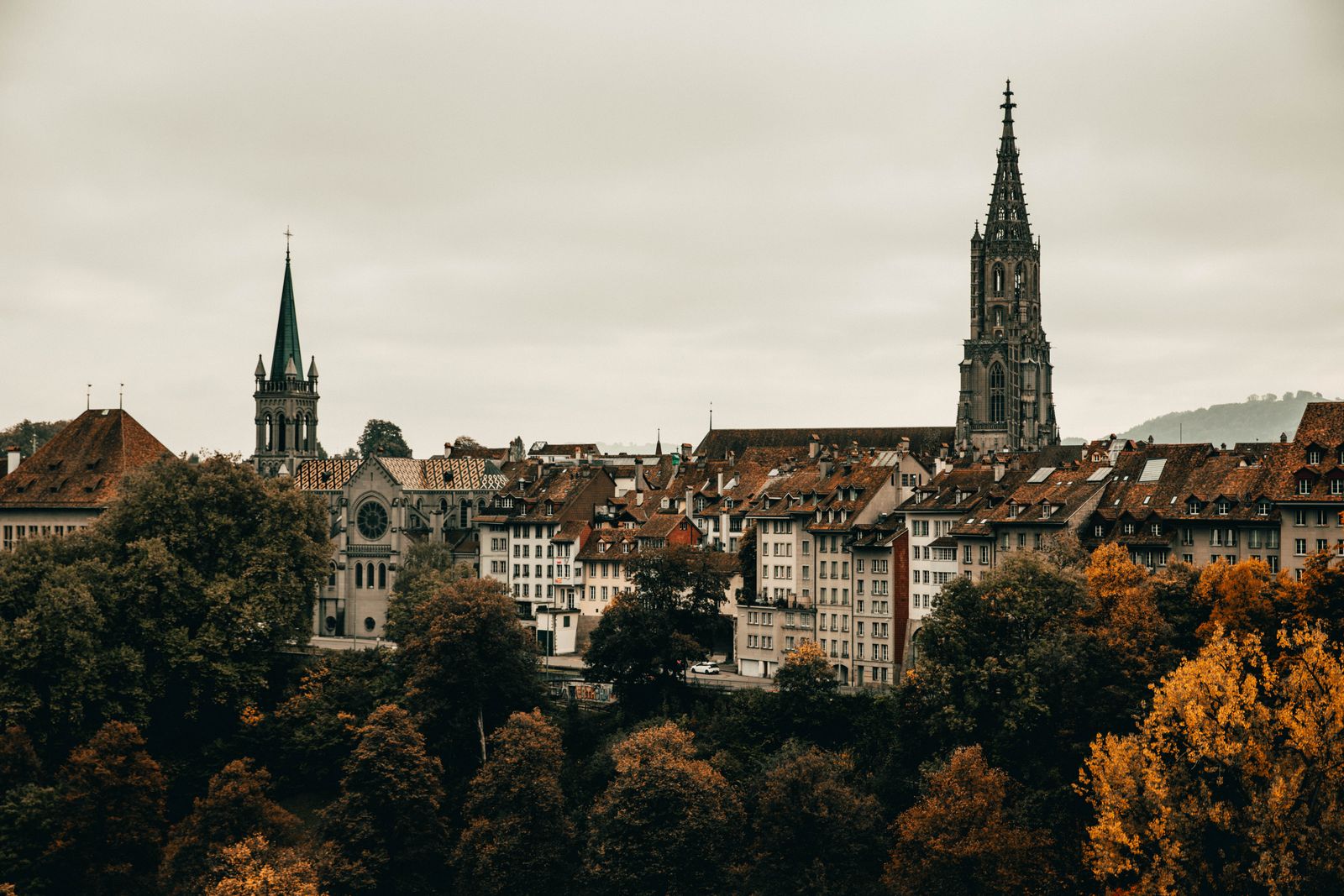
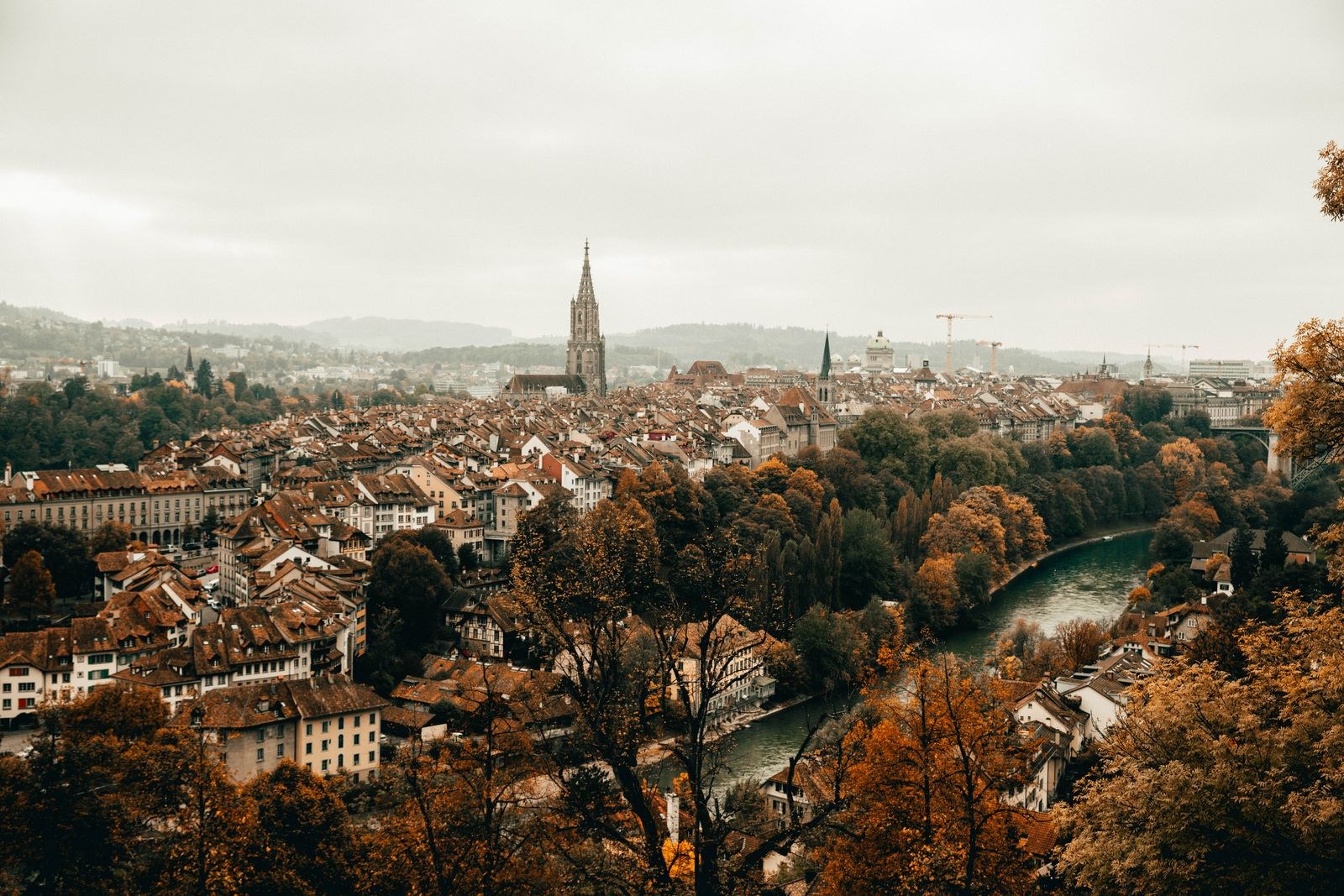
Bern’s historic centre got its UNESCO stamp back in 1983 — and honestly, once you walk through it, that comes as no surprise. The entire old town has kept its original medieval layout from the twelfth to fifteenth centuries. Most of the buildings are made of the typical greenish sandstone, which gives the lanes a completely unique and unified character.
A huge advantage is the fact that most of the old town is a car-free pedestrian zone. You can stroll calmly over the old cobbles, admire the historic towers and soak up the peaceful atmosphere. This entire peninsula is wrapped on three sides by the River Aare, so whichever way you head, you’ll eventually reach some beautiful bridge with a view over the water.
💡 Tip: Definitely bring comfortable flat-soled shoes for the centre. The historic cobbles look lovely in photos, but a full day of walking in heels would turn into a fair bit of suffering here.
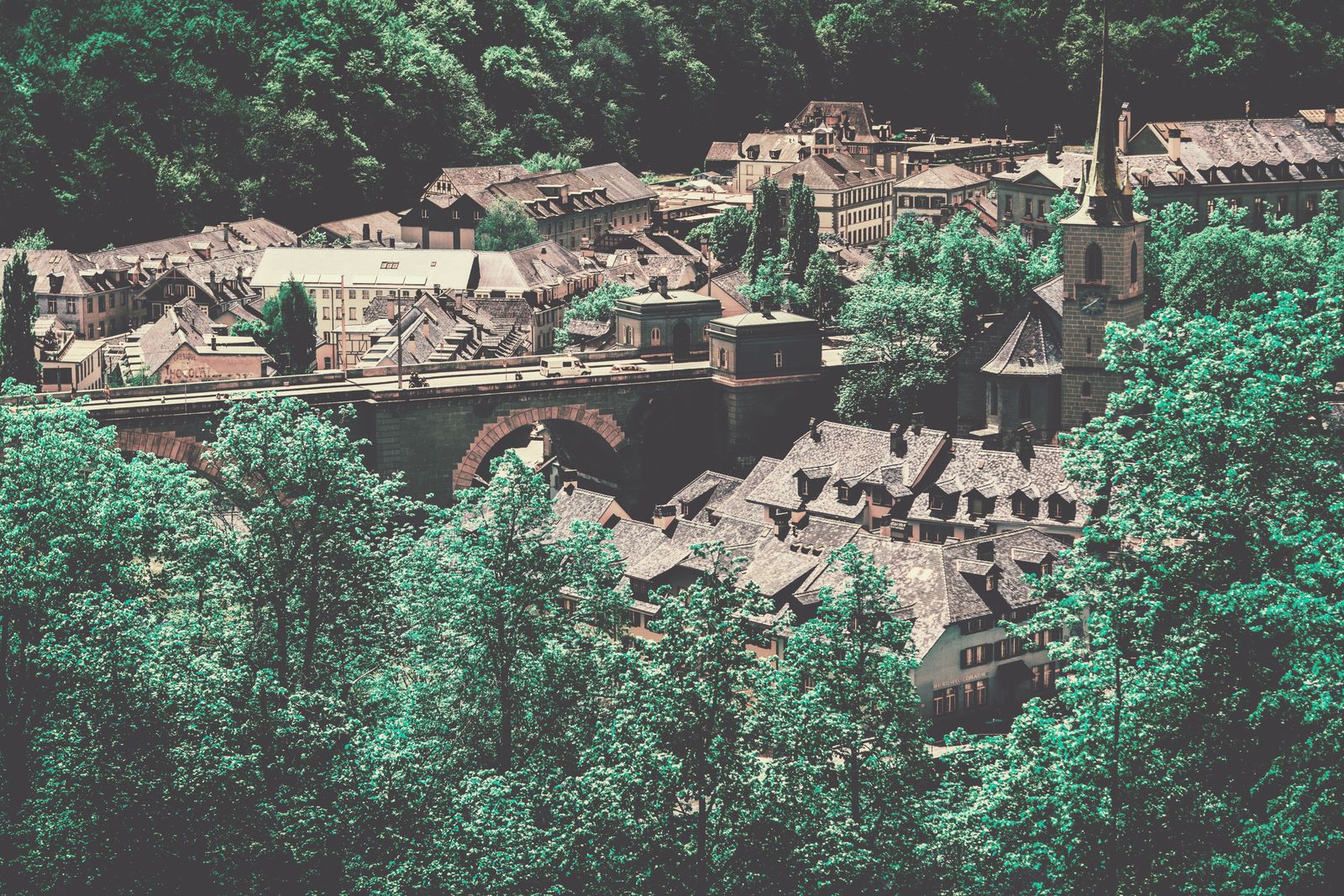
2. The Lauben and shopping under the arcades
One of Bern’s most iconic features are the so-called Lauben. These are an incredible six kilometres of covered historic arcades, thanks to which Bern holds the title of the longest covered shopping promenade in all of Europe. It’s an absolutely genius piece of architecture, because even when it’s pouring with rain or snowing outside, you can still stroll from one shop to the next in the dry.
Under these arcades you’ll find everything from small family boutiques to luxury brands. A great Bern speciality are also the original vaulted cellars called Kellergewölbe. These spaces below street level originally served as goods stores, since back then valuable commodities needed protecting from the weather and from fires. Today they house very stylish bars, independent theatres and cosy cafés, reached down steep wooden stairs.
3. The Zytglogge and a clock-tower tour
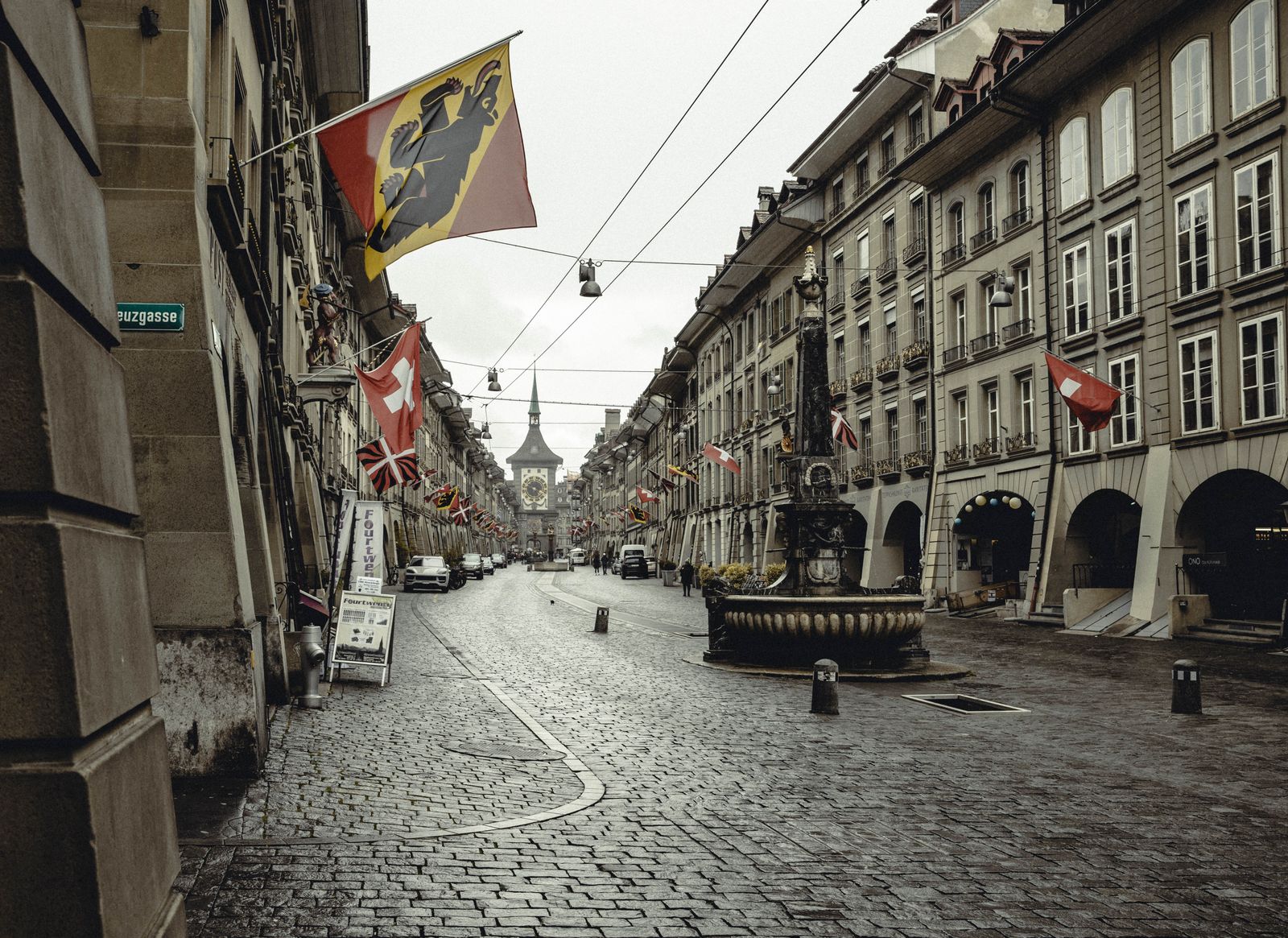
The Zytglogge clock tower once served as the main western gate to the city and today it’s one of the most photographed spots in all of Switzerland. Since its founding in the twelfth century the structure has gone through many changes, survived a devastating fire in 1405, and gradually lost its defensive function as the city expanded further west. Today its most important part is the beautiful astronomical dial and figure mechanism from 1530. Around four minutes before every full hour a crowd gathers in front of the tower to watch the mechanical figures spring into motion.
The view from the outside is lovely, but the real magic is hidden inside. You can only get in on an official guided tour, which lasts about an hour and takes you right up to the historic machinery itself. You’ll see the massive cogwheels in action and learn fascinating details about how time was measured in the Middle Ages.
This tour is hugely popular with visitors and at weekends it’s often sold out. You can arrange tickets through the official tourist centre, or simply book the tour online. The GetYourGuide portal works great for this, with various ticket options to choose from.
💡 Tip: The price for a tour of the clock tower’s interior is around 25 CHF (about £22), but I’d recommend checking the exact figures on the bern.com tourist board website before you travel.
4. The Münster cathedral and the tallest tower
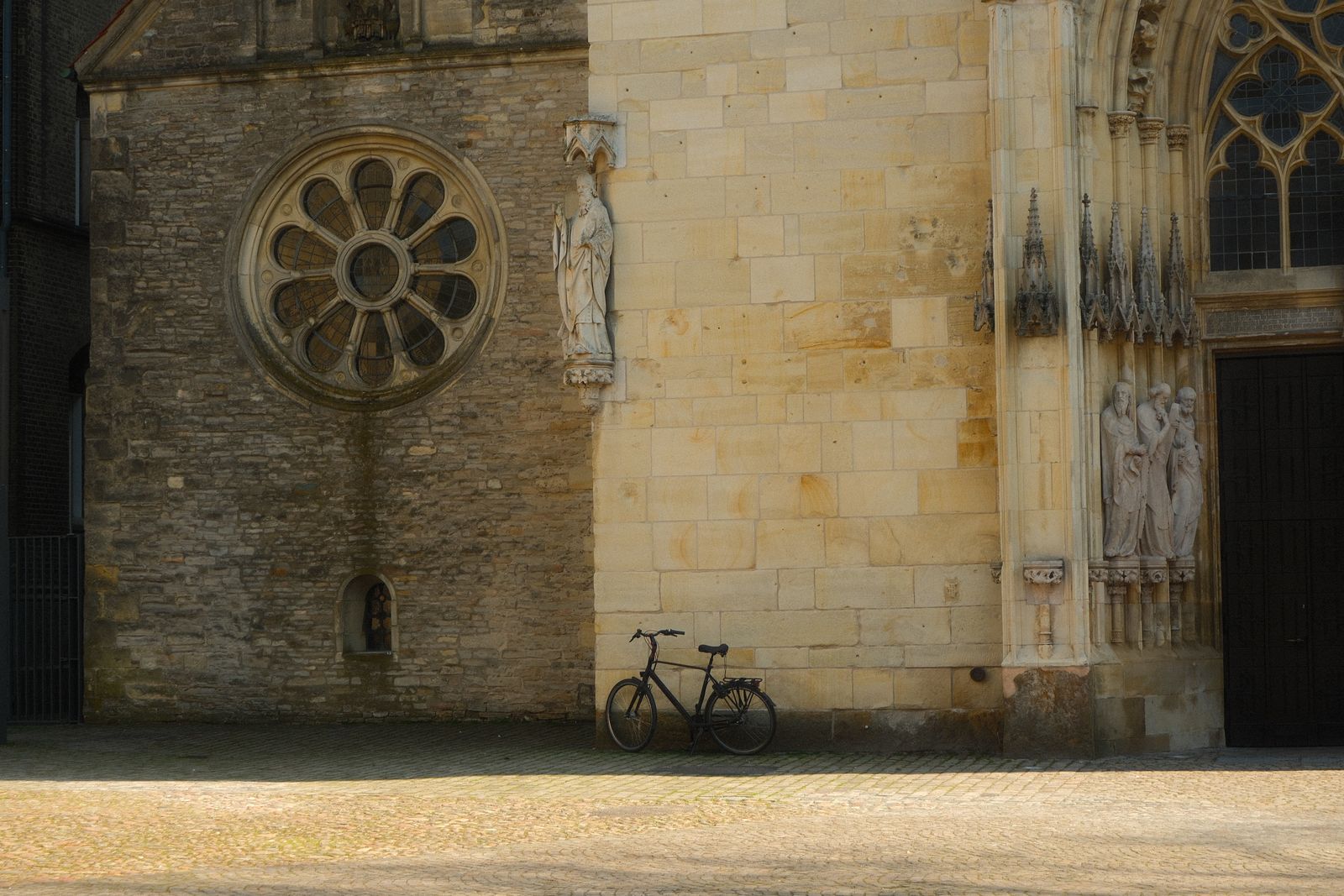
Bern’s Münster is a stunning late-Gothic cathedral whose construction began as early as 1421. Building took place in several phases and lasted more than a hundred and fifty years before the main nave was completely finished. The architects were clearly inspired by French cathedrals, which shows in the buttress system and the richly decorated stained-glass windows. Right at the main entrance you’ll be wowed by the massive portal depicting the Last Judgement, made up of over two hundred and thirty intricately crafted sculptures and figures. Entry to the cathedral’s main nave is completely free for all visitors.
The main draw, however, is the climb up the church tower, which at 100.6 metres is the tallest in all of Switzerland. There’s no lift, so you’ll have to honestly tackle the 344 stone steps. Your reward will be an absolutely fantastic panoramic view of the red roofs of the old town and, in the distance, the snowy peaks of the Bernese Alps.
The admission for the viewing platform is very reasonable. Adults pay 6 CHF (around £5), students get in for 4 CHF and children up to sixteen pay just 3 CHF. No advance booking is needed — you simply buy tickets at the entrance before you start the climb.
💡 Tip: The tower actually has two viewing platforms. Most people stop at the first one after about 250 steps, but I definitely recommend gathering your strength and going all the way up to the second one, where there’s far more room for photos.
5. The Bundeshaus and a parliament tour
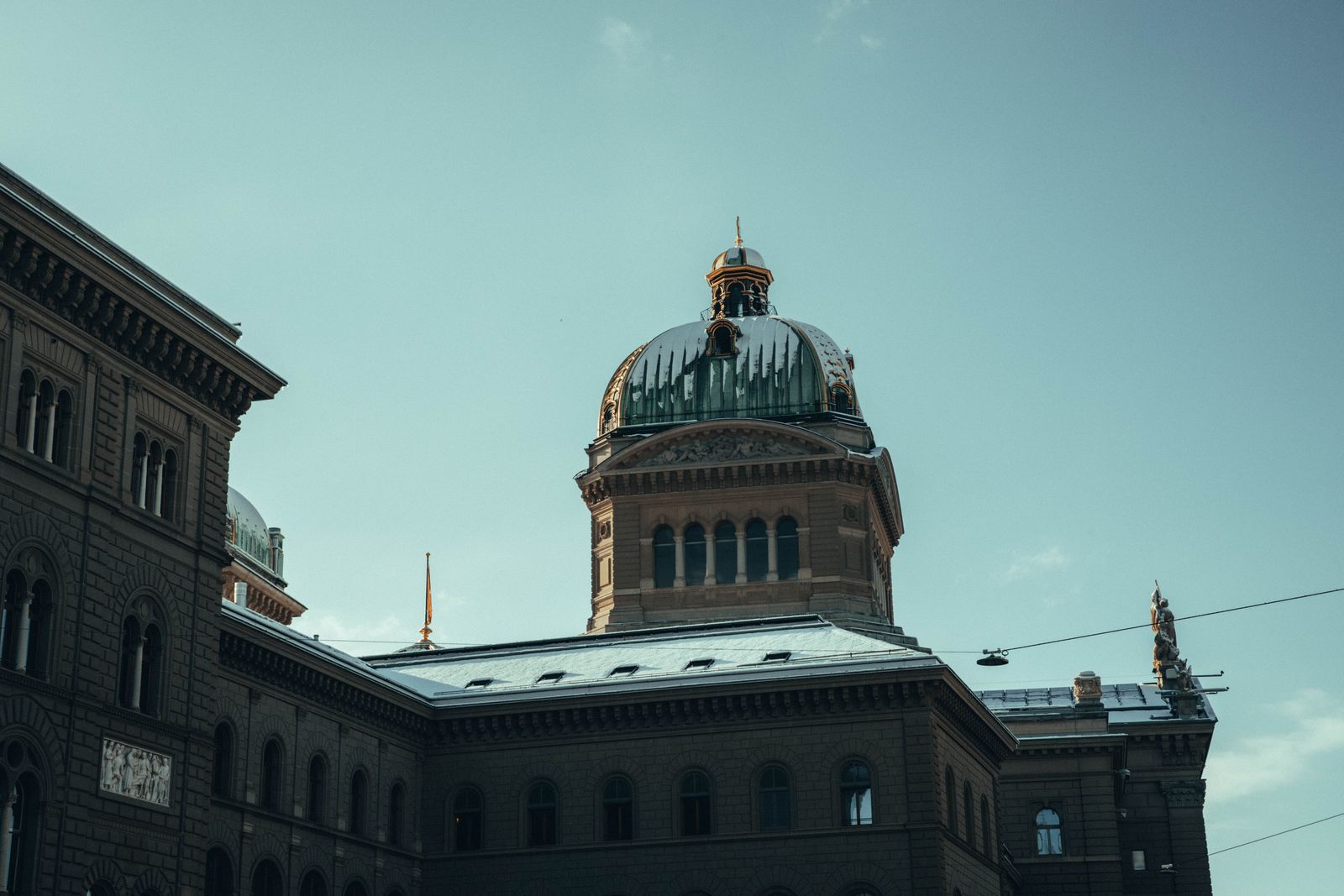
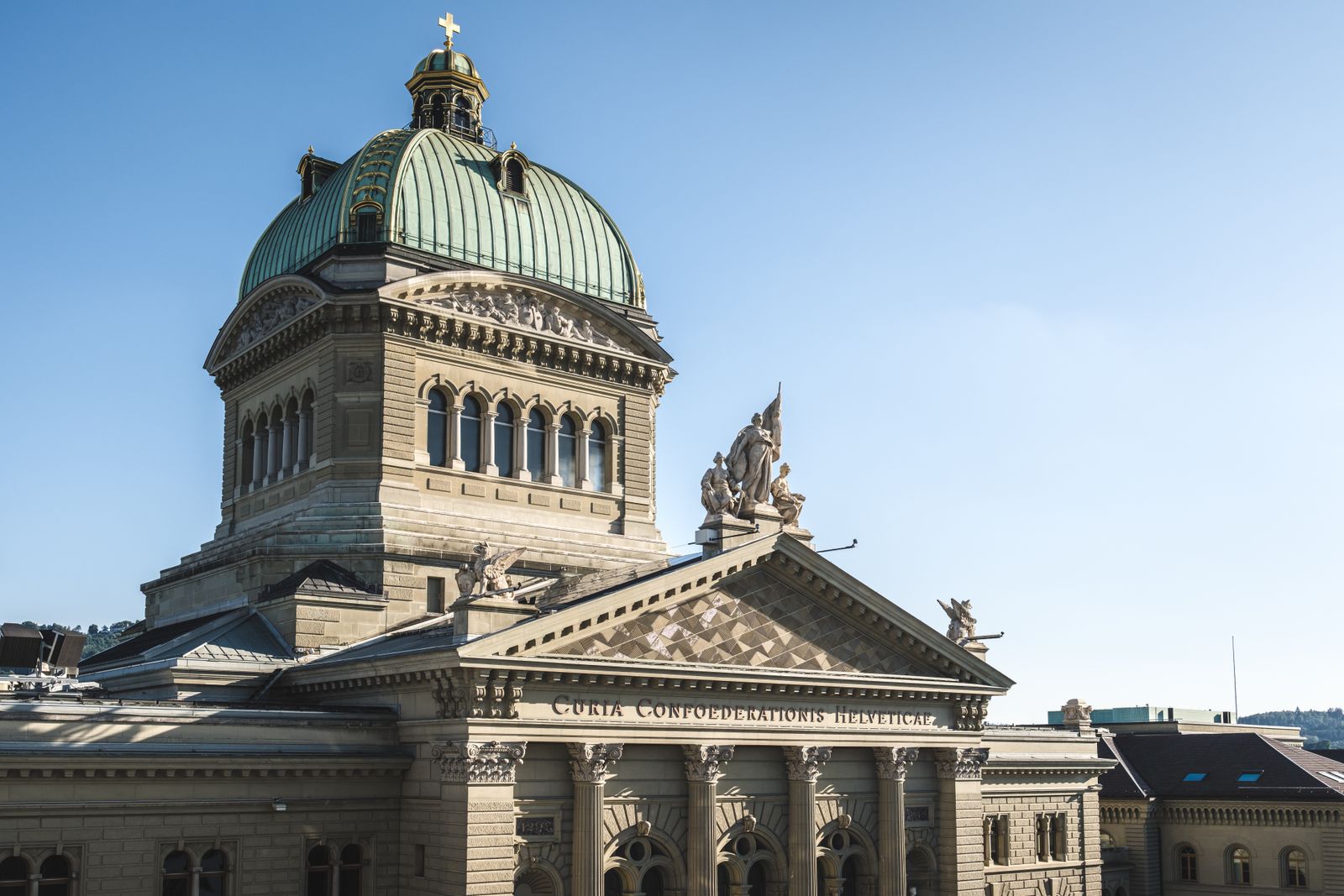
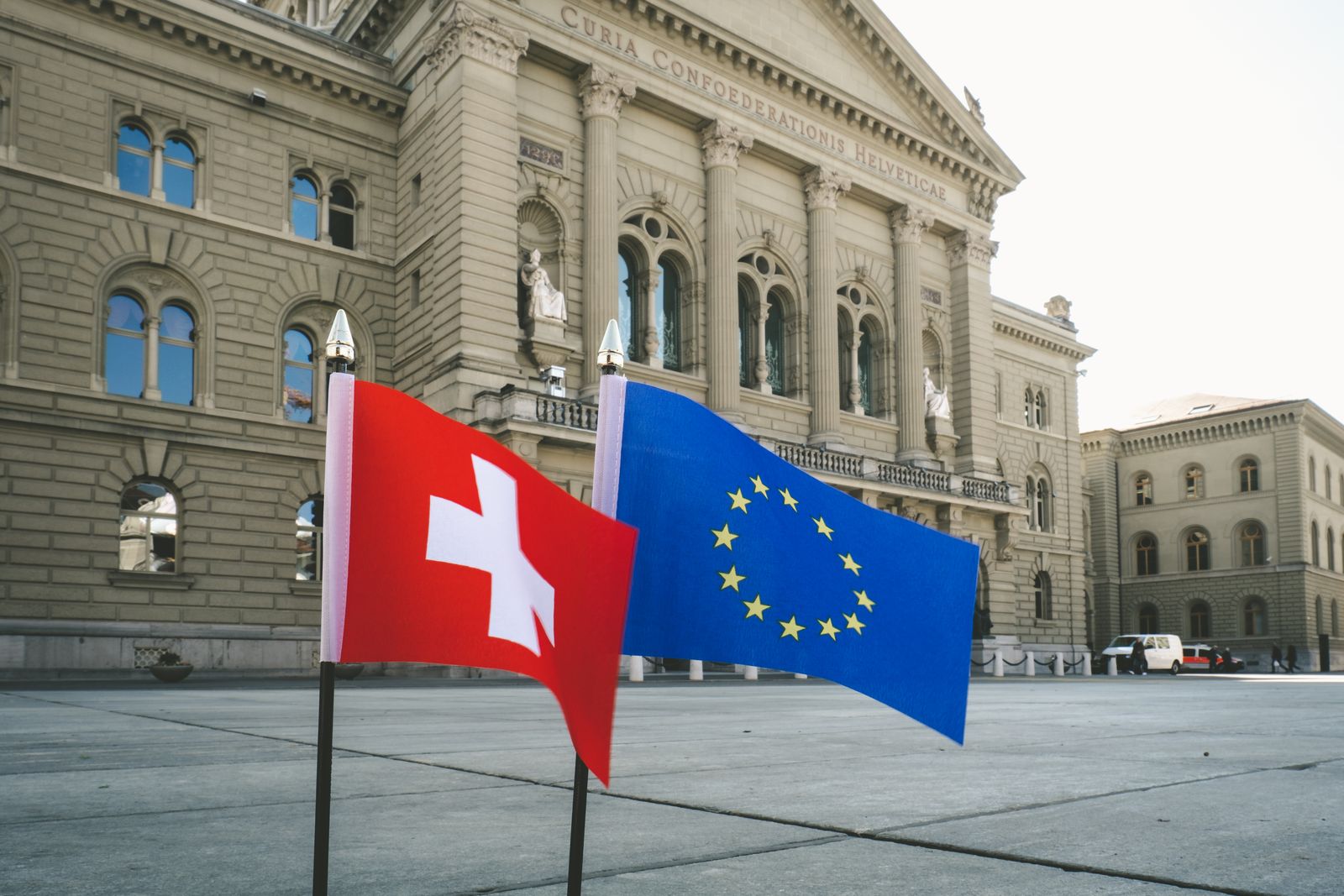
Since Bern is the political centre of the whole of Switzerland, you can’t miss the Federal Palace, which locals call the Bundeshaus. This imposing building with its green domes was completed at the start of the twentieth century, and more than thirty Swiss artists and craftsmen worked on its decoration, tasked with representing the wealth of the entire country. The dominant complex offers free guided tours for the public. They run in several languages including English, last sixty minutes, and take place from Tuesday to Saturday outside parliamentary sessions.
Interest in these tours is enormous and capacity for a single slot is limited to just thirty places. You have to book online up to 180 days in advance on the official website of the Swiss parliament. Don’t forget to bring a valid passport or ID card, as there’s a fairly strict security check at the entrance.
In front of the building stretches Bundesplatz, famous for its water feature. Exactly 26 water fountains spurt from the paving, symbolising the individual Swiss cantons. On hot summer days the square turns into one big playground where local children dash gleefully between the jets of water.
💡 Tip: If you don’t manage to snag a spot for the interior tour, walk around behind the parliament building. There’s a spacious terrace there with a gorgeous view of the River Aare and the luxury Bellevue Palace hotel.
6. BärenPark with live bears
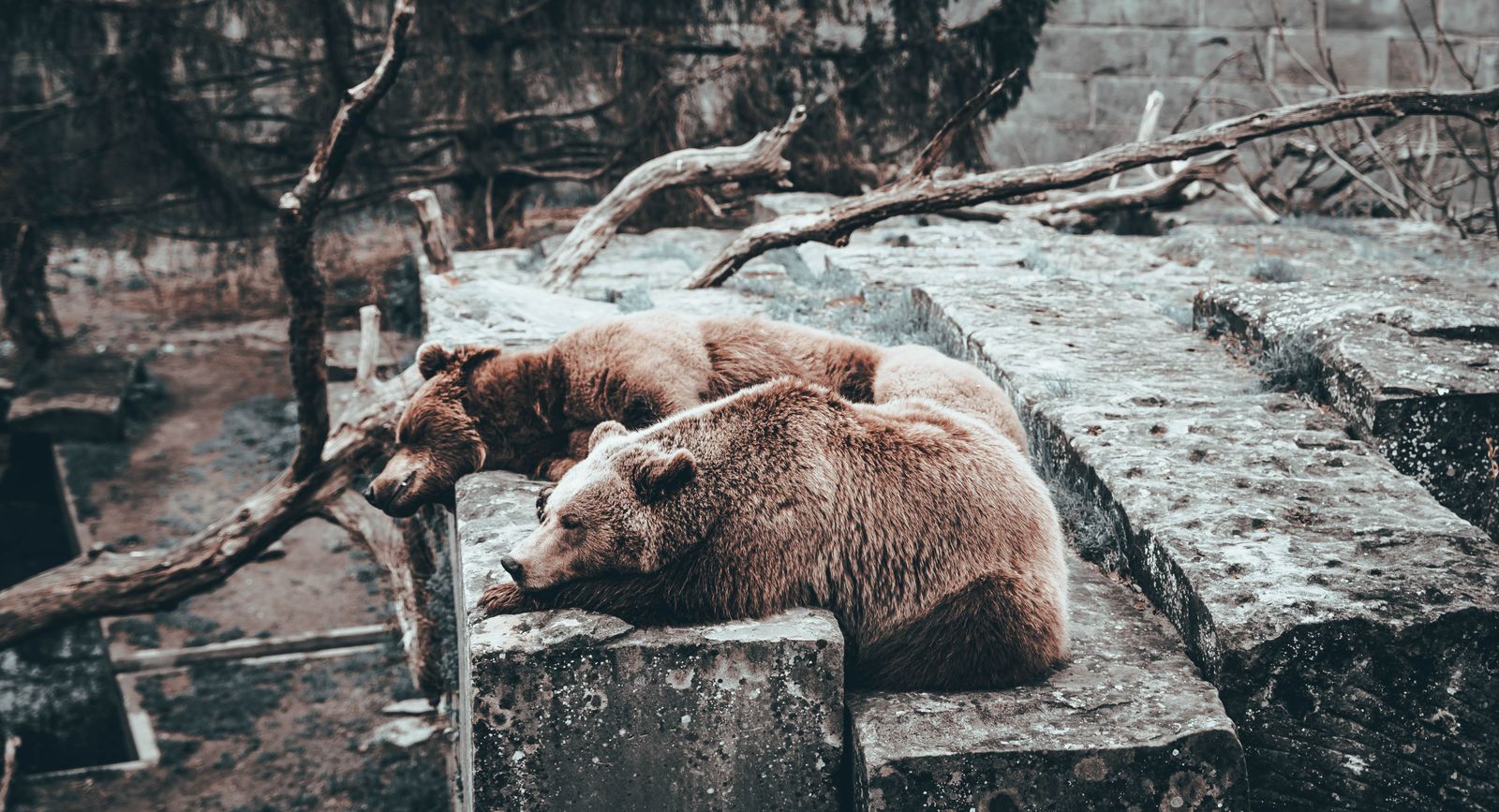
The bear has been a proud symbol of Bern ever since its founding. According to an old legend, Duke Berchtold V named his new city after the first animal he hunted in the local forests. Bears have been kept in the city for many centuries, but in 2009 a brand-new, modern BärenPark was created for them on a steep slope right above the River Aare.
This spacious natural enclosure adjoins the original historic bear pit and gives the bears plenty of room for bathing, climbing and resting. The whole area is completely free and open round the clock all year long. The paths around the enclosure are also fully accessible, so you can easily get here with a pushchair too.
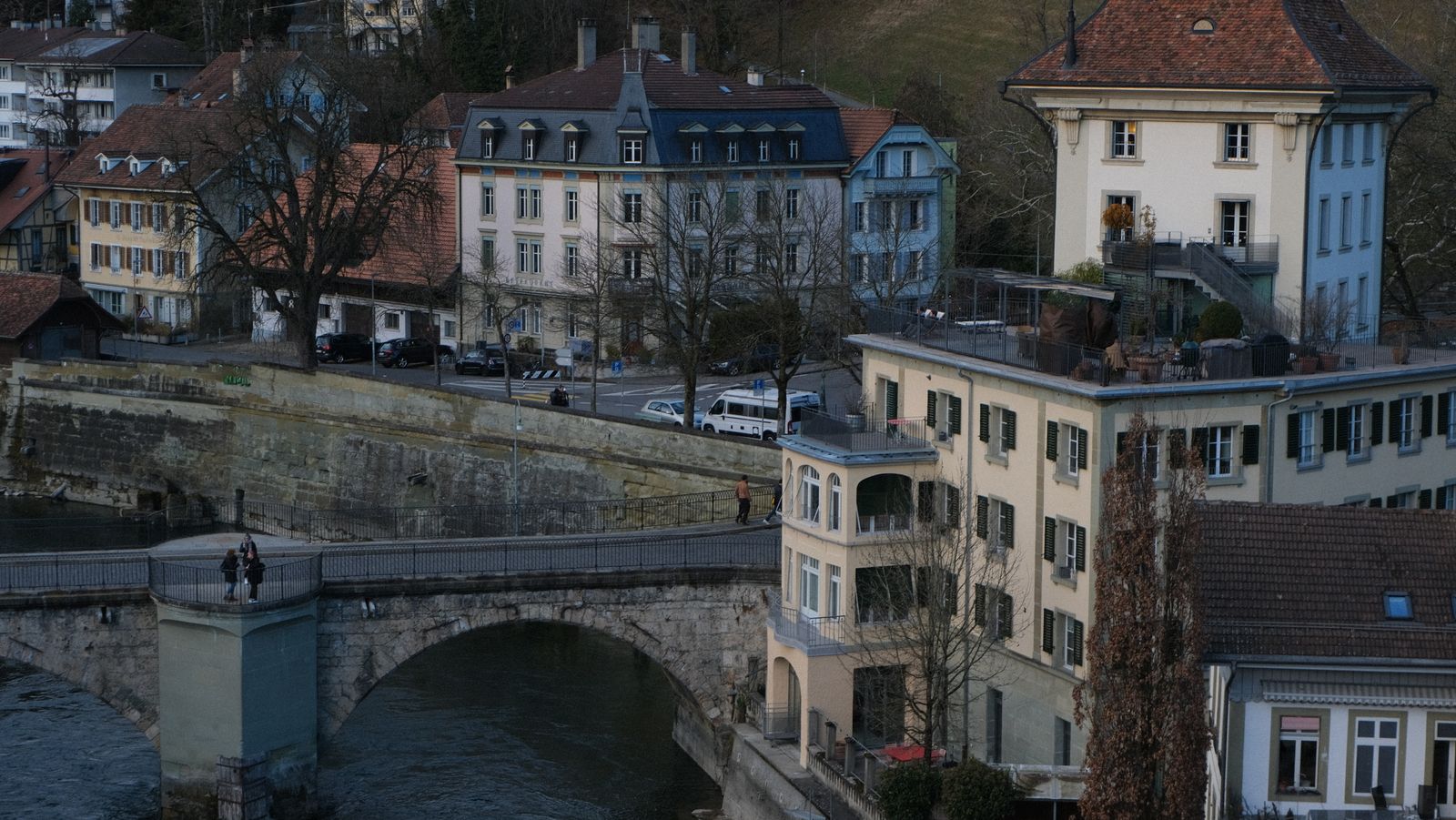
You’ll get the best view of the playing bears from the nearby Nydeggbrücke bridge. Feel free to stop here for a good while and watch the animals catch fish in their private little pool or rest in the shade of the big trees.
💡 Tip: From the bear park there’s a very pleasant trail running right along the bank of the River Aare, which leads you back to the centre from a completely different perspective. It’s a great shortcut for a peaceful walk.

7. The Rosengarten for the perfect photo
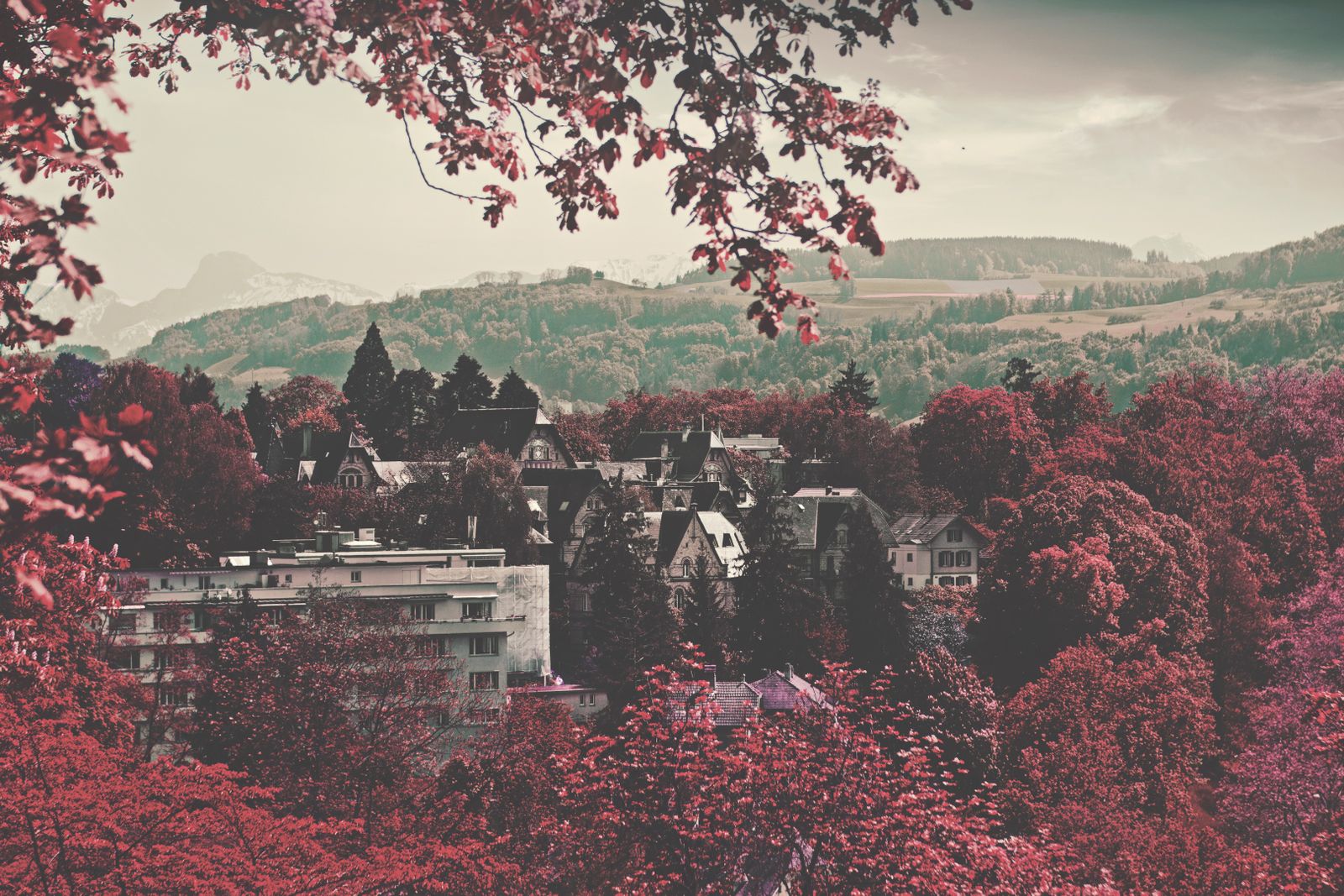
When you head about ten minutes up the steep hill from the bear park, you’ll reach one of the most beautiful spots in all of Bern. The Rosengarten is a sprawling flower garden that requires no admission and is freely open to the wider public. You’ll find over two hundred different rose varieties here, spreading an incredible fragrance all around.
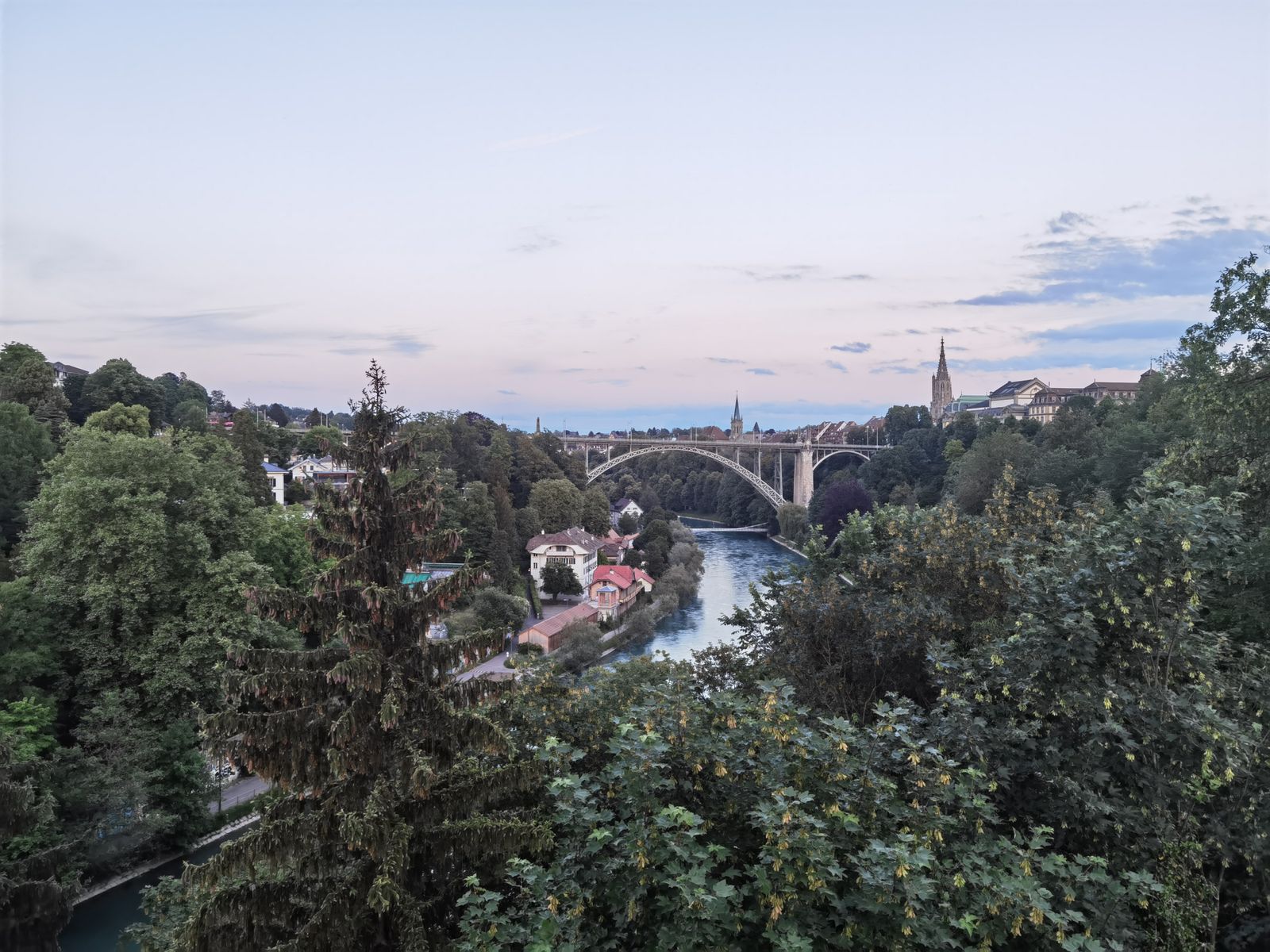
The main reason everyone heads here, though, is the absolutely iconic panoramic view of the old town. It’s from here that you’ll see that famous loop of the River Aare hugging the historic centre tightly on three sides. The tower of the Münster cathedral rises proudly above the red roofs of the houses, creating an utterly perfect composition for your photos.
The garden also includes a very pleasant restaurant of the same name with a large outdoor terrace. You can have a coffee here and gaze at the city below — you won’t find a better view with a coffee in hand anywhere in Bern.
💡 Tip: The walk up to the Rosengarten is short but fairly steep. If you’d rather not go on foot, you can take bus number 10, which carries you from the centre straight to the main entrance of the garden.
8. Swimming in the River Aare and Marzilibad
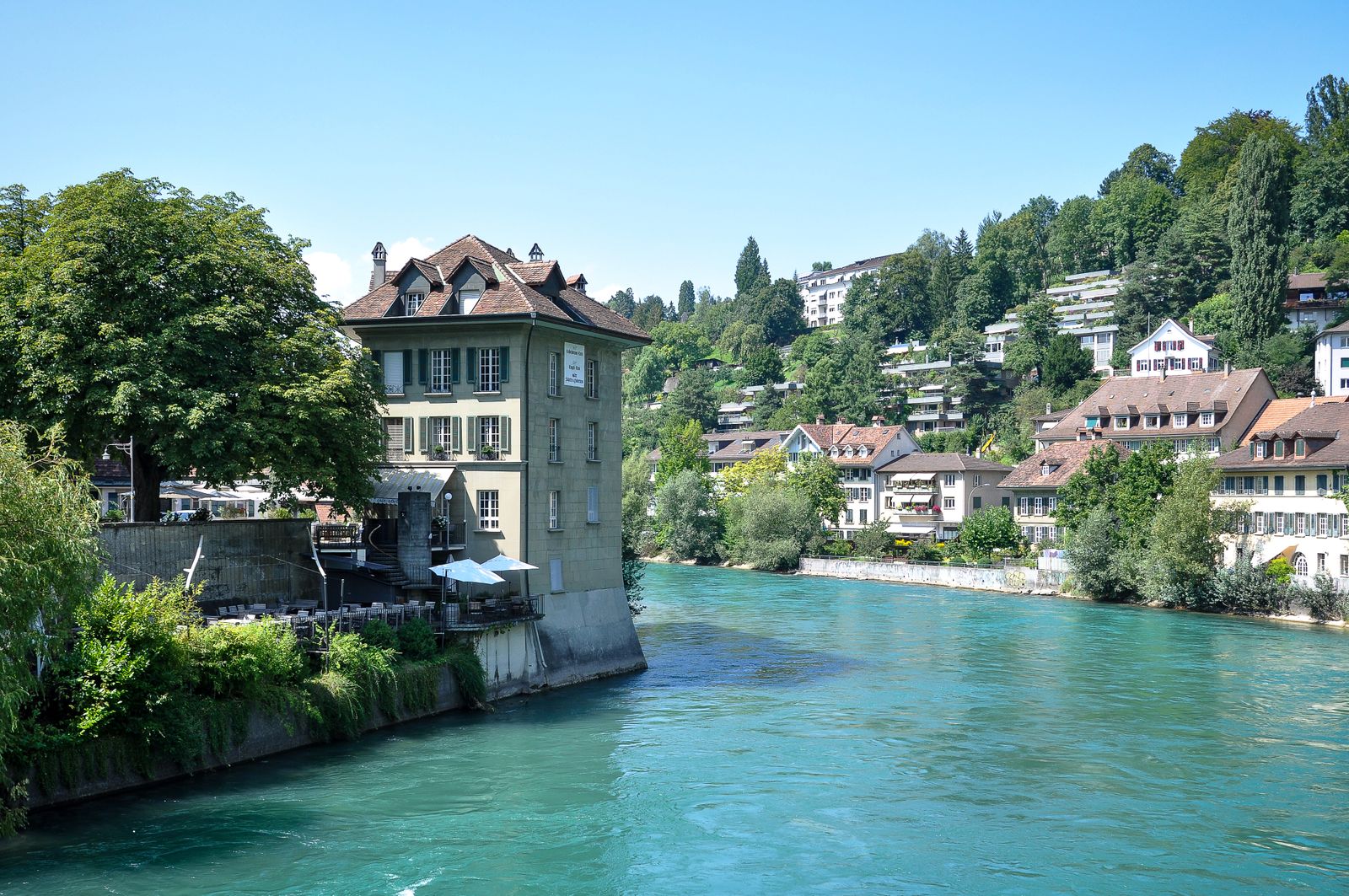
If you visit Bern in summer, you’ll witness an absolutely unique sight that is even listed among Switzerland’s living traditions. On hot days locals throw themselves into the turquoise waters of the River Aare and let the fairly strong current carry them across the city. They often bring waterproof bags called Aarebooli, in which they carry dry clothes and valuables.
The centre of this summer fun is the city pool Marzilibad, which lies right beneath the parliament building. And now the best part – entry to this enormous area is completely free. You’ll find a fifty-metre swimming pool, paddling pools for children and ten thousand square metres of lawns for perfect relaxation. The season runs roughly from mid-May to mid-September.
Swimming in the river is a huge experience, but it demands great respect. The water has a really strong pull and is only suitable for very strong swimmers. Before entering the water, always study the exit points marked with red poles and ladders, and never get into the river under the influence of alcohol.
💡 Tip: You can reach the Marzili district from the city centre on the Marzilibahn funicular. It’s only 105 metres long, which makes it the shortest public funicular in Europe, and with your Bern Ticket you ride it for free.
9. Einsteinhaus on Kramgasse
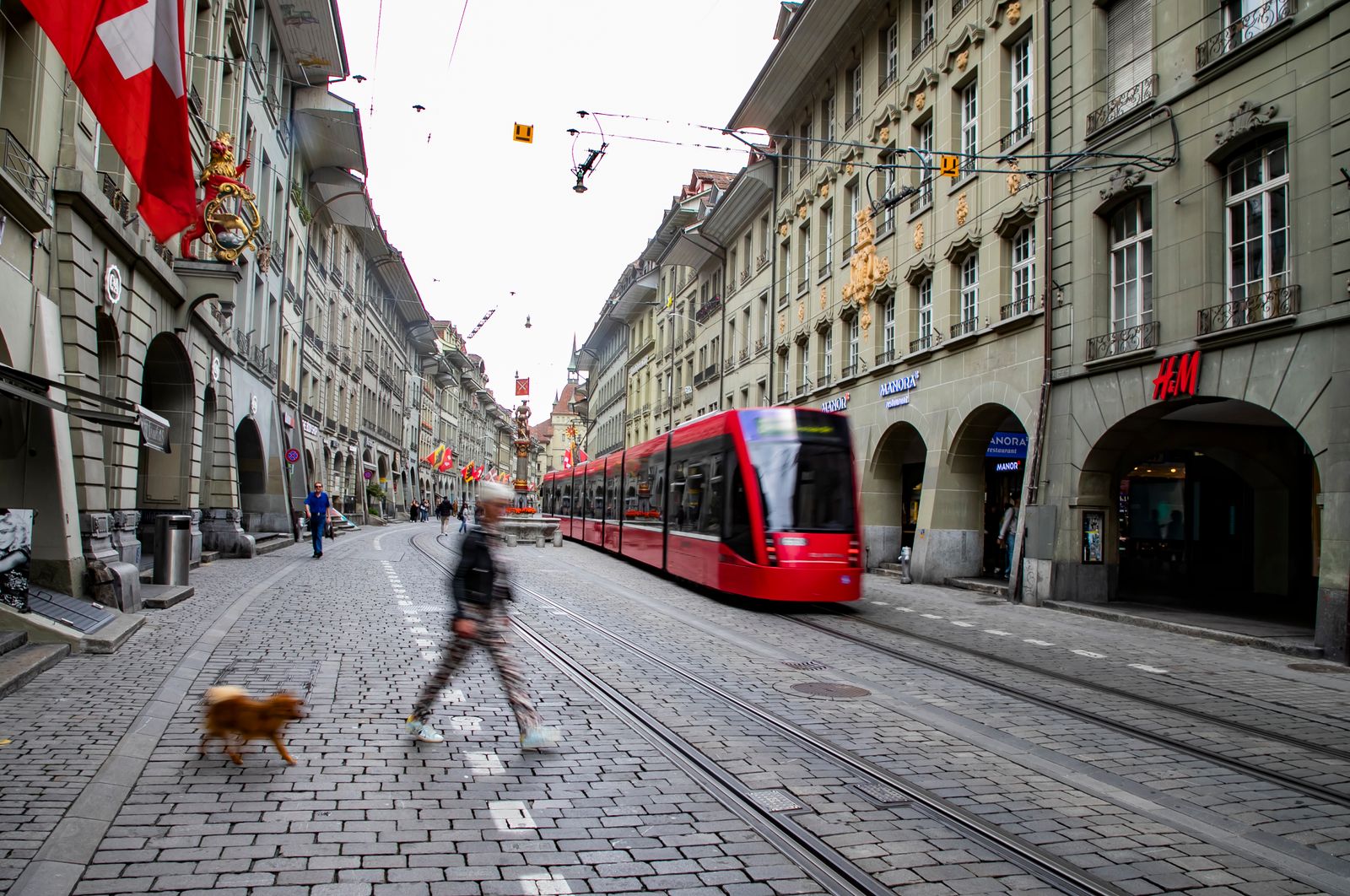
Few people know that one of the most important physics theories in human history was born right in the historic lanes of Bern. Albert Einstein lived with his wife Mileva from 1903 to 1905 in a flat at Kramgasse 49. Einstein lived fairly modestly here, because the monthly rent at the time wasn’t exactly low and his job at the patent office gave the family the stable income it needed. It was during his time here that the so-called miracle year of 1905 arrived, when he worked out his famous special theory of relativity.
Today this unassuming house under the arcades is home to a small but immensely captivating museum. Admission for adults is 7 CHF (about £6), students and seniors pay two francs less, and children up to fifteen pay 4 CHF. The flat is furnished with period furniture and faithfully evokes the atmosphere of the early twentieth century. The building has survived the centuries almost unchanged, so climbing the old stairs really does make you feel as if you’re back at the start of the twentieth century.
You’ll see Einstein’s desk, historic photographs and family documents. The space isn’t large, so half an hour is plenty for a visit; it’s open every day from ten to five.
💡 Tip: If Einstein’s life fascinates you and you want to learn more about his scientific work, also visit the more extensive Einstein Museum, which is part of the Bern Historical Museum on the other side of the river.
10. Zentrum Paul Klee
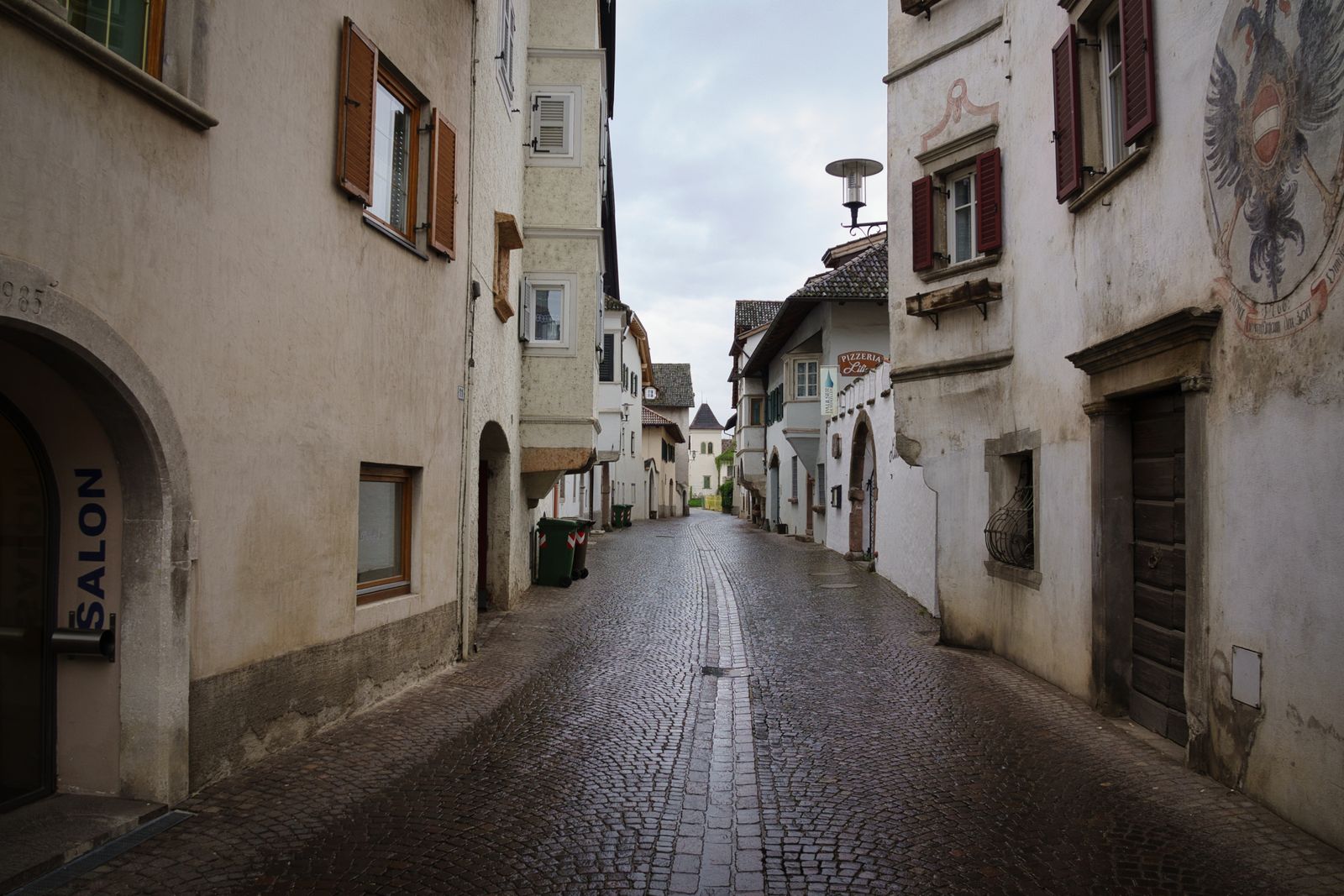
On the eastern edge of the city you’ll find an architectural gem that no lover of modern art should miss. Zentrum Paul Klee was designed by the famous Italian architect Renzo Piano and the building takes the form of three giant steel waves that blend seamlessly into the surrounding rolling landscape. Even just the view from outside is a tremendous experience.
Inside is hidden the largest collection of works by the painter Paul Klee in the world. This famous native of the Bern area left behind an enormous quantity of paintings, drawings and sketches, which the museum rotates regularly in themed exhibitions. Admission to the gallery costs an adult 20 CHF (around £18).
Families with children will be pleased that on Sundays children and young people up to sixteen get into the gallery completely free. The museum is also very easy to reach from the city centre on bus number 12, and if you arrive by public transport you get a ten percent discount on admission at the ticket desk.
💡 Tip: Always check the current opening hours and the programme of ongoing exhibitions in advance on the official website of the Zentrum Paul Klee, so an unexpected change doesn’t catch you out.
11. Kunstmuseum Bern and the old masters
Speaking of fine art, we mustn’t forget the Kunstmuseum Bern. It’s the oldest art museum in Switzerland with a permanent collection, numbering more than fifty thousand works of art. You’ll find everything here from medieval Gothic to works by Pablo Picasso, Ferdinand Hodler or the very same Paul Klee.
The museum sits in a beautiful historic building a stone’s throw from the main station, and if you get caught in the rain in Bern, this is exactly the right place to head. A basic adult ticket costs 24 CHF (about £21), seniors pay 20 CHF and students get a reduced entry for 12 CHF. The good news is that children up to sixteen get in free all year round.
The museum is open from Tuesday to Sunday, and on Tuesdays it stays open until eight in the evening, which is handy if you want to head outdoors during the day and save the culture for the afternoon.
💡 Tip: The collection really is massive and a detailed visit can easily take you three hours. Pick up a plan at the entrance and focus only on the artistic periods that genuinely interest you most.
12. Fountains with allegorical figures
As you stroll through Bern’s old town you’ll soon notice a huge number of historic fountains. In total there are around a hundred of them across the city, but the most attention is drawn by the eleven Renaissance column fountains with colourful allegorical figures. Most of them were created in the mid-sixteenth century by the sculptor Hans Gieng and today they give the lanes a unique character.
An absolute one-of-a-kind that sends a chill down your spine is the Kindlifresserbrunnen on Kornhausplatz. Its name translates as “child eater”, and the statue depicts a terrifying ogre stuffing a crying little child into his mouth, while he has more children ready in his pocket. Exactly why this bizarre statue was created remains a bit of a historical mystery, but be sure not to miss photographing it.
Other famous fountains include, for example, the Zähringerbrunnen with a bear in full armour or the Mosesbrunnen with the figure of Moses. A huge advantage for all travellers is the fact that the water in all of Bern’s fountains is drinkable and perfectly clean.
💡 Tip: Don’t buy overpriced bottled water in the supermarkets. Bring your own bottle from home and refill it throughout the day straight from the historic fountains, completely free.
13. Gurten hill and views over the city
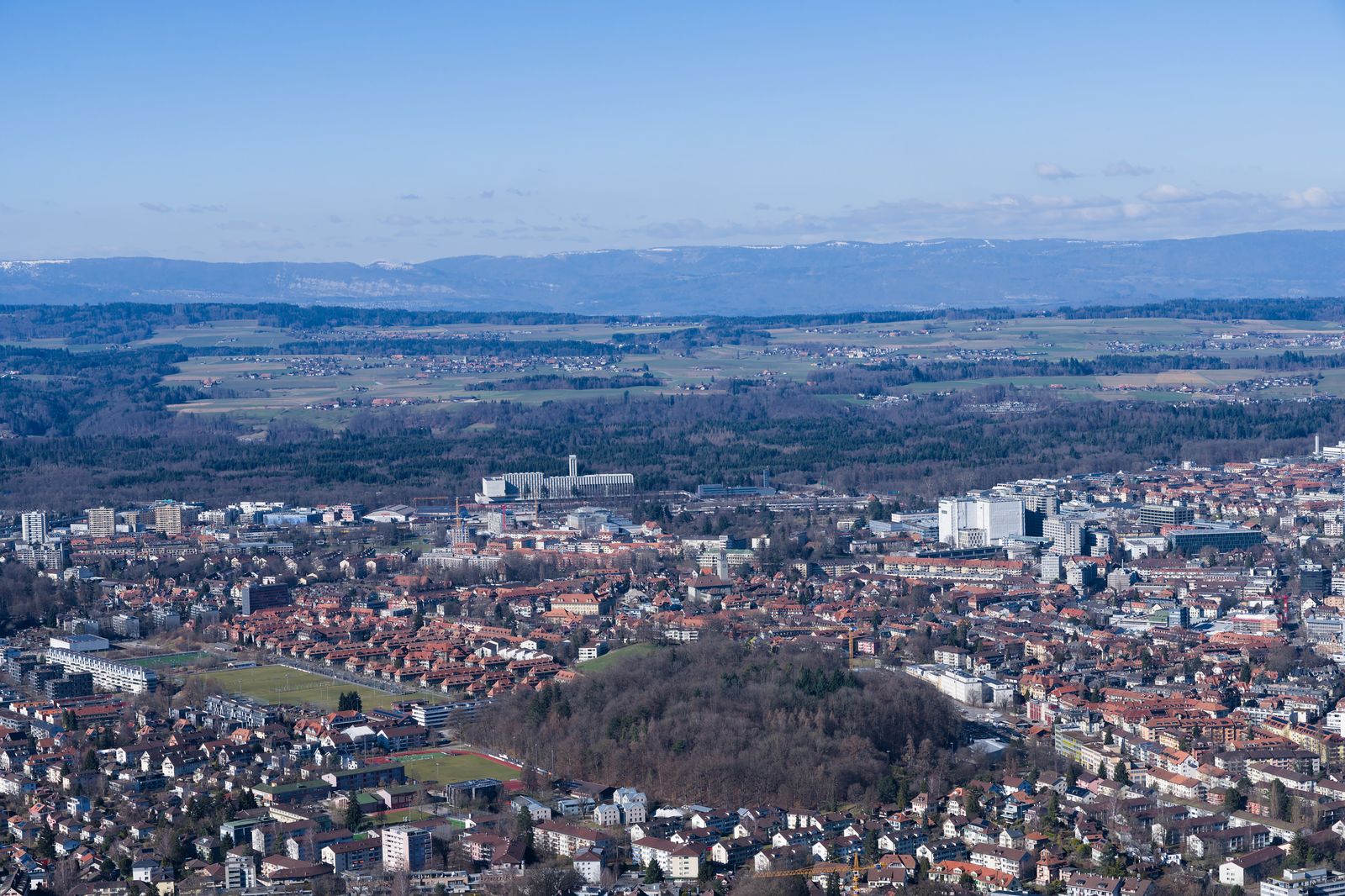
Every proper Swiss city has its own hill, and for Bern it’s clearly Gurten, rising to 858 metres above sea level. City residents love coming here for sport, picnics or simply for an afternoon coffee with the family. A regular funicular called the Gurtenbahn runs to the top, departing from the Wabern district roughly every fifteen minutes.
A return ticket on the funicular normally costs an adult 12.60 CHF (around £11). But here comes the huge bonus of your accommodation – if you have a valid Bern Ticket, the ride up Gurten is included and you pay nothing at all. The funicular runs from seven in the morning, and the last descent leaves at half past eleven at night from Monday to Saturday.
At the top awaits a spacious green park with a wooden lookout tower, a large children’s playground and a fantastic view over the whole city on one side and the snowy Alpine peaks on the other. In winter there’s even a small toboggan slope here.
💡 Tip: In mid-July the Gurtenfestival is regularly held on this hill. It’s one of the biggest and most popular open-air music festivals in Switzerland, so if you’re planning a summer trip, expect it to be very lively here.
14. Markets and the famous Zibelemärit
Bern lives for its markets, and it would be a real shame to come and miss them all. The traditional farmers’ markets take place all year round every Tuesday and Saturday on Bärenplatz and the adjoining Münstergasse. You’ll find stalls with fresh vegetables, fragrant local cheeses, artisan bread and a flood of colourful flowers.
A genuine phenomenon, though, is the autumn onion market called Zibelemärit. It takes place only once a year, always on the fourth Monday in November. In 2026 the date falls on 23 November, and believe me, you won’t experience an atmosphere like it anywhere else. The market begins as early as four in the morning, when the city fills with stalls selling artistically braided onion plaits and garlic wreaths.
During this day confetti is thrown about the streets, the scent of hot mulled wine (Glühwein) is everywhere and people pin onion badges to their coats. It’s one of the city’s oldest folk festivals and the locals throw themselves into it with enormous enthusiasm.
💡 Tip: During the Zibelemärit festival, expect the city centre to be extremely crowded. If you want to enjoy the atmosphere and admire the beautifully crafted onion wreaths in peace, head out ideally before six in the morning.
15. Christmas markets full of magic
If you plan your trip to Bern for the Advent season, a true winter fairy tale awaits you. The historic backdrop of the old town gives the Christmas markets an incredibly romantic touch. You’ll find the main and most beautiful market on Münsterplatz, right in the shadow of the mighty cathedral. In 2026 it will run from 28 November all the way to Christmas Eve.
This market focuses above all on traditional Swiss crafts. You can buy hand-carved wooden toys, beautiful ceramics, woollen jumpers and plenty of original gifts. The ever-present scent of roasted almonds, cinnamon and baked chestnuts will quickly put you in the right Christmas mood.
The second major market is located on Waisenhausplatz and begins a day earlier, on 27 November 2026. This market even runs after Christmas until 3 January 2027, which is great news for those heading to Switzerland over the New Year. The range here is a touch more ordinary, but thanks to the festive lighting the atmosphere is still gorgeous.
💡 Tip: Before you head to the markets, take a look at the bernerweihnachtsmarkt.ch website, where you’ll find exact opening hours for individual days of the week, as they can vary slightly at weekends.
Map of points of interest for your phone
Where to go next from Bern
Bern has a strategic location in the very heart of the country, so it works as an ideal base for further exploring. Around the city you’ll find stunning nature, and from here you can easily reach every corner of Switzerland by train.
- Fairy-tale Blausee: This beautifully blue little lake in the middle of the Kandergrund nature park is about forty minutes from Bern by train and bus. Admission varies by day of the week, but a ride in a glass-bottomed boat, described on the nature park website, is definitely worth it.
- Glacial Oeschinensee: A breathtaking high-mountain lake listed by UNESCO. From Bern you can reach Kandersteg by train in an hour. The cable car will cost you roughly 36 to 40 CHF depending on the season. Watch out for a new rule for 2026, when the popular Berner Oberland Pass no longer applies to this cable car.
- Switzerland holiday: where to go, what to see and when : read our comprehensive guide to the whole country.
- Lucerne: 14 things to see : discover another gorgeous city with a wooden bridge and a beautiful lake.
- Zermatt and the Matterhorn: what to see and do : head south to Europe’s most famous mountain.
- Zurich: what to see and do : explore Switzerland’s financial capital full of modern art.
Frequently asked questions
Planning your trip and still have a few practical little things nagging at you? You’re not alone. I’ve gathered the answers to the most common questions that come up around a visit to Bern.
From the tricky business of its capital-city status to the real safety of that famous swimming in the River Aare. Here you have everything important clearly in one place, so you can set off with a completely clear head.
Is Bern the capital of Switzerland?
From a legal perspective, no, because Switzerland has no official capital city according to its constitution. However, since 1848, Bern has functioned as the so-called “Bundesstadt” or federal city, where the government and parliament are located. It was chosen as a political compromise to prevent all power from being concentrated in wealthy Zurich.
How many days should you set aside for a visit?
200000
You can comfortably explore the main historical sights in the old town in one very packed day. However, two days are ideal so you have time for museums, a trip to Gurten, and swimming in the river. Three days will then allow you to take a fantastic excursion to Lake Blausee.
Can you really swim safely in the Aare River?
Yes, during the summer months this is the most popular local activity and even an official Swiss “living tradition”. However, the water has a strong current, so swimming is only suitable for confident swimmers. Make sure to check out the exit points beforehand and if needed, use the freely accessible pools in the Marzilibad area.
What exactly does the Bern Ticket include?
It’s a tourist card that you get for free with every official accommodation in the city. It allows you to use all public transport in zones 100 and 101 free of charge throughout your stay. It’s also valid for trips to Belp Airport and for rides on the Marzilibahn and Gurtenbahn funiculars.
How long does the trip from Zurich take?
The train connection is incredibly fast and convenient. The fastest direct trains cover the route from Zurich to Bern in just 56 minutes, and there are roughly ninety connections running daily. Plus, the station is located right on the edge of the old town, so you can head straight out to explore the sights.
Where can you get a good meat-free meal in the center?
Bern has an amazing vegetarian scene. A sure bet is the self-service chain tibits right by the station, which has been operating here since 2003 and offers a huge buffet. If you’re looking for a more luxurious experience, book a table at restaurant ZOE, which boasts a Michelin star for its meat-free menu.
Is a trip to Bern worth it even in winter?
Definitely yes. While you’ll miss out on swimming in the river, the city offers beautiful Christmas markets at Münsterplatz and Waisenhausplatz. Plus, in November there’s the unique onion market Zibelemärit. You’ll be reliably protected from bad weather by six kilometers of historic arcades called Lauben.
Tips and Tricks for Your Vacation
Don’t Overpay for Flights
Search for flights on Kayak. It’s our favorite search engine because it scans the websites of all airlines and always finds the cheapest connection.
Book Your Accommodation Smartly
The best experiences we’ve had when looking for accommodation (from Alaska to Morocco) are with Booking.com, where hotels, apartments, and entire houses are usually the cheapest and most widely available.
 🚗 Car rental on the roadVerified car rentals in Switzerland
Search with the DiscoverCars comparison engine — it compares prices from dozens of local and international rental companies, and most bookings come with free cancellation.
Compare car prices in Switzerland →Don’t Forget Travel Insurance
Good travel insurance will protect you against illness, accidents, theft, or flight cancellations. We’ve had a few hospital visits abroad, so we know how important it is to have proper insurance arranged.
Where we insure ourselves: SafetyWing (simple monthly subscription) and TrueTraveller (for extra-long trips).
Find the Best Experiences
Get Your Guide is a huge online marketplace where you can book guided walks, trips, skip-the-line tickets, tours, and much more. We always find some extra fun there!