

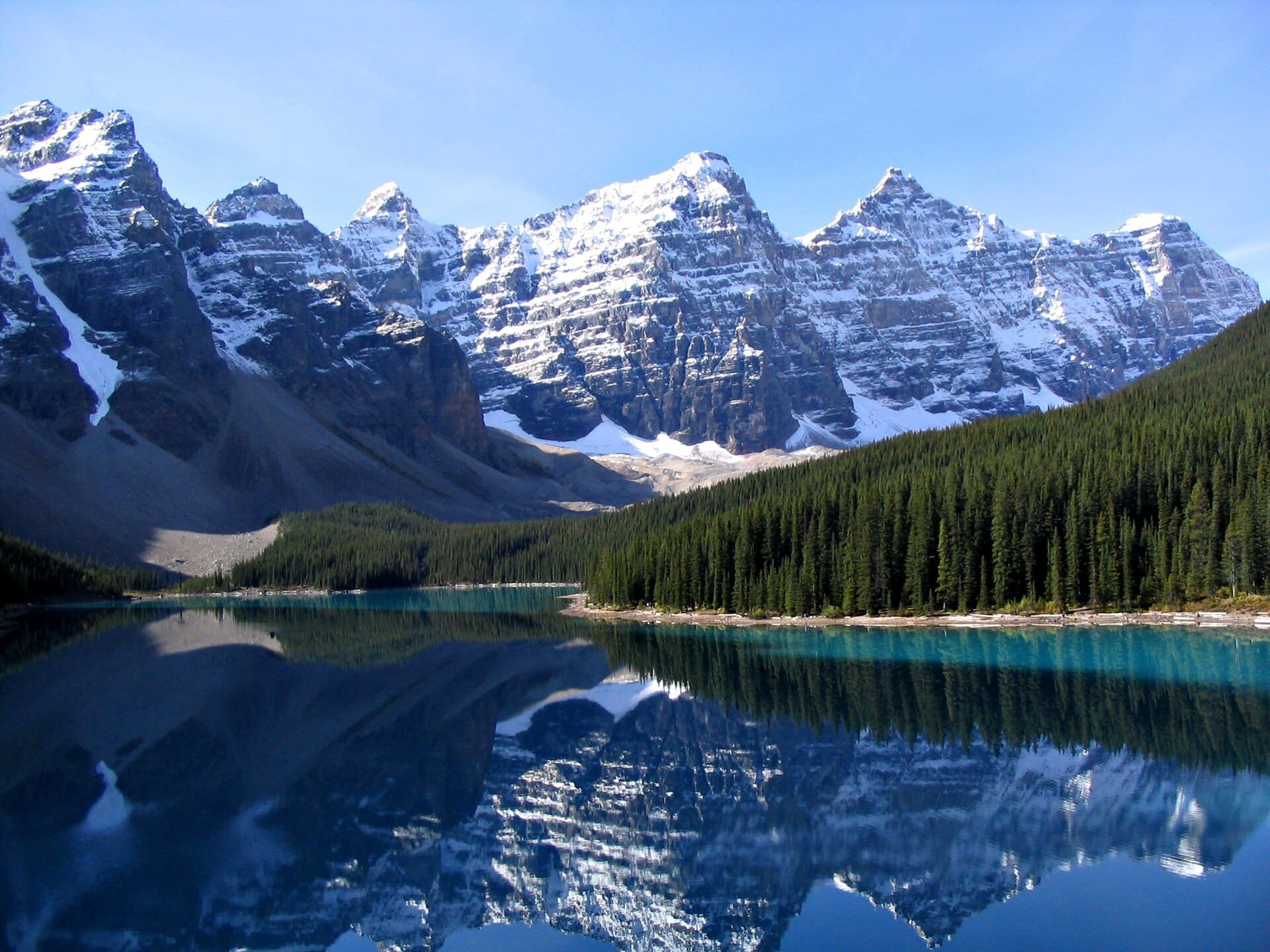
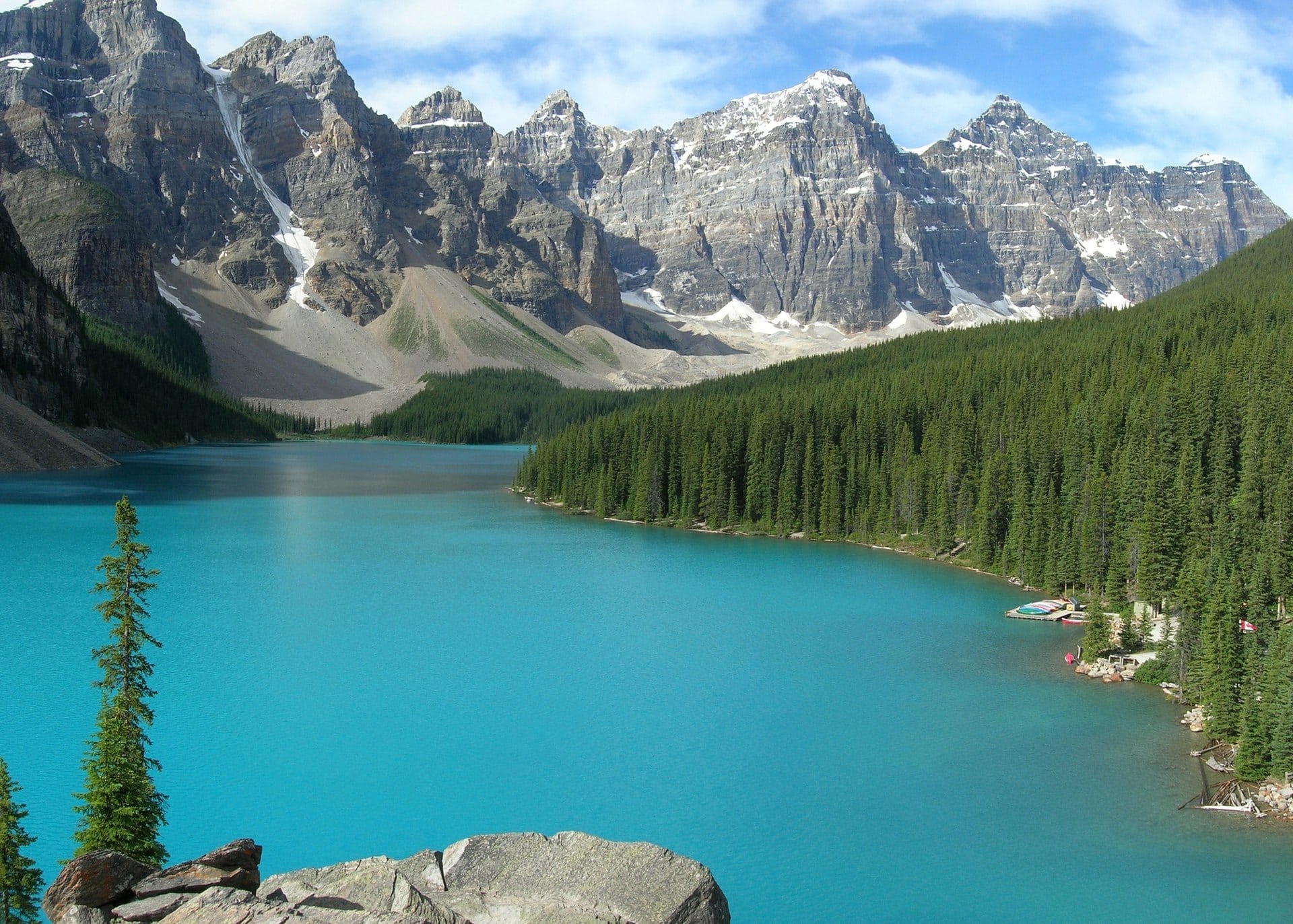
If you’re thinking about adding the famous glacial lakes of Banff National Park to your western Canada itinerary, I have to give you a small warning right from the start. The scenery of turquoise water surrounded by a wall of steep peaks is absolutely breathtaking and overwhelms every sense, but the logistics of visiting Lake Louise in Canada have turned into a fairly brutal survival game in recent years. That magical colour of both lakes comes from glacial flour, a fine rock dust that glaciers grind down as they move, which then refracts sunlight in the water into the most stunning shades imaginable. But to see this beauty in person, you’ll need to prepare for military-grade planning, because the days when you simply drove up to the lakes and parked are long gone. For the 2026 season, there are strict rules, radical limits on car access, and a booking system that feels like buying tickets for the world’s biggest concert.
So here’s your survival manual: I’ll tell you exactly when to sit at your computer to grab tickets, where to base yourself strategically, and which trails to tackle to escape the biggest crowds. Whether you’re planning a relaxed stroll with a pushchair or a demanding climb to the glaciers, all the information is updated for 2026, so nothing will catch you off guard once you’re there.
TL;DR
- Driving ban: The road to Moraine Lake is uncompromisingly closed to private cars all year round in 2026, and the only way to get there is by official bus.
- Parking at Lake Louise: It costs 36.75 CAD (around €24) per day, and the car park is hopelessly full well before 6 a.m.
- Booking day: Parks Canada shuttle tickets open on 15 April 2026 at 8:00 MDT (roughly 3 p.m. UK time).
- Rolling release: If you don’t get tickets in April, the remaining 60% of capacity is released 48 hours before departure.
- Free park entry: Thanks to the Canada Strong Pass, you won’t pay national park admission between 19 June and 7 September 2026, but the bus tickets are paid separately.
- Prepare in advance: Set up your Parks Canada account the day before so you’re not wasting precious time filling in details at the critical moment.
- Bears are real: Never head into the wilderness without a dedicated bear spray, which you have to buy in Canada — you can’t take it on the plane.
The full destination guide: Rocky Mountains — guide and what to see
When to Visit Banff National Park
The weather in the Canadian Rockies happily ignores the calendar, and you need to be ready for all four seasons in a single day. If you’re heading out at the very start of summer, keep in mind that locals aptly nickname June “Monsoon June” because of the frequent rain. Even in July, a snow shower can surprise you on the mountain trails, and morning temperatures often drop close to freezing. So pack quality layered clothing — from merino through fleece to a waterproof Gore-Tex jacket — because heading to higher altitudes in just shorts is a reliable recipe for a serious cold.
The most stable weather and the alpine meadows in full bloom come, of course, in July and August, but that comes at a huge price in the form of extreme crowds and high prices that drop by up to 40% outside the season. During this period there’s also a risk of smoke from summer wildfires, which can cut visibility to a minimum. If you do travel in July, don’t miss the Calgary Stampede rodeo in Calgary, which runs from 3 to 12 July 2026. It’s the largest outdoor show of its kind in the world, tickets start at around 47 dollars, and this year huge names like Alanis Morissette and A$AP Rocky will be performing ☺️.
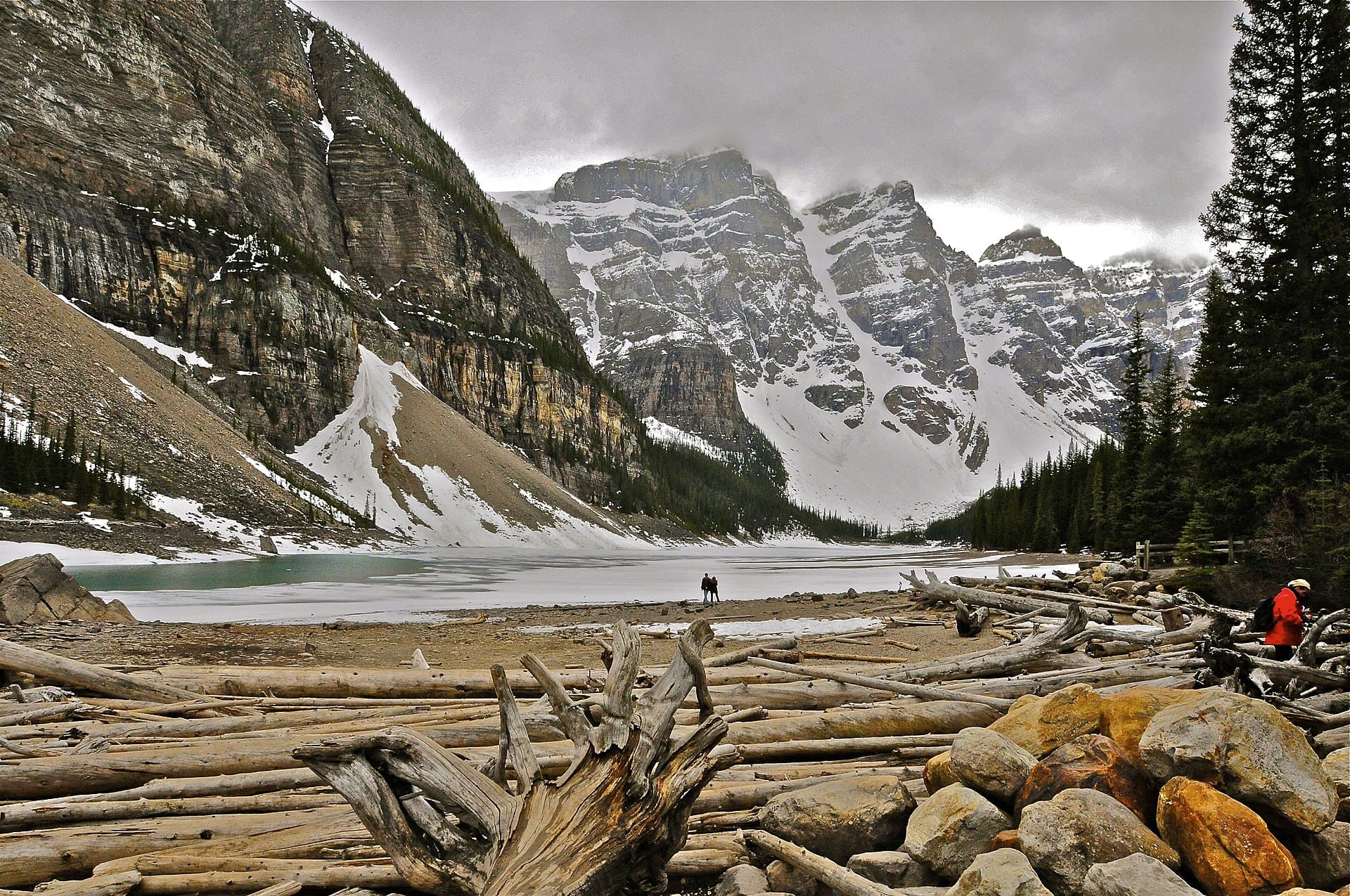
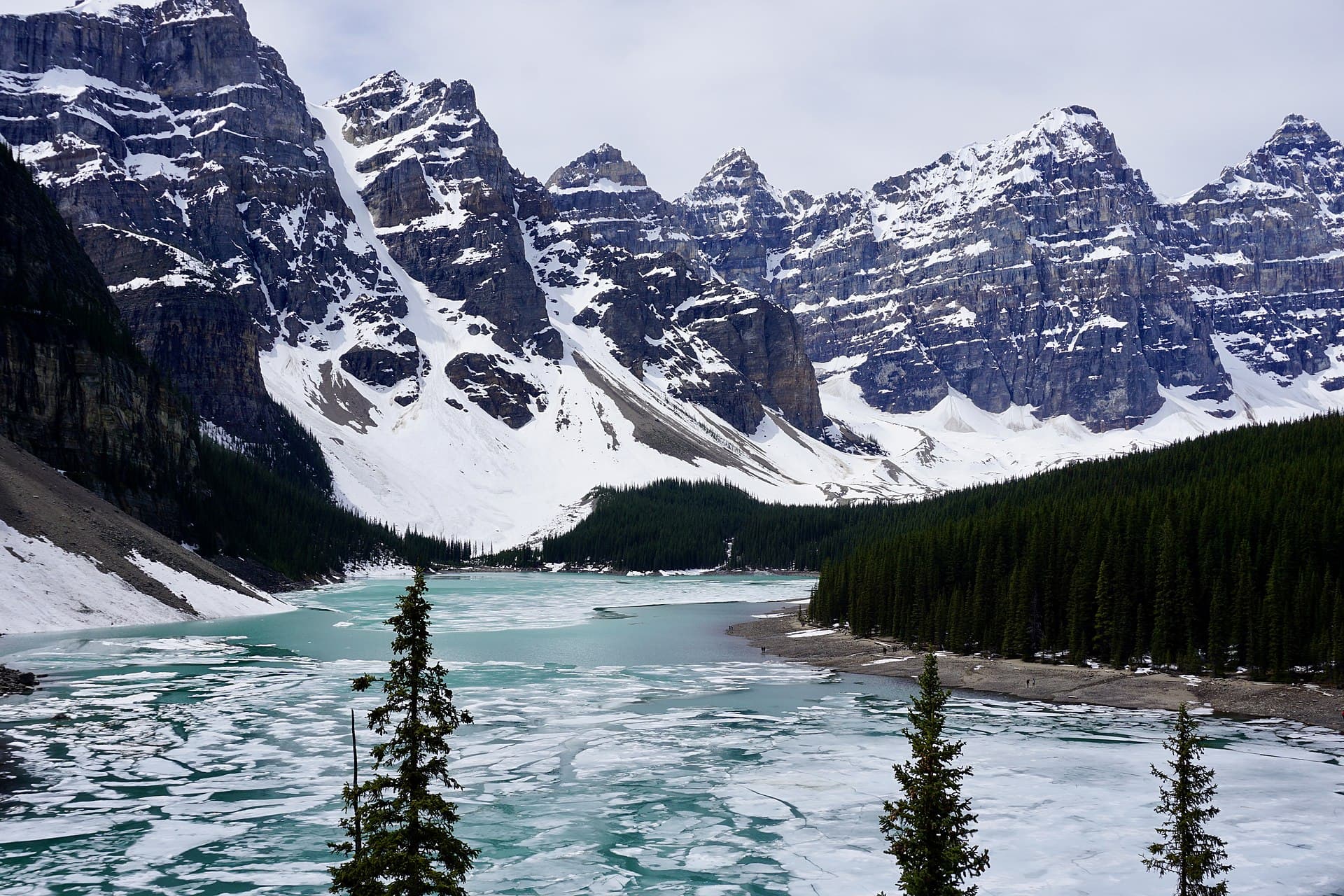
Plenty of seasoned travellers swear by the second half of September, when Canada is gripped by a phenomenon called “Larch Madness”. Larch needles typically turn a brilliant gold in the third and fourth weeks of September, creating an absolutely perfect contrast with the turquoise water of the lakes. The winter months from December to March, on the other hand, are a paradise for powder lovers, though you should bear in mind that the mountain lakes often stay frozen until early June. If you’d like a more detailed breakdown of each month, I recommend taking a look at our article on when to visit Banff.
Where to Stay Around the Lakes and the Bow Valley
💡 Tip for accommodation and experiences: We love searching for places to stay on Booking.com, where the cancellation terms tend to be the best. Tickets, tours and activities are then worth comparing and booking through GetYourGuide.
Accommodation in the Canadian mountains can really put your budget through its paces, so the sooner you book, the better for your wallet (ideally six months ahead via Booking). Right by the lakes you’ll only find the most luxurious options, which offer incredible comfort but come with price tags to match the exclusivity of the location. If you have a generous budget, staying right inside the national park will save you a lot of the time you’d otherwise spend commuting in the morning.

Lake Louise and surroundings. The biggest icon is undoubtedly the Fairmont Château Lake Louise, which sits right on the shore and offers that famous view straight onto the glacier through enormous windows. If you stay here, you get the huge advantage of cheaper canoe rentals and guaranteed parking, but expect prices starting from 1,000 CAD (around €650) for a single night. The second exclusive option is Moraine Lake Lodge, the only accommodation right at Moraine Lake. Its guests are literally the only ones granted permission to drive their own car to the lake, and they have a free hotel shuttle at their disposal — an invaluable privilege these days.
The town of Banff. Right in the heart of the action you’ll find countless lovely hotels, where all those charming restaurants and cafés are just a few steps from your room. A great choice, for example, is Moose Hotel and Suites, which offers gorgeous rooftop pools with thermal water and mountain views. If you’re after something truly traditional, the historic Fairmont Banff Springs looks like a majestic Scottish castle set in the middle of the wilderness, with absolutely first-class service and excellent food.
Canmore (the more affordable alternative). If you want to save money and don’t mind commuting, the little town of Canmore lies just 20 minutes from the park gates and is around 30% cheaper. It has a much more relaxed local atmosphere and some excellent dining options. Try Basecamp Resorts, for instance, which offer modern apartments with fully equipped kitchens. You’ll hugely appreciate that the moment you stock up at the local Save-On-Foods supermarket and decide to cook your own meals, saving a tidy sum on the classic mountain mark-up in restaurants.
Where to Eat Around the Lakes
Mountain air reliably brings on a wolfish appetite, and finding good food in Banff National Park can sometimes be a bit of a puzzle. The restaurants right next to the lakes are often extremely expensive and bursting at the seams in high season. So it pays to think ahead and plan not just your hikes but also your food stops, so you don’t end up surviving on overpriced biscuits from a petrol station.
If you want to combine a culinary experience with an outing, I really recommend the historic mountain tea houses I write about below. For a classic dinner after a demanding day, though, it’s best to head back down to civilisation.
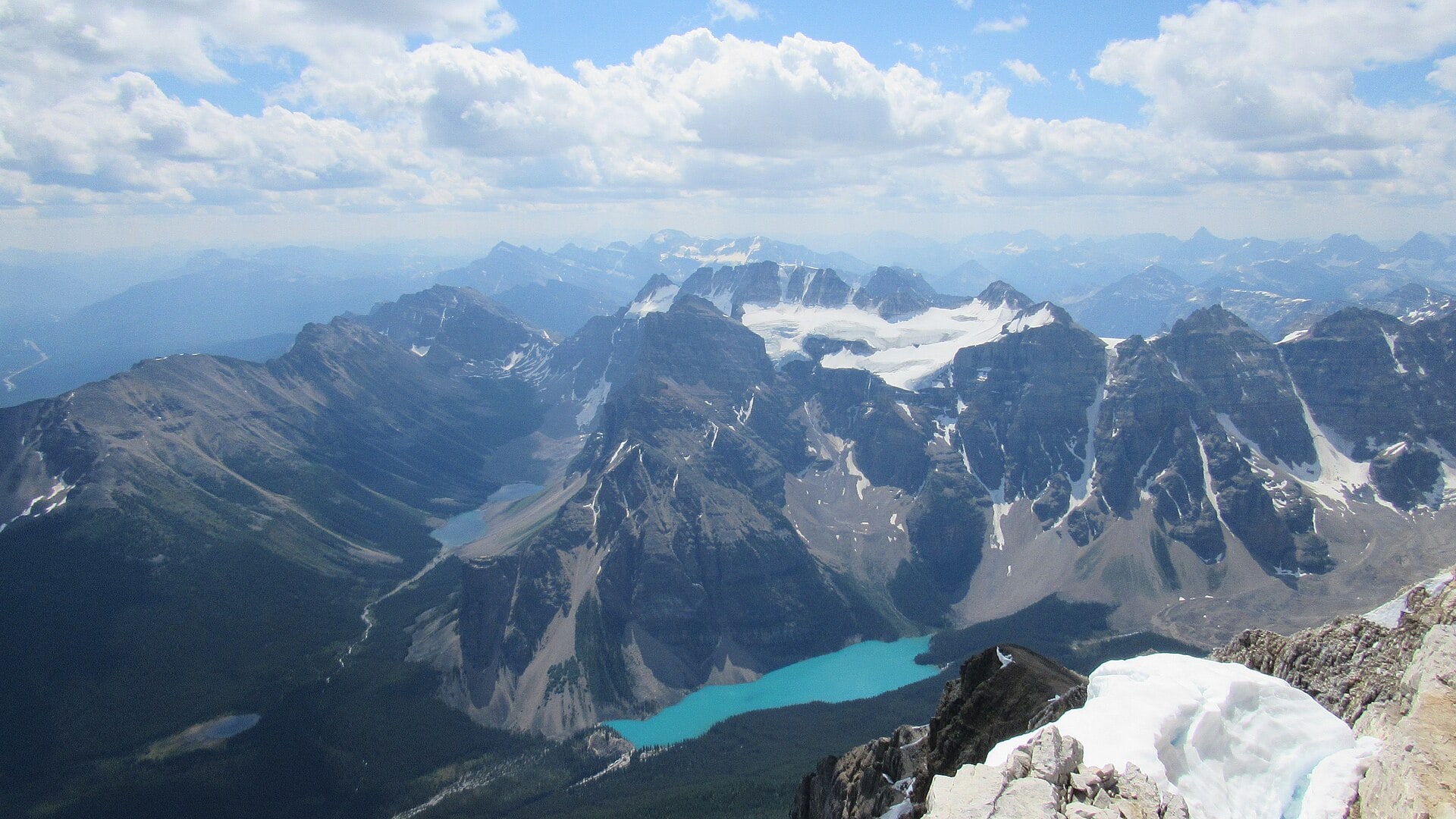
Hidden Gems in Banff and Canmore
Right in the town of Banff you’ll find a great, laid-back atmosphere. I recommend trying The Bison Restaurant & Terrace, where they cook with fantastic local ingredients and serve superb vegetarian and meat dishes. Another safe bet is Eddie Burger + Bar, which you’ll fall into with delight after every long hike and where you’ll appreciate the generous portions.
In neighbouring Canmore the situation is even a notch better in terms of value for money. Stop for coffee and fresh pastries at the popular Rocky Mountain Flatbread Co. bakery, which will save you on your early morning journey to the lakes. And if you want to save serious cash, simply do a big shop at the local supermarket and cook in your apartment. It’s the best way to keep your budget under control.
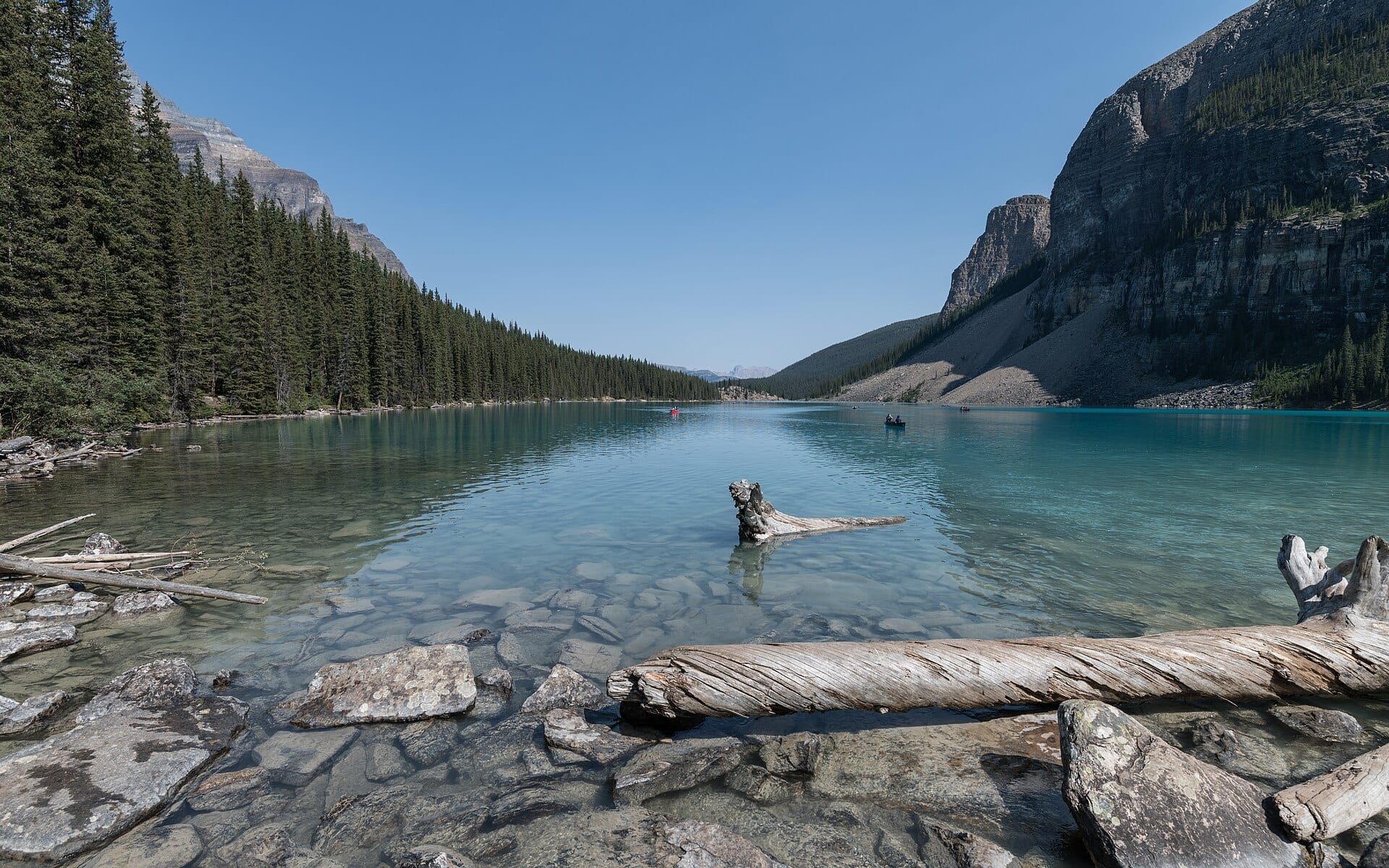
Map of points of interest for your phone
8 Steps and Tips for Planning a Visit to Moraine Lake and Lake Louise
And now for the most important part: 8 concrete steps for actually surviving the operation known as the Canadian lakes. I’ll help you navigate the booking system and alternative operators, and we’ll also look at the most beautiful walking trails you definitely shouldn’t skip. Always remember that the system and prices change every year, so just to be safe, double-check everything before your trip on the official Parks Canada website.
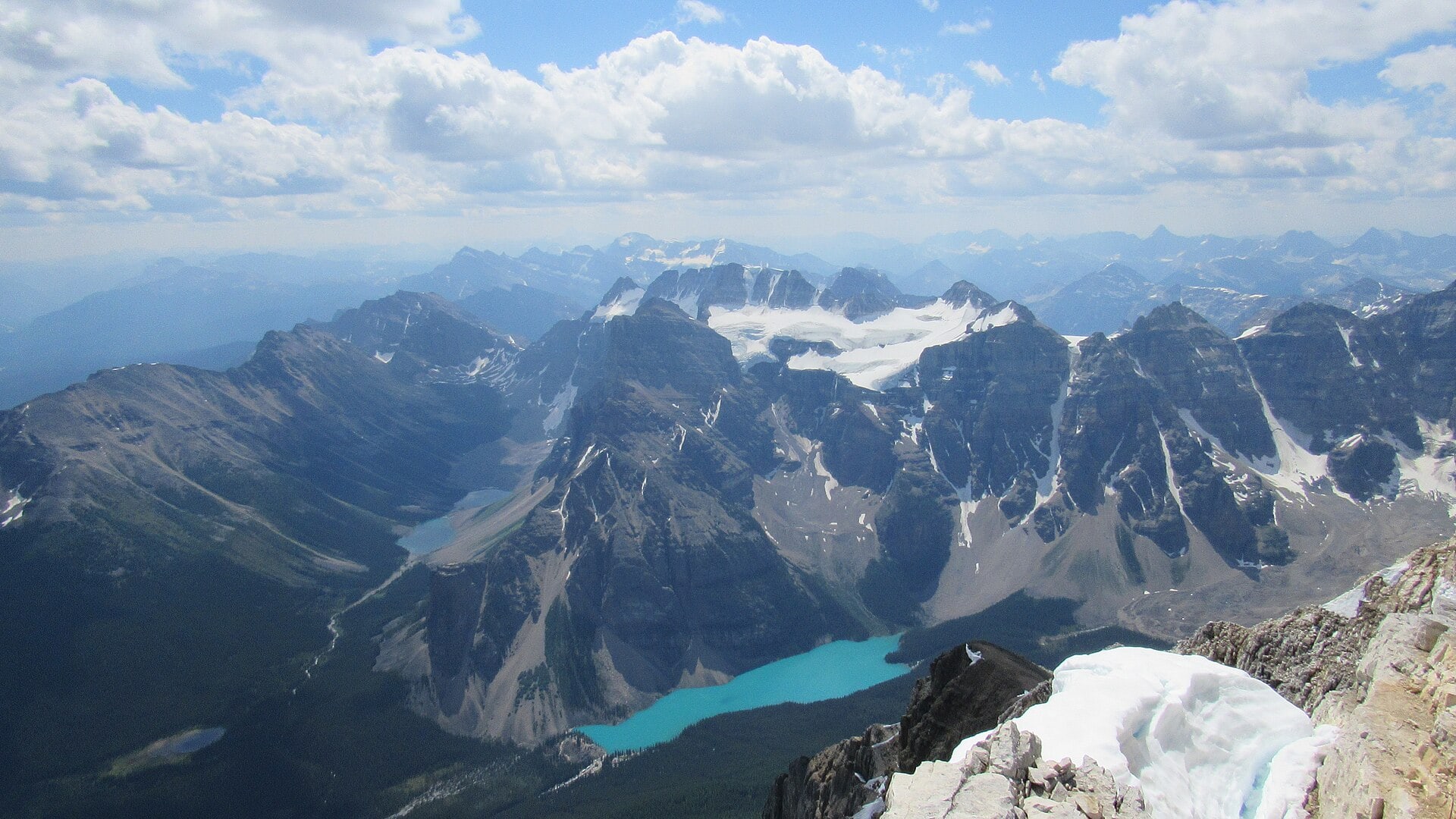
1. The Hard Reality of Parking and Why You Can’t Drive to Moraine Lake
If you’re used to European conditions, the Canadian reality in Banff National Park will most likely catch you off guard. In 2025 the park welcomed a record 4.5 million visitors, and the traditional infrastructure simply collapsed under this onslaught. That’s exactly why the authorities made a radical cut: Moraine Lake Road is closed from mid-October to mid-May due to snow, and for the rest of the year there’s an absolute driving ban for all private cars. Access here is reserved exclusively for official Parks Canada buses, commercial operators and brave cyclists, so forget any attempts at an early-morning arrival in your own vehicle.
At neighbouring Lake Louise you can, in theory, still arrive by car since the highway is open year-round, but it’s more of a game of nerves. All-day parking here costs 36.75 CAD (around €24) and the main Lakeshore car park is typically packed to bursting before 6 a.m. in summer. Once capacity is full, the rangers simply close the road, and circling the car park hoping for a free spot is strictly forbidden. If you’re travelling in a motorhome longer than 6 metres or wider than 2 metres, you’re banned from the main car park outright and diverted to the more distant Fairview lot, 1.5 kilometres from the water.
💡 Tip: Don’t try to outsmart the system and count on getting lucky. The local community on the forums is clear: either you’re on site by 5:30 a.m., or you just make your peace with the official bus.
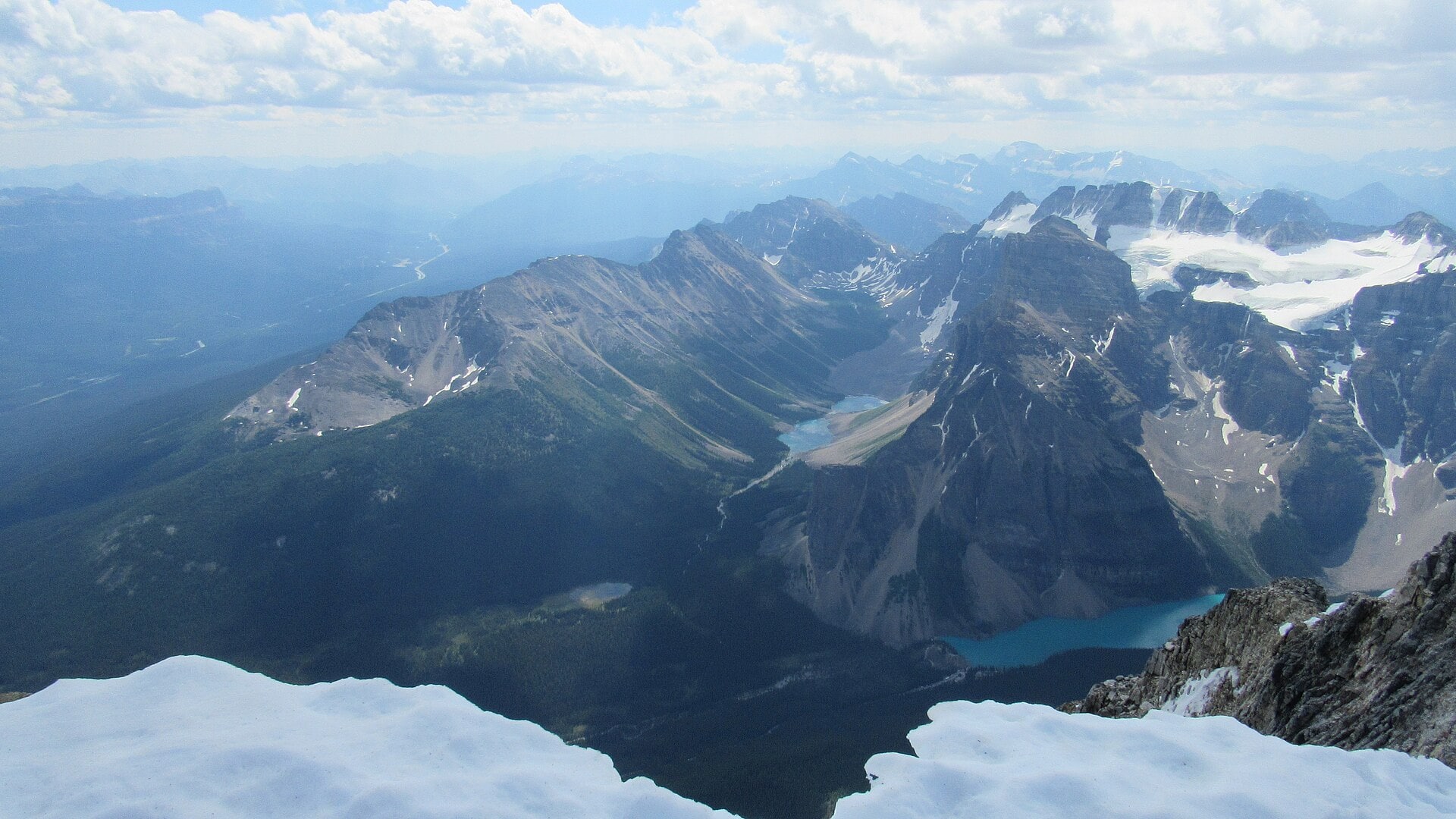
2. D-Day: Booking the Parks Canada Shuttle for the 2026 Season
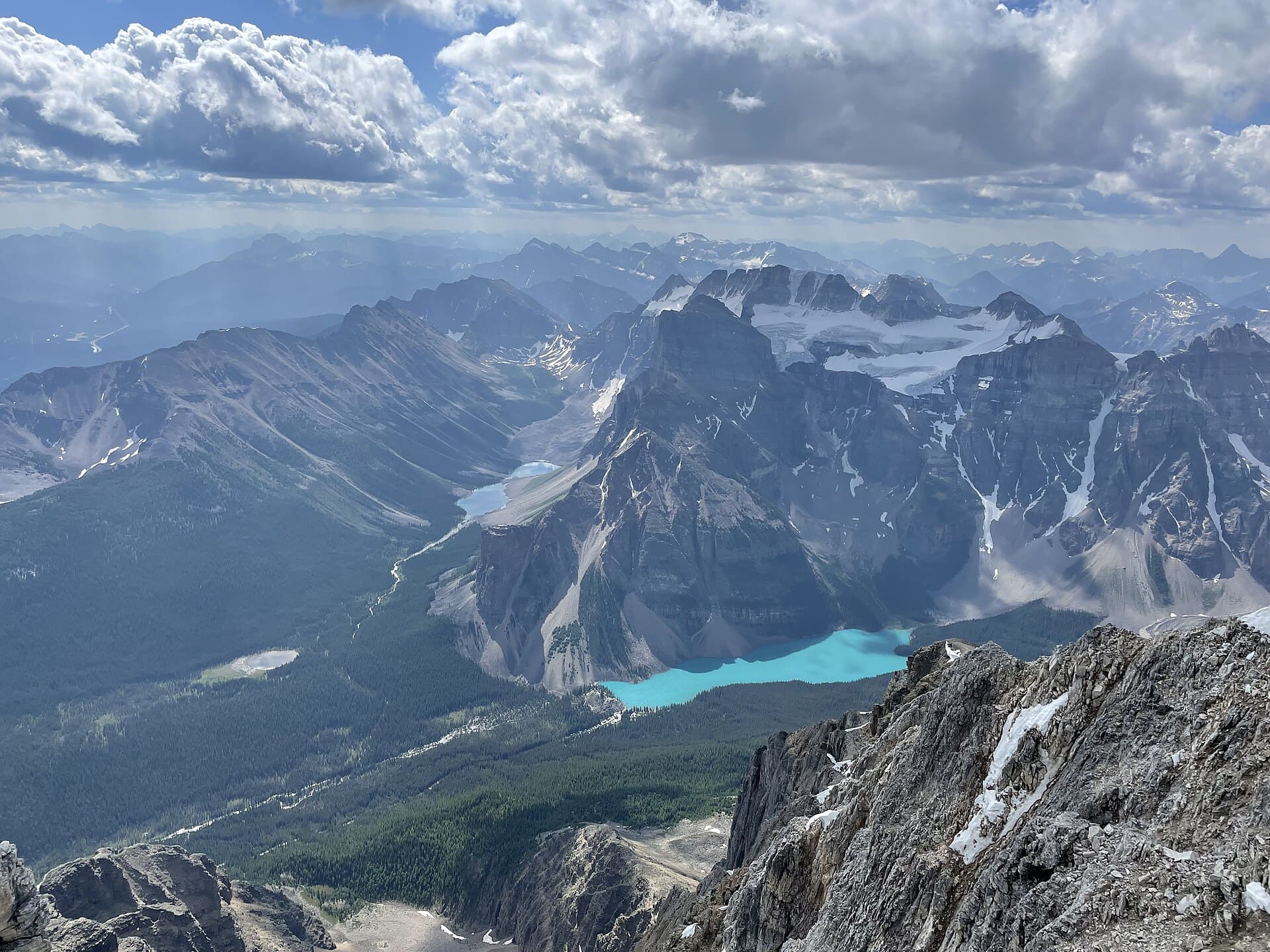
Because of the parking embargo described above, the official shuttle service has become by far the most sought-after commodity in all of Alberta. For the 2026 season, the booking gates open on Wednesday 15 April at 8:00 MDT, which corresponds exactly to 3 p.m. UK time. At that critical moment, only 40% of the total capacity is released, and demand is absolutely astronomical. Last year 75,000 people were queuing first thing in the morning, and an incredible 134,000 seats vanished in a single day, so the speed of your fingers really decides everything.
The official bus pricing is actually very friendly and it’s by far the cheapest way to reach the lakes. An adult pays 12.75 CAD (around €8), seniors over 65 pay 6 CAD, and youth up to 17 pay just 4 CAD. A non-refundable reservation fee of 3.50 CAD is added to each transaction. The huge advantage of this ticket is that it automatically includes a ride on the so-called Lake Connector bus, which shuttles at regular intervals directly between Lake Louise and Moraine Lake, so you can do both lakes in one day at no extra cost.
The strategy for surviving this April madness is actually fairly simple, but you mustn’t underestimate it. Create your account on the Parks Canada portal at least a day in advance, and at exactly 8 a.m. local time you need to have your list of preferred and backup dates ready. Anyone who hesitates at that moment or only then starts figuring out how the system works, unfortunately, isn’t going anywhere.
3. The Emergency Brake: The Last-Minute Rolling Release System
If luck doesn’t smile on you in April, you really don’t need to panic and cancel your whole holiday. The park management very cleverly holds back a full 60% of tickets for ongoing sales, officially called the rolling release. These remaining huge batches drop into the system exactly 48 hours before each specific departure day, again at 8:00 MDT (so 3 p.m. UK time). It’s an absolutely ideal chance for flexible travellers who can adapt their programme to the current situation and don’t mind planning from one day to the next.
But this system has its clear pitfalls too and demands readiness. Tickets disappear at an unbelievable speed and, as tourists often complain on the forums, you can easily find yourself making it through the virtual queue only to see every time slot already showing empty. So I recommend setting several alarms on your phone and being logged into the system before the hour strikes, so you don’t lose a single second to pointless page loading.
💡 Tip: If you can’t snag your ideal morning slot, just take whatever happens to be showing green. An afternoon visit has its own huge charm — the light for photography is much softer and the crowds are slowly thinning out, because most people are heading back to their hotels for dinner.
4. Private Alternatives and the Early Alpine Start for Photographers
When the official system fails and there simply are no tickets, private operators step in — and they’ll charge handsomely for the guarantee of access. Companies like Moraine Lake Bus Company, Discover Banff Tours and Pursuit offer seats even at the height of the crisis. The price shock is brutal, though, and you can pay up to an incredible 550 CAD (around €355) for that certainty, which is simply the harsh tax for not planning months in advance.
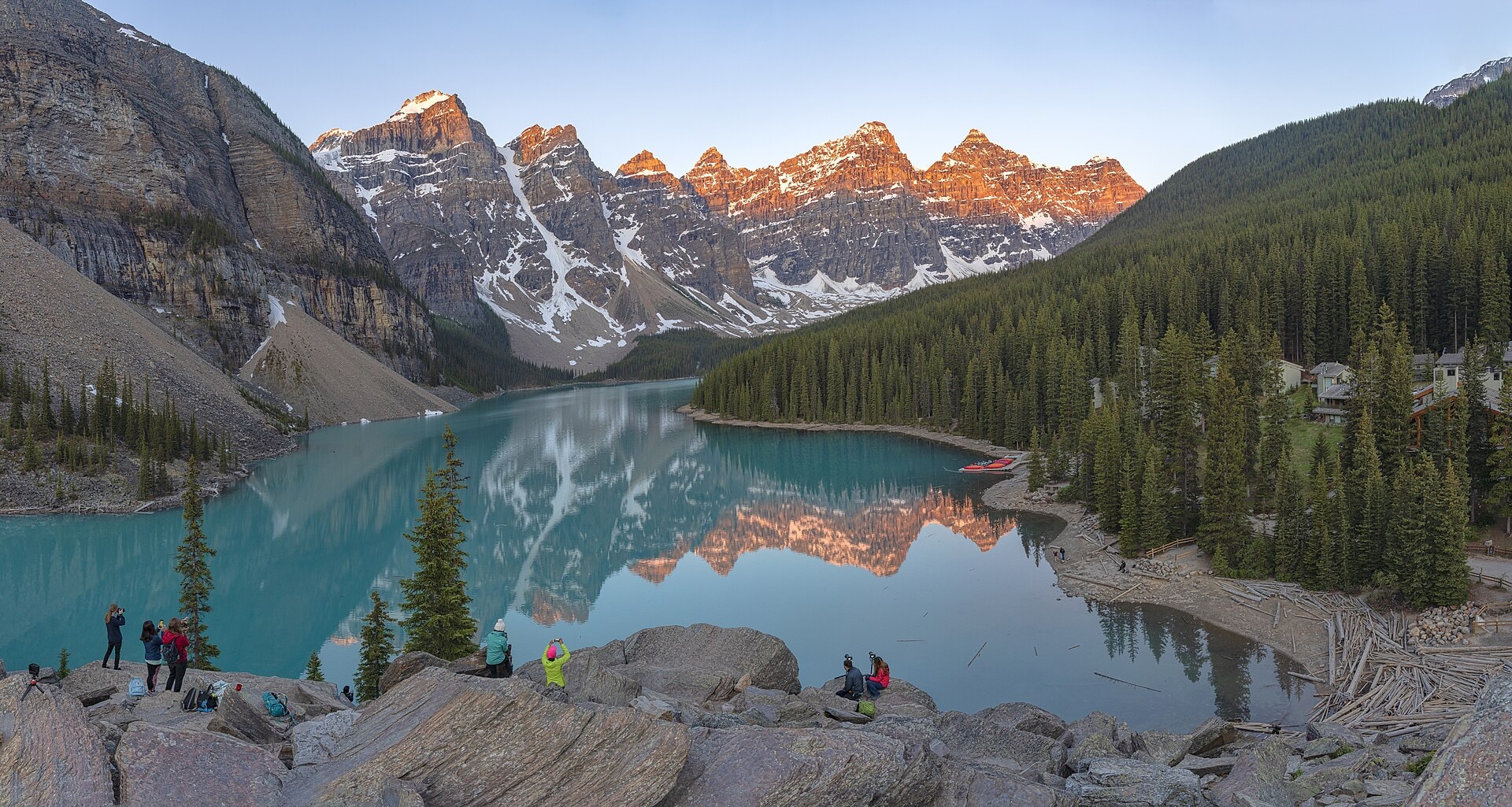
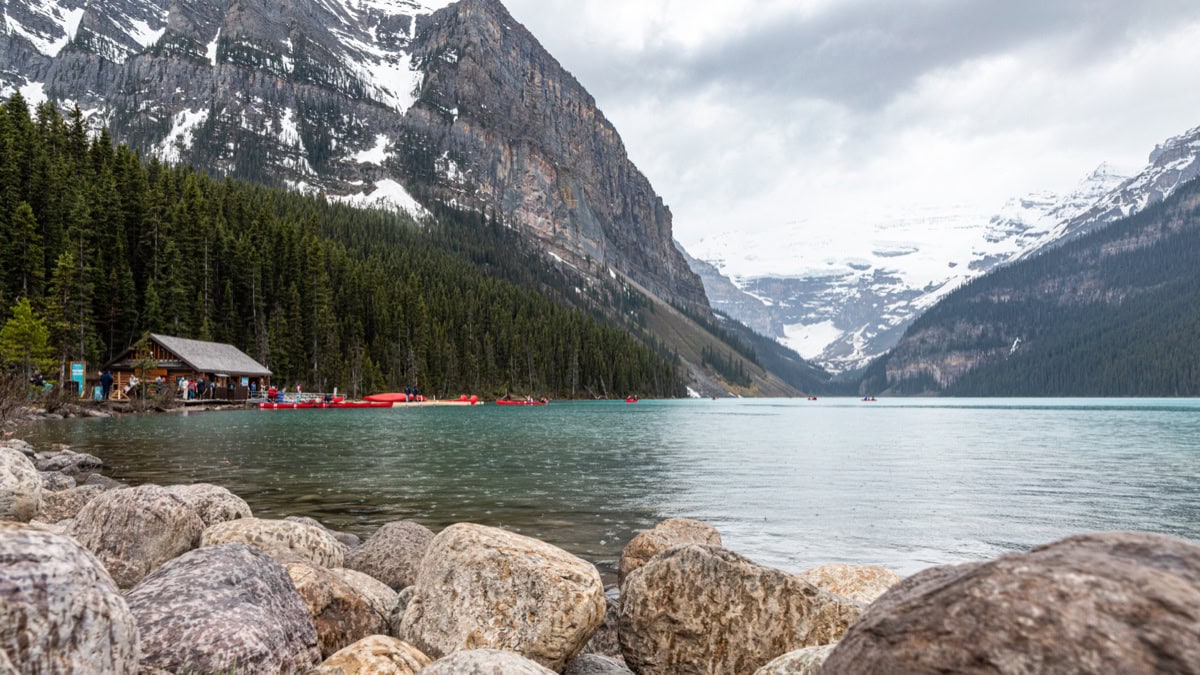
A specific category is the hunters of early light and photographers. The regular Parks Canada buses don’t leave until 6:30 a.m., which is too late to capture the so-called blue hour. If you want to photograph the perfect reflection of the Victoria Glacier at Lake Louise, you need to be standing at the boathouse with your tripod ready by around 4:30 a.m., which means an extremely early wake-up. Golden hour here starts 30 to 60 minutes before the official sunrise, and the colours at that moment are absolutely magical.
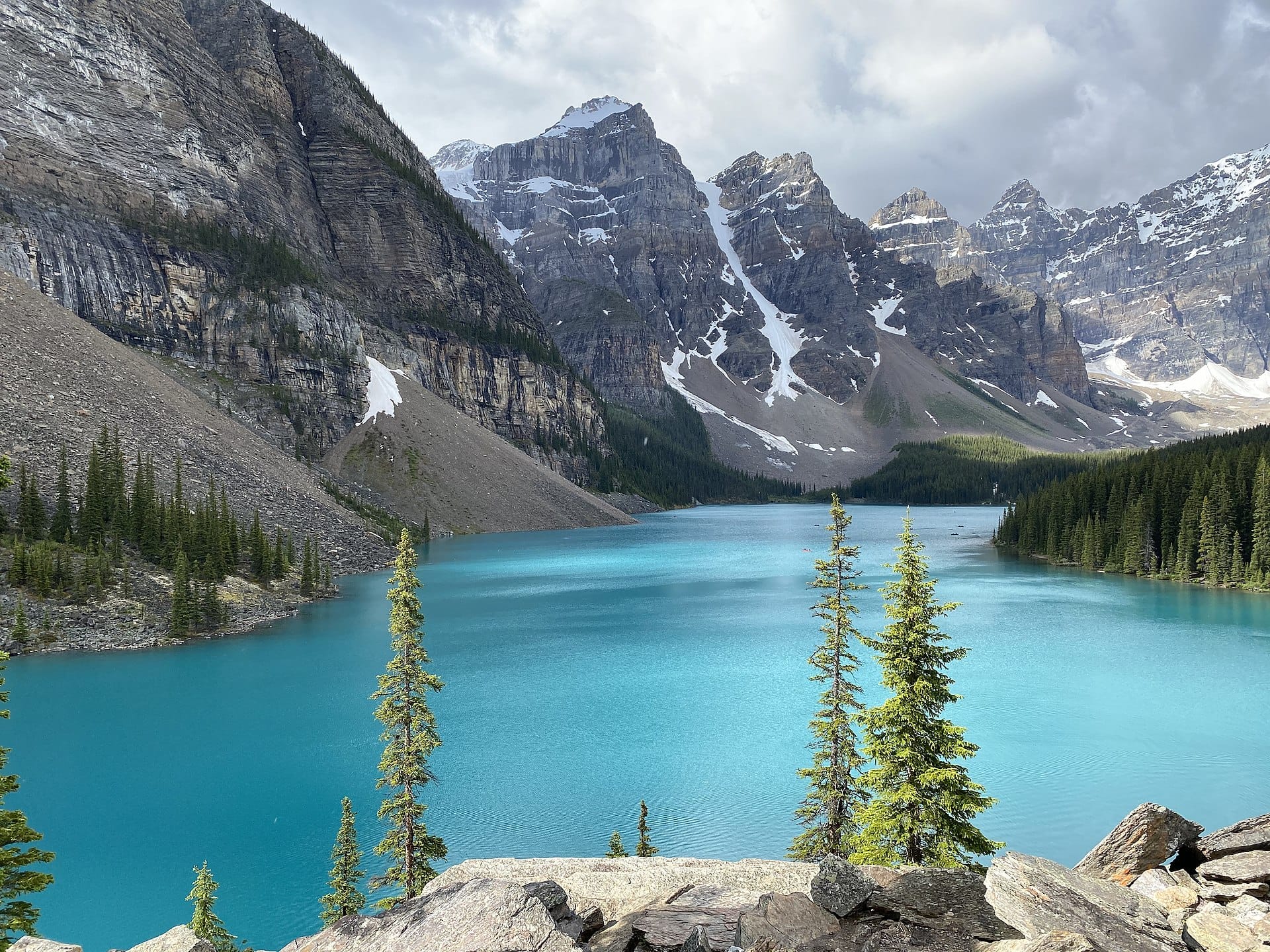
At Moraine Lake the situation is a touch more complicated. If you want to capture the moment when the sun paints the peaks of the Valley of the Ten Peaks a deep orange, you have to book the special Alpine Start Shuttle, which leaves the valley as early as 4:00 a.m. At the top of the famous Rockpile viewpoint it gets pretty tight at this hour, with dozens of tripods standing side by side in the dark, so I recommend packing an ultra-wide lens and a really warm jacket, because morning frosts by the water are biting even in midsummer.
5. The 2026 Budget and the Free Canada Strong Pass
Financial planning for a trip to Canada requires nerves of steel, but summer 2026 brings one absolutely fantastic piece of news for all travellers. The government has launched the Canada Strong Pass, thanks to which entry to all national parks is completely free for every visitor from 19 June to 7 September. You don’t need to apply for anything, the gates are freely open, and on top of that you get a 25% discount on campsites. Watch out, though: the shuttle tickets to the lakes are still paid separately, and the free entry doesn’t apply to the provincial parks in the Kananaskis area, where you still need a special pass.
If you travel outside this free window, the standard daily admission costs 12.25 CAD per adult. Flight prices from London to Calgary with Air Canada or British Airways hover around £700, but if you get lucky with a WestJet sale, you might fly for as little as £500. Don’t forget that to enter Canada you need the mandatory electronic eTA registration, which costs exactly 7 CAD and is handled solely on the official government website — the only exception being tourists arriving overland from the USA. For those planning a longer road trip and dropping the car off in a different city, another crucial piece of information is the extreme rental fee, which commonly climbs to 150–500 CAD for a one-way rental.
What you’ll really love in Alberta, on the other hand, is the tax system. As the only province in Canada, it has no provincial sales tax, so you only pay the 5% federal tax (GST), and petrol here costs an average of 1.78 CAD per litre. A typical week-long road trip for two with mid-range accommodation and a rented SUV will therefore cost you roughly £4,000–4,800 in 2026, assuming you cook for yourselves and head out now and then for a hearty vegetarian meal at the local pubs.
6. The Most Beautiful Hikes at Lake Louise, from Pushchairs to Glaciers
Lake Louise itself is just a tempting springboard, because the real magic of this area opens up on the mountain trails. If you’re travelling with children or just looking for an easy stroll, head along the Lake Louise Lakeshore Trail. It’s a paved, two-kilometre flat path that follows the shore of the lake and leads you to the mouth of a glacial stream, and more capable hikers can add a short one-kilometre climb with 130 metres of elevation gain to the lovely Fairview Lookout.
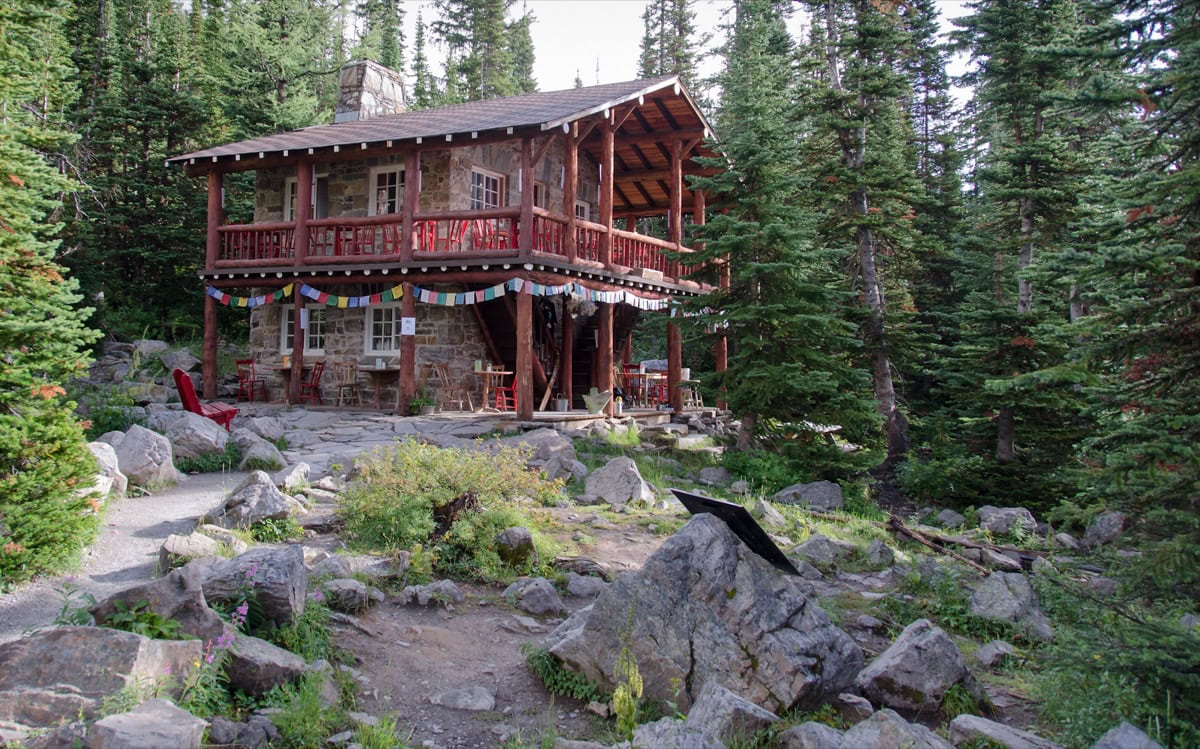
For those who want to push a little harder, the popular Lake Agnes Tea House is an absolute must. This hike climbs through forest for 3.5 kilometres with 380 metres of elevation gain up to a historic wooden tea house dating from 1901. The tea house has no electricity or running water and the staff carry all the supplies in on their backs, which gives the place an incredible atmosphere. Payment here is cash only, so don’t forget to withdraw some dollars beforehand, and try their wonderful tea with a view of the smaller alpine Lake Agnes.
If you’re longing to see the glaciers up close, set out on the Plain of Six Glaciers route, which measures a little over five kilometres and tackles 365 metres of elevation. It runs through an open valley across scree with phenomenal views of the Victoria Glacier, and at the end a rustic Swiss-style tea house awaits. They make absolutely fantastic vegetable soups and fresh bread here. It’s an ideal stop after the climb, but in winter the route is closed due to avalanche danger.
7. Where to Hike from Moraine Lake and the Autumn Madness
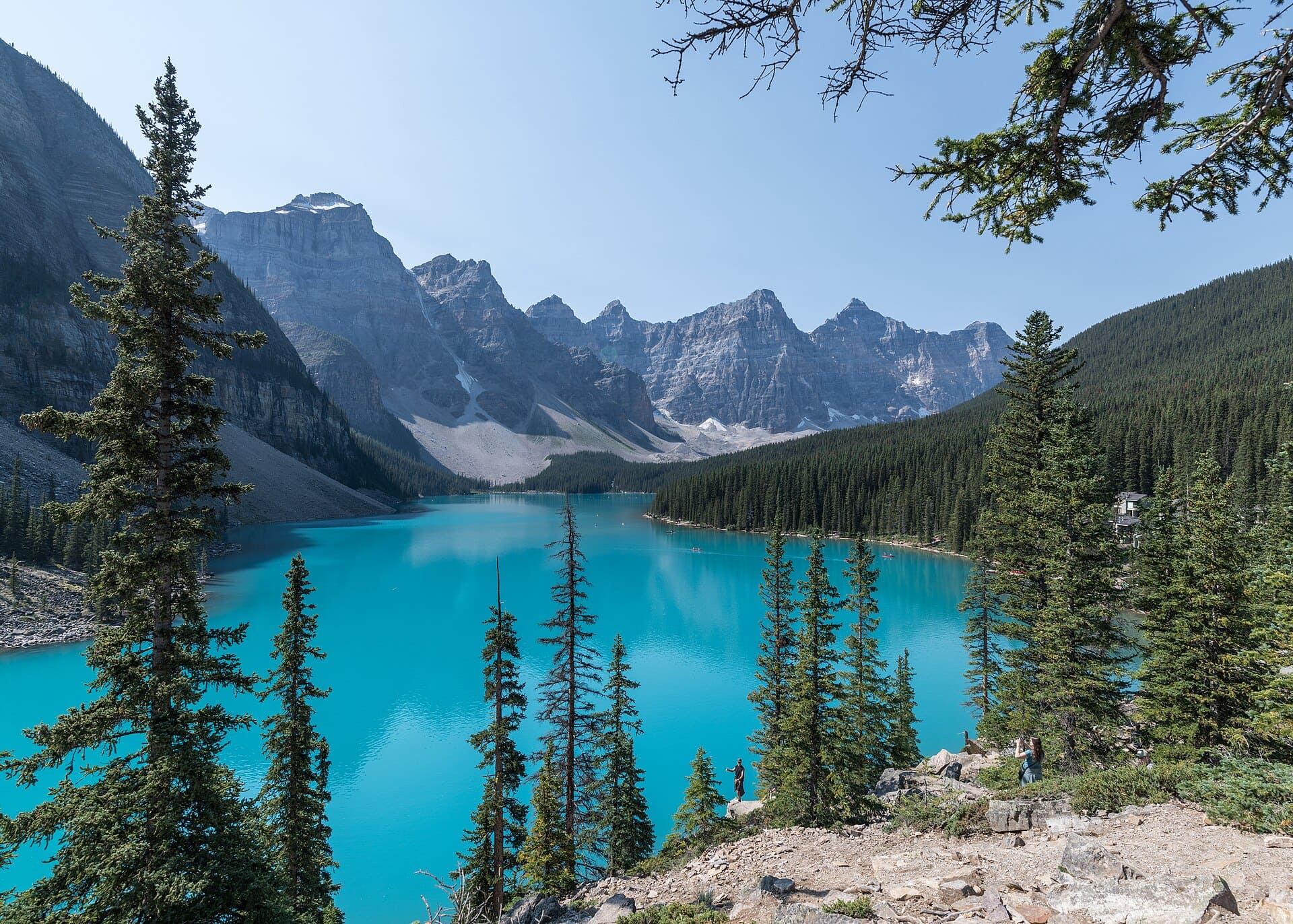
At Moraine Lake, a full 99% of all photos are taken at a single viewpoint. The short, just 800-metre Rockpile Trail with 24 metres of elevation gain leads you up stone steps to the top of a huge moraine, from where the most iconic view over the Valley of the Ten Peaks opens up. This scene was even depicted on the back of the Canadian twenty-dollar note between 1969 and 1979, which is why locals still affectionately call it the “Twenty Dollar View”.
A real treat for mountain lovers, though, is the climb to Larch Valley and Sentinel Pass, which will test your fitness. It’s probably the most sought-after autumn hike in all of Canada, measuring roughly 11.6 kilometres there and back and gaining a solid 725 metres of elevation. The route climbs through deep forest into a valley full of larches and ends with rough switchbacks through scree up to a pass over 2,611 metres above sea level, where the views are simply out of this world.
💡 Tip: If you want to avoid the biggest crowds heading to Larch Valley, turn off instead onto the quieter route to Eiffel Lake. It measures 11.2 kilometres and offers similarly stunning panoramic views of the ten peaks, but spares you the brutal climb to the pass. For total relaxation, I recommend Consolation Lakes, an easy six-kilometre walk across giant boulders to quiet alpine lakes, where you’ll have nature all to yourself.
8. Canoes, Gondolas and How to Survive in Bear Territory
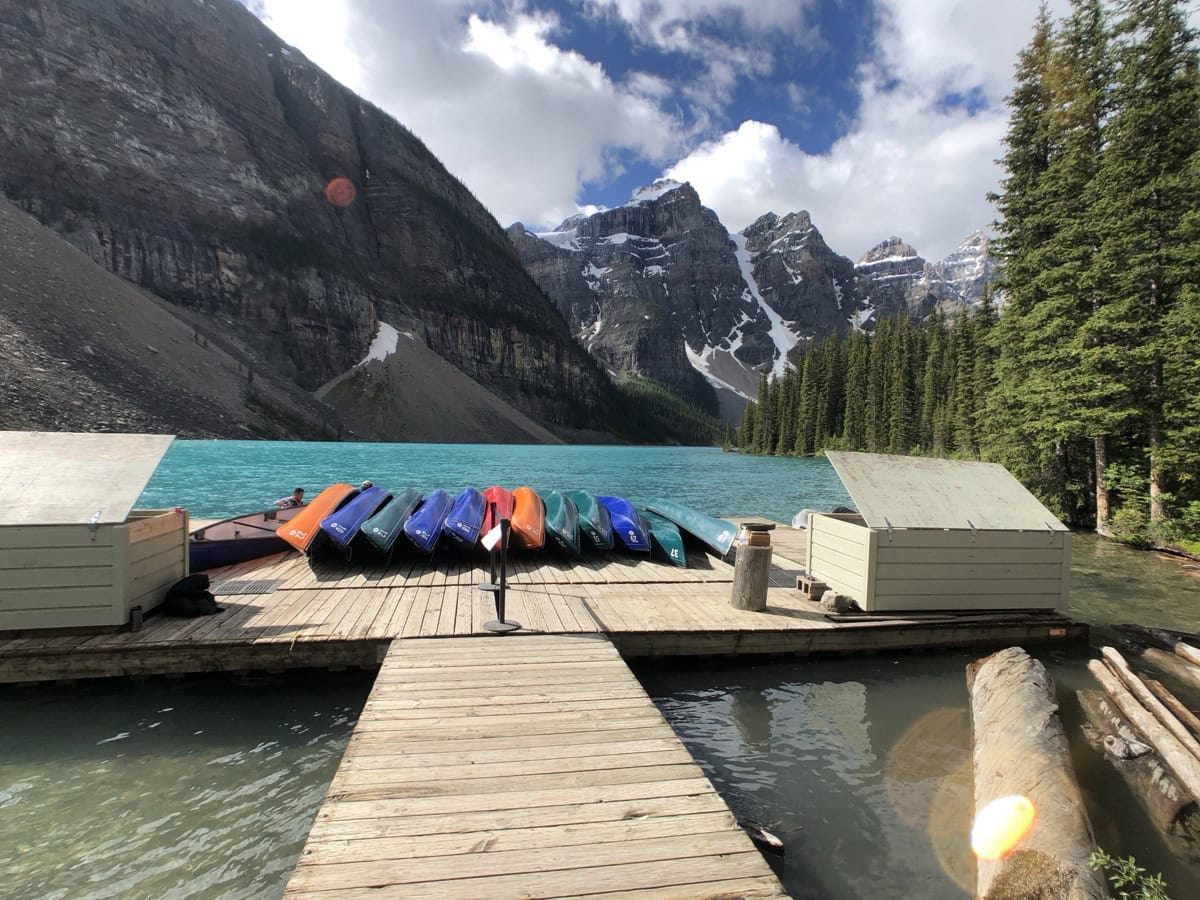
Paddling on that turquoise water is the dream of pretty much every visitor, but the reality at the rental docks will very quickly test the limits of your budget. At Lake Louise, the Fairmont Boathouse rental operates on a “first come, first paddle” basis, with absolutely no booking system. The price for 2026 is an incredible 170 CAD (around €110) plus tax for a single hour on the water, while hotel guests enjoy a reduced rate of 110 CAD. At Moraine Lake you’ll pay around 160 CAD per hour for a boat seating a maximum of three people, but according to many travellers, the experience of gliding beneath those giant peaks is simply worth it.
If you want to see the beauty of the mountains from a bird’s-eye view, try the Lake Louise Gondola. In summer this cable car turns into a premium viewing platform and, above all, one of the best places for safely watching grizzly bears. It runs directly over open avalanche slopes where these giants are very likely foraging for food, as confirmed by the 2025 statistics, when the park recorded over 2,700 reports of wildlife encounters.
Moving around in bear territory demands constant vigilance, and you should never head out on a hike without a dedicated bear spray. But remember one absolutely critical rule: the spray is a pressurised canister and a weapon, so you must never carry it on a plane. You have to buy it after arriving in Canada at shops like Canadian Tire or MEC for roughly 50–60 CAD, and make plenty of noise on the trails, because nature here really doesn’t forgive mistakes.
Where to Go Next from Banff National Park
Once you’ve explored the glacial lakes, the surrounding area offers countless more adventures. You definitely shouldn’t miss the famous Icefields Parkway highway, which connects Banff with the more northerly Jasper National Park and rightly ranks among the most beautiful roads on the planet. It’s a 230-kilometre drive through wilderness with no signal, where a waterfall or a giant glacier awaits you around every bend.
If you have more time set aside for Canada, I recommend reading our comprehensive guides to Moraine Lake and Lake Louise itself, where you’ll find deeper details about the area. Before crossing the ocean, also definitely don’t forget quality travel insurance, because Canadian healthcare is extremely expensive for tourists. We’ve had a great experience with SafetyWing travel insurance, which is suitable for mountain hiking too. And so you’re not completely cut off from the world out in the wilderness (and can share those lake photos), check out our Holafly eSIM review, which means you’ll have data the moment you land.
Frequently Asked Questions
Planning a trip to the Canadian Rockies always comes with a host of small uncertainties and specific questions. I know all too well how it can make your head spin, especially when the rules keep changing and everything is a little different each year.
That’s why I’ve put together the most common questions people ask before heading to the iconic lakes of Moraine Lake and Lake Louise. You’ll find quick answers to technical details about bookings and transport, as well as practical advice for surviving in bear territory.
What is the time difference for booking tickets in 2026?
Reservations on the Parks Canada portal open at 8:00 AM in the MDT (Mountain Daylight Time) zone. Due to daylight saving time, this means that for us in the Czech Republic, you need to sit down at your computer at exactly 4:00 PM Central European Time. Last year there were 75,000 people waiting in the queue, so I recommend having everything ready ten minutes earlier and being logged in right away.
Can I sleep in my car at the Lake Louise parking lot?
Definitely not. Overnight stays in vehicles outside of official campgrounds are strictly prohibited throughout Banff National Park, and the Lake Louise car park is no exception. Park Rangers regularly patrol the area and hand out hefty fines for violating this rule, plus access to the car park is regulated.
Is there any connection between the lakes?
Yes, and it’s a huge advantage of the official system. If you buy a Parks Canada shuttle ticket for 12.75 CAD, it automatically includes a ride on the bus called Lake Connector. It shuttles at regular intervals directly between Lake Louise and Moraine Lake, so you can easily visit both places in one day without the hassle of moving your car around.
Do I need an eTA when driving to Canada from the US?
If you’re flying into Canada, the eTA electronic registration is absolutely mandatory and without it the airlines won’t even let you board the plane. However, there’s an exception for land entry: if you’re driving into Alberta in a rental car from the USA through a border crossing, you don’t need an eTA and a valid biometric passport will suffice.
Where can I buy bear spray?
You can get the spray practically in every store with outdoor equipment in Banff or Canmore. Large stores like Canadian Tire or MEC in Calgary also have a very good selection, where you’ll usually get it cheaper. Expect to pay around €35 to €42 and remember that when purchasing, you’ll need to sign a form with your personal information.
Can you pay by card at mountain tea houses?
No, both famous tea houses (Lake Agnes Tea House and Plain of Six Glaciers Tea House) operate completely off the grid, without electricity or cell signal, and only accept cash. All supplies are carried up there on staff members’ backs, so don’t forget to withdraw enough Canadian dollars before your hike, or you’ll miss out on excellent tea or soup.
Can I handle the booking system on my phone?
Technically it’s possible, but from a practical standpoint I really don’t recommend it. In that critical moment when a huge number of other people are fighting for tickets and thousands of seats are disappearing per minute, you need to have a stable connection and the ability to quickly click between dates. A classic computer or laptop will give you a much better overview.
Can I fly with bear spray in checked baggage?
# HTML Translation
Under no circumstances. Bear spray is classified as a weapon and a hazardous pressurized container. It is absolutely illegal to transport it on any aircraft, not even in checked baggage. Before flying home, you must hand it over at special collection points or give it to other tourists at the park entrance. EXCERPT: Planning a visit to Canada’s iconic lakes? We bring you a complete guide on how to score shuttle tickets in 2026 and avoid the crowds.
Tips and Tricks for Your Vacation
Don’t Overpay for Flights
Search for flights on Kayak. It’s our favorite search engine because it scans the websites of all airlines and always finds the cheapest connection.
Book Your Accommodation Smartly
The best experiences we’ve had when looking for accommodation (from Alaska to Morocco) are with Booking.com, where hotels, apartments, and entire houses are usually the cheapest and most widely available.
 🚗 Car rental on the roadVerified car rentals in the Rocky Mountains
Search with the DiscoverCars comparison engine — it compares prices from dozens of local and international rental companies, and most bookings come with free cancellation.
Compare car prices in the Rocky Mountains →Don’t Forget Travel Insurance
Good travel insurance will protect you against illness, accidents, theft, or flight cancellations. We’ve had a few hospital visits abroad, so we know how important it is to have proper insurance arranged.
Where we insure ourselves: SafetyWing (simple monthly subscription) and TrueTraveller (for extra-long trips).
Find the Best Experiences
Get Your Guide is a huge online marketplace where you can book guided walks, trips, skip-the-line tickets, tours, and much more. We always find some extra fun there!
More from Rocky Mountains
Full guide → Travel story · most readWhat to Pack for the Canadian Rockies: Summer & Winter Packing List 2026
 What to seeJasper, Canada: 15 Tips on What to See and Do (After the 2024 Fire)
 Where to stayCalgary, Canada: 23 Best Things to Do and See
 ActivitiesKananaskis, Canada: 10 Best Hikes Away from the Crowds
 With kidsHow Much Does a Trip to Alberta & BC Cost in 2026: Budget for Couples, Families and Backpackers


