

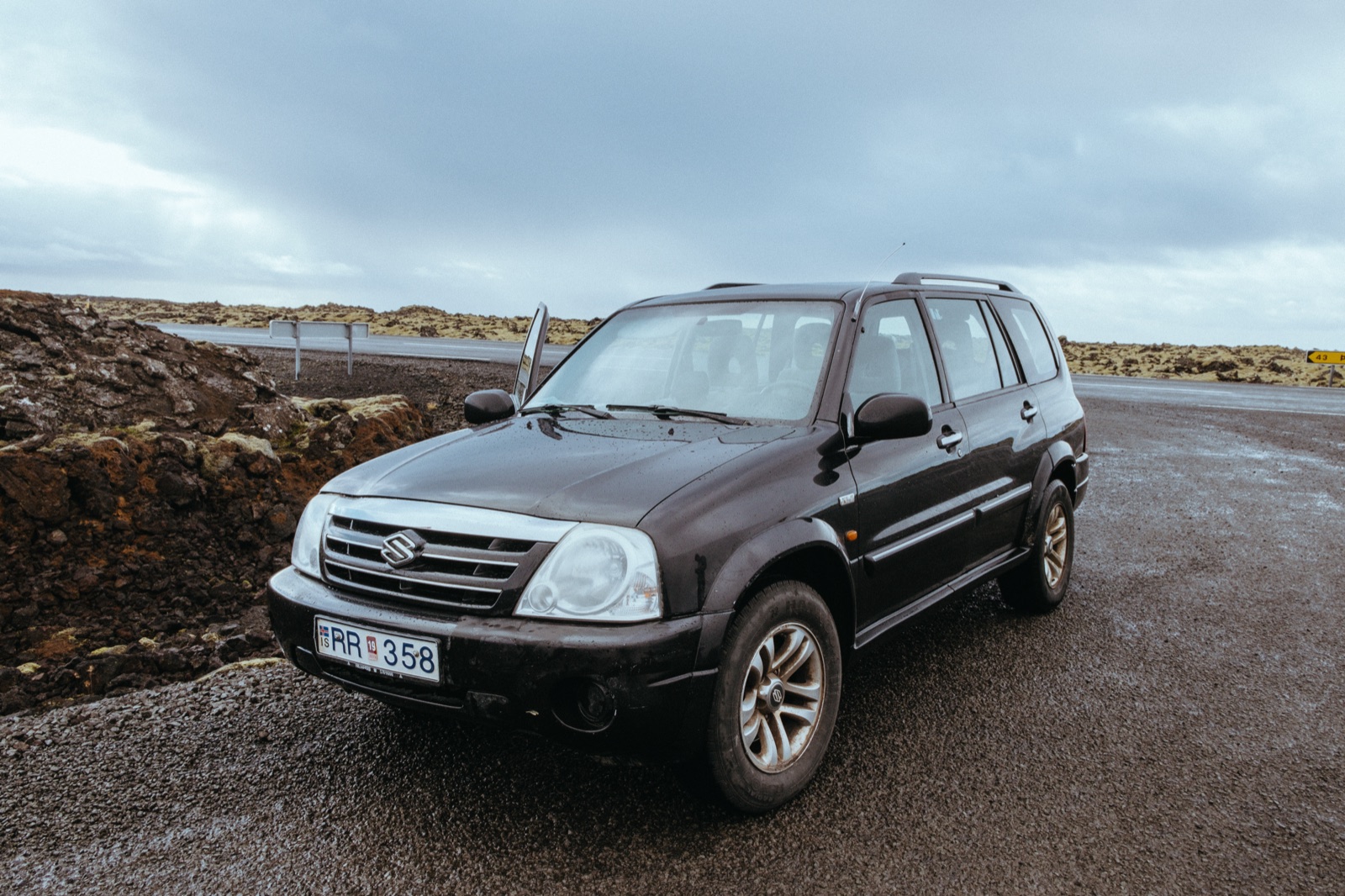
There we were, Lukáš and I, standing at the rental desk at Keflavík airport, a classic Nordic autumn gale howling outside, and the chap behind the counter giving us a sympathetic look. It was autumn 2018 and we were just collecting a little black Suzuki SUV for our two-week loop around Iceland. Within five minutes, the rental agent had laid out a list of potential disasters, from doors ripped off in the wind to a wrecked chassis, and offered us insurance that cost almost as much as the rental itself. That moment taught us everything we now know about saving on car rental.
At that point I felt a strange mix of pure excitement about the road trip ahead and mild panic about our travel budget. That was when it really hit me that with a rental car you can save money, but you can also lose a fortune. And the worst thing you can possibly do is sort all this out exhausted after a flight, right there at the desk, where you’re holding the short end of the stick.
Since then, Lukáš and I have hired cars in plenty of other countries and we’ve gradually fine-tuned our whole process. 😁 We started relying on comparison sites, specifically our favourite DiscoverCars.com, which has made our lives so much easier. If you’re sitting at home right now, planning a trip and Googling how to save on car rental or how to hire a car cheaply, pour yourself a glass of wine and read on. I’ll give you 15 specific, tried-and-tested tips that mean no rental company will ever catch you out again.
TL;DR
- Always book through a comparison site: The same car from the same company costs different amounts on different websites — we use the DiscoverCars aggregator.
- Sort out insurance in advance: Never buy overpriced insurance at the desk — get excess (CDW top-up) cover online.
- Book early with free cancellation: Keep an eye on prices and if they drop, cancel the booking and make a new one.
- Pick up away from the airport: Airport surcharges can bump the price up by tens of percent.
- Pay with the right card: You need a physical credit card in the main driver’s name.
- Watch the fuel policy: Always choose “full-to-full” so you don’t pay for overpriced petrol.
- Decline pointless add-ons: Your own phone with an offline map beats an expensive rental GPS.
- Photograph everything: When you collect and return the car, take detailed photos and video — it’s your only defence.
Why a comparison site matters (and what DiscoverCars is)
You might think the best move is to go straight to the source and book directly on a specific rental company’s website. Logic suggests that cutting out the middleman gives you the lowest price. In the real world of car rental, though, it works completely differently and the same car on the same dates has a totally different price tag across different platforms. Big booking systems have wholesale rates negotiated with the rental companies — rates you simply can’t reach as an ordinary punter walking in off the street.
1. Compare across a comparison site, not on a single rental company’s site
When you open up a comparison site, within seconds it scans the huge multinational brands like Hertz, Avis or Sixt, as well as smaller local firms you’d otherwise never even hear of. You get an instant overview of the market in one place. Local companies often have far friendlier prices, and thanks to the reviews on the comparison site you can immediately see whether they can be trusted. The platforms themselves quote savings of tens of percent, and from our experience that easily adds up to hundreds of pounds saved on a single holiday.
2. Why we bet on DiscoverCars
When I’m planning a car for our next trip, my first move is automatically over to DiscoverCars.com. It’s not a rental company itself, but an independent aggregator that, according to SimilarWeb data (2026), is the most-visited standalone car rental comparison site in the world. It covers over 160 countries, an incredible 50,000 pick-up locations and connects more than a thousand providers. For us, though, the most important thing is how easy it is to use.
I really like that the whole site works in English and shows prices straight in pounds, so I don’t have to faff about converting exchange rates. On top of that there’s 24/7 support and free cancellation up to 48 hours before pick-up, which gives you huge freedom. On Trustpilot it holds a 4.6 out of 5 from more than a quarter of a million reviews, which is a small miracle in this industry. I won’t claim they’re always the absolute cheapest down to the last penny, but the overall combination of clarity, good reviews and great-value insurance makes them our clear choice.
When and where to pick up the car so you pay less
Choosing the right car is only the beginning. How far in advance and where you collect the keys has a massive impact on the final price too. The rules of the game keep changing, and what was true five years ago may not work today. Whoever plays around with dates and pick-up location saves the most, and a bit of smart planning can easily put a few extra pounds back in your budget for some good dinners.
3. Book early, but with free cancellation (and watch the price)
Opinions on the ideal booking window vary, and even the experts at NerdWallet have different data on the best time. My personal approach is to book the car as early as possible, the moment I know my flight dates, but always on condition of free cancellation. Then roughly every few weeks I make a coffee, sit down at the computer and check current prices. If a cheaper offer pops up, I simply cancel the original booking and make a new one — a perfectly legal, common trick that genuinely pays off. There are even services like AutoSlash that track price drops for you and let you know automatically.
4. Pick up the car away from the airport
It’s terribly tempting to land, walk a few metres into the hall with your suitcase and drive straight off. The trouble is, airports charge so-called concession fees for this luxury, typically adding 10 to 30% to the rental price. On longer road trips it often pays to hop on a bus or train into the city centre and pick up the car from a downtown branch instead. For a family on a weekend getaway it doesn’t make sense — you’ll lose time and pay for public transport — but on a two-week trip you’ll really notice the difference.
5. Play with the rental length (a week is often cheaper than five days)
This sounds completely illogical, but booking systems often work with weekend or weekly packages. So you get the bizarre situation where the system charges a lower amount for a weekly rate than for five individual daily rates added together. If you need a car for five and a half days, try entering a full seven days into the search. You’ll be surprised that a longer period can occasionally generate a lower total price — you just hand the car back a bit earlier.
6. Take the smallest category (and let them offer you a free upgrade)
When the two of us travel, we always go for the smallest car category available. Not only is it the cheapest option for the rental itself, but a small car also uses less fuel and is far easier to park in the narrow lanes of historic towns. There’s one nice thing that happens, especially in peak summer season: rental companies often run out of the smallest cars, and in that case they have to give you a free upgrade to a higher class. It’s not guaranteed, of course, but it’s a lovely bonus.
Insurance: where you’ll save (or lose) the most
We’ve arrived at the single most important point of this whole article. Insurance is exactly the area where a cheap car for a few quid turns into a nightmare costing thousands. The key is understanding the difference between basic insurance (CDW), which is usually already included in the price, and the so-called excess. The excess on an accident can easily be £900 to £1,800 or more, and the rental company will place a deposit (a hold) for this amount on your card. If you scratch the car, the company simply deducts the relevant sum from that blocked deposit.
7. Never buy excess insurance at the desk
Get yourself insured in advance, because insurance at the desk tends to be hugely overpriced. The agents earn commission on it, and for rental companies it’s one of the main ways to make money on you through upselling. As even the UK regulator the CMA warns, desk tactics can be very aggressive. They’ll insist that without their insurance you’re risking enormous debts. Don’t let yourself be manipulated by fear — breathe deeply and decline with a smile if you already have your own cover.
8. Get your own excess insurance in advance (Full Coverage)
Here’s an important point for us travellers from the UK. Standard UK travel insurance usually won’t cover damage to a hire car, and most UK credit cards don’t offer excess cover automatically the way some US cards do. That’s why standalone excess insurance is essentially a necessity, not a luxury. We handle this by always adding “Full Coverage” directly through the comparison site.
This insurance, when you book through DiscoverCars, tends to be far cheaper than the desk version, costing only around £8 a day. MoneySavingExpert has long advised buying excess insurance separately, because at the desk you’ll pay several times over for the same cover. The great thing about it is that it covers the excess for both accidents and theft, and on top of that it includes the things basic insurance excludes — glass, tyres, chassis, roof, mirrors, lost keys and towing. It works as a reimbursement. At the desk they’ll still place the deposit and, in the event of damage, you pay the rental company first, but DiscoverCars refunds you the money once you submit the documents, with claims processed within 28 days.
9. Pay with a credit card in the main driver’s name
It sounds trivial, but I’ve seen more than one traveller in tears because of it. To pick up the car you need a physical credit card issued in exactly the name of the main driver on the booking. A debit card will often be refused at the desk with a smile, or they’ll block an absurdly high amount for an absurdly long time. Prepaid cards like Revolut usually aren’t accepted at all. And one extra tip: when paying or having a hold placed at the terminal, always choose the local currency, never pounds, otherwise you’ll fall victim to so-called dynamic currency conversion (DCC) and the exchange rate will cost you dearly.
Hidden car hire fees to watch out for
Rental companies are masters at dreaming up all sorts of surcharges. If you’re not careful, that originally tempting price will balloon before your eyes, easily by a third or more. Some fees are easy to avoid, others you just have to grit your teeth and accept, but it’s good to know about them in advance so you can work out the real cost. I’ve put together a little table of the most common ones.
| Item | Typical extra cost | Our tip |
|---|---|---|
| Airport surcharge | 10–30% of the price | Pick up the car in the city instead |
| Full-to-empty fuel | Hidden margin per litre of fuel | Always insist on full-to-full |
| GPS navigation | ~£12 / day | Use your own phone with an offline map |
| Child seat | £8–12 / day | Airlines often carry yours for free |
| Second driver | £9–13 / day | If you don’t need to swap, just one of you drives |
| Young driver (under 25) | £5–35 / day | Can’t be avoided — budget for it |
| Driver 70+ | Various surcharges / restrictions | Check the rules of the specific country |
| Motorway vignette | Depends on country (e.g. Austria €12.40) | Better to buy it yourself at the border |
| Cross-border travel | £35–55 one-off | Always declare it in advance and request permission |
10. Fuel: always “full-to-full”
The fairest way to handle fuel is the full-tank-on-pick-up, full-tank-on-return system. Some rental companies will try to lure you into a prepaid fuel option (full-to-empty), where you pay for a whole tank up front and return the car empty. It sounds convenient, but any fuel you don’t use isn’t refunded, and especially in the US the rental company’s refuelling rate tends to be several times higher than at a normal petrol station. Fill up yourself and keep the receipt from the last station carefully.
11. Decline GPS, child seats and other add-ons (bring your own)
At the desk they’ll cheerfully offer you sat-nav for around £12 a day. In the age of smartphones, that’s money thrown away for nothing. Lukáš and I always download offline maps to our phones at home and they get us absolutely everywhere. The same goes for a child seat, which costs another £8 to £12 a day, when plenty of airlines let you check in your own child car seat completely free.
12. Watch out for driver fees (young, 70+, second driver)
If you’re under 25, be prepared to pay a young driver surcharge, which in Europe commonly runs at £5 to £35 a day. It can be similar for drivers over 70, and in countries like Greece or Portugal there are even upper age limits. Another popular trap is charging for a second driver. Never let anyone drive who isn’t explicitly named on the agreement, because in the event of an accident your insurance would instantly be void and you’d be paying for the damage entirely out of your own pocket.
13. Sort out vignettes and cross-border travel yourself
When you hire a car registered in the country you’re in, it usually already has the local motorway vignette. But if you’re heading to a neighbouring country, it’s better to buy the vignette yourself once you’re across the border. In Austria, for example, a ten-day one costs around €12.40, which is incomparably cheaper than an add-on package from the rental company. And watch out for the border crossing itself. In some places you’ll pay a fee — in the Balkans even £35 to £55 — but most importantly you must declare that you’re leaving the country and have written permission. Without it you risk seriously hefty penalties.

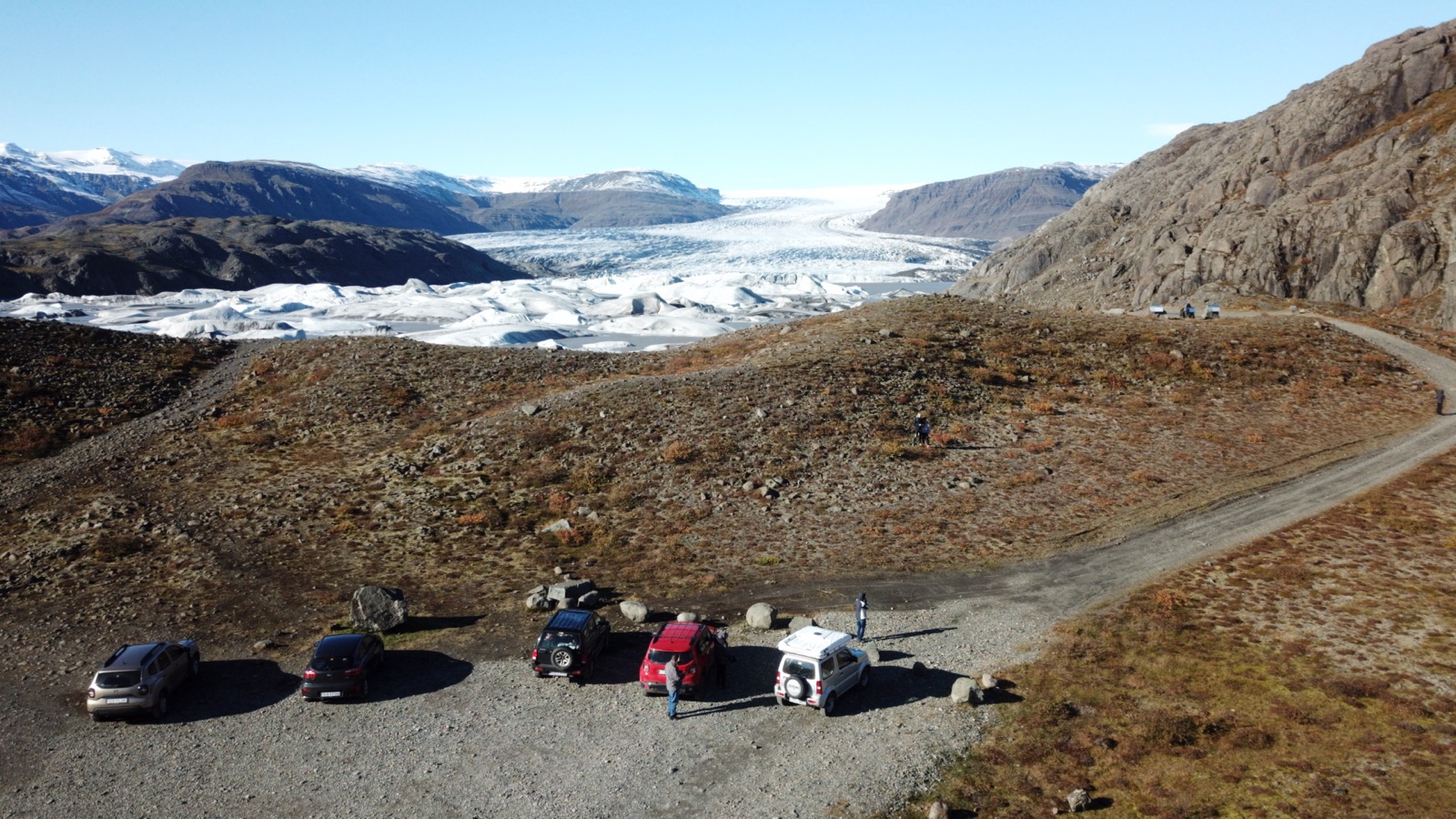
On our Iceland road trip we ran into one more huge quirk you won’t experience many other places. Standard insurance there doesn’t cover damage from gravel and flying stones on unpaved roads, and certainly not damage caused by sand or volcanic ash. These are arranged separately, and trips into the interior involving river crossings are often strictly forbidden in many cars.
How to fight a bill for damage you didn’t cause
I keep coming across this on travel forums. Loads of people discover after their holiday that they’ve been billed for damage they had no idea about, or they feel they paid for something that was on the car long before they got it. Surveys back this up: being charged for damage you didn’t cause is far from a rarity. The best defence is to be meticulous and behave a little like a detective.
14. Photograph and film the car at pick-up and return
This is your absolute number one defence in any potential dispute, and Lukáš and I take it deadly seriously. Before we drive off the rental car park, I get out my phone and film a smooth video all around the car. I take detailed photos of scratches, the chassis, wheels and glass, including the number plate and ideally the rental company sign in the background. I also photograph the fuel gauge and odometer reading.
When returning the car, I repeat the whole process. Some big rental companies are even rolling out AI scanners these days, which you drive the car through on return and they automatically flag any new marks. But if you spot a defect at pick-up, don’t be lazy about going back to the desk and insist that every scratch is noted in the printed handover report. Back up your photos to the cloud straight away, too, because a damage dispute can land a good month after you’ve returned home.
15. Read reviews of the specific supplier, not just the price
When comparing offers, don’t be dazzled by just that big bold price glowing at the top. On comparison sites you can see each rental company’s customer rating too. We personally steer clear of suppliers with a low rating, even if they’re offering the car for half the price. As a rule, budget brands tend to have far more complaints about fake damage and rude staff than established firms. Those few pounds saved simply aren’t worth the stress on holiday.
Where to go next
If Iceland tempts you as much as it does us, take a look at these two more articles. In one I describe driving and hiring a car on the island itself, and the other will advise you when to actually go. You’ll also find plenty more of our itineraries and road trips on the blog:
Frequently asked questions
Is DiscoverCars Worth It?
From our personal experience, it’s absolutely worth it. The system works by searching offers from both large and small rental companies and finds you options that would otherwise be hard to click through to. We like to compare prices on DiscoverCars.com because it saves us time, the website is in Czech, and we often come across much better prices than when searching directly.
Is DiscoverCars safe and trustworthy?
Definitely yes, on Trustpilot they have 4.6 out of 5 from more than a quarter of a million real reviews. On top of that, they offer 24/7 support and free cancellation up to 48 hours before picking up the car, which works reliably and without any hidden catches.
When is it cheapest to book a car?
The best strategy is to book your car as soon as you have your flights booked, but make sure you have free cancellation. Then keep monitoring the price developments. If you come across a lower rate, simply cancel your original reservation and make a new one for a better price.
Do I need excess insurance as a Czech?
Yes, this is quite specific for us. Our standard Czech travel insurance typically doesn’t cover damage to rental vehicles, and Czech credit cards usually don’t offer this benefit either. Separate excess insurance is thus the only way to avoid losing a high deposit in case of an accident or scratch.
Is a debit card enough to rent a car?
In most cases, a regular debit card won’t be enough. Rental companies require a classic physical credit card issued in the name of the main driver, on which they’ll block a deposit, which is usually around a thousand dollars, approximately €920. With a debit card, you risk that they won’t give you the car at all or they’ll force you to buy the most expensive insurance possible at the counter.
What is full-to-full fuel?
It’s the fairest fuel policy. It means you pick up the car with a full tank and return it to the rental company with a full tank as well. This way, you only pay for the petrol or diesel you actually used on your trips, and you avoid hidden margins and refueling handling fees.
How to defend against fake damage claims?
The key is to take photos and videos. When picking up the car, make a detailed record from all sides, don’t skip the roof, wheels and windows. Every time, photograph the fuel gauge and mileage. Anything that seems off to you, have it immediately recorded by the rental company employee in the paper handover protocol. Do the same when returning.
Tips and Tricks for Your Vacation
Don’t Overpay for Flights
Search for flights on Kayak. It’s our favorite search engine because it scans the websites of all airlines and always finds the cheapest connection.
Book Your Accommodation Smartly
The best experiences we’ve had when looking for accommodation (from Alaska to Morocco) are with Booking.com, where hotels, apartments, and entire houses are usually the cheapest and most widely available.
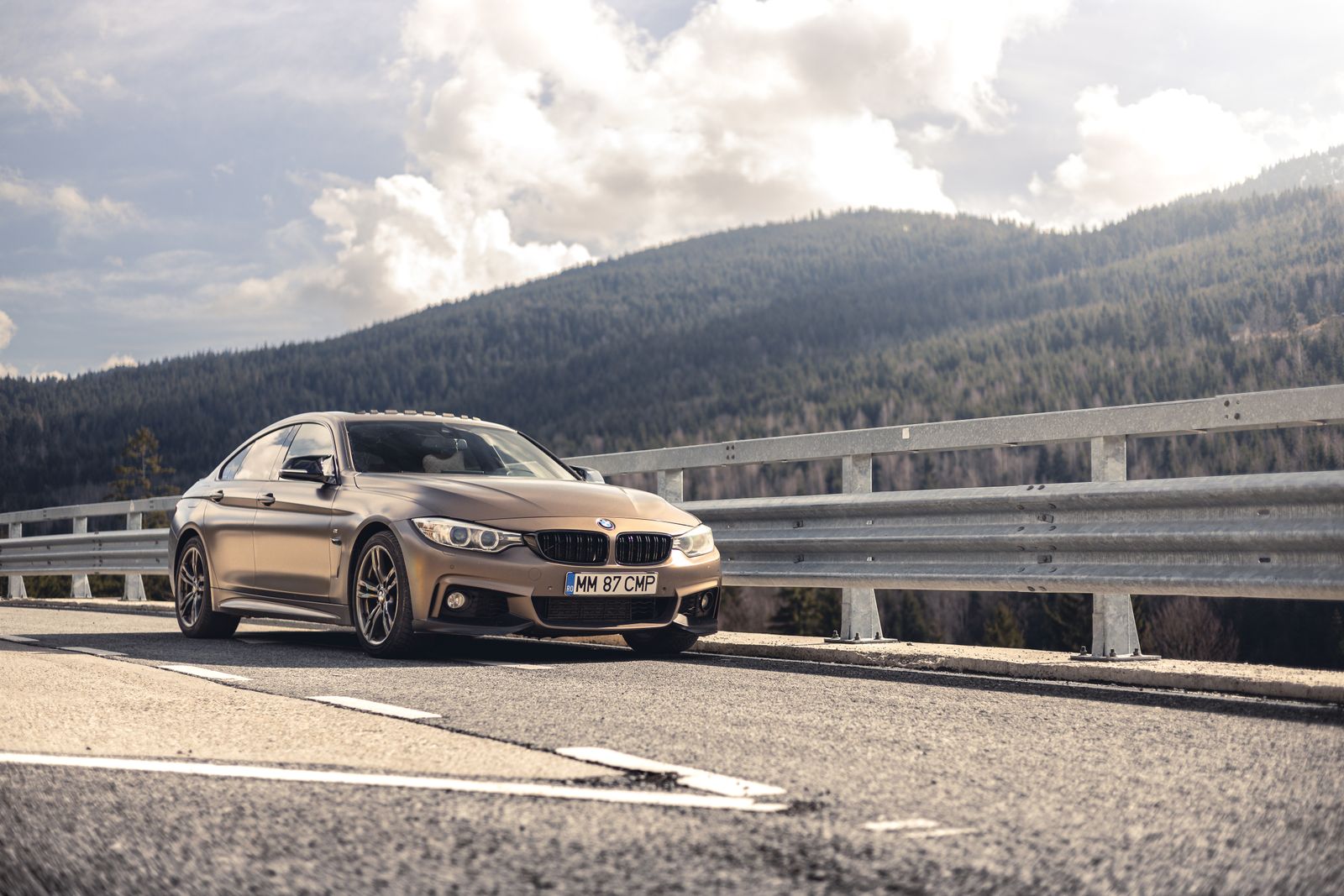 🚗 Car rental on the roadVerified rental cars for your trip
Search with the DiscoverCars comparison engine — it compares prices from dozens of local and international rental companies, and most bookings come with free cancellation.
Compare car prices →Don’t Forget Travel Insurance
Good travel insurance will protect you against illness, accidents, theft, or flight cancellations. We’ve had a few hospital visits abroad, so we know how important it is to have proper insurance arranged.
Where we insure ourselves: SafetyWing (simple monthly subscription) and TrueTraveller (for extra-long trips).
Find the Best Experiences
Get Your Guide is a huge online marketplace where you can book guided walks, trips, skip-the-line tickets, tours, and much more. We always find some extra fun there!


