

Montenegro may have a gorgeous coastline, but its true historical heart beats high up in the mountains. Lovćen National Park and the former royal capital of Cetinje make up an absolutely fascinating pair that would be a huge shame to skip when visiting this Balkan country. This is the place where you’ll finally understand why this proud nation is named the way it is, and where you’ll soak up the atmosphere of times long gone.
In this article I’ve put together the ideal full-day loop that ties the biggest highlights into one logical route. You’ll find out how much current entry tickets cost, where to park without any hassle, and what to prepare for so you get the most out of the trip without unnecessary stress. The backbone of the route runs from Kotor up the mountain switchbacks to the highest-located mausoleum in the world, and finishes in the quiet streets of the old capital.
Besides the practical info, we’ll also look at 11 specific tips for places and activities, from breathtaking viewpoints to a peaceful stroll past historic embassies. Set off with plenty of time to spare so you can give all these natural and cultural landmarks the attention they deserve and enjoy them at a calmer early-morning or late-afternoon pace.
TL;DR
- The logical route: The best plan is to set off early in the morning from the coast along the old Austrian road, visit the mausoleum on Lovćen, and spend the afternoon in peaceful Cetinje.
- Lovćen National Park: There’s an entry fee of €3 per adult, and the park’s crowning feature is the Jezerski vrh peak with the magnificent mausoleum of Prince-Bishop Njegoš.
- The climb to the mausoleum: 461 steps carved into the rock lead up to the structure itself, and your reward is a view over the whole of Montenegro and, in good weather, even Italy.
- A stop in Njeguši: This historic village is ideal for a mid-morning snack — be sure to try the local mountain cheese with honey and homemade bread.
- Cetinje as a cultural hub: The former royal capital offers historic palaces, an important monastery with sacred relics, and the beautiful buildings of former embassies.
- Combined ticket: If you plan to visit several museums in Cetinje as well as the mausoleum, it pays to grab a combined ticket for around €20.
- Temperature differences: Even when it’s a scorching summer down by the sea, temperatures at the top of Lovćen hover around 8 to 12 degrees, so don’t forget to pack warmer clothing.
The full destination guide: Montenegro — guide and what to see
When to Visit Lovćen National Park and Cetinje
The best time to visit these mountain areas is, without a doubt, June and September, when the weather is stable and you’ll dodge the biggest crowds. During the peak holiday months the car parks at the main attractions tend to be full by ten in the morning. If you’re travelling in summer, it really pays to get up early and reach the mausoleum right as it opens.
The mountain weather is very particular and completely different from conditions down on the coast. While the bay can be sweltering at thirty degrees, temperatures at the summit of Lovćen sit between 8 and 12 degrees Celsius. Always bring a warmer jacket or hoodie and sturdy footwear, because the staircase up to the mausoleum can be slippery first thing in the morning.
Cloud cover plays a big role too, and it often builds up in the mountains around midday. For the very best cloud-free views, plan your visit to the summit for the morning hours or, alternatively, the late afternoon. If there’s fog or overcast skies in Kotor in the morning, check the forecast specifically for Cetinje, because in thick cloud the view from the mausoleum would be practically nonexistent.
Where to Stay in Cetinje and the Surrounding Area
💡 Tip for accommodation and experiences: We like to look for places to stay on Booking.com, which usually has the best cancellation policies. For tickets, tours and activities, it’s worth comparing and booking through GetYourGuide.
Most travellers use a base on the coast for this trip and head into the mountains just for the day. But if you’re after a more authentic experience and want to escape the summer bustle of the resorts, staying right in Cetinje is a great and significantly cheaper choice. It gives you the chance to wander the historic centre early in the morning or late in the evening, when the town is wonderfully quiet and empty.
Right in the heart of the action you’ll find Hotel Monte Rosa, which offers classic Balkan hospitality and a brilliant location a short walk from all the main museums. It’s the ideal middle-ground option for anyone who wants the landmarks within easy reach and a local restaurant for dinner in the evening. The price per night here sits at a very pleasant €35 to €60 depending on the season.
A highly rated and budget-friendly alternative is Guest House Pansion 10, which boasts excellent reviews for cleanliness and a friendly welcome. It has a shared kitchen, air conditioning and free parking, which makes it a perfect base for families and couples alike. If you prefer nature, look for mountain-cabin-style accommodation right on the edges of Lovćen National Park.
11 Tips on What to See and Do in Lovćen National Park and Cetinje
Let’s take a look at the specific stops that make up the perfect full-day trip from the coast into the mountains. I’ll show you how to piece the route together logically so you don’t miss a single highlight and can enjoy the journey to the full.
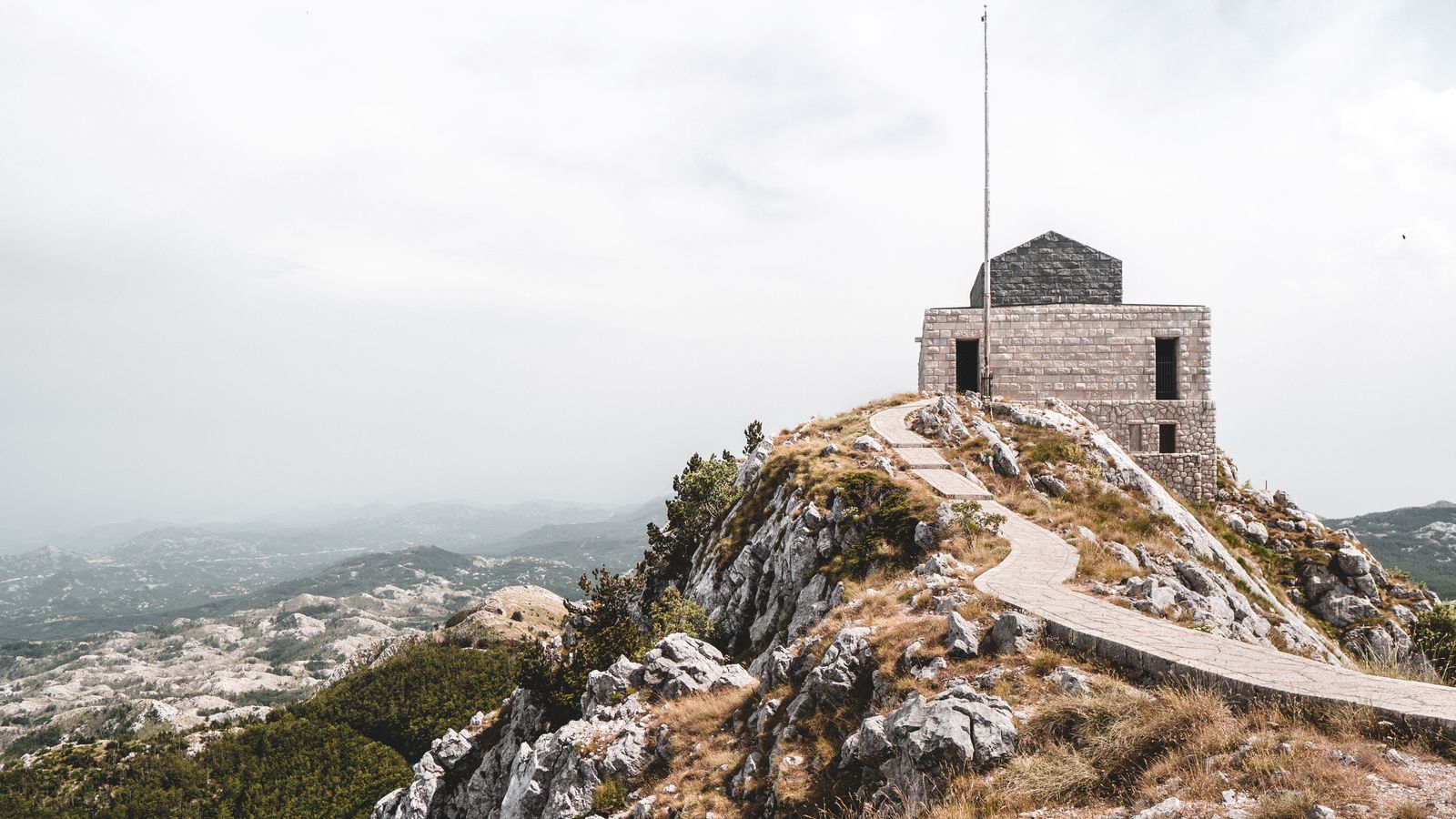
1. Lovćen National Park and Its Majestic Peaks
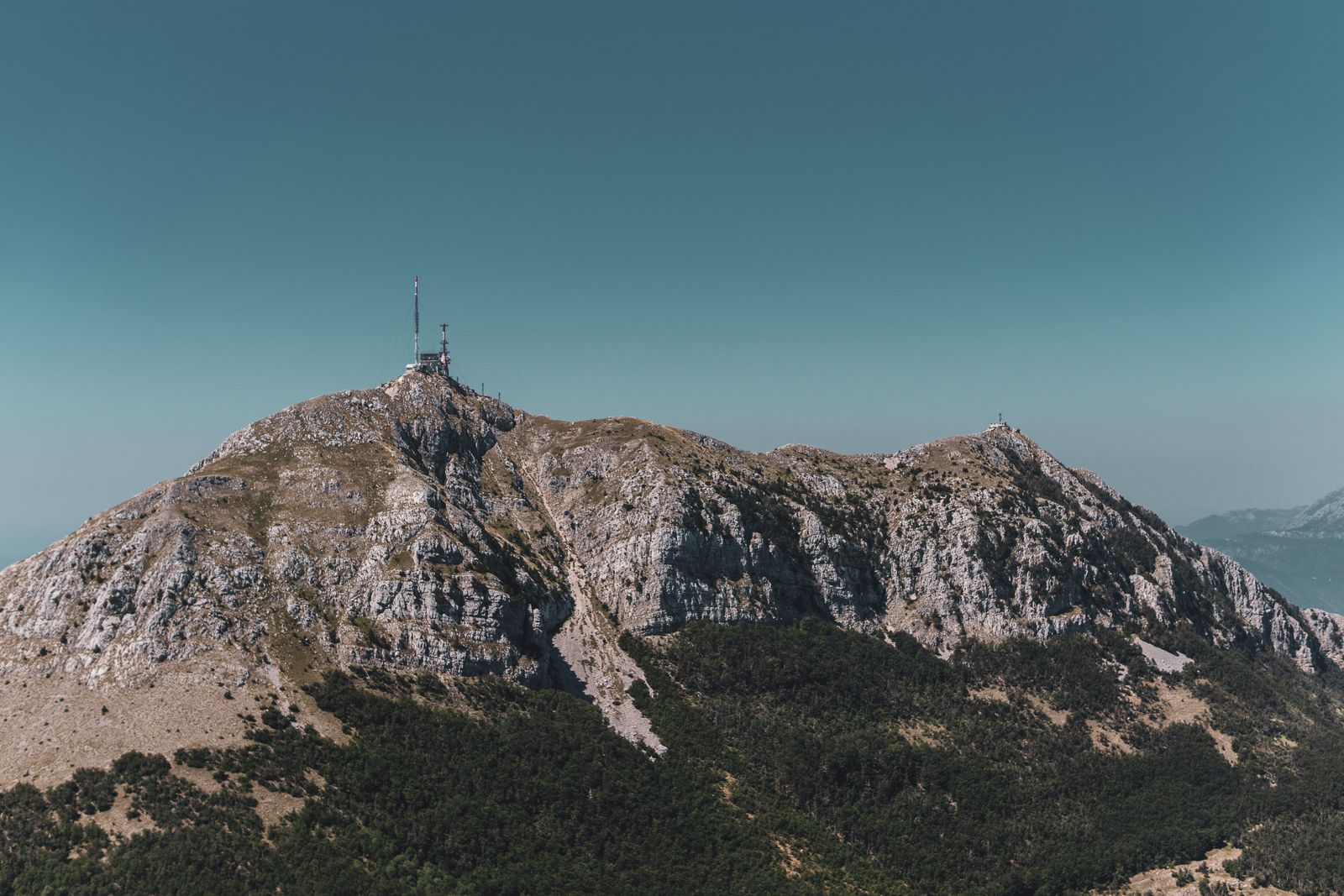
Lovćen National Park covers sweeping rocky plateaus and forested slopes that rise steeply right above the Bay of Kotor. According to many theories, the country’s name actually comes from the dark colouring of the dense coniferous forests here. The park is dominated by two peaks, Štirovnik and Jezerski vrh, which form an unmistakable silhouette visible for miles around.
As you enter the protected area you’ll come across a toll booth, where you pay the national park entry fee of €3 per adult, while children under seven get in free. You can pay by cash or card, and parking at the main attractions inside the park is already included with no extra charge. Stop at one of the many roadside viewpoints and drink in the sight of the deep inland valley.
💡 Tip: The park is open year-round, but in the winter months car access can be limited by snow and ice. If you don’t have your own car, you can take organised day trips from Kotor or Budva, which cost roughly €30 to €40 per person.
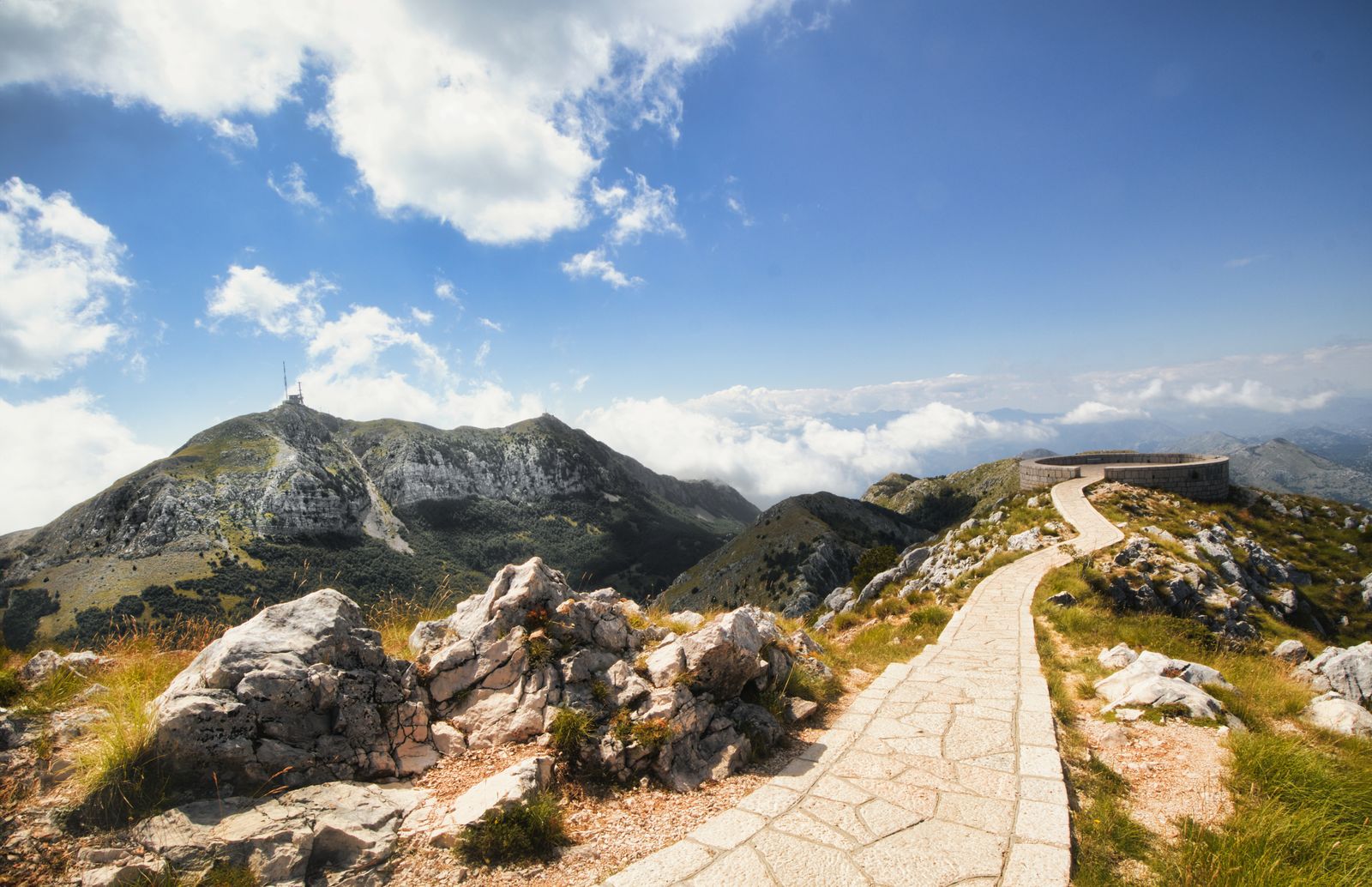
2. The Mausoleum of Petar II Petrović Njegoš
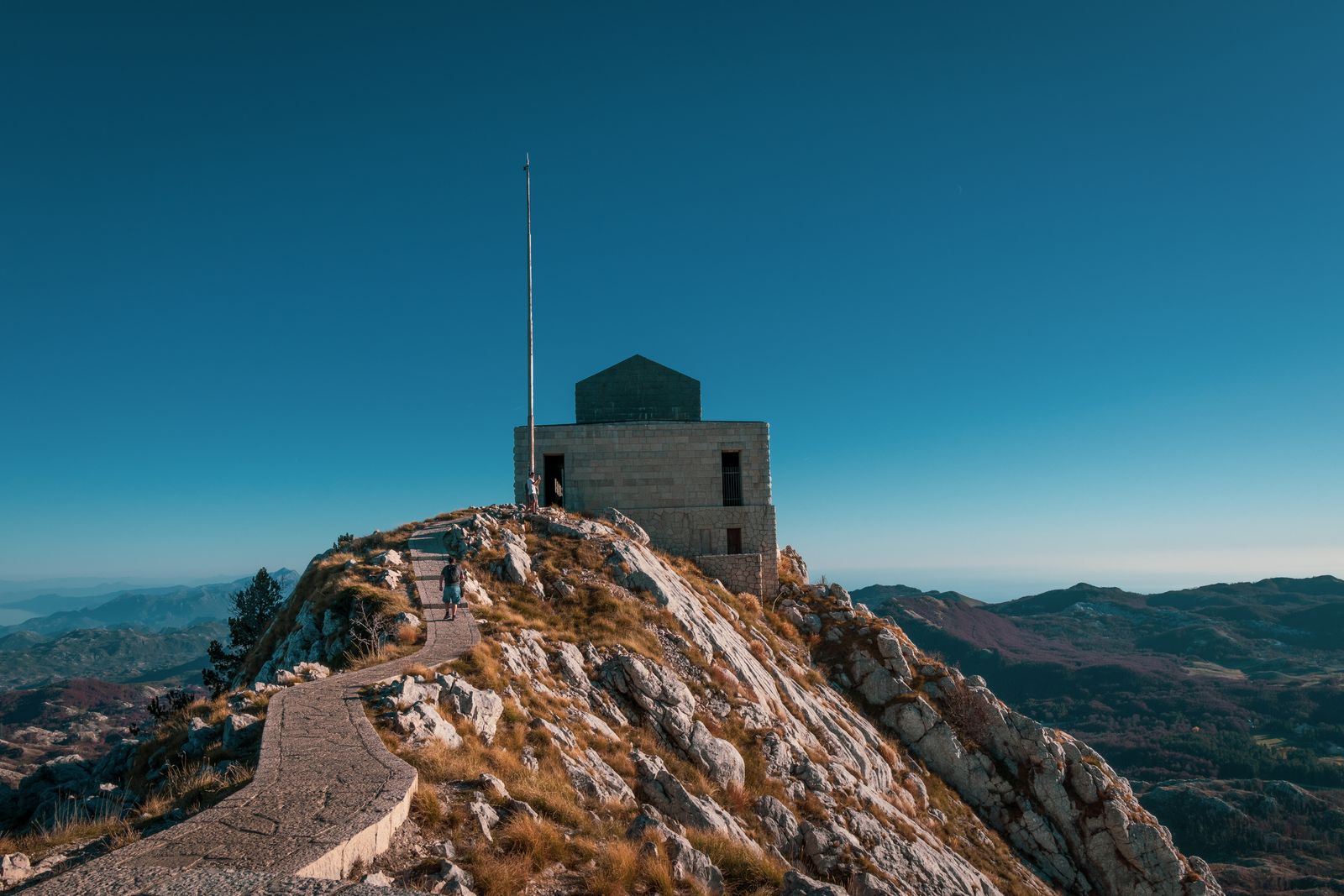
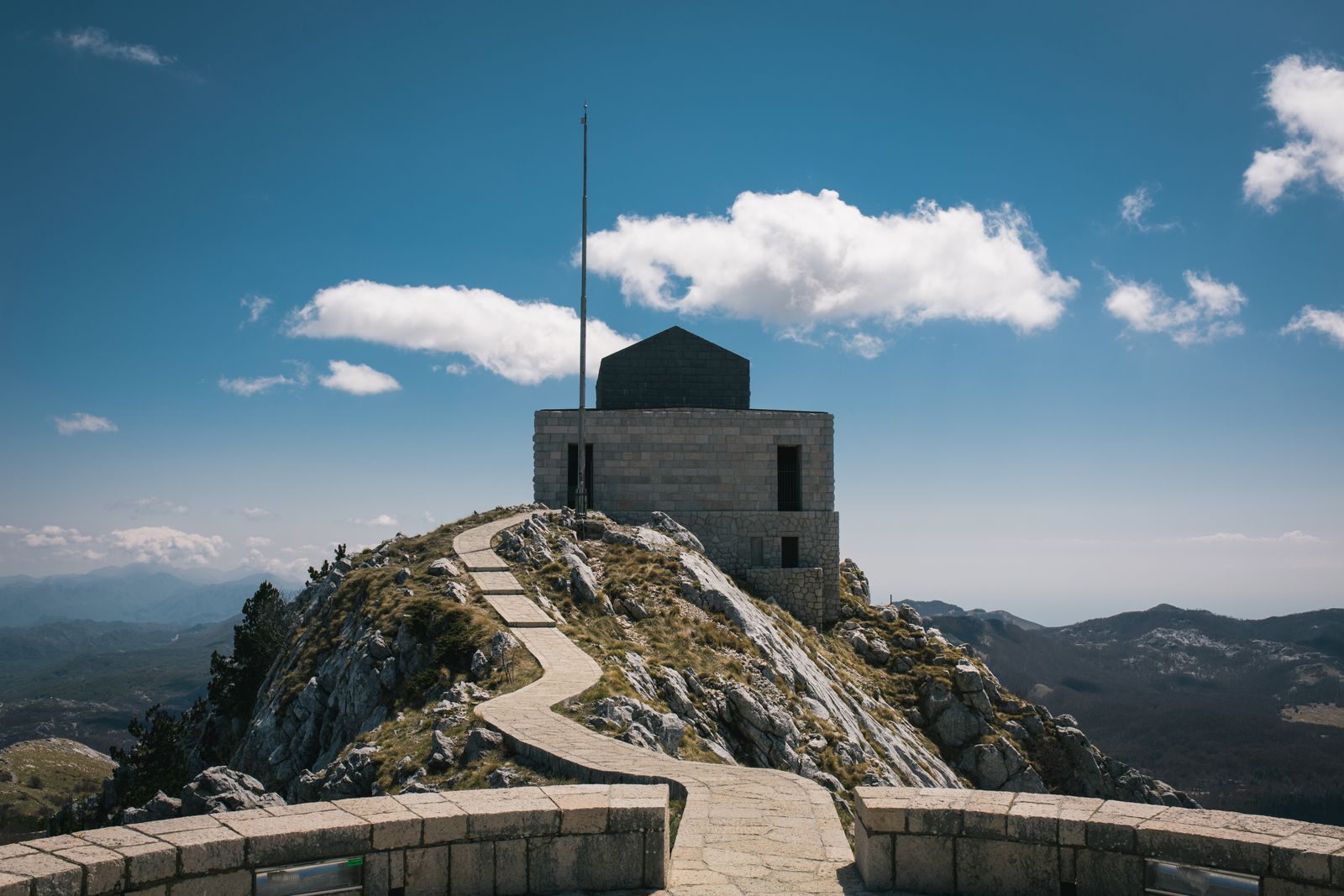
At the summit of Jezerski vrh, at an altitude of 1,657 metres, stands the most famous structure in the entire park and probably the country’s most iconic landmark. The magnificent mausoleum was designed by the renowned Croatian sculptor Ivan Meštrović and holds the remains of the prince-bishop, poet and philosopher Petar II Petrović Njegoš. The architecture is monumental, and inside you’ll be wowed by a huge golden mosaic alongside a statue of the ruler.
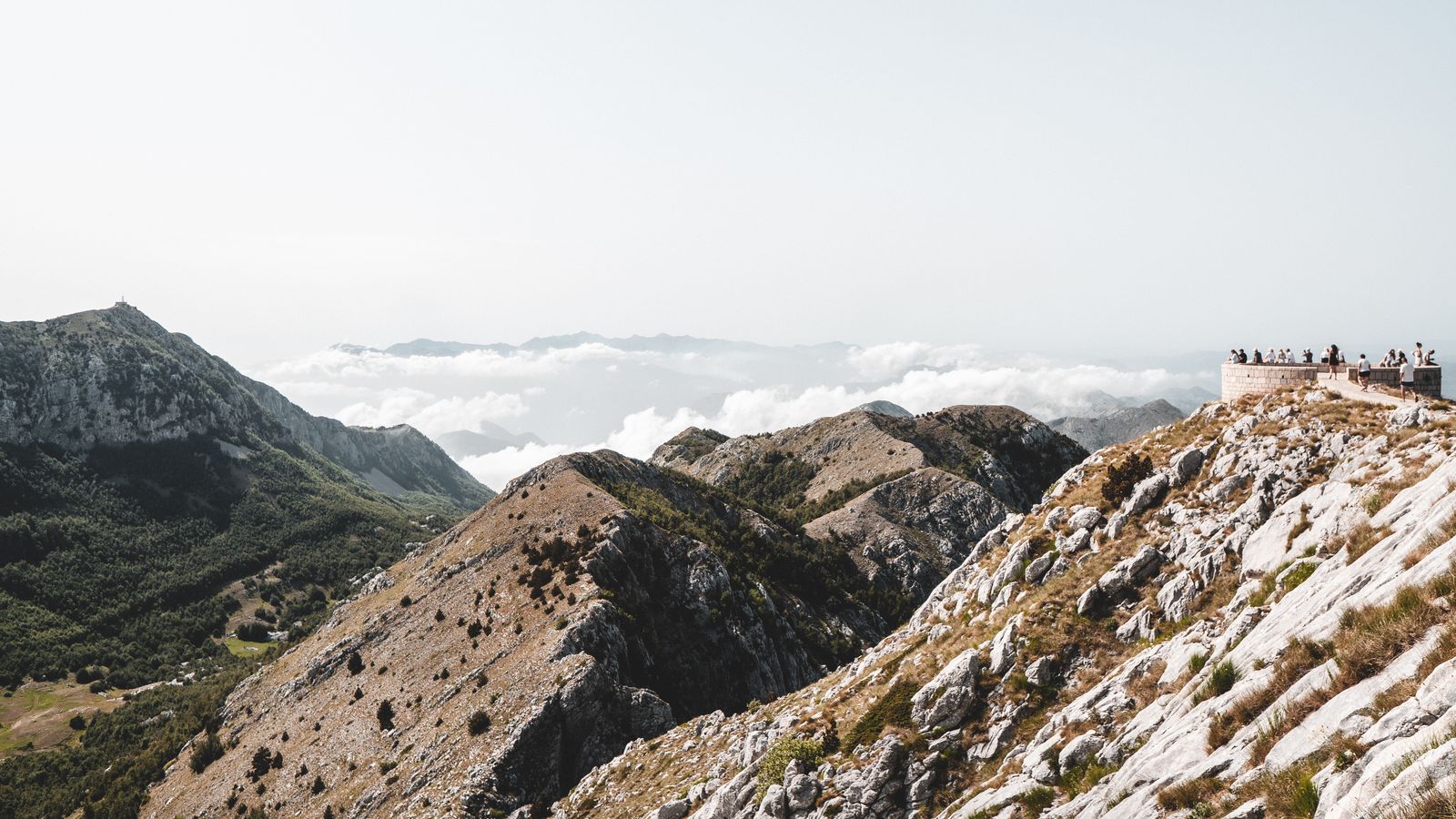
You have to reach the entrance from the car park on foot, which means a climb up 461 steps carved into a rock tunnel. The ascent takes roughly fifteen to twenty minutes and, while it isn’t extremely demanding, it rewards you with a real sense of accomplishment. At the end of the tunnel a circular terrace opens up before you, offering a 360-degree view across the entire landscape.
On a clear day you can take in almost eighty percent of Montenegro’s territory, from Lake Skadar across the coast all the way to the Albanian mountains. Entry to the mausoleum itself costs €8 for adults and €4 for students, paid separately on top of the park entry. If you also plan to visit the museums in Cetinje, consider buying a combined ticket for around €20.
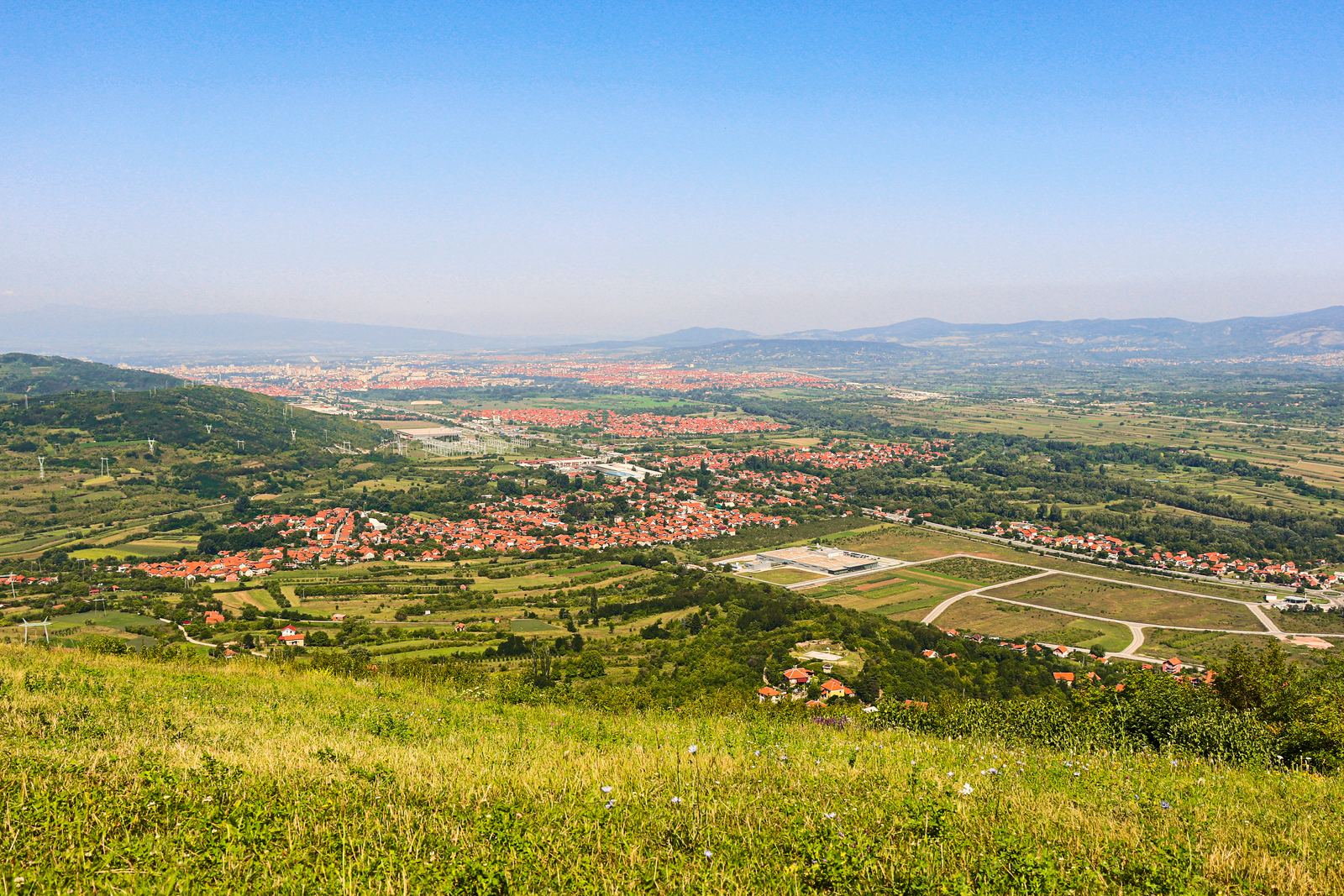
3. The Famous Switchbacks from Kotor
The drive from the coast up to the mountains is a huge experience in itself, one that thrills every lover of driving and stunning views. The old road, designated P1, serves up an incredible 25 hairpin bends as it conquers the steep climb from Kotor towards the village of Njeguši. Above the thirteenth bend or so, the absolute best and most-photographed view over the entire Bay of Kotor opens up.
The road is fairly narrow and in many places lacks crash barriers, so driving it demands full attention and care. It’s recommended to tackle this route going uphill, as it’s easier to pass oncoming cars and you’ll enjoy the views down into the valley from a better perspective. You’ll find more details about this fascinating road in our article on what to see in Kotor.
4. The Village of Njeguši and Its Traditional Delicacies
Roughly halfway between Kotor and the summit of Lovćen, tucked into a mountain saddle, lies the historic little village of Njeguši. This peaceful spot is the birthplace of the entire Petrović-Njegoš royal dynasty, and one of its modest houses still serves as the birth museum of the famous prince-bishop. A stop here offers a pleasant breather after the demanding switchback drive and a chance to soak up the atmosphere of the traditional countryside.
The village is renowned across the Balkans for producing local specialities, led by the famous Njeguši prosciutto and excellent mountain cheese. Local restaurants serve celebrated smoked pork hams cured in beech smoke and mountain air, made here for centuries using methods passed down from generation to generation. If you’re after a superb meat-free option, be sure to order Njeguši cheese with honey for your mid-morning snack, along with freshly fried priganice (small doughnuts).
💡 Tip: In season, the local taverns (konobas) and small roadside stalls open from early morning. A stop of twenty to thirty minutes will give you plenty of energy for the subsequent climb up the steps to the mausoleum.
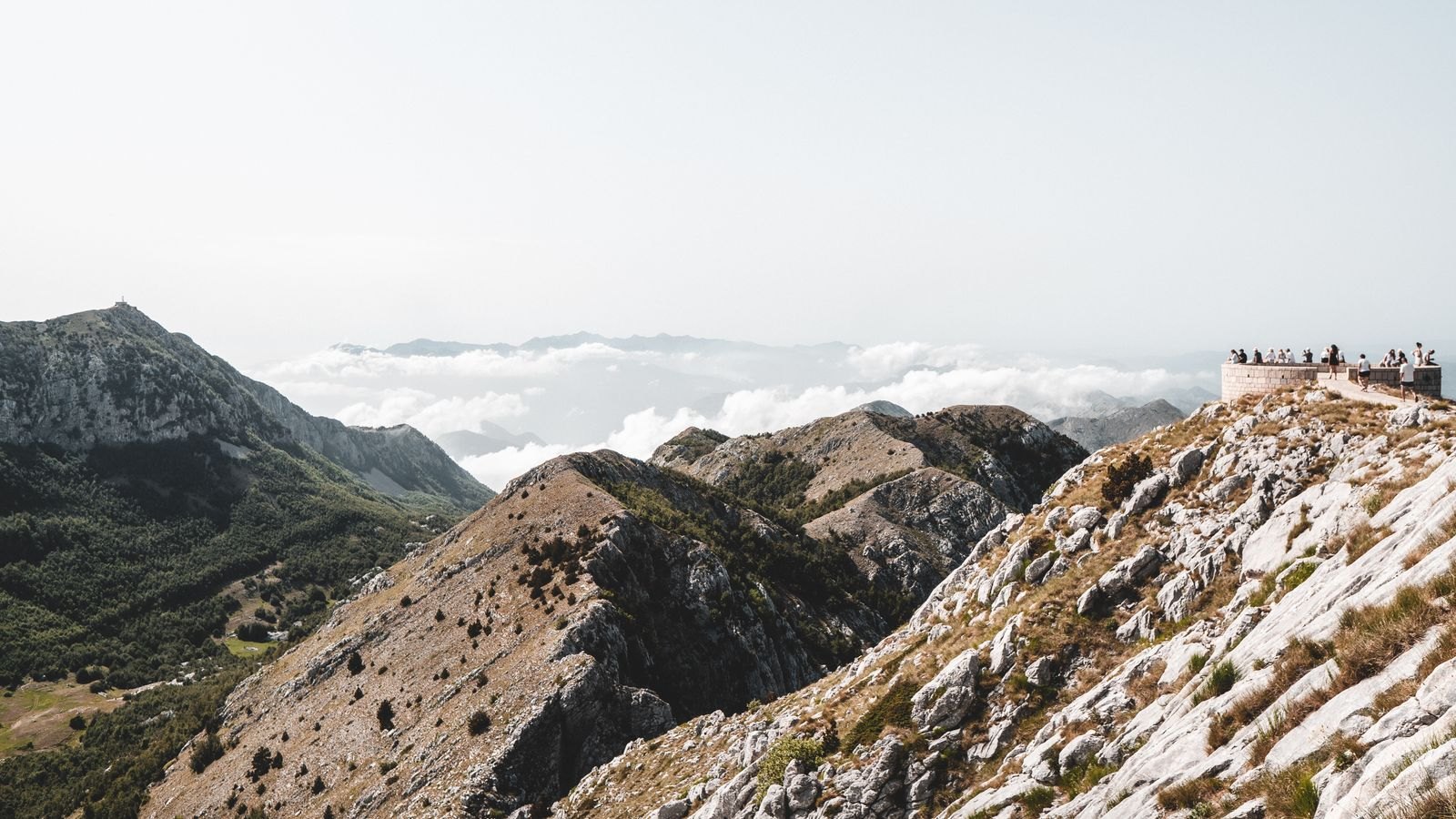
5. Ivanova Korita and Mountain Relaxation
If you’re looking for a spot to unwind in nature, head to the grassy mountain plateau of Ivanova korita, which sits at an altitude of 1,250 metres. This place acts as the park’s main family hub, with an information centre, restaurants and plenty of space for a picnic under the trees. The area’s name refers to the medieval ruler Ivan Crnojević, who once hosted his guests here.
For families with kids and active travellers, right next to the visitor centre you’ll find the brilliant Adventure Park Lovćen high-ropes course. It offers a total of ten trails of varying difficulty, from simple obstacles for five-year-olds to challenging circuits for adults. Entry runs from €8 to €18 depending on the level you choose, and all safety equipment is included in the price.
6. Cetinje as a Historic Royal Capital
Once you descend from the mountains you’ll arrive in the town of Cetinje, which from the fifteenth to the twentieth century was the capital of the Montenegrin principality and later kingdom. Today it’s an incredibly calm, gently dreamy town that stands in stark contrast to the buzzing resorts on the coast. It lacks beaches, sure, but in return it offers a staggering concentration of historic architecture from the turn of the nineteenth and twentieth centuries.
Cetinje still holds the status of cultural capital and the official seat of the president, even though all the administration has moved to modern Podgorica. A walk through the centre feels like visiting an open-air museum, where national museums, theatres and ancient palaces are packed into a small area. It’s the place where you’ll best grasp the complex history and pride of the whole nation.
7. Cetinje Monastery and Its Precious Relics
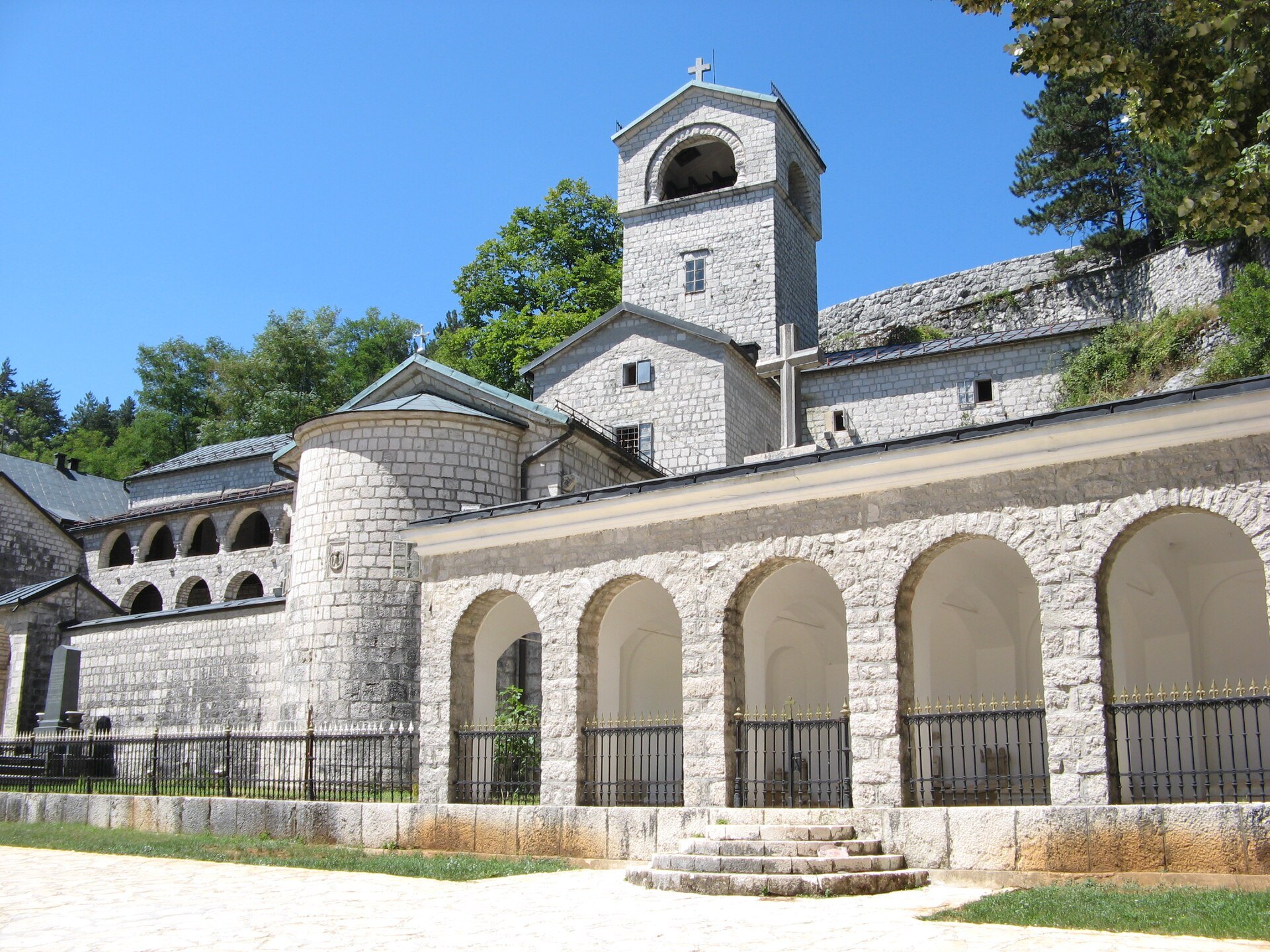
The spiritual heart of the town, and of the whole country, is the Orthodox Cetinje Monastery, whose current form dates back to the eighteenth century. This unassuming building carries extraordinary religious significance and serves as the main seat of the Metropolitan of Montenegro. The monastery is open to the public free of charge, and a typical visit takes no more than half an hour.
The main reason pilgrims travel here from all over the world are two extraordinarily precious Christian relics kept in the monastery chapel. Here you’ll find the right hand of St John the Baptist and a fragment of wood from the True Cross, both displayed in special cases. When visiting, don’t forget the strict dress code, which requires covered shoulders and knees for men and women alike.
8. Biljarda and the Giant Relief Map
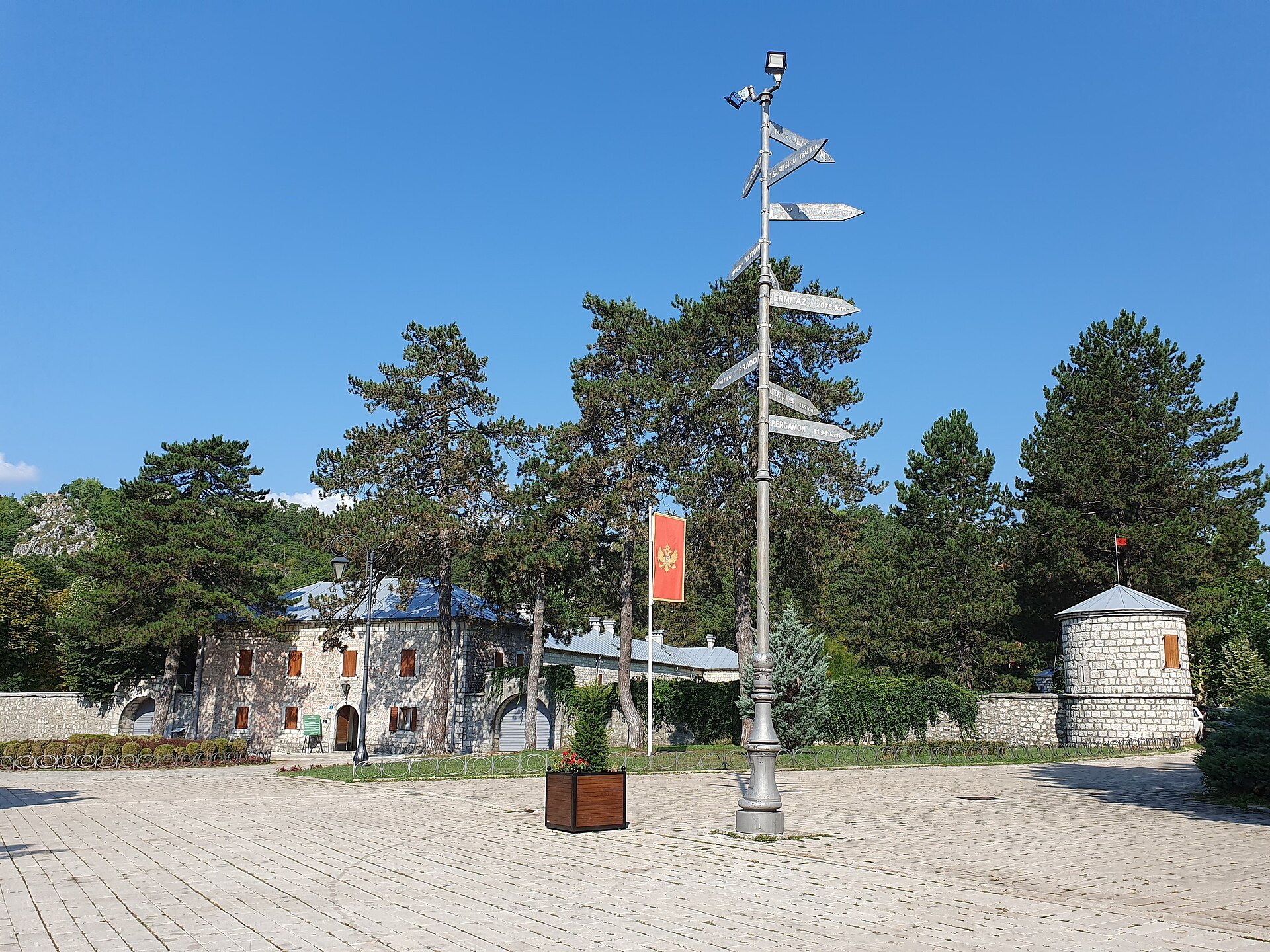
Directly opposite the monastery stands a two-storey building from 1838 called Biljarda, which originally served as the official residence of Prince-Bishop Njegoš. It got its unusual name from a billiard table the ruler had laboriously shipped all the way from Italy — porters had to carry it up on foot over the steep mountain switchbacks. Today it houses a museum dedicated to his life and work, full of personal belongings and historic weapons.
The greatest visual treat, though, awaits you in a special glass annexe in the courtyard. Hidden here is a huge relief map of Montenegro from 1916, created by Austrian cartographers during the military occupation. The model, covering roughly 180 square metres, perfectly shows just how incredibly mountainous and complex the country’s terrain is, and from a bird’s-eye view you can even trace the route of your own day trip on it.
9. The Palace of King Nikola I
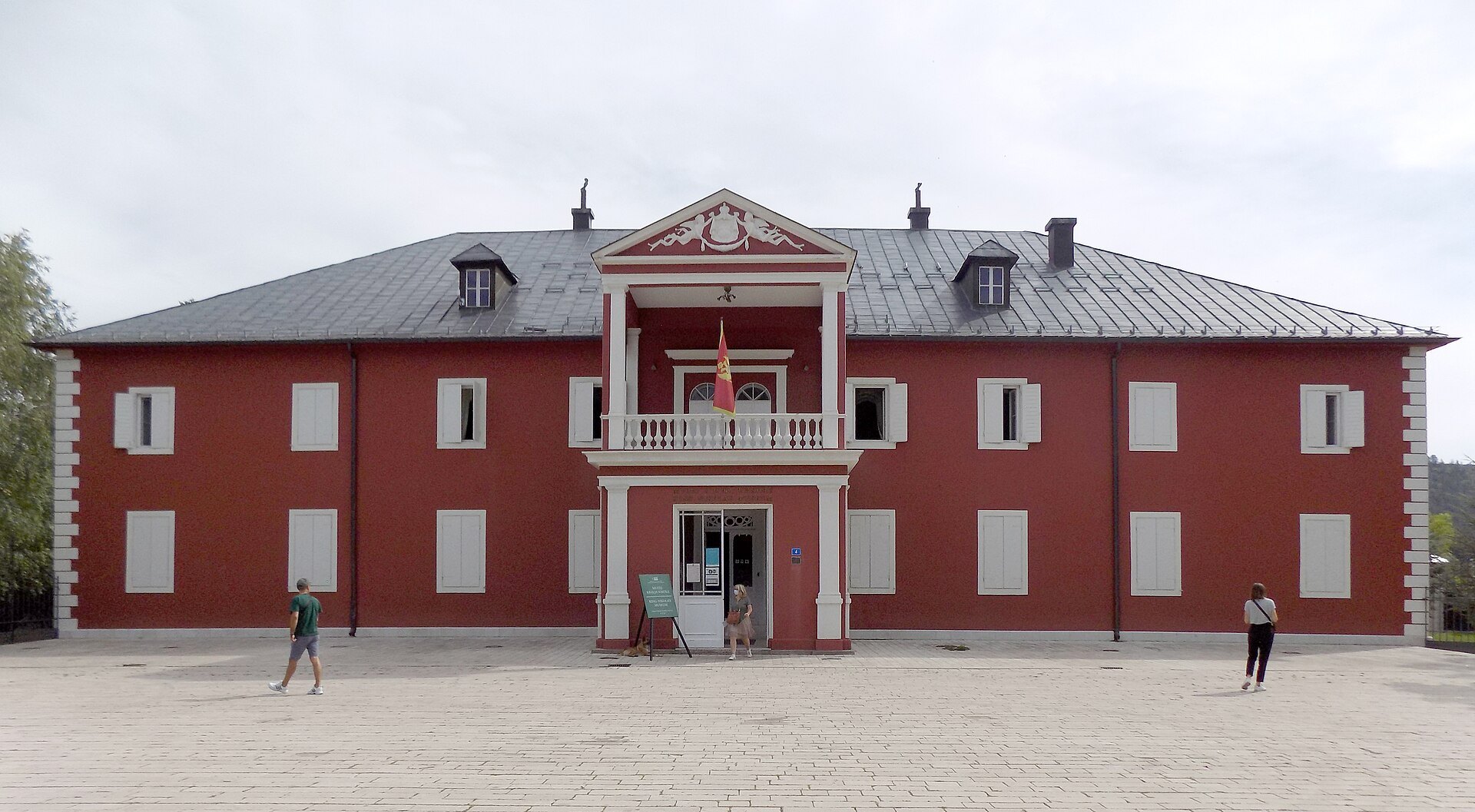
Another architectural gem on the main square is the neoclassical residence of the last Montenegrin king, Nikola I Petrović-Njegoš. This ruler reigned over the country for an impressive fifty-eight years and went down in history as the so-called father-in-law of Europe, because he managed to marry off his five daughters into prominent European royal families. The palace looks fairly modest from the outside, but inside it hides richly decorated interiors.
Touring the museum, you’ll walk through well-preserved royal chambers, see the original throne room, opulent bedrooms and collections of diplomatic gifts. Entry to the palace is part of the great-value combined ticket, which for around €20 also covers Biljarda, the ethnographic museum and the mausoleum on Lovćen. It’s the ideal way to step into the golden era of the Montenegrin kingdom.
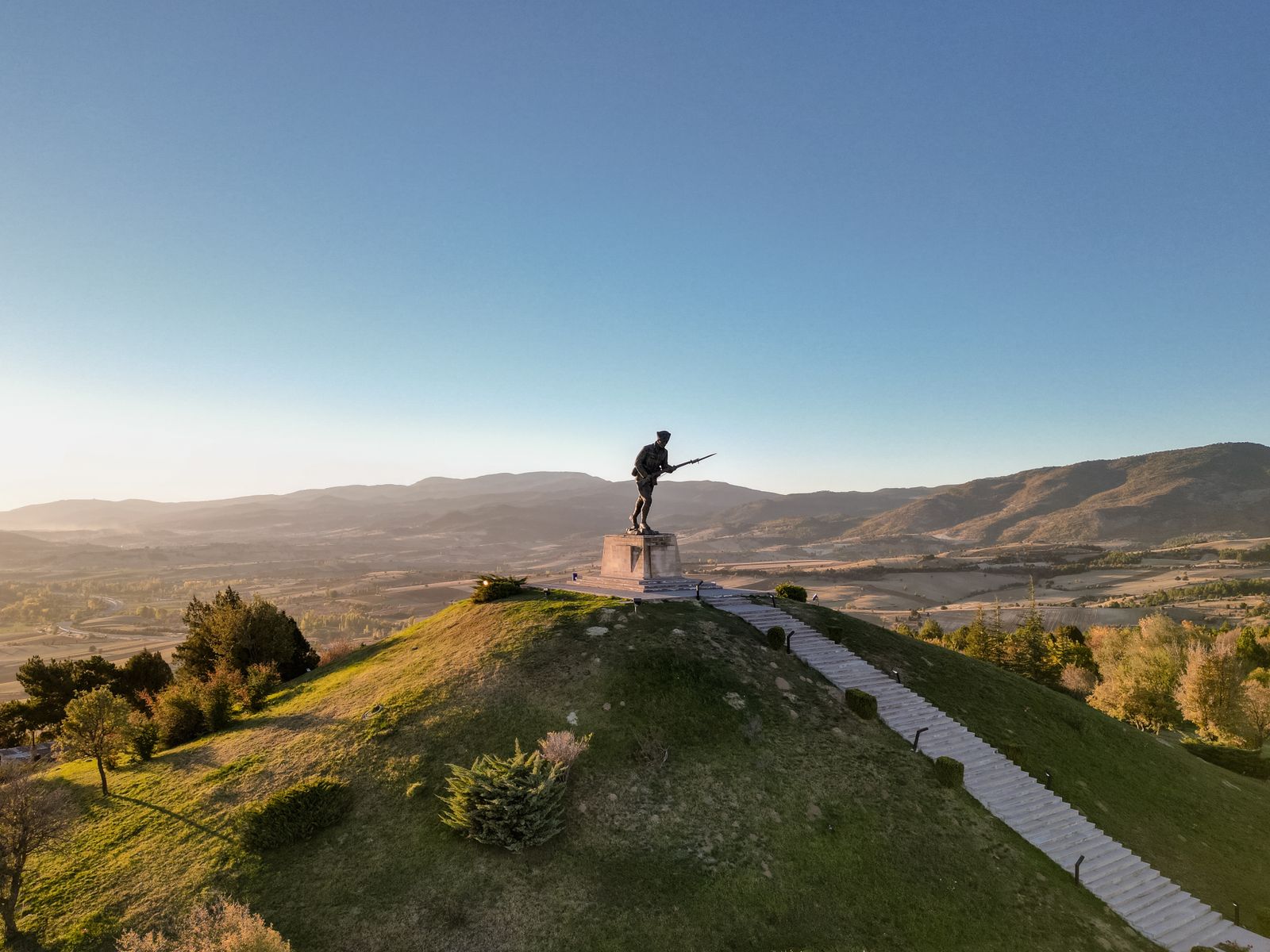
10. A Walk Past the Historic Embassies
At the height of its glory around the turn of the nineteenth and twentieth centuries, Cetinje had a mere five thousand inhabitants, yet it was home to a total of thirteen foreign diplomatic missions. As a result, the town acquired a fantastic collection of Art Nouveau and neoclassical buildings, commissioned by the various European powers. A stroll past these palaces is completely free and takes you just under an hour.
Among the most beautiful structures is, without question, the former Russian Embassy from 1903, which will captivate you with its rich Baroque stucco and gorgeous façade details. Also worth your attention is the striking French Embassy with its ceramic tiling, or the elegant seat of Austro-Hungarian diplomacy. Most of these buildings now serve as art schools, libraries or museums, and you’ll see them at their best on a morning walk along the main avenue, Novice Cerovića.
11. Lipa Cave and the Underground Train Ride
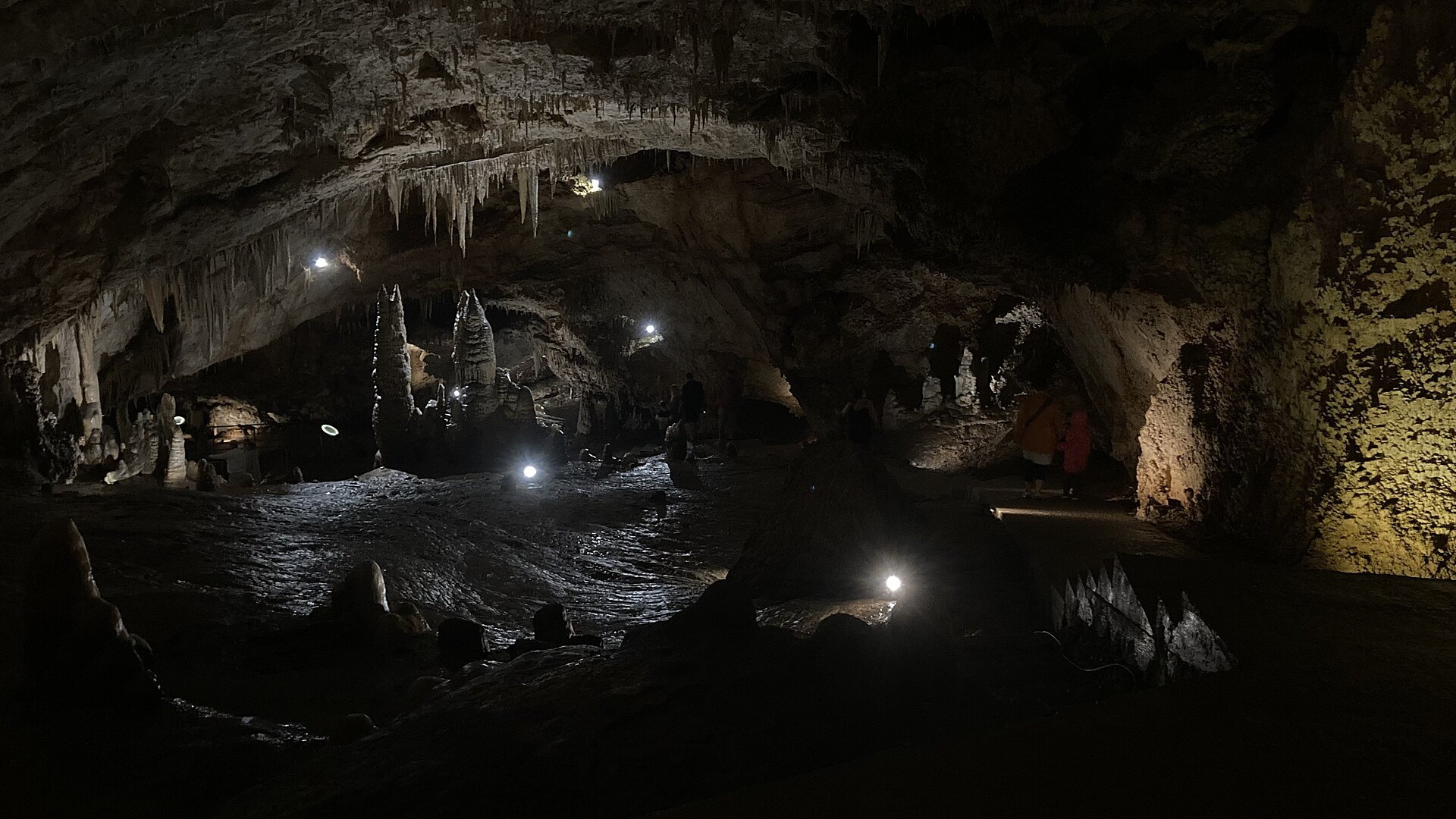
If you still have energy left after exploring the town, head about ten kilometres beyond Cetinje to the largest publicly accessible cave in the country. Lipa Cave offers a fascinating two-and-a-half-kilometre system of underground passages, full of enormous stalactites, stalagmites and impressive limestone galleries. The tour lasts roughly an hour and is always led by an English-speaking guide.
The experience begins right at the car park, where a little tourist train takes you to the entrance of the underground — guaranteed to delight families with children in particular. Entry to the cave costs around €13 to €15 per adult, and in high season it’s very sensible to book your tickets online in advance. Don’t forget to bring a warm layer, because the temperature inside stays at a chilly eight to twelve degrees year-round.
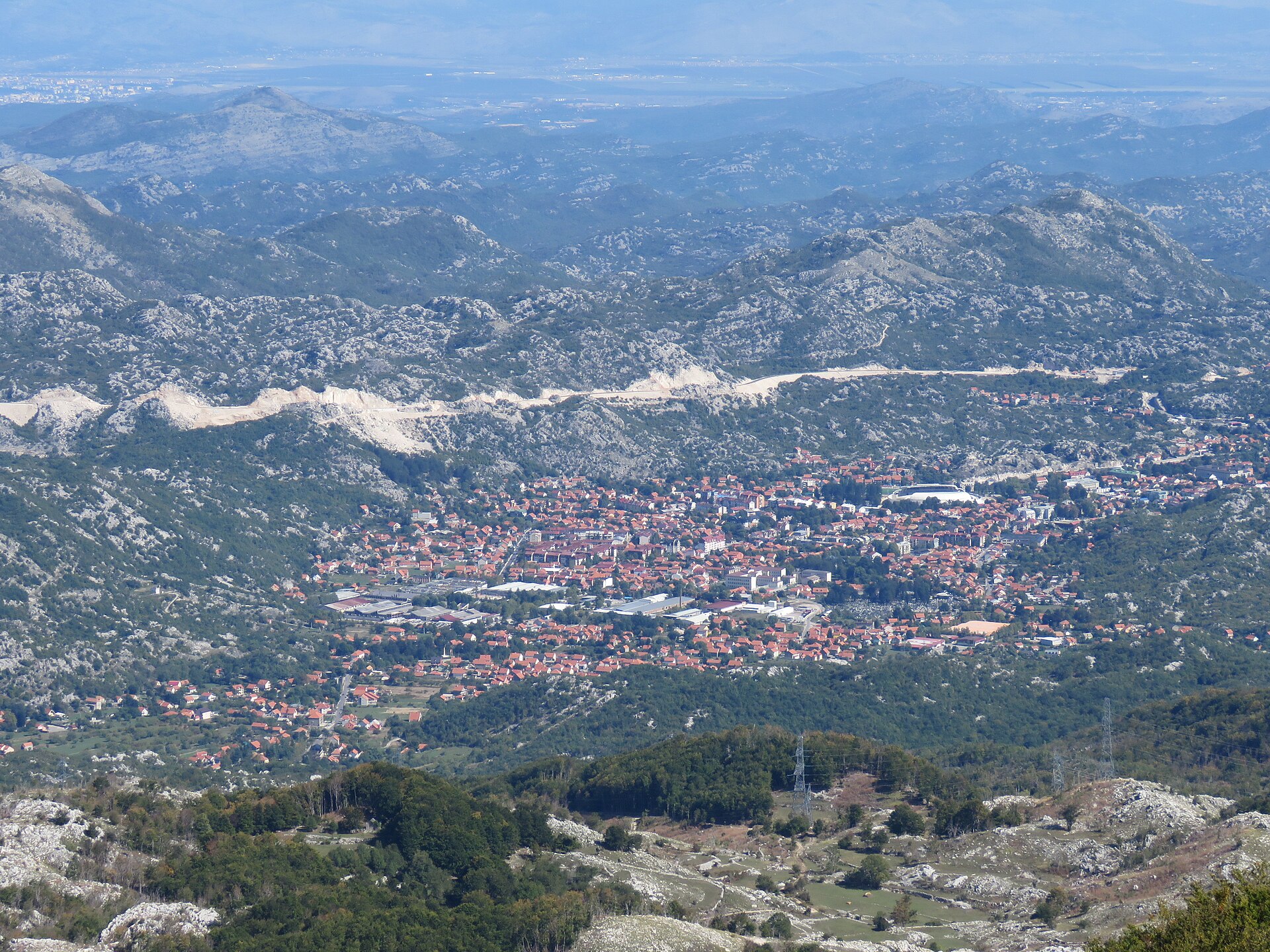
Map of points of interest for your phone
Where to Go Next from Lovćen National Park and Cetinje
A full day trip into the mountains is a wonderful change of pace from beach relaxation, but Montenegro has so much more to offer. Once you’re back on the coast, you can start planning the rest of your journey.
From Cetinje you can easily get back to the coast, where plenty more beautiful places await. Take a look at our big trip-planning guide, where you’ll find Holidays in Montenegro: 15 tips for the sea and the mountains. And if you only drove those fascinating switchbacks in a hurry, be sure to come back down to the bay and explore the historic centre itself in our article Kotor, Montenegro: 15 tips on what to see and do.
 🚗 Car rental on the road
Verified rental cars in Montenegro
🚗 Car rental on the road
Verified rental cars in Montenegro
Search with the DiscoverCars comparison engine — it compares prices from dozens of local and international rental companies, and most bookings come with free cancellation.
Compare car prices in Montenegro →Frequently Asked Questions
How much does entry to Njegoš’s Mausoleum cost in 2026?
The mausoleum itself costs 8 euros for adults and 4 euros for students, with children under seven entering free. You’ll also need to factor in a 3 euro entrance fee for the national park. If you’re planning to visit other monuments as well, a combined ticket for approximately 20 euros is worth it.
How difficult is the climb to the mausoleum?
From the parking lot below the Jezerski vrh summit, exactly 461 steps carved into a rock tunnel lead upward. The climb is not physically demanding and at a slow pace takes about fifteen to twenty minutes, just watch out for the slippery surface in wet weather.
Can Lovćen and Cetinje be done in one day?
Yes, this route is absolutely ideal for a full-day trip lasting seven to eight hours. You’ll set off from Kotor in the morning, stop in the mountains at the mausoleum, and after lunch you can explore the historical museums in Cetinje, from where you can easily return to the coast in the evening.
What to see in Cetinje in a few hours?
If you have limited time, focus on Cetinje Monastery with its breathtaking relics and the historic Biljarda building with its giant relief map. You can also manage to add a short stroll along the main street past the most interesting historic embassies.
Is the mausoleum open in winter too?
Opening hours in the winter months are very variable and depend primarily on the current snow conditions and ice on the staircase. On the other hand, during the summer season from April to October, it’s reliably open every day roughly from nine to five.
What is Lipská Cave and is it worth visiting?
It is the largest accessible cave system in the country, and a fun tourist train will take you there from the parking lot. The tour lasts an hour, the temperature stays around ten degrees, and it’s perfect for cooling off during hot summer days.
Can you travel to Cetinje without a car?
Traveling by public transport is more complicated; although irregular buses do run from Budva to Cetinje, getting to Lovćen National Park itself is practically impossible without a car. The solution is to rent a vehicle or use organized day trips from the coast.
Tips and Tricks for Your Vacation
Don’t Overpay for Flights
Search for flights on Kayak. It’s our favorite search engine because it scans the websites of all airlines and always finds the cheapest connection.
Book Your Accommodation Smartly
The best experiences we’ve had when looking for accommodation (from Alaska to Morocco) are with Booking.com, where hotels, apartments, and entire houses are usually the cheapest and most widely available.
Don’t Forget Travel Insurance
Good travel insurance will protect you against illness, accidents, theft, or flight cancellations. We’ve had a few hospital visits abroad, so we know how important it is to have proper insurance arranged.
Where we insure ourselves: SafetyWing (simple monthly subscription) and TrueTraveller (for extra-long trips).
Find the Best Experiences
Get Your Guide is a huge online marketplace where you can book guided walks, trips, skip-the-line tickets, tours, and much more. We always find some extra fun there!
More from Montenegro
Full guide →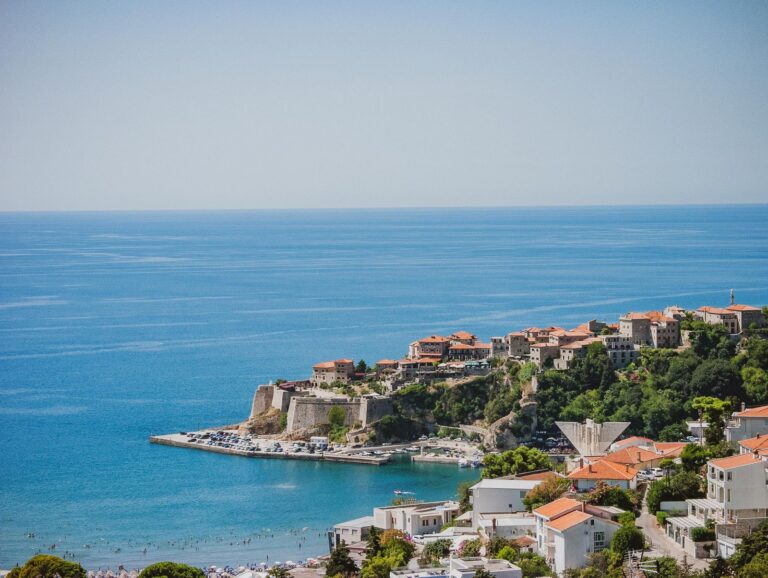 Beaches · most readUlcinj, Velika Plaža & Ada Bojana: 11 Tips for Montenegro’s Southernmost Coast
 Day tripsTivat & Porto Montenegro: 10 Tips for the Luxury Marina and Beyond
 When to goMontenegro Weather: When to Visit the Coast and the Mountains (Month by Month)
 ActivitiesTara River Canyon & Đurđevića Bridge: Rafting, Zip-Line and Europe’s Deepest Canyon 2026
 What to seeDurmitor National Park & Žabljak: 12 Hikes, Crno Jezero and Bobotov Kuk


