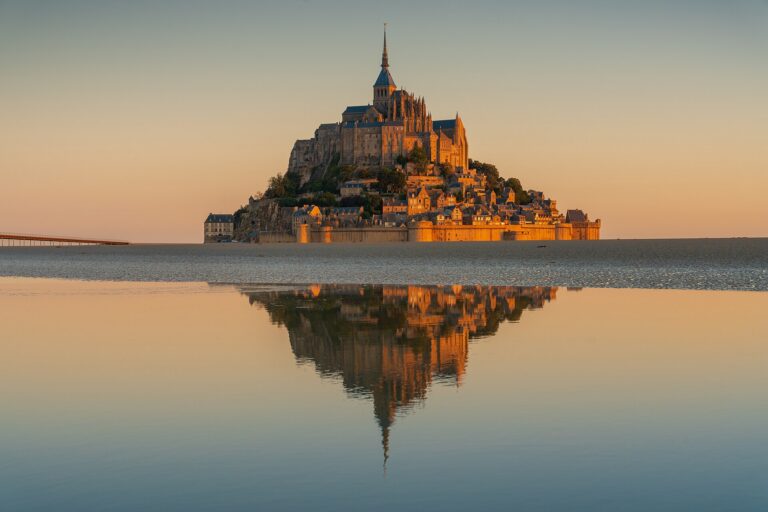
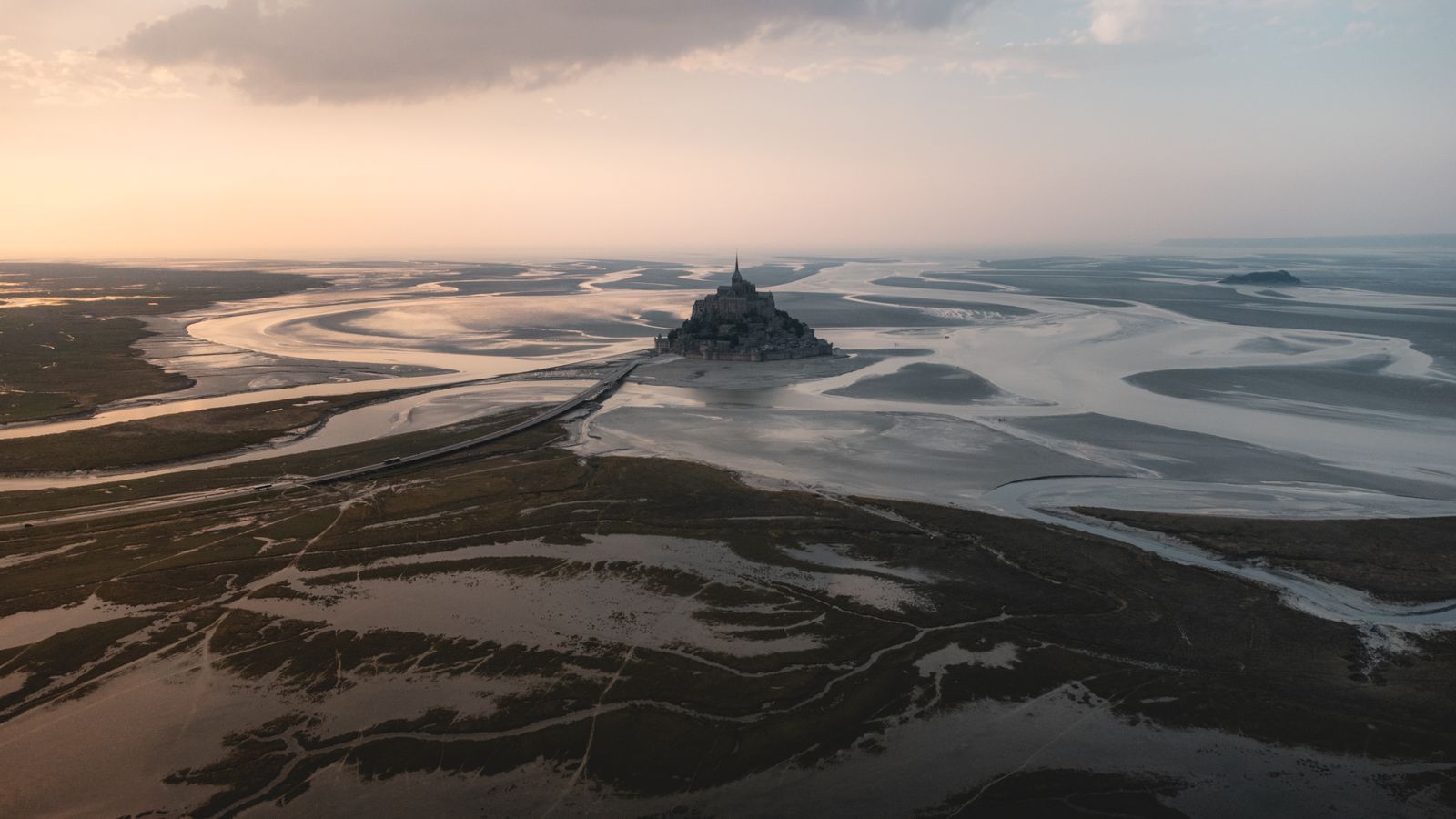
Picture that jaw-dropping moment when you’re driving across the flat Normandy countryside and suddenly an architectural miracle rises out of the morning mist on the horizon. Mont-Saint-Michel in France is an abbey perched on a granite rock that literally defies both gravity and the untamed ocean, and it’s a place that wins over the heart of absolutely every traveller. This isn’t just another landmark on the map of France — it’s a magical world ruled by the moon, the wind, and one of the highest tides in all of Europe. If you’re planning a visit, get ready for an experience that blends the deep spirituality of the Middle Ages with the rugged, almost raw beauty of the northern coast.
This granite island on the border of Normandy and Brittany has drawn pilgrims and curious travellers for centuries, and the French quite rightly nickname it the eighth wonder of the world. To make sure your visit goes perfectly smoothly and you dodge the typical tourist traps, I’ve gathered all the up-to-date information, useful advice and practical tips for 2026. You’ll learn how parking works, when to avoid the biggest crowds, and what else in this fascinating corner of France you really shouldn’t miss.
TL;DR
- Admission and opening hours: Entry to the village itself and the ramparts is free, but getting into the abbey at the top costs €16 in high season.
- Warning for 2026: The abbey is due to close for technical reasons from 1 June 2026, so double-check this before you travel.
- Arrival logistics: You have to leave your car at the huge central car park on the mainland for €14.20 per day and reach the island via a free shuttle bus.
- When to arrive: If you don’t want to get stuck in a human traffic jam, be at the buses by nine in the morning at the latest, or arrive after four in the afternoon.
- The treacherous bay: Never set off across the exposed seabed without a certified guide, because the local quicksand is extremely dangerous.
- Trip to Bayeux: If you’re planning to see the famous 11th-century tapestry, you won’t find it in Bayeux in 2026 — it’s heading to London on a long-term loan.
The full destination guide: Normandy — guide and what to see
When to visit Mont-Saint-Michel
Normandy definitely isn’t a destination you’d choose for lazing about under a parasol and swimming all day long. This is a place you come to for raw beauty and history, so be prepared for the fact that the weather here is very changeable. The air constantly smells of salt and seaweed, and the wind can be pretty chilly even in the middle of summer. The best time to visit is in spring and autumn, when you’ll avoid the absolute biggest summer crowds while still enjoying pleasant temperatures for long walks around the area.
If you long to see that incredible natural phenomenon where the mount becomes a true island, cut off from the mainland by wild water, you’ll need to time your trip according to the official tide tables. In 2026, exceptionally strong spring tides are expected, especially in March and September — the days when the water level rises at a dizzying speed and the spectacle from the ramparts is mesmerising. The difference between water levels during these periods can reach an unbelievable fourteen metres.
The summer months of July and August mean a huge influx of tourists from all over the world, and the narrow medieval streets become literally impassable. But take extra care at the beginning of June 2026, when the celebrations of the 82nd anniversary of the Normandy landings take place. From 30 May to 14 June the entire coast will be extremely crowded, accommodation tends to be sold out even a year in advance, and you’ll have to deal with major road closures. So unless you’re specifically into military history, give this particular window a wide berth — you’ll save yourself a lot of stress 😅.
Where to stay near Mont-Saint-Michel
💡 Tip for accommodation and experiences: We like to look for places to stay on Booking.com, where the cancellation terms tend to be the best. For tickets, tours and activities, it pays to compare and book through GetYourGuide.
The choice of accommodation is absolutely key to the atmosphere you’ll experience during your visit and how much stress you’ll spare yourself. You can opt to stay right on the island itself, which is the more expensive and logistically demanding option, but in return you’ll get a magical night-time and early-morning atmosphere without the ever-present crowds of tourists. The second, far more practical option is to stay on the mainland in the villages along the access road, from where the island is just a short hop away and the prices are considerably friendlier.
If you want to sleep right in the medieval setting, look for rooms in the iconic historic hotel La Mère Poulard, or in the very popular and romantic Auberge Saint Pierre, both of which offer an unrepeatable genius loci. Just bear in mind that you’ll have to lug your suitcases up the steep steps yourself, since you obviously won’t find any lifts in these historic buildings. Both can easily be booked through Booking — just do it well in advance, several months ahead, especially if you’re planning a trip in 2026.
A great compromise base on the mainland is the village of Beauvoir or the nearby, slightly larger town of Pontorson. Here you’ll find modern, comfortable hotels like the Mercure Mont Saint Michel or cosy traditional guesthouses such as La Jacotière, from where you can reach the central car park and shuttle buses on foot or by rented bike in just a few minutes. Staying on the mainland also gives you huge freedom for evening trips to the surrounding restaurants, without being tied to the shuttle timetable.
12 things to see and do at Mont-Saint-Michel and nearby
Let’s take a look together at the very best this unique spot has to offer. You’ll find out how to plan your tour of the abbey, where to look for the prettiest views, and which trips around the area you definitely shouldn’t skip.
1. Climb up to the abbey itself at the summit
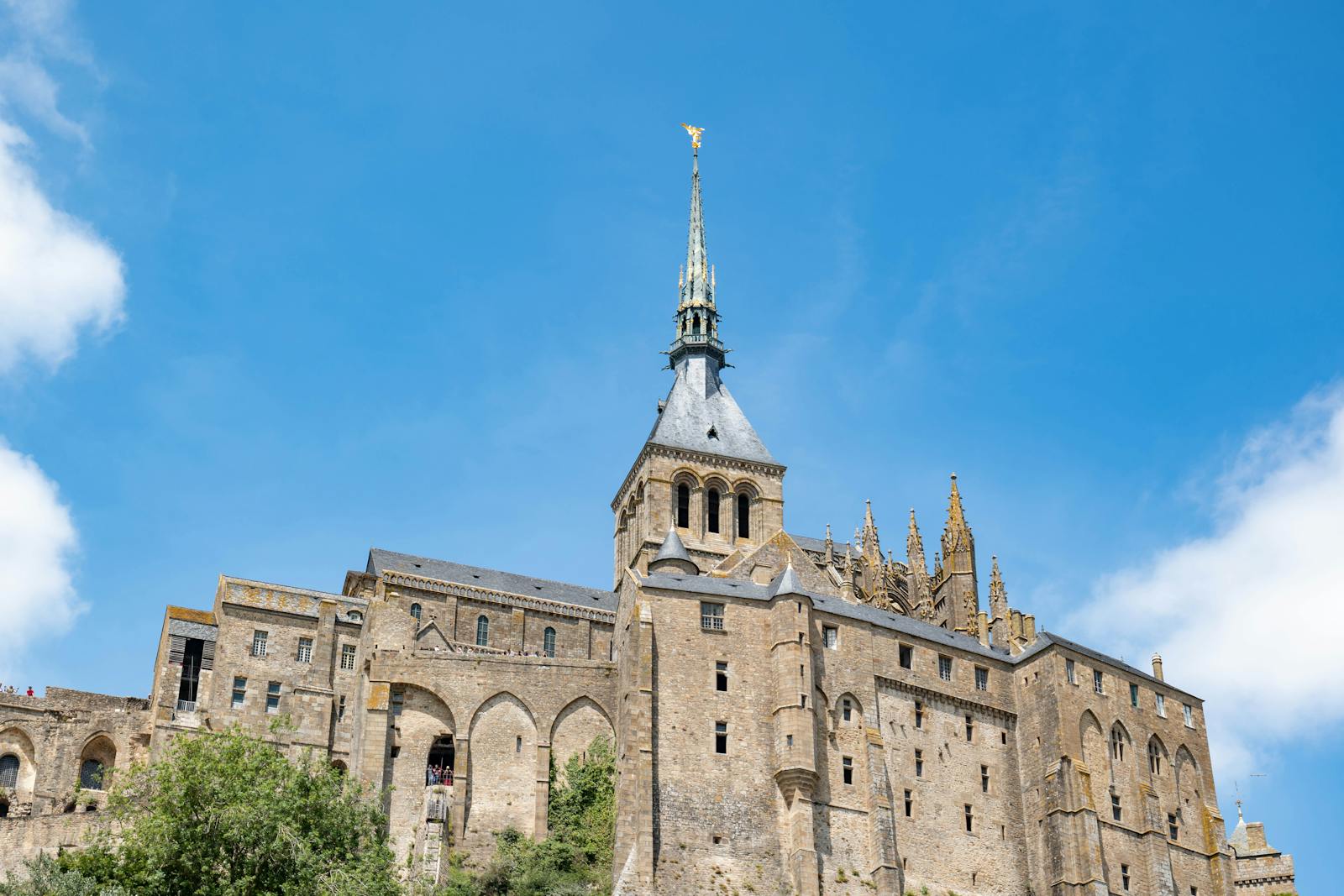
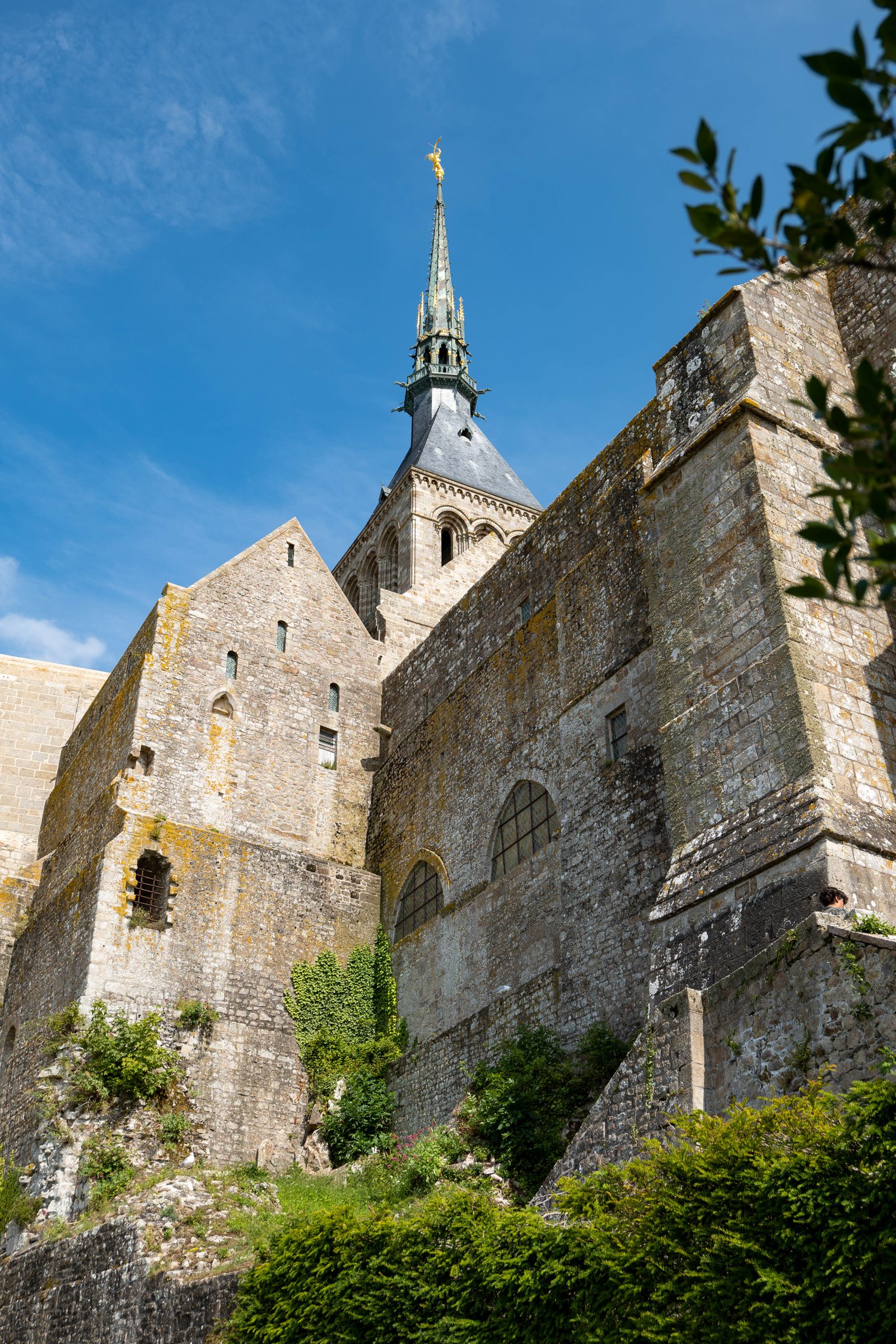
The monastery at the very top of the mount is an absolute architectural miracle and the main goal of every visitor. To reach it, you have to walk through the entire village and conquer roughly 350 steep stone steps, which can be quite a workout in the summer heat. There’s obviously no lift anywhere on the island, but this honest climb rewards you generously with stunning views over the vast bay, where the sea retreats for miles.
Admission to the abbey itself will cost you €16 in 2026 during the main summer season from April to September, while in the colder winter months you’ll pay €13. Children under 18 and EU citizens under 25 luckily get in completely free, which really comes in handy on a family trip. A tour of the interior of the enormous Gothic church with its massive columns and high vaults will take you roughly one to two hours, depending on how much you take in the details and read the information boards.
⚠️ A very important warning for 2026: according to the latest official plans, the abbey is due to be completely closed from 1 June 2026 for extensive technical reasons. Be sure to verify this several times on the monument’s official website before you travel, so you don’t end up standing in front of a locked gate after a long and demanding climb — that would be a real shame.
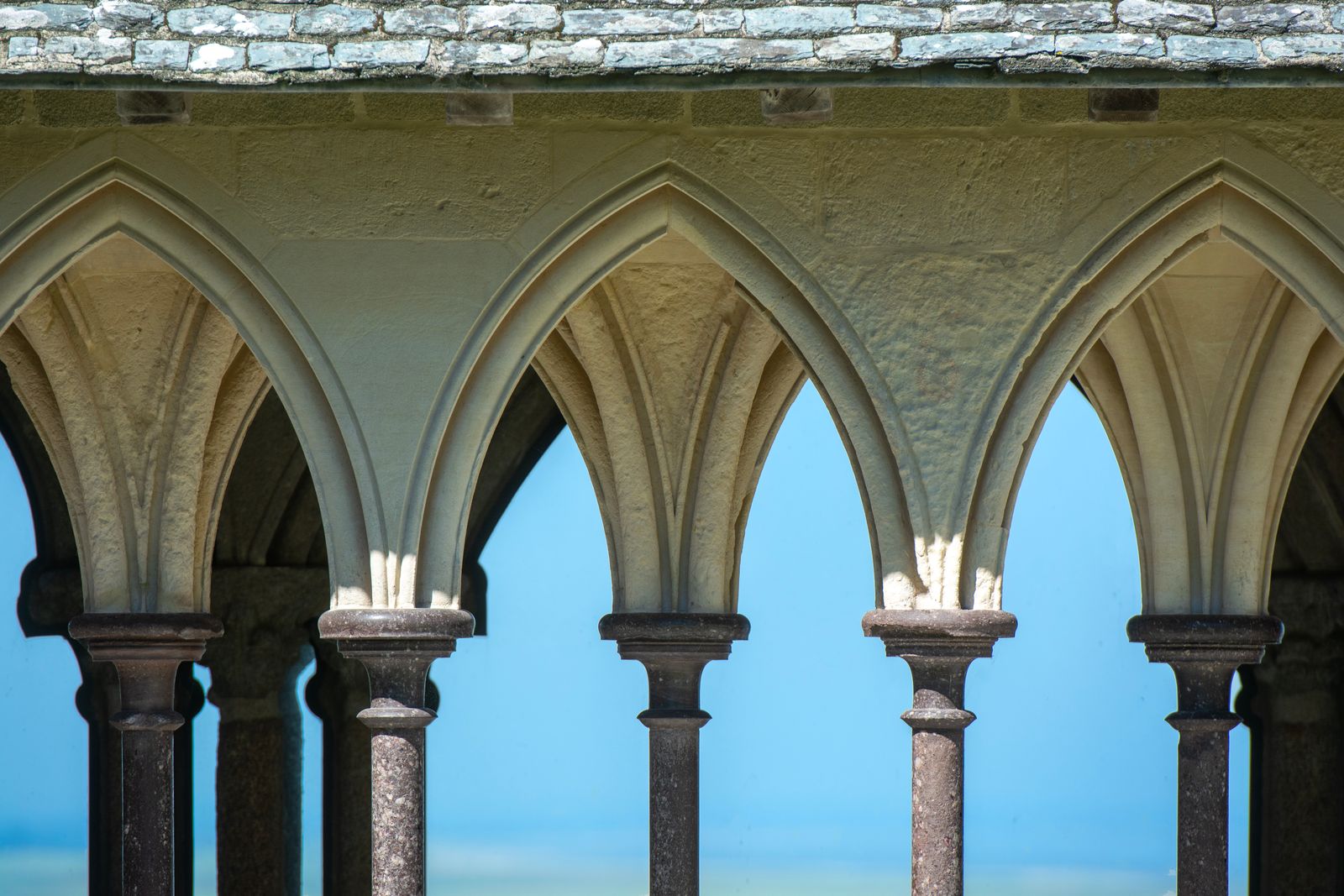
2. Explore the mysterious cloister and monastery gardens
Right next to the main church is the so-called Merveille, which fittingly translates as “Marvel”, and it’s the Gothic part of the monastery with a beautiful cloister. With its delicately decorated columns and a small green garden in the centre, this cloister feels incredibly peaceful and meditative. It’s a place where monks sought communion with God for centuries, and where even today, despite the tourists, complete silence and an immense calm prevail.
As you pass through the various enormous halls, be sure to notice the huge wooden wheel that served as a medieval freight lift. The monks had to walk inside it like hamsters in a wheel, using sheer force to haul heavy supplies of food and building material from the lower part of the island all the way up to the monastery. It’s a fascinating example of the engineering ingenuity of the time, and looking at that wheel makes you realise just how incredibly hard the lives of the people here once were.
I’d also recommend walking through the adjacent refectory and the old scriptorium, where the monks copied out precious books. Light streams through the high, narrow windows here, and the whole building feels as if it’s literally floating between sky and sea. In fact, this part of the complex is precisely why the entire structure is considered a masterpiece of Norman Gothic architecture.
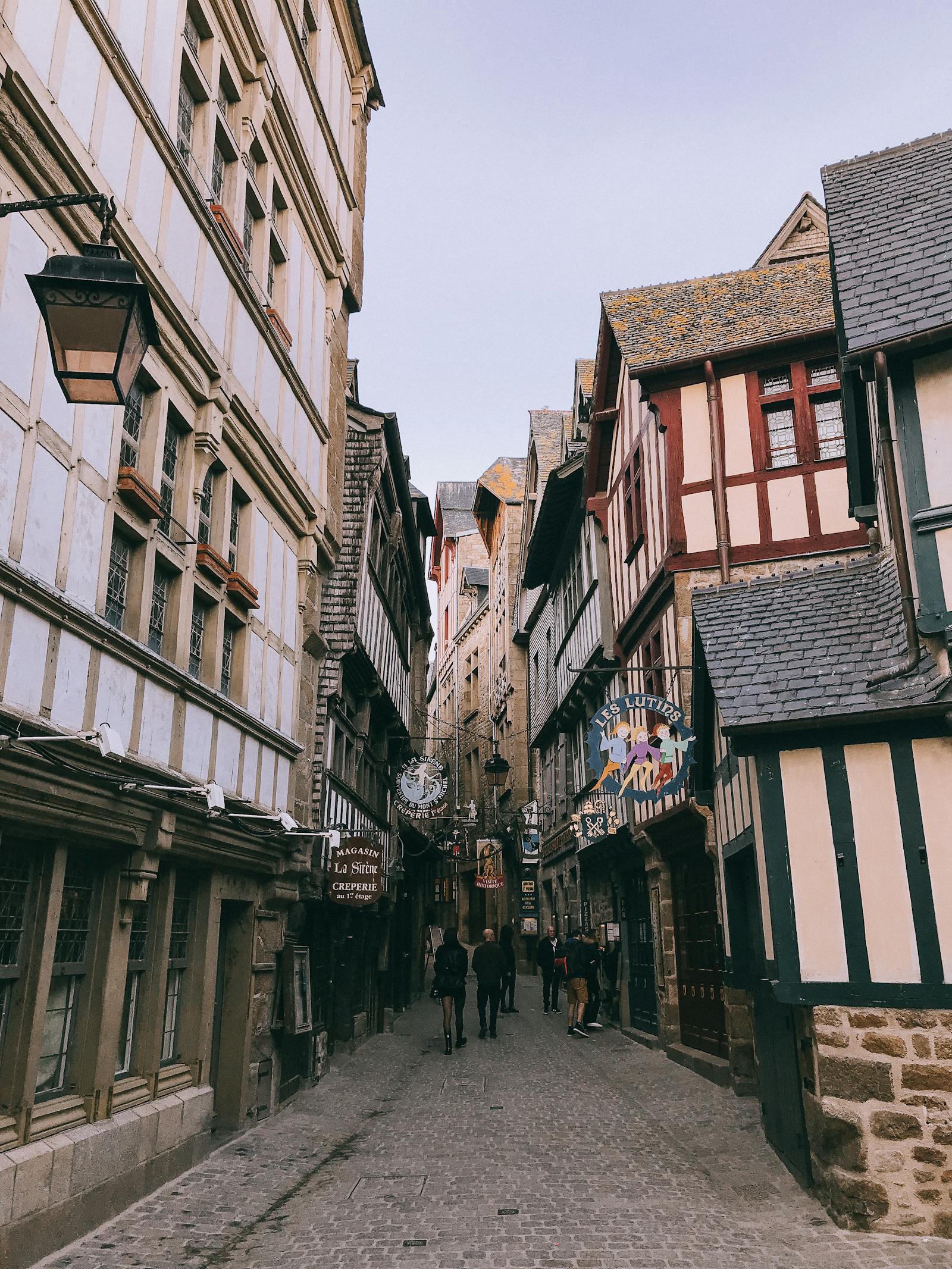
3. Stroll along the ramparts and the Grande Rue
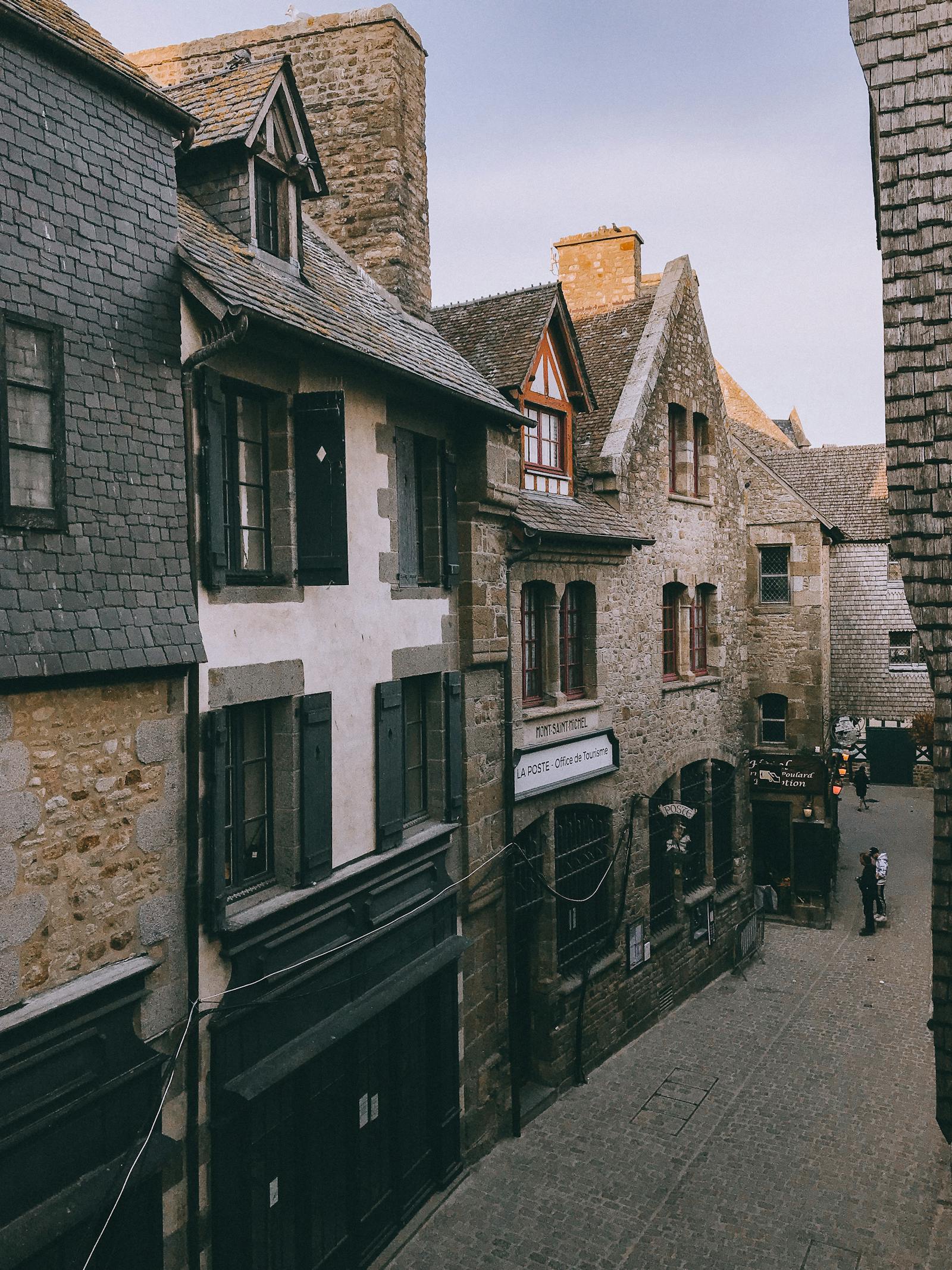
The main artery of the island is the narrow, steep street called the Grande Rue, which winds from the entrance gate all the way up to the steps of the abbey. It’s lined with beautiful stone houses from the 15th and 16th centuries, which today house mostly souvenir shops, little cafés and traditional restaurants. If you arrive really early in the morning, you’ll feel the genuine medieval atmosphere before the crowds of tourists flood in and turn it into an impassable river of bodies.
A much calmer and airier alternative to the main street is a walk along the medieval ramparts that encircle the lower part of the island. They offer the absolute best views over the vast bay and provide great angles for photography, without other people constantly getting into your shot. You can follow them all the way to the foot of the monastery, watching as the sea slowly approaches or recedes in the distance.
💡 Tip: most people rush straight into the Grande Rue after passing through the main gate, but you should head up the inconspicuous steps to the left onto the ramparts right after the entrance. That way you’ll avoid the worst of the jam and enjoy a much more pleasant and photogenic climb to the abbey, which also rewards you with a great view of the mainland.
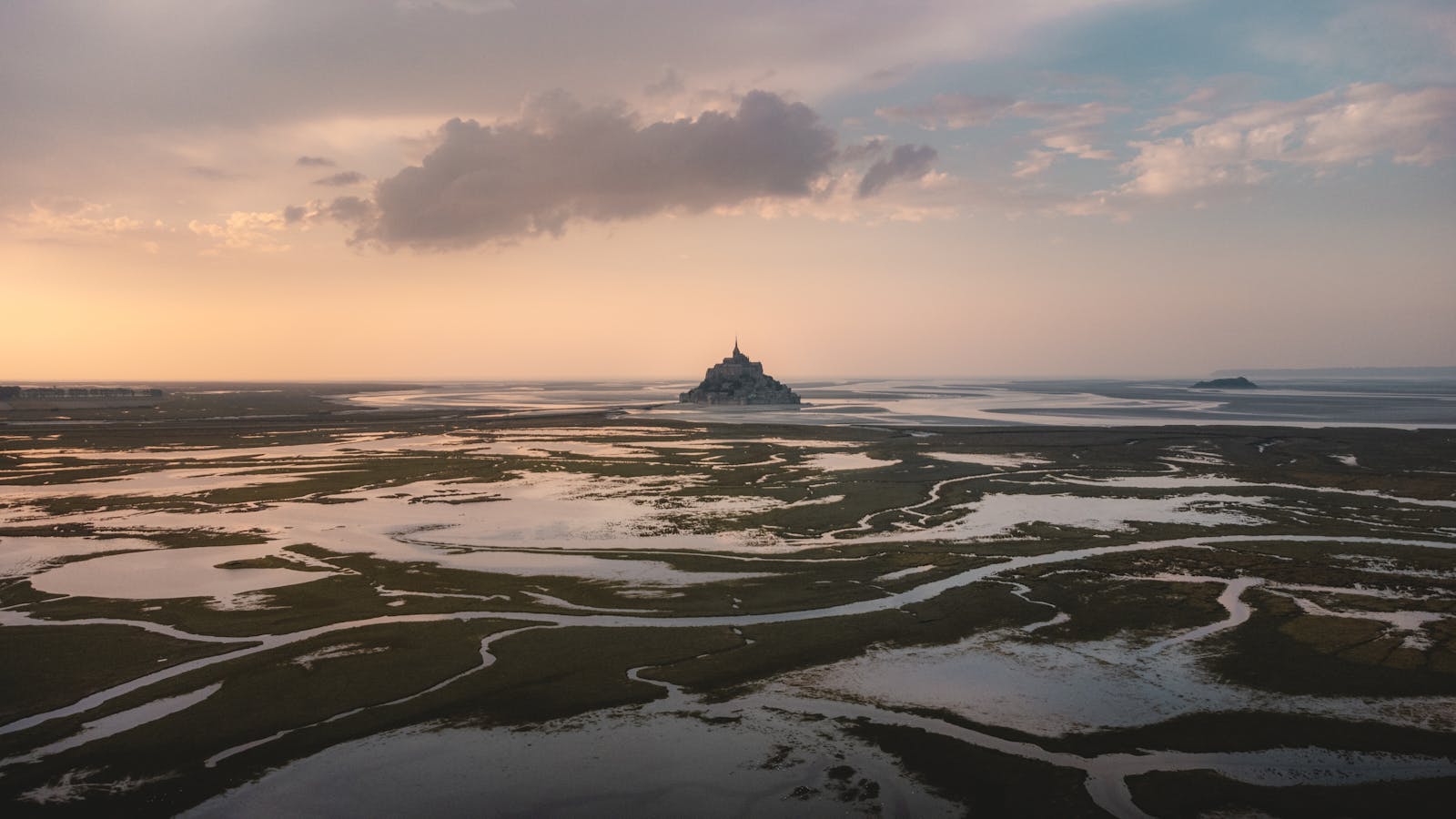
4. Watch the fascinating phenomenon of the tides
The bay surrounding the mount is world-famous for the highest tides in all of Europe, where the difference between low and high tide can reach an incredible fourteen metres. The water races across the bay at the speed of a galloping horse, and it’s a truly dramatic spectacle that will take your breath away. If you want to see this natural phenomenon with your own eyes from the safety of the ramparts, you’ll need to study the exact times carefully in advance in the official tables.
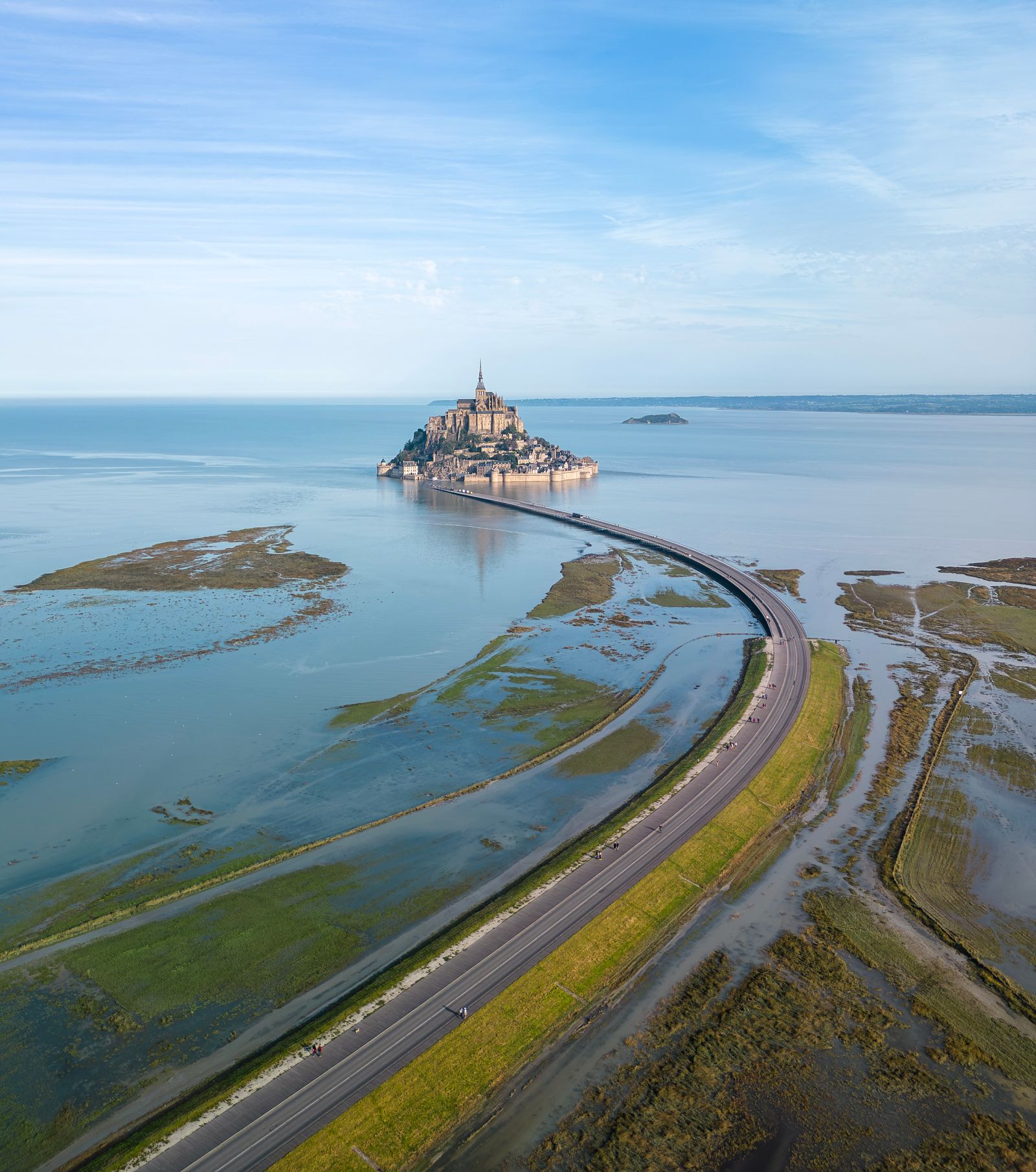
At low tide, the sea pulls back up to fifteen kilometres, revealing endless plains of shimmering sand and deep mud. By contrast, during the extreme spring or autumn tides, the water completely surrounds the island and even cuts off the new access road for a short while. In 2026, these exceptionally strong so-called spring tides are expected especially in March and September, so if you’re planning your trip for those months, you definitely have something to look forward to.
It’s these very moments — when the waves crash against the ancient ramparts and the island becomes a true island once more after hours of dry land — that are the most magical part of any visit. Just find a quiet spot on the abbey’s northern terrace and simply watch in awe at the sheer power of nature.
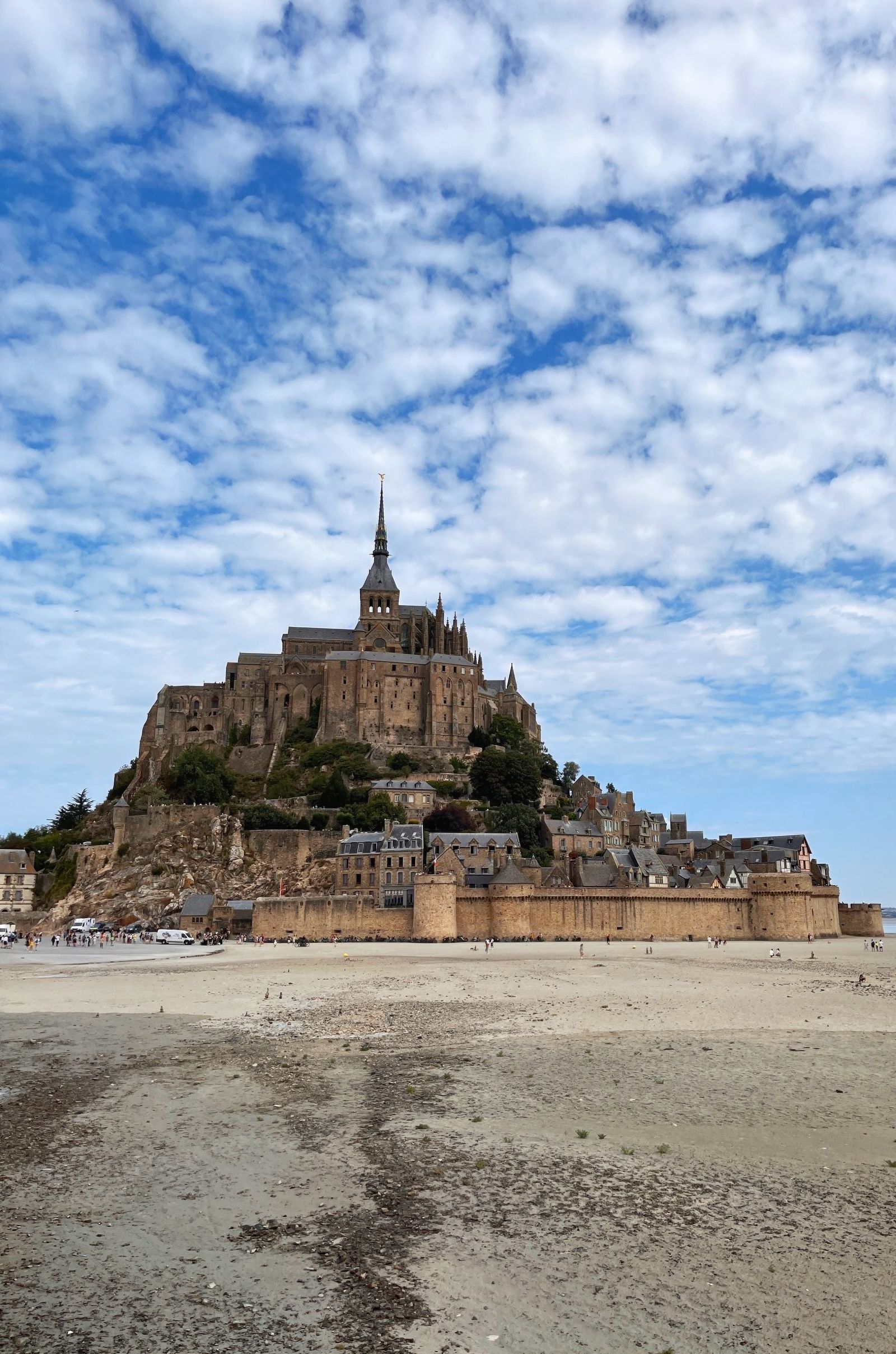

5. Take a guided walk across the bay floor
Although the exposed seabed tempts you to take romantic walks around the island, and plenty of people enthusiastically set off into it, you have to be extremely careful. The bay is full of treacherous quicksand and deep channels that fill with icy water in a flash. Never venture far from the shore on your own, because the rapidly rising tide has already claimed the lives of more than one reckless tourist who underestimated the power of the ocean.
If you want to explore this unique ecosystem safely and enjoy a little adrenaline, pay for a certified local guide. During an organised walk you’ll take off your shoes, wade through the cold mud, and the guide will show you how quicksand works in practice — you’ll even try out how to get out of it safely. It’s an incredibly fun and educational experience for adults and older children alike.
You can very easily book these organised tours, for example through GetYourGuide, where you’ll find plenty of verified local professionals. The guides know the bay like the back of their hand and, on top of safety, they’ll give you lots of interesting information about the local wildlife, plants and the history of the pilgrims who walked this way to the abbey in the Middle Ages.
6. Master the arrival logistics and parking
The organisation of transport here is sorted out absolutely precisely, in order to protect the unique character of the monument and prevent an ecological disaster. You can no longer drive your own car right up to the island — you have to leave it at the sprawling central car park on the mainland, about two and a half kilometres away. Parking for the full twenty-four hours will cost you roughly €14.20, which is a fairly understandable amount given the significance of the place.
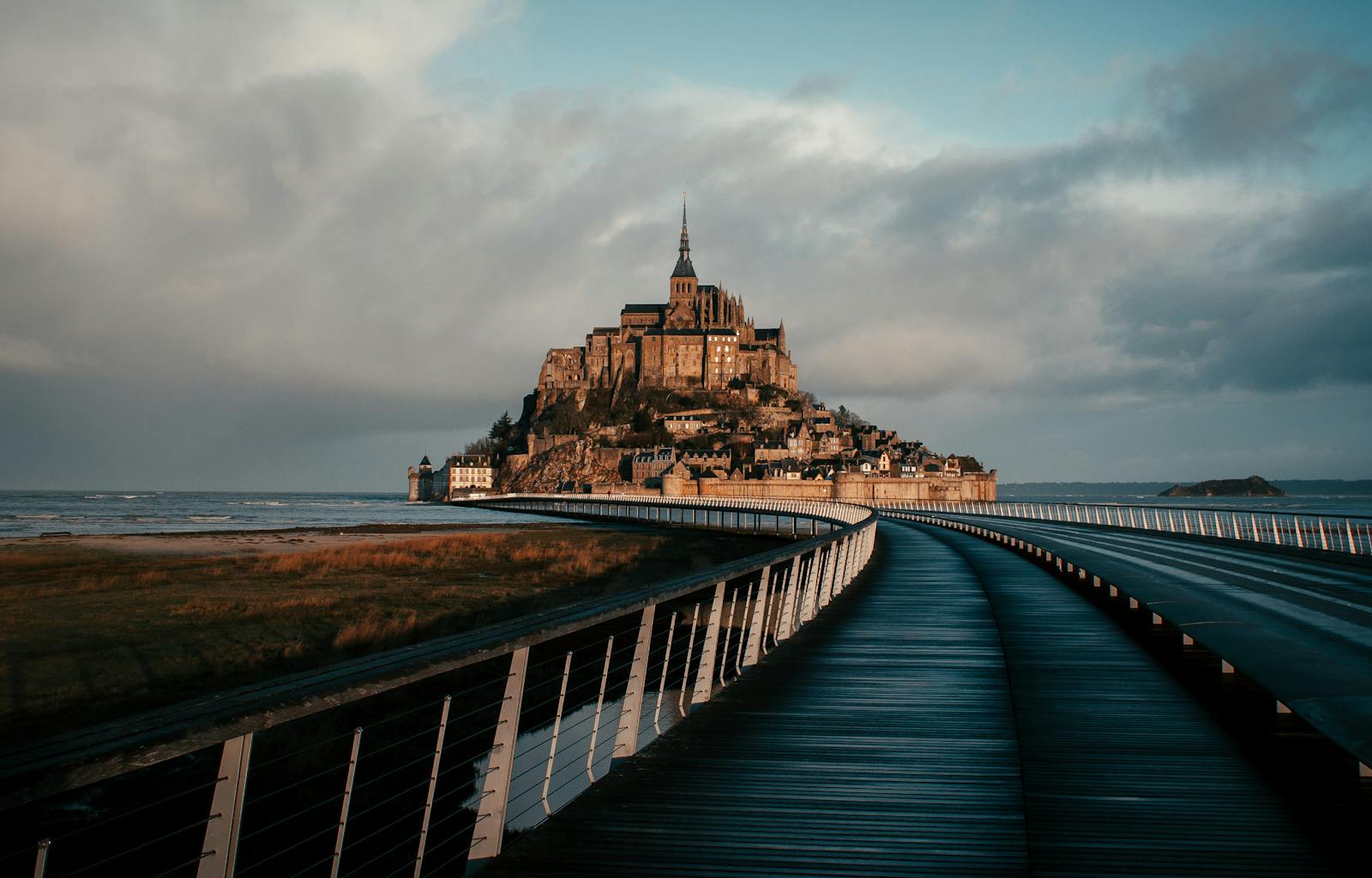
From the car park, free shuttle buses called Le Passeur run at regular and very frequent intervals, carrying you across the new, architecturally striking bridge almost all the way to the entrance gate in twelve minutes. Dogs aren’t allowed on these buses, but otherwise they run completely reliably from early morning until late at night.
If you enjoy a bit of exercise and there’s no gale blowing outside, I warmly recommend walking at least one way. It’s a beautiful walk of about forty minutes along the flat wooden walkway, during which the island gradually grows larger before your eyes with every step. It’s from this access route that you’ll capture the most iconic photos, free of any distractions.
7. Outsmart the crowds and choose the right time
Mont-Saint-Michel suffers from fairly massive overtourism, and in the summer months a visit can become a very stressful experience where you can’t even move in the streets. If you want to keep your sanity and take nice photos without strangers’ heads and selfie sticks, you really do have to arrive very early. Ideally, be at the central car park before half past eight in the morning, before the first enormous coach tours from Paris start rolling in.
The second great, and perhaps even more romantic, option is to arrive in the late afternoon, when most of the day-trippers are slowly heading back to their hotels. Around five o’clock the narrow streets start to pleasantly empty out, the light takes on the soft golden hue of the so-called golden hour, and you’ll be able to savour the quiet, mystical atmosphere that suits this place best of all.
The basic rule, then, is this: absolutely avoid the time between eleven in the morning and four in the afternoon, when the island is under the total domination of tourists. If you do happen to be there at that time, take refuge in the abbey gardens or set off on a longer walk along the surrounding ramparts, where not as many people usually venture.
8. Taste the local cuisine and the famous omelette
When it comes to food on the island, everyone immediately thinks of the legendary La Mère Poulard restaurant, which sits right by the entrance gate. From the street you can watch the cooks rhythmically whisking eggs in enormous copper bowls to make their renowned fluffy omelettes. It’s a lovely show worth seeing, but I have to honestly warn you that these omelettes are wildly overpriced — you’ll pay over €40 for a single portion, which is truly excessive for a whisked egg 😅.
A far more sensible and authentic choice is to pop into one of the local crêperies for traditional savoury buckwheat pancakes, or galettes. They’re made here in many excellent vegetarian variations — whether with proper cheese, egg or mushrooms — and they’ll reliably fill you up for a fraction of the price. Normandy is, of course, famous for its superb fresh oysters and mussels, but thanks to its rich tradition of quality butter and cheese, you can eat very well and tastily here even without seafood.
If you’re planning lunch in a traditional French bistro or restaurant, don’t forget to keep an eye on the time. Lunch here is served strictly between twelve and two in the afternoon. If you turn up hungry at three o’clock, the kitchen will most likely already be closed, and at best you’ll be rescued by a cold baguette from the local bakery.
9. Take a trip to Bayeux — but mind the tapestry
The town of Bayeux, about an hour’s drive away, is an absolutely perfect base for exploring the Normandy coast and the famous landing beaches. It was the first major town liberated by the Allies in 1944 and, as if by miracle, it escaped the devastating bombing, so its cobbled streets, old half-timbered houses and imposing Gothic cathedral have remained beautifully preserved. In the evening, the place comes pleasantly to life and you’ll find plenty of great spots here.
Bayeux is world-famous for its breathtaking embroidered tapestry from the 11th century, which tells the story of the conquest of England over a length of seventy metres. For UK visitors this is a particularly poignant piece of shared history. However, I have one major warning for 2026 that you should know in advance. The local museum is undergoing a huge renovation, and the precious cloth itself is travelling abroad on a historic loan.
The good news for British travellers: from 10 September 2026 to summer 2027, the tapestry will be on display in London at the prestigious British Museum, so don’t count on seeing it during a visit to Bayeux this year. Even without the tapestry, though, the town is wonderful and works as a great starting point for all organised excursions and self-drive trips around the area.
10. Explore the corsair city of Saint-Malo
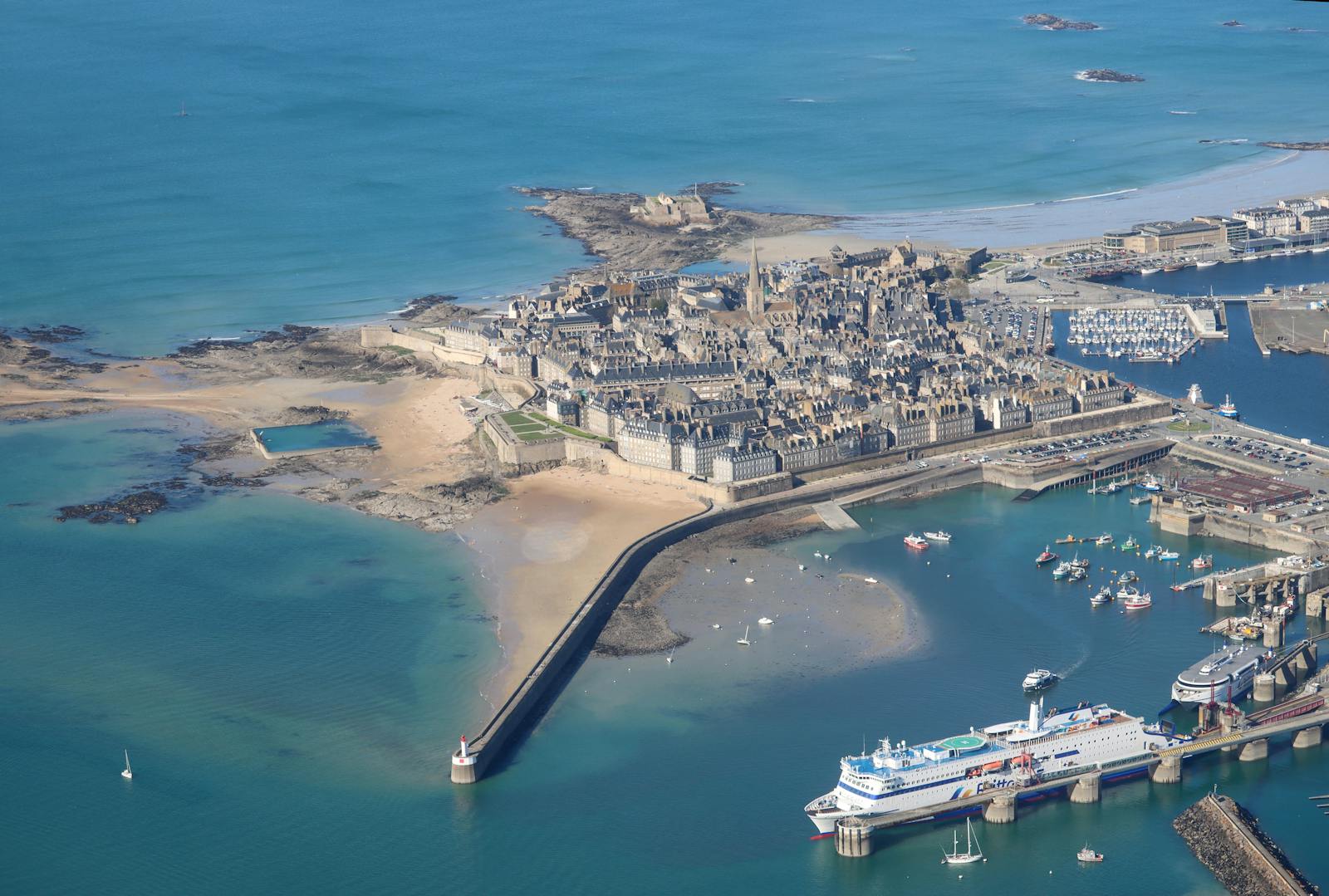
Since you’re right on the border of two wonderful French regions, it would be a huge shame not to at least pop into neighbouring Brittany for a while. Just under an hour’s drive to the west lies the stunning port city of Saint-Malo, which has a completely different, noticeably wilder atmosphere. It’s the former seat of feared corsairs and wealthy maritime merchants, still protected to this day by massive stone walls.
Here you can stroll along the wonderful wide ramparts that run along the entire coast, watch the shimmering sea and crashing waves, and breathe in the purest ocean air. The inner town within the walls was almost destroyed by intense bombing during the Second World War, but the French managed to rebuild it stone by stone with incredible care, restoring it to its original historic form — so you’d never even know.
I definitely recommend walking through the narrow streets inside the walls, buying some Breton butter biscuits, and sitting down in one of the local cafés with a view of the old harbour. It’s a great contrast to the spiritual atmosphere of Mont-Saint-Michel.
11. Fall for the charm of Norman cheeses and apples
The cuisine of this northern region is hearty, honest and smells of quality craftsmanship. Forget classic vineyards — in Normandy the leading roles go to apples and top-class dairy products. The local cows graze on grass full of sea salt carried on the wind, which gives the cheeses a distinctive flavour. You absolutely must taste a real Camembert de Normandie, made exclusively from raw milk, whose flavour is utterly incomparable to anything you’d buy in an ordinary supermarket. Also worth a try is the strongly aromatic Pont-l’Évêque, or Neufchâtel cheese, which comes in a charming heart shape.
Instead of wine, the excellent cheeses here are washed down with traditional apple cider (cidre), which is lightly sparkling, pleasantly refreshing and comes in both dry and sweeter versions. If you fancy something stronger, the local classic is Calvados, an apple brandy aged in oak barrels. A traditional custom is the so-called Norman hole (le trou normand) — a shot of Calvados knocked back in the middle of a hearty dinner, which is said to burn a hole in your stomach and make room for the next courses.
As an excellent and gentler aperitif before dinner, I recommend trying Pommeau, a very delicious blend of fresh apple juice and year-old Calvados. It’s served chilled and will reliably warm you up after a long day spent on the windy coast.
12. Enjoy the night-time magic of the illuminated island
If you have the chance and you’re not rushing straight back to a distant hotel, I definitely recommend lingering in the area until late in the evening. Once the sun goes down, the daytime bustle dies away, the crowds leave, and the entire abbey lights up beautifully with warm yellow light, taking on an almost fairytale-like, mystical glow. A walk to the island across the empty bridge under a starry sky is an experience you won’t easily forget.
In the summer months, the monastery often hosts special night tours, enhanced by intriguing light installations and atmospheric music. The experience of wandering through the silent Gothic halls by the glow of dimmed spotlights is much more intimate and mysterious than during a busy day. Tickets for these evening events are very much in demand, so always book them carefully online well in advance.
A nice bonus is that the shuttle buses run from the car park until midnight or one in the morning, depending on the current season, so you don’t have to worry about trudging two and a half kilometres in the dark after a night tour.
Map of points of interest for your phone
Where to go next from Mont-Saint-Michel
Once you’ve explored every corner of the bay, a whole range of wonderful options opens up for continuing your journey. If you’re interested in recent history and the Second World War, head northeast and discover the deeply moving and powerful D-Day Landing Beaches in Normandy.
If, on the other hand, you long for wild nature, Celtic culture and dramatic cliffs torn apart by the ocean, turn the wheel westward and head off to explore the neighbouring, stunning region of Brittany. These two areas have completely different characters, and both are well worth seeing.
Frequently asked questions
Is there an entrance fee to the village on Mont-Saint-Michel?
No, entry to the village itself, the ramparts and the narrow streets of the island is completely free. An admission fee of 16 € (13 € in winter) is only charged if you want to visit the historic abbey at the very top of the mount. Young people under 25 from the EU have free entry.
How long does it take to tour the entire island?
Set aside roughly 3 to 4 hours for the actual tour of the little village and the abbey. But if you add in the shuttle bus ride from the parking lot, the time waiting in lines, and possibly lunch at one of the local restaurants, your visit will take up at least a pleasant half-day.
Can you bring dogs to the island?
Dogs are allowed entry to the outdoor streets of the village and on the ramparts, provided they are on a leash. However, animals are not permitted inside the abbey itself, on the shuttle buses, or in most restaurants, so visiting with a dog is quite complicated and restrictive.
Is Mont-Saint-Michel suitable for strollers and wheelchairs?
Unfortunately, this place is extremely challenging for pushchairs and people with reduced mobility. The village is full of steep climbs, cobblestones and hundreds of stairs without lifts. With a small child, definitely choose a baby carrier – with a pushchair you’d just struggle unnecessarily.
Where can I find the best spot for photography?
The most beautiful overall views of the mount open up from the access bridge or from the Couesnon River dam near the nearby barrage. If you want to take photos inside the complex itself, the nicest views of the bay are from the western ramparts and from the northern terrace of the abbey itself.
Can I get to the island by bike?
Yes, cycling is very popular here and the area features the excellent Vélomaritime trail. You can cycle all the way to the island itself, where special bike racks are available just before the entrance gate. It’s a great and quick alternative to the crowded shuttle buses.
Do the shuttle buses run at night too?
Yes, free shuttle buses (Passeur) run from the central parking lot from early morning until late evening hours, usually until midnight or one in the morning depending on the current summer or winter season. This way you can enjoy the magical nighttime atmosphere of the island without worries.
Tips and Tricks for Your Vacation
Don’t Overpay for Flights
Search for flights on Kayak. It’s our favorite search engine because it scans the websites of all airlines and always finds the cheapest connection.
Book Your Accommodation Smartly
The best experiences we’ve had when looking for accommodation (from Alaska to Morocco) are with Booking.com, where hotels, apartments, and entire houses are usually the cheapest and most widely available.
 🚗 Car rental on the roadVerified car rentals in Normandy
Search with the DiscoverCars comparison engine — it compares prices from dozens of local and international rental companies, and most bookings come with free cancellation.
Compare car prices in Normandy →Don’t Forget Travel Insurance
Good travel insurance will protect you against illness, accidents, theft, or flight cancellations. We’ve had a few hospital visits abroad, so we know how important it is to have proper insurance arranged.
Where we insure ourselves: SafetyWing (simple monthly subscription) and TrueTraveller (for extra-long trips).
Find the Best Experiences
Get Your Guide is a huge online marketplace where you can book guided walks, trips, skip-the-line tickets, tours, and much more. We always find some extra fun there!