Tirana won’t let you catch your breath. It’s loud, colourful, chaotic and constantly on the move. As the largest city and the main gateway into Albania, Tirana mixes Ottoman heritage, Italian architecture, hard-edged communist brutalism and unbridled modern capitalism all at once. If you’re expecting a sleepy Balkan capital, Tirana will quickly set you straight – here car horns blare, cranes rise, strong espresso is sipped on every corner, and history is being rewritten live.
Back in the 1990s this was a grey, isolated place still recovering from one of the harshest dictatorships in the world. Today it’s a self-assured European city full of brightly painted apartment blocks, cafés and surprisingly good food. Former mayor and later prime minister Edi Rama, a painter by trade, had the peeling façades repainted in bold geometric patterns and breathed a whole new energy into the city.
In this article you’ll find 14 things to see in Tirana – from Skanderbeg Square through the underground Bunk’Art bunkers to the cable car up Mount Dajti. We’ll also tell you where to stay, how to get here, how much things cost and how not to fall for the famous Albanian confusion where a nod of the head means “no”. Set aside one to two days to soak up the atmosphere – Tirana is the ideal launch pad before you head north to the mountains or south to the beaches of the Ionian Riviera.
TL;DR
- How many days: One full day covers the highlights; a second day adds the Dajti cable car and Bunk’Art 1 at a relaxed pace.
- Where to stay: Best in the centre around Skanderbeg Square or in the lively Blloku district (watch out for club noise).
- Don’t miss: Skanderbeg Square, the Bunk’Art 1 and 2 bunkers, the reborn Pyramid, the Blloku district and the cable car up Dajti.
- Money ⚠️: Pay in cash (many museums don’t take cards). The Albanian lek (ALL) is the strongest it has ever been, so Tirana is no longer “dirt cheap” – a three-course meal runs €15–30, street food under €5.
- Bunkers: Bunk’Art 1 is a huge nuclear shelter on the edge of town, Bunk’Art 2 is smaller and creepier right in the centre. Entry around €5–9 in cash.
- Mind the gestures: In Albania nodding your head up and down means NO and shaking it side to side means YES. When ordering, it’s safer to answer out loud.
- Getting around: It’s about half an hour from Mother Teresa Airport to the centre. In town you’ll mostly walk; for longer hops, grab a taxi via an app.
The full destination guide: Albania — guide and what to see
When to go, how to get there and how to get your bearings in Tirana
Before you dive into the whirl of bunkers and cafés, sort out your arrival and timing. Tirana is at its most pleasant in spring (April to June) and autumn (September to October), when it’s comfortably warm for walking and the surrounding hills tempt you out for day trips. Summer in the valley can be muggy and hot, easily over 35 °C, so locals disappear into cafés and to the beaches around midday. Winter is mild but rainy – though cheaper and crowd-free.
The main gateway is Mother Teresa International Airport (TIA), about a half-hour drive from the centre. There’s a regular airport express bus as well as taxis; it’s best to agree the fare in advance or use a ride-hailing app. Direct flights connect Tirana with several UK airports, with carriers such as Wizz Air, easyJet and British Airways flying from London and other regional hubs – well worth comparing for the best fare. Traffic in the city used to be notorious, but in late 2024 the nearly 29-kilometre Tirana Outer Ring road opened, taking a lot of pressure off through-traffic.
The centre itself is comfortably walkable. Everything that matters lies within roughly twenty minutes’ walk of Skanderbeg Square. For longer trips (say to Bunk’Art 1 or the cable car), use a taxi, ideally via an app, so you can skip the haggling over price.
Tirana is also the main transport hub for the whole of Albania, so it’s easy to carry on from here. The rail network is practically negligible; the backbone of transport is buses and minibuses called furgon. From various terminals (such as the regional bus station in the north of the city) there are regular connections to Berat, Shkodër, Sarandë and the coast. Timetables tend to be flexible and buses often leave only once full, so check departures locally or through your accommodation. If you want freedom, especially for a trip along the Ionian Riviera and into the mountains, you’ll appreciate renting your own car right in Tirana or at the airport.
💡 Tip: Albania isn’t in the eurozone, but euros are often accepted at tourist spots. You’ll always lose out on the exchange rate, though – it pays to withdraw lek from an ATM (choose the option without the “conversion” the terminal offers you) and keep cash on hand, especially for museums and bunkers that don’t take cards.
Where to stay in Tirana (and what to watch out for)
💡 Accommodation and experiences tip: We like to look for places to stay on Booking.com, which usually has the best cancellation policies. Tickets, tours and activities are then worth comparing and booking through GetYourGuide.
Tirana is smaller than you’d expect, and the district you choose mostly determines how well you’ll sleep. You’ll find everything from cheap hostels to elegant boutique hotels, and prices are still gentler than in Western Europe, even if they’re slowly climbing.
If it’s your first time and you want everything on foot, stay in the centre around Skanderbeg Square. In the morning you’ll be standing by the Et’hem Bey Mosque before the bustle arrives, and in the evening you’re a short stroll from the action. If you want nightlife, cafés and the best restaurants, head for the Blloku district – once a forbidden zone for the party elite, today the liveliest spot in the city. Just be warned: the clubs here play late into the night, so if you want peace and quiet, avoid rooms right above Blloku’s main streets.
Here are specific picks by budget and location, chosen from real reviews (on Booking, aim for ratings of 8.5+ with plenty of reviews):
- Backpackers and solo travellers, budget: Trip’n’Hostel a popular social hostel with a garden and bar a short walk from the centre, ideal for meeting other travellers.
- Couples and best value for money: Vila Tafaj a cosy smaller hotel a few steps from the main boulevard and the Blloku district, praised for its friendly staff and breakfast.
- Comfort and wellness: Xheko Imperial Hotel & Spa a boutique hotel with a spa and pool near Blloku, a good choice when you want to relax after a day on your feet.
- Classic comfort and calm in the centre: Rogner Hotel Tirana a spacious hotel with a garden and outdoor pool right on the main boulevard, a green oasis in the middle of the hustle.
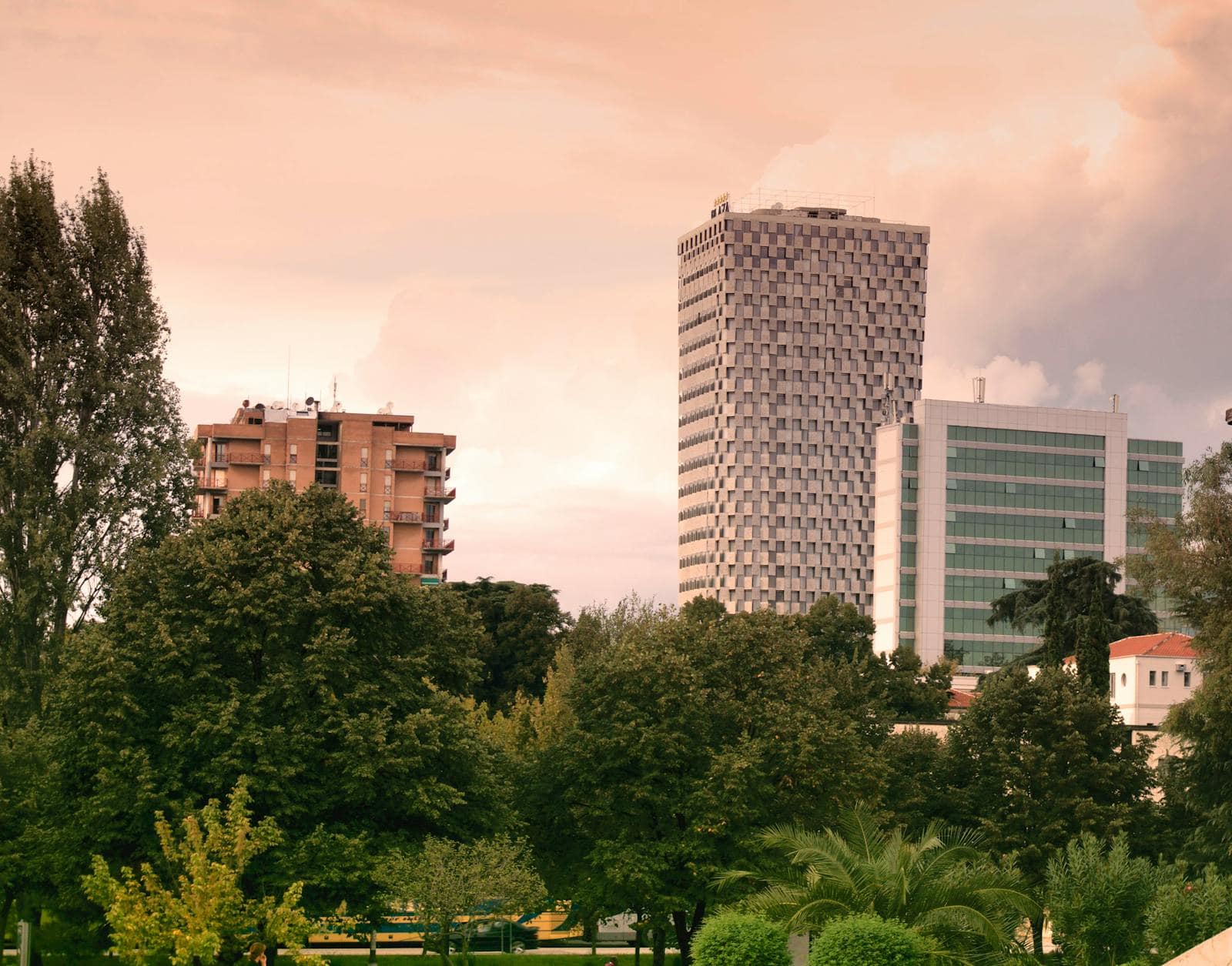
- Luxury and views: Maritim Hotel Plaza Tirana a high-rise landmark a few steps from Skanderbeg Square with a rooftop bar and a panorama over the whole city.
💡 Tip: When booking, keep an eye on reviews (on Booking, aim for 8.5+ with lots of ratings), and at central hotels ask about air conditioning and soundproofing – summer can be muggy and the streets noisy. Breakfast is usually included, and the Albanian version is worth it: fresh bread, cheese, olives, eggs and honey.
14 Things to See in Tirana
Tirana is best discovered on foot and with your own eyes. Here are fourteen places and experiences worth staying an extra day in the Albanian capital for.
1. Skanderbeg Square: the heart that never sleeps
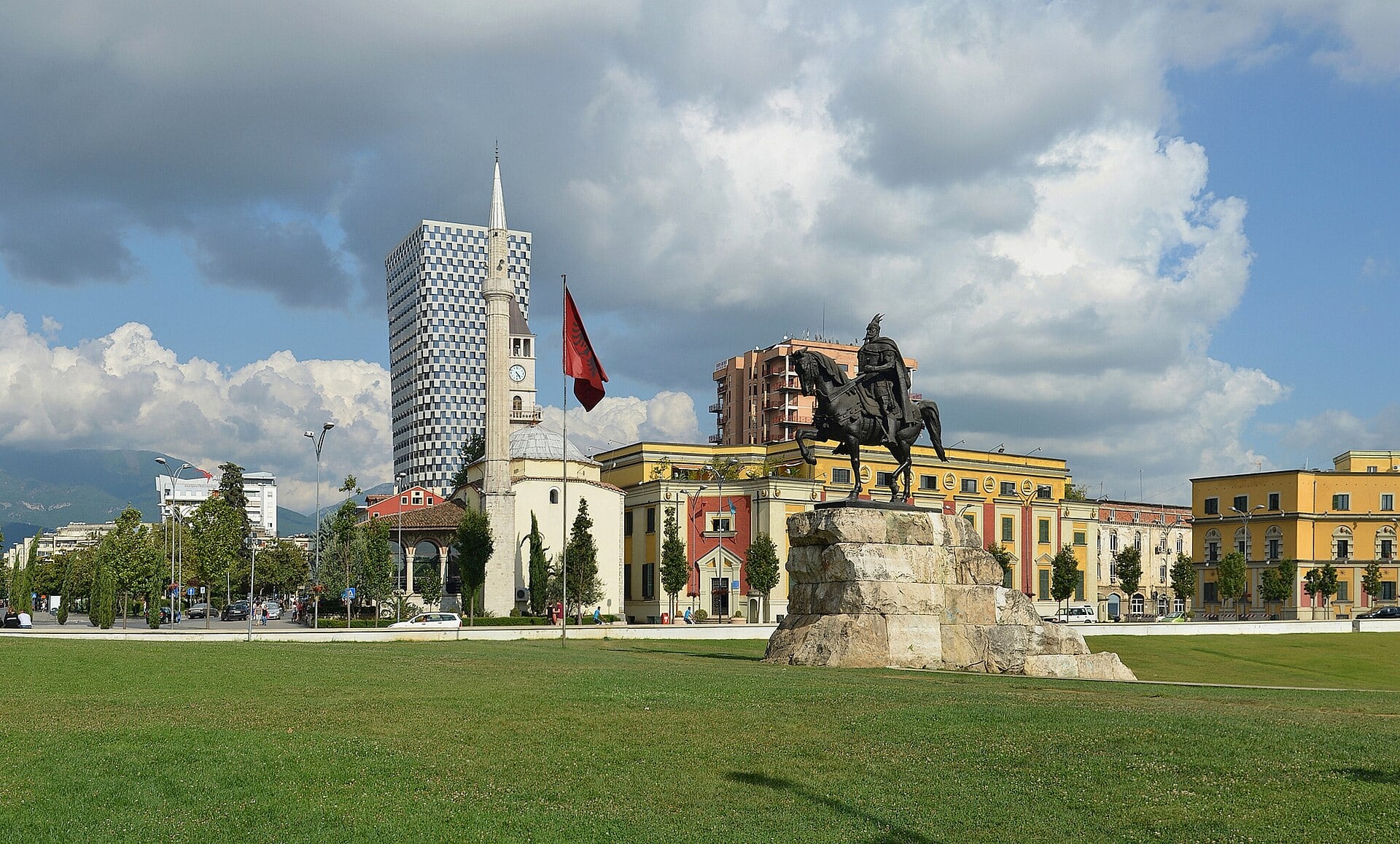
All roads in Tirana lead to Skanderbeg Square (Sheshi Skënderbej). This vast paved space, from which cars have been banished, is literally the centre of gravity of Albanian national pride. In the middle rises the equestrian statue of Gjergj Kastrioti, known as Skanderbeg – the medieval warlord who held off Ottoman expansion for an astonishing twenty-five years in the 15th century. His emblem, the black double-headed eagle, still adorns the Albanian flag.
The square is at its loveliest after dark, when it lights up and locals come out for an evening stroll. Of the surrounding buildings, the one that catches the eye most is the National History Museum with its giant mosaic on the façade (more on it below). Stand in the middle, turn full circle, and you’ll see the whole of Albanian history in a single sweep.
2. Et’hem Bey Mosque: the little gem that survived atheism
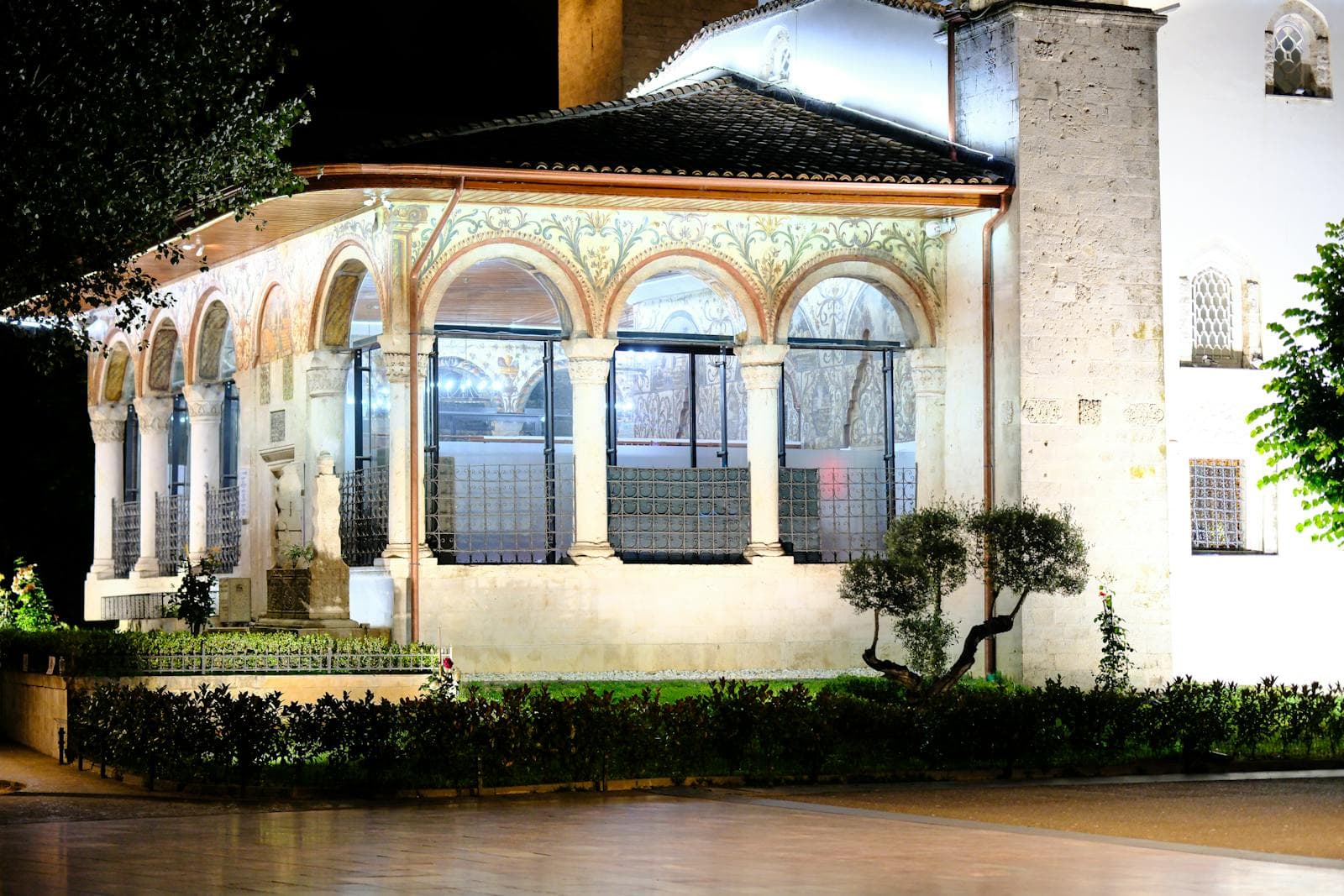
On the corner of the square stands the Et’hem Bey Mosque from the turn of the 18th and 19th centuries. It’s small but architecturally gorgeous, with rare frescoes of trees, waterfalls and bridges both outside and in – a great rarity in Islamic tradition. The mosque’s biggest story, though, is simply that it still stands: it survived even the dark year of 1967, when dictator Enver Hoxha declared Albania the world’s first officially atheist state and had thousands of churches and mosques demolished or converted into warehouses. Entry is free; just dress modestly and don’t enter with bare feet outside prayer times.
3. The Clock Tower (Kulla e Sahatit)
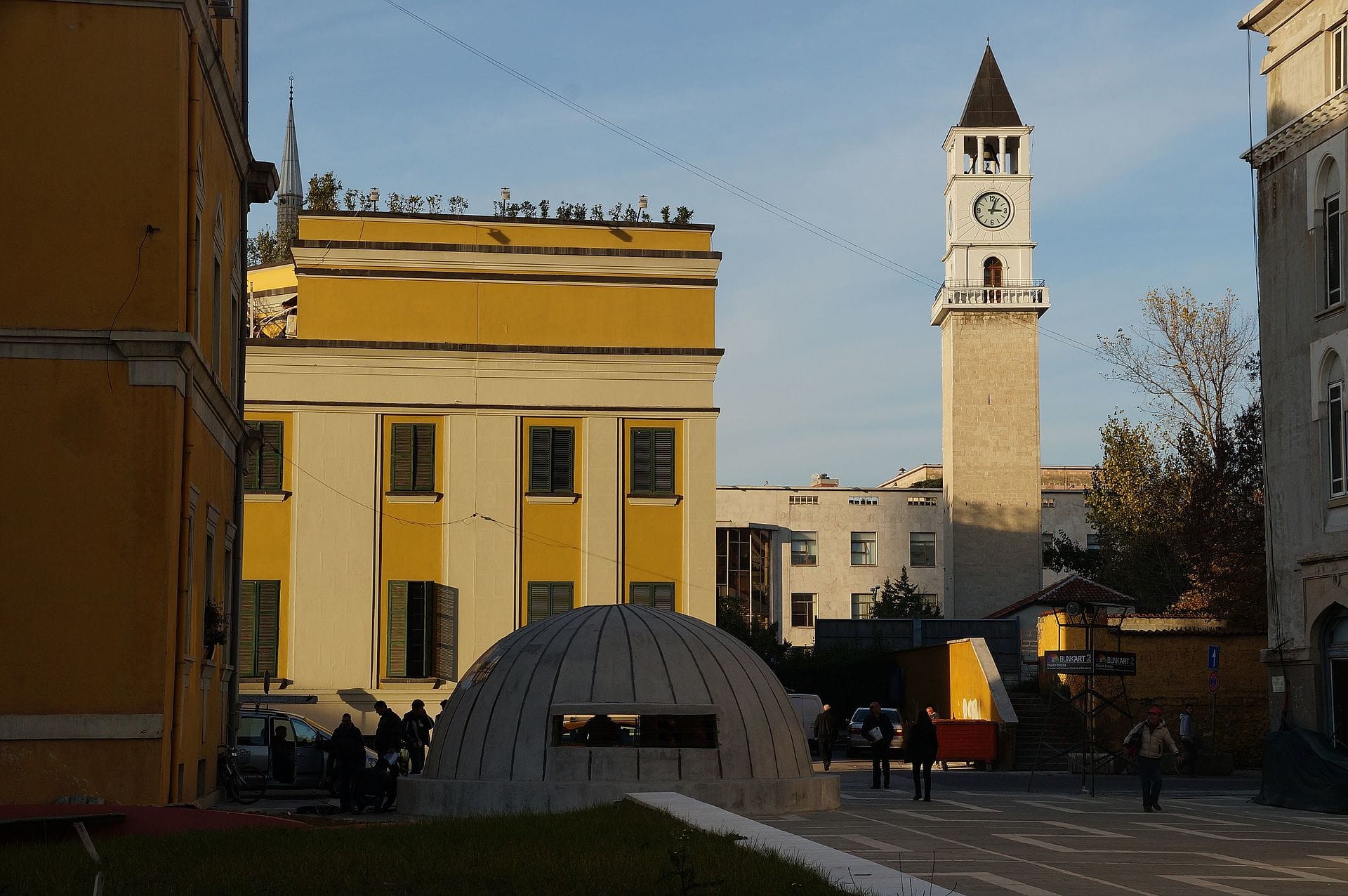
Right next to the mosque stands the Clock Tower from 1822. For a few lek you can climb its narrow spiral staircase, and your reward is a lovely view over the whole of Skanderbeg Square and the city’s colourful rooftops. It’s a quick stop, but it gives you a pleasant overview right at the start of your walk.
4. The National History Museum
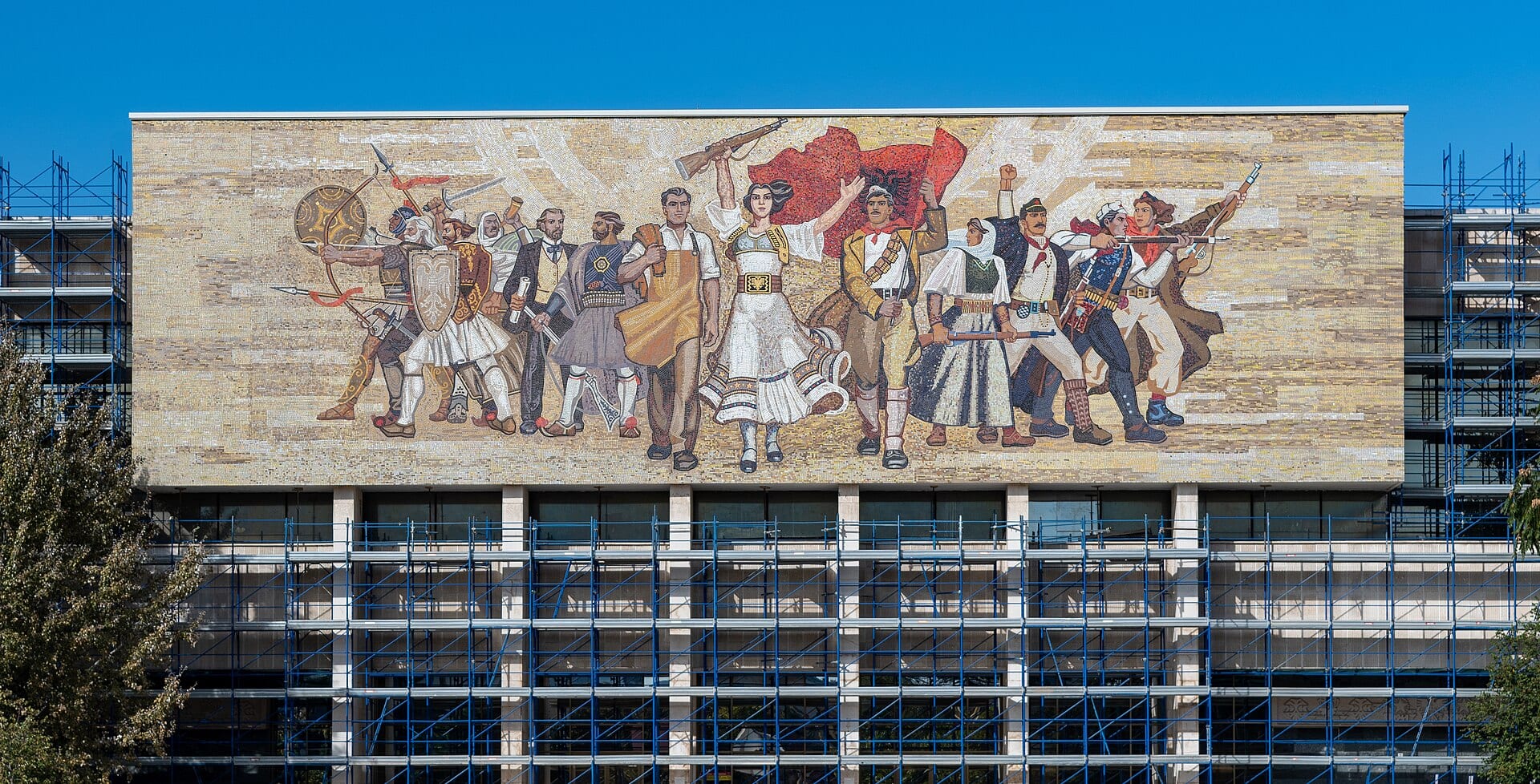
You’ll recognise the country’s largest and most important museum from afar by the giant socialist-realist mosaic “The Albanians” on its façade, depicting the nation marching through history towards victory. Inside, the exhibition walks you through Albanian history from antiquity and the Illyrians through the Ottoman era to communism and persecution. It’s the best place to put things in context before you head down into the bunkers.
5. The Pyramid of Tirana: from dictator to the digital age
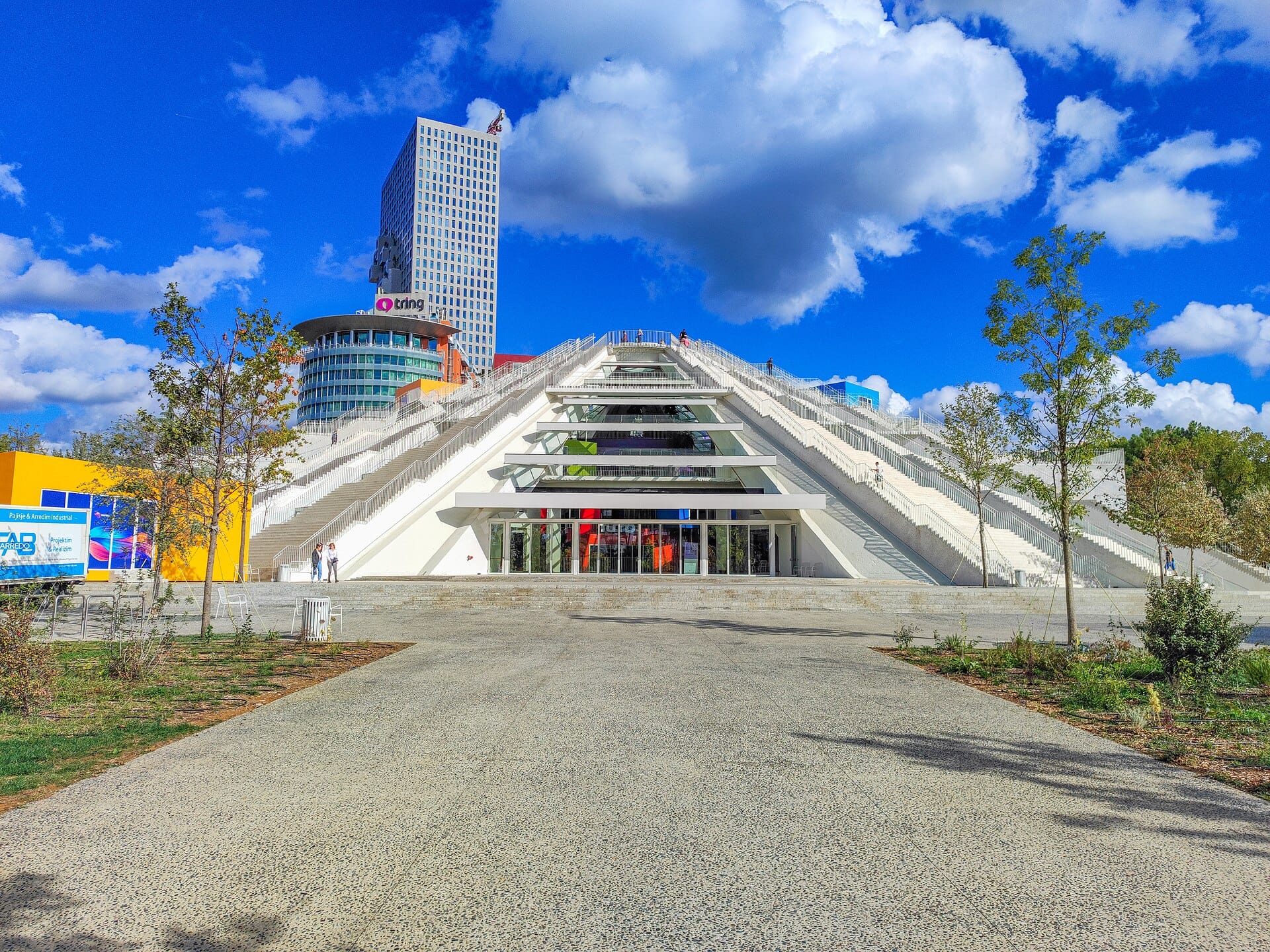
A short walk from the main boulevard you’ll come across a structure straight out of a sci-fi film. The Pyramid of Tirana was built as a megalomaniacal museum and mausoleum to Enver Hoxha. After the regime fell it crumbled, served as a NATO base and even as a giant concrete slide for local teenagers. Finally, between 2018 and 2023, the Dutch studio MVRDV completely transformed it.
Today the Pyramid is a technology and community centre with cafés, a coworking space and the TUMO education centre. You can climb its newly built staircases (around 130 steps) free of charge to the very top for a great 360° view of the city. It captures today’s Tirana perfectly – taking a dark past and reshaping it into something modern and useful.
6. Bunk’Art 2: an oppressive gateway into communist paranoia
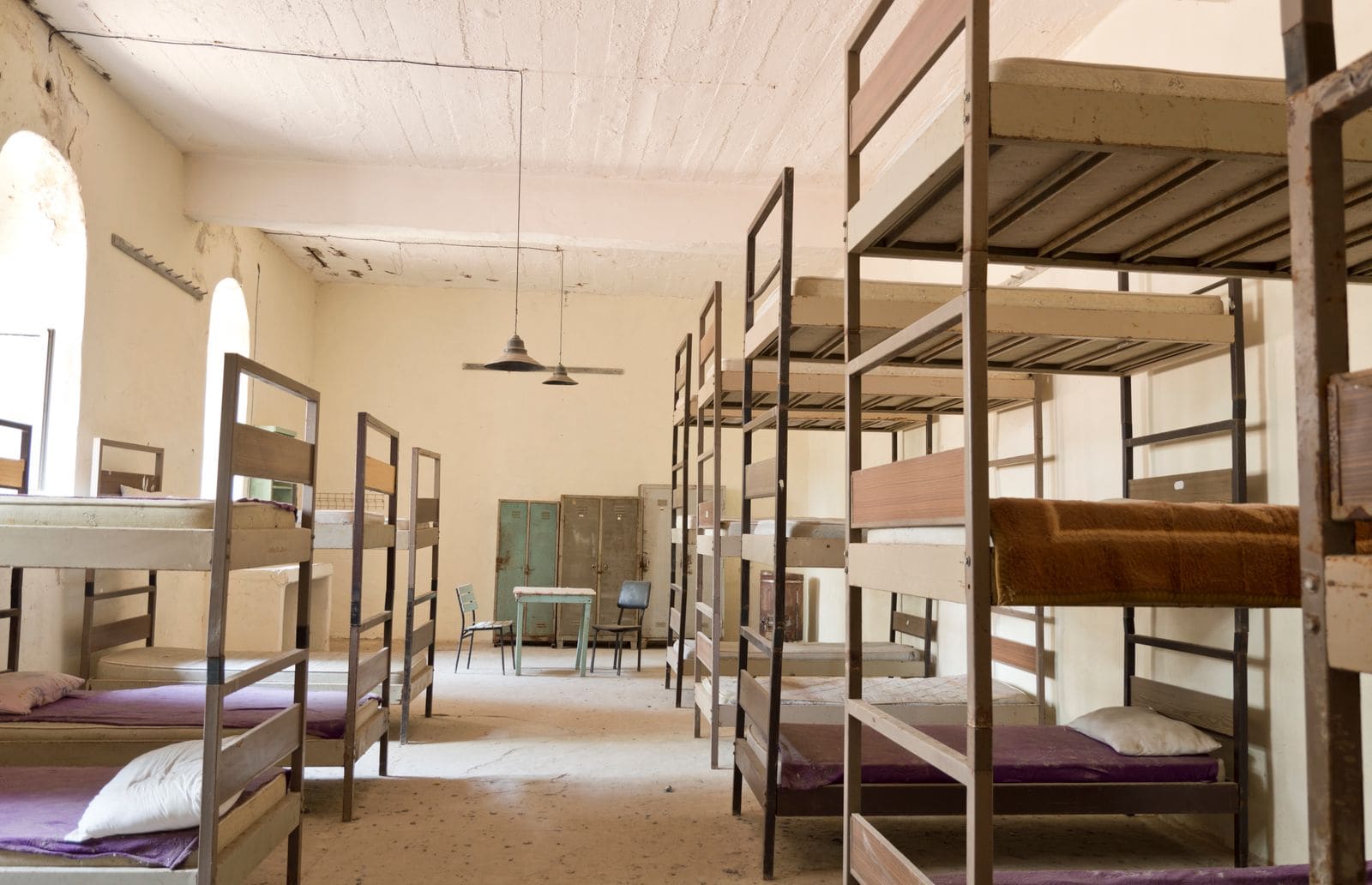
To understand today’s Albania, you have to understand its recent past. After the war, dictator Enver Hoxha gradually cut the country off from the rest of the world, and from his paranoia that everyone wanted to invade Albania came the order to build concrete bunkers all over the country. In reality, over 173,000 were constructed and they were never used in battle – they simply drained the economy.
You’ll find Bunk’Art 2 right in the centre, a few steps from Skanderbeg Square. This smaller but all the more chilling bunker was connected to the Ministry of the Interior, and its exhibition focuses on the Sigurimi secret police – surveillance methods, wiretapping, labour camps and persecution. It’s a powerful and unsettling experience that stays with you for a long time.
- Open: Daily, roughly 9:30 a.m.–6:30 p.m.
- Admission ⚠️: Sources vary (roughly €5–9), so count on cash.
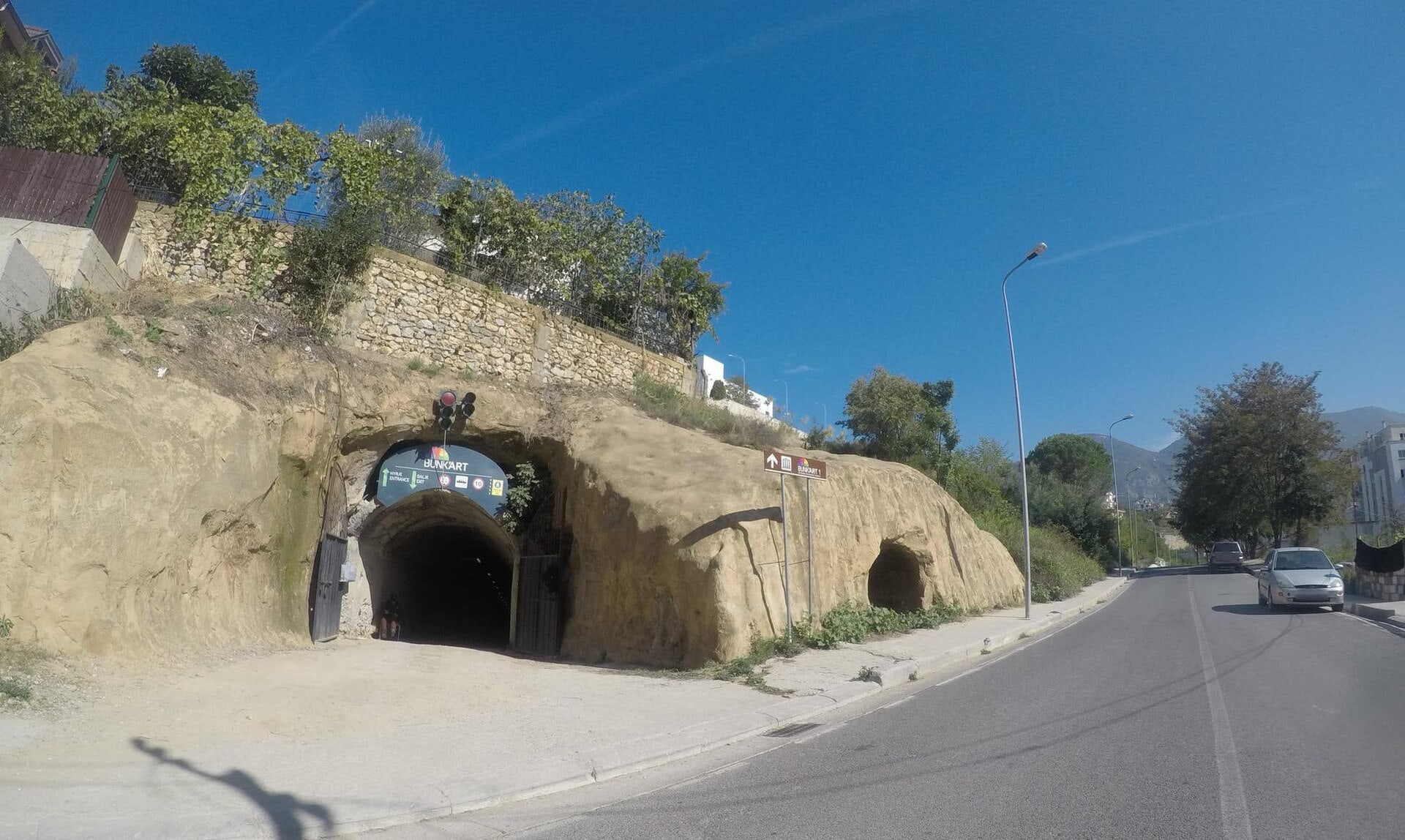
7. Bunk’Art 1: a five-storey labyrinth beneath Mount Dajti
Its bigger sibling stands on the edge of town, at the foot of Mount Dajti. Bunk’Art 1 is a huge five-storey nuclear shelter built specifically for Hoxha and the army command. It’s a massive underground labyrinth of corridors and rooms, where you’ll now find detailed exhibitions about the Albanian army, everyday life under communism and period technology. The atmosphere inside is chilling and oppressive – and that’s exactly why it’s worth it.
- Open: Daily, roughly 9:30 a.m.–5:30 p.m.
- Admission ⚠️: Around €9 for adults, audio guide €1 extra, cash only.
💡 Tip: Bunk’Art 1 is just a short walk from the lower station of the Dajti cable car. Plan both attractions for the same morning and you’ll save yourself a pointless trek across the whole city.
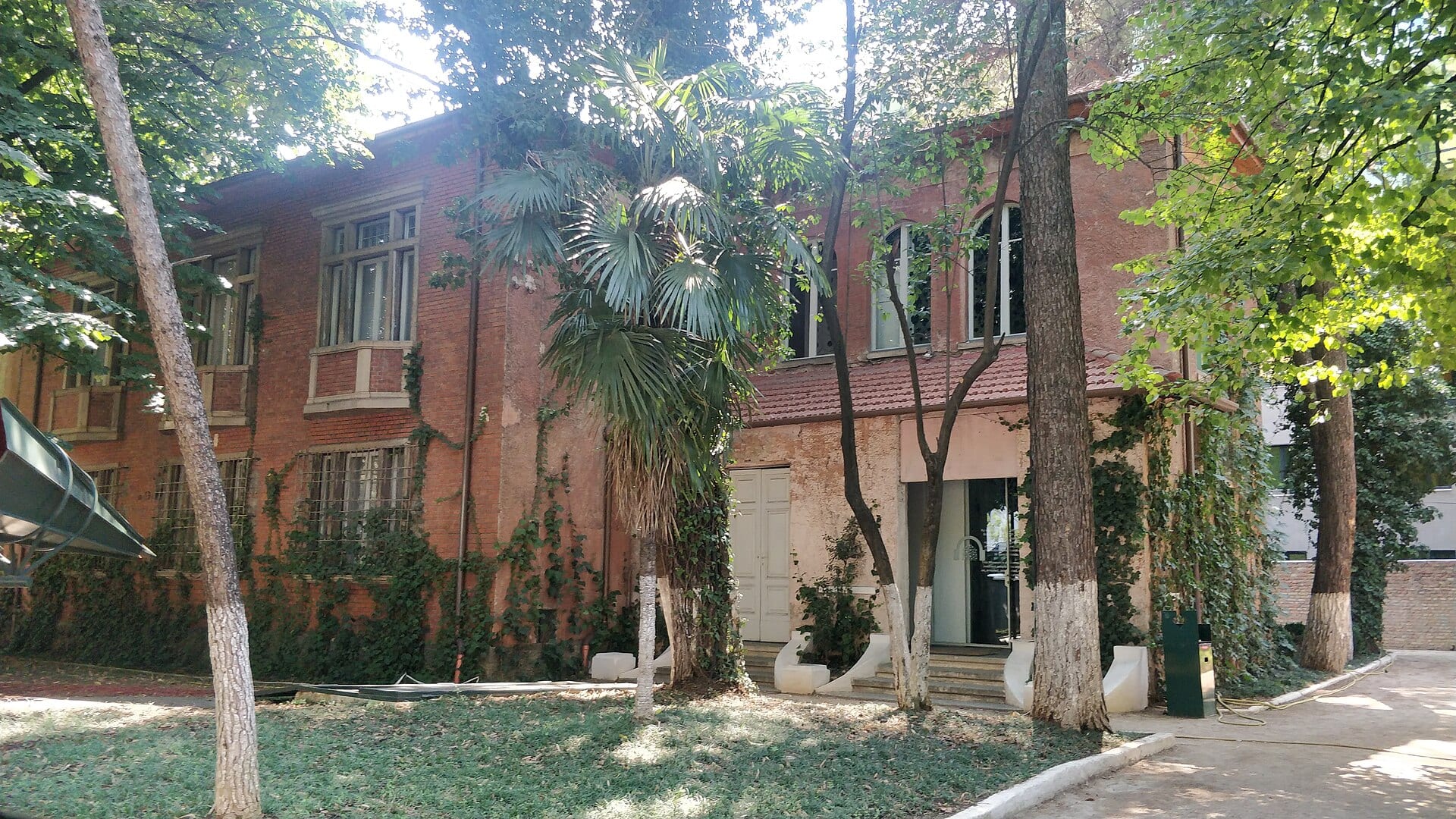

8. House of Leaves: the museum of surveillance
An unassuming villa in the centre hides one of the most powerful experiences in Tirana. The House of Leaves (Shtëpia me Gjethe) served the secret police as a wiretapping and surveillance centre, and today it’s a museum of surveillance and persecution. Among the original bugs, microphones and cameras, you’ll understand what everyday fear looked like in a country where anyone could be an informant. It pairs perfectly with both Bunk’Arts, and together they form a trio that explains Albania to you better than anything else.
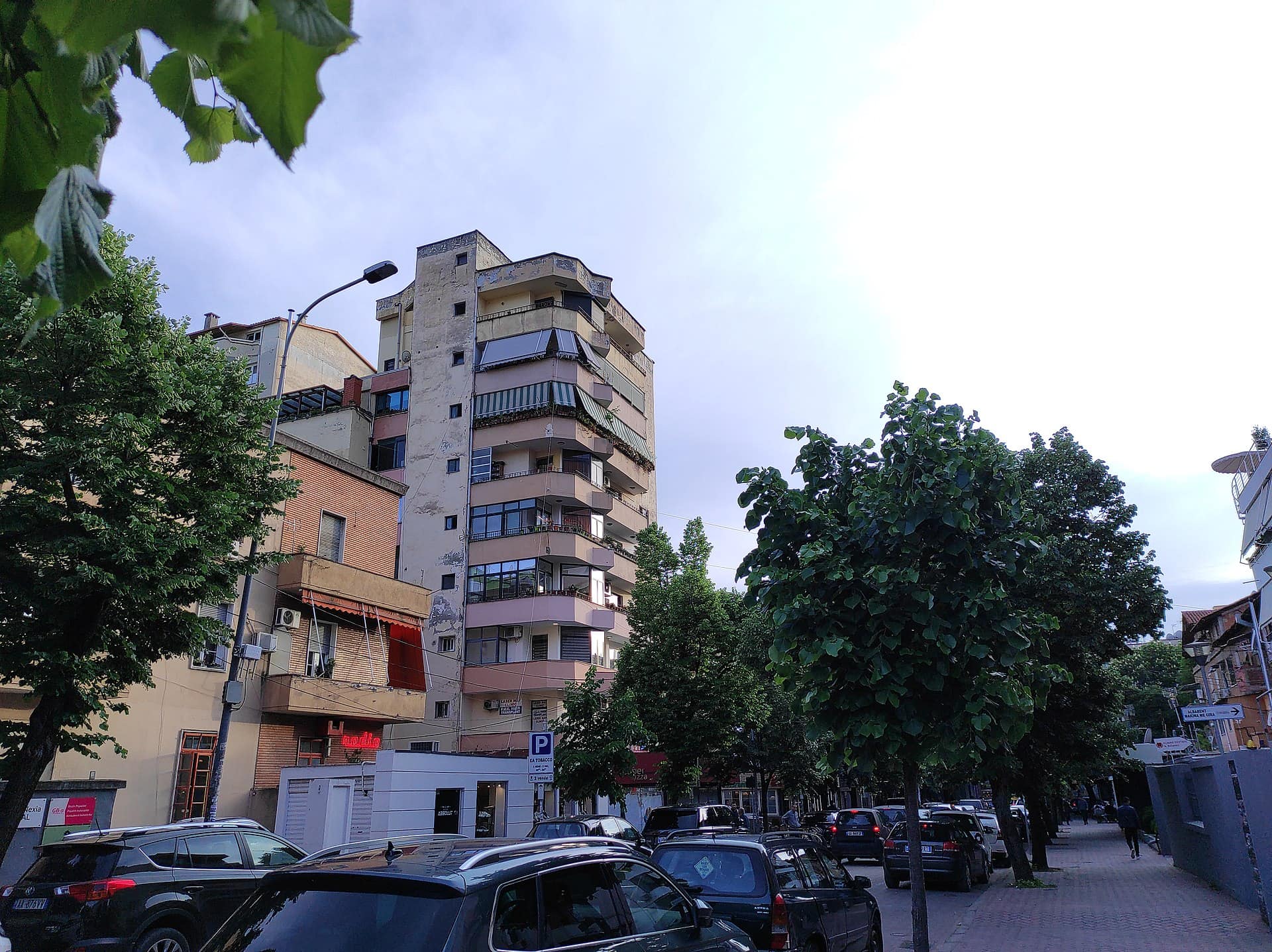
9. The Blloku district: from forbidden zone to heart of nightlife
The Blloku district is today a byword for cafés, boutiques, expensive cars and endless rows of bars. Under communism, though, ordinary mortals weren’t allowed to set foot here – it was a closed zone guarded by armed sentries and reserved for the top party elite. Enver Hoxha himself had a villa here, which you can still view from the outside today. Now Blloku is where young Albanians come to have fun, sip espresso and see and be seen. You’ll soak it up best in the evening, when the terraces light up and the streets come alive.
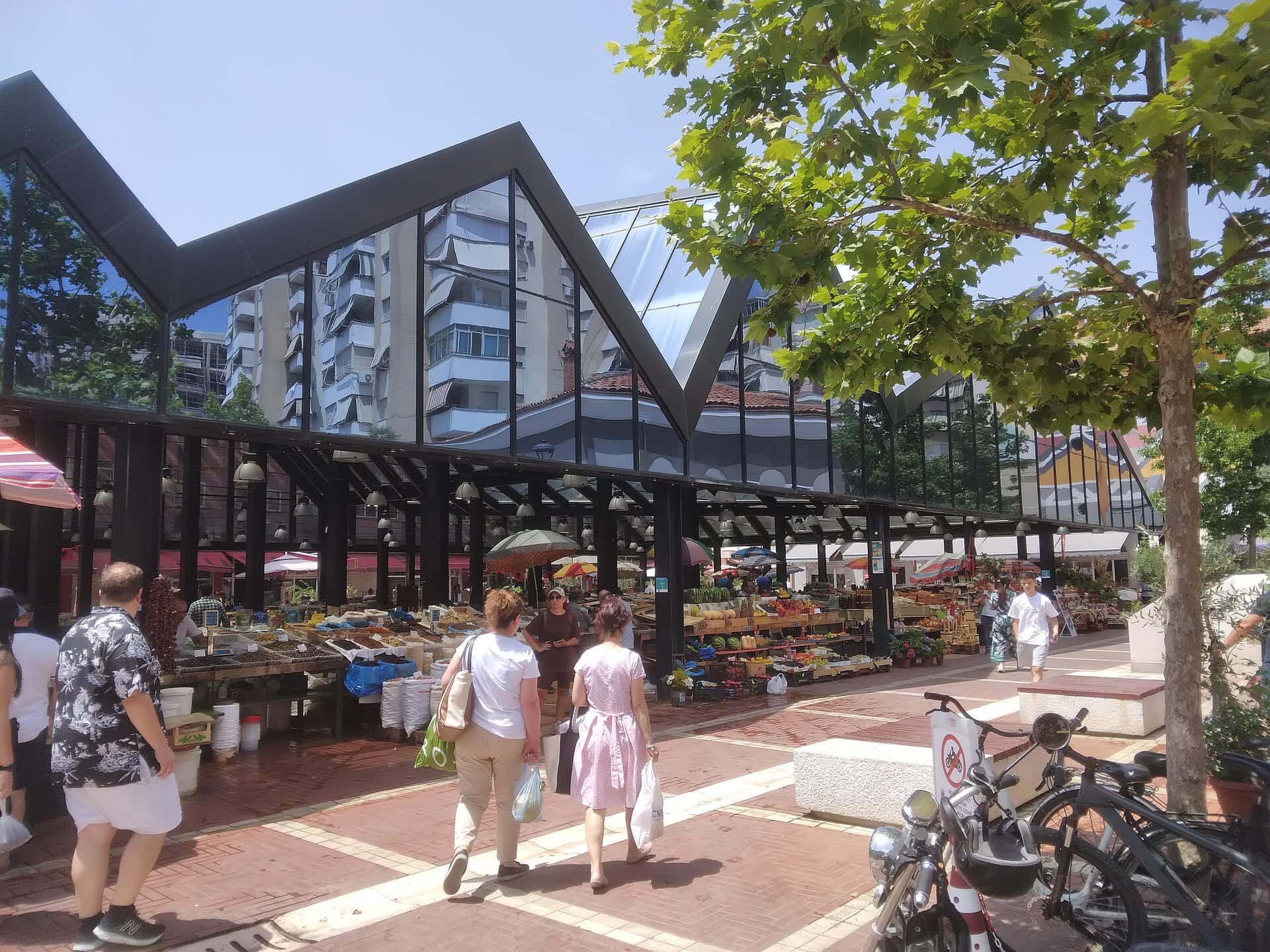
10. Pazari i Ri (New Bazaar): colours, scents and market stalls
If you want to soak up a more authentic atmosphere, head to Pazari i Ri (the New Bazaar). This former market has had a sensitive makeover and today it’s a beautiful open space full of stalls selling fresh fruit, vegetables, cheeses, olive oil, herbs and honey. The surrounding lanes are lined with cafés and traditional grill houses (zgara), making it the perfect spot for a late breakfast or a coffee between sights.
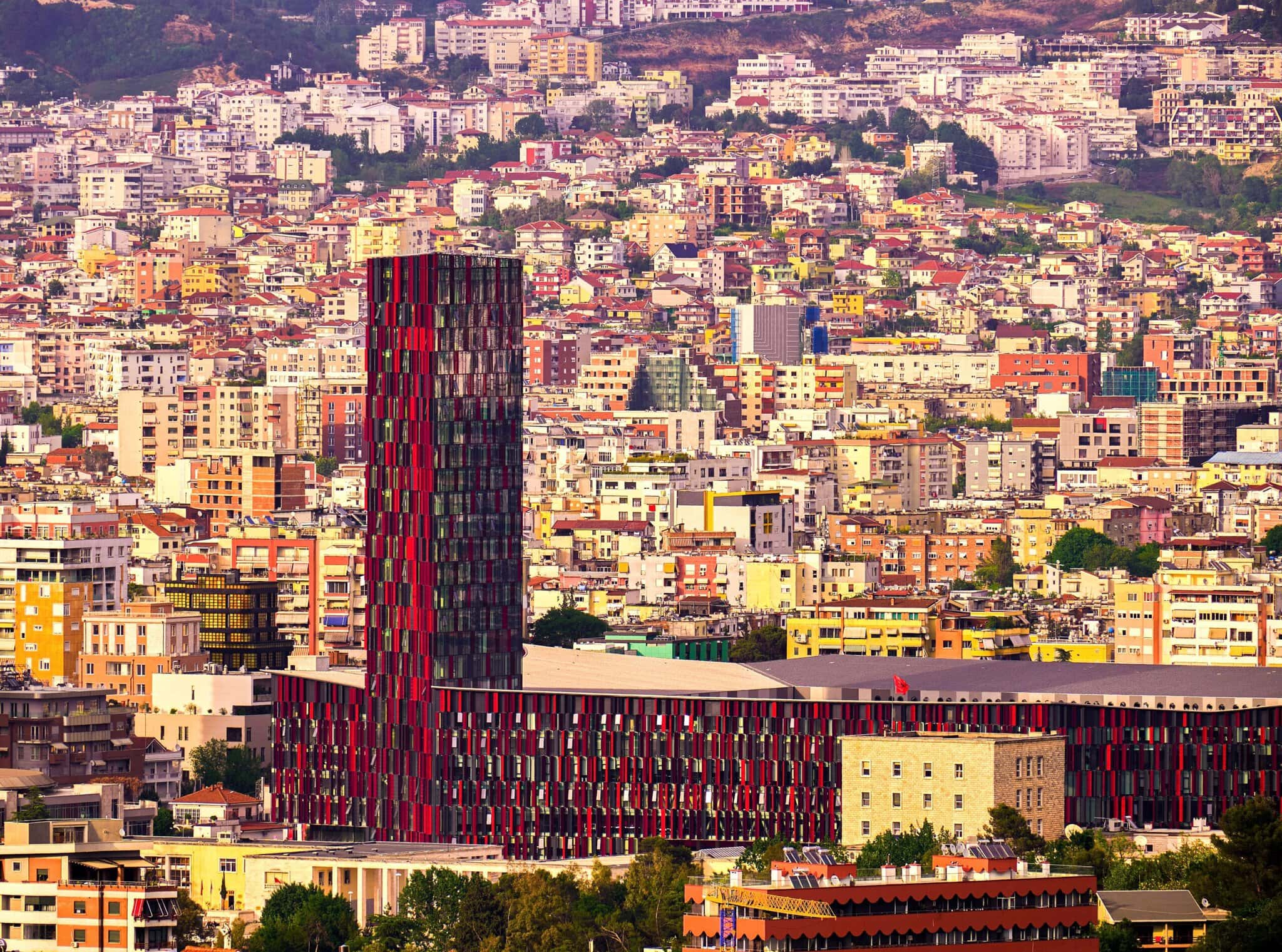
11. Tirana’s colourful façades: an open-air gallery
One of the loveliest experiences in Tirana doesn’t cost a penny – all you have to do is look up. When Edi Rama, as mayor, decided to fight the post-war greyness, he had the peeling apartment blocks painted in vivid colours and geometric patterns. Some streets turned into open-air galleries. Wander the neighbourhoods off the main boulevard and watch ordinary buildings transform into orange, turquoise and pink canvases. It’s the best illustration of how Tirana thinks about itself.
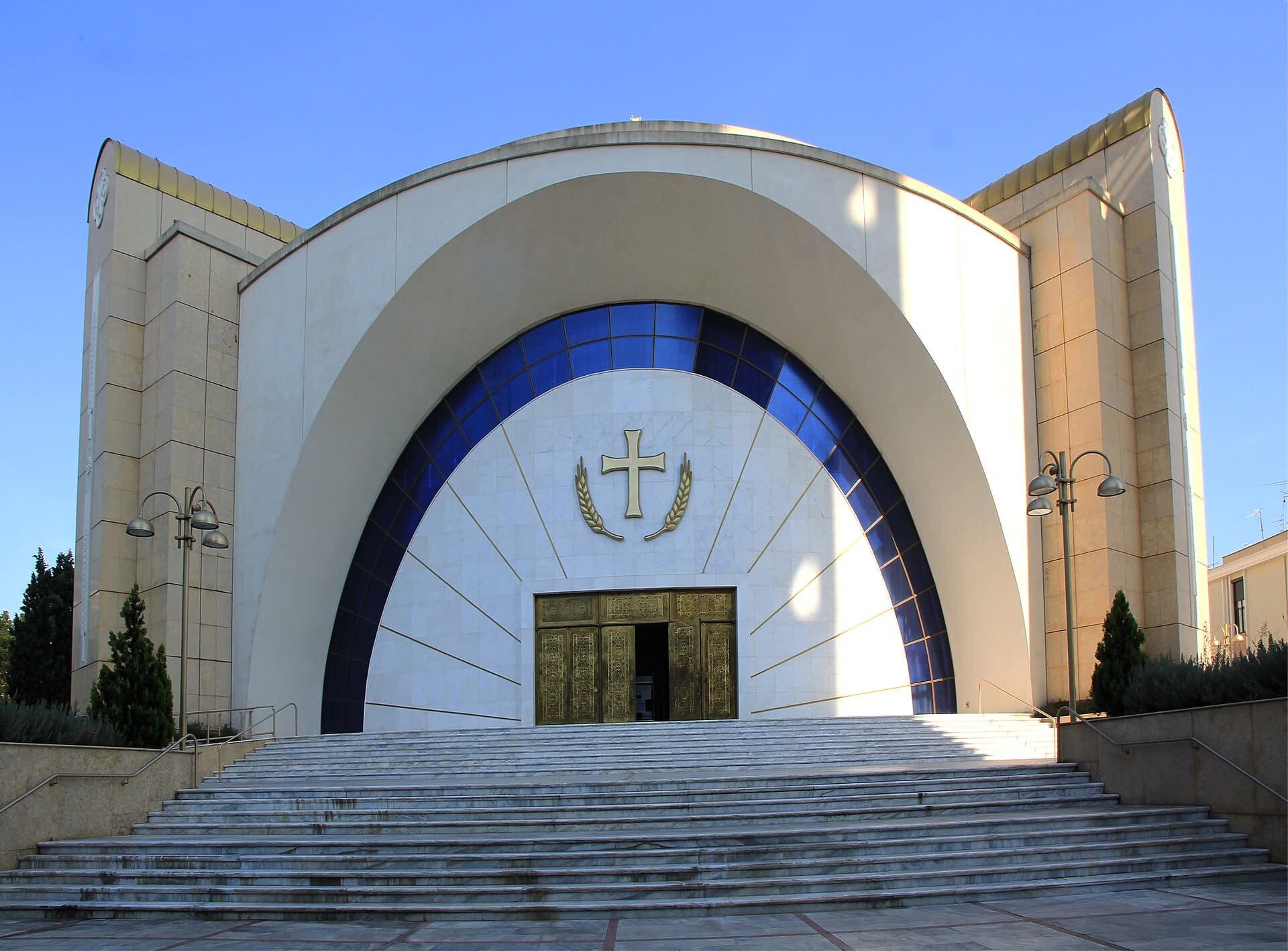
12. The Resurrection of Christ Cathedral and the university district
At the southern end of the main boulevard, towards the university, stands the modern Orthodox Resurrection of Christ Cathedral – one of the largest Orthodox buildings in the Balkans, completed in 2012. Its glass bell tower and circular interior are a beautiful showcase of contemporary Albanian architecture. Right next door is Mother Teresa Square with the university buildings. Here you’ll also clearly see Albania’s famous religious tolerance – in Tirana, Muslims, Orthodox Christians and Catholics live peacefully side by side.
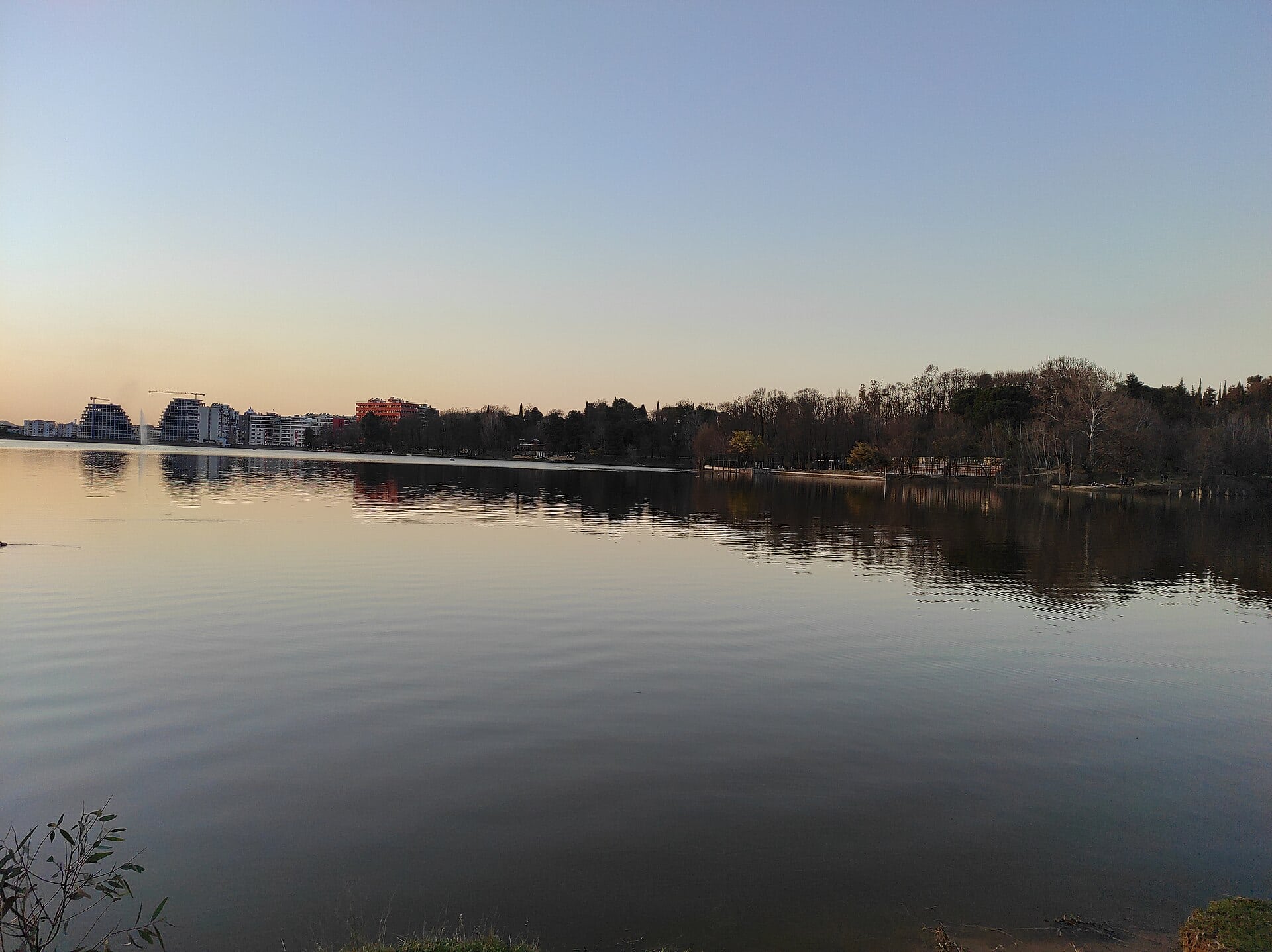
13. Grand Park and the Artificial Lake (Parku i Madh)
When the bustle and heat wear you down, do what the locals do – head for the green. The Grand Park (Parku i Madh) with its Artificial Lake is a sprawling oasis on the southern edge of the centre, where Tirana comes to jog, picnic and row. You’ll find shady forest paths, lakeside cafés and a small church. It’s a pleasant counterpoint to all the concrete history and a great spot for a late afternoon.
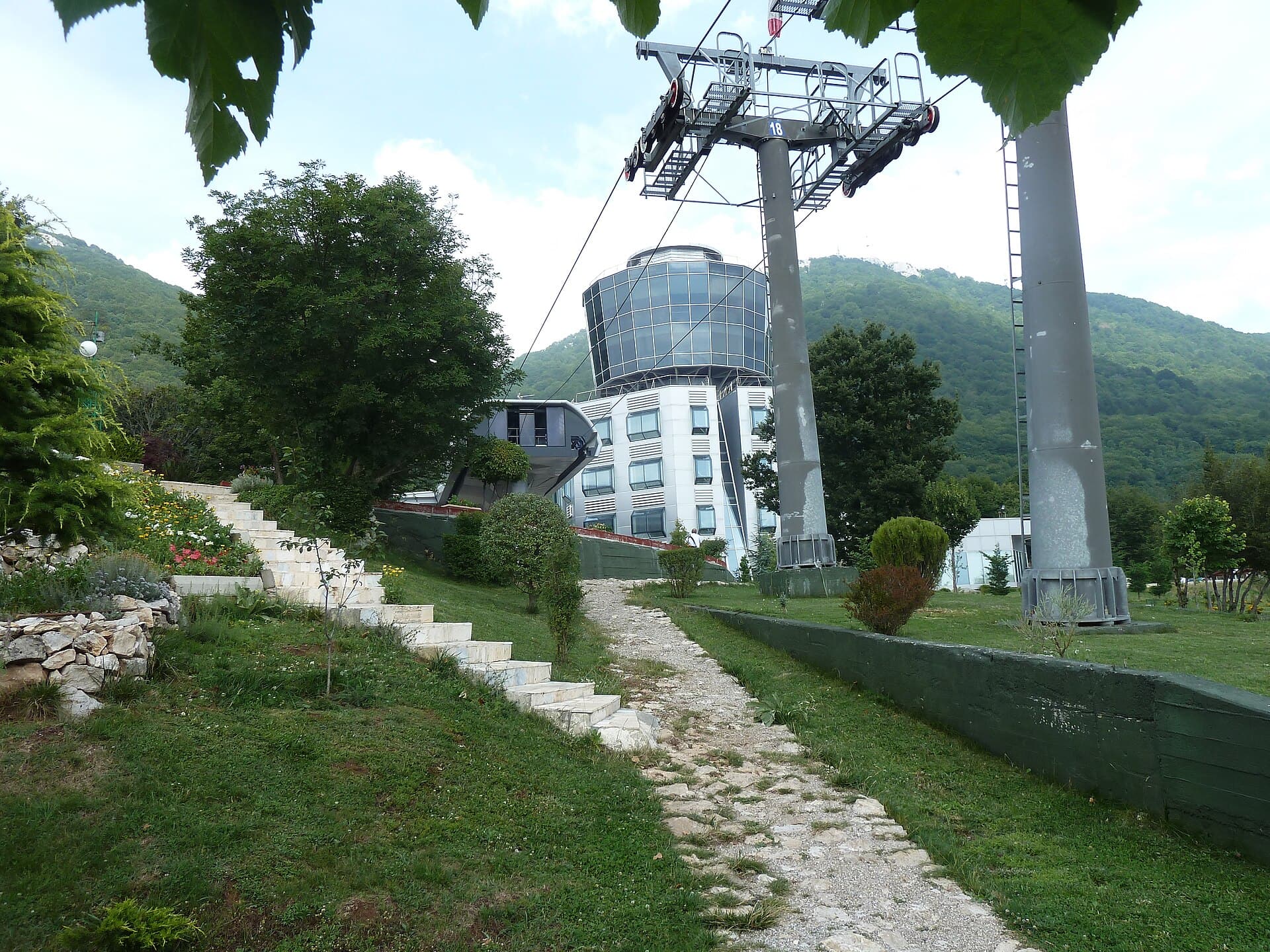
14. Dajti Express cable car: an escape above the city
When the noise, dust and summer heat wear you out, do as the locals do and head up Mount Dajti. The Dajti Express is the longest cable car in the whole of the Balkans (4.7 km), and the ride up takes about fifteen minutes. Along the way you watch the city give way to suburbs and then to pine forests. The top station sits at over 1,000 m above sea level, where it’s noticeably cooler with cleaner air, plus a restaurant with panoramic views, mini golf and plenty of space for walks.
- Fare: A return ticket is around 1,500 ALL (€15) per person.
- Open: Roughly 9:00 a.m.–6:00 p.m., ⚠️ the cable car is closed on Tuesdays. Tickets can’t be bought online; you pay on the spot.
Map of points of interest for your phone
What to eat in Tirana (and where to go for meat-free food)
Albanian cuisine is Mediterranean, hearty and surprisingly vegetarian-friendly thanks to the abundance of grilled and stuffed vegetables. Espresso is drunk here from morning till night, too – cafés aren’t just for a quick caffeine hit, they’re institutions where business, politics and family are all discussed. When a local invites you for a coffee, it’s an expression of hospitality known as mikpritja, and it’s polite to accept with thanks.
- Byrek – the king of Albanian street food. Crispy layered pastry filled with cheese, spinach or potato; it’ll set you back €1–1.5 from a bakery.
- Fërgesë – a traditional central-Albanian speciality: a baked creamy mix of peppers, tomatoes and curd cheese (gjizë), into which you dip bread. An absolute vegetarian classic.
- Trileçe – the most popular dessert. A moist sponge soaked in three kinds of milk with a caramel topping.
- Tavë kosi – a national treasure from nearby Elbasan: lamb baked in a creamy mix of yoghurt and eggs (a meat dish vegetarians can only admire from afar).
- Qofte – grilled minced-meat balls, which locals serve with bread and onion.
For meat-free diners, Tirana is surprisingly well equipped: you’ll even find purely vegetarian and vegan spots like Veggies, Happy Belly, Falafel House or Panja. And excellent coffee on every corner.
⚠️ A practical tip on communication: When ordering, watch your body language. In Albania (much like in Bulgaria) nodding your head up and down means NO, while shaking it side to side means YES. It can lead to some funny misunderstandings at the table – when in doubt, answer out loud: Po (yes) or Jo (no).
Safety, prices and practical information
Tirana is a safe city and violent crime against tourists is rare. The biggest risk is the heavy, chaotic traffic, so stay alert when crossing streets, even at pedestrian crossings. Keep an eye out for petty pickpocketing in crowds and at the market, as anywhere else, but otherwise you’ll feel comfortable in the city even in the evening.
As for money, forget the old blogs raving about how everything in Albania is practically free. The country is experiencing a tourism boom (in 2025 it welcomed a record 12.47 million visitors) and prices are rising. The main factor, though, is the strong Albanian lek: whereas in 2024 the rate was around 100 ALL to the euro, in 2025 it dropped to a historic low of around 97.85 ALL to the euro. For a tourist paying in euros, that makes the destination pricier, even though prices in lek stay the same. In Tirana, expect to pay €15–30 for a proper three-course meal, though street food and local bistros remain very cheap (under €5 for a generous portion).
💡 Tip: Many museums, the bunkers and the cable car take cash only, so withdraw lek from an ATM and carry it with you. For coffee, restaurants and hotels, cards are usually accepted without a problem.
Day trips from Tirana
Tirana makes a great base for half-day and full-day trips.
Krujë (Kruja). Less than an hour to the north lies a historic town clinging to a steep mountain slope, a symbol of Albanian resistance against the Ottomans and Skanderbeg’s stronghold. The old castle grounds are free to enter; inside you’ll find the National Skanderbeg Museum (admission around €4–5) and an excellent Ethnographic Museum. On the way up to the castle you pass through an old Ottoman bazaar with cobbled lanes and traders offering rugs, silver and antiques.
Durrës. About 40 minutes west along the motorway lies Albania’s main port and the country’s oldest city. The main draw is the enormous Roman amphitheatre from the 2nd century, the largest in the Balkans. If you’re after clean swimming, though, take note – the main beach in Durrës tends to be overcrowded in summer and the water quality isn’t the best. For beautiful beaches, head further south to the Ionian Riviera.
How to do Tirana in 1 to 2 days
Day 1: Start at Skanderbeg Square, climb the Clock Tower and peek inside the Et’hem Bey Mosque. Walk the main boulevard to the Pyramid and scramble to the top for your first view. Spend the afternoon at Bunk’Art 2 and the House of Leaves to grasp the communist past. End the evening in Blloku over dinner and coffee.
Day 2: In the morning, head to Bunk’Art 1 and hop straight onto the Dajti Express cable car next door for the views over the city. After lunch up top, head back down, wander through Pazari i Ri and catch your breath in the Grand Park by the lake. If you have time and energy to spare, add a half-day trip to Krujë for the castle and Ottoman bazaar.
Where to go after Tirana
Tirana is the gateway to the whole of Albania, so you can head off in every direction. For the most beautiful beaches, go south to the Ionian Riviera – read our tips on Ksamil and Sarandë, or our complete overview of where to go for a beach holiday in Albania. If you want to see the best of the country in one go, you’ll find inspiration in our article on what to see in Albania. And before you set off, it’s handy to know how to stay online with an eSIM.
Frequently asked questions
💡 Tickets and tours tip: The Dajti cable car and organised excursions (a guided Tirana tour, a full-day trip to Krujë or to the coast) can be booked online in advance through GetYourGuide – you’ll save time in the queue and secure your spot even in high season.
How many days are enough for Tirana?
For the most important sights (Skanderbeg Square, the Pyramid, Bunk’Art 2 and Blloku) one full day is enough. Two days will give you space to add the cable car to Dajti, Bunk’Art 1 and perhaps a half-day trip to Krujë, without rushing around. Tirana is usually taken as an entry point, which you combine with further travels around the country.
Is Tirana safe for tourists?
Yes, Tirana is among the safe European cities and violent crime against visitors is rare. The biggest risk is chaotic traffic, so be careful when crossing streets. In crowds and at markets, watch your valuables as you would anywhere else.
Do you pay in Tirana with euros or lek?
The official currency is the Albanian lek (ALL). In tourist areas, hotels and restaurants they’ll often accept euros too, but you’ll lose out on the exchange rate. The best option is to withdraw leks from an ATM (without accepting the offered “conversion”) and keep cash on hand especially for museums, bunkers and the cable car, where they mostly don’t take cards.
What does nodding your head mean in Albania?
In Albania it’s the opposite of what you’re used to: nodding your head up and down means NO, while shaking it from side to side means YES. Especially when ordering food this can cause confusion, so when you’re not sure, it’s better to answer verbally: Po (yes), or Jo (no).
Is it worth visiting both Bunk’Art 1 and Bunk’Art 2?
If you’re interested in history, yes. Bunk’Art 1 is a massive anti-atomic bunker on the outskirts of town with exhibits about the army and life under communism, Bunk’Art 2 is smaller and more personal, dedicated to the Sigurimi secret police right in the center. If you only have time for one, choose based on location – Bunk’Art 2 in the center, or Bunk’Art 1 combined with the Dajti cable car.
Is Tirana expensive?
It’s not as cheap as people say anymore. A three-course menu at a good restaurant costs 15–30 €, but street food and local bistros remain very affordable (under 5 €). Museum and bunker admission runs around 5–9 €. Thanks to the strong lek, prices for tourists paying in euros have actually increased in recent years.
Tips and Tricks for Your Vacation
Don’t Overpay for Flights
Search for flights on Kayak. It’s our favorite search engine because it scans the websites of all airlines and always finds the cheapest connection.
Book Your Accommodation Smartly
The best experiences we’ve had when looking for accommodation (from Alaska to Morocco) are with Booking.com, where hotels, apartments, and entire houses are usually the cheapest and most widely available.
 🚗 Car rental on the roadVerified rental cars in Albania
Search with the DiscoverCars comparison engine — it compares prices from dozens of local and international rental companies, and most bookings come with free cancellation.
Compare car prices in Albania →Don’t Forget Travel Insurance
Good travel insurance will protect you against illness, accidents, theft, or flight cancellations. We’ve had a few hospital visits abroad, so we know how important it is to have proper insurance arranged.
Where we insure ourselves: SafetyWing (simple monthly subscription) and TrueTraveller (for extra-long trips).
Find the Best Experiences
Get Your Guide is a huge online marketplace where you can book guided walks, trips, skip-the-line tickets, tours, and much more. We always find some extra fun there!