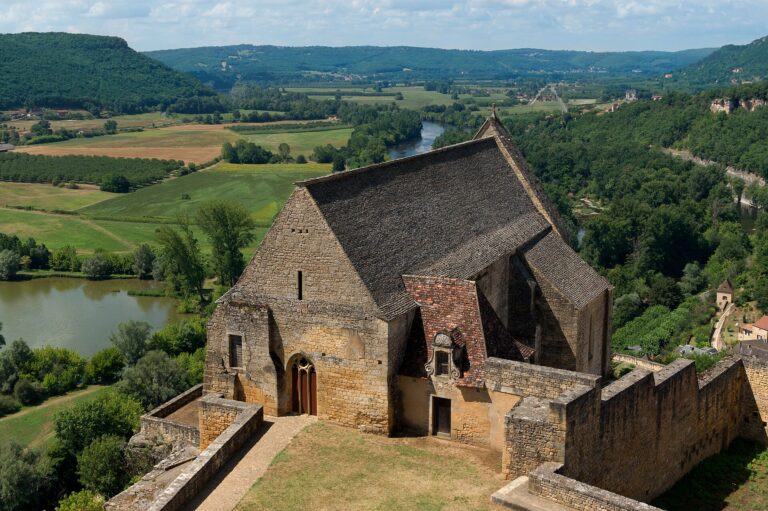
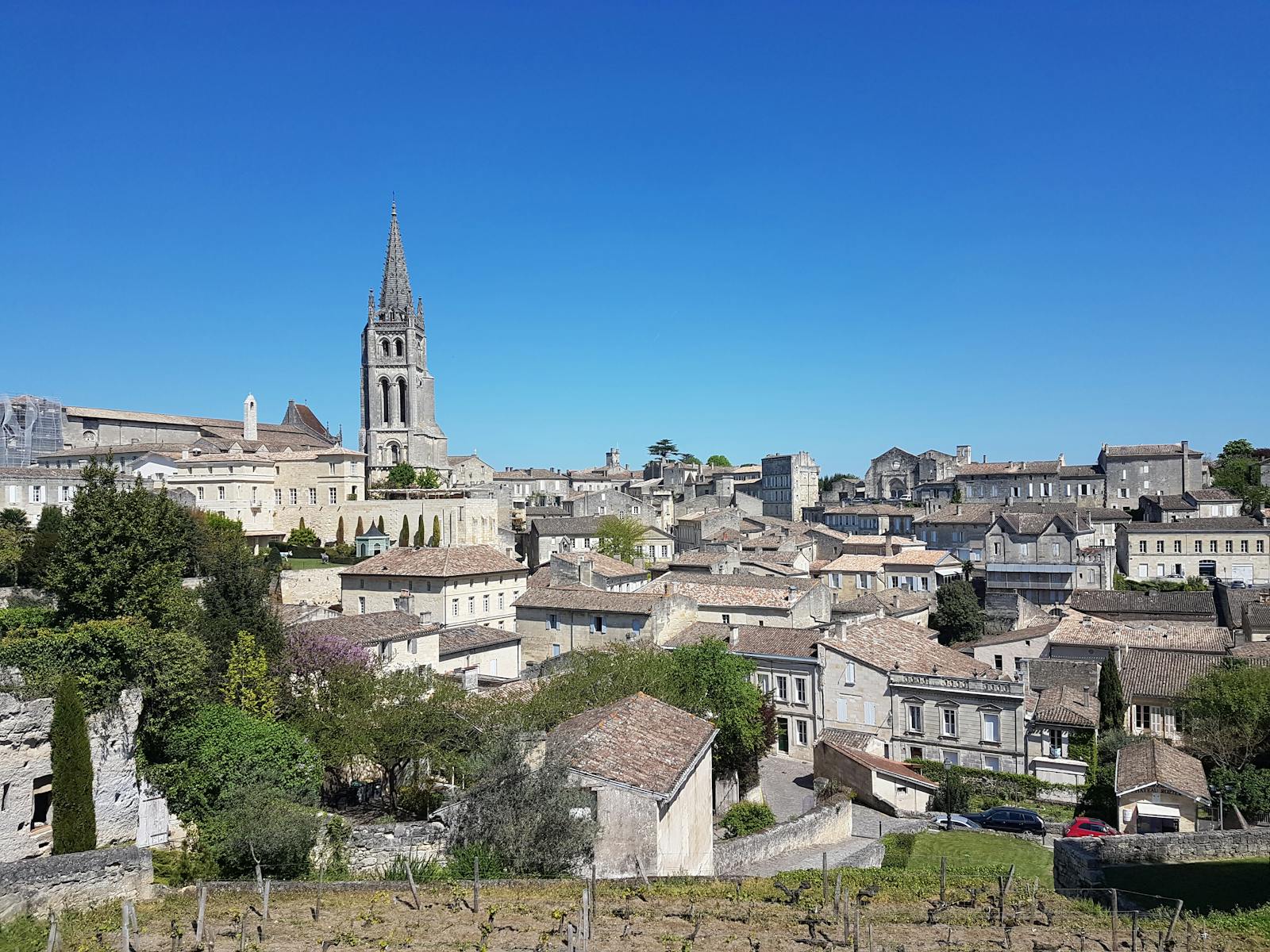
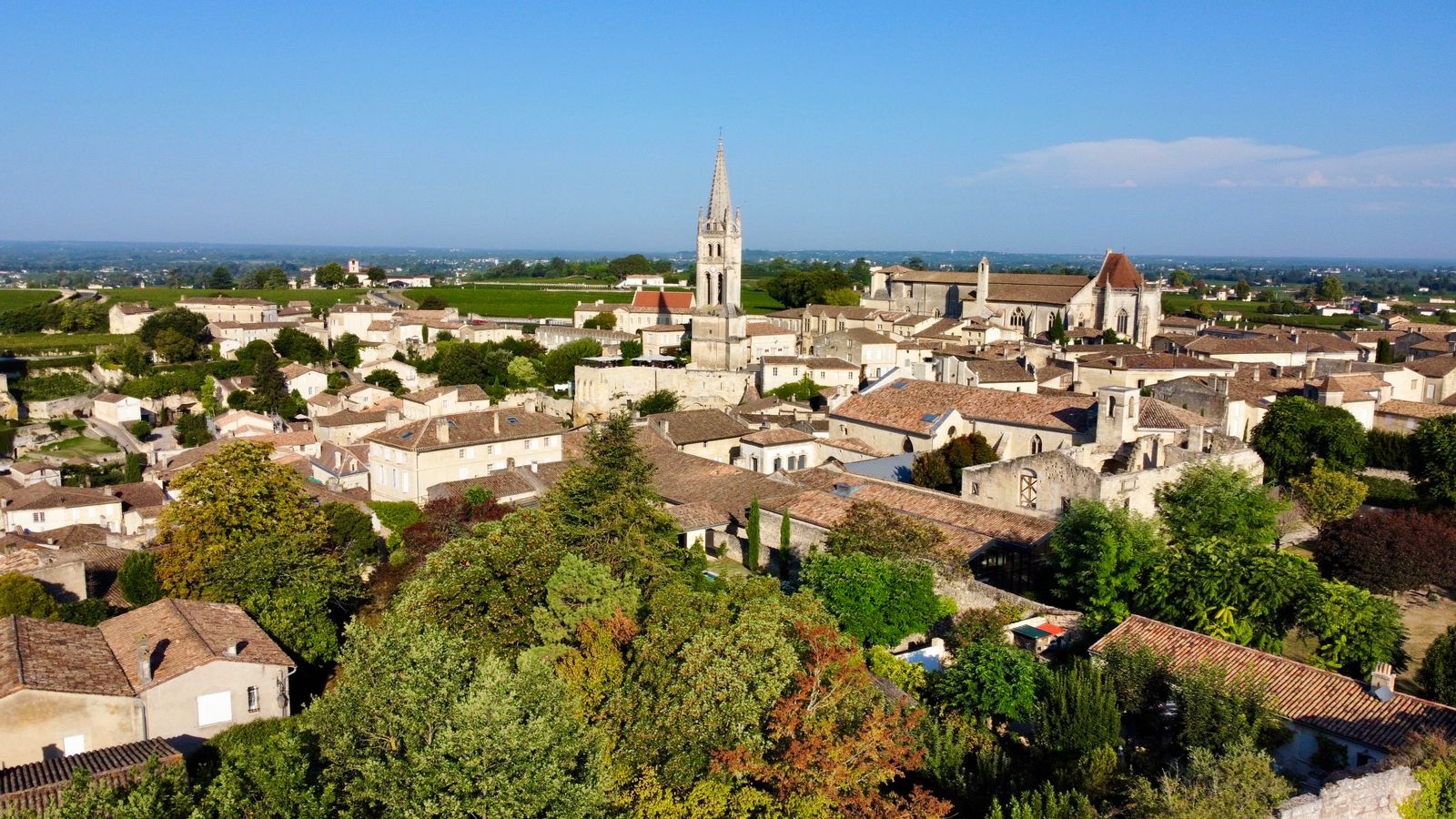
Say “French wine” and your mind probably jumps straight to the famous region around the city of Bordeaux and those rich, ruby-red bottles. The whole area is an absolute paradise for lovers of history and gastronomy, but if you’re after the most picturesque wine village of them all, your feet should carry you to Saint-Émilion in France. This medieval gem sits on the right bank of the Dordogne river and offers a perfect escape into a world where time moves at the pace of maturing wine. Golden limestone houses rise up a steep hill and, quite literally on every side, are surrounded by an endless sea of carefully tended vineyards.
Because the wine region as a whole is enormous and tricky to navigate without a car, Saint-Émilion offers a genuinely brilliant solution for laid-back travellers. You can easily reach the village by direct train, and the best tastings are all within walking distance of each other. I’ve put together a detailed guide that shows you how to make the most of this magical UNESCO-listed spot. You’ll find tips for exploring the mysterious underground, fantastic wine tastings, plus practical advice on how to avoid the frustration of overcrowded streets.
TL;DR
- Stress-free travel: A direct regional train (TER) runs here from Bordeaux Saint-Jean station, and the comfortable journey takes just 33 to 40 minutes.
- A world first: Saint-Émilion was the very first wine-growing landscape in the world to earn a prestigious place on the UNESCO World Heritage list.
- Architectural wonder: The main draw is the giant monolithic church, carved during the Middle Ages out of a single block of underground limestone.
- Book ahead: Tours of the prestigious wineries (châteaux) and entry to the underground church must be booked online well in advance for 2026.
- Treacherous lanes: The village is full of extremely steep cobbled streets that the locals call tertres, so comfortable footwear is an absolute must.
- Not just wine: Beyond the tastings, don’t miss the genuine local macarons, baked here to a secret recipe dating back to 1620.
- Avoid August: In the summer months the village is bursting at the seams, so it’s far better to visit in spring or during the autumn grape harvest.
The full destination guide: Nouvelle-Aquitaine — guide and what to see
When to visit Saint-Émilion
Getting your timing right is absolutely crucial for this destination, because Saint-Émilion is a global name and hundreds of thousands of visitors from all over the world descend on it every year. The worst possible time is July and August, when the narrow lanes clog up with crowds of tourists and temperatures in south-west France often climb to a merciless 35–40 °C. On top of that, in early July (roughly from 3 July) the whole of France hits the road for the summer holidays. The first weekend of August, which the locals call chassé-croisé, is traditionally the single worst day of the year on French roads, and every restaurant tends to be hopelessly booked out far in advance.
If you want to savour the romantic atmosphere and have plenty of room for relaxed tastings, come in May or June instead. The days are already beautifully long, the vineyards are lush and green, and the whole area feels incredibly fresh. Spring weather is ideal for longer cycling trips around the countryside too, since the sun isn’t yet so scorching. During this period you’ll also find it much easier to book a slot at the smaller family-run wineries, where the owners can give you their personal attention and calmly walk you through every secret of winemaking. If you really must come in the middle of summer, at least catch the first morning train.
The village then takes on a truly magical atmosphere in September and October during the harvest. The colours of the vine leaves slowly turn to gorgeous shades of gold and crimson, and the whole region pulses with incredible energy. Tractors are constantly hauling in fresh grapes, the air carries the sweet scent of fermenting must, and the town comes alive with traditional festivals. Just bear in mind that strikes (grèves) are something of a national sport in France and frequently hit the SNCF railways. So always check the SNCF Connect app 24 to 48 hours before your planned departure to make sure your train is actually running, so you don’t end up stranded at the station.
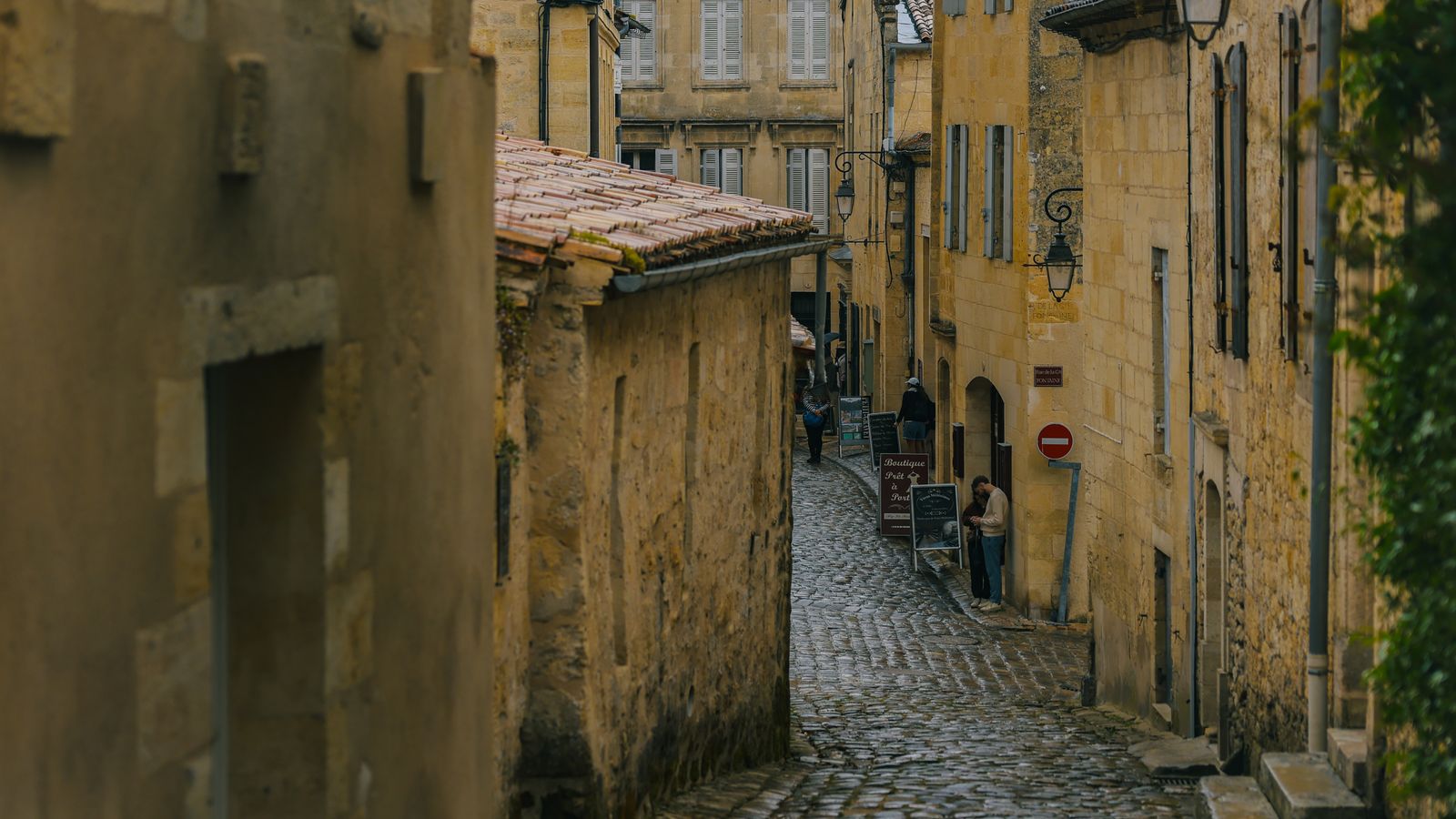
Where to stay in Saint-Émilion
💡 Tip for accommodation and experiences: We like to look for accommodation on Booking.com, which usually has the best cancellation terms. For tickets, tours and activities, it pays to compare and book through GetYourGuide.
Although plenty of people only pop over from nearby Bordeaux for a quick day trip, staying overnight reveals a completely different and far more poetic side of the village. As soon as the last coaches pull away in the afternoon, the lanes empty out and a wonderful calm settles in. You can wander freely through the beautifully lit historic centre, sit with a glass of wine in the square and soak up the views over the darkening valley. Accommodation is very limited here, though, and prices are understandably on the higher side, so don’t put off booking through your favourite site.
If you want to be right in the thick of things and don’t mind dragging suitcases over cobblestones, look for somewhere inside the historic walls. You’ll find gorgeous boutique hotels in historic buildings. A great choice is the luxurious Hôtel de Pavie, which offers breathtaking views over the rooftops and top-notch service. A more affordable yet still utterly charming option is the guesthouse Les Chambres d’Ovaline, where you’ll love the owners’ personal touch and a classic French breakfast with fresh croissants. If you arrive in a hire car, be very careful about parking, as access to the historic centre is strictly controlled.
For those who prefer absolute peace and want to wake up to endless rows of vines, the ideal choice is to stay right out among the vineyards. The countryside just around the village is dotted with restored châteaux offering accommodation with a pool and their own cellars. Just outside town, for example, lies the fairytale Château Hôtel Grand Barrail, which looks like a small castle and boasts a fantastic spa. From here you can reach the village centre either on a pleasant walk or by hire bike. Just remember to sort out the Crit’Air environmental sticker online before your trip (it costs a little over €5), because the larger French cities nearby have introduced strict low-emission zones (ZFE) and you risk hefty fines without it.
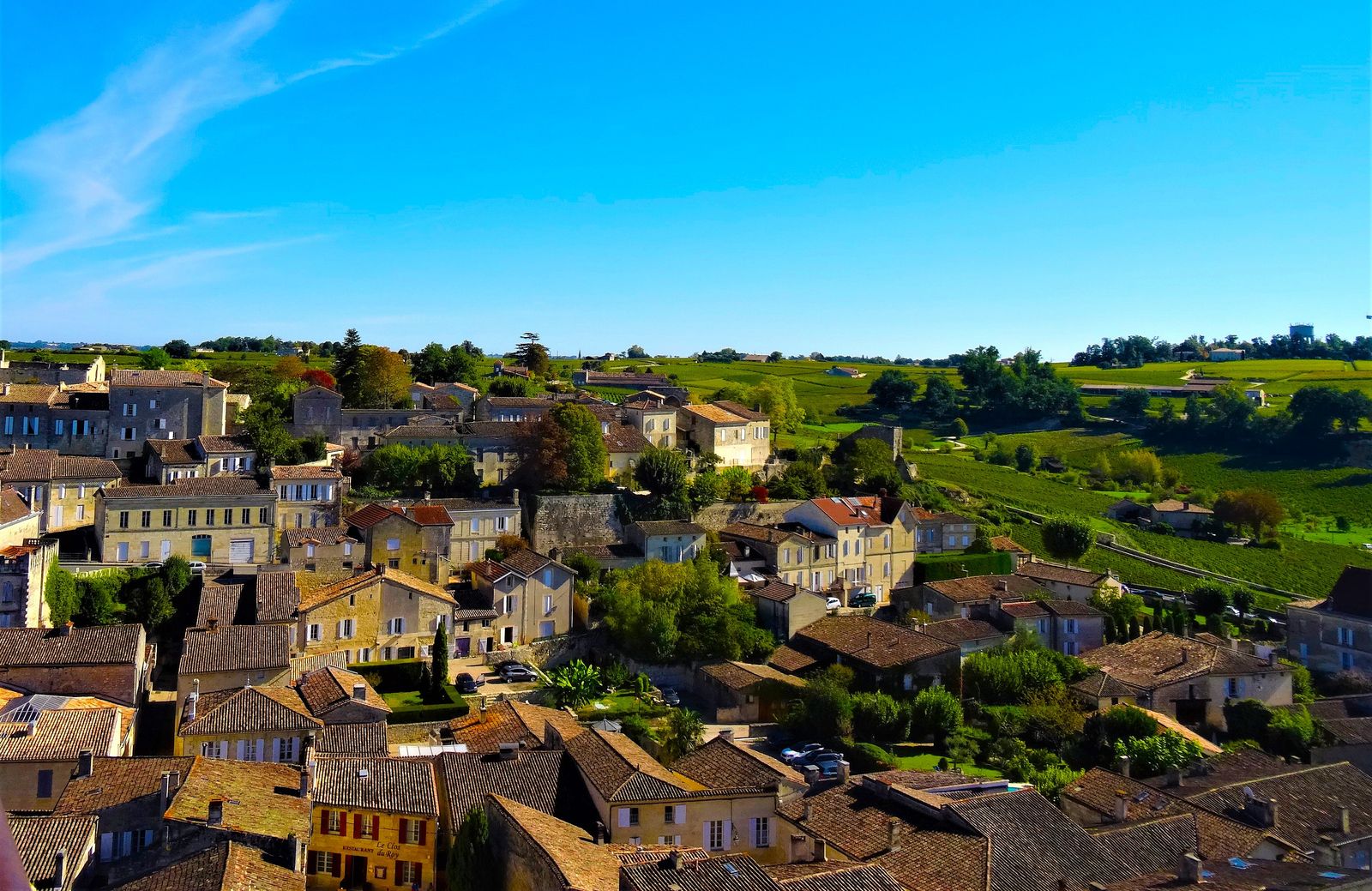
11 things to see and do in Saint-Émilion, France
Let’s take a look together at the very best this enchanting village and its surroundings have to offer. From underground mysteries to tastings of the finest vintages on sun-drenched terraces.
1. Get lost in the steep lanes (tertres)
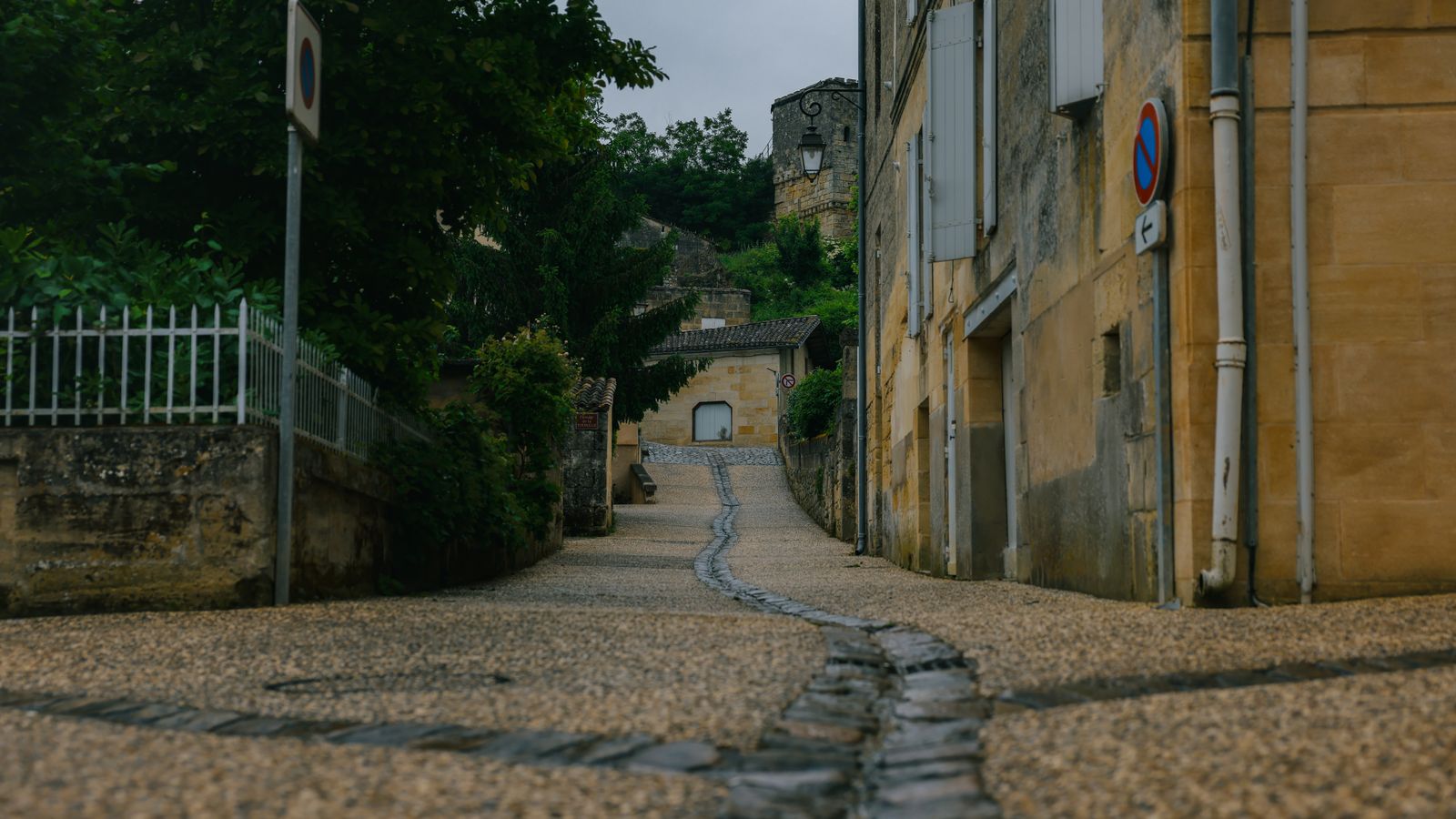
The historic centre itself is so visually stunning that it deserves at least two hours of slow wandering. Saint-Émilion was built into a hillside in the shape of an amphitheatre, and it’s cut through by extremely steep cobbled lanes known as tertres. These paths were originally designed for donkeys carrying barrels of wine, so the cobblestones are very uneven, oddly rounded and often dangerously slippery even in dry weather. It’s a complete contrast to flat Bordeaux, so without good shoes with a firm, non-slip sole your stroll quickly turns into an adrenaline sport.
As you walk you’ll come across wonderfully picturesque corners, old stone arches and limestone houses that practically glow with warm yellow tones in the sun. Every lane hides something interesting, whether it’s a small independent gallery of a local artist, a tucked-away café serving excellent coffee, or a little shop selling traditional local ceramics. The whole town feels like a perfectly preserved open-air museum, with history breathing out of every stone.
I’d recommend leaving the main routes as soon as you can and heading for the narrowest side streets, where you often won’t meet a soul and you’ll feel as though you’ve slipped back several centuries in time. The photogenic quality of this place is simply incredible at any time of day. 💡 Tip: If you come first thing in the morning, before the first day-trip trains arrive from Bordeaux, you’ll have the most beautiful lanes bathed in soft morning light all to yourself.
2. Explore the unique monolithic church
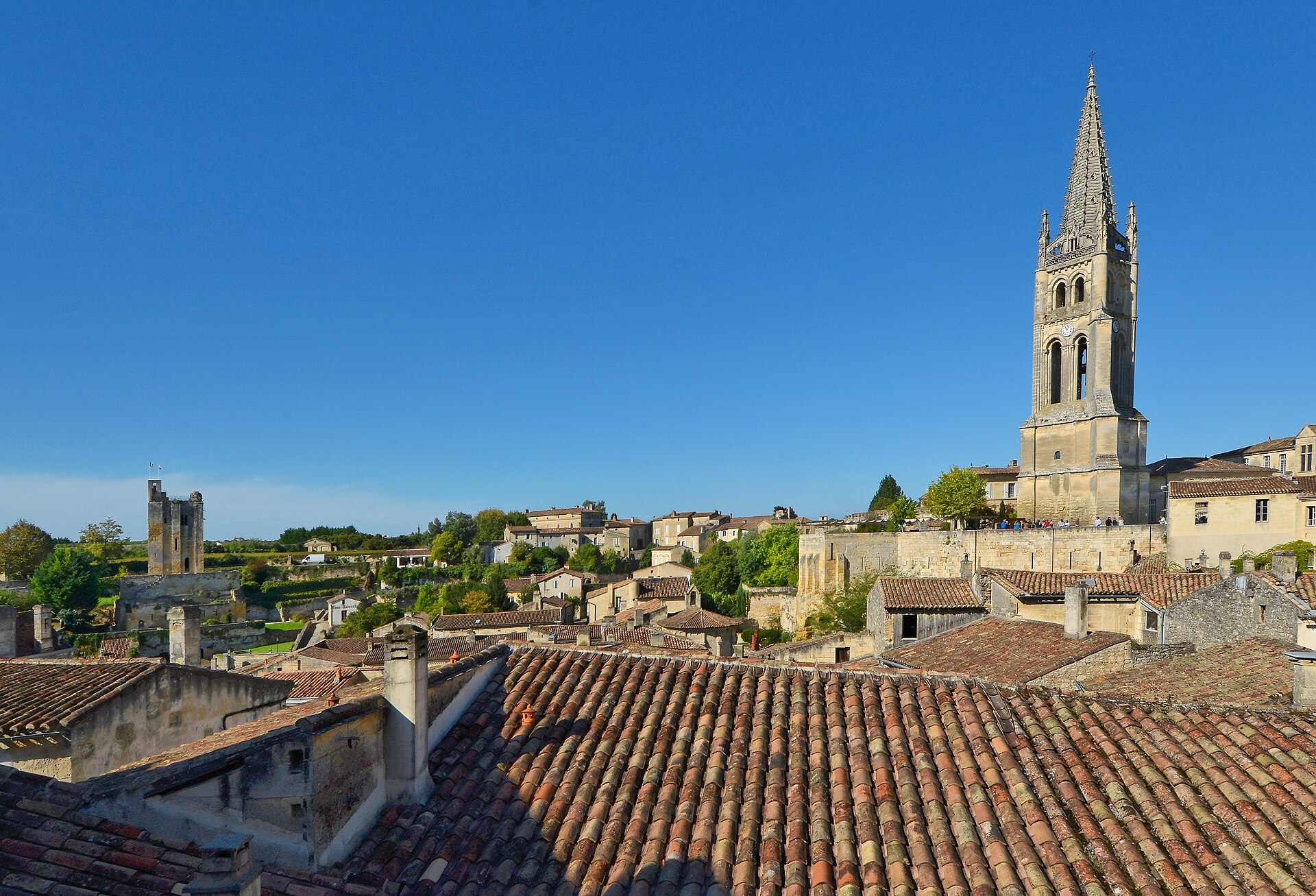
This is an absolute architectural marvel and without doubt the main landmark of the entire town. The monolithic church in Saint-Émilion wasn’t created by stacking stones in the classic way at all — instead it was painstakingly carved downwards into the limestone bedrock. Work began as far back as the 12th century, and the medieval builders had to dig out an astonishing 15,000 cubic metres of solid rock. When you stand inside this huge underground space with its massive pillars, lit by only the faintest hint of daylight, you feel a genuine sense of sacred awe and admiration for the craftsmen of the time.
The church is so vast that it can easily hold hundreds of people, and its walls still proudly bear the marks left by the tools of medieval stonemasons. You can only go inside with an official guide, as the monument is extremely fragile and requires special care. Admission in 2026 works out at around €15, and you should definitely secure your tickets well in advance online through the local tourist office (Office de Tourisme). During the fascinating tour you’ll also see the mysterious catacombs and the cave of the hermit Émilion, after whom the whole village is named.
💡 Tip: Even when it’s scorching summer outside and the sun pushes temperatures well past an uncomfortable 30 °C, it stays a steady, cool 14 °C underground. So be sure to bring a light jumper or jacket so you’re not shivering during the commentary.
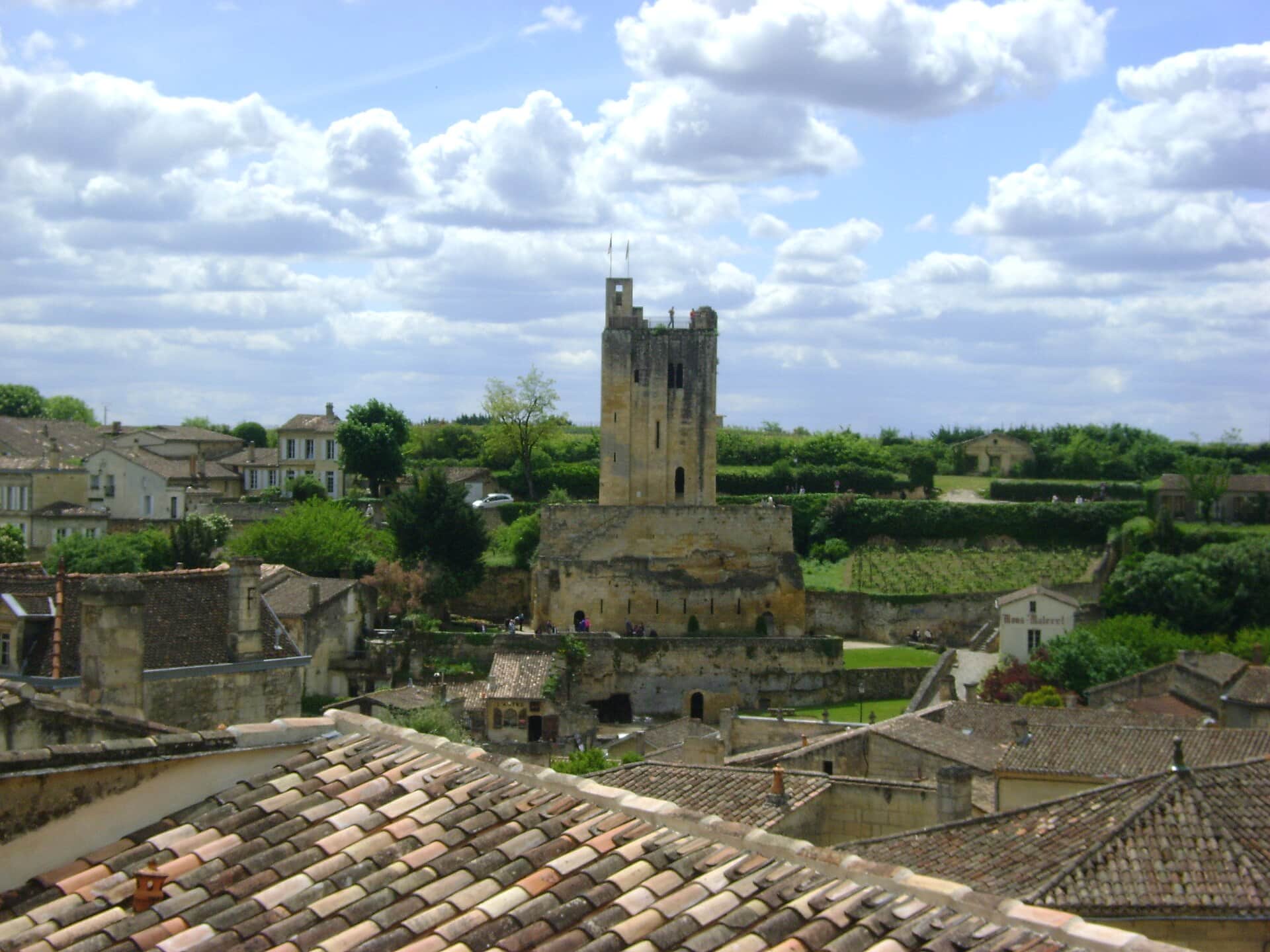
3. Climb the Tour du Roy tower
If you’re looking for the absolute best spot to capture breathtaking panoramic photos, your feet must clearly head for this medieval defensive tower. The Tour du Roy (King’s Tower) dates back to the 13th century and is the only surviving Romanesque keep in the entire wider region. To this day, historians can’t quite agree whether it was built by the French king or the English monarch, since the Bordeaux region changed rulers very often throughout its turbulent history. It remains a beautiful and faintly mysterious landmark of the town.
To reach the very top of the tower, you’ll need to conquer exactly 118 fairly steep and narrow stone steps. The reward for all that effort is an utterly fantastic 360-degree view. From up here you’ll see the perfect mosaic of the village’s terracotta rooftops, the Dordogne valley and, of course, tens of kilometres of neatly trimmed vineyards stretching all the way to the horizon. Admission costs just a few euros and the climb is manageable for any reasonably fit traveller.
💡 Tip: The tower plays a starring role during the Jurade festivities, when the local wine brotherhood, dressed in traditional red robes, ceremonially announces the start of the harvest from its top. The tower is usually only open at certain hours (typically in the afternoon), so check the current opening times on the door or at the nearby tourist office beforehand.
4. Go wine tasting without the stress
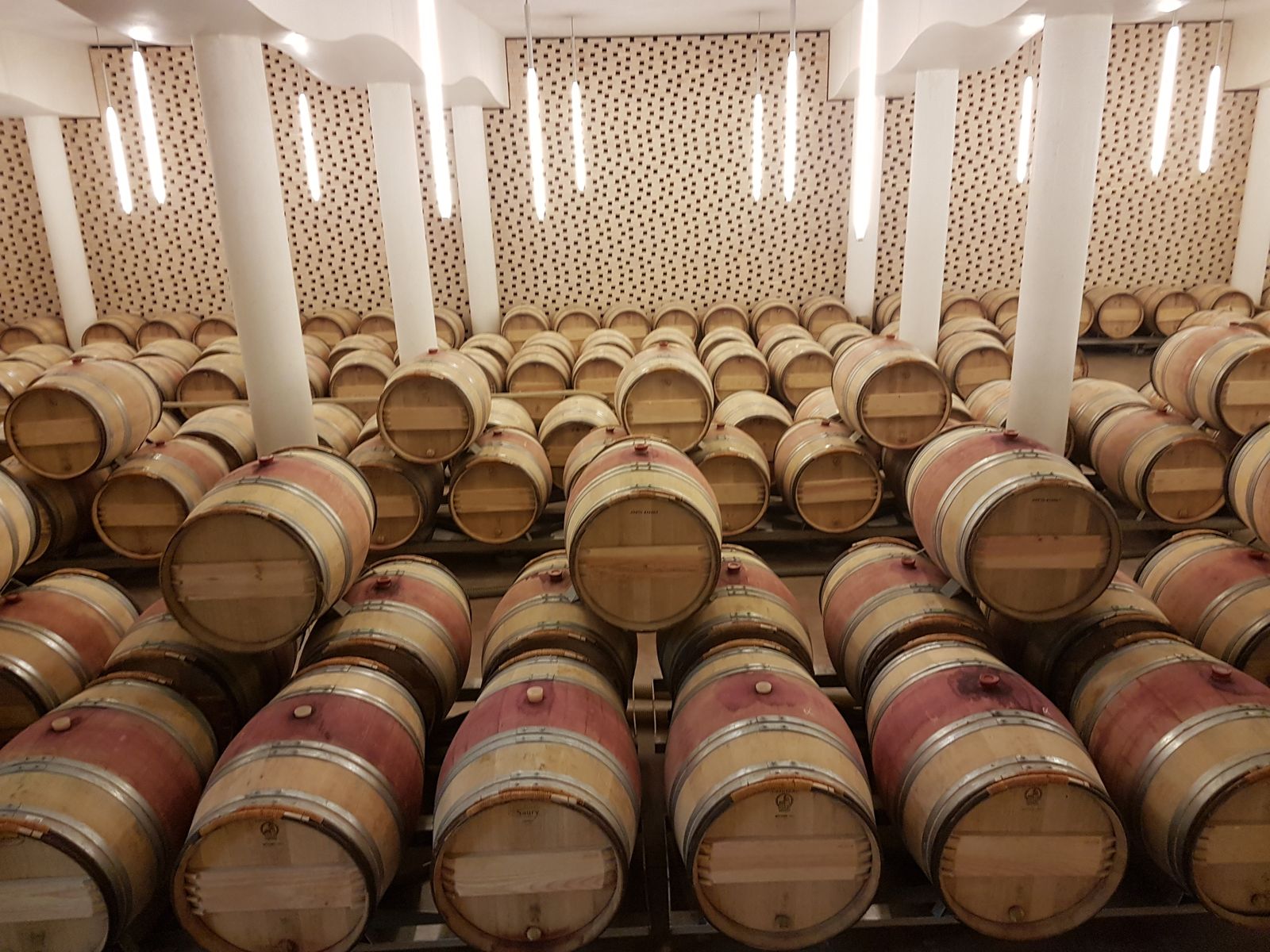
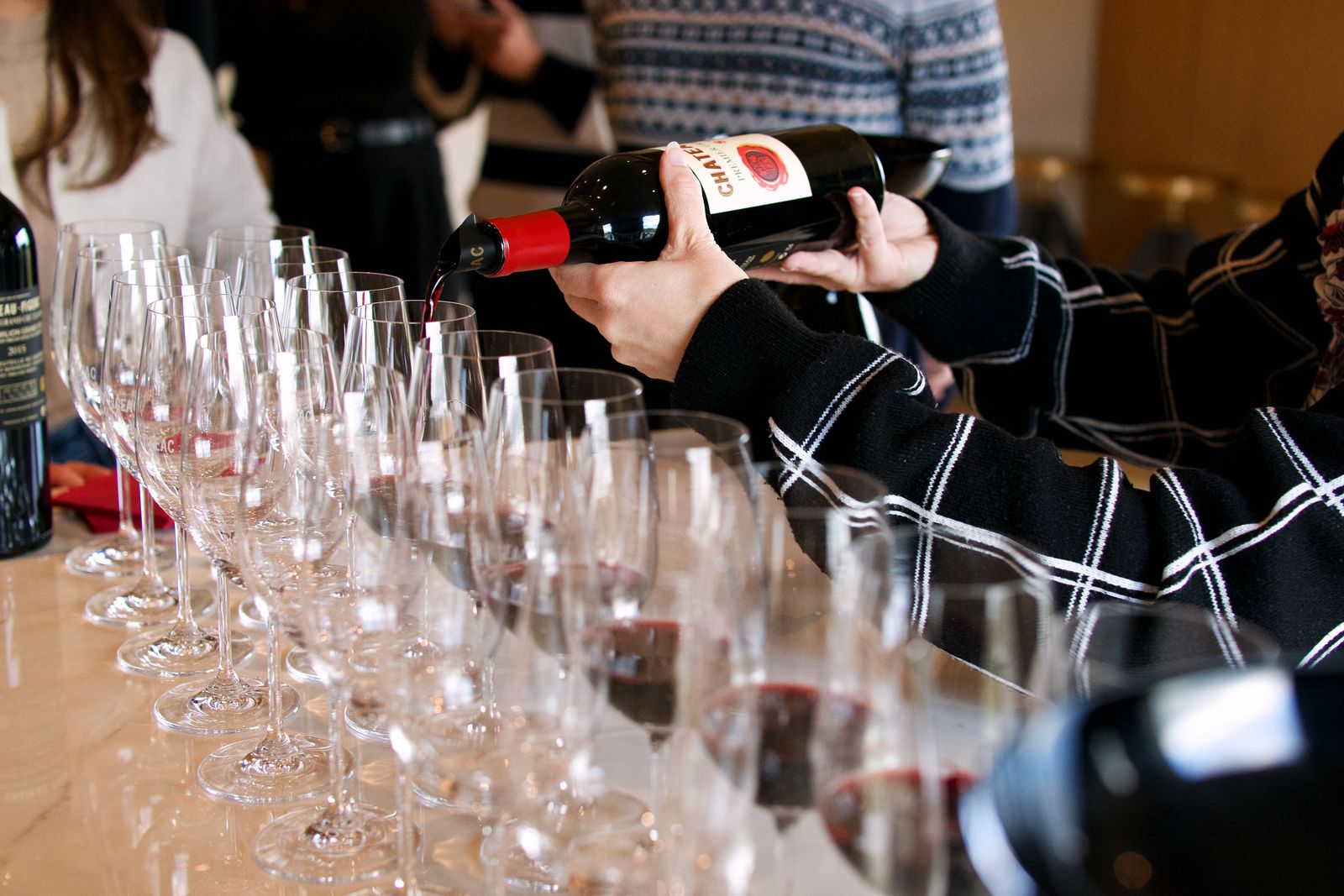
Most people arrive in the Bordeaux region with one clear goal: to taste the famous local Grand Cru wines. While the Médoc area on the left bank of the Gironde estuary is an absolute logistical nightmare without your own car or an expensive driver, Saint-Émilion is sheer paradise for independent travellers. Many of the prestigious wineries (châteaux) sit right next to the historic centre or just a few minutes’ walk from the small station. So you can comfortably fit in several tours in a single day without having to wrestle with the question of who’s going to drive back to the hotel that evening.
Most wineries offer a classic guided tour that traditionally starts with an explanation of the work in the vineyard, moves on to a look at the fermentation vats and ends with a visit to a magnificent barrel cellar. The highlight, of course, is the tasting itself, where you’ll typically try two or three different wines. Prices for these tours in 2026 range from roughly €15 to €35, depending on the prestige and renown of the particular winery. The local right-bank wines are built mainly on the Merlot grape, which — unlike the Cabernet-based wines of the Médoc — gives them a wonderful softness, fruitiness and velvety texture.
💡 Tip: Counting on simply strolling past a winery and being welcomed in for a tour with a smile is a huge mistake. The best and most sought-after addresses need to be booked online a good month ahead, especially in the summer season.
5. Discover the underground kingdom of cellars
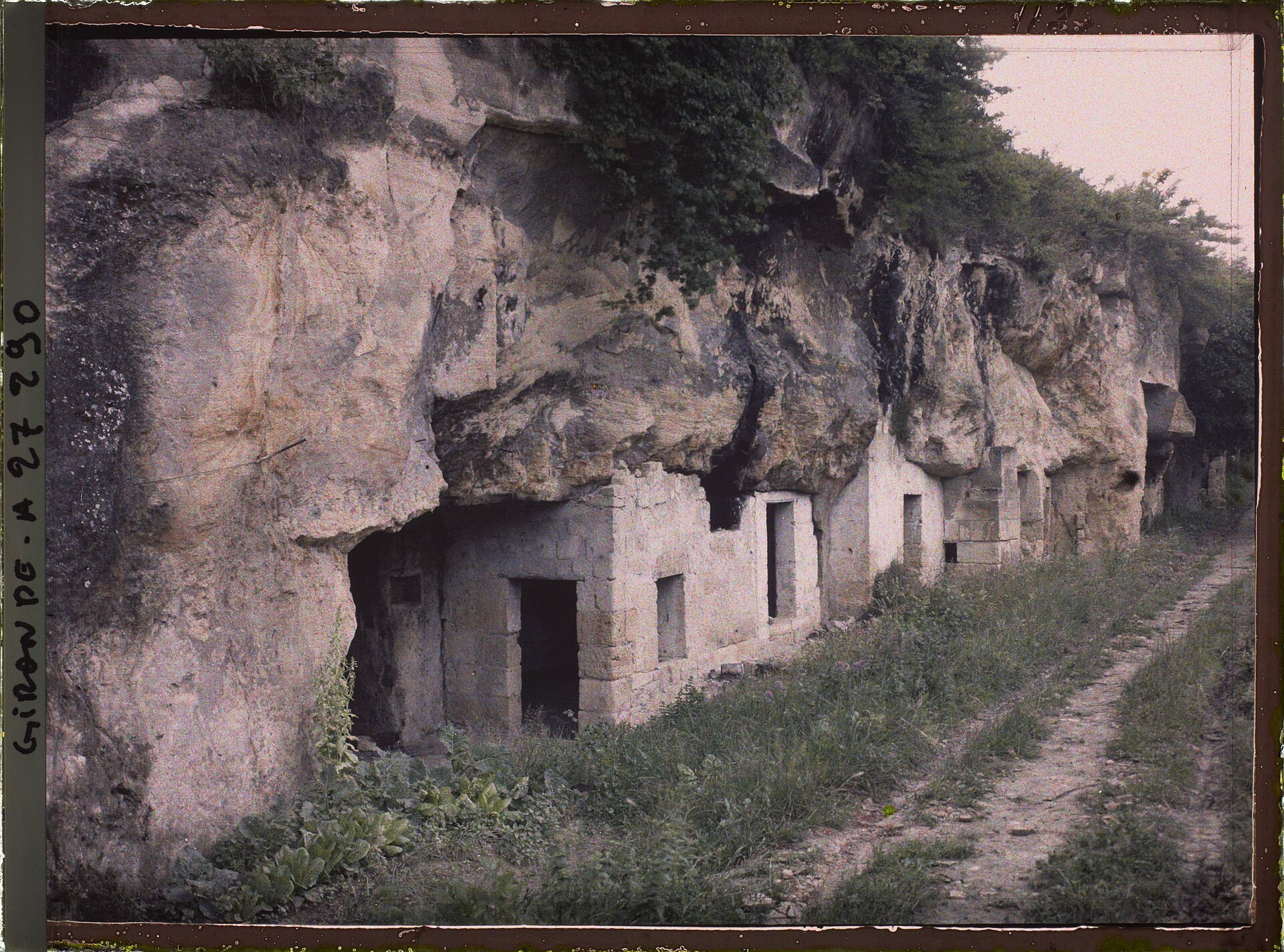
What you see on the sun-drenched surface of Saint-Émilion is really only half the fascinating story. Right beneath the town and the surrounding vineyards lies an incredible 200 kilometres of dark underground passages and caves. These vast spaces were created by the gradual quarrying of high-quality limestone, which was used to build not only the village itself but also, to a large extent, the magnificent palaces in nearby Bordeaux. When the stone quarrying finally came to an end, local winemakers quickly realised that the abandoned tunnels offered the absolute best possible space for storing their precious wine.
Some châteaux have their main cellars located in these very old limestone quarries. During a tour you’ll often descend tens of metres underground into dark, cool passages where thousands of oak barrels rest in perfect silence at a constant temperature. The atmosphere is faintly mystical, and the distinctive scent of damp stone mingles beautifully with the typical sweet aroma of maturing wine. It’s a completely different and far deeper experience than visiting modern above-ground halls full of stainless steel tanks.
💡 Tip: One excellent underground tour is offered by Château Villemaurine, just a few steps from the historic centre, where the old limestone quarries are beautifully lit during the commentary.
6. Taste the genuine macarons with history
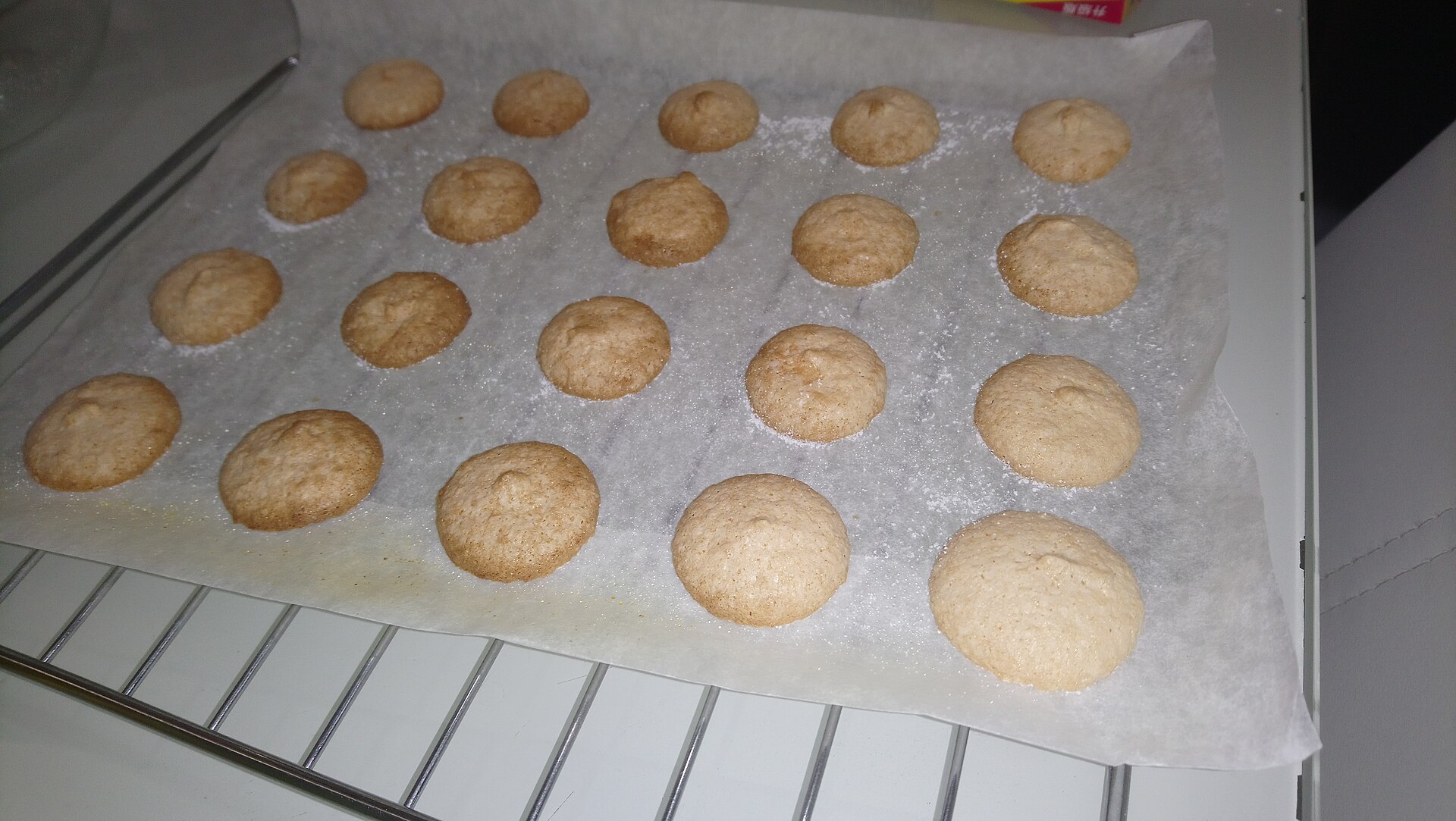
Even though the town is famous worldwide above all for its wine, it has one more enormous culinary draw. Genuine Saint-Émilion macarons have been lovingly baked here to a secret recipe since 1620. If the word “macaron” conjures up those fluffy, brightly coloured, cream-filled treats from Paris, their original appearance will surprise you no end. The local traditional version is far more rustic, has absolutely no filling, and at first glance looks more like a small, cracked biscuit.
This ingenious recipe was created by the Ursuline sisters, and it’s based on just a handful of quality ingredients: sweet almonds, bitter almonds, fresh egg whites and sugar. They contain no flour and no artificial colourings, making them an utterly perfect vegetarian treat. Crisp on the outside, they literally melt on your tongue inside. They go brilliantly with a cup of strong espresso, which will set you back around €1.80 to €2.50 in the local cafés. The most famous place to pick them up is the Fabrique de Macarons bakery on Rue Guadet, which still carefully guards the original recipe.
💡 Tip: The macarons are sold stuck to baking paper in lovely gift boxes. They stay fresh for several days, which makes them the perfect edible souvenir of your trip for family and friends.
7. Head out on a cycling trip through the vineyards
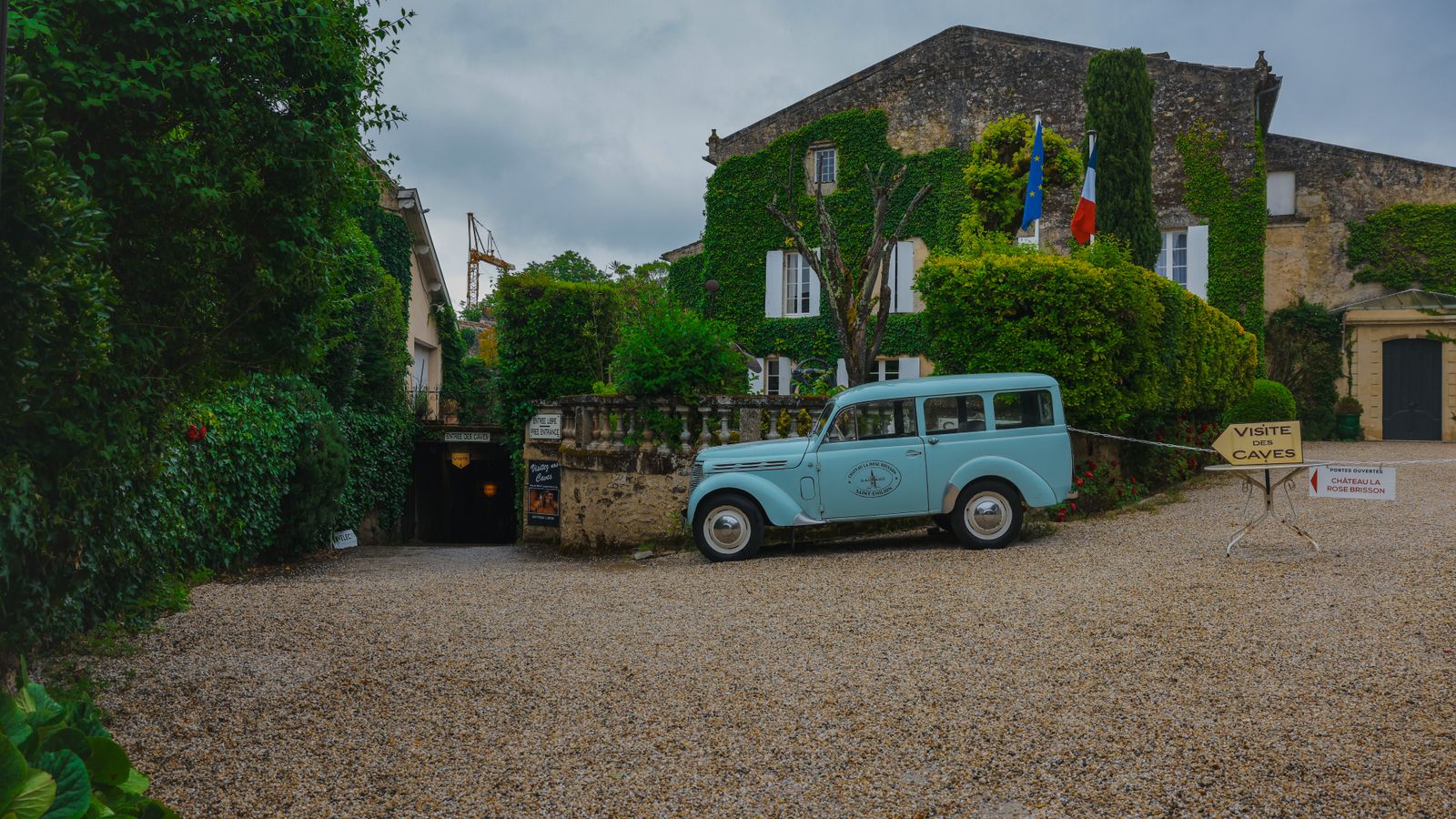
The view over endless vineyards is lovely from the town itself, but it’s even better to find yourself right in the middle of them. The landscape around Saint-Émilion is only gently rolling, so it offers absolutely ideal conditions for relaxed leisure cycling. You can hire bikes right in the town centre or down by the station (I’d warmly recommend going for an e-bike so you don’t work up a sweat in the summer heat) and set off along narrow lanes that wind romantically between tidy rows of vines and ancient stone walls.
The local tourist office provides beautifully produced maps with several perfectly signposted loops of varying length. You can choose a shorter hour-long route or set off on a full-day trip, during which you’ll visit architecturally fascinating châteaux from the 18th and 19th centuries. Along the way you’ll pass enormous rose bushes, traditionally planted at the start of the vine rows as a natural and very sensitive indicator of any plant diseases. A bike ride also lets you admire the very best views without the tiresome hunt for a parking space.
💡 Tip: Most of the better rental shops also offer bikes fitted with special sturdy wine panniers, so you can carry your precious tasting hauls back into town comfortably and completely safely.
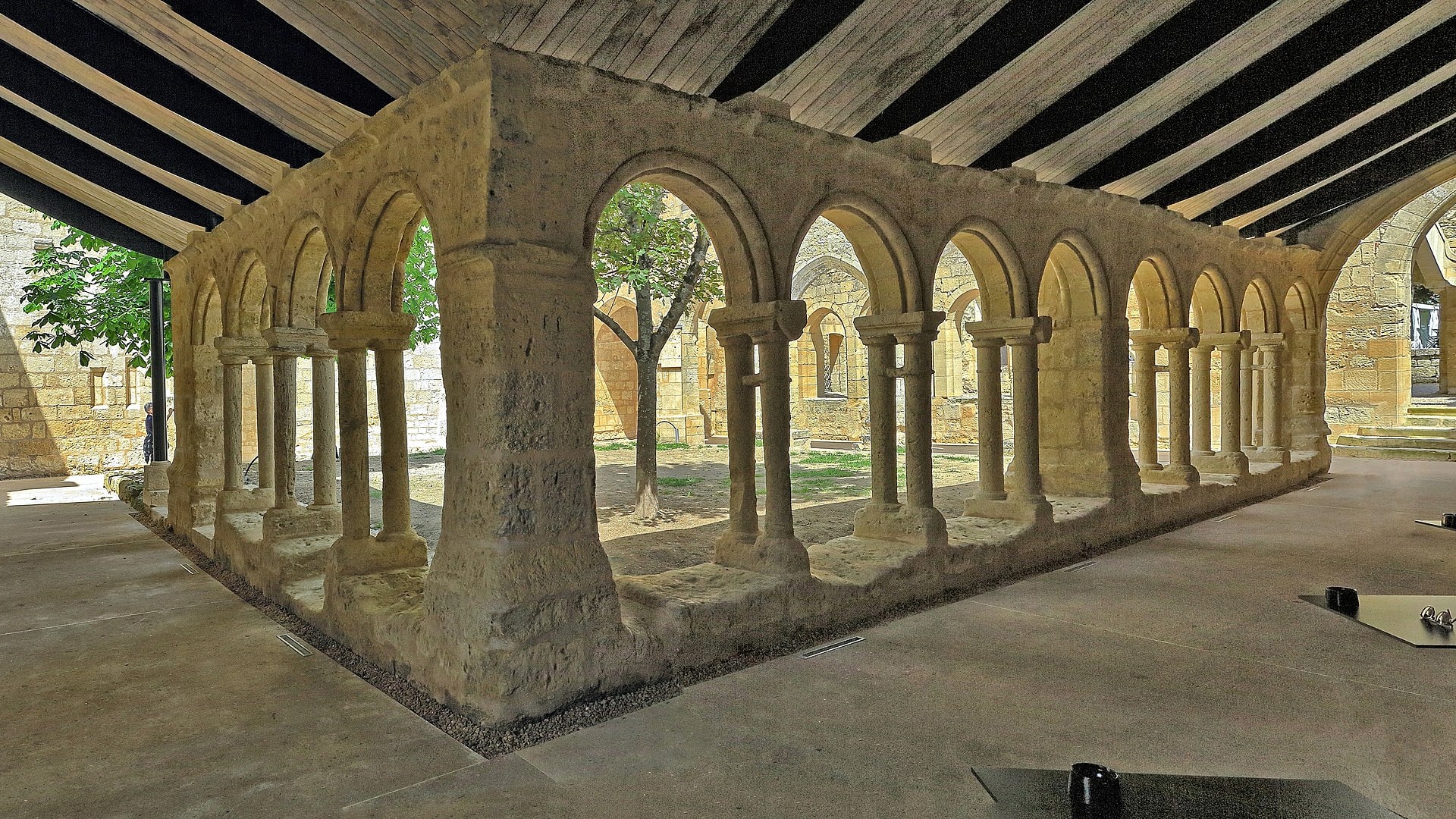

8. Rest in the Les Cordeliers cloister
Amid the bustling, sun-baked lanes hides a true oasis of absolute calm. The Les Cordeliers monastery dates back to the 14th century, and today all that remains are incredibly romantic ivy-clad ruins and a beautifully preserved cloister. This historic complex has a magical atmosphere and offers the perfect shelter from the merciless midday heat. Entry to the garden area itself is usually completely free, and you can wander freely among the old stone columns that have witnessed hundreds of years of history.
But this place is also remarkable for another reason. In the enormous underground cellars right beneath the monastery, which reach a staggering depth of up to 20 metres, an excellent sparkling wine — Crémant de Bordeaux — has been produced since the 19th century. Unlike the still red wines from the surrounding vineyards, this refreshing fizz is made using the traditional method of fermentation in the bottle. Right in the cloister garden there’s a relaxed bar where you can enjoy a glass of chilled crémant and simply watch the play of shadows on the old walls.
💡 Tip: If you also want to see the fascinating production cellars beneath the monastery, you can pay for a guided tour, which is easy to combine with tickets booked through GetYourGuide or the monastery’s official website.
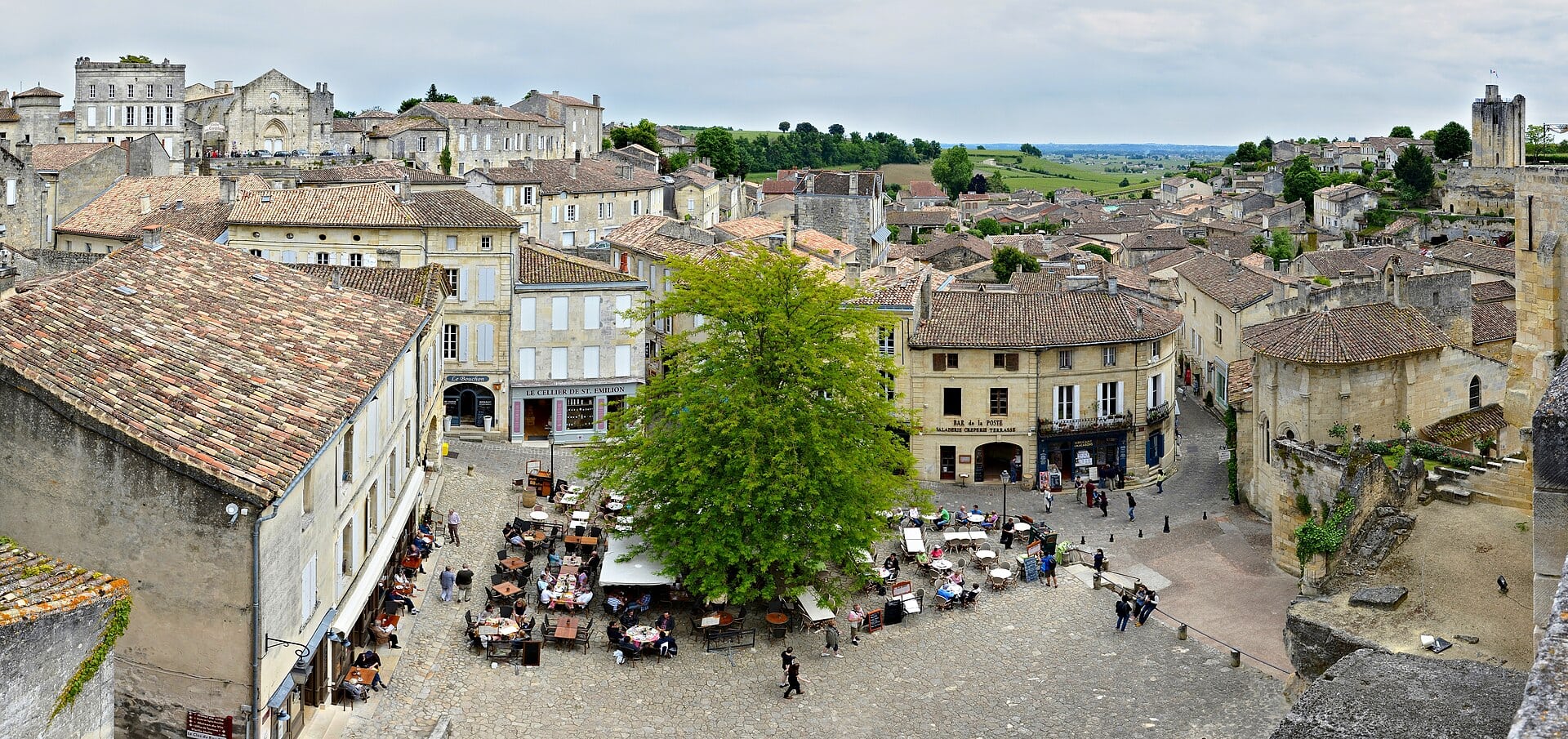
9. Soak up the atmosphere on Place de l’Église
Every French village has its main square where all the social life plays out, and in Saint-Émilion that’s unmistakably Place de l’Église. This picturesque space is lined with traditional cafés and restaurants and offers a fascinating view of the huge Gothic windows of the monolithic church, carved directly into the rock face of the square. This is exactly the spot where locals and travellers from all over the world come together after work.
If you want to enjoy genuine French gastronomy here, though, you absolutely have to play by their rules. The most crucial of these is lunchtime, because most restaurants and bistros keep their kitchens open strictly between 12:00 and 14:00. During that window life grinds to a halt and everyone eats. If you turn up at quarter past two feeling peckish, you’ll find the doors closed or be steered towards an overpriced tourist baguette. At lunch, look out for the words Menu du jour (set menu) on the boards — it’s usually an honest three-course meal that comes in at a very reasonable €15 to €25.
💡 Tip: A service charge (service compris) of 15% is already included in the bill by law in France, so you’re under no obligation to leave another twenty per cent. If you’re particularly happy, though, it’s quite common to leave a small coin worth €1 to €2 on the table. Paying by card is the standard practically everywhere these days.
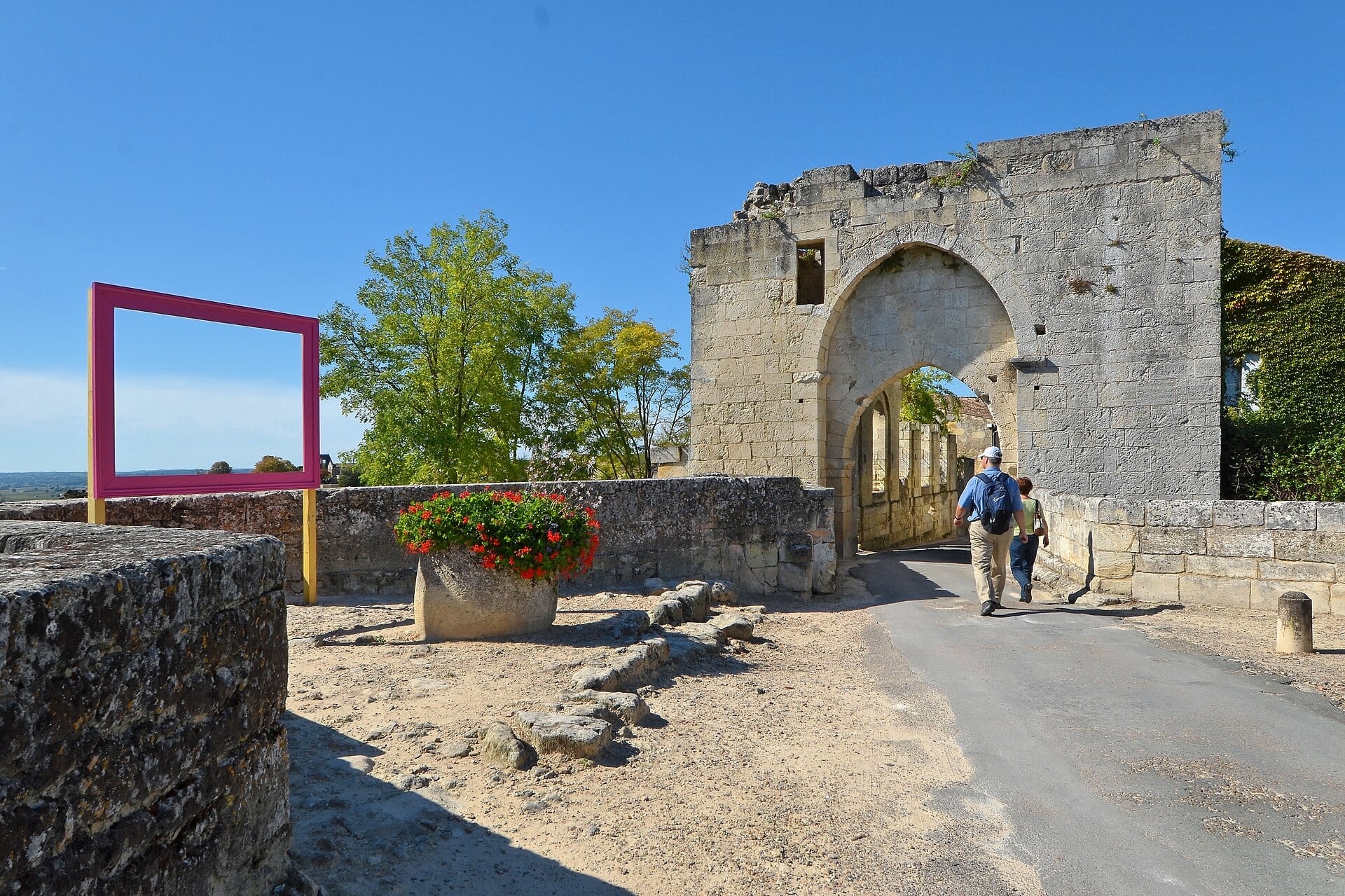
10. Walk the walls and the Porte Brunet gate
In the Middle Ages Saint-Émilion was an immensely important fortified town and long proudly defended itself against all manner of raids. Quite extensive remains of the massive stone walls that hug the historic centre survive to this day. The most impressive part is the Porte Brunet gate, which once served as one of the main entrances to the town and through which merchants drove their carts laden with precious goods. Its mighty arches make it easy to imagine just how impregnable the town must have appeared to anyone approaching.
A slow stroll along the remains of the medieval fortifications is also a great alternative to the occasionally crowded centre. From here you’ll be treated to lovely, undisturbed views over the surrounding countryside, and you generally won’t run into as many people as at the main attractions. You can take your time looking at the old defensive ditches, which today often serve as picturesque private gardens for the locals, and admire how seamlessly the medieval architecture flows into the surrounding nature.
💡 Tip: Head to the Porte Brunet gate ideally just before sunset. The warm evening light beautifully sets the old limestone blocks aglow, and you’ll capture the absolute best photos without needing any artificial filters at all.
11. Put together your own picnic among the vines
The restaurants in town are fantastic, but they’re often packed and in season require booking well ahead. So why not simply do lunch your own way? South-west France is a land of absolutely perfect produce, and putting together your own picnic basket is huge fun. Stop by one of the local bakeries (boulangerie) in the morning for a fresh, crusty baguette, pick out a few local matured cheeses at the cheese shop (fromagerie), and don’t forget to add fresh fruit or olives from the market.
With your backpack filled like this, all you need to do is head just a short way out of town and find a peaceful spot with a view. Many châteaux even offer special, well-kept picnic areas for tourists, or you can simply perch on the edge of an old wall by a country lane. Eating great mature cheese, breaking off pieces of fresh bread and gazing out at the very vineyards your glass of wine came from is one of the most authentic and laid-back experiences you can take away from here.
💡 Tip: Local specialities include both hard and blue cheeses, which pair wonderfully with walnuts. These are brought in in large quantities from nearby Périgord and make an absolutely perfect, filling vegetarian combination for your picnic.
Map of points of interest for your phone
Where to go next from Saint-Émilion
If you have more time in the region, Saint-Émilion makes a perfect launchpad for further exploration. The most logical step is to take the train back and have a proper look around the region’s main metropolis. Read our article on how to enjoy Bordeaux, which is sure to wow you with the gigantic Miroir d’eau water mirror or the wonderfully revitalised docks along the river Garonne. Well worth a visit too is the ultra-modern wine museum La Cité du Vin, which in 2026 celebrates exactly 10 years since it opened (admission is €22), and the fascinating digital art centre Bassins des Lumières, built in a former submarine base.
If you have a car at your disposal and long for a much deeper dive into the picturesque French countryside, head north-east into the interior. Roughly two hours’ drive away lies the magical region of Dordogne and Périgord. The landscape here is full of dense forests, dramatic cliffs above the river and medieval castles. This is where the very best walnuts, prized truffles and regional dishes come from, with the locals most often tucking into traditionally prepared duck and the famous foie gras pâtés.
Frequently asked questions
How long does the train journey from Bordeaux take?
The journey by regional train (TER) from Bordeaux Saint-Jean main station to Saint-Émilion station is very quick and takes only 33 to 40 minutes. Trains run quite frequently, making it an absolutely ideal option for a relaxed day trip without parking worries.
How much time should you set aside to explore the town?
For the historical center itself and a visit to the underground church, half a day will be more than enough. However, if you’re planning to rent bikes, take trips to the surrounding area, and enjoy at least two tastings at the local châteaux, definitely set aside a whole day, or simply spend the night here.
Do I need to wear formal clothing for winery tours?
Definitely not. Although some châteaux are very prestigious, the atmosphere here is relaxed. “Smart casual” style is more than enough (decent trousers or a dress and clean shoes). The main thing is to have really comfortable footwear because of the cobblestone streets and walking through the vineyards.
Is the town suitable for visiting with children?
Yes, kids will enjoy exploring the secret underground passages and cycling through the vineyards. However, you need to keep in mind that moving around with a stroller is very challenging due to the extremely steep hills and uneven cobblestones in the city center, so a baby carrier is a much better choice.
Where can I book tickets for attractions and trains?
I recommend buying tickets to the monolithic church and the Tour du Roy tower exclusively through the official website of the local tourist office (Office de Tourisme Saint-Émilion). For train tickets (whether it’s the high-speed TGV INOUI trains with mandatory seat reservations or the cheaper OUIGO), sort them out through the SNCF Connect app.
Can I buy wine and have it shipped home?
Yes, most of the larger wineries and specialized shops in town offer international shipping. It’s a slightly more expensive service, but you don’t have to worry about your precious bottles breaking in your suitcase on the way to the airport.
Can you easily pay by card on site?
Card payment is the standard in 2026 practically everywhere, including small bakeries and souvenir shops. Only for purchases at outdoor markets, from small artisans in the alleyways, or for small expenses under €5 do I recommend having some small change in cash with you.
Tips and Tricks for Your Vacation
Don’t Overpay for Flights
Search for flights on Kayak. It’s our favorite search engine because it scans the websites of all airlines and always finds the cheapest connection.
Book Your Accommodation Smartly
The best experiences we’ve had when looking for accommodation (from Alaska to Morocco) are with Booking.com, where hotels, apartments, and entire houses are usually the cheapest and most widely available.
 🚗 Car rental on the roadVerified rental cars in New Aquitaine
Search with the DiscoverCars comparison engine — it compares prices from dozens of local and international rental companies, and most bookings come with free cancellation.
Compare car prices in New Aquitaine →Don’t Forget Travel Insurance
Good travel insurance will protect you against illness, accidents, theft, or flight cancellations. We’ve had a few hospital visits abroad, so we know how important it is to have proper insurance arranged.
Where we insure ourselves: SafetyWing (simple monthly subscription) and TrueTraveller (for extra-long trips).
Find the Best Experiences
Get Your Guide is a huge online marketplace where you can book guided walks, trips, skip-the-line tickets, tours, and much more. We always find some extra fun there!