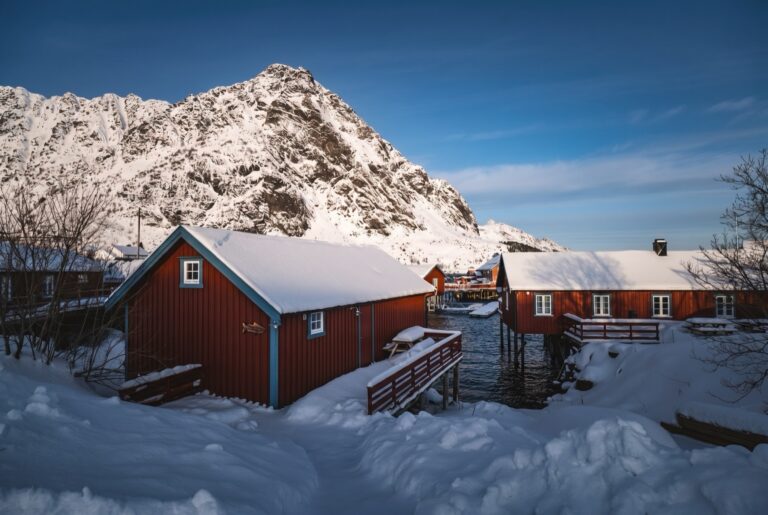
If you’re planning a trip to northern Norway and craving breathtaking scenery, you’ve almost certainly heard of the famous Lofoten Islands. Just to the north, however, lies the Vesterålen archipelago in Norway, which offers very similar, equally dramatic landscapes — but with one enormous difference. While the neighbouring islands are bursting at the seams with tourists in summer, here you’ll find the peace and quiet you’re after and a far more authentic Nordic atmosphere, without the endless convoys of camper vans.
This greener and slightly less mountainous region is an absolute paradise for wildlife lovers, because this is where you’ll find the best whale safaris in all of Europe. You can watch majestic sperm whales here all year round, and in winter the bays fill with orcas that arrive chasing huge shoals of herring. Beyond the cetaceans, picturesque fishing villages, white sandy beaches and fascinating bird cliffs packed with adorable puffins are waiting for you.
The biggest advantage is that you can very easily combine both areas during a single holiday, as they flow seamlessly into one another thanks to a system of bridges and tunnels. I’ve put together a detailed guide covering the most interesting things to see and do in Vesterålen, so you can plan your Norwegian trip exactly the way you want — with estimated prices for 2026 in mind.
TL;DR
- A quieter alternative: Vesterålen lies north of Lofoten and offers similarly beautiful scenery with far fewer tourists.
- Whale capital: The town of Andenes is the starting point for watching sperm whales and orcas.
- Bird islands: Near the village of Bleik you’ll find cliffs where thousands of adorable puffins nest.
- Scenic driving: The Andøya National Tourist Route is one of the most beautiful roads in Norway.
- Abandoned history: The village of Nyksund was once completely deserted; today it’s a fascinating art hub.
- Easy connections: To the south you can drive smoothly along the E10 road straight to Lofoten, while to the north a summer ferry runs to the island of Senja.
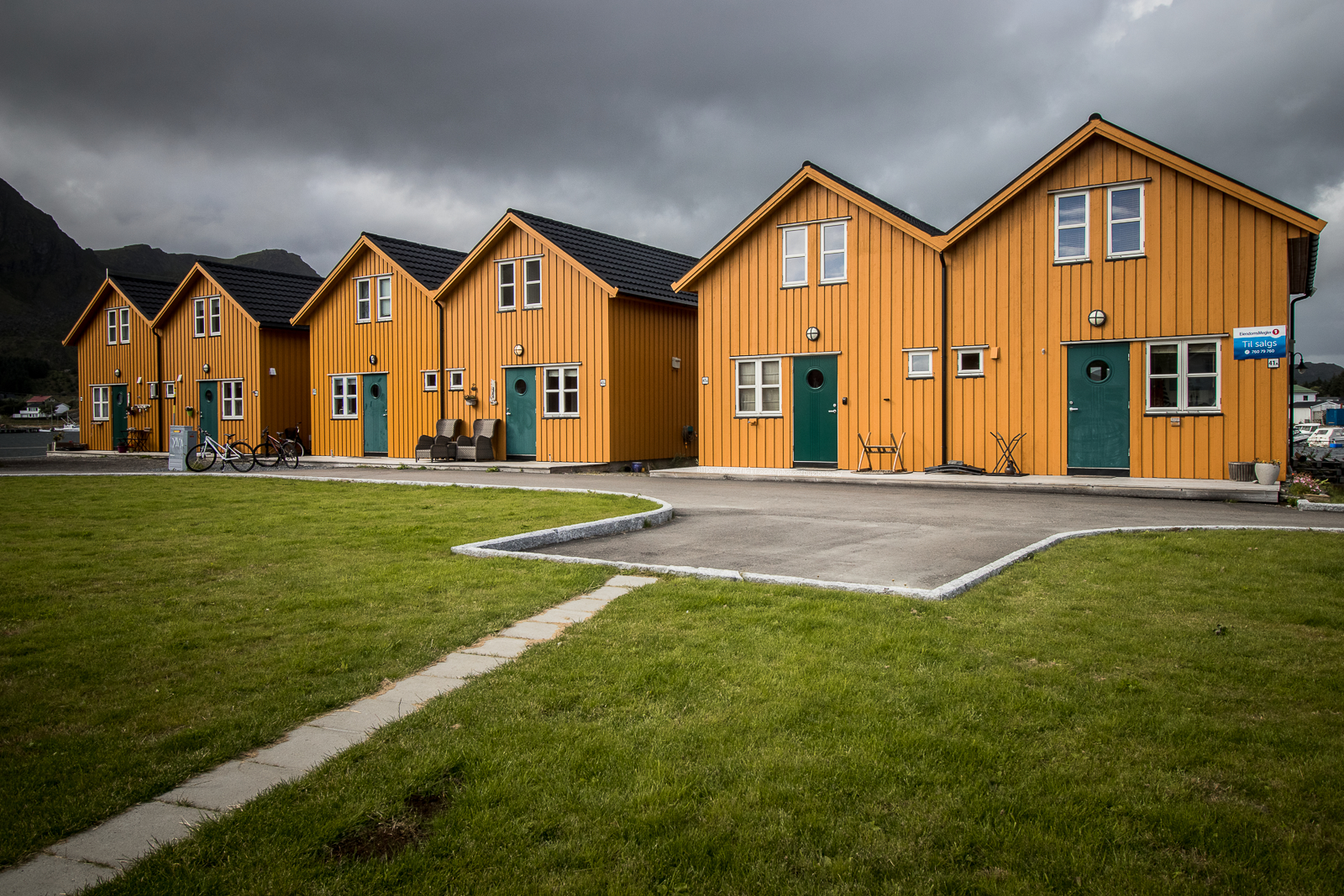
The full destination guide: Norway — guide and what to see
When to Visit Vesterålen
Planning a trip above the Arctic Circle always depends on exactly what you want to experience, because each season here offers a completely different spectacle. If your main goal is hiking and puffin-watching, the ideal time is the Norwegian summer — the months from June to the end of August. On top of that, summer brings the fascinating midnight sun, which lingers over Vesterålen roughly from late May to mid-July, when the light never fades and you can explore the landscape at two in the morning in full sunshine. Summer temperatures most often sit between ten and fifteen degrees Celsius, so even in July it pays to pack good layers and a waterproof jacket.
For those of you dreaming of an encounter with orcas or humpback whales, the winter season is the best choice, typically from November to the end of January. During this period, vast shoals of herring move into the local fjords, and these marine predators follow them unerringly, so the chances of spotting them from the deck of a boat are huge. The winter months do bring the darkness of the polar night from late November to mid-January, but your reward is an excellent chance of witnessing the magical northern lights. Thanks to the Gulf Stream, the winters here aren’t anywhere near as harsh as inland, and coastal temperatures surprisingly often hover just around freezing.
The spring and autumn months can be tricky due to frequent rain and strong winds, but if you enjoy a melancholy atmosphere and don’t mind getting wet now and then, you’ll be rewarded with empty roads. Just bear in mind that many tourist services and smaller cafés cut back their opening hours outside the main summer and winter seasons, so you’ll need to plan your trip a little more carefully. On the upside, autumn paints the low-lying vegetation in gorgeous shades of red and gold, creating absolutely dreamy conditions for photographing the Nordic landscape.
Where to Stay in Vesterålen
The archipelago is fairly sprawling, so it’s smart to choose your accommodation based on exactly what you’re planning to do on a given day, so you don’t spend hours in the car. If your main aim is whale-watching and exploring the northern part, the ideal base is the town of Andenes, where most of the excursion boats set off and where you’ll find all the amenities you need. Here I warmly recommend the popular Thon Hotel Andrikken, which serves a truly generous breakfast and sits within comfortable walking distance of both the harbour and the whale centre. Rooms for two in high season cost around 1,800 to 2,500 Norwegian kroner per night (roughly €155–215).
For history lovers and fans of dramatic atmosphere, a stay in the revived village of Nyksund is an utterly unique experience, reached by an adventurous unpaved road. Here you’ll find the charming Nyksund Ekspedisjonen, set in historic buildings right by the water, where the genuine atmosphere of the old fishing days washes over you. It’s an incredibly peaceful spot where, in the morning, you’ll hear nothing but the cries of gulls and the lapping of waves against the wooden pilings, making it a wonderfully romantic stop for couples. I recommend popping into the local restaurant in the evening for an excellent vegetarian pizza or a warm cheese soup that’s perfect for warming up after a day outdoors.
If, on the other hand, you’re after a practical base somewhere in the middle from which you can easily take day trips in every direction, the town of Stokmarknes or nearby Sortland will serve you brilliantly. In Stokmarknes you’ll find the modern Vesterålen Kysthotell, which offers every comfort, great facilities and excellent links to the region’s main transport routes. Whichever location — or classic red fishing cabin known as a rorbu — you choose, book your summer accommodation well in advance through Booking.com, because capacity in northern Norway tends to be very limited and the best deals vanish as early as spring.
6 Tips on What to See and Do in Vesterålen
Northern Norway is a giant playground for nature lovers, and the Vesterålen archipelago is no exception — you’ll just have far more space to yourself here. From watching giant cetaceans to driving along clifftop roads, you’ll find experiences here that will stay with you for the rest of your life. Let’s take a look at six specific places and activities that definitely shouldn’t be missing from your itinerary.
1. Whale Safari from Andenes
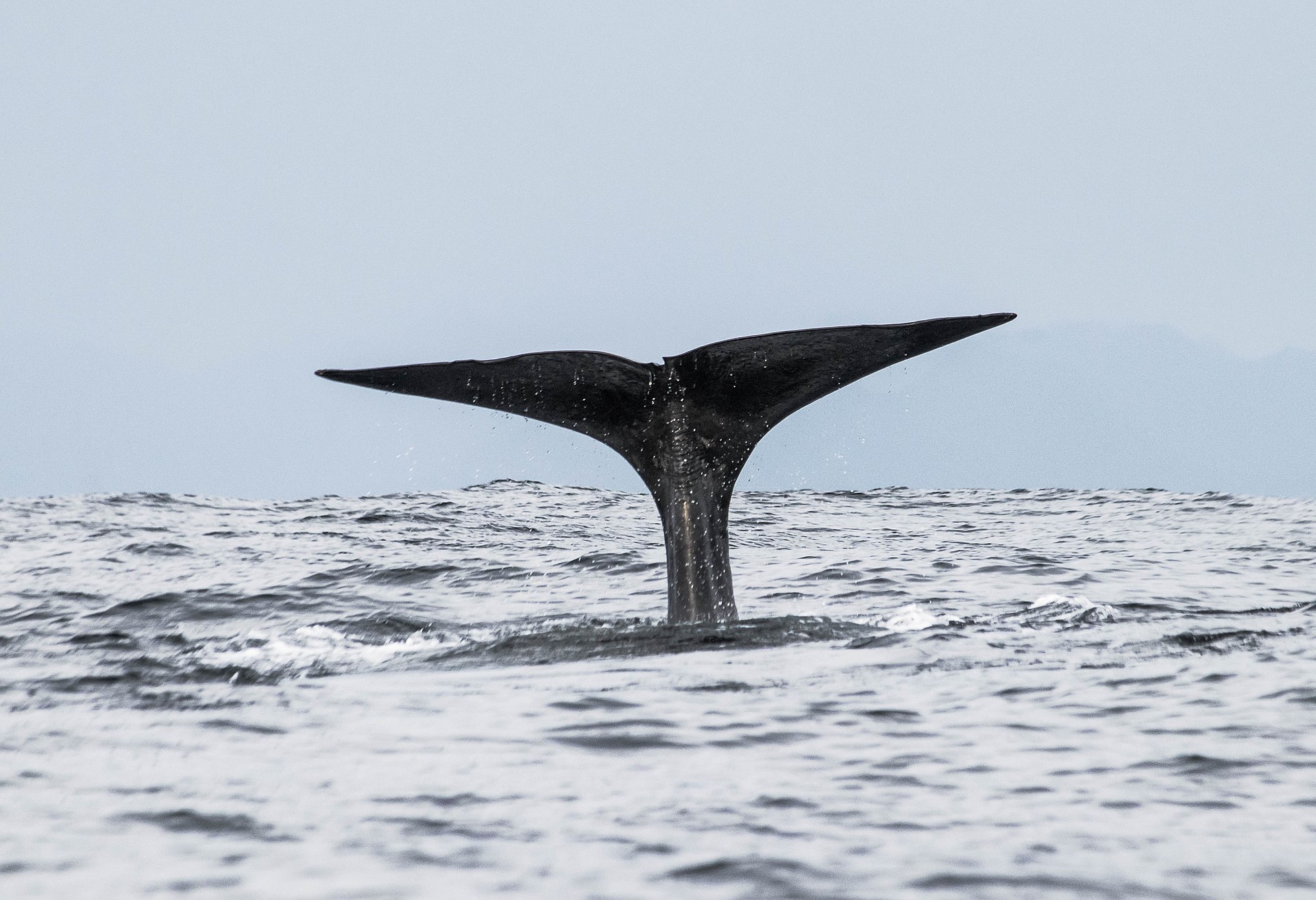
If there’s one main reason people make the trek to the very north of Vesterålen, it’s undoubtedly the whale-watching, which is world-class here and has few rivals anywhere. The town of Andenes sits on the island of Andøya very close to the edge of the continental shelf, where the seabed drops sharply into immense depths and creates ideal conditions for deep-diving cetaceans. This is exactly where huge male sperm whales arrive year-round to feed on squid in the deep canyons beneath the surface, which guarantees an almost one hundred percent success rate when looking for them.
Most expeditions begin with a roughly hour-long visit to the museum at the local whale centre, Hvalsenteret, where marine biologists give you a detailed introduction to the lives of these mammals before you even board the boat. The voyage itself usually lasts two to four hours and can be fairly rocky, because you soon leave the sheltered fjords and head out onto the open ocean — so don’t forget to take your seasickness tablets in good time. One perk of the organised trips is the so-called whale guarantee, which gives you a free ticket for another trip should the animals fail to show up on the rare occasion.
In the winter months, the focus shifts deeper into the fjords, where hundreds of orcas and majestic humpback whales arrive to chase the enormous herring shoals. Seeing with your own eyes how these intelligent predators cooperate while hunting amid snow-capped mountains is an absolutely unforgettable experience. These trips sell out fast, so always book well in advance through platforms like GetYourGuide; for 2026, expect a price of around 1,500 Norwegian kroner (roughly €130) per person.
2. Andøya National Tourist Route
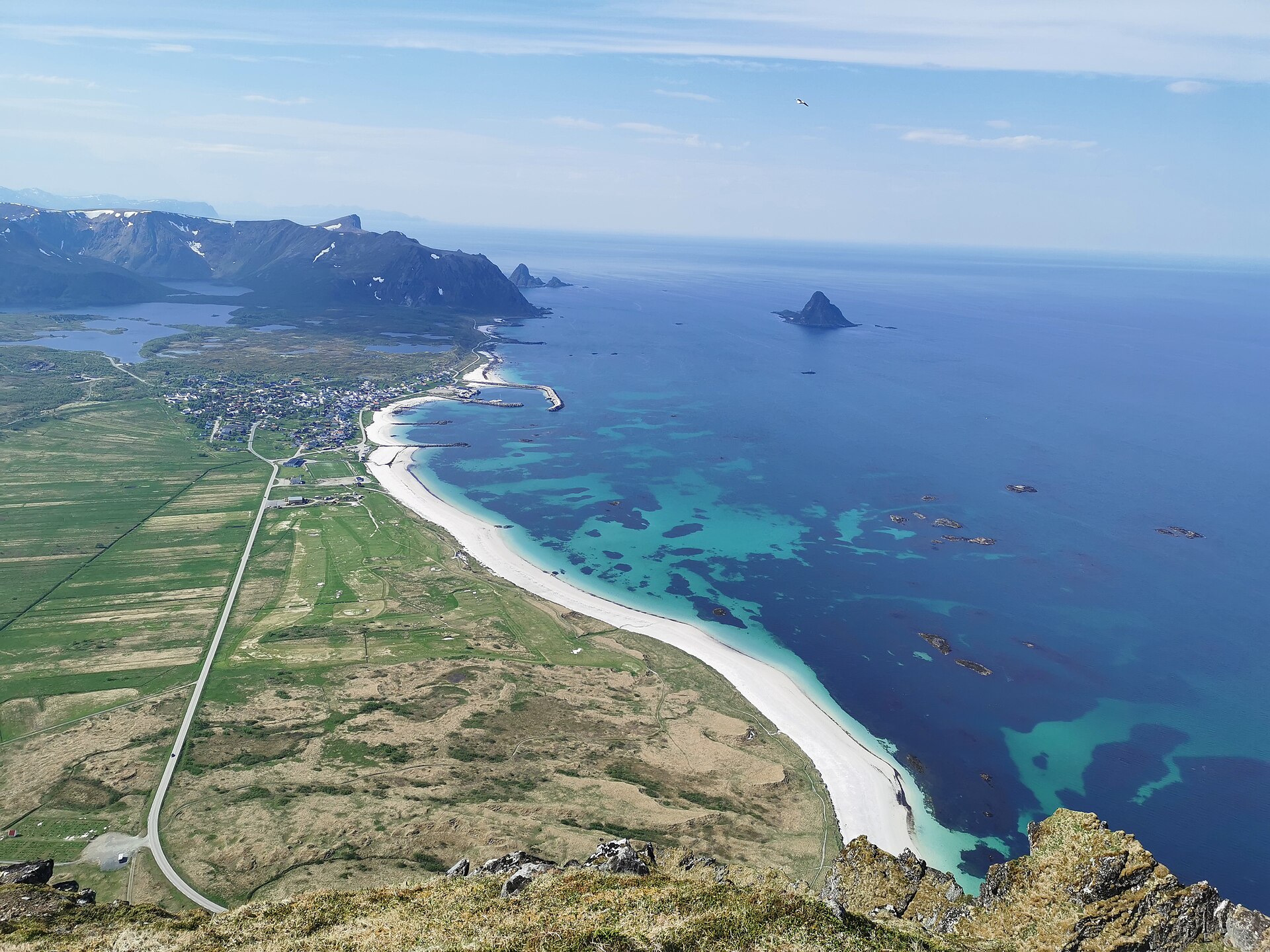
Norway is famous for its scenic roads, and the stretch along the western coast of Andøya island is one of the eighteen official National Tourist Routes you simply have to drive. This roughly 58-kilometre road connects the village of Bjørnskinn with the town of Andenes in the north and offers absolutely breathtaking views over the Norwegian Sea, brilliant-white sandy beaches and steep rocky mountains. Driving it is a huge experience in itself, and it’s well worth setting aside half a day, because you’ll constantly want to stop and photograph the scenery.
Along the way you’ll notice a gorgeous contrast between the rugged, moss-covered rocks and the turquoise-tinted water, which on sunny days often looks more like the Caribbean than a region beyond the Arctic Circle. The route is also dotted with unique architectural rest stops, such as the famous Kleivodden viewpoint or the stunning Bukkekjerka rock formation, which once served as a sacred sacrificial site for the indigenous Sámi people. From these viewpoints, in clear weather, you can see all the way to the jagged peaks of neighbouring Senja island rising on the horizon.
💡 Tip: The road is fairly narrow in places, and you’ll often come across sheep that like to graze right by the tarmac or simply bask on it. So drive very carefully, don’t rush, and don’t forget to pack a good coffee and perhaps a sweet cinnamon bun from a local bakery, because you won’t find many refreshment options directly along this route.
3. Bleiksøya Bird Island and Puffins
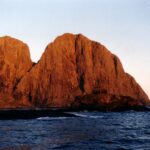
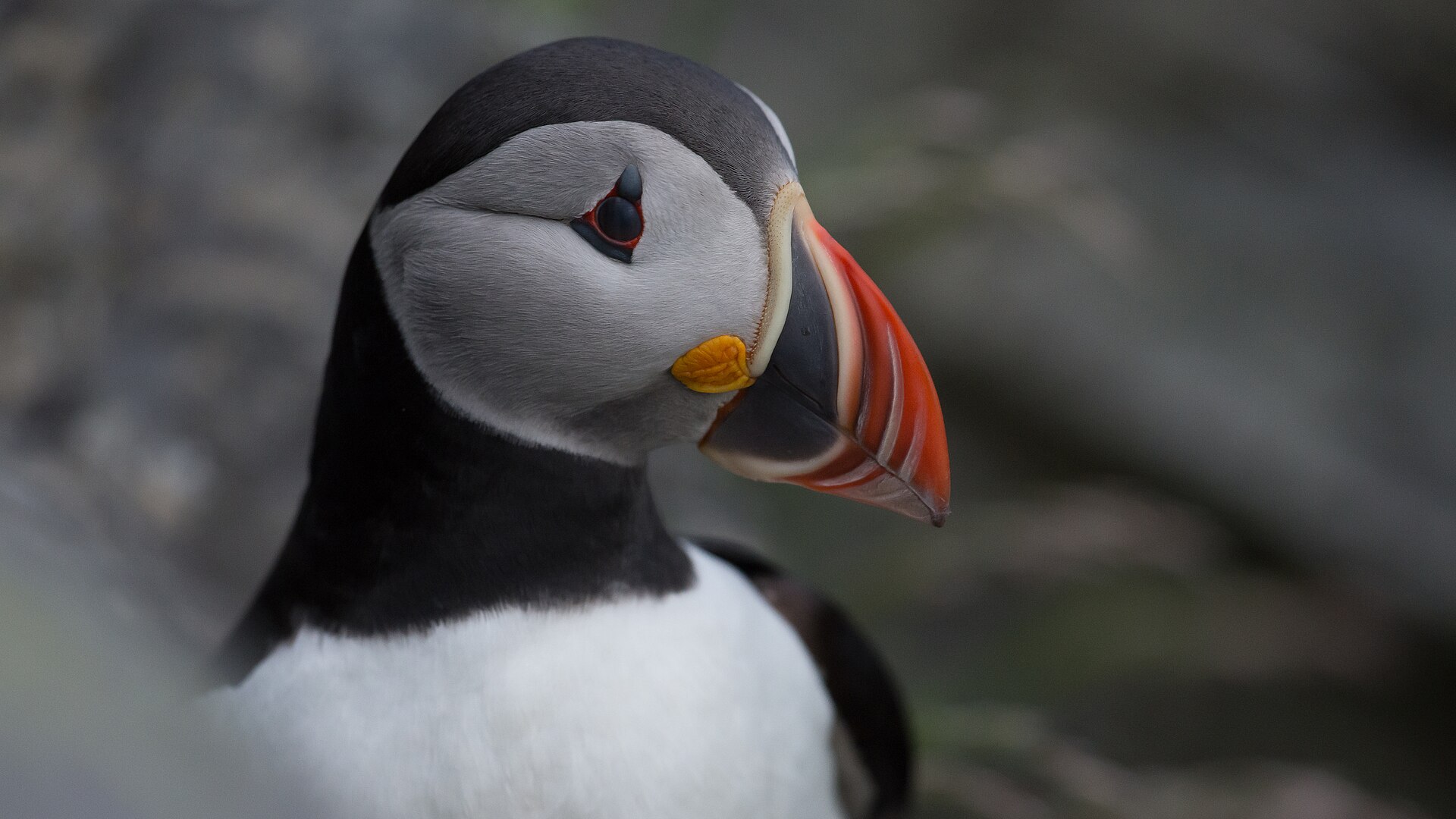
Just a short distance from the town of Andenes lies a long white-sand beach and the picturesque fishing village of Bleik, which has a wonderful view of the iconic cone-shaped island of Bleiksøya. This uninhabited rocky outcrop jutting out of the ocean is one of the best-known bird cliffs in all of northern Norway, and every summer it becomes a safe home for an astonishing number of seabirds. Tens of thousands nest here in total, but the single biggest draw is, without question, the colourful puffins that burrow into the steep grassy slopes.
In the summer months — more precisely from early June to mid-August — the small harbour in Bleik runs popular bird safaris that take you on smaller boats right up under the steep cliffs. These little birds with their comically large, brightly coloured beaks are surprisingly clumsy in the air, but underwater they turn into remarkably nimble hunters, which you’ll get to watch during the roughly hour-and-a-half voyage. The boat trip costs an adult around 800 Norwegian kroner (roughly €70), and you’ll often also spot circling white-tailed eagles, which regularly make hunting raids on the puffin colonies.
Bleikstranda beach itself is also worth a long stroll, especially if you find yourself there during the summer midnight sun, when the night sky turns incredible pastel shades. The water here is fairly icy even in August and only tempts the hardiest souls in for a swim, but photos of the white sand contrasting with the deep-green mountains will be the absolute jewel of your travel album.

4. The Abandoned and Revived Village of Nyksund
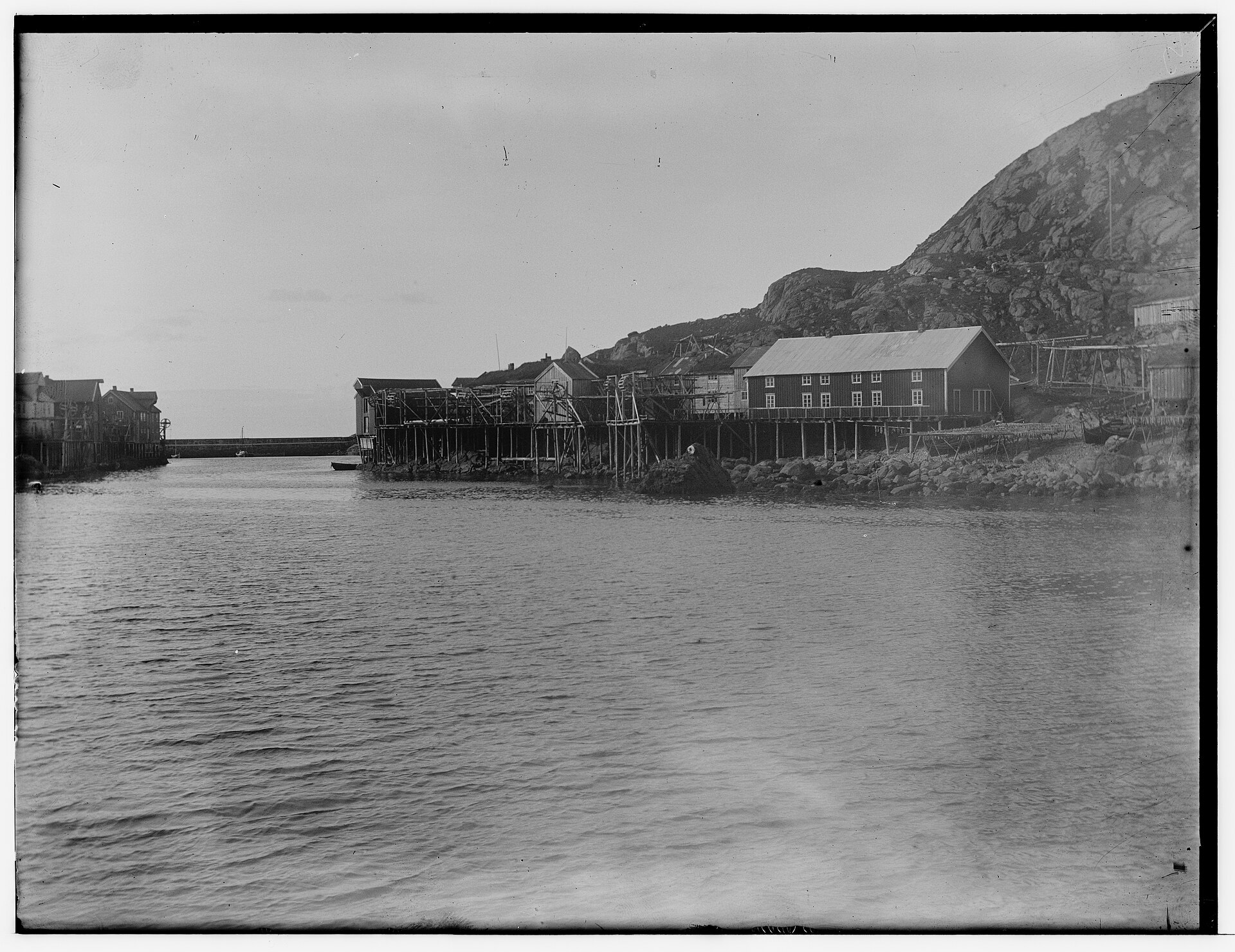
The history of the Nyksund settlement sounds a little like the melancholy script of a Nordic film, and you definitely shouldn’t miss it if you love remote places with a strong story. At the turn of the nineteenth and twentieth centuries, it was one of the most important and bustling fishing villages in the area, but with the arrival of large modern boats, for which the local harbour was too shallow, it gradually fell into decline. In the 1970s, the very last residents left, and Nyksund turned into a crumbling ghost town left at the mercy of merciless winter storms.
The turning point came in the late 1980s, when this gloomy, abandoned spot was discovered by artists, students and adventurers from various corners of Europe, who began to gradually repair the old houses together. Today, Nyksund is a fascinating, living settlement where you’ll find cosy cafés, art galleries and the original colourful wooden cabins sensitively restored to their former beauty. The atmosphere here is utterly unique, blending a feeling of perfect isolation at the end of the world with the very friendly, creative energy of the local permanent residents.
Even the journey to the village from the nearby town of Myre is a huge adventure, because it follows a narrow, winding gravel road that snakes along steep cliffs above the deep ocean. Allow plenty of time for the drive, and once you arrive, reward yourself with a visit to the local bistro, which makes great vegetarian sandwiches, hearty vegetable soups and excellent coffee that you can savour with a view over the old harbour.
5. The Fishing Village of Stø and the Dronningruta
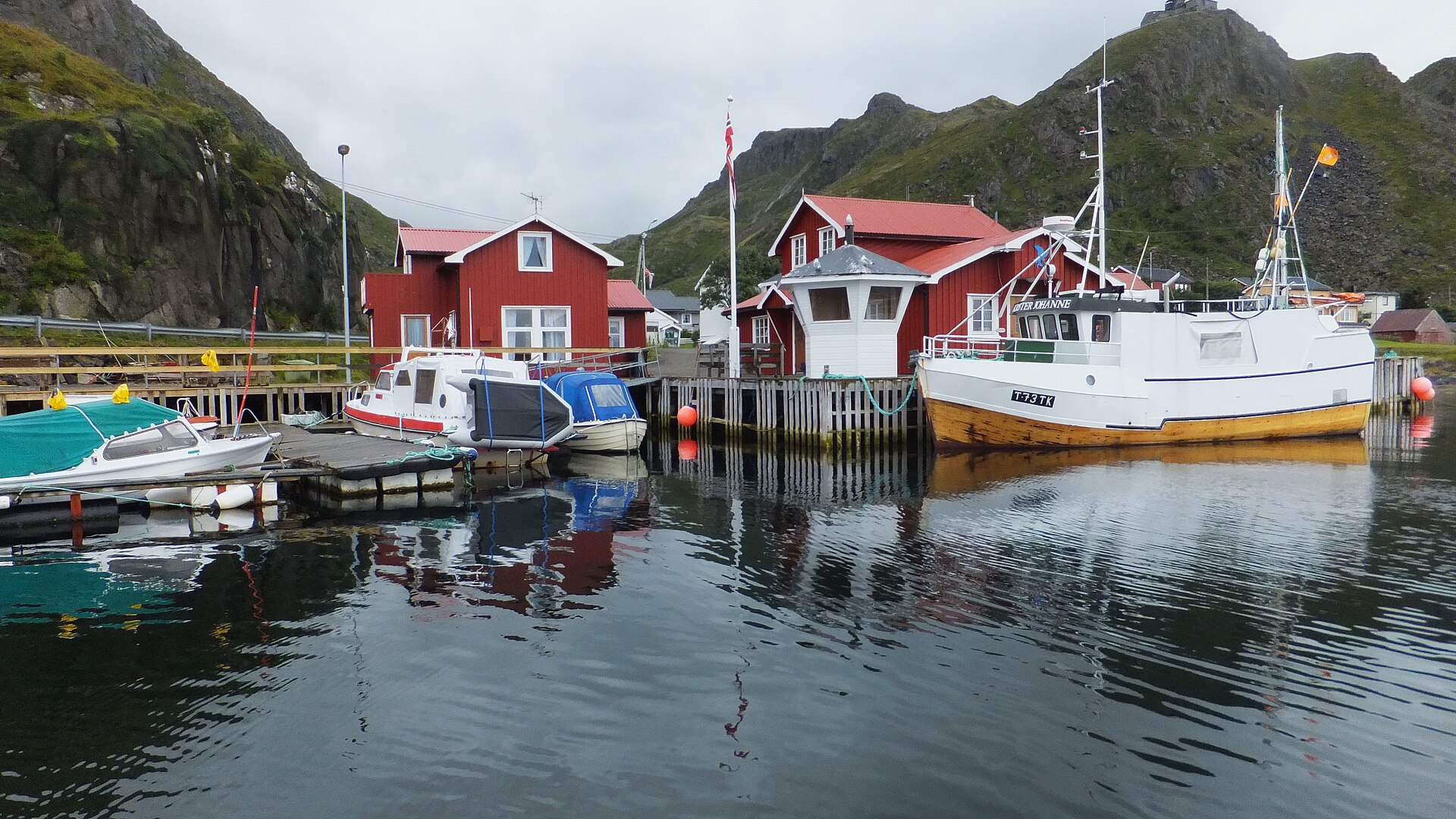
While Nyksund is now more of an artistic and touristic curiosity, the nearby village of Stø on the northern tip of Langøya island is still an active and very busy fishing harbour. This is exactly where you can watch authentic life in the far north up close, where the locals’ daily rhythm is firmly tied to the sea and the weather. In the winter season, boats arrive here fully loaded with Arctic cod, and you can watch the fascinating process of how it’s handled, as well as the traditional drying on huge wooden racks scattered along the coast.
In summer, smaller boats also set off from Stø for whale- and seal-watching, which makes for a great, more intimate alternative to the far busier and better-known harbour in Andenes. This is also where the other end of the famous Dronningruta trail begins — the Queen’s Route — which connects Stø with Nyksund and is named after the Norwegian Queen Sonja, who took an immense liking to it. The whole loop is roughly fifteen kilometres long, takes five to eight hours of walking and rewards you with unbeatable views of jagged mountain peaks plunging straight into the ocean depths.
💡 Tip: The route combines coastal walking with a fairly steep climb up to a mountain ridge, so it demands very good fitness and quality footwear. If you set out on hikes in the area, always pack plenty of warm layers, because the weather on the Vesterålen coast can change in a matter of minutes from bright sunshine to lashing rain.
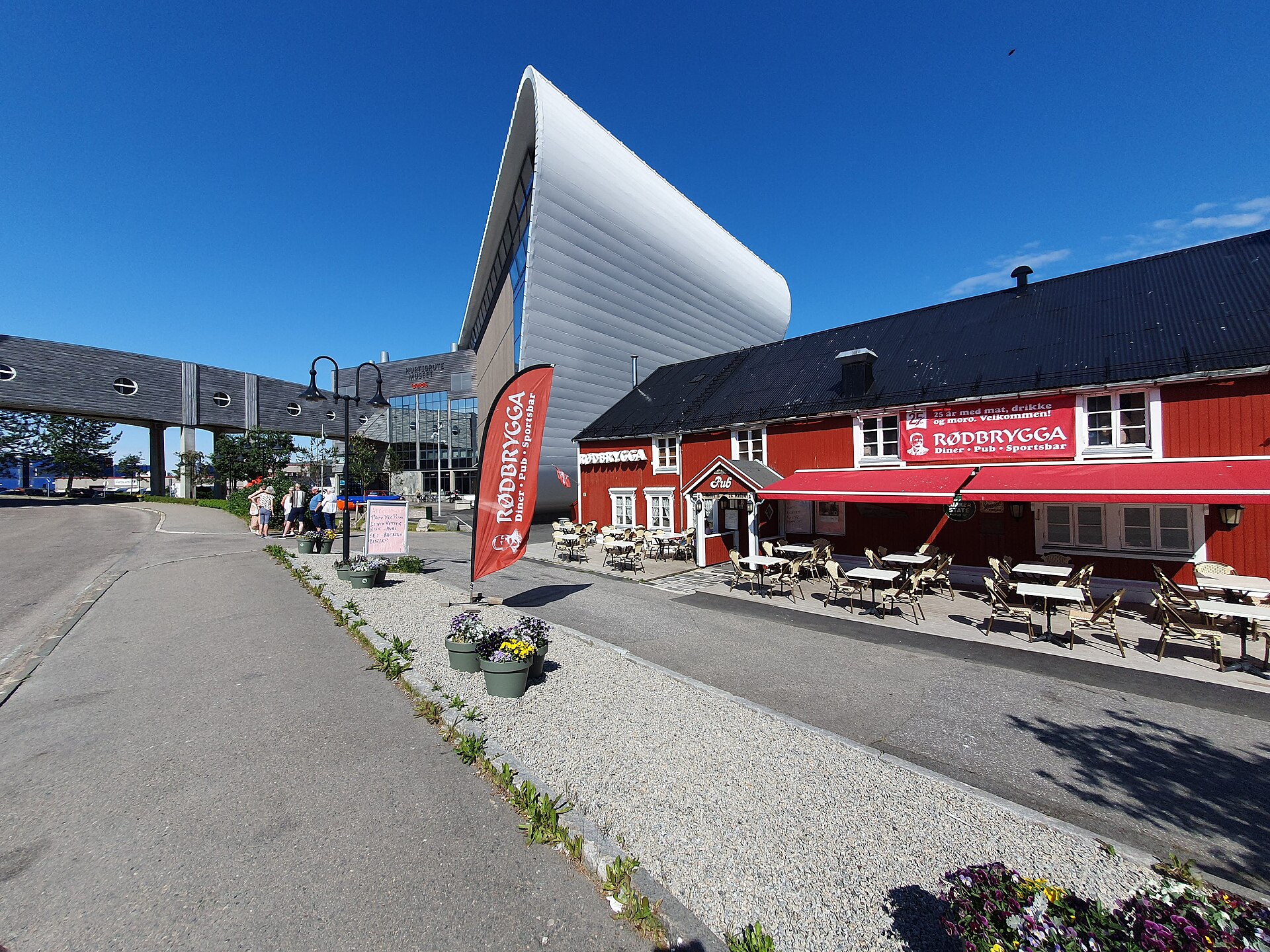
6. The Hurtigruten Museum in Stokmarknes
If you’re interested in maritime history and want to understand how Norway managed to connect its remote northern communities, you mustn’t miss the town of Stokmarknes. It was here, in 1893, that the visionary Richard With gave birth to the idea of the Hurtigruten coastal express, which to this day provides a vital link along Norway’s rugged coastline. The ships of this iconic company carry post, important cargo and tourists every day on the long route from Bergen in the south all the way to distant Kirkenes near the Russian border.
The town’s main attraction is the wonderfully designed Hurtigruten Museum, whose central and utterly unmissable exhibit is the huge historic ship MS Finnmarken from 1956, which was hauled entirely ashore and encased in a giant glass building. For an entrance fee of just under two hundred Norwegian kroner (around €17), visitors can freely wander all of its decks, peek into the original narrow cabins, explore the preserved engine room or take a seat in the elegant 1950s retro lounges. It’s an incredibly interactive experience that transports you perfectly and very realistically back to the golden age of sea travel.
Beyond the ship itself, the museum offers compelling exhibits about the harsh conditions the first sailors had to face when navigating dangerous winter storms without modern radar. A visit to this stunning place gives you much deeper context for just how incredibly resilient the inhabitants of northern Norway have always had to be in order to survive and thrive in such a beautiful yet extremely inhospitable environment.
Map of points of interest for your phone
Where to Go Next from Vesterålen
The logistical advantage of this archipelago is that it forms a kind of bridge between two other gorgeous Norwegian regions, so it practically begs to be part of a longer road trip. If you head south on the main E10 road, in under two hours of driving you’ll smoothly cross the architecturally interesting bridges near Fiskebøl straight onto the famous Lofoten. There you’ll find iconic red fishing cabins and even more dramatic mountain peaks, which you can read all about in our big guide to Lofoten.
If, on the other hand, you head to the very north of Vesterålen to the port of Andenes, the route to the wild island of Senja opens up — often nicknamed “Norway in miniature.” In the summer season, a direct ferry runs from here to the village of Gryllefjord on Senja, saving you a huge chunk of kilometres behind the wheel on the mainland. Senja is even less discovered than Vesterålen, offering brutally steep mountains plunging into the sea and great conditions for camping, as we describe in more detail in our article about Senja.
Frequently Asked Questions
What’s the main difference between the Lofoten and Vesterålen islands?
While Lofoten is famous for its sharp, jagged peaks rising straight from the sea, Vesterålen is overall greener, gentler, and has more beaches and cultivated farmland. The main difference, however, is the number of tourists—even during peak summer season, Vesterålen sees significantly fewer visitors, making it a much more authentic and peaceful destination for your holiday.
How much does a whale safari cost and do I need to book in advance?
Prices for whale safaris from Andenes in 2026 range from around €110 to €130 per adult, depending on the type of boat and total length of the trip. Advance booking, ideally online and several months ahead, is absolutely essential, as boat capacity is strictly limited and tours tend to be completely sold out during the season.
When do I have the best chance of seeing orcas?
Unlike the mighty sperm whales that stay around Andenes year-round, orcas and humpback whales come here only during the winter months to feed. The best chance to spot them is from November through the end of January, when massive schools of overwintering herring arrive in the fjords, providing these fascinating, intelligent cetaceans with an exceptionally rich and sought-after feast.
What’s the easiest way to reach the archipelago?
If you’re traveling by car, the easiest access is via the scenic E10 highway, which connects Vesterålen to mainland Norway and the neighboring Lofoten islands through a series of free bridges. You can also use the local airports in Stokmarknes or Andenes, which have domestic flights from major hubs like Oslo and Tromsø, or you can arrive on the iconic Hurtigruten ships that call here regularly.
Can I visit both archipelagos (Lofoten and Vesterålen) in one trip?
Yes, it’s a very popular and logistically easy combination, as both areas connect directly and you don’t need any paid ferries to travel between them. I recommend setting aside at least ten to fourteen days for such a northern road trip, so you’ll have enough time for driving, hiking, and unexpected plan changes due to the typically changeable Arctic weather.
Do I need my own car to get around the islands?
While there is basic bus service, to truly explore the natural beauty and remote villages, renting your own car is an absolute necessity. Buses run relatively infrequently, service is even more limited on weekends, and a car will give you complete freedom to stop at every tempting viewpoint or beach exactly when the sun decides to make an appearance.
Are there good conditions for hiking?
The archipelago offers hundreds of kilometers of well-marked trails of every conceivable difficulty level, from easy walks along white-sand beaches to technically challenging ascents of exposed peaks. Among the most famous and beautiful treks are the legendary Dronningruta near the village of Stø and the steep climb up Måtinden mountain, which offers absolutely dramatic views of jagged cliffs plunging into the icy ocean.
Tips and Tricks for Your Vacation
Don’t Overpay for Flights
Search for flights on Kayak. It’s our favorite search engine because it scans the websites of all airlines and always finds the cheapest connection.
Book Your Accommodation Smartly
The best experiences we’ve had when looking for accommodation (from Alaska to Morocco) are with Booking.com, where hotels, apartments, and entire houses are usually the cheapest and most widely available.
 🚗 Car rental on the roadVerified rental cars in Norway
Search with the DiscoverCars comparison engine — it compares prices from dozens of local and international rental companies, and most bookings come with free cancellation.
Compare car prices in Norway →Don’t Forget Travel Insurance
Good travel insurance will protect you against illness, accidents, theft, or flight cancellations. We’ve had a few hospital visits abroad, so we know how important it is to have proper insurance arranged.
Where we insure ourselves: SafetyWing (simple monthly subscription) and TrueTraveller (for extra-long trips).
Find the Best Experiences
Get Your Guide is a huge online marketplace where you can book guided walks, trips, skip-the-line tickets, tours, and much more. We always find some extra fun there!