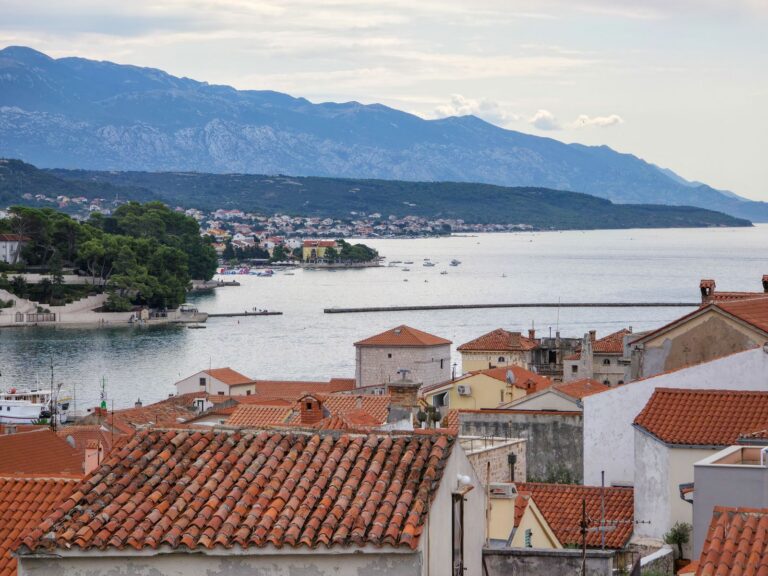
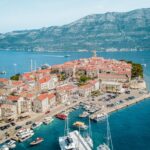
When most of us picture a summer holiday in Croatia, we imagine a postcard-perfect coastline — but Split, Croatia is actually a completely different world that pulls you straight into its incredible atmosphere. This isn’t just another seaside resort. It’s a buzzing port city built directly into ancient Roman ruins, where laundry hangs between thousand-year-old columns and locals sip their morning coffee among the stones.
Thanks to its strategic location, the city works as the main gateway to all of Dalmatia and its most beautiful islands, which makes it an absolutely ideal base for countless amazing day trips. Within a single hour you can go from ancient monuments to wild whitewater rafting in a river canyon, or hop on a ferry and find yourself swimming off sun-drenched Hvar by the afternoon.
In this article I’m bringing you a complete guide and all the practical information for 2025 and 2026, so you can make the most of your visit and avoid any unnecessary stress. Together we’ll look at where to stay strategically, how the monument ticket bundles work, and of course there will be plenty of tips for excellent vegetarian restaurants you definitely shouldn’t miss.
TL;DR
- The heart of the city is Diocletian’s Palace: Entry into the palace lanes themselves is completely free — you only pay to enter specific historic buildings.
- Tickets are sold in bundles: If you want to see the cathedral, the bell tower and the baptistery, it pays to buy a combined ticket right at the box office.
- The perfect launchpad: Split has the largest ferry port in Croatia, and from here you can easily reach the islands of Brač, Hvar or Šolta.
- A paradise for Game of Thrones fans: You can visit the underground cellars where Daenerys kept her dragons, or head to the nearby Klis Fortress.
- Where to stay: If you’re travelling with suitcases or by car, look for accommodation in the Bačvice or Veli Varoš neighbourhoods, as the historic centre is a pedestrian zone.
- Foodie tip for vegetarians: You can enjoy the traditional Dalmatian “peka” in a meat-free version with potatoes and vegetables, but you have to order it at the konoba at least 24 hours in advance.
The full destination guide: Dalmatia — guide and what to see
When to Visit Split
If you want to truly enjoy the city in peace, without being constantly squeezed through narrow stone lanes, the best time to visit is late May into June, or the whole of September and early October. During these months the weather is absolutely ideal for exploring the monuments and taking full-day trips around the area, with temperatures hovering around a pleasant 25 degrees. The sea is also still beautifully warm in September after the scorching summer, so you can swim happily at every city beach.
During the peak holiday months you’ll have to reckon with the fact that temperatures regularly climb well over 30 degrees and the historic centre fills up with huge crowds of tourists pouring in from enormous cruise ships. On the other hand, July and August are wonderful because the whole city comes alive with long warm evenings, and there are constant concerts and cultural events along the seafront promenade. In this period, though, I strongly recommend sorting out accommodation and ferry tickets well in advance.
For a tour of the historic core and the most important monuments, two full days will be more than enough, but if you’re planning to use Split as the main base for your holiday, I’d recommend setting aside a good four or five days. That gives you plenty of time not just for history, but also for relaxing on the beach, hiking up Marjan hill and taking at least one boat trip to the surrounding islands — without ever having to rush.
Where to Stay in Split
💡 Tip for accommodation and experiences: We love searching for places to stay on Booking.com, which usually has the best cancellation terms. For tickets, tours and activities, it pays to compare and book through GetYourGuide.
Choosing the right location is absolutely crucial, because the historic core inside Diocletian’s Palace is strictly a pedestrian zone where you can’t drive a car under any circumstances. Staying right inside the palace has an incredibly romantic charm and puts everything literally a few steps from your bed, but if you’ve got heavy suitcases or are dealing with tricky parking, it’ll be far more comfortable to choose the outer neighbourhoods. Parking near the centre itself can be a genuine nightmare in summer, and it’s fairly expensive too.
For travellers with a car, I recommend looking for accommodation in the Bačvice neighbourhood, which sits just a short walk from both the ferry port and the popular sandy beach, so it makes for an absolutely ideal and practical compromise. A lovely and slightly quieter alternative is the old fishing quarter of Veli Varoš, spreading out right beneath Marjan hill and offering a maze of romantic lanes full of traditional taverns known as konobas. As for prices, outside the main season you can find a nice apartment from roughly 50 to 80 euros a night, while in July and August prices in the centre regularly tip over 150 euros.
Here are a few specific accommodation tips I can warmly recommend, all with excellent ratings:
- Cornaro Hotel sits in a perfect spot right on the edge of the historic centre, so everything is just a short walk away, and it also boasts a gorgeous rooftop terrace with a hot tub and views over the whole city.
- Hotel Park Split is an absolute classic and one of the most prestigious hotels in the city, found right above the famous sandy Bačvice beach — something you’ll especially appreciate on a summer holiday.
- Heritage Hotel Antique Split is a wonderful choice for history lovers, as it lies right in the heart of Diocletian’s Palace and offers luxurious rooms with exposed stone walls.
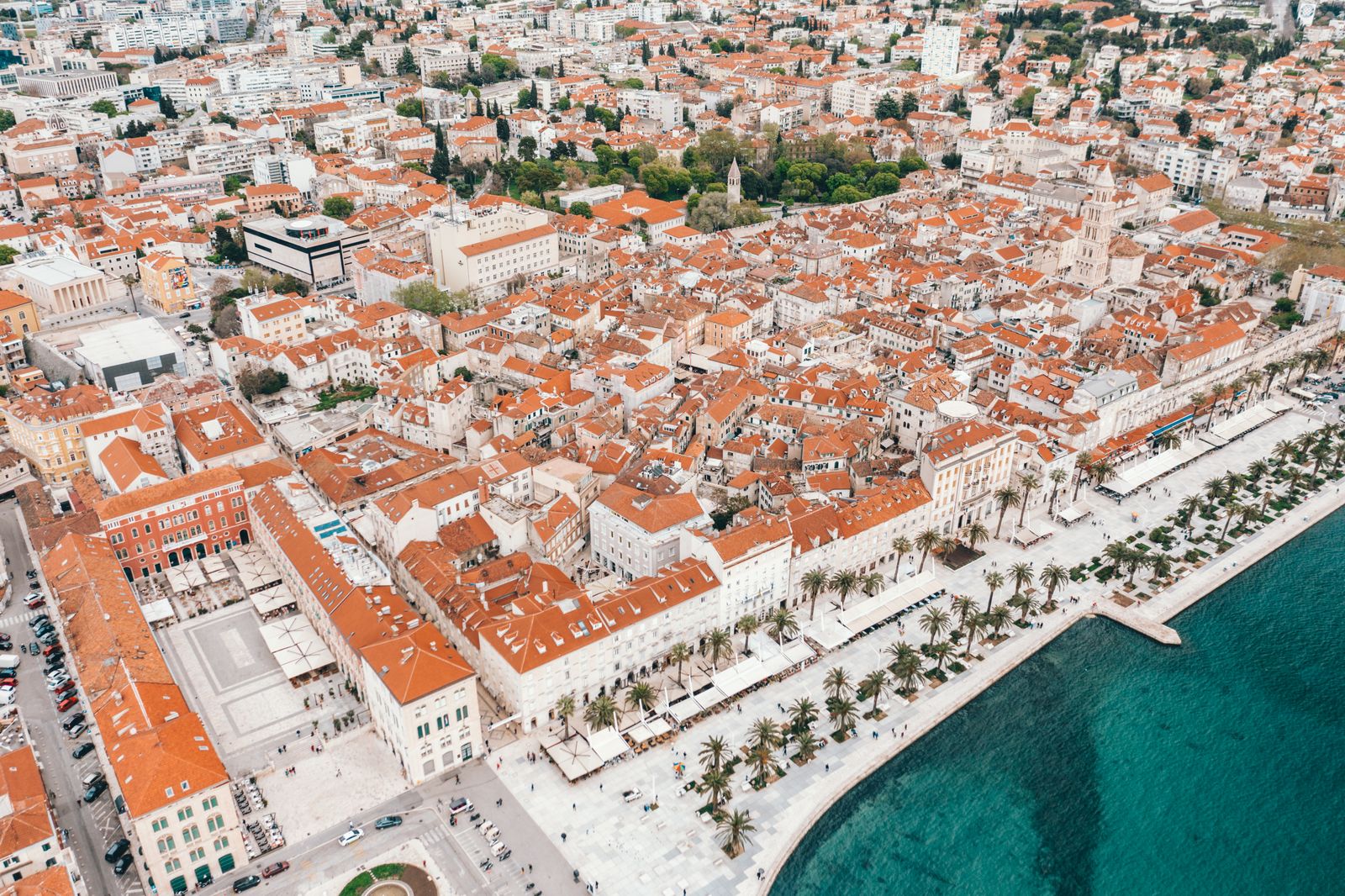
15 Best Things to See and Do in Split, Croatia
Let’s take a look together at the most interesting things this enchanting Dalmatian city has to offer. You’ll find absolutely everything here, from mysterious Roman cellars to amazing trips out into the surrounding nature. I’ve divided the tips so you can easily piece together your own itinerary depending on whether you prefer history, active relaxation or good food.
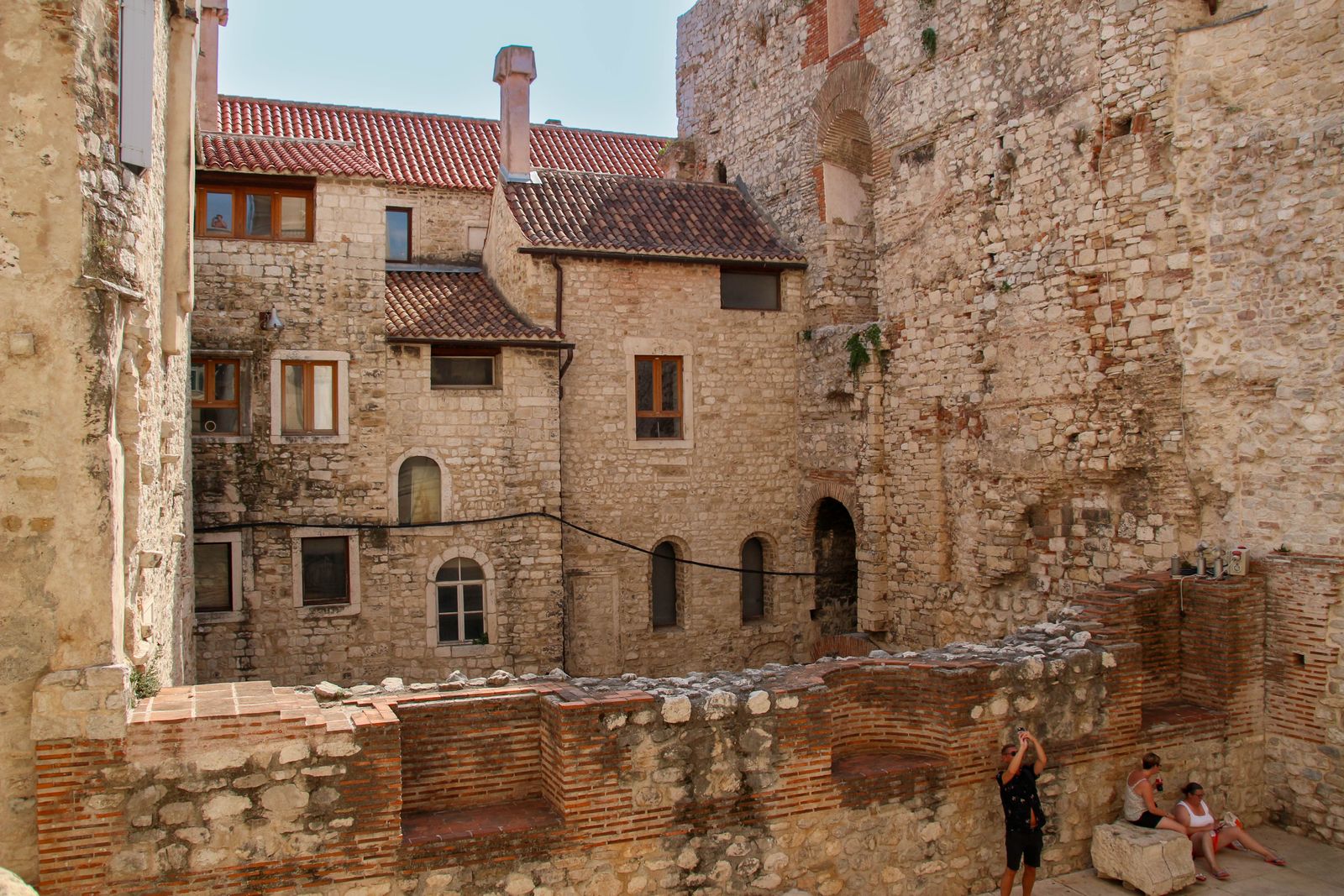
1. The Golden Gate and the Other Gates of Diocletian’s Palace
Finding your way around the old town might seem quite complicated at first glance, but in reality the palace precisely mirrors the layout of a typical Roman military camp. This enormous complex, measuring roughly 215 by 175 metres, is crossed by two main perpendicular streets that connect four majestic entrance gates. The Golden Gate to the north served as the main imperial entrance leading towards ancient Salona, and today it takes you straight out into the beautiful Đardin park.
The Silver Gate on the eastern side, on the other hand, leads you straight to the bustling Pazar green market, which comes incredibly alive every morning. If you want to reach the main city square of Pjaca, you’ll pass through the Iron Gate to the west, which is fascinating because it has been in continuous use ever since antiquity. It’s also adorned with an old Renaissance clock whose dial is divided into a full 24 hours — a huge rarity.
The Bronze Gate to the south originally opened directly onto the sea, so that ships could safely unload supplies straight into the imperial storerooms. Today this gate leads you out of the charming underground cellars straight onto the sun-soaked Riva seafront promenade, so it works as the ideal shortcut between the historic centre and the harbour. If you happen to get lost in the lanes, just keep heading downhill and sooner or later you’re guaranteed to find the sea.
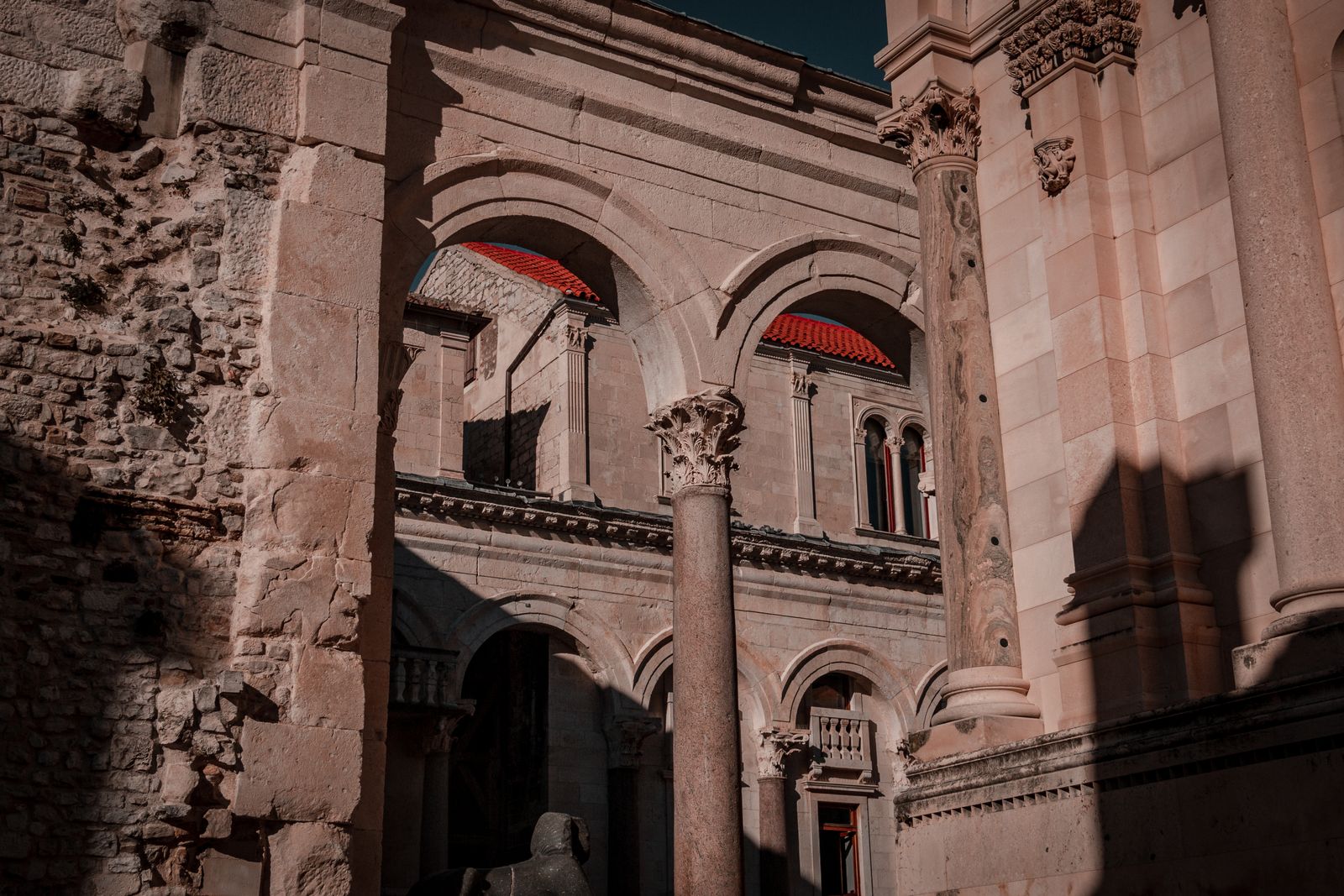
2. The Magical Peristyle and the Ancient Sphinx
The palace’s central courtyard, known as the Peristyle, is without doubt the most photographed and most striking spot in all of Split, where history breathes down on you at literally every turn. The square is lined on both sides by gorgeous ancient columns, and at its edge an amazing Egyptian sphinx made of black granite rests majestically. Emperor Diocletian had it shipped all the way from Egypt, and its origins date back roughly to the 15th century BC.
During the day the place tends to be fairly full of tourists and guided groups, so it pays to get up early and come here at sunrise. But if early mornings aren’t your thing, I recommend saving your Peristyle visit for late evening, when the square takes on a completely different and immensely romantic atmosphere.
💡 Tip: Every evening people settle onto the ancient Peristyle steps with a glass of wine and the space fills with live acoustic music from the adjacent Luxor café. Sitting on the warm stones under the stars with a view of the floodlit cathedral is an experience you absolutely have to take home from Split.
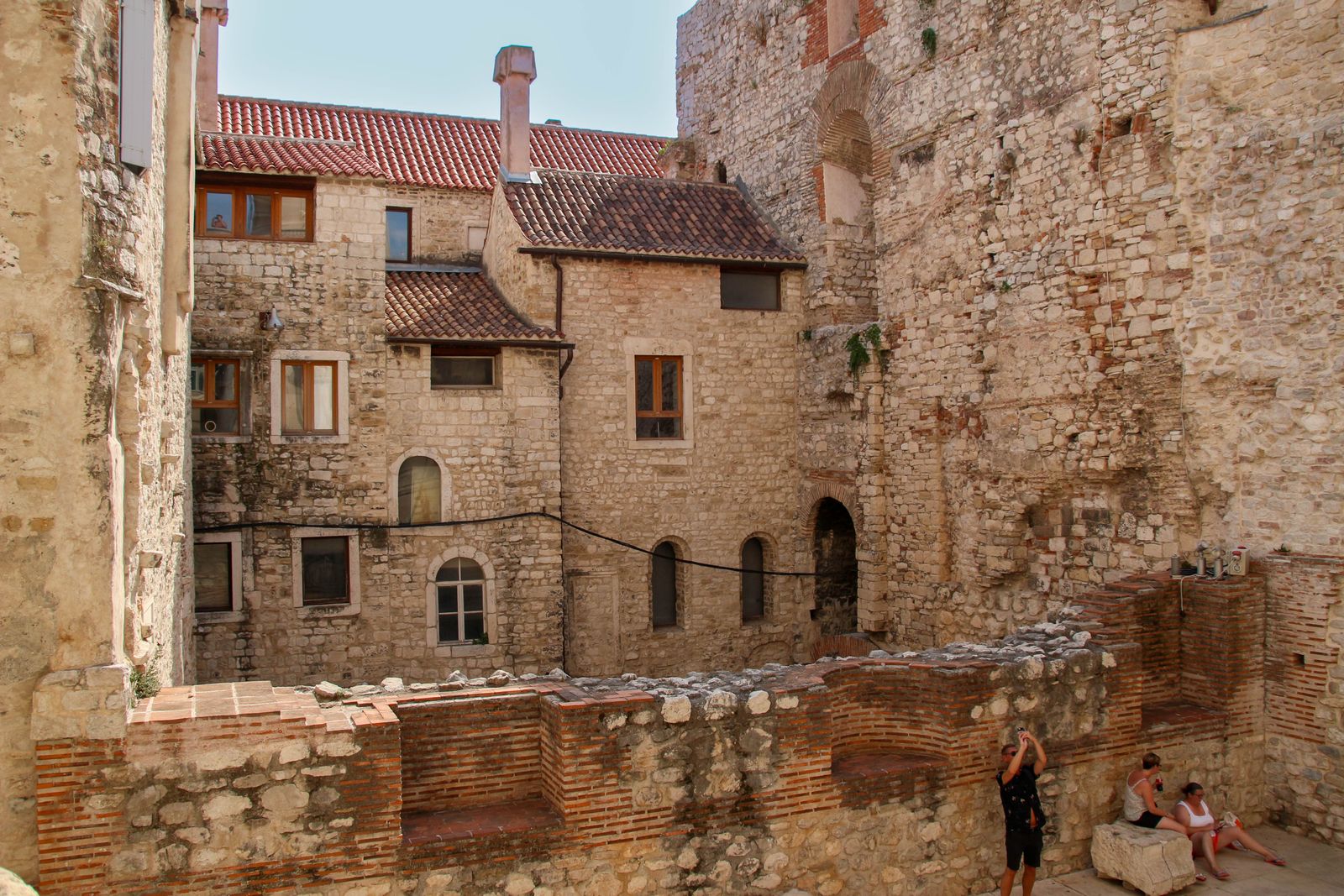
3. The Mysterious Cellars and Game of Thrones
The underground halls of Diocletian’s Palace, known technically as the Substructiones, precisely mirror the floor plan of the imperial chambers that once stood above them. It’s thanks to this that archaeologists worked out exactly what the palace’s upper floor looked like, and these enormous spaces today rank among the very best-preserved ancient complexes in the whole world. You’ll pass through part of the cellars completely free on your way from the sea towards the Peristyle, with this wide passageway now packed with stalls selling souvenirs and local crafts.
If you’re a fan of popular TV series, definitely pay the entrance fee for the side paid halls too. This is exactly where the famous, dark scenes from Game of Thrones were filmed — the ones in which Queen Daenerys kept her huge dragons in the fictional city of Meereen. The atmosphere of the massive stone vaults is genuinely impressive, and the cool air also offers a great escape from the summer heat.
Entry to this extended paid section costs around 8 euros per person, and you can easily buy tickets right at the entrance. The tour takes roughly 30 to 40 minutes, and the underground is usually open to visitors from 9 a.m. to 5 p.m., with opening hours often extended during the main summer season.
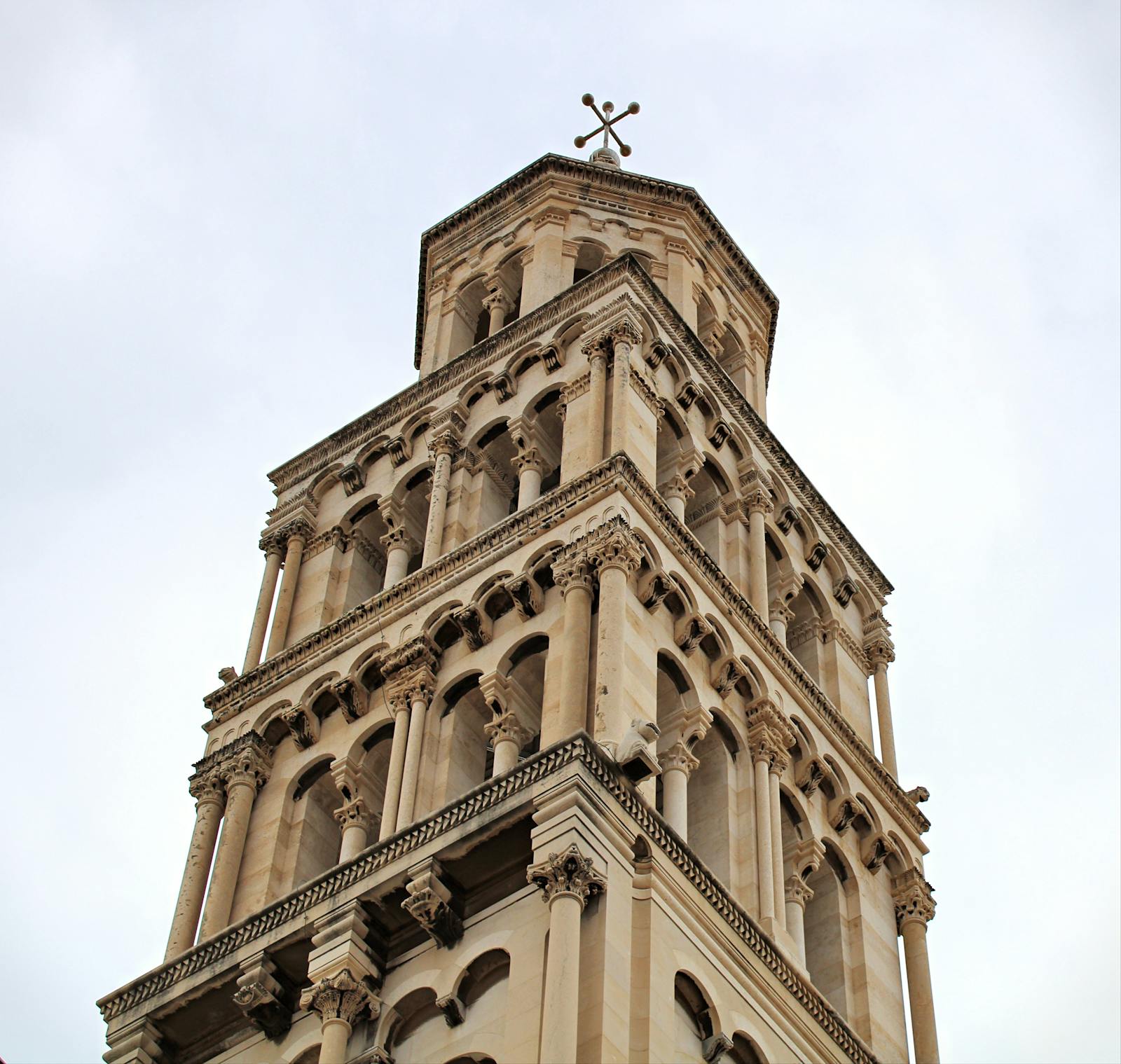
4. The Cathedral of St. Domnius and Its Breathtaking Bell Tower
Few buildings in the world have such an incredibly ironic fate as Split’s cathedral. This gorgeous octagonal building originally arose as the grand mausoleum of the Roman Emperor Diocletian, who was a notorious and extremely cruel persecutor of the early Christians. A few centuries later the Christians turned the mausoleum into a church and dedicated it to St. Domnius — who was, paradoxically, a bishop whom Diocletian himself had executed.
Today it’s one of the oldest continuously functioning cathedrals in the world, and its Romanesque-Gothic bell tower rising to a height of 57 metres forms the unmistakable landmark of the entire city. The climb up the tower is fairly steep due to the narrow stairs, and I definitely wouldn’t recommend it to anyone who suffers from vertigo, but the panoramic view of the red rooftops and the wide-open sea is one hundred percent worth the effort.
Tickets are sold in various good-value bundles at the box office right on the Peristyle square, and the price depends on everything you want to see. The so-called purple ticket, which includes entry to the cathedral, the bell tower, the underground crypt and the nearby baptistery, comes to roughly 15 euros. During the main summer season, expect longer queues at the entrance to the bell tower, so it’s best to arrive right at 9 a.m.
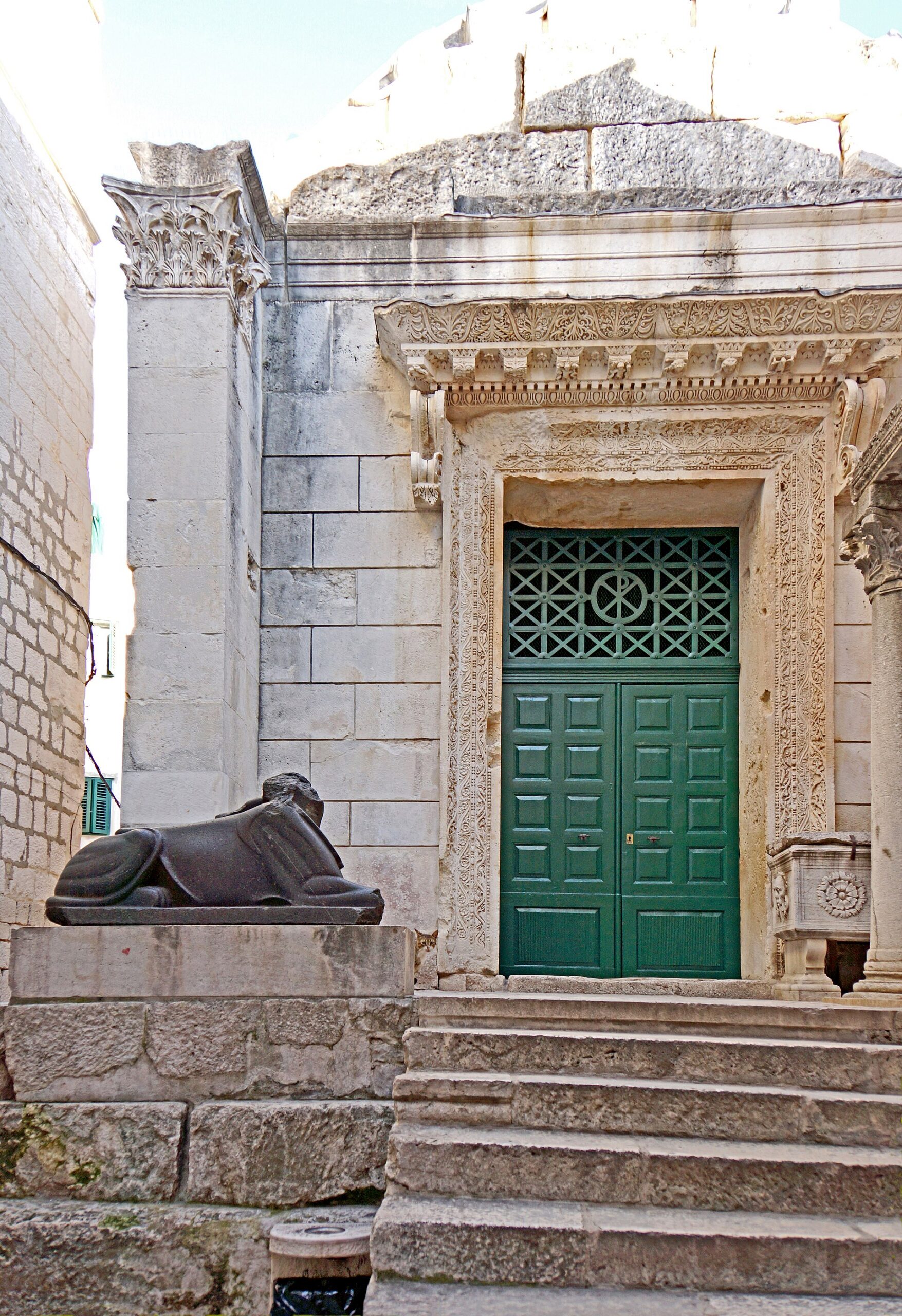
5. The Temple of Jupiter with Perfect Acoustics
Right next to the Peristyle, tucked away in a narrow lane, you’ll find the small but immensely interesting Temple of Jupiter. Just like the mausoleum, this pagan temple too was converted in the 6th century and began to serve as a Christian baptistery, in other words a christening font. Right at the entrance you’ll be greeted by another sphinx, this time headless, which Diocletian had brought from Egypt, and inside you’re guaranteed to be captivated by the gorgeous coffered ceiling and the ancient stone baptismal font carved with reliefs.
On the way to the temple, be sure to peek into the enormous Vestibule, which was once a monumental circular antechamber leading directly into the private imperial apartments. Today this imposing structure has an open circular dome reaching up to the sky and offers absolutely perfect acoustics. The sunlight refracts beautifully here, creating utterly magical conditions for photography.
Thanks to these exceptional acoustics, the Vestibule has become a very popular spot for musical performances. In the summer months, therefore, traditional Dalmatian male singing groups known as klapa often perform here, singing without any instrumental accompaniment. Their voices bounce off the high stone walls and create an unforgettable cultural experience that’s well worth stopping for a moment to enjoy.
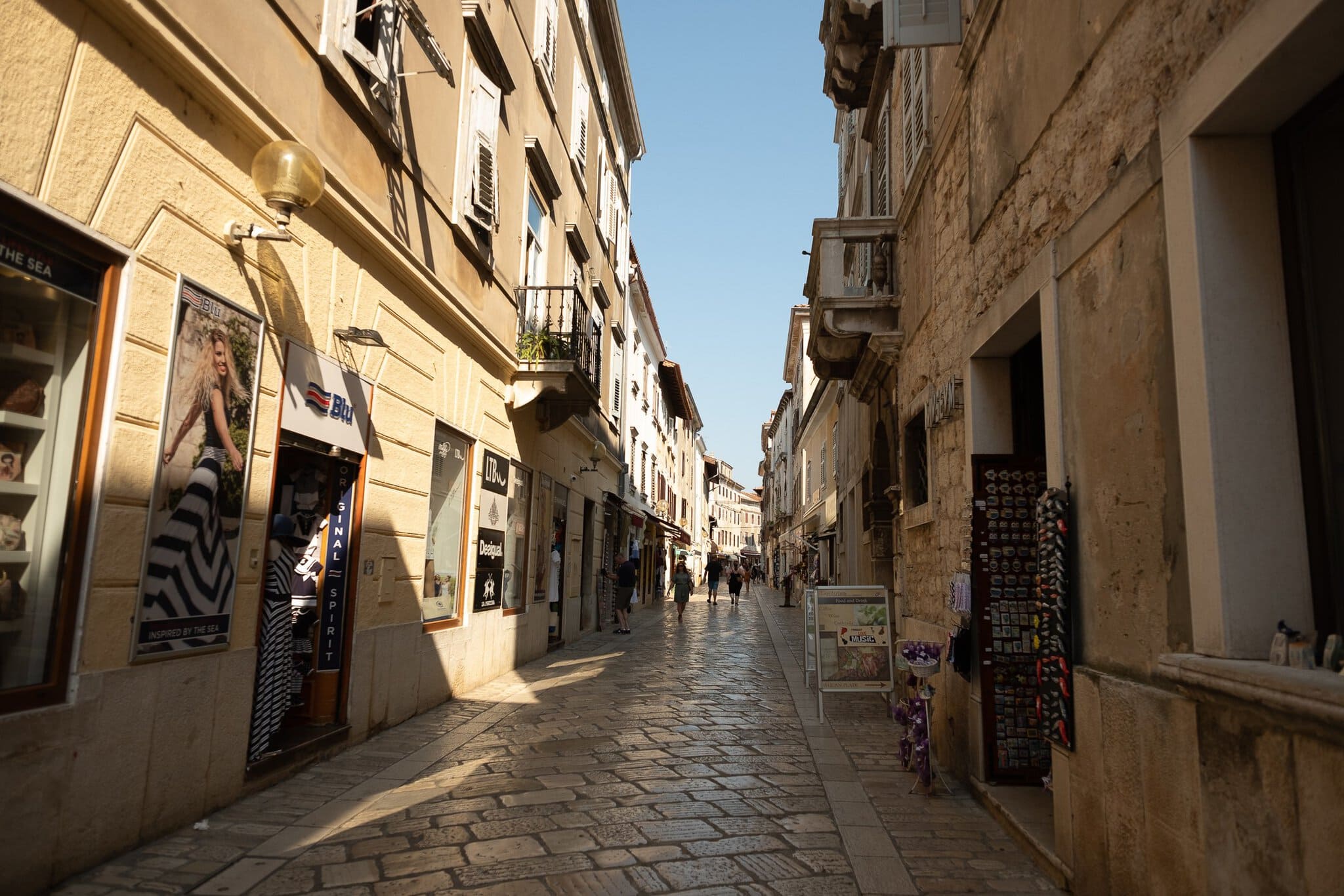
6. Café Life on the Riva Promenade
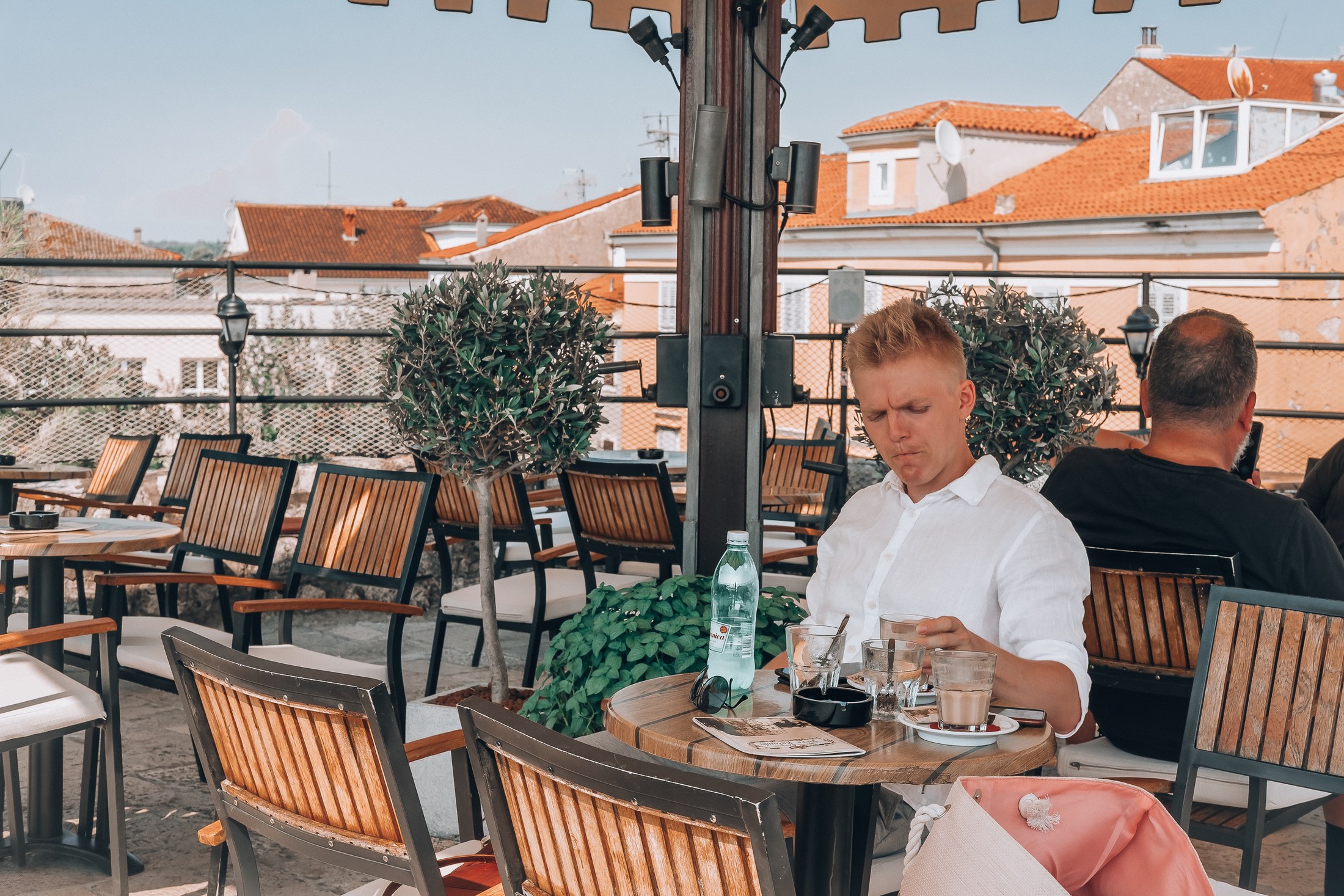
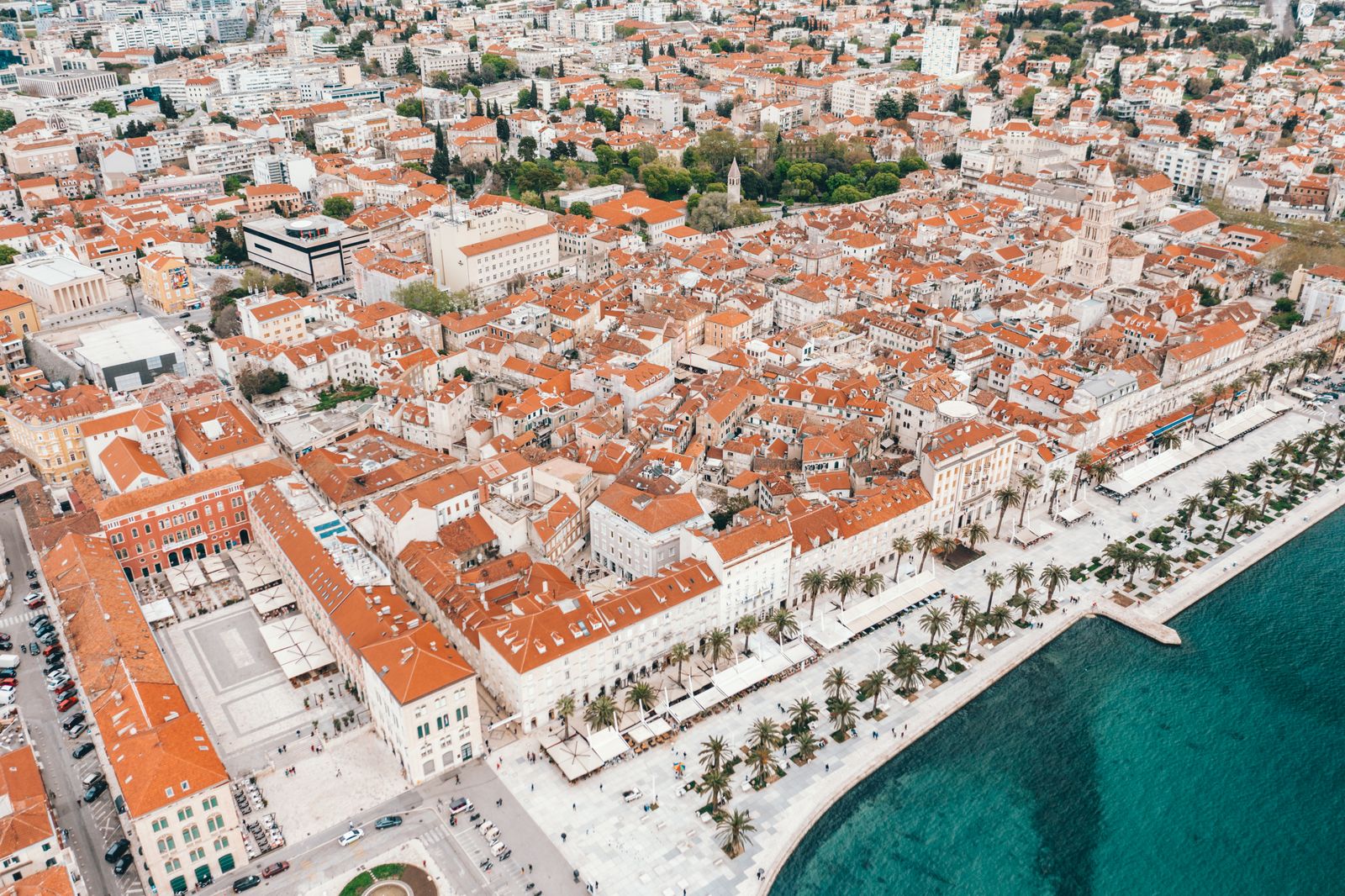
The main seafront promenade, the Riva, lined with tall palms and colourful house façades, is the city’s true social heart. This is where locals come to stroll, catch up on the latest news and, above all, to quietly watch the world go by. It’s an ideal spot for a long morning coffee or an evening glass of local wine, even if the prices at the cafés right by the sea are understandably a touch higher than in the more hidden lanes of the old town.
Once you start discovering the beauty beyond the palace itself, you absolutely mustn’t skip the excellent Dalmatian cuisine, which knows perfectly well how to delight vegetarians too. Instead of the traditional fish or Dalmatian prosciutto, you can treat yourself to a fantastic meal at the wonderful vegan restaurant Pandora Green Box, where they make absolutely amazing truffle pasta and excellent plant-based burgers surrounded by lots of greenery.
If you want to taste something truly local, head to one of the traditional family-run restaurants, such as the renowned Konoba Varoš. There they’ll happily prepare you the so-called blitva, which is a typical Dalmatian side dish of fresh Swiss chard, potatoes, garlic and a generous dose of olive oil, working as an absolutely perfect, light summer meal you’ll remember long afterwards.
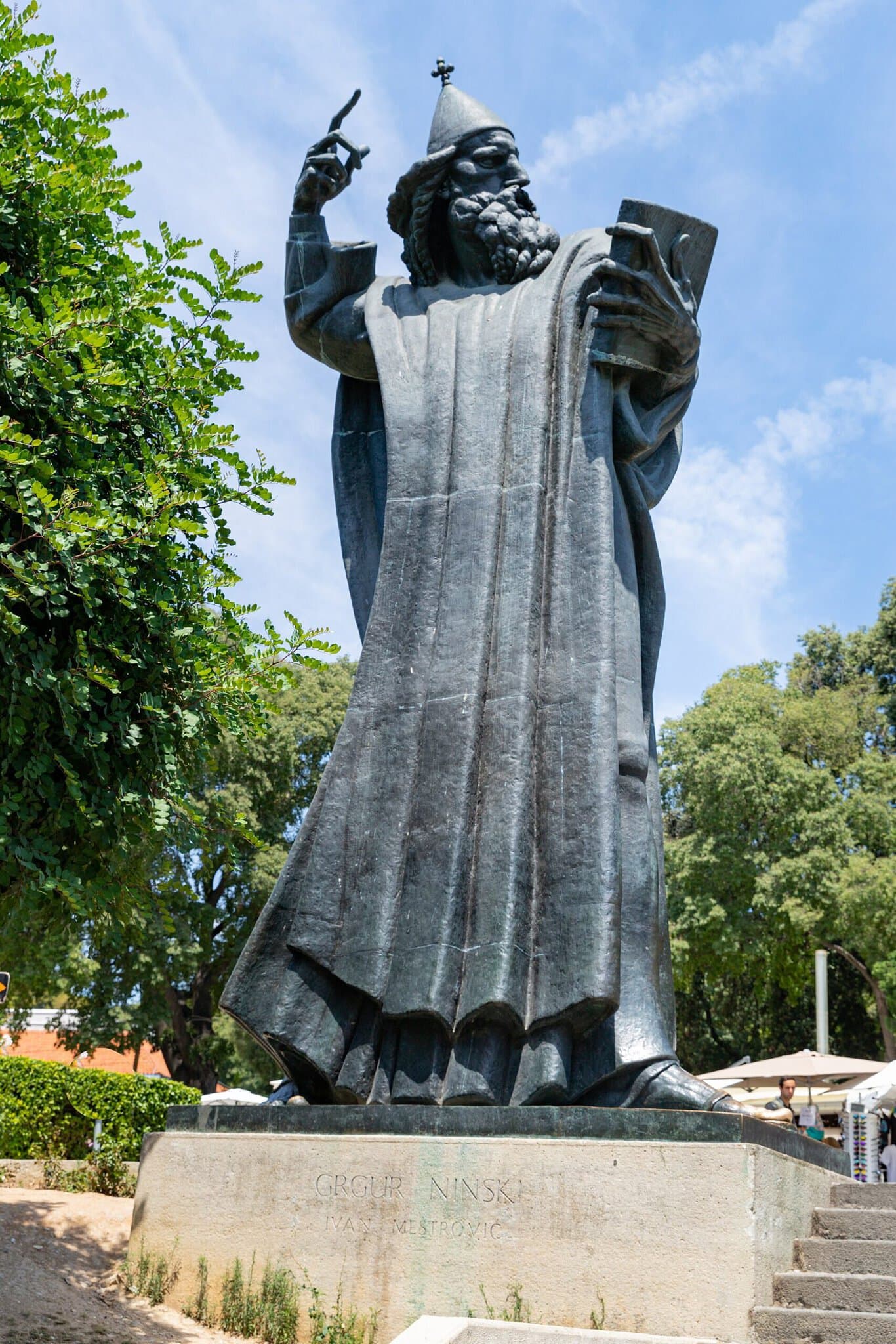
7. Good Luck at the Statue of Gregory of Nin
Just beyond the Golden Gate, near the well-kept Đardin park, you’ll come across an enormous, eight-and-a-half-metre-tall bronze statue by the famous Croatian sculptor Ivan Meštrović. This monumental work from 1929 depicts the 10th-century bishop Gregory of Nin, who became famous for introducing Old Church Slavonic into ordinary church services in place of the then-mandatory Latin, which ordinary people couldn’t understand — earning him enormous respect among the local population.
There’s a very popular, long-standing tradition tied to this venerable statue that you definitely shouldn’t miss when visiting the city. It’s said that if you rub the bishop’s big toe on his left foot, it’ll bring you luck and guarantee that one day you’ll return to Split. Whether it really works is hard to say, but the fact is that the toe has been polished to a gleaming gold by the constant touch of millions of tourists.
Originally the statue stood right on the main Peristyle square in the heart of the palace, but during the Second World War it was dismantled and hidden away from the Italian fascists. After the war it found its current — and, in my opinion, far more fitting — spot just in front of the walls, where its enormous size stands out and creates a beautiful contrast with the ancient stone.

8. The Authentic Atmosphere of the Pazar and Ribarnica Markets
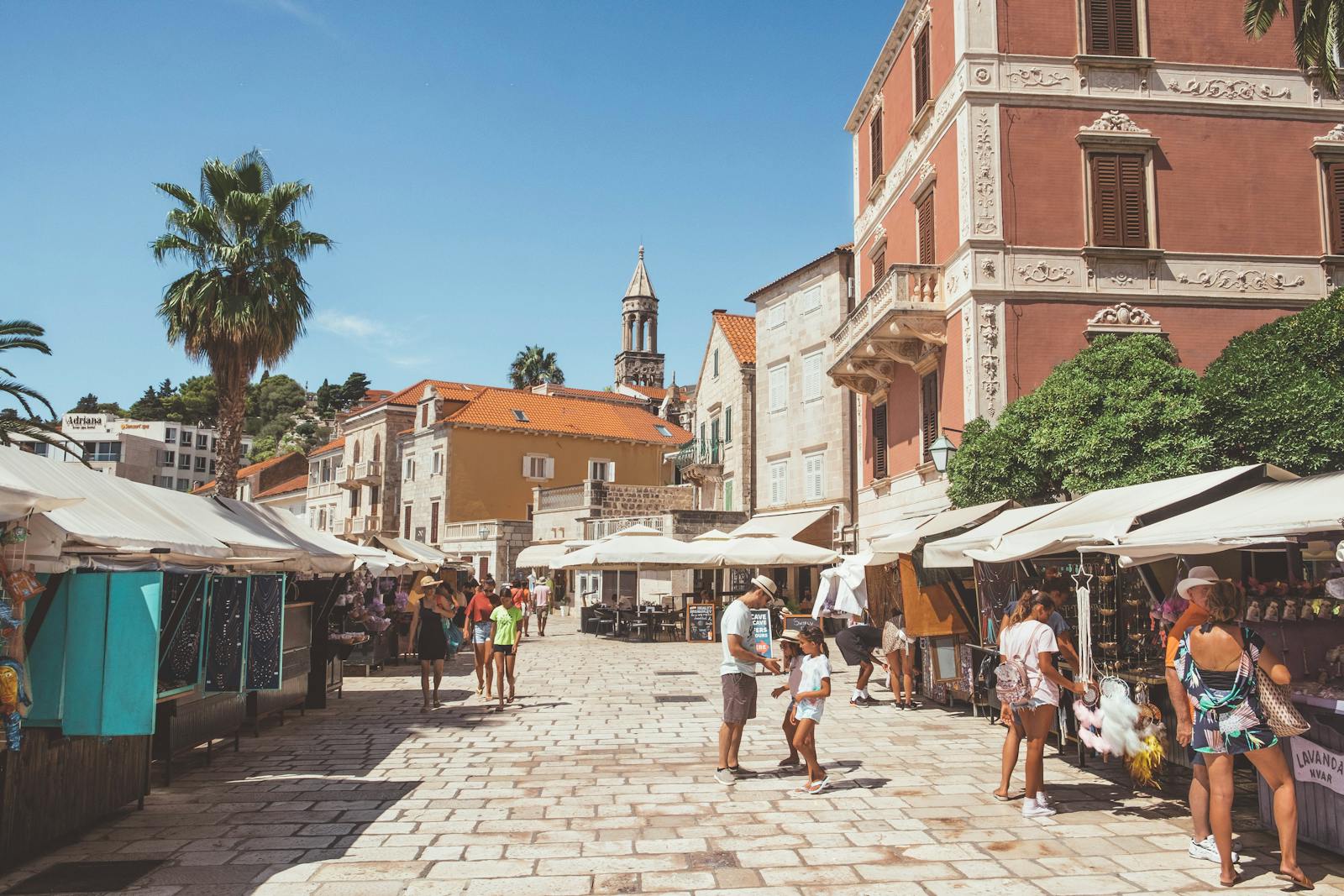
If you want to soak up the truly local atmosphere and buy some fresh ingredients, you have to head out early in the morning to the Pazar, which is a large green market spreading out right beside the Silver Gate. Local farmers sell fresh figs, seasonal vegetables, excellent homemade cheeses from the surrounding villages, honest olive oil poured into unassuming plastic bottles and fragrant little sachets of Dalmatian lavender here every day. I recommend coming first thing in the morning, when the selection is best and the stalls are bursting at the seams.
Lovers of bustle and interesting architecture should also wander over to the nearby fish market known as the Ribarnica, which you’ll find just off the wide shopping street of Marmontova. A curious fact about this beautiful Art Nouveau building with its iron framework is that there are no flies or other annoying insects here at all, which is apparently down to the sulphur springs that rise beneath the building and naturally disinfect the whole space and repel uninvited guests.
💡 Tip: You can spice up your exploration of both markets and the tasting of local produce with organised gastronomic city tours, which you can easily reserve online through GetYourGuide, where you’ll find plenty of enthusiastic local guides. They’ll show you the secret spots where the locals shop and advise you on how to recognise the highest-quality olive oil.
9. Views and Nature on Marjan Hill
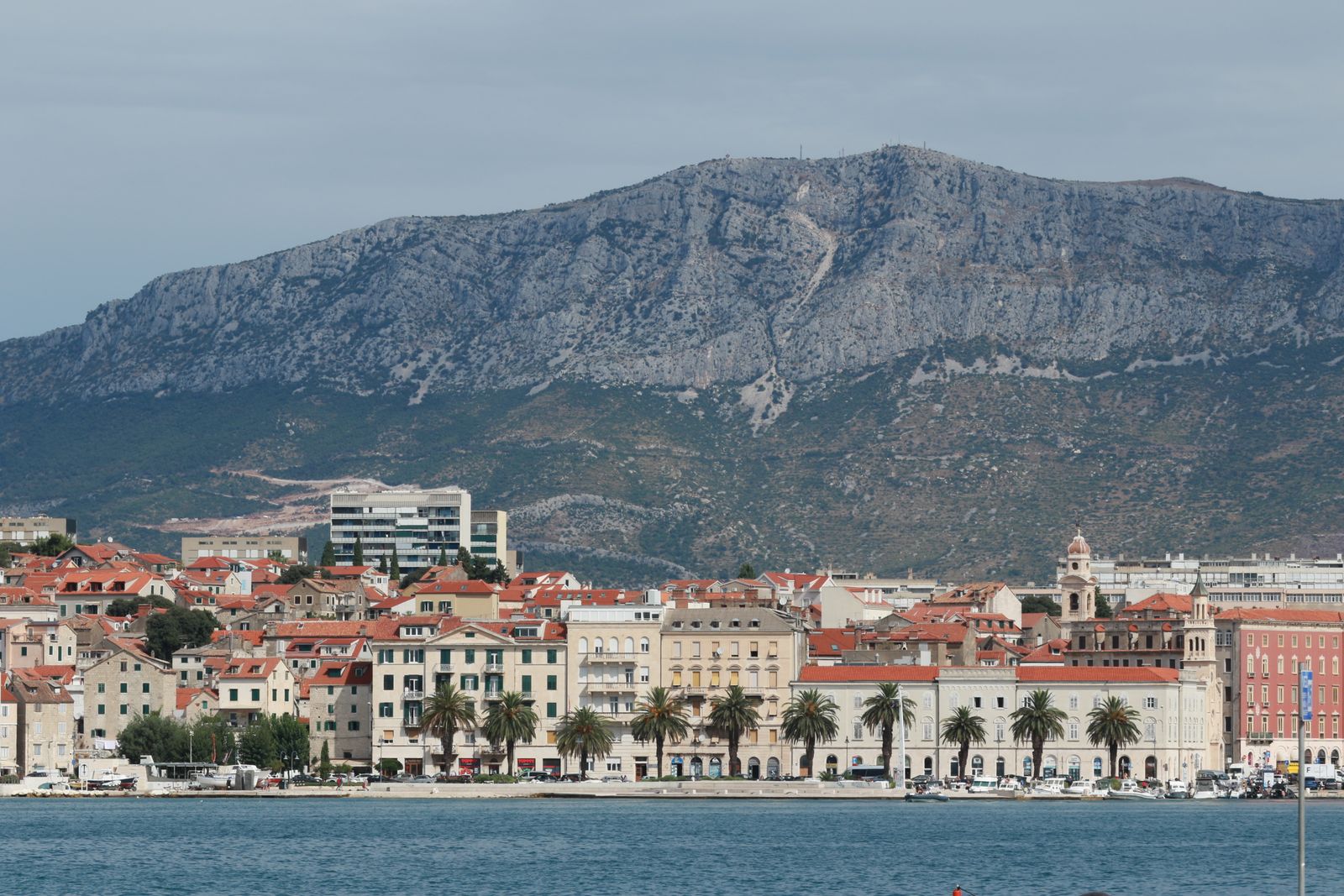
The forested peninsula and Marjan hill, rising to the west of the centre, work as a kind of enormous green lung for the whole city and a perfect refuge from the summer heat. After roughly ten minutes of climbing the steps up from the Veli Varoš neighbourhood, you’ll reach the first viewpoint by the popular Vidilica café, where you’ll be treated to the absolute loveliest panoramic view over the entire palace and harbour. It’s a perfect spot for an afternoon coffee combined with photographing the whole bay.
The entire hill is laced with a roughly nine-kilometre loop of well-kept trails, absolutely ideal for a morning run, a cycle, or just a peaceful stroll beneath the fragrant pine canopies. On the way to the highest point, called Telegrin, lying at an altitude of 178 metres, you can discover small stone churches and old hermitages carved directly into the rocks. Especially worth mentioning is the picturesque little church of St. Nicholas from 1219, hidden away in the dense forest.
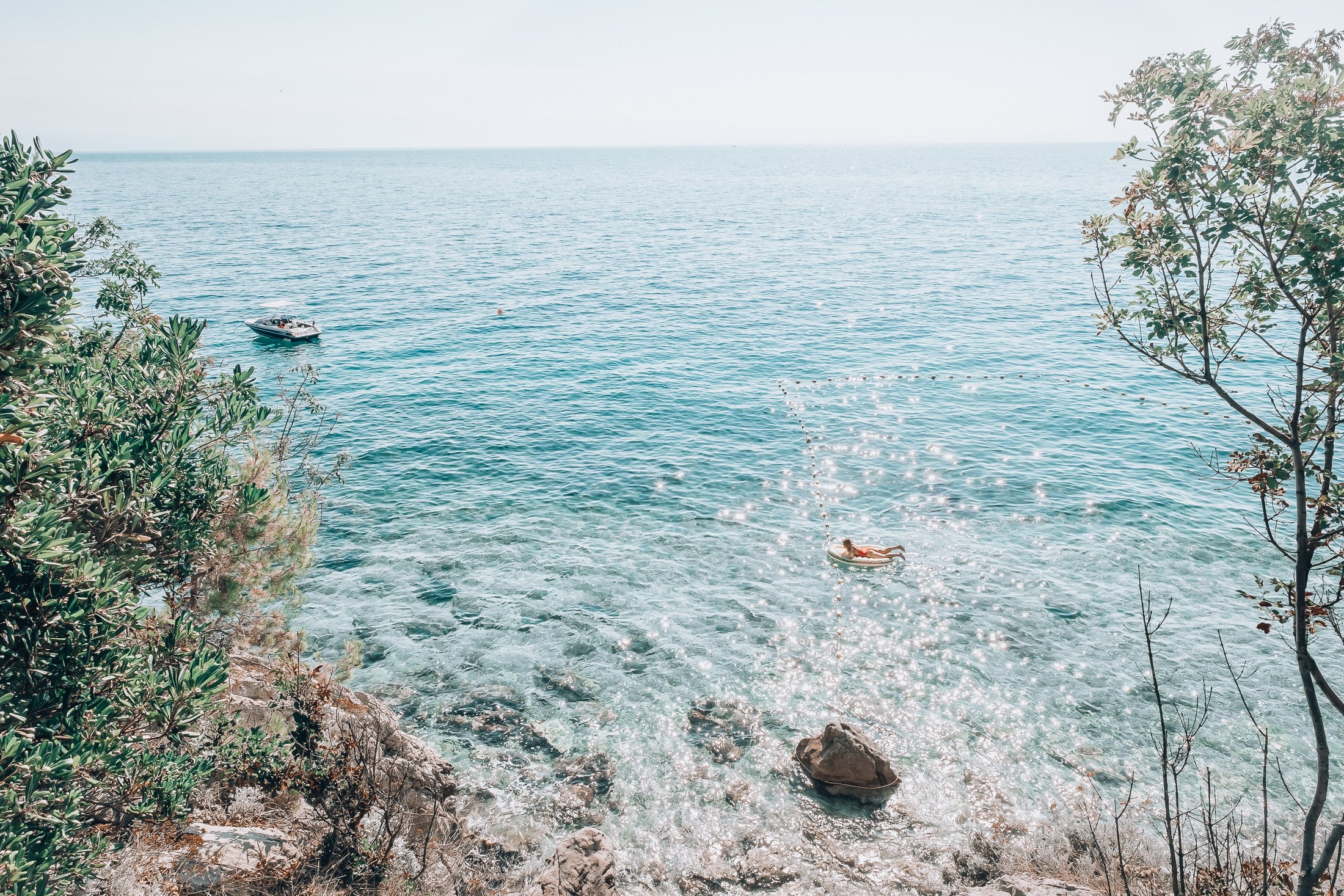
If you set off on a longer walk here, don’t forget to pack your swimwear, because the slopes of Marjan hill hide several beautiful beaches. While the northern side offers more rocky coves, on the southern side you’ll find gorgeous pebble beaches tucked away from the busiest parts of the city, where you can cool off in crystal-clear water.
10. Swimming at the Popular City Beaches
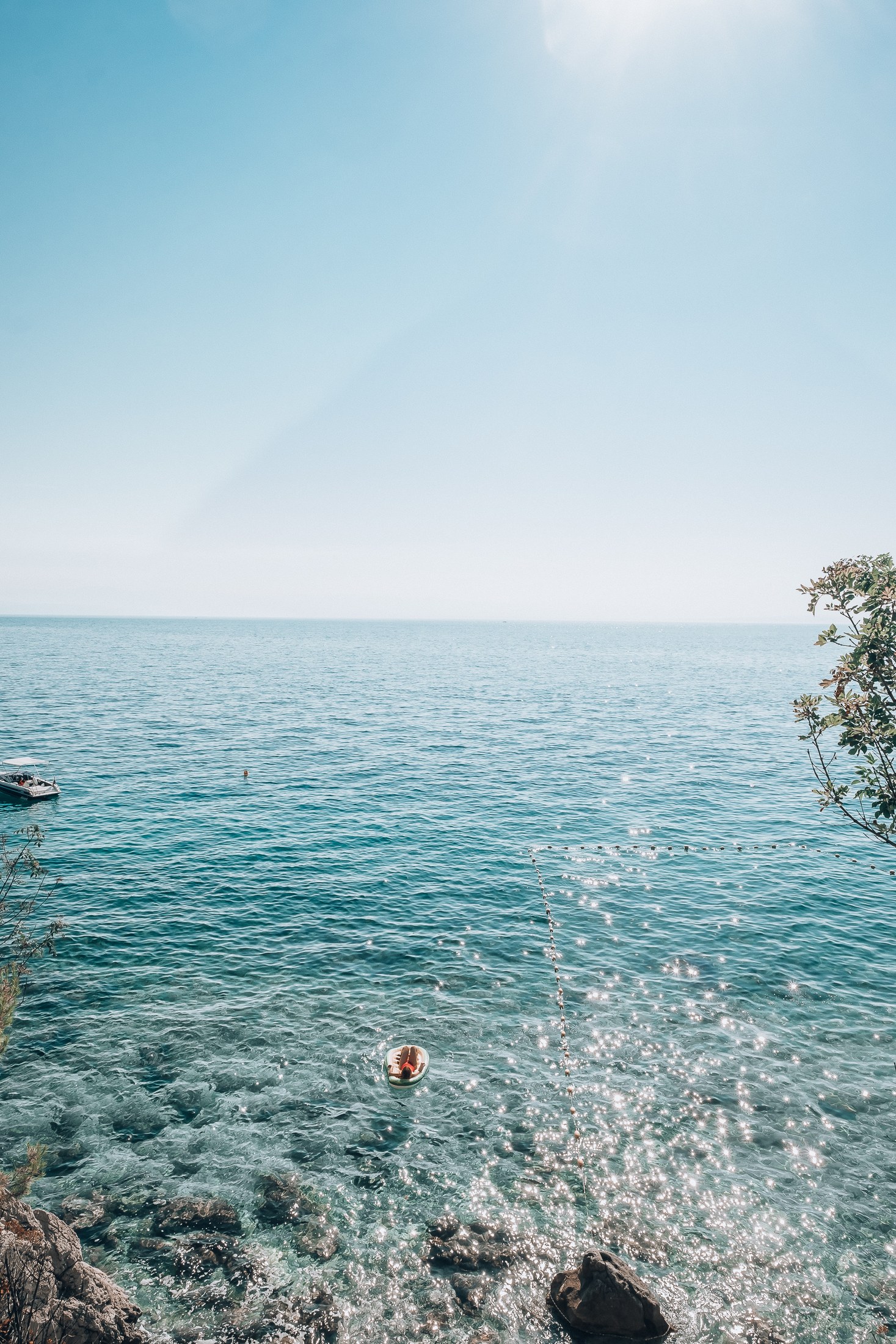
Split can boast several great beaches, the most famous and most visited of all being the sandy Bačvice beach with its very shallow entry into the water, lying just fifteen minutes’ walk from the historic centre. This is exactly where the unique local ball game of picigin was born — in which local lads put on incredible acrobatic dives and stunts in the shallows to keep a small ball in the air, and they even play it here during Christmas.
If you prefer pebbles and you’re after slightly cleaner water, head to Kašjuni beach, lying beneath the southern slope of Marjan hill. This beach is surrounded by fragrant pines and dramatic cliffs, with the sea here a stunning turquoise colour. You’ll also find the popular Joe’s Beach Lounge here, where you can rent comfortable sun loungers and enjoy afternoon drinks with a view of the open sea.
A great and very practical option for families with children is also Žnjan beach, located on the edge of the city. It recently underwent a massive renovation costing nearly 45 million euros and today offers thoroughly modern facilities, shady promenades, children’s playgrounds and, above all, a huge multi-storey car park, which makes it the most accessible beach for everyone arriving in Split by car.
11. A Trip Into History to Trogir and Salona
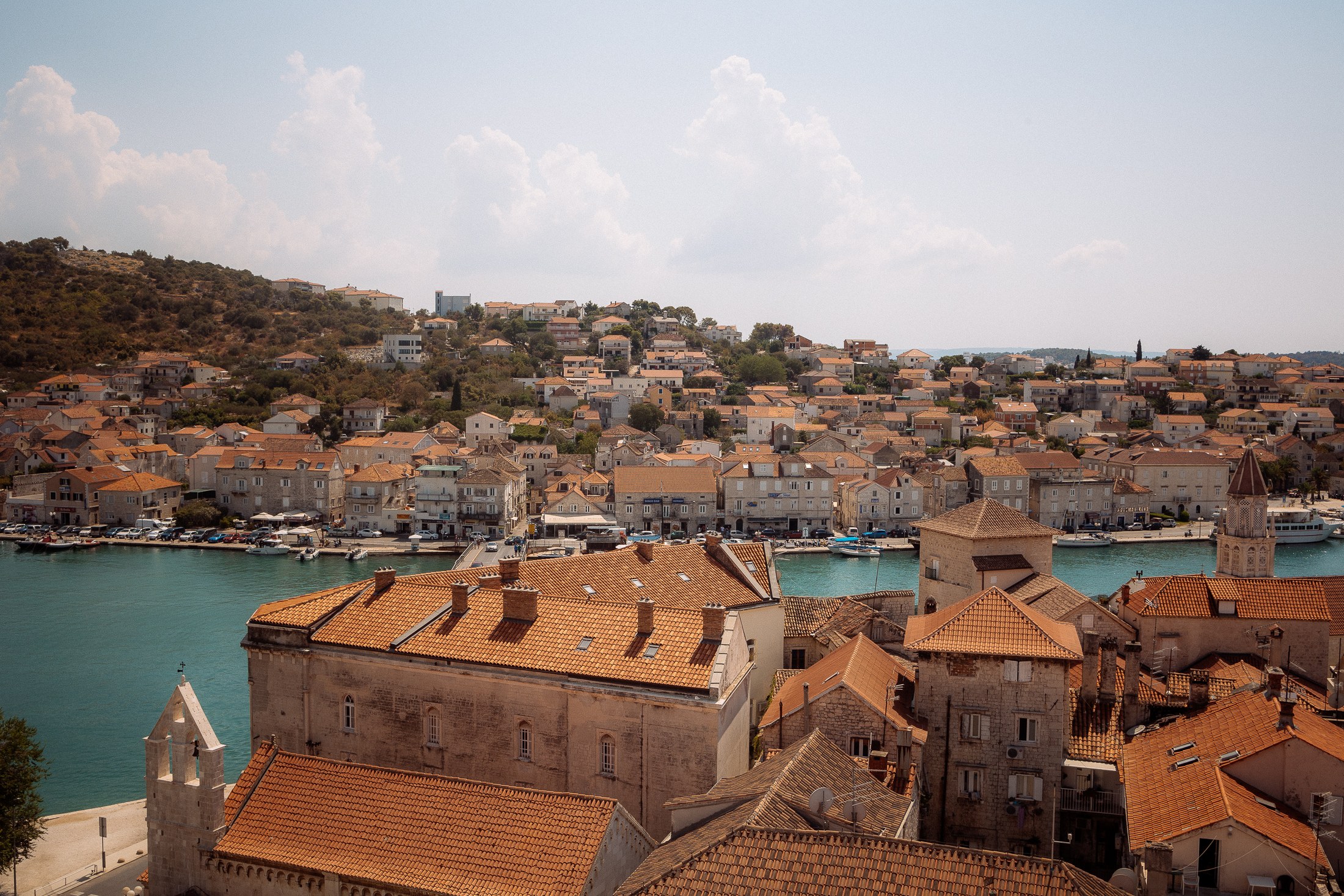
Roughly 27 kilometres from Split, right next to the airport, lies the gorgeous historic little town of Trogir, which has been on the UNESCO list since 1997 and is often rightly nicknamed “little Venice”. Its stunning Romanesque-Gothic core sits on a small island, where you can wander through tangled narrow lanes, admire the masterful portal of the Cathedral of St. Lawrence by the builder Radovan, or climb the old Venetian fortress of Kamerlengo, from which there’s a beautiful view of the harbour.
On the way to Trogir it’s definitely worth making a stop in Salona, by the present-day town of Solin, just five kilometres from Split. Salona was once the enormous capital of the entire Roman province of Dalmatia with more than 60,000 inhabitants, and Emperor Diocletian himself came from here. Today you’ll find a fascinating and fairly extensive archaeological site here, which you can explore in complete peace, free of tourist crowds.
Walking among the ruins of Salona, you’ll discover the remains of a huge ancient amphitheatre, which once held up to fifteen thousand spectators and staged bloody gladiator fights. Also on view here are the preserved foundations of ancient baths, the remains of old aqueducts and early Christian basilicas. Combining a visit to Salona and Trogir into a single day trip makes huge sense, and you can easily manage it even by suburban bus number 37.
12. Klis Fortress with a Breathtaking View
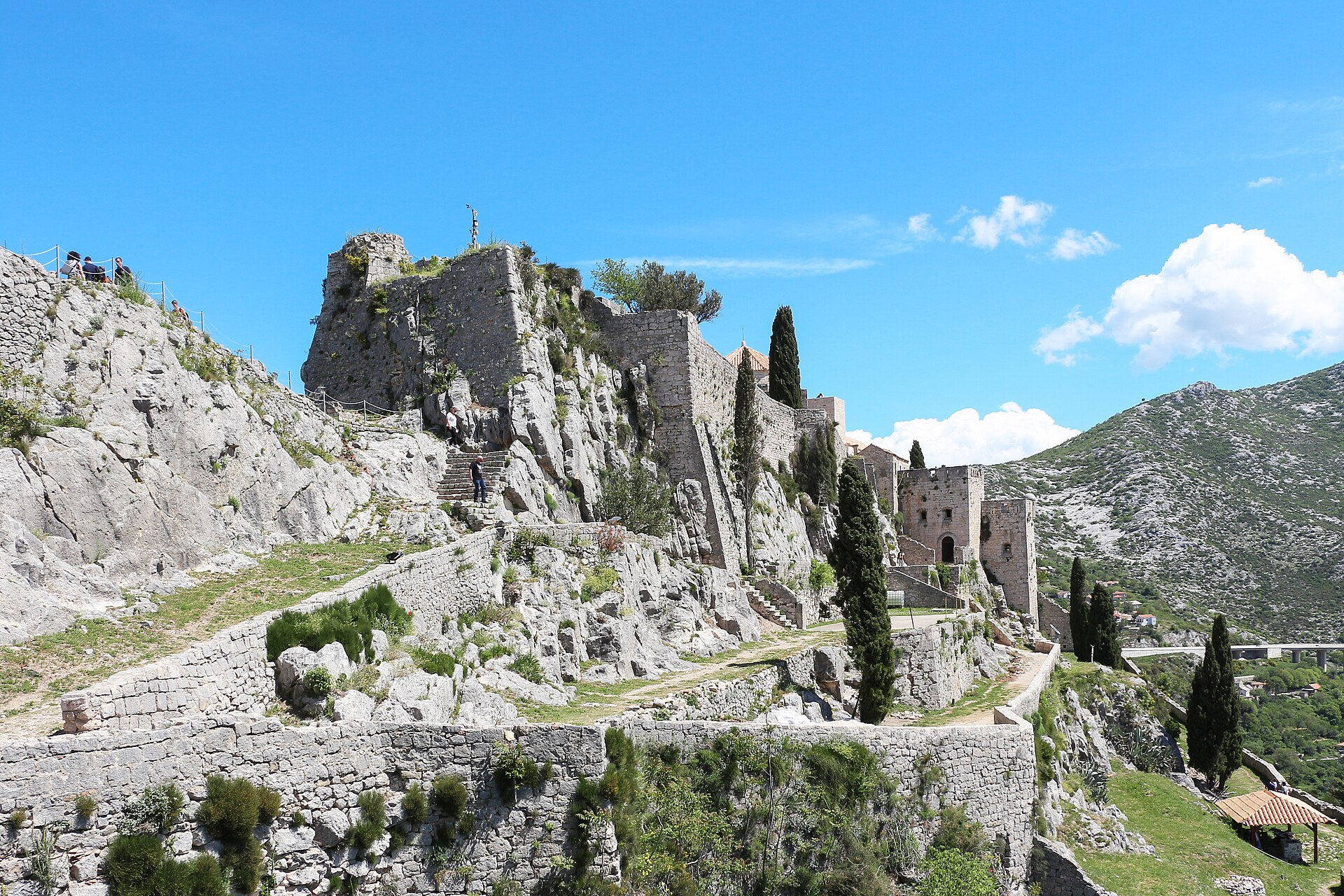
Just twelve kilometres inland, the majestic medieval Klis Fortress towers on a steep rocky saddle, having protected the entire coastal region from Ottoman raids for many centuries. This sprawling fortress is absolutely brilliantly woven into the natural limestone terrain, and from its high ramparts an incredible view opens up over all of Split, the surrounding islands and the brilliant blue Adriatic Sea. You can drive here comfortably by car or take city bus number 22.
Much like Diocletian’s cellars, the Klis Fortress has seen an enormous surge in popularity in recent years thanks to the filming of Game of Thrones. This is exactly where the stunning exterior shots of the slaver city of Meereen were filmed, so you can walk along the very same stone paths that the Mother of Dragons strode along on screen. Within the walls you’ll even find a small room with photos from the filming.
Admission for adults costs roughly 12 euros in 2025, while children under fifteen pay just 4 euros, which makes Klis a fairly affordable family trip. Tickets are bought exclusively on site at the main entrance, because online ticket sales unfortunately don’t work here yet. Set aside roughly an hour and a half for a tour of the whole complex, and don’t forget to bring comfortable shoes and plenty of water.
13. Adrenaline on the Cetina River in Omiš
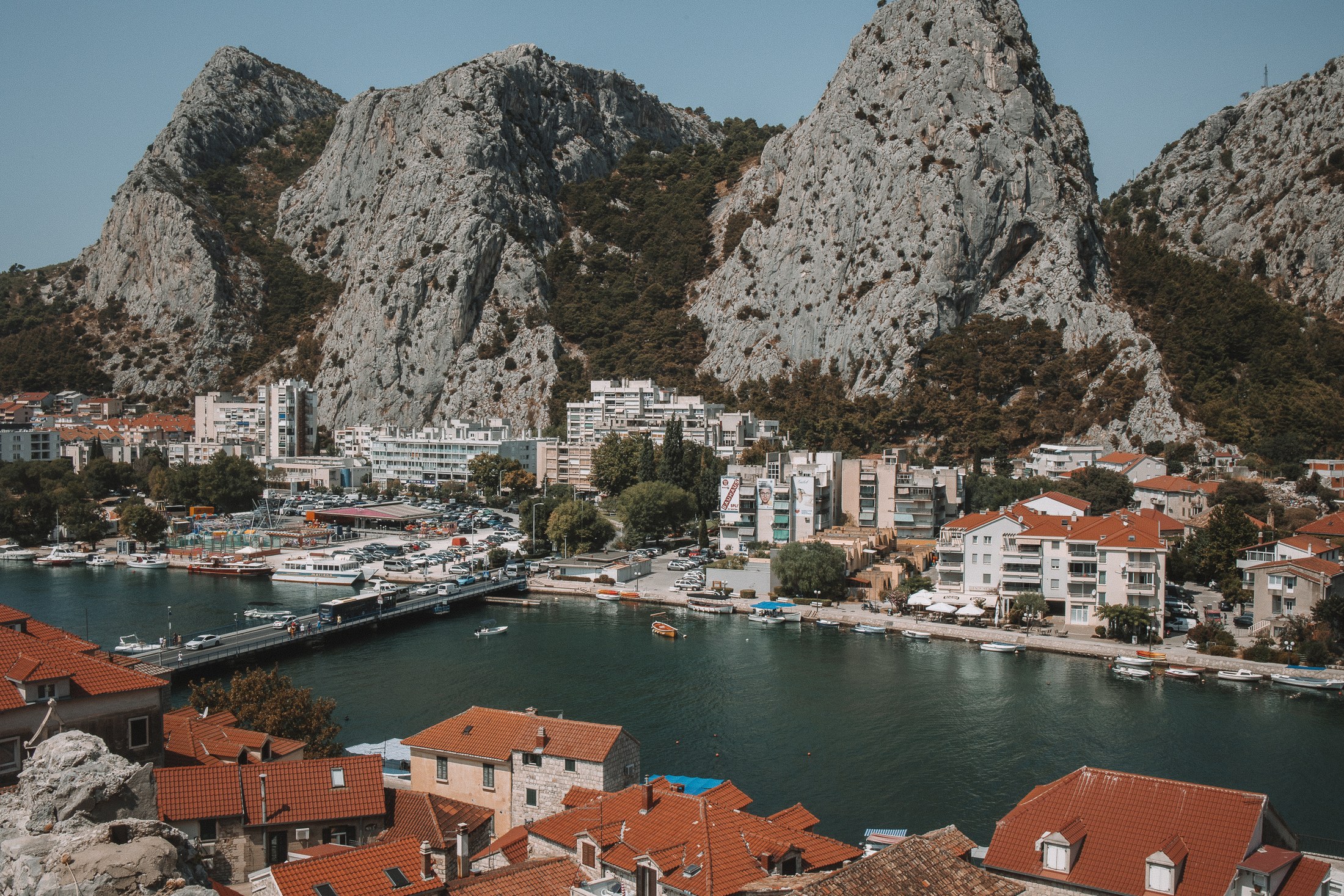
If you’ve had your fill of history and monuments and need to add a bit of action to your holiday, hop on a bus and head roughly fifty minutes south-east to the former pirate town of Omiš. This fascinating town sits in a dramatic spot where the Cetina River cuts into a deep rocky canyon and then flows out into the sea, which makes it Croatia’s main hub for all kinds of outdoor sports and adrenaline lovers.
You can pay for some great rafting on the lower stretch of the river here, which is completely safe and easily managed even by a total beginner or families with older children. During the descent through the rapids you’ll soak up the beautiful scenery, jump off a rock into the water and float through a mysterious cave. Prices for a three-hour rafting trip hover around 40 euros per person, and all the equipment is provided on site.
For the truly brave, I recommend trying the spectacular zipline route strung high above the entire canyon. A total of eight steel cables awaits you, with a combined length of over two kilometres, and on the very longest 700-metre stretch you’ll fly at lightning speed up to 150 metres above the beautifully turquoise river. The whole adrenaline experience lasts roughly two and a half hours, and the instructors will guide you safely through everything.
14. A Ferry Trip to the Surrounding Islands
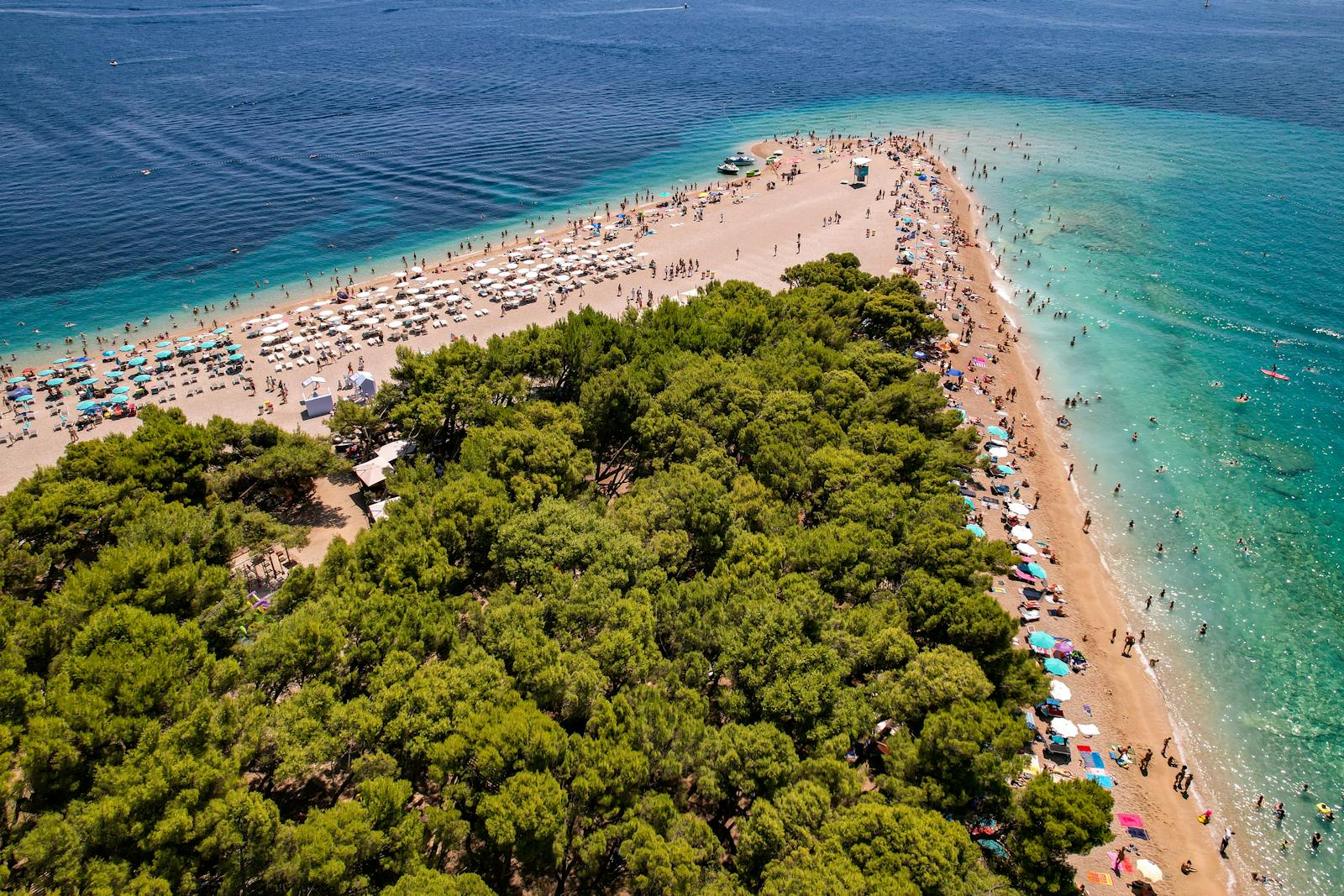
Split has the largest passenger port in all of Croatia, located just five minutes’ walk from the historic centre, so it would be an enormous shame not to seize the opportunity and visit at least one of the surrounding islands. Right opposite the city lies the large island of Brač, which you can reach by ferry in under an hour. From there you can head to the famous pebble beach of Zlatni Rat near the town of Bol, which is unique in that it constantly changes its shape according to the sea currents and the wind.
Another very popular and tempting option is the sun-drenched island of Hvar, served by fast catamarans run by the Jadrolinija and Krilo companies. This island will enchant you with its purple lavender fields, excellent wine and gorgeous historic architecture in its eponymous main town, above which the Fortica fortress towers. In the summer season, definitely buy your catamaran tickets online several days in advance.
If, on the other hand, you’re after blissful peace and empty coves with no tourist crowds, I recommend hopping on a boat heading for the nearby island of Šolta. This little island still holds onto its very sleepy and authentic atmosphere — you won’t find any huge hotel resorts here, and local families produce absolutely fantastic olive oil and fragrant rosemary honey. It’s a perfect day-trip escape from the busy city.
15. A Full-Day Trip to Plitvice Lakes or the Krka Waterfalls
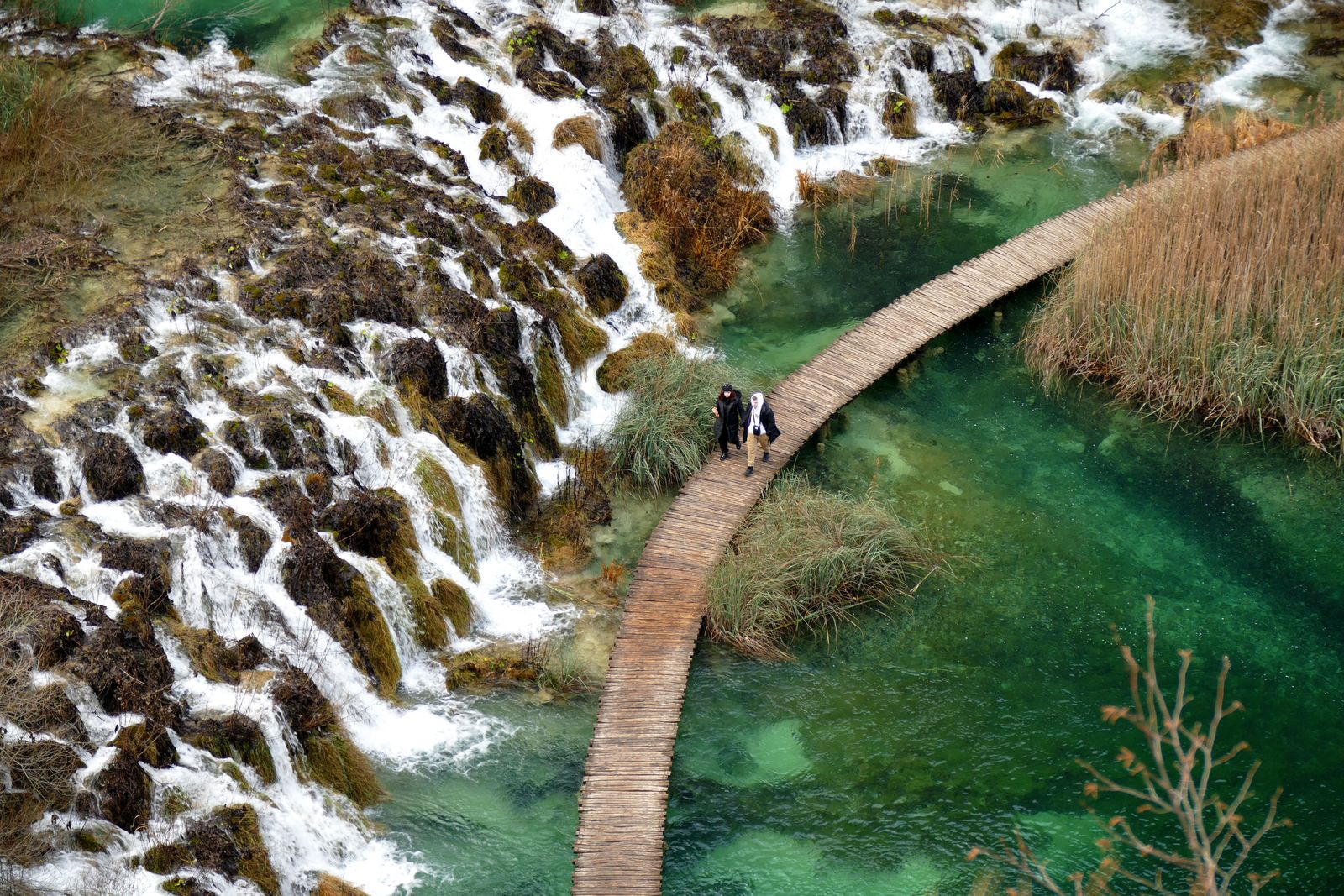
Although these natural treasures are a little further from the coast, very popular and affordable day tours run to them from Split, or you can easily drive there in a hire car. Krka National Park lies just about an hour and a half to the north and offers gorgeous walks along wooden boardwalks around the stunning cascades and waterfalls of Skradinski Buk. You do, however, have to reckon with the fact that swimming directly beneath the waterfalls is now sadly strictly forbidden for the sake of nature conservation.
If you don’t mind a roughly three-hour bus journey inland, you can head all the way to the legendary Plitvice Lakes, where the famous Winnetou films were shot years ago. Sixteen cascading lakes connected by gorgeous waterfalls and a boat ride await you here. Admission to both national parks climbs to as much as 40 euros in the main summer season, so it pays to consider a visit in the spring or autumn months instead, when ticket prices are considerably friendlier and you’ll meet only a fraction of the people on the wooden trails.
💡 Tip: Instead of the standard mass lunches, out in the countryside around the national parks you can arrange a delicious vegetarian peka with potatoes and seasonal vegetables on pre-order, baked for you under a cast-iron bell covered with hot coals. This traditional way of preparing food takes roughly three hours, so you have to call the family konoba at least a day in advance, but I promise the taste of the baked potatoes with local herb oil is absolutely divine.
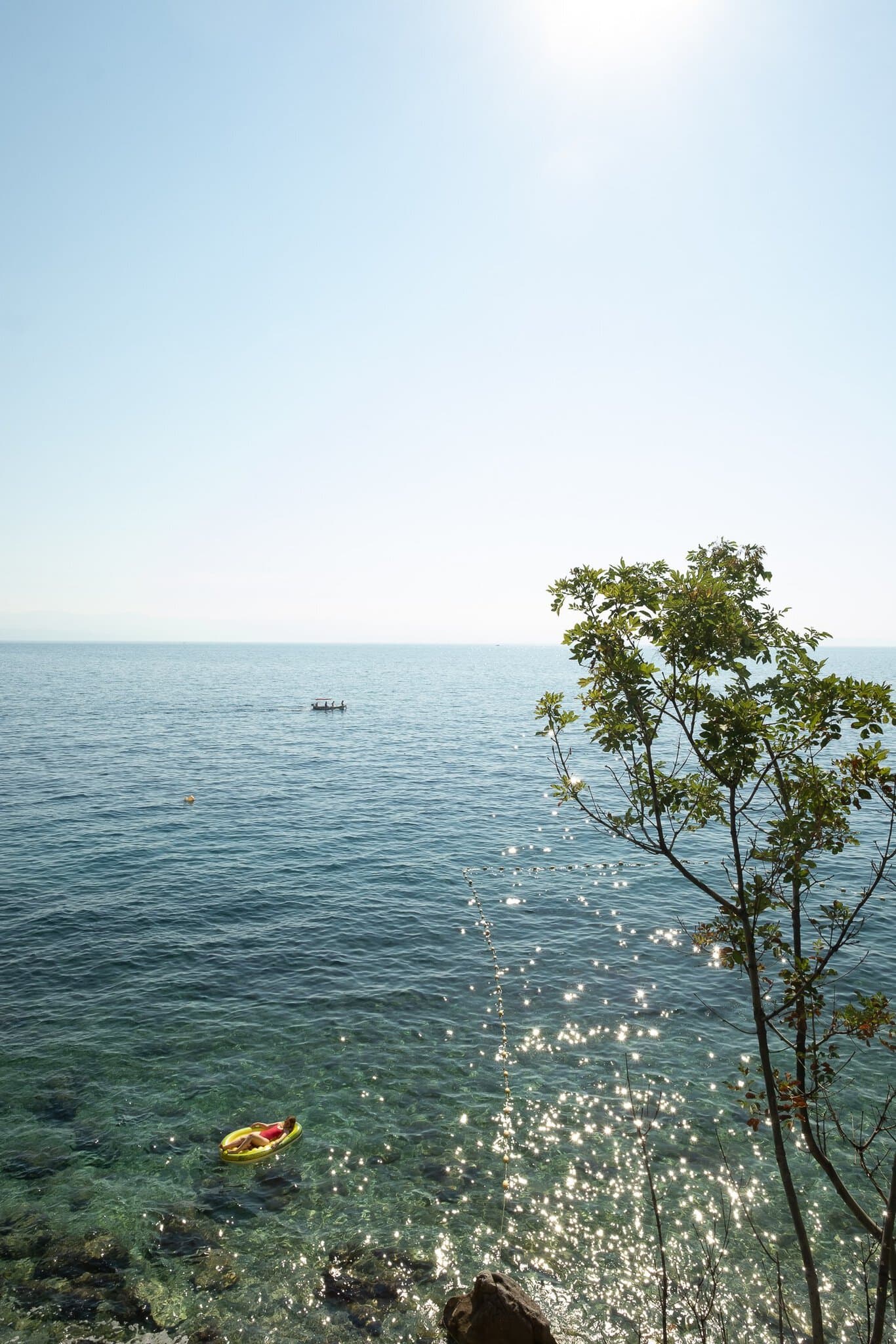
Map of points of interest for your phone
Where to Go Next from Split
If you’re planning a longer road trip along the coast, Split makes a great starting point for discovering more gems of the Adriatic Sea. Heading north, you can set off to see the sea organ in the amazing Zadar, or instead head south to the Makarska Riviera.
For detailed planning of your onward journeys and trips, be sure to read our complete guide to Croatia, where you’ll find plenty of useful advice. If island life appeals to you, we’ve also mapped out in detail the island of Brač and, of course, the slightly more distant and luxurious island of Hvar.
Lovers of nature and turquoise waterfalls will find detailed information about admission and routes in our article on Krka National Park, and there are also practical tips for visiting the legendary Plitvice Lakes. In short, explore our other articles about what Dalmatia has to offer and plan your holiday exactly the way you imagine it.
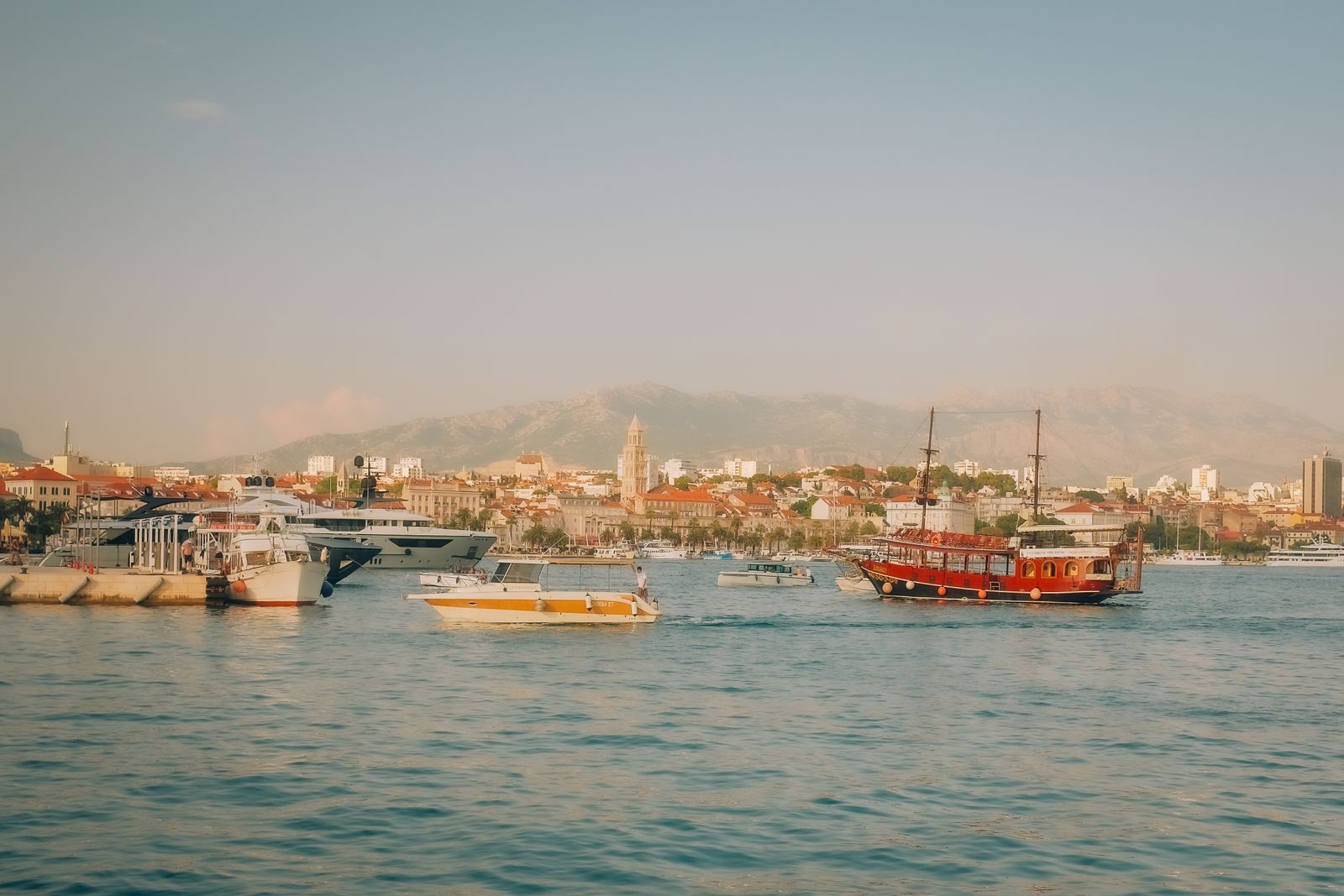
Game of Thrones was also filmed in Split. The Diocletian cellars played the underground where Daenerys kept her dragons, and the nearby Klis Fortress served as the city of Meereen. You’ll find the complete route in the article Where Game of Thrones Was Filmed.
Frequently Asked Questions
Is there an entrance fee for Diocletian’s Palace?
No, access to the streets themselves and the main square of the palace is completely free and open around the clock, because it’s a regularly inhabited part of the city. You only pay admission to specific historical monuments, such as the preserved underground cellars, the old cathedral with its panoramic bell tower, or the ancient baptistery.
How do I get from Split Airport to the city center?
The easiest option is to use the Platanus airport shuttle bus, which will comfortably take you to the main bus station for around €9. You can also use the cheaper but significantly slower public bus line number 37 for €3, or order an Uber or Bolt, which work out more favorably than classic overpriced airport taxis.
Is there a sandy beach in Split?
Yes, the most famous beach in the entire city is Bačvice, which offers fine sand and a very shallow entry into the sea, so you can walk dozens of meters and the water is still only knee-deep. It’s an absolutely ideal spot for families with small children, but you have to expect that during the summer months this beach gets really extremely crowded.
Can you find good vegetarian food in Split?
Absolutely yes, Dalmatian cuisine has plenty to offer. In addition to amazing purely vegan restaurants like Pandora Green Box, you’ll find in classic konobas the popular traditional side dish blitva (fresh chard with potato and garlic) or excellent pasta. With advance notice, many family-run establishments will happily prepare traditional peka for you in a purely vegetable version without meat.
Can I swim under the waterfalls in Krka National Park?
Unfortunately that’s no longer possible. Due to the protection of the fragile nature and preservation of the unique ecosystem, swimming directly under the main Skradinski Buk waterfall and in its immediate surroundings was permanently banned several years ago, so you can only view the waterfalls from the wooden walkways.
Where is the best place to park near the city center?
Parking near the historic center can be a real nightmare in summer and is quite expensive. If your accommodation doesn’t offer its own parking space, it’s best to leave your car in the large parking lots or garages on the outskirts of the city, for example around the newly renovated Žnjan beach, and get to the center comfortably by local bus.
Where was Game of Thrones filmed?
In Split, iconic scenes from the slave city of Meereen were filmed, specifically in the dark underground cellars of Diocletian’s Palace, where Queen Daenerys imprisoned her giant dragons. Other breathtaking exterior shots from the same storyline were then filmed at the nearby medieval fortress of Klis, which lies just twelve kilometers outside the city.
Tips and Tricks for Your Vacation
Don’t Overpay for Flights
Search for flights on Kayak. It’s our favorite search engine because it scans the websites of all airlines and always finds the cheapest connection.
Book Your Accommodation Smartly
The best experiences we’ve had when looking for accommodation (from Alaska to Morocco) are with Booking.com, where hotels, apartments, and entire houses are usually the cheapest and most widely available.
 🚗 Car rental on the roadVerified rental cars in Croatia
Search with the DiscoverCars comparison engine — it compares prices from dozens of local and international rental companies, and most bookings come with free cancellation.
Compare car prices in Croatia →Don’t Forget Travel Insurance
Good travel insurance will protect you against illness, accidents, theft, or flight cancellations. We’ve had a few hospital visits abroad, so we know how important it is to have proper insurance arranged.
Where we insure ourselves: SafetyWing (simple monthly subscription) and TrueTraveller (for extra-long trips).
Find the Best Experiences
Get Your Guide is a huge online marketplace where you can book guided walks, trips, skip-the-line tickets, tours, and much more. We always find some extra fun there!