

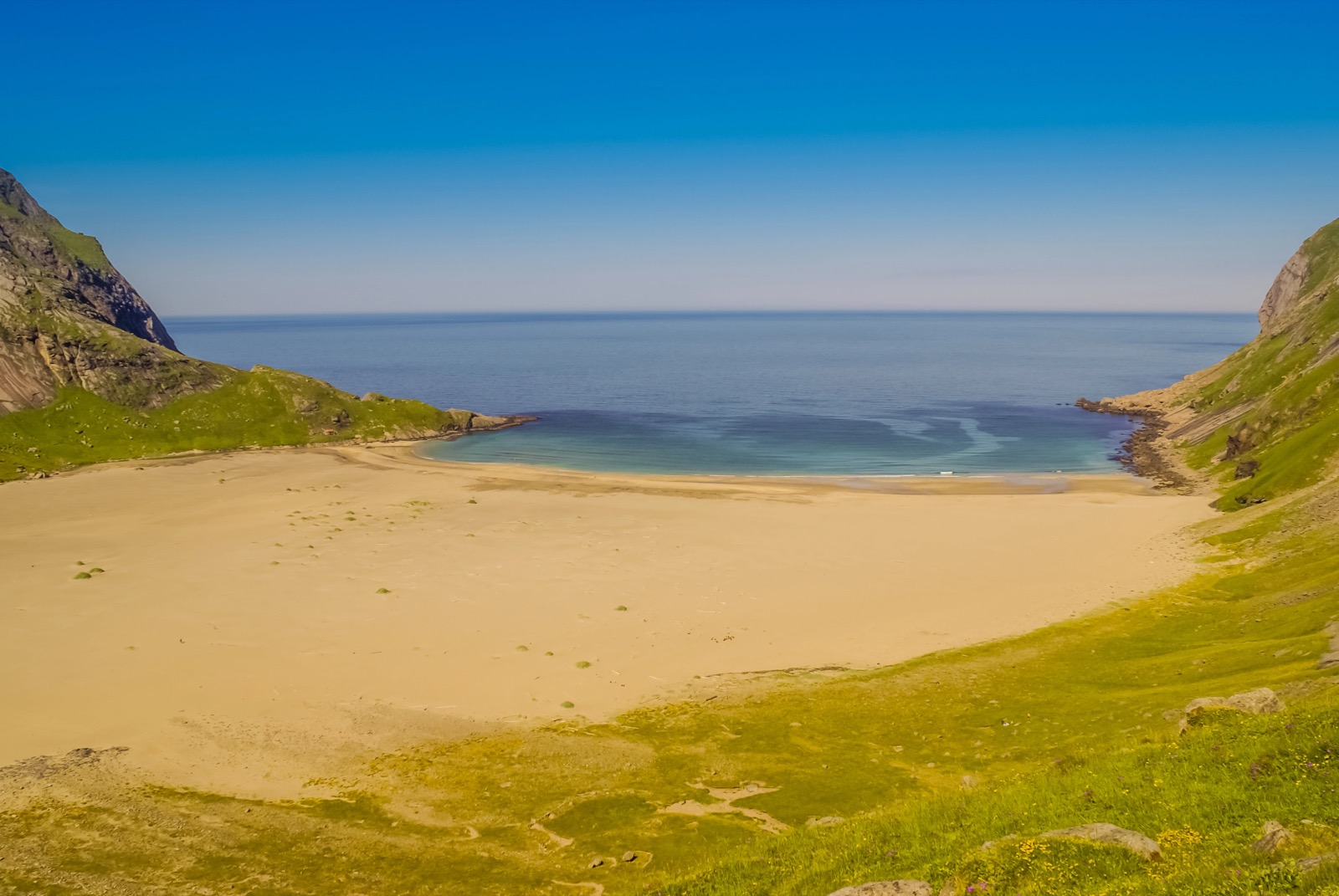
The Caribbean of the north. White sand, turquoise water, and dramatic granite peaks towering over it all. In photos it looks like swimsuit weather and lazy summer days, but the harsh Arctic reality of Lofoten, Norway will set you straight pretty quickly. The beaches here are a genuine visual masterpiece — one you’ll enjoy far more wrapped in a quality down jacket with a hot tea in hand.
The water stays ice-cold even in the middle of summer, and the unpredictable wind off the open ocean can drag the feels-like temperature down dramatically. Even so, you absolutely cannot skip these stunning bays, because they offer some of the most beautiful and most photographed scenery in all of Scandinavia. The fascinating contrast of dark mountains plunging straight into shallow sea will leave you speechless.
In this guide you’ll find an overview of the most beautiful spots, from popular photo locations to remote, isolated coves. You’ll also get practical information about parking and safety so you can plan the perfect itinerary without unnecessary stress. Grab your camera and your warm layers — this is going to be a truly unforgettable Nordic spectacle.
TL;DR
- The famous classic: Haukland Beach is officially the most beautiful beach in Norway, but in season expect big crowds and paid parking.
- For sun watchers: Uttakleiv faces north and offers ideal conditions for watching the magical midnight sun.
- Easiest to reach: Rambergstranda sits right by the main E10 road, so no demanding trek required.
- A surfer’s paradise: Skagsanden and Unstad draw in surfers with their waves, where you can rent a winter wetsuit and a board.
- An adventurous expedition: You can only reach remote Bunes Beach by local ferry from Reine followed by a walk.
- Swimming for the brave only: Summer water temperatures sit around 8 to 14 °C, so a dip is reserved for the truly daring.
- Watch the currents: The sea can be treacherous, and strong rip currents often form on exposed beaches.
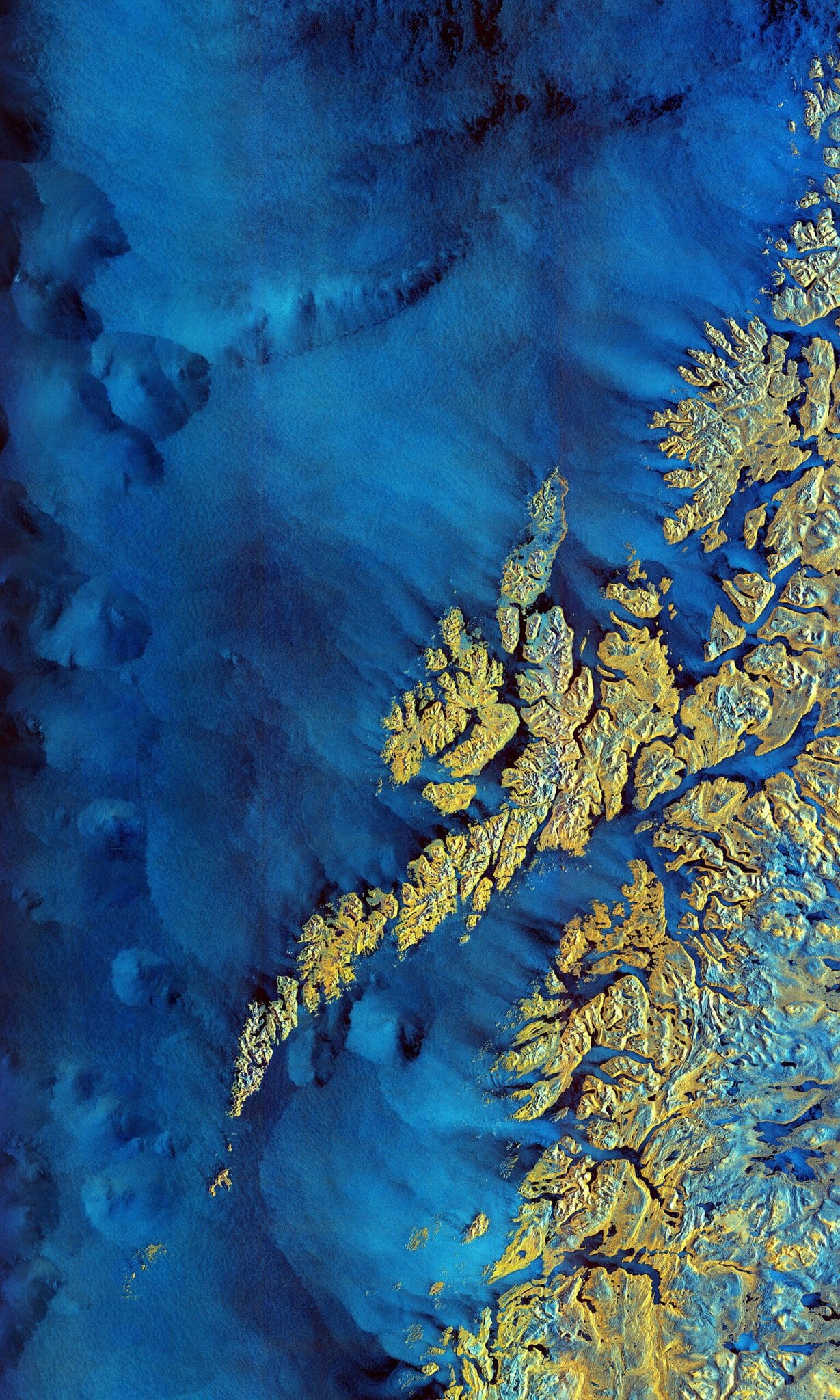
The full destination guide: Lofoten — guide and what to see
When to visit Lofoten
The weather in northern Norway shows no mercy and can happily serve up sharp sunshine, heavy rain, and a gale all in a single afternoon. The most popular time to visit is July and August, when temperatures climb to more comfortable levels and the north-facing beaches treat you to the fascinating phenomenon of the midnight sun. But in these months you definitely won’t avoid the crowds and the daily battle for a free parking spot at the most famous bays. If you’re after more peace and a more authentic experience, head out in June or the first half of September instead, when the colours of the Arctic landscape are more intense and the roads noticeably emptier.
The golden rule of any successful Nordic trip is to constantly check the Norwegian weather app yr.no, which is accurate down to the hour and will become your single most important planning tool for the entire day. When the forecast warns of an approaching front or gusty winds, it’s always better to stay safe in the car or a cosy café, because conditions on the coast can deteriorate literally from one minute to the next. The beaches aren’t going anywhere, and you’ll appreciate their majestic beauty far more once the storm calms and the sun peeks out between the clouds.
Also keep in mind that the feels-like temperature on the exposed coast tends to be far lower than what the thermometer shows, thanks to the icy wind off the ocean. While you’ll warm up quickly climbing a steep hill, a calm stroll across flat sand will have you chilled to the bone in no time, so quality layered clothing including a reliable windproof jacket will come in very handy. The nature in Lofoten is beautifully wild and untamed, which demands a healthy dose of respect and a willingness to change plans on the fly depending on what the Arctic climate allows at any given moment.
Where to stay in Lofoten
💡 Tip for accommodation and experiences: We love to look for places to stay on Booking.com, where the cancellation policies tend to be the best. For tickets, tours, and activities, it pays to compare and book through GetYourGuide.
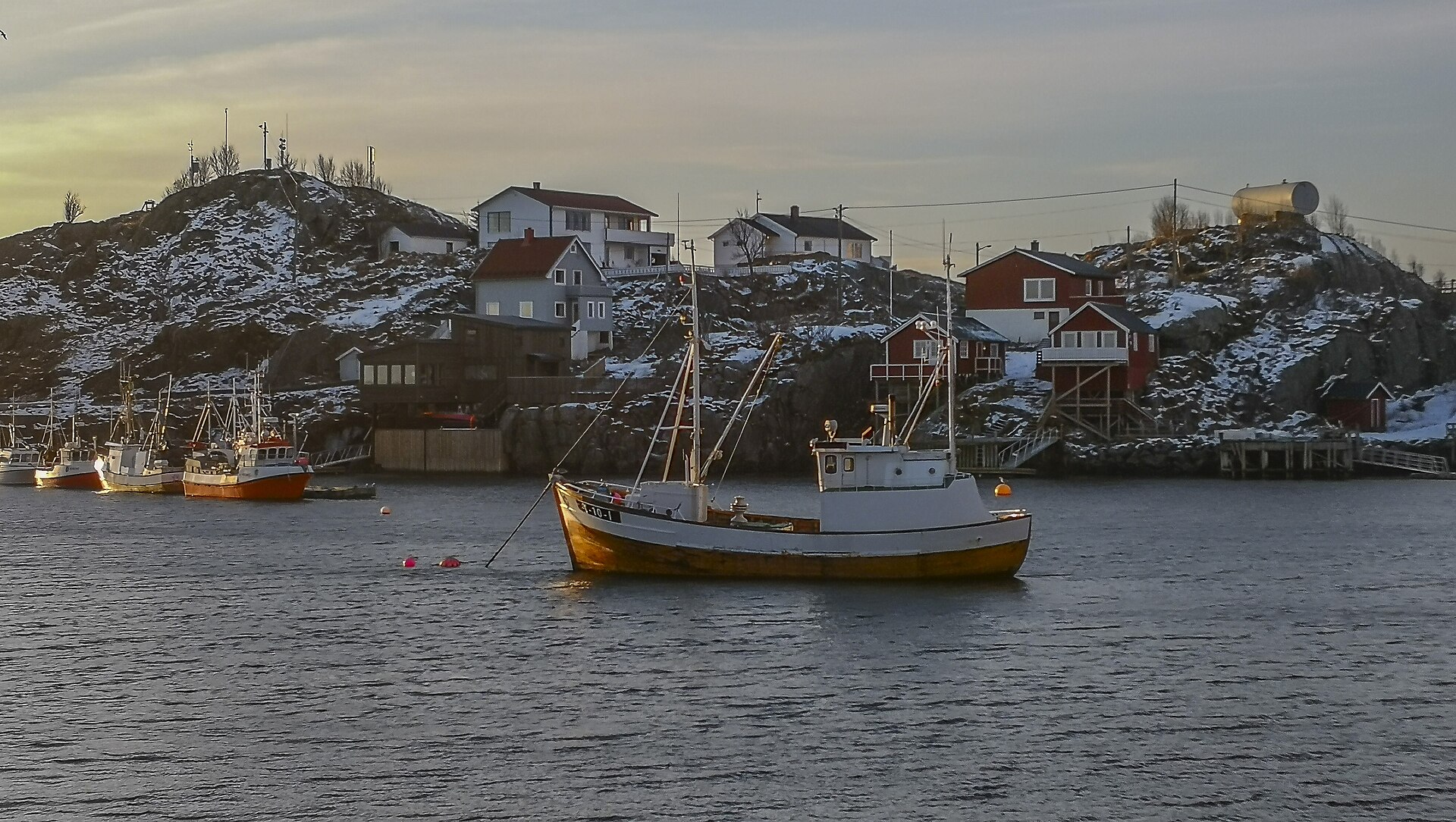
While hunting for the perfect place to sleep, you’ll soon discover that accommodation on the islands is fairly limited and, in the peak summer season, hopelessly sold out months in advance. If you want to stay in the traditional red fishermen’s cabins known as rorbu, be sure to book through Booking.com well ahead of time to land the authentic experience with a view of the boats bobbing in the calm fjord. A strategic base for exploring the western part of the islands is the picturesque little town of Reine or nearby Hamnøy, from where you’re just a short hop to the ferry heading towards the remote bays and the popular E10 road.
Take a look, for example, at the iconic Reine Rorbuer, which offers beautifully renovated cabins with all the modern comforts and an inimitable Nordic atmosphere. For exploring the central and eastern parts of the archipelago, the charming fishing village of Henningsvær is a brilliant choice — often nicknamed the Venice of Lofoten for its tangle of waterways. The local Henningsvær Bryggehotell provides the perfect base right by the water, and within walking distance you’ll find plenty of excellent cosy cafés for rainy afternoons.
Another outstanding option in the central area is the luxurious Hattvika Lodge complex in the village of Ballstad, from where you can easily drive to the most beautiful beaches and unwind in the evening in perfect, undisturbed silence. Whichever location you choose, bear in mind that accommodation prices across Norway are significantly higher, so it really pays to keep a close eye on special offers and not put off your final booking for too long.
8 tips for what to see and do on the Lofoten beaches
Let’s take a detailed look at exactly eight bays and coastal trails that shouldn’t be missing from your travel itinerary. Each one offers a completely different atmosphere, from the wide sandy plains by the main road to dramatic spots hidden behind steep mountain passes.
1. Haukland Beach
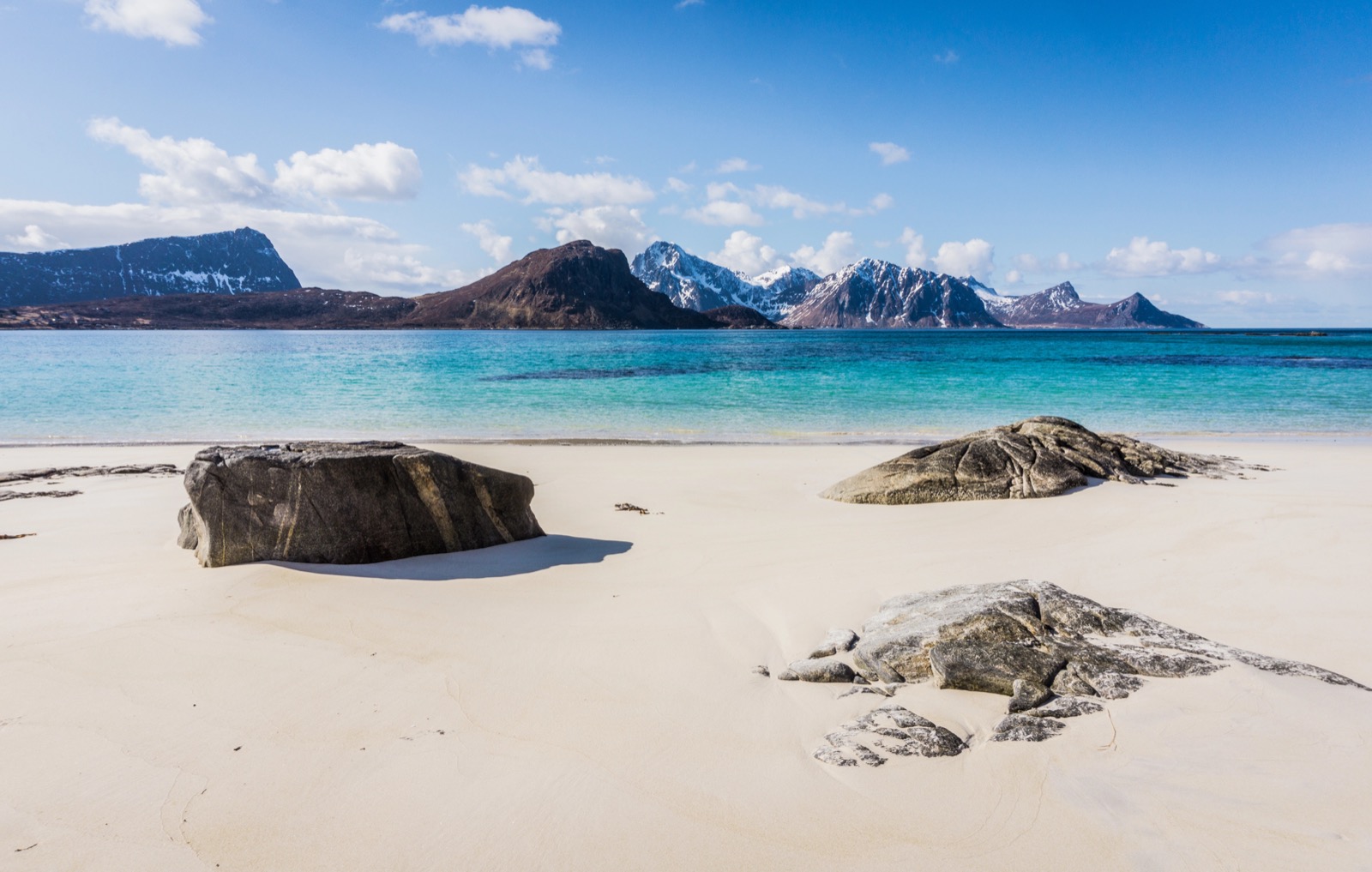
This breathtaking bay was officially voted the most beautiful beach in all of Norway, and one look at it and you’ll instantly understand why it deserves the title hands down. Waiting for you here is a wide strip of incredibly fine white sand and a gentle, shallow entry into the water, while steep green mountains rise all around, lending the whole place the unmistakable aura of an untouched Arctic paradise. Logistically, though, it’s an absolute hit, which in practice means huge crowds of visitors and dozens of campervans throughout the short summer.
In July and August, be prepared for the fact that parking costs around 100 to 200 Norwegian kroner (roughly 9 to 17 €) per day, and by midday the designated car park is usually full to bursting. I’d recommend arriving either really early in the morning or, alternatively, later in the evening, when the crowds of tourists have scattered back to their hotels.
The surface of the beach itself is perfectly flat, so it’s a wonderful place for a stroll, and you can endlessly admire the turquoise shades of the ocean contrasting sharply against the dark rocks. The water stays ice-cold even in the height of summer — temperatures hover around just eight to fourteen degrees — so only the hardiest souls in proper wetsuits will brave a swim.
💡 Tip: If you want to escape the busiest spots and enjoy a little peace, set off on a slow walk towards the outer cliffs, where you can capture the most beautiful photos without dozens of distractions in the background.
2. The Haukland and Uttakleiv coastal path
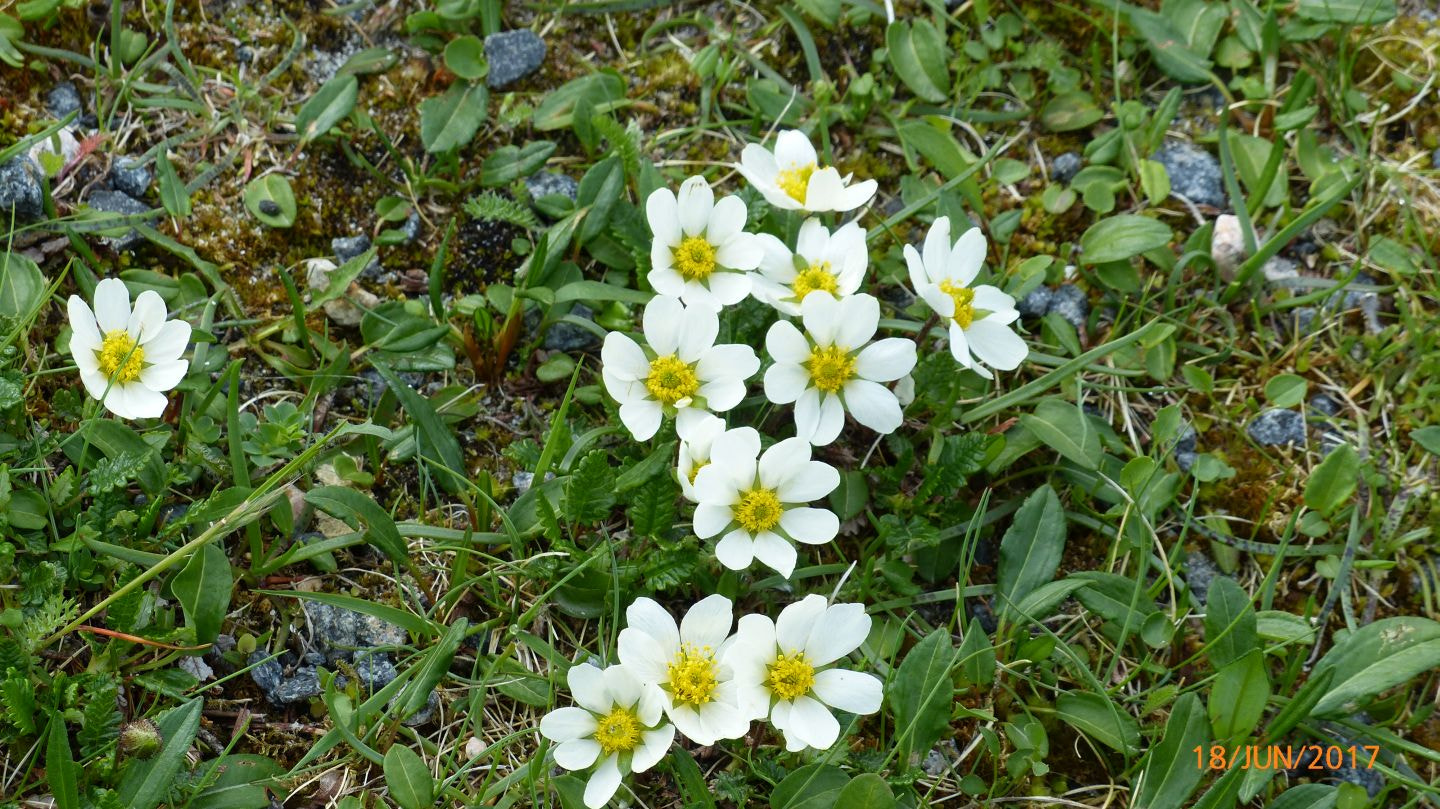
Instead of driving between the two famous beaches through a narrow and rather unremarkable road tunnel, you can take the old coastal path that beautifully connects both bays. It’s a perfectly ideal, wide and flat gravel trail that cuts gently into the dramatic cliff just above the roaring ocean, serving up scenery straight out of a travel documentary. The whole scenic loop is roughly eight kilometres there and back and requires no special fitness whatsoever, making it absolutely perfect for families with children or for days when you’re feeling tired.
On this easy walk you’ll fully enjoy the fantastic views over the open sea while elegantly sidestepping the unpleasant crush at the main paid car parks. The path is very safe along its entire length, wonderfully quiet, and makes a brilliant alternative to the demanding mountain treks that in Lofoten often run across slippery, dangerous rocks. You can walk the whole thing without the slightest problem even in poorer weather, when climbing the sharp mountain peaks would be a pointless and highly irresponsible risk.
💡 Tip: Pack a large thermos of hot tea in your backpack and prepare a simple snack of chopped vegetables or bread with cheese. Along the trail you’ll find countless flat boulders that work perfectly as a natural bench for an unforgettable picnic with a view of the waves.
3. Uttakleiv Beach
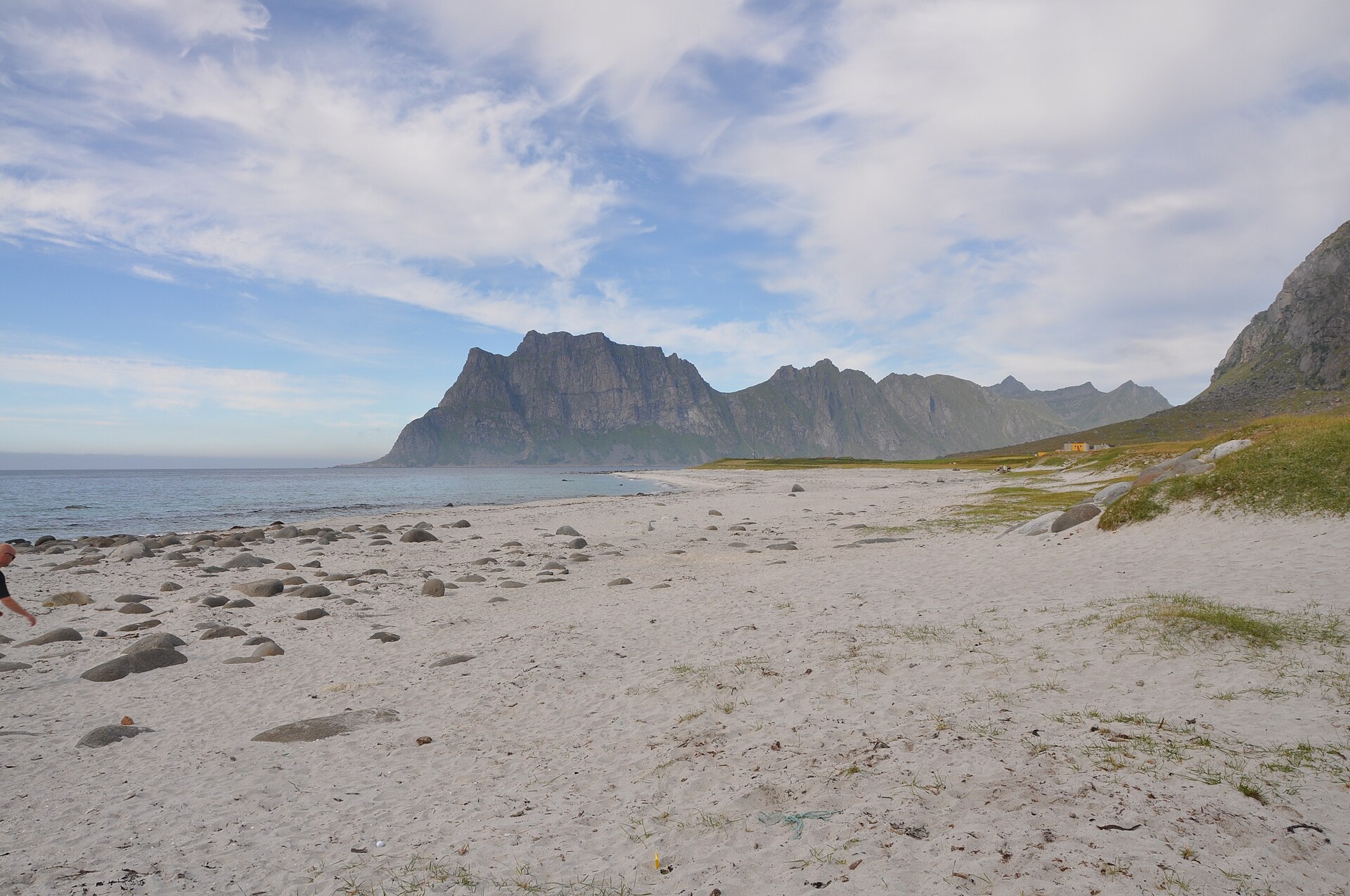
Just around the corner from popular Haukland lies its slightly wilder, rawer neighbour, which lures visitors with a completely different kind of Nordic beauty. Instead of clean, pale sand, here you’ll find incredibly photogenic round pebbles mixed with grass and dark rocks, against which mighty ocean waves crash with a deafening roar. The car park is conveniently located right by the water, and it’s an extremely popular refuge for travellers in campervans, who often spend entire days here.
A huge and somewhat unexpected draw of this place is the free-roaming sheep, which weave between the tourists with utterly icy composure, lending the whole bay that genuine rural atmosphere. The bay also faces straight to the unsheltered north, so you have before you the very best possible spot for watching the midnight sun in the entire surrounding area. If luck is on your side and the summer sky stays free of thick clouds, you’re in for a truly magical show full of deep orange and pink reflections on the water’s surface.
💡 Tip: The stones right along the shore are very often coated in slippery seaweed and are unbelievably slick, so watch every step carefully. While hunting for the best angle for the perfect photo, tread very cautiously and always keep a safe distance from unexpectedly large waves.

4. Rambergstranda
If you drive along the main E10 artery heading south towards the picturesque town of Reine, you simply can’t miss this huge, unmissable bay. It looks like an incredibly wide crescent of bright white sand set between jagged mountain peaks and offers by far the easiest and most comfortable access of all the famous Lofoten beaches. You don’t need to plan any complicated hikes in advance or study maps — you simply pull the car into the designated spot and within a minute you’re standing barefoot in the sand.
From the spacious car park, just a few metres from the road, an iconic red wooden boardwalk leads onto the beach — and it’s an extremely popular subject for keen photographers in its own right. It’s an absolutely ideal stop for a quick leg-stretch during a longer, tiring drive, where you can take a pleasant short break and breathe in the fresh, salty ocean air. In half an hour you’re comfortably done, you’ve snapped dozens of beautiful shots, and you carry on calmly with your packed itinerary heading further south.
💡 Tip: There’s a well-stocked supermarket right near the beach where you can easily top up your dwindling food and drink supplies for the days ahead. Norwegian prices are famously high, but a quick shop at stores like Rema 1000 or Kiwi is still by far the most economical way to eat on the islands.

5. Skagsanden
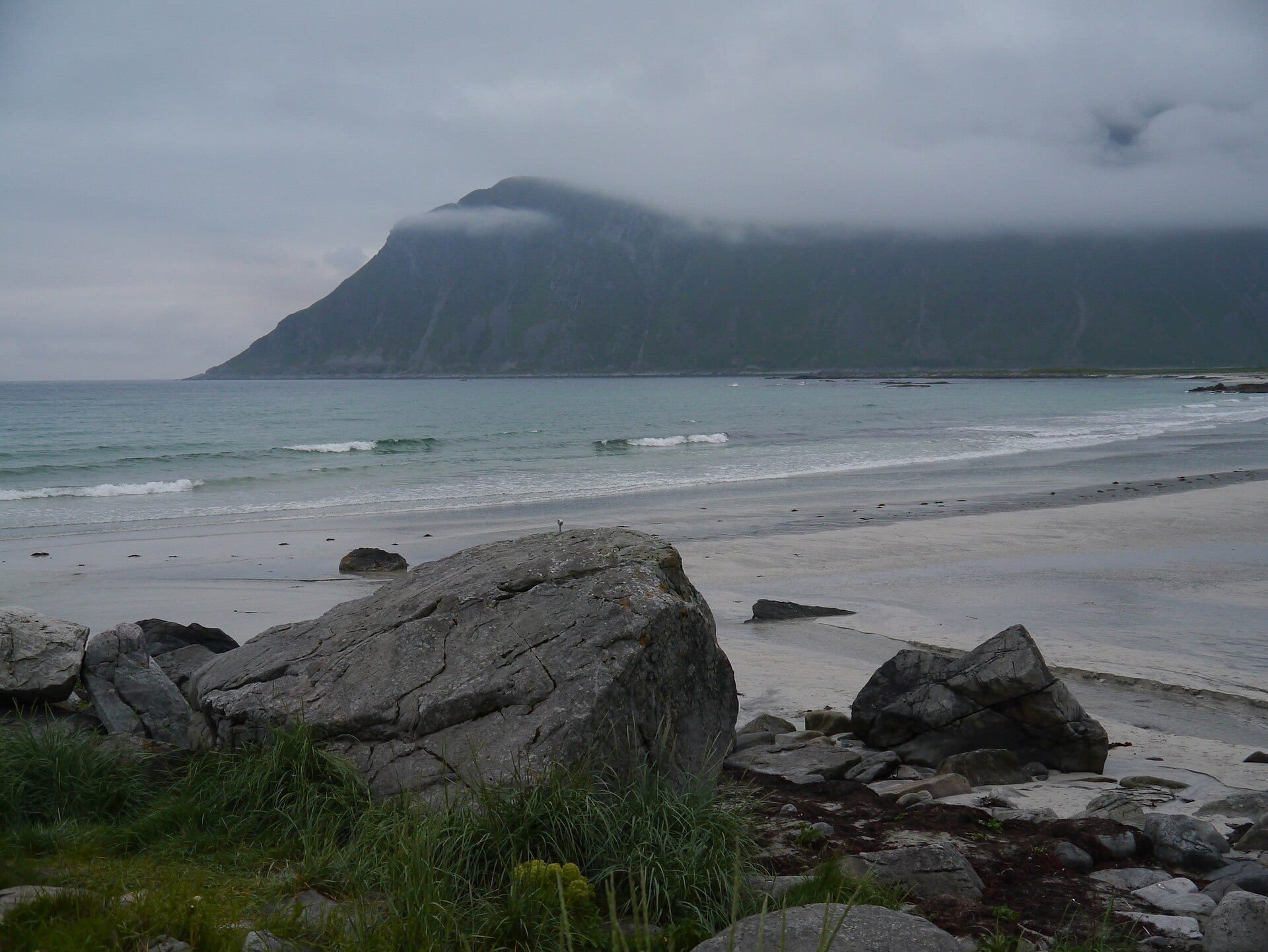
This fascinating beach near the small village of Flakstad is visually utterly unique, because here pale quartz sand naturally blends with dark volcanic dust. During the regular low tide, these two contrasting shades create beautiful abstract patterns on the ground, in which the surrounding snow-capped peaks are even mirrored on a sunny day. It’s a stunning place where you could happily spend hours just mesmerised by the constantly shifting wet surface right beneath your feet.
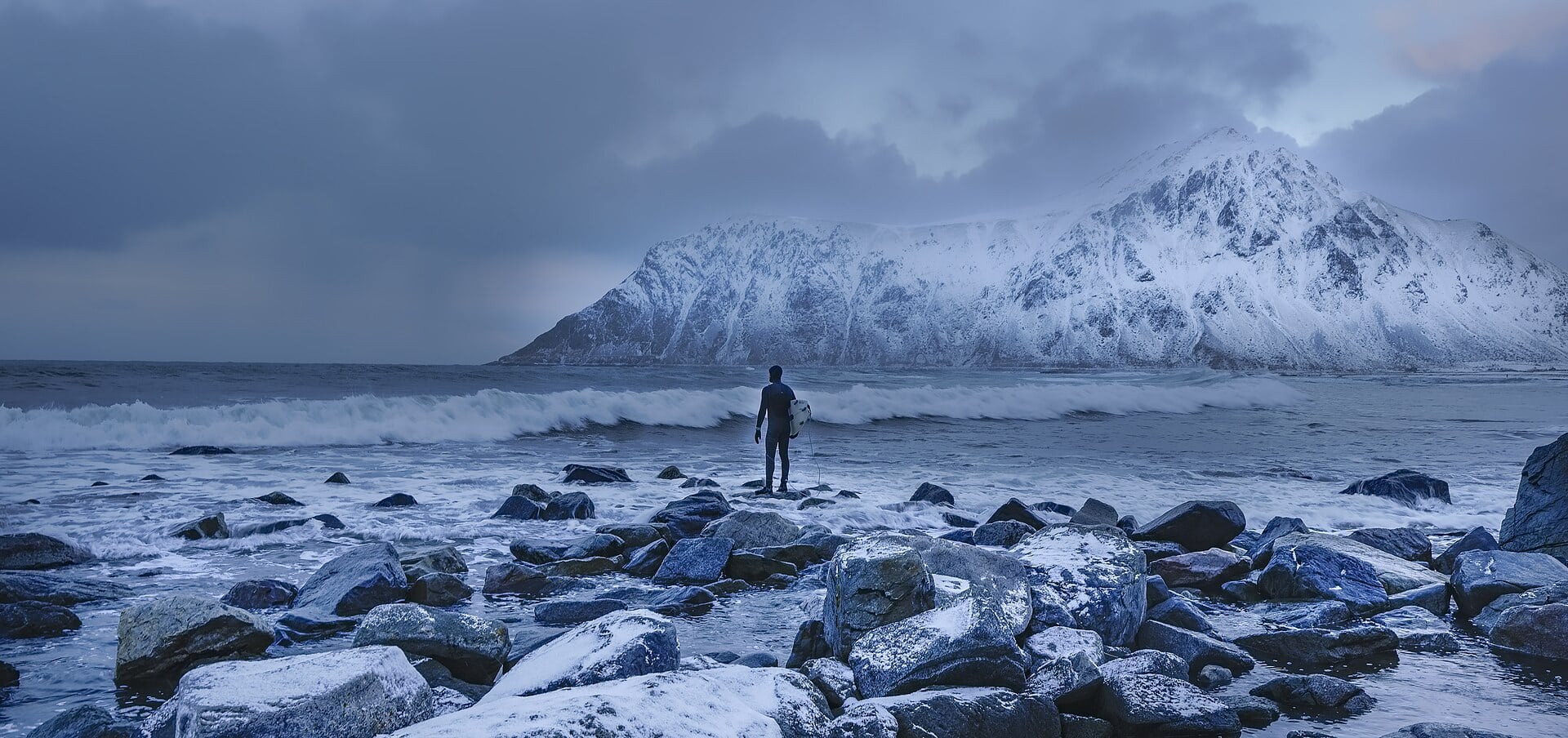
Since it almost always blows noticeably stronger here than in the sheltered bays, the beach has become a widely renowned surfing hotspot for lovers of extreme sports. It’s home to the popular Lofoten Beach Camp, where you can easily rent a five-millimetre-thick winter wetsuit, special warm boots, gloves, and a surfboard. So you can try riding the icy Arctic waves yourself, or bundle up in a jacket and simply admire the others’ efforts from the safety of the shore.
💡 Tip: If you do work up the courage and decide to surf, keep the firm warning about very strong and treacherous rip currents constantly in mind. Never, under any circumstances, overestimate your physical strength, and before entering the water listen carefully to all the safety advice from the camp’s experienced local instructors.
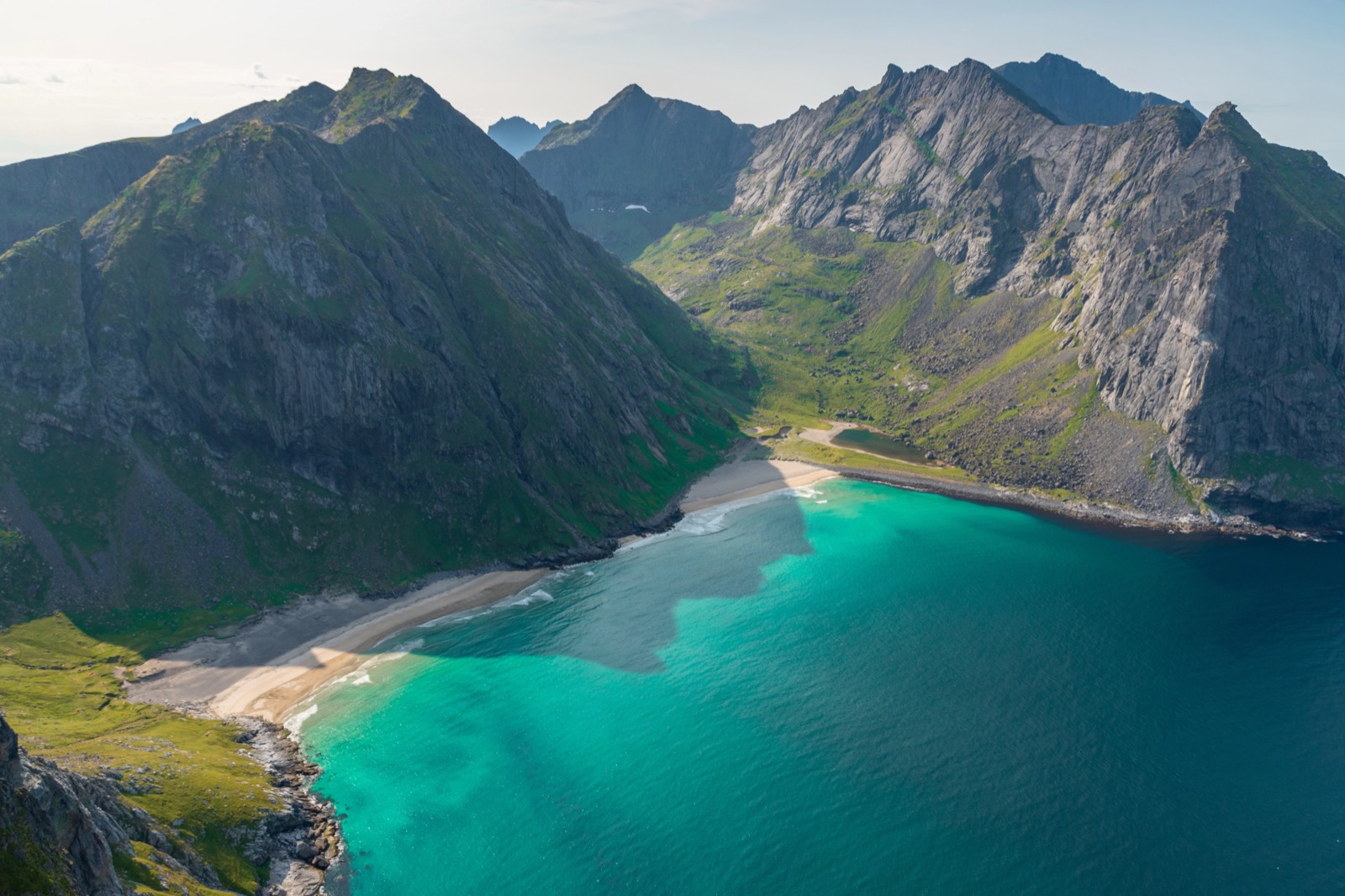
6. Kvalvika Beach
You won’t catch a glimpse of this magical, mysterious spot from the comfort of your car window, because it lies completely isolated on the north-western edge of Moskenesøya island, hemmed in on both sides by steep stone walls. To witness its wild beauty with your own eyes, you’ll have to tackle a proper hike over a windy mountain pass, which at a normal pace takes about an hour and a half one way. The trail crosses treacherously slippery rocks and deep peat bogs, so quality, high waterproof boots are an absolute necessity for this trip — without them, don’t even attempt it.
But once you finally crest the highest point of the trail after the demanding climb, a majestic view opens up before you that you’ll never forget for the rest of your life. Turquoise Arctic waves crash against bright golden sand, while the iconic and menacing-looking Mount Ryten rises above the whole epic scene. Many fitter hikers extend the basic route with the demanding climb to this steep summit, from where the entire bay is visible from a truly breathtaking and highly photogenic bird’s-eye view.
💡 Tip: The car park reserved for the start of this trek is very small and fills up extremely quickly in the summer season with eager tourists. Always carefully respect the local traffic signs and never leave your car parked dangerously on the verge of the narrow road, because the local police routinely hand out very hefty fines here.
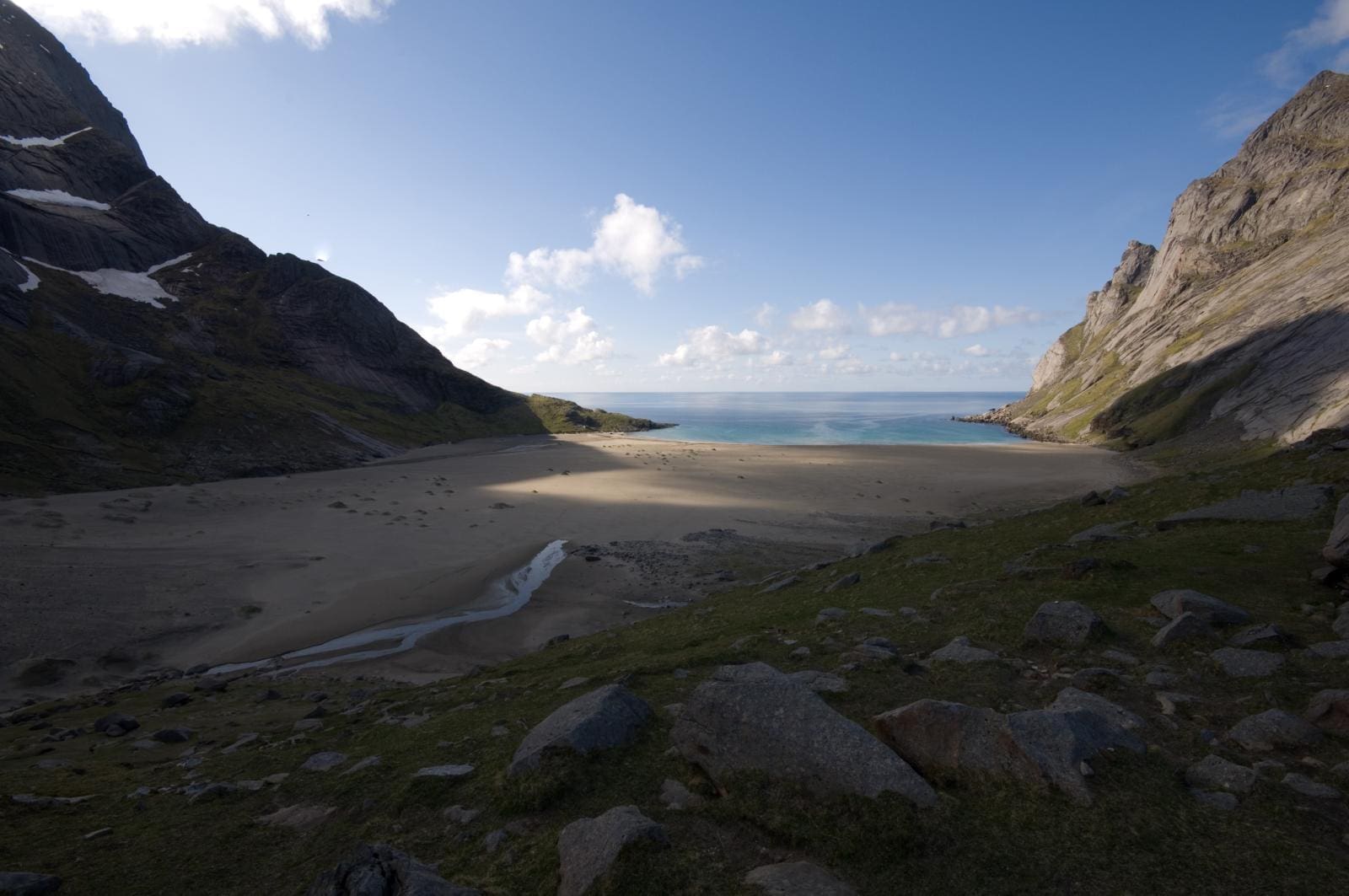
7. Bunes Beach
A visit to this gigantic, remote bay feels more like organising a small polar expedition than a typical relaxing afternoon on a sunny beach. The whole adventure begins in the bustling harbour at Reine, from where you have to take a small and often full local passenger ferry to the utterly remote hamlet of Vindstad. The scenic voyage itself, through a deep, dark fjord surrounded by kilometre-high sheer walls, is an absolutely fantastic experience that could fill an entire travel article on its own.
After carefully disembarking, a very pleasant walk of roughly four kilometres awaits you across a narrow strip of land to the other side of the island. With a minuscule elevation gain of barely eighty metres, it’s an easygoing and safe route that even less experienced walkers can handle without the slightest problem, as can families with younger children. The beach itself is so unimaginably enormous that, from a distance, everyone looks like tiny ants, so even in peak summer season you’re guaranteed to find your own quiet patch of privacy here.
💡 Tip: For this trip to succeed, it’s absolutely essential to study the current timetable of the local boats very carefully, as it often changes. Find out the exact departure time of the last return ferry in advance and be on the wooden pier in Vindstad with plenty of time to spare — otherwise you’ll be sleeping outside, in the cold, against your will.
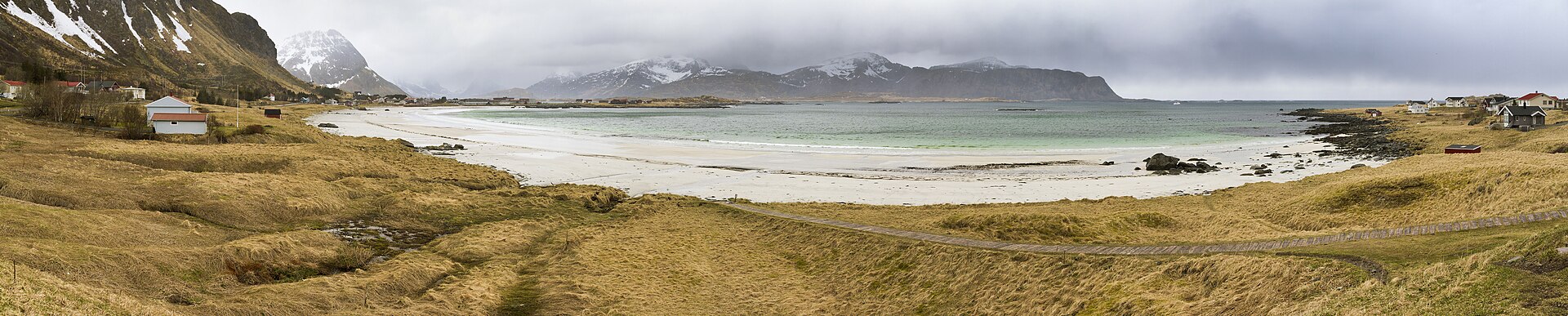
8. Storsandnes and other hidden gems
When, after a few days, you’ve finally had enough of the daily, tiring battle for every metre of personal space at the most famous spots, simply drive a little further to the less-publicised bays. Storsandnes, for example, is a beautifully calm yet very easily accessible pebble beach where you can park stress-free right by the road and where no crowds of tourists await you. Here you can drink in the perfect silence, total peace, and raw Nordic nature exactly as you’ve always pictured it from the best documentary films.
But bear in mind that at hidden, out-of-the-way spots like this there are no public toilets or tempting stalls with overpriced refreshments, so you’re entirely reliant on your own gear and careful preparation. All the more reason, then, to savour in complete privacy the authentic atmosphere and the amazing view of the wild, icy sea, which crashes into the sharp coastal cliffs here with a deafening roar. Just find a safe spot sheltered behind a larger dune, pour yourself a hot tea, and watch the wild waves in fascination.
💡 Tip: If you fancy a local speciality, head to Hov beach on Gimsøya island, where the Hov Gård farm stands right by the water. Their cosy wooden restaurant makes absolutely unbeatable homemade waffles, and those with a sweet tooth shouldn’t miss the famous cinnamon buns at the Unstad Arctic Surf café either.
Where to go next from Lofoten
If you have enough time to explore the north, definitely don’t stick to the coast alone. Read our big guide to Lofoten, where you’ll find detailed itineraries for the whole region and plenty of practical advice on transport. Lovers of mountain hiking should absolutely not miss the article focused on the best treks in Lofoten, which will guide you to the most interesting peaks without unnecessary risk-taking.
For those drawn to the adrenaline of the waves, we’ve put together experiences and tips for surfing in Unstad, where you’ll learn everything about the gear and conditions. And if you’re still unsure about the timing of your trip, take a look at our summary of when to visit Lofoten to avoid any unpleasant surprises from the unpredictable Arctic weather.
Frequently asked questions
What is the average water temperature at the beaches?
In the summer months, July and August, the ocean temperature near the shore typically ranges between just a chilly eight and fourteen degrees. Swimming in a regular bathing suit is really only for very experienced cold-water swimmers, so most people opt for a very thick and high-quality winter wetsuit for any extended time in the water.
Where can I buy food for a beach picnic?
At the vast majority of Lofoten beaches you won’t find any stalls, cafés or promenades with restaurants at all. You’ll need to buy all necessary supplies in advance at larger, well-stocked stores like Kiwi or Rema 1000, which are located in the bigger towns. I definitely recommend packing a good thermos with a hot drink in your backpack for quick warming up.
Are Lofoten beaches safe for swimming?
Besides the extreme and ever-present cold, the open ocean itself poses a huge risk. Especially at exposed and windy spots like Unstad or the popular Skagsanden, strong and completely unpredictable rip currents can form very frequently. Always be extremely careful, follow the instructions on local signs and avoid jumping into large, wild waves.
Do you have to pay for parking at Lofoten beaches?
Yes, at the most famous and most visited spots like the beautiful Haukland or neighbouring Uttakleiv there’s a fairly strict and monitored paid parking system. Prices during the main summer season most commonly range from one hundred to two hundred Norwegian kroner per day, and you pay very simply either through the official mobile app or at a traditional parking meter.
Where can I best see the midnight sun?
To perfectly watch the magical midnight sun you absolutely need a spot with an unobstructed, open view directly to the north. Of the locations we’ve mentioned, Uttakleiv beach is absolutely ideal and very popular for this specific purpose, and you can also get there really easily by car on a flat road, so you can wait for that perfect, unique moment in the comfortable warmth inside your vehicle.
Can I manage the trip to Bunes Beach without a guide?
Definitely yes, the entire hiking route from the picturesque village of Vindstad directly to the vast Bunes beach is technically and physically very easy, with a total elevation gain of just about eighty metres. Your only big and absolutely essential concern should be carefully studying the current timetable of the local ferry from Reine, so you have a safe way to get back to civilisation in the evening.
What should I wear for a walk on the beach?
In Lofoten definitely forget about light summer dresses and flip-flops right away. The absolute basics are smart, quality layering of clothing, because the icy Arctic wind can very quickly and unexpectedly drop the perceived temperature to freezing point. Always pack a reliable windproof and waterproof jacket in your backpack, along with a warm hat and solid footwear that can easily handle mud and constantly damp sand.
Tips and Tricks for Your Vacation
Don’t Overpay for Flights
Search for flights on Kayak. It’s our favorite search engine because it scans the websites of all airlines and always finds the cheapest connection.
Book Your Accommodation Smartly
The best experiences we’ve had when looking for accommodation (from Alaska to Morocco) are with Booking.com, where hotels, apartments, and entire houses are usually the cheapest and most widely available.
 🚗 Car rental on the roadVerified rental cars in Norway
Search with the DiscoverCars comparison engine — it compares prices from dozens of local and international rental companies, and most bookings come with free cancellation.
Compare car prices in Norway →Don’t Forget Travel Insurance
Good travel insurance will protect you against illness, accidents, theft, or flight cancellations. We’ve had a few hospital visits abroad, so we know how important it is to have proper insurance arranged.
Where we insure ourselves: SafetyWing (simple monthly subscription) and TrueTraveller (for extra-long trips).
Find the Best Experiences
Get Your Guide is a huge online marketplace where you can book guided walks, trips, skip-the-line tickets, tours, and much more. We always find some extra fun there!
More from Lofoten
Full guide →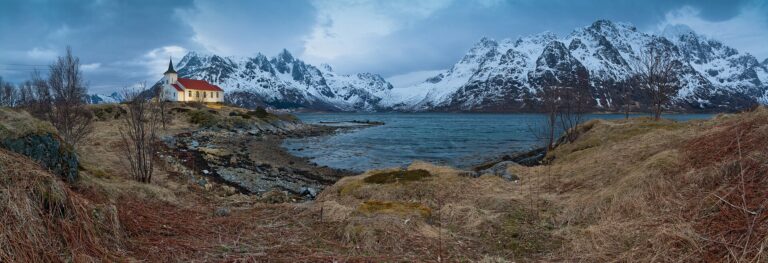 Travel story · most readWhat to Pack for Lofoten, Norway: A Packing List for Every Season
 When to goWhen to Visit Lofoten, Norway: Weather Month by Month and the Midnight Sun 2026
 ActivitiesReinebringen Norway: 6 Things to Know — The Hike, Steps & Current Status
 What to see7 Things to Do in Lofoten, Norway When It Rains: Your Backup Plan
 Getting thereLofoten Islands by Campervan: Parking & Rules for 2026


