

If you’re wondering what to eat in Paris, France, the answer arrives first thing in the morning. As the city slowly wakes and that utterly unmistakable, sweetly caramelised scent of clarified butter drifts out of the corner bakeries into the cool morning air, it’s a feeling that never gets old. You’re sitting at a little round table on the pavement, tearing off the still-warm crust of a crispy baguette with your hands and watching the city slide into its daily rhythm. Waiters in long white aprons line up the wicker chairs to face the street, people hurry to work clutching coffee cups, and you have a whole day of discovery ahead of you. Lukáš and I have played this gastronomic game more times than I can count, and every single time we rediscover that hunting down the best spots in Paris has its own peculiar, faintly adrenaline-fuelled magic.
But Paris has been totally transformed food-wise since our first visit, and for the better. Gone are the days when, as a vegetarian, I’d be handed a sad, dressing-free salad and a mound of cheese while the rest of the table tucked into rich meaty courses. After all the Olympic frenzy, the city took a deep breath and launched into a huge green revolution, and 2026 is an absolutely pivotal year in this respect. When the famous three-Michelin-star restaurant Arpège announced it was switching to a purely plant-based menu, it sent shockwaves through the entire culinary world. Add to that a new generation of young chefs opening laid-back bistros in tucked-away side streets, pouring cloudy natural wines and ignoring the stiff rules of the old school.
Writing a guide to Parisian food means navigating between luxurious palaces and noisy market halls. You’ll need a bit of strategy, because Parisian cafés and wine bars aren’t exactly spacious. Don’t let the legends of arrogant waiters put you off, though. Once you grasp a few basic rules, learn the magic word of greeting and fall into their rhythm, the French will welcome you with open arms. You’ll discover that a fantastic lunch is entirely possible without ever compromising on quality.
So here’s everything we’ve tried with our own teeth over the years in Paris.
TL;DR
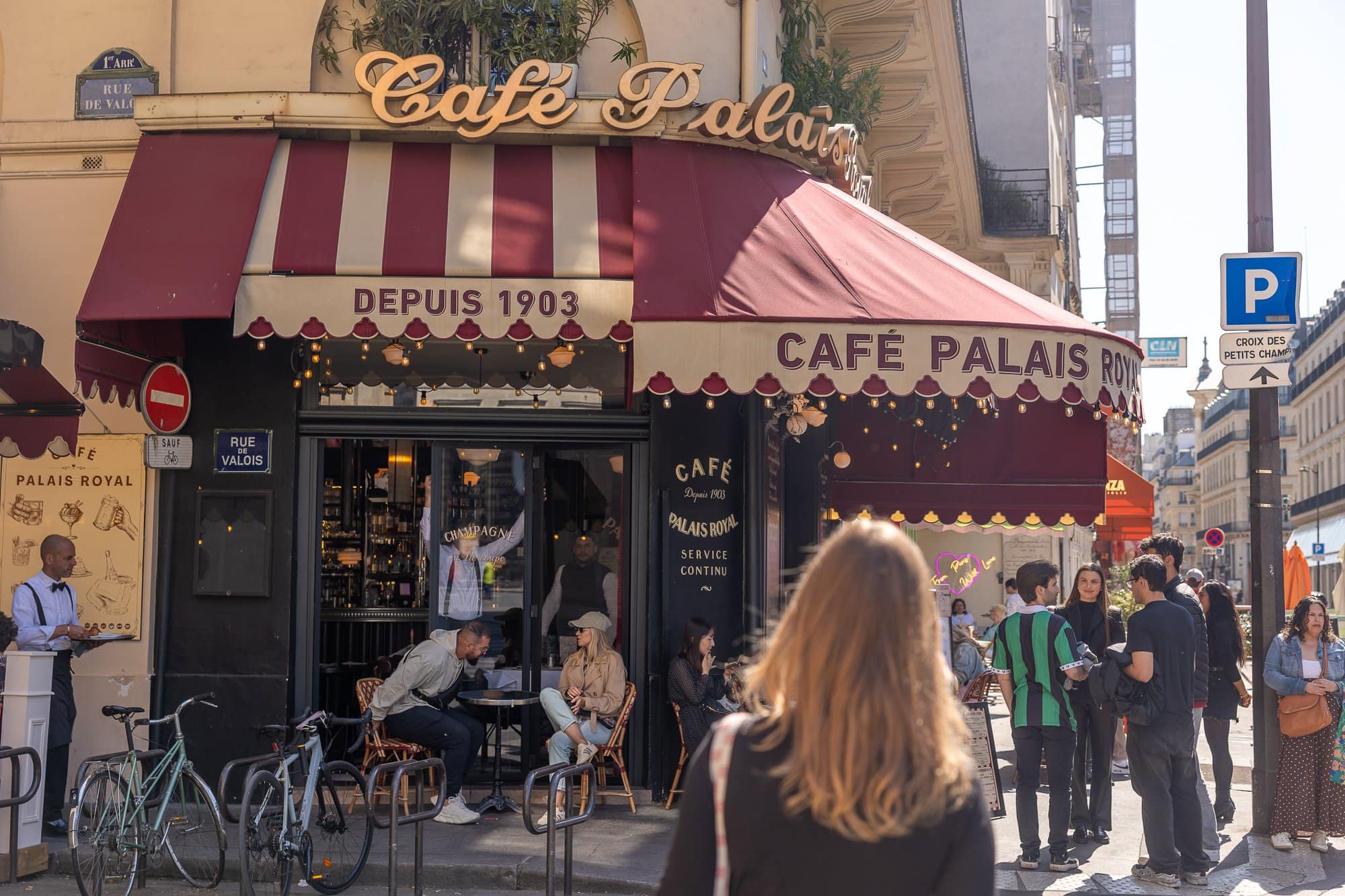
- Best time to eat: The lunch menu (formule midi) is served strictly between 12:00 and 14:30. It’s the best way to taste top-tier gastronomy at a fraction of the evening price (typically €18 to €28).
- The golden rule of politeness: Every time you walk into a bakery, restaurant or café, you must begin with a loud Bonjour (Bonsoir after 6pm). Without it, the staff will simply ignore you.
- The 2026 vegetarian revolution: The three-star restaurant Arpège is now fully vegan (lunch comes to €260). For more affordable plant-based feasting, head to Le Potager du Marais or the raw bistro 42 Degrés.
- Where to go for the best pastries: Always ask for a baguette tradition (never the plain one) and a straight croissant au beurre (the curved one is made with margarine). For the legendary pistachio snails, go to Du Pain et des Idées.
- Street food sure bet: L’As du Fallafel on Rue des Rosiers makes the best falafel in Europe. Heads up: it’s strictly closed on Saturdays for the Sabbath.
- Water is free: Instead of pricey bottled water, always ask for une carafe d’eau (a carafe of tap water) with your meal. It’s your right and it’s completely free.
- Book a table: The better bistros (like Septime or Pink Mamma) fill up a month in advance. Reservations are made online, often via The Fork app. Without one, you stand little chance.
- Watch out for the August trap: In August Parisians leave en masse on holiday. Many family bistros and famous bakeries close for several weeks (the so-called fermeture annuelle).
- Natural wine: Try it like a local. Duck into a small bar (cave à manger) such as Le Verre Volé, order a glass of unfiltered wine and pair it with small sharing plates.
- Tipping tips: By law the restaurant bill already includes a service charge (service compris). A tip isn’t compulsory, but for great service you leave a few euros in cash on the table.
The full destination guide: Paris — guide and what to see
When to go to Paris for food: Seasons and 2026 events calendar
Choosing the right month for your culinary expedition is absolutely crucial. Parisian menus change with the weather, and what’s light vegetable poetry in May turns into rich, warming sauces by November. We love the months when you can sit outside on the terraces, because it’s simply the most pleasant way to soak up the city’s atmosphere.
Spring and autumn: The golden middle ground
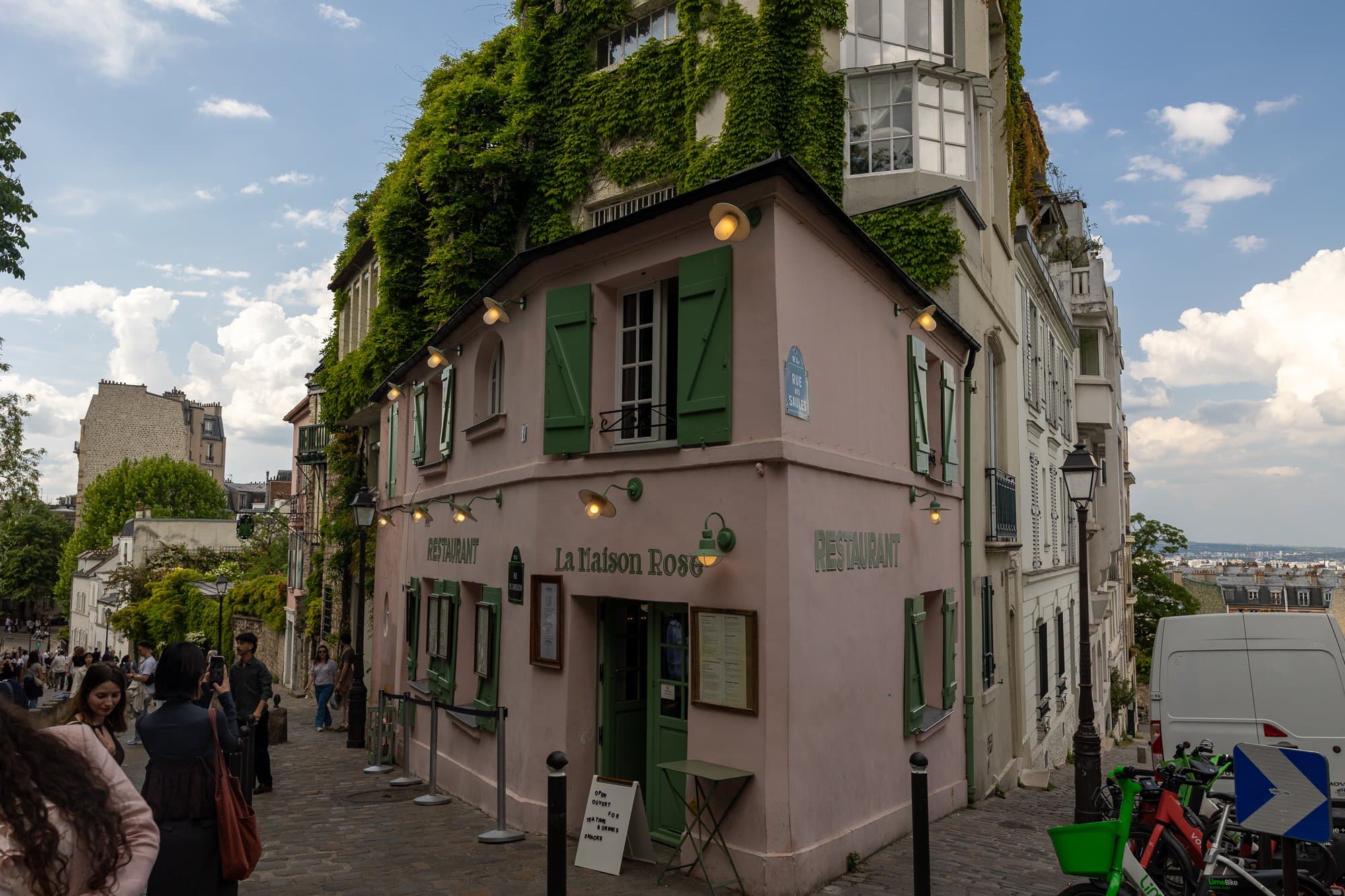
May and June are made for a foodie trip. The markets overflow with asparagus, strawberries and fresh peas. Temperatures are ideal for picnics by the Canal Saint-Martin or in the Luxembourg Gardens. September and October are just as magical. The period known as la rentrée (the return after the summer holidays) brings enormous energy to the streets. Chefs open new spots, unveil autumn menus full of pumpkin, mushrooms and root vegetables, and you get to enjoy a city that’s fully back in gear after summer.
💡 Tip: If you’re planning a spring trip, watch out for Easter. Lots of small family bistros are closed over the holidays, while chocolate boutiques (like Pierre Hermé) are bursting at the seams as Parisians stock up on Easter eggs.
The summer months and the treacherous August
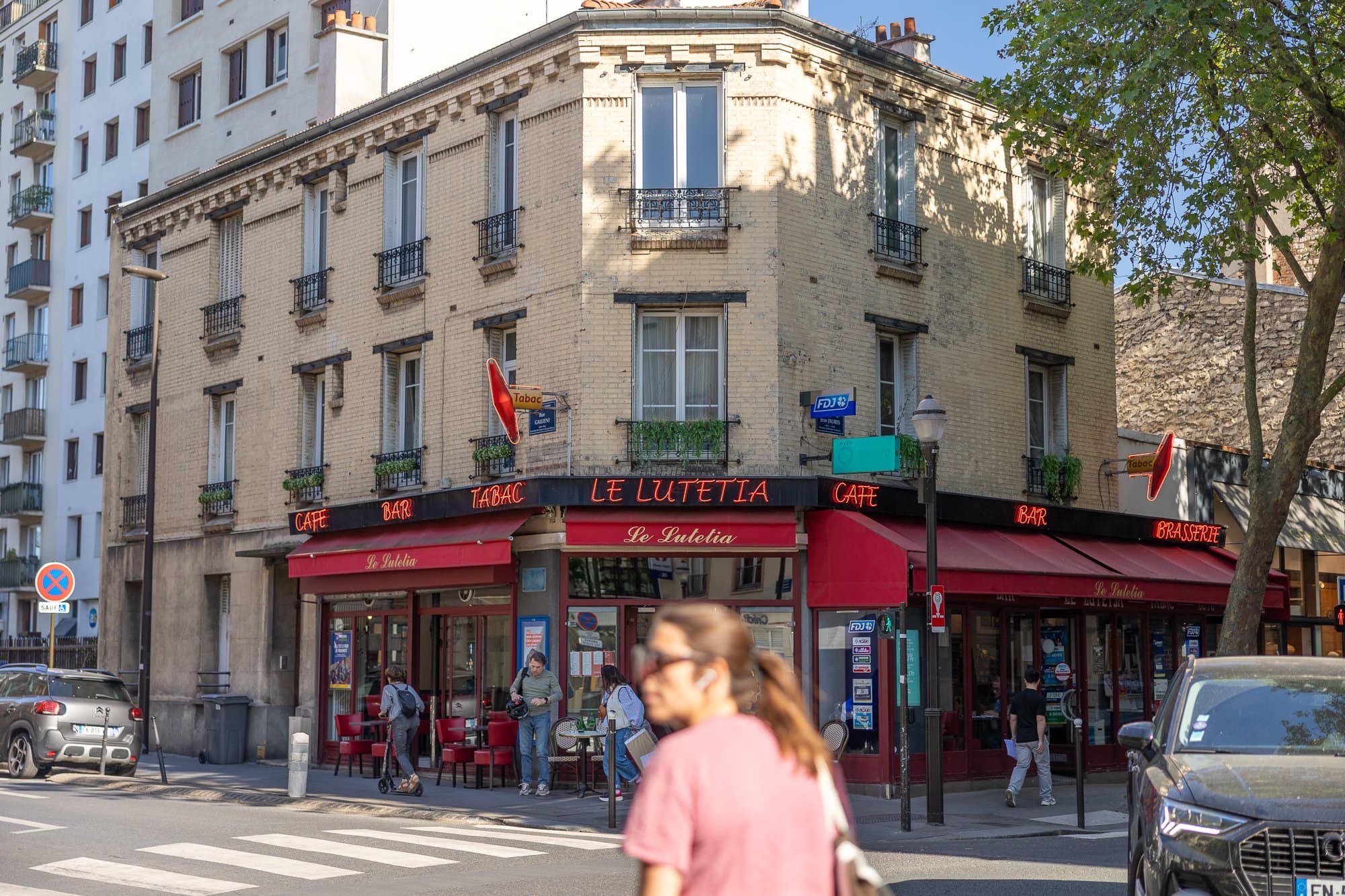
July is still full of life in the city, and on top of that, in summer 2026 parts of the Seine are finally opening for public swimming after a hundred years, which is a huge deal. So you can have a great lunch and then go cool off right in the river. The real problem, though, comes in August. If you can, avoid August. The city empties out, the asphalt melts, and the best independent restaurants, bakeries and cheese shops hang fermeture annuelle signs on their doors. The locals have simply gone to the seaside, and you’ll often be left at the mercy of overpriced tourist traps that stay open all year round.
💡 Tip: If you absolutely must go to Paris in August, rely on hotel restaurants and the big brasseries (such as Bouillon Chartier), which never close. International and Asian spots in the 13th arrondissement also tend to stay open.
Winter cosiness and Christmas markets
January and February can be raw and chilly in Paris, but gastronomically it’s actually a brilliant time. The best citrus is ripening, hearty onion soups are simmering, and restaurants are full of locals because tourists are at a minimum. The end of the year then belongs to the Christmas markets. They tend to be fairly commercial, but mulled wine (vin chaud) and the smell of roasting chestnuts in the streets have something special about them. Winter is also when you’re most likely to land a reservation at the most sought-after Michelin spots.
💡 Tip: Don’t go to Paris for Valentine’s Day unless you really have to. On that day restaurants offer only fixed, often overpriced menus, the atmosphere feels forced, and the usual à la carte menu is cancelled.
Where to stay in Paris (not only) for food lovers
Your choice of neighbourhood will set the whole tone of your holiday. Paris is made up of twenty districts (arrondissements) that spiral out from the centre like a snail shell. Each one has a completely different mood and, above all, a different food scene. With our love of good coffee and vegetables, Lukáš and I have come to favour specific zones where everything is within reach and we don’t have to spend hours underground on the metro.
6th arrondissement (Saint-Germain-des-Prés)
The absolute top choice for a peaceful stay: the pavements here are pleasantly wide, the Jardin du Luxembourg is just around the corner for long strolls, and you’ll find fantastic organic markets and historic cafés. Sure, it’s a pricier area, but the calm is genuinely worth it.
We’ve tried a few places to stay here that we swear by. The classic Parisian Hotel des Grands Hommes offers a view of the Panthéon, has a lift (not a given in Paris) and a night here runs to about €220. A little closer to the river is Hotel Britannique, with beautifully clean rooms and very welcoming staff, where the price tends to be around €180.
3rd arrondissement (Upper Marais)
The historic heart of the city, which survived the great Parisian redevelopment. The streets are narrow, but the northern part (Haut Marais) is quieter. Here you’ll find the best falafel, the wonderful covered market Marché des Enfants Rouges and plenty of specialty coffee shops.
Our clear pick here is Hotel Les Tournelles. It’s a lovely, clean-design hotel with family rooms and perfect access to all the hip bistros in the area. A night runs to about €200 and it’s well worth the comfort right in the heart of the action.
11th arrondissement (Popincourt / Bastille)
If you’re coming primarily for the food and modern bistronomy, this is your base. It’s a busier, young neighbourhood packed with natural wine bars and independent chefs. In the evening it really comes alive and gastronomically it doesn’t put a foot wrong.
In this neighbourhood our favourite was Le Général Hôtel. A very modern hotel a short walk from Place de la République, with friendly staff and great local pastries for breakfast. A night here starts at €150.
💡 Tip: When booking a hotel, always make sure it has a lift (ascenseur). Lots of old Parisian buildings only have narrow spiral staircases, and you really don’t want to be hauling suitcases up to the fourth floor.
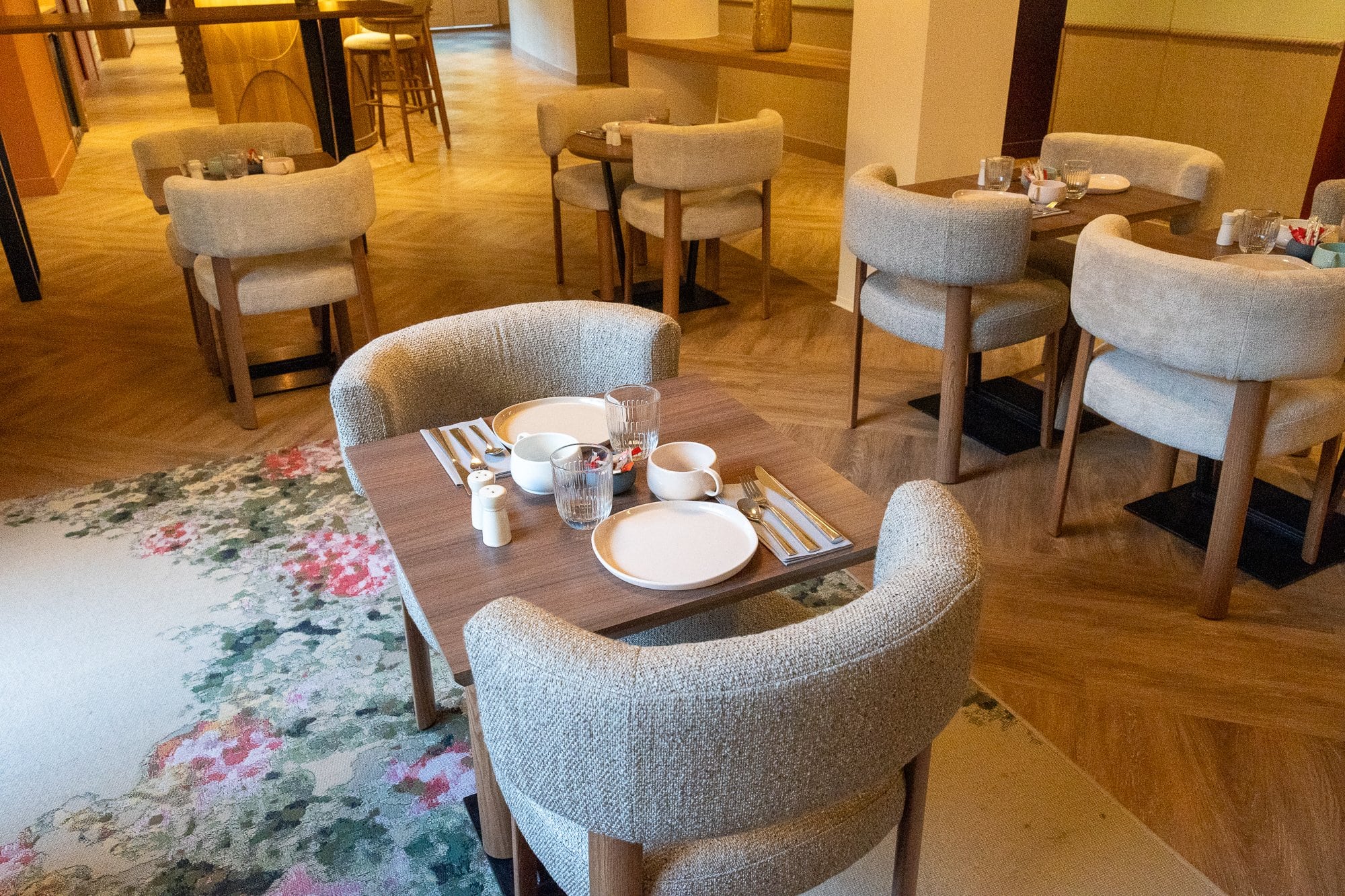
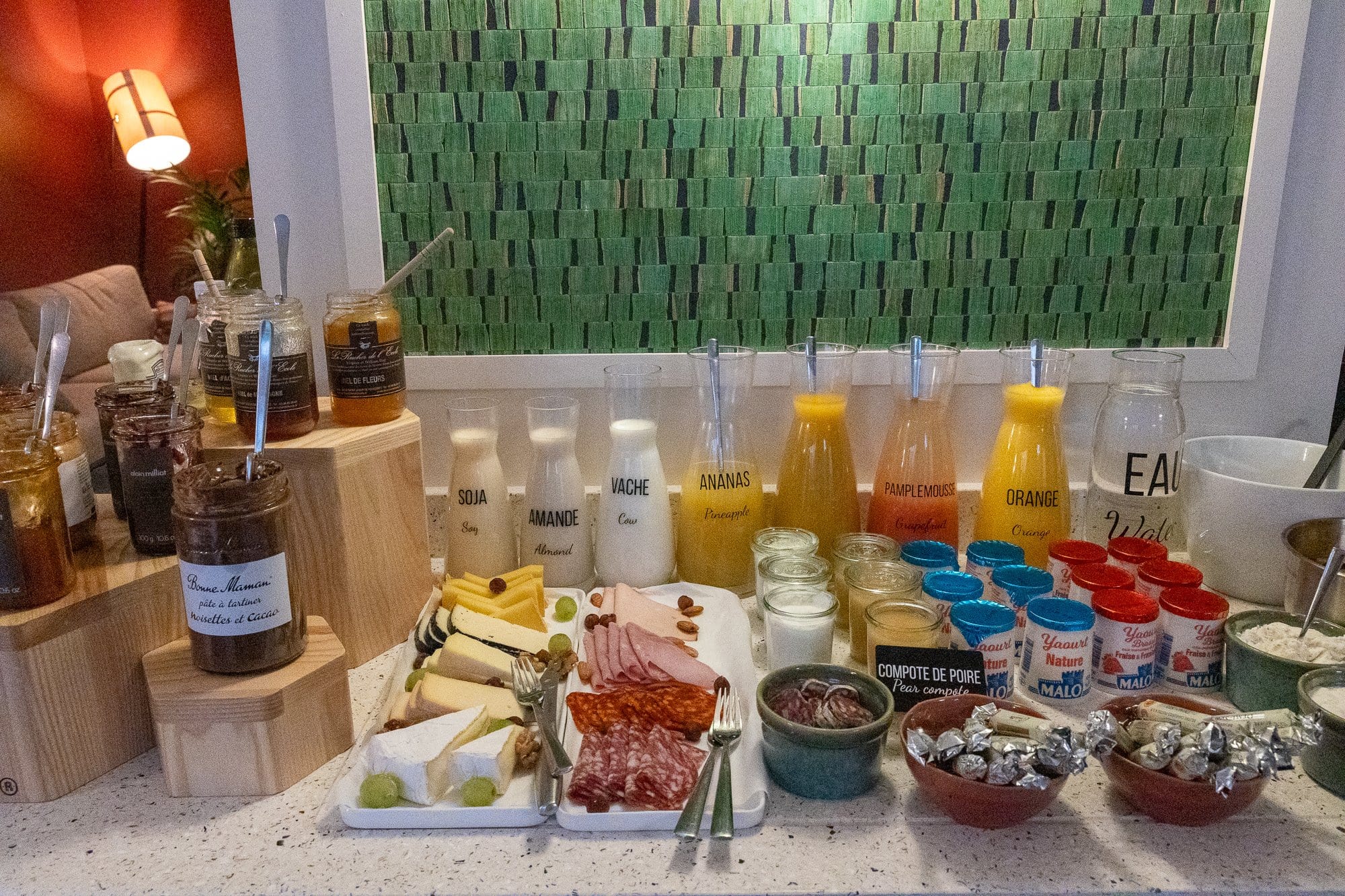
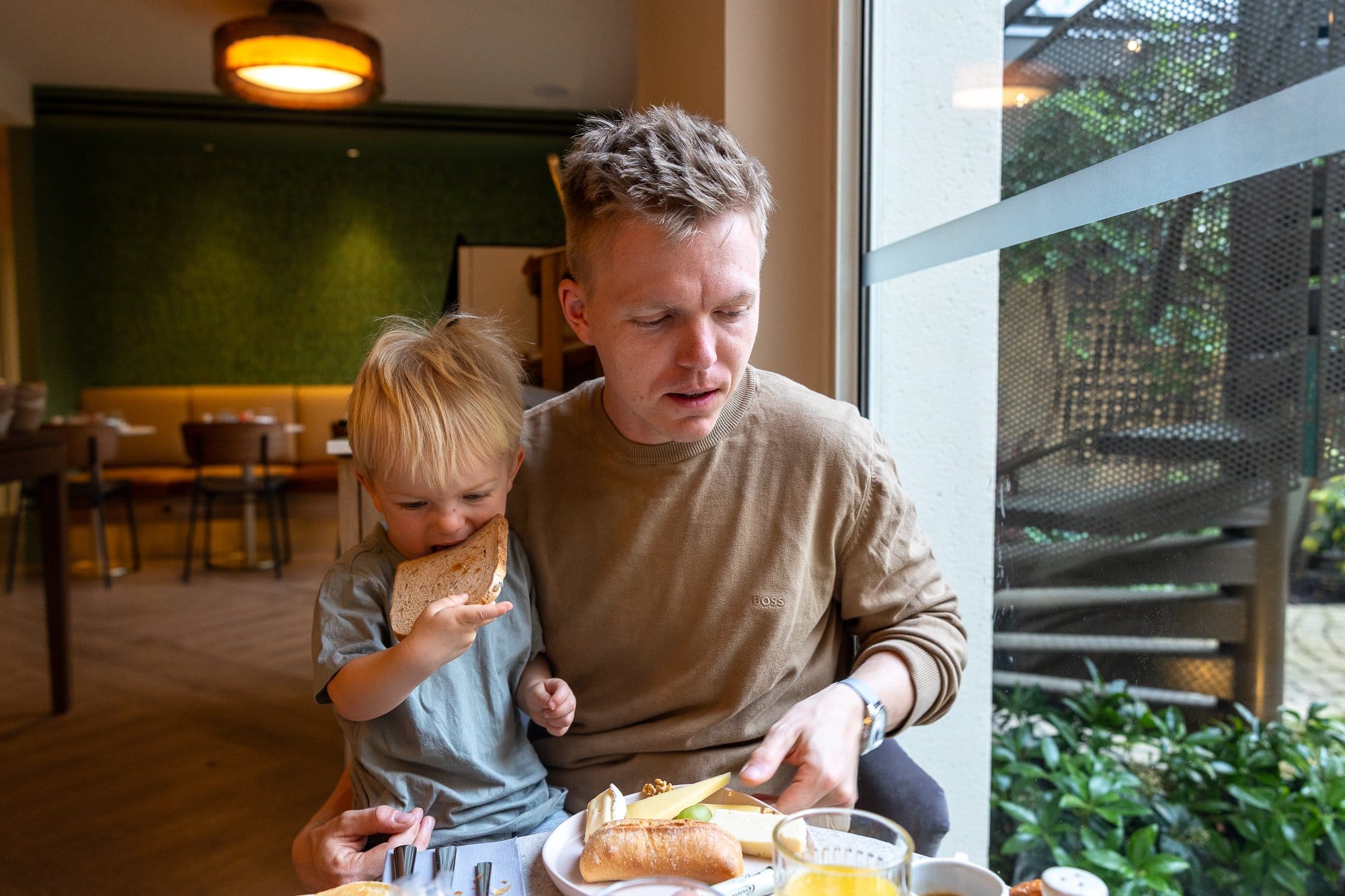
When you travel to France for the food, the morning coffee and pastry become a ritual you start looking forward to the night before. Breakfast at the boutique hotel Hôbou made us hugely happy, as did their afternoon service of homemade desserts baked by local pastry chefs. I write more about this gastro experience in our hotel review, and you can easily book it right here.
Where to eat: Parisian bistros and the revolution called Bistronomie
Forget for a moment about starched white tablecloths and silence broken only by the clink of silver. The most exciting things in Paris right now are happening in battered bistros with exposed brick, where quiet hip-hop plays from the speakers and chefs cook in trainers. The movement known as bistronomie took the techniques of haute Michelin cuisine and dropped them into a relaxed setting. The epicentre is eastern Paris, and for us it’s a huge joy, because the new generation of chefs loves working with vegetables.
The Septime phenomenon and its sisters
This is where it all started. Chef Bertrand Grébaut opened Septime in the 11th arrondissement (Rue de Charonne) and completely rewrote the rules of the game. The restaurant now holds one Michelin star but keeps its informal feel. Getting in is a bit of an adrenaline sport, but if you manage it, an unbelievable experience awaits. They’re completely used to cooking purely plant-based, but you have to flag it when you book. Don’t expect any meat substitutes – you’ll get masterpieces made from root vegetables and herbs. Right next door is their sister venue Clamato, which focuses on seafood.
💡 Tip: If you want to experience Septime in peace, grab a table at lunch (they open at 12:00). The atmosphere is more relaxed, daylight gives the place a more laid-back feel, and the lunch menu is also significantly cheaper than the evening tasting.
- Where to find it: 80 Rue de Charonne, 11th arrondissement (Metro Charonne, line 9)
- Price: Lunch menu around €65, evening tasting €110
- Open: Mon–Fri 12:00–14:00 and 19:30–22:00 (closed weekends)
Frenchie and the Rue du Nil empire
Chef Greg Marchand has essentially privatised one small cobbled side street in the 2nd arrondissement. His flagship, Frenchie, is a global sensation. Around it he’s gradually built a little empire that includes a wine bar across the way and a fast-food bistro, Frenchie To Go. Getting in is a bit of an adrenaline sport, but it’s well worth it, and the food is playful, precise and incredibly photogenic.
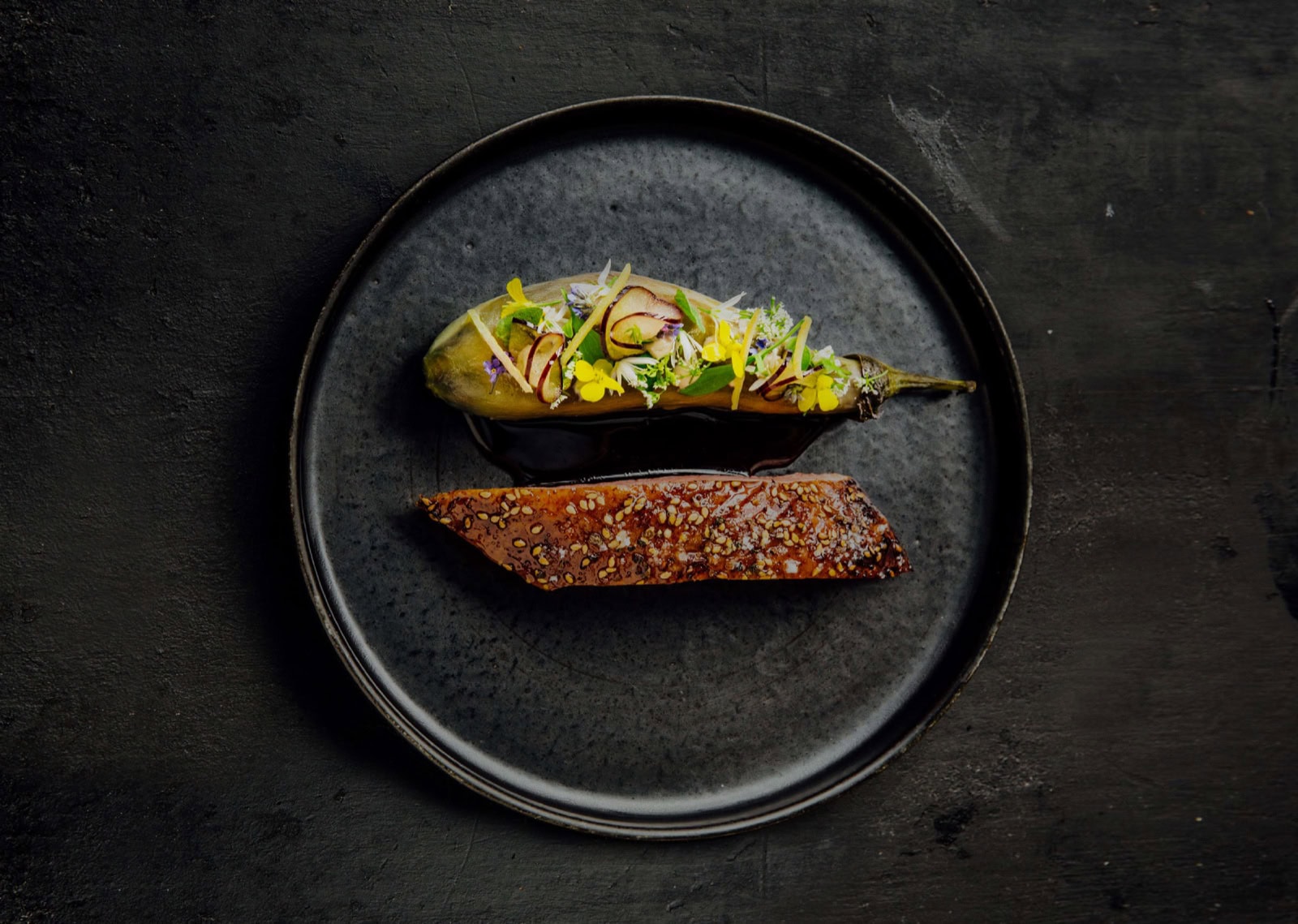
💡 Tip: The Frenchie Bar à Vins wine bar doesn’t take reservations. If you want to eat there, you have to turn up about 15 minutes before opening (they open at 18:30) and simply join the queue. First come, first seated.
- Where to find it: 5 Rue du Nil, 2nd arrondissement (Metro Sentier, line 3)
- Price: Evening menu at Frenchie around €140, smaller plates at the wine bar €15–25
- Open: Mon–Fri evenings (main restaurant), wine bar open daily from 18:30
An Asian twist at the Levha sisters’
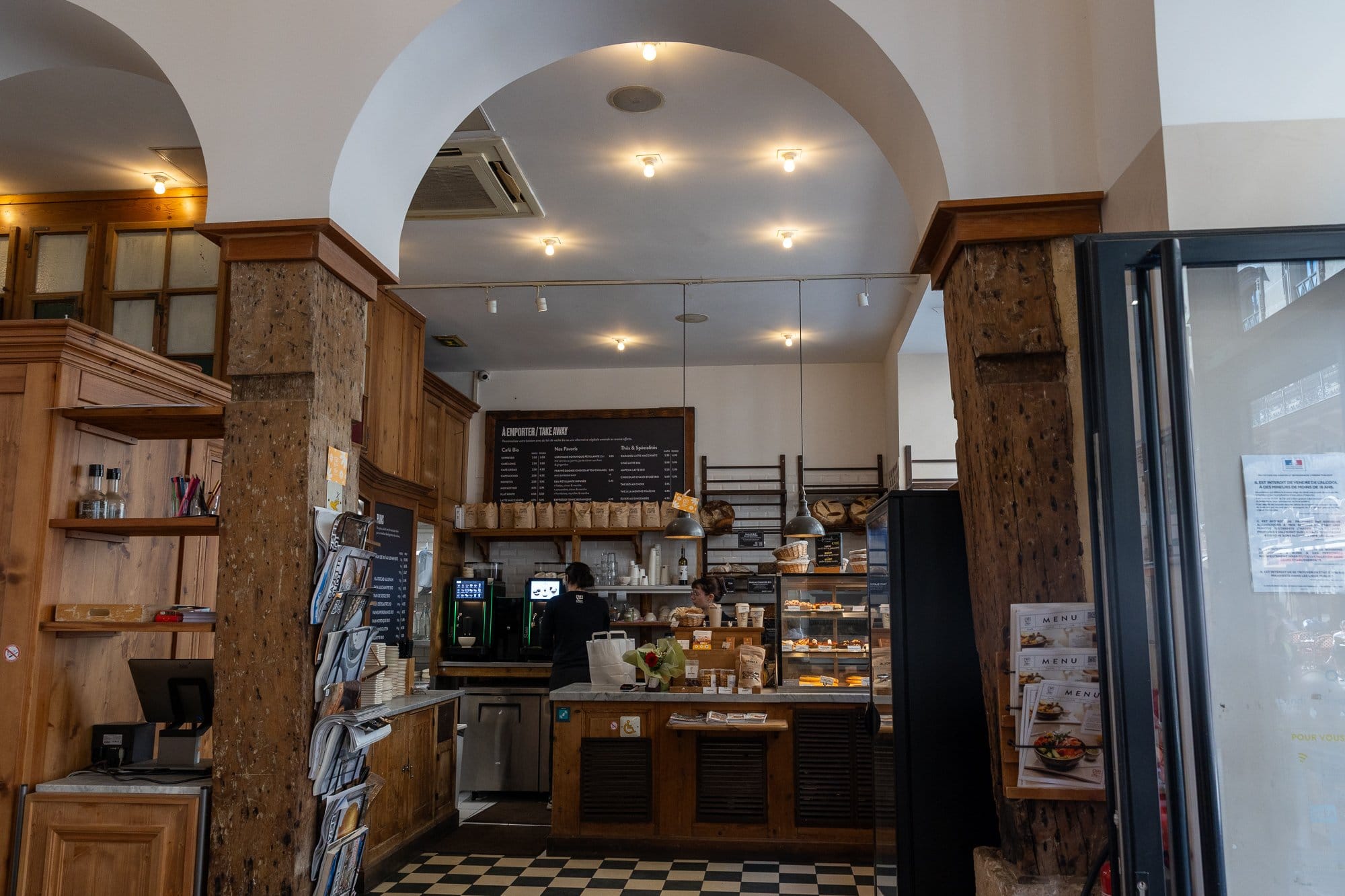
Tatiana and Katia Levha are the rock stars of the Parisian food scene. Their first venue, Le Servan, in the 11th arrondissement, is the very definition of a modern French bistro with subtle Asian touches. A bright interior, a beautiful brass bar and food with serious edge. A short walk away they’ve opened Double Dragon, an even wilder concept full of spicy sauces and funky natural wines. For me as a vegetarian, that Asian influence is absolutely brilliant, because they can conjure incredible depth of flavour from tofu and fermented vegetables.
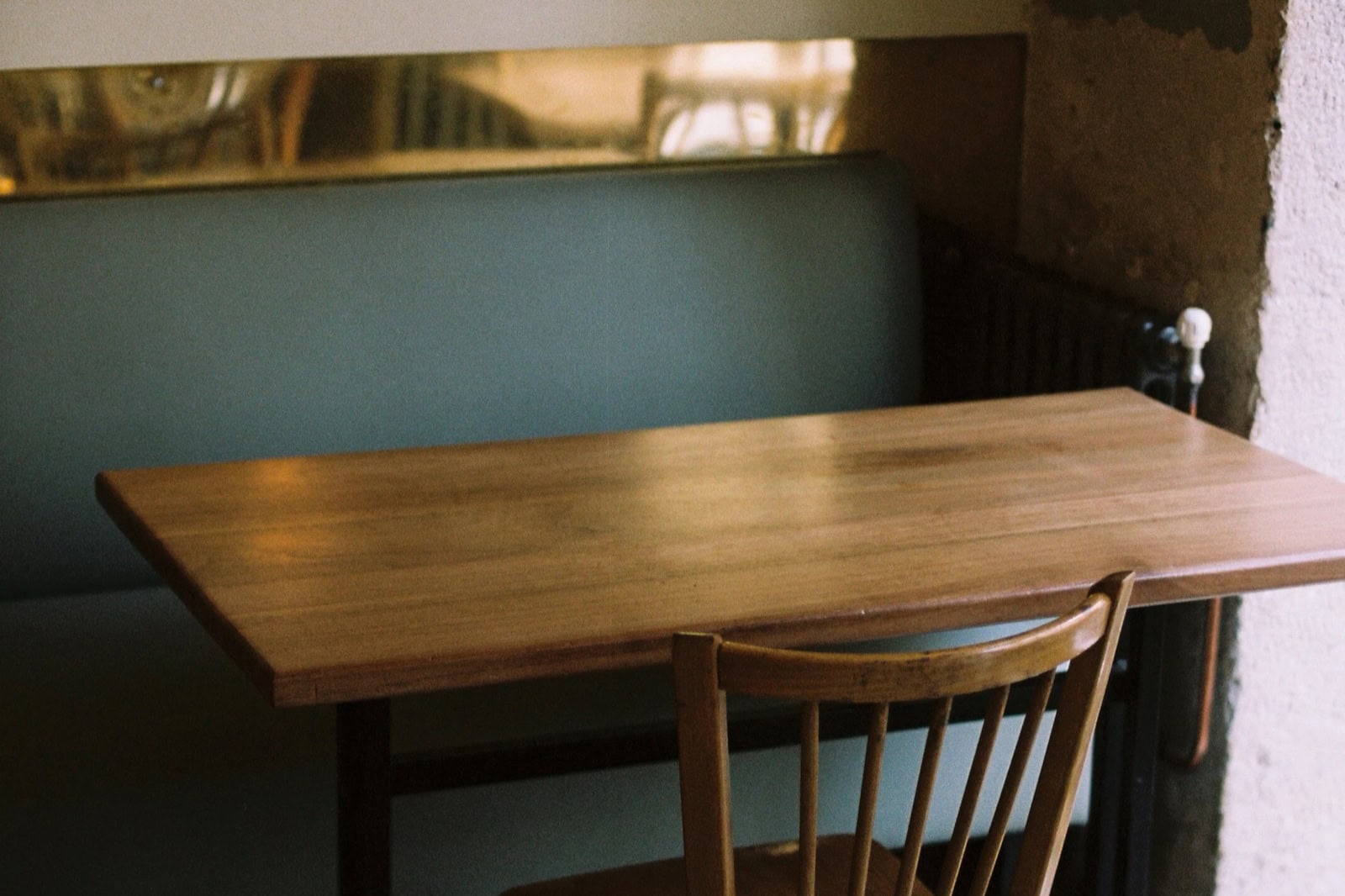
💡 Tip: Le Servan is best experienced over lunch – the staff are young and friendly and the atmosphere is calm. Double Dragon, by contrast, is more of an evening affair and very loud.
- Where to find it: 32 Rue Saint-Maur, 11th arrondissement (Metro Voltaire, line 9)
- Price: Starters around €14, mains €25–30
- Open: Tue–Sat lunch and dinner (closed Sunday and Monday)
Instagram hits and the Big Mamma Group
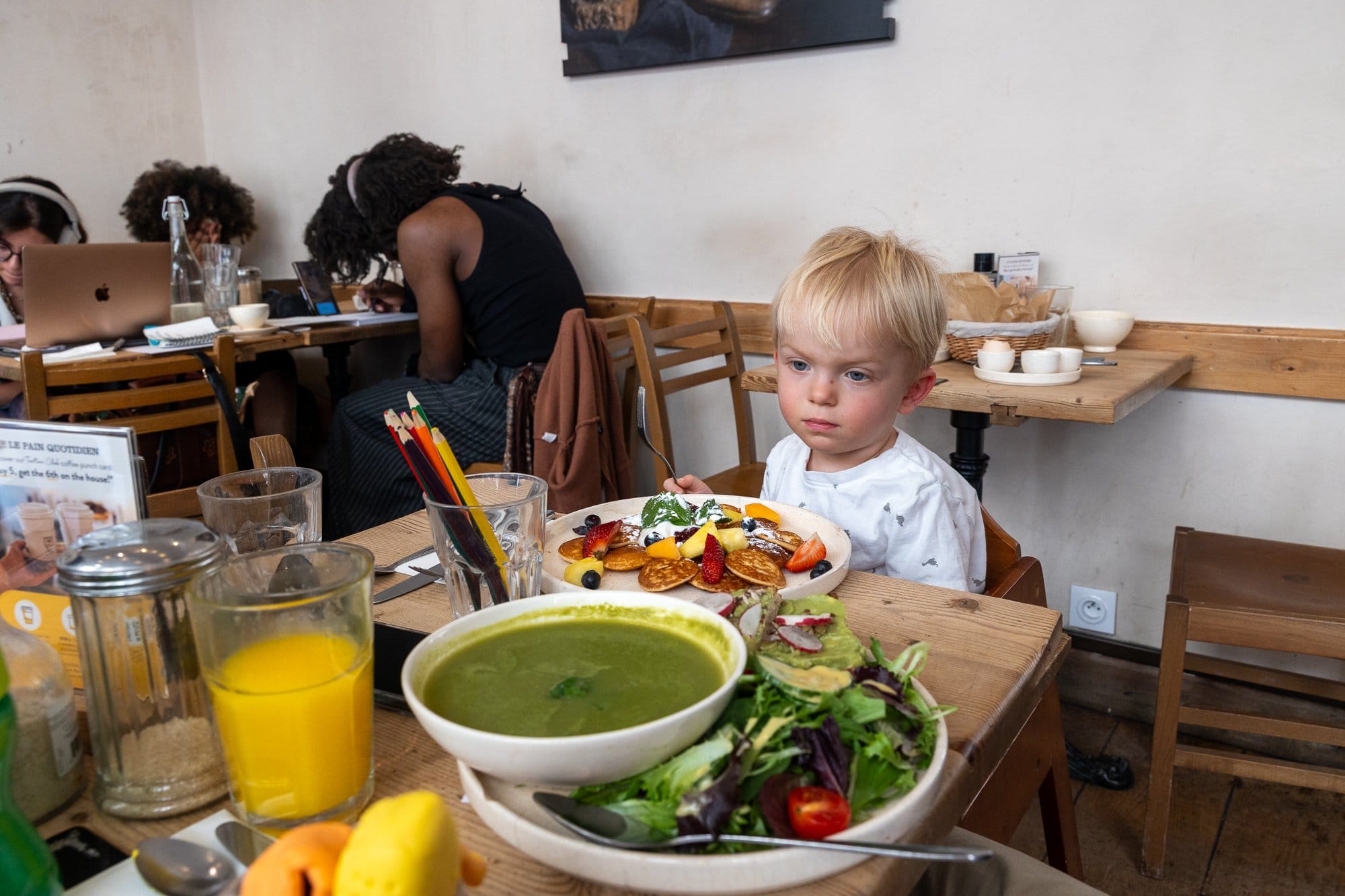
Social media and the show Emily in Paris have turned some venues into genuine pilgrimage sites. People often queue there just for the photo, but the Big Mamma group deserves its enormous hype gastronomically too. Their Italian restaurants are opulent, colourful and look like a film set inside. Their flagship, Pink Mamma in Pigalle, looks like a greenhouse crossed with a palace. Homemade pasta, truffle pizzas and creamy burrata make these spots a safe and immensely tasty zone for any vegetarian.
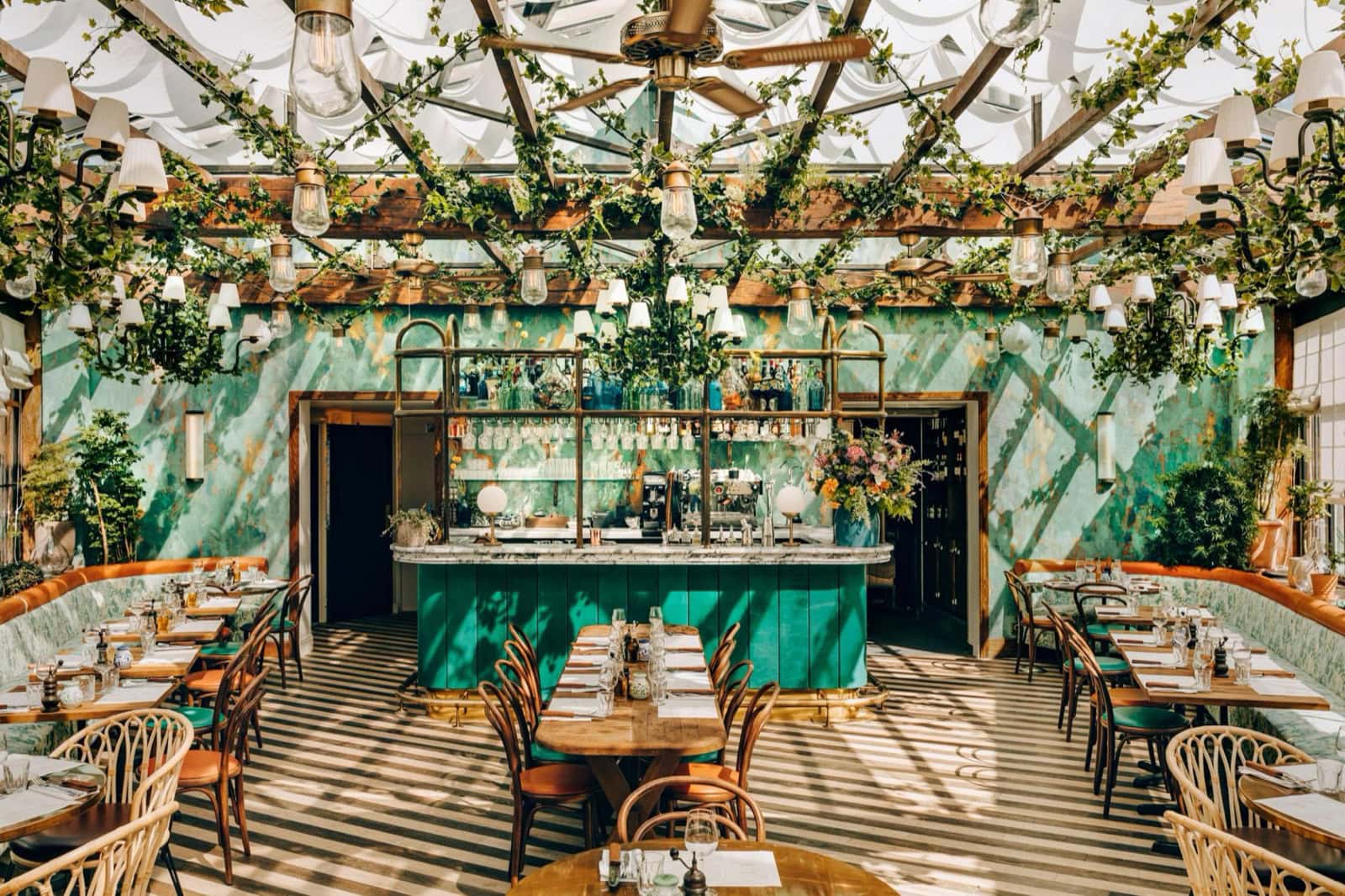
💡 Tip: You’ll practically never get in without a reservation – the wait-list queues are endless. Bet on the lunch opening time, when you have the best chance of landing a table on the lower greenhouse floor, which is the prettiest part of the whole place.
- Where to find it: Pink Mamma, 20bis Rue de Douai, 9th arrondissement (Metro Blanche, line 2)
- Price: Pizzas and pasta €15–22
- Open: Daily lunch and dinner
The 2026 Michelin scene: Vegetables at the top
Paris and Michelin go together like a fresh baguette and salted butter. This is where the rules of haute cuisine were born. You might think the world of starched tablecloths and hushed dining rooms is an inaccessible luxury for the chosen few. That’s not quite true. What’s more, Parisian haute cuisine is undergoing a huge transformation, with vegetables rising to the absolute top. If you want to treat yourself to an exceptional experience, you have plenty to choose from – and without having to sell a kidney.
Arpège: The vegetarian holy grail
Alain Passard is, for me personally, a bit of a culinary god. His Arpège has held three Michelin stars continuously since 1996, but that alone wouldn’t be enough. And now the most important bit: in 2026 Arpège is fully plant-based. The only exception among animal products is the honey from Passard’s own beehives. It’s the only three-star restaurant in France to take such a radical step, and for me it’s a dream come true. Iconic dishes like the flambéed aubergine with melon confit will quite simply bring tears to your eyes. The vegetables are supplied by his own biodynamic farms.
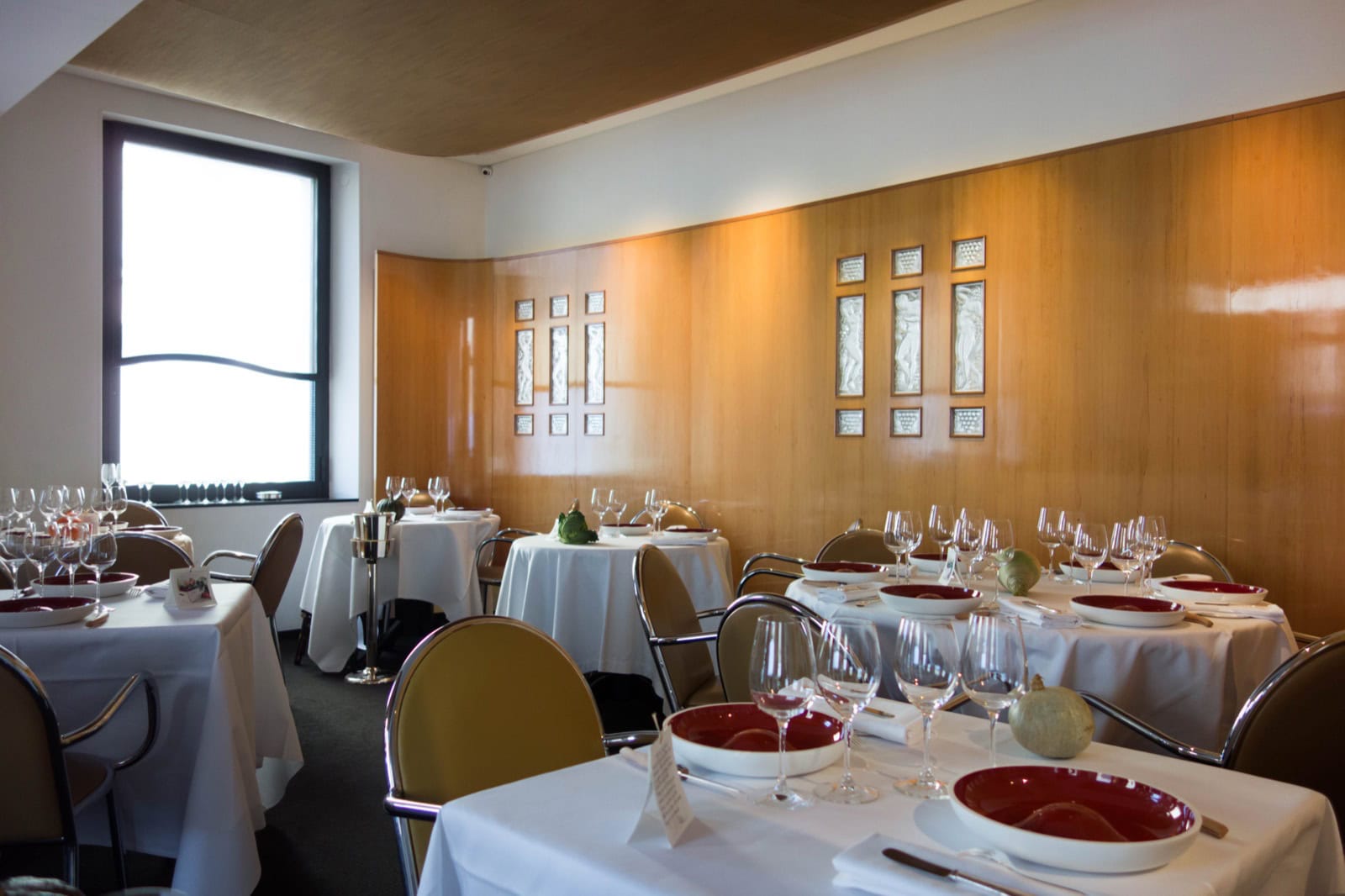
💡 Tip: If the €420 evening tasting is too much for you, go for the lunch menu. You’ll get the same Passard cooking, just in a more intimate midday atmosphere and at a noticeably friendlier price.
- Where to find it: 84 Rue de Varenne, 7th arrondissement (Metro Varenne, line 13)
- Price: Lunch menu €260, evening tasting €420
- Open: Mon–Fri lunch and dinner (closed weekends)
Vivide and Étude: Intimate meat-free experiences
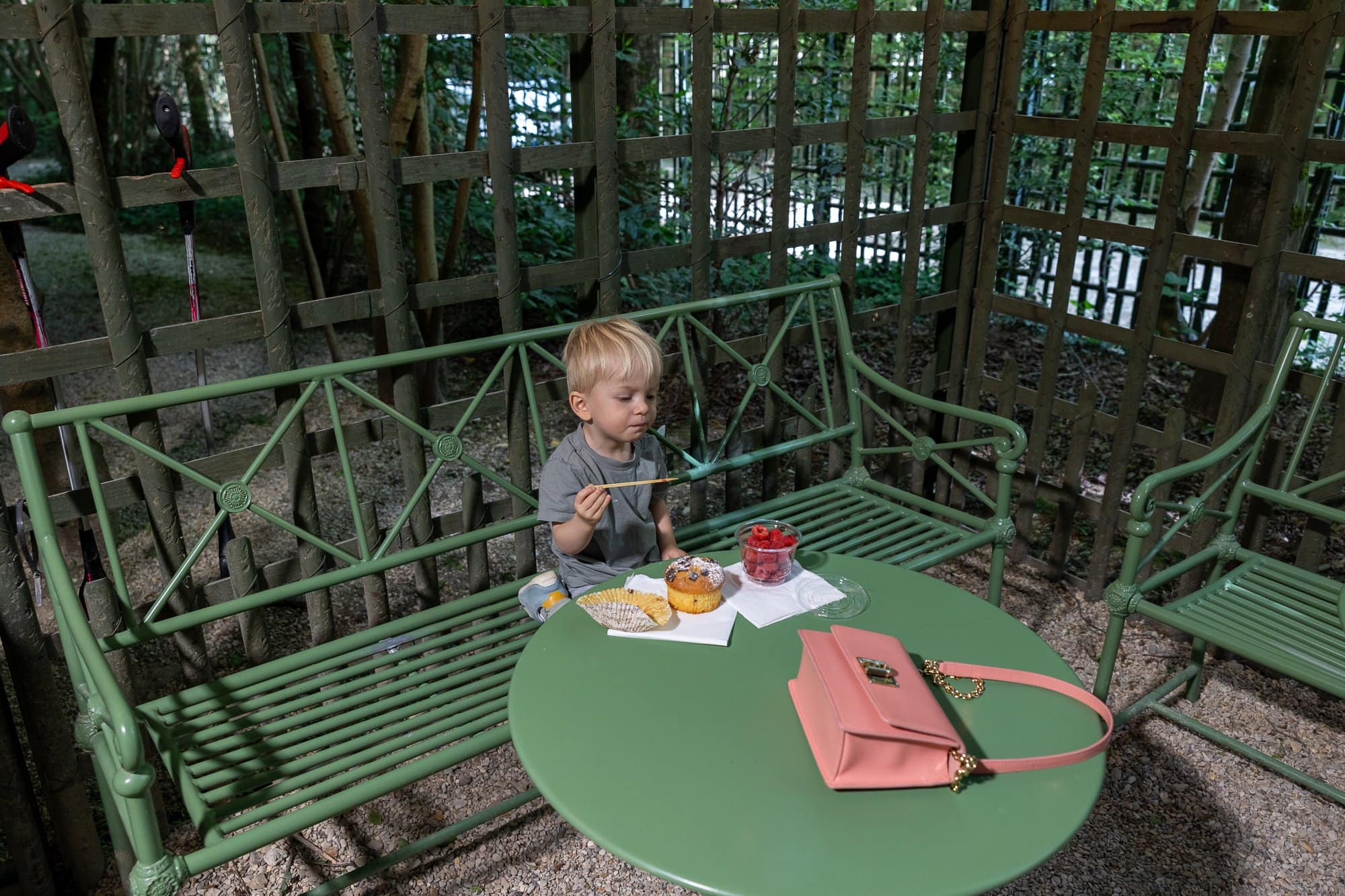
If Arpège is currently out of your budget (and honestly, ours too), don’t worry – Paris has a few brilliant alternatives right at the top. For uncompromising vegan haute cuisine, head to Vivide. They serve a so-called blind tasting menu, where texture and unexpected combinations take centre stage. Another stop for the discerning is Étude in the quiet 16th arrondissement. This one-Michelin-star restaurant will, on advance request, prepare an absolutely phenomenal vegan tasting menu. It’s a very calm and elegant place.
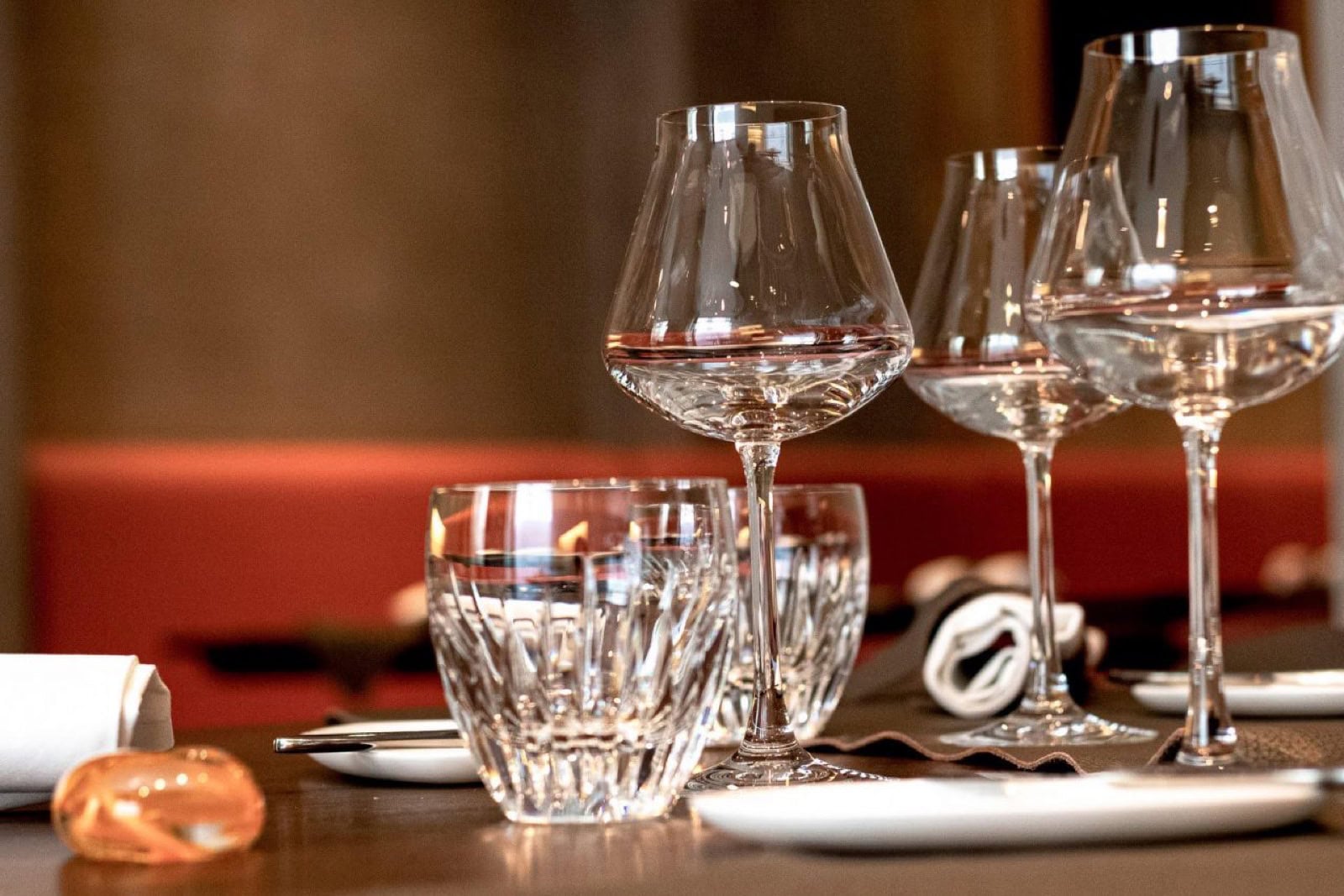
💡 Tip: A blind tasting means you don’t know in advance what you’ll get. The chef cooks from whatever they brought back from the market that morning. So when booking, you must state any allergies very precisely.
- Price: Vivide tasting menu €75, Étude around €120
Guy Savoy and the classic heavyweight
If your partner appreciates more than just plant-based food and you’re after proper, heavyweight French classics in breathtaking historic surroundings, head to restaurant Guy Savoy. It’s housed in an 18th-century building and serves up perfection. The chefs sweat blood over every portion and the service runs like a perfectly tuned Swiss watch. Lukáš still raves about their famous artichoke soup with truffles.
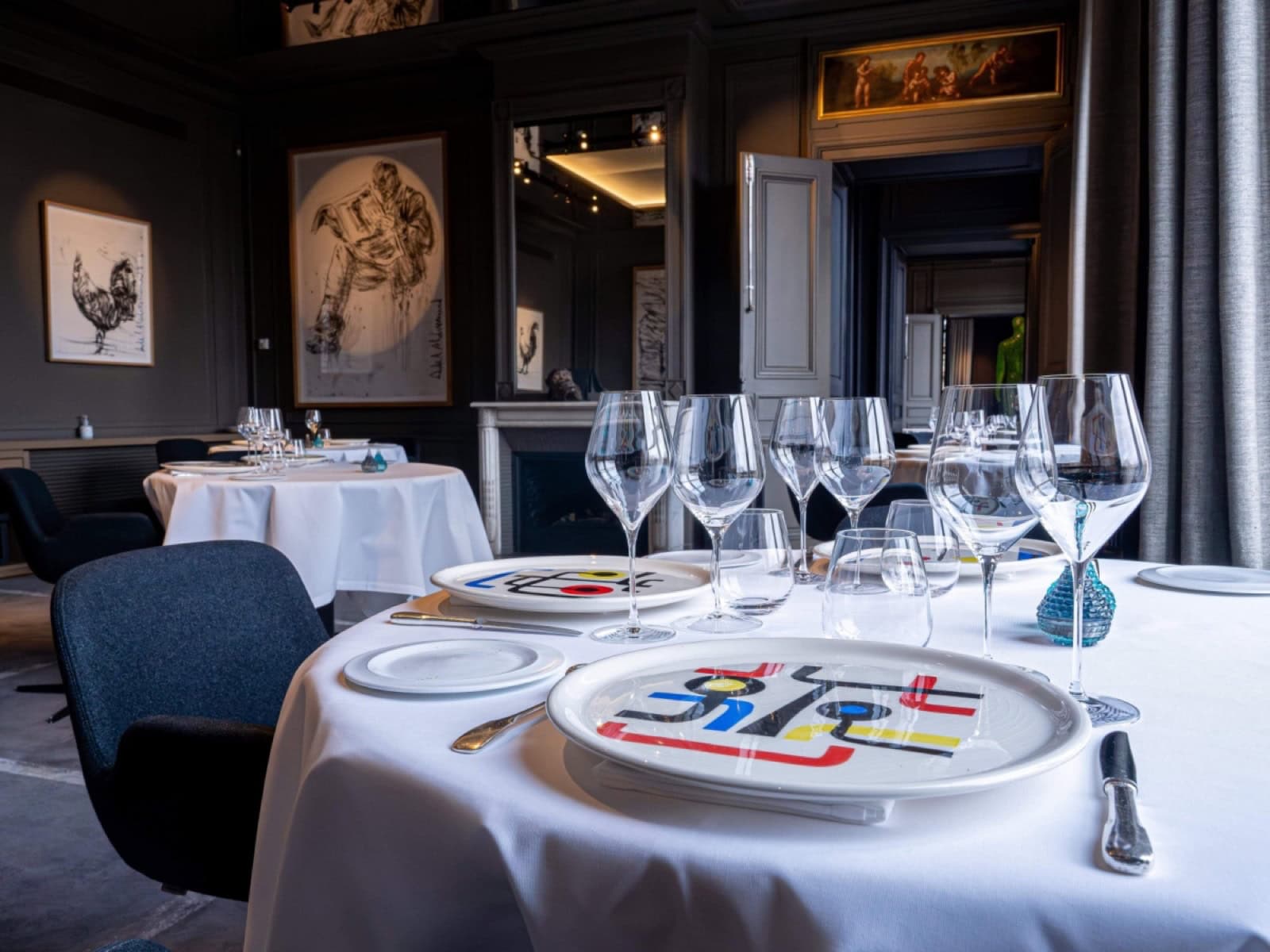
💡 Tip: These three-star palaces enforce a strict dress code. Forget trainers (even the clean designer ones) – men need a jacket and women elegant attire.
- Where to find it: Monnaie de Paris, 11 Quai de Conti, 6th arrondissement (Metro Pont Neuf, line 7)
- Price: À la carte items €100–250, tasting over €400
- Open: Tue–Sat lunch and dinner

Bib Gourmand: Top-tier gastronomy at a fraction of the price
Michelin isn’t only about stars. For locals, the much more valuable mark is the one with the face of the little Bibendum man – the so-called Bib Gourmand. This award goes to restaurants offering exceptionally good food at a reasonable price. Try the great spots Le Coucou or Adami in the 9th arrondissement. They’re ideal places for a relaxed evening. It’s louder here, the tables are closer together and the atmosphere is far livelier than in the quiet Michelin sanctuaries.
💡 Tip: The best culinary trick in all of Paris is called the formule midi (lunch menu). Even at the very best venues you’ll get a starter and a main over lunch for an unbelievable €18 to €28.
- Price: Three-course menu always under €45
Map of points of interest for your phone
The complete vegetarian and vegan map of Paris
Being a vegetarian in Paris no longer means being condemned to a diet of dry baguette and cheese from which you have to desperately pick out bits of bacon. Not at all. The city on the Seine is now one of the most creative places for meat-free dining in Europe. Here are our tried-and-tested addresses where you’ll eat so well that even die-hard carnivores will forget there’s no steak on the plate.
Traditional French cuisine without meat
It would be a shame to be in France and not taste onion soup or hearty stews. A short walk from the Centre Pompidou (which, by the way, is closed for renovation until 2030) you’ll find Le Potager du Marais. It’s exactly the right thing. They make meat-free versions of traditional French dishes, often in a fully vegan rendition. A slightly more modern approach is taken by Le Potager de Charlotte in the 9th arrondissement, where they playfully take old techniques and apply them purely to vegetables.
💡 Tip: If, as a vegetarian, you wander into an ordinary corner brasserie, watch out. Most classic cooking is built on pork lard (saindoux) or bits of bacon (lardons). They’ll happily sprinkle bacon over even a plain salad. Always ask: “Il y a des lardons dedans?” (Is there bacon in it?).
- Where to find it: Le Potager du Marais, 26 Rue Saint-Paul, 4th arrondissement (Metro Saint-Paul, line 1)
- Price: Mains €18–22
- Open: Wed–Sun lunch and dinner
The raw and healthy wave
Sometimes, after all those buttery croissants, your body simply starts crying out for vitamins. An absolute one-off is the bistro 42 Degrés in the 11th arrondissement. It’s the only raw food bistro in France. Nothing in the kitchen is cooked or heated above 42°C, so the ingredients keep all their nutrients. Yet the presentation is a match for haute cuisine. If you need a quick health hit on the go, the Wild & The Moon chain will save you. They make cold-pressed juices and great bowls.
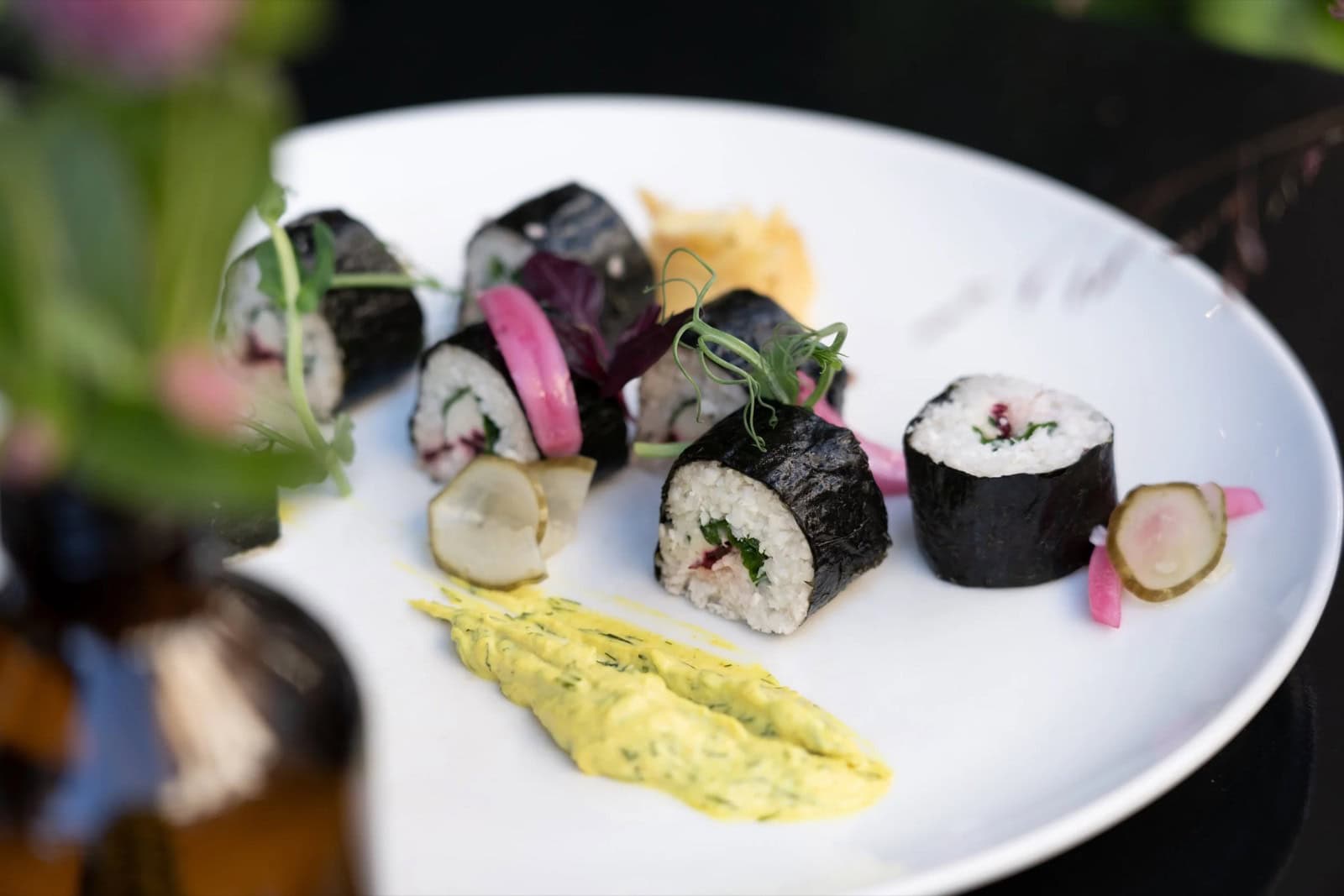
💡 Tip: Wild & The Moon has a branch right in the Marais. It’s a great stop for an afternoon break when you run out of steam after a whole day wandering the cobbled streets. They also have excellent raw desserts.
- Where to find it: 42 Degrés, 109 Rue du Faubourg Poissonnière, 9th arrondissement (Metro Poissonnière, line 7)
- Price: 42 Degrés mains around €20, Wild & The Moon juices from €6
Exotic flavours and African rhythms
As soon as European flavours start to bore you, head to the 10th arrondissement near the Canal Saint-Martin. This is home to Jah Jah by Le Tricycle, a spot with a Jamaican and African vibe ruled by a Rastafarian style. The absolute hit here is the Mafé – rice with a rich sauce, avocado, bananas and grilled vegetables. If you love Asian food, Tien Hiang is an institution. Everything here is vegan, and the chefs work so masterfully with plant-based substitutes that their fake duck would easily fool even native Asians.
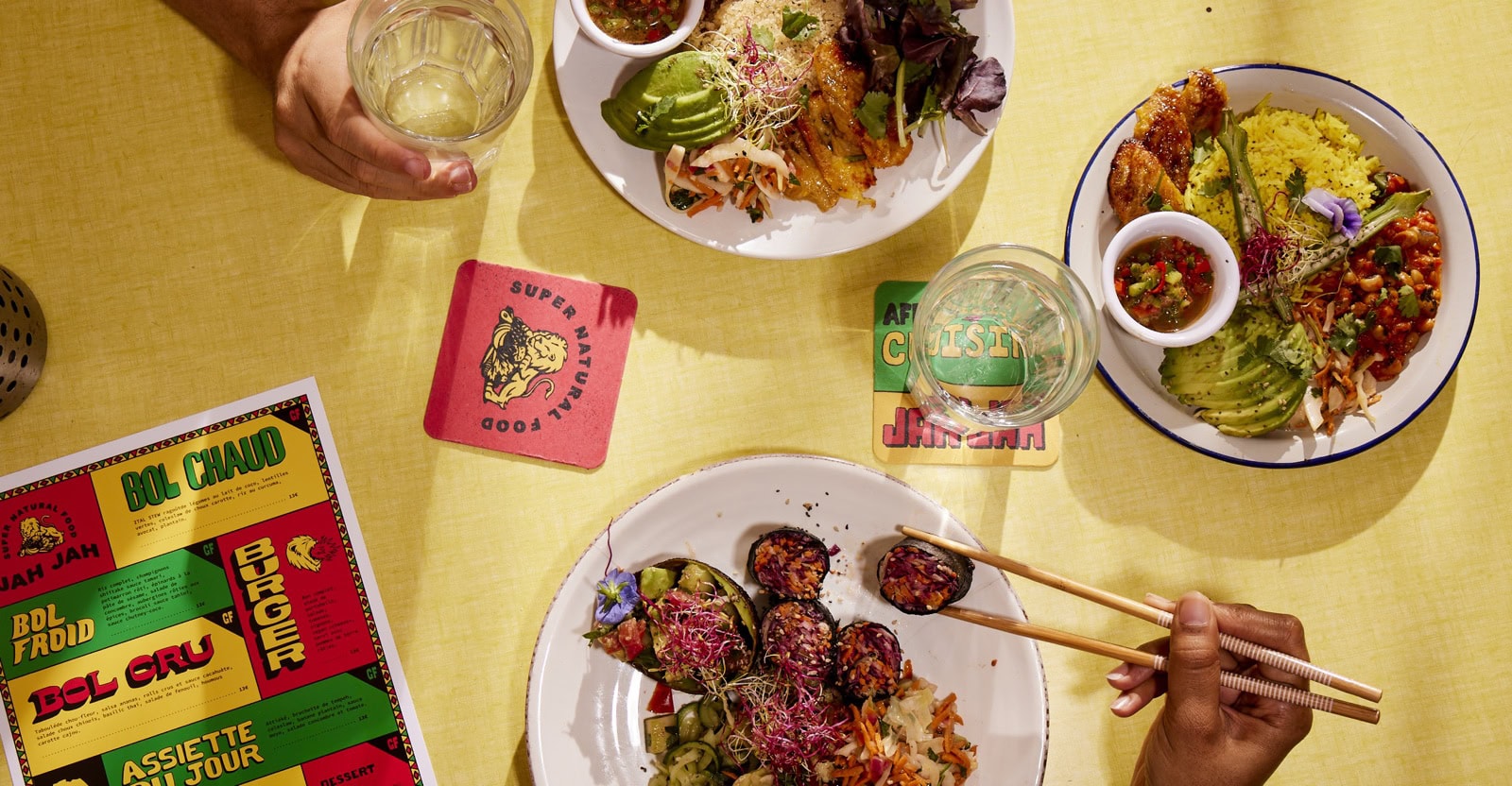
💡 Tip: At Jah Jah they’ll top up your coffee with just about any plant milk you can think of – from coconut to hemp to oat.
- Where to find it: Jah Jah, 11 Rue des Petites Écuries, 10th arrondissement (Metro Château d’Eau, line 4)
- Price: Giant bowls around €15
What to eat in Paris: Markets, street food and natural wine
The real Paris – the one locals love and live every day – smells of fresh coriander at the market and drips down your fingers in the form of hot sauce on a street corner. This face of Parisian gastronomy is the most laid-back thing you can experience. No stressful waiting for the next course, no stiff etiquette, just food, aromas and life on the street. Here joy and pleasant chaos rule.
Marché des Enfants Rouges: The oldest market
This is our holy grail. The oldest covered market in Paris has been running since 1615 and sits in the heart of the northern Marais. Today it’s a buzzing gastronomic labyrinth full of fantastic ready-food stalls. While Lukáš goes for the Japanese bento, I reach for the perfect Moroccan vegetable tagine. We find a spot at the wooden tables outside and eat straight from our hands. The atmosphere is completely informal, with nobody frowning at anyone. Try to grab a sandwich at the legendary Chez Alain Miam Miam stall.
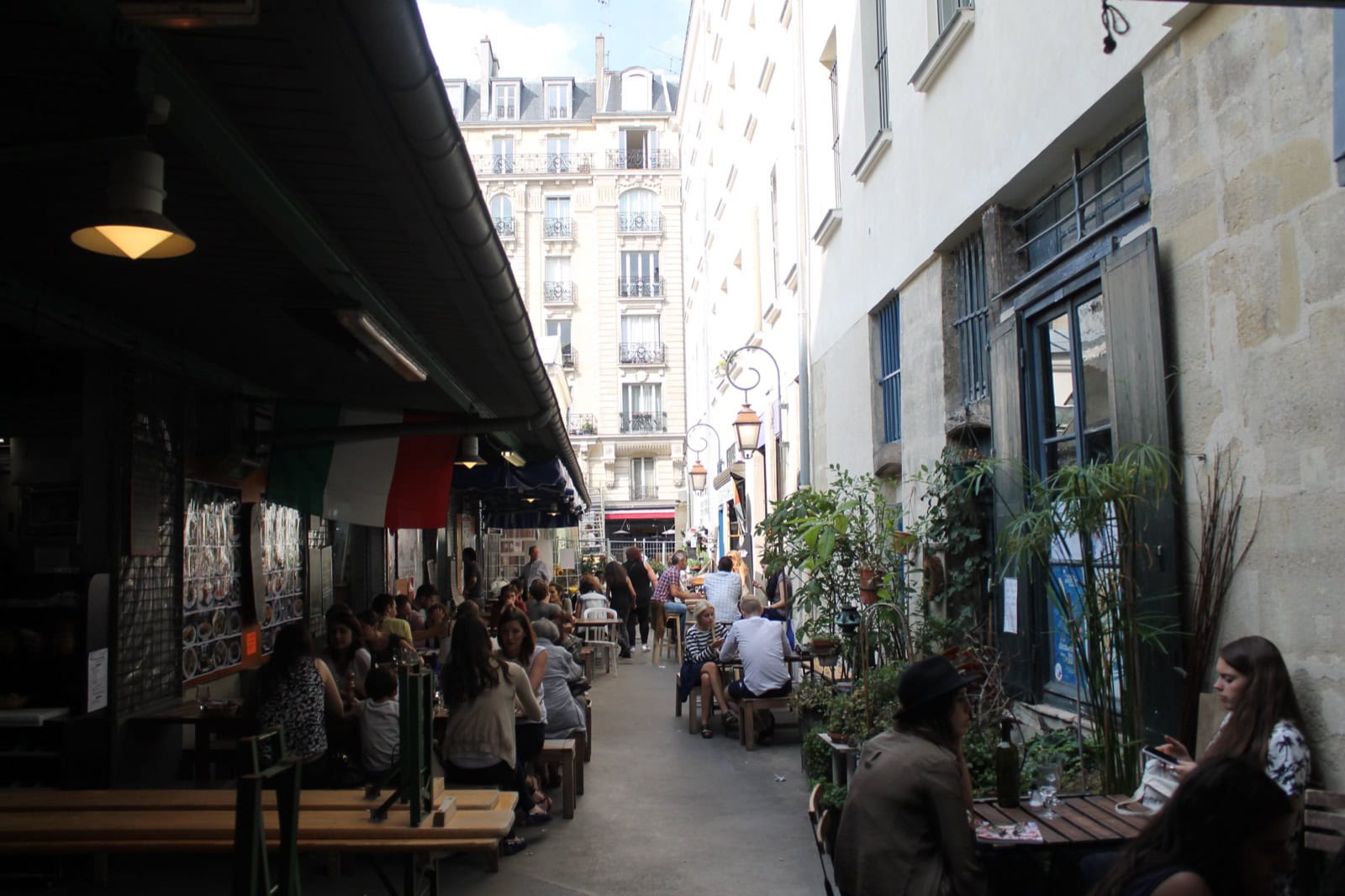
💡 Tip: Come here on a weekday around midday if you can. At the weekend it gets so packed you can barely squeeze between the stalls and tables.
- Where to find it: 39 Rue de Bretagne, 3rd arrondissement (Metro Arts et Métiers, lines 3 and 11)
- Price: Ready meals at the stalls €10–15
- Open: Tue–Sat 8:30–20:30, Sun 8:30–17:00 (closed Monday)
L’As du Fallafel and the Marais war
An absolute must. On Rue des Rosiers in the 4th arrondissement, a daily, merciless battle for the best falafel plays out. The green façade with the L’As du Fallafel sign draws crowds like a magnet. You’ll get a fluffy pita stuffed to bursting with crispy falafel, fried aubergine and tahini. Don’t let the long queue put you off – the system is incredibly fast. Staff walk along the line taking payment in advance.
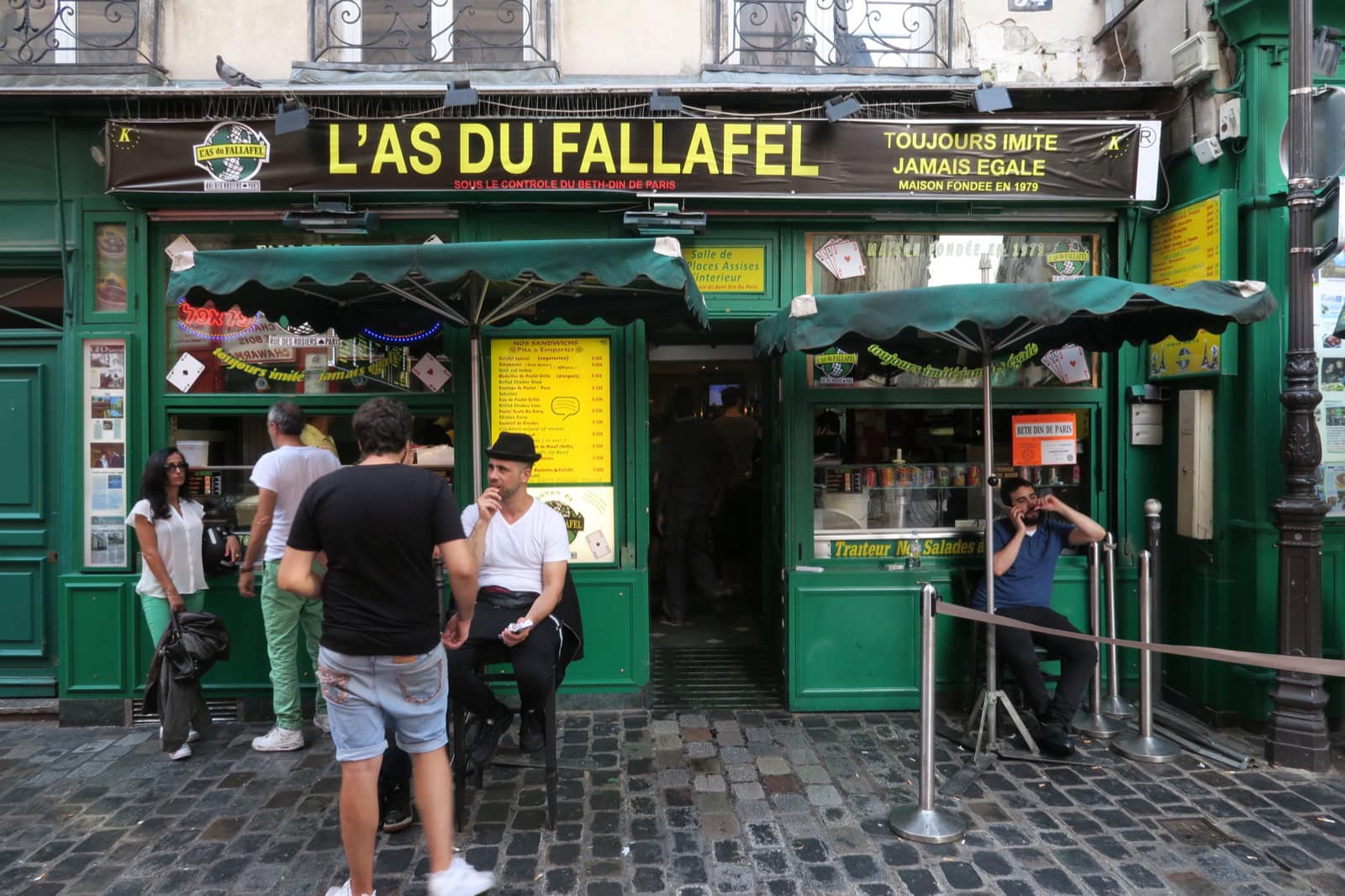
💡 Tip: L’As du Fallafel is a strictly kosher venue. From Friday afternoon to Sunday morning it’s absolutely CLOSED for the Sabbath. If you hit closed doors, there’s a great alternative right opposite – Mi-Va-Mi.
- Where to find it: 34 Rue des Rosiers, 4th arrondissement (Metro Saint-Paul, line 1)
- Price: Falafel to go around €8
- Open: Sun–Thu 12:00–24:00, Fri until 17:00, closed Saturday
Breizh Café and the art of the true galette
Crêpes are of course a classic, but forget the rubbery discs from the warmers under the Eiffel Tower. The real street food is the Breton galette (savoury buckwheat pancakes). They’re delicious with meat-free fillings like cheese, egg and spinach, and they’re naturally gluten-free too. The top of the field is Breizh Café. They use premium ingredients and their Marais venue is wonderfully pleasant. With a crispy galette in hand, you’ll feel like you’re in seventh heaven.
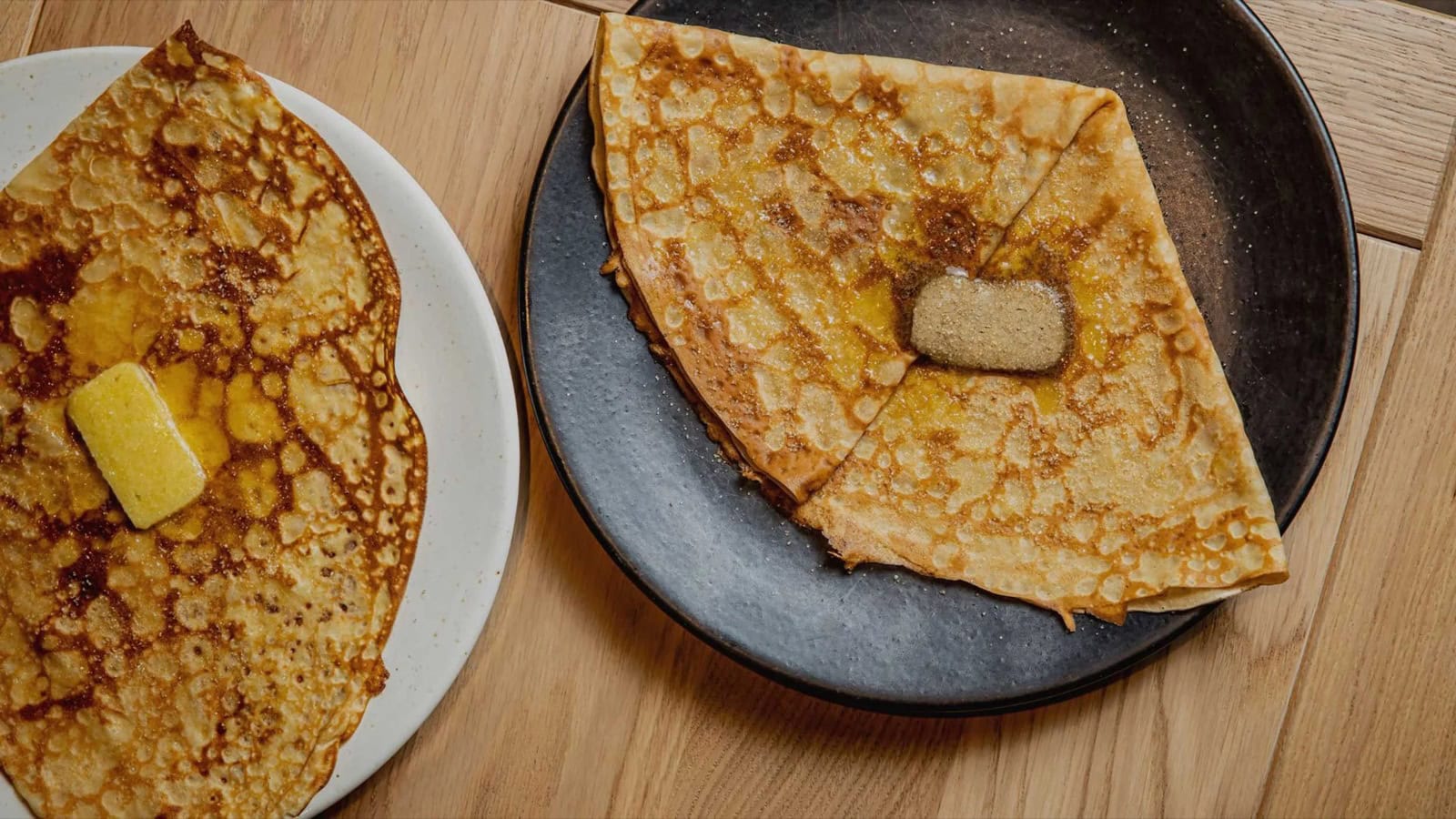
💡 Tip: With a proper Breton galette you traditionally don’t drink wine, but dry apple cider (cidre brut), served to you in little ceramic bowls (bolée).
- Where to find it: 109 Rue Vieille du Temple, 3rd arrondissement (and other branches)
- Price: Galettes €10–16
- Open: Daily lunch and dinner
Caves à Manger and natural wine
I first tasted natural wine in Paris with great scepticism – what on earth is this cloudy drink that smells of a farmyard? – but now I’m hooked. It’s made with minimal intervention, often without filtration and with no added sulphur. The result can be cloudy and smell of the farm. It’s drunk in so-called caves à manger (wine shops with light food). Try the cult Le Verre Volé near the Canal Saint-Martin. The key to a chilled experience is timing. Parisians love apéro from 17:00 to 20:00. At that time the bars are still calm, there’s plenty of space and the staff have time for you.
💡 Tip: By the Canal Saint-Martin you can take a bottle of wine to go from Le Verre Volé (you’ll pay a small corkage fee) and go sit right on the embankment. For a relaxed summer evening it’s the perfect solution.
- Where to find it: Le Verre Volé, 67 Rue de Lancry, 10th arrondissement (Metro Jacques Bonsergent, line 5)
- Price: Glass of wine €6–10, small plates €8–15
Morning in Paris: Bakeries, sweets and the third coffee wave
A Parisian morning smells of butter. For Lukáš and me, who never sleep in much when travelling, the early-opening bakeries are a gift from heaven. French baking is a national sport and the coffee culture has finally caught up with world standards. You can choose whether you want to soak up history alongside the ghosts of Hemingway, or have a perfect flat white made from Ethiopian beans in a minimalist spot.
The law of the perfect baguette and croissants
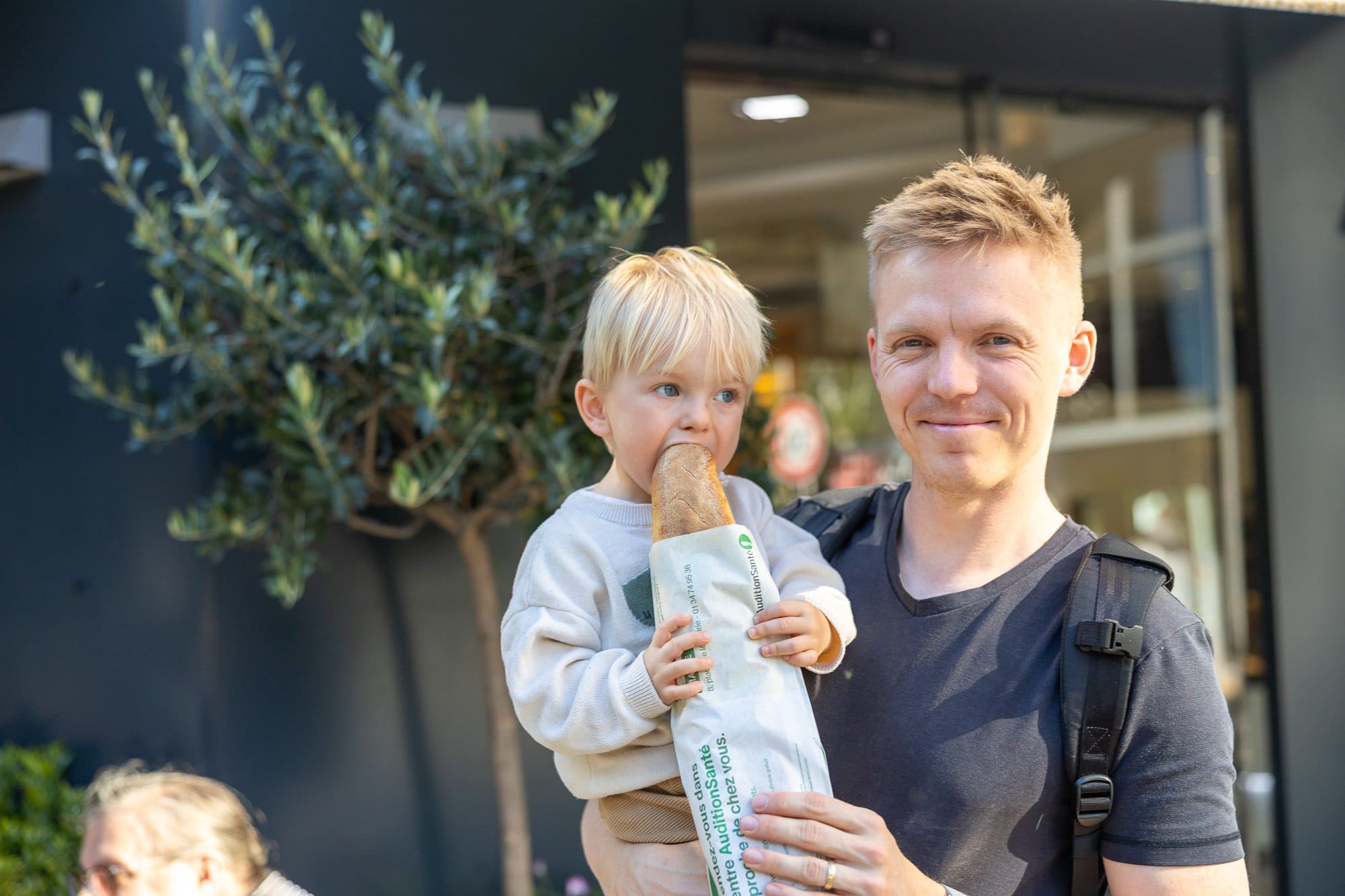
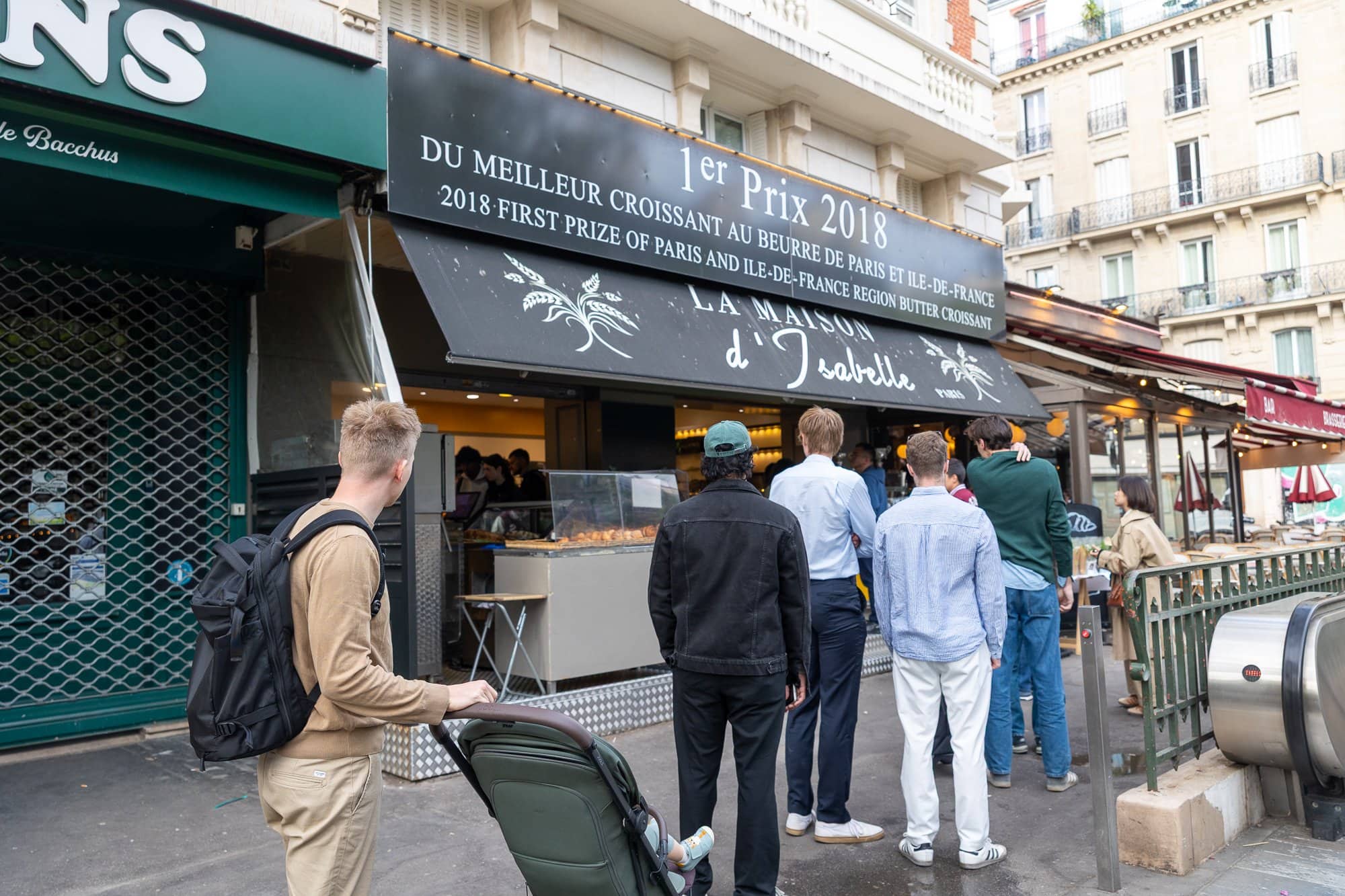
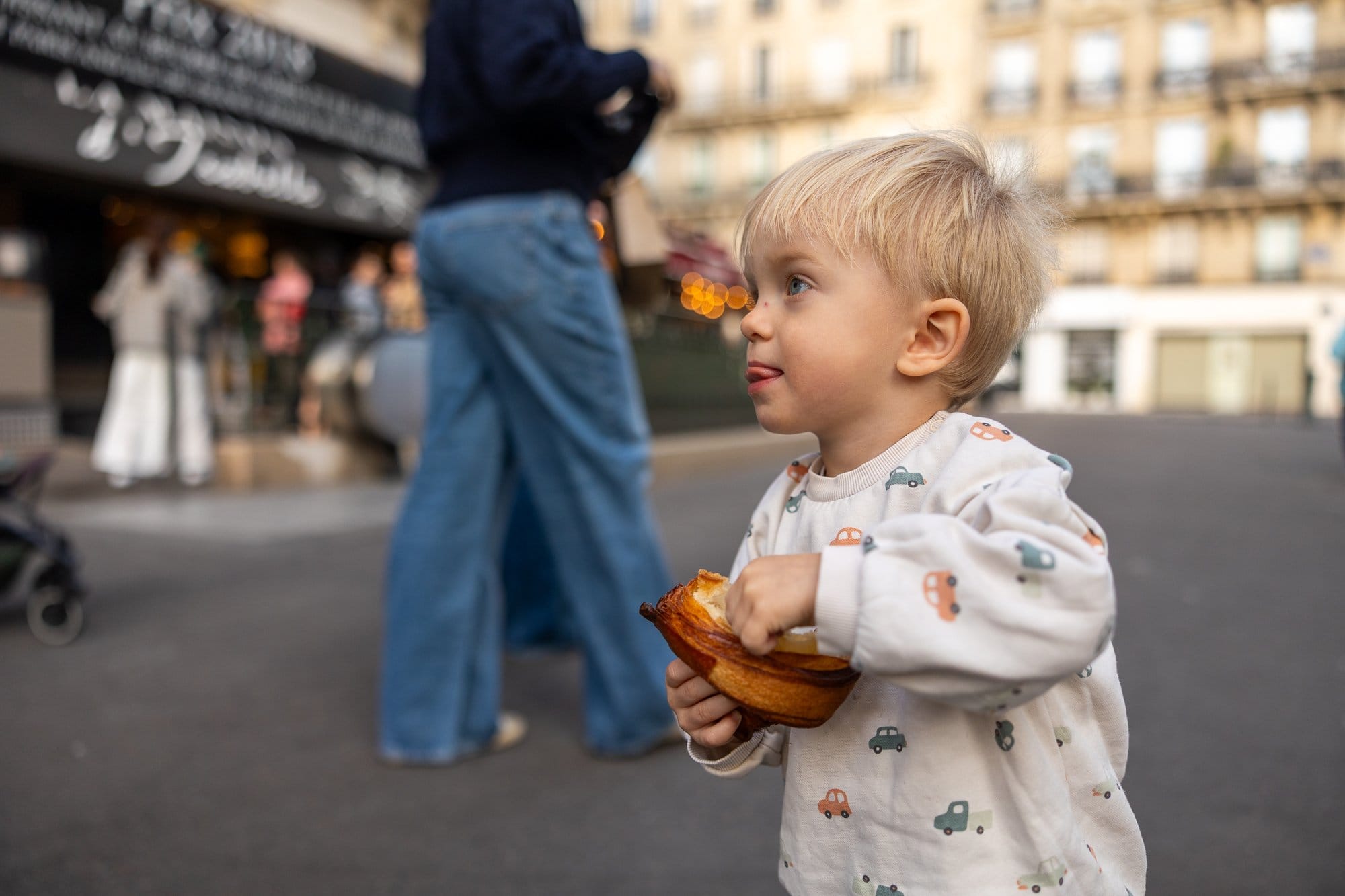
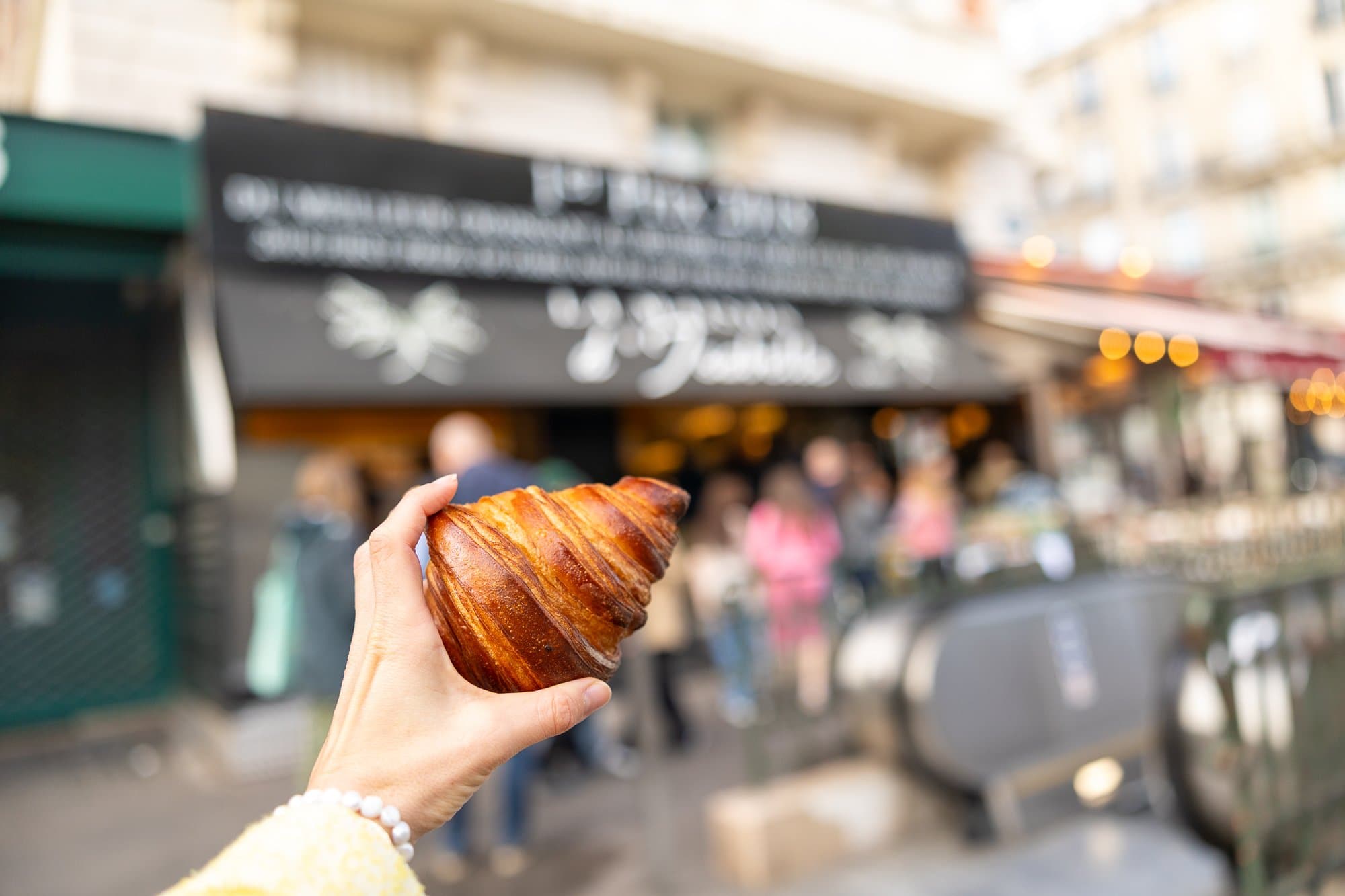
As soon as you step into a boulangerie, never just order “une baguette”. You’d get a plain white loaf. You want a baguette tradition, which by strict law is baked only from flour, water, salt and yeast. And with croissants, watch out for a big trap. The curved croissant (crescent-shaped) is made with margarine. The straight one is the croissant au beurre, full of honest butter. For absolute perfection, head to the historic bakery Du Pain et des Idées in the 10th arrondissement and buy their legendary snail with pistachio and chocolate (escargot pistache-chocolat).
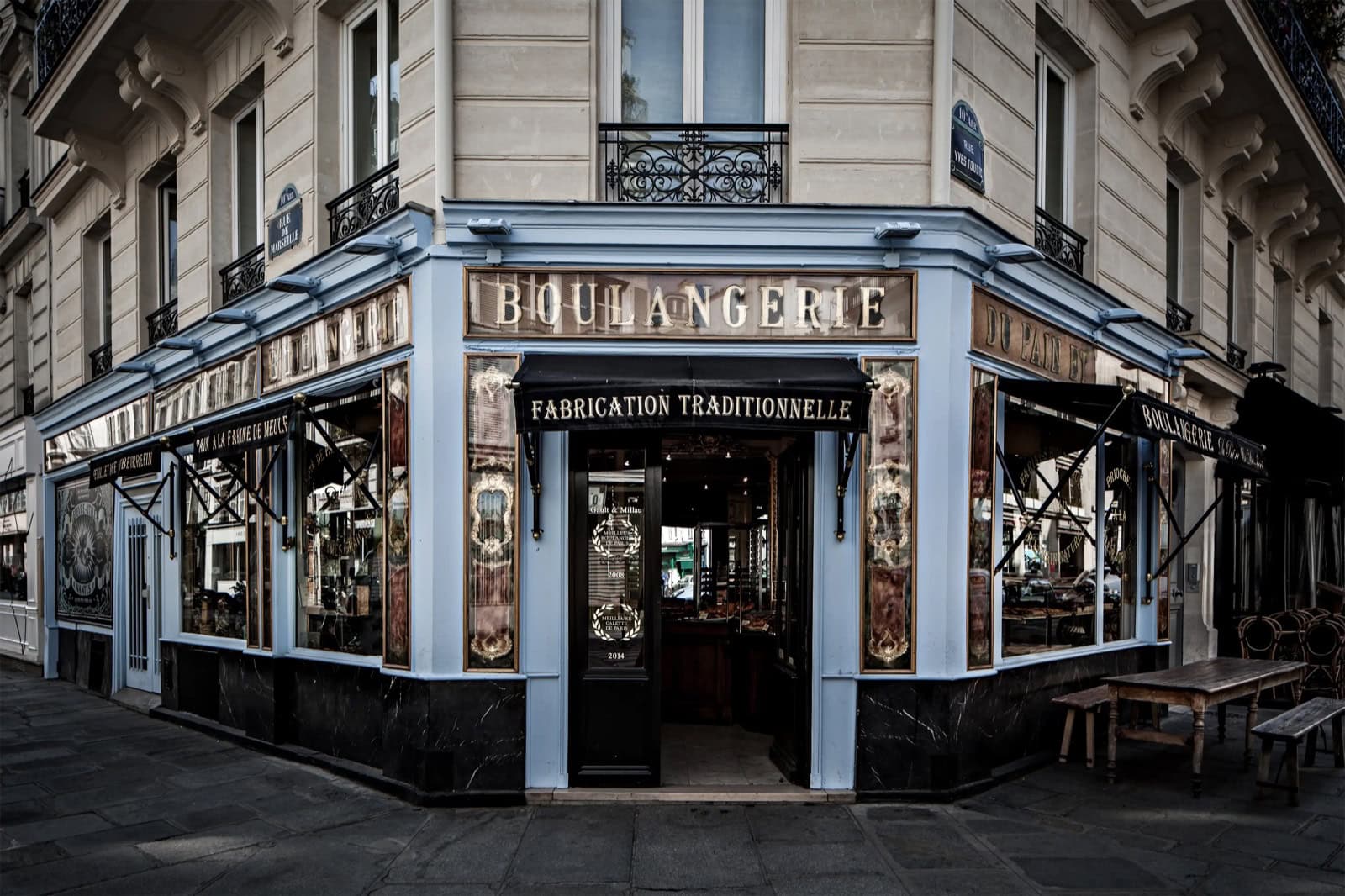
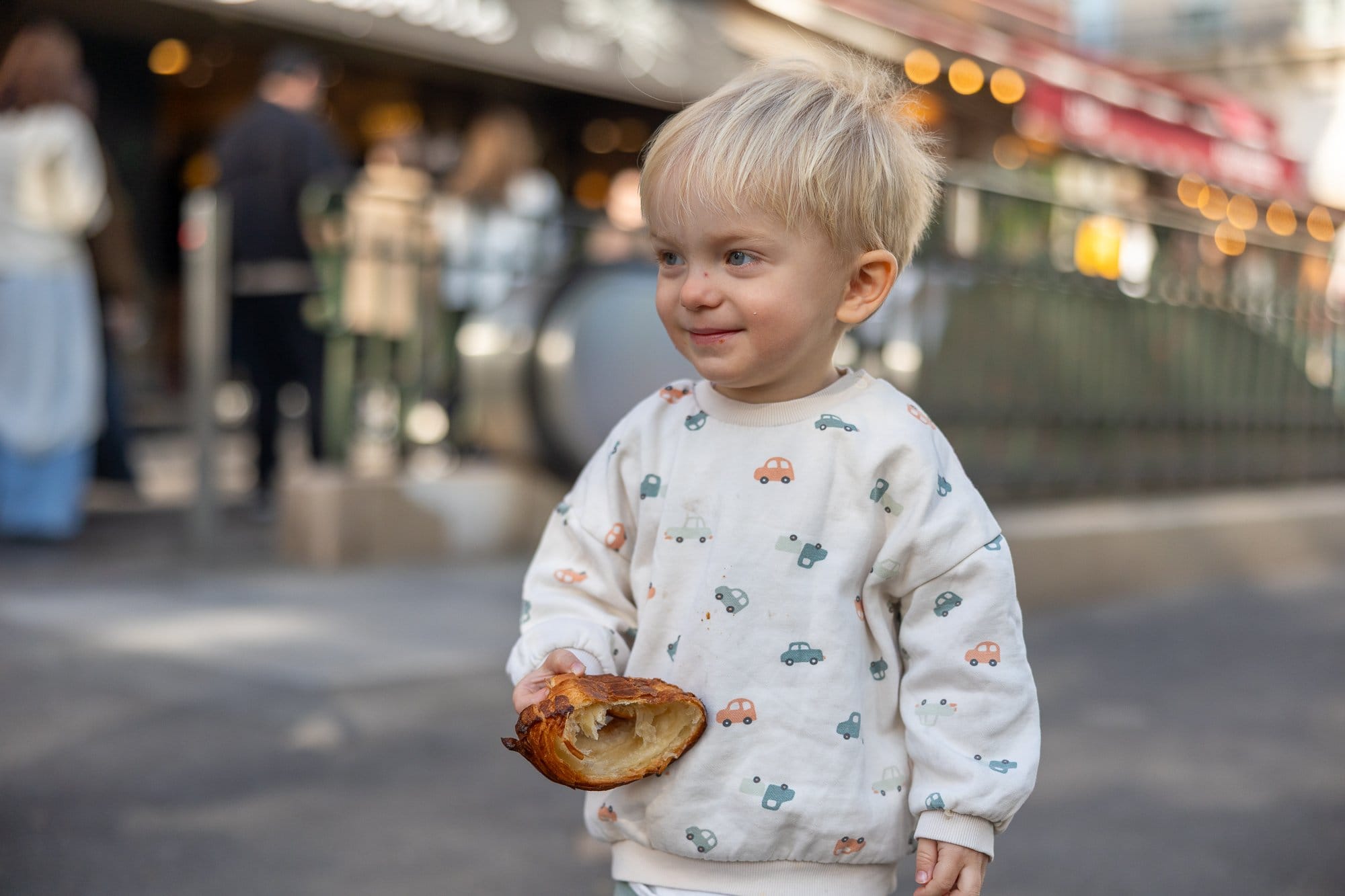
💡 Tip: A baguette is never cut with a knife! It’s broken by hand. Parisians routinely tear off the crispiest end (le quignon) on the way home, right there in the street. We do it too.
- Where to find it: Du Pain et des Idées, 34 Rue Yves Toudic, 10th arrondissement (Metro République, lines 3, 5, 8, 9, 11)
- Price: Baguette tradition approx. €1.30, sweet pastries €3–4
- Open: Mon–Fri 6:45–20:00 (closed weekends!)
Haute Pâtisserie and a visual feast
While a bakery is for everyday bread, a pâtisserie is a boutique reminiscent of a jewellery store. An absolute phenomenon is Cédric Grolet. His hyperrealistic desserts (trompe-l’œil), which look exactly like real fruit, are the most photographed thing on Parisian Instagram, but they taste even better than they look. Beneath a thin chocolate shell hides a fluffy mousse and an explosive centre. The quiet ruler, meanwhile, is Pierre Hermé and his perfect Ispahan-flavoured macarons (rose, raspberry, lychee).
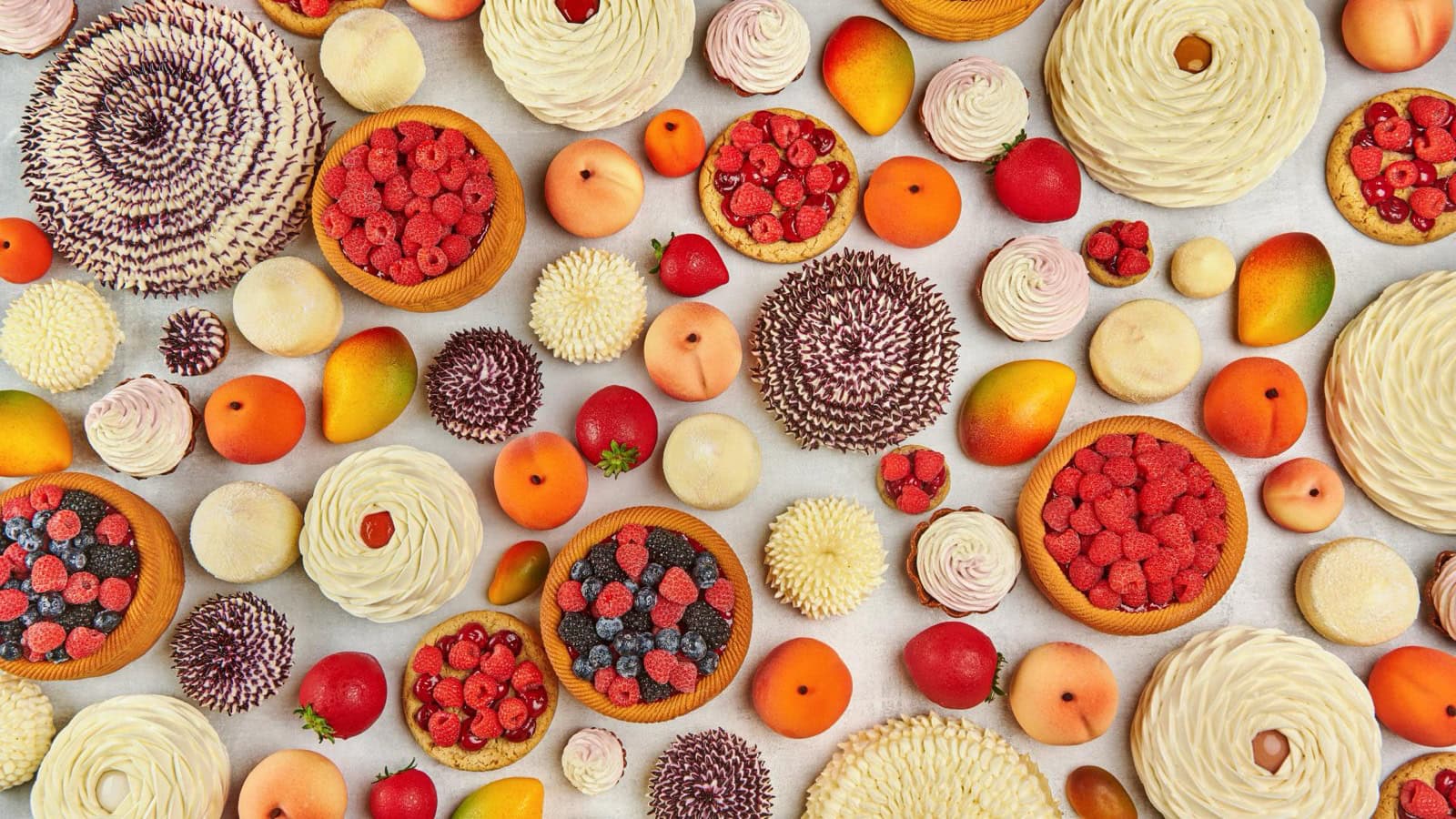
💡 Tip: Gigantic queues form outside Cédric Grolet’s boutiques (by the Opéra and the Louvre) an hour before opening. If you don’t want to wait, split forces. One of you joins the queue while the other enjoys a coffee in a nearby park.
- Where to find it: Cédric Grolet Opéra, 35 Avenue de l’Opéra, 2nd arrondissement
- Price: One Grolet dessert costs around €17, a Hermé macaron approx. €3
The ice cream legend Berthillon
Good ice cream can rescue even the most exhausting day, and in Paris you won’t have to compromise at all. Berthillon ice cream on the Île Saint-Louis is an institution that the Chauvin family has run since 1954. They have an unbelievable eight kinds of chocolate ice cream. Their dark chocolate sorbet (chocolat amer) is vegan, without a drop of milk, yet creamier than most classic ice creams.
💡 Tip: The main Berthillon salon is strictly closed on Mondays and Tuesdays. In summer they also tend to take a holiday. Don’t throw in the towel, though – many surrounding cafés on the island are licensed and sell original Berthillon ice cream from their freezers.
- Where to find it: 29-31 Rue Saint-Louis en l’Île, 4th arrondissement (Metro Pont Marie, line 7)
- Price: A scoop of ice cream around €3.50
The third-wave coffee revolution
The city on the Seine has been washed over by the third coffee wave, and dozens of independent roasters have sprung up. This is where you’ll get a perfect flat white. The pioneer is the café Ten Belles by the Canal Saint-Martin. KB Coffee Roasters near Pigalle has a great location. KB’s huge advantage is their large outdoor terrace, where you’ll find an ideal refuge and can drink your coffee in peace away from the bustle of the street. Extremely photogenic, meanwhile, is Café Kitsuné in the gardens of the Palais-Royal.
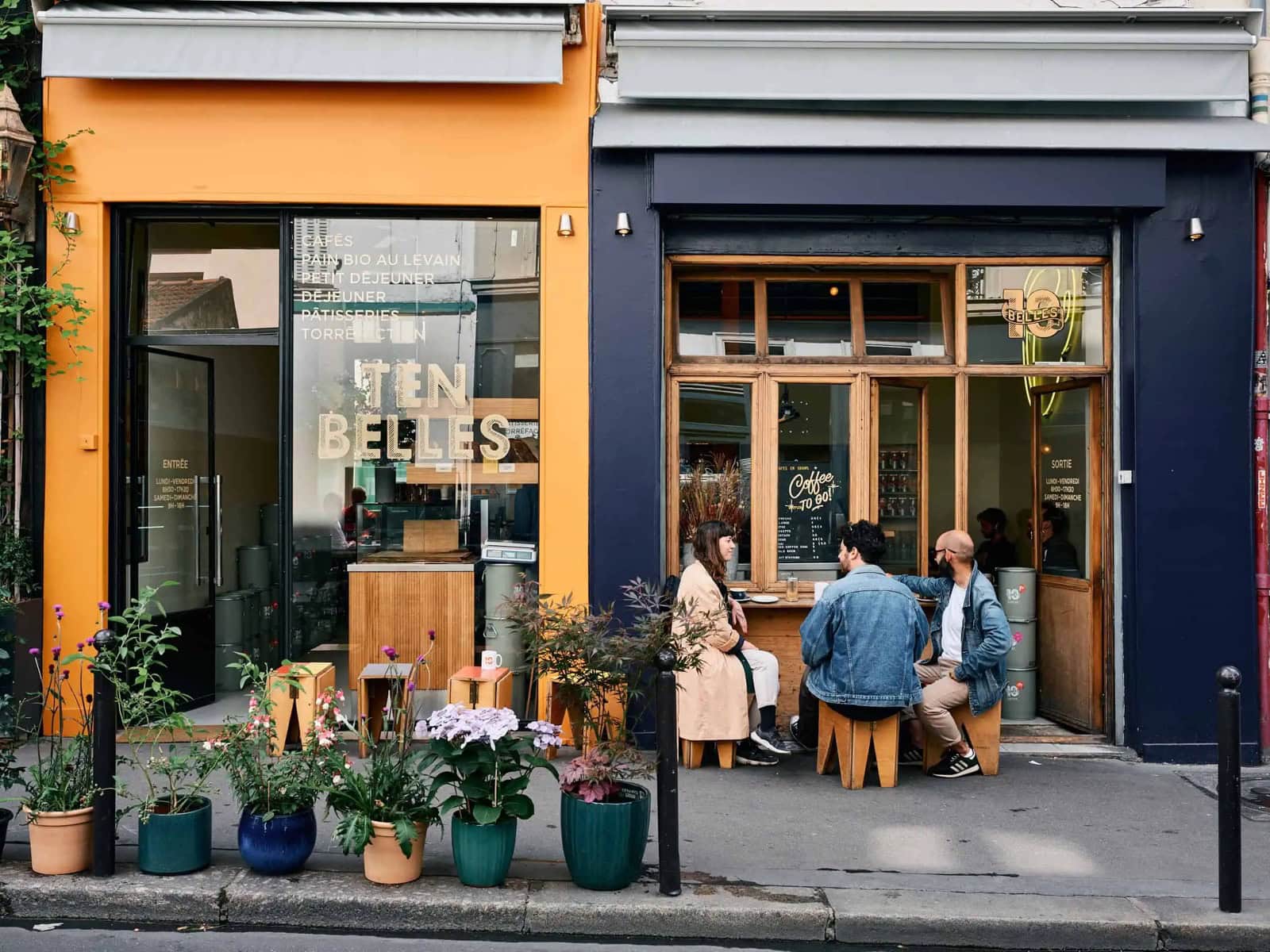
💡 Tip: If you order a cappuccino after lunch in a traditional brasserie, the waiter will bring it but mentally file you under “tourist”. In modern specialty spots (like Ten Belles), though, that doesn’t apply – there a flat white is an all-day standard and they automatically offer oat milk.
- Where to find it: Ten Belles, 10 Rue de la Grange aux Belles, 10th arrondissement
- Price: Flat white €5, espresso €2.50
Historic cafés in Saint-Germain
Here you pay for the aura and the history. On Boulevard Saint-Germain stand two of the greatest legends: Café de Flore and Les Deux Magots. This is where existentialism was born, where Sartre and Hemingway wrote. From a culinary point of view the coffee lags a little behind the modern roasters and is fiercely expensive, but the experience is one of a kind. Waiters in classic black-and-white uniforms with long aprons dart between the tables. Sitting on the terrace and watching the street go by is a programme in itself.
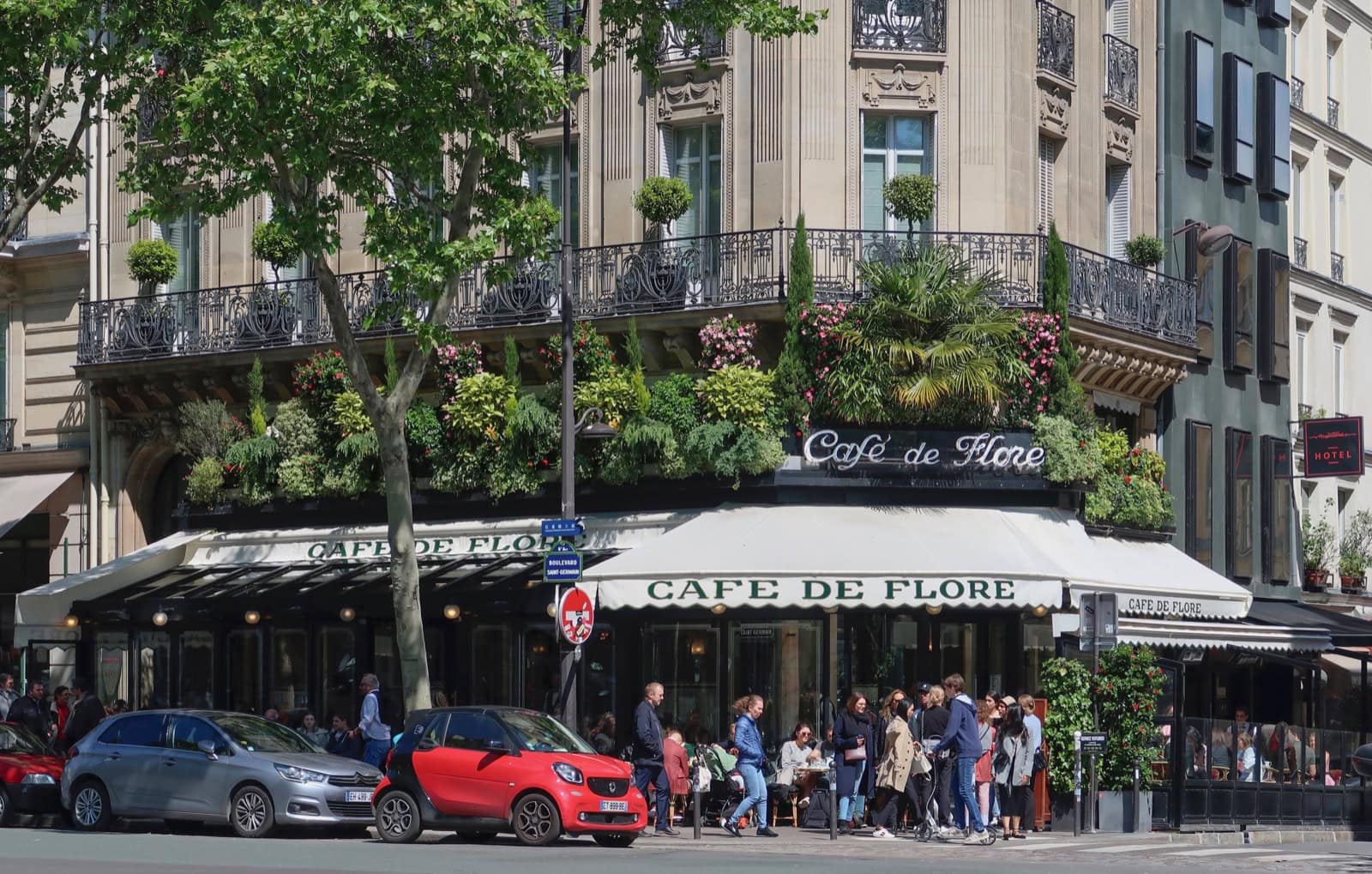
💡 Tip: Inside the historic cafés the tables are crammed five centimetres apart and it’s dim. Always ask for a table outside on the terrace (en terrasse), where there’s more room and where the real Parisian street show plays out.
- Where to find it: 172 Boulevard Saint-Germain, 6th arrondissement (Metro Saint-Germain-des-Prés, line 4)
- Price: Espresso on the terrace around €5, hot chocolate €9
Practical info: Etiquette, reservations and how not to get caught out
Paris has its unwritten rules, and following them makes you a welcome guest. Ignore them and you’ll leave with the feeling that the French are arrogant. Emily in Paris exaggerates it, of course, but a basic respect for the culture is simply expected here.
The golden Bonjour rule and tap water
This is absolutely crucial, and we’ve experienced it firsthand: start every entry into any venue with a loud Bonjour. Without a greeting you’re simply thin air to the staff. At the table another great Parisian habit applies. You don’t have to spend on pricey bottled water. Ask for “une carafe d’eau” (a carafe of tap water). It’s your right, the restaurant must provide it free by law, and the water in Paris is very good quality. As for tipping, the bill already includes a service charge (service compris). No tip is left, but for exceptional service you put a few euros in cash on the table.
How and when to book a table
Parisians eat precisely on time. Lunch kitchens run strictly from 12:00 to 14:30. After half past two, only bakeries or tourist traps will save you. Dinners start at 19:30 at the earliest, but restaurants only really fill up around half eight. Reservations at the better bistros are made online (often via The Fork app), and for the most sought-after ones (like Septime or Pink Mamma) you have to set an alarm for the exact day and hour the tables open (often a month in advance).
Tourist traps and food scams
Never, but really never, eat at the restaurants right on the Place du Tertre in Montmartre. It’s the saddest tourist trap in the whole city, with overpriced, rushed food. Likewise, watch out during a picnic on the lawns of the Champ de Mars below the Eiffel Tower. Scammers commonly operate there with fake petitions (pretending to be deaf-mute) or people who suddenly “find” a gold ring on the ground and want to sell it to you. Ignore them and hold on tightly to your bags.
Where to go next
If you now have a clear idea of what to taste in Paris, it’s time to plan the rest of your trip. Find out what to see in Paris and which sights you can skip with a clear conscience. If you’re short on time, we’ve put together a detailed itinerary for Paris in 3 days. And if you’re travelling with the little ones, our guide to Paris with kids will walk you through the pitfalls of pram travel and show you the best playgrounds.
Frequently asked questions
Kolik stojí běžné jídlo v Paříži?
V roce 2026 pořídíte skvělé polední menu (formule midi) v dobrém bistru mezi 18 a 28 € (450–700 Kč). Večerní jídlo v běžné restauraci vyjde na 35–60 € (875–1 500 Kč) na osobu. Street food (falafel, crêpes) stojí kolem 8–12 € (200–300 Kč).
Je těžké se v Paříži stravovat jako vegetarián?
Vůbec ne! Paříž prošla obrovskou zelenou revolucí. Najdete tu špičková čistě veganská bistra i michelinské restaurace (jako nově plně veganská Arpège). V klasických brasseriích si ale vždy hlídejte, zda vám do jídla nepřidali slaninu (lardons).
Kdy mají restaurace otevřeno?
Obědy se podávají striktně mezi 12:00 a 14:30. Poté se kuchyně zavírají a otevírají se znovu až na večeři kolem 19:30. Mezi tímto časem vás zachrání jen pekárny, street food nebo velké brasserie s celodenním provozem (service continu).
Vyplatí se v Paříži rezervovat stůl dopředu?
Do nejžádanějších bister (jako Septime nebo Pink Mamma) rozhodně ano, volná místa mizí klidně měsíc předem. Rezervace se dělají online, často přes aplikaci The Fork. Do běžných brasserií, pekáren a na street food ale rezervaci nepotřebujete.
Musím v restauraci nechávat spropitné?
Ze zákona je poplatek za obsluhu (zhruba 15 %) už započítán v cenách na jídelním lístku. Na účtu uvidíte nápis „service compris“. Dýško tedy není povinné, ale za dobrý servis je slušností nechat na stole 1 až 3 eura v hotovosti.
Jak je to v Paříži s vodou v restauracích?
Nemusíte si kupovat drahou balenou vodu. Stačí obsluhu požádat o „une carafe d’eau“ (karafu vody). Restaurace je povinna vám natočit vodu z kohoutku zdarma. Pařížská voda je výborná a bezpečná k pití.
Kde najdu nejlepší bagetu?
Nikdy si v pekárně nekupujte obyčejnou bagetu (une baguette). Vždy žádejte „une baguette tradition“. Ta je podle zákona pečena bez umělých přísad, má křupavější kůrku a nádherně vláčný střed. Nejlepší pečivo najdete v řemeslných pekárnách (boulangerie artisanale).
Kde se najím mezi obědem a večeří?
Klasické kuchyně mají mezi 14:30 a 19:30 zavřeno. Hlad v tuto dobu zaženete v pekárnách, u street foodu nebo ve velkých brasseriích s celodenním provozem (service continu), jako je Bouillon Chartier. Otevřeno mívají i mezinárodní a asijské podniky.
Tips and Tricks for Your Vacation
Don’t Overpay for Flights
Search for flights on Kayak. It’s our favorite search engine because it scans the websites of all airlines and always finds the cheapest connection.
Book Your Accommodation Smartly
The best experiences we’ve had when looking for accommodation (from Alaska to Morocco) are with Booking.com, where hotels, apartments, and entire houses are usually the cheapest and most widely available.
 🚗 Car rental on the roadVerified car rentals in Paris
Search with the DiscoverCars comparison engine — it compares prices from dozens of local and international rental companies, and most bookings come with free cancellation.
Compare car prices in Paris →Don’t Forget Travel Insurance
Good travel insurance will protect you against illness, accidents, theft, or flight cancellations. We’ve had a few hospital visits abroad, so we know how important it is to have proper insurance arranged.
Where we insure ourselves: SafetyWing (simple monthly subscription) and TrueTraveller (for extra-long trips).
Find the Best Experiences
Get Your Guide is a huge online marketplace where you can book guided walks, trips, skip-the-line tickets, tours, and much more. We always find some extra fun there!
More from Paris
Full guide → Where to stay · most readParis Arrondissements: Where to Stay in Paris (and Where Not To)
 ItineraryParis: 40 Best Tips for Your Visit
 Travel storyParis Etiquette: How Not to Be “That Tourist” (Phrasebook, Rules & What NOT to Do)
 What to seeShopping in Paris: Concept Stores, Department Stores & Vintage (A Complete Guide)
 Where to stayHôbou Paris Review: An Authentic French Boutique Hotel Ideal for a Day Trip to Versailles


