

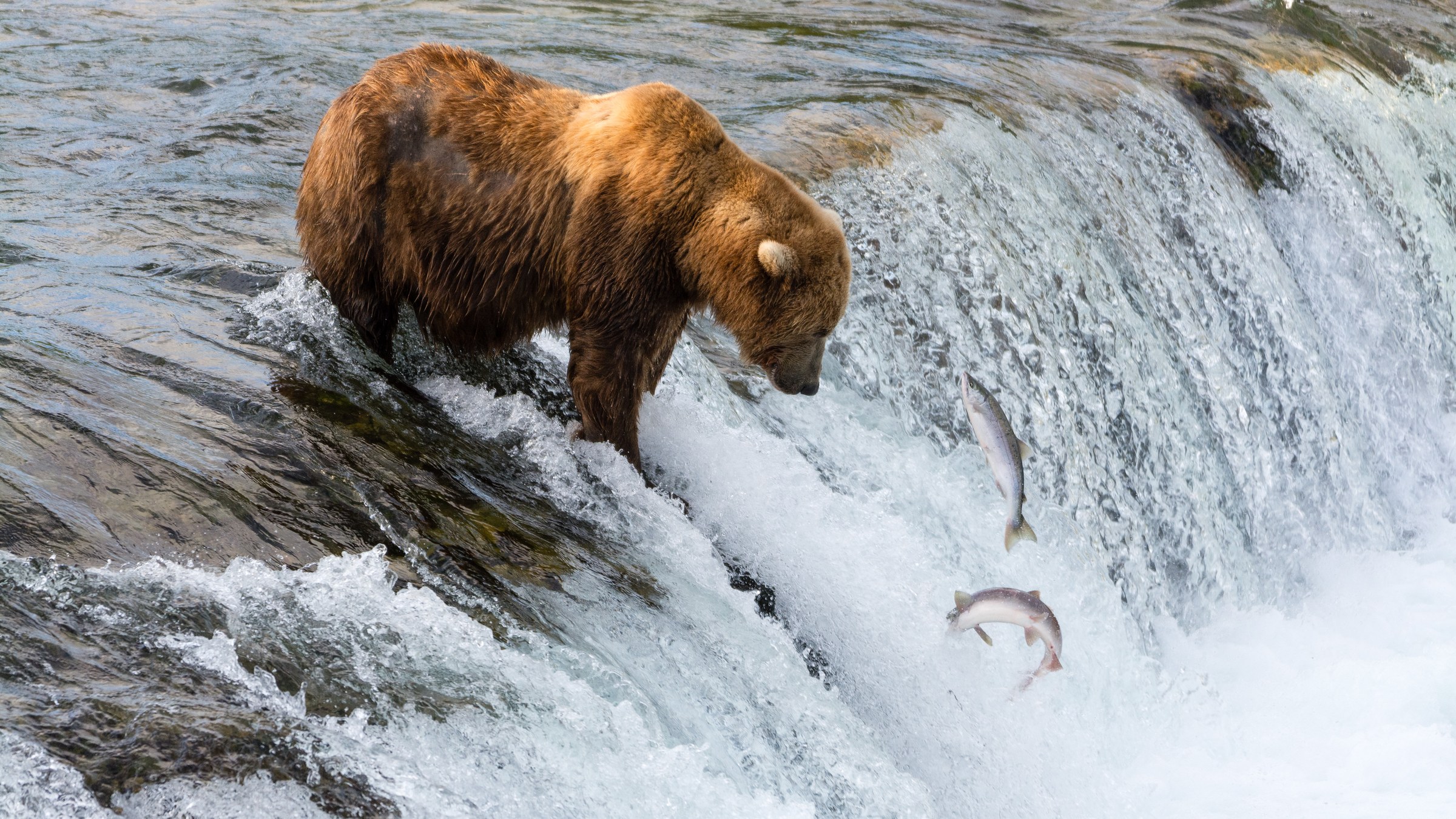
When people hear Katmai National Park, most picture that famous scene from nature documentaries. You’re standing on a raised wooden platform, icy water roaring beneath you, and just a few metres away a massive brown bear snatches a leaping salmon mid-air from the foaming river. This is the iconic bear viewing experience that takes place in Alaska — and thousands of travellers from around the world dream of witnessing it with their own eyes.
Katmai National Park is an uncompromising wilderness on the far southwest tip of Alaska. No roads lead here, and this vast territory belongs entirely to nature — ruled by brown bears. Around 2,200 of them live in the park, converging from the surrounding area on one critical protein source: migrating sockeye salmon. Getting to this paradise requires a higher budget, patience with planning, and a willingness to fly in a small floatplane. But it’s one of the most intense wildlife encounters you can have anywhere in the United States.
This guide exists to help you navigate the complex logistics before you even set foot in the park. You’ll find everything from booking flights and the accommodation lottery to what to do when a massive grizzly is walking straight towards you on a narrow trail.
TL;DR
- Best time to visit: July is the absolute peak season for watching bears catch leaping salmon at Brooks Falls. August is a dead month (bears head into the tundra for fresh blueberries), and in September they return to the river mouth to feast on dying fish.
- How to get there: There are absolutely no roads into the park. You need to fly from Anchorage to the small town of King Salmon (about an hour on a commercial flight), then take a small local floatplane (roughly 20 minutes) directly onto the surface of Naknek Lake right at Brooks Camp.
- Day trips: If you can’t secure a bed in the park, fully organised day trips can be booked from coastal Homer or from Anchorage. Expect to pay roughly $1,200 to $1,600 per person (around €1,100–€1,500).
- Where to sleep: Right by the thundering falls, there’s a single Brooks Lodge (rustic cabins at $1,200–$1,600 / €1,100–€1,500 per night, with places allocated by lottery a year and a half in advance) or a small campground protected by an electric fence ($18 / €17 per night — slots vanish from the website in January within minutes).
- Fat Bear Week: A brilliantly fun online tournament to crown the park’s fattest bear, held every autumn on the internet, with millions of enthusiastic fans voting worldwide.
The full destination guide: Alaska — guide and what to see
When to Go & How to Get to Katmai National Park
Getting here requires far more planning than a standard road trip. A hire car won’t do you any good — there are simply no roads into the park. It’s all about finding the right balance between cost and time, and transport connections in remote Alaska have their own quirks.
The logistics chain usually starts at Anchorage’s Ted Stevens International Airport. If you’re flying from the UK, you’ll typically connect through Seattle or another US hub before reaching Anchorage. From there, you need to catch a commercial flight (often operated by Alaska Airlines) to the isolated settlement of King Salmon. Tickets cost several hundred dollars and the flight takes about an hour. King Salmon serves as the bustling gateway town where you transfer to a small floatplane.
The well-known operator for this leg is Katmai Air. The twenty-minute flight is an experience in itself — you land directly on the surface of Naknek Lake right beside the Brooks Camp visitor centre. However, northern weather doesn’t always cooperate, so a slower water taxi from King Salmon serves as a backup option when fog rolls in.
Timing is everything. The bear calendar is dictated entirely by the salmon run. The absolute peak for photography is July, when the main upstream migration is in full swing and you’ll regularly see up to thirty bears jostling at Brooks Falls at once. August, on the other hand, is poor for riverside viewing — the bears wander off into the tundra for wild berries. September brings a second peak, when the predators return to gorge on dying salmon near the river mouth.
Where to Stay & How Much It All Costs
Demand massively outstrips the park’s capacity, so it’s wise to sort accommodation up to two years ahead. Most visitors end up staying in Anchorage or Homer and paying a local operator for a complete day-trip floatplane package (typically around $1,500 / €1,400 per person).
🏨 Recommended Hotels in King Salmon, Alaska
- Luxury: Brooks Lodge Katmai
- Mid: Grosvenor Lodge
- Budget: Katmai Wilderness Lodge
If you’d rather arrange your own accommodation outside the park boundaries and fly in for day trips, set up a base in Homer or Anchorage. Both offer better infrastructure, shops, and a wider choice of restaurants.
For those determined to sleep inside the park, there are essentially three distinct accommodation options. Each one requires either a hefty budget or a serious stroke of luck in an online lottery.
Brooks Lodge: The Famous Bed Lottery
This is the only solid roof right by Brooks Falls. The concessioner operates 16 rustic bunk-bed cabins. Prices range from $1,200 to $1,600 (€1,100–€1,500) per cabin per night (sleeping up to 4 people). Cabins are allocated through a strictly managed lottery — applicants register in December for a season that’s still a year and a half away.
The rooms are tiny and basic, but waking up early in the morning to the sound of thundering water is priceless. Especially when you know that day-trippers won’t arrive for another three hours and you have the park virtually to yourself.
Brooks Camp Campground: Camping Behind an Electric Fence
If you’re up for a bit of adrenaline and on a tighter budget, you can pitch your own tent inside the park. The campground sits right in the middle of grizzly territory, so it’s surrounded by a high-voltage electric fence. A night costs $18 (around €17) per person in peak season. Capacity is limited to 60 people and spots are released on Recreation.gov each January. July dates usually disappear within minutes.
The campground provides designated tent sites and robust steel food lockers for safely storing all your food. Rangers check the electric fence daily. That said, the thought of a bear sniffing around your canvas tent is enough to put many visitors off — plenty opt for a safer day trip instead.
Luxury Fly-in Lodges Away from the Crowds
If the lottery doesn’t go your way, several premium lodges operate around Bristol Bay. One example is Grosvenor Lodge, with capacity for just 6 guests. Prices for these exclusive all-inclusive experiences (3 to 4 days) start at $4,000 (€3,700) and climb as high as $12,000 (€11,000) per person.
You’ll also find smaller family-run operations where guides take you to the river by motorboat. The advantage of these isolated spots is absolute peace and quiet without the tourist crowds, letting you enjoy the wildlife in a far more intimate setting.
Katmai National Park: 15 Tips on What to See & Do
Katmai National Park isn’t just about one viewing platform. This volcanic region offers fascinating geology, treks through ash-covered valleys, and very specific safety rules. Here’s a list of the most important practical things and fantastic places to visit.
1. Brooks Falls & the Main Viewing Platform
The iconic Brooks Falls waterfall is a 1.2-mile paved trail from the visitor centre. During the brief summer, this is where those famous shots of grizzlies catching leaping salmon are taken. The view from the elevated wooden Falls Platform is breathtaking, and the animals are surprisingly close.
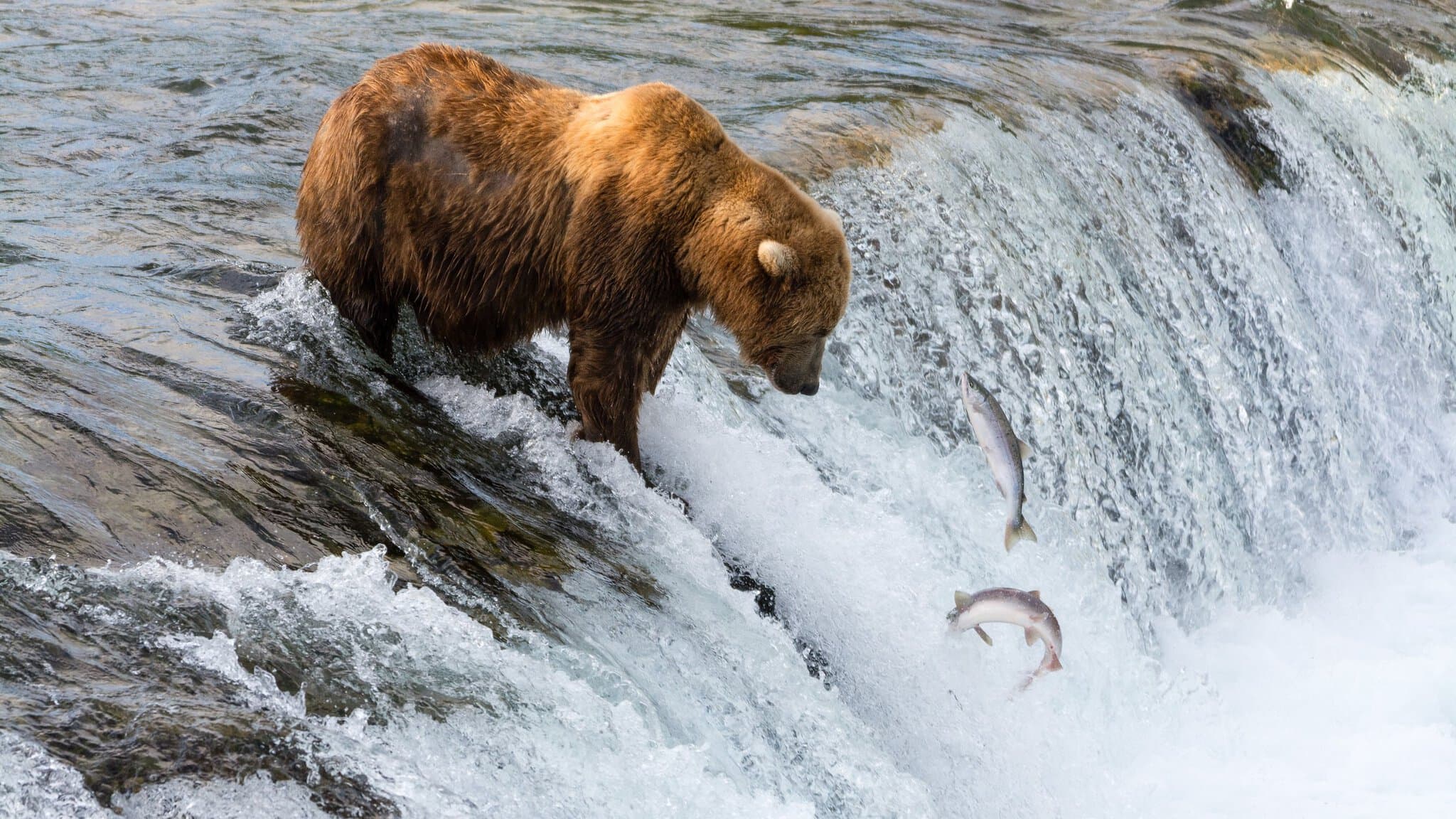
In July, arm yourself with patience. The main platform has a strict capacity limit of 40 people. Rangers maintain a waiting list and hand out pagers. Once your pager buzzes, you’re allowed exactly one hour on the platform. After that you must leave, and if you want to keep photographing, you’ll need to sign up again at the bottom of the list.
2. Lower River Platform for Afternoon Lounging
A short walk back towards the river mouth, you’ll find the Lower River Platform. Unlike the falls, there’s no hourly time limit here. It’s the perfect spot for watching mother bears with cubs, who tend to avoid the waterfall area dominated by aggressive males.
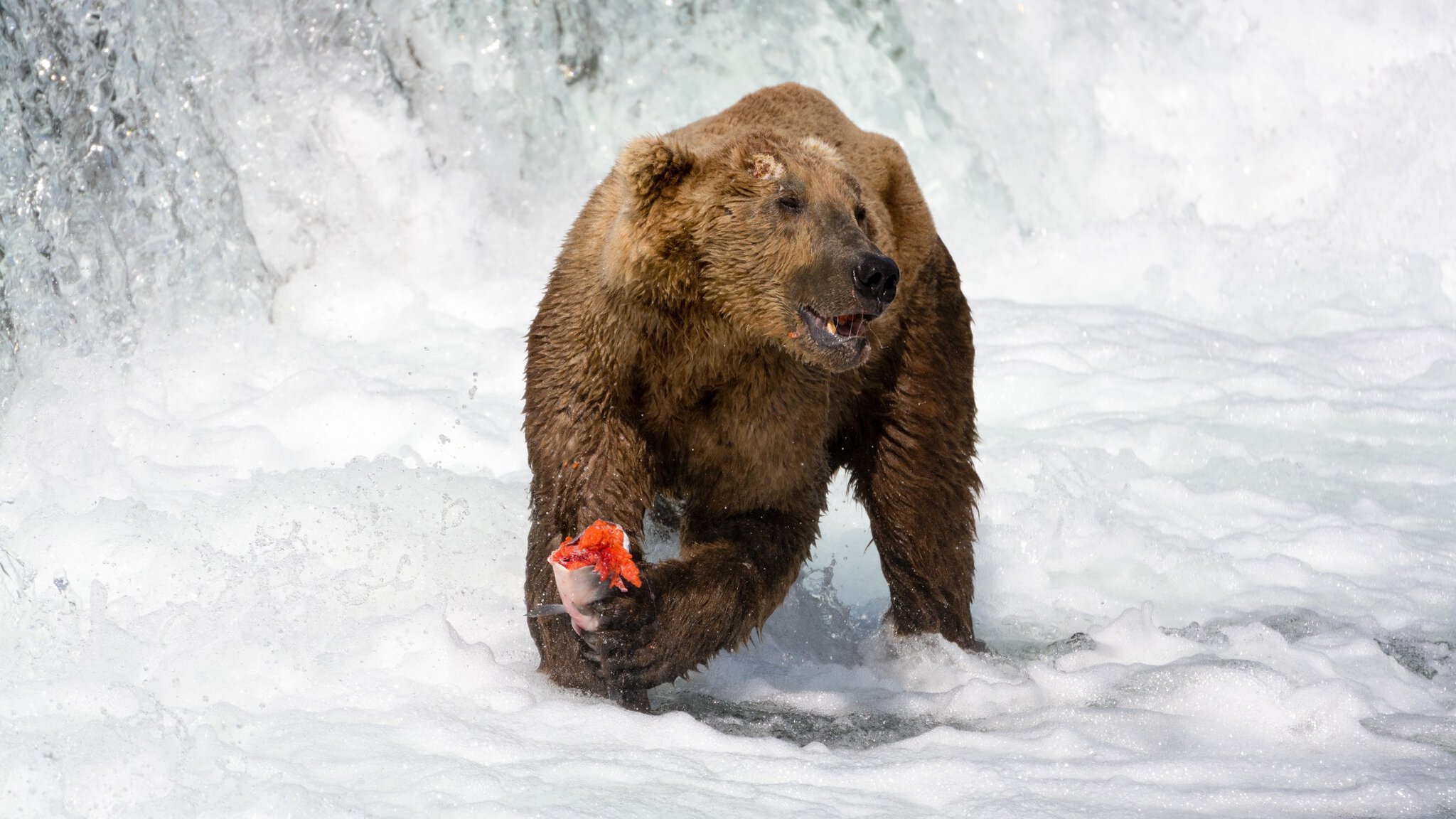
In the cooler month of September, this is where most of the action shifts. Bears feed on dying salmon in the shallows — fish that have drifted downstream after spawning. It’s a raw look at the cycle of nature, but for the bears it’s their last source of calories before hibernation.
3. Mandatory Bear Etiquette (Bear School)
As soon as you land, rangers will direct you to a mandatory safety briefing known as Bear Etiquette, or informally “Bear School.” Every single visitor must complete it. At the end, you receive a pin badge that allows you to move freely along the marked trails.
The video teaches you what to do when you encounter a bear. The fundamental rule: never run. You’ll learn to back away slowly and speak in a deep, calm voice. Bears have absolute right of way in the park. If one lies down in the middle of the trail, you must wait at a safe distance until it decides to leave on its own.
4. The Fat Bear Week Phenomenon
If you can’t make it to the park in person, you can follow the action online. The organisation Explore.org operates a network of live webcams at Brooks Falls. In late September and early October, the viral event Fat Bear Week takes place — a fun bracket-style tournament where fans vote for the fattest bear ahead of hibernation.
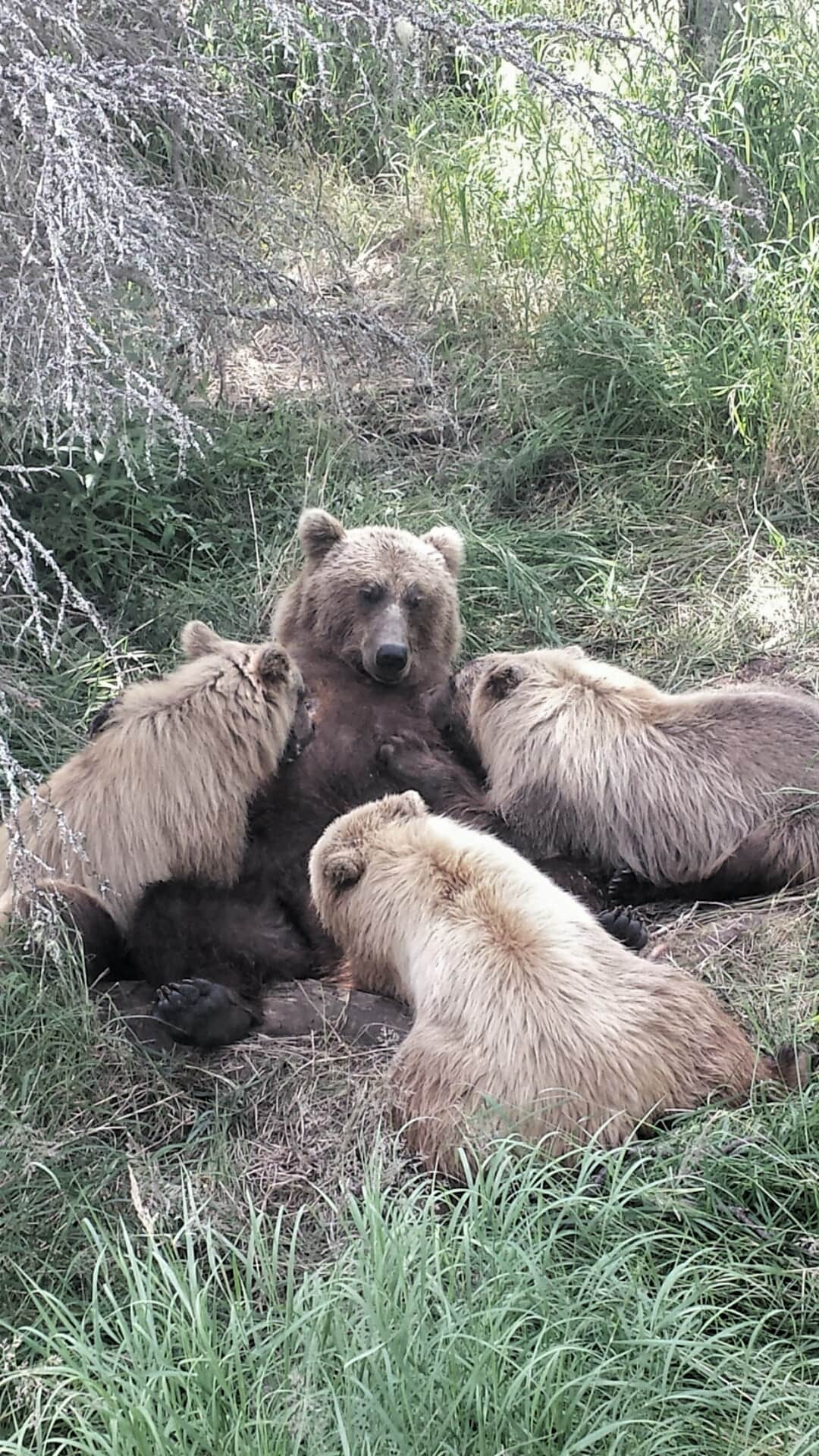
Viewers compare before-and-after photos of the bears from the start and end of summer. These animals can pack on over 300 kilograms of fat. In 2023, the winner was bear #32, known as Chunk. You can read more about the project on the official Explore.org website.
5. Trip to the Valley of Ten Thousand Smokes
The geological heart of the park lies further inland. In 1912, the Novarupta volcano erupted here — the largest volcanic eruption of the 20th century. The landscape was buried under a 200-metre-deep layer of ash and pumice. The Valley of Ten Thousand Smokes now offers a view of a barren, moon-like landscape carved by deep canyons.
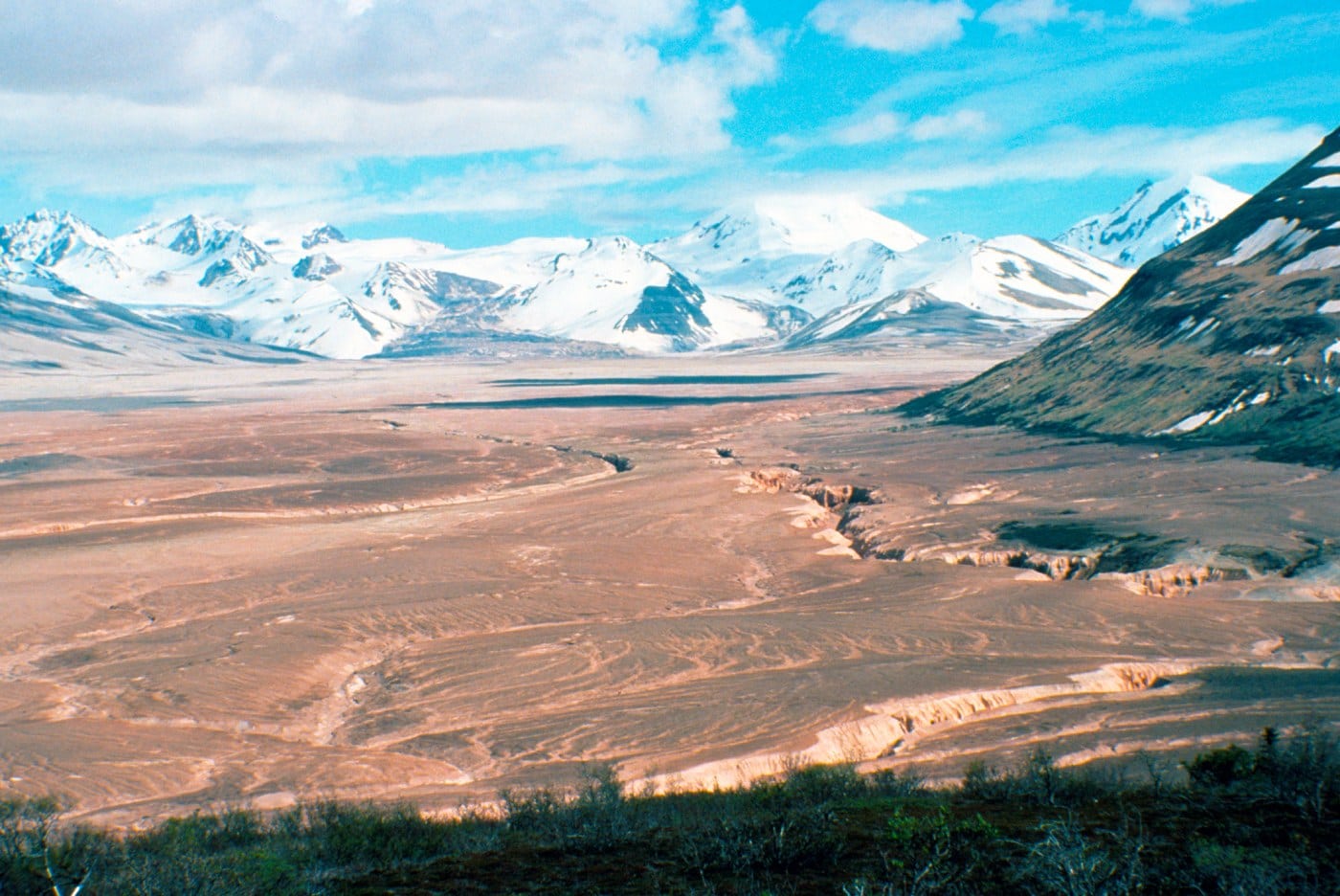
A specially modified 4×4 bus runs from Brooks Camp. The return trip along the dusty 23-mile road costs around $115 (€105) including a packed lunch. The full-day tour departs at nine in the morning and makes an excellent alternative on days when the viewing platforms are packed. More information is available on the National Park Service (NPS) website.
6. Hiking Down into the Volcanic Crater
The bus drops you at the Overlook Cabin trailhead, which offers stunning views of the volcanoes. For fitter visitors, there’s a recommended hike down to the valley floor. This means wading through deep volcanic ash and sharp chunks of pumice.
It’s a tougher walk, but the feeling of standing in a desolate wasteland contrasting with the green tundra is unforgettable. Make sure to pack sturdy hiking boots. Fine volcanic sand easily gets into your socks and can shred your heels.
7. Flightseeing Over the Devastated Landscape
A more comfortable alternative is a scenic flight over the volcanic terrain. Katmai Air offers flightseeing tours by floatplane. During the roughly one-hour flight, you soar directly over the crater of Mt. Katmai and the entire smoking valley.
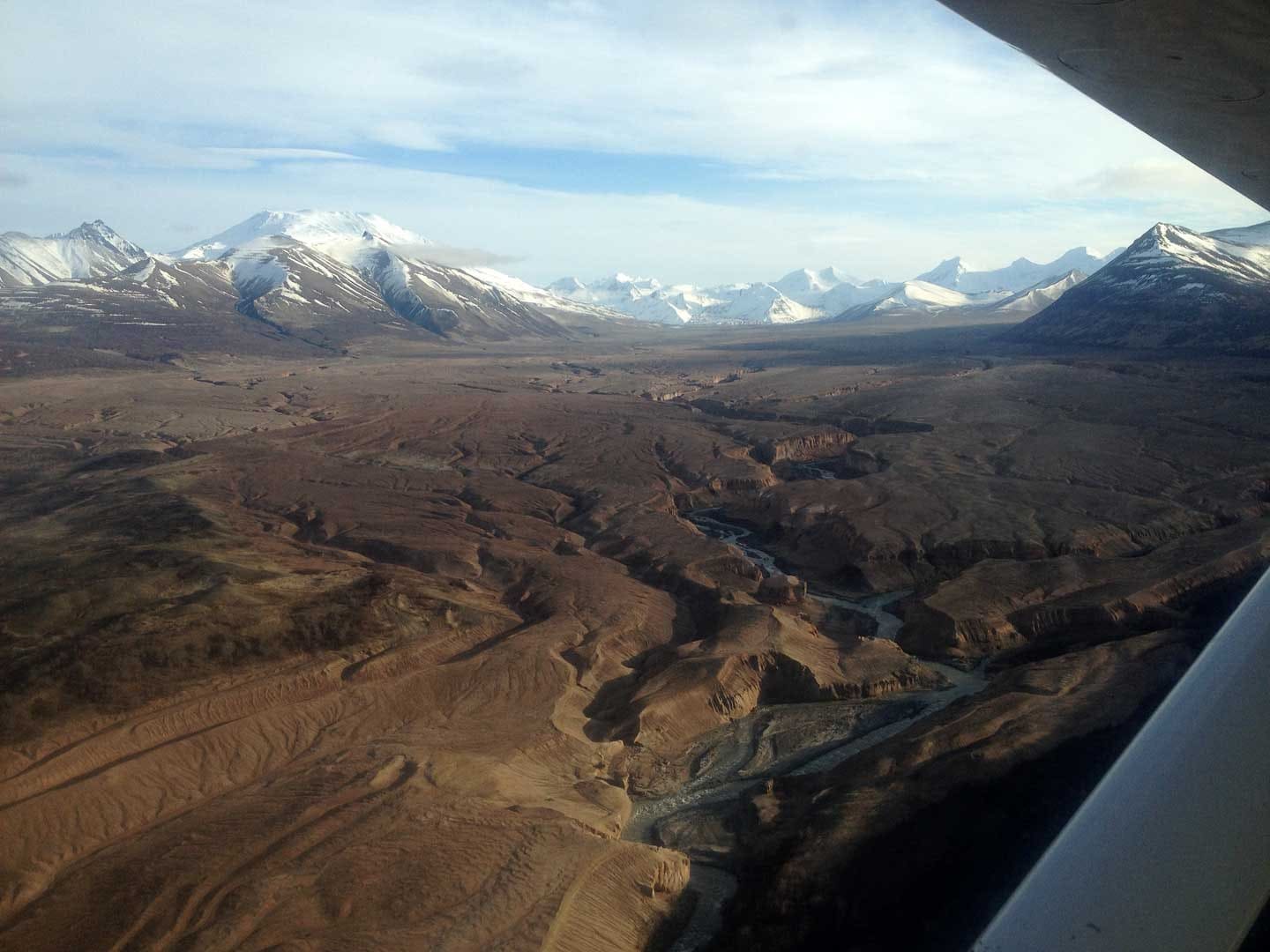
Prices are around $400 (€370) per person (with a minimum of two paying passengers). The panoramic views of turquoise-filled craters surrounded by volcanic debris are among the most stunning sights imaginable. From the air, you can sometimes spot solitary bears roaming the wilderness below.
8. A Crowd-Free Alternative: Lake Clark National Park
If the crowds at Katmai put you off, neighbouring Lake Clark National Park offers a quieter, more premium alternative. The key difference is that there are no artificial viewing barriers or wooden platforms here.
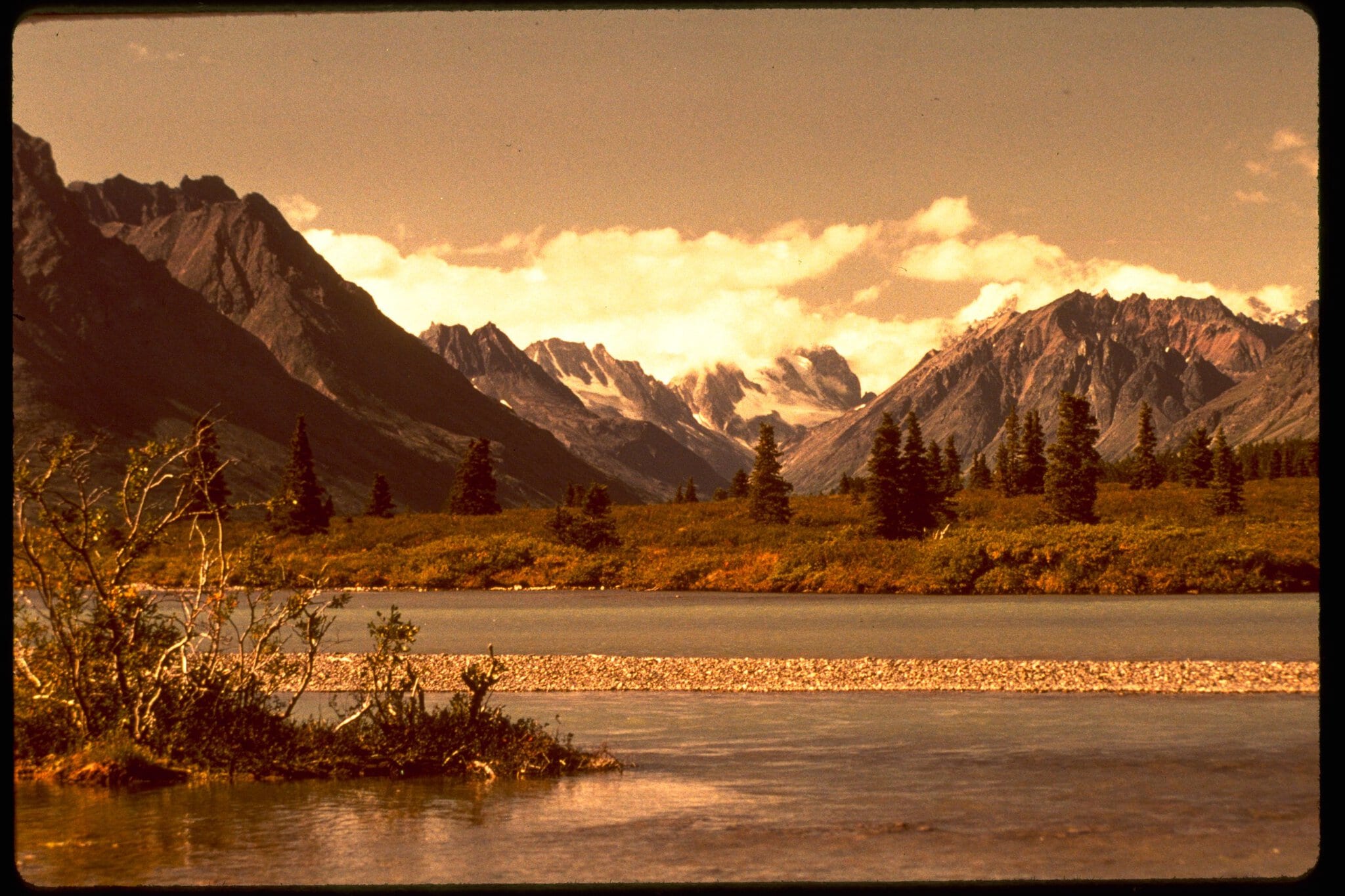
Bear viewing here happens right at ground level, at eye height. ATV-pulled carts are used to move along the beaches. It’s a far more intimate experience for photographers. But you’ll pay a premium for that tranquility. A stay at Silver Salmon Creek Lodge, for instance, runs around $3,000 (€2,750) for a weekend all-inclusive package.

9. Camping & the Food Cache System
Camping at Brooks Camp Campground comes with extremely strict food safety rules. Local bears have an outstanding sense of smell, and any scent can draw them straight to your tent. The park service therefore requires rigorous compliance with the regulations.
Anything with a scent — not just food, but also toothpaste, sunscreen, and deodorant — must be immediately locked inside wooden storage boxes known as food caches. Cooking and eating are only permitted at designated picnic tables protected by mesh enclosures.
You’re not even allowed to keep the clothes you cooked in inside your sleeping tent. Rangers take these rules extremely seriously, and any violations can result in expulsion from the camp and hefty fines.
10. Extreme Weather Changes & Flight Delays
Alaska’s weather is notoriously unpredictable and changes fast. Flights into Katmai operate under Visual Flight Rules (VFR), meaning pilots need good visibility. If thick fog descends, heavy rain sets in, or strong winds pick up, floatplanes simply won’t take off.
A day trip takes 6–7 hours in total, but you’ll realistically spend about three hours at the falls. It’s entirely possible that the plane drops you off but can’t return to collect you in the evening due to weather. Stranded visitors end up sleeping at the visitor centre. Always pack a backup supply of any essential medication and extra warm clothing.
11. Bear Viewing at Naknek Lake
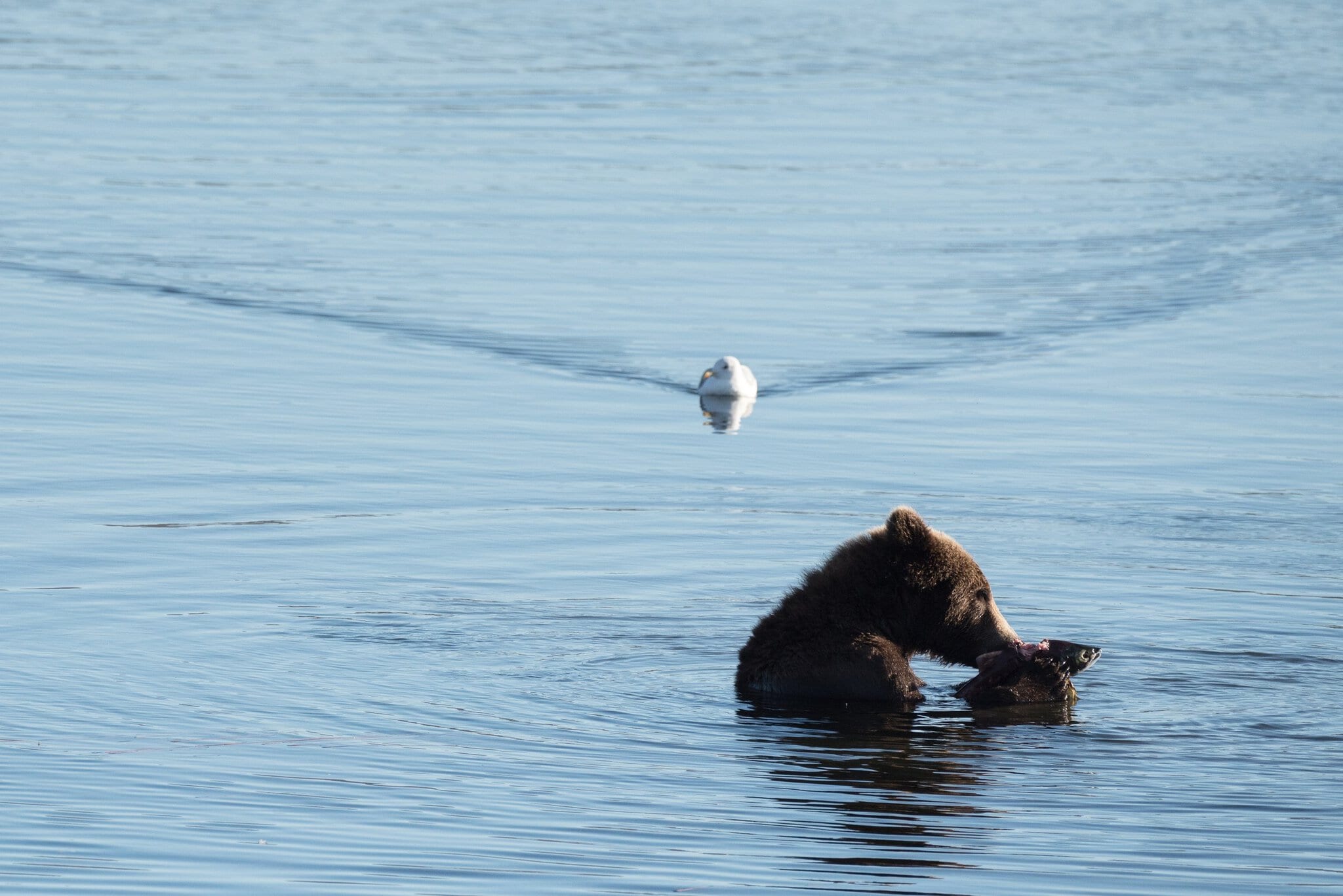
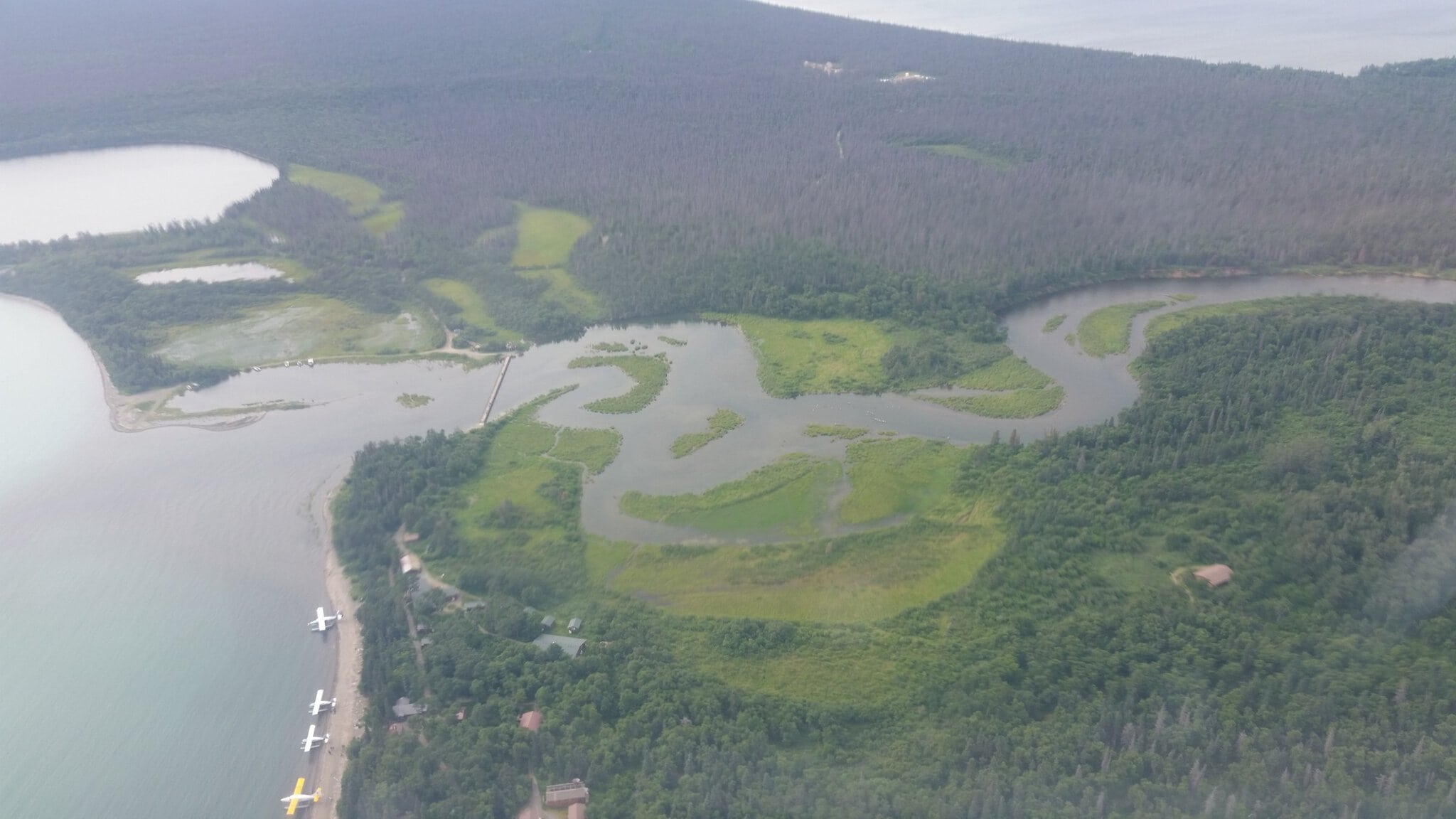
Many visitors rush straight to the waterfall and ignore what’s happening at Naknek Lake. Yet just metres from the cabins and parked floatplanes, bears regularly wander past. They often rest here or watch fish in the shallows.
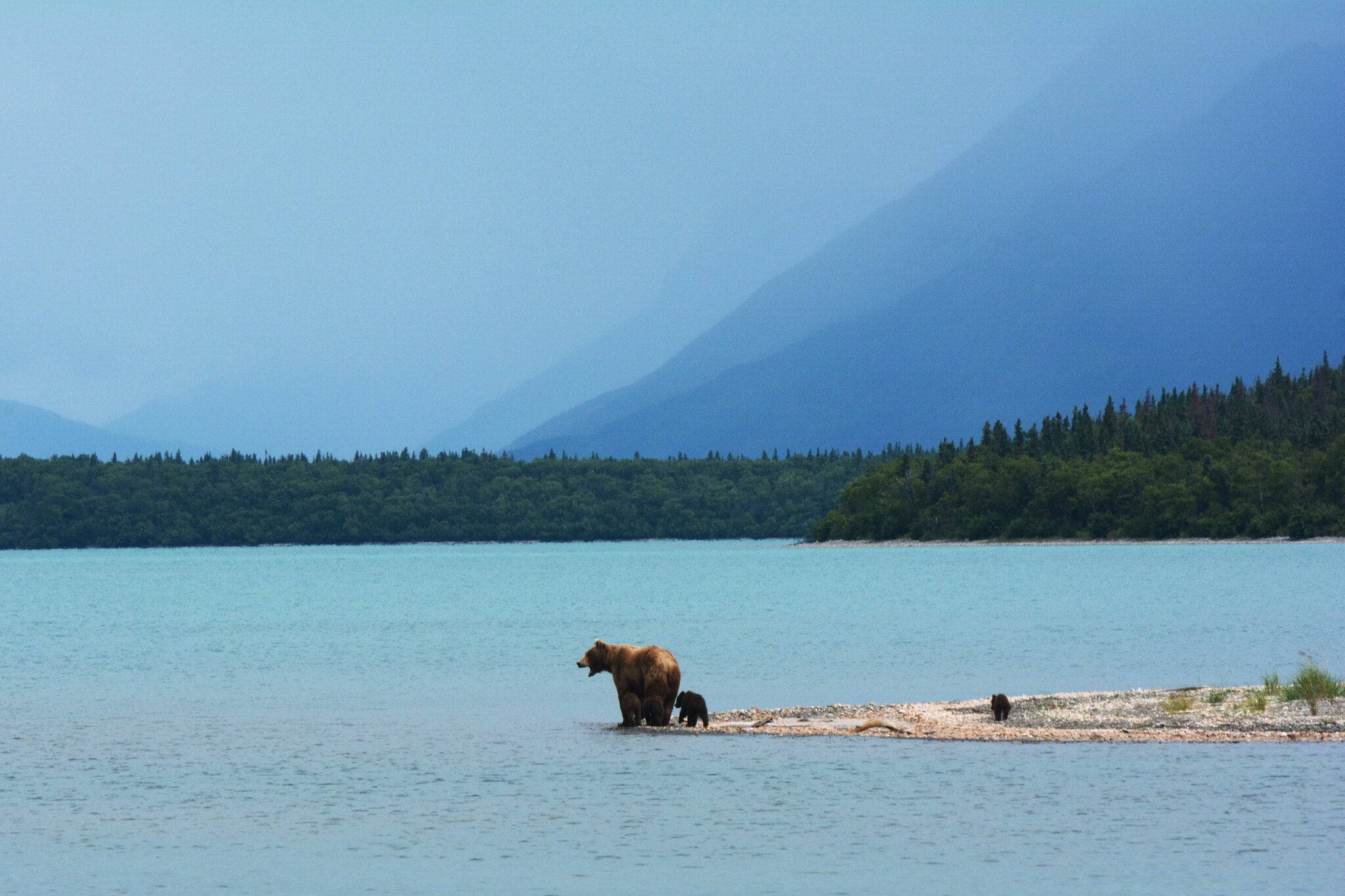
From a safe distance set by the rangers, you can watch mother bears fishing in the cold lake waters while their cubs play on the shore. These seemingly ordinary moments are often the most photogenic of the entire day.
12. World-Class Fishing
Katmai doesn’t just attract photographers — it’s also a magnet for passionate sport anglers. Bristol Bay and its surrounding rivers rank among the world’s best fishing destinations for trophy salmon and trout.
There’s one critical rule when fishing: if you hook a large fish and its thrashing attracts a bear, you must immediately cut the line and back away. The bear always has priority, and safety comes first.
13. What to Pack for This Trip
Alaska’s weather can shift from blue skies to freezing rain in a matter of minutes. The key to both survival and comfort is proper layering.
- Base layer: Quality merino wool that keeps you warm even when wet.
- Mid layer: A warm insulating layer (fleece or lightweight down jacket).
- Outer layer: A proper waterproof jacket and trousers with a breathable membrane.
- Footwear: Sturdy, waterproof hiking boots.
- Gear: A long telephoto lens for safe photography. Leave umbrellas at home — they can startle the animals.
14. Limited Dining at Brooks Lodge
After long hours of waiting in the cold and rain, hunger will inevitably strike. But a casual picnic on the grass is out of the question here. Eating food in unprotected areas is strictly prohibited and carries hefty fines.
Brooks Lodge has a restaurant open to all visitors. It serves American buffet-style fare — burgers, soups, and hot drinks. After hours of freezing on the viewing platform, a heated log cabin and a hot chocolate or coffee feel like absolute salvation. Expect high Alaskan markups, though, since every last supply has to be flown in.
15. When to Give Up & Watch Bears Elsewhere
It’s worth being honest with yourself: a trip to Katmai isn’t for everyone. It’s an incredibly expensive and logistically demanding journey. The accommodation lottery is stressful, flights are frequently delayed, and once you arrive, you’ll find crowds of tourists with massive telephoto lenses — which can shatter any image of untouched Alaskan wilderness.
If you’d rather skip the complex logistics and thousands of dollars, Alaska offers more accessible bear viewing locations. Many are reachable by hire car directly on paved roads.
A brilliant alternative is the Kenai Peninsula. Along the Russian River or near the harbour town of Seward, you can watch bears catching salmon completely free of charge from purpose-built walkways. The experience is a touch less wild, but your wallet and your nerves will thank you. There are also specialised bear-safe excursions to other parts of Alaska.
Map of points of interest for your phone
Where to Go Next from Katmai National Park
If you’re planning further travels around Alaska, here are a few ideas for your next stop:
- From Katmai, you’ll almost certainly be flying straight back to the hub of it all, so grab a coffee in the waiting lounge and have a read of our guide on what to see in Anchorage, Alaska.
- If you’re studying the map for a great day trip to the park via the coast, check out our detailed article on what to see in Homer — a stunningly beautiful harbour town that’s absolutely packed with anglers chasing giant halibut.
- Before any notion of venturing deeper into the dark Alaskan wilderness with a backpack, I strongly and sincerely recommend reading our essential guide on how to behave during a bear encounter — because those guidelines could quite literally save your life out there.
 🚗 Car rental on the roadVerified rental cars in Alaska
Search with the DiscoverCars comparison engine — it compares prices from dozens of local and international rental companies, and most bookings come with free cancellation.
Compare car prices in Alaska →FAQ — Frequently Asked Questions About Katmai & Brooks Falls
Planning a trip to Katmai raises plenty of questions. Here are answers to the most common ones we get from readers. If anything’s missing, feel free to drop us a message.
When is the best time to visit Brooks Falls?
July is ideal for watching bears hunt salmon at Brooks Falls—that’s when the fish run begins and dozens of bears gather at the falls. September is great for seeing large, well-fed bears at the mouth of the river, and it coincides with the popular Fat Bear Week. June and August are quieter periods with fewer bears.
What is Fat Bear Week?
Fat Bear Week is a beloved annual online competition (always in early October) where fans vote for the fattest bear at Brooks Falls before hibernation. The categories and photos are organized by Katmai Park Service, and it’s followed worldwide—you can watch live on explore.org webcams. It’s a great way to get to know the park even if you’re not visiting in person.
Can you drive to Katmai National Park?
No, there are no roads leading to Katmai. The only options are by plane (typically a floatplane from King Salmon, Homer, or Kodiak) or boat from surrounding communities. Most travelers combine a commercial flight from Anchorage to King Salmon with a short floatplane hop to Brooks Camp.
Is it safe to camp in the park?
Yes. Brooks Camp is surrounded by an electric fence, and very strict rules apply—all food, toiletries, and scented items must be stored in steel lockers outside your tent. Before your first stay at the campground, you’ll go through mandatory safety training with rangers. Bear attacks on humans are extremely rare here.
How much does a day trip to Katmai cost?
Organized day trips from Anchorage, Homer, or Kodiak typically range from €1,100 to €1,450 per person. This usually includes round-trip flights, ranger safety training, park entrance fees, and often a light lunch. Multi-day stays at Brooks Lodge cost significantly more and require booking 18 months in advance through a lottery system.
How many bears live in Katmai?
Katmai National Park is home to an estimated 2,200+ brown bears (grizzlies), making it one of the largest bear populations in the world. You’ll never see most of them—they concentrate seasonally where salmon are most abundant, mainly at Brooks Falls and the mouth of Brooks River.
What should you do if you encounter a bear?
Never run. Back away slowly, speak in a deep, calm voice, and give the animal absolute right of way. If a bear approaches, use bear spray. In the park, you’re required to maintain a minimum distance of 50 yards (45 meters) from bears and 100 yards (90 meters) from mothers with cubs.
Tips and Tricks for Your Vacation
Don’t Overpay for Flights
Search for flights on Kayak. It’s our favorite search engine because it scans the websites of all airlines and always finds the cheapest connection.
Book Your Accommodation Smartly
The best experiences we’ve had when looking for accommodation (from Alaska to Morocco) are with Booking.com, where hotels, apartments, and entire houses are usually the cheapest and most widely available.
Don’t Forget Travel Insurance
Good travel insurance will protect you against illness, accidents, theft, or flight cancellations. We’ve had a few hospital visits abroad, so we know how important it is to have proper insurance arranged.
Where we insure ourselves: SafetyWing (simple monthly subscription) and TrueTraveller (for extra-long trips).
Find the Best Experiences
Get Your Guide is a huge online marketplace where you can book guided walks, trips, skip-the-line tickets, tours, and much more. We always find some extra fun there!
More from Alaska
Full guide →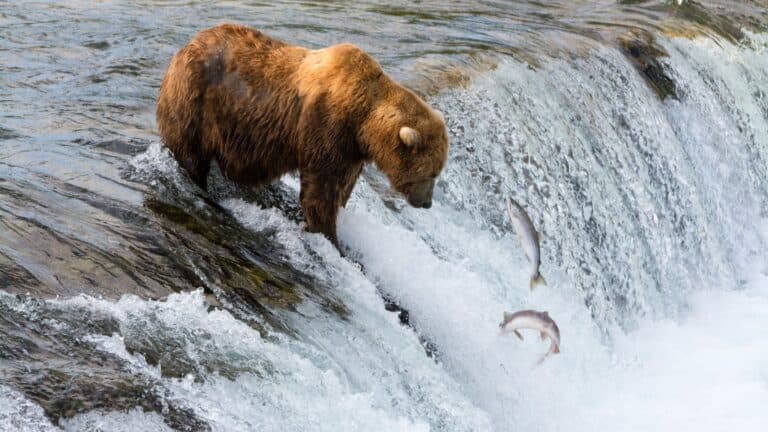 What to see · most readBears in Alaska: Where to See Them & Safety Tips (Complete Guide)
 What to seeAnchorage, Alaska: 15 Tips on What to See and Do in the Land of the Midnight Sun
 What to seeWhittier Alaska & Prince William Sound: 13 Best Things to See and Do
 What to seeTalkeetna, Alaska: 10 Best Things to See and Do (Denali Gateway & Flightseeing)
 What to seeDenali National Park, Alaska: Complete Guide 2026


