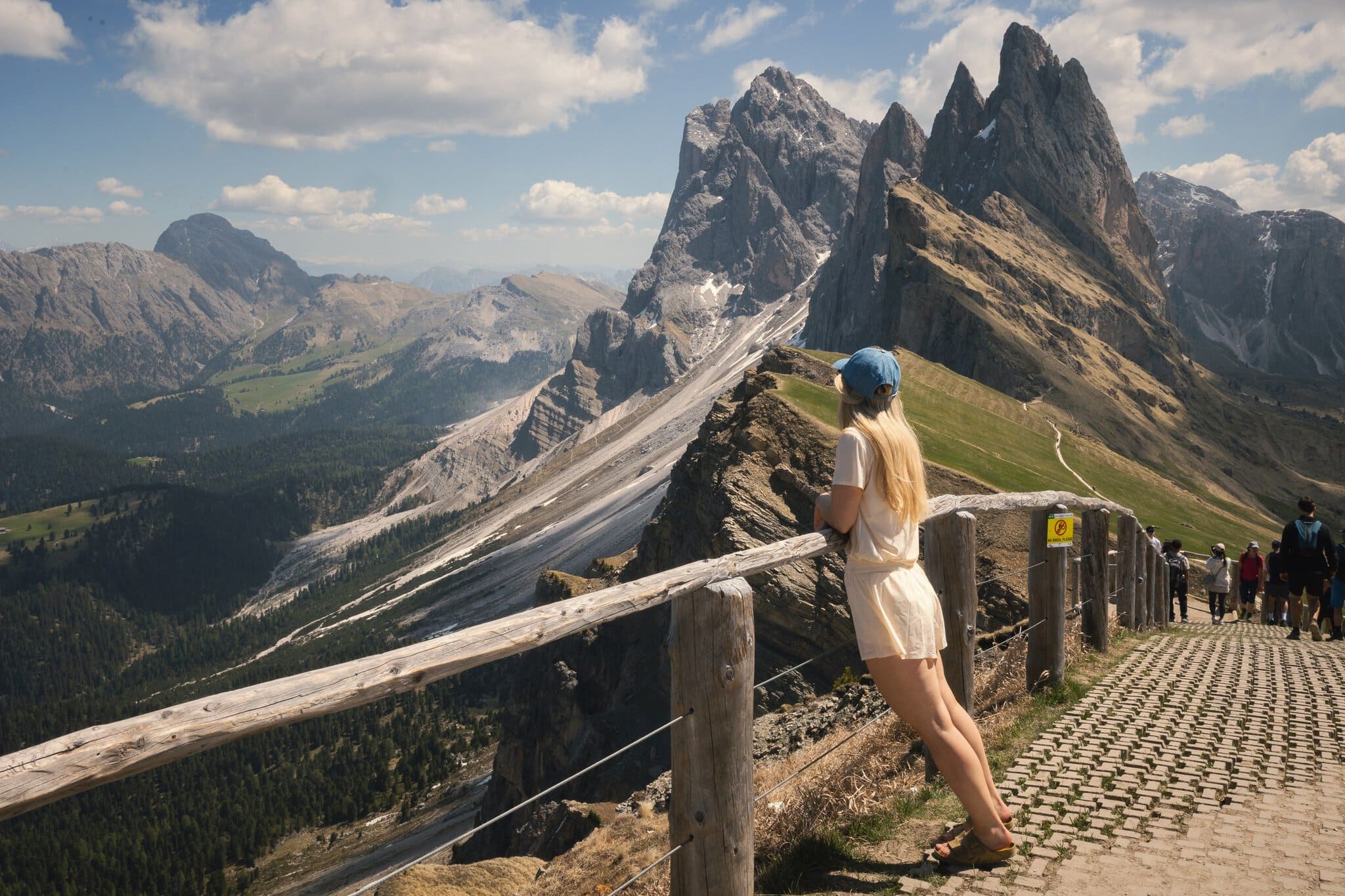
When we first stood beneath those iconic, jagged peaks that look as though someone ripped them from the earth and tilted them at an absurd angle, my jaw literally dropped. Seceda Dolomites is love at first sight, plain and simple. If you’re thinking about heading to the Italian Dolomites, I need to warn you upfront: this place will completely steal your heart and you’ll never want to go hiking anywhere else again. ☺️
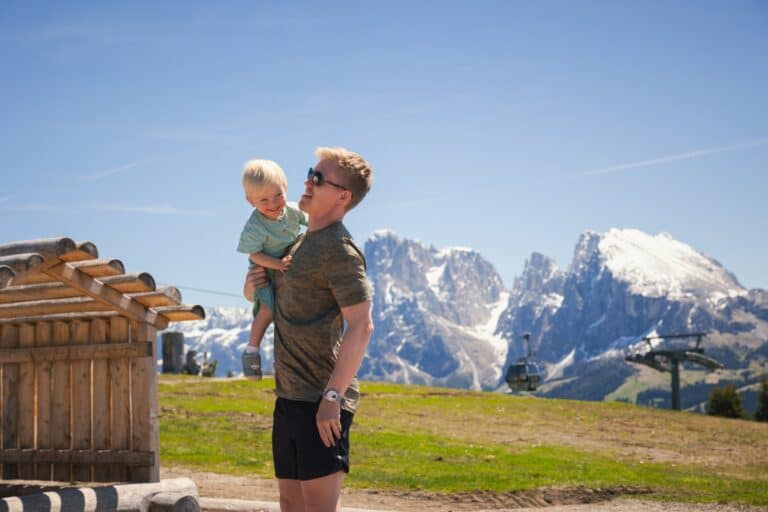
Lukáš and I have been visiting the Dolomites for years — our dog Kája even brought home a companion from here, an adopted pup called Baby who hails from these very mountains. But this year was different. The year was 2026 and we set off for the first time with our two-year-old, Jonášek. Romantic visions of all-day challenging treks quickly went out the window, and we had to completely rethink our plans. That’s precisely why Seceda is an absolute game-changer. The cable car does most of the hard work for you, whisking you up to 2,500 metres above sea level in just ten minutes, with the most photogenic view in all of Italy. You can manage it with a small child, with dogs, or even if you’re simply not a peak-bagging athlete.
Right then, let me walk you through how to do the whole thing stress-free — from the cable car to the best mountain hut with alpacas. 😉 I’ll also cover which cable car to choose, where to grab the best mountain lunch, and when to go to dodge the worst crowds.
The full destination guide: Dolomites — guide and what to see
TL;DR
- Where is it: In the Val Gardena valley, Trentino-Alto Adige region, northern Italy.
- How to get up: The quickest way is the two-stage cable car directly from the village of Ortisei (St. Ulrich).
- Who is it for: Absolutely everyone. The viewpoint is right by the top station — you can do easy strolls or more demanding ridge hikes.
- With a pushchair: It’s possible with an all-terrain buggy on the main wide paths, but I’d definitely recommend a baby carrier instead!
- When to go: Cable cars operate from late May to mid-October. In summer, be at the cable car right when it opens.
- Accommodation: Ortisei is the ideal base — you’ll save on parking near the cable car.
- Dogs: Dogs are allowed on the cable car (usually for a small fee) and must wear a muzzle, though the Italians often don’t enforce it strictly.
What Is Seceda and Why Does Everyone Want to Go There?
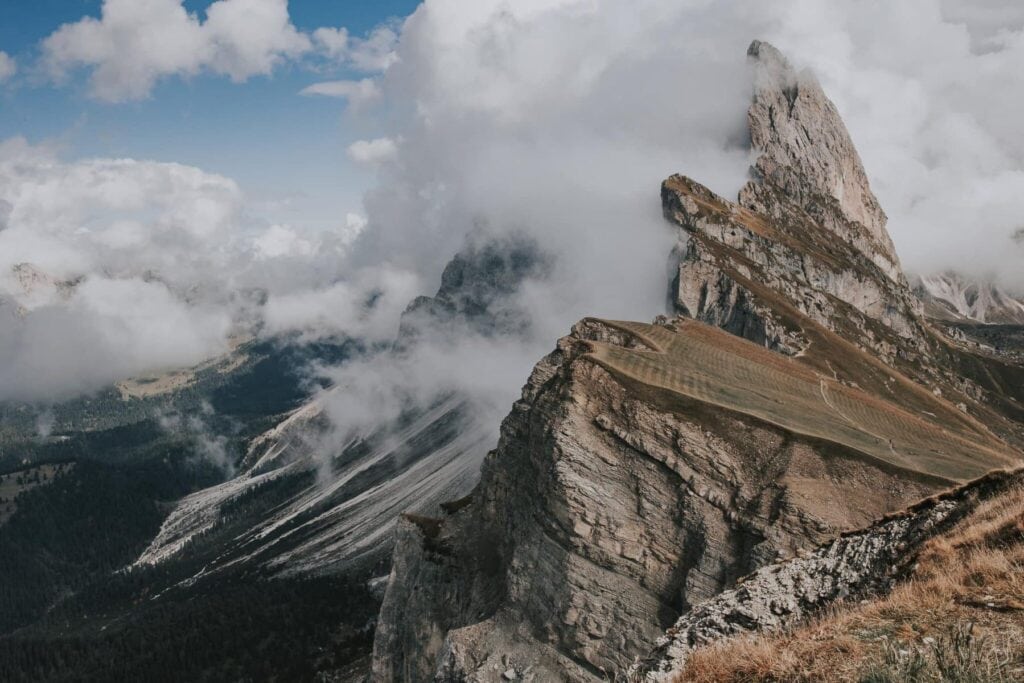
Look, Seceda technically isn’t even the tallest mountain in the area, but that’s completely beside the point — when someone says Seceda, everyone instantly pictures that jaw-dropping ridge of the Odle massif (Geisler in German), which looks like it belongs on another planet. These mountains look as if someone drove giant stone knives into the ground — on one side, they slope gently into lush green alpine meadows, while on the other, they plunge vertically into a deep abyss. It’s a sight that earned this area a spot on the UNESCO World Heritage list.
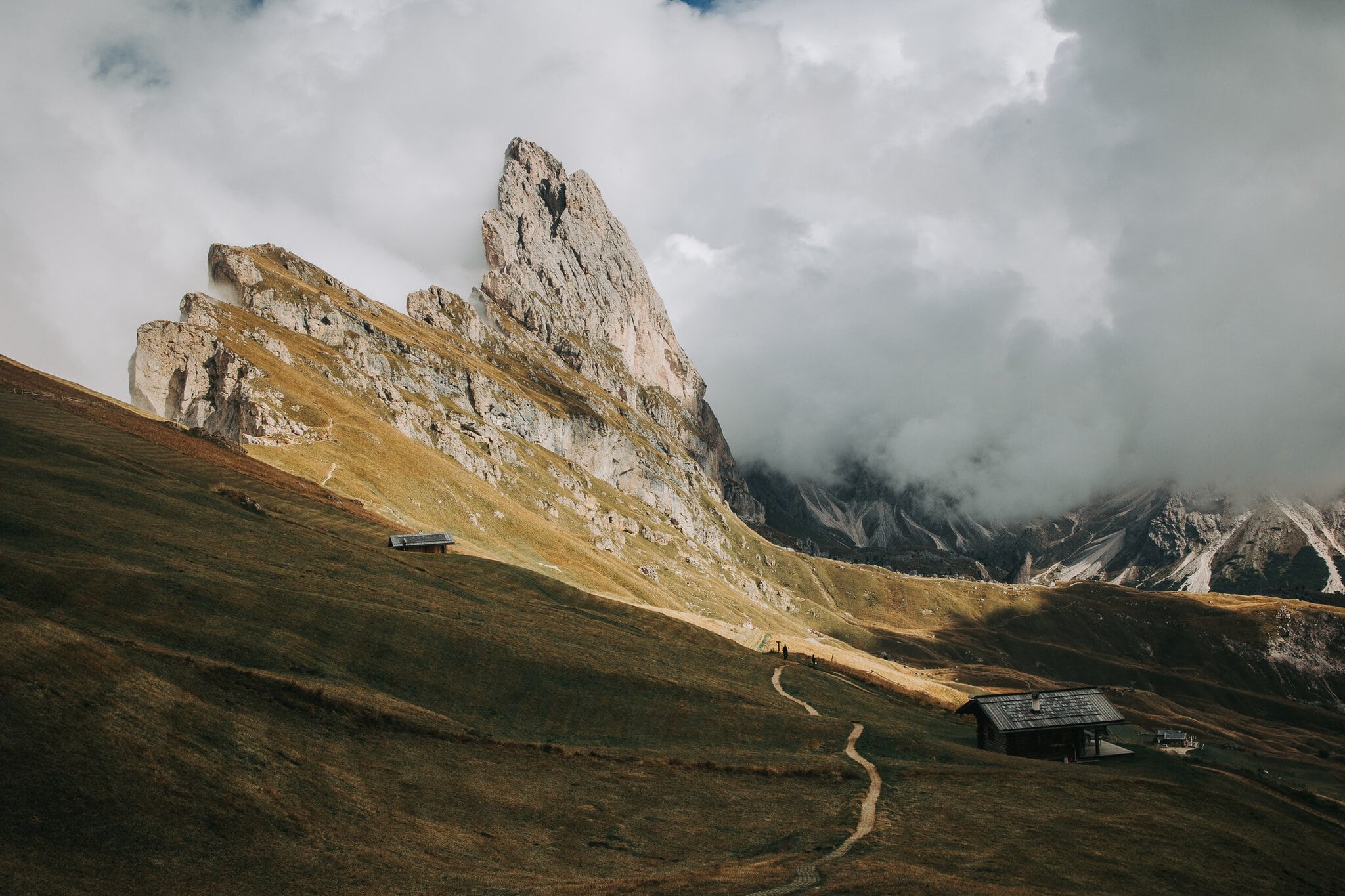
What makes this place so fascinating is the geology itself. These peaks were once coral reefs on the floor of the prehistoric Tethys Ocean, thrust upwards over millions of years into the formations we see today. It’s perhaps this unique rock composition (dolomite) that creates another magical phenomenon that draws photographers from around the world. It’s called enrosadira. At sunrise and sunset, the rocks blaze with incredible shades of pink, orange, and fiery red. We didn’t hang around for sunset with Jonášek this year — we’d have missed his evening porridge — but from previous visits, I can confirm it’s a goosebump-inducing experience.
When to Visit Seceda and What Weather to Expect
We once headed up in perfect sunshine, and within ten minutes we were engulfed in thick fog where you couldn’t see a metre ahead. I coped with the 40 euros we’d spent on the cable car by consoling myself with Canederli and coffee in a mountain hut. Lesson learned: mountain weather is completely unpredictable, and picking the right day is absolutely essential. The best time to visit is undoubtedly from mid-June to the end of September, when mountain huts are fully open and the snow has usually melted from the trails.
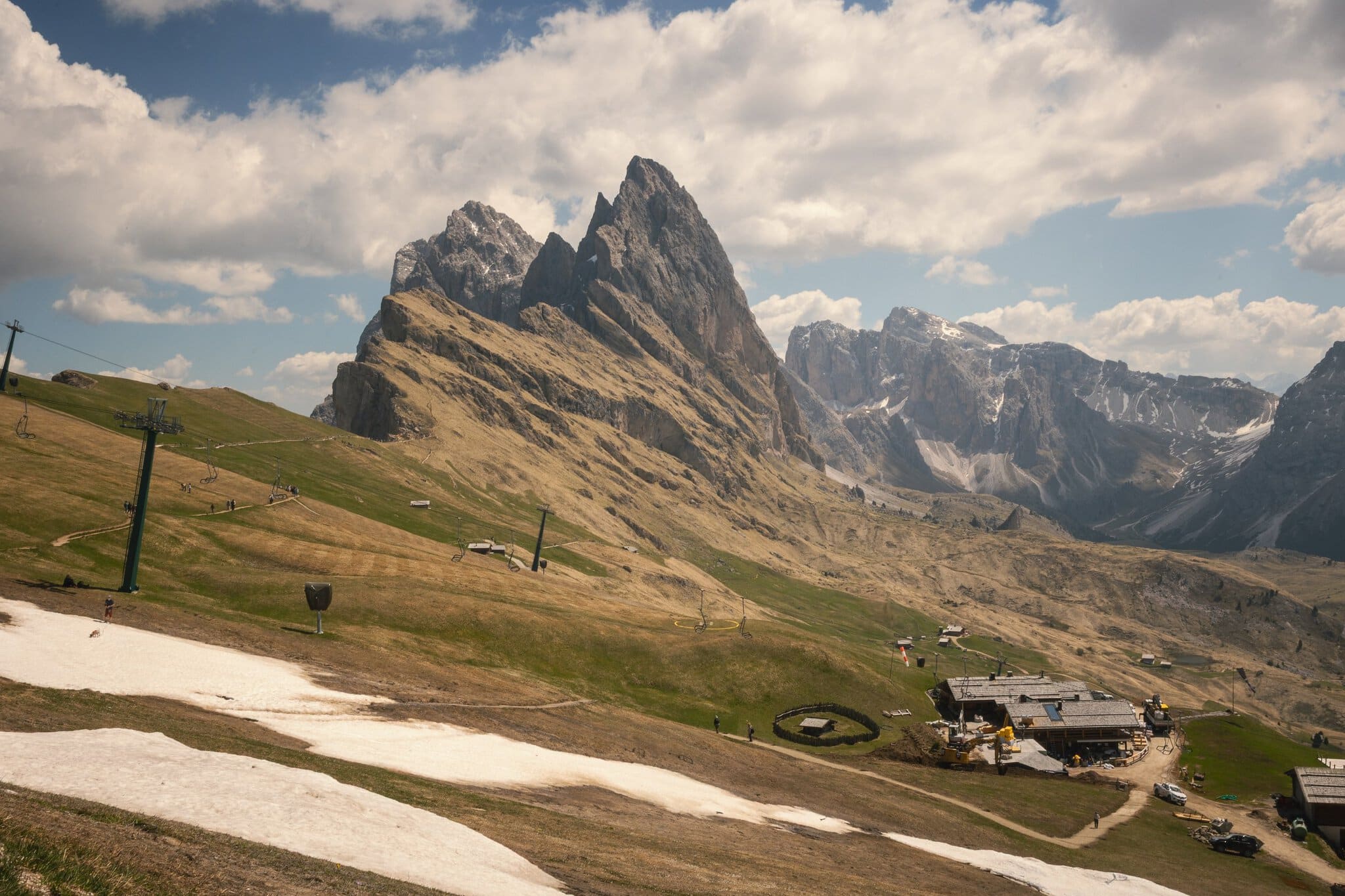
July and August bring lovely warm weather and meadows dotted with blooming alpine wildflowers, but you’ll have to contend with massive crowds. August is also Italy’s national holiday month (known as Ferragosto), so up on the mountain you’ll bump into not only us northern travellers but pretty much all of Italy, having collectively relocated to the hills 😅. My secret tip is to go in September or early October. The air is crisper and clearer, the crowds thin out, and the larch trees start turning golden.
When it comes to Seceda Dolomites weather, there’s one absolutely ironclad rule: the 1 pm rule. During summer months, mornings typically start with a brilliant azure sky, but as the valley heats up, clouds begin building and around one to two in the afternoon, powerful thunderstorms roll in surprisingly often. Head up on the very first cable car around half past eight in the morning. Before you even buy your ticket, I strongly recommend checking a live Seceda webcam online to see whether low cloud is sitting on the summit. The weather up here changes by the minute, and that camera is your best friend.
How to Get to Seceda: Cable Cars and on Foot
Getting to the Val Gardena area from the UK is straightforward. You can fly into Innsbruck, Verona, or Venice with airlines like easyJet, British Airways, or Ryanair, and then hire a car for the drive into the mountains — Innsbruck is the closest at around an hour and a half by road. Once you’re in the valley, there are several ways to conquer that famous ridge. This time, we opted for the easiest one.
Seceda Cable Car from Ortisei (Quickest and Most Comfortable)
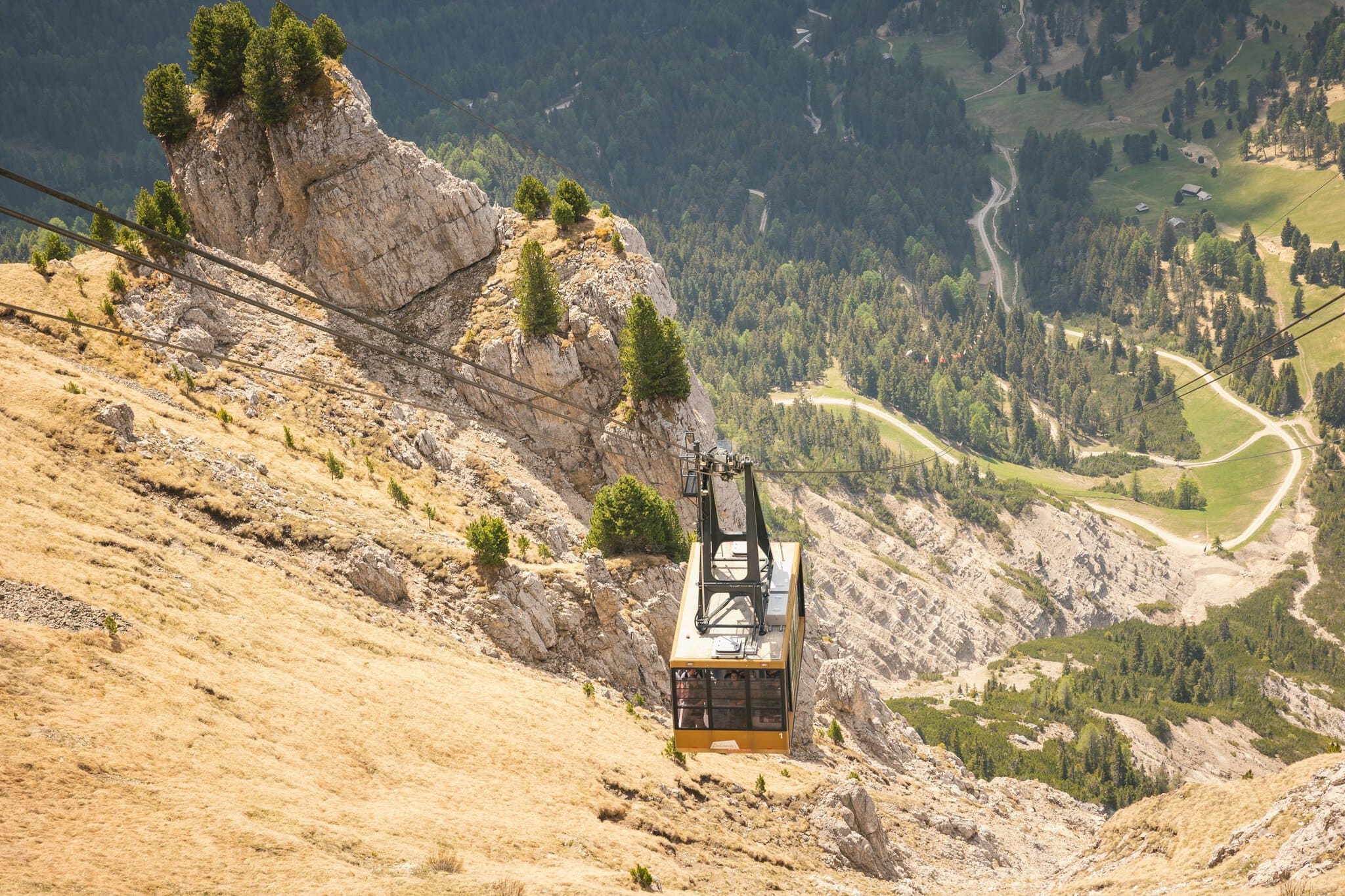
This is the absolute classic, and the Seceda cable car is the first choice for most visitors. You’ll find the bottom station right in the village of Ortisei (St. Ulrich in German). The journey is in two stages. First, you hop into a smaller gondola that takes you up to the mid-station at Furnes. There you transfer to a large, high-capacity cabin that sweeps you all the way to the summit at 2,500 metres.
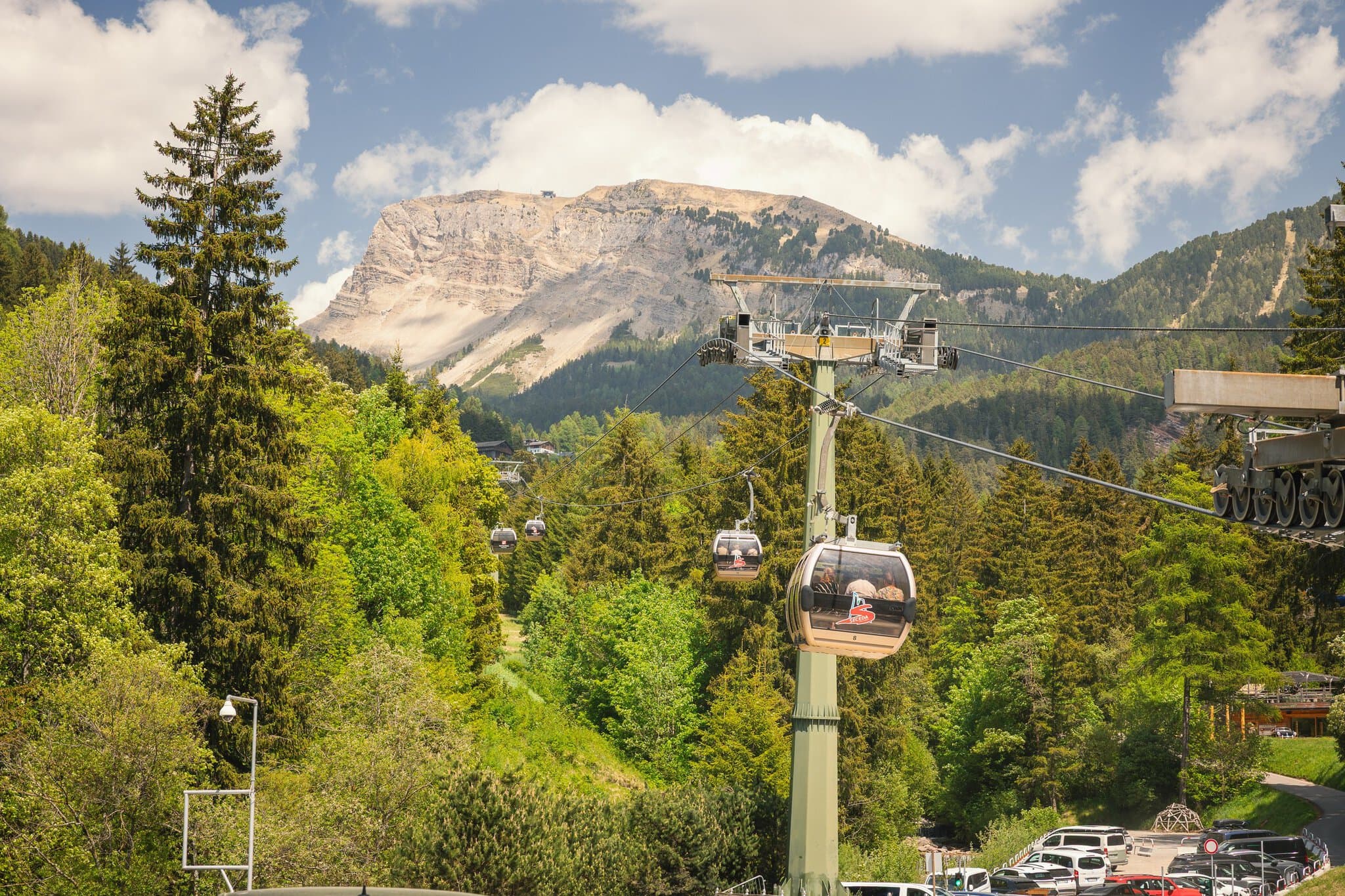
The whole thing takes about 15 minutes. It’s quite an experience — the big cabin sways a bit as it passes over the pylons, but the valley views are spectacular. There’s a large paid car park at the bottom station, though in peak season it fills up early in the morning.
Alternative via Col Raiser from Santa Cristina
If you’re staying in the neighbouring village of Santa Cristina or want to avoid the queues in Ortisei, you can take the Col Raiser gondola. It won’t take you all the way to the highest ridge and that iconic viewpoint, but it drops you a bit lower on beautiful alpine meadows at the foot of the Odle mountains.
From there, you’ll need to hike about an hour and a half uphill to reach the main Seceda viewpoint. It’s a lovely walk — as long as you’re not pushing a buggy — and it’s a slightly cheaper option too.
Seceda Hike for the Adventurous
For those of you who love a challenge and don’t have a toddler in tow, there are several hiking trails from Ortisei or Santa Cristina all the way to the top. Be prepared for a serious climb, though. The elevation gain is around 1,100 metres and the hike will take a good three to four hours of pure walking time to get up.
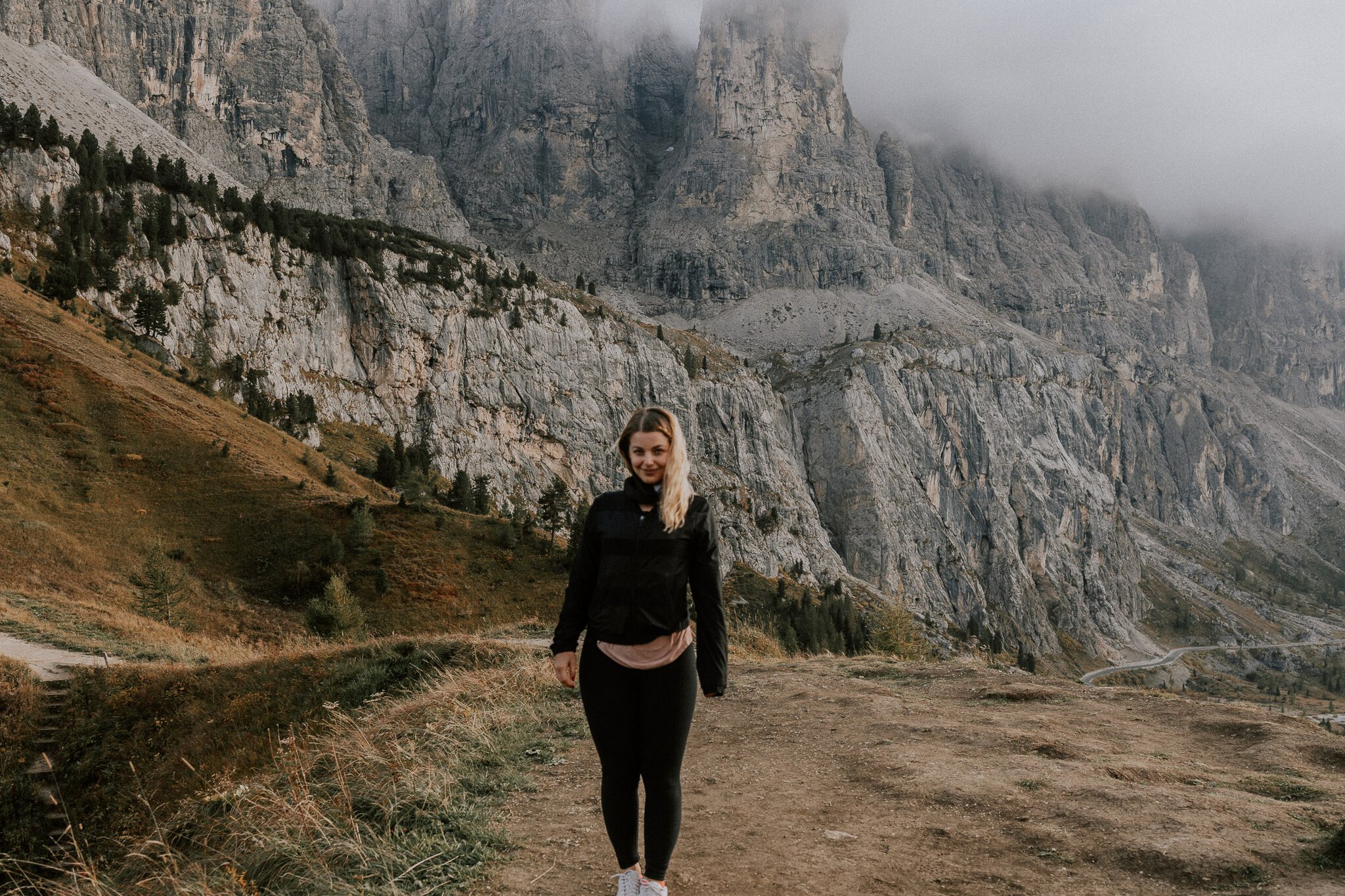
In the past, Lukáš and I would probably have huffed and puffed our way up on foot. This year, we tapped that precious cable car card at the turnstile with an overwhelming sense of relief and gratitude.
Where to Stay in Ortisei and the Surrounding Area + Budget
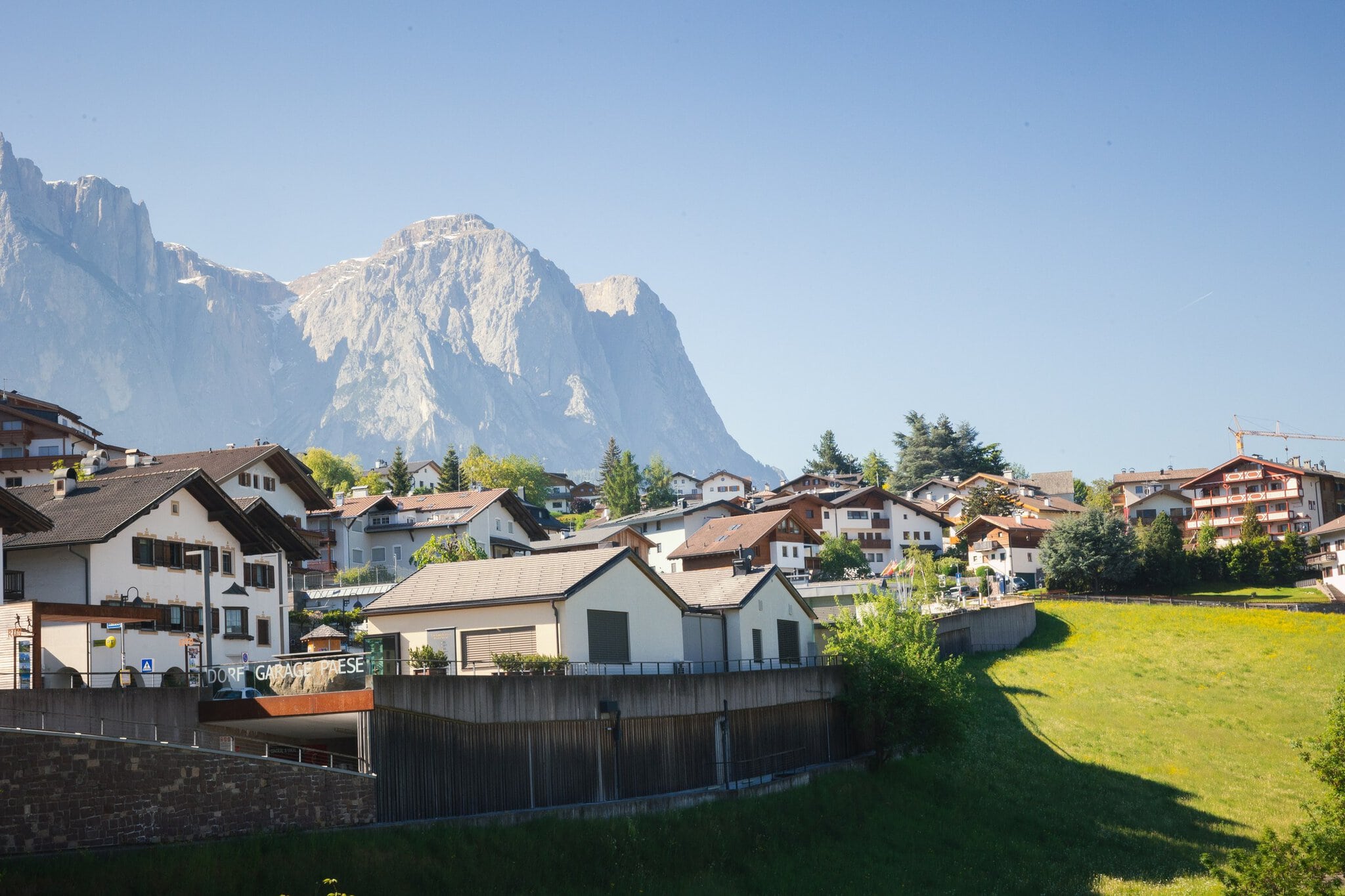
Choosing the right base is key to exploring Val Gardena properly. We wouldn’t trade Ortisei for anything. It’s a charming alpine town with a lovely historic centre, a pedestrian zone full of cafés where espresso fills the air, and — crucially — the cable cars to both Seceda and Alpe di Siusi are within walking distance. That means no battling for expensive parking spaces every morning.
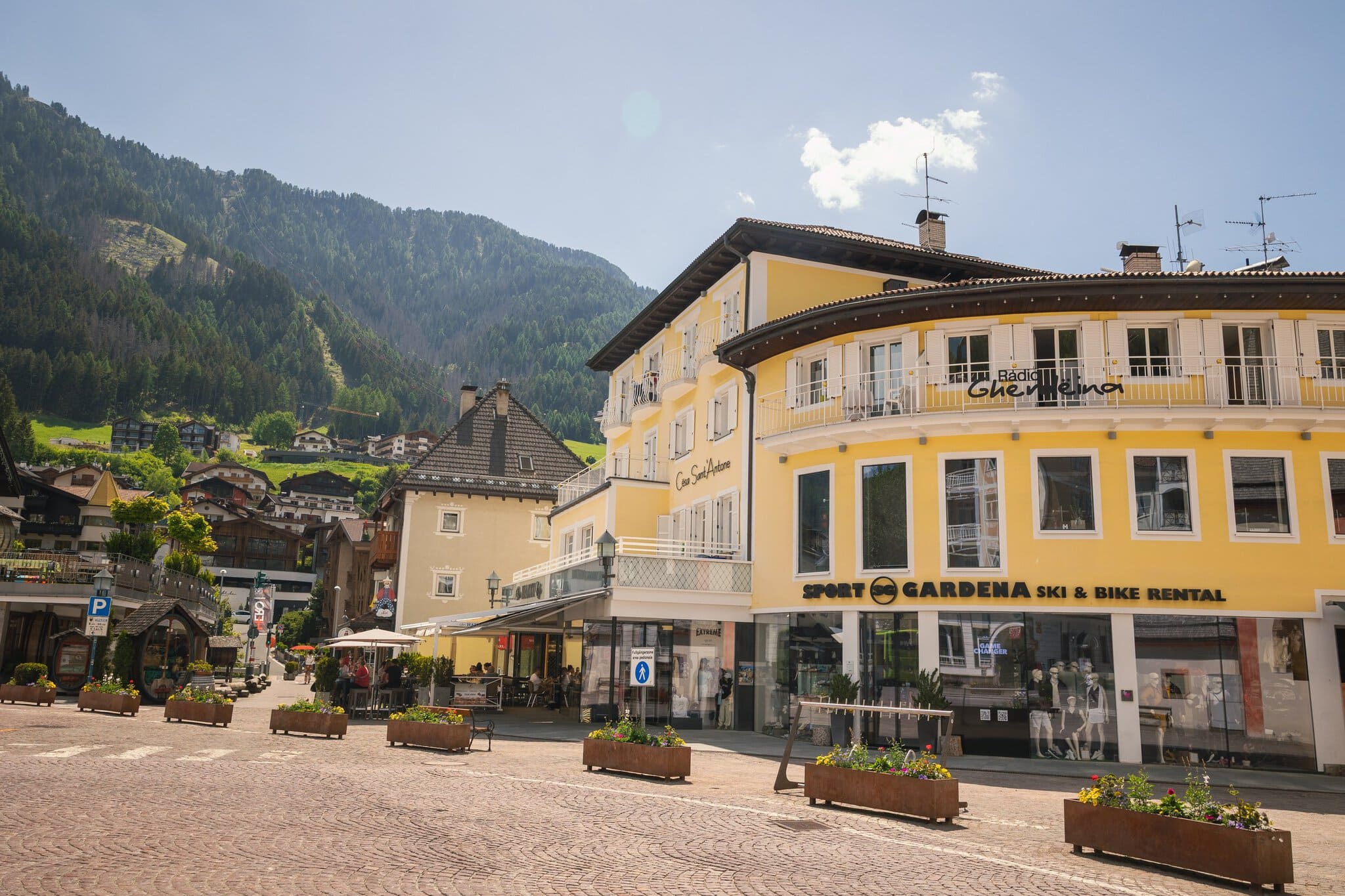
Accommodation in Val Gardena isn’t exactly cheap, but for those morning views from your window, it’s worth every penny. If you’re after a good balance of price and quality, we can wholeheartedly recommend B&B Villa Angelino, where we’ve had a great stay in the past, or the lovely Apt Lara Siela if you prefer self-catering. For those who fancy a bit more comfort with stunning mountain views and a pool, the excellent Hotel Scherlin is a top pick. You can easily compare current availability and prices in Ortisei and the wider Val Gardena on Booking.com.
As for budget, Val Gardena is pricier than some of the lesser-known valleys in Trentino. A week-long holiday for two — with accommodation in a decent B&B including breakfast, a multi-day cable car pass (such as the excellent value Gardena Card), and the occasional dinner out — will set you back roughly €1,400 to €1,800. That depends, of course, on how many Aperols at €6–8 a pop you sink in the mountain sunshine 😅. On top of that, add a few euros for Italian motorway tolls and fuel.
10 Tips on What to See at Seceda and in the Area
Seceda isn’t just about that one iconic photo. It’s a vast high-altitude plateau, and over the years we’ve explored it thoroughly — with dogs, without dogs, with Jonášek in a carrier and without. Here’s what’s genuinely worth your time.
1. The Iconic Jagged Profile (Best Viewpoint)
This is exactly the spot everyone comes for, and it’s surprisingly easy to find. Once you step out of the large cable car at the Seceda summit, head along the groomed path to the left and uphill.
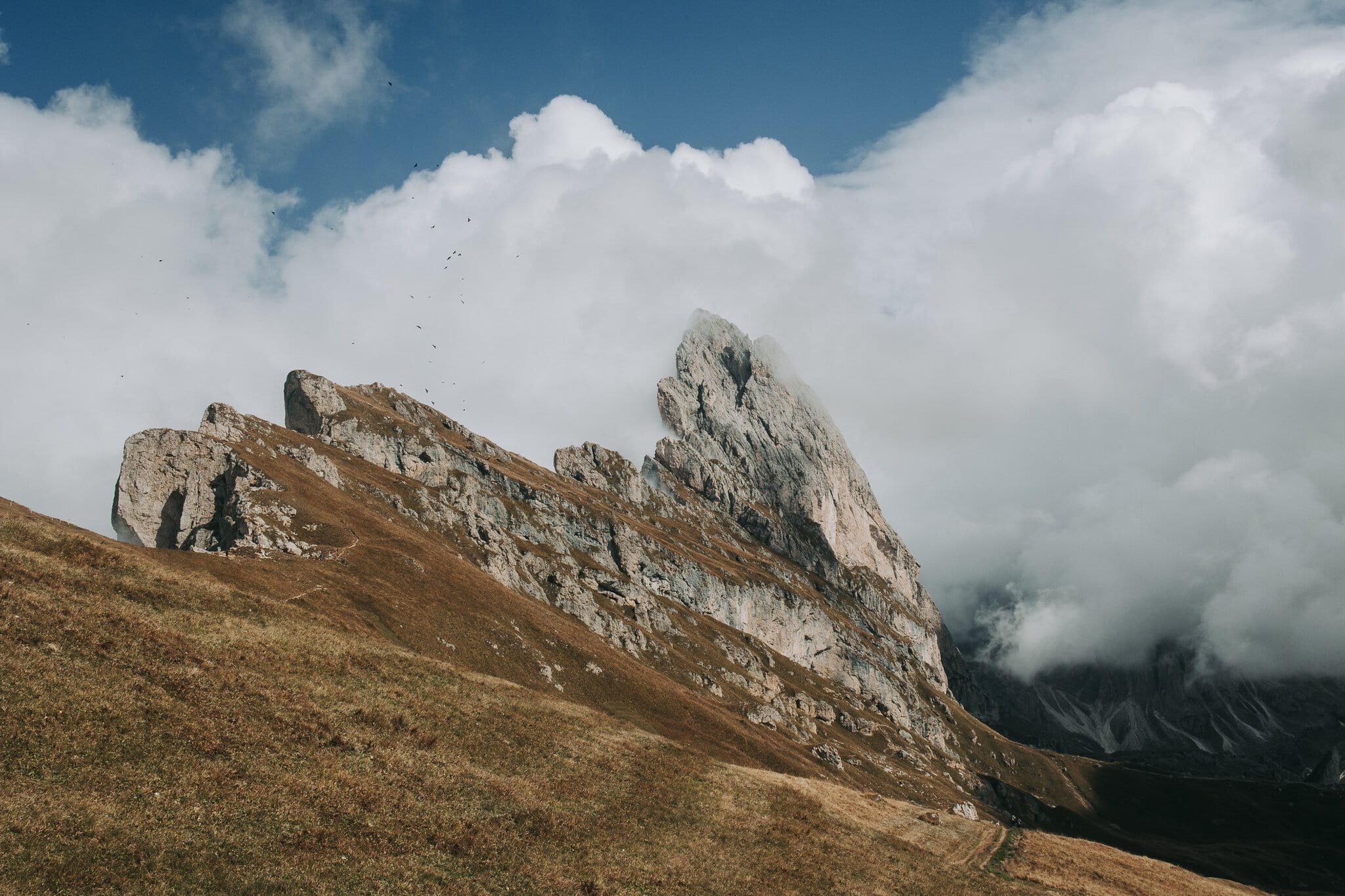
It takes just ten minutes on a well-maintained path and suddenly you’re standing at a metal viewing platform and cross at the very summit (2,519 m), and your jaw simply drops. A seemingly endless abyss opens up before you, and rising from it are the incredible jagged teeth of the Fermeda and Odle massifs. You almost feel like you could slide down the ridge like a toboggan run deep into the neighbouring Val di Funes. It’s always packed with people — everyone wants their photo — but the view never gets old. Don’t forget to check out the circular panoramic plaque that names dozens of surrounding peaks.
2. Easy Ridge Loop Walk
If you don’t fancy a day of tough climbing, I’d recommend simply doing a loop across the upper plateau. From the viewpoint cross, head down the wide path number 1 towards Rifugio Troier and on to Pieralongia. The trail gently undulates, but you’re mostly walking downhill or on the flat.
This easy loop takes roughly three to four hours, including very generous stops for photos, admiring the scenery, and devouring dumplings. Our dogs Kája and Baby happily trotted along the paths while we had time to watch the clouds constantly rolling over the razor-sharp peaks. For families and dog owners, this is probably the best possible route on the entire mountain.
3. Stop at Rifugio Troier Mountain Hut
Alpine huts — or rifugi — are an integral part of Dolomite culture, and without them, the experience just wouldn’t be the same. Rifugio Troier sits right at the foot of those jagged spires and is probably our favourite hut in the area. They have a huge outdoor terrace with sun loungers where you can flop down in the sunshine and simply breathe in the pure mountain air.
What makes this hut truly special is the animals. Goats and chickens roam freely around the building, and they also have ponies, a family of alpacas, and rabbits. For Jonášek, this year it was better than any kids’ TV show, and Lukáš and I could enjoy our excellent espressos in peace. The food is fantastic, and the whole place always smells of warm wood and mountain herbs.
4. Visit Rifugio Firenze in the Valley
If you’ve got a bit more energy and don’t mind a significant descent followed by a climb back up, you can head from the ridge down into the basin to Rifugio Firenze (Regensburger Hütte in German). It’s an older, more traditional hut with a long history, standing on a stunning green meadow directly beneath the majestic mountains.
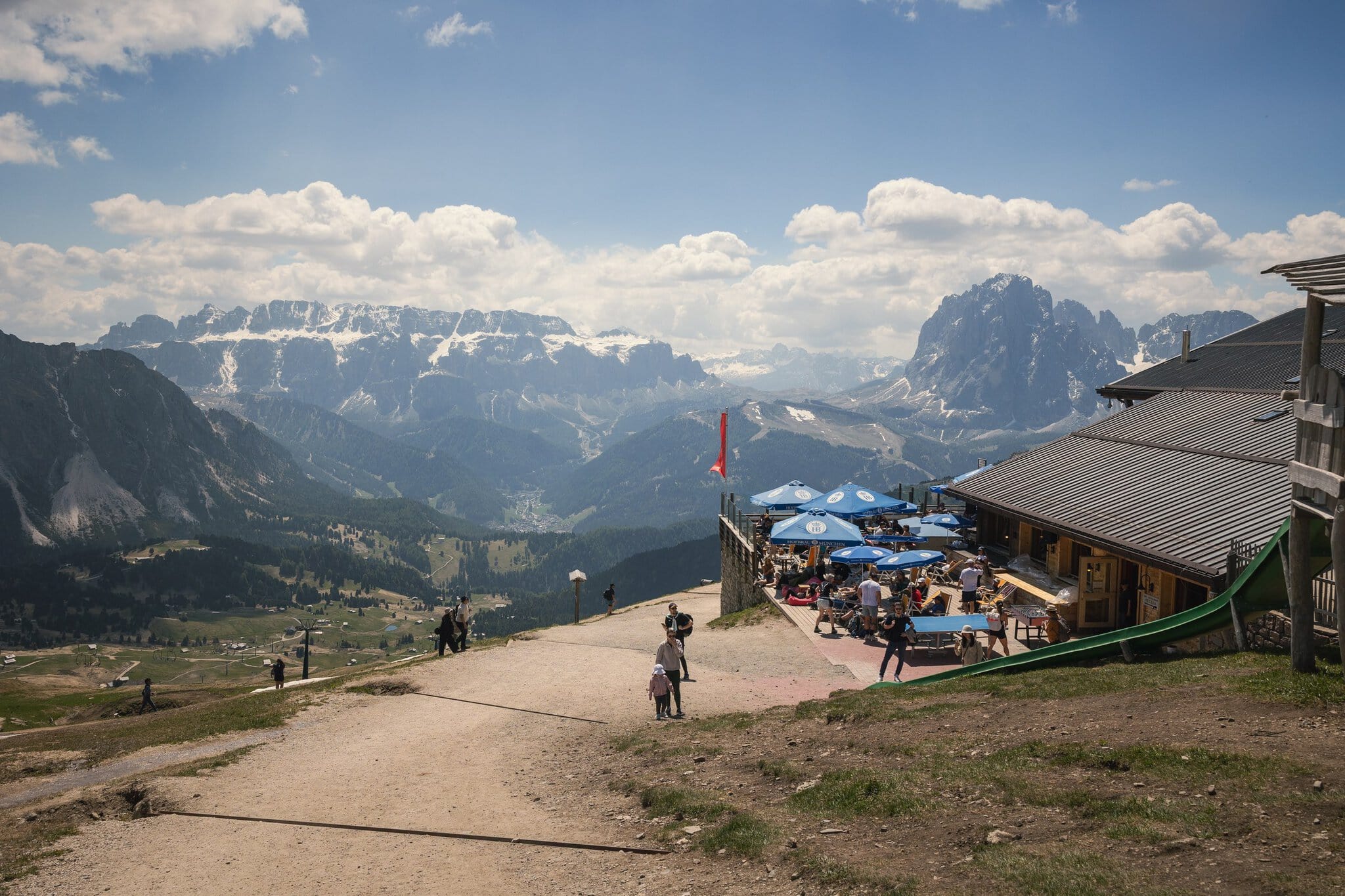
It’s about an hour and a half’s walk down from the Seceda top station. The landscape changes dramatically along the way — you’ll pass mountain streams, small tarns, and you might spot marmots whistling at you from their hideouts under the rocks. Just bear in mind that if you don’t have a Col Raiser cable car ticket for the return, you’ll have to hike all the way back up to the Seceda summit station.
5. The Two Pieralongia Towers and Alpine Garden
This is a wonderfully photogenic spot you definitely shouldn’t miss. Along the trail, you’ll come across two massive solitary rock towers jutting out from an otherwise flat green meadow, as if someone simply placed them there. The spot is called Pieralongia.
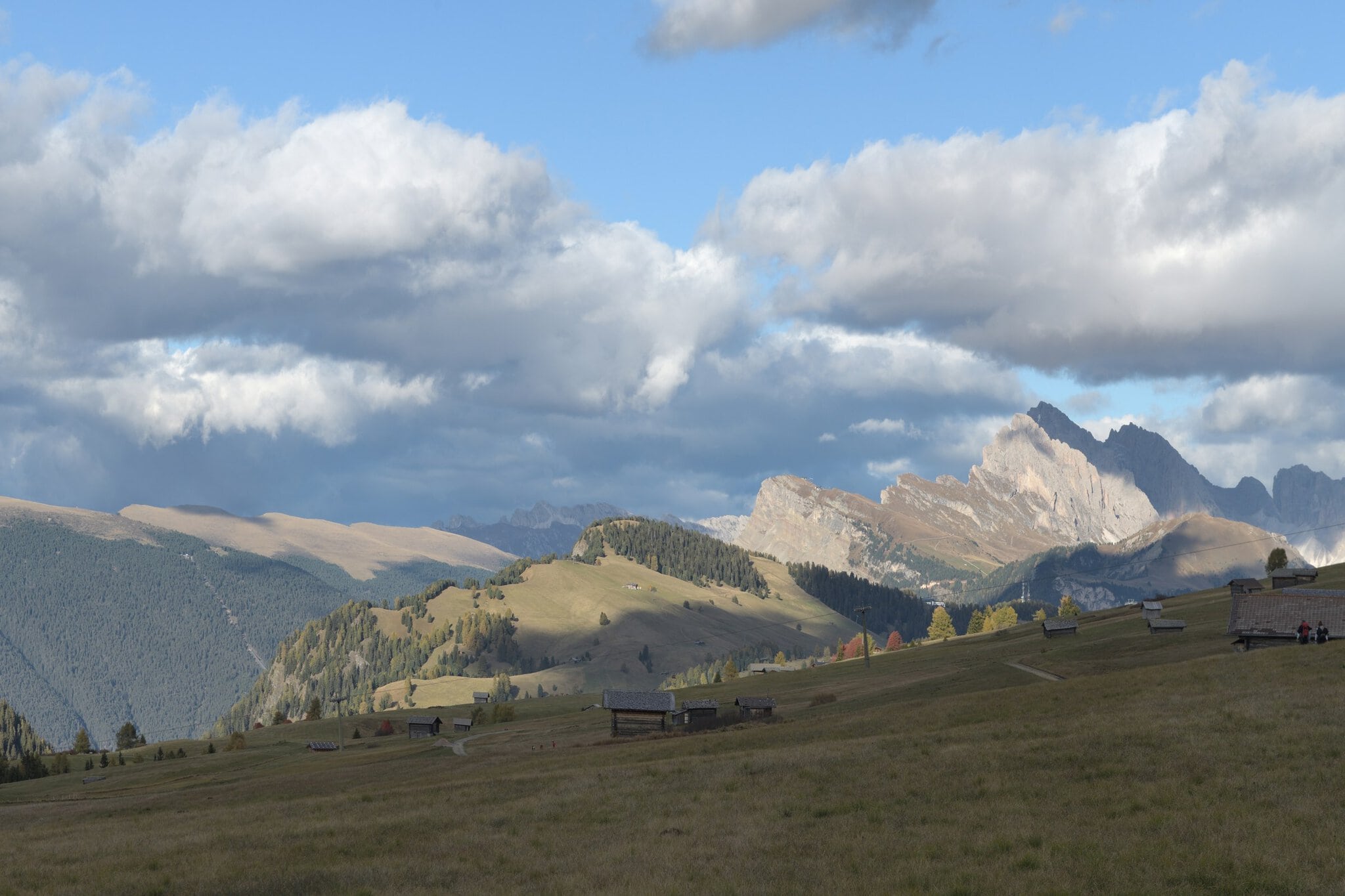
It’s not some fancy restaurant — more of a little improvised alpine dairy with wooden benches where you can have homemade buttermilk, yoghurt, or fresh cheese. Sitting here with those enormous rock towers in front of you, sipping tangy buttermilk, is honestly one of the most authentic experiences the Dolomites have to offer. You’ll often see donkeys grazing freely nearby too, which only adds to the wonderful atmosphere.
6. E-Bike Descent for Adrenaline Junkies
You can hire top-quality e-bikes in Ortisei and ride them all the way up (or use the cable car, which will transport your bike for a surcharge). Seceda is threaded with a network of dirt and gravel tracks that are perfect for e-biking.
The descent from the summit back to the valley is clearly quite an experience, because Lukáš was watching the riders with such longing that I was worried he might leap on a bike without warning. You share the paths with hikers, and the steeper sections with loose gravel are apparently quite treacherous, so it’s not for complete beginners.
7. Sunrise and Sunset over the Jagged Peaks
As I mentioned, the enrosadira phenomenon is a hallmark of this area. Although the cable car only gets you up there around nine in the morning (and you need to be back down before five), photographers hike up in the dark or set their alarms for the special early-morning cable car rides that run just a few times a year in midsummer.
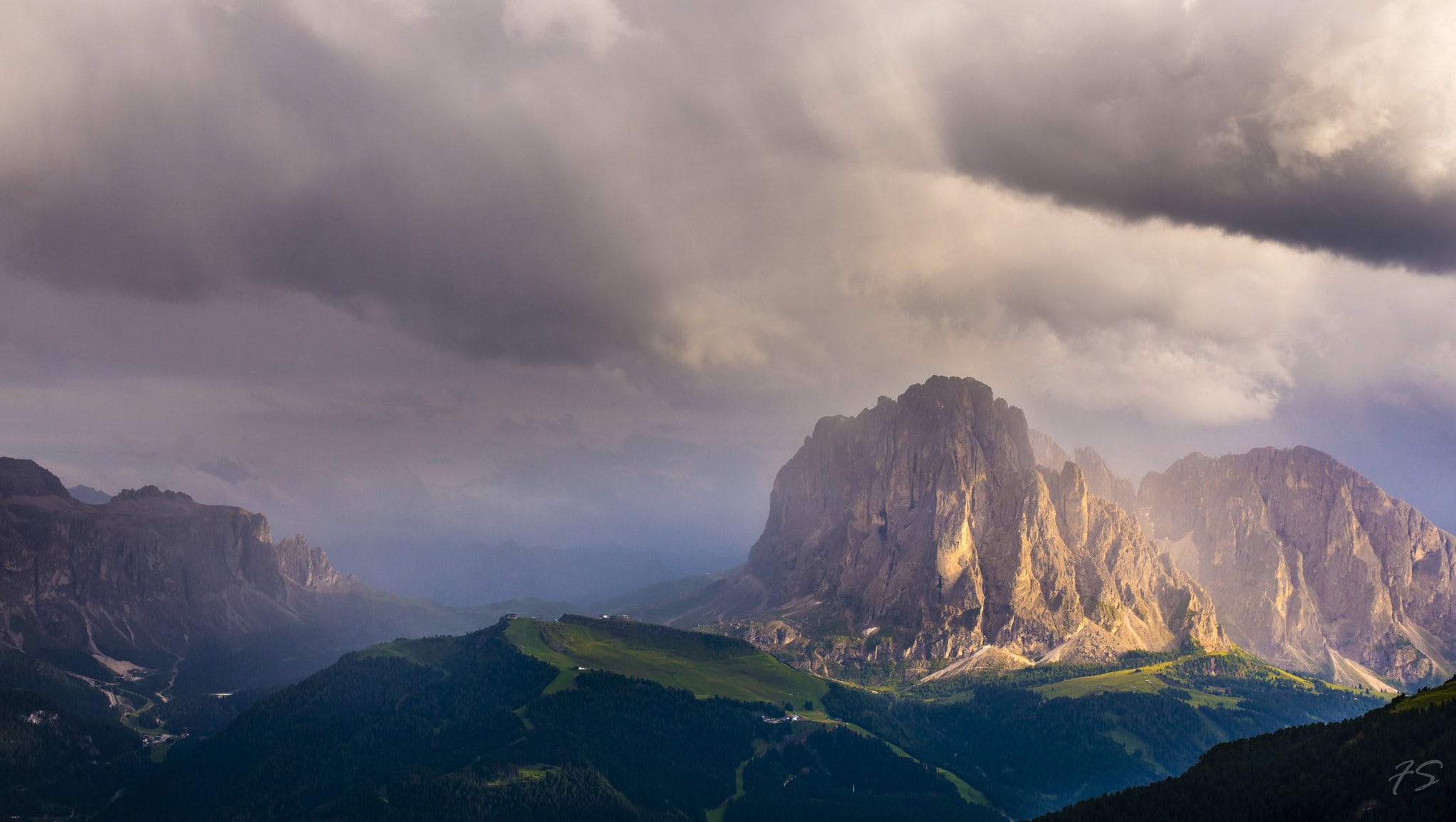
Watching the first rays of sunlight gradually flood the valley and turn the dark silhouettes of the Odle peaks into blazing reds is something you’ll remember for the rest of your life. If you’re not a morning person, you can opt for an evening hike instead — but you’ll need to walk back down with head torches, as the cable cars will no longer be running.
8. Exploring the Village of Ortisei (St. Ulrich)
When you get back down on the cable car after a full day up the mountain, don’t rush straight to your hotel. Ortisei is the jewel of the valley and well worth lingering in. Val Gardena has been famous for its woodcarving tradition for centuries. On practically every corner you’ll find a shop selling incredibly detailed wooden sculptures, from traditional nativity scenes to contemporary art.
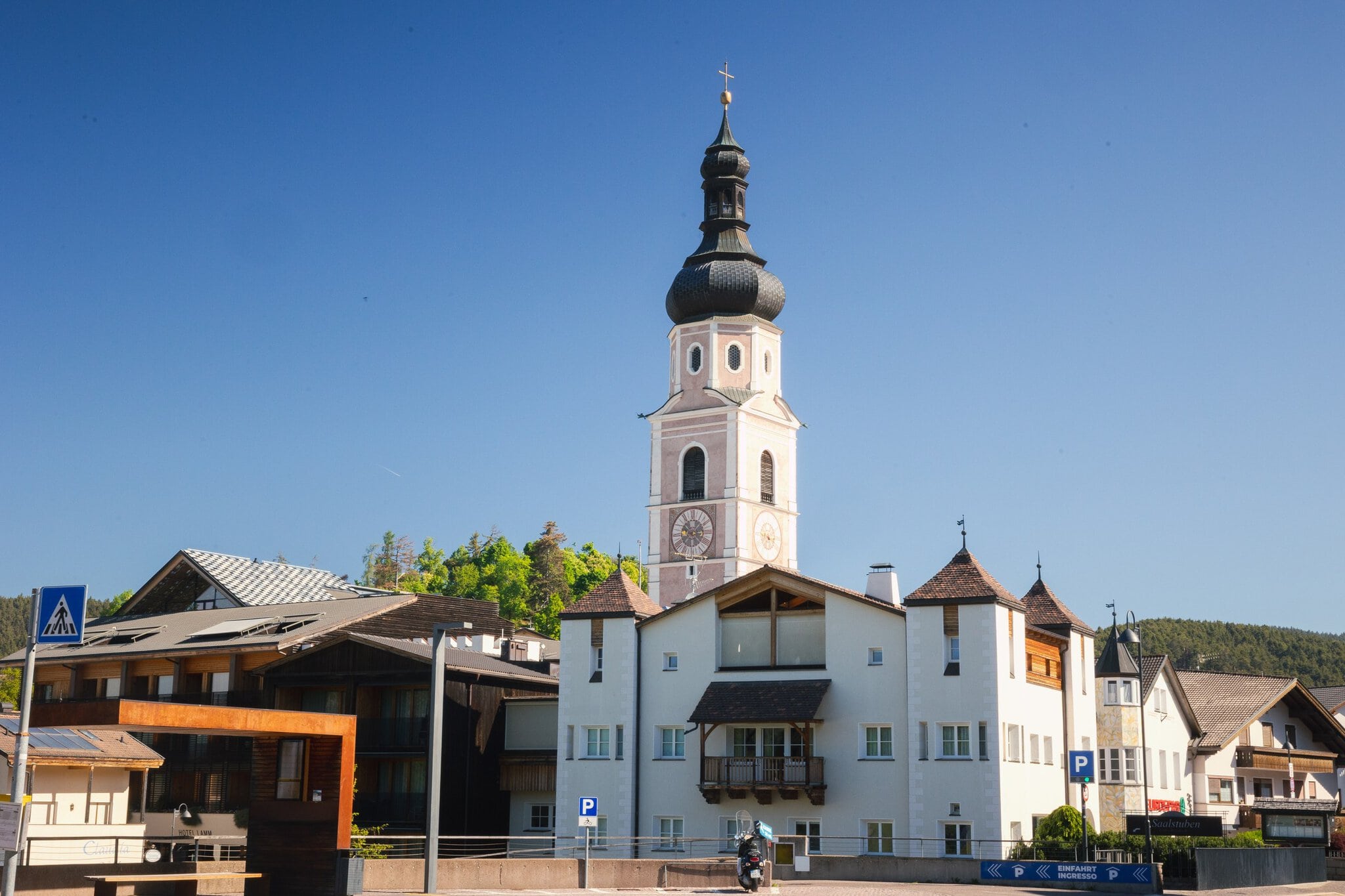
Stroll through the pedestrian zone, grab some incredible gelato (naturally it’s divine here), and just soak up the unique atmosphere where meticulous Tyrolean tidiness blends with Italian laid-back charm. It’s a delightful mix that I absolutely love about northern Italy.

9. Santa Cristina and Selva di Val Gardena
Val Gardena isn’t just Ortisei, and it would be a shame to travel all this way and not see the rest. Santa Cristina is a touch quieter and smaller — we love it for an afternoon wander, mainly because there’s a great ice cream shop perfect for a stop before heading home.
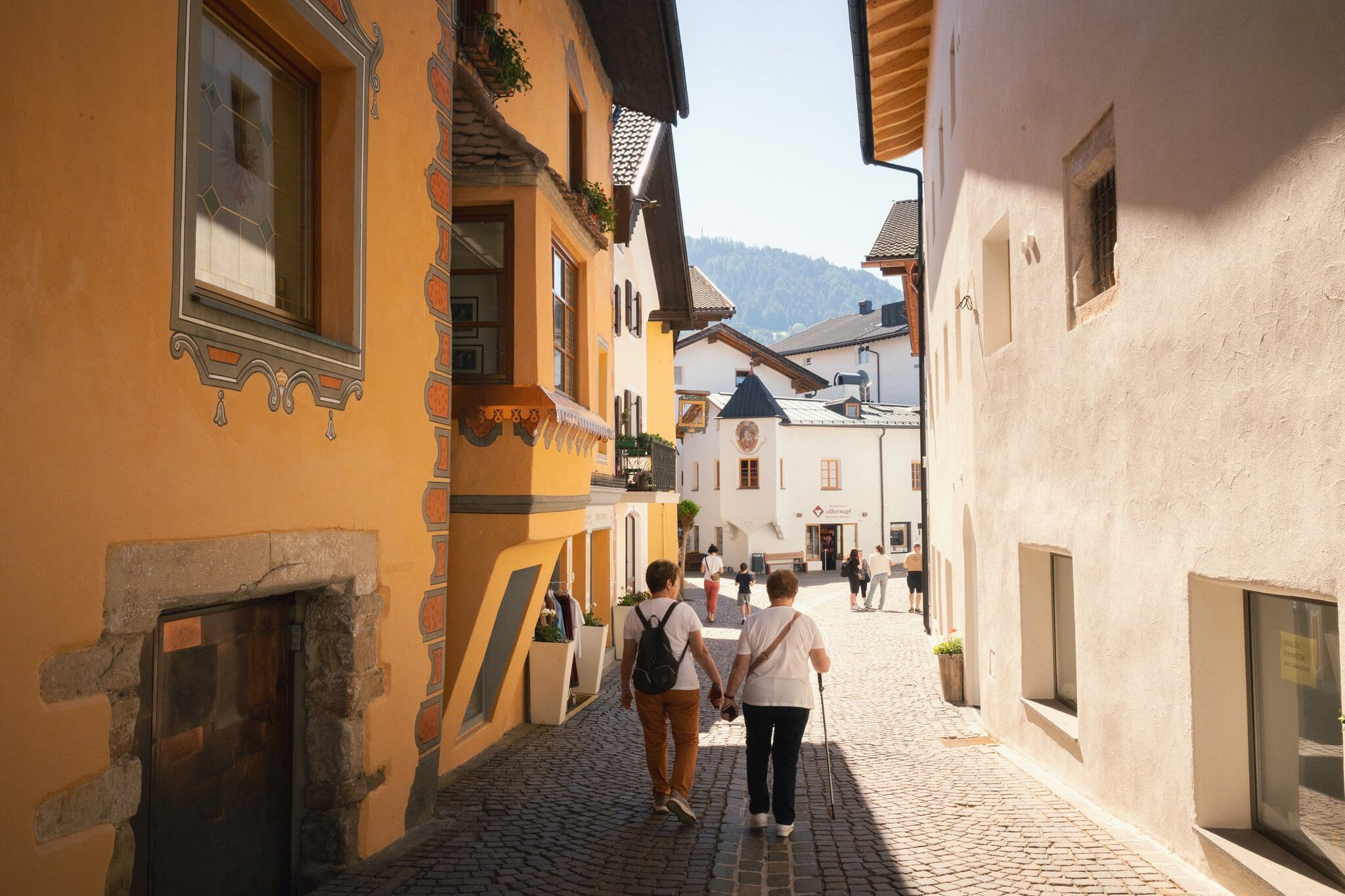
Selva sits at the highest point and loses a bit of its winter ski-resort glamour in summer, but the views of the Sella massif are truly imposing. Both villages also have dozens of cable cars heading in all directions, so you certainly won’t run out of things to do.
10. Photography Tips — Finding the Best Perspective
Honestly, I’m no professional photographer, but even I discovered that the best shots aren’t taken right by the cross where the crowds jostle, but a short walk beyond it along the cliff edge. From here, the jagged towers visually compress together and look even more dramatic.
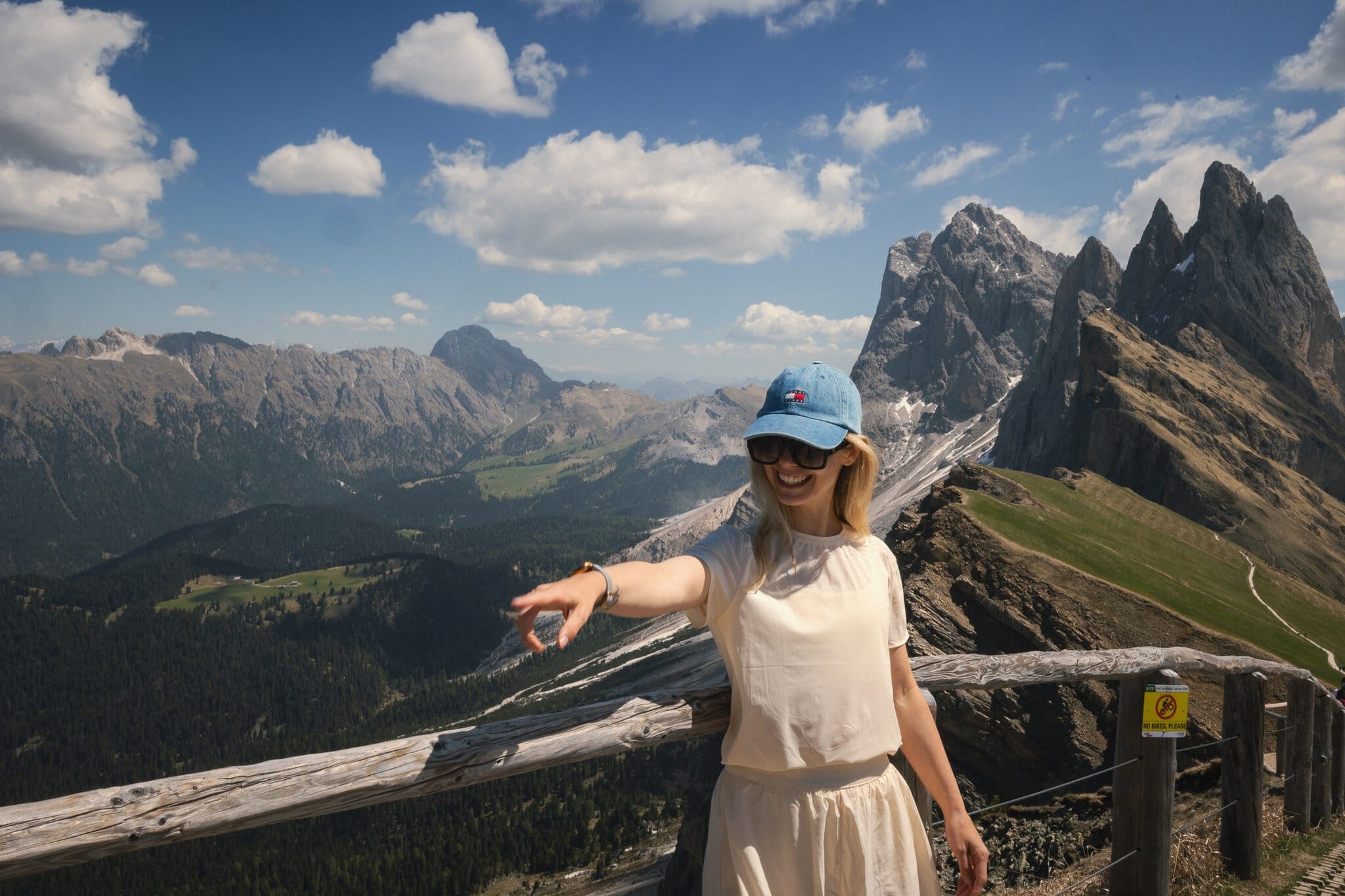
Try including a small figure — someone from your group standing on the trail edge — to give the photo a sense of scale, because otherwise the sheer enormity of the rock walls just doesn’t come across. And remember, the worst light for photography is right at midday when the sun is highest and casts harsh shadows. Try to hold out until the late afternoon.
Map of points of interest for your phone
Seceda with a Pushchair and Small Children (Our Experience This Year)
I have to admit, planning day trips with a two-year-old is a completely different game from what Lukáš and I were used to. But can a family with a small child manage Seceda? Absolutely yes! The two-stage cable car is a massive help — you can load a pushchair into the large cabin at the mid-station without any hassle whatsoever.
Once you’re up top, a fairly wide gravel path leads to the viewpoint, and with a genuinely good all-terrain pushchair (we’re talking big wheels and suspension, not a flimsy folding one from the high street), you can manage part of the ridge trail towards the huts. But honestly, an ergonomic baby carrier is a far better idea. Jonášek had a brilliant vantage point, we had our hands free, and we weren’t worried about rattling his bones on the rockier sections. Plus, he slept beautifully in the carrier in that fresh mountain air. Whatever you do, don’t forget a warm hat and a decent jacket for the little ones — it really is 10 to 15 degrees colder up there than in the valley below.
Where to Eat
In the Dolomites, you’re treated to a wonderfully eclectic culinary mix — Italian espresso and pasta meet hearty Tyrolean dumplings, and on top of that, the Ladins, the valley’s original inhabitants, add their own ancient recipes to the table.
Once you’re settled on a wooden bench with that view, you absolutely must try Canederli (Knödel in German). These are huge round bread dumplings mixed with local speck ham or spinach, served either swimming in a rich broth or drizzled with hot butter and showered in Parmesan. It sounds simple, but it’s heavenly.
Another staple is quality polenta, which the Ladins prepare with wild mushrooms foraged from local forests and melted alpine cheese. And for dessert? You simply cannot leave without trying apple strudel doused in warm vanilla sauce or a pile of shredded pancake (Kaiserschmarrn) with lingonberry jam. Either one will give you enough energy to bound back down to the cable car like a mountain goat.
Practical Tips and Photography Guide
If you’re still in the planning stages, here are a few tried-and-tested practical tips. In 2026, the return cable car ticket from Ortisei to the summit was around €40–45 per adult. It’s not cheap, but maintaining that incredible cable car infrastructure in such extreme conditions doesn’t come for free. If you’re staying in Val Gardena for several days, it’s definitely worth considering the multi-day Gardena Card, which covers all the surrounding cable cars.
Don’t be fooled by the temperature at your guesthouse down in the valley. You MUST always have a windproof jacket, a warm mid-layer, and even a thin beanie packed in your rucksack — even in the height of Italian summer at 30°C. Above 2,500 metres, the weather can turn very quickly.
The last cable car down usually departs between 17:00 and 17:30 (check the exact time at the turnstile). Don’t bank on them squeezing you in. Once the cable car closes, you’re facing a very long, knee-punishing descent on foot. And I’ll say it one more time: before you shell out for those pricey tickets, check the Seceda weather forecast and, more importantly, the live webcam from the summit on your phone. Sometimes the entire valley is bathed in sunshine while the top of Seceda is wearing a thick grey cap of cloud, and you wouldn’t be able to see the end of your own nose up there.
Beyond Seceda: Tips for More Day Trips
Once you’ve explored Val Gardena thoroughly and feel ready for a drive, the Dolomite region is enormous and offers endless possibilities. Right across the valley from Seceda lies the vast high-altitude pasture of Alpe di Siusi, dotted with wooden chalets and boasting views of the Sasso Lungo massif. If you prefer more dramatic mountains, check out our complete guide to Cortina d’Ampezzo, which is a perfect base for visiting the eastern Dolomites and the famous Tre Cime rocks.
I’d also recommend reading our article on what to do in the Dolomites for plenty more inspiration, and if you’re after easier walks, we’ve written up 5 hiking trails for everyone. And if you don’t mind a bit of crowd madness for a beautiful photo, definitely consider the famous emerald lake of Lago di Braies.
What to Sort Before Your Next Trip to Italy
Before you head off on your next adventure, here are a few well-tested tips. Travelling around Italy can be a little chaotic at times, so it pays to be prepared.
Lukáš and I have our routines down by now, but even so, we occasionally forget something. These services have definitely been worth getting right:
- Finding flights: If you’re not driving to Italy, look for cheap flights on Skyscanner or Google Flights. From the UK, you can fly into Innsbruck, Verona, Venice, or Bergamo with airlines like easyJet, Ryanair, or British Airways.
- Hiring a car: You’ll struggle without one in the mountains. We’ve had consistently good experiences with DiscoverCars, which we use all over the world.
- Don’t forget travel insurance: Mountains are unpredictable and a rescue helicopter in Italy costs a fortune. We regularly go with AXA (they often have decent discounts) or international cover — find out more in our SafetyWing review.
- Mobile data: To check those all-important webcams and weather forecasts on the trail, you’ll want reliable connectivity. If your UK plan doesn’t include EU roaming, have a read of our Holafly eSIM review.
- Proper footwear: Leave your trainers at home — even on the well-maintained paths you need ankle support. Check out our tips on hiking boots.
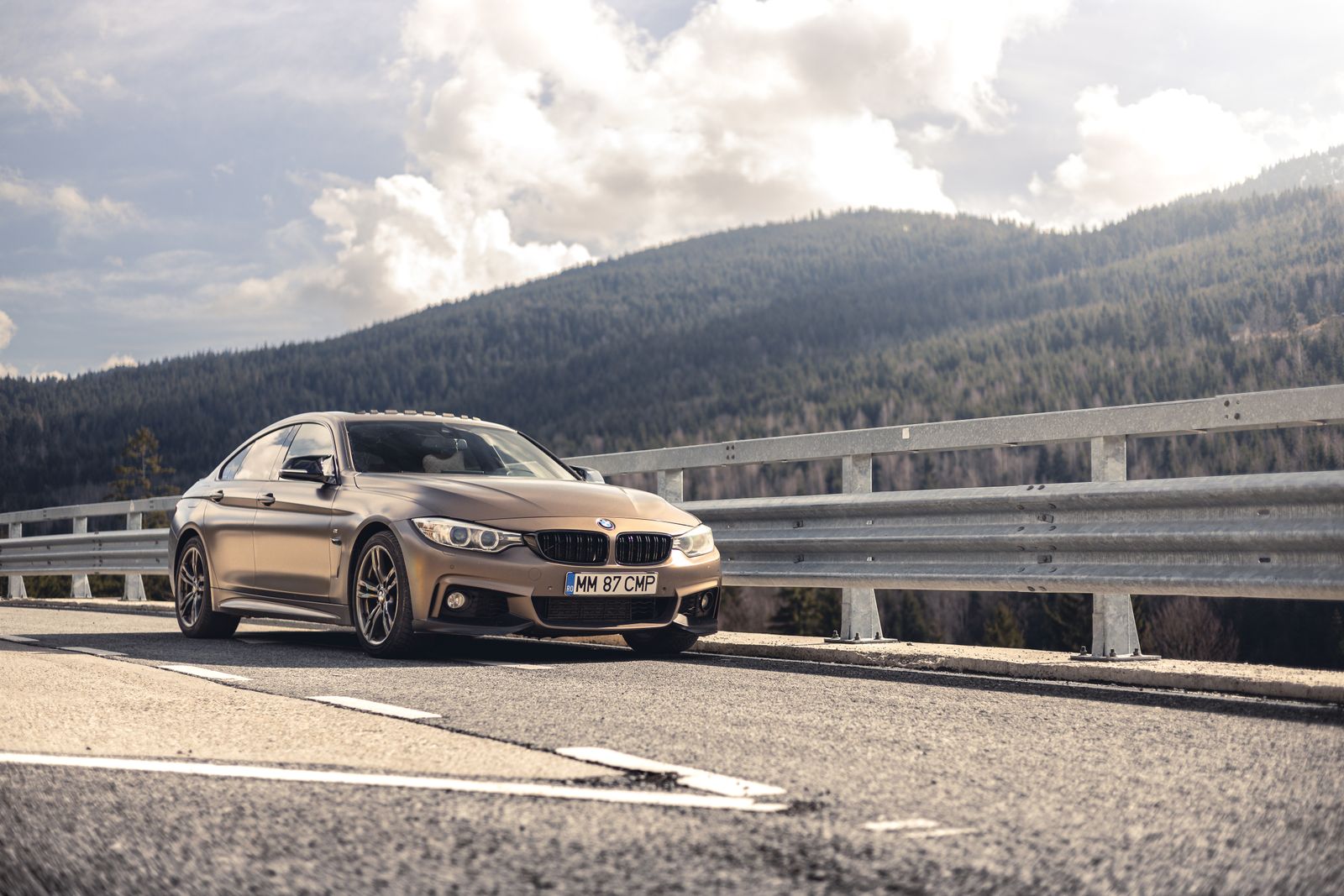 🚗 Car rental on the roadVerified rental cars in the Dolomites
Search with the DiscoverCars comparison engine — it compares prices from dozens of local and international rental companies, and most bookings come with free cancellation.
Compare car prices in the Dolomites →Frequently Asked Questions (FAQ)
Got more questions? Here are the answers to the most common queries I receive about Seceda on Instagram and that people frequently search for online.
How much does the cable car to Seceda cost?
Prices change slightly each year, of course. In 2026, a round-trip ticket from Ortisei to the summit (both cable car sections) costs between 40 and 45 euros for adults. Discounted children’s tickets and family packages are available. Dogs usually ride for around 5 euros. And if you’re staying in Val Gardena for longer, it’s definitely worth considering a multi-day Gardena Card, which includes all the surrounding cable cars.
How do you get to Seceda?
The easiest way is to drive to the Italian valley of Val Gardena, to the town of Ortisei. We recommend securing parking first thing in the morning, as it gets pretty full later on. From the center of Ortisei, a two-stage cable car (Ortisei-Furnes and Furnes-Seceda) takes you up to the mountain summit at 2,500 meters elevation and the iconic viewpoint in about 15 minutes.
How long does the cable car ride to Seceda take?
The actual ride from Ortisei consists of two sections and takes around 15 minutes of pure travel time. The experience in the cabin is really pleasant though, and it flies by. Just keep in mind you’ll need to transfer at the Furnes mid-station, and during summer months, allow plenty of extra time for waiting in queues at the lower ticket office.
Where’s the best place to park for a trip to Seceda?
Your best bet is to leave your car at the large paid parking lot right at the lower cable car station in Ortisei. You’ll then be just steps away from the ticket offices. During peak summer season it fills up very quickly though, so I recommend arriving first thing in the morning. Alternatively, you can use the overflow parking areas in town and walk the short distance to the cable car.
Can you take dogs on the cable car and hikes?
Yes, we travel with two dogs (Kája and Baby) and have never had any issues with the cable car. You do need to buy them their own ticket though, and have a muzzle ready, even though the Italians often don’t make a big deal about it. On the ridge itself, it’s best to keep your dog on a leash. Cows, sheep, and horses graze freely all around, so you’ll avoid the hassle of chasing your dog down.
Can we manage Seceda in the rain?
Honestly, I wouldn’t recommend visiting in rain or thick fog. For the price of the cable car ticket, you’ll only see a gray curtain, you’ll miss out on the views, and the muddy trails will make it more of a punishment than anything. Wait for better weather—it really is crucial in the mountains. When it’s nice out, the views make it all worthwhile a hundred times over.
Can we fly a drone up there?
The Dolomites have very strict drone regulations, and Seceda is absolutely hopeless in this regard. There are UNESCO rules, a nature park, park rangers, and fines that’ll make you cry. So stick to traditional photography and leave your drone safely tucked away in your backpack. Plus, the peace and quiet without whirring propellers overhead will be appreciated by other hikers and the animals too.
Tips and Tricks for Your Vacation
Don’t Overpay for Flights
Search for flights on Kayak. It’s our favorite search engine because it scans the websites of all airlines and always finds the cheapest connection.
Book Your Accommodation Smartly
The best experiences we’ve had when looking for accommodation (from Alaska to Morocco) are with Booking.com, where hotels, apartments, and entire houses are usually the cheapest and most widely available.
Don’t Forget Travel Insurance
Good travel insurance will protect you against illness, accidents, theft, or flight cancellations. We’ve had a few hospital visits abroad, so we know how important it is to have proper insurance arranged.
Where we insure ourselves: SafetyWing (simple monthly subscription) and TrueTraveller (for extra-long trips).
Find the Best Experiences
Get Your Guide is a huge online marketplace where you can book guided walks, trips, skip-the-line tickets, tours, and much more. We always find some extra fun there!