If you’ve been following travel trends for a while, you’ll know that Toruń Poland is an absolute gem and Poland in general deserves far more love than it gets. So many travellers keep returning to this country so often they could practically apply for citizenship 😅. Most visitors automatically head to historic Kraków or modern Warsaw, largely overlooking the north. But if you drive towards the Masurian Lakes or the Baltic coast, you’ll stumble upon one of the country’s best-kept secrets.
Toruń is a place that wraps you in the scent of cinnamon, honey, and cloves the moment you arrive. Whether you’re wandering down tucked-away alleyways or standing right in the main square, the air is thick with the aroma of freshly baked gingerbread. That fragrance carries through even the most hidden cobblestoned lanes, and even when it’s lightly drizzling, you feel as though you’re walking inside a giant oven full of sweet treats. This is also where the famous astronomer Nicolaus Copernicus was born, and this medieval town on the banks of the Vistula will steal your heart on the very first visit. It was mercifully left almost untouched during World War II, so when you stroll through the old centre, you’re breathing in genuine history stretching back hundreds of years — no concrete eyesores wedged between Gothic vaults.
But hold that thought, because the best is yet to come: in this guide you’ll find out where to get the best gingerbread (and where not to waste your money on tourist tat), how to choose accommodation strategically, and why you’ll drive home with a car perfumed by cinnamon. We’ll walk through the most important sights, share tips on tickets, and show you the spots where you can simply sit on a bench and watch the world go by.
The full destination guide: Poland — guide and what to see
TL;DR
If you’re already packing your bags and can’t face the full article, here’s everything you need to know in a nutshell:
- Ideal length of visit: One to two leisurely days is plenty for the city itself. It’s a perfect weekend destination, or an idyllic stop-off if you’re transiting through Poland on your way to the Baltic coast for the summer holidays.
- Top highlights: The entire stunning historic centre is proudly inscribed as a UNESCO World Heritage Site. At every turn you’ll pass gorgeous buildings, the most famous being the birthplace of Nicolaus Copernicus and the hugely popular Leaning Tower.
- Must-do experience: The interactive Living Museum of Gingerbread, no question. They’ll kit you out in an apron and you’ll mix, mould, and bake a traditional souvenir following centuries-old recipes — one you’ll probably secretly scoff in the car on the way home.
- Accommodation: Always look for hotels right in the Old Town or the immediately adjacent New Town. You’ll walk everywhere, soak up the incredible calm of the evening streets, and save a huge amount of time you’d otherwise spend waiting for buses.
- Getting there: From London, you can fly to nearby Bydgoszcz with budget airlines like Ryanair or Wizz Air, then it’s just a short train or taxi ride to Toruń. Alternatively, fly into Gdańsk or Warsaw and take a comfortable Polish intercity train.
What exactly is Toruń and why should you visit
Toruń isn’t just any old city in the Polish flatlands. It’s a proud medieval centre with nearly 200,000 inhabitants that once belonged to the powerful Hanseatic League. Trade along the Vistula brought incredible wealth, and with it came those magnificent brick Gothic buildings we still admire today — and honestly, the sheer opulence will leave you wide-eyed, because it’s all still standing and practically oozing history.
Beyond the fact that the genius astronomer Nicolaus Copernicus was born on these very streets in 1473, today’s city is a vibrant organism buzzing with students and modern energy. The university gives everything that fresh, youthful edge, so while you’re marvelling at medieval grandeur, you’ll spot groups of young people clutching coffees on every corner, lounging by the river or filling the evening bistros.
There’s nothing quite like arriving in a city like this, dumping your bags in your room, and heading out into the centre with no map and no plan. Toruń was made for this kind of unscripted freedom, because you genuinely can’t get lost. Everywhere you turn, a beautiful church, a statue, an ivy-clad café, or simply a view of the slow-flowing Vistula pops into sight.
When to visit and how to get to Toruń
Good news: planning a trip to Poland is refreshingly straightforward. Bad news: pick the wrong month and you’ll either be wilting in the heat or soaked to the bone. Let’s break it down.
Best time to visit
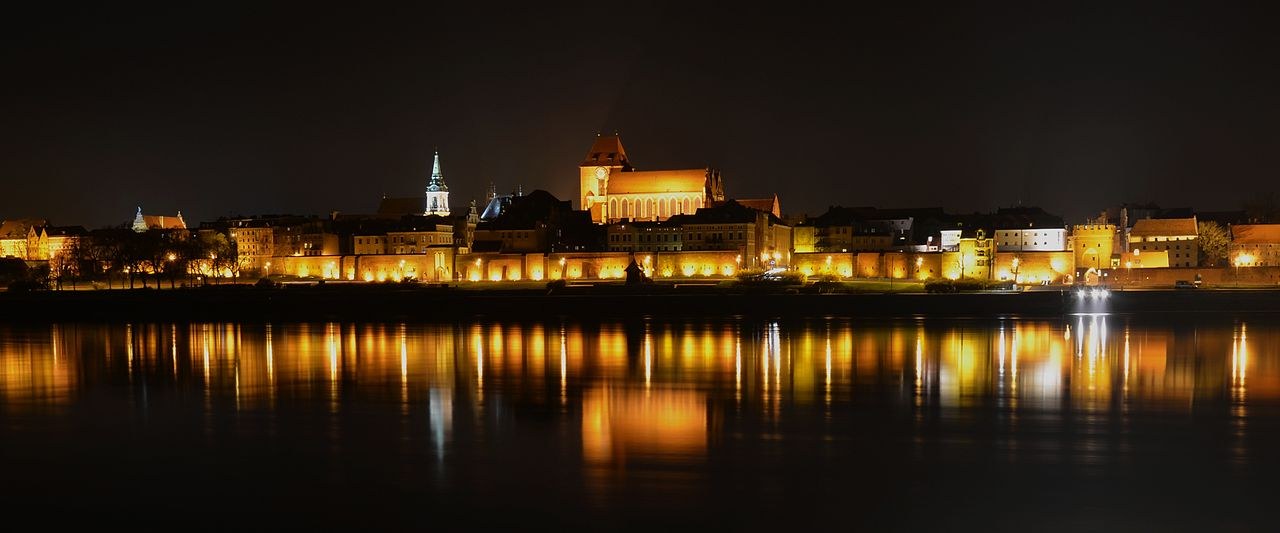
As with most European cities, the best weather in Toruń runs from May through to the end of September. Spring is beautifully fresh and the days get noticeably longer, so the evening chill won’t chase you back to the hotel early — leaving plenty of time for long, romantic strolls along the river. If you visit in August, you can also catch the enormous Bella Skyway Festival, when the facades of old buildings are transformed into canvases for stunning light installations, giving the city an incredibly magical energy.
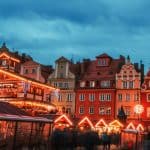
There’s also a lot to love about a classic Polish autumn. The city often hosts a traditional gingerbread festival during this season, and cosy little cafés open up in hidden alleyways, luring passers-by with hot chocolate laced with cinnamon. In December, the Christmas markets are wonderfully photogenic. They’re much smaller than the massive ones in Wrocław, but many people actually prefer these more intimate affairs — no jostling through crowds, just mulled wine with a view of the beautifully lit town hall.
How to get to Toruń
From the UK, you have several comfortable and well-tested options for packing your bags and heading off on a long weekend without any unnecessary stress.
By air: This is often the easiest route from Britain. There are no regular flights directly to Toruń, but the nearest international airport is in neighbouring Bydgoszcz, just fifty kilometres from the heart of gingerbread city. Ryanair and Wizz Air frequently offer routes from London to Bydgoszcz or nearby Gdańsk, and from either airport it’s a quick hop on a local Polish train or taxi. The best and cheapest flights are worth hunting down through Kiwi, which sometimes unearths connections you wouldn’t have known existed.
By train once in Poland: If you fly into Warsaw or Gdańsk, Polish intercity trains are an excellent way to reach Toruń. The journey from Warsaw takes around two and a half to three hours, and the comfort is superb — stretch out, grab a coffee from the dining car, and arrive completely refreshed. Poland’s rail network has improved enormously and offers great value.
By car: If you’ve already flown into Poland and fancy the freedom of the open road, hiring a car is a brilliant option. Driving across Poland’s modern motorways is a pleasure, and having your own wheels means you can plan stops exactly how you like — perhaps a proper meal at a classic Polish roadside restaurant, soaking up that travel mood you simply don’t get at an airport. A tried-and-tested platform for car hire is DiscoverCars, where you can pick up something reliable for a long weekend.
By bus: For those travelling on a budget, the ever-present Flixbus is predictably the cheapest option. You’ll need a dose of patience, though, as the road journey with multiple stops takes noticeably longer, and after a few hours the comfort levels start to dip.
Where to stay and how much it all costs
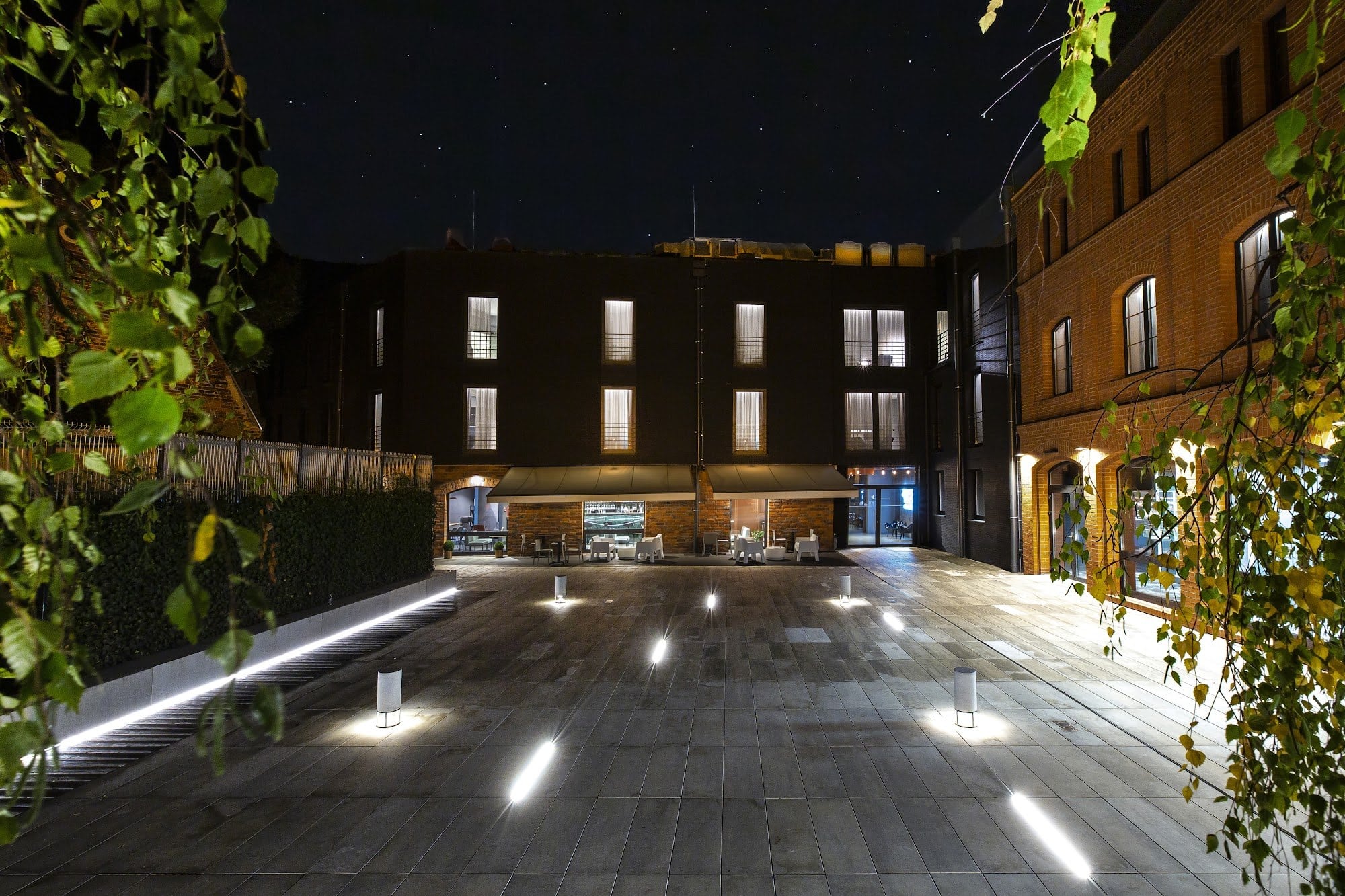
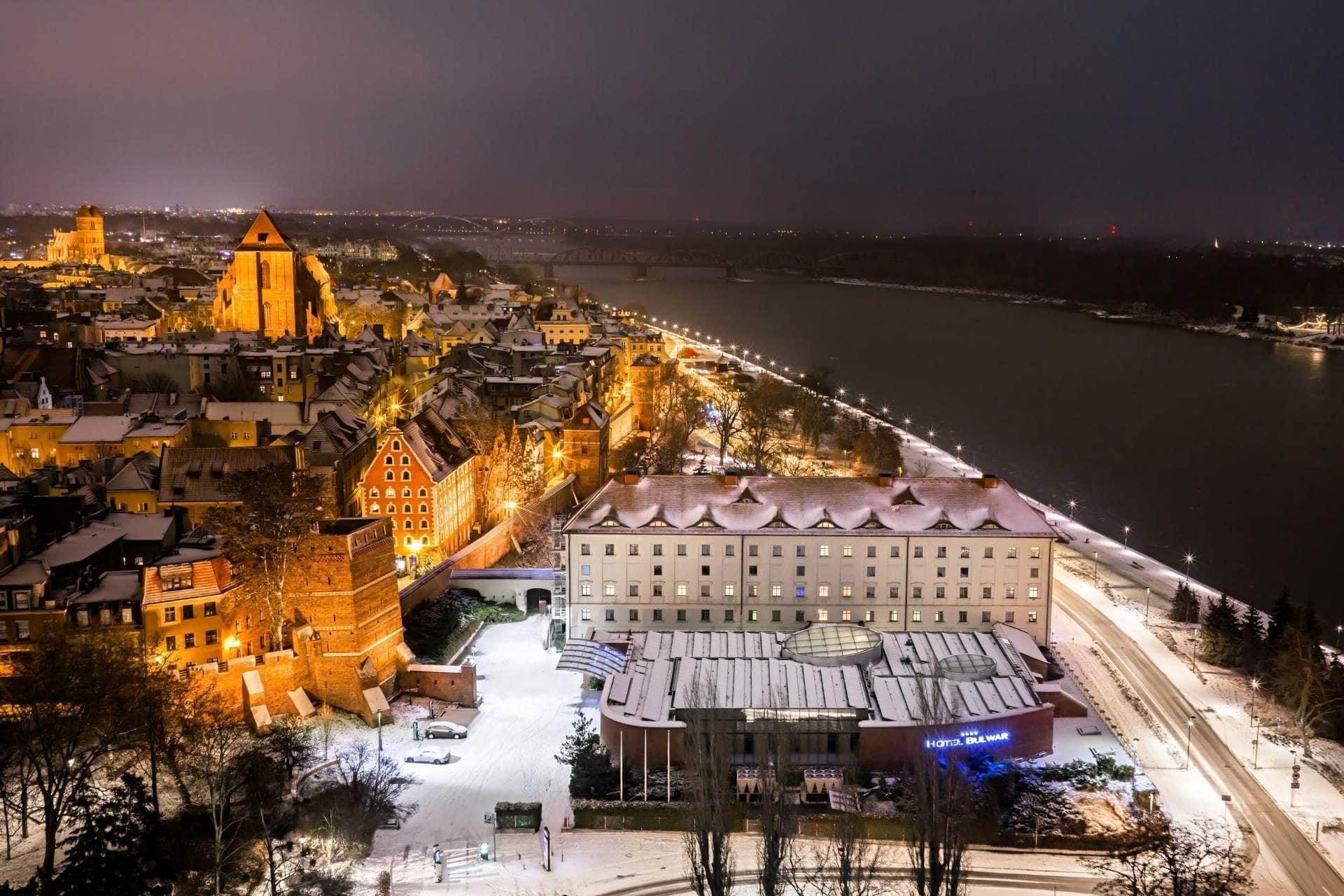
Because Toruń is a surprisingly compact city, the key to success is finding a hotel right in the epicentre of the action so you never once have to worry about public transport. Prices across Poland remain incredibly friendly compared to Western Europe, and although they’ve crept up slightly over the past two years, you still get far more luxury for your money here than in most other European capitals.
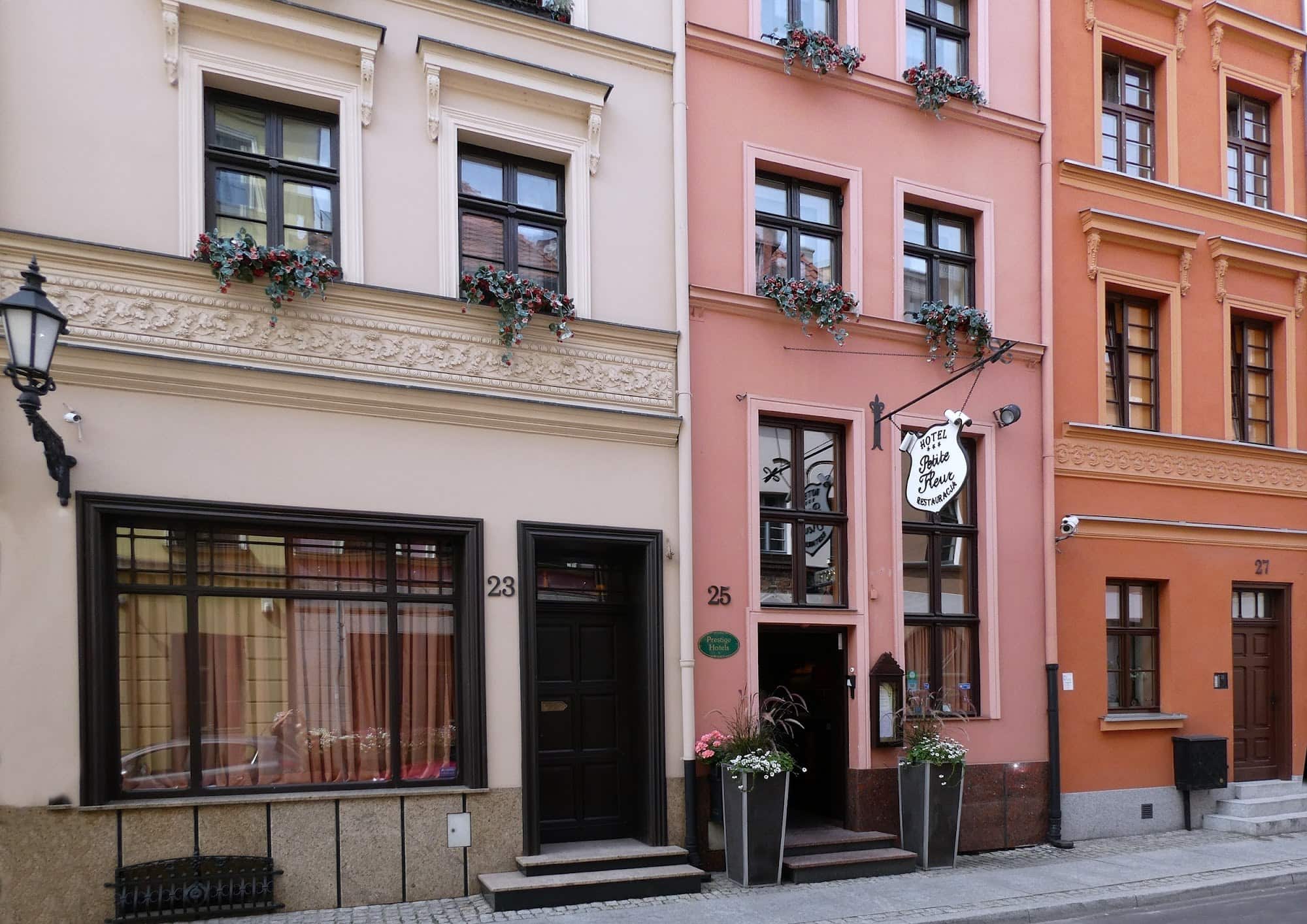
When we say the best location, we naturally mean the Old Town (Stare Miasto). Narrow romantic lanes and the immediate proximity of the town hall mean you just run down the stairs, step out the door, and instantly feel that unmistakable buzz. For those seeking luxury with a river view, Hotel Bulwar is an ideal choice. A superb middle ground right in the historic Old Town is the beautifully renovated Hotel 1231, offering excellent value for money. If you’re watching the budget, the cosy and affordable Hotel Petite Fleur does the job brilliantly.
If you prefer quieter corners where you’ll mostly bump into local artists and students, definitely have a look at accommodation in the adjoining New Town quarter (Nowe Miasto). It sits right next to the old walls but has a noticeably more alternative and informal vibe, packed with cosy little bistros and slightly cheaper spacious apartments. It’s a fantastic area for whiling away an afternoon in an unassuming café with an excellent raspberry cake.
As for the overall cost of a weekend like this, Poland still holds its status as a budget-friendly country. You pay in Polish złoty (PLN), and at the time of writing one pound buys you roughly five złoty. A lovely double room in a solid hotel right by the square will set you back around €35–60 per night depending on the season. A generous dinner for two with a full table of food, wine, and beer will comfortably come in at around 150 złoty (roughly €35), which by tourist-centre standards is very pleasant indeed. The only snag is parking — you can’t park directly in the historic core, and the surrounding car parks typically charge around 7 złoty (about €1.60) per hour, so we strongly recommend finding accommodation that includes some tucked-away private parking.
12 best things to see and do in Toruń Poland
When putting together a walking plan, it’s clear you need to cherry-pick the very best of Toruń’s landmarks and attractions without it all feeling like a dreary school trip. We’ll take it step by step, and you’ll see for yourself that exploring this brick-built gem is an absolute blast.
1. Old Town Square and the Town Hall
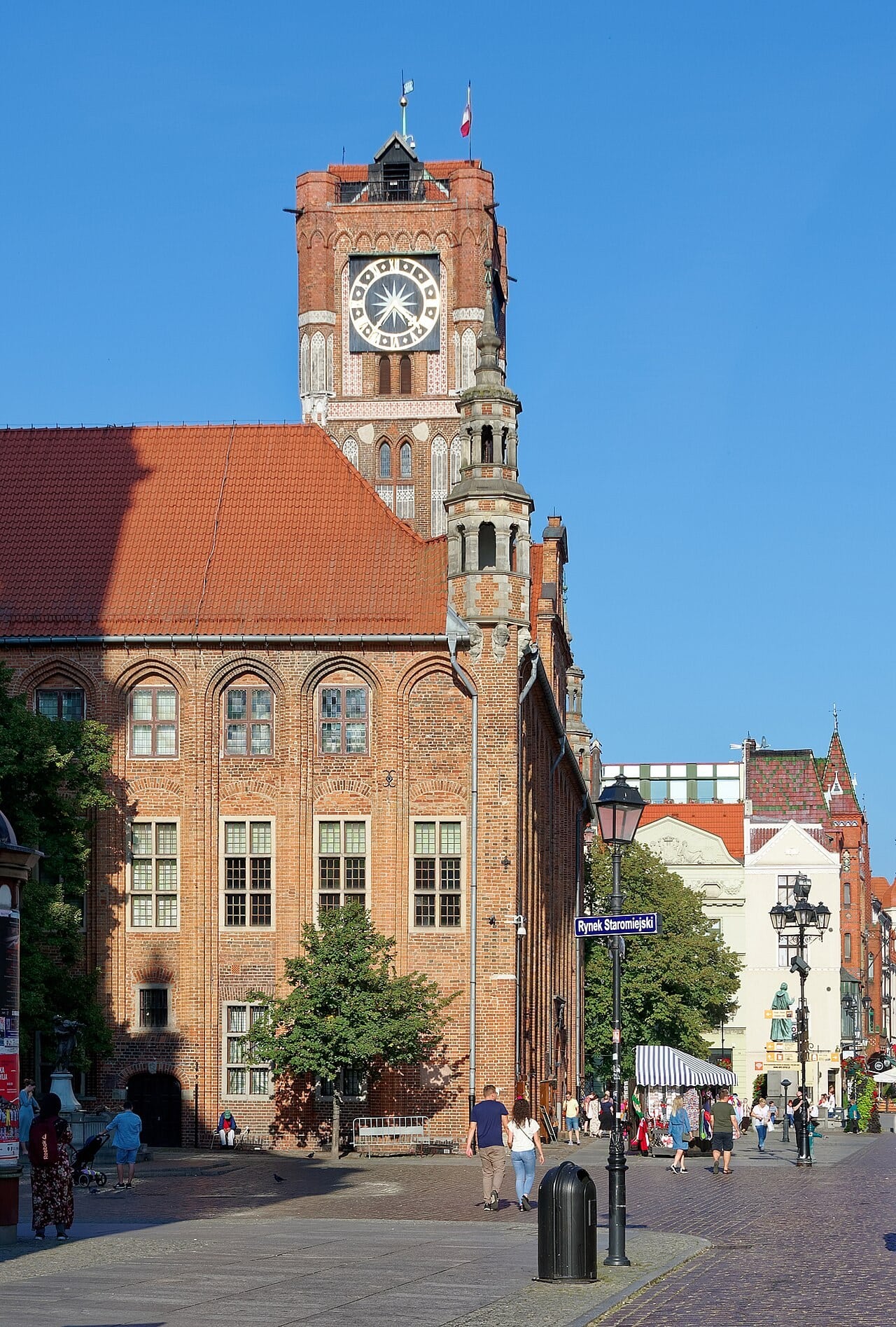
All roads eventually converge on the grand square known as Stary Rynek. You can simply settle onto one of the hefty wooden benches, slowly sip a fragrant coffee, and watch tourists scurry past with their cameras. At the centre of it all stands the fantastic Gothic Town Hall (Ratusz Staromiejski), whose tall clock tower completely dominates the surroundings. Pay the modest entrance fee, don’t give up halfway on those many winding stairs, and your reward is a simply divine view of the red rooftops and cobbled squares from a bird’s-eye perspective.
If you look more closely at the Town Hall, you’ll notice one enormous curiosity: a highly unconventional sundial that doesn’t show time by the standard cardinal directions. Standing there with a map in hand, it takes a moment to realise that things here are simply done a little differently. The square also hides the iconic bronze statue of Nicolaus Copernicus himself — sooner or later you’ll pose for a cheerful photo with him and his little comet, because without that, a visit hardly counts.
2. The Leaning Tower (Krzywa Wieża)
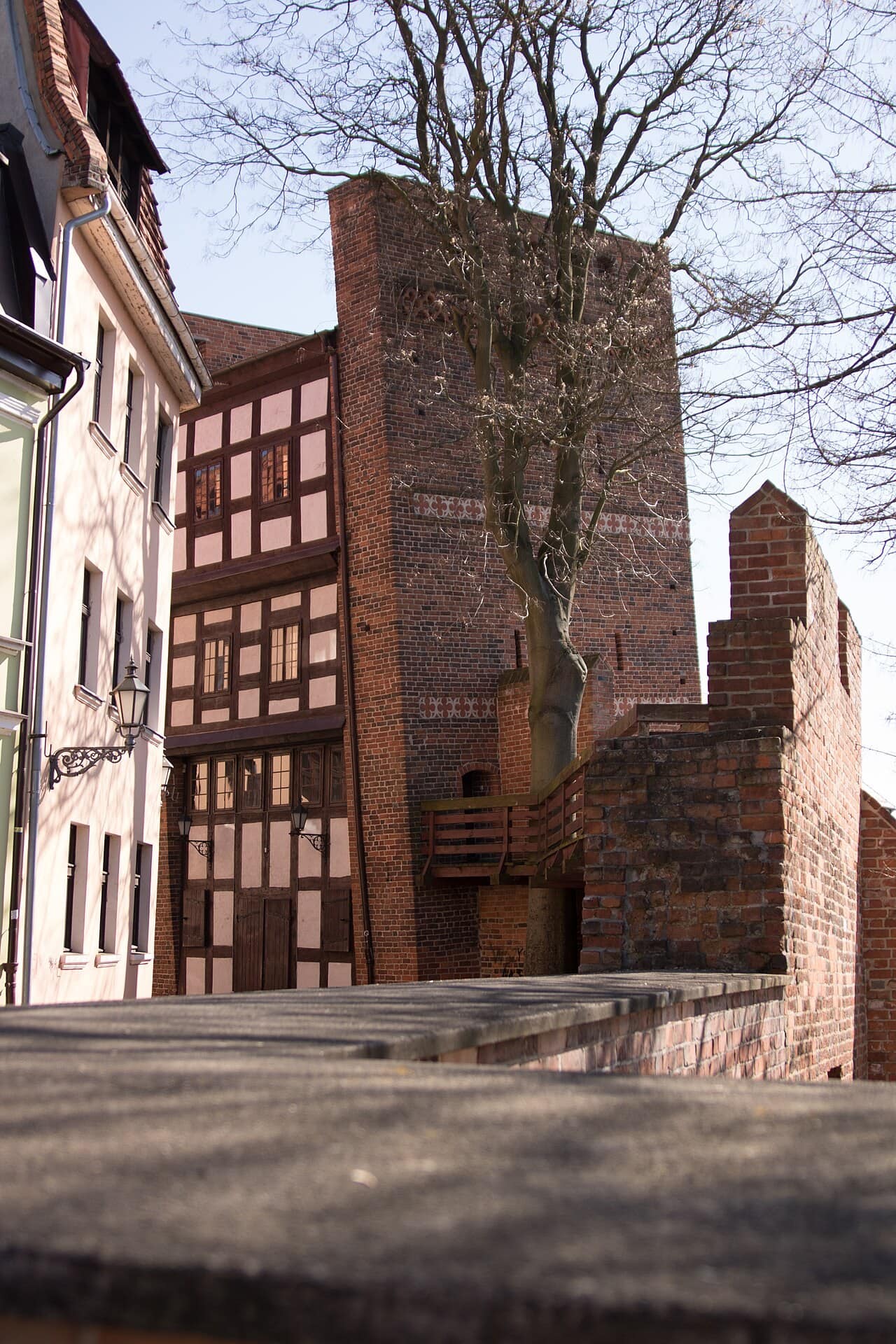
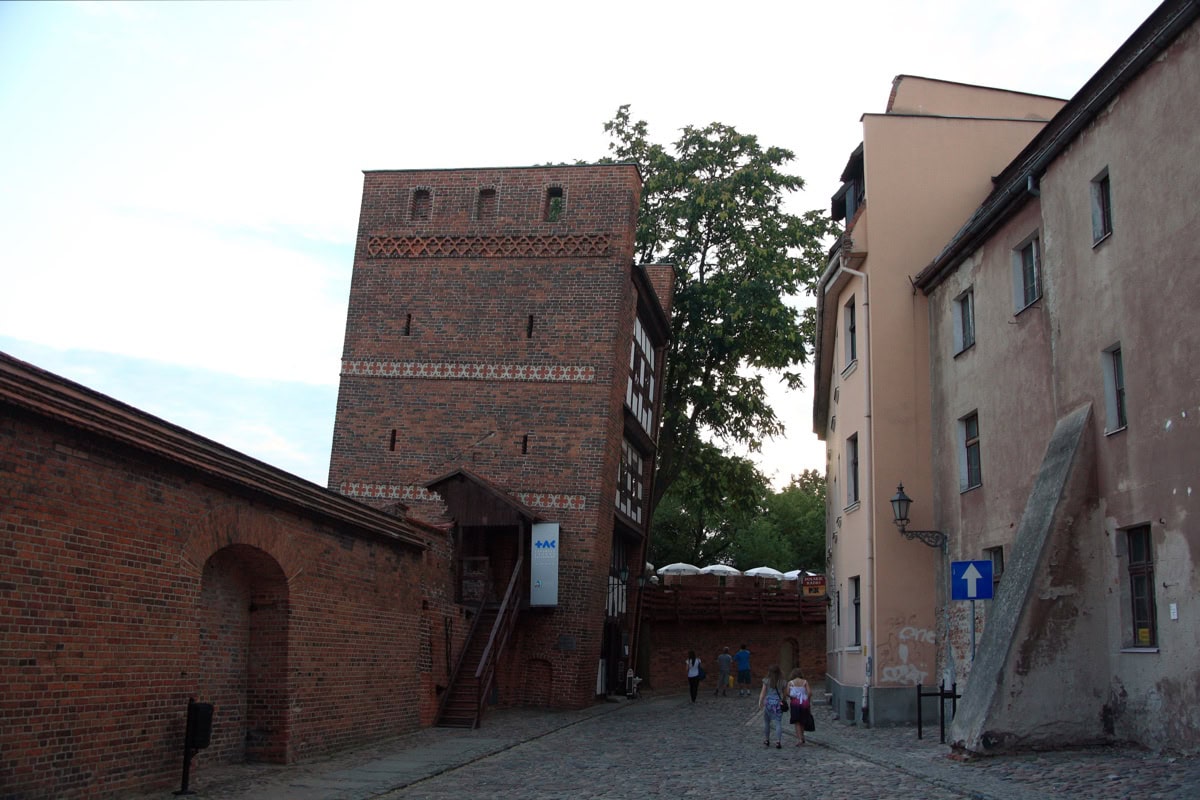
If there’s one spot that represents this city on social media, it’s without a doubt the Leaning Tower. No need to travel all the way to Pisa when Toruń has its own wonky architectural marvel, complete with queues of people trying the peculiar optical illusion for themselves. Originally a normal defensive tower, it started slipping and tilting due to sandy foundations until it settled with an astonishing deviation of nearly a metre and a half.
The locals love to tell the legend of a knight who broke the rules of his order and was forced to build the tower as punishment — it leaned exactly as crooked as his character. While you’re there, you can try the old test of a clear conscience: stand with your back against the tilted wall, heels and backside touching it, and try to keep your balance. Many step up brimming with confidence, but of course they’re pulled forward within seconds, which guarantees enormous laughs.
3. Copernicus Birthplace (Dom Kopernika)
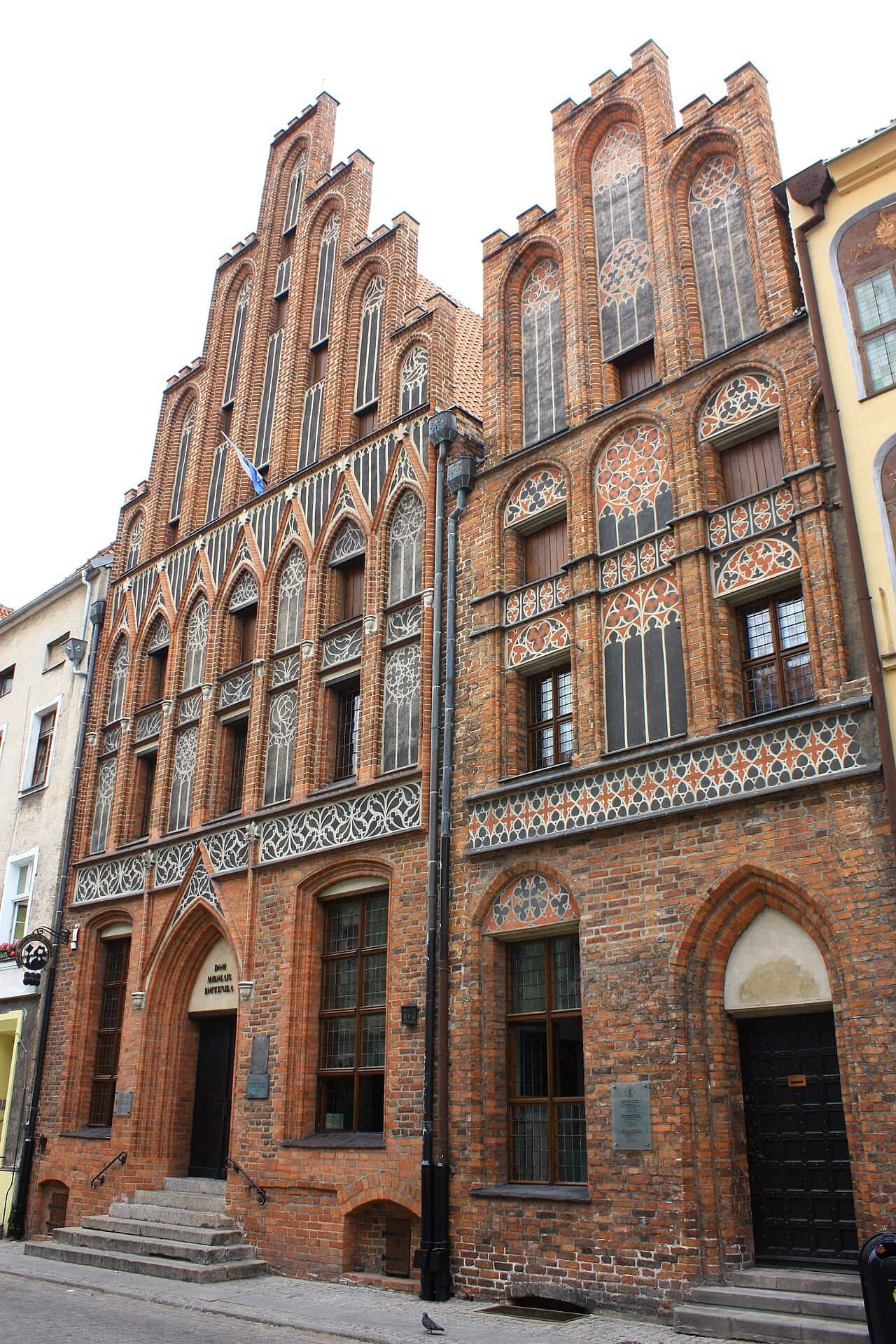
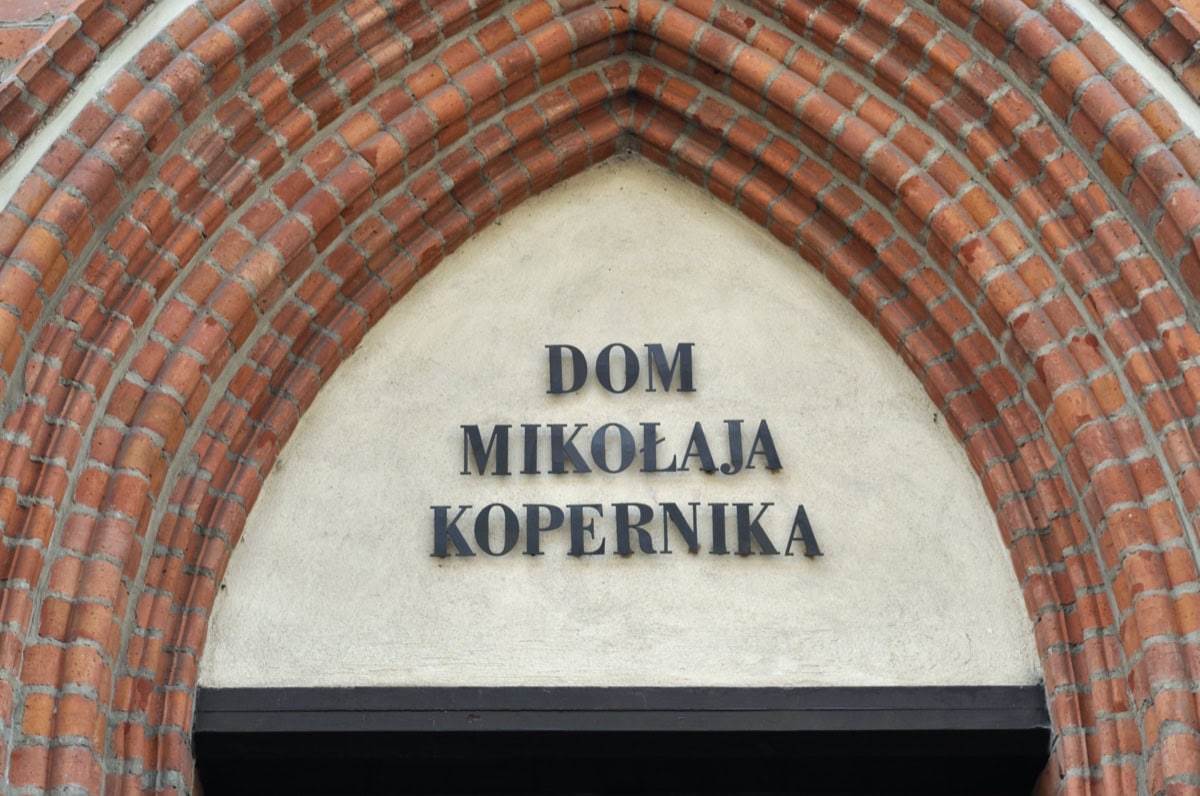
A stroll through the centre will soon bring you to a street named after the city’s most famous son, where you’ll discover a fairy-tale two-storey red brick house with a tall Gothic gable. Admission is around 25 złoty (about €6) and the interior will impress you with how cleverly ancient architecture has been blended with modern educational displays.
As you wander through the exhibitions in Dom Kopernika, you won’t be able to tear your eyes from the superb 3D models of the solar system, interactive screens, and beautifully lit replicas of period instruments. Paradoxically, though, what leaves the deepest impression is the preserved rooms of the wealthy family themselves — with their stunning wooden beams and original ceilings, it’s easy to imagine the young scientist eating his dinner and gazing out of the window at the night sky for the first time, sensing that everything was somehow fundamentally different from what people believed.
4. Living Museum of Gingerbread (Żywe Muzeum Piernika)
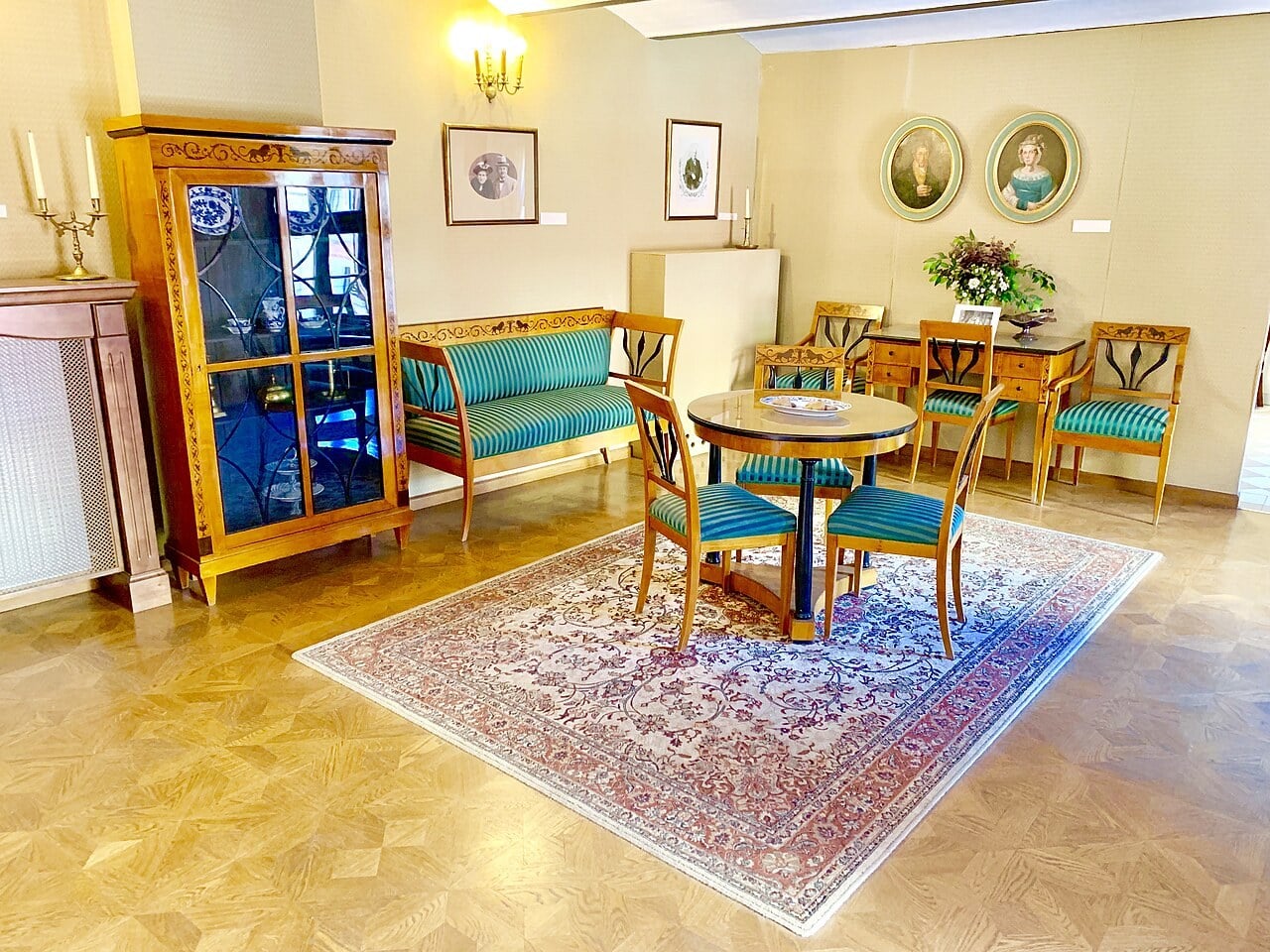
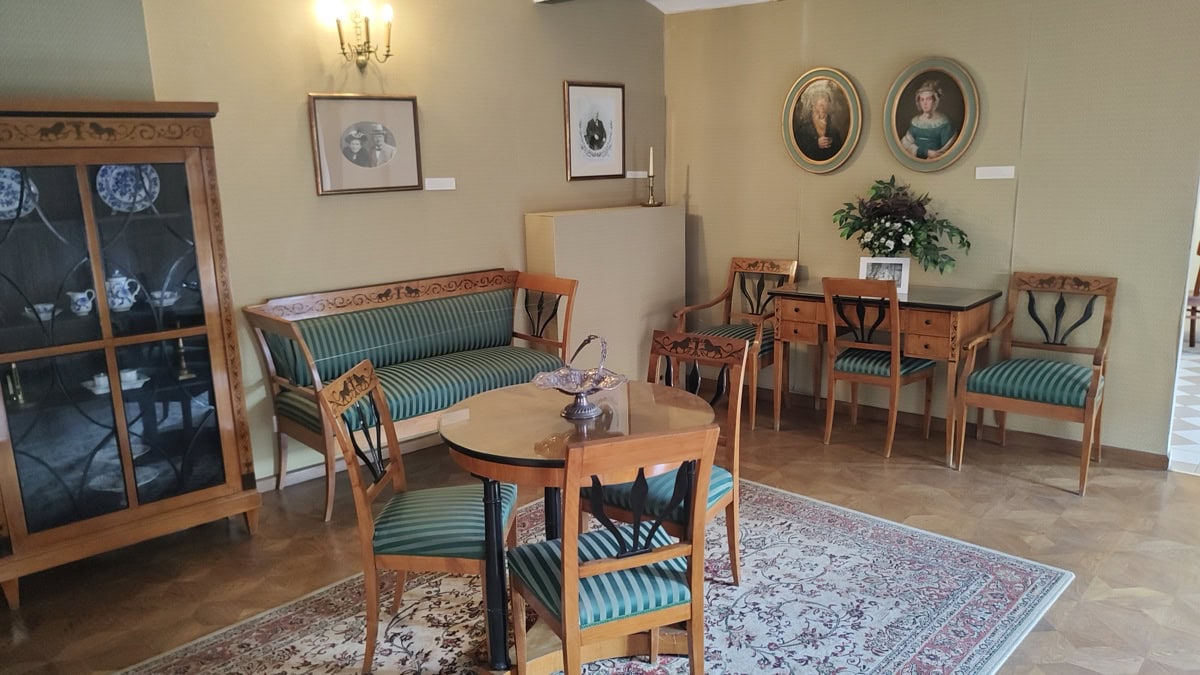
I’ll be completely honest — this is the absolute highlight of the entire trip, and if you miss it, you might as well not have come. At first it looks like a fairly standard exhibition, but it turns into such a fantastic show that words really can’t do it justice — you simply have to experience it for yourself. I’d recommend booking tickets in advance directly on the Living Museum of Gingerbread website, because demand is enormous and tickets vanish at lightning speed.
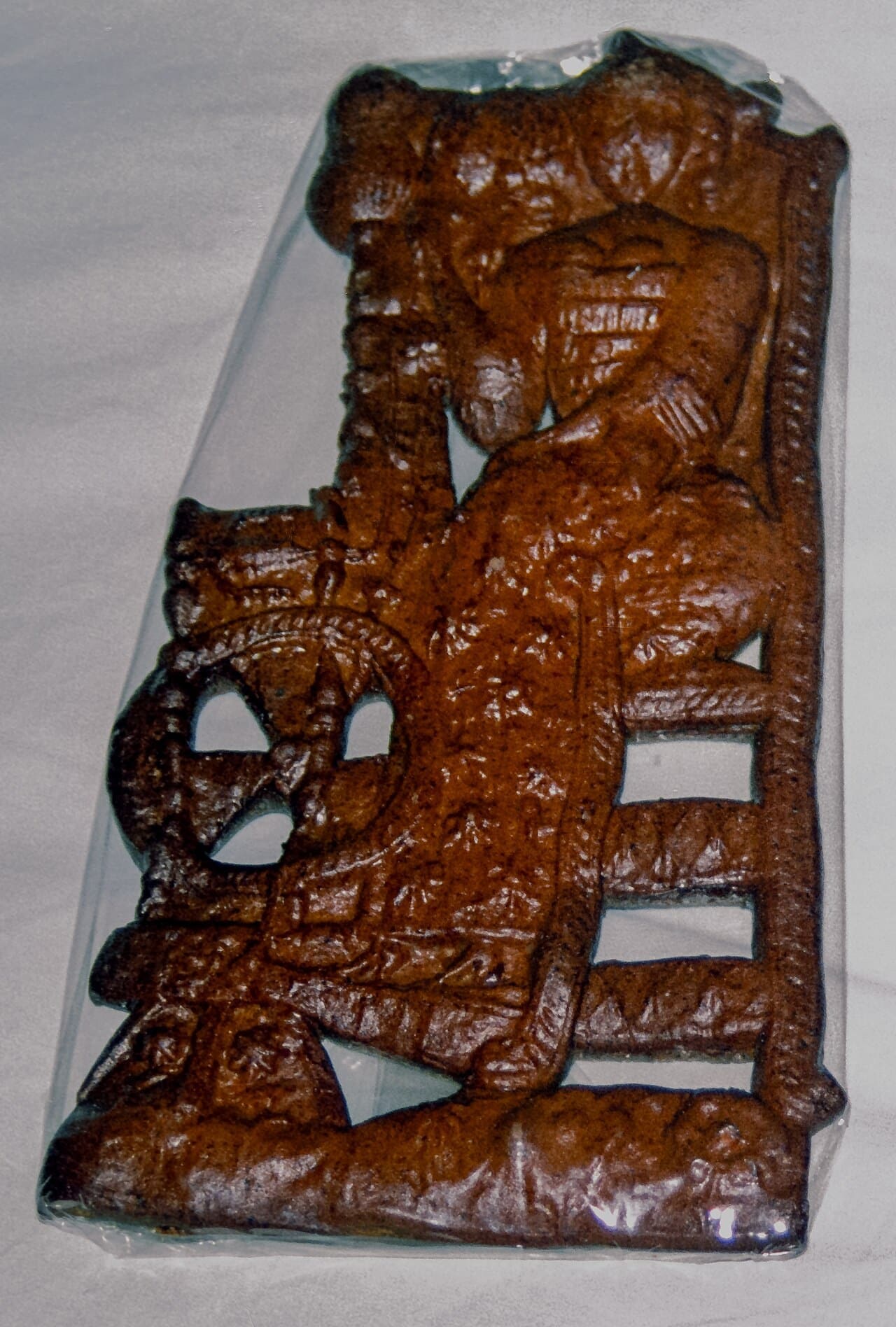
The moment you step into the room and the doors close behind you, you’re transported deep into a medieval bakery where actors in period costumes start baking alongside you with incredible humour. You’re handed balls of dough reeking of honey and a mountain of spices, then you have to press them into carved wooden moulds — which only half works, leaving you completely sticky. They hand you the freshly baked souvenirs while they’re still warm, and that gorgeous sweet aroma will reliably perfume your suitcase the entire journey home.
5. Cathedral of Saints John the Baptist and John the Evangelist
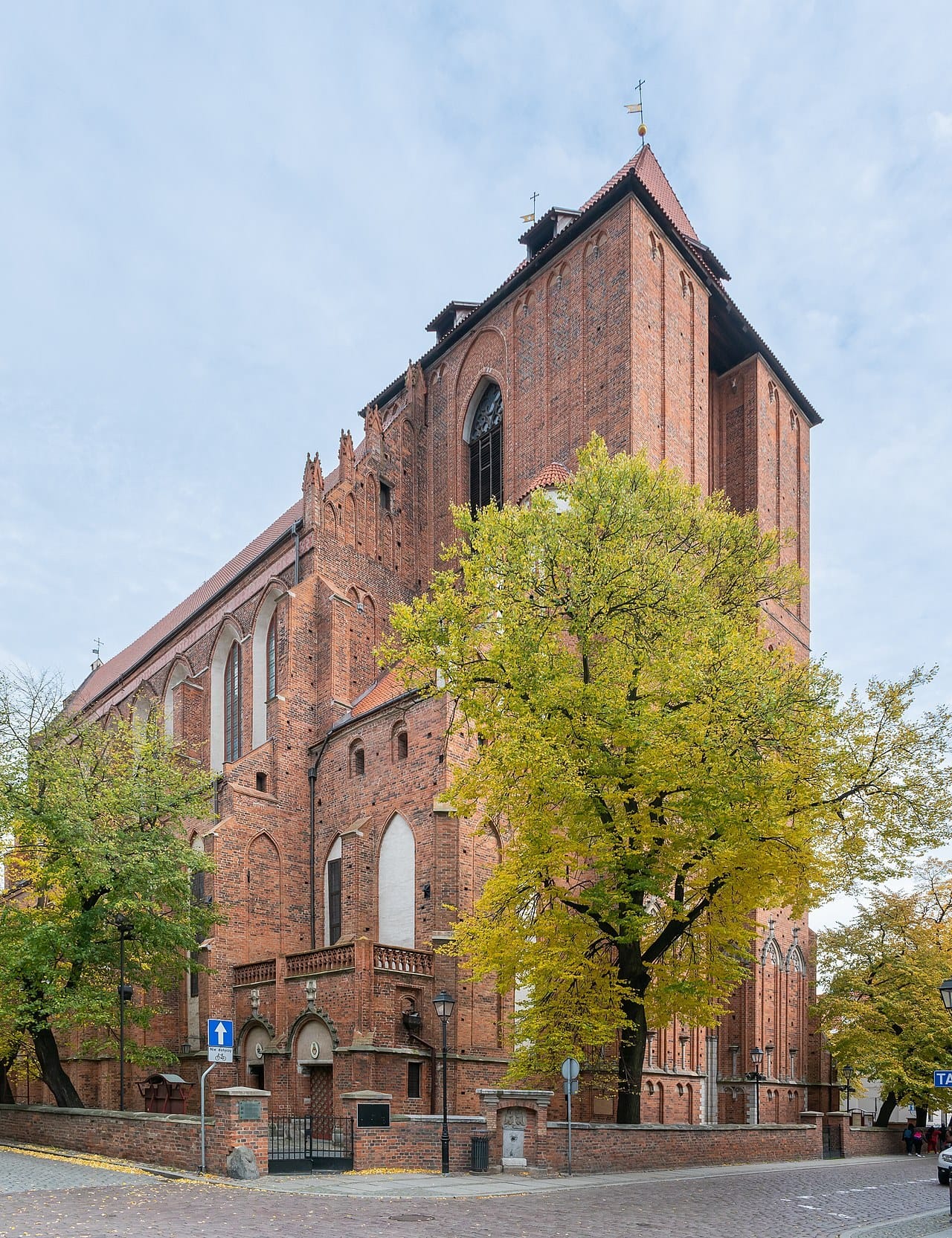
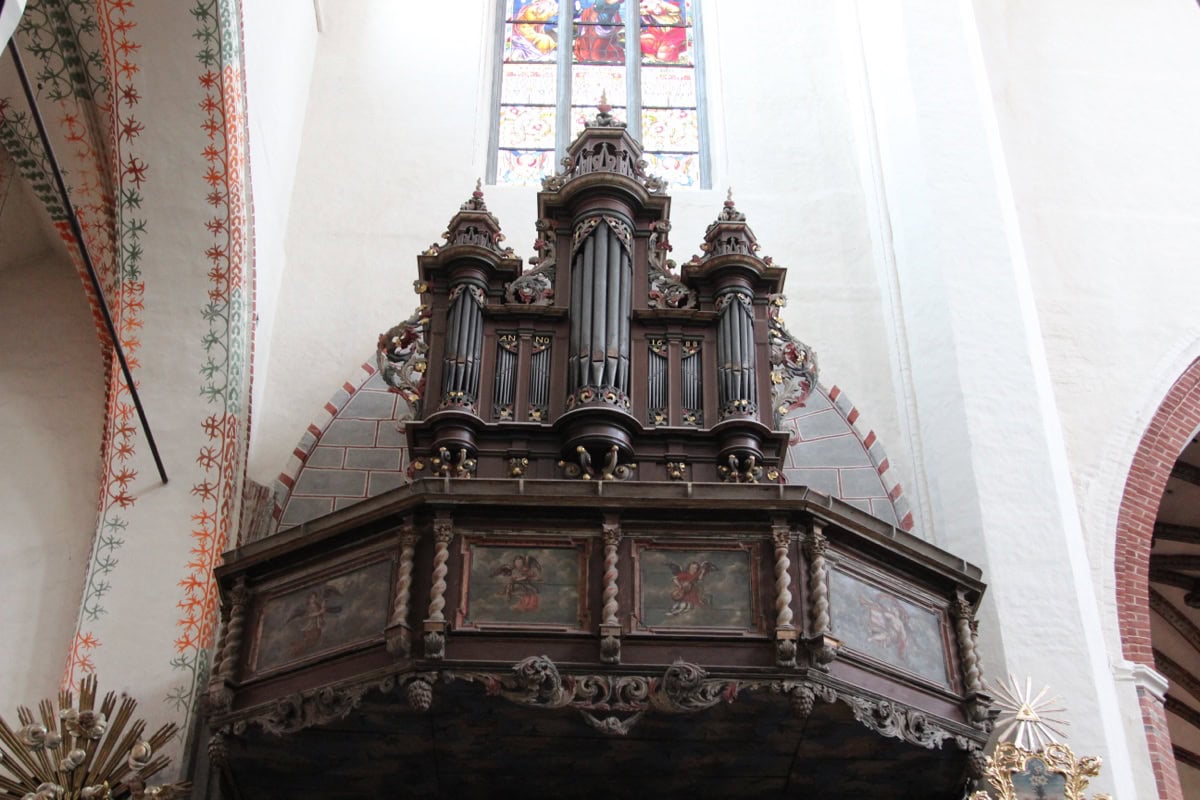
When you encounter this massive brick colossus, the austere, almost fortress-like facade might put you off at first glance. Inside, however, the Cathedral of Saints John the Baptist and John the Evangelist opens up to an incredible height, offering views of the most exquisite organ details and ribbed vaults that skilled craftsmen worked on for centuries — the cool air inside is instantly replaced by a sense of overwhelming awe.
The most significant artefact inside is the Gothic baptismal font in which Copernicus himself was supposedly christened — standing next to it feels utterly surreal. If you love viewpoints and don’t mind a staircase, climb up to the enormous bell tower where the famous Tuba Dei (Trumpet of God) hangs. It’s one of the largest medieval bells in all of Poland, dating back to 1500, and even after all these centuries of hanging there faithfully, it still commands immense respect.
6. Vistula Riverfront and Bulwar Filadelfijski
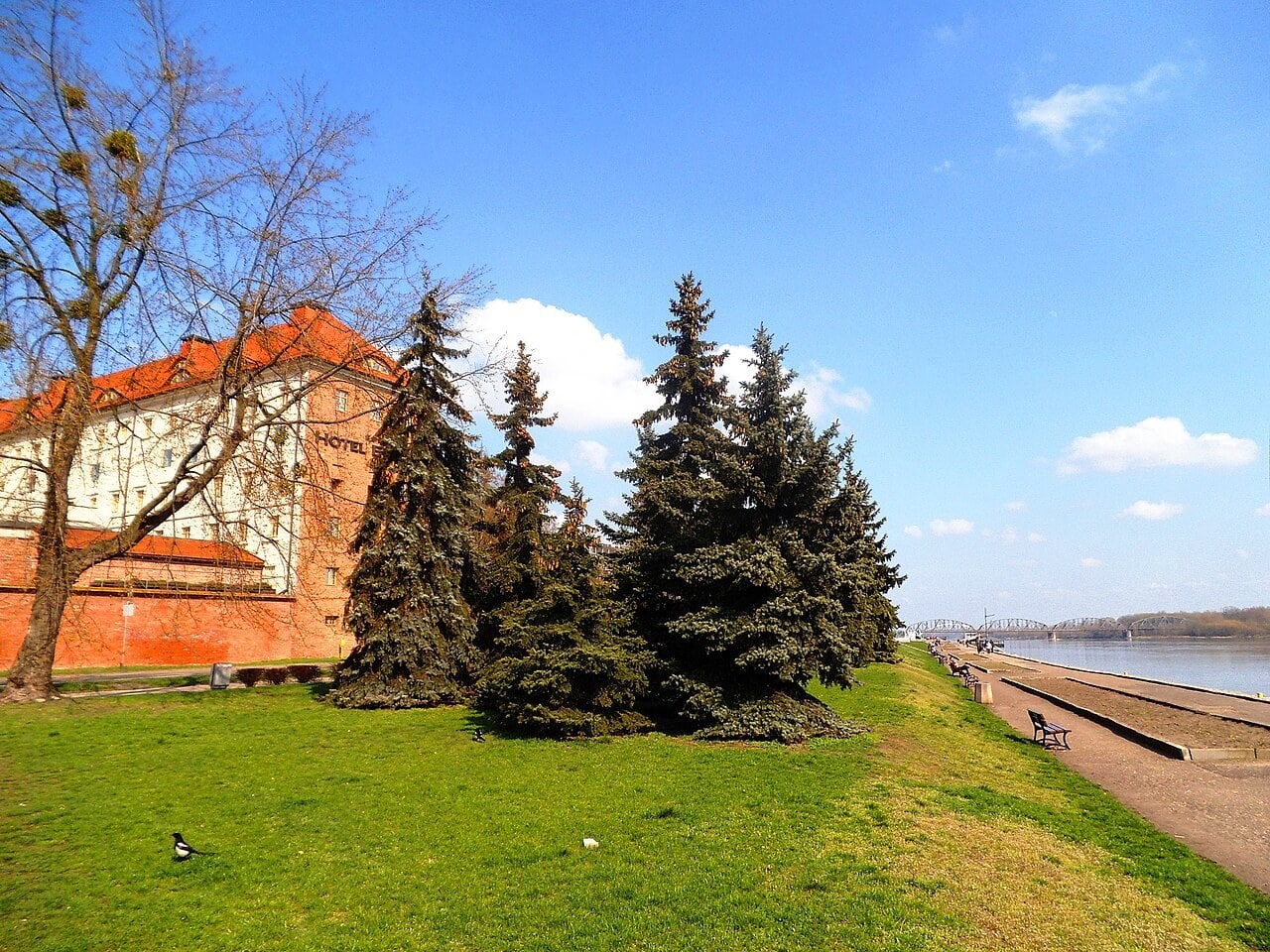
Once you’ve had your fill of history and your feet are aching from the hard cobblestones, the best remedy hides just below the city walls. Bulwar Filadelfijski stretches out in long green strips and serves as the local chill-out zone — grab a takeaway coffee, sit on the grass, and let the setting sun warm your face.
It’s an incredibly positive place. You’ll see dog walkers, people with pushchairs, and pleasure boats gliding slowly along the river with music drifting across the water. On a summer evening the atmosphere is so relaxed you barely notice time passing, and the city lit by evening lanterns from the riverbank reveals yet another layer of its endless charm.
7. Teutonic Castle Ruins (Zamek Krzyżacki)
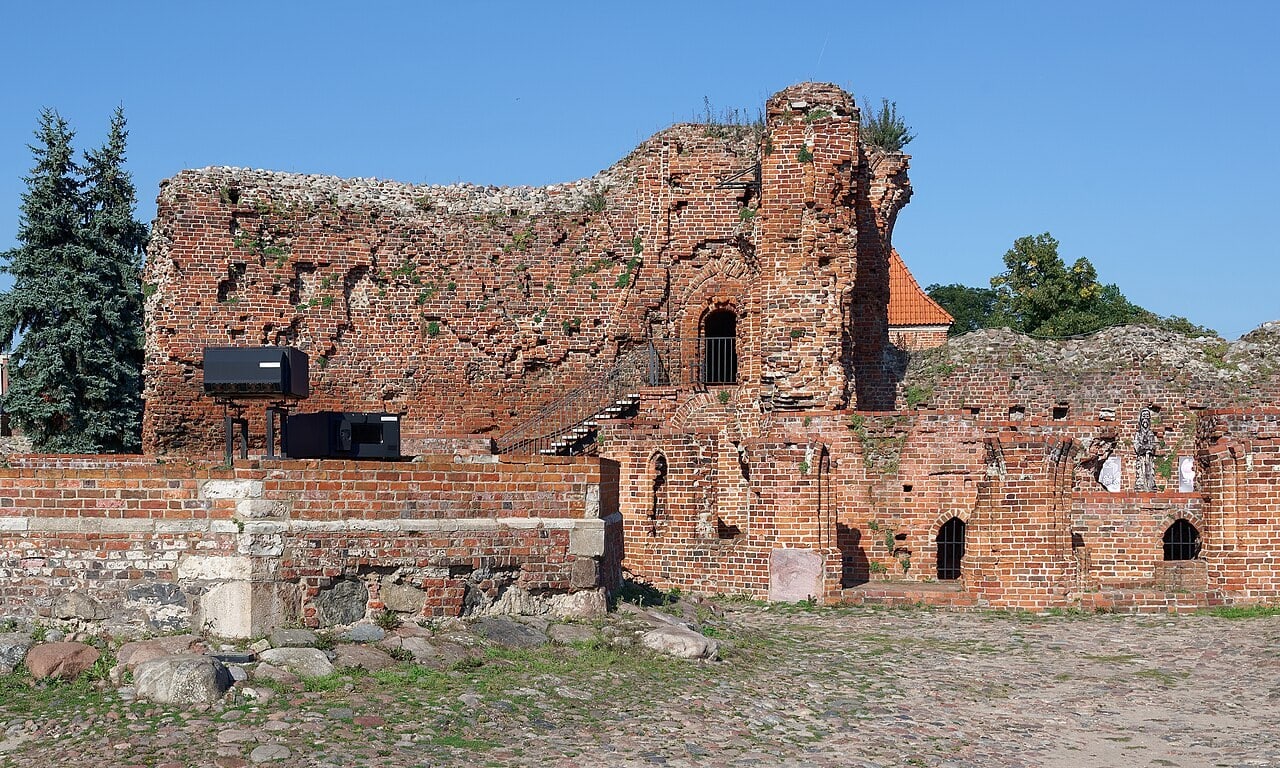
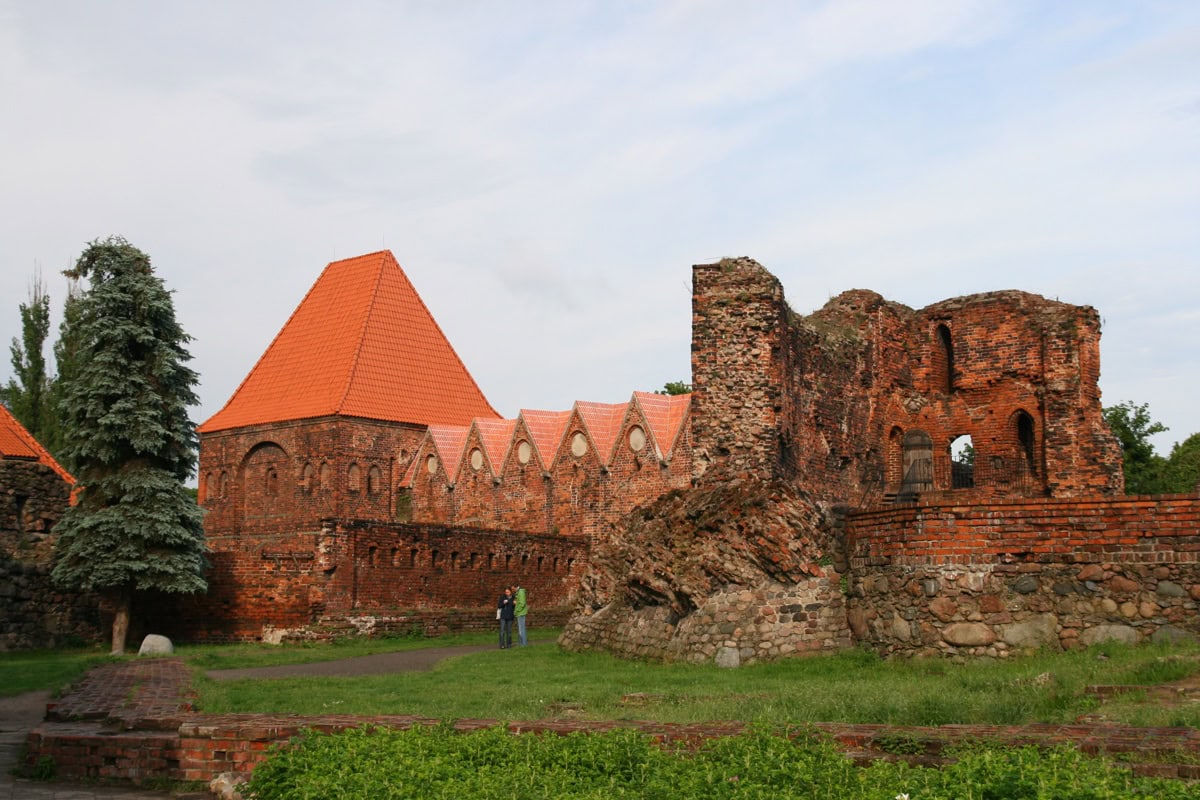
Right next to the river you’ll come across the stunning remains of a fortress that once symbolised the crushing dominance of the Teutonic Knights — an order the local merchants were anything but fond of. Eventually the pressure became too much to bear, so the townspeople razed the castle to the ground in 1454, leaving us with a magnificent space to explore vaulted cellars and defensive passages hidden in the grass.
During your visit you can let your imagination run wild — what must it have been like sleeping here in winter without proper fireplaces? Definitely pay the small admission fee for the underground passages, where you’ll occasionally bump into historical re-enactment groups practising sword fights, turning these ancient walls into a proper, no-holds-barred medieval spectacle.
8. Panoramic views from the Vistula bridge
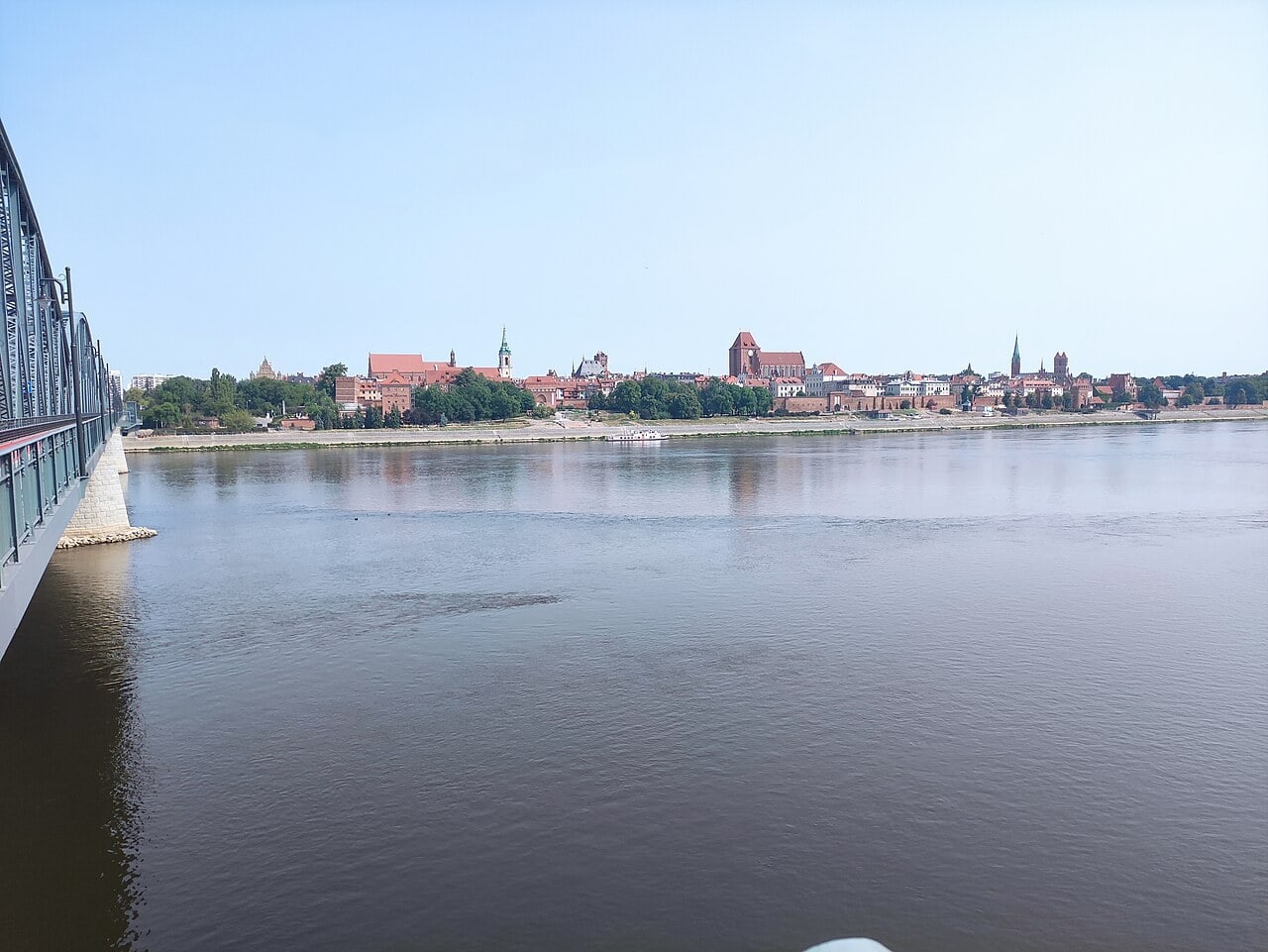
If you’re after picture-perfect photos that’ll make your mates back home green with envy, you need to take a short walk away from the centre. On the left bank of the Vistula, on the Kępa Bazarowa peninsula, there’s a panoramic viewpoint from which you can see the entire long line of walls and churches from exactly the angle you know from every map and postcard — honestly, it’s impossible to take a bad photo from here.
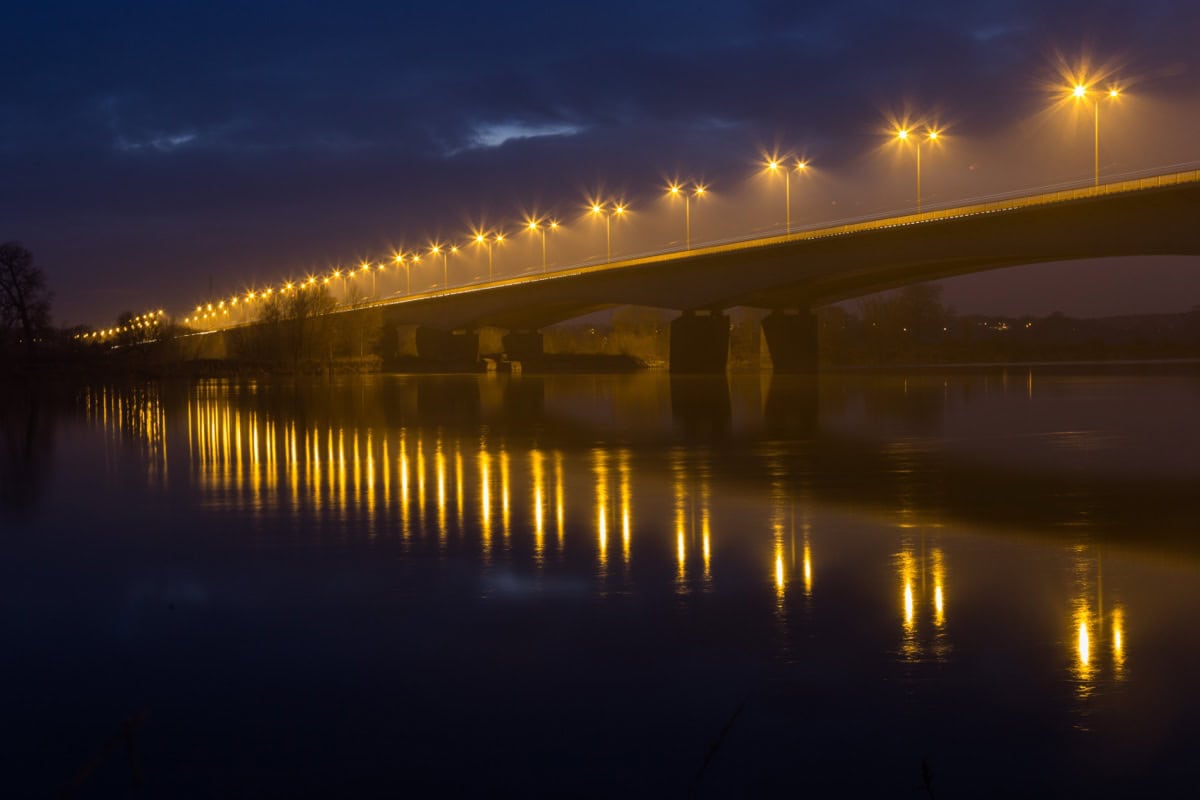
This trip across the admittedly rather ugly steel bridge is best made just before dusk. The moment the sun dips behind the river, the sky turns purple, and the first golden glow of streetlamps reflects off the water, the whole scene becomes pure magic. You can easily spend an hour just staring, while the wind off the river gets steadily chillier — so a jumper definitely comes in handy.
9. Rapacki Square and St James’s Church
Plac Rapackiego works as a beautiful oasis in the middle of the hustle and bustle. Huge spouting fountains were deliberately installed here — after dark they light up with colourful effects, surrounded by gorgeous flower beds. You can sit there for ages just appreciating how remarkably Poland has stepped up its park game over the years.
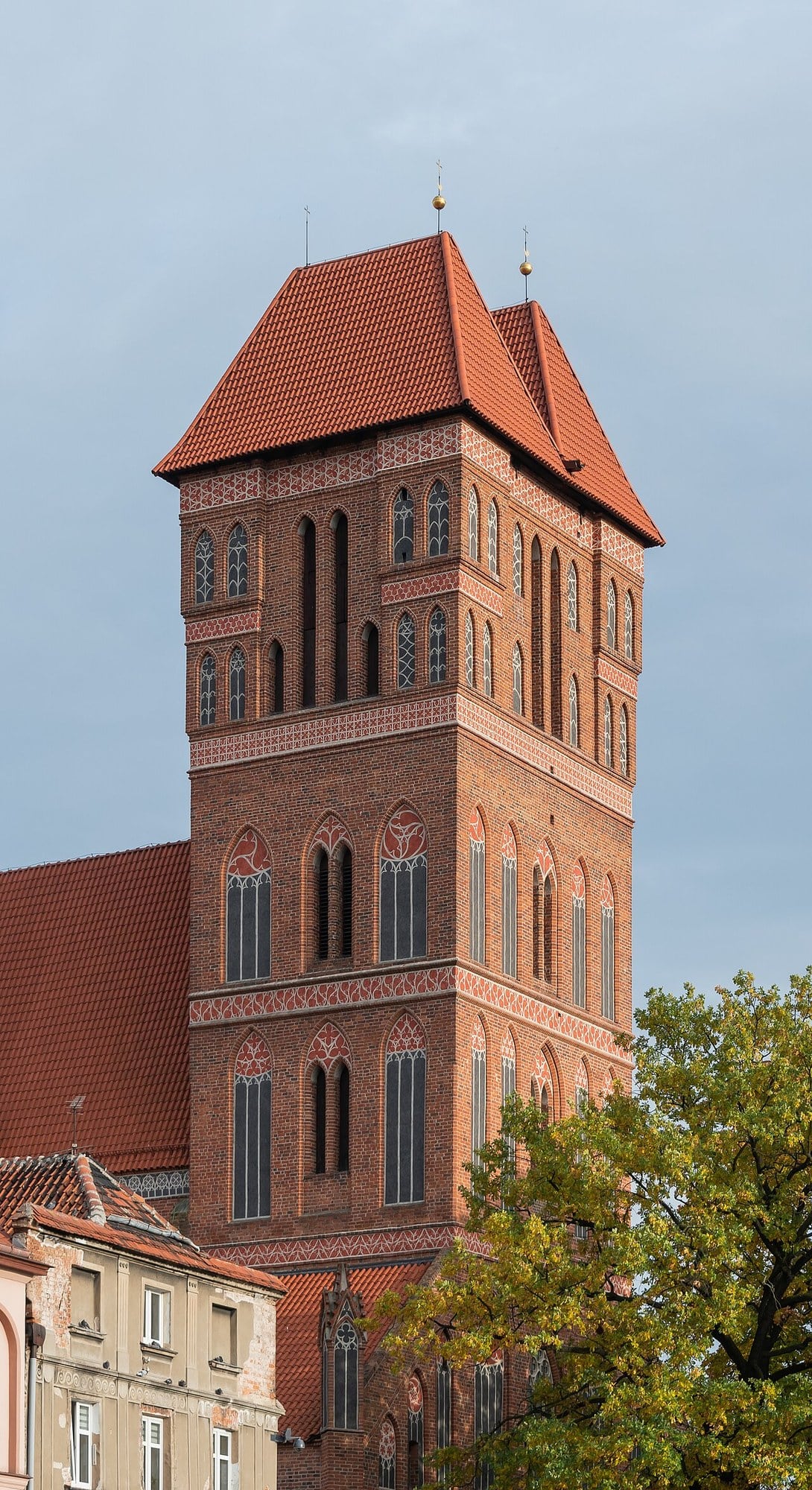
Wander one street further and you’ll discover the kind of quiet treasure that the big tour groups walk straight past without noticing. The mighty brick St James’s Church (Kościół św. Jakuba) has a Gothic interior with narrow, soaring windows that exude an immense calm. You pop in for just a moment and are instantly struck by the reverence of the place — the only sounds are crackling candles and the rustle of your own footsteps on the ancient floor.
10. Toruń Planetarium
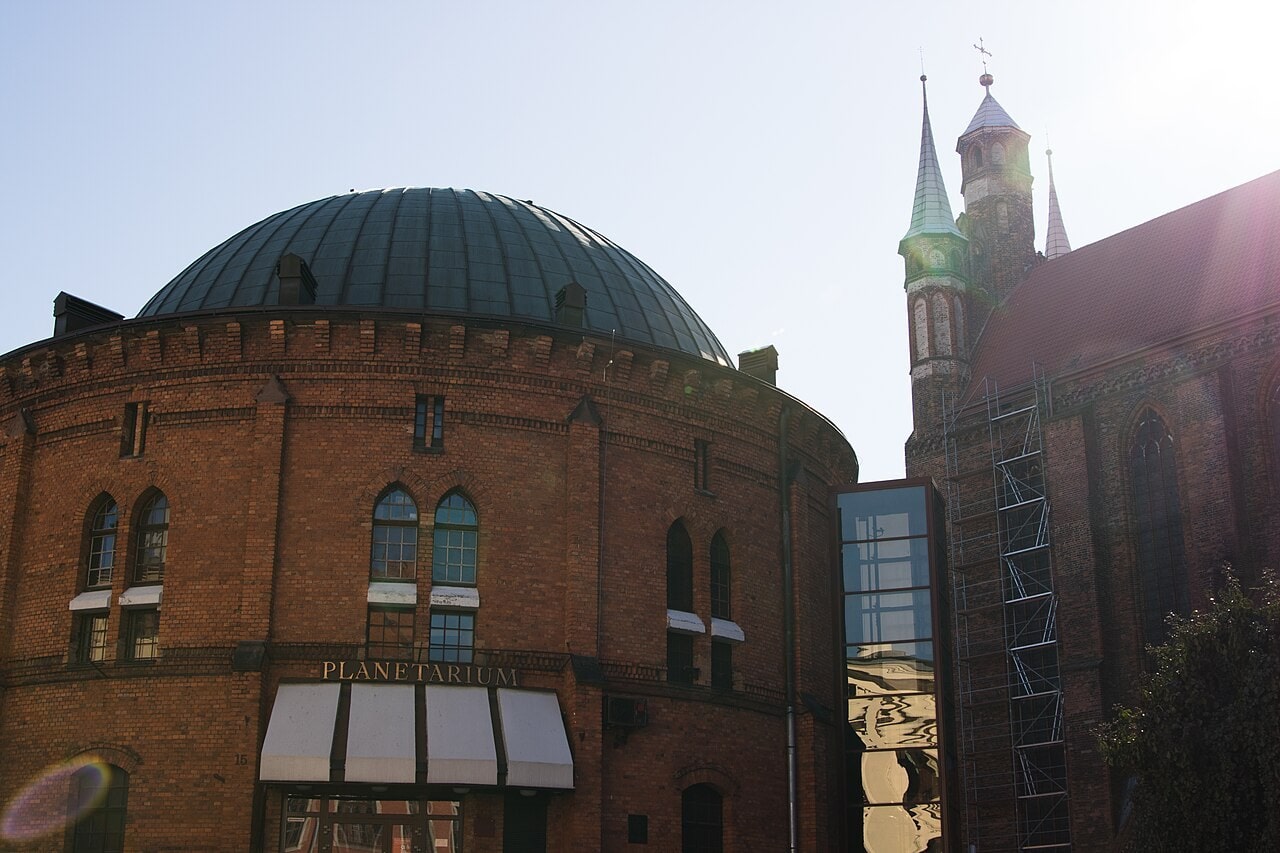
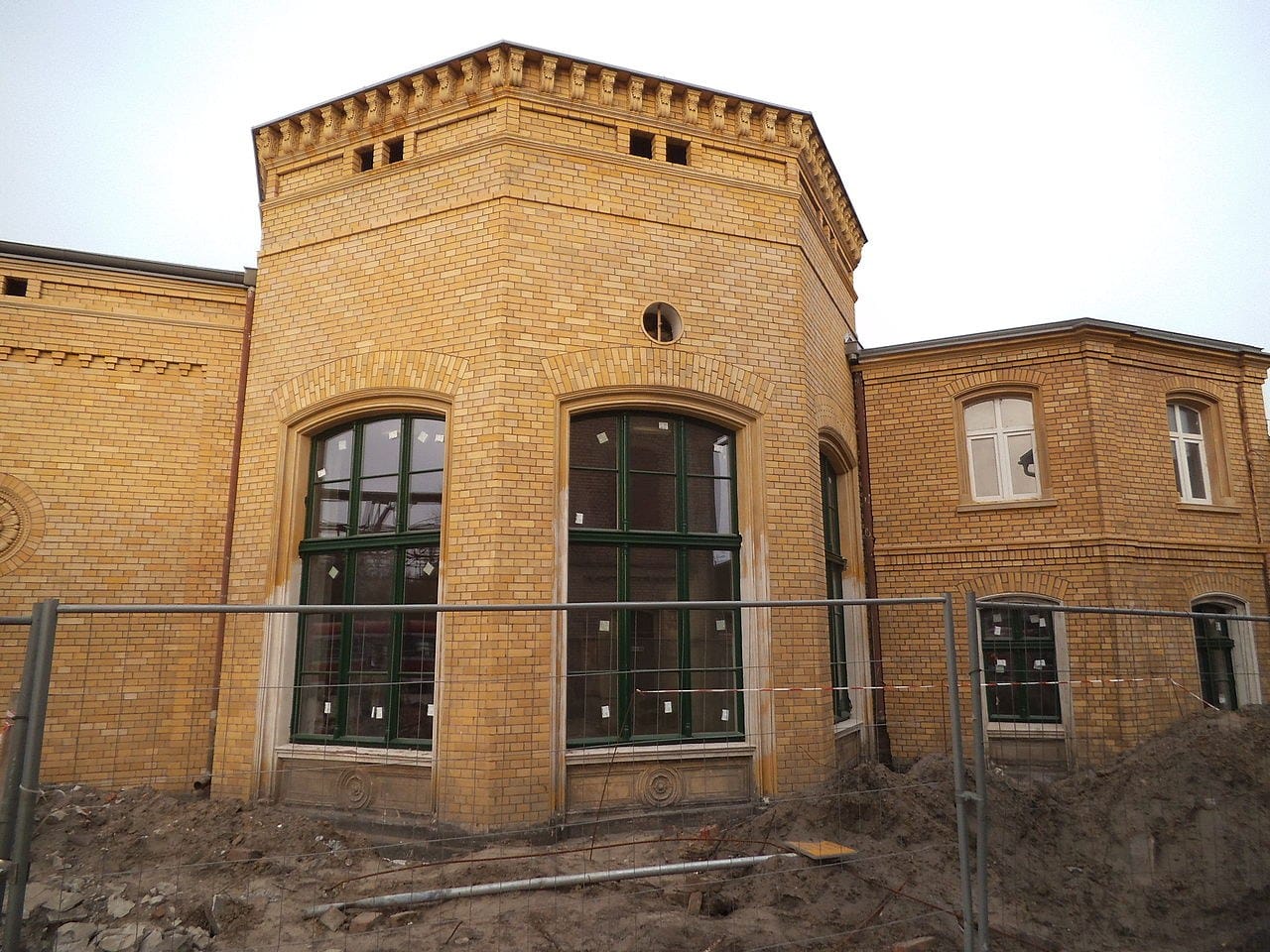
If there’s one city in Poland where you simply cannot ignore anything connected to the sky and the stars, it’s surely the birthplace of Copernicus. The Toruń Planetarium is fantastically housed in a former industrial brick building from the 19th century, whose architecture alone evokes a Victorian gasworks with its raw industrial vibe.
Beyond being a perfect shelter from an unexpected downpour, they offer a huge variety of shows for absolutely everyone — from little ones to passionate adult astronomers. In the auditorium you get super-comfy seats, they hand you headphones with an excellent English translation, and you simply stretch out your weary legs and let yourself drift through infinite galactic space above your head — which, in the dimness, does occasionally tempt you into a cheeky nap. 😅

11. Centre for Contemporary Art (CSW)
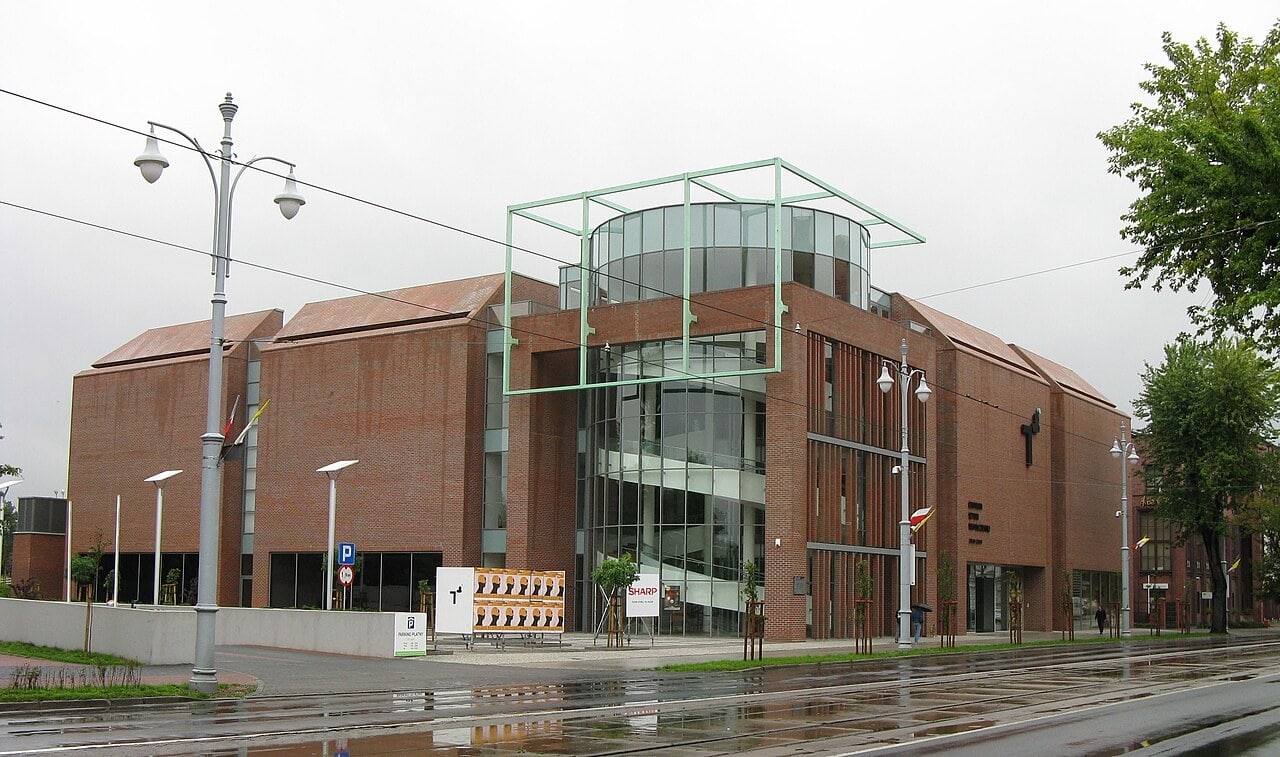
These architectural paradoxes are absolutely fascinating, and I’m sure you’ll fall in love with the striking contrast of a modern steel-and-glass building standing directly opposite centuries-old city walls. That was precisely the intention when they opened CSW Znaki Czasu. This modern visual arts centre is a massive injection of fresh ideas if you’ve had your fill of knights and old brick bastions and need a breath of contemporary creativity.
Outstanding exhibitions by international artists rotate regularly, and it’s worth going not just for the art but to discover the fantastic little bookshop dedicated to design and graphics. On top of all that, they have a rooftop panoramic terrace where you can grab a perfect espresso and suddenly view all that medieval splendour through an entirely new, lighter lens.
12. Ethnographic Museum and open-air skansen
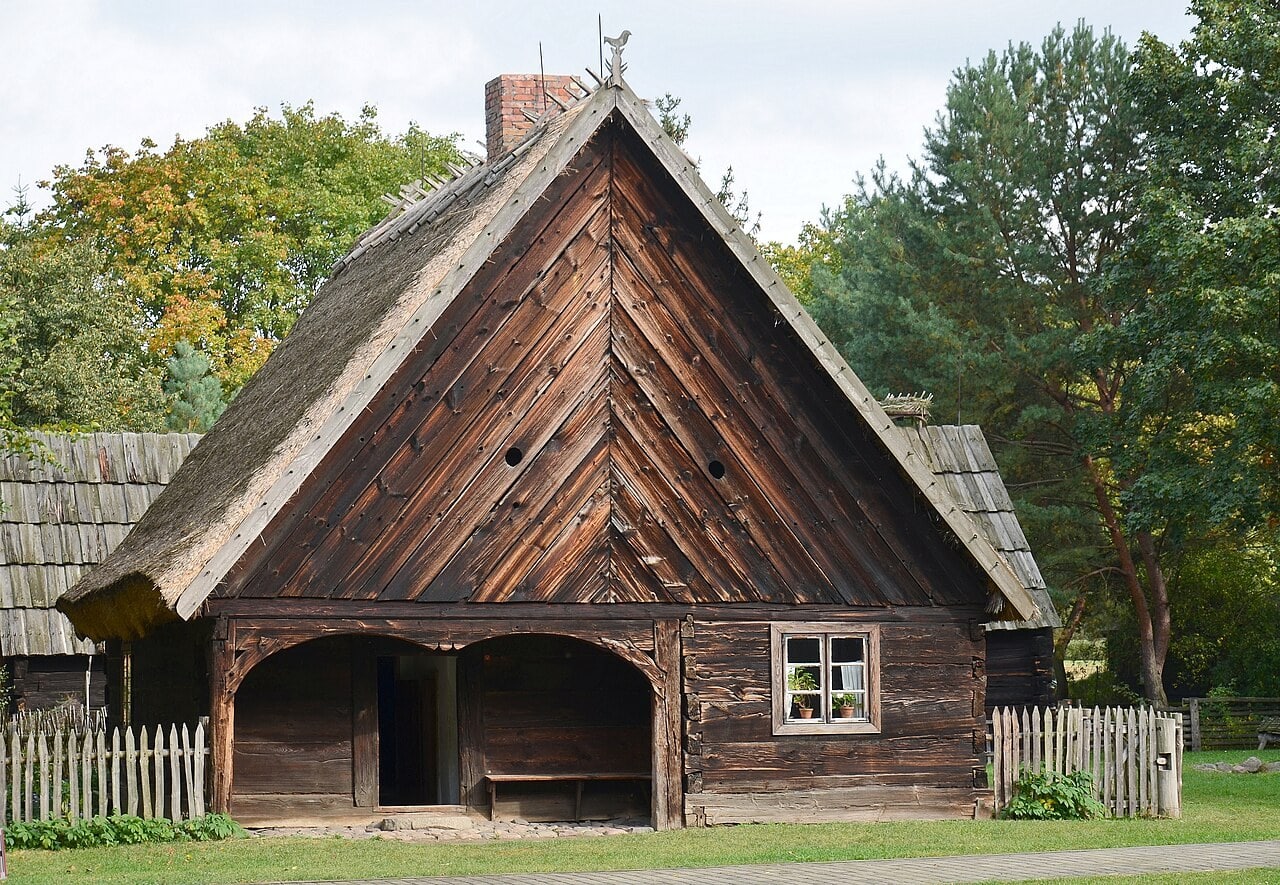
Right on the edge of the narrowest lanes of the centre you’ll find a complex that feels as though you’ve stepped through a portal from a medieval metropolis into the deep Polish countryside of the 19th century. Tucked away in the park is the Ethnographic Museum, enriched by a truly unique open-air skansen where cats roam the lawns and thatched roofs nestle between birch trees.
It’s an enormous balm for the soul, full of beautiful wooden mills and cosy little cottages with tiny windows where everything inside smells wonderfully of old smoke and herbs that were once dried here. On a warm day, sit on a bench surrounded by old beehives and wooden fences, and you’ll forget you’re still just a few hundred metres from the incredibly busy main square.
Map of points of interest for your phone
Toruń with kids and navigating with a pushchair
When planning trips abroad with children, you need to think about cities from a completely different practical angle. The good news is that this whole area is extremely family- and pushchair-friendly. The historic centre is blissfully flat with no inclines to speak of, although the ever-present rough cobblestones may rattle the little ones around so much they’re asleep within five minutes — which, let’s be honest, is sometimes a very welcome bonus.
The undisputed number-one attraction for any child is, of course, the repeatedly-mentioned fragrant gingerbread museum, where kids can shamelessly plunge their hands into sticky dough with no one telling them off. For slightly older children (five and up), we heartily recommend the planetarium’s sky programme, which is guaranteed to spark a million questions. If you’re travelling with four-legged friends, it’s better to let them rest in the apartment during the day and take them for an evening walk along the Vistula 😄. Whether you’re travelling with tiny humans or tiny dogs, boredom simply isn’t on the agenda.
Where to eat: Polish food you absolutely must try
Let’s not pretend Polish cuisine plays in the low-calorie league — it’s hearty, filling, and decidedly heavy peasant fare, and all the more worth looking forward to because of it. In Toruń there’s one golden rule: eat as much gingerbread as you can physically manage. And I’m not just talking about boxes of chocolate-coated bonbons — I mean fresh gingerbread ice cream and incredible coffee spiked with a generous spoonful of fresh cinnamon.
While some visitors rave about the various sweet blueberry pierogi drenched in butter, you absolutely must try the savoury ones too — the absolute classics being pierogi ruskie (filled with cheese and potato) or the version with cabbage and mushrooms (kapusta i grzyby). Add a hearty soup (zupa) like traditional żurek (often available in a meatless version) or a clear borscht, and a well-chilled jug of light Polish beer. Around the old walls you’ll also find excellent bakeries and cafés. For a truly authentic and budget-friendly experience among regular Polish students, head to a so-called Milk Bar (Bar Mleczny), where you load up a tray with the most honest sauces and stews for just a few złoty. For a romantic evening, we’d suggest sitting on the terrace at the Stary Bursztyn restaurant and opening a good bottle of white wine under the stars.
What to watch out for: Safety and local scams
Having travelled around Poland extensively, we can say with a clear conscience that you’ll feel remarkably safe in Polish cities — streets are clean, well-kept, and nobody hassles you by the river in the evening. Even so, a few annoyances specifically target confused tourists with open wallets, and it pays to be aware of them from the start.
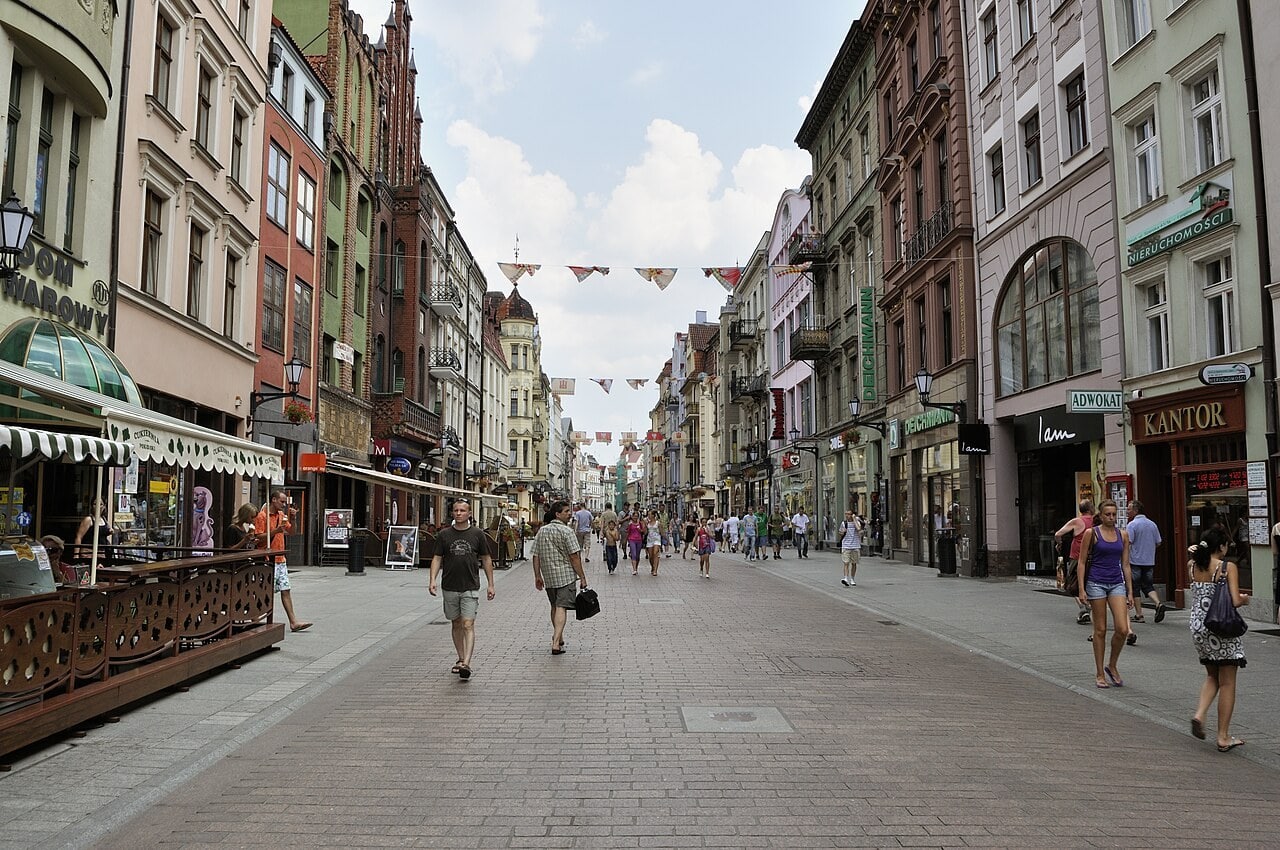
A major nuisance is the eye-catching blue-and-yellow Euronet cash machines scattered all over the Old Town, which try to push an extremely unfavourable dynamic currency conversion (DCC) on foreign visitors. Always — and with ice-cold composure — select the small “without conversion” option and let your own bank back home handle the exchange rate. If you opt for a traditional bureau de change (kantor), check the rate carefully. Some right in the centre have very poor margins or charge hidden fees.
Likewise, ignore the clusters of dodgy-looking drivers touting for business right outside the main train station. Not only will their prices be wildly inflated, but you won’t know exactly which route they’re taking you. Instead, download a ride-hailing app ahead of time — reliable Uber or its rival Bolt both work brilliantly here. The huge advantage is that you see the final price with no surcharges locked in on your screen before you even confirm the ride, and nobody argues with you about payment details.
Where next in Poland?
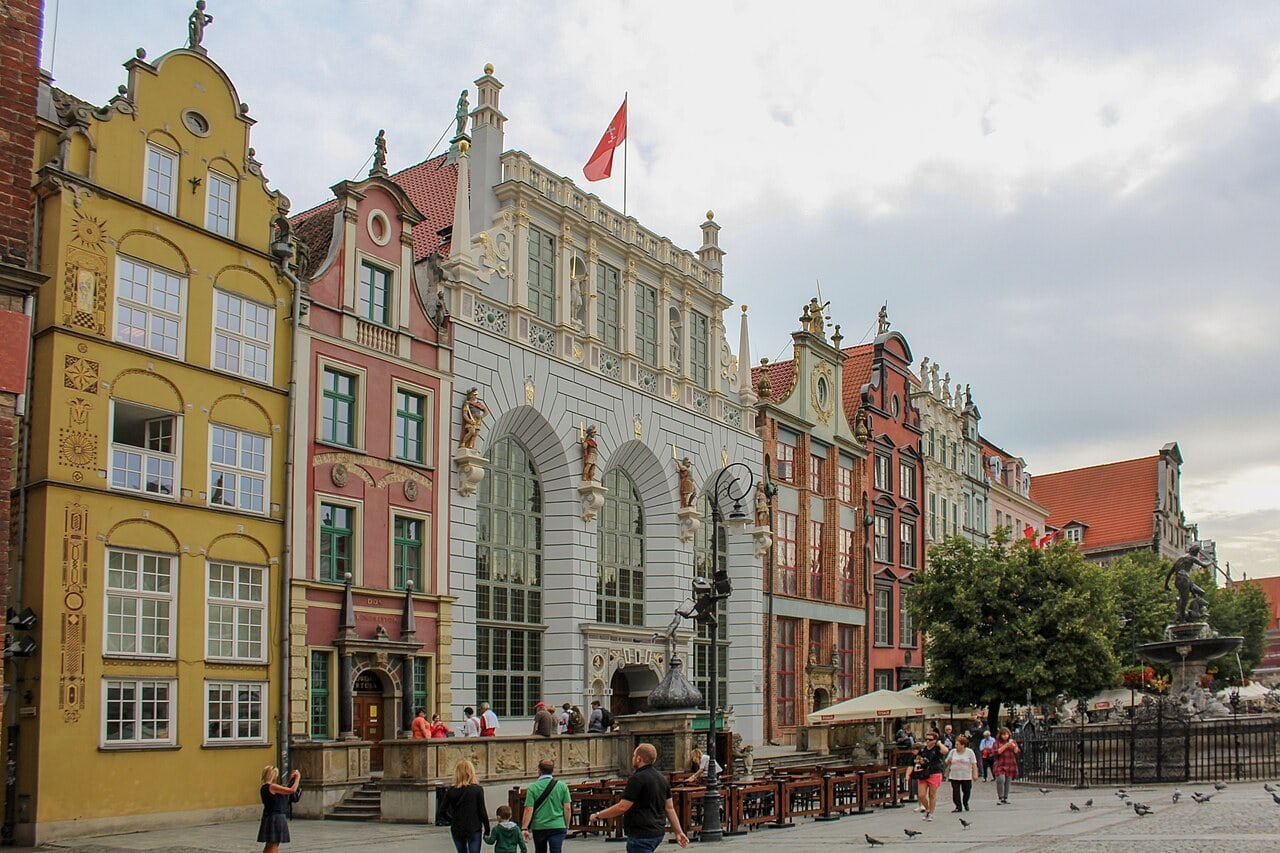
As mentioned at the very beginning, Poland is a vast and incredibly diverse country that’s long since outgrown its reputation for cheap cross-border shopping. It offers amazing places that are ideal for extending your trip into one epic road trip across multiple regions. Here are some more popular suggestions:
- Kraków: What to see in the historic heart of Poland
- Warsaw: A guide to Poland’s modern metropolis
- Gdańsk: A maritime jewel on the Baltic Sea
- Poland road trip: A 7-day itinerary
Final tips and tricks for a stress-free trip
We’re slowly reaching the end of our comprehensive guide to the streets of Copernicus’s city. But from our own experience we know all too well that even the most thorough list of beautiful sights isn’t always enough for a worry-free trip. So here are a few tried-and-tested practical nuggets that will save you heaps of precious time and unexpected expenses on the road.
When planning your first trip, there’s always a bit of learning on the fly — trial and error — and the odd totally avoidable rookie mistake involving parking or rain. To make sure your Polish holiday runs smoothly from the moment you excitedly slam your front door shut to the joyful return home with bags bursting at the seams under the weight of traditional fragrant gingerbread, check out these road-tested hacks so you can truly make the most of the experience.
What to pack
Northern Poland can be surprisingly windy even in the middle of summer — it’s often underestimated and regretted — so a light jacket or jumper in your day bag is a must at all times. And comfortable shoes are absolutely essential; those cobblestones will make short work of anything remotely flimsy.
If you want even more reassurance about what to definitely not forget when heading off by car or flying with just hand luggage across Europe, there’s a comprehensive guide. Check out our full packing list here, which goes into minute detail about tricks for folding shirts and choosing the right toiletries for a weekend city break, saving you unnecessary excess weight.
Where to find cheap flights
If you’re the type of traveller who’d rather skip eating sandwiches in the car at sweltering motorway services and instead fly in comfort to nearby Bydgoszcz (or other connecting hubs like Gdańsk or Warsaw), then definitely dive into the world of online flight search engines. It’s well worth spending time diligently tracking deals through the highly reliable Kiwi, which has a unique way of combining flights that often unearths incredible prices no one even knows about on standard airline websites.
This way of travelling by air pays off especially when you opt for a longer weekend of exploring with no fixed calendar limit and don’t fancy spending long hours tired and bored behind the wheel. Simply check your bag, drink an overpriced but ceremoniously satisfying coffee from a paper cup at the airport, board the plane, sail through the clouds, and within a few relaxing moments you’re sitting in a Polish café with a huge grin on your face.
Car hire
There are times and places where getting around in your own vehicle just isn’t practical, and it’s far easier to fly in and then sign the papers and hop into a hire car right at the airport. In those situations, the long-trusted platform DiscoverCars has proven itself time and again — their enormous worldwide network works brilliantly whether you’re heading to a scorching sandy coast or a frosty northern city.
The huge advantage — and the reason this platform is so popular — isn’t just the wide selection of vetted local agencies and cars ranging from nippy city runabouts to big motorway cruisers, but above all their fantastic full insurance with friendly, responsive customer support. If someone carelessly scrapes your door in a foreign car park, the right pre-paid coverage means you won’t have to stress about astronomical fees for a simple respray — and that peace of mind is worth its weight in gold.
Booking accommodation
Few city trips make sense if, after dozens of kilometres walked, you collapse into a tiny, grubby room with a squeaky bed. For finding the very best, cosiest, and most highly-reviewed spacious apartments or stylish luxury hotels, the go-to has always been Booking.com, where you’ll find countless wonderful places to stay and can happily browse through apartments tucked into the most hidden corners of the Old Town.
One golden rule applies here: if you book far enough in advance — ideally several months before your dream departure — and preferably with free cancellation in case of sudden changes, you can snap up the most charming historic buildings with old brick cellars at a fraction of the usual inflated seasonal price. And the feeling of waking up to a perfect Polish breakfast with the scent of coffee right inside a medieval vault? Absolutely priceless, trust me.
 🚗 Car rental on the roadVerified rental cars in Poland
Search with the DiscoverCars comparison engine — it compares prices from dozens of local and international rental companies, and most bookings come with free cancellation.
Compare car prices in Poland →Don’t forget travel insurance
However close and accessible Poland might feel — practically just a hop across Europe — it’s never worth heading abroad without proper travel insurance that covers unexpected injuries or stolen documents. For short, comfortable trips around the European continent, a good option for British travellers is a reliable insurer like True Traveller or World Nomads, where you can quickly and easily get comprehensive cover for a long weekend.
If you’re looking for coverage for much longer trips without a fixed end date, many travellers swear by the flexibility offered by platforms with a monthly subscription model, which is covered in detail here: SafetyWing review. Especially for those of you who work remotely with a laptop in a café, this handy little monthly insurance companion has always proven to be the very best travel buddy — packed with health and property guarantees, particularly when your family has a reputation for clumsy mishaps and twisted ankles.
Data and internet on the go
A huge lifesaver for all European weekends with smartphones is the wonderful fact that Poland is in the EU, so if your UK mobile plan includes an EU roaming allowance (many still do), your data should work seamlessly with only minor hiccups in rural areas. However, since Brexit, it’s worth double-checking your provider’s roaming policy to avoid nasty bill surprises. Many UK networks still offer inclusive EU roaming, but data caps and fair-use limits vary.
If your work demands a lot more stable megabytes for frequent online meetings and evening emails from the hotel room, or if you spend a lot of time in a hire car streaming music and relying on data-hungry sat-nav, a tried-and-tested solution that works brilliantly worldwide is the popular eSIM from Holafly. You install unlimited data on your phone by simply scanning a quick code, and you’re up and running instantly — no faffing around hunting for local Polish corner shops with overpriced plastic SIM cards and their incomprehensible contracts.
FAQ: Frequently asked questions
How long does it take to explore Toruń?
One to two days is plenty of time to see the historic center and visit the Gingerbread Museum. It’s the perfect destination for a relaxing long weekend.
Where can I park in Toruń?
Access to the historic center is restricted, but you’ll find plenty of paid parking lots around its perimeter. Expect to pay around seven zloty per hour. Your best bet is to check in advance whether your hotel offers private parking.
Is the city worth visiting in winter?
Absolutely! In December, the main square hosts a beautiful Christmas market. Plus, the Gothic architecture covered in snow gives the city an amazing fairytale atmosphere.
How much do attraction tickets cost in Toruń?
Admission prices in Poland are generally very reasonable. Entry to Copernicus’ birthplace costs around 25 PLN and the interactive Living Gingerbread Museum runs about 28 PLN. Walking along the city walls and seeing the Leaning Tower is completely free, of course.
Can I pay by card in Toruń?
Yes, Poland is very advanced when it comes to contactless payments. You can pay by card or smartwatch at cafes, bakeries, and even parking lots. You’ll really only need cash in Polish zloty (PLN) for tips or at smaller market stalls.
How does transportation work in Toruń?
The historic center is very compact and easy to explore on foot. If you want to give your feet a rest, you can use NextBike bike-sharing or the reliable local tram network.
Where can I buy authentic Toruń gingerbread?
You can buy traditional gingerbread from the famous Kopernik factory at many official shops right in the center. But the best experience is at the Living Gingerbread Museum, where you can bake your own fragrant souvenir.
Tips and Tricks for Your Vacation
Don’t Overpay for Flights
Search for flights on Kayak. It’s our favorite search engine because it scans the websites of all airlines and always finds the cheapest connection.
Book Your Accommodation Smartly
The best experiences we’ve had when looking for accommodation (from Alaska to Morocco) are with Booking.com, where hotels, apartments, and entire houses are usually the cheapest and most widely available.
Don’t Forget Travel Insurance
Good travel insurance will protect you against illness, accidents, theft, or flight cancellations. We’ve had a few hospital visits abroad, so we know how important it is to have proper insurance arranged.
Where we insure ourselves: SafetyWing (simple monthly subscription) and TrueTraveller (for extra-long trips).
Find the Best Experiences
Get Your Guide is a huge online marketplace where you can book guided walks, trips, skip-the-line tickets, tours, and much more. We always find some extra fun there!