Picture a sun-drenched spring city that transforms overnight into a massive open-air gallery, only for every single artwork to be devoured by flames in one unforgettable night. That’s exactly what Las Fallas in Valencia, Spain is all about — one of the loudest, most mesmerising festivals in all of Europe. The Spanish never do things by halves, and this celebration of fire and spring is living proof. If you’re looking for an event that will sweep you off your feet and keep you up all night, make sure you plan a trip to Valencia in March.
From the very first days of March, the air is thick with the smell of gunpowder and the city buzzes with an incredible energy. The main part of the festival, however, takes place between 15 and 19 March, when streets fill with hundreds of giant papier-mâché and wooden sculptures, marching bands, and women in stunning traditional costumes. It’s virtually impossible to remain a mere spectator — the atmosphere grabs you instantly and pulls you right in. Be prepared to be blown away by the sheer scale of the artworks, deafened by the daily fireworks, and maybe even moved to tears when all that beauty is reduced to a pile of ash.
TL;DR
- Main festival dates: The festival peaks from 15 to 19 March, but smaller events and fireworks begin as early as 1 March.
- What is it exactly: A celebration of the arrival of spring and the feast of Saint Joseph, patron saint of carpenters, centred around the burning of giant satirical sculptures.
- La Mascletà: A daily sound-focused fireworks display at 2 pm in the Town Hall Square that literally shakes the ground.
- Book accommodation early: Hotels in Valencia sell out months in advance and prices skyrocket, so book well ahead of time.
- La Cremà: The grand finale on the night of 19 March, when every sculpture in the city is set ablaze amid music and raw emotion.
- Hearing protection: If you’re travelling with children or are sensitive to noise, earplugs are an absolute must.
The full destination guide: Spain — guide and what to see
When to Visit Valencia
If you want to experience Las Fallas in all its glory, you need to be in Valencia by mid-March. The official programme kicks off on 1 March with daily sound fireworks, but the real visual feast doesn’t start until the night of 14 March. That’s when all the giant sculptures are installed in the streets and the city switches into non-stop party mode, which lasts right through to the night of 19 March.
The weather in Valencia in March is already very pleasant, with temperatures typically hovering around 18 to 20°C. During the day, a light jumper or denim jacket will do, but make sure you wrap up warmer for the evening fireworks and late-night strolls among the sculptures. Another perk of this early spring timing is that the sun already has some real warmth to it, so you can easily spend your afternoons relaxing on the beach and recharging for the demanding nighttime programme.
If you’re not a fan of massive crowds and want to admire the sculptures in relative peace, I’d recommend arriving around 14 March. You’ll see artists putting the finishing touches on their creations, and the streets won’t yet be packed with tourists from around the world. The final days of the festival are genuinely a test of patience as you squeeze through the crowds, but the experience is absolutely worth a bit of discomfort.
Where to Stay in Valencia
💡 Tip for accommodation and experiences: We love browsing for stays on Booking.com, which usually offers the best cancellation policies. For tickets, tours and activities, it’s worth comparing and booking through GetYourGuide.
During Las Fallas, Valencia’s population practically triples, and finding decent accommodation at the last minute is virtually impossible. If you want to stay right in the heart of the action, focus on the historic Ciutat Vella quarter or the trendy Ruzafa neighbourhood. You’ll have all the main sculptures and fireworks literally right outside your window, but be warned — the noise from firecrackers and music doesn’t die down until the early hours.
For those of you who want to actually get some sleep at night, I’d suggest looking for hotels near the beach and harbour, for example in the El Cabanyal neighbourhood. It’s easy to get to the centre from the beach by metro or bus, and in the evening you can retreat to a much calmer environment. Whichever area you choose, book via Booking.com at least six months ahead, because prices shoot up astronomically as March approaches.
Among the tried-and-tested beautiful hotels, the luxurious Hospes Palau de la Mar stands out — it’s housed in a historic palace just a short walk from the centre. If you’re after something more modern with amazing city views, check out Melia Valencia, one of the tallest buildings in the city with excellent metro connections. The Caro Hotel is another wonderful choice, where centuries-old historic features blend seamlessly with contemporary design.
12 Things to See and Do at Las Fallas
Let’s dive into the must-see highlights of this fiery extravaganza. Bring comfortable shoes because you’ll easily clock up tens of kilometres a day, and brace yourself for the constant bang of firecrackers that local kids set off on every corner.
1. Discover the Magic of the Fallas Sculptures and Ninots
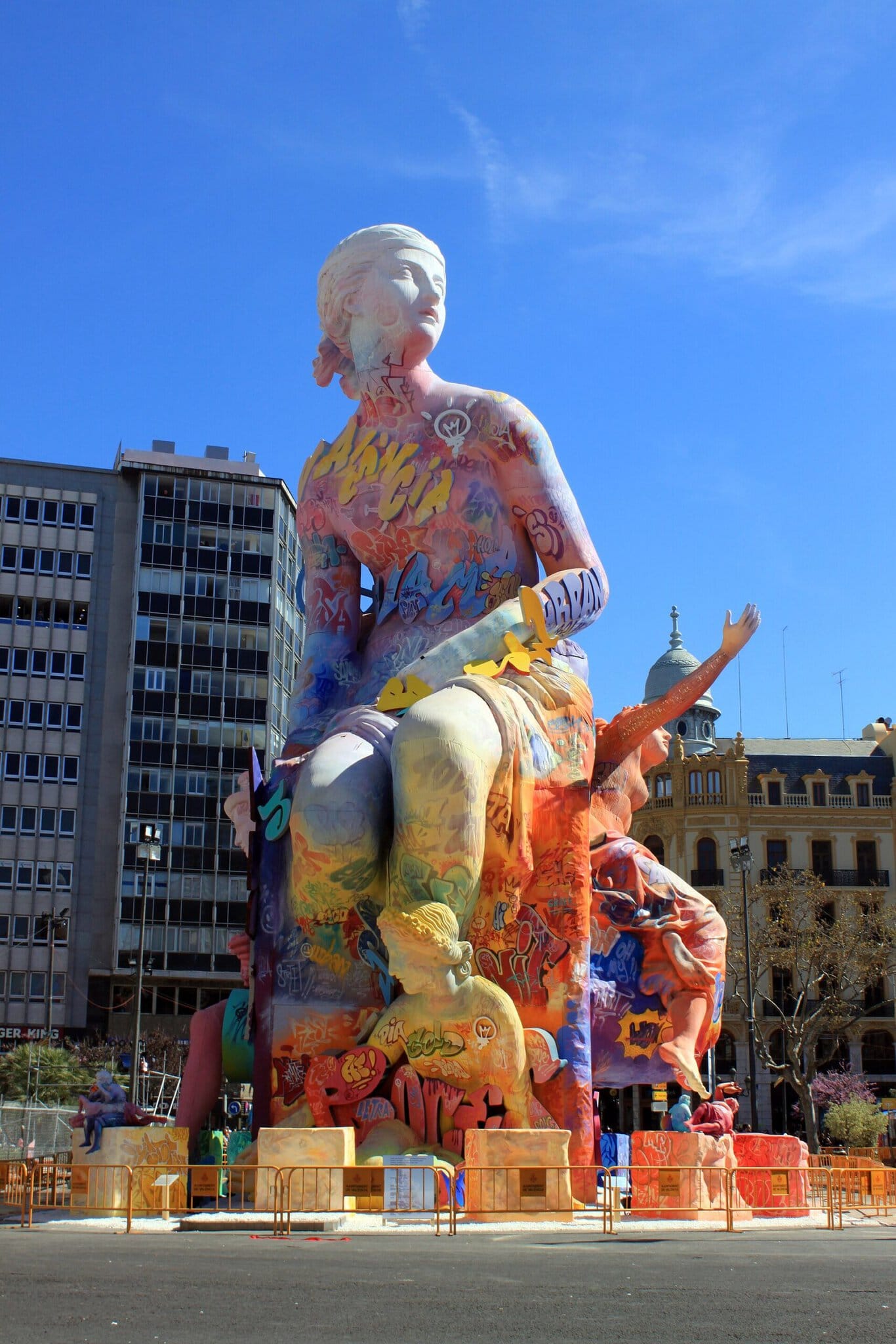
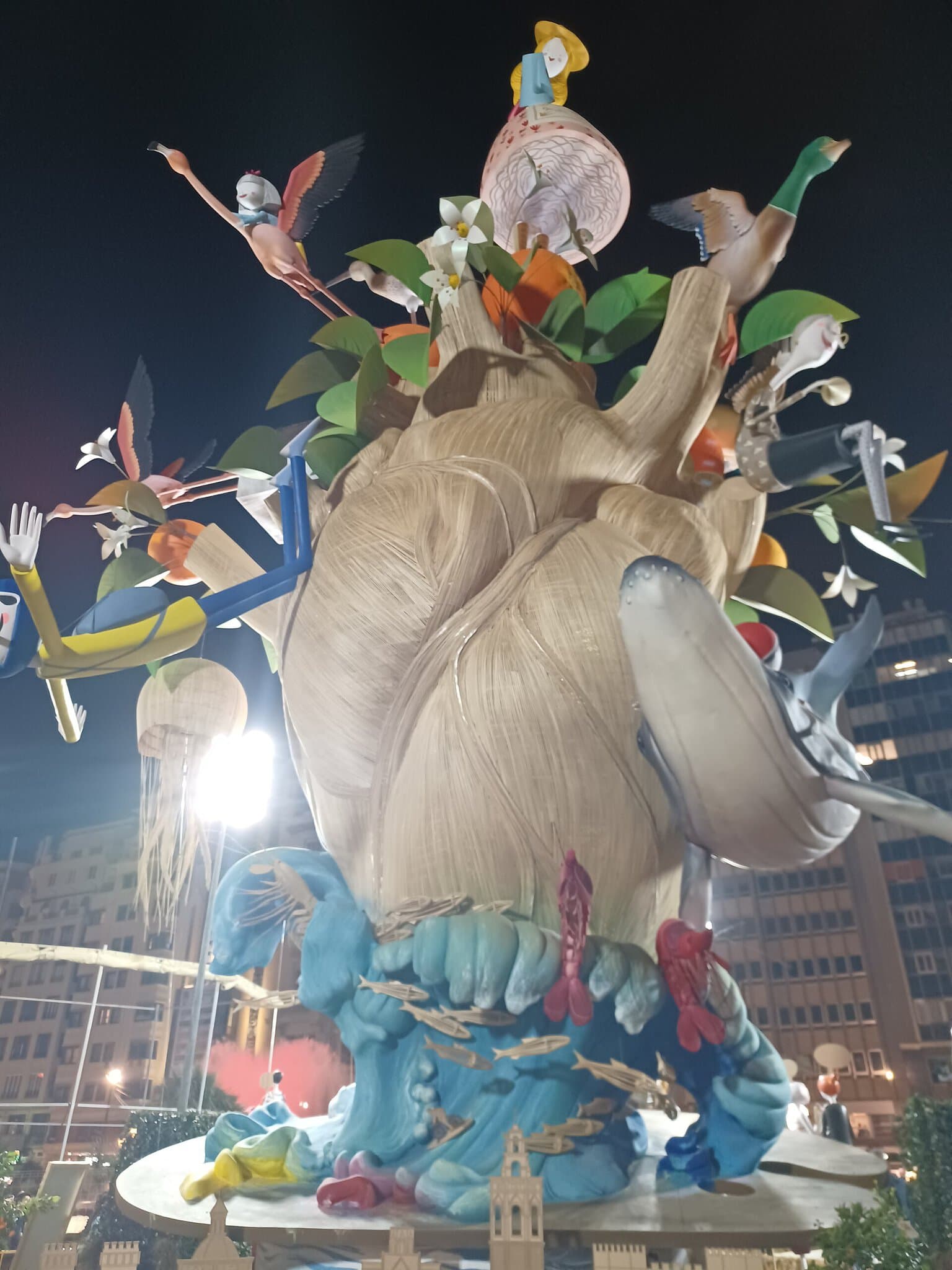
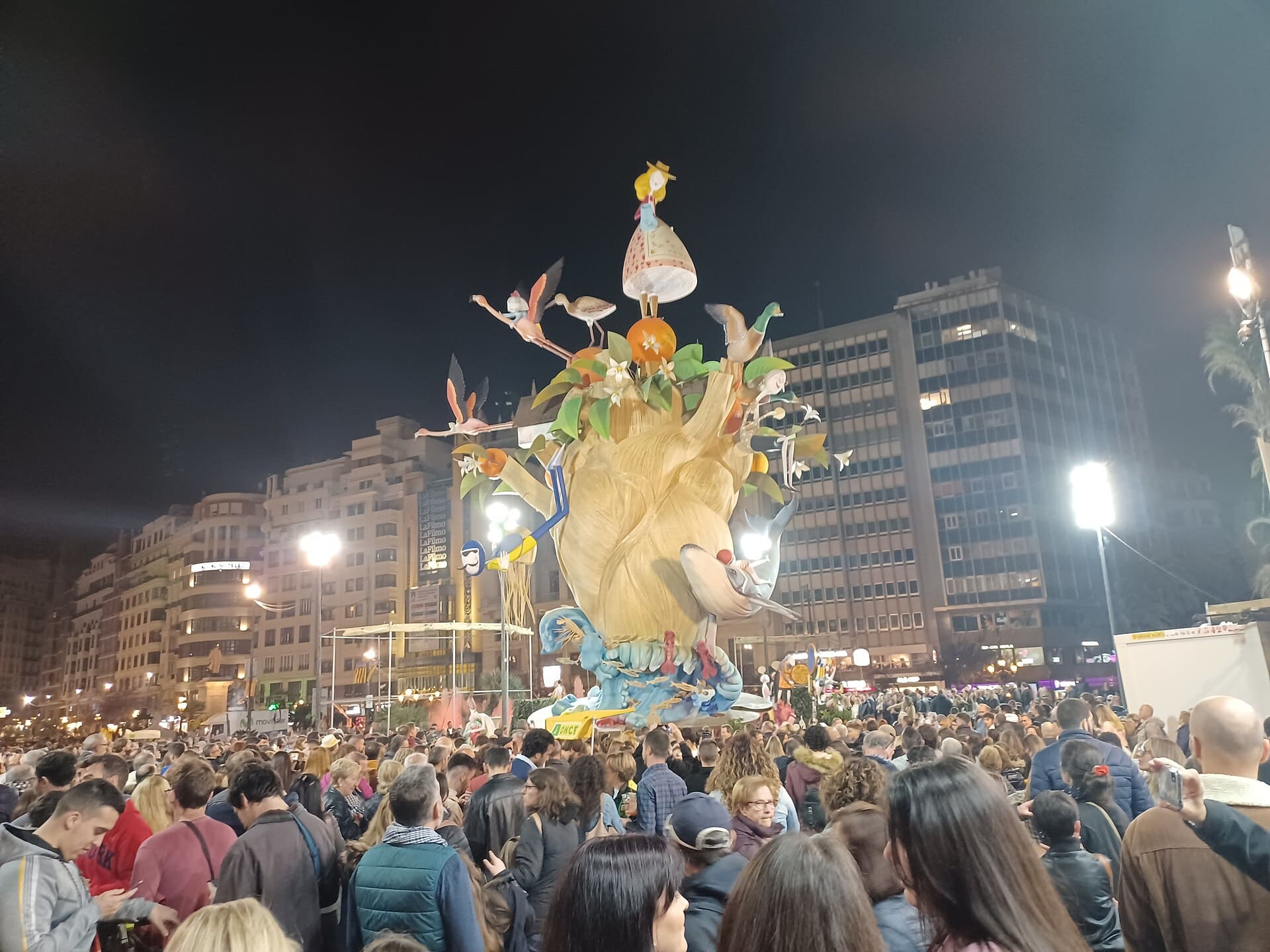
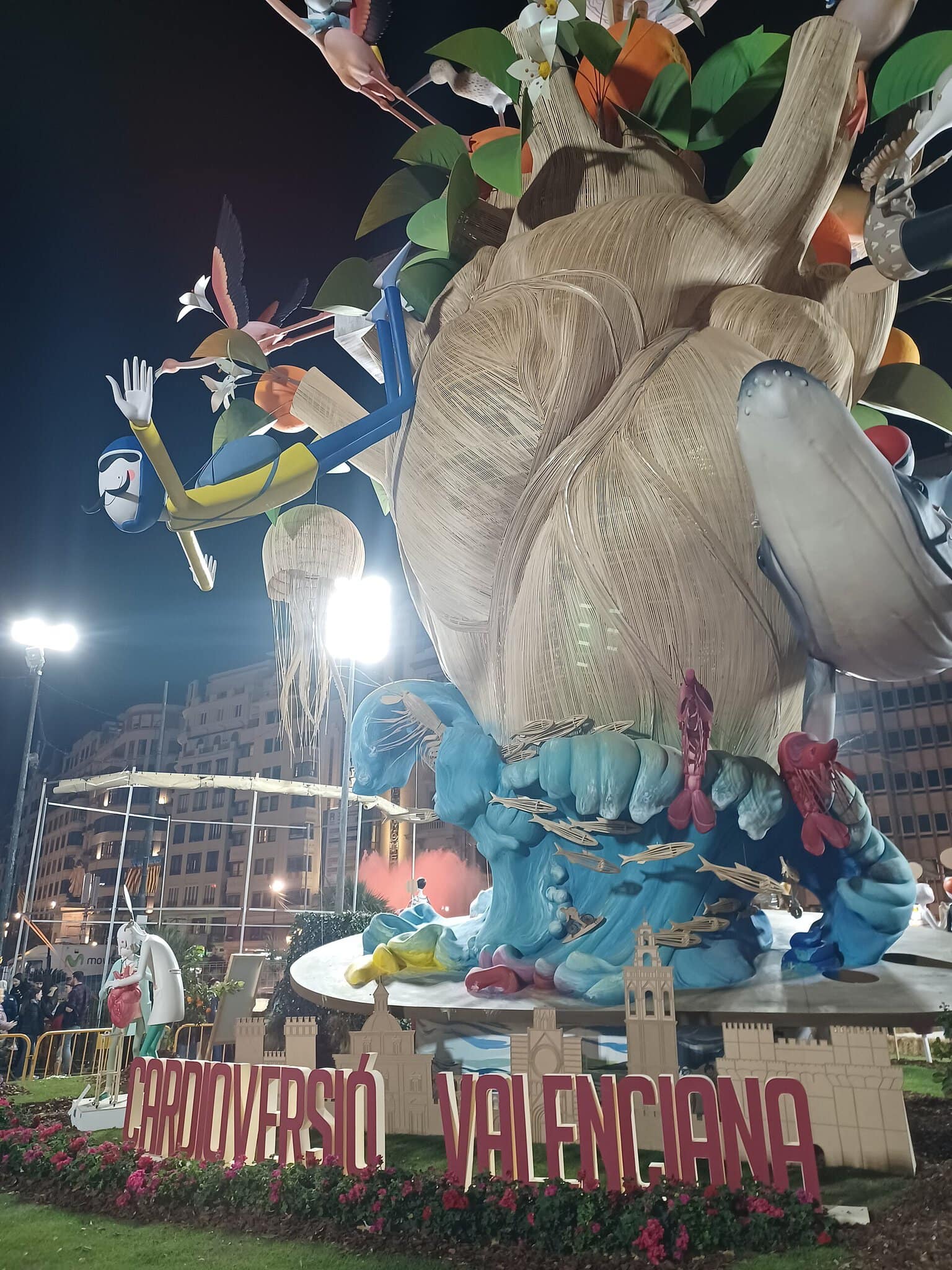
The very foundation of the entire festival are the so-called fallas — giant monuments made from papier-mâché, wood and polystyrene that are erected at intersections and squares all across the city. Around eight hundred of them spring up throughout Valencia, and each one is made up of smaller figures called ninots. These figures are often brilliantly satirical, poking fun at politicians, celebrities and current social issues.
Every neighbourhood in the city has its own local association that fundraises all year long to pay artists to create the most spectacular sculpture possible. The cost of the largest monuments can run into hundreds of thousands of euros, and the level of detail is absolutely breathtaking. I’d recommend grabbing a map and simply wandering the streets, because around every corner you’ll stumble upon a new, colourful and often hilarious work of art.
💡 Local tip: Don’t just stick to the centre around the Town Hall. Some of the most daring and imaginative sculptures can be found in the Ruzafa neighbourhood or around Mercado Central, where artists tend to have more creative freedom.
2. Experience the Earthquake That Is La Mascletà
If your idea of a fireworks show is pretty lights twinkling across the night sky, La Mascletà will swiftly set you straight. This is a daytime pyrotechnic spectacle focused entirely on sound and rhythm. It takes place every day from 1 to 19 March at precisely 2 pm in the Plaza del Ayuntamiento, and it’s an experience that will quite literally rattle your bones.
Thousands of people gather around the Town Hall to witness five minutes of ear-splitting gunpowder symphony. The sound builds gradually until it crescendos into a final earthquake that shakes windows across a wide radius, sending the crowd into rapturous cheering. It’s an incredibly intense experience that you truly need to feel in person to understand.
Get to the square at least an hour early to secure a good spot, and if you have sensitive hearing, definitely bring earplugs. Pyrotechnicians are treated like rock stars here, and after a successful show, the crowd rewards them with thunderous applause.
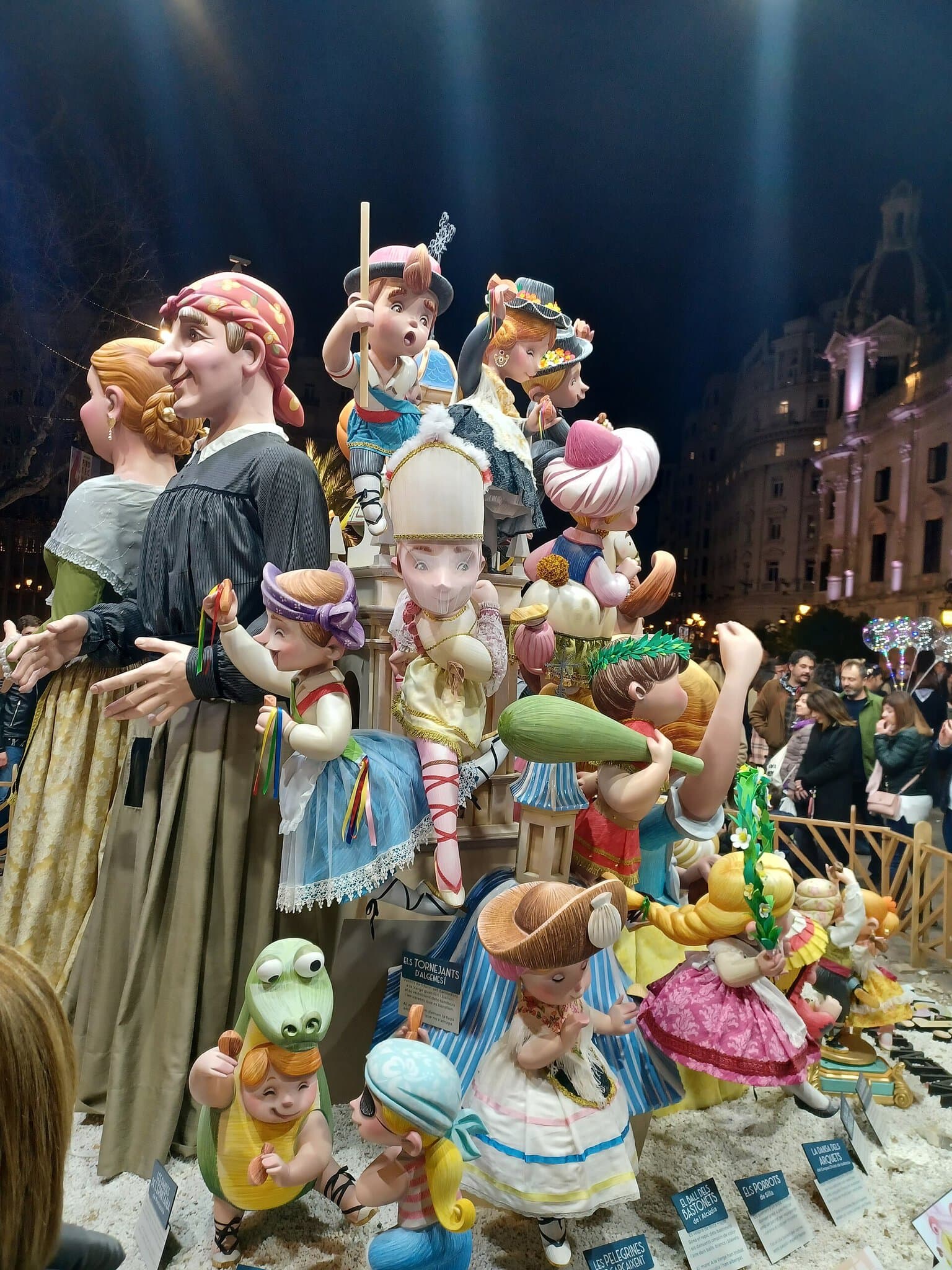
3. The Night It All Begins: La Plantà
The night of 14 to 15 March is the most stressful time of the year for every sculpture creator. During this night, known as La Plantà, all monuments must be fully assembled and completed, because a strict jury comes around to inspect them first thing in the morning. If a sculpture isn’t finished by 8 am sharp, it’s ruthlessly disqualified from the competition for best work.
The streets are buzzing with cranes, artists rushing about with paintbrushes, and locals watching on with bated breath and cheering them on. It’s fascinating to watch as enormous heads and bodies are hoisted into position and slotted precisely into the prepared frameworks. The whole city is awake and there’s a wonderful atmosphere of anticipation and creativity.
Head out into the streets in the evening, grab a drink and watch this incredible logistical and artistic feat unfold in real time. You’ll witness the sheer dedication and pride of the local people, for whom the success of their neighbourhood is a matter of personal honour.
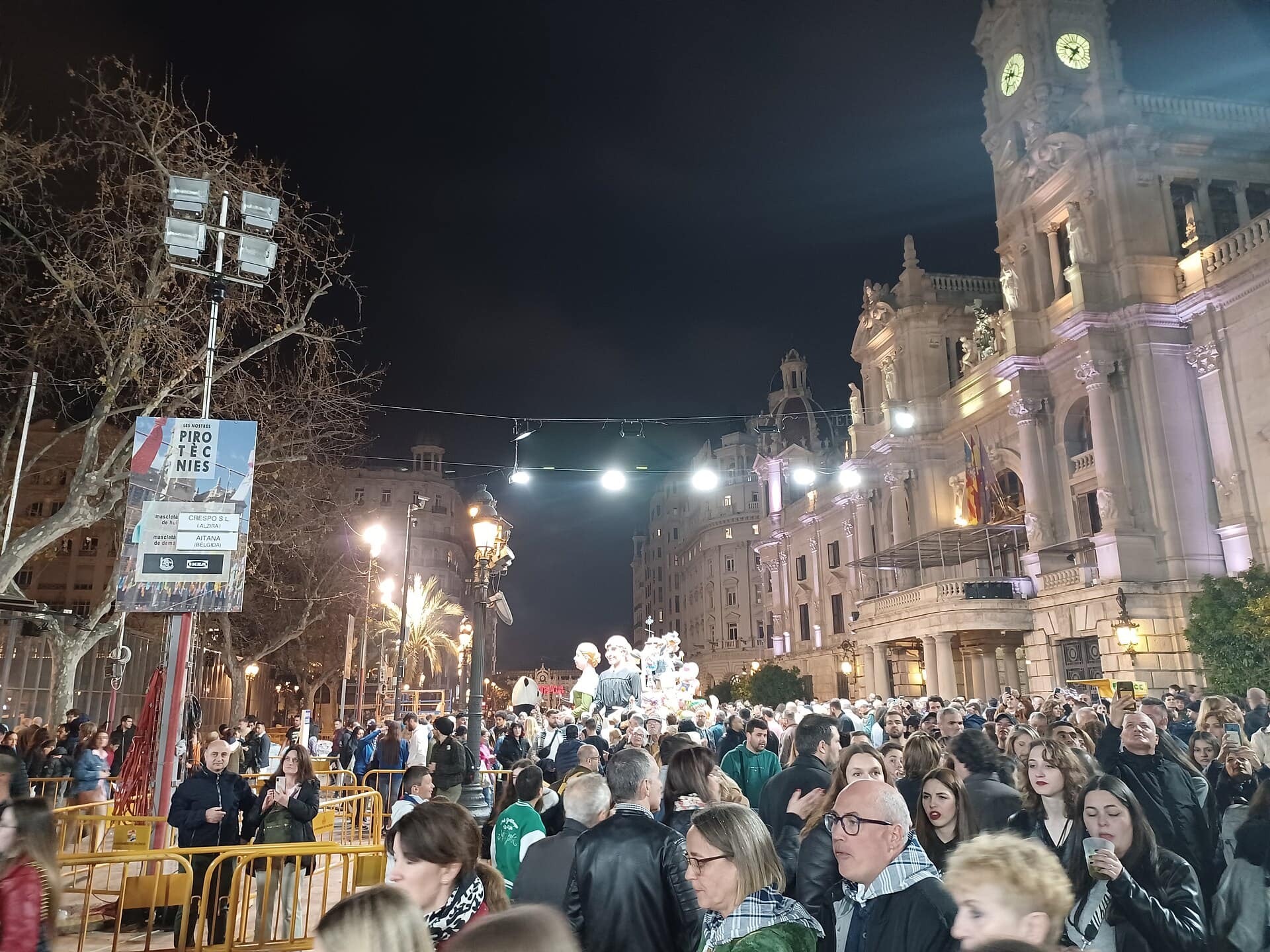
4. Walk Through the Light Tunnels in Ruzafa
The Ruzafa neighbourhood is famous not only for its sculptures but above all for its jaw-dropping light displays. Local associations here regularly compete for the title of best-lit street, and the result is enormous light tunnels and portals that feel more like gateways to another dimension than ordinary city streets.
Every evening, special light shows take place where millions of LED bulbs flash and change colour in perfect sync with popular music. Crowds squeeze together beneath these glowing structures, soaking up the magical atmosphere that’s a bit like Christmas at its very best.
You’ll find the light installations mainly on Calle Sueca and Calle Cuba. Make sure you visit after dark, but expect to move at a snail’s pace. The experience of these dazzling streets is absolutely worth the bit of jostling in the crowd.

5. Admire the Stunning Traditional Costumes
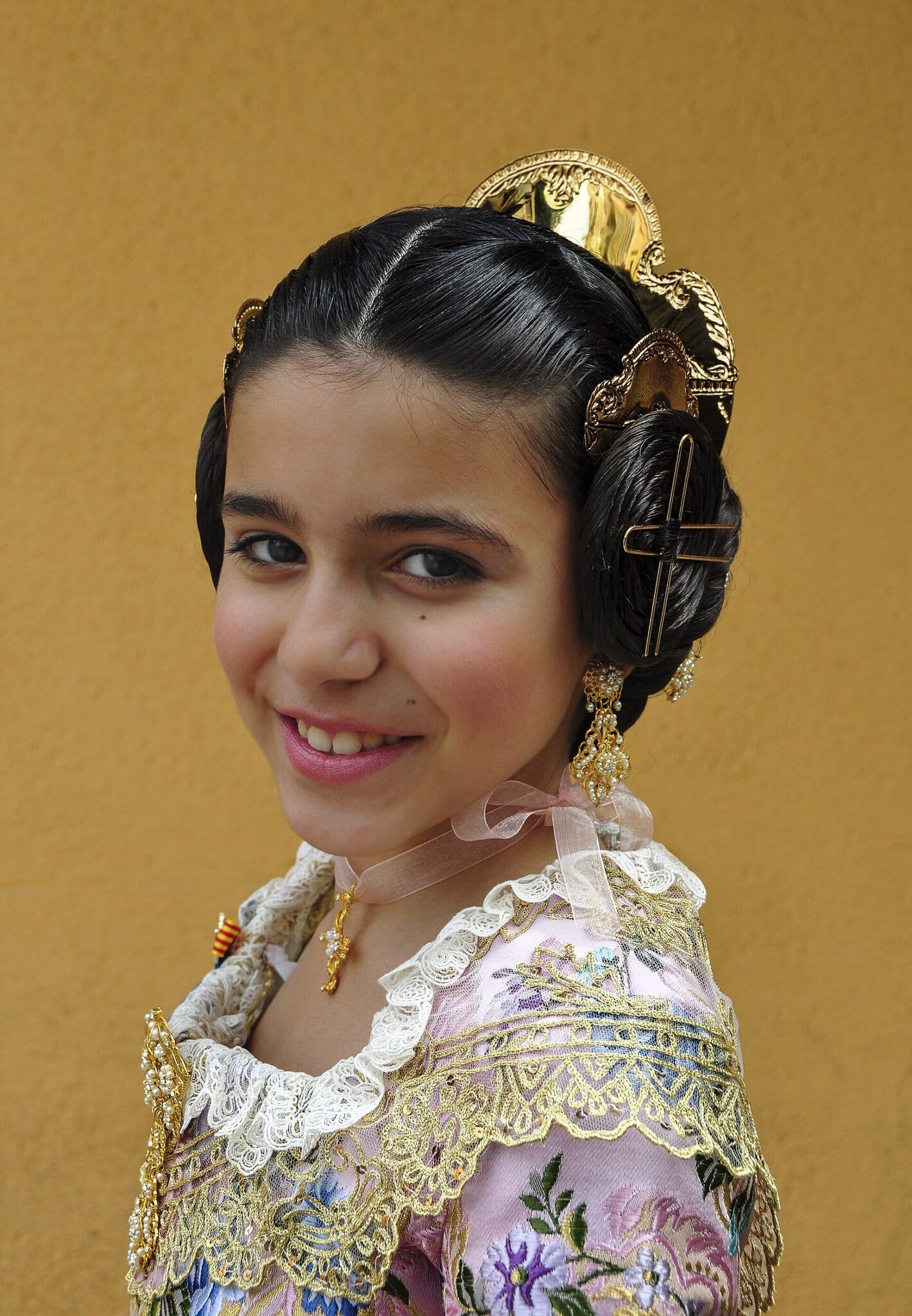
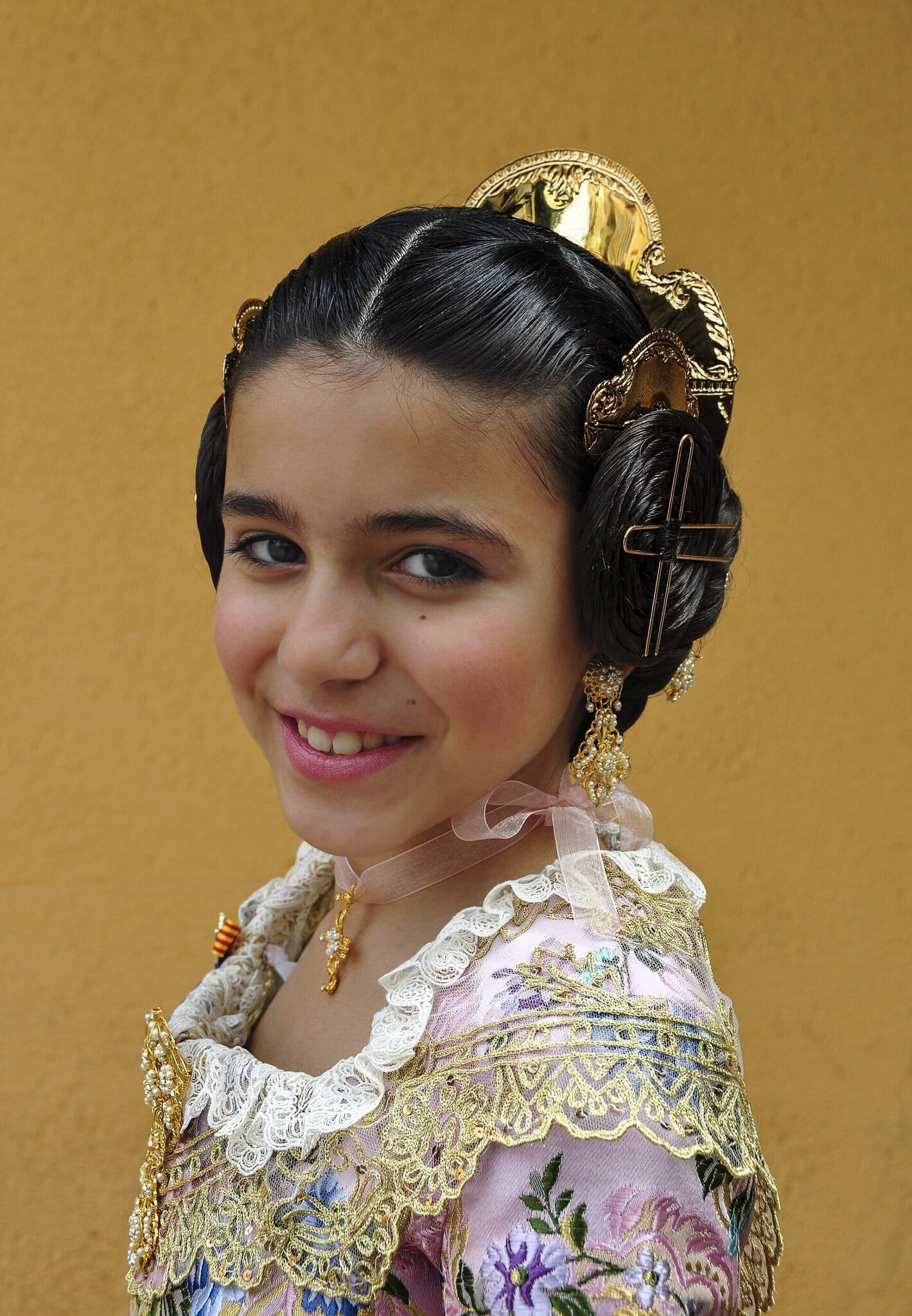
Las Fallas isn’t just about sculptures and fire — it’s also about the people and their traditions. The most visually striking element is undoubtedly the women and girls dressed in traditional costumes, known as falleras. You’ll spot them all over the city, proudly walking in richly embroidered silk dresses that often cost several thousand euros.
Making one of these costumes is a true masterpiece of tailoring, with fabrics often hand-woven following historical patterns. Equally fascinating is the hairstyle, which consists of elaborate buns adorned with gold or silver combs. Preparing this hairstyle takes hours, and many women even sleep in it during the festival.
💡 Local tip: Stop and take a close look at the embroidery details on the dresses. Every costume is completely unique, and for local families it represents an enormous source of pride, often passed down from generation to generation.
6. The Moving Ofrenda de Flores
On 17 and 18 March, the streets of Valencia turn into one great river of flowers. During the event known as the Ofrenda de Flores, thousands of falleras and falleros from across the region march towards the Plaza de la Virgen. Each woman carries a bouquet of carnations, which she offers at the square as a tribute to the city’s patroness, the Virgin of the Forsaken.
In the square stands an enormous wooden structure of the Virgin Mary, an incredible fifteen metres tall. The donated flowers are gradually arranged into a beautiful, multi-coloured cloak, its design changing every year. The scent of thousands of blooms fills the entire square, and many women can’t hold back tears as they lay down their bouquets.
I’d recommend finding a spot along the procession route and watching the pride and emotion on the faces of the local people. It’s the most spiritual and moving moment of what is otherwise a very loud and wild festival.
7. Night Skies Ablaze: Castillos de Fuegos Artificiales
The Spanish are masters of pyrotechnics, and Valencia is their capital. Every night from 15 to 18 March, the sky above the old Turia riverbed lights up with spectacular nocturnal fireworks known as castillos. These shows are huge, colourful and accompanied by massive explosions that echo off the surrounding buildings.
The biggest and most spectacular fireworks display takes place on the night of 18 March and is called the Nit del Foc — the Night of Fire. This show lasts over twenty minutes and is considered one of the best fireworks displays in the world. People gather on the bridges and in the park along the river hours in advance to secure the best views.
For the best experience, head to the Paseo de la Alameda promenade. Bring a blanket, some snacks, and enjoy an incredible light show that will leave you standing there with your jaw on the floor.
8. Try the Sweet Buñuelos and Vegetarian Paella
All that festival energy requires some serious fuel, and the streets of Valencia have you well and truly covered. On every corner you’ll find stalls selling buñuelos de calabaza — traditional pumpkin fritters that are fried right before your eyes. They have a wonderfully irregular shape and taste best dunked into a cup of thick, piping-hot chocolate.
Valencia is also the birthplace of paella. While the traditional local recipe uses rabbit and chicken, you’ll easily find excellent paella de verduras everywhere. This vegetarian version is packed with fresh local beans, artichokes and saffron, which gives the rice its signature colour and unmistakable flavour.
💡 Local tip: If you want to soak up the real community atmosphere, seek out the streets where local associations cook giant paella over open wood fires. The aroma of woodsmoke and fresh ingredients is simply irresistible.
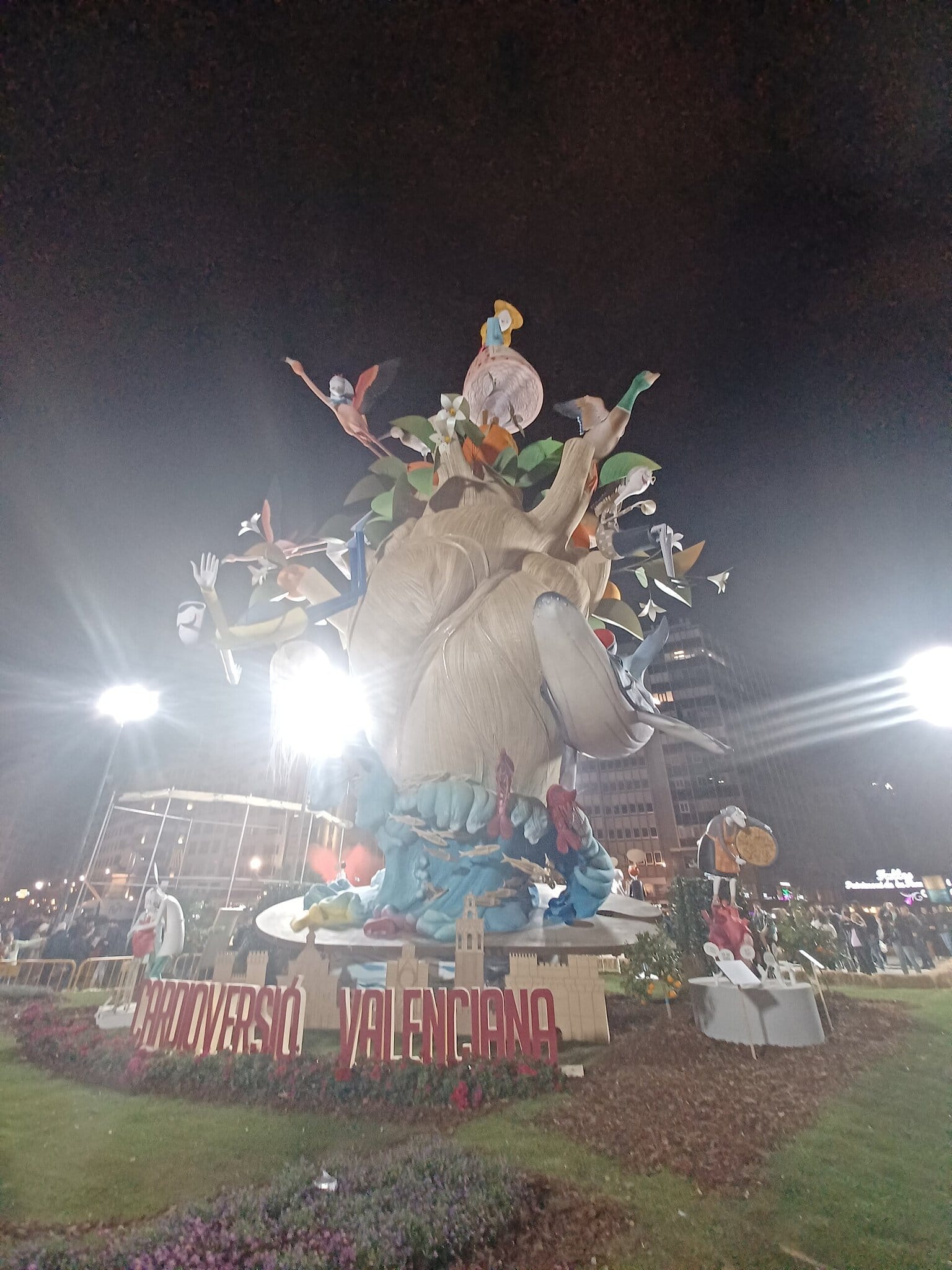
9. Take Refuge in the Museo Fallero
If you need a break from the crowds or want to learn more about the festival in depth, head to the Museo Fallero. Every year, the people of Valencia vote on which single figure from among the hundreds of sculptures will be saved from the flames. This rescued ninot is then placed in this museum, which has been open since 1934.
Walking through the museum is like a journey through time. You can trace how the materials, techniques and themes of the sculptures have evolved over the decades. From early figures stuffed with straw and wax, you’ll progress to modern creations made from contemporary materials that riff on current pop culture and politics.
A visit to the museum is also a great option for those visiting Valencia outside the main March festival dates who still want to soak up a taste of the festival atmosphere and admire the craftsmanship of local artists.
10. The Hellish La Cabalgata del Fuego Parade
On the evening of 19 March, just hours before the city goes up in flames, the spectacular fire parade known as La Cabalgata del Fuego takes place in the centre. This procession symbolically brings fire into the city, which will later be used to ignite all the sculptures, and it makes for a fantastic prelude to the grand finale.
Giant mechanical fire-breathing dragons parade through the streets, along with drummers and, most strikingly, people dressed as devils who shower sparks from spinning pyrotechnic pitchforks. It’s a wild, high-energy spectacle where sparks fly literally everywhere, so wear clothes you won’t mind getting the odd tiny burn hole in.
The parade runs along Calle Colón and finishes at the Puerta del Mar gate. Grab a front-row spot and let yourself be carried away by the pounding drums and the searing heat of hellfire that heralds the approaching end of the festival.
11. The Fiery Finale: La Cremà
And here it is. At midnight on 19 March, the street lights go out and La Cremà begins — the moment everyone has been waiting for. Hundreds of masterful artworks that took an entire year to create are destroyed by fire in a matter of minutes. It’s a purifying ritual that symbolises the end of winter, the burning away of everything old and bad, and the welcoming of new spring.
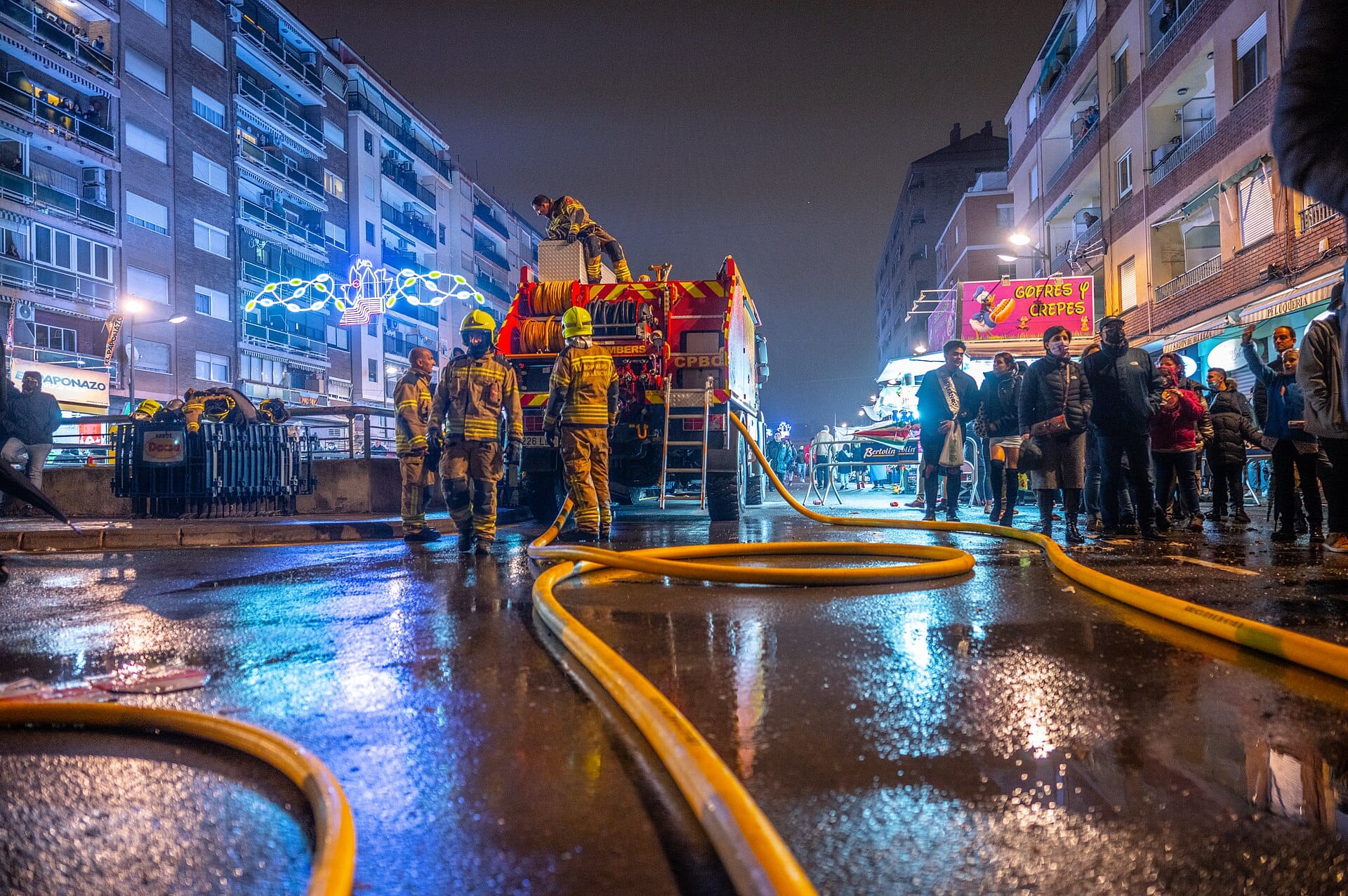
Firecrackers placed around the sculptures are lit amid deafening cheers, and flames quickly engulf the entire structure. The heat radiating from the burning monuments is so intense that firefighters must constantly spray water on nearby buildings and trees to prevent the city itself from catching fire. Ash drifts through the air, and local falleras often stand nearby, weeping with emotion at the end of their year in the spotlight.
The very last sculpture to burn is always the largest one in the Town Hall Square. It’s an incredibly powerful and emotional experience that leaves a deep impression and fills you with awe for a city that can create such beauty only to let it vanish in flames moments later.
12. Practical Tips for Surviving the Crowds
Las Fallas attracts millions of visitors, and getting around the city requires a certain amount of strategy. First and foremost, completely forget about driving or taking taxis in the city centre — most streets are closed off or filled with sculptures and stalls. Rely entirely on walking, or use the metro, which often runs around the clock during the main festival days.
Dress comfortably and layer up, because spring evenings can be deceptively chilly. Wear comfortable closed-toe shoes, as the ground is littered with firecracker remnants and in the massive crowds someone is bound to step on your foot sooner or later. Keep your valuables and wallet safely hidden — unfortunately, big crowds are a pickpocket’s paradise.
💡 Local tip: If you need to cross from one side of the centre to the other, avoid the main streets and use the old Turia riverbed instead. This huge park is a beautiful green oasis where you can dodge the worst of the congestion and take a lovely break from the noise.
Where to Go from Valencia
If you need to clear your head after all that fiery madness and explore more of Spain, Valencia is brilliantly connected. From the local station, the high-speed train whisks you to the capital in under two hours, so you can easily take in Madrid and its world-class art museums.
More drawn to Catalan culture and Gaudí’s architecture? Hop on a train heading north and discover everything the vibrant city of Barcelona has to offer. If you’re craving total relaxation on gorgeous beaches, ferries depart from Valencia’s port to the island gem of Ibiza.
And if you want to keep exploring Spanish passion and sunshine, I’d highly recommend heading south for flamenco and sun. Check out our comprehensive guide to the 20 most beautiful places in Andalusia, packed with road trip inspiration, or take a look at our article on Seville — the gateway to Andalusia, a city that will completely enchant you.
Frequently Asked Questions
When exactly are the sculptures burned?
All the sculptures are burned on the night of March 19th during an event called La Cremà. The children’s sculptures are set alight around 8:00 PM, the large ones start burning at midnight, and the main sculpture in the town hall square goes up in flames last of all.
Do I need any tickets for the festival?
No, Las Fallas is a festival that takes place right in the city’s streets, and all the main events are completely free. You only pay for entry to special fenced-off stands at some of the firework displays, but those are often reserved for local associations.
Is the festival safe for small children?
The festival is very family-friendly, but you have to be prepared for extreme noise. If you’re travelling with children, definitely get them quality ear defenders. Also avoid the biggest crowds during the evening firework displays, where the situation can be unpleasant for small children.
What happens to the one sculpture that gets saved?
Each year the public votes to select one so-called ninot indultat, which is spared from the flames. This figure is then taken to the Museo Fallero, where you can see it alongside winners from previous decades.
What about getting around Valencia during Las Fallas?
The city centre is practically impassable for cars. The best way to get around is on foot and by using the metro, which during the main festival days often runs extra services and operates all night long. Buses mostly have diverted routes.
What typical dish should I try?
Definitely don’t miss out on buñuelos de calabaza, which are fried pumpkin fritters sold on every corner and dipped in thick hot chocolate. For lunch, then, treat yourself to a delicious paella, ideally its vegetarian version full of fresh local vegetables.
Can I manage the festival even if I don’t speak Spanish?
Definitely yes. The festival’s atmosphere is very visual and loud, so you don’t need a dictionary to take it in. Most people in the hotels and restaurants in the centre speak at least basic English, so you’ll get by without any problem.
Tips and Tricks for Your Vacation
Don’t Overpay for Flights
Search for flights on Kayak. It’s our favorite search engine because it scans the websites of all airlines and always finds the cheapest connection.
Book Your Accommodation Smartly
The best experiences we’ve had when looking for accommodation (from Alaska to Morocco) are with Booking.com, where hotels, apartments, and entire houses are usually the cheapest and most widely available.
 🚗 Car rental on the roadVerified rental cars in Spain
Search with the DiscoverCars comparison engine — it compares prices from dozens of local and international rental companies, and most bookings come with free cancellation.
Compare car prices in Spain →Don’t Forget Travel Insurance
Good travel insurance will protect you against illness, accidents, theft, or flight cancellations. We’ve had a few hospital visits abroad, so we know how important it is to have proper insurance arranged.
Where we insure ourselves: SafetyWing (simple monthly subscription) and TrueTraveller (for extra-long trips).
Find the Best Experiences
Get Your Guide is a huge online marketplace where you can book guided walks, trips, skip-the-line tickets, tours, and much more. We always find some extra fun there!