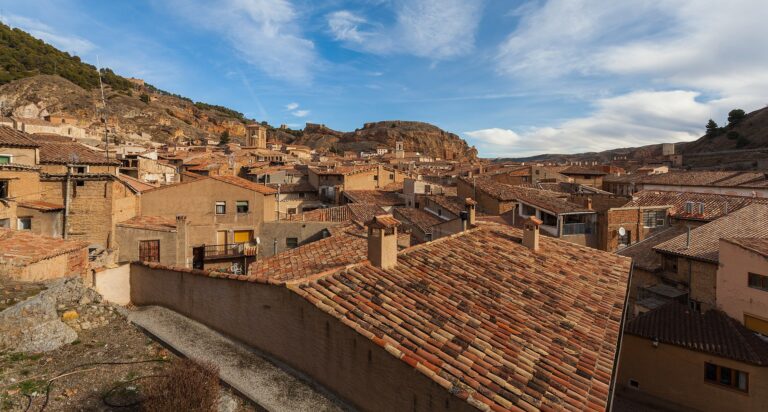
Spain is packed with iconic destinations, but if you’re looking for a city that combines breathtaking history with an authentic local vibe, Zaragoza, Spain will absolutely win you over. The country’s fifth-largest city sits strategically halfway between Madrid and Barcelona, making it an ideal stop on your journey across the Iberian Peninsula. Zaragoza is a place where monumental Christian cathedrals stand alongside elegant Moorish architecture, and where the remnants of ancient Rome still slumber beneath the cobblestone streets. The atmosphere is incredibly warm, the streets buzz with life, and the tapas bars are bursting at the seams. Although you won’t find the hordes of international tourists you’d encounter in Andalusia, this city delivers an unforgettable experience you’ll be talking about for years. I’ve put together a detailed guide to walk you through the greatest treasures of this Aragonese gem.
TL;DR
- Two stunning cathedrals: Zaragoza boasts two majestic places of worship on a single square — the famous Basílica del Pilar and the older La Seo cathedral.
- AVE high-speed rail stop: The city sits right on the high-speed train line, with journeys from both Madrid and Barcelona taking just over an hour.
- Roman heritage: Explore the unique Caesaraugusta route, which takes you through an ancient theatre, forum, and Roman baths.
- Aljafería Moorish Palace: The northernmost example of Islamic architecture in Spain, rivalling Granada’s Alhambra in beauty.
- Birthplace of Francisco Goya: The legendary painter was born nearby, and you can admire his early frescoes and famous prints at several locations throughout the city.
- A tapas lover’s paradise: The El Tubo quarter offers the finest culinary experiences in narrow alleyways lined with traditional bars.
The full destination guide: Spain — guide and what to see
When to Visit Zaragoza
The city’s location in the Ebro river valley has blessed it with a rather extreme climate. Locals in Spain’s interior often joke that Zaragoza has nine months of winter and three months of hell. Summers here are genuinely scorching, with temperatures in July and August regularly exceeding 40°C, which makes sightseeing a rather exhausting affair. Winters can be surprisingly chilly, made worse by the strong, cold northwesterly wind known as the Cierzo.
The best time to visit is unquestionably spring or autumn. During April, May, September, and October, you’ll enjoy pleasant temperatures of around 20–25°C. If you’re after a truly unique experience, plan your trip for the first half of October. That’s when the famous Fiestas del Pilar festival takes over the city, transforming it into one enormous fiesta filled with flowers, traditional costumes, music, and dancing. Bear in mind, though, that accommodation prices skyrocket during this period, and you’ll need to book months in advance.
Where to Stay in Zaragoza
💡 Tip for accommodation and experiences: We love searching for places to stay on Booking.com, which tends to have the best cancellation policies. For tickets, tours, and activities, it’s worth comparing options on GetYourGuide.
Zaragoza is a city made for exploring on foot, so definitely stay in the historic centre (Casco Antiguo). This puts all the main sights and the evening buzz of the El Tubo quarter within easy walking distance. If you’re driving, watch out for low-emission zones (ZBE) that Spanish cities are gradually introducing. Entering the centre in an unregistered vehicle can land you a fine, so it’s far more practical to arrive by train or leave your car at a park-and-ride facility.
An excellent accommodation choice is Hotel Catalonia El Pilar, housed in a gorgeous early 20th-century modernist building. It’s just steps from the main square and offers a perfect blend of historic charm and modern comfort. Another great option is INNSiDE by Meliá Zaragoza, featuring stylish rooms and a fantastic rooftop pool with city views. Both are easy to book through platforms like Booking.com, where you’ll often find great deals for off-season stays.
15 Best Things to See and Do in Zaragoza
Zaragoza hides so many fascinating places that you won’t be bored for a single minute. Here are fifteen specific tips to help you uncover the greatest treasures of this ancient city.
1. Basílica del Pilar and Goya’s Frescoes
This monumental Baroque church rises on the banks of the River Ebro and forms the unmistakable centrepiece of the entire city. According to legend, the Virgin Mary appeared to the Apostle James on this very spot and left him a jasper pillar (pilar), around which the basilica was gradually built. Inside, you can see this sacred pillar, though it’s largely covered by an ornamental mantle whose colour changes according to the liturgical calendar.
When exploring the interior, don’t forget to look up. The vaults and domes feature magnificent frescoes by the great Francisco Goya, who left his early masterpieces here. The basilica also harbours a curious relic — two unexploded bombs from the Spanish Civil War. They still hang from one of the pillars as a reminder of what locals consider a miracle, since both pierced the roof yet neither detonated.
💡 Top tip: Buy a ticket for the lift to one of the basilica’s towers. For just a few euros, you’ll reach a viewing platform that offers the absolute best views of the church’s colourful domes and the meandering River Ebro.
2. La Seo Cathedral (Catedral del Salvador)
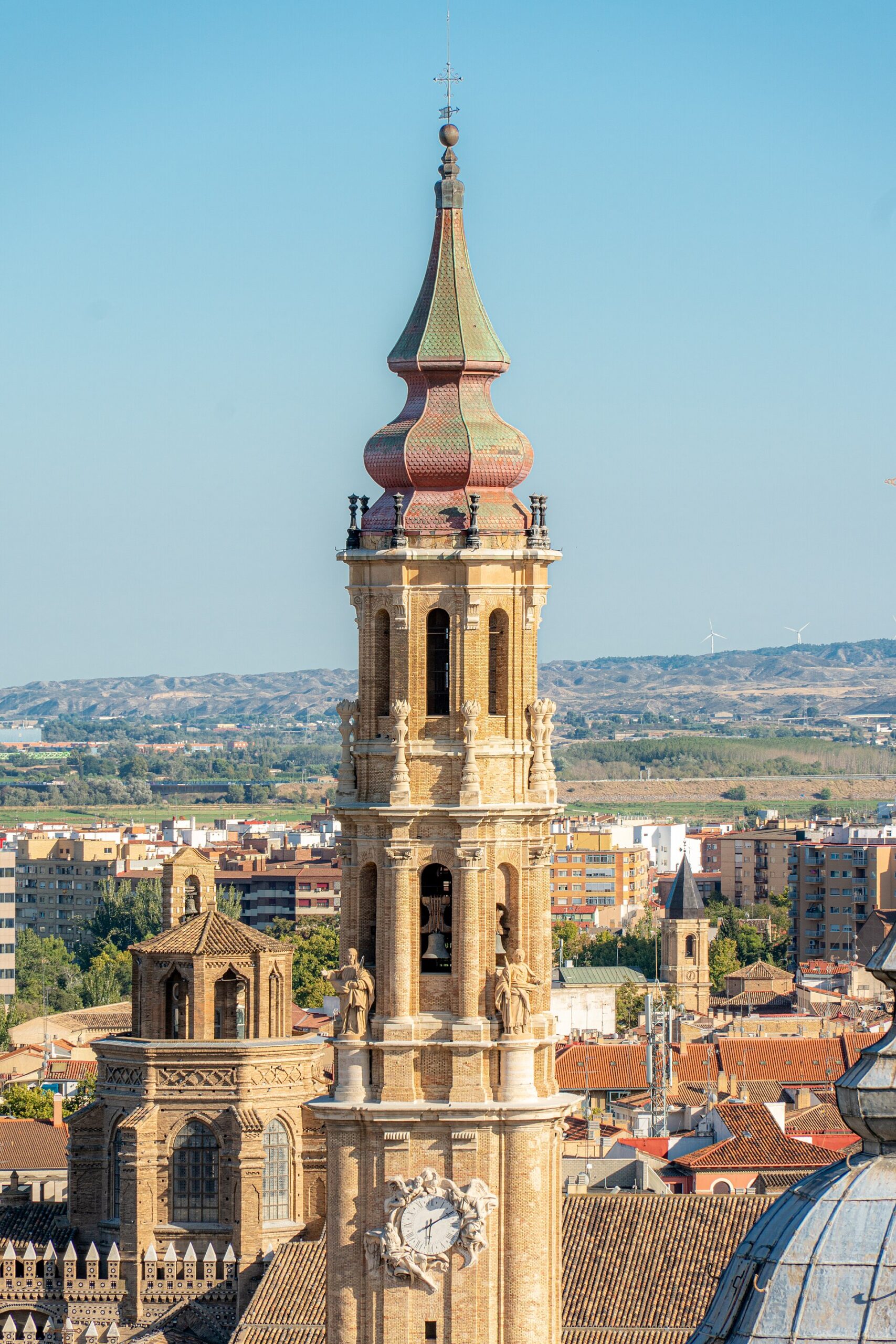
Although the Basílica del Pilar draws most of the attention, Zaragoza has another cathedral on the very same square that’s arguably even more fascinating. La Seo was built on the site of the former main mosque, and its architecture is an incredible blend of styles. You’ll find Romanesque, Gothic, Renaissance, Baroque, and Mudéjar elements all rolled into one. It’s the Mudéjar style — combining Islamic geometric patterns with Christian architecture — that earned the cathedral a spot on the UNESCO World Heritage List.
Walking around the exterior, you’ll immediately be struck by the northwestern façade. Its brickwork is lavishly decorated with colourful ceramic tiles forming intricate geometric patterns. The cathedral’s interior feels dark and majestic, with the highlight being the breathtaking Gothic altarpiece carved from alabaster.
💡 Top tip: Your cathedral ticket also includes access to the Tapestry Museum (Museo de Tapices). The collection of Flemish tapestries from the 15th to 17th centuries ranks among the finest in the world, and their intricate detail will genuinely leave you speechless.
3. Aljafería Moorish Palace
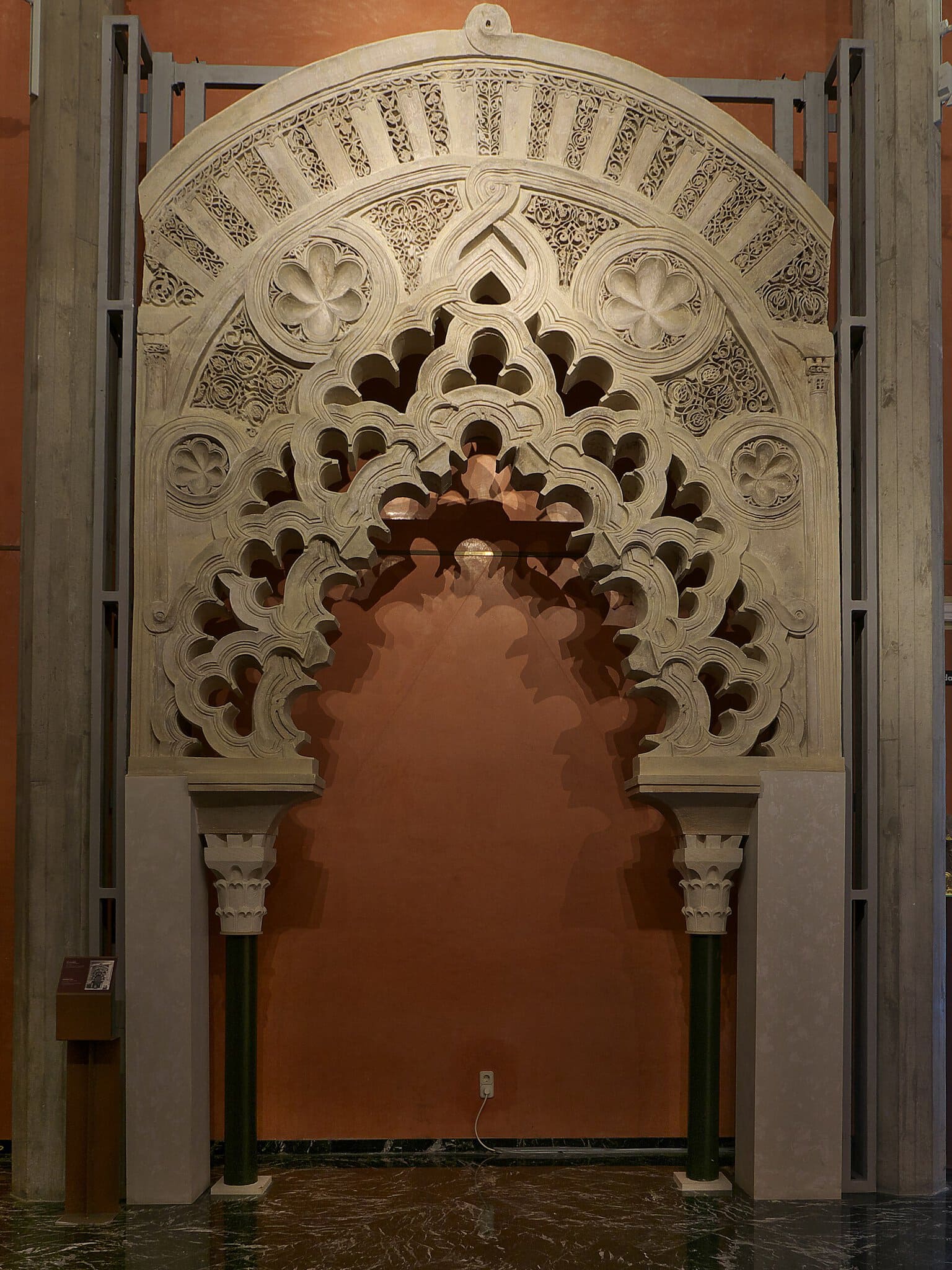
If you’ve ever dreamed of visiting Granada’s Alhambra but don’t fancy travelling all the way to southern Spain, the Aljafería will absolutely enchant you. This 11th-century fortified palace is the most significant example of Islamic architecture in northern Spain. It originally served as a summer residence for Muslim rulers, was later used by the Catholic Monarchs, and even housed the feared Spanish Inquisition.
The moment you step into the Santa Isabel courtyard, you’ll feel like you’ve walked into a tale from the Arabian Nights. A garden brimming with orange trees and trickling fountains is framed by arcades with delicate, lace-like carved arches. The later Christian additions — particularly the Catholic Monarchs’ throne room with its stunning coffered ceiling — add yet another layer of fascinating history.
💡 Top tip: The palace currently serves as the seat of the Aragonese parliament, so always check the opening hours in advance. Admission is very affordable, and on Sunday mornings, entry is often completely free.
4. Roman Theatre (Teatro Romano de Caesaraugusta)
Zaragoza was founded by Emperor Augustus, and its original Latin name Caesaraugusta gradually morphed into its modern form over the centuries. The legacy of ancient Rome is still strongly felt here, and the most impressive relic from this era is undoubtedly the Roman theatre. It was discovered relatively recently, in 1972, during routine excavation work.
In its heyday, this was a gigantic structure seating up to 6,000 spectators, making it one of the largest theatres in all of Hispania. Today, you can explore the uncovered foundations of the auditorium and stage from elevated walkways. The site also includes a modern museum where interactive models and archaeological finds reveal fascinating details about cultural life in antiquity.
💡 Top tip: If you’re planning to visit several Roman sites, it’s worth buying the combined ticket (Bono 4 Museos). This gives you access not just to the theatre, but also to the forum, river baths, and the port museum.
5. The Forum and Heart of the Ancient City (Museo del Foro)
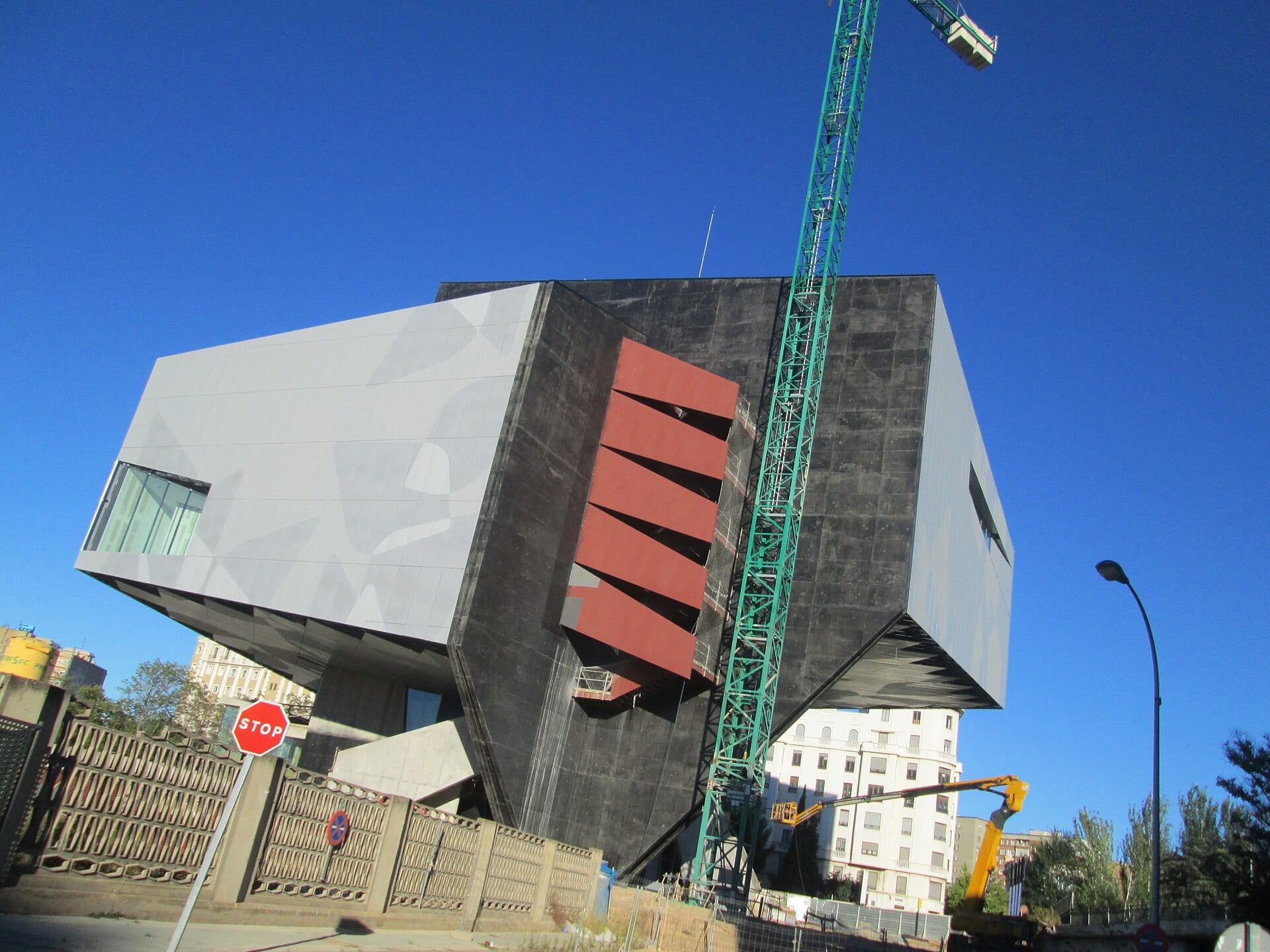
The next stop on the Roman trail is the Forum Museum, hidden underground directly beneath the Plaza de La Seo. The forum was the beating heart of every Roman city, and Caesaraugusta was no exception. This is where all political, religious, and commercial life of the ancient community took place.
In the dimly lit underground space, you can examine the remains of the original paving, drainage channels, and foundations of ancient shops. Audiovisual projections brilliantly enhance the atmosphere, casting scenes of everyday life directly onto the age-old walls. It’s truly humbling to realise you’re walking on the very same stones that Roman merchants trod two thousand years ago.
💡 Top tip: A visit to the forum takes no more than an hour, so you can easily squeeze it in between visits to the two main cathedrals, which stand literally a few metres above your head.
6. The River Port and Roman Baths
Zaragoza owed much of its prosperity to the River Ebro, which served as the main trade artery for the entire region. At the River Port Museum (Museo del Puerto Fluvial), you’ll discover the remains of ancient docks and enormous amphorae used to transport wine, oil, and grain. You’ll learn fascinating details about river trade in antiquity and the ingenious system the Romans built.
Just a short walk away is the Public Baths Museum (Museo de las Termas Públicas). Although only fragments of the original pools and heating systems survive, the exhibition brilliantly brings to life the Roman culture of hygiene and relaxation. The baths weren’t just about cleanliness — they were social hubs where politics were debated and deals were struck.
💡 Top tip: These two smaller museums are often overlooked, which means you’ll encounter virtually no queues. They offer a peaceful escape from the midday sun and perfectly complement the bigger picture of life in the Roman era.
7. The Stone Bridge over the River Ebro (Puente de Piedra)
The most beautiful view of the city awaits you on a stroll across the historic Stone Bridge. This engineering marvel dates back to the 15th century and for hundreds of years was the only permanent crossing over the wild River Ebro. Bronze lion statues greet you at both ends of the bridge — the heraldic symbol of Zaragoza since time immemorial.
It’s from the middle of this bridge that you’ll capture the most iconic photographs. The sight of the endless row of Basílica del Pilar domes reflected in the river’s surface is simply magical. The best light is just before sunset, when the entire scene is bathed in warm, golden tones.
💡 Top tip: Set aside time for a stroll along the riverside promenade towards the more modern Puente de Santiago. You’ll find even more fantastic photo angles and enjoy a quieter atmosphere away from the main traffic.

8. Goya Museum (Museo Goya)
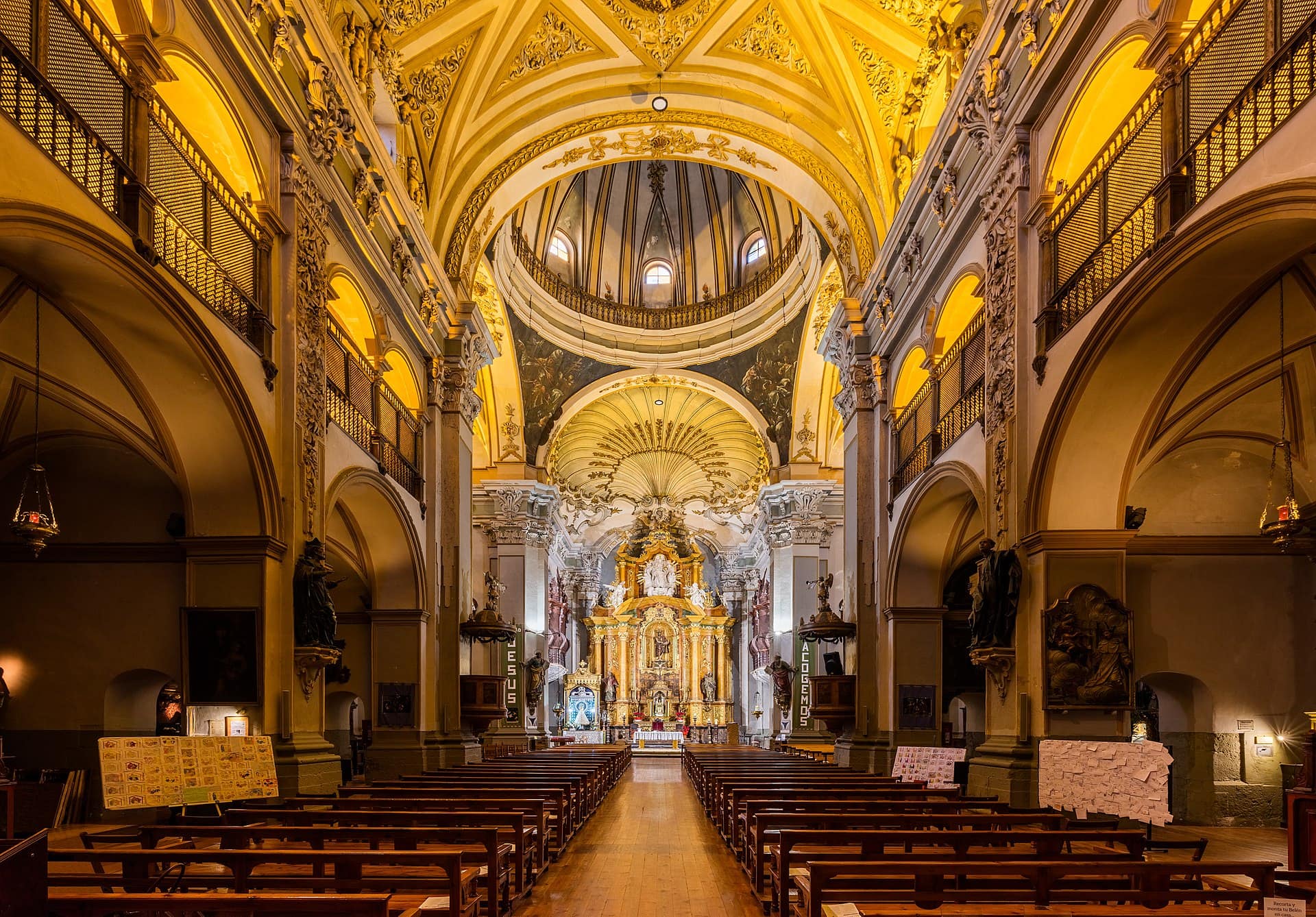
Francisco Goya, one of Spain’s most brilliant painters, was born in the village of Fuendetodos just a short distance from Zaragoza. The city is justifiably proud of its famous son and has dedicated a beautiful museum to him in a 16th-century Renaissance palace. The Museo Goya houses the complete collection of his celebrated print series, widely regarded as the pinnacle of his artistic output.
While Madrid’s Prado focuses primarily on his large-scale canvases, here you’ll delve deeper into the painter’s mind. The Disasters of War (Los Desastres de la Guerra) series reveals a dark, raw, and unflinching portrayal of human suffering, while Los Caprichos skewers Spanish society with razor-sharp satire. The prints are displayed in subdued lighting to prevent damage, lending the exhibition a wonderfully intimate atmosphere.
💡 Top tip: Book your tickets in advance during peak season. The museum also offers excellent audio guides that help you decode the hidden meanings and symbolism behind Goya’s dark visions.
9. Central Market (Mercado Central)
If you want to soak up the true rhythm of a Spanish city, head to the local market. Zaragoza’s Mercado Central occupies a stunning modernist building from 1903 that recently underwent a sensitive restoration. The iron framework filled with glass windows and ornate details is reminiscent of the famous Parisian market halls from the turn of the century.
Inside, you’ll be met by an explosion of colours and aromas. Locals come here to shop for fresh fruit, vegetables, cheeses, olives, and bread. While plenty of stalls specialise in traditional cured meats and fresh fish, you’ll also find loads of excellent vegetarian options. I’d especially recommend stopping at the local Aragonese cheese stalls and stocking up for an evening picnic.
💡 Top tip: The market isn’t just for shopping — it’s also great for a quick bite. In the middle, you’ll find several tapas bars where you can grab an excellent coffee, fresh pastries, or a portion of the beloved Spanish tortilla.
10. The Hidden Courtyard: Patio de la Infanta
This spot is the perfect example of a hidden gem that most tourists have no idea about. The Patio de la Infanta is a gorgeous Renaissance courtyard that paradoxically sits inside a modern office building belonging to the Ibercaja bank. It was originally part of a 16th-century palace, but after the building was demolished, the courtyard was dismantled, sold to France, and only returned to Zaragoza in the mid-20th century.
The courtyard’s architecture is absolutely unique. The columns are lavishly decorated with reliefs featuring astrological and mythological motifs, reflecting the era’s fascination with the cosmos and hermetic sciences. The contrast between the modern glass atrium of the bank and the ancient carved stone creates an utterly memorable visual experience.
💡 Top tip: The courtyard is open to the public for a token fee, but you’ll need to enter through the bank’s regular entrance. Don’t be put off by the corporate reception — the real treasure is just around the corner.
11. Cable Car and Expo 2008 Water Park
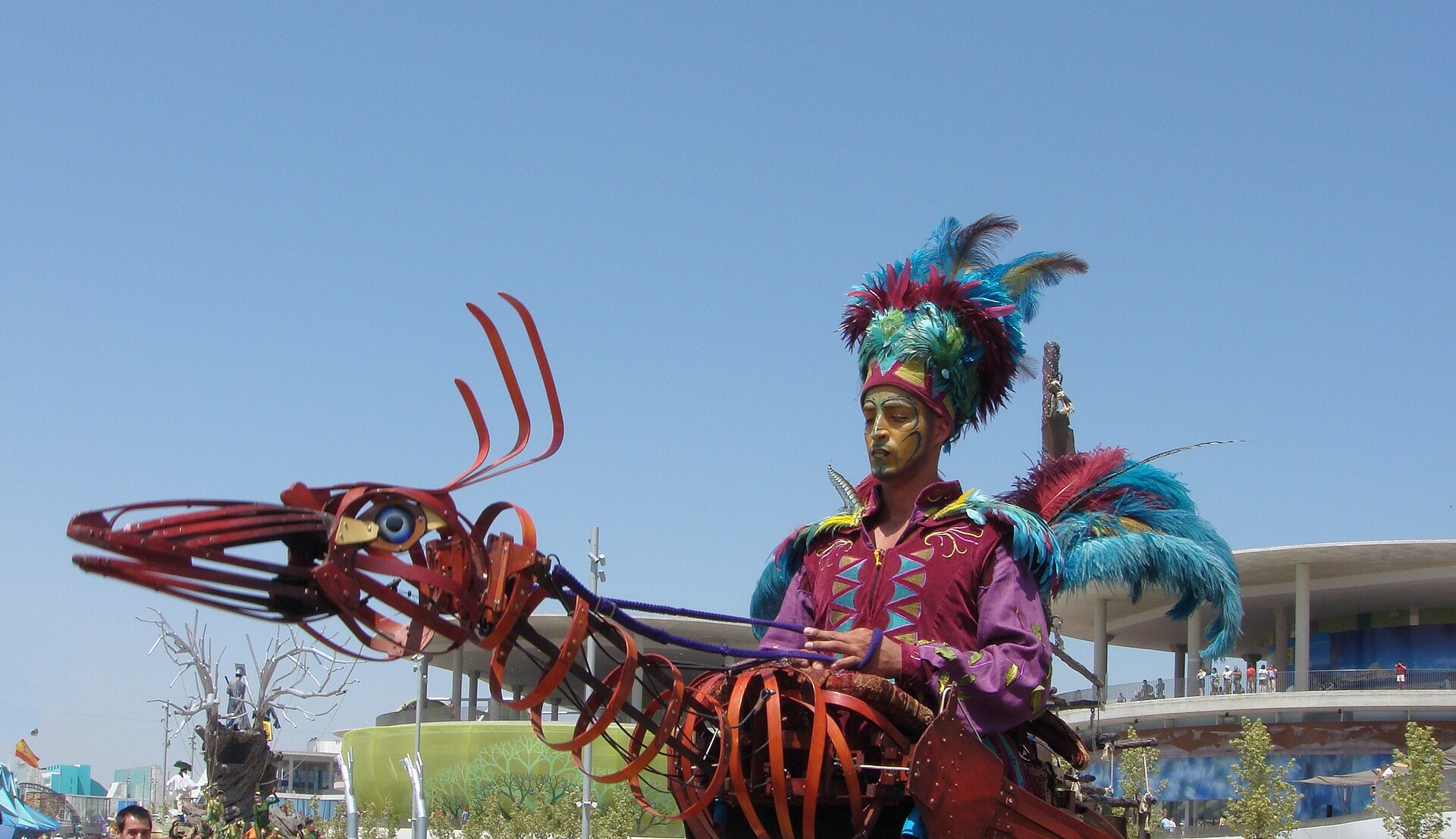
In 2008, Zaragoza hosted the international Expo focused on water and sustainable development. Thanks to this event, a brand-new, futuristic quarter packed with bold modern architecture sprang up on the city’s outskirts. Although the area isn’t as bustling as it was during the exhibition, it’s definitely worth a wander.
The biggest draw is the Telecabina — a cable car that whisks you across the River Ebro with stunning views of the modern pavilions. The centrepiece of the whole area is the Water Tower (Torre del Agua), a gigantic glass structure shaped like a water droplet. The entire site is surrounded by the sprawling Luis Buñuel Water Park, which is perfect for a lazy afternoon.
💡 Top tip: The Expo grounds are quite spread out and there’s little shade in summer. Head there in the late afternoon, when the futuristic buildings look spectacular bathed in the light of the setting sun.
12. Evening Tapas in El Tubo
No visit to Spain is complete without an evening tapas crawl, and in Zaragoza, the legendary El Tubo quarter is where it all happens. This maze of narrow, winding alleyways in the historic centre comes alive around eight in the evening. The concept is simple: don’t linger in one place — have a drink, order a tapa or two, then move on to the next spot.
Zaragoza is famous for its hearty dishes and traditional cured jamón, which you’ll see hanging from the ceiling of almost every bar. But if you prefer meat-free options, you’ll be well catered for too. Make sure you visit Bar Champi, which specialises in one thing only — perfectly grilled mushrooms skewered on a stick and drizzled with garlic oil. They’re absolutely divine. Pair them with classic patatas bravas in spicy sauce or refreshing pimientos de Padrón.
💡 Top tip: Since 2022, Spanish restaurants are legally required to offer tap water free of charge. Don’t be shy about asking for “un vaso de agua del grifo” — you’ll get a refreshing drink alongside your wine at no extra cost.
13. Plaza del Pilar
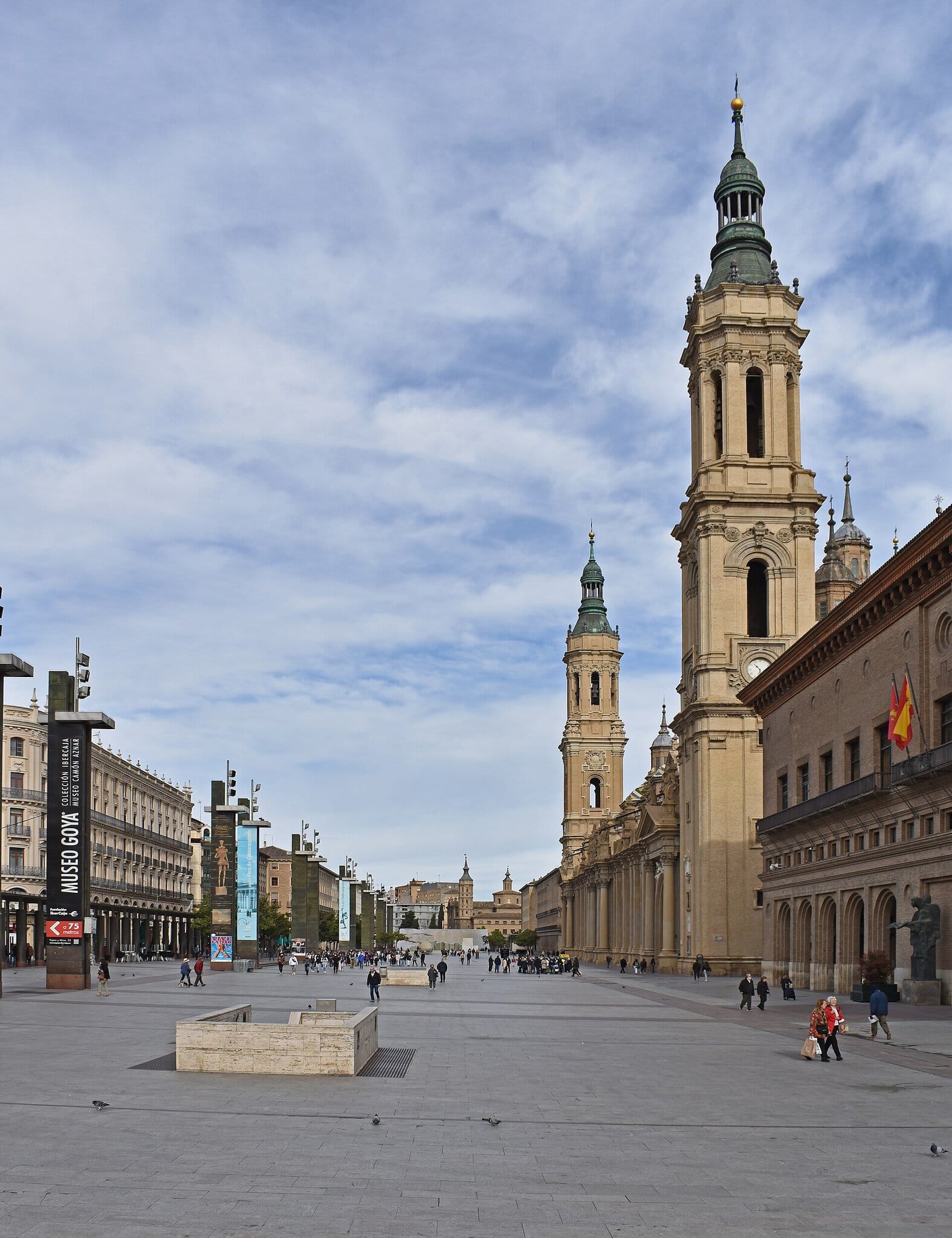
The beating heart of Zaragoza is the enormous Plaza del Pilar, affectionately nicknamed “El Salón de la Ciudad” (the City’s Living Room) by locals. It’s one of the largest pedestrian squares in all of Europe, and its sheer scale is truly impressive. One side is flanked by both cathedrals, while the other is lined with the historic City Hall and the Renaissance-era La Lonja exchange building.
At the western end of the square, don’t miss the striking water feature — the Fountain of Hispania (Fuente de la Hispanidad). Built in honour of the explorers, its cascading waterfall, when viewed from a distance, perfectly mirrors the shape of a map of Latin America. The square is always teeming with people, street performers, and playing children, giving it a fantastic, laid-back atmosphere.
💡 Top tip: If you want that classic photo with the ZARAGOZA letters, you’ll find them right in the middle of the square. Be prepared, though — you might have to queue for a bit to get that perfect shot.
14. Pablo Gargallo Museum
Zaragoza brilliantly blends classical history with modern art, and the Pablo Gargallo Museum is a perfect example. This avant-garde sculptor was a contemporary and friend of Pablo Picasso, and he became renowned for his innovative sculptures crafted from wrought iron and bronze. He worked with negative space so masterfully that his sculptures feel incredibly light and dynamic.
The museum building itself, the Palacio de los Condes de Argillo, is a late-Renaissance masterpiece. The contrast between the modern, cubist-inspired sculptures and the historic courtyard with its massive stone columns works absolutely beautifully. In the centre of the courtyard stands one of Gargallo’s most celebrated works, The Great Prophet, which immediately commands your attention with its sheer monumentality.
💡 Top tip: This museum is one of the quieter attractions, making it an easy escape from the city buzz. Plus, admission is completely free on the first Sunday of each month.
15. A Green Oasis: Parque José Antonio Labordeta
When you need a break from the cobblestone streets and historic buildings, head to Parque José Antonio Labordeta, still fondly known by locals as Parque Grande. This expansive green space on the south side of the city is a favourite retreat for families, joggers, and anyone seeking shade during the sweltering summer days.
Broad avenues lined with towering plane trees run through the park, and you’ll find a lovely botanical garden as well as several cafés. Be sure to climb the monumental staircase to the statue of King Alfonso I the Battler. From this elevated terrace, you’ll enjoy gorgeous views across the entire park and a long promenade with fountains that are colourfully illuminated in the evening.
💡 Top tip: The park is so vast that it’s worth hiring a bike or a pedal cart to explore it properly. Rental outlets are right by the main entrance, and it’s great fun if you’re travelling in a group or with kids.
Map of points of interest for your phone
Day Trips and Onward Travel from Zaragoza
Thanks to its strategic location, Zaragoza makes an absolutely ideal base for exploring more of Spain. As I mentioned, the AVE high-speed trains whisk you to other major cities in no time. If you’re flying from the UK, Zaragoza Airport has limited connections, but you can easily fly into Madrid or Barcelona and catch a quick train onwards.
- East to the coast: In roughly an hour and a half, you can reach the Catalan capital by train. Check out our detailed guide on what to see in Barcelona. If you’re craving sun-drenched beaches and paella, the wonderful Valencia lies a bit further south.
- West to the heart of Spain: The high-speed train will take you straight to the country’s capital in the opposite direction. Get inspired by our guide to Madrid and discover royal palaces and world-class art collections. Just outside the capital, you’ll find the historic gems of Toledo and Segovia with its magnificent Roman aqueduct.
- North for food lovers: If you have a car, head north to the Basque Country. Cities like Bilbao and San Sebastián represent the absolute culinary pinnacle of Spain. And if you love mountains, don’t miss the stunning Picos de Europa national park.
Frequently Asked Questions
Is Zaragoza worth visiting?
Absolutely. Unlike overcrowded Barcelona or Madrid, Zaragoza maintains a very authentic Spanish atmosphere. It offers world-class monuments ranging from Roman excavations to Moorish palaces and Baroque cathedrals, all with minimal foreign tourists.
How many days do I need to explore Zaragoza?
You can cover the main highlights in one packed day, but I’d recommend setting aside two days for the city. This gives you time to leisurely visit museums, enjoy the evening atmosphere in tapas bars, and avoid rushing around.
How does the train connection from Madrid and Barcelona work?
The city lies on the main high-speed rail route (AVE, Ouigo, and Iryo trains). The journey from both capitals takes roughly 1 hour and 15 minutes. I recommend buying tickets well in advance online—thanks to market liberalization, you can find them at very reasonable prices.
Is it safe to drink tap water in Zaragoza?
Yes, tap water is completely safe and drinkable. What’s more, since 2022, Spanish restaurants are required to serve guests free tap water with meals, so don’t hesitate to ask for it.
Can I find vegetarian food in tapas bars?
While Aragonese cuisine is quite meat-heavy, you definitely won’t go hungry as a vegetarian. Every bar will offer classic potato tortilla, patatas bravas, grilled mushrooms, Padrón peppers, or cheese croquettes.
When is the best time to visit?
Spring (April, May) and autumn (September, October) are ideal, with pleasant temperatures. In summer, the city turns into a furnace with temperatures exceeding 40°C (104°F), while winter can be punishing with cold winds. The Fiestas del Pilar takes place in October, which is an incredible experience, but accommodation becomes very expensive.
How do I get from Zaragoza-Delicias train station to the city center?
Delicias station is quite sprawling and sits a bit outside the historic center. The easiest option is to take city buses (lines 34 or 51), which will get you directly to Basílica del Pilar in about 15 minutes. Alternatively, you can use the ubiquitous taxis.
Tips and Tricks for Your Vacation
Don’t Overpay for Flights
Search for flights on Kayak. It’s our favorite search engine because it scans the websites of all airlines and always finds the cheapest connection.
Book Your Accommodation Smartly
The best experiences we’ve had when looking for accommodation (from Alaska to Morocco) are with Booking.com, where hotels, apartments, and entire houses are usually the cheapest and most widely available.
 🚗 Car rental on the roadVerified car rentals in Castile
Search with the DiscoverCars comparison engine — it compares prices from dozens of local and international rental companies, and most bookings come with free cancellation.
Compare car prices in Castile →Don’t Forget Travel Insurance
Good travel insurance will protect you against illness, accidents, theft, or flight cancellations. We’ve had a few hospital visits abroad, so we know how important it is to have proper insurance arranged.
Where we insure ourselves: SafetyWing (best for everyone) and TrueTraveller (for extra-long trips).
Why don’t we recommend any Czech insurance company? Because they have too many restrictions. They set limits on the number of days abroad, travel insurance via a credit card often requires you to pay medical expenses only with that card, and they frequently limit the number of returns to the Czech Republic.
Find the Best Experiences
Get Your Guide is a huge online marketplace where you can book guided walks, trips, skip-the-line tickets, tours, and much more. We always find some extra fun there!


