

When people ask me why I decided to move to Canada, I always think back to that one moment. I was standing with my mum at a viewpoint above Niagara Falls, water droplets hitting my face, and I thought: this is where I want to live one day. It was more than ten years ago, my very first trip to Canada, and the destination was Ontario — a province that completely changed my plans. If you’re wondering about the best things to do in Ontario Canada, this article is your ultimate guide.
A few years later, that dream came true and I actually moved to Canada. And later still, I returned to Ontario briefly with my then-boyfriend (now husband), so I got to see the province through his eyes too — as someone experiencing it for the first time. And you know what? It blew me away all over again.
Ontario is enormous. It’s Canada’s second-largest province, roughly four times the size of the UK. From the buzzing streets of Toronto to the peaceful cottage country with thousands of lakes, to wild provincial parks with a moose around every corner — this province has so many layers that one article barely scratches the surface. But I’ll do my best to share the highlights I’ve gathered, seen, and experienced over the years.
In this article, you’ll find 35 things to see and do in Ontario — from icons like the CN Tower and Niagara Falls to hidden gems like Bruce Peninsula and Muskoka, plus practical advice on where to stay, what to eat, and how much it all costs. Let’s dive in.
TL;DR
- Toronto — a multicultural metropolis with the CN Tower, an island escape, and markets where locals eat
- Ottawa — it’ll surprise you; it’s not as boring as everyone thinks (museums, Rideau Canal, BeaverTails)
- Niagara Falls — an absolute classic; I’ve written a separate article about them
- Algonquin Park — where you’ll learn to love silence (book 5 months ahead!)
- Bruce Peninsula — turquoise water you won’t believe (free entry in summer 2026)
- Muskoka — the “Hamptons of the North” with thousands of lakes and autumn colours
- Best time to visit? September–October; the fall colours are a literal explosion
- Budget? Factor in 13% HST + 6% accommodation tax = 19% on top (a shock for Europeans)
- Car? Essential if you want to see more than Toronto
The full destination guide: North America — guide and what to see
When to visit and how to get around Ontario
Before we get into specific things to see and do in Ontario, let’s cover two key points — when to visit and how to get around the province. Because good timing can save you hundreds of pounds, and a bad transport strategy can cost you a lot of frustration.
1. When to visit (and when to skip)
Ontario is a province of four faces, and each season looks completely different. Summer (June–August) is peak season — lakes are warm, all parks and attractions are open, but it’s also the busiest and most expensive time. If you’re set on summer, be prepared for popular campgrounds like Algonquin to be booked up months in advance.
Autumn (September–October) is, in my opinion, absolutely the best time to visit Ontario. The colours are beyond description — entire forests transform into a palette of red, orange, and gold. There are fewer tourists, prices drop, and the weather is still pleasantly warm (around 15–20°C during the day). The only downside is that some attractions start closing at the end of October.
Winter (December–March) is for the brave. Temperatures can easily plunge to -20°C, but in return you get skating on the Rideau Canal in Ottawa (the world’s largest natural ice rink!), the Winterlude festival, or skiing at Blue Mountain. Spring (April–May) is a transitional period — tulips bloom in Ottawa (the Tulip Festival is gorgeous), but some park trails may still be muddy and closed. The upside? Virtually no tourists and great accommodation prices.
2. A car is king (and public transport only rules in Toronto)
I’ll tell you straight away — without a car, you won’t get far in Ontario. Unless you’re happy staying just in Toronto, that is. Public transport works well within cities (TTC metro and trams in Toronto, OC Transpo in Ottawa), and there’s a train connection between Toronto and Ottawa via Via Rail, but that’s about it. No bus will take you to The Grotto on Bruce Peninsula or on a moose safari in Algonquin.
I’d recommend picking up a rental car directly at Toronto Pearson Airport — all the major rental companies are there and prices start at around 40–60 CAD per day (roughly £25–35). Tip: Book your car as early as possible, especially in summer when prices skyrocket. And don’t be put off by the distances — the highways (particularly those numbered 400+) are excellent, wide, and fast. Toronto to Ottawa is about 4.5 hours, to Bruce Peninsula around 4 hours, and to Algonquin just under 3 hours.
Where to stay in Ontario
Accommodation in Ontario varies hugely depending on where you are. In Toronto, expect to pay 150–250 CAD per night (£85–145) for a decent hotel — the best value for money and location is around the Queen West or Distillery District neighbourhoods. In Ottawa, it’s a bit cheaper at around 120–200 CAD, and staying near ByWard Market is ideal. Outside the big cities — say in Muskoka or near Bruce Peninsula — you’ll find lovely lakeside Airbnb cabins for 100–150 CAD.
For nature lovers, camping in provincial and national parks is a fantastic option — sites cost 40–55 CAD per night and the atmosphere is unforgettable. But book well in advance, especially for Algonquin and Bruce Peninsula, which fill up months ahead. And don’t forget about taxes: on top of the accommodation price, you’ll always pay 13% HST plus 4–6% municipal accommodation tax. Consider using Booking.com to compare prices and find the best deals across the province.
Toronto: 6 places you must visit and things to do
Let’s look at 6 tips for what to see and do in Toronto — from the iconic CN Tower to the hipster haven of Distillery District and the island escape of Toronto Islands. Toronto is a city that never lets you sleep — literally — because there’s always something going on, no matter when you visit.
3. CN Tower — a view worth paying for
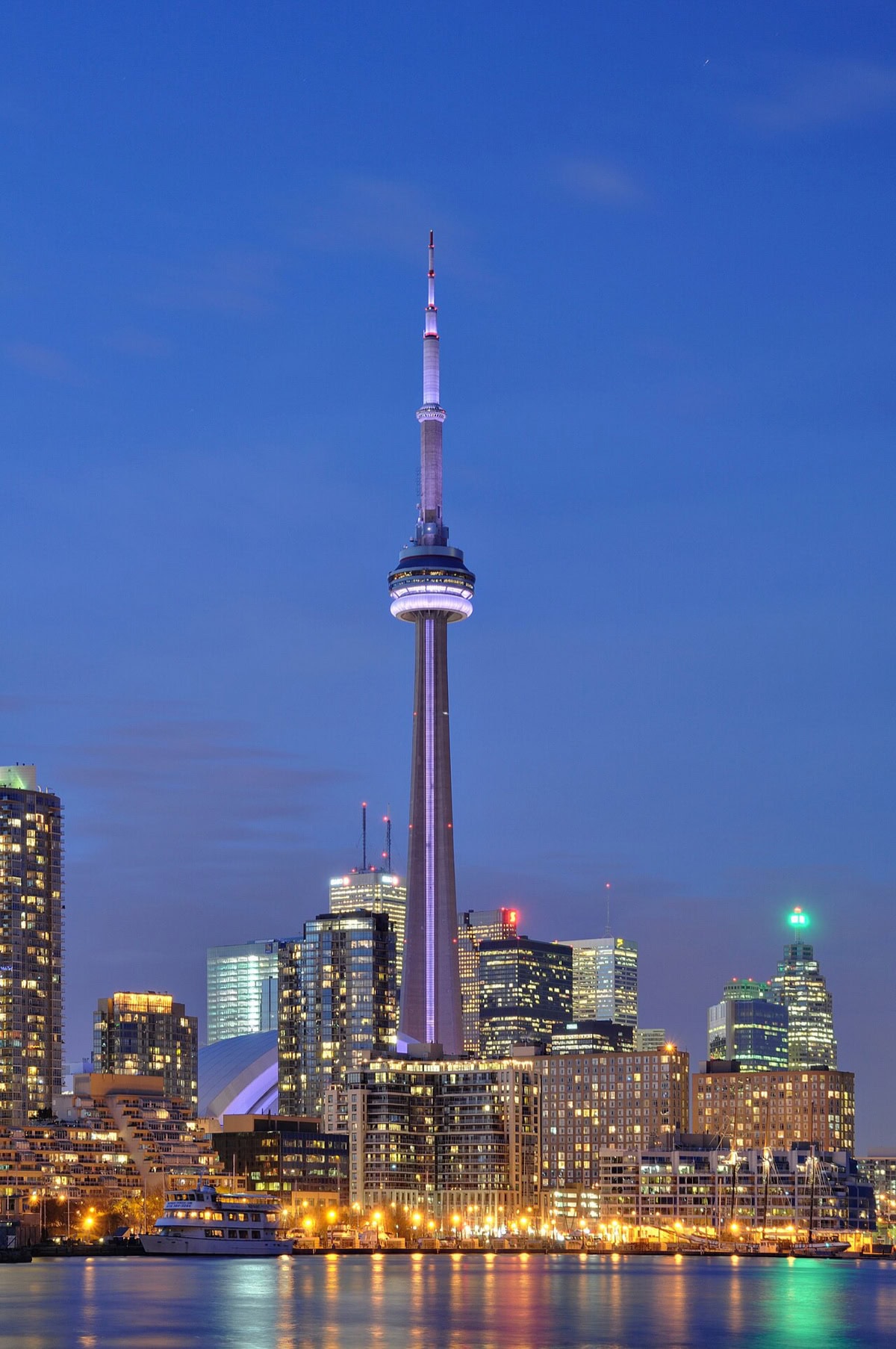
Let’s start with the icon. The CN Tower is that tower you see in every other photo of Toronto, and even though it sounds like a typical tourist trap, this one is genuinely worth it. The view from the main observation deck at 346 metres is breathtaking — you can see the entire city, Lake Ontario, and on a clear day even the outline of Niagara Falls in the distance.
For the daring, there’s EdgeWalk — a walk along the outer rim of the tower at 356 metres, secured by a harness. It costs around 225 CAD (about £130), and it’s one of those experiences you’ll be talking about ten years from now. If you’d rather stay inside, I recommend the 360° restaurant — it revolves and the food is surprisingly good. Best of all: if you dine here, admission to the observation deck is free. So you’re essentially paying for dinner with the best view in the city.
Money-saving tip: Get a CityPASS Toronto, which bundles admission to several attractions at up to 35% off. The CN Tower is included.
4. Distillery District — a brick-lined hipster paradise
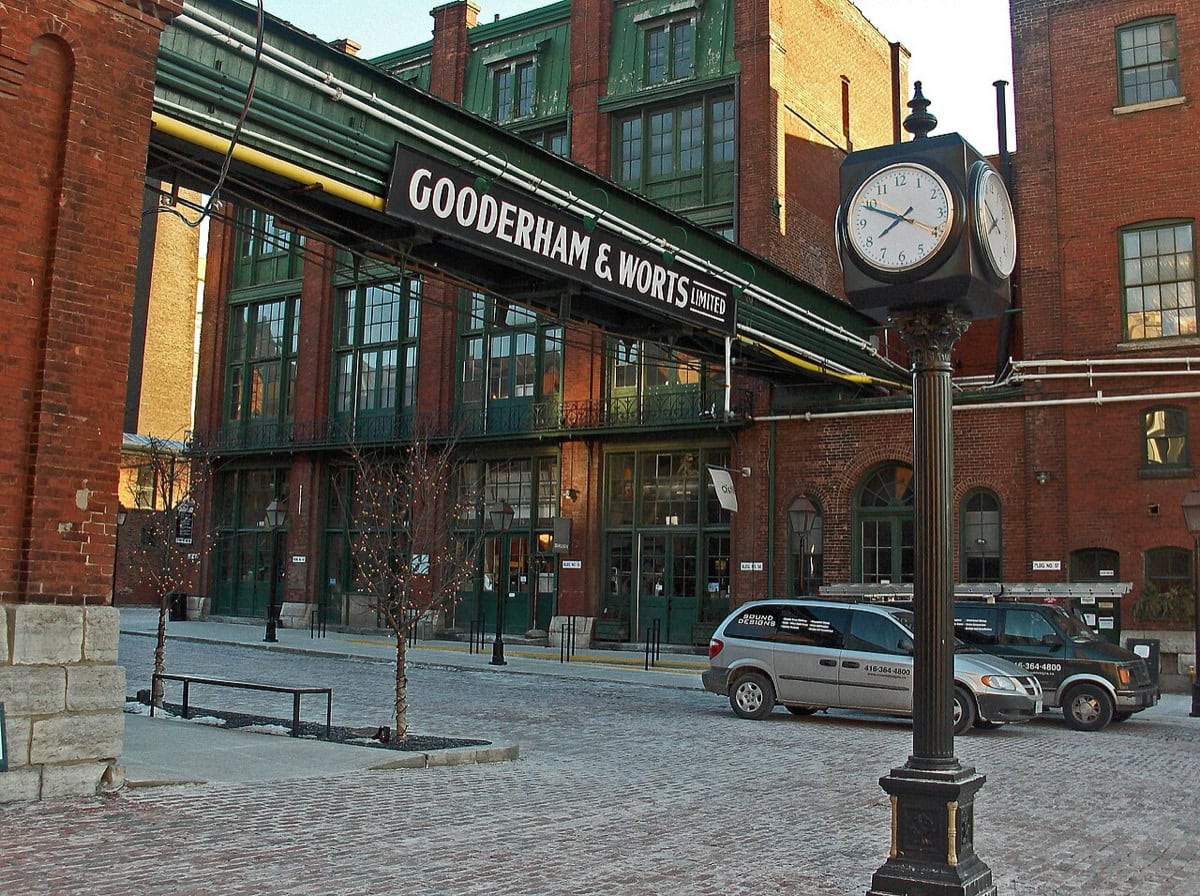
This place won me over instantly. Picture a complex of old Victorian brick buildings that once housed a whisky distillery, and today you’ll find galleries, design shops, artisan cafés, and in winter one of the most beautiful Christmas markets in all of North America. The Distillery District is a pedestrian zone, so you can stroll around without cars or stress.
Pop into SOMA Chocolatemaker for a hot chocolate (seriously, it’s probably the best hot chocolate I’ve ever had), and if you’re here in December, the Christmas Market is an absolute must. Food stalls, mulled wine, handcrafted gifts, and that whole festive village atmosphere — it’s magical. Admission to the Christmas market is paid (around 10 CAD / £6), but it’s well worth it.
5. Kensington Market and Chinatown — the multicultural heart of the city
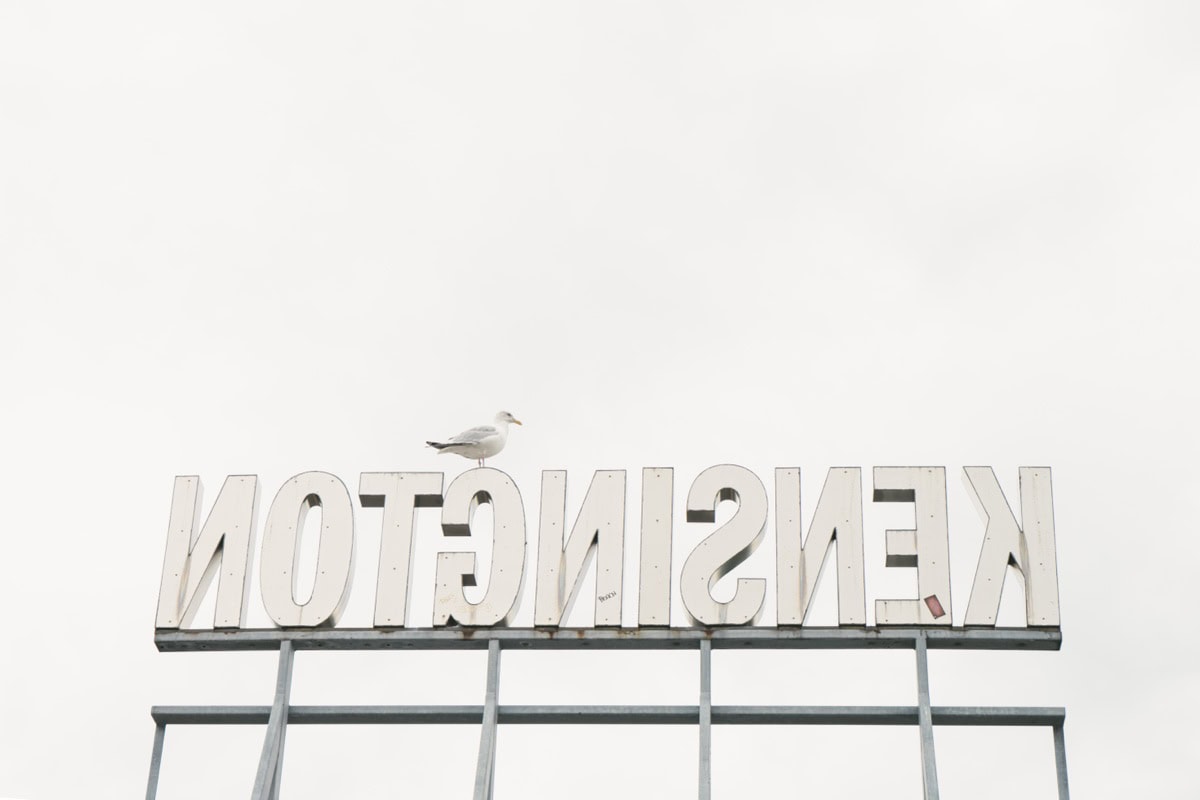
Kensington Market is probably my favourite neighbourhood in Toronto. It’s a kind of organised chaos — vintage shops, street art, cafés serving coffee from around the world, and restaurants where you can have Ethiopian food next to a Mexican taco and a Cuban sandwich. This is where you truly feel why Toronto ranks among the most multicultural cities on the planet.
Right next door is Chinatown — one of the largest in North America. My advice: come hungry, because you can eat on literally every corner here for next to nothing. Dim sum at one of the local restaurants is an experience in itself. And a tip: Kensington Market is liveliest on Saturdays, when there are farmers’ markets and street musicians.
6. Toronto Islands — a city escape in 15 minutes
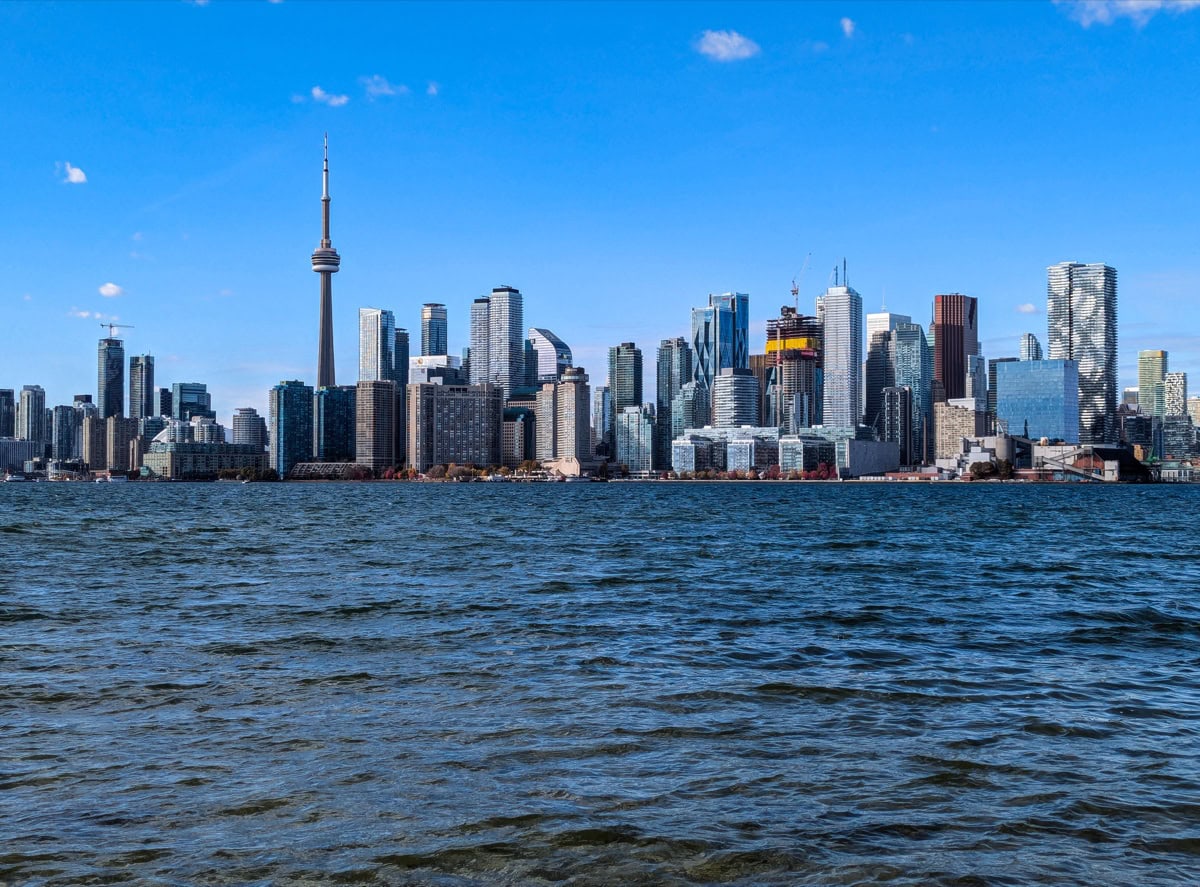
One of my favourite spots in Toronto. Just hop on a ferry from the harbour (a return ticket is around 9 CAD / £5) and in fifteen minutes you’re on an island with that iconic view of the entire Toronto skyline. The islands are connected by bridges and pathways, and they’re perfect for cycling, picnicking on the beach, or simply sitting on a bench and gazing at the city across the water.
Centre Island has a small amusement park for kids, Ward’s Island is quieter with charming little cottages, and Hanlan’s Point has a beach (including a clothing-optional section, for the more adventurous). It gets quite busy in summer, so I’d recommend going either early in the morning or in the late afternoon, when the light on the skyline is photogenically perfect.
7. St. Lawrence Market — where the locals eat
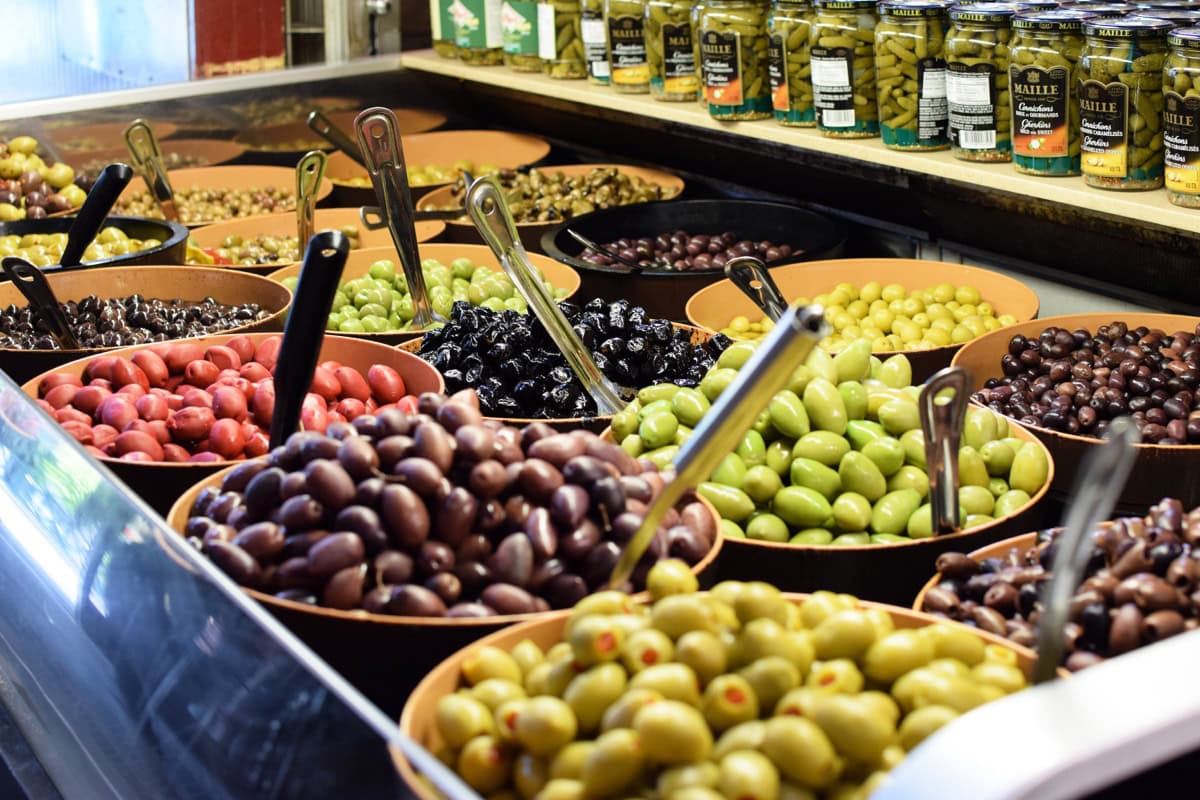
National Geographic once named St. Lawrence Market one of the best food markets in the world, and I wholeheartedly agree. This market has been running since 1803, and the Saturday Farmers’ Market is practically a sacred ritual for Torontonians. You’ll find everything here — from fresh oysters to artisan cheeses to pastries that smell so good you simply can’t walk past them.
The must-try? A peameal bacon sandwich from Carousel Bakery. It’s a Toronto classic — Canadian bacon in a bun, simple and brilliant. It costs about 10 CAD (£6) and I’d personally fly across the Atlantic just for it. The market is open Tuesday to Saturday, but the real experience is Saturday morning, when the atmosphere is at its liveliest.
8. Casa Loma — a castle in the middle of the city (and it’s a bit weird)
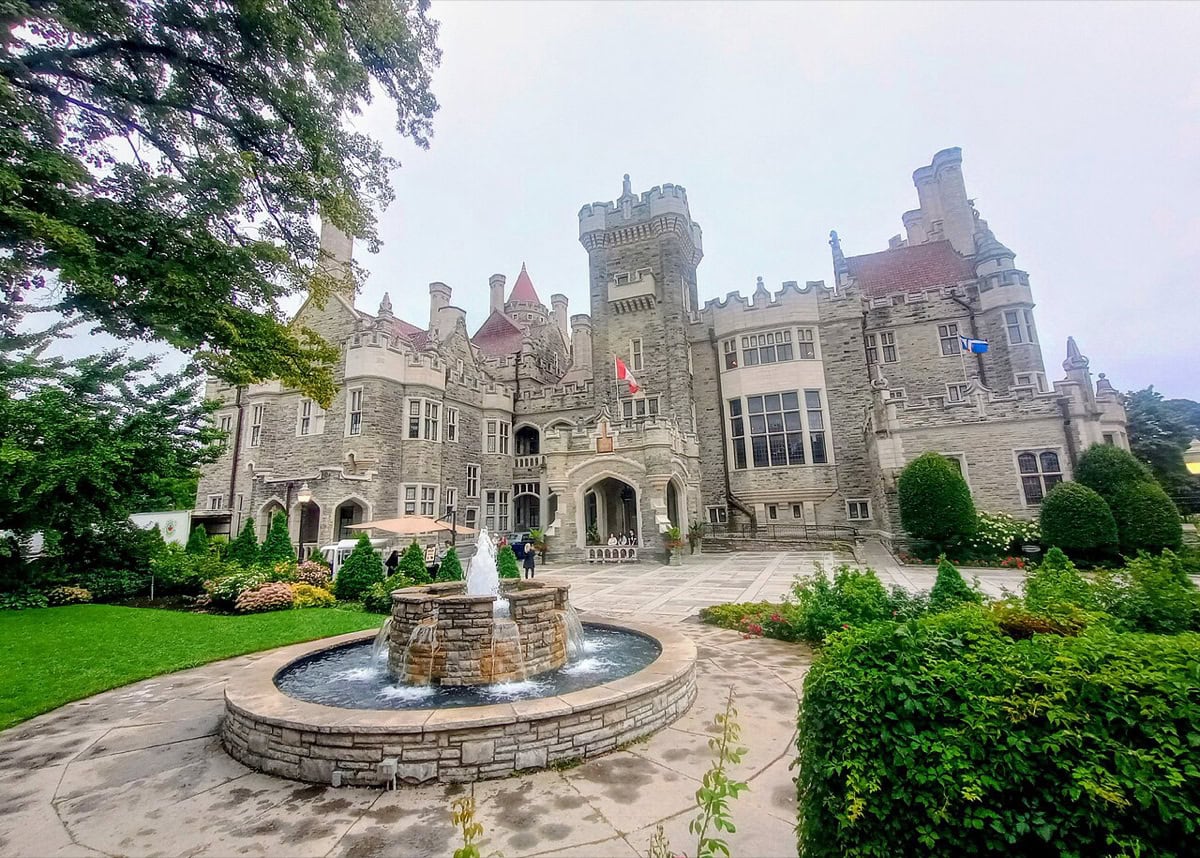
I’ll be honest: Casa Loma is a bit of a love-hate affair. On one hand, it’s a stunning Gothic Revival castle from 1914, built by the eccentric millionaire Sir Henry Pellatt, complete with secret passages, towers, and beautiful gardens. On the other hand, admission at around 30 CAD (£17) for an adult is quite steep for what you see inside, because the interiors are a bit empty.
But here’s why you should go anyway: the view from the tower is spectacular, the gardens are gorgeous in summer, and the whole story of the man who built himself a castle and then lost everything is fascinating. Plus, if you’re here in October, they host Legends of Horror — a Halloween event in the secret passages that’s apparently terrifyingly good. Admission for children (4–13) is 20 CAD, seniors 25 CAD.
Ottawa: 4 experiences that make it worth a stop
Most tourists skip Ottawa — and that’s a mistake. Canada’s capital has a surprisingly lot to offer, from free Parliament tours to skating on the world’s largest rink to museums that would cost a fortune elsewhere. Here are 4 experiences and things to see and do in Ottawa that’ll make you glad you stopped.
9. Parliament Hill — the heart of Canada (and it’s free!)
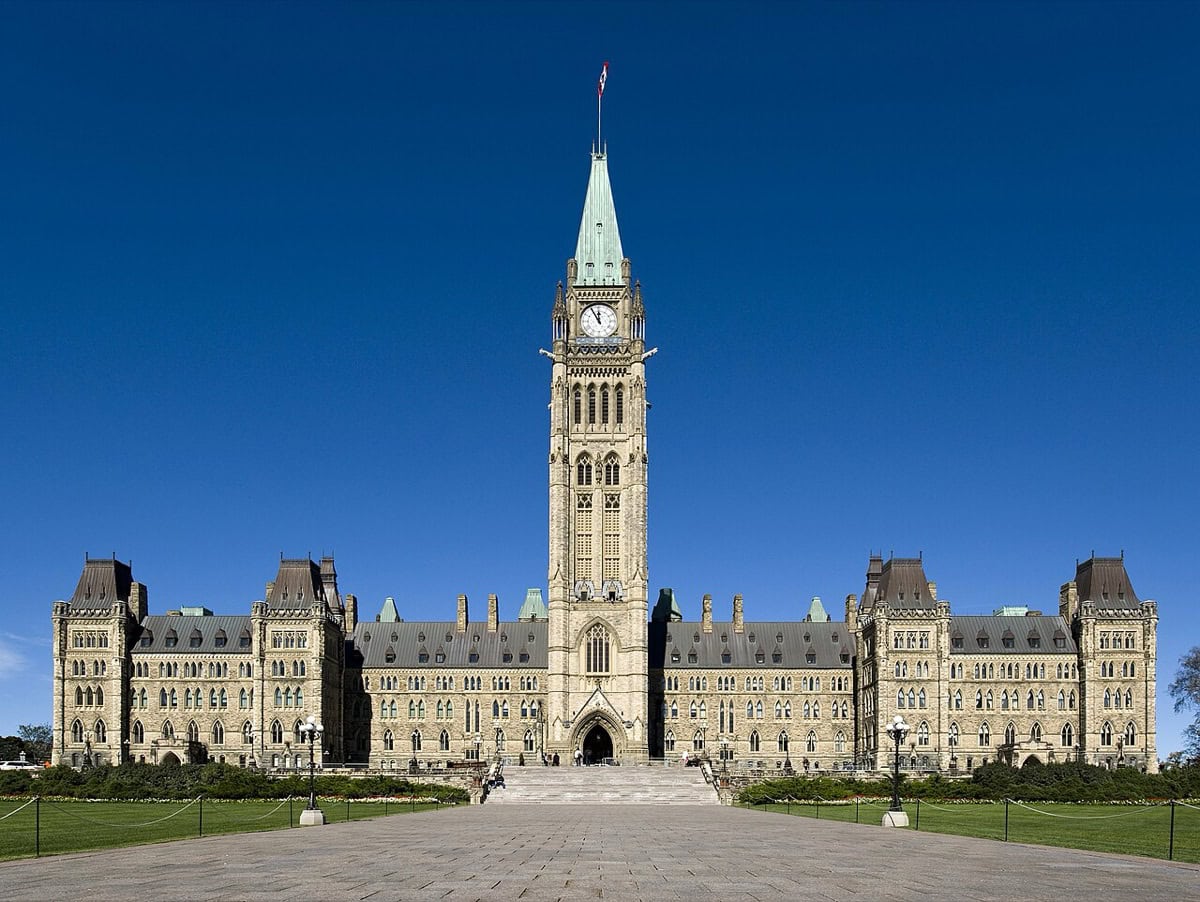
Most tourists come to Ottawa for a day, glance at Parliament, and move on. That’s a shame, because Ottawa has so much more. But let’s start with Parliament — the buildings on Parliament Hill are truly impressive, especially the Centre Block with its Peace Tower. Tours are free — just book online, and you’ll learn plenty of fascinating facts about Canadian politics and history.
In summer (late June to late August), the Changing of the Guard ceremony takes place here — reminiscent of the London version, only in a more relaxed atmosphere. I also recommend coming in the evening, when the building is beautifully illuminated. And a little tip: if you’re planning to visit multiple museums and attractions, pick up the new Visit Ottawa Pass — for 100 CAD (about £58) per adult you get admission to five out of fourteen top attractions, and children get in free.
10. Rideau Canal — skates or a boat, depending on the season
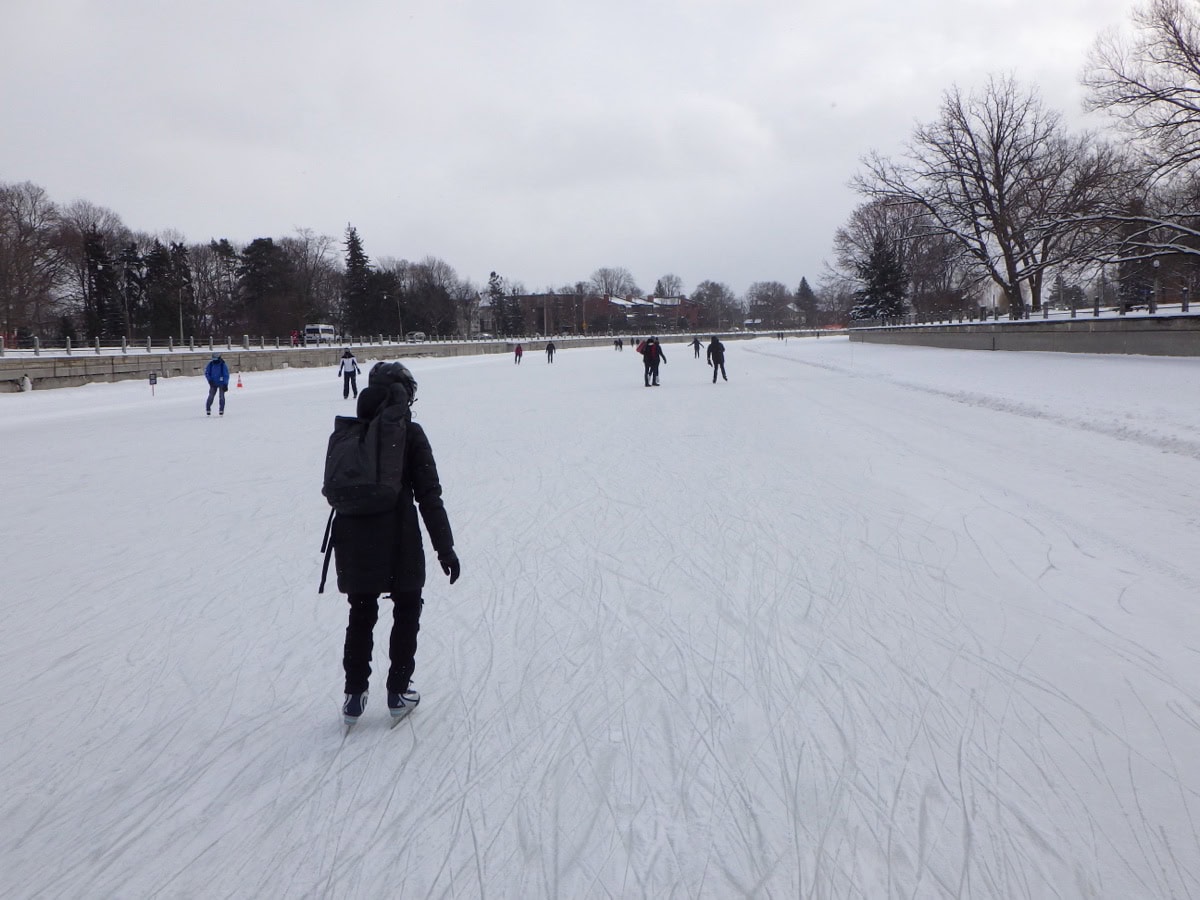
The Rideau Canal is a UNESCO World Heritage Site, and it’s a place that transforms so dramatically with the seasons it looks like a different world each time. In winter, it becomes the Rideau Canal Skateway — the world’s largest natural ice rink, stretching over 7.8 kilometres. Skating is free, and along the canal there are stalls selling BeaverTails (more on those later) and hot chocolate. It’s absolutely magical.
In summer, you can cruise along the canal by boat or kayak, and there’s a lovely path along the banks for cycling or walking. The Winterlude festival (February) is the cherry on top — ice sculptures, snow slides, and the whole of Ottawa looking like a winter wonderland. If you have the chance to visit in winter, this is one of the best reasons to do so.
11. ByWard Market — Obama came here for cookies

ByWard Market is one of the oldest and largest farmers’ markets in Canada and the beating heart of Ottawa’s social life. During the day, you’ll find stalls selling fruit, flowers, and artisan crafts, plus plenty of cafés and restaurants. In the evening, the neighbourhood transforms into a nightlife hub with bars and live music.
The must-visit? BeaverTails — fried dough shaped like a beaver’s tail with various toppings. The classic is sugar and cinnamon, but my personal favourite is Nutella and banana. And that Obama mention? When he flew into Ottawa as US President in 2009, his first stop was the Le Moulin de Provence bakery at ByWard Market, where he bought a maple leaf-shaped cookie. The bakery is still there and they’re rightfully proud of the visit.
12. Seven museums in three days (without losing your mind)
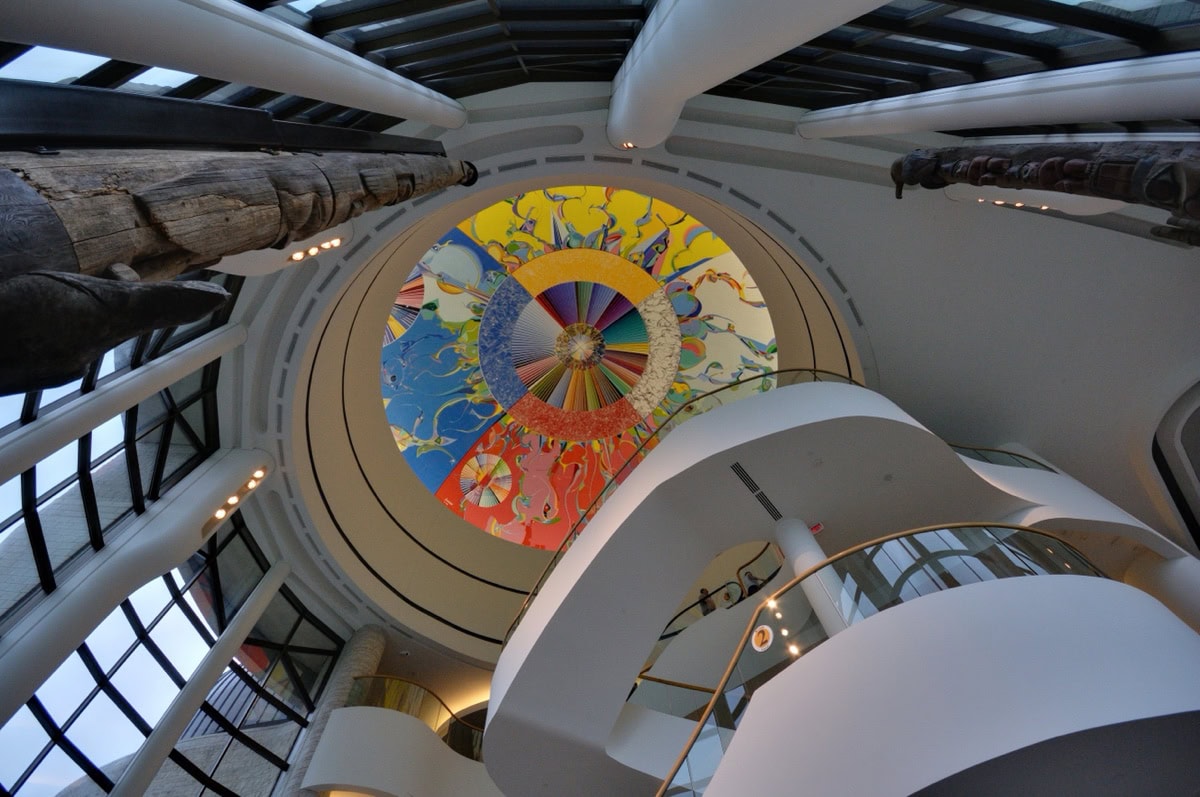
For its size, Ottawa has an incredible concentration of museums and galleries. The National Gallery of Canada with its iconic giant spider sculpture out front, the Canadian Museum of Nature with amazing dinosaur skeletons, the Canadian War Museum for history buffs, and the Canadian Museum of History across the river in Gatineau — those are just the biggest names.
If you’re planning to visit multiple museums, I’d again recommend the Visit Ottawa Pass for 100 CAD, because individual museum admissions run around 15–25 CAD each and it adds up quickly. And a pro tip: on Friday evenings, some galleries offer free admission or extended hours with live music and a bar — check ahead, because it’s a completely different experience to visiting during the day.
Niagara Falls and wine country: 3 tips you shouldn’t miss
The Niagara region isn’t just about the falls (though they’re obviously the main draw). You’ll also find one of the prettiest towns in Canada, wineries producing ice wine, and a landscape that looks straight out of a romantic film. Here are 3 tips for what to see and do around Niagara Falls and its surroundings.
13. The Falls — I’ve written a whole article about them
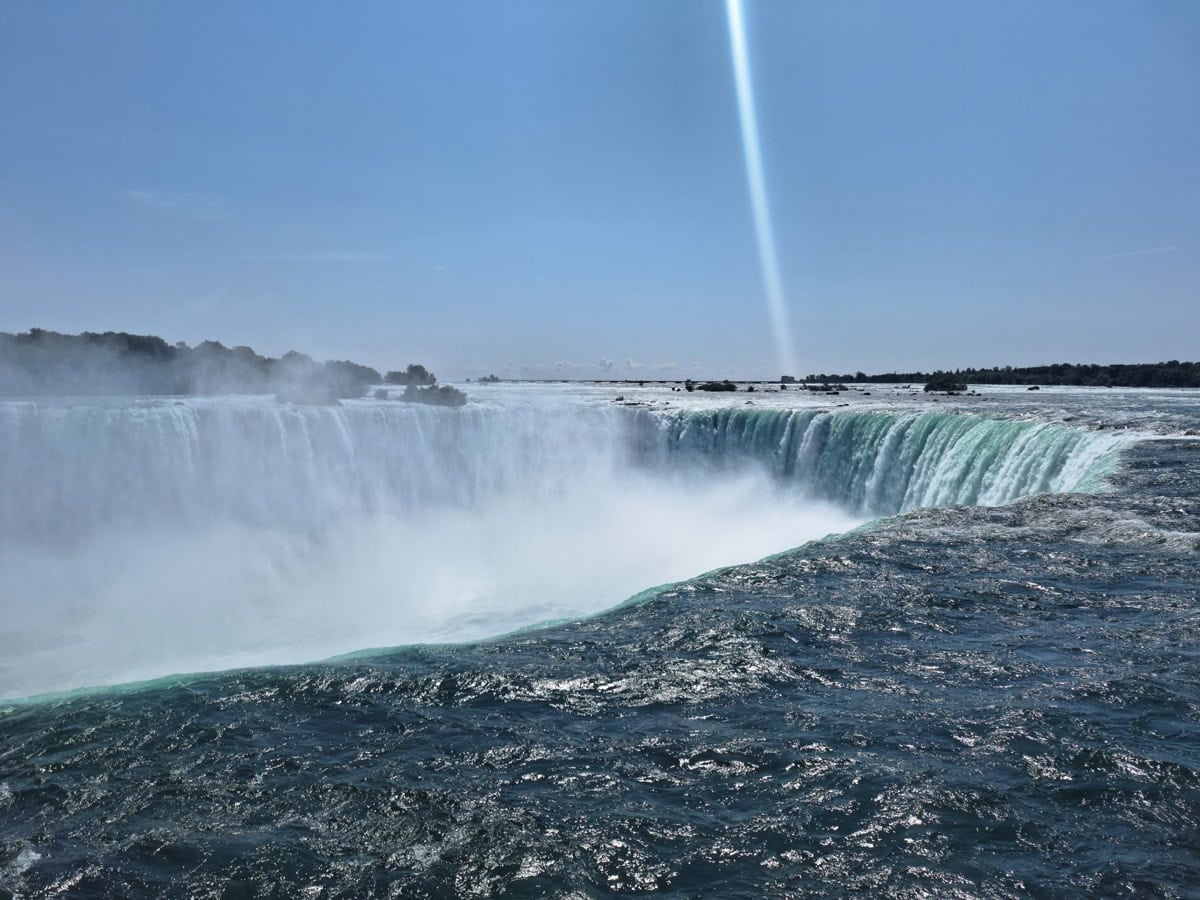
I’ve written a detailed separate article about Niagara Falls, so I’ll keep it brief here. Yes, they’re worth it. No, they’re not overrated — the feeling of standing at the edge and sensing the sheer power of the water is indescribable. An important warning: avoid Clifton Hill, that neon-lit street full of overpriced attractions right near the falls. It’s a tourist trap of the highest order.
And one more thing tourists often don’t know about: on restaurant bills in the Niagara area, you may see a TIF (Tourism Improvement Fee) — an additional charge automatically added to your bill. It’s not a tip; it’s a local levy. Watch out for it — and don’t ask me how I know.
14. Niagara-on-the-Lake — a town where time stood still
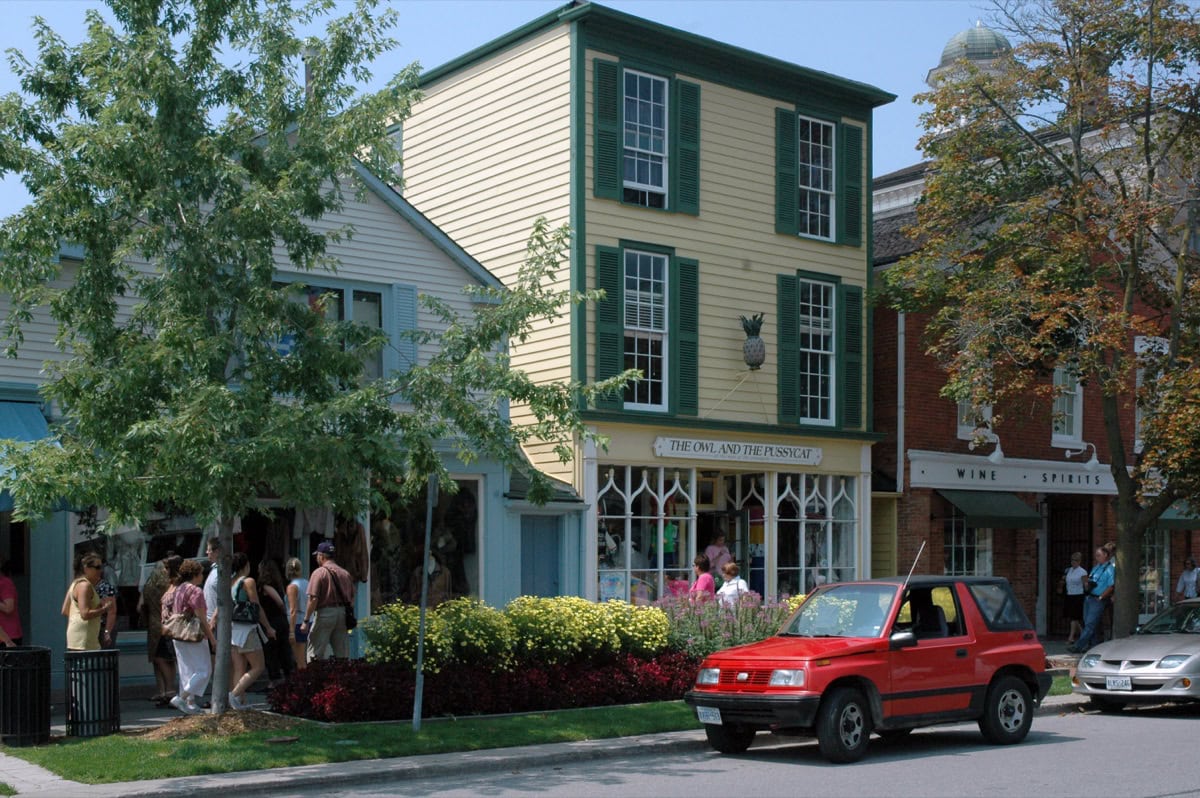
About 20 minutes from the falls lies one of the most charming little towns I’ve seen in Canada. Niagara-on-the-Lake looks like an English village transported to North America — blooming gardens, historic houses, quaint boutiques, and vineyards all around. Some of the best Canadian wines are produced here, and it’s also home to the famous Shaw Festival — a theatre festival running from April to November.
My recommendation? Rent bikes and cycle the wine route between the vineyards. It’s flat, beautiful, and you can stop for tastings at one (or five) wineries along the way. Most offer tasting sets for 10–20 CAD (£6–12). Then sit on a terrace overlooking the vines, have a glass of local Chardonnay, and wonder why you don’t do this more often.
15. Ice wine — Ontario’s liquid gold
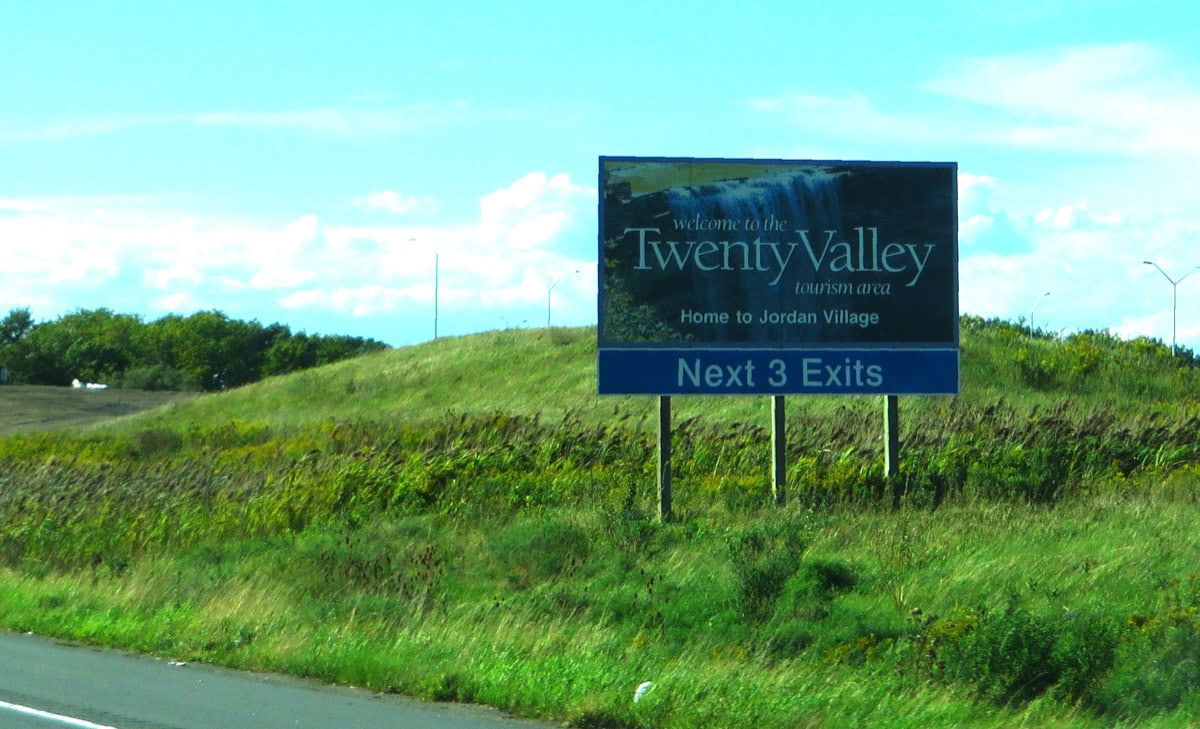
If you don’t know what ice wine is, here’s the deal: Canada is one of the world’s largest producers, and Ontario is its epicentre. The grapes are harvested frozen, at temperatures below -8°C, and the result is an incredibly sweet, concentrated wine served as a dessert. It’s liquid luxury.
A small bottle (usually 200ml) starts at around 25 CAD (£15) for a basic version, while premium ones can easily exceed 100 CAD. You can buy it directly from wineries in Niagara-on-the-Lake, at LCBO (Ontario’s government-run liquor shops), or at the airport — but the best experience is tasting it right in the cellar. The Inniskillin winery is legendary and offers tastings year-round. And if you visit in spring, some farms will show you the actual process of harvesting frozen grapes.
Where nature steals the show: 5 parks and natural wonders of Ontario
And now for the best part — nature. Ontario is home to some of the most stunning national and provincial parks in all of Canada. From the endless lakes of Algonquin to the turquoise waters of Bruce Peninsula to the thousands of islands along the US border. Here are 5 places where Ontario’s nature puts on its finest show — and where you’ll feel like you’re at the very edge of the world.
16. Algonquin Provincial Park — where you’ll learn to love silence
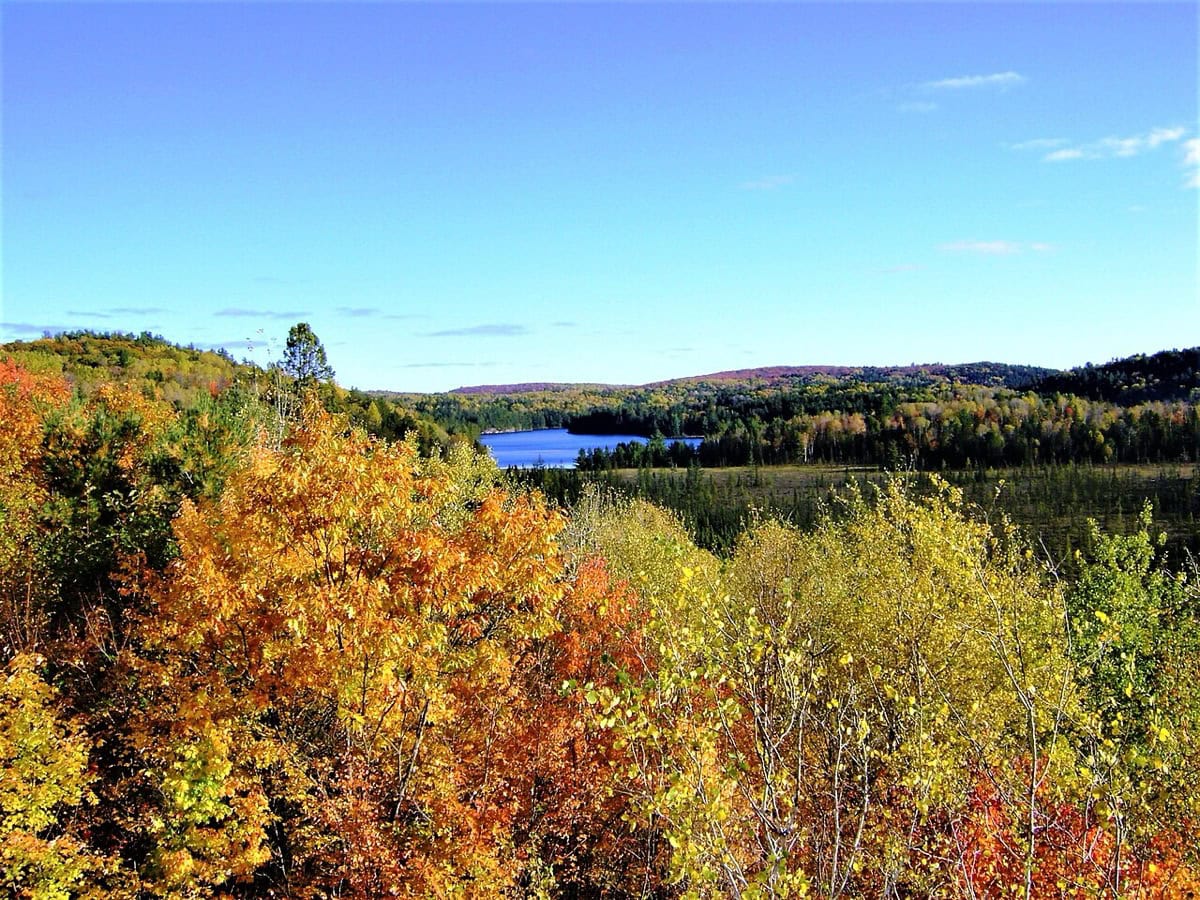
Algonquin Park is, for me, the heart of Ontario. It’s a massive provincial park (over 7,600 km²) full of lakes, rivers, forests, and wildlife — moose, beavers, bears, wolves. And above all, silence. That kind of silence where all you hear is birdsong, wind in the treetops, and the occasional slap of a beaver’s tail on the water.
Canoeing is the number one experience here — you can plan a day trip or a multi-day adventure carrying your canoe between lakes (portaging). For those who want something less challenging, the Highway 60 Corridor offers several accessible trails and a visitor centre.
And now for the single most important thing to remember from this entire article: book your campground at least 5 months in advance! Reservations open at exactly 7am (ET) and popular sites sell out within minutes. This is not an exaggeration — people on Reddit describe sitting at their computers at 6:59 and refreshing the page. Summer 2026 reservations open on a rolling basis (always 5 months ahead), so if you’re planning July, book in February. Website: ontarioparks.ca, phone: 1-888-ONT-PARK.
In autumn, Algonquin is literally ablaze — the foliage colours here are among the most spectacular in all of North America. The best viewpoint? Lookout Trail — a short hike, but the view across an endless carpet of red and gold treetops will take your breath away.
17. Bruce Peninsula and The Grotto — turquoise water in the heart of Canada
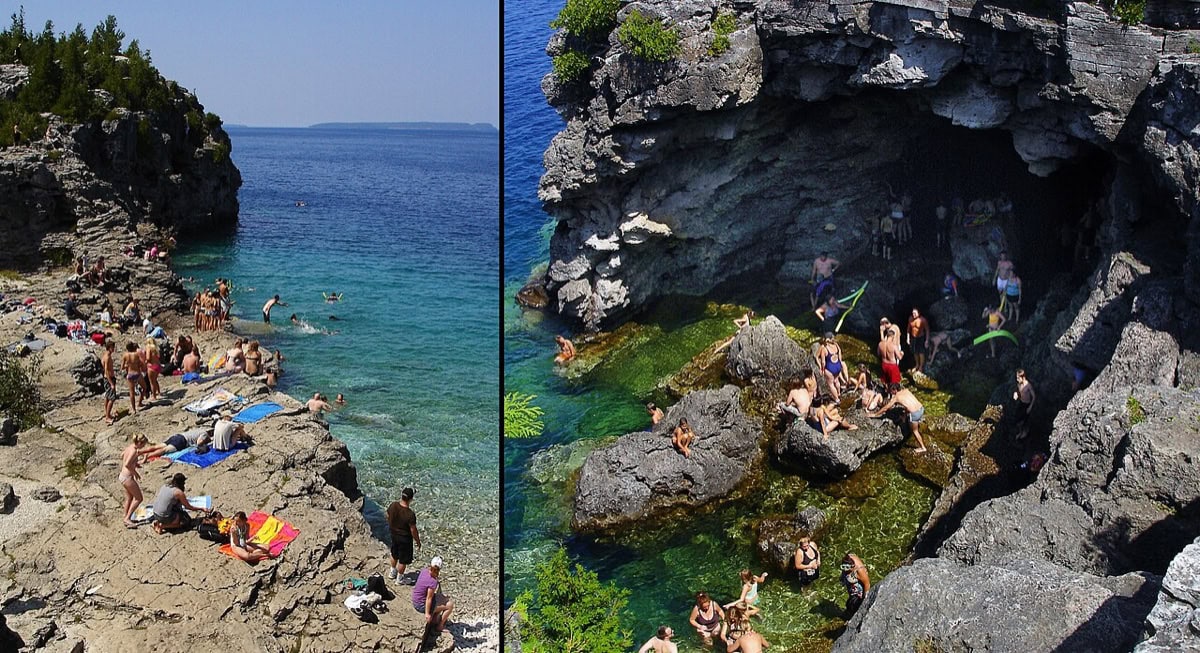
When I first saw photos of The Grotto on Bruce Peninsula, I thought it was Greece or Croatia. The water is so turquoise and crystal-clear that you simply can’t believe it when you’re standing at the edge of the cliff, looking down into a cave carved by millennia of erosion. And yet you’re just 4 hours from Toronto, in the middle of Canada.
Bruce Peninsula National Park is one of the most popular national parks in Ontario, and The Grotto is its star attraction. But beware — entry is by reservation only, and spots sell out extremely fast. In 2026, however, there’s brilliant news: Parks Canada is offering free entry from 19 June to 7 September 2026 as part of the Canada Strong Pass programme! That doesn’t mean you don’t need to reserve, though — parking is still limited and the reservation fee still applies. Reservations for summer 2026 opened on 2 February at 8am (ET) at reservation.pc.gc.ca.
The hike to The Grotto takes about 45 minutes over rocky terrain — shoes with good grip are essential. And if you want to get into the cave itself, you’ll need to scramble down the rocks, which isn’t for everyone. But the view from above is equally stunning.
18. Tobermory — shipwrecks in crystal-clear water
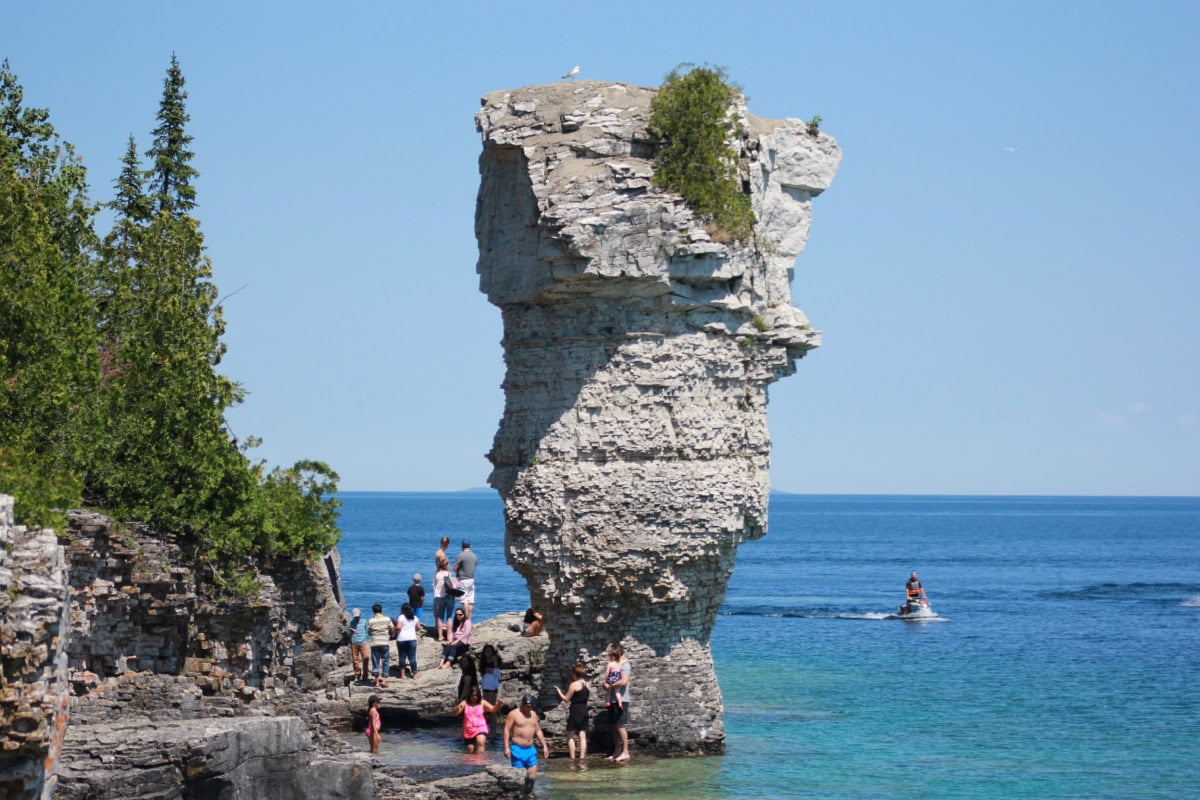
Tobermory is a picturesque fishing village at the very tip of Bruce Peninsula and a gateway to several incredible experiences. The water in the harbour is so clear that you can see shipwrecks on the bottom from the dock — no diving required! For those who do want to dive, Fathom Five National Marine Park has dozens of historic wrecks to explore.
From Tobermory, boats head to Flowerpot Island — a small island with iconic rock pillars that look like giant flower pots. The crossing takes about 20 minutes and the glass-bottom boat lets you see wrecks along the way. Tickets are around 50 CAD (£29). And if you have time and a taste for adventure, a ferry runs from Tobermory to Manitoulin Island — but more on that shortly.
19. Thousand Islands — 1,800 islands and a fairytale castle
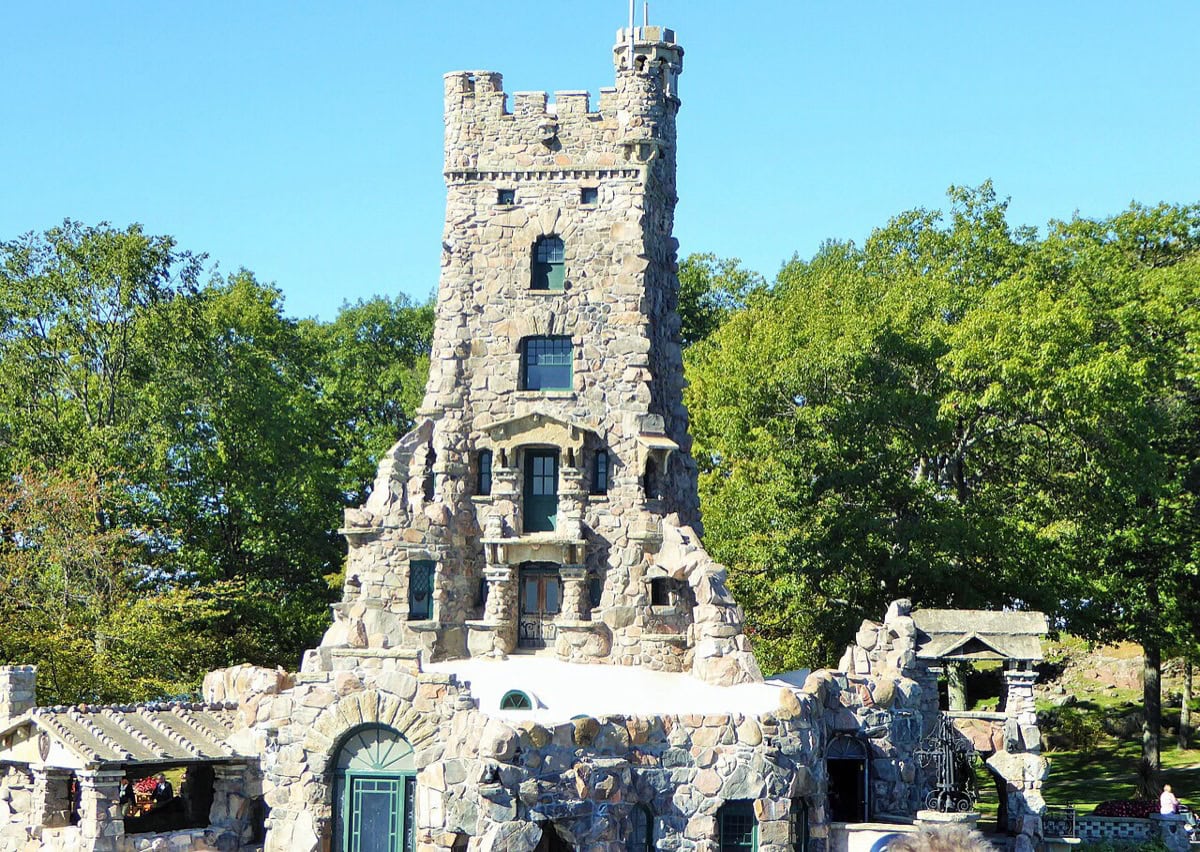
The Thousand Islands region is an enchanting stretch of the St. Lawrence River, scattered with over 1,800 islets — from tiny rocky outcrops with a single tree to islands with luxury mansions. It’s about 3 hours east of Toronto, and the best way to experience it is, of course, from the water.
Boat cruises depart from several locations — from Brockville (90-minute cruise from 37 CAD / £21), from Rockport (from 69 CAD / £40 per adult), or from Kingston. The highlight is Boldt Castle on Heart Island — a magnificent castle built by millionaire George Boldt for his wife. But heads up: the island is on the American side of the border, so you’ll need a passport! Without one, you can’t get to the castle. Kayaking among the islands is the way to go if you prefer your own pace — it’s absolutely magical, especially at sunrise or sunset.
20. Sandbanks — beaches almost like the Caribbean (well, almost)
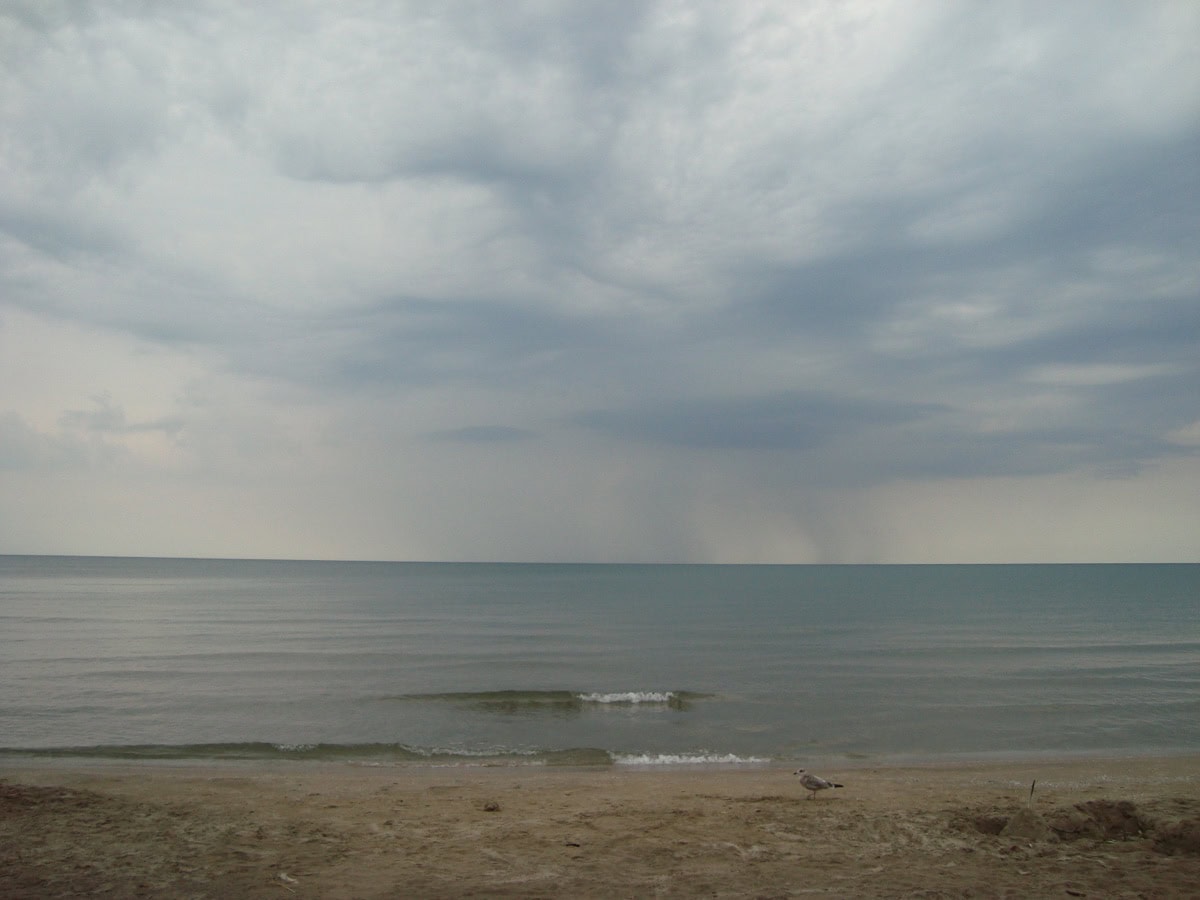
Sandbanks Provincial Park has the world’s largest freshwater dune system and beaches that wouldn’t look entirely out of place in the Caribbean. Fine white sand, clear water, and in summer, temperatures warm enough for a proper swim. The park is in Prince Edward County — an area that’s transformed into a wine and foodie paradise over recent years.
The main beaches are Outlet Beach (quieter, fewer people) and Sandbanks Beach (bigger, more popular). Camping in the park is great too, but — surprise — book well ahead. Combined with a visit to the wineries in Prince Edward County (more on that below), it makes for a perfect weekend trip from Toronto.
Hidden gems of Ontario: 6 places most tourists miss
This is my favourite part of the article. While most tourists stick to Toronto, Ottawa, and Niagara, Ontario has plenty of places that fly completely under the radar. Here are 6 hidden gems to see and explore off the beaten path — and trust me, they’re worth the detour.
21. Muskoka — the “Hamptons of the North” with thousands of lakes
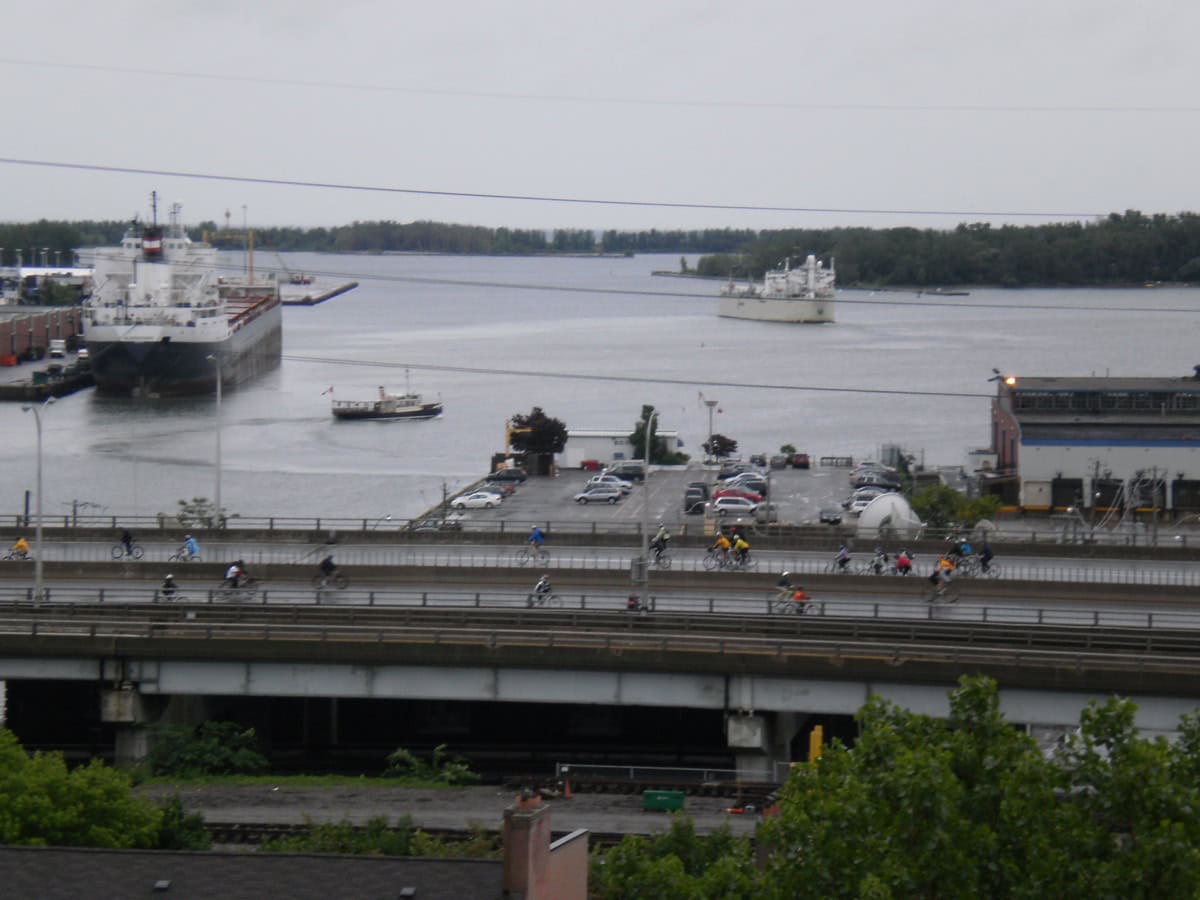
Muskoka is to Canadians (especially Torontonians) what the Lake District is to Londoners — the place you go for a weekend away. Except here, some of those “cottages” are luxury estates belonging to celebrities and billionaires, perched on the shores of one of the roughly 1,600 lakes in the area. Don’t worry, though — Muskoka has plenty to offer us mere mortals on a normal budget too.
The area around Huntsville is a great base — a charming little town with restaurants and access to Limberlost Forest, which has over 12 hiking trails. For a jaw-dropping view, tackle the Huckleberry Rock Lookout Trail — the panorama over Lake Muskoka is unforgettable. And for something unique, take a cruise on the RMS Segwun — the oldest operating steamship in North America. The autumn colours here are absolutely phenomenal.
Tip for romantics: Try Torrance Barrens Dark-Sky Preserve — one of the few officially protected stargazing sites in Ontario. On a clear night, you’ll see the Milky Way like nowhere else.
22. Prince Edward County — a wine lover’s paradise
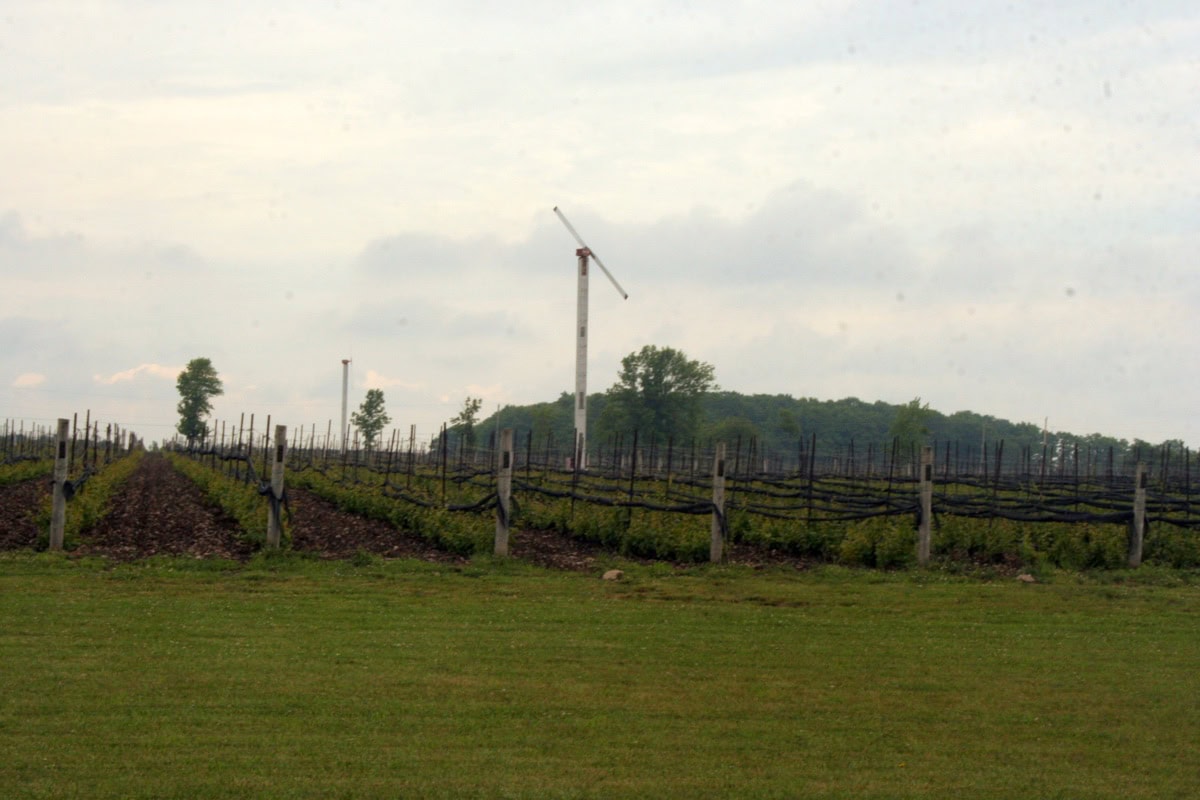
Prince Edward County — or “The County” as locals call it — is probably the trendiest weekend trip from Toronto. Picture an area with more than 35 wineries, farm-to-table restaurants, lavender farms, and craft breweries — all on a peaceful peninsula surrounded by water. It feels like a different world, just two and a half hours from the city.
The wineries here produce excellent Chardonnay and Pinot Noir, and most offer tastings in lovely settings. I’d recommend Norman Hardie Winery (superb wood-fired pizzas paired with wine!) and Rosehall Run. Beyond wine, you’ll find artisan cheese makers, local restaurants working with ingredients straight from the farm, and in summer, lavender fields that look like they belong in Provence. If you can, combine your visit with Sandbanks — it’s right next door.
23. Kingston — rock and roll soul and prison stories
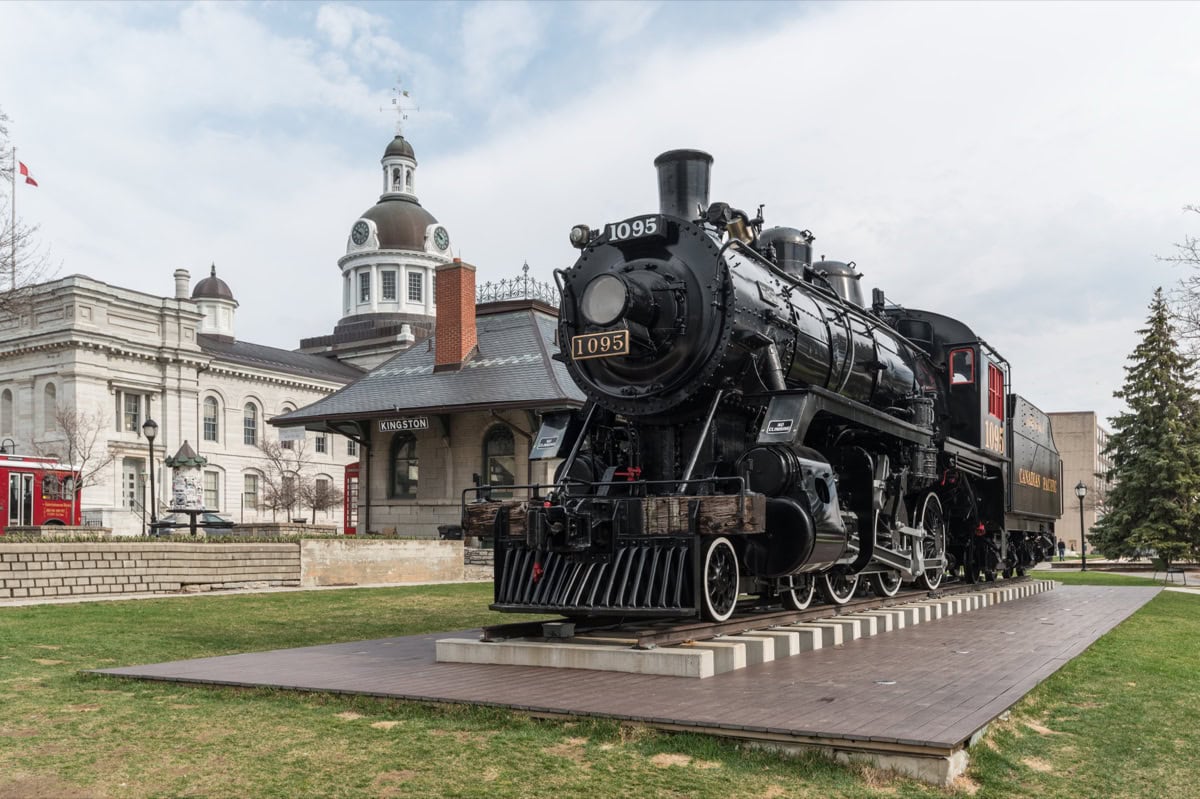
Kingston is a city that most tourists skip, and they’re missing out big time. A former capital of Canada (only briefly, but still), it’s now a university town with a beautiful limestone centre, a vibrant food scene, and an unexpectedly rock-and-roll soul — it’s the birthplace of legendary Canadian band The Tragically Hip, who are basically national heroes in Canada, sort of like what The Stone Roses are to Manchester but even bigger.
Kingston is also the gateway to Thousand Islands, and it offers one truly unique experience: a tour of Kingston Penitentiary — a former federal prison that once housed Canada’s most dangerous criminals. Tours are popular, so I’d recommend booking ahead. Then stroll down Princess Street, grab lunch at one of the local restaurants, and soak up the atmosphere of a town that’s surprisingly lively for its size.
24. Manitoulin Island — the world’s largest freshwater island
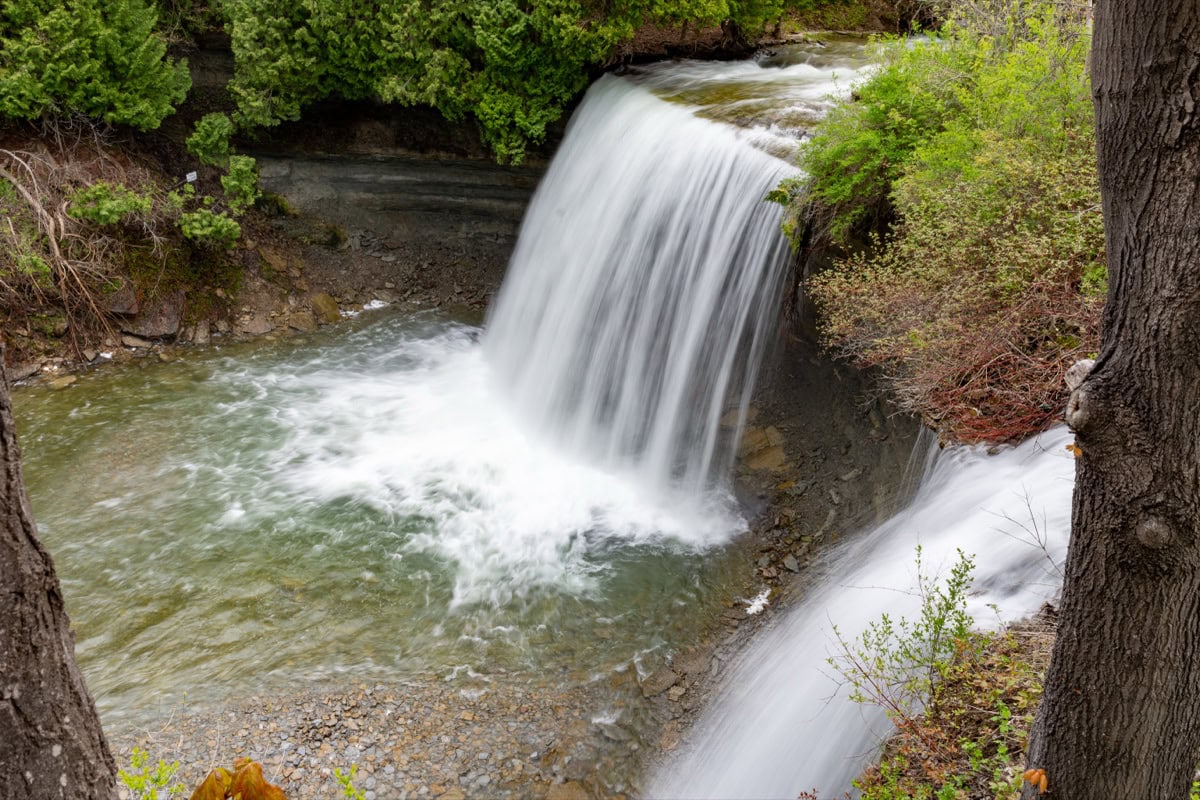
Yes, you read that right — the world’s largest freshwater island is in Ontario. Manitoulin Island sits in Lake Huron, and you can get there either by ferry from Tobermory (about 2 hours — a fantastic experience in itself) or via a bridge from the town of Little Current to the north.
Manitoulin is home to several First Nations communities, and Indigenous culture is very much alive and present here. I recommend visiting the Ojibwe Cultural Foundation, and if your timing is right, Haweater Weekend (August) is a local festival featuring powwow dance showcases. As for nature, the Cup and Saucer Trail offers one of the best views in all of Ontario — 70 metres above the surrounding landscape, with a panorama across the lake. This is an island where time slows down, and so do you.
25. Elora Gorge — a mini Grand Canyon and a charming village
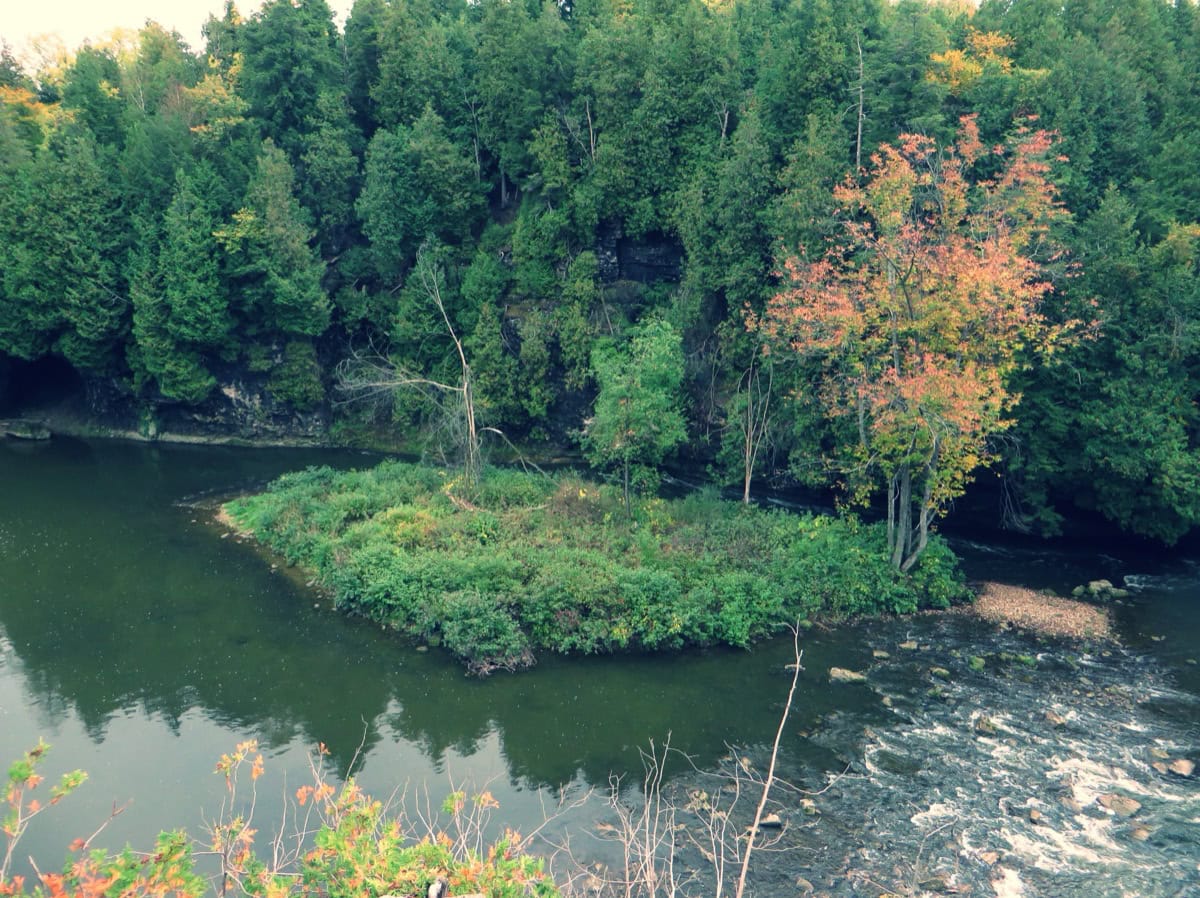
About an hour and a half from Toronto lies the village of Elora, which looks like it’s been plucked straight from the Scottish Highlands. Limestone buildings, art galleries, cafés, and most importantly — Elora Gorge, a dramatic gorge with limestone cliffs up to 22 metres high, carved by the Grand River.
In summer, tubing is massively popular here — you hop into an inflatable tube and let the current carry you through the gorge. It’s brilliant fun and costs about 10–15 CAD (£6–9) to rent a tube. Outside summer, it’s gorgeous for hiking along the gorge rim. Then grab lunch in the village — the atmosphere of an old stone village with modern restaurants is simply perfect. By the way, Elora also makes a great base if you don’t want to sleep in the park itself but want to stay close to nature.
26. Hamilton — the city of a hundred waterfalls (seriously, a hundred)
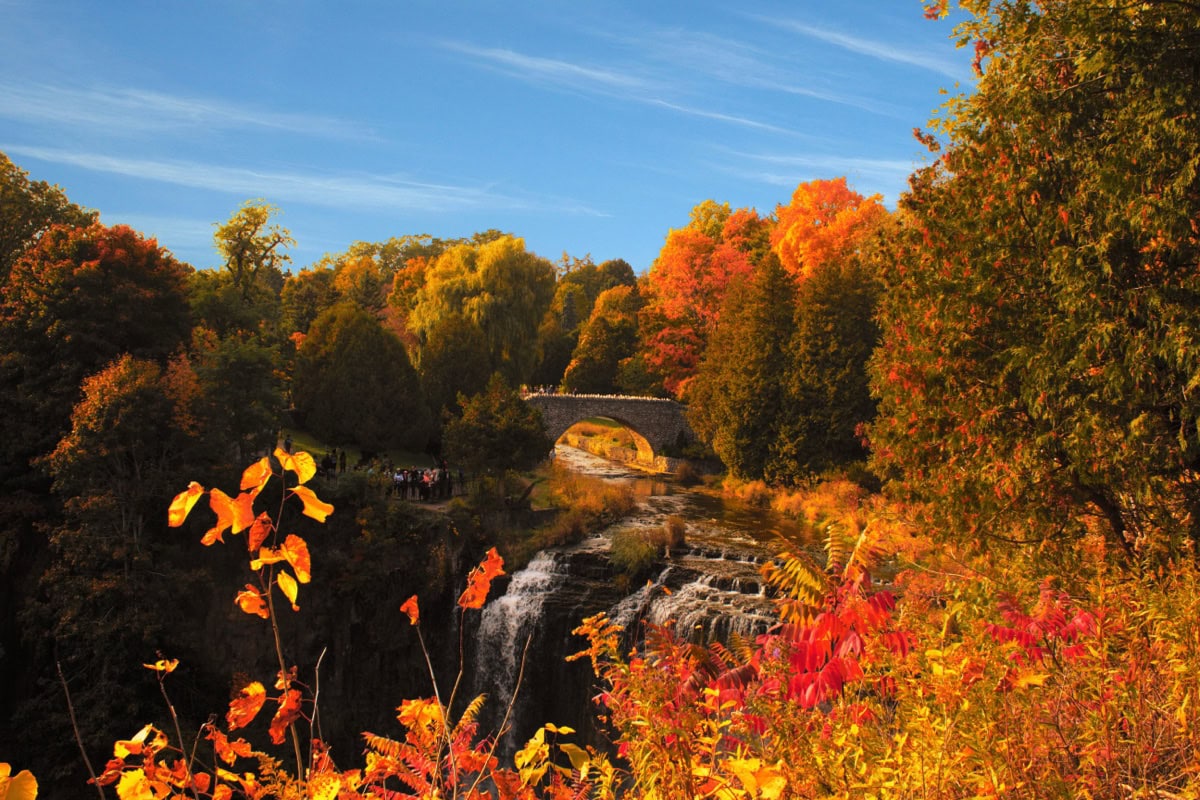
Hamilton is a city with over 100 waterfalls. One hundred. Waterfalls. In a single city. It calls itself the “Waterfall Capital of the World” and honestly — I can’t argue with that. Most of them lie along the Niagara Escarpment, a limestone ridge that stretches across Ontario.
The most famous? Webster Falls (22 metres, cascading and gorgeous) and Tew Falls (41 metres, the tallest in Hamilton) — both are in Spencer Gorge Conservation Area, and from May to November you need an online reservation because they’re so popular. Albion Falls is easily accessible from the car park (200 metres’ walk). And if you fancy a proper hike, the Bruce Trail in the Iroquoia section takes you past four major waterfalls with views from the cliff edge.
Tip: The waterfalls are at their most impressive in spring after the snow melts, or after heavy rain. In late summer, some may have reduced flow. And Hamilton has a surprisingly good food scene too — James Street North is packed with independent restaurants and bars.
Map of points of interest for your phone
Culture and experiences: 3 original things to do in Ontario
Ontario isn’t just nature and big cities. You’ll also find a world-renowned theatre festival, an Alpine-style village with skiing, and a hockey museum you’ll fall in love with even if you don’t follow the sport. Here are 3 cultural tips and experiences that show Ontario from a completely different angle.
27. Stratford Festival — world-class Shakespeare
If you love theatre, the Stratford Festival will blow you away. The town of Stratford in Ontario has been hosting one of the largest and most acclaimed theatre festivals in North America since 1953. From April to November, they stage Shakespeare, classics, and modern plays across several theatres — and the quality is genuinely world-class.
The town itself is lovely — the River Avon (yes, named deliberately after its English counterpart), swans gliding on the water, beautiful gardens, and plenty of great restaurants. Tickets range from about 40 to 150 CAD (£23–87) depending on seating and the production. Stratford is about two hours from Toronto and can easily be combined with a visit to Elora — they’re roughly an hour apart.
28. Blue Mountain — skiing, an Alpine village, and summer adventures
Blue Mountain is Ontario’s number one ski resort, and in winter it draws skiers from across the Toronto area. But what many people don’t realise is that it’s brilliant in summer too. Blue Mountain Village is a charming little Alpine-style village with shops, restaurants, and loads of activities: the Ridge Runner Mountain Coaster (a toboggan ride down the mountain), ziplines, via ferrata, and paddle boarding on Georgian Bay.
In winter, there are solid ski runs (by Canadian standards — perhaps not Alpine ones), cross-country trails, and snowshoeing. Blue Mountain is about two hours from Toronto and combines nicely with a visit to Tobermory and Bruce Peninsula if you’re heading north for a longer trip.
29. Hockey Hall of Fame — even if you don’t follow hockey
As someone from the Czech Republic living in Canada, I have to say that the Hockey Hall of Fame in Toronto is worth a visit even if hockey isn’t your thing. It’s an interactive museum where you can shoot on a virtual goalie, see the original Stanley Cup (smaller than you’d think!), and learn about the history of a sport that’s to Canadians what football is to the English. Only more important, they’d argue.
There’s also plenty of memorabilia featuring Czech and Slovak hockey players, which is a nice touch. Admission is around 25 CAD (£15) for adults, and tip: with a PRESTO card (Toronto’s transit card) you get 20% off. The Hall of Fame is in central Toronto on Yonge Street, so it’s easy to combine with a walk around the city.
What to eat and drink in Ontario: 3 flavours you must try
Canada might not be the first country that springs to mind when you think of food. But Ontario will surprise you — from poutine to BeaverTails to maple syrup straight from the tree. Here are 3 foodie tips for what to try in Ontario so you can experience authentic Canadian cuisine.
30. Poutine — chips, cheese, and gravy that will change your life

Poutine is Canada’s national dish, and if you’ve never had it, prepare to fall in love at first bite. It’s simple: chips, cheese curds, and hot brown gravy. The cheese should “squeak” between your teeth at the right temperature — that’s the test of proper poutine.
You’ll find poutine everywhere — from fast food joints to gourmet restaurants that serve it with duck confit or lobster. A basic portion costs 8–12 CAD (£5–7). In Toronto, I’d recommend Smoke’s Poutinerie (a chain, but good and with loads of variations) or local restaurants in Kensington Market. Fair warning: it’s one of those things that looks like an unphotogenic mess but tastes absolutely phenomenal.
31. BeaverTails and Tim Hortons — Canadian classics

I already mentioned BeaverTails in the Ottawa section, but they deserve their own entry. It’s fried dough shaped like a beaver’s tail (the beaver is Canada’s national symbol, so why not) and topped with various goodies. My top pick is the Avalanche — Nutella, peanut butter, and Reese’s Pieces. One costs around 8 CAD (£5) and it’s so big it’s usually enough for two.
And then there’s Tim Hortons — Canada’s answer to Costa, only cheaper, unpretentious, and absolutely everywhere. Timmies (as Canadians call it) is an institution. Order a double-double (coffee with two sugars and two creams) and a Timbit (a doughnut hole) and you’ll be an honorary Canadian for a moment. The coffee quality is… let’s say debatable, but the cultural experience is priceless.
32. Maple syrup — the real stuff, please

Maple syrup in Canada is like olive oil in Italy — it’s something an entire culture revolves around, and the difference between the real thing and the supermarket stuff you buy back home is like the difference between champagne and cheap fizz. Real Canadian maple syrup is thick, velvety, and tastes of caramel with notes of vanilla and nuts.
Buy it directly from farms (sugar shacks / cabanes à sucre) — especially in March and April, when maple syrup season is in full swing and farms host open days with tastings, pancakes, and other treats. In Ontario, there are plenty of farms in the Lanark County area near Ottawa. A bottle of pure maple syrup (250ml) costs about 10–15 CAD (£6–9). Tip: Look for Grade A Dark with the “Canada No. 1” label — it has the richest flavour. And definitely don’t pack it in your hand luggage — airport security won’t be thrilled.
Ontario by season: 3 reasons to visit any time of year
One of the things that fascinates me about Ontario is how dramatically the province transforms throughout the year. Each season brings a completely different atmosphere, different activities, and different reasons to visit. Here are 3 seasonal tips for what to see and do in Ontario.
33. Autumn — an explosion of colour like you’ve never seen
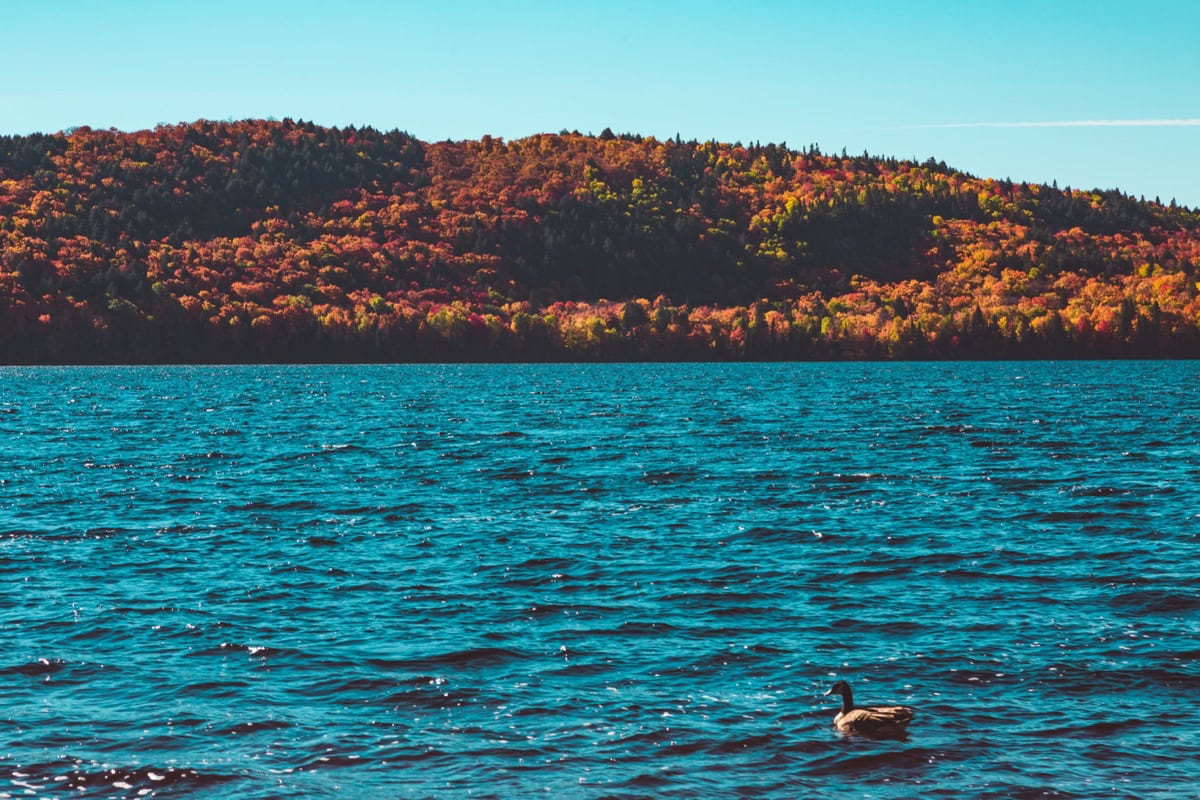
Autumn in Ontario is the reason people fly here from around the world. It’s called fall foliage, and it’s a literal explosion of red, orange, gold, and burgundy that blankets the entire province from late September through mid-October. If you’ve never seen it in person, trust me — photos don’t do it even half the justice.
The best spots for autumn colours? Algonquin Park (obviously), Muskoka (the Dorset Lookout Tower is a legendary viewpoint), Thousand Islands Parkway, and the Bruce Trail. Ontario Parks even has an online “Fall Colour Report” that’s updated weekly to show where the colours are most intense. The ideal window is typically the last week of September through the second week of October, though it varies from year to year. If you can, plan a road trip: Toronto → Muskoka → Algonquin → Ottawa — it’s roughly a five-day route and you’ll see the very best.
34. Winter — skating, snow, and a touch of madness
Winter in Ontario isn’t for everyone, I’ll admit that. Temperatures can drop to -25°C and there’s plenty of snow. But if you dress for it (layering is key!) and embrace it, Ontario in winter has its own magic. The Rideau Canal Skateway in Ottawa is a must (free skating!), and the Winterlude festival (February) with ice sculptures and snow slides is brilliant for families.
Blue Mountain offers skiing (around 80–130 CAD / £46–75 for a day pass), but if you want an authentic Canadian experience, try ice fishing — fishing through a hole in the ice on a frozen lake, from a little hut with a wood stove. Yes, it sounds mad, but it’s surprisingly meditative. And you usually drink hot chocolate (or something stronger) while you’re at it. Ontario’s lakes typically freeze from January through March.
35. Summer and spring — lakes, festivals, and Canadian good vibes
Summer is peak season and Ontario comes alive. Lakes warm up to swimming temperature, cottage country (mainly Muskoka and Kawartha Lakes) fills up with Torontonians escaping the city, and festivals take place across the province. The Toronto International Film Festival (TIFF) in September is one of the most prestigious film festivals in the world, and the city buzzes with it for an entire week. In summer 2026, Toronto is also hosting FIFA World Cup matches — the city will be bursting at the seams, so expect higher prices and book your accommodation as early as possible.
Spring is quieter but has its own charm. In Ottawa, over a million tulips bloom during the Canadian Tulip Festival (May) — it’s the world’s largest tulip festival, and the story behind it is beautiful (the Netherlands thanked Canada for its help during World War II). Spring is also maple syrup season, and nature is waking up — waterfalls are at their strongest flow and park trails are beautifully green. For British travellers, direct flights from London Heathrow to Toronto Pearson are available with airlines like Air Canada and British Airways, making Ontario an easy transatlantic trip. Consider picking up an eSIM from Holafly before you go, so you’ll have data from the moment you land.
How much does a week in Ontario cost + practical tips
Ontario isn’t cheap, I’ll be upfront about that. Canada is generally one of the pricier destinations, and with the current exchange rate (1 CAD ≈ £0.58), it can come as a bit of a shock. Here’s a rough budget for a week for two:
Accommodation: A hotel or Airbnb in Toronto/Ottawa runs around 150–250 CAD per night (£87–145). Outside the big cities, it’s cheaper — around 100–150 CAD. Camping in provincial parks is the most affordable option at about 40–55 CAD per night. Watch out for taxes: on top of the listed accommodation price, you’ll always pay 13% HST (Harmonized Sales Tax), and in many cities an additional 4–6% Municipal Accommodation Tax. That means you’re paying 17–19% more than the sticker price! This is probably the biggest shock for Europeans, because back home VAT is already included in the price.
Food: Restaurant meal in Toronto: a main course 15–30 CAD + tip (15–20% is expected!). Market food or fast food: 8–15 CAD. Weekly grocery shop for two: about 150–200 CAD. Transport: A week’s car rental: around 300–500 CAD + petrol (about 1.50–1.80 CAD/litre). Activities: Most natural attractions are cheap or free — the main expenses are parking and reservation fees (5–15 CAD). Museums and attractions: 15–30 CAD per entry.
Overall: A week for two with a car, mid-range accommodation, and normal eating comes to roughly 2,500–4,000 CAD (£1,450–2,320) excluding flights. Money-saving tip: Go in September/October (shoulder season — lower prices, beautiful weather) and mix camping with hotels. Also keep an eye on the Ontario Parks website for day-use permits, which are cheaper than campground reservations.
Frequently asked questions (FAQ)
Tips and Tricks for Your Vacation
Don’t Overpay for Flights
Search for flights on Kayak. It’s our favorite search engine because it scans the websites of all airlines and always finds the cheapest connection.
Book Your Accommodation Smartly
The best experiences we’ve had when looking for accommodation (from Alaska to Morocco) are with Booking.com, where hotels, apartments, and entire houses are usually the cheapest and most widely available.
 🚗 Car rental on the roadVerified rental cars in Canada
Search with the DiscoverCars comparison engine — it compares prices from dozens of local and international rental companies, and most bookings come with free cancellation.
Compare car prices in Canada →Don’t Forget Travel Insurance
Good travel insurance will protect you against illness, accidents, theft, or flight cancellations. We’ve had a few hospital visits abroad, so we know how important it is to have proper insurance arranged.
Where we insure ourselves: SafetyWing (best for everyone) and TrueTraveller (for extra-long trips).
Why don’t we recommend any Czech insurance company? Because they have too many restrictions. They set limits on the number of days abroad, travel insurance via a credit card often requires you to pay medical expenses only with that card, and they frequently limit the number of returns to the Czech Republic.
Find the Best Experiences
Get Your Guide is a huge online marketplace where you can book guided walks, trips, skip-the-line tickets, tours, and much more. We always find some extra fun there!


