

There are places that take your breath away at night. And I don’t mean because a bear startled you outside your tent (though that can happen too 😅). I mean that moment when you look up at the night sky and see the Milky Way so clearly for the first time in your life that it almost moves you to tears. That’s exactly what will happen to you at Kejimkujik National Park Canada — or simply “Keji,” as the locals call it, because pronouncing the full name correctly on the first try is basically a superhuman feat.
In this article, you’ll find a complete guide to Kejimkujik National Park Canada — from the best time to visit and where to stay, through 13 things to see and do in the park, to practical advice on food, budget, and getting your bearings. Whether you’re planning to camp under the stars, spend a full day canoeing across the lakes, or just pop in for a day hike, this article will get you Keji-ready.
TL;DR
- Kejimkujik National Park lies in the heart of Nova Scotia and is one of the most beautiful — yet least visited — national parks in Canada.
- The park is a Dark Sky Preserve — one of only a handful of certified ones in all of Canada. The night sky here is absolutely magical.
- The main activity is canoeing and kayaking across interconnected lakes and rivers — you can even do a multi-day paddling expedition with backcountry overnight camping.
- Don’t miss the Mi’kmaw petroglyphs — centuries-old carvings in stone found at several locations throughout the park.
- Kejimkujik Seaside is a separate coastal section of the park (about an hour’s drive from the main park) with white sand beaches and seals.
- Admission is around 8.50 CAD per person/day (roughly €6), family admission 17 CAD (about €11). If you have a Parks Canada Discovery Pass, entry is included.
- You can camp in the park on traditional sites or in oTENTiks (fun-named wooden cabins with canvas roofs). Prices start at around 26 CAD/night (€17) for a tent site.
- The ideal time to visit is June to September, offering the best combination of weather and services. September is the most beautiful thanks to the autumn colours.
- Come prepared for food: there’s no restaurant in the park — you’ll need your own supplies or the small town of Caledonia, 20 minutes away by car.
- From Halifax, it’s about a 2-hour drive. There’s no public transport — a car is essential.
The full destination guide: Nova Scotia — guide and what to see
When to visit Kejimkujik and how to get there
Kejimkujik is a park that literally transforms with each season, so the answer to “when should I go?” depends heavily on what you’re hoping for. Let’s break down the individual seasons and also how to actually reach this picturesque corner of Nova Scotia.
Best time to visit
June to September is the main season and honestly — the only time when everything in Keji is up and running (camping, kayak rentals, park programmes, interpretive centres). Temperatures range between 20–28 °C, though Nova Scotia has a way of surprising you — even in July, fog can roll in so thick you can’t see two metres ahead. Bring layers!
September is, in our opinion, absolutely the most beautiful month. Indian summer sets the deciduous forests ablaze with incredible colours — the combination of red maples, golden birches, and dark conifers reflected on the lake surface is something photographs simply can’t capture. Bonus: tourist numbers drop significantly, so you’ve got a real chance of having the whole campground nearly to yourself.
October is a gamble. The colours may still be stunning, but the weather is unpredictable and most park services shut down. Camping is still possible on a limited number of sites, but boat rentals and the visitor centre are closed for the season.
Winter — the park is technically open year-round, but unless you’ve got gear for winter camping and enjoy cross-country skiing or snowshoeing, you’ll probably want to give winter a miss.
Our recommendation: Go in the second half of June or the first two weeks of September. In June, the park is green and fresh, and the mosquitoes haven’t yet reached full strength (though they’re always here — don’t kid yourself 😅). In September, you get the colours plus the peace and quiet.
How to get to Kejimkujik
You can’t get to Kejimkujik without a car — public transport simply doesn’t exist here. The park lies approximately 170 km southwest of Halifax, which translates to roughly a 2-hour drive along Highway 103 and then Highway 8.
If you’re flying into Halifax (which is the most likely scenario for UK-based travellers), we recommend renting a car straight from the airport. We’ve had consistently good experiences with DiscoverCars, which we use all over the world — they compare offers from multiple agencies, and prices in Nova Scotia are reasonable (expect around €50–80/day for a standard car; in peak season, book well in advance). Direct flights from London to Halifax are available seasonally with airlines like WestJet and Air Canada, or you can connect through Toronto or Montreal.
Arriving from other directions:
- From Yarmouth (if you’re coming by ferry from Maine): about 2 hours
- From Lunenburg/Mahone Bay: about 1.5 hours
- From Annapolis Valley (Wolfville, Kentville): about 1.5–2 hours
The roads to the park are in good condition, and the final stretch along Highway 8 winds through beautiful scenery along the river — the drive itself is already an experience.
💡 TIP: If you’re planning a road trip around Nova Scotia (which we highly recommend!), Kejimkujik fits perfectly as a stop between Halifax and the southwest coast (Lunenburg, Mahone Bay, Yarmouth). Plan at least 2–3 nights here, ideally more.
Where to stay and how much Kejimkujik costs
This is a park where camping isn’t just an option — it’s the main and best way to experience Keji. But don’t worry: even if you’re not a hardcore camper, there are comfortable options. And if you flat-out refuse to camp, there are solutions too — you’ll just have to commute a bit.
Camping inside the park
Jeremy’s Bay Campground is the main campground in the heart of the park, right on Kejimkujik Lake. It has over 300 sites and offers several types:
- Unserviced tent sites (no hook-ups): from 26 CAD/night (about €17) — a classic tent spot in the woods, with a fire pit, access to drinking water, and toilets
- Serviced sites (with electricity): from 36 CAD/night (about €24) — for motorhomes and caravans
- oTENTik — a hybrid cabin with a canvas roof, wooden floor, beds for 6 people, a veranda, and lighting: around 120 CAD/night (about €80). This is our top pick for anyone who wants the camping experience without actually sleeping on the ground. They’re gorgeous, but book well ahead — they sell out like hot cakes.
- Rustic cabins: limited availability, basic amenities, but a proper roof over your head. Prices are similar to oTENTiks.
Reservations for campsites in Canadian national parks typically open in January for the entire season, and popular spots (especially oTENTiks and waterfront sites) are gone within days. Book through reservation.pc.gc.ca.
Backcountry camping (wilderness) — for the adventurous. The park offers a network of backcountry sites along canoe routes and hiking trails. The cost is around 10 CAD/night (€7). You’ll need your own gear and must register at the visitor centre.
Accommodation outside the park
If you’d prefer a proper hotel or B&B, the nearest options are in the surrounding towns:
- Caledonia (20 min from the park): a handful of B&Bs and small guesthouses
- Annapolis Royal (45 min): a charming historic town with several excellent B&Bs and small hotels — this is the best choice for those who refuse to camp
- Liverpool (40 min): more accommodation options, larger town
- Bridgewater (50 min): the biggest town in the area, with chain hotels
Expect prices of 100–200 CAD/night (€65–130) for a double room in a B&B; in peak season, it’s often more. For the best deals, search on Booking.com.
How much a trip to Kejimkujik costs — budget
Let’s crunch the numbers for two people over 3 nights of camping:
- Park admission: 8.50 CAD/person/day × 2 people × 4 days = 68 CAD (€44). Alternatively, buy a Discovery Pass for the whole season at 145 CAD/adult (€95) — it pays for itself if you visit more than 3 national parks in Canada.
- Camping (tent site): 26 CAD/night × 3 nights = 78 CAD (€51)
- Canoe/kayak rental (per day): around 50–70 CAD (€33–46)
- Food: if you cook yourself, roughly 30–50 CAD/day (€20–33) for two people
- Petrol (Halifax → Keji and back): around 50–70 CAD (€33–46)
Total for 3 nights for two: roughly 350–500 CAD (€230–330) not including car hire. Add 150–250 CAD/day for the rental car.
Kejimkujik National Park: 13 things to see and do
Now for the best part — what to actually do in Keji. The park offers a surprisingly diverse range of experiences, from water sports and Indigenous history to stargazing. We’ve ordered our tips from “absolute must-do” to “if you have extra time.”
1. Canoeing on Kejimkujik Lake — the heart of the park
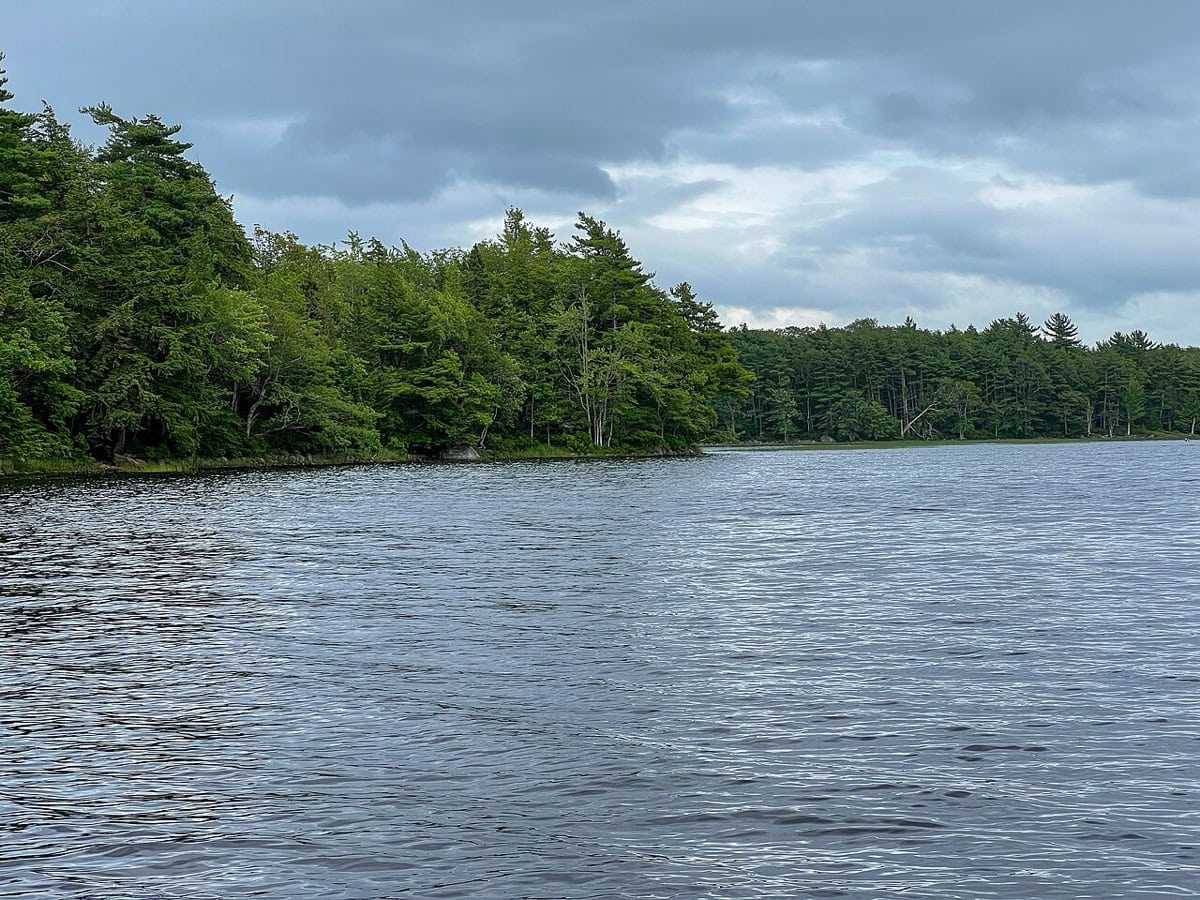
If you only do one thing in Kejimkujik, make it this. Kejimkujik Lake is a vast, intricately shaped lake full of small islands, coves, and quiet backwaters that seem purpose-built for canoes. And they weren’t created by accident — the Mi’kmaw people travelled these waterways by canoe for centuries. You’re literally paddling the same route they did.
You can rent canoes or kayaks right in the park at Jake’s Landing (the main boat launch). Prices run around 50–70 CAD for a full-day rental (€33–46) for a two-person canoe; kayaks are slightly cheaper. In peak season, the rental shop is open daily, but hours get shorter in September — check ahead.
For a relaxed outing, plan a loop around Merrymakedge Beach and the surrounding islands — you can do it in 3–4 hours, and along the way you’ll paddle past gorgeous moss-covered rock faces. If you’re a more experienced paddler, head out on a full-day trip to the far reaches of the lake towards Jim Charles Point, where there’s a backcountry campsite with its own little beach.
Out on the water, be prepared to encounter loons — their iconic call is the soundtrack of the entire park. On one outing, we counted seven pairs. We also had a surprise visit from a beaver that surfaced about two metres from our canoe, gave us a look of unmistakable disdain, and disappeared beneath the surface. Canadian wildlife at its finest. 😁
💡 TIP: Head out early in the morning, ideally around 7–8 am. The surface is mirror-calm, mist rolls across the water, and the light is absolutely perfect for photos. Plus, you’ll avoid the afternoon wind, which can whip up surprisingly big waves on a large lake.
2. Dark Sky Preserve — stargazing that will blow your mind
Kejimkujik is one of only two Dark Sky Preserves in the entire province of Nova Scotia (and one of just a handful across Canada). This means the park actively protects the dark sky — minimal light pollution, no street lighting, pitch-black darkness. And the result? Some of the clearest stars you’ll ever see in your life.
The best spot for stargazing is Merrymakedge Beach — a wide-open beach with an unobstructed view of the sky and barely any trees on the horizon. During the summer season (July–August), the park hosts regular night programmes with astronomers who’ll show you planets, nebulae, and galaxies through a telescope. These programmes are free (included with park admission) and usually run on Saturday evenings — check the schedule on the Parks Canada website or at the visitor centre.
Practical tips for stargazing:
- Bring a red-light headtorch (or cover a regular one with red cellophane) — white light ruins your night vision for 20 minutes.
- Dress warmly — even in summer, nights by the lake are cold (10–12 °C).
- Let your eyes adjust to the dark for at least 20–30 minutes. Don’t look at your phone!
- Best conditions: moonless nights, clear skies, no clouds. Check the lunar calendar in advance.
3. Mi’kmaw petroglyphs — centuries-old stories carved in stone
This is perhaps the quietest and most powerful experience in the entire park. At several locations in Kejimkujik, you’ll find petroglyphs of the Mi’kmaw people — centuries-old carvings etched into slate rocks along the lakeshore. They depict people, animals, boats, symbols, and scenes from everyday life of a nation that inhabited — and still inhabits — this land for thousands of years.
The most significant petroglyph site is near Fairy Bay and is accessible via a short interpretive loop trail. Parks Canada has installed information panels (in English and partially in the Mi’kmaw language) explaining the meaning of the individual carvings.
Important: There are over 500 petroglyphs here, but many are very faint and hard to see. You’ll spot them best in angled light — early morning or late afternoon, when the sun’s rays hit at a low angle and highlight the carvings. At midday, you could be standing right over them and see nothing.
Please do not touch the petroglyphs and don’t walk on them. They’re incredibly fragile and can be damaged even by a single touch. These are sacred cultural artefacts, and protecting them is everyone’s responsibility. Some petroglyphs have sadly been damaged by vandals in the past, which is utterly heartbreaking.
4. Hiking: Mill Falls Trail — waterfalls in the heart of the forest
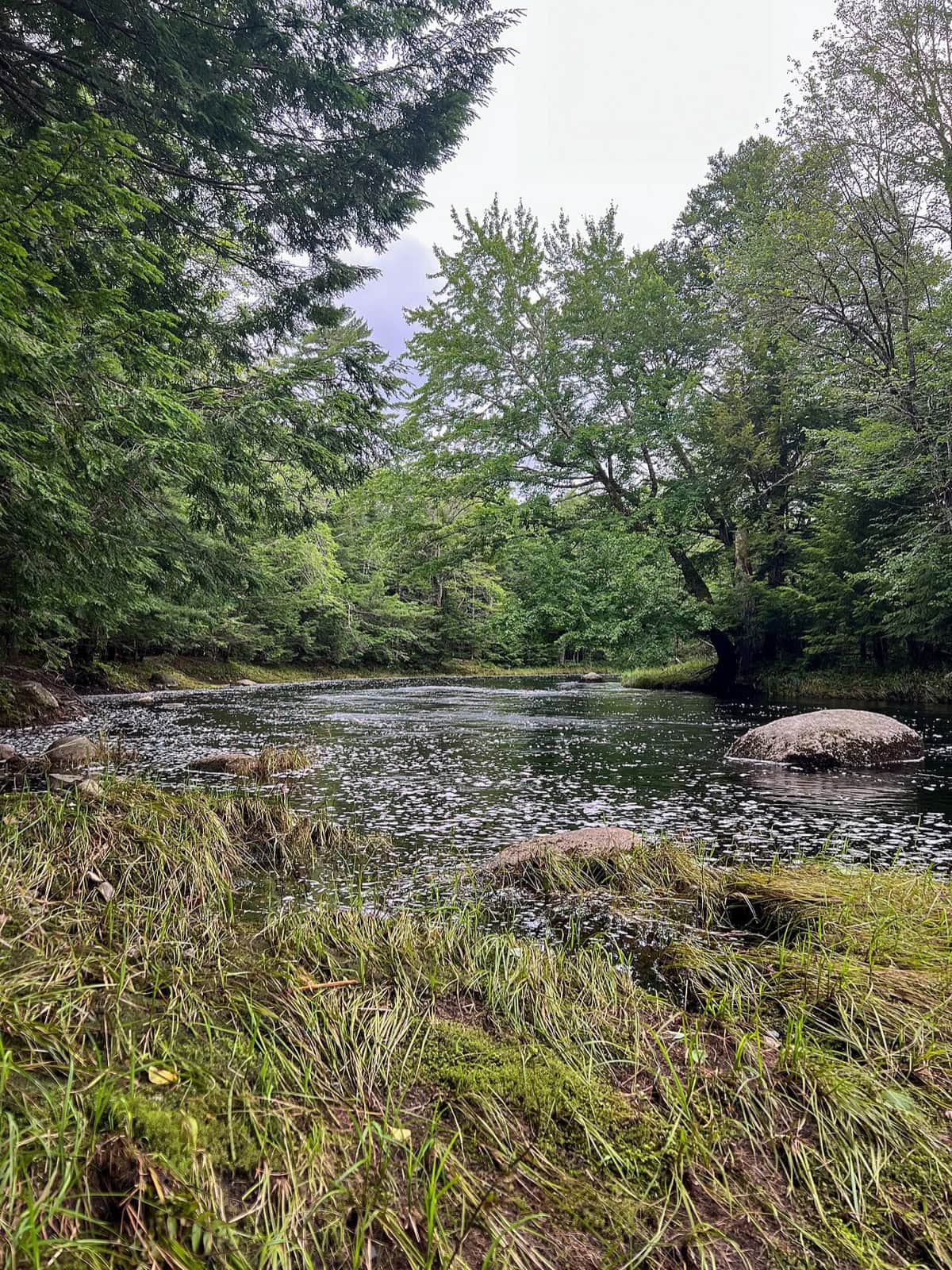
Kejimkujik isn’t a typical “hiking park” like Banff or Jasper — you won’t find high-altitude treks with 1,000 metres of elevation gain. But it has something different: forest trails brimming with moss, ferns, and quiet streams that pull you into an atmosphere you’d expect from a fairy tale.
Mill Falls Trail is our favourite trail in the park. It’s a short loop (about 2 km) that follows the Mersey River to a series of small waterfalls and cascades. The trail is easy, suitable for families with children, and looks different in every season. In spring, when the snow melts and the rain falls, the waterfalls are at their most powerful. In summer, they’re surrounded by a sea of green. In autumn — well, you can probably imagine. A tunnel of red and gold.
Along the way to the cascades, you’ll walk through old-growth hemlocks (Eastern hemlock trees), some of which have been standing here for over 300 years. It’s like a miniature old-growth forest with a completely different atmosphere from the rest of the park.
💡 TIP: The trail starts right from Jeremy’s Bay campground — you can set off with your morning coffee still in hand. Perfect for an easy wake-up stroll.
5. Hiking: Hemlocks and Hardwoods Trail — a walk among giants
If you want to see the oldest and most majestic trees in the park, this is your trail. Hemlocks and Hardwoods Trail (about 5 km, loop) takes you through a mixed forest of old hemlocks, birches, maples, and beeches. Some of the hemlocks have a diameter of over a metre and have been standing here for centuries.
The trail is gently rolling with no significant climbs and is rated as “moderate” — anyone with average fitness can handle it. Allow 1.5–2 hours for a leisurely walk. There are several benches and lake viewpoints along the way.
What surprised us most about this trail was the silence. Real, deep silence, broken only by birdsong and the wind rustling through the canopy. At one point, we both just stopped and stood still. A strange feeling — being in a forest and not wanting to take photos, just wanting to be present.
For more ambitious hikers, the park also offers longer trails — Peter Point Trail (6 km to a scenic cove), Snake Lake Trail (8 km into the backcountry), or Liberty Lake Trail (roughly 8 km loop). Pick up a complete trail map at the visitor centre or download it from the Parks Canada website. If you’re into hiking and looking for good hiking boots, check out our guide.
6. Merrymakedge Beach — swimming, picnics, and lazing about
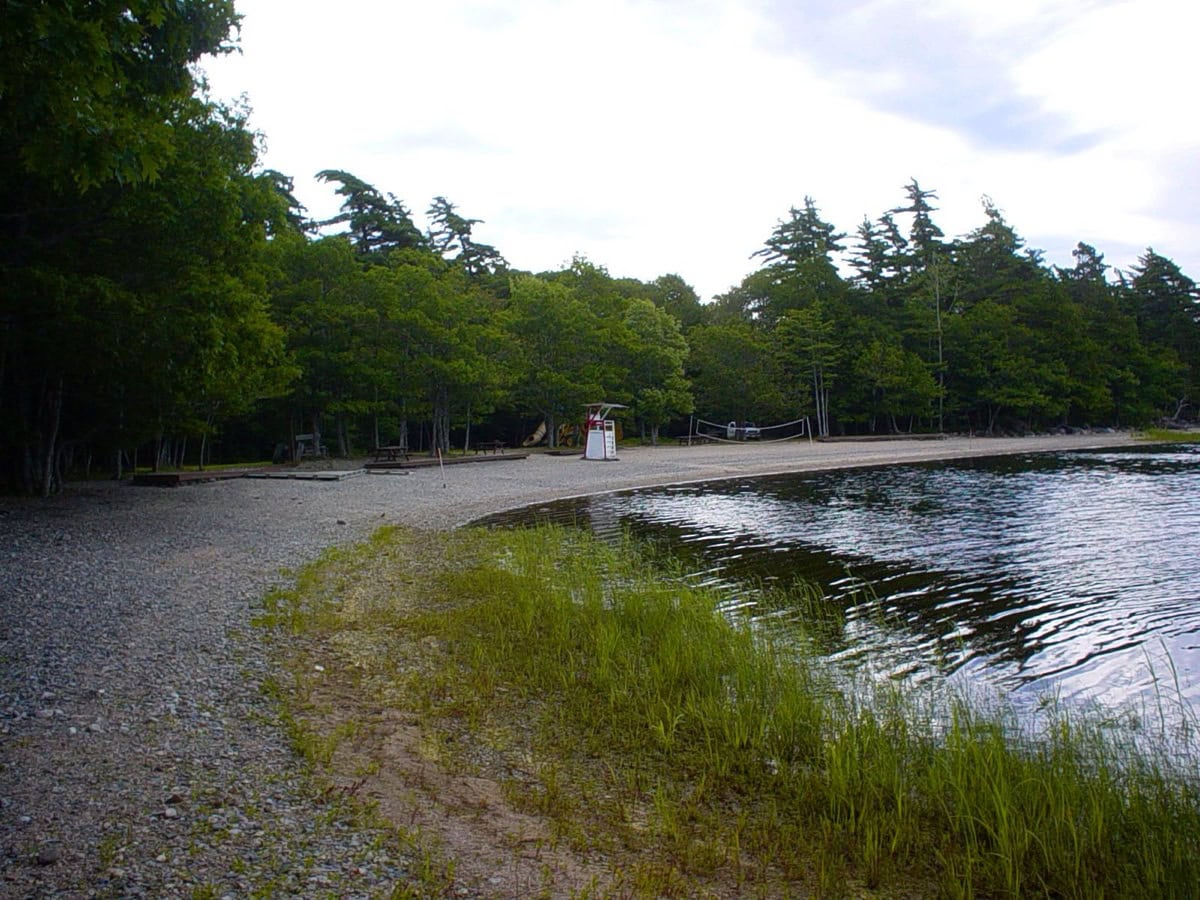
Not every day has to be about hikes and exploration. Sometimes you just want to lie on a beach, read a book, and cool off in the lake now and then. That’s exactly what Merrymakedge Beach is for.
It’s the main beach in the park, with soft sand, a gradual entry into the water, and plenty of space even in peak season. The water in Kejimkujik Lake is surprisingly warm — the lake is shallow and dark (stained by tannins from the bogs), so it heats up much more than the ocean. In August, we measured around 22–24 °C, which is positively luxurious by Canadian standards.
At the beach, you’ll find changing rooms, toilets, and picnic fire pits. You can also rent a paddleboard (SUP) right on the beach. For families with children, Merrymakedge is absolutely ideal — shallow water, no currents, no waves.
In the evening, the beach transforms into the best spot for stargazing (see tip no. 2). So plan ahead: afternoon swimming, evening barbecue at the fire pit, stars at night. A perfect day that requires no plan at all.
7. Kejimkujik Seaside — wild coastline with seals
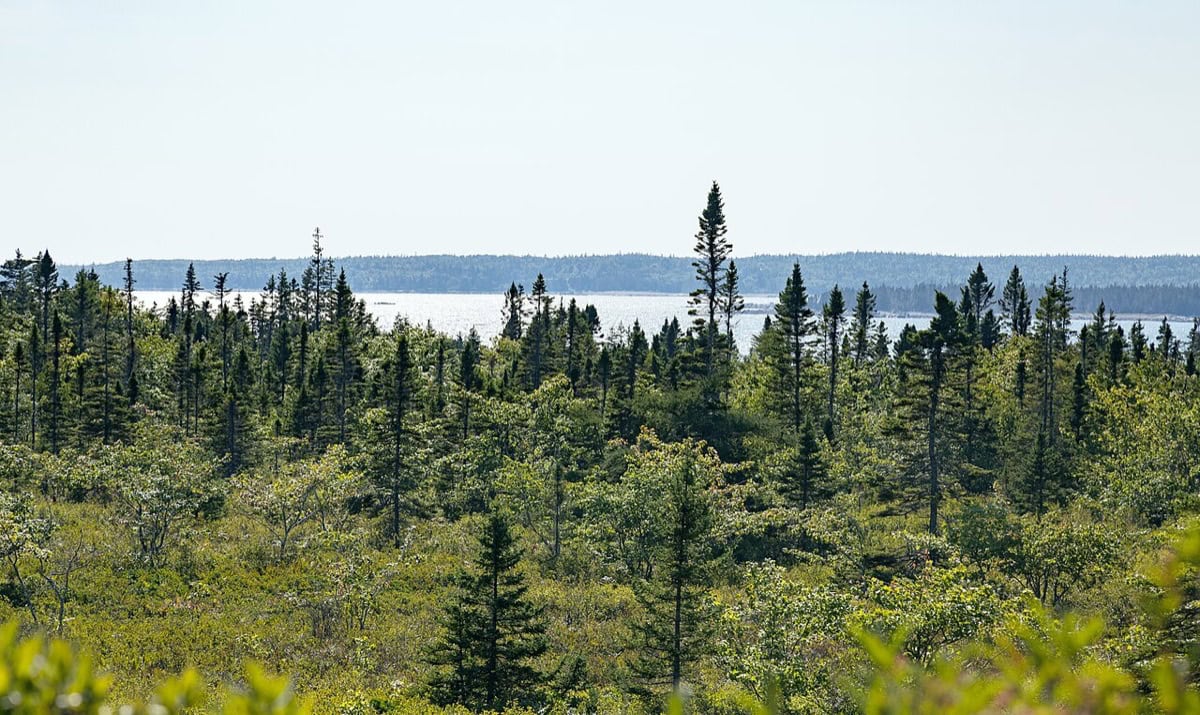
Heads up — this is important: Kejimkujik Seaside is a separate section of the park located on the Atlantic coast, about an hour’s drive from the main inland park. But it’s absolutely worth the trip!
Kejimkujik Seaside offers an entirely different experience — instead of lakes and forests, you get wild rocky coastline, white sand beaches, sea grass, and with a bit of luck, seal colonies. Access is from a gravel car park (Harbour Rocks), followed by a 6 km trail (one way) along the coast to St. Catherine’s River Beach and Southwest Port Mouton.
The trail is easy but long — plan for a full day (about 12 km return). The terrain is a mix of boardwalks over bogs, sandy paths, and rocky shoreline. Along the way, there are gorgeous views of the open ocean, and with some luck, you’ll spot grey seals resting on rocks or swimming in the bay.
Key practical info:
- Kejimkujik Seaside has no facilities — no toilets (except one at the car park), no water, no refreshments. Bring plenty of water and food.
- The same ticket or Discovery Pass covers admission (same as the main park).
- Dogs are not allowed (to protect nesting birds).
- The nearest town with food is Port Joli or Liverpool (about 20 min).
We spent a full day at the Seaside section and didn’t regret a single minute. St. Catherine’s River Beach is stunning — wide, white, empty. In August, there were maybe four other people besides us. And the seals! We spotted a group of about fifteen basking on the rocks. An absolutely gorgeous experience.

8. Multi-day canoe trip into the backcountry — for those who want more
If you’re an experienced paddler and want a real adventure in Kejimkujik, the park offers a system of interconnected lakes and rivers perfect for multi-day canoe or kayak expeditions with overnight stays at backcountry campsites.
The most popular route runs from Jake’s Landing through Kejimkujik Lake and Big Dam Lake to Indian Point and back — you can plan it over 2–4 days depending on your pace. Backcountry camps have basic facilities (fire pit, pit toilet, tent pad) and must be reserved in advance at the visitor centre.
What to prepare for:
- Portages (carrying your canoe overland between lakes): the longest portage on the main route is about 1 km. Not terrible, but you’ll feel it with a fully loaded canoe.
- Bears are rare in the park but they do exist. Store food in bear canisters or hang it from a tree.
- Mosquitoes and black flies in the backcountry are absolutely brutal in June and July. DEET repellent is a must, as is a head net. This is not an exaggeration. 😅
- Weather can change quickly — bring waterproof layers and be aware that wind on the big lake can be a serious issue.
It’s an unforgettable experience — waking up on the shore of a lake, no one around, just you and nature. But it requires preparation, experience, and respect for the wilderness.
9. Wildlife watching — loons, porcupines, and turtles
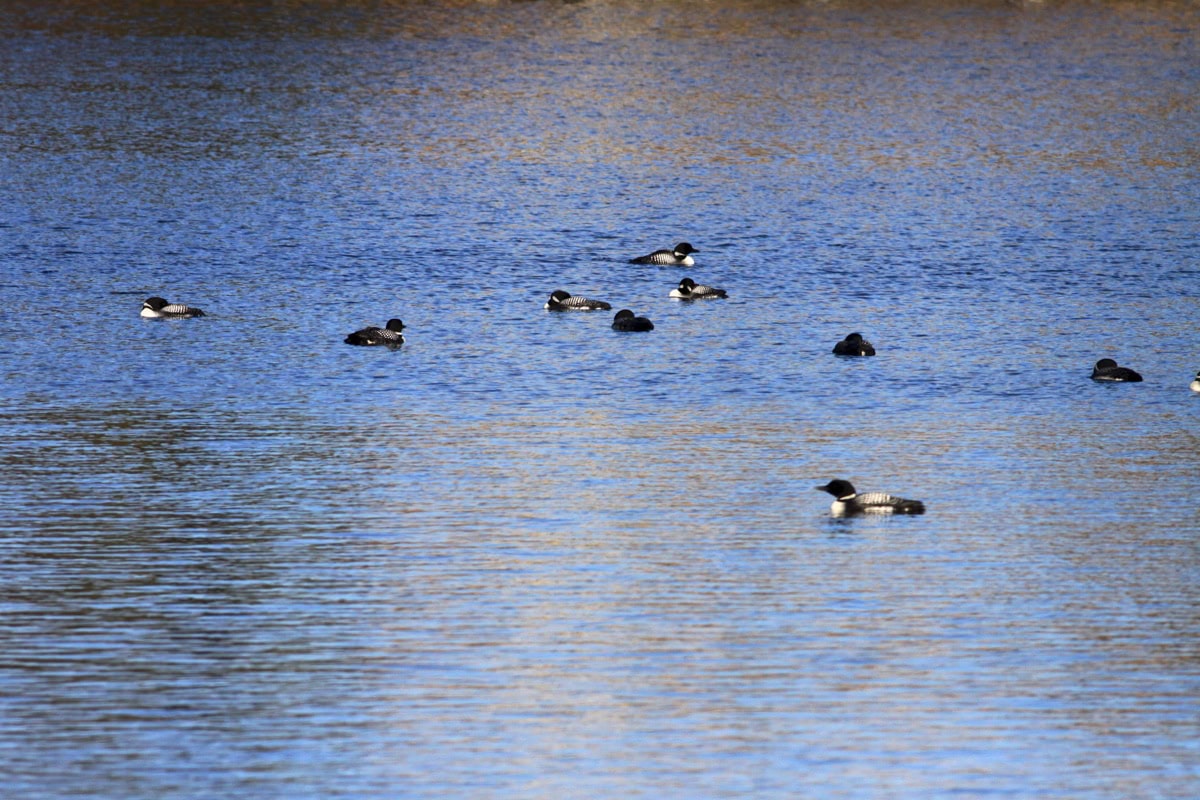
Kejimkujik is home to a surprisingly diverse range of wildlife, and animal watching is one of the park’s main attractions — though it does require a bit of patience and luck.
Loons — the symbol of Canadian wilderness (they’re even on the one-dollar coin, nicknamed the “loonie”). Several dozen pairs live in Keji, and you’ll hear their iconic call every evening. The easiest way to spot them is from a canoe in the early morning hours.
Porcupines — these slow, slightly bewildered-looking creatures are surprisingly common, especially around dusk near the campsites. They’re harmless (as long as you don’t touch them), but watch your gear — porcupines love salt and will gnaw on anything soaked in human sweat (backpack straps, paddle handles, bike seats). Seriously.
Blanding’s turtle — one of the most endangered turtles in Canada. Kejimkujik is one of the few places where they still survive. You can recognise them by their yellow throat. During egg-laying season (June), you might see them crossing roads — drive slowly and keep your eyes peeled!
Other wildlife: beavers (you’ll see their dams in many places), otters, bald eagles, herons, hummingbirds, and with a bit of luck, a moose with its calf at the water’s edge at dawn.
💡 TIP: The visitor centre offers guided wildlife programmes in season — for example, nighttime expeditions to find frogs and toads with a park biologist. It might sound odd, but it’s absolutely fascinating — and free.
10. Paddleboarding and swimming on Mersey River
If canoeing isn’t your thing, try stand-up paddleboarding (SUP) on the calm stretches of the Mersey River. The river flows through the park, and on some sections it’s so calm and clear you feel like you’re standing on glass.
You can rent a SUP at Jake’s Landing or on Merrymakedge Beach — prices are around 30–40 CAD for a half day (€20–26). For beginners, we recommend the calm coves of the lake, where you won’t be surprised by currents or wind.
The Mersey River is also brilliant for wild swimming — several accessible spots along the river have sandy bottoms and warm water. Ask at the visitor centre for current recommended spots, as the river changes character depending on water levels.
11. Cycling the park trails
Kejimkujik has a network of paved and unpaved trails that are ideal for cycling. The main cycling route runs from the campground to Grafton Lake and other parts of the park — roughly 20 km of trails at various difficulty levels.
Unfortunately, you can’t rent bikes in the park (at least not when we visited), so if you want to ride, bring your own or hire them in Halifax. The trails are suitable for regular hybrid or touring bikes — no need for a mountain bike.
Cycling is a great way to reach more remote parts of the park that would take hours on foot. And a bonus: you travel quietly on a bike, giving you a better chance of spotting wildlife.
12. Parks Canada interpretive programmes — and they’re worth it!
This is something we don’t really have an equivalent for in the UK, which is a shame — Parks Canada runs daily programmes during peak season (July–August) led by rangers and specialists. And they’re absolutely brilliant.
The lineup includes:
- Guided hikes with explanations of the park’s ecosystem
- Cultural programmes about Mi’kmaw history and contemporary life
- Night programmes (astronomy, nocturnal sounds, bioluminescence)
- Children’s programmes (Xplorers programme for kids aged 6–11 with their own “explorer journal”)
- Canoe workshops for beginners
Most programmes are free (included with park admission) and take place both at the visitor centre and at various locations throughout the park. Check the schedule on the notice board at the visitor centre or on the Parks Canada website.
We particularly recommend the programme on Mi’kmaw culture — you’ll learn things you won’t find in any guidebook, and it takes your experience of the park to a completely different level.
13. Grafton Lake and hidden gems off the main trails
Most visitors to Kejimkujik stick around the main lake and campground. But the park covers over 400 km², and many of its most beautiful spots lie off the beaten track.
Grafton Lake is a smaller, quieter lake north of the main campground, accessible by a maintained road (on foot, by bike, or by car). There’s a backcountry campsite, calm water for paddling, and a feeling of being miles from civilisation — even though you’re just 20 minutes from your car.
Flowing Waters — a spot on the Mersey River where the water rushes over a series of rock ledges. Beautiful for a picnic and photos, especially in autumn.
Eel Weir Bridge — a historic bridge over the Mersey River with lovely views of the river and its surroundings. In autumn, you might spot Atlantic salmon swimming upstream.
💡 TIP: Ask the rangers at the visitor centre about their personal favourite spots — they’re incredibly friendly and happy to share “secret” locations that aren’t in any guidebook.
Map of points of interest for your phone
Food and drink: a foodie’s survival guide in the wilderness
I’ll be honest — Kejimkujik is not a place you visit for the gastronomy. In the park itself, there’s no restaurant, no café, no shop. Zero. Nada. So if you’re used to grabbing lunch at a restaurant with a view inside a national park — that’s not how it works here. 😅
Cooking at camp
Most people in Keji cook at camp, and honestly — it’s part of the experience. Every site has a fire pit, and firewood can be bought in the park (about 8 CAD per bundle, roughly €5). A camping stove is more practical though, especially for your morning coffee.
What to bring:
- Stock up on supplies in Bridgewater (about 50 min away) at one of the larger supermarkets (Superstore, Sobeys) — it’s the last “civilised” town on the road to the park.
- Decent instant coffee or a French press (priorities! ☕️)
- Marshmallows for toasting — in Canada, this is mandatory, not optional
- Steaks or sausages for grilling over the fire
- Plenty of drinking water (there are sources in the park, but having a supply in the car is sensible)
Where to eat nearby
If you fancy a break from campfire cooking:
Caledonia (20 min from the park) — a small village with a few eateries. Whitman Inn serves solid food in the pleasant surroundings of a historic inn. Nothing fancy, but after three days of tinned beans, it’ll feel like a Michelin star. 😅
Annapolis Royal (45 min) — much better dining options here. The town has several lovely restaurants:
- Bistro East — modern Canadian cuisine with local ingredients and excellent seafood
- The Garrison House — a historic restaurant in a beautiful building; higher price point but worth it for a special dinner
- Several cafés and bakeries for a morning stop on the way to/from the park
Liverpool (40 min) — a larger town with more options, including familiar Canadian chains (Tim Hortons for a cheap coffee, pizza joints, Chinese restaurants). Lane’s Privateer Inn has a decent restaurant with seafood.
💡 TIP: If you’re heading to Kejimkujik Seaside, stop in Summerville or Port Mouton — you’ll sometimes find local stalls selling fresh lobster and seafood straight from the fishermen. Prices are a fraction of what you’d pay in Halifax.
Practical tips to wrap up
Mosquitoes and black flies — a serious warning
This is not a joke and it’s not an exaggeration. The mosquitoes and “no-see-ums” (tiny biting midges) in Kejimkujik are legendary. June and early July are the worst. DEET repellent (at least 25%) is an absolute must, a head net is strongly recommended, and if you’re camping, make sure your tent’s mesh doesn’t have a single hole.
In August and September, the situation improves significantly — the mosquitoes ease off and your stay is much more pleasant.
What to pack
In addition to standard camping gear, we recommend:
- DEET repellent (you can buy it in Canada at any supermarket)
- Red-light headtorch (for stargazing)
- Waterproof jacket (weather changes fast)
- Warm layers for evenings (even in summer, temperatures drop to 8–12 °C)
- Binoculars (for wildlife and stars)
- Dry bags/waterproof sacks (if you’re going on the water)
Check out our complete guide on how to pack into carry-on luggage — many of the tips apply to camping trips too.
Internet and mobile signal
At the main Jeremy’s Bay campground, there is Wi-Fi (near the visitor centre and some communal areas), but it’s slow and unreliable. Mobile signal in the park is weak to non-existent — expect to be offline. Which is actually rather lovely. 😊
If you need to stay connected, consider getting an eSIM from Holafly, but even with one, you’ll have trouble in the park — there’s simply no signal. Coverage improves on the roads outside the park.
Safety
Kejimkujik is a very safe park. Black bears do live here, but encounters are rare. Follow the basic rules:
- Store food in your car or bear boxes — never in your tent
- Don’t eat inside your tent
- If you encounter a bear, speak calmly and back away slowly
A bigger “danger” are ticks — Nova Scotia is an area with Lyme disease. Check yourself after every hike.
Flights and getting to Nova Scotia
For cheap flights to Halifax, we like using Kiwi — it’s our go-to flight search tool. Direct flights from Europe to Halifax exist seasonally (from London with WestJet and Air Canada), but you may also fly via Toronto or Montreal. From London Gatwick or Heathrow, you can often find reasonable fares, especially if you book in advance.
If you’re planning a bigger road trip across Canada, Nova Scotia combines brilliantly with New Brunswick, Prince Edward Island, and Québec.
Travel insurance
Don’t skimp on travel insurance for a trip to Canada — healthcare for visitors is extremely expensive. Have a look at our SafetyWing review, which is what we use for longer trips.
FAQ — Frequently asked questions about Kejimkujik National Park
How do you pronounce Kejimkujik?
Roughly “KEH-jih-muh-KOO-jik” — with the stress on the third syllable. Locals just say “Keji” (KEH-jee) and everyone will understand you. The name comes from the Mi’kmaw language and roughly translates to “place of tired muscles” or “swelled waters,” depending on the interpretation. We prefer the first version, because after a full day of canoeing it feels absolutely spot on. 😅
How many days do I need for Kejimkujik?
At least 2 nights, ideally 3–4. In two days, you can cover the main lake (canoeing), one longer hike, and a night of stargazing. With three nights, add the trip to Kejimkujik Seaside. Four nights give you time for a multi-day canoe trip or simply a relaxed beach day with no rush.
Can I bring my dog to the park?
To the main inland section, yes — dogs are allowed on a leash (max. 3 metres) at campsites, on most trails, and on the beach. Some backcountry trails may have restrictions. At Kejimkujik Seaside, dogs are not permitted — to protect nesting birds (especially piping plovers).
Is there drinking water in the park?
At the main Jeremy’s Bay campground, yes — there are drinking water sources. In the backcountry, you’ll need to filter or boil your water. At Kejimkujik Seaside, there is no drinking water — bring plenty with you.
Are there bears in Kejimkujik?
Yes, black bears live in the park, but encounters are rare. During our visit, we didn’t see a single one. Follow basic precautions (food outside your tent, don’t eat near your sleeping area) and you’ll be fine. The campground has bear boxes available for food storage.
Can I paddle in the park with no experience?
Absolutely! Kejimkujik Lake has plenty of calm coves and sheltered sections where even a complete beginner will feel safe. At Jake’s Landing, they’ll give you basic instructions when you rent a canoe. Just avoid the open sections of the lake in windy conditions — waves on a large lake can be surprisingly uncomfortable.
Is the Parks Canada Discovery Pass worth it?
If you’re planning to visit more than 3 national parks or historic sites managed by Parks Canada during one trip (or year), the Discovery Pass is worth it. It costs 145.25 CAD per adult (about €95) or 100.50 CAD for seniors. The family/group pass is 295 CAD (about €195) and covers up to 7 people in one vehicle. In Nova Scotia alone, you’ve got Kejimkujik + Halifax Citadel + Fortress of Louisbourg on Cape Breton — on a Maritimes road trip, the pass pays for itself quickly.
Tips and Tricks for Your Vacation
Don’t Overpay for Flights
Search for flights on Kayak. It’s our favorite search engine because it scans the websites of all airlines and always finds the cheapest connection.
Book Your Accommodation Smartly
The best experiences we’ve had when looking for accommodation (from Alaska to Morocco) are with Booking.com, where hotels, apartments, and entire houses are usually the cheapest and most widely available.
 🚗 Car rental on the roadVerified rental cars in Nova Scotia
Search with the DiscoverCars comparison engine — it compares prices from dozens of local and international rental companies, and most bookings come with free cancellation.
Compare car prices in Nova Scotia →Don’t Forget Travel Insurance
Good travel insurance will protect you against illness, accidents, theft, or flight cancellations. We’ve had a few hospital visits abroad, so we know how important it is to have proper insurance arranged.
Where we insure ourselves: SafetyWing (best for everyone) and TrueTraveller (for extra-long trips).
Why don’t we recommend any Czech insurance company? Because they have too many restrictions. They set limits on the number of days abroad, travel insurance via a credit card often requires you to pay medical expenses only with that card, and they frequently limit the number of returns to the Czech Republic.
Find the Best Experiences
Get Your Guide is a huge online marketplace where you can book guided walks, trips, skip-the-line tickets, tours, and much more. We always find some extra fun there!


