

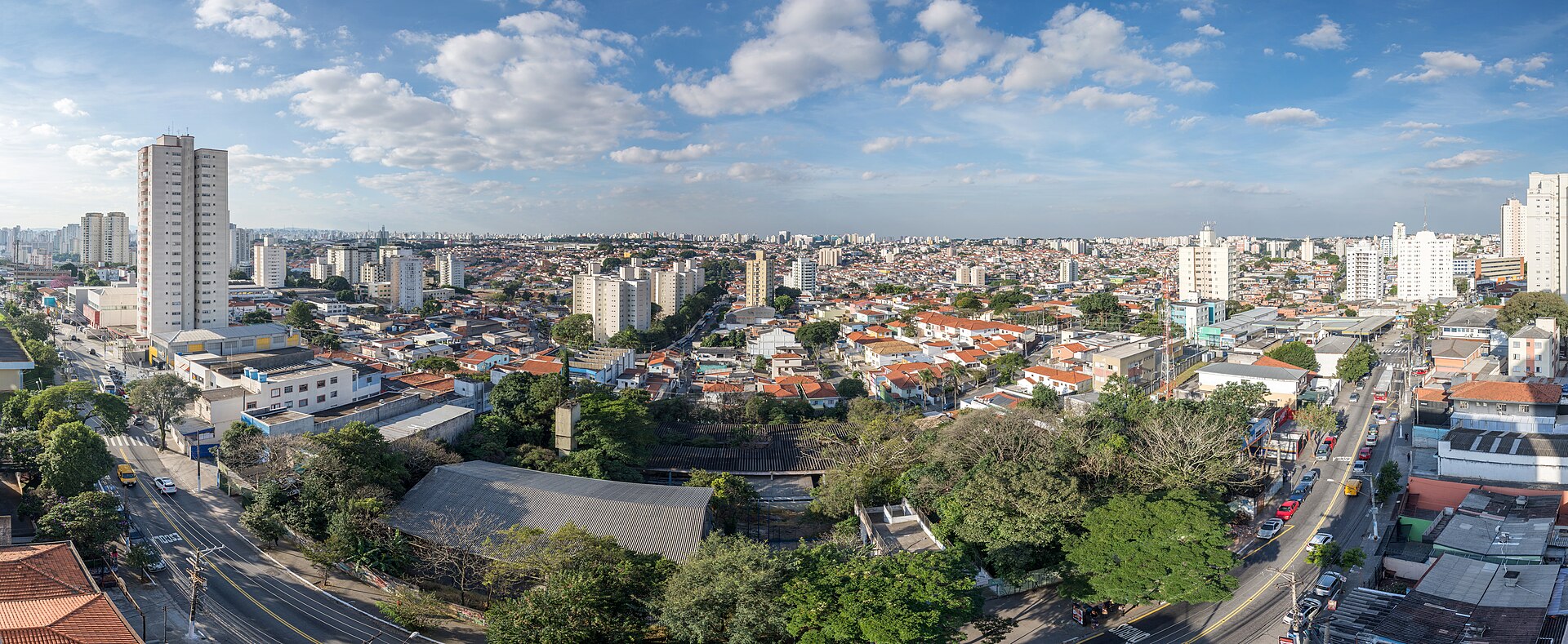
When people think of Brazil, they often picture endless beaches, a wild carnival and the iconic Christ the Redeemer statue. But São Paulo Brazil is no Rio de Janeiro—and it certainly isn’t trying to be. While Rio draws visitors with postcard-perfect views, the largest city in the Southern Hemisphere pulls you into its fast-paced rhythm as one of Latin America’s great food and cultural capitals. There’s no ocean here, but you’ll find some of the continent’s best galleries, striking architecture and the energy of a metropolis of more than 12 million people.
There’s one essential thing to understand when planning your trip: São Paulo is not a city you can simply explore on foot. It’s vast, and its traffic jams regularly rank among the worst in the world. The clean, fast metro—with more than 100 stations—is your best way to get around. Plan each day around a particular neighborhood rather than trying to cross the city from one end to the other.
If you love great food, you’ll be in heaven here. São Paulo is one of Brazil’s best big-city destinations for vegetarians, too. Waves of immigration have brought outstanding Italian pizzerias, Arab bakeries and the largest Japanese community outside Japan. This city may not win you over at first glance, but give it a chance and its incredible atmosphere will soon sweep you up.
The essentials for anyone short on time
- Getting around matters: Don’t try to cross the city by car or on foot. Stick to the metro—it’s safe and can save you hours in traffic.
- World-class art: Don’t miss MASP, with its unique display of paintings, or the beautiful brick Pinacoteca.
- The city’s green heart: Ibirapuera Park is a must. Visit on a weekend if you can and soak up the local atmosphere.
- A food lover’s paradise: Try exotic fruit at Mercado Municipal, authentic Japanese ramen in Liberdade and pizza in Vila Madalena.
- A Sunday tradition: Avenida Paulista closes to cars on Sundays and becomes a huge pedestrian zone filled with artists and cyclists.
- Take safety seriously: Stick to lively neighborhoods such as Jardins and Pinheiros, use Uber after dark and keep your phone out of sight on the street. It’s not worth the risk.
- Jaw-dropping views: Take in the endless urban landscape from Farol Santander or the glass-floored Sampa Sky.
When to visit São Paulo
When choosing your travel dates, remember that the city sits on a vast plateau about 800 meters above sea level. Don’t expect the year-round tropical heat and humidity you’ll find on the coast in Rio. The weather is much more variable, and locals joke that São Paulo can experience all four seasons in a single afternoon. Packing only shorts and tank tops would be a mistake: evenings can be surprisingly cool, so layers are essential.
The best time to visit is from April to September, when the weather is drier and pleasantly cool. Daytime temperatures hover around 22–25°C, making it ideal for sightseeing and gallery-hopping. You won’t be sweating with every step, and the skies are often beautifully clear. From December to March, expect hot, humid weather and frequent heavy afternoon downpours. These tropical storms can bring the city’s traffic to a standstill and turn streets into rivers.
If you can, plan to spend a Sunday in the city. Sundays in São Paulo have a special kind of magic, and the whole metropolis takes on a different feel. The main thoroughfare, Avenida Paulista, closes completely to cars, parks fill with music, and wonderful street markets pop up in Liberdade. The city slows down, giving you a chance to see locals making the most of their free time.
Where to stay in São Paulo
Where you stay in São Paulo isn’t just a matter of comfort—it’s essential for your safety. Choose carefully. Avoid cheap hotels in the historic center, especially Centro and República. These neighborhoods are busy with office workers during the day, but empty out after sunset. They aren’t safe for tourists at night, and any money you save on a budget room may end up going straight on taxi rides to safer areas.
The golden rule is to look for accommodation in lively, affluent neighborhoods with easy metro access. Jardins is a top choice: it’s leafy, full of luxury boutiques and among the city’s best-guarded areas, with private security as well. Around Avenida Paulista is another great option, with plenty going on day and night. Bohemian Pinheiros is ideal if you want excellent restaurants and cafés nearby. If you’re arriving late at night or leaving early in the morning, consider spending your first or last night near Guarulhos Airport (GRU). It’s a long way from the center, and the drive can take up to two hours during rush hour.
Here are some hotel ideas in great locations that you can book through Booking:
- Tivoli Mofarrej São Paulo: An iconic five-star hotel in the exclusive Jardins neighborhood, just a short walk from MASP. Enjoy a beautiful outdoor pool surrounded by greenery and exceptional service that makes this feel like a peaceful oasis in the middle of the metropolis. The surrounding area is exceptionally well secured.
- Ibis São Paulo Paulista: A great-value option right on the famous Avenida Paulista. The metro is just steps away, and in the evening you can stroll along the well-lit main avenue, lined with restaurants. It’s an ideal base for exploring the city.
- Selina Madalena São Paulo: A perfect choice for younger travelers and digital nomads in the heart of the artsy Vila Madalena neighborhood. It has a creative atmosphere and lovely communal spaces, with interesting bars, cafés and world-famous street art all around.
💡 Compare what’s available on this map — you’ll quickly see how much cheaper accommodation can be just a few metro stops from the center.
Safety in São Paulo: How to enjoy the city with peace of mind
Safety in Brazil? Of course—it’s the first question on everyone’s mind. But don’t let it scare you unnecessarily. São Paulo is first and foremost a huge working city where millions of people go about their daily lives, take the metro and head out for lunch.
The key is to stick to lively neighborhoods with good transport links. Jardins is one of the city’s best-guarded areas, with a strong police presence as well as private security, so you’re likely to feel very comfortable there. The famous Avenida Paulista is generally safe during the day thanks to the crowds and police patrols, but don’t wander around alone at night. Keep an eye out for organized pickpocketing groups that target distracted tourists.
The historic center is architecturally impressive, but it comes with some clear rules. Visit during the day only. Once the sun sets, the streets empty out and the atmosphere changes for the worse. One rule applies across the city: never walk around with your phone out in your hand. If you need to check a map, step into a shop or café. After dark, use a reliable Uber to get around, even for short distances. Leave expensive jewelry and watches at home or in your hotel safe.
20 things to see and do in São Paulo
There’s something to discover around every corner in São Paulo, but these are the places you really shouldn’t miss.
1. Ibirapuera Park
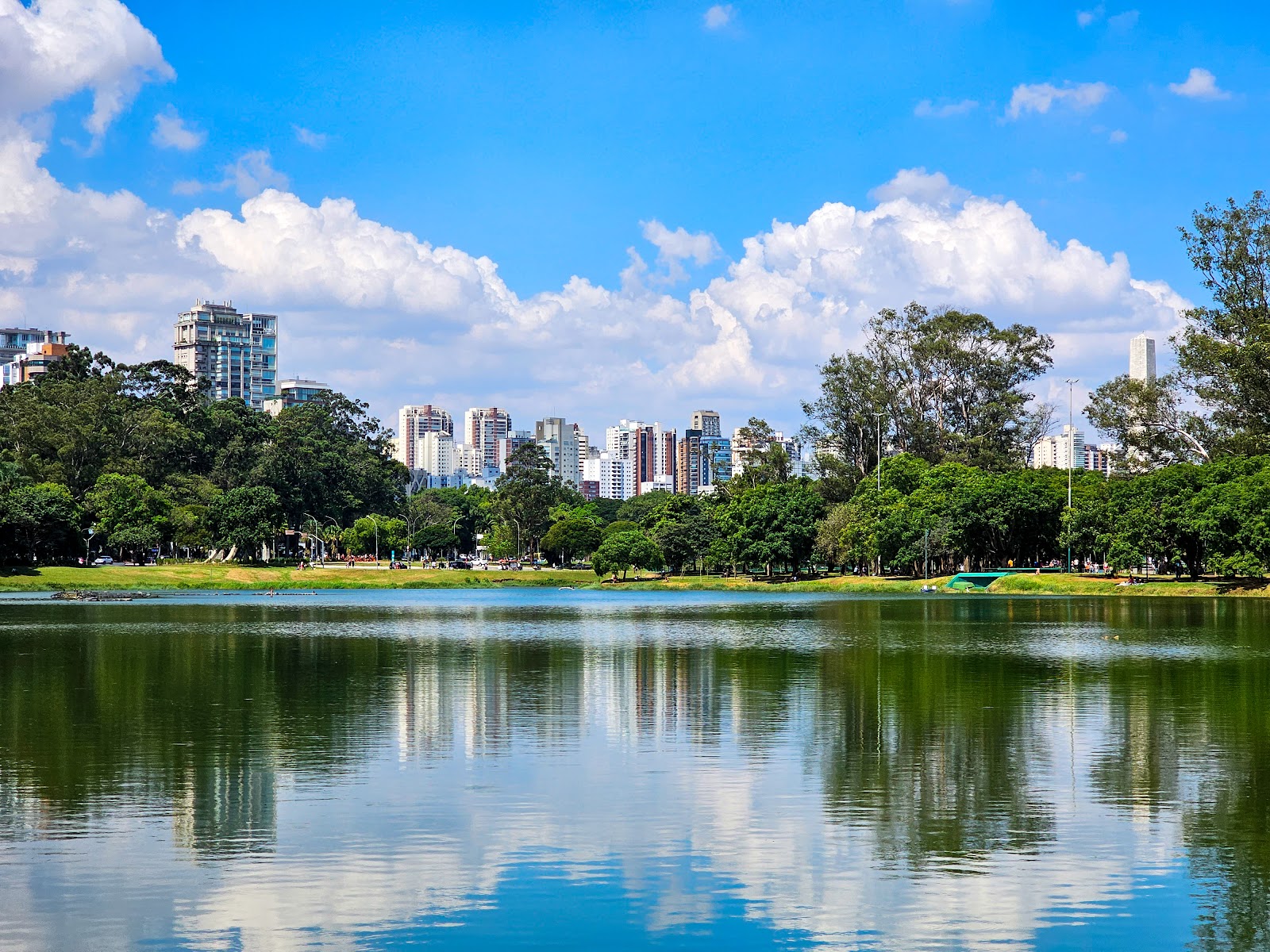
This vast green oasis in the middle of the concrete jungle has an impressive rating of ★4.8 (297,718 reviews) and is by far the city’s most visited attraction. Locals proudly compare it to New York’s Central Park, and honestly, it’s hard to disagree when you’re sitting by a lake with coconut water in hand. Alongside beautiful lakes and mature trees, you’ll find architectural gems by celebrated architect Oscar Niemeyer, a planetarium and the excellent Afro Brazil Museum.
The park is at its best on weekends, especially Sundays, when Paulistanos come to relax, exercise and picnic. The wide paved paths fill with skaters, runners and families, while groups of friends gather on the lawns. It’s the perfect place to sit by the water, watch the swans and soak up the lively atmosphere that’s so characteristic of Brazil.
💡 Tip: You can rent a bike right by the entrance, which is a great idea. The park is huge, and exploring it on two wheels is much easier. There are well-marked, safe cycling paths that take you past all the main sights.
2. Museum of Art of São Paulo (MASP)
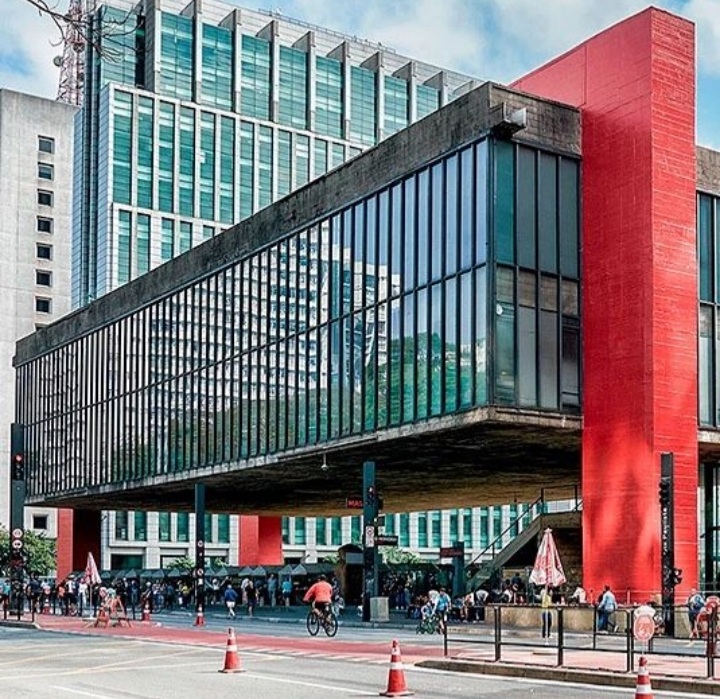
You’ll recognize the iconic MASP building ★4.7 (112,344 reviews) at a glance. Brilliantly designed by architect Lina Bo Bardi, the structure appears to float above busy Avenida Paulista, supported by four enormous red concrete pillars. The open space beneath the museum, known as Vão Livre, remains a popular meeting place and hosts Sunday antiques markets and street concerts.
The real treasures are inside. MASP holds one of Latin America’s most important art collections, including works by Van Gogh, Rembrandt and Brazilian modernists. The way the paintings are displayed is unlike anything you’ll see in a traditional gallery: instead of hanging on the walls, they sit on glass easels set into concrete bases. In the main gallery, the masterpieces seem to float in the space around you.
💡 Tip: There’s an entrance fee, and the museum gets busy during the day. Book a timed ticket online several days in advance to avoid a long wait in the sun and make sure you get in.
3. Mercado Municipal de São Paulo
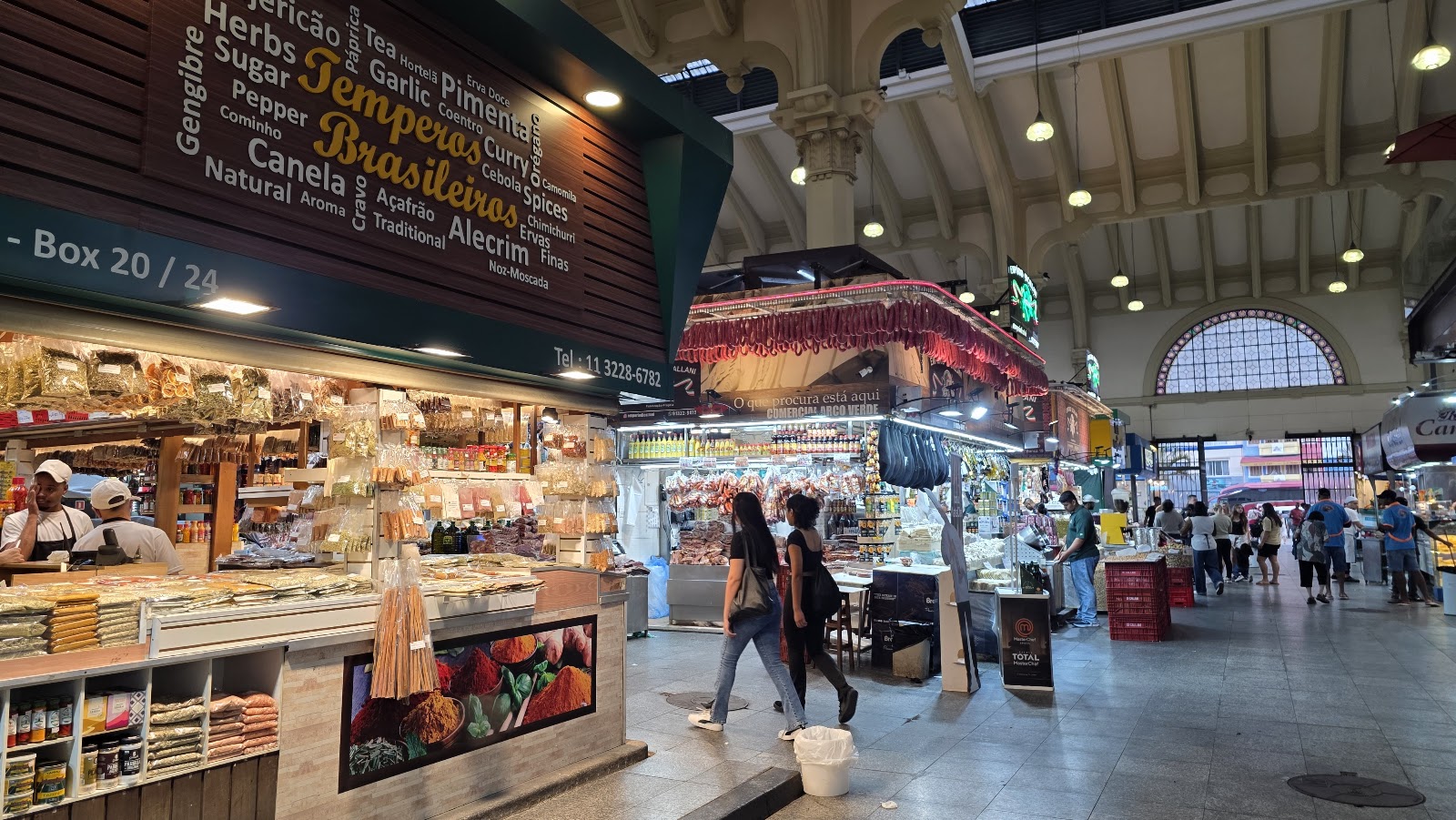
This historic downtown market ★4.5 (202,171 reviews) is a feast for the senses. The beautiful 1930s building catches your eye with its enormous stained-glass windows, but the real spectacle is inside, among the colorful stalls. You’ll find an incredible variety of unusual tropical fruit you may never have seen before, from sweet atemoya and fresh cashew apples to Brazilian jabuticaba.
The vendors are full of energy and will keep offering you samples. The market’s most famous bite, which draws long lines, is a sandwich piled high with Italian mortadella—a local favorite. Vegetarians have plenty to enjoy, too: the nearby stalls serve excellent meat-free pastéis filled with delicious melted cheese. The food here is truly top-notch.
💡 Tip: Fruit samples are technically free, but vendors expect you to buy something afterward. Prices for tourists can be heavily marked up, so don’t be afraid to smile, say thanks and move on if the price in Brazilian reais (BRL) seems too high.
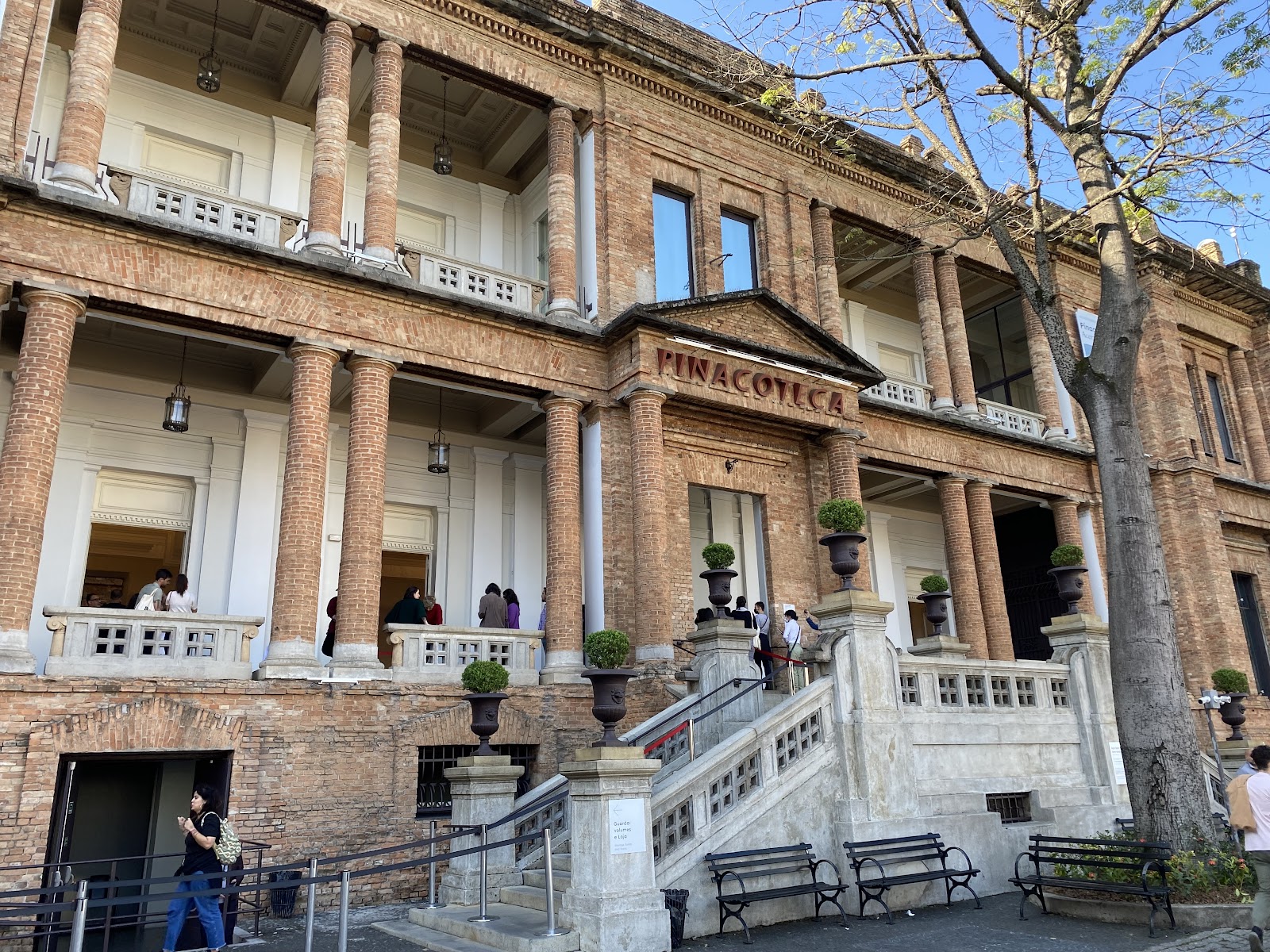
4. Pinacoteca de São Paulo
If you visit just one museum during your stay, make it the Pinacoteca ★4.8 (41,370 reviews). It’s one of the city’s highest-rated museums, housed in a striking unplastered brick building dating from 1900. In the 1990s, architects gave it a clever update with glass roofs and steel walkways, filling the galleries with beautiful natural light.
The collection focuses mainly on 19th- and early-20th-century Brazilian painting and sculpture, making this a great place to get to know local culture. The works capture the colonial past, the growth of major cities and Brazil’s beautiful natural landscapes. Look out for artists such as Tarsila do Amaral and Cândido Portinari. The museum’s layout is wonderfully calm, and there’s a lovely café as well.
💡 Tip: The museum is right next to historic Luz Station in the city center. The area around the station and nearby Jardim da Luz can feel a little disorienting, so head straight from the metro to the museum entrance and don’t let anyone stop you along the way.
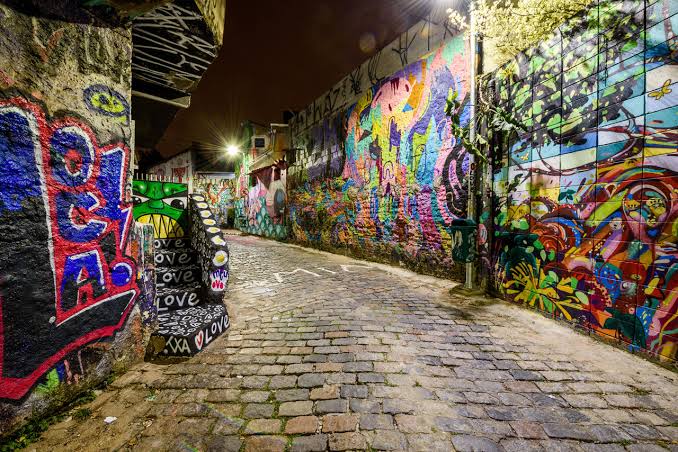
5. Beco do Batman in Vila Madalena
The bohemian neighborhood of Vila Madalena is home to one of Brazil’s most photographed spots. Beco do Batman ★4.6 (34,032 reviews), or Batman Alley, is a maze of narrow cobbled lanes where every inch of wall is covered in exceptional graffiti. It got its unusual name in the 1980s, when the first colorful comic-book image of Batman appeared on a wall overnight. The alley has been a phenomenon ever since.
Today it’s a bona fide open-air gallery, attracting street artists from around the world. The murals are constantly changing and being painted over, so the alley looks a little different on every visit. The surrounding streets are packed with hip cafés, independent galleries and local design shops that add to the atmosphere.
💡 Tip: Visit on a weekday morning, when it’s wonderfully quiet. On weekends, the alley fills up with influencers and tourists, making it hard to enjoy the art—or get a photo without a crowd in the background.
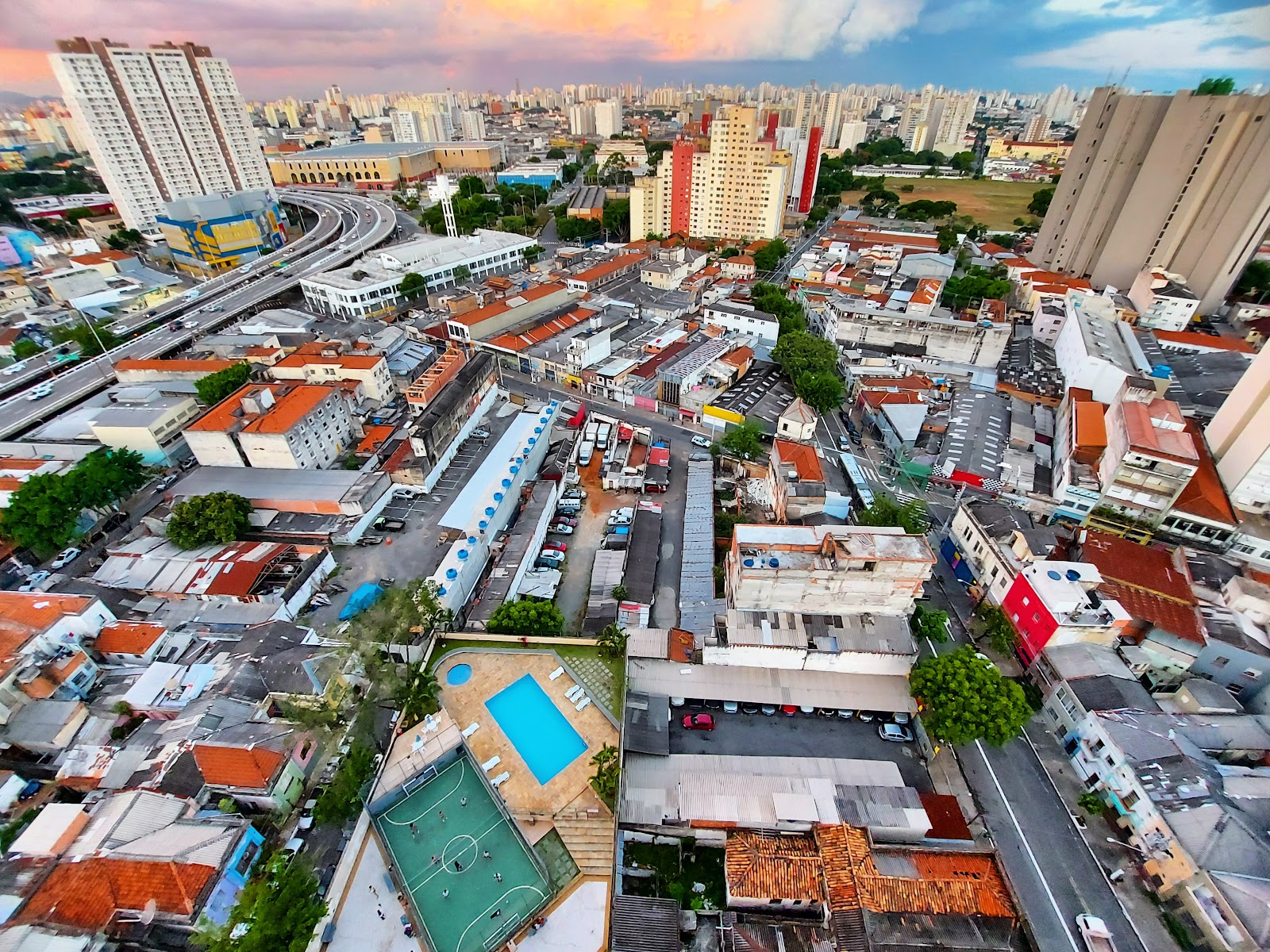
6. Liberdade neighborhood
Step out of the metro in Liberdade and you might think you’ve been transported to Tokyo. Traditional red torii gates, lantern-shaped streetlights and Japanese signs welcome you. São Paulo is home to the world’s largest Japanese community outside Japan, and this fascinating neighborhood has been its vibrant heart since the early 20th century.
It’s a paradise for lovers of Asian food and culture. You’ll find some of the city’s best ramen, endless shops selling Asian groceries and specialty matcha teas. It’s also a wonderful place for vegetarians, with fresh tofu and delicious vegetable sushi. In recent years, strong Korean and Chinese communities have added even more variety.
💡 Tip: If your itinerary allows, visit on a Sunday, when a huge street market takes over the main square. Try all kinds of street food, from sweet taiyaki pastries to noodles—but be ready for big crowds.
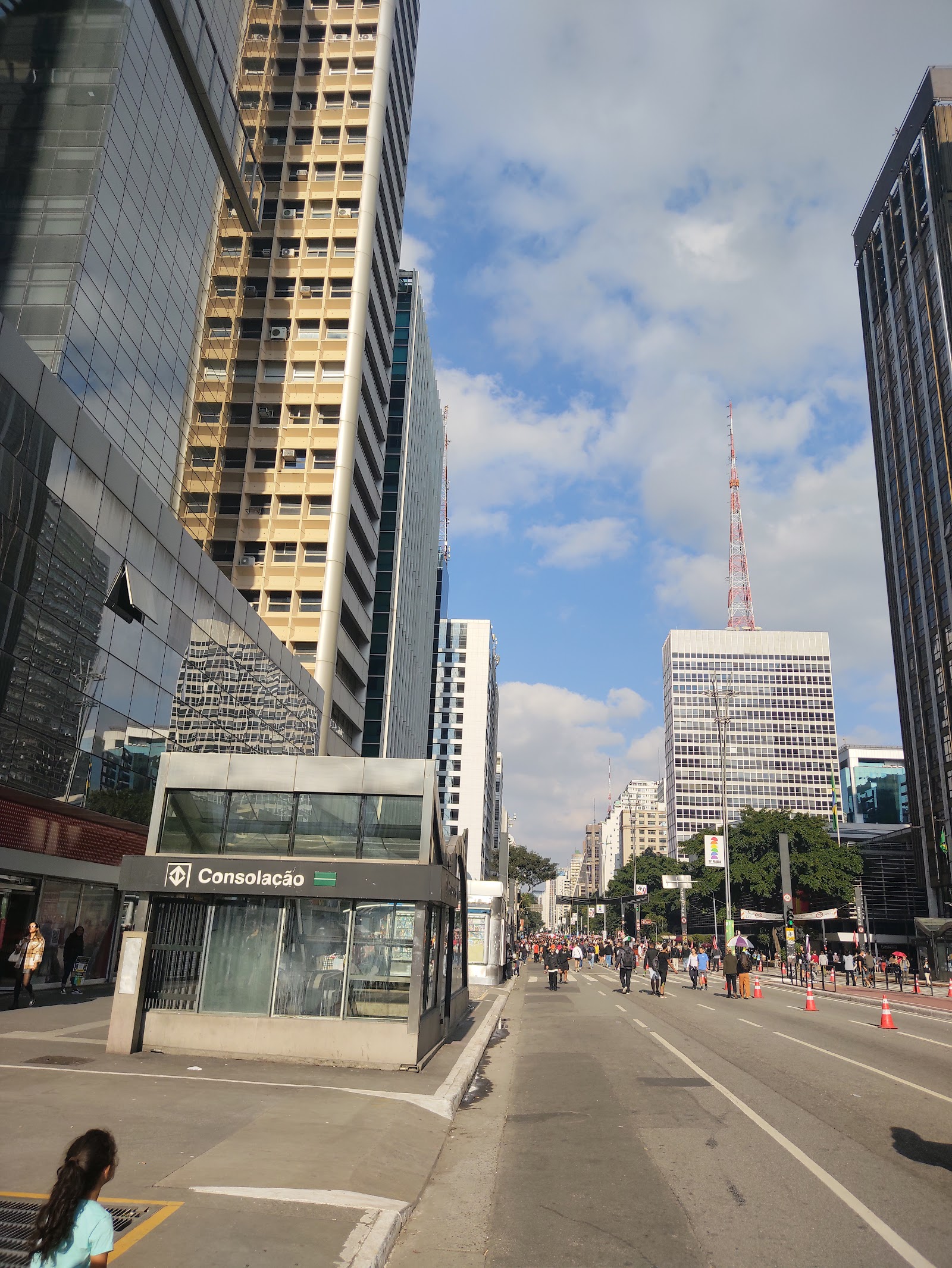
7. Avenida Paulista on a car-free Sunday
Avenida Paulista is the city’s financial and commercial heart, a nearly three-kilometer avenue that never sleeps. During the week, honking cars mix with thousands of busy professionals and the sound of sirens. But every Sunday, something wonderful happens: the entire thoroughfare closes to motor traffic, creating an experience you shouldn’t miss.
The avenue becomes a vast pedestrian zone and an open-air festival. Families ride their bikes along the wide road while dancers, talented musicians and street artists fill the space. Cultural centers such as Japan House and Instituto Moreira Salles line the avenue, and often offer free admission. It’s one of the best ways to experience the city’s relaxed side and see how locals enjoy life.
💡 Tip: Walk the avenue from end to end, stop to listen to street musicians and pick up an ice-cold fresh coconut water from a stall. It’s a wonderfully upbeat experience that will leave you feeling energized.
8. Farol Santander
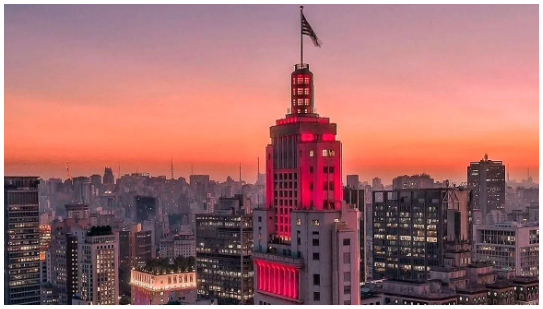
This striking 35-story skyscraper, built between 1939 and 1949, is rated ★4.7 (25,417 reviews) and is one of the city’s defining landmarks. On maps, you may also see it listed by its historic name, Altino Arantes Building. It was originally the grand headquarters of state bank Banespa, and its beautiful Art Deco architecture was heavily inspired by New York’s Empire State Building. Today, it’s known as Farol Santander and serves as a lively cultural center.
From the top, you’ll get an incredible view over an endless ocean of skyscrapers and begin to appreciate just how vast São Paulo is. Inside, there are exhibitions, historic bank vaults and an upstairs café where you can enjoy an excellent espresso while taking in the view.
💡 Tip: There’s an entrance fee for the observation deck, and it’s a good idea to book tickets online in advance. Take the metro to São Bento station, but stay alert on the way—you’ll be in the busy historic center, where pickpockets operate.

9. Sampa Sky
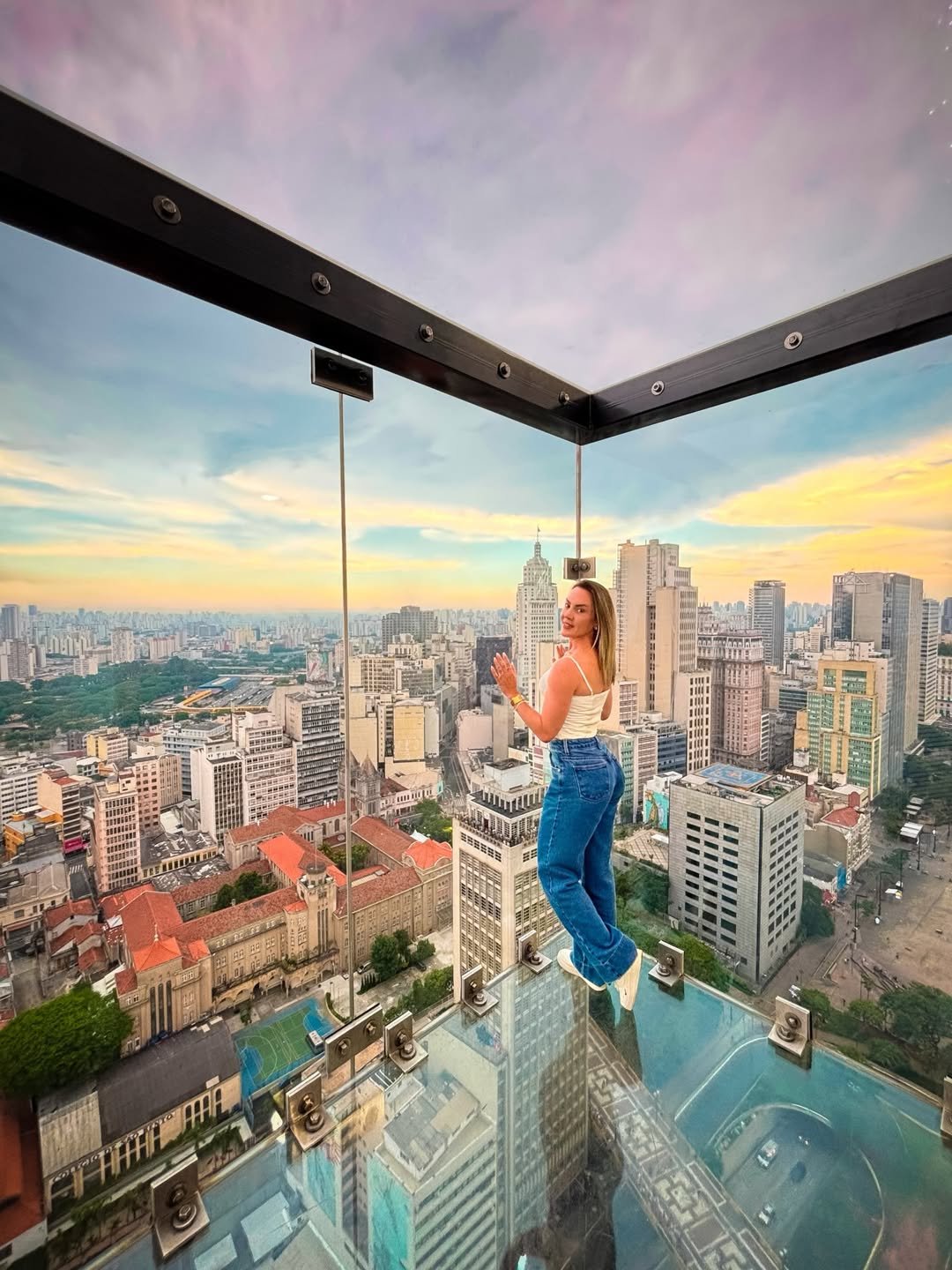
If a regular lookout isn’t enough and you’re after a modern attraction with a dash of adrenaline, head to Sampa Sky ★4.5 (9,072 reviews). This relatively new attraction sits on the 42nd floor of the Mirante do Vale building, which held the title of Brazil’s tallest building for decades.
The main draw is a set of glass platforms that jut out from the building, with transparent walls and floors. Step inside and you’ll feel as if you’re walking high above the busy streets, with the cars below looking like tiny toys. It’s a fantastic experience and a great spot for unusual photos, especially just before sunset.
💡 Tip: Each visitor gets only about 90 seconds in a glass platform, so queues keep moving. Have your camera or phone ready and think about your pose before you step inside.
10. Praça Pôr do Sol
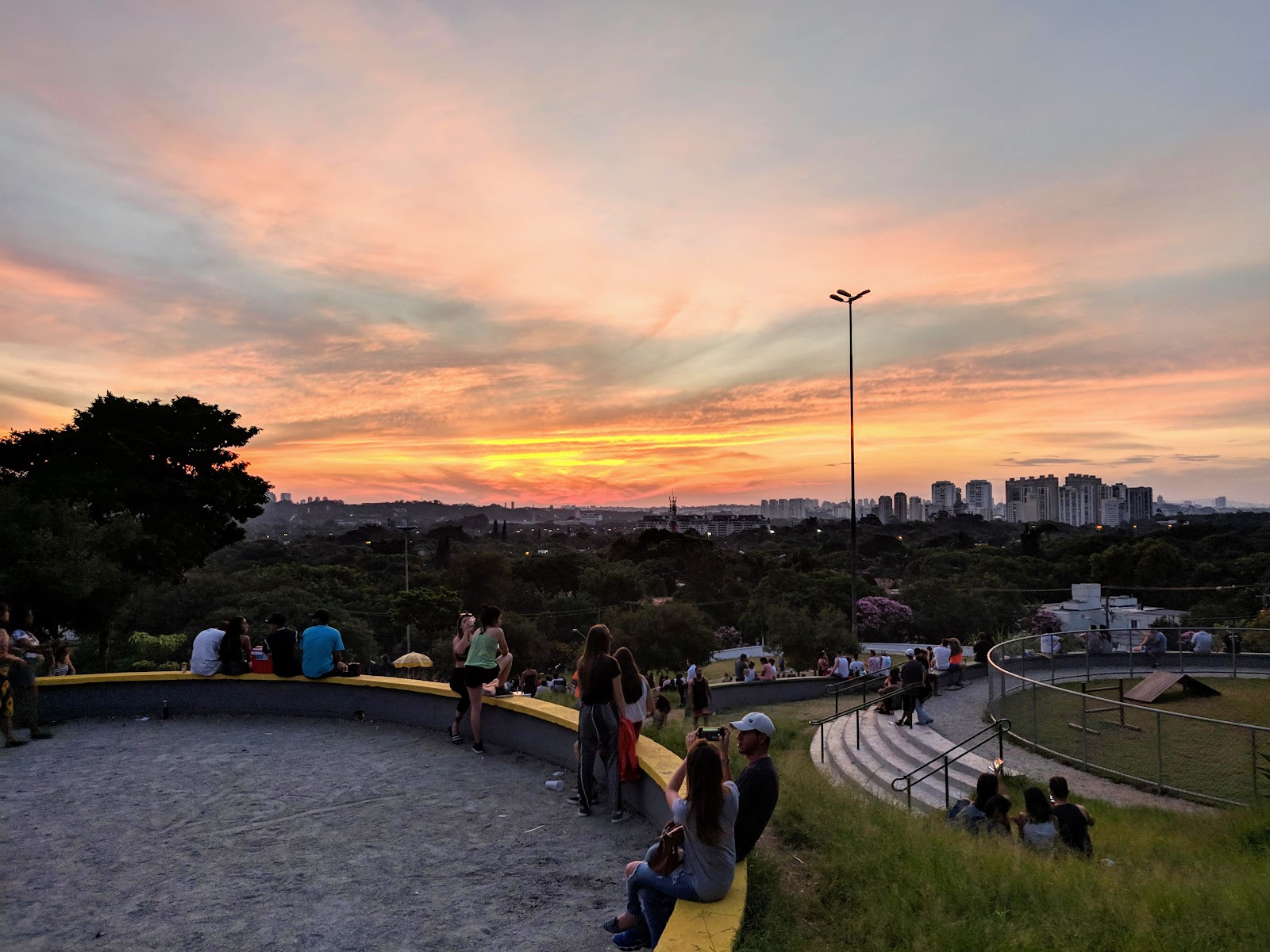
Most São Paulo viewpoints involve a lift, a ticket and an entrance fee, but Praça Pôr do Sol ★4.6 (22,095 reviews) offers a beautiful view completely free. The “Sunset Square” is actually a grassy hill in Alto de Pinheiros, where locals come to sit, have a drink and unwind after work.
As evening approaches, the lawn fills with groups of friends, students with guitars and couples. The sun setting behind the distant skyscrapers is breathtaking, and the atmosphere is friendly and relaxed. For many visitors, watching the golden city at dusk becomes one of the best memories of their trip.
💡 Tip: Bring a blanket and something to drink from a nearby shop. The park empties out fairly quickly after sunset, so follow the crowd to Pinheiros for a great dinner.
11. Museu da Imigração
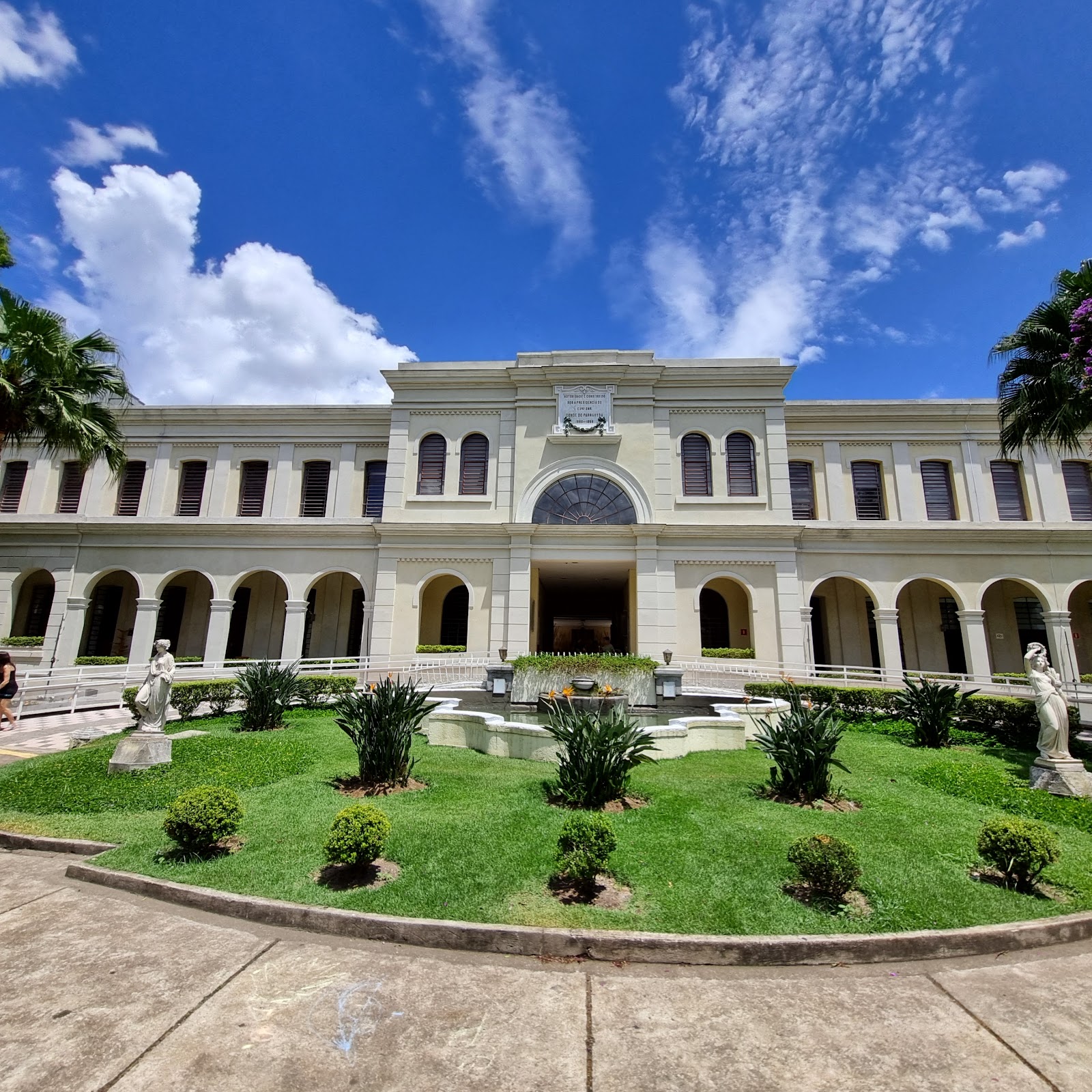
To understand why São Paulo is so cosmopolitan and rich in food culture, visit the Museu da Imigração ★4.7 (13,801 reviews). The museum is in Mooca, in a large historic former immigrant processing station. At the turn of the 20th century, millions of people from around the world passed through here in search of a new and better life in Brazil.
The exhibitions offer a fascinating key to understanding a city built in large part by immigrants. Discover the stories of Italians, Japanese, Arabs and people from Eastern Europe through period photographs, personal diaries and recreated dormitories where exhausted newcomers spent their first days after arriving from the port.
💡 Tip: The museum has a beautiful, peaceful garden shaded by mature trees, where the noise of the city feels far away. After your visit, take a seat in the café and try traditional Brazilian coffee made from beans that immigrants once helped grow on plantations.
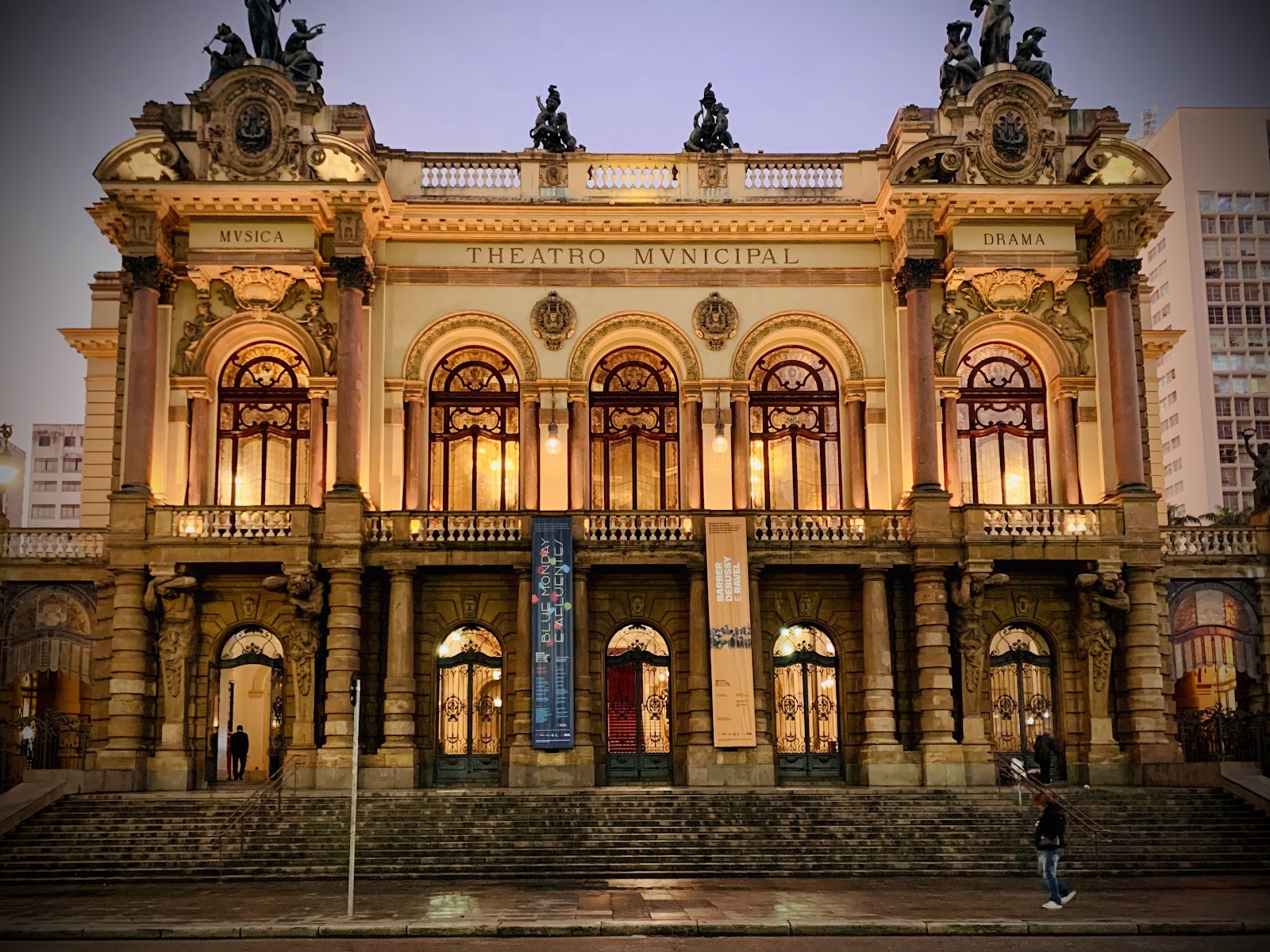
12. Theatro Municipal de São Paulo
As you explore the historic center near Praça Ramos de Azevedo, the magnificent Theatro Municipal ★4.8 (34,931 reviews) is sure to impress. This theater and opera house, completed in 1911, was built during the coffee barons’ heyday, when they wanted to give the city a touch of European elegance inspired by the Paris Opera. Its Renaissance and Baroque design is richly decorated with gold, marble and enormous crystal chandeliers.
The theater is still home to the city symphony orchestra and ballet. Even if you don’t plan to attend a performance, take a guided tour of the interior—the decorative details and grand central staircase are breathtaking. The famous 1922 Week of Modern Art was also held here, an event that shocked society and changed Brazilian culture forever.
💡 Tip: Guided tours run during the day. Book through the theater’s official website well in advance, as they fill up quickly. People experiencing homelessness often gather outside, so avoid lingering over a map on your phone and head straight inside.
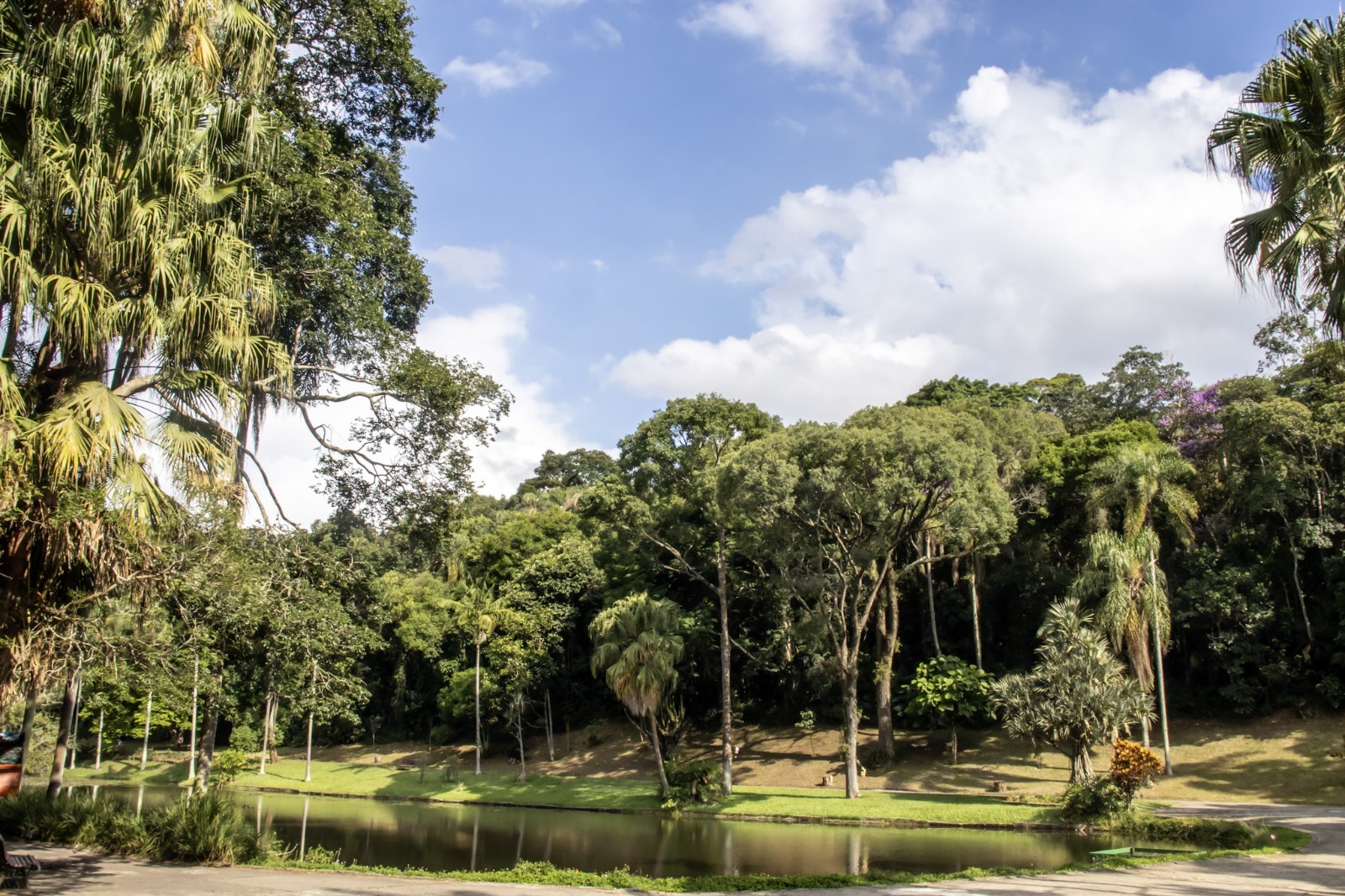
13. São Paulo Botanical Garden
When the concrete, heavy traffic and noise start to feel like too much, the São Paulo Botanical Garden ★4.7 (23,402 reviews) is a welcome escape. It lies a little way from the center in the south of the city, but the trip is well worth it. This is a peaceful oasis where all you can hear is birdsong and the rustle of ancient trees.
The garden has a large collection of endangered plants, beautiful orchids and photogenic wrought-iron greenhouses. Follow the paths past lily ponds, admire the bamboo groves or wander through areas of original Atlantic Forest. You may even spot wild toucans or playful monkeys leaping through the canopy.
💡 Tip: The garden is quite large, and there aren’t many places inside to buy a proper meal. Bring water and a light snack; there are plenty of places to sit and relax on the grass.
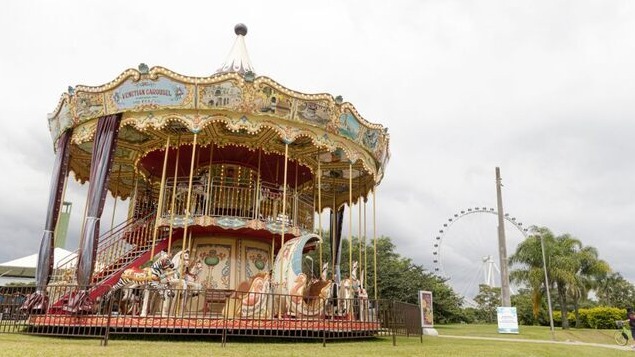
14. Parque Villa-Lobos
Another great place to escape into nature is Parque Villa-Lobos ★4.6 (115,698 reviews), in the western part of the city near the Pinheiros River. Unlike hilly Ibirapuera, Villa-Lobos is flat and easy to navigate—perfect for renting rollerblades and skating until your legs give out.
You’ll find kilometers of wide, safe cycling paths, tennis and basketball courts, a beautiful orchid garden and a large amphitheater that often hosts free outdoor concerts. The park is also home to the architecturally striking Biblioteca Parque Villa-Lobos, surrounded by mature trees—a peaceful place to read or relax in the shade.
💡 Tip: Combine the park with a visit to nearby Vila Madalena, which is an easy Uber ride away. Weekends bring plenty of families, but the park is so large that you won’t feel crowded.
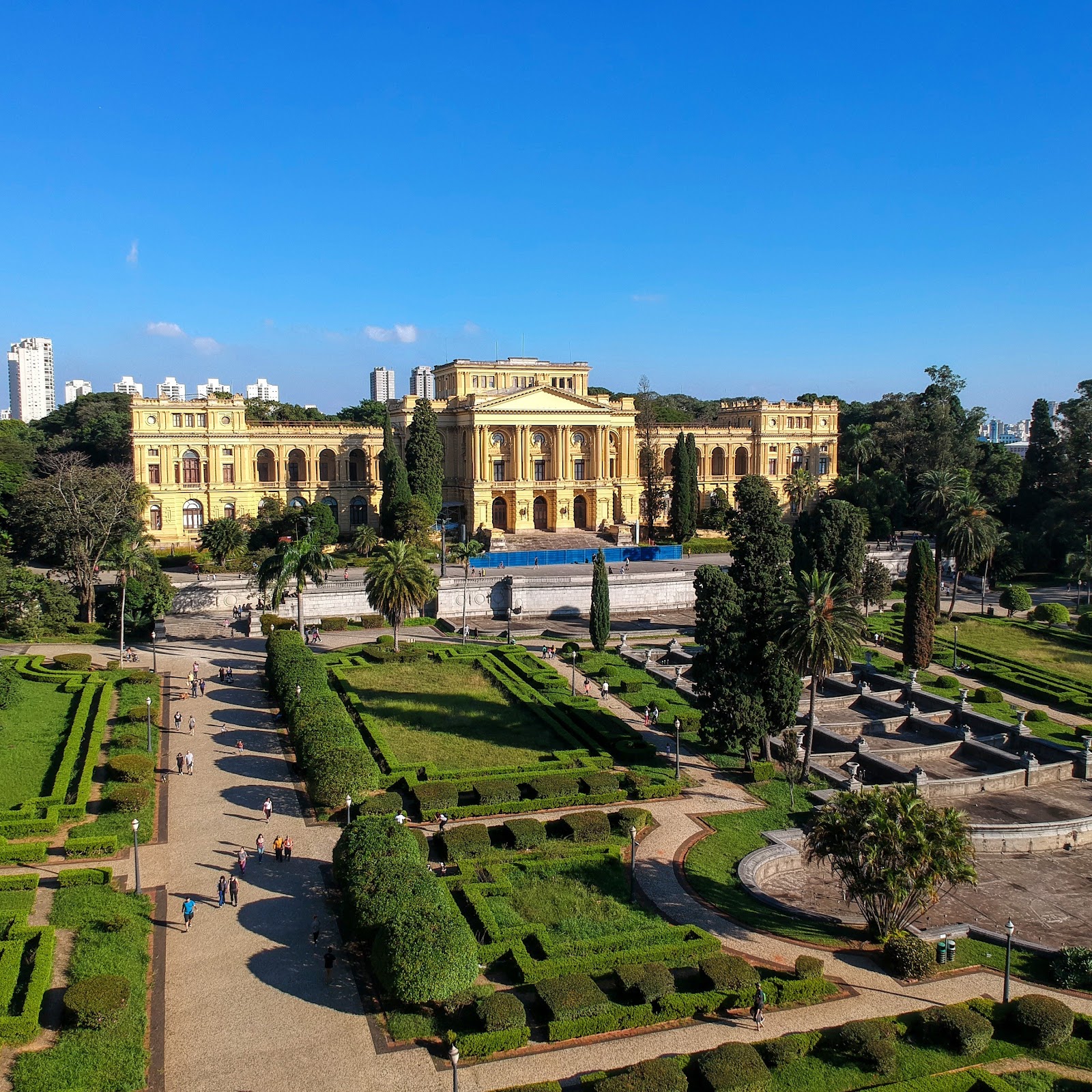
15. Parque da Independência
This park in Ipiranga, rated ★4.7 (57,728 reviews), has enormous historical and national importance to Brazilians. It was here in 1822 that Emperor Pedro I famously declared Brazil’s independence from Portugal. The park is designed in a grand French style, with geometric landscaping reminiscent of the gardens of Versailles.
Stroll among perfectly clipped, symmetrical hedges, admire the fountains and see the impressive monuments celebrating Brazil’s freedom. Above the gardens stands the imposing Museu do Ipiranga, recently renovated on a large scale. It houses some of the most important artifacts in Brazilian history, including famous paintings and imperial carriages.
💡 Tip: Visit the gardens on a clear, sunny day. The contrast between the bright white Independence Monument, lush green gardens and blue sky makes for especially beautiful photos.

16. São Paulo Zoo
If you’re traveling with family or simply love animals and nature, São Paulo Zoo ★4.6 (108,627 reviews) is an obvious choice. It’s the largest zoo in Brazil and one of the most respected on the continent. Set in the shade of original Atlantic Forest, it gives the animals a spacious, natural and pleasant environment.
More than 3,000 animals live in the extensive habitats, including rare and endangered Amazonian species you’re unlikely to see in European zoos. Look out for majestic jaguars, tapirs, giant anteaters and a dazzling variety of macaws. The grounds are very clean and the animals appear well cared for; you can also take a ride on a special zoo safari.
💡 Tip: The zoo is in the south of the city, a short distance from the botanical garden. Set aside at least half a day and wear comfortable shoes—the grounds are enormous, and you’ll cover a lot of distance.
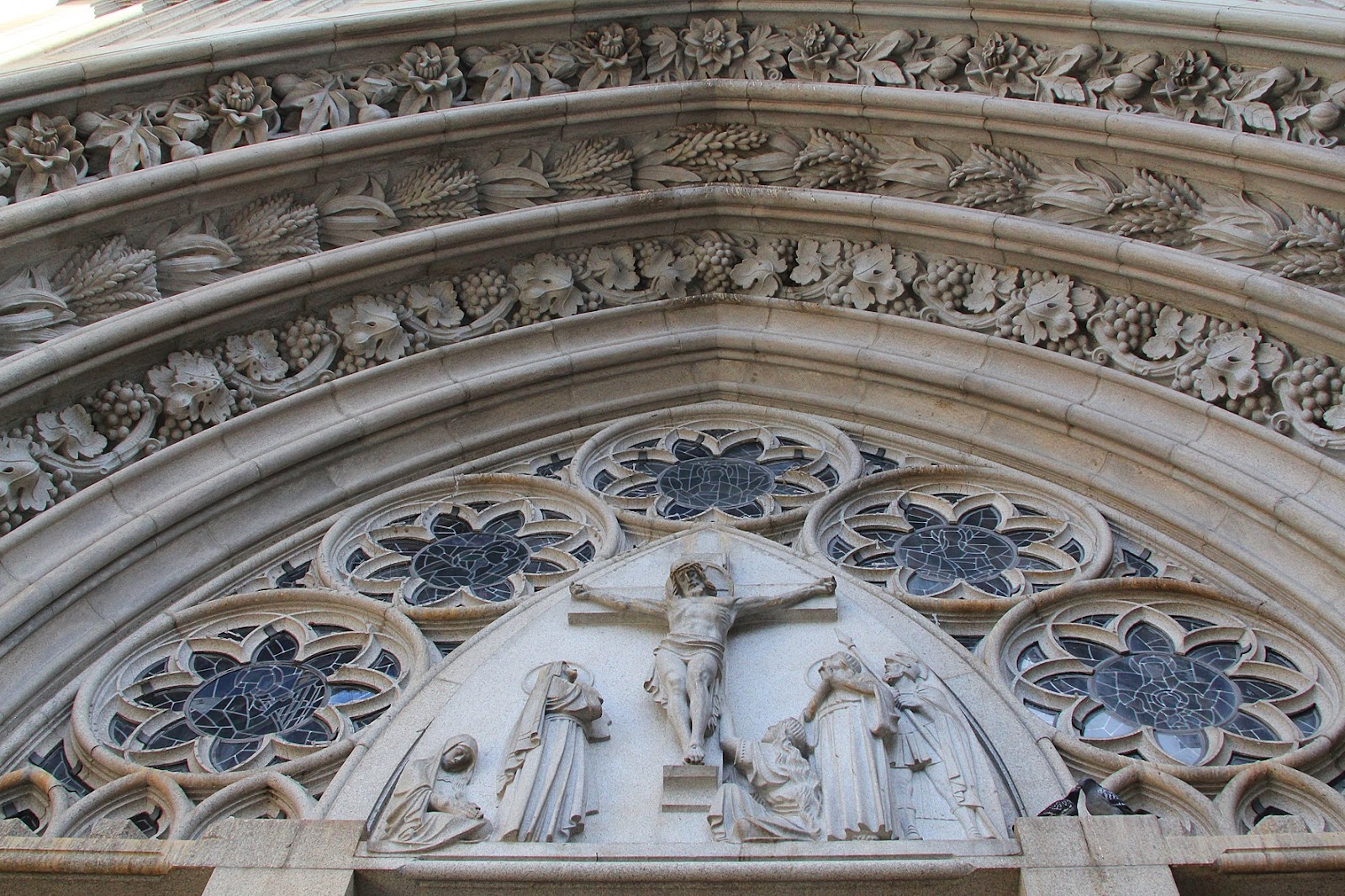
17. Sé Metropolitan Cathedral
The immense Sé Metropolitan Cathedral ★4.7 (31,153 reviews) rises majestically from the heart of the historic center. Although it looks centuries old, it was actually built in the 20th century in a striking Neo-Gothic style, with an unexpected Renaissance dome inspired by Florence’s famous cathedral.
The cathedral is enormous and can hold up to 8,000 worshippers. Its interior is lined with beautiful Brazilian marble, and the stained-glass windows show local flora and fauna instead of traditional European religious scenes. Look closely and you’ll spot coffee branches, pineapples and toucans. Beneath the main altar lies a large crypt containing the tombs of bishops.
💡 Tip: Entry to the cathedral is free. Take your time inside, but once you step outside, put your phone away and keep moving. The square can be an unpleasant place after dark.
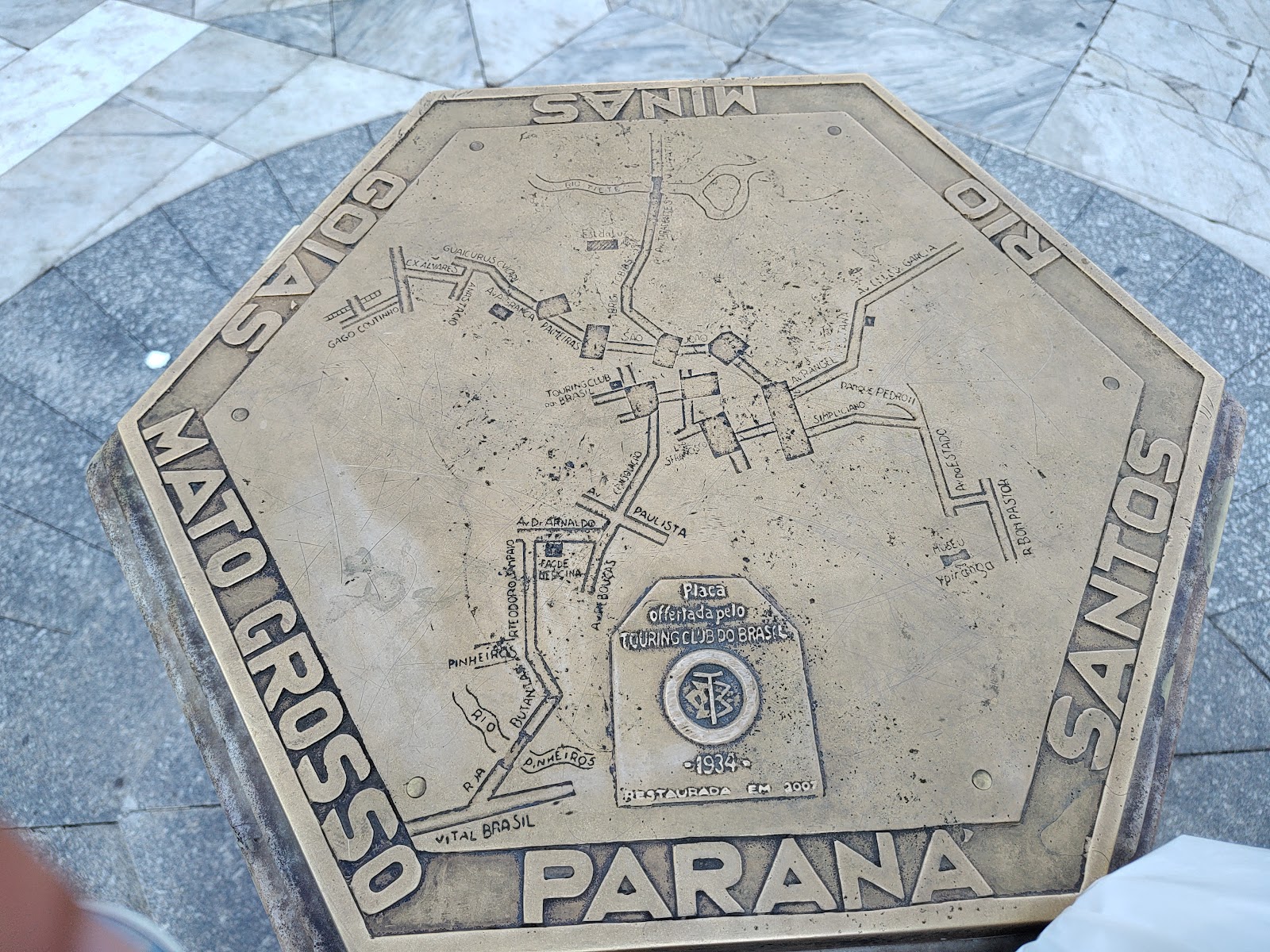
18. Marco Zero de São Paulo
On the ground just outside the grand Sé Cathedral is a small but significant landmark, Marco Zero de São Paulo ★4.2 (8,472 reviews). This hexagonal granite monument, built in 1934, marks the city’s symbolic center. It serves as kilometer zero, the point from which distances on highways and roads radiating across Brazil are measured.
Each side of the monument features detailed maps and the names of other Brazilian states and cities, with each side pointing in a particular direction. It’s an interesting historical and geographical landmark—and a reminder that you’re standing at the heart of one of the world’s biggest and most important cities.
💡 Tip: Stop by on your way to the cathedral. It only takes a few minutes, but it’s a classic stop for travelers who like ticking off important geographical landmarks.
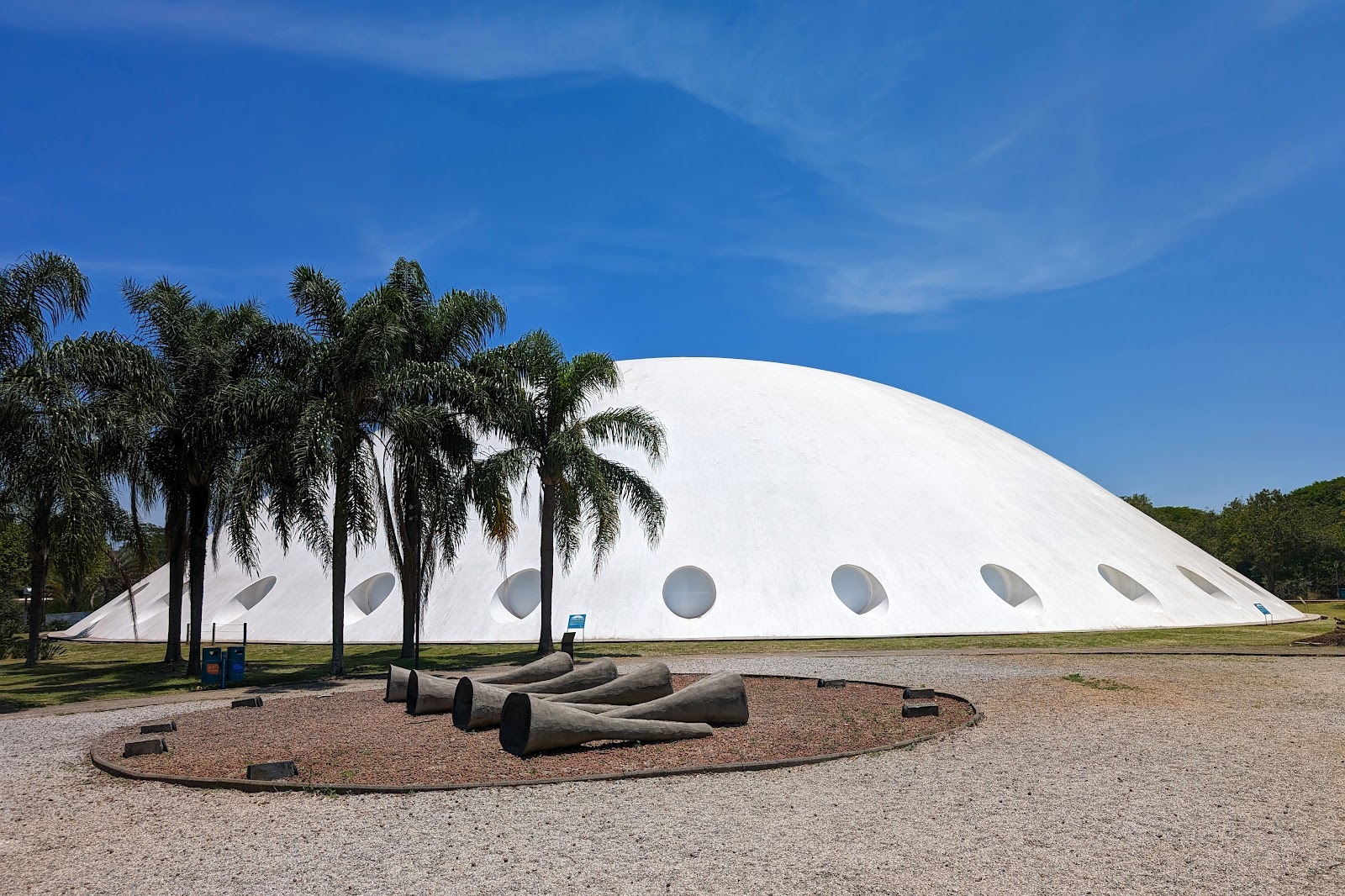
19. Oca
As you explore the vast Ibirapuera Park, don’t miss the building known as Oca ★4.7 (6,937 reviews). This fascinating white structure was designed by legendary Brazilian architect Oscar Niemeyer, and its smooth domed shape is meant to evoke a traditional Indigenous Brazilian dwelling. It looks a little like a flying saucer that has just landed on the lawn.
Today, the huge interior hosts some of the city’s largest temporary exhibitions, covering everything from art and history to technology. Even if the current exhibition isn’t your thing, the interior—with its looping concrete ramps and circular windows—is a brilliant example of Niemeyer’s clean lines and clever use of space.
💡 Tip: Check online to see what exhibition is currently on at Oca. There’s an entrance fee, and tickets often need to be bought in advance, particularly for popular interactive exhibitions that attract visitors from across the city.
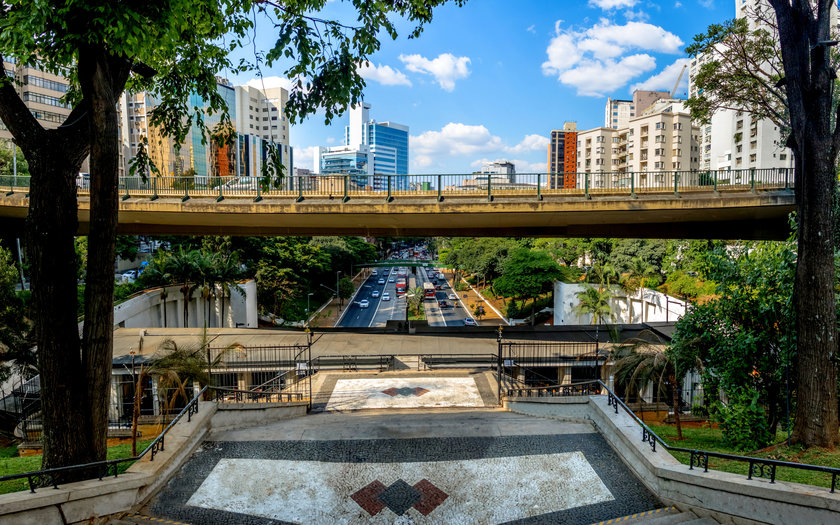
20. Mirante 9 de Julho and food in Pinheiros
This historic tunnel and lookout, built in 1936 near MASP, ★4.4 (7,233 reviews), lay abandoned for years. Today it’s a beautifully revitalized cultural space with a great café and views of the busy avenue below. It’s an ideal spot for an afternoon coffee, where local artists, hipsters and students like to gather.
As evening approaches, head from the viewpoint to nearby Pinheiros, the city’s food hub. It’s a dream neighborhood for vegetarians, with excellent restaurants, delicious meat-free coxinha and cafés serving fresh pão de queijo cheese rolls.
💡 Tip: Admire local meat dishes such as grilled churrasco and pork feijoada from afar. Instead, head out for excellent vegetarian pizza: the city’s large Italian community sets the bar high, and the pizza here might even taste better than in Naples itself.
Where to go next from São Paulo
If you’re planning a wider Brazil itinerary, São Paulo is an ideal starting point. Guarulhos Airport (GRU) is one of the continent’s main aviation hubs.
- Still deciding where to stay? Read our detailed guide, Where to Stay in São Paulo, for a closer look at each neighborhood.
- Heading on to beaches and iconic views? Find out what to see in Rio de Janeiro.
- And to choose a safe place to stay by the ocean, take a look at our guide to where to stay in Rio de Janeiro.
Frequently asked questions
Before traveling to São Paulo, you may have some practical questions. I’ve gathered the things people ask me most often, so you’ll have the key information in one place and can enjoy your stay without unnecessary stress.
Is São Paulo safe for tourists?
Yes, as long as you follow basic rules. During the day, stick to busy areas like Avenida Paulista or Jardins. In the evening and at night, always use Uber and never hold your phone openly in your hand on the street. Avoid the historic center after sunset.
How many days do I need to explore the city?
For a basic introduction to the city, visiting the main galleries and soaking up the atmosphere, 3 to 4 days will be enough. Definitely try to make sure your stay includes a Sunday, when the city is at its liveliest and Avenida Paulista closes to traffic.
Can you walk around the city?
Apart from short stretches within individual neighborhoods (e.g., within Vila Madalena or Jardins), the city is not walkable. Distances are huge. The metro must always be the backbone of your transport – it’s fast, clean, and safe.
Do I need cash, or can I pay by card?
In the vast majority of restaurants, cafés, museums, and on the metro, you can pay by card without any problem. A small amount of Brazilian reais (BRL) will come in handy at street markets or when buying fresh fruit and coconut water on the street.
Can I get by with English in São Paulo?
In better hotels, museums, and upscale restaurants, yes. On the street, on the metro, or with regular vendors, English is more the exception. A downloaded offline translator and knowledge of at least basic Portuguese greetings and phrases will help you a lot.
Is it difficult to eat vegetarian in São Paulo?
Not at all – São Paulo is probably the easiest city in South America for vegetarians. Thanks to the huge Italian and Japanese communities, you’ll find excellent pizza, pasta, tofu, or vegetable sushi on every corner. There’s also delicious cheese bread, pão de queijo.
Is it better to fly to São Paulo or Rio?
Each city offers something completely different. Rio is about nature, beaches, and iconic views. São Paulo, on the other hand, is the cultural and gastronomic heart of the continent, full of world-class galleries and restaurants. Ideally, visit both cities during your trip to Brazil.
Tips and Tricks for Your Vacation
Don’t Overpay for Flights
Search for flights on Kayak. It’s our favorite search engine because it scans the websites of all airlines and always finds the cheapest connection.
Book Your Accommodation Smartly
The best experiences we’ve had when looking for accommodation (from Alaska to Morocco) are with Booking.com, where hotels, apartments, and entire houses are usually the cheapest and most widely available.
Don’t Forget Travel Insurance
Good travel insurance will protect you against illness, accidents, theft, or flight cancellations. We’ve had a few hospital visits abroad, so we know how important it is to have proper insurance arranged.
Where we insure ourselves: SafetyWing (simple monthly subscription) and TrueTraveller (for extra-long trips).
Find the Best Experiences
Get Your Guide is a huge online marketplace where you can book guided walks, trips, skip-the-line tickets, tours, and much more. We always find some extra fun there!


