
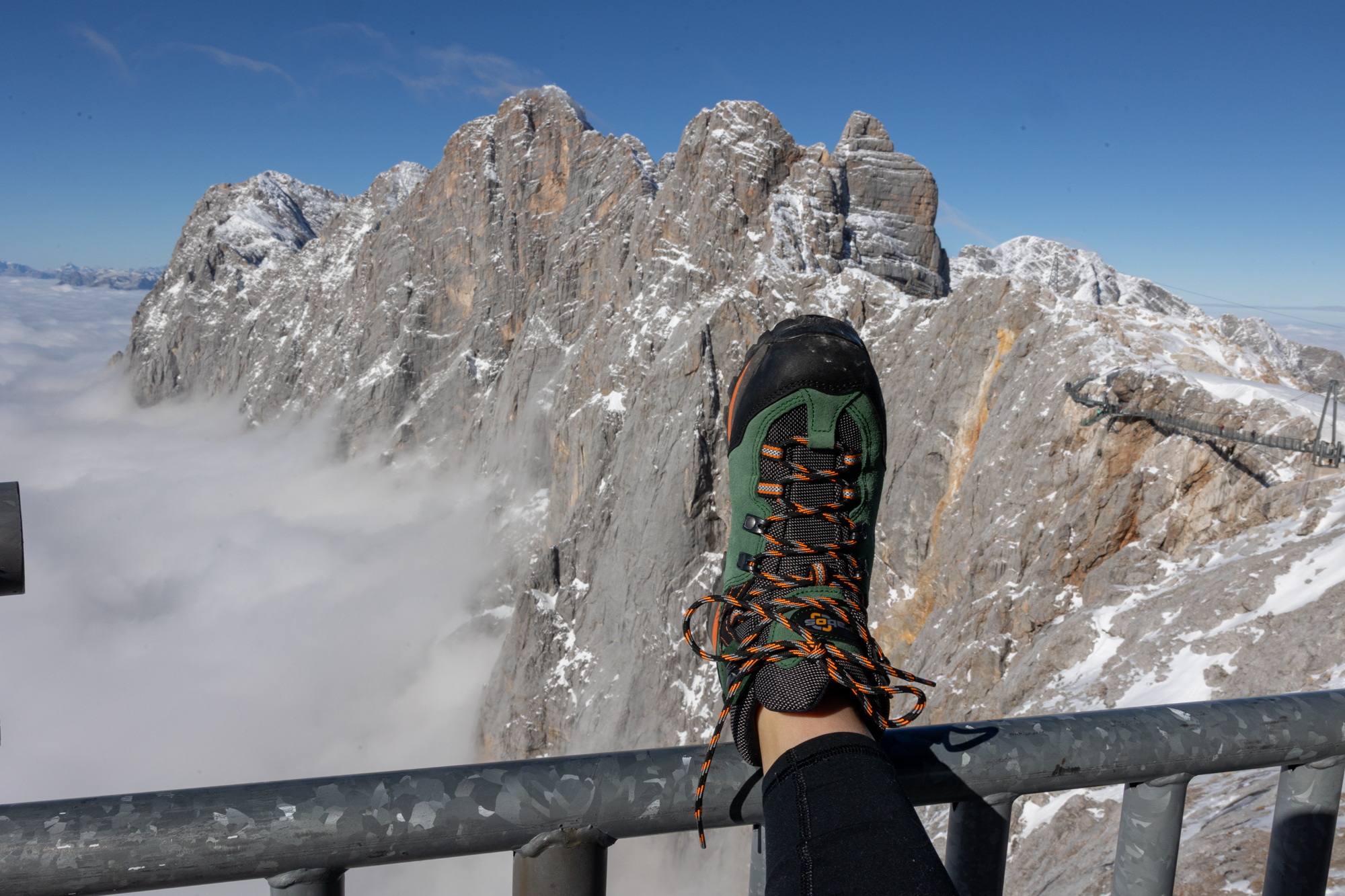
Up on the viewing platform on the Dachstein, there was snow all around us and clouds rolling below. And my feet were dry and warm. That week at the end of October 2026, temperatures in Austria’s Salzburg region hovered around +5 °C and dropped to about −2 °C at the lowest. On my feet I had a pair of dark green ankle-high hiking boots, the Prabos Acotango GTX in size 38 (EU). Before we left, we gave them a little test on our terrace at home, pouring water over them from a mug to see whether they’d let any in. The boots were sent to me by the manufacturer Prabos as part of a collaboration, but the opinions here are entirely my own.
Don’t expect stories of all-day treks with a heavy backpack from me. We travel with our two-year-old son Jonášek, and so far I haven’t done a hike longer than 4 hours in them. During our week around the small town of Altenmarkt im Pongau, I wore these Prabos boots on walks through autumn leaves in Radstadt, on wet stones right by the water at Lake Jägersee in Kleinarl, and in the snow on the Dachstein I mentioned above. But that’s exactly what everyday hiking looks like for many of you who head to the mountains at weekends or take the kids along waymarked Alpine trails. So I’m going to tell you straight what these boots from the Czech town of Slavičín can do – and who they’re not built for. ☺️
TL;DR: Prabos Acotango GTX at a Glance
If you just want a quick overview, here are the key points:
- Price: about €195 (CZK 4,790) directly from the manufacturer at prabos.cz (regular price in November 2026), with delivery within 2 working days.
- Weight: a single boot in size 42 weighs around 490 g, and the manufacturer classes them as ultralight trekking boots.
- Who they’re for: everyday hikers and parents with small kids, for weekends in the mountains and waymarked trails in the Alps.
- What I loved: they were comfortable straight out of the box with no blisters or pressure points, stayed dry in the snow and when we poured water over them from a mug, and the sole didn’t slip on wet stones or on snow.
- What to watch out for: I haven’t tested them on hikes longer than 4 hours or with a heavy backpack. In warm weather (roughly above 20 °C), the membrane makes them unnecessarily warm.
- Sizing: in regular shoes I wear a 37.5, but for hiking boots I go for a 38, and with Prabos that fits me perfectly; choose based on the manufacturer’s size chart and your measured foot length.
How I Tested the Prabos Hiking Boots
We headed to the Salzburg region for a week at the end of October 2026, stayed in Altenmarkt im Pongau and set off on trips around the area from there. In the little town of Radstadt we went for walks through the autumn leaves, at Lake Jägersee I walked over wet stones, and on the Dachstein I tramped through the snow.
Jägersee: Wet Stones by the Water
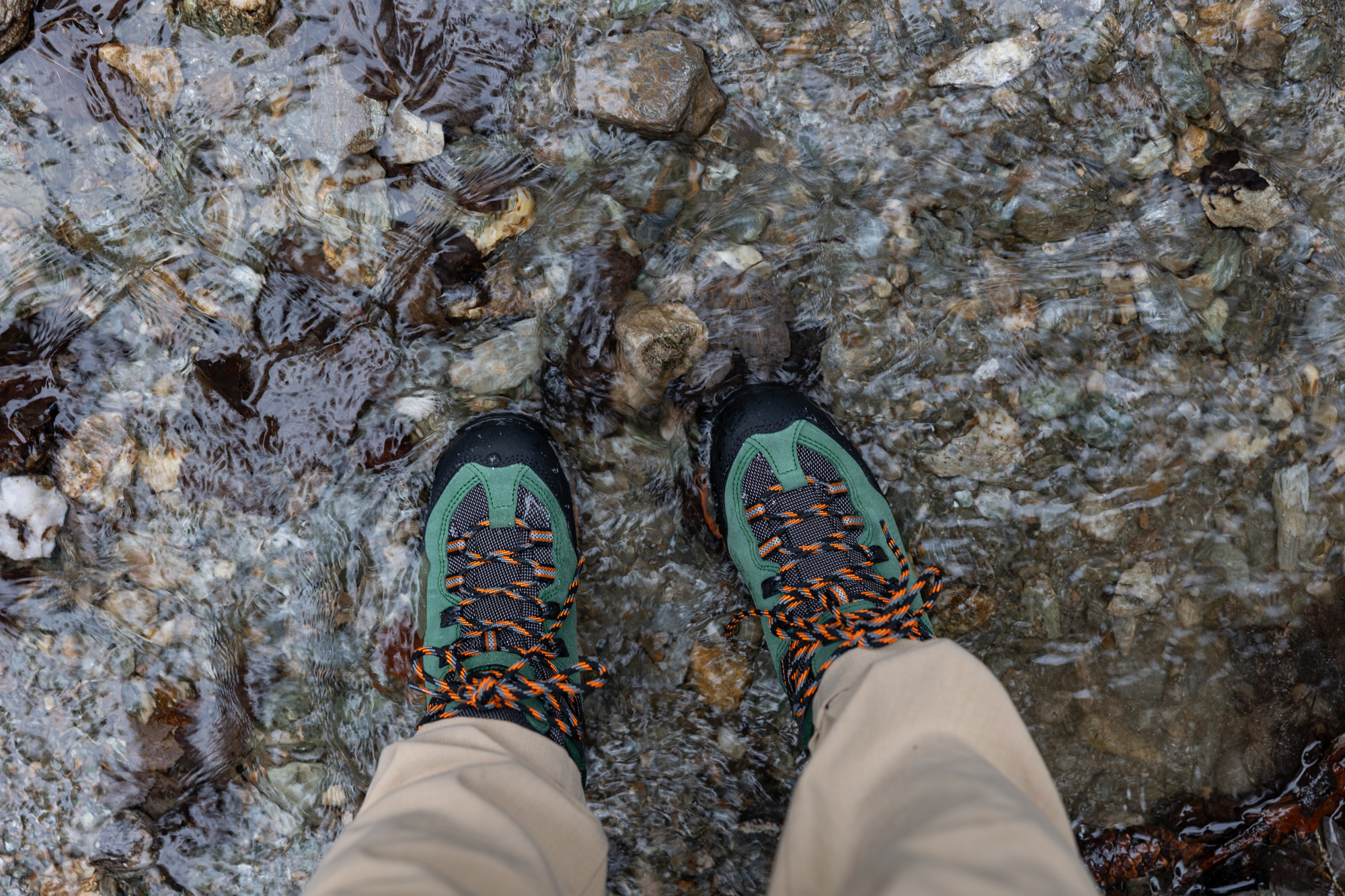
One of our destinations was the loop around Lake Jägersee in Kleinarl, where I walked on wet stones right at the water’s edge. It’s on damp surfaces like these that you quickly find out whether you can trust the sole or whether you’ll be tiptoeing carefully with every step. I was pleased to see that the Vibram Curcuma sole didn’t slip on the wet stones. These are also ankle boots with a 12 cm shaft, in category A/B (on the border between light hiking shoe boots and sturdier trekking boots).
Dachstein: Snow and Temperatures Around Freezing
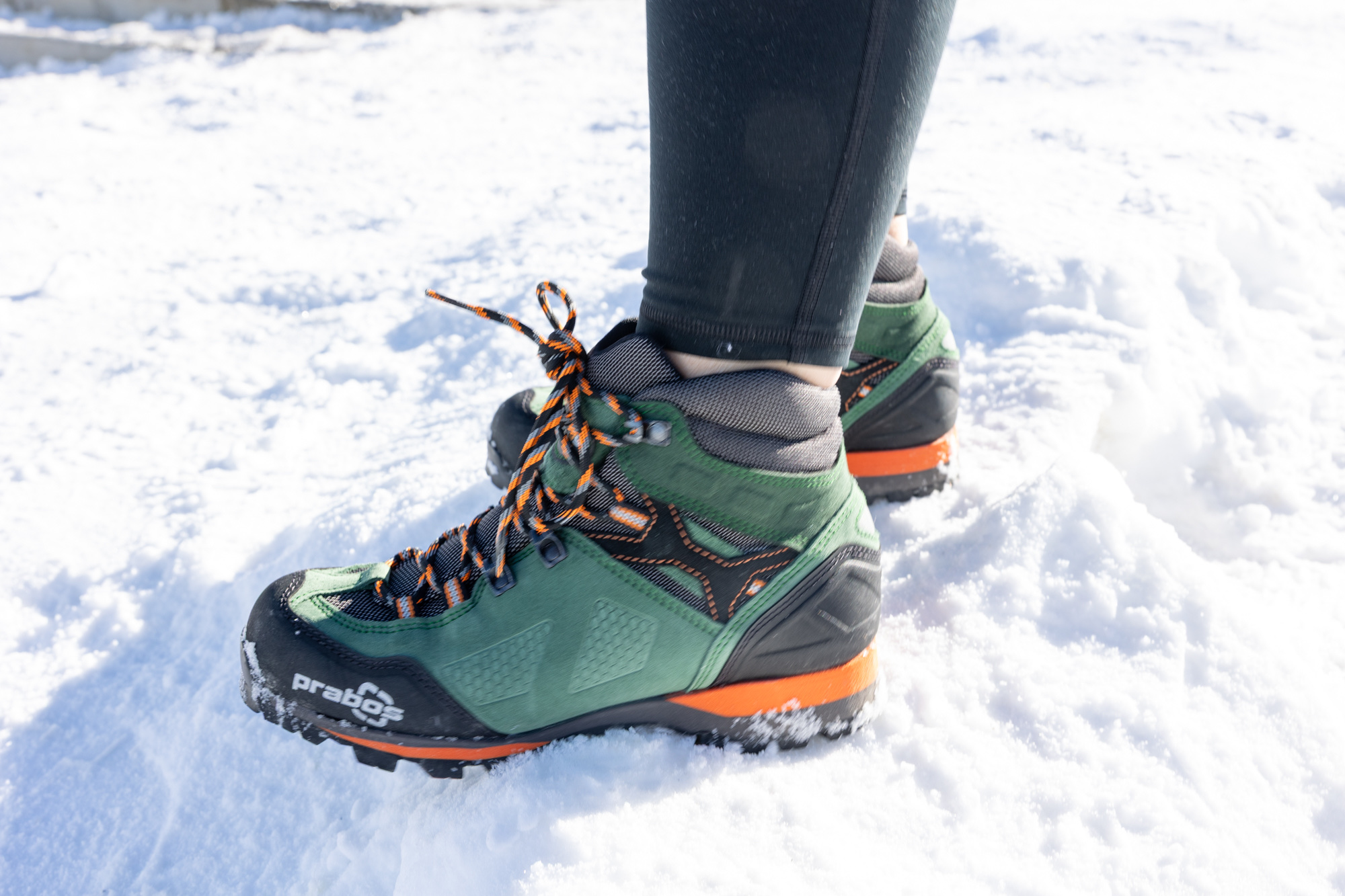
While the lower areas were still covered in autumn leaves, our trip up the Dachstein took us to a viewing platform above the clouds, where snow was already on the ground. I walked right through it. It turned out great, because the boots stayed dry inside and my feet stayed warm. The sole didn’t slip on the snow either, but in fairness I should point out right away that the Acotango aren’t insulated winter boots for deep frost, nor are they stiff boots designed for crampons.
The Water Test on Our Terrace
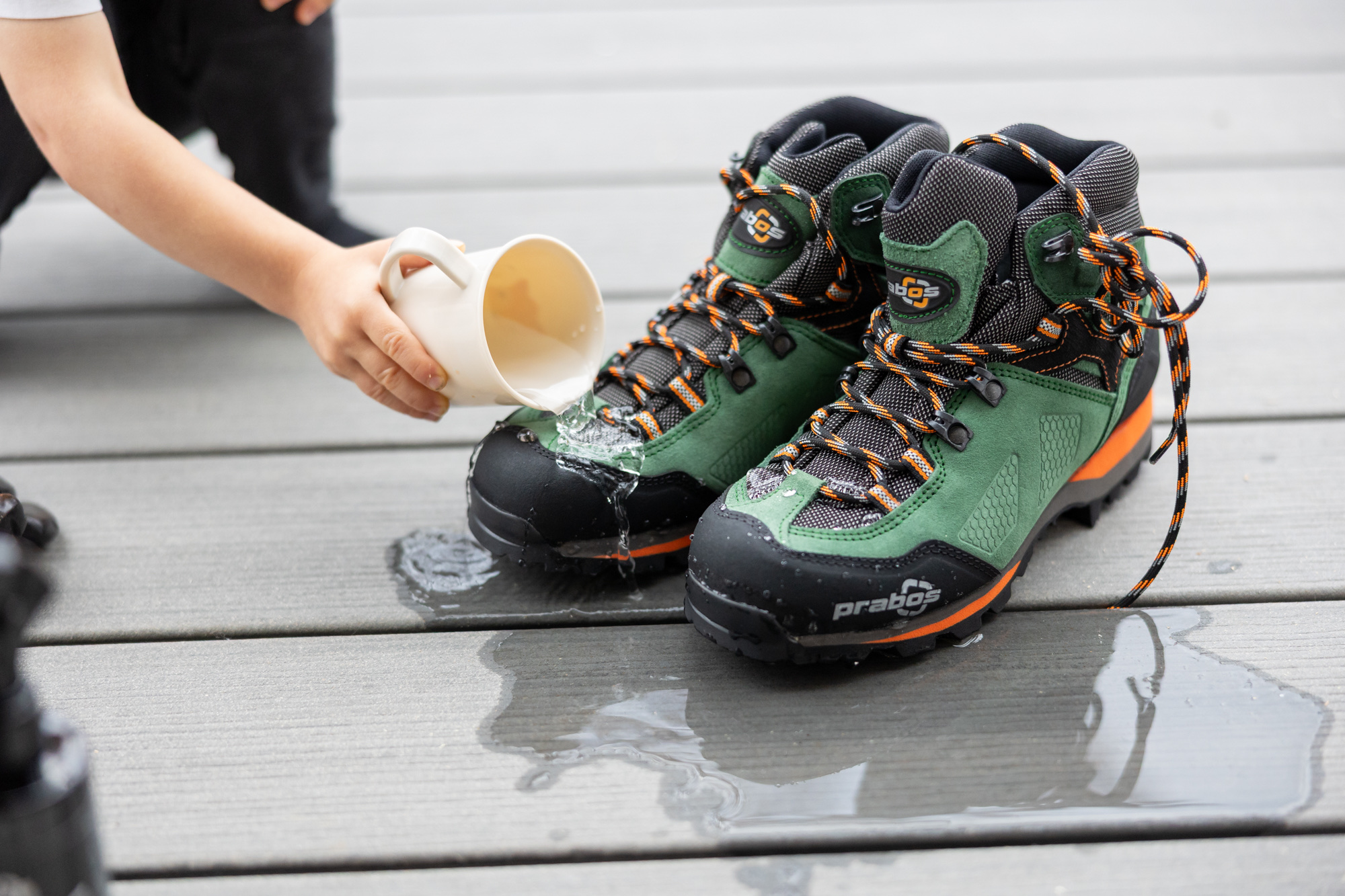
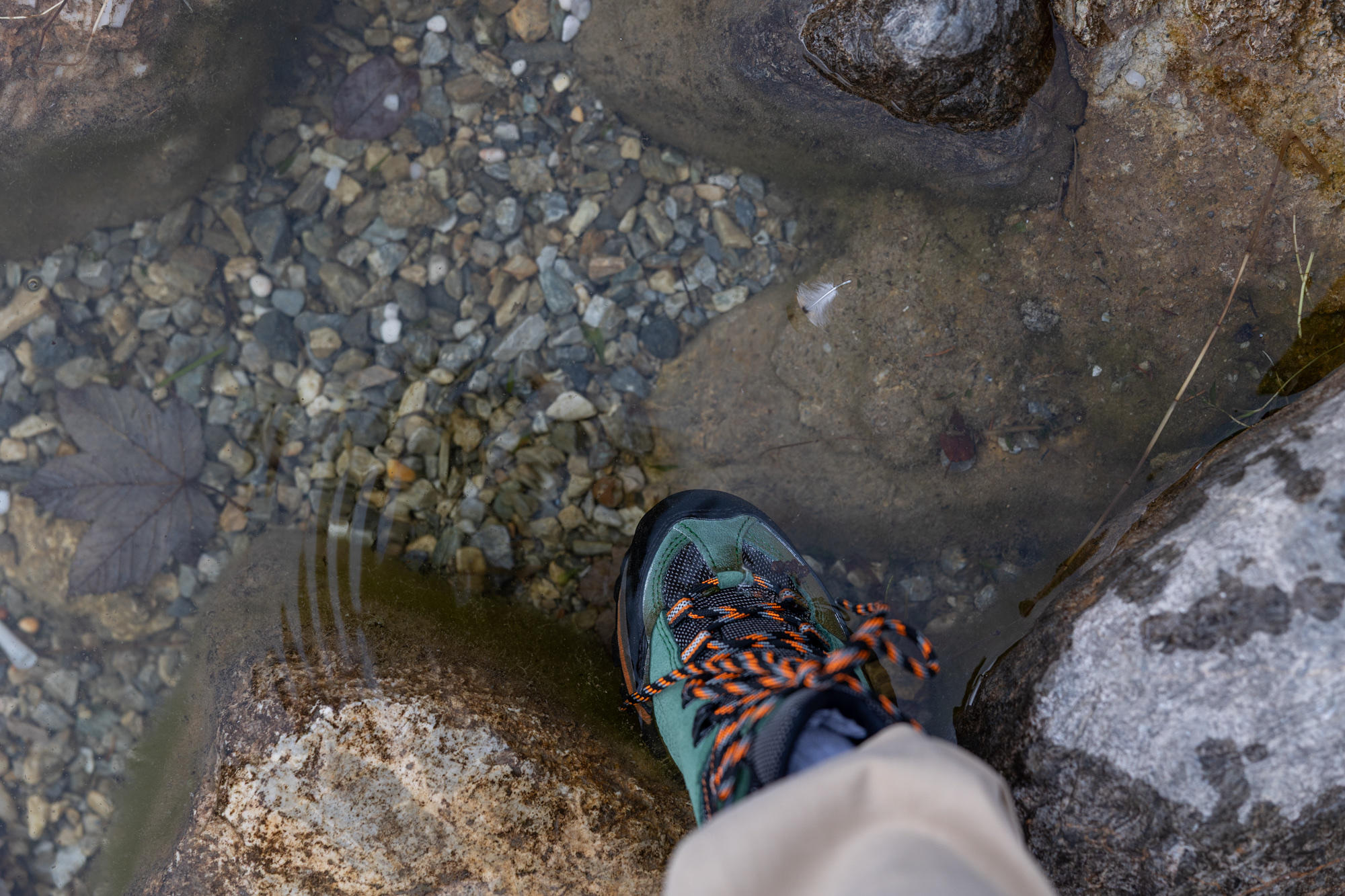
Before we left for Austria, we did a little waterproofing test on our terrace at home to see what the upper and membrane could handle. We poured water from a mug over the outside of the boots and watched whether any moisture got in. It turned out the suede leather with its Gore-Tex Carbon Grey membrane kept the water out – the boots stayed dry inside, both on the terrace and later in the snow in the Alps. Just remember that the boots are 12 cm high, so if water or snow comes in over the top, it will get inside.
Sizing and Comfort of These Hiking Boots for Women
Whenever you buy hiking boots online, you always wonder how the shape of the last will fit you, especially with a unisex model. The Prabos Acotango GTX are made for both men and women and come in a wide range of sizes from 36 to 48. Inside, you’ll find a COMFY insole that supports the midfoot. But how do they actually fit on a woman’s foot?
Sizing: How to Choose the Right Number
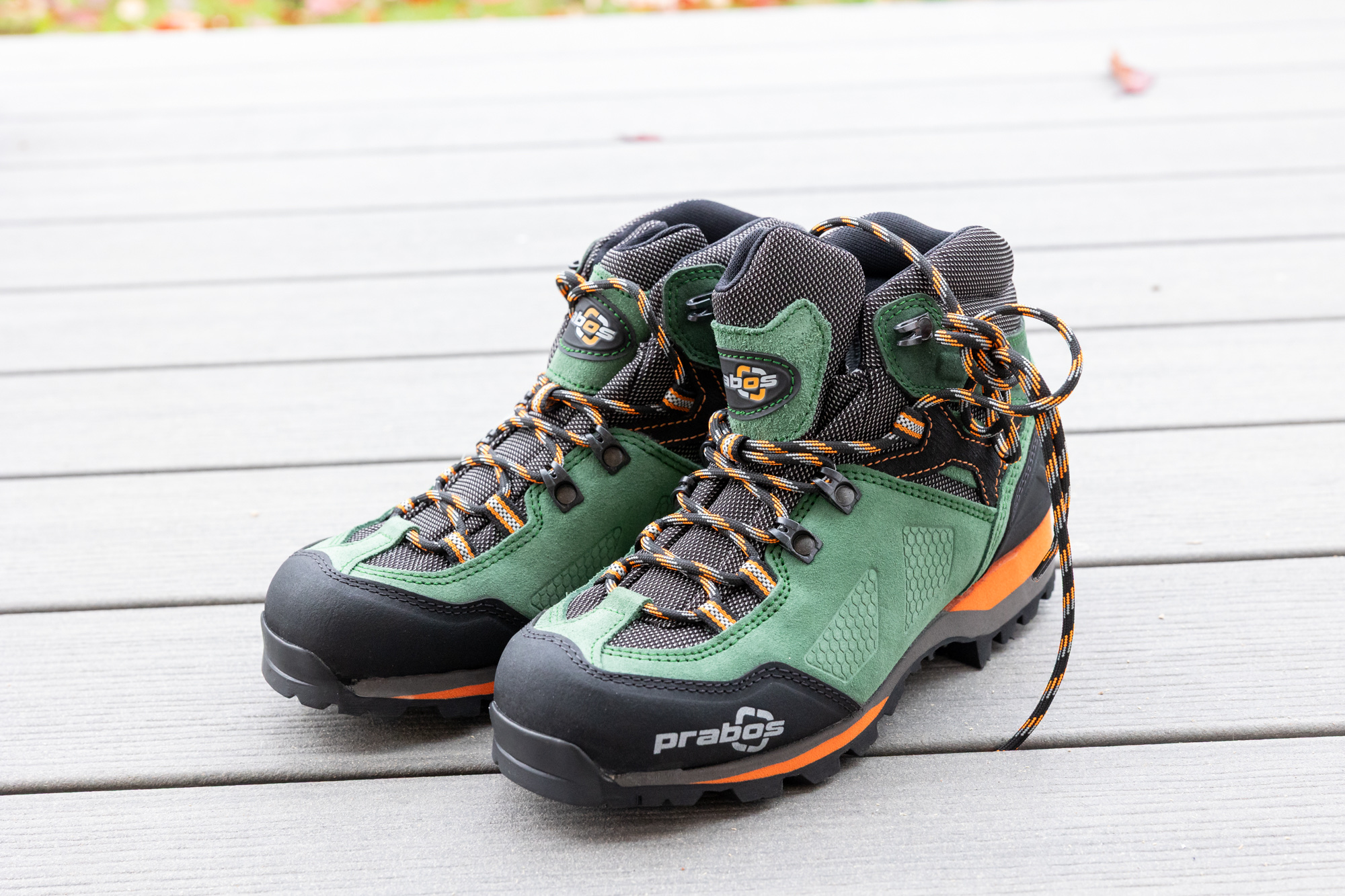
In regular shoes I wear a size 37.5. The manufacturer recommends choosing based on your measured foot length, and for sizes 36 to 39 the chart looks like this:
- 226 to 232 mm corresponds to size 36
- 233 to 238 mm corresponds to size 37
- 239 to 245 mm corresponds to size 38
- 246 to 252 mm corresponds to size 39
For hiking boots I prefer a 38, and with Prabos it fits me perfectly.
💡 Tip: Measure your foot length at home in the evening rather than in the morning – after a whole day on your feet, they tend to be slightly bigger, which better reflects how your feet will be during a hike.
Comfortable Straight Out of the Box
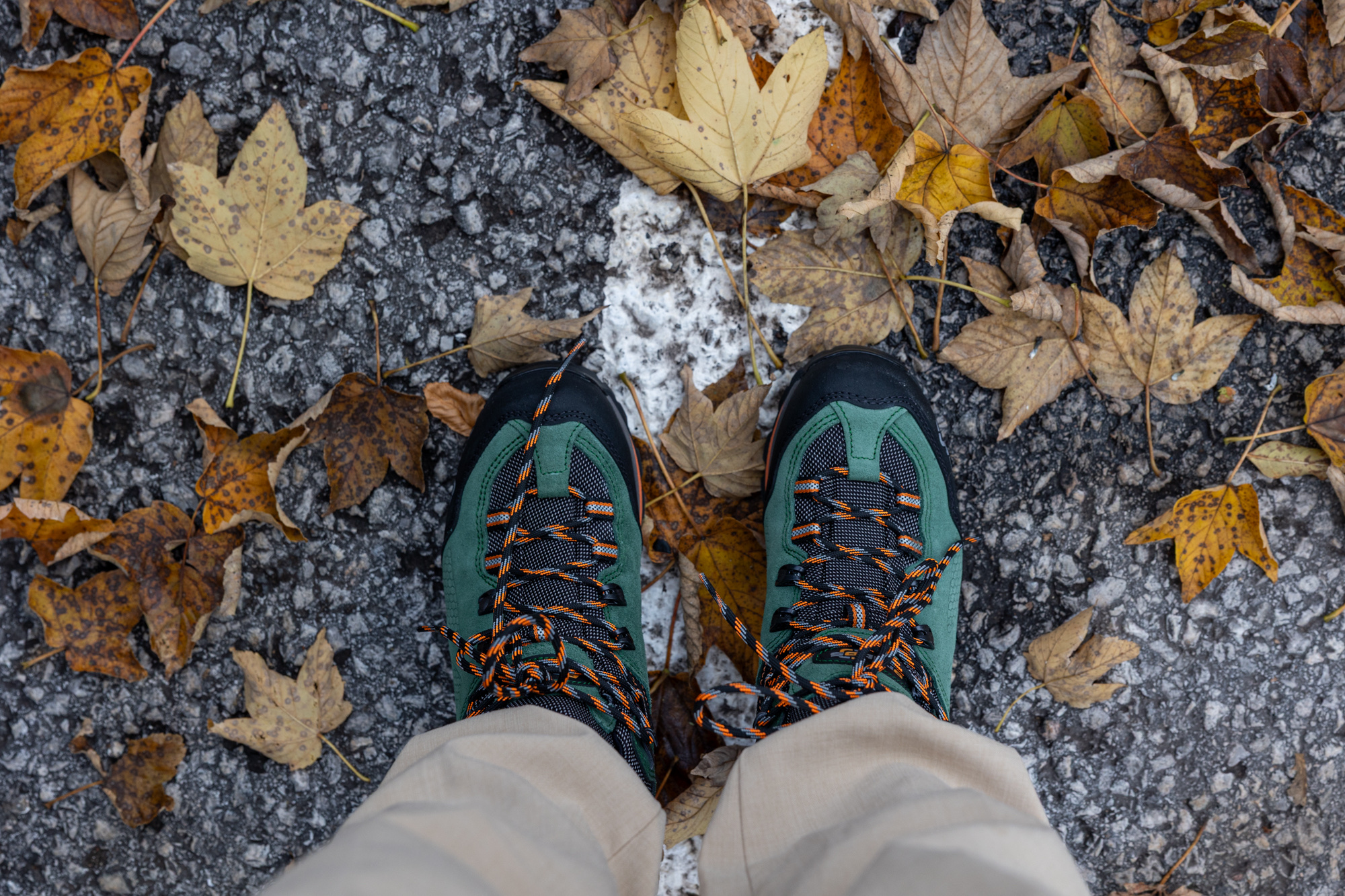
The Acotango were comfortable straight out of the box, and in the whole week in the Salzburg region I didn’t get a single blister or sore spot. They’re ultralight (one boot in size 42 weighs about 490 g), and the cushioning in the midsole makes every step feel softer. The box also includes a spare 160 cm lace.
What the Prabos Acotango Boots Are Made Of
Prabos boots are made in the Czech Republic, in Slavičín (by the company Prabos plus a.s.), where the shoemaking tradition goes all the way back to 1860. The manufacturer also produces work and tactical footwear, and the Acotango GTX belongs to the Work & Walk collection, meeting the EN 20347 standard (the standard for occupational footwear). According to the manufacturer, the boots are slip-resistant and antistatic, absorb energy in the heel area and resist water penetration.
Suede Upper and Gore-Tex Membrane: Waterproof Hiking Boots
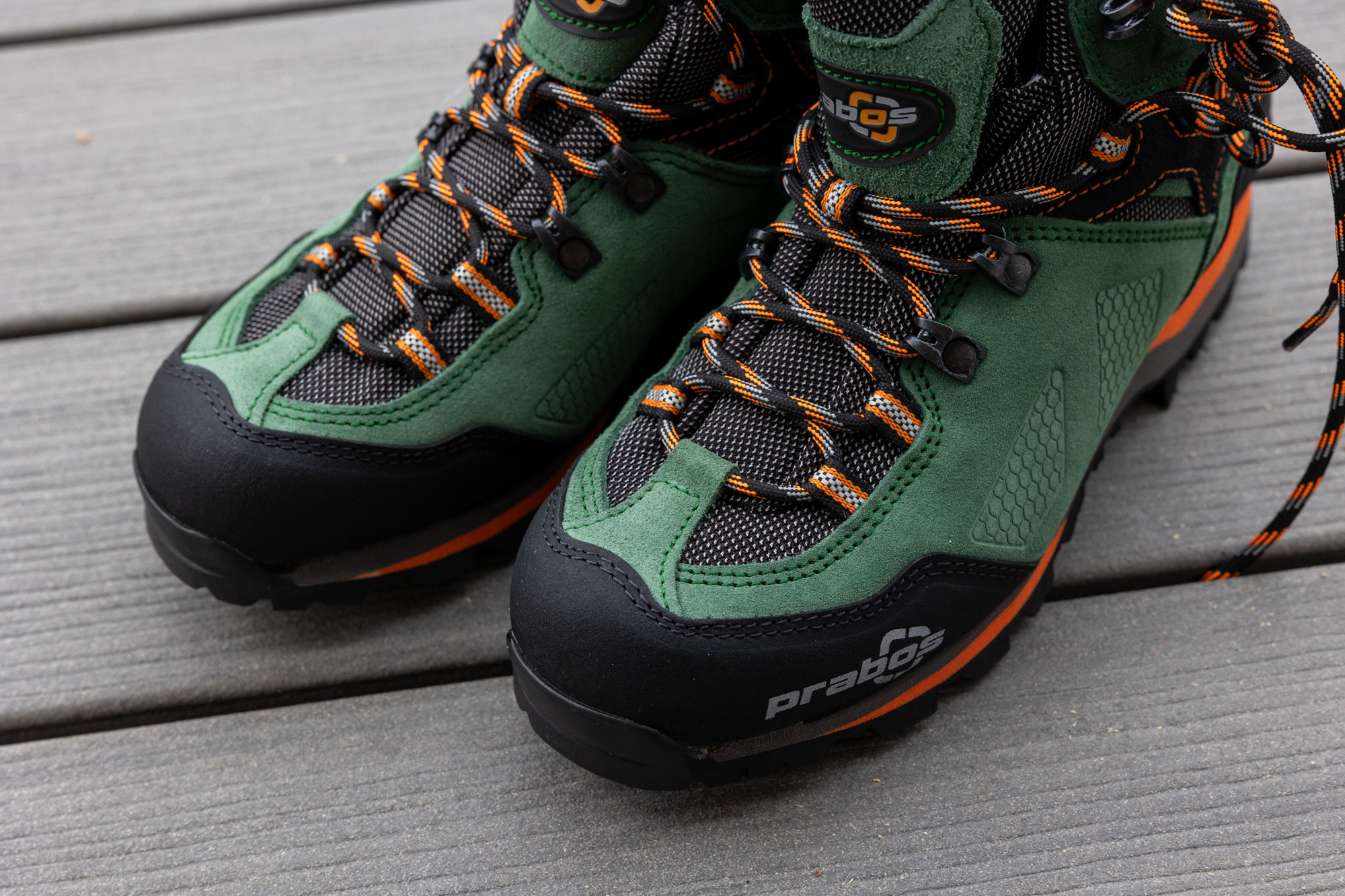
The upper is made of hydrophobic cowhide suede leather, 1.8 to 2.0 mm thick, combined with textile. Built inside is a Gore-Tex Carbon Grey membrane, which the manufacturer says offers high vapour permeability and breathability. In temperatures from +5 °C down to about −2 °C, my feet stayed dry and warm, but bear in mind that in warm weather (roughly above 20 °C) the membrane in a closed boot will make them unnecessarily warm.
Vibram Curcuma Outsole and EVA Midsole
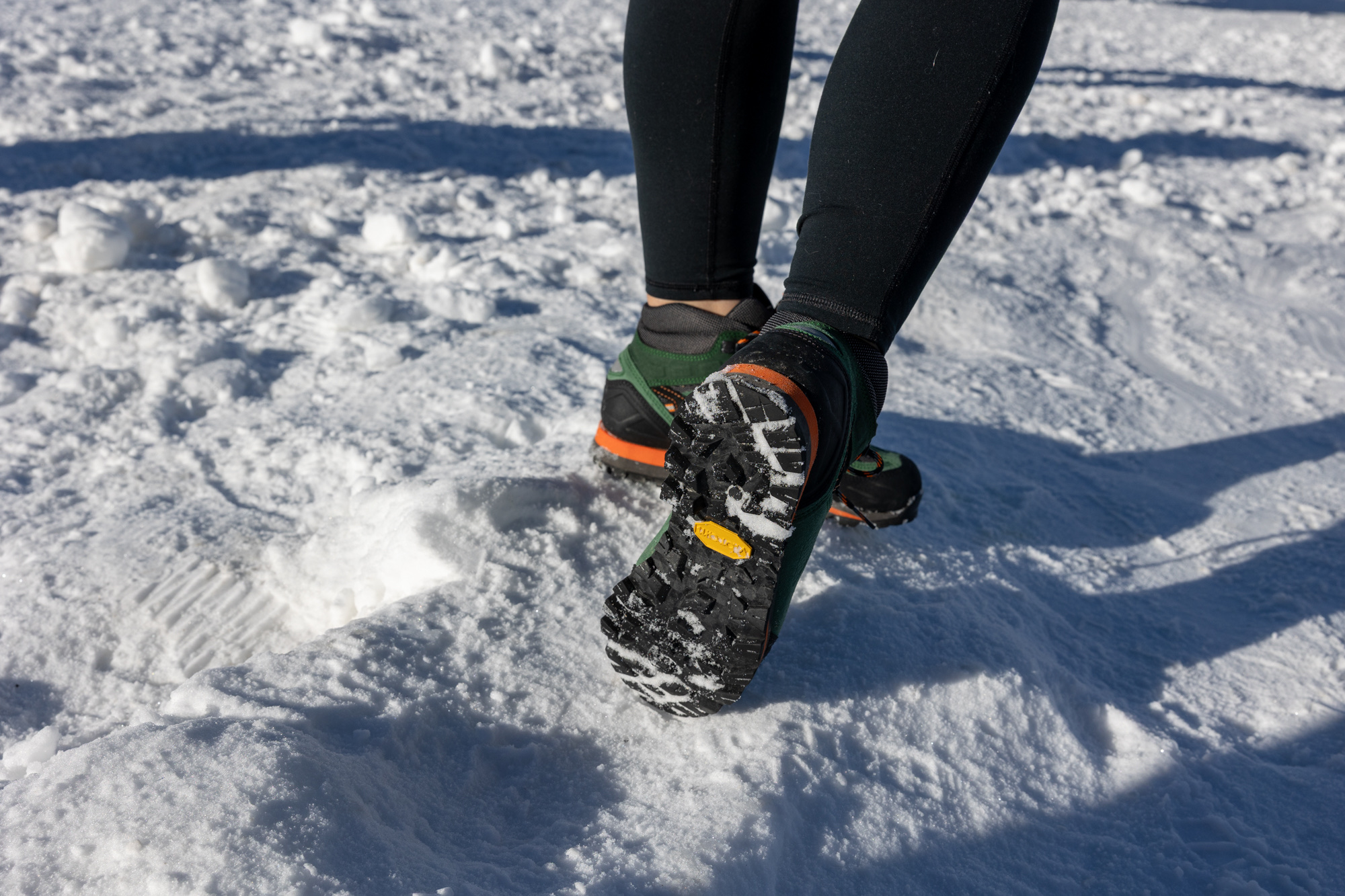
Underneath is a Vibram Curcuma outsole with a large contact area for good grip and a properly cut heel for more confident steps when walking downhill. The sole is also self-cleaning, with channels that push water and mud out. The cushioning itself comes from an EVA foam midsole. It’s lovely and light and soft, but on the other hand you should know that EVA foam compresses faster over time than polyurethane (PU).
What I Liked and What I Didn’t
After a week of wearing them, the boots won me over mainly with their comfort and keeping my feet dry, but they do have their limits.
The Colour: Not in the Photos, but Yes in Real Life
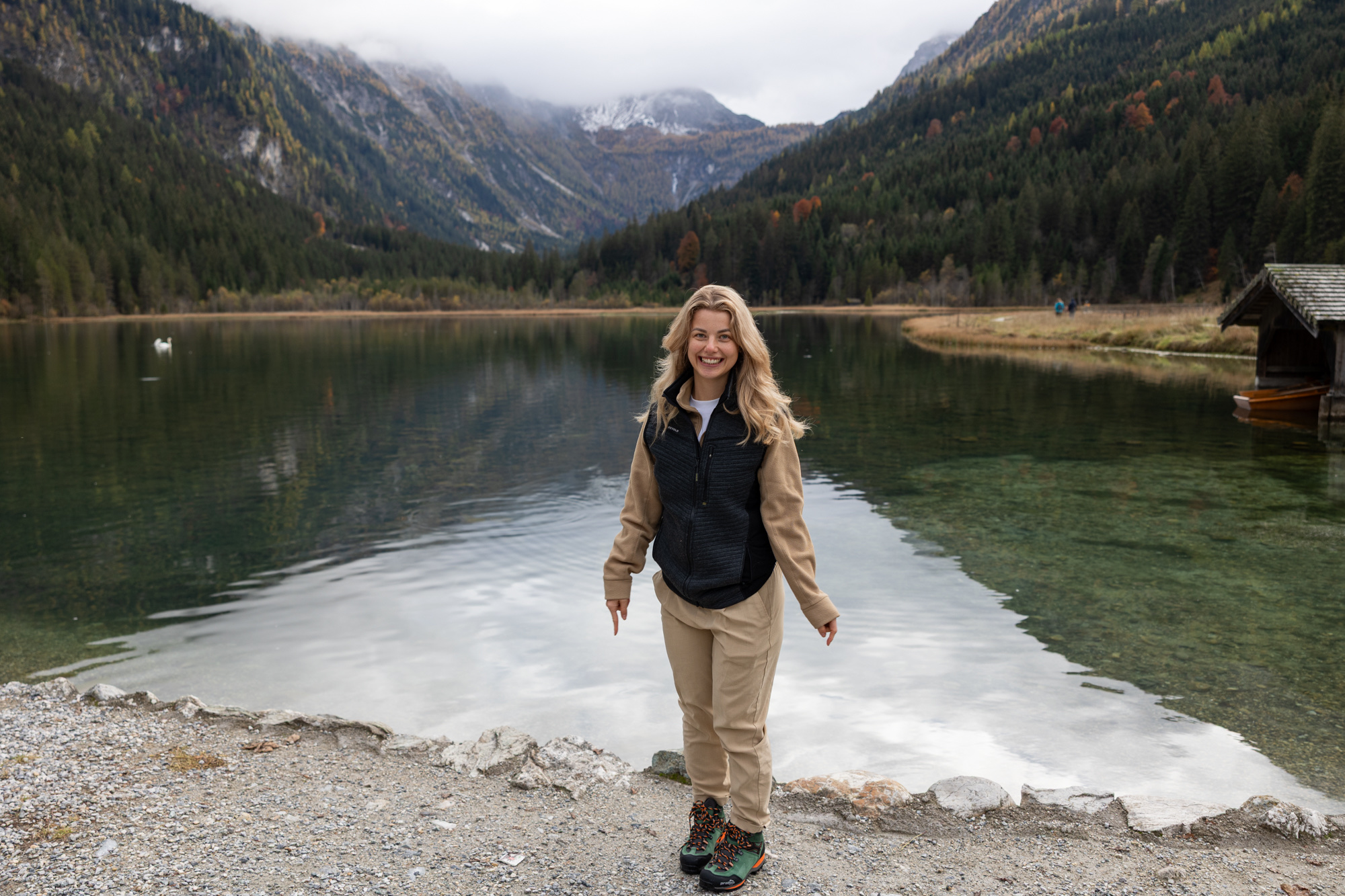
When I first looked at the dark green version online, I honestly didn’t like the colour in the e-shop photos. In real life, though, I have to admit they look really nice. And if dark green still doesn’t catch your eye, they also come in blue, grey and orange. 😅
Limits: What the Acotango Aren’t Made For
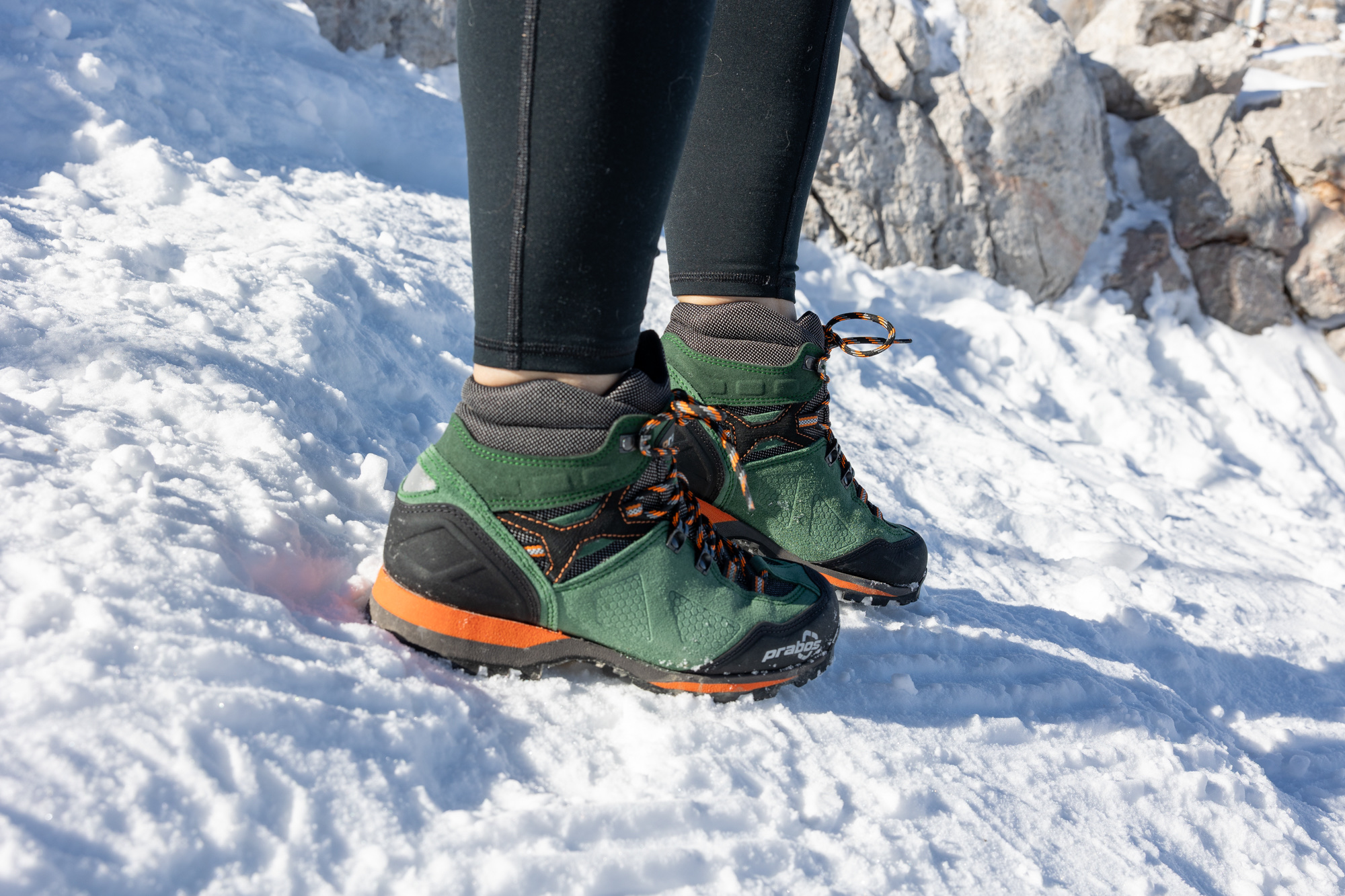
Because we travel with two-year-old Jonášek, I haven’t yet done a hike longer than 4 hours in these boots, so I can’t say how they perform on all-day hikes or with a heavy backpack. For demanding high-alpine traverses with a heavy load, I’d go for stiffer boots instead. Likewise, keep in mind that the Acotango aren’t insulated for deep frost and aren’t stiff boots made for crampons.
Pros:
- Comfortable straight out of the box – a whole week without blisters or sore spots.
- Stayed dry inside in the snow on the Dachstein and when we poured water over them from a mug on the terrace.
- The Vibram Curcuma sole didn’t slip on wet stones or on snow.
- Made in the Czech Republic (Slavičín) and lightweight (about 490 g per boot in size 42).
- A spare 160 cm lace is included in the box.
Cons:
- The EVA foam midsole is light and soft, but it compresses faster over time than PU.
- The membrane makes them unnecessarily warm in warm weather (roughly above 20 °C).
- They aren’t insulated for deep frost and aren’t stiff boots made for crampons.
- I haven’t tested them on hikes longer than 4 hours or with a heavy backpack.
Who These Prabos Hiking Boots Are For (and Who They Aren’t)
A 12 cm ankle boot with soft cushioning, a Gore-Tex membrane and a Vibram outsole is a great pick for everyday hikers. You’ll get the most out of these Prabos boots on weekend trips in low and mid-altitude mountains and on waymarked trails in the Alps, even with little kids in tow. On routes like these, you’ll appreciate that the boot is comfortable from the very first wear, keeps your feet dry and warm at temperatures around freezing, and grips well on wet stones by a lake.
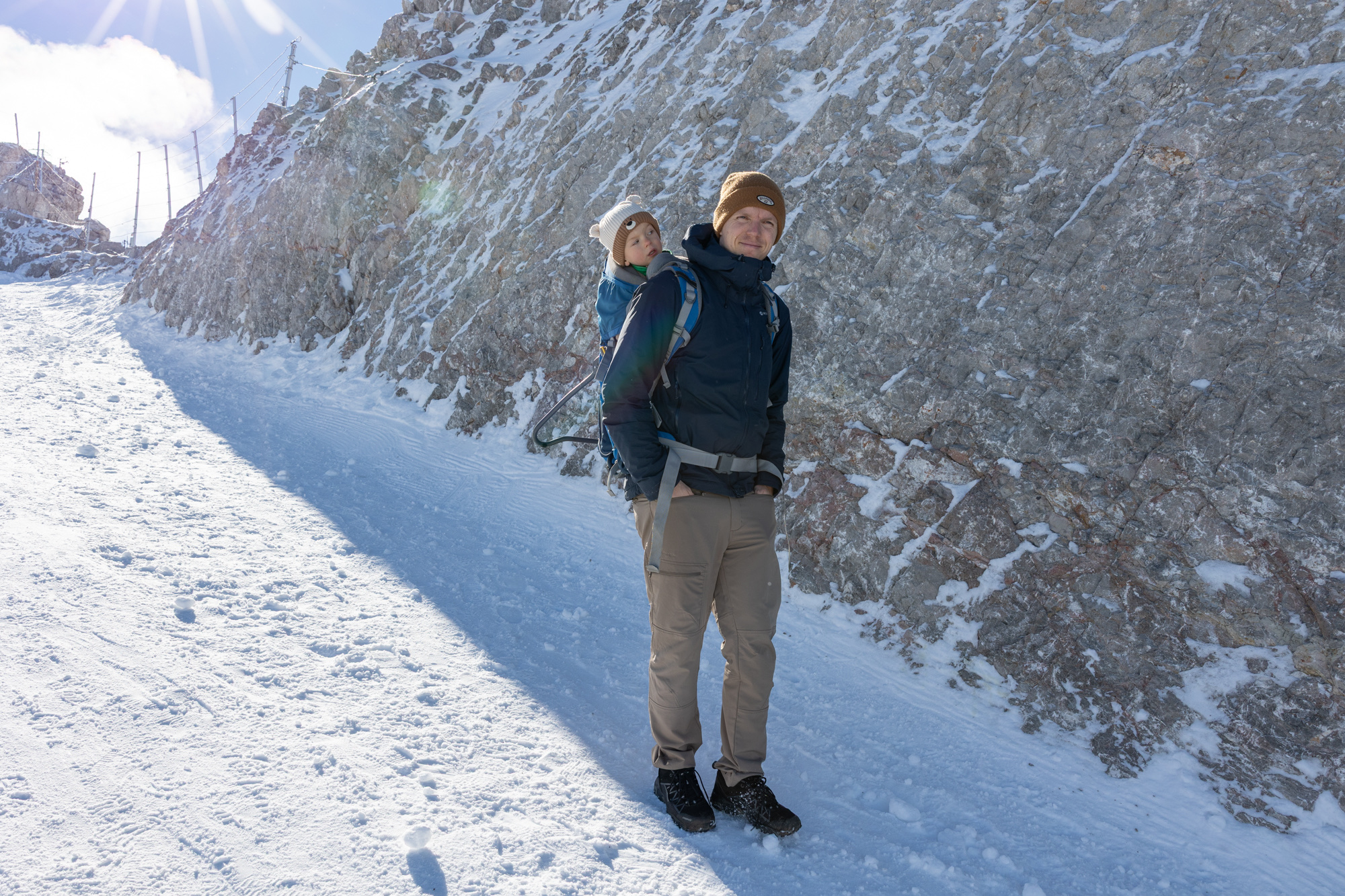
On the other hand, if you’re after gear for extreme conditions, go for a different type of boot. To give you a quick overview, I’ve summed it all up in a few points:
Great for:
- Everyday hikers heading out on weekend trips in the hills and on waymarked trails in the Alps.
- Parents with little kids looking for comfortable, waterproof boots for shorter outings.
- Hikes in cooler weather, over wet stones and in the occasional patch of snow.
- Anyone who wants Czech-made footwear.
Not really for:
- Hikers tackling demanding full-day traverses with a heavy backpack.
- Summer hiking in warm weather above roughly 20 °C, where the membrane makes your feet hot.
- Winter hikes in hard frost that call for insulated footwear.
- Technical terrain where you need stiff, crampon-compatible boots.
How to Care for Your Prabos Hiking Walking Boots
To keep the combination of cow suede and membrane working well for a long time, all they need is some basic care. After a hike, clean off any dirt and let the boots dry away from radiators or any direct heat source so the leather doesn’t crack. To treat the upper, use waterproofing products designed for suede and nubuck, which restore the water repellency of the brushed leather.
The manufacturer recommends storing the boots in a clean, dry and well-ventilated place at room temperature and not leaving them in direct sunlight for long. A nice bonus of this Czech brand is that Prabos offers both warranty and post-warranty service. That said, repairs are only available for selected models, always depending on the construction and condition of the pair.
Verdict
Looking back on our October week in the Salzburg region, the dark green Prabos Acotango GTX did exactly what I needed on our family trips. For around €195 (CZK 4,790), you get honest Czech craftsmanship from Slavičín, Gore-Tex and a Vibram outsole that kept me steady on the wet stones by Jägersee and in the snow on the Dachstein. They were comfortable from the very first wear without a single blister, and in temperatures from around +5 °C down to about −2 °C my feet stayed dry and warm. For moderate conditions and waymarked trails, these are brilliant boots – I’ll just remind you once more that, since we travel with two-year-old Jonášek, I haven’t tested them on hikes longer than 4 hours or with a heavy backpack. 😉
Where to Next
- Best Hiking Boots: 10 Picks and How to Choose the Right Pair (Prabos is our number one there, and you’ll also find 9 more boots plus a quiz that recommends boots based on a few questions)
- Altenmarkt im Pongau: Trip Ideas in the Salzburg Region (the places where I wore the boots, including Jägersee lake and the trip up the Dachstein)
Frequently Asked Questions
Are Prabos shoes good quality?
Based on my experience, yes: the Acotango were comfortable right out of the box, stayed dry, and didn’t slip. Prabos shoes are manufactured in Slavičín (Prabos plus a.s.), a town with a shoemaking tradition dating back to 1860, and besides trekking boots the brand also makes work and tactical footwear. The Acotango GTX model from the Work & Walk collection meets the EN 20347 standard and combines hydrophobic beef velour leather (1.8 to 2.0 mm), a Gore-Tex Carbon Grey membrane, and a Vibram Curcuma sole. The manufacturer also offers warranty and post-warranty servicing, with repairs handled for selected models depending on their construction and condition.
Are the Prabos Acotango waterproof?
Yes, water resistance is provided by the Gore-Tex Carbon Grey membrane together with the hydrophobic velour leather. Before the trip we poured water from a jug over the boots at home on the terrace, and in Austria I wore them in the snow on the Dachstein, and in both cases they stayed dry inside. This is an ankle boot that’s 12 cm high, so you just need to make sure water or snow doesn’t spill in over the top edge.
What size should you choose with Prabos?
The manufacturer recommends choosing based on foot length — for example, a length of 233 to 238 mm corresponds to size 37, and 239 to 245 mm to size 38. In everyday shoes I normally wear size 37.5, but for hiking boots I prefer size 38, and with Prabos that size fits me perfectly. It’s best to measure your foot in the evening, since by then your foot tends to be slightly larger than in the morning after a full day on your feet.
How much do the Prabos Acotango GTX cost?
The standard price on the manufacturer’s e-shop prabos.cz is around €190 (4,790 CZK, as of November 2026). The boots are bought directly from the Czech manufacturer, with delivery within 2 business days.
Are the Prabos Acotango suitable for winter?
In cold weather around +5 °C down to about -2 °C and in the snow on the Dachstein, my feet stayed dry and warm, and the Vibram Curcuma sole didn’t slip. However, the Acotango aren’t insulated boots meant for harsh frost, and they’re not stiff enough for use with crampons either.
Tips and Tricks for Your Vacation
Don’t Overpay for Flights
Search for flights on Kayak. It’s our favorite search engine because it scans the websites of all airlines and always finds the cheapest connection.
Book Your Accommodation Smartly
The best experiences we’ve had when looking for accommodation (from Alaska to Morocco) are with Booking.com, where hotels, apartments, and entire houses are usually the cheapest and most widely available.
Don’t Forget Travel Insurance
Good travel insurance will protect you against illness, accidents, theft, or flight cancellations. We’ve had a few hospital visits abroad, so we know how important it is to have proper insurance arranged.
Where we insure ourselves: SafetyWing (simple monthly subscription) and TrueTraveller (for extra-long trips).
Find the Best Experiences
Get Your Guide is a huge online marketplace where you can book guided walks, trips, skip-the-line tickets, tours, and much more. We always find some extra fun there!


