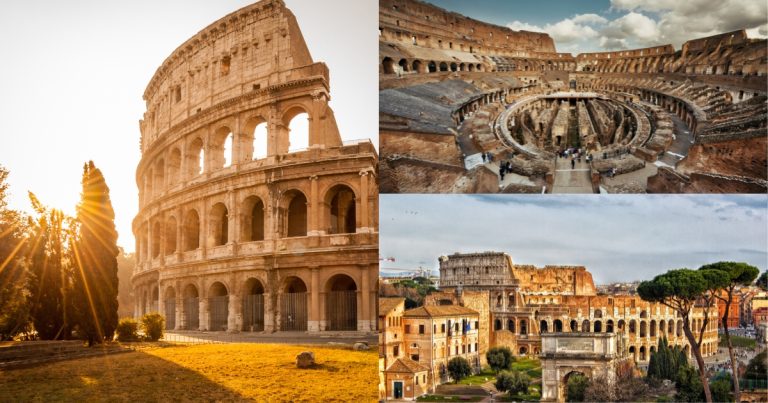
Rome Colosseum: Tickets, Tours and Tips for 2026

TL;DRThe Rome Colosseum (Flavian Amphitheatre) is the largest ancient amphitheatre in the world and the very symbol of Rome, built almost two thousand years ago. It’s one of Italy’s most visited landmarks, so you absolutely need to book timed tickets online in advance and expect a queue for the security check. Your ticket usually includes the Roman Forum and Palatine Hill too. Arrive first thing in the morning or in the early evening to dodge the biggest crowds and the heat. In this guide you’ll find how to get skip-the-line tickets, what they cost, how to save money and the top highlights.

Rome gets us every single time, and I have to admit that the Eternal City is probably our favourite European destination. Every year when Lukáš and I head there to celebrate his birthday in June, that unbelievable mix of chaos, romance and ever-present history surprises me all over again. You weave through narrow alleys, dodge honking scooters, the sun squeezes the last drop of energy out of you, and then suddenly a square opens up in front of you with an enormous amphitheatre. The Rome Colosseum will simply amaze you far more than you might expect from the photos, and that’s despite the constant crowds of tourists and the ever-present street vendors.

The Colosseum is one of those places where your breath catches for a second and you just wonder how on earth anyone managed to build something so gigantic two thousand years ago. In this guide I’ve pulled together the most up-to-date information for 2026 so you can enjoy your visit calmly and without unnecessary stress. I’ll help you with buying tickets, because the official system can be pretty sneaky, we’ll look at the best routes, and I’ll throw in our personal tips for dodging the worst queues. Get your comfortable shoes ready, because this is going to be a proper walk through the ancient world.
Summary

  • Buy tickets online and well in advance: Official tickets are released exactly 30 days ahead at 9:00 in the morning, and the best time slots literally vanish within a few minutes.
  • Only one official seller: Always buy through the coopculture.it portal, which redirects you to the official booking system, so you avoid the huge markups charged by resellers.
  • Basic admission costs €20: For 2026 this price includes €18 for the ticket itself and €2 as a mandatory booking fee for buying online.
  • Your ticket covers other sites too: Every Colosseum ticket automatically includes a visit to the nearby Roman Forum and Palatine Hill.
  • Watch out for crowds and heat: If you can, go right at opening at 8:30 in the morning; by the afternoon the stones get scorchingly hot and there’s almost no shade inside.
  • Water is free everywhere: Don’t buy overpriced plastic bottles from vendors; all around Rome and inside the site you’ll find public drinking fountains called nasoni with icy, clean water.
  • Ignore the fake gladiators: The men in plastic armour outside the entrance will demand up to €20 for a single photo together, so it’s best to give them a wide berth.

Colosseum tickets in Rome, prices and opening hours

This is probably the single most important part of the whole planning process, because turning up at the Colosseum without a ticket means you simply won’t get inside. On our very first visit years ago we tried our luck blind, and it ended with us standing pointlessly in the sun, the machines not working, and finally having to leave empty-handed. These days the system is fully digitised, thankfully, but it demands lightning speed and precise timing from you. The basic adult ticket costs exactly €20 in 2026, made up of €18 for entry and a €2 booking fee.

If you’re travelling with children, I’ve got great news, because children under 18 get in free and pay only that small €2 online booking fee. Young adults from the European Union aged 18 to 25 also have it great, as they pay just a symbolic €4. All of these basic tickets are valid for 24 hours from the moment you first tap in at the turnstile, and they let you into the first and second tiers of the Colosseum, the Roman Forum and Palatine Hill.

The real gem, though, is the special ticket called Full Experience, which costs €22 and is the one that pays off the most. Not only does it get you straight onto the reconstructed arena floor and into the mysterious underground, but it’s also valid for two whole days. That way you can split your visit nicely, exploring the amphitheatre one day and wandering the ruins of the Roman Forum at your own pace the next, without wearing yourself out. Tickets are released on the official website exactly 30 days in advance at 9:00 in the morning Central European Time. You need to be sitting at your computer with your payment card ready and click really fast, because resellers with automated programmes can snap them up within minutes.

If you’re planning to explore the whole city, it might be worth getting the Roma Pass city card, which costs €38 for 48 hours or €62.90 for 72 hours. We bought it on one of our spring trips and saved loads of time, because full city public transport is included in the price. You can choose the Colosseum as your first free landmark, but watch out for one tricky catch. Even with a valid Roma Pass, you still have to book a specific time slot online in advance for €2, otherwise security simply won’t let you through the turnstiles.

How to get there

Finding your way around Rome isn’t all that complicated, because the biggest landmarks literally pop out from around the corner when you least expect it. The Colosseum dominates the huge Piazza del Colosseo, and the easiest way to reach it is by metro. Blue line B has a Colosseo stop right opposite the amphitheatre, so as soon as you come up the escalators, that enormous travertine structure hits you right in the eyes. Since the end of 2025 there’s also a new interchange to the green line C at Fori Imperiali station, making the journey even smoother.

But be extremely careful with your valuables, because it’s precisely in these crushes at the metro exit that very skilful groups of pickpockets operate. I always swing my backpack round to my front and hold my phone and wallet firmly in my hand, because thieves can exploit even the tiniest second of your inattention while you’re standing there gawping at the monument. If you’re staying somewhere near the main Termini station, I really recommend walking to the Colosseum, as it takes only about twenty minutes at an easy pace.

Lukáš and I most love walking that route through the beautiful, peaceful Parco del Colle Oppio park, which slopes right down towards the amphitheatre. Along the way you’ll hardly meet any tourists, the trees give you pleasant shade, and at the end an absolutely breathtaking view of the Colosseum from above opens up in front of you. If you’d rather take the bus, lines 75, 81 and 175 stop here, but honestly, Rome’s surface transport is pretty unreliable and you often get stuck in endless traffic jams. A single public transport ticket costs €1.50 and is valid for a full 100 minutes, but be prepared for the fact that a price rise to €2 is planned from summer 2026.

12 things you have to see in and around the Colosseum

Visiting this enormous complex isn’t just about ticking one building off your list and moving on to pizza. It’s a vast complex full of history, where the atmosphere of antiquity breathes at you from every scratched stone. I’ve put together a list of twelve specific spots and experiences you definitely shouldn’t miss while exploring the Colosseum and the adjacent Roman Forum. Each one has its own magic and helps you grasp just how astonishing this part of Rome really is.

1. The facade and the Arch of Constantine

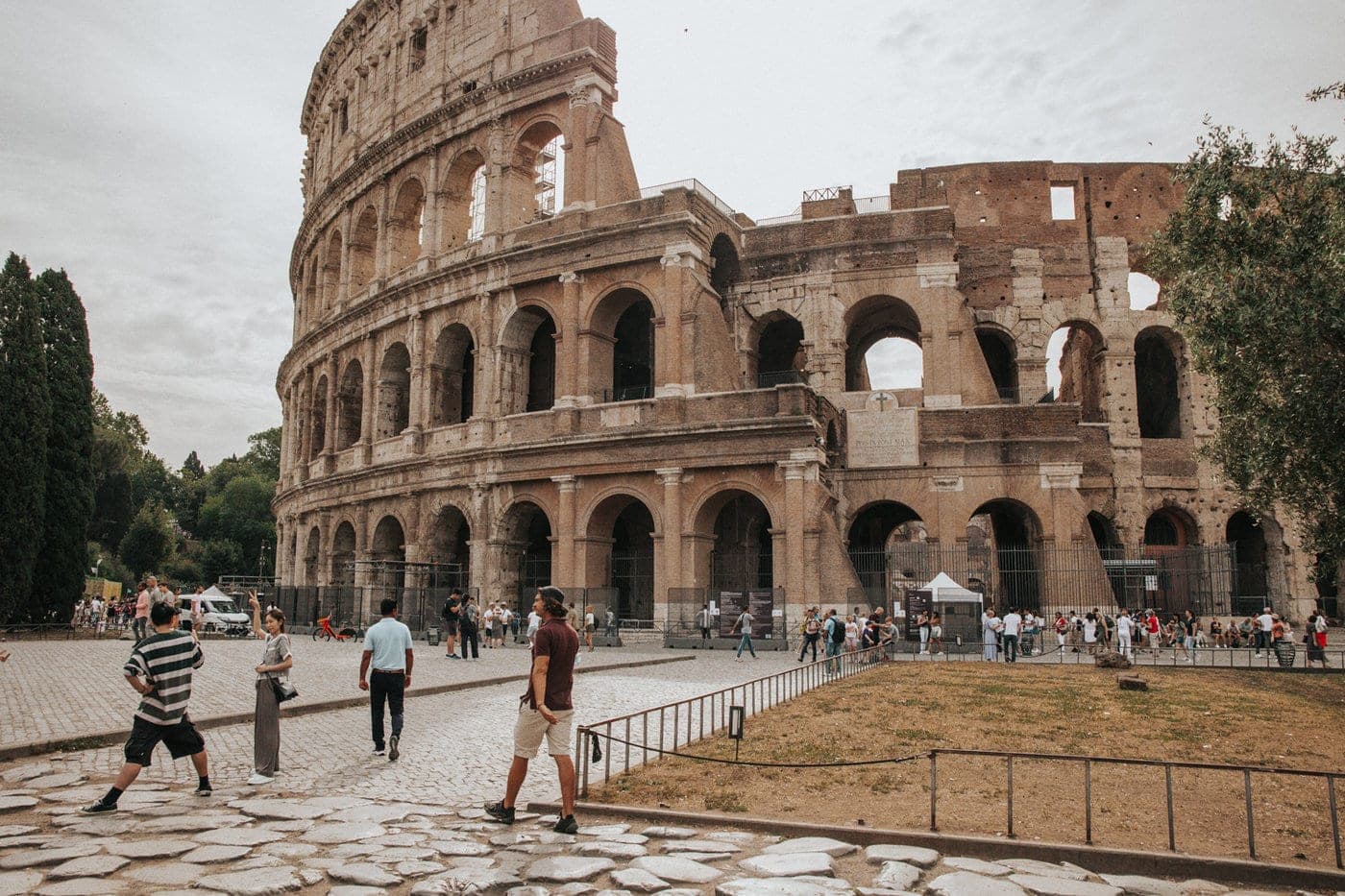
Before you even go inside, spend a few minutes just walking around the Colosseum from the outside and taking a proper look at its majestic facade. The building was originally called the Flavian Amphitheatre and was clad in gleaming white travertine, part of which survives to this day on its northern side. Notice the thousands of little holes in the stones, which didn’t appear by chance but were chiselled out by medieval thieves to rip the precious iron clamps out of the structure.

Right next to the amphitheatre stands the magnificent Arch of Constantine from the year 315, built by Emperor Constantine the Great to celebrate his military victory. It’s one of the best-preserved triumphal arches in all of Rome and is incredibly detailed with statues and reliefs. Interestingly, many of these decorations were actually taken from older monuments and simply recycled, which was a common practice back then to save money and time. We’ve always taken our best photos here, because it frames the view of the Colosseum itself perfectly.

2. The first and second tiers of seating
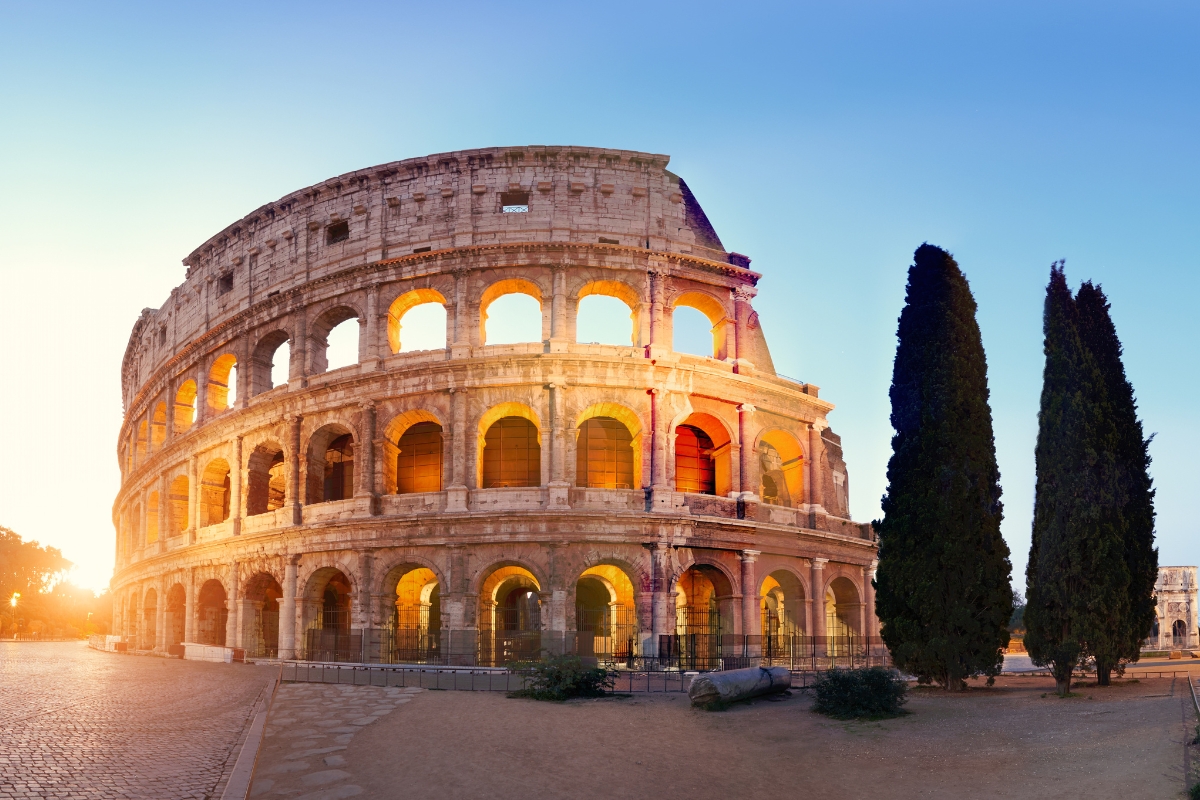
Once you’ve passed through the security frames and tapped your ticket, your first steps will probably lead up steep stairs to the first and second tiers of seating. Here you’ll fully realise for the first time just how gigantic this amphitheatre actually is, as a view over the entire elliptical arena opens up in front of you. This is where ordinary Roman citizens once sat, while the very best seats right at the bottom were strictly reserved for senators and the emperor himself.

The capacity was an incredible eighty thousand spectators, a number that beats even most of today’s huge football stadiums. To protect people from the harsh summer sun, there were enormous awnings called the velarium, which a special unit of thousands of sailors pulled across using a complex system of ropes. Nowadays there’s no awning to protect you here, but the view from the terraces down into the exposed underground is simply fascinating, and you could easily spend an hour just observing the details.

3. The arena floor
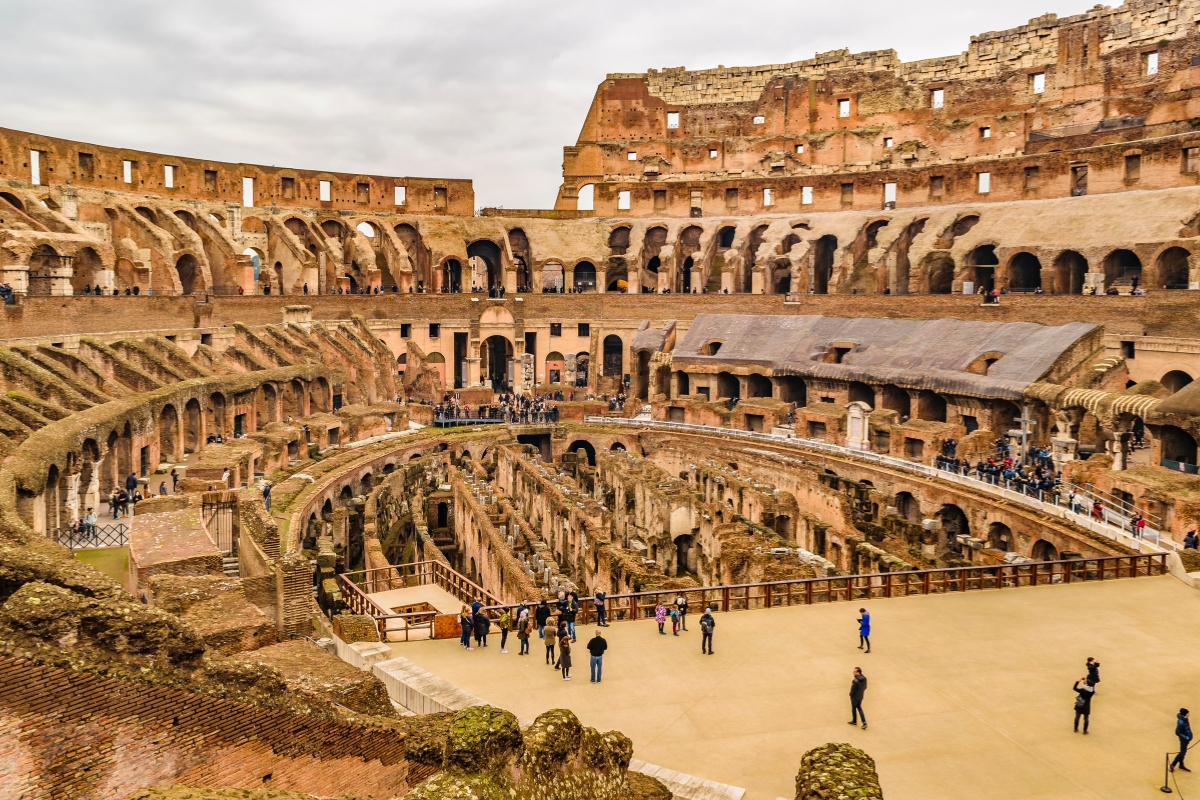
The basic ticket won’t let you onto this level, but if you manage to snag the rarer Full Experience ticket, you’ll get straight onto the wooden arena floor. It’s a completely different experience, because suddenly you’re not standing in the crowd of spectators up above, but looking at that enormous mass of stone from the perspective of a gladiator. When you tilt your head up to the sky and try to imagine tens of thousands of people screaming down at you in that moment, it takes your breath away.

On one visit we stood here in complete awe, with Lukáš just shaking his head in disbelief at how terrifying the space must have felt to the fighters. It’s precisely from this angle that you fully appreciate the brilliant, timeless architecture of the ancient Romans, which worked like a perfect entertainment machine. The sun beats down on you at full strength here, because there’s absolutely no shade, but the feeling of standing at the very heart of the ancient world is well worth those few drops of sweat.

4. The hypogeum, or the mysterious underground
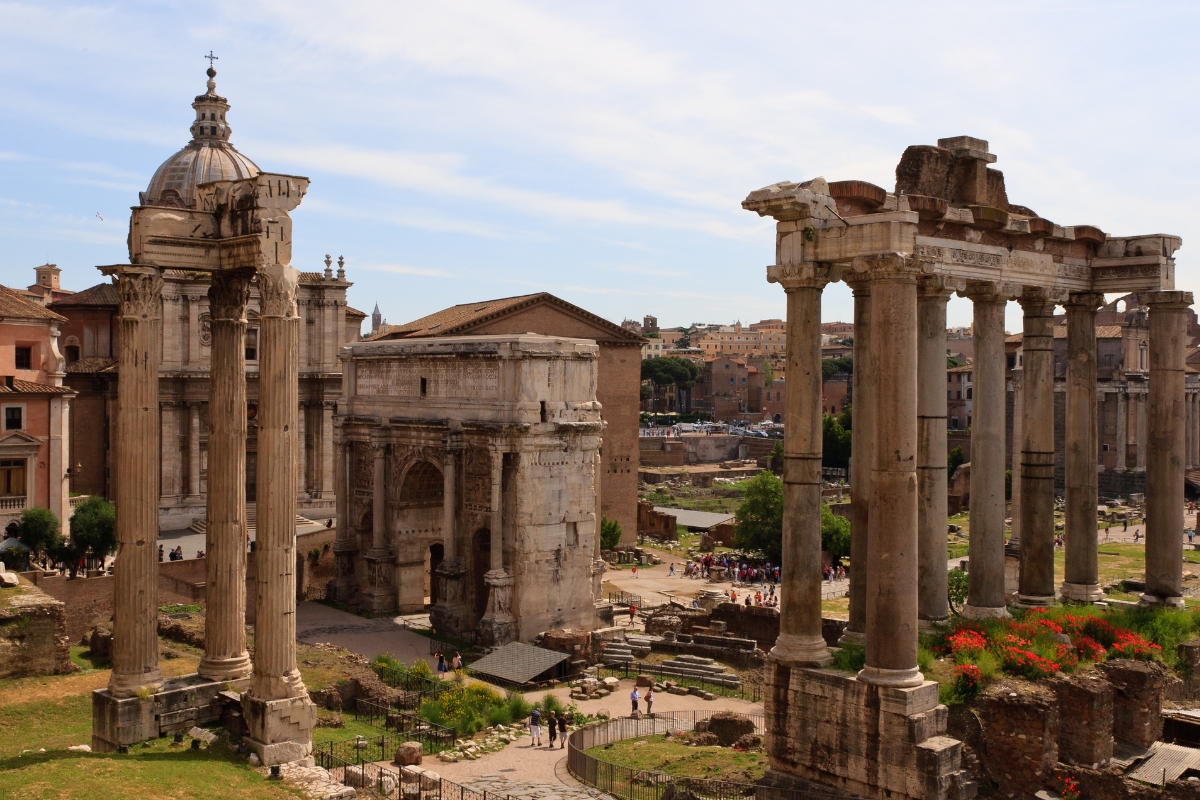
Beneath the arena hides the most fascinating spot in the entire Colosseum: a labyrinth of underground passages called the hypogeum. Here, in total darkness and stifling air, gladiators waited for their fate, and exotic animals brought in from every corner of the empire were kept in small cages. There are remains of an incredibly complex system of lifts here, which hundreds of slaves used to hoist beasts and scenery up onto the stage.

Just imagine the shock for the spectators when the floor suddenly parted and a lion or tiger leapt into the arena out of nowhere. Today this underground is partly reconstructed and you can walk through those very same narrow passages where blood and sweat once flowed. It’s an absolutely brilliant experience for history lovers and for families with children, because dry historical facts suddenly come alive in real, tangible shapes, and there’s also a pleasant coolness down here.

h3 class=”wp-block-heading”>5. Palatine Hill
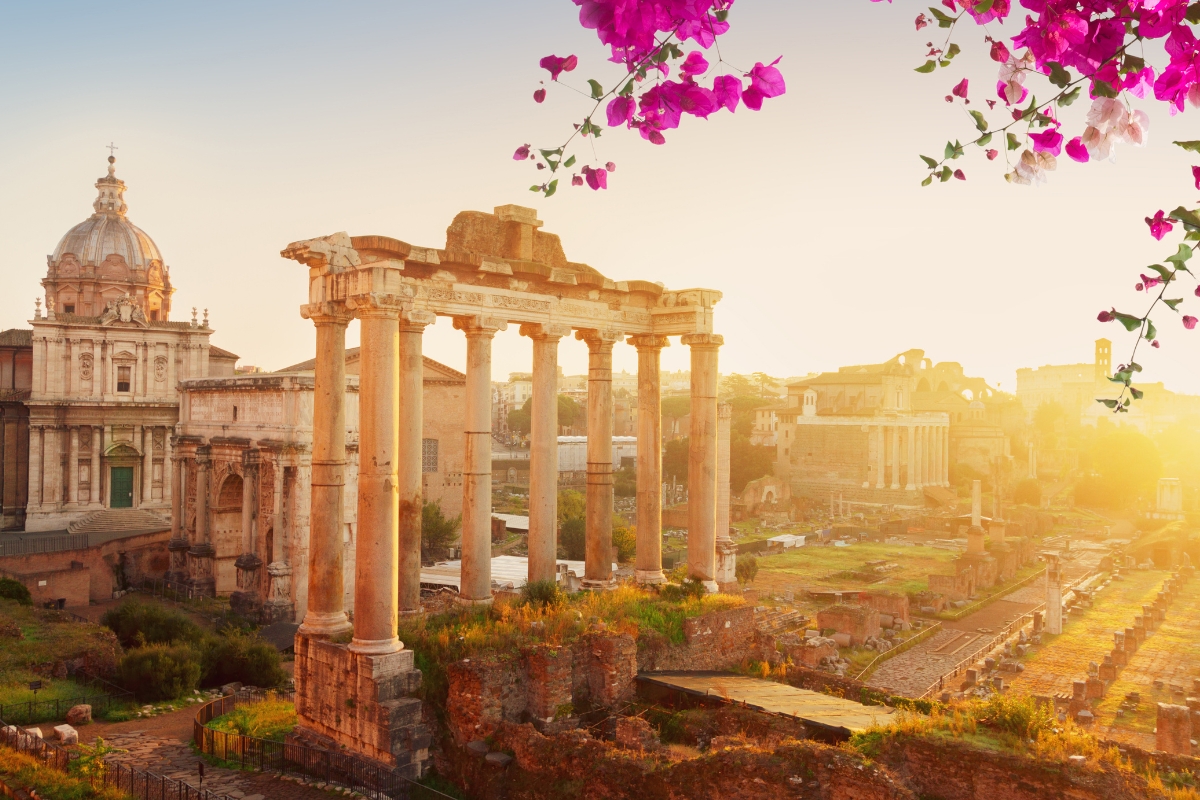
Your ticket also gives you access to Palatine Hill, the legendary hill where, according to ancient legend, a she-wolf suckled Romulus and Remus and where Rome itself was subsequently founded. Later this place became the most exclusive address in the entire empire, a kind of ancient Beverly Hills where emperors and wealthy patricians built their enormous marble palaces. To this day you can admire the sprawling ruins of Emperor Domitian’s palace or the remains of a private stadium.

Compared to the noisy, overcrowded Colosseum, it’s completely peaceful here, the scent of pines is everywhere and you can take shelter in the shade of tall trees. Lukáš and I always look forward to coming here enormously, because you don’t meet as many organised groups and the atmosphere is far more relaxed and romantic. Definitely set aside at least an hour and a half for Palatine Hill, because those sprawling gardens and ancient walls have an incredible charm.

6. The viewing terraces on Palatine Hill

While you’re walking through the gardens on Palatine Hill, don’t miss the best viewpoints, which sit on the north-eastern edge of the hill. From the terraces of the Renaissance Farnese Gardens in particular, the most beautiful panoramic view over the whole Roman Forum opens up before you. You’ll have the entire ancient city laid out below you, and from this bird’s-eye perspective you’ll finally understand how the individual temples and streets logically connected to one another.

It’s precisely from this balcony that the most perfect photos are taken, the ones you then see in travel magazines and on postcards. From here you can see the Arch of Titus, the mighty columns of the Temple of Saturn and the white monument to Victor Emmanuel II in the background. We always sit down for a while on the stone wall here, drink water from our bottle and just silently watch that enormous slice of history below us, because it’s a view you could never grow tired of.

7. The Roman Forum and the Via Sacra

While the Colosseum served primarily for entertainment, the Roman Forum was the true political, religious and commercial heart of the entire ancient world. You enter it along the original paved road called the Via Sacra, along which victorious Roman legions once marched and emperors rode in their chariots. Around you rise the ruins of once-magnificent temples, huge basilicas where disputes were judged, and the remains of old shops.

It’s an enormous archaeological site where, unfortunately, there’s almost no shade and the stones radiate hellish heat in summer, so definitely go first thing in the morning while the air is still bearable. Don’t forget to bring comfortable, sturdy shoes, because that ancient paving is terribly bumpy and in thin sandals you’d suffer like an animal. We love it here, but after two hours in that harsh sun we’re usually completely wiped out and have to find the nearest drinking fountain.

8. The Temple of Julius Caesar and the senate

Right in the middle of the Roman Forum you’ll find a spot that gives you goosebumps if you have even the slightest love of history. It’s the unassuming remains of the Temple of Julius Caesar, which stand exactly on the spot where his body was cremated after his assassination in the year 44 BC. People still bring fresh flowers here and lay them on the altar, which, after two thousand years, is an utterly fascinating show of reverence for a single historical figure.

A short walk from here stands a large brick building called the Curia Julia, which was the original building of the Roman senate, where the fate of the entire world of the time was decided. It’s one of the best-preserved buildings in the Forum, and inside you can still see the original marble floors today. When you stand there and picture Cicero delivering his fiery speeches, the events from your history textbooks suddenly feel completely alive and tangible.

lukas a lucka
Lukáš and Lucie recommend
Where to stay in Rome
2 accommodations — hotels and other lodging options

9. The Basilica of San Clemente

This is one of our little secret tips that most ordinary tourists sadly miss, even though it lies just a five-minute walk from the Colosseum. From the street, the Basilica of San Clemente looks like a perfectly normal, if very pretty, medieval church, but the real magic hides deep beneath it. When you buy a ticket and go down the stairs, you’ll discover an older church from the fourth century, full of wonderful faded frescoes.

But it doesn’t end there, because you can descend even deeper into the darkness, where Roman houses from the first century and a mysterious temple of the god Mithras await you. Right at the bottom you can even hear an underground stream rushing along, one that has flowed here since ancient times. It’s a truly captivating journey through time into the depths of history, and it’s beautifully cool down here too, making it an ideal escape when you’ve had it up to here with the Roman heat and crowds.

10. Trajan’s Market and the Imperial Fora

When you leave the Roman Forum and cross the busy Via dei Fori Imperiali, you’ll find yourself at another complex of excavations, the Imperial Fora. Here you absolutely must see Trajan’s Market, an enormous brick structure set into the slope that functioned as the very first shopping centre in the world. There were an incredible one hundred and fifty shops across six floors, and to this day it feels remarkably modern.

Right next to it towers the famous Trajan’s Column from the year 113, covered from top to bottom in detailed reliefs celebrating the victory over the Dacians. The whole area is beautifully lit, so if you come here for an evening stroll, you’ll have a completely different experience of these monumental structures than during the day. We love wandering here after dinner, when the air is pleasantly balmy and the city finally slows its crazy pace a little.

11. The viewpoint from Parco del Colle Oppio

I already mentioned this park in the transport section, but it really deserves its own entry. Parco del Colle Oppio spreads across a hill right above the Colosseum and hides within it the remains of the enormous Golden House (Domus Aurea), once built here by the mad Emperor Nero. It’s a beautiful green oasis full of pines and benches, where locals come to read the newspaper and walk their dogs while thousands of tourists stream by below them.

The main draw, though, is the view. From the upper part of the park you have the Colosseum laid out before you from a completely different angle than most people know it. We always buy a fresh focaccia or a vegetarian slice of pizza to go from some tucked-away bakery here, sit down on the wall and just gaze at that enormous structure below us. It’s probably the most laid-back way to enjoy this landmark without someone constantly jabbing you with their elbow.

12. The Capitoline Museums and the view over the Forum

We’ll end our tour on Capitoline Hill, home to an elegant square designed by Michelangelo himself. Here you’ll find the Capitoline Museums, one of the finest art collections in all of Rome, full of gorgeous ancient statues and paintings. If you love art, definitely head here, because it’s not as crowded as the Vatican and the collections are genuinely world-class.

Even if you don’t go into the museum, you have to climb up here for one thing. When you walk around the back of the town hall to an unassuming viewing terrace, the very best view over the whole Roman Forum from the other side opens up in front of you. I recommend coming here just before sunset, when those ancient columns and bricks turn an incredibly rich gold and orange. It’s exactly the moment when you fall utterly and unconditionally in love with Rome.

Practical tips and how to avoid the queues

Rome really doesn’t forgive a lack of preparation, and if you turn up here on a whim with a romantic notion, the crowds and chaos will bring you to your knees very quickly. Besides buying tickets on time, be extremely careful of the fake gladiators and centurions who loiter right in front of the Colosseum. They’re officially banned, but there are still dozens of them operating there. They use a very slick and aggressive tactic where they unexpectedly shove a plastic sword into your hand, take a photo with you and then happily demand up to €20 for it. If you don’t pay them, they can get very unpleasant, so your best defence is zero eye contact and a quick step away.

Another great tip is to use the local public drinking fountains, which Romans lovingly call nasoni (big noses). They’re scattered all over the city and even right inside the Roman Forum, and they pour out icy, absolutely clean water completely free. Never buy those overpriced, half-warm plastic bottles from street vendors; just bring your own reusable bottle and top it up as you go. Locals even use a clever trick where they plug the lower outlet with a finger, and the water then elegantly spurts out of a little hole at the top straight into your mouth, so you don’t even need a cup.

When to visit Rome and the Colosseum

Hunting for perfect weather and empty streets at the same time is probably the hardest discipline in Rome, because finding that magical sweet spot is practically impossible. If I had to recommend the absolute best time to visit, it’s definitely October or mid-spring. Temperatures drop to a very bearable 22 degrees, the air clears up beautifully, and while the evenings call for a light jumper, during the day you can easily walk fifteen kilometres without feeling like you’ll faint on the spot. The price for this great weather is huge, though, because in these so-called shoulder seasons the city is literally bursting at the seams and hotels report full capacity.

On the other hand, I really wouldn’t recommend summer in Rome, especially August, unless you have no other choice. Temperatures regularly climb above 35 degrees, the humidity is dreadful, and those ancient stones in the Colosseum soak up the heat during the day and act like a giant radiator well into the night. On top of that, August brings the Ferragosto holiday, when many locals lock up their flats and flee en masse to the sea, so lots of great local restaurants are simply closed.

If you absolutely have to visit the Eternal City in summer, your strategy has to be utterly uncompromising. Get up at six in the morning, tackle the main landmarks by ten o’clock, and retreat somewhere for a long lunch in an air-conditioned restaurant or take a siesta at your hotel through the worst of the midday sun. Then head out again only in the early evening, when the shadows lengthen and the city starts to breathe once more. One important piece of news for 2026 is that the Holy Year, or Jubilee 2025, during which further millions of pilgrims poured into the city, has now definitively ended, so the overall pressure on the infrastructure should be at least a tiny bit more bearable.

Where to stay in Rome

Choosing the right neighbourhood to stay in can either wonderfully enhance your whole trip or ruin it completely. Rome is enormous, after a full day of walking your feet will ache terribly from those bumpy cobblestones, and the last thing you want is to commute for an hour on a packed bus with no air conditioning. On one of our trips we stayed at Residenza Cavallini, a smaller and very pleasant hotel a short walk from the Vatican, where a typical Italian breakfast at a nearby café was included in the price, and the location was absolutely perfect. We prefer to look for accommodation on Booking.com.

The most common dilemma for travellers, though, revolves around two neighbourhoods: Monti versus Trastevere. Monti is strategically located right behind the Colosseum, has a metro stop, plenty of great vintage shops, and in the evening it comes alive at a pleasant, unexaggerated pace. We were thrilled by the small tucked-away spots where we had excellent vegetarian cacio e pepe or an amazing pizza margherita. Trastevere, on the other hand, is the embodiment of true cinematic romance, with narrow alleys and washing hanging on lines, but it’s already very touristy, pretty noisy at night, and above all there’s no metro at all, which complicates the logistics quite a bit.

If you like peace and quiet and you’re travelling with children, for example, I really recommend the elegant Prati neighbourhood north of the Vatican, where the streets are wide and flat without those crazy crowds. For travellers on a tighter budget, on the other hand, the area around the main Termini station is still the best choice. It may not be the most visually beautiful spot and you have to be more careful of pickpockets in the evening, but you’ll find the cheapest hotels there, and above all both main metro lines cross there, so you can get anywhere in a matter of minutes.

Where to go next

If you’ve successfully got the Colosseum under your belt, Rome and its surroundings still have an enormous amount to offer. Here are some more guides we’ve put together on the blog to help you plan the rest of your Italian holiday.

Definitely check out our main, exhaustive article What to See in Rome, where you’ll find dozens more tips for places you shouldn’t miss. It covers everything from the Trevi Fountain and the Pantheon to the best spots for proper pizza or ice cream, and it’ll help you put together a sensible itinerary for a whole weekend.

A chapter of its own is the smallest state in the world, about which we’ve written a detailed guide to the Vatican. There you’ll learn how to handle the crazy queue for the security check into St Peter’s Basilica, why it’s so important to follow the strict dress code with covered shoulders and knees, and what time is best to head up to the dome for the finest view.

If you’re planning to admire some art, don’t miss our special article focused on the Vatican Museums. The Sistine Chapel with Michelangelo’s frescoes is gorgeous, but the route to it leads through endless kilometres of corridors packed with tourists. In the article we’ll advise you on which tickets to buy and what time to go, so you can genuinely enjoy the art without going mad from the crowds.

And if you have more time for Italy and you’re planning to head south by high-speed train, definitely read our guide to Pompeii. This ancient city destroyed by the eruption of Vesuvius is an utterly fascinating window into the everyday life of the ancient Romans, and a walk through its preserved streets is an experience Lukáš and I still love to look back on.

Frequently asked questions

How much does Colosseum admission cost in 2026?

Standard admission to the Colosseum, which also includes the nearby Roman Forum and Palatine Hill, costs exactly €20 (€18 for the ticket and €2 reservation fee). The popular expanded Full Experience ticket, which grants you access to the underground and arena floor, costs €22. Children under 18 pay only the €2 reservation fee.

Where can I buy Colosseum tickets online?

Purchase tickets exclusively and only through the official portal coopculture.it, which will then redirect you to the ecm-coopculture.inera.it system. All other websites are just resellers who charge enormous and completely unnecessary markups on top of the base price.

Is the Roma Pass worth it for the Colosseum?

Yes, the Roma Pass can be a great value if you plan to make intensive use of public transportation and visit multiple museums. Even with this card, however, you must book your exact time slot online in advance for Colosseum entry for €2, otherwise they won’t let you in at all.

What should I do when Colosseum tickets are sold out?

Standard tickets are released exactly 30 days in advance at 9:00 AM and disappear quickly. If there’s no spot left for you, try monitoring the system 7 days in advance or the evening before your visit, when cancelled tickets sometimes become available. Alternatively, pay for a tour with an official guide (for example through GetYourGuide), who have their own allocations.

Can I bring a backpack and water into the site?

A small city backpack or purse is absolutely fine, but large hiking packs or suitcases won’t make it through the security X-rays. Definitely bring an empty reusable water bottle, which you can then refill for free from the drinking fountains (nasoni) located throughout the entire archaeological site.

Is there a strict dress code at the Colosseum?

Unlike the Pantheon or the Vatican, the Colosseum is not a consecrated religious space, so there’s no strict dress code requiring covered shoulders and knees. You can absolutely head here in shorts and a tank top, which you’ll definitely appreciate in the summer heat.

How long does a visit to the Colosseum and Forum take?

For the Colosseum itself (standard circuit), set aside roughly an hour and a half to two hours. If you’re also going to the underground, count on closer to two and a half hours. For the sprawling Roman Forum and Palatine Hill, you’ll then need at least another two to three hours of leisurely walking.

Is it worth going to the Colosseum on the first Sunday of the month for free?

Unless you have an extremely tight budget, avoid free Sundays by a wide margin. The crowds on these days are absolutely indescribable—you’ll easily spend several hours just in the security line alone, and the entire experience of the monument gets lost in chaos and crowding.

Tips and Tricks for Your Vacation

Don’t Overpay for Flights

Search for flights on Kayak. It’s our favorite search engine because it scans the websites of all airlines and always finds the cheapest connection.

Book Your Accommodation Smartly

The best experiences we’ve had when looking for accommodation (from Alaska to Morocco) are with Booking.com, where hotels, apartments, and entire houses are usually the cheapest and most widely available.

Don’t Forget Travel Insurance

Good travel insurance will protect you against illness, accidents, theft, or flight cancellations. We’ve had a few hospital visits abroad, so we know how important it is to have proper insurance arranged.

Where we insure ourselves: SafetyWing (best for everyone) and TrueTraveller (for extra-long trips).

Why don’t we recommend any Czech insurance company? Because they have too many restrictions. They set limits on the number of days abroad, travel insurance via a credit card often requires you to pay medical expenses only with that card, and they frequently limit the number of returns to the Czech Republic.

Find the Best Experiences

Get Your Guide is a huge online marketplace where you can book guided walks, trips, skip-the-line tickets, tours, and much more. We always find some extra fun there!

Lamego, Portugal: 7 Best Things to Do and See

TL;DRLamego is a historic town in the Douro valley, dominated by the Nossa Senhora dos Remédios sanctuary and its baroque staircase of 686 steps. Twelve more ideas round out the guide, including Lamego Cathedral, Lamego Castle, a museum in the former bishop’s palace, and a taste of the local sparkling wine, espumante, followed by trips to Peso da Régua and Pinhão by train or boat. One day is enough for the town itself, but the authors suggest staying 2–3 nights if you want to explore the surrounding area too. Spring or the autumn grape harvest (vindima) are the best times to come, since summer heat in the valley can hit 40°C. Vegetarians will do well here too, with local cheeses, olives and sweets like pastéis de nata.

If you’re heading to the Douro River wine region, you should definitely stop in Lamego. This city is the seat of a diocese – the only one in Portugal – but what will probably impress you most is the pilgrimage site – the Sanctuary of Nossa Senhora dos Remédios in Lamego – which stands on Santo Estêvão hill and is accessible by a magnificent staircase, whose construction began in 1777 and was only completed in the 20th century. In this guide I will share with you Lamego, Portugal: 7 Best Things to Do and See.

If, unlike us, you eat meat, you’ll also appreciate the local gastronomy. Throughout Portugal, Lamego is renowned for its cured ham and a dish consisting of roasted kid goat, served with rice. We, at least, appreciated the excellent red wine, which you can find everywhere (and Port wine too).

This city is also known for allegedly being the site of the legendary “Cortes de Lamego,” where D. Afonso Henriques was supposedly proclaimed King of Portugal and the “Rules of Succession to the Throne” were established.

Let’s now take a look at what to do and see in Lamego.

Lamego, Portugal: 7 Best Things to Do and See

We can recommend two accommodations: the hotel O Cantinho do Colégio – Dourocollege or the more luxurious option Lamego Hotel & Life.

History of Lamego

In ancient times, Ligurian and Turdetanian tribes lived here, which, after merging with the Iberians, formed the Lusitanians. According to archaeological findings, this area was inhabited by the Coilarnos tribe during Roman times.

Lamego Castle, accessible only from the west, was likely originally a Celtic fortress. 13th-century Afonsine records mention “Castro de Lameco” as a synonym for the medieval fortification. When the Romans destroyed the fortress, the inhabitants descended into the valley, where they engaged in agriculture under the influence of Roman civilization.

Lamego became a Christian city during the reign of the Visigothic king Recared I, who converted to Christianity. In 570, Sardinário was recorded as Bishop of Lamego at the Council of Lugo. During the reign of the Visigothic king Sisebut, from 612 to 621, coins were minted here, which testifies to the city’s importance from a commercial and cultural perspective.

Periods of peace and war followed, with the city alternating between Christian and Arab rule, until King Fernando Magno definitively conquered it on November 29, 1057 . After some time, the city lost its bishopric status, which was only restored in 1071. At the beginning of Portuguese independence, Egas Moniz, the tutor of the first Portuguese king, who administered the territory between the Paiva and Távora rivers, had control over Lamego.

Lamego grew around two main points – the cathedral and the castle. In 1290, King Dinis granted the city the right to hold a market, where merchants from Castile and Granada came to sell spices and oriental fabrics.

Lamego: Sights and other Attractions to See in the City

The city is famous for its religious monuments, especially the Sé Cathedral, the Church of St. Peter of Balsemão, and the Sanctuary of Our Lady of Remedies (Nossa Senhora dos Remédios), which is the site of an annual pilgrimage culminating on September 8th, the city’s holiday. Let’s take a look at everything there is to see in Lamego.

Sanctuary of Nossa Senhora Dos Remédios

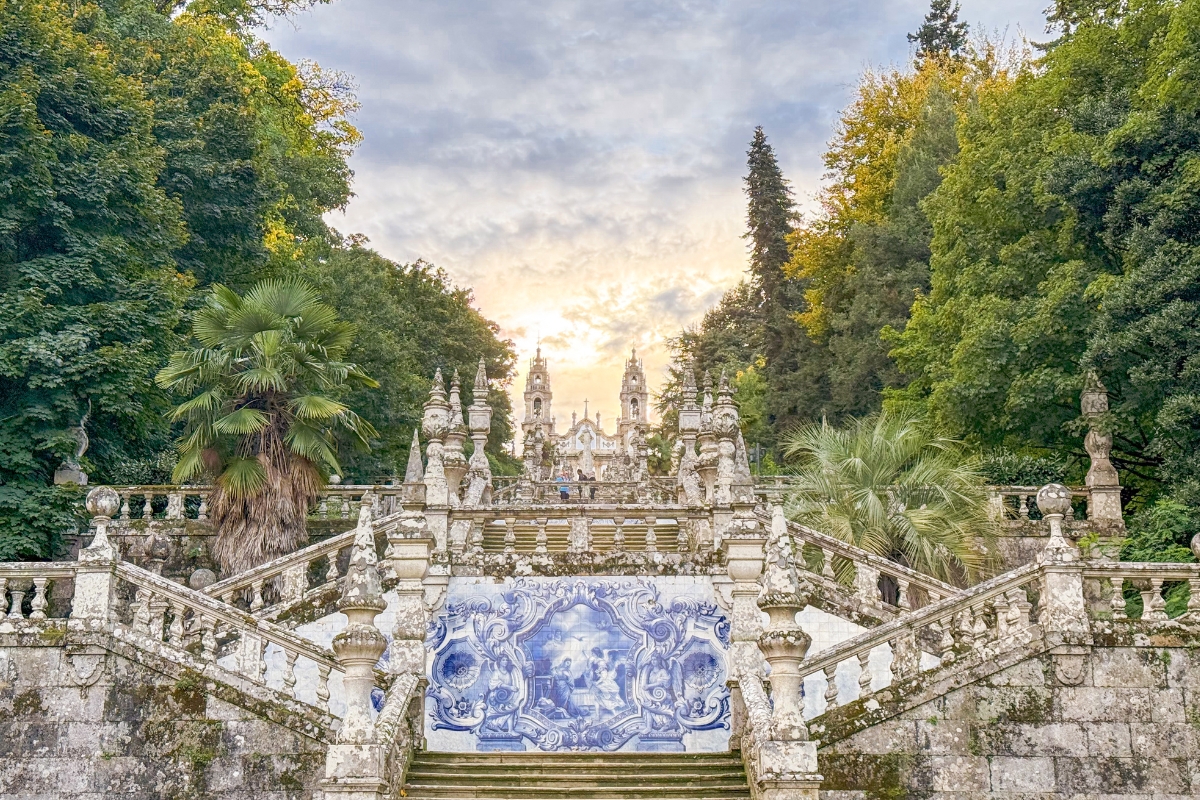
The symbol of the entire city is the Sanctuary of Nossa Senhora dos Remédios in Lamego, which is an important pilgrimage site and stands on Santo Estêvão hill. It is accessible by a magnificent staircase, whose construction began in 1777 and was only completed in the 20th century.

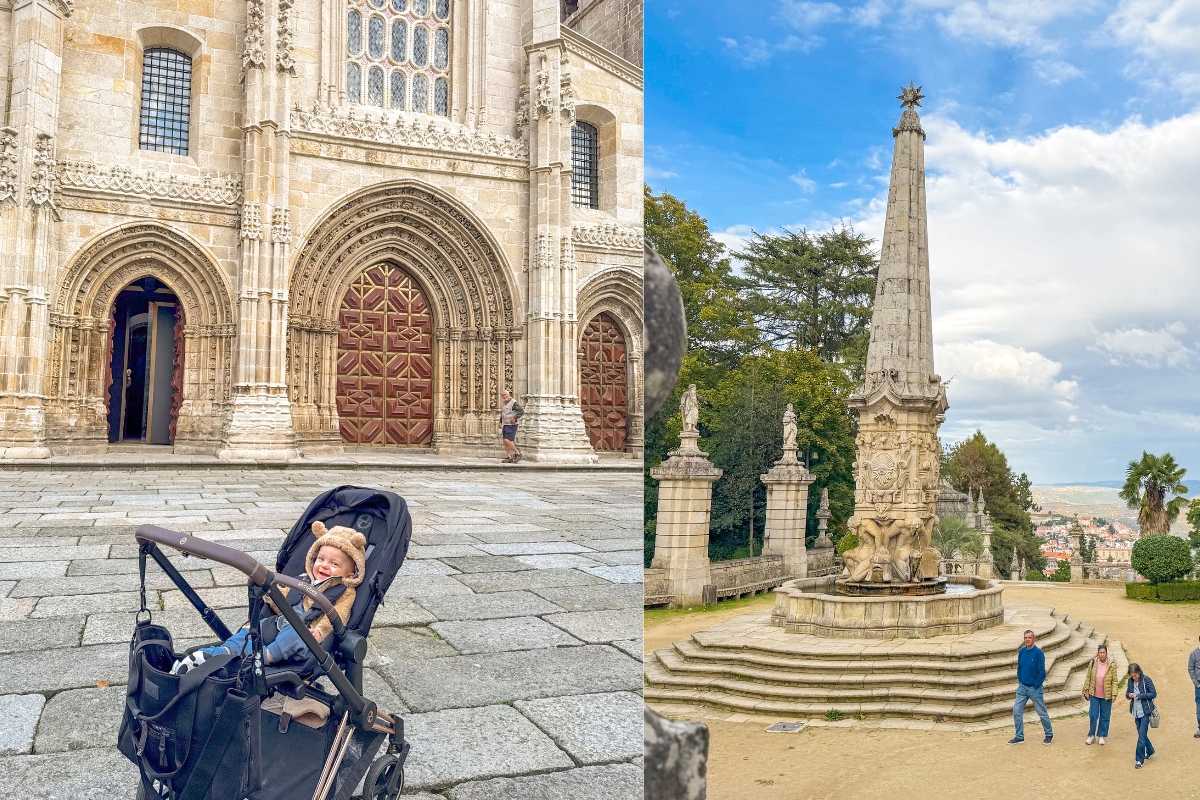
The most remarkable place is “Pátio dos Reis,” adorned with a 22-meter high fountain and an obelisk with Marian symbols. The staircase is surrounded by Santo Estêvão Park.

The sanctuary itself was built in 1750 on the site of an old chapel dedicated to St. Stephen. The Baroque decoration of the sanctuary is truly magnificent. Dominating the structure are two white towers, which were completed only at the beginning of the 20th century and stand as guardians over the city.

In addition to its architectural beauty, the sanctuary is known for its annual pilgrimage in honor of Our Lady of Remedies, which takes place on September 8th, when believers from all over the country gather here.

Sé Catedral De Lamego

This cathedral, dedicated to the Virgin Mary and Saint Sebastian, originated on the foundations of a 12th-century chapel and became one of the most important religious sites in the region. Its original Romanesque tower, standing on the south side of the facade, recalls the first construction from 1159. Over the centuries, the cathedral underwent many modifications, gradually adding Gothic, Manueline, and Baroque elements, resulting in a unique blend of styles that captivates visitors with its majesty.

Next to the cathedral is the former Bishop’s Palace, now home to the Lamego Museum, where artistic treasures are preserved, including works by the famous painter Grão Vasco.

Lamego Castle

Above the city, you’ll find the local castle, which was probably built on the site of an old Lusitanian oppidum, later fortified by the Romans. Around the castle, you’ll find defensive walls with two main gates – the northern gate Porta dos Figos (also known as Porta da Vila) and the southern gate Porta do Sol.

Don’t forget to climb the Torre de Menagem tower, from where you’ll have a beautiful view of the Varosa, Coura, and Balsemão rivers, as well as the vineyards of the Douro Valley and the surrounding landscapes of Trás-os-Montes and Montemuro.

Casa Das Brolhas

Casa das Brolhas, built in 1771, is one of the most magnificent noble residences in Lamego. At first glance, it captivates with its ornate facade featuring carefully carved granite ornaments. Its dominant features are an impressive gate and a magnificent family coat of arms, divided into five sections, displaying the heraldic symbols of the Osório, Menezes (Marquises of Marialva), and Castro families. This house has been a protected cultural monument since 1975, testifying to the wealth and influence that the aristocracy held in the Lamego region in the 18th century.

Casa das Brolhas belonged to prominent figures associated with the old Portuguese nobility, such as Macário de Castro da Fonseca e Sousa, who distinguished himself as an important member of parliament in the early days of the constitutional regime and a deserving patron of Lamego. His grandson, Macário de Castro da Fonseca e Sousa Pereira Coutinho, was also an influential figure. Among his ancestors is Manuel Pinto da Fonseca, who became Grand Master of the Order of Malta.

Museo De Lamego

Whether it’s raining or you want to enjoy something a little different than just walks around the city and vineyards, then head to the local museum, which you’ll find in a magnificent historic building, the former Bishop’s Palace.

In the museum, you’ll find collections ranging from Gothic to Baroque, among the greatest treasures are tapestries depicting battles between Christians and Moors. It also includes a collection of azulejos (traditional Portuguese tiles) and magnificent goldsmith work.

Bairro Da Ponte Neighborhood

The Bairro da Ponte neighborhood in Lamego has undergone a beautiful transformation in recent years! This historic part of the city now offers a new riverside zone with absolutely stunning views of the Balsemão River.

The transformation aimed to attract both tourists and locals, and now there are plenty of places to relax. From spring and summer, everyone will be able to sit at a bar on the terrace, enjoy a picnic in the new picnic zone, or have fun with children on the playground. A sports field has even been added.

Wine Tastings

Do you love red wine and Port wine as much as we do? We definitely recommend checking out organized wine tastings, which you can find on GetYourGuide. Probably the best is the option with a boat trip on the Douro River – an unforgettable experience!

lukas a lucka
Lukáš and Lucie recommend
Where to stay in Lamego
3 accommodations — wellness hotels, hotels and other accommodation options

FAQ

Why was the city named Lamego?

According to historians, the name “Lamego” may derive from the Ligurian or Ambronian-Illyrian root “Lam” and the Latin suffix “aecus,” which may indicate the name of an old Roman owner of an agricultural estate from the 3rd century, around which a settlement near the castle gradually developed.

Tips and Tricks for Your Vacation

Don’t Overpay for Flights

Search for flights on Kayak. It’s our favorite search engine because it scans the websites of all airlines and always finds the cheapest connection.

Book Your Accommodation Smartly

The best experiences we’ve had when looking for accommodation (from Alaska to Morocco) are with Booking.com, where hotels, apartments, and entire houses are usually the cheapest and most widely available.

Don’t Forget Travel Insurance

Good travel insurance will protect you against illness, accidents, theft, or flight cancellations. We’ve had a few hospital visits abroad, so we know how important it is to have proper insurance arranged.

Where we insure ourselves: SafetyWing (best for everyone) and TrueTraveller (for extra-long trips).

Why don’t we recommend any Czech insurance company? Because they have too many restrictions. They set limits on the number of days abroad, travel insurance via a credit card often requires you to pay medical expenses only with that card, and they frequently limit the number of returns to the Czech Republic.

Find the Best Experiences

Get Your Guide is a huge online marketplace where you can book guided walks, trips, skip-the-line tickets, tours, and much more. We always find some extra fun there!
Sintra, Portugal: 15 Best Things to Do and See

TL;DRSintra is a fairy-tale town tucked into the wooded hills of the Serra de Sintra, just outside Lisbon, where mystical mist and cooler air often roll in. It’s home to extravagant palaces and gardens: the colourful Pena Palace, the mysterious Quinta da Regaleira with its initiation well, the Moorish Castle and Monserrate Palace. Get there early to dodge the crowds and queues, and book tickets online in advance; the 434 tourist bus loops round the town. It works best as a full day trip from Lisbon. The guide has 15 tips on what to see in this fairy-tale town.

If you’re heading to Lisbon, it would be a shame to miss the magical town of Sintra, which, with its impressive palaces and beautiful nature, is a UNESCO World Heritage site. What’s worth seeing? In this article, titled “Sintra, Portugal: 15 Best Things to Do and See”, I’ll give you 15 tips on what definitely not to miss in Sintra.

When to Visit Sintra

Sintra is beautiful all year round, but each season offers a slightly different experience. The ideal time to visit depends on your preferences, whether it’s for the weather or fewer crowds. However, I would recommend visiting in the spring or autumn months.

Here are a few more tips for visiting Sintra:

  • Avoid weekends and public holidays if you want to avoid massive crowds.
  • Plan your visit for weekdays, ideally outside the main season, to enjoy a quieter experience without the rush of tourists.
  • The best times for sightseeing are early morning or late afternoon, especially for the most visited places.

💡You might also be interested in: The most beautiful beaches in Algarve

How Long should You Spend in Sintra?

Few realize it, but Sintra is quite extensive, and if you want to see everything, you’ll need more than one day. We recommend ideally 2-3 days, or even more.

Sintra: where to Stay

If you want to see as much as possible in Sintra, I recommend staying for at least two to three days. Accommodation options include:

  • Villa Bela Vista,
  • Sintra Bliss Hotel,
  • Rosegarden House.
Accommodation in Sintra
lukas a lucka
Lukáš and Lucie recommend
Where to Stay in Sintra
4 accommodations — hotels and other lodging options

How to get to Sintra

If you’re traveling from Lisbon, like me, the best option is the train from Rossio station. The journey takes about 40 minutes, and a round-trip ticket costs 4.80 euros. Of course, you can also go by car, but parking can be an issue during peak season.

Or go on a trip as part of an organized tour with GetYourGuide, including a guide.

How to get to the Palaces

Immediately after you get off the train, turn right from the train station, and from there, take bus number 434, which will take you to Pena Palace and the Moorish Castle. A one-way ticket costs 4.55 euros, and a round-trip ticket costs 8.40 euros. Bus line 434 runs from 9:00 AM to 7:00 PM several times an hour.

Bus number 435 runs to the center of Sintra, to Quinta da Regaleira Palace and Monserrate Palace. The ticket costs 6 euros, and you can get off and on at the sights as you wish. The bus runs from 10:00 AM to 6:30 PM every half hour.

You can, of course, also walk to the palaces, but be prepared for a proper hike that will take at least an hour. If you’re short on time, you can take a taxi, tuk-tuk, or Uber up. All these means of transport should cost around 5-7 euros per trip.

Sintra, Portugal: 15 Best Things to Do and See

If you’re planning a trip to Sintra, then I’ve put together 15 tips for you on what to see and visit.

Palácio Nacional De Pena (Pena Palace)

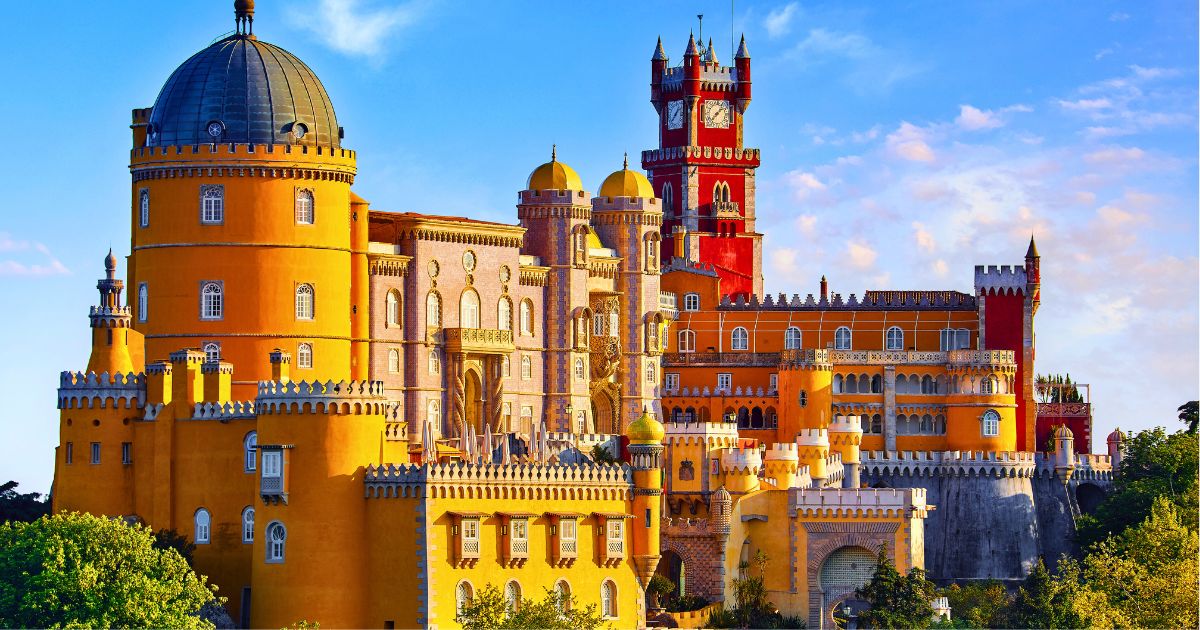
Palácio Nacional de Pena is one of the most iconic places not only in Sintra but throughout Portugal. This fairy-tale palace is located on a hilltop and is visible from afar. Its colorful facades in shades of red, yellow, and gray combine various architectural styles, including Neo-Gothic, Mannerism, and Moorish influence.

Inside, you’ll find richly decorated interiors and rooms that served as the summer residence of the Portuguese royal family. The gardens surrounding the palace are extensive and full of exotic plants, ponds, and hidden nooks.

I recommend purchasing tickets online (for example, via GetYourGuide, where you can also cancel your reservation) in advance, as long queues can form during peak season. However, if you visit Pena Palace off-season, tickets can easily be purchased at the machines in front of the palace entrance without significant queues. A basic ticket with a tour of the interior, terraces, and gardens costs 20 euros.

However, keep in mind that entry to the palace is tied to a specific time slot. If you arrive earlier or later, you won’t be allowed in. At the purchased time, you must be directly in front of the palace entrance, not just the complex – you still need to walk through the garden, which takes about 10-15 minutes uphill. You can also use the local mini-bus, which will take you to the palace. It costs about 3 euros, and if you have healthy legs, I think it’s completely unnecessary.😄

Castelo Dos Mouros (Moorish Castle)

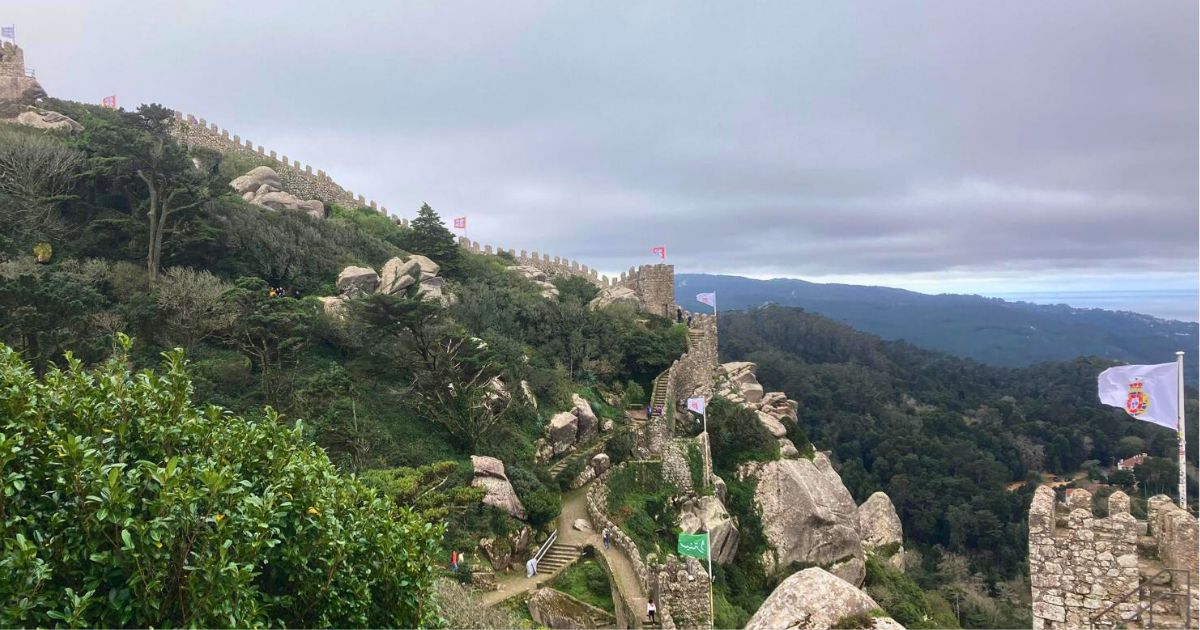
Castelo dos Mouros is a medieval fortress built in the 8th century during Arab rule. It is strategically located high above Sintra, just below Pena Palace, and offers some of the best views of the city, the surrounding landscape, and the Atlantic. The castle walls and towers will take you back in time. The entrance fee is 12 euros; again, you can purchase tickets online or at the machine on site.

Palácio Nacional De Sintra (Sintra National Palace)

This palace in the very heart of the city is easily recognizable by its two white conical chimneys. Palácio Nacional de Sintra was a favorite residence of Portuguese kings for over 800 years. Inside, you can explore magnificent halls, such as the “Swan Room” or the “Magpie Room”, which are decorated with painted ceilings and azulejos tiles.

💡TIP: If you want to skip the queue, buy your ticket via GetYourGuide.

Quinta Da Regaleira

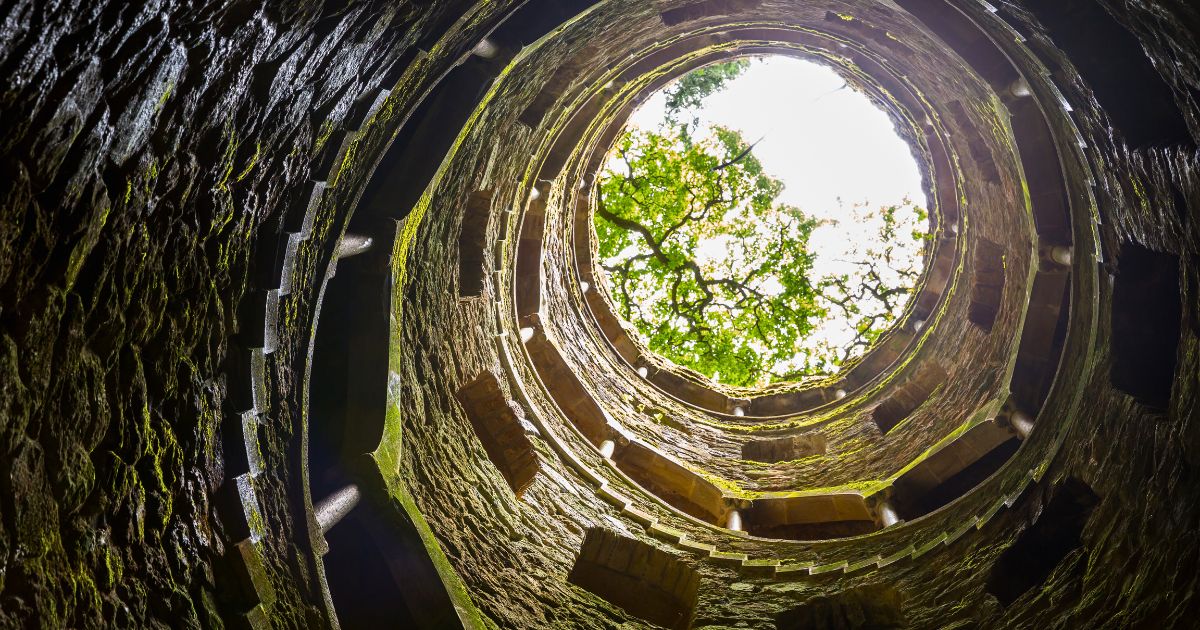
The mysterious Quinta da Regaleira complex will transport you to a world of symbolism, mysticism, and architectural wonders. The biggest attraction is the Initiation Well, a deep shaft-like space reminiscent of medieval ritual ceremonies. Besides the well, you’ll also find underground passages, ponds, sculptures, and gardens full of exotic plants.

Monserrate Palace

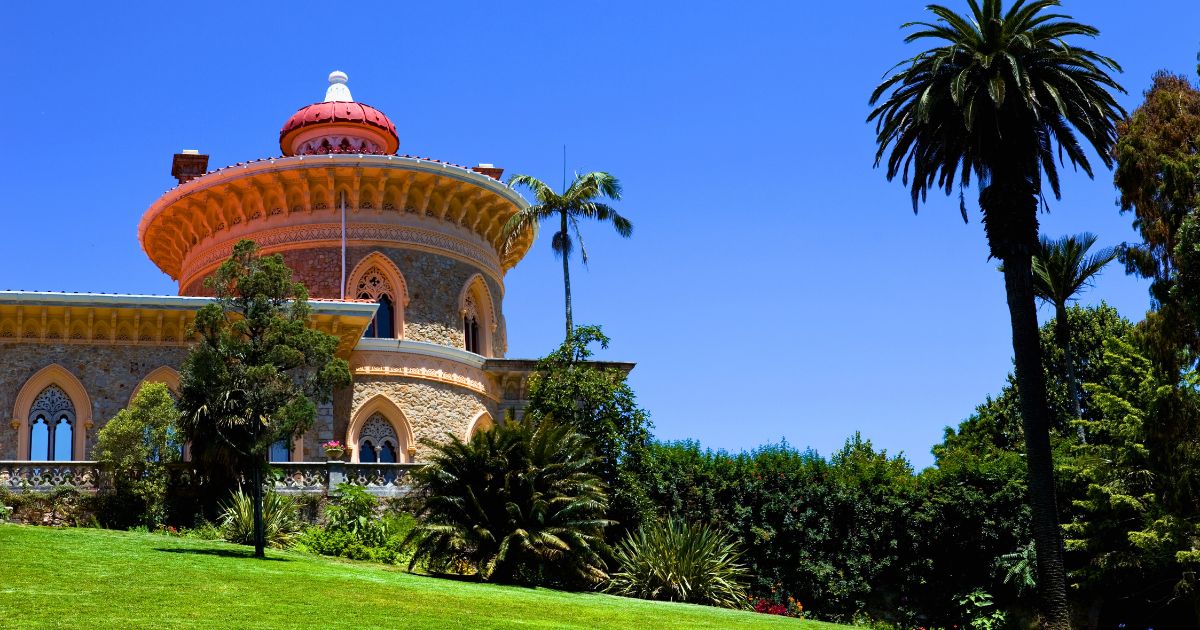
Monserrate Palace is a masterpiece of exotic architecture with elements of Gothic, Moorish, and Indian influences. It is surrounded by magnificent gardens containing plants from all over the world. The palace interiors are full of detailed ornaments and beautifully decorated rooms.

Convent of the Capuchos

The Capuchin Convent, also known as Convento dos Capuchos, is an example of a simple and ascetic way of life. This small monastery is built from local materials such as cork, stone, and wood. A walk through this convent will immerse you in the lives of the monks who once lived here.

Countess of Edla’s Chalet

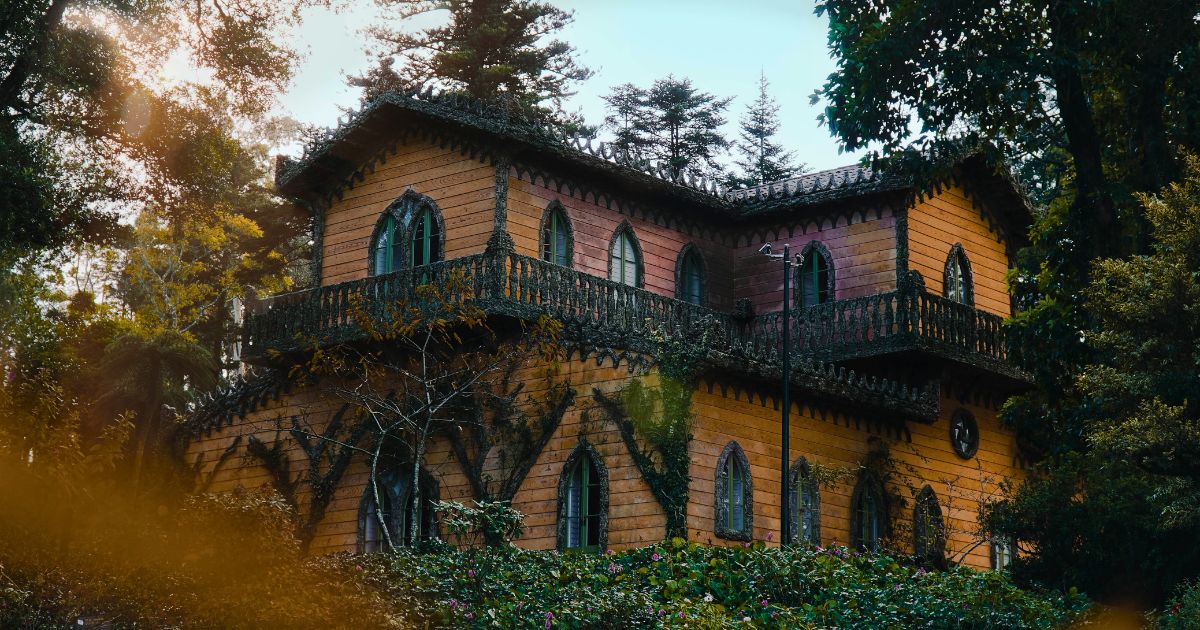
The Countess of Edla’s Chalet is a lesser-known monument, but definitely worth a visit. Surrounded by beautiful gardens, the Countess of Edla’s Chalet will immerse you in the life of 19th-century aristocracy. century. The interiors are furnished in period style, and the gardens are full of plants.

Puppet Museum

In Sintra, you can visit the Museum of Theatre and Puppets. You’ll find an extensive collection of marionettes from around the world, including traditional Portuguese puppets. The museum also offers interactive exhibits and programs for children.

Museum of Modern Art

This museum is home to one of the most significant collections of modern art in Portugal. You’ll find works by both Portuguese and international artists . Exhibitions include paintings, sculptures, photographs, and multimedia installations.

Natural History Museum

The Natural History Museum in Sintra focuses on geology, botany, and the zoology of the region. Exhibits include fossils, minerals, and interactive displays of local flora and fauna . It’s a great place for families with children who want to learn something in a fun way.

News Museum

At the News Museum, you’ll find an exhibition on the origin and development of media and Portuguese journalists. You’ll learn about the media coverage of significant events in recent history and about journalists who made their mark on history with their work. This museum might be of interest to current journalists, future journalists, or journalism students.

Aircraft Museum

The Aircraft Museum near Sintra contains a wide collection of historical aircraft, showcasing the development of aviation. Exhibits include both military and civilian aircraft. It’s a perfect stop for all fans of technology and history.

Excursions in the Surroundings

From Sintra, you can take trips to the surrounding area, which are also worthwhile. If you don’t want to go on your own, take advantage of GetYourGuide‘s offers.

Lisbon

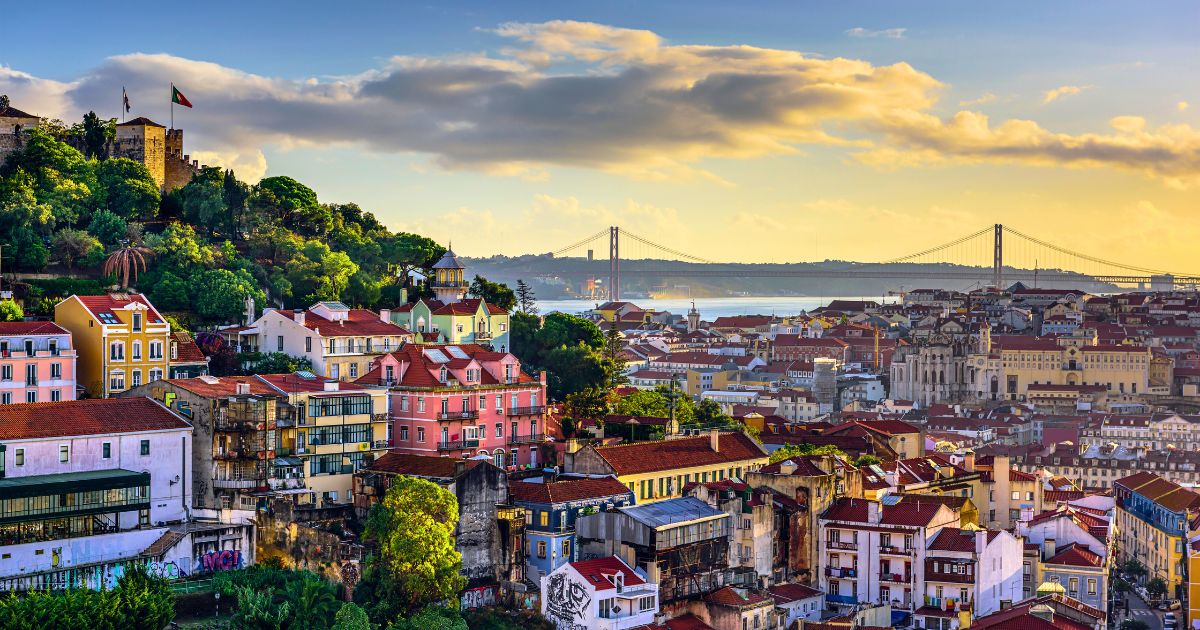
Lisbon, the capital of Portugal, is a city full of history, culture, and an unforgettable atmosphere. A walk through its narrow streets will lead you to colorful azulejos, traditional tiles, and iconic landmarks such as Belém Tower, Jerónimos Monastery, or St. George’s Castle. From the viewpoints (miradouros), you can enjoy panoramic views of the city and the Tagus River. Don’t forget to taste the famous pastel de nata and take a ride on historic tram number 28.

💡You might also be interested in: 22 tips on what to do in Lisbon

Cabo Da Roca

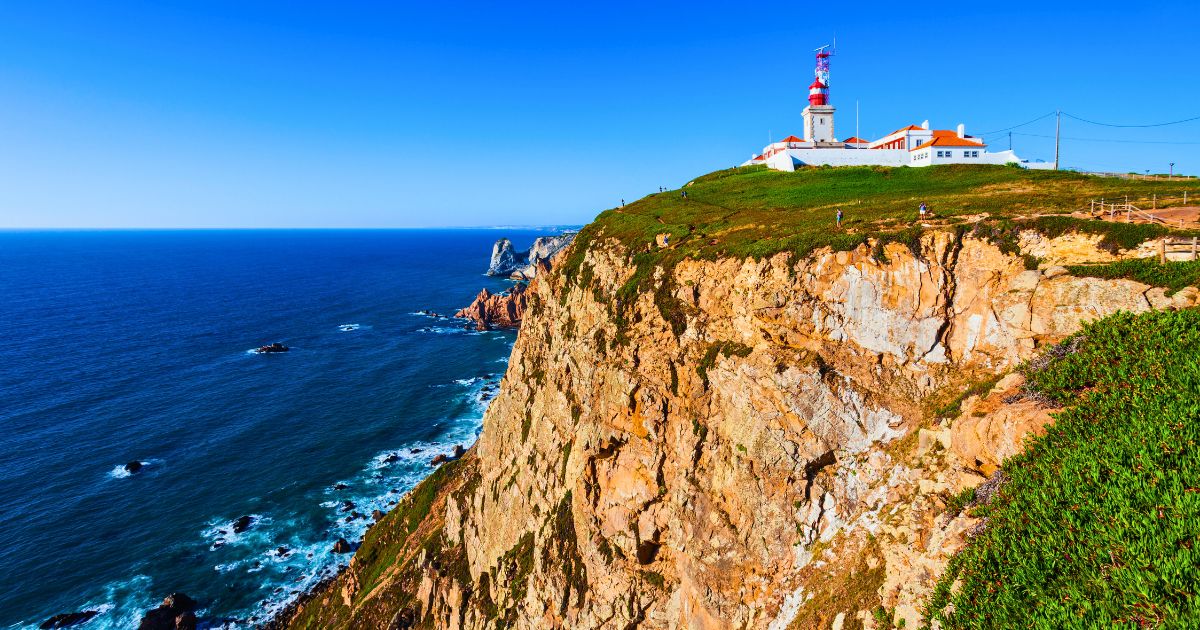
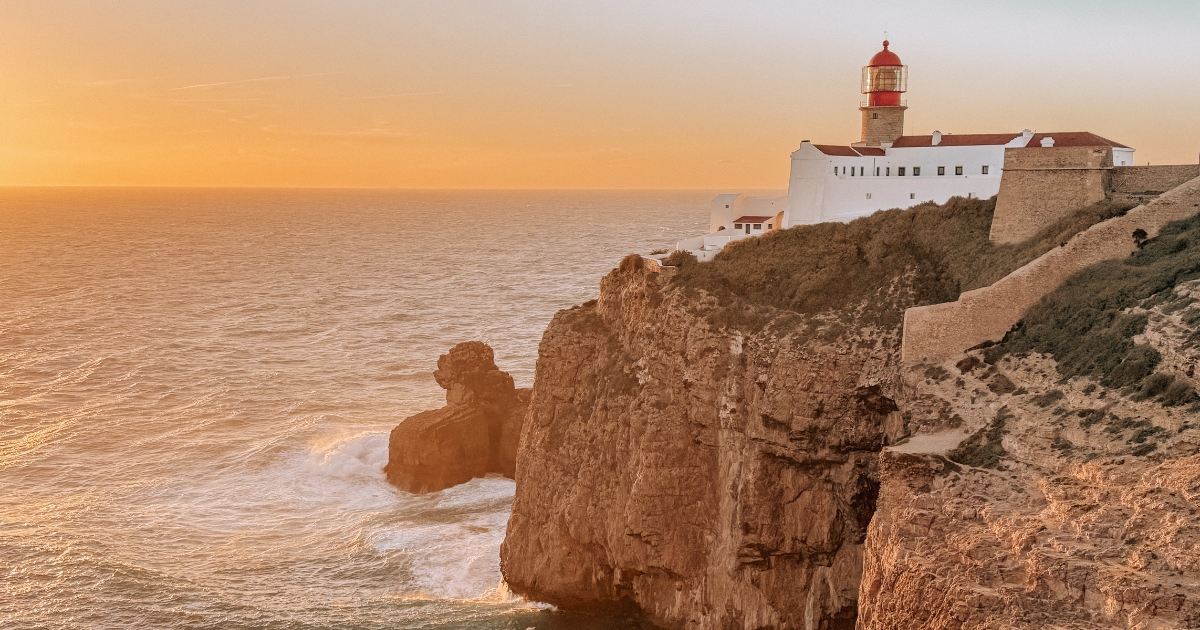
Cabo da Roca, the westernmost point of mainland Europe, is a place where “the land ends and the sea begins.” This majestic cliff with a lighthouse offers breathtaking views of the Atlantic Ocean. It’s an ideal destination for nature lovers and photographers. On-site, you can pick up a certificate confirming your visit to this unique point on the map.

Cascais

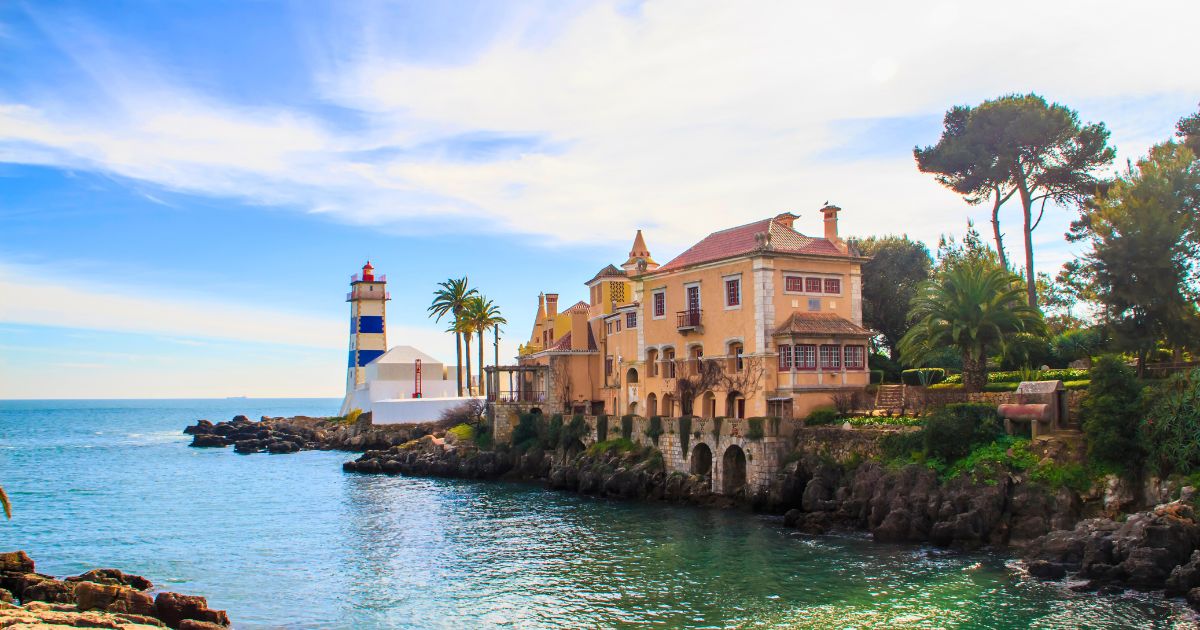
Cascais, originally a fishing village, is now an elegant seaside resort that attracts tourists with its combination of history, beaches, and cosmopolitan atmosphere. Stroll through the city center with its traditional paving patterns, visit the Cidadela fortress, or relax on one of the sandy beaches. Cascais is also an excellent starting point for excursions to the surrounding area, such as Boca do Inferno.

Frequently Asked Questions

How many days are ideal to spend in Sintra?

Ideally 2-3 days, to visit all the main sights and enjoy the city’s atmosphere.

When is the best time to visit Sintra?

Spring and autumn are the best times to visit – pleasant weather and fewer tourists.

Is it necessary to buy tickets for attractions in advance?

Yes, especially for Palácio da Pena and Quinta da Regaleira, to avoid queues.

Tips and Tricks for Your Vacation

Don’t Overpay for Flights

Search for flights on Kayak. It’s our favorite search engine because it scans the websites of all airlines and always finds the cheapest connection.

Book Your Accommodation Smartly

The best experiences we’ve had when looking for accommodation (from Alaska to Morocco) are with Booking.com, where hotels, apartments, and entire houses are usually the cheapest and most widely available.

Don’t Forget Travel Insurance

Good travel insurance will protect you against illness, accidents, theft, or flight cancellations. We’ve had a few hospital visits abroad, so we know how important it is to have proper insurance arranged.

Where we insure ourselves: SafetyWing (best for everyone) and TrueTraveller (for extra-long trips).

Why don’t we recommend any Czech insurance company? Because they have too many restrictions. They set limits on the number of days abroad, travel insurance via a credit card often requires you to pay medical expenses only with that card, and they frequently limit the number of returns to the Czech Republic.

Find the Best Experiences

Get Your Guide is a huge online marketplace where you can book guided walks, trips, skip-the-line tickets, tours, and much more. We always find some extra fun there!
Cascais, Portugal: 15 Best Things to See and Do

TL;DRCascais is a cosmopolitan seaside town about 45 minutes by train from Lisbon’s Cais do Sodré station, perfect for a two-day visit, or four to five days if you’re planning side trips to Sintra or Cabo da Roca. The article rounds up 15 tips, including the historic centre with its azulejo tiles, the Boca do Inferno chasm, the Santa Marta lighthouse, the Casa das Histórias Paula Rego museum, and the wild surf beach Praia do Guincho, linked to the centre by a nine-kilometre cycle path. May, June, September and October are the best months to go, with temperatures around 22 to 26 degrees and fewer crowds. Recommended places to stay include Hotel Baia on the seafront promenade and the luxury Hotel Cascais Miragem Health & Spa perched on the cliffs above the sea.

When Lukáš and I step off the train that whisks us here from Lisbon in just 45 minutes, we immediately feel that special, laid-back atmosphere. Cascais in Portugal is one of those places that charms you at first sight and keeps drawing you back. We travel to Portugal every single year, usually spending our time down south chasing waves, but the coastline around the capital simply has its own unique magic.

Back in the 19th century, the Portuguese royal family adopted this once-unassuming fishing village as their summer residence, which instantly drew aristocrats and artists from all over Europe. During the Second World War it gave refuge to exiles and spies, so history was written on every corner. Today it’s a gorgeous, cosmopolitan little town where a historic centre full of tiled façades blends with modern galleries and a wild ocean.

And the best part of it all? This is exactly the kind of destination where you can explore narrow lanes in the morning, cycle along the cliffs to wild surf beaches in the afternoon, and duck into a cosy wine bar in the evening. Let’s take a look together at everything you can experience here, where to find the most beautiful beaches, and how to plan the whole trip to dodge the biggest tourist crowds. ☺️

TL;DR

  • Best time to visit: Spring and autumn (May, June, September and October) offer ideal temperatures around 22 to 26 degrees and far fewer people than summer.
  • How to get there: The easiest route is from Lisbon on the suburban train from Cais do Sodré station; the ride takes 45 minutes and costs just a few euros.
  • Main attractions: A historic centre full of traditional azulejo tiles, the breathtaking Boca do Inferno sea chasm, and the photogenic Santa Marta lighthouse.
  • For nature lovers: Rent a bike and head along the coastal cycle path all the way to the wild Guincho beach, where the wind is strong and the world’s best surfers train.
  • Great base for trips: The town works as the perfect base for exploring the nearby fairy-tale Sintra or Cabo da Roca, the westernmost point of continental Europe.
  • Where to stay: We recommend booking hotels well in advance on Booking; a great choice is the seafront Hotel Baia or the spacious Vila Gale Cascais.

When to visit Cascais

This charming coastal town enjoys a very pleasant Mediterranean climate, strongly influenced by the cool Atlantic Ocean. Each season offers a slightly different atmosphere, so it pays to think carefully about what exactly you expect from your holiday. If you’re checking the weather in Cascais, Portugal, before you go, you’re already thinking like a smart traveller.

The spring months from March to May are, in our view, some of the absolute most beautiful in all of Portugal. Temperatures hover around a pleasant 18 to 22 degrees, creating perfect conditions for long walks around town and bike rides along the coast. Nature in the nearby national park is waking up and everything is gorgeously green and in bloom. March can still bring the occasional rain shower, but from May on the weather tends to be beautifully stable.

Summer from June to August is when the whole resort comes alive and bursts at the seams. Daytime temperatures regularly climb to 28 to 32 degrees, but thanks to the constant ocean breeze it never feels as stuffy as central Lisbon. The ocean reaches its peak in July and August, meaning roughly 20 to 22 degrees. So if you love a buzzing beach scene and don’t mind the crowds, you’ll enjoy long warm evenings in the restaurants and bars along the promenade.

The autumn months from September to November bring that longed-for calm, and for us it’s probably the very best time to travel. In September the ocean is still relatively warm after summer and the tourists are thinning out fast, so accommodation prices slowly start to drop. October is then ideal for exploring the sights, though you’ll want to pack a light windbreaker.

Winter has its own very specific and slightly rugged charm on the coast. Daytime temperatures rarely drop below 12 to 15 degrees, but an icy wind often blows in from the ocean, bringing dramatic storms with it. This is when experienced surfers head here to chase the huge winter waves, and when you can enjoy the completely empty lanes of the historic centre. We love coming in winter, because that raw power of nature is simply fascinating.

Where to stay in Cascais

Choosing the right neighbourhood plays an absolutely key role in how much you enjoy your stay. The town is fairly compact and you can walk everywhere, but each district has its own unique atmosphere and price level.

If you want to be right in the middle of the action, look for accommodation in the winding lanes of the historic core or right next to the harbour. You’ll be just a few steps from the best beaches, and in the evening you simply step out of your hotel straight into the whirl of cafés and restaurants. We always prefer to look for accommodation on our favourite platform, Booking.com, where you can snag really beautiful design apartments and traditional family guesthouses alike.

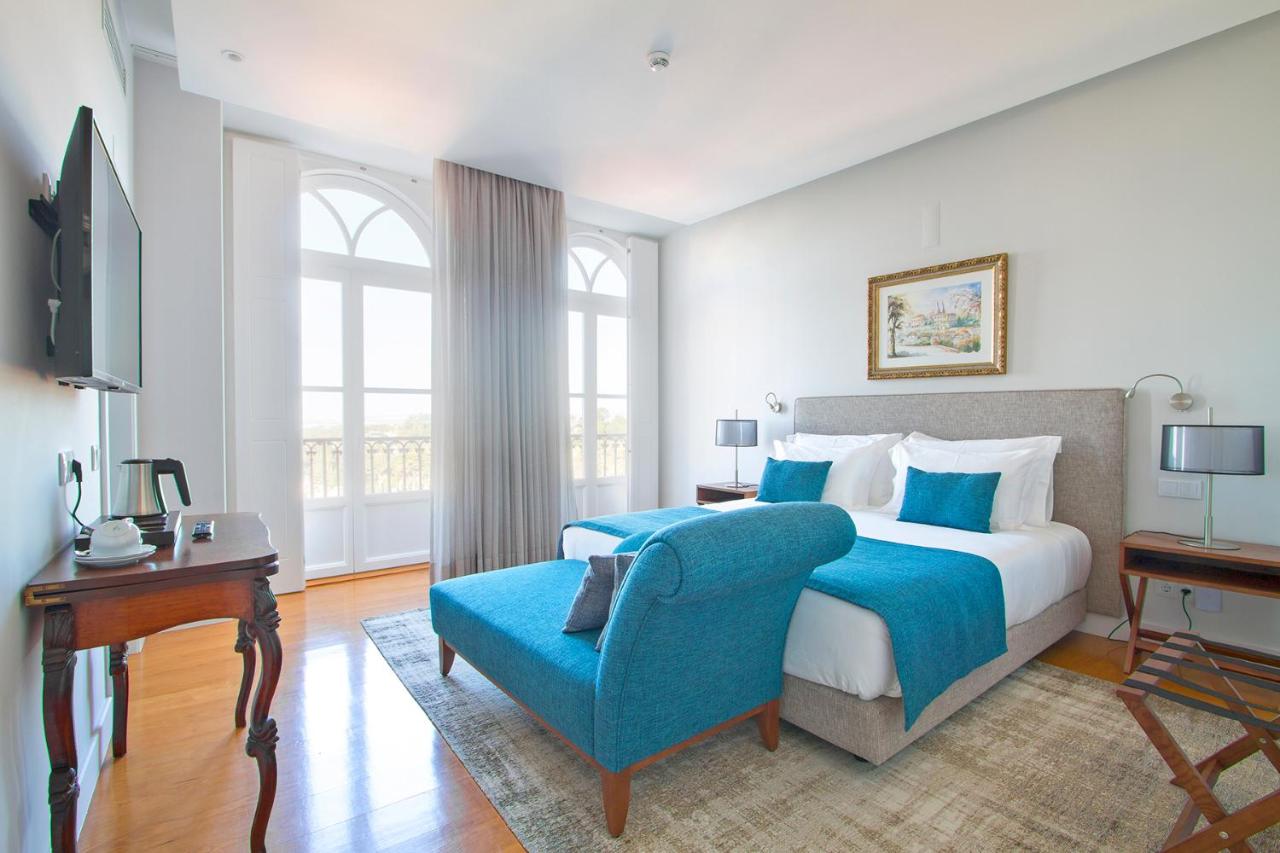
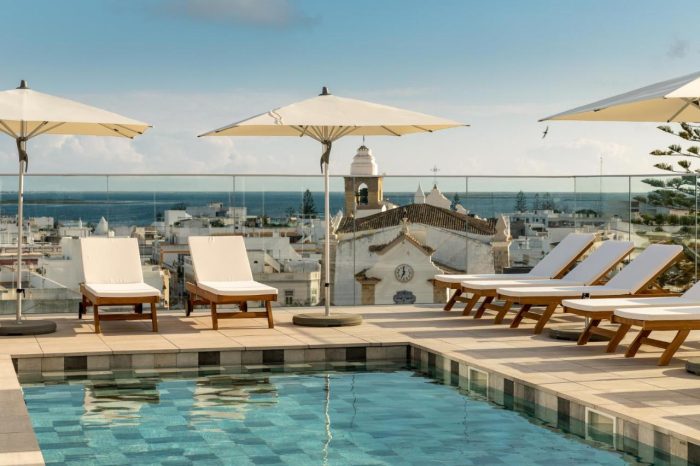
One of the most popular options is definitely the traditional Hotel Baia, which stands right on the promenade opposite Praia da Conceição beach. It offers beautiful modern rooms, many of which have balconies with direct views of the blue ocean and the bobbing boats. Guests here regularly praise above all the excellent, generous breakfasts as well as the rooftop pool, where you can relax after a demanding day full of excursions.

For families with children or travellers craving more space, we can warmly recommend the well-known Vila Gale Cascais complex. This hotel is located in a slightly quieter area just a short distance from the centre and offers truly spacious apartments equipped with a practical kitchenette. Its biggest draw is the huge outdoor pool surrounded by mature palm trees, along with a rich entertainment programme for the youngest visitors.

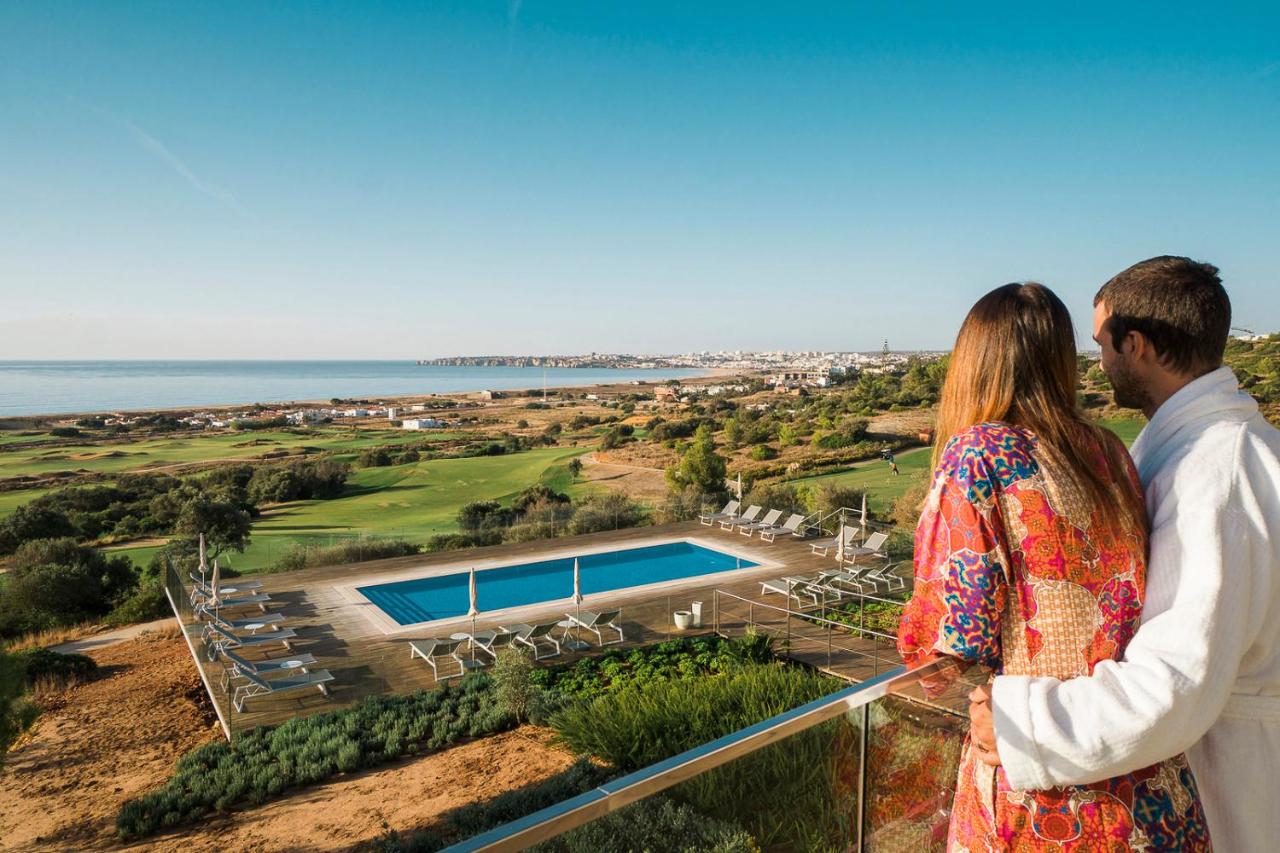
If you want to treat yourself to real luxury and romance, take a look at the five-star Hotel Cascais Miragem Health & Spa. This impressive building sits on a rocky cliff above the sea, and you’ll never want to leave its infinity terrace with a pool. It goes without saying that there’s a top-notch wellness centre and flawless service that will satisfy even the most demanding guests.

15 things to see and do in Cascais

This town offers a surprisingly varied mix of history, wild nature and relaxed beach life. I’ve picked out fifteen specific places and experiences you definitely shouldn’t miss during your visit.

1. Get lost in the historic centre

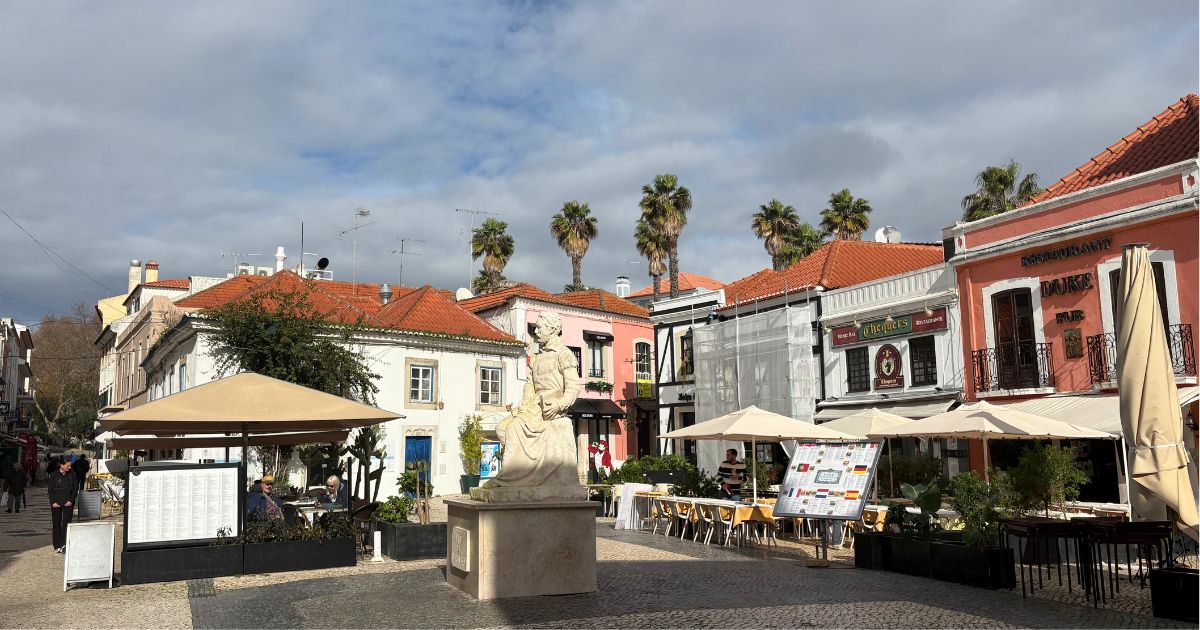
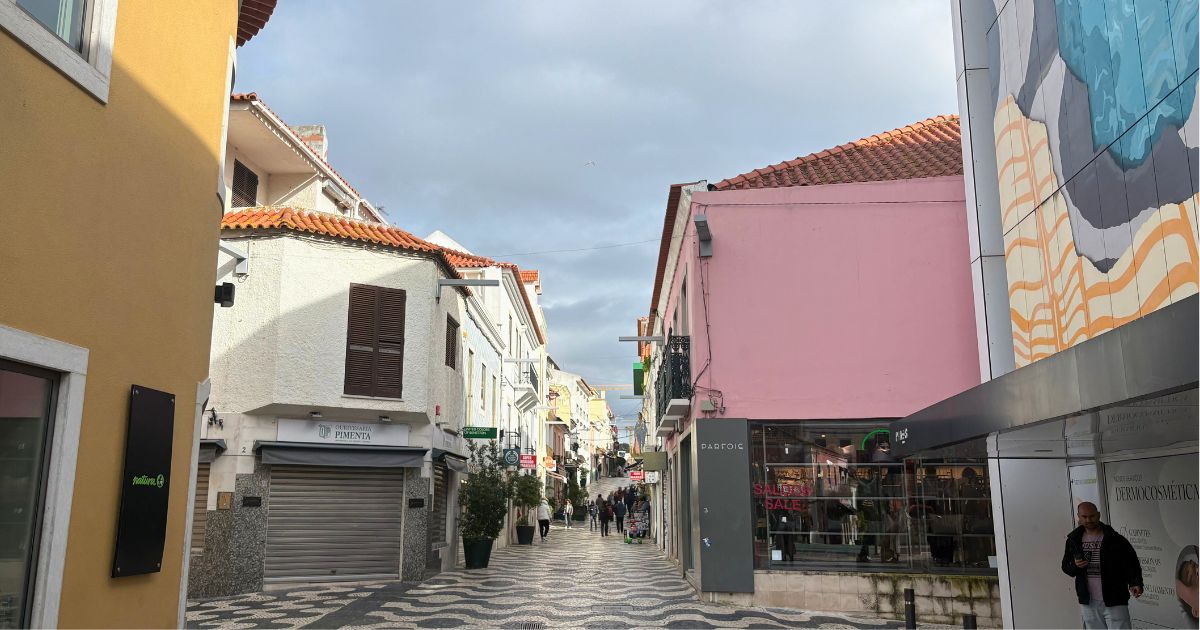
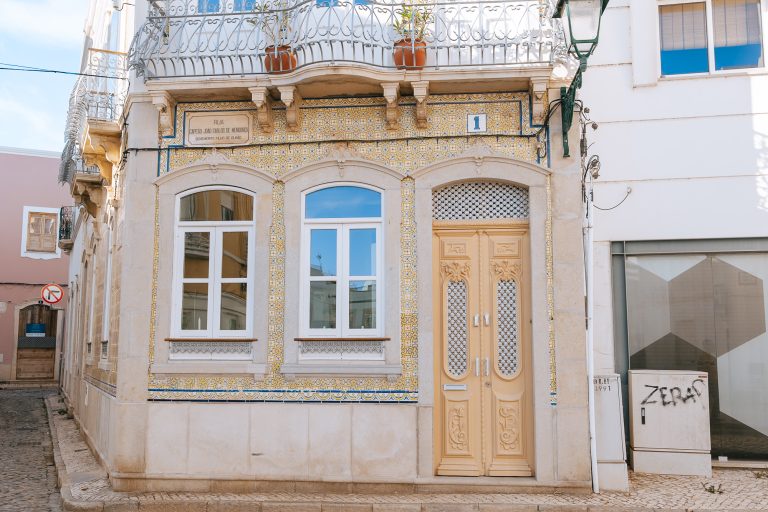
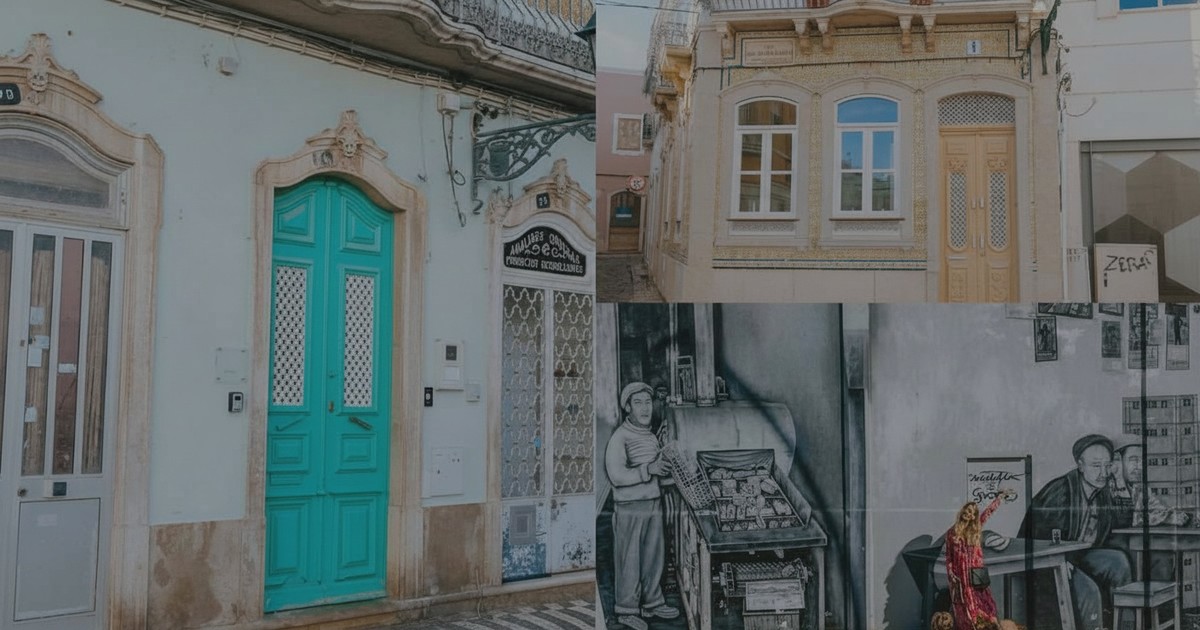
The heart of the whole resort is its picturesque historic centre, which instantly transports you to the good old days. The narrow cobbled lanes are lined with dazzling white houses decorated with traditional blue and yellow tiles called azulejos. Wandering here is like visiting a living open-air museum, and you’ll spot a beautiful architectural detail on every corner.

The main landmark is the spacious Praça 5 de Outubro square, dominated by the elegant town hall building and majestic palms. Around the square you’ll find plenty of little shops selling hand-painted ceramics, plus cosy cafés where locals come to read the morning paper. It’s the ideal starting point for all your further wanders around town.

Be sure to stroll down the busy Rua Frederico Arouca too, which is literally packed with Portuguese designer boutiques and galleries. In the evening this whole area transforms beyond recognition, when local restaurants carry their tables out onto the cobbles and the lanes fill with laughter and the clinking of wine glasses. 💡 Tip: If you want to experience the centre without crowds, get up early and hit the streets around eight in the morning. The morning light beautifully illuminates the façades and you’ll get the best photos with no strangers in the shot.

2. The romantic cove of Praia da Rainha

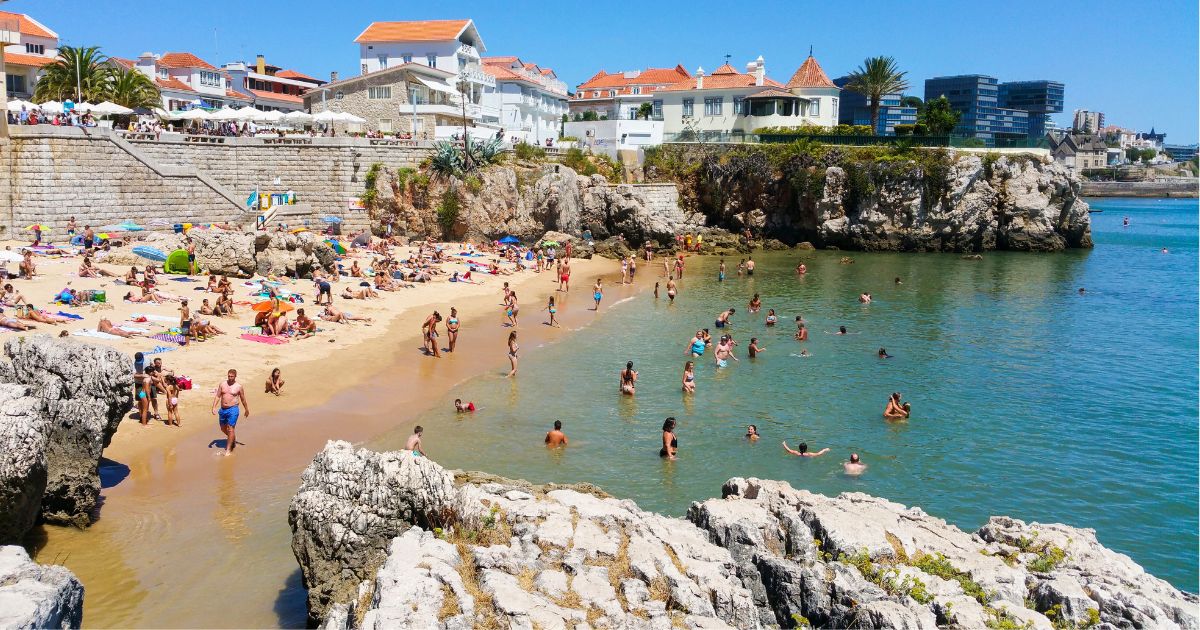
Right in the middle of the historic streets hides a small but utterly enchanting sandy cove known as the Queen’s Beach. It got its name from the last Portuguese queen, Amélia, who chose this sheltered spot as her private oasis of calm. The beach is surrounded on three sides by high cliffs, giving it a real sense of privacy.

The sand here is beautifully fine and the entry into the water very gradual, so it’s a great spot for families with smaller children too. Given its tiny size, though, it fills up very quickly in high season, so you need to hurry over right after breakfast. By around noon you’ll struggle to find room to spread even a single small towel.

Right above the beach there’s a pleasant bar with a terrace, where you can watch the buzz down on the sand with a chilled drink in hand. But it’s most beautiful here at sunset, when the surrounding rocks turn deep orange and you can just sit and listen to the lapping of the little waves. 💡 Tip: Swimming is usually safe most of the year, but the Atlantic water is very refreshing even in sweltering August and rarely exceeds 21 degrees.

3. Luxury and yachts at Marina de Cascais

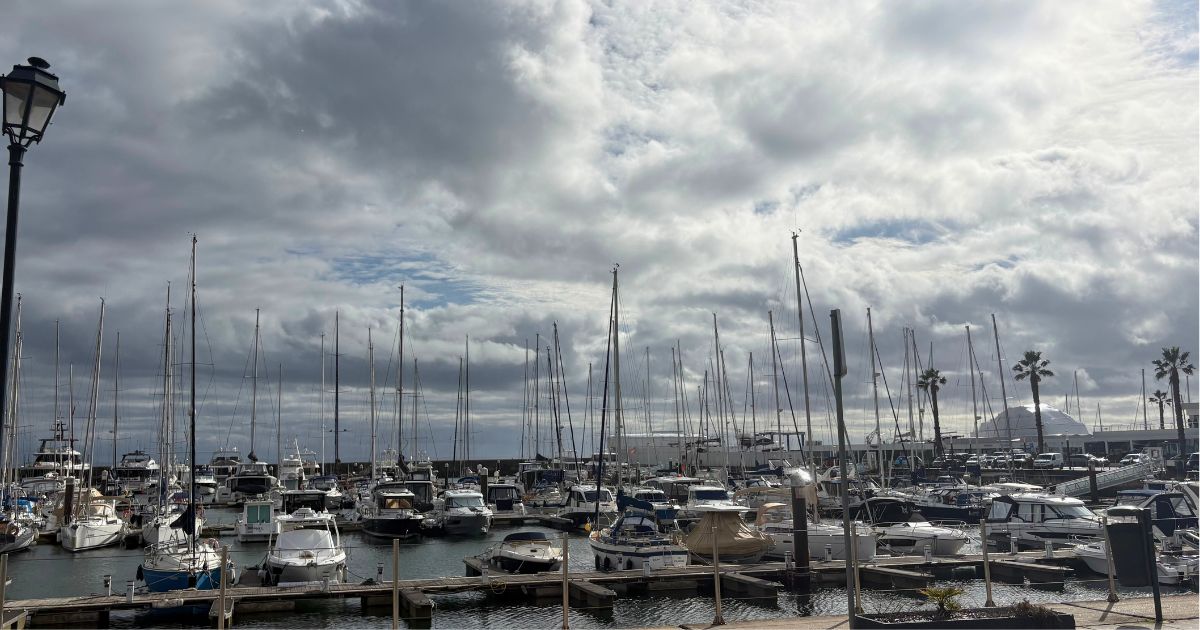
The modern marina complex shows a completely different face of the town, full of elegance, luxury and giant white yachts from around the world. The promenade along the marina is a popular spot for evening strolls, where the old fishing tradition mingles with the modern resort. You’ll see tiny wooden fishing boats moored right next to multi-million floating palaces.

The whole area is lined with stylish restaurants, glass-fronted cafés and nautical fashion boutiques. You can sit on an outdoor terrace overlooking the ships’ masts and spend hours just watching the fascinating harbour bustle. In the summer months there are also often outdoor concerts and craft markets here.

If you’d like to experience the ocean up close, this is where all kinds of organised trips set off. You can book a romantic sunset cruise or head out on an adventurous dolphin-watching trip along the coast. It’s an absolutely unforgettable experience. 💡 Tip: The best boat trips tend to sell out days in advance in summer. If you’re keen on a cruise, book your spots online as soon as you arrive in Portugal.

4. The Boca do Inferno sea chasm

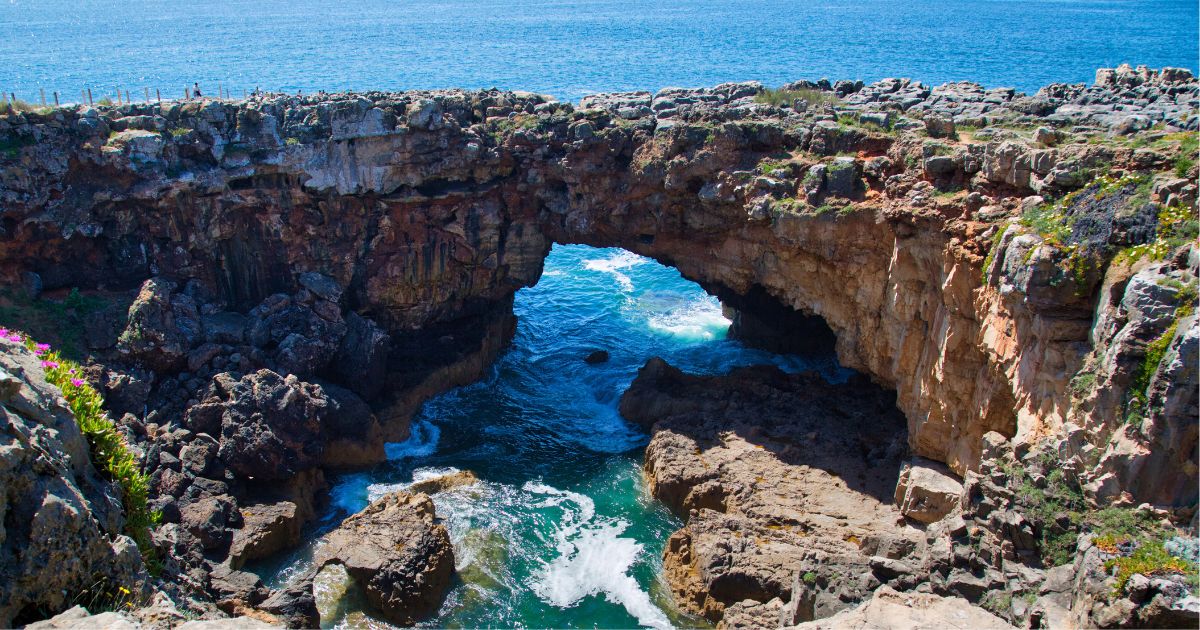
About two kilometres west of the centre you’ll come across one of the most photographed natural landmarks in the whole area. This mighty limestone chasm is fittingly named Hell’s Mouth, and when the ocean is restless you’ll quickly understand why. The waves crash into the steep cliffs with a deafening roar and the water sprays several metres into the air.

Plenty of mysterious legends and tales are tied to this place, the most famous dating from 1930. That’s when the famous British occultist Aleister Crowley faked his own death here, leaving his coat and a farewell note on the rock, only to happily turn up in Berlin a few weeks later. To this day the place feels a little mystical.

The path to the chasm follows a paved coastal promenade and takes about thirty minutes of easy walking from the centre. A safe viewing platform is built right above the cliffs, from which you can watch the natural spectacle without worry. You’ll also find a few souvenir stalls and a pleasant restaurant with a fabulous view. 💡 Tip: If you can, come at high tide or just after a storm. That’s when the natural theatre of crashing water is by far the most impressive.

5. Cycling the coastal path

One of our favourite experiences in this area is definitely a ride along the beautiful paved cycle path that hugs the wild cliffs. The route runs about nine kilometres one way and connects the town centre with the gorgeous wild Guincho beach. It’s perfectly separated from car traffic, so you needn’t worry about setting off with smaller children either.

You can rent a bike in many places around town; lots of hotels even offer them to guests for free, or you’ll pay around €15 a day. The ride offers absolutely breathtaking views of the blue ocean, old lighthouses and the gently rising green hills of the national park in the background. It’s pure balm for the soul.

Don’t forget to bring plenty of drinking water and strong sunscreen, because there aren’t many places along the way to hide from the sun. On the way back, expect to be riding into a strong headwind, which can be a bit of a struggle unless you rent an e-bike. 😅 💡 Tip: Set off right after breakfast. By around noon the cycle path gets pretty busy, as locals use it heavily for running and rollerblading.

6. Surfing wilderness at Praia do Guincho

When you reach the end of that cycle path, a vast sandy beach opens up before you that feels like it’s from another world. Praia do Guincho is absolute natural wilderness, where relentless wind rules and the huge Atlantic waves crash into the shore with incredible force. This is definitely not a place for peaceful family splashing on an inflatable lounger.

This is sacred ground for all adrenaline lovers, surfers and kitesurfers from around the world. We come here to admire the best riders, who train in conditions that would instantly put off the faint of heart. The sand here is incredibly fine, almost white, and the surrounding dunes give it an almost desert-like character.

Even if you’re not heading into the water, it is worth walking barefoot across the sand here, letting the salty wind blow the cobwebs away and feeling the enormous energy of the ocean. Around the beach you’ll find several wooden restaurants, where you can shelter from the wind and grab something warm while watching the daredevils in the waves through the window. 💡 Tip: The currents here are extremely strong and treacherous all year round. Unless you’re a truly experienced and trained swimmer, it’s better not to enter the water at all and just admire the ocean from the shore.

7. The historic Cidadela de Cascais fortress

Right by the harbour rise the mighty stone walls of an old defensive fortress that protected the coast from pirates and enemy ships for centuries. This strategic 15th-century structure has undergone an incredible transformation, and within its walls hides a lively cultural centre and the luxurious Pousada hotel. It’s a textbook example of how the old can be blended with the new.

Walking through the inner courtyard, you’ll come across a gorgeous outdoor gallery full of modern sculptures and art installations. The original military barracks have turned into small artists’ studios, which you can peek into and watch local creators at work. The atmosphere is wonderfully inspiring and calm, in sharp contrast to the bustle outside.

Part of the fortress still serves as the summer residence of the Portuguese president, so not all areas are usually open to the public. Do not miss a walk along the ramparts themselves, though, which offer the best view of the whole new marina and the old town below you. 💡 Tip: Entry to the main outdoor areas of the fortress and the art quarter is completely free, so you can wander around as you please and return at different times of day.

8. Architecture at Casa das Histórias Paula Rego

Right opposite the fortress, a building will catch your eye that you simply can’t overlook or mistake for anything else. This unique structure resembles two giant deep-red pyramids and was designed by the famous Portuguese architect Eduardo Souto de Moura, winner of the prestigious Pritzker Prize. The architecture of this museum alone is worth a longer stop.

The museum is devoted to the work of Paula Rego, one of the most significant and provocative contemporary Portuguese painters. Her paintings are often very dark, psychologically challenging and full of hidden meanings, so they definitely won’t leave you cold. Most of the works tell complex stories inspired by Portuguese folklore or personal traumas.

The whole complex is surrounded by a beautiful garden with old trees that provide much-needed shade in summer. The museum also has a very pleasant glass-fronted café, where you can take in the impressions from the exhibition over a good coffee and a slice of excellent cake. 💡 Tip: Museum admission usually costs around €5, but if you plan your visit for Sunday morning before 1 p.m., you’ll get free entry to all the exhibitions.

9. The fairy-tale Condes de Castro Guimarães museum

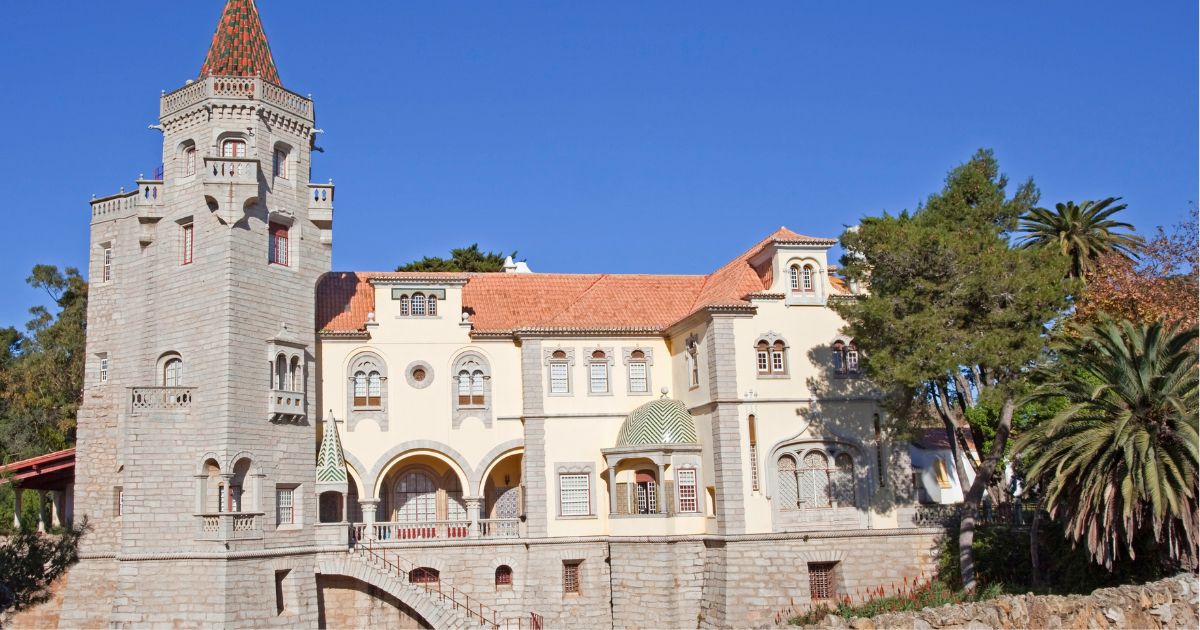
Walking through Marechal Carmona park, you’ll suddenly come across a building that looks as if it fell out of some historical fairy tale. This grand villa with a curious little turret and a view over a private beach was built at the end of the 19th century and today serves as a fascinating museum. It originally belonged to a wealthy nobleman with Irish roots.

The interiors are preserved exactly as the last owner left them, so you can literally walk through history here. The greatest jewel is a magnificent wooden library with more than 25,000 rare volumes, which takes the breath away from every lover of old books. You’ll also find rich collections of oriental porcelain and antique furniture.

Interestingly, the villa was built so that at high tide the seawater would lap directly against its foundations. The windows offer absolutely exclusive views into a small cove, where little boats bob on the waves. It’s a gem that lots of rushing tourists completely miss, which is a huge shame. 💡 Tip: The building is closed every Monday, so bear this in mind when planning your itinerary so you don’t end up standing disappointed in front of a locked wrought-iron gate.

10. Relaxing in Marechal Carmona park

Once you’ve had enough of hot cobbled streets and sharp sunshine, head to this gorgeous city park. This sprawling green oasis in the heart of town works as the perfect refuge for weary travellers, and locals come here regularly for weekend picnics. You’ll find tall pines, palms and eucalyptus trees that smell wonderful.

The biggest attraction, which children in particular will adore, is the park’s animal residents. Dozens of colourful peacocks stroll completely freely across the lawns, along with roosters and hens, while ducks and turtles swim in the small ponds. The peacocks are used to people and often show off with their tails spread right beside the park benches.

For families there’s a perfectly equipped playground and plenty of shady nooks for reading a book. In the summer months there’s even a little summer library, where you can borrow a magazine or book for free and stretch out with it right in the grass. 💡 Tip: If you’re here on a Saturday morning, you’ll find a small organic market in the park, where local farmers sell fresh fruit, vegetables and homemade jams.

lukas a lucka
Lukáš and Lucie recommend
Where to stay in Cascais
4 accommodations — wellness hotels, hotels and other accommodation options

11. The Santa Marta lighthouse and museum

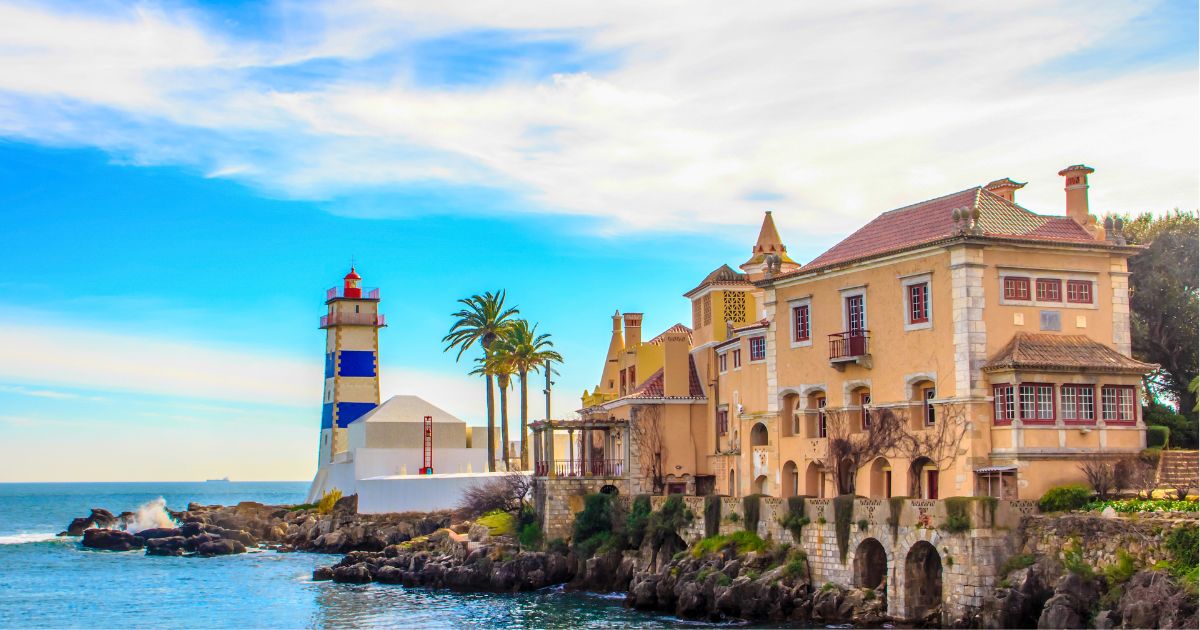
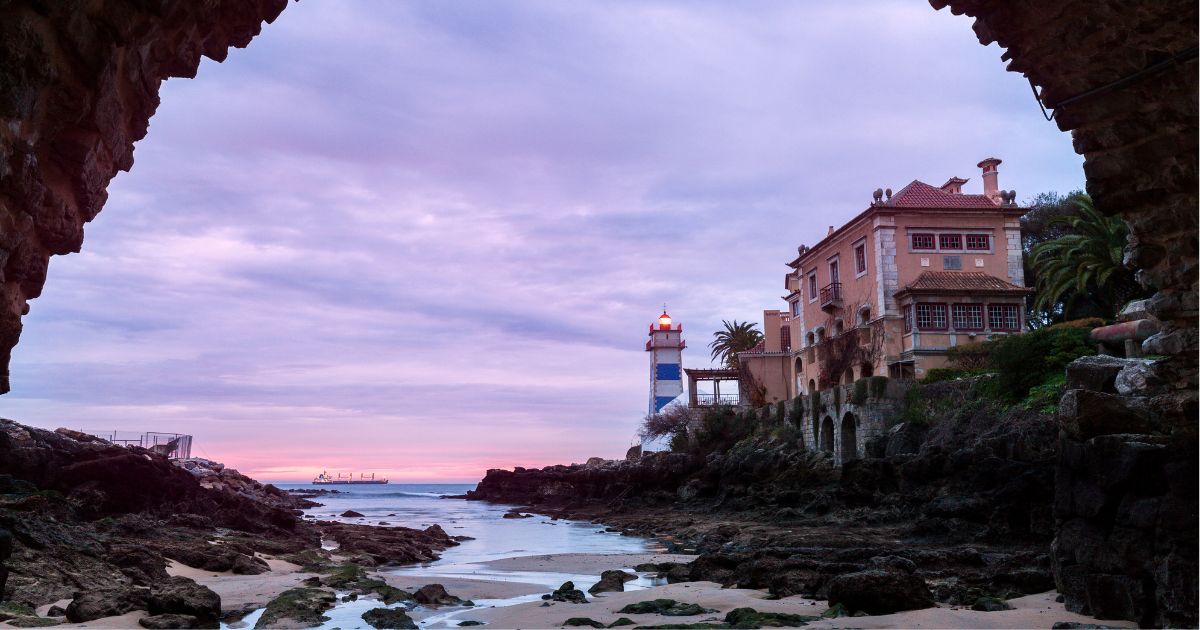
On a rocky headland at the southern edge of town proudly rises the iconic blue-and-white lighthouse, probably the best-known symbol of the whole area. Since 1868 it has tirelessly guided ships into the wide mouth of the Tagus river, and its light is still fully functional today. The whole complex recently underwent a sensitive renovation and simply looks gorgeous.

In the adjacent buildings of the former lighthouse keepers you’ll now find an interactive museum dedicated to the history of maritime navigation. You’ll learn plenty of interesting facts about the hard life of lighthouse keepers and about the important role Portugal played in the era of great maritime discoveries. The tour itself isn’t long, taking about forty-five minutes.

I definitely recommend not skipping the climb up the lighthouse tower itself, unless you suffer from vertigo. From the gallery you’ll get a breathtaking panorama over the whole ocean bay, the coastal promenade and the red roofs of the historic centre. The afternoon light in particular conjures perfect conditions for photography. 💡 Tip: Below the lighthouse lies a small beach of the same name, Praia de Santa Marta. It has no facilities, but the water tends to be beautifully calm and the view of the lighthouse from the surface is spot on.

12. Cafés and the legendary Pastéis de Nata

Portugal without a taste of its famous egg-custard puff pastry tarts just wouldn’t be Portugal, and here too you’ll find places that make them absolutely perfectly. This national sweet treasure called pastéis de nata seems to waft from every other street here, but it pays to know exactly where to go. We love them best warm, dusted with a generous layer of cinnamon.

One of the most popular stops is the Casa da Guia pastry shop, which besides great desserts also offers a gorgeous terrace overlooking the ocean. If you prefer ice cream, don’t miss the legendary Italian gelateria Santini, which has been running for decades and regularly draws long queues of impatient customers in summer.

Since Lukáš and I are vegetarians, the traditional Portuguese fish restaurants usually pass us by, but the local cuisine has plenty to offer without meat too. In the evening we love ducking into some small local wine bar (tasca) and ordering excellent Portuguese cheeses, olives, fresh bread and delicious red wine from the nearby Alentejo region. The atmosphere at those little tables is always wonderfully nice. 💡 Tip: When ordering coffee, remember that a classic espresso is called “bica” here, while a coffee with a little milk is a “garoto”. The Portuguese love their coffee and drink it very strong and hot.

13. The promenade to neighbouring Estoril

If you enjoy long walks with a sea view, set off along the beautiful paved promenade called Paredão, which connects Cascais with the neighbouring resort of Estoril. This roughly three-kilometre route lines the coast, full of small sandy beaches and imposing summer villas that breathe the atmosphere of the good old days. It’s an utterly easy and safe stroll.

Along the way you’ll pass dozens of small beach bars and restaurants, where you can stop any time for a chilled drink or a good coffee. Estoril itself is famous for its elegance and its giant casino, which is the largest in all of Europe. It was this setting of ostentatious luxury and spies that supposedly inspired the writer Ian Fleming to pen the famous Casino Royale.

When you reach the end at the train station in Estoril, you needn’t dread the long walk back. Just hop on the same suburban train you arrived on from Lisbon, and in five minutes and for one euro you’re comfortably back at your starting station. 💡 Tip: Try planning this walk for late afternoon. The setting sun throws golden reflections onto the ocean and the air temperature is far more bearable than in the midday heat.

14. To the edge of the world at Cabo da Roca

This one isn’t right in town, but it would be a huge mistake to skip this trip. About ten kilometres to the west lies a place that is literally the end of the mainland. Cabo da Roca is the westernmost point of continental Europe, and as the famous Portuguese poet Luís de Camões wrote, it’s the place “where the land ends and the sea begins”.

The atmosphere on this cliff, rising 140 metres above the churning Atlantic, is absolutely magical and raw. An old red lighthouse stands here, along with a stone cross with carved coordinates, in front of which everyone naturally has to take a photo. The wind blows with such enormous force that you sometimes feel it might blow you straight into the sea, so don’t forget to bring a jacket even in the height of summer.

You can reach the cape very easily by ordinary scheduled bus straight from the bus station in Cascais; the ride takes about twenty minutes. The views over the endless blue depths and the steep rock walls plunging into the waves will leave you with a huge respect for the forces of nature. 💡 Tip: There’s a small tourist office right on site, where for a few euros you can have a calligraphed certificate issued with your name, confirming that you stood at the end of Europe.

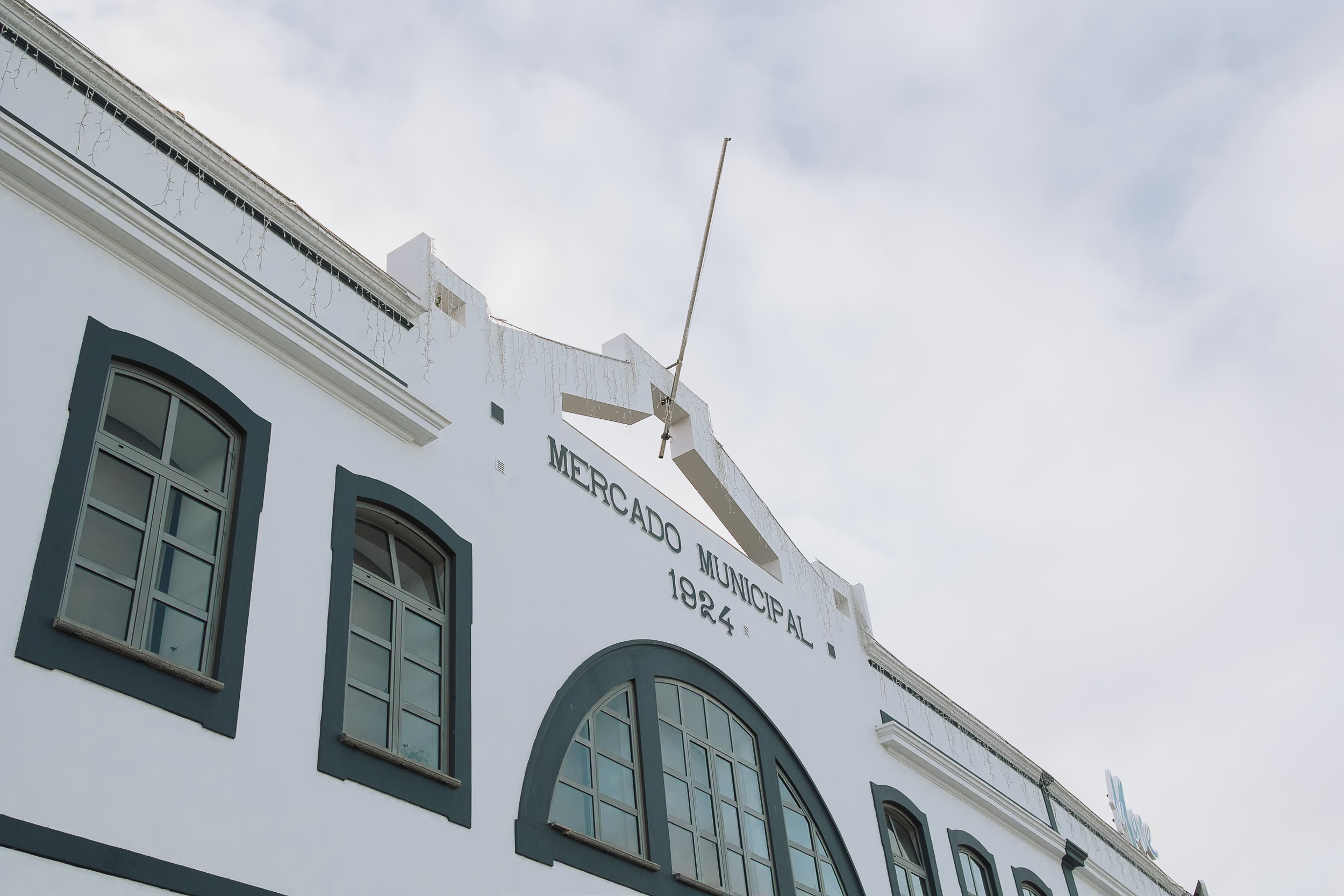
15. Soak up the atmosphere at Mercado da Vila

If you want to experience the real pulse of local life and see ordinary people going about their daily routine, you have to head to the Mercado da Vila town market. This huge covered hall was recently modernised but kept its traditional character, and every morning it fills with fresh produce from all around. It’s a feast for all the senses.

For us vegetarians it’s an absolute paradise, because you can buy the best and freshest ingredients here for cooking dinner. The stalls overflow with huge juicy tomatoes, local cheeses, olives, honey and freshly baked crusty bread. Of course there’s also a large fish section, carrying the typical salty smell of the ocean, where local housewives haggle over the best pieces of cod.

The market also includes several excellent modern restaurants and bistros that use ingredients straight from the vendors. In the evenings and at weekends the space often turns into the stage for various themed festivals, from beer and wine celebrations to markets of local design. 💡 Tip: The main market days are Wednesday and Saturday morning, when even small farmers from the surrounding villages come and set up their stalls in the outdoor courtyard too. Come early, the best goods disappear fast.

Where to go next from Cascais

Once you’ve walked every lane and bought your tiles, it would be a shame not to explore the other gems hiding in this corner of Portugal. The town has an absolutely strategic location for day trips, so you definitely won’t be bored.

The biggest draw in the area is undoubtedly the fairy-tale Sintra, just about thirty minutes away by bus. This forested mountain range is literally dotted with extravagant palaces and crumbling Moorish castles. The absolute hit is the colourful Palácio da Pena, which looks like a Disney castle, but bear in mind that tickets (around €20) have to be bought well in advance for a specific time slot, otherwise you won’t get in. From our own experience we also recommend visiting the mystical Quinta da Regaleira garden with its mysterious Initiation Well, which is best visited right at opening time.

If you happened to start your trip on the coast, be sure to dedicate at least two or three days to exploring the capital in detail. Read our detailed Lisbon guide, where we’ll advise you on how not to get lost in the steep lanes of Alfama and where to find the best views. From Cascais you’re there in three-quarters of an hour by train.

If you’re drawn to the truly rugged ocean and surf culture, consider a trip further north. Iconic Nazaré is home to the biggest waves in the world, which in winter reach the height of an apartment block and lure extreme athletes from all over the planet. And if you’re planning a longer road trip and want to warm up along the way, continue with us all the way down south and discover the most beautiful beaches in the Algarve, where Lukáš and I return every winter.

Frequently asked questions

How long should I spend in Cascais?

For a relaxed visit to all the main sights and attractions right in town, two full days will be more than enough. However, if you’re planning to use the town as a base for day trips to Sintra, Lisbon, and Cabo da Roca, definitely set aside four to five days so you’ll have time to relax on the beach as well.

Is it better to stay in Cascais or in Sintra?

It depends on your priorities, but we recommend Cascais. It offers much better infrastructure, plenty of excellent restaurants, and above all the possibility of evening walks along the ocean. Sintra is beautiful, but it’s a mountain town where after the day tourists leave, the evening is pretty dead and it’s noticeably colder.

How much does a train ticket from Lisbon cost?

The commuter train journey is very cheap and reliable. A one-way ticket from Lisbon’s Cais do Sodré station will cost you around €2.40, and you can simply pay by tapping a rechargeable Navegante card or a regular bank card at the turnstile. Trains run from early morning until late at night every twenty minutes.

Can I eat well in Cascais if I’m vegetarian?

Absolutely! Even though Portugal is known mainly for its fish and seafood, we never have a problem here. Most restaurants offer excellent meat-free starters, cheeses, olives, and vegetable soups. Plus, in recent years lots of modern bistros have opened up making fantastic bowls, salads, and vegetarian burgers.

Are the local beaches sandy?

Yes, all the town beaches in the resort center (Praia da Conceição, Praia da Rainha, and Praia da Duquesa) have beautiful, fine golden sand. The entry into the water is usually very gradual, and thanks to the sheltered location in the bay, there aren’t dangerously large waves, which is ideal for families.

Can you swim normally at Guincho beach?

Praia do Guincho is primarily a surfing beach open to the wild ocean. Very strong winds blow there constantly and the ocean currents are extremely treacherous and powerful. Classic recreational swimming is not recommended at all here; the beach is better for admiring the natural elements and long walks in the sand dunes.

Do I need to rent a car for the trip?

If you’re planning to stay just on the Lisbon, Cascais, and Sintra route, definitely don’t rent a car. Transportation by trains and buses works brilliantly, whereas parking in all these towns is an absolute nightmare full of one-way streets and expensive parking lots. A car only makes sense for a longer road trip through the countryside.

When is the best time to visit Pena Palace in Sintra?

Definitely avoid the morning hours, when the overwhelming majority of all tourists and tour buses from Lisbon swarm up the hill. Book your ticket for later in the afternoon, ideally around 3:30 or 4:00 PM. The crowds will already be leaving, you’ll have better light for photos, and you’ll save yourself a lot of stress.

Tips and Tricks for Your Vacation

Don’t Overpay for Flights

Search for flights on Kayak. It’s our favorite search engine because it scans the websites of all airlines and always finds the cheapest connection.

Book Your Accommodation Smartly

The best experiences we’ve had when looking for accommodation (from Alaska to Morocco) are with Booking.com, where hotels, apartments, and entire houses are usually the cheapest and most widely available.

Don’t Forget Travel Insurance

Good travel insurance will protect you against illness, accidents, theft, or flight cancellations. We’ve had a few hospital visits abroad, so we know how important it is to have proper insurance arranged.

Where we insure ourselves: SafetyWing (best for everyone) and TrueTraveller (for extra-long trips).

Why don’t we recommend any Czech insurance company? Because they have too many restrictions. They set limits on the number of days abroad, travel insurance via a credit card often requires you to pay medical expenses only with that card, and they frequently limit the number of returns to the Czech Republic.

Find the Best Experiences

Get Your Guide is a huge online marketplace where you can book guided walks, trips, skip-the-line tickets, tours, and much more. We always find some extra fun there!

Nazaré, Portugal: 15 Best Things to Do and See

TL;DRNazaré is a Portuguese seaside town famous for its giant winter waves (season November–February), best watched from the Fortaleza de São Miguel Arcanjo fort by the lighthouse or the Miradouro do Suberco clifftop viewpoint. There are 15 concrete tips here, from Praia de Nazaré and Praia do Norte beaches to the old Sítio quarter, reached by funicular (return ticket €3), and the Santuário de Nossa Senhora da Nazaré church. A direct Rede Expressos coach from Lisbon gets you there in under two hours. One day covers the sights, but 2–4 days is the sweet spot. Come November–February for the extreme surfing, or June–September for a classic beach holiday.

There are truly countless beautiful places in Portugal, and Nazaré is one of them. Let’s embark together to this town on the west coast with a fishing history and enormous waves that attract surfers from all over the world. In this article, “Nazaré, Portugal: 15 Best Things to Do and See”, I’ve compiled 15 tips for you on what to see and do in Nazaré.

When to Visit Nazaré

Nazaré is a year-round destination, but the right time to visit depends on what you expect from your stay.

  • Giant Wave Season (October – March): If you’re drawn to watching (or even conquering) gigantic waves, the best time to visit Nazaré is during the winter season. It’s during this period that the ocean produces record-breaking waves, attracting surfers from all over the world. The record here is held by a wave that reached an incredible 26.2 meters.
  • Summer Season (May – September): For those of you seeking warmer weather, pleasant swimming, and long days on the beach, summer is ideal for a visit.

You might be interested in: Surfing in Portugal

Nazaré: where to Stay

If you don’t just want to quickly pass through Nazaré and want to explore everything at your leisure, and especially wait for big waves (or you know they’re coming but want to go without crowds in the morning), we recommend staying at, for example:

  • Hotel Mar Bravo,
  • Hotel Praia,
  • Hotel Miramar Sul.

How to get to Nazaré

Nazaré is easily accessible from Lisbon, which is approximately 120 km away. You can go by:

  • Car: This is probably the most flexible option, allowing you to explore surrounding towns as well. The journey from Lisbon takes about an hour via the A8 motorway.
  • Bus: Regular connections from Lisbon are provided by Flixbus or Rede Expressos. The journey takes around 1.5 hours.
  • Train: The nearest train station is in Alcobaça. From there, you can continue to Nazaré by bus or taxi.
lukas a lucka
Lukáš and Lucie recommend
Where to stay in Nazaré
4 accommodations — hotels and other lodging options

Nazaré – when to Go for Giant Waves

Nazaré is known for the so-called “Nazaré Canyon” – an underwater canyon that creates some of the largest waves in the world. The biggest waves appear from October to March, with ideal conditions occurring during high tide and the right wind direction.

If you want to see the biggest waves in the world, head to the viewpoint by the Fortaleza de São Miguel Arcanjo lighthouse.

However, before you head to Nazaré, check the wave forecast HERE or here. They aren’t always huge, but even without giant waves, Nazaré is magical and worth seeing.

TIP: What to see in Sagres – a surfer’s paradise

Nazaré, Portugal: 15 Best Things to Do and See

If you’re planning a trip to the beautiful town of Nazaré, then I’ve compiled 15 tips for you on what to see and do there.

Praia De Nazaré

The heart of the town is the main beach, Praia de Nazaré. It has a long sandy coastline lined with golden sand, perfect for sunbathing, swimming, or sunset strolls. This beach is unique for its atmosphere – you can see fishermen drying their catches on traditional stands, a remnant of local traditions.

Nazaré Funicular

In Nazaré, you’ll find a historic funicular, built in 1889, connecting the lower part of the town (Praia) with the upper district of Sítio. The funicular ride is short, but you’ll still get to enjoy a nice view of the town, the ocean, and the surrounding landscape. The funicular runs every 15 minutes, and a round-trip ticket costs 4 euros.

Sítio Viewpoint (Miradouro Do Suberco)

The Sítio Viewpoint is one of the most visited places in Nazaré. From this spot, you’ll have a breathtaking panoramic view of the Atlantic Ocean, golden beaches, and the entire town. The viewpoint is especially popular at sunset, when the sky turns pink.

Old Town Sítio

Sítio is the historic district of Nazaré, located on a cliff above the town. It’s a place where you can soak up the authentic atmosphere of Portugal. Narrow cobbled streets, white houses with colorful shutters, and small chapels will transport you back in time. You’ll also find traditional shops and cafes where you can enjoy local specialties.

Ermida Da Memória

The Ermida da Memória chapel is located near the Sítio viewpoint. This small chapel holds immense historical and spiritual significance. According to legend, the Virgin Mary saved a hunter from falling off the cliff. The chapel was built as a thank you for this miracle. Its interior is decorated with colorful tiles (azulejos) and tells the story of this event.

Church of our Lady of Nazaré

This Baroque church is one of the most important pilgrimage sites in Portugal. Its interior is richly decorated with gilded details, frescoes, and statues. Inside, you’ll find the famous statue of the Virgin Mary, revered as the protector of the town.

Fortaleza De São Miguel Arcanjo and the Lighthouse

On the cliff above Praia do Norte beach, you’ll see a beautiful lighthouse. Fortaleza is not only a historic fortress but also a viewpoint from which you can watch the famous giant waves. In the winter months, you’ll often encounter surfers here trying to conquer the world’s biggest waves. The exhibition inside the fortress explains the history of surfing and the natural phenomenon of the local Nazaré canyon.

Surfers’ Hall of Fame

This exhibition is dedicated to the most famous surfers and their achievements in Nazaré. You’ll see photos, trophies, and records of the record-breaking waves that have been conquered in this area. The Hall of Fame is located directly in the Fortaleza, and there is an entrance fee.

Praia Do Norte

Praia do Norte beach is legendary for its gigantic waves, which attract surfers from all over the world. However, the place is also attractive for ordinary mortals – the sight of the ocean’s power and surfers on giant waves is a lifelong experience. The beach is less touristy than the main Praia de Nazaré and has a wilder atmosphere.

Try Surfing

If you’re interested in surfing, Nazaré has many surf schools for beginners and advanced surfers. Experienced instructors will teach you the basics and provide you with equipment. Even if you don’t dare to tackle the giant waves, smaller and calmer beaches in the area are great places to practice.

Taste Local Cuisine

Nazaré is a paradise for gourmets. Taste fresh fish and seafood prepared according to traditional recipes. For dessert, try the famous Pastel de Nata, a creamy tart that is a Portuguese specialty. Don’t forget Ginja liqueur, a sweet cherry liqueur often served in chocolate cups.

Trips around the Area

From Nazaré, you can take trips to the surrounding area, which you can book on the GetYourGuide portal. For example, visit:

  • Óbidos: A medieval town with walls, about 30 km from Nazaré.
  • Alcobaça: This town is home to the Mosteiro de Alcobaça monastery, a UNESCO World Heritage site.
  • Batalha: Another UNESCO site, the Mosteiro da Batalha monastery, is a masterpiece of Gothic and Manueline architecture.
  • Peniche: This coastal town is known for its cliffs and beautiful beaches. It is also a popular spot for surfers and a great starting point for trips to the Berlenga Islands.
Experiences & tickets
traveler-rated · GetYourGuide
Lisbon: Fátima, Nazaré, Óbidos & Batalha Full Day
★★★★★ 4.6 · 252 reviews
from €35
I want this experience →
🔗 These are affiliate links — they don't change your price and help us create content. · All experiences →

FAQ

How long is it worth staying in Nazaré?

2–4 days are ideal, but if you plan trips to the surrounding area, it’s worth spending a week here.

Is Nazaré suitable for families with children?

Yes, Nazaré offers calm beaches, a pleasant atmosphere, and activities suitable for children.

Can I rent surf equipment in Nazaré?

Yes, there are several equipment rental shops and surf schools in Nazaré.

Tips and Tricks for Your Vacation

Don’t Overpay for Flights

Search for flights on Kayak. It’s our favorite search engine because it scans the websites of all airlines and always finds the cheapest connection.

Book Your Accommodation Smartly

The best experiences we’ve had when looking for accommodation (from Alaska to Morocco) are with Booking.com, where hotels, apartments, and entire houses are usually the cheapest and most widely available.

Don’t Forget Travel Insurance

Good travel insurance will protect you against illness, accidents, theft, or flight cancellations. We’ve had a few hospital visits abroad, so we know how important it is to have proper insurance arranged.

Where we insure ourselves: SafetyWing (best for everyone) and TrueTraveller (for extra-long trips).

Why don’t we recommend any Czech insurance company? Because they have too many restrictions. They set limits on the number of days abroad, travel insurance via a credit card often requires you to pay medical expenses only with that card, and they frequently limit the number of returns to the Czech Republic.

Find the Best Experiences

Get Your Guide is a huge online marketplace where you can book guided walks, trips, skip-the-line tickets, tours, and much more. We always find some extra fun there!
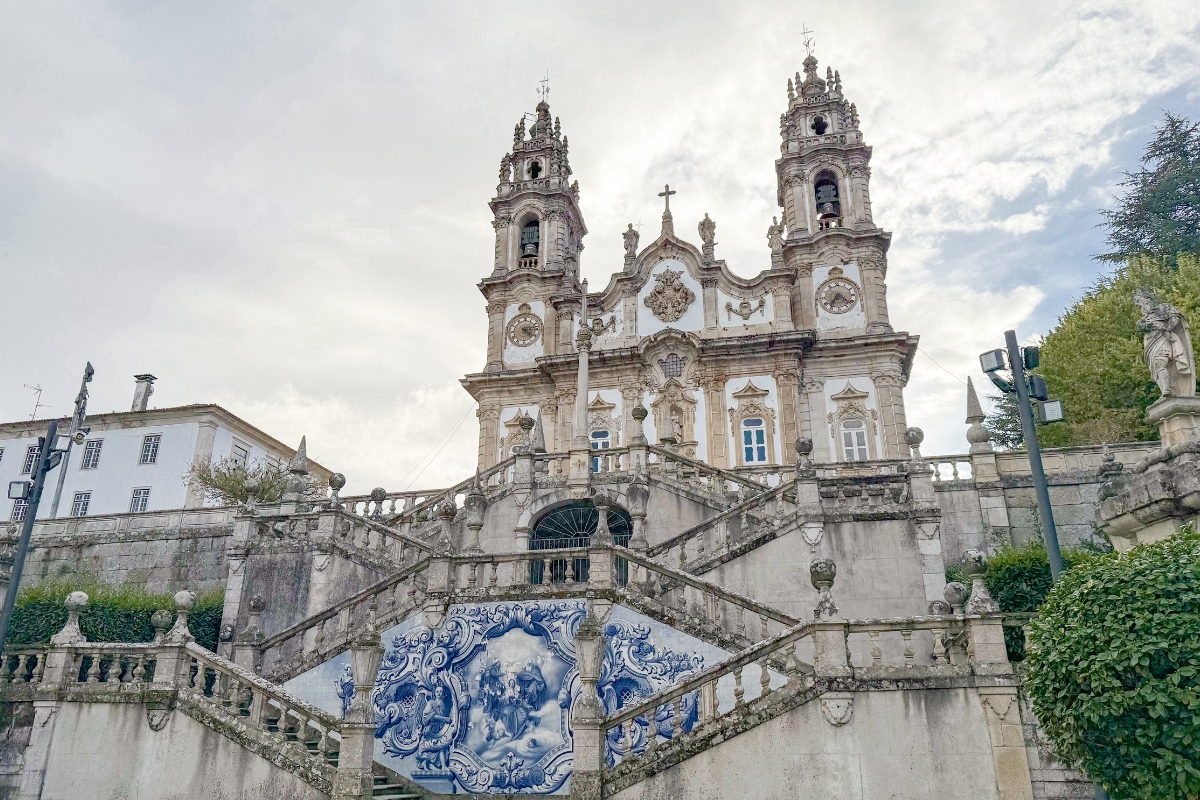
Carrapateira, Portugal: 14 Best Things to Do and See

In shortCarrapateira is a former fishing village turned surfer’s paradise on Portugal’s wild Algarve coast, known for stunning beaches like Praia da Bordeira (over 3 km of dramatic sand dunes) and Praia do Amado (popular surf spot). The best time to visit is May–June or September–early October for warm weather around 25°C with fewer crowds, though summer offers smaller waves ideal for beginner surfers. The village is accessible by bus from Lisbon’s Sete Rios terminal, with the journey taking just over 4 hours.

Every year we spend several months in the south of Portugal, usually choosing Carvoeiro. This year, after a month, we moved to a wilder part of Algarve – to Carrapateira, where we decided to spend our days surfing. In this guide — Carrapateira, Portugal: 14 Best Things to Do and See — let’s take a look together at what you can see and do here, and where to surf. Let’s take a look together at what you can see and do here, and where to surf.

When to Go to Carrapateira?

The best temperatures here are, of course, in summer, even though there are more tourists. If you want to learn to surf, it’s also a better time for surfing, as the waves are smaller (but even in winter, you just need to wait for a day when the waves are suitable for beginners).

If you want to avoid tourists but still want temperatures around 25 degrees Celsius, June or May, September, or early October are ideal. This transitional period is already calmer, but all restaurants and businesses are still open.

Carrapateira is beautiful all year round, don’t be afraid of winter either; we spent December here, and temperatures were pleasant, around 15-17 degrees Celsius, with mostly sunny days. At this time, most surf schools are closed, but lessons can still be arranged. The advantage is that there are only a few of you with the instructor. There were only three of us.

Where to Stay: Hotel Tips in Carrapateira

One of the most beautiful accommodations in Carrapateira is definitely Nōhō house. This house is very stylishly furnished, located in the center, and has a very nice patio, but it doesn’t have a pool. So if you prefer a place with a pool, I recommend Sanderling beach & dune house.

How to get from Lisbon to Carrapateira?

You can get to Carrapateira by bus with Rede Expressos. The bus departs from Sete Rios terminal, and the journey takes just over 4 hours. It usually departs at 7:30 AM and arrives in Carrapateira at 11:40 AM. However, outside of peak season, it might not run every day.

Uber normally operates in Portugal, so you can get from Lisbon to Sagres, for example, and take a taxi for the rest of the journey.

lukas a lucka
Lukáš and Lucie recommend
Where to stay in Carrapateira
3 accommodations recommended for your holiday

Carrapateira, Portugal: 14 Best Things to Do and See

Carrapateira was once a sleepy fishing village, but today it’s a surfer’s paradise. That’s why you’ll find not only surfers and fishermen around every corner but also plenty of pleasant establishments. If you’re not here in December like we were, they’ll even be open. 😁

Praia Da Bordeira: the Wildest and most Beautiful Beach

Praia da Bordeira is, in my opinion, one of the most beautiful beaches in Portugal, but most importantly – you won’t confuse it with any other. When you walk here, you feel like you’re at the end of the world. Vast sand dunes, undulating like a desert, alternate with the amazingly clear waters of the Atlantic.

To walk its entire length will take you quite a while, as it’s over 3 km long, but that also means it’s never crowded. You’ll always find your spot here. The beach is also great for beginner surfers like us. Above the beach, there’s also one of the most beautiful viewpoints in Portugal.

Praia Do Amado: Surfer’s Paradise

If you love surfing, Praia do Amado will be your second home. This beach is one of the most popular among surfers in the entire Algarve, not only because of its waves but also its great atmosphere.

On the beach, you’ll find several surf schools that will teach you the basics. Be aware that they might not be open outside of peak season, so if you’re coming here between November and January, be sure to contact them in advance. However, we found a surf coach in the FB group “I know a guy“.

Surf competitions are even held here annually, attracting pros from all over the world.

Praia Da Arrifana

Just a short distance from Carrapateira, you’ll find another one of our favorite beaches: Praia da Arrifana. This beach is hidden in a cove bordered by high cliffs and is popular among surfers, suitable for both beginners and experienced surfers.

Above the beach, you’ll find the remains of an old Moorish fortress that once protected the coast from pirates. We mainly come here for coffee and brunch at See You Surf Café. This area has an incredible surfing atmosphere, and there are also beautiful viewpoints, so even if you don’t surf, you should definitely come here.

Walk along the Cliffs or Go for a Run

Near Carrapateira, beautiful trails lead along dramatic cliffs, which are part of the Costa Vicentina Natural Park. I used to go running here every other day during our stay in the village. Along the cliffs, there are several beautiful viewpoints overlooking the Atlantic; you can also drive to these viewpoints or take a longer hike.

Head to the Viewpoint at Sítio Do Forno

If you don’t have time for a walk along the cliffs, at least head to the Sítio do Forno viewpoint, from where you’ll have magical ocean views.

Museu Do Mar E Da Terra

Want to soak up some local atmosphere and learn about the region’s history? Visit the Museu do Mar e da Terra. This small but charming museum will guide you through the lives of local fishermen and farmers.

You’ll see old fishing tools and photos from times when life by the sea was incredibly tough. The museum is interactive and definitely won’t disappoint children either.

Taste Local Desserts at Microbar

In the center of Carrapateira, there’s Microbar, where you can grab something to eat or a dessert. They often have sweet potato desserts here, known in Portugal as batata-doce, which have a long tradition, especially in the Algarve region.

Sweet potatoes, brought to Portugal by seafarers in the 16th century, became a popular ingredient in local cuisine thanks to the ideal climate. They are most valued in nearby Aljezur, where they even have a protected geographical indication (PGI) and a sweet potato festival is held.

At Microbar, they often have something like a bundt cake and pies made from sweet potatoes, so give them a try. I don’t really recommend the coffee here; it’s rather subpar, but they have excellent food.

Visit Marmel’s Kitchen Lab with Marina Mel

In Carrapateira, you’ll also find Marmel’s Kitchen Lab, run by the very kind Marina Mel, who supplies her products to cafes and shops almost all over Portugal.

In summer, there’s also a cafe here; in winter, only the shop is open. It’s a great place to buy local jams, taste coconut kefir, and especially try their vegan mini gingerbread cookies filled with fruit pastes and coated in chocolate. You can also buy sugar-free chocolate and other treats here to bring as souvenirs.

Taste the Famous Pizza Made with 20-Year-Old Sourdough

Drive to the nearby (approx. 30 minutes away) Arte Bianca Cucina Italiana, which has been ranked among the top 50 pizzerias in Europe for three consecutive years. In 2024, it reached 33rd place in the prestigious 50 Top Pizza ranking.

Their secret lies in using premium ingredients, some of which are imported directly from Italy, while others come from local producers and their own garden.

They prepare the dough from flour sourced from an Italian artisan mill and use a sourdough starter more than 20 years old, which ferments for 72 hours.

They offer four types of dough, including gluten-free and whole-grain. Chef Emanuele Zingale, after many years of experience in gastronomy, opened the first Arte Bianca restaurant in Aljezur with Manuela Mattavelli over ten years ago – in 2014.

Ponta Da Atalaia

Haven’t had enough viewpoints yet? A short distance from the aforementioned pizzeria, you’ll find the Ponta da Atalaia viewpoint, which is manageable even with small children or bad knees. It’s truly just a few minutes’ walk from the parking lot, and you’ll have amazing ocean views.

Where to Surf in Carrapateira – Surf Schools

In Carrapateira and its surroundings, you’ll find several surf schools. For example, Carrapateira Surf School or Surf Code offer lessons for beginners and advanced surfers, emphasizing small groups and individual approaches.

If you’re planning a longer stay, you can use the services of Amado Surf Camp, which provides accommodation in addition to lessons. Thanks to quality instructors and a beautiful environment, Carrapateira is an ideal place to start your surfing journey or improve your skills.

You can also book lessons via GetYourGuide. You can find more about surfing in Portugal in our article.

Explore the Surroundings by Bike or on Horseback

If you want to experience Carrapateira and its surroundings a bit differently, rent a bike. In town, you’ll find several options, such as Carrapateira Extreme Tours, where you can rent full-suspension mountain bikes, or Algarve Bike, which offers e-bikes and recommendations for the best routes.

The largest selection is probably at MegaSport Travel, but they are not directly from Carrapateira; however, they arrange delivery directly to Carrapateira.

By bike, you’ll discover hidden beaches, cliffs, and trails that would remain hidden by car. However, we recommend booking bikes in advance, especially during the summer season when demand for bikes is highest.

Explore Carrapateira on horseback; you can easily book a tour via GetYourGuide.

Trip to Aljezur

About a 20-minute drive from Carrapateira is Aljezur, a charming town overlooked by a castle ruin. Be sure to explore its local streets, where you’ll find numerous tiny galleries by local artists, as well as nice establishments. We like to come here for coffee or lunch because in Aljezur you’ll find both a Thai restaurant and a hummus bar, which we really enjoy.

Head here for at least half a day and explore both the town and the nearby beaches. You can find more tips on what to see in Aljezur in our article.

Farol De Sagres

Take a trip to the lighthouse near the town of Sagres. This lighthouse, built in 1846, stands on dramatic cliffs near Cape São Vicente – one of the westernmost points of Europe. Thanks to its strategic location, it helps navigate ships in one of the busiest maritime areas of the Atlantic Ocean, and its light is visible up to 50 kilometers.

The lighthouse itself is relatively small, but the views of the endless ocean, the often strong winds, and the height of the cliffs make it a special place. This spot once marked the end of the known world before the Portuguese embarked on their famous overseas discoveries. It was not far from here, in Sagres, that Prince Henry the Navigator founded his nautical school, which trained generations of famous explorers, such as Vasco da Gama.

When you visit Farol de Sagres, we recommend staying until evening. The sunsets here are among the most breathtaking in Europe – the sky turns warm orange and pink hues, and the endless horizon will literally engulf you.

And if you’re lucky, you might even spot dolphins, which sometimes appear in the surrounding waters.

FAQ

When to go surfing in Carrapateira?

You can surf in Portugal all year round, but spring and summer are recommended for beginners due to smaller waves, while advanced surfers will best enjoy autumn and winter when the Atlantic Ocean brings bigger swells. However, as beginners, we surfed in winter and had no problem; you just wait for days when the waves are smaller.

Where is Carrapateira?

Carrapateira is a small village on the southwest coast of Portugal in the Algarve region, located between the towns of Aljezur and Sagres, near the protected area of Parque Natural do Sudoeste Alentejano e Costa Vicentina.

How to get to Carrapateira by public transport?

You can get to Carrapateira by bus from Aljezur or Lagos, or by local taxi; Uber normally operates here.

Tips and Tricks for Your Vacation

Don’t Overpay for Flights

Search for flights on Kayak. It’s our favorite search engine because it scans the websites of all airlines and always finds the cheapest connection.

Book Your Accommodation Smartly

The best experiences we’ve had when looking for accommodation (from Alaska to Morocco) are with Booking.com, where hotels, apartments, and entire houses are usually the cheapest and most widely available.

Don’t Forget Travel Insurance

Good travel insurance will protect you against illness, accidents, theft, or flight cancellations. We’ve had a few hospital visits abroad, so we know how important it is to have proper insurance arranged.

Where we insure ourselves: SafetyWing (best for everyone) and TrueTraveller (for extra-long trips).

Why don’t we recommend any Czech insurance company? Because they have too many restrictions. They set limits on the number of days abroad, travel insurance via a credit card often requires you to pay medical expenses only with that card, and they frequently limit the number of returns to the Czech Republic.

Find the Best Experiences

Get Your Guide is a huge online marketplace where you can book guided walks, trips, skip-the-line tickets, tours, and much more. We always find some extra fun there!
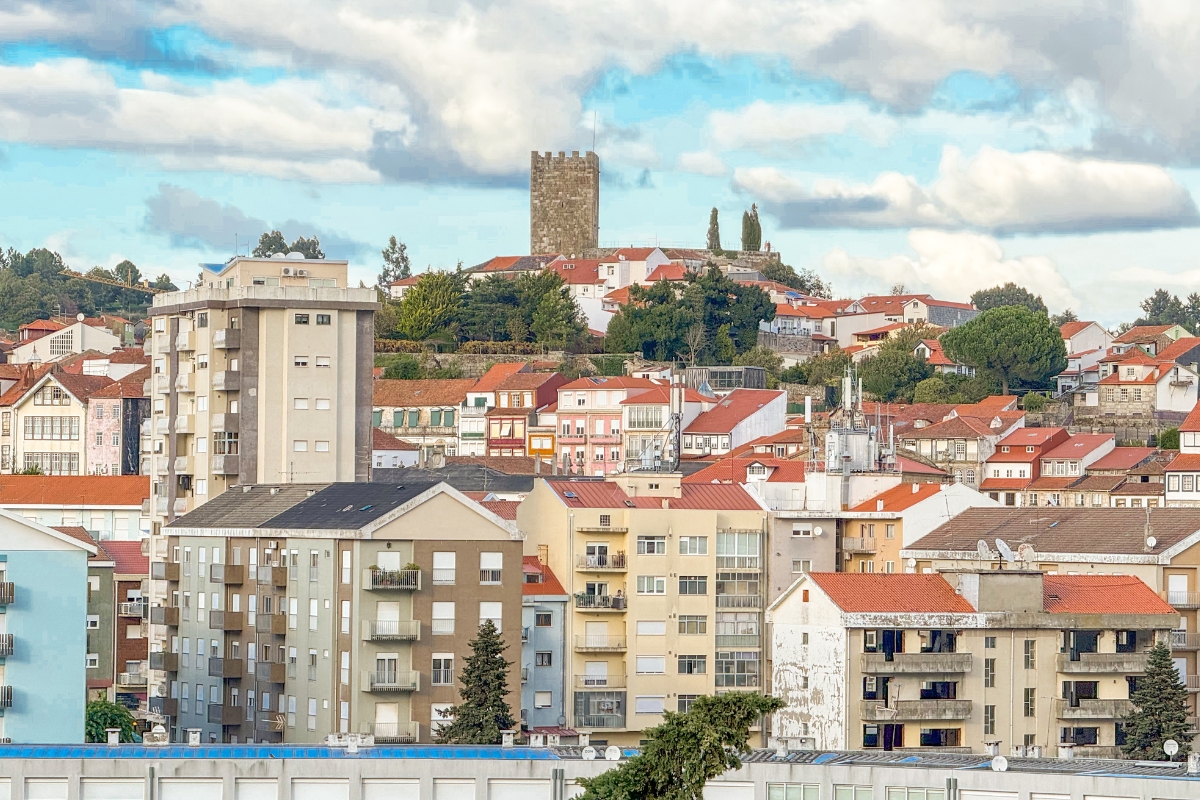
Olhao, Portugal: 22 Best Things to See and Do

TL;DROlhão is an authentic fishing town in Portugal’s Algarve. Beyond its old town with cubist architecture, it offers 18 concrete things to see and do, including the Os Mercados market halls, the Igreja Matriz de Nossa Senhora do Rosário church and boat trips into the Ria Formosa nature park. From there you can hop by water taxi or ferry to the islands of Armona, Culatra and Farol with their peaceful beaches. One day is enough to explore the centre itself; plan two or three nights if you want to add the islands. The best months to visit are September and October, thanks to the warm sea (around 21 °C) and lower prices — though we also recommend the quieter months of November and February, with temperatures of around 16–26 °C. Our recommended place to stay is the Pure Formosa Concept Hotel with its rooftop terrace.

For years we drove past Olhão, assuming it didn’t have much to offer — and how wrong we were! Last November we finally visited Olhao Portugal, and honestly I don’t understand why it took us so many years. Don’t make the same mistake we did. To tempt you, I’ve put together a list of the 22 most interesting things to see in Olhão, along with tips for day trips.

Olhao holiday
Olhao holiday

When to visit Olhao? Olhao Portugal weather

We love travelling to Portugal in February and November. Those months might sound like an odd choice, but… The cooler yet pleasantly sunny weather is perfect for relaxed strolls along the Ria Formosa and enjoying the local cafés without the crowds. 🤭

Of course, the summer months of July and August are the most popular, as they’re ideal for lounging by the sea and taking boat trips. In general the sea in Portugal is on the cooler side, so families with children tend not to come off-season.

For anyone looking for something in between, April to June and then early autumn — September and early October — are ideal. The hardier among us go for a swim, too.

When to visit Olhao? All year round

Tip: 7-day Algarve road trip – where to go?

Where to stay in Olhão?

Do you love design accommodation? Then take a look at the Pure Formosa Concept Hotel. Opened in 2021, this hotel quickly became a favourite thanks to its stylish rooms fitted with everything you need — air conditioning, a minibar and private bathrooms. You can easily book your stay through Booking.com.

The crowning glory is undoubtedly the rooftop terrace, which offers an idyllic setting for evening relaxation with panoramic views.

Olhao Portugal: 22 things to see, day trips and the best beaches

Let’s explore our list of the best things to do and see in Olhão, Portugal, together. Olhão won us over with its picturesque lanes and lively atmosphere. As vegetarians, we were thrilled to find a whole row of great spots where you can eat well.

A couple of friends tipped us off about a boat trip into the Ria Formosa nature park. We prefer to book online through GetYourGuide, because you can cancel easily.

Casa Dr. Bernardino da Silva

Casa Dr. Bernardino da Silva, the historic house at number 14 on Avenida da República, was built in the 19th century and served as the residence of a respected local doctor, Dr. Luís Bernardino da Silva.

In 1932 it became the seat of the Olhão Recreational Society, founded in 1858 to promote cultural and artistic activities for the local elite. This society was a pioneer in the Algarve and is the fourth oldest of its kind in Portugal.

The Olhão Recreational Society was famous for its riotous carnival celebrations and had a large terrace at the back of the building where open-air film screenings were held until the 1980s. In 2015 the society stopped using the house, and since 2017 it has been occupied by a new group — the Re-Criativa República 14 Cultural Association.

The Olhão City Museum

The Olhão City Museum is a fascinating place to learn more about the history and culture of this picturesque Portuguese town. The museum is housed in the former 18th-century Casa do Compromisso Marítimo building, originally intended to support fishermen. It offers a deep insight into the town’s past and its fishing traditions.

You can look forward to rich collections of artefacts and exhibits documenting the life and work of local people, from traditional fishing tools to historical documents and photographs. A visit will give you a unique perspective on how Olhão has evolved from its beginnings to the present day, while letting you appreciate the beauty and significance of this historic site.

Olhao City Museum
Olhao City Museum

The Igreja Matriz de Nossa Senhora do Rosário

The Igreja Matriz de Nossa Senhora do Rosário is the largest church in Olhão and the second stone building erected in the town (between 1698 and 1722). The church stands here thanks to the locals who funded it.

Construction began as a direct result of Olhão being granted self-governing status in 1695. Even though the building wasn’t yet finished, services started here as early as 1715, driven by the people’s desire for independence from the nearby town of Faro.

The Igreja Matriz de Nossa Senhora do Rosário - things to see in Olhao
The Igreja Matriz de Nossa Senhora do Rosário

The most notable features of the Igreja Matriz are the sundial on the bell tower walls and an inscription describing the simple, humble life of the sailors who funded and built the church in 1698.

The façade is a majestic baroque work by Inácio Mendes, who also designed the Contraria do Corpo Santo in Faro. It is adorned with statues of angels and a striking wood carving of the risen Christ.

The gilded altar of Nossa Senhora da Conceição is crowned with statues of angels bearing the Portuguese shield. At the back is a small chapel that opens directly onto the street and is dedicated to Nosso Senhor dos Aflitos (Lord of the Afflicted). One of the most beautiful elements is a panel of traditional tiles depicting Christ on the cross.

If you climb the bell tower (which costs only about €1), you’ll be treated to a stunning view over hundreds of houses with their typical terraces (“açoteias”) and “mirantes” (taller structures rising above the terraces).

Igreja Pequena

Igreja Pequena, the town’s smallest church, was the first stone building in Olhão. This church served as the main place of worship until the Matriz church was completed. The exact year of construction is unknown, but some historians believe it is the same chapel mentioned in historical records and founded by King Dom João I in the 14th century.

Compromisso Marítimo

This lovely example of simple architecture stands near the little church (Igreja Pequena) and was completed in 1771. Today the building houses the City Museum, which offers an interactive room, archaeological exhibits, spaces for temporary exhibitions and a bibliographic centre.

On the building’s main façade you’ll find symmetrical windows framed by wrought-iron balconies and a carved stone niche holding a statue of our patron saint, Our Lady of Mercy. This statue holds deep meaning in Olhão, as legend has it that it was found by local fishermen floating in the sea.

In times of poor fishing, the fishermen would bring candles and olive oil as offerings to please Our Lady and ask her to fill their nets with fish.

Compromisso Marítimo is also linked to the town’s most significant historical moment — the uprising of the local population against Napoleon’s troops in 1808.

Olhao holiday

The ‘Casas Cubistas’ of the old town

A walk through Olhão’s old quarters will enchant you with its unique “cubist” architecture. The houses here, similar to those in North Africa and the Mediterranean, form clusters of cubes. This historic style is entirely unique thanks to the constant movement of people between Olhão and North Africa dating back to the 18th century.

Casas cubistas in Olhao, holiday in Portugal

These houses have several distinctive features. Traditional Olhão homes always have a high parapet defining the terrace (“açoteia”) on top of the house. It’s common to find extra rooms added to the back or side of the terrace. These rooms are called “pangaio” and are topped by a second, smaller terrace — the “mirante”, or lookout.

Os Mercados – the market in Olhao

Os Mercados – the market in Olhao

You definitely shouldn’t miss a visit to the Os Mercados markets in Olhão. They are two imposing red-brick buildings — a fish market on one side and a fruit and vegetable market on the other. These markets are among the liveliest spots in town, especially on Saturday mornings when people from the surrounding villages come to sell their homemade produce.

Architecturally, the Os Mercados markets are fascinating. Built in 1916, the buildings have zinc-covered roofs made up of four overlapping trapezoidal structures that wrap around the entire building. These roofs are supported by iron beams, giving them a late-19th-century look.

A Alfândega – the Customs House

The Customs House sits on Largo Patrão Joaquim Lopes with direct access to the former fishing beach, where the markets and municipal gardens now stand. Its architectural style is typical of the 19th century.

The main façade has two floors in the side buildings and three in the central one. This feature is visually very appealing thanks to its symmetrical simplicity, further emphasised by the arrangement of many doors and windows.

The Customs House officially opened on 28 June 1842 and operated until the 1970s. On the square you’ll find a statue of a famous figure from Olhão’s legends — Floripes, the magical Moorish woman.

Olhao Portugal
Lenda da Floripes on the square

Floripes

On the square you’ll find a statue of Floripes. The legend tells of a beautiful young woman dressed in white who often appeared as an apparition by the tidal mill, where the Grupo Naval de Olhão now stands and from which boats set off for the archipelago.

According to the legend, the only person who dared to come to this spot at night was a drunk middle-aged man who fell asleep on the way. The beautiful woman in white gently approached him and sat down beside him. When the drunk man started telling his friends about the encounter, none of them had the courage to visit the place and check whether his story was true.

The Legend of Arraul

Arraul is an ancient legend from the Olhão area, named after a brave young man whose name means “a friend who does good” in Sanskrit. According to the legend, Arraul created the strip of sand dunes that forms the Ria Formosa and protects this part of the Algarve.

This young hero is said to have emerged from the depths of the lost city of Atlantis. When Atlantis’s waves were swallowed by the sea, Arraul was saved by a whale that spat him back onto the shore. Thanks to strong underwater currents, he reached Sítio das Prainhas, where the history of Olhão began.

To protect the coast from further disasters, Arraul decided to move soil from the slopes of Cerro da Cabeça to the shore. This is how the islands of Fuseta, Armona and Culatra came to be, and how the sandy lagoon of the Ria Formosa expanded into what we know today.

The Legend of Arraul
lukas a lucka
Lukáš and Lucie recommend
Where to stay in Olhão
2 stays — hotels and other accommodation options

The João Lúcio Cottage

The historic João Lúcio cottage, located in Quinta de Marim near the Ria Formosa nature park, is a three-storey circular building with no clearly defined front or back. It is considered one of the finest examples of symbolist architecture in Portugal thanks to its exotic character.

Inside the house you’ll find four staircases of different shapes — fish, guitars, violins and snakes — arranged according to the four cardinal directions and forming entrances to the centre of the house, where they end at a large skylight.

The building houses the Ekotéka Olhão, a public service supporting environmental education and various cultural events. Visiting this cottage is a rewarding experience not only for architecture enthusiasts, but also for anyone interested in the environment and culture.

Lenda do Mouro Encantada

This spot became famous thanks to one of Portugal’s legends, which tells the story of an enchanted Moor who guards a treasure hidden in the rocks. According to the legend, when someone discovers the treasure and tries to take it, the enchanted Moor turns them to stone.

Lenda do Mouro Encantada

Lenda de Marim

Another of the statues in Olhão you shouldn’t miss is the Lenda de Marim. This statue is based on a beautiful legend of love and honour from the days of the Moorish empire on the Iberian Peninsula. The story tells of a girl named Mariam and her beloved Galvín, who became a hero fighting the enemies of his people.

Mariam and Galvín promised each other eternal love. When Galvín fell into enemy hands, their love was put to a hard test. Mariam waited faithfully for him, even as other suitors tried to win her over. In the end Galvín returned, and they spent the rest of their lives together.

This statue is not only a beautiful work of art, but also a reminder of just how strong and faithful love can be.

Lenda de Marim
Lenda de Marim

Jardim Patrão Joaquim Lopes

Jardim Patrão Joaquim Lopes is a beautiful park on the Olhão waterfront in Portugal. It offers a stunning view of the adjacent marina and the Ria Formosa lagoon.

What to see in Olhao? Murals
Murals in Olhao

Murals

Strolling along Largo and Rua da Fábrica Velha in the Barrio do Levante, Lukáš and I came across some amazing murals that tell the rich story of Olhão’s fishing history right before our eyes.

Things to do and see in Olhao, Portugal: visit Atelier Zea
Atelier Zea

MosaicOlhão (Lavandas e Maravilhas)

My dad absolutely loves making mosaics, so I was thrilled when I stumbled upon this shop, where the owner will make any lettering you like while you wait. And within an hour, too. The price was pretty reasonable as well, so if you’re after an original souvenir, be sure to pop in.

What to buy in the Algarve: MosaicOlhão (Lavandas e Maravilhas)
MosaicOlhão (Lavandas e Maravilhas)

Ilha da Culatra

Where to find beautiful Olhao Portugal beaches? On Ilha da Culatra, a gorgeous island in the Ria Formosa! You can easily book the trip through GetYourGuide. You can even visit several islands in one go. The island is known for its picturesque fishing huts, which have been turned into holiday homes and local residences.

Ilha da Armona: in search of beautiful beaches

Ilha da Armona, a beautiful island just off Olhão, offers stunning beaches and the charming lanes of a former fishing settlement.

Ilha do Farol

Ilha do Farol is part of the island of Culatra and is known for its community and the iconic Cabo de Santa Maria lighthouse, the oldest in Portugal.

Ria Formosa

In case you haven’t yet grasped that the Ria Formosa is one of the places in this area you simply shouldn’t miss, let us remind you once more. You can easily get there again through the online portal GetYourGuide, or you can buy the trip down at the harbour.

Just bear in mind that in high season there are queues, and off-season there’s often no one around to serve you, so we recommend booking online (you pay nothing extra through GetYourGuide, and you can cancel your booking anytime).

The Ria Formosa is a stunning nature park stretching along the eastern and western coast of the Algarve. The park includes lagoons, wetlands, salt marshes and islands, creating a rich ecological diversity.

Portimao Parque Natural da Ria Formosa

Jardim Pescador Olhanense

We seek out parks in summer, because when you’re exploring a town on a sunny day, it’s nice to sit down for a while. Jardim Pescador Olhanense is a beautifully kept little park along the waterfront, right next to the market.

Even though we were here in November, we had a lovely 26 degrees, and I was pregnant, so we stopped here to watch the local bustle and rest up a little.

Things to do and see in Olhao: Jardim Pescador Olhanense
Jardim Pescador Olhanense in Olhao, Portugal

Discover how cork and cork products are made

Do you enjoy off-the-beaten-track experiences? We always check what’s on offer through GetYourGuide, which we use to book both attraction tickets (so we never queue, and the price is the same) and day trips.

In Olhao you can head out on a 50-minute tour of a traditional cork factory, where you’ll learn all about how cork and cork products are made. At the end you can even buy a souvenir.

Why cork? The Algarve is home to 720,000 hectares of cork forests, which makes the region the backbone of a major cork industry.

Where to next?

Read our 7-day Algarve road trip, take a look at what to see in Silves, in Loulé and in the lovely town of Faro, and don’t forget to explore Lagos, home to some of the most beautiful beaches.

Tips and Tricks for Your Vacation

Don’t Overpay for Flights

Search for flights on Kayak. It’s our favorite search engine because it scans the websites of all airlines and always finds the cheapest connection.

Book Your Accommodation Smartly

The best experiences we’ve had when looking for accommodation (from Alaska to Morocco) are with Booking.com, where hotels, apartments, and entire houses are usually the cheapest and most widely available.

Don’t Forget Travel Insurance

Good travel insurance will protect you against illness, accidents, theft, or flight cancellations. We’ve had a few hospital visits abroad, so we know how important it is to have proper insurance arranged.

Where we insure ourselves: SafetyWing (best for everyone) and TrueTraveller (for extra-long trips).

Why don’t we recommend any Czech insurance company? Because they have too many restrictions. They set limits on the number of days abroad, travel insurance via a credit card often requires you to pay medical expenses only with that card, and they frequently limit the number of returns to the Czech Republic.

Find the Best Experiences

Get Your Guide is a huge online marketplace where you can book guided walks, trips, skip-the-line tickets, tours, and much more. We always find some extra fun there!
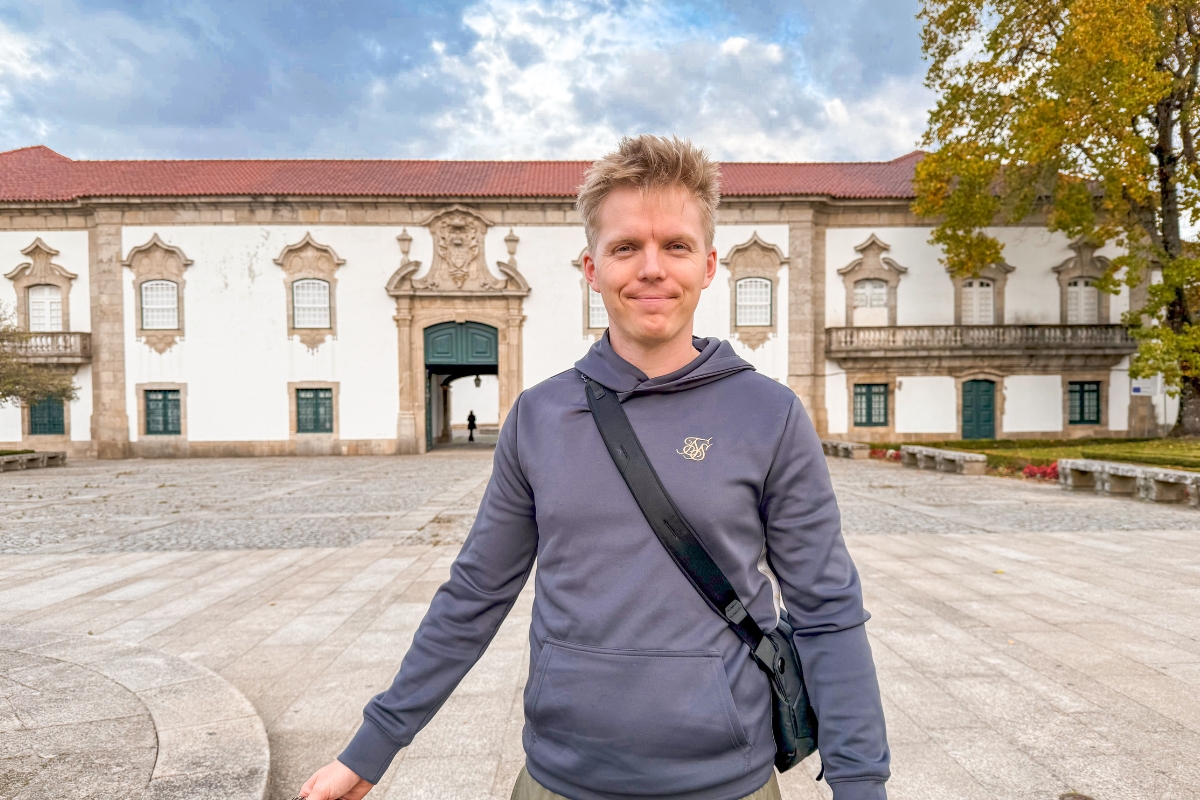
Lagos, Portugal: 17 Best Things to Do and See

TL;DRLagos is one of the prettiest towns in Portugal’s Algarve, with golden limestone cliffs, some of Europe’s best beaches, and great surf. The compact old town is full of hipster cafés, cobbled lanes and little ceramics shops. Don’t miss the cliffs and caves of Ponta da Piedade or the beaches of Praia Dona Ana and Meia Praia. The best time to visit is April to October, though surfers come year-round. Inside you’ll find 18 tips on what to see and do, where to stay whether you’re travelling with kids or as a couple, and the best cafés to try.

Lagos is one of our favorite places in Algarve, Portugal. In this guide — Lagos, Portugal: 17 Best Things to Do and See — I’ll share why we always go there several times a month. In the vicinity, you’ll find some of the most beautiful beaches and viewpoints, the center has many great hipster cafes, and there’s also our favorite pizzeria, where they have, in my opinion, the best quattro formaggi in the world. Read on to find out everything.

The town itself is small, but you’ll find many historical sights and museums there. So let’s take a look at what to see and do in Lagos and its surroundings.

Where to Stay in Lagos: Tips for the Best Hotels and Apartments

If you want an apartment and book in advance, definitely check out Apartamentos Pinhão; they are often full, but if you catch them, they’re worth it!

Planning a romantic getaway for two? Check out Charming Residence & Guest House Dom Manuel I Adults only, where children are not allowed, so you’re guaranteed peace and quiet.

Do you have a family instead? Then this resort is great: Jardim da Meia Praia Resort.

What to See in Lagos: Sights, Museums, and the most Beautiful Beaches

We usually head to a cafe in Lagos or just stroll through the center. Occasionally, however, we also visit a museum when we want to escape the heat or have visitors from the Czech Republic with us. Come with us to see everything you can see in the city of Lagos.

Lagos Museum

Perhaps the most interesting museum in the city is the Lagos Museum (Lagos Museum Dr. José Formosinha), which is located next to the Church of Saint Anthony. You can only visit this beautiful church with a museum ticket.

Part of the museum is the elaborately decorated chapel Igreja de Santo António, and it was also our main reason for visiting the museum. In the museum, you will also find exhibitions dedicated to the city’s history, regional artifacts, religious art, and more.

The museum is tiny, but if it’s hot and you need a little break from the sun, definitely head here.

Important: You can complete the visit in 15-20 minutes, admission costs only a few euros, and it’s definitely worth it! The museum is open every day except Monday. For more information, visit the museum’s official website.

Museum of the Slave Route – Slave Market

Just a few steps from the Lagos Museum, in Infante Dom Henrique Square, you’ll find the Museum of the Slave Route – Slave Market (Mercado de Escravos). The museum is located in one of the oldest buildings in Lagos, where in the 15th century, slave traders brought Africans who were then sold in Europe.

A visit to the museum will provide insight into this sad period of Portuguese history. However, the museum’s size is truly small, and in my opinion, it’s not as interesting as the Lagos Museum. However, if you want to see everything Lagos has to offer, you can also head here.

Important: The museum is open every day except Monday. For current information and opening hours, visit their official website.

Lagos Science Centre – Centro Ciência Viva

If you’re looking for a fun activity in Lagos for kids, definitely visit the Lagos Science Centre. This colorful museum is designed interactively and will be fun for the whole family.

Although the center is relatively small, it has both an indoor and outdoor section that will keep your children entertained for a longer period. It offers various scientific exhibits presented in a child-friendly way. Here they will learn basic laws of physics, various fishing knots, old navigation tools, maps, and more.

Important: The Lagos Science Centre is open every day except Mondays and some public holidays. For more information, visit their website.

Lagos Fortress

One of the best-preserved fortresses in the Algarve is Forte da Ponta da Bandeira, which is another nice place worth visiting in Lagos. This 17th-century fortress was built to protect against pirates and today serves as a museum . Among the most interesting is a small chapel with walls lined with traditional Portuguese tiles.

If you’re already going to the fortress, definitely go up to its roof, from where there are magnificent views of the surroundings. However, the last time we were in Lagos, the museum was closed due to staff shortages, so we could only admire the fortress from the outside. Hopefully, that won’t happen to you!

Important: Whether you decide to take a tour, we recommend visiting the website for current information on the fortress’s availability. Even if the fortress is closed, it’s worth seeing from the outside.

City Walls and Lagos Castle

Lagos Castle, also known as Castelo dos Governadores, is one of the main historical landmarks in the city. Today, the castle primarily consists of large gates and walls that surround the old town.

It originally served as the seat of the governors of the Algarve, and although many of its parts were destroyed by the earthquake in 1755, some parts have been restored and preserved as national monuments.

The best way to see the castle is to walk along the reconstructed walls that still surround the city. The gate between two watchtowers, known as “São Gonçalo Gate”, is one of the entrances to the Old Town.

The castle itself is not accessible as a tourist attraction.

Lagos Market

Want to buy fresh fruit, vegetables, or fish? Visit the Lagos Municipal Market in the city center.

On the ground floor, you’ll mainly find seafood, while on the first floor, you’ll find vegetables, fruits, olive oil, and all kinds of local products. There’s also a pleasant rooftop fish restaurant where you can taste traditional Portuguese dishes.

Important Information: The market is open in the morning from 8:00 AM to 2:00 PM, every day except Sunday. Public toilets are also available here.

Waterfront and Marina in Lagos

The waterfront and local marina offer a relaxed atmosphere in the heart of the city. On this palm-lined promenade, you’ll traditionally find stalls with cork products, ice cream, and also boat trips (we rather recommend booking tours online via GetYourGuide, where you are guaranteed the best prices and, most importantly, can cancel your reservation anytime).

Ponta Da Piedade

When visiting Lagos, you must not miss the beautiful coastline near the city center. A truly unique place is Ponta da Piedade, probably the most photogenic spot in the area, from where many boat trips also depart.

You’ll find it near a historic lighthouse, which unfortunately cannot be visited. However, the surroundings are much more beautiful anyway. The cliffs are magnificent and the views are absolutely breathtaking!

The sea caves can also be reached by steep stairs. From below, you can embark on dolphin watching tours, kayaking, and scenic routes through the caves. You can easily book everything online via GetYourGuide (can be canceled anytime, which is why I recommend booking in advance and canceling if necessary).

Important Information: The area around Ponta da Piedade is crisscrossed with walking paths and boardwalks. You can spend hours here walking and discovering some of the most beautiful beaches in the area.

Practical Information: There is a large parking lot near the Ponta da Piedade lighthouse. Outside the summer season, you can park here without problems. In summer, it tends to be very busy here. If you have time and don’t mind walking, you can reach Ponta da Piedade from the center of Lagos in 30-45 minutes.

Praia Da Batata and Praia Do Cais Da Solária

The closest beaches to visit in Lagos are Praia do Cais da Solária and the adjacent Praia da Batata right by the city walls and fortress. You’ll also find a cafe here that is only open during the season.

In summer, you can try sailing lessons here or rent a kayak and go on a tour of Ponta da Piedade.

Praia Dos Estudantes

Nearby is another nice beach, Praia dos Estudantes, popular mainly due to the Roman bridge that connects two cliffs. You can very often see this beach on Instagram and other social media.

This beach is accessible from the top of a hill not far from the Mar restaurant, slightly south of the city center. You cannot get onto the bridge itself, so don’t even try.

Praia Do Pinhão.

Praia do Pinhão is a smaller but beautiful beach right in the center of Lagos. It is surrounded by cliffs and rock formations that protect it from the wind, thanks to which the water is usually calm and clean, making it suitable for families with children.

The beach is divided into two parts, which are separated by a cliff but connected by a tunnel. The northern part is very picturesque but small and disappears at high tide. The southern part is larger and separated by cliffs and rocks from a larger and more famous beach, which will be discussed later – Praia da Dona Ana.

Although on Praia do Pinhão you won’t find any facilities like restaurants or toilets, it’s close to the city center, so you can always quickly pop out for something.

Praia De São Roque

Praia de São Roque is a hidden gem in Lagos, part of the larger Meia Praia beach. Historically, this beach was separated by a stream, but today it forms one continuous sandy area. The beach is ideal for sunbathing, for children, and for couples.

We love coming here for long walks at sunset or sunrise because there are beautiful dunes along the beach.

The beach’s name comes from the chapel Ermita de São Roque, which was unfortunately destroyed during the great earthquake in 1755.

Praia Dona Ana

Praia Dona Ana is one of the most photogenic beaches in Lagos, surrounded by dramatic cliffs and turquoise blue water. It is located approximately a 20-minute walk from Lagos Old Town. The beach is protected from the wind due to its location between the cliffs, making it calmer than other beaches and suitable for swimming and snorkeling.

At Praia Dona Ana, you can rent sun loungers with umbrellas in summer, there are showers, and nearby there’s also a restaurant and bar where you can get something to eat and drink. If you are more adventurous and don’t mind the heat, you can take the path along the cliffs that leads to Praia do Pinhão.

Disadvantage? During summer, the beach can be quite crowded, so it’s good to arrive early in the morning. You can also reach Praia Dona Ana by tourist train, which has stops at the main beaches and attractions in Lagos.

Praia Do Camilo

Praia do Camilo is probably our favorite for photography; besides the sandy beach, clear water, and dramatic rock cliffs, you also have photogenic wooden stairs that complete the postcard-perfect image of this beach.

This beach is also great for snorkeling or going kayaking. It’s better to come here early in the morning and bring your own food and drinks.

Although there is a restaurant O Camilo near the beach, if you’re here from the morning, you’ll appreciate having your own supplies.

Kayaking

We’ve mentioned several times that this area is ideal for kayaking. If you wish, you can book a kayak trip in advance via GetYourGuide. Why book online? Simply because it can be easily canceled for free.

Dolphin Watching

A very popular activity in the Algarve is dolphin watching. Dolphins are intelligent and playful animals whose behavior in the wild fascinates observers of all ages, so this trip is often fully booked.

That’s why you can book it online again (and cancel anytime) via GetYourGuide. We do it this way because we go to Portugal in spring and October, and free cancellation comes in handy if the weather suddenly turns bad.

Benagil Cave

Benagil Cave, also known as Algar de Benagil, is one of the most iconic places in the Algarve. This sea cave, carved over millions of years by the waves of the Atlantic Ocean, has a large opening in its ceiling through which sunlight streams, illuminating its interior. The resulting effect is magical and creates unique lighting conditions that are ideal for photography.

Visiting Benagil Cave is an experience unlike any other. The best way to get to the cave is by kayak, paddleboard, or boat. We came here by boat because we booked a trip in February when air temperatures were around 18 degrees Celsius, and we still enjoyed it very much.

In summer, however, I would rather go by kayak or combine it with dolphin watching. You can easily book tours on GetYourGuide; I recommend booking in advance to secure a spot; the trip can be canceled online anytime.

lukas a lucka
Lukáš and Lucie recommend
Where to stay in Lagos
4 accommodations — wellness hotels, resorts and other accommodation options

Best Cafes in Lagos

If you know me, you know that if there’s one thing I regularly deal with when traveling, it’s finding a good cafe. In Portugal, it’s sometimes really hard to find something that could be called a quality flat white.

Fortunately, Lagos is doing well among other towns in the Algarve, perhaps that’s why we often return here during our monthly stays in this sunny paradise.

Personally, I can recommend The Studio: Coffee Roaster & Brunch Cafe, Black and White Coffee Shop, and Coffee & Waves.

Best Restaurants in Lagos

We are vegetarians, so I can’t recommend any fish restaurants to you, but I can tell you where, in my opinion, they have the best quattro formaggi pizza in the world – the pizzeria Pepperino. For pasta, head to Pomó; unfortunately, it’s better to make a reservation, as this small restaurant is often full.

Tips and Tricks for Your Vacation

Don’t Overpay for Flights

Search for flights on Kayak. It’s our favorite search engine because it scans the websites of all airlines and always finds the cheapest connection.

Book Your Accommodation Smartly

The best experiences we’ve had when looking for accommodation (from Alaska to Morocco) are with Booking.com, where hotels, apartments, and entire houses are usually the cheapest and most widely available.

Don’t Forget Travel Insurance

Good travel insurance will protect you against illness, accidents, theft, or flight cancellations. We’ve had a few hospital visits abroad, so we know how important it is to have proper insurance arranged.

Where we insure ourselves: SafetyWing (best for everyone) and TrueTraveller (for extra-long trips).

Why don’t we recommend any Czech insurance company? Because they have too many restrictions. They set limits on the number of days abroad, travel insurance via a credit card often requires you to pay medical expenses only with that card, and they frequently limit the number of returns to the Czech Republic.

Find the Best Experiences

Get Your Guide is a huge online marketplace where you can book guided walks, trips, skip-the-line tickets, tours, and much more. We always find some extra fun there!

Sagres, Portugal: 19 Best Things to Do and See

TL;DRSagres, right at Algarve’s south-western tip, is a rough-edged surf town with wild beaches like Praia do Tonel, Praia da Mareta and Praia do Beliche, a lighthouse perched on the cliffs at Cabo de São Vicente, and the 15th-century Fortaleza de Sagres, built by Prince Henry the Navigator. Among 19 tips, the article points you towards surf schools, coffee at Picnic, a vegan brunch at Three Little Birds, pizza from Arte Bianca (33rd on the 50 Top Pizza 2024 list), and the Rota Vicentina, a walking trail running over 450 kilometres. The best months to visit are September and October, with temperatures of 18–25°C, fewer crowds and the warmest sea; summer (June–September) brings 25–30°C, though the Atlantic rarely climbs above 20°C. From Sagres, it’s 23 minutes to Carrapateira, 35 minutes to Lagos and an hour to Carvoeiro.

Sagres is located on the very western tip of the Algarve in southern Portugal. This secluded corner of the country boasts a desolate, wind-swept landscape, mighty cliffs, and a turbulent sea.

Sagres is not a town for everyone; it’s not Lagos or Carvoeiro, and you won’t find dozens of shops and businesses here. However, if you enjoy a relaxed, hippie atmosphere, you’ll love Sagres, where surfers from all over the world gather.

It’s a part of the Algarve for adventurers, daredevils, and those who want to surf in ideal conditions, go hiking on cliff trails, cycle on deserted roads, or simply relax under the sun in a less crowded part of Portugal.

Let’s take a look at what to see and do in Sagres, where to stay, and where to go on a trip.

In this guide I will share with you the 19 best things to do and see in Sagres — Sagres, Portugal: 19 Best Things to Do and See.

When to Visit Sagres

Southern Portugal is amazing because it’s sunny all year round, and even though winter temperatures are between 17-19 degrees Celsius, it rarely rains, so you can simply visit all year.

  • Summer (June – September): Temperatures around 25–30 °C are ideal for surfing, sunbathing, and evening strolls along the beach. Although it’s busier in summer, the beaches are so vast that everyone can find peace.
  • Autumn (October – November): Mild temperatures of 18–25 °C and fewer tourists make this period ideal for hikes and exploring the local nature. Additionally, there are many festivals here in October and November.
  • Winter and Spring (December – May): From December to February, temperatures range from 17–22 °C, after which the temperature slowly starts to rise. This period is ideal for surfers.

Where to Stay – Hotel Tips in Sagres

If you’re looking to stay in Sagres, definitely check for availability at Romantik Villa! It’s a fantastic accommodation with a reasonable price. If you’re going for surfing, I also recommend checking out Aljezur and Carrapateira.

How to get around Southern Portugal

Bus connections in Portugal are not very good, so it’s necessary to have a car. We rented a second car (we travel by camper van) through DiscoverCars.

lukas a lucka
Lukáš and Lucie recommend
Where to stay in Sagres
2 accommodations — hotels and other lodging options

What to See and Do in Sagres

There isn’t much to see in Sagres itself, but if you look around the area, you’ll immediately find enough for several days of excursions. Let’s take a look at what you can do in Sagres.

Cabo De São Vicente and Farol De Sagres

The lighthouse near Sagres stands on dramatic cliffs not far from Cape São Vicente, one of Europe’s westernmost points. Built in 1846, its light, visible up to 50 kilometers away, still helps ships navigate the turbulent waters of the Atlantic Ocean.

The lighthouse itself is rather unassuming, but its location is breathtaking. The cliffs are high, the wind often blows strongly here, and with the endless ocean, you simply feel like you’re at the end of the world. And it was here that the known world once ended. From here, Portuguese navigators set sail on voyages of discovery. In Sagres, Prince Henry the Navigator had his famous nautical school.

Stay for the sunset. The sky here transforms into a breathtaking palette of orange and pink. It’s a spectacle you won’t soon forget.

Praia Do Tonel

One of the many popular surfing beaches in Sagres is Praia do Tonel. The beach is located near Sagres Fortress. It’s about a 10-minute walk from the town center. If you’re driving, take road N268 towards the fortress and turn off just before it, following the signs for Praia do Tonel. Parking is available above the beach and is free.

There’s a small beach bar on the beach, which also has toilets. In summer, the waves here are smaller, ideal for beginners, while in winter they are larger and suitable for experienced surfers. There’s a surf school on the beach where you can rent equipment or arrange lessons.

Lifeguards are present on the beach during the summer season. Nevertheless, be careful, as the sea can be unpredictable and currents strong. The beach is not suitable for small children due to strong waves and currents.

Praia Da Mareta

A calm beach with fine sand, ideal for swimming and relaxation, located right in the town center. From the main road N268, turn at the roundabout towards the beach, where there is a large parking lot. Parking is free, and the beach is easily accessible on foot from the town.

Toilets, showers, and in summer, sun loungers and umbrellas for rent are available on the beach. Above the beach, you’ll find several restaurants and cafes offering local specialties and fresh seafood.

Thanks to its calmer waters, the beach is ideal for swimming, snorkeling, and family activities. There are also opportunities for diving and other water sports nearby.

Praia Do Beliche

A hidden gem surrounded by high cliffs, also a popular surfing spot. The beach is located between Sagres and Cabo de São Vicente. Access is via a steep staircase leading from the parking lot above the beach. Parking is limited, so it’s better to arrive early during the summer months.

The beach is popular among surfers, especially during autumn and winter when the waves are larger. In summer, the beach is also suitable for beginners due to smaller waves. However, we learned to surf in December, so don’t be intimidated; surf instructors will always take you to a beach where conditions are ideal at that moment.

Go for a Beer Tasting

As a Czech, I couldn’t help but recommend a local brewery where you can also go for a beer tasting. Bossa Brew House, which offers a range of its own craft beers brewed on-site, and a diverse menu inspired by Mediterranean and Portuguese cuisine.

For food, they have tapas, aged meat, and other specialties prepared with fresh local ingredients. The establishment is located on Rua Da Mareta, in the courtyard behind Dromedário bar.

Buy an Original and Quality Souvenir at Surf Shack Sagres

I recommend visiting Surf Shack Sagres if you want a quality souvenir from Sagres. You’ll find T-shirts, hoodies, as well as cosmetics and jewelry made right here in southern Portugal. The quality is high, and the surfing theme is, after all, an ideal souvenir.

Taste the Famous Pizza Made with 20-Year-Old Sourdough

If you’re craving one of the best pizzas in Europe, head to Arte Bianca Cucina Italiana. This pizzeria, which has a branch directly in Sagres, has been ranked among the top 50 pizzerias in Europe for three consecutive years. In 2024, it secured a prestigious 33rd place in the 50 Top Pizza ranking.

The secret to their success lies in the perfect combination of premium ingredients. Some of them are imported directly from Italy, others come from local farmers or their own garden.

They prepare the pizza dough from flour from an Italian artisan mill and use a more than 20-year-old sourdough starter, which they ferment for 72 hours.

Behind the pizzeria’s success is chef Emanuele Zingale, who, together with Manuela Mattavelli, opened the first Arte Bianca in Aljezur back in 2014. Since then, the establishment has won the hearts of true Italian pizza lovers and has become a symbol of quality.

Try Surfing – School Tips

If surfing appeals to you, Sagres is the right place to start, with beautiful beaches nearby offering ideal conditions for surfers of all levels. Whether you’re a complete beginner who has never stood on a board, or an advanced surfer looking for new challenges, you’ll find a number of surf schools here to help you improve your skills.

Popular options include Sagres Surf School, Wavesensations, or Sandy Surf School.

You can find more about surfing in Portugal in our article.

Fortaleza De Sagres

This fortress, built in the 15th century at the command of Prince Henry the Navigator, played a key role in Portuguese overseas discoveries. Although it was significantly damaged by the earthquake in 1755, it underwent a major reconstruction in the late 18th century.

Inside the fortress is the Church of Nossa Senhora da Graça, also founded by Henry the Navigator. In 2018, Fortaleza de Sagres was the most visited monument in the Algarve, which personally quite surprised me, as I honestly consider it something that can be skipped.

Hiking

If you love hiking, Sagres will thrill you. This picturesque town on Portugal’s southwestern coast is surrounded by breathtaking trails that lead over wild cliffs, past deserted beaches, and through amazing nature. Sagres is an excellent starting point for two well-known routes – Rota Vicentina and Via Algarviana.

Rota Vicentina is a network of hiking trails over 450 km long and offers two main paths. The coastal Fishermen’s Trail will guide you along dramatic cliffs with breathtaking views. If you prefer a calmer atmosphere, take the Historical Way, which leads inland and connects traditional Portuguese villages.

The second major route is the Via Algarviana, which starts in the east of the Algarve and ends at the iconic Cabo de São Vicente, Europe’s southwesternmost point. This 300-kilometer trail will take you inland, where you’ll discover a completely different Algarve – calm, authentic, and full of magical corners.

Cycling – Rental and Route Tips

Sagres, like Carrapateira, is extremely popular among cyclists. The area offers diverse routes, from coastal paths with breathtaking views of the Atlantic to inland trails leading through traditional villages and beautiful nature.

Recommended Cycling Routes:

  • Quick route to Sagres – Praia do Beliche loop from Martinhal: This easy 19.4 km route is suitable even for those who cycle occasionally.
  • Sagres – Lagos: This moderately challenging route of approximately 54 km will take you from Sagres to the historic town of Lagos.
  • Sagres – Aljezur: A more challenging 91 km route, leading through green pastures and pine forests, with the option to visit the picturesque coastal village of Carrapateira.

Bike Rentals in Sagres:

  • Sagres Bicycle and Company: Offers bike rentals, bike sales, and service. Additionally, they provide surfing and skateboarding equipment.
  • Musette Bike: Specializes in renting various types of bicycles, including gravel and mountain bikes.
  • Martinhal Bike Station: You can find this rental shop at the Martinhal resort.

Visit the Best Cafe for Coffee or Brunch

You’ll find the best coffee in Sagres at Picnic Sagres cafe, but if you want something to eat and to sit in a wonderful setting, definitely head to Three Little Birds, where they have good coffee and, more importantly, great food.

Carrapateira

While you’re in Sagres, explore the surrounding area. In 23 minutes, you’ll reach the village of Carrapateira, which is becoming increasingly popular among tourists. There, you’ll find one of the most beautiful beaches (Borderia), as well as a museum dedicated to fishermen. You can find more in our article.

Aljezur

Another beautiful place about 40 minutes from Sagres is Aljezur, where you’ll find not only many great establishments but also the remains of a castle that towers over the town. In the vicinity of Aljezur, there are also amazing surfing beaches, which are among the most beautiful in the entire Algarve. You can find more in our article about Aljezur.

Ponta Da Atalaia

Near Aljezur, you’ll also find one of the most amazing viewpoints, for which you don’t have to walk too far from the parking lot. But don’t forget to wear sturdy shoes, as the terrain is rocky.

Lagos

A 35-minute drive from Sagres, you’ll find the town of Lagos. This rather touristy town is popular not only for its pleasant historic center, where you can admire typical colorful Portuguese houses, but also for its iconic surrounding beaches and viewpoints. You can find more in our article about Lagos.

Carvoeiro

An hour’s drive from Sagres, you’ll find a town where we spent four winters. Carvoeiro is one of our favorites; it’s not without reason that it’s an extremely popular part of the Algarve among tourists. A short distance from Carvoeiro, you’ll find what we believe is the most beautiful beach in Portugal – Praia da Marinha. You can find more about Carvoeiro in our article.

From Carvoeiro, you can also go on dolphin and cave tours, which you can easily book via GetYourGuide (we like using it because you can easily cancel your reservation).

Silves

Had enough of beaches? That’s hardly possible, but if you’d like a change, we recommend visiting the castle in the town of Silves. We spent a whole month in this town, so you can find more information in a separate article.

FAQ

Where to learn to surf in Sagres

Try contacting Sagres Surf School, Wavesensations, or Sandy Surf School.

Which beaches are best for surfing in Sagres?

Praia do Beliche is very popular, or a bit further, near Carrapateira, Praia do Amado, or Praia da Arrifana near Aljezur.

Tips and Tricks for Your Vacation

Don’t Overpay for Flights

Search for flights on Kayak. It’s our favorite search engine because it scans the websites of all airlines and always finds the cheapest connection.

Book Your Accommodation Smartly

The best experiences we’ve had when looking for accommodation (from Alaska to Morocco) are with Booking.com, where hotels, apartments, and entire houses are usually the cheapest and most widely available.

Don’t Forget Travel Insurance

Good travel insurance will protect you against illness, accidents, theft, or flight cancellations. We’ve had a few hospital visits abroad, so we know how important it is to have proper insurance arranged.

Where we insure ourselves: SafetyWing (best for everyone) and TrueTraveller (for extra-long trips).

Why don’t we recommend any Czech insurance company? Because they have too many restrictions. They set limits on the number of days abroad, travel insurance via a credit card often requires you to pay medical expenses only with that card, and they frequently limit the number of returns to the Czech Republic.

Find the Best Experiences

Get Your Guide is a huge online marketplace where you can book guided walks, trips, skip-the-line tickets, tours, and much more. We always find some extra fun there!
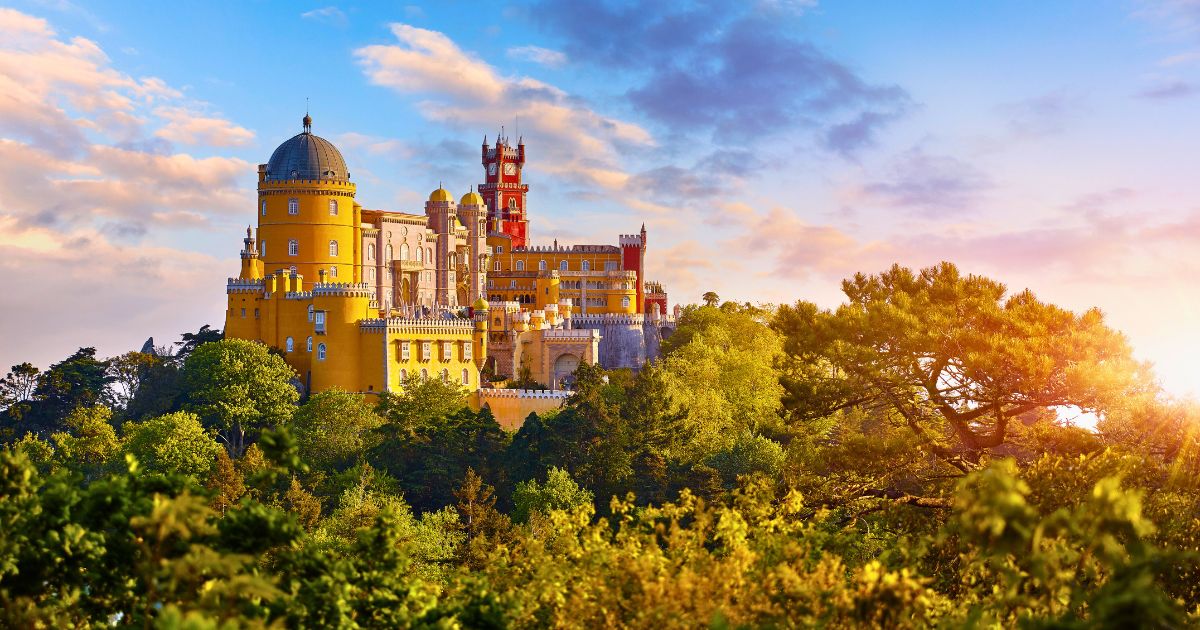
Traditional Portuguese Food: 18 Dishes You Must Try

TL;DRPortuguese food comes down to 18 essential dishes, led by pastéis de nata from Lisbon, salt cod classic bacalhau à Brás, grilled sardines, Porto’s indulgent Francesinha sandwich, and fiery frango piri-piri from the Algarve. Desserts like Ovos Moles from Aveiro and Queijadas from Sintra trace back to convents, where nuns put leftover egg yolks to good use after starching laundry. A daily set lunch (menu do dia) runs €10 to €15 and gets you soup, a main, a drink and coffee, while the couvert (bread, olives, cheese) is charged separately, usually €2 to €5. Tap water’s safe to drink everywhere, dinner doesn’t really get going until after eight, and an espresso comes as a “bica” in Lisbon or a “cimbalino” in Porto.

If you’re thinking about heading to Portugal for a holiday, I need to warn you right from the start — it’s an absolute culinary paradise on earth, and there’s a very real chance you won’t want to come home. ☺️ Lukáš and I have been visiting regularly every year since 2020. We’ve fallen in love with sunny Algarve, the wild surfing waves, but above all, the incredibly diverse and generous portuguese food scene.

When you think of Portuguese cuisine, don’t picture starched tablecloths or tweezers-and-foam gastronomy. It’s quite the opposite — deeply rustic, hearty, and profoundly traditional food that smells of garlic, olive oil, and the Atlantic. The true soul of local culture lives on a paper-covered table in a noisy family restaurant where football plays on the TV above the bar and everyone talks over each other. The Portuguese don’t simply consume food — they live it.

Since Lukáš and I are vegetarians, we mostly enjoy the superb cheeses, fresh bread, vegetable soups, and the best sweets in the world. So we know the traditional meat and fish specialities mainly from our friends’ stories and from watching the local buzz. I’ve put together the ultimate guide to Portuguese food, featuring exactly 18 dishes you absolutely must try. I’ll also share tips on how not to get caught out at a restaurant, plus rough prices to expect.

TL;DR

  • Watch out for the couvert: The basket of bread and olives on your table isn’t free — you pay for whatever you eat.
  • Lunch menu (Menu do dia): The best way to save money, usually costing around 10 to 15 euros and including soup, a main course, coffee, and a drink.
  • National cod obsession: Bacalhau is dried salt cod, and the Portuguese supposedly know 365 different ways to cook it.
  • Sweet monastic secrets: Most desserts, including the famous pastéis de nata, were invented in convents where nuns used leftover egg yolks from starching their habits.
  • Coffee culture: In Lisbon, order your espresso as a “bica”; in Porto, ask for a “cimbalino.”
  • Water in restaurants: Tap water is perfectly safe to drink, but restaurants will automatically offer you pricier bottled water.
  • Vegetarians have it tougher: Traditional cuisine is very meat- and fish-heavy, but soups, cheeses, and an incredible array of desserts will save the day.

How (and Where) to Eat Like a Local

Before you even stick a fork into your first bite, it’s crucial to understand the rules of local dining. A Portuguese restaurant (often called a tasca) runs by its own code, which can be quite surprising for first-timers. If you’re flying to Portugal for the first time — perhaps on a budget flight from London or Manchester — get your taste buds ready for a radical shift.

The foundation of everything is finding the right place. Steer clear of polished restaurants with touts outside holding menus in five languages. Instead, look for unassuming family-run spots where tables are crammed together and paper tablecloths cover the fabric ones. That’s exactly where the real gastronomic magic happens — at very reasonable prices.

The Mystery of the Couvert

The moment you sit down, your waiter will almost immediately place a basket of fresh bread, a bowl of black olives, small pats of butter, and perhaps some sardine pâté or cheese in front of you. It looks absolutely idyllic, and you’d be forgiven for thinking it’s a complimentary welcome from the restaurant. That, however, would be a big mistake — this is the traditional couvert.

In Portugal, there’s one very simple and fair rule: what you eat, you pay for. The couvert is charged either per item or as a whole, and it typically comes to somewhere between 2 and 5 euros. If you’re not interested, simply don’t touch it — or better yet, smile and say “não, obrigado” (no, thank you). The waiter will whisk it away without batting an eyelid. It’s definitely not a tourist trap; the Portuguese just like to nibble on something small while their main course is being prepared.

Water, Hydration, and Tipping

Tap water (locally called água da torneira) is perfectly safe to drink throughout Portugal, and Lukáš and I regularly drink it. However, you won’t automatically get it at the table in restaurants, because establishments largely depend on drink margins for their income. Your waiter will almost always offer bottled water, which costs extra.

You can absolutely ask for tap water, but in fancier restaurants it’s not really the done thing, and the staff might look a bit sour about it. In ordinary family-run tascas, on the other hand, they’ll usually bring you a jug of water without any fuss at all. As for tipping, it isn’t strictly mandatory, but it’s very much expected, since wages in the local hospitality industry remain quite low. The usual practice is to round up the bill or leave roughly 5 to 10 per cent in cash on the table.

Timing Is Absolutely Essential

Turning up for dinner at six o’clock means you’ll be eating in a completely empty restaurant — or surrounded by confused tourists. Lunch is served roughly from half twelve to three in the afternoon. This is the perfect time to go for the menu do dia (daily set menu).

For a very reasonable 10 to 15 euros, you’ll get a hearty soup, a main course, a drink (often including a small carafe of house wine), and an espresso to finish. It’s hands down the best way to save money while eating like a true local. In the evening, kitchens come alive around half seven, but the Portuguese themselves tend to start dinner after eight, often not sitting down until nine o’clock.

18 Portuguese Food Dishes You Must Try

Portugal’s geographical diversity translates beautifully onto the plate. The north of the country is heavier, meatier, and very filling, while the southern regions smell of fresh herbs, seafood, and citrus. Let’s dive into a selection of the very best authentic portuguese food the local cuisine has to offer.

1. Pastéis de Nata

These famous custard tarts in flaky, crispy puff pastry are an absolute must, even if you only spend a single day in Portugal. They’re filled with a hot egg-yolk custard and lightly charred on top with distinctive black blisters. Lukáš and I are completely obsessed — we have them almost every day with our coffee, a little ritual of ours after our morning surf session.

The history of this global phenomenon began in Lisbon, near the magnificent Jerónimos Monastery. In the 19th century, the monks needed vast quantities of egg whites to starch their religious habits, leaving them with thousands of leftover yolks. They mixed these with sugar from the colonies and in 1837 started baking these little tarts to raise money for the survival of their order. The original secret recipe is still guarded to this day at Pastéis de Belém, where they bake over twenty thousand tarts daily.

Many locals, however, swear that the Lisbon and Porto bakery chain Manteigaria is the better choice. Their pastry is slightly saltier and crispier, while the custard is less sweet — which we personally prefer. They don’t have any secret recipe; everything is prepared right before your eyes behind a glass wall. They’re always eaten warm, and locals generously dust them with cinnamon and icing sugar from shakers on the counter. Expect to pay around 1.20 to 1.50 euros each.

2. Bacalhau à Brás

Bacalhau — dried and salted cod — is the absolute cornerstone of Portuguese national identity. They say there are at least 365 different recipes, so you could eat a different version every single day of the year. The amusing paradox, though, is that cod doesn’t actually live in Portuguese waters and has to be imported at great expense from the North Atlantic, mainly from Norway.

The tradition of salting cod stretches back to the era of the great maritime discoveries, when sailors desperately needed long-lasting food for months at sea. Before cooking, bacalhau must be soaked in cold water for several days to remove the excess salt and rehydrate. This crucial process is locally known as dessalga, and it requires quite a bit of patience — the water needs to be changed regularly.

One of the most popular preparations is Bacalhau à Brás. It’s a classic Portuguese comfort food that locals commonly have for lunch. Shredded cod is mixed with very thin fried potatoes, onions, and scrambled egg, then generously topped with black olives and fresh parsley. It’s a relatively light dish but incredibly rich in flavour.

3. Sardinhas Assadas

Grilled sardines are the quintessential symbol of the Portuguese summer, and for locals they mean far more than just a meal. In June, especially during the lively Santo António festival in Lisbon and São João in Porto, thousands of small grills line the streets. Entire cities are engulfed in thick, intensely fishy smoke that gets absolutely everywhere.

The sardines are grilled whole — guts and all — to retain as much juice and natural flavour as possible. Before being placed on the red-hot coals, they’re simply covered in a generous layer of coarse sea salt, which creates a perfect crust on the skin. It’s a massive social event: people stand around in the streets, sipping beer and chatting late into the night.

Locals eat them in a very specific, no-fuss way. Don’t expect elaborate side dishes — the hot fish is simply laid on a thick slice of fresh crusty bread. The bread gradually soaks up all the delicious fat and juices from the sardine, so the bread itself ends up tasting arguably even better than the fish. They’re often served with nothing more than a plain boiled potato or a light salad.

4. Francesinha

This dish hails from Porto and is an absolute calorie bomb that Lukáš and I, as vegetarians, can only stare at in disbelief. The name translates as “little Frenchwoman,” because the creator was inspired by the French croque-monsieur. But don’t look for anything dainty or elegantly French about it — it’s a brutal mountain of meat.

It’s a massive layered sandwich stuffed with beef steak, fresh sausage, spicy cured linguiça sausage, and thick slices of ham. The whole thing is then wrapped in cheese and baked in the oven until the cheese melts. But that’s far from all — the entire tower is finally drowned in a thick, piping-hot secret sauce made from beer, tomatoes, and piri-piri spice.

A perfect fried egg often crowns the top, and the whole glorious creation sits in a deep plate surrounded by golden chips. According to our friends, it’s a heart attack on a plate, but after a wild night out in Porto, there’s supposedly no better hangover cure. The Portuguese always pair it with ice-cold draught beer and have passionate debates about which place makes the best sauce.

5. Bifana

If you’re looking for the most authentic Portuguese street food, you’ve just found it. The bifana is insanely popular yet deceptively simple — you can buy one on practically every corner for just a couple of euros. They’re sold at stalls, in tiny cafés, and even at petrol stations, and locals eat them at any time of day.

It consists of very thin slices of pork that are marinated for hours in a mixture of garlic, white wine, sweet paprika, and sometimes bay leaf. The meat is then seared fast and hard on a large pan right in that fragrant cooking juice. It’s placed inside a plain crusty roll that’s been lightly dipped in the rendered fat so it doesn’t dry out.

The magic lies in its utter simplicity and perfect seasoning. The Portuguese often jazz up their bifana with a squeeze of spicy yellow mustard or a dash of piri-piri hot sauce. It’s the ideal quick bite to grab on the go when you’re wandering between sights and don’t fancy spending ages sitting in a restaurant.

6. Caldo Verde

Caldo Verde is an iconic soup you’ll find on the menu of virtually every traditional Portuguese restaurant. It originates from the north of Portugal but is now cooked right across the country. It’s a beautifully thick soup made from blended potatoes, with very finely shredded green cabbage (couve galega) added right at the end.

The original recipe always includes a few slices of spicy chouriço sausage, which gives the soup a smoky, meaty depth. We always ask restaurants to prepare the vegetarian version without sausage, and they’re usually very happy to oblige. Even without meat, it’s a perfectly flavourful and filling dish that smells wonderfully of quality olive oil.

It tastes best served piping hot in a traditional clay bowl, with a hefty chunk of fresh cornbread on the side. It’s the ideal choice for cooler winter evenings, which can be surprisingly chilly in Portugal. A bowl of this goodness will set you back just 2 to 3 euros, making it a very affordable option for a quick dinner.

7. Sopa de Pedra

This soup has an incredibly fascinating story behind it and comes from the town of Almeirim. Legend has it that it was born from an old tale about a hungry but very clever pilgrim. He arrived in a village with nothing but an ordinary stone and told the locals he could make the best soup in the world from it — he just needed to borrow a pot and some water.

The curious villagers obliged, of course. The pilgrim then gradually started suggesting that the soup would be just a tiny bit better if someone could spare an onion, another a few beans, another a bit of sausage or a piece of pork belly. In the end, from a simple stone — which he secretly fished out after cooking — he conjured up an incredibly rich feast for everyone involved.

Today’s Sopa de Pedra is an extremely hearty dish that works as a main course all on its own. It contains red beans, potatoes, carrots, cabbage, and a huge variety of cured meats and pork. It’s very heavy, filling, and rustic — the kind of food that warms you right through after a long day spent on the windy ocean coast.

8. Açorda Alentejana

This is exactly the kind of dish that makes you appreciate how the Portuguese can create something truly extraordinary from next to nothing. Açorda comes from the hot, dry Alentejo region in the south and was historically a very humble meal of poor farm workers. The main ingredients are simply stale bread, loads of garlic, fresh coriander, and top-quality olive oil.

At its core, it’s essentially a bread soup — or rather a thick porridge. The bread is doused in hot water infused with garlic and herbs, softening it until it absorbs all those gorgeous aromas. Right at the end, a raw egg is cracked into the hot mixture, where it poaches gently in the broth, giving the dish a creamy texture.

We love ordering the basic vegetarian version, as it’s incredibly fragrant. In coastal areas, however, fresh prawns or chunks of cod are often added, turning it into Açorda de Marisco. It’s a massive dose of carbs and energy that will keep you full for half the day.

9. Polvo à Lagareiro

If your travel companions enjoy seafood, this dish is considered an absolute must by the Portuguese. Forget those rubbery, chewy rings from the freezer that you find in cheap seaside resorts. Portuguese polvo — octopus — is a true work of art that requires a very specific and lengthy preparation to keep the meat tender.

The octopus is first slowly boiled in water with onion until it’s meltingly soft, almost falling apart. Only then is it transferred to a roasting tin and blasted in a hot oven. It’s accompanied by batatas a murro — small potatoes boiled in their skins that are gently smashed with a fist before roasting, so they soak up as much flavour as possible.

The real magic lies in the word lagareiro, which refers to an olive-oil press owner. The entire roasting tin is drenched in an almost absurd amount of the finest olive oil and blanketed in heaps of chopped garlic. The dish swims in fat, but it’s precisely that oil — infused with brine and garlic — that’s supposedly the very best part of the whole thing.

10. Amêijoas à Bulhão Pato

Clams prepared in this distinctive Portuguese style are wonderfully simple, incredibly quick to make, and yet feel remarkably luxurious. The dish is named after a famous 19th-century Portuguese poet and today stands as one of the most popular starters in the country. Locals love ordering them with an afternoon glass of wine among friends.

Fresh clams are seared on a generous glug of olive oil with huge amounts of garlic. They’re then splashed with good dry white wine, and a massive handful of fresh coriander — absolutely typical of Portuguese cooking — goes in. Everything steams under a lid until all the shells pop open and release their salty ocean juices.

The most important part of the experience, though, is the side. The clams always come with a basket of sliced fresh white bread or toast. Its purpose is to soak up every last drop of that amazing fragrant sauce — full of wine, garlic, and herbs — pooling at the bottom of the deep dish. Most people agree that dunking the bread is even better than the clams themselves.

11. Arroz de Marisco

This creamy rice packed with seafood is a true delicacy and often compared to Spanish paella, although it’s considerably more liquid — resembling a very thick soup or Italian risotto. It’s prepared with traditional Portuguese short-grain rice, which brilliantly absorbs the intense fish stock it slowly cooks in.

The dish combines an incredible variety of fresh ingredients. You’ll find prawns of different sizes, clams, crab pieces, and sometimes chunks of octopus or fish. Everything is lightly seasoned with tomatoes, white wine, and of course the ever-present fresh coriander. It’s often mildly spicy too, thanks to a dash of piri-piri chilli sauce.

It’s served with great flair — a huge steaming clay pot is usually brought straight to your table, the rice still bubbling away inside. It’s a dish meant for sharing; one restaurant portion typically feeds two people easily. It pairs beautifully with chilled white wine or a young Vinho Verde, which cuts through the richness perfectly.

12. Cataplana de Marisco

Since we’re on the subject of seafood, we can’t skip the signature speciality of sunny Algarve — the region we visit most often. The word cataplana doesn’t just refer to the dish itself but primarily to the unique copper pan shaped like a closed clam shell, in which it’s traditionally prepared and served right at the table.

This distinctive pot has Arabic roots and works on a similar principle to a modern pressure cooker. Inside, beneath a tightly sealed lid, a mix of prawns, clams, fish pieces, tomatoes, onion, white wine, and peppers stews together. Thanks to the vessel’s unique shape, all the aromas and flavours stay locked inside — nothing dries out, and everything melds into perfect harmony.

The experience peaks when your waiter carries the scorching copper pan to your table and clicks it open right before your eyes. A huge cloud of fragrant steam billows out, instantly making your mouth water. It’s a visually stunning dish that local families in southern Portugal enjoy during their celebratory Sunday lunches.

13. Frango Piri-Piri

Grilled piri-piri chicken is probably the most famous Portuguese food worldwide, though its roots actually lie in the former African colonies — specifically Mozambique and Angola. It was Portuguese sailors who brought back the small, fiendishly hot chilli peppers from which the iconic red sauce is still made today.

This dish became a massive hit particularly in the Algarve region, and if you visit, you’ll see “Frango Piri-Piri” signs literally at every roadside. The chicken is first split in half and flattened (butterflied), then marinated at length in a spicy sauce with garlic, before being grilled fiercely over an open charcoal fire.

The charcoal gives the meat an unmistakable smoky flavour, and the skin comes out perfectly crispy. It’s traditionally served very simply — usually just with a mountain of homemade chips and a basic tomato-and-onion salad. Locals flock to the small town of Guia, just outside Albufeira, which is considered the unofficial capital of this fiery phenomenon.

14. Queijo da Serra da Estrela and Broa Bread

If you’re a cheese lover like us, this will be a dream come true. Queijo da Serra da Estrela is the king of all Portuguese cheeses and hails from the country’s highest mainland mountain range. It’s made exclusively from raw sheep’s milk, and instead of animal rennet, the traditional curdling agent is an extract from wild thistle flowers — making it a wonderful vegetarian treat.

This cheese has a firm rind but is unbelievably creamy — almost liquid — on the inside. That’s why you don’t cut it into classic wedges. The proper way is to neatly slice off just the top rind like a lid, then scoop out the runny interior with a spoon or dip chunks of bread straight in. It has a very intense, slightly tangy, earthy flavour that’s not for everyone, but we absolutely adore it.

It tastes best alongside Broa de Milho — a traditional, very dense and heavy cornbread with a hard, cracked crust but a beautifully moist, deep-yellow interior. The combination of punchy cheese, dense bread, and a glass of red wine makes for an absolutely perfect and wonderfully quick dinner — one we often enjoy at our holiday apartment.

15. Bolinhos de Bacalhau

These small fried balls — or rather torpedo-shaped croquettes — made of cod and potato are an absolute classic that you’ll encounter practically everywhere. You’ll find them at the cheapest market stalls and in upscale restaurants as an elegant starter alike. They’re like little gastronomic one-biters that the Portuguese have loved since childhood.

They’re made from finely shredded, desalted bacalhau mixed thoroughly with mashed potato, egg, chopped onion, and fresh parsley. Using two spoons, the mixture is shaped into the characteristic quenelle form and deep-fried in hot oil. Done right, they should be beautifully golden and crispy on the outside while staying fluffy and soft within.

They make a brilliant start to any meal and go perfectly with a cold beer on a hot afternoon. On Lisbon’s main tourist boulevard, Rua Augusta, you’ll even find modern shops filling these croquettes with hot, melting Serra da Estrela cheese. Purist Portuguese might consider it heresy, but tourists absolutely love the combination.

16. Ovos Moles de Aveiro

When you visit the charming little town of Aveiro — often nicknamed the Venice of Portugal thanks to its colourful boats and canals — you simply cannot miss the city’s greatest sweet pride. Ovos Moles are protected by an EU designation of origin, and their history traces back to the local Dominican and Franciscan convents.

They consist of incredibly thin, delicate wafer shells traditionally shaped into nautical and fishing motifs — so you’ll most commonly get little clam shells, fish, or small barrels. Hidden inside these wafers is an intensely sweet, vivid yellow cream made from nothing but huge quantities of egg yolks and a thick sugar syrup.

Fair warning: they’re extremely sweet and rich, so a single piece with your morning coffee will be more than enough. The cream has a slightly grainy texture from the sugar and a very distinctive taste. If you want to bring home an edible souvenir, Ovos Moles are often sold in beautifully painted little wooden barrels that look absolutely gorgeous.

17. Bolo de Bolacha

This traditional no-bake cake is an absolute classic, made by Portuguese grandmothers for their grandchildren during weekends and family celebrations. It translates simply as “biscuit cake,” and the preparation is actually quite straightforward — yet the result is utterly genius and dangerously addictive. We love having it as a sweet ending to a hearty lunch at a local tasca.

The base is the popular, very thin Maria biscuits, available in every supermarket. They’re dunked one by one into strong, freshly brewed black coffee and layered up. Between each biscuit layer goes a generous spread of rich butter cream, whipped with sugar and sometimes spiked with a splash of booze for extra aroma.

The cake needs to rest overnight in the fridge so the biscuits absorb the moisture from the cream and coffee and turn beautifully soft. Every single bite then literally melts on your tongue. It’s a wonderfully delicate dessert that smells gorgeously of coffee and butter — if you enjoy no-bake biscuit cakes back home, you’ll absolutely fall in love with Bolo de Bolacha.

18. Queijadas de Sintra

If you take a day trip to the romantic, misty town of Sintra — just a short train ride from Lisbon — you’ll find not only fairy-tale palaces but also one incredible gastronomic experience waiting for you. Queijadas de Sintra are small round pastries that have been baked here since the Middle Ages, and their flavour, in my opinion, is every bit as magical as the history-steeped town itself.

Unlike the famous pastéis de nata, they don’t contain custard. The filling is instead based on fresh, very mild cheese (queijo fresco), mixed with generous amounts of sugar, eggs, and plenty of cinnamon. This mixture is poured into cups of incredibly thin, crispy pastry and baked at high heat until the surface lightly cracks and turns golden.

They have a fairly dense, slightly moist texture, and thanks to the cheese, they’re not as cloyingly sweet as other convent-style desserts. They taste best still warm, dusted with an extra helping of icing sugar. We always buy ours from the legendary old Piriquita bakery right in the centre of Sintra, where we enjoy them with a strong espresso as a reward after the tough climb up to Pena Palace.

What to Drink: Coffee, Wine, and Local Liqueurs

Portugal isn’t just a land of brilliant food — it’s also home to outstanding drinks. Whether we’re talking about strong coffee or world-renowned wine, locals take quality seriously, and prices remain very wallet-friendly.

Cafés here serve as unofficial social hubs where people discuss politics, football, and family gossip. One quirk is that you’ll barely ever hear the word “espresso” — your waiter might even give you a funny look. If you want a small, very strong coffee in Lisbon, always order a bica. The name supposedly originated as a playful acronym for “Beba Isto Com Açúcar” (Drink This With Sugar), because the first commercial coffees were too bitter for local tastes. In Porto, the same drink goes by cimbalino, a nod to old Italian coffee machines. If you prefer milky coffee, try a galão (weaker coffee with lots of hot milk in a tall glass) or a pingado (espresso with just a tiny drop of milk).

When it comes to wine, Portugal is a genuine powerhouse that still nurtures over 250 native grape varieties. The most famous is of course sweet Port wine from the Douro Valley. It’s made by adding grape brandy during fermentation, which preserves a high level of residual sugar and pushes the alcohol content up to around 20 per cent. You can drink fruitier Ruby or nuttier Tawny aged in barrels. During the hot summer months, though, we most often reach for Vinho Verde. The “green” here doesn’t refer to the colour but to the youth of the wine. It’s a lightly sparkling, wonderfully refreshing drink with lower alcohol content, bottled soon after harvest.

And if you find yourself wandering the narrow alleys of Lisbon on an evening stroll, or visiting the medieval town of Óbidos, don’t miss ginjinha. It’s a very sweet, sticky, and potent sour-cherry liqueur. In Óbidos, it’s traditionally served in small chocolate cups that you happily eat once you’ve knocked back the drink. In Lisbon, it’s downed quickly while standing at tiny bar counters, where the barman simply asks “Com ou sem elas?” (With the cherries at the bottom, or without?).

Where to Go Next

If you’re already full to bursting and wondering where else to explore in Portugal, definitely check out our comprehensive guide to Lisbon, packed with tips on monuments and hidden viewpoints. The city is seriously hilly, so you’ll burn off those pastéis de nata calories in no time. Just outside Lisbon lies the stunning Sintra with its fairy-tale palaces, plus the upscale coastal town of Cascais, which makes a brilliant day trip by train.

For fans of the north and Port wine, we’ve written a detailed article about what to see in Porto. Don’t forget to visit Aveiro either — the Portuguese Venice famous for its Ovos Moles sweets. And if you want to experience the raw power of the ocean, head to the fishing town of Nazaré, where the biggest waves in the world are surfed in winter.

We spend most of our time in the south, though. If you’re planning a longer holiday, be sure to read our detailed 7-day Algarve road trip. Along the way, you can visit beautiful Lagos, enjoy the wild cliffs of Sagres, or explore the narrow lanes of Carvoeiro. For a dose of history, head inland to Silves and its Moorish castle. To relax after a good meal, our list of the best beaches in the Algarve will come in handy. And if you’re after the quieter eastern coast with warmer water, don’t miss Faro, romantic Tavira, and the market in Olhão.

Frequently Asked Questions

Are restaurants in Portugal expensive?

Compared to Western Europe, prices in Portugal are still quite reasonable and affordable. If you avoid the outright tourist traps and take advantage of the lunch menu (Menu do dia), you can eat heartily for around 10 to 15 euros. For dinner at a mid-range restaurant you’ll pay roughly 20 to 35 euros per person.

What is this couvert and do I have to pay for it?

The couvert is the bread, cheese, olives, and pâtés that the waiter brings to your table right after you sit down. It’s not a courtesy of the house, you pay for what you actually eat (usually 2 to 5 euros). If you’re not interested in the food, just leave it untouched or simply ask the waiter to take it away.

Is the tap water in Portugal safe to drink?

Yes, the tap water is completely safe throughout the country and we drink it regularly. In restaurants, however, they’ll usually automatically offer you bottled water, which you have to pay for. You have to specifically ask for tap water; in cheaper places they’ll bring it without any trouble, while at the fancier ones they may occasionally grumble a bit.

Will I eat well there as a vegetarian too?

Portuguese cuisine is heavily based on meat and fish, so at traditional restaurants it can occasionally be a challenge. But you’ll be saved by the amazing vegetable soups (for example Caldo Verde, if you ask for the version without sausage), great local cheeses, baked goods, and an endless array of sweet conventual desserts. In big cities like Lisbon and Porto, the selection of vegan and vegetarian bistros is fortunately already huge.

Do the staff in restaurants speak English?

In tourist areas like Lisbon, Porto, and the Algarve, you’ll get by in English without any problems at all; the younger generation speaks English brilliantly. In more out-of-the-way villages and traditional local tascas it can occasionally be a struggle, but the Portuguese are incredibly kind and helpful, so you’ll always manage somehow with hand gestures.

Do I need to make a reservation in advance?

If you want to go to a renowned restaurant or a popular spot in Lisbon or Porto on the weekend, a reservation is definitely a must. For ordinary family restaurants for the lunch menu, you can usually just turn up; just bear in mind that around one in the afternoon there tends to be the biggest rush of locals.

When is the best time to go out for dinner?

The Portuguese eat fairly late and nightlife starts much later than it does back home. While most restaurants open as early as around half past seven in the evening, the real atmosphere doesn’t kick in until after eight, often closer to nine o’clock. If you come at six, you’ll be sitting in the restaurant completely alone.

Tips and Tricks for Your Vacation

Don’t Overpay for Flights

Search for flights on Kayak. It’s our favorite search engine because it scans the websites of all airlines and always finds the cheapest connection.

Book Your Accommodation Smartly

The best experiences we’ve had when looking for accommodation (from Alaska to Morocco) are with Booking.com, where hotels, apartments, and entire houses are usually the cheapest and most widely available.

Don’t Forget Travel Insurance

Good travel insurance will protect you against illness, accidents, theft, or flight cancellations. We’ve had a few hospital visits abroad, so we know how important it is to have proper insurance arranged.

Where we insure ourselves: SafetyWing (best for everyone) and TrueTraveller (for extra-long trips).

Why don’t we recommend any Czech insurance company? Because they have too many restrictions. They set limits on the number of days abroad, travel insurance via a credit card often requires you to pay medical expenses only with that card, and they frequently limit the number of returns to the Czech Republic.

Find the Best Experiences

Get Your Guide is a huge online marketplace where you can book guided walks, trips, skip-the-line tickets, tours, and much more. We always find some extra fun there!