TL;DRYou can line up free accommodation almost anywhere through more than ten trusted platforms. Couchsurfing and Hospitality Club get you a sofa at a fellow traveller’s place, while house-sitting sites like Trusted Housesitters ($129/year), Housecarers ($50/year), Aussie Housesitters ($84/year), Housesitmatch ($85/year) and Nomador (€79/year) let you look after homes and pets everywhere from Peru to Spain to Australia. Another option is volunteering in exchange for food and a bed through Workaway (€23 for two years), Helpx (€20 for two years) or WWOOF ($0–72 depending on the country), where 4–6 hours of work a day gets you full board. A decent profile photo, a clean criminal record check and good references all boost your chances of being picked by a host.
Accommodation is often one of the biggest expenses when travelling. Expensive accommodation was the reason behind our outrageous bill from a few days in Dublin – we simply searched too late and there was nothing else available. So always book your accommodation well in advance. And if you want to save on accommodation entirely, you can actually find free accommodation around the world. How? Read on to find out.
Free accommodation
10 Websites for Free Accommodation
We’ve compiled 10 tried-and-tested websites where you can find free accommodation or accommodation for free in exchange for a small favour.
A long-standing phenomenon is Couchsurfing – sleeping on a couch at a fellow traveller’s place. I don’t think there’s anyone left who hasn’t heard of this way of travelling.
Hospitality Club may not have as polished a website as Couchsurfing, but it’s been running for years. Here too, you can find a couch or bed at fellow travellers’ homes – people who love meeting other globetrotters.
Want to Stay Somewhere Longer? Try House Sitting or Pet Sitting
If you’re flexible about location and dates and want to stay somewhere for a longer period, try house-sitting (which often also includes pet sitting – looking after someone’s pets). This way, you’ll get real comfort and the chance to live like a local.
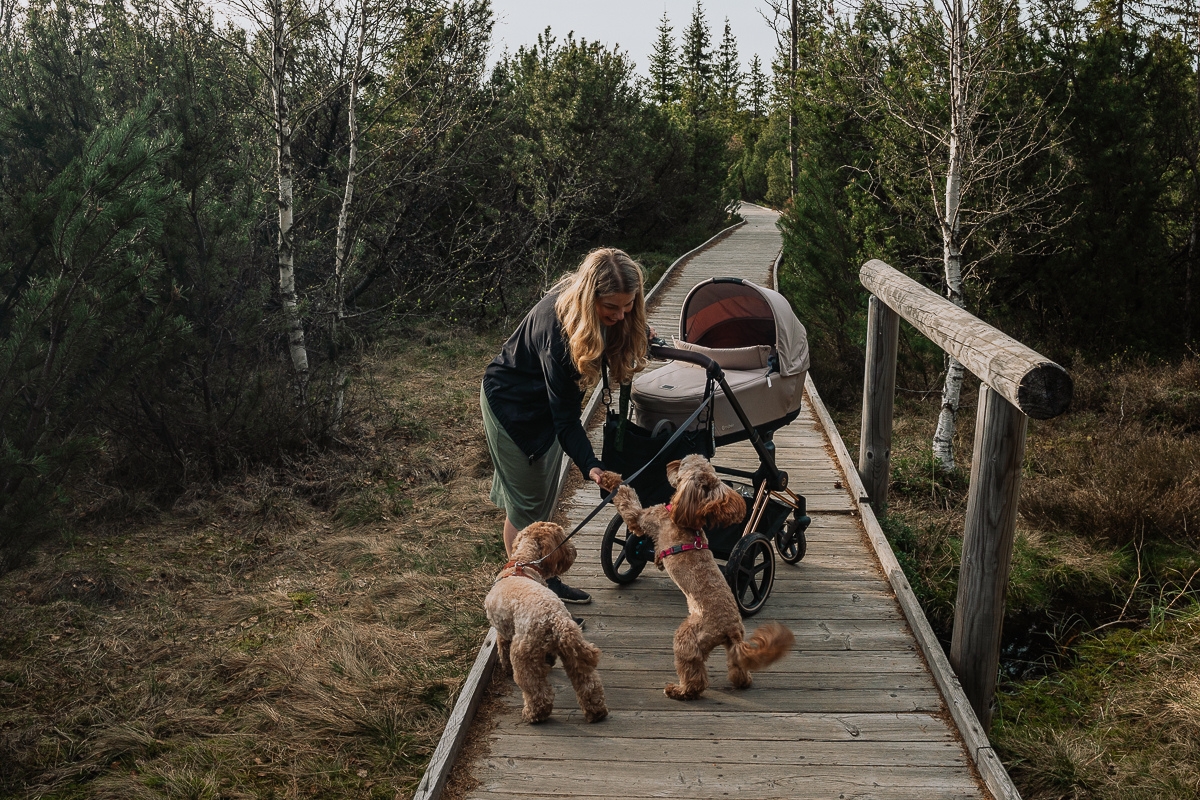
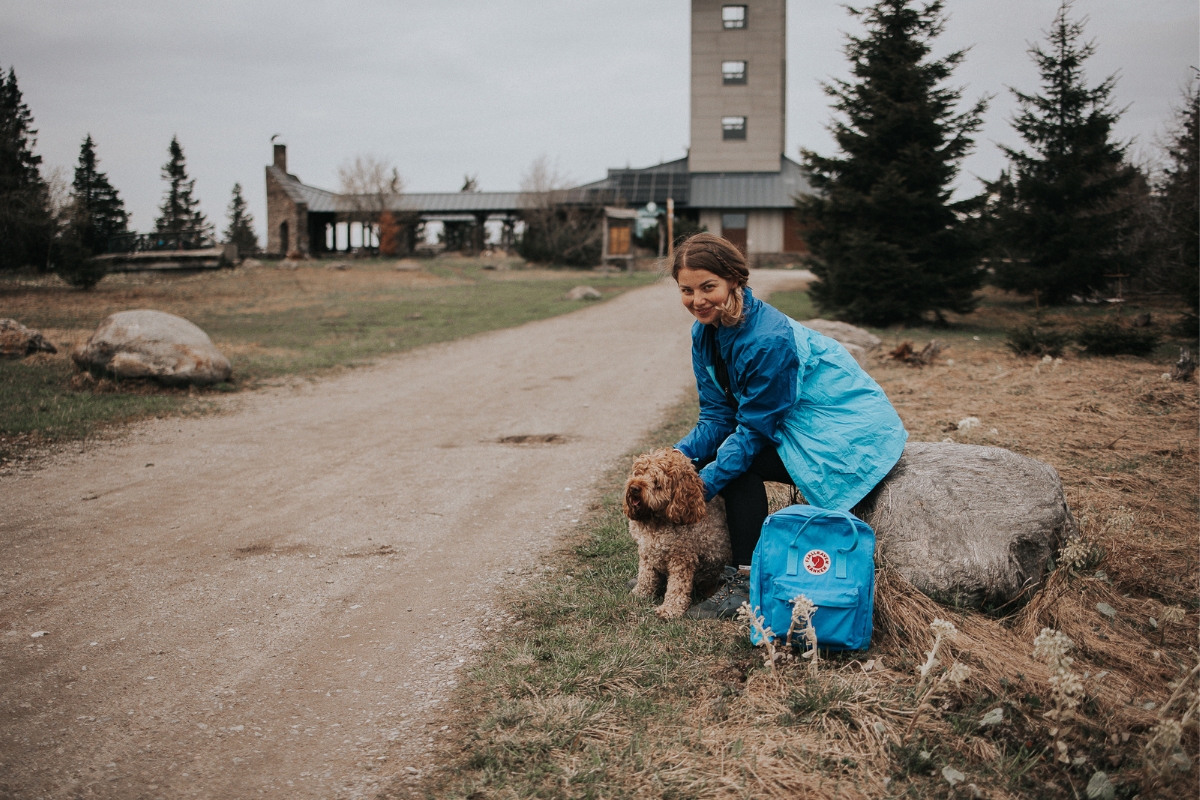
How would you feel about looking after this cutie? 😅
All you have to do is take care of the house – sometimes that means mowing the lawn, watering the plants, or feeding the animals and walking the dogs. On these websites, you’ll find houses all over the world – from Peru to Spain to Australia.
Most of these sites charge a membership fee, and at first glance it might seem like a lot. For example, the most popular one, Trusted Housesitters, costs $119 per year. But even if you only house-sit for a week, that works out at $17 per day.
That’s cheaper than a hostel in many countries. If you were to travel like this for a month, the daily cost works out at just $3.80. And that’s an absolute bargain.
Very popular for its low price yet decent range of listings is Housecarers. It’s often recommended by bloggers who live like this for months at a time around the world. The annual fee is $50.
A website focused on house sitting in Australia. So if you’re looking for free accommodation Down Under, give this one a try. It typically costs $84 per year.
This website was once recommended to me by a friend from England, and I haven’t heard much about it since. Probably because it’s very popular among Brits. The annual fee is $85.
A lovely website for finding house-sitting opportunities, because you don’t have to pay to browse the listings, and you can even respond to three of them for free.
So if you’re selected, you get accommodation for free. However, here’s the catch – not many people are lucky enough to land the very first listing they apply for.
House sitting with a garden view like this – wouldn’t that be cool?
Free Accommodation in Exchange for Work: Volunteering Abroad
A very common way bloggers travel is by helping families around the world with work in exchange for food and free accommodation. With some families, you can stay for days or even weeks. You get to explore the area, and in return you spend part of your trip working. Sometimes that means helping in the garden, with house repairs, or with animals. Other times it could involve cleaning rooms in a hostel or looking after children. This is essentially volunteer work in exchange for free accommodation and food – a brilliant deal for budget travellers.
Workaway is a database of people and organisations looking for volunteers to help with various tasks. The work is truly diverse – you might find yourself on a farm, looking after a large property, babysitting, or pruning trees.
The way it works is that you work a few hours a day, 5 days a week, and in return you receive food and accommodation.
A very popular website, known by virtually everyone heading to New Zealand. The work usually involves helping locals on small farms or with smallholdings.
Again, you get accommodation and food in exchange for roughly 4–6 hours of work per day.
The price for database access varies by country, ranging from $0 to $72.
How to Volunteer – A Guide by Travel with Blondie
Our friend and avid traveller Markétka made a video about how to become a volunteer. She talks about several of the websites you’ve just read about and shares tips and advice on how to increase your chances of being accepted by a host. You can find Markétka on Instagram or on her website.
3 Tips to Get Selected for Free House Sitting
To be chosen by a host for house sitting, you need to inspire as much trust as possible on the website. So take the time to fill out your profile properly.
First Impressions Matter
Choose a photo that radiates positive energy. You should be smiling broadly, and the photo should be sharp and clean. If you wear glasses, keep them on in your photo. Photos with pets often make a great impression, especially if you’re applying not just for house sitting but also for pet sitting.
Criminal Background Check
A criminal background check is easy to obtain and it’s a great way to convince a host of your credibility.
References
References are important. If you’ve looked after someone’s house or dog (or even children), list it as a reference. The more references you have, the greater your chances of being selected.
Search for flights on Kayak. It’s our favorite search engine because it scans the websites of all airlines and always finds the cheapest connection.
Book Your Accommodation Smartly
The best experiences we’ve had when looking for accommodation (from Alaska to Morocco) are with Booking.com, where hotels, apartments, and entire houses are usually the cheapest and most widely available.
Don’t Forget Travel Insurance
Good travel insurance will protect you against illness, accidents, theft, or flight cancellations. We’ve had a few hospital visits abroad, so we know how important it is to have proper insurance arranged.
Where we insure ourselves: SafetyWing (best for everyone) and TrueTraveller (for extra-long trips).
Why don’t we recommend any Czech insurance company? Because they have too many restrictions. They set limits on the number of days abroad, travel insurance via a credit card often requires you to pay medical expenses only with that card, and they frequently limit the number of returns to the Czech Republic.
Find the Best Experiences
Get Your Guide is a huge online marketplace where you can book guided walks, trips, skip-the-line tickets, tours, and much more. We always find some extra fun there!
TL;DRThe best things to see in Dublin, Ireland include visiting the Guinness Storehouse (€17–23, a three-hour tour), a walk through Trinity College with its legendary library (€11–14) and a pint in the famous Temple Bar district. Add the Little Museum of Dublin with its 45-minute guided tour, the colourful doors around Merrion Square, and the vast Phoenix Park, one of the largest urban parks in Europe. The DoDublin card for €49 is well worth it too — it covers airport transfer, the Hop on – Hop off buses and museum entry. For day trips from Dublin, the Cliffs of Moher are about a 3-hour drive away, or head to the fishing village of Howth, just 30 minutes by train. The ideal length of stay is 3–4 days, and spring or autumn is the best time to visit.
Have just a few days in Dublin, Ireland and want to squeeze in as much as possible without wasting money on nonsense? Then you’re in the right place. We’ll share our tips on where to go in Dublin and how to save. And if you read to the end, you’ll find out where it’s best to stay and how much our whole trip cost.
So let’s take a look together at what to see in Dublin.
Dublin has a mild oceanic climate, which means the weather is fairly damp and changeable all year round. The warmest months are June to August, with average temperatures around 15–20 °C. Winters are mild, hovering around 5–10 °C, but it often rains and gets windy. The best time to visit is spring (April–June) or autumn (September–October), when the weather is relatively stable and the city isn’t packed with tourists.
How Many Days to Spend in Dublin
Dublin is an ideal destination for a weekend break, but if you want to enjoy the city at a relaxed pace, we recommend at least 3–4 days. In two days you can cover the main sights like Trinity College, the Guinness Storehouse and Temple Bar. With more time, you can take a trip to Howth, visit Phoenix Park or head out to explore the beauty of the Irish countryside.
How to Get from the Airport to Dublin City Centre
Dublin Airport sits about 10 km from the centre and offers several transport options:
Bus – The cheapest and most convenient option is Aircoach or Dublin Express, which run around the clock, with a journey time of about 30 minutes.
City bus (Dublin Bus) – A cheaper alternative, but less comfortable, since the buses stop at more places along the way.
Taxi – A ride into the centre costs around €30–40 and takes roughly 20–30 minutes.
Car hire – If you plan to travel beyond Dublin too, you can pick up a car at the airport (we recommend DiscoverCars).
Dublin Accommodation: Where to Stay in Dublin
The Academy Plaza hotel was our base for the entire stay. The hotel is a ten-minute walk from the centre, the airport bus stop is right outside and the Hop on Hop off buses stop just around the corner. We bought our dinner around the corner at Lidl and were perfectly happy. If you’re a fan of a great breakfast and a hotel gym, it’s a good choice.
Accommodation in Dublin is expensive overall, and you might be able to find a better option. We spotted other hotels at lower prices ourselves, but they were booked out well in advance. So we’d recommend sorting out your accommodation with plenty of time to spare.
7 Best Things to Do in Dublin
If you’re heading to the capital of Ireland, our article might come in handy. We’ve put together 7 tips on what to see and do in Dublin.
1) Save with the DoDublin Card and Try the Hop On – Hop Off Bus
If you’re in Dublin for three days, the DoDublin card is well worth it (you can get it on GetYourGuide). It costs €49 and includes:
Airlink – transfer from and to the airport
Hop on – Hop off buses
Public transport
A free ticket to the excellent Little Museum
A free Walking Tour
A 1+1 free meal at one of the restaurants in the centre
In Dublin you can also just have a wonderful wander. Try a guided walk — the guide will tell you the best stories about the places you pass.
The Hop on – Hop off buses were absolutely brilliant. In fact, you don’t really need to use any other line, because these green sightseeing buses take you to all the tourist spots. On top of that, if the weather turns nasty you can comfortably ride around the centre, and if your English is decent you’ll have a good laugh too. Sometimes the drivers even sang for us. 🙂
2) The Guinness Storehouse Tour (Pricey, but Definitely Worth It)
You won’t be bored at the Guinness Storehouse
We’re not big beer drinkers. But they say the best way to get to know Irish culture is over a glass of dark beer. So we decided to sample Irish traditions and customs at the Dublin brewery, where the legendary dark beer with its slightly bitter taste and thick foam was first brewed back in 1759.
The brewery is an interactive work of art
We also went by the reviews on TripAdvisor, where the Guinness visit is praised to the skies. And with good reason. In the end it was the best experience of our whole time in Dublin. We spent three hours there and weren’t bored for a moment.
You’ll spend three hours there, but you won’t be bored at all
It often feels more like an art installation than a brewery. Everything is thought through down to the smallest detail. Don’t expect anything dull.
The exhibition about the advertisements was fun too
The tour walks you through the whole brewing process, one floor is dedicated to Guinness ads and another to tasting. If you like, they’ll even teach you how to pour a pint. And on the top floor there’s a lovely bar with views over the entire city.
At the end you pour your own pint and get a certificate
If you get hungry, don’t worry — there are restaurants and cafés there too. And the price of the tour? €17–23, depending on when you go. Buy your tour online and you’ll get a discount.
3) The Much-Recommended Trinity College Library
The view is gorgeous, but at €11–13 it’s a pretty pricey experience
The Trinity College campus itself is a definite must-see. The library at Trinity College is number one on TripAdvisor. It really is stunning. But be warned. Don’t expect to spend goodness knows how long there for that €11–14.
They won’t let you walk among the books, and everyone takes the exact same photo we did. The view is gorgeous, but we’d half hoped we’d be wandering the aisles like Hermione and Harry Potter. The ticket also covers the Book of Kells exhibition, though that didn’t grab us much. If you’re on a budget, skipping the library won’t hurt at all.
4) Have a Pint in Temple Bar
We had a small one in Temple Bar, but it wasn’t exactly the cheapestWhere to go for a beer in Dublin? Temple Bar. But note that Temple Bar isn’t just a bar — above all it’s a district full of classic Irish pubs with live music and a lively atmosphere. Temple Bar itself is one of Dublin’s icons. And that’s where we headed too.
But if you’re planning more than just one small one and want a few, try a couple of streets further along. There a smaller beer will set you back about €3.50.
5) The Little Museum of Dublin
The Little Museum is more fun than you might think
This unusual museum, housed in an 18th-century Georgian townhouse, walks you through the history of Dubliners. It has just four rooms, packed with items donated by locals. Even so, you won’t be bored. Wait for the guided tour — it only lasts 45 minutes.
Even Lukáš, who isn’t the biggest fan of museums, recommends the Little Museum!
6) The Colourful Doors for Drunkards
Be sure to head to Merrion Square to see the colourful Georgian doors. And why are they so colourful? A very popular story does the rounds in Dublin about the writers George Moore and Oliver St. John Gogarty, who were neighbours on Ely Place.
Colourful doors in Dublin
Gogarty reportedly often came home drunk and banged on Moore’s door. So Moore painted his door green, so his neighbour wouldn’t mix them up. And then Gogarty painted his red. Now Dublin is a city of colourful doors. You’ll find pink, purple, green, blue and even orange ones.
Dublin’s colourful doors
7) Phoenix Park
If you visit Dublin in fine weather, you have to head to Phoenix Park. Hire a bike there and cycle through the never-ending greenery. But if the weather’s grim, hop on the Hop On – Hop Off bus and at least let it show you around.
Dublin is a great base for interesting trips around Ireland, so let’s take a look at what to see in and around Dublin.
Cliffs of Moher – These famous cliffs are among the most beautiful spots in Ireland. They’re about a 3-hour drive from Dublin and offer breathtaking views over the Atlantic.
Kilkenny – A medieval town with a beautiful castle, narrow lanes and traditional pubs. The perfect trip for history lovers.
Howth – A charming fishing village just a short hop from Dublin. A great choice for anyone wanting some fresh air and a walk along the coastal trails with sea views.
Wicklow Mountains & Glendalough – A national park with gorgeous mountains, lakes and monastery ruins. Ideal for hiking enthusiasts.
Guinness Storehouse & Jameson Distillery Midleton – If you’re curious about the history of Irish drinks, these tours will take you through the world of beer and whiskey.
Dublin with Kids
Dublin is a friendly city for families too. You’ll find entertainment centres, parks and interactive museums that will delight the little ones.
Dublin Zoo – One of the oldest zoos in Europe, where you’ll see elephants, lions and hippos. It’s located in the beautiful Phoenix Park.
Explorium – An interactive science museum where kids can try out different experiments and have fun while learning.
Jeanie Johnston Tall Ship & Famine Museum – A replica of the historic ship that once carried emigrants to America. A great way to bring a piece of Irish history to life for children.
Phoenix Park – One of the largest urban parks in Europe, where you can spot wild deer or have a picnic.
Tayto Park – An amusement park a short drive from Dublin with roller coasters, kids’ attractions and a zoo.
What to Eat in Dublin
Dublin offers a great mix of traditional Irish cuisine and modern gastronomy. If you want to taste the best the city has to offer, don’t miss these specialities:
1. Irish Stew
A traditional stew made with lamb or beef, potatoes, onion and carrot. A simple but hearty dish that will warm you up, especially on colder days.
2. Fish and Chips
A beloved classic — fried fish in crispy batter with chips. You’ll find the best fish and chips in traditional pubs or at stalls, for example at Leo Burdock.
3. Boxty
Irish potato pancakes served with bacon, salmon or a creamy sauce. A perfect choice for breakfast or a light lunch.
4. Full Irish Breakfast
A hearty breakfast of eggs, bacon, sausages, beans, toast, black pudding and sometimes hash browns too. Ideal for anyone wanting to start the day with a proper dose of energy.
5. Dublin Coddle
A rich dish of stewed sausages, bacon, potatoes and onion. It’s often served in traditional pubs, for example at The Brazen Head, one of the oldest in Ireland.
6. Shepherd’s Pie
A baked mix of minced meat and vegetables, topped with a layer of mashed potato. A favourite home-cooked meal that you can also enjoy in local restaurants.
7. Soda Bread
A typical Irish bread made without yeast but with baking soda. It has a crispy crust and a dense interior. It tastes great with butter or as a side to soups.
8. Guinness and Irish Whiskey
Dublin is home to the famous Guinness Storehouse, where you can taste the original Irish Guinness beer. If you prefer something stronger, try a glass of Jameson whiskey, which you can enjoy at the Jameson Distillery Bow St.
Fun Facts About Dublin
Dublin isn’t just about historic landmarks and Irish pubs. This lively city hides plenty of fascinating facts and offbeat spots worth your attention.
Dublin Has the Largest Urban Park in Europe
Phoenix Park is one of the largest urban parks in Europe — even bigger than New York’s famous Central Park. Here you’ll find not only beautiful nature and herds of wild deer, but also the residence of the Irish president.
Dublin: A City of Books and Literature
Dublin is a UNESCO City of Literature and the birthplace of many famous writers, including James Joyce, Oscar Wilde and Samuel Beckett. A literary atmosphere still reigns in the city’s cafés and bookshops.
An Incredible Amount of Guinness Is Drunk in Dublin
Guinness beer comes straight from Dublin, and in the local pubs it tastes completely different from anywhere else. Around 10 million pints are drunk here every day!
The Ha’penny Bridge and Its History
This iconic bridge over the River Liffey got its name from the original crossing fee — half a penny. Today thousands of people cross it daily, yet few know its original purpose.
Howth – A Slice of Nature Just Minutes from the Centre
Even though Dublin is a busy city, just 30 minutes by train will land you in the picturesque fishing village of Howth, where you can enjoy fresh seafood and walks along the dramatic cliffs.
Dublin Has Its Own Slang
The Irish are known for their friendly nature, and in Dublin they have their own distinctive slang. For example, “grand” means something’s fine, “craic” (pronounced “crack”) means fun, and “gas” means something is really funny.
The Shortest Street in Dublin
Dublin has one of the shortest streets in the world —Ebenezer Place, which measures just 2 metres! It’s easy to miss, but it’s a curious record.
Things to Watch Out for in Dublin
What should you watch out for when visiting the Irish capital? We’ve put together a few pieces of advice on what to keep in mind in Dublin.
The Weather Is Unpredictable
In Ireland they say you can experience all four seasons in a single day. Dublin’s weather changes unexpectedly — a sunny day can turn into a downpour within minutes. Always carry a waterproof jacket and comfy shoes. Umbrellas often don’t survive the strong wind.
Prices Are Definitely Not Low
Dublin is one of the pricier European cities. Accommodation, restaurants and transport can all be surprisingly expensive. If you’re travelling on a tight budget, it pays to look for cheaper accommodation outside the centre and to eat at local cafés or supermarkets rather than restaurants.
Public Transport Isn’t Ideal
Dublin has no metro, so you’ll have to rely on buses, trams (Luas) and suburban trains (DART). The buses don’t run to a fixed timetable and are often delayed. Be prepared for longer waits, especially at rush hour. If you plan to use public transport, it’s worth getting aLeap Card, which brings the fares down.
The Nightlife Is Very Loud and Busy
Temple Bar is the best-known area for pubs and bars, but it’s also the priciest and busiest. If you want to experience an authentic Irish evening, try less touristy spots, such as the pubs in the Stoneybatter or Rathmines neighbourhoods. And note — alcohol in Ireland isn’t exactly cheap either, and a pint of beer can set you back as much as €8.
Be Careful in Certain Parts of the City
Dublin is generally a safe city, but some areas aren’t recommended after dark. Be cautious around O’Connell Street and Talbot Street, where you may come across pickpockets and people under the influence of alcohol or drugs. Keep your valuables on you and watch your belongings in crowded areas.
Driving on the Left and Confusing Junctions
If you’re hiring a car, remember that they drive on the left in Ireland. It matters for pedestrians too — before crossing, look right first, not left! Dublin has plenty of complex junctions and roundabouts, so take extra care when driving.
Tipping Isn’t Compulsory, but It’s Appreciated
In Ireland a tip isn’t usually expected, but in restaurants and pubs it’s common to leave around 10% of the bill if you were happy. In some places, though, a service charge is already included on the bill.
What to See in Ireland
Ireland is a land of stunning nature, mystical castles and friendly people. If you’re planning a trip to Ireland, we’ve got places that are definitely worth a visit.
Cliffs of Moher: Some of the most beautiful cliffs in Europe, rising up to 214 metres above the Atlantic. They offer breathtaking views and rank among Ireland’s most famous natural wonders.
Ring of Kerry: This famous loop runs around the Iveragh Peninsula and shows off Ireland in all its glory — green hills, wild coastline, romantic villages and historic landmarks.
Blarney Castle and the Stone of Eloquence: Blarney Castle near Cork is famous for the stone that, if you kiss it upside down, supposedly grants you the gift of eloquence. It also offers beautiful gardens and a mysterious atmosphere.
Giant’s Causeway: Thousands of perfectly shaped basalt columns on the northern coast form one of the most intriguing geological formations in the world. Legend has it that it’s the work of the giant Fionn mac Cumhaill.
Wicklow Mountains & Glendalough: A short drive from Dublin you’ll find the Wicklow Mountains National Park, with gorgeous mountains, lakes and the historic ruins of Glendalough monastery. A perfect place for trips into nature.
The Aran Islands: These three islands off the west coast are known for their unspoilt landscape and traditional Irish way of life. The largest, Inis Mór, draws visitors to the Dún Aonghasa fort with its dramatic ocean views.
Galway – a city of music and fun: Galway is a lively city full of street musicians, festivals and great pubs. Stroll through the colourful lanes and soak up the atmosphere of real Irish life.
Kilbeggan Distillery – a taste of real Irish whiskey: Ireland is the home of whiskey, and Kilbeggan is one of the oldest distilleries in the country.
How Much Our Three-Day Trip to Dublin Cost
Here’s a clear breakdown of what we spent in Dublin:
Frequently Asked Questions
1. What’s the best time to visit Dublin? The best time is from May to September, when the weather is at its most pleasant. Bear in mind, though, that it often rains in Ireland all year round.
2. How do you get from the airport to Dublin city centre? The quickest option is the Aircoach or Dublin Express, which take you into the centre in 20–30 minutes. Alternatively you can use a taxi or the city buses.
3. What’s the currency in Ireland? Ireland uses the euro (€), unlike Northern Ireland, where the British pound (£) is used.
4. Is Dublin an expensive city? Yes, Dublin is one of the pricier European cities, especially when it comes to accommodation and restaurants. But you can still find affordable options, for example in hostels or by eating at cheaper bistros.
5. How do you get around Dublin? The city has Luas (trams), buses and DART trains. If you plan to use public transport often, it’s also worth getting a Leap Card for cheaper fares.
6. What are the best neighbourhoods to stay in? The city centre (Temple Bar, St. Stephen’s Green) is ideal for tourists, but if you’re after a quieter area, we recommend Ballsbridge or Ranelagh.
7. What should you eat in Dublin? Try the traditional Irish stew (meat stewed with potatoes), boxty (potato pancakes) and, of course, Guinness. For breakfast, go for the classic Full Irish Breakfast.
8. What adapter do I need for Ireland?
Ireland uses Type G sockets (the same as in the UK), so you’ll need an adapter with three rectangular pins.
Tips and Tricks for Travelling Around Europe
What to Pack
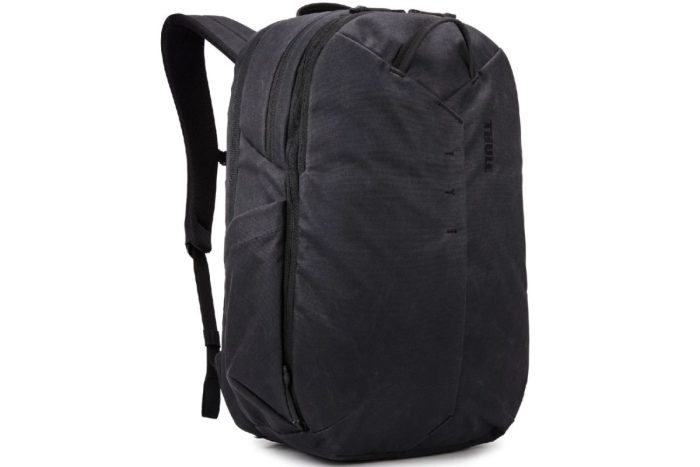
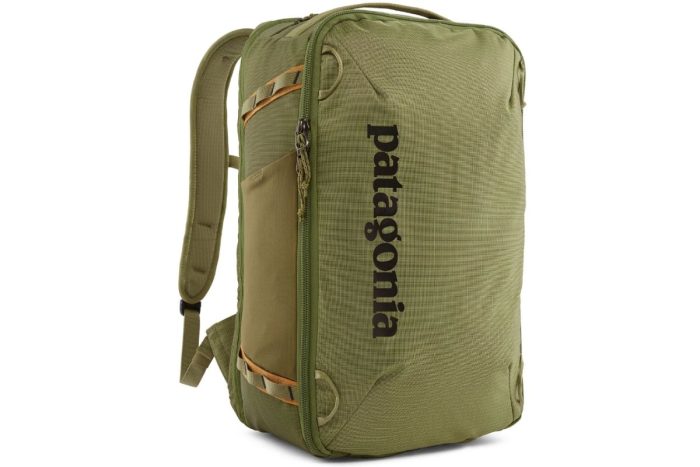
Take a look at our packing guide for travel, which will help you get ready. Pick the right travel backpack, browse handy travel gadgets and don’t leave anything important at home.
Travel insurance is an absolute must. For shorter trips we go with AXA (50% discount) and for longer trips the British insurer True Traveller. Take a look at our comparison of all insurers and choose the one that suits you best.
Lukáš and Lucie recommend
Where to stay in Dublin
4 accommodations — hotels and other lodging options
Search for flights on Kayak. It’s our favorite search engine because it scans the websites of all airlines and always finds the cheapest connection.
Book Your Accommodation Smartly
The best experiences we’ve had when looking for accommodation (from Alaska to Morocco) are with Booking.com, where hotels, apartments, and entire houses are usually the cheapest and most widely available.
Don’t Forget Travel Insurance
Good travel insurance will protect you against illness, accidents, theft, or flight cancellations. We’ve had a few hospital visits abroad, so we know how important it is to have proper insurance arranged.
Where we insure ourselves: SafetyWing (best for everyone) and TrueTraveller (for extra-long trips).
Why don’t we recommend any Czech insurance company? Because they have too many restrictions. They set limits on the number of days abroad, travel insurance via a credit card often requires you to pay medical expenses only with that card, and they frequently limit the number of returns to the Czech Republic.
Find the Best Experiences
Get Your Guide is a huge online marketplace where you can book guided walks, trips, skip-the-line tickets, tours, and much more. We always find some extra fun there!
TL;DRPicking the best WordPress theme for your blog comes down to ten criteria: solid SEO settings, simplicity, responsive design, browser compatibility and support for key plugins like Yoast or Elementor. You don’t need to pay for one — decent free WordPress themes, Shaped Blog being a good example, hold up just as well as premium options costing $20, whose main perk is customer support. Before you choose, it’s worth sketching out your blog’s structure and testing themes with tools like PINGDOM (aim for load times under 1.5 seconds, page size under 1 MB, and under 40 requests), the Google Mobile Friendly Test or W3C Markup Validation. You’ll find the best themes on ThemeForest, WPBeginner or straight in the WordPress directory — and a good theme should have at least dozens of positive user reviews behind it.
Once you’ve got your WordPress installation up and running, you’ll want a gorgeous theme to make your blog shine. But how do you choose the best WordPress theme when there are thousands of free and premium options out there, each one seemingly better than the last? In this article, we’ll walk you through 10 tips that will help you pick the perfect one.
Search for flights on Kayak. It’s our favorite search engine because it scans the websites of all airlines and always finds the cheapest connection.
Book Your Accommodation Smartly
The best experiences we’ve had when looking for accommodation (from Alaska to Morocco) are with Booking.com, where hotels, apartments, and entire houses are usually the cheapest and most widely available.
Don’t Forget Travel Insurance
Good travel insurance will protect you against illness, accidents, theft, or flight cancellations. We’ve had a few hospital visits abroad, so we know how important it is to have proper insurance arranged.
Where we insure ourselves: SafetyWing (best for everyone) and TrueTraveller (for extra-long trips).
Why don’t we recommend any Czech insurance company? Because they have too many restrictions. They set limits on the number of days abroad, travel insurance via a credit card often requires you to pay medical expenses only with that card, and they frequently limit the number of returns to the Czech Republic.
Find the Best Experiences
Get Your Guide is a huge online marketplace where you can book guided walks, trips, skip-the-line tickets, tours, and much more. We always find some extra fun there!
TL;DRSeasoned travel bloggers share seven tried-and-tested ways to cut costs on the road: flying with hand luggage only, swapping hotels for camping or couchsurfing, tracking every penny with an app like Spendee, trying WWOOFing (trading a few hours’ work for food and a bed), taking night buses instead of flights across South America, hunting error fares and pairing them with slow travel, and saving on water, food and transport simply by walking more and cooking with discounted groceries. The tips come from bloggers including Markéta of Travel with Blondie, Tereza Menclová, Kryštof Paleta, Janča Ščamburová, Aneta of ejnets.com, Hanka from Na nomádské stezce, and the duo behind EAGLES. Kryštof Paleta once travelled around the world on a budget of 50,000 Czech crowns, while Aneta spent four months travelling round South America, including a month volunteering.
Want to travel the world like the bloggers you follow but think you can’t afford it? These 7 travel savings tips come straight from experienced travel bloggers and influencers who’ve mastered the art of exploring on a budget. Read on and start planning your next adventure without breaking the bank.
1) Travel with carry-on luggage only and don’t pay more than you have to
“I love travelling as a volunteer, which keeps costs to an absolute minimum. Otherwise, I always travel with just a carry-on bag, saving on checked luggage fees. I research local transport in advance, look up tips on where to find cheap deals, where to shop, and where to eat on a budget. That way I usually arrive fully prepared, and it saves me a ton of time and money.”
Markéta (Travel with Blondie) is a Czechblogger, YouTuberand entrepreneur who has travelled a huge chunk of the world. “Travelling turned my life upside down — now it’s both my hobby and my job.” If you’re heading to New Zealand or the tropics, check out her blog, YouTube, Instagram and Facebook.[/lgc_column]
2) Don’t be afraid to camp
“I’ve got a few tried-and-tested tricks for maximising my travel savings. First up is obviously accommodation — if you’re travelling in summer, camping is a brilliant way to cut your lodging costs. Don’t be afraid to reach out to locals through Couchsurfing and arrange a few nights’ stay either. Another way to save is, of course, food. When I’m somewhere for a longer stretch, I avoid restaurants and buy my meals from the supermarket instead.“
Teru Menclová is a photographer and travel blogger with a deep passion for outdoor destinations. She’s known for her epic travel photographs, which she complements on her blog with travel tips and advice for photographers. Get inspired on her Instagram and browse her blog, and you’ll see why Teru is one of the Czech Republic’s travel stars.
[/lgc_column]
3) Keep tabs on your wallet
“One thing that’s really worked for me is keeping close tabs on my spending — I write everything down so I always know exactly where my money’s going. And then there’s accommodation, of course. Staying in hostels or using Couchsurfing isn’t just cheaper — it’s a far more interesting way to travel, and I wouldn’t have it any other way! Otherwise, I don’t really feel like I scrimp on much 🙂 I enjoy the local food and I don’t waste money on stuff I don’t need.”
Kryštof Paleta is a well-known Czech blogger and YouTuber currently on a round-the-world trip. But not just any trip. He decided to circle the globe with just €2,000 in his account. If you want to follow his journey, check out his YouTube, Facebook, Instagram, or blog.[/lgc_column]
Kryštof uses the Spendee app to track his expenses. Want to give it a try? We’ve got 3 months of Spendee Plus for free — just sign up and use the promo code “SpendeeOdLoudacku”. (We don’t earn anything from this :))
4) Eat and sleep for free
“Try WWOOFing! While you shouldn’t volunteer solely to save money, this type of work abroad really does give your wallet a well-deserved break. In exchange for a few hours of helping out, you get food for the whole day, a nice room, unlimited Wi-Fi, a hot shower, and laundry facilities. Who wouldn’t take that deal while travelling?”
“I’m a wannabe traveller and Instagrammer” If you’re on Instagram and looking for travel inspiration, give Janča Ščamburová (@withthebagonmyback) a follow. She’ll win you over not just with her gorgeous photos but also with her unique sense of humour.
[/lgc_column]
5) Take overnight buses!
South America can get pricey if you’re flying between countries. However, the overnight buses there are excellent and will take you to every corner of the continent. The best part? You get a great night’s sleep and even a meal, since the buses are designed for comfort — some have seats that fold out into proper beds. And if you travel during the day as well, you’ll see an incredible amount of scenery. My final tip: take everything at a steady pace and go slowly rather than overdoing it.
Aneta (ejnets.com) is a Czech blogger who has travelled across Europe on a shoestring. “I mainly write about life in Lisbon and budget travel. I’ve just returned from a four-month trip through South America, where I also spent a month volunteering. I don’t like being put in boxes, but I always wanted to be a bohemian — and I think I’ve managed it.” If you’re planning a trip to South America, Aneta’s blog and Instagram will be your best friend.
[/lgc_column]
6) Travel slowly and snap up error fares
“I use a whole range of travel hacks. I mostly fly using error fares — since I work as a freelance copywriter, I’m flexible on departure dates. But the biggest hack in my book is slow travel, which makes it much easier to negotiate prices for accommodation and car hire on the ground. So my hack is this: become a digital nomad and travel slowly.”
Hanka is a digital nomad who earns her living as a copywriter. On her blog Na nomádské stezce (On the Nomad Trail), she writes about travel and making money online. “Hanka is a traveller with a pen in hand, because writing funds her journeys.” Check out her blog and YouTube.
[/lgc_column]
7) Think first, then act
“We never pay for water — we fill up from natural springs and pumps. We often buy food on special offer and cook it ourselves. We’ve learnt to embrace what nature provides and what others share with us. We avoid paid car parks and toll roads. We walk everywhere. And above all, we never waste anything. Our travel savings hack is simple: THINK first, then act.“
They call themselves EAGLES and they love travelling in their home on wheels, which they’ve named Vítek.“While you’re reading these lines, we’re out discovering the beauty of Europe.” Have a look at their blog to see how they keep costs down on the road, and don’t forget to check out their Facebook, Instagram and YouTube.[/lgc_column]
Tips and Tricks for Your Vacation
Don’t Overpay for Flights
Search for flights on Kayak. It’s our favorite search engine because it scans the websites of all airlines and always finds the cheapest connection.
Book Your Accommodation Smartly
The best experiences we’ve had when looking for accommodation (from Alaska to Morocco) are with Booking.com, where hotels, apartments, and entire houses are usually the cheapest and most widely available.
Don’t Forget Travel Insurance
Good travel insurance will protect you against illness, accidents, theft, or flight cancellations. We’ve had a few hospital visits abroad, so we know how important it is to have proper insurance arranged.
Where we insure ourselves: SafetyWing (best for everyone) and TrueTraveller (for extra-long trips).
Why don’t we recommend any Czech insurance company? Because they have too many restrictions. They set limits on the number of days abroad, travel insurance via a credit card often requires you to pay medical expenses only with that card, and they frequently limit the number of returns to the Czech Republic.
Find the Best Experiences
Get Your Guide is a huge online marketplace where you can book guided walks, trips, skip-the-line tickets, tours, and much more. We always find some extra fun there!

TL;DRThe article lays out seven free ways to promote a blog: sharing in relevant Facebook groups, getting active on discussion forums (Beremese.cz, Emimino, Omlazeni or Hedvábná stezka for travel topics), teaming up with charities and non-profits (the authors mention working with Centrum Dialog), building an email list, guest blogging on niche sites, roundup posts featuring other bloggers, and consistently linking to the blog in your email signature and on social media like Instagram and Twitter. The authors say that over three years of promotion, they’ve spent only around 300 Kč.
You’ve got great content on your blog, but not enough people are reading it? Want to know how to attract thousands of readers without spending a single penny on advertising? Then you’re in the right place. Today, we’ll share seven proven blog promotion strategies that will boost your visibility in the digital space — completely free.
Search for flights on Kayak. It’s our favorite search engine because it scans the websites of all airlines and always finds the cheapest connection.
Book Your Accommodation Smartly
The best experiences we’ve had when looking for accommodation (from Alaska to Morocco) are with Booking.com, where hotels, apartments, and entire houses are usually the cheapest and most widely available.
Don’t Forget Travel Insurance
Good travel insurance will protect you against illness, accidents, theft, or flight cancellations. We’ve had a few hospital visits abroad, so we know how important it is to have proper insurance arranged.
Where we insure ourselves: SafetyWing (best for everyone) and TrueTraveller (for extra-long trips).
Why don’t we recommend any Czech insurance company? Because they have too many restrictions. They set limits on the number of days abroad, travel insurance via a credit card often requires you to pay medical expenses only with that card, and they frequently limit the number of returns to the Czech Republic.
Find the Best Experiences
Get Your Guide is a huge online marketplace where you can book guided walks, trips, skip-the-line tickets, tours, and much more. We always find some extra fun there!
TL;DRA cross-country skiing weekend at Lipno comes to 3,080 CZK for two nights with breakfast at Hotel Šumava in Vyšší Brod, plus 880 CZK for skis, boots and poles for the whole weekend from Lipno Centrum. Lunch or dinner works out at around 250 CZK a head. Skiing itself on the frozen lake between Frymburk and Lipno nad Vltavou is free, including access to the lake and the groomed tracks. Book your accommodation ahead of time, as it fills up fast. Besides the skiing, the treetop walkway with its slide is well worth a look too.
On the first weekend of March, we headed to Lipno Czech Republic for a cross-country skiing getaway. Lipno is a popular resort area in South Bohemia, and while it’s not as well-known internationally as some Alpine destinations, the prices can be surprisingly high. So how much did the trip actually cost us, where did we stay, and what did we get up to?
Search for flights on Kayak. It’s our favorite search engine because it scans the websites of all airlines and always finds the cheapest connection.
Book Your Accommodation Smartly
The best experiences we’ve had when looking for accommodation (from Alaska to Morocco) are with Booking.com, where hotels, apartments, and entire houses are usually the cheapest and most widely available.
Don’t Forget Travel Insurance
Good travel insurance will protect you against illness, accidents, theft, or flight cancellations. We’ve had a few hospital visits abroad, so we know how important it is to have proper insurance arranged.
Where we insure ourselves: SafetyWing (best for everyone) and TrueTraveller (for extra-long trips).
Why don’t we recommend any Czech insurance company? Because they have too many restrictions. They set limits on the number of days abroad, travel insurance via a credit card often requires you to pay medical expenses only with that card, and they frequently limit the number of returns to the Czech Republic.
Find the Best Experiences
Get Your Guide is a huge online marketplace where you can book guided walks, trips, skip-the-line tickets, tours, and much more. We always find some extra fun there!
TL;DRSetting up a successful Facebook page takes 5 steps: create the page through the “Create Page” menu, choose a profile photo (recommended size 180×180 pixels) and a cover photo (820 x 312 pixels on desktop, 640 x 360 pixels on mobile, minimum 399 x 150 pixels, or a video up to 2 minutes long), pick a username that’s easy to remember, fill in your page’s story in the About section, and set up a call-to-action button so fans can engage with you. If you want to get to grips with advertising, there’s an online course at Kurzeo.cz with 19 lessons running just under two hours.
Setting up a Facebook page is surprisingly straightforward — yet we constantly see beginner mistakes on business profiles and blogger accounts alike. If you want to create a Facebook page that actually works for you, this guide walks you through every important step. You’ll learn how to choose the right profile picture, nail the key visual elements, and set up your first call-to-action button. Let’s get into it — here are 5 steps to build a successful Facebook page.
1) How to Create Your Facebook Page
Log in to Facebook and click the arrow in the top right corner. A dropdown menu will appear — select “Create Page”.
Next, choose your page type. For personal blogs, we recommend “Artist, Band or Public Figure” or “Cause or Community”. Facebook will then prompt you to enter your page name.
2) How to Choose Photos That Make an Impact
How do you pick the right profile photo? Your profile picture is the first thing a potential follower sees — it’s the single most important visual element on your page.
For business pages, using your company logo is standard practice. If you’re setting up a blog page, you’ve got two options.
1) You have your own logo
When should you use it as your profile photo? If you don’t want the blog to be too closely tied to your personal identity — for example, if you plan to bring other writers or contributors on board.
2) You don’t have a logo — or you want to put a personal face to your blog.
In that case, there’s no question who should be in the photo. You — and yes, that’s the right answer. It doesn’t matter whether you blog about food, travel, or fitness.
Choosing the Right Profile Photo
Put some effort into selecting your profile photo. Choose one that makes a positive impression and stick to the recommended size of 180×180 pixels. The image should be sharp and clean.
How to Take a Great Profile Photo
If you don’t have a professional photographer nearby, grab the best camera you can find and get shooting :-). Whether you’re taking the photo yourself or enlisting a friend or partner, here are a few tips to keep in mind:
Find a clean background with as few distracting elements as possible.
The best light always comes from a window — just don’t shoot with the window directly behind you.
Avoid shooting in direct sunlight. If you’re outdoors on a bright day, step into the shade instead.
Photos generally look better when taken from a slightly elevated angle — but don’t overdo it, or you’ll end up looking like a 2012 selfie.
Smile.
Take 20–30 photos from different angles so you’ve got plenty to choose from.
Let your photo communicate what you do: if you’re a presenter or MC, make that obvious — don’t be afraid to include a microphone. Food bloggers can hold a cookbook and wear an apron 🙂 Fitness bloggers can show off those well-earned muscles.
Aim for something visually memorable — a photo people will recognise at a glance.
Example of a good Facebook profile photo
Choosing Your Cover Photo
What makes a great cover photo? Your cover image shapes the overall look and feel of your Facebook page — so how do you get it right? There’s one key thing to keep in mind first.
This element displays differently on desktop and mobile. On desktop, it shows at 820 × 312 pixels; on mobile, it’s 640 × 360 pixels (though this varies by device). The minimum size for a cover photo is 399 × 150 pixels.
Choose a photo that clearly represents what you do — something that showcases your work at its best and grabs attention. You can also add text to your cover to explain exactly what you do and why people should follow you. Adding your logo is an option too, just don’t clutter it. For creating simple graphics, we highly recommend Canva.
Example of a Facebook page cover photo promoting an event
You can also use a video instead — just keep it under 2 minutes and make sure it makes sense without sound. If you want to introduce yourself, don’t just film yourself talking to camera. Show what you actually do. If you do go for the talking-head approach, add subtitles.
Your cover photo is prime real estate for promoting your own products or events. Use it to highlight something you’re offering for free. Got a free e-book on your site? This is the perfect spot to promote it — it’ll drive more people to your page. Got an event coming up? Shout about it in your cover.
3) Choose a Good Username
Choose your username carefully. If your blog name is quite long, try coming up with a short, memorable version that still makes it obvious what you’re about.
Once your page is set up, head to the About section and take a few minutes to fill it in properly. Pay particular attention to the Story field — tell your followers what you do and, just as importantly, why you do it.
Highlight what makes you unique. On Loudavým krokem, we always emphasise that we write about the real cost of travelling. There are countless travel blogs out there, but almost none of them tell you what their trips actually cost — and certainly not in as much detail. That’s what we make a point of highlighting in our page description too.
5) Set Up Your Call-to-Action Button
Facebook lets you add a call-to-action button that prompts visitors to take a specific action of your choosing:
Call to Action button on Facebook
There’s a wide range of options to choose from — you can invite people to send you a message or email, direct them to your online shop, or link to an app.
And that covers all the basics of setting up your Facebook page!
How to make your social media advertising genuinely effective
Tips and Tricks for Your Vacation
Don’t Overpay for Flights
Search for flights on Kayak. It’s our favorite search engine because it scans the websites of all airlines and always finds the cheapest connection.
Book Your Accommodation Smartly
The best experiences we’ve had when looking for accommodation (from Alaska to Morocco) are with Booking.com, where hotels, apartments, and entire houses are usually the cheapest and most widely available.
Don’t Forget Travel Insurance
Good travel insurance will protect you against illness, accidents, theft, or flight cancellations. We’ve had a few hospital visits abroad, so we know how important it is to have proper insurance arranged.
Where we insure ourselves: SafetyWing (best for everyone) and TrueTraveller (for extra-long trips).
Why don’t we recommend any Czech insurance company? Because they have too many restrictions. They set limits on the number of days abroad, travel insurance via a credit card often requires you to pay medical expenses only with that card, and they frequently limit the number of returns to the Czech Republic.
Find the Best Experiences
Get Your Guide is a huge online marketplace where you can book guided walks, trips, skip-the-line tickets, tours, and much more. We always find some extra fun there!
TL;DRThis five-day rail trip through the Polish and Slovak Tatras runs Prague–Kraków–Zakopane–Tatranská Bystrica/Poprad–Bratislava–Prague, and you can do the whole thing by train and bus without a car. In Kraków, the old town with Wawel Castle and the MOCAK gallery will fill half a day; Zakopane is your base for a trip to Morskie Oko lake. On the Slovak side, the highlight is the cable car up to Lomnický štít from Tatranská Bystrica, which costs 44 EUR, and the last stop is Bratislava, with its castle and the Slavín memorial. The pricier version of the whole trip comes to 17,300 CZK, the budget one (skipping the fancy stuff) around 12,600 CZK, or under 10,000 CZK if you leave out the cable car.
At the end of January, we set off on a train trip to the Tatra Mountains, travelling through Krakow, Zakopane, and across the Polish and Slovak sides, with a stop in Bratislava on the way back. We travelled by trains and buses with nothing but our backpacks. What we saw, how much it cost, and a detailed itinerary so you can replicate our journey — you’ll find it all right here in this article.
Read about how we got stuck in the Polish Tatra Mountains and almost had to turn back home RIGHT HERE!
Route Map
London/Berlin > Krakow > Zakopane > Tatranská Bystrica > Bratislava > Home
What We Saw, Where We Slept, and How We Travelled Step by Step
Krakow
We started our trip in Krakow, Poland. You can easily reach Krakow by bus or train — for example, FlixBus runs regular connections from many European cities. The bus station is centrally located, so everything is within walking distance.
If you arrive during rush hour, we wouldn’t recommend taking a taxi — it took us just as long by cab as it did walking the same route the next day on foot.
We recommend staying at BC 29 Residence, a beautiful space near the centre where a room costs around €52 including a (luxurious) breakfast.
Our first destination: Krakow
After arriving in the afternoon, we managed to walk through the royal Wawel Castle and we highly recommend visiting MOCAK — the Museum of Contemporary Art housed in the former factory of Oskar Schindler.
Krakow in Half a Day
For dinner, head to Plac Nowy 1 — it’s close to the accommodation and they serve excellent pizza. Make sure to try one of their local beers.
We covered the historic centre in a single morning, all on foot, so if you don’t mind a lot of walking, you won’t need to spend money on public transport tickets.
After lunch, we slowly made our way towards the Polish Tatra Mountains, heading to the ski village of Zakopane. From Krakow, you can reach Zakopane by bus for about 19.5 PLN per person (around €4.50) and the journey takes just over two hours.
Zakopane
People come to Zakopane mainly for skiing, so the village is full of charming villas with all the amenities and stunning views of the Tatra Mountains in Poland.
Buses and trains arrive and depart from the same location, and there’s also a luggage storage facility, so no complicated searching around.
Our accommodation at Villa 11 Folk & Design had, besides a charming atmosphere, a meditation room with loungers, a sauna, and a dining area where small treats, tea, and coffee were available 24/7. The room cost around €80 including breakfast.
A villa in Zakopane
Things to Do in Zakopane
You can go shopping in the centre, check out the Upside Down House, or set off very early in the morning for a hike to what is said to be the most beautiful mountain lake in Europe — Morskie Oko.
We had terrible weather, so we ended up in a café instead.
Getting to Slovakia
To get to your next destination, Tatranská Bystrica on the Slovak side of the Tatra Mountains, you need to cross the border — and this is where things get tricky. Only three Leo Express minibuses cross the border per day, and they don’t go through Zakopane. You need to get to Dolní Bukowina first, where you transfer to Leo Express.
Especially in winter, be careful — the 15 km local bus ride from Zakopane to Dolní Bukowina might look like it takes 25 minutes, but we ended up travelling for over two hours due to traffic jams and heavy snowfall, and ultimately had to spend an unplanned extra night on the Polish side.
Trekking to the bus stop, 5 km
These local Polish bus rides can’t be booked in advance (they work more like city buses), cost 5 PLN (about €1.20), and our driver left 5 minutes early, so be warned.
The Leo Express ride itself from Dolní Bukowina to Tatranská Bystrica (or all the way to Poprad) costs €12 per person.
Lukáš and Lucie recommend
Where to stay in the Polish and Slovak Tatras
4 accommodations — hotels and other accommodation options
The main reason to head to the Slovak side of the Tatra Mountains is Lomnický Štít — one of the Tatra Mountains’ highest peaks. You get to the top via two cable cars, and you need to book your ticket for the upper one in advance. Well, you don’t have to, but you might not get a spot in time, or the day could sell out completely, making the trip pointless. The ticket costs €44 per person. You can buy it at Gopass.sk and the departure point is directly in Tatranská Bystrica.
If you get stuck in Poland an extra day, like we did, you’ll lose your reservation and won’t be able to reschedule it.
Trip to Lomnický Štít
You should set aside at least half a day for the cable car ride to Lomnický Štít. You can either stay directly in Tatranská Bystrica, which will cost at least €80, or continue to Poprad (about 30 minutes longer on Leo Express), stay there for example at Penzion Darinka for half the price, and take the tram to Tatranská Bystrica the next morning (the fare is just a few cents).
If you leave Poprad before eight in the morning and board the cable car by eleven at the latest, you’ll easily catch the afternoon train at 14:43 from Tatranská Lomnica to Bratislava. That costs about €16 per person.
If you’re a student and want to travel around Slovakia for free, you need to get a special card at any train station in Slovakia. You’ll need a filled-in form confirmed by your university’s student office.
Bratislava
Bratislava is a beautiful but pricier city. It’s definitely worth checking Airbnb well in advance — you can find a place near the centre for around €40. We stayed at Tomáš’s place and we highly recommend his apartment — it’s rare to find such a cosy and well-equipped flat at a fair price. Hotels, on the other hand, can easily cost three times as much. You can also search for deals on Booking.com.
For breakfast, head to the bistro Žufaňa, grab a coffee at Gorilla.sk Urban Space, and for a late lunch, we recommend the absolutely amazing crêpes at Palacinka Lacinka (you’ll experience a retro 1980s vibe).
Visit Bratislava Castle, the Slavín war memorial, and definitely don’t miss the apartment gallery FLAT GALLERY.
You can head home late in the afternoon — trains and buses run frequently. We took a train back around six in the evening.
🔗 These are affiliate links — they don't change your price and help us create content. · All experiences →
Tips and Tricks for Your Vacation
Don’t Overpay for Flights
Search for flights on Kayak. It’s our favorite search engine because it scans the websites of all airlines and always finds the cheapest connection.
Book Your Accommodation Smartly
The best experiences we’ve had when looking for accommodation (from Alaska to Morocco) are with Booking.com, where hotels, apartments, and entire houses are usually the cheapest and most widely available.
Don’t Forget Travel Insurance
Good travel insurance will protect you against illness, accidents, theft, or flight cancellations. We’ve had a few hospital visits abroad, so we know how important it is to have proper insurance arranged.
Where we insure ourselves: SafetyWing (best for everyone) and TrueTraveller (for extra-long trips).
Why don’t we recommend any Czech insurance company? Because they have too many restrictions. They set limits on the number of days abroad, travel insurance via a credit card often requires you to pay medical expenses only with that card, and they frequently limit the number of returns to the Czech Republic.
Find the Best Experiences
Get Your Guide is a huge online marketplace where you can book guided walks, trips, skip-the-line tickets, tours, and much more. We always find some extra fun there!
TL;DRThis 14-day camping road trip through Uganda covers self-drive safari parks, a two-day hike into mountain rainforest on the Congo border, and a full-day trek to see endangered mountain gorillas. The route runs via Entebbe as start and end point, with camps like Ziwa Rhino Sanctuary or Rushaga Gorilla Camp near gorilla territory. You need to plan journeys well ahead, as unsealed roads mean a drive that maps say takes 5 hours can actually take at least 11.5 hours. Gorilla trekking permits in the region run from 159 to 387 euros, depending on the option and starting point you choose.
We set off on a 14-day Uganda road trip, camping under the stars and doing it all independently. We drove through Uganda’s safari parks on our own, hiked for two days through a mountain rainforest on the border with Congo, spent a full day trekking to see endangered mountain gorillas, and were stopped at military roadblocks roughly a thousand times along the way.
Uganda is a stunning country full of wonderful people, and we’d highly recommend it to any adventurous traveller. But we know how hard it is to find reliable information about Uganda online — especially when it comes to camping, accommodation, and all the various fees and expenses that are worth planning for in advance.
While the Asian elephant is a very calm and peaceful animal, the African elephant can be dangerous
That’s why we’ve put together a short series about Uganda that’ll come in handy for anyone planning a trip there. You’ll find:
an ideal itinerary, including national parks and stops along the way
places to sleep en route, with links to book them
a detailed expense breakdown across several tables, down to the last penny
photos from the places we visited
what it’s like to go gorilla trekking or on a two-day mountain hike
This time, we took planning a bit more “seriously” and mapped out where we should arrive each day and roughly what we’d be doing there. The plan changed several times along the way (mostly because Google doesn’t know that most roads in Uganda are unpaved, so a drive that’s supposed to take 5 hours actually takes at least 11 and a half), but in the end, we managed to tick off everything on our list — apart from the chimpanzees.
Uganda is one of the few countries that really needs to be PLANNED IN ADVANCE. We used an excellent book called Uganda by Andrew Roberts — it’s the only proper guidebook you’ll find for the country and it’s well worth picking up.
Search for flights on Kayak. It’s our favorite search engine because it scans the websites of all airlines and always finds the cheapest connection.
Book Your Accommodation Smartly
The best experiences we’ve had when looking for accommodation (from Alaska to Morocco) are with Booking.com, where hotels, apartments, and entire houses are usually the cheapest and most widely available.
Don’t Forget Travel Insurance
Good travel insurance will protect you against illness, accidents, theft, or flight cancellations. We’ve had a few hospital visits abroad, so we know how important it is to have proper insurance arranged.
Where we insure ourselves: SafetyWing (best for everyone) and TrueTraveller (for extra-long trips).
Why don’t we recommend any Czech insurance company? Because they have too many restrictions. They set limits on the number of days abroad, travel insurance via a credit card often requires you to pay medical expenses only with that card, and they frequently limit the number of returns to the Czech Republic.
Find the Best Experiences
Get Your Guide is a huge online marketplace where you can book guided walks, trips, skip-the-line tickets, tours, and much more. We always find some extra fun there!
TL;DRYou can sort a year in Canada in five steps. First, enter the pool for a Working Holiday visa (you need to be 18–35, hold Czech citizenship, and have 2500 CAD, roughly 43,000 Kč, in savings). If you’re selected, you’ve got 20 days to submit your application and pay 250 CAD. Next, sort travel insurance covering the full year abroad. Then pick your destination and flights — the authors rate Calgary over an overcrowded Vancouver, thanks to its proximity to the Rockies, Banff and Lake Louise. Finally, start hunting for work and accommodation before you even leave, using Facebook groups, Kijiji or Airbnb. They picked up a New York–Prague flight through StudentUniverse for 250 CAD, when other routes started at 400 CAD.
Ready to spend a year in Canada, just like we did? Here’s how to make it happen, broken down into 5 simple steps.
Canada’s visa system offers plenty of ways to get into the country, but the easiest route for a year in Canada is the Working Holiday visa. It grants you a one-year open work permit, allowing you to work anywhere in Canada and freely enter and leave the country — absolutely ideal for travelling.
The Working Holiday visa is actually a subcategory of the International Experience Canada programme, which is why you’ll see the abbreviation IEC everywhere during the application process.
Eligibility Requirements for the WH Visa
The requirements for obtaining a Working Holiday visa are straightforward. You must be between 18 and 35 years old, hold a valid UK passport (or passport from another eligible country), and have demonstrable savings of at least 2,500 CAD (roughly £1,500 / €1,700). When you arrive in Canada, you’ll need to show proof of a return flight (or evidence that you have enough funds on top of the 2,500 CAD to buy one), a valid passport covering your entire stay, and travel insurance for the full duration as well.
Pool
Here’s how it works: you register in the “pool” — essentially an electronic lottery hat — from which Canadian officials randomly draw applications throughout the year. If you’re lucky, you could receive your visa as early as the following week; if not, you might wait up to six months. You only pay the visa processing fees after you’ve been selected, so entering the pool is completely free.
How to Enter the Pool
First, fill out the eligibility questionnaire HERE. It only takes a few minutes, and at the end it will tell you which visas you’re eligible for. If you qualify for more than one category, select Working Holiday and click “Continue”. This will generate your personal reference code — write it down carefully, you’ll need it shortly.
Next, you need to create a personal account on the Canadian government’s server, which you’ll use to manage your application. Click HERE, select “Continue to GC Key” at the bottom, and then click “Sign Up” on the next page. Create your profile following the simple instructions, and once it’s ready, log in. You’ll see this:
Click on “International Experience Canada (IEC)” and enter the personal reference code you carefully noted earlier (from the questionnaire). Fill in everything that’s required — Personal Details, Contact Details, Application Details, and Work and Education Details. It’s essentially just another very detailed questionnaire.
Once you’ve entered all the information, submit your application to the pool. Now all that’s left to do is wait. 😃
2) Applying for the Visa After Receiving an Invitation
Once you’re randomly selected, you’ll receive an Invitation to Apply (for a work permit), which you must accept within 10 days. You’ll be notified by email, but it doesn’t hurt to check your MyCIC account from time to time as well. After accepting the invitation, you have 20 days to fill in all the required details, upload the necessary documents, and pay the visa fee.
You’ll need:
a CV in English (or French)
a police clearance certificate (officially translated and certified)
a scan of a passport-style photo
completed forms that appear in your application
payment of 250 CAD (approx. £150 / €170) online by credit or debit card.
Then you wait to find out whether your application has been approved. If it has, you’ll receive a Letter of Introduction — and off to Canada you go!
3) Choosing Travel Insurance
At the airport, you’ll need to present your passport, Letter of Introduction, proof of sufficient funds, and travel insurance. Without it, you simply won’t be allowed into the country. We strongly recommend getting insurance for the entire duration of your planned stay (for most people, that’s the full year), because if your insurance only covers five months, they may shorten your work permit accordingly.
For a year-long trip like this, we’d recommend looking into True Traveller, a UK-based insurer that specialises in long-term travel insurance and offers great value for extended stays abroad. Have a look at our travel insurance comparison to find the best option for you.
We don’t have much work experience with eastern Canada, but we can absolutely recommend the western side. Unless your goal is Vancouver (and it probably shouldn’t be — it’s an overcrowded and extremely expensive city), Calgary is an ideal choice. It’s a sprawling, laid-back city with a beautiful downtown skyline and plenty of job opportunities. There’s also a decent expat community that can be incredibly helpful when you’re just starting out. For more tips on choosing the right place in Canada, check out resources like the motivimi guide.
Calgary is also close to Banff and Lake Louise — two mountain towns in the Rocky Mountains with loads of work available, especially during the summer and winter seasons.
Where to Book Flights
We’ve had the best experience with Kiwi.com. They’re brilliant at combining different airlines to find the cheapest routes. From London, you can often find good deals to Calgary or Vancouver with airlines like WestJet, Air Canada, or even connecting through budget carriers.
If you’re a student, you could also try StudentUniverse. They offer fantastic low-cost fares (some of the cheapest we’ve seen). We only booked through them once, so we can’t give a full endorsement, but everything went smoothly. We scored a New York–Prague flight for just 250 CAD (about £150), while prices everywhere else started at 400 CAD for the same airline.
5) Finding a Job and Accommodation Before You Leave
Jobs
Start with Facebook. Post in expat groups for your target location and ask about work opportunities — we found 2 out of 3 of our jobs through Facebook, and we had the first one lined up before we even started packing. Ideally, look for positions that include accommodation. This is common at mountain hotels or more remote locations. Here are some examples of where to look for the Calgary area:
If you’re not having luck, start sending out CVs. Tailor your CV for each position — leave out what’s not relevant and expand on what is. Competition in Canada is fierce!
If you can’t find a job before you leave, don’t panic. Print out a stack of CVs once you’re in Canada and hit the streets. Drop them off at every place that catches your eye — that’s simply how it’s done over there.
Cherry Picking in Canada?
If you’ve done fruit picking in New Zealand, you might be wondering whether similar work exists in Canada. Absolutely! You can find more information in this article.
Accommodation
Reach out to expat groups on Facebook. It’s the easiest way to find a place to crash, at least for the first few days.
If you don’t have a friend who can put you up, we recommend Airbnb. It’s cheaper than hotels, and you can usually find a room right in the city centre. Perfect for getting your bearings during those first few days.
If anything’s unclear or you have questions, drop us a comment below the article. 🙂 Long live Canada!
Tips and Tricks for Travelling in Canada
What to Pack
Check out our packing guide for travellers to help you prepare. Choose the right travel backpack, browse our favourite travel gadgets, and make sure you don’t leave anything important behind.
Travel insurance is an absolute must. For shorter trips we go with AXA (50% discount), and for longer trips we use UK-based True Traveller. Check out our travel insurance comparison and pick the one that suits you best.
Tips and Tricks for Your Vacation
Don’t Overpay for Flights
Search for flights on Kayak. It’s our favorite search engine because it scans the websites of all airlines and always finds the cheapest connection.
Book Your Accommodation Smartly
The best experiences we’ve had when looking for accommodation (from Alaska to Morocco) are with Booking.com, where hotels, apartments, and entire houses are usually the cheapest and most widely available.
Don’t Forget Travel Insurance
Good travel insurance will protect you against illness, accidents, theft, or flight cancellations. We’ve had a few hospital visits abroad, so we know how important it is to have proper insurance arranged.
Where we insure ourselves: SafetyWing (best for everyone) and TrueTraveller (for extra-long trips).
Why don’t we recommend any Czech insurance company? Because they have too many restrictions. They set limits on the number of days abroad, travel insurance via a credit card often requires you to pay medical expenses only with that card, and they frequently limit the number of returns to the Czech Republic.
Find the Best Experiences
Get Your Guide is a huge online marketplace where you can book guided walks, trips, skip-the-line tickets, tours, and much more. We always find some extra fun there!