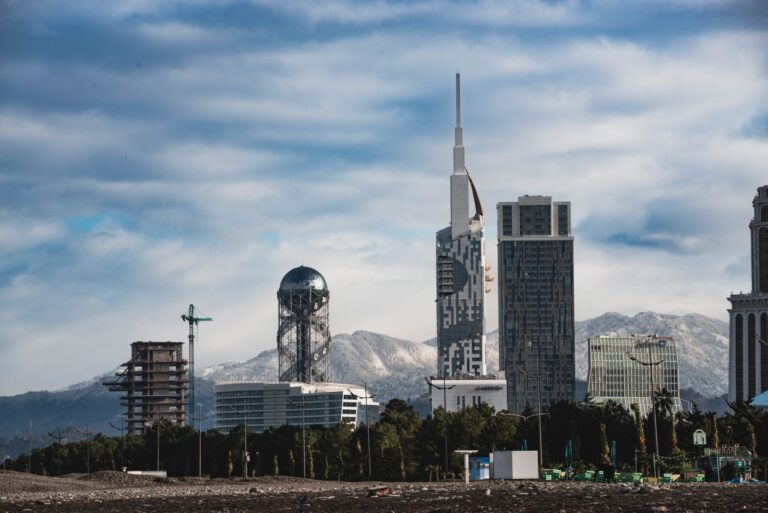
Georgia is something of a little geographical miracle. In the morning you can wade through deep snow in a high mountain pass, at noon stroll in a t-shirt through sun-drenched vineyards, and by the afternoon sip coffee under a palm tree beside the murmuring sea. If you’re currently searching for the answer to when to visit Georgia, I have to flag one crucial thing right from the start: there simply isn’t a single, universal weather here.
This gorgeous Caucasus country hides four completely different climate worlds within it. While the capital swelters under unbearable heat in summer, the mountains are pleasantly cool at that time, and the coast, for a change, is often drenched in rain. Choosing the right month therefore depends entirely on exactly what you expect from your holiday, whether you’re looking forward to treks to glaciers, wine tasting, or catching a tan on the beach.
Most travellers, however, agree on the so-called “velvet season.” It runs roughly from mid-September to mid-October and offers the very best conditions for exploring most of the country. Let’s take a detailed look together at what the weather in Georgia is like and break down each month in more depth, so you can plan the trip of your dreams. ☺️
TL;DR
- Best time overall: May and June, or later September and October. You’ll avoid the summer extremes and enjoy the country in peace.
- When to trek in the high mountains: From late June to mid-October. In September the mountains are said to be absolutely at their most beautiful and stable.
- When to go for wine: From mid-September to mid-October the famous rtveli grape harvest takes place, an enormous cultural experience.
- When to hit the sea in Batumi: You can swim from June to October, but be aware that it rains extremely hard here in autumn.
- When to ski: From late December to mid-April, with the best snow conditions reported in February.
- Cheapest months: November and early spring (March). It’s colder, but you’ll save money.
- Watch out for: July and August bring killer heat to Tbilisi, often exceeding 35 °C.
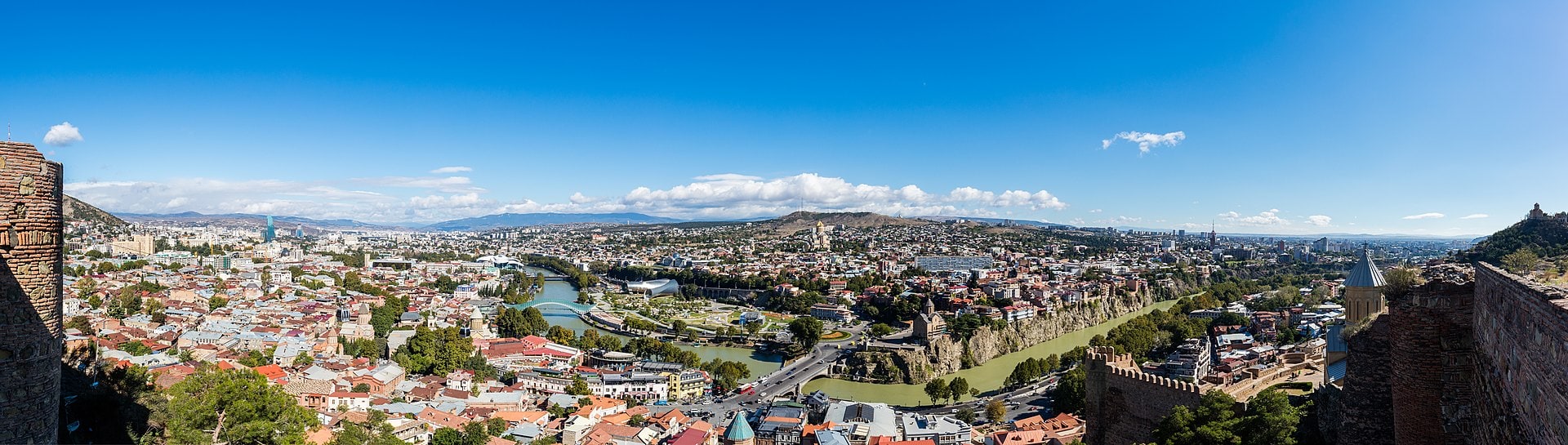
The full destination guide: Georgia — guide and what to see
Georgia Has Four Kinds of Weather at Once
If you look at the average temperatures for the whole country, it actually tells you nothing at all. The weather in Georgia changes with every kilometre travelled and every metre of altitude. To understand how things work here, we need to divide the country into four main zones.
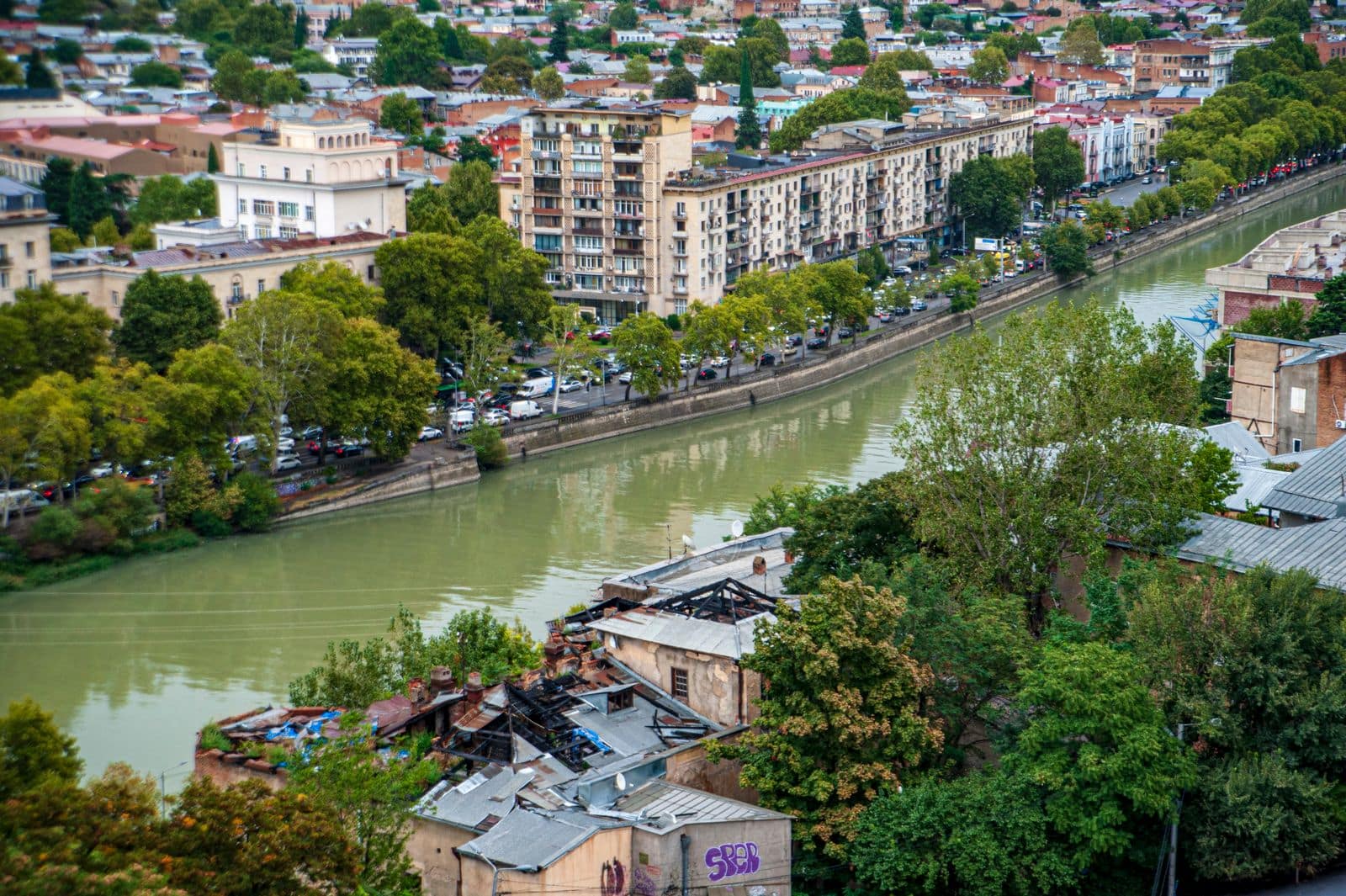
Tbilisi and the central lowlands have very hot, dry summers, when temperatures routinely climb well above 30 °C. Winters, on the other hand, are fairly cold, often hovering around freezing and occasionally bringing a dusting of snow. Paradoxically, most of the rain falls in spring; the rest of the year tends to be dry.
Batumi and the Adjara region on the Black Sea are a subtropical paradise, but with one big catch. It’s one of the rainiest areas in all of Europe. Around 2,400 to 2,700 millimetres of rain fall here each year. Winters are very mild with temperatures around 8 to 10 °C, summers are humid and warm, but autumn brings enormous downpours. Subtropical here definitely doesn’t mean a dry wasteland.
The high mountains (such as Svaneti, Tusheti or the area around Kazbegi) live their own high-altitude life. From October to May many areas are cut off from the world by deep snow. Winter here is long and freezing. The short summer offers fantastic conditions for trekking, but the weather can flip from clear skies to a violent storm within a single hour.
The Kakheti wine region in the east of the country has a climate similar to the capital, only a touch drier still. Summers here are hot, winters mild, and autumn is absolutely phenomenal, with pleasant temperatures ideal for the grape harvest.
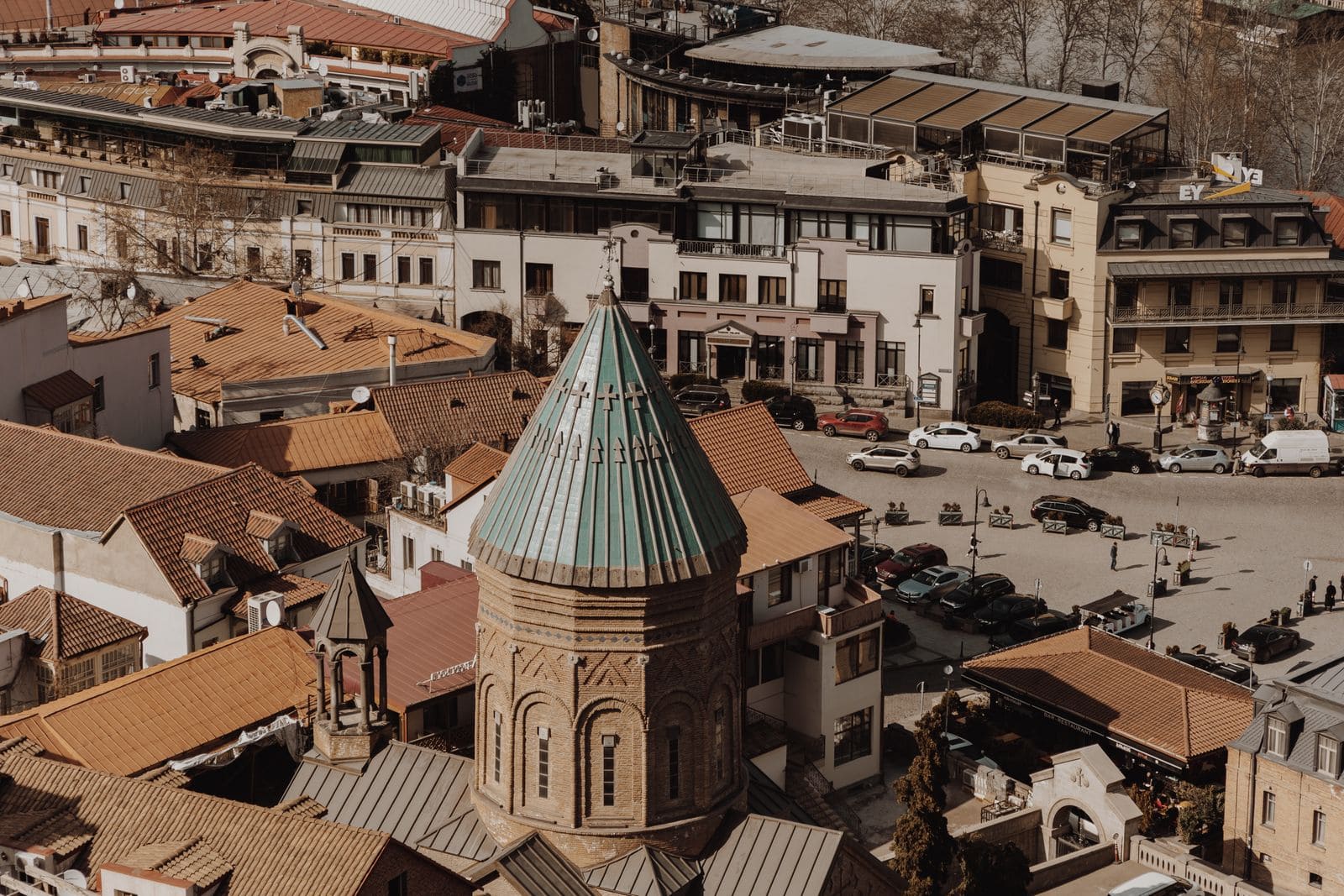
Weather in Georgia Month by Month
Now that we know we have to choose by region, let’s look at what to expect from each month and who it’s actually best suited to. Please take all the temperatures as rough guides, because nature always ends up doing exactly what it wants anyway. 😅
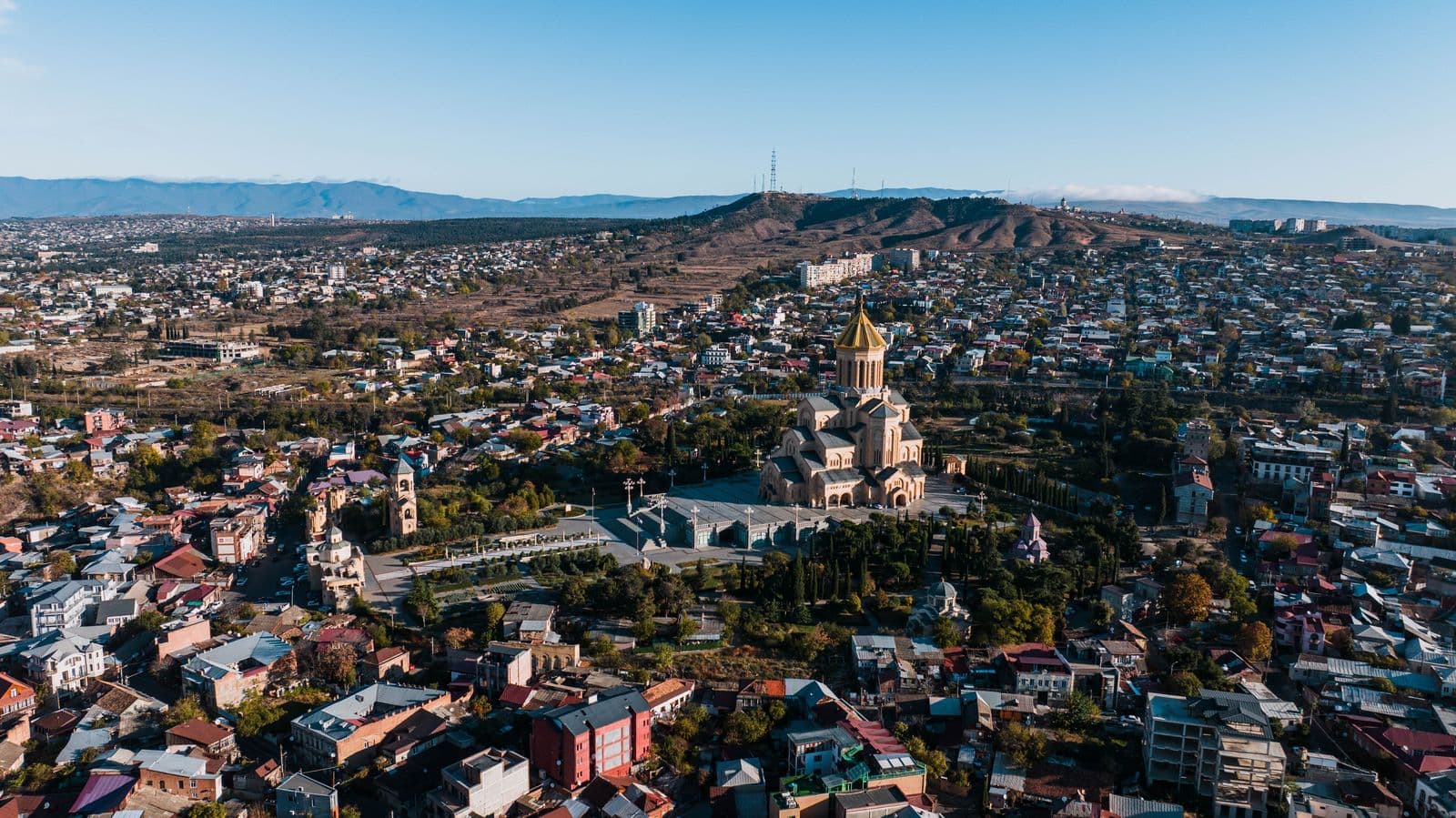
1. January: A Snowy Fairy Tale and Calm Cities
January wraps the country in a winter coat. In Tbilisi daytime temperatures range from around 5 to 7 °C, dropping slightly below freezing at night, with the occasional dusting of snow. On the coast in Batumi it’s marginally warmer, around 11 °C, but a sea at 10 °C only tempts the hardiest of swimmers. The mountains are under a deep layer of snow at this time of year and all the trekking routes are hopelessly closed.
It’s a fantastic month for winter sports lovers, though. Resorts like Gudauri and Bakuriani are running at full tilt. If you don’t ski, January invites you to explore the cities at a slow pace without the crowds. There’s nothing better than soaking in the hot sulphur baths after a day of walking around chilly Tbilisi, then tucking into a hearty cheese khachapuri.
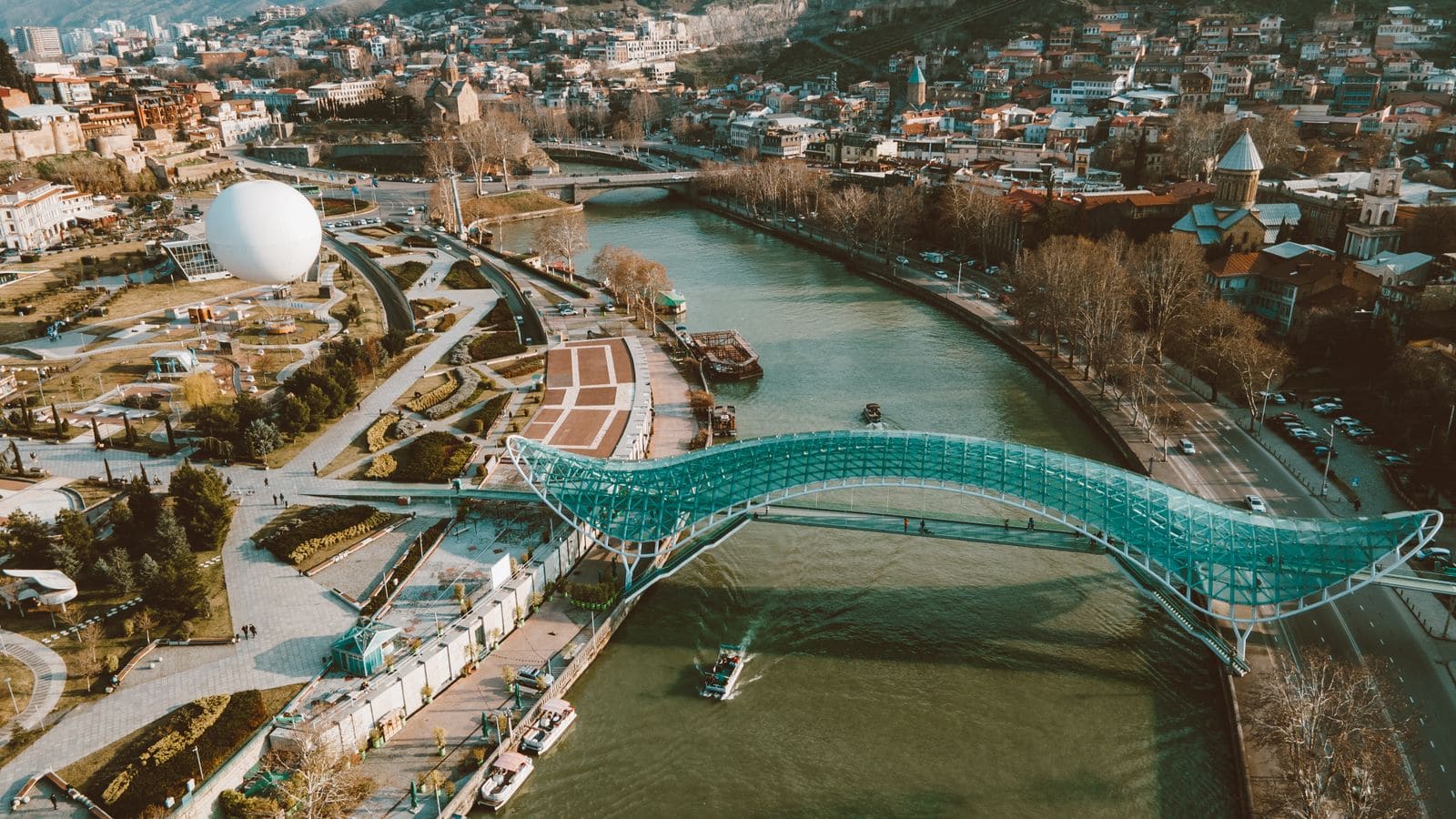
2. February: The Peak of the Ski Season
February follows very much in the spirit of January. Full-on winter still reigns. Tbilisi reports around 6 to 9 °C during the day, Batumi roughly 11 °C, and the Black Sea hits its annual low at around 9 °C.
It’s precisely February and early March that offer the absolute best snow conditions in the mountains. If you love freeride skiing, or simply want to enjoy the perfect Caucasus slopes, this is your time. The cities are still tourist-empty, so you can grab accommodation for a song, and flights are often a fraction of the usual price.
3. March: Early Spring and Melting Snow
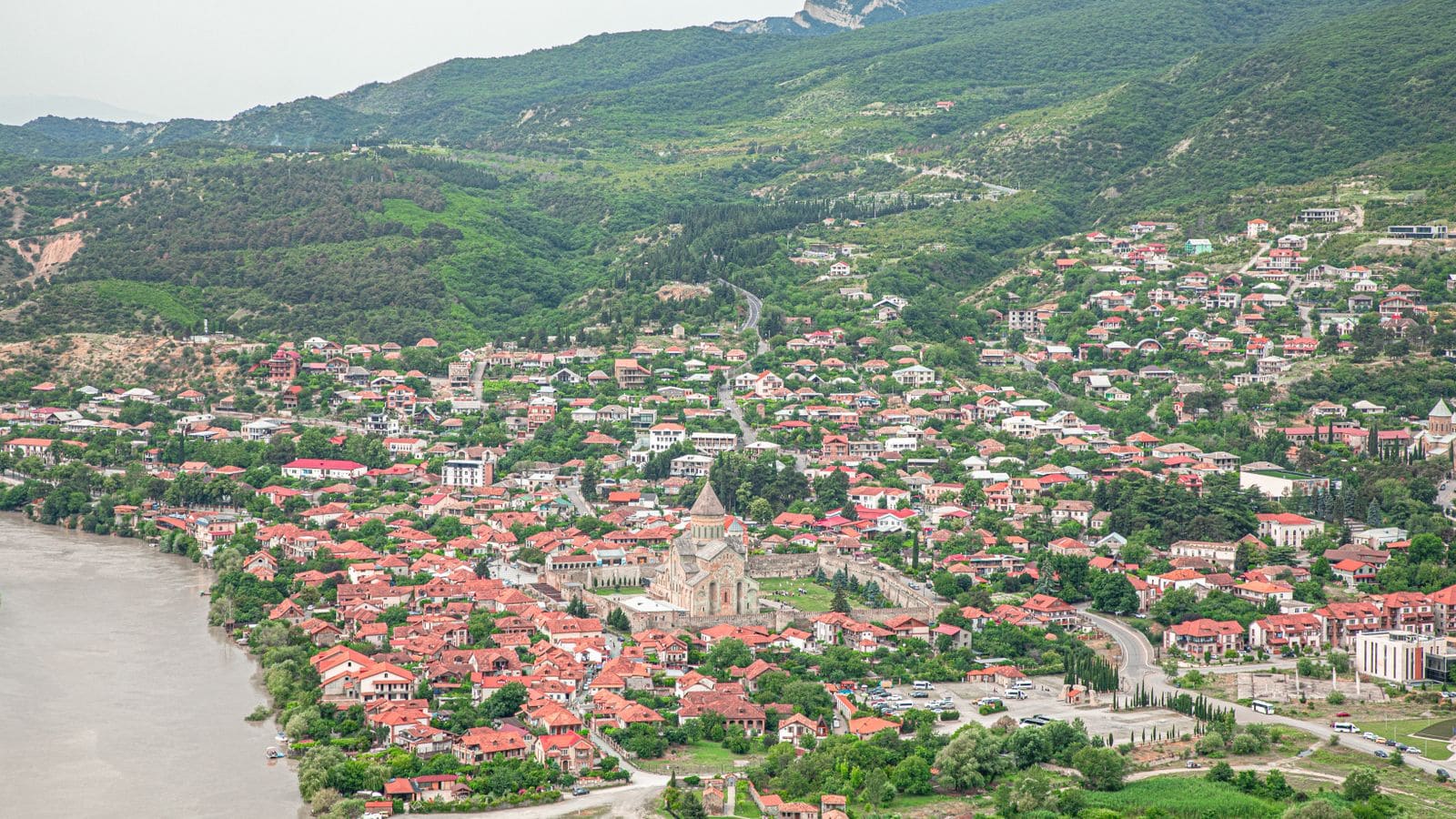
In March nature slowly begins to stir back to life. The capital experiences an early spring, with daytime temperatures occasionally climbing to a pleasant 11 to 13 °C, although at night it’s still only around 2 to 4 °C. In Batumi the air warms up to about 14 °C.
In the mountains the ski season isn’t giving up yet, and you can enjoy great spring skiing under sunny skies. If you’re not planning to ski, March is best appreciated by those seeking a very cheap holiday focused on culture and food, because it’s still too early and too wet from the melting snow for nature trips.
4. April: Cities in Bloom
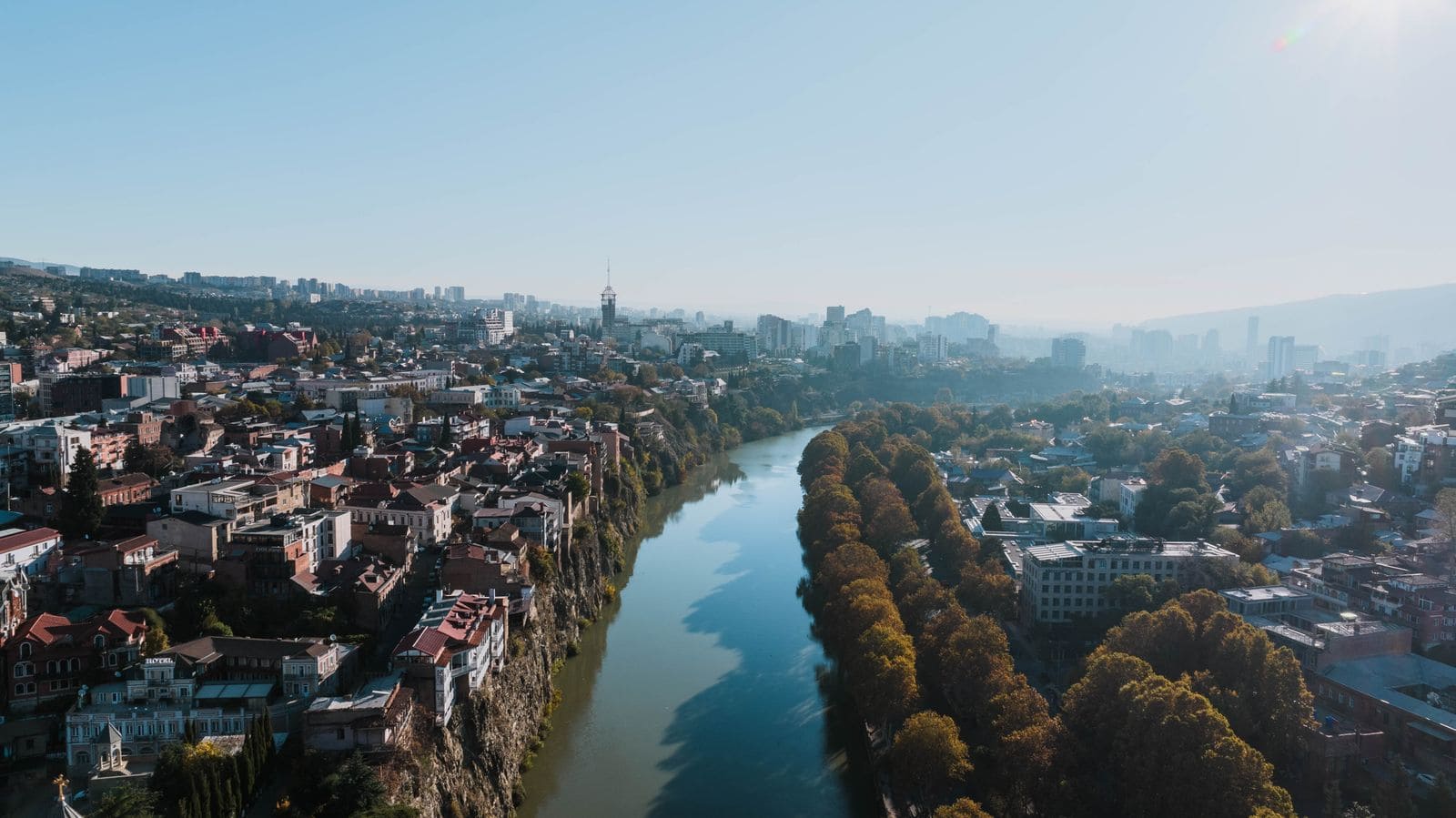
April brings the real turning point. In Tbilisi temperatures climb to a lovely 18 to 19 °C and the city bursts beautifully into bloom. It’s one of the best months for wandering the ancient lanes and lingering on café terraces. The vineyards of Kakheti are turning green too.
On the coast in Batumi expect temperatures around 17 °C, so with a sea at 12 °C swimming is definitely off the cards, but strolls along the promenade certainly aren’t. As for the mountains, the snow is melting, but the high treks stay firmly closed. Mud and avalanche danger make the mountain regions more of a place to admire from a distance.
5. May: The Ideal Time, If You’re Not Chasing Extremes
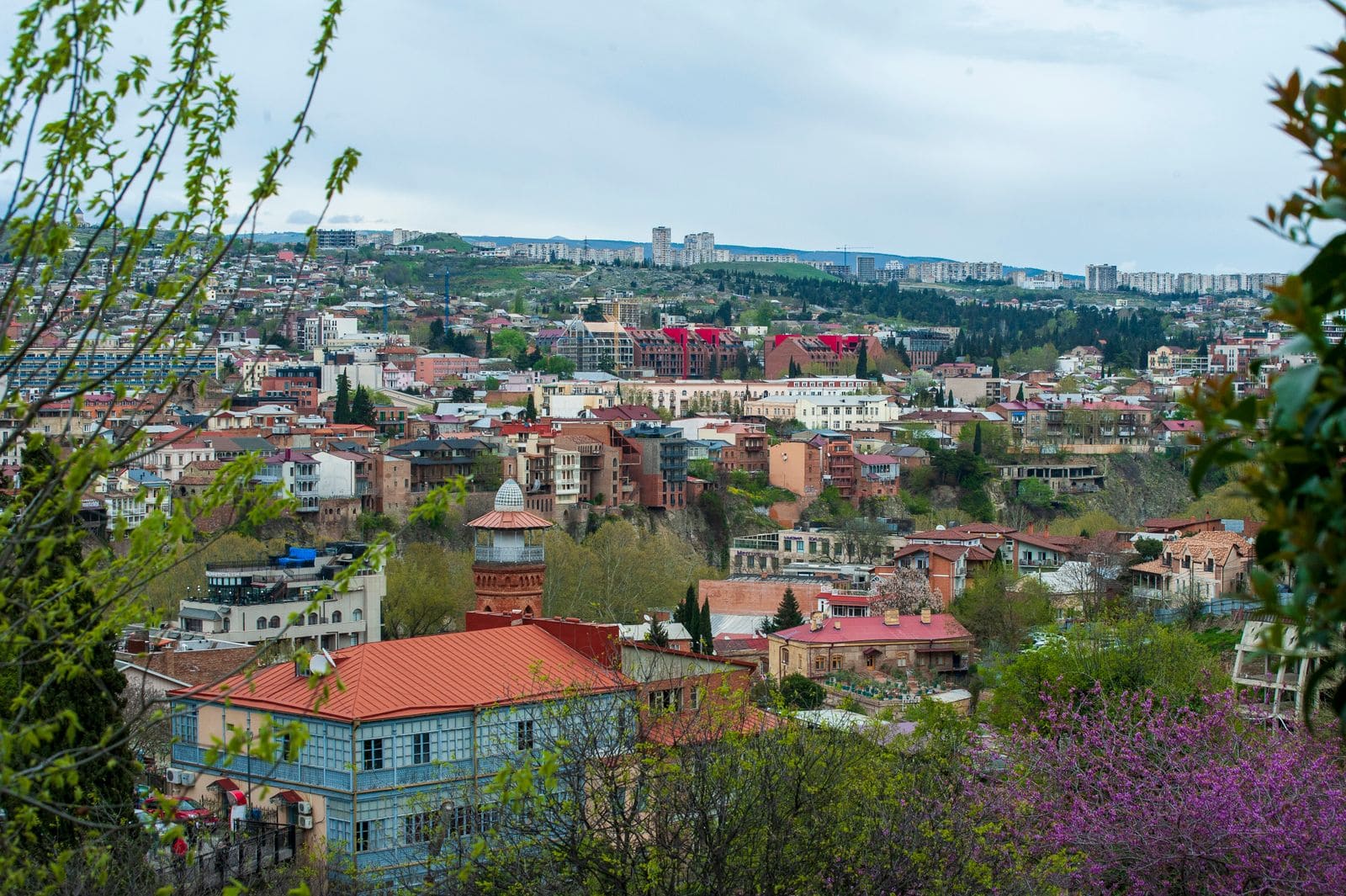
May is one of the two best windows for visiting Georgia. Temperatures in Tbilisi jump to a summery 24 °C, but the evenings are still pleasantly cool at around 12 °C. It tends to be a slightly rainier month with the occasional afternoon storm, but after the rain it always clears up and the air is beautifully fresh.
In Batumi it’s a pleasant 20 °C. The highest treks are still slumbering under snow, but by late May the lower mountain trails start to open up. It’s an absolutely fantastic month for combining sights, easy walks at lower altitudes and wine tasting without the exhausting heat.
6. June: The Caucasus Opens Up
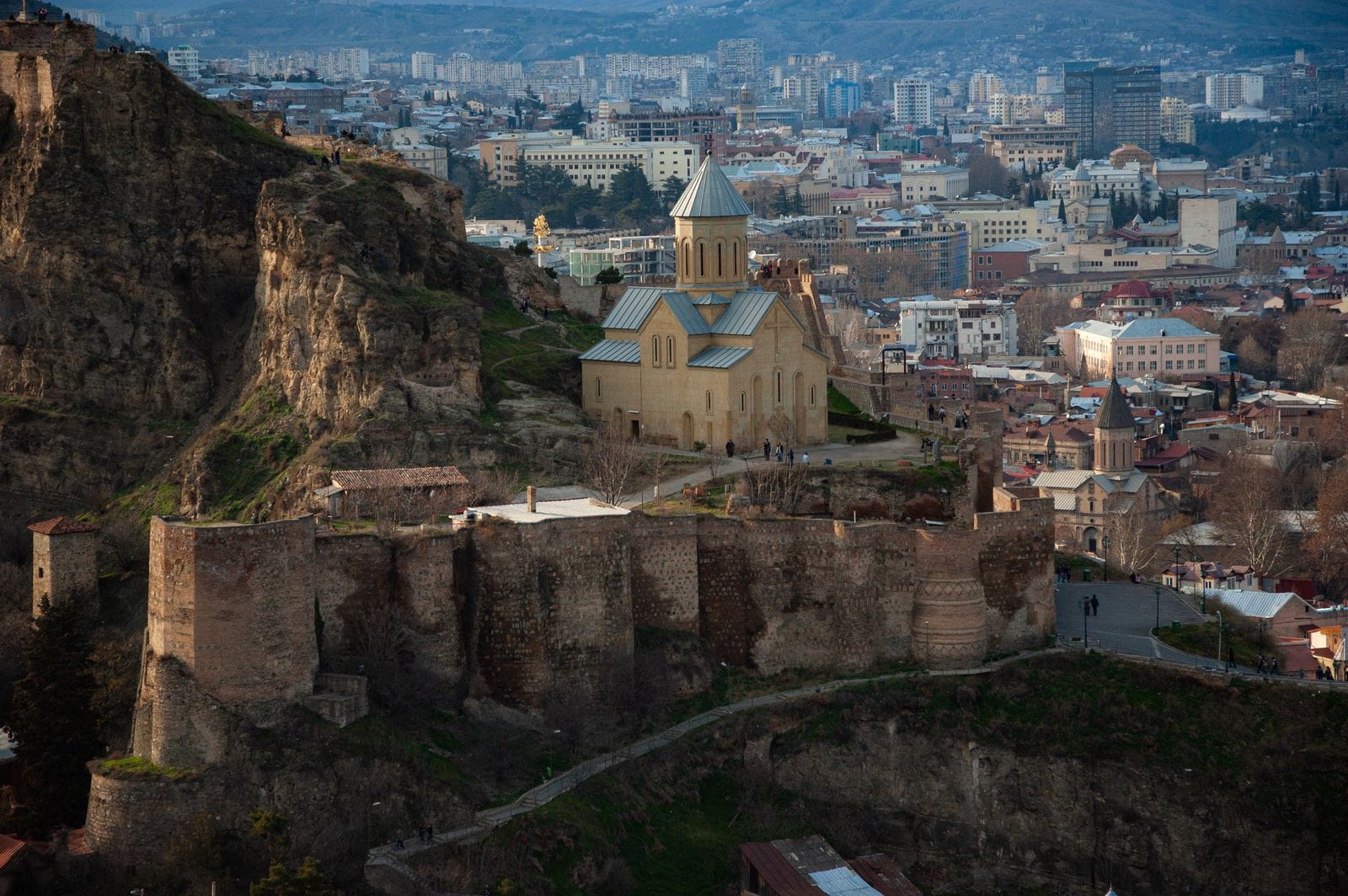
June heralds the arrival of real summer and kicks off the main tourist season. Tbilisi is already getting hot, with temperatures reaching 27 to 29 °C. In Batumi the swimming season opens. The air is at 24 °C and the Black Sea finally nudges past 19 to 22 °C, which for many is already the perfect way to cool off.
The most important thing, though, is happening in the mountains. The snow cover is disappearing and the most beautiful high-altitude regions gradually open up. Svaneti is usually passable from around mid-June, and remote Tusheti opens to the world in late May or early June. The real time to lace up your hiking boots has arrived.
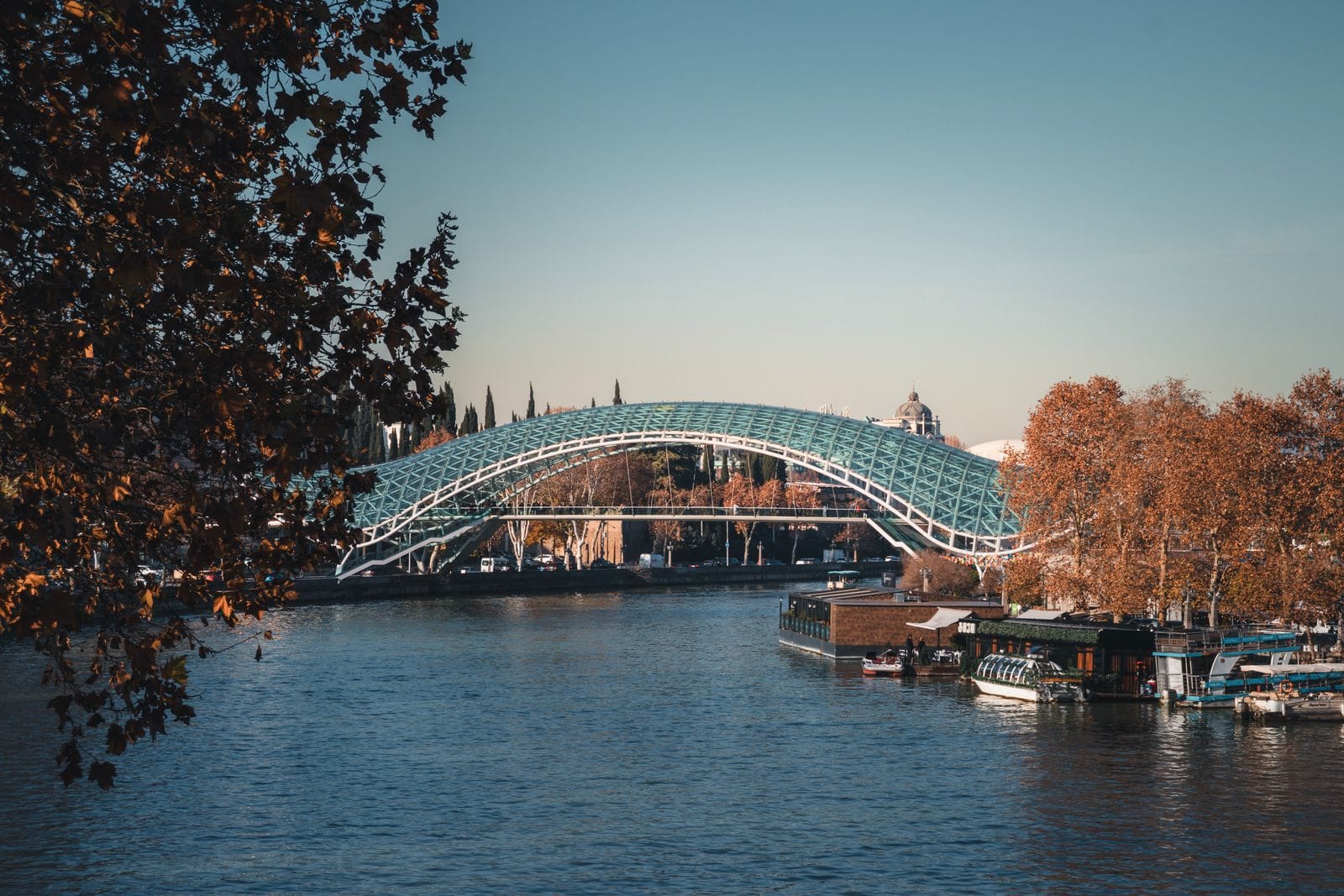
7. July: Extreme Heat in the City, Paradise in the Mountains
If you can help it, don’t go to Tbilisi at all in July. Or just breeze through it quickly. Temperatures here routinely stay between 30 and 32 °C, but often shoot past 35 °C. The sun-baked lanes can be genuinely exhausting.
💡 Tip: If you do arrive in summer, flee the scorching capital as fast as you can and head up into the mountains. July is the month with the most stable weather for tough, multi-day treks at high altitudes.
On the coast in Batumi it’s peak beach season, with air temperatures around 26 °C and the sea warmed to a tempting 25 to 26 °C. Bear in mind, though, that July, along with August, is the busiest part of the year, and guesthouses in popular areas tend to be bursting at the seams.
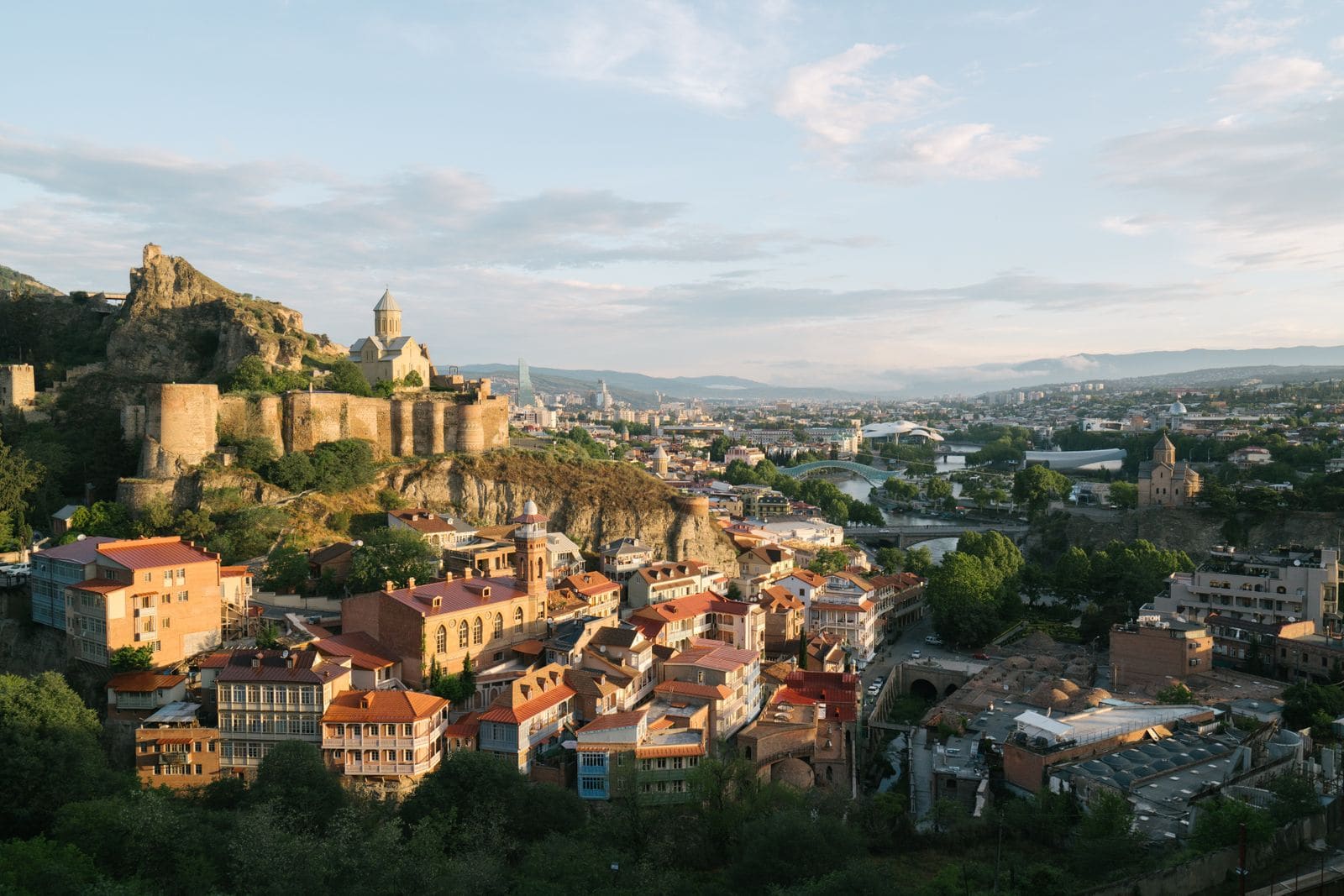
8. August: The Hot Peak of the Season
August mirrors July, only perhaps a touch more intense. Tbilisi still suffers under the onslaught of heat. Batumi experiences the warmest days of the year with temperatures around 27 °C, and the sea reaches its annual maximum at a very pleasant 25 to 27 °C. It’s the ideal time for beach loungers.
In the mountains the trekking season is at its peak. You’ll meet the most travellers from all over the world here, but you also have the best chance of favourable weather for crossing the high passes. Svaneti and the area around the majestic Kazbek in particular see the main rush.
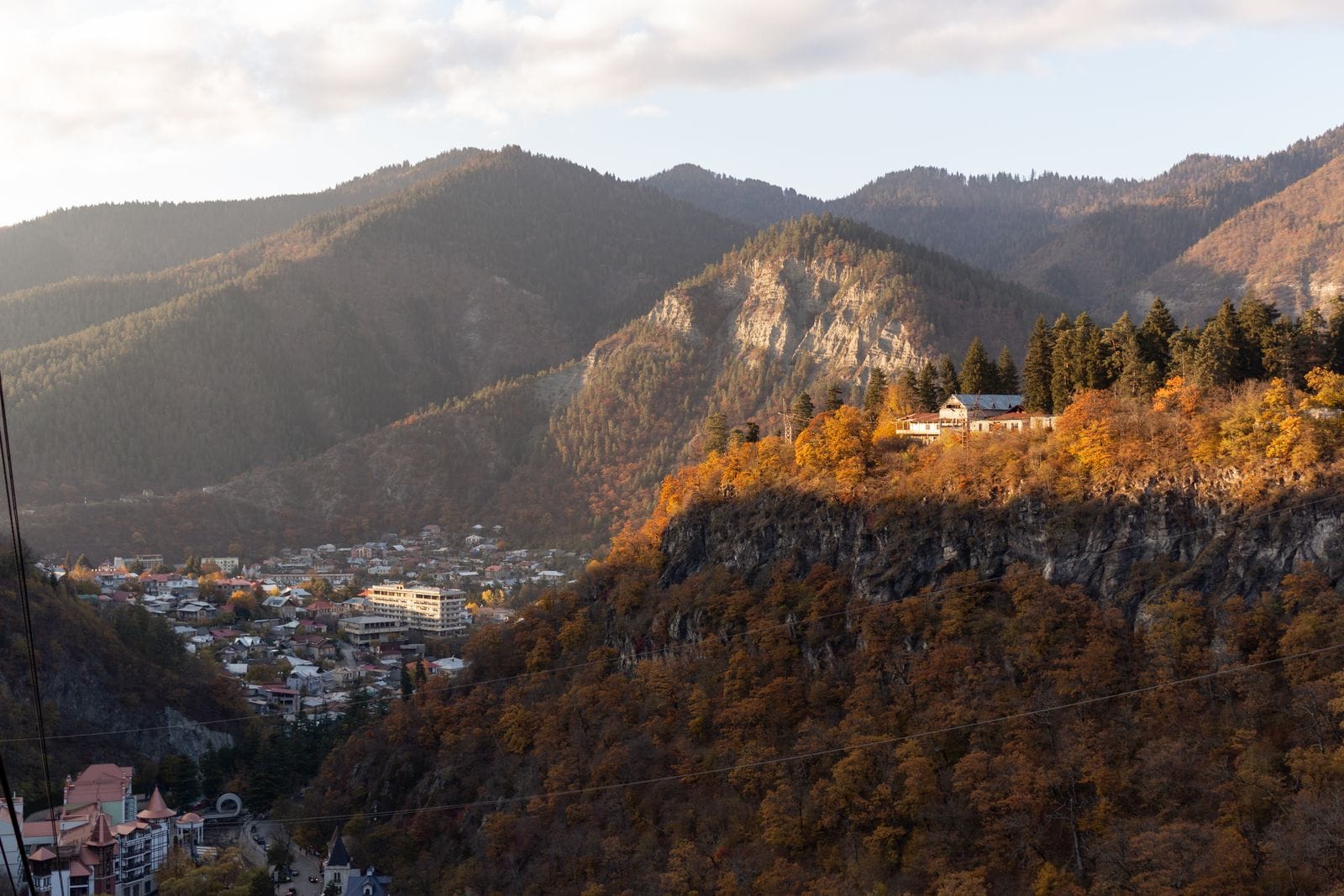
9. September: The King of All Months
September is, quite simply, perfect. The summer heat in the lowlands subsides and Tbilisi becomes an incredibly pleasant place to be again, with temperatures around 25 to 27 °C. The mountains are colourful in early autumn, the air is crisp and clear, and seasoned mountaineers say there’s no better month for trekking.
At the same time, around the middle of the month, the famous rtveli grape harvest breaks out in Kakheti, an event it would be a sin to miss. It involves picking grapes, enormous feasts and plenty of joy. In Batumi the sea is still wonderfully warm from summer (24 to 25 °C).
💡 Tip: Be extremely careful about autumn in Batumi. The subtropics start showing their full colours here in September and the rainiest period of the year kicks off. A beach day can easily be ruined by persistent rain, of which there is truly an abundance here.
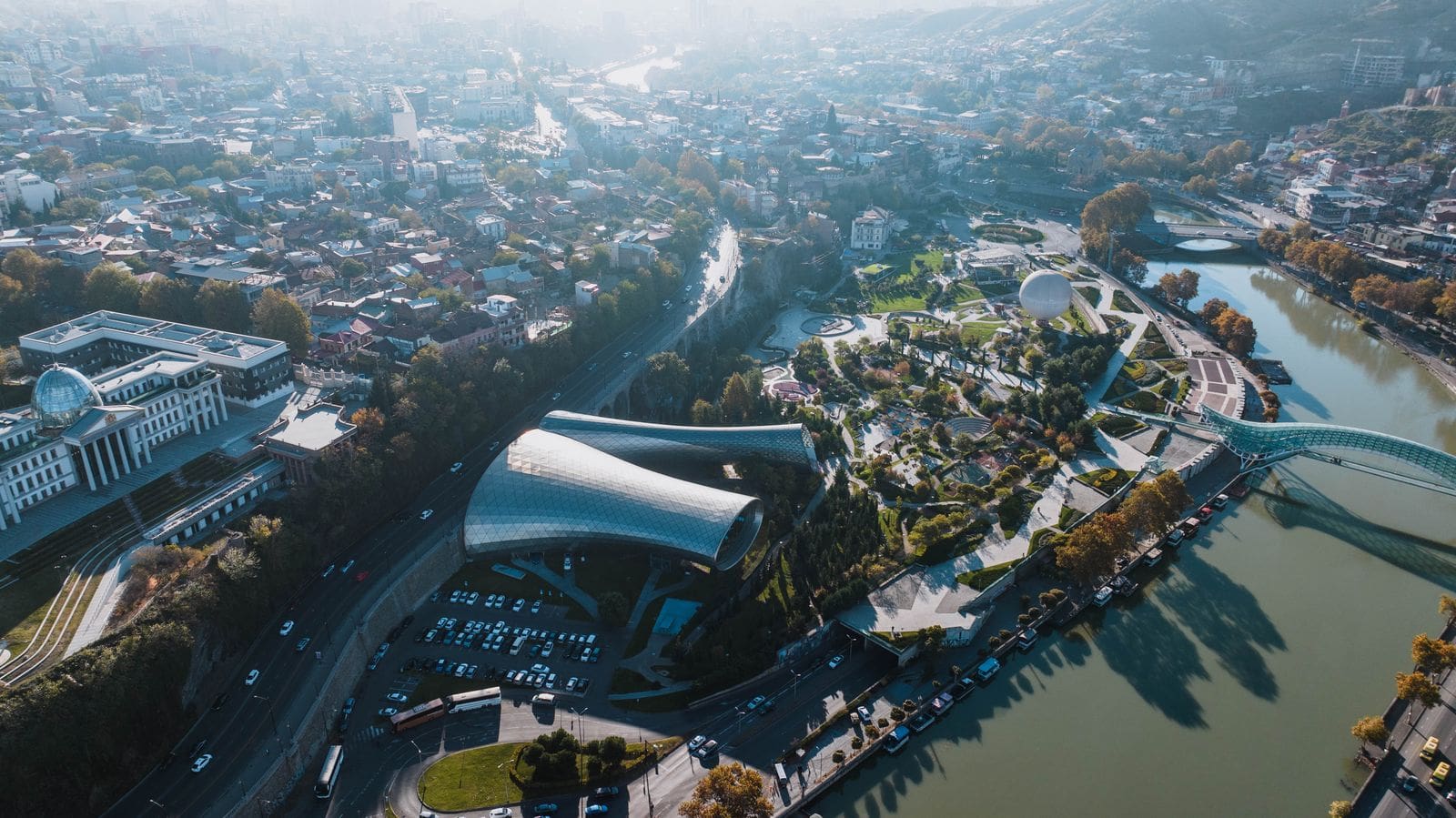
10. October: The End of the Velvet Season
October is a month of transition. The first half still largely belongs to that beloved velvet season. Tbilisi enjoys a gorgeous golden autumn at around 20 °C, the harvest in Kakheti is still running, and the air smells of fermenting wine and roasted nuts.
In the mountains, though, things are getting serious. From mid-October the first serious snowfalls can appear, and the demanding passes (such as the Abano Pass into Tusheti) close for good. On the coast it’s around 21 °C, the water is still over 20 °C and you can occasionally take a dip, but rain is an everyday occurrence in this region.
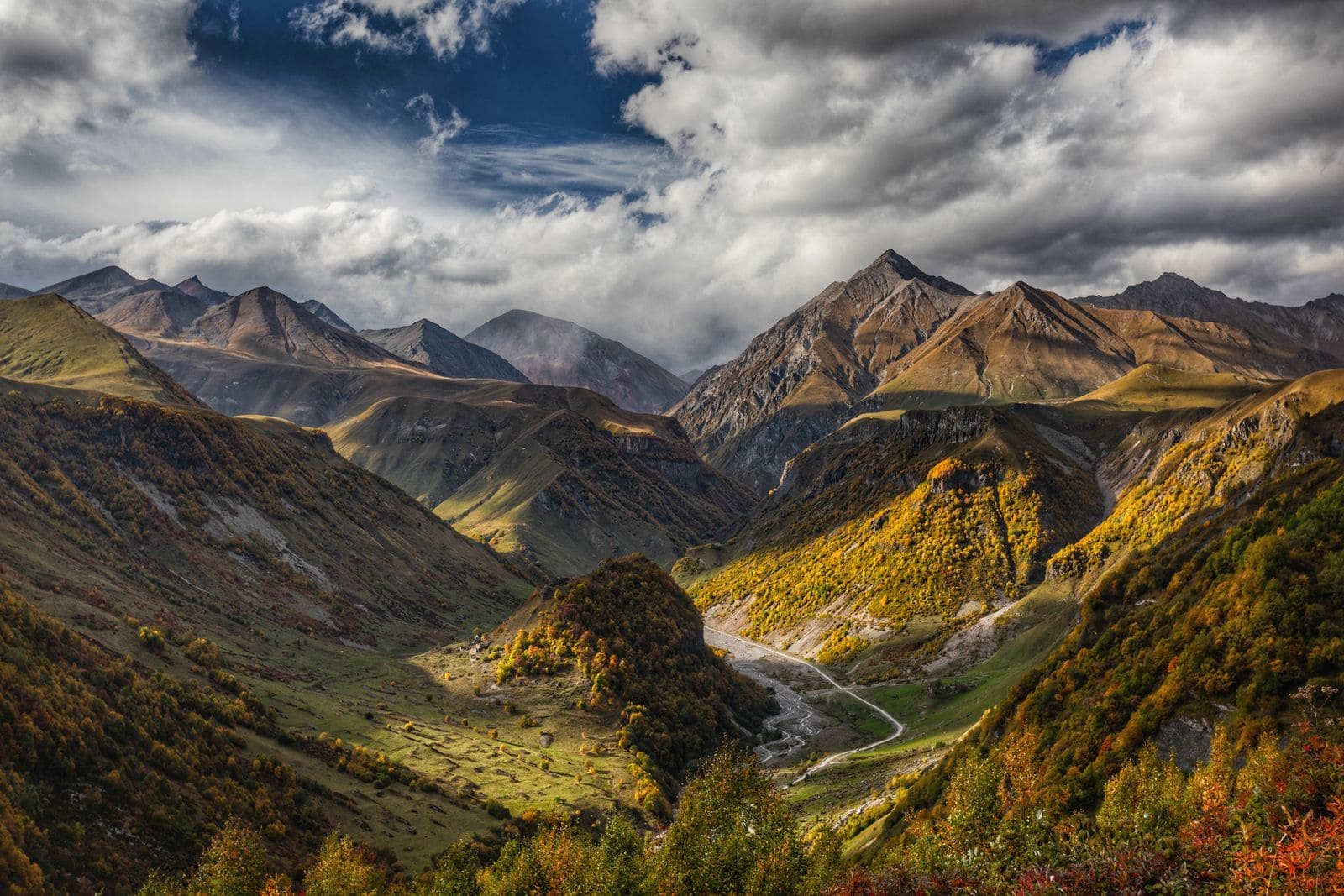
11. November: Time for Spas and Saving Money
With the arrival of November the country turns grey. In Tbilisi daytime highs drop to 12 to 13 °C, and nights start to get frosty. The mountains are already snow-covered and preparing for their winter slumber.
For Batumi, November is the rainiest month of the year, with an incredible 312 millimetres or so of rain falling, which doesn’t exactly make the coast a welcoming destination. It’s the classic dead season. But if you don’t mind worse weather and want to travel on the smallest possible budget and spend your time in museums, galleries or hot springs, November definitely won’t ruin your wallet.
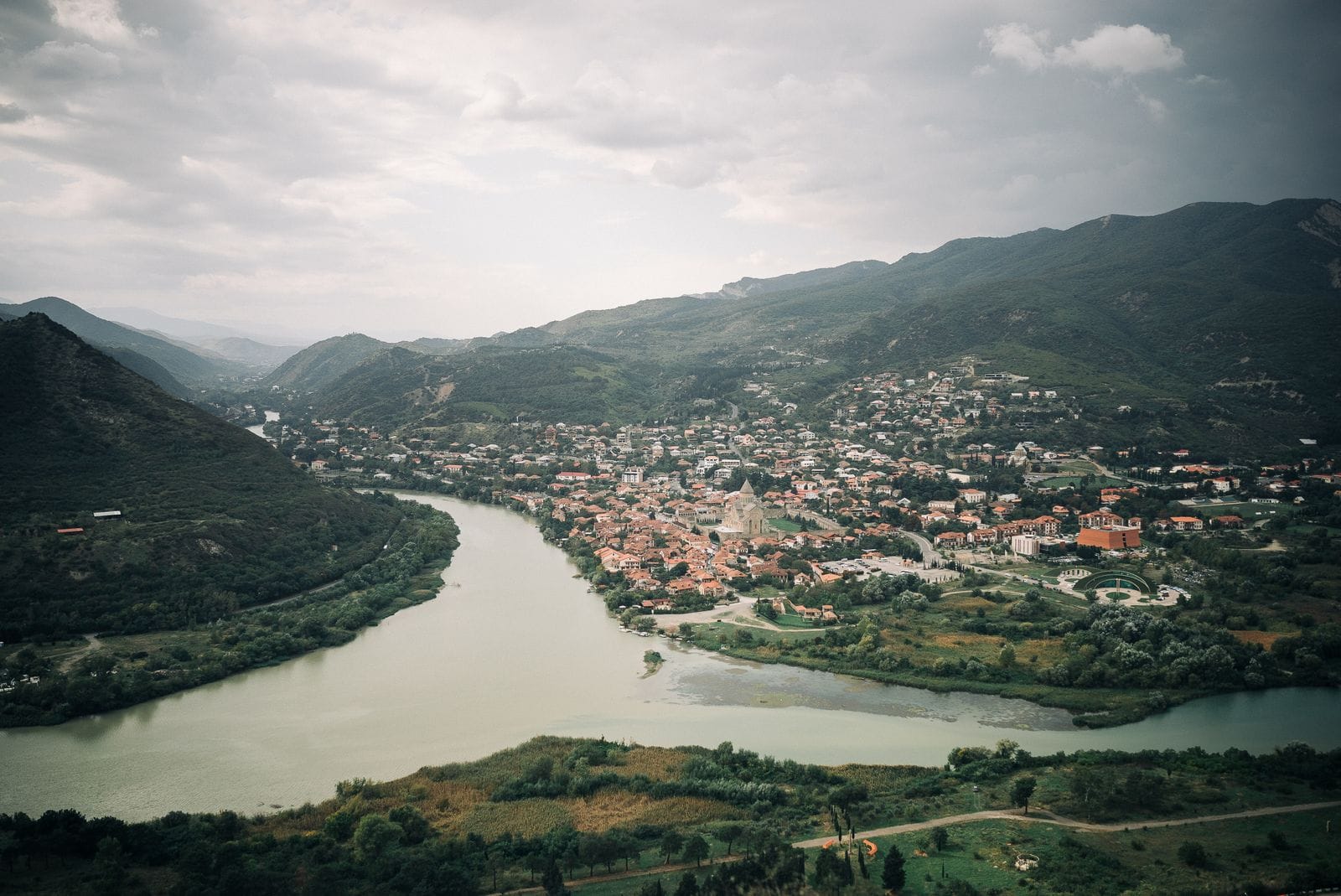

12. December: Christmas Spirit and the First Skiers
In December temperatures in the cities dip to around 7 to 8 °C during the day and fall below freezing at night. Georgia has a strong Orthodox tradition, and although the main Christmas celebrations aren’t held until January (usually 7 January), the atmosphere in a decorated Tbilisi is enormously magical.
There’s little point staying by the sea in December, but the mountains are coming alive in a big way. Ski resorts usually launch their season around 20 to 27 December. Although there’s less snow than in February, the New Year celebrations in the mountains draw enormous crowds, and prices during this short stretch shoot sharply upwards.
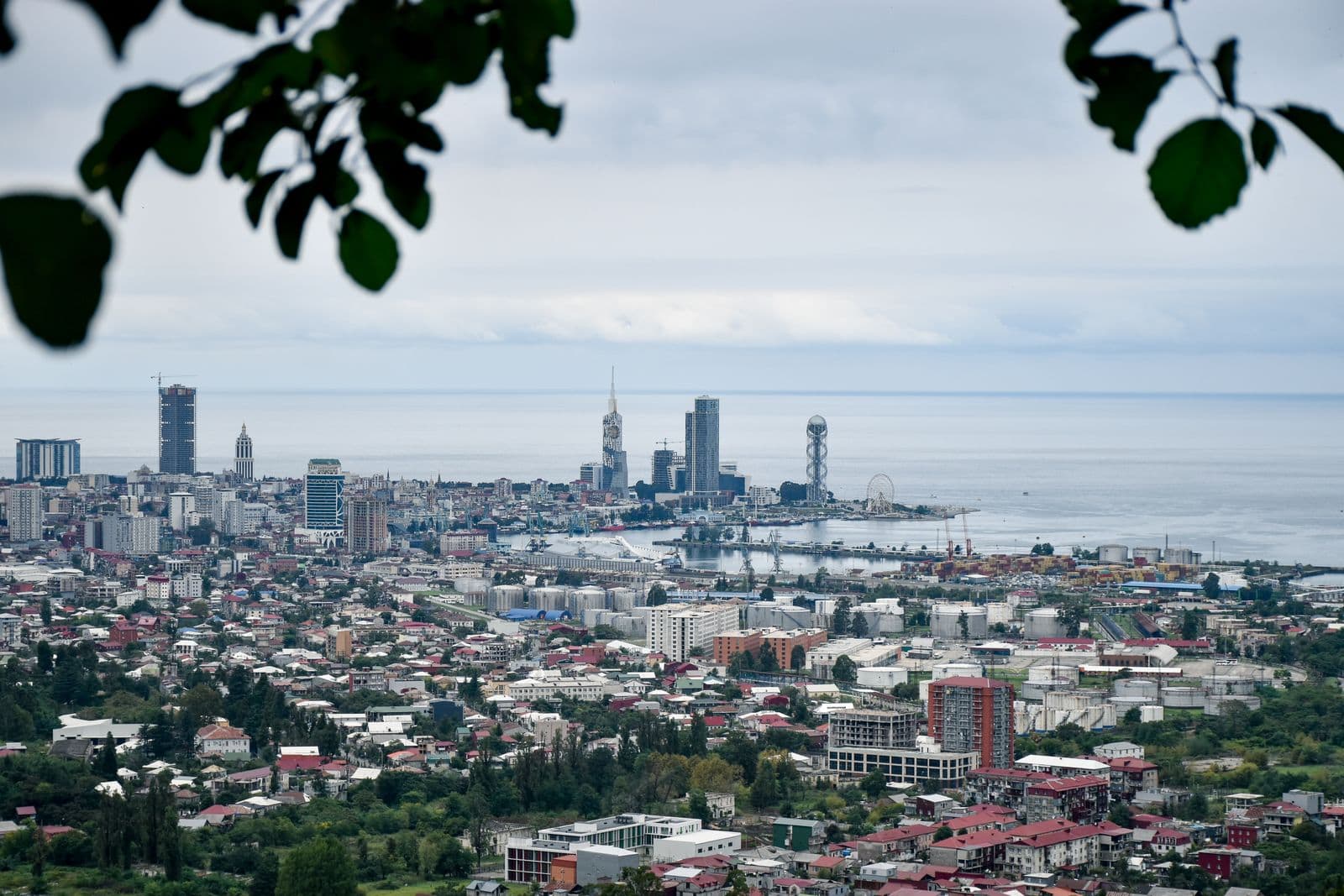
Black Sea Temperature in Batumi Month by Month
If you dream of soothing your tired legs in the sea after a hike, you need to pick your dates carefully. The Black Sea warms up slowly and, in autumn, holds onto its warmth for quite a while. The main swimming season runs from June to October, with the absolute temperature peak coming in July and August.
| Month | Sea temperature (approx.) | Swimming |
|---|---|---|
| :— | :— | :— |
| January | 10 to 11 °C | No |
| February | 9 to 10 °C | No |
| March | 9 to 10 °C | No |
| April | 11 to 12 °C | No |
| May | 16 °C | Only for the hardy |
| June | 19 to 22 °C | Yes, refreshing |
| July | 25 to 26 °C | Yes, ideal |
| August | 25 to 27 °C | Yes, warmest water |
| September | 24 to 25 °C | Yes, very pleasant |
| October | 20 to 21 °C | Yes, for the more resilient |
| November | 16 to 18 °C | No |
| December | 12 to 14 °C | No |
When to Go Based on What You Want to Do
Still hesitating? The best approach is to choose your dates strictly according to the activities you have planned. Here’s a handy guide to help you get it right.
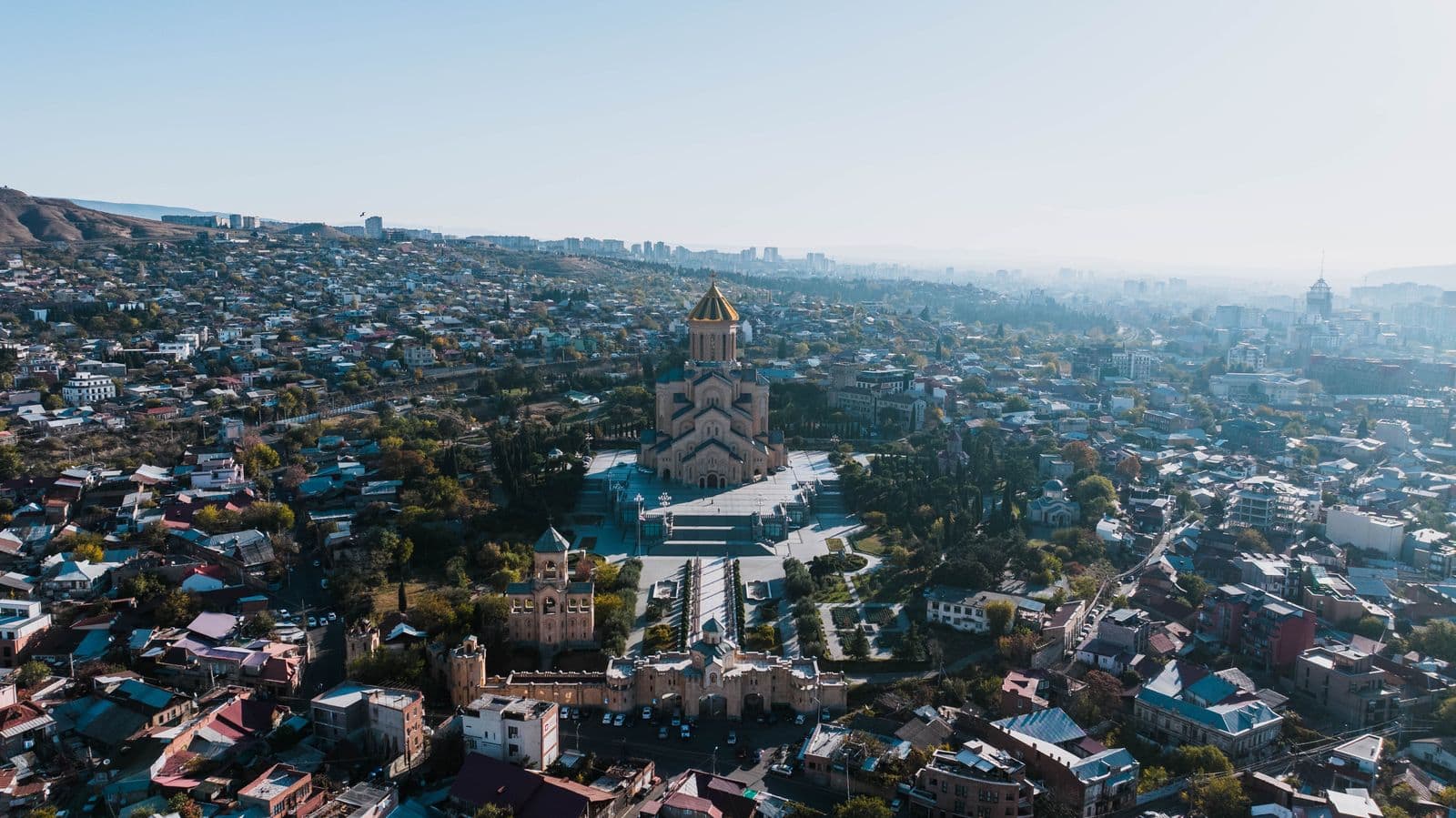
Exploring cities and sights If you’re drawn to history, monasteries and architecture, head out in spring (April to June) or autumn (September and October). You’ll avoid the summer heat, when the asphalt in the cities practically melts, and the winter frosts. Spring offers beautifully blossoming parks, while autumn brings pleasant visibility and more stable weather.
High mountain treks and expeditions There’s no room for experiments here; you have to go in summer (late June to mid-October). If you’re heading to wild Tusheti or the remote Truso valley, bear in mind that dangerous mountain passes lead there, and they only open in the warmest months. In spring and autumn there’s a risk of avalanches and impassable roads. The ideal trekking month is said to be September, when the extreme afternoon storms have eased, but it’s still warm and the trails are dry.
The Kakheti wine region and the rtveli festival You can drink wine all year round, but if you want to experience the true soul of this country, time your visit for mid-September to mid-October. That’s when rtveli, the festive grape harvest, takes place. It’s not a tourist attraction but a deeply rooted tradition, when families gather from all over the country, pick grapes and hold huge evening feasts called supra.
Swimming in the sea The best time to head to the sea in Batumi is July or August, if you don’t mind the crowds, or June and early September for a calmer atmosphere with warm water. Just don’t forget that Adjara is green precisely because it rains so much here, and autumn can show its tearful face to the full.
Skiing and winter sports You can enjoy Georgian powder from late December to mid-April. If you want the best conceivable snow conditions without the crowds that appear around New Year, come here from mid-January to early March. Prices for lift passes and slope-side accommodation are still incredibly friendly compared to the Alps.
The star of the show: the velvet season If you want to catch a bit of everything (see Tbilisi, climb Kazbek and still taste fresh wine in Kakheti), late September and mid-October offer the absolute optimum. It’s the time when the entire inland and mountain region is enjoying its most relaxed period of the year.
💡 Tip: The velvet season applies primarily to the inland and the mountains. It doesn’t quite apply to the coast, though, because that’s exactly when it rains the most of the entire year there.
When Georgia Is Cheapest and When You’ll Pay More
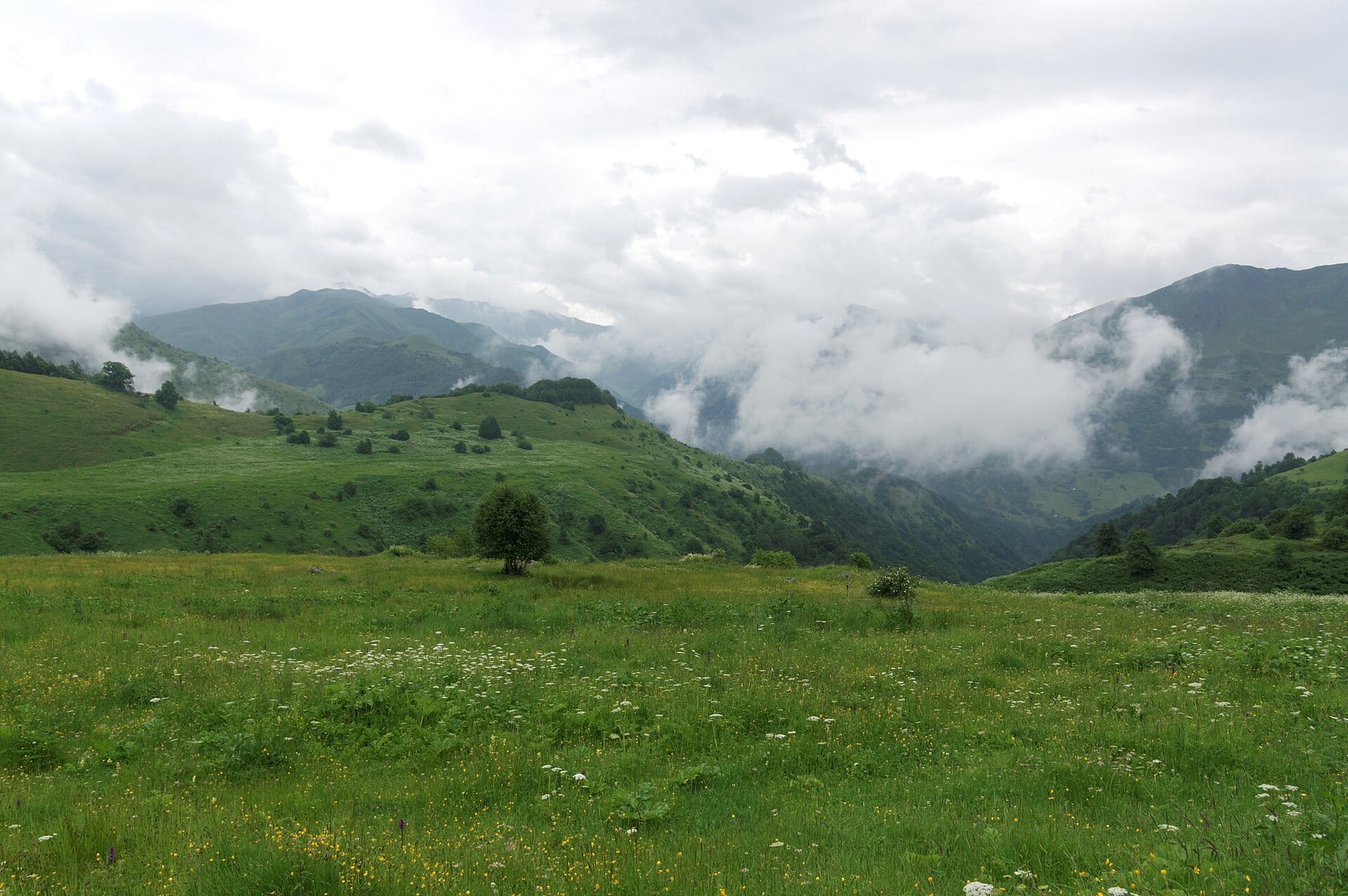
Although Georgia has long been one of the most affordable destinations around, prices here still follow tourist demand. The differences to your budget can sometimes be quite noticeable.
The most expensive period is undoubtedly the main summer season (July and August). Demand for mountain guesthouses, seaside accommodation and off-road car rentals shoots sharply upwards. The second major price spike is the period around New Year in the renowned ski resorts.
Conversely, your trip will be cheapest at the turn of autumn and winter (November) and then in early spring (March and early April), except in the mountains, where skiing is still on. You’ll get huge discounts on accommodation and car rental, but you’ll have to accept that plenty of restaurants in more remote areas will simply be closed, and the weather may well drive you into cafés with a book in hand.
The ideal compromise for both your wallet and your comfort are the so-called shoulder seasons, i.e. the edges of the main season in May, June or October.
What to Definitely Watch Out For
Georgian weather can be wild and unpredictable. Before you pack your bags, remember a few things that have already caught out plenty of unprepared travellers.
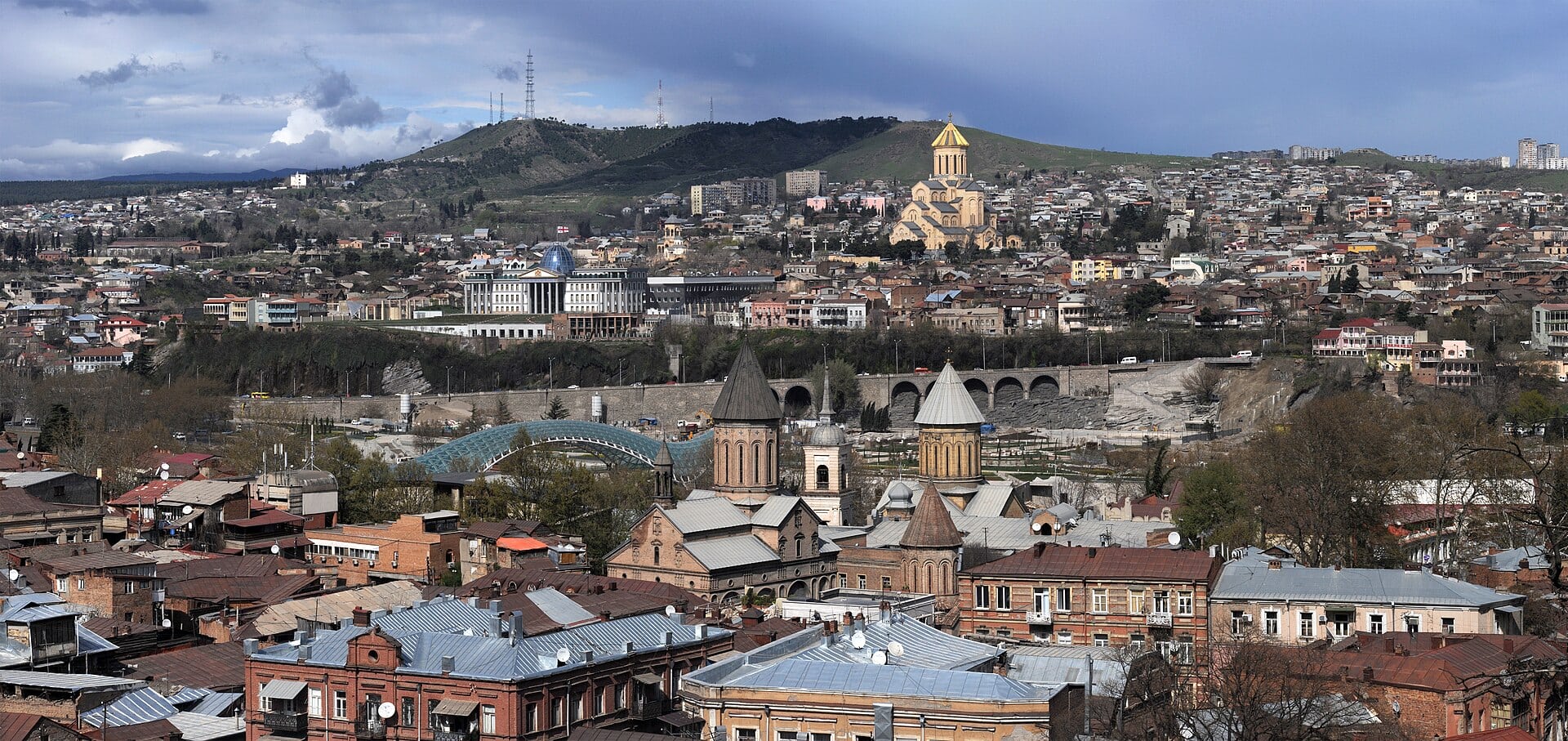
Above all, there’s the aforementioned summer heat in Tbilisi. The historic centre lies in a basin, and in the afternoon the temperatures just sit there and refuse to budge. If you’re wondering about the all-time record, in 2021 the city baked to a terrifying 40.6 °C. Hanging around the city in the middle of summer takes a lot of self-denial and an air-conditioned room.
Then there’s the extreme rain in Batumi. Many people expect endless blue skies from a Black Sea resort, in the style of southern Spain. But Batumi is a city with an enormous rainfall average. It rains most in November, September and October, but heavy downpours can easily drench you here even in the middle of August.
In the mountains, always stay alert to rapid weather changes. A sunny morning with clear skies means absolutely nothing. Within moments the fog can roll in and a cold wind bring hail. Layering your clothing is an absolute necessity here, even in the middle of the summer holidays. Also watch out for mountain roads in winter and early spring; the famous Jvari Pass is often impassable due to avalanches.
💡 Tip: If you’re looking forward to that most iconic photo of the little Gergeti church with the majestic 5,000-metre Kazbek behind it, you have to get up early. The mountain almost always shrouds itself in a thick layer of cloud after nine or ten in the morning, and you won’t see a scrap of it. Early birds simply have the upper hand here.
💡 Accommodation and experiences tip: We prefer to look for accommodation on Booking.com, where the cancellation terms tend to be best. For tickets, tours and activities, it’s worth comparing and booking through GetYourGuide.
Where to Go Next in Georgia
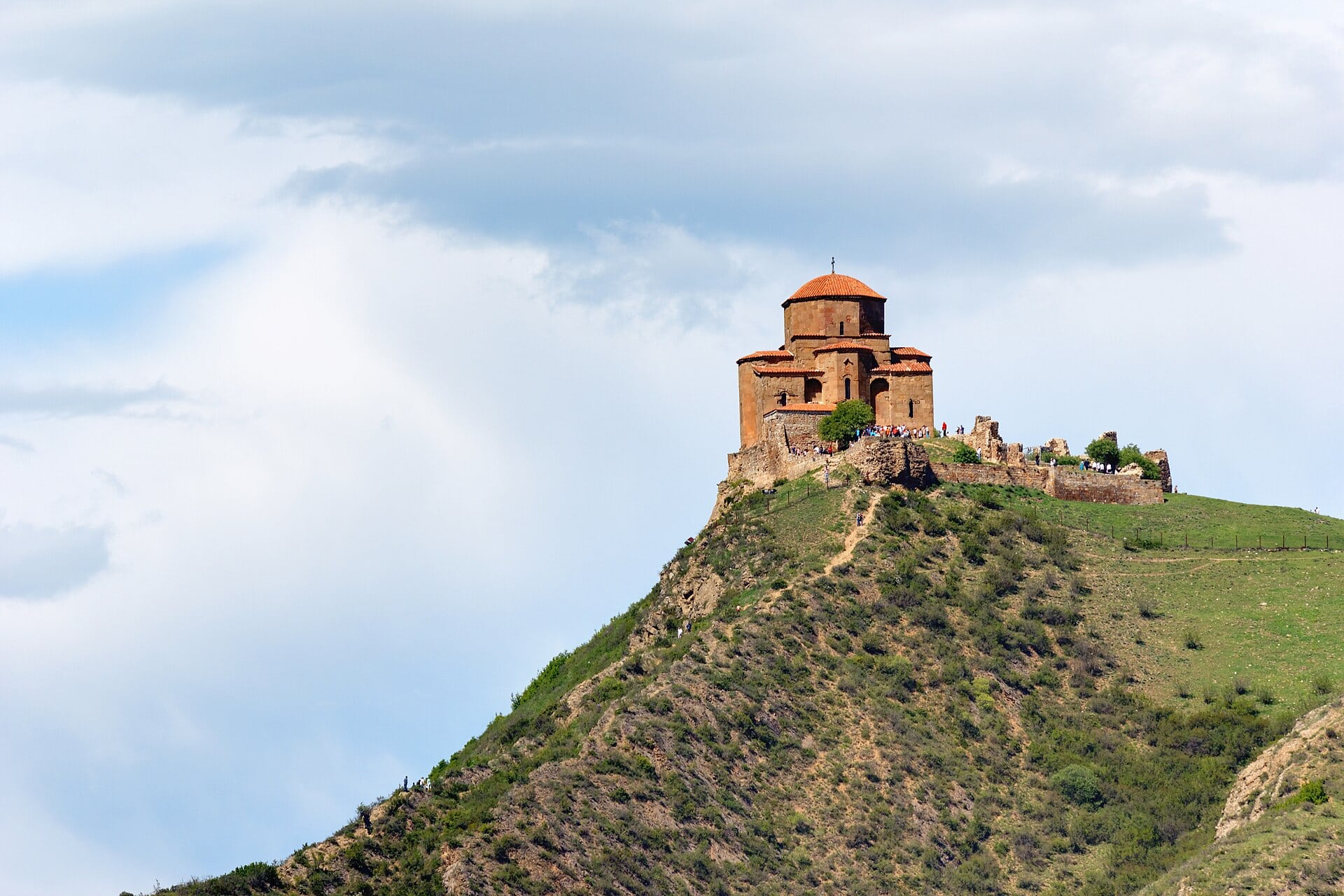
To make planning your dream trip as comfortable as possible, I’ve prepared several other detailed articles and itineraries for you.
- You’ll find general and practical planning information in the extensive guide Holiday in Georgia.
- Interested in the capital and all its hidden gems? Read the article on Tbilisi.
- If you’re heading to the western coast and the subtropics, don’t miss the guide to Batumi.
- The article on Kazbegi and Gergeti will reliably guide you to the most famous mountain views.
- And for lovers of the highest Caucasus peaks, I’ve written up a piece on the fairytale Ushguli and Svaneti.
- Planning to come in winter and curious about the powder? Read everything essential about Skiing in Georgia.
Frequently Asked Questions
When is the best time to go to Georgia?
The most universal and highly recommended period is the so-called “velvet season” from mid-September to mid-October, or alternatively the spring months of May and June. This way you’ll avoid extreme heat in the cities while taking advantage of ideal conditions for trips and treks.
What’s the weather like in Tbilisi in summer?
Extremely hot. Temperatures in July and August regularly stay between 30 and 32 °C, however spikes above 35 °C are not uncommon. The sun in the basin can be absolutely scorching and an afternoon siesta in air-conditioned establishments is recommended.
Can you swim in Georgia and when?
Yes, it definitely does. The best destination for swimming in the Black Sea is Batumi and the adjacent Adjara Riviera. The swimming season starts in June and ends around October, but the ideal time is July and August.
What is the sea temperature in Batumi?
The sea is coldest in winter, naturally, when it drops to as low as 9 °C. From June to October you can swim in it, with the sea reaching its absolute maximum in August, when it has a wonderful 25 to 27 °C and feels like a pleasant bath.
When are high-altitude treks passable?
From the end of June to the beginning, or mid-October at the latest. During the remaining months of the year, many high-altitude roads are cut off by snow and trekking routes are hidden beneath deep snow cover. Remote Tusheti doesn’t even open up until summer itself arrives.
When is ski season?
The ski season in the Bakuriani or Gudauri resorts typically starts in the last week of December and ends during April. The best and most reliable snow conditions are guaranteed in February and early March.
When is it cheapest in Georgia?
The greatest chance for very cheap accommodation and additional services is during the so-called dead season in November, early December, and then early spring in March, if we exclude mountain ski resorts. Traveling during this period, however, requires tolerance for colder and rainier weather.
Do I need a visa and insurance for Georgia?
If you hold a passport from one of the European Union countries, you don’t need a visa for Georgia—you can stay visa-free for up to 1 year. But don’t forget about insurance. Starting from January 1st, 2026, all tourists entering the country are required to show valid health and travel insurance with coverage of at least approximately €8,500.
Tips and Tricks for Your Vacation
Don’t Overpay for Flights
Search for flights on Kayak. It’s our favorite search engine because it scans the websites of all airlines and always finds the cheapest connection.
Book Your Accommodation Smartly
The best experiences we’ve had when looking for accommodation (from Alaska to Morocco) are with Booking.com, where hotels, apartments, and entire houses are usually the cheapest and most widely available.
 🚗 Car rental on the roadVerified rental cars in Georgia
Search with the DiscoverCars comparison engine — it compares prices from dozens of local and international rental companies, and most bookings come with free cancellation.
Compare car prices in Georgia →Don’t Forget Travel Insurance
Good travel insurance will protect you against illness, accidents, theft, or flight cancellations. We’ve had a few hospital visits abroad, so we know how important it is to have proper insurance arranged.
Where we insure ourselves: SafetyWing (simple monthly subscription) and TrueTraveller (for extra-long trips).
Find the Best Experiences
Get Your Guide is a huge online marketplace where you can book guided walks, trips, skip-the-line tickets, tours, and much more. We always find some extra fun there!