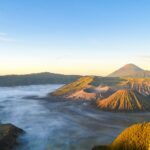

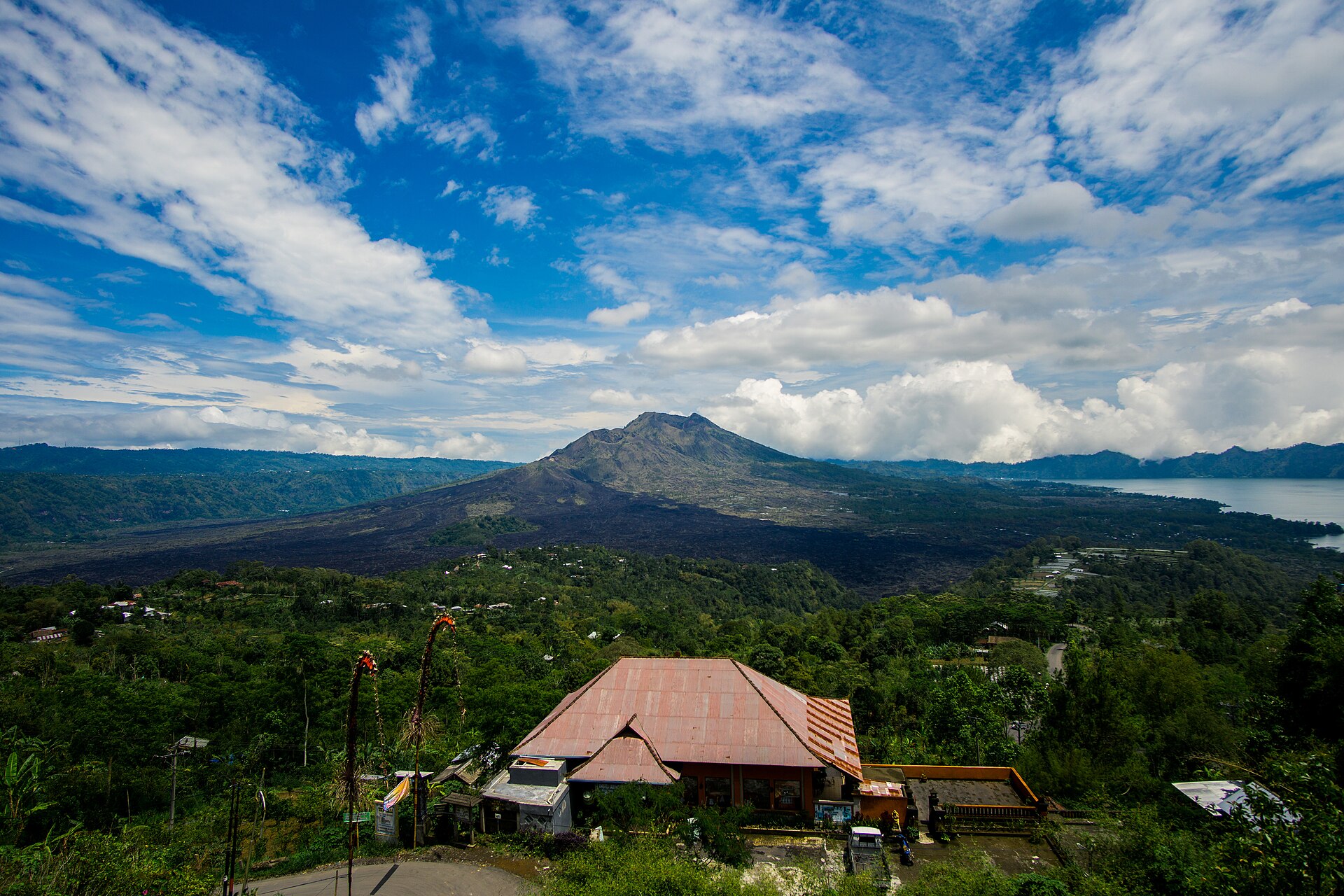
An alarm going off in the middle of the night feels a bit like a betrayal on holiday, but that’s exactly how the Mount Batur hike begins – and travellers set out for it to watch the dawn break over a volcanic landscape. The photos from the crater will blow you away, but keep in mind that if you’re staying in the south of Bali, your pickup could be as early as 1:30 to 2:30 am, which probably isn’t everyone’s idea of a dream start to the morning 😅.
The trip makes sense for people with average fitness who don’t mind walking in the dark. If you have mobility issues or you’re travelling with small children, I’d suggest considering a viewpoint that doesn’t involve hiking. Before you book, think about where you’ll be setting off from and which option you want – spending the night near the lake saves you the night-time drive from the south of the island.
At a Glance
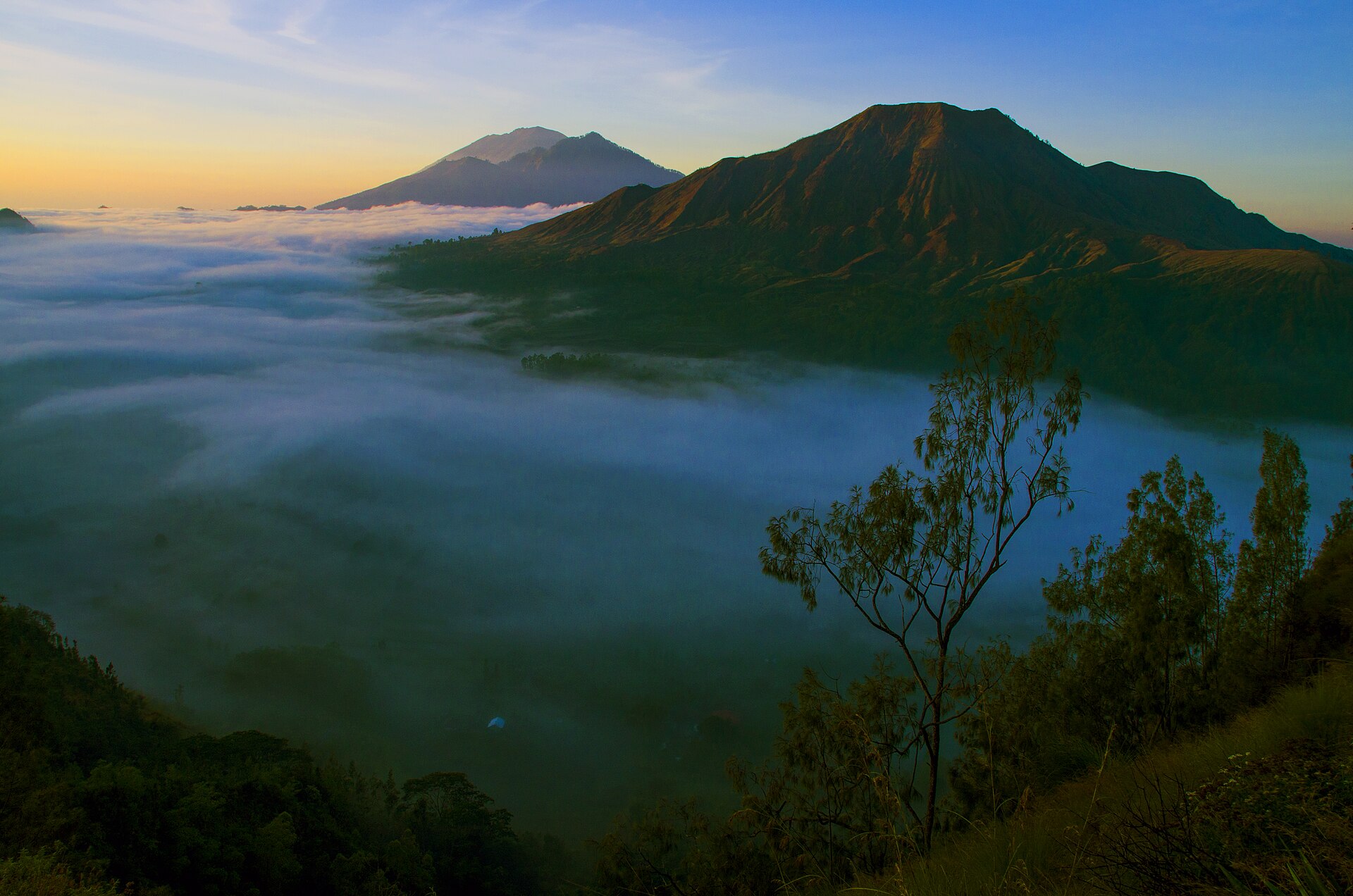
- Height: Batur stands 1,717 m above sea level, but many groups finish at a lower viewpoint by the crater.
- Hike duration: On the classic route, roughly 1.5 to 2 hours up; shorter routes take less time, depending on your pace.
- Start: The trek itself usually starts around 4:00 am; pickup time depends on where your hotel is.
- Guide: Both in practice and under the rules of Bali Province (Governor’s Circular No. 7/2025), a licensed local guide is mandatory.
- Price: A group trek with transfer costs roughly USD 23 to 35 (about €20 to €30) per person, based on offers in autumn 2026.
- Best time to go: April to October, with the driest mornings from June to September.
- Volcano status: As of 2 November 2026, the volcano is at the lowest alert level, Level I (Normal), according to the Indonesian volcanological service MAGMA Indonesia – check it again before you go.
Is the Mount Batur Hike Right for You? Difficulty
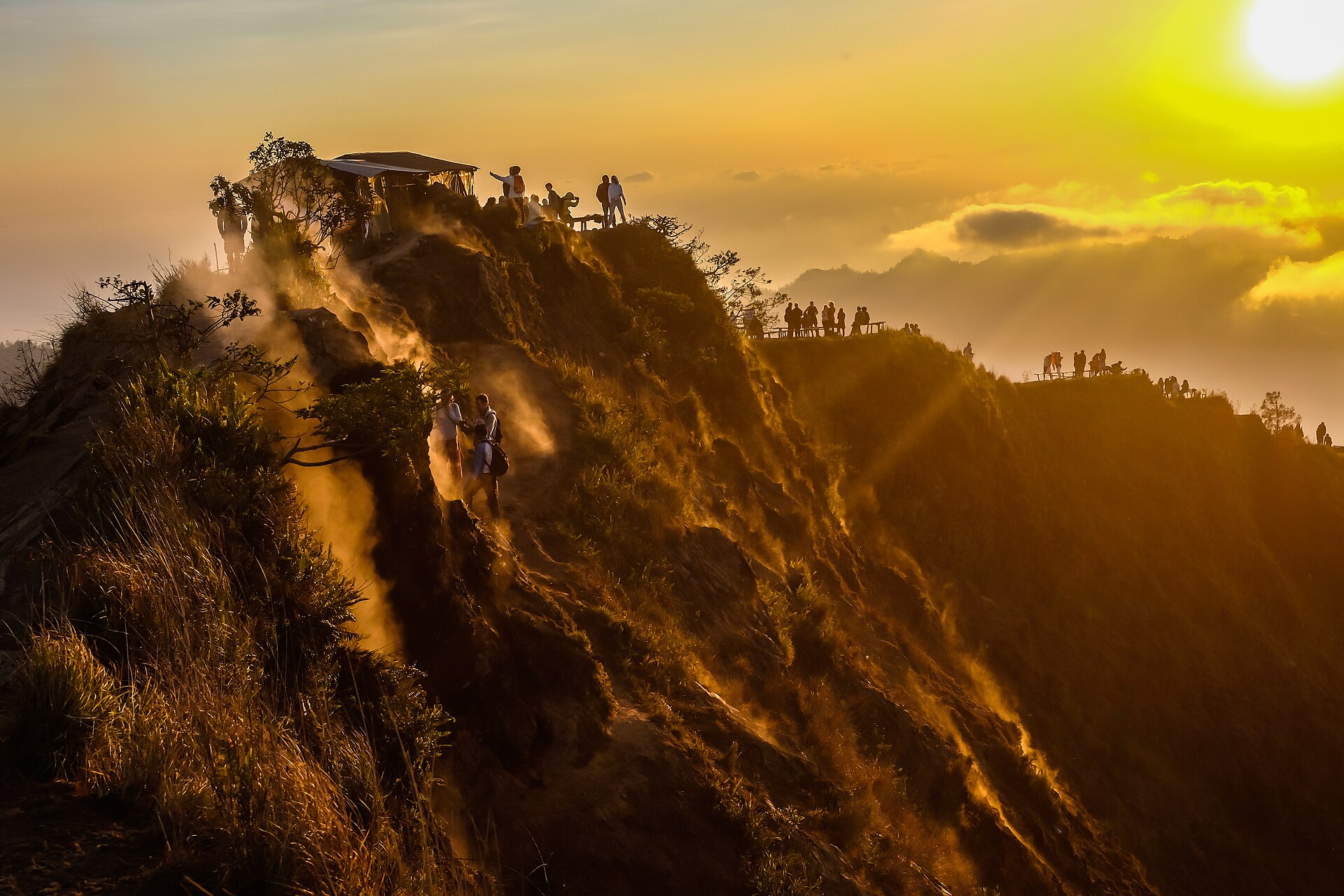
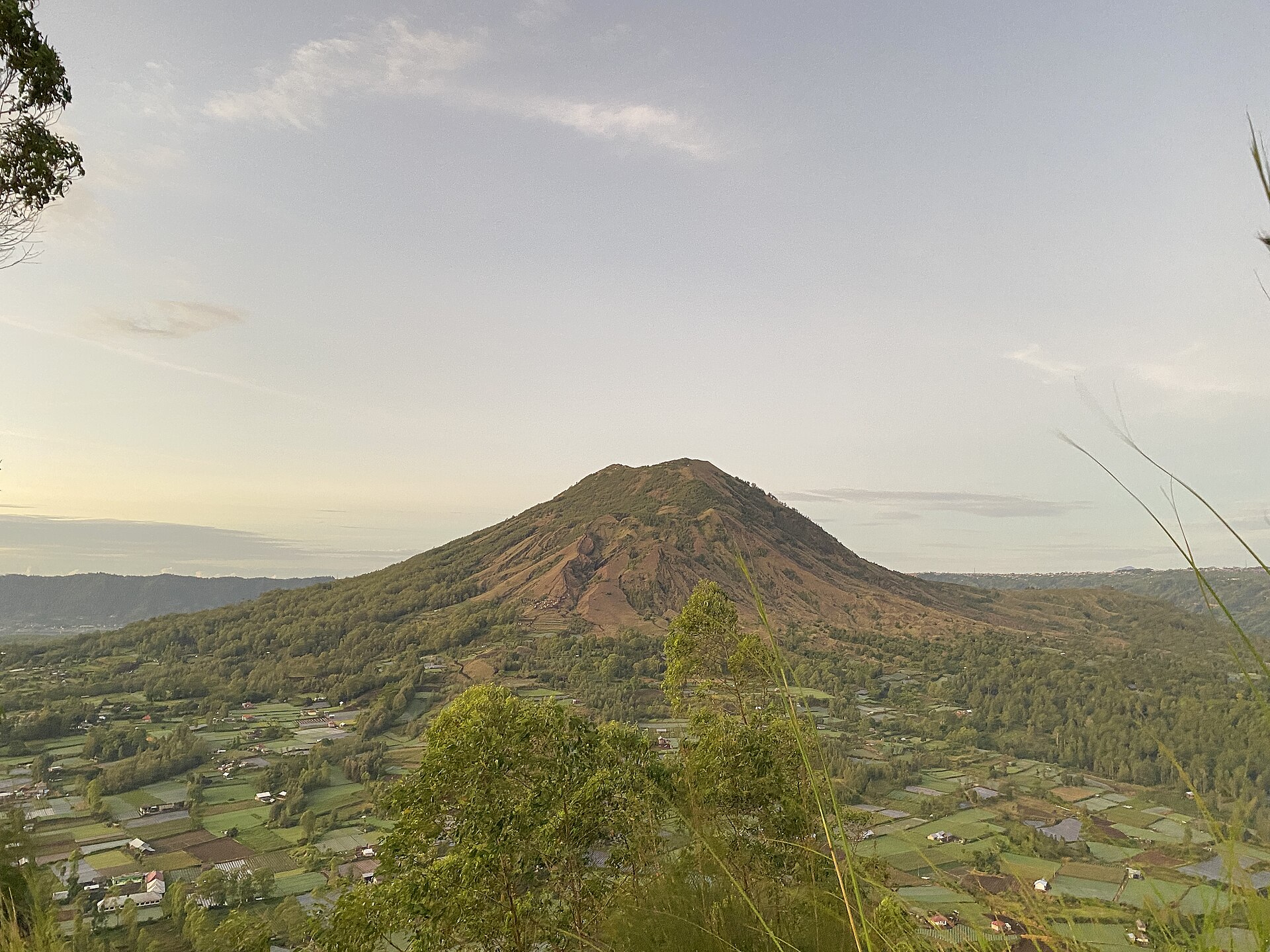
When you look at sunrise photos from Bali, it’s easy to forget about the climb that comes before the view – yet on the classic route you’re facing an elevation gain of roughly 500 to 700 metres. Batur isn’t technical climbing, but it’s not a morning stroll you take just because breakfast at the hotel hasn’t started yet either.
How Hard Is It?
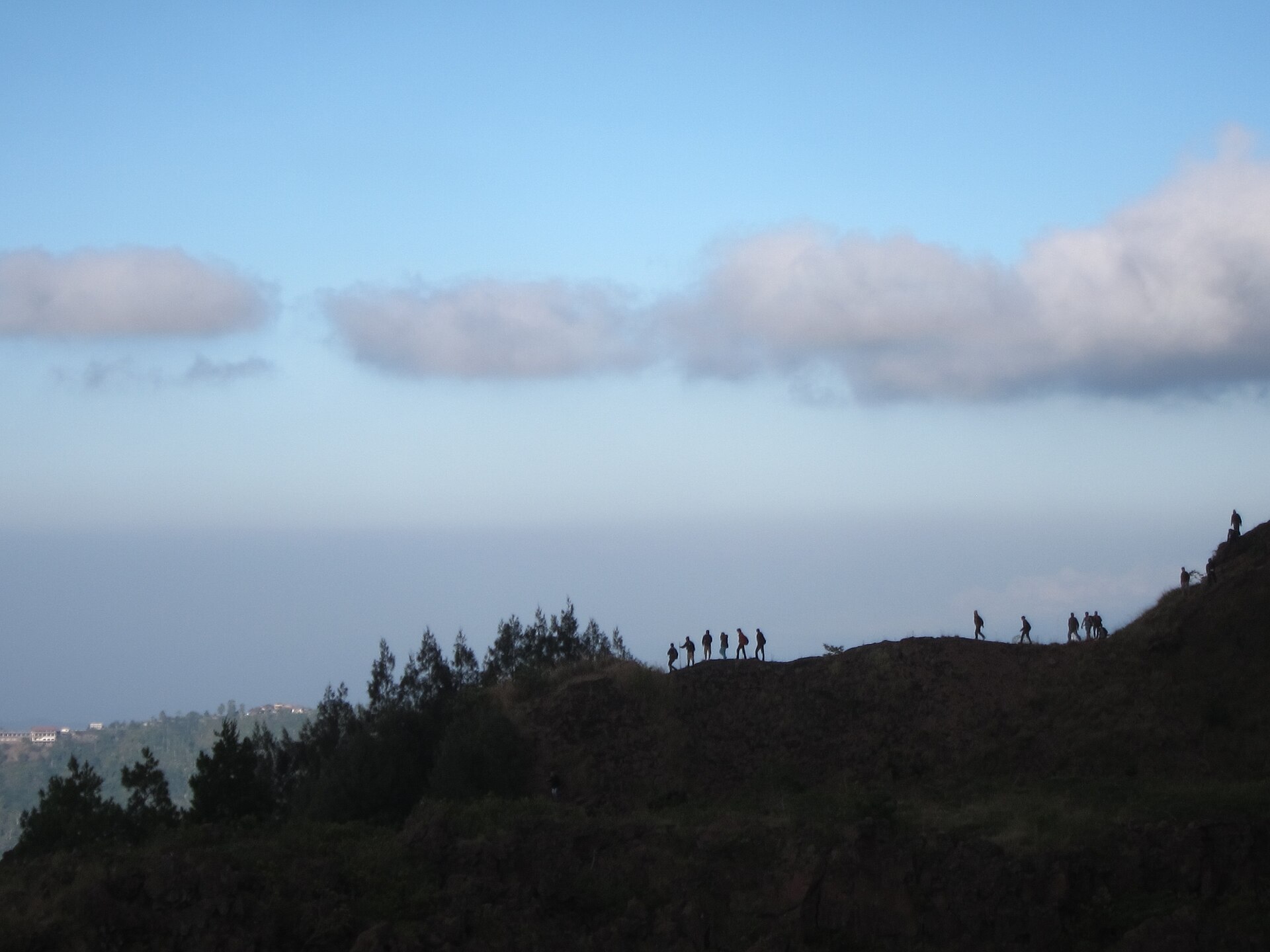
According to guides and travellers, the hike is moderately difficult: the first part of the classic route tends to be gentler, while the second part gets noticeably steeper. Average fitness is usually enough – just factor in the lack of sleep, and don’t compare your pace with the fastest person in the group.
Allow roughly 1 to 1.5 hours for the descent, because reaching the viewpoint doesn’t mean the walking part of the trip is over. A motorbike taxi (ojek) can sometimes help you along part of the trail, but I wouldn’t rely on it as a backup plan.
If you prefer a slower pace, a private guide might be the more pleasant option – but before booking, ask about the exact route and how many people will be in the group. Also check that your travel insurance covers mountain hiking, so you’re not sorting out your insurance only once you actually need it.
Kids, Health and Restrictions
There’s no single age limit for children: some tours accept kids from around 8, others only from 13, and the booking platform Pelago doesn’t recommend the hike for children under 12. So besides the organiser’s conditions, think about how well your child copes with a long climb and getting up in the middle of the night – simply meeting the age limit won’t guarantee you a relaxed morning.
Some tours (for example on Pelago) describe the trek as unsuitable during pregnancy and for people with heart conditions, and they also list restrictions for back problems or limited mobility. Some offers also mention restrictions for menstruating women because of entering the temple, so read the conditions of your specific tour before you pay.
A Jeep Instead of Hiking: When It Makes Sense
For families with younger children or anyone who doesn’t fancy trudging uphill, a morning jeep tour can be the smarter choice – it takes you across the lava fields to a viewpoint below the volcanic cone. It won’t take you to the summit, though, so think of it as a different experience rather than the same trip without the effort.
A shared jeep costs roughly from USD 20, based on offers in autumn 2026 (about €18 per person), while a private option runs at around USD 25 to 44 (about €20 to €40). If an off-road ride doesn’t appeal to you either, consider the Penelokan viewpoint on the rim of the caldera (the huge collapsed volcanic basin in which Batur stands), where you can see both Batur and the lake.
How the Hike Works: Your Morning Timeline
An early start is hard to justify on holiday, but with Batur it makes sense, because you’ll fit the whole trip into a single morning and by lunchtime you’ll most likely be relaxing again 😅. On the classic route, the hike itself takes roughly 1.5 to 2 hours up and about 1 to 1.5 hours back down, and according to travellers, guides stop at a temple along the way for a short blessing. A lot depends on where you’re setting off from, so I’ve put together an overview of approximate pickup times based on offers from booking platforms in autumn 2026.
| Pickup location | Pickup | Trek start (approx.) | Back at the hotel |
|---|---|---|---|
| Nusa Dua, Jimbaran, Kuta, Seminyak, Canggu | 01:30–02:30 | around 04:00 | around noon |
| Sanur, Denpasar | 02:00–03:00 | around 04:00 | around noon |
| Ubud (approx. 1.5 h drive) | 02:30–03:30 | around 04:00 | around 10:00 |
| Uluwatu, Tanah Lot, Candidasa, Sidemen | by arrangement | around 04:00 | around noon |
| Your own scooter | not recommended at night | around 04:00 | up to you |
The time ranges are based on platform offers and the trek start is approximate – the operator will confirm your exact pickup time based on your hotel. According to the offers, pickup from Uluwatu, Tanah Lot, Candidasa and Sidemen comes with a surcharge of roughly USD 15 (about €13) per car, and from the north and east up to USD 25 (about €20).
If you’re thinking about getting to the volcano on your own, skip riding a motorbike at night, because the mountain roads in Kintamani are shrouded in darkness and fog. Visibility on the hairpin bends is poor after dark – you can read more about everyday traffic on the island in our article on how to ride a scooter in Bali.
Routes: Toya Bungkah, Pura Jati, Pasar Agung, Songan
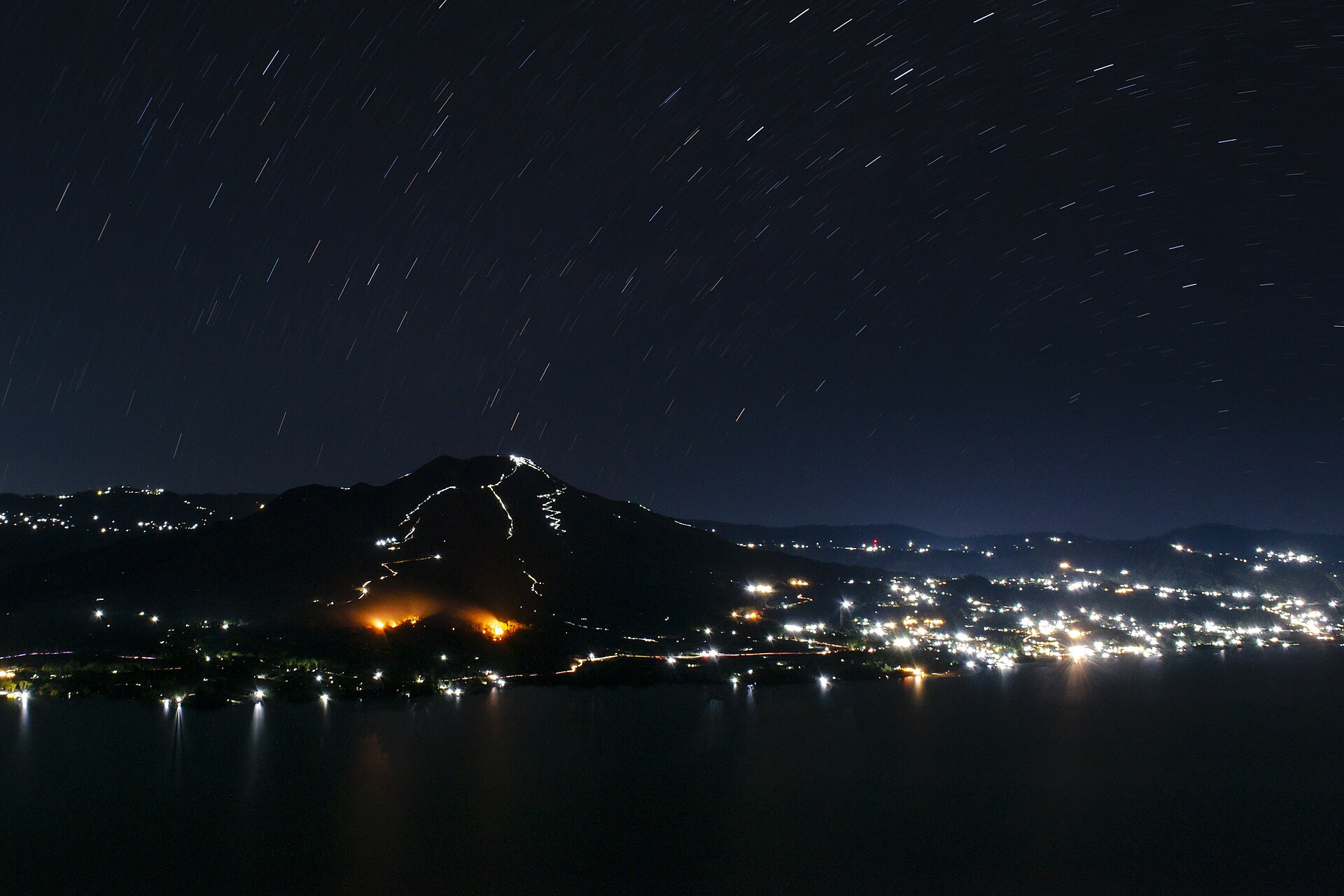
You might be surprised to learn that there isn’t just one path up Batur but several routes, all starting at an altitude of around 1,000 to 1,200 metres. The classic route starts in the Toya Bungkah area on the lakeshore, and from there it takes about two hours to reach the summit. Depending on the variant and the source, the common routes are 6.4 to 10 kilometres return with an elevation gain of roughly 500 to 700 metres, while the longer route from the Pura Jati temple (south of Toya Bungkah, across shadeless lava fields) is about 12 kilometres return.
With a guide, you can also start from the Pura Pasar Agung temple on Batur’s southern slope – a steeper path whose length varies depending on the source (from 30 minutes to 2 hours). 💡 Tip: Watch out for mixing up the names when reading maps, because a temple with the same name, Pura Pasar Agung, also sits on the neighbouring Mount Agung and serves as the starting point for hikes up that volcano.
An alternative is the northeastern trail from the Songan area, which is about 6.4 kilometres return and takes roughly an hour up and an hour down. Whichever side they come from, many groups don’t end at the highest point of 1,717 m but at a lower viewpoint by the main crater. The Earth Trekkers website gives the summit for this trail as 1,675 metres.
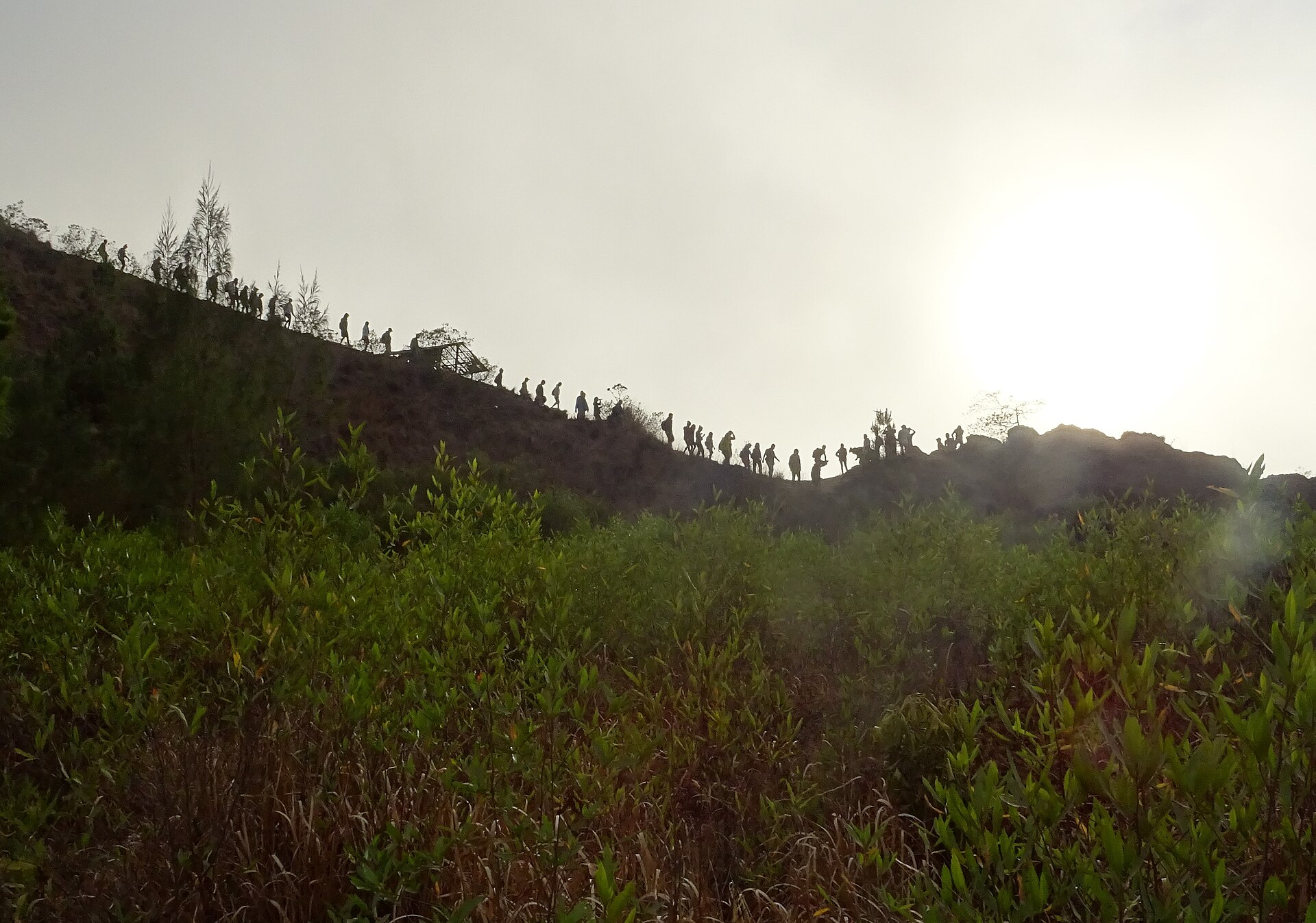
At the Top: Steam-Cooked Breakfast, the Crater and Monkeys
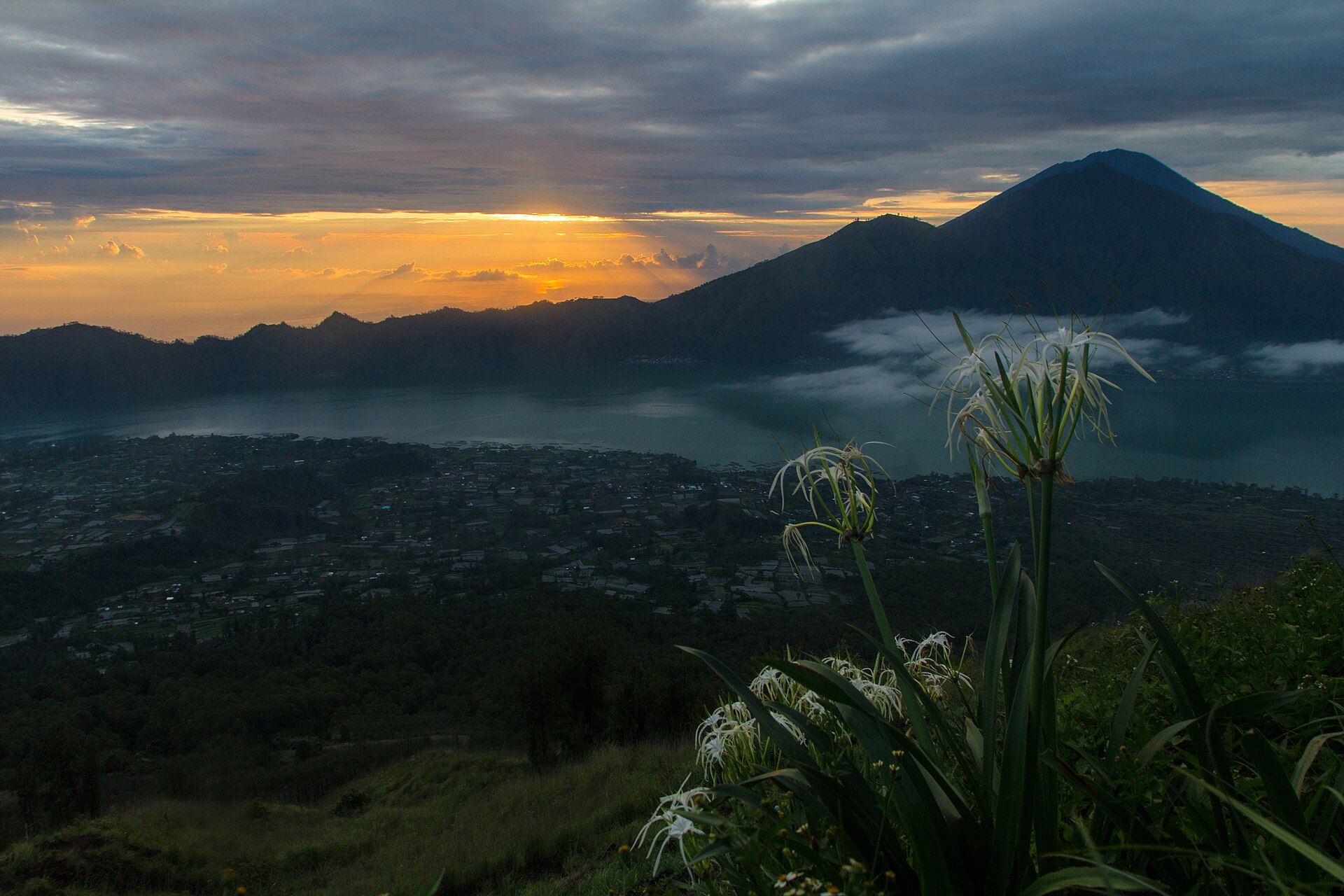
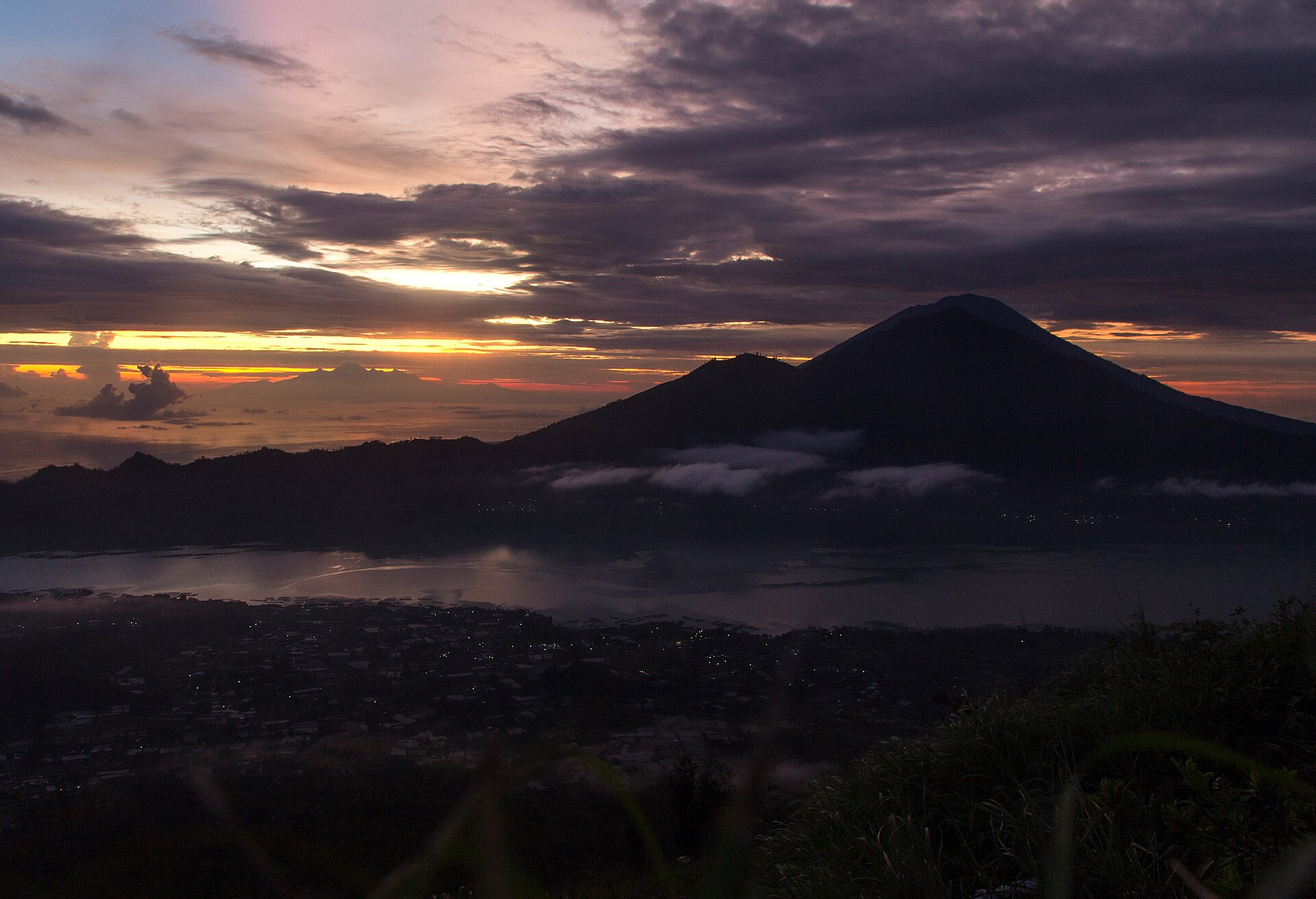
The first fifty minutes of the climb tend to be fairly gentle, but the second half turns into a steep slog all the way to the summit or the crater viewpoint. Before the sun rises over the caldera, the guides prepare a simple breakfast: they cook eggs and bananas in hot steam from the volcano and serve them with toast or bread and fruit 🙂. The breakfast is naturally meat-free, so vegetarians will be fine, and if you’re fully plant-based or need another adjustment, let the operator know about your diet when booking, as the offers don’t explicitly mention a vegan option.
At the top, you can buy coffee or tea for roughly 30,000 Indonesian rupiah (IDR) (about €1.50), and a tip for your guide is usually around IDR 50,000 (about €2.50). You’re more likely to run into monkeys on the way down, when macaques that go after food and fruit sometimes hang around the trail – so keep your snacks zipped up in your backpack.
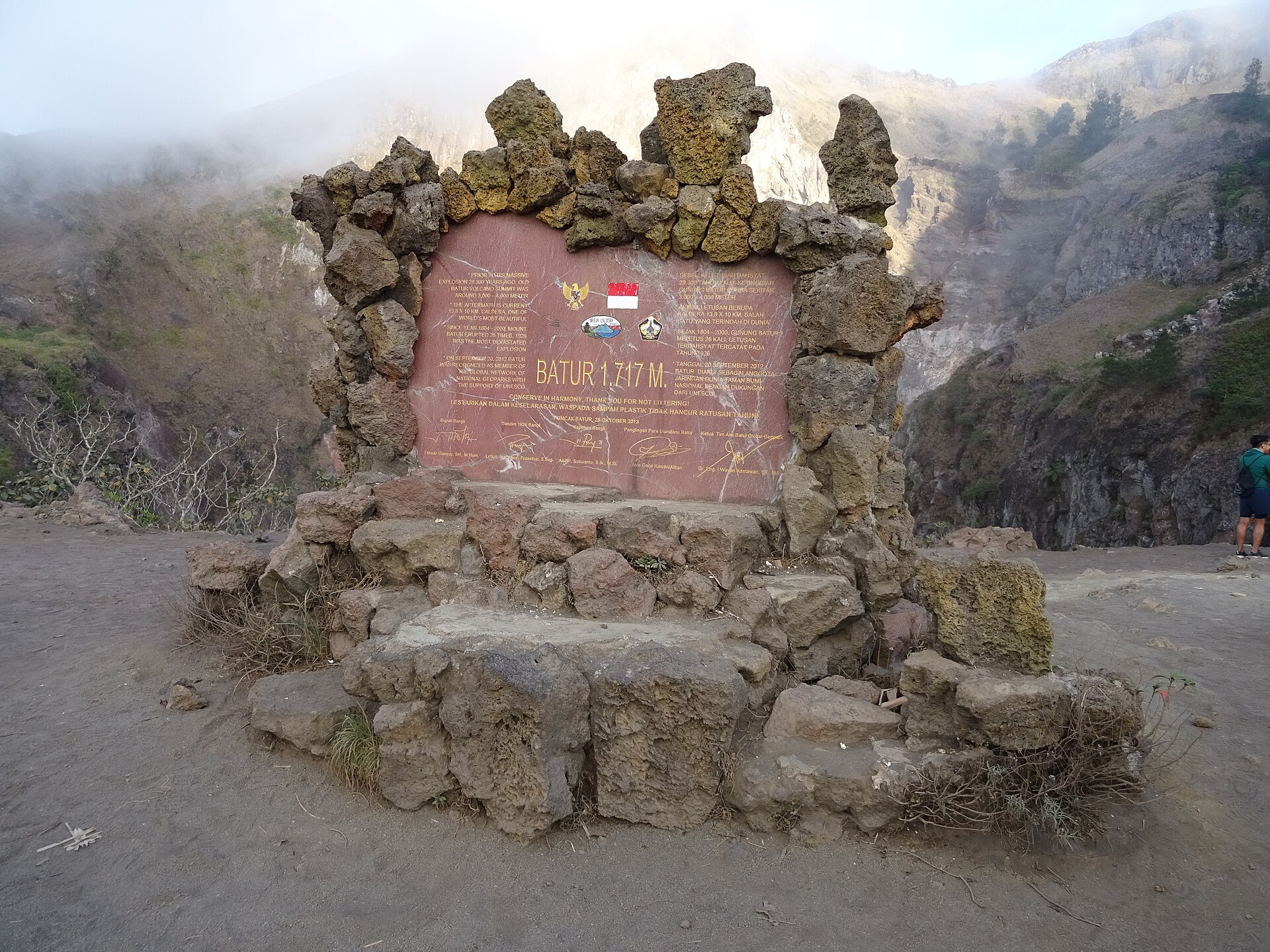
The Descent and the Crater Option
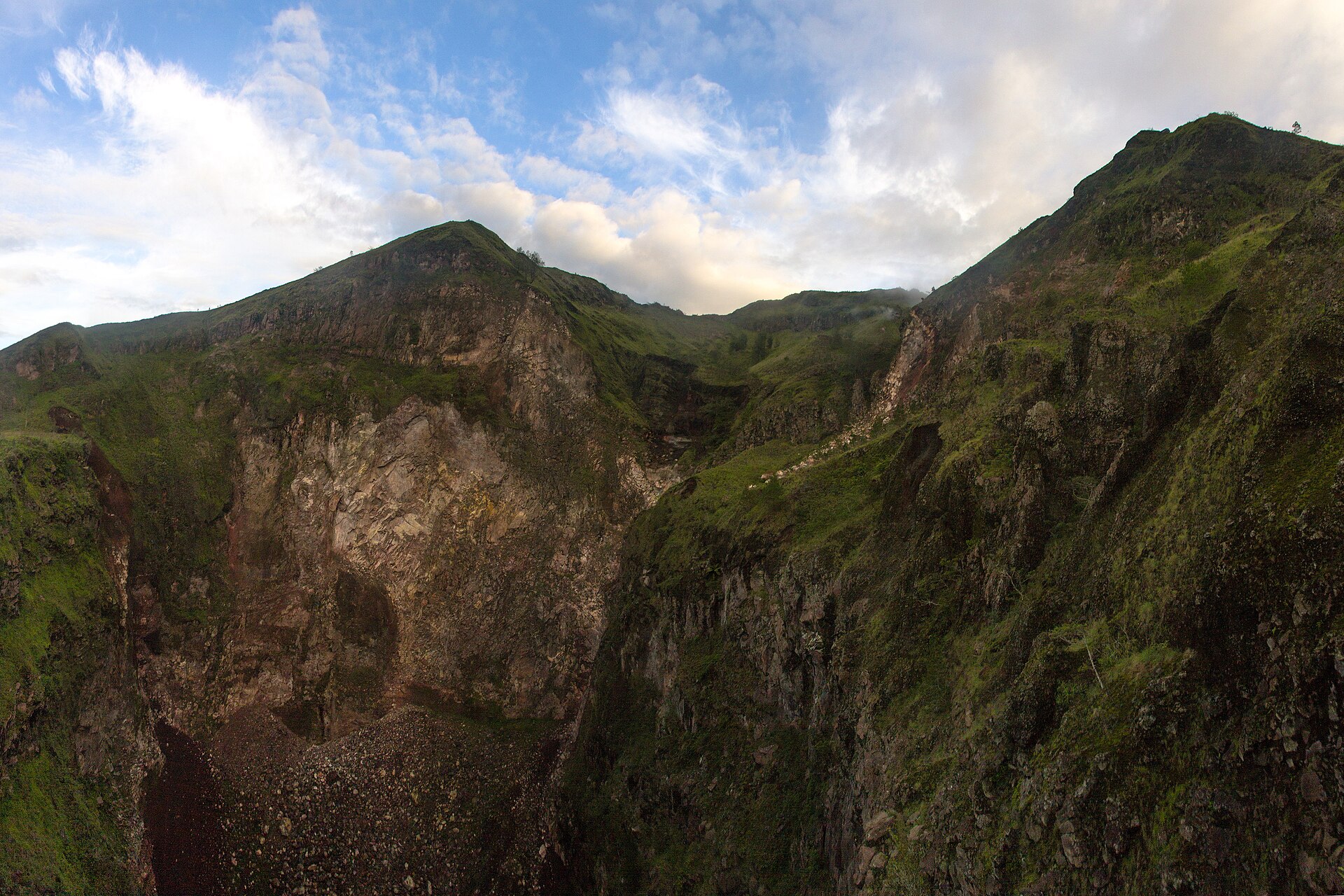
After sunrise, some groups carry on with a longer loop around the rim of the main crater, either for an extra fee or as part of an extended tour. The descent from the summit itself takes about 1 to 1.5 hours, and according to guides and travellers it’s often harder than the climb, because loose volcanic gravel slides under your feet – it’s slippery and people do fall now and then, so sturdy shoes and trekking poles will come in handy.
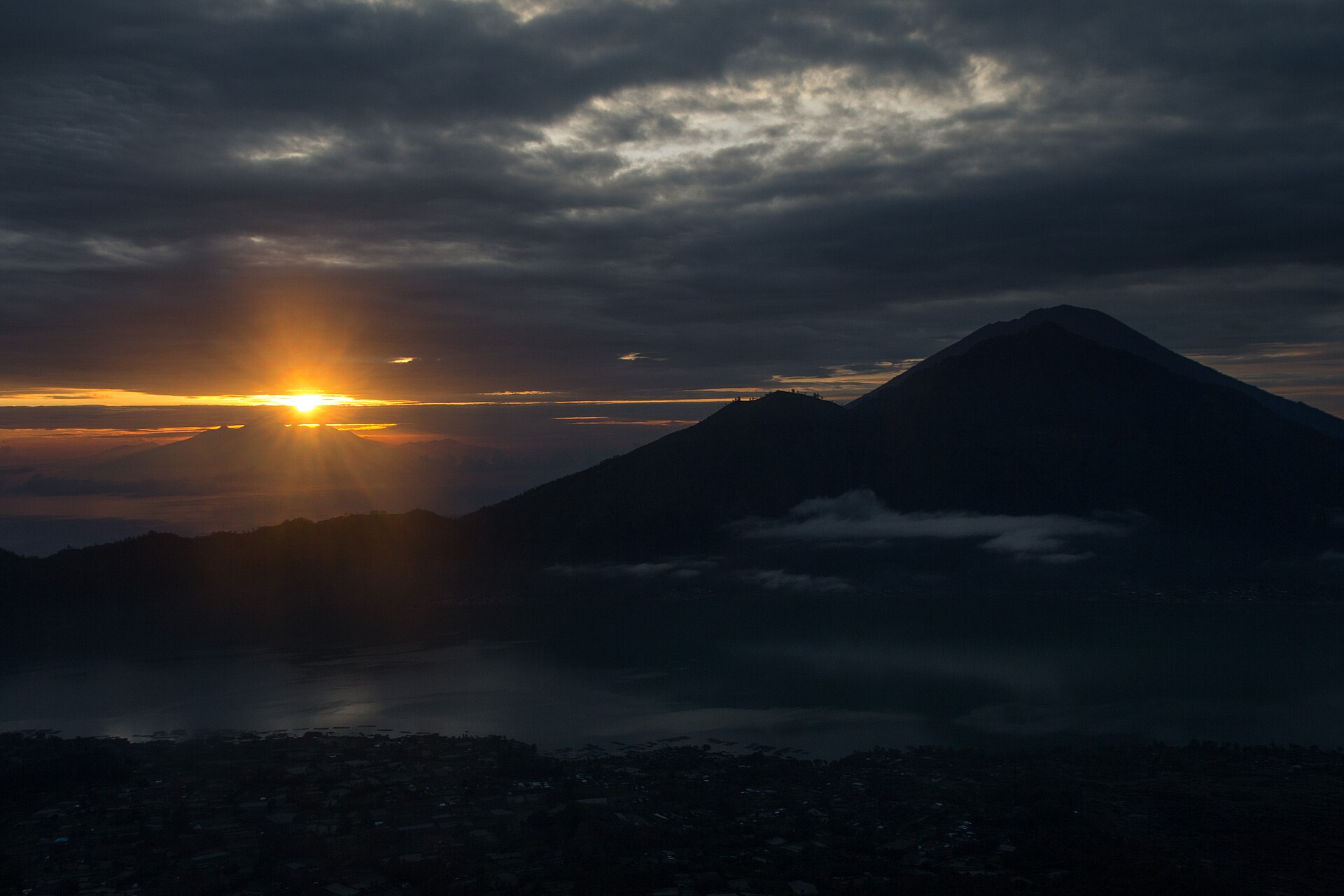
What to Book and How Much It Costs
Picking the right Mount Batur tour can feel a bit like scrolling through an endless menu: everything sounds tempting, but you still don’t want to end up with the wrong dish 😅. To make your Mount Batur hike decision easier, I went through the offers on the big booking platforms and put together an overview of what you actually get for your money. All prices are approximate and based on offers from autumn 2026, because the amounts change with the season and with how far from the volcano you’re staying.
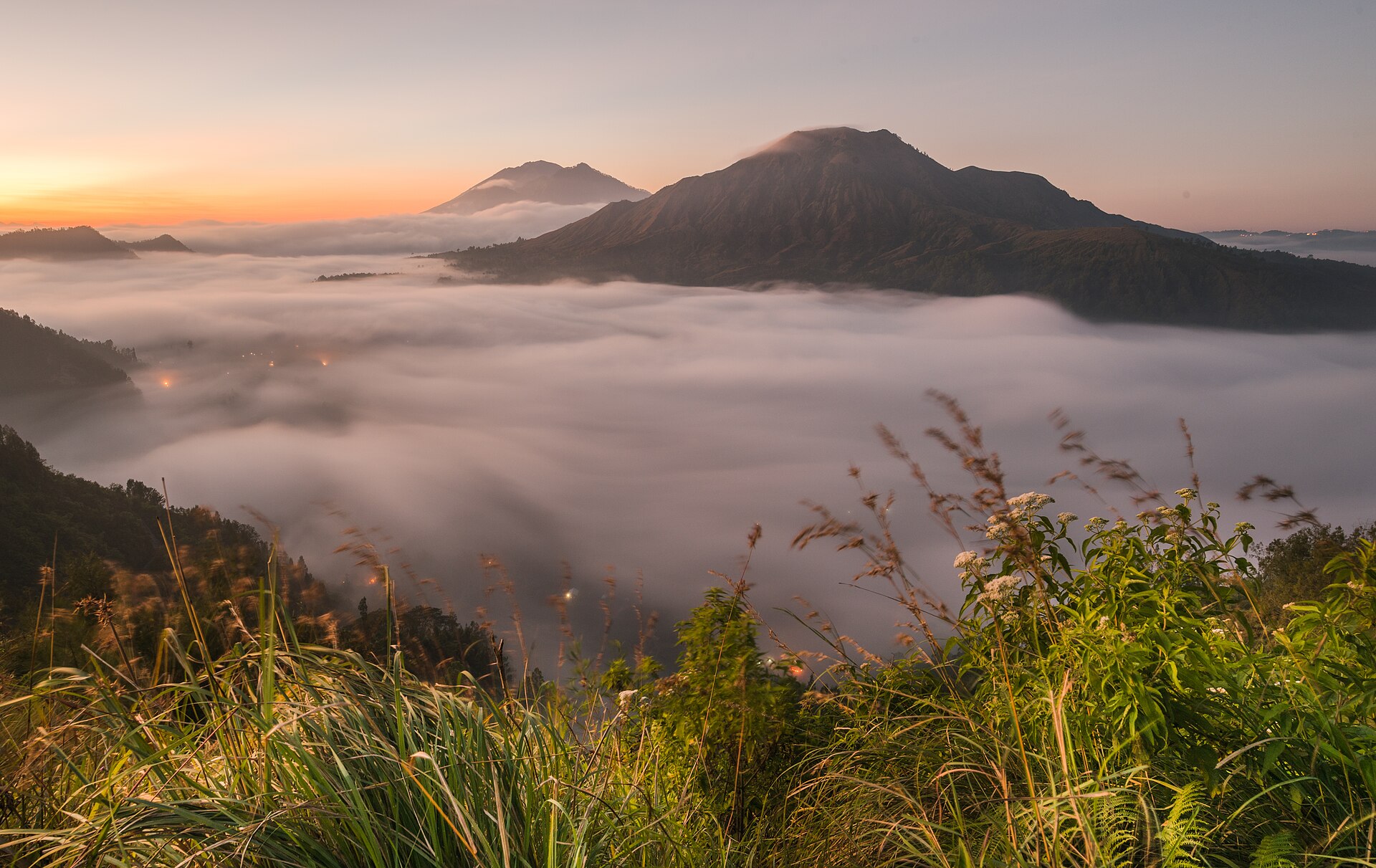
Group, Private, Jeep, 2D1N
| Option | What’s included | Approximate price (autumn 2026) | Best for |
|---|---|---|---|
| Group sunrise trek with transfer | pickup 1:30–3:30 am, guided trek, breakfast, back by late morning | USD 23–35 per person (approx. €20–30) | most people with a basic level of fitness |
| Trek without transfer (meeting point in Toya Bungkah) | guide and entry fees, no transport from your hotel | USD 19–26 per person (approx. €17–25) | those staying right by the lake |
| Private trek | your own guide and car, your own pace | from approx. USD 44 per person (approx. €40) | couples, slower pace |
| Sunrise jeep (shared / private) | 4×4 ride across the lava fields to a viewpoint below the cone, no hike to the summit | shared from USD 20 (approx. €18), private USD 25–44 (approx. €20–40) | families with kids, lower fitness |
| 2 days / 1 night (2D1N) with an overnight stay in Kintamani | evening transfer, short sleep in the area, morning trek without the night drive | from USD 92 per person (approx. €80) | anyone who doesn’t want to get up at 1:30 am |
Tours that combine the trek with a dip in the hot springs after the descent (Toya Devasya or Batur Natural Hot Spring) are available on the booking platforms too, and the price varies by offer.
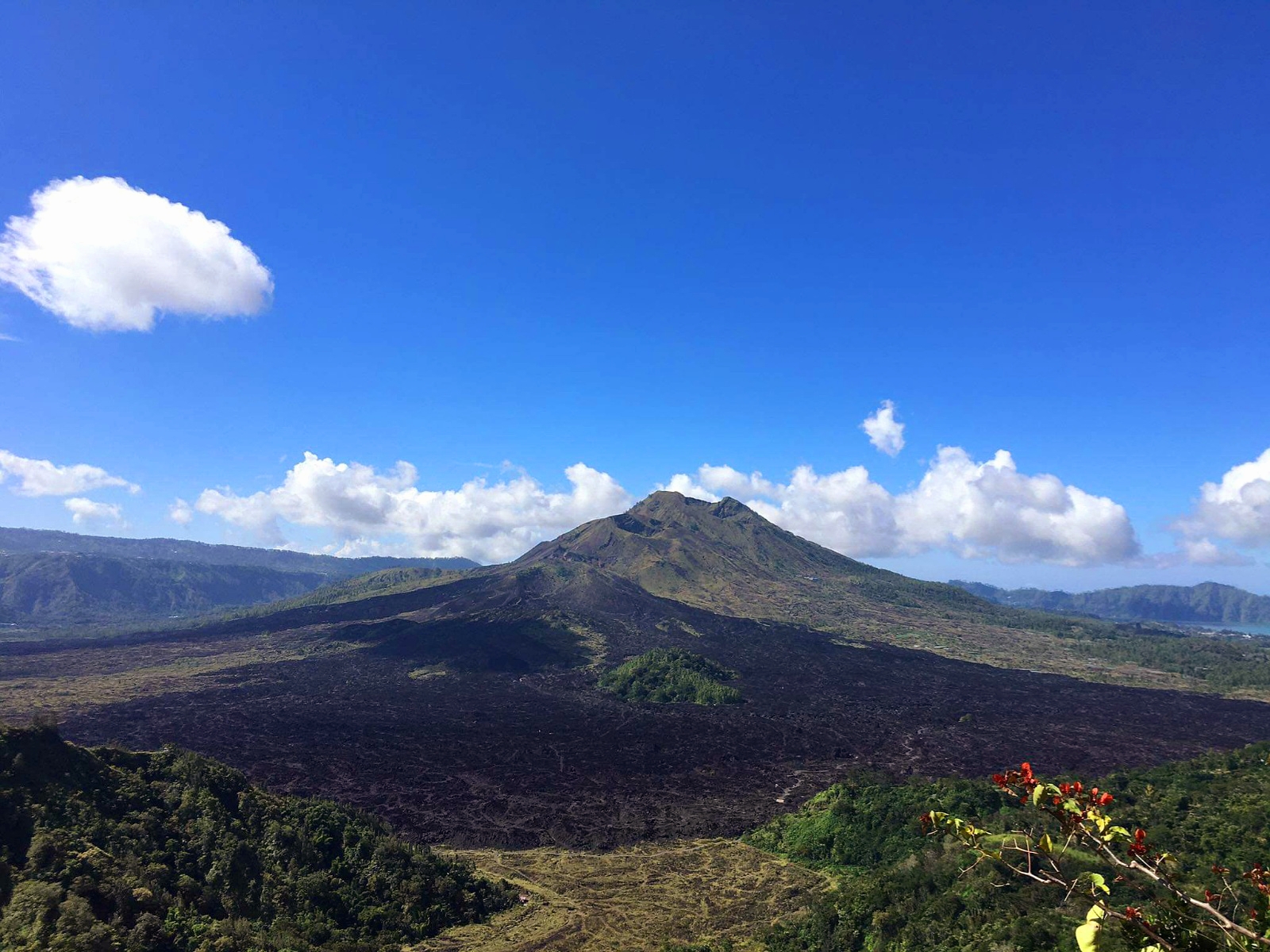
The most popular choice tends to be a group tour with hotel pickup, which usually includes transport, a guide, a torch or headlamp to borrow, water and a simple breakfast at the top. If you like to walk at your own pace and don’t want to share your guide with other people, though, it’s probably worth paying a bit extra for the private option. For families with younger kids, or for anyone who isn’t thrilled by the idea of scrambling up a steep hill in the dark, off-road jeeps are a nice alternative 🙂. Just keep in mind that the jeep doesn’t drive all the way to the summit: according to the operator Black Lava Camp, it stops at a viewpoint at around 1,350 metres below the volcanic cone, which still gives you a beautiful view of the morning sky and the black lava fields.
Guides and Local Rules in 2026
You might come across older forum threads debating whether you can climb the mountain on your own, but these days Batur is hiked with a licensed local guide, both in practice and under the rules of Bali province (Governor’s Circular No. 7/2025). This regulation from March 2025 requires foreign tourists to be accompanied by a licensed guide, to dress respectfully at sacred sites and not to use single-use plastics. The local guides’ association PPPGB has its office right below the volcano in Toya Bungkah, and in practice it supplies guides for the travel agencies as well. So trying to hike up alone in the dark simply doesn’t make sense. You may also have heard reports from 2023 about a planned ban on climbing 22 Balinese mountains, but it was never enforced in practice, and hikes still go ahead.
When working out your budget, don’t forget the fees that aren’t just about the mountain itself. Every foreign visitor has to pay a one-off tourist levy of IDR 150,000 (approx. €7) per stay, which you can sort out in advance via the official portal lovebali.baliprov.go.id. Another fee is the entry to the Kintamani area, IDR 50,000 for a foreign adult (approx. €2.50) and IDR 30,000 for a child. In 2026, the local authorities check this fee at the access checkpoints between 8:00 am and 5:00 pm. On night departures, you pass the checkpoints outside these hours. Tours usually list the Kintamani entry fee as included in the price, but double-check with the seller.
What to Ask Before You Book
Before you pay for a tour, I’d recommend going through the terms of that specific offer, because the details in the descriptions can be pretty vague. Here’s a short checklist of things worth sorting out in advance:
- Kintamani entry and other fees: Ask whether the price includes the Kintamani area entry fee and any other fees the operator mentions.
- Group size per guide: On group tours, it’s good to know how many people share one guide and whose pace you’ll be adjusting to.
- Main summit or a lower viewpoint: Many groups finish at a lower viewpoint by the crater, so check whether the route actually goes all the way to the main summit (1,717 m).
- Pickup location and surcharge: Pickup from more remote areas (such as Uluwatu, Tanah Lot or Sidemen) usually costs extra; you’ll find approximate amounts below the timeline table above.
- Minimum age for kids: Operators’ rules range from 8 to 13 years; Pelago, for example, doesn’t recommend the hike for children under 12.
- Weather cancellations and dietary needs: Read the rules for when the operator itself cancels the hike, and mention a vegan or gluten-free breakfast right in your booking.
What to Pack
Pack for Batur as you would for an early-morning mountain hike rather than a stroll around a tropical island, so save the beachwear for another morning. I’d suggest getting your backpack ready the evening before and checking what the organiser lends out when you book, so you’re not digging for your headlamp among your swimsuits right before pickup.
- Layers and a hat: Pair a technical T-shirt with a hoodie or fleece, and pack a beanie for the wait at dawn.
- Windproof jacket: Bring a light windbreaker you can throw on over your warmer layer.
- Sturdy shoes: Choose footwear with a good grip; when it’s wet, ankle boots are the better bet.
- Trekking poles: Pack them for extra stability on the way down.
- Headlamp: Even though the organiser lends them out, I recommend bringing your own and testing it beforehand.
- About 1 litre of water: The organiser usually provides some, but your own bottle will save you some stress.
- Cash in IDR: Handy for drinks and toilets, or for tipping your guide.
- Sunscreen and sunglasses: Pack them, even if they feel a bit out of place when you set off in the middle of the night.
- Rain poncho: A must in the rainy season; a windbreaker alone might not cut it.
Why so many clothes when you’re going to Bali? Mornings at the summit average 13 to 16 °C, and on colder mornings it’s around 12 °C. After the climb your T-shirt is sweaty, the wind is blowing, and you may wait roughly 30 to 60 minutes for the sun, so that hoodie will probably stop looking like dead weight. 😅
Weather: When to Go and What If It’s Cloudy
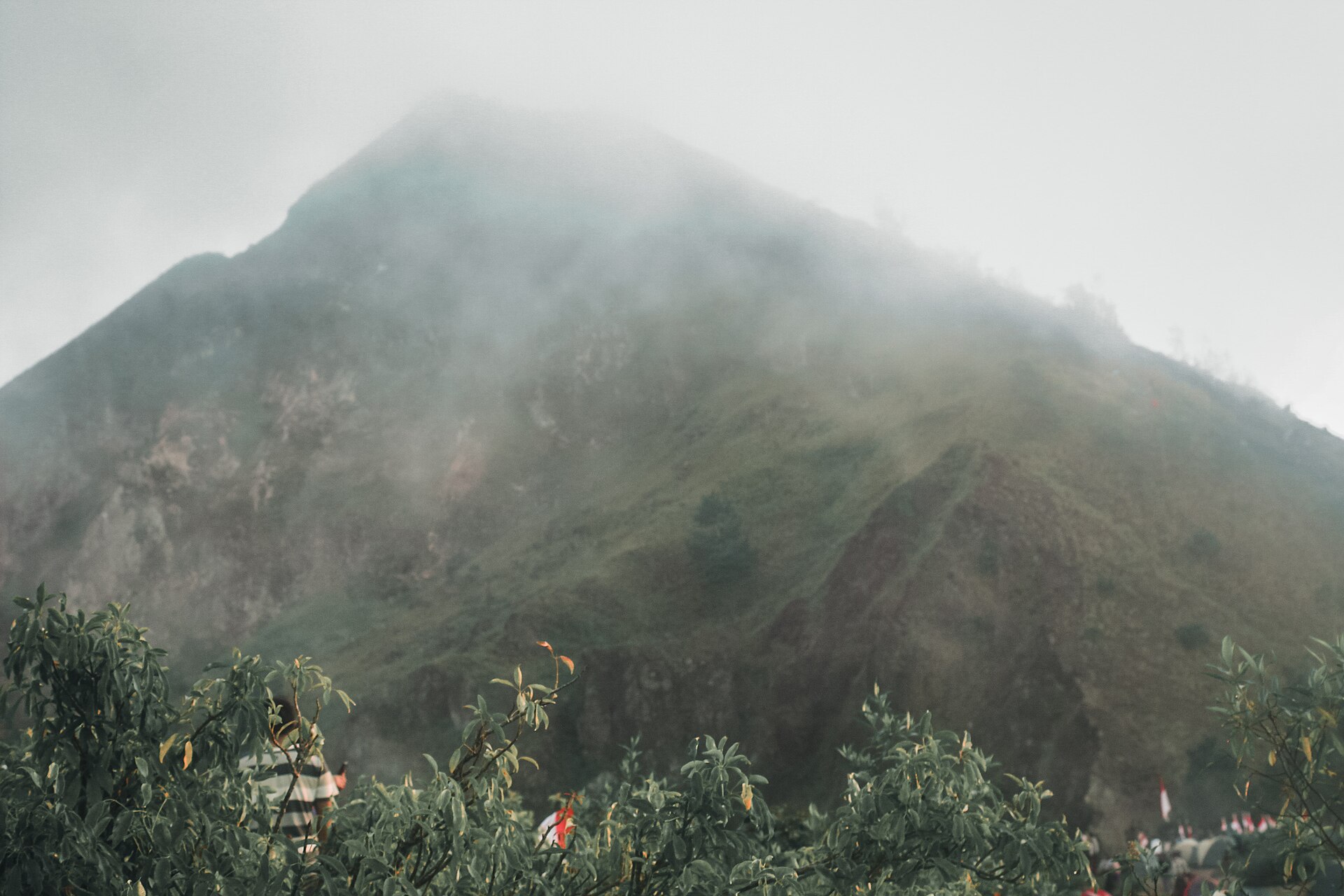
For the hike, I recommend April to October, with the driest mornings from June to September, when long-term data show the least rain in the hours before dawn. The rainy season from November to March doesn’t automatically rule the trip out; it just pays to leave some slack in your itinerary rather than betting everything on your last morning before your flight.
Weather by Month
The table shows the share of hours with rain between 3:00 and 6:00 am, not the probability that it’ll rain throughout your whole hike. Temperatures are averages at the summit around 6 am, rounded to whole degrees.
| Month | Rain during the hike | Morning at the summit | Summary |
|---|---|---|---|
| January | about 24% of hours | 15 °C | Highest share of morning rain |
| February | about 23% of hours | 15 °C | Rainy season continues |
| March | about 16% of hours | 15 °C | End of the rainy season |
| April | about 8% of hours | 15 °C | Transition to drier conditions |
| May | about 4% of hours | 15 °C | Good choice |
| June | about 2% of hours | 14 °C | Little morning rain |
| July | about 1% of hours | 13 °C | One of the driest months |
| August | about 1% of hours | 13 °C | Minimal morning rain |
| September | about 1% of hours | 14 °C | Very good choice |
| October | about 3% of hours | 15 °C | Favourable conditions before the rains |
| November | about 11% of hours | 16 °C | Start of the rainy season |
| December | about 18% of hours | 16 °C | Higher share of morning rain |
The figures are based on a meteorological model and data from 2016 to 2025, so treat them as a rough planning estimate, not a forecast for any particular morning.
The table doesn’t track cloud cover, and cloud cover couldn’t be translated into your chance of a view anyway, because some of the clouds may stay below the summit and form a sea of clouds.
Cancellations and Plan B
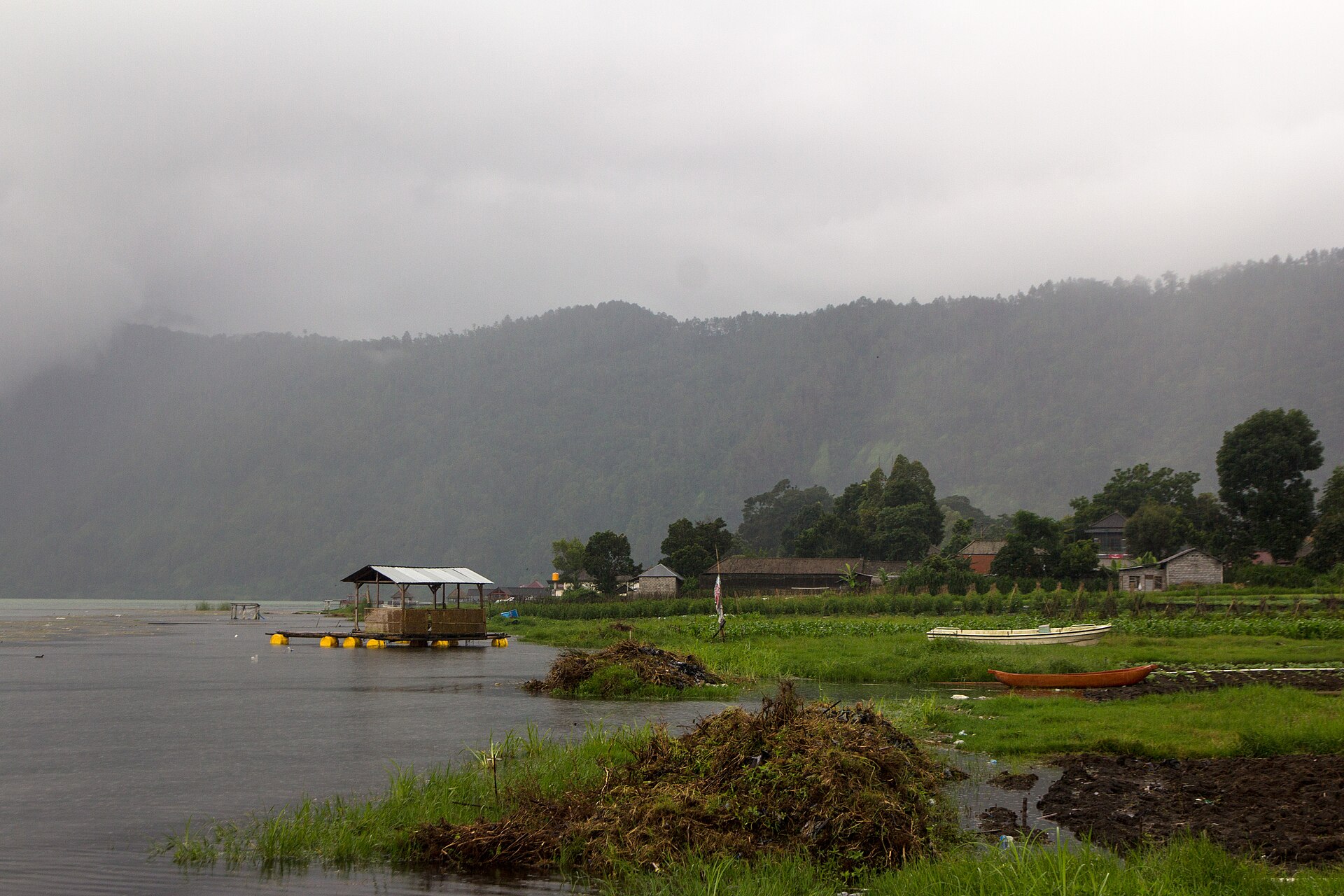
Many offers come with free cancellation up to 24 hours before the start, but read the specific terms before you pay. In the section on cancellation by the organiser or due to bad weather, check whether you’ll get a refund or an alternative date; an overcast sky on its own doesn’t guarantee your money back.
According to other travellers’ experience, hikes often go ahead in light rain, while a thunderstorm or heavy rain can lead to cancellation. I recommend scheduling the hike for the first free morning of your stay, so you have some leeway if it gets moved.
If it’s cloudy after daybreak but not raining, try the Penelokan viewpoint or a café on the rim of the caldera in Kintamani. Alternatively, there are the hot springs or a coffee plantation, or you can head down to Lake Batur.
Nyepi, the Balinese Day of Silence, falls on Monday 8 March 2027 according to the official calendar; the whole of Bali shuts down for 24 hours, nothing runs and the airport is closed, so don’t plan your hike for that day.
Is Mount Batur Safe? An Active Volcano
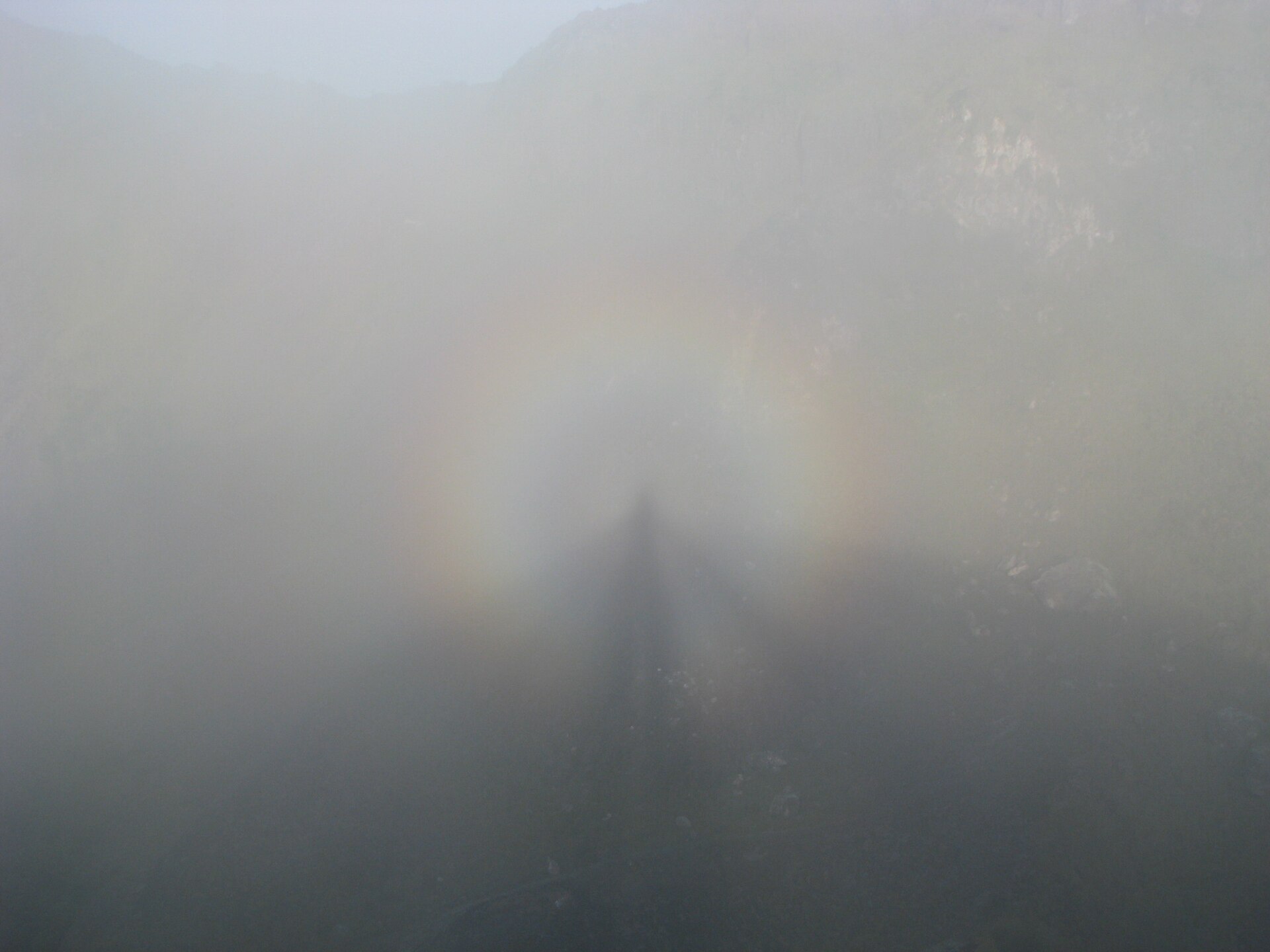
As of 2 November 2026, MAGMA Indonesia lists Batur at its lowest alert level, Level I (Normal), but check the current status before you go. The last eruption is recorded as 1999–2000. Still, “Normal” doesn’t mean you can wander freely around the crater. The volcanological service PVMBG advises not to linger in the active crater or spend the night there, and to keep away from the volcanic gas vents.
On the trek, the descent tends to be more dangerous than the climb, because the loose volcanic gravel slides under your feet. Take your time and wear sturdy shoes, and use trekking poles. In 2022 an older tourist died after falling from a steep drop on the way down, even though he was hiking with a guide. So having a guide with you is no guarantee of safety.
A savanna fire on 2 October 2025 burned around 9.8 hectares of vegetation and was most likely started by a cigarette butt. In the dry season, don’t smoke or light anything on the trail, and carry all your rubbish back down with you.
Before you set off, check that your travel insurance covers mountain hiking. Policy terms vary, so make sure yours covers hiking up to Batur’s altitude (1,717 m above sea level).
After the Hike: Hot Springs, Kintamani and Coffee
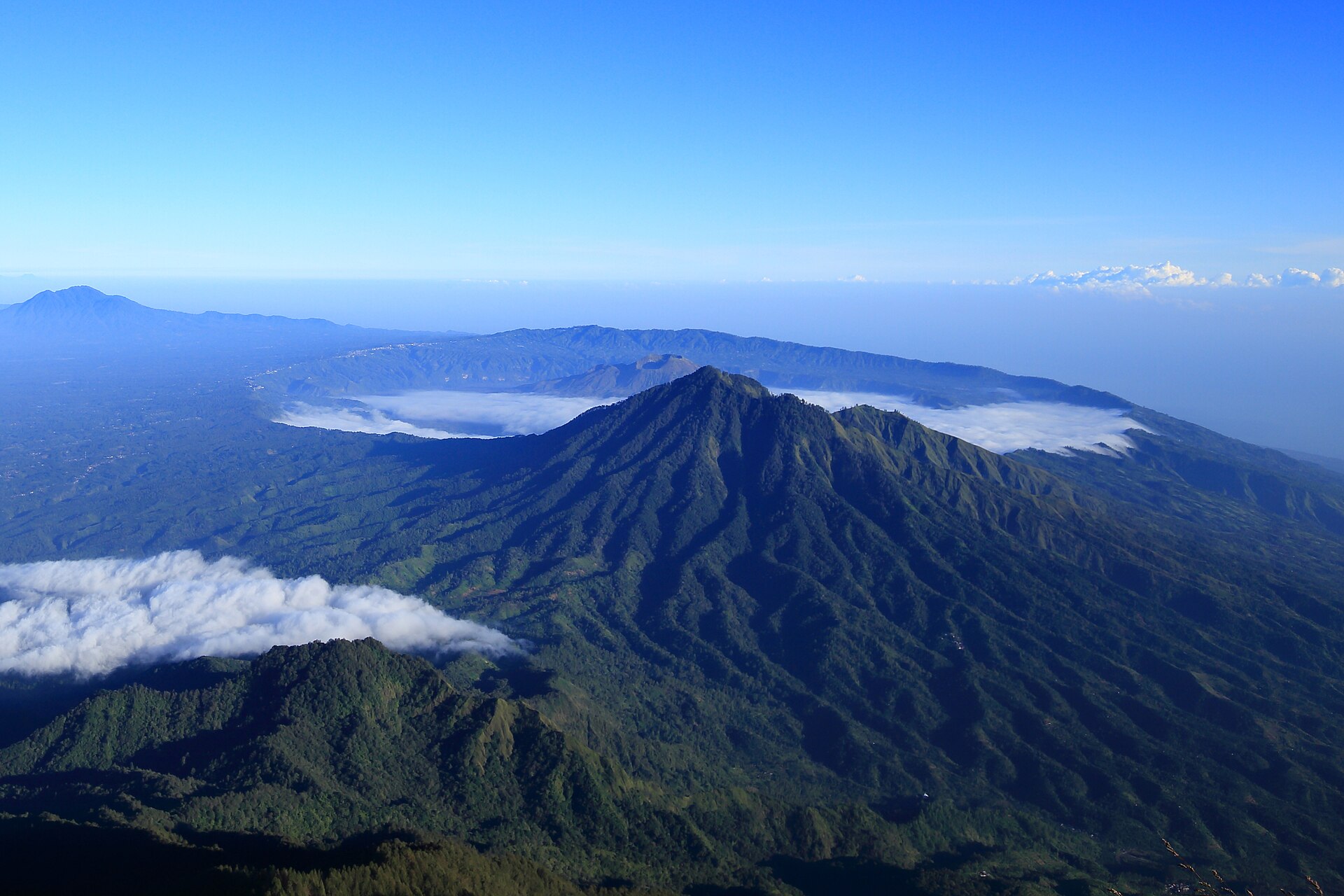
Once you’re back down at the car, you still have the whole morning ahead of you in the caldera. It would be a shame to rush straight back to your hotel when your tired calves have earned a soak in warm water after that early start, or at least a cup of local coffee.
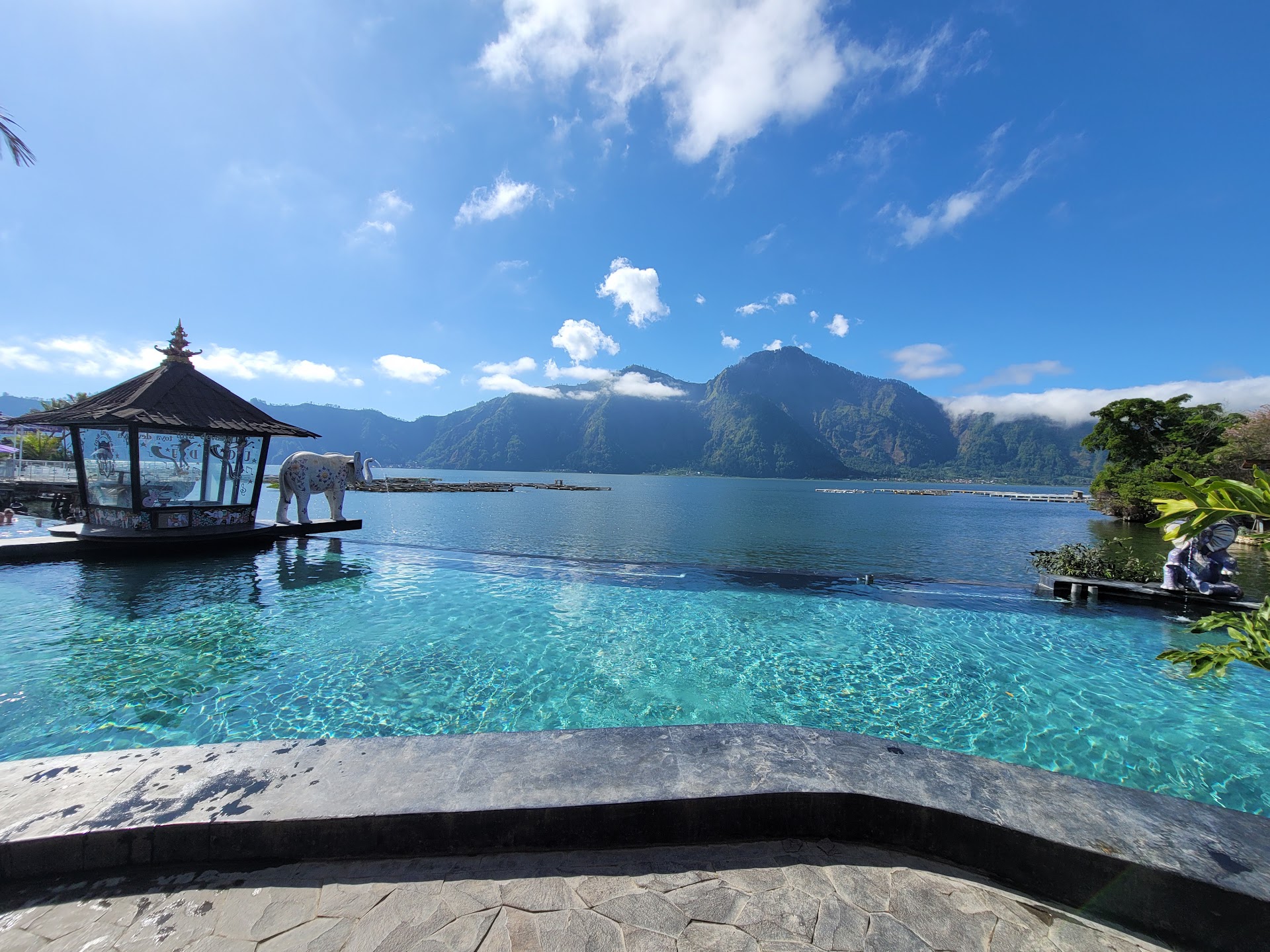
The quickest relief for sore muscles comes from the hot springs on the lakeshore at Toya Bungkah. The large Toya Devasya complex has eight thermal pools, an Olympic-size pool and water slides. According to Traveloka, it’s open roughly 9:00 am to 5:00 pm (last entry at 4:00 pm), and the entrance fee for foreigners is around USD 11 (about €10), or around USD 8 (about €7) when there’s a promotion on. Another option by the lake is Batur Natural Hot Spring, and some morning tours combine the trek with a stop at one of these two places.
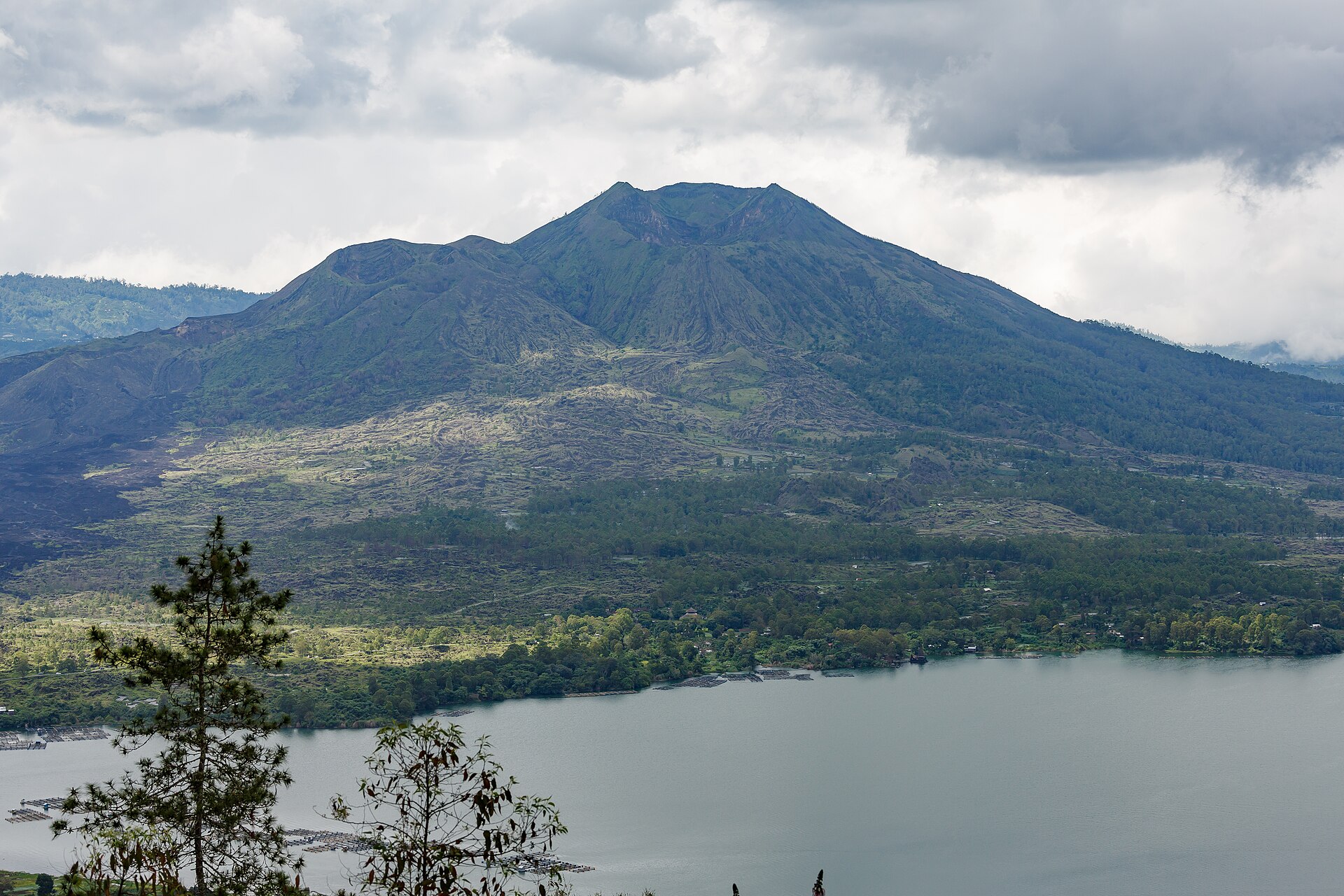
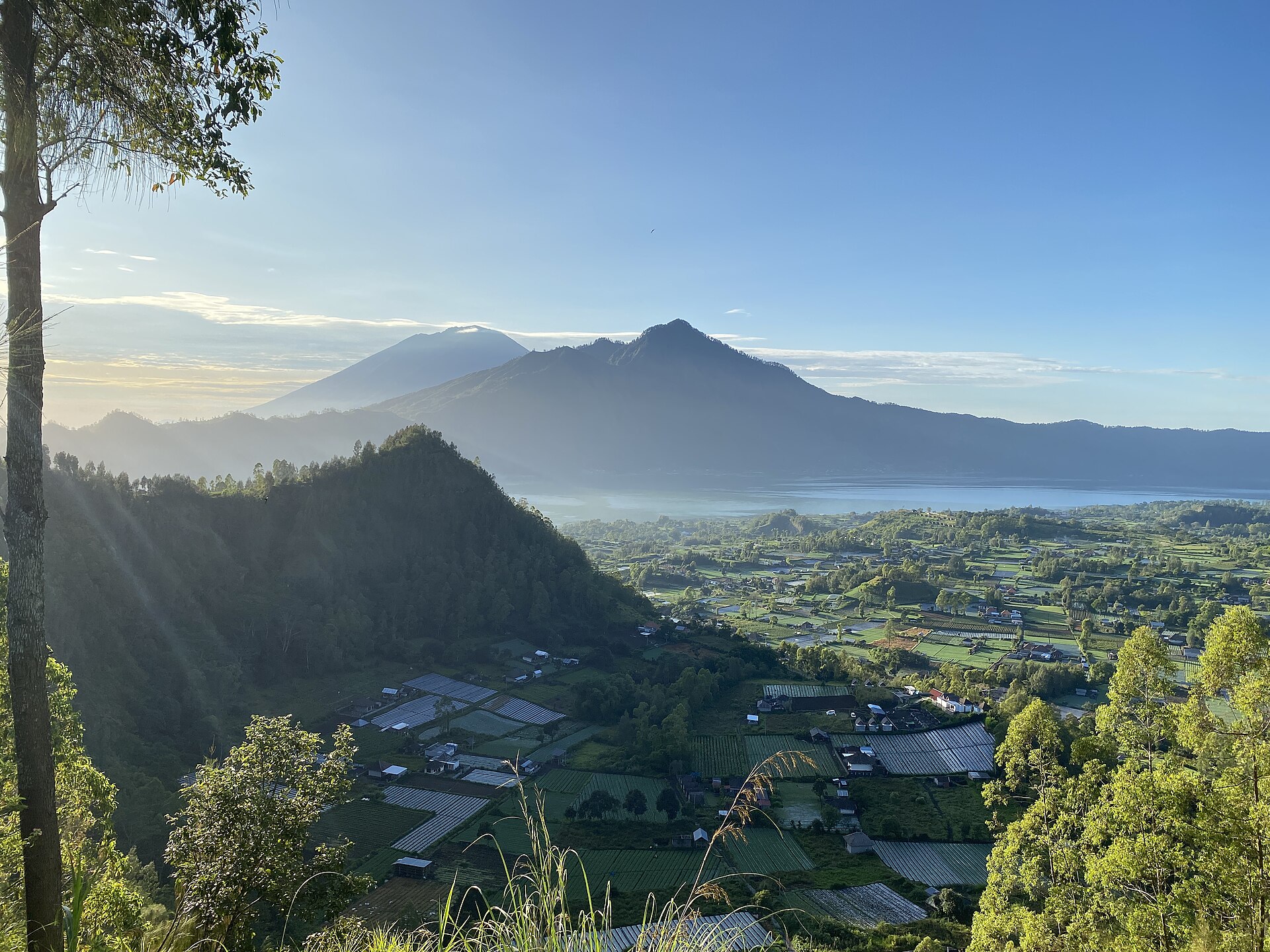
If a soak doesn’t tempt you, or you’ve come up north without doing the night hike, drive up to the caldera rim to the viewpoint village of Penelokan, at around 1,500 metres. From here you get a sweeping view straight onto Batur’s volcanic cone and the whole lake below, without taking a single step uphill.
The mountain slopes around here are known for growing coffee, and on the way back you can stop at one of the local coffee farms. Luwak is coffee made from beans that have passed through the digestive tract of civets. In 2016, World Animal Protection documented that on fourteen of the sixteen plantations it investigated in the Gianyar and Bangli regions, civets were kept in cages for luwak coffee – but you can taste Kintamani coffee without the luwak. If you do want luwak, ask for beans collected from the wild.
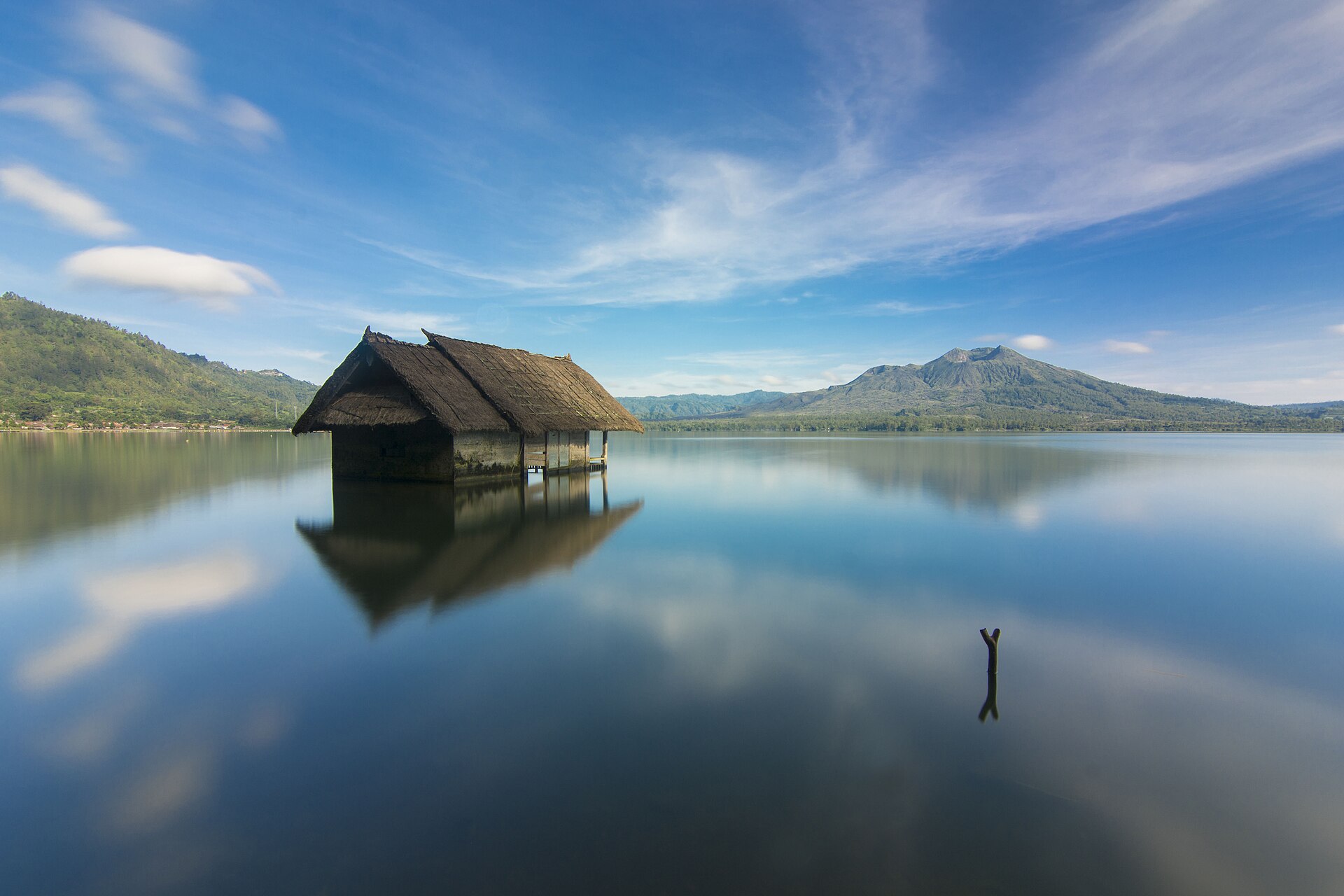
Below the volcano, at an altitude of around a thousand metres, lies Lake Batur, which covers more than 15 km² and in places reaches depths of several dozen metres. The villages of Kedisan, Toya Bungkah and Songan sit on its shores, while the remote village of Trunyan has its own local traditions, so treat it with respect and don’t go chasing sensations. Local restaurants around the lake often serve visitors fish caught right here in the lake.
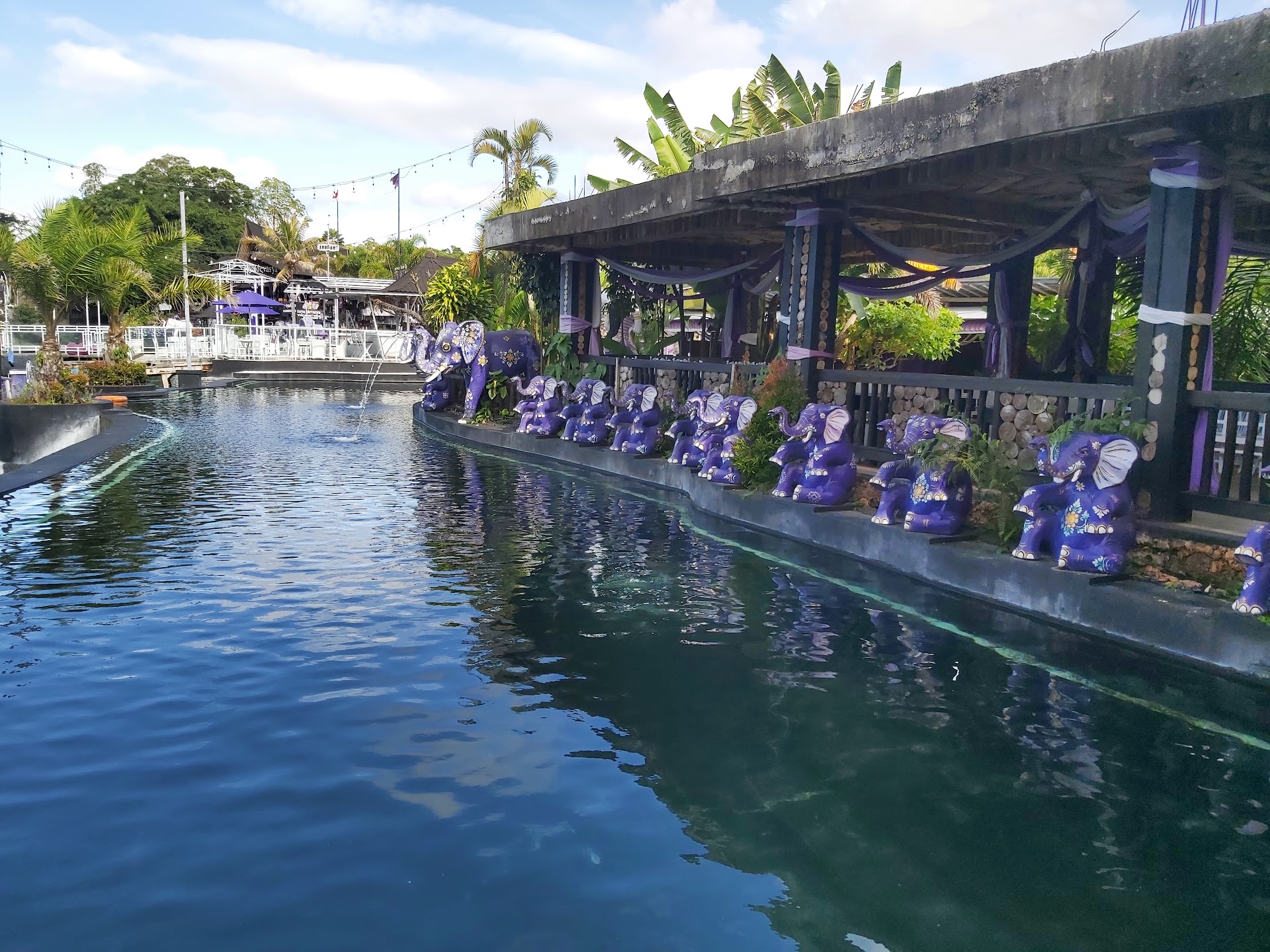
Where to Stay Near Mount Batur
If you don’t fancy waking up at 1:30 am and spending two hours in a car on a night drive into the mountains, spend one night right in the caldera by the lake. You’ll get a lie-in, and the trailhead or the hot springs will be just a short drive away.
💡 On this map you can compare what’s currently available around Lake Batur, and you’ll see straight away how prices differ between Toya Bungkah, Kedisan and Songan.
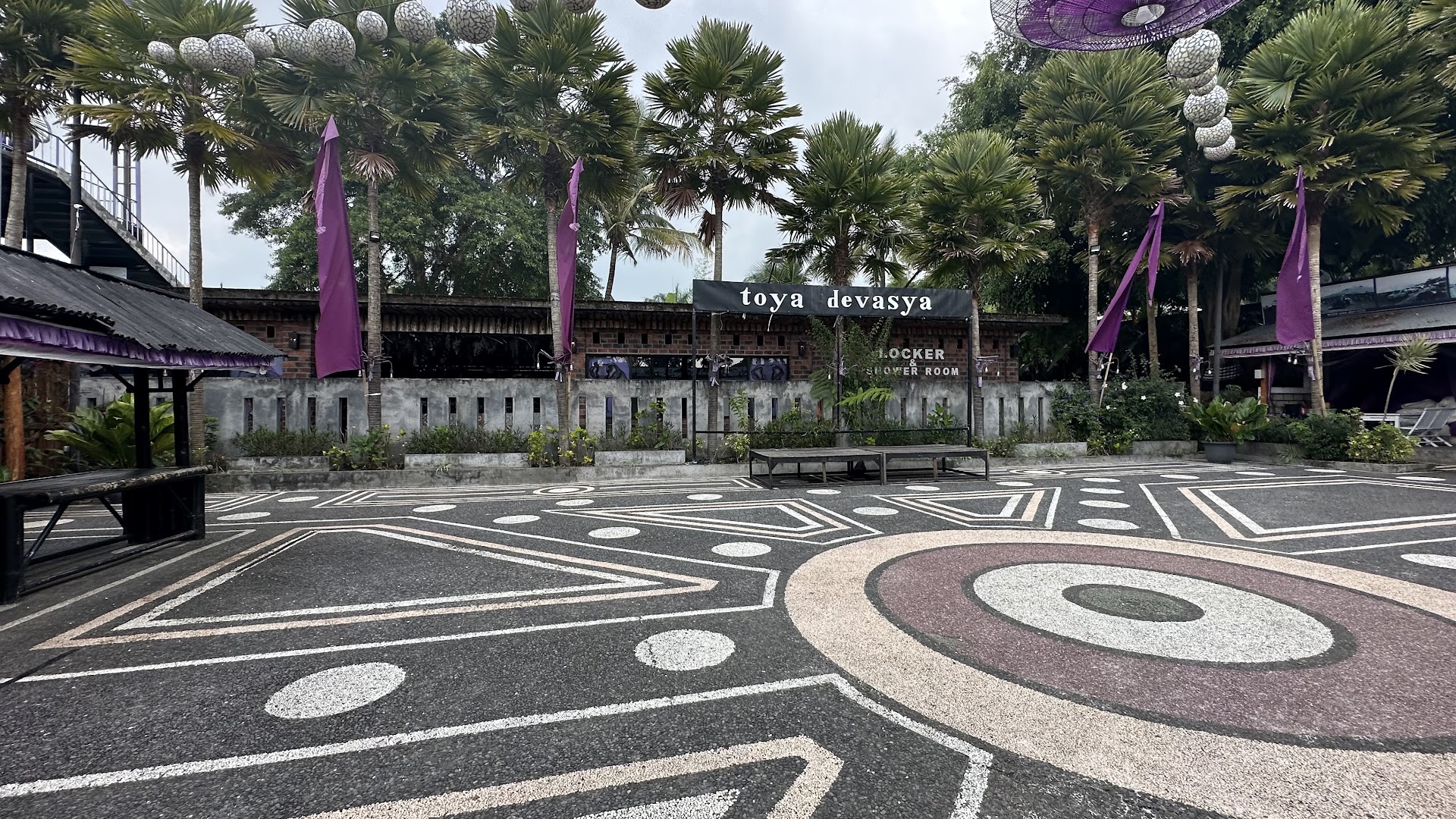
Toya Devasya – Hiker’s Camp
If you want a base designed specifically for the night before the hike, go for Toya Devasya – Hiker’s Camp in Toya Bungkah. By the lake there’s a tent campsite plus “semi-glamping” – more comfortable tent accommodation – and the whole site sits right next to the Toya Devasya thermal pools.
The Ayu Kintamani Villas
If you’re after privacy by the water, go for The Ayu Kintamani Villas in Toya Bungkah, part of the Toya Devasya complex. Right on the lake there are twelve villas, each with a private pool.
Toteme Glamping & Hot Springs
If you want to camp with a view of Batur, go for Toteme Glamping & Hot Springs in Batur Tengah. This glamping site – a more comfortable take on camping – offers tents with terraces and its own natural hot pool.
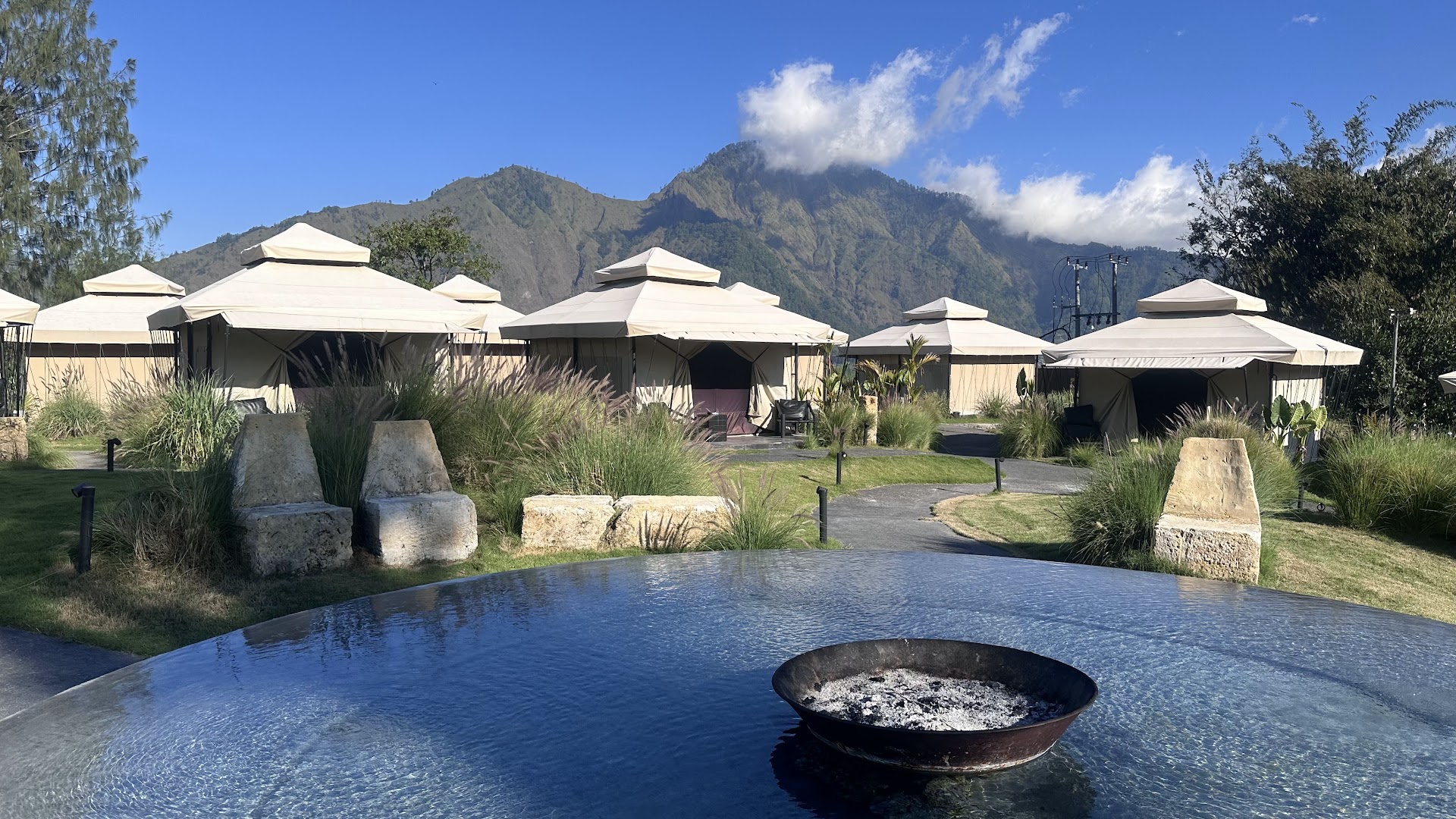
Black Lava Camp
If you’d like your accommodation and your morning programme sorted in one place, go for Black Lava Camp in Batur Tengah, which looks out over the volcano and the lake. You’ll find glamping, villas and a café with a pool, and they organise both the hiking trek and the jeep tour right on site.
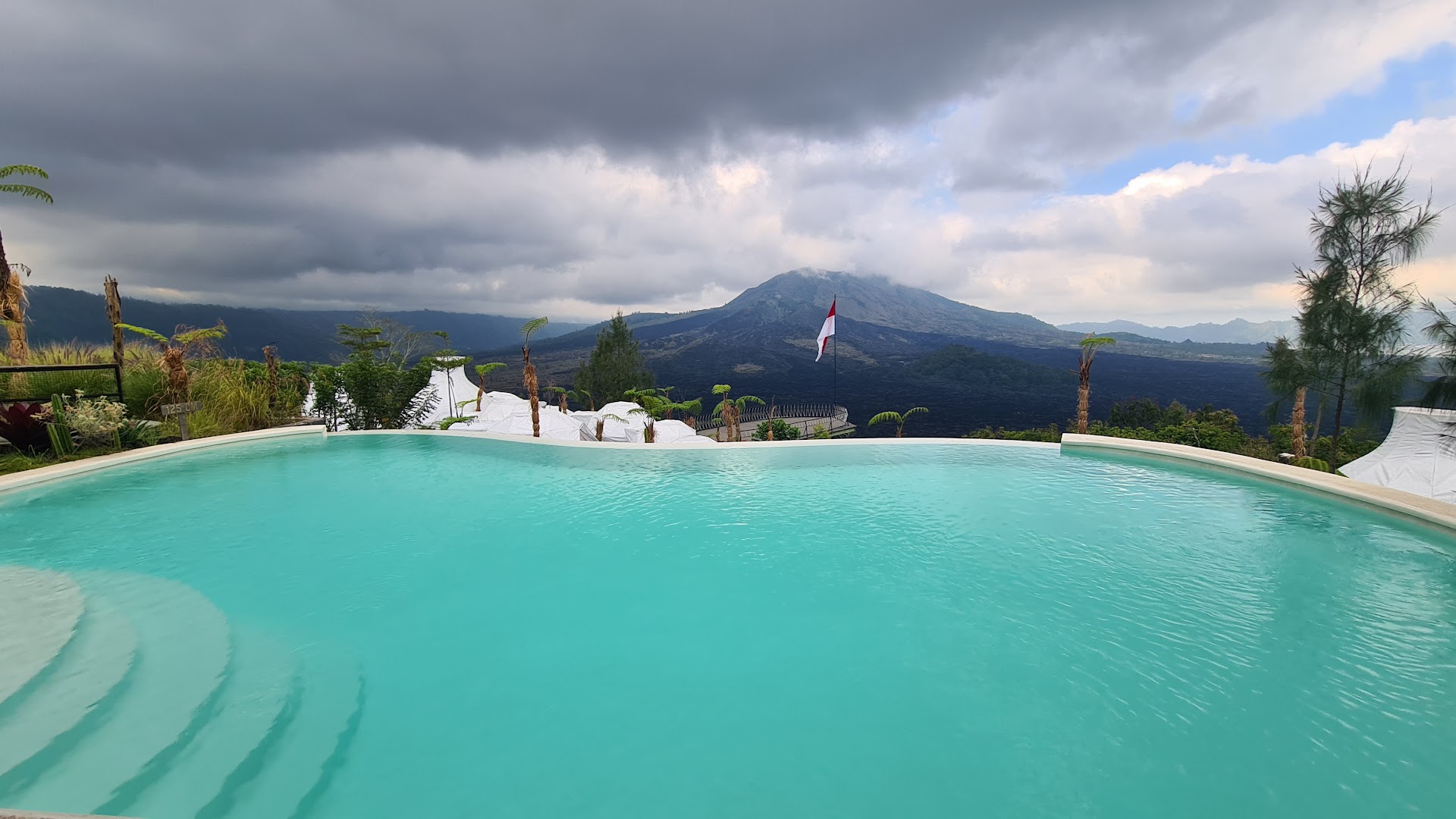
Batur Cozy Bali
If you’d rather stay near the village of Songan, go for Batur Cozy Bali, where the villas stand 40 to 100 metres from the lake. On top of that, each one has its own hot spring.
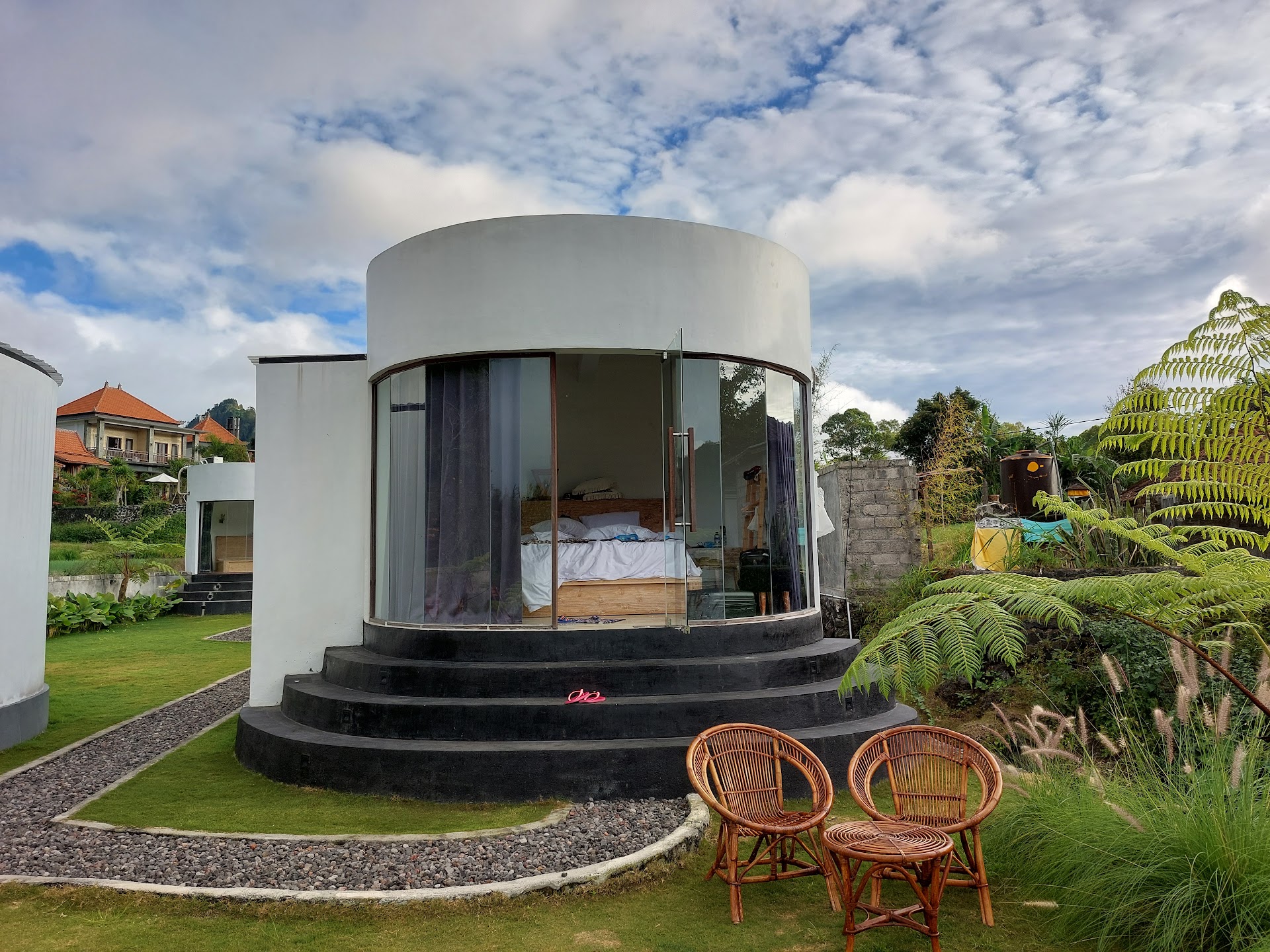
Noya by Desa Oculus
If you want to sleep right on the lakeshore, go for Noya by Desa Oculus in Kedisan. There are eight suites, a pool and a restaurant by the water.
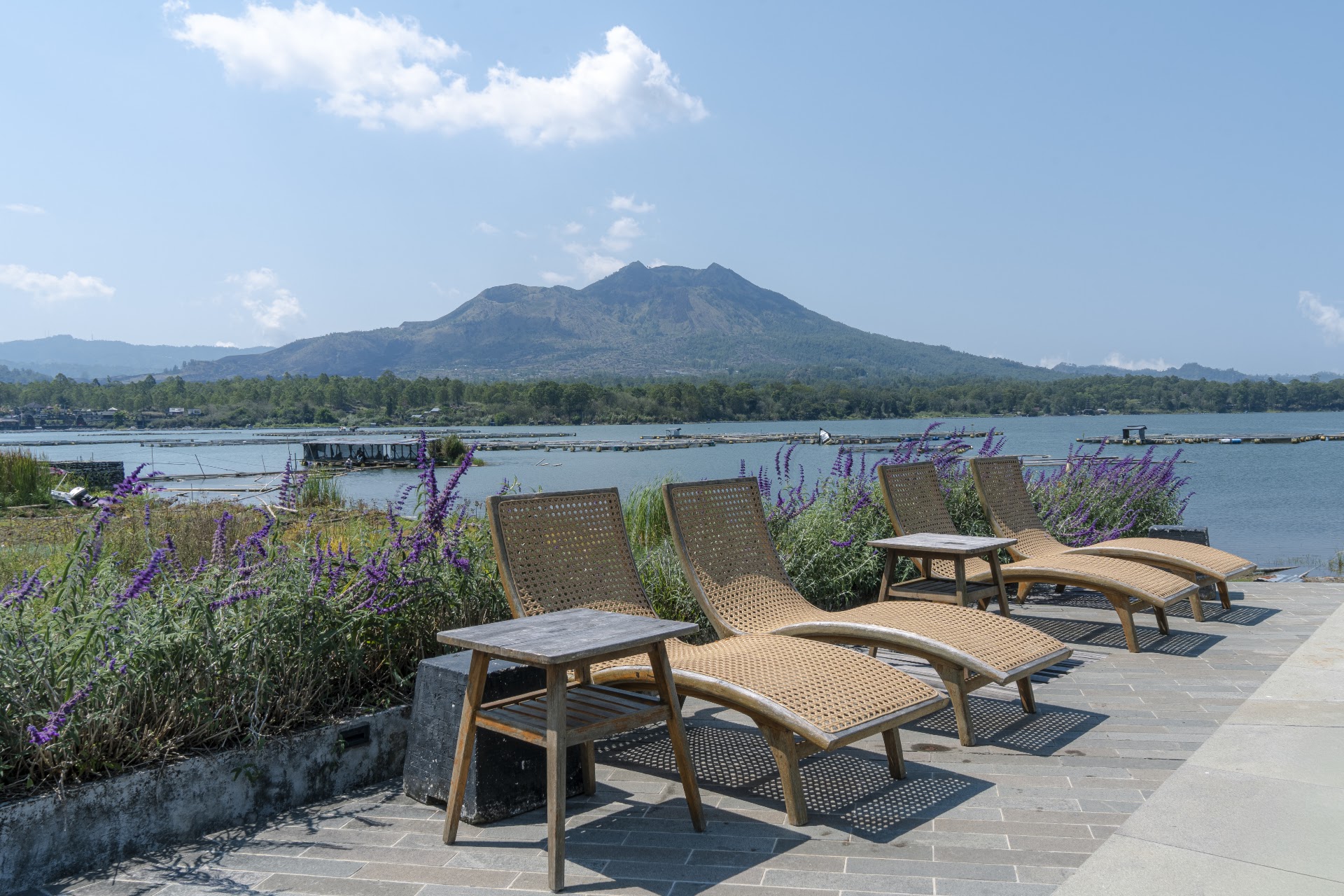
Where Next: Fitting Mount Batur into Your Bali Trip
When you’re putting together your Bali itinerary, it pays to plan the hike for the first free morning of your stay. If the operator has to cancel because of bad weather, you’ll still have a few more mornings in reserve to move your booking to.
A practical base that saves you moving to the lake is Ubud. The drive from there takes about 1.5 hours, so you’ll be picked up between 2:30 and 3:30 am and be back around 10 am. From Canggu, expect to leave as early as 1:30–2:30 am and get back around midday. Travellers staying in Uluwatu face an even longer transfer, and operators there often charge a surcharge for the car – so between the distance and the extra fee, it makes sense to move up north a day earlier.
In the 14-day version of our Bali road trip itinerary, Batur falls on day five. If you’re tweaking the itinerary, leave at least one spare morning after Batur in case of a cancellation – and after that early wake-up, I’d recommend keeping the afternoon light 😅. If you’re looking for more trips in the area, check out the cliffs of Nusa Penida or our other guides in the Indonesia section.
Frequently Asked Questions
How long does the hike up Batur take?
The climb itself to the summit or to the crater viewpoint takes 1.5 to 2 hours on the classic route, and the way down takes 1 to 1.5 hours. Factoring in the night-time transfer from your hotel, waiting for sunrise with breakfast, and the return trip, expect pickup to happen somewhere between 1:30 and 3:30 am, with your return around 10:00 am to noon.
Do I need a guide to climb Batur?
In practice, yes — nowadays you basically can’t climb the volcano without one. Hikes are led by local guides, often from the PPPGB association (the local guides’ association at the foot of the volcano), and under Bali provincial rules (Governor’s Circular No. 7/2025), foreign visitors are required to be accompanied by a licensed local guide.
How much does climbing Batur cost?
As a rough guide based on autumn 2026 offers, a group tour with transfer runs 23 to 35 USD (roughly €21–32), a private trek starts at around 44 USD (roughly €40), and a jeep tour from 20 USD (roughly €18). Entry to the Kintamani area (50,000 IDR, roughly €3) is sometimes included in the tour price or paid on the day, so check this when booking, and once per stay you’ll also need to pay the Bali tourist levy of 150,000 IDR (roughly €9).
Is the hike up Batur difficult?
The trek is moderately challenging — typical routes measure 6.4 to 10 kilometers round trip depending on the variant, with the longer Pura Jati route around 12 kilometers, and elevation gain of 500 to 700 meters. Average fitness is enough to handle it. The upper section, though, is steep and runs over loose gravel that gets slippery on the way down, so sturdy shoes and trekking poles come in handy.
What’s the temperature like at the summit?
Around six in the morning, the summit temperature averages 13 to 16°C, dropping to around 12°C on colder mornings — and it feels even chillier in the wind. Pack a warm fleece and a windproof jacket in your bag.
When’s the best time to climb Batur?
Conditions are best from April to October, with rain occurring only about 1 to 2% of the hours between 3:00 and 6:00 am during June through September, based on weather data from 2016–2025. Hikes do still run during the rainy season from November to March, but the chance of morning rain goes up.
What happens if it’s cloudy or raining?
Based on travelers’ experiences, hikes usually go ahead in light rain or overcast conditions — it mainly takes a thunderstorm or heavy downpour to cancel things. Free cancellation is often available up to 24 hours in advance, so check the organizer’s cancellation policy ahead of time and schedule the trip early in your stay just in case.
Can kids climb Batur?
It depends on the operator, as minimum ages in listings range from 8 to 13 years, and Pelago, for example, doesn’t recommend its trek for children under 12. For families with younger kids, a morning jeep ride to the viewpoint or a stop in Penelokan is a better fit.
Is Batur safe, given it’s an active volcano?
The last eruption is recorded as happening in 1999–2000, and as of November 2, 2026, Batur is at the lowest activity level, Level I (Normal), according to MAGMA Indonesia — double-check the current status before you travel. Even so, authorities advise against lingering in the active crater or getting close to the gas vents.
Can you experience Batur without hiking?
Yes, you can take a morning jeep ride across the lava fields to a viewpoint below the cone. Another option is the Penelokan viewpoint on the rim of the caldera at around 1,500 meters, or a visit to the hot springs by the lake.
Tips and Tricks for Your Vacation
Don’t Overpay for Flights
Search for flights on Kayak. It’s our favorite search engine because it scans the websites of all airlines and always finds the cheapest connection.
Book Your Accommodation Smartly
The best experiences we’ve had when looking for accommodation (from Alaska to Morocco) are with Booking.com, where hotels, apartments, and entire houses are usually the cheapest and most widely available.
 🚗 Car rental on the roadVerified rental cars in Bali
Search with the DiscoverCars comparison engine — it compares prices from dozens of local and international rental companies, and most bookings come with free cancellation.
Compare car prices in Bali →Don’t Forget Travel Insurance
Good travel insurance will protect you against illness, accidents, theft, or flight cancellations. We’ve had a few hospital visits abroad, so we know how important it is to have proper insurance arranged.
Where we insure ourselves: SafetyWing (simple monthly subscription) and TrueTraveller (for extra-long trips).
Find the Best Experiences
Get Your Guide is a huge online marketplace where you can book guided walks, trips, skip-the-line tickets, tours, and much more. We always find some extra fun there!