

Yogyakarta (locals call it Jogja) is one of those places that will probably make you want to extend your trip. When planning the things to do in Yogyakarta, Indonesia, I’d set aside three days so that, besides the city itself, you also have time for the temples. The cultural heart of Java sits beneath the Merapi volcano, and the local sultan also serves as governor, so here the monarch has a say even outside the palace walls.
Within easy reach are Prambanan and Borobudur, two UNESCO-listed temples, and both are well worth the trip. If you’re planning your first trip to Java or want to combine it with Bali, I put this guide together just for you. Inside you’ll find 24 tips on what to see and do, where to stay, when to go and how much things cost.
I checked prices and opening hours as of 3 November 2026, based on available sources from 2025–2026. For some smaller places the details are missing, and I’ve noted this separately in each tip. Holiday dates for 2027 have their own section.
Summary
- 3 days is ideal: one for the city, one for Borobudur, and one for Prambanan with Ratu Boko and the Ramayana ballet.
- On Mondays, the kraton (the sultan’s palace), the Wahanarata carriage museum and Fort Vredeburg are all closed. Don’t plan your city day for a Monday.
- Foreign visitors can only go up Borobudur with a temple structure ticket, which costs around IDR 455,000 (roughly €25, according to a source from 12/2025) and should be bought online. You’ll find the details in my separate article on Borobudur.
- The Ramayana ballet is performed on Tuesdays, Thursdays and Saturdays from 7:30 pm.
- Since 2020, Mount Merapi has been at alert level three (out of four, Level III). Climbing to the summit is banned; you can only tour its slopes by jeep.
- The best time to visit is June to September, with July and August being the driest months.
- From YIA airport, it takes about 40 minutes by train to the centre.
- Lebaran (the end of the fasting month of Ramadan and the main Muslim holiday) falls on 10–11 March 2027, with the public holiday period running from 9 to 15 March 2027. It’s best to avoid travelling here that week.
The full destination guide: Indonesia — guide and what to see
How Many Days to Spend in Yogyakarta, Indonesia, and When to Go
I recommend three days, which lets you see everything at a comfortable pace. Two days is the bare minimum, but if Mount Merapi and Jomblang Cave are calling you too, set aside 4 to 5 days right away.
| Option | Itinerary | Best for |
|---|---|---|
| 2 days (minimum) | Day 1: Borobudur in the morning (temple climb from 8:30 am), the smaller Mendut and Pawon temples near Borobudur in the afternoon, then back to the city. Day 2: the kraton in the morning (not on Mondays) and Taman Sari, Prambanan and Sewu in the afternoon, the Ramayana ballet in the evening (Tue, Thu, Sat) | if you’re just passing through Yogyakarta |
| 3 days (recommended) | Day 1: the kraton from 8:30 am, Taman Sari, Alun-alun Kidul, Malioboro and Beringharjo, Vredeburg in the evening. Day 2: Borobudur (sunrise on the temple costs IDR 1,000,000, otherwise a regular visit is IDR 455,000), free afternoon or Kotagede. Day 3: Prambanan from 6:30 am, Sewu, sunset at Ratu Boko, Ramayana in the evening | a relaxed pace |
| 4 to 5 days | on top of the above, add a sunrise jeep tour on Merapi (from 4:30 am) and Kaliurang, or Jomblang Cave (in the morning, booking required), or Kotagede and Prawirotaman | adding the volcano and the cave |
When putting your itinerary together, keep an eye out for a few small catches – for example, it doesn’t pay to plan your city day for a Monday. The famous Ramayana performance only runs on Tuesdays, Thursdays and Saturdays, so you’ll probably want to schedule your visit to Prambanan temple for one of those days. On top of that, Borobudur and Prambanan sit on opposite sides of the city, 55 km apart, so definitely spread them over different days.
When to Go: Yogyakarta, Indonesia Weather by Month
According to the ERA5 weather model (data from 2016 to 2025), the best time to visit is June to September, with July and August the driest. In those two months, it rains in only about 14% of afternoon hours between 1 pm and 7 pm. May and October are something of a transition period.
From November to March, it rains in roughly half of the afternoon hours. Plan the temples and the kraton (open until 2:30 pm) for the mornings, and save the afternoons for Fort Vredeburg (open until 8 or 9 pm), a museum or a café. BMKG, Indonesia’s meteorological agency, says the rainy season starts in November or December and peaks in February 2027. Treat this as a rough guide.
Temperatures barely change throughout the year, staying around 29 to 31 °C during the day – only at Borobudur at 5 am will you find a pleasant 20 to 22 °C. Mornings at Borobudur tend to be dry even in the rainy season. The data doesn’t capture fog or cloud cover, though, so nobody can guarantee you a clear sunrise. The Kaliurang area near Merapi is noticeably cooler, at 24 to 25 °C during the day, and it also rains more there, so make sure you head out on a jeep tour in the morning.
| Month | Day / night (°C) | Afternoon rain in the city (% of hours with rain between 1 pm and 7 pm) | Morning rain at Borobudur (% of hours with rain between 3 am and 6 am) |
|---|---|---|---|
| January | 29 / 23 | approx. 51% | approx. 12% |
| February | 30 / 23 | approx. 55% | approx. 17% |
| March | 30 / 23 | approx. 49% | approx. 11% |
| April | 30 / 23 | approx. 45% | approx. 7% |
| May | 31 / 23 | approx. 30% | approx. 4% |
| June | 31 / 22 | approx. 26% | approx. 2% |
| July | 31 / 21 | approx. 14% | approx. 2% |
| August | 31 / 21 | approx. 14% | approx. 1% |
| September | 31 / 22 | approx. 24% | approx. 3% |
| October | 31 / 23 | approx. 33% | approx. 8% |
| November | 30 / 23 | approx. 53% | approx. 16% |
| December | 30 / 23 | approx. 46% | approx. 17% |
Source: ERA5 model (Open-Meteo), 2016 to 2025 average, Yogyakarta and Borobudur. The data doesn’t show fog or cloud cover.
Holidays and Dates That Will Affect Your Plans
When booking flights, watch out for Lebaran 2027, which falls on 10–11 March 2027 and brings a public holiday period from 9 to 15 March 2027. Expect trains and hotels to sell out well in advance, so it’s best to give that week a wide berth. Around the same time, on 8 March 2027, there’s also Nyepi, the Hindu Day of Silence, which mainly affects Bali.
Then on Thursday 20 May 2027 comes the Buddhist festival of Waisak, whose main celebrations take place right at Borobudur. Expect crowds and book early. I haven’t looked into the 2027 school holiday dates.
Where to Stay in Yogyakarta
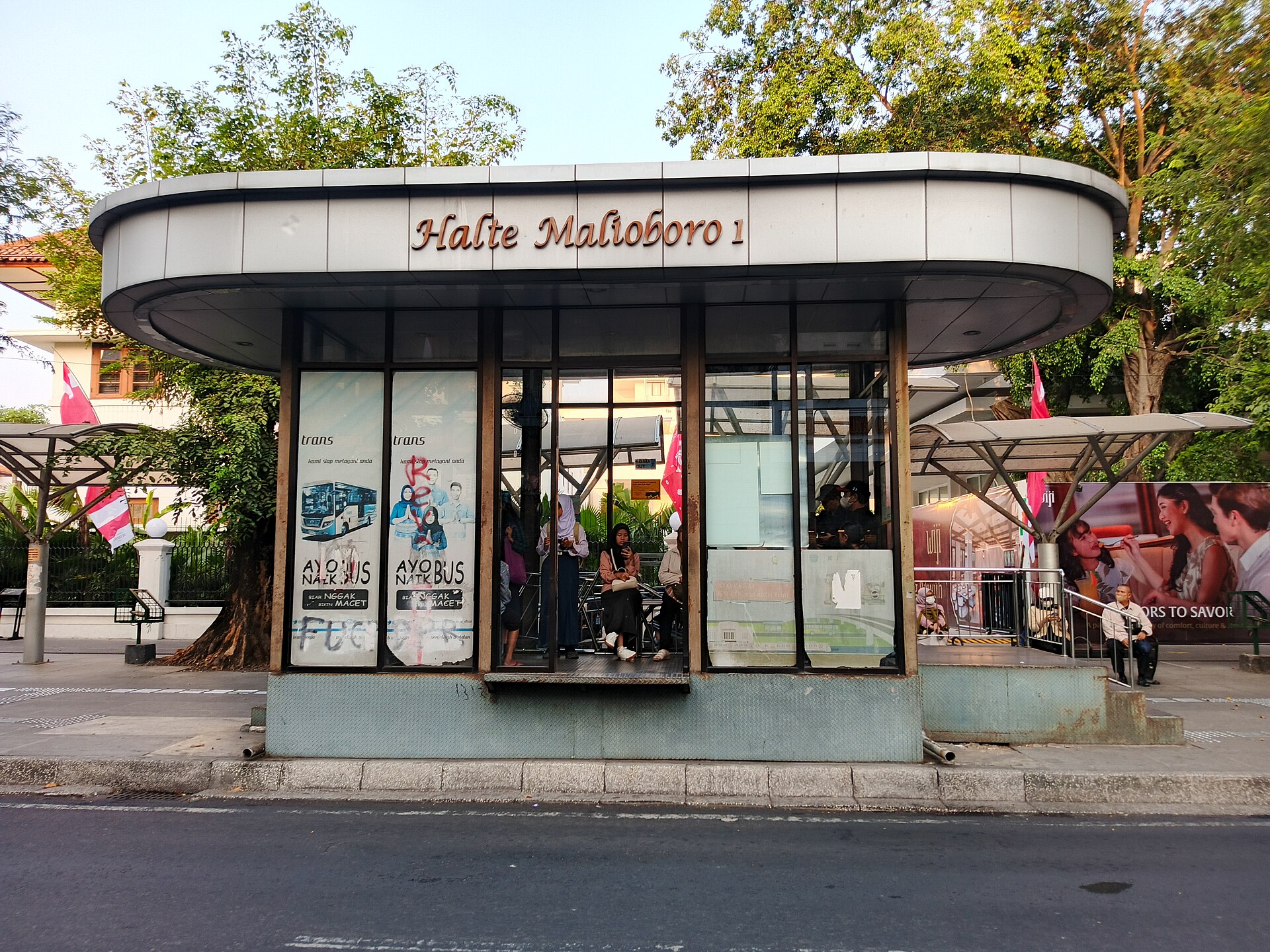
Before you start picking a hotel, think about one thing. Do you want to stay close to the shops, or would you rather enjoy a slower pace in a café district? Malioboro is the main shopping street, and the area around it tends to be busy and noisy.
Another option is the area around the kraton, the sultan’s palace, and the axis between Malioboro and Tugu (a monument at the northern end of the axis, which also gives the main railway station its name). The northern end of the axis is quieter, and that’s where you’ll find the big hotels. Prawirotaman is a café district full of guesthouses about 6 km by road south of Tugu, and it suits those of you who want to slow down. I choose the hotels editorially: for each one, I checked that it has a working website and that it’s operating according to the maps (as of 3 November 2026).
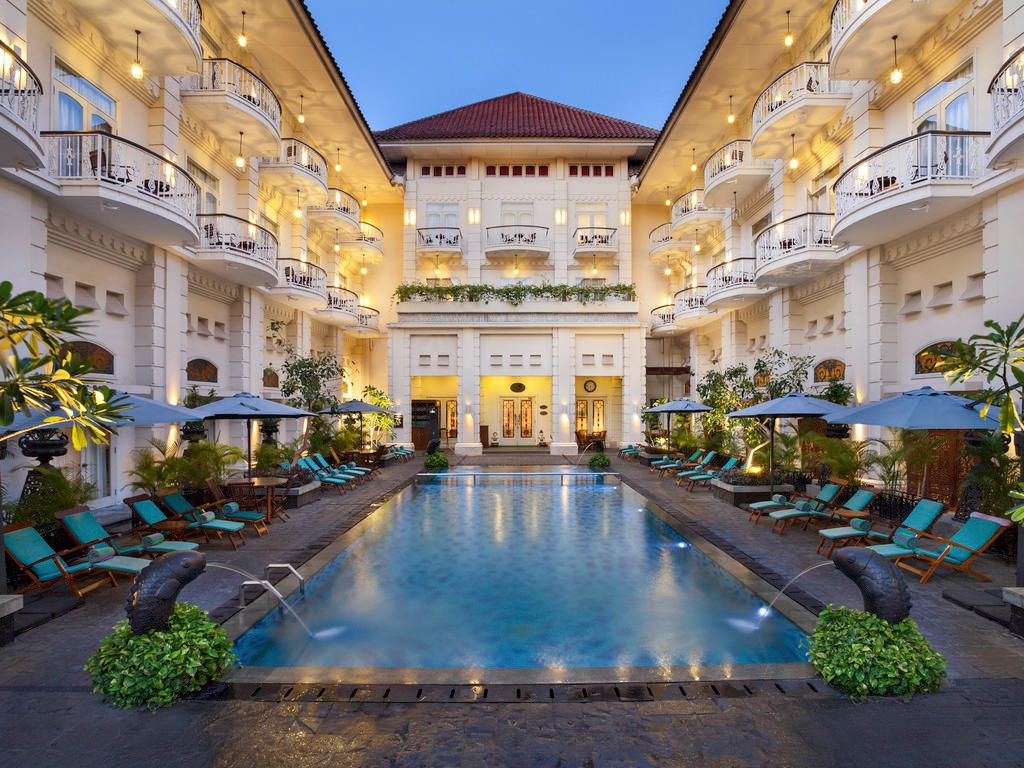
The Phoenix Hotel Yogyakarta
For a stay in a historic setting, try The Phoenix Hotel Yogyakarta, which sits in the centre, about a 10-minute walk from Malioboro according to its website. It belongs to the Accor group, specifically its Handwritten Collection, and you’ll find it at Jl. (jalan, street) Jend. Sudirman No. 9.
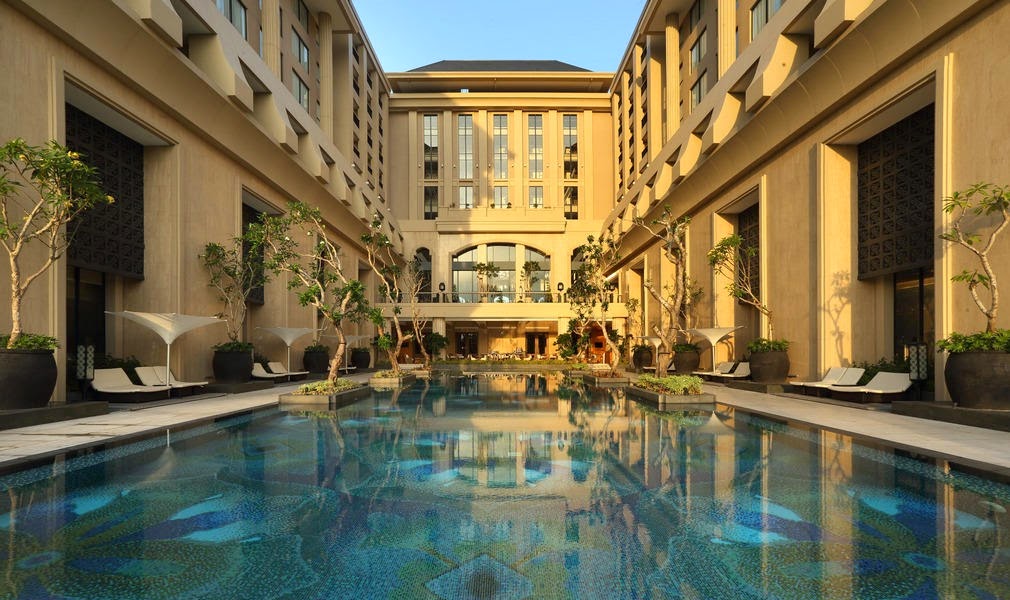
Hotel Tentrem Yogyakarta
For luxury at the northern end of the Malioboro–Tugu axis, there’s Hotel Tentrem Yogyakarta. In Javanese, the word “tentrem” means peace and harmony, which sounds like a lovely travel resolution. The address is Jl. P. Mangkubumi 72A.
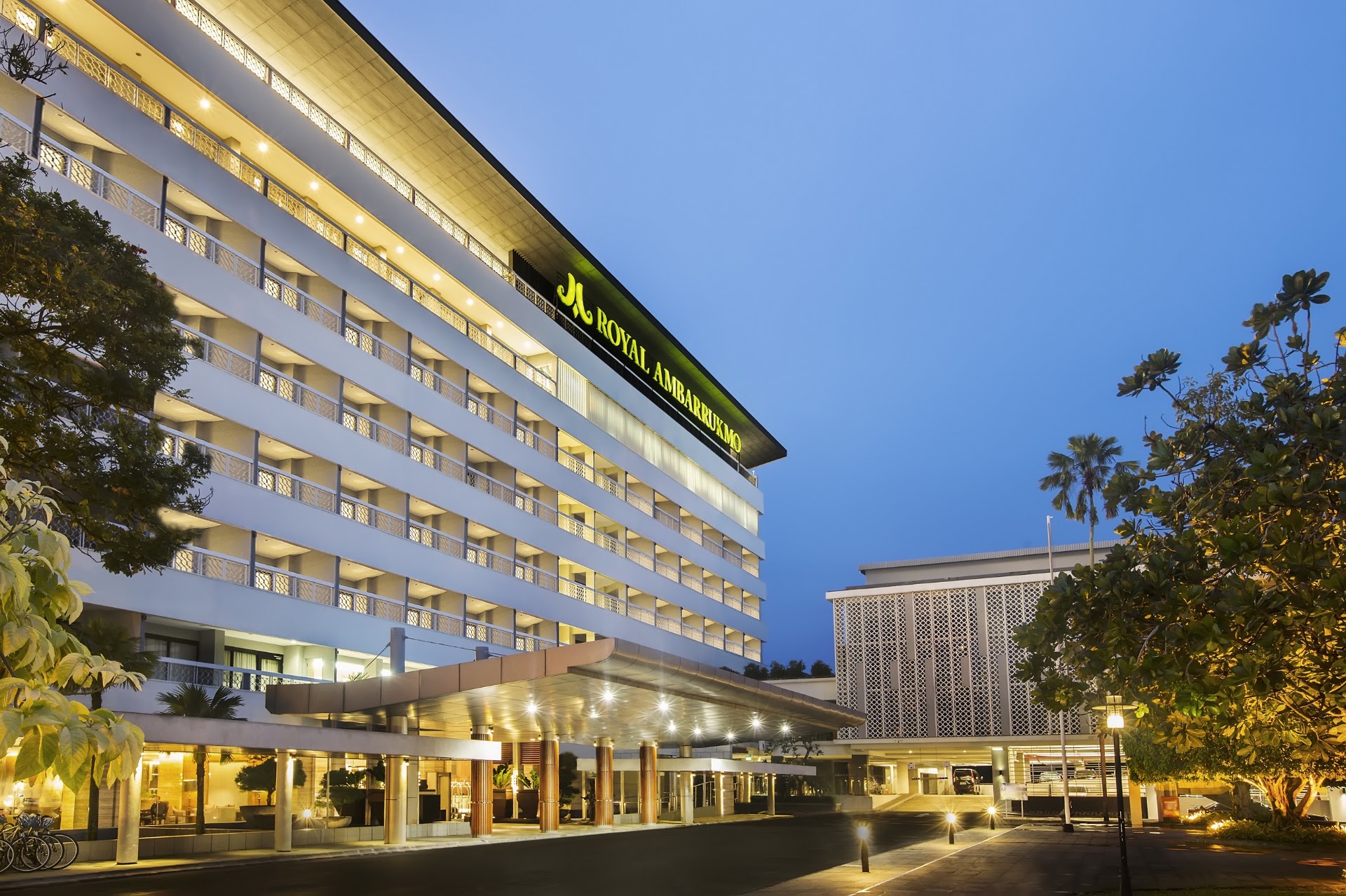
Royal Ambarrukmo Yogyakarta
Royal Ambarrukmo Yogyakarta is a large hotel on the east side of the city, in the direction of Prambanan. The address is Jl. Laksda Adisucipto 81.
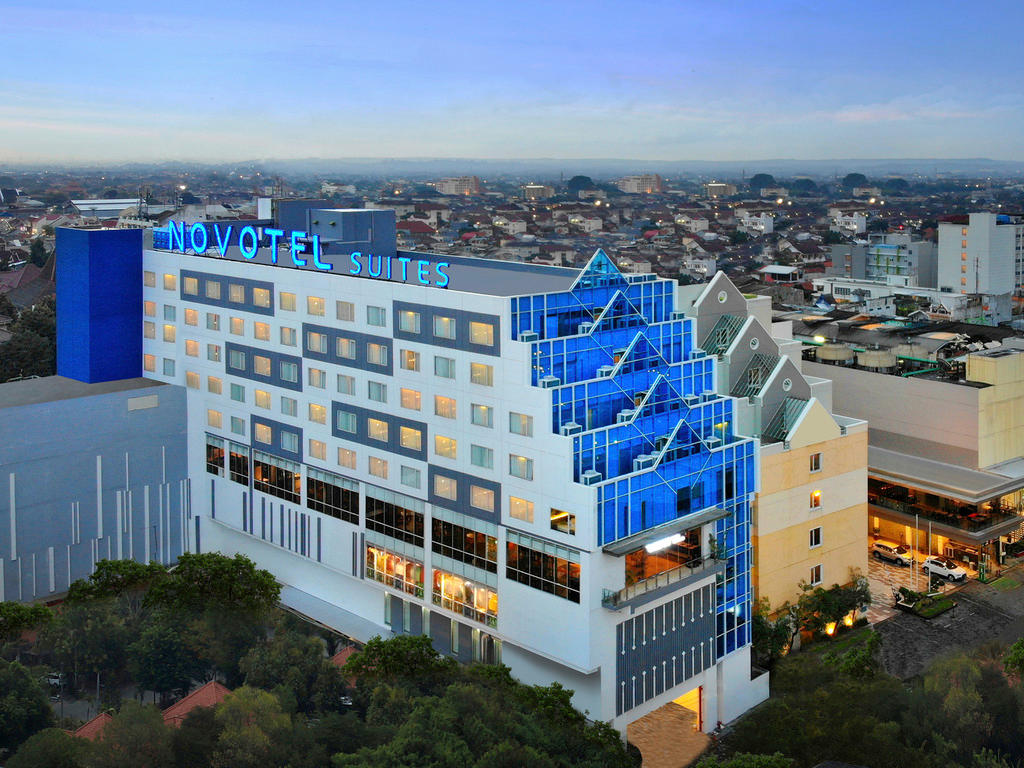
Novotel Suites Yogyakarta Malioboro
Right by Malioboro you’ll find Novotel Suites Yogyakarta Malioboro, which is part of the Accor brand. It’s located at Jl. Perwakilan 1.
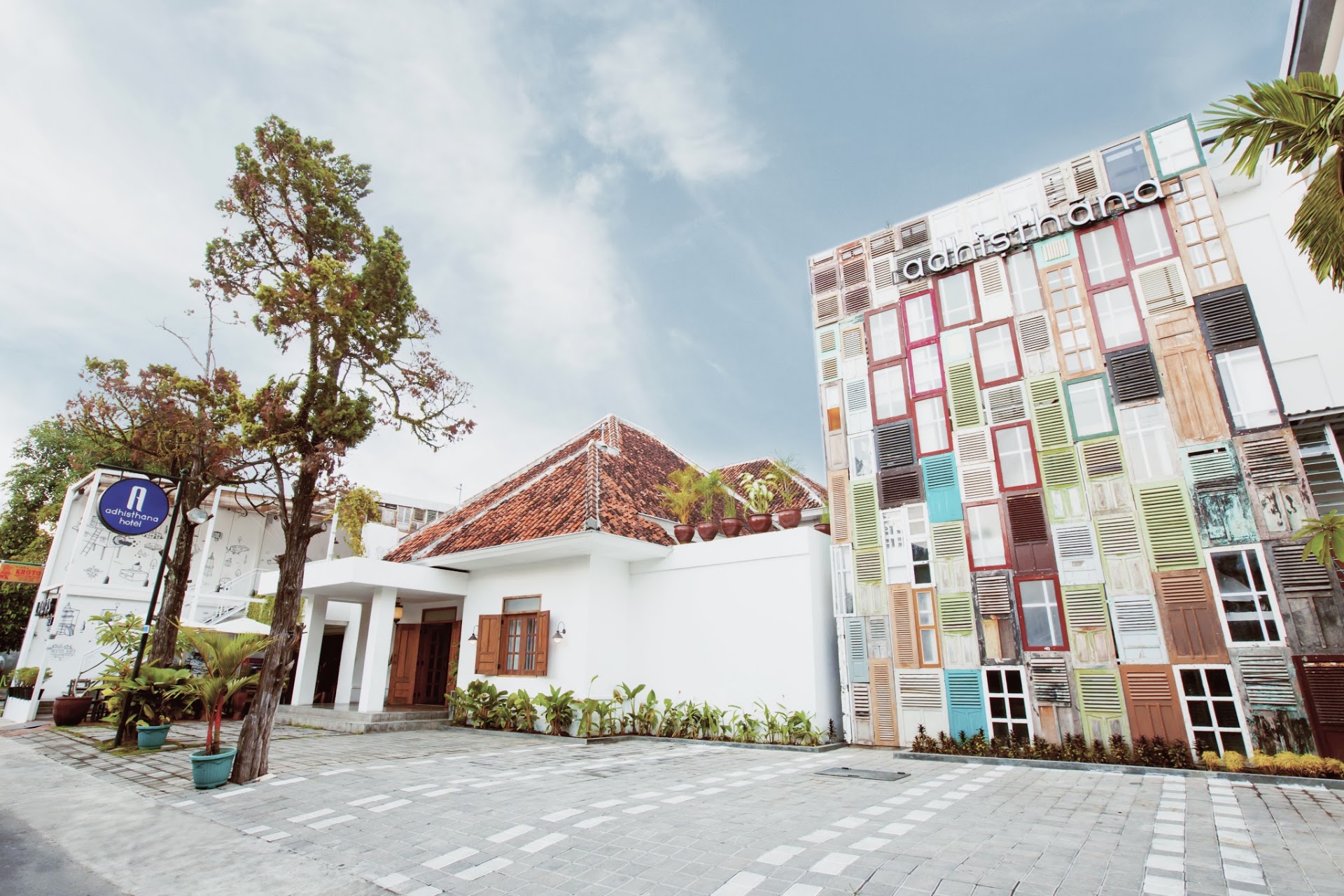
Adhisthana Hotel
Adhisthana Hotel is a boutique hotel in the Prawirotaman café district that will catch your eye if interiors matter to you when choosing where to stay. Its interior blends Javanese style with Chinese and European influences. According to its website, the hotel uses local materials and puts an emphasis on sustainability. You’ll find it at Jl. Prawirotaman 2 No. 613.
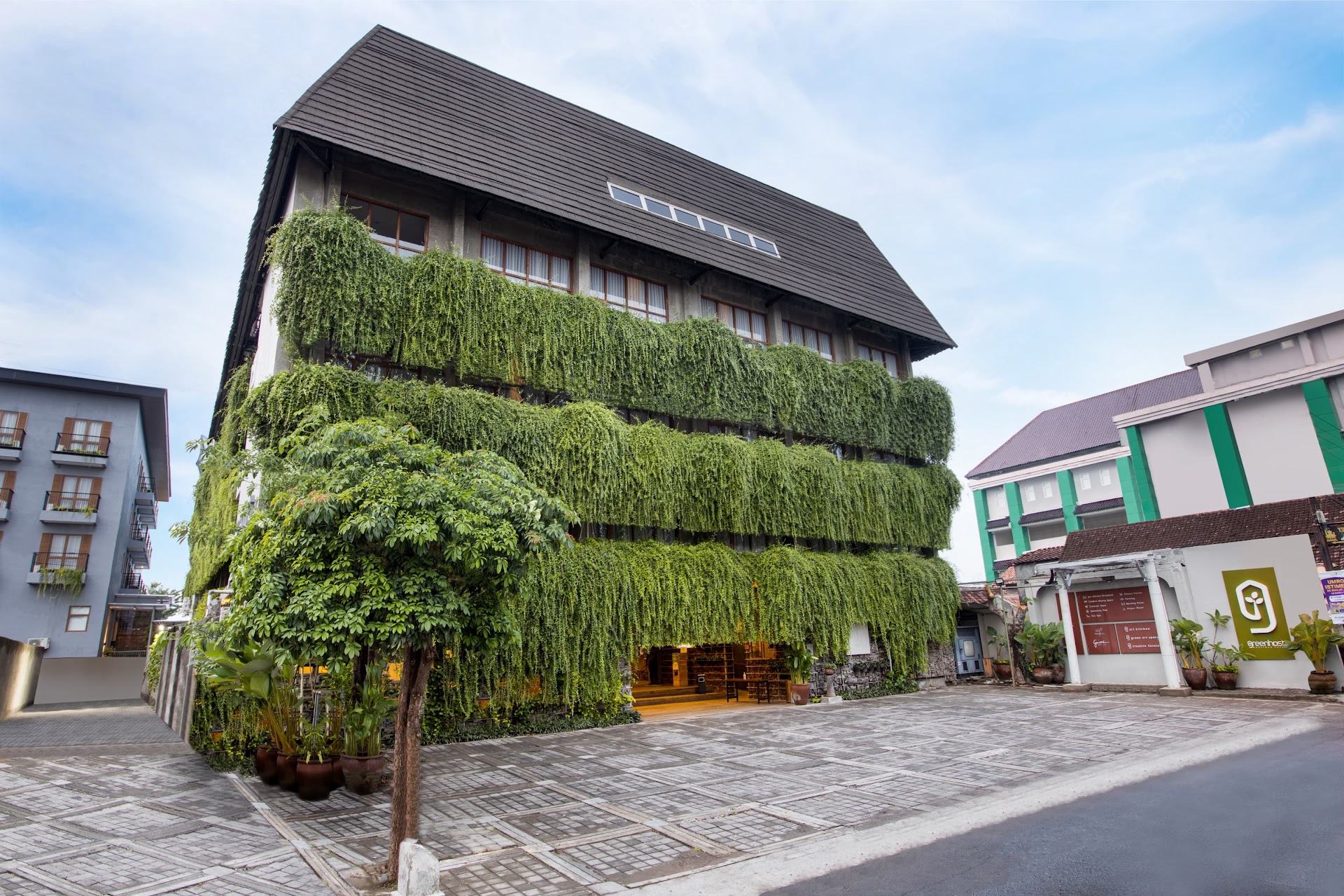
Greenhost Boutique Hotel Prawirotaman
If sustainability is a priority for you, Greenhost Boutique Hotel Prawirotaman builds its whole concept around it. The hotel has its own restaurant, Art Kitchen, and a spa, so you can pencil in a little relaxation too. The address is Jl. Gerilya No. 629.
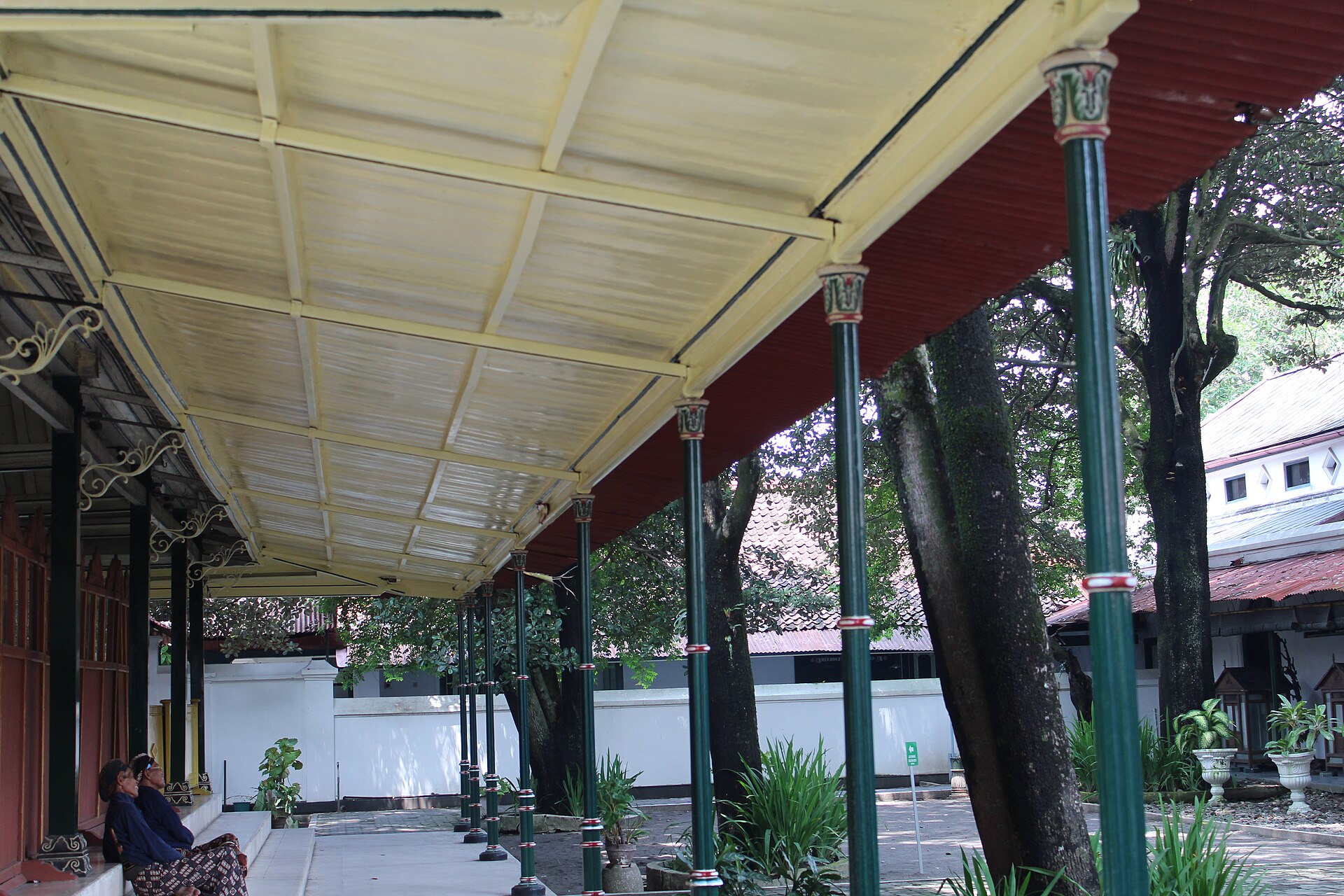
Things to Do in Yogyakarta, Indonesia: the Kraton, Taman Sari and the Old Town
Tips 1 to 14 take you around the city and its surroundings, from the Sultan’s palace and Taman Sari to the markets and the food. Monday is the worst day for this part of your trip, because the kraton, the carriage museum and Vredeburg Fort are all closed. That’s why I’d plan your visit for another day, so your excitement doesn’t end in front of locked doors.
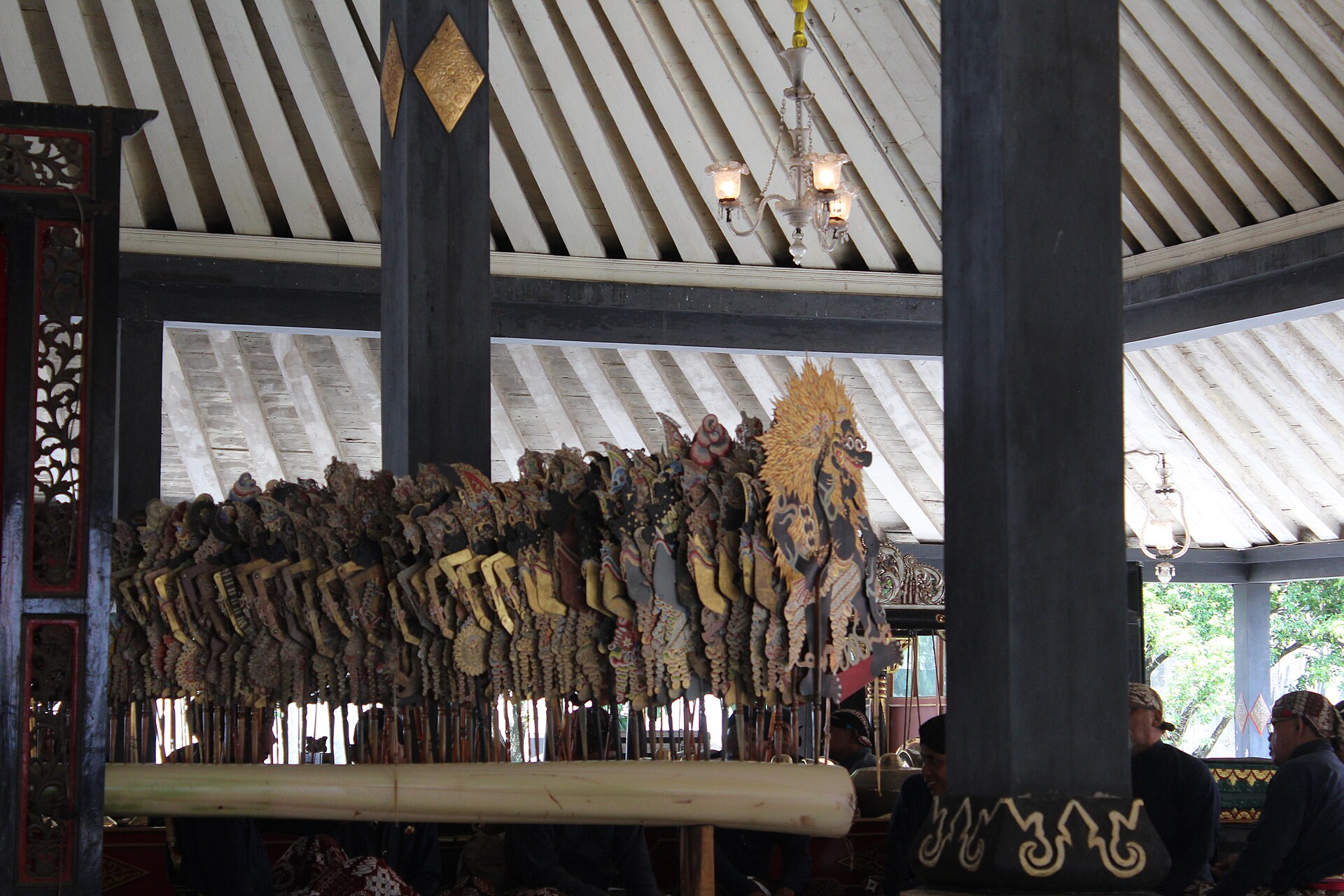
1. The Kraton (Kedhaton) and Performances at Srimanganti
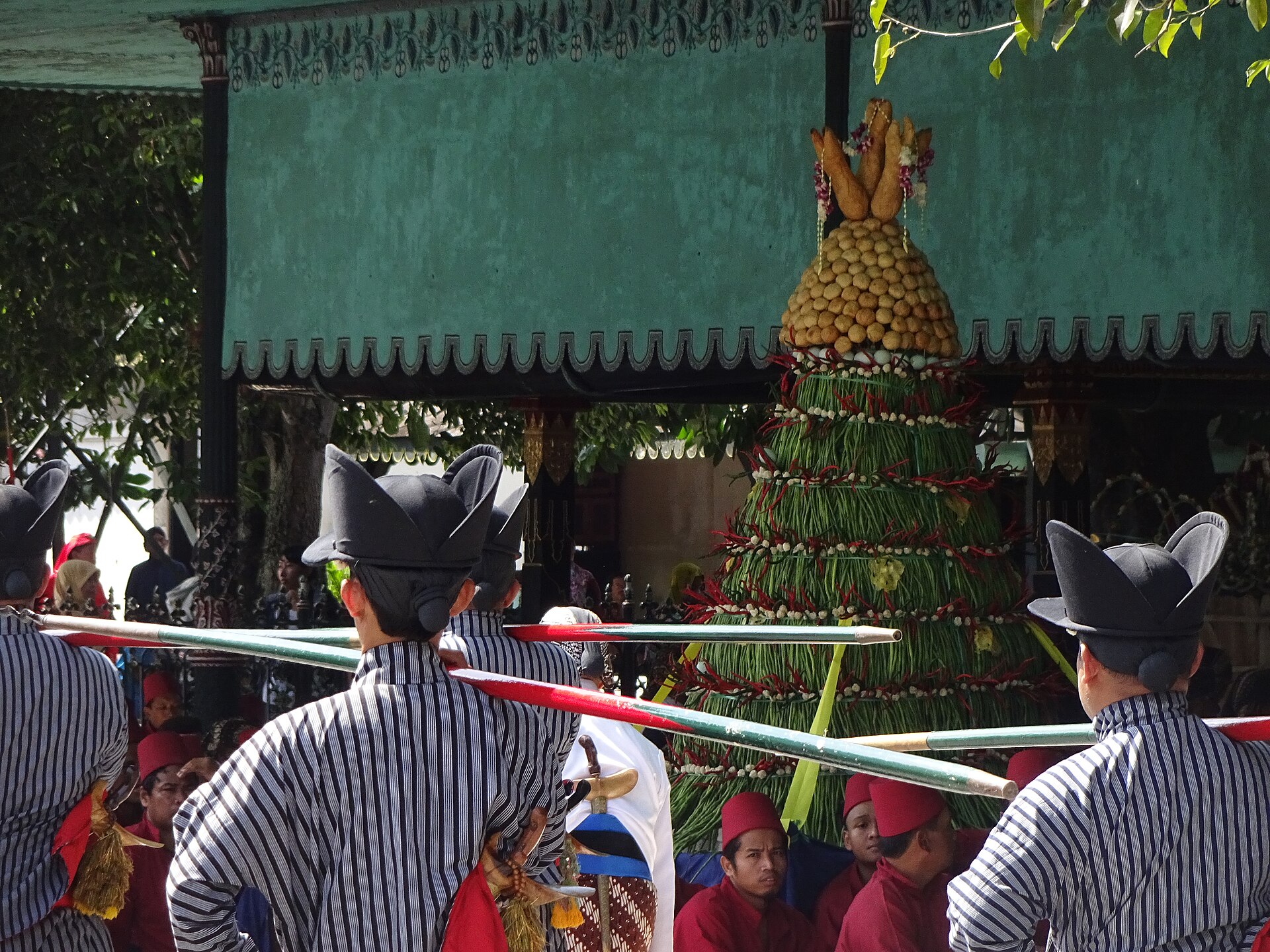
Kraton (also called Kedhaton) means palace – here, specifically, the Sultan’s palace. Sultan Hamengkubuwono X has been on the throne since 7 March 1989 and is also the governor of the Special Region of Yogyakarta.
It’s open Tuesday to Sunday, 8:30 am–2:30 pm, closed on Mondays, and you should arrive at least an hour before closing. Wear clothes with sleeves; shorts and skirts aren’t allowed, and you should also avoid awisan, the batik patterns reserved for the ruler. The entrance fee for foreigners is around 25,000–30,000 IDR (roughly €1.20–1.50, approximate – sources differ). You can buy tickets via kratonjogja-online.globaltix.com, and you’ll find more details on the official kraton website.
Inside the kraton, at Bangsal Srimanganti, performances are held in the morning (Tuesday to Sunday, 9–11 am). On Tuesdays there’s gamelan (a traditional Javanese orchestra) and dance, while the other days have a different programme depending on the day of the week. The schedule changes from month to month, so check it before you go.
2. Wahanarata Carriage Museum
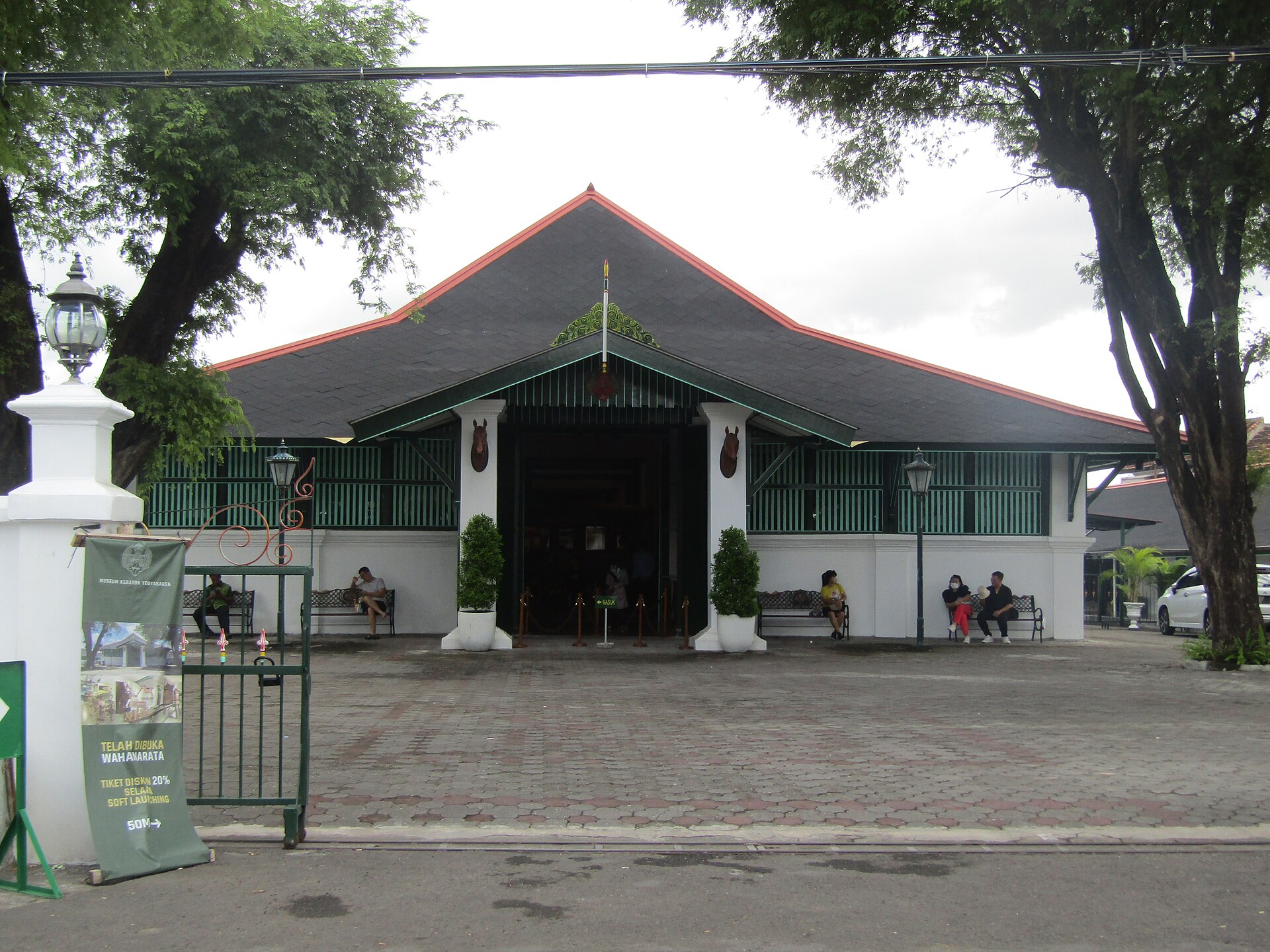
The Wahanarata Carriage Museum belongs to the kraton, so if carriages appeal to you, you can fit it into the same plan as the palace. I couldn’t find out exactly what the exhibition includes; the name suggests it’s all about carriages.
You’ll find it at Jl. Rotowijayan 1, open Tuesday to Sunday from 9 am to 3 pm and closed on Mondays. Tickets are sold through the same online system as kraton admission. You’ll see the price when you buy through the kraton’s online system.
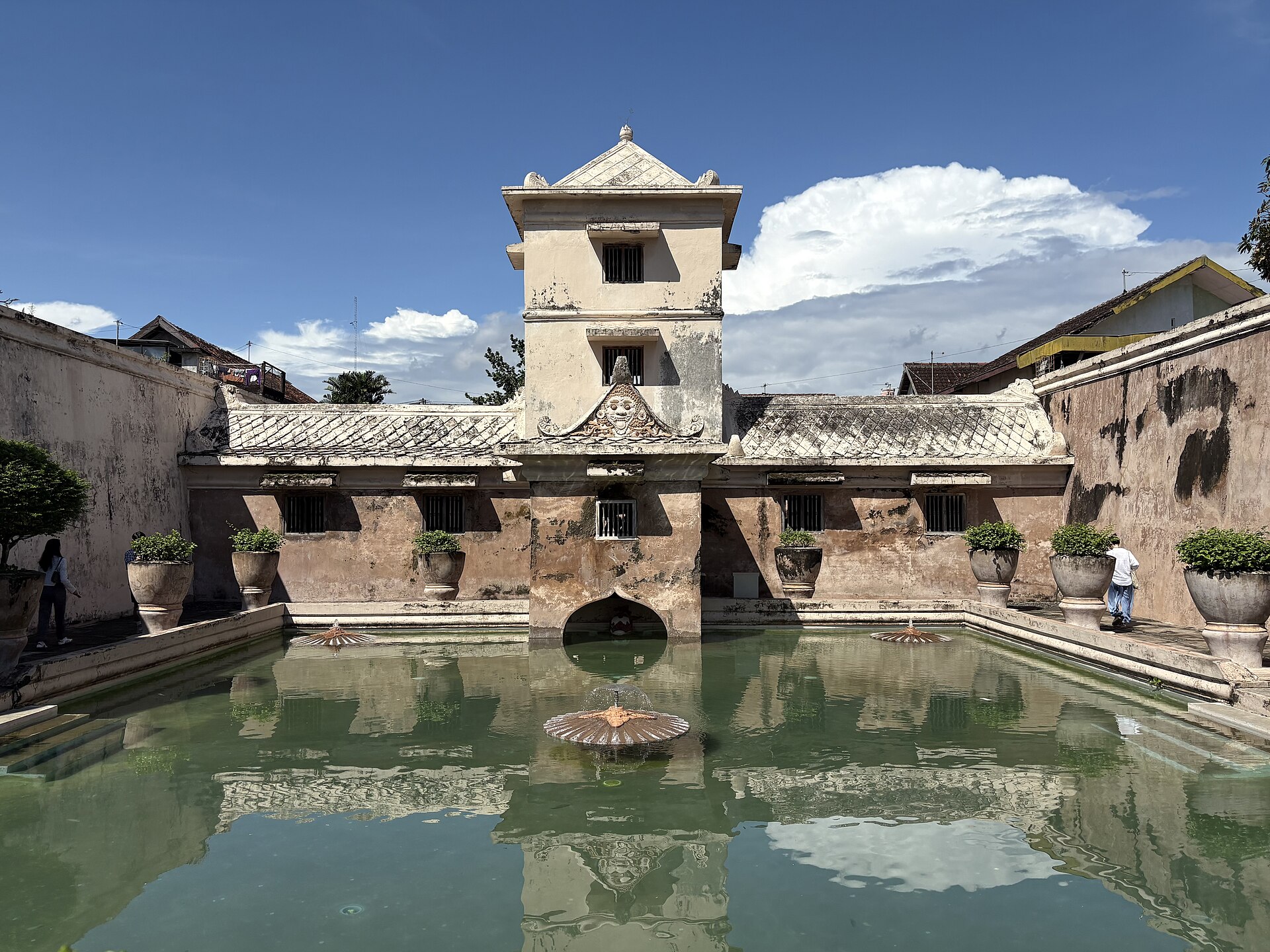
3. Taman Sari and Sumur Gumuling
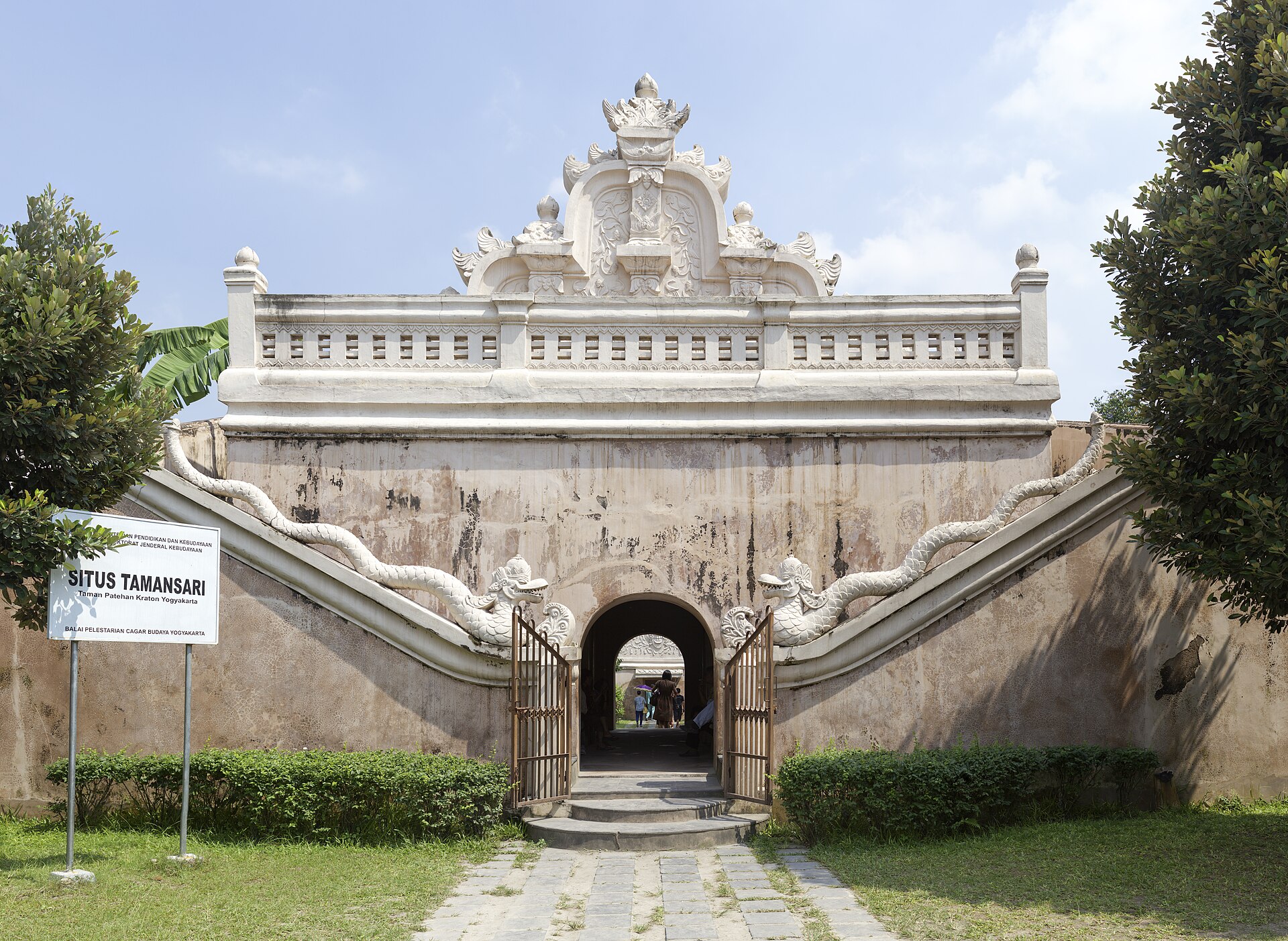
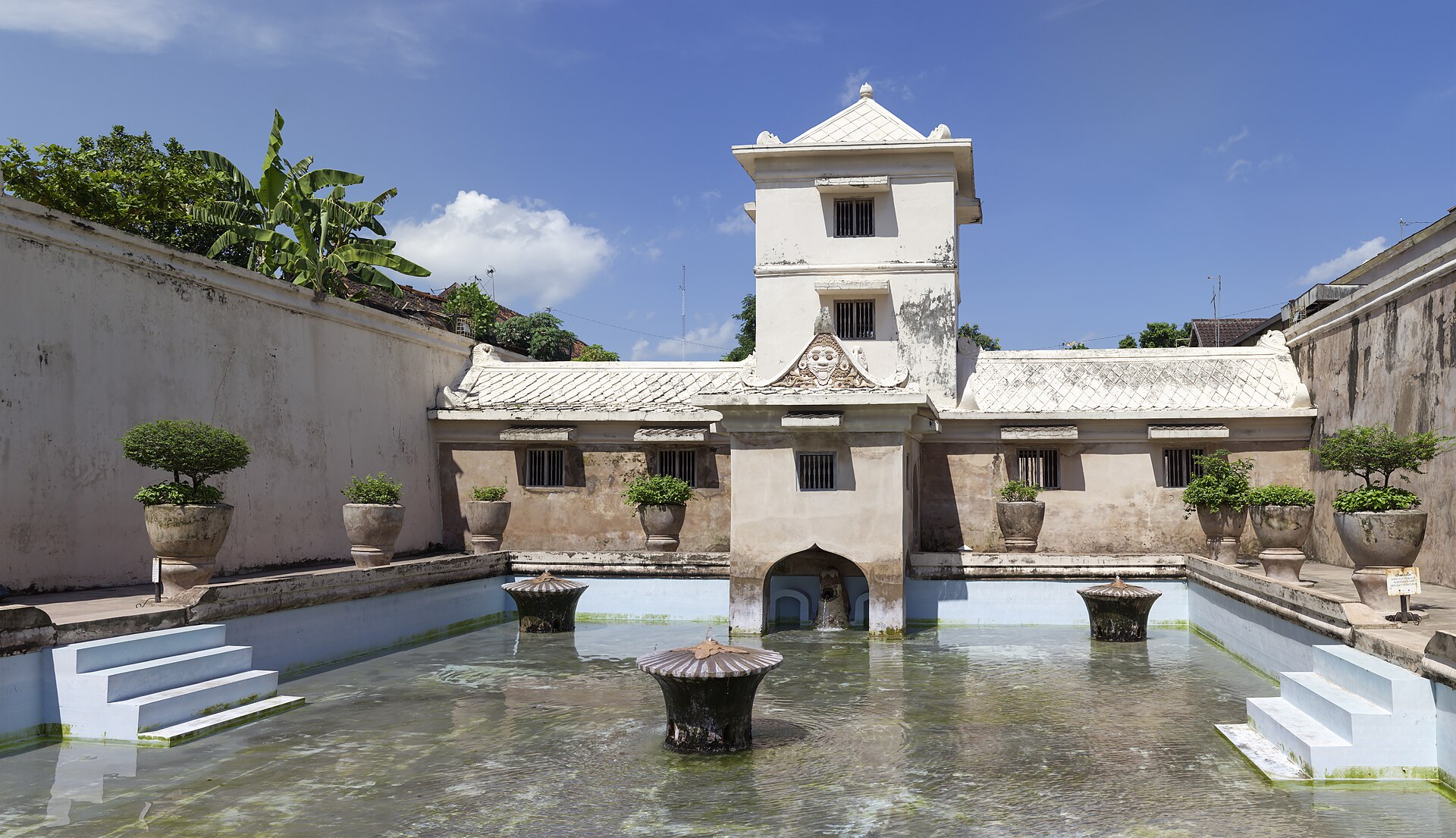
Right by the kraton lies the Taman Sari complex, whose name contains the word taman, meaning garden. Sumur Gumuling is a former underground mosque with a circular floor plan, four staircases and a tunnel. Check before your trip whether it’s currently open to visitors.
Taman Sari is open daily from 9:00 am to 3:00 pm; the older 8 am–5 pm hours no longer apply. The entrance fee for foreigners is around 25,000 IDR (roughly €1.20, approximate), and a guide isn’t included. Guides offer their services at the entrance and expect a tip, so I’d agree on the terms in advance – that way your visit doesn’t end with an awkward fumble for your wallet.
4. Kampung Taman: Batik and Murals
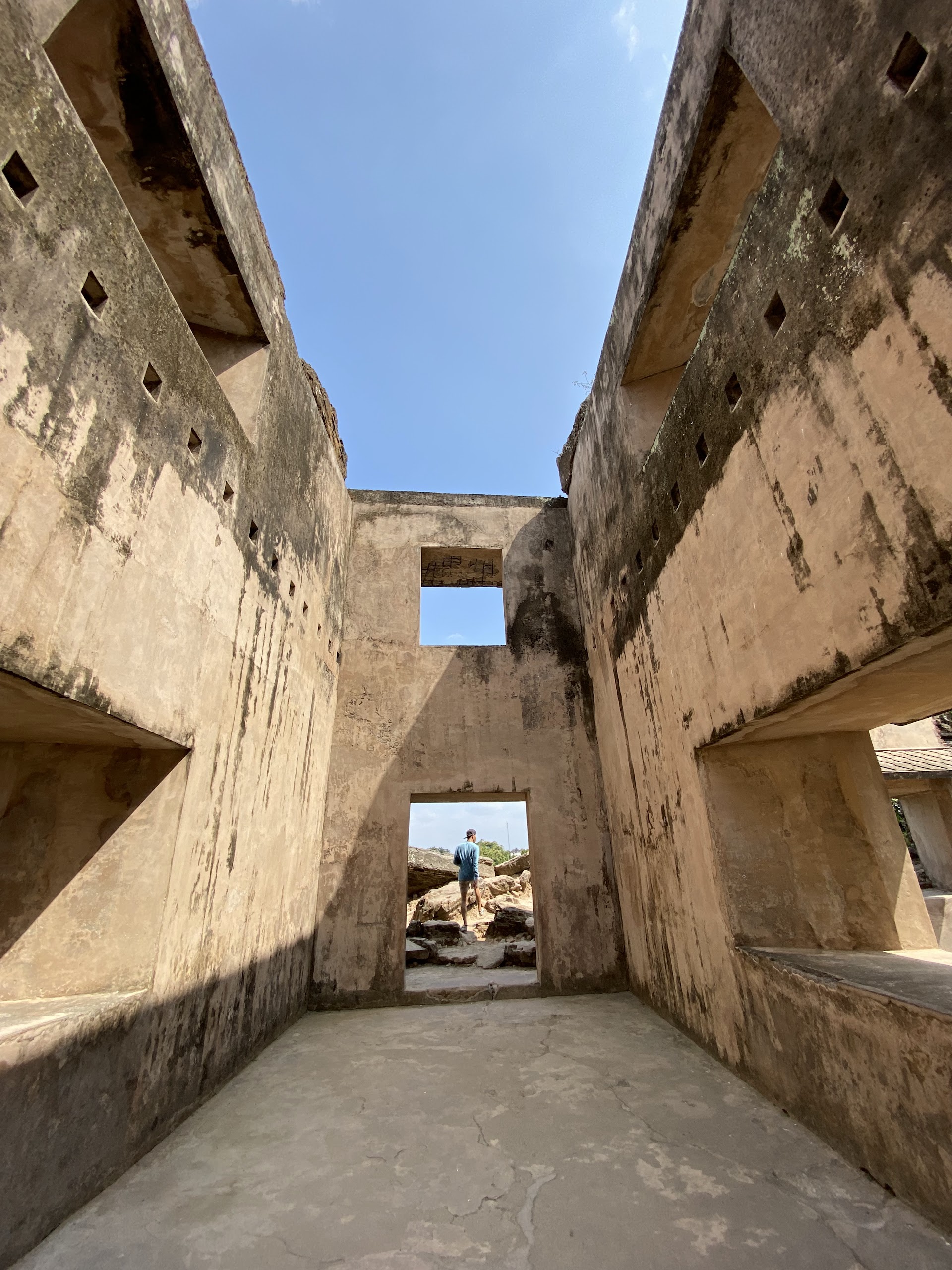
Kampung Taman is the neighbourhood around Taman Sari, known for batik and murals and home to about 2,700 people. The word kampung means a village within a city.
Head here after Taman Sari. Guides are paid with a tip. I couldn’t track down specific workshops, so when choosing batik, follow tip 6.
5. Alun-alun Kidul and the Masangin Tradition
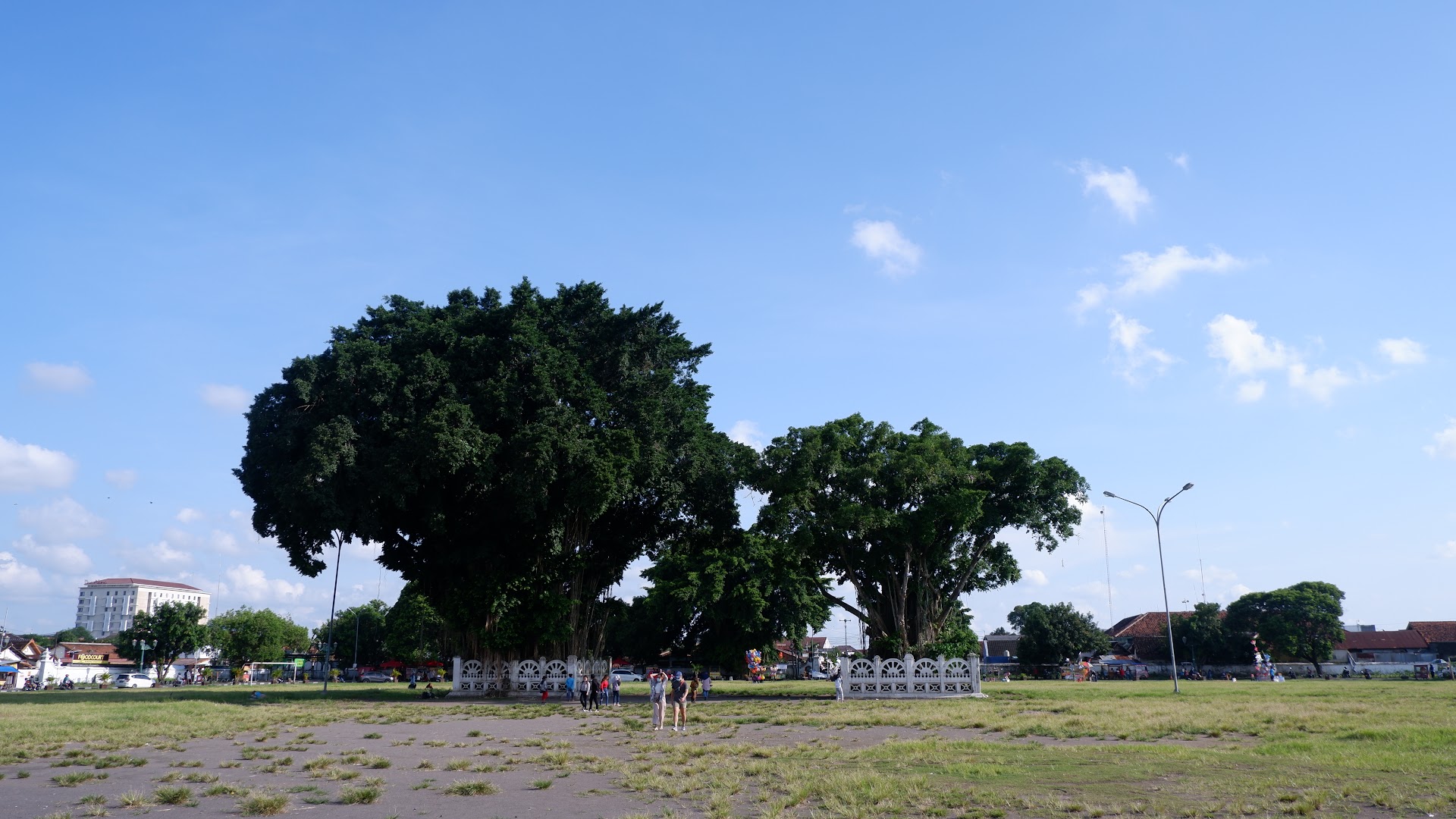
Alun-alun Kidul (kidul means south) is the southern square. It’s home to the masangin tradition: walking blindfolded between two banyan trees (huge fig trees). It looks easier than it is.
6. Malioboro and How to Avoid the Batik Scam
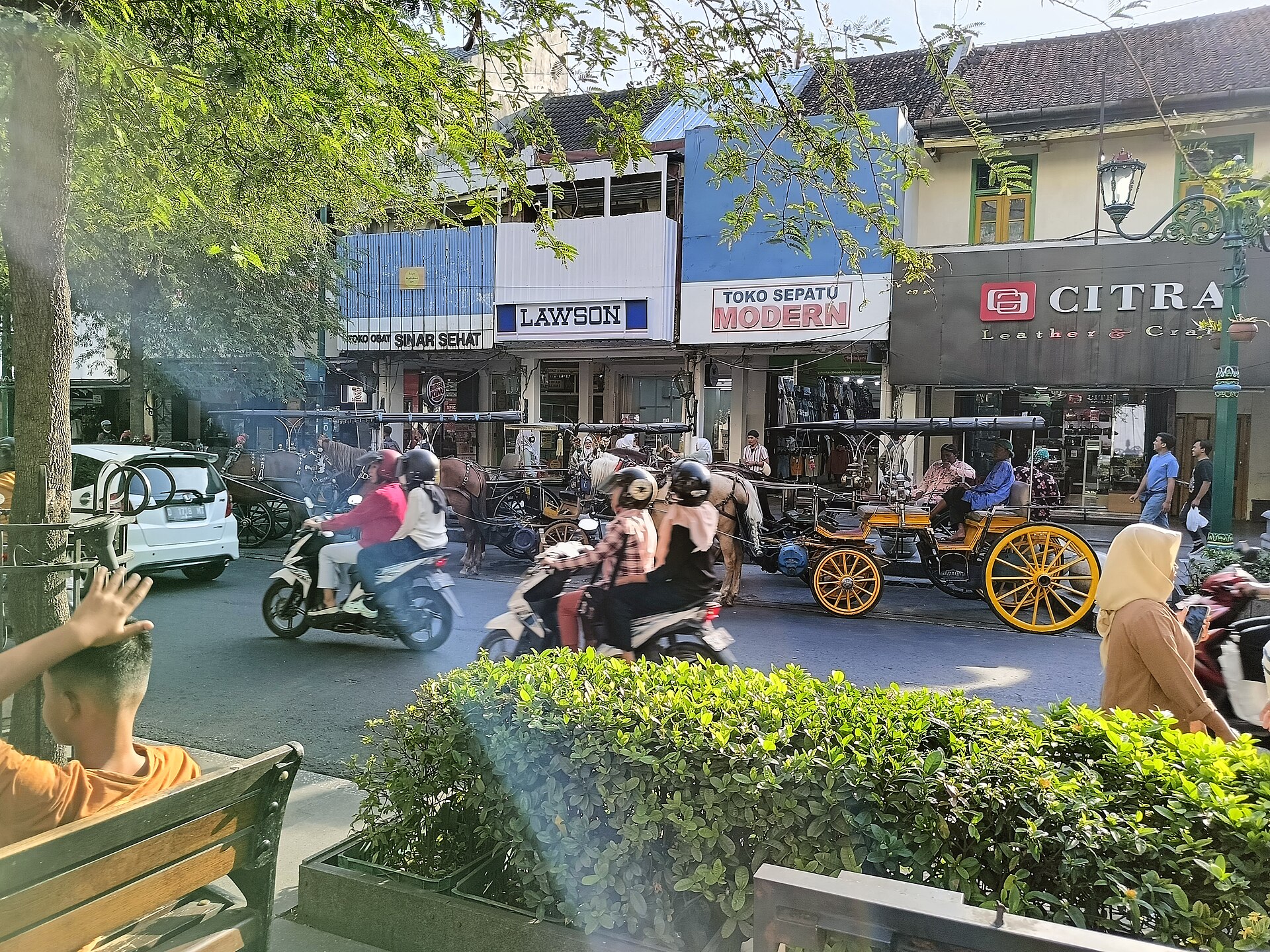
Malioboro is the main shopping street, about 2.5 km long, where you can go shopping or just take a stroll. You can also ride a becak, a cycle rickshaw: a tricycle with a seat for passengers. A ride along Malioboro should cost no more than about 10,000 IDR (roughly €0.50, approximate), but agree on the price beforehand.
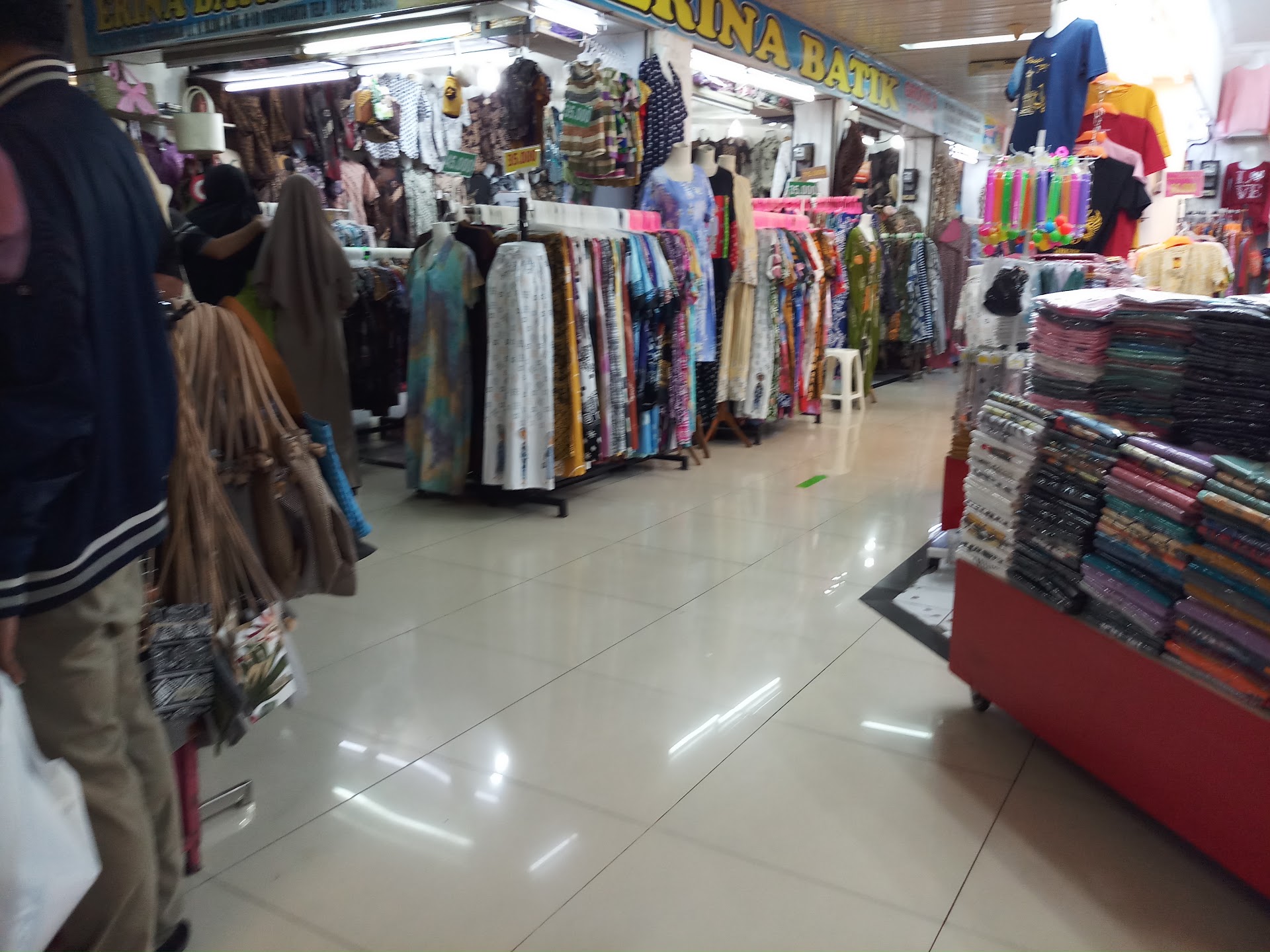
Here and around the kraton, watch out for invitations to batik workshops from strangers. Someone approaches you in fluent English and offers to take you to a “government art centre” or a “batik workshop run by the Sultan’s servants”, when in reality it’s a shop with inflated prices. Treat any unexpected invitation to an exhibition or workshop as a sales pitch – personally, I’d turn it down. Buy batik in shops you find on your own.
7. Pasar Beringharjo
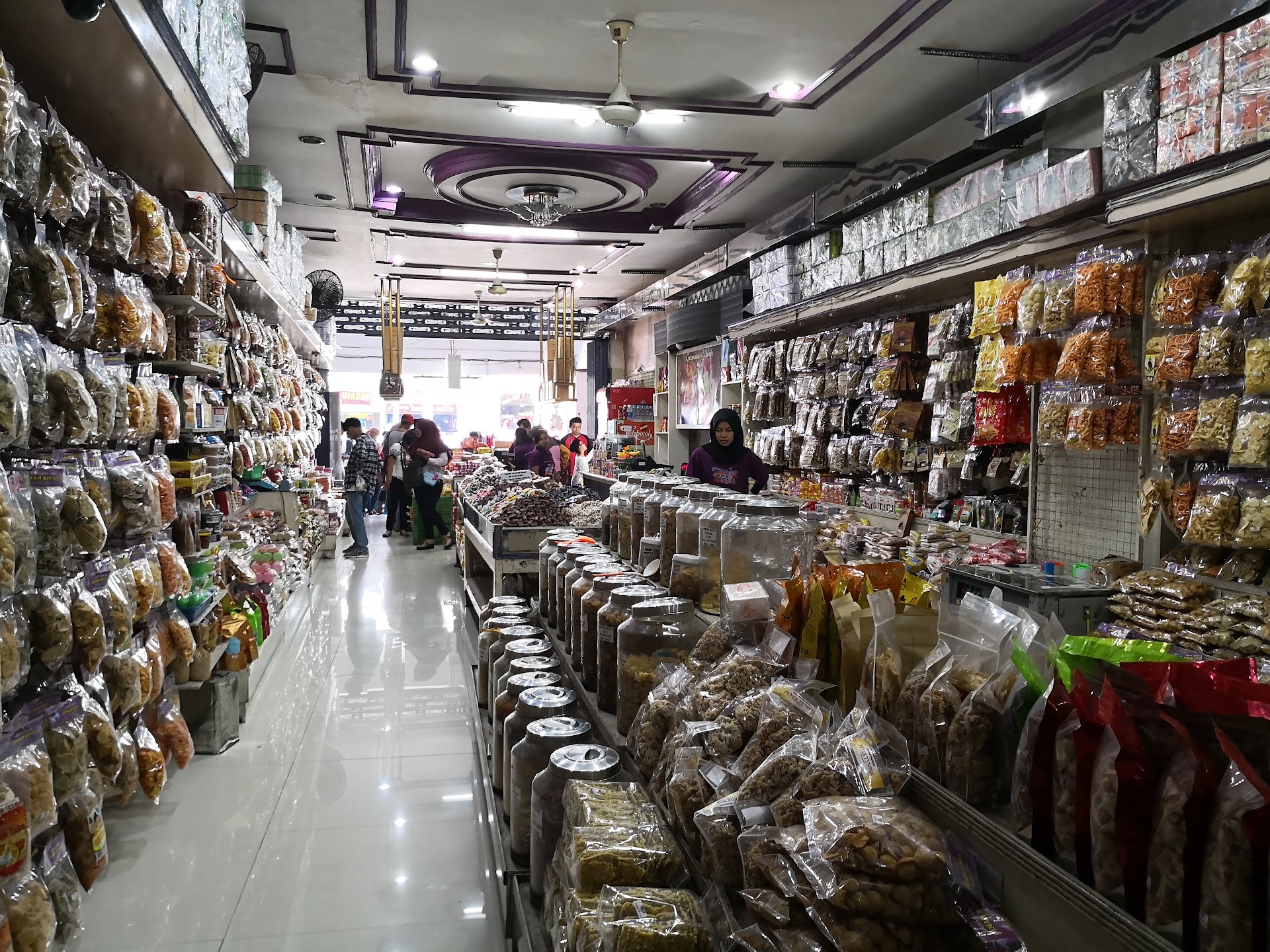
Pasar (market) Beringharjo is a historic marketplace at Jl. Margo Mulyo 16. It sells batik, spices and jamu, traditional herbal drinks.
Haggling is expected, so be prepared for it. I couldn’t find the opening hours.
8. Benteng Vredeburg and Titik Nol Kilometer
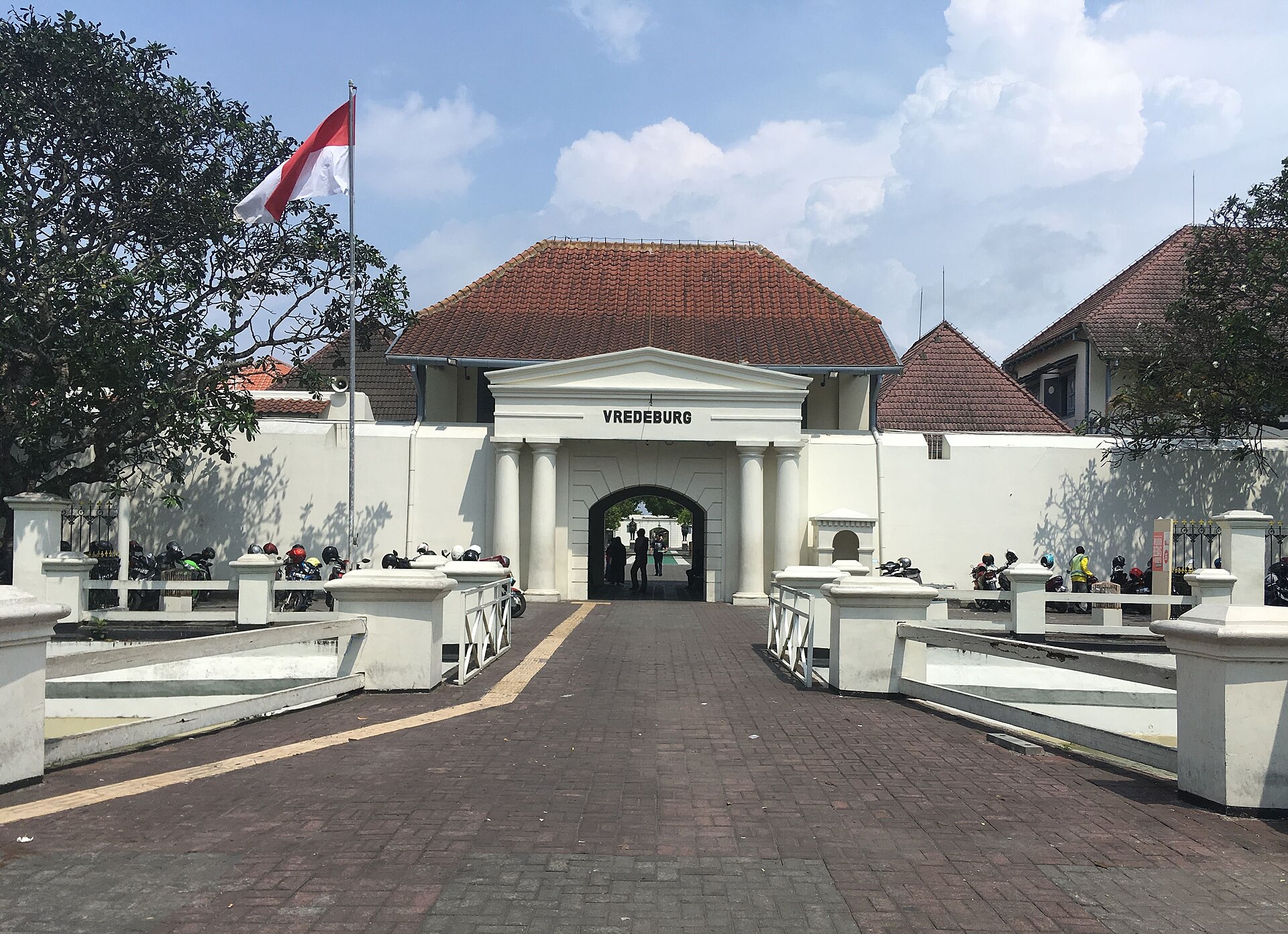
Benteng Vredeburg (benteng translates as fort) is one of the most frequently mentioned stops in the city. It’s open Tuesday to Thursday from 8 am to 8 pm and Friday to Sunday from 8 am to 9 pm. Foreigners pay roughly 100,000 IDR for admission (about €5; the price list on the website is undated). So it’s best to check the official fort website and verify the price before you go.
Titik Nol Kilometer (literally “kilometre zero”) is listed by travellers among the city’s sights; I couldn’t find out exactly what you’ll see there.
9. Tugu and the UNESCO Cosmological Axis
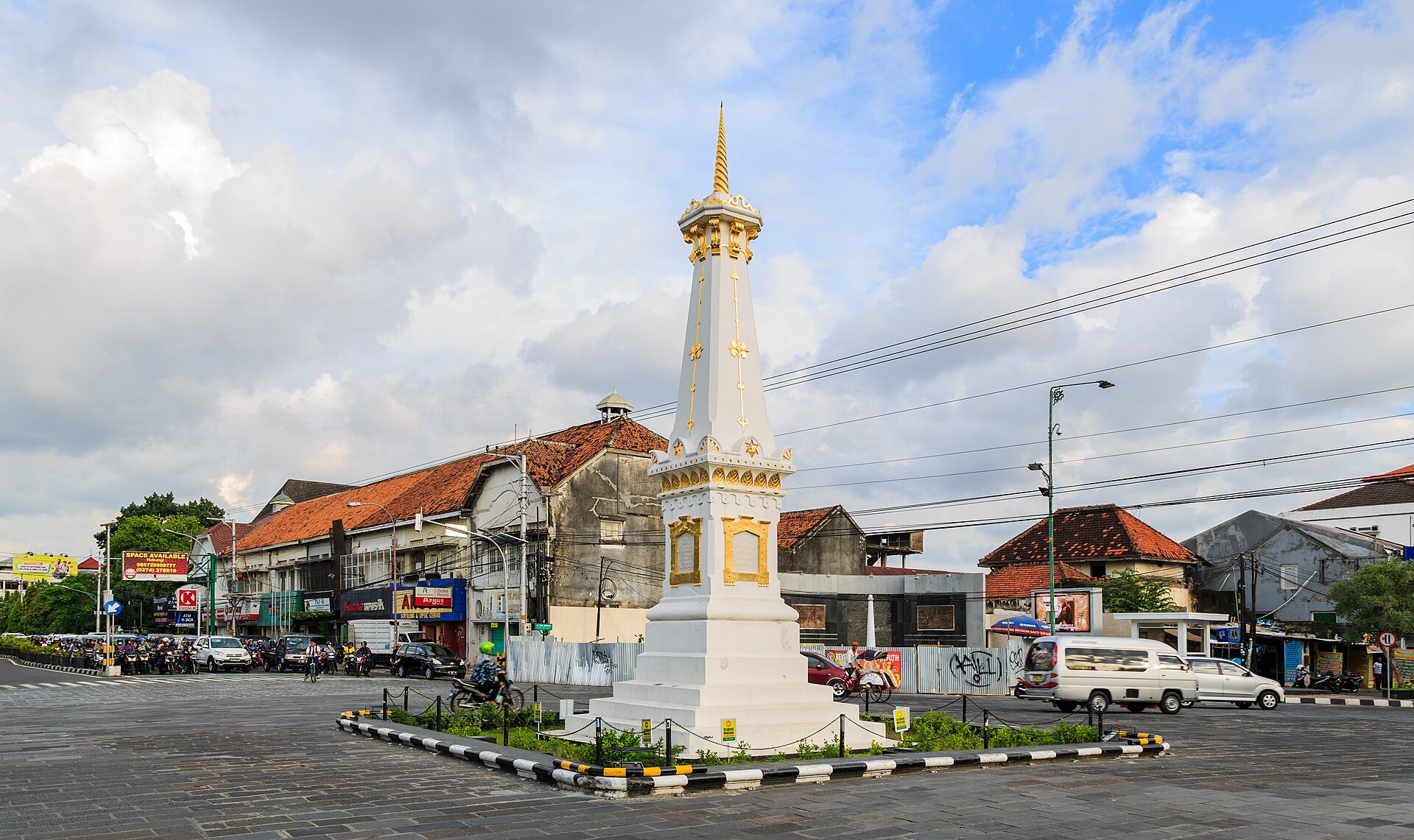
The Tugu monument (the word tugu means monument) stands at the northern end of an imaginary line that holds great significance for the city. On 18 September 2023 in Riyadh, UNESCO inscribed the Cosmological Axis of Yogyakarta and its historic landmarks on its list. The official name is the Cosmological Axis of Yogyakarta and its Historic Landmarks, and the certificate was handed over on 20 October 2023. The axis runs from Panggung Krapyak at the other end, through the kraton, all the way to Tugu, and Malioboro street is part of it too.
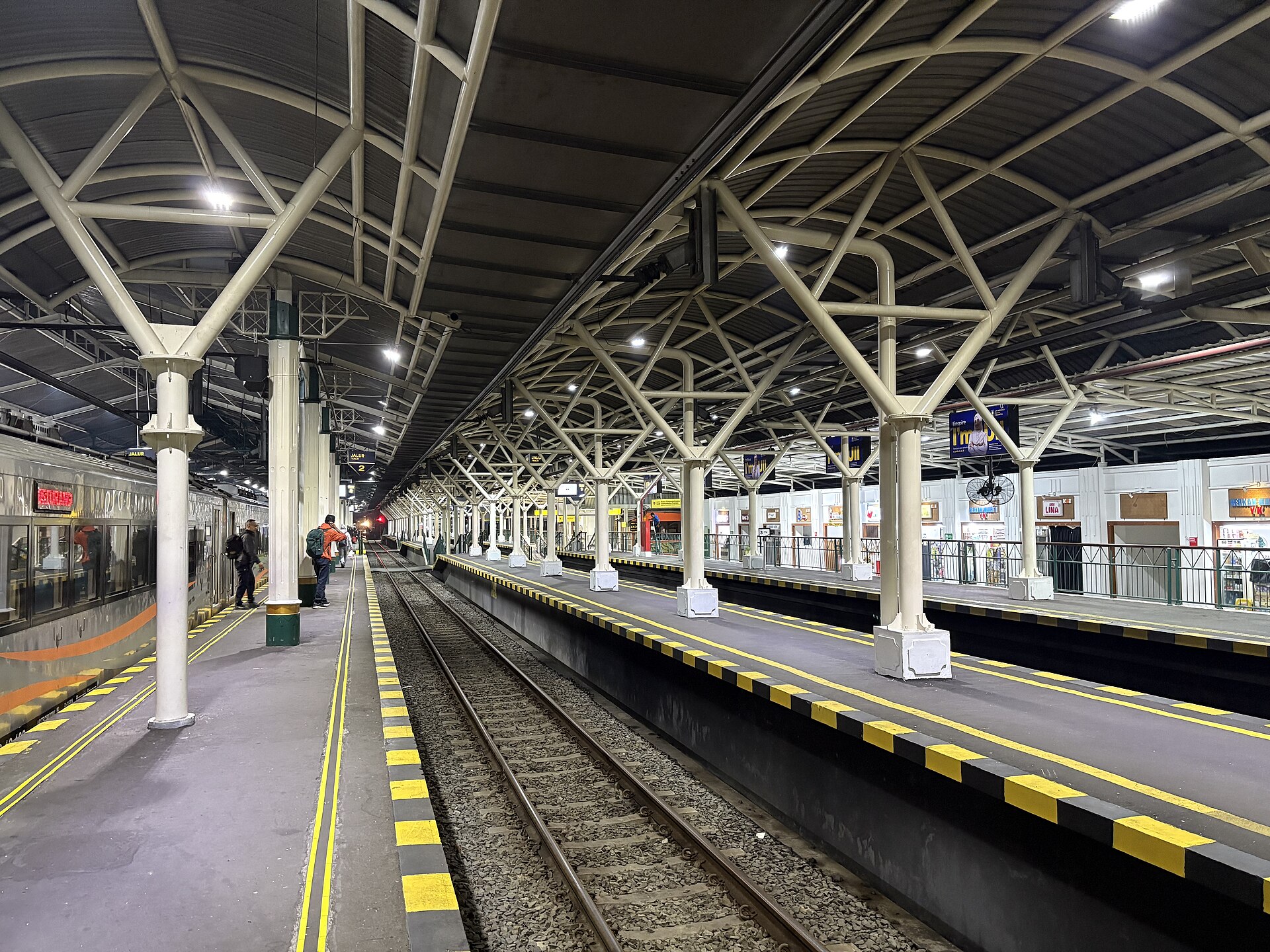
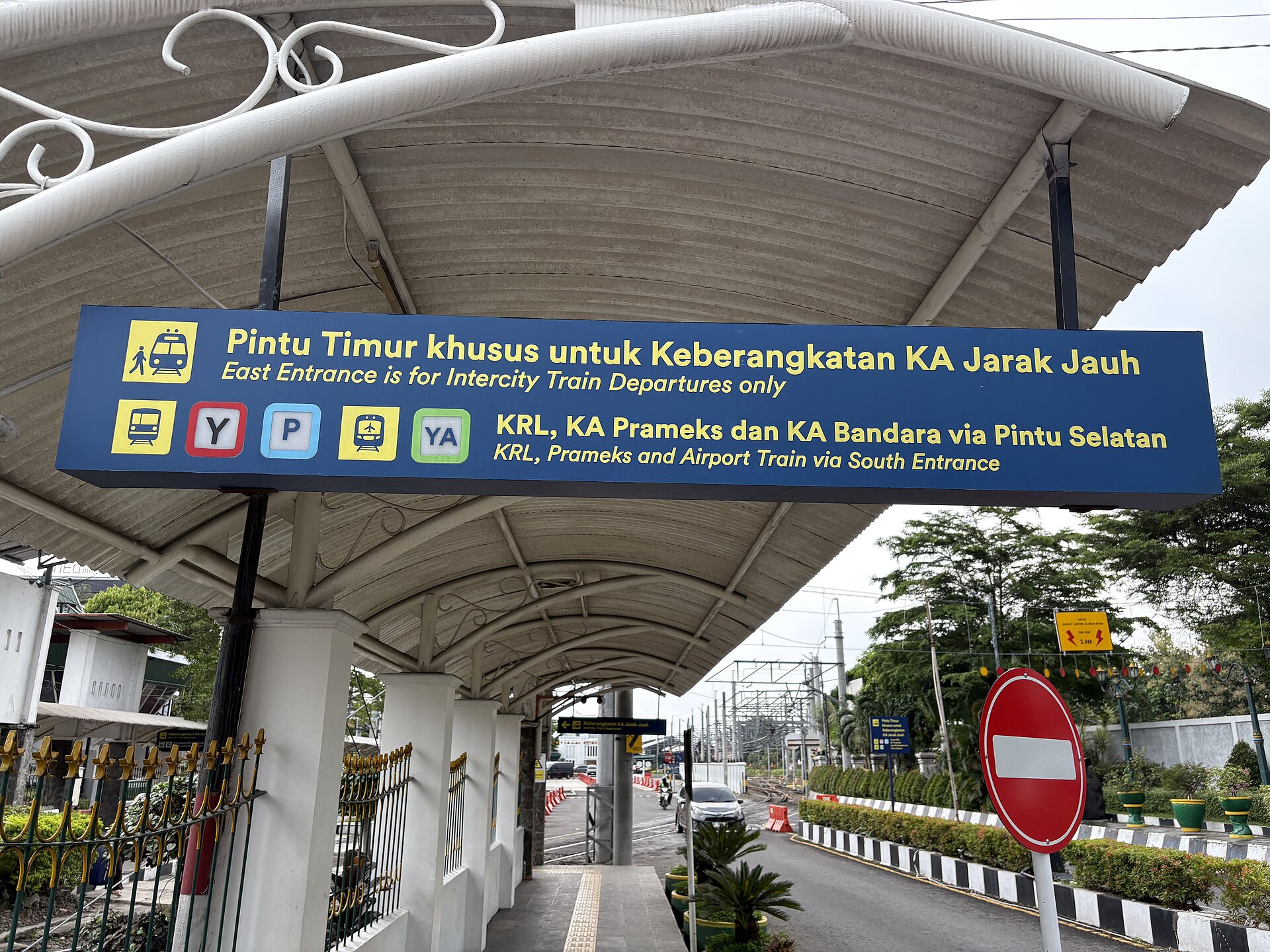
The main railway station is also named after the monument, Yogyakarta (Tugu): long-distance trains and the airport train stop here. Economy-class trains use Lempuyangan station.
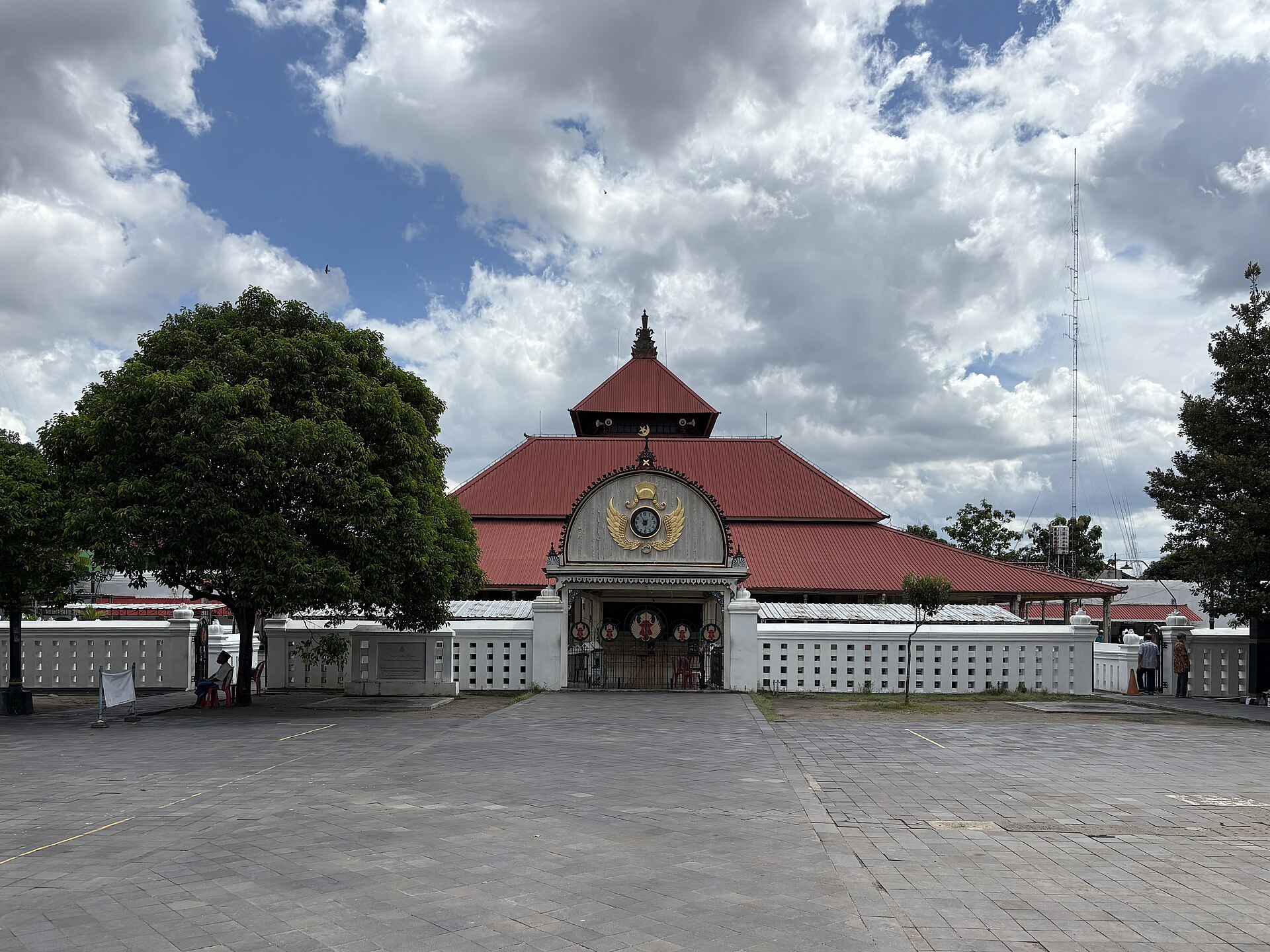
10. Masjid Gedhe Kauman
The Great Mosque, Masjid Gedhe Kauman, stands right next to the kraton, so it’s easy to fit into your morning. You won’t find the opening hours or the rules for non-Muslims in the available sources, so ask on site.
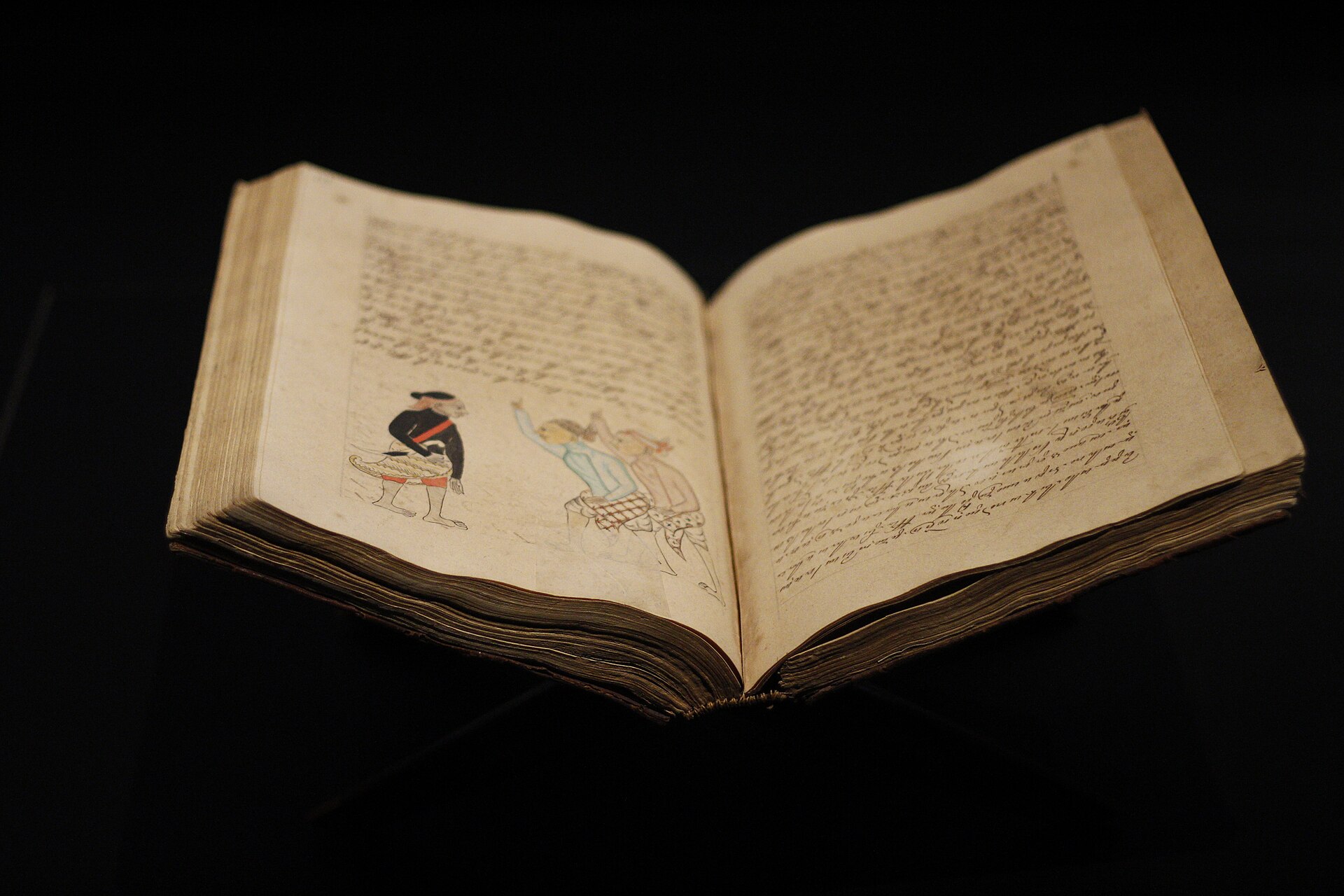
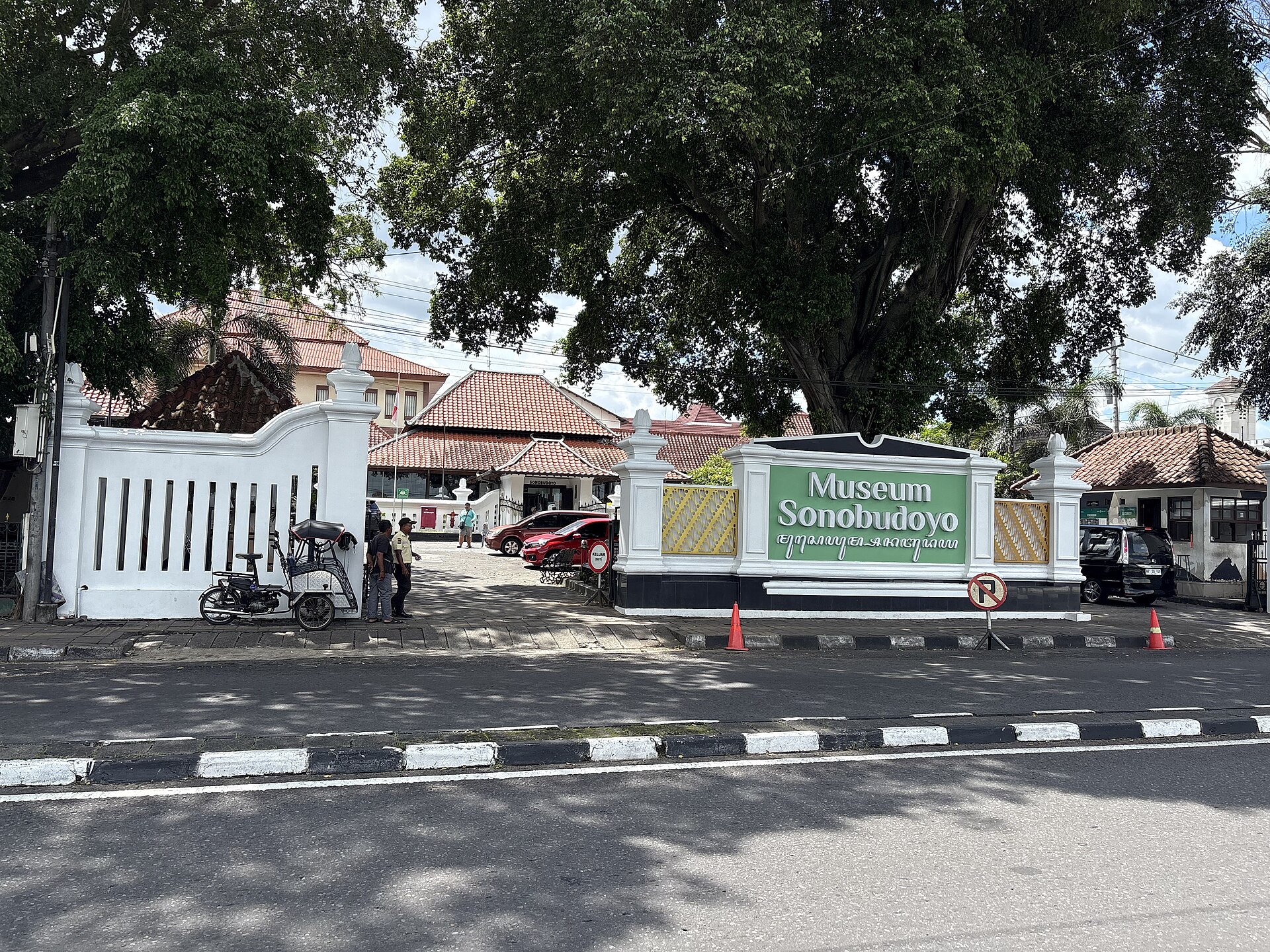
11. Museum Sonobudoyo
Museum Sonobudoyo shows up in most round-ups of things to do in Yogyakarta. I haven’t been able to confirm exactly what it exhibits. Check its website for opening hours and the entrance fee.
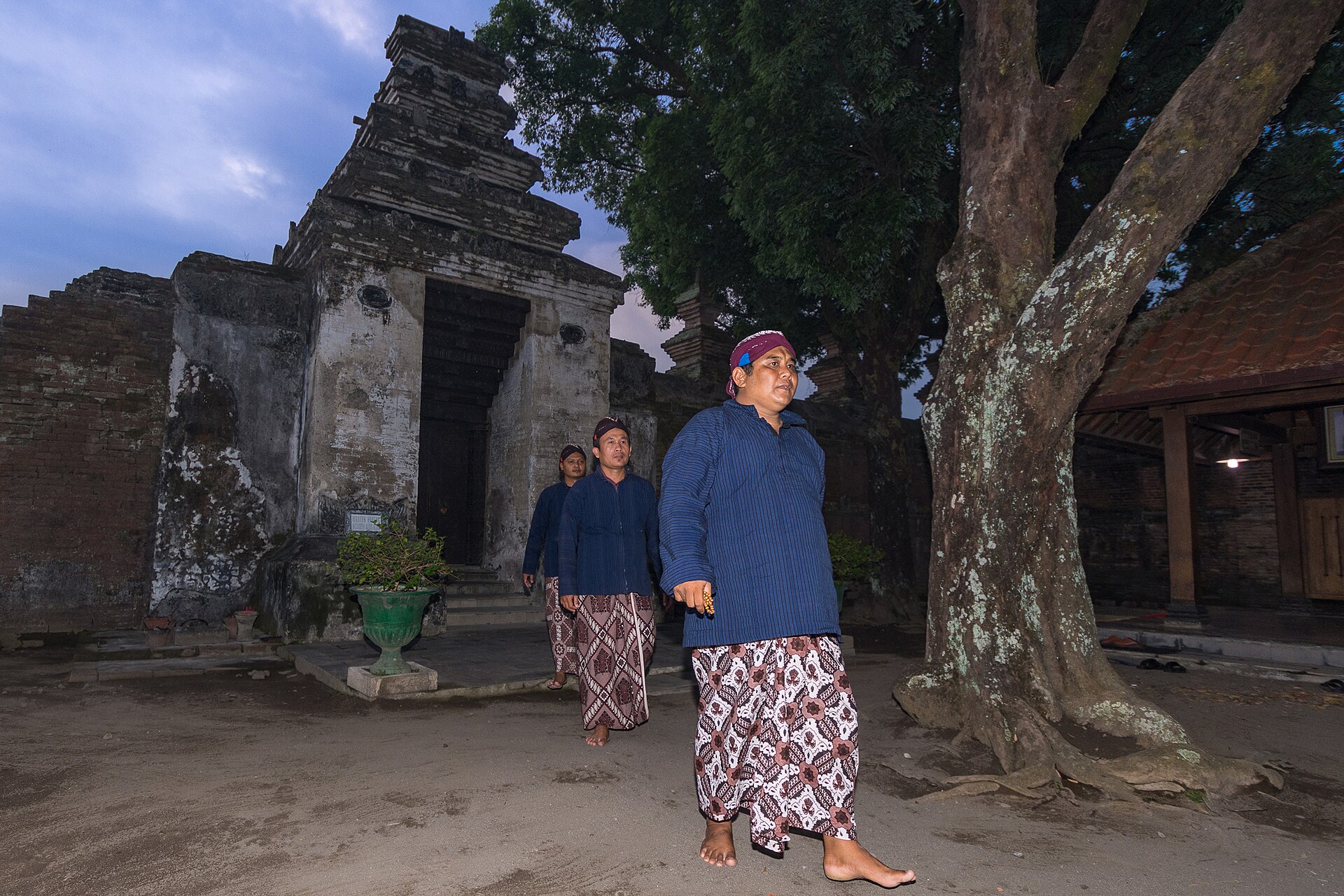
12. Kotagede: Silver and a Mosque from 1575
The Kotagede district lies about 8.7 kilometres from the Tugu monument. Kotagede is known for its traditional silversmithing along Jl. Kemasan (Jl. = jalan, street). You’ll also find the Masjid Gedhe Mataram mosque here, dating from 1575, which was damaged by fire in 1919.
Besides the mosque, this part of the city is also home to the royal tombs, where Panembahan Senopati is buried; they’re guarded by the custodians of two royal palaces. Opening hours, entrance fees and the dress code aren’t published, so ask on site.
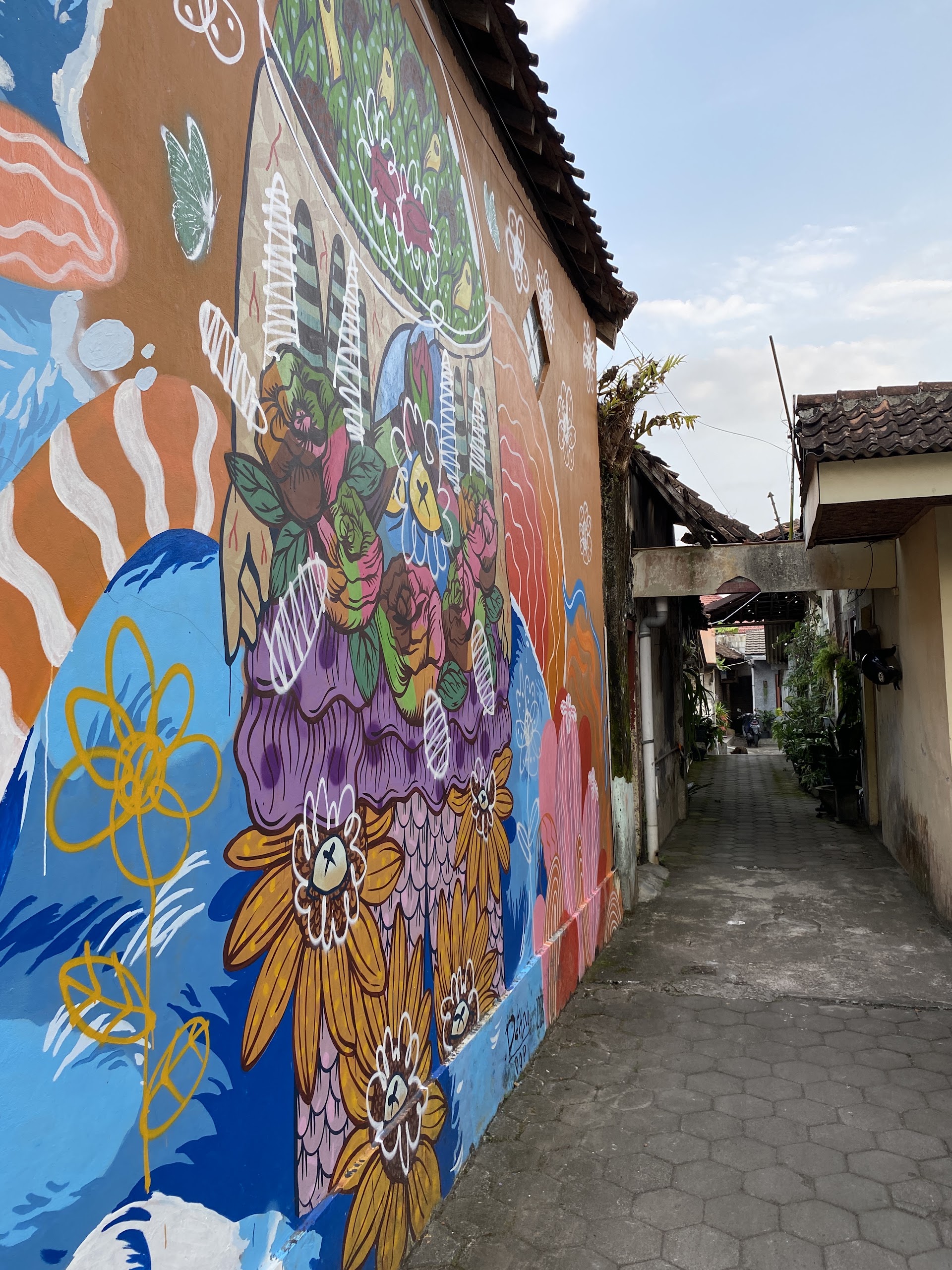
13. Prawirotaman and Tirtodipuran: Cafés and Galleries
Prawirotaman is a bohemian neighbourhood full of cafés and guesthouses, about 6 km by road south of Tugu. Right next door, on Tirtodipuran street, you’ll find Kedai Kebun Forum, a gallery, bookshop and restaurant all in one. Check whether it’s still running before you go.
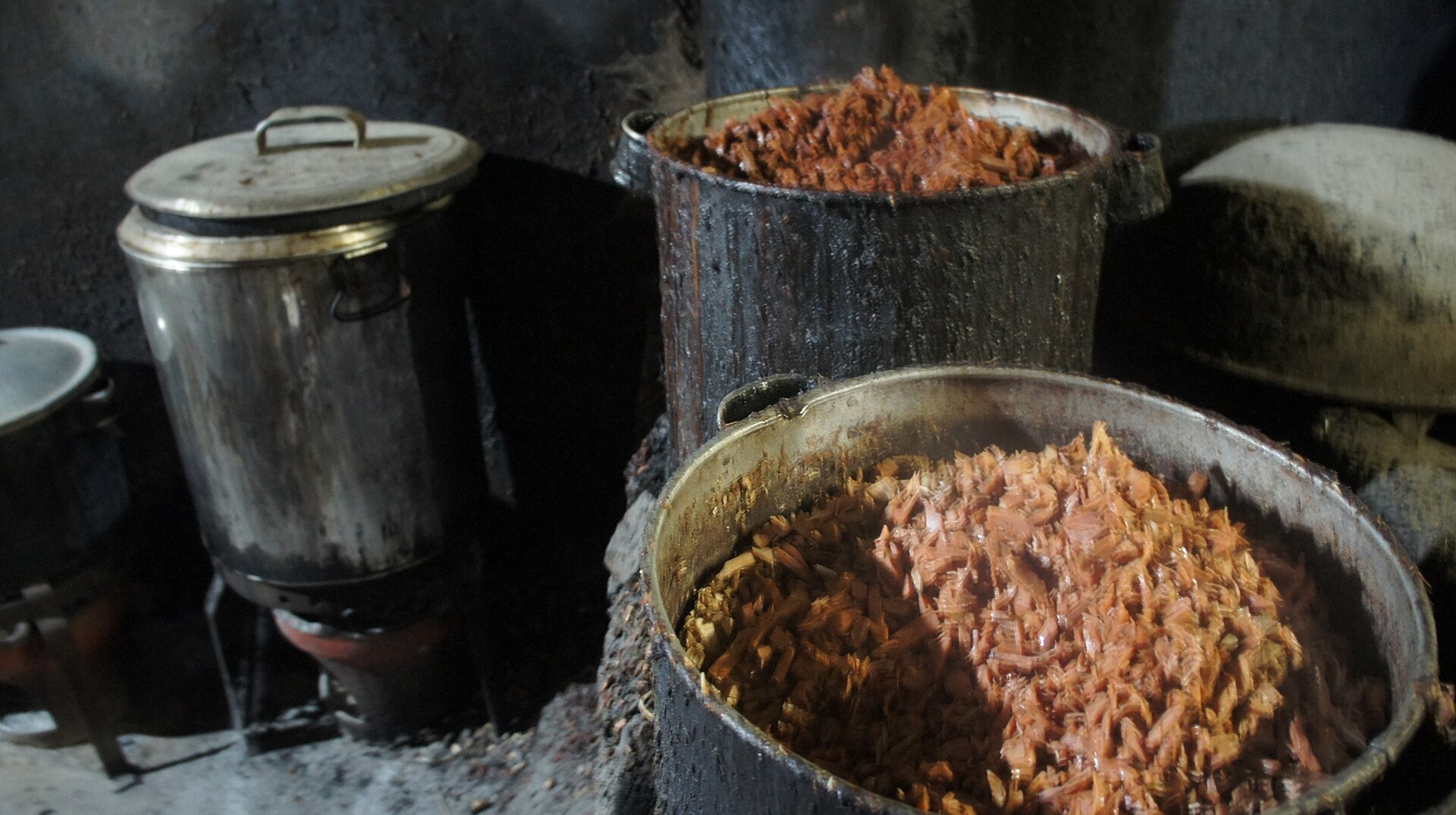
14. What to Eat: Gudeg Without Krecek and Vegetarian Jogja
Make sure you try traditional gudeg: unripe jackfruit (called nangka in Indonesia) slow-stewed in coconut milk with palm sugar. The base is plant-based, but it’s often cooked together with eggs and chicken, so always ask. The local version is served with chicken, egg and krecek (dried beef skin).
We’re vegetarians, so I’d go for gudeg with tofu and tempeh (fermented soybean cakes) and say when ordering that I want it without chicken, egg and krecek 😅. For meat-free food, I recommend checking out Via Via in Prawirotaman or Rame Rame Vegetarian; check that they’re open before you go.
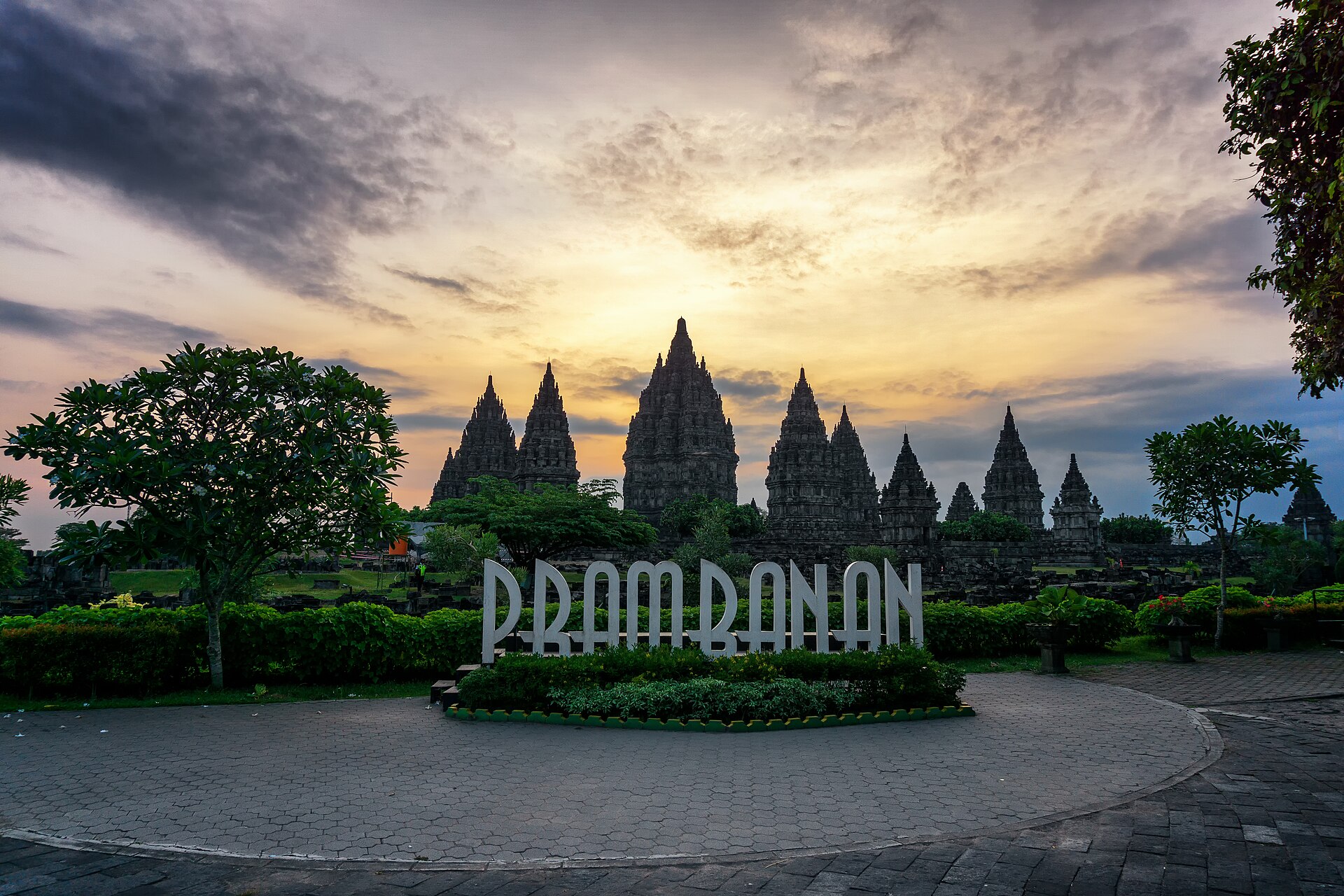
Prambanan and the Temples East of the City
East of the city you’ll find temples and an evening ballet, and you’ll need to plan around the day of the week. Prambanan is about 16.6 km from Tugu.
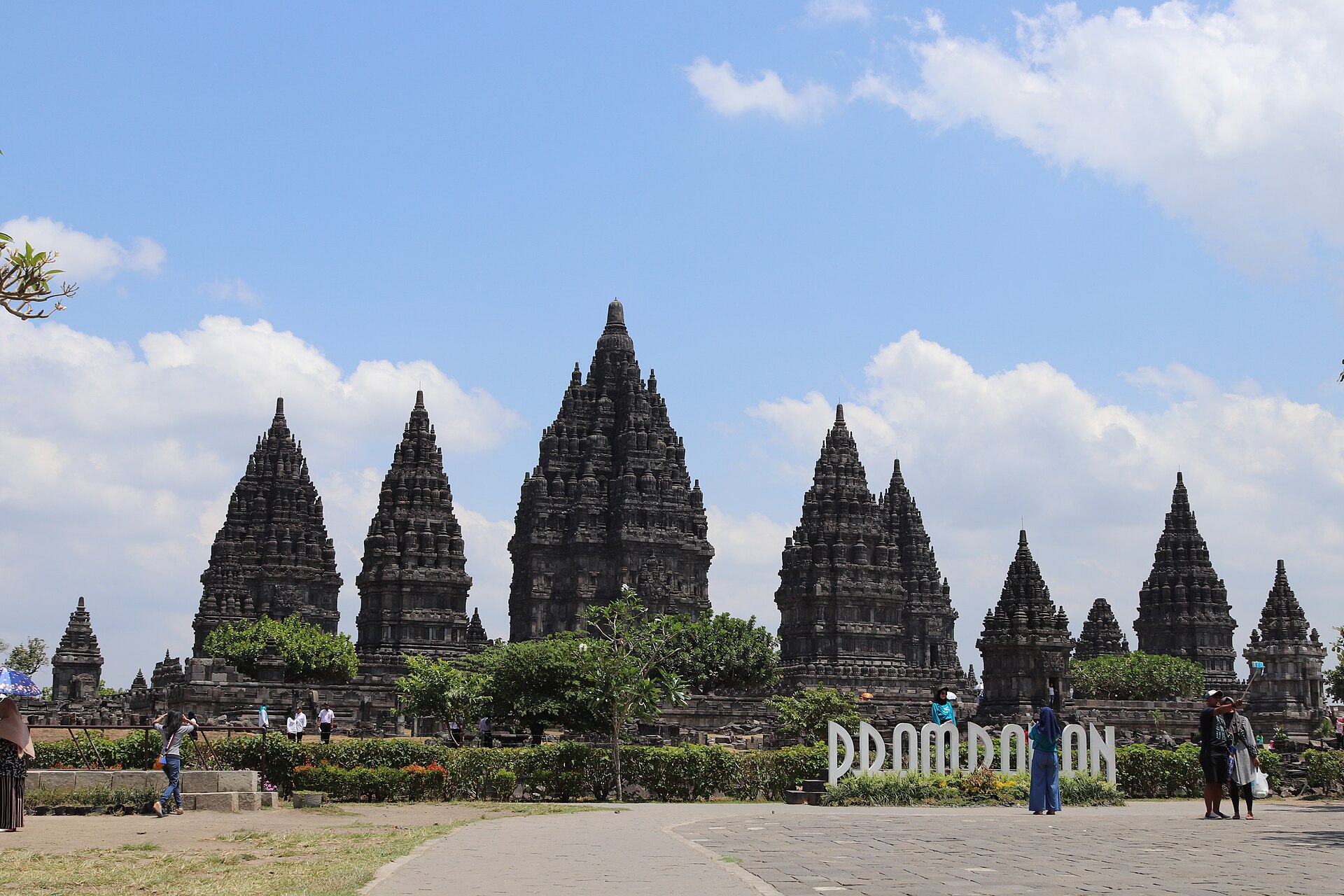
15. Prambanan
Prambanan is a Hindu temple complex (candi = temple), consecrated in 856 and on the UNESCO World Heritage List since 1991. The main Shiva temple is 47 metres tall, and the whole site was damaged by an earthquake in 2006. I couldn’t find out whether you can go inside the individual shrines today.
It’s usually open daily from 6:30 am and closes at around 5:00 pm, but it’s best to double-check before you go. Personally, I’d head there right at 6:30 am, before the heat kicks in. Pick a Tuesday, Thursday or Saturday so you can catch the ballet in the evening.
The entrance fee for foreigners is around IDR 400,000 (roughly €20, source from 10/2026), and for children around IDR 240,000–250,000 (roughly €12). Another source, however, quotes USD 25–30, so check the price before buying via the official InJourney ticket sales. The ticket also covers the museum and the Sewu, Lumbung and Bubrah temples. A combined ticket with Borobudur isn’t currently sold to foreigners – it’s only available to domestic visitors.
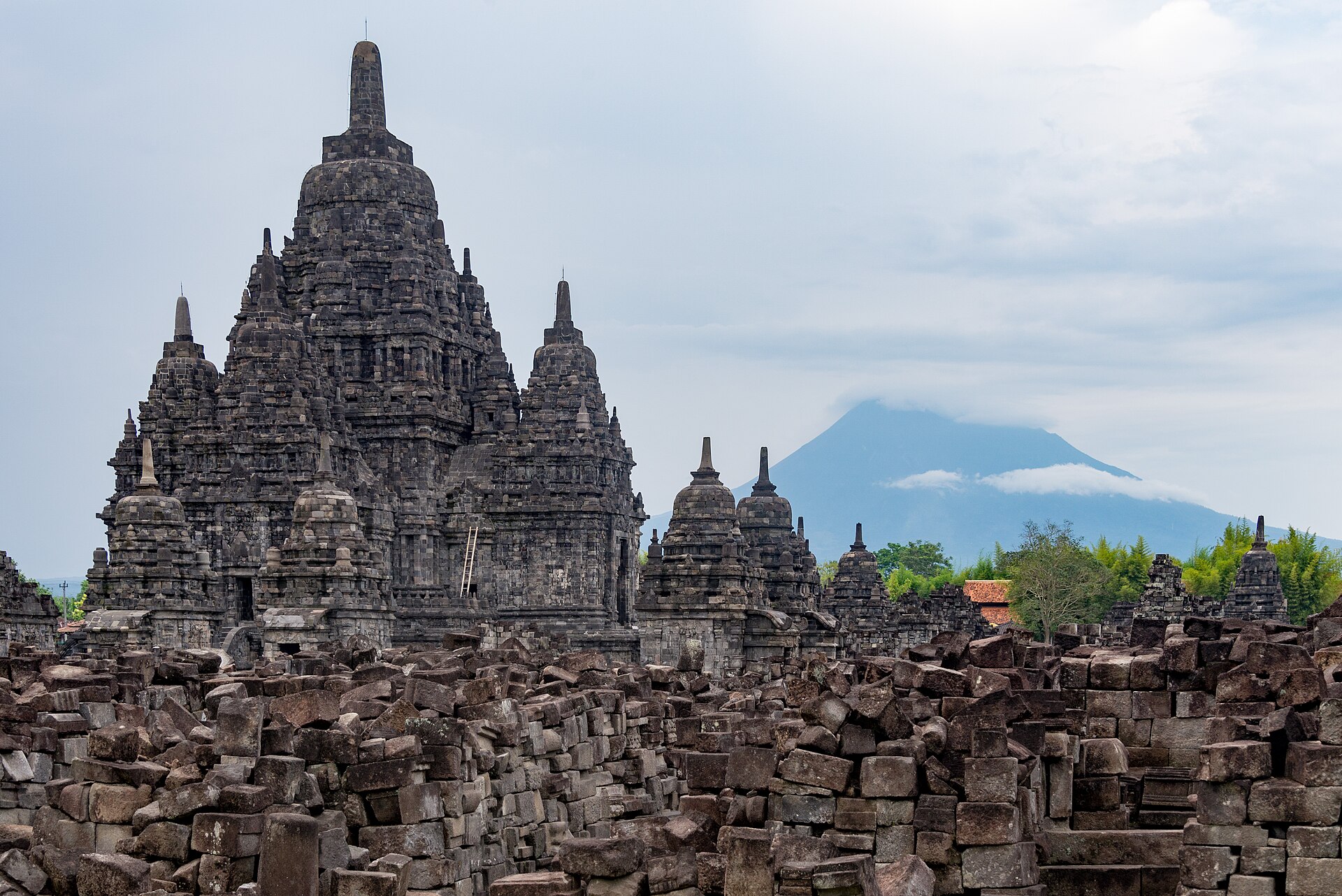
16. Candi Sewu, Lumbung and Bubrah
The Sewu, Lumbung and Bubrah complexes (candi = temple) are included in your ticket too. Once you’ve explored the main towers, walk over to them as well. I wasn’t able to find out exactly what you’ll see inside.
17. Plaosan, Kalasan and Sambisari
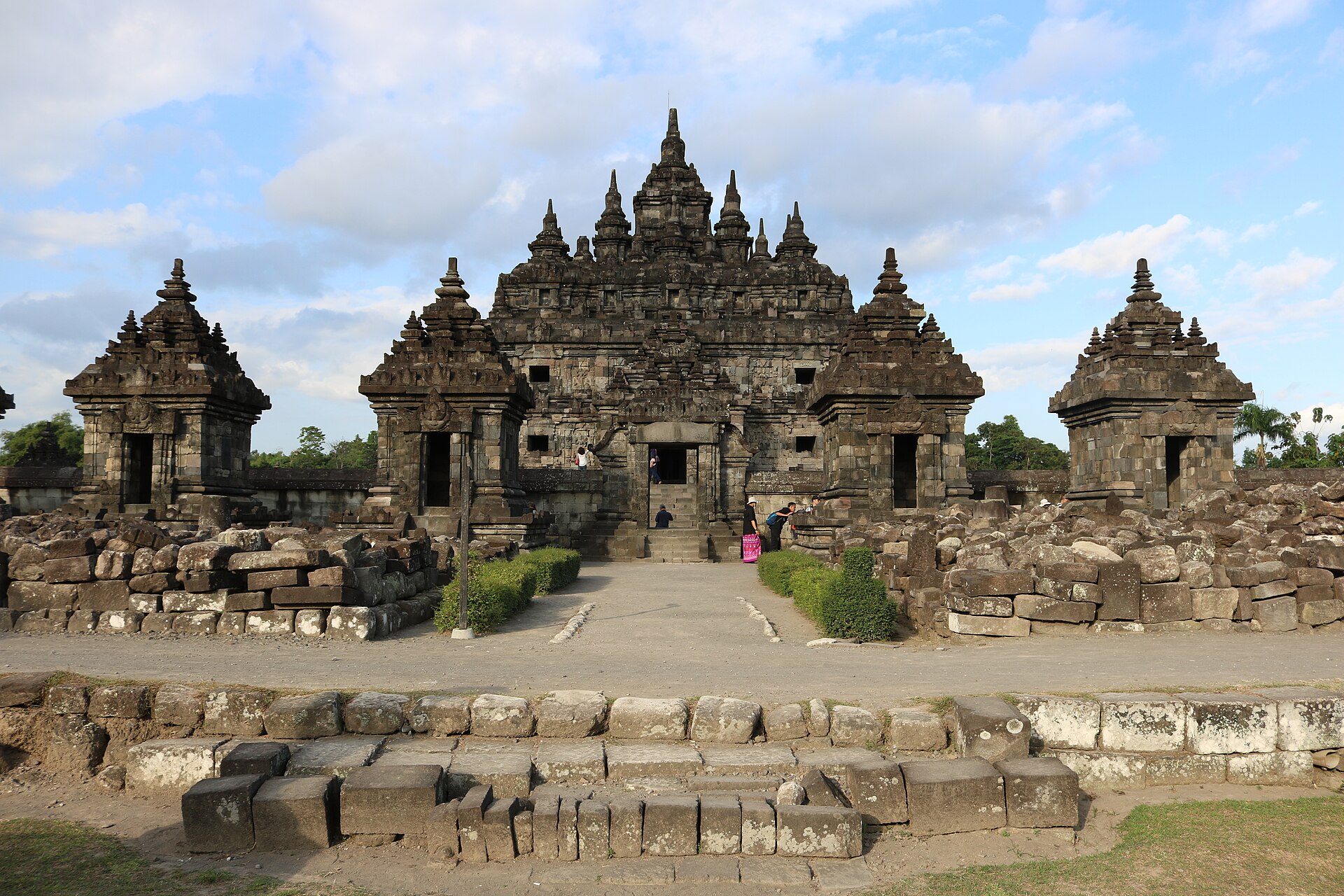
Around Prambanan you’ll also find the smaller temples of Plaosan, Kalasan, Sambisari and Ijo. Think of them as a backup for a day when you have time to spare. Prices and opening hours aren’t available, so check them on site.
18. Ratu Boko at Sunset
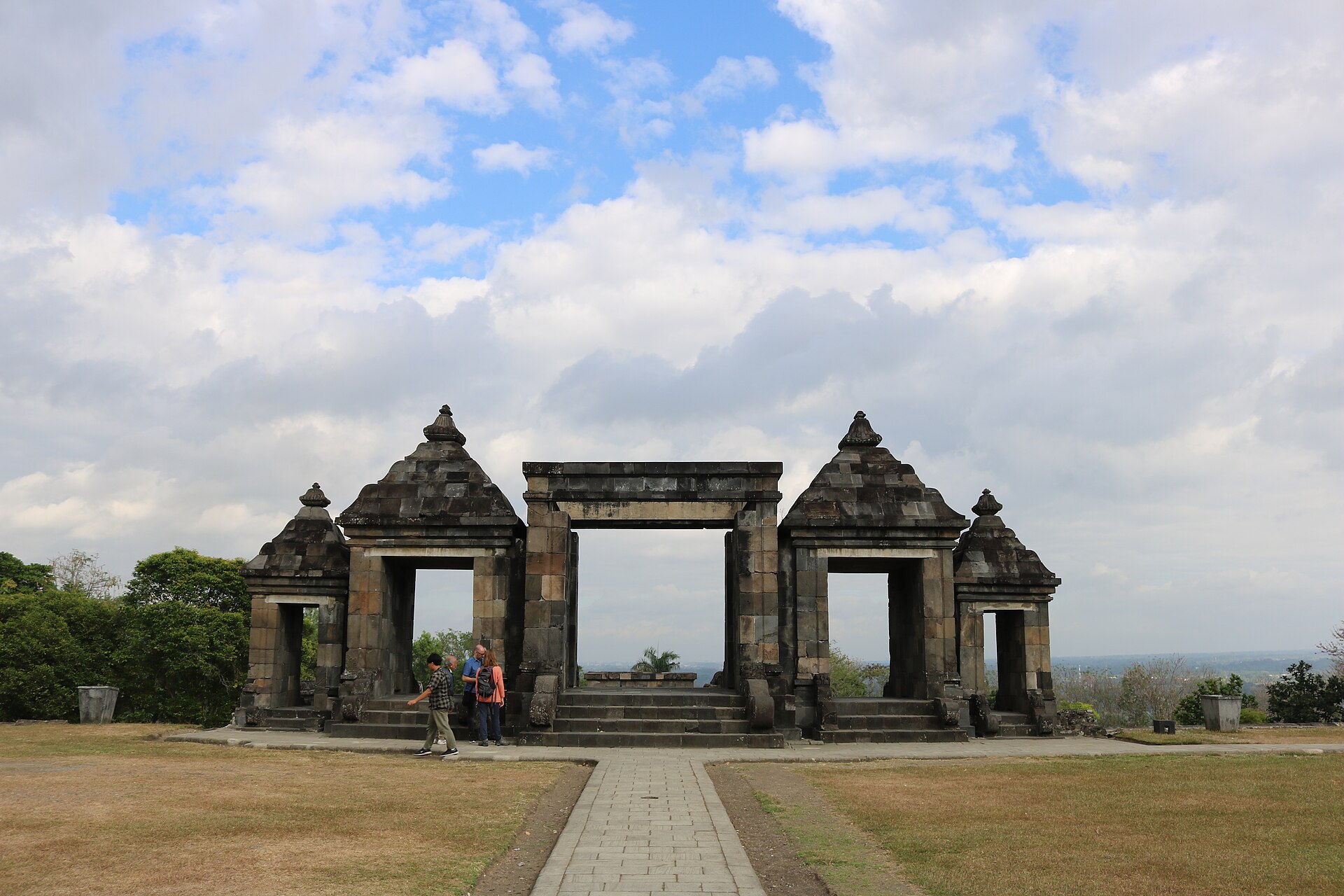
While you’re at Prambanan, you might be tempted to go a little further. Just about 6 km south of Prambanan, on a hilltop, lies Ratu Boko, an 8th-century palace complex (not a temple), reportedly famous for its sunsets. I couldn’t find out the price, the opening hours or whether a shuttle bus runs there.
19. The Ramayana Ballet at Prambanan
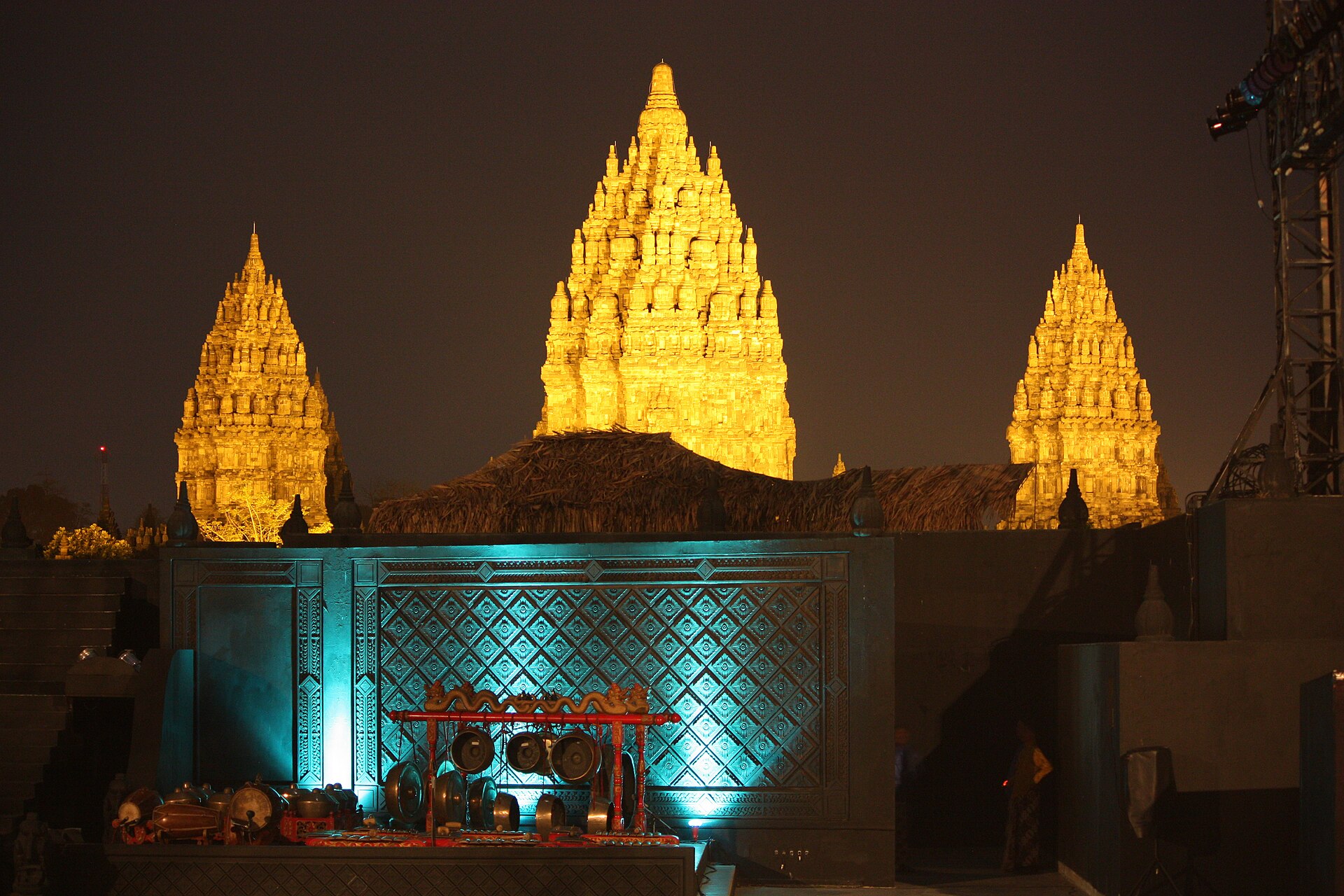
In the evening, the ancient Ramayana epic comes to life, performed by more than 200 dancers and musicians. This dance and music show has been running since 1961. From May to October it’s performed outdoors on the Open Air Theatre stage with Prambanan right in the background, every Tuesday, Thursday and Saturday from 7:30 to 9:00 pm.
From November to April, the show moves to the covered Trimurti stage on the usual days and at the usual times. The schedule for winter 2026 hasn’t been published yet. On Fridays (7:30–8:30 pm), Trimurti hosts a different show, Roro Jonggrang.
Watch out for the weather: if it rains before the start, the show moves indoors, but if the rain only starts more than 45 minutes into the performance, there are no refunds. Tickets cost roughly IDR 165,000–550,000 (about €8–25, 2026), depending on the seating class and the day. Sources vary, so check the current prices on the official InJourney website under ballet ticket sales.
Borobudur: the Largest Buddhist Temple in the World
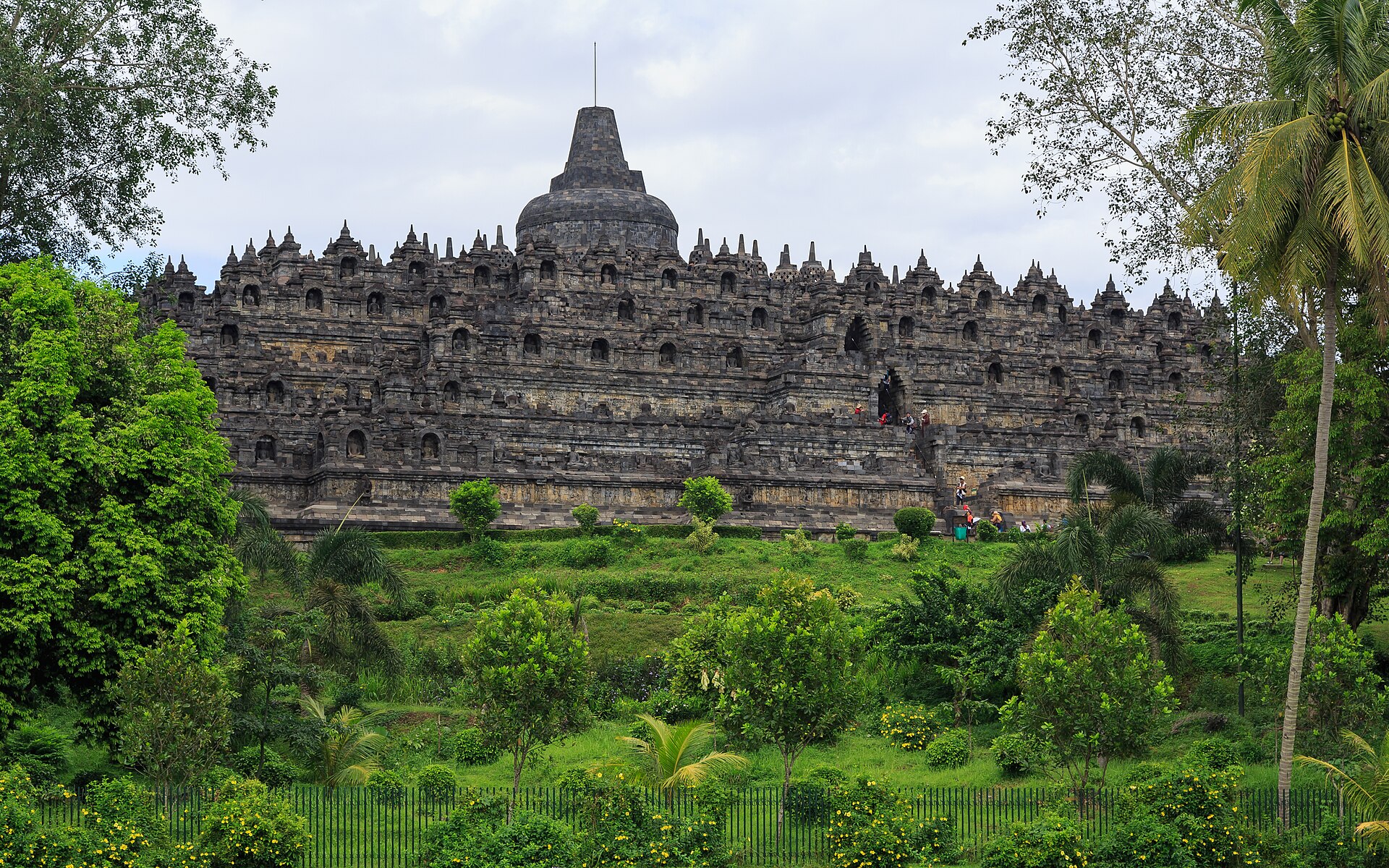
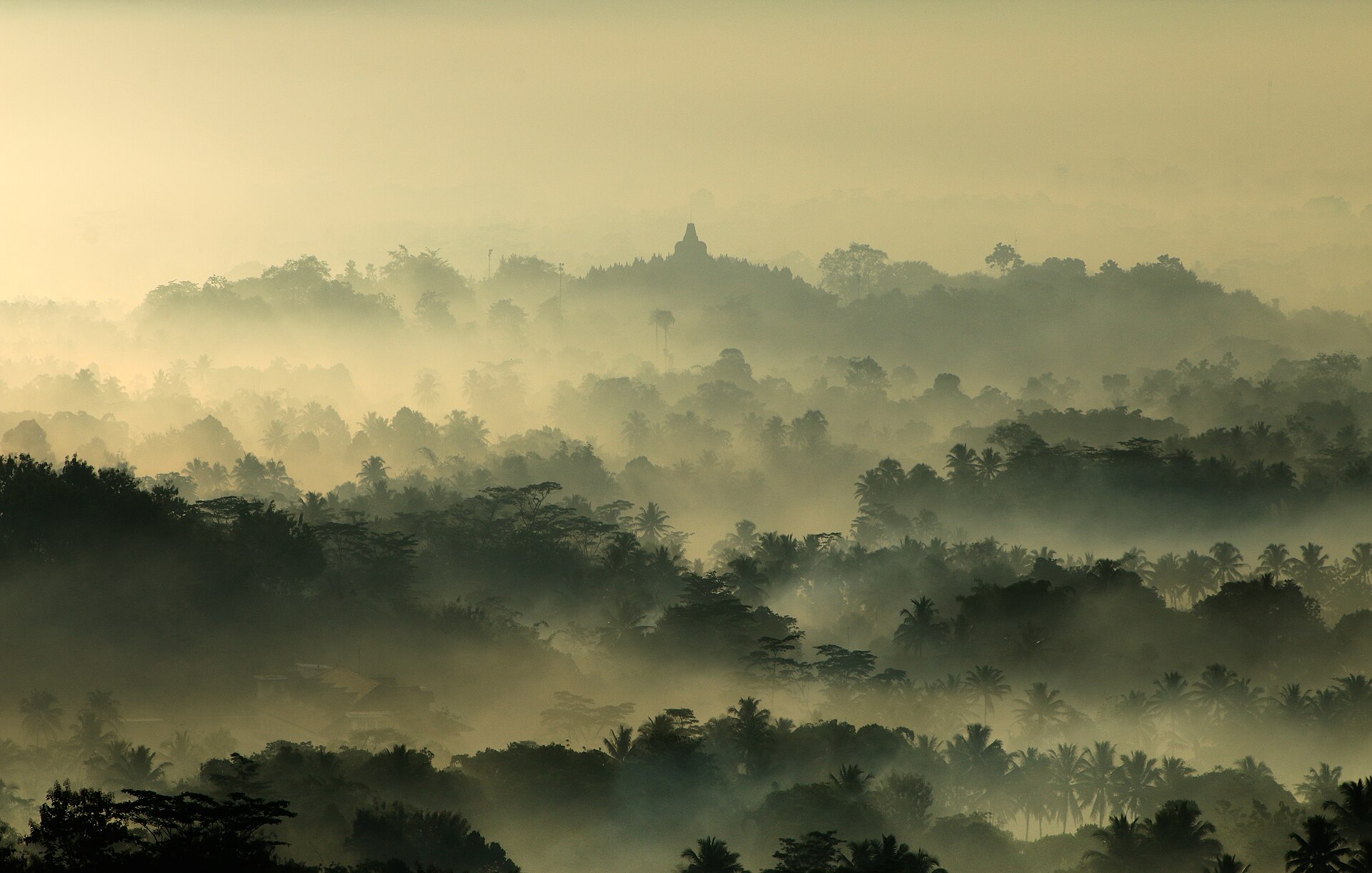
Borobudur is a separate day trip, 41 km from the centre, so I’ll only mention it briefly here – you’ll find all the details in our separate article about Borobudur.
20. Borobudur
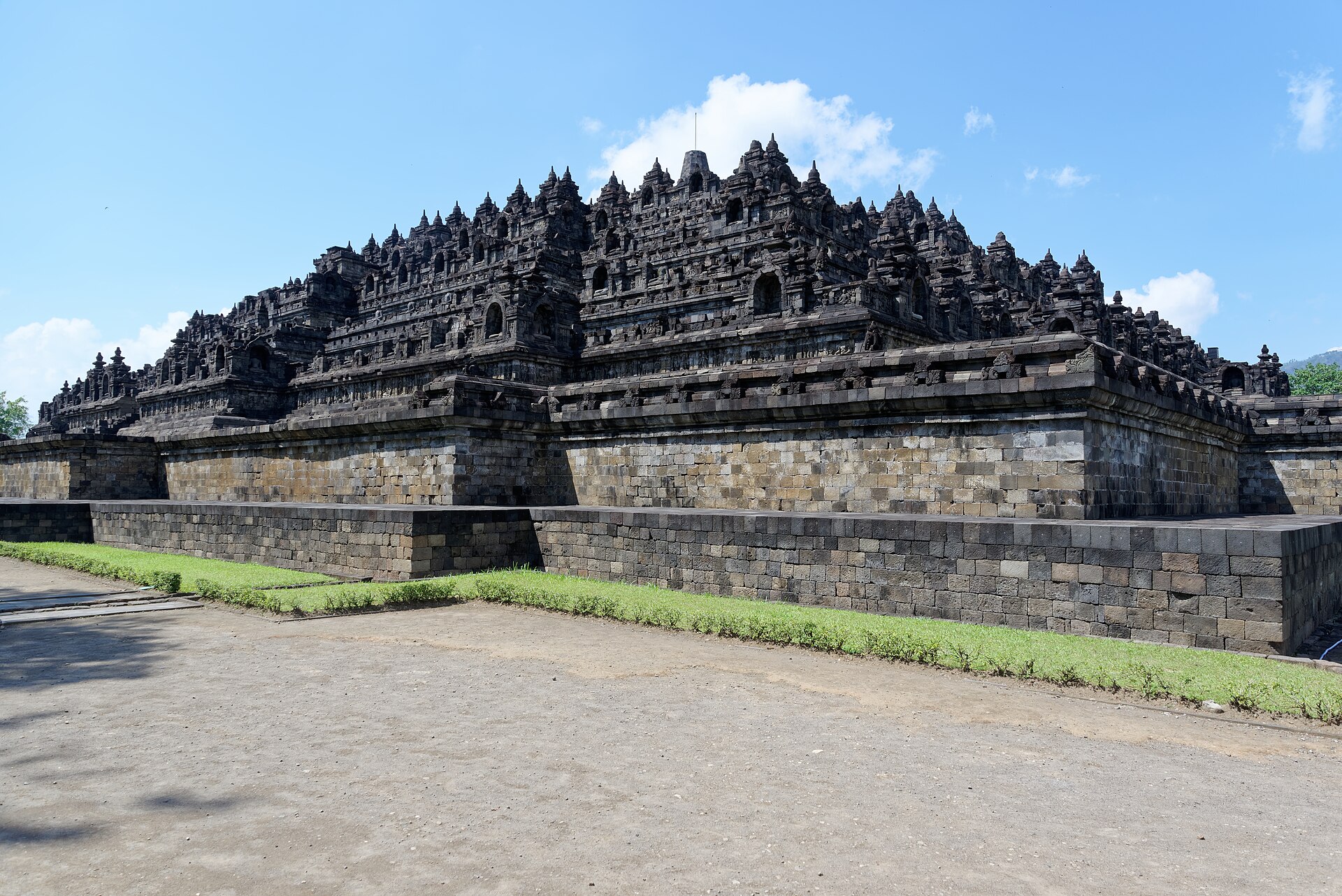
According to Guinness World Records (2012), this is the largest Buddhist temple in the world. It was built roughly between 780 and 840 AD under the Shailendra dynasty and has been on the UNESCO list since 1991. It lies 41 km from central Yogyakarta, and realistically the journey takes 75–115 minutes. A guided tour lasts about 90 minutes, so don’t squeeze your next plans in too tightly.
A ticket to the temple structure costs around IDR 455,000 (roughly €25, source from 12/2025), while the cheaper grounds-only ticket is meant for domestic visitors. A guide and upanat sandals, which you get to keep, are included. Buy it only on the official InJourney website – other sites often pose as the official one. You’ll find details about tickets, climbing the temple and sunrise in our separate article about Borobudur.
Merapi and Nature Around Yogyakarta, Java, Indonesia
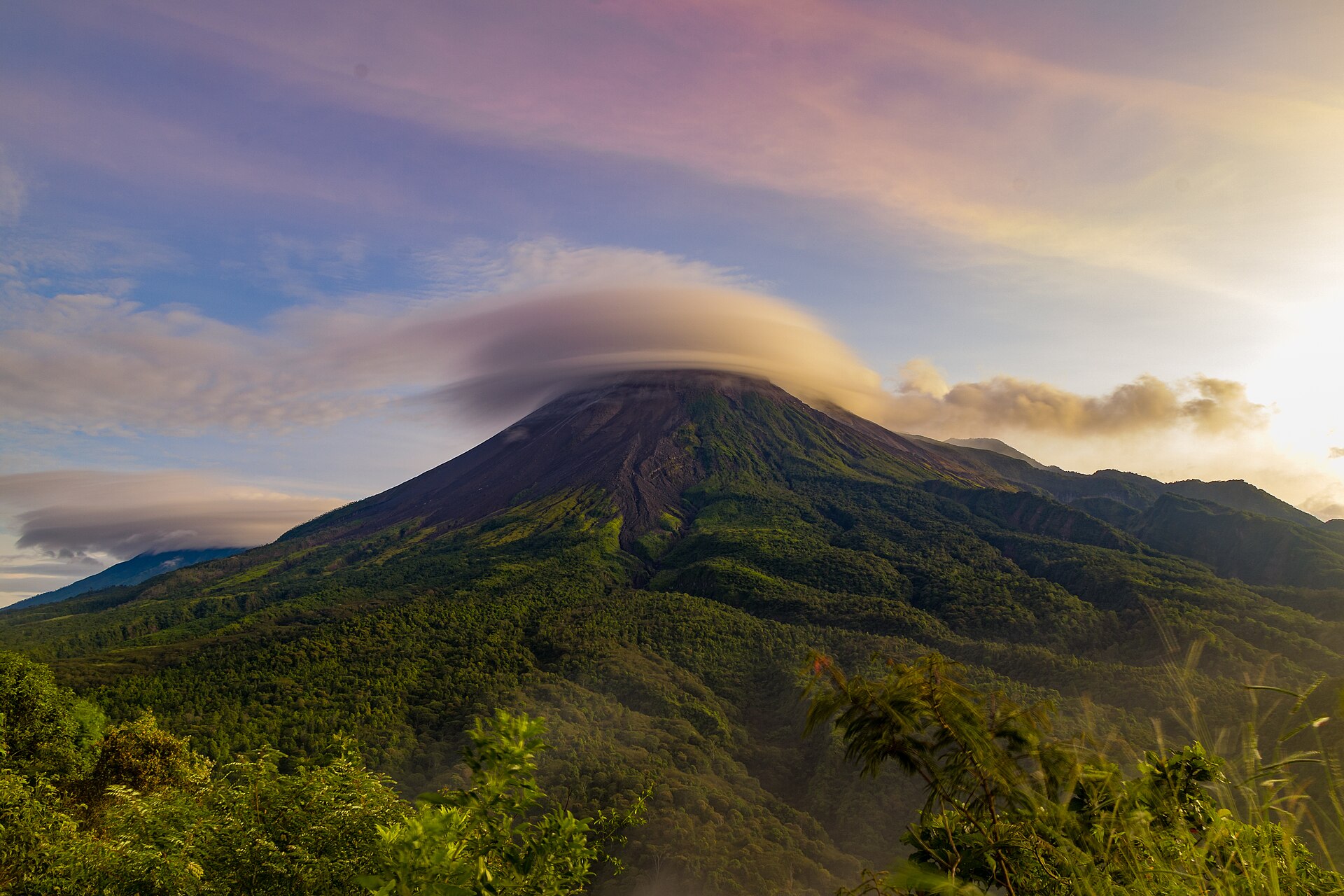
The area around Yogyakarta offers an excursion to Mount Merapi as well as a descent into a cave – both call for caution. If you’d rather relax, you can head to the cooler hill town of Kaliurang or to the southern beaches, just check the practical details beforehand.
21. Merapi: a Lava Tour by Jeep
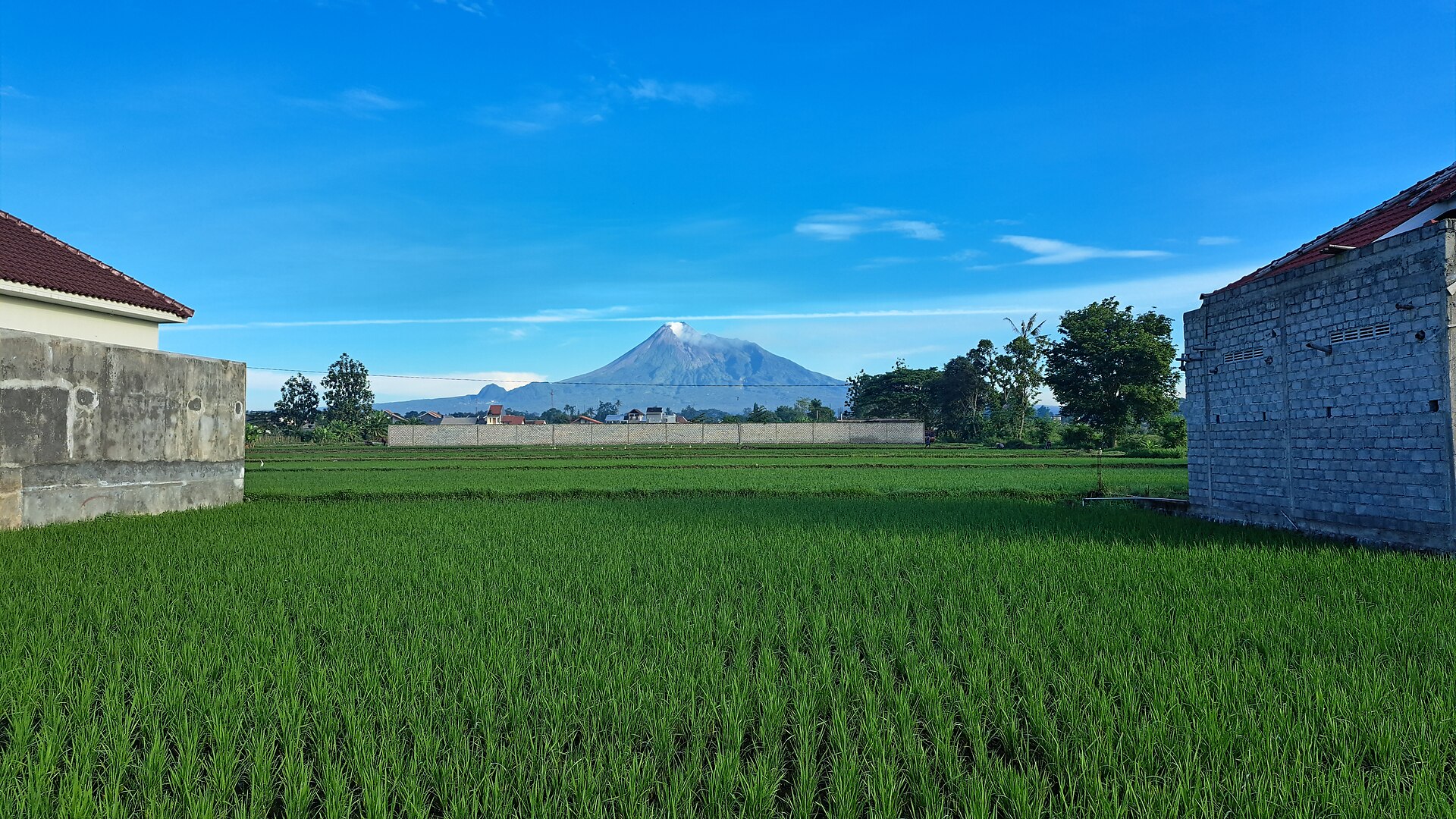
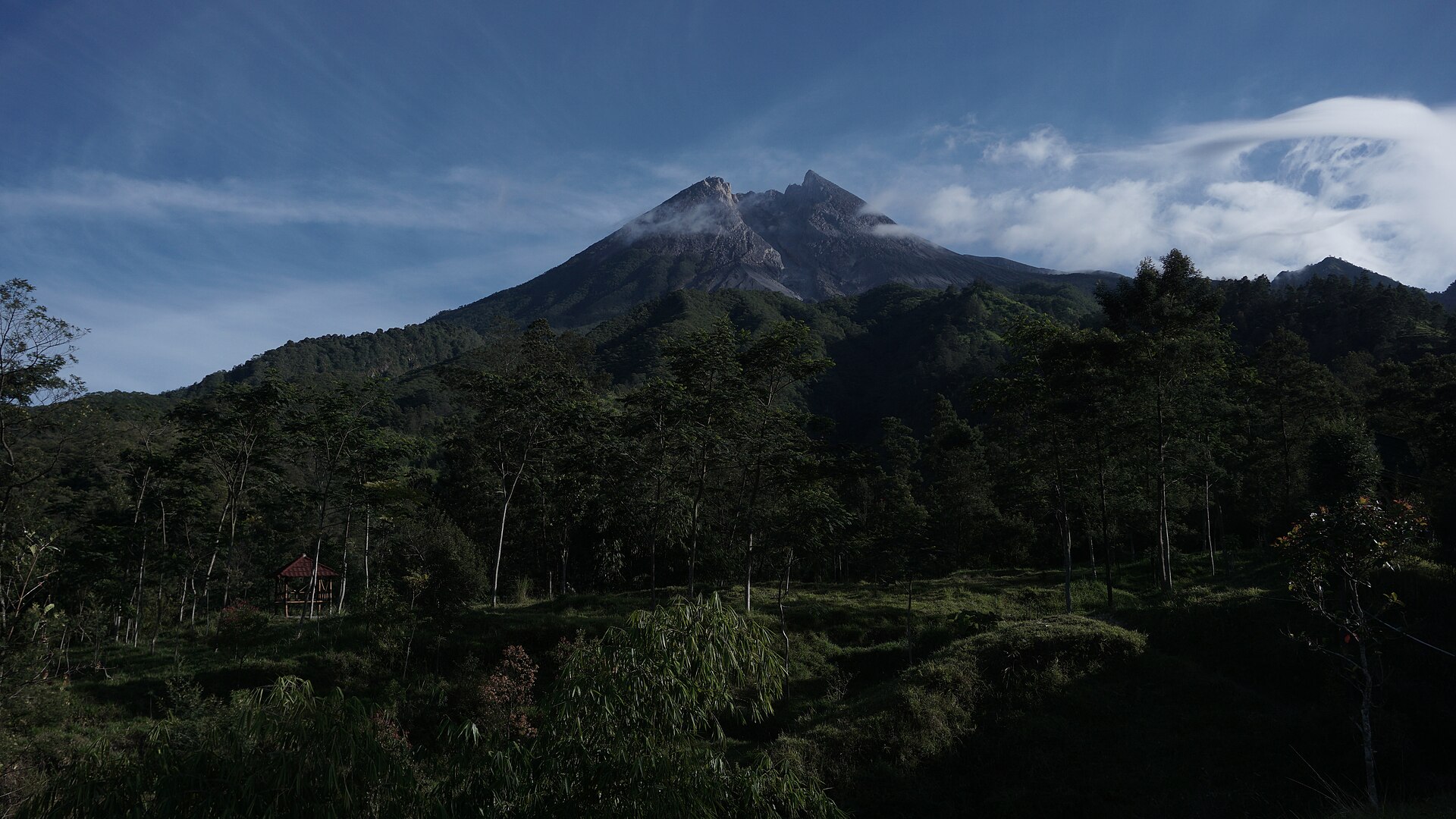
A lava tour is a ride in an off-road jeep along the slopes of the volcano – and Merapi is an active volcano just under 3,000 metres high. According to the Indonesian agency MAGMA, as of 3 November 2026 it’s at Level III (Siaga, the third of four alert levels), where it has stayed continuously since 5 November 2020. Climbing to the summit is prohibited, so before you go, check the volcano’s activity status on the MAGMA website.
According to news sites, pyroclastic flows – fast-moving clouds of hot gas and ash – occurred repeatedly in 2026 (12 August, 5 September, 30 September). In August 2026, the danger zones stretched 3–7 km along the valleys, so check their current extent in advance.
Prices are approximate and quoted per jeep for up to four people, not per person. A short route costs around IDR 400,000–450,000 (roughly €20). A medium one comes to IDR 500,000–600,000 (roughly €25–30), and a long one to IDR 650,000–750,000 (roughly €30–35). The prices come from an offer by the operator Telkomsel (source from 1/2026), the routes vary depending on the package, and tours depart from the Kepuharjo and Kaliurang areas.
The 2010 eruption claimed more than 350 lives, including that of the volcano’s spiritual guardian, Mbah Maridjan. His house and grave are among the stops, so this is more than just a ride for photos. Go in the morning, as it rains more in Kaliurang in the afternoon – sunrise jeeps leave from 4:30 am.
22. Kaliurang
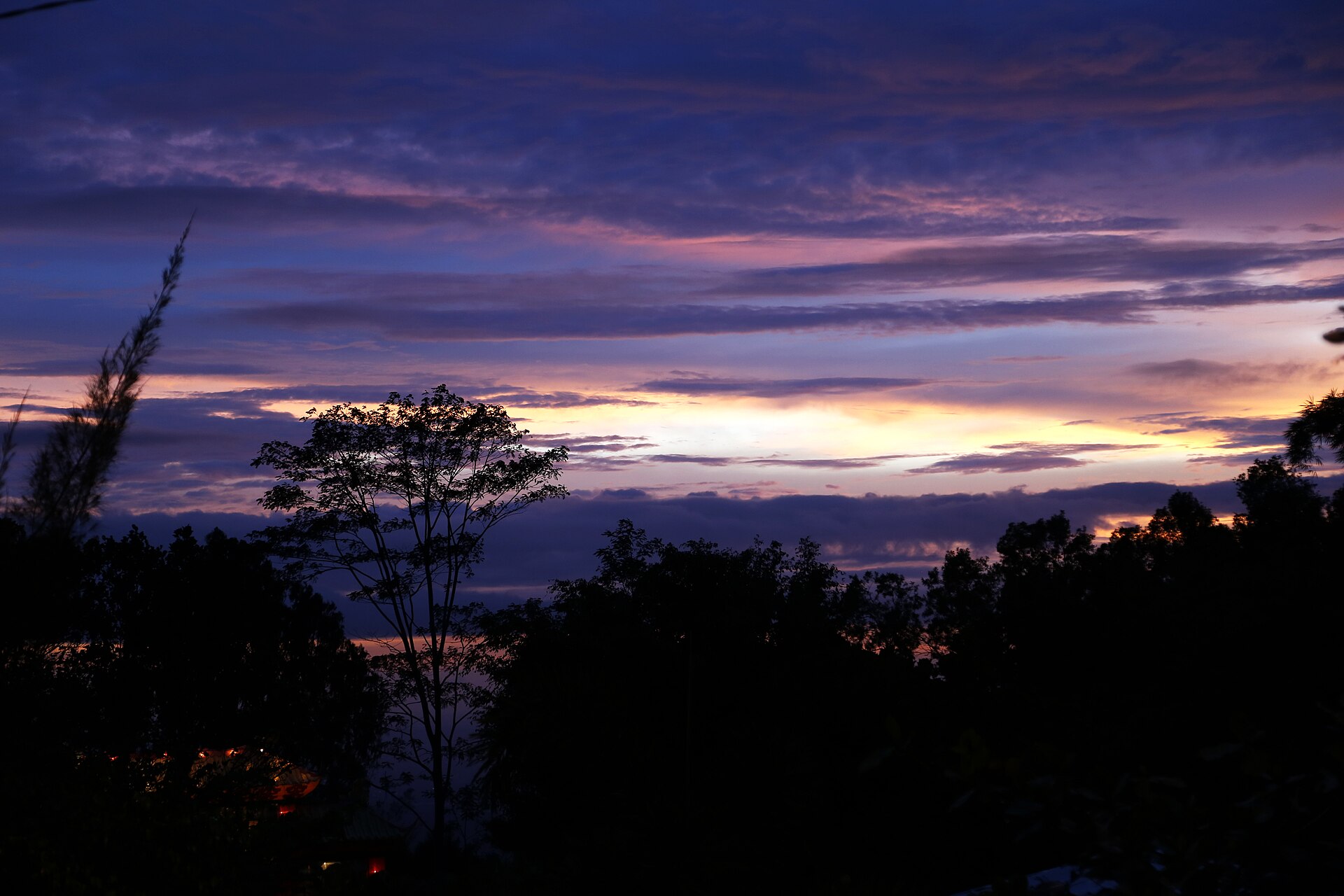
Kaliurang is a hill resort at an altitude of about 900 m, around 25 km from Tugu. Daytime temperatures are usually 24–25 °C, noticeably cooler than in the city. Visit in the morning, as it rains for roughly 40–70 % of the hours in the afternoon. This is also one of the starting points for the lava tour (tip 21).
23. Jomblang Cave
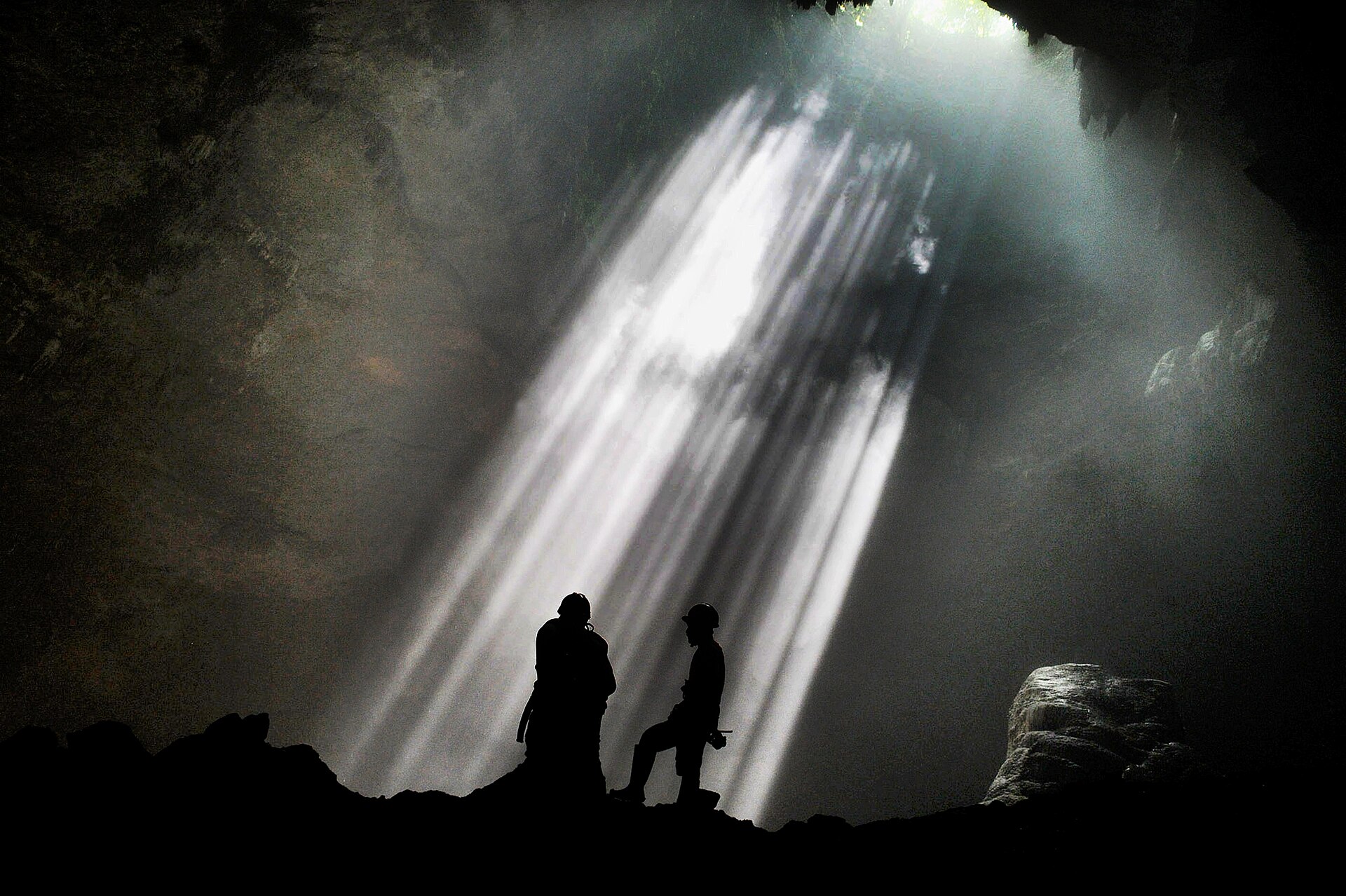
Jomblang is a cave with a vertical sinkhole in Gunungkidul, about 47 km from Tugu, roughly a 1.5-hour drive away. The descent starts at around 10:00 am, and around noon a beam of light shines down into the cave – that’s what people come here for.
The price is roughly IDR 500,000 (about €25) per person, including a guide, equipment and lunch; this comes from an agent and the information isn’t dated, so confirm the price and times. There’s usually a limit of about 75 people per day, so book in advance and, in the rainy season, check whether it’s open. Before booking, make sure your travel insurance covers this activity.
24. Gunungkidul Beaches
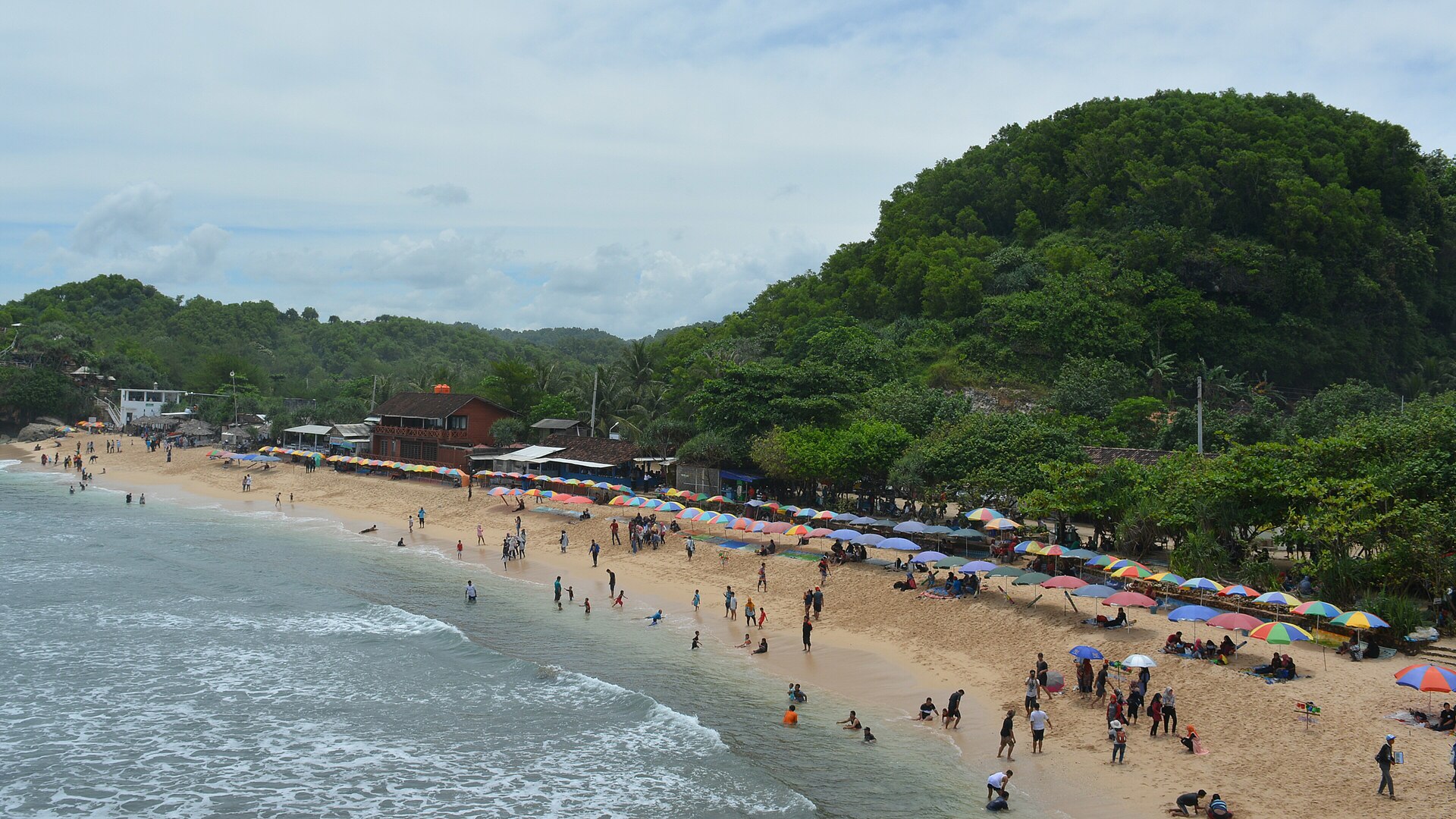
In Gunungkidul Regency, also home to Jomblang Cave, you’ll find beaches such as Indrayanti along the south coast. I don’t have details on transport or any fees, so look them up before planning your trip.
How to Get to Yogyakarta and Around the City
Coming from Europe, you’ll fly with a connection in Jakarta, Singapore, Kuala Lumpur or Bali. Once you’re there, you’ll appreciate the cheap trains and mobile apps.
From Yogyakarta Airport (YIA)
The main airport, Yogyakarta International Airport (YIA, in the Kulon Progo area), is 43 km from Tugu station, while the old Adisutjipto airport (JOG) has only handled turboprop flights since 2020.
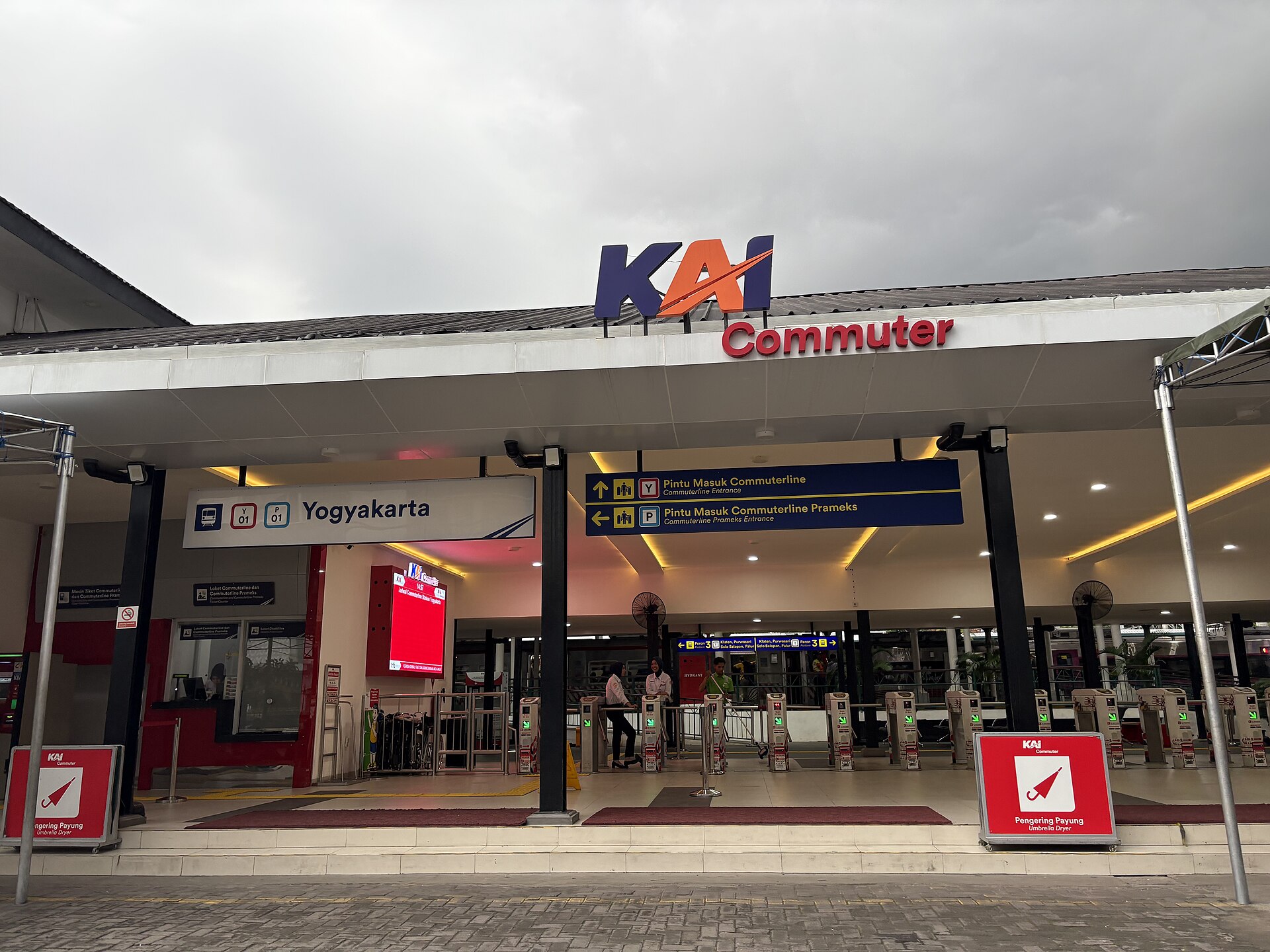
Since 17 September 2026, the train has been run by KAI Commuter as the Commuter Line Bandara YIA, with 50 services a day. A regular train takes about 40 minutes, and the express does it in 35–39 minutes. A regular ticket costs around IDR 20,000 (roughly €1), and the express from IDR 50,000 (roughly €2.50). These figures date from before KAI Commuter took over, so check the current price.
You can buy tickets in the C-Access and Access by KAI apps, which, according to other travellers, don’t accept foreign cards. Alternatively, use Traveloka or tiket.com.
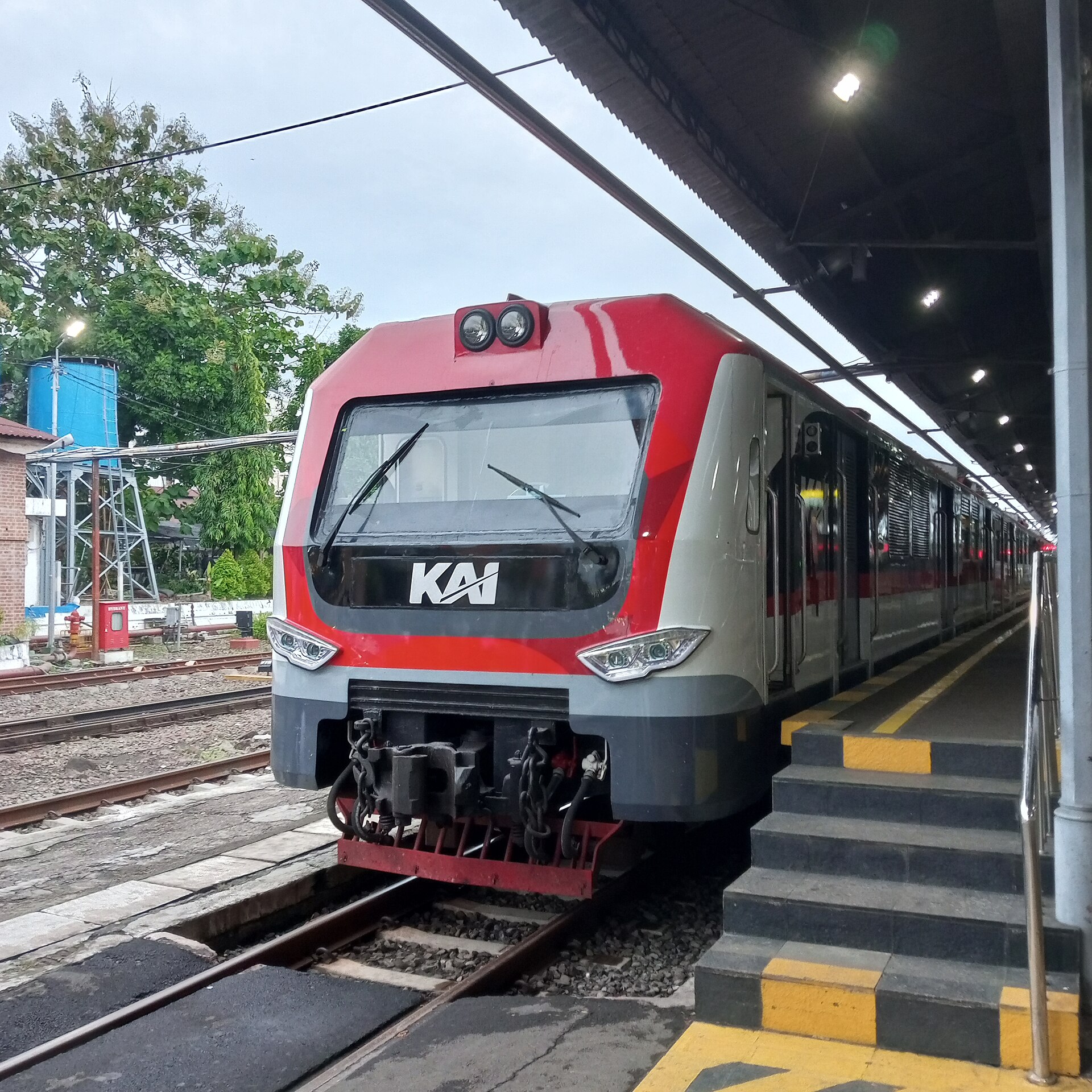
By Train from Jakarta and Malang
If you’re coming from Jakarta, our tips on what to see in Jakarta and where to stay in Jakarta will come in handy. The Whoosh high-speed train from Jakarta only runs to Bandung, so you’ll get to Yogyakarta on a regular long-distance train.
The Taksaka from Gambir station takes about 6 hours, while the Argo Lawu or Argo Dwipangga take 7–8 hours. From Malang, the Malioboro Ekspres takes about 7–7.5 hours. Tickets go on sale 45 days in advance, and you’ll find more about Tugu and Lempuyangan stations in tip 9.
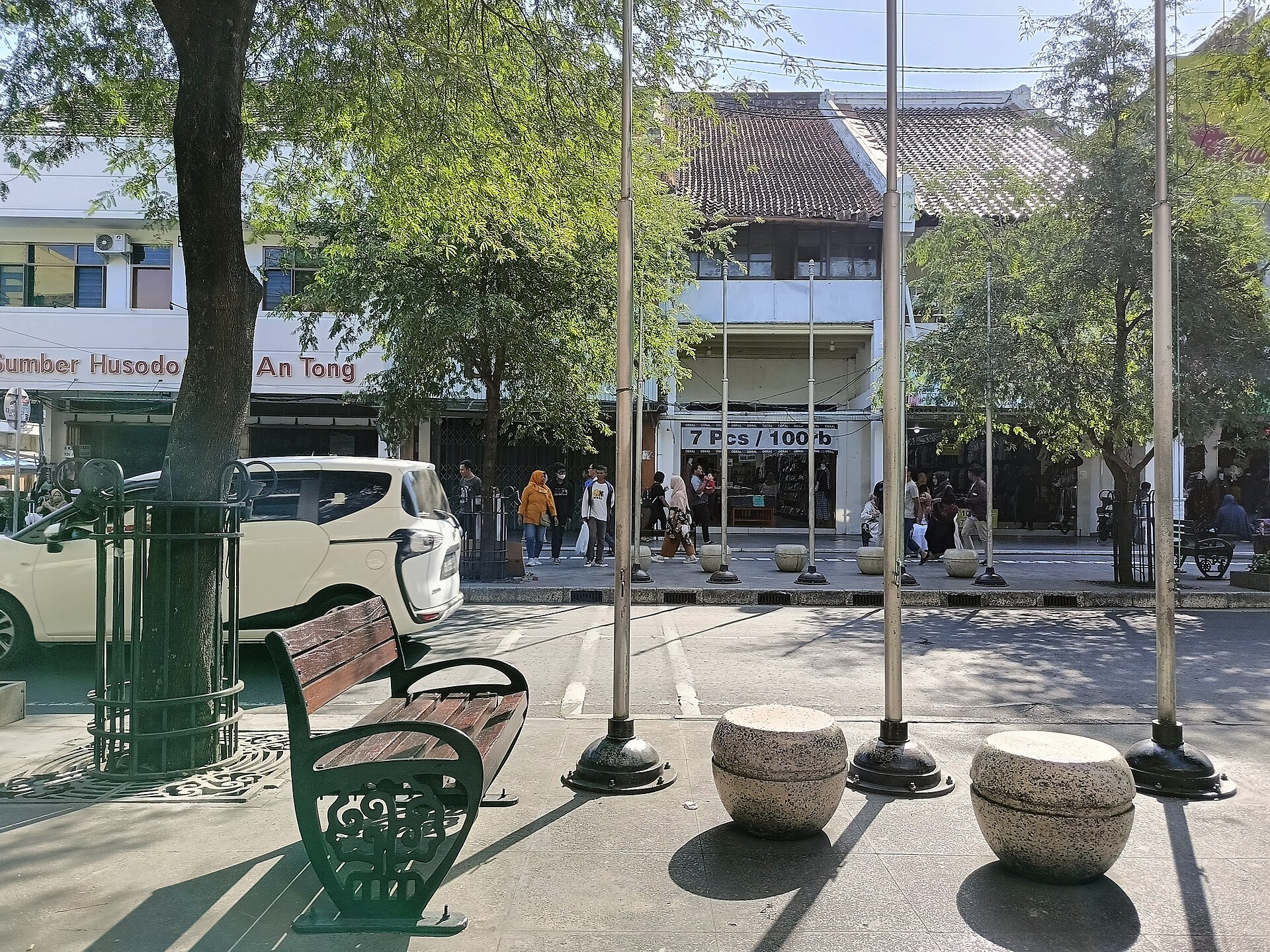
Getting Around the City
Around town, the Grab, Gojek and Maxim apps work well for booking a car or a motorbike ride. Or try a becak (cycle rickshaw) around Malioboro – a ride costs around IDR 10,000 (roughly €0.50, approximate), and always agree on the price beforehand. The train to Solo (Palur station) costs around IDR 8,000 (roughly €0.40, approximate).
Practical Info: Visas, What to Wear and Scams
Before you hit the streets, get a few practical things sorted so nothing catches you off guard. Arrange reliable travel insurance before you fly, and check the latest official entry information along with your own government’s travel advice. The local currency is the Indonesian rupiah (IDR), and 1,000 IDR is worth roughly €0.05.
Visa and Arrival Card
To enter, you’ll need a passport valid for at least 6 months with two blank pages, plus a return or onward ticket. You’ll also need a visa on arrival (VoA) or the electronic e-VoA, valid for 30 days and costing 500,000 IDR (about €25). In August 2026 there were reports of a price increase, so double-check the current fee. If you want to extend for another 30 days, apply no later than 7 days before your visa expires.
Watch out for unofficial websites and only buy your visa as an e-VoA at evisa.imigrasi.go.id. You’ll also have to fill in the online All Indonesia arrival card, which you can complete no earlier than three days before arrival.
What to Wear and How to Behave
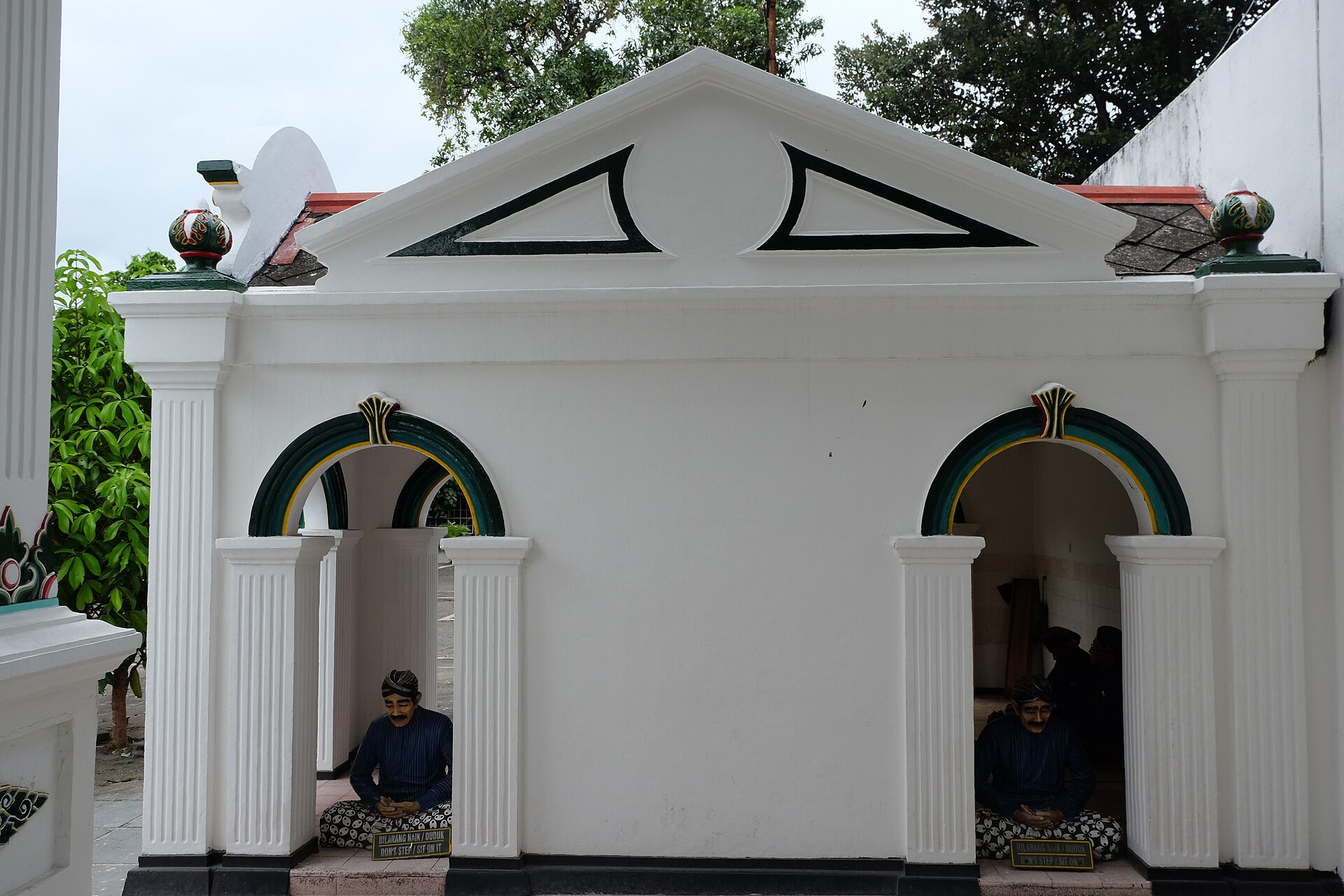
For the Kraton, wear clothes with sleeves; shorts and skirts aren’t allowed. At other temples and mosques, it’s best to check the rules on the spot.
Scams and Small Traps
Keep an eye out for the well-known batik scam (see tip 6), where touts try to lure you into dodgy shops. Guides at the entrance to Taman Sari, meanwhile, will expect a tip.
Approximate Prices at a Glance
To make budgeting a little easier, I’ve put together a price overview all in one place. The amounts are approximate, based on sources from 2025–2026, some of them undated.
| Item | Price in IDR | Approx. in EUR |
|---|---|---|
| e-VoA / VoA for 30 days | 500,000 | about €25 |
| Prambanan, foreign adult (source 10/2026) | around 400,000 | about €20 |
| Prambanan, child | 240,000–250,000 | about €12 |
| Borobudur, temple structure, adult (source 12/2025) | around 455,000 | about €25 |
| Borobudur, temple structure, child | around 305,000 | about €15 |
| Borobudur Sunrise (sunrise on the temple) | 1,000,000 | about €50 |
| Ramayana Ballet | 165,000–550,000 | about €8–25 |
| Kraton (Kedhaton) | 25,000–30,000 | about €1.20–1.50 |
| Taman Sari | around 25,000 | about €1.20 |
| Benteng Vredeburg | around 100,000 | about €5 |
| Merapi jeep tour, short route (price per jeep, max. 4 people; source 1/2026) | 400,000–450,000 | about €20–22 |
| Merapi jeep tour, medium route (per jeep) | 500,000–600,000 | about €25–30 |
| Merapi jeep tour, long route (per jeep) | 650,000–750,000 | about €30–35 |
| Jomblang Cave (per person, incl. lunch; undated source) | around 500,000 | about €25 |
| Train from YIA airport, regular service (figure from before the KAI Commuter takeover) | around 20,000 | about €1 |
| Train from YIA airport, express (figure from before the KAI Commuter takeover) | from 50,000 | about €2.50 |
| Becak along Malioboro | up to around 10,000 | about €0.50 |
Prices are approximate, based on sources from 2025–2026, some undated. Exchange rate: 1,000 IDR ≈ €0.049. Check the official price lists before buying.
Where to Go Next from Yogyakarta
Once you’ve soaked up the local atmosphere, a natural next step is to carry on across East Java. The Malioboro Ekspres train takes you to the city of Malang in 7–7.5 hours, and from there you can continue to the Bromo and Ijen volcanoes.
You can also follow Java with the neighbouring island: Bali, Ubud, a Bali road trip and the best hotels and resorts in Bali. I haven’t verified direct flights from Bali to YIA airport. For more inspiration, check out our Indonesia hub. Have a wonderful trip! ☺️
Frequently Asked Questions
How many days should I spend in Yogyakarta?
Set aside three days for Yogyakarta — that’s enough time for the city itself, plus Borobudur and Prambanan with Ratu Boko and the Ramayana ballet. If you’re also tempted by Mount Merapi or Jomblang Cave, better plan for four to five days so your holiday doesn’t turn into a race against the clock.
What’s the best time to visit Yogyakarta?
The best period is from June to September, with July and August usually being the driest months. From November to March it often rains in the afternoons, so plan temple visits for the morning and leave the rest of your itinerary for when the rain hits.
Is the kraton open every day?
No, the Kedhaton is closed on Mondays, so plan something else for the start of the week. It’s open Tuesday to Sunday, 8:30 am–2:30 pm. Wahanarata and Fort Vredeburg are also closed on Mondays.
How much does entry to Prambanan cost?
A foreign adult visitor pays roughly around 400,000 IDR (about €23, as of 10/2026). The price also includes the Sewu, Lumbung and Bubrah temples plus the museum, so you don’t have to stop at Prambanan itself. It opens daily at 6:30 am, in case you’re an early riser.
When is the Ramayana ballet performed?
The Ramayana is performed on Tuesdays, Thursdays and Saturdays from 7:30 pm, so you’ll need to plan your evening a bit. From May to October it’s danced on the open-air stage with Prambanan in the background. During the rainy season the show moves to the covered Trimurti hall — check the schedule from November 2026 before you travel. On Fridays it’s Roro Jonggrang that’s performed, not the Ramayana.
Can you climb Mount Merapi?
No, climbing Merapi is prohibited, as the volcano has been at alert level three since November 2020. You can only take a jeep up the slopes on the so-called lava tour, with the price charged per vehicle, not per person.
How do I get from YIA airport to the city centre?
From the airport, take the Commuter Line Bandara YIA train to Yogyakarta (Tugu) station. The ride takes about 40 minutes. A regular ticket costs around 20,000 IDR (about €1.20) — this figure dates from before KAI Commuter took over, so double-check the price.
How long does the train from Jakarta to Yogyakarta take?
The fastest train, the Taksaka, takes about six hours from Gambir station, so set aside a good chunk of the day for the trip. Tickets go on sale 45 days in advance — buy them as soon as sales open. During the week around Lebaran (holiday 9–15 March 2027) they tend to sell out.
Do I need a visa for Indonesia?
Yes, the 30-day e-VoA costs roughly around 500,000 IDR (about €29) and can be extended once. You can get it at evisa.imigrasi.go.id, but double-check the price before you travel. Before landing, also fill in the All Indonesia arrival card, so it doesn’t slip through the cracks during your preparations.
What is the batik scam?
The batik scam is a con in which a stranger approaches you in fluent English and invites you to an “exhibition” or a “government gallery.” Instead of a cultural experience, you get led to a shop selling overpriced batik — and you don’t want that. Turn down the invitation and buy batik only in shops you find on your own.
Tips and Tricks for Your Vacation
Don’t Overpay for Flights
Search for flights on Kayak. It’s our favorite search engine because it scans the websites of all airlines and always finds the cheapest connection.
Book Your Accommodation Smartly
The best experiences we’ve had when looking for accommodation (from Alaska to Morocco) are with Booking.com, where hotels, apartments, and entire houses are usually the cheapest and most widely available.
 🚗 Car rental on the roadVerified rental cars in Indonesia
Search with the DiscoverCars comparison engine — it compares prices from dozens of local and international rental companies, and most bookings come with free cancellation.
Compare car prices in Indonesia →Don’t Forget Travel Insurance
Good travel insurance will protect you against illness, accidents, theft, or flight cancellations. We’ve had a few hospital visits abroad, so we know how important it is to have proper insurance arranged.
Where we insure ourselves: SafetyWing (simple monthly subscription) and TrueTraveller (for extra-long trips).
Find the Best Experiences
Get Your Guide is a huge online marketplace where you can book guided walks, trips, skip-the-line tickets, tours, and much more. We always find some extra fun there!


