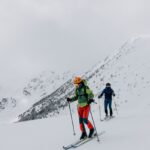

When you head out for your first time cross-country skiing, you’ll discover winter nature blanketed in fresh snow, silence broken only by steady breathing, and that wonderful feeling when you warm up with hot tea in a mountain hut after a full day’s outing. If you’re thinking about finally swapping downhill slopes for white tracks this year, you’re in for an absolutely beautiful sporting experience. Cross-country skiing is experiencing a huge boom, and it’s no wonder—it offers an escape from crowded ski lifts to a quieter part of the mountains.
For a complete novice, however, choosing the right equipment can seem like complicated alchemy, mixing terms like skin, scales, stiffness, and skate. Here you’ll find all the basics you need to know before your first trip to the trails—from choosing skis to where to actually start. We’ll look together at how to properly select ski length and type, why you must not underestimate your weight, and where to actually go.
We’ll also shine a light on one big myth about Czech trail networks, because not every route with this proud name can be skied in one go. You’ll also discover why it’s better to head to a rental shop for your first steps and what terrain to focus on as beginners, so you don’t spoil this beautiful winter sport right from the start with unnecessary suffering on steep hills.
TL;DR
- Complete beginners are recommended to use classic technique, which is skied in groomed tracks and makes it easier to maintain balance.
- Ski length is chosen according to height (for classic, add 15 to 25 centimeters), but ski stiffness is determined exclusively by your weight.
- The best bases for starting out are scales or skins (mohair strips), because they don’t require complicated waxing and the ski won’t slip backward.
- The Ore Mountains trail network has a total of 242 kilometers, but it’s divided into three completely disconnected sections (the western section Bublava–Boží Dar measures 41 kilometers).
- The Giant Mountains trail network offers 71 kilometers of continuous main route, which runs across the mountain range from Harrachov to Žacléř.
- The Jizera Mountains network with more than 180 kilometers of trails is the most popular cross-country skiing area in the Czech Republic, and in Bedřichov you’ll breathe in the atmosphere of the famous race.
The full destination guide: Czechia — guide and what to see
12 Things You Need to Know Before Your First Cross-Country Skiing Trip
Cross-country skiing may seem like a simple sport at first glance, but in practice it’s often full of unexpected surprises for novices. To avoid ending your first day in the mountains in tears or with unnecessarily destroyed muscles, you really need to not underestimate the preparation.
Whether you’re heading to the snowy Jizera Mountains or the Šumava range, properly chosen skis and selecting a suitable route are absolute basics. The following twelve points will therefore safely guide you from choosing equipment at the rental shop to your first successful glides on snow.
1. Classic is clearly the best choice for beginners
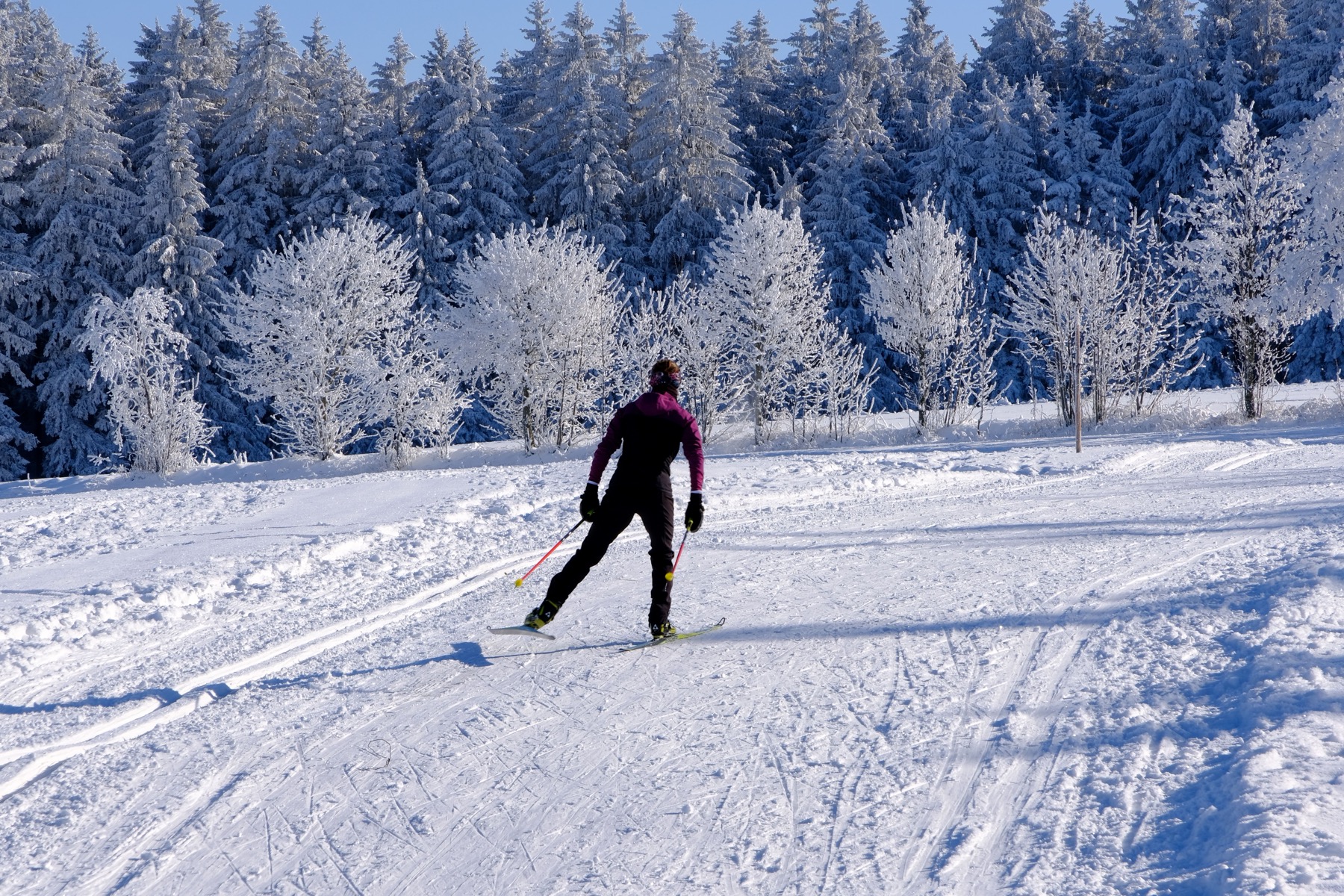
When you come to a rental shop or store, you’ll immediately get a fundamental question: what technique do you actually plan to use? For complete beginners, classic technique is recommended, which is more natural and derives from normal human walking motion. With classic, you move in two groomed tracks in prepared snow, which gives you enormous psychological and physical support.
The track naturally guides you and helps you maintain stability and balance, which novices on narrow skis struggle with most. You don’t have to worry as much about coordinating sideways movements and can fully focus on how to properly transfer weight from one leg to the other. Classic style is also much more forgiving of your current physical condition.
If you need to rest, you simply slow down or let yourself glide freely in the groomed tracks down a gentle hill. Classic allows you to enjoy views of the landscape without gasping for breath after the first kilometer and cursing the idea of heading to the mountains.
💡 Tip: Learning to properly push off from one ski and glide on the other requires some practice, but you’ll master the basic movement during your first afternoon. Once you gain confidence in the classic track, an endless number of trails across the entire country opens up to you.
2. Skating requires completely different equipment and more strength
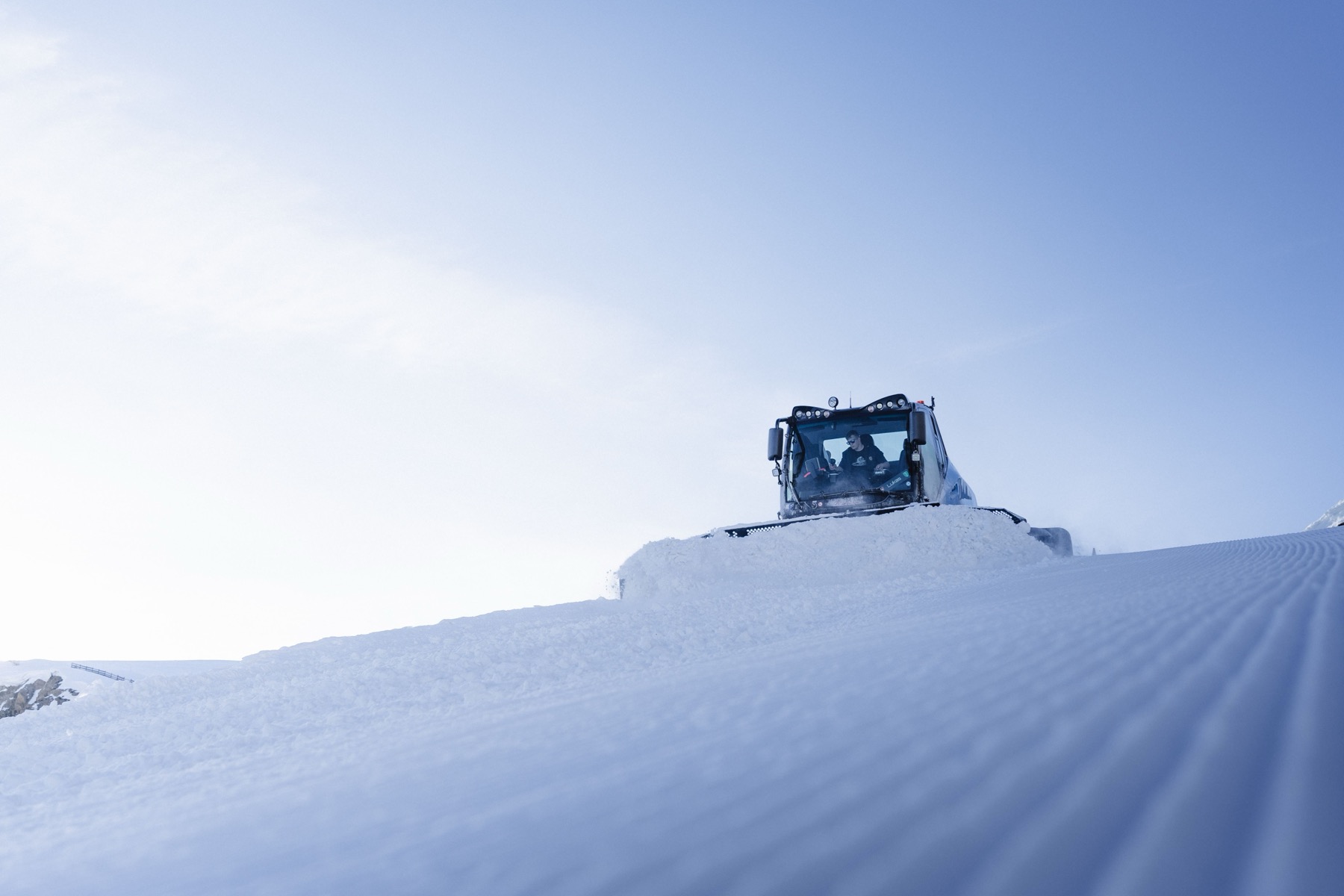
Perhaps you were fascinated watching biathletes at the Winter Olympics gliding elegantly and incredibly fast across the snow in skating style (so-called skate). Skating, however, requires a wide groomed lane of snow next to the classic track and is in every way much more demanding on your physical fitness and technical ability.
It’s extremely important to know that both techniques use completely different skis and different poles. You simply can’t learn to skate on skis designed for classic, and the reverse is equally true, so switching between techniques with one set of equipment just doesn’t work. Skate skis are shorter, stiffer, don’t have a kick zone under the boot, and you move forward exclusively using edge push-off.
When skating, you engage many more muscle groups and must constantly maintain a dynamic pace—you basically can’t stop and just “walk around,” which exhausts an untrained person surprisingly quickly.
💡 Tip: If you’re just starting with cross-country skiing, really don’t complicate your life with skating and instead fall in love with the fluid movement in classic track. You can work your way up to skate later, once you’ve gained absolute confidence on snow and are looking for a new sporting challenge.
3. Ski length is chosen exclusively according to your height
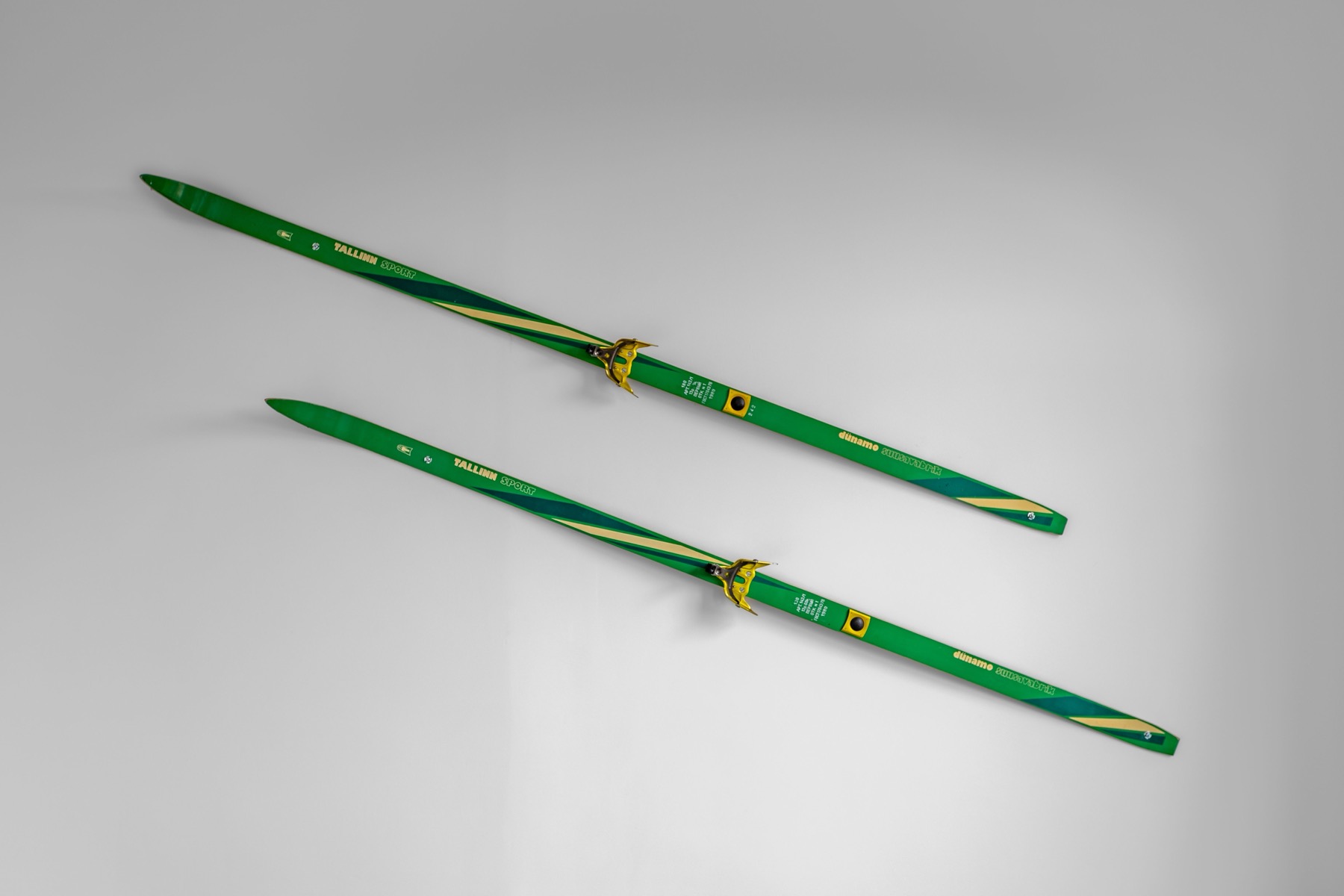
One of the most common questions before the first trip to the mountains is how long the skis should actually be. The basic rule for classic is that skis should be roughly 15 to 25 centimeters longer than your total body height. So if you measure 170 centimeters, the ideal ski length for you will be somewhere between 185 and 195 centimeters.
Different numbers apply for skating style, where you choose shorter skis and typically add only 5 to 10 centimeters to your height. Shorter skis are easier to control when pushing off sideways, and there’s less risk of crossing your tails with incorrect technique and ending up in a snowdrift.
For beginners, it’s always better to go for the shorter variant from the recommended range, because shorter skis are much more obedient and easier to maneuver when turning or snowplow braking. Advanced skiers, on the other hand, often prefer longer skis, which give them better and longer glide on flat sections.
💡 Tip: Don’t forget about proper pole length, which differs quite significantly between classic and skating. Classic poles typically reach shoulder height, while for skate you need longer poles reaching approximately to your chin or nose.
4. Ski stiffness, on the other hand, is determined only by your weight
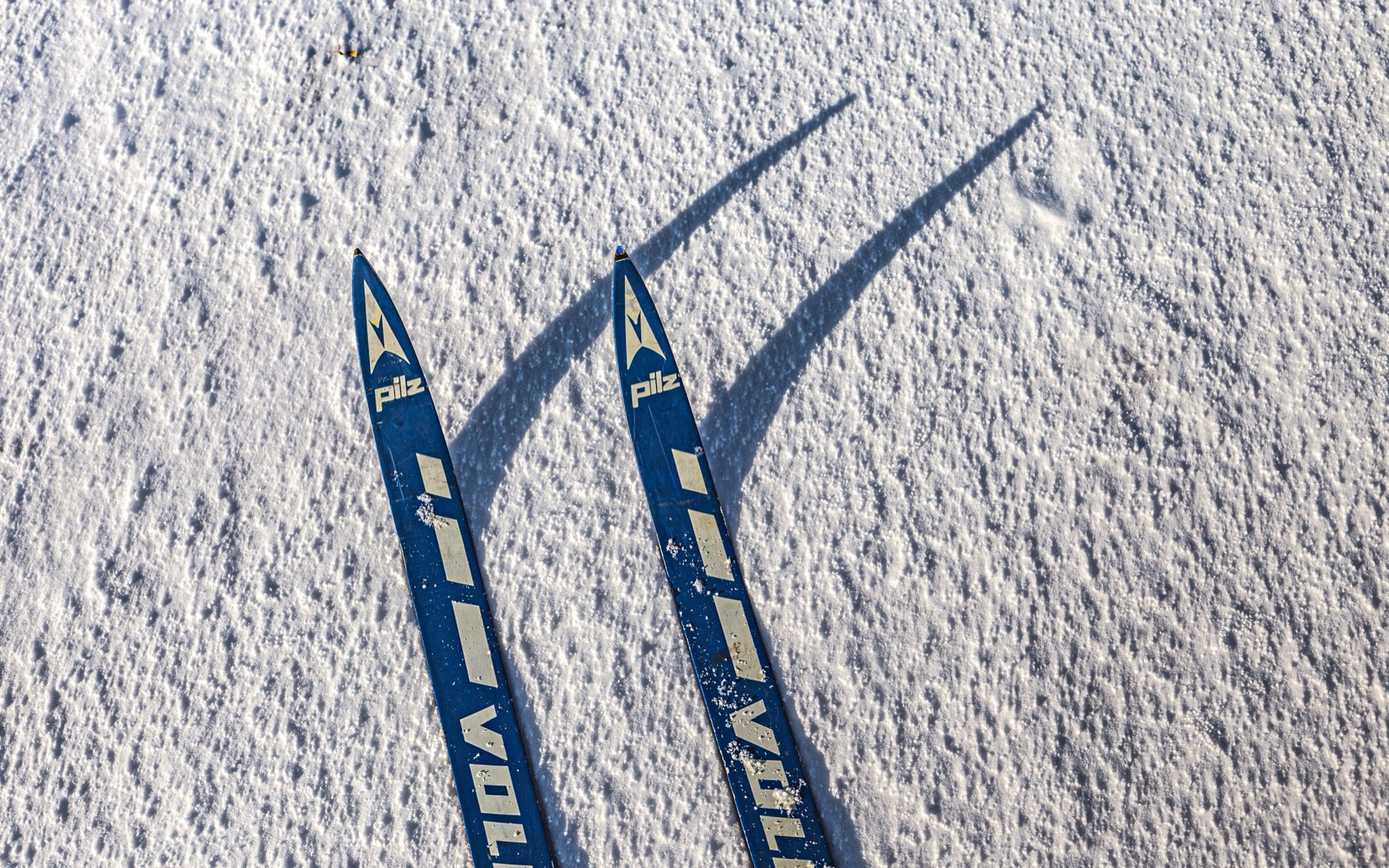
This is an absolutely critical point and at the same time the most common mistake that beginning skiers make. While you choose ski length according to how tall you are, you must select the proper stiffness (or camber of the ski) strictly according to how much you weigh. Every classic ski has a so-called kick zone in the middle, which must touch the snow when you transfer weight to one leg.
If you choose skis that are too stiff for your weight, you won’t be able to press them down to the snow when pushing off, and the ski will unpleasantly slip backward with every step. You’ll work hard, waste energy, and won’t get uphill at all. Skiing then turns into pure suffering full of frustration.
Conversely, if you go for skis that are too soft for your weight, the kick pocket will drag on the snow even when you just want to glide downhill. The ski won’t run, it will scrape, and you’ll have to work hard with your poles even on a gentle slope.
💡 Tip: Stiffness varies greatly between different brands and specific models, so you must always check the specific manufacturer’s chart, which clearly states what weight the ski is designed for. Never buy skis just based on nice design without checking the weight limits.
5. Scales and skins save beginners a lot of waxing hassle
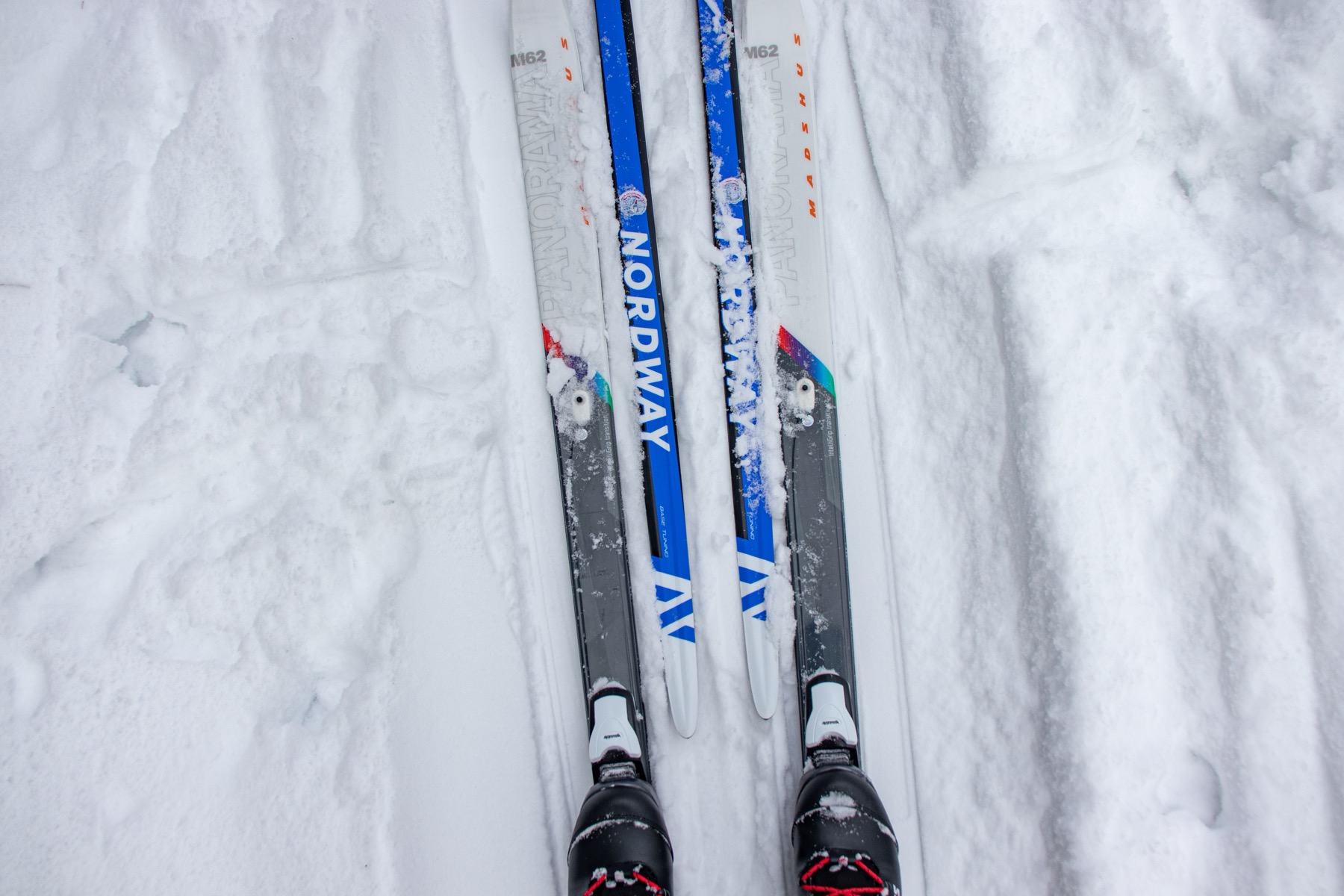
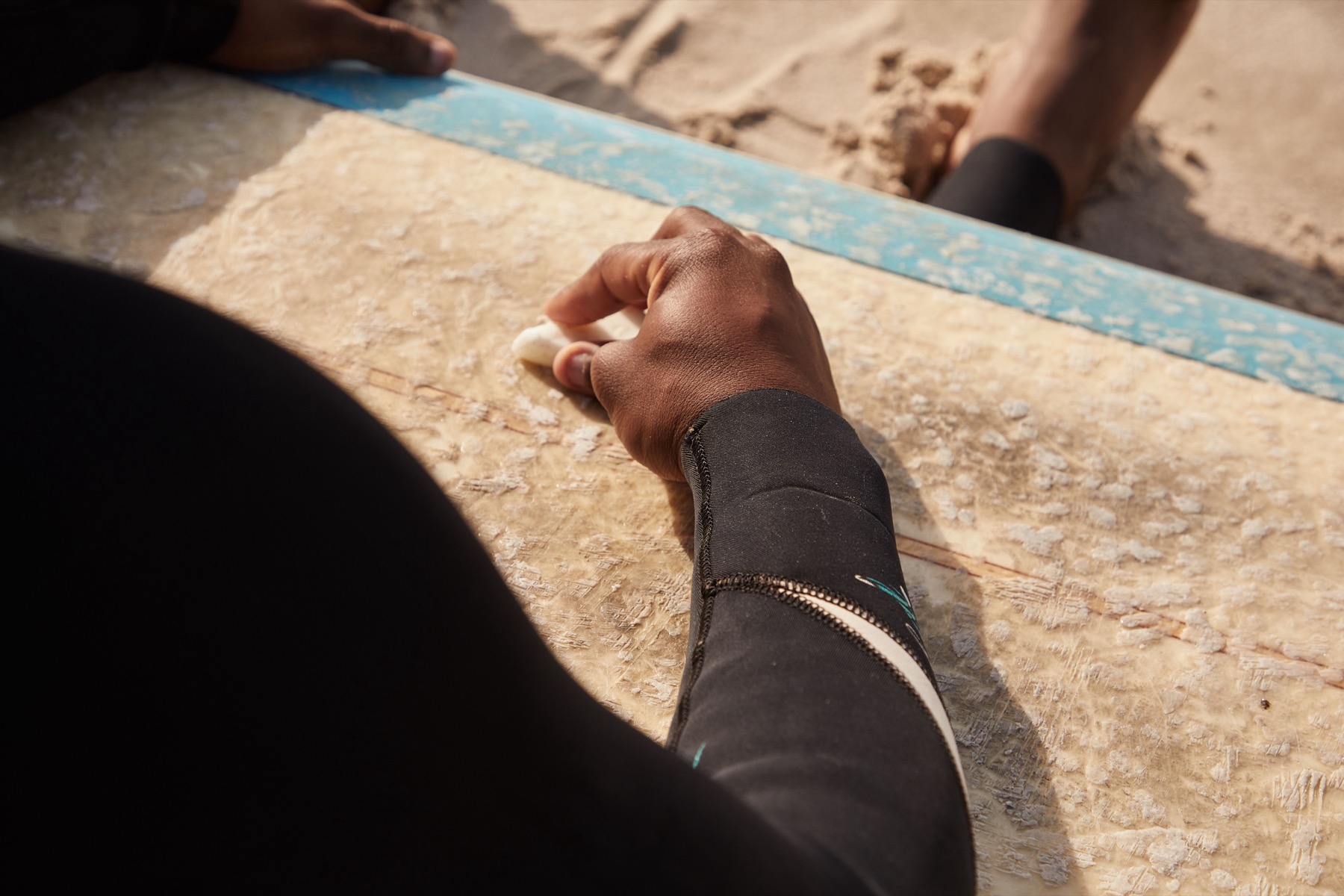
For a classic ski to push forward while gliding smoothly, the middle section needs special treatment. Complete beginners are most often recommended so-called scales (often called waxless skis), which have a fish-scale pattern pressed into the middle section. They grip the snow well, make kick-off easier, and are the cheapest of all types, though they have slightly shorter glide and buzz a bit while skiing.
A brilliant and very popular compromise in recent years are skin skis, which have special mohair strips inserted in the kick zone. The strip is perfectly smooth in the direction of travel and the ski glides beautifully over it, while in the opposite direction the fine hairs stand up, create resistance, and prevent unpleasant slip-back. To keep your mohair strips functional as long as possible and prevent them from freezing on the snow, I recommend packing a special spray for cleaning and waterproofing skins in your backpack.
The third option is classic waxable skis, which require precise application of grip wax according to current temperature and snow type. Waxable skis offer unquestionably the best glide, but require the most work, knowledge, and patience, because poorly waxed skis mean a ruined outing.
💡 Tip: As a beginner, definitely choose scales or skins. Leave wax for when you know exactly what you’re doing and want to take your glide to a more professional level.
6. Boots and bindings must form one compatible system
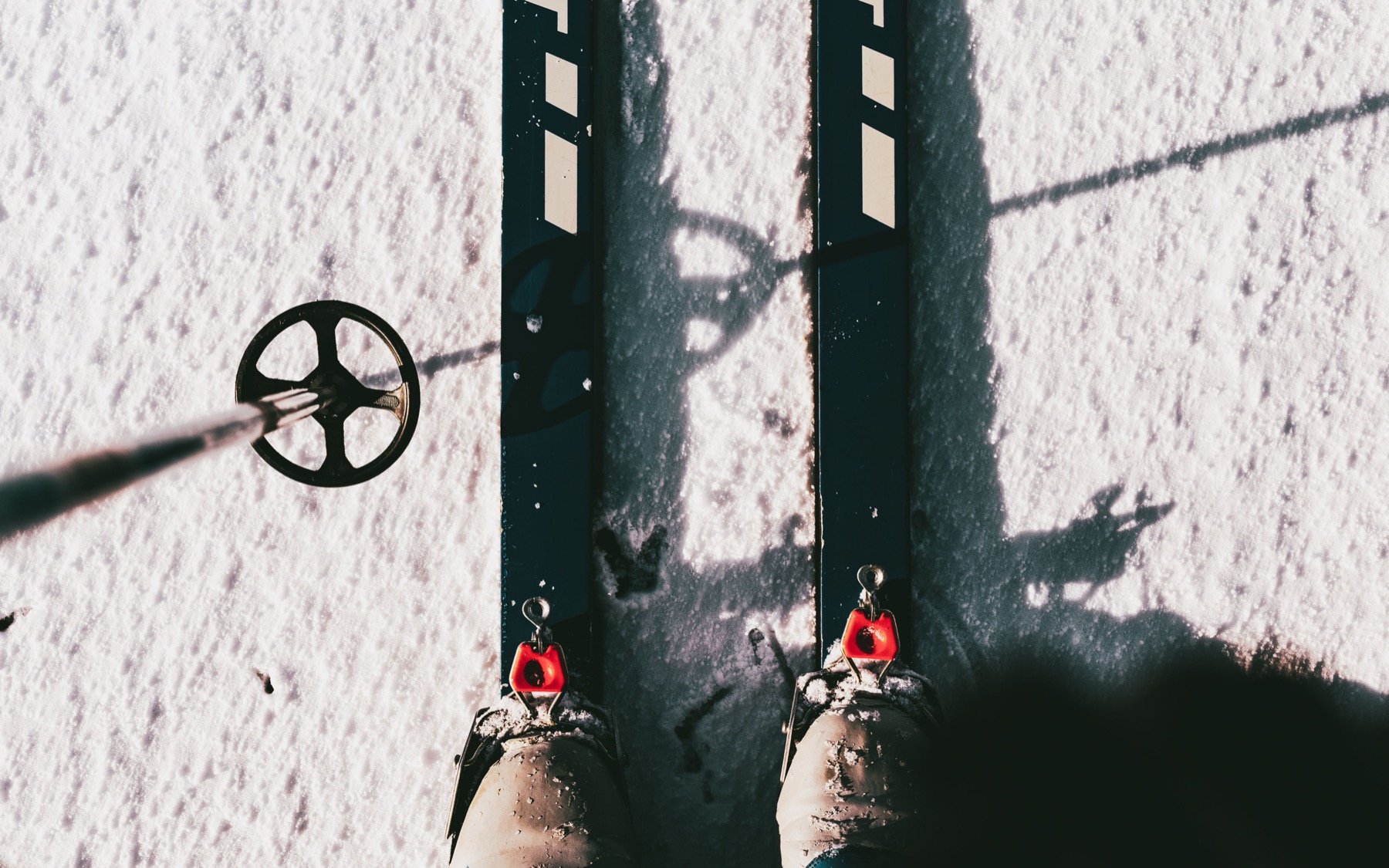
When choosing cross-country skiing equipment, you’ll quickly discover that several different binding systems exist (you’ll often see abbreviations like NNN, SNS, Prolink, or Turnamic). The most important rule is that bindings and boots must belong to the same system, otherwise they simply won’t fit together and you won’t be able to get on the skis at all.
Manufacturers have different groove profiles and pins through which the boot attaches to the ski. Generally speaking, you first need to choose a boot that fits you perfectly and doesn’t pinch anywhere, and only then select bindings for the skis according to its system. When shopping, always have the salesperson confirm that your chosen combination will work without problems.
Also keep in mind that boots for classic and skating have completely different construction. A classic boot is softer in the toe flex so you can naturally roll your foot through the stride, and has a lower profile around the ankle. A skating boot, on the other hand, is very stiff, has a rigid sole and a high, firm cuff that stabilizes the ankle for powerful push-off from the edge.
💡 Tip: Pay maximum attention when trying on boots and always try them on with thicker socks that you actually plan to ski in. A rubbed heel or frozen toes can ruin even the sunniest day in the mountains.
7. For your first steps, rental makes more sense than a hasty purchase
If you’re standing on cross-country skis for the first time in your life, it really makes sense to head to a reliable rental shop first rather than immediately investing hundreds of euros in your own equipment. Renting is a smart choice for several practical reasons, because you need your first weekend to feel out whether you actually enjoy this sport and find it fulfilling.
You’ll try out the technique, see how you feel in a classic track, and avoid the risk of expensive equipment sitting unused in your basement for years. At a good rental shop, knowledgeable staff will also select the exact ski length and stiffness tailored to your build, so you’ll be sure you’re skiing on the right equipment.
Later, when you know exactly what you want from your skis, you can confidently buy your own set. You’ll find rental shops in every major mountain resort, often right at trailheads, so no complicated searching.
💡 Tip: Wondering what a winter trip actually costs? Read our detailed article breaking down how much a cross-country skiing weekend at Lipno costs, with lots of useful budget information and tips for Lipno in winter.
8. The word “magistrála” can be misleading (Krušné hory vs. Krkonoše)
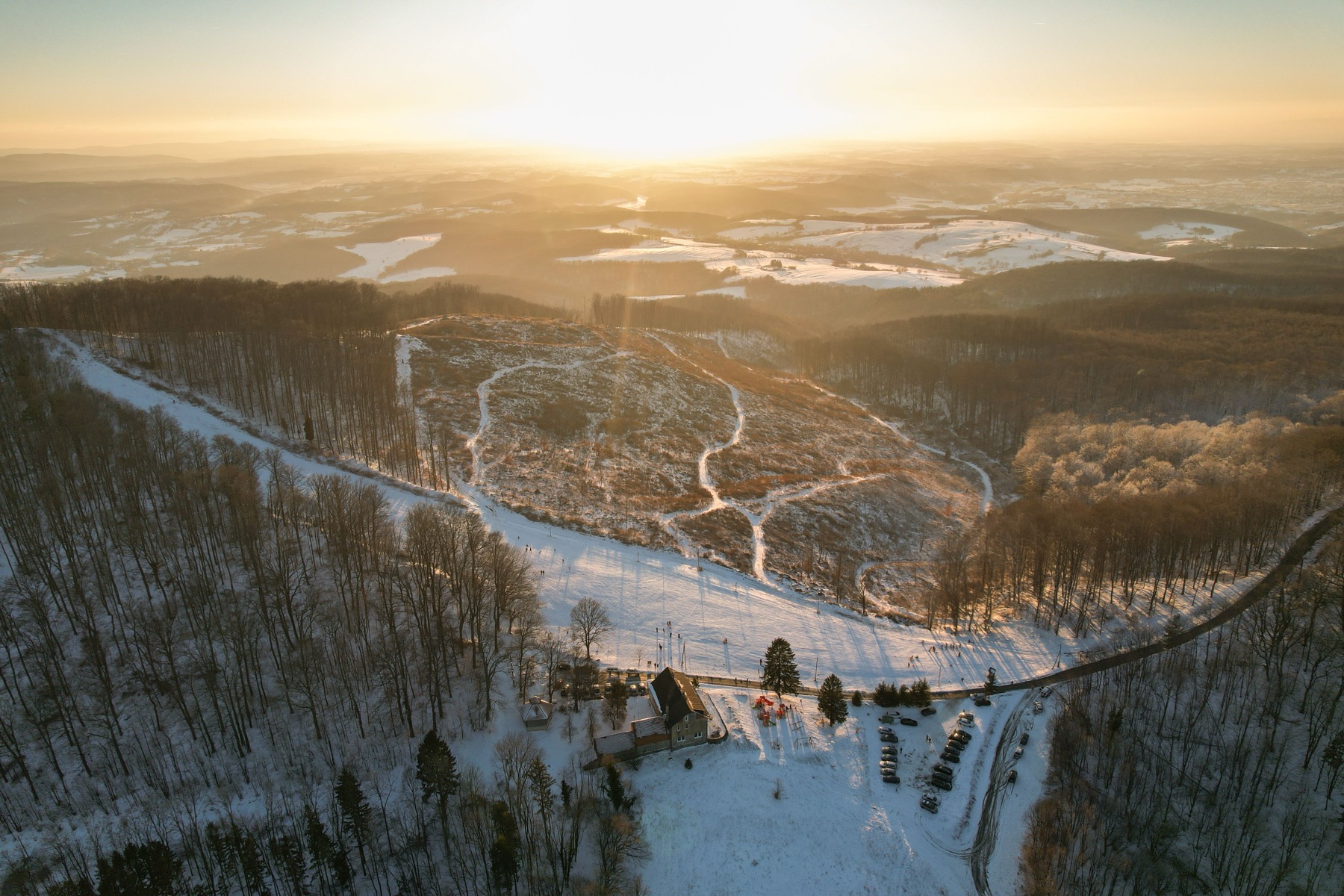
This is exactly where many people get fooled by marketing numbers and names. Under the term magistrála (trunk trail), people automatically imagine one long, uninterrupted track that you can ski smoothly from one end of a mountain range to the other. For some of our mountains this is perfectly true, but for others it’s not at all, and it’s good to know this in advance.
A beautiful example of this misleading claim is the Krušnohorská magistrála, which boasts a total length of an impressive 242 kilometers. In reality, however, it’s divided into three completely disconnected sections, so you definitely won’t ski it all in one long weekend. The western section from Bublava to Boží Dar measures about 41 kilometers and leads through beautiful nature along the German border, other separate sections can be found between Loučná pod Klínovcem and Horní Halže, and the third runs from Mezihořský vrch to Děčínský Sněžník.
This phenomenon, by the way, is closely related to what we wrote about in our guide on how mountains often play with numbers and advertising slogans, when we compared the ski resorts Klínovec and Boží Dar. The western part of the Krušné hory itself forms a network of 120 kilometers of trails connecting Klínovec and Plešivec, and with connecting networks you can access more than 300 kilometers of routes.
💡 Tip: If you’re looking for a truly continuous backbone route, the Krkonošská magistrála offers an amazing 71 kilometers in one piece, taking you through the entire Krkonoše mountains from Harrachov to picturesque Žacléř.
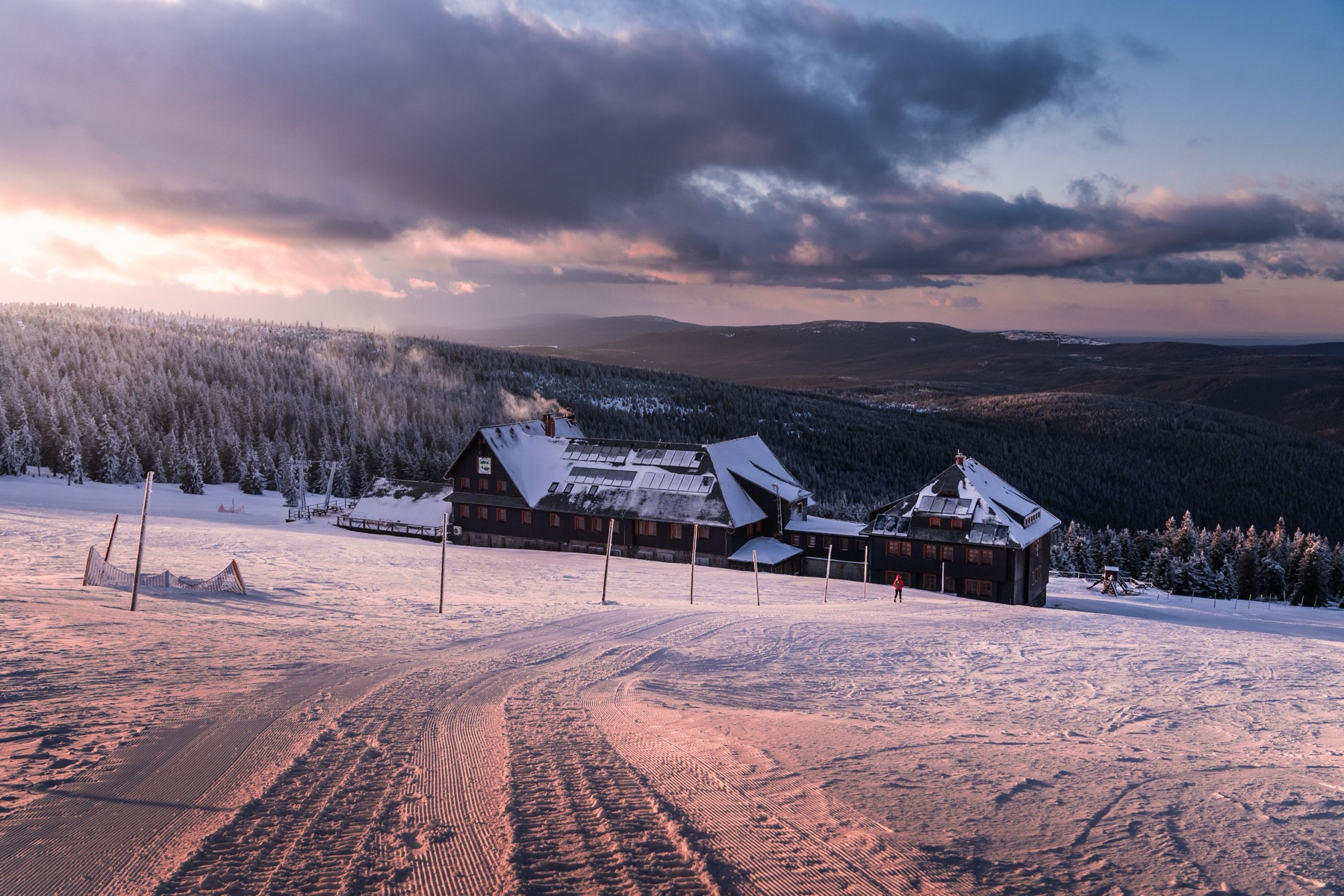
9. Jizerská magistrála is the absolute paradise for cross-country skiing
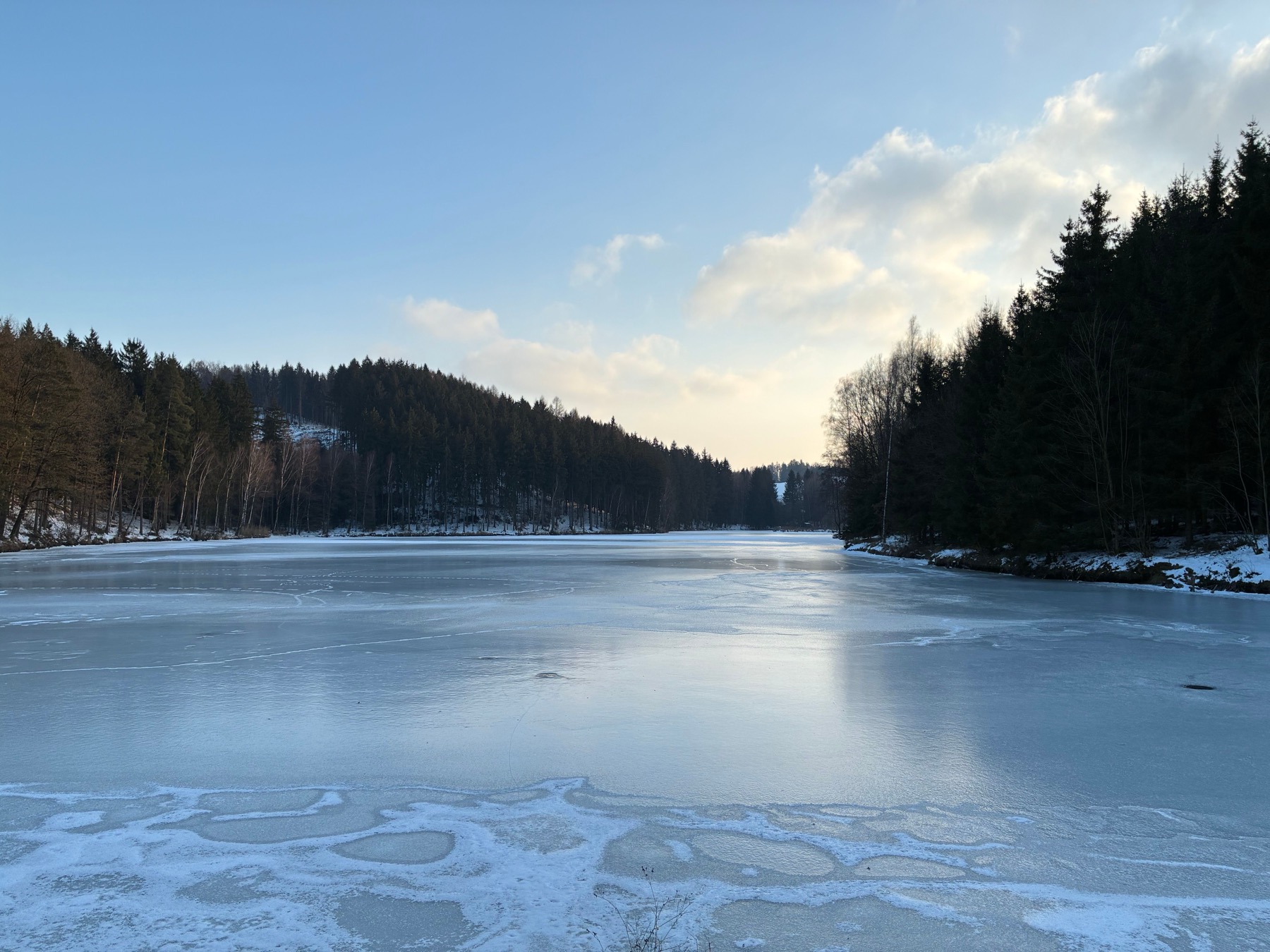
When cross-country skiing is mentioned, most people first think of the Jizerské hory. Jizerská magistrála offers over 180 kilometers of perfectly groomed trails, making it by far the most popular cross-country skiing area in the region (and honestly, you can tell just by looking at the parking lot in Bedřichov in January 😅). The trail system here is so intertwined and extensive that you could spend a week discovering completely new corners every day.
Every January, the famous Jizerská 50 race takes place here, which is the most renowned international ski race with enormous tradition. The start and finish of this legendary event are both in Bedřichov, which serves as the main artery and most important entry point to the entire Jizerské trail system.
It’s worth mentioning one practical update: the ski area in Bedřichov was closed for downhill skiing in the 2025/26 season, but fortunately nothing changes for cross-country skiers. Trails are groomed in full scope and parking lots operate normally. You can also hit the trails from other popular starting points, such as Oldřichov v Hájích, Nové Město pod Smrkem, Desná, Horní Polubný, or Martinské údolí in Kořenov.
💡 Tip: For more on how to enjoy this area stress-free and where to find quieter corners, read our article Krkonoše and Jizerky without the crowds.
10. Šumava and other trails offer excellent skiing for everyone
The northern part of the country isn’t the only place for cross-country skiing – you’ll find quality trails across the entire region. Šumavská magistrála takes you through a landscape of peat bogs and quiet forests, where in winter you really only hear your own breathing. And that’s not a cliché, it’s genuinely like that there. Completely iconic and extremely popular here is the easy section from Modrava to Kvilda, measuring just under 23 kilometers and manageable even for an averagely fit skier.
If you’re closer to Moravia or other regions, don’t despair. The area is crisscrossed with a dense network of other maintained trunk trails, among the most famous being Orlická, Jesenická, Beskydská, Hostýnská, Středobrdská, or Bílá magistrála Vysočiny, which offer stunning views and excellent snow conditions.
Each mountain range has its specific character. While the Jizerky are rather flatter with gradual climbs, the Jeseníky or Krkonoše will challenge you much more physically due to steeper elevation changes. Always check the profile of your planned route beforehand so you don’t find yourself in the middle of a forest facing a five-kilometer uphill.
💡 Tip: Current information on exactly where you can ski and what the grooming quality is like can also be found in our comprehensive guide where to ski.
11. How to choose the right route for your very first outing
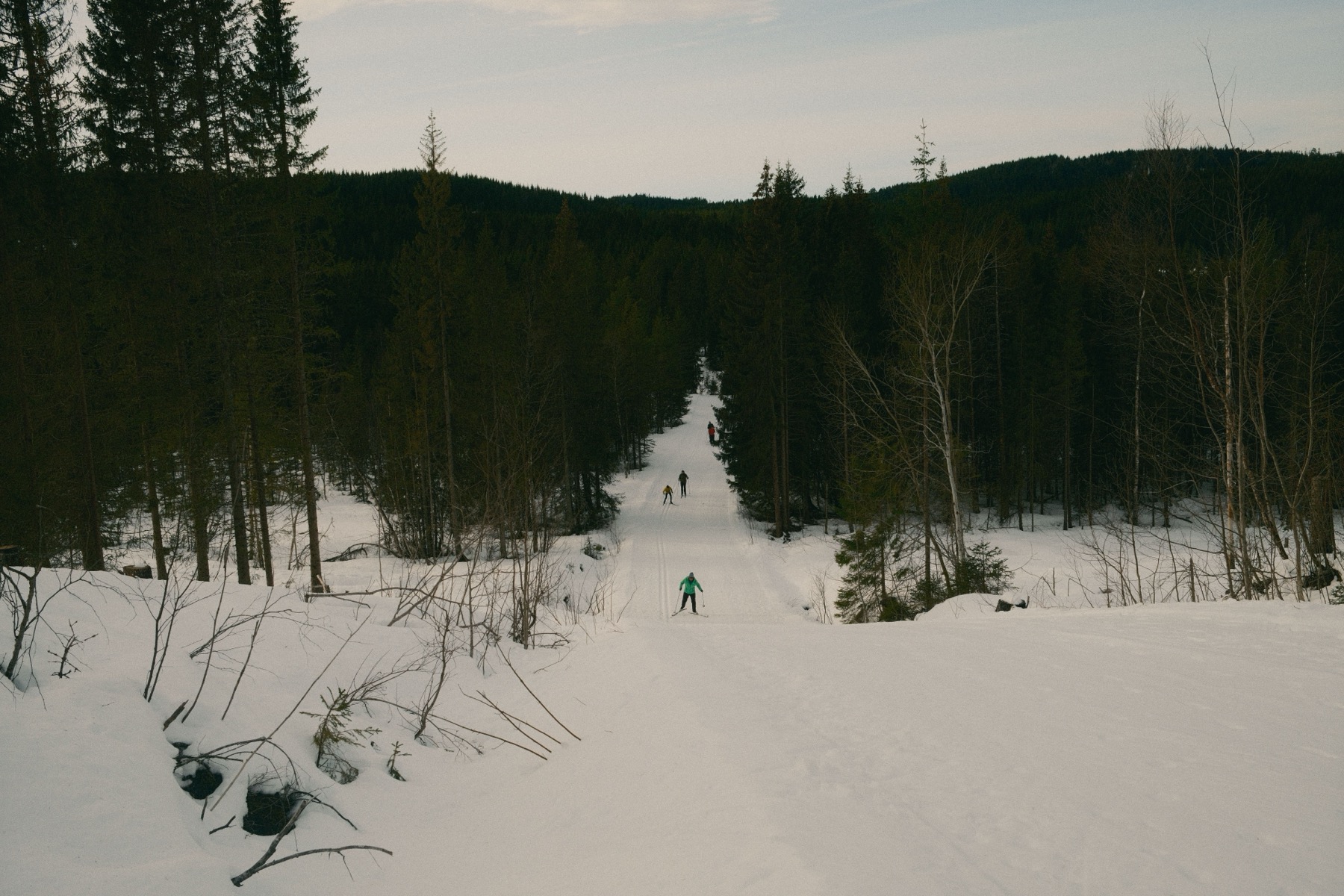
This is the key to coming home excited rather than exhausted with blisters on your heels. For your first outings, always choose flat or only gently rolling sections and give steep ridge trails with big elevation gains a wide berth. Steep descents in narrow tracks are incredibly stressful for beginners and can lead to unnecessary falls and injuries.
Always look for freshly groomed tracks and don’t try to heroically break trail through virgin snow in the wilderness – it will exhaust you within a few hundred metres and nobody will appreciate it 😅. Ideally, find a shorter loop with the option to turn back at any time and return safely to your car or a warm café for tea if you run out of energy or the weather deteriorates.
Many people think they have to immediately tackle the highest peaks, but that’s a big mistake. Cross-country skiing is very often done at lower elevations too, and the mountain trail networks themselves usually have wonderful, easy, and safe sections along their edges that are perfect for first steps on narrow skis.
💡 Tip: Before you leave home, always check the current trail conditions on bezky.net, where you’ll find out when the groomer last went out and what the actual snow conditions are.
12. What not to forget before driving to the snow
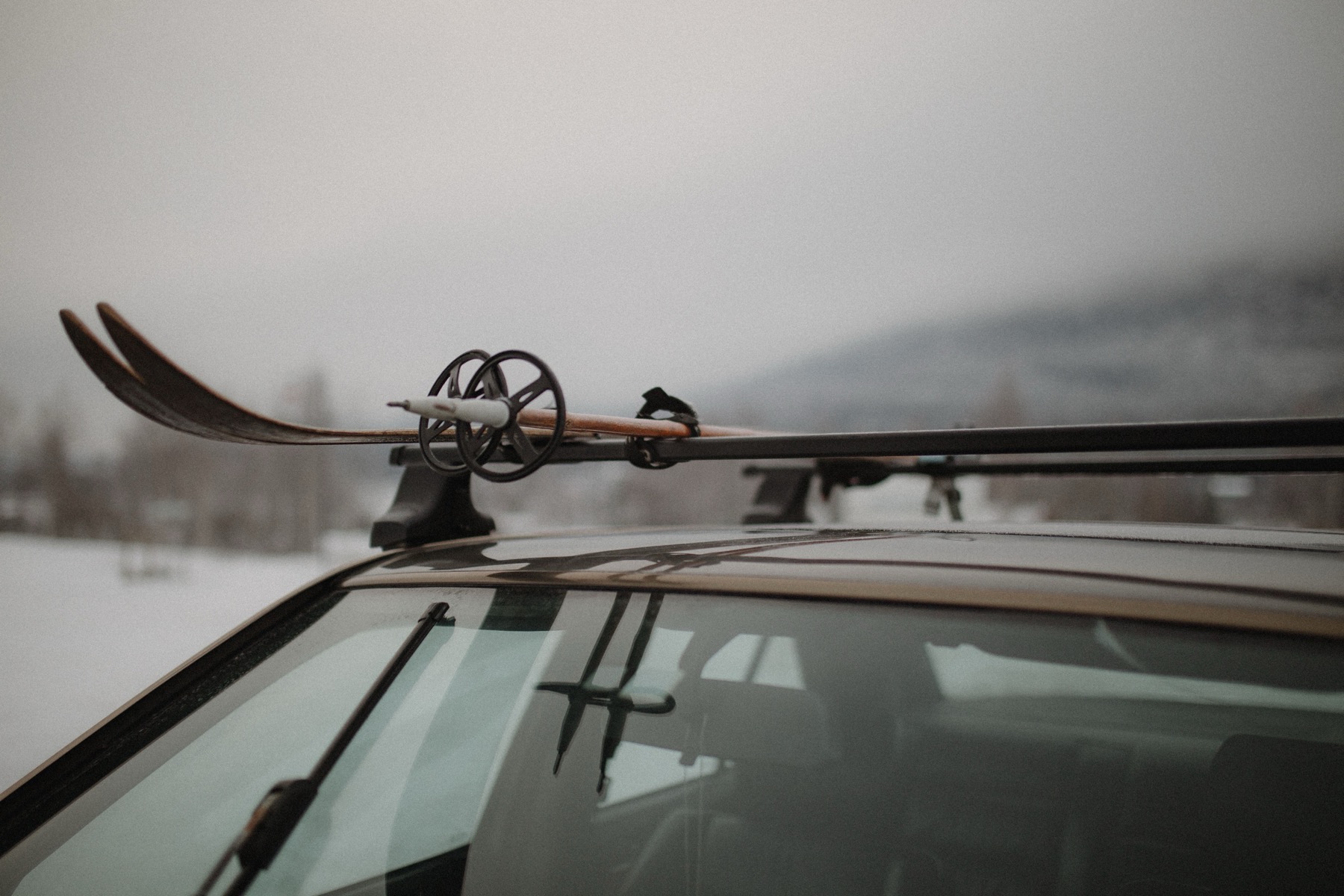
Once you’ve got your equipment and route sorted, all that’s left is the actual journey to the mountains. Winter trips to mountain resorts require good preparation of your vehicle, because weather at altitude can change from minute to minute and roads often freeze over.
Winter tyres with good tread are essential – probably no need to remind you. But just in case: don’t forget them. Definitely pack snow chains in your boot, a quality ice scraper, a snow brush, and ideally a small shovel as well. If you’re not sure what you should have with you, I recommend checking out our detailed article about what your car needs for the mountains in winter.
It also pays to plan your trip around the school holiday calendar, because mountain car parks tend to be hopelessly full early in the morning during peak periods. Check school holiday dates in advance so you know when to expect the biggest influx of families with children – our comprehensive overview for spring holidays 2027 will help with that.
💡 Tip: When you arrive and go to the boot or roof box for your skis, don’t forget to bring dry, warm clothes for changing after your workout – sweaty back in freezing temperatures is a guaranteed ticket to catching a cold. The so-called onion principle of layering is an excellent choice, where you wear several thin functional layers that you can easily add or remove depending on the current temperature.
Practical Summary and Key Numbers
For better clarity, we’ve prepared a brief summary of the most important parameters and distances you’ll encounter when planning your cross-country skiing adventure.
- Classic ski length: Your height + 15 to 25 centimetres.
- Skating ski length: Your height + 5 to 10 centimetres.
- Krušné hory Trail: 242 km in total (divided into 3 sections), western section Bublava–Boží Dar measures 41 km, in the western part near Klínovec you’ll find 120 km of tracks.
- Krkonoše Trail: 71 km continuous route from Harrachov to Žacléř.
- Jizerská magistrála: Over 180 km of maintained trails, centre in Bedřichov (official website for inspiration is jizerskamagistrala.cz).
- Šumava Modrava–Kvilda route: Nearly 23 km of popular and easy terrain.
- Jizerská 50: The most famous race in the Czech Republic (details and history at jiz50.cz).
Where to Go Next
If winter sports have captured your imagination and you’re looking for more inspiration for your trips to the snow, definitely check out our other detailed guides. You’ll find plenty of practical tips for planning your winter holiday in the Czech Republic:
- Where to Ski in the Czech Republic
- Krkonoše and Jizerky Without the Crowds
- How Much Does a Cross-Country Skiing Weekend at Lipno Cost
- Klínovec and Boží Dar
- Lipno in Winter
Frequently Asked Questions
Still feeling confused before your first ski trip? You’re not alone – lots of terminology can sound like a foreign language to newcomers.
We’ve put together a quick overview of the most common questions that beginners typically have about cross-country skiing equipment and technique.
What is the main difference between classic and skate skiing?
Classic skiing is done in pre-cut tracks (two grooves), the movement is based on natural human stride, and it’s an ideal choice for beginners. Skate skiing requires a wide groomed snow surface, is more physically and technically demanding, and you need completely different skis that are shorter and stiffer, plus longer poles.
Can I ski the entire Krušnohorská magistrála in one go?
You won’t, because despite its total distance of 242 kilometers, this trail is divided into three completely disconnected sections (for example, the western section from Bublava to Boží Dar measures 41 kilometers). If you’re looking for a truly continuous long route, head instead to the 71-kilometer-long Krkonošská magistrála.
How should I choose ski stiffness?
Ski stiffness (also called camber) is chosen exclusively based on your body weight, not your height or ability level. If you have skis that are too stiff for your weight, you won’t be able to compress them during the kick and they’ll slip backward; skis that are too soft will constantly drag on the snow.
Are waxable skis or fishscales better for beginners?
Fishscales or modern skin skis with mohair strips are definitely recommended, because they eliminate the complex and often frustrating process of applying grip waxes. Waxless skis provide good kick, have slightly shorter glide, but will save you a lot of frustration at the beginning.
Can I use the same boots with different bindings?
No, cross-country ski boots and bindings must form one compatible system (for example NNN, SNS, or Prolink), otherwise you won’t be able to clip the boot into the binding at all. When buying or renting, you always need to verify that the boot design matches the profile of the binding on the ski.
Is it smarter to rent skis or buy them right away?
For your first experience with the sport, it definitely pays to visit a rental shop, where you can try out whether cross-country skiing grabs you at all without a big investment. Rental shop experts will also select the exact length and stiffness for you, so you minimize the risk of a bad purchase.
Where in Czechia can I find the most groomed tracks?
By far the most popular and extensive area is the Jizerská magistrála, which offers over 180 kilometers of perfectly groomed trails. Its main hub is Bedřichov, where the famous Jizerská 50 race also starts, but the tracks are excellently accessible from many other entry points in the area.
Tips and Tricks for Your Vacation
Don’t Overpay for Flights
Search for flights on Kayak. It’s our favorite search engine because it scans the websites of all airlines and always finds the cheapest connection.
Book Your Accommodation Smartly
The best experiences we’ve had when looking for accommodation (from Alaska to Morocco) are with Booking.com, where hotels, apartments, and entire houses are usually the cheapest and most widely available.
Don’t Forget Travel Insurance
Good travel insurance will protect you against illness, accidents, theft, or flight cancellations. We’ve had a few hospital visits abroad, so we know how important it is to have proper insurance arranged.
Where we insure ourselves: SafetyWing (simple monthly subscription) and TrueTraveller (for extra-long trips).
Find the Best Experiences
Get Your Guide is a huge online marketplace where you can book guided walks, trips, skip-the-line tickets, tours, and much more. We always find some extra fun there!