Chiang Mai, the metropolis of northern Thailand, has a completely different atmosphere than bustling Bangkok or the beach-focused south. For many travelers, this city is the main reason they keep returning to the country. It’s a city of hundreds of ancient temples, outstanding street food, green mountains, and the ever-present laid-back vibe that attracts digital nomads from around the world. If you’re planning a trip here, you can look forward to a fantastic combination of the rich history of the Lanna kingdom and modern coffee culture.
Before you start planning your itinerary, there’s one thing you need to know that can seriously mess up your entire holiday: when to actually come. 😉 In Chiang Mai, it’s not so much about what you want to see, but rather about which month you arrive. Northern Thailand has its dreaded burning season, which lasts roughly from mid-February to the end of April. During this period, farmers burn their fields on a massive scale, forest fires add to the problem, and the city in the valley becomes shrouded in dense toxic smog.
The air quality index during these months regularly exceeds the unhealthy threshold of 150 and on the worst days climbs above 300. Just to give you an idea, on March 4, 2026, Chiang Mai was among the ten most polluted cities in the world, and throughout March it repeatedly appeared at the top of this sad ranking. Instead of mountain views, you might face nothing but a scratchy throat, headaches, and irritated eyes. The cheapest flights are often found for March or April, but it’s really worth avoiding this period, or at least planning activities exclusively in air-conditioned interiors with air purifiers.
TL;DR
- Best time to visit: From November to early February, the air is clean and temperatures are pleasant. June to September brings greenery and afternoon showers, while February to April should be avoided due to smog.
- Lantern Festival (Yi Peng): In 2026, it falls on November 23-25. The mass release from photos is a paid event outside the city; in the center it’s prohibited, and due to lanterns, airport operations are massively restricted.
- Elephants and ethics: You don’t ride elephants in Thailand. Choose only rescue sanctuaries without riding and bathing, ideally the renowned Elephant Nature Park, which needs to be booked well in advance.
- Getting around the city: You’ll most often use red pickup trucks called songthaews (standard price around the center is 40 baht per person) or the Grab app.
- Temple entrance fees: Don’t forget proper clothing (covered shoulders and knees). Entrance fees to major temples range between 30 and 40 baht.
- Paradise for vegetarians: The city has one of the best plant-based scenes in Asia. Look for the yellow flag with “jay” written on it and try the local khao soi soup in a vegan version with crispy tofu.
- Admin 2025/2026: Since May 1, 2025, the free digital TDAC card is mandatory. The 300 baht tourist fee was still not being collected in September 2026, but check the situation before your trip.
The full destination guide: Thailand — guide and what to see
When to Visit Chiang Mai
As we already mentioned in the introduction, weather and air quality should be the main criteria when buying your flights. Northern Thailand has three fairly distinct seasons, and each offers a completely different experience. The main and absolutely best season runs from November to early February. During this period, the air is beautifully clean, it doesn’t rain, and temperatures stay at very pleasant levels. Mornings and evenings can even be a bit cooler, so a light sweater in your backpack will definitely come in handy, especially if you’re planning early morning trips to the mountains or scooter rides.
After the cool period, unfortunately, the dreaded burning season sets in, gripping the city from mid-February to the end of April. Farmers burn their fields on a massive scale, dust hangs in the valley, and you often can’t even see the sun through the thick smog. In April, extreme heat is added to the mix. In mid-April, the famous Songkran festival takes place, accompanied by a giant water fight, which is tremendous fun, but you have to accept that you’ll be celebrating it in the worst possible air. If you have sensitive airways or are traveling with children, really give this period a wide berth, as local hospitals routinely burst at the seams with respiratory problems during these months.
The third option is the green season from June to September, which is increasingly popular among experienced travelers. Accommodation prices drop during this period, the city isn’t crowded with tourists, and the surrounding nature and rice fields glow with a beautifully vibrant green color. Monsoon rains in Chiang Mai usually don’t mean days without sun, but rather heavy afternoon showers lasting an hour or two, after which the air clears beautifully and evening walks through the markets become much more bearable.
Where to Stay in Chiang Mai
When choosing your base, you’ll likely be deciding between two main neighborhoods with completely different characters. The first logical choice is the Old City, which has the shape of a perfect square surrounded by a moat. Here you’ll find the greatest concentration of ancient temples, bustling weekend markets, and authentic Thai atmosphere at every turn. If you want to stay right in the heart of history, Tamarind Village is a beautiful boutique hotel tucked away in peaceful gardens just a short walk from the main Tha Phae Gate. For luxury lovers, there’s The Inside House, which will immediately charm you with its snow-white Lanna architecture and private pools right by the rooms.
The second popular area is the Nimmanhaemin neighborhood, shortened to Nimman, located west of the center toward Doi Suthep mountain. This is the epicenter of modern life, full of specialty cafes, design shops, and coworking centers. It’s a neighborhood loved by digital nomads and young creative Thais. If you’re looking for stylish accommodation right here, an excellent choice is U Nimman Chiang Mai, which has a great rooftop pool and is located right across from the modern One Nimman shopping complex. Both neighborhoods are only about ten minutes apart, so transfers via the Grab app or local red songthaews are very easy and quick. The standard price for a shared songthaew ride between these neighborhoods is around 40 baht per person.
💡 On this map you can compare what’s currently available — you’ll immediately see how much the price changes a few blocks away.
Where to Eat in Chiang Mai
When looking for good food in Chiang Mai, you definitely won’t go wrong — street markets and local eateries are truly renowned here. The city combines traditional northern Thai cuisine with modern trends, and for food lovers, it’s absolutely fantastic.
Night Bazaar and Evening Markets
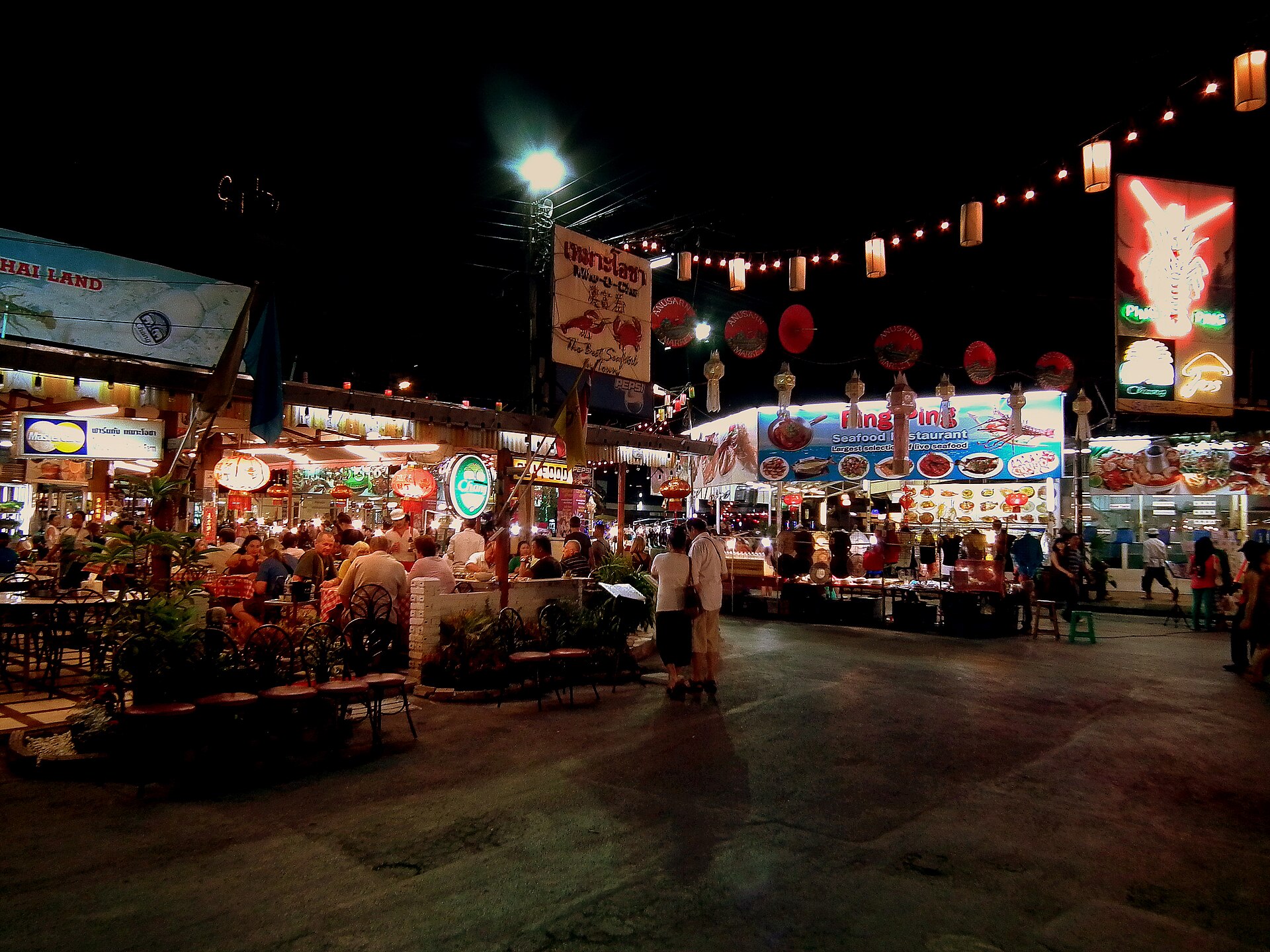
The daily Night Bazaar on Changklan Road is the most famous evening market, but let’s be honest, today it focuses mainly on mass sales of T-shirts and generic souvenirs that you have to bargain hard for. If you’re looking for really good food, head instead to the nearby Kalare Night Bazaar or to the southern gate to the popular Chiang Mai Gate Market, where the best evening street food is cooked for locals and prices are much more welcoming.
Paradise for Vegetarians
We have to pause for a moment on the food topic, because Chiang Mai has one of the best vegetarian and vegan scenes in Asia. It would be a huge mistake not to try the local specialty, the creamy coconut soup khao soi. Traditionally it’s made with chicken, but thanks to the strong community here, you can easily find excellent vegan khao soi with crispy tofu. Look for stalls with a yellow flag bearing the red inscription “jay” (เจ), which means purely vegan food without meat, eggs, and fish sauce. You can safely leave the meaty northern Thai sai ua sausages or spicy larb salads to others and enjoy great purely plant-based places like Garden to Table or the fantastic Goodsouls Kitchen.
21 Tips for What to See and Do in Chiang Mai
Be prepared for Chiang Mai to easily draw you into its slow pace. What was originally planned as three days can easily turn into a week, because discovering hidden temples and trying new cafés is highly addictive here. Let’s take a look at the most interesting things this northern metropolis has to offer.
1. Wat Phra That Doi Suthep
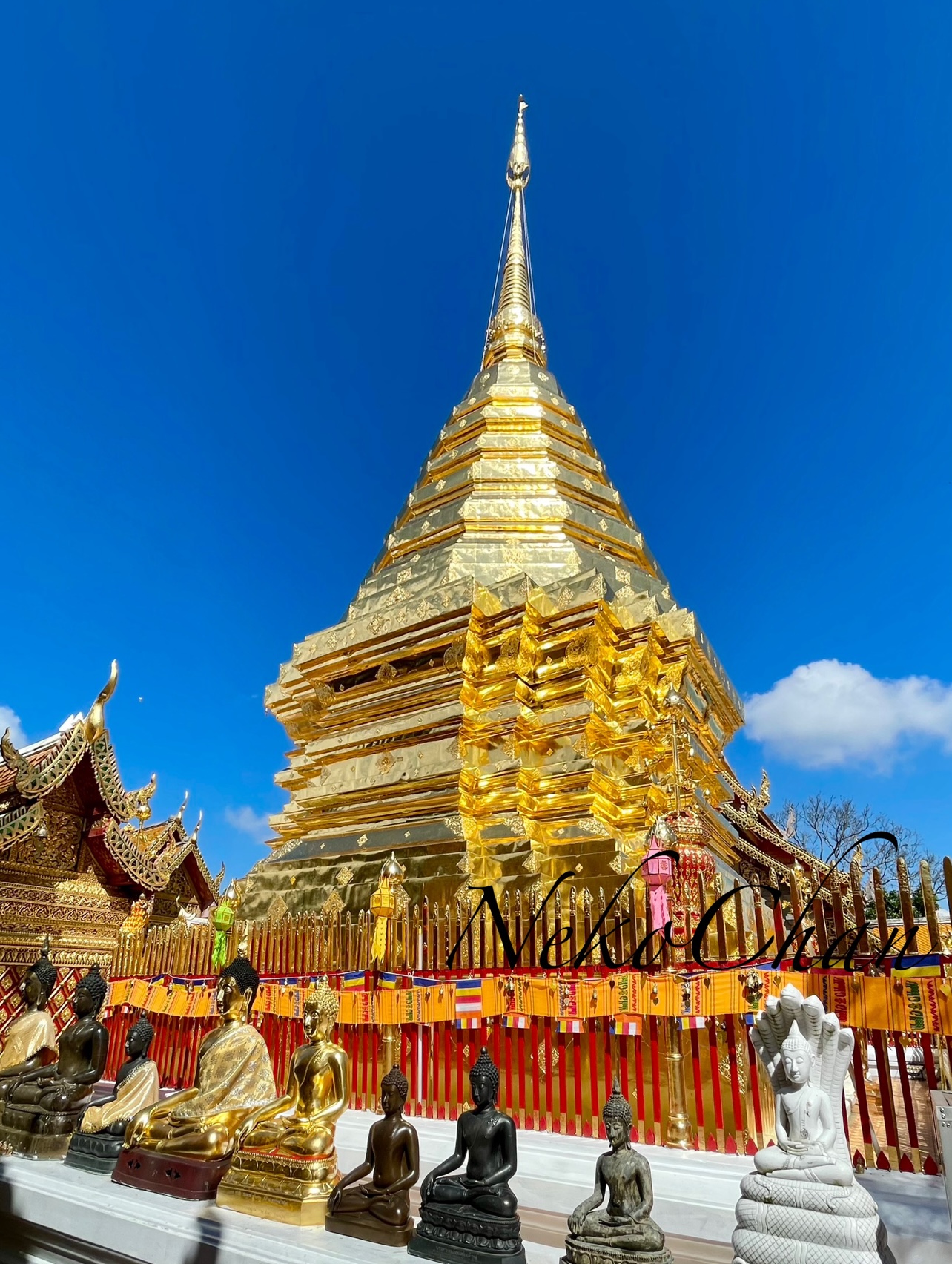
This is without question the most iconic temple in all of northern Thailand, watching over the city from a nearby mountain. The golden chedi in the center of the complex shines into the distance and the views of the city in the valley below are truly breathtaking on clear days. To reach the temple itself, you must first conquer the famous staircase of 306 steps, flanked on both sides by beautifully decorated statues of mythical naga serpents. It’s a stunning architectural feature that gives the entire ascent a majestic atmosphere.
Definitely plan your visit for early morning. Around eight o’clock the entire complex starts filling with crowds of tourists and it takes away some of the magic. Entry to the temple itself costs foreigners 30 baht, but watch out for one fairly recent change. Since 2026, they’ve been strictly collecting entrance fees for Doi Suthep National Park as well, which is 100 baht for adults and 50 baht for children. There’s a strict dress code at the entrance, but if you arrive in shorts, you can fortunately rent a traditional sarong here for a small fee.
💡 Tip: The best way to get to the temple is by red songthaew from the Chiang Mai University gate. Drivers wait there until the vehicle fills with ten people, and the ride up then costs just a few dozen baht.
2. Monk’s Trail and Wat Pha Lat
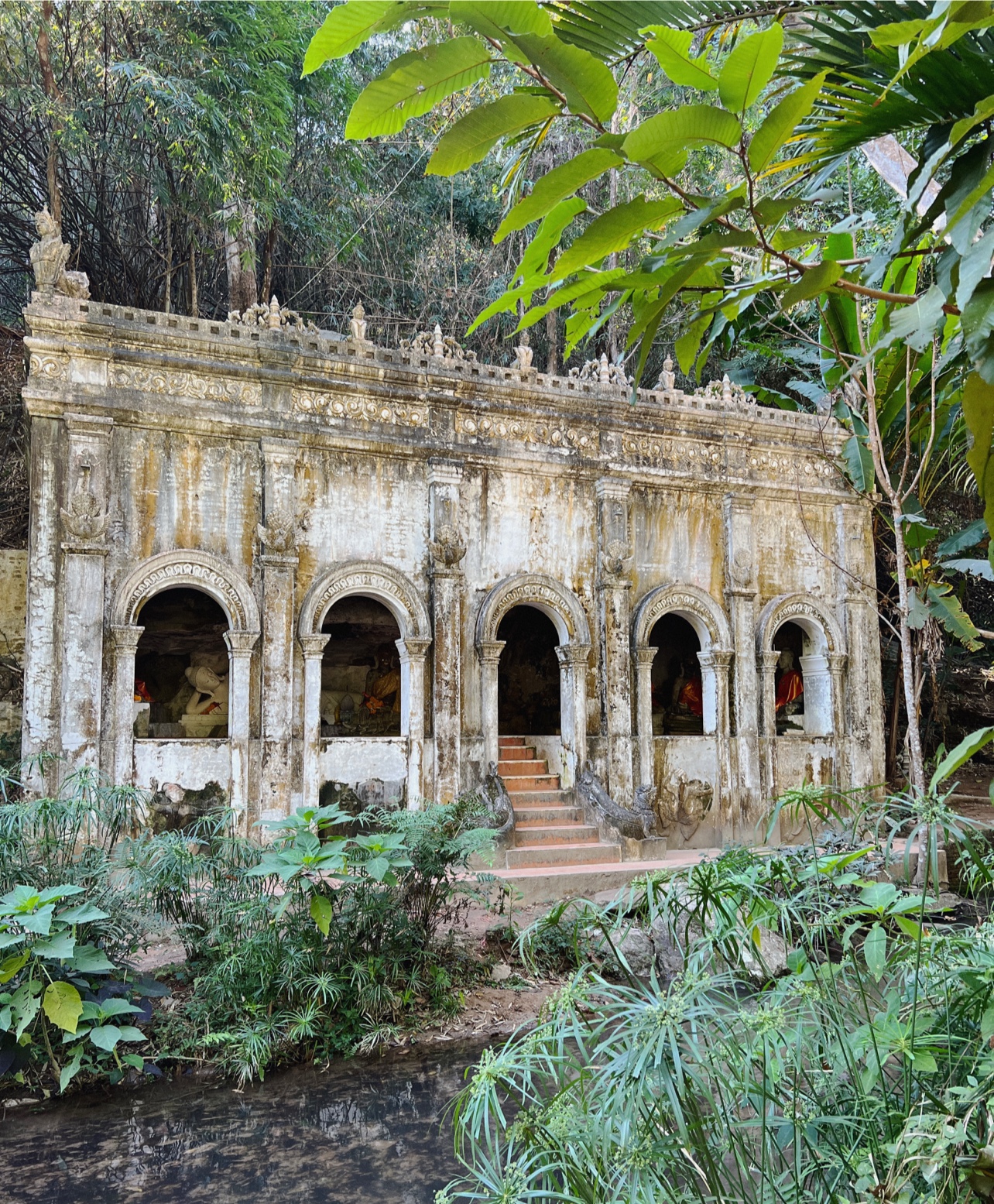
If you enjoy active movement and want to avoid the crowds from the previous point, head up Doi Suthep mountain on foot via the so-called Monk’s Trail. Orange strips of fabric tied to trees will show you the way through the jungle, so it’s practically impossible to get lost here. About halfway up the mountain, after less than an hour of pleasant climbing, you’ll come across Wat Pha Lat temple, which is a true gem and for many travelers represents the most beautiful place in the entire city.
This forest monastery is the complete opposite of busy and polished Doi Suthep. Ancient stone statues naturally overgrow with moss, a small waterfall flows right through the center of the complex, and there’s that perfect peace disturbed only by birdsong and the tinkling of bells in the wind. It’s no wonder it has an excellent 4.8 rating on Google from more than eight thousand reviews, making it the highest-rated place in our entire selection. From Wat Pha Lat you can either continue on the steeper and more challenging part of the trail all the way to the mountain summit, or conveniently hitch a songthaew on the adjacent road.
3. Wat Chedi Luang
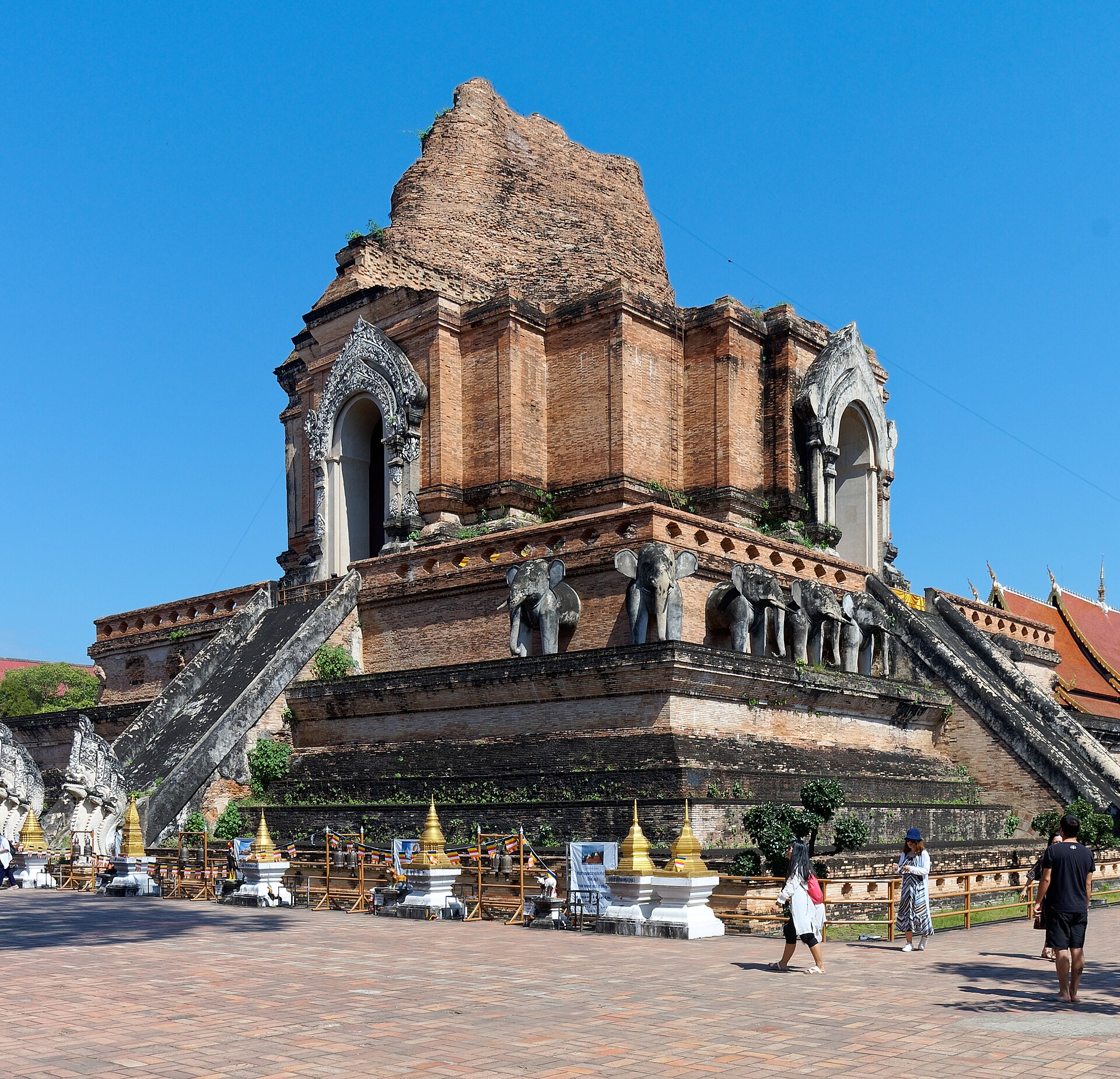
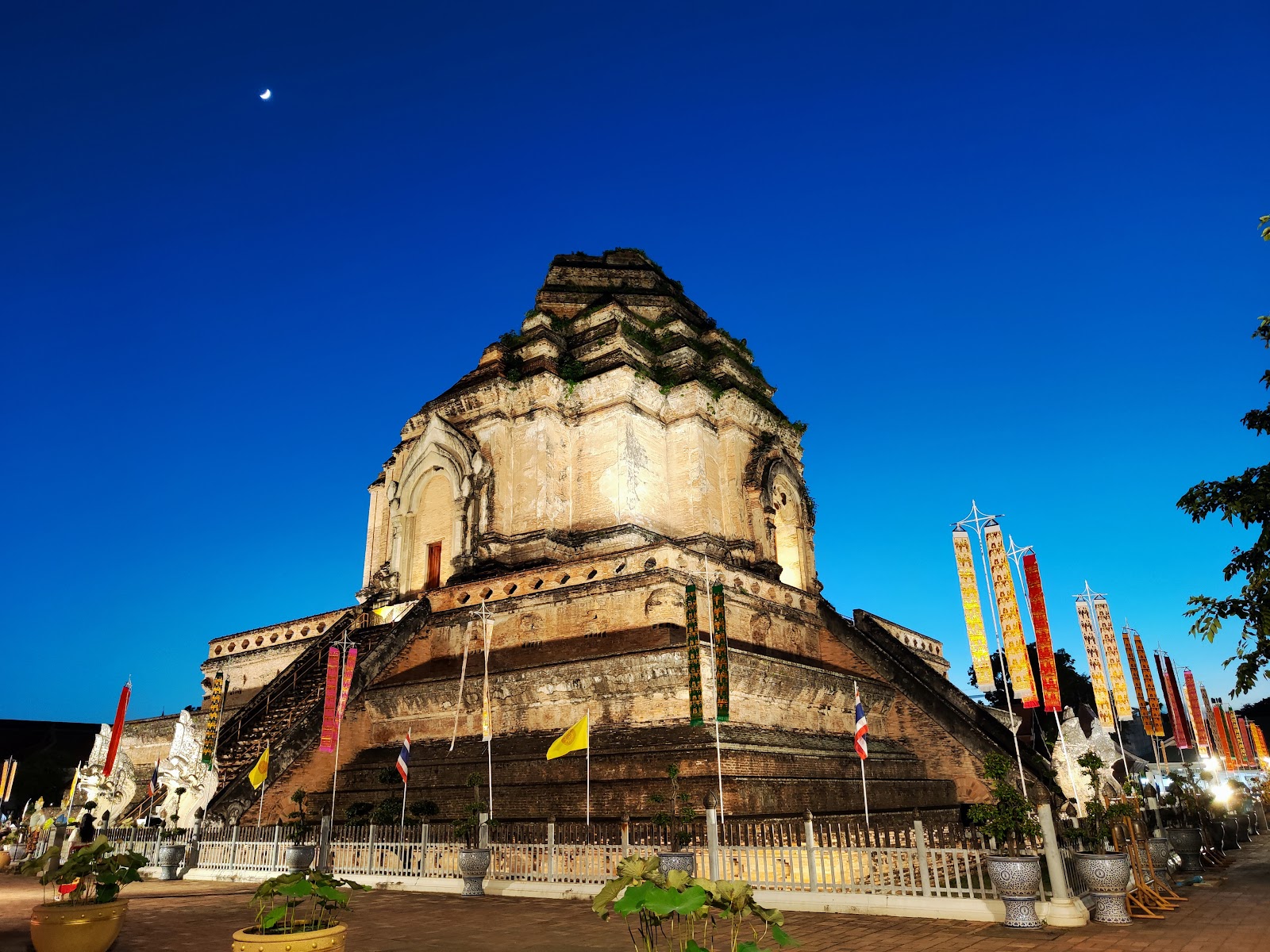
Right in the middle of the square Old City you’ll find a temple that was once the tallest and most imposing structure in the entire Lanna kingdom. The massive brick stupa dates from the 14th century and originally measured over eighty meters before its upper section was destroyed by a powerful earthquake in the 16th century. Even as a giant semi-ruined torso it appears especially majestic, and you simply can’t miss it when walking through the historic center.
The temple complex is truly enormous and you’ll find several other beautiful teak wood buildings here. Entry for adults is 40 baht, while children under twelve get in completely free. Chedi Luang is also one of the main venues where the popular program called “Monk Chat” regularly takes place. Young monks from the adjacent Buddhist school happily sit down with foreigners at wooden tables and practice their English in informal conversation. It’s a wonderful opportunity to learn something about Buddhism and their daily life directly from the source. With more than eighteen thousand reviews, it’s the most reviewed temple right in the city.
4. Wat Phra Singh
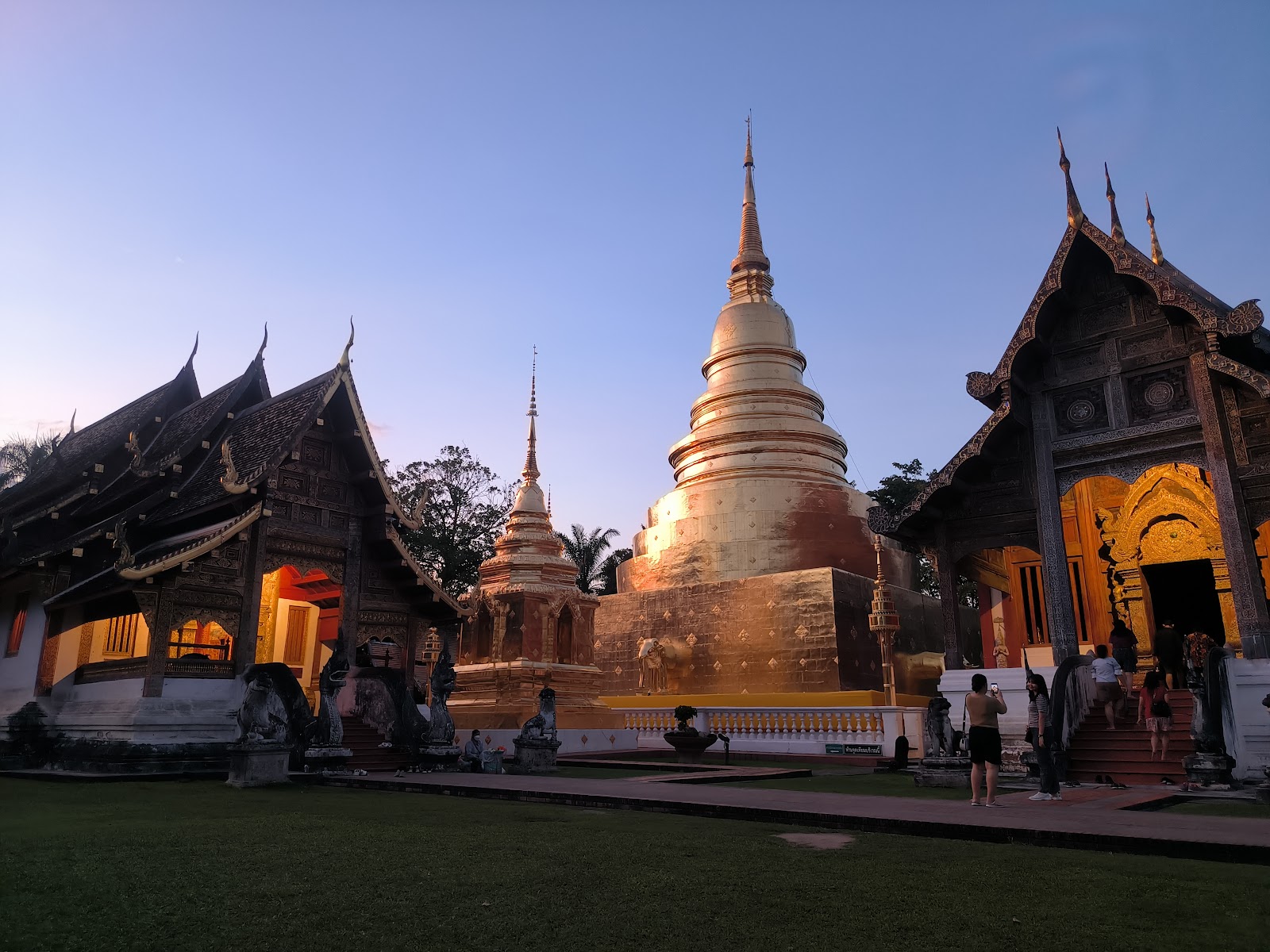
This important royal temple sits at the very western end of the main Ratchadamnoen Road and serves as the main spiritual center of the entire Old City. The sprawling complex is a textbook example of classic Lanna architecture with richly decorated roofs that layer over one another and dazzling golden details. The temple’s greatest treasure is the small wooden Viharn Lai Kham chapel, which houses a highly revered Buddha statue whose origin is shrouded in many ancient legends.
Bonus: entry to the outdoor grounds and gardens is completely free. You can freely wander around and admire the golden stupa and beautiful greenery full of flowering trees. However, if you want to enter the main prayer hall, they collect a symbolic fee of 40 baht from foreigners. The temple boasts an excellent 4.7 rating from more than seventeen thousand reviews and is incredibly photogenic especially in late afternoon when the setting sun beautifully illuminates the golden details on the facades. A stop here can be perfectly combined with a visit to the Sunday market.
5. Wat Chiang Man
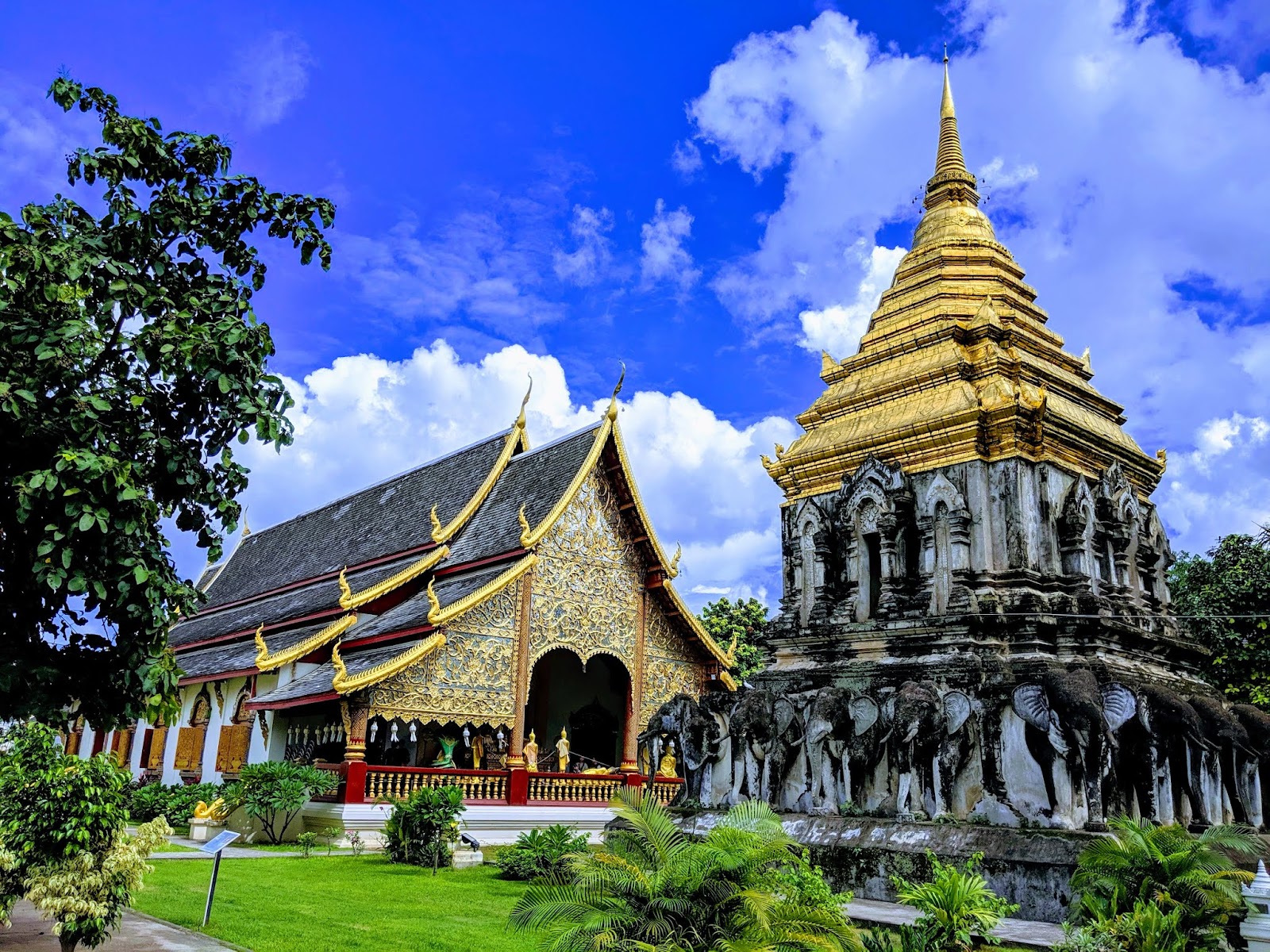
If you’re looking for the city’s very roots, you must head to the quieter northeastern corner of the Old City. Wat Chiang Man is actually the oldest temple in Chiang Mai, founded in 1296 by King Mengrai himself at the same time the city was established. Legend has it that the king even camped at this spot for a while and personally supervised the construction of the city walls and protective moat from here.
The most interesting structure in the complex is undoubtedly Chedi Chang Lom, an ancient stupa surrounded by statues of fifteen life-sized elephants. It looks as if these elephants are carrying the entire structure on their strong backs. In one of the smaller richly decorated chapels there’s also a strictly guarded small crystal Buddha statue that locals believe has the power to summon rain during dry months. The temple gardens are beautifully quiet and unlike Wat Phra Singh you’ll encounter far fewer large tour groups here, making it an ideal place for silent meditation.
6. Wat Phantao
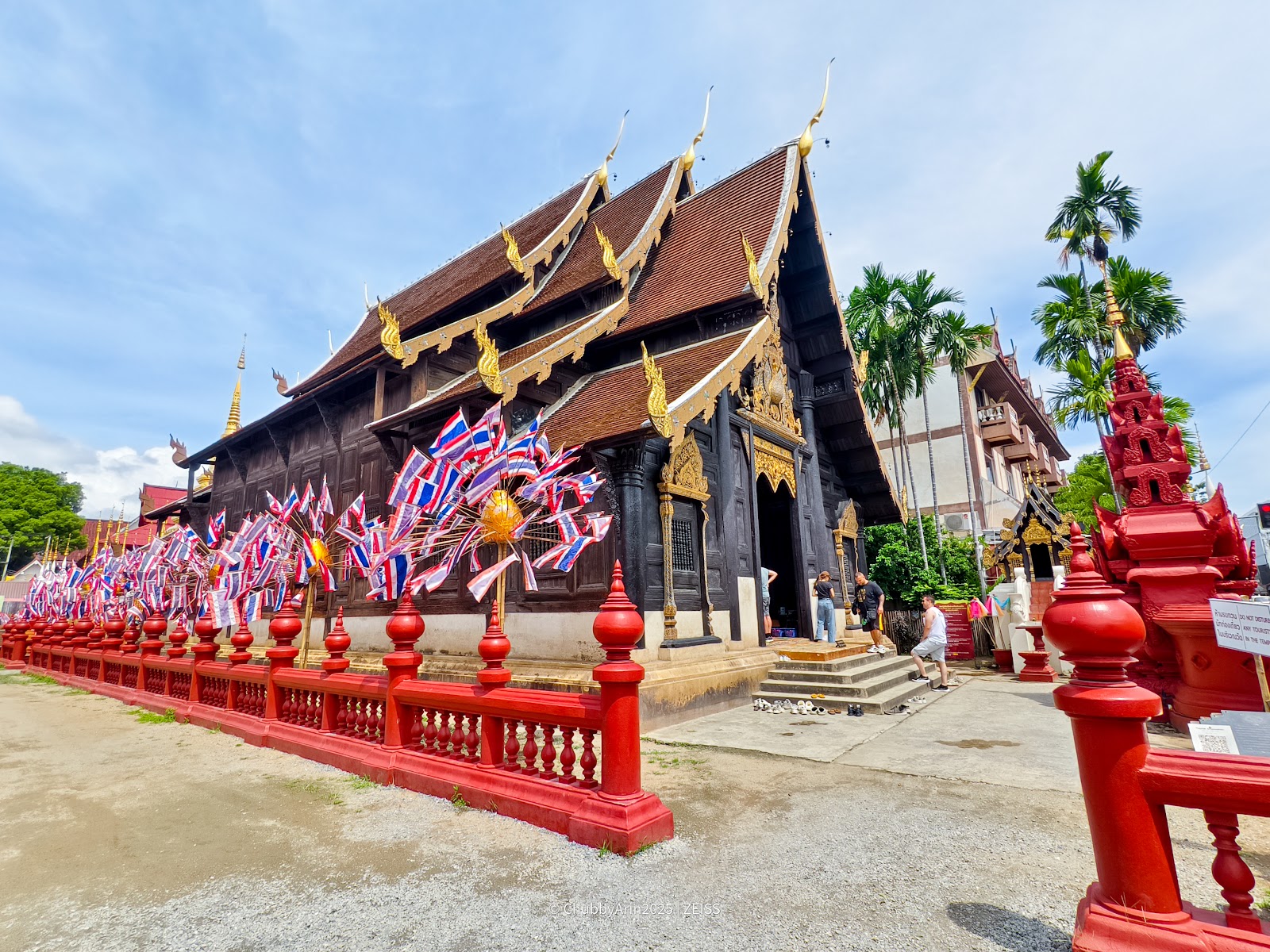
Right next to the giant brick ruin of Wat Chedi Luang sits a smaller temple that’s completely different from all the other polished structures in the city. Wat Phantao is built exclusively from dark teak wood and radiates an enormous piece of history. Originally this fascinating building served as a throne hall in one of the local rulers’ palaces before being carefully dismantled and moved to its current location, where it began functioning as a monastery.
The temple interior is rather gloomy at first glance due to the dark wood, but offers an all the more magical atmosphere for it. The contrast of dark teak columns with the brilliantly orange robes of praying monks creates the perfect composition for photography. Above the main entrance, definitely notice the beautifully detailed wood carving of a peacock, which is a symbol of the royal family. It’s not a huge complex where you’d spend half a day, but for its architectural uniqueness it’s definitely worth stopping for a few minutes to absorb its peaceful atmosphere.
7. Wat Lok Moli
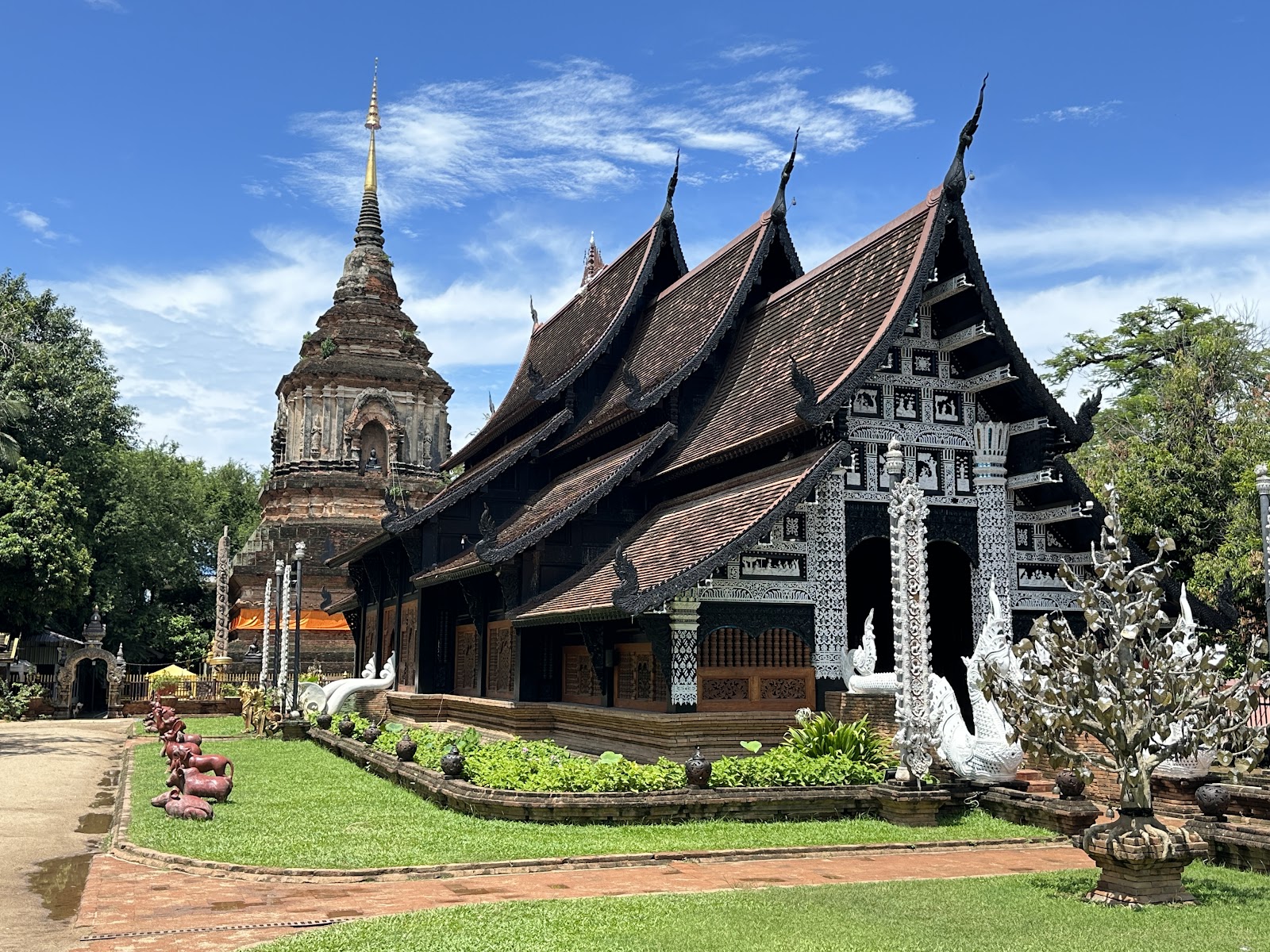
This is a real hidden treasure just beyond the northern wall of the Old City. Most tourists pass it by without notice during their walks, yet it boasts a fantastic 4.7 rating from nearly nine thousand enthusiastic reviews on Google. The temple’s centerpiece is a massive 14th-century brick chedi that, unlike many other reconstructed structures, has been deliberately left unplastered and appears very raw and ancient.
In front of the stupa stands a beautiful teak viharn with detailed wood carvings above the entrance doors and two large elephant statues guarding the entrance. Wat Lok Moli has a wonderfully calm atmosphere and represents a great refuge where you can hide when you’re tired of the traffic noise on the main street. There’s no entrance fee and the entire complex is open until evening hours, when it’s beautifully illuminated and appears very romantic. It’s definitely one of the best temples off the main tourist radar.
8. Wat Sri Suphan (Silver Temple)
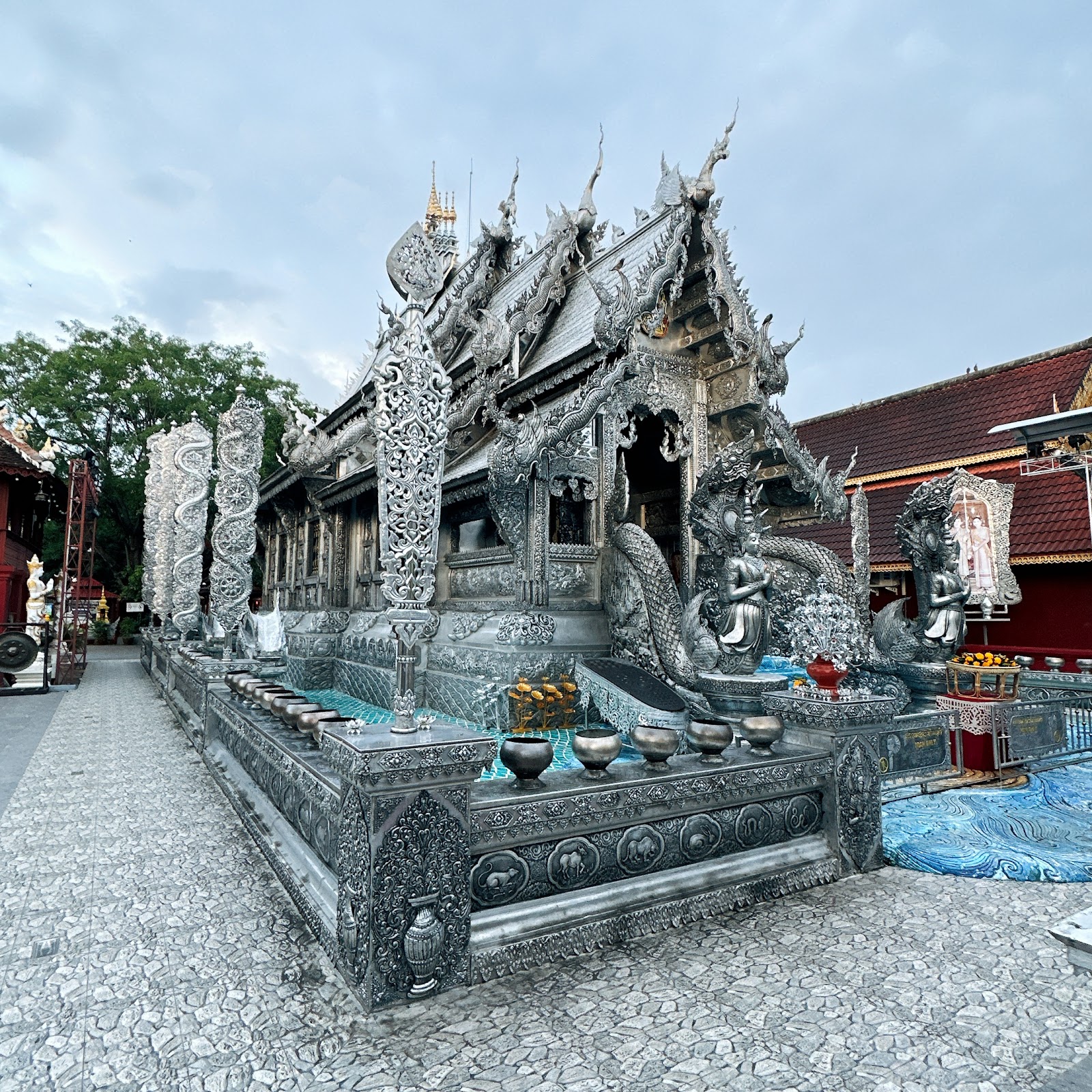
South of the old city walls, in the historic silver craftsmen’s quarter on Wua Lai Road, you’ll find a temple that will immediately dazzle you with its unconventional appearance. Wat Sri Suphan is completely covered in hand-hammered silver and aluminum. Silver panels cover not only the outer walls from foundation to roof, but also the interior spaces, depicting both traditional Buddhist scenes and humorous modern elements that local artisans have hidden in the decoration.
However, there’s one very important rule you need to know beforehand so you won’t be disappointed on site. For strict religious and historical reasons, only men are allowed to enter the main silver chapel. Women can only view the temple from the outside and walk around the surrounding grounds. If you visit here, definitely peek into the adjacent craft workshops as well, where you can watch local masters at work hammering intricate patterns into metal sheets. Combining a temple visit with the Saturday evening market on the same street makes for an ideal plan.
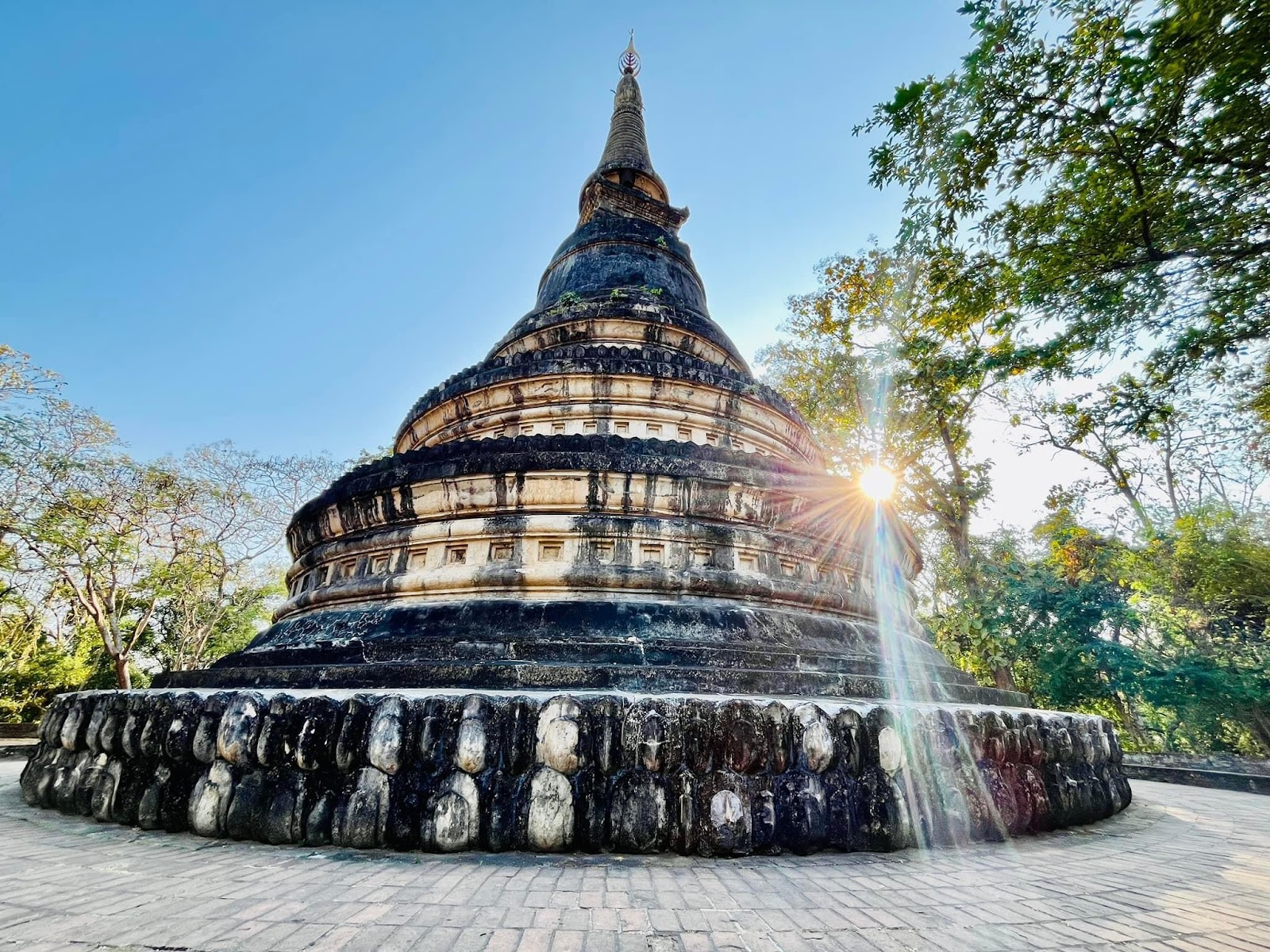
9. Wat Umong
Wat Umong, located in the densely forested foothills of Doi Suthep mountain, is one of the most unusual and mystical monasteries in all of Thailand. Instead of the classic gold-adorned buildings, you’ll find an extensive system of tunnels carved into an artificial hill as far back as the 14th century. The tunnels conceal small shrines and dozens of old Buddha statues where you can stop for quiet meditation in the cool darkness. It’s an ideal refuge for hot afternoons, as the underground maintains a very pleasant coolness.
Besides the tunnels themselves, the grounds offer a large brick stupa atop the hill and an expansive natural pond. Trees in the forest are marked with plaques bearing Buddhist wisdom in both Thai and English, prompting reflection with every step. At the pond, you can buy food and feed giant catfish or water turtles, an activity especially loved by local families with children. The temple maintains an excellent 4.6 rating and you’ll encounter far more praying Thais than foreign tourists here.
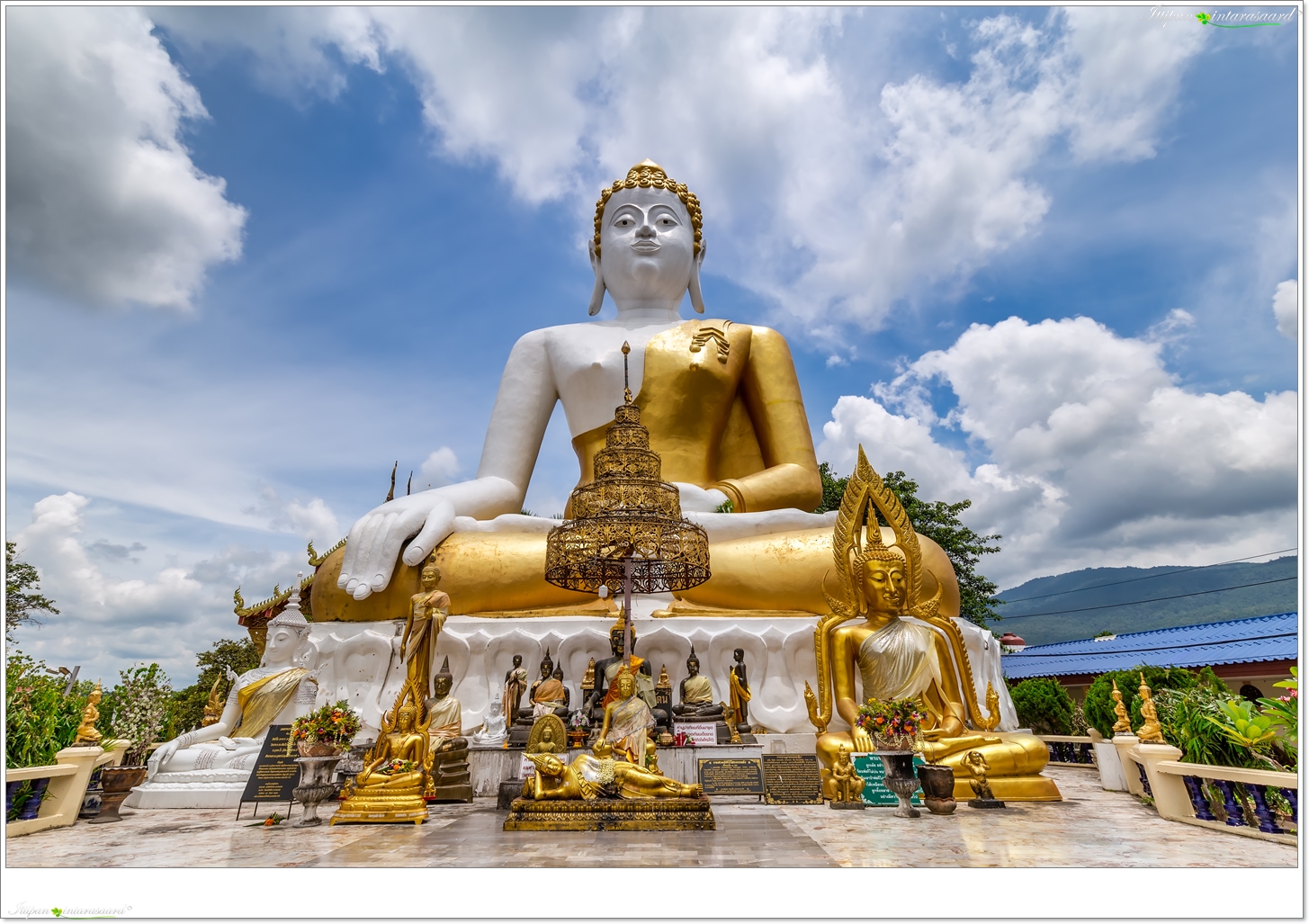

10. Wat Phra That Doi Kham
While most foreign tourists automatically head to Doi Suthep, local Thais often prefer this temple perched on a hill southwest of the city. Wat Phra That Doi Kham is famous for its giant sitting Buddha statue, visible from afar in the valley below, and boasts an incredible 23,000 Google reviews, making it the most-reviewed temple in the area. It’s a very significant site where people come to pray for important wishes to be granted, whether for business success, family health, or even winning the national lottery.
When wishes actually come true, people humbly return and as thanks bring thousands of fragrant jasmine garlands that pile up in the courtyards. From the temple’s spacious terrace, a fantastic view opens up of the city and the nearby Royal Flora Ratchaphruek park. You’ll encounter very few foreign travelers here, so you can enjoy a truly authentic and vibrant atmosphere of a genuine Thai pilgrimage site.
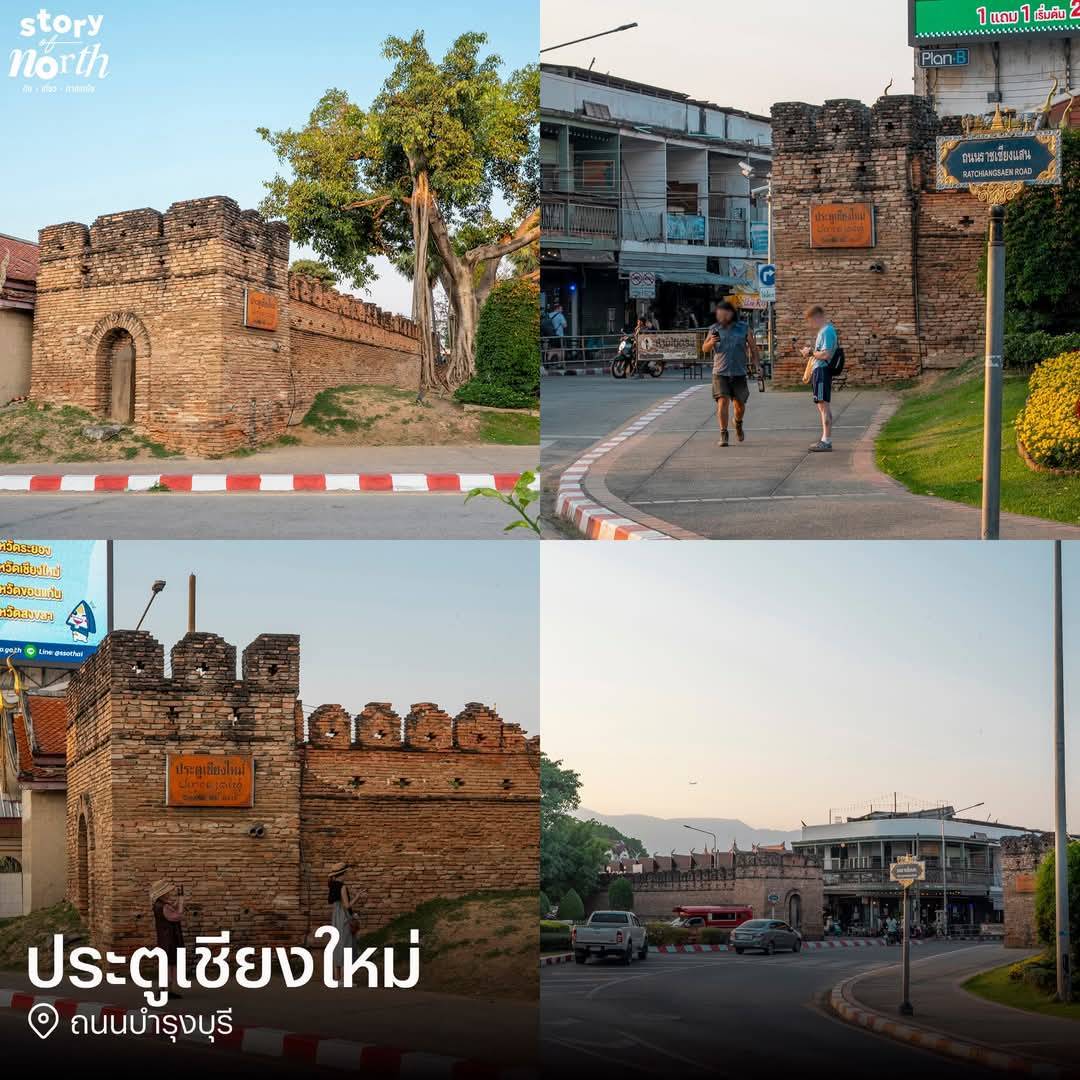
11. Walls and Moat of the Old City
Chiang Mai is unique for its thoughtful urbanism that gives it a clear order. Its historic core forms a perfect square approximately one and a half kilometers on each side, surrounded by a square water moat and remnants of old brick walls from the city’s founding days. A walk along this moat, where colorful trees bloom and refreshing fountains spray, is a wonderful experience in itself and very quickly helps you get your bearings.
The most famous and most photographed point of the entire fortification is the eastern Tha Phae Gate. It’s a reconstructed section of massive brick wall with a large paved square that today serves as the main hub of all activity. Evening concerts are held here, the big weekend markets start here, and during major festivals it’s by far the busiest spot in the city. In each corner of the large square you’ll find remnants of the original corner bastions that breathe ancient history.
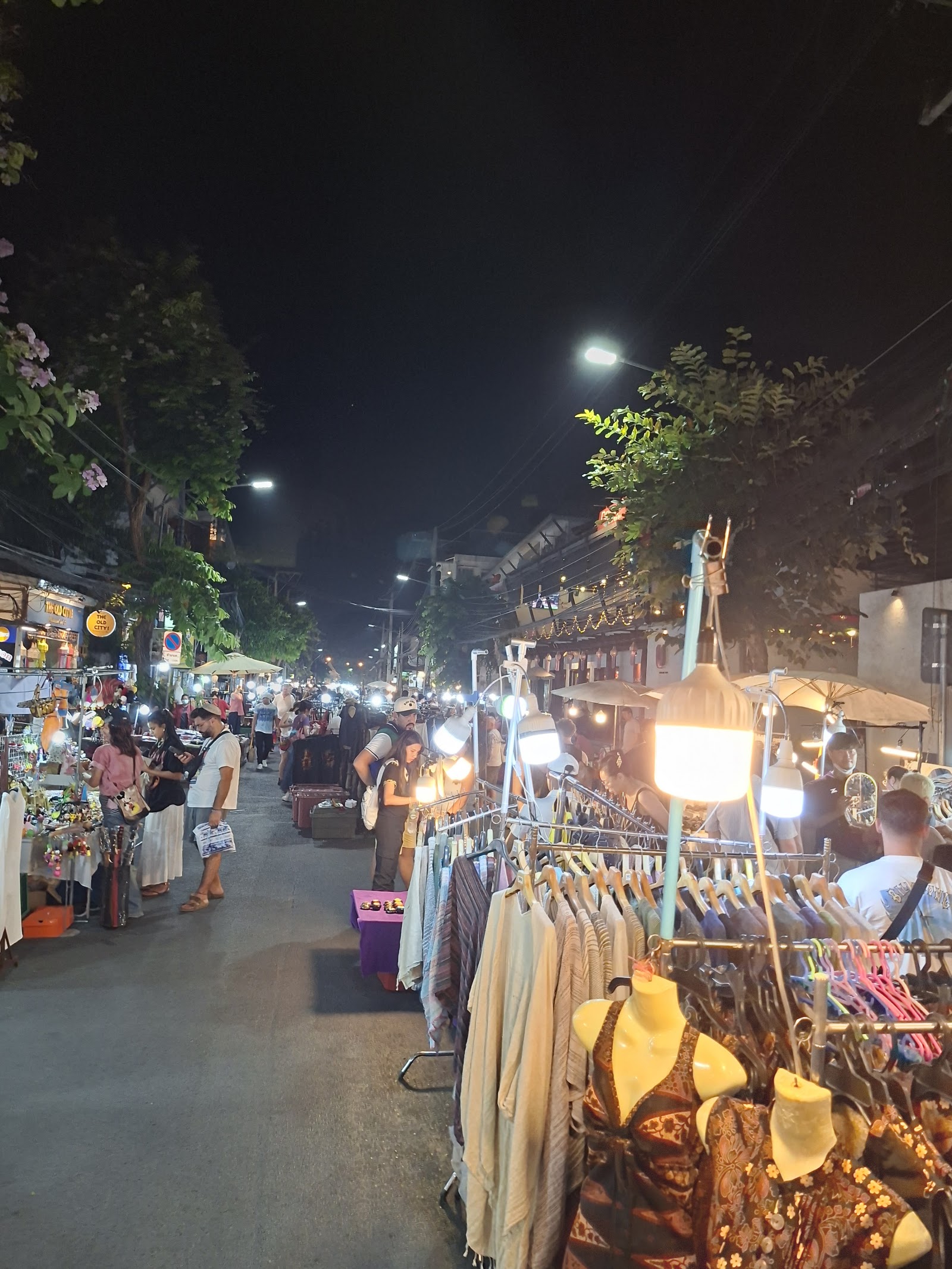
12. Sunday Walking Street (Tha Phae Walking Street)
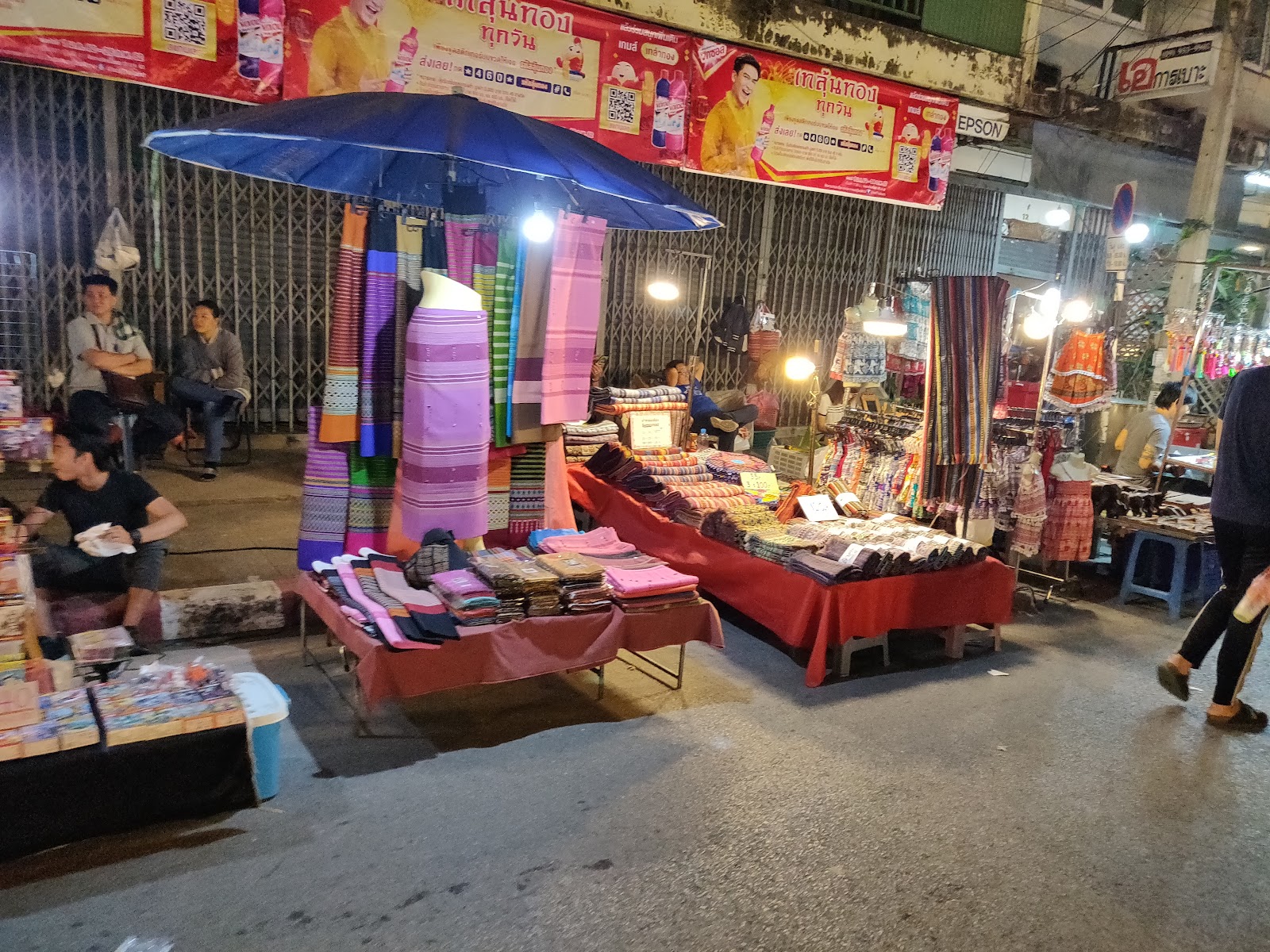
If you happen to be in Chiang Mai on a Sunday, your evening plans are absolutely sorted. The Sunday market is a huge phenomenon that stretches from Tha Phae Gate right across the entire Old City to Wat Phra Singh temple. The main Ratchadamnoen Road closes completely to all traffic at five o’clock in the afternoon and transforms into more than a kilometer of pedestrian zone packed with illuminated stalls.
You can buy everything imaginable, from hand-carved soaps to traditional Lanna clothing and paintings to beautiful silver jewelry direct from the makers. But the absolute best thing about the entire market is the street food. The courtyards of the surrounding lit-up temples transform into large open-air dining rooms where you can taste dozens of local specialties for just a few dozen baht. Be prepared though that after dark it gets truly packed head-to-head and navigating the market requires a good dose of patience.
13. Saturday Walking Street (Wua Lai)
A pleasant Saturday alternative to the Sunday mass madness is the market on Wua Lai Road, located just south of Chiang Mai Gate. This long street is historically the home of local skilled silversmiths, so besides classic tourist souvenirs you’ll find a huge selection of beautiful handmade jewelry and finely hammered bowls direct from the craftsmen themselves, who make them during the day in their workshops.
The market is somewhat smaller and a bit less crowded than the Sunday one, though it maintains a great 4.5-star rating on Google from more than eight thousand visitors. The atmosphere here is really excellent, with street musicians playing on every corner and food smells wafting far and wide. It’s also an ideal opportunity to combine shopping with an evening visit to the nearby Silver Temple, which is colorfully lit at night and basically neighbors the market.
14. Doi Inthanon
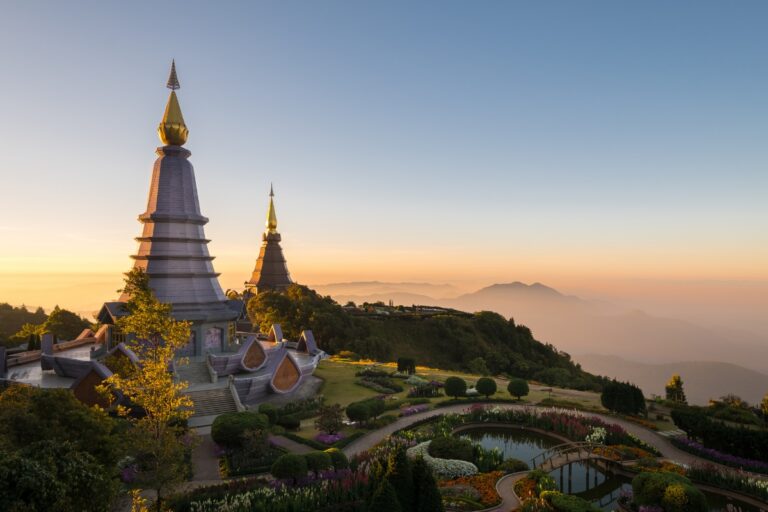
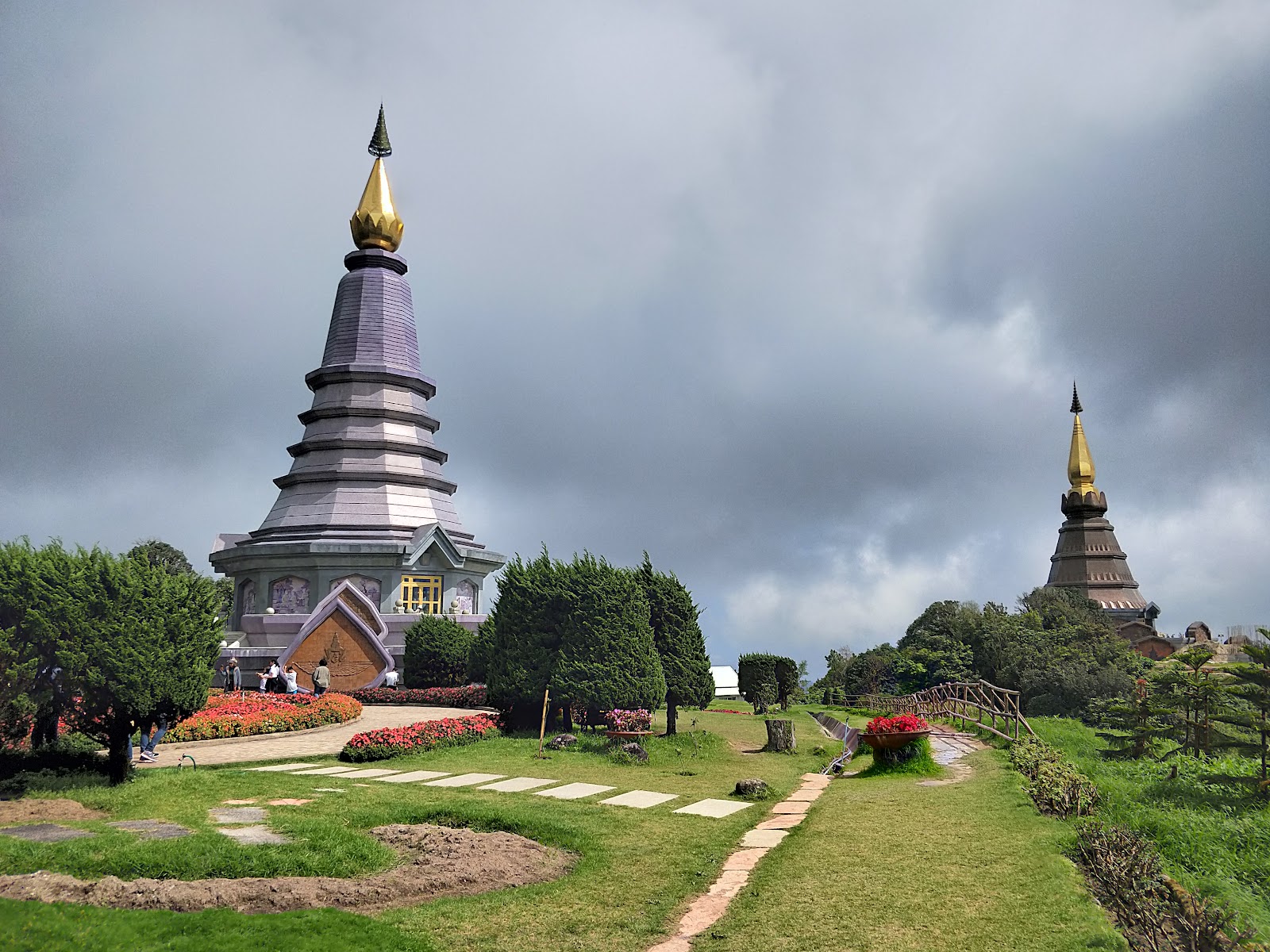
Heading to Thailand’s highest mountain at 2,565 meters above sea level is one of the best full-day trips you can take from the city. Doi Inthanon National Park offers a very dramatic climate change, as the summit can be unexpectedly cool even in tropical Thailand, with temperatures dropping to around ten degrees Celsius. You’ll see two iconic royal chedis surrounded by beautifully maintained gardens, the stunning Wachirathan waterfalls, and the magical moss forest on the picturesque Ang Ka nature trail.
Park entrance fees are 300 baht for adults and 150 baht for children, plus a 30 baht fee for cars or 20 baht for scooters. It’s very important to know that a local Hmong guide is mandatory for the main Kew Mae Pan trekking trail, paid separately on-site, who ensures your safety. Doi Inthanon is best visited with an organized tour or rental car, as going by scooter is a fairly long, steep, and tiring journey from the city that takes up a substantial part of the day. Check current prices and opening hours on the Thai national parks portal.
15. Bua Thong Waterfalls (Sticky Waterfalls)
This is a major natural wonder that will entertain you like small children and offer an experience you won’t easily find elsewhere. Bua Thong waterfalls earned their distinctive nickname Sticky Waterfalls thanks to a special geological composition. The mineral spring has coated the rocks with a thick layer of rough limestone that doesn’t slip at all. You can thus easily climb the waterfall cascades directly against the flow of water barefoot and without rope, as if you had imaginary suction cups on your feet.
Entrance to this national park is free and improvements to the overall facilities were recently made, so clean toilets and picnic tables for families are available. It’s a fantastic place especially for families with children, who can play here for an entire afternoon. The waterfalls lie about an hour and a half drive north of the city, so it’s most worthwhile to arrange a private driver with a red songthaew or regular taxi for half a day, who will wait for you in the parking lot.
16. Ethical Elephant Sanctuaries (Elephant Nature Park)
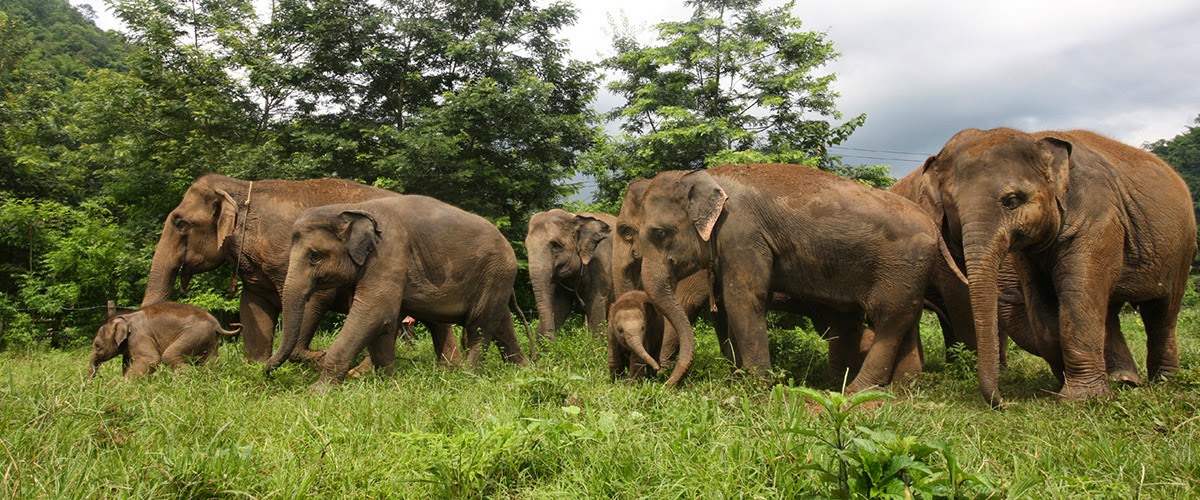
Meeting elephants is a dream come true for many people, but this needs to be said clearly and upfront right from the start. You should not and must not ride elephants in Chiang Mai. Sanctuaries that still offer rides in wooden saddles or circus performances are not ethical, and the animals suffer immensely in them. Fortunately, the city is a world pioneer in elephant rescue and offers plenty of excellent ethical projects where you can observe these animals in their natural environment.
By far the most famous is Elephant Nature Park in the green Mae Taeng valley, where rescued elephants roam freely across vast pastures. A one-day visit costs 2,500 baht for adults and 1,250 baht for children. The price always includes minivan transport from your hotel, an excellent lunch, insurance, and expert guide commentary. ⚠️ Important warning: If you search for parks on Google Maps and see addresses right in the Old City center, these are only sales offices, not the actual sanctuaries in the mountains. During the cool season, Elephant Nature Park sells out one to two weeks in advance, so book your reservation online from the comfort of your home and don’t rely on buying tickets on-site.
17. Thai Cooking Class
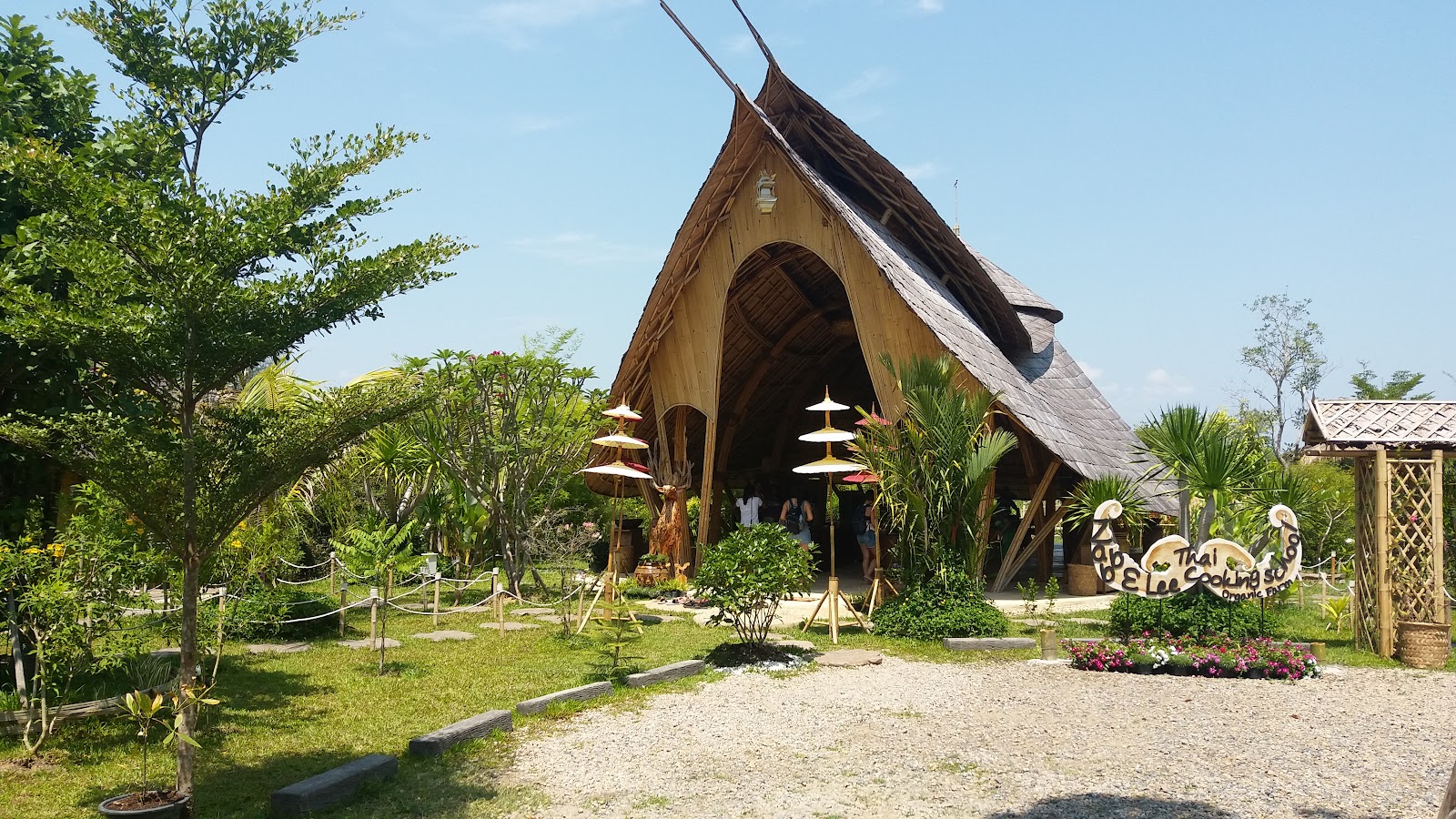
Northern Thailand is probably the very best place in the entire country to learn how to cook excellent local specialties in a fun way. The city is full of great culinary schools offering half-day and full-day courses for beginners and advanced cooks alike. Most of them start with a joint visit to a local morning market, where experienced instructors explain the differences between various types of basil and chili and introduce you to exotic ingredients you may have never seen in your life.
Then everyone moves to an open outdoor kitchen where each participant has their own wok and fresh ingredients prepared. The courses are wonderfully flexible and will happily prepare a purely vegetarian version of all recipes upon request, whether it’s famous pad thai with a generous portion of tofu, green curry, or popular spring rolls. At the end of the course, you always receive a printed cookbook so you can dazzle your guests with your culinary creations long after returning home.
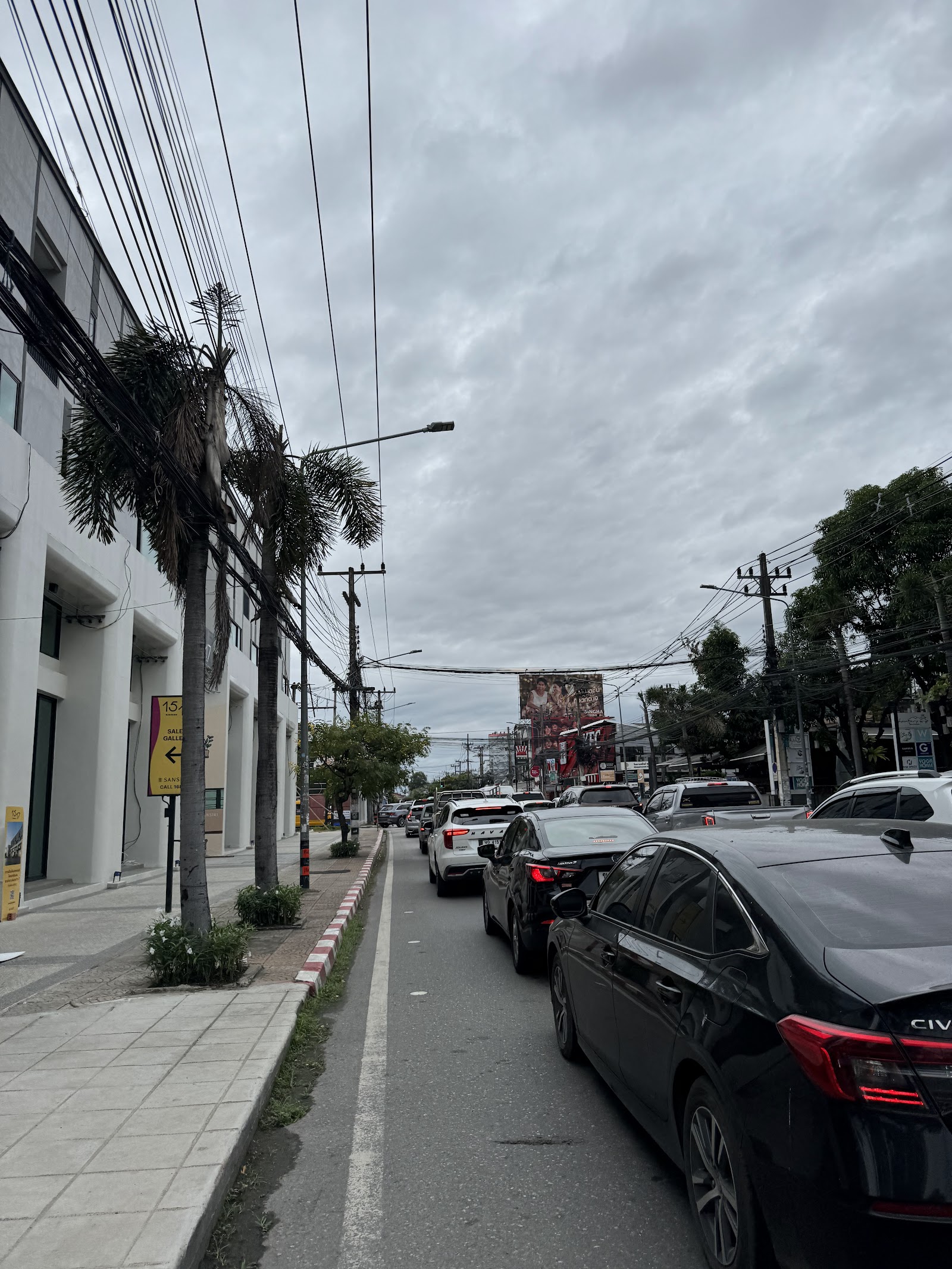
18. Nimmanhaemin (Nimman)
While the Old City is mainly about ancient temples and history, the Nimman district is a celebration of good coffee, modern design, and contemporary lifestyle. This neighborhood is one of the world’s main remote work hubs, which is why Chiang Mai regularly ranks at the top of lists of the best cities for digital nomads. The streets and side alleys are packed with beautiful cafés offering lightning-fast wi-fi, stylish bistros, and boutiques with independent fashion.
The heart of the entire district is One Nimman, an elegant shopping and dining complex built from red brick with an unmistakable tall bell tower that resembles a piece of Europe in the middle of hot Asia. Weekend markets with local makers, outdoor salsa lessons, and an excellent food court with a wide selection of dishes from around the world are regularly held here. It’s the ideal place to go for a modern dinner or a luxurious dessert after a whole day of temple hopping.
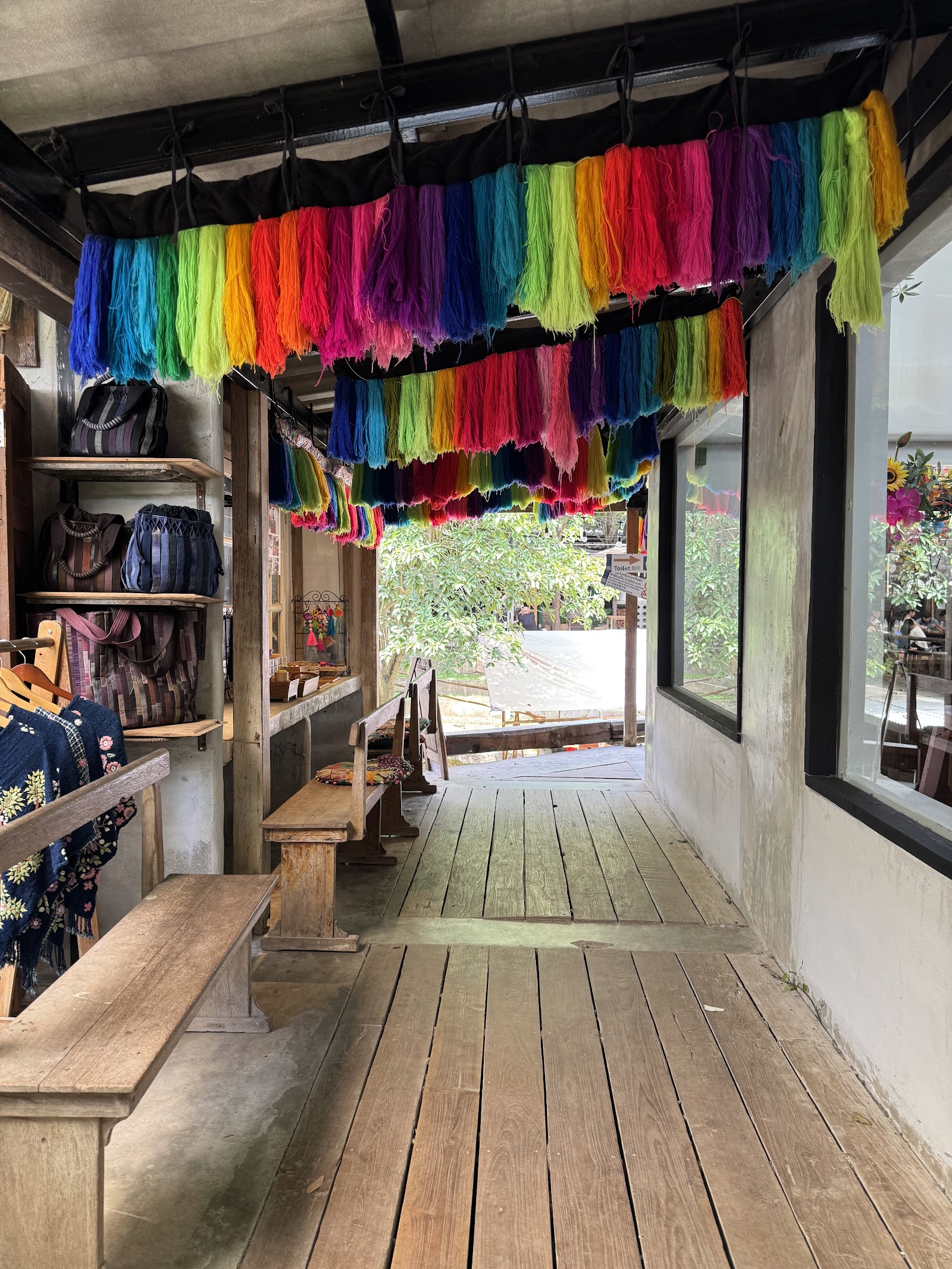
19. Baan Kang Wat
If the Nimman district is too busy and commercial for you, definitely take a trip to the western edge of the city right at the foot of the green mountains. Baan Kang Wat is a small and beautifully photogenic artists’ village that moves at the slowest possible pace and offers the perfect escape from the hustle and bustle of the big city. Traditional wooden houses with terraces surrounded by lush greenery function here as independent pottery studios, cozy bookshops, and cafés with homemade cakes.
It’s a true oasis of calm and a perfect example of Thai slow living. You can sign up for an afternoon watercolor painting workshop, buy original handmade household items, or simply read a book with excellent iced coffee in the shade of rainforest trees. It’s liveliest on Sunday mornings, when a community farmers’ and craft market full of locals takes place in the small central square.
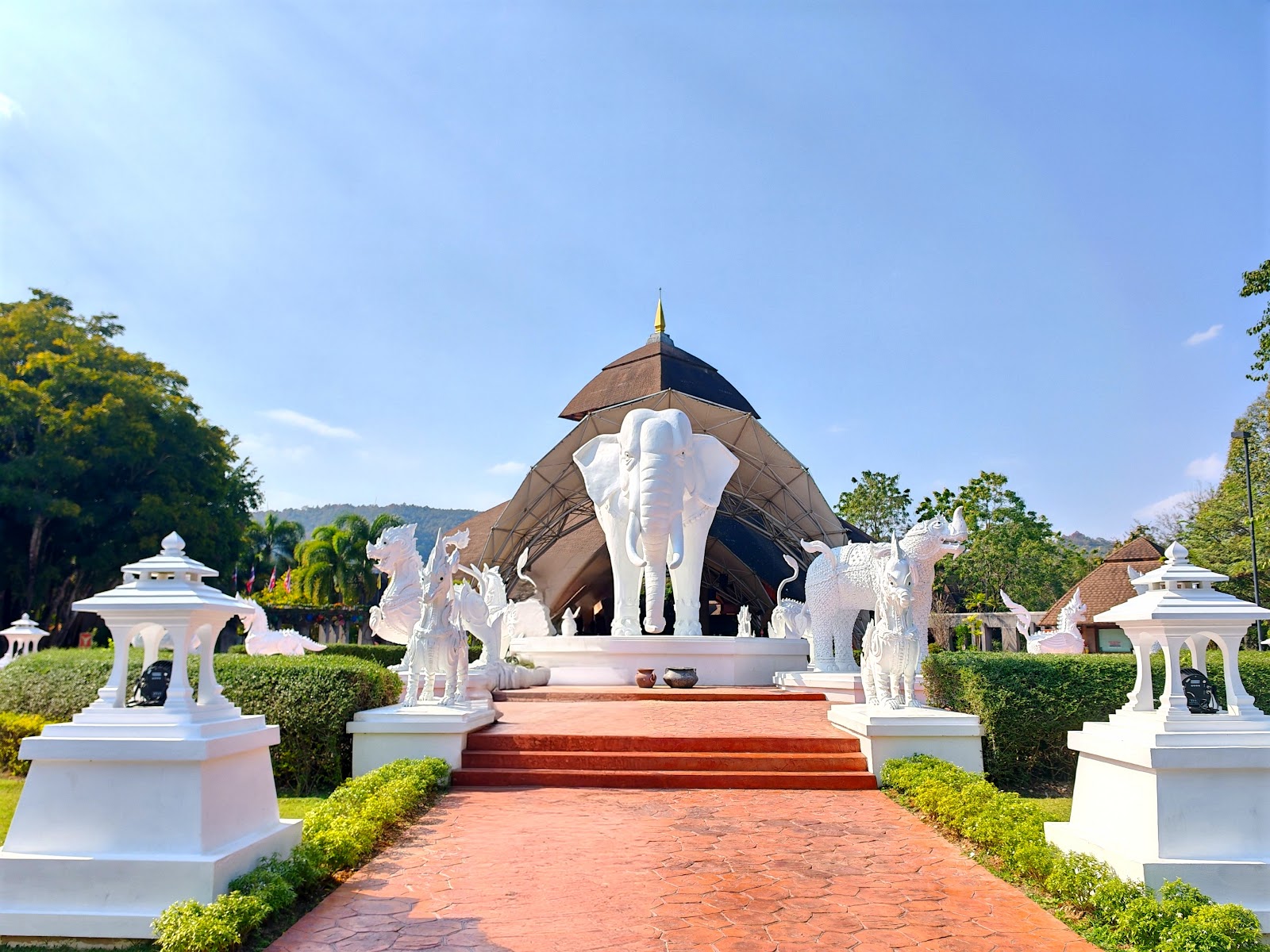
20. Chiang Mai Night Safari
If you’re traveling with children, this is an evening attraction that will definitely excite them and keep them up. Night Safari is a huge zoological park that fully comes to life after sunset, when the worst heat subsides. The entire concept is based on observing most animals in their more natural nighttime mode, when they are much more active than during the day. The park has a very solid 4.3 rating on Google from over 11,000 user reviews.
The main experience is a slow ride in an open electric tram right among the large enclosures, where curious giraffes often reach out to you for a treat and deer graze right next to the marked path. Everything is safe and organized, of course. However, if you’re traveling purely as a couple or with a group of adults, definitely consider whether you’d rather spend your time exploring the mountains and ancient temples, which are much more typical and unique to this region.
21. Yi Peng and Loy Krathong Festival (November 23–25, 2026)
This is the famous festival of thousands of flying lanterns that you definitely know from fantastic Instagram photos. In 2026, these grand celebrations fall on November 23–25, with the main full moon night falling on Tuesday, November 24. But here we encounter a huge misconception that many travelers only discover on-site. Those magical mass lantern releases are paid, private events outside the city that require buying really expensive tickets months in advance.
Right in downtown Chiang Mai, releasing lanterns is strictly prohibited, and violating this rule can result in fines of up to 60,000 baht and even imprisonment. Because of the lanterns, operations at the local airport are also massively restricted, typically closing completely around 7:00 PM to 1:00 AM, which has historically meant over a hundred canceled or rescheduled flights, so if you have a departure on November 24 or 25, 2026, check with your airline in advance. For free and legally in the city center, you can enjoy releasing small flower boats on the Ping River or the beautiful light processions right at the Tha Phae Gate, which are definitely worth seeing.
Where to Go Next from Chiang Mai
From the northern metropolis, you can easily continue further into the mountains or fly to the islands. Here are our other articles to help you with your planning:
- Where to Stay in Chiang Mai – detailed analysis of neighborhoods and specific hotel recommendations.
- What to See in Thailand: 20 Tips – if you’re planning to explore the entire country.
- Thailand Road Trip: 2-Week Itinerary – the ideal travel plan to combine north and south.
- Digital Nomad Life – read why Chiang Mai is an absolute mecca for remote work.
Frequently Asked Questions
Planning a trip to Thailand can sometimes bring up a few questions, especially regarding paperwork or local customs. That’s why we’ve put together answers to the most common questions that will definitely help you before your flight to the northern metropolis. This way, you can avoid unnecessary stress and fully enjoy your vacation.
Do I need any forms before arriving in Thailand?
Yes, since May 1, 2025, the digital arrival card (TDAC) has been mandatory for all foreign nationals. It’s simply filled out online before departure and is completely free for all travelers. Definitely don’t leave it to the last minute, because without it immigration will send you back uncompromisingly to fill it out on the spot, which you definitely don’t want to deal with after a long flight.
Is the promised 300 baht tourist fee being charged yet?
According to the current status as of September 2026, this long-delayed fee is still not being collected, although its actual launch keeps being postponed. In August 2026, a variant of a 450 baht fee valid for 30 days was even discussed at the government level. So definitely check the current status before traveling on the official websites, so you won’t be unpleasantly surprised at the airport.
How do I get from the airport (CNX) to the city center?
The airport is only a few kilometers from the Old Town, so the journey is very quick and convenient. Official airport taxis usually have a fixed starting price from 150 baht (you’ll typically pay 150–200 baht). You can also easily use the Grab app, where the price ranges between 80 and 180 baht, a shared red songthaew for about 100 baht per person, or the airport bus.
How much does a ride on a red songthaew around the city cost?
These ubiquitous red pick-ups function as very practical shared taxis. The basic price for rides around the center and to neighborhoods like Nimman has risen slightly recently, and most drivers now ask for 40 baht per person. A private ride just for you will cost 60 to 120 baht depending on negotiation. But always agree on the exact price with the driver before getting in.
What should I wear when visiting temples?
The rules are very strict throughout Thailand and must be respected. You must always have shoulders and knees covered, which applies without exception to both men and women. Before entering the prayer hall itself, you must also remove your shoes, so by far the most practical footwear is shoes that you can easily and quickly take off and put on, such as comfortable sandals or slip-ons.
Is Chiang Mai suitable for vegetarians?
Absolutely! Chiang Mai has one of the best plant-based scenes in all of Asia, so you’ll feel like you’re in paradise. Look for the yellow flag with red writing “jay” (เจ) at stalls, which indicates purely vegan food without fish sauce and eggs. You can commonly get the famous northern Thai soup khao soi here in an excellent creamy version with crispy tofu.
How many days should I allocate for Chiang Mai?
To explore the Old Town, main ancient temples, and a trip to Doi Suthep mountain, three full days will be enough. But if you want to add a full-day trip to Doi Inthanon National Park and a visit to an ethical elephant sanctuary, count on five days instead. If you want to take a cooking class or explore the surrounding villages, you can easily spend a relaxed week to ten days there.
Tips and Tricks for Your Vacation
Don’t Overpay for Flights
Search for flights on Kayak. It’s our favorite search engine because it scans the websites of all airlines and always finds the cheapest connection.
Book Your Accommodation Smartly
The best experiences we’ve had when looking for accommodation (from Alaska to Morocco) are with Booking.com, where hotels, apartments, and entire houses are usually the cheapest and most widely available.
 🚗 Car rental on the roadVerified rental cars in Thailand
Search with the DiscoverCars comparison engine — it compares prices from dozens of local and international rental companies, and most bookings come with free cancellation.
Compare car prices in Thailand →Don’t Forget Travel Insurance
Good travel insurance will protect you against illness, accidents, theft, or flight cancellations. We’ve had a few hospital visits abroad, so we know how important it is to have proper insurance arranged.
Where we insure ourselves: SafetyWing (simple monthly subscription) and TrueTraveller (for extra-long trips).
Find the Best Experiences
Get Your Guide is a huge online marketplace where you can book guided walks, trips, skip-the-line tickets, tours, and much more. We always find some extra fun there!