

If you’re planning a summer trip to the Black Sea and haven’t settled on a destination yet, the southern coast around Primorsko, Bulgaria has one massive advantage. The sea here is 1.4 °C warmer in August than near Varna in the north — and in September, the gap widens to a striking 1.9 °C. Simply put, the subtropical climate makes a world of difference when it comes to water temperature.
According to official monitoring data from 2026, the southernmost stretch around Sinemorets has the cleanest water along the entire Bulgarian coastline. Pack your swimsuit — you’re in for a treat exploring gorgeous bays where freshwater rivers flow into the salty sea, and beaches framed by the dense forests of a stunning nature park.
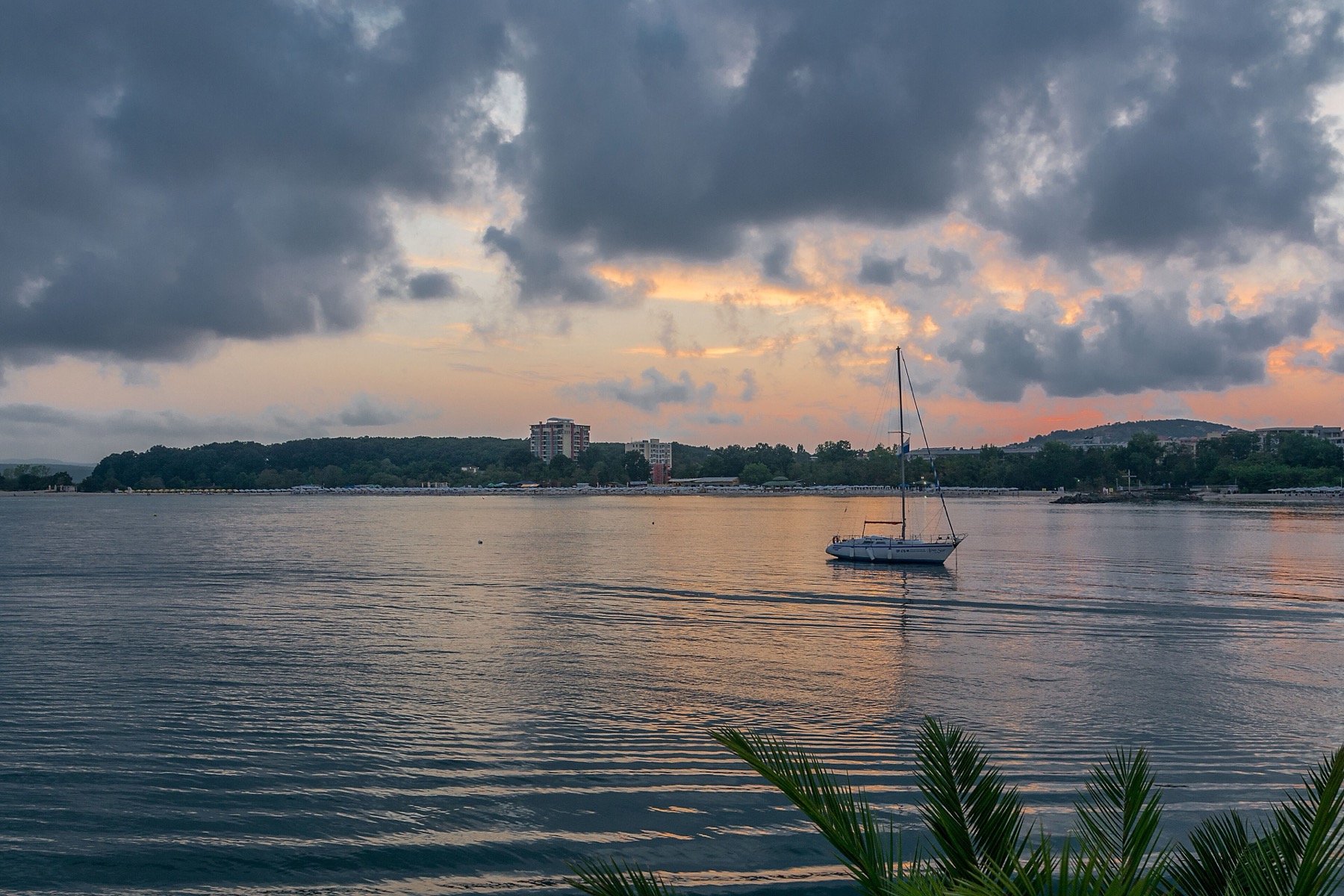
Primorsko itself is the perfect base from which to explore the entire string of coastal towns and nature reserves all the way to the Turkish border. Let’s take a look at everything that awaits you here, how much it costs, and which tourist traps to steer clear of.
TL;DR
- Location & transport: Primorsko sits on a peninsula in southern Bulgaria. The drive from Burgas Airport takes around 73 minutes, as the road weaves around bays and lagoons.
- Sea temperature: Significantly warmer than the north — average water temperature in August is 26.2 °C, and swimming is comfortably warm well into September.
- Cleanest water: Official 2026 measurements confirmed that the cleanest sea along the entire Bulgarian coast is found at the beaches of Sinemorets.
- Historical gem: The prehistoric shrine of Beglik Tash was off-limits for decades because it lay within the fenced-off hunting residence of dictator Todor Zhivkov.
- Great day trips: From Primorsko you can easily reach Strandzha Nature Park, the mouth of the Veleka River, or even the Turkish border at Rezovo.
- Currency & prices: Bulgaria successfully adopted the euro on 1 January 2026, so there’s no need to worry about converting Bulgarian lev any more.
- When to go: July and August are the driest and warmest months, but thanks to the warm sea, September is a wonderful time to visit as well.
| # | Place | Type | Distance from Primorsko |
|---|---|---|---|
| 1 | North Beach | Swimming | 0 km |
| 2 | South Beach & MMC | Swimming | 0–2 km |
| 3 | Beglik Tash | History / Nature | 7.5 km |
| 4 | Ropotamo | Reserve / Boat trip | 9.1 km |
| 5 | Arkutino & Ranuli | Lake / Antiquity | 5 km |
| 6 | Kiten & Atliman | Town / Beach | 7.6 km |
| 7 | Atliman Dunes | Nature | 7.6 km |
| 8 | Lozenec | Village / Food | 11.1 km |
| 9 | Tsarevo | Town / Harbour | 16.3 km |
| 10 | Arapya Beach | Swimming | 14 km |
| 11 | Ahtopol | Town / History | 29.3 km |
| 12 | Veleka Beach (Kosata) | Unique swimming | 35.7 km |
| 13 | Butamyata & Viewpoint | Beach / Views | 36 km |
| 14 | Silistar | Nature / Camping | 39.6 km |
| 15 | Rezovo | Turkish border | 46.5 km |
| 16 | Strandzha Nature Park | Mountains / Forests | Various (entire hinterland) |
| 17 | Veleka Mouth (regulations) | Protected area | 35.7 km |
| 18 | Caves & Tombs | History / Exploration | Park interior |
What the Sea Is Like in Primorsko
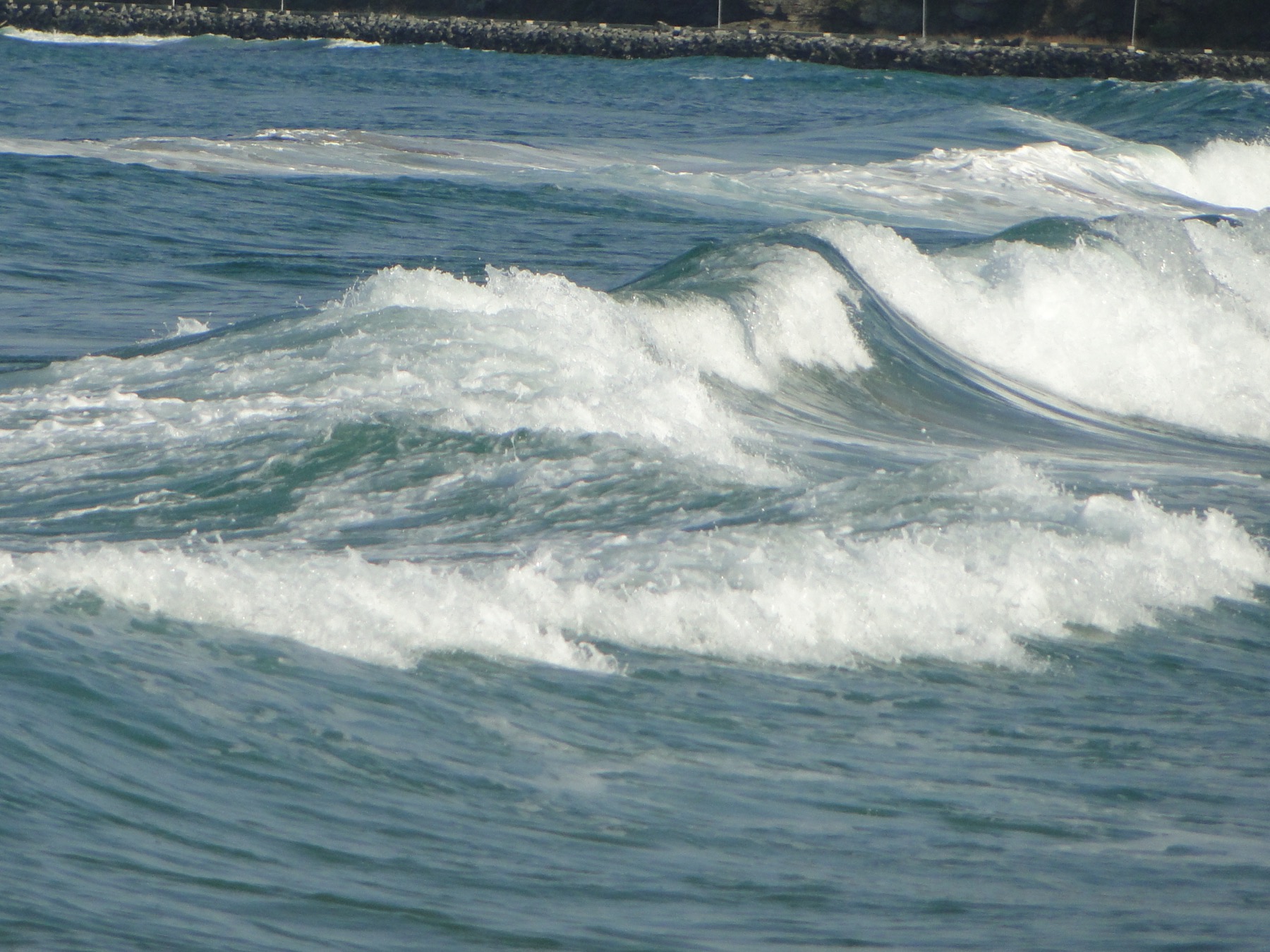
This is probably the most common question travellers ask before heading to Bulgaria’s southern coast. The climate here is distinctly Mediterranean — hot, dry summers with most rainfall concentrated in autumn and winter. As a result, the water in the bays heats up beautifully.
If you’re not a fan of big waves, the calmest sea awaits you in June, when the average maximum wave height is just around 0.63 metres. By late summer and into autumn the sea gets a bit wilder, which water-sports enthusiasts will actually appreciate.
| Month | Sea temp Primorsko | Sea temp Varna (north) | Avg max wave |
|---|---|---|---|
| June | 22.6 °C | 21.5 °C | 0.63 m |
| July | 25.8 °C | 24.5 °C | 0.69 m |
| August | 26.2 °C | 24.8 °C | 0.92 m |
| September | 24.6 °C | 22.7 °C | 1.05 m |
Water Quality According to Official Monitoring
Water cleanliness is a deal-breaker for many of us, so it’s great to look at hard data. The official monitoring by the Regional Health Inspectorate (RZI) Burgas in 2026 revealed a clear winner along the entire coast. While Varna in the north even had swimming bans issued in June, not a single ban was declared on the southern coast throughout the season.
The cleanest water belongs to the Sinemorets area, where both Veleka Mouth and Butamyata beaches recorded values below the detection limit (marked as 15) in all six sampling rounds. On the other hand, caution is warranted at Tsarevo, where Popski Beach twice exceeded the permitted enterococci limits during the season.
| Beach (zone) | Measured enterococci values (6 samples, 2026) | Rating |
|---|---|---|
| Veleka Mouth, Sinemorets | 15, 15, 15, 15, 15, 15 | Best result in the area |
| Butamyata, Sinemorets | 15, 15, 15, 15, 15, 15 | Best result in the area |
| Silistar | 15, 15, 15, 45, 15, 15 | Excellent |
| South Beach Kiten | 94 (once), then 5× 15 | Very good |
| South Beach Primorsko | 108 (once in August), otherwise within limits | One-off deterioration |
| Popski Beach, Tsarevo | 141 and 176 (twice above limit) | Weakest result in the area |
How Much Does Bulgaria’s Southern Coast Cost
On 1 January 2026, Bulgaria successfully adopted the euro, so the confusion of converting Bulgarian lev is a thing of the past. The fixed exchange rate was set at €1 = 1.95583 BGN. Dual price labelling in shops ended on 8 August 2026, so now you’ll see prices only in euros everywhere.
The switch to the new currency did, however, bring a modest wave of price increases — as is tradition. Feedback from many visitors to Kiten and the surrounding area in the summer of 2026 agrees that restaurant and beach-service prices went noticeably up. Below is a rough guide to what you can expect to spend.
| Item | Approximate price (€) |
|---|---|
| Lunch at a regular restaurant | €12–18 |
| Draught beer (0.5 l) | €2.50–3.50 |
| Coffee at a beach bar | €2–4 |
| Ropotamo boat trip (adult) | €13 (per visitor reports) |
| Ropotamo boat trip (child) | €8 (per visitor reports) |
💡 Payment tip: Even though the euro is everywhere, watch out for Euronet ATMs, which often charge a fee of around 10 % on withdrawals. Likewise, always decline the unfavourable Dynamic Currency Conversion (DCC) at card terminals and pay in the local currency — which is now the euro.
How to Get to Primorsko
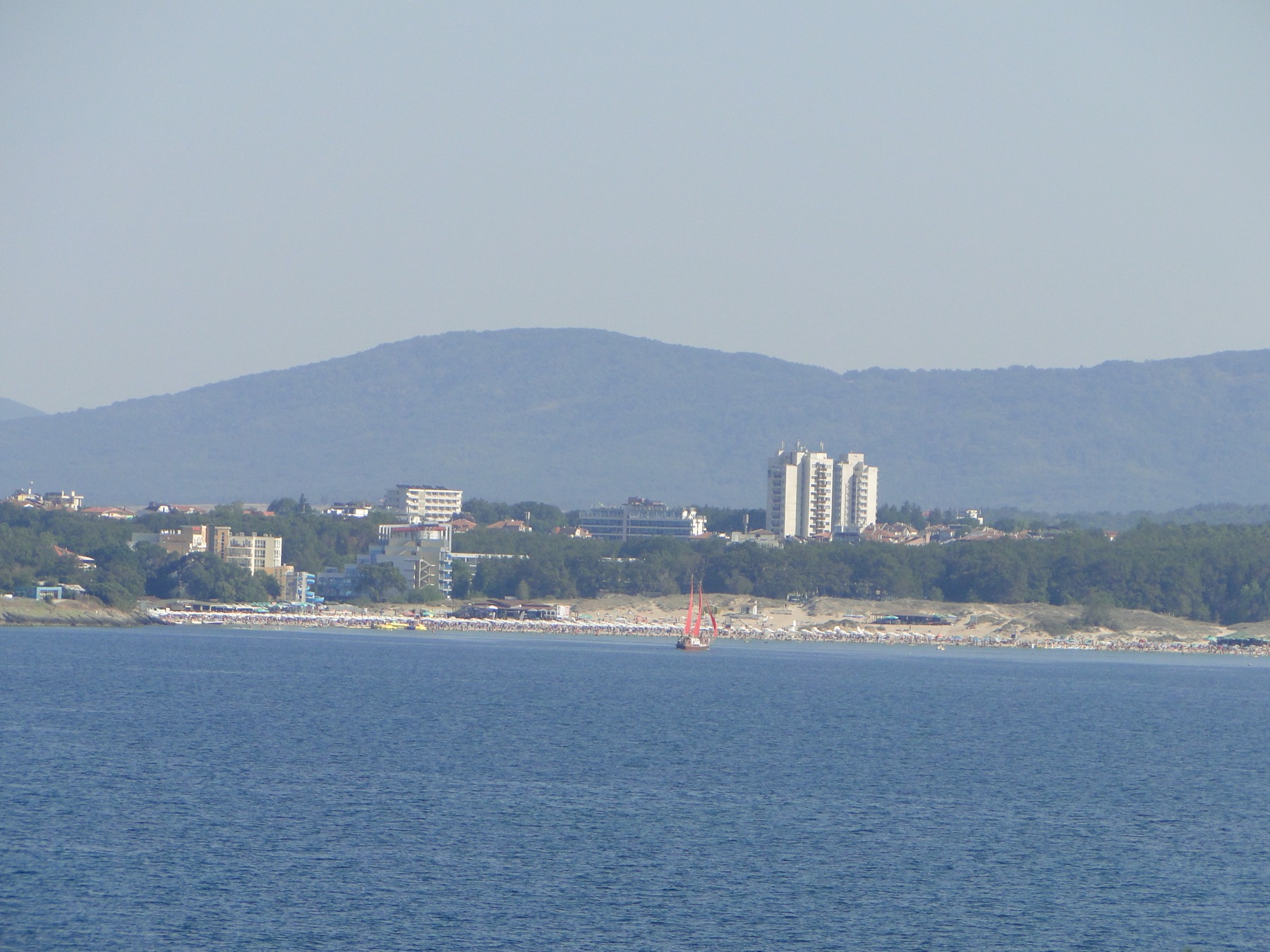
The nearest air hub for the entire area is the international airport in Burgas. Although the straight-line distance looks temptingly short on a map, the actual drive takes around 73 minutes. The road has to skirt deep bays, protected lagoons, and the Ropotamo Nature Reserve.
If you plan to actively explore the southern coast, renting a car is by far the smartest choice. Local bus services do run, but getting to the more remote bays or trailheads into the mountains is very difficult without your own wheels. In Primorsko itself, keep in mind that parking in the centre is paid during high season and spots disappear fast.
Primorsko and Its Immediate Surroundings
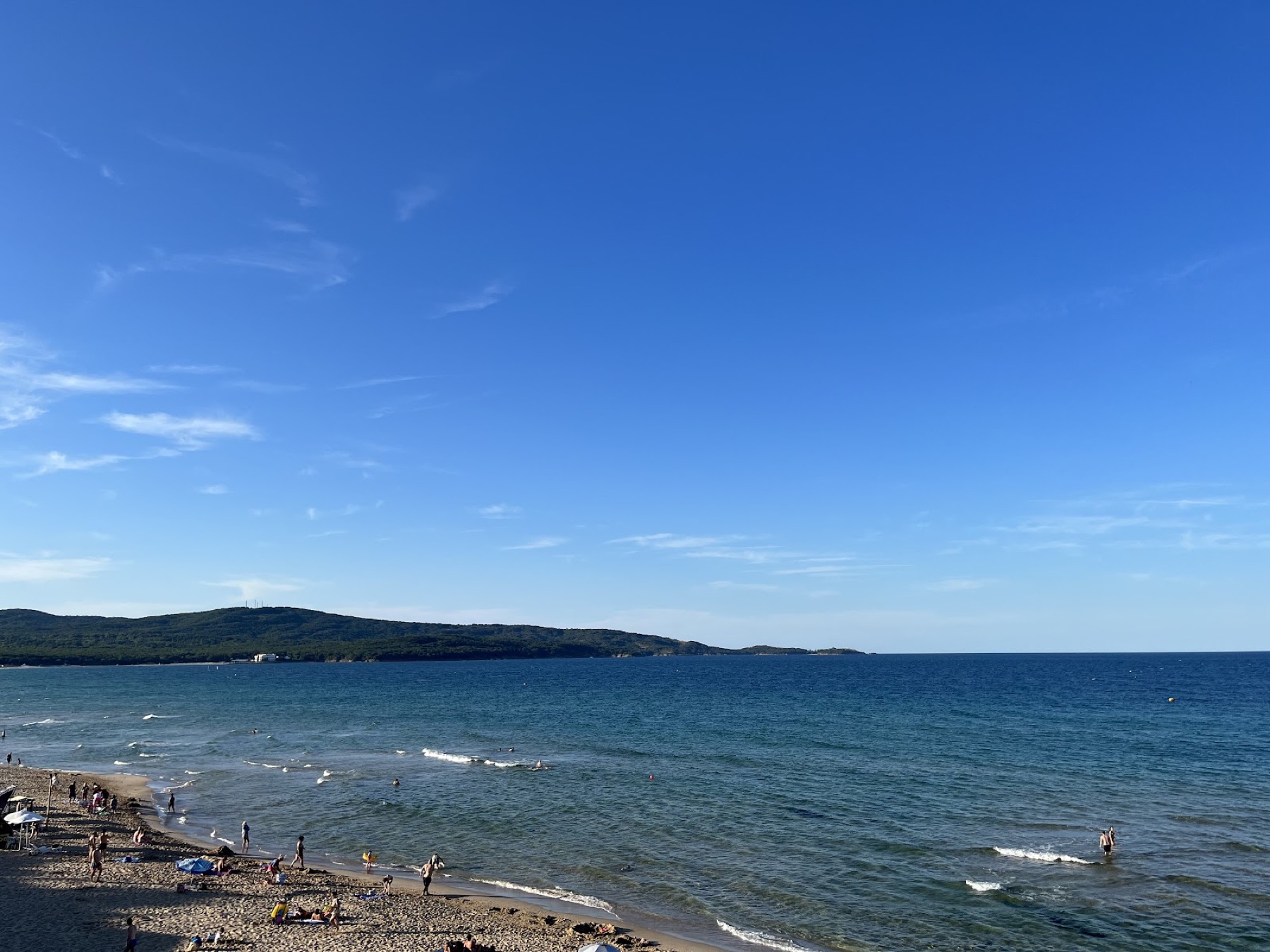
Primorsko has around 3,100 permanent residents and sits on a beautiful peninsula wedged between the Stomoplo Lagoon and Devil’s Bay. Fun fact: the town boasts the second-longest beach stretch on the entire Bulgarian Black Sea coast, right after the massive Kamchia–Shkorpilovtsi section. Here are the best tips from the town itself and its closest surroundings.
1. North Beach
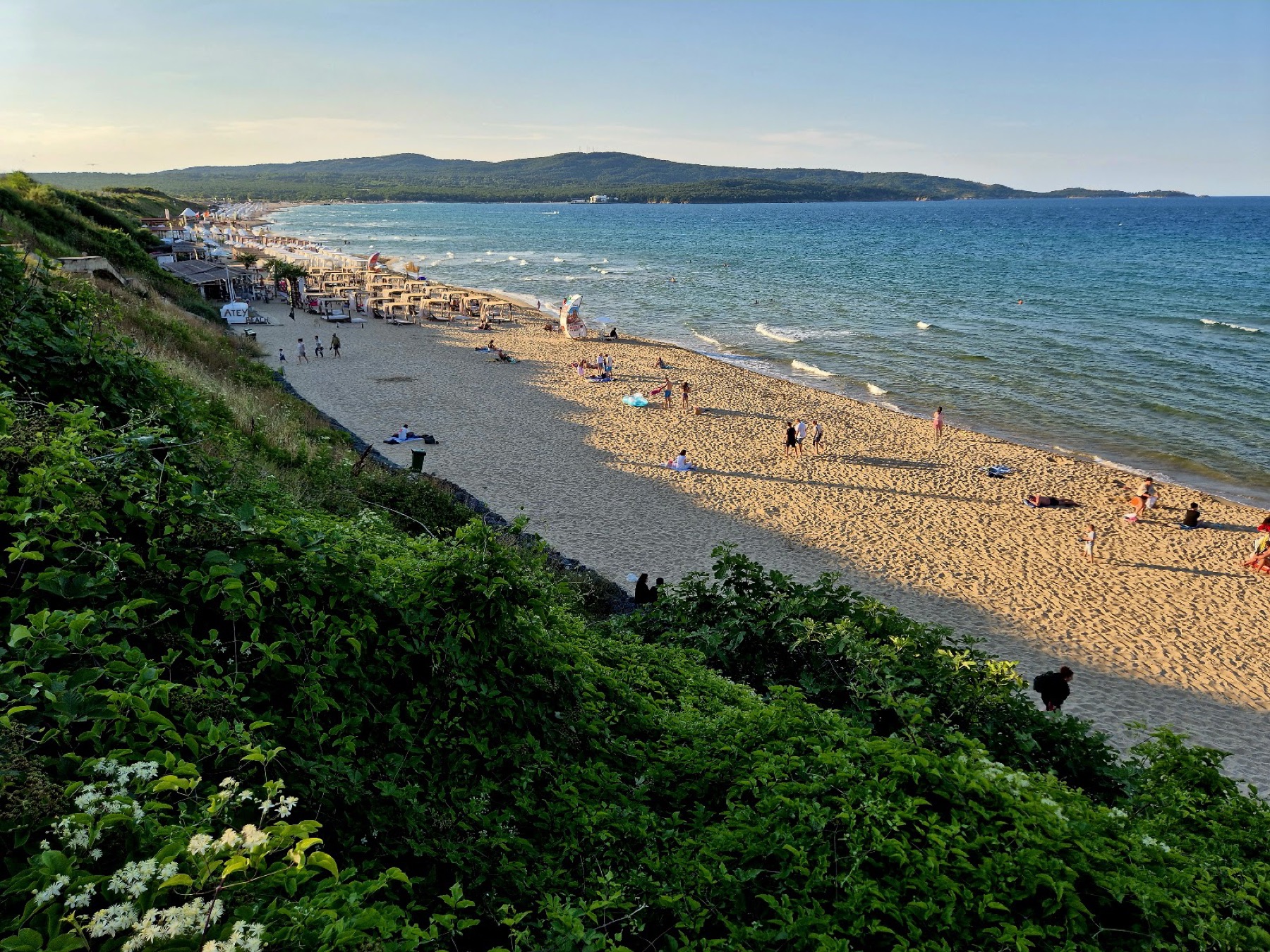
This expansive sandy beach runs along the northern side of the peninsula and faces the open sea, so you’ll often find slightly bigger waves here. It’s ideal for long walks and splashing about, but many reviews unfortunately mention poor upkeep and cigarette butts littering the sand. 💡 Tip: For a quieter stretch away from the bar noise, head as far northwest as you can toward the Stomoplo Lagoon.
2. South Beach and the Youth Centre Beach
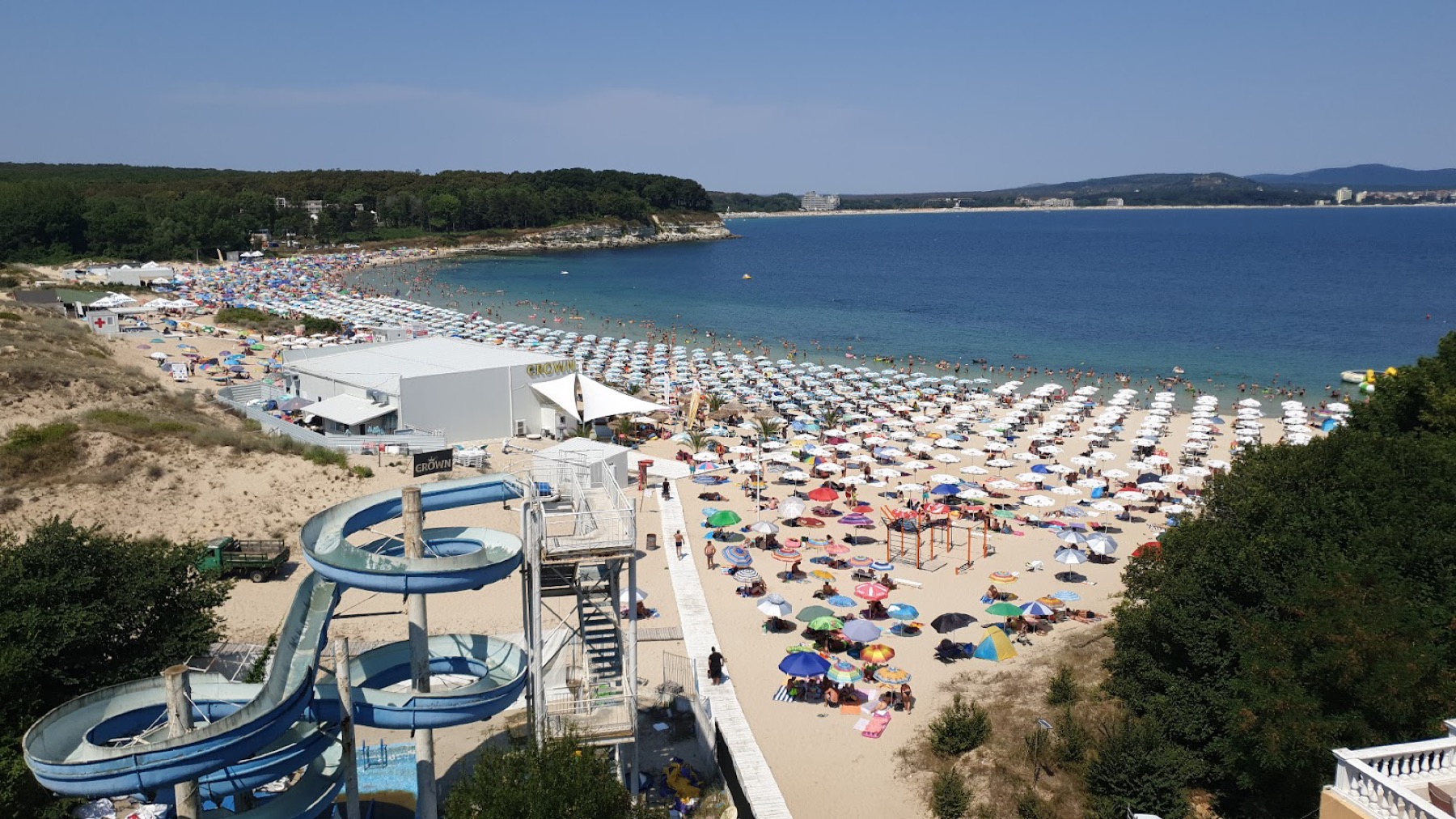
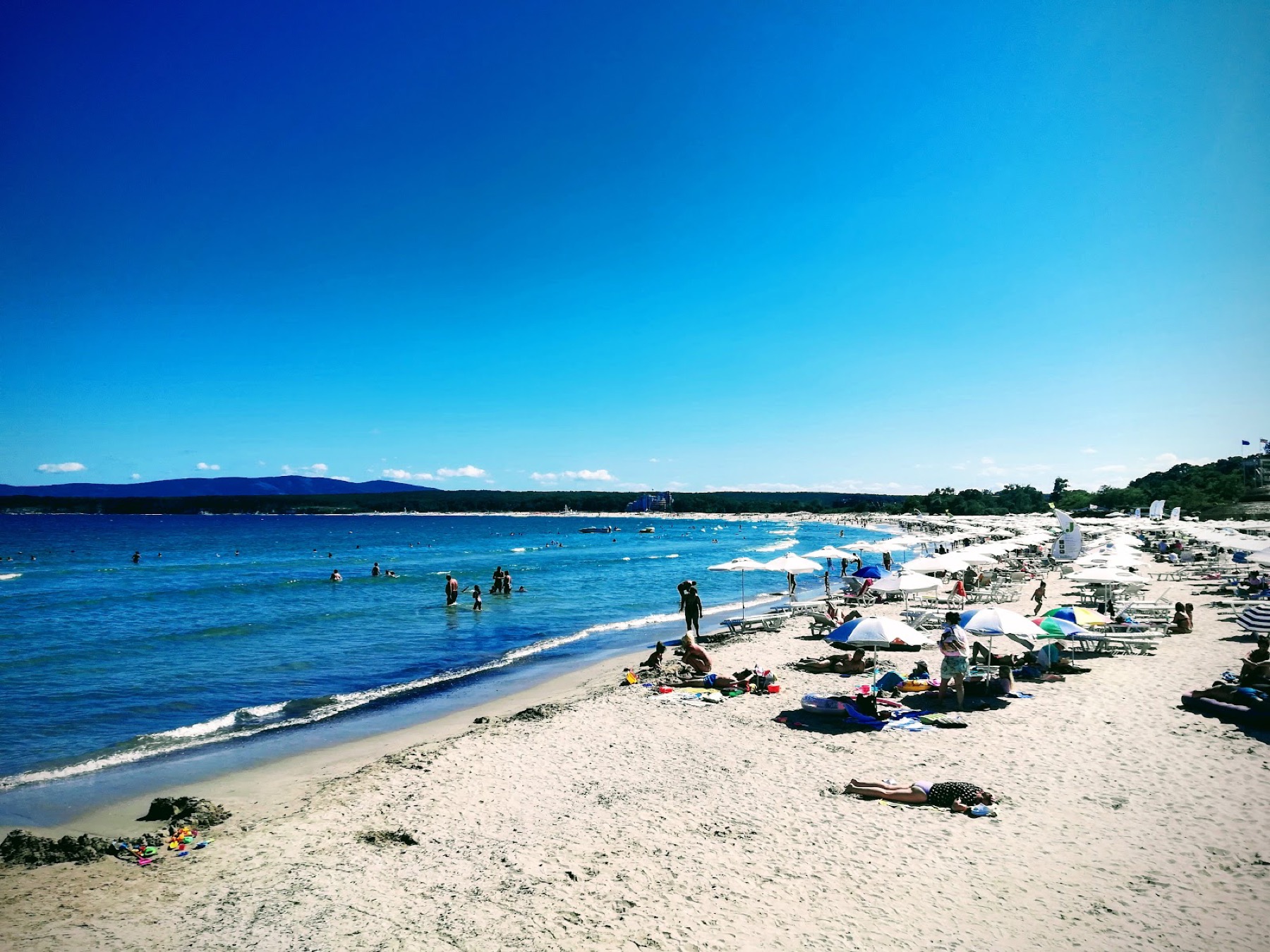
The southern bay is far more sheltered from the wind and the sea tends to be calmer, making it a clear favourite among families. The beach seamlessly merges into an area locally known as MMC (after the former International Youth Centre), nestled between two distinctive tower buildings. In August 2026 the water here reached a gorgeous 26.6 °C, although one sampling showed a slight dip in water quality. 💡 Tip: The bridge over the Devil’s River, which flows into the sea right here, is a fantastic spot for sunset photos.
3. Beglik Tash Prehistoric Shrine
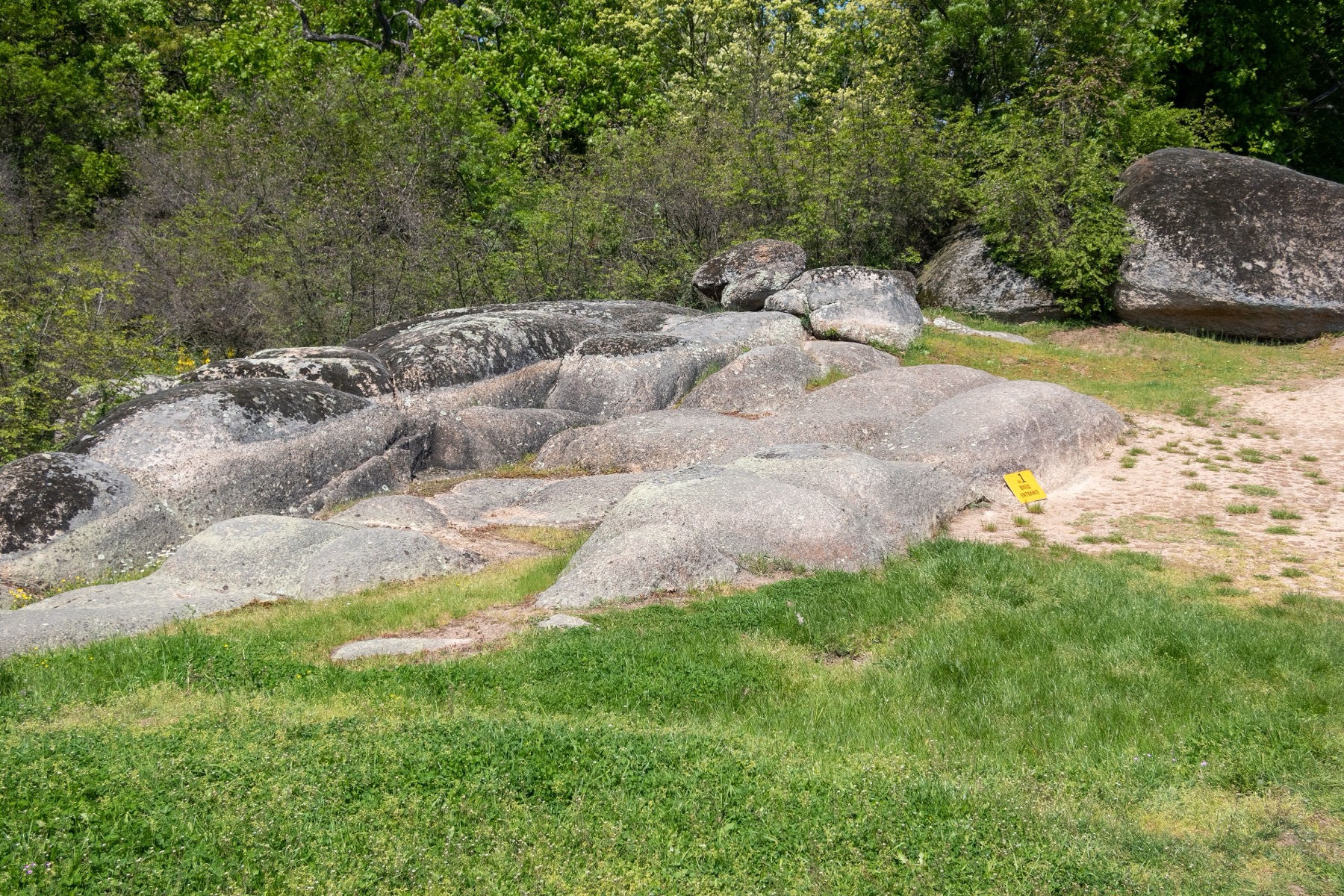
Just 7.5 kilometres from Primorsko you’ll find a stunning natural arrangement of syenite rock blocks. This megalithic complex has an incredible history tied to the communist regime. Until 2003 the site was completely inaccessible because it lay within the strictly guarded “Perla” hunting residence used by dictator Todor Zhivkov. Archaeological research only began in 2001, and the dating is still debated by experts. The site has no official website, so you can’t verify opening hours or entrance fees online beforehand. 💡 Tip: The grounds tend to be freely accessible even outside main operating hours. If you arrive early in the morning, you’ll enjoy the magical atmosphere of the stones all to yourself.
4. Ropotamo Reserve and Boat Trip
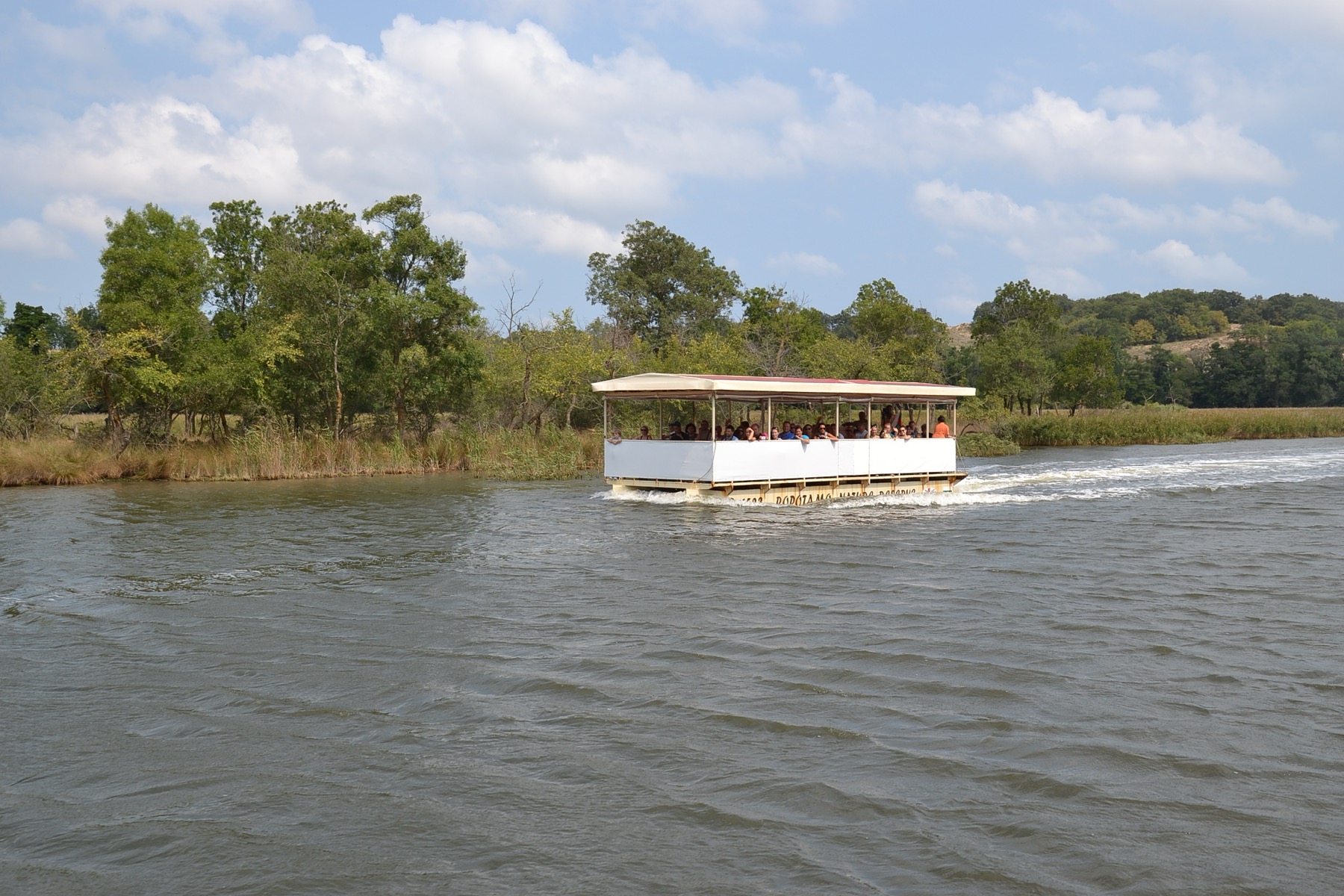
The Ropotamo River creates a unique natural environment of flooded riparian forests known locally as longoz — an extreme rarity at this latitude. Since 1992 the area has held strict reserve status, because uncontrolled tourism had previously threatened to destroy the ecosystem entirely. The most popular experience is a boat trip lasting roughly an hour and a quarter. According to visitor reports, a ticket costs around €13 for an adult and €8 for a child. 💡 Tip: Keep your expectations realistic. Reviews often mention disappointment at not seeing the promised turtles or wild boars. This is wild nature, not a zoo. Take the first morning boat before the river fills with noise.
5. Lake Arkutino and Ancient Ranuli
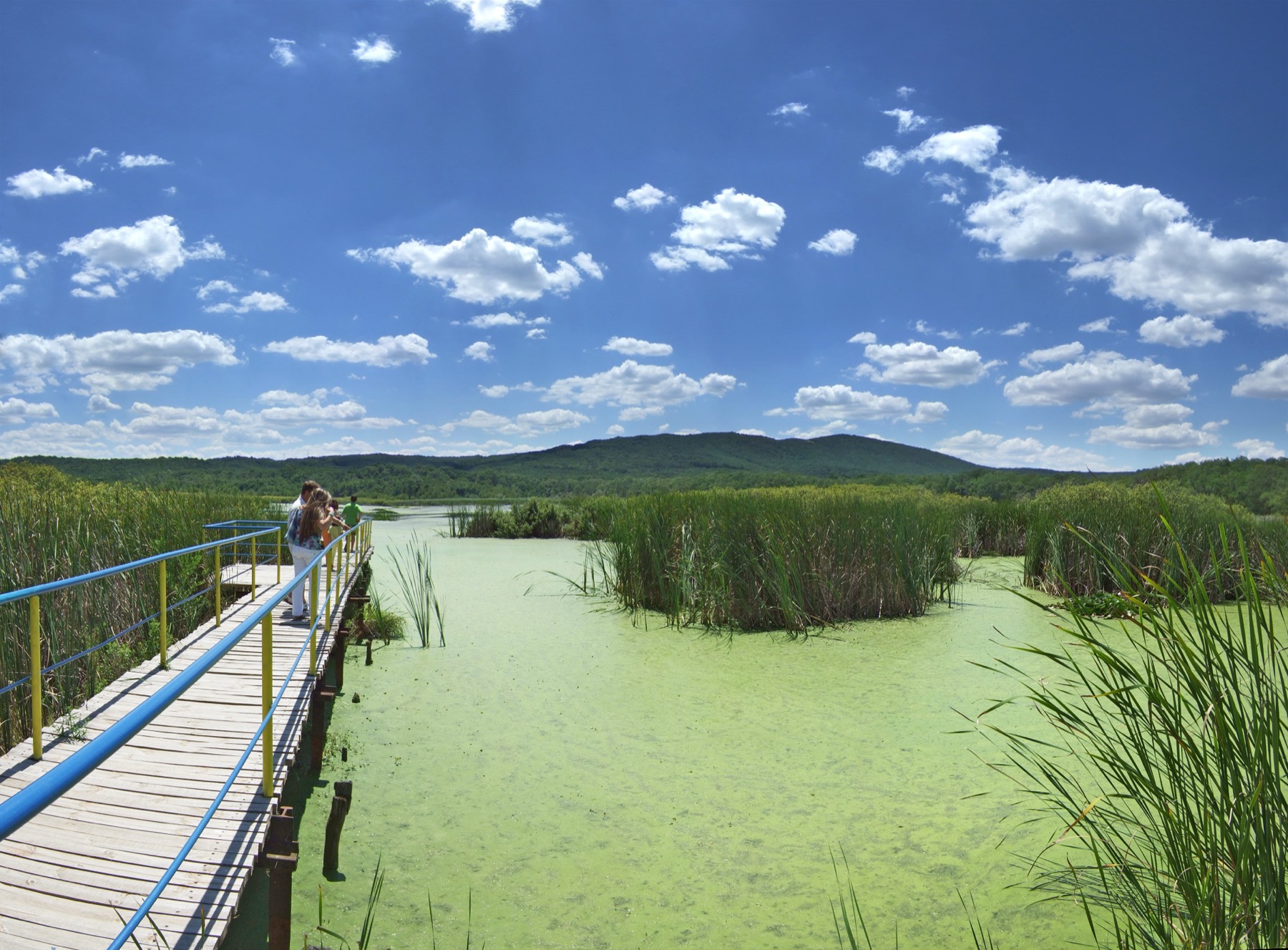
About 5 kilometres north of Primorsko lies the marshy Lake Arkutino, famous for its blooming water lilies. Directly above it rises a hill known as Lion’s Head, where the remains of the vast ancient city of Ranuli can be found. The walls enclose an impressive 30 hectares, making it one of the largest fortified cities in Bulgaria. Because the fortress sits inside the strictly protected zone of the Ropotamo Reserve, no archaeological excavations are carried out and the site is left to nature. 💡 Tip: A wooden boardwalk leads to the lake itself, perfect for an easy evening stroll.
Villages South of Primorsko
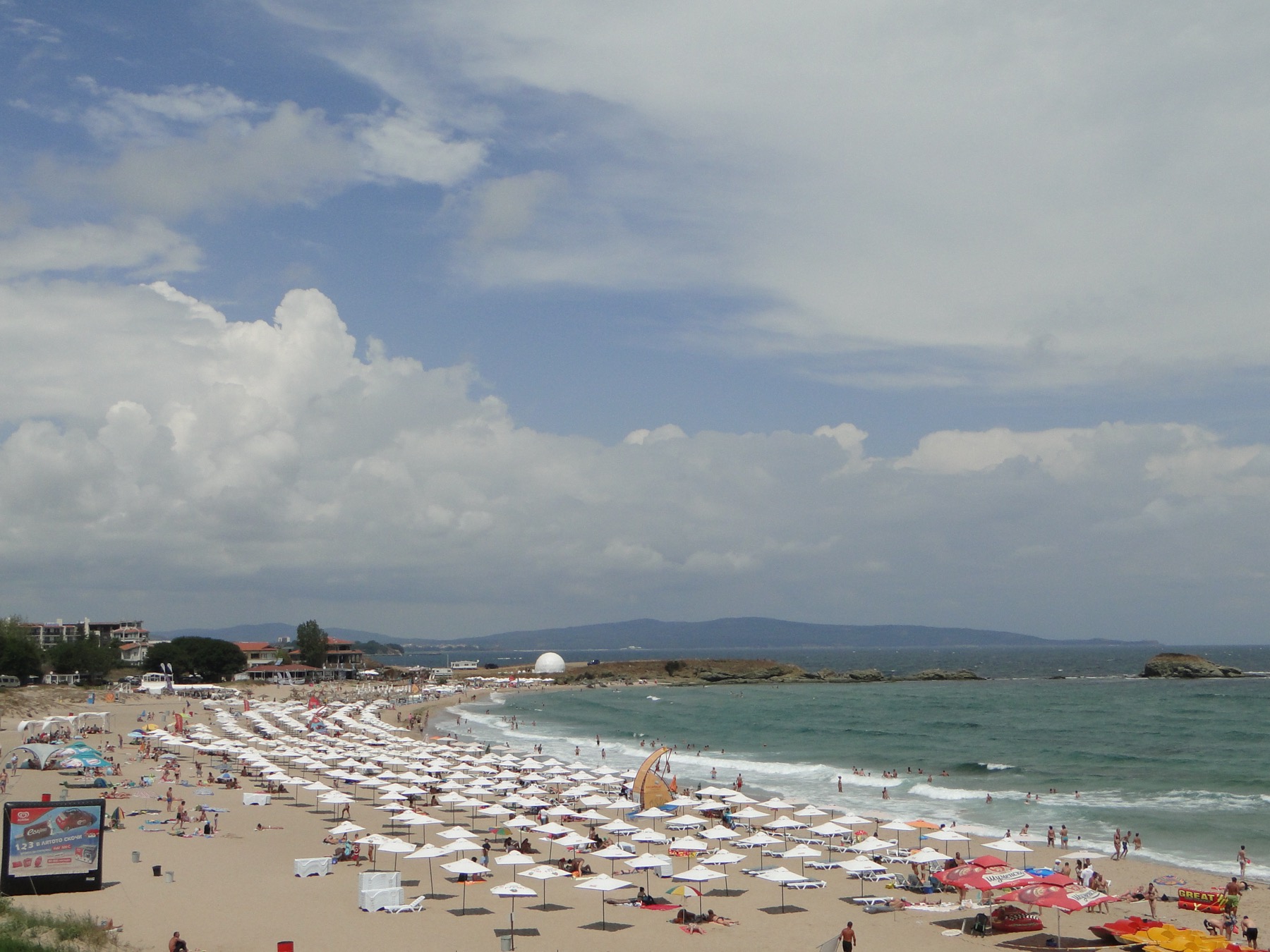
Heading south, the landscape gradually changes. Beaches shrink, rocky cliffs rise higher above the waterline, and the towns take on a quieter, more local feel. If you have a car, it’s worth dedicating at least two or three full days to exploring this part of the coast.
6. Kiten and Atliman Beach
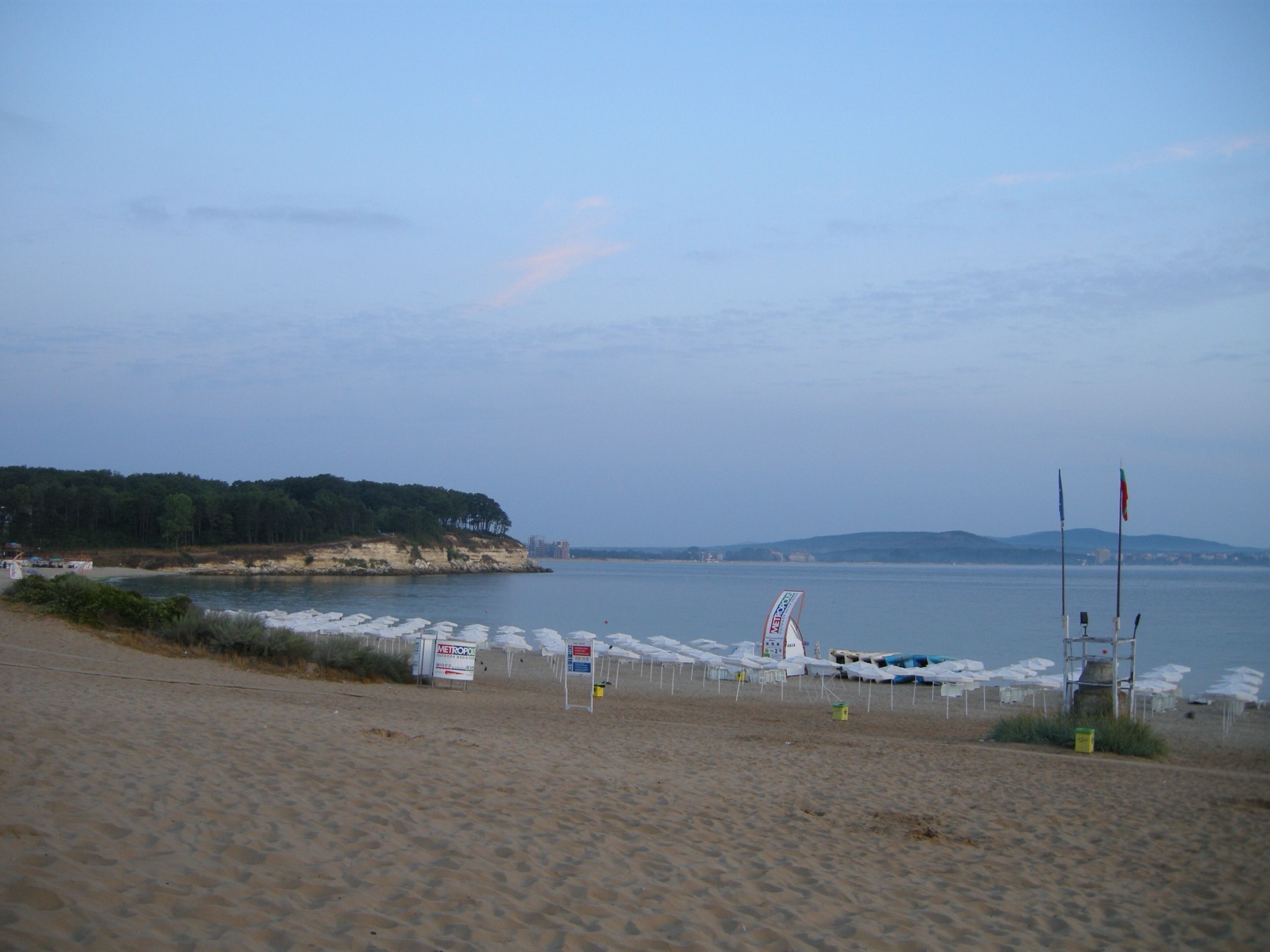
Kiten lies just under 8 kilometres from Primorsko, and you might be surprised to learn that with fewer than 1,200 inhabitants it’s the fourth-smallest town in all of Bulgaria. It spreads across the small Urdoviza peninsula between two bays. The most popular spot is the northern Atliman Beach, beautifully sheltered from the wind with very calm water. 💡 Tip: Reports from 2026 show that Kiten saw noticeable price hikes after adopting the euro, especially for beach services. Consider bringing your own umbrella.
7. Stomoplo Lagoon and Its Dunes
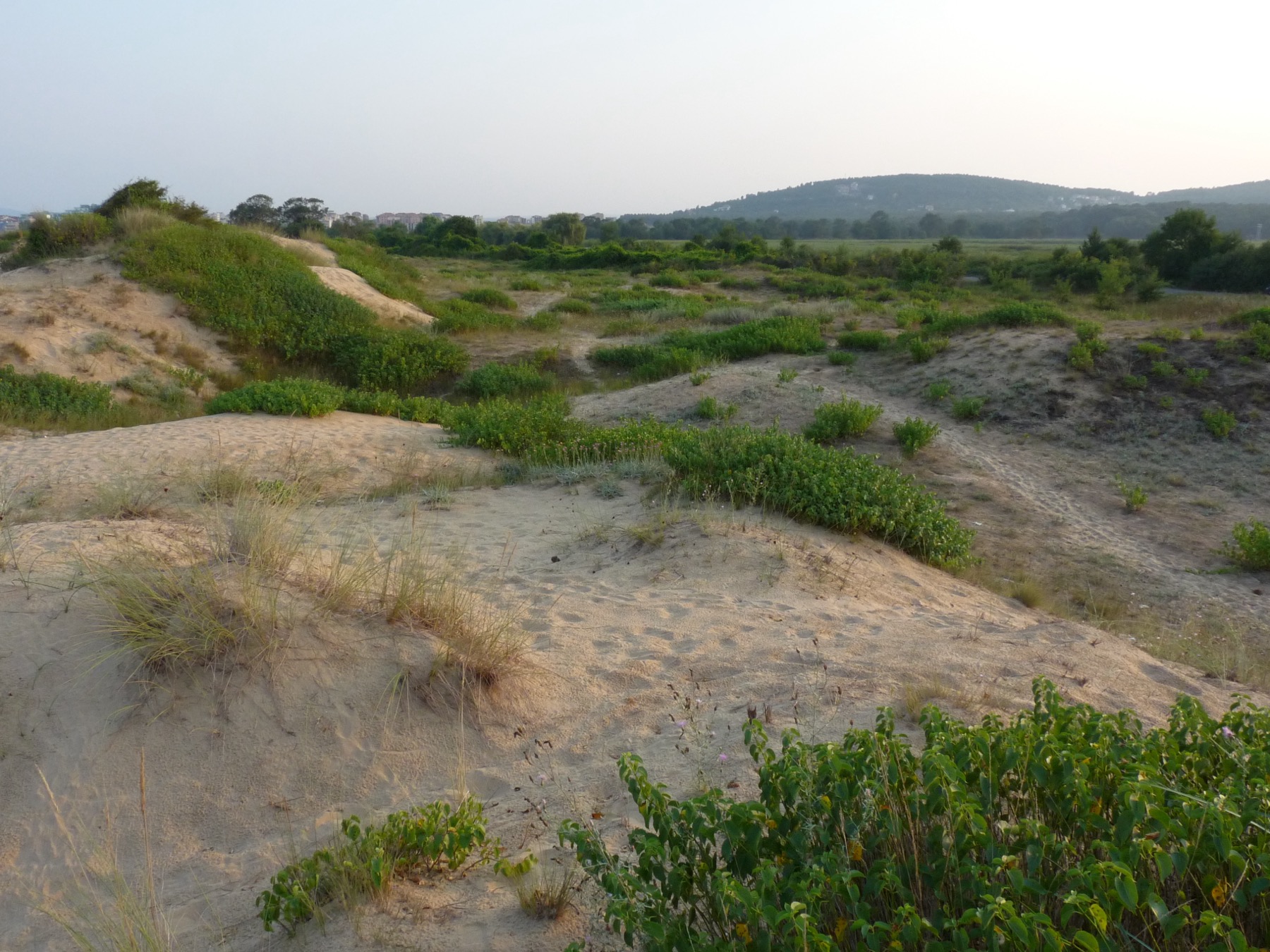
Just north of Primorsko lies a coastal lagoon known as Stomoplo (you’ll also see it written Stamopolu). It’s separated from the sea by a sand spit just 50 to 80 metres wide, and through an artificial channel seawater flows in during higher waves. Salinity here ranges between 0.4 and 13 ‰ — somewhere between fresh and saltwater.
The lagoon stretches about 1,100 metres in length and covers around 60 hectares. It’s a designated protected area and part of the Ropotamo Ramsar site, so behind the dunes and reeds you’ll spot flocks of cormorants. Archaeological digs have also unearthed remains of Neolithic dwellings here — people chose this spot thousands of years ago. 💡 Tip: The dunes are a fragile ecosystem, so stick to the marked paths and don’t spread blankets in the dune vegetation. The Greek name of the lagoon comes from the word στόμα, meaning “mouth”; Bulgarians traditionally called it Usta or Malko Ustie.
8. The Village of Lozenec
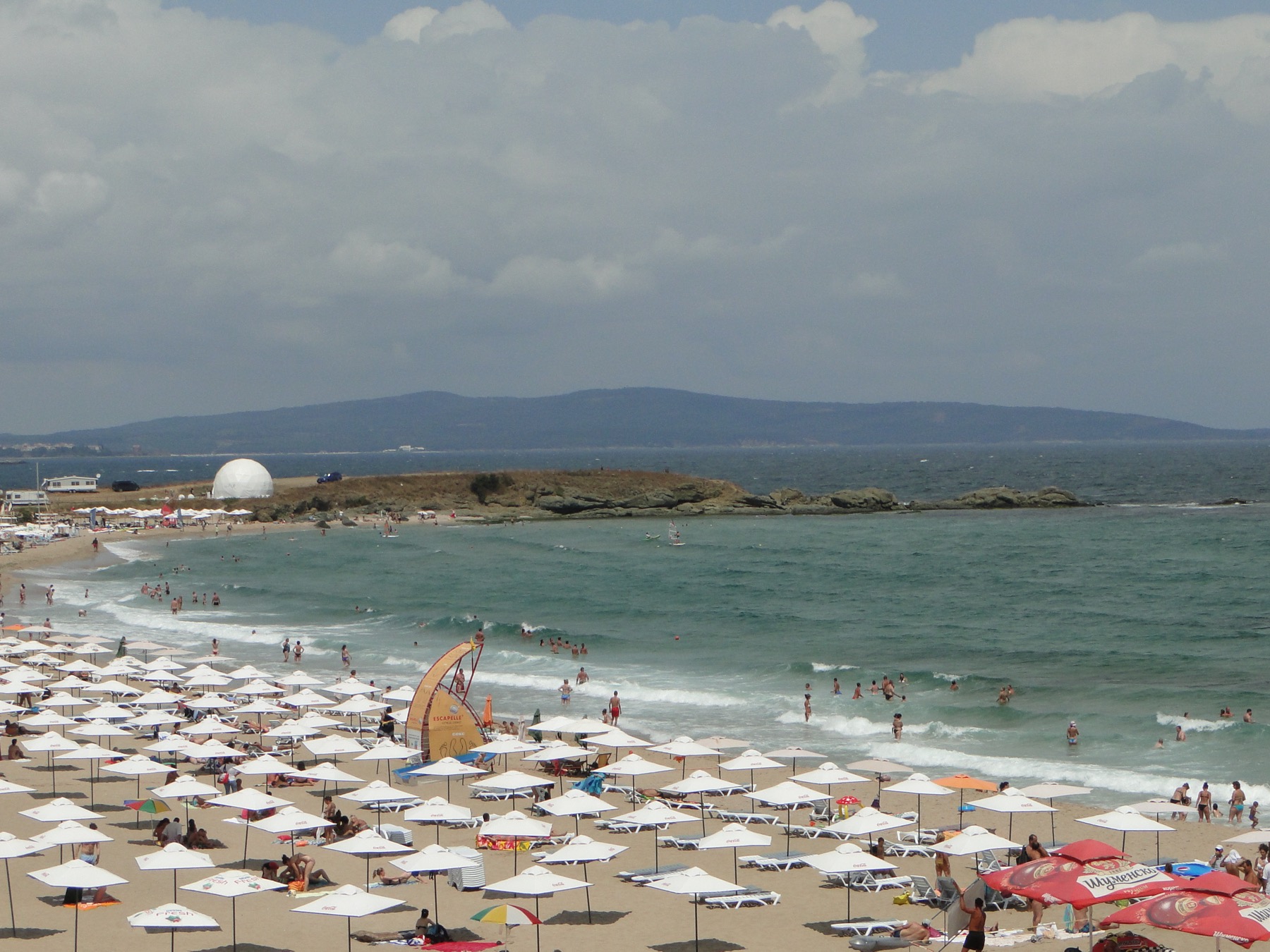
Lozenec is a phenomenon. Once an unassuming fishing hamlet, it’s now one of the few Bulgarian villages experiencing steep growth — between 2011 and 2024, its population jumped by 30 %. You’ll find plenty of stylish cafés and excellent restaurants here. Don’t be misled by older information online, though: official data showed the water here was far from the cleanest in 2026 (94 enterococci measured in August). 💡 Tip: In the centre you’ll stumble upon several well-known restaurants serving fish specialities from local catches that are well worth trying.
9. Tsarevo and Its Three Peninsulas
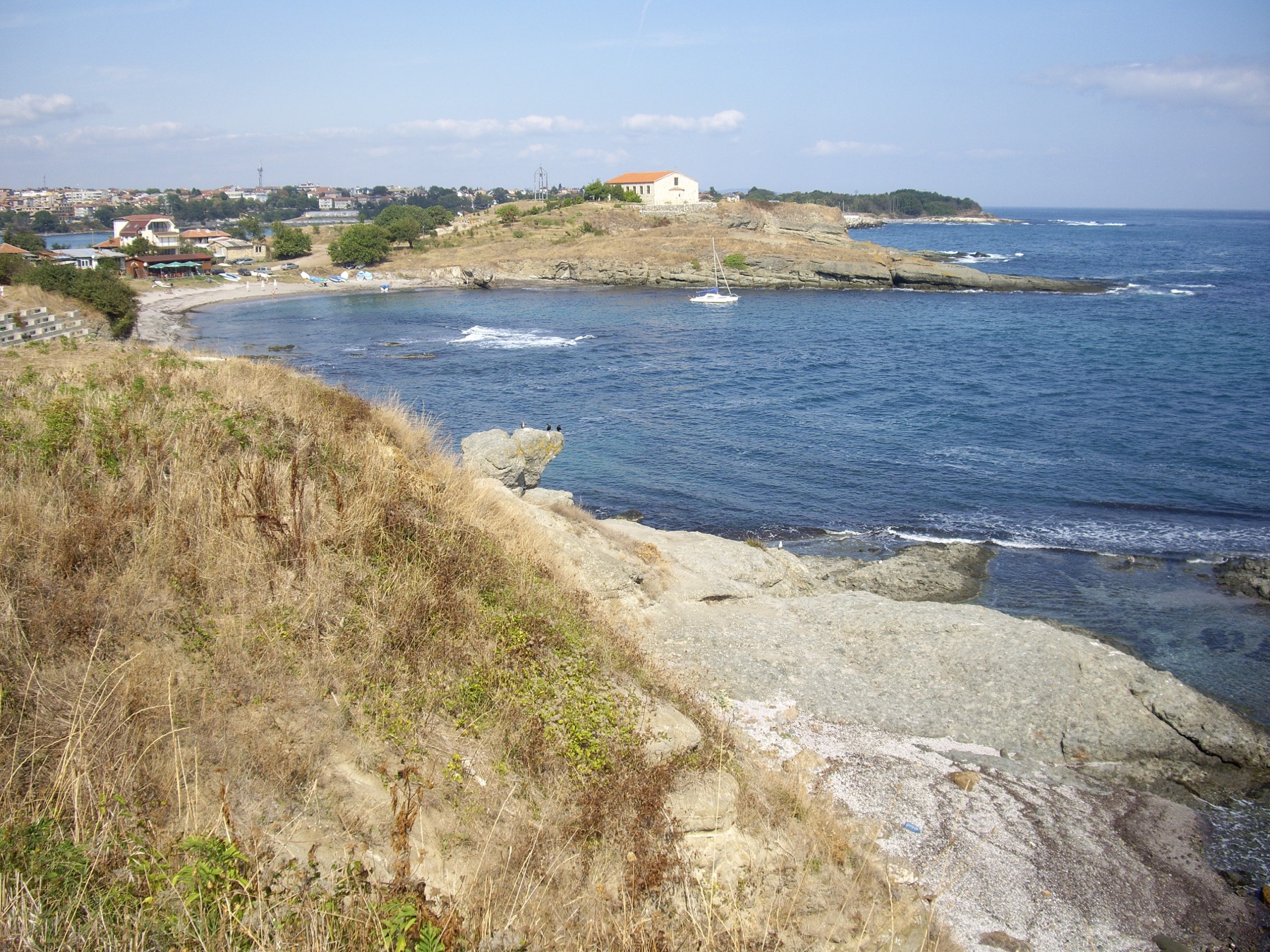
The town of Tsarevo — formerly known as Vasiliko and even renamed Michurin during the socialist era — has over 5,400 inhabitants. Its geography is incredibly intricate: it sprawls across three peninsulas and is surrounded by four different bays. Rising directly above the town is the dominant peak of Papiya at 502 metres. 💡 Tip: Avoid swimming at Popski Beach. In 2026 the health inspectorate measured bacterial levels above the permitted limit there on two separate occasions.
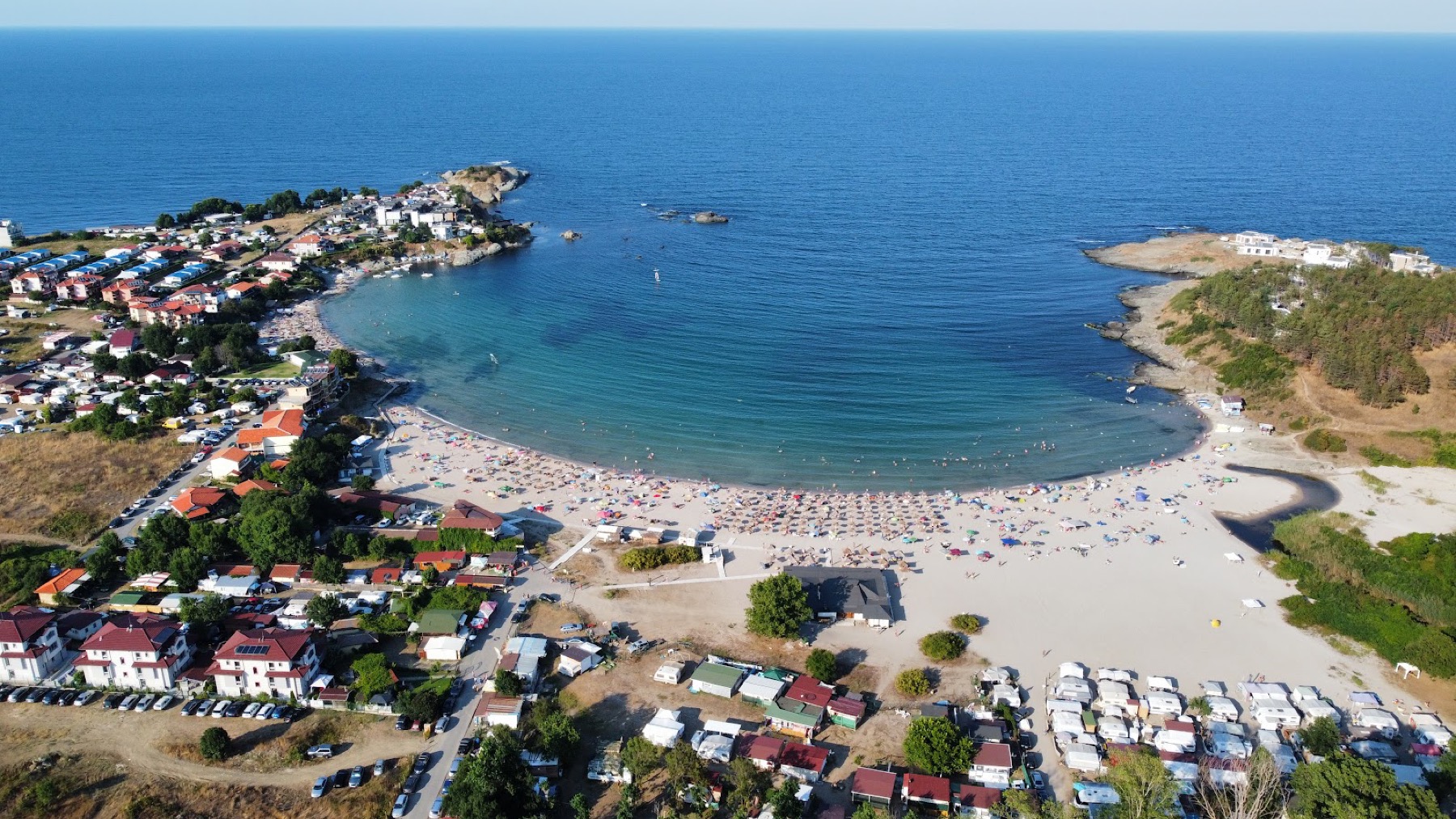
10. Arapya Bay and Beach
Just a few kilometres north of Tsarevo, the picturesque Arapya Bay cuts deep into the coastline. It can get fairly lively here thanks to surrounding campsites and summer bungalows. The water, however, is beautifully warm — inspectors recorded a lovely 26.4 °C in August. 💡 Tip: The beach is popular with surfers and paddleboarders, because the shape of the bay creates interesting conditions for water sports when the right wind picks up.
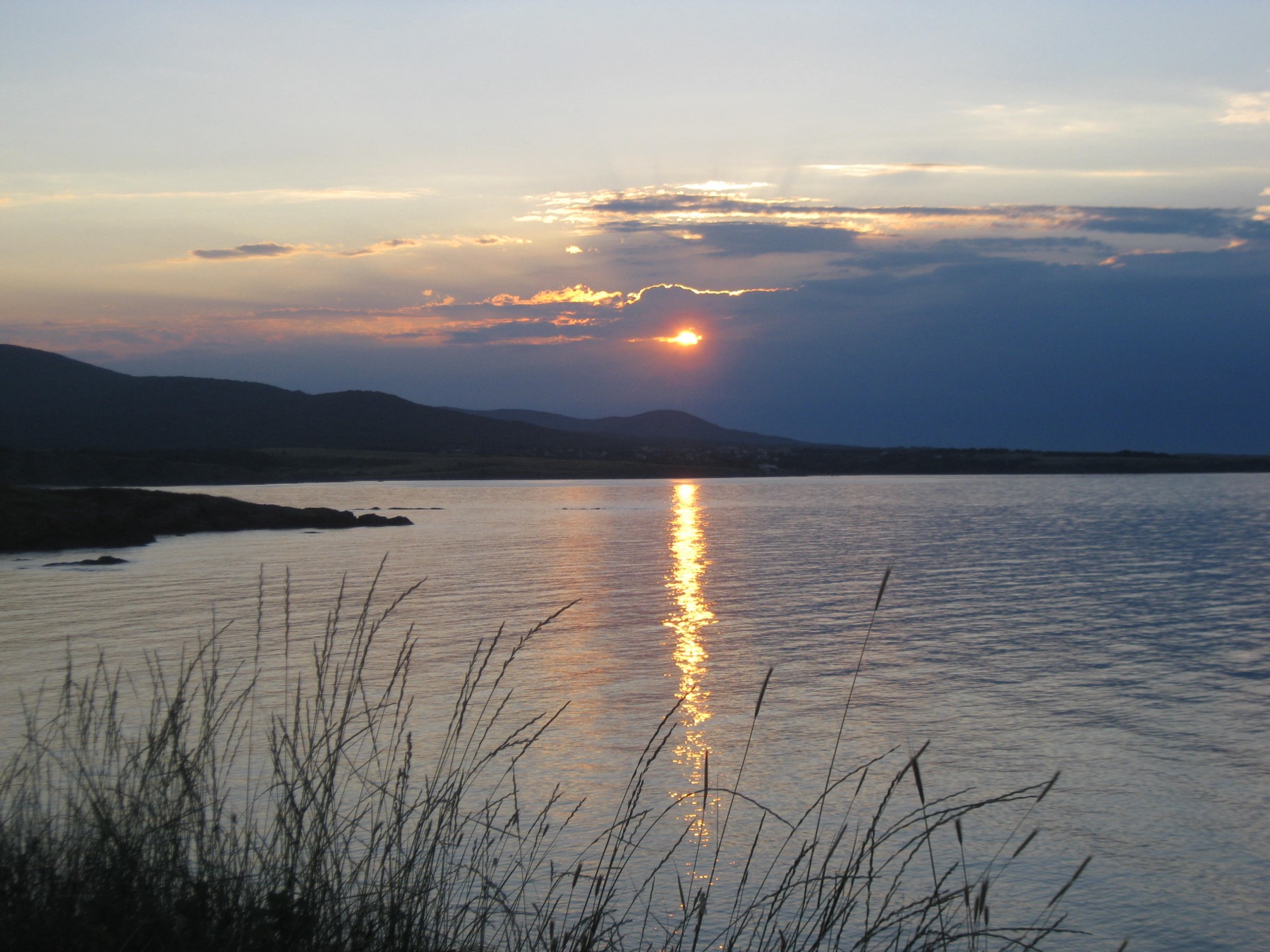

11. Historic Ahtopol
This little town perched on a rocky peninsula has a wonderful Greek heritage — it was once called Agathoupoli. Geographically, it’s notable for the fact that thanks to its position, it has statistically the mildest winter in all of Bulgaria. Compared to bustling Primorsko, the atmosphere here is far sleepier and more romantic. 💡 Tip: Walk out to the lighthouse on the cliff and the remains of the old fortress walls for a fantastic view of the open sea.
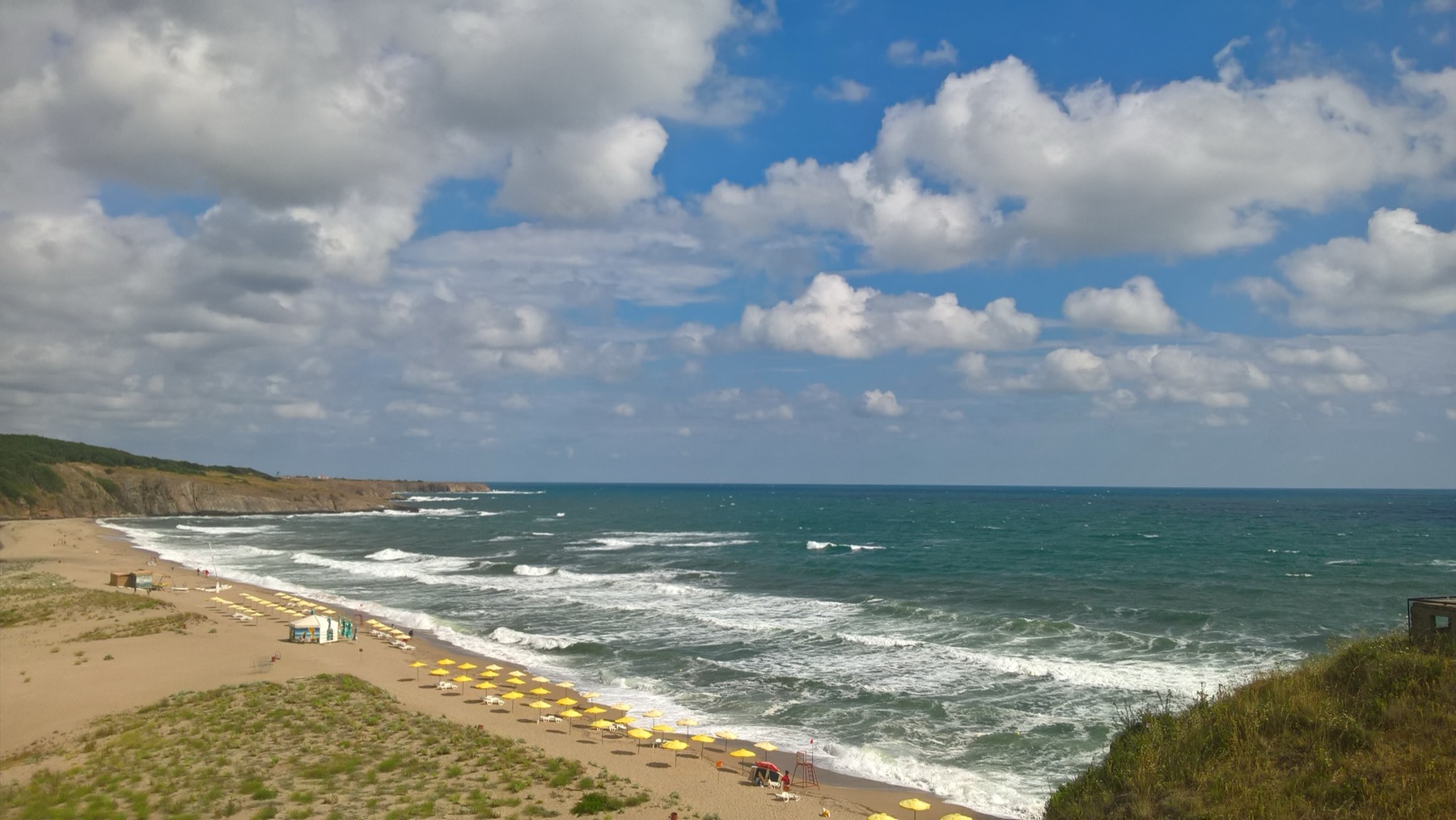
Sinemorets and the Southernmost Coast
If you’re after the cleanest water and the most beautiful natural scenery, you need to drive all the way down here. According to RZI Burgas measurements, this area is the undisputed champion of water quality, offering beaches that look more like something from the tropics than mainland Europe.
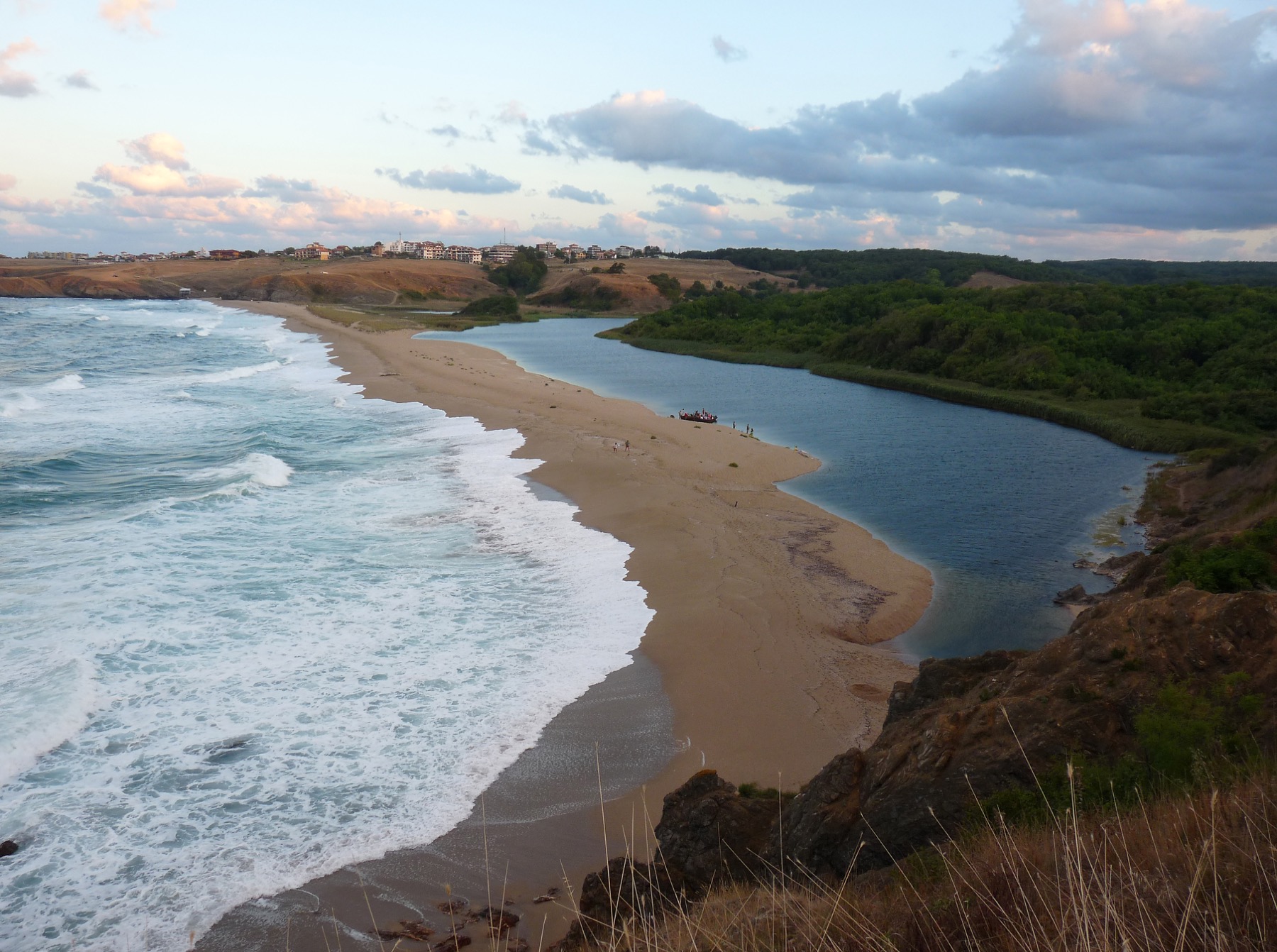
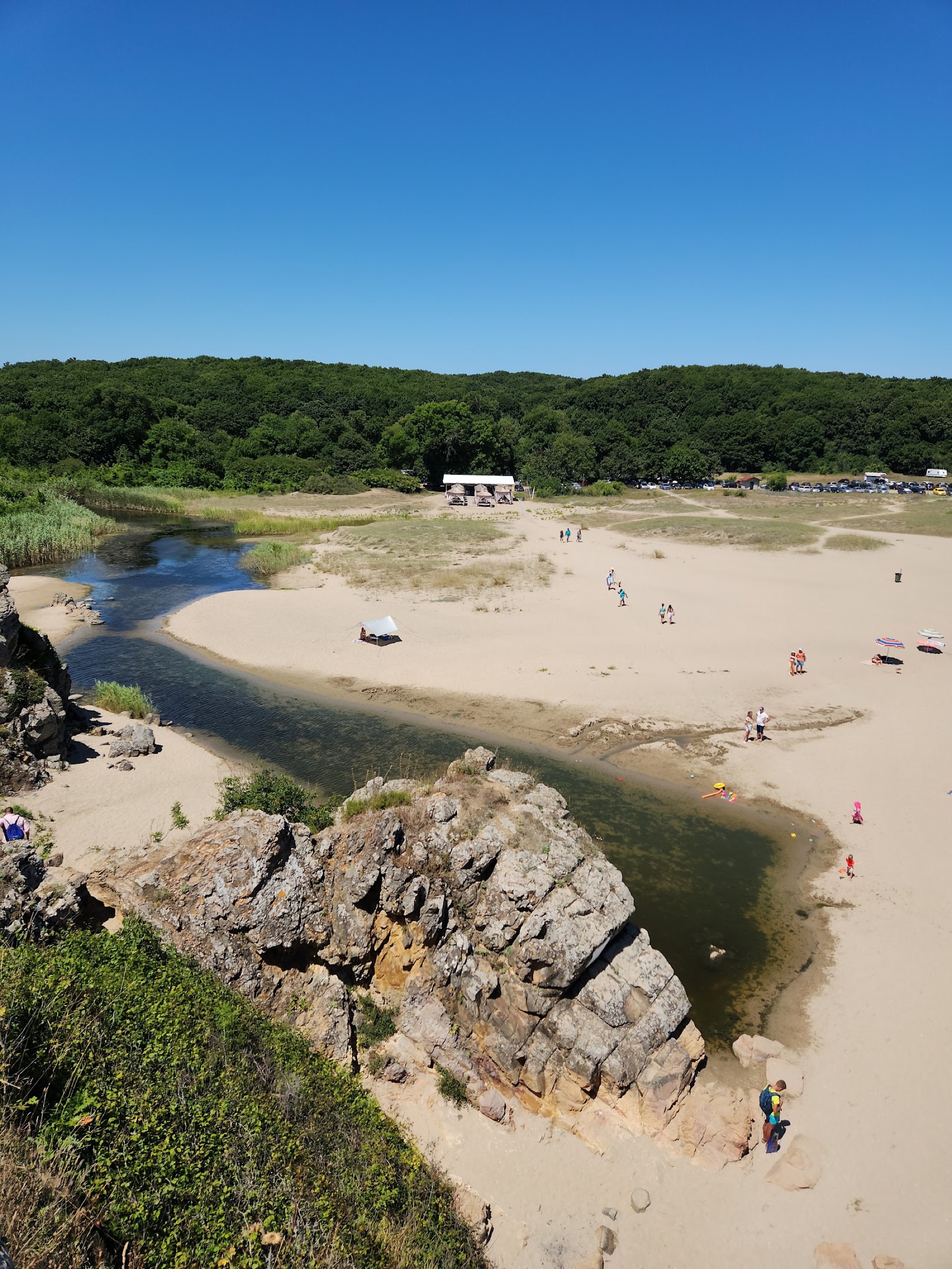
12. Veleka Beach (Kosata)
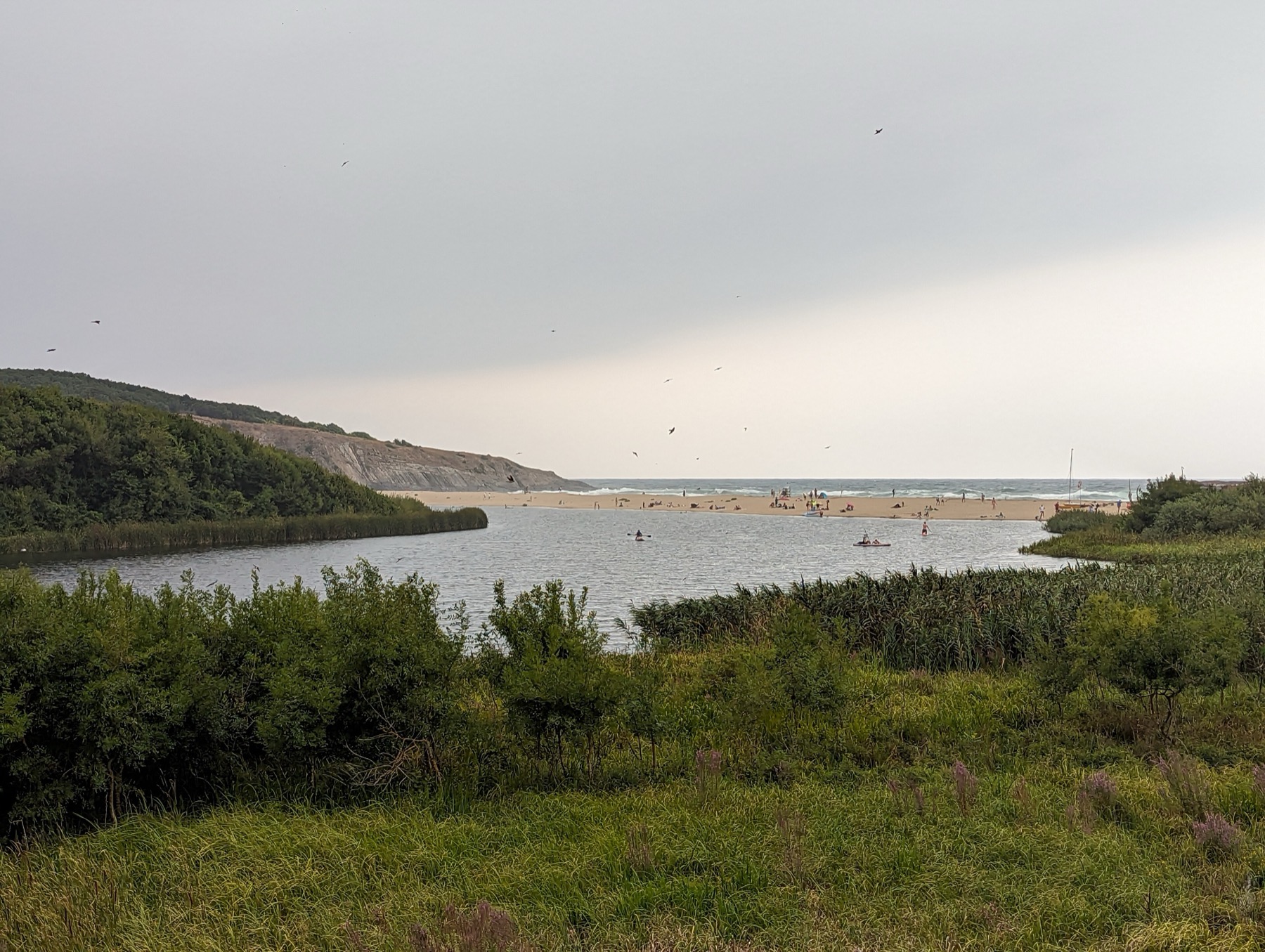
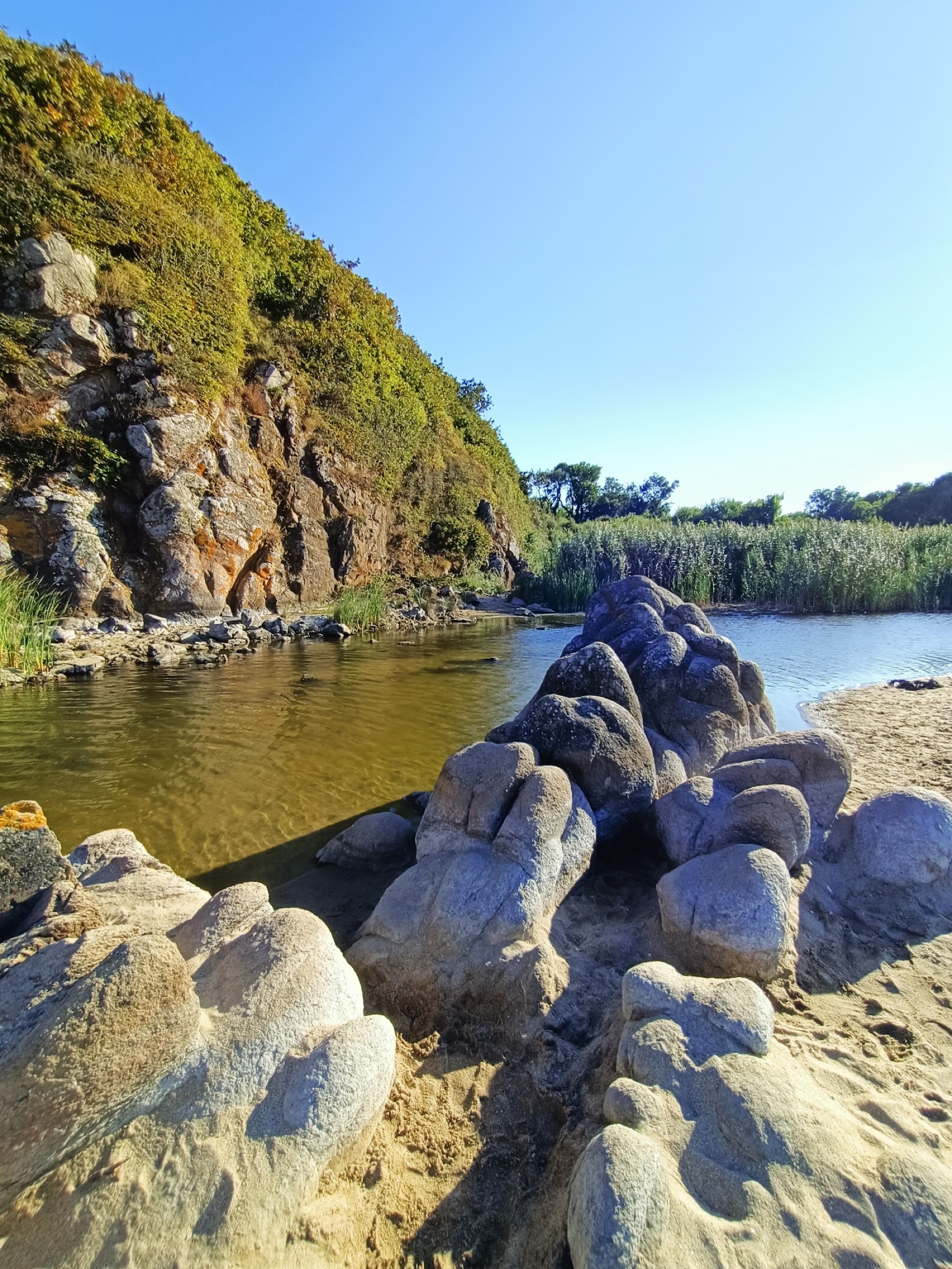
Sinemorets’ northern beach is truly one of a kind. It’s a long sandy spit where the Veleka River meets the sea, so you can swim in fresh water on one side and salt water on the other. The beach retains an uncommercialised feel — you’ll find just basic facilities and a small bar. 💡 Tip: Don’t miss what is officially the cleanest swimming spot on the entire coast. Pollution readings here were literally at zero all season long.
13. Butamyata and the Viewpoint
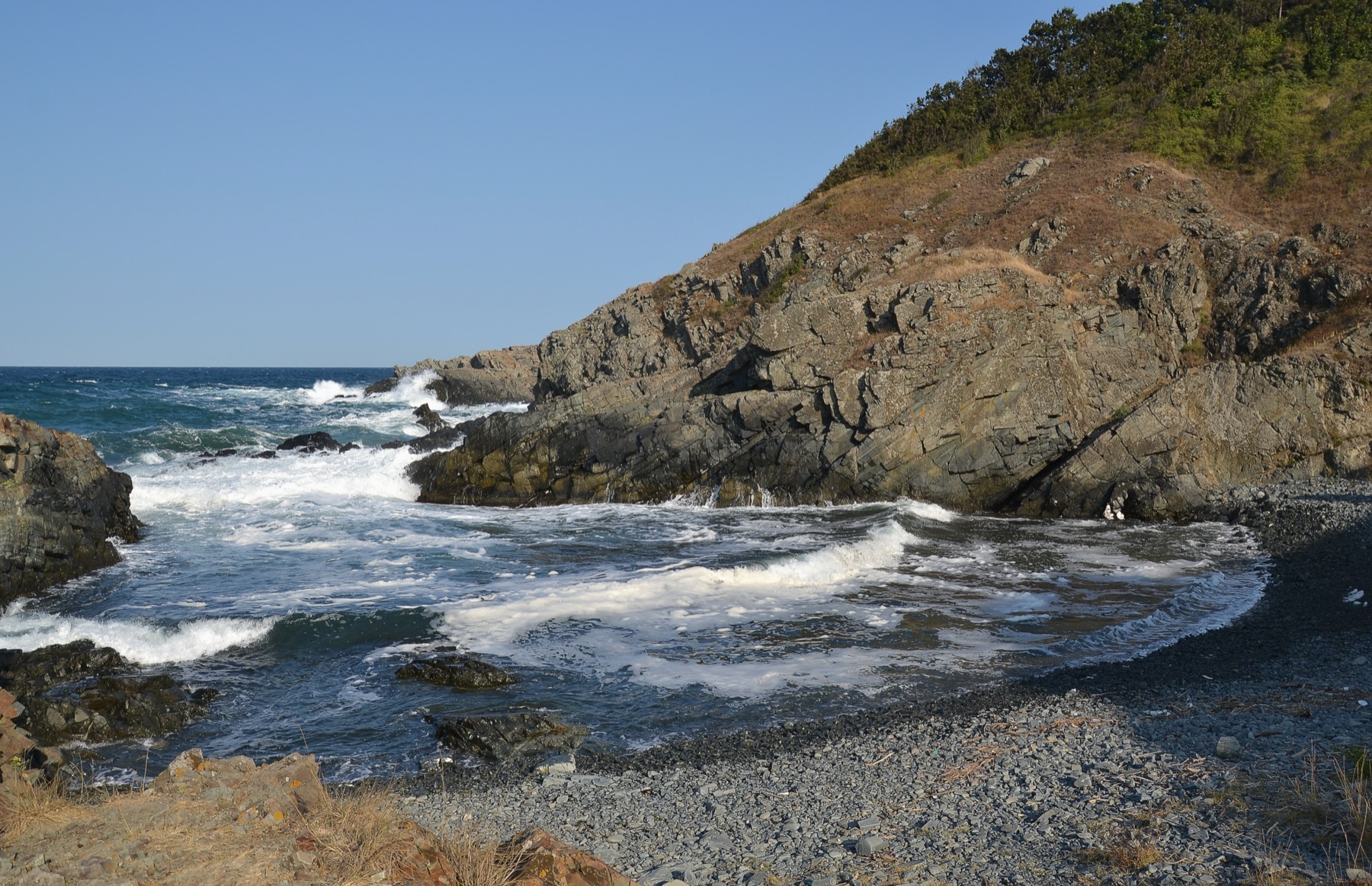
The southern beach of Sinemorets is called Butamyata and is noticeably better equipped than Veleka. It’s surrounded by amazing rock formations. When you head to the “Rocks over Butamyata” viewpoint, you’ll be treated to a breathtaking panorama of the entire bay and rocky fjords plunging into the sea. 💡 Tip: The viewpoint is at its most stunning early in the morning at sunrise, or in the late afternoon when the rocks take on a golden hue.
14. Silistar Protected Area
Silistar sits at the very end of Bulgaria and is a pioneer in nature conservation: in 1998 it became the first territory in the country to receive an approved management plan. The beach is tucked into a deep bay surrounded by forest, creating a perfect microclimate. 💡 Tip: Reviews of the nearby campsite urgently warn about the enormous number of mosquitoes. Given the proximity of wetlands and riparian forests, you really won’t survive without a strong repellent.
15. Rezovo and the Turkish Border
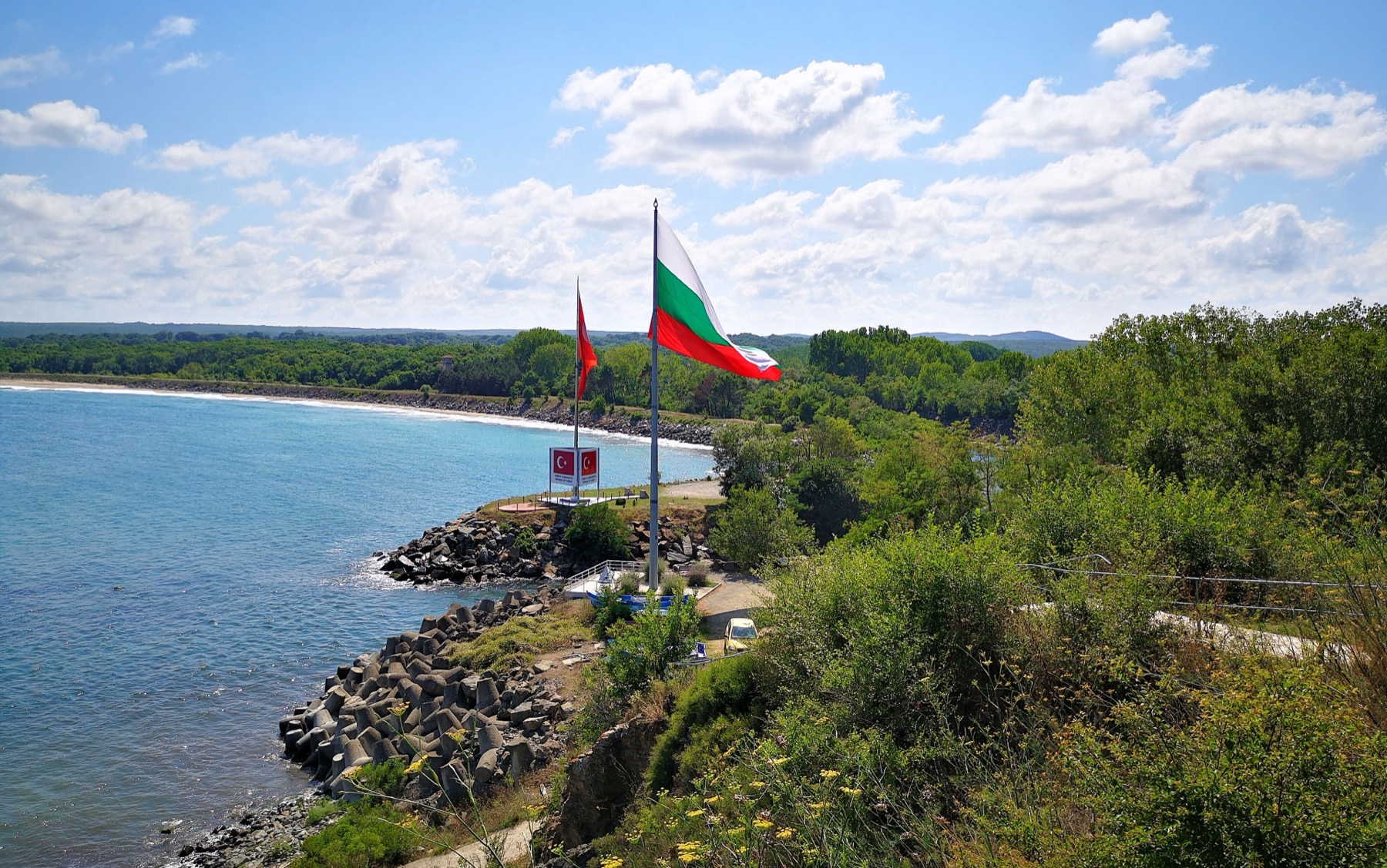
It doesn’t get any further south than this. Rezovo is the southernmost settlement on the Bulgarian Black Sea coast, less than an hour’s drive from Primorsko. The state border with Turkey runs right through the middle of the Rezovska River — you can see the other side with your bare eyes. 💡 Tip: Grab a coffee on the terrace overlooking the Turkish side and soak in the peculiar feeling of sitting at the very edge of the European Union.
Strandzha — the Mountains Behind the Beaches
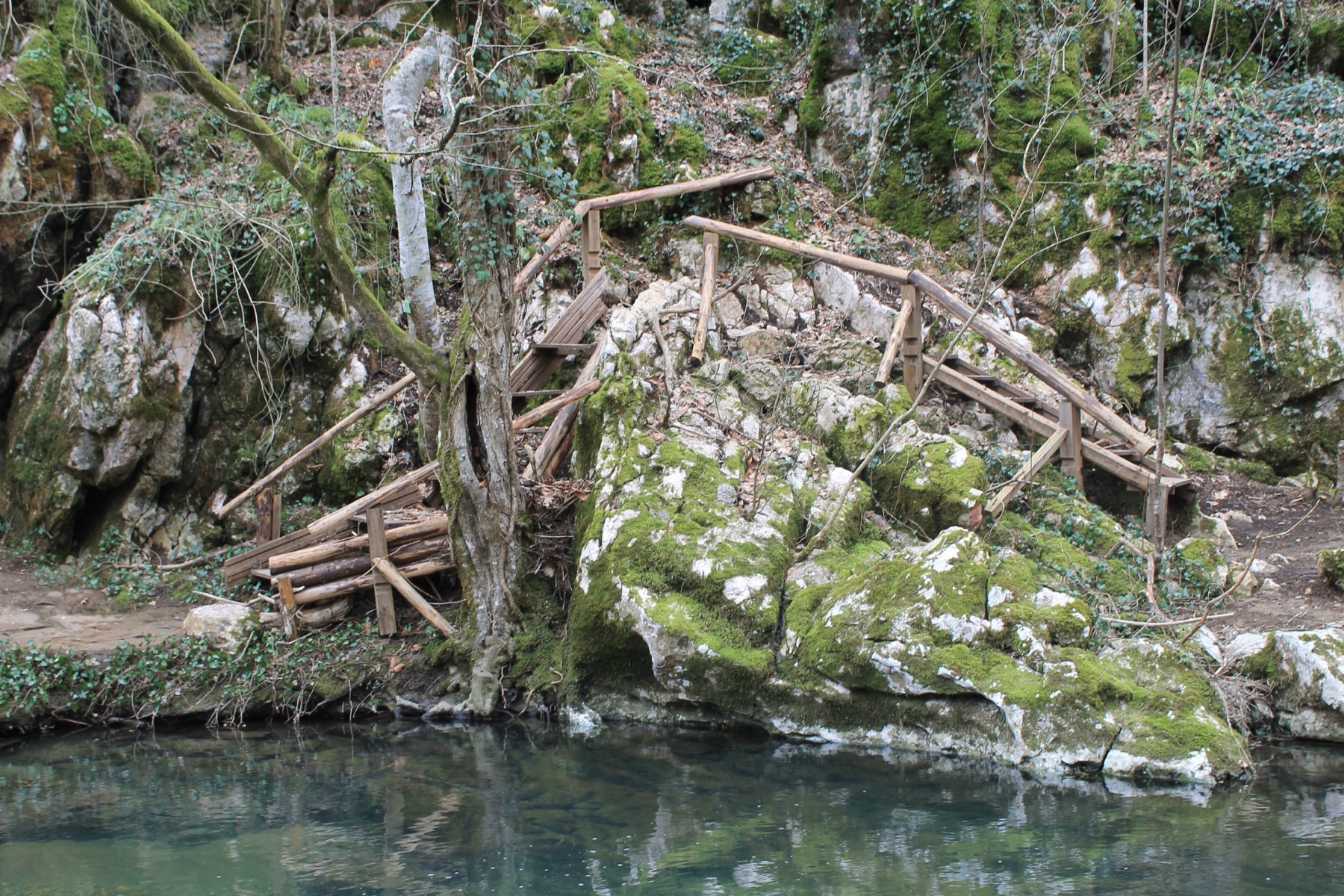
The entire southern coast is backed by the Strandzha mountain range. Did you know it’s the largest nature park in Bulgaria, covering more than 1 % of the country’s entire territory? Its unique nature hides more than one secret.
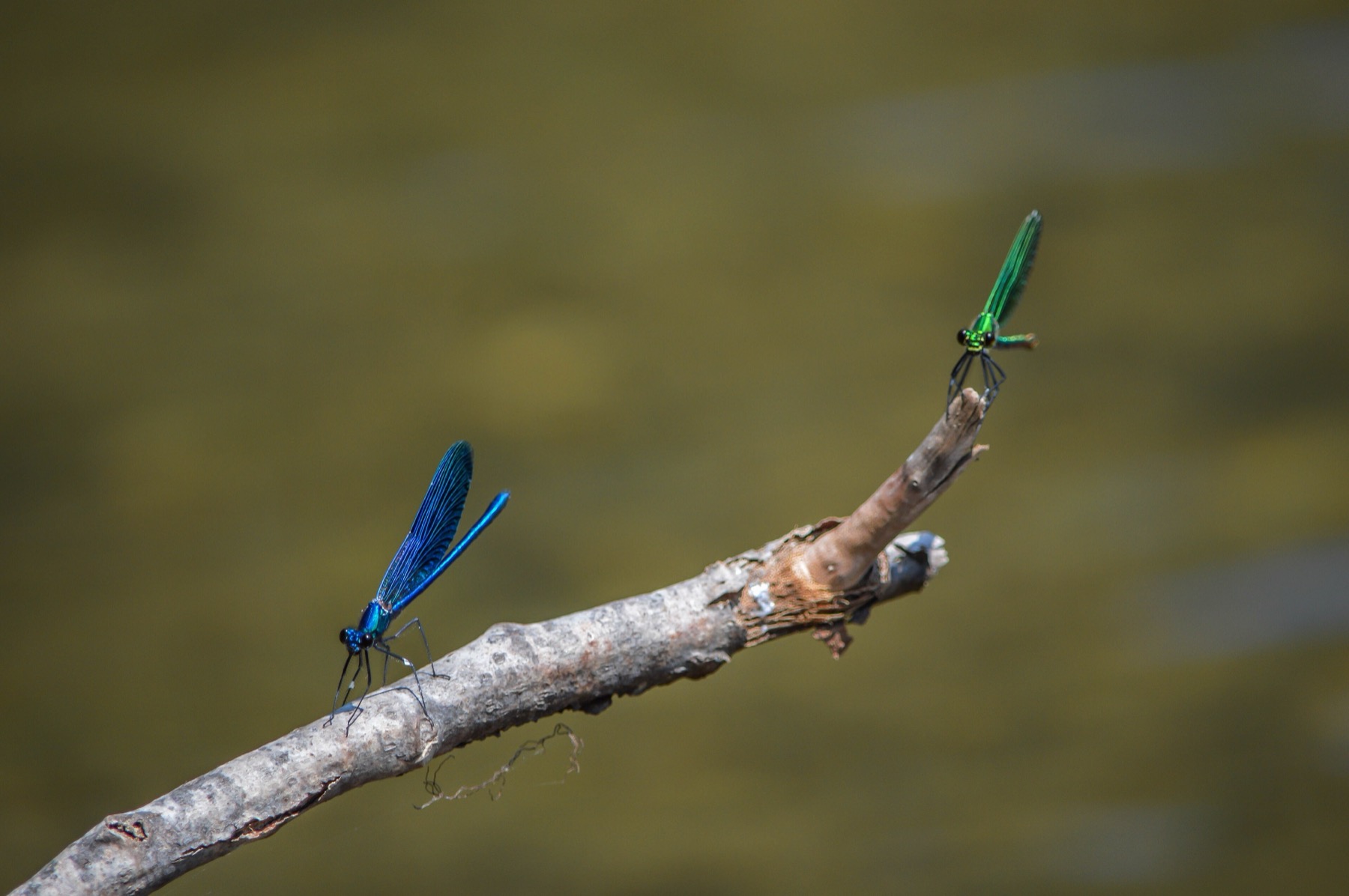
16. Strandzha Nature Park
This park is a true European gem. With its 121 habitat types it holds first place among all protected areas in Europe. The Via Pontica, the continent’s second-largest bird migration route, passes directly above the park. Plenty of relict Mediterranean plants grow here, and the history of conservation dates back to 1933. More information can sometimes be found on the park’s website, although it’s often technically unavailable. 💡 Tip: If you love hiking, spring months are by far the best for inland excursions into Strandzha, because summer brings stifling heat and humidity.
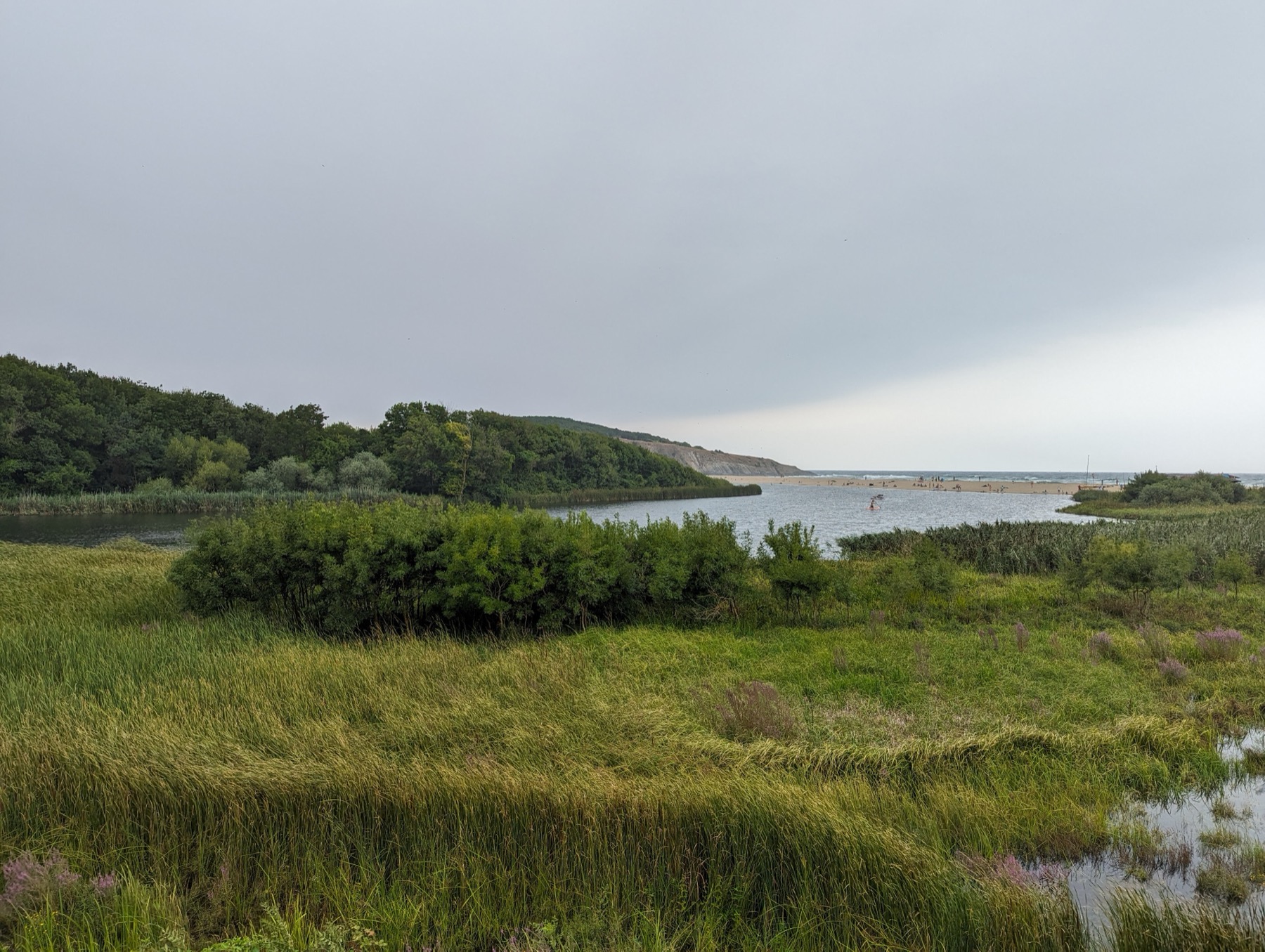
17. Veleka Mouth Protected Area and Its Rules
The area around the Veleka River mouth has been under strict protection since 1992, and there are rules in place that many tourists are completely unaware of. For example, any boating on the river is strictly prohibited from 15 September to 15 June. Even during the main summer season, a maximum of 4 boats may be on the designated route at the same time, and entering the sea-cliff caves is absolutely forbidden. 💡 Tip: Steer well clear of local “safari” tour operators who often promise air-rifle shooting or disregard the reserve’s regulations. By avoiding them, you’re supporting sustainable tourism.
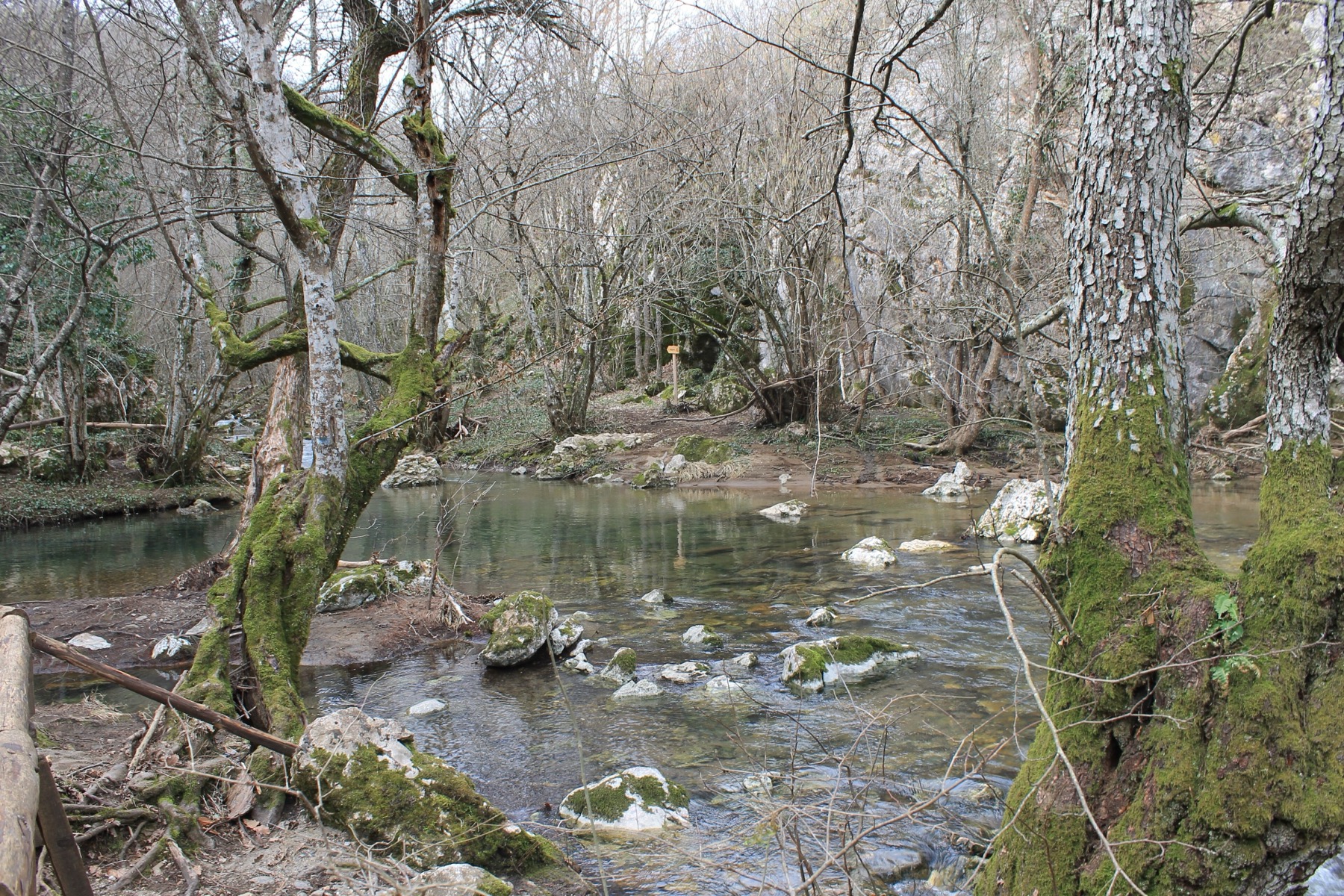
18. Caves and Tombs in the Interior
Strandzha isn’t just about forests — it’s also home to fascinating history and geology. Hidden in the hinterland are springs along the Mladezhka River, the Elenina Dupka cave near the village of Byala Voda, and extremely rare marble domed tombs at the archaeological sites of “Mishkova Niva” and “Propada.” 💡 Tip: Only head to these remote locations with an offline map on your phone — trail markers are often confusing or missing entirely.
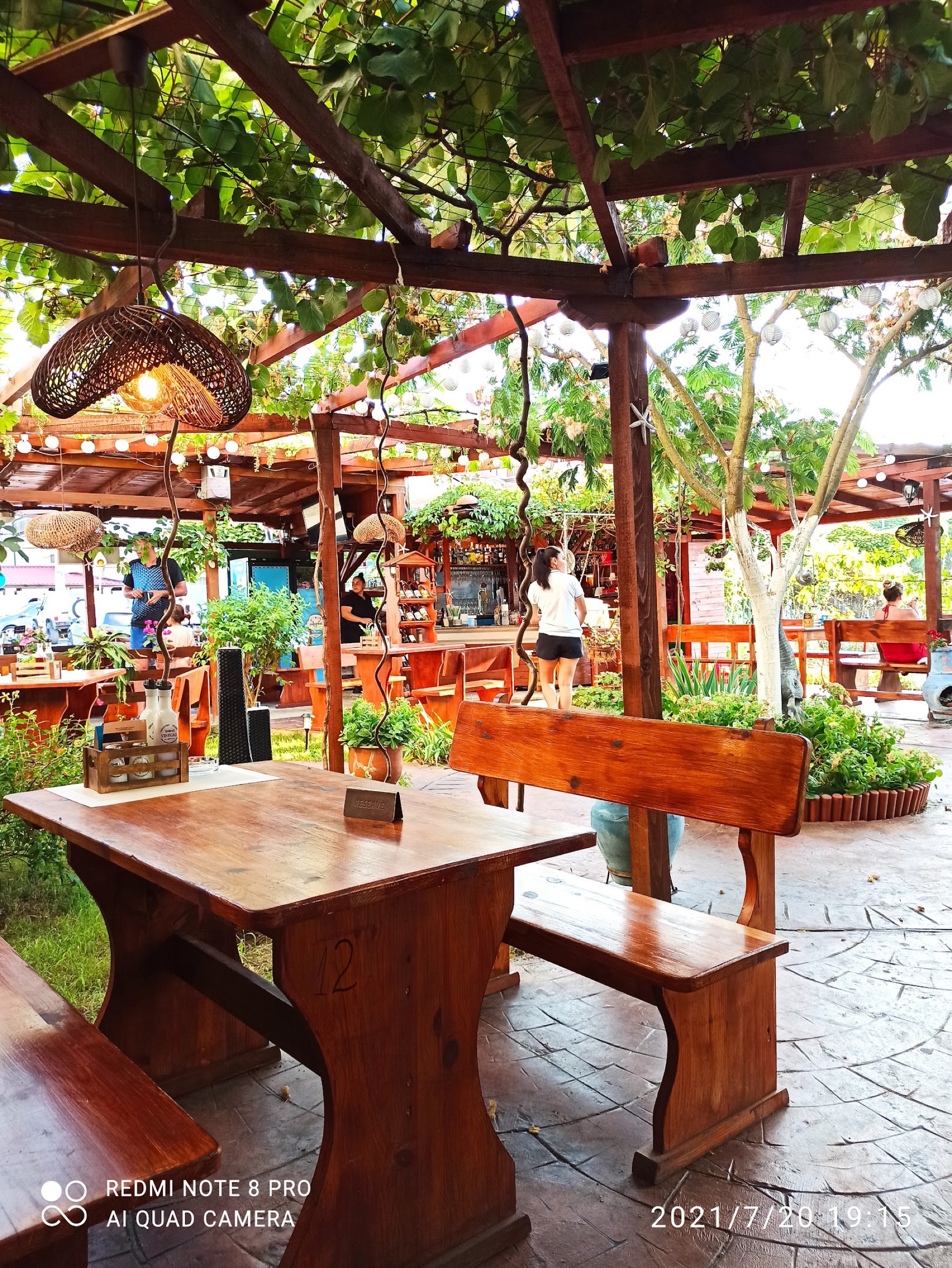
Where to Eat
Walking around Primorsko, you’ll soon notice an interesting pattern. While traditional mehana taverns often struggle with average visitor ratings, the more modern garden restaurants absolutely excel. A prime example are Alba Garden and Kiwi Garden, both holding a fantastic score of 4.6.
At Alba Garden, guests rave about the excellent homemade lemonades and the fact that you can mix and match ingredients in your dishes. Kiwi Garden scores with beautifully seasoned salads and homemade baklava. On the flip side, traditional mehanas such as Starata Cheshma (3.9) or Rubin (3.3) tend to attract much more critical reviews regarding value for money.
If you’re vegetarian, watch out for a few traps in Bulgarian cuisine. The popular moussaka, stuffed bread rolls called princessi, and drob sarma all traditionally contain minced meat, and even the beloved shepherd’s salad (ovcharska salata) isn’t meat-free — it includes bacon. Spreads like tarama are made from fish roe. Great meat-free options, on the other hand, include kashkaval and sirene cheese, bean soup (bob chorba), or peppers stuffed with rice. In Lozenec and Kiten you’ll find plenty of restaurants focused on local fish and seafood, which form the backbone of the coastal food scene.
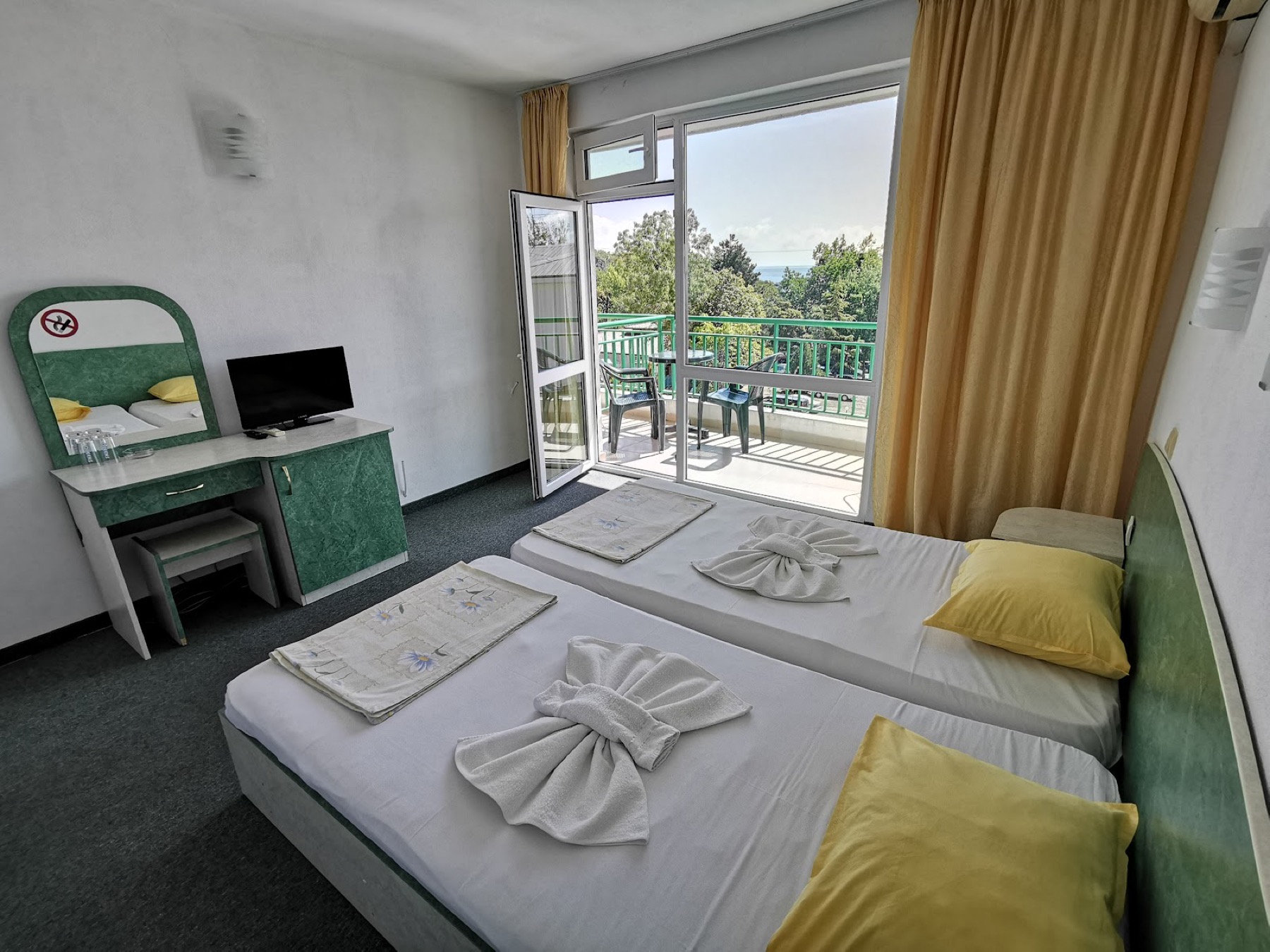
Where to Stay in Primorsko
💡 Accommodation & experiences tip: We compare accommodation right here so you can see what’s available and at what price. We prefer to look for accommodation on Booking.com, which usually has the best cancellation policies. For tickets, tours, and activities, it’s worth comparing and booking through GetYourGuide.
Primorsko offers a huge range of hotels across all categories. I’ve picked the ones that maintain consistently good ratings and offer excellent value for money.
- Hotel Primorsko: Although some directories list it as a two-star, it effectively operates at a 3-star standard. It’s a short walk from South Beach and holds a superb 4.8 rating.
- euroHOTEL Primorsko: A smaller, very clean hotel with a lovely pool and excellent food. Ideal for a quieter holiday.
- Hotel Plovdiv: A recently renovated hotel with superb breakfasts and a gorgeous terrace overlooking the bay.
- Perla Beach Hotel III: A large all-inclusive resort with pools. Interestingly, it shares its name with Todor Zhivkov’s former hunting residence.
- Hotel Primorsko Del Sol: A large complex, though reviews flag weaker service — room cleaning often happens only once a week.
If you prefer sleeping under canvas or in a caravan, a popular option is the Silistar campsite in the south. Be warned, though, that because of the nearby wetlands you can expect literal swarms of mosquitoes — an ordinary repellent often won’t cut it.
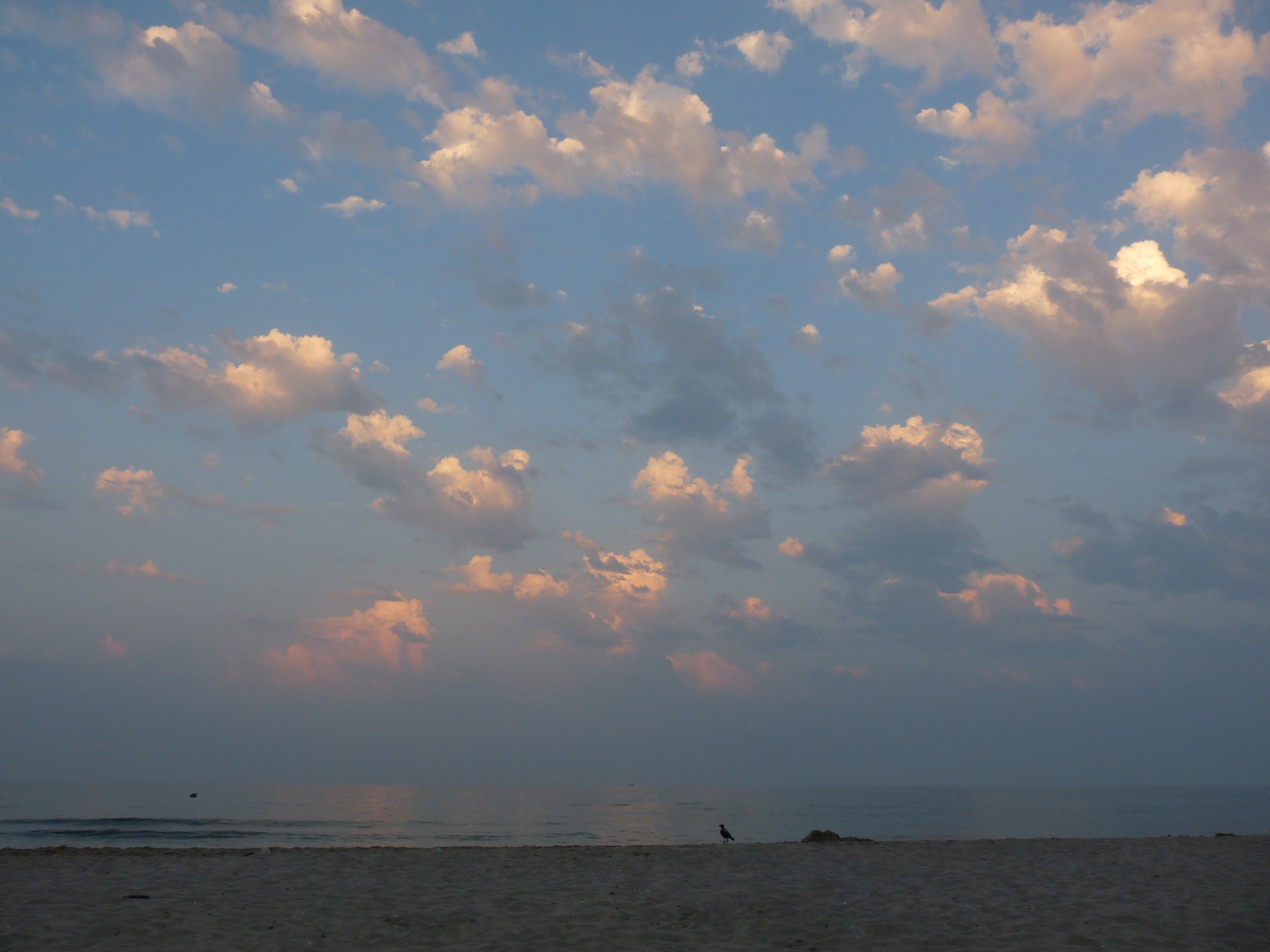
👉 Compare accommodation prices in Primorsko
When to Visit the Southern Coast
Bulgaria’s southern coast enjoys a climate that already strongly resembles the Mediterranean. In practice, this means July and August are extremely dry and hot, while the vast majority of rainfall is concentrated between autumn and spring. Maximum air temperatures rarely exceed 33 °C and nights are pleasantly cool, but the sun here packs serious power.
| Month | Avg max °C | Avg min °C | Rainfall (mm) | Rainy days |
|---|---|---|---|---|
| June | 24.1 °C | 18.1 °C | 43 mm | 7 |
| July | 26.7 °C | 20.8 °C | 32 mm | 5 |
| August | 26.6 °C | 21.2 °C | 32 mm | 5 |
| September | 22.8 °C | 17.5 °C | 76 mm | 8 |
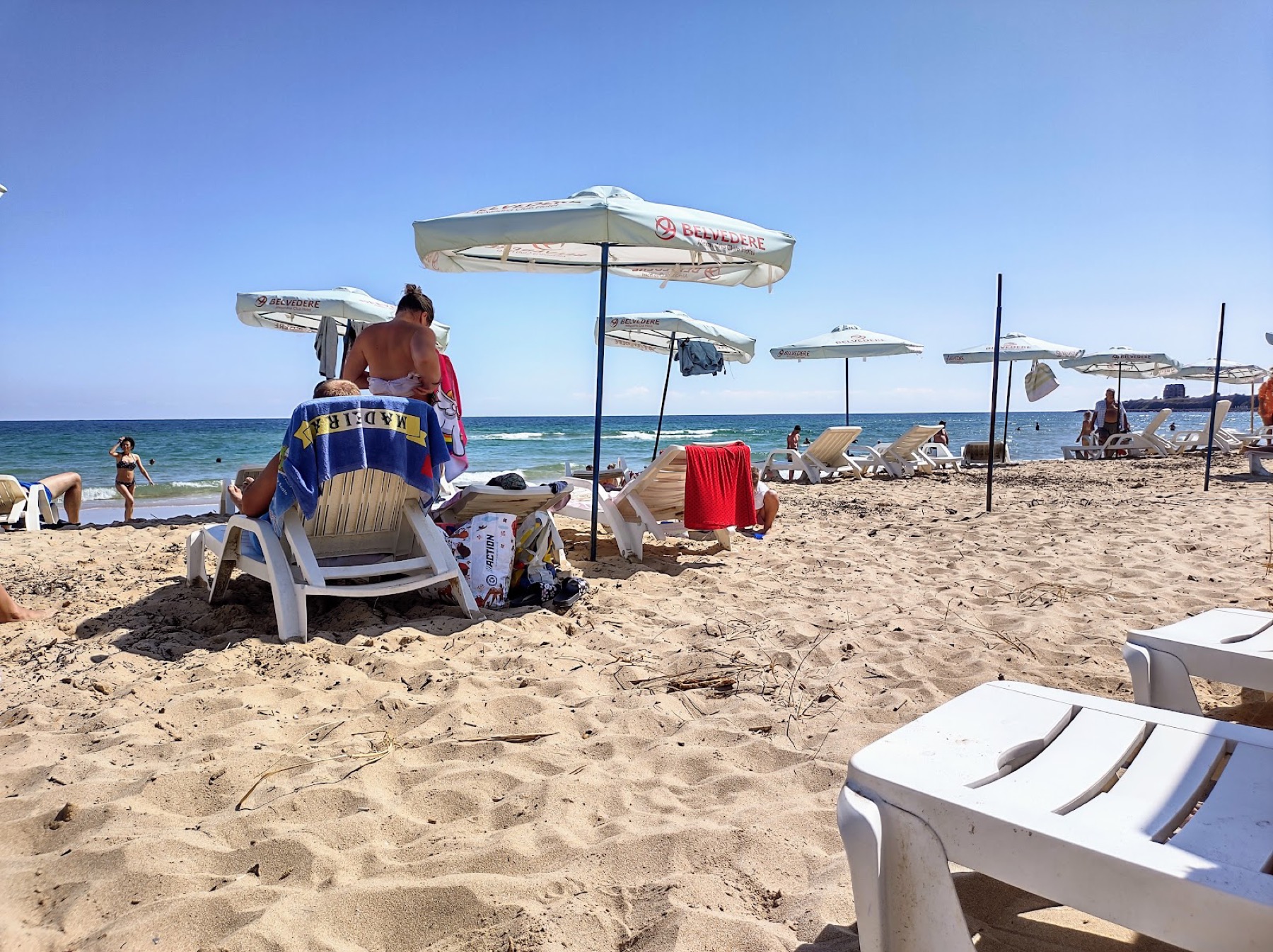
Why September Is Better in the South Than in the North
While the northern beaches around Golden Sands start to cool noticeably in September, the south benefits from the summer heat stored in the sea for much longer. Water in Primorsko averages 24.6 °C in September — a temperature that northern resorts often don’t even reach in the middle of July. September is therefore an ideal month for the south: the crowds thin out, but the swimming is still glorious.
What to Watch Out For
- Cigarette butts on the beach: If you head to North Beach in Primorsko, expect the sand to be poorly maintained and littered with cigarette ends.
- Water quality in Tsarevo: Measurements have repeatedly shown that Popski Beach has problems with cleanliness. You’re better off swimming elsewhere.
- High expectations at Ropotamo: The boat trip through the reserve is lovely, but the wildlife doesn’t perform on cue. Don’t count on definitely spotting rare species.
- Restrictions at Veleka: Entering the cliff caves and any unauthorised boating outside the summer season are strictly fined.
- Euronet ATMs: They’re on every corner, but their withdrawal fees will reliably eat into your budget. Only use ATMs belonging to regular banks.
Read More
- Holiday in Bulgaria: 30 Most Beautiful Places
- Golden Sands: 15 Tips and Comparison with Sunny Beach
- Most Beautiful Beaches in Bulgaria: 20 Tips
- Nessebar: What to See in This UNESCO-Listed Town
- Prices in Bulgaria After the Euro Transition
- Bulgaria All Inclusive: 22 Best Resorts
Frequently Asked Questions
What is the sea like in Primorsko?
The sea here is measurably warmer than on Bulgaria’s northern coast. In August, water temperatures average 26.2 °C — that’s 1.4 °C warmer than in Varna. The calmest, wave-free conditions are in early summer in June; by autumn the sea gets wilder.
What is there to do in Primorsko?
Beyond swimming at the two huge sandy beaches, it’s worth taking a walk along the seafront, sampling the local food scene at one of the well-known garden restaurants, or planning a trip to the nearby nature reserves. The town makes a great base for exploring the whole southern coast.
What are the best day trips from Primorsko?
The prehistoric sanctuary Beglik Taš is a must — it was hidden inside a communist government estate for decades. Another highlight is a boat trip along the Ropotamo River through its floodplain forests, or heading further south to Sinemorets to see the unique Veleka beach, where the river meets the sea.
Where is the cleanest sea in Bulgaria?
According to official laboratory measurements from 2026, the very cleanest water is found at the southernmost tip of the coast, specifically around the village of Sinemorets. Veleka and Butamyata beaches recorded such low pollution levels throughout the entire season that they fell below the detection threshold of measuring instruments.
Is Primorsko suitable for families with children?
Yes — especially the South Beach area and Atliman Bay in neighbouring Kiten are ideal for kids, as the water is shallow and the bays shelter it from large open-sea waves. On top of that, there’s a huge choice of accommodation with pools and good facilities.
Do you pay with euros in Bulgaria?
Yes — Bulgaria successfully introduced the euro as its official currency on 1 January 2026. You no longer need the old lev, and all prices in shops and restaurants are listed directly in euros, which makes paying on holiday much easier.
When is the best time to visit the southern coast?
If you want guaranteed hot weather and minimal rain, July and August are your safest bet. September is fantastic too — the sea is still beautifully warm from summer at over 24 °C, but the biggest summer crowds have already left the beaches.
Tips and Tricks for Your Vacation
Don’t Overpay for Flights
Search for flights on Kayak. It’s our favorite search engine because it scans the websites of all airlines and always finds the cheapest connection.
Book Your Accommodation Smartly
The best experiences we’ve had when looking for accommodation (from Alaska to Morocco) are with Booking.com, where hotels, apartments, and entire houses are usually the cheapest and most widely available.
Don’t Forget Travel Insurance
Good travel insurance will protect you against illness, accidents, theft, or flight cancellations. We’ve had a few hospital visits abroad, so we know how important it is to have proper insurance arranged.
Where we insure ourselves: SafetyWing (best for everyone) and TrueTraveller (for extra-long trips).
Why don’t we recommend any Czech insurance company? Because they have too many restrictions. They set limits on the number of days abroad, travel insurance via a credit card often requires you to pay medical expenses only with that card, and they frequently limit the number of returns to the Czech Republic.
Find the Best Experiences
Get Your Guide is a huge online marketplace where you can book guided walks, trips, skip-the-line tickets, tours, and much more. We always find some extra fun there!


