

Hanoi, Vietnam has always been a city where the roar of motorbikes hit your ears the moment you stepped off the plane, and where the pavements served more as parking lots than space for pedestrians. You may have heard all sorts of wild stories about how to cross the street here, but I have one truly game-changing piece of news for you. Since 1 July 2026, Hanoi has been running a pilot low-emission zone that, for the first time in modern history, quiets the very historic heart of the city and gives it back to the people. It’s a huge change that makes visiting the metropolis a far more pleasant experience.
What’s more, this fascinating city full of contrasts can’t be explored by a classic map, because the right time of day matters far more here. At half past five in the morning you’ll see hundreds of locals practising tai chi by the lake, and by seven o’clock everyone is slurping hot breakfast soup, while at high noon the streets doze off because of the heat. The real nightlife on tiny plastic stools then kicks off on the stroke of seven in the evening. Try tuning into this rhythm right after you arrive and you’ll see the city reward you with a completely authentic atmosphere.
The 22 tips I have for you here will take you from thousand-year-old temples to hidden cafés — and I’ll even tell you where not to waste your time. Let’s get started. You’ll learn how to avoid disappointment at the famous Train Street, which museums are really worth buying a ticket for, and where to find the best vegetarian spots amid a sea of meat broths. I’ll also throw in a few recommendations for places you might not find in ordinary guidebooks but that are absolutely worth your attention.
TL;DR
- Low-emission zone (LEZ): From July to the end of December 2026, 11 streets in the Hoan Kiem district ban motorbikes and cars from Friday to Sunday (7 p.m. to midnight). A motorbike Grab won’t pick you up here, which is a little impractical on the one hand, but the calm in the alleys more than makes up for it.
- Timing is key: Don’t plan sightseeing for ten in the morning — the real life happens early at dawn or after dark. Over lunch, hide away in an air-conditioned café.
- Train Street with restrictions: Since March 2025, organised groups are banned and free access is guarded by police. You can only get in with a reservation at a specific café.
- Egg coffee: You absolutely must try the famous egg coffee, created in 1946 at Café Giảng as a workaround for the milk shortage. It’s basically a liquid dessert ☺️.
- Transport from the airport: The cheapest and most sensible option is the air-conditioned bus number 86, or use the Xanh SM electric taxis via the app, where you avoid haggling and unnecessary stress.
- Treacherous winter: If you come between December and February, expect temperatures around 12 to 18 °C and an all-pervading damp chill in unheated hotels. Really do pack a sweater.
The full destination guide: Asia — guide and what to see
When to go to Hanoi and what to watch out for
Choosing the right time is absolutely crucial for a visit to northern Vietnam, because the weather in Hanoi, Vietnam differs dramatically from the tropical south. The very best months for exploring the city are October and November, when you’ll be greeted by dry weather with pleasant temperatures between 22 and 28 °C, or the spring period during March and April. In these months the sky is mostly clear and walks around town won’t cost you litres of sweat. The city takes on a pleasant, golden colour at this time, and sitting outside is pure joy.
If you’re planning a trip between May and August, brace yourself for extreme heat. Temperatures routinely climb to 33–38 °C, the air is incredibly humid, and heavy monsoon showers often roll in during the afternoon, while typhoons can lash the coast. For this period I recommend packing very loose clothing made of linen or thin cotton. Don’t buy a rain poncho at home — the giant Vietnamese ponchos that cover your backpack too cost next to nothing and are sold on every corner. In this summer period the Ho Chi Minh Mausoleum is also usually closed for several months for routine maintenance, which could disrupt your plans if you’re interested in modern history.
A huge surprise for many travellers is Hanoi’s winter from December to February. The thermometer may show a seemingly bearable 12 to 18 °C, but because of the high humidity and frequent drizzle the perceived temperature is much lower. On top of that, most hotels and cafés in the Old Quarter have no central heating at all, so a warm sweater, a waterproof jacket and warm socks for sleeping are an absolute must in this season. Once you climb into a damp hotel bed, you’ll understand why the locals here happily ride their scooters in down jackets in winter.
A chapter of its own is the Vietnamese New Year, Tết, which falls at the turn of January and February. The city has a truly magical, festive atmosphere at this time, full of blossoming peach trees, mandarin trees and red lanterns, but you have to reckon with most shops and restaurants being closed for several days. Transport across the whole country is bursting at the seams, as everyone returns to their home towns. If you travel at this time, try the traditional festive cake Bánh chưng, made from sticky rice, mung beans and pork, wrapped in banana leaves.
Where to stay in Hanoi
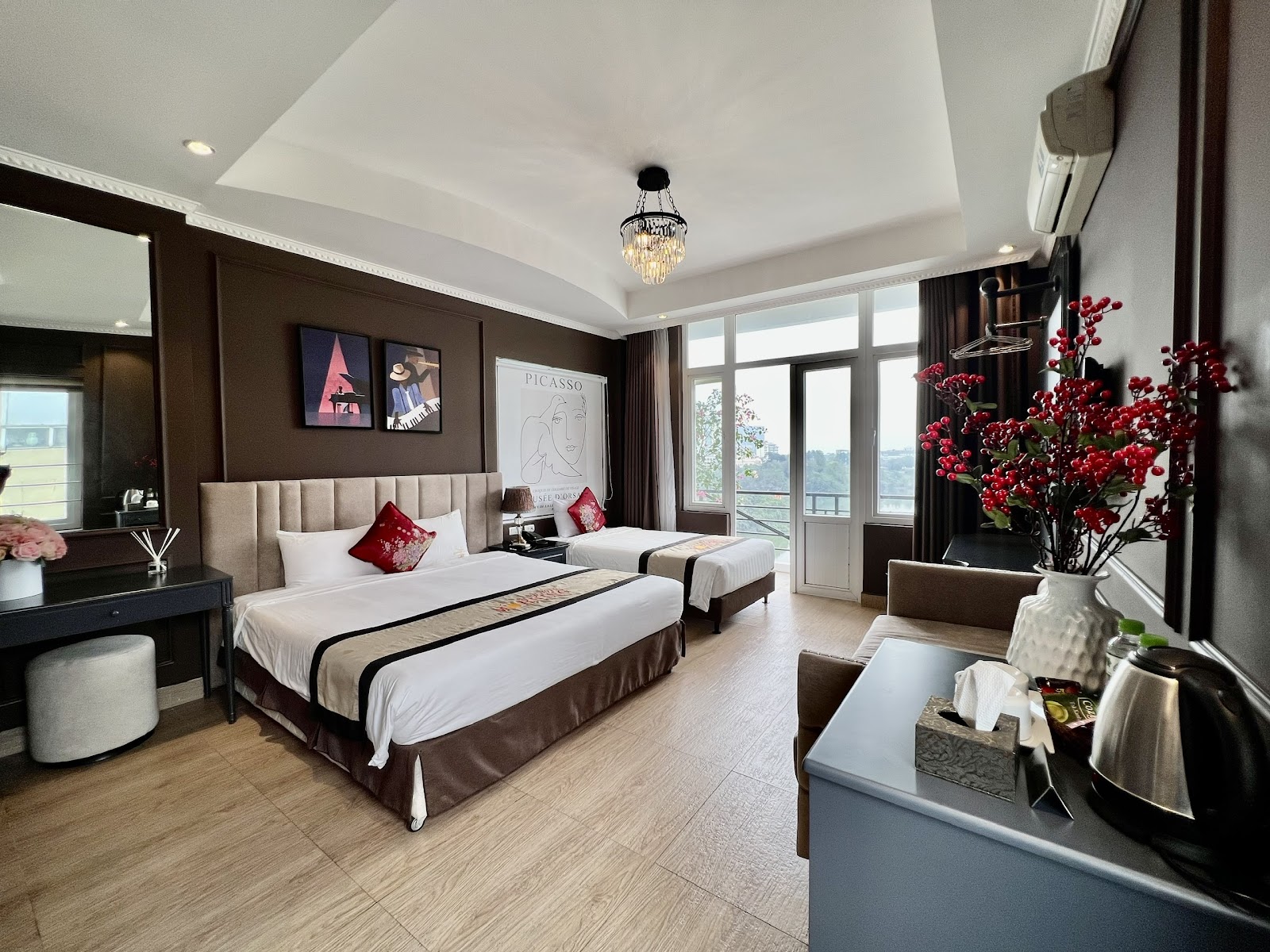
Finding the ideal accommodation in this busy metropolis takes a bit of strategic planning, because you want to be close to the action but you also need to get some sleep at night. Most travellers choose the Hanoi Old Quarter for their first visit — it’s incredibly photogenic and puts all the sights within arm’s reach. The problem with the narrow guild alleys, though, is the ever-present honking chaos, so you need to read reviews about window quality and street noise very carefully. Sometimes a room tucked away at the back of a building with no great view is ultimately a total win for a peaceful night’s sleep.
A great choice for quieter sleep is the area south or west of Hoan Kiem Lake, which is a touch more elegant, airier and flows seamlessly into the so-called French Quarter. This is also where the popular low-emission zone lies, so on weekend evenings you’ll enjoy unheard-of calm here, free of honking scooters and fumes. Always book your hotel well in advance, especially if you travel in the main autumn season, when rooms disappear fast. I recommend not leaving it to the last minute — the best value-for-money spots are often sold out months ahead.
If you’re looking for tried-and-tested tips with excellent ratings, you can try The Oriental Jade Hotel, which offers a rooftop pool with a really lovely view over the city and (bonus) windows that let in absolutely no street noise. Another safe bet in the heart of the historic quarter is Hanoi La Siesta Premium Hang Be, where travellers sing the praises of the incredibly helpful staff, amazing spa services and fabulous breakfasts. Both places are easy to book through Booking, so you can be sure that after a full day of walking in the heat you’ll return to a fragrant, reliably air-conditioned oasis where you’ll be perfectly taken care of.
For backpackers on a smaller budget, there are dozens of smaller hostels and homestays scattered right in the alleys north of the lake. Always check whether your room even has a window, though, because in the traditional Hanoi “tube” houses the rooms in the middle of the building are often completely windowless. Also expect firmer mattresses than you’re used to in Europe — that’s completely standard in Asia. With such accommodation you often get homemade eggs or soup for breakfast and a great tip from the host on the best coffee in the street.
💡 On this map you can compare what’s available right now — you’ll instantly see how much more a room with a window on a quiet street costs compared to one above a bar.
22 things to see and do in Hanoi
Let’s take a look together at the most interesting things the Vietnamese capital has to offer. This list will guide you from thousand-year-old temples to bustling markets, show you hidden museums without the crowds and advise you on how to enjoy the city without needless stress. Don’t forget to download offline maps, even though in the end you’ll navigate best by the smell of coffee and street food. Try walking the side alleys too, because in Hanoi the main treasures often hide in inconspicuous courtyards and passageways.
1. A stroll along the Weekend Walking Street
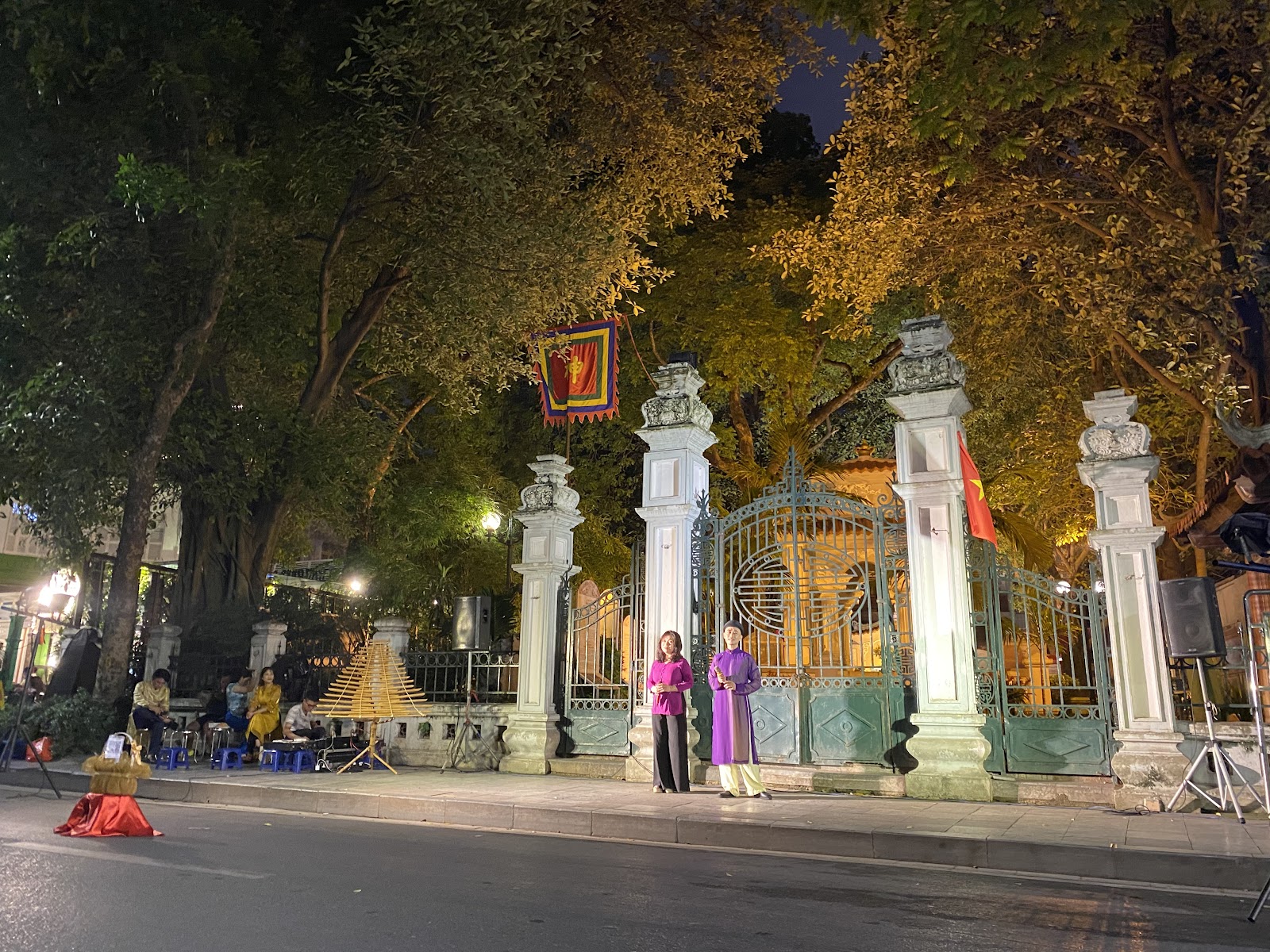
This is an experience that completely changes the rules of the game and shows Hanoi in a whole new, friendly light. Every Friday from 7 p.m. until Sunday evening, the area around Hoan Kiem Lake closes entirely to all traffic and turns into one huge pedestrian zone. Today the place has a fantastic Google rating of 4.5 from more than four hundred reviews, and it’s probably the best free activity in the city. Kids ride around in plastic cars, teenagers dance K-pop and old men play Chinese chess.
Thanks to the recently launched pilot low-emission zone (LEZ), this weekend calm has spread from July to December 2026 into another 11 adjacent streets, including busy arteries like Trang Tien, Hang Khay and Ma May. It means you can finally breathe and walk here normally. Instead of honking scooters you’ll hear live music, the laughter of children playing traditional games, and you’ll see street performers entertaining crowds of locals. Suddenly you realise that in Asia the street can be a living room for the whole family.
For you as a visitor this means one thing: plan your wandering around the centre mainly for the weekend evening. Just be very careful when ordering a ride, because petrol motorbikes from the Grab service are strictly banned from entering this zone and simply won’t pick you up here. You’ll have to walk a few blocks to the edge of the marked zone. But it is worth it, because you won’t find such peace and ease in a Vietnamese metropolis just anywhere.
💡 Tip: Head here right on Friday after sunset, grab some fresh fruit or a sweet treat and just watch how Hanoians spend their precious free time. Try the famous local ice cream from the shop on Trang Tien Street, where you’ll see crowds of people happily licking ice pops right on the pavement.
2. Hoan Kiem Lake and Ngoc Son Temple
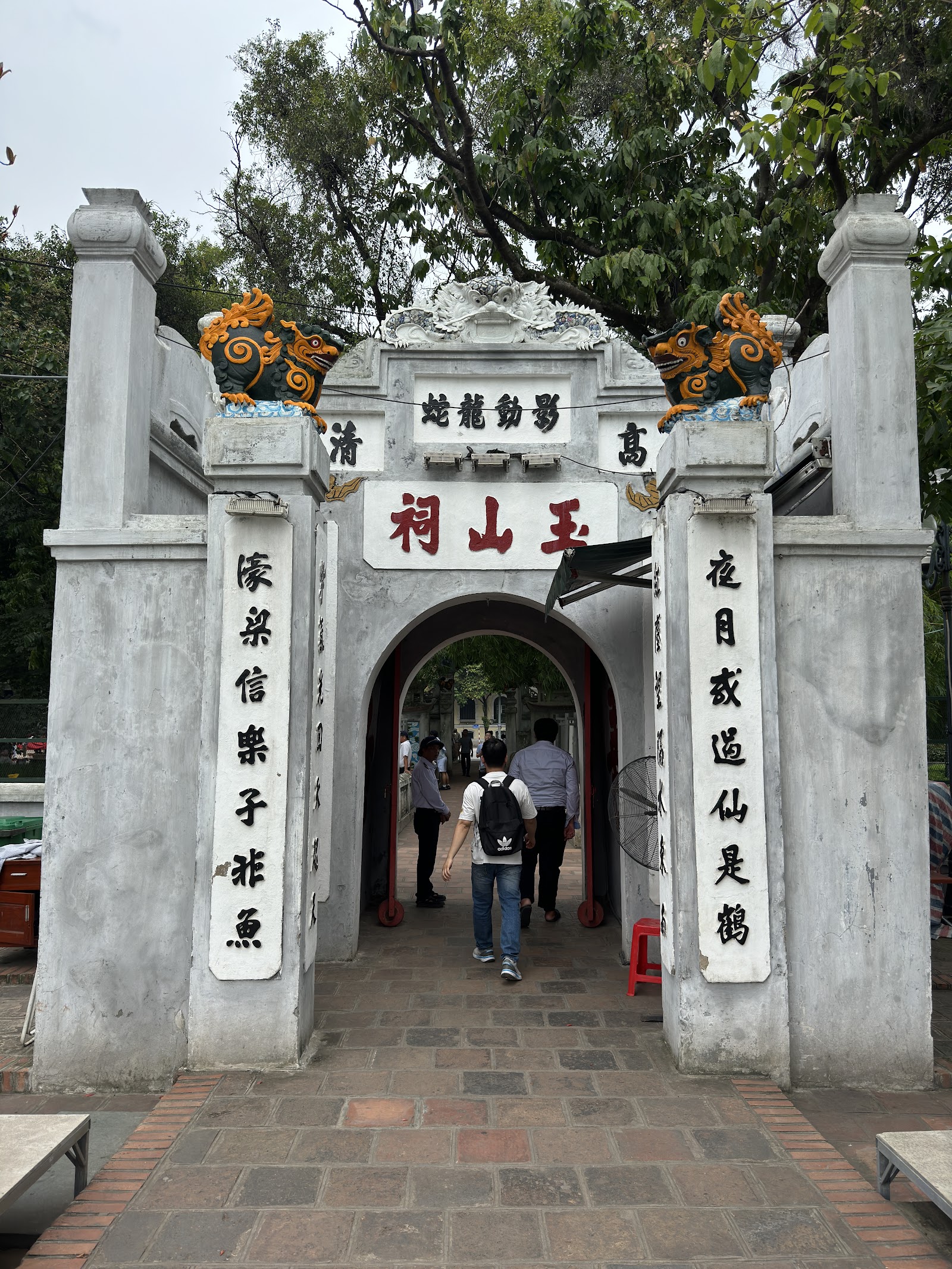
The Lake of the Returned Sword is the absolute heart and soul of the whole city, around which all social life revolves. In the middle of the water lies a small island crowned by the beautiful Ngoc Son Temple, which has racked up a respectable rating of 4.4 from more than 13,000 reviews. You reach it across the iconic red wooden Huc Bridge, which is probably the most photographed spot in the entire metropolis and gleams from afar. Old trees grow around the lake and the whole promenade feels wonderfully relaxing.
The temple complex hides historic shrines dedicated to various scholars and war heroes, but the biggest attraction here is the giant preserved turtle, which, according to an old legend, once returned a magic sword to King Le Loi after his victory over the Chinese Ming dynasty. Even though it’s fairly crowded with tourists during the day, the atmosphere under the tall trees on the island is very calming. Right by the entrance, don’t forget to notice the tall stone Pen Tower (Tháp Bút).
The entrance fee is a negligible 30,000 VND and the visit won’t take you more than an hour. It’s most beautiful here just before dusk, when the red bridge starts to reflect on the darkening surface of the lake. All around you’ll also find plenty of little cafés from which you can comfortably watch the bustle on the bridge.
💡 Tip: Try getting up early and arriving at the lake around half past five in the morning, when hundreds of locals practise tai chi, play badminton or simply stroll quietly before the working day begins.
3. Getting lost in the alleys of the Hanoi Old Quarter
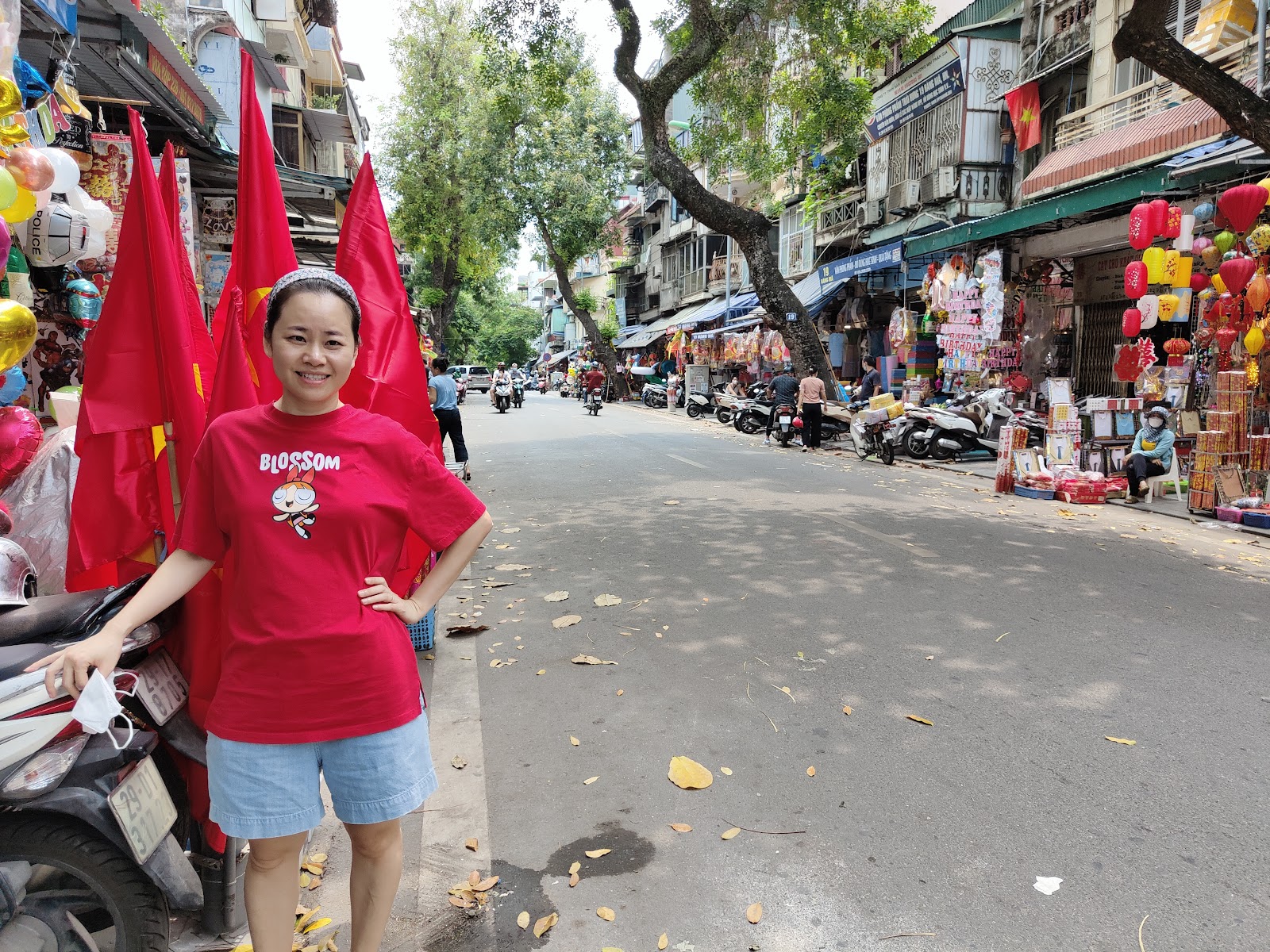
The historic centre is exactly the fascinating chaos you imagine when you picture an Asian metropolis. This area, which boasts a rating of 4.6 from more than 10,000 reviews, is made up of 36 so-called guild streets. Each street is named after the goods traditionally sold there, and the incredible thing is that in many places this still strictly holds true today. The houses here are very narrow, crammed side by side, and their balconies are often draped with bird cages or climbing plants.
When you walk down Hang Bac Street, you’ll be dazzled by dozens of shop windows full of gleaming silver and jewellery, while on the popular Hang Ma Street (rated 4.5) you’ll come across a flood of red lanterns and colourful paper goods meant for ancestral offerings. Hang Buom Street, meanwhile, smells of spices and once sold sturdy sails. You’ll also find a street dedicated to silk (Hang Gai) or to bamboo and wooden products. The best way to grasp it all is to put away your map and simply let the crowd carry you from one street to another.
While during the day you’re constantly dodging the ever-present scooters and porters with bamboo baskets, in the evening the streets transform into one big improvised outdoor bistro. A walk through the Old Quarter is simply a relentless assault on all your senses. The smells of fried spring rolls, exhaust fumes, incense sticks and sweet coffee all mingle together.
💡 Tip: Don’t stop in the middle of the pavement to take photos — always step back against the wall of a building instead. Traffic here works like a flowing river, and an unexpected obstacle can cause quite a confusing domino effect.
4. Morning exercise and life by the time of day
As we’ve already hinted, Hanoi simply can’t be explored from nine to five like European cities — from day one you have to adapt to the local biorhythm. The city wakes up while it’s still dark, and by around five in the morning the parks are full of grandmothers with portable speakers doing rhythmic aerobics with swords and fans or slow tai chi. It’s an incredibly fascinating sight that will energise you more than a morning coffee. And it shows just how much emphasis the locals place on community and health.
Right after the exercise, around seven in the morning, comes time for the traditional hearty breakfast. Hot pho soup is really eaten here in the morning, not for dinner, and the street stalls are at their busiest at this time (vegetarians can ask for a purely vegetable chay version). Besides soup, you’ll also find rice rolls Bánh Cuốn or sweet sticky rice Xôi. At high noon, on the other hand, everything on the streets grinds to a halt, because the heat is unbearable and locals treat themselves to a well-earned rest in the shade. Market women often nap in hammocks stretched right across their fruit carts.
If you set out for the sights in the peak afternoon heat, you’ll miss the best atmosphere and needlessly wear yourself out. Better to rest over lunch in an air-conditioned café and head out to explore the streets again on the stroke of seven in the evening, when the night markets open and the city comes fully alive once more.
💡 Tip: Don’t be afraid to join in the morning exercise in the park — the local seniors are usually very welcoming and will happily show you the right moves with a broad smile. You’ll probably have a good laugh doing it, too.
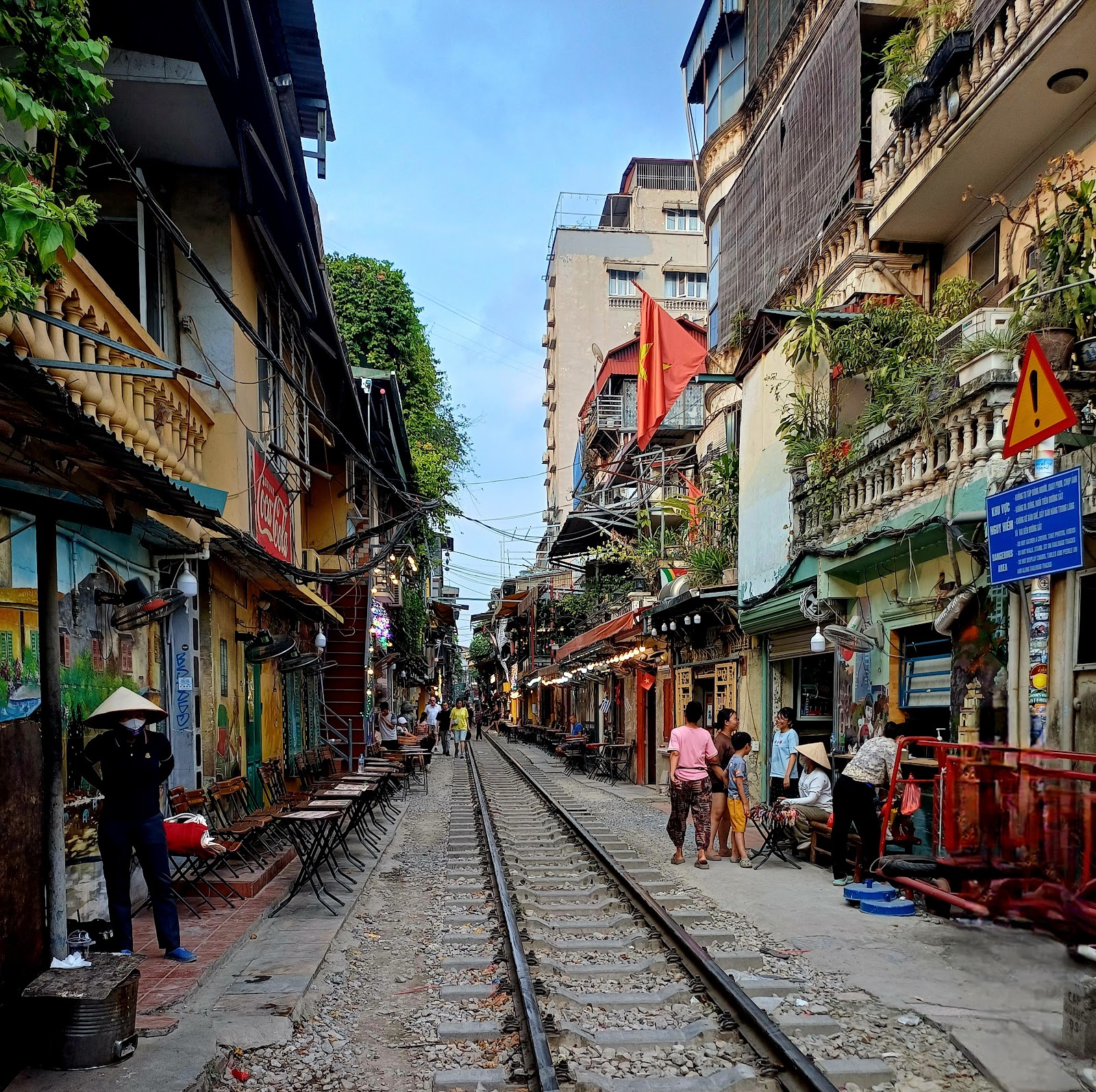
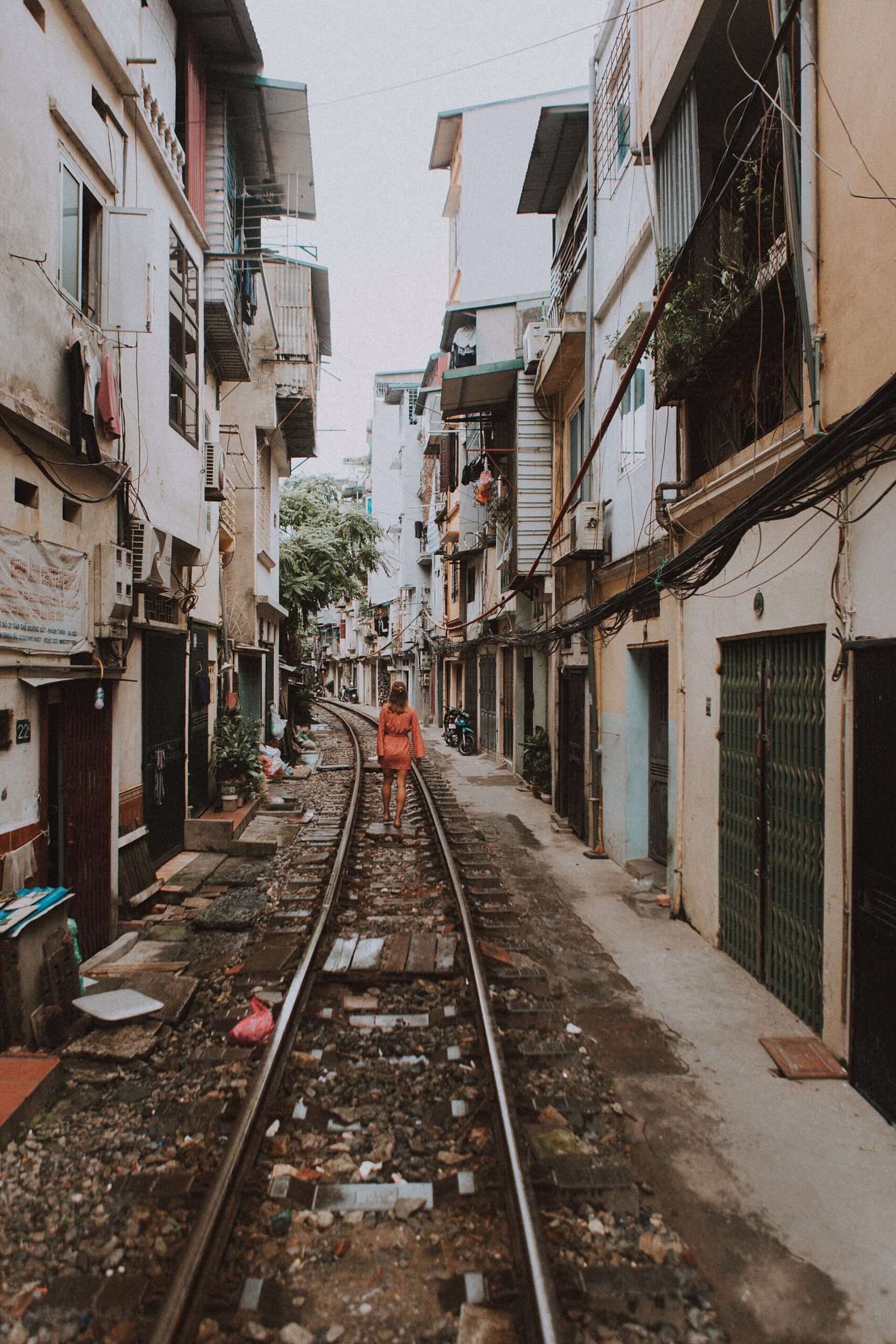
5. The treacherous trap called Train Street
The famous alley where a huge train weaves right between residential houses is probably the most talked-about spot on Vietnamese Instagram. The reality in 2026, however, is that free passage is simply no longer possible, and it’s one of the most common disappointments travellers experience on the ground. Since March 2025 there’s been a strict ban on organised groups, and police officers patrol the main intersections, turning tourists back without compromise. It’s the price of this place’s enormous popularity.
The reason is of course safety, because crowds of tourists with phones in hand began dangerously blocking the train traffic itself. Instead of standing safely against the wall, people threw themselves in front of the moving locomotive for the best shot. So the authorities logically and significantly restricted access. The only way to legally see Train Street today is to have a prior arrangement with the owner of one of the licensed cafés, who will personally guide you through the barriers and seat you at a table.
Even so, you must take enormous care, stay seated at your table and not step onto the tracks when the noisy train approaches. The experience is still powerful — you’ll feel the vibrations of the passing colossus in every bone — but it’s long ceased to be the free roaming along the tracks you know from old videos.
💡 Tip: Don’t try to sneak past the police patrols through the side alleys. The authorities take safety very seriously and you risk not only a hefty fine but even expulsion from the whole area. Better to reserve a spot in advance through the café’s social media.
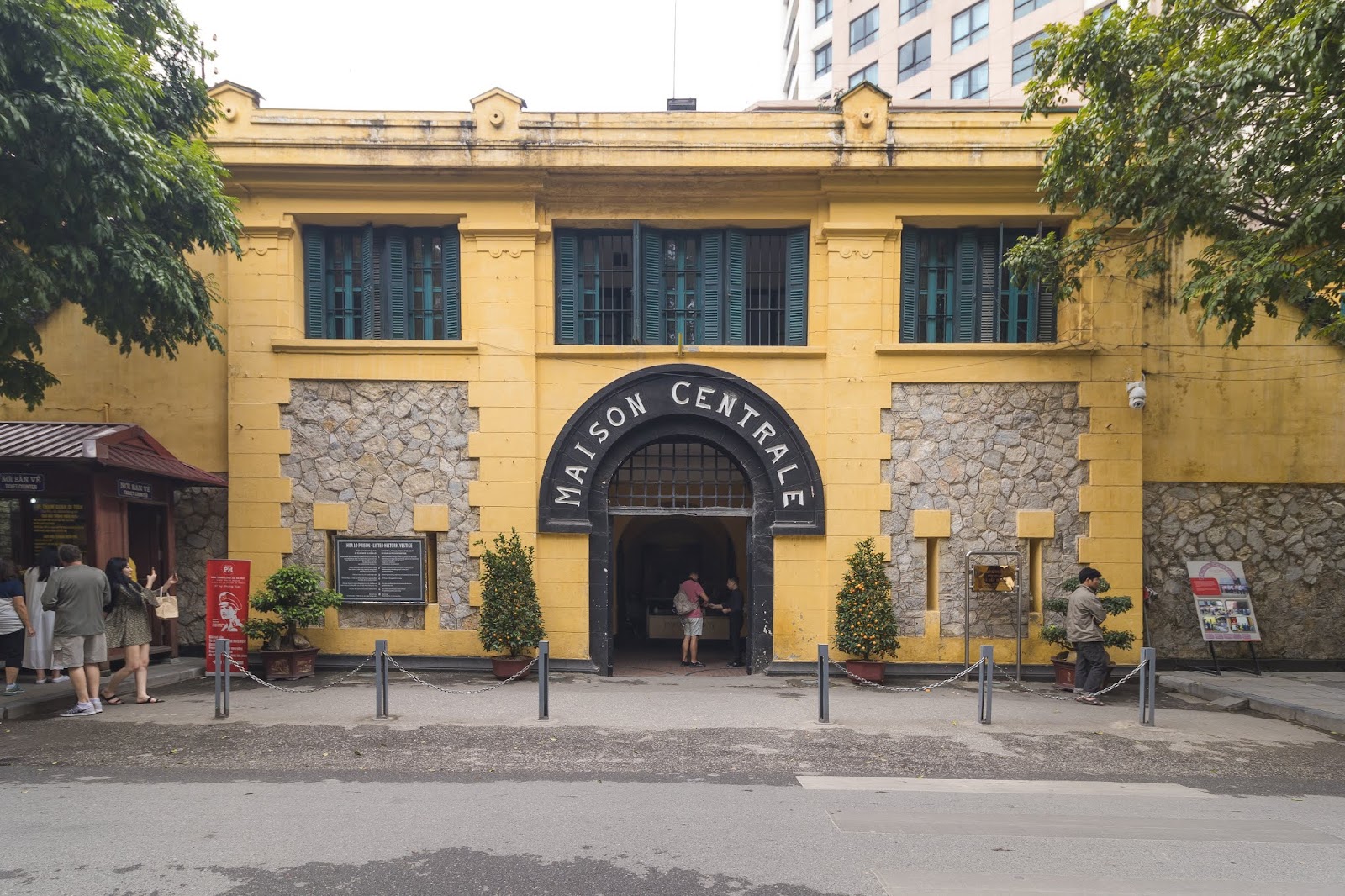
6. Dark history at Hoa Lo Prison
This place may not be among the cheeriest attractions, but it’s probably the best-curated museum in all of Hanoi. The former French colonial prison Maison Centrale, which has a respectable rating of 4.5 from more than 23,000 reviews, is today known worldwide rather by its ironic American nickname, the “Hanoi Hilton”. The entrance fee is only 50,000 VND (discounted for students at 25,000 VND, children under 16 free) and the gates are open every day from 8 a.m. to 5 p.m. Inside you’ll encounter stories full of suffering but also indomitable patriotism.
The exhibition guides you through a difficult history, from the days when the French imprisoned Vietnamese revolutionaries here in inhuman conditions, to the period of the Vietnam War, when the complex housed American prisoners, among them the well-known politician John McCain. You’ll see authentic dark cells, chilling torture instruments including the original menacing French guillotine, and dozens of period photographs. The dark rooms, where prisoners survived cramped in shackles, still command enormous respect today.
Walking through the cramped corridors is an incredibly depressing experience, but one that will help you understand the immense resilience of the local people. Set aside at least an hour and a half for the visit and be prepared for the fact that the historical narrative here naturally breathes strong state propaganda.
💡 Tip: Buy an English audio guide at the entrance — the accounts of former prisoners and the detailed explanation of the context take the whole experience to a completely different level. Without it you’d walk through the site only half blind.
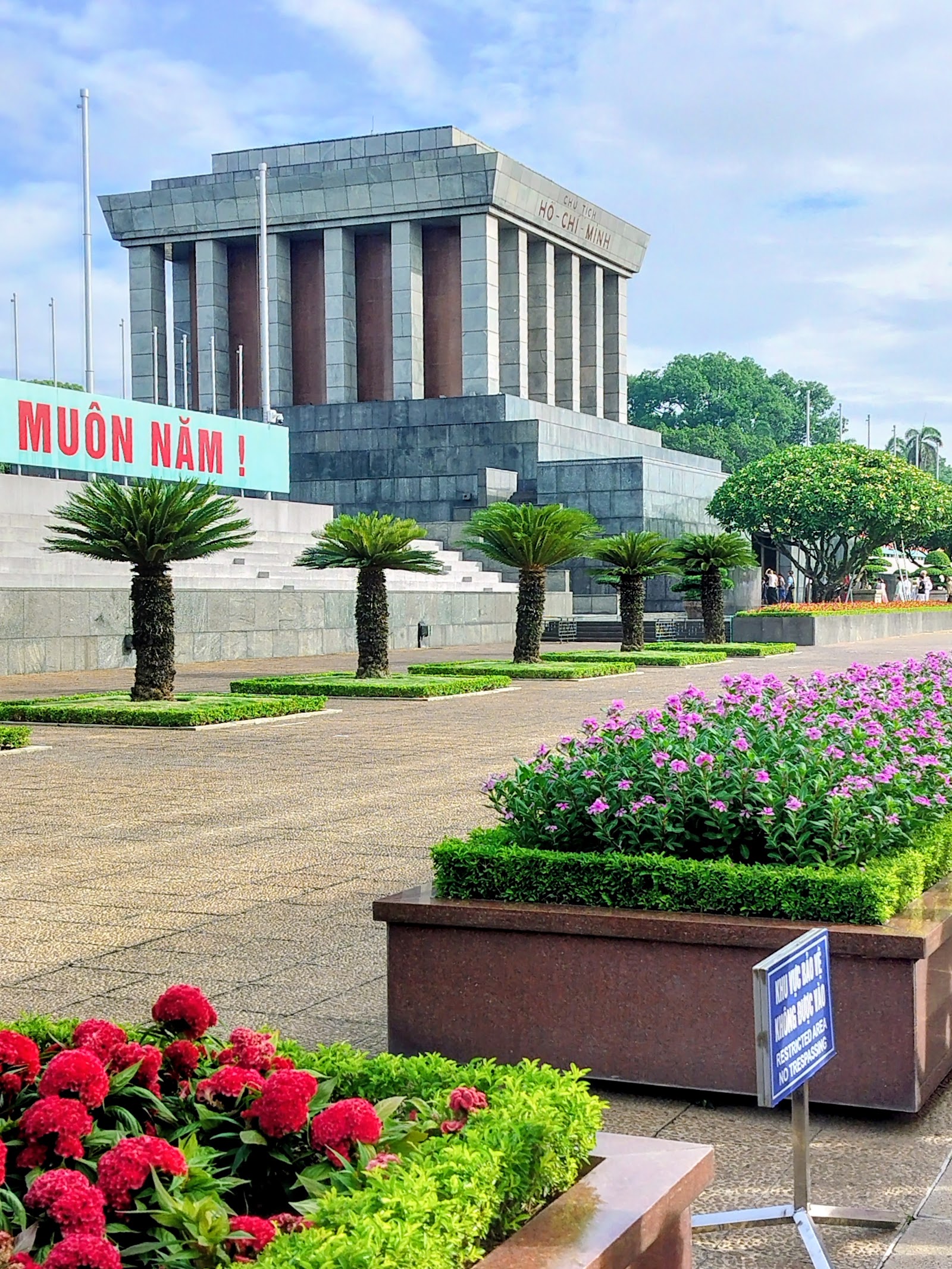
7. Ho Chi Minh Mausoleum and its strict rules
Visiting the resting place of “Uncle Ho”, as the founder of modern Vietnam is reverently called here, is an absolutely fundamental life event for the locals. The marble structure on Ba Dinh Square is quite impressive and, let’s be honest, a little sombre. Inside it carefully keeps the embalmed body of the founder of modern Vietnam. Entry is completely free, but the opening hours are extremely limited — it’s open only from 7:30 to 11:00, and on Mondays and Fridays the site is strictly closed.
You have to be very careful about the time of year, because every summer (usually from June to August) the mausoleum is closed for several months for routine maintenance of the body in Russia. If you hit the right dates, prepare for a long queue and absolutely uncompromising rules. A very strict dress code with covered shoulders and knees is required, and inside you may not talk, take photos, laugh or even keep your hands in your pockets. It’s simply not a tourist attraction but, for many, a sacred place.
Right next to the mausoleum you can visit the extensive Ho Chi Minh Museum (rated 4.2), which explains his life journey in a rather complex way and architecturally resembles a giant lotus flower. The complex also includes the simple wooden house on stilts where the leader lived in very modest conditions, and the beautiful One Pillar Pagoda from 1049, which sits in a small lotus pond.
💡 Tip: Don’t bring any unnecessary backpacks or large bags, because you’ll have to hand them over to the cloakroom before entering the tomb anyway, and you’ll needlessly get stuck in queues. Take only the essentials in your pocket.
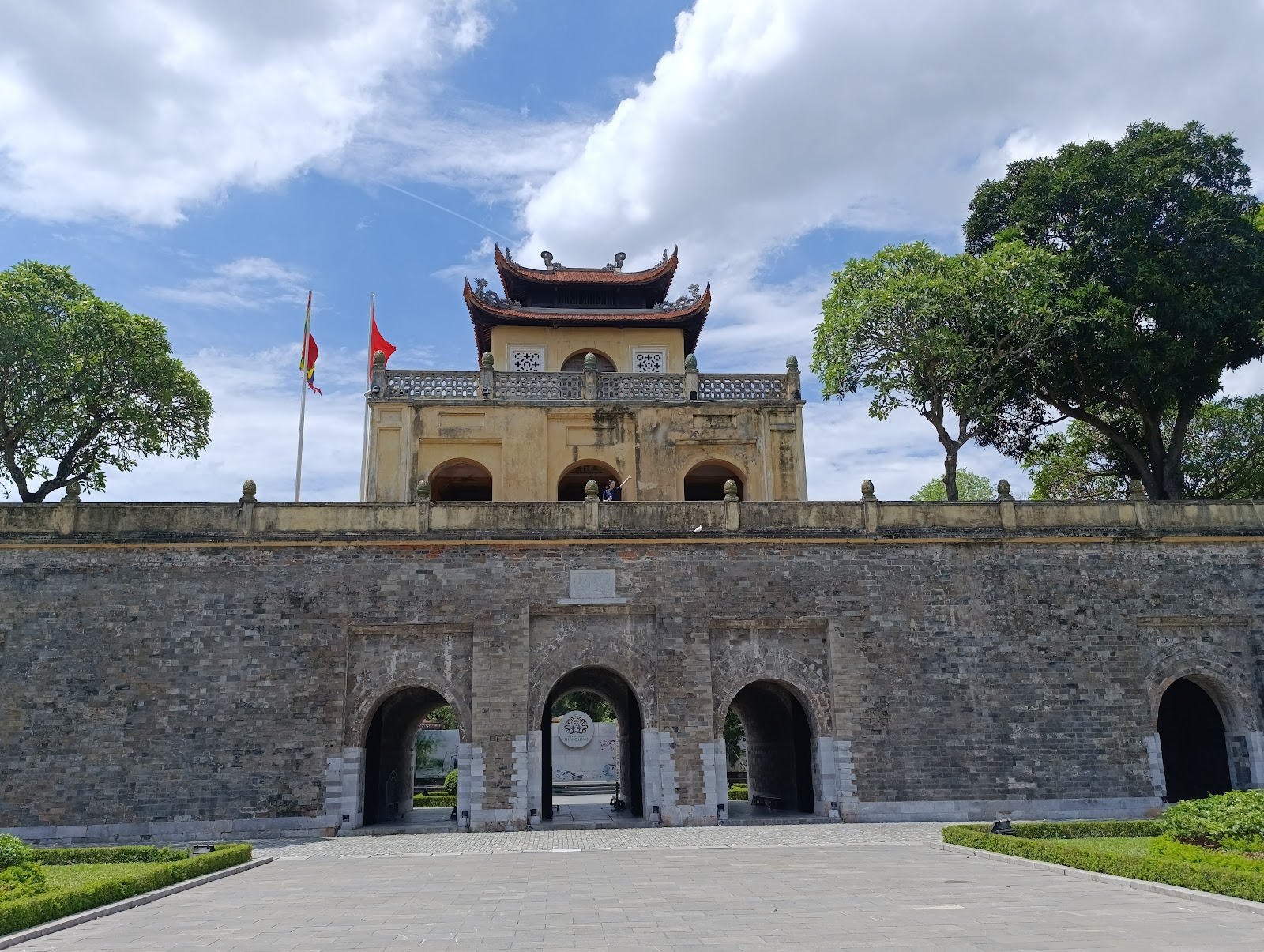
8. The Imperial Citadel of Thang Long
This vast complex in the city centre is a monument proudly inscribed on the UNESCO World Heritage List and represents the embodiment of a thousand years of Vietnamese power. The citadel, rated 4.4 from 19,000 reviews, is truly enormous, and paradoxically you often won’t find crowds here like at the nearby lake. The entrance fee for an adult is 100,000 VND, while children under 16 can peek inside completely free. It’s a place full of archaeological discoveries that are still being uncovered.
During your walk you’ll come across the ancient foundations of palaces, well-preserved entrance gates with dragon motifs, and plenty of artefacts from various ruling dynasties. But the biggest draw is, surprisingly, the underground bunker D67, which comes from a completely different era. From these austere concrete rooms the North Vietnamese command directed key military operations during the American War, right up until the moment the peace accords were signed.
The contrast between the ancient imperial splendour and the cold military reality of the 20th century is absolutely palpable in this place. And what’s more, the gardens here are really carefully maintained, so in the heat you can finally catch your breath in the shade. Don’t forget to visit the small exhibition halls with unearthed ceramics and coins.
💡 Tip: Set aside at least two hours for the citadel — the site is really sprawling and the distances between the individual exhibitions will take a while in the summer heat. Pack a bottle of water too.
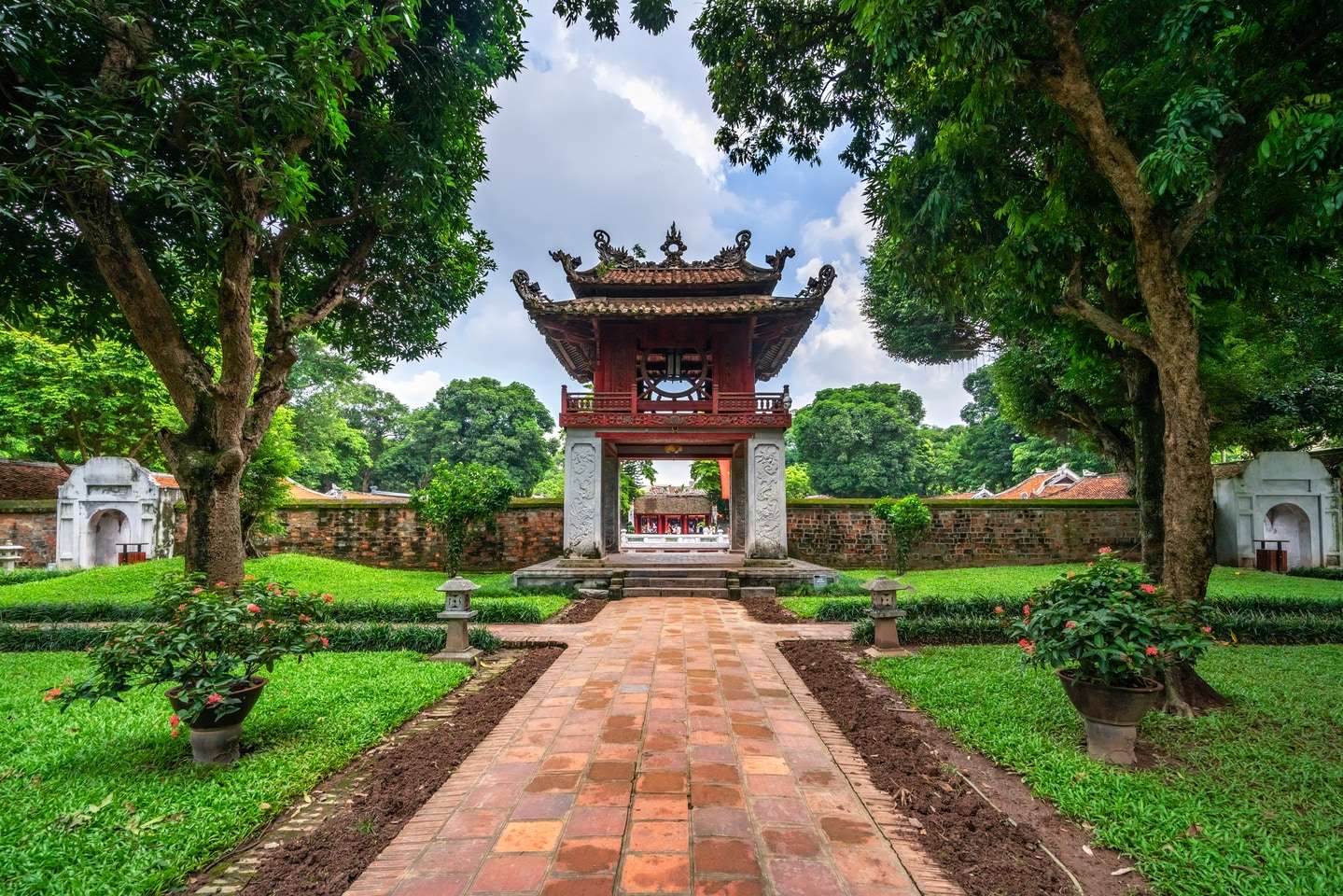
9. The Temple of Literature (Van Mieu)
If you were to visit just one single historic temple in Hanoi, it should without doubt be the Temple of Literature. This beautiful and peaceful complex from 1070 (rated 4.6 from more than 25,000 reviews) served as Vietnam’s very first national university and overall celebrates education. The basic entrance fee is 70,000 VND, students with a valid international card pay half at 35,000 VND, and the gates are open daily from 8 a.m. to 5 p.m.
The site is divided into five enchanting courtyards full of centuries-old trees, bonsai and water-lily ponds. The most precious treasure here is the 82 stone stelae mounted on the backs of carved turtles, on which the names of all the successful graduates of the incredibly demanding imperial examinations are carefully recorded across the centuries. It’s a place where local students still come to pray for luck and burn incense before important tests. At graduation time it’s completely packed with students in traditional outfits and ao dai dresses.
In the evening the whole complex is beautifully lit and occasionally hosts elaborate light shows that give the historic buildings a whole new fairy-tale dimension. It’s simply a perfect escape from the noise of the big city, entered through a grand monumental gate.
💡 Tip: Don’t forget to see the back part of the temple, where you’ll find beautiful wooden altars dedicated to Confucius himself and a small exhibition on how the examinations used to work. It’s fascinating to see the old scrolls and quills once used for writing.
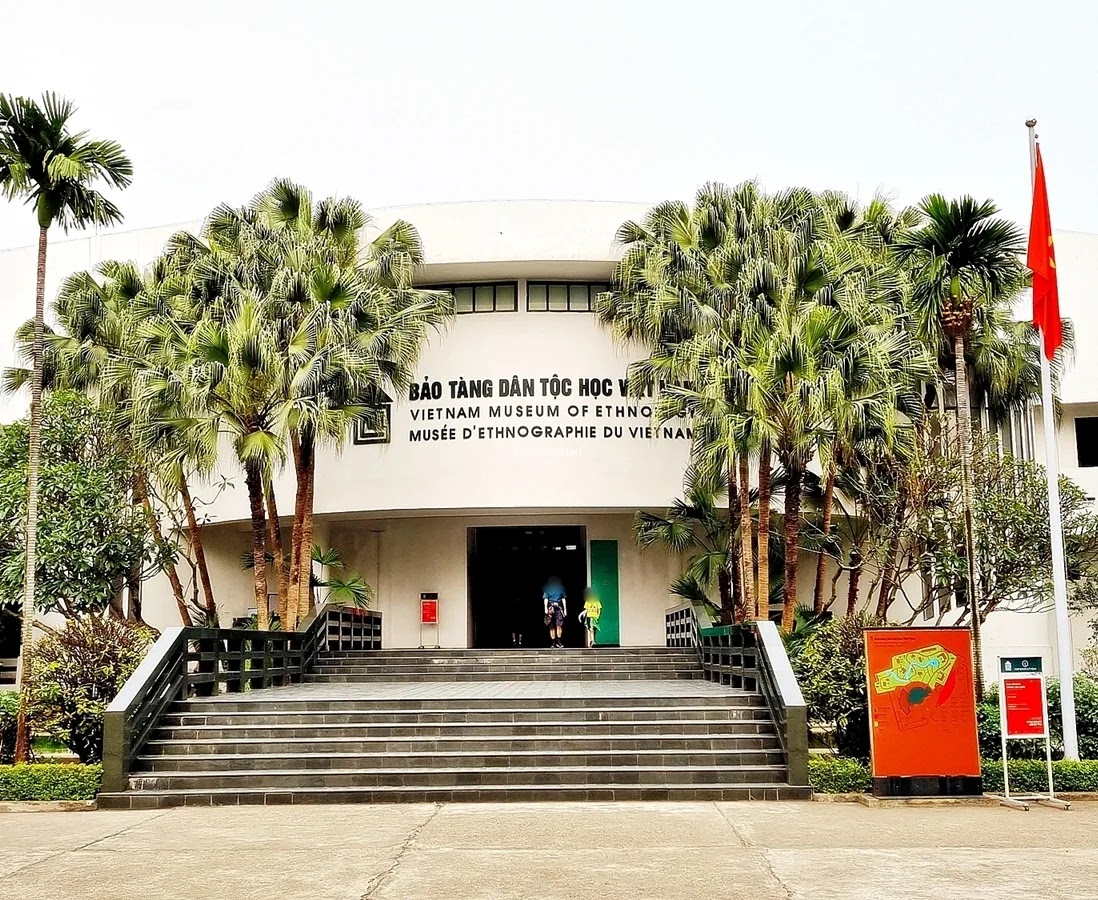
10. The best crowd-free museum: Vietnam Museum of Ethnology
Most tourists skip this museum entirely because it doesn’t lie right in the centre, but that’s a huge mistake you definitely shouldn’t repeat. About 8 kilometres from the lake you’ll find the fantastic Museum of Ethnology (rated 4.6 from 15,500 reviews), which presents in detail the culture of all 54 recognised ethnic groups living in Vietnam. The journey via the Grab app or a Xanh SM electric taxi takes about 20 minutes and the fare certainly won’t ruin you.
The indoor exhibitions are full of beautiful textiles, intricate jewellery and working tools, but the real magic awaits you outside in the sprawling garden. Here real-size houses of various tribes have been built, carefully transported here from the mountains and reassembled. You can take a close look at an enormous communal house on stilts (reached by steep wooden ladders), the imposing long house of the Ede people or the mysterious wooden grave sculptures that give you goosebumps.
Because the main tourist buses don’t head here, you’ll enjoy the tour in relative peace and gain fantastic cultural context for any further trips to the mountain regions in the north of the country, such as Sapa or Ha Giang. Water puppet shows are occasionally held here too.
💡 Tip: Set aside plenty of time for the outdoor garden and bring insect repellent, because exploring the dark wooden houses in the shade of the trees is guaranteed to attract mosquitoes. Sturdy shoes will also come in handy when climbing into the houses.
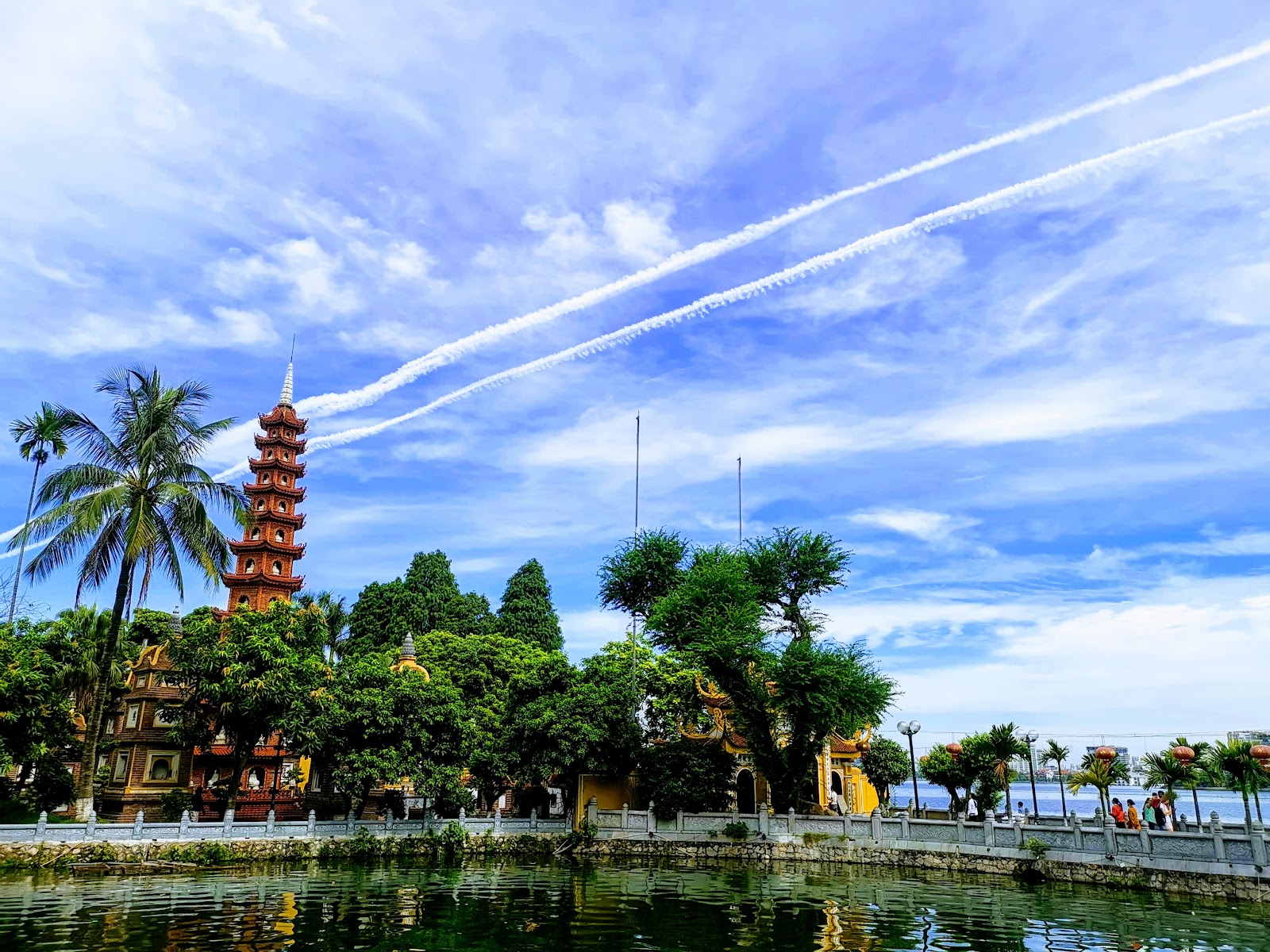
11. Tran Quoc Pagoda on West Lake
When you want a break from the constant hustle of the Old Quarter, head to the enormous West Lake (Tay Ho). This area is, by the way, very popular among local expats, so you’ll come across plenty of international restaurants and modern cafés here. Right on a small peninsula jutting picturesquely into the water stands the beautiful Tran Quoc Pagoda. With over 47,000 reviews and a rating of 4.4, it’s the absolute highest-rated place in our selection and at the same time the very oldest pagoda in the city, with roots reaching back to the 6th century.
The main landmark is a narrow, tall red tower of eleven storeys, with a white statue of Buddha seated in each little window. Around the tower are several smaller decorated shrines and a mature bodhi tree, which was allegedly brought here as a gift all the way from India itself. The atmosphere here is richly scented with incense and the quiet chanting of prayers. The grounds are adorned with beautiful lotus flowers floating in vessels of water, which adds to the whole place’s sacred feel.
If you still have a little time after your visit, you can walk a bit further along the lakeshore and visit the quiet Van Nien Pagoda (rated 4.7), which is far more intimate and almost free of foreign tourists. Or rent a pedal boat and take a ride right on the lake.
💡 Tip: The pagoda is by far the most powerful experience at sunset, when the silhouette of the tall red tower reflects beautifully on the calm surface of the vast lake and the sky plays with every colour.
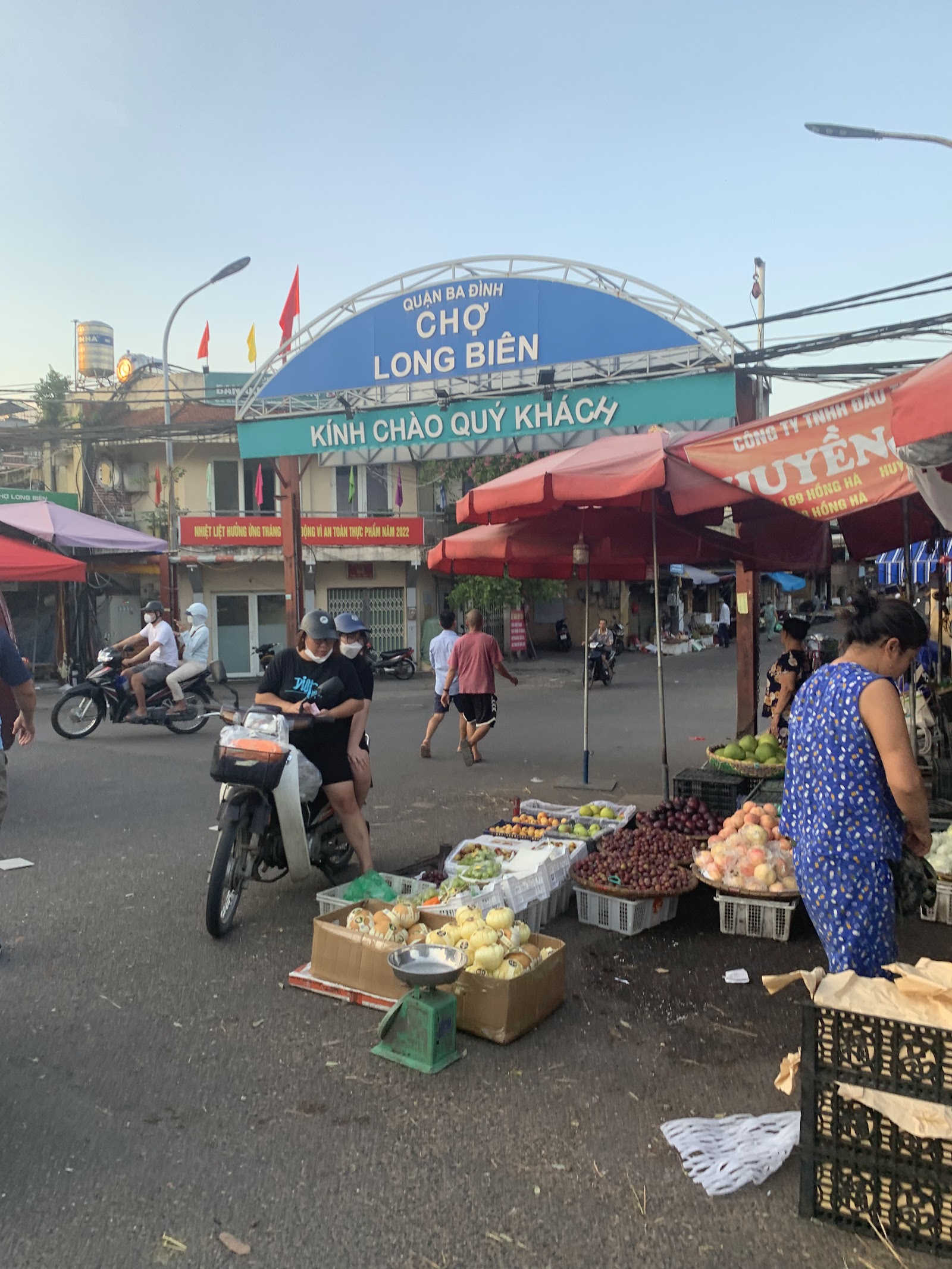

12. Long Bien Bridge and the night market
This rusty iron colossus is perhaps the most honest reflection of Hanoi’s raw soul. Long Bien Bridge was built in 1902 by the hands of French engineers from a famous studio and, surprisingly, survived even heavy American bombing. Heavy freight and passenger trains still rumble down the middle, while thousands of motorbikes and daring pedestrians weave through the narrow side lanes every day. It’s a piece of living history that breathes real working atmosphere.
A walk across the rickety bridge at sunset is an unfiltered experience you won’t see in any polished travel-agency catalogue. From up high you can also watch the so-called banana island beneath the bridge, where locals grow vegetables. Right beneath the bridge pillars lies the huge wholesale fruit market Chợ Long Biên (rated 4.2). But this market comes alive at an ungodly hour, because the biggest bustle is between two and six in the morning.
If you’re suffering from jet lag and can’t sleep, or you’re simply an early bird, head here in the dark to watch the incredible hard work. Hundreds of trucks and porters with bamboo baskets sweat as they unload tons of fresh fruit and vegetables for the whole metropolis. These are colours and sounds you simply won’t experience anywhere else.
💡 Tip: On the bridge, take huge care of your belongings and cameras — the walkway is very narrow and rusted through, and motorbikes will pass you within millimetres. Watch your step, as a piece of the concrete cover is occasionally missing.
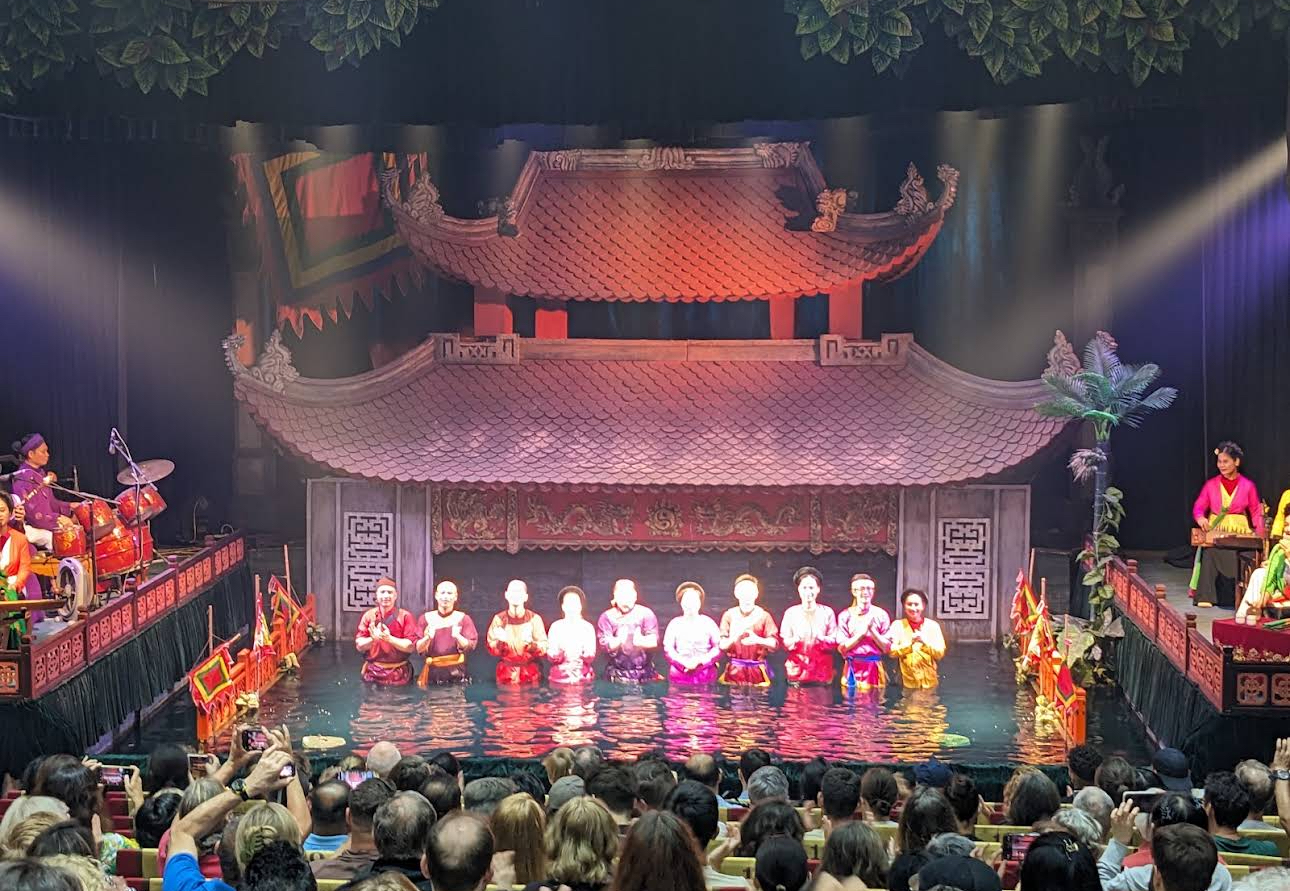
13. Traditional water puppets (Thang Long Water Puppet Theatre)
Yeah, water puppets look like a classic tourist trap, but this tradition dates all the way back to the 12th century and, honestly, it’s much more than you expect. The genre originally emerged in the flooded rice paddies of the Red River Delta, where peasants entertained the community after hard work. The Thang Long Theatre (rated 4.4 from nearly 24,000 reviews) sits right across from Hoan Kiem Lake and is one of the few places in the centre where plenty of local families still happily come to see a show.
The performance lasts about 50 minutes and takes place on a square surface of water that serves as the stage. The puppeteers stand waist-deep in the water the whole time, hidden behind a bamboo screen, and use long poles beneath the surface to masterfully control the wooden puppets of dragons, peasants and animals. Everything is accompanied by a live traditional band playing ancient instruments (mainly the unique single-stringed dan bau) and singers narrating old rural legends about catching frogs or planting rice.
Even though you probably won’t understand a single word, the dynamics, the visual water effects and the comedy of the show are completely universal. It’s a perfect cultural programme for the early evening before you head out for a good dinner. You’ll relax beautifully and get a glimpse into old stories.
💡 Tip: Definitely buy your tickets in advance first thing in the morning or, ideally, the day before, because the evening shows tend to sell out very quickly, especially in high season. Don’t skimp — buy seats in the front rows, it is worth it.
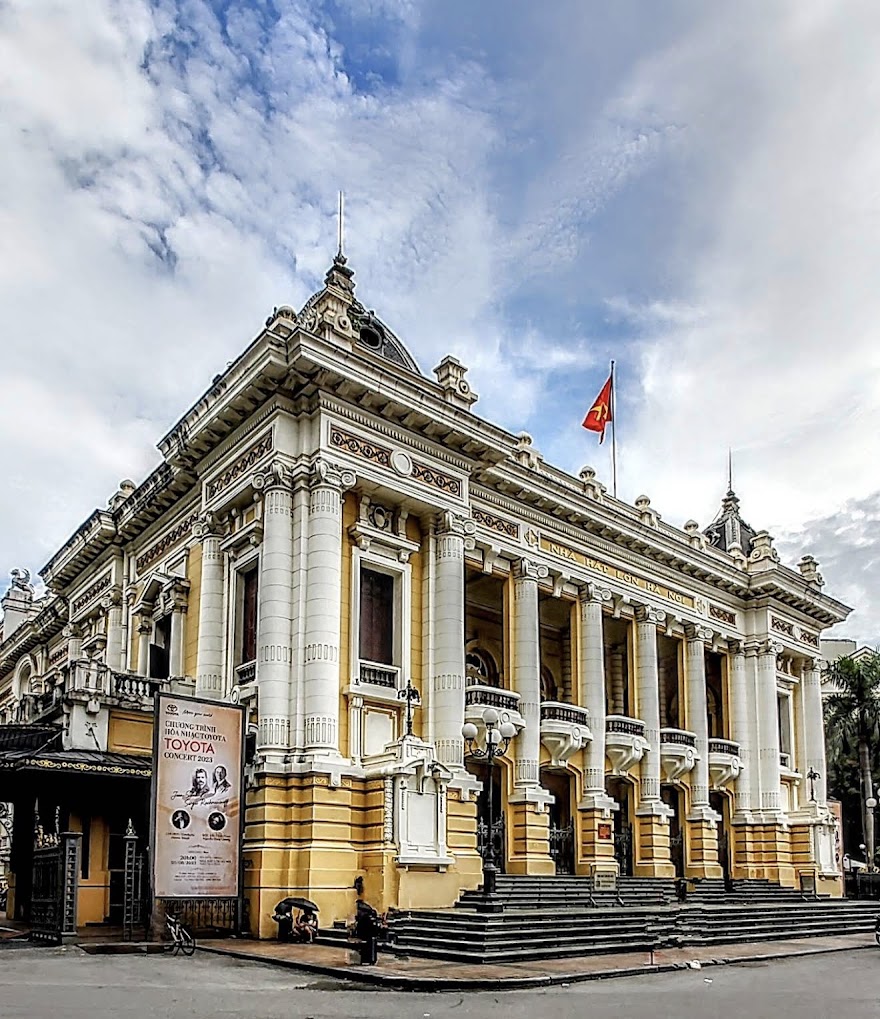
14. French elegance at the Hanoi Opera House
When you leave the narrow, chaotic and crowded alleys of the Old Quarter heading south, the architecture suddenly changes dramatically. You’ll find yourself in the so-called French Quarter, dominated by the beautiful and majestic Hanoi Opera House (rated 4.6 from 22,000 reviews). This grand building from 1911 was constructed on the model of the famous Palais Garnier in Paris and gleams over its surroundings with its elegant pastel-yellow façade of elaborate columns and balconies.
Wide European boulevards lined with tall trees, luxury fashion boutiques and expensive historic hotels will for a moment make you completely forget that you’re in Southeast Asia. This whole area breathes wealth and former colonial rule. The opera building itself is wonderfully photogenic from the outside, but if you want to peek into the ornate interior you’ll have to buy a ticket for one of the evening performances, because ordinary daytime tourist tours unfortunately don’t take place here.
Even a mere evening walk through this part of the city, though, shows Hanoi’s fascinating historical contrast, where Asian hustle blends seamlessly with colonial grandeur. The air is also much cleaner here and the traffic calmer.
💡 Tip: Sit down in one of the cafés on the spacious square in front of the opera, order a cold drink and watch how the local elites arrive in the evening in luxury cars, or how newlyweds pose for their wedding portraits here.
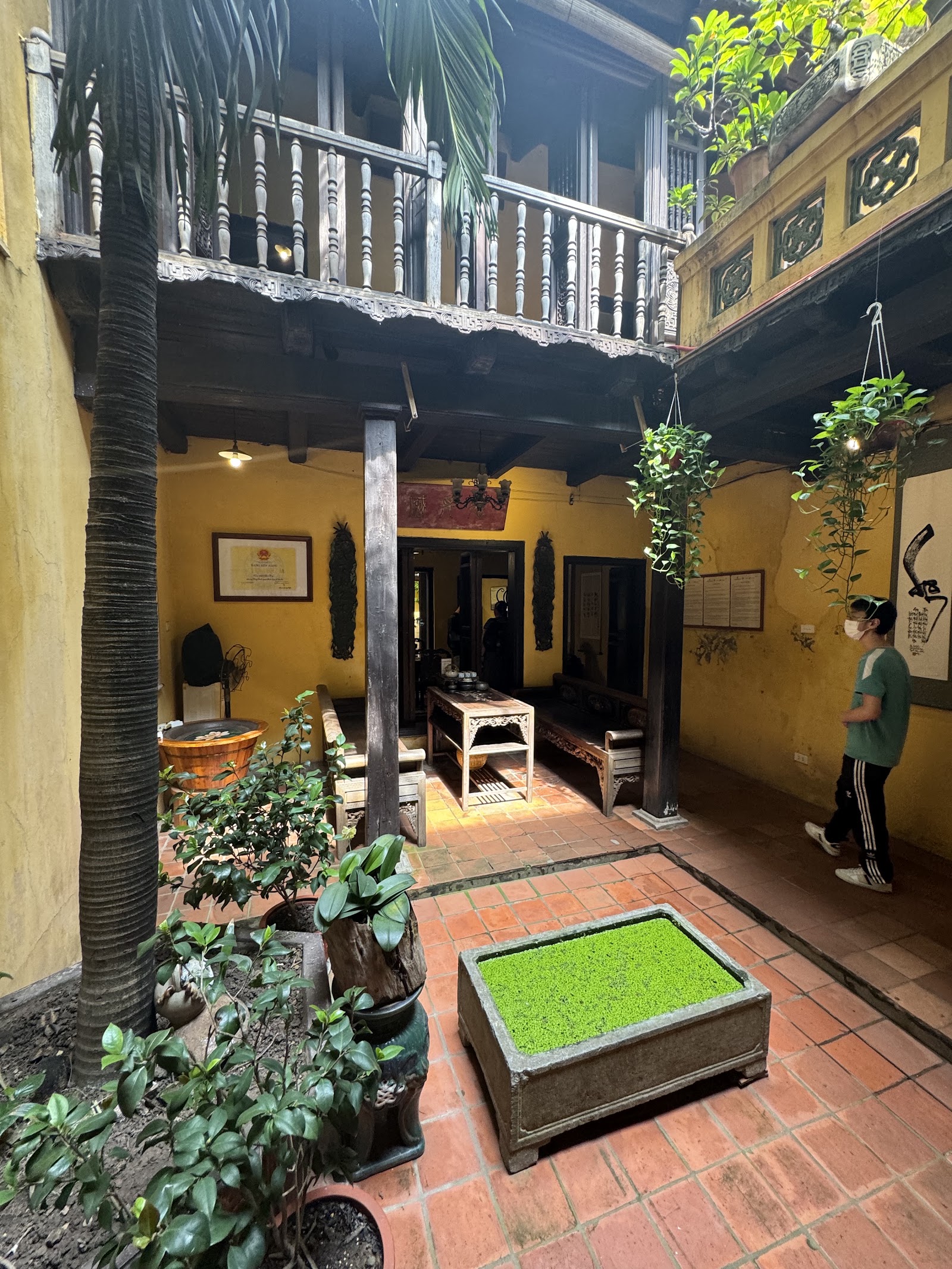
15. Visiting the merchant house (Heritage House)
If you’ve ever wondered during your walks what those extremely narrow houses in the Old Quarter actually look like inside, you have a unique chance to finally find out with your own eyes. The Heritage House at 87 Ma May (rated 4.2 from a thousand reviews) is a beautifully and sensitively restored traditional merchant house from the 19th century that shows you the ingenious spatial layout of the typical Hanoi “tube” houses, which arose for very pragmatic reasons.
These houses are extremely narrow from the street because of historic taxes paid on the width of the frontage, but they stretch incredibly deep into the heart of the block. Inside you’ll find a sequence of small, cosy rooms cleverly interspersed with open inner courtyards full of greenery, which provide natural ventilation and daylight. Without these light wells, the houses would be absolutely stuffy and dark. You’ll see traditional dark carved furniture, the family ancestor altar and a simple kitchen with ceramic vessels.
The entrance fee is completely negligible and the tour gives you excellent context for understanding how people lived and worked here for centuries in perfect harmony and ingenious use of space.
💡 Tip: Pay attention to the details of the wood carvings on the massive doors and beams, which often bear symbols of bats or peaches, meaning luck and longevity in the local culture. Upstairs, notice how low the beams are set.
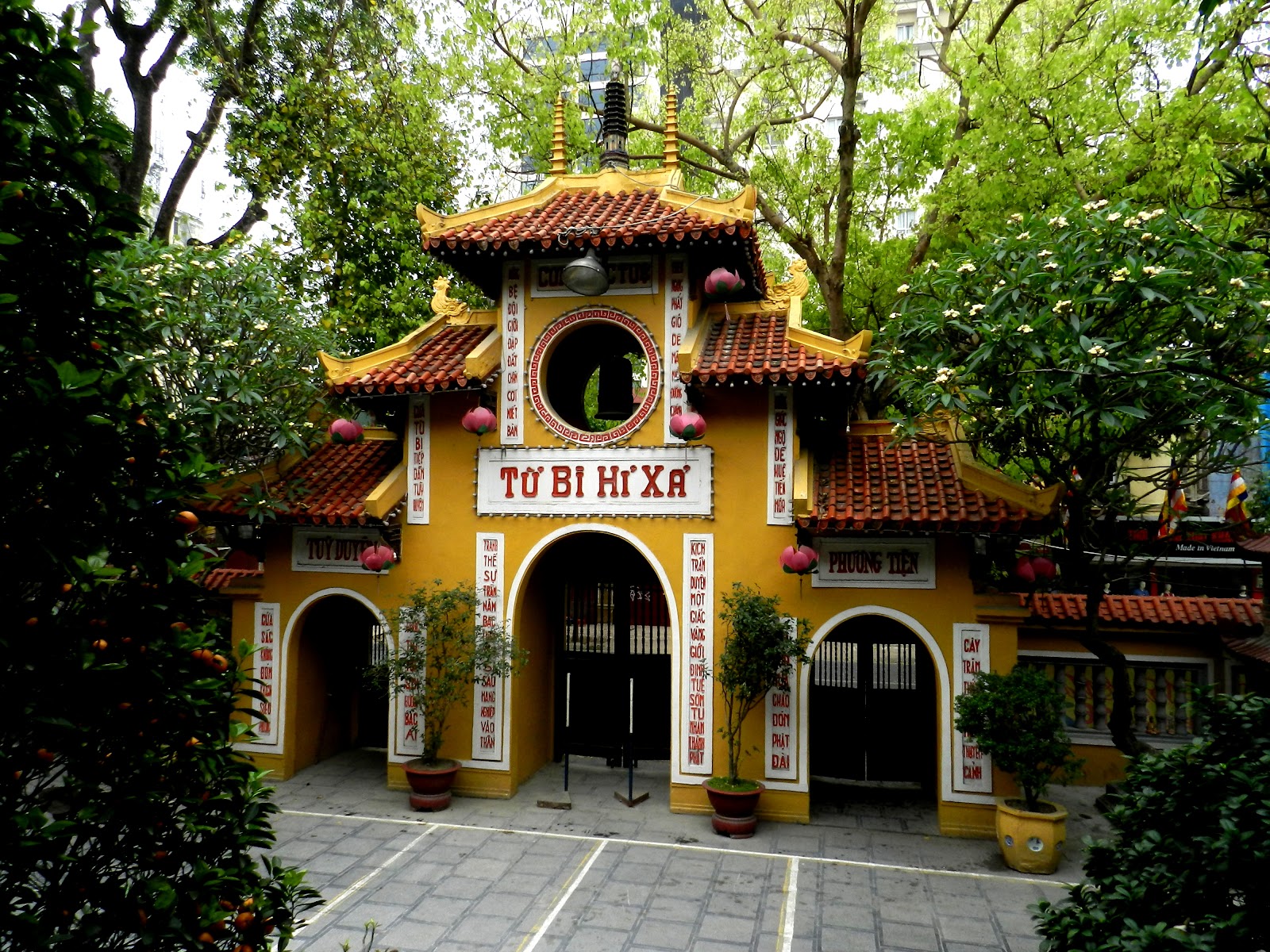
16. Spiritual calm at Quán Sứ Temple
While the famous Ngoc Son Temple on the lake is constantly surrounded by crowds of tourists, Hanoi’s main Buddhist temple offers a far more authentic and quieter spiritual experience. Chùa Quán Sứ (rated 4.7 from more than three thousand reviews) is the official seat of the Vietnam Buddhist Sangha and is an incredibly calm oasis right in the centre of the pulsing metropolis, not far from the busy railway tracks.
As you step into the courtyard, you’re immediately enveloped in thick, sweet incense smoke and the quiet murmur of regular prayers. You’ll see dozens of monks in yellow and brown robes tending the temple complex, and local worshippers bringing offerings of fresh fruit, lotus flowers and fake paper money, later burned for the luck of dead ancestors. The golden Buddha statues inside the main shrines are beautifully decorated and command enormous respect.
It’s an ideal place where you can sit on a bench for a while, calm your pulse after a full day of walking and just quietly soak up the local atmosphere without anyone offering you something to buy or honking at you.
💡 Tip: Remember decent clothing covering your shoulders and knees, and if you want to take photos inside the shrines, always ask for permission first or strictly follow the information signs. The silence here works therapeutically on every foot-weary soul.
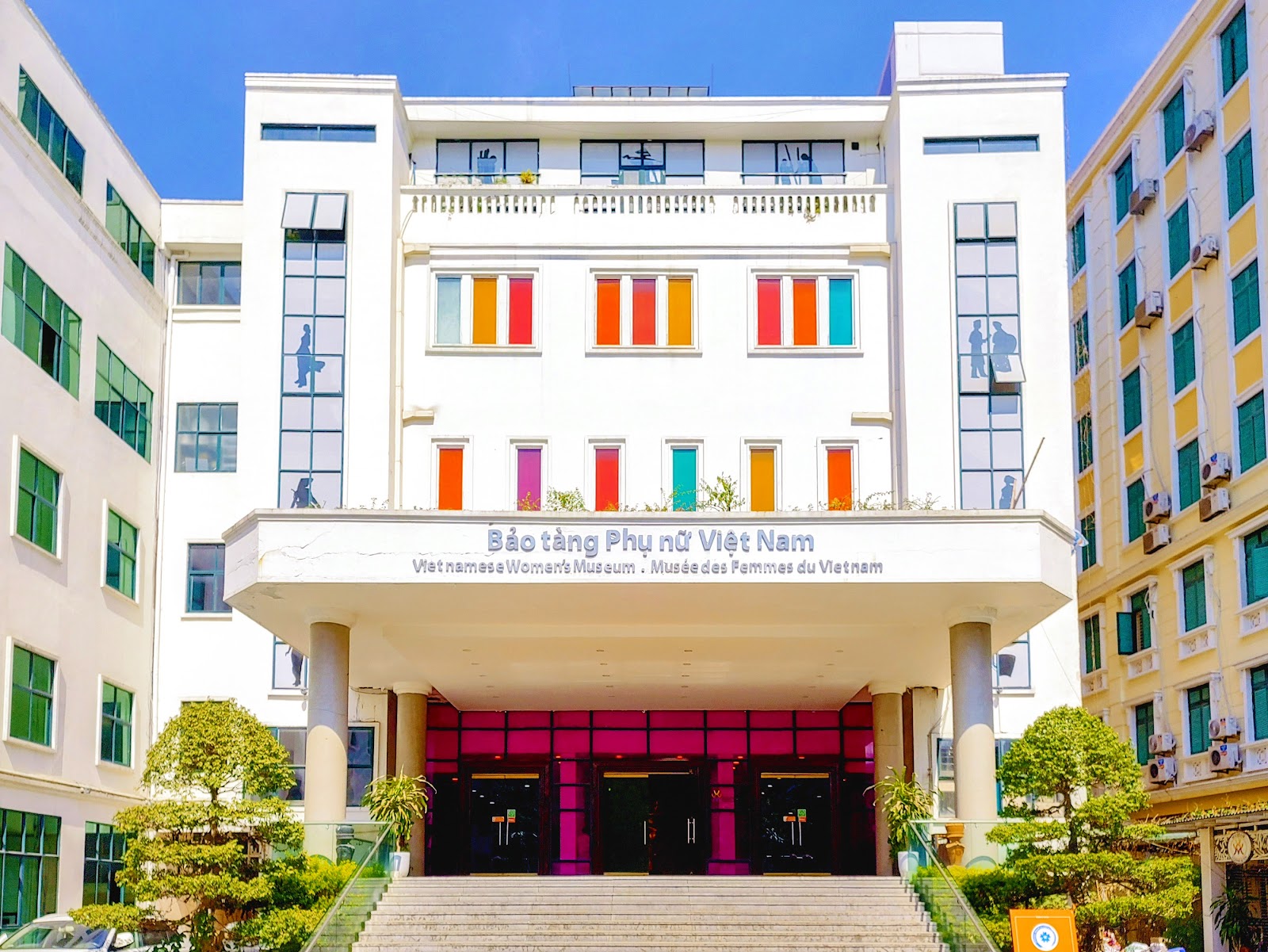
17. A celebration of female strength (Vietnamese Women’s Museum)
This is honestly one of the best smaller museums you’ll find in central Hanoi, and lots of tourists skip it entirely, which is a shame. The Vietnamese Women’s Museum (rated 4.5 from nearly 7,000 reviews) maps the crucial and often overlooked role of women in local society in a fantastic and very modern way. The extensive exhibitions are logically divided into three main themes: women in the family, women in history, and women’s fashion. Everything is also presented in a very fresh and visually appealing way.
You’ll be absolutely fascinated by the powerful stories of women who fought, smuggled weapons and laid down their lives during the war conflicts, as well as those who work hard every day as street fruit vendors to feed their families. The upper section devoted to the traditional wedding and birth rituals of various ethnic minorities is also beautiful, where you’ll see amazingly colourful and intricate costumes as well as handmade jewellery that women spent whole months of their lives creating.
The museum is very moving, superbly described in fluent English and shows Vietnam from a completely different, far more personal perspective than the one you know from ordinary war exhibitions full of weapons. You’ll learn plenty here about the matriarchal societies from the mountains.
💡 Tip: Stop by the museum shop on the ground floor, where you can buy beautiful handmade souvenirs coming directly from women’s craft cooperatives in remote villages, thereby directly supporting their independence.
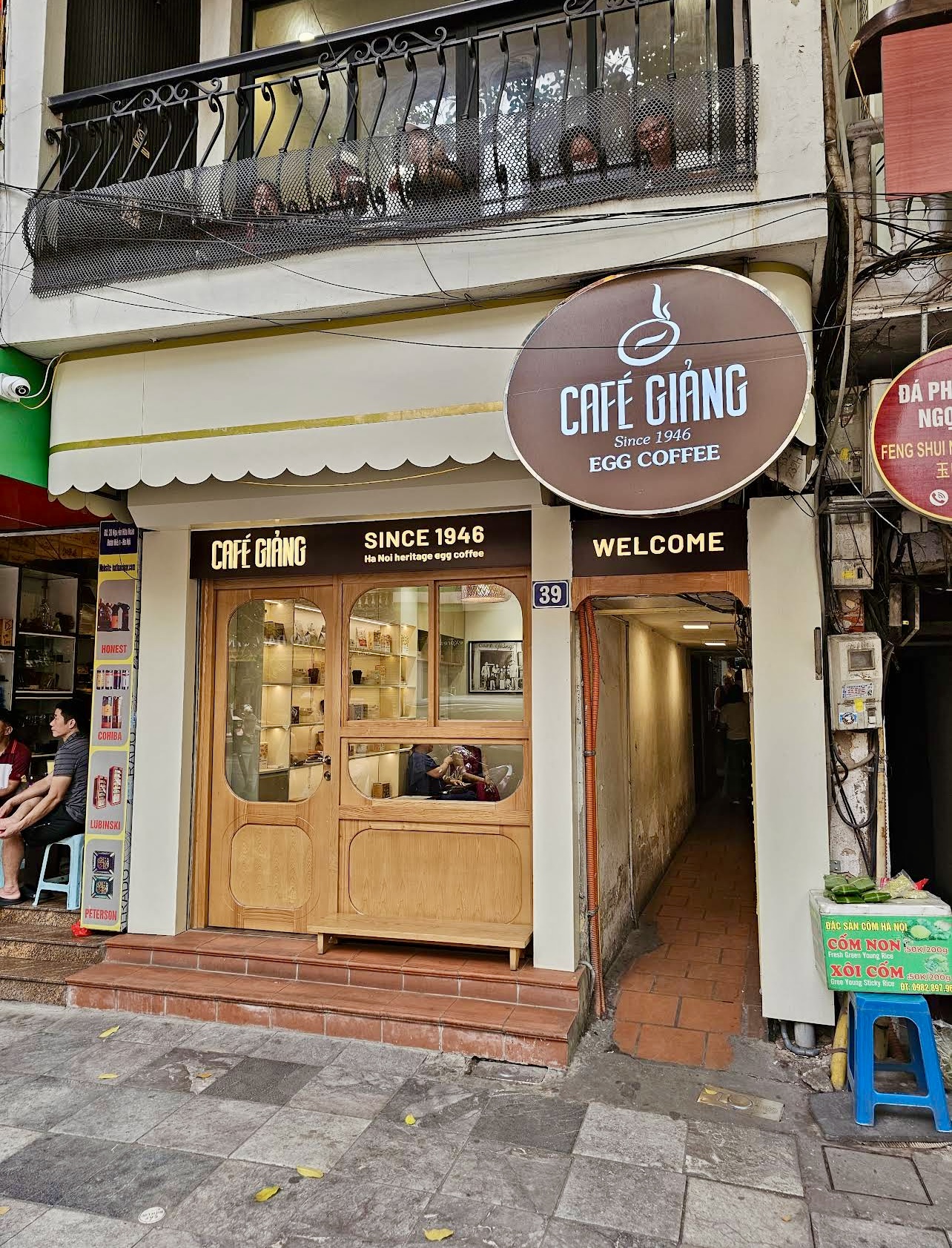
18. Legendary egg coffee at Café Giảng
Being in Hanoi and not trying the famous egg coffee at least once is a bit like going to Paris and deliberately skipping the Eiffel Tower. This drink, which sounds strange on first hearing (cà phê trứng), was created right here, at Café Giảng (rated 4.4 from nearly 17,000 reviews), back in 1946. At the time there was a huge shortage of fresh cow’s milk in the country during the war, so a clever barista had the idea to whip egg yolk with sugar and sweetened condensed milk as a rich substitute. A legend was born out of necessity.
The result is absolutely phenomenal. You get a small cup of strong espresso topped with a thick, sweet and extremely creamy foam that tastes a bit like melted tiramisu or the cream from an eclair. The café itself is cleverly tucked away in the narrow Nguyen Huu Huan alley — you have to go through an inconspicuous corridor and sit on the typical tiny stools in a fairly worn but 100% authentic interior full of chattering people.
Even though crowds of tourists throng here in season these days, it’s still a historic institution you simply must not miss, and the taste of this iconic drink will probably surprise you very pleasantly, even if you were sceptical about the idea of egg in coffee.
💡 Tip: The coffee often comes placed in a small bowl of hot water so the drink keeps the right temperature, so before you sip, thoroughly mix the creamy foam with the bottom layer of coffee using the little spoon.
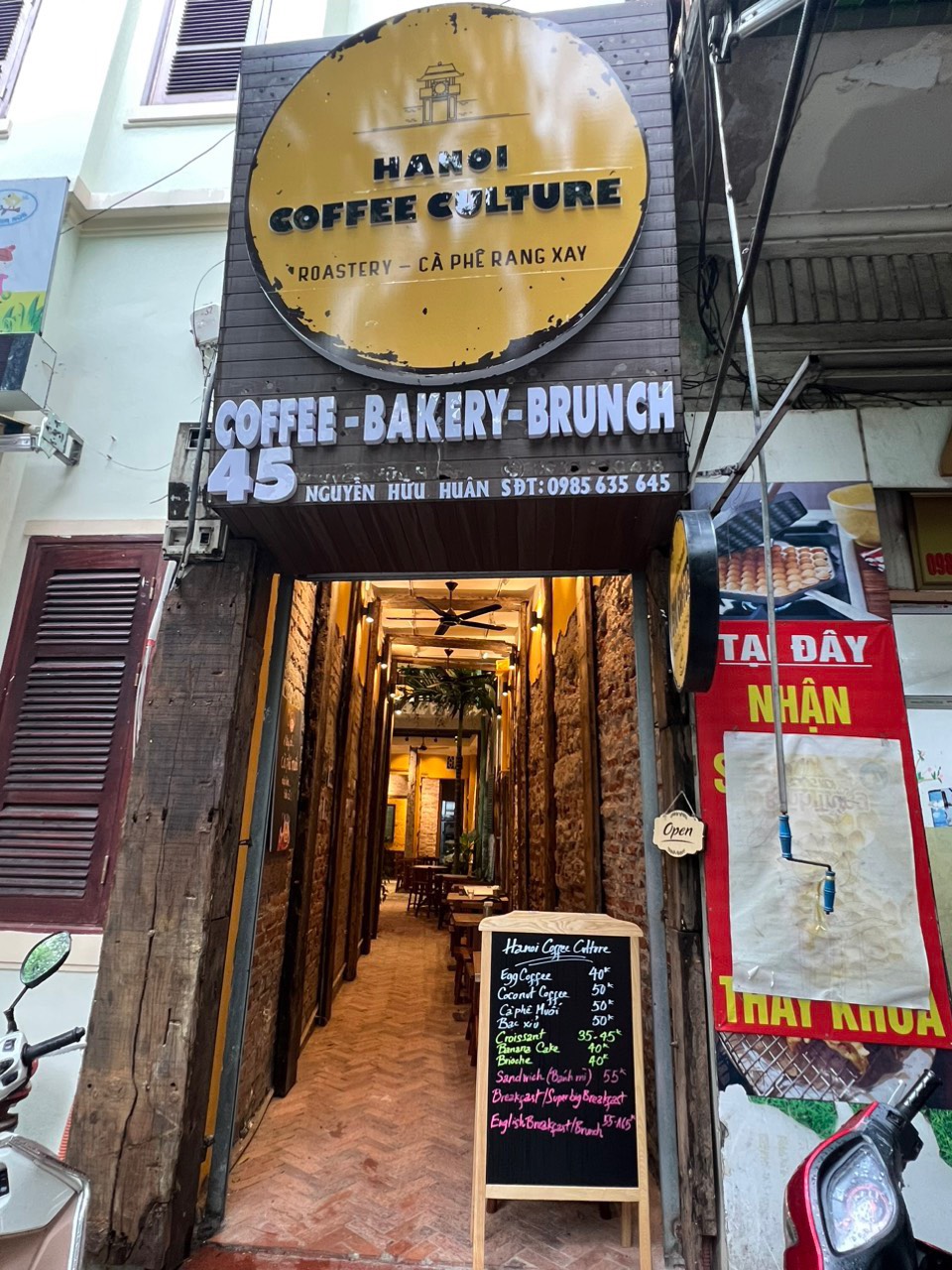
19. Modern coffee culture (specialty coffee)
While egg coffee is a wonderful excursion into history, present-day modern Hanoi lives on first-rate specialty coffee. Vietnam is, after all, the world’s second-largest coffee producer (right after Brazil, dominating in Robusta production) and local baristas can work absolute miracles with it. You definitely have to visit Hidden Gem Cafe (rated 4.8 from 4,500 reviews), a totally unique spot built almost entirely from recycled waste, one of the best-rated in the whole Old Quarter, where you drink from upcycled bottles.
If you love precise filter coffee or modern Arabica espresso, stop by C.O.C Legacy Specialty Coffee (rated 4.9) on busy Hang Bac Street, or try the excellent beans from local roasters at Dream Beans Coffee Roastery (rated 4.9). Besides the warm classics, which they often make through the traditional metal filter called a phin, various iced specialties are all the rage here too, and they’ll get you back on your feet in the afternoon heat for sure.
Be sure to try the traditional cà phê sữa đá (extremely strong iced coffee with sweet condensed milk), the unusual cà phê muối (salted coffee full of contrasts, where the salt highlights the sweetness) or the incredibly refreshing coconut coffee, where coffee is mixed with icy coconut slush. Locals like to drink their coffee very slowly and treat it as time for a chat with friends.
💡 Tip: Vietnamese coffee (especially the local Robusta variety) is extremely strong and contains far more caffeine than you’re used to in Europe, so towards evening go easy on the amount if you want to fall asleep at all.
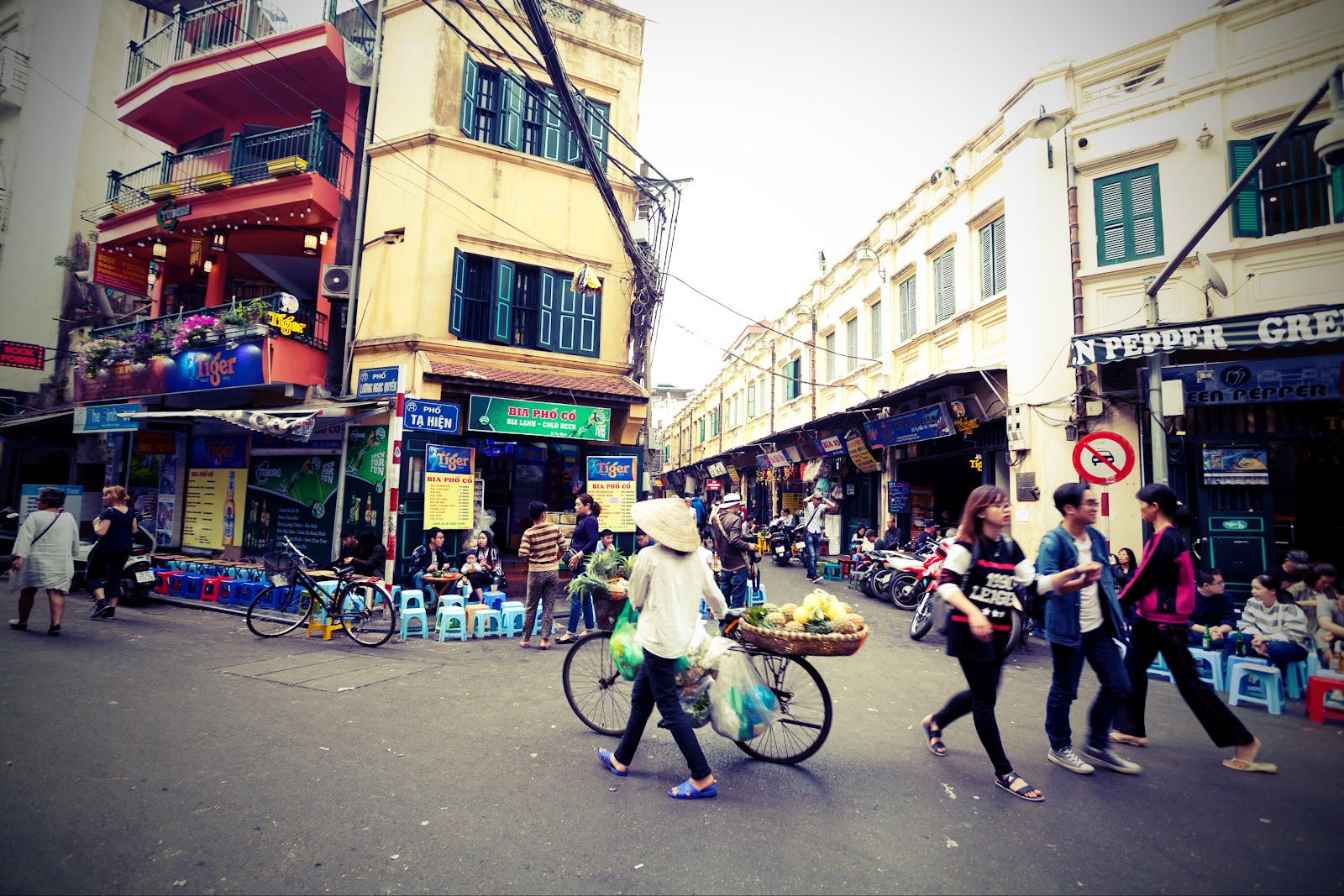
20. Evening beer on the pavement (Bia Hoi)
Once Hanoi sinks into deep darkness, the pavements of the Old Quarter fill with hundreds of small plastic tables and blue stools that barely reach an adult’s knees. This is the right time for bia hơi, that is, draught beer with a very low alcohol content (around 3%), brewed absolutely fresh in the city every day and containing no preservatives. The kegs are delivered to the street corner and the beer is sold for next to nothing until it simply runs out. Usually it vanishes to the last drop by evening.
The epicentre of this social phenomenon is the famous Ta Hien intersection, aptly nicknamed “Bia Hoi Corner”. Here enthusiastic backpackers from all over the world mix with local students and workers, everyone sitting on the pavement, sipping light beer and cracking roasted peanuts. With your beer you can also order great snacks like the fermented pork rolls nem chua or grilled meat skewers. The noise, laughter and clinking of glasses create the unforgettable backdrop of a typical Hanoi evening.
It’s an incredibly relaxed affair where all social differences blur away, and even if you’re not much of a beer drinker, you should stop for at least one trial cup because of the infectious atmosphere.
💡 Tip: Don’t expect any luxurious craft-beer experience — bia hơi is quite watery and occasionally slightly sour, but in that muggy evening heat it’s exactly what your body needs to cool down without making your head spin.
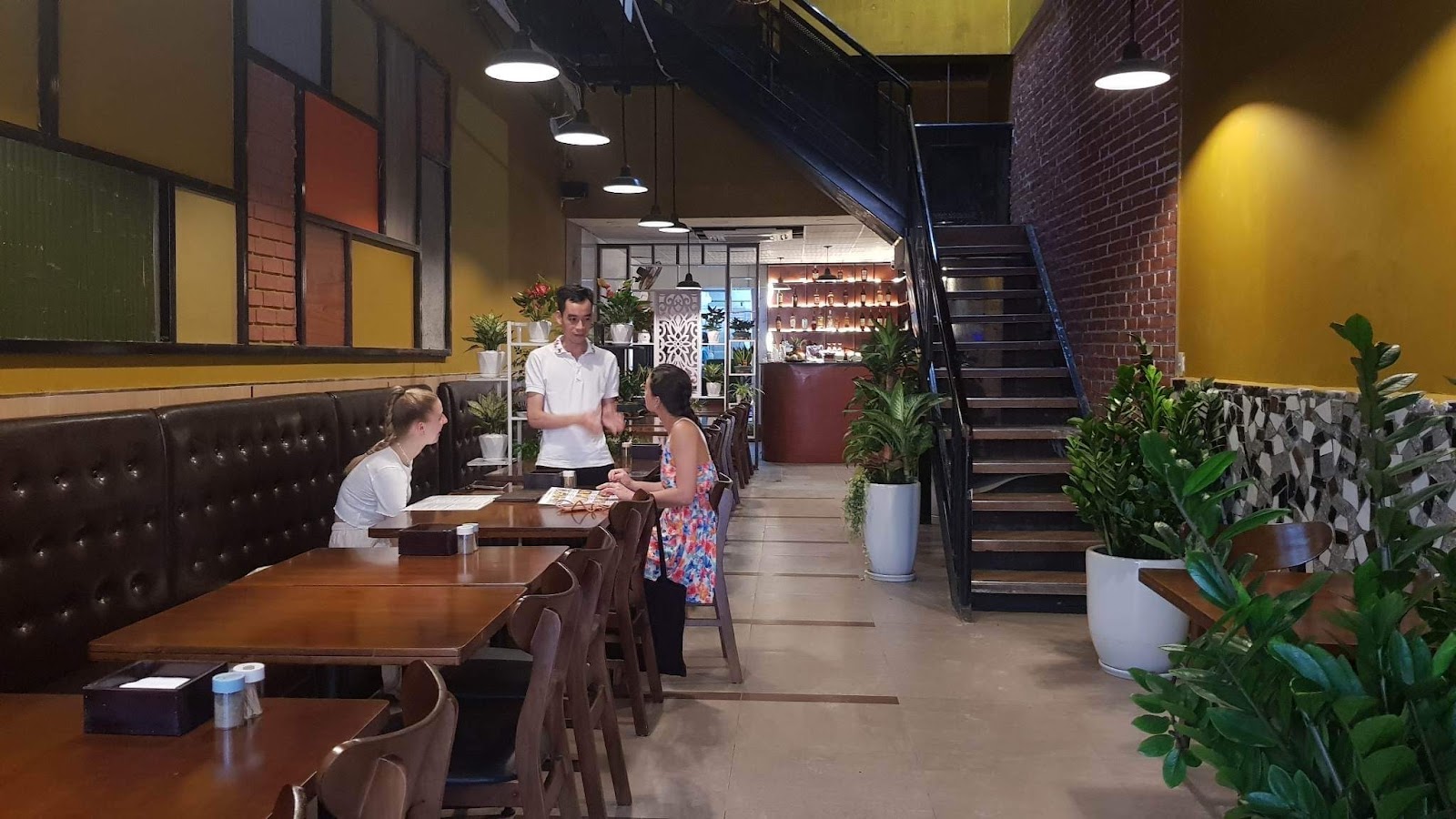
21. Where to eat vegetarian with no worries (Chay)
Hanoi’s cuisine looks at first glance full of meat. Everywhere you smell the famous pho soup with beef, pork sizzles on street grills for bún chả, and slices of ham and pâté are deftly stacked into crispy bánh mì baguettes. But that doesn’t mean vegetarians would go hungry here — quite the opposite. Thanks to a very strong Buddhist tradition, Hanoi has a fantastic and wide range of vegetarian dishes. Always look for them on the menu under the Vietnamese label chay. Especially around the 1st and 15th day of the lunar month, when many locals eat meat-free, you’ll find vegetarian options absolutely everywhere.
For a great experience you can head, for example, to Dana Vegan House (rated 4.9 from nearly 2,000 reviews), where they conjure incredible traditional dishes from purely plant-based ingredients, or to the excellent Bếp Chay Huệ Nhiên (rated 4.8). An absolute safe bet, with an incredible more than 31,000 reviews, is MẸT Vietnamese Restaurant & Vegetarian, which has several branches in the centre, where you’re guaranteed to enjoy a rich meat-free menu including fabulous banana-flower salads.
If you crave the classics, at Tự Châu Veggie (rated 4.9) they make absolutely fabulous vegan pho and banh mi, so you won’t miss out on these national treasures even as a vegetarian. Also try đậu phụ tẩm hành (fried tofu with fresh spring onion) or the popular fresh rice rolls filled with herbs and vegetables, which you dip in peanut sauce.
💡 Tip: Take enormous care at ordinary street stalls, because even seemingly “meat-free” noodle soups almost always have a base in a strong, long-simmered broth from pork or beef bones, which you can’t tell at a glance. Always ask for food with the clear word “chay”.
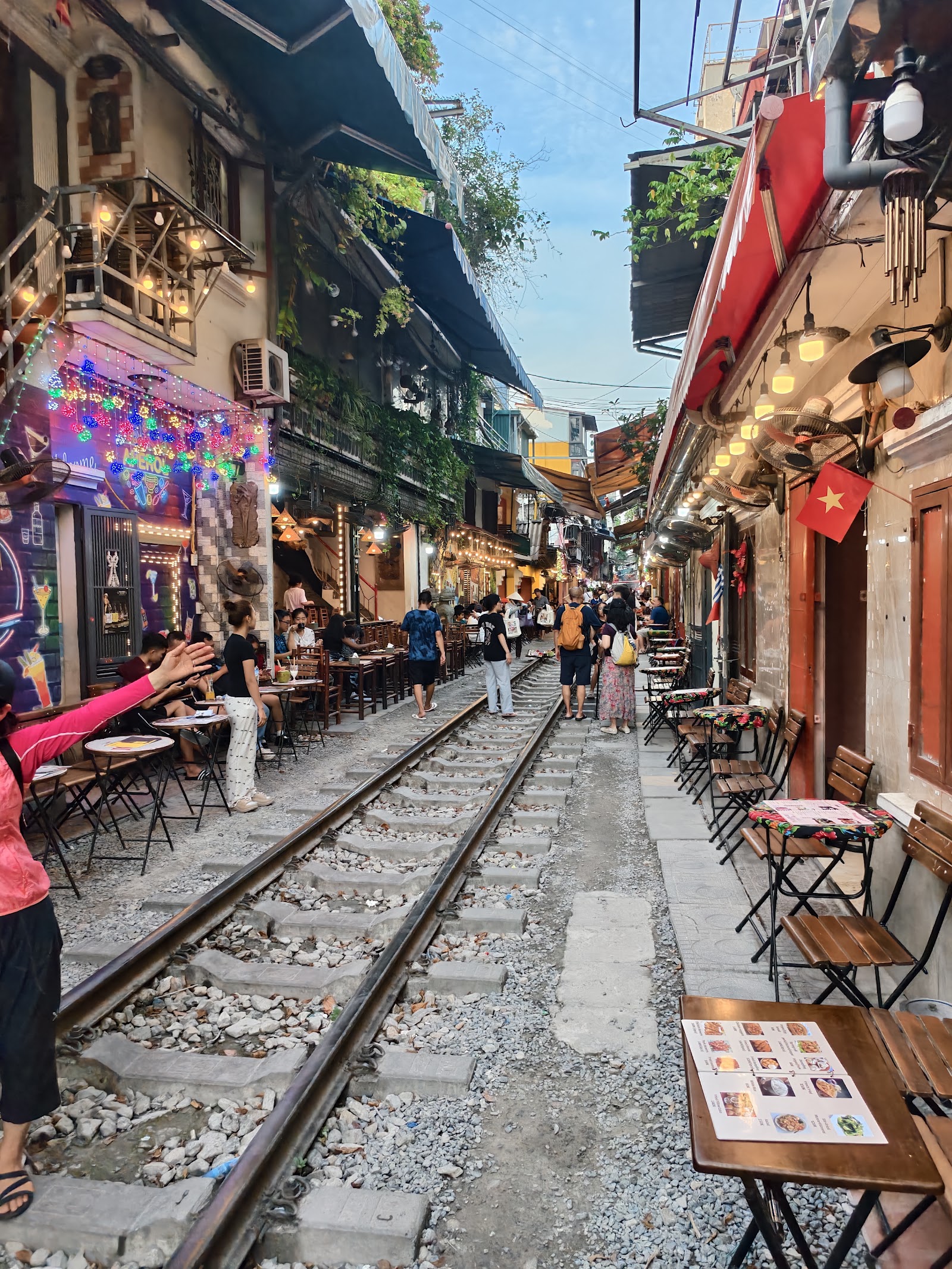
22. The adrenaline of crossing the street
This isn’t a classic historic sight, but it’s an adrenaline activity you’ll be doing dozens of times a day here, and it deserves a special mention. Crossing the street in Hanoi, where thousands of scooters hurtle towards you, there are no traffic lights and absolutely no one gives way to pedestrians, looks at first glance like clear and inevitable suicide. But the trick lies in the absolute smoothness and predictability of your movements. Honking here doesn’t mean “get out of my way” but only a polite warning: “heads up, I’m passing you”.
When you need to cross to the other side, simply step confidently into the road and walk at a very slow but steady, unchanging pace. Never, and I mean never, stop in the middle of the road, don’t back up and definitely don’t try to dart frantically in front of the motorbikes. The riders watch you peripherally the whole time and smoothly go around you both in front and behind, exactly like a rushing river flowing around a rock. Just don’t panic and keep your direction.
At first your heart will probably pound wildly and you’ll close your eyes, but after a few days you’ll perfectly grasp this controlled chaos and start moving through it with unexpected confidence and grace. You’ll see that after you return home, you’ll even miss the Asian traffic at times.
💡 Tip: If you’re really scared the first time, wait for a local, stand right next to them going with the flow of traffic and simply cross the street safely as their shadow. The locals don’t make any fuss about it.
Where to go from Hanoi (the best day trips)
Hanoi has one big advantage: from here you can get practically anywhere in northern Vietnam. If you tire of the city hustle, the surroundings offer things that make people come back again and again. Set aside separate days for these trips, because outside the city the transport slows down considerably and the roads winding through the mountains force you to take it easy. Travelling outside the metropolis is full of green rice fields, limestone crags and smiling villagers.
You can head to the following places:
- Ninh Binh and Trang An: This area is nicknamed the “dry Ha Long Bay”. You’ll float on little boats (often rowed by women using their feet) among huge limestone rocks and caves. It’s about a 2-hour drive from Hanoi and is also home to the gigantic Bai Dinh Pagoda, the largest Buddhist complex in Vietnam.
- Ha Long Bay and Lan Ha: An iconic sea bay full of karst islands, which you can reach from the city by car in about 2.5 hours on the new motorway. The best option is to pay for a cruise with an overnight stay right on the boat and wake up in the morning to a misty haze over the turquoise water.
- Perfume Pagoda: A cave temple complex about 60 km away, reached by a romantic combination of a slow boat on the river and a subsequent cable car into the hills. It can easily be done as a day trip, but I recommend avoiding spring, when hundreds of thousands of pilgrims head here.
- Bat Trang ceramics village: About half an hour from the centre lies a village where you can try throwing ceramics on the wheel yourself and buy beautiful porcelain bowls, vases or tea sets directly from local masters.
- Sa Pa and Mu Cang Chai: Fascinating mountain regions full of endless rice terraces and the colourful costumes of the local hill tribes. You get here by overnight sleeper train or bus (5–6 hours), and the trip calls for at least two or three days for proper trekking in the hills.
If you’re figuring out which district to base yourself in after returning from your trips, take a look at our detailed article Where to stay in Hanoi. For more inspiration on how to plan your whole route, also read our article on what to see in Vietnam.
Frequently asked questions
Before you set off into the whirlwind of the Vietnamese capital, we’ve put together answers to the most common questions for you. This practical information will save you plenty of time and any worries on the ground.
How many days do I need to explore Hanoi?
For the city itself, 3 full days will be more than enough to comfortably cover the main sights, museums, and soak up the atmosphere in the Old Quarter without any rush. You’ll spend mornings discovering history, afternoons tasting amazing coffee, and evenings sampling street food. However, if you’re planning day trips from Hanoi (for example to the popular Ninh Binh or Ha Long Bay), set aside at least 5 to 6 days for northern Vietnam. You simply won’t want to leave Hanoi in a hurry, because it’s full of unexpected surprises.
Is Hanoi safe for tourists?
Yes, in terms of violent crime the city is very safe, even for evening walks after dark in back alleys. The main risks are chaotic traffic for pedestrians, occasional pickpockets in dense crowds (for example at the night market, where it’s better to wear your backpack on your front), and of course overpriced rides with unregistered taxis or cyclo rickshaws. Negotiate, smile, and always agree clearly on the price of transport or street food in advance to avoid unpleasant surprises.
Can I freely walk along the famous Train Street?
No, this is unfortunately definitively a thing of the past. Since March 2025, free access has been strictly forbidden and police on site uncompromisingly guard to prevent crowds of tourists with phones from getting onto the tracks. Authorities responded this way to cases where people were stopping the trains themselves. You can only get inside if you have a prior arrangement with the owner of a specific licensed café located along the tracks, who will personally escort you past the police tape directly to your safe table.
What’s the best way to get around the city?
In the Old Quarter area and around Hoan Kiem Lake, it’s best to get around purely on foot, because traffic here is often congested and by car you’d be delayed even more than walking. For longer distances to museums, pagodas, and the mausoleum, download the Grab app or use an electric Xanh SM taxi. With these apps you see the price clearly in advance and don’t have to negotiate extensively with anyone. The metro so far only connects outlying districts and has no real significance for tourists moving around the historic center.
Can I drink tap water in Hanoi?
Tap water is not drinkable and you definitely shouldn’t consume it, not even for brushing your teeth. Follow this rule absolutely uncompromisingly and always buy reliably bottled water from shops with sealed caps. As for ice in drinks and crushed ice in coffee, in establishments and cafés with good reviews you don’t need to worry at all—ice here is produced industrially from filtered water and is completely safe for visitors.
Will the low-emission zone restrict me in any way?
If you’re not driving your own scooter, the new zone will only restrict you in a very pleasant way, because it brings peace to otherwise busy roads. A pilot project from July to the end of December 2026 brings a strict ban on motorbikes and cars to 11 streets in the historic center from Friday to Sunday (7:00 PM to midnight). This means much quieter and safer walks without smog, but don’t forget one important thing—a regular Grab motorbike won’t come directly into this zone for you, so you’ll need to walk a few dozen meters to the very edge of the pedestrian zone for your pickup.
Should I bring warm clothes to Vietnam?
It depends on which month exactly you’re traveling, which many Europeans underestimate. If you’re going between December and February, definitely pack a warm sweater, waterproof jacket, and closed shoes for walking through puddles. Temperatures in Hanoi only drop to 12–18 °C (54–64 °F), but due to very high humidity, cold drizzle, and complete absence of heating in hotels, it can be really clammy and unpleasantly cold here. The rest of the year is very hot and humid, so light, breathable summer clothing that won’t make you sweat and comfortable sandals or sneakers in which you can walk several kilometers a day without blisters will be perfectly sufficient.
Tips and Tricks for Your Vacation
Don’t Overpay for Flights
Search for flights on Kayak. It’s our favorite search engine because it scans the websites of all airlines and always finds the cheapest connection.
Book Your Accommodation Smartly
The best experiences we’ve had when looking for accommodation (from Alaska to Morocco) are with Booking.com, where hotels, apartments, and entire houses are usually the cheapest and most widely available.
Don’t Forget Travel Insurance
Good travel insurance will protect you against illness, accidents, theft, or flight cancellations. We’ve had a few hospital visits abroad, so we know how important it is to have proper insurance arranged.
Where we insure ourselves: SafetyWing (best for everyone) and TrueTraveller (for extra-long trips).
Why don’t we recommend any Czech insurance company? Because they have too many restrictions. They set limits on the number of days abroad, travel insurance via a credit card often requires you to pay medical expenses only with that card, and they frequently limit the number of returns to the Czech Republic.
Find the Best Experiences
Get Your Guide is a huge online marketplace where you can book guided walks, trips, skip-the-line tickets, tours, and much more. We always find some extra fun there!


