

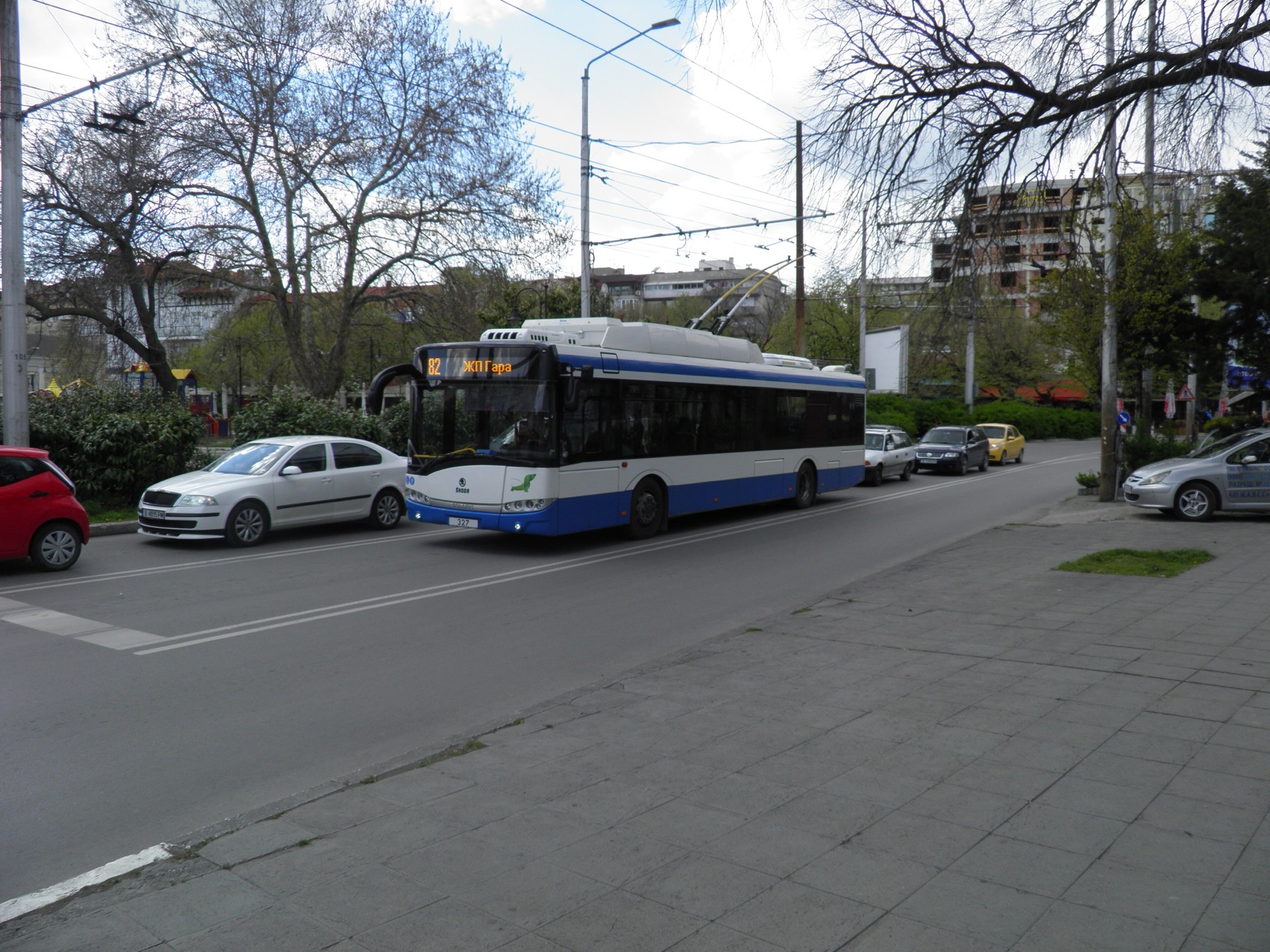
Say Bulgaria and most people picture endless rows of hotels on the Sunny Beach coast. But Varna, Bulgaria is a completely different story, and you’ll spot far more surprises here than you’d ever expect. The Archaeological Museum, which hides the oldest processed gold in the world, was founded by the Czech scholar Karel Škorpil. The enormous Sea Garden, the pride of the whole coast, was designed by another Czech, Anton Novák. And when you stand at a public transport stop, chances are you’ll ride a Czech-built Škoda trolleybus.
Varna simply isn’t just an artificial summer resort — it’s the third-largest city in Bulgaria, living at its own pace all year round. You’ll find the largest Roman baths in the Balkans, shady boulevards full of cafés, and city beaches you can walk to straight from the historic centre. It’s exactly the kind of destination where you can admire Thracian excavations in the morning, tuck into a great shopska salad in a traditional tavern at noon, and lie on soft sand by the Black Sea in the afternoon.
In this guide you’ll find 20 concrete tips on what to see and do in Varna. I’ll show you how to avoid the transport traps, where to head for the best day trips, which neighbourhood to base yourself in, and what to watch out for when choosing a restaurant. On top of that, Bulgaria adopted the euro on 1 January 2026, so there’s no more hassle with exchanging leva and constant recalculating.
TL;DR
- What Varna is: The third-largest city in Bulgaria (over 322,000 inhabitants) and an important seaport that runs year-round, not just in summer.
- The biggest draw: The Varna Gold Treasure from 4600–4200 BC, which represents the oldest processed gold in the world.
- Currency and prices: Since 1 January 2026 the euro is used across all of Bulgaria. Dual price display has now ended.
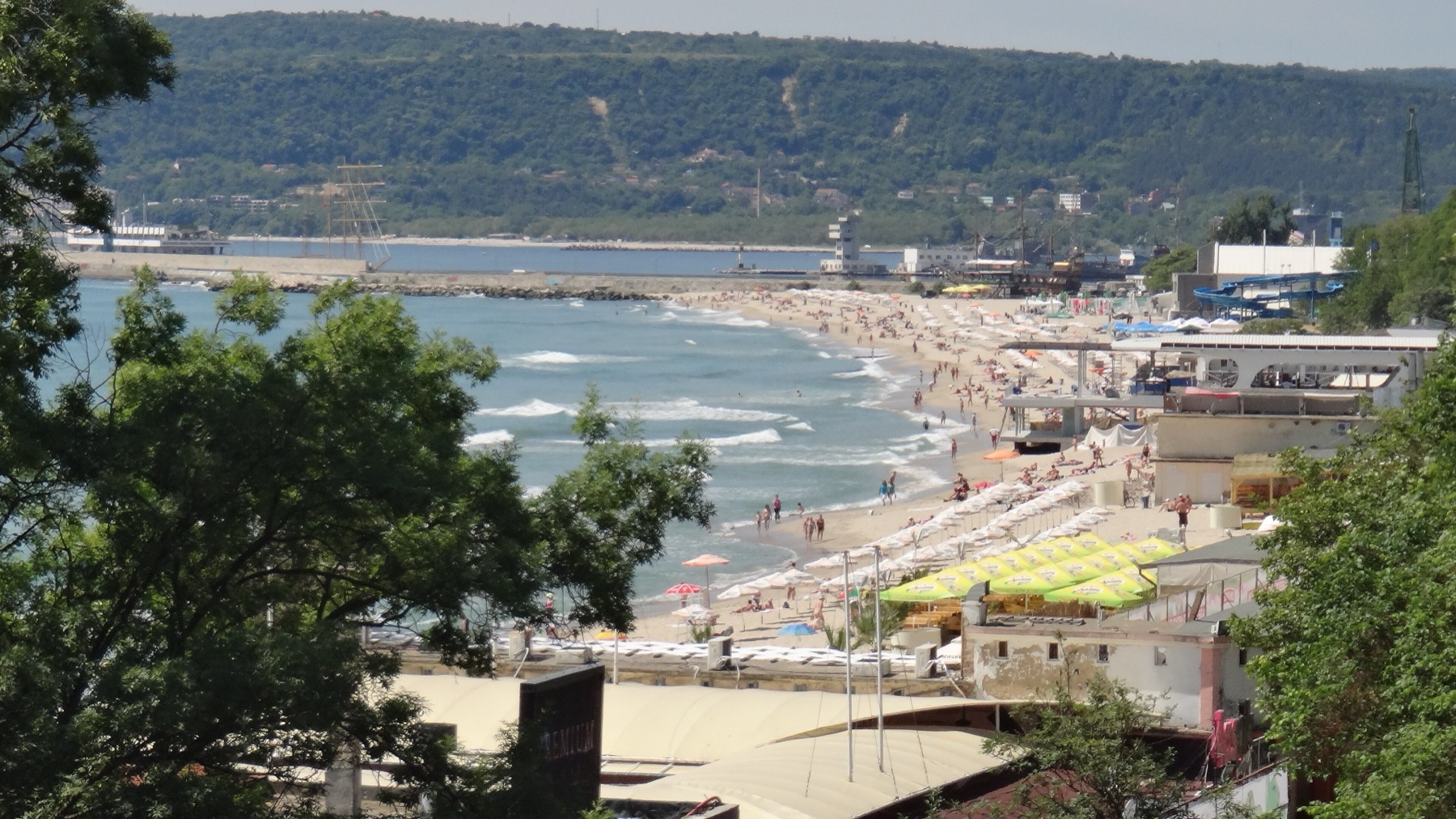
- Beaches: The city has over 22 beaches with a total length of 32 kilometres. Among the best are the wide Yuzhen beach and the quieter Asparuhovo.
- Transport: The airport is just 8 kilometres away; bus line 409 will get you to the centre in under twenty minutes.
- When to go: August is the driest and warmest, but it’s worth coming in spring or autumn for the culture and monuments too.
- Day trips: From Varna you can easily reach the cliffs of Cape Kaliakra, the Aladzha rock monastery, or the unique Stone Forest (Pobiti Kamani).
| # | Place | Type | Entrance fee 2026 |
|---|---|---|---|
| 1 | Archaeological Museum | History | €10.00 |
| 2 | Roman Baths | Ancient monument | €4.00 |
| 3 | Cathedral of the Assumption | Church building | Free |
| 4 | Naval Museum | Military history | €4.09 (combo) |
| 5 | Ethnographic Museum | Culture and traditions | €5.00 |
| 6 | Retro Museum (Grand Mall) | Modern history | Approx. €15.34 |
| 7 | Clock Tower | Architecture | Free from outside |
| 8 | Sea Garden | Park and relaxation | Free |
| 9 | Aquarium | Nature | €2.00 |
| 10 | Festa Dolphinarium | Entertainment | €14.00 – €26.00 (by season) |
| 11 | Varna Zoo | Nature | €3.00 |
| 12 | N. Copernicus Planetarium | Education | €3.58 |
| 13 | City beaches | Swimming | Free (loungers approx. €3.5–5) |
| 14 | Vladislav Varnenchik Park-Museum | History | €4.09 |
| 15 | Asparuhovo Beach | Swimming | Free |
| 16 | St. Constantine and Helena | Thermal spa | By chosen resort |
| 17 | Balchik Palace and Gardens | Day trip (history/nature) | €10.00 (palace) + €10.00 (garden) |
| 18 | Cape Kaliakra | Day trip (nature/history) | Approx. €3.00 |
| 19 | Aladzha Monastery | Day trip (rock monastery) | €5.00 |
| 20 | Pobiti Kamani and Madara Rider | Day trip (nature/UNESCO) | €3.00 / approx. €3.58 |
How much things cost in Varna
Bulgaria officially adopted the euro on 1 January 2026. The fixed conversion rate was set at €1 = 1.95583 lv. The period when prices had to be shown in both currencies ended on 8 August 2026, so today you’ll see only euros on restaurant menus and in shops. For international visitors this is a huge relief — no more hunting for a fair exchange office and recalculating leva.
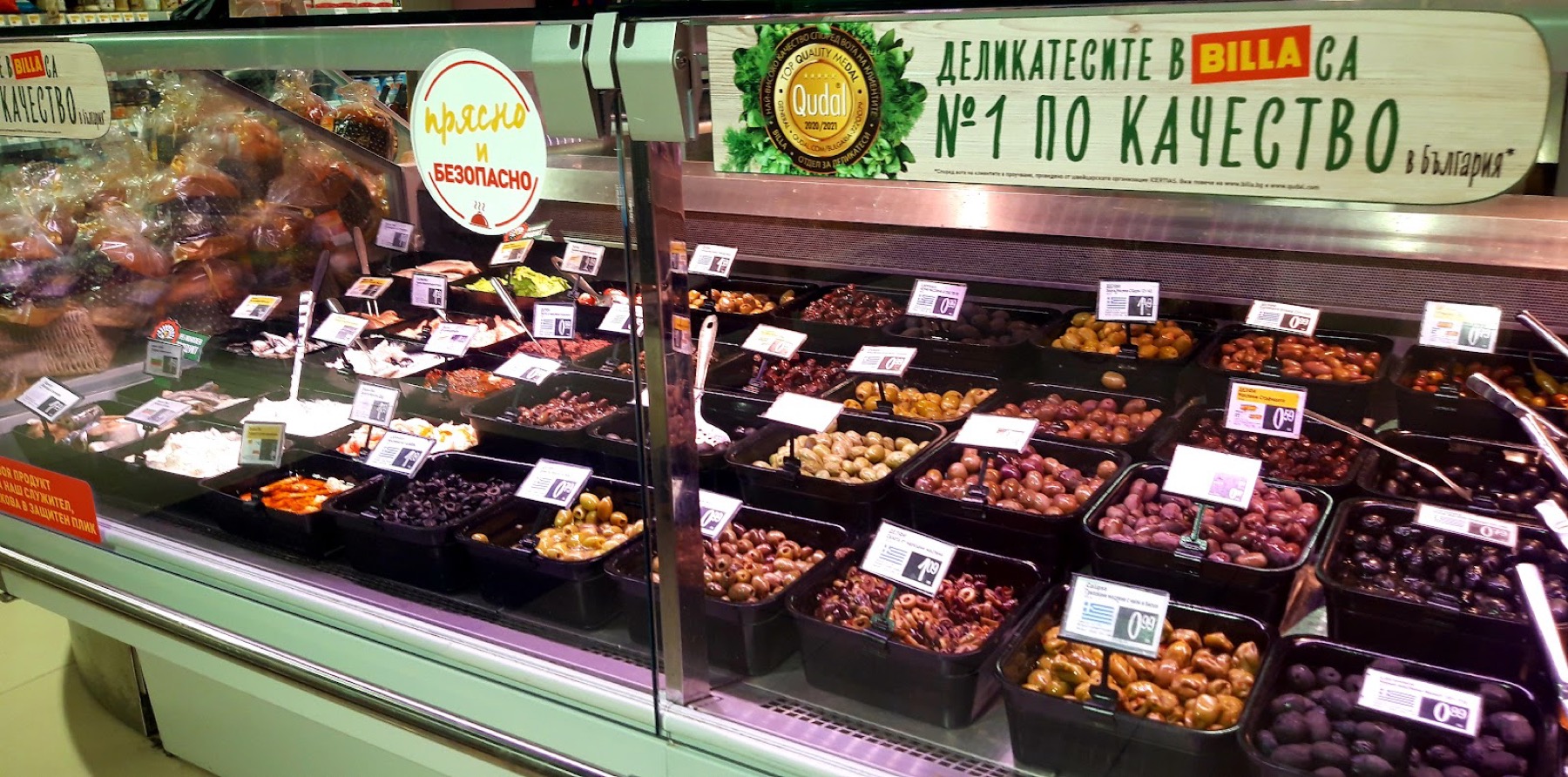
When planning your budget, pay close attention to where you eat. In Varna there’s a gaping gap between local spots and the tourist promenade. While in a traditional tavern in the centre (the so-called Greek Quarter) you’ll pay around €9 to €10 for a meat-free main and just over €6 for a shopska salad, on the beach promenade (Kraybrezhna Aleya) the same salad can easily set you back €14 and a main course climbs to €20–30. That’s a difference of a good 200 to 300 percent.
Table of typical prices in Varna (2026):
| Item | Price in euros |
|---|---|
| Public transport ticket (via app) | €0.51 |
| Taxi starting fare / price per 1 km | €1.58 / €0.79 |
| Espresso in a café | €1.99 |
| Draft beer (0.5 l) in a restaurant | €2.50 – 2.56 |
| Lunch in a traditional tavern (off the beach) | €10.00 – 12.00 |
| Dinner for two in a mid-range restaurant | approx. €52.00 |
| Beach lounger rental | €3.50 – 5.00 |
| Entrance to the main museums | €4.00 – 10.00 |
How to get to Varna and get around
Varna Airport (VAR) lies just 8 kilometres west of the centre. It handles nearly two million passengers a year, and in the summer season it’s served by seasonal flights from across Europe — airlines like Ryanair, easyJet and Wizz Air run routes to the Bulgarian coast, and legacy carriers such as Lufthansa connect via major hubs. The journey from the airport to the centre is a breeze, taking under 20 minutes.
The cheapest way from the airport is bus line 409, which passes the bus station straight into the centre by the Cathedral and, in summer, continues all the way to Golden Sands. But here lurks a big tourist trap. Two different transport companies run this line side by side. If you buy a ticket from the machine, it’s only valid on the vehicles of the city operator Gradski Transport. If a vehicle of the other operator stops for you, you’ll have to buy a ticket again from the conductor inside.
For getting around town, public transport is fairly reliable but has its quirks. The machines at the stops accept only euro coins. No notes, no cards. If you don’t have change, you simply can’t buy a ticket. By far the best solution is to download the new TTickets Varna app. Not only can you pay by card, but the electronic ticket costs just €0.51, while a paper one from the machine will set you back a full €1.
If you’re planning to rent a car, be prepared for some local parking specifics. The blue zone in central Varna is in effect from Monday to Sunday, which is the most common catch for tourists who assume they park for free at weekends. On top of that, Varna has no classic parking machines. Parking (€0.51 per hour) is paid via SMS — which is often unreliable from a foreign number — or, much better, through the MPark app. If you don’t pay, a wheel clamp will cost you more than €10, though you can pay it online without waiting by your car.
Taxis in Varna are fairly cheap, with a daytime rate of €0.79 per kilometre. Always pick honest companies (for example Triumf, Omega Trans or Hipo) and remember that neither Bolt nor Uber run rides in Varna (Bolt here only offers scooters and food delivery). Booking a taxi by phone or through the company’s app is free, so there’s no point flagging down a random car on the street where you risk being overcharged.
Historic centre and museums
Varna has a beautiful, compact centre that’s best explored on foot. You’ll come across the remains of mighty Rome, stunning collections from the dawn of humankind, and reminders of modern history.
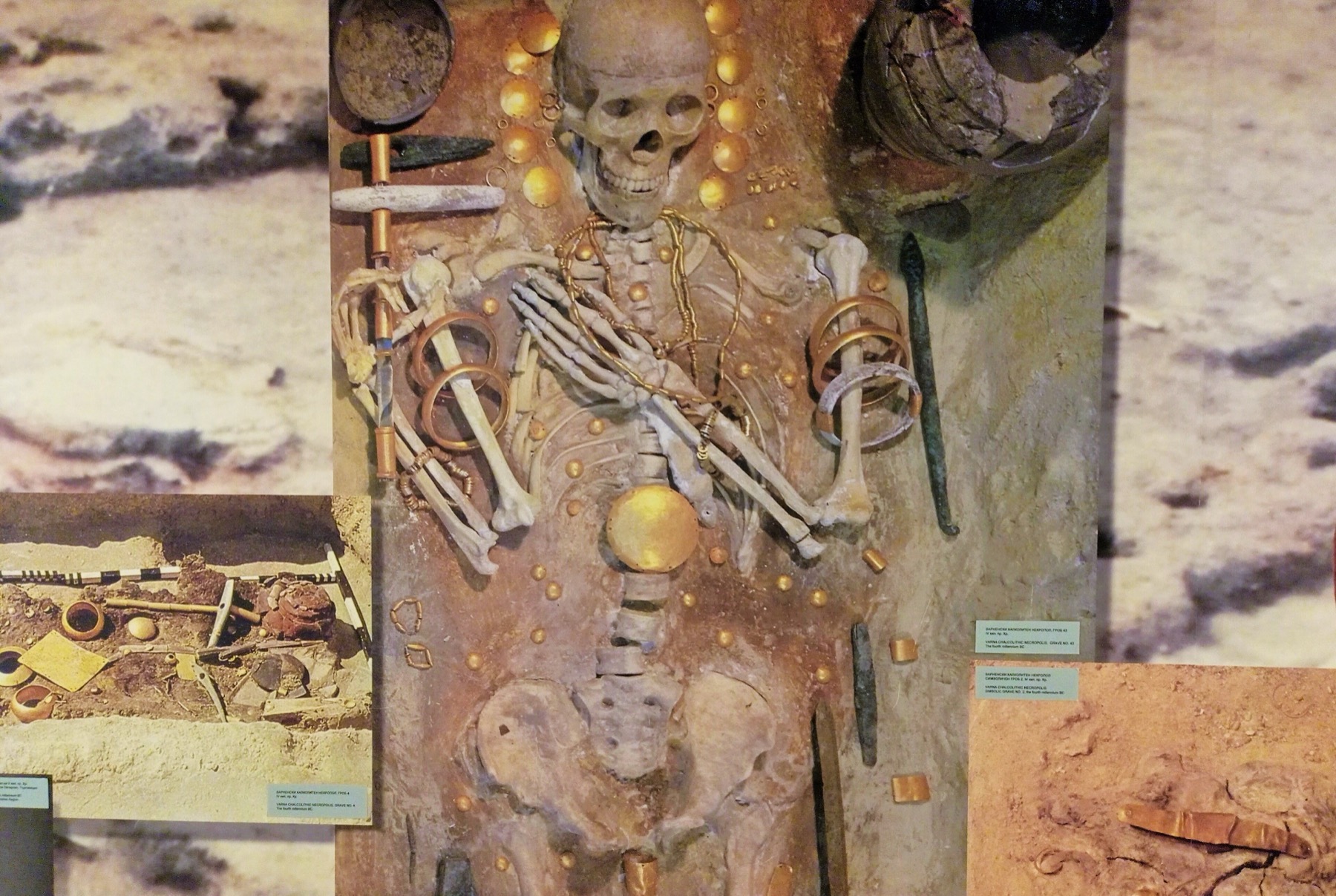
1. Archaeological Museum and the world’s oldest gold
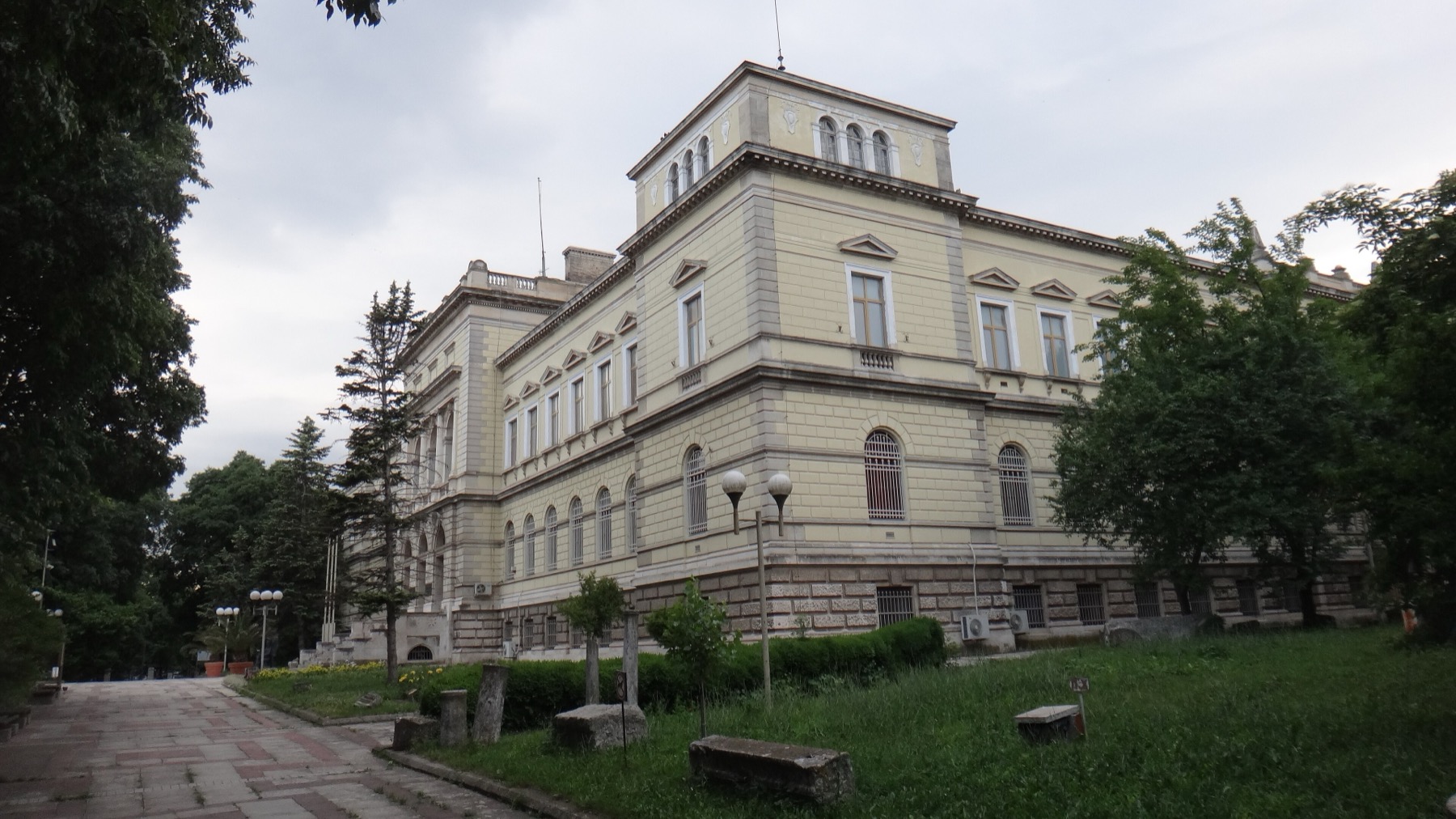
This is no ordinary city museum. It’s here that you can see the famous Varna Gold Treasure, discovered by chance by an excavator operator in 1972. Research showed the objects date to roughly 4600–4200 BC, making them the oldest processed gold found anywhere in the world. The weight and number of these gold finds several times exceed the total of all gold objects found from the same era across the whole world, including Mesopotamia and Egypt.
The most famous exhibit is a replica of grave number 43, which contained over a thousand gold objects weighing more than 1.5 kilograms. For a long time it was thought to be the remains of a powerful prince, but modern archaeology leans towards it being a high-ranking smith. The museum itself sits in the lovely building of a former girls’ high school. 💡 Tip: Tickets at €10 are only sold at the physical box office — the museum warns against buying online from resellers. In the winter season (October to April) it’s also closed on Sundays and Mondays.
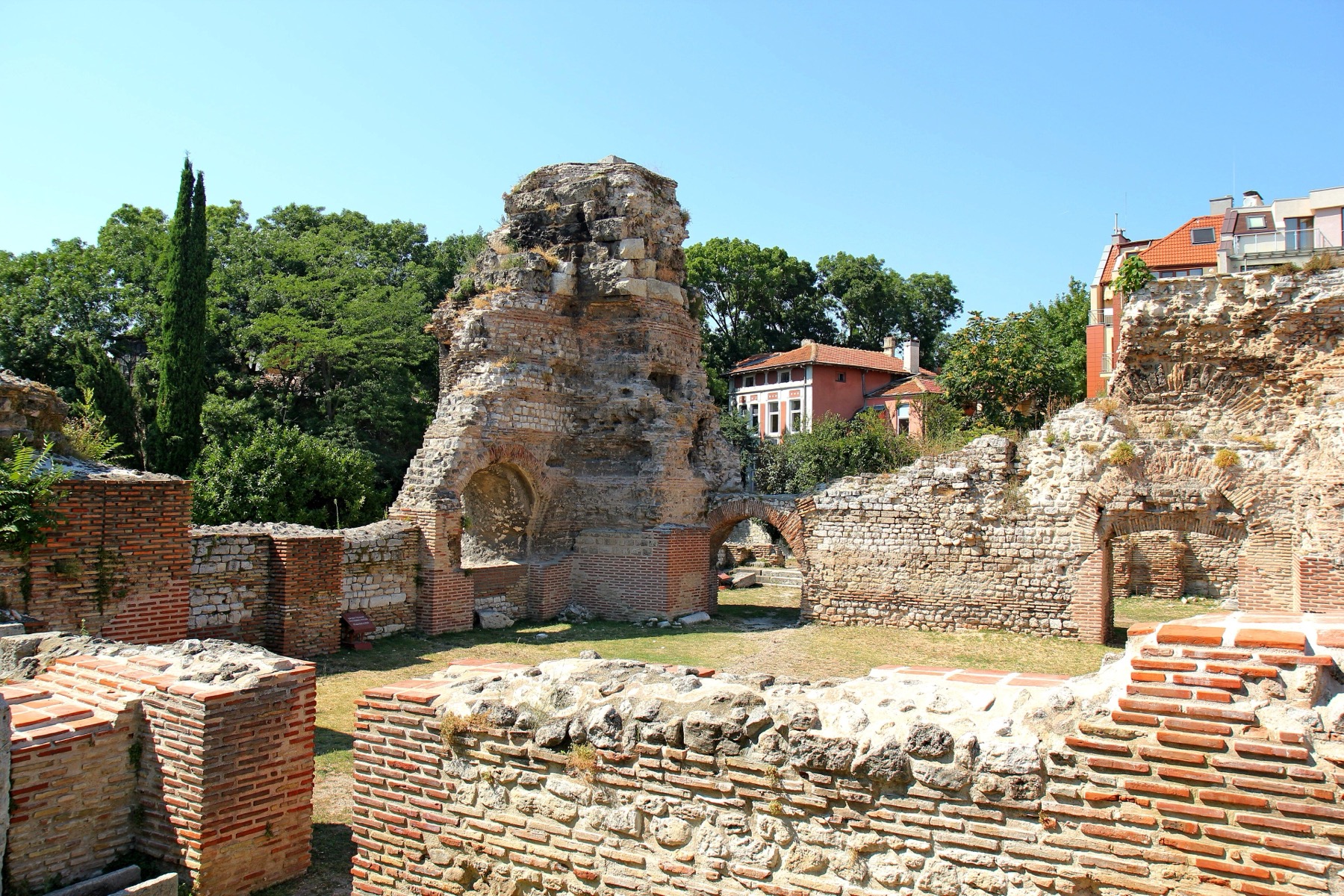
2. Roman Baths (Odessos)
In the very heart of the city, tucked among apartment blocks, lie the ruins of ancient Odessos. These baths, built at the turn of the 2nd and 3rd centuries AD, spread over an impressive area of more than 7,000 square metres. They’re the largest Roman baths in the Balkans and, according to Varna’s tourist board, even the fourth-largest in Europe.
Strolling among the massive walls, which in places rise up to 22 metres high, you can clearly make out the underfloor heating system (hypocaust). Their dating owes much to the discovery of coins from the reign of Emperor Septimius Severus. In summer the illuminated ruins serve as an utterly magical backdrop for open-air theatre and concerts. 💡 Tip: Basic entrance is €4. If you’re travelling off-season, remember that the baths have their closing day flipped in winter — you won’t get in on Sundays and Mondays. (Note: the smaller Lesser Roman Baths just next door are often closed, so check access on the spot.)
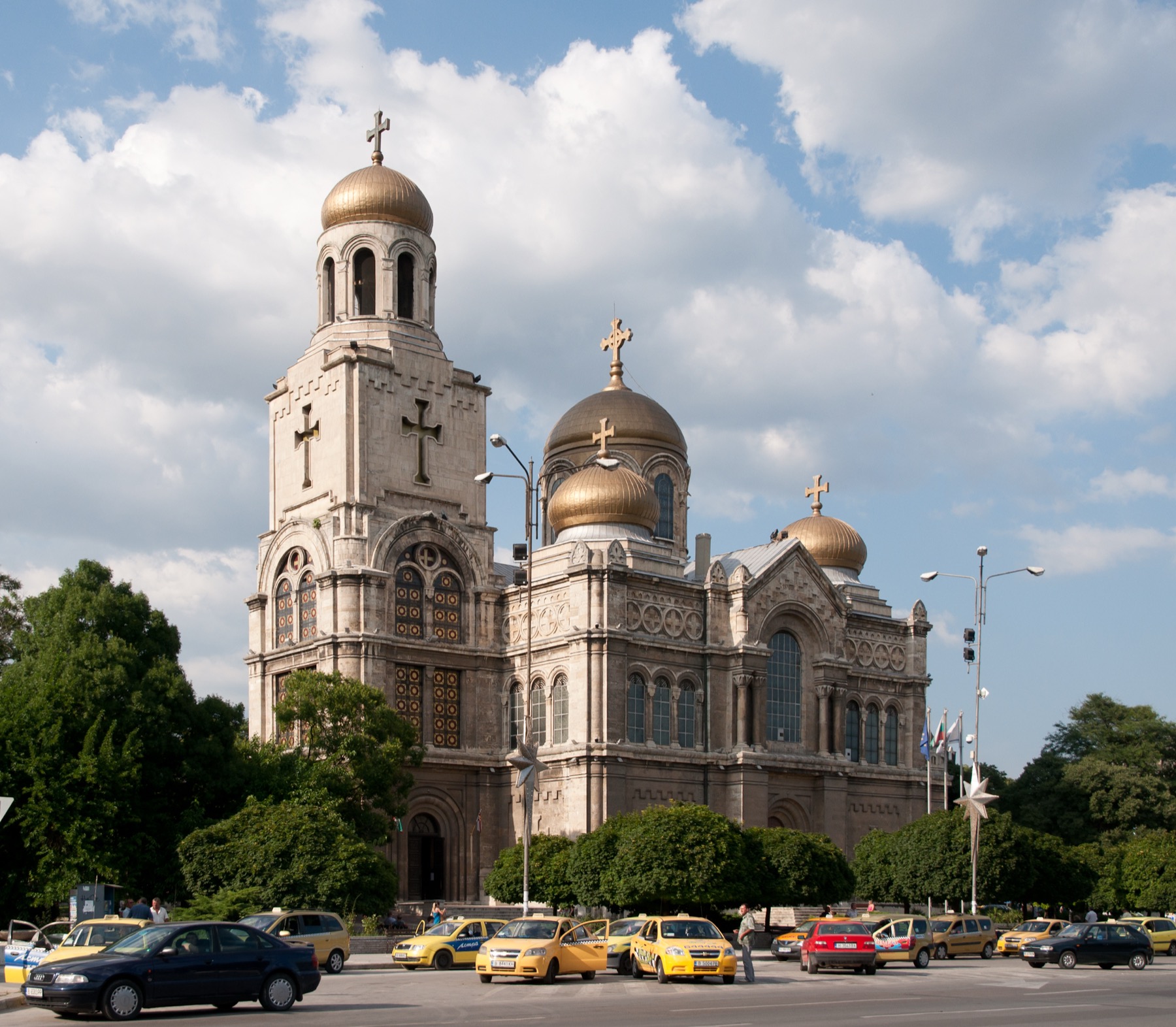
3. Cathedral of the Assumption of the Virgin Mary
The golden domes of this monumental building form the main landmark of all Varna. The cathedral was built along the lines of the church in Russian Peterhof, and its foundation stone was laid by Prince Alexander I of Battenberg in 1880. Inside you’ll be wowed by richly decorated frescoes and a magnificent wooden iconostasis. In August 2026 the cathedral marks exactly 140 years since its first service. 💡 Tip: Entry to the cathedral is completely free and it’s open daily from 7:00 to 17:30.
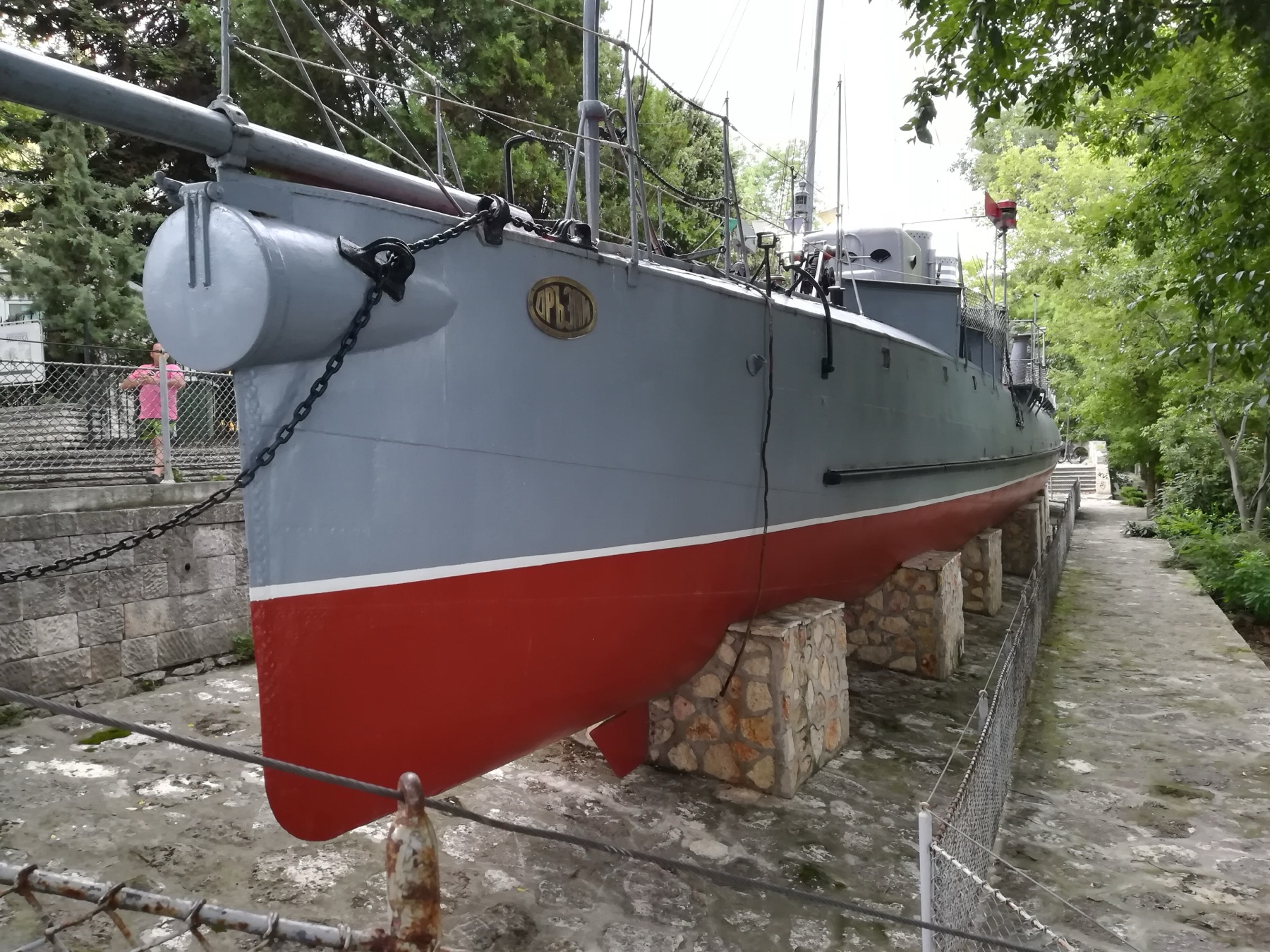
4. Naval Museum and the torpedo boat Drazki
Bulgaria is proud of its maritime history, and Varna is the main base of its fleet. The biggest draw of this museum isn’t the indoor exhibition but the outdoor park, where the torpedo boat Drazki stands. It’s the only surviving torpedo boat of its type in the world. This unassuming vessel became famous in 1912 when, from a point-blank distance of just a hundred metres, it successfully torpedoed the mighty Turkish cruiser Hamidiye. 💡 Tip: The shrapnel hole from that famous battle is still visible in the ship’s second funnel. A combined ticket to both the museum and the deck of the ship costs €4.09, and the last Wednesday of the month admission is free.
5. Ethnographic Museum
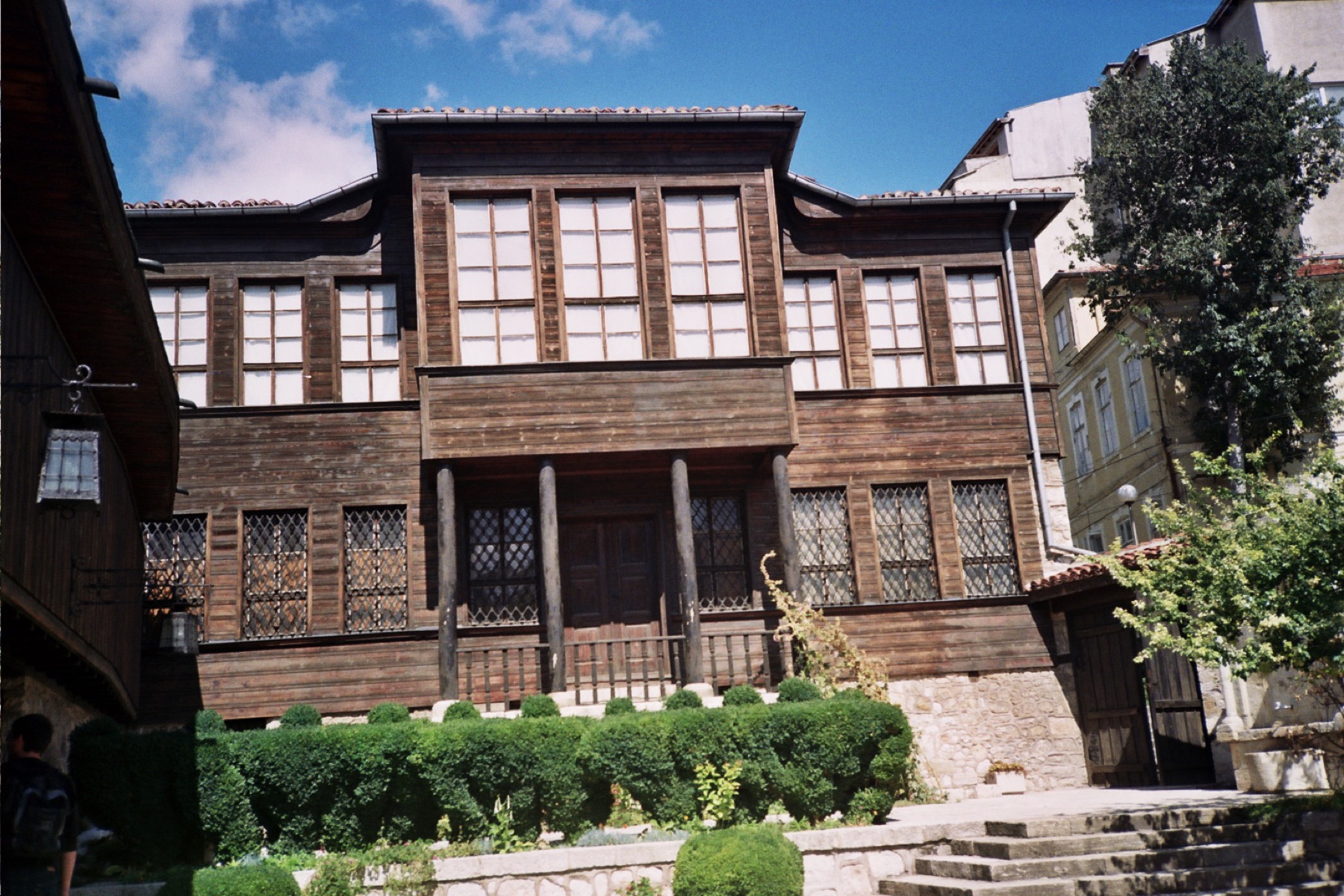
If you want to soak up the atmosphere of old Bulgaria, head to this museum housed in a beautifully restored 19th-century house. Here you’ll learn all about traditional crafts, farming and customs from the Varna region. The collection of richly embroidered folk costumes and ceremonial masks is especially captivating. 💡 Tip: Entrance costs €5. Watch out carefully for the winter opening hours — from October to April the museum is closed on Saturdays and Sundays, so it only runs on weekdays!
6. Retro Museum
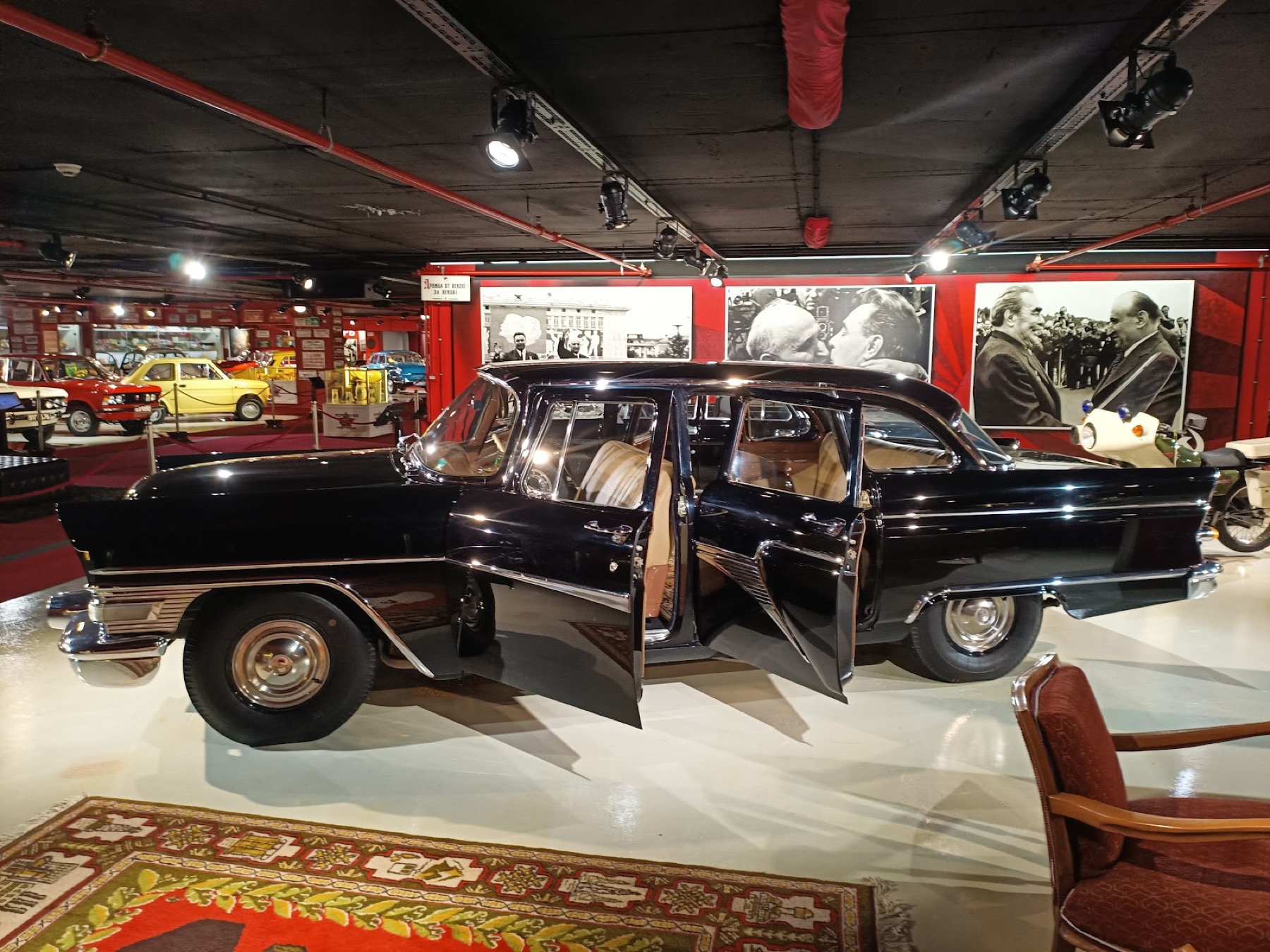
For lovers of recent history and nostalgia, the Retro Museum is an absolute must. It opened in 2015 as the first museum in Bulgaria located inside a shopping centre (Grand Mall). Across 4,000 square metres it gathers objects from 1944–1989. The stars of the collection are over 50 perfectly restored period cars, including old Škodas, Moskviches and the luxury government Chaika GAZ-13. 💡 Tip: The museum is open daily from 10:00 to 19:00, so it’s a great rescue for a rainy afternoon. Entrance comes to roughly €15.34.
7. Clock Tower
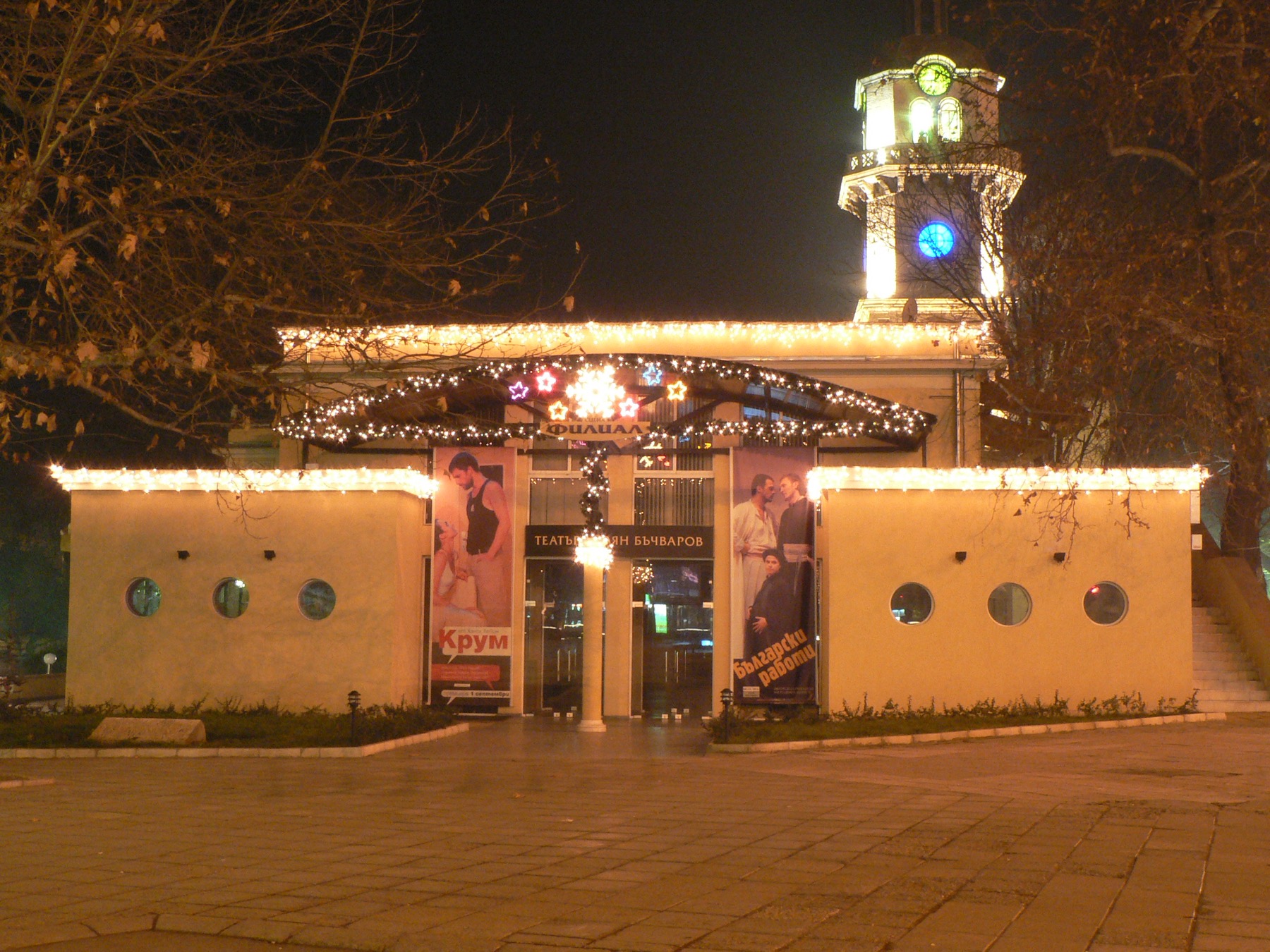
A short walk from Independence Square, on a building fused with the city theatre, stands the 24-metre-high Clock Tower. It was originally a fire station lookout, since from its height you could see across the whole town of the time. The English-made clock mechanism was installed in 1890, and the fire service here didn’t end until eight years later, when the firefighters finally got a telephone. In the hall built onto the tower, Radio Varna broadcast for the first time on 9 December 1934. 💡 Tip: You can only view the tower from outside, so it’s completely free. The area around the square is full of benches and cafés, so it’s a handy spot for a quick coffee while moving between the cathedral and the Sea Garden.
The Sea Garden and the coast
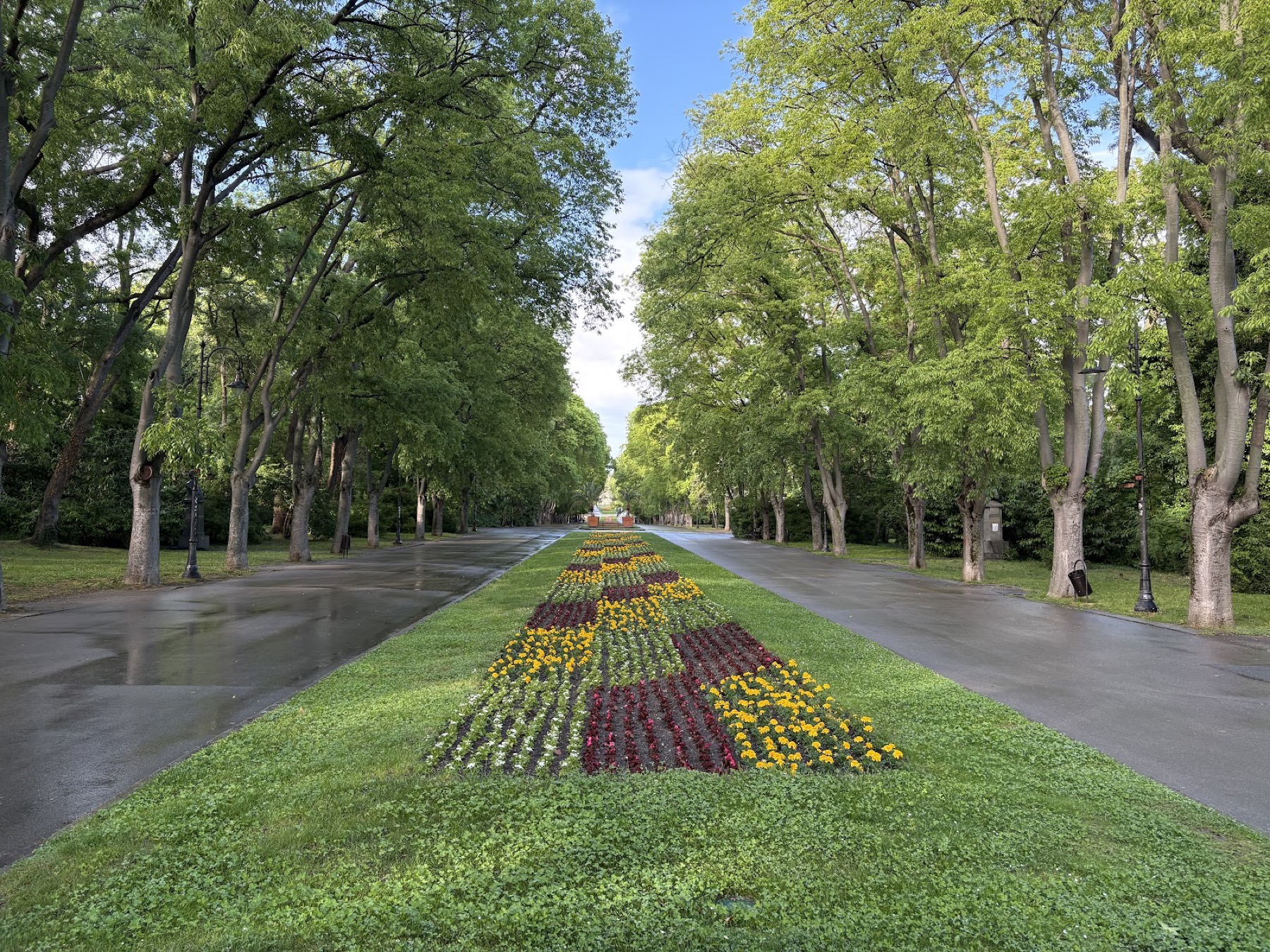
While history plays out in the centre, the heart of the city beats along the coast. The Sea Garden (Morska Gradina) is Varna’s green lungs and flows seamlessly into long kilometres of sandy beaches.
8. Sea Garden
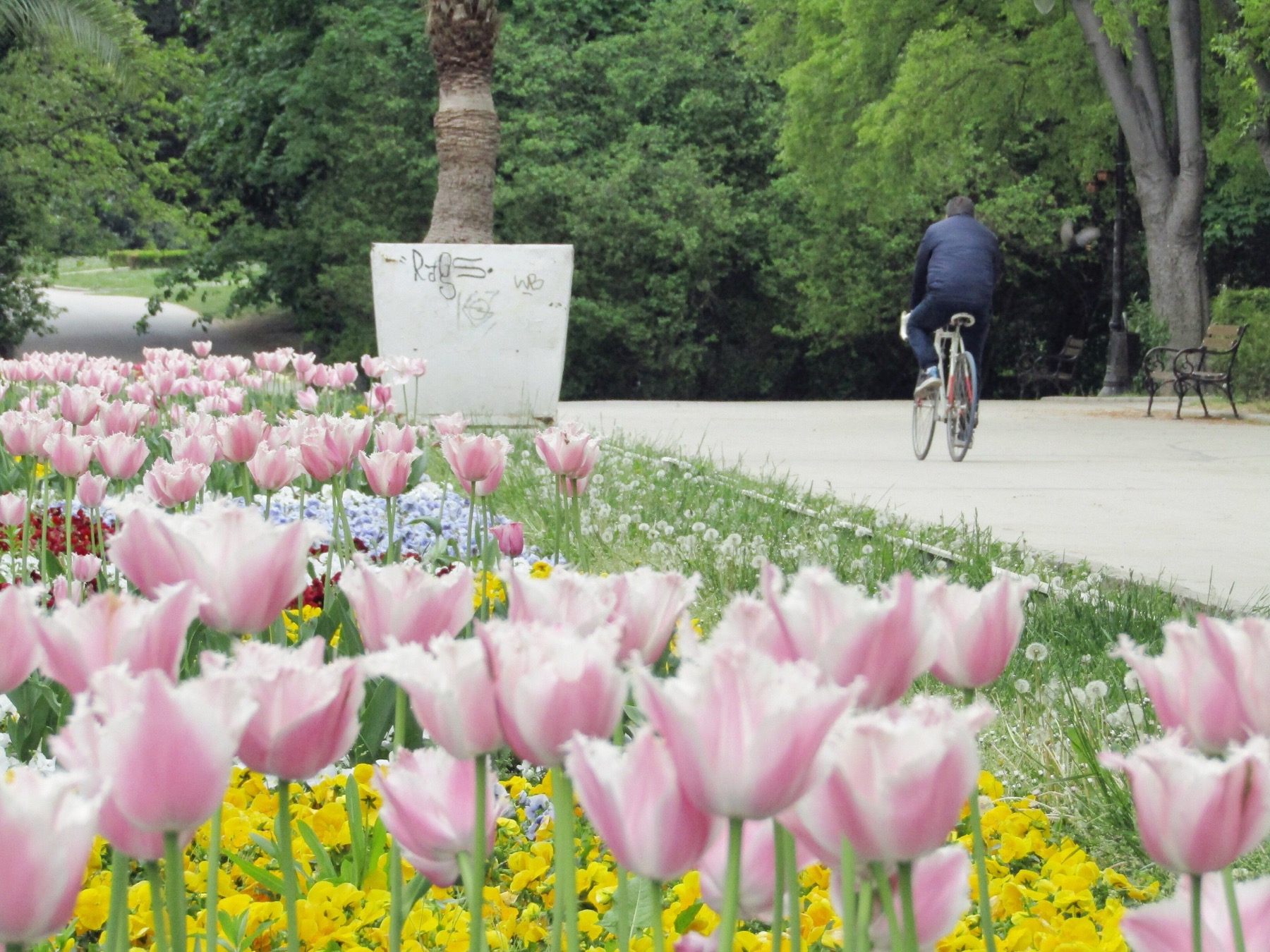
This huge park of roughly 82 hectares is the work of Czech garden architect Anton Novák, who came here at the invitation of the Škorpil brothers. Novák had the former rubbish dump and slaughterhouse moved, and in their place built a stunning park of trees brought by wagons from across the Balkans and the Mediterranean. For his lifetime of work for the city he has a well-deserved monument in the park. 💡 Tip: Entry to the park is free, 24 hours a day. Its historic core of 55 hectares is a protected area, so it has kept its original look, complete with a monumental entrance colonnade from 1939.
9. Varna Aquarium
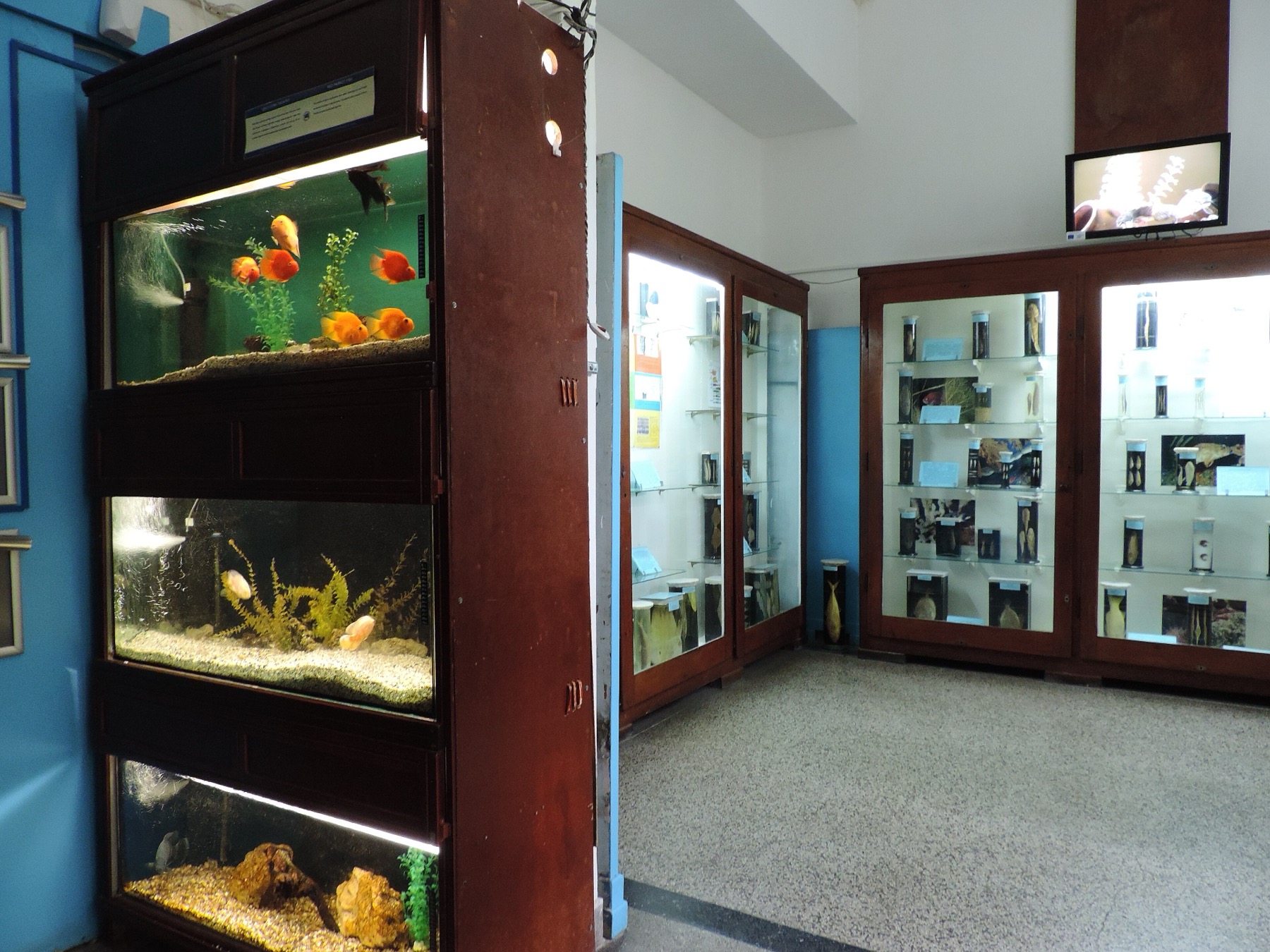
The historic aquarium building, whose foundation stone was laid by Prince Ferdinand back in 1906, hides a fascinating glimpse beneath the surface of the Black Sea. The institution itself has run since 1932. Don’t expect giant oceanariums like in Western Europe — it’s more of a traditional, historically valuable exhibition focused on local Black Sea flora and fauna. 💡 Tip: With an entrance fee of just €2, it’s the cheapest paid attraction in the city. In winter it’s open from 9:00 to 17:00 with a closing day on Mondays.
10. Festa Dolphinarium
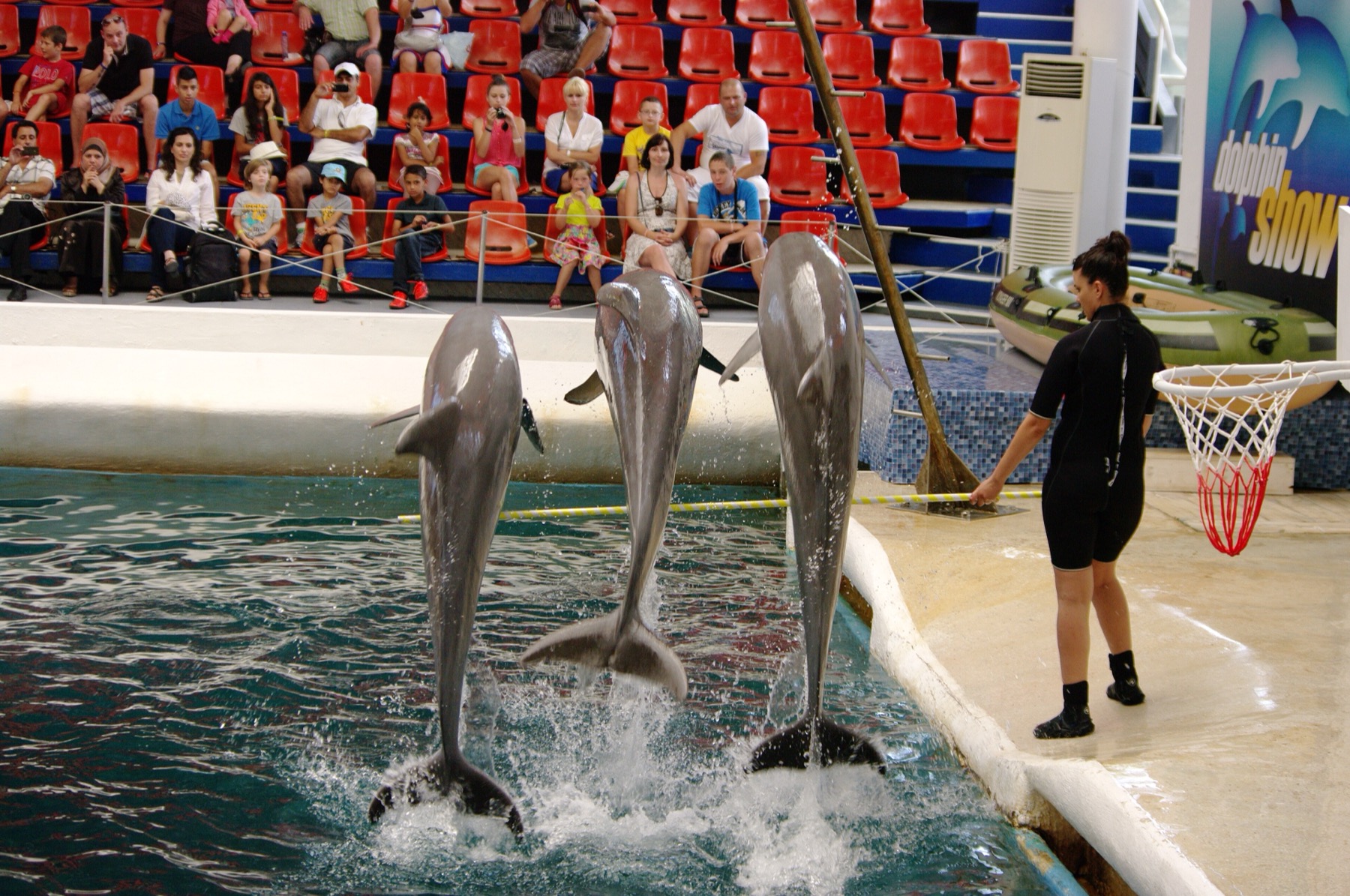
The most famous attraction in the Sea Garden draws families with children to regular dolphin shows. The Dolphinarium operates year-round, proof that Varna really doesn’t sleep even off-season. In the peak summer season there are up to four shows a day, while in winter there’s just one midday show. 💡 Tip: Tickets are fairly pricey — in the summer peak an adult pays €26. If you come in winter, the price drops to €14. Remember that in the winter season the dolphinarium is closed on Mondays.
11. Varna Zoo
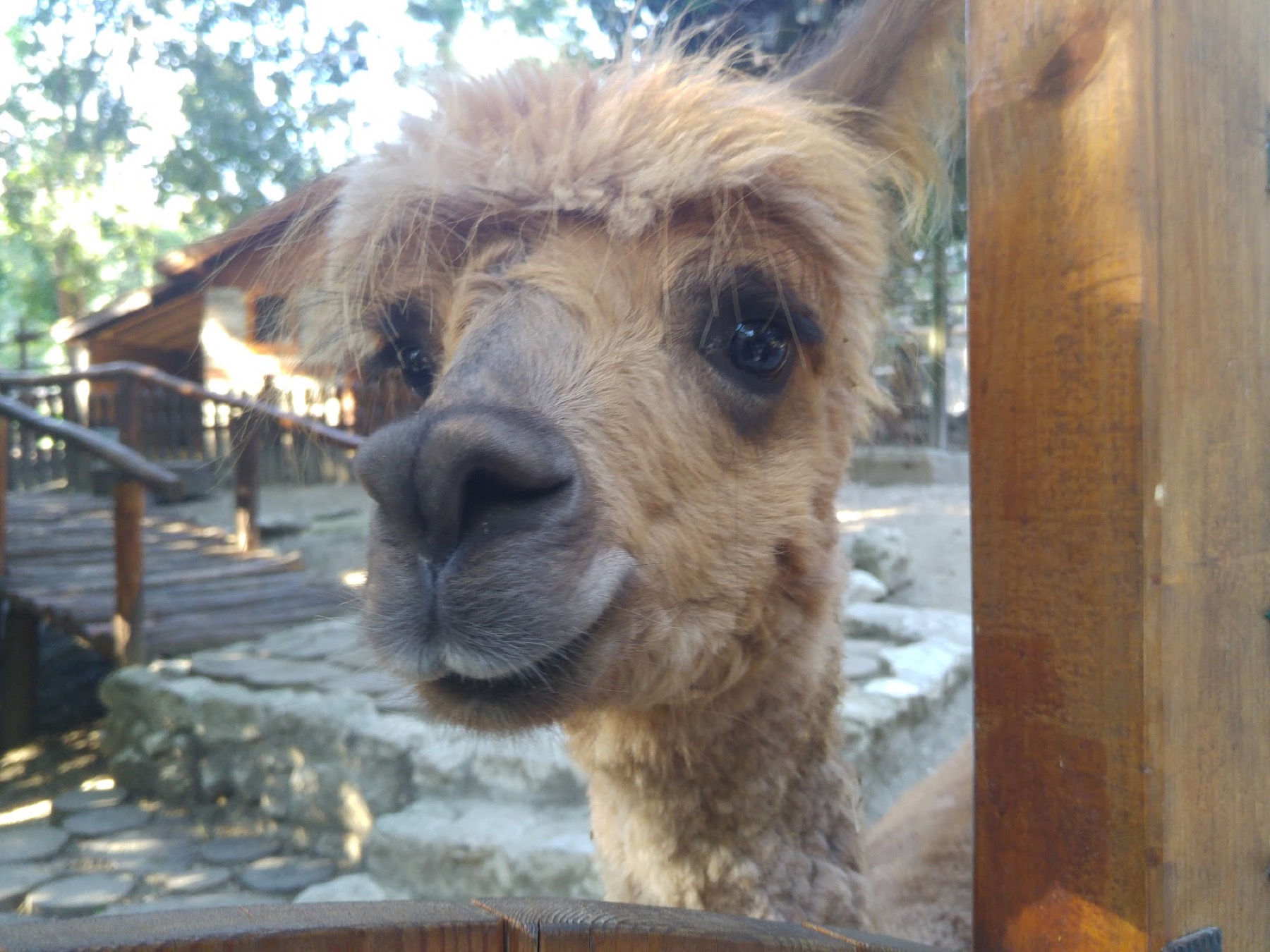
Right next to the dolphinarium you’ll find a smaller city zoo. It’s not huge, but for a relaxed stroll with kids it’s absolutely ideal. Alongside the classic exhibits there’s also a petting zone where children can stroke the animals. An interesting fact: right below the zoo by Vtora Buna beach, hundreds of swans overwinter every year. 💡 Tip: Entrance costs €3 and the zoo is open with no closing day all year round. In the winter months (October–March) it closes as early as 16:30.
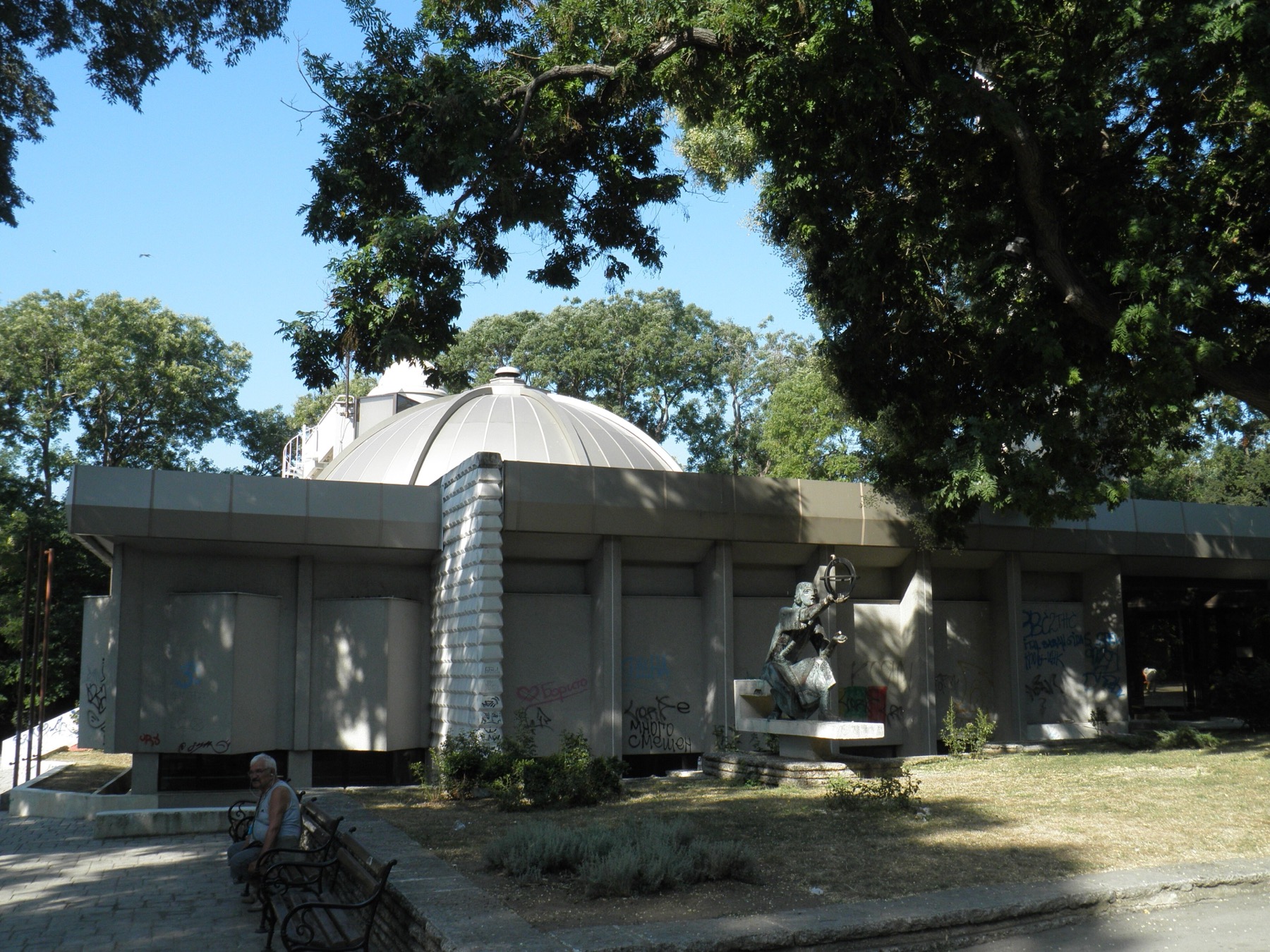
12. N. Copernicus Planetarium
Bulgaria’s first astronomy complex, opened in 1968, projects over 5,500 stars onto its huge dome thanks to a Zeiss projector. It’s a great experience for space fans, but the institution itself has issued very strict warnings about visitors. 💡 Tip: The sound and visual effects are not at all suitable for children under 10, and entry with prams is strongly discouraged. You won’t be let into the 72-seat hall once the lecture has started. Entrance is €3.58.
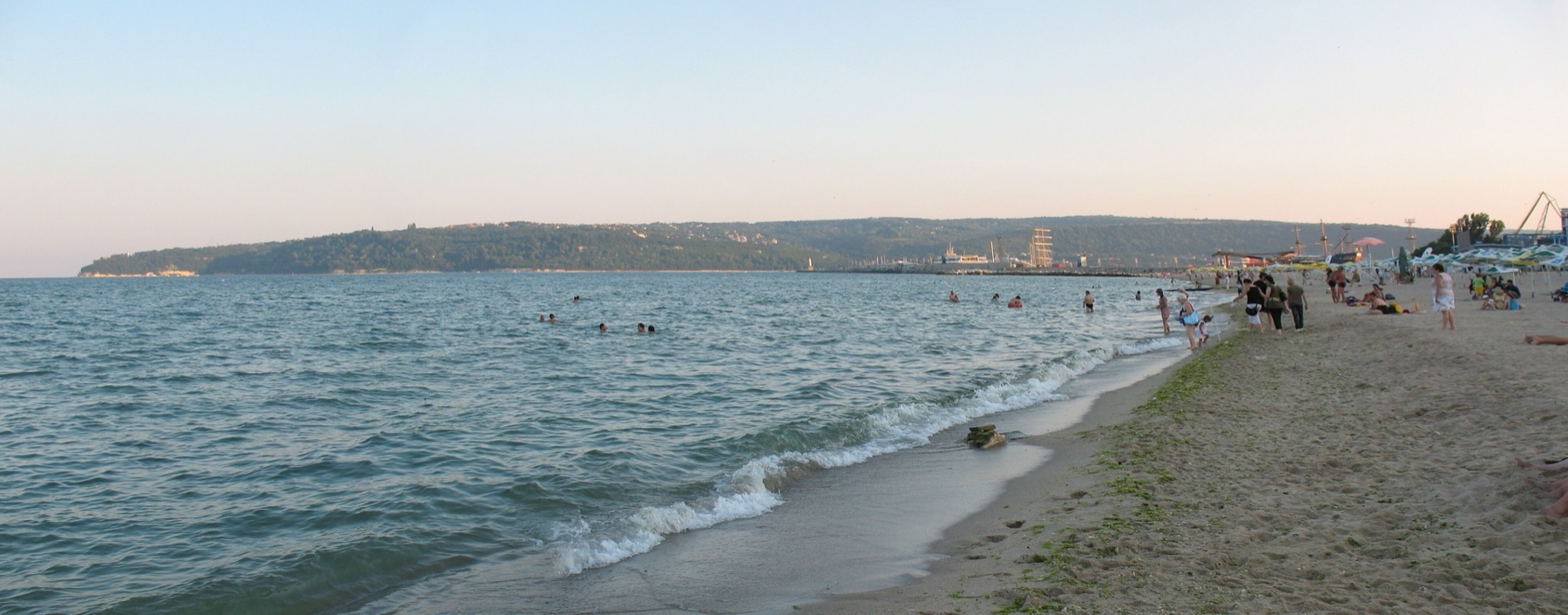
13. City beaches and water quality
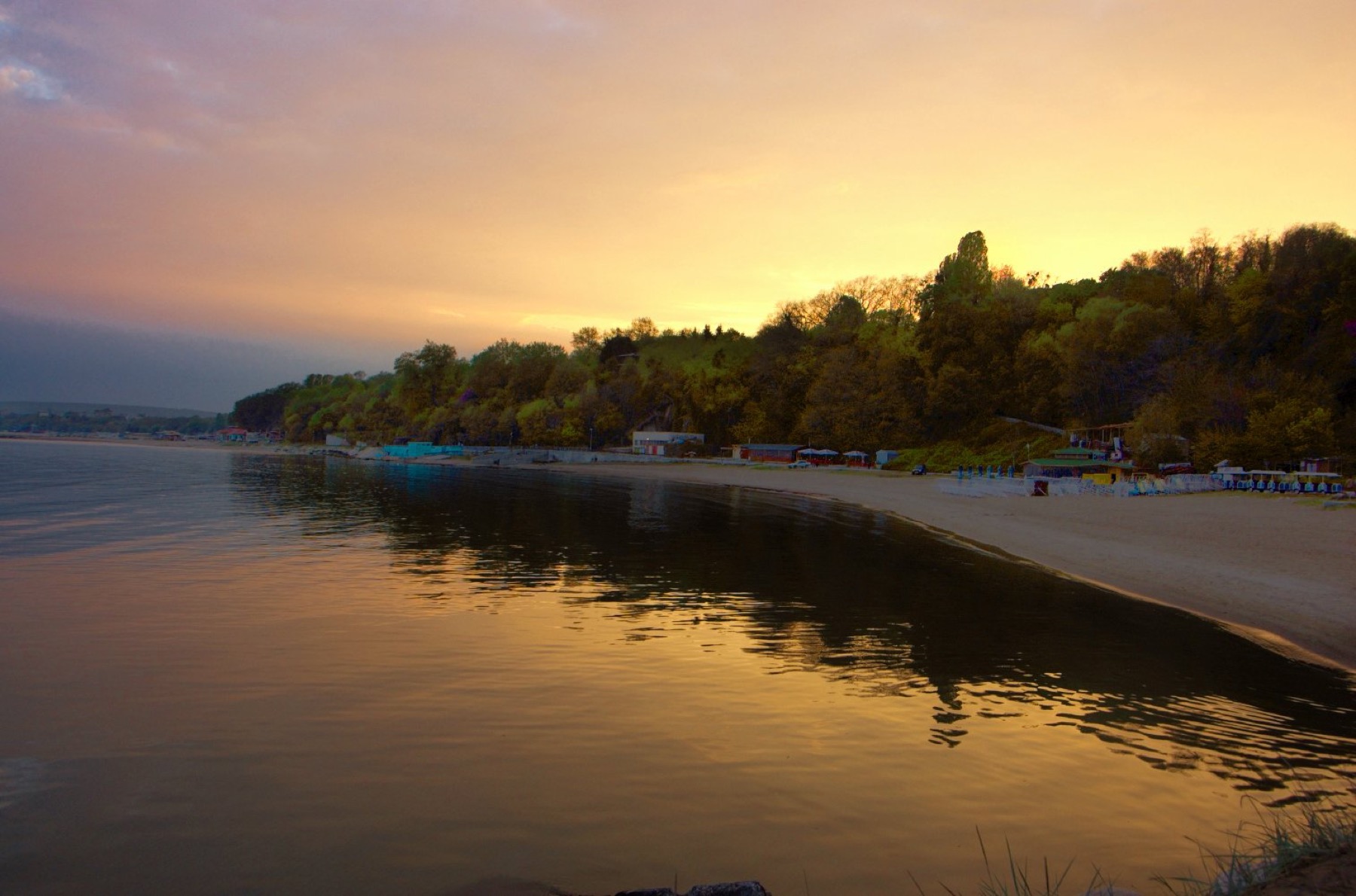
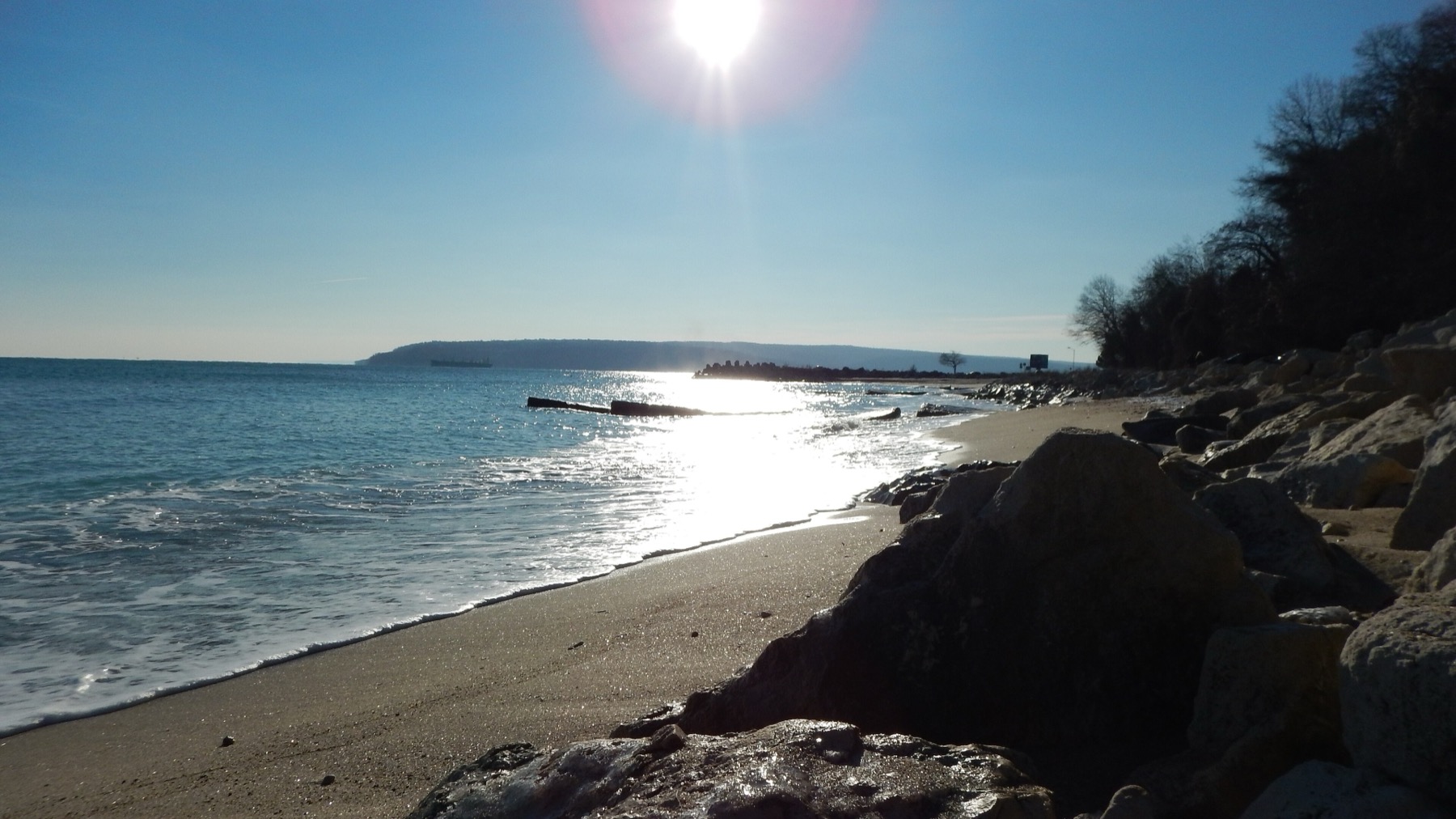
Varna boasts 32 kilometres of coastline and more than two dozen beaches. In the very centre, the most popular is the Central Beach, which has fine sand and metres of shallow, even seabed, making it perfect for small children. The neighbouring Officers’ Beach has a steeper drop into the water and is known for its bars open late into the night. Right next to it springs the “Toplata Voda” — a freely accessible source of healing thermal water at over 40 °C.
Good news for tourists: in August 2026 the Consumer Protection Commission banned the sneaky practice of forcing whole sets on you. Today you have the full right to rent a parasol and lounger separately on a Varna beach (the price per item runs around €3.5 to €5). By law, at least half of every beach must also remain a free zone for towels. 💡 Tip on water quality: According to official monitoring, the water is clean for most of the summer, with the best long-term results at Central Beach and Asparuhovo. After heavy downpours, however, avoid Officers’ Beach, where the storm drains occasionally overflow (current results are always posted on rzi-varna.com).
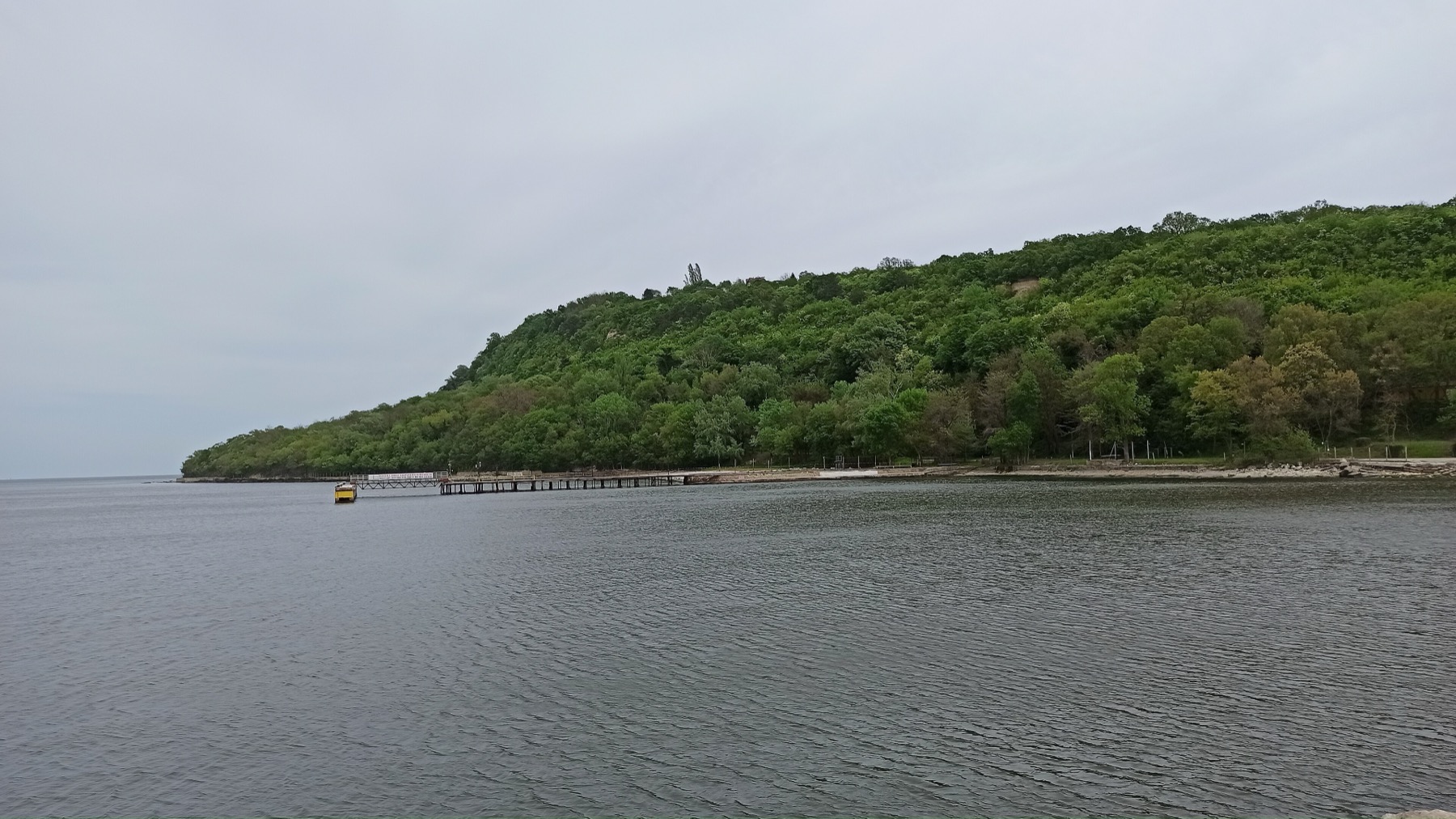

Beyond the centre
If you venture a little further from the historic core, Varna reveals more of its layers — whether it’s turbulent military history or peaceful suburban resorts.
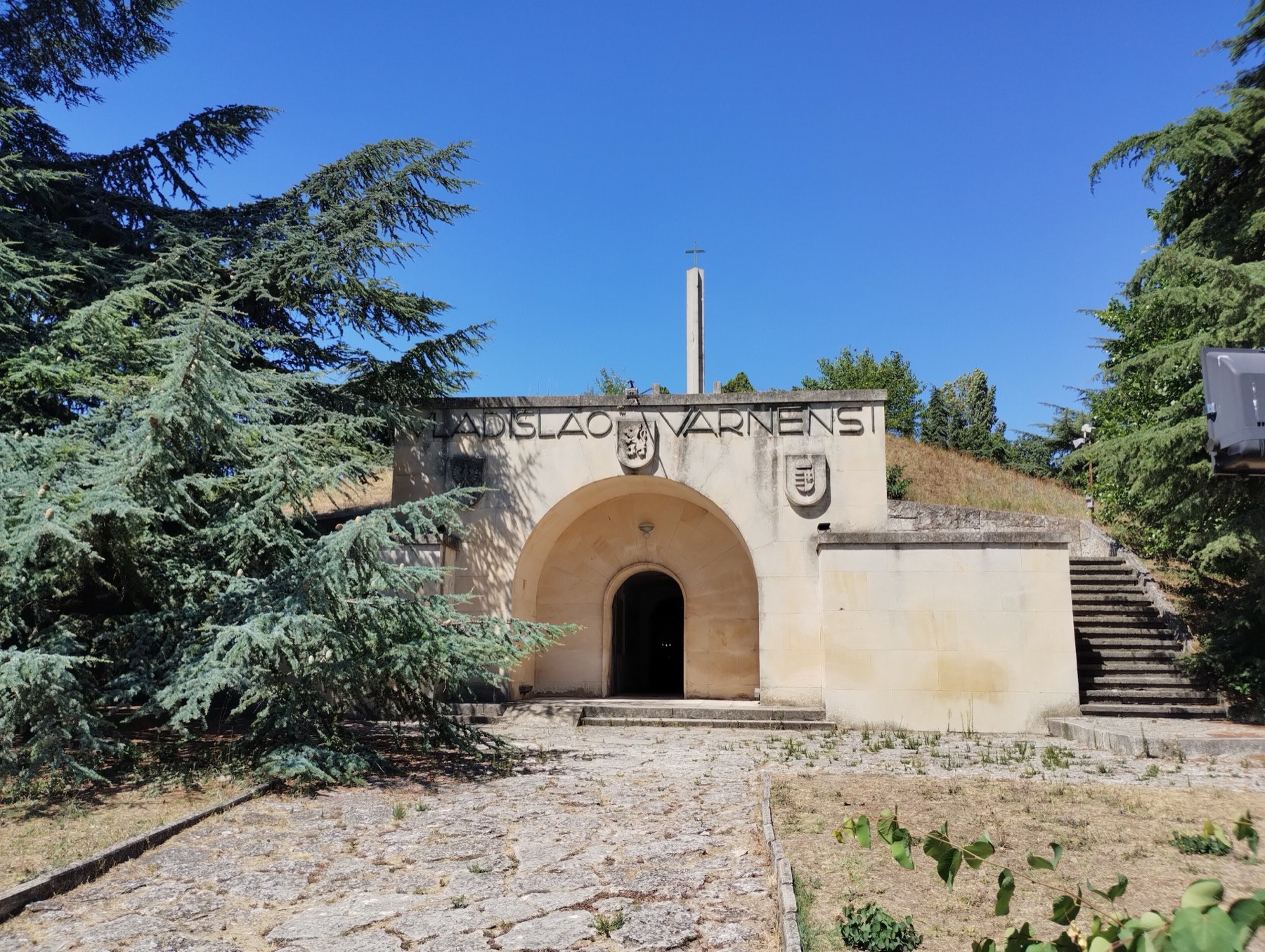
14. Vladislav Varnenchik Park-Museum
This thirty-hectare park stands exactly on the site of the bloody battlefield of 10 November 1444, where the armies of the Christian alliance succumbed to the Ottoman superiority. In the battle fell the just twenty-year-old Polish and Hungarian king Vladislav III, who earned the nickname Varnenchik after this place. Czech and Ruthenian mercenaries also fought here, using a traditional Hussite wagon fort equipped with bombards for defence. 💡 Tip: The young king’s body was never found. In the park there’s therefore a symbolic mausoleum built into an abandoned Thracian burial mound. Entrance costs €4.09, and some exhibits were donated directly by museums from Prague.
15. Asparuhovo Beach
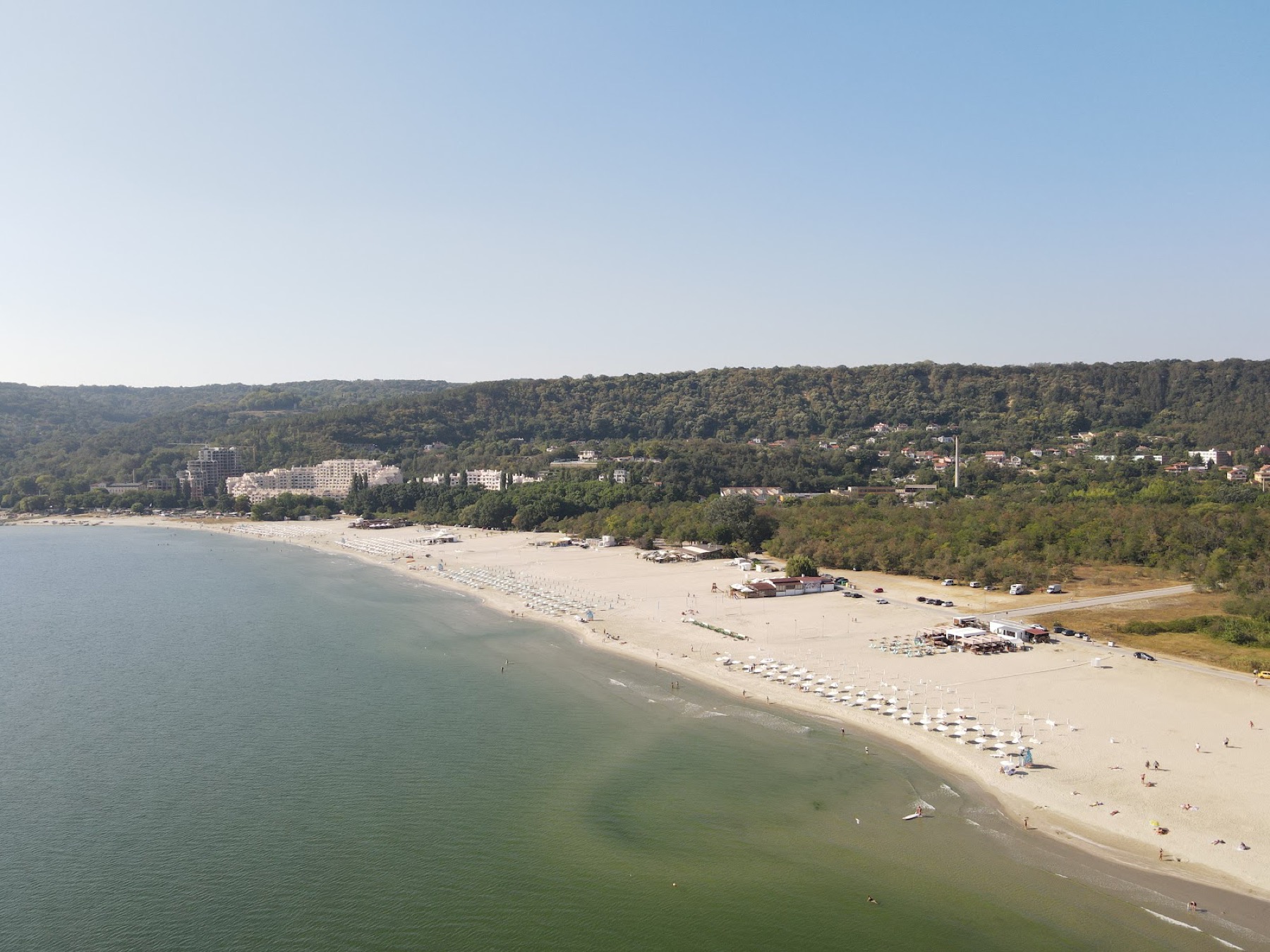
If the bustle of the central beaches tires you out, drive across the big bridge south to the Asparuhovo district. The beach here is over a kilometre long and up to a hundred metres wide in places. It’s not sought out by mass tourism at all, offering beautifully fine sand, calm and plenty of greenery. It has long been one of the very cleanest in the whole city. Asparuhovo also has an unexpected Czech connection: buried here is Hermenegild Škorpil (1858 Vysoké Mýto – 1923 Varna), a naturalist and brother of Karel Škorpil, with whom he founded Varna’s Archaeological Museum. He lies right in the archaeological site he himself studied. 💡 Tip: It’s in Asparuhovo that you’ll find the cheapest and best-rated fish restaurants, where mostly locals come to eat.
16. St. Constantine and Helena
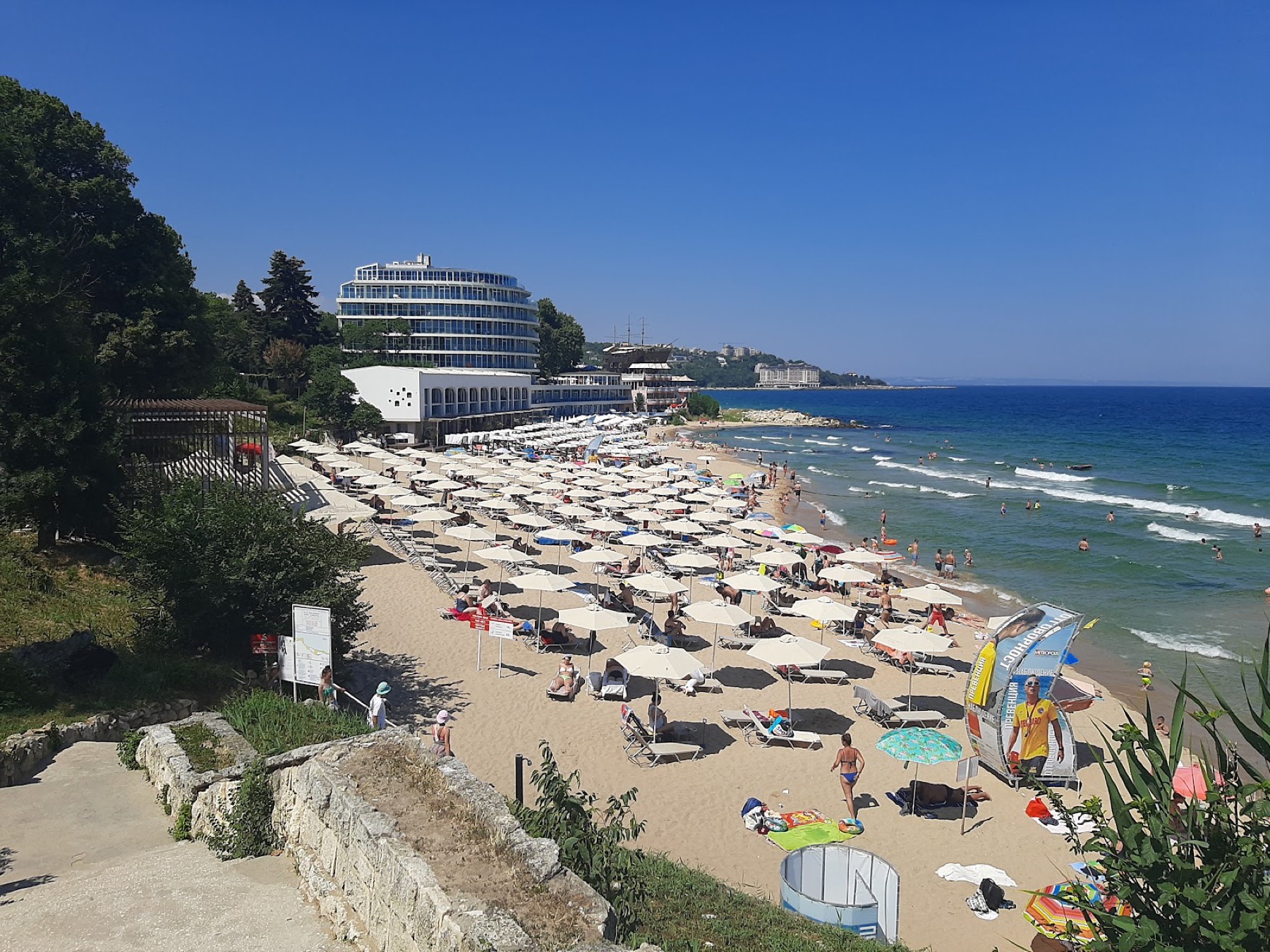
Just 9 kilometres north of the centre lies the oldest Bulgarian seaside resort of all. It used to be called Druzhba and today is renowned above all for its thermal springs. Here you’ll find the sprawling Aquahouse Thermal & Beach with fourteen pools and water as warm as 42 °C. The resort is surrounded by green parks and offers immense calm. 💡 Tip: The quality of service here is on such a level that the local Ensana Aquahouse hotel became, in August 2026, the first hotel in Varna listed in the prestigious Michelin Guide (while the capital Sofia still doesn’t have a single one).
Day trips from Varna
Once you’ve explored the city itself, it’s worth renting a car. The area around Varna hides natural wonders and monuments with no equal in Europe.
17. Balchik Palace and Gardens
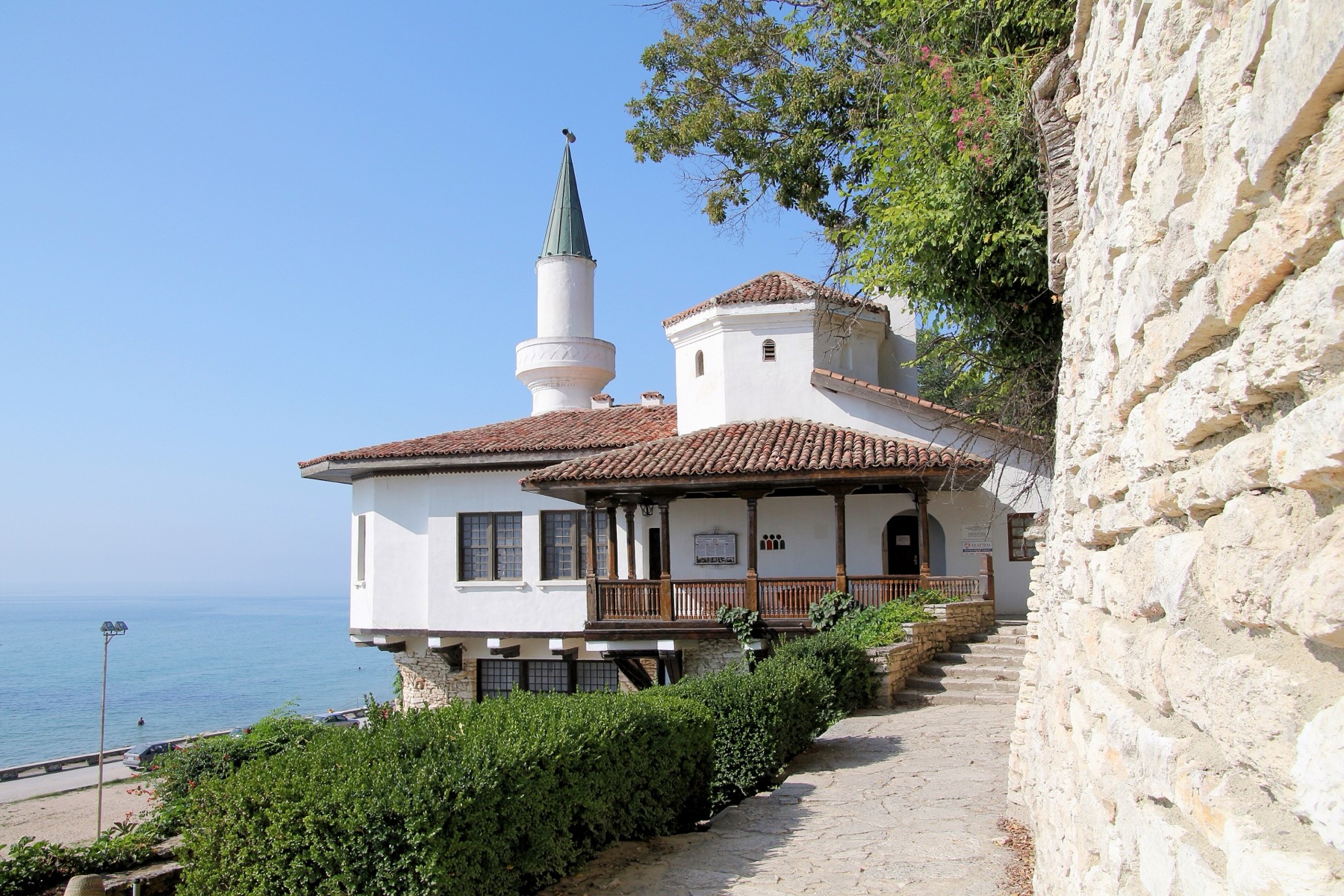
About 40 minutes’ drive north of Varna lies the charming little town of Balchik. The Romanian Queen Marie loved it so much that she had a summer residence built here, which she called the Quiet Nest. The villa is surrounded by an utterly stunning botanical garden that cascades down in terraces to the sea. Its extensive cactus collection is often described in guidebooks as one of the largest in Europe. 💡 Tip: There’s no combined ticket! You have to buy entry to the palace (€10) and to the gardens (€10) separately. Watch out for children’s discounts: while children go free to the palace up to age 6, the garden only lets them in free up to age 4.
18. Cape Kaliakra
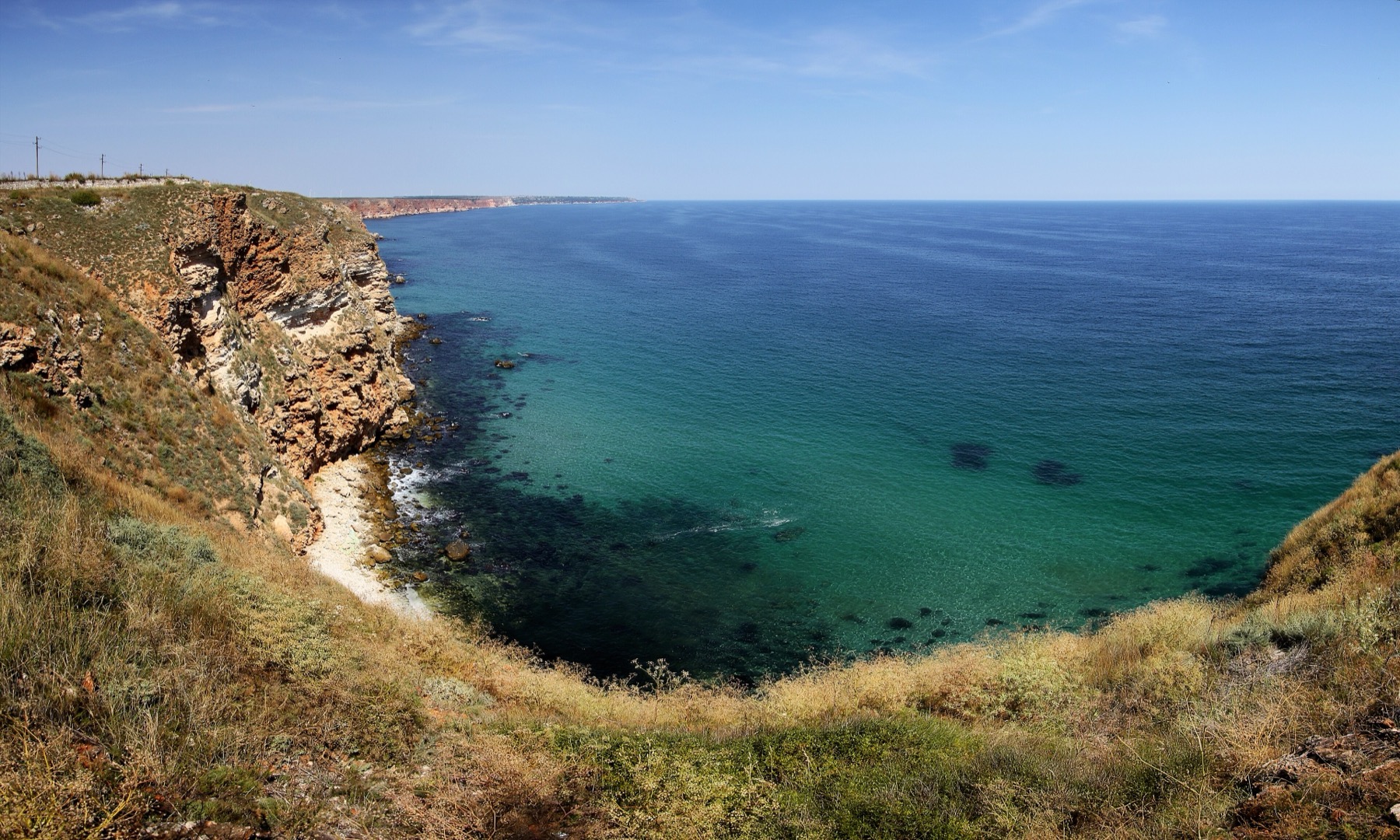
A short drive beyond Balchik, a two-kilometre rocky headland cuts into the sea at Cape Kaliakra. The purple cliffs, up to 70 metres high, drop vertically into the waves, creating one of the most photogenic spots on the Bulgarian coast. The place has a rich history, from Thracian settlement to the capital of the medieval Despotate of Dobrudja. Legend has it that 40 maidens leapt from these cliffs with their hair tied together to avoid falling into Ottoman captivity. 💡 Tip: Entry to the site costs, according to visitors, roughly €3. Getting here without a car is very difficult — the bus from Varna only goes to Kavarna and you have to cover the rest by taxi. Keep your eyes peeled; from the cliffs you can often spot dolphins.
19. Aladzha Monastery
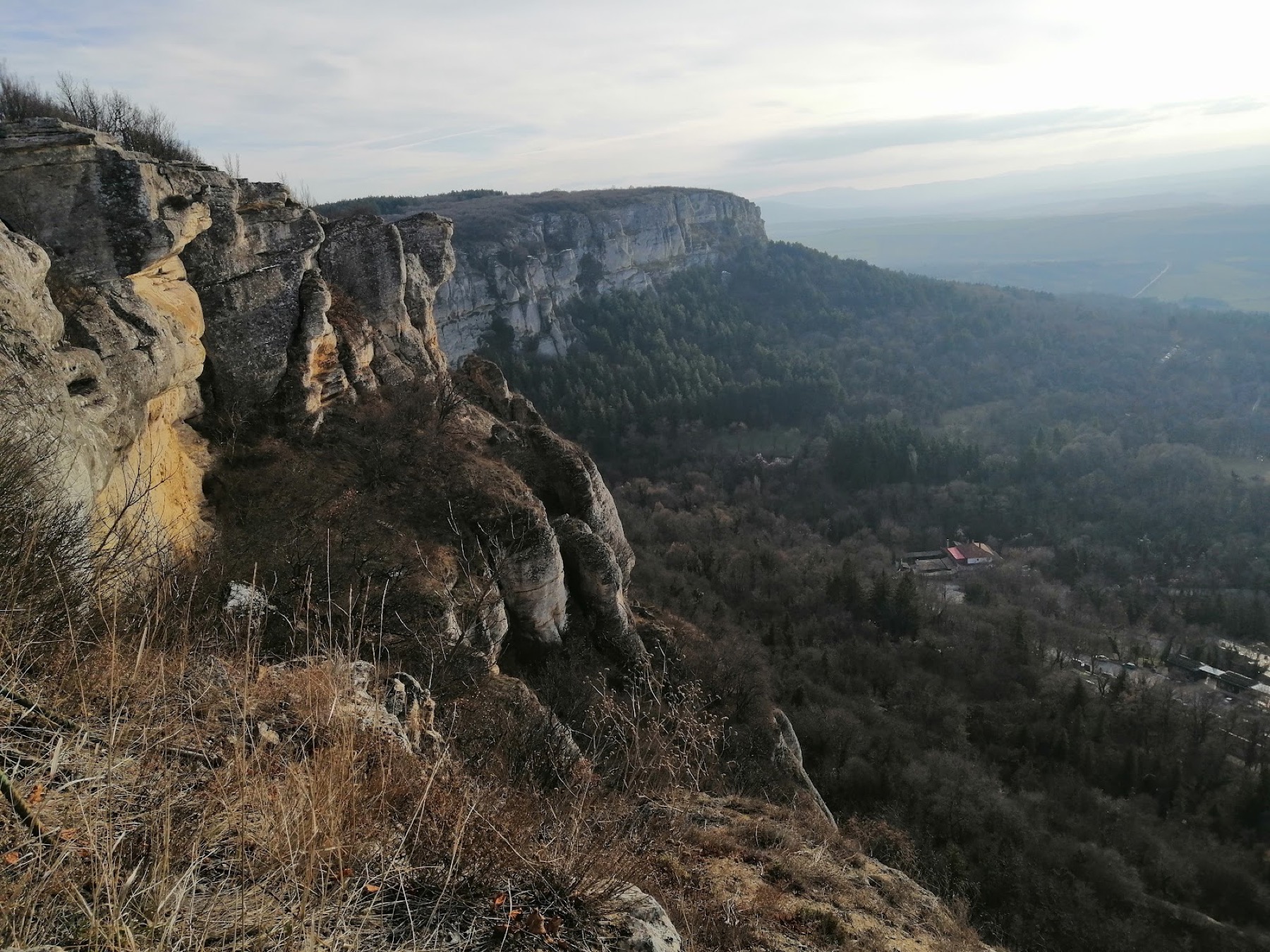
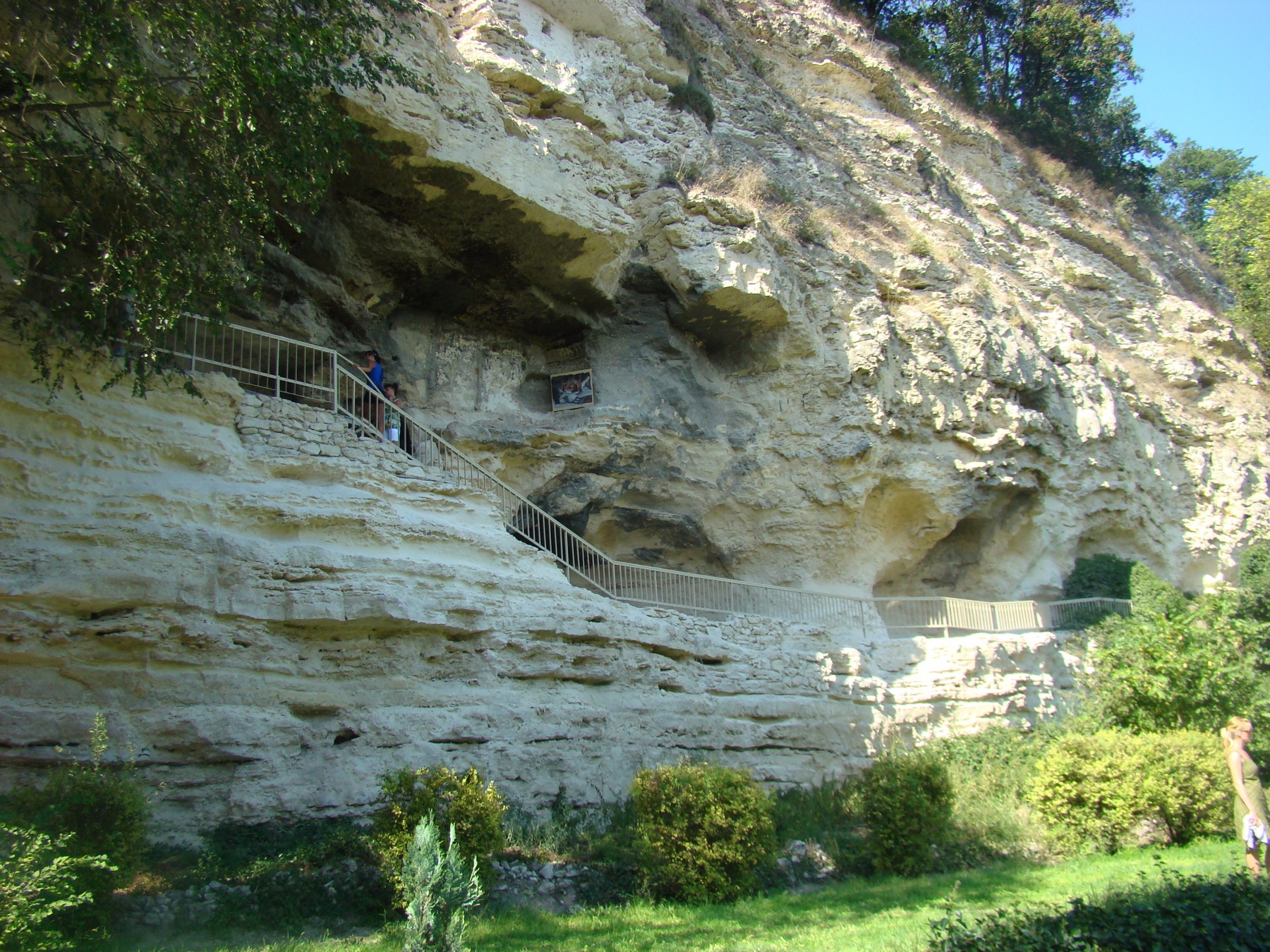
Just 16 kilometres from Varna, a medieval rock monastery is hidden in a 40-metre-high limestone cliff. In the 12th to 14th centuries a monastic hesychast community lived here, carving their cells and chapels directly into the rock on two levels. The name comes from the Turkish word for “colourful,” referring to the now-destroyed coloured frescoes. 💡 Tip: Entrance is €5. If you head to Varna in winter, cross this trip off your list — from December to February the monastery is completely closed to the public.
20. Pobiti Kamani and the Madara Rider
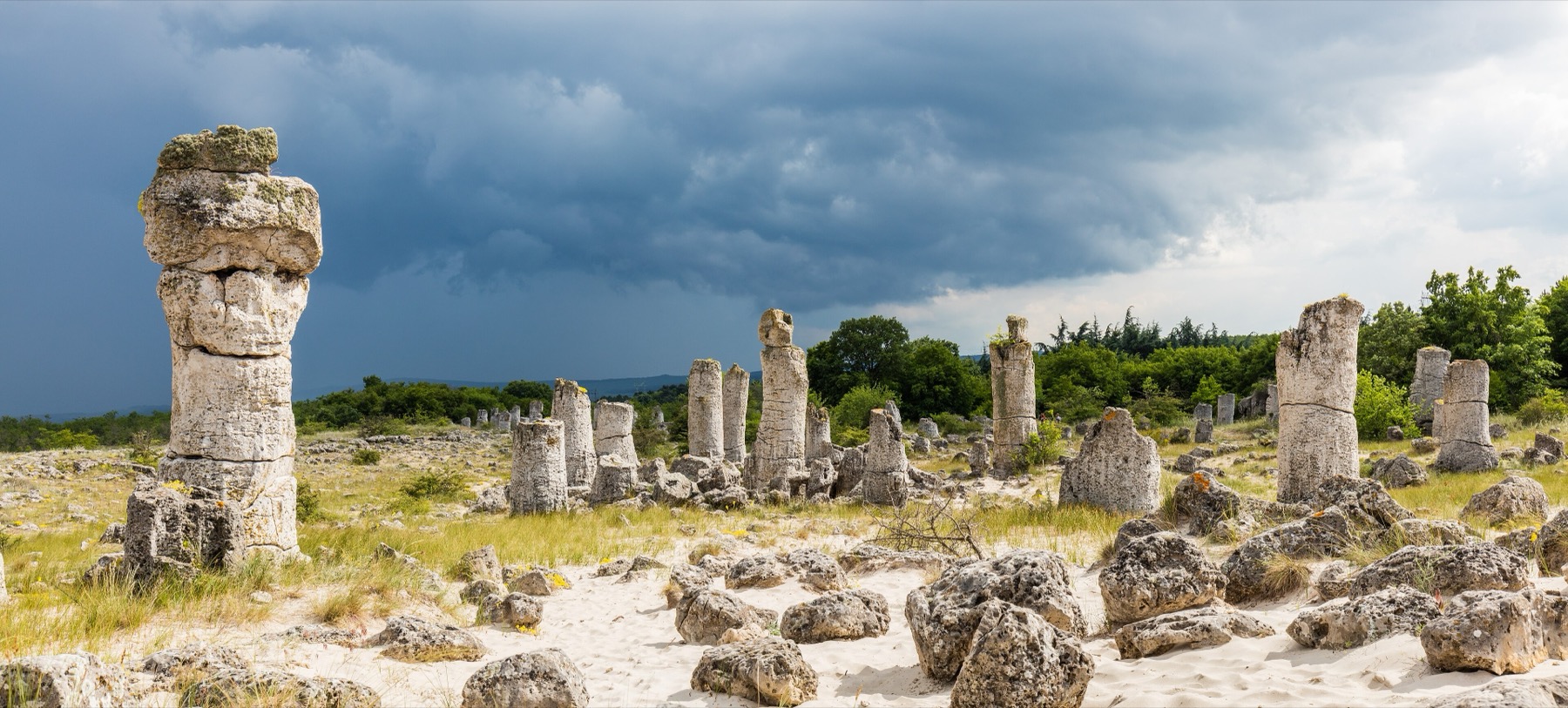
About twenty minutes’ drive inland you’ll come across the Stone Forest (Pobiti Kamani). From the drier, sandy landscape rise hundreds of stone columns up to 6 metres tall. Exactly how they formed still no one knows for sure, but modern research leans towards the theory that they’re petrified chimneys of ancient methane escaping from the seabed. Entrance costs €3. 💡 Tip for a full-day trip: If you have a car, combine Pobiti Kamani with a visit to the Madara Rider (about 75 km from Varna). This unique medieval relief carved 23 metres up in the rock is UNESCO-protected, and reaching it involves around a hundred metres of climbing by stairs. Entrance runs around €3.58.
Where to eat in Varna
The food in Varna is excellent, but you need to know where to go. A long-standing safe bet for lovers of good quality food is the Starija Chinar restaurant chain. They have five branches around the city (the ones by Port Varna or Cherno More are especially well rated) and offer a perfect price-to-quality ratio. If you want to eat exactly where the locals from the historic Greek Quarter go, head to the family-run Erato, where you’ll eat for under €15. For coffee and breakfast, the Blend Coffee and Stretto cafés get great reviews.
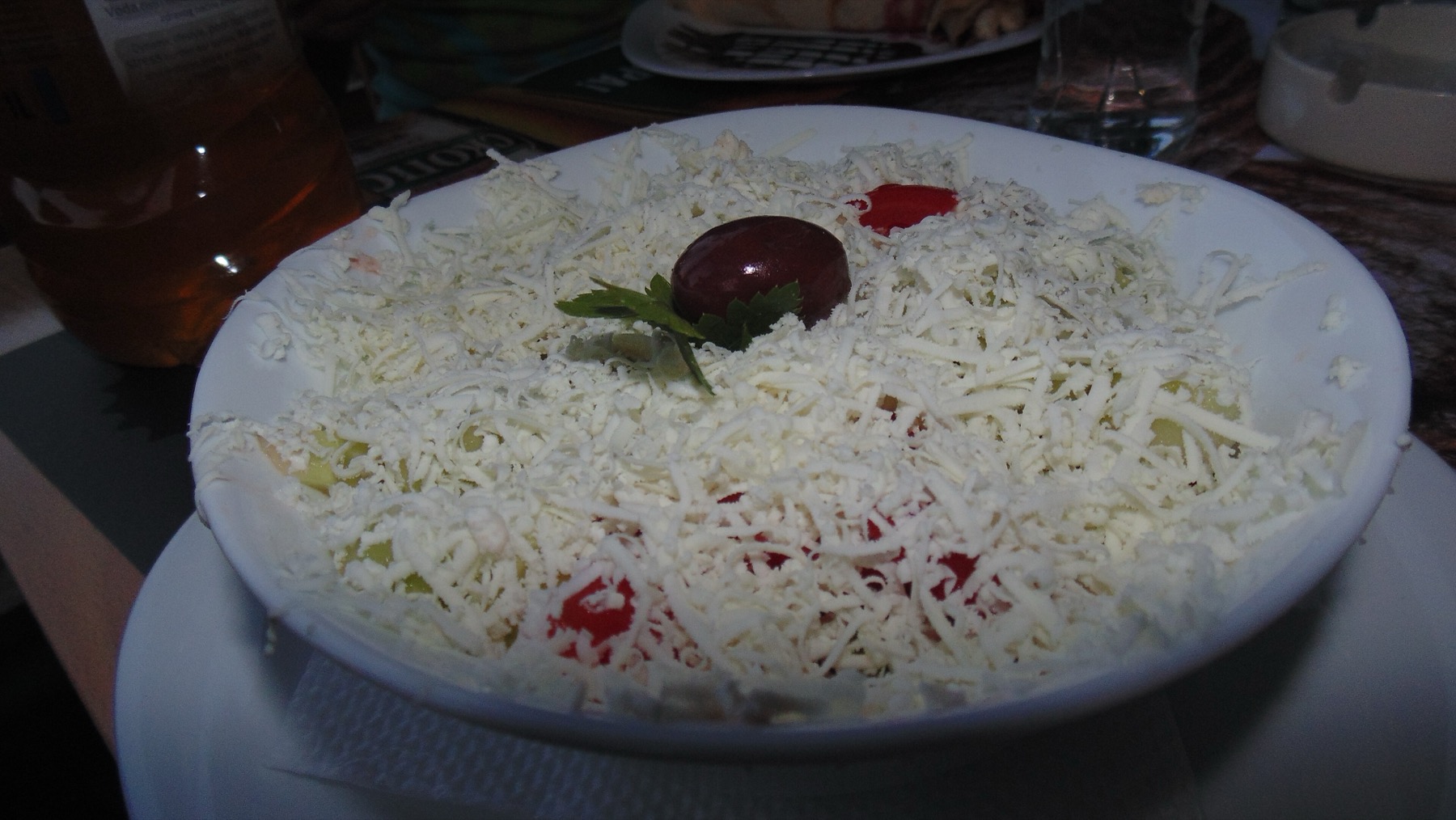
For vegetarians, Bulgarian cuisine is fairly friendly, as long as you know what to order. Look for the classics: shopska salad, the cold cucumber soup tarator, baked sirene cheese “po shopski,” the vegetable mish-mash, or aubergine kyopoolu. Starija Chinar has a dedicated meat-free section on its menu, where you’ll find excellent cheese-stuffed byurek peppers or risotto. For a purely vegetarian sure thing in central Varna, try SUPA or Zhiva Priroda. On the other hand, the once-recommended vegan restaurant Vege Joy is now permanently closed.
Culinary traps for vegetarians: Don’t be fooled by the names! Tarama sounds tempting but it’s a paste made from fish roe. Ovcharska salata looks like an innocent salad but always contains bacon. The popular Balkan musaka, the baked toasts princesi and the traditional drob sarma always come with meat or offal, and their vegetarian versions are practically never made in ordinary taverns.
Where to stay in Varna
💡 Tip for accommodation and experiences: We compare places to stay right here, so you can see what’s available and for how much. We prefer to look for accommodation on Booking.com, where the cancellation terms tend to be best. Tickets, tours and activities are then worth comparing and buying through GetYourGuide.
When choosing accommodation, you need to be clear about what you expect from your stay. Here’s a quick rundown of the best locations:
- Greek Quarter (Gratska Mahala): The oldest part of the city. You’re a few hundred metres from the beach and have the best price-to-quality dining here. The downside is bars open into the early hours. Ideal for couples and foodies.
- Around the cathedral: A busier centre, but everything is within walking distance. Great for a first visit.
- Chayka: A green district a little way from the centre, very close to the dolphinarium and the Sea Garden. A quiet area with modern apartments, ideal for families with children.
- Asparuhovo: Cheaper accommodation across the bridge, a huge quiet beach and great fish restaurants. Suitable for those who arrived by car.
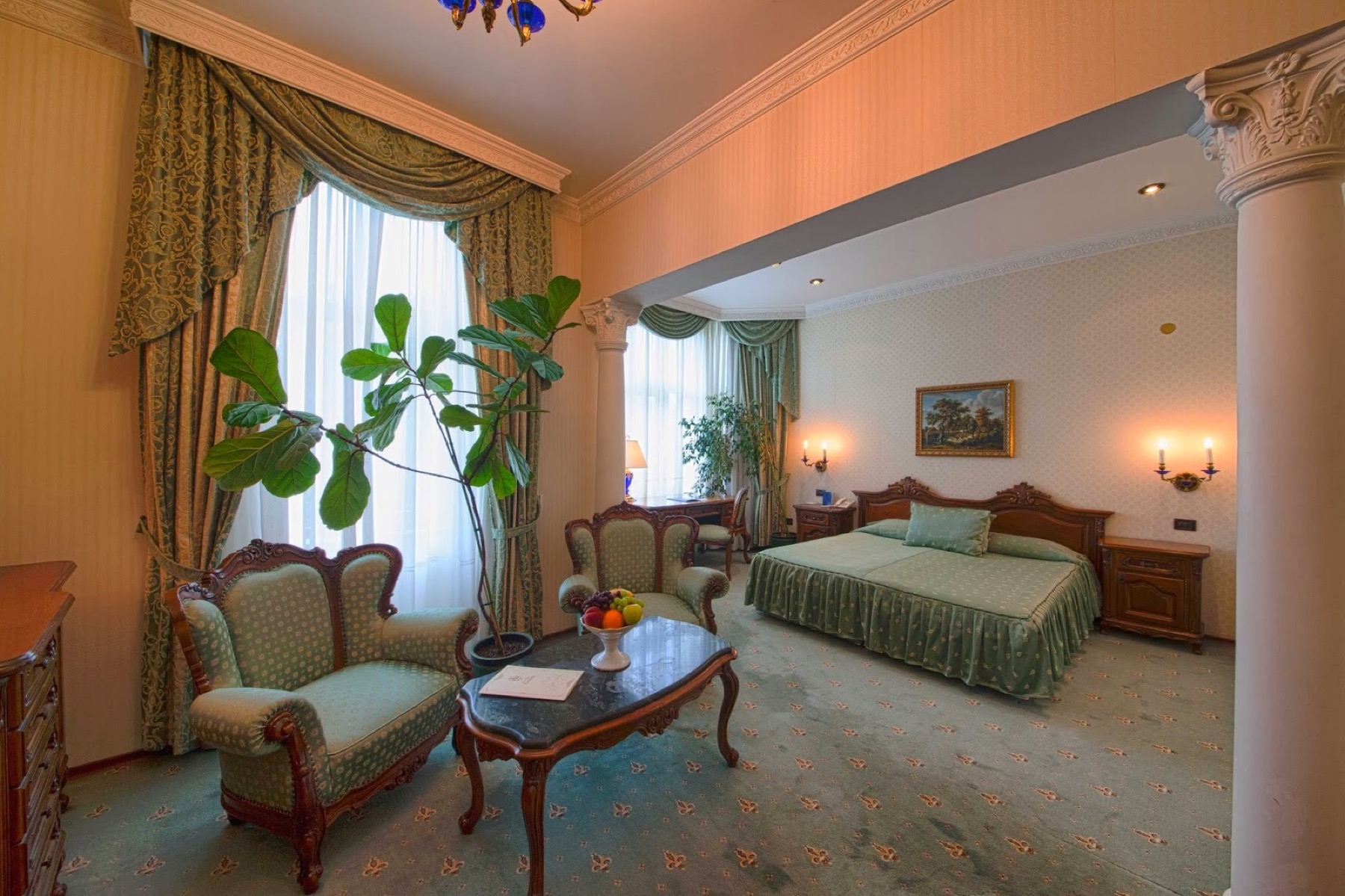
Specific accommodation tips: If you’re after the absolute top with the best rating and location, choose the Modus Hotel right in the Greek Quarter. It’s 130 metres to the Sea Garden and just a bit further to the beach. History lovers will appreciate the Grand Hotel London, a beautiful Art Nouveau building from 1912 right in the centre (but expect stairs). If you want a happy middle ground with a view, the enormous Hotel Cherno More offers balconies with sea views and sits right by the park entrance. Anyone wanting to be as close to the monuments as possible should stay at the Boutique Splendid, which lies under a hundred metres from the cathedral itself. For low-cost travellers, the well-rated Nomado hostel in the centre is a great choice.
👉 Compare accommodation prices in Varna
When to visit Varna: Bulgaria weather guide
Varna has a classic Black Sea climate. Summers are hot and winters mild, if windy. When it comes to Bulgaria weather in Varna, August is statistically the driest and sunniest month of the year (only 3 rainy days and an average of over 318 hours of sunshine). In August the sea warms to a gorgeous 24.8 °C. The wettest month, by contrast, is October.
| Month | Avg. max temperature (°C) | Rainfall (mm) |
|---|---|---|
| May | 21.2 | 38 |
| June | 26.1 | 52 |
| July | 28.9 | 48 |
| August | 29.4 | 29 |
| September | 24.8 | 49 |
| October | 19.0 | 56 |
Summer in Varna is all about culture. In 2026, Bulgaria’s oldest music festival — Varna Summer — celebrates its 100th anniversary. From June to October, classical music concerts take place in the courtyard of the Archaeological Museum and at the opera. In August the famous jazz festival is held, and 15 August is Varna Day, which culminates in fireworks at 23:00. (Note: the famous International Ballet Competition was not held in 2026 — after a long pause, its future revival was only announced, with no specific date.)
Varna off-season
Unlike artificial resorts like Sunny Beach, Varna doesn’t sleep in winter. It’s a functioning city. The dolphinarium, aquarium and zoo all stay open year-round (albeit with shorter opening hours). 💡 Important winter tip for museums: Major institutions like the Archaeological Museum or the Roman Baths tend to be closed on Sundays and Mondays over winter. The Ethnographic Museum and the Museum of Varna History, on the other hand, are closed at weekends in winter and only run on weekdays! For swimming in winter, the thermal pools at St. Constantine or the natural hot spring by Officers’ Beach have you covered.
What to watch out for
Varna is generally a very safe city (according to safety indices, even considerably safer than the capital Sofia), but tourist bustle always brings some downsides with it.
- Pickpockets at stops: In August 2026 the Union of Bulgarian Guides issued a sharp warning about organised groups of pickpockets operating right in front of the Archaeological Museum. They watch the tourist routes and strike exactly as a group gets off the bus. Keep an eye on your backpacks and don’t carry valuables in side pockets.
- ATM and payment traps: Classic exchange offices with unfavourable rates became pointless with the adoption of the euro. The new main trap is the Euronet ATM network, which can charge absurd fees (for example €1.95 to withdraw €20, which is a 10% commission). Likewise, always decline the DCC service (Dynamic Currency Conversion) at payment terminals — if a terminal in Bulgaria offers to charge you in your home currency, the surcharge can climb as high as 18%.
- Tap water: The tap water is bacteriologically safe, but doctors don’t recommend drinking it long-term due to its high hardness. Do, however, completely avoid drinking from street mineral fountains.
- Watch out for waves and currents: The Black Sea can be treacherous. Even near the shore, strong undertows can form, so always respect the colour of the lifeguards’ flag. You will come across jellyfish (Rhizostoma pulmo) here, but they’re not life-threatening — they only cause a mild sting.
Where to next
If Bulgaria has caught your eye and you want to explore more spots along the coast, or get a better idea of local prices after the new currency was introduced, do check out our other articles:
- Holiday in Bulgaria: 30 most beautiful places
- Golden Sands: 15 tips and a comparison with Sunny Beach
- The most beautiful beaches in Bulgaria: 20 tips
- Nessebar: what to see in this UNESCO-listed town
- Prices in Bulgaria after the switch to the euro
- Bulgaria all inclusive: 22 best resorts
Frequently asked questions
Do you pay in euros or leva in Varna?
As of January 1, 2026, Bulgaria adopted the euro as its official currency. The old leva are no longer in circulation, and the period when dual pricing was used ended in August 2026. You can conveniently pay with euros everywhere, just watch out for Euronet ATMs and their high withdrawal fees.
Is Varna suitable for families with children?
Absolutely! You’ll find the huge Sea Garden with a children’s playground, a dolphinarium, and a zoo. The Central Beach and South Beach have fine sand and the seabed slopes down very gradually, which is absolutely ideal for small children. Plus, you can find apartments away from the noisy centre.
What’s parking like in Varna?
If you arrive by car, be prepared that the blue zone in the centre is in effect every day, including Sunday (unlike the green zone, which only applies on weekdays). The city doesn’t have physical parking meters. For tourists, the best option is to download the MPark app and pay for parking conveniently from your phone.
Can you fly directly to Varna from abroad?
Yes, Varna Airport is accessible with direct seasonal flights from major European cities. The flight takes only about two hours, and the airport itself is about 20 minutes by bus line 409 from the historic centre.
Is it worth visiting Varna outside the summer holidays?
Definitely. Varna is the third-largest city in the country and operates year-round. Museums, galleries, and excellent restaurants don’t close. In spring and autumn, you’ll also avoid the biggest crowds and the heat, which is ideal weather for exploring ancient excavations or taking a trip to Cape Kaliakra.
How do I get from Varna to Golden Sands?
The easiest way is bus line 409, which connects the airport, the centre, and resorts along the coast. From central Varna to Golden Sands takes about half an hour, from the airport it’s just under an hour. However, note that the section all the way to Golden Sands only runs during the season, approximately from May to October.
Is Varna a safe city?
According to international safety indexes, Varna actually scores slightly better than Sofia, and even walking through the centre at night is rated as safe. The main risk is pickpocketing: in August 2026, the Bulgarian Tour Guides Association warned about organized pickpockets who lie in wait right in front of the Archaeological Museum when tourists are getting off buses.
Tips and Tricks for Your Vacation
Don’t Overpay for Flights
Search for flights on Kayak. It’s our favorite search engine because it scans the websites of all airlines and always finds the cheapest connection.
Book Your Accommodation Smartly
The best experiences we’ve had when looking for accommodation (from Alaska to Morocco) are with Booking.com, where hotels, apartments, and entire houses are usually the cheapest and most widely available.
Don’t Forget Travel Insurance
Good travel insurance will protect you against illness, accidents, theft, or flight cancellations. We’ve had a few hospital visits abroad, so we know how important it is to have proper insurance arranged.
Where we insure ourselves: SafetyWing (best for everyone) and TrueTraveller (for extra-long trips).
Why don’t we recommend any Czech insurance company? Because they have too many restrictions. They set limits on the number of days abroad, travel insurance via a credit card often requires you to pay medical expenses only with that card, and they frequently limit the number of returns to the Czech Republic.
Find the Best Experiences
Get Your Guide is a huge online marketplace where you can book guided walks, trips, skip-the-line tickets, tours, and much more. We always find some extra fun there!


