

Most people assume they’ll find the warmest sea in Europe in the middle of July, but the Bulgaria weather on the coast reliably shatters that widely held belief. The warmest water here is actually recorded in August, and if you know how to read weather statistics, you’ll discover that even the September sea is noticeably warmer than the June one. Anyone who understands these small climatic nuances can save a good chunk of money and dodge the biggest summer crowds.
On top of that, Bulgaria is a land of huge extremes, where you can enjoy a pleasant sea breeze on the beach while inland in Plovdiv the thermometers happily flirt with 40 °C. Let’s take a look together at when to go, whether you’re planning to catch a tan on Sunny Beach, explore ancient monuments, or conquer the snow-capped peaks of the Rila and Pirin mountains. I’ve put together a detailed month-by-month weather guide so you know exactly what you’re getting into.
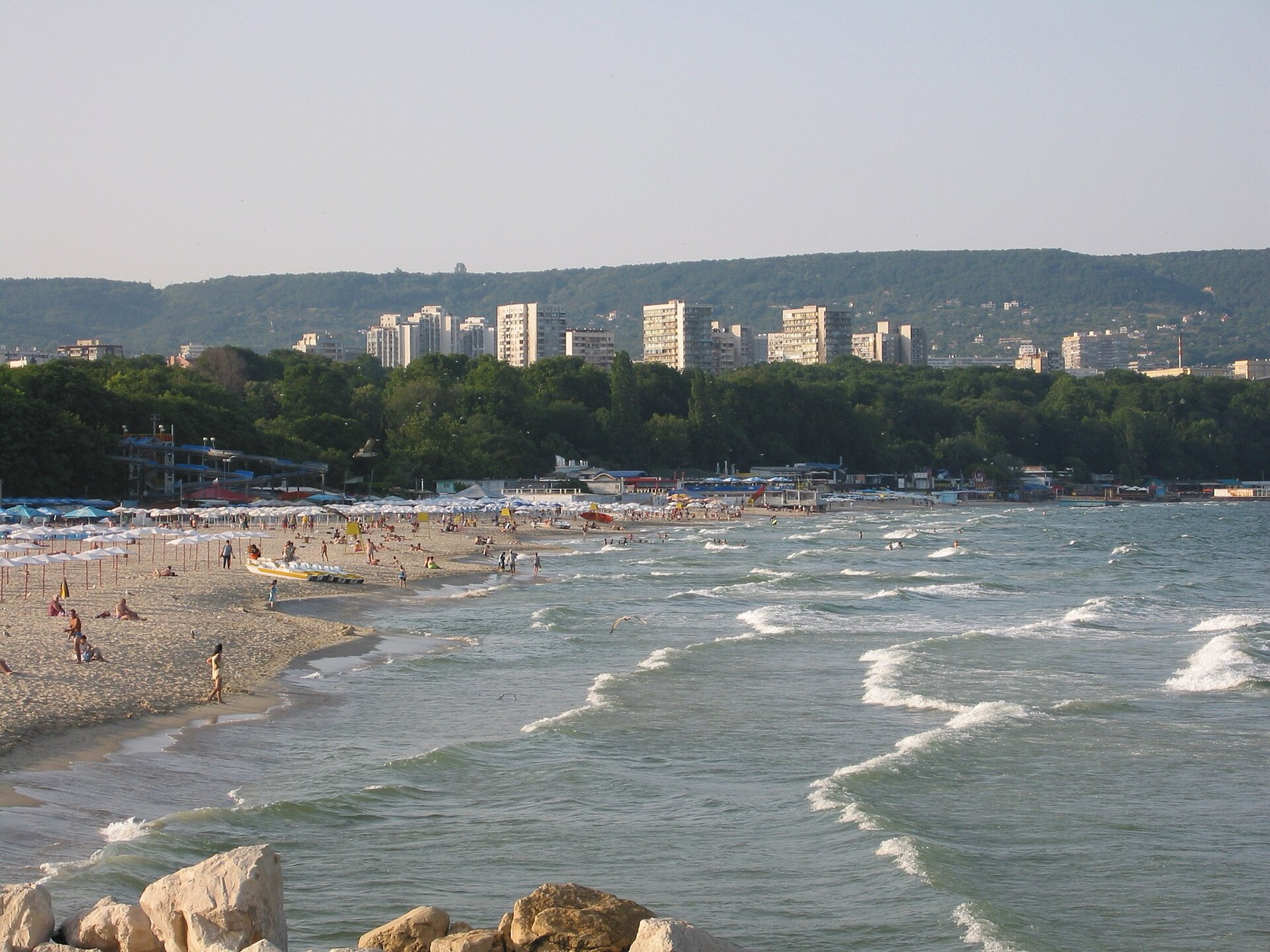
TL;DR
- When to head to the sea: The main beach season runs from July to August, but the smart and cheaper compromise is the whole of September.
- When the sea is warmest: Clearly in August, when the average water temperature reaches a gorgeous 25 to 26 °C.
- The September trick: The autumn sea cools down slowly, so the water in September is warmer than in early summer in June.
- When to head to the mountains: Plan high-mountain hikes exclusively for July to September, because snow lies on the ridges until June.
- When to ski: The ski season in the mountain resorts runs from December to mid-April.
- When to visit the cities: You’ll enjoy sightseeing in Sofia or Plovdiv best in May, June, September and October.
| I want… | Ideal period |
|---|---|
| Swimming and guaranteed warmth | July, August, September |
| Empty beaches and discounts | June, September |
| To conquer mountain peaks | July, August, September |
| To ski in the resorts | December to March |
| To explore history and cities | May, June, September, October |
The full destination guide: Bulgaria Travel Guide — guide and what to see
Weather by the Sea: Month by Month
If you’re heading primarily for a swim, the resorts on the shore of the Black Sea will interest you most. The following table shows the detailed climate normals for Varna, which serve as a great springboard for understanding the local weather and planning your ideal summer holiday.
| Month | Max °C | Min °C | Sea °C | Rain mm | Rainy days | Sun h/day |
|---|---|---|---|---|---|---|
| January | 6.7 | −2.6 | 8 | 50 | 6 | 3 |
| February | 7.5 | −2.1 | 7 | 35 | 5 | 4 |
| March | 12.1 | 1.3 | 7.5 | 50 | 7 | 4.5 |
| April | 16.8 | 5.2 | 10 | 40 | 6 | 6.5 |
| May | 22.5 | 10.2 | 15.5 | 40 | 7 | 8 |
| June | 27.2 | 14.6 | 20.5 | 50 | 6 | 9 |
| July | 29.7 | 16.9 | 24 | 50 | 5 | 10 |
| August | 30.2 | 17.1 | 25 | 30 | 3 | 10 |
| September | 24.8 | 12.7 | 22 | 55 | 6 | 8 |
| October | 19.1 | 8.2 | 18 | 60 | 6 | 5 |
| November | 14.1 | 4.5 | 13.5 | 55 | 6 | 3.5 |
| December | 9.0 | −0.3 | 10 | 50 | 7 | 3 |
Looking at the numbers, you might be surprised how much the Bulgarian coast differs from typical Central European conditions. With just 516 millimetres of rain a year, Varna is in fact the driest big city in all of Bulgaria. Winter overnight lows in the city itself hover safely around zero, even though at the nearby airport the thermometers occasionally slide a few degrees below freezing. The coast is generally incredibly sunny, and Varna boasts more than 2,300 hours of sunshine a year, making it one of the sunniest spots in the whole Balkans — an argument that’s hard to ignore.
If you’re heading further south to the popular area around Burgas (you’ll find more tips on the Burgas tourist portal), the climate conditions differ only very slightly, but you would find a few small differences. The local winters are a touch milder, with January lows just below freezing (around −0.1 °C), while at the summer peak the sea here tends to be roughly half a degree warmer than in the north. In July you’ll enjoy a fantastic 10.5 hours of pure sunshine a day in Burgas, so definitely don’t bury your SPF 50 at the bottom of your suitcase.
A big advantage of a summer holiday by the sea is the pleasant sea breeze, which quite reliably tempers even the most brutal heat imaginable. While the interior can bake in extreme temperatures in July and August, bearable low-30s prevail on the beaches. Interestingly, August is the driest month of the entire coast, when only around 24 to 30 millimetres of rain fall over a mere three rainy days. A cloudy sky in the middle of summer is therefore a rare sight that definitely won’t ruin your day for long.
The rainfall pattern on the coast simply works quite differently from what you might expect at home. While inland Bulgaria (and much of Europe) sees the most rain in spring and summer in the form of thunderstorms, autumn on the Black Sea coast is rainier than spring. October around Burgas can bring as much as 65 millimetres of rain, making it the wettest month in the region and definitively ending all beach fun. And that’s something that can unpleasantly surprise you when planning your trip if you don’t know about it in advance.
When You Can Swim in Bulgaria
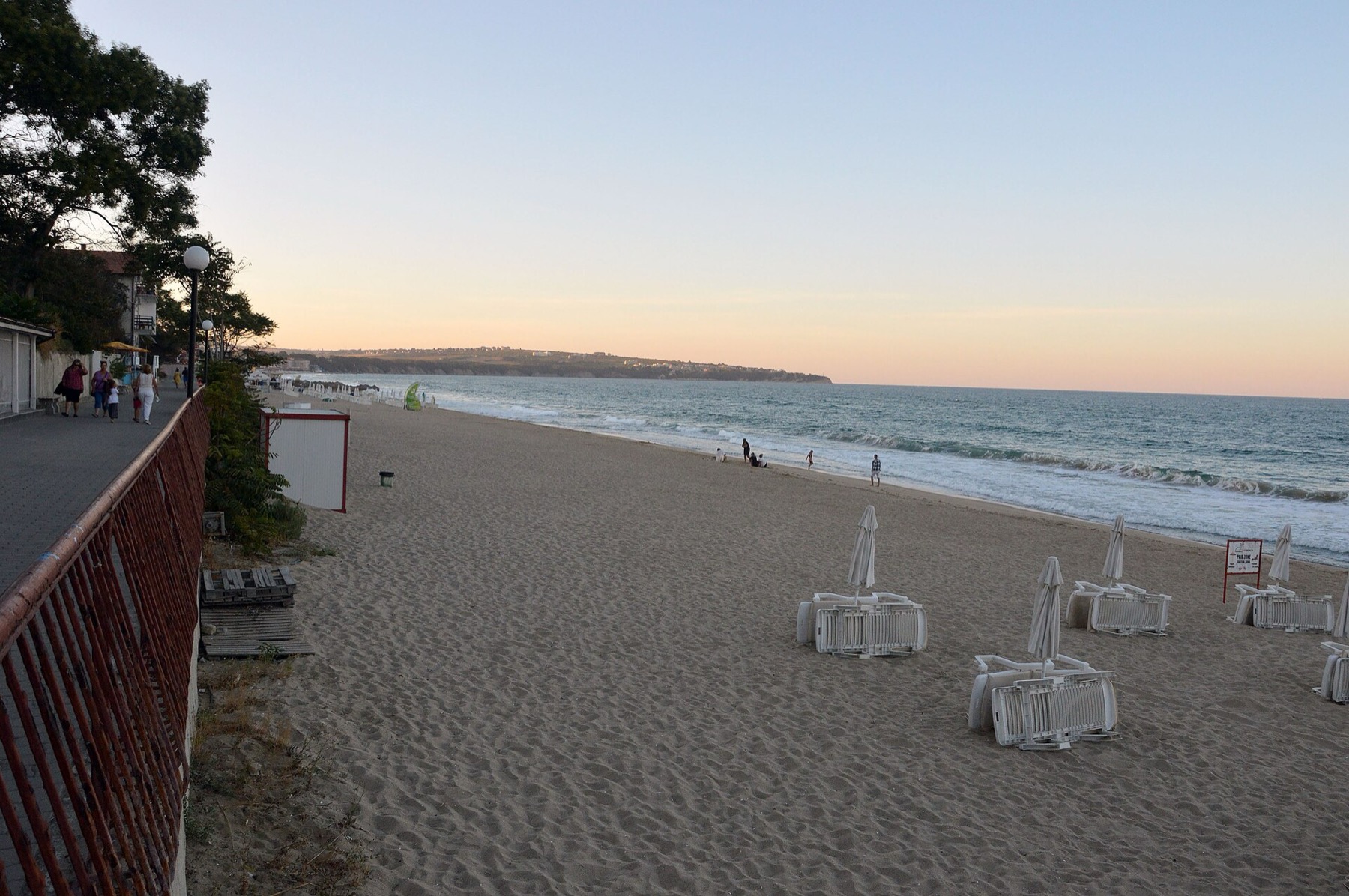
Planning a holiday by the water revolves mainly around the sea temperature, which in this part of Europe follows a fairly slow but all the more interesting trajectory. The swimming season realistically lasts from June to the end of September, because in October the water quickly drops towards 18 °C, which suits hardy souls and winter-swimming enthusiasts more than anyone else. The Black Sea is at its very coldest in February, when its temperature hovers around a pretty brutal 6 to 7 °C, so you can forget about swimming entirely.
A very important factor for families with children is the official beach season with lifeguards on duty, which is set precisely from 1 June to 30 September. Outside these dates, be aware that beaches operate at your own risk and the popular beach bars tend to have their parasols rolled up. While at the start of June the water sits at a fairly refreshing 20.5 to 21 °C, by July it reliably jumps to a very pleasant 24 °C (even to 24.5 °C in Burgas).
The real temperature peak, however, only arrives at the end of the summer holidays, and plenty of travellers are honestly surprised by this fact. You’ll enjoy the warmest sea of all in August, when the Black Sea finally warms up to a fantastic 25 to 26 °C. So if you love bath-warm water and don’t want your teeth chattering as you step into the waves, don’t go in June or early July — wait for hot August, when the sea is like coffee and the sun blazes from morning to night.
This brings us to the most important insight for smart travellers, one that people very often forget when buying flights. The sea in September, at an average of 22 to 23 °C, is warmer than in June, because the enormous mass of salt water cools down only very slowly after a hot summer. Autumn swimming therefore feels much more pleasant than spring swimming, when the water is only sluggishly coming back to life after a cold winter. This is exactly why it’s worth heading to the beaches in late summer rather than at the start of the season.
September: The Smartest Month for the Bulgarian Sea
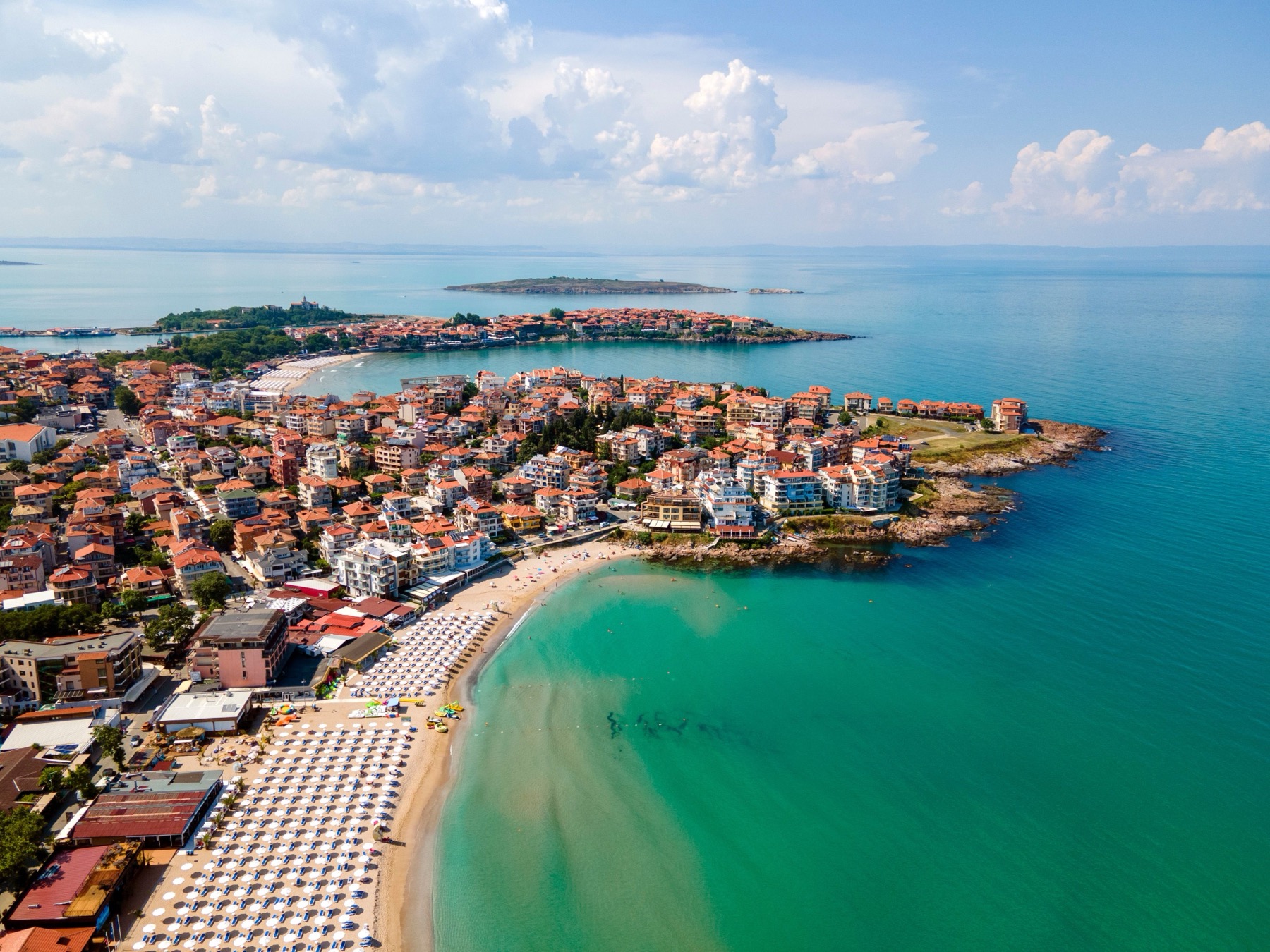
The period just after the summer holidays is very often called the so-called velvet season in the Balkans, and it’s without doubt the best time to visit the coast. The water holds a lovely 22 to 23 °C, while the air offers a very pleasant 25 degrees. That’s an absolutely ideal combination for sun-drenched days without the suffocating heat, when you can stroll along the beach for hours without immediately looking for shade or breaking a sweat at the slightest effort.
The biggest draw of a September holiday, though, is the dramatic drop in crowds and the very steep fall in accommodation prices that comes with it. Hotels often cut prices by an incredible 30 to 40 percent, and the local press likes to write that in September you get three nights for the price of two in August. What’s more, since 1 January 2026 Bulgaria uses the euro, so you can easily work out all your expenses without any fiddly conversion of the old lev and immediately see exactly how much you’ve saved compared with the main summer peak.
💡 TIP: If you’re keen to know in detail how much such a late-season holiday costs and what the current spending on food or transport looks like, I recommend taking a peek at our detailed article on prices in Bulgaria after the switch to the euro. You’ll find plenty of practical tricks there for travelling smart and not needlessly losing money.
The only small downside of late summer is the naturally shortening days and the sun that no longer scorches as aggressively as in July. Morning and evening temperatures do drop faster, and you’ll probably appreciate a light sweater for the evening promenade, but during the day you can still enjoy the sea to the full. You also have to keep the official end of season in mind, because lifeguards and many beach establishments pack up their gear uncompromisingly on exactly 30 September, so an October holiday already has a rather melancholy and very deserted feel.
Inland Weather: Sofia and Plovdiv
The climate in inland Bulgaria works completely differently from the coast, because there’s simply no huge body of water here to even out the year-round temperature extremes. The capital, Sofia — which you can learn more about via the official Visit Sofia website — lies at a fairly high altitude of between 550 and 600 metres and is also surrounded by mighty mountains. That makes it a place with a harsher winter full of frost and snow, where temperatures commonly stay below zero and snow falls on around thirty days a year, with a total of about 98 centimetres.
If you head to Sofia in winter, you have to reckon with a very unpleasant climatic speciality of the local basin. The city is often plagued by a strong winter inversion combined with thick smog, and you’ll enjoy a mere miserable 69 hours of sunshine here over the whole of December (for comparison, in July it’s a full 312 hours). The capital’s historical temperature records are, incidentally, absolutely fascinating: the thermometers have in the past dropped to −31.2 °C and in summer, conversely, shot up to an incredible +40.2 °C.
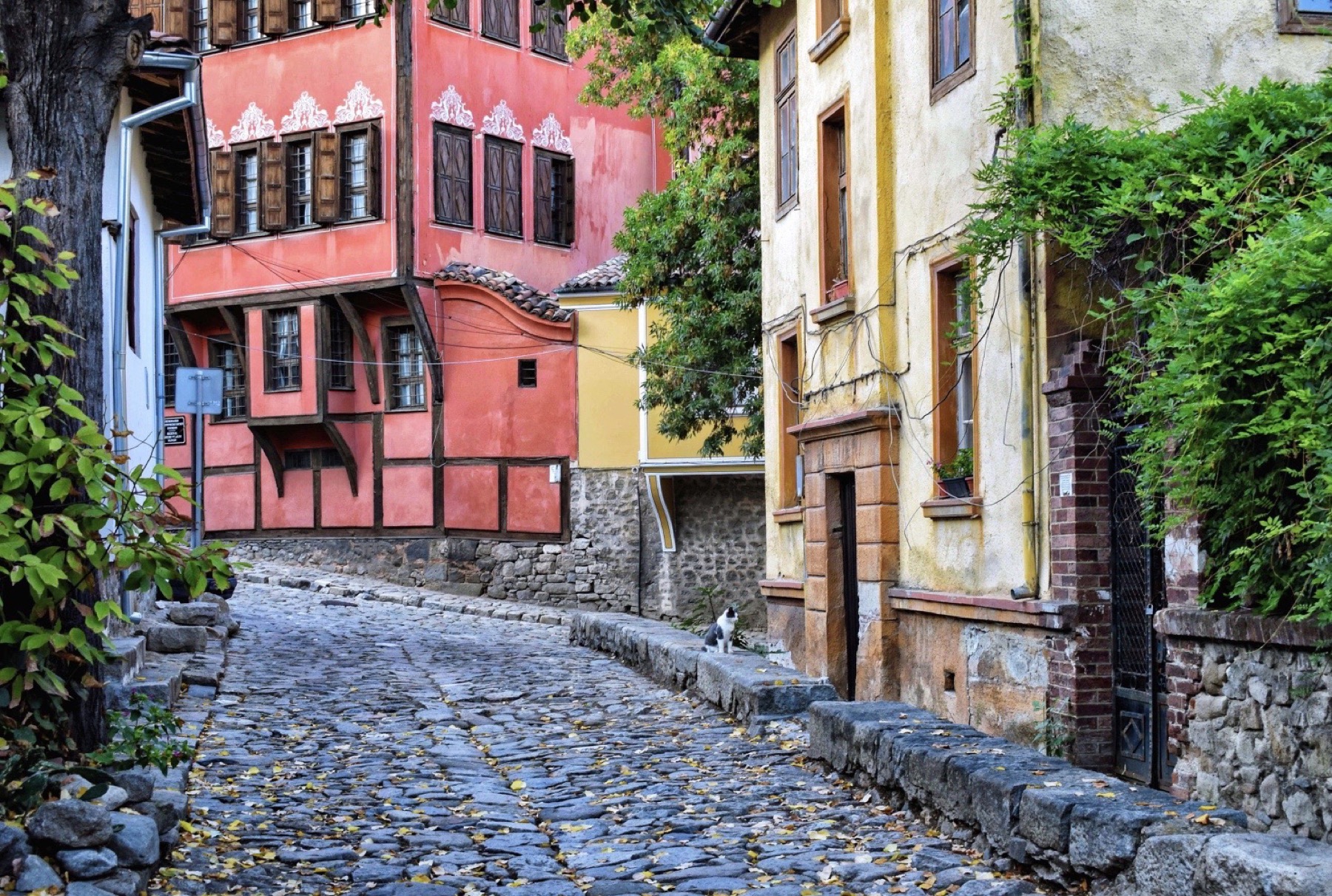
Summer in Sofia is overall fairly pleasant, with average highs of around 27.8 °C in July, but you have to prepare for surprisingly heavy rain. The peak of inland rainfall actually falls in May and June, when strong heat thunderstorms regularly form in the afternoon and as much as 81.6 millimetres of water falls in June alone. If you venture a little further south to Plovdiv (I recommend exploring the Visit Plovdiv tourist website), you’ll run into probably the hottest corner of the whole country, with a completely different microclimate that’s more reminiscent of the Greek interior and can really wear you down.
In July and August, Plovdiv turns into a genuine scorching furnace where average summer highs climb towards 33 °C, while the absolute historical record stands at a terrifying 45.0 °C. Heatwaves flirting with 40 °C are no exception here, and the concrete city radiates heat well into the night, so plan your visit of the old town strictly for early morning or late evening — otherwise the baking streets will exhaust you before you even reach the first square. The most pleasant conditions for exploring Bulgaria’s cities are therefore logically found exclusively in spring (May and June) or in autumn in September and October.
The Mountains: Hikes in Summer, Skiing in Winter
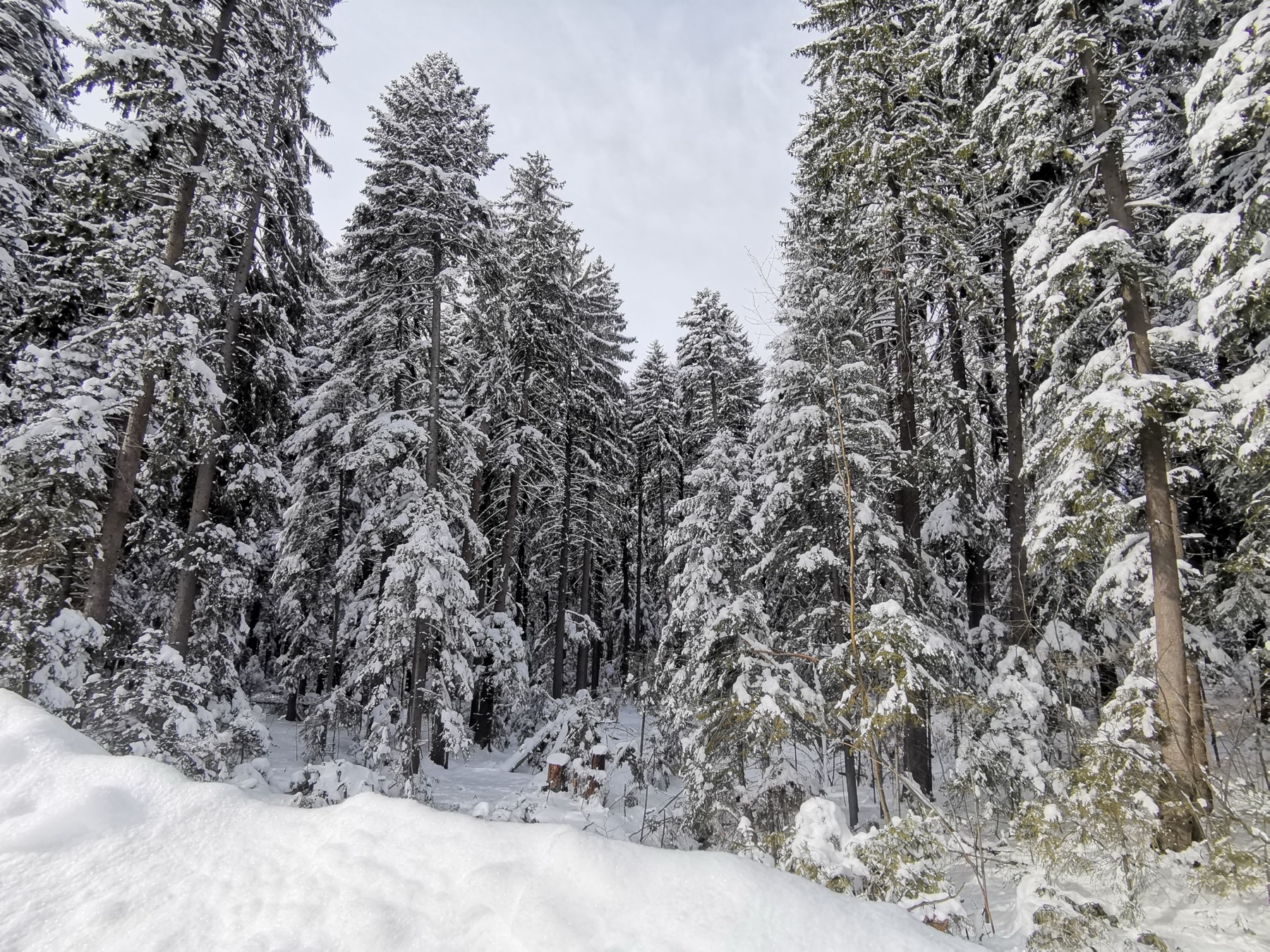
Bulgaria’s mountains are among the highest and harshest on the entire Balkan Peninsula, which is logically and very strongly reflected in their distinctive high-mountain weather. Snowfields on the ridges of the Rila and Pirin mountains quite commonly lie until June, so spring hikes to higher altitudes are out of the question without ice axes and quality winter gear. Beneath the majestic peak of Vihren, for instance, three metres of snow can happily lie in the spring months (and that’s no metaphor).
A chapter of its own is Mount Musala, at 2,925 metres, which is considered the coldest place far and wide across the entire Balkans. Snow cover holds here for an impressive eight to nine months a year (roughly 200 days), and average temperatures stay below freezing all the way from November to May. High-mountain trips, including the Seven Rila Lakes that you simply must see, should therefore be planned exclusively for the short window from July to September, when the terrain is finally safely passable.
In these summer months, very pleasant daytime temperatures of between 23 and 27 °C prevail in the mountain valleys, while the nights stay beautifully refreshing. Even in the height of summer, though, never forget to pack a good waterproof jacket in your backpack, because the weather at altitudes above two thousand metres can change within minutes and morning sunshine guarantees nothing. Winter-sports lovers, on the other hand, will get their money’s worth in Bulgaria’s renowned ski resorts, where for a fraction of Alpine prices you get solid slopes and excellent conditions.
The ski season in resorts like Bansko (more on the official Bansko resort website) or Borovets (1,315 to 2,550 metres) usually starts in early or mid-December and reliably lasts until mid-April. If you stay right in the town of Bansko down in the valley, expect average highs of around 3.1 °C in January and overnight frosts dropping to −5.7 °C. If you’re looking for a more relaxed ski trip with younger children, try the Pamporovo resort, considered the sunniest and mildest mountain resort in the whole country.
When to Go for What: Overview Table
So you don’t get lost in all those temperatures and climatic extremes while planning your trip, I’ve prepared a simple overview table for you. In it you can easily find the best window for your dream type of holiday, so you don’t accidentally head to the mountains to wade through spring snow or, conversely, to the sea to freeze on deserted beaches with no lifeguards.
| Type of holiday | Best months | What to avoid |
|---|---|---|
| Swimming by the sea | July, August, September | October to May (sea below 19 °C) |
| Peace and low prices by the sea | first three weeks of September, June | July and August (crowds, highest prices) |
| High-mountain hikes (Rila, Pirin) | July to September | hikes until June (snow on the ridges) |
| Skiing | December to March (until mid-April) | autumn and late spring |
| Cities (Sofia, Plovdiv) | May, June, September, October | July and August (heat in Plovdiv, winter smog in Sofia) |
| Rose Valley (Kazanlak) | mid-May to mid-June | the rest of the year (roses not in bloom) |
If you’re planning a holiday focused purely on lounging on the beach with a book and guaranteed warmth, July and August definitely won’t let you down, but September is the absolute winner in terms of value for money. Watch out mainly for sightseeing in Plovdiv in the middle of summer (at 33 °C and above it’ll knock you out before you even reach the first hill).
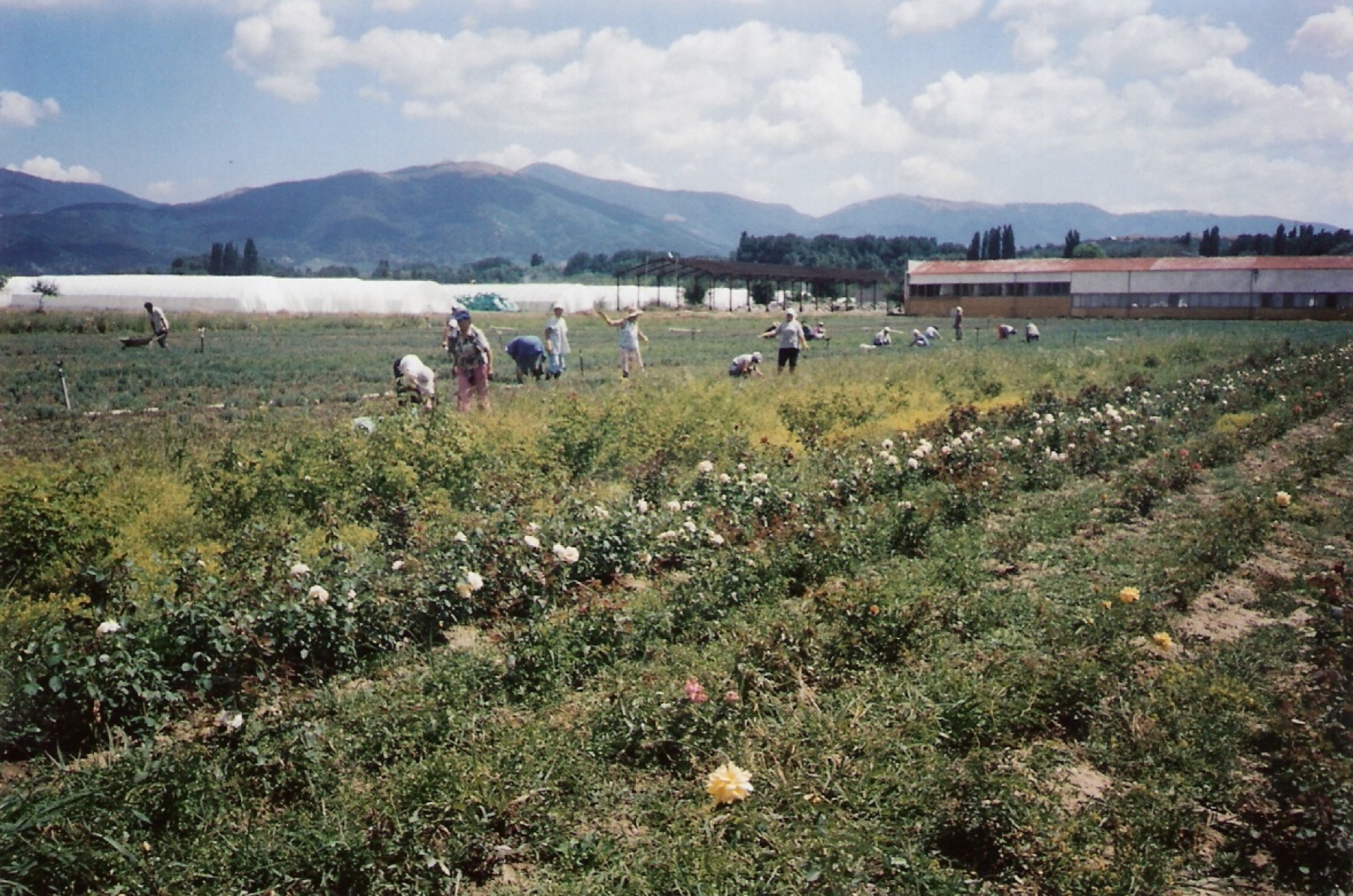
An entirely separate category is the famous Rose Valley near the town of Kazanlak, where thousands of travellers gather every year for stunning photos and the intoxicating scent of the renowned oil. The roses here bloom only in an exceptionally short window from mid-May to mid-June, so if you want to experience this fragrant phenomenon with your own eyes, you have to watch the calendar carefully. Outside this dedicated spring period you’ll see only ordinary green fields, without that magical flood of rose blossoms everyone comes for.
Where to Next
Want to know even more about Bulgaria? Here are some articles that will definitely come in handy. Don’t miss our big guide, where you’ll find the 30 most beautiful places for a holiday in Bulgaria, thanks to which you’ll discover even lesser-known corners.
If you’re drawn to the busiest part of the coast, I’ve written up 15 tips for Sunny Beach, where you’ll find out everything this giant resort has to offer. Before you fly off, also check what to pack for a holiday in Bulgaria, so you don’t forget anything important. And if you’re still hesitating over the timing, get inspired by our overview of where to go on holiday in September, where you’ll also find other great destinations for autumn trips.
Frequently Asked Questions
If you’re still unsure exactly when to head to Bulgaria, I’ve prepared a quick overview of the most common questions for you. In it you’ll find everything essential for stress-free planning, whether you’re going to the water or into the mountains.
When is the sea warmest in Bulgaria?
You’ll enjoy the warmest water on the Bulgarian coast surprisingly in August, when the average temperature of the Black Sea reaches a gorgeous 25 to 26 °C. The water warms up slowly during the hot summer, so swimming in August is much more pleasant and warmer than in July, making it the ideal time for lovers of warm water. For comparison, in February the water is a very chilly 6 to 7 °C.
Can you swim in June?
Yes, you can definitely swim in June, but the water is still quite refreshing. At the beginning of the month, sea temperatures hover around 20.5 to 21 °C, which may be a bit cool for some, but by the end of June the water starts to warm up quickly. By the way, the official beach season with lifeguards begins on June 1st, so you can count on basic safety and beach services.
What’s the weather like in September?
September is the so-called velvet season, when the water remains beautifully warm at 22 to 23 °C, which is actually more than in June. The air stays at a pleasant twenty-five degrees, the tourist crowds disappear and the sun is no longer so aggressively hot, though you need to bear in mind that the days are gradually getting shorter. Lifeguards then finish on the beaches on September 30th.
When is a seaside holiday cheapest?
You’ll save the most if you go just after the end of the main summer holidays in the first half of September. Hotels typically discount by 30 to 40 percent during this period and you’ll often find great package deals offering three nights for the price of two, while the weather and sea remain fantastic. From January 1, 2026, Bulgaria will also use the euro, making it easy to calculate your expenses.
When does it rain the most in Bulgaria?
The rainfall pattern varies greatly by location. Inland, it rains the most in May and June, when frequent afternoon thunderstorms can occur. On the coast, however, the rainiest period paradoxically comes in autumn with a maximum in October (Burgas gets up to 65 millimeters). August is the driest month at the seaside beaches, with just three rainy days and around 24 to 30 millimeters of precipitation.
Is it extremely hot in Bulgaria in summer?
While on the coast you’ll be cooled by a pleasant sea breeze and temperatures stay around a bearable thirty degrees, inland it can be extremely hot. The city of Plovdiv in particular turns into a blazing furnace in July and August with average highs around 33 °C and occasional heat waves that can quite commonly reach forty degrees.
When can you ski in Bulgaria?
The ski season in renowned winter resorts like Bansko, Borovets or Pamporovo typically runs from early December until mid-April. If you’re looking for guaranteed snow and the best conditions for downhill skiing, the ideal time to visit the mountains is January, February and March. Bansko, by the way, offers excellent slopes rising to an altitude of 2,530 meters.
When should you head to Musala and the Seven Rila Lakes?
Plan high-mountain hikes to altitudes above two thousand meters exclusively for July, August and September. Snow on the ridges of the Rila and Pirin mountains commonly lies until June, so earlier spring ascents of the highest peak in the Balkans are dangerous without proper winter equipment. Musala itself has average temperatures below zero from November through May and snow lies here even 200 days a year.
When do the roses bloom in Kazanlak?
The famous Valley of the Roses bursts into color and fragrance only in a relatively short window from mid-May to mid-June. If you want to see this natural phenomenon with your own eyes and experience the traditional harvest celebrations, you need to plan your trip precisely for these spring weeks, otherwise you’ll only see ordinary green bushes on site.
Tips and Tricks for Your Vacation
Don’t Overpay for Flights
Search for flights on Kayak. It’s our favorite search engine because it scans the websites of all airlines and always finds the cheapest connection.
Book Your Accommodation Smartly
The best experiences we’ve had when looking for accommodation (from Alaska to Morocco) are with Booking.com, where hotels, apartments, and entire houses are usually the cheapest and most widely available.
Don’t Forget Travel Insurance
Good travel insurance will protect you against illness, accidents, theft, or flight cancellations. We’ve had a few hospital visits abroad, so we know how important it is to have proper insurance arranged.
Where we insure ourselves: SafetyWing (simple monthly subscription) and TrueTraveller (for extra-long trips).
Find the Best Experiences
Get Your Guide is a huge online marketplace where you can book guided walks, trips, skip-the-line tickets, tours, and much more. We always find some extra fun there!
More from Bulgaria Travel Guide
Full guide →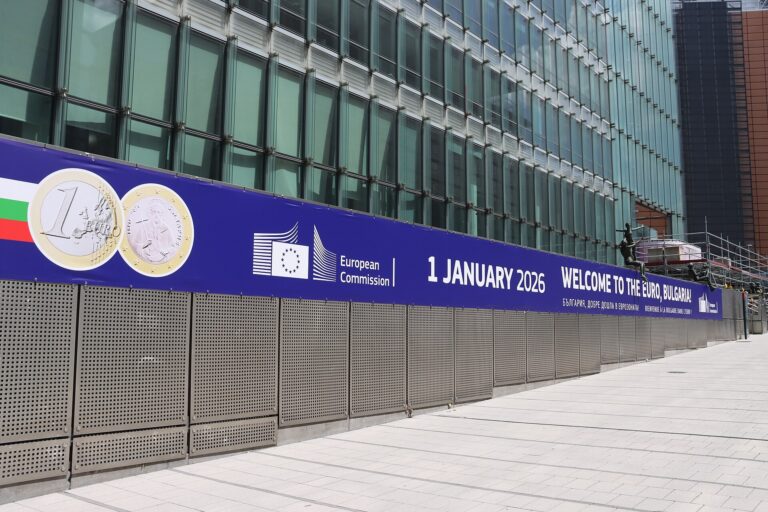 Prices · most readPrices in Bulgaria 2026: How Much a Holiday Costs After the Euro Switch
 PricesSozopol, Bulgaria: 15 Tips for What to See in the Oldest Seaside Town + Prices
 ActivitiesSkiing in Bulgaria in 2026: Bansko, Borovets, or Pamporovo?
 What to seePrimorsko and Bulgaria’s Southern Coast: 18 Things to See and Best Beaches 2026
 What to seeHoliday in Bulgaria 2026: 30 Most Beautiful Places + Practical Tips


