

If you’re planning a road trip around Sardinia thinking you’ll easily cross this Italian island back and forth over a long weekend, let me lovingly stop you right here. Sardinia is huge. It measures almost 300 kilometres from north to south, and since you won’t find any proper motorways here, getting around on the winding coastal roads takes far longer than you’d expect. But that’s exactly where its biggest charm lies!
According to every seasoned traveller, driving is by far the best way to discover Sardinia. You’ll reach hidden coves where no bus ever goes, pull over on cliffs with sunset views, and explore the mysterious interior full of prehistoric ruins. And honestly, that freedom of tossing a towel into the boot in the morning and setting off to find the most beautiful beach is simply priceless. From all the available information and glowing reviews, it’s clear you’re in for one of Europe’s best road trips.
In this guide you’ll find ready-made itineraries for a Sardinia road trip, whether you’ve got a week, ten days, or a full two weeks. We’ll cover the pitfalls of local rental companies, explain how to avoid hefty fines for driving into historic centres, and even look at why you can’t reach some beaches at all without an app on your phone. Let’s get started!
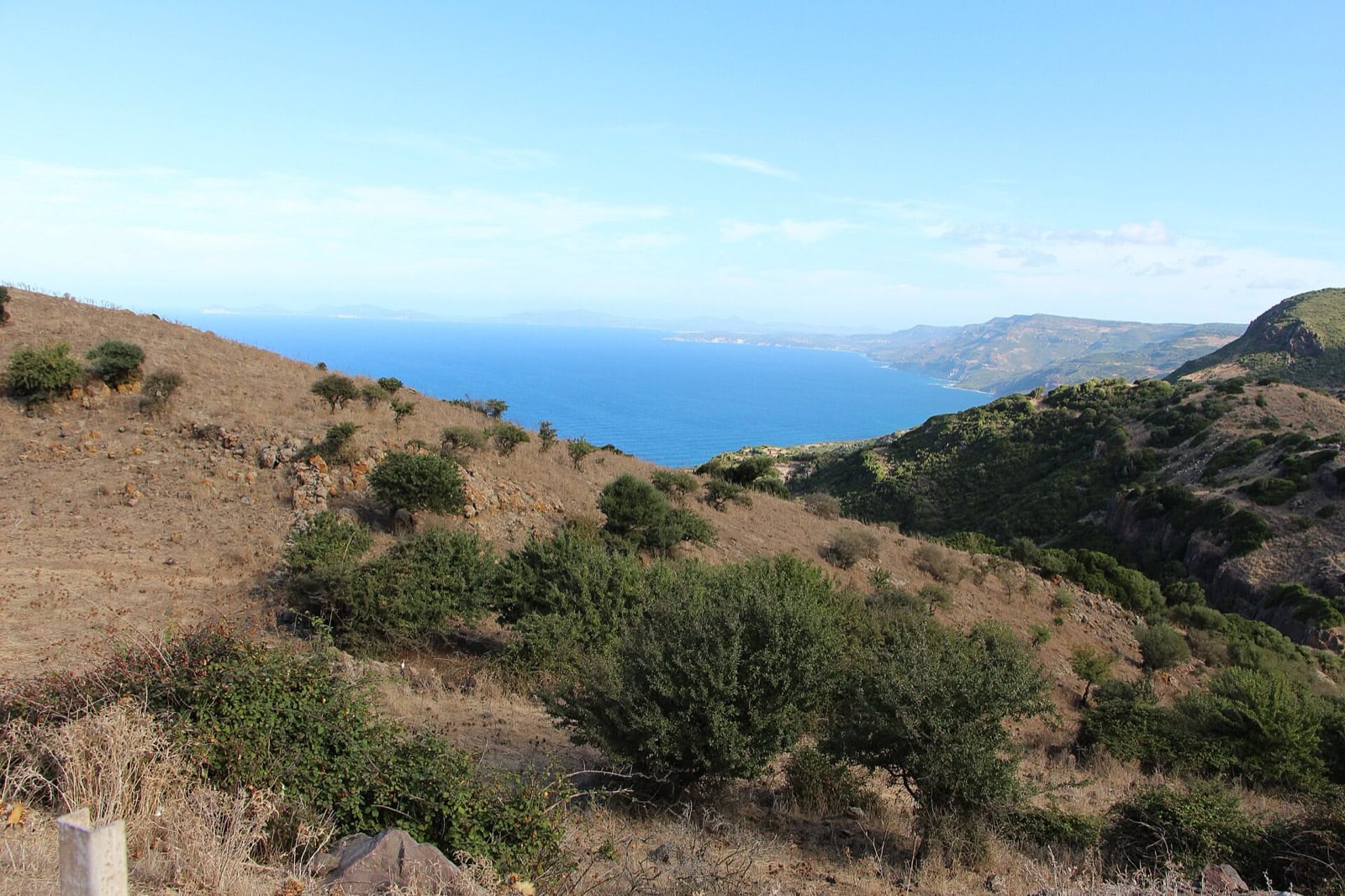
TL;DR
- How many days you need: Set aside at least 10 to 14 days for the whole of Sardinia. If you only have a week, stick strictly to either the north or the south, otherwise you’ll spend your entire holiday behind the wheel.
- North vs. south: The north (Costa Smeralda, La Maddalena, Alghero) is more famous, more luxurious and pricier. According to the forums, the south (Cagliari, Villasimius, Costa Verde) is wilder, more authentic and easier on the wallet.
- Distances and roads: There are no motorways on the island. The main route is the free SS131 dual carriageway. On coastal and mountain roads, expect an average speed of around 40 km/h.
- ZTL zones: In towns like Olbia, Alghero or Cagliari, watch out for the ZTL cameras (restricted traffic zones). Fines reliably find their way back home and start at 80 euros.
- Car hire: Don’t skimp on insurance and avoid the problematic rental companies (Goldcar is frequently flagged). If you only have a debit card, look for local firms that accept it.
When to go on a Sardinia road trip and what to know about driving
Getting the timing right is absolutely key for a Sardinia road trip. It will determine not only your budget, but also whether you’ll be crammed onto the roads with thousands of other tourists or enjoying empty views. Let’s sum up what awaits you behind the wheel and when the locals reckon is the best time to visit.
If you head out in July or August, brace yourself for extreme heat and enormous crowds. Especially around the Italian holiday of Ferragosto (15 August), the island bursts at the seams, prices for cars and accommodation skyrocket, and finding a free parking spot near a beach means arriving before eight in the morning. The far smarter move is to choose June or September, when the sea is beautifully warm (in September it’s actually warmest, around 24 °C) but the roads are considerably quieter. October is great for hiking and exploring the interior, although the sea can get a bit chilly for those who feel the cold. Also watch out for the strong mistral wind (maestrale), which blows in from the northwest and can noticeably cool the water as well as make driving unpleasant.
As for the driving itself, forget about motorway vignettes and toll barriers. There simply are no motorways in Sardinia. The spine of the island is the SS131 dual carriageway (the so-called Carlo Felice), which connects Cagliari in the south via Oristano with Sassari and Olbia in the north. It’s two-lane, free, but under repair on many stretches. The moment you turn off it towards the coast, endless hairpin bends await. A 60-kilometre distance can easily take you an hour and a half. The drive from Cagliari to Alghero takes roughly 2.5 hours (235 km), and from Cagliari to Olbia just under 3 hours. Experienced travellers therefore advise planning no more than 150 to 200 kilometres of driving per day.
| Route | Distance | Driving time |
|---|---|---|
| Olbia → Porto Cervo (Costa Smeralda) | approx. 30 km | ~35 min |
| Olbia → Cala Gonone (Golfo di Orosei) | approx. 110 km | ~1.5 hrs |
| Cala Gonone → Alghero (crossing the island) | approx. 200 km | ~3 hrs |
| Cagliari → Villasimius | approx. 65 km | ~1 hr |
| Cagliari → Oristano (Sinis Peninsula) | approx. 95 km | ~1.5 hrs |
| Cagliari → Alghero (via SS131) | approx. 235 km | ~2.5 hrs |
You can reach the island with your own car by ferry. Boats sail from the Italian mainland (Livorno, Genoa, Civitavecchia) and the crossing takes from 5 to 11 hours depending on the route. The cheapest tends to be the ferry from Livorno to Olbia, where outside the main season tickets can be found at very reasonable prices. But if you’d rather not spend days crossing Europe, a far more elegant option is to fly to Olbia, Alghero or Cagliari and head straight to a local rental desk. From the UK, you’ll find good connections with easyJet and Ryanair from London to Cagliari and Olbia, with seasonal routes also operating from Manchester and other regional airports.
Where to stay during your Sardinia road trip
Although a road trip tempts you to sleep somewhere new every night, with Sardinia’s winding roads that’s not really recommended. It’s apparently needlessly exhausting and you’ll spend more time packing suitcases than swimming. A far better strategy is to pick one or two strategic bases and take day trips out from them.
When booking accommodation, always look for free cancellation (Booking.com offers it as standard). Especially if you’re travelling outside the peak summer months, the weather can change and you’ll appreciate the option to move from the windy northwest to the calmer east coast. If you’re heading north, a great base for trips is the area around the town of San Teodoro, which apparently offers better value for money than the extremely expensive Costa Smeralda. In the northwest, historic Alghero is the ideal starting point, and if you want to explore the south, look for accommodation around Cagliari or the quieter town of Pula.
Where you rest your head in Sardinia matters surprisingly much — whether you’ll have the sea five minutes on foot or an hour’s drive away, and whether you’ll enjoy peace and quiet in the evening or the hustle. The island is enormous, so choosing blindly doesn’t pay off. That’s why we’ve picked a few tried-and-tested tips based on the kind of holiday you’re after:
💑 For couples and romance: Hotel Villa Las Tronas (Alghero) — a historic villa on its own rocky peninsula with the sea on three sides; travellers particularly rave about the peace and the sunset views.
👨👩👧 For families by the beach: Hotel Nautilus (Villasimius) — on the calm south, just steps from shallow sandy beaches where even little ones can play safely.
💰 Best value for money: Cala Cuncheddi (Olbia) — its own beach and just a few minutes from Olbia airport, so you don’t have to cross half the island on day one.
✨ For a unique experience: Su Gologone Experience Hotel (Oliena) — a legendary art hotel beneath the Supramonte mountains; authentic Sardinia far from the beaches and crowds.
💡 One last tip: you can book most hotels through Booking.com with free cancellation, so you can reserve your favourite spot right away and make up your mind later. Just don’t wait too long — the most sought-after seaside addresses sell out for July and August up to six months in advance, and peak-season prices climb tens of percent higher.
Sardinia by car in 7 days: the northern loop
If you only have 7 days in Sardinia, don’t try to circle the whole island. The northern loop is the absolute classic that takes you through the most famous things the island has to offer: from luxury yachts to romantic historic towns. This Sardinia itinerary assumes you arrive and depart from Olbia airport.
| Days | Route and main stops | Where to sleep | Hotel tip |
|---|---|---|---|
| Days 1–3 | Costa Smeralda, Porto Cervo, La Maddalena archipelago, Capo Testa | Olbia | Cala Cuncheddi |
| Days 4–5 | Golfo di Orosei, Cala Luna, Cala Goloritzé | Cala Gonone | Hotel Costa Dorada |
| Days 6–7 | Pastel-coloured Bosa, Catalan Alghero, Capo Caccia | Alghero | Hotel Villa Las Tronas |
Days 1–3: Costa Smeralda and the La Maddalena archipelago
Pick up your car in Olbia and head straight north to the legendary Emerald Coast (Costa Smeralda). This area was built in the 1960s for the global elite, and here you’ll find the priciest boutiques, luxury resorts and the marina of Porto Cervo, where giant yachts moor. Prices apparently reach astronomical heights, but stopping for an ice cream and soaking up the atmosphere is well worth it. Don’t miss photogenic beaches like Spiaggia del Principe or Capriccioli.
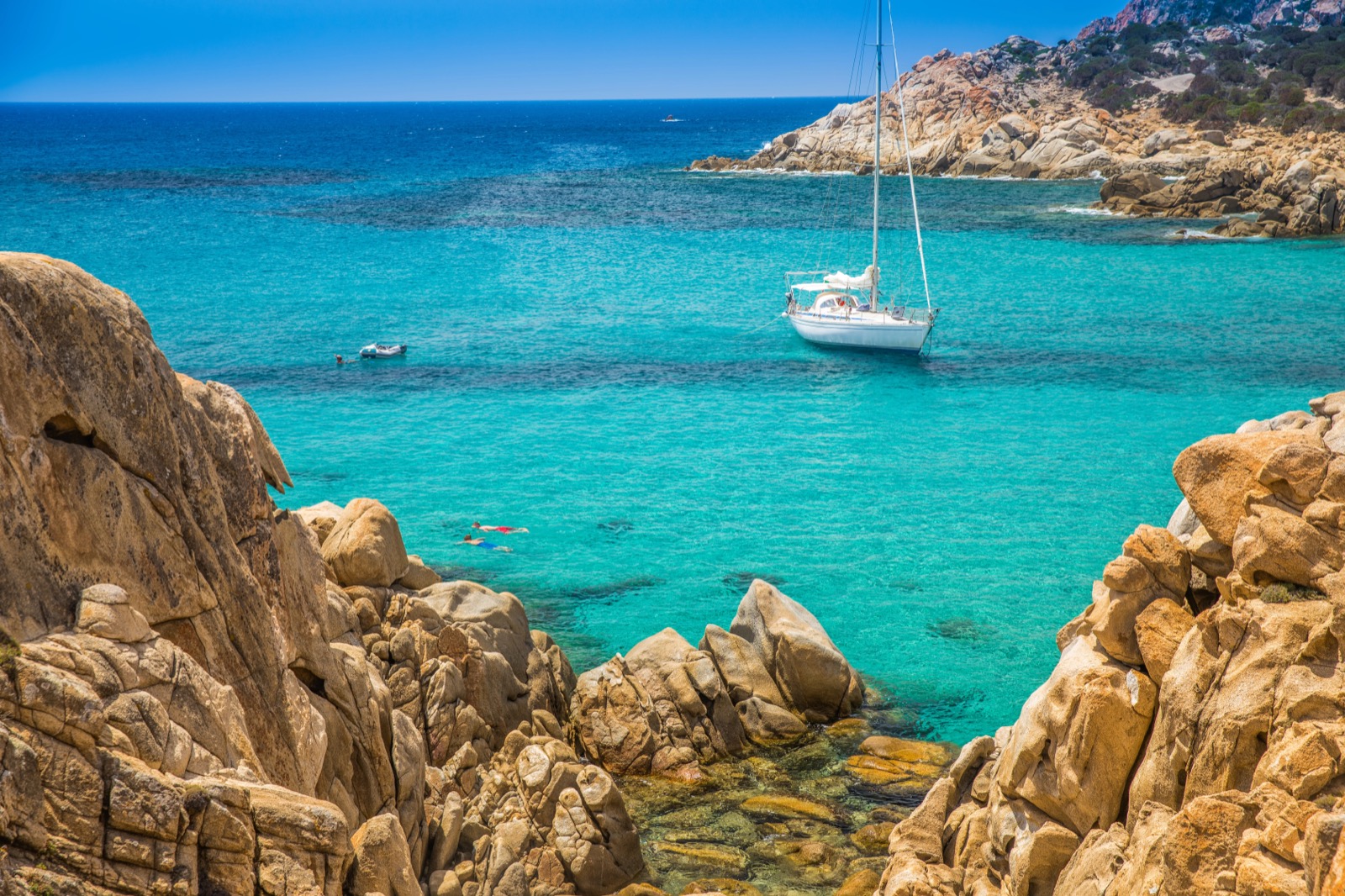
On the second day, drive to the port of Palau and take a full-day boat trip to the La Maddalena archipelago, which has been a national park since 1994. The ferry to the main island runs about 20 minutes and you can even take your car across. If you want to see the most secluded coves, it’s apparently worth paying for an organised cruise. You’ll definitely be wowed by the island of Caprera, where Giuseppe Garibaldi lived and died. Sadly, the famous Pink Beach (Spiaggia Rosa) on the island of Budelli can only be viewed from a boat — due to theft of the pink sand, there’s been a strict ban on entry since 1998 under threat of a draconian fine.
On the third day, head to the very northern tip of the island to the town of Santa Teresa Gallura. The local granite peninsula of Capo Testa offers bizarre rock formations shaped by wind and water over millennia. The sunsets here look like they’re from another planet.
Days 4–5: Cala Gonone and Golfo di Orosei
From the north, move down the east coast towards the town of Cala Gonone. You’re heading into the Golfo di Orosei bay, famous for its breathtaking limestone cliffs and caves. This part of the coast is largely inaccessible by car, so you’ll park up for the day here.
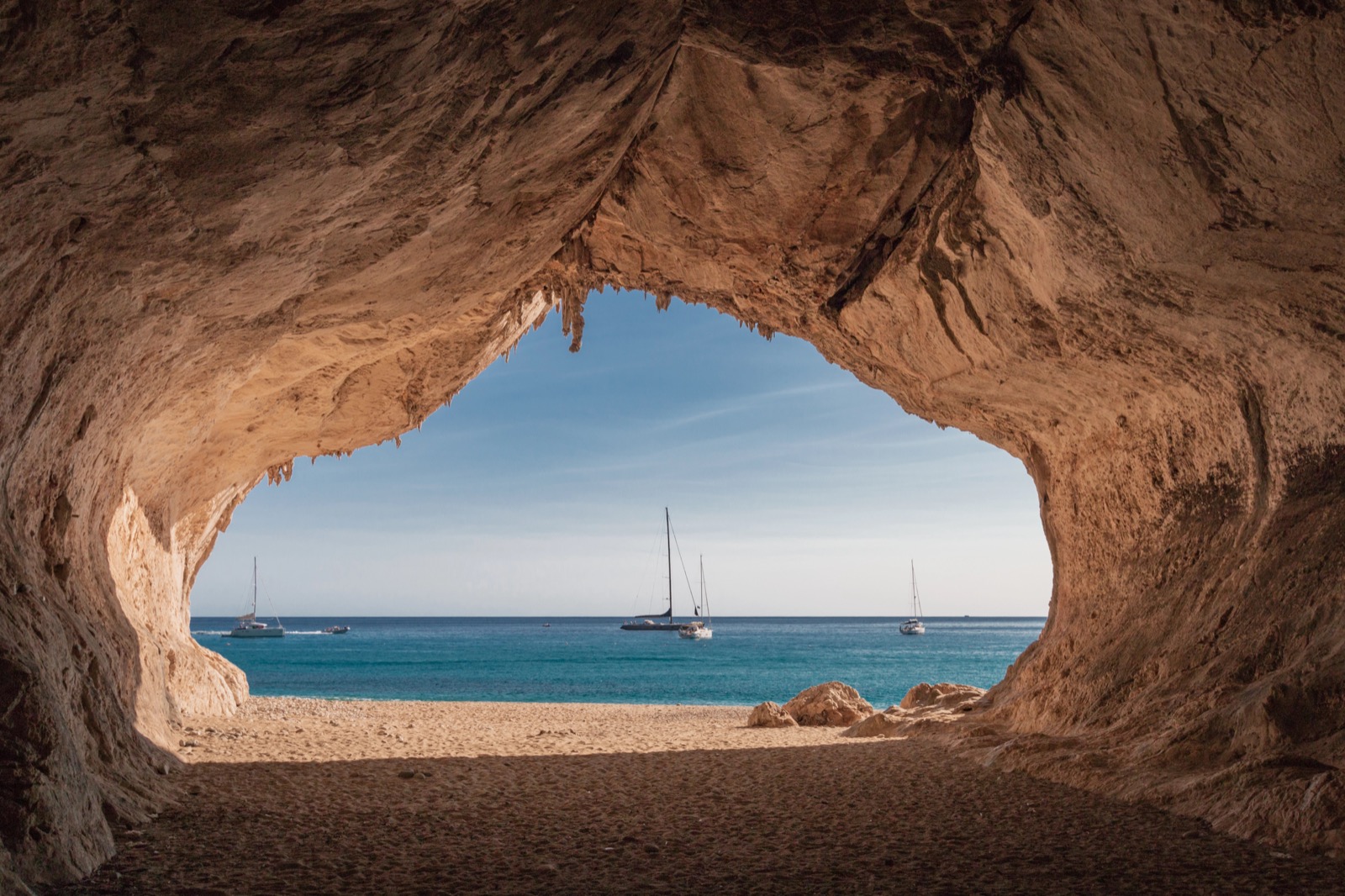
Book a spot on a boat and set off to discover coves that regularly rank among the most beautiful beaches in Europe. Crystal-clear water awaits at Cala Luna or Cala Mariolu (note: Cala Mariolu has a limit of 700 people per day and you need a QR code from the official website to enter). A chapter all of its own is the Cala Goloritzé beach with its iconic 100-metre rock pinnacle. Boats aren’t allowed to approach it — you have to descend on foot from the Golgo plateau (about a 1.5-hour walk down). If you’re planning this, bear in mind that access is regulated. Entry costs 7 euros and in season you have to book your spot 72 hours in advance through the official Heart of Sardinia app.
💡 Tip: Tickets, boat trips and organised tours fill up fast in season, so it pays to book them in advance online through GetYourGuide.
Days 6–7: Pastel-coloured Bosa and Catalan Alghero
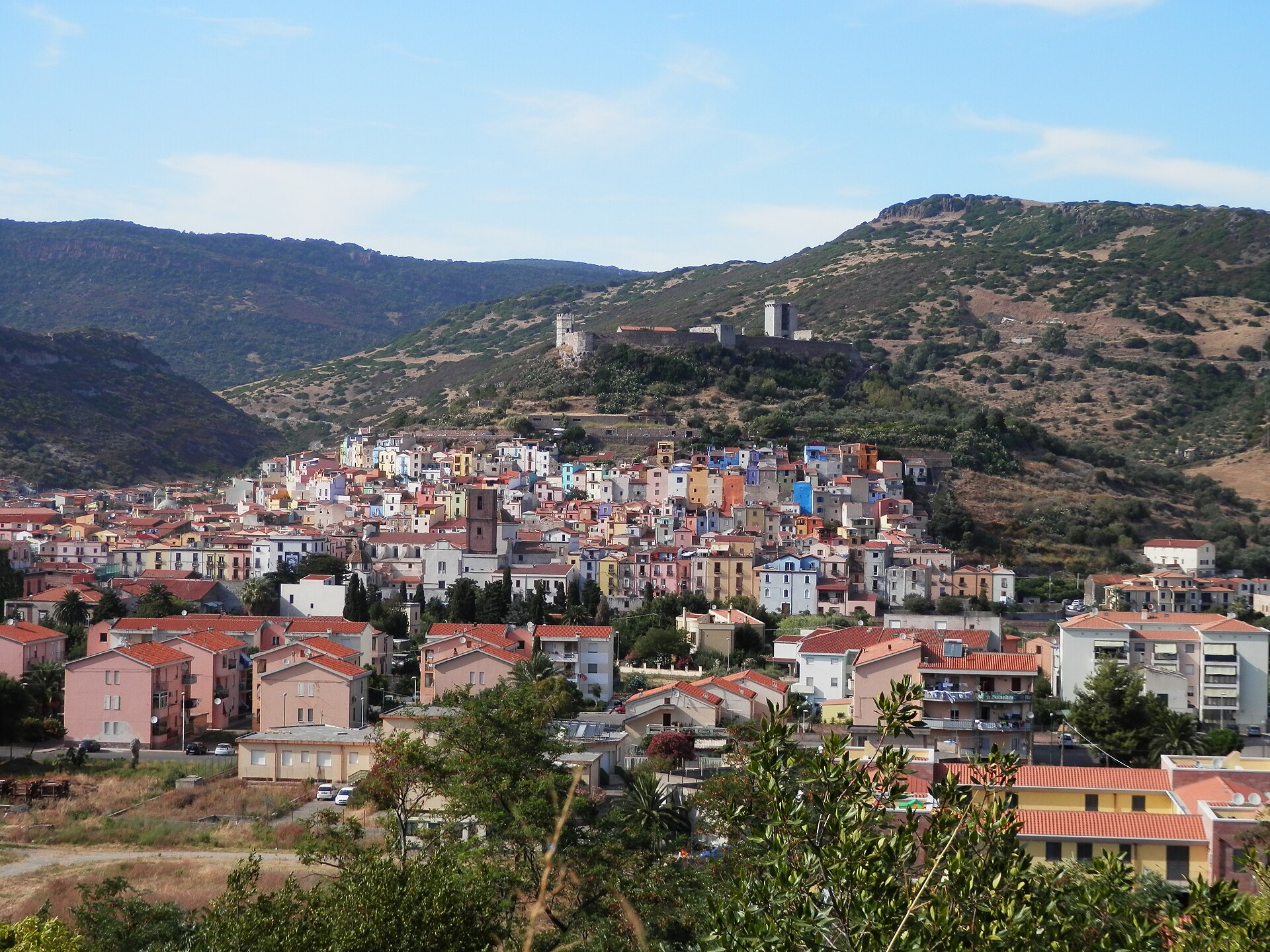
From the east, you’ll cross the interior to the northwest coast. Your first stop will be the town of Bosa, known for its pastel-coloured houses rising up the hill beneath Castello Malaspina. The River Temo flows through it, and the whole place apparently looks incredibly picturesque. Be sure to try the local dessert seadas at one of the small cafés — fried pastries filled with fresh cheese and drizzled with honey.
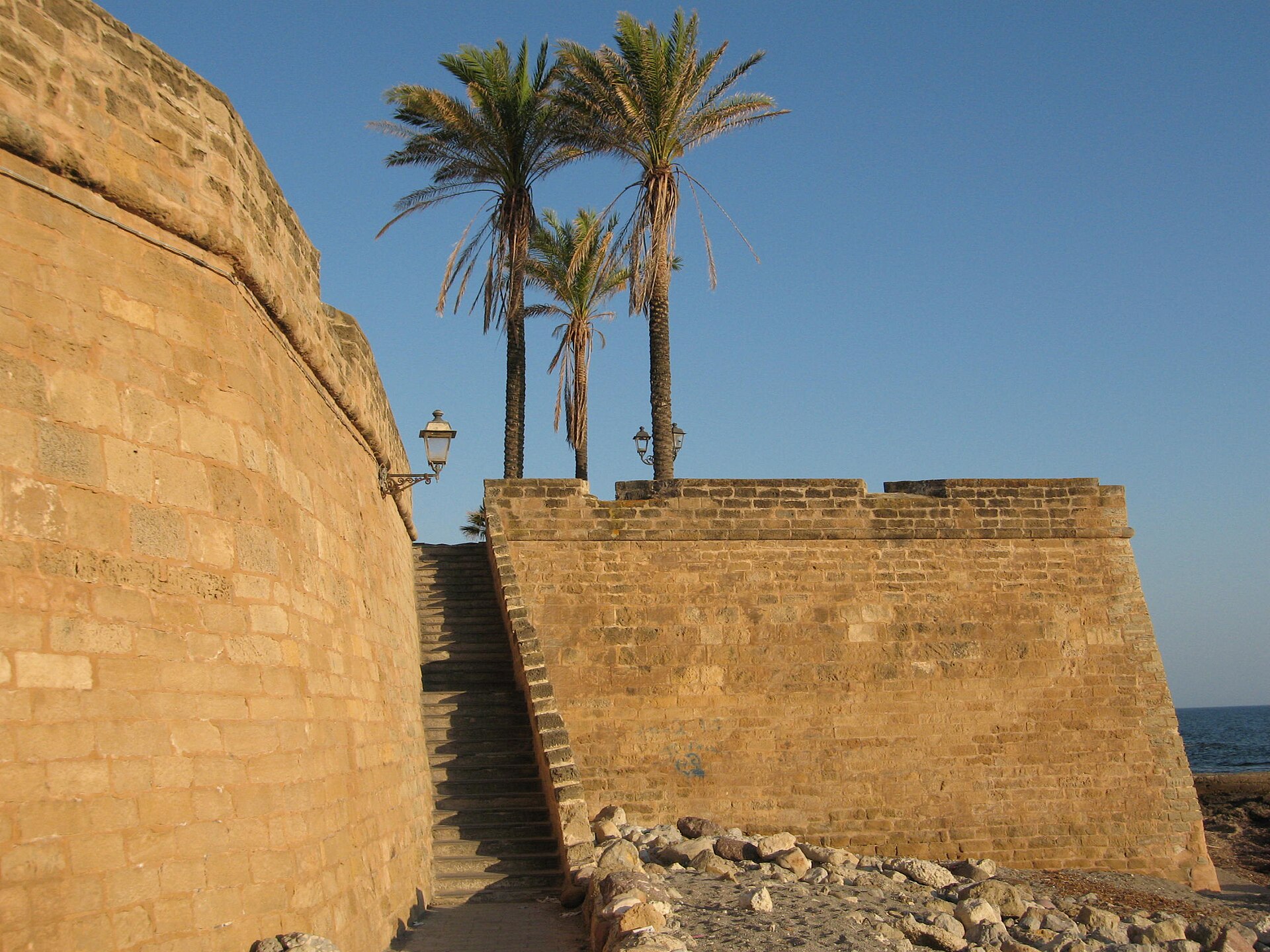
From here you’ll continue along one of the island’s most beautiful coastal roads to Alghero. Alghero has earned the nickname “Little Barcelona” because it has retained a strong Catalan identity to this day, and the Algherese dialect is even still spoken here. The old town is closed to cars, so park outside and walk along the mighty ramparts above the sea. To round off the trip, drive to Capo Caccia and Neptune’s Grotto (Grotta di Nettuno). If you don’t suffer from vertigo, you can descend to it via the impressive Escala del Cabirol staircase, which has a respectable 654 steps carved straight into the cliff. From here it’s only a short hop back to the airport (either in Alghero or via the SS131 back to Olbia).
Sardinia by car in 7 days: the southern loop
According to many travel forums, the south of Sardinia is the island’s more authentic and wilder face. You won’t find as many five-star resorts as in the north, but in return you’ll get endless beaches, flamingos and considerably friendlier prices. This 7-day itinerary works from Cagliari airport.
| Days | Route and main stops | Where to sleep | Hotel tip |
|---|---|---|---|
| Days 1–2 | Cagliari (Castello, Poetto beach), Nora, sand dunes near Chia | Cagliari | Palazzo Tirso MGallery |
| Days 3–4 | Villasimius, Porto Giunco, Su Nuraxi nuraghe in Barumini | Villasimius | Hotel Nautilus |
| Days 5–7 | Sinis Peninsula, Is Arutas beach, Costa Verde, Piscinas dunes | Oristano | Hotel Lucrezia |

Days 1–2: Cagliari and the sand dunes near Chia
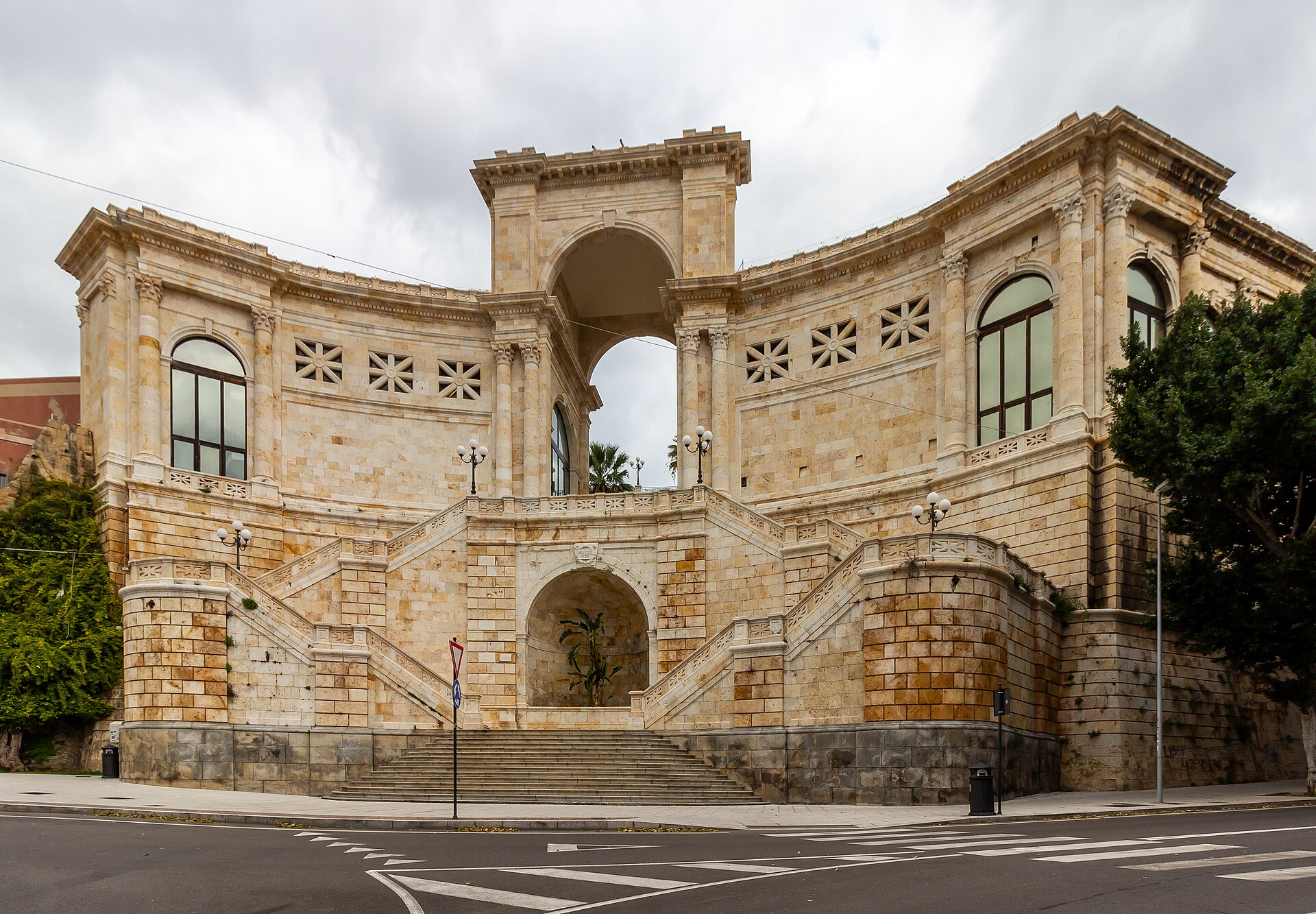
Start right in the capital, Cagliari. Its medieval fortified district of Castello sits on a hilltop and offers wonderful views from the neoclassical Bastione di Saint Remy terrace — apparently the best spot for a sunset with a bottle of good wine! Don’t miss the Roman amphitheatre carved into the rock, and be sure to stroll through the narrow lanes of the Marina district. Right by the city lies the 8-kilometre Poetto beach, where you can swim and watch the pink flamingos in the nearby lagoons from afar.
On the second day, drive west to the archaeological site of Nora (a Phoenician-Roman city right by the sea) and continue to the Chia area. The beaches here are renowned for their fine sand and majestic dunes lined with centuries-old juniper trees. If you love swimming in shallow turquoise waters, this is apparently your paradise. Nearby lies Tuerredda beach, considered one of the TOP 10 in the south (from summer 2025 access is meant to be regulated by an app, so check before you travel).
Days 3–4: Villasimius and the nuraghi in Barumini
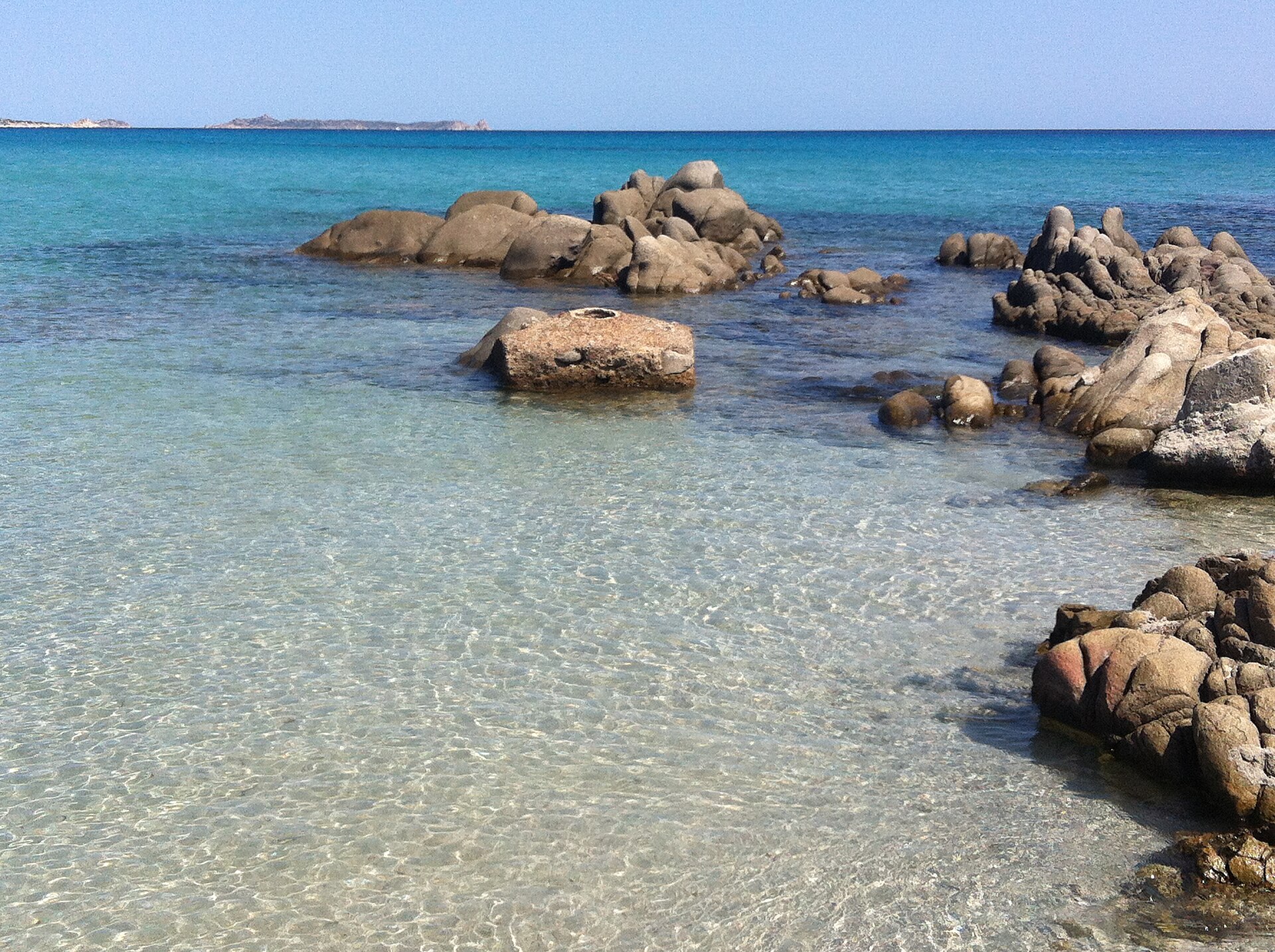
Head east from Cagliari along the coast to the protected marine area of Capo Carbonara near the resort of Villasimius. Here you’ll find the famous Porto Giunco beach, which borders the sea on one side and a flamingo-filled lagoon on the other. Other gems include Punta Molentis, where you should expect a parking fee (around 10 euros per car).
On the fourth day, weigh anchor and head inland. Sardinia is home to more than 7,000 nuraghi — megalithic conical towers from the Bronze Age that you won’t find anywhere else in the world. Go and see the most famous of them all: Su Nuraxi di Barumini, on the UNESCO list since 1997. Entry to the complex is only allowed with a guide, and the tour of the central 18-metre tower is apparently a fascinating excursion into the island’s ancient history. You’ll find current opening hours on the official Barumini Foundation website.
Days 5–7: Sinis Peninsula, Costa Verde and the return
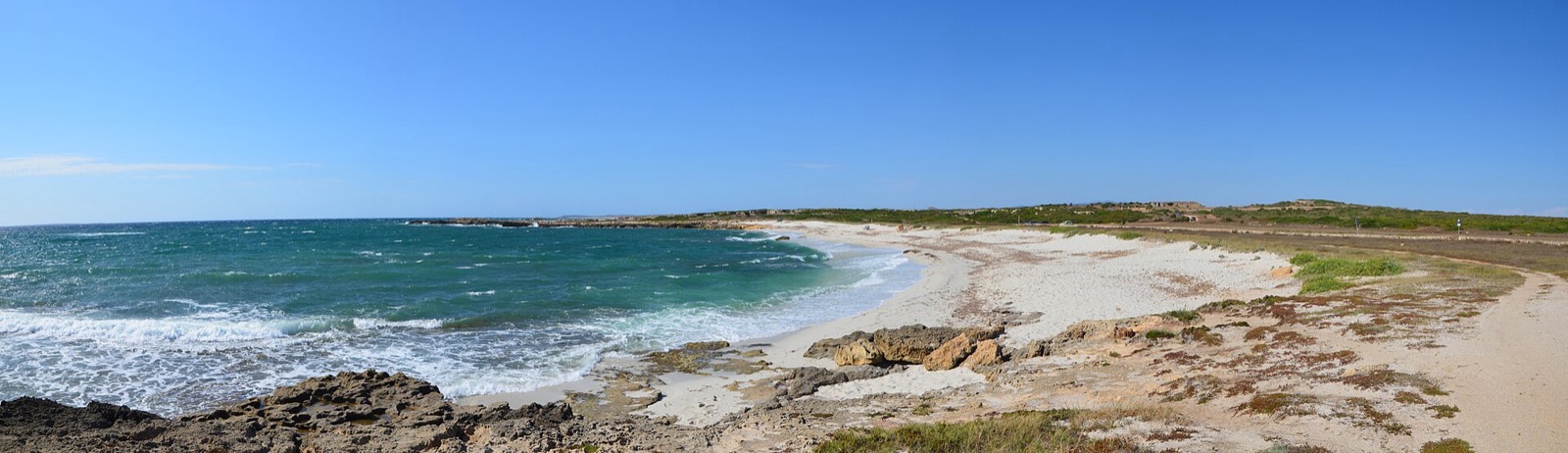
Move to the west coast near the city of Oristano and explore the Sinis Peninsula. A real one-off awaits you here: Is Arutas beach, nicknamed the “rice beach”. Its surface isn’t made of ordinary sand but of tiny grains of quartz in white, green and pink shades. It apparently looks stunning, but remember one crucial rule: collecting these pebbles is strictly forbidden, and the fines at the airport are unforgiving.
Devote your final days to exploring Costa Verde (the Green Coast). It’s one of the least populated and wildest parts of Sardinia. The jewel of this area is the enormous sand dunes by Piscinas beach, which rise up to 60 metres high and resemble the Sahara more than Europe. The dunes are often reached only by a dirt track, so driving a hire car here calls for caution. After that, all that’s left is an easy return along the dual carriageway back to Cagliari.
The grand Sardinia loop in 10 to 14 days
If you’re thinking that since you’re flying all the way to Sardinia you want to see as much of it as possible, set aside at least 10 days, ideally 14. The more time you have, the better you can absorb the contrasts between the glamorous coast and the rugged interior. Here’s an outline for those who love long road trips by car.
| Days | Area and what you’ll see | Where to sleep | Hotel tip |
|---|---|---|---|
| 4 days | South: Cagliari, Chia, Villasimius and the wild dunes | Cagliari | Palazzo Tirso MGallery |
| 3 days | West: Alghero, pastel Bosa, Caribbean-like La Pelosa in Stintino | Alghero | Hotel Villa Las Tronas |
| 3 days | North: Palau, La Maddalena archipelago, Costa Smeralda | Palau | Hotel La Roccia |
| 4 days | East and mountains: Golfo di Orosei, Supramonte, inland Barbagia | Oliena | Su Gologone Experience Hotel |
If you have roughly 10 days, it’s worth using a so-called open-jaw ticket (arriving in one city and departing from another). For example, fly into Olbia and return the car in Alghero. That way you save hundreds of kilometres on cross-island transfers. With this setup you spend the first 4 days on the Costa Smeralda and La Maddalena, then move east for 2 to 3 days for boat trips into the Golfo di Orosei, and devote the rest of your stay to the northwest. From Alghero you can also pop up to the very northwestern tip to the famous La Pelosa beach in Stintino. It looks straight out of the Caribbean, but watch out: in season you have to book entry (3.50 euros) 48 hours in advance, and you absolutely must place a reed mat under your towel. If you don’t have one, the beach wardens will apparently slap you with a 100-euro fine without mercy. Sort out the official booking in advance on the La Pelosa Stintino website.
For a complete loop around the island, set aside 14 days. During them you’ll clock up a respectable 1,500 kilometres or so. Split your time evenly: spend 4 days on the south around Cagliari and the wild dunes, 3 days on the west (Alghero and Bosa), 3 days in the north (Palau and La Maddalena), and save the last 4 days for the dramatic east and the Supramonte mountains. At this pace you’ll have time to relax on the beach while also exploring the picturesque inland villages of the Barbagia region. That’s exactly where you’ll encounter the true face of Sardinia, and in local agriturismi (rural farm stays) you’ll taste traditional pane carasau bread and homemade culurgiones pasta filled with potatoes, pecorino cheese and mint.
The most beautiful roads in Sardinia
For keen drivers, a Sardinia road trip is a dream come true. If you had to pick just a few stretches from the whole itinerary where you’ll enjoy the driving the most, locals and experienced travellers recommend these three legendary roads. The views are guaranteed to make you stop and snap photos every five minutes.
Orientale Sarda (SS125)
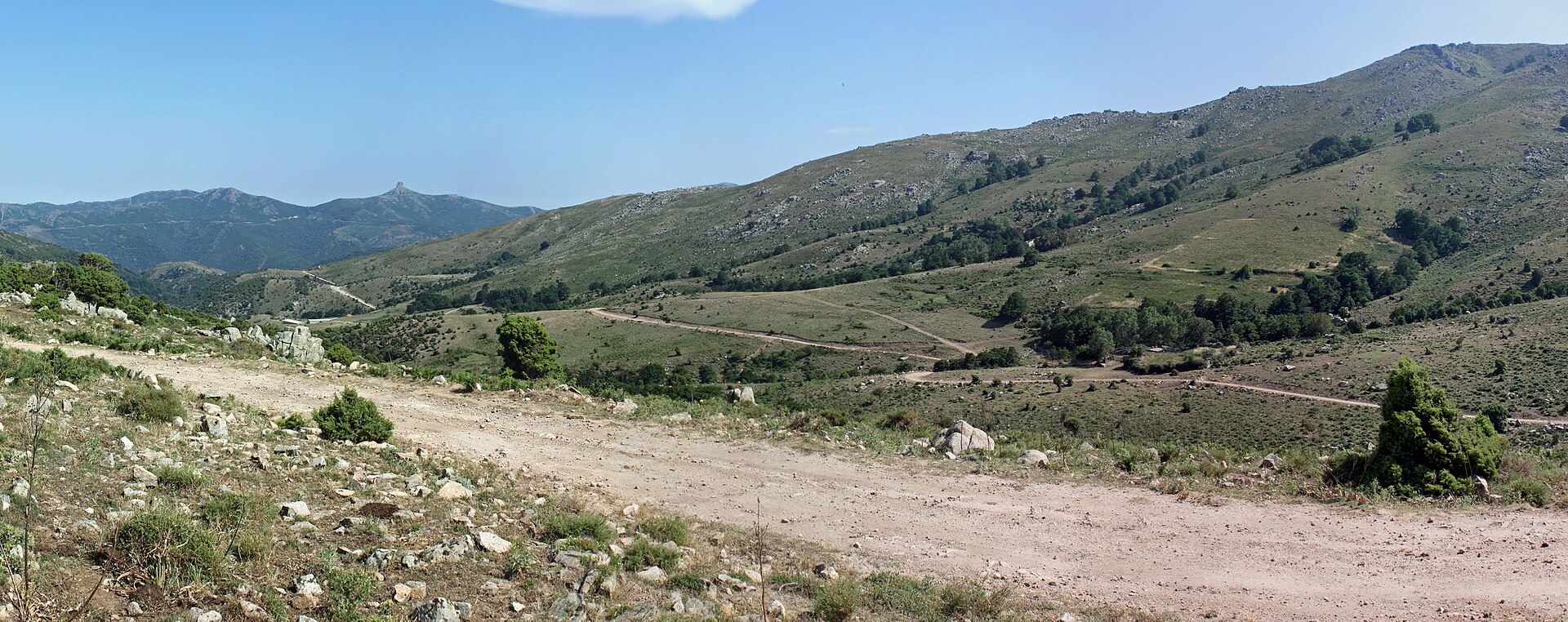
This road on the east of the island is an absolute gem for anyone who loves mountain passes. Its most dramatic stretch runs through the wild Supramonte mountains between the towns of Dorgali and Baunei. The road cuts into limestone massifs, offering deep ravines on one side and sharp peaks on the other. Driving through here demands full concentration, because the bends are genuinely tight and wild boar or herds of goats sometimes like to sun themselves on the road.
The Alghero–Bosa coastal road (SP105 and SP49)
On the west coast you’ll find a stretch that runs roughly 45 kilometres and connects the towns of Alghero and Bosa. There’s no development here, just endless cliffs dropping steeply into the sea and wild Mediterranean maquis. According to the reviews, it’s an absolute treat to drive this route in the early evening, when the sun sinks below the sea horizon and turns the rocks red. Glance up at the sky now and then — rare griffon vultures nest in this area.
The Chia–Teulada panoramic road (SP71)
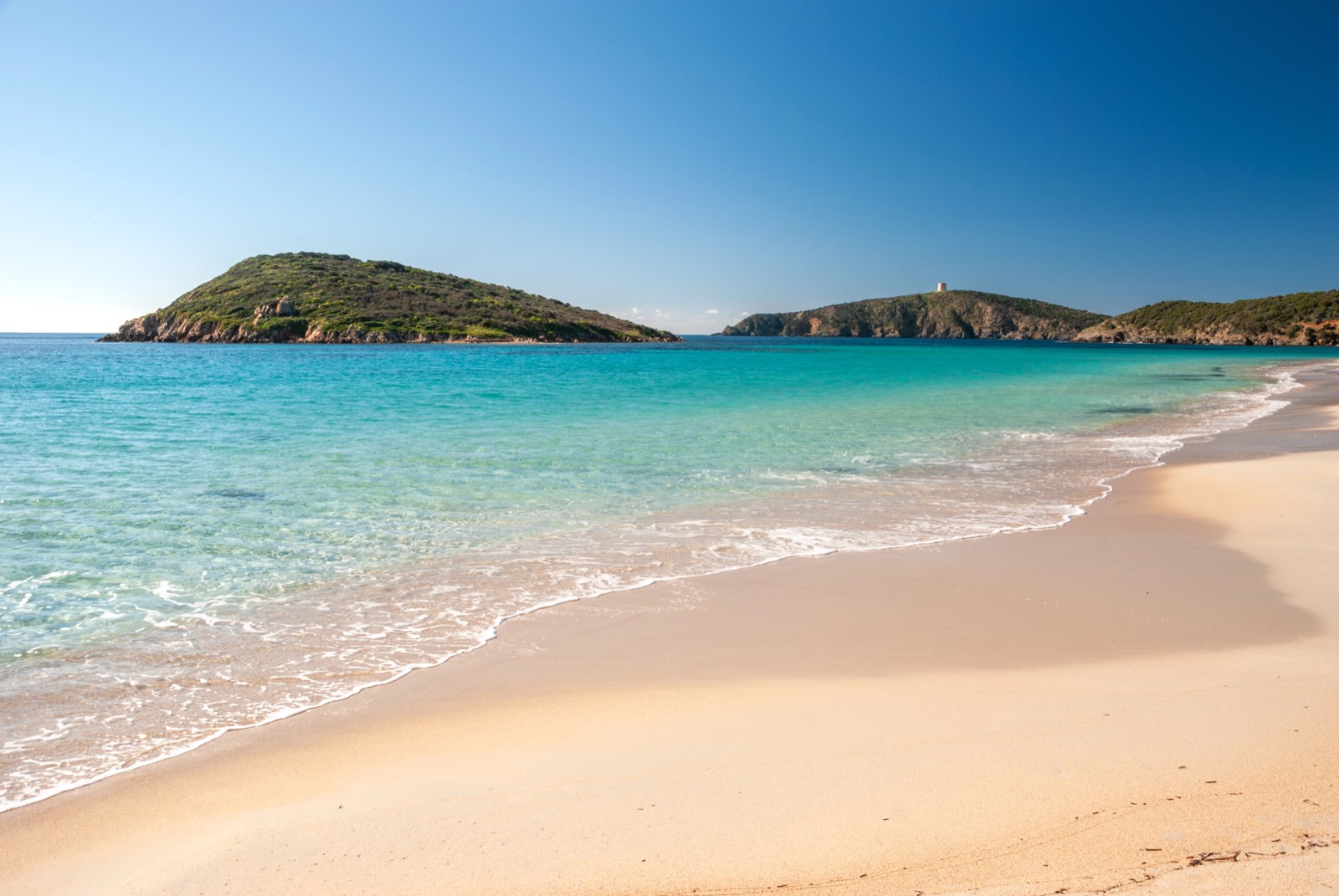
If you’re down at the very south of the island, don’t miss the roughly 25-kilometre stretch known as the Strada Panoramica della Costa del Sud. The road traces the jagged coastline, offering views of islets, coves and watchtowers from the days of Spanish rule. It’s the ideal route for those who want to combine driving with discovering hidden beaches, as plenty of turn-offs from this road lead to gorgeous coves with fine sand.
Practical tips for your road trip
Planning the route is only half the battle. A Sardinia road trip has its own quirks and pitfalls that can cost you a lot of stress and money if you’re not prepared. Here’s a summary of the most important practical advice we’ve pulled together for you from travel forums and current rules.
First and foremost, be very careful which rental company you choose. Internet forums constantly repeat warnings about the aggressive practices of some budget companies, with Goldcar named most often. The staff at the desk apparently often pile on extreme pressure to buy their own expensive insurance. Another common snag is using a debit card: big multinational firms often require a credit card with the driver’s embossed name to block the deposit (which can range from 50 to 2,000 euros). If you only have a debit card, you’re forced to pay extra for full coverage, which doubles the price of the car. The solution is to look for local rental companies, such as Sardinya or Only Sardinia, which tend to be far more accommodating with debit cards. And the golden rule to finish: when picking up the car, carefully photograph and film every smallest scratch.
Your biggest enemy in towns will be the ZTL zones (Zona a Traffico Limitato). These are historic centres and narrow lanes where only residents are allowed to drive. They’re monitored by cameras, and if you enter one — even accidentally for 10 seconds while turning around — a fine of 80 to 200 euros will reliably catch up with you back home a few months later. Cameras watch over Cagliari (the Castello district and others), Olbia, Bosa and Castelsardo, for example. In Alghero the old town is completely closed to cars. So absolutely avoid streets marked with a “Varco Attivo” sign (active gate / no entry). The safest bet is to park in a larger car park outside the centre and walk the few hundred metres. If your hotel is right inside a ZTL zone, they have to report your registration plate to the police — make sure in advance that they will.
Parking in Sardinia is also tied to a colour-coded line system. White lines mean free parking. Blue lines indicate paid parking (in towns expect around 1 euro per hour, near popular beaches it can be 2 euros or more). Yellow lines are reserved for residents or disabled drivers — never park there. As for fuel, petrol and diesel are pricier on the island than on the European mainland, so factor that into your budget. Always choose a “full-to-full” policy at the rental desk (you collect the car with a full tank and return it full) — it works out fairest. And don’t forget that many exceptional beaches (La Pelosa, Cala Goloritzé) can no longer be visited at all without a morning reservation and a fee. For the current season, always check the limits on the official website or via the relevant apps.
Where to go next
💡 Keep discovering Sardinia: the main Sardinia guide, how to get to the island, the most beautiful beaches, weather and when to go, Cagliari.
Frequently asked questions
How to plan a road trip around Sardinia?
The key is a realistic estimate of distances. There are no highways on the island, transfers take a long time. Choose 1–2 strategic bases and take day trips from there, don’t try to sleep somewhere different every day. For shorter trips, pick either just the north or just the south of the island.
How many days do you need for a road trip around Sardinia?
For a complete tour of the island (the big loop of approximately 1,500 km), set aside at least 10 days, but ideally 14. If you only have 7 days available, focus on just one region (for example Costa Smeralda and Golfo di Orosei in the north, or Cagliari and its surroundings in the south).
Is it worth having your own car in Sardinia?
Definitely yes. A car is practically a necessity in Sardinia, as public transport between smaller towns and remote beaches is very sparse. Without a car, you won’t be able to reach the most beautiful hidden coves or the mountainous interior.
How long does the journey from Cagliari to Alghero take?
Although the distance is only about 235 kilometers, the journey on the SS131 expressway takes an average of 2.5 hours. On coastal roads with beautiful views, expect an average speed of around 40 km/h, which would significantly extend the trip.
Which are the most beautiful roads in Sardinia?
“`html
Among the most popular are the eastern mountain road SS125 (Orientale Sarda) through the Supramonte mountains, the western coastal road SP105 between Alghero and Bosa with dramatic cliffs, and the southern panoramic route SP71 between Chia and Teulada.
“`
Is it better to explore the north or south of Sardinia?
The north is more commercial, you’ll find luxury resorts here (Costa Smeralda), the famous La Maddalena archipelago and beautiful beaches, but it’s also significantly more expensive. The south, on the other hand, is more authentic, cheaper and less crowded, offering wild beaches with dunes and excellent archaeological sites.
Can you get to Sardinia by ferry with a car?
Yes, ferries depart from the Italian mainland (Genoa, Livorno, Civitavecchia) and the crossing takes from 5 to 11 hours depending on the port and chosen route. Most commonly you’ll arrive in Olbia or Porto Torres. Prices vary depending on how far in advance you book and whether you’re traveling during high season.
Tips and Tricks for Your Vacation
Don’t Overpay for Flights
Search for flights on Kayak. It’s our favorite search engine because it scans the websites of all airlines and always finds the cheapest connection.
Book Your Accommodation Smartly
The best experiences we’ve had when looking for accommodation (from Alaska to Morocco) are with Booking.com, where hotels, apartments, and entire houses are usually the cheapest and most widely available.
 🚗 Car rental on the roadVerified rental cars in Italy
Search with the DiscoverCars comparison engine — it compares prices from dozens of local and international rental companies, and most bookings come with free cancellation.
Compare car prices in Italy →Don’t Forget Travel Insurance
Good travel insurance will protect you against illness, accidents, theft, or flight cancellations. We’ve had a few hospital visits abroad, so we know how important it is to have proper insurance arranged.
Where we insure ourselves: SafetyWing (best for everyone) and TrueTraveller (for extra-long trips).
Why don’t we recommend any Czech insurance company? Because they have too many restrictions. They set limits on the number of days abroad, travel insurance via a credit card often requires you to pay medical expenses only with that card, and they frequently limit the number of returns to the Czech Republic.
Find the Best Experiences
Get Your Guide is a huge online marketplace where you can book guided walks, trips, skip-the-line tickets, tours, and much more. We always find some extra fun there!


