Southern Italy doesn’t beg for your attention, it simply takes it the moment you step off the plane into the hot air scented with sea salt and sun-baked earth. While the north of the country is elegant and organised, the deep south stays raw, gloriously loud and incredibly authentic. This is exactly where you’ll find Puglia, Italy’s famous heel of the boot, which is currently experiencing an absolutely enormous tourist boom.
Puglia is essentially one big visual dream, where the twisted trunks of thousand-year-old olive trees grow from the deep red soil, with dazzling white towns perched on the hills above them. Travellers from all over the world have finally discovered what locals have known for years, namely that the whitest beaches and the best food for sensible money are right here in this region. In 2026 the crowds are heading here in droves, but if you know exactly where to go, you can still find deserted coves and quiet stone alleys.
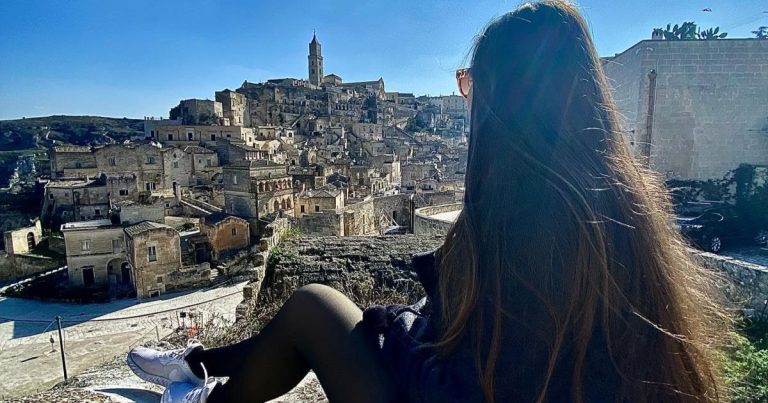
Just beyond the regional border, in rugged Basilicata, the fascinating Matera carves itself into the rock, a UNESCO-protected cave city that makes the perfect addition to any Puglian road trip. The south is simply a completely different world that swallows you up instantly and never lets you go once you understand its slow, sun-drenched rhythm.
TL;DR
- A car is a must: Public transport works well only along the Bari–Lecce axis; reaching the inland and the beaches without a hire car is very difficult.
- Beware the ZTL: In the historic centres of towns like Lecce or Ostuni there are permanent restricted-traffic zones, and fines for driving in run into hundreds of euros.
- Avoid August: During the Italian holidays and the Ferragosto bank holiday the region bursts at the seams, temperatures hit 40°C and prices soar.
- The magic of the white towns: Valle d’Itria hides the gorgeous towns of Ostuni and Locorotondo, which make a great base for trips around the area.
- Two faces of Alberobello: Admire the famous trulli houses early in the morning in the Rione Aia Piccola quarter, where you’ll dodge the day-trippers and the tourist traps.
- Cave-dwelling Matera: Pop over to neighbouring Basilicata and stay overnight in a luxuriously renovated cave; it’s a once-in-a-lifetime experience.
- A vegetarian paradise: The local cuisine is built on olive oil, fresh vegetables and pasta, so you’ll eat well here even without meat.
The full destination guide: Apulia — guide and what to see
When to Visit Puglia
Choosing the right time to visit southern Italy is absolutely crucial, because the weather and the crowds can either make the experience or completely ruin it. The ideal window opens up from April to mid-June, when the whole countryside is in glorious bloom and temperatures stay at very pleasant levels. The second great option is September and October, when the sea is wonderfully warm after the summer and you can enjoy emptier beaches without constantly fighting for a patch of free sand.
I’d strongly recommend you avoid August unless you have a really good reason not to. Around the Ferragosto holiday on 15 August, half of Italy descends on the region and it bursts at the seams. The beaches are hopelessly packed, temperatures routinely flirt with 35 to 40°C and finding a parking space by the sea is a minor miracle. On top of that, accommodation prices climb to utterly absurd heights that month, so August in the south demands a huge dose of patience and nerves of steel.
If your main goal is sightseeing and wandering the towns rather than spending whole days swimming, consider the early spring months or late autumn. Car hire prices at Bari and Brindisi airports drop off-season to as little as €21 a day, which makes Puglia an ideal destination for a very affordable and visually stunning road trip. Just pack some warmer layers for the evenings, because the sea breeze can be surprisingly chilly outside the summer months.
Where to Stay in Puglia
💡 Tip for accommodation and experiences: We like to look for our stays on Booking.com, which usually has the best cancellation policies. For tickets, tours and activities it pays to compare and book through GetYourGuide.
Staying in southern Italy comes with one huge unique draw: the so-called masserie, old fortified farm estates set among the olive groves. Many of them have been turned into gorgeous boutique hotels where you’ll breakfast on fresh figs from the garden in the morning and relax by a pool tucked behind thick stone walls in the evening. For exploring the inland and the Valle d’Itria, base yourself around Ostuni or Locorotondo, from where all the iconic white towns are practically within arm’s reach.
Here are some specific tips for trusted accommodation across categories (you can compare prices and availability with one click via Stay22, which searches for the best deal across Booking.com, Airbnb and others):
- Masseria Cervarolo – A restored 16th-century masseria with trulli rooms and a pool in the olive grove.
- Le Alcove Luxury Hotel nei Trulli – Stay right inside original stone trulli in the historic centre.
- Borgo Egnazia – Puglia’s flagship luxury destination with golf, a beach club and a spa for the most demanding guests.
- Masseria San Domenico – An authentic five-star masseria on the Adriatic coast with thalassotherapy spa.
- Palazzo Luce – A boutique hotel in a restored palazzo in the centre of Lecce, full of modern art.
- Cala Ponte a Tribute Portfolio Hotel – A four-star hotel with direct sea access and a boat rental.
- Hotel Gabbiano Beach – A hotel right on Gargano’s long beach, an ideal base for trips to the Tremiti Islands.
For an unforgettable experience in a traditional masseria, take a look at Masseria Cervarolo near Ostuni, which offers accommodation right in historic stone buildings with a gorgeous pool and top-notch local gastronomy. If you want to experience luxury right in the heart of the famous valley, Borgo Egnazia is the absolute pinnacle, where traditional Puglian architecture meets five-star service that feels like a whole private village.
When you long to sleep right inside those famous cone-roofed houses, the Le Alcove hotel in Alberobello gives you beautifully renovated trulli in the very centre of the action. Lovers of urban elegance and baroque should head to Lecce and stay at Palazzo Luce, a breathtaking design hotel full of art that transports you back to the golden age of the Italian south. And if you’re after a seaside retreat with perfect views, Cala Ponte in Polignano a Mare offers modern comfort just a stone’s throw from the region’s most beautiful cliffs.
9 Things to Do in Puglia, Italy
Let’s take a look together at the specific places that definitely shouldn’t be missing from your itinerary. Get ready for endless olive trees, narrow alleys scented with fresh pasta and beaches that rival exotic destinations.
1. Bari and Its Street Pasta-Making
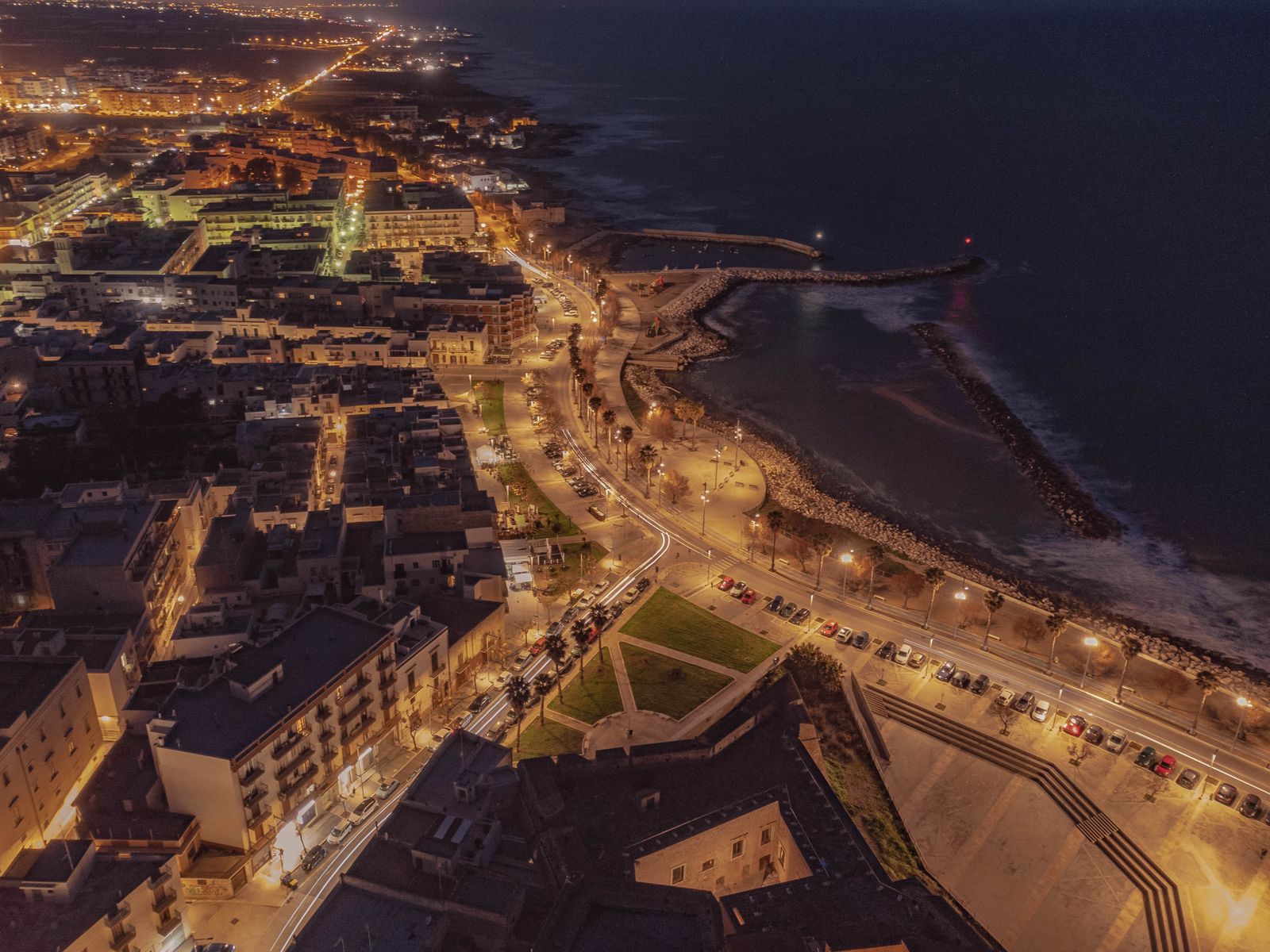
Your point of entry will probably be Bari airport, which most tourists treat merely as a quick transit hub, and that’s a huge shame. This is where you’ll see the real south in full swing, with no frills and no tourist gloss. The historic centre known as Bari Vecchia is a fascinating maze of narrow alleys, where freshly washed laundry hangs overhead and the irresistible aroma of tomato sugo drifts from open windows.
The biggest draw is the Strada dell’Arco Basso, where you’ll come across local grandmothers sitting right out in the street, their nimble fingers shaping orecchiette, the traditional little ear-shaped pasta. It’s a genuine spectacle that bows to no modern trend. You can buy this fresh pasta from them in bags on the spot and take it home as the best possible souvenir from your travels.
For an evening out, head to local spots like Osteria delle Travi or La Uascezze, where you can sample local vegetarian specialities. Don’t miss the famous focaccia barese, a tall, fluffy dough with crispy edges studded with cherry tomatoes and olives. For the meat-eaters, the region is known for its seafood and sea urchin dishes, which you’ll see being sold right on the promenade.
2. Polignano a Mare and the Calmer Monopoli
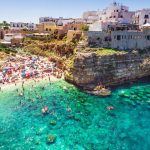
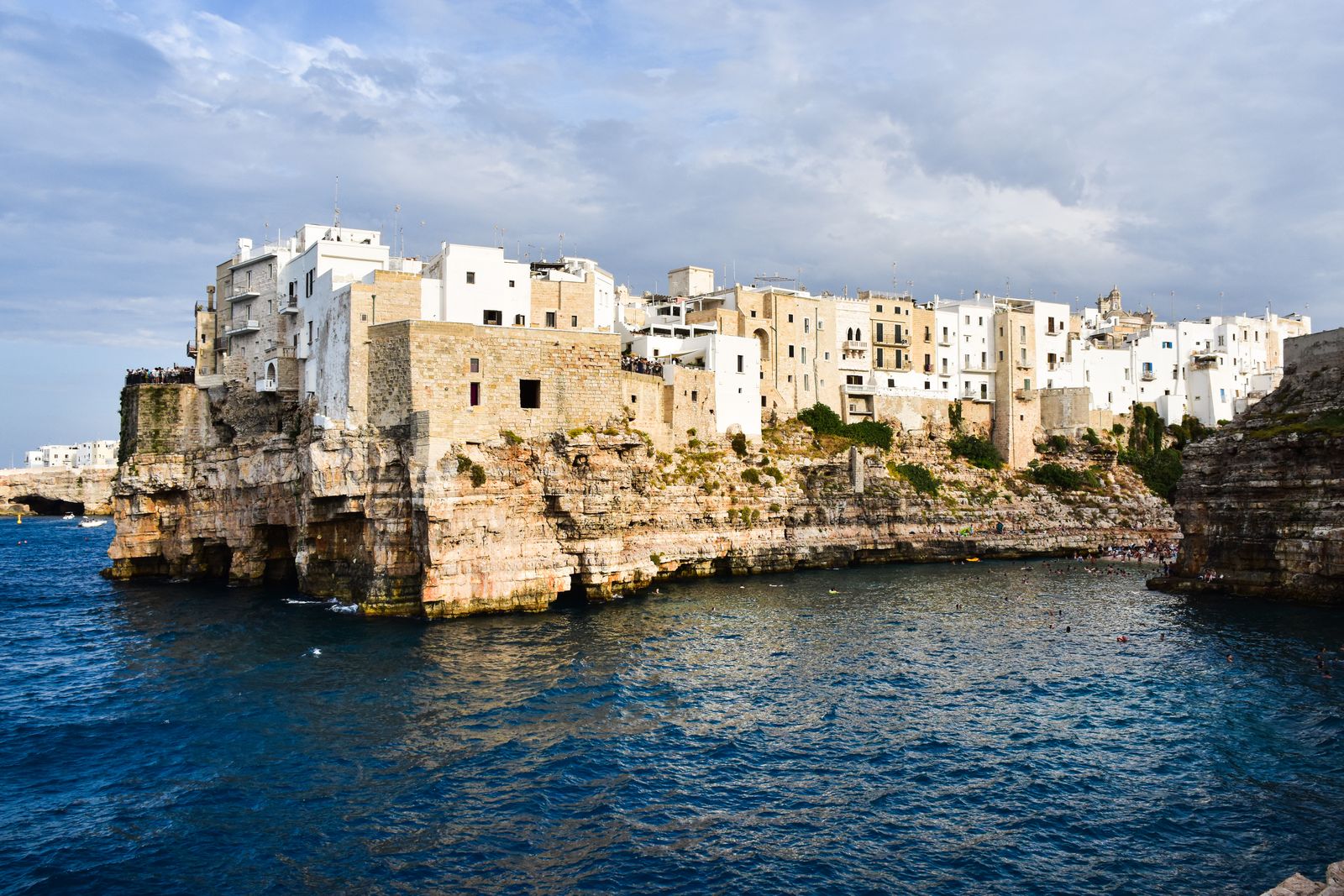
When you head south from Bari along the coast, you’ll soon come to a town dramatically carved into steep limestone cliffs. Polignano a Mare is a visual gem, and its main beach Lama Monachile, wedged deep between two rock faces, is probably the most photographed spot in the entire region. The clifftop views are breathtaking, but be prepared for the fact that in season there’s literally nowhere to step and the beach is packed to bursting.
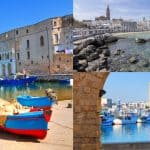
Right next door is Monopoli, a noticeably calmer port town that has held on to much more everyday authenticity. You’ll find a beautiful historic centre full of white alleys and a small, picturesque harbour where traditional blue fishing boats called gozzi bob on the waves. It’s an absolutely ideal spot for an early-evening stroll and a glass of chilled white wine.
While Polignano a Mare suffers from the deluge of day-trippers, Monopoli offers a more relaxed atmosphere where you can just wander and soak up the southern air. Stop in Polignano for the iconic photo, grab a coffee in the square, and then carry on to Monopoli, where you’ll find a much more pleasant pace and friendlier prices in the local cafés.
3. Alberobello and the Fairy-Tale Trulli Houses
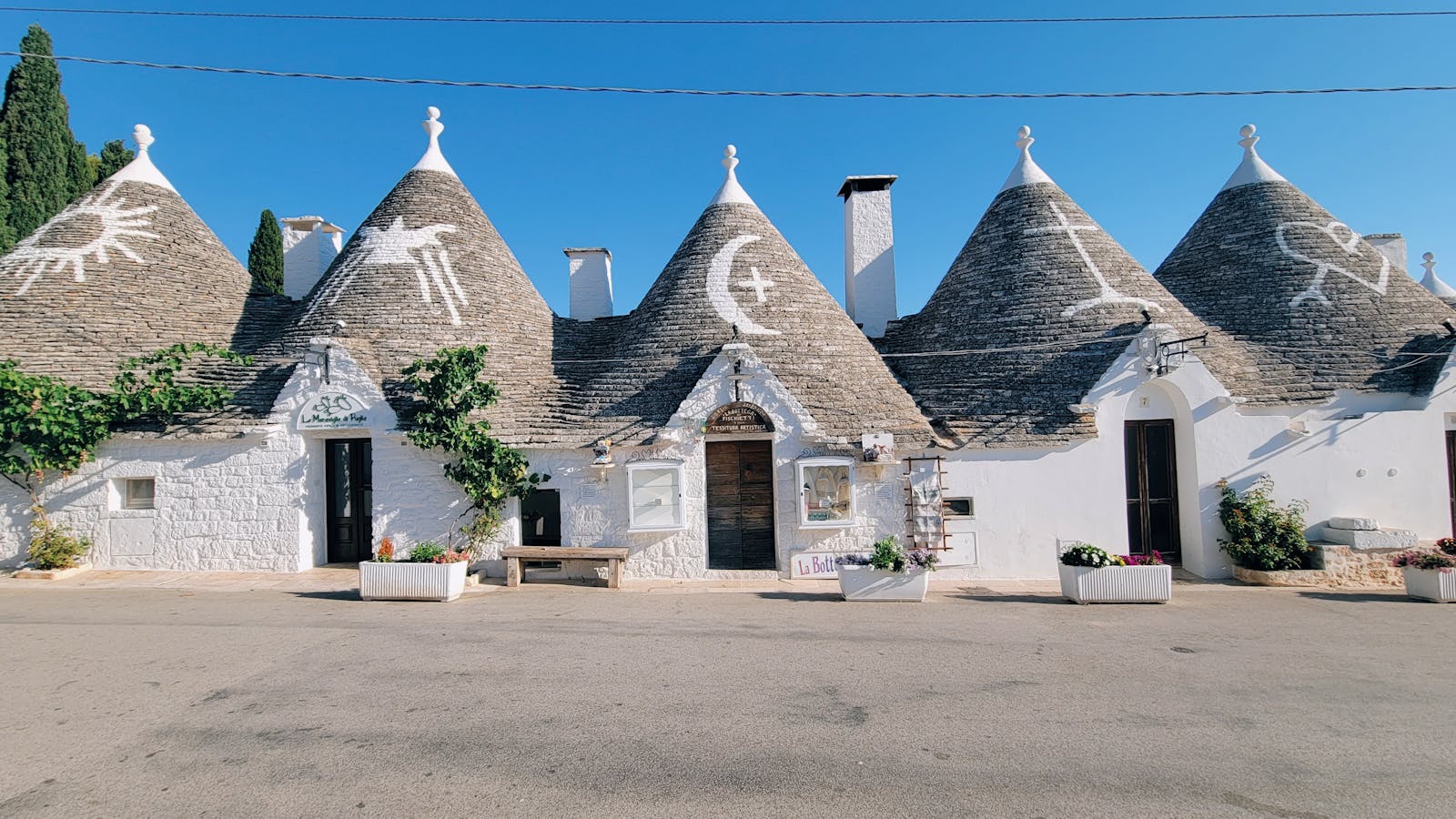
Once you turn away from the sea and head inland, the landscape changes character and you find yourself in the Valle d’Itria, where strange circular buildings start to appear. Alberobello is the capital of these houses known as trulli, of which there are more than fifteen hundred, and it rightly features on the UNESCO World Heritage list. They look like something out of a hobbit fairy tale with their snow-white walls and grey conical roofs decorated with magical symbols.
There is, however, one major problem, and that’s the overwhelming overtourism in the main Rione Monti quarter. This part has turned into an endless procession of souvenir shops, tat stalls and overpriced restaurants that have completely lost touch with real life. If you arrive here at midday with the crowds from cruise ships and coaches, you’ll just shuffle wearily through the mass of people and come away with little more than huge frustration.
Luckily there’s a way out: just cross over into the neighbouring quarter of Rione Aia Piccola. Here the trulli are still used as ordinary homes, you won’t find commercial shops, cats sleep lazily on the doorsteps and you’ll meet more locals than camera-wielding tourists. I’d recommend coming here either early in the morning at sunrise or, conversely, after 6 p.m., when the organised tours vanish and the little town regains its magical atmosphere.
4. The White Towns of Ostuni and Locorotondo
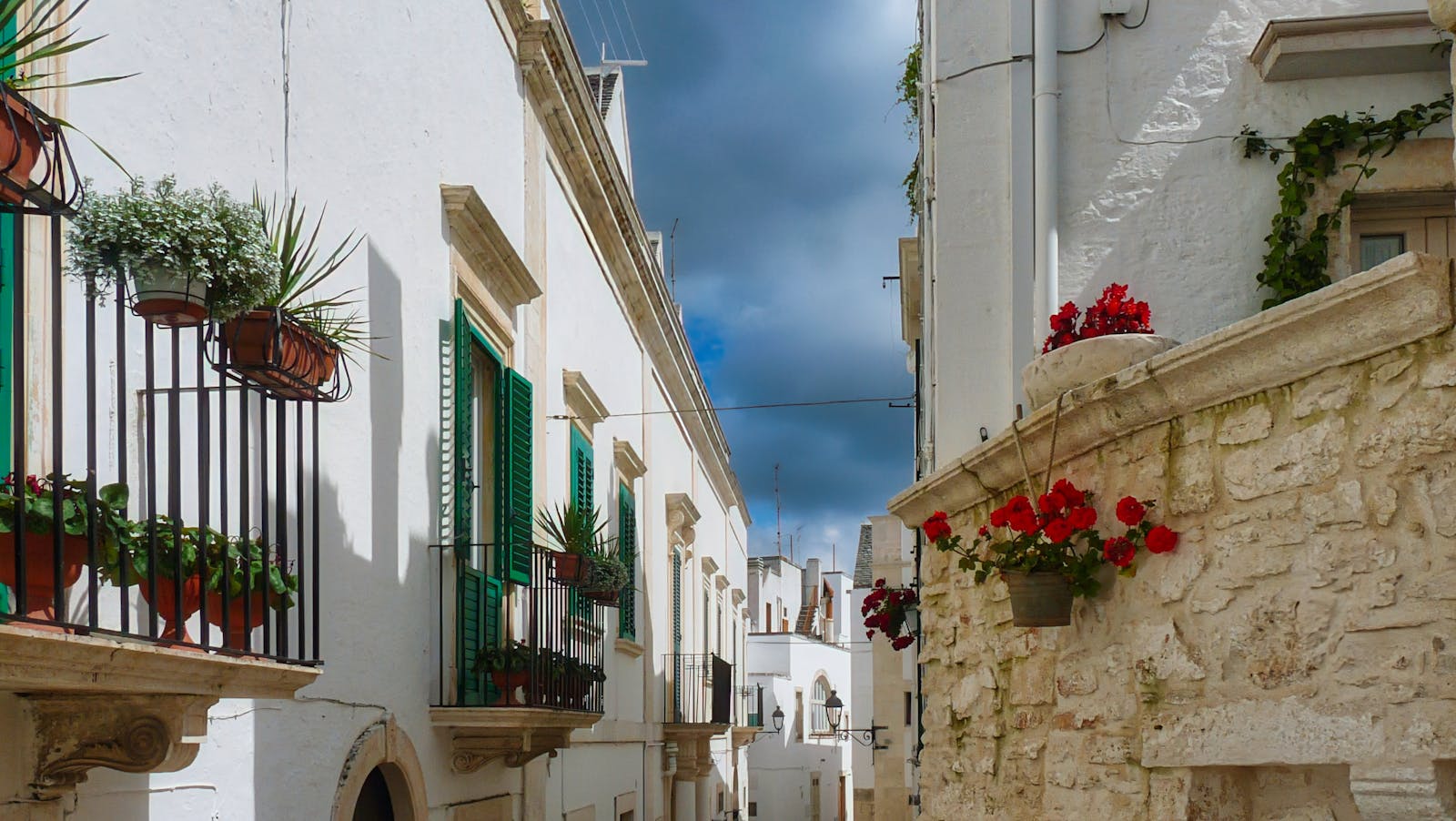
The Valle d’Itria hides another of the region’s prides, namely the towns shining into the distance with their dazzling whiteness. Ostuni isn’t nicknamed the “Città Bianca”, or White Town, for nothing, because it forms a fascinating labyrinth of bright-white alleys, steep staircases and stone arches. It towers on a hill above an endless sea of old olive trees, and the evening view of the floodlit town from afar is utterly unforgettable.
A short way off lies the smaller Locorotondo, which has a perfect circular layout and officially ranks among the most beautiful villages in all of Italy. Don’t go looking for a single huge must-see monument here; its main charm lies in quietly wandering the narrow alleys, admiring the flowerpots on the balconies and sipping local wine with a view over the green valley. There’s an incredible calm here that contrasts sharply with the busier coast.
💡 A tip for your itinerary: Don’t make the mistake of booking your accommodation in the overcrowded Alberobello. It’s far more strategic to set up your base right in Locorotondo or Ostuni. You’ll get quieter evenings, a better choice of authentic restaurants and an absolutely ideal starting point for all your day trips around the area.

5. Lecce, the Baroque Florence of the South
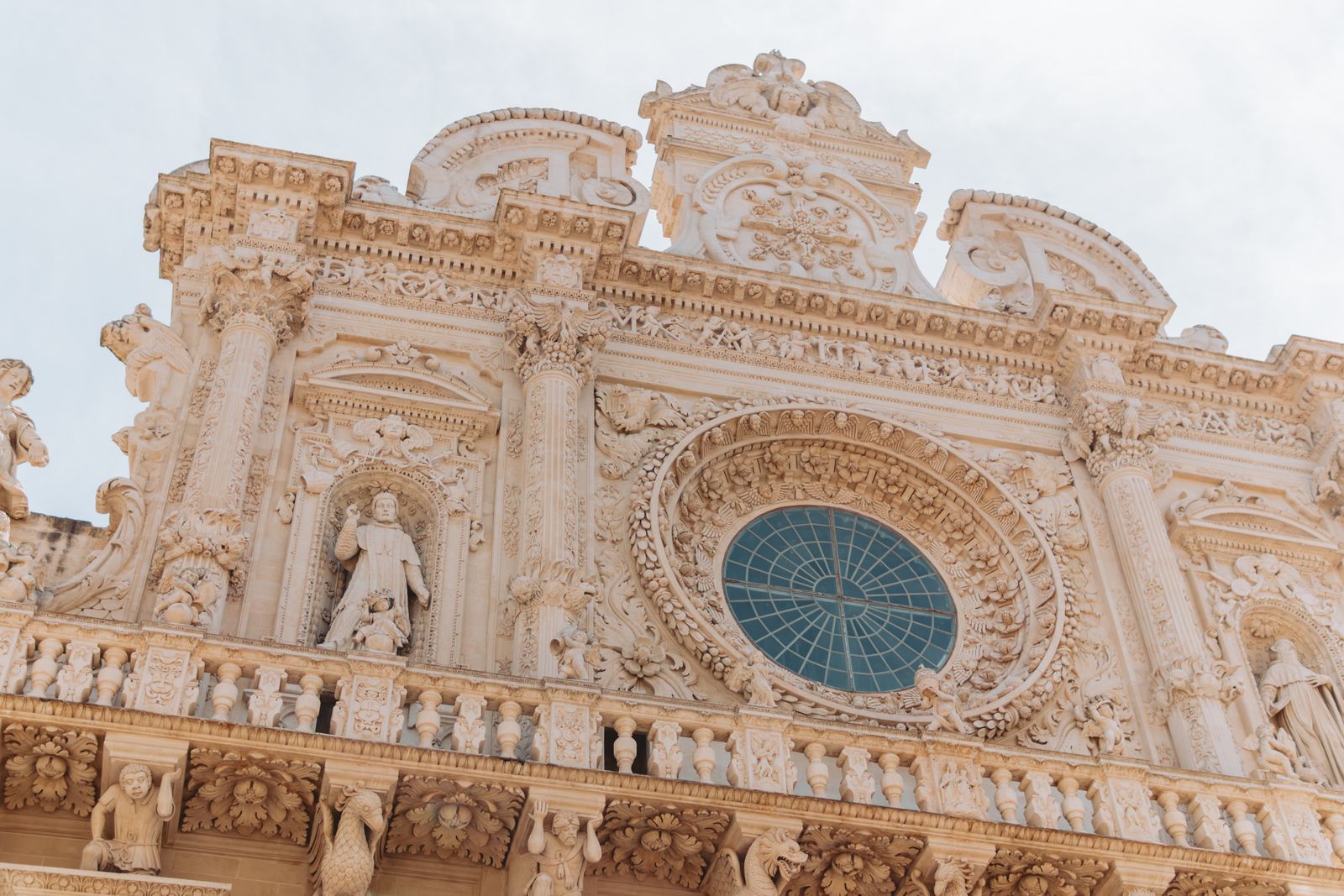
The further south you go, the more the architecture around you changes, until you reach a town that’s a genuine architectural shock. Lecce is quite commonly, and rightly, described as the “Baroque Florence of the South”, because the local soft limestone known as pietra leccese allowed sculptors in the 17th century to perform literal miracles. They managed to carve incredibly intricate ornaments, flowers and gargoyles that adorn the façades of palaces and churches.
Your steps should lead to Piazza del Duomo, which has a gorgeous honey-gold colour and takes on a truly magical atmosphere once the lamps are lit in the evening. Don’t miss the intricately decorated Santa Croce basilica and the Roman amphitheatre sunk right into the ground on the busy Piazza Sant’Oronzo. On the food front, don’t pass up the local vegetarian speciality ciceri e tria, pasta with chickpeas, which is prepared brilliantly at the traditional Alle Due Corti, for example.
⚠️ An important warning for drivers: The entire historic centres of both Lecce and Ostuni operate strict ZTL restricted-traffic zones. These zones are permanent, constantly monitored by camera systems and there is zero tolerance. Don’t even attempt to drive into the centre; leave your car in the paid car parks on the edge of town and you’ll save yourself a hefty fine that could land from the hire company months later.
6. The Caribbean Beaches of the Salento Peninsula
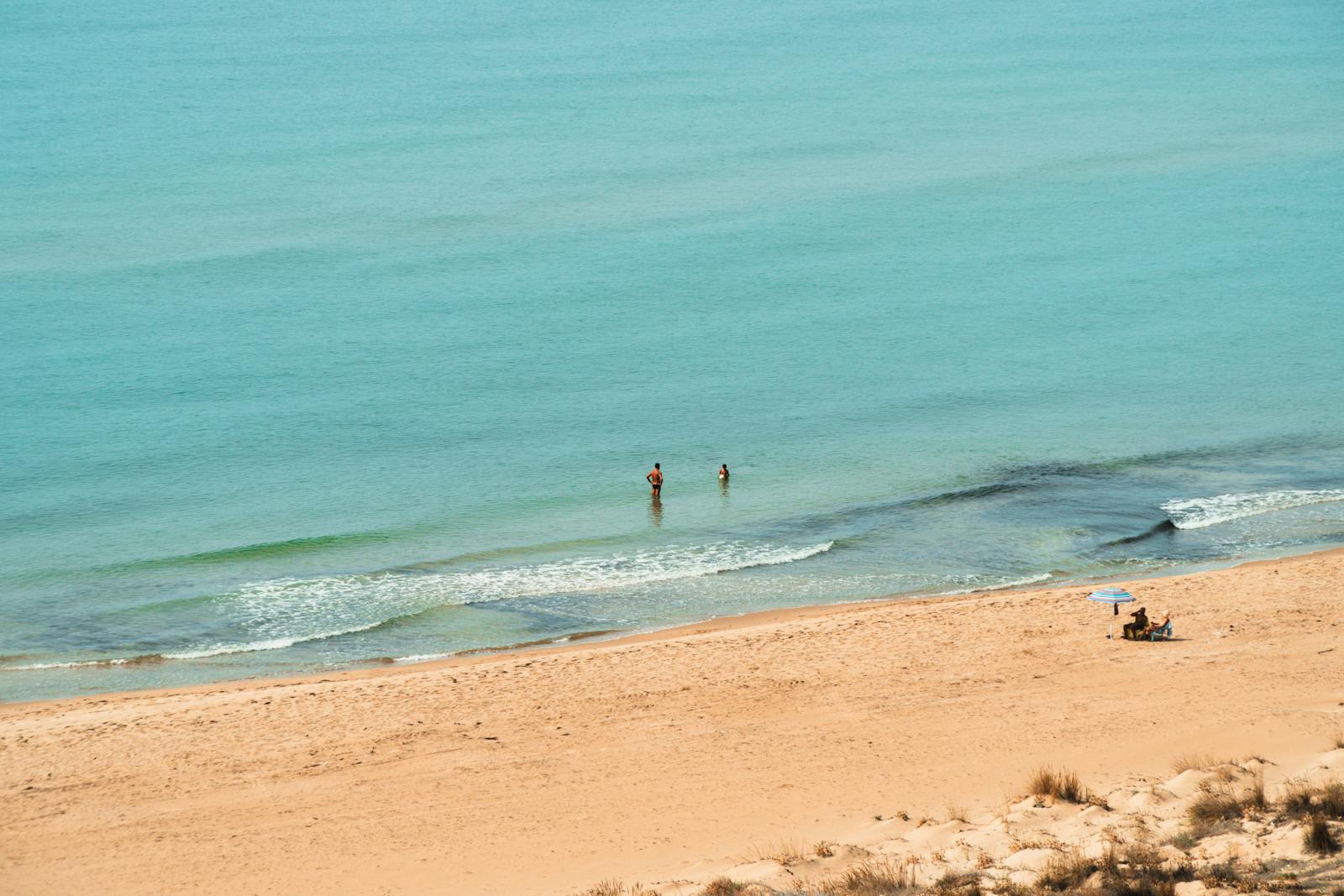
South of Lecce begins the Salento area, the southernmost tip of the Italian heel, which people come to mainly for the perfect sea. Salento is lapped by two seas, the Adriatic to the east and the Ionian to the west, and the local beaches are often called the Maldives of Salento, and believe me, that’s not just a cheap marketing trick. The water here is incredibly clear and turquoise, and the sand often resembles fine white powder.
On the western coast you’ll find spots like Porto Cesareo and Punta Prosciutto, which offer milky-coloured and very shallow water, ideal for families. Another superb spot is Gallipoli, the pearl of the Ionian Sea, whose historic centre sits on an island connected to the mainland by a stone bridge. On the eastern coast lies Otranto, the easternmost point of Italy, and just nearby stretches the gorgeous Baia dei Turchi bay surrounded by fragrant pine forest.
Be prepared for the fact that beaches in Italy are split into paid (lido) and free (spiaggia libera). For a set of two loungers and a parasol in Salento you’ll pay from €15 off-season up to €60 at the absolute August peak. I’d recommend booking your spots at the lidos in advance through the Spiagge.it app, because the best clubs sell out hopelessly in summer. Off-season, from April to June and in September, you’ll have plenty of space even on the free stretches.
7. Castel del Monte and the Underground Grotte di Castellana
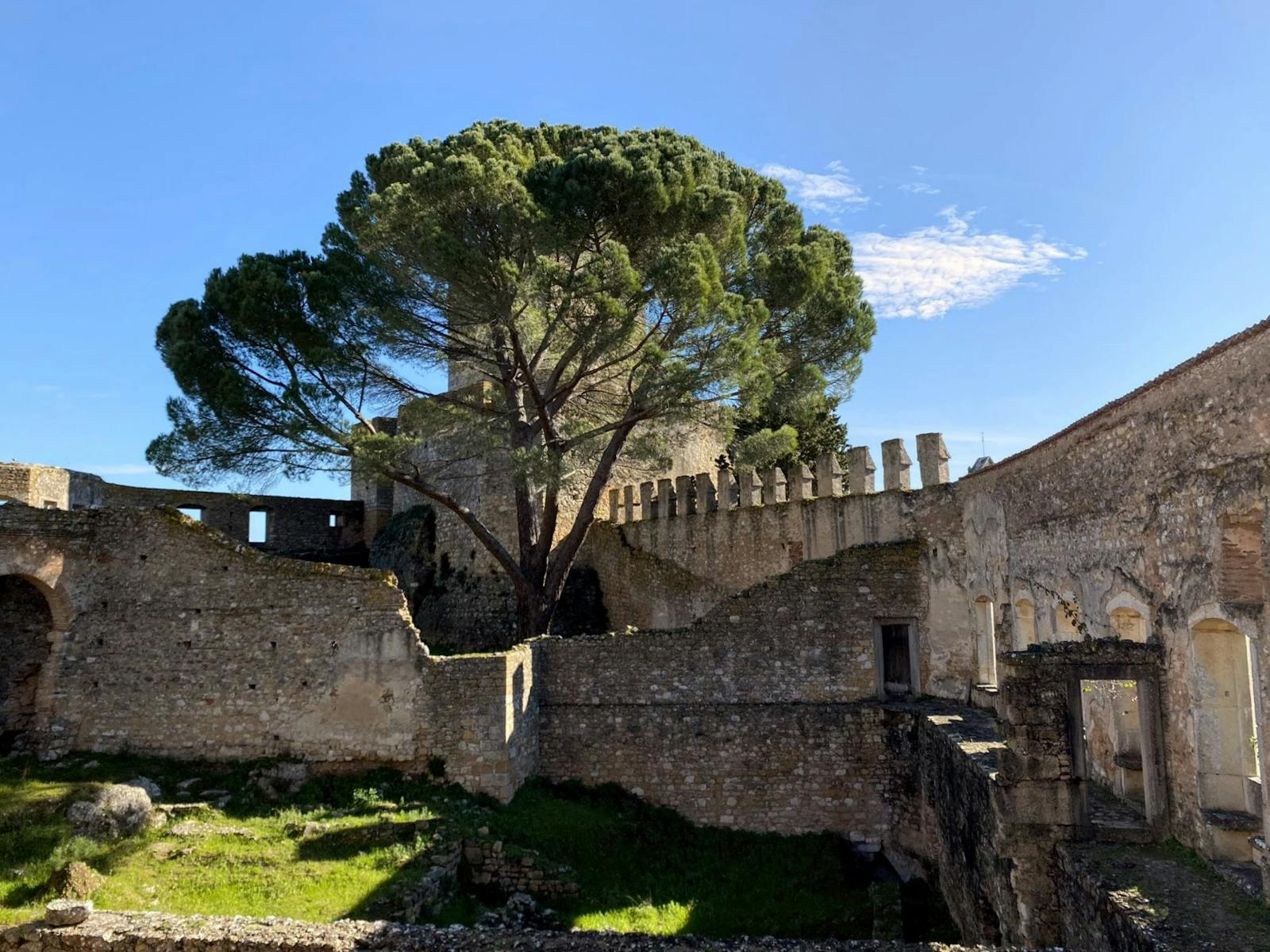
If you fancy a break from the beaches and the sweltering towns, the region offers two completely unique historic and natural attractions. The first is Castel del Monte, the mysterious castle of Emperor Frederick II, which is on the UNESCO list. This structure has a perfect octagonal layout, and to this day historians argue over what purpose it actually served, since it lacks the usual defensive features.
Entry to the castle costs €10 for an adult, the reduced fare is €2 and under-18s get in completely free. Bear in mind that the car park is some distance from the castle and costs €5, after which a local shuttle bus takes you up for €1. If you’re here on the first Sunday of the month, you even get into the whole site for free.
The second fascinating escape is the Grotte di Castellana cave system, which will amaze you with its giant domes and stalactite displays. You can choose the complete three-kilometre circuit for €25, which includes the famous White Cave, or a shorter one-kilometre route for €22. Underground, the temperature stays at a steady 14 to 18°C all year round, so be sure to pack a warmer hoodie or jumper, even if it’s tropical heat outside.
8. The Wild Gargano Peninsula and the Tremiti Islands
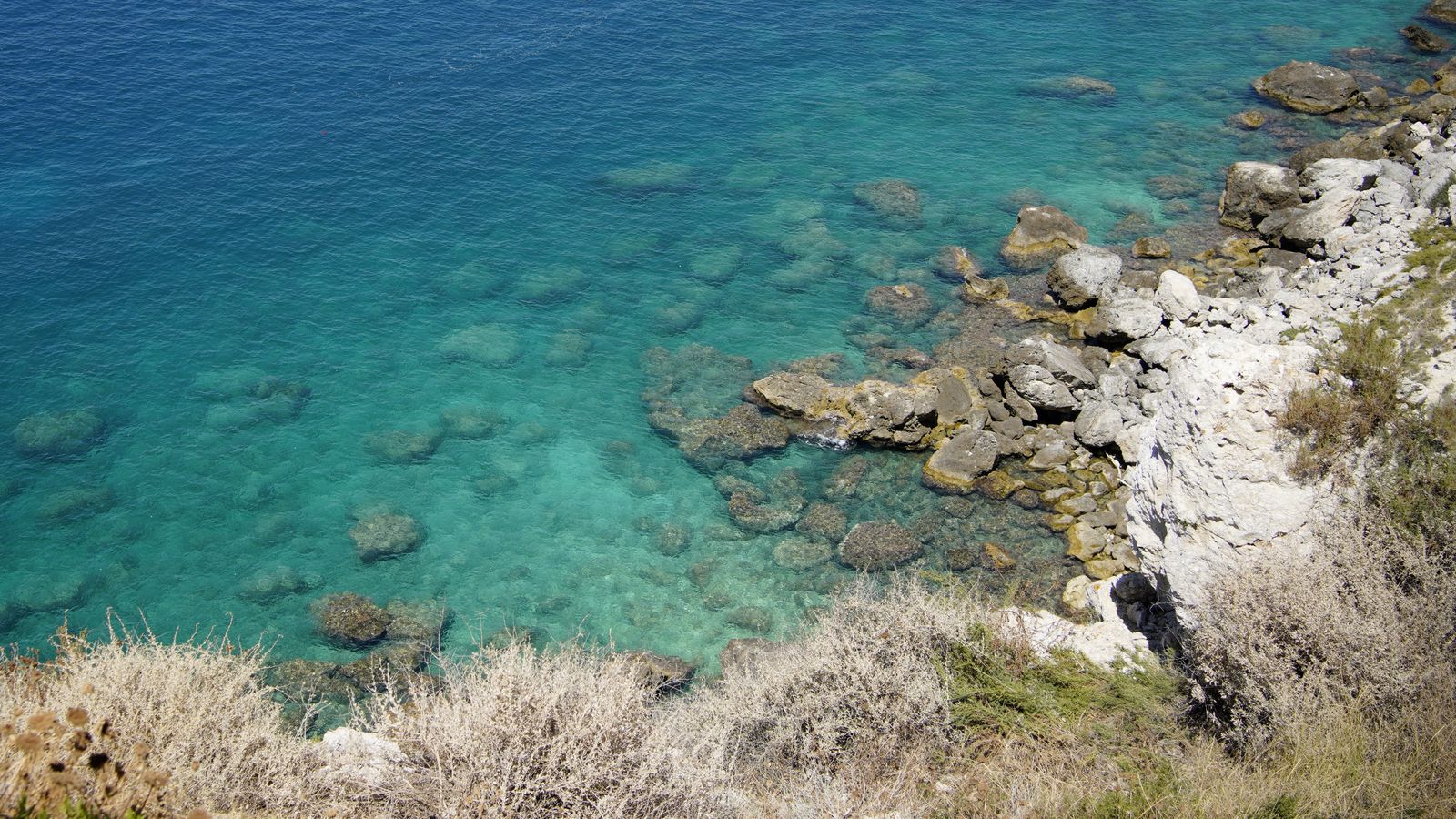
At the very north of Puglia, the Gargano peninsula juts out into the Adriatic, nicknamed the spur of the Italian boot, and it’s a completely different world from flat Salento. Gargano is wild, mountainous and covered with the amazing deep beech forest of Foresta Umbra, where you can take a wonderful break from the summer heat. The entire coast is also lined with dramatic limestone cliffs and hidden beaches that you can often only reach on foot or by boat.
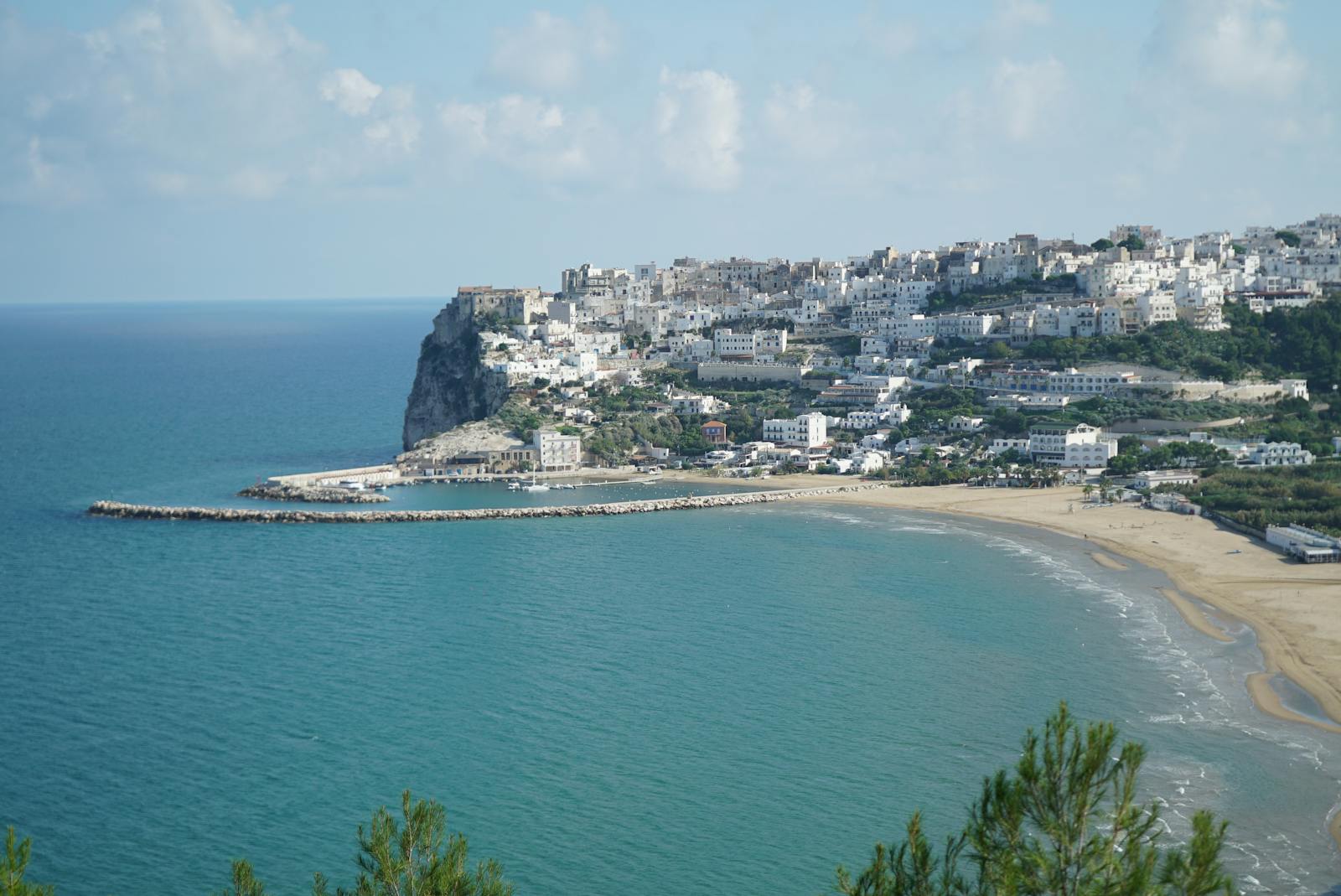
The ideal base for exploring this area is the resort of Vieste, above whose wide sandy beach rises the iconic Pizzomunno limestone monolith. Also worth seeing is the neighbouring town of Peschici, a cluster of dazzling white houses balanced on the very edge of a steep cliff right above the sea. Driving the local winding roads with their sea views is an experience in itself.
From here you can also set off by boat to the Isole Tremiti, a small archipelago with utterly crystal-clear water that’s an absolute paradise for snorkelling and diving fans. You can easily arrange the boat trip right at the port or book it in advance through portals like GetYourGuide, which saves you time and secures your spot in season, when the boats fill up quickly.
9. Matera: From National Disgrace to Hollywood Star
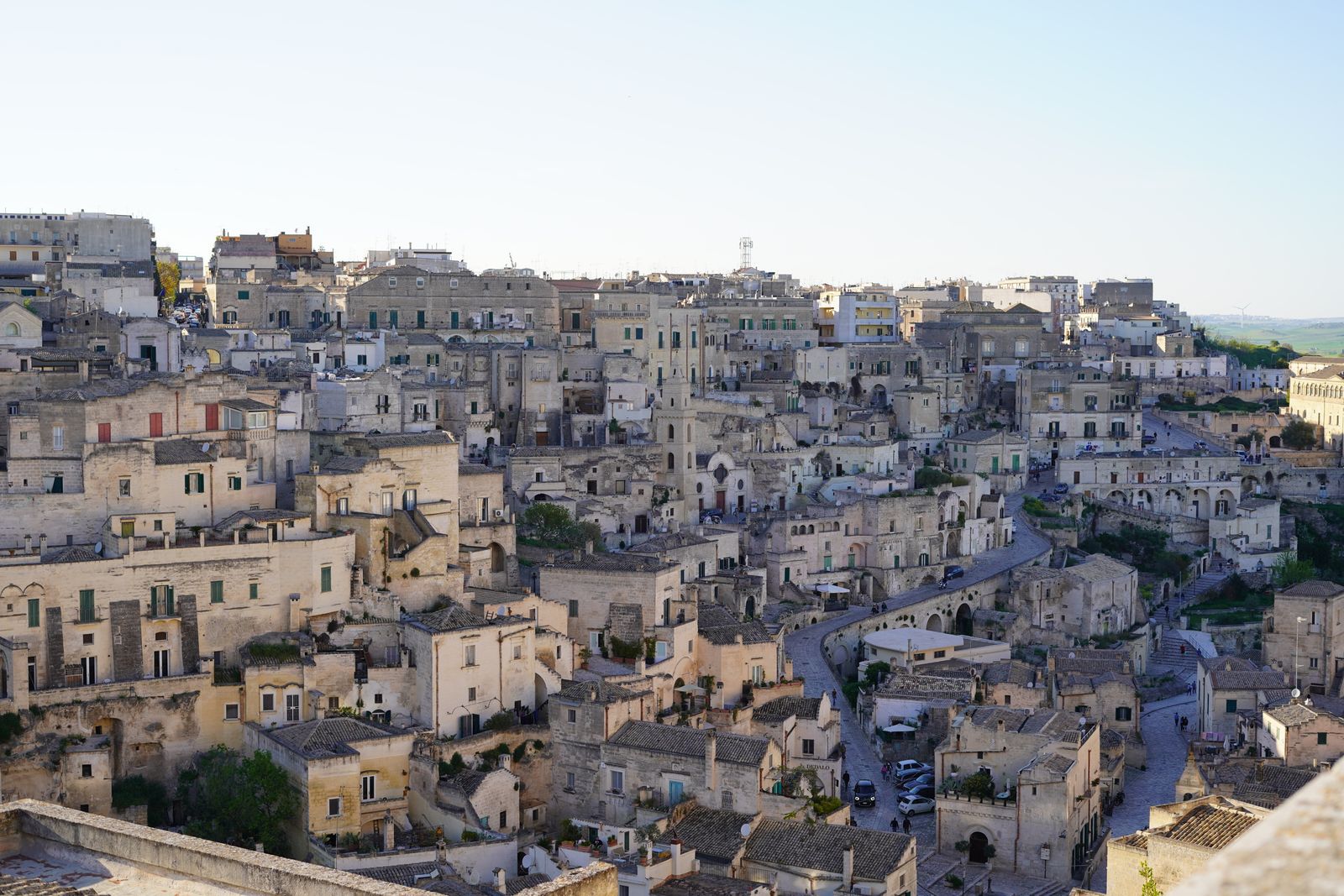
Although Matera lies in the neighbouring region of Basilicata, it’s an absolutely classic addition to any trip around the south of Italy, one you simply can’t skip. This fascinating city is made up of two historic districts known as the Sassi, full of cave dwellings carved directly into the walls of the limestone Gravina gorge. People have lived here continuously since the Palaeolithic, yet as recently as the 1950s the poverty was so extreme, with no water or electricity, that the Italian government declared the town a national disgrace and forcibly relocated its inhabitants.
Today everything is different, and Matera has become a UNESCO site and an immensely sought-after location. Thanks to its biblical appearance it has earned the nickname Little Jerusalem and was the setting for films like The Passion of the Christ with Mel Gibson and the latest Bond film, No Time to Die, in which James Bond raced across the local staircases. The former poor caves have been transformed into luxury galleries, restaurants and boutique hotels.
💡 The golden rule for Matera: One or two days are enough to see it, but it’s an absolute must to stay overnight here. The city is at its most beautiful early in the morning and at dusk, when thousands of little lights come on in the caves and the Sassi look like a living nativity scene. Book your accommodation right in a so-called albergo diffuso and try spending the night in a luxuriously renovated cave; it’s something you’ll never forget.
Where to Go Next from Puglia
If you have more time and want to explore other corners of Italy, the options are practically endless. The south offers so much variety that you could travel for weeks and still keep discovering new places. Here are some tips for further reading and inspiration:
- Read our detailed guide to the very centre of the region and find out everything that Bari has to offer.
- Tempted by the photogenic coast? Find out how to make the most of the famous Polignano a Mare without the needless stress of the crowds.
- For a calmer seaside alternative, I recommend exploring the nearby port town of Monopoli.
- Want more on the history of the cave city? Take a look at the in-depth article Matera: City of a Thousand Caves.
- If you’re still planning your whole trip and weighing up the region, the guide Where to Holiday in Italy will help.
- Don’t forget to read up on how the seasons change in the article When to Go to Italy, so you avoid any nasty surprises.
- And so you know exactly what to order in a restaurant, browse our big overview that maps out in detail what real Italian Cuisine is all about.
Frequently Asked Questions
Do I need a rental car in Puglia?
Yes, a car is practically a necessity for fully exploring the region. While trains easily connect Bari and Lecce, getting to the smaller inland towns, the Valle d’Itria valley, and the most beautiful beaches in Salento by public transport is very difficult or impossible.
What does the ZTL zone mean and where should you watch out for it?
ZTL (Zona a Traffico Limitato) is a restricted traffic zone for vehicles without special permission. In Puglia, be extremely careful especially in Lecce and Ostuni, where these zones are permanent and monitored by cameras. If you enter them, you risk a fine of several hundred euros, so always park outside the historic centers.
How many days do I need to explore the region?
For a reasonable road trip where you’ll see Bari, Valle d’Itria, Lecce and also manage to relax on the beaches in Salento, set aside ideally 7 to 10 days. If you want to add the northern Gargano peninsula or explore Matera in detail, extend the trip to a full two weeks.
Is the food in Puglia good for vegetarians?
Definitely yes, southern Italy is literally a paradise for vegetarians. The local cuisine is primarily based on extra virgin olive oil, fresh vegetables, cheeses, and legumes. Be sure to try orecchiette pasta with broccoli (cime di rapa), the excellent burrata cheese, fluffy focaccia, or the traditional fava bean purée with chicory (fave e cicoria).
How do paid beaches work and how much do they cost?
Beaches are divided into paid clubs (lido) and free sections (spiaggia libera). At lidos you rent a set of two sun loungers and an umbrella, which costs from 15 euros off-season up to 60 euros during the August peak. Free sections are complimentary, but you need to bring your own equipment and in summer they tend to fill up very quickly.
When is the best time to visit Alberobello?
Head to the trulli town either early in the morning before nine o’clock, or late in the afternoon after six o’clock. During the day, the narrow streets get completely clogged with huge crowds of bus tourists and cruise ship passengers, which totally ruins the fairytale atmosphere of this place.
Can I rely on English in the region?
In hotels, car rental agencies, and better restaurants in tourist centers, you’ll have no problem communicating in English. In smaller towns, off-the-beaten-path establishments, and with the older generation, don’t expect English though. It’s a good idea to learn a few basic Italian phrases – locals always appreciate your effort and will reward you with a warm smile.
Tips and Tricks for Your Vacation
Don’t Overpay for Flights
Search for flights on Kayak. It’s our favorite search engine because it scans the websites of all airlines and always finds the cheapest connection.
Book Your Accommodation Smartly
The best experiences we’ve had when looking for accommodation (from Alaska to Morocco) are with Booking.com, where hotels, apartments, and entire houses are usually the cheapest and most widely available.
 🚗 Car rental on the roadVerified rental cars in Apulia
Search with the DiscoverCars comparison engine — it compares prices from dozens of local and international rental companies, and most bookings come with free cancellation.
Compare car prices in Apulia →Don’t Forget Travel Insurance
Good travel insurance will protect you against illness, accidents, theft, or flight cancellations. We’ve had a few hospital visits abroad, so we know how important it is to have proper insurance arranged.
Where we insure ourselves: SafetyWing (simple monthly subscription) and TrueTraveller (for extra-long trips).
Find the Best Experiences
Get Your Guide is a huge online marketplace where you can book guided walks, trips, skip-the-line tickets, tours, and much more. We always find some extra fun there!